


Abstract
Nitrogen pollution and eutrophication are among the most significant environmental challenges affecting coastal ecosystems worldwide, stimulating interest in sustainable nutrient-removal strategies. Marine macroalgae have emerged as promising biological tools for nutrient biofiltration owing to their rapid growth, high nutrient uptake capacity, and ability to convert dissolved nitrogen into valuable biomass. This review examines the mechanisms underlying nitrogen utilization in marine macroalgae and their implications for photosynthetic regulation, biofiltration efficiency, and biomass valorization. Particular emphasis is given to the uptake and assimilation of nitrate, ammonium, urea, and dissolved organic nitrogen, as well as the physiological pathways governing nitrogen metabolism and photosynthetic performance. The interactions between nitrogen availability, chlorophyll synthesis, photochemical efficiency, and electron transport are discussed to highlight the central role of nitrogen in macroalgal productivity. The review further evaluates the application of marine macroalgae in wastewater treatment, integrated multitrophic aquaculture (IMTA), land-based aquaculture effluent remediation, and coastal nutrient management. Key environmental and operational factors influencing biofiltration efficiency, including light, temperature, salinity, water flow, seasonal variability, and species selection, are critically assessed. In addition, the potential for biomass valorization following nutrient recovery is explored, focusing on protein production, nutraceutical compounds, phycocolloids, agricultural biostimulants, and other high-value bioproducts that support circular bioeconomy approaches. Finally, future research directions are identified, with particular attention to climate change impacts, multifunctional cultivation systems, omics-based technologies, physiological modeling, and large-scale implementation challenges. Overall, marine macroalgae represent a sustainable and multifunctional solution for nutrient remediation, resource recovery, and biomass production, offering significant opportunities for advancing environmentally responsible aquaculture, wastewater management, and blue bioeconomy development.
1. Introduction
1.1. Global Nitrogen Pollution and Eutrophication
Nitrogen is an essential macronutrient that supports fundamental biological processes, including amino acid and protein synthesis, nucleic acid formation, and photosynthetic metabolism [1]. In aquatic ecosystems, nitrogen availability often regulates primary productivity and influences the growth, physiological performance, and ecological distribution of algae [2]. However, during the last century, anthropogenic activities have significantly altered the global nitrogen cycle, resulting in unprecedented increases in reactive nitrogen inputs to freshwater and marine environments [3]. Agricultural intensification, extensive fertilizer application, livestock production, industrial activities, urbanization, and the expansion of aquaculture systems have collectively contributed to elevated concentrations of dissolved inorganic and organic nitrogen compounds in aquatic ecosystems [4].
The excessive release of nitrogen compounds, particularly nitrate (NO3−), ammonium (NH4+), and urea, has become one of the principal drivers of nutrient pollution worldwide [5]. Coastal zones and estuarine environments are especially vulnerable because they receive substantial nutrient loads transported by rivers, wastewater effluents, stormwater runoff, and aquaculture discharges [6]. Consequently, nutrient concentrations frequently exceed the natural assimilative capacity of aquatic ecosystems, leading to ecological imbalances and deterioration of water quality [7].
One of the most significant environmental consequences of nitrogen enrichment is eutrophication, a process characterized by excessive primary production stimulated by elevated nutrient availability. Eutrophication promotes the proliferation of opportunistic phytoplankton, Cyanobacteriophyta, and macroalgal blooms, often resulting in reduced water transparency, shifts in community structure, habitat degradation, and loss of biodiversity [8]. Furthermore, the decomposition of excessive organic matter generated during bloom events increases microbial respiration and oxygen consumption, frequently leading to hypoxic or anoxic conditions. These processes can negatively affect aquatic organisms, alter ecosystem functioning, and compromise fisheries and aquaculture production [9].
The ecological and socioeconomic impacts of eutrophication are increasingly evident on a global scale. Nutrient over-enrichment has been associated with the degradation of estuarine and coastal habitats, the occurrence of harmful algal blooms, declines in ecosystem services, and substantial economic losses in sectors dependent on healthy aquatic environments [10]. Consequently, reducing nitrogen pollution has become a priority objective in environmental management and sustainable development strategies [11].
Among the various approaches proposed to mitigate nitrogen pollution, biological nutrient removal using marine macroalgae has emerged as a particularly promising and environmentally friendly solution. Seaweed possesses remarkable capacities for rapid nutrient uptake and assimilation, allowing them to efficiently remove dissolved nitrogen from surrounding waters while simultaneously producing substantial amounts of biomass. Through their natural growth processes, macroalgae converts excess nutrients into valuable organic compounds, thereby contributing to water quality improvement and ecosystem restoration (Figure 1) [12].
Figure 1.
Conceptual image of the global nitrogen cycle.
The effectiveness of macroalgal biofiltration is closely linked to photosynthetic activity. Nitrogen assimilation requires considerable amounts of energy and reducing power, which are supplied through photosynthetic processes. Consequently, the interaction between nitrogen metabolism and photosynthetic regulation plays a central role in determining nutrient removal efficiency, growth performance, and biomass productivity. Understanding these physiological mechanisms is therefore essential for optimizing seaweed-based biofiltration systems and maximizing their environmental and economic benefits [13].
In recent years, growing interest in sustainable aquaculture, wastewater remediation, and circular bioeconomy models has further highlighted the importance of marine macroalgae as multifunctional biological resources [14]. In addition to nutrient removal, the biomass generated during biofiltration can be valorized to produce food ingredients, proteins, phycocolloids, nutraceuticals, pharmaceuticals, biostimulants, and bioenergy products, creating opportunities to transform environmental challenges into valuable economic resources [15].
This review examines the current understanding of nitrogen utilization in marine macroalgae, with particular emphasis on the physiological mechanisms linking nutrient uptake, assimilation, and photosynthetic regulation. Furthermore, it explores the application of seaweed-based biofiltration technologies for nutrient remediation and discusses the potential for biomass valorization within emerging sustainable and circular bioeconomy frameworks.
1.2. Nitrogen Utilization in Marine Macroalgae
Nitrogen is one of the most important nutrients regulating the growth, productivity, and biochemical composition of marine macroalgae. In coastal ecosystems, nitrogen availability often varies spatially and seasonally, requiring macroalgae to develop highly efficient mechanisms for nutrient uptake and assimilation (Figure 2). Their capacity to utilize a wide range of inorganic and organic nitrogen forms enables them to thrive under diverse environmental conditions and contributes significantly to their ecological success. This metabolic versatility has also attracted considerable attention for applications in bioremediation, nutrient recovery, and biofiltration systems aimed at mitigating coastal eutrophication [16].
Figure 2.
Nitrogen assimilation mechanisms.
In marine environments, nitrogen is present in several forms, including the inorganic species nitrate (NO3−), nitrite (NO2−), and ammonium (NH4+), as well as a variety of organic compounds collectively referred to as dissolved organic nitrogen (DON) [17]. Among these sources, nitrate and ammonium generally represent the major forms supporting macroalgal growth. Their concentrations can fluctuate considerably depending on freshwater inputs, nutrient enrichment from anthropogenic activities, hydrodynamic conditions, and biological processes. In many coastal regions, eutrophication increases nitrogen availability, often favoring the proliferation of opportunistic and fast-growing macroalgal species [18].
Marine macroalgae display remarkable flexibility in their nitrogen acquisition strategies. Nitrate is frequently the most abundant inorganic nitrogen form in seawater, particularly in offshore and well-mixed waters. However, its utilization requires a metabolically demanding reduction process before incorporation into cellular constituents. In contrast, ammonium is generally the preferred nitrogen source because it can be directly assimilated into metabolic pathways, requiring less energy for its incorporation into cellular compounds. As a result, many macroalgal species exhibit enhanced growth rates and improved nitrogen-use efficiency when ammonium is readily available [19]. Urea also constitutes an important nitrogen source, particularly in coastal environments affected by agricultural runoff, aquaculture discharges, or wastewater effluents. Many macroalgae possess urease enzymes capable of hydrolyzing urea into ammonium and carbon dioxide, thereby making this nitrogen source readily accessible for assimilation. In addition, dissolved organic nitrogen compounds, including amino acids, peptides, and other low-molecular-weight organic molecules, may contribute substantially to macroalgal nutrition. The ability to exploit these organic nitrogen pools broadens the ecological niche of many species and provides an adaptive advantage under conditions where inorganic nitrogen is limited [20].
Nitrogen uptake is mediated through specialized membrane transport systems. Nitrate transporters facilitate the absorption of nitrate from seawater, whereas ammonium transporters are responsible for ammonium acquisition. Some species also possess dedicated transport proteins for urea and amino acids. Once absorbed, nitrate undergoes a two-step reduction process in which nitrate reductase converts nitrate into nitrite, followed by nitrite reductase reducing nitrite to ammonium within the chloroplast. The resulting ammonium is subsequently incorporated into cellular metabolism through the glutamine synthetase/glutamate synthase (GS/GOGAT) pathway, which represents the principal route of nitrogen assimilation in macroalgae. Through this pathway, inorganic nitrogen is converted into glutamine and glutamate, fundamental precursors for the biosynthesis of proteins, nucleic acids, chlorophylls, and numerous other nitrogen-containing metabolites. The expression of transporters and the activity of associated enzymes are tightly regulated by environmental nitrogen availability, enabling macroalgae to rapidly adjust their physiological and metabolic responses to changing nutrient conditions [21].
Considerable differences in nitrogen uptake and utilization exist among the three major macroalgal groups: green, brown, and red algae. Green macroalgae (Chlorophyta), particularly species of the genus Ulva, are characterized by exceptionally rapid nitrogen uptake rates, high growth potential, and an efficient capacity for intracellular nitrogen storage. These traits contribute to their success in nutrient-rich environments and explain their extensive use in integrated multi-trophic aquaculture systems and wastewater treatment applications [22]. Brown macroalgae (Phaeophyceae), including kelps such as Saccharina latissima and Laminaria hyperborea (Figure 3), typically possess large nitrogen storage capacities that support seasonal growth cycles. These species can accumulate nitrate during periods of high nutrient availability and subsequently utilize these reserves during nutrient-poor conditions. Their large biomass production makes them particularly important in coastal nutrient cycling and ecosystem functioning [23,24].
Figure 3.
Brown algae Laminaria hyperborea (a) and Saccharina latissima (b).
The major macroalgal groups differ markedly in their capacity to acquire and store different nitrogen forms, with green algae generally exhibiting the highest uptake rates, brown algae showing superior storage capacity, and red algae displaying broader utilization of organic nitrogen sources (Table S1).
Red macroalgae (Rhodophyta) exhibit a wide diversity of nitrogen utilization strategies depending on their taxonomic identity and environmental habitat. Cultivated genera such as Gracilaria and Kappaphycus efficiently assimilate both ammonium and nitrate and are frequently employed in biofiltration systems. Many red algae also demonstrate a strong capacity to utilize organic nitrogen compounds, supporting their growth in habitats characterized by fluctuating nutrient availability. These interspecific differences reflect long-term evolutionary adaptations to distinct ecological niches and contribute to the widespread distribution and ecological diversity of marine macroalgae [25].
Overall, marine macroalgae possess highly versatile nitrogen acquisition and assimilation mechanisms that allow the efficient utilization of nitrate, ammonium, urea, and dissolved organic nitrogen. The coordinated action of membrane transporters, nitrogen-reducing enzymes, and assimilation pathways ensures the effective conversion of environmental nitrogen into biomass. Variations among green, brown, and red macroalgae influence nutrient uptake dynamics, nitrogen storage potential, and ecological performance. A comprehensive understanding of these physiological processes is essential for optimizing macroalgal cultivation, improving biofiltration technologies, mitigating the impacts of coastal eutrophication, and supporting the sustainable production of algal biomass for food, feed, nutraceutical, and biotechnological applications [26].
1.3. Photosynthetic Regulation and Nitrogen Metabolism
Photosynthetic activity and nitrogen metabolism are intimately linked in marine macroalgae, as nitrogen is a fundamental component of photosynthetic machinery and many of the molecules required for cellular growth. Nitrogen availability directly influences photosynthetic efficiency because a substantial proportion of cellular nitrogen is allocated to chlorophyll molecules, photosynthetic proteins, electron transport components, and carbon-fixation enzymes. When nitrogen is abundant, macroalgae can enhance the synthesis of these compounds, resulting in increased photosynthetic capacity and biomass production. Conversely, nitrogen deficiency restricts the formation of photosynthetic structures and metabolic enzymes, leading to reduced growth and diminished physiological performance [27].
One of the most evident consequences of nitrogen availability is its effect on chlorophyll synthesis and pigment dynamics. Chlorophyll molecules contain nitrogen within their porphyrin ring structure, making their production highly dependent on nitrogen supply. Under nitrogen-enriched conditions, macroalgae generally increase chlorophyll a concentration and, depending on the taxonomic group, other accessory pigments such as chlorophyll b, chlorophyll c, carotenoids, and phycobiliproteins. Enhanced pigment content improves light-harvesting capacity and supports higher rates of photosynthesis. In contrast, nitrogen limitation commonly leads to chlorophyll degradation and pigment reduction, causing a decline in photosynthetic efficiency and often producing visible discoloration of algal thalli [28]. Brown algae may exhibit reductions in chlorophyll c and fucoxanthin content, while red algae frequently show decreases in nitrogen-rich phycobiliproteins, particularly phycoerythrin and phycocyanin [29].
The regulation of photosynthetic performance can be assessed through chlorophyll fluorescence measurements, particularly the maximum quantum yield of photosystem II (Fv/Fm), which is widely used as an indicator of photosynthetic health. Adequate nitrogen availability generally maintains high Fv/Fm values and efficient electron transport rates, reflecting optimal functioning of the photosynthetic apparatus [30]. Nitrogen enrichment promotes the synthesis and repair of photosystem proteins, including the D1 protein of photosystem II, thereby sustaining photochemical efficiency [31]. Under nitrogen-limited conditions, however, Fv/Fm values frequently decline due to reduced synthesis of photosynthetic proteins, impaired photosystem repair mechanisms, and increased susceptibility to photoinhibition. Similarly, electron transport rates decrease because of constraints on the formation of electron carriers and metabolic sinks for photosynthetically generated energy. These physiological changes can significantly reduce overall productivity and carbon fixation capacity [32].
Marine macroalgae exhibits a range of physiological responses to both nutrient limitation and nutrient enrichment. During nitrogen limitation, many species redirect metabolic resources toward survival rather than growth, reducing photosynthetic activity and conserving cellular nitrogen. Some macroalgae degrade existing proteins and pigments to recycle nitrogen internally and maintain essential metabolic processes. Growth rates typically decline, and changes in biochemical composition often occur, including increased carbohydrate accumulation and reduced protein content. In contrast, nutrient enrichment generally stimulates nitrogen uptake, chlorophyll synthesis, protein production, and photosynthetic activity, resulting in accelerated growth and biomass accumulation. However, excessive nutrient enrichment may also alter species’ composition and favor opportunistic macroalgae with rapid nutrient acquisition capabilities, particularly species of Ulva and other bloom-forming taxa [33].
The strong interaction between photosynthetic regulation and nitrogen metabolism highlights the central role of nitrogen in controlling macroalgal physiology and ecosystem productivity. Nitrogen availability influences pigment synthesis, photosystem performance, electron transport processes, and overall growth dynamics. Consequently, understanding these relationships is essential for optimizing macroalgal cultivation systems, improving biofiltration efficiency in aquaculture and wastewater treatment, predicting physiological responses to environmental change, and maximizing biomass production for food, feed, nutraceutical, and biotechnological applications (Figure 4) [34].
Figure 4.
Relationship between photosynthesis and nitrogen metabolism.
2. Biofiltration Applications of Marine Macroalgae
Marine macroalgae are increasingly recognized as effective biological tools for nutrient removal and environmental remediation. Their rapid growth rates, high nutrient uptake capacities, and ability to assimilate dissolved inorganic and organic compounds make them valuable components of sustainable biofiltration systems (Figure 5). By removing excess nitrogen and phosphorus from aquatic environments, macroalgae contribute to improved water quality, reduced eutrophication risks, and enhanced resource recovery, while simultaneously generating biomass that can be utilized for food, feed, bioenergy, and biotechnological applications [35].
Figure 5.
Biofiltration applications.
One of the most established applications of marine macroalgae is in wastewater treatment systems. Municipal, industrial, and agricultural wastewaters often contain elevated concentrations of nutrients that can negatively impact receiving aquatic ecosystems if discharged without adequate treatment. Macroalgae are capable of efficiently assimilating nitrate, ammonium, and phosphate from wastewater streams, converting these nutrients into valuable biomass [36]. Species such as Ulva linza, Chladophora (Chlorophyta), and Gracilaria multipartita (Rhodophyta) (Figure 6) have demonstrated significant nutrient-removal efficiencies in both laboratory and large-scale treatment systems [37]. In addition to nutrient uptake, macroalgal cultivation can contribute to carbon dioxide sequestration, oxygen production, and the removal of certain contaminants, making these organisms attractive components of environmentally friendly wastewater management strategies [38].
Figure 6.
Ulva linza (a), Chladophora (b) (chloroplasts microscopic observation—1000×) (Chlorophyta), and Gracilaria multipartita (c); Rhodophyta (b) from ©ACOI—Coimbra Collection of Algae).
Integrated Multi-Trophic Aquaculture (IMTA) represents another important application of marine macroalgal biofiltration. In IMTA systems, the waste products generated by fed aquaculture species such as fish and shrimp are utilized as nutrients by extractive organisms, including seaweed and filter-feeding invertebrates [39]. Macroalgae absorbs dissolved nitrogen and phosphorus released through excretion and uneaten feed, thereby reducing nutrient accumulation and improving water quality within the production system [40]. Fast-growing species, particularly Ulva, Saccharina, Laminaria, and Gracilaria, are frequently incorporated into IMTA operations because of their high nutrient uptake rates and commercial value. This integrated approach enhances environmental sustainability, increases resource-use efficiency, and creates additional economic opportunities through the production of marketable seaweed biomass [41].
Marine macroalgae also play a significant role in the remediation of land-based aquaculture effluents. Intensive aquaculture facilities often generate nutrient-rich wastewater that can contribute to coastal eutrophication if discharged untreated. Macroalgal biofilters can substantially reduce concentrations of dissolved nitrogen compounds before effluents reach natural water bodies. Cultivated seaweed acts as biological nutrient sinks by assimilating excess nitrate and ammonium into biomass, effectively recycling nutrients that would otherwise be lost to the environment. Numerous studies have demonstrated that seaweed-based treatment systems can achieve high nutrient removal efficiencies while simultaneously producing biomass suitable for aquaculture feeds, fertilizers, bioactive compounds, or bioproduct development. Such systems provide an environmentally sustainable solution for reducing the ecological footprint of aquaculture operations [42].
At the broader ecosystem level, marine macroalgae contribute to coastal nutrient management by helping regulate nutrient concentrations in eutrophic environments. Excessive nutrient inputs from agriculture, urban runoff, wastewater discharges, and industrial activities frequently lead to harmful algal blooms, oxygen depletion, and biodiversity loss [43]. The cultivation of macroalgae in coastal waters can enhance nutrient extraction from the water column, thereby mitigating the adverse effects of nutrient enrichment. Large-scale seaweed farming has been proposed as a nature-based solution for nutrient management and ecosystem restoration in regions affected by chronic eutrophication. Through continuous nutrient uptake and biomass production, macroalgal cultivation can support improved water quality, enhance ecosystem resilience, and contribute to the restoration of ecological balance in degraded coastal habitats [44].
Overall, marine macroalgae represent highly effective biological agents for nutrient biofiltration across a wide range of environmental applications. Their capacity to remove excess nutrients from wastewater, aquaculture systems, and coastal ecosystems highlights their importance in sustainable environmental management. The integration of macroalgae into wastewater treatment facilities, IMTA operations, aquaculture effluent remediation systems, and coastal nutrient management programs offers a promising approach to reducing nutrient pollution while simultaneously generating valuable biomass. As global concerns regarding water quality, eutrophication, and sustainable resource use continue to increase, the role of macroalgae in biofiltration and ecosystem-based management strategies is expected to become increasingly important [33].
Reported nitrogen-removal efficiencies vary among taxa and cultivation systems but generally range between 40 and 95%, depending on nutrient load, environmental conditions and biomass productivity (see Table S2).
3. Factors Affecting Biofiltration Efficiency
Biofiltration efficiency in marine macroalgal systems is influenced by a combination of environmental, physiological, and operational factors. The capacity of macroalgae to remove nutrients from water depends not only on their intrinsic biological characteristics but also on the surrounding environmental conditions that regulate growth, photosynthesis, and nutrient assimilation. Understanding these factors is essential for optimizing the performance of macroalgal biofiltration systems in wastewater treatment, aquaculture, and coastal nutrient management applications (Figure 7) [45].
Figure 7.
Factors affecting biofiltration efficiency. Diagram summarizing the main environmental and biological parameters influencing the performance of marine macroalgae biofiltration systems: (a) light, (b) temperature, (c) salinity, (d) flow rate, (e) seasonality, and (f) species selection.
Light is one of the most critical factors affecting biofiltration efficiency because photosynthesis provides the energy required for nutrient uptake and assimilation. Adequate light availability stimulates photosynthetic activity, enhances biomass production, and promotes the incorporation of nitrogen and phosphorus into algal tissues. Insufficient light reduces photosynthetic performance, decreases growth rates, and limits nutrient removal capacity. Conversely, excessive irradiance may induce photoinhibition and oxidative stress, reducing photosynthetic efficiency and potentially impairing nutrient assimilation. Light quality, photoperiod, and water depth can also influence the effectiveness of macroalgal biofilters, particularly in large-scale cultivation systems [46].
Temperature strongly affects metabolic rates, enzyme activity, photosynthesis, and nutrient uptake. Each macroalgal species possesses an optimal temperature range within which growth and nutrient assimilation are maximized. Temperatures below the optimum generally slow down metabolic processes and reduce nutrient removal rates, whereas excessively high temperatures may cause physiological stress, pigment degradation, and decreased photosynthetic performance. Temperature fluctuations can therefore significantly influence the annual productivity and biofiltration capacity of macroalgal cultivation systems, particularly in temperate regions where seasonal variability is pronounced [47].
Salinity is another important environmental factor that regulates macroalgal physiology and nutrient uptake efficiency. Changes in salinity affect osmotic balance, cellular metabolism, and membrane transport processes. Many marine macroalgae perform optimally within relatively narrow salinity ranges, although some species exhibit considerable tolerance to salinity fluctuations. Reduced or elevated salinity levels can decrease growth and nutrient assimilation by diverting energy toward osmoregulation rather than biomass production. Consequently, selecting species adapted to local salinity conditions is crucial for maintaining effective biofiltration performance [48].
Water flow plays a fundamental role in determining nutrient availability at the algal surface. Adequate water movement enhances nutrient transport from the surrounding water to algal tissues by reducing the boundary layer that develops around the thallus. Increased flow rates generally improve nutrient uptake, gas exchange, and the removal of metabolic by-products. However, excessively strong currents or turbulence may cause physical damage, detachment of algal biomass, and reduced cultivation efficiency. Therefore, the optimization of hydrodynamic conditions is a key design consideration in both natural and engineered biofiltration systems [49].
Seasonal variability can profoundly influence biofiltration effectiveness through its effects on temperature, light availability, nutrient concentrations, and biological growth cycles. Many macroalgal species display seasonal patterns of growth and nutrient uptake, with maximum productivity occurring during specific periods of the year. In temperate regions, nutrient removal rates are often highest during spring and early summer when environmental conditions favor rapid growth. During less favorable seasons, reduced photosynthetic activity and biomass accumulation may limit nutrient extraction efficiency. Understanding seasonal dynamics is therefore essential for predicting system performance and developing year-round management strategies [50].
Species selection is frequently considered the most important biological factor affecting biofiltration efficiency. Different macroalgal species exhibit substantial variation in growth rates, nutrient uptake kinetics, storage capacity, environmental tolerance, and biomass productivity. Green algae such as Ulva species are often preferred for intensive biofiltration systems because of their rapid growth and exceptionally high nutrient uptake rates [51]. Brown algae, including Saccharina latissima and Laminaria hyperborea, provide large biomass yields and significant nutrient storage capacities, making them suitable for large-scale nutrient extraction [52]. Red algae such as Gracilariopsis lemaneiformis (formerly Gracilaria lemaneiformis) combine efficient nutrient assimilation with commercial value, supporting both environmental remediation and biomass production objectives. The selection of appropriate species should consider local environmental conditions, target nutrients, cultivation methods, and intended biomass applications [53].
Overall, the efficiency of marine macroalgal biofiltration systems results from the complex interaction of light availability, temperature, salinity, water flow, seasonal variability, and species-specific physiological characteristics. Optimizing these factors can significantly enhance nutrient removal rates, biomass productivity, and overall system sustainability. A comprehensive understanding of the environmental and biological controls on biofiltration performance is therefore essential for maximizing the potential of marine macroalgae in wastewater treatment, aquaculture effluent remediation, and coastal eutrophication mitigation strategies [42].
Although species-specific responses exist, general operational ranges supporting high nitrogen-removal efficiency have been identified across macroalgal cultivation systems (Table S3).
4. Biomass Valorization Following Biofiltration
The economic attractiveness of macroalgal biofiltration derives not only from nutrient removal but also from the conversion of recovered nitrogen into proteins and other high-value compounds (see Table S4).
Marine macroalgae used in biofiltration systems not only contribute to nutrient removal and water quality improvement but also generate substantial quantities of biomass that can be further valorized into high-value products. This dual function transforms biofiltration from a purely environmental remediation strategy into a key component of the circular bioeconomy, where nutrients recovered from wastewater, aquaculture effluents, and eutrophic waters are converted into valuable biological resources. The valorization of macroalgal biomass enhances the economic feasibility of biofiltration systems while supporting sustainable production pathways for food, health, agriculture, and industrial applications [54].
One of the most promising pathways for biomass valorization is protein production. Marine macroalgae can accumulate considerable amounts of protein, particularly when cultivated in nutrient-rich environments that promote nitrogen uptake. Besides the commonly studied Ulva species, other green macroalgae such as Monostroma, Enteromorpha (currently included within Ulva taxonomy), Codium, Caulerpa, and Chaetomorpha have attracted attention because of their relatively high protein content and favorable amino acid profiles. Species such as Monostroma nitidum and Caulerpa prolifera (Figure 8) are already utilized as food products in several regions and represent promising alternative protein sources for human consumption, aquaculture feeds, livestock nutrition, and novel plant-based food formulations. The conversion of excess environmental nitrogen into protein-rich biomass provides an efficient mechanism for nutrient recovery while contributing to sustainable food production systems [55].
Figure 8.
Monostroma nitidum (a) and Caulerpa prolifera (b).
The valorization of macroalgal biomass extends beyond its direct use as food and feed, encompassing a wide range of high-value bioproducts with applications in the food, pharmaceutical, cosmetic, and biotechnology sectors. Brown seaweeds (Phaeophyceae) are major sources of alginates, fucoidan, phlorotannins, and fucoxanthin, whereas red seaweeds (Rhodophyta) provide commercially important hydrocolloids such as agar and carrageenan, together with valuable phycobiliproteins. Green seaweeds (Chlorophyta), particularly species of Ulva, contribute proteins, pigments, minerals, and ulvan, supporting applications in food ingredients, nutraceuticals, animal feed, and biorefinery systems. Together, these algal groups provide complementary portfolios of compounds that underpin the growing macroalgal bioeconomy [48].
Although enhanced protein accumulation is generally regarded as a positive outcome of macroalgal cultivation and wastewater bioremediation, protein quantity alone does not determine biomass quality or suitability for downstream applications. The nutritional value of macroalgal proteins depends on their amino acid composition, digestibility, bioavailability, and the presence of essential amino acids required for human and animal nutrition. While several macroalgal species exhibit favorable amino acid profiles, considerable interspecific variability exists, and protein quality may be influenced by cultivation conditions, nutrient availability, and environmental stress.
Furthermore, the intended end-use of the biomass requires careful evaluation. Biomass destined for food or feed applications must comply with safety standards concerning microbiological contamination, heavy metals, and other potentially harmful substances that may be accumulated during wastewater treatment. The capacity of macroalgae to efficiently absorb dissolved nutrients can also result in the uptake of undesirable contaminants, potentially limiting direct use in food and feed chains. In addition, although seaweed proteins are generally considered safe, information regarding allergenicity remains limited for many species, and further toxicological and clinical assessments are needed before large-scale incorporation into food products.
Therefore, future studies should evaluate not only total protein yield but also protein quality, digestibility, safety, contaminant profiles, and regulatory compliance to fully assess the feasibility of wastewater-derived macroalgal biomass as a sustainable source of food, feed, and high-value protein products.
Although green macroalgae are not major commercial sources of traditional phycocolloids such as agar, carrageenan, or alginate, they contain significant quantities of bioactive polysaccharides, including ulvans from Ulva species and sulfated heteropolysaccharides from Monostroma and Codium. These compounds exhibit interesting gelling, emulsifying, antioxidant, and biological properties and have potential applications in food technology, pharmaceuticals, cosmetics, biomedical materials, and biotechnology. Increasing research efforts are directed toward developing innovative products based on green algal polysaccharides, expanding the commercial value of biomass produced through biofiltration systems [56].
Macroalgal biomass can also be transformed into biostimulants for agricultural applications. Extracts obtained from green seaweed contain diverse bioactive molecules, including amino acids, polysaccharides, phytohormone-like compounds, vitamins, and micronutrients that promote plant growth and stress tolerance. Species such as Ulva, Caulerpa, Codium, and Chaetomorpha have demonstrated significant potential to produce biostimulant formulations capable of improving seed germination, root development, nutrient uptake efficiency, crop productivity, and resilience to abiotic stress. The utilization of biofilter-derived biomass for agricultural biostimulants offers an environmentally friendly alternative to synthetic agrochemicals and supports the transition toward more sustainable agricultural practices [57].
These diverse biomass utilization pathways strongly support the development of a circular bioeconomy. In this framework, excess nutrients originating from wastewater treatment systems, aquaculture facilities, and eutrophic coastal environments are captured by green macroalgae and converted into valuable products rather than being discharged as pollutants. Nutrients assimilated during biofiltration become incorporated into proteins, nutraceutical compounds, bioactive polysaccharides, biostimulants, and other biobased products, effectively closing nutrient loops and maximizing resource efficiency. This integrated approach simultaneously addresses environmental challenges, creates economic opportunities, and contributes to sustainable development objectives related to food security, environmental protection, and resource conservation (Table 1) [58].
Table 1.
Major commercial compounds derived from macroalgae and their principal applications.
Overall, the valorization of green macroalgal biomass following biofiltration significantly enhances both the sustainability and economic viability of nutrient remediation systems. Species such as Codium fragile and Halimeda tuna (Figure 9) demonstrate considerable potential to produce proteins, nutraceutical ingredients, bioactive polysaccharides, and agricultural biostimulants. By transforming recovered nutrients into high-value products, green macroalgal biofiltration evolves from a simple environmental management strategy into an integrated resource recovery platform that fully aligns with circular bioeconomy principles and the growing demands of the sustainable blue economy [59].
Figure 9.
Codium fragile (a) and Halimeda tuna (b).
5. Future Perspectives and Research Needs
Climate change is expected to exert profound effects on the physiology, productivity and biofiltration performance of marine macroalgae, creating both challenges and opportunities for future cultivation systems. Rising seawater temperatures, ocean acidification, altered precipitation patterns, and increasing frequencies of extreme weather events are likely to influence nutrient availability, species distribution, metabolic activity, and ecosystem functioning [60]. While some opportunistic macroalgal species may benefit from elevated nutrient loads and longer growing seasons in certain regions, others may experience physiological stress, reduced productivity, or shifts in geographic range. Furthermore, climate-driven changes in coastal nutrient dynamics could modify the effectiveness of macroalgae as biological filters [61]. Understanding the combined effects of temperature, carbon dioxide concentration, light availability, and nutrient supply will therefore be essential for predicting the future role of macroalgae in nutrient remediation and sustainable biomass production [62].
The development of multifunctional cultivation systems represent a major research priority for maximizing the environmental and economic value of marine macroalgae. Future systems are expected to integrate nutrient biofiltration with biomass production, carbon sequestration, ecosystem restoration, and the generation of high-value bioproducts. Advanced Integrated Multi-Trophic Aquaculture (IMTA) designs may combine seaweed with fish, shellfish, and other aquatic organisms to optimize resource utilization and minimize environmental impacts [63]. Land-based cultivation systems coupled with wastewater treatment facilities may further enhance nutrient recovery while producing biomass for food, feed, nutraceuticals, and agricultural applications. Such multifunctional approaches align closely with circular bioeconomy principles and offer promising pathways toward sustainable blue-economy development [64,65].
Recent advances in omics technologies are opening new opportunities to better understand nitrogen utilization, photosynthetic regulation, and environmental adaptation in marine macroalgae. Genomics, transcriptomics, proteomics, metabolomics, and integrated multi-omics approaches can provide detailed insights into the genetic and molecular mechanisms that control nutrient uptake, stress responses, growth, and biomass composition. These tools facilitate the identification of genes, metabolic pathways, and physiological traits associated with high nutrient-removal efficiency and environmental resilience. Coupling omics data with physiological modeling and systems biology approaches may enable the development of predictive models capable of optimizing cultivation conditions and forecasting macroalgal responses to changing environmental scenarios. Such knowledge will be essential for designing highly productive and resilient biofiltration systems [66].
Despite significant progress at experimental and pilot scales, several challenges remain regarding the large-scale implementation of macroalgal biofiltration technologies. Scaling up cultivation systems requires the optimization of engineering design, water circulation, harvesting methods, biomass processing, and economic performance. Variability in environmental conditions, seasonal fluctuations in growth, biofouling, disease outbreaks, and logistical constraints can affect operational efficiency and commercial viability [66]. In addition, standardization of cultivation protocols and nutrient-removal assessment methods is necessary to facilitate comparisons among studies and support industrial deployment. Economic analyses that integrate environmental benefits, biomass valorization pathways, and ecosystem services will also be critical for demonstrating the long-term feasibility of large-scale biofiltration systems [67].
The title emphasizes the linkage between photosynthetic performance and wastewater remediation, and the present findings support a close physiological connection between these processes. Photosynthetic parameters such as maximum quantum yield (Fv/Fm), electron transport rate (ETR), and pigment content provide valuable indicators of macroalgal physiological status and can serve as predictors of nutrient removal capacity and biomass quality. High Fv/Fm values generally reflect a healthy and efficient photosynthetic apparatus, indicating that photosynthetically active cells are capable of sustaining nutrient assimilation and biomass production. Similarly, increased ETR values are associated with enhanced photosynthetic activity and energy generation, which can support higher nitrogen uptake rates through the assimilation of inorganic nitrogen into cellular components. Pigment concentrations, particularly chlorophylls and accessory pigments, provide complementary information on light-harvesting capacity and acclimation responses, often reflecting the ability of macroalgae to maintain productivity under varying wastewater conditions.
However, these relationships are not always linear and may involve important trade-offs. For example, environmental or nutritional stress can stimulate nitrogen removal while simultaneously reducing photosynthetic efficiency and biomass productivity. Likewise, nitrogen limitation may enhance the accumulation of valuable compounds such as lipids or carotenoids, improving biomass quality for specific biotechnological applications, but often at the expense of growth rate, Fv/Fm, and ETR. Therefore, photosynthetic performance indicators should not be interpreted solely as measures of productivity, but rather as integrated physiological metrics that help predict the balance between nutrient removal efficiency, biomass generation, and biomass composition. This highlights their value as operational tools for optimizing wastewater treatment systems while simultaneously targeting desired biomass characteristics.
Future research should therefore focus on integrating ecological, physiological, molecular, and engineering perspectives to improve the performance and sustainability of macroalgal cultivation systems. Greater understanding of climate change impacts, combined with advances in omics technologies, predictive physiological models, and innovative cultivation designs, will support the development of next-generation biofiltration platforms [68]. These systems have the potential to simultaneously address nutrient pollution, enhance coastal ecosystem health, contribute to carbon mitigation strategies, and produce valuable biomass for multiple industrial sectors. As global demand for sustainable resource management continues to increase, marine macroalgae are expected to play an increasingly important role in nutrient recovery, environmental remediation, and the advancement of a circular and regenerative blue bioeconomy [69].
6. Current Constraints and Future Directions for Macroalgal Biofiltration Systems
Despite the considerable promise of macroalgal biofiltration systems, several biological, technological, economic, and regulatory challenges remain. Elevated ammonium concentrations, frequently encountered in aquaculture and certain wastewater streams, may inhibit photosynthesis, reduce growth rates, and impair nutrient assimilation when tolerance thresholds are exceeded. Similarly, inorganic carbon availability can become limiting in highly productive cultivation systems, constraining photosynthetic performance and nitrogen removal efficiency unless adequate CO2 supplementation or water exchange is provided [70].
Nutrient stoichiometry also plays a critical role in determining biofiltration performance. Imbalanced N:P ratios may limit growth and nutrient assimilation, reducing overall remediation efficiency despite high concentrations of individual nutrients. Furthermore, although macroalgae efficiently remove dissolved nutrients, they may simultaneously accumulate contaminants, including heavy metals, pharmaceuticals, personal care products, and emerging pollutants. This raises important concerns regarding downstream biomass utilization, particularly when biomass is intended for food, feed, nutraceutical, or agricultural applications. Consequently, rigorous monitoring and safety assessment protocols are required to ensure product quality and regulatory compliance [71].
The large-scale cultivation of Ulva also presents ecological considerations. While highly valued for its rapid growth and nutrient uptake capacity, certain Ulva species have been associated with nuisance blooms and green tide events in some coastal regions. Appropriate cultivation management, containment strategies, and the preference for native species are therefore important to minimize ecological risks [72].
Economic constraints remain another major challenge. Harvesting, dewatering, transportation, drying, and biomass processing frequently represent significant operational costs that can limit commercial viability. The scalability of pilot-scale systems to industrial applications also remains uncertain in many regions, particularly where infrastructure, environmental conditions, or market demand are limiting factors. In this context, integrated biorefinery approaches that maximize the recovery of multiple high-value products may improve overall economic feasibility [73,74].
Finally, the environmental and economic sustainability of macroalgal biofiltration systems requires more comprehensive evaluation through life cycle assessment (LCA) and techno-economic assessment (TEA) frameworks. Such analyses are essential to determine whether environmental benefits outweigh operational inputs and to identify optimization opportunities. Regulatory barriers also remain significant, particularly regarding wastewater-derived biomass utilization, food and feed safety requirements, contaminant thresholds, and product authorization procedures across different jurisdictions. Addressing these challenges will be critical for the successful large-scale implementation of macroalgal-based biofiltration technologies [75].
Beyond these general environmental drivers, several physiological and operational constraints can substantially modulate biofiltration efficiency, and numerous studies have quantified their magnitude under controlled and field conditions. Ammonium inhibition is a particularly relevant example, as NH4+, despite being the preferred nitrogen source for most macroalgae, can become toxic at elevated concentrations. In Ulva lactuca, exposure to ammonium levels above 1–2 mM reduces the maximum quantum yield (Fv/Fm) by 20–35%, indicating significant photoinhibition [75]. Similarly, Gracilaria chilensis exhibits growth suppression at concentrations exceeding 3 mM, with nitrate uptake reduced by approximately 40% due to the downregulation of nitrate transporters. In Gracilaria chilensis, chronic exposure to >5 mM NH4+ can induce pigment degradation and thallus bleaching. These thresholds are particularly important in aquaculture effluents, where ammonium pulses may reach 10–20 mM, requiring careful regulation to avoid physiological stress [76].
Carbon availability also plays a critical role in determining nutrient assimilation efficiency. In dense cultures of Ulva conglobata, CO2 depletion can reduce growth rates by 30–50% within 24 h [77], while Saccharina latissima shows a 25% reduction in nitrate assimilation when dissolved inorganic carbon (DIC) falls below 1.5 mM [78]. Aeration enriched with 1% CO2 has been shown to increase nitrogen removal rates by 40–60% in land-based systems, demonstrating that carbon limitation can become a major bottleneck in high-density biofiltration operations [79].
The balance between nitrogen and phosphorus (N:P) is another key determinant of biofiltration performance. Optimal N:P ratios for Ulva spp. typically range between 12:1 and 20:1, and deviations from this range can reduce nitrogen uptake by up to 50%. In Gracilaria spp., maximal growth occurs at N:P ratios of 10–15, whereas phosphorus limitation reduces nitrate reductase activity by 30–40% [62]. In IMTA systems, fish effluents often present N:P ratios exceeding 40:1, making phosphorus supplementation necessary to avoid metabolic constraints and ensure balanced nutrient assimilation [80].
Contaminant accumulation represents an additional challenge for food and feed safety. Brown algae such as Saccharina latissima may contain 2–4 mg kg−1 DW of total arsenic, including 0.05–0.3 mg kg−1 DW of inorganic arsenic [81]. Fucus spp. can accumulate iodine concentrations of 3000–5000 mg kg−1 DW, far exceeding recommended daily intake limits [82]. In eutrophic estuaries, Ulva spp. may accumulate 1–3 mg kg−1 DW of cadmium, surpassing EU feed safety thresholds (Regulation EC 767/2009). These values highlight the need for rigorous monitoring and standardized quality-control protocols when biomass is destined for food or feed applications [83].
The use of Ulva spp. in biofiltration also carries ecological risks due to their high proliferation potential. Massive blooms of Ulva prolifera in the Yellow Sea have reached more than one million tons of fresh biomass, and European green tides can accumulate over 20 kg m−2 FW, causing hypoxia and habitat degradation. The escape of cultivated biomass into natural systems may facilitate colonization of new habitats, particularly under eutrophic conditions, underscoring the importance of containment strategies in large-scale operations [84].
Economic feasibility is strongly influenced by harvesting costs and scalability. Manual harvesting typically ranges between €150 and €350 per ton of fresh biomass, whereas mechanized harvesting can reduce costs to €40–€80 per ton, depending on the accessibility and bed structure [85]. Land-based tank cultivation generally costs €1.5–€3.5 per kg DW, while offshore cultivation systems can achieve lower costs of €0.8–€1.2 per kg DW [86]. These values are essential for techno-economic analyses (TEA) and for assessing the viability of commercial biofiltration systems [86,87,88].
Life cycle assessment (LCA) studies indicate that Saccharina latissima cultivation can sequester 1.5–2.8 tons CO2 eq. ha−1 yr−1 [86], while IMTA systems reduce eutrophication potential by 30–60% compared with monoculture aquaculture [89]. However, drying processes account for 40–55% of total energy consumption, representing a major environmental hotspot. TEA studies show that profitability requires biomass yields above 15–20 tons FW ha−1 yr−1, and that valorization into high-value products, such as proteins, phlorotannins, or sulfated polysaccharides, can increase revenue by three- to five-fold compared with bulk biomass [90].
Finally, macroalgal biofiltration and biomass utilization are governed by strict regulatory frameworks in the European Union. Maximum contaminant levels are defined under Commission Regulation (EU) 2023/915, while feed safety requirements are established in Regulation (EC) No 767/2009. Novel food approval procedures fall under Regulation (EU) 2015/2283, and nutrient reduction targets are mandated by the Marine Strategy Framework Directive (Directive 2008/56/EC). Technical guidelines and standards for macroalgal value chains provide the necessary benchmarks for cultivation. Compliance with these regulations is essential to ensure environmental safety, product quality, and market acceptance [91].
7. Conclusions
Marine macroalgae exhibit highly adaptable and efficient nitrogen acquisition and assimilation strategies that underpin their ecological success in a wide range of marine environments. Their ability to utilize diverse nitrogen sources, including nitrate, ammonium, urea, and dissolved organic nitrogen, allows them to maintain growth under fluctuating nutrient conditions and to respond rapidly to changes in environmental nitrogen availability. The coordinated action of specialized transport systems, nitrogen-reduction enzymes, and assimilation pathways ensures the effective conversion of external nitrogen into essential cellular constituents, supporting both primary productivity and metabolic functioning [92].
The considerable variation in nitrogen uptake kinetics, storage capacity, and assimilation efficiency observed among green, brown, and red macroalgae reflect evolutionary adaptations to distinct ecological niches. Fast-growing green algae are particularly effective at rapid nutrient removal, brown macroalgae excel in long-term nutrient storage and seasonal resource allocation, and many red algae demonstrate remarkable flexibility in utilizing both inorganic and organic nitrogen sources. These physiological differences not only influence species distribution and competitive dynamics in natural ecosystems but also determine their suitability for specific aquaculture and environmental applications [93].
A deeper understanding of nitrogen utilization mechanisms in marine macroalgae is becoming increasingly important in the context of global environmental challenges, including coastal eutrophication, nutrient pollution, and the growing demand for sustainable biomass production. Advances in molecular biology, physiology, and cultivation technologies provide new insights into the regulation of nitrogen metabolism and its relationship with growth, photosynthetic performance, and biochemical composition. Such knowledge will contribute to the development of more efficient macroalgal cultivation systems, enhanced biofiltration technologies, and integrated multi-trophic aquaculture practices [68].
Ultimately, optimizing nitrogen management in macroalgal production systems has the potential to simultaneously improve biomass yields, increase the production of high-value compounds, and promote ecosystem restoration through nutrient removal. As interest in the blue bioeconomy continues to expand, marine macroalgae are expected to play an increasingly important role in sustainable food production, feed supplementation, bioremediation, carbon-neutral technologies, and the development of nutraceutical, pharmaceutical, and biotechnological products. Their capacity to transform excess environmental nitrogen into valuable biomass positions them as key biological resources for supporting both environmental sustainability and future bio-based industries [94].
Overall, Fv/Fm, ETR, and pigment content emerged as useful physiological indicators for predicting the capacity of macroalgae to simultaneously remove nitrogen, maintain active growth, and produce biomass of desirable biochemical quality, although trade-offs between remediation performance, productivity, and metabolite accumulation must be considered when optimizing cultivation conditions [95].
Nevertheless, the successful deployment of macroalgal biofiltration systems will depend on overcoming important challenges related to nutrient stoichiometry, carbon availability, contaminant management, biomass safety, economic feasibility, large-scale cultivation, and regulatory acceptance. Future research integrating biological optimization with life cycle and techno-economic assessments will be essential to support sustainable commercialization and implementation [96].
In conclusion, the aims of this review were to examine the nutritional composition of macroalgae and macroalgae, evaluate their applications in food, nutrition, and diet science, and assess their potential contribution to sustainable food systems. The evidence reviewed demonstrates that algae are exceptionally rich sources of proteins, dietary fibers, essential fatty acids, vitamins, minerals, and diverse bioactive compounds, supporting their value as functional ingredients with significant health-promoting properties. Furthermore, their incorporation into functional foods, nutraceuticals, protein fortification strategies, and personalized nutrition approaches highlights their growing importance in modern dietary practices. From a sustainability perspective, algae offer considerable advantages through efficient resource utilization, reduced environmental footprints, and compatibility with circular bioeconomy models. Collectively, these findings confirm that both macroalgae and microalgae have the potential to play a transformative role in addressing global nutritional and environmental challenges. Continued interdisciplinary research, technological innovation, and regulatory harmonization will be essential to fully unlock their potential and establish algae as key components of next-generation nutrition, food security, and sustainable food systems.
Supplementary Materials
The following supporting information can be downloaded at: https://www.mdpi.com/article/10.3390/nitrogen7040110/s1, Table S1. Comparative nitrogen-utilization traits of major macroalgal groups. Table S2. Representative biofiltration performance of marine macroalgae reported in wastewater and aquaculture systems. Table S3. Environmental factors controlling macroalgal nitrogen biofiltration. Table S4. Recovery pathways for nitrogen assimilated by marine macroalgae.
Funding
This research received no external funding.
Data Availability Statement
No new data were created or analyzed in this study. Data sharing is not applicable to this article.
Acknowledgments
Centre for Functional Ecology—Science for the People and the Planet, with DOI identifier 10.54499/UID/04004/2025 (https://doi.org/10.54499/UID/04004/2025). The author used an AI tool (Copilot—Microsoft—vers. 1a0bd988-cef4-b06d-02b5-56a9f6d4ede7&hasLW) to generate the Graphical Abstract based on author’s original illustrations.
Conflicts of Interest
The author declares no conflicts of interest.
Abbreviations
The following abbreviations are used in this manuscript:
| DOI | Digital Object Identifier |
| DON | Dissolved Organic Nitrogen |
| Fv/Fm | Maximum Quantum Efficiency of Photosystem II |
| GOGAT | Glutamate Synthase/Glutamine Oxoglutarate Aminotransferase |
| GS | Glutamine Synthetase |
| IMTA | Integrated Multi-Trophic Aquaculture |
| LCA | Life Cycle Assessment |
| NH4+ | Ammonium |
| NO3− | Nitrate |
| NO2− | Nitrite |
| TEA | Techno-Economic Assessment |
References
- Ekpan, F.M.; Ori, M.O.; Samuel, H.S. Effects of environmental factors and nutrient availability on the biochemical composition of algae for biofuel production. Discov. Appl. Sci. 2025, 7, 1209. [Google Scholar] [CrossRef] [Scilit]
- Häder, D.-P.; Gao, K. Aquatic Productivity under Multiple Stressors. Water 2023, 15, 817. [Google Scholar] [CrossRef] [Scilit]
- Melillo, J.M. Disruption of the global nitrogen cycle: A grand challenge for the twenty-first century. Ambio 2021, 50, 759–763. [Google Scholar] [CrossRef] [Scilit]
- Omoregie, A.I.; Silini, M.O.E.; Wong, L.S.; Rajasekar, A. Nitrogen Eutrophication in Chinese Aquatic Ecosystems: Drivers, Impacts, and Mitigation Strategies. Nitrogen 2025, 6, 92. [Google Scholar] [CrossRef] [Scilit]
- Madjar, R.M.; Vasile Scăețeanu, G.; Sandu, M.A. Nutrient Water Pollution from Unsustainable Patterns of Agricultural Systems, Effects and Measures of Integrated Farming. Water 2024, 16, 3146. [Google Scholar] [CrossRef] [Scilit]
- Withers, P.J.A.; Neal, C.; Jarvie, H.P.; Doody, D.G. Agriculture and Eutrophication: Where Do We Go from Here? Sustainability 2014, 6, 5853–5875. [Google Scholar] [CrossRef] [Scilit]
- Fernández-Alías, A.; Montaño-Barroso, T.; Conde-Caño, M.-R.; Manchado-Pérez, S.; López-Galindo, C.; Quispe-Becerra, J.-I.; Marcos, C.; Pérez-Ruzafa, A. Nutrient overload promotes the transition from top-down to bottom-up control and triggers dystrophic crises in a Mediterranean coastal lagoon. Sci. Total Environ. 2022, 846, 157388. [Google Scholar] [CrossRef] [Scilit]
- Xia, R.; Zhang, Y.; Critto, A.; Wu, J.; Fan, J.; Zheng, Z.; Zhang, Y. The Potential Impacts of Climate Change Factors on Freshwater Eutrophication: Implications for Research and Countermeasures of Water Management in China. Sustainability 2016, 8, 229. [Google Scholar] [CrossRef] [Scilit]
- Brenckman, C.M.; Parameswarappa Jayalakshmamma, M.; Pennock, W.H.; Ashraf, F.; Borgaonkar, A.D. A Review of Harmful Algal Blooms: Causes, Effects, Monitoring, and Prevention Methods. Water 2025, 17, 1980. [Google Scholar] [CrossRef] [Scilit]
- Boesch, D.F. Challenges and opportunities for science in reducing nutrient over-enrichment of coastal ecosystems. Estuaries 2002, 25, 886–900. [Google Scholar] [CrossRef] [Scilit]
- Hosny, S.; Elshobary, M.E.; El-Sheekh, M.M. Unleashing the power of microalgae: A pioneering path to sustainability and achieving the sustainable development goals. Environ. Sci. Pollut. Res. 2025, 32, 17312–17342. [Google Scholar] [CrossRef] [Scilit]
- Popa, M.D.; Simionov, I.-A.; Petrea, S.M.; Georgescu, P.-L.; Ifrim, G.A.; Iticescu, C. Efficiency of Microalgae Employment in Nutrient Removal (Nitrogen and Phosphorous) from Municipal Wastewater. Water 2025, 17, 260. [Google Scholar] [CrossRef] [Scilit]
- Pereira, D.T.; Badia, I.M.; Vega, J.; Palica, F.L.; Paniagua, D.L.; Korbee, N.; Figueroa, F.L. Effects of Nitrate Source (Artificial and Fishpond) and UV Radiation on Physiological, Photosynthetic, and Biochemical Parameters of Porphyra dioica for Sustainable Integrated Multitrophic Aquaculture (IMTA). Nitrogen 2025, 6, 108. [Google Scholar] [CrossRef] [Scilit]
- Ghouafria, I.; Ferkous, H.; Tahraoui, H.; Makhlouf, M.R.; Amdjed, A.; Rahman, M.H.; Fadhillah, F.; Assadi, A.A.; Zhang, J.; Amrane, A. Review on Algal Biomass as a Sustainable Resource: Bioactive Compounds, Extraction Technologies, and Multifunctional Applications. J. Mar. Sci. Eng. 2026, 14, 1051. [Google Scholar] [CrossRef] [Scilit]
- Morocho-Jacome, A.L.; Mejia-da-Silva, L.d.C.; Bresaola, M.D.; Matsudo, M.C.; Bezerra, R.P.; Carvalho, J.C.M.d. Nutrient Recycling in Microalgae Cultivation as a Sustainable Process for Biomass Production. Fermentation 2026, 12, 1. [Google Scholar] [CrossRef] [Scilit]
- Wang, Q.; Lan, L.; Li, H.; Gong, Q.; Gao, X. Effects of Nitrogen Source and Concentration on the Growth and Biochemical Composition of the Red Seaweed Grateloupia turuturu (Halymeniaceae, Rhodophyta). Sustainability 2023, 15, 4210. [Google Scholar] [CrossRef] [Scilit]
- Gruber, N. Chapter 1—The Marine Nitrogen Cycle: Overview and Challenges. In Nitrogen in the Marine Environment, 2nd ed.; Academic Press: San Diego, CA, USA, 2008; pp. 1–50. [Google Scholar] [CrossRef] [Scilit]
- Teichberg, M.; Fox, S.E.; Aguila, C.; Olsen, Y.S.; Valiela, I. Macroalgal responses to experimental nutrient enrichment in shallow coastal waters: Growth, internal nutrient pools, and isotopic signatures. Mar. Ecol. Prog. Ser. 2008, 368, 117–126. [Google Scholar] [CrossRef] [Scilit]
- Chemodanov, A.; Robin, A.; Golberg, A. Design of marine macroalgae photobioreactor integrated into building to support seagriculture for biorefinery and bioeconomy. Bioresour. Technol. 2017, 241, 1084–1093. [Google Scholar] [CrossRef] [Scilit]
- Jimenez Herrero, J.; Alexandre, A.; Silva, J.; Santos, R. Urea as a key nitrogen source for the invasion of the southern coast of Portugal by the brown seaweed Rugulopteryx okamurae (Dictyotales, Phaeophyceae). J. Phycol. 2024, 61, 108–118. [Google Scholar] [CrossRef] [Scilit]
- Pritchard, D.; Hurd, C.; Beardall, J.; Hepburn, C. Restricted use of nitrate and a strong preference for ammonium reflects the nitrogen ecophysiology of a light-limited red alga. J. Phycol. 2015, 51, 277–287. [Google Scholar] [CrossRef] [Scilit]
- Rosic, N.; Thornber, C. Biotechnological Potential of Macroalgae during Seasonal Blooms for Sustainable Production of UV-Absorbing Compounds. Mar. Drugs 2023, 21, 633. [Google Scholar] [CrossRef] [Scilit]
- Dhakal, S.; Jüterbock, A.O.; Lei, X.; Khanal, P. Application of the brown macroalga Saccharina latissima (Laminariales, Phaeophyceae) as a feed ingredient for livestock: A review. Anim. Nutr. 2024, 19, 153–165. [Google Scholar] [CrossRef] [Scilit]
- Alamoudi, T.; Duarte, C.M. Macroalgae in the Red Sea: A review of ecological, biotechnological, and regional implications. J. Appl. Phycol. 2026, 38, 3133–3151. [Google Scholar] [CrossRef] [Scilit]
- Augyte, S.; Sims, N.A.; Martin, K.; Van Wychen, S.; Panczak, B.; Alt, H.; Nelson, R.; Laurens, L.M.L. Tropical Red Macroalgae Cultivation with a Focus on Compositional Analysis. Plants 2023, 12, 3524. [Google Scholar] [CrossRef] [Scilit]
- Guo, H.; Wang, W.; Han, J.; Zhu, J.; Wang, Z.; He, L.; Song, X.; Yu, Z. Study on the Characteristics and Mechanism of Inorganic Nitrogen Nutrients Preferential Assimilation by Phaeocystis globosa. J. Mar. Sci. Eng. 2024, 12, 989. [Google Scholar] [CrossRef] [Scilit]
- Zhao, L.-S.; Li, K.; Wang, Q.-M.; Song, X.-Y.; Su, H.-N.; Xie, B.-B.; Zhang, X.-Y.; Huang, F.; Chen, X.-L.; Zhou, B.-C.; et al. Nitrogen Starvation Impacts the Photosynthetic Performance of Porphyridium cruentum as Revealed by Chlorophyll a Fluorescence. Sci. Rep. 2017, 7, 8542. [Google Scholar] [CrossRef] [Scilit]
- Menendez, M.; Silveira, J.; Comín, F. Effect of nitrogen and phosphorus supply on growth, chlorophyll content and tissue composition of the macroalga Chaetomorpha linum (O. F. Müll.) Kütz in a Mediterranean coastal lagoon. Sci. Mar. 2002, 66, 355–364. Available online: https://scientiamarina.revistas.csic.es/index.php/scientiamarina/article/view/595 (accessed on 25 September 2026). [CrossRef] [Scilit]
- Osório, C.; Machado, S.; Peixoto, J.; Bessada, S.; Pimentel, F.B.; Alves, R.C.; Oliveira, M.B.P.P. Pigments Content (Chlorophylls, Fucoxanthin and Phycobiliproteins) of Different Commercial Dried Algae. Separations 2020, 7, 33. [Google Scholar] [CrossRef] [Scilit]
- Jiao, Q.; Hu, X. Recent Advances and Emerging Trends in Chlorophyll Fluorescence Parameter Fv/Fm. Phyton-Int. J. Exp. Bot. 2025, 94, 2615–2630. [Google Scholar] [CrossRef] [Scilit]
- Endo, H.; Moriyama, H.; Okumura, Y. Photoinhibition and Photoprotective Responses of a Brown Marine Macroalga Acclimated to Different Light and Nutrient Regimes. Antioxidants 2023, 12, 357. [Google Scholar] [CrossRef] [Scilit]
- Gerard, V. The Role of Nitrogen Nutrition in High-Temperature Tolerance of the Kelp, Laminaria saccharina (Chromophyta). J. Phycol. 2008, 33, 800–810. [Google Scholar] [CrossRef] [Scilit]
- Theobald, E.J.; Irving, A.D.; Capper, A.; Costa, J.F.; Diaz-Pulido, G.; Andrews, E.L.; Kelly, J.; Jackson, E.L. Selection of marine macroalgae for nutrient biofilter and bioproduct trials in the coastal waters of Queensland, Australia. Aquac. Int. 2024, 32, 9631–9669. [Google Scholar] [CrossRef] [Scilit]
- Galieva, G.; El Rawas, M.; Khlebova, D.; Selivanovskaya, S.; Galitskaya, P. Temperature, Nitrogen, and Carbon Constraints on Growth and Metabolism of Regional Microalgae Strains. Environments 2026, 13, 73. [Google Scholar] [CrossRef] [Scilit]
- Monroy-García, I.N.; Torres-Romero, S.; Castro-Ochoa, L.D.; Mendoza-Acosta, A.; Viveros-Valdez, E.; Ayala-Zavala, F. Bioactive Compounds from Marine Macroalgae: A Natural Defense Against Oxidative Stress-Related Diseases. Stresses 2025, 5, 22. [Google Scholar] [CrossRef] [Scilit]
- Yang, S.; Cao, L.; Wei, C.; Luo, X.; Li, H.; Zhang, T.; Yang, S.; Luo, G. Filamentous Algae for Wastewater Circularity: A Review of Wastewater Treatment, Resource Recovery, and Biorefinery Opportunities. Microorganisms 2026, 14, 1702. [Google Scholar] [CrossRef] [Scilit]
- Costa, S.P.; Cotas, J.; Pereira, L. Laminar Ulva Species: A Multi-Tool for Humankind? Appl. Sci. 2024, 14, 3448. [Google Scholar] [CrossRef] [Scilit]
- García-Poza, S.; Pacheco, D.; Cotas, J.; Marques, J.C.; Pereira, L.; Gonçalves, A.M.M. Marine macroalgae as a feasible and complete resource to address and promote Sustainable Development Goals (SDGs). Integr. Environ. Assess. Manag. 2022, 18, 1148–1161. [Google Scholar] [CrossRef] [Scilit]
- Ruiz-Vanoye, J.A.; Diaz-Parra, O.; Márquez Vera, M.A.; Fuentes-Penna, A.; Barrera-Cámara, R.A.; Ruiz-Jaimes, M.A.; Toledo-Navarro, Y.; Bernábe-Loranca, M.B.; Simancas-Acevedo, E.; Trejo-Macotela, F.R.; et al. A Comprehensive Review of Quality of Aquaculture Services in Integrated Multi-Trophic Systems. Fishes 2025, 10, 54. [Google Scholar] [CrossRef] [Scilit]
- Pereira, L. Algae as Nature’s Filters: Micro- and Macroalgal Solutions for Nutrient and Contaminant Removal in Aquatic Systems. Environ. Contam. Causes Solut. 2026, 2, 5. [Google Scholar] [CrossRef] [Scilit]
- Crews, B.; Fox, A.; Zarillo, G. Algae Valorization Pathways and Their Potential Relevance to Nutrient Recovery in Eutrophic Waters. Nitrogen 2026, 7, 49. [Google Scholar] [CrossRef] [Scilit]
- Rodríguez, C.; Arroyo, N.L.; Castro, M.C.; Hernández de Rojas, A.; Moreno-Ventas, X. Seasonal variations in biofiltration efficiency of fish farm effluents using Ulva spp. J. Appl. Phycol. 2026, 38, 701–714. [Google Scholar] [CrossRef] [Scilit]
- Lan, J.; Liu, P.; Hu, X.; Zhu, S. Harmful Algal Blooms in Eutrophic Marine Environments: Causes, Monitoring, and Treatment. Water 2024, 16, 2525. [Google Scholar] [CrossRef] [Scilit]
- Anugerahanti, P.; Palmiéri, J.; Baker, C.A.; Popova, E.; Yool, A. The Impact of Large-Scale Macroalgae Cultivation and Harvesting Strategies on the Marine Carbon Dioxide Removal Efficacy and Marine Biogeochemistry. EGUsphere 2025. preprint. [Google Scholar] [CrossRef] [Scilit]
- Castelar, B.; Duarte, M.; De, W.; Costa, M.; César, L.; Moura, F.; Eler Amorim Dias, G.; Landuci, F.; Reis, R. Biofiltering Efficiency and Productive Performance of Macroalgae with Potential for Integrated Multi-Trophic Aquaculture (IMTA)* Eficiência Biofiltradora e Desempenho Produtivo de Macroalgas com Potencial Para Aquicultura Multi-Trófica Integrada (AMTI). Bol. Inst. Pesca São Paulo 2015, 41, 763–770. [Google Scholar]
- Tadmor-Shalev, N.; Tchernov, D.; Ghermandi, A.; Shemesh, E.; Israel, Á.; Brook, A. Light attenuation as a substitute for nutrient supply for maximizing protein content in Gracilaria cornea (Rhodophyta): Modeling nitrogen and phosphorus supplementation using a pharmacokinetic approach. Clean. Eng. Technol. 2025, 26, 100948. [Google Scholar] [CrossRef] [Scilit]
- Singh, S.P.; Singh, P. Effect of temperature and light on the growth of algae species: A review. Renew. Sustain. Energy Rev. 2015, 50, 431–444. [Google Scholar] [CrossRef] [Scilit]
- Pedisić, S.; Dukić, J.; Cegledi, E.; Dobrinčić, A.; Zorić, Z.; Pelaić, Z.; Garofulić, I.E.; Repajić, M.; Dragović-Uzelac, V. Macroalgal-Derived Bioactive Compounds as Anti-Inflammatory and Antioxidant Ingredients for Food and Nutraceutical Industry: Mechanisms, Functional Applications, and Challenges. Mar. Drugs 2026, 24, 254. [Google Scholar] [CrossRef] [Scilit]
- Li, H.; Xu, J.; Gao, K. Reexamination of Methods for Measuring Photosynthesis of Benthic Algae in Flowing Water Systems. Phycology 2026, 6, 94. [Google Scholar] [CrossRef] [Scilit]
- L, P.; Van Dyke, M.; Halevy, P.Z.; Anderson, W.; Huck, P. Effects of Seasonal Changes and Nutrient Availability on the Performance of Full-scale Drinking. In Proceedings of the 2013 AWWA Water Quality Technology Conference and Exposition (WQTC), Long Beach, CA, USA, 3–7 November 2013. [Google Scholar]
- Streicher, M.D.; Reiss, H.; Reiss, K. Impact of aquaculture and agriculture nutrient sources on macroalgae in a bioassay study. Mar. Pollut. Bull. 2021, 173, 113025. [Google Scholar] [CrossRef] [Scilit]
- Khammassi, H.; Bouaziz, T.; Dammak, M.; Dubesay, P.; Pierre, G.; Michaud, P.; Abdelkafi, S. Brown Algae-Derived Polysaccharides: From Sustainable Bioprocessing to Industrial Applications. Polysaccharides 2026, 7, 10. [Google Scholar] [CrossRef] [Scilit]
- Zhou, Y.; Yang, H.; Hu, H.; Liu, Y.; Mao, Y.; Zhou, H.; Xu, X.; Zhang, F. Bioremediation potential of the macroalga Gracilaria lemaneiformis (Rhodophyta) integrated into fed fish culture in coastal waters of north China. Aquaculture 2006, 252, 264–276. [Google Scholar] [CrossRef] [Scilit]
- Ansari, F.A.; Hassan, H.; Al-Ouweini, A.S.S.; Chabukdhara, M.; Shakya, A.; Sheik, A.G.; Alghamdi, S.; Naser, I.; Waqas, S.; Ahmad, I. An Integrated Algal Biorefinery Approach for Wastewater Treatment and Biomass Valorisation. Sustainability 2026, 18, 2123. [Google Scholar] [CrossRef] [Scilit]
- O’ Brien, R.; Hayes, M.; Sheldrake, G.; Tiwari, B.; Walsh, P. Macroalgal Proteins: A Review. Foods 2022, 11, 571. [Google Scholar] [CrossRef] [Scilit]
- Kezer, G.; Yusufoğlu, B.; Namlı, S.; Darabidarestani, S.; Harahap, I.A.; Şensu, E.; Trivedi, E.; Yücetepe, A.; Ziora, Z.M.; Esatbeyoglu, T. Macroalgae-derived hydrocolloids and their applications in food industry and their health effects. Eur. Food Res. Technol. 2026, 252, 172. [Google Scholar] [CrossRef] [Scilit]
- Rabhi, M.L.; Derbak, L.; Bendif, H.; Boufahja, F.; Abu-Elsaoud, A.M.; Garzoli, S. Seaweed-derived biostimulants for sustainable crop production: A review. J. Biotechnol. 2025, 408, 201–216. [Google Scholar] [CrossRef] [Scilit]
- Giakoumatos, S.D.V.; Tsoulfas, G.T. Towards Shaping Integrated Circular Economy Approaches in Animal Breeding Supply Chains by Mainstreaming Microalgae Utilization. Circ. Econ. Sustain. 2025, 5, 6351–6390. [Google Scholar] [CrossRef] [Scilit]
- Kareya, M.S.; Mehra, A.; Nesamma, A.A.; Jutur, P.P. Valorisation of Macroalgal Biomass for Sustainable Biorefineries. In Sustainable Global Resources of Seaweeds Volume 1: Bioresources, Cultivation, Trade and Multifarious Applications; Ranga Rao, A., Ravishankar, G.A., Eds.; Springer International Publishing: Cham, Switzerland, 2022; pp. 603–626. [Google Scholar] [CrossRef] [Scilit]
- Koch, M.; Bowes, G.; Ross, C.; Zhang, X.-H. Climate change and ocean acidification effects on seagrasses and marine macroalgae. Glob. Change Biol. 2013, 19, 103–132. [Google Scholar] [CrossRef] [Scilit]
- Gubelit, Y.I. Opportunistic Macroalgae as a Component in Assessment of Eutrophication. Diversity 2022, 14, 1112. [Google Scholar] [CrossRef] [Scilit]
- Liu, L.; Zou, D.; Jiang, H.; Chen, B.; Zeng, X. Effects of increased CO2 and temperature on the growth and photosynthesis in the marine macroalga Gracilaria lemaneiformis from the coastal waters of South China. J. Appl. Phycol. 2018, 30, 1271–1280. [Google Scholar] [CrossRef] [Scilit]
- Kumar, R.; Gothalwal, R.; Mohapatra, S.; Deshpande, P.K.; Merugu, R. Sustainable Production of Hydrogen by Algae: Current Status and Future Perspectives. In Bioenergy Research: Basic and Advanced Concepts; Srivastava, M., Srivastava, N., Singh, R., Eds.; Springer: Singapore, 2021; pp. 183–223. [Google Scholar] [CrossRef] [Scilit]
- Carlino-Costa, C.; Belo, M.A.d.A. Ensuring Fish Safety Through Sustainable Aquaculture Practices. Hygiene 2025, 5, 51. [Google Scholar] [CrossRef] [Scilit]
- Marimuthu, M.; Anitha, M.; Prakash, P.; Meivelu, M. Integrative omics approaches for bioactive metabolite discovery in marine macroalgae: Recent advances and future perspectives. J. Biotechnol. 2026, 411, 13–28. [Google Scholar] [CrossRef] [Scilit]
- Rahman, M.Y.; Ali, M.R.; Tanim, S.H.-A.-B.; Khan, M.M.; Asaduzzaman, M. Global advances in indoor seaweed production systems: Scalability challenges and deployment pathways for the blue economy of Bangladesh. J. Aquat. Plants 2026, 2, 100020. [Google Scholar] [CrossRef] [Scilit]
- Favaretto, L.; Rugani, B.; Calfapietra, C.; Labra, M.; Guidi Nissim, W. Modelling the environmental implications of phytoremediation in urban settings: A review of the integration of life cycle assessment and ecosystem services approaches. Urban For. Urban Green. 2025, 107, 128788. [Google Scholar] [CrossRef] [Scilit]
- Khan, N.; Sudhakar, K.; Mamat, R. Macroalgae farming for sustainable future: Navigating opportunities and driving innovation. Heliyon 2024, 10, e28208. [Google Scholar] [CrossRef] [Scilit]
- Koch, S.J.I.; Rivera, M.A.; Ciravegna, E.; Chatterton, J.; Sim, S.; van den Burg, S.W.K. Enhancing the beneficial environmental impacts of seaweed cultivation: What do we understand about best practices? J. Appl. Phycol. 2026, 38, 1381–1395. [Google Scholar] [CrossRef] [Scilit]
- Bracino, A.A.; Concepcion, R.S.; Dadios, E.P.; Vicerra, R.R.P. Biofiltration for Recirculating Aquaponic Systems: A Review. In 2020 IEEE 12th International Conference on Humanoid, Nanotechnology, Information Technology, Communication and Control, Environment, and Management (HNICEM), 3–7 December 2020; IEEE: New York, NY, USA, 2020; pp. 1–6. [Google Scholar] [CrossRef] [Scilit]
- Pedersen, M.F.; Borum, J. Nutrient control of estuarine macroalgae:growth strategy and the balance between nitrogen requirements and uptake. Mar. Ecol.-Prog. Ser. 1997, 161, 155–163. [Google Scholar] [CrossRef] [Scilit]
- Zhang, Y.; He, P.; Li, H.; Li, G.; Liu, J.; Jiao, F.; Zhang, J.; Huo, Y.; Shi, X.; Su, R.; et al. Ulva prolifera green-tide outbreaks and their environmental impact in the Yellow Sea, China. Natl. Sci. Rev. 2019, 6, 825–838. [Google Scholar] [CrossRef] [Scilit]
- Quinn, J.C.; Davis, R. The potentials and challenges of algae based biofuels: A review of the techno-economic, life cycle, and resource assessment modeling. Bioresour. Technol. 2015, 184, 444–452. [Google Scholar] [CrossRef] [Scilit]
- Roselet, F.; Vandamme, D.; Muylaert, K.; Abreu, P.C. Harvesting of Microalgae for Biomass Production. In Microalgae Biotechnology for Development of Biofuel and Wastewater Treatment; Alam, M.A., Wang, Z., Eds.; Springer: Singapore, 2019; pp. 211–243. [Google Scholar] [CrossRef] [Scilit]
- Luo, M.B.; Liu, F.; Xu, Z.L. Growth and nutrient uptake capacity of two co-occurring species, Ulva prolifera and Ulva linza. Aquat. Bot. 2012, 100, 18–24. [Google Scholar] [CrossRef] [Scilit]
- Rivas, J.; Piña, F.; Araya, M.; Latorre-Padilla, N.; Pinilla-Rojas, B.; Caroca, S.; Bronfman, F.C.; Contreras-Porcia, L. Heavy Metal Depuration Steps for Gracilaria chilensis in Outdoor Culture Systems. Molecules 2022, 27, 6832. [Google Scholar] [CrossRef] [Scilit]
- Zou, D. The effects of severe carbon limitation on the green seaweed, Ulva conglobata (Chlorophyta). J. Appl. Phycol. 2014, 26, 2417–2424. [Google Scholar] [CrossRef] [Scilit]
- Venolia, C.T.; Lavaud, R.; Green-Gavrielidis, L.A.; Thornber, C.; Humphries, A.T. Modeling the Growth of Sugar Kelp (Saccharina latissima) in Aquaculture Systems using Dynamic Energy Budget Theory. Ecol. Model. 2020, 430, 109151. [Google Scholar] [CrossRef] [Scilit]
- Traugott, H.; Zollmann, M.; Cohen, H.; Chemodanov, A.; Liberzon, A.; Golberg, A. Aeration and nitrogen modulated growth rate and chemical composition of green macroalgae Ulva sp. cultured in a photobioreactor. Algal Res. 2020, 47, 101808. [Google Scholar] [CrossRef] [Scilit]
- Santos, P.M.; Costa, J.L.; Neves, M.; Mouga, T.; Violante, A.M.P. Biomass production and nutrient dynamics in a low-trophic IMTA system integrating sea urchins, polychaetes and macroalgae. Aquaculture 2026, 625, 744286. [Google Scholar] [CrossRef] [Scilit]
- Jordbrekk Blikra, M.; Wang, X.; James, P.; Skipnes, D. Saccharina latissima Cultivated in Northern Norway: Reduction of Potentially Toxic Elements during Processing in Relation to Cultivation Depth. Foods 2021, 10, 1290. [Google Scholar] [CrossRef] [Scilit]
- Catarino, M.D.; Silva, A.M.S.; Cardoso, S.M. Phycochemical Constituents and Biological Activities of Fucus spp. Mar. Drugs 2018, 16, 249. [Google Scholar] [CrossRef] [Scilit]
- Christiansen, E.R.; Bruhn, A.; Sloth, J.J. Toxic Metals in European Ulva spp.—Evaluation of Potential Use in Food and Feed Applications. In Proceedings of the 7th Nordic Seaweed Conference, Grenaa, Denmark, 11–12 October 2017; DTU Library: Kongens Lyngby, Denmark, 2017; Available online: https://backend.orbit.dtu.dk/ws/files/140588372/Poster_Ulva_TRYK.pdf (accessed on 1 August 2026).
- Tong, Y.; Sun, Y.; Xia, J.; Liu, J. Research Progress on the Characteristics of Nitrogen and Phosphorus Uptake by Ulva prolifera, the Dominant Macroalga Responsible for Green Tides in the Yellow Sea. Coasts 2025, 5, 10. [Google Scholar] [CrossRef] [Scilit]
- Shields, R.; Lupatsch, I. Algae for Aquaculture and Animal Feeds. TATuP—Z. Für Tech. Theor. Und Prax. 2012, 21, 23–37. [Google Scholar] [CrossRef] [Scilit]
- Wu, J.; Rogers, S.W.; Schaummann, R.; Price, N.N. A Comparison of Multiple Macroalgae Cultivation Systems and End-Use Strategies of Saccharina latissima and Gracilaria tikvahiae Based on Techno-Economic Analysis and Life Cycle Assessment. Sustainability 2023, 15, 12072. [Google Scholar] [CrossRef] [Scilit]
- Quintero-Naucil, M.E.; Ramírez-Aristizábal, L.S.; Cardona Alzate, C.A.; Aristizábal-Marulanda, V. Intensified strategies and multiproduct systems in anaerobic digestion: An advanced processes pathway. Chem. Eng. Process.—Process Intensif. 2026, 229, 111050. [Google Scholar] [CrossRef] [Scilit]
- Amponsah, L.; Chuck, C.; Parsons, S. Life cycle assessment of seaweed cultivation and harvesting in Europe and the United States. Sustain. Sci. Technol. 2024, 1, 012001. [Google Scholar] [CrossRef] [Scilit]
- Biswas, G.; Kumar, P.; Ghoshal, T.K.; Kailasam, M.; De, D.; Bera, A.; Mandal, B.; Sukumaran, K.; Vijayan, K.K. Integrated multi-trophic aquaculture (IMTA) outperforms conventional polyculture with respect to environmental remediation, productivity and economic return in brackishwater ponds. Aquaculture 2020, 516, 734626. [Google Scholar] [CrossRef] [Scilit]
- Amponsah, L.; Jones, E.; Davies, J.; Shokri, S.; Parsons, S.; Chuck, C.J. Life cycle assessment and techno-economic analysis of a macroalgal-derived biopolymer film coupled with carbon capture. Sustain. Sci. Technol. 2026, 3, 024001. [Google Scholar] [CrossRef] [Scilit]
- EUR-Lex. Commission Regulation (EU) 2023/915 of 25 April 2023 on Maximum Levels for Certain Contaminants in Food and Repealing REGULATION (EC) No 1881/2006 (Text with EEA Relevance); European Union: Brussels, Belgium, 2023; Available online: https://eur-lex.europa.eu/eli/reg/2023/915/oj/eng (accessed on 1 August 2026).
- Perini, V.; Bracken, M.E.S. Nitrogen availability limits phosphorus uptake in an intertidal macroalga. Oecologia 2014, 175, 667–676. [Google Scholar] [CrossRef] [Scilit]
- Zilberman, D.; Hill, A.; Correa, T.B.S.; Coates, J.D.; Palatnik, R.; Golberg, A. Amplifying a Macroalgae Bioeconomy. In Handbook of Circular Bioeconomy; Zilberman, D., Zhuang, J., Wesseler, J., Khanna, M., Eds.; Springer Nature: Cham, Switzerland, 2026; pp. 457–472. [Google Scholar] [CrossRef] [Scilit]
- Kotta, J.; Raudsepp, U.; Szava-Kovats, R.; Aps, R.; Armoskaite, A.; Barda, I.; Bergström, P.; Futter, M.; Gröndahl, F.; Hargrave, M.; et al. Assessing the potential for sea-based macroalgae cultivation and its application for nutrient removal in the Baltic Sea. Sci. Total Environ. 2022, 839, 156230. [Google Scholar] [CrossRef] [Scilit]
- Zhang, Y.; Xiao, Z.; Wei, Z.; Long, L. Increased light intensity enhances photosynthesis and biochemical components of red macroalga of commercial importance, Kappaphycus alvarezii, in response to ocean acidification. Plant Physiol. Biochem. 2024, 208, 108465. [Google Scholar] [CrossRef] [Scilit]
- Novoveská, L.; Nielsen, S.L.; Eroldoğan, O.T.; Haznedaroglu, B.Z.; Rinkevich, B.; Fazi, S.; Robbens, J.; Vasquez, M.; Einarsson, H. Overview and Challenges of Large-Scale Cultivation of Photosynthetic Microalgae and Cyanobacteria. Mar. Drugs 2023, 21, 445. [Google Scholar] [CrossRef] [Scilit]
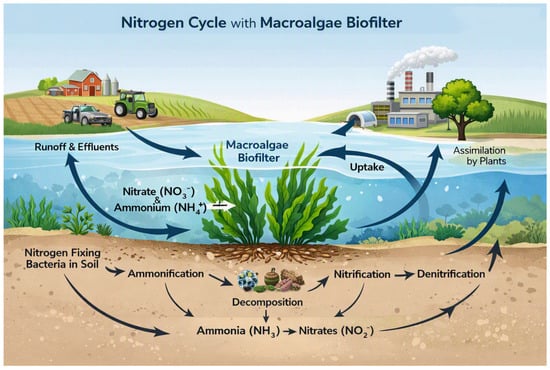
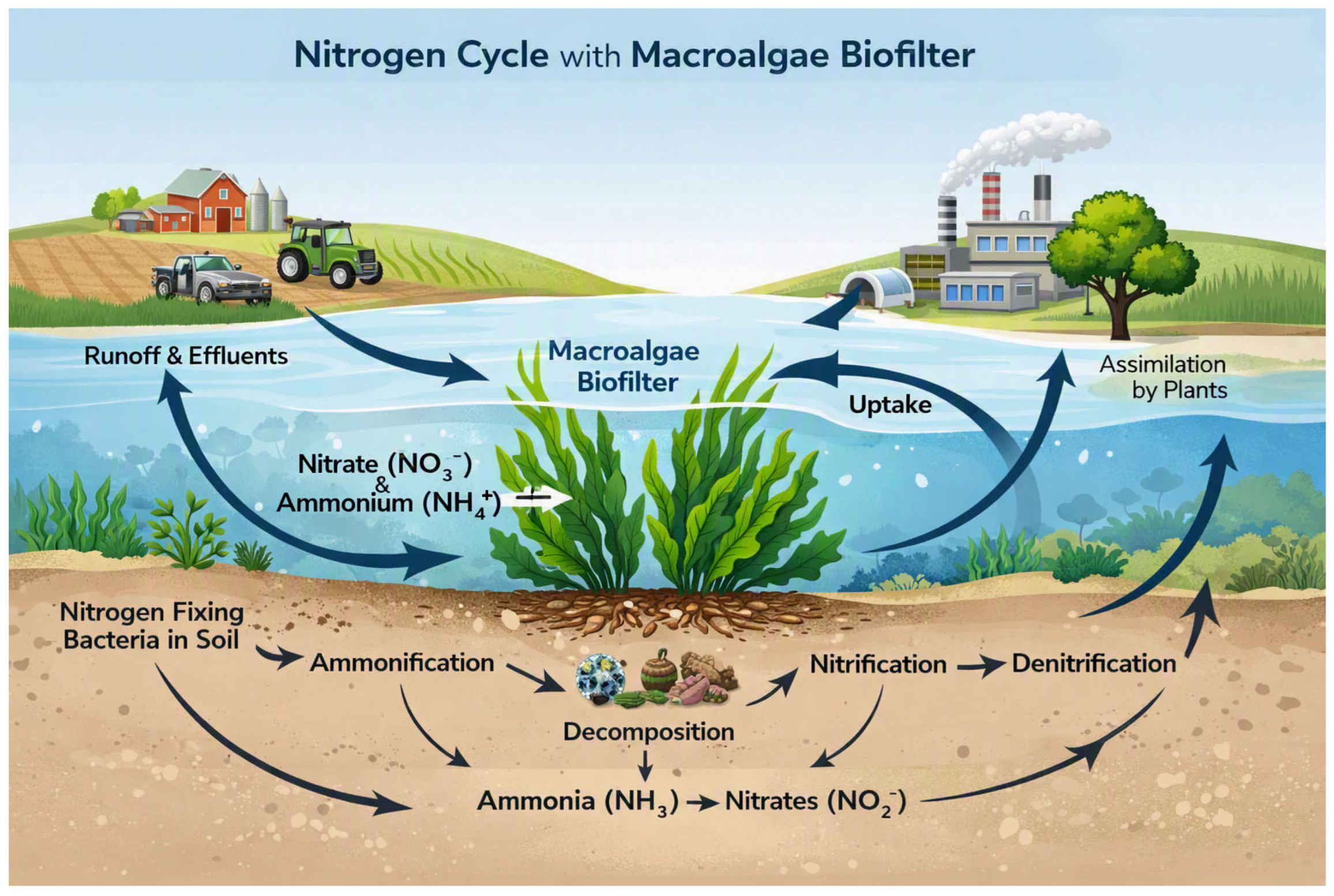
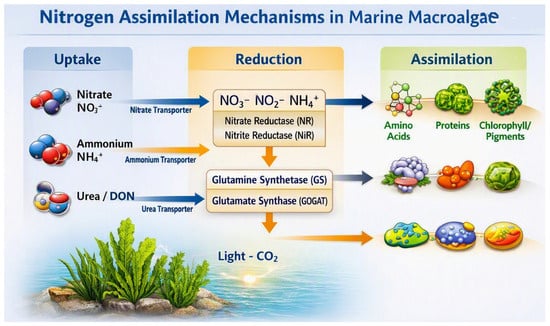
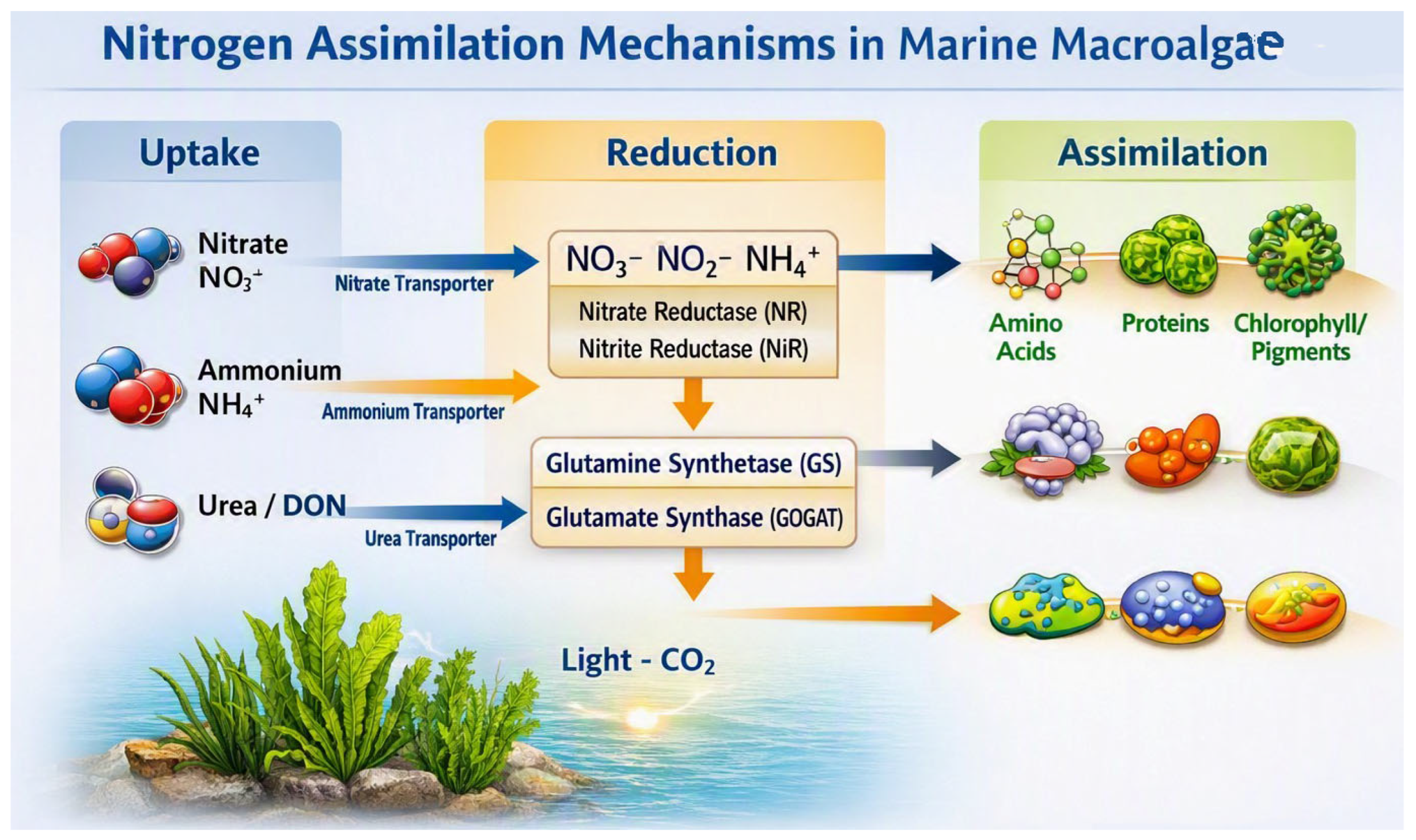
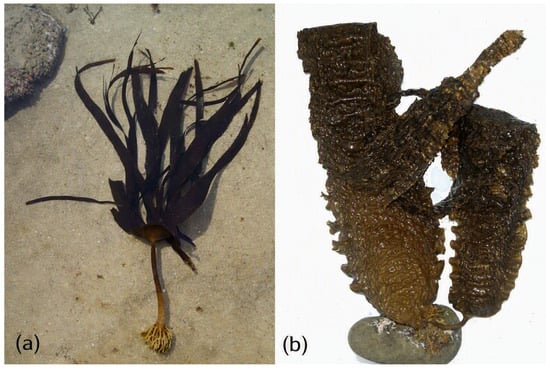
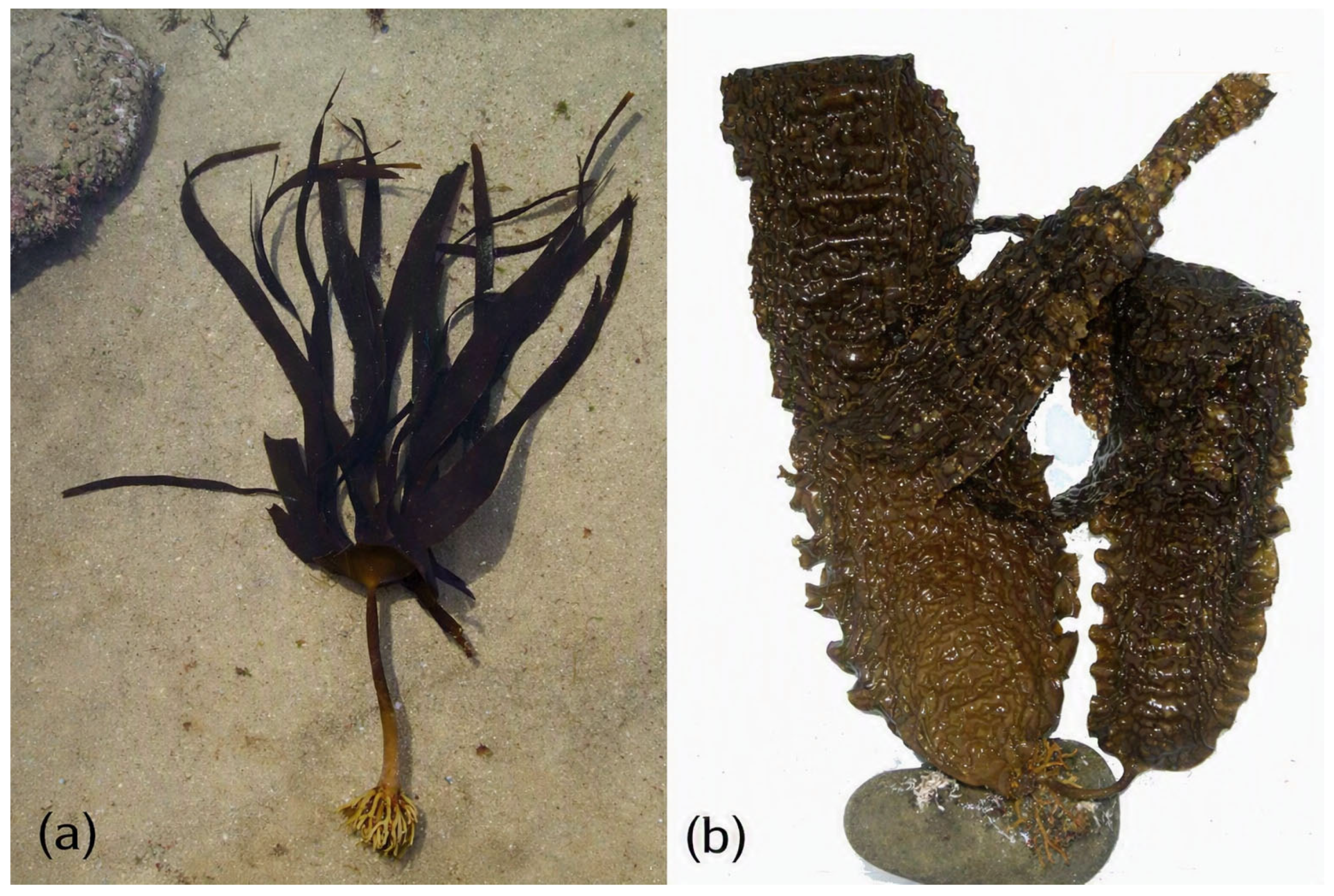
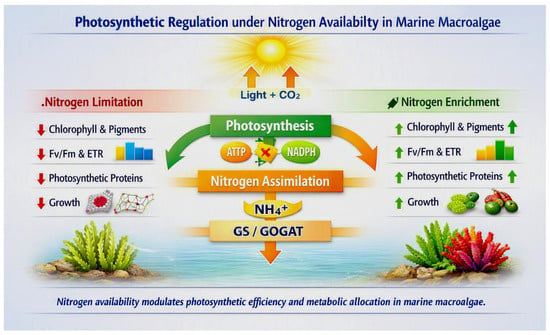
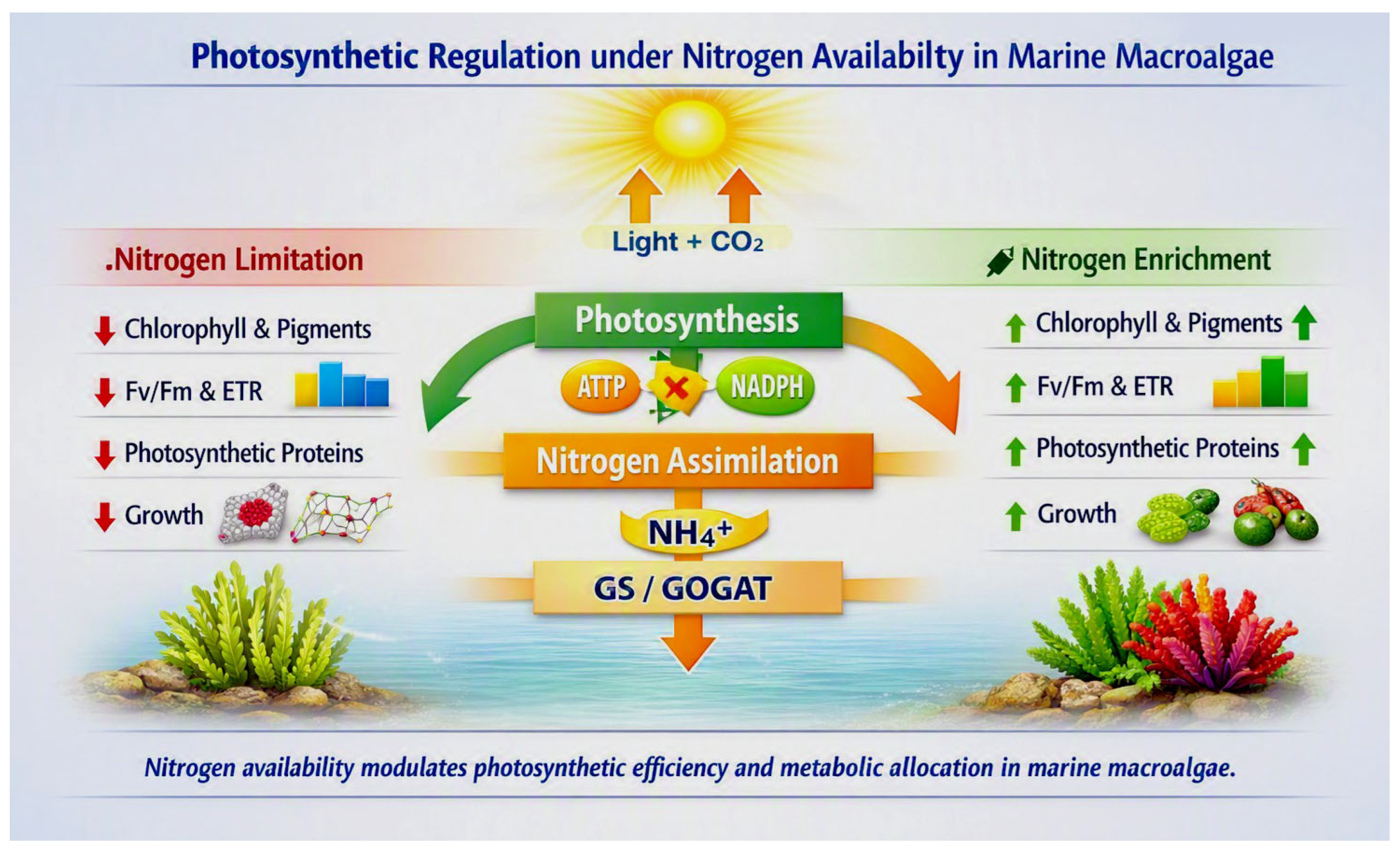
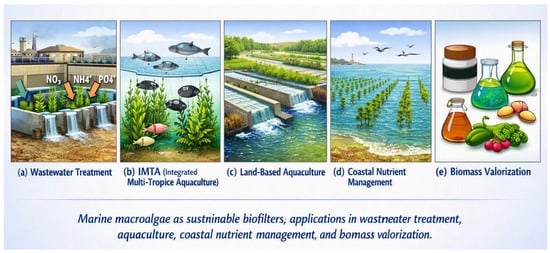
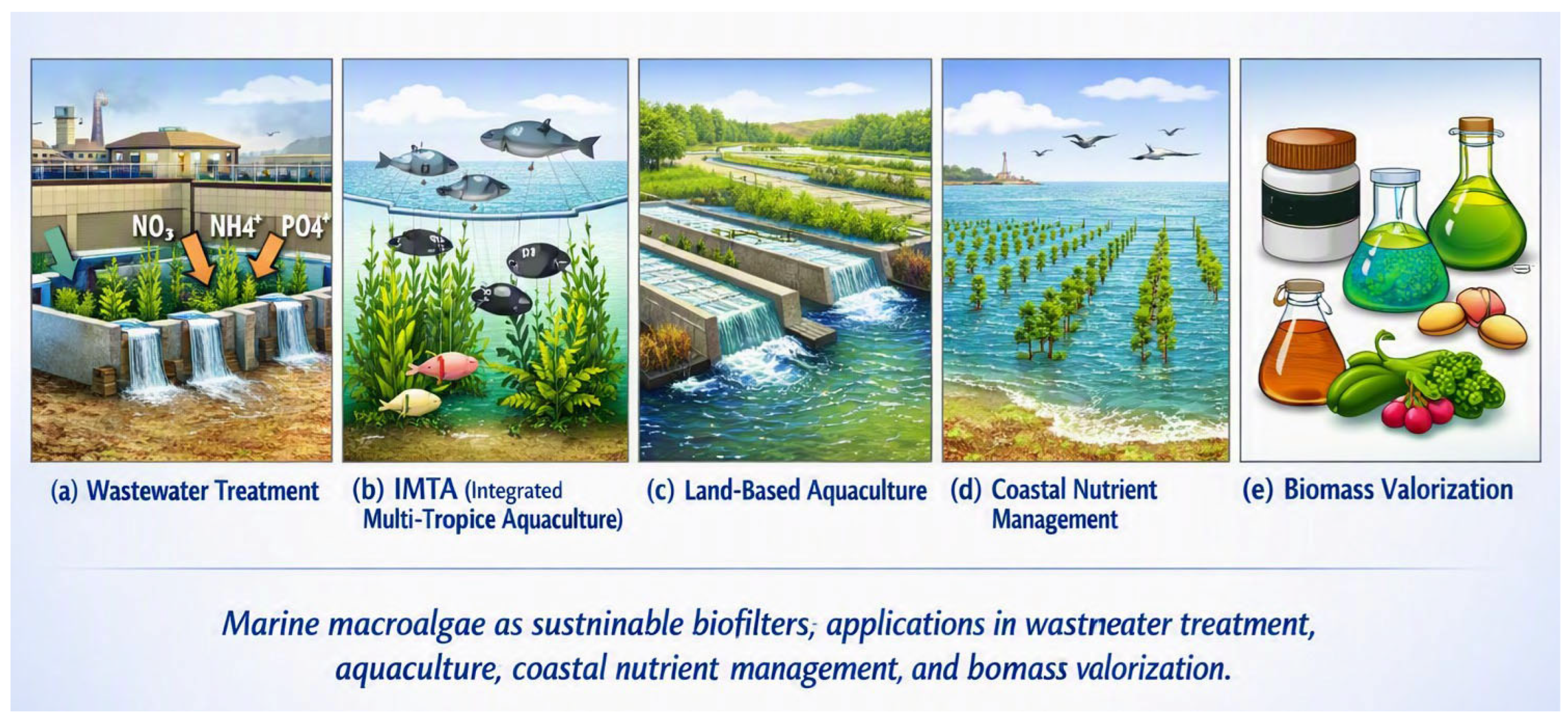
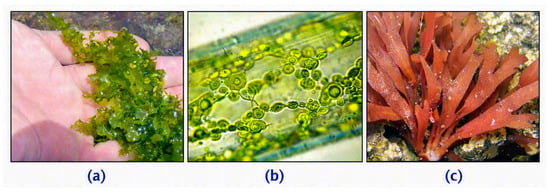
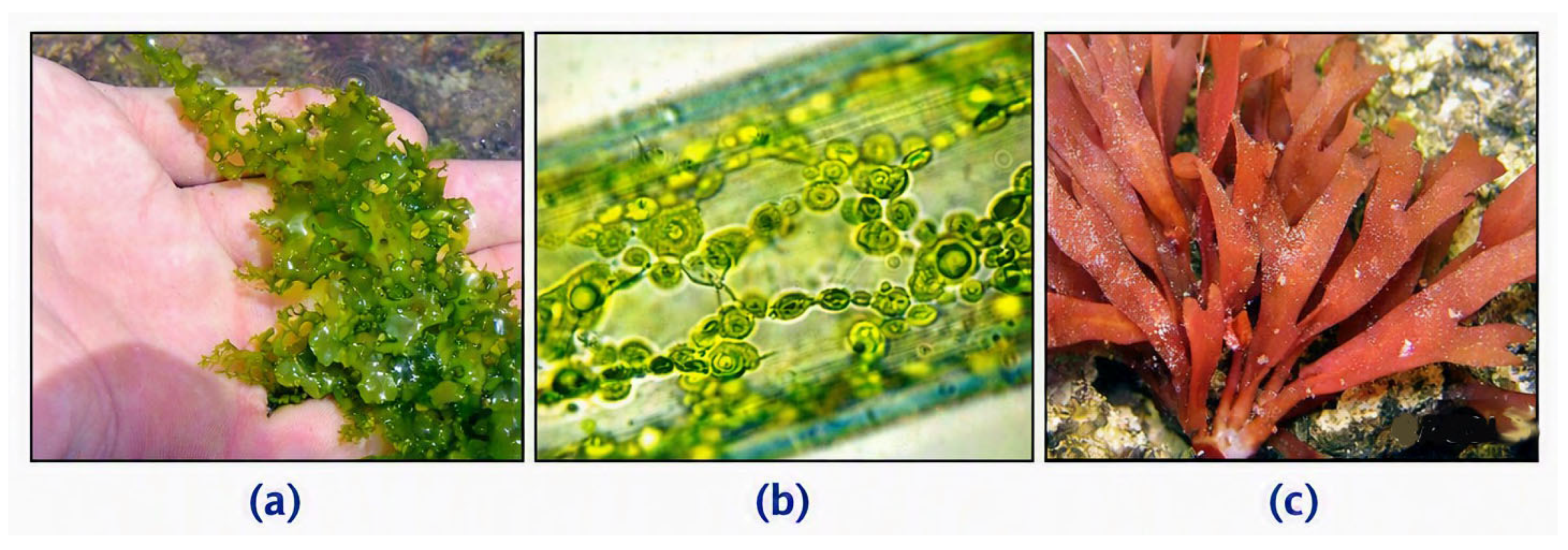
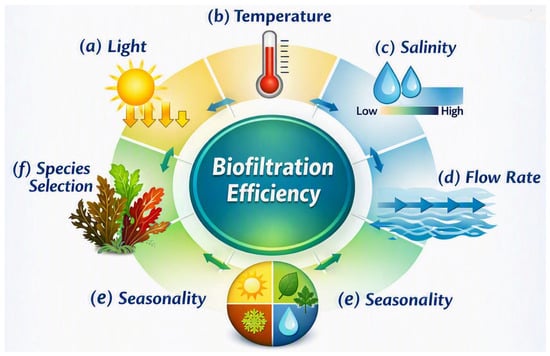
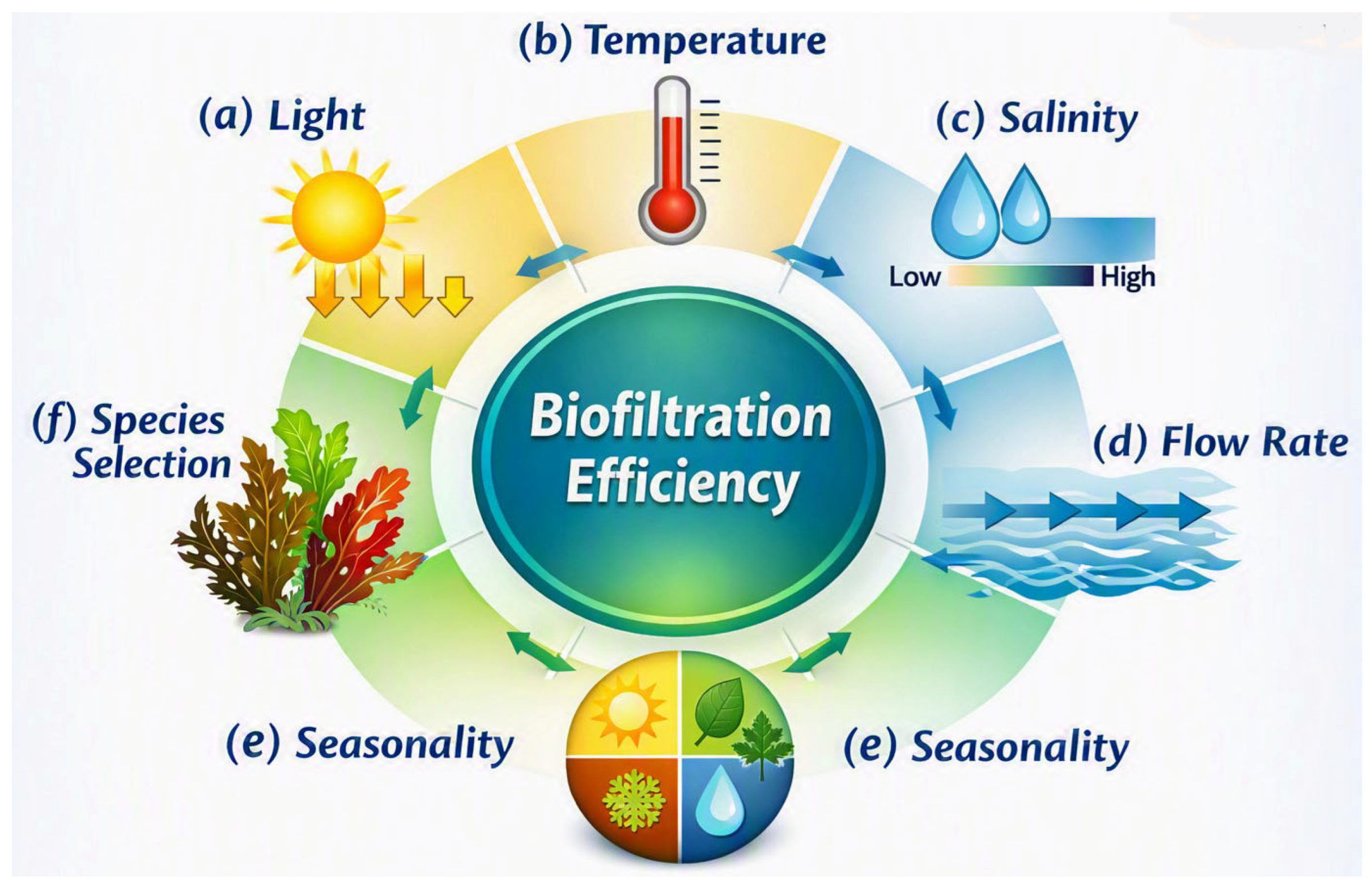
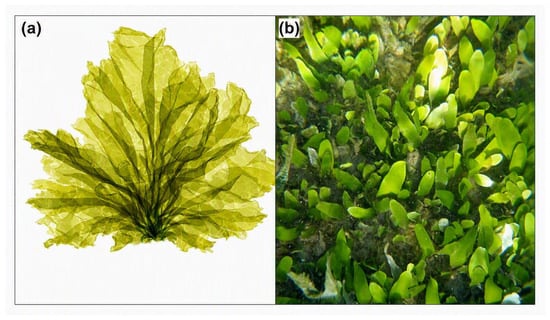
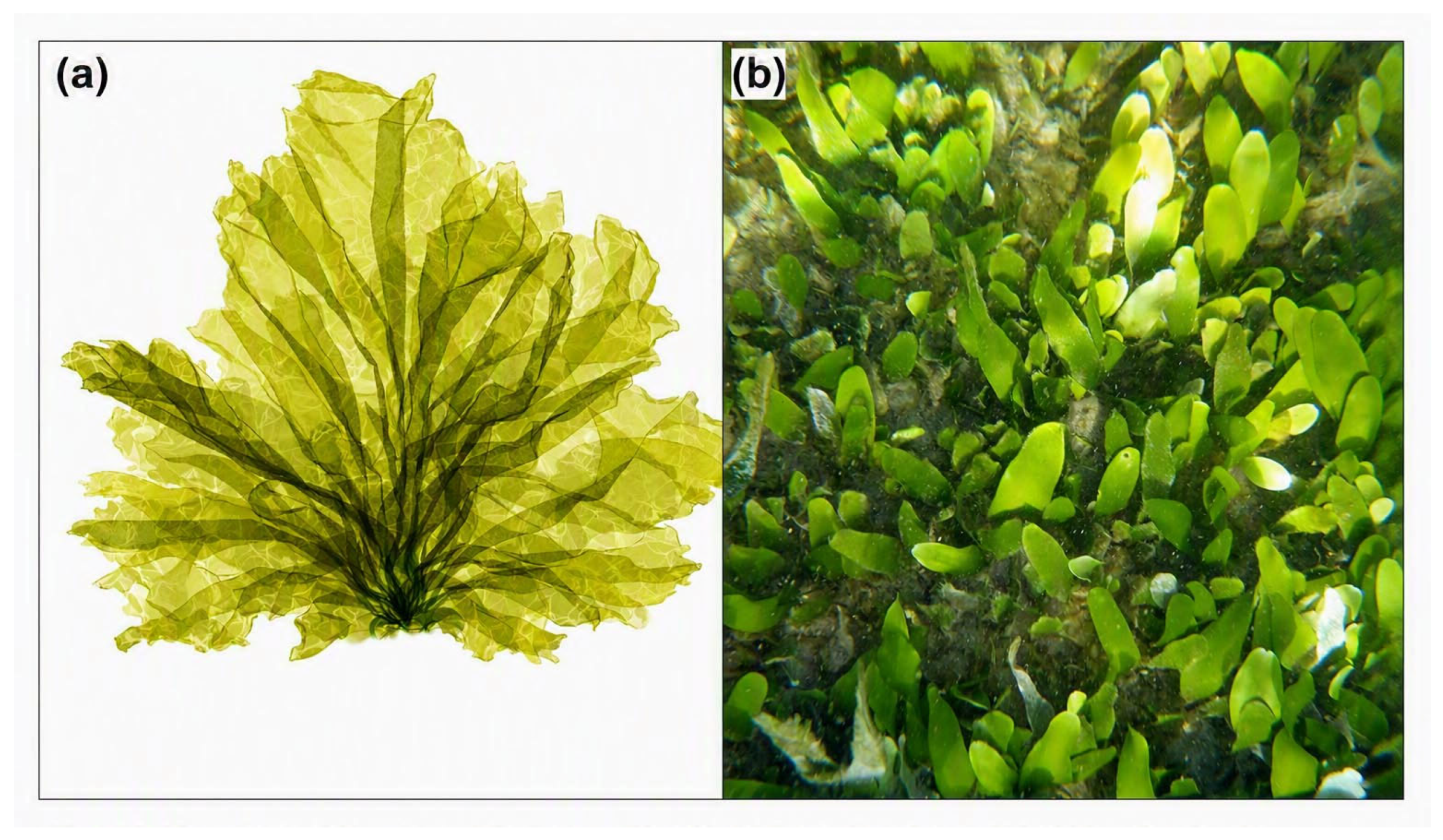
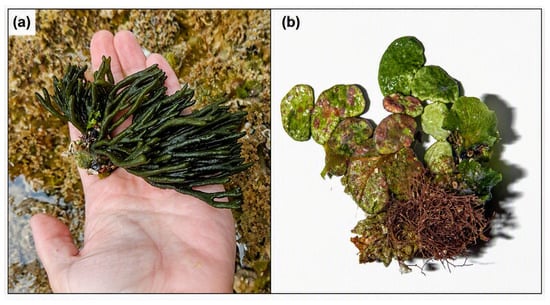
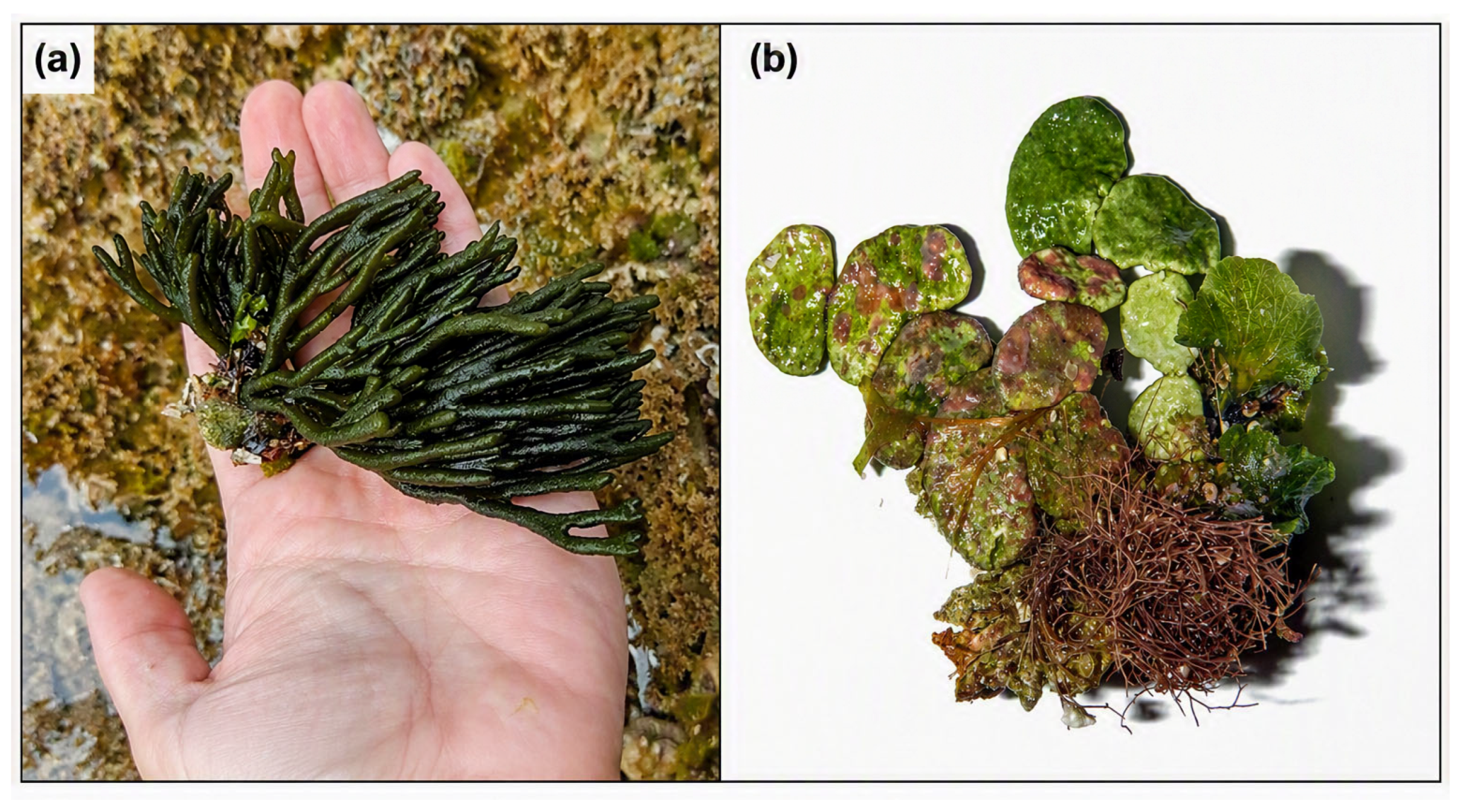

Disclaimer/Publisher’s Note: The statements, opinions and data contained in all publications are solely those of the individual author(s) and contributor(s) and not of MDPI and/or the editor(s). MDPI and/or the editor(s) disclaim responsibility for any injury to people or property resulting from any ideas, methods, instructions or products referred to in the content. |
© 2026 by the author. Licensee MDPI, Basel, Switzerland. This article is an open access article distributed under the terms and conditions of the Creative Commons Attribution (CC BY) license.