


Abstract
Modern power distribution networks are increasingly challenged with nonlinear operating conditions, the high penetration of distributed energy resources, and conflicting operational objectives such as loss minimization and voltage regulation. Existing load-flow optimization approaches often suffer from slow convergence, premature stagnation in non-convex search spaces, and limited robustness when handling conflicting multi-objective performance criteria under fixed network constraints. To address these challenges, this paper proposes a Fractional Multi-Objective Load Flow Optimizer (FMOLFO), which integrates a fractional-order numerical regularization mechanism with an adaptive Pareto-based Differential Evolution framework. The fractional-order formulation employed in FMOLFO operates over an auxiliary iteration domain and serves as a numerical regularization strategy to improve the sensitivity conditioning and convergence stability of the load-flow solution, rather than modeling the physical time dynamics or memory effects of the power system. The optimization framework simultaneously minimizes physically consistent active power loss and voltage deviation within existing network operating constraints. Extensive simulations on IEEE 33-bus and 69-bus benchmark distribution systems demonstrate that FMOLFO achieves an up to 27% reduction in active power loss, improved voltage profile uniformity, and faster convergence compared with classical Newton–Raphson and metaheuristic baselines evaluated under identical conditions. The proposed framework is intended as a numerically enhanced, optimization-driven load-flow analysis tool, rather than a control- or dispatch-oriented optimal power flow formulation.
1. Introduction
The rapid expansion of modern power systems and the growing integration of distributed energy resources have made the analysis and optimization of power distribution networks a significant research challenge. Distribution systems are traditionally built for the flow of energy from centralized power plants to consumers. However, with recent advances in renewable generation, electric vehicles, and intelligent control devices, distribution networks are becoming increasingly nonlinear, uncertain, and dynamically coupled, pushing them toward the limits of the underlying mathematical formulations [1]. Today’s distribution systems can face a wide range of operating conditions and must be managed with a diversity of solutions that consider multi-objective, often conflicting, operating criteria, such as real power loss, voltage stability, reliability, and operating cost [2].
Classical methods for power system load-flow analysis, such as Newton–Raphson and Gauss, have been used for decades to solve single-objective, deterministic formulations for steady-state system analysis effectively. These classical methods were designed for transmission networks and often exhibit poor convergence in weakly meshed or unbalanced distribution networks [3]. In addition, these classical formulations are usually single-objective and have deterministic constraints that do not account for the stochastic characteristics of distributed generation and load variability. To overcome these limitations, recent studies have introduced metaheuristic optimization techniques, such as Particle Swarm Optimization (PSO), Genetic Algorithms (GAs), and Differential Evolution (DE), which offer greater flexibility in handling nonlinearities and constraints. However, these methods are often heuristic, may suffer from premature convergence, and lack mathematical interpretability in high-dimensional multi-objective problems [4].
Fractional-order operators have been increasingly explored in numerical analysis and optimization as a means of introducing smooth regularization and enhanced sensitivity control in iterative solution procedures [5]. In the context of load-flow computation, such operators can be employed over an auxiliary iteration domain to stabilize convergence behavior and mitigate numerical ill-conditioning under highly nonlinear operating conditions. While fractional calculus has been used to describe physical dynamics in other application domains, its role in this work is strictly numerical and does not imply physical memory or the time-domain behavior of power distribution networks [6].
Recent studies have explored advanced optimization strategies for distribution networks, including multi-objective evolutionary algorithms, graph-theoretic reconfiguration methods, and reliability-constrained scheduling frameworks. These methods are more effective than our proposed strategy under certain conditions, but all of them limit their performances by assuming deterministic or using ad hoc parameter tuning. Meanwhile, fractional calculus has become a potent means of describing memory and hereditary effects in complex dynamical systems such as power grids with renewable integration and time-delay feedback [7]. Thus, it is of great interest to investigate the coupling of the fractional-order modeling with system-level multi-objective load-flow optimization, especially for large-scale networks in distribution level under uncertainty.
The existing literature has made significant progress in load-flow analysis and distribution network optimization. However, a few fundamental limitations remain with existing approaches [8]. A deterministic-based method can hardly recover the nonlinear and stochastic system in real time. In contrast, most metaheuristic techniques suffer from slow convergence, early stagnation, and poor interpretability of the resulting models [9]. Additionally, the majority of previous research unifies DSA model design with multiple-objective optimization while neglecting memory-related characteristics, given dispersed generation and varying loads. These difficulties underscore the need for a unified structure that can improve model fidelity, enhance optimization robustness, and increase decision flexibility in one go. FMOLFO directly addresses these drawbacks by embedding fractional-order load-flow modeling into an adaptive multi-objective optimization framework to achieve better convergence stability, greater Pareto diversity, and more effective operational performance across multiple objectives [10].
This paper introduces a new method of incorporating fractional calculus (FC), and fractional calculus models (FCM) to enhance numerical regularization in the proposed optimization load-flow framework. The proposed FMOLFO is a hybrid algorithm that combines fractional-order sensitivity analysis with a Pareto-based adaptive Differential Evolution approach. Then, the load-flow problem is formulated as a constrained multi-objective optimization problem to find global Pareto-optimal solutions that minimize active power losses, improve the voltage profile, and maximize reliability under numerical variations in reliability-related indices. Meanwhile, fractional-order impedance modeling is incorporated into the problem to efficiently approximate the nonlinear characteristics of branches, thereby improving convergence stability compared to other loadings. Exploration and exploitation are dynamically balanced by using an adaptive fractional weight to explore over the multi-dimensional Pareto frontier.
IEEE 33-bus and IEEE 69-bus test systems are used in the numerical simulations to validate the proposed approach. The simulation results demonstrate that the proposed FMOLFO can efficiently reduce active power loss and enhance voltage levels in power grids, compared to deterministic and heuristic benchmarks. Moreover, the employment of fractional operators leads to a faster convergence rate and better robustness with respect to system uncertainties, illustrating the analytical and computational advantages of the developed approach. The novelty of this work lies not in merely combining fractional calculus with evolutionary optimization, but in introducing a fractional-order sensitivity regularization mechanism that reshapes the multi-objective search landscape, leading to improved numerical conditioning, smoother Pareto fronts, and enhanced convergence stability. It is emphasized that the proposed FMOLFO framework does not introduce new physical control actions such as network reconfiguration, transformer tap changing, or distributed generation dispatch. Instead, it improves the numerical quality and convergence of feasible operating-point solutions obtained from load-flow analysis through an optimization-driven numerical regularization strategy.
The main contributions of this paper are summarized as follows:
- A new Fractional Multi-Objective Load Flow Optimizer (FMOLFO) is developed by integrating fractional-order calculus with adaptive multi-objective optimization for complex power distribution systems.
- A fractional-order mathematical formulation of the load-flow problem is presented, capturing nonlinear relationships between voltage, current, and reactive power with higher precision.
- An adaptive Differential Evolution algorithm guided by fractional sensitivity indices is proposed to achieve faster and more stable convergence on the Pareto front.
- Extensive simulations on IEEE benchmark networks demonstrate improved performance in terms of power loss reduction, voltage stability enhancement, and computational efficiency.
- The proposed framework provides a mathematically rigorous and computationally efficient tool for real-time analysis and optimization in smart grid environments.
2. Related Work
In recent years, optimization and load-flow studies of power distribution systems have shifted from classical deterministic algorithms to more complex stochastic or hybrid approaches. Classic techniques such as Newton–Raphson (NR), Gauss–Seidel (GS), and Fast Decoupled Load Flow (FDLF) have served as the basis for the steady-state analysis of balanced systems. Nevertheless, these techniques commonly encounter difficulties in poorly meshed or unbalanced distribution networks due to the nonlinear, ill-conditioned Jacobian matrices arising from varying load levels [11]. Further, deterministic approaches often accomplish the same set of objectives, such as minimizing active power loss or maximizing reliability at the expense of cost and voltage stability [12].
These limitations have been evidenced through the use of metaheuristic and soft-computing approaches. Earlier works with Particle Swarm Optimization (PSO) [12] and Genetic Algorithms (GAs) [13] revealed enhanced convergence for network reconfiguration, and capacitor placement. Subsequent works proposed hybrid techniques, including Fuzzy-PSO, Ant Colony Optimization (ACO) [14], and Grey Wolf Optimization (GWO) [15,16], which could efficiently cope with nonconvex search spaces. However, such algorithms rely on heuristic tuning and do not offer theoretical guarantees for global convergence; thus, they may be dependent on the datasets to some extent [17].
Multi-objective optimization has become a promising mathematical tool to address conflicting design objectives in power networks. Pareto-dominance-based algorithm, such as NSGA-II and MOPSO were widely utilized for power loss minimization and voltage profile improvement [18,19]. While these techniques provide good estimates of trade-off surfaces, they suffer from slow convergence and high computational requirements, particularly when operating on large networks or time-varying loads. Further, their power flow equations are usually derived based on linear or first-order approximation and have less accuracy in the nonlinear dynamic conditions [20].
Due to the growing penetration of distributed energy resources (DERs), power systems are more evidently presenting memory effects, hysteresis, and hereditary dependencies. In this context, fractional calculus has become a popular choice to model these systems more accurately. The history-dependent behavior of the electrical quantities can be described abstractly by means of fractional-order derivatives. For example, refs. [21,22] studied the application of fractional operators to model nonlinear dynamical systems and demonstrated improved stability. On the other hand, fractional concepts have been used in neurocontrollers [23,24] to enhance the activation of nonlinear behavior. These frameworks paved the way for fractional-order modeling, although their coupling with optimization-based load-flow computation remains an area of ongoing research.
In recent years, some researchers have used evolutionary algorithms to incorporate fractional calculus to improve robustness and convergence. For instance, ref. [25] investigated fractional-order dynamics in graph neural networks, and ref. [26] introduced variable-order fractional differential equations in neural models for adaptive learning. These are representative examples that illustrate how the memory-driven dynamics of the fractional operators can be incorporated into optimization procedures. In the context of power systems [27], a fractional-order PI controller was proposed for voltage regulation, offering a faster dynamic response but still limited to local, rather than global, optimization. In the same vein, ref. [28] employed fractional-order load modeling for microgrids to demonstrate improved immunity to fluctuating renewable generation, but at the expense of multi-objective scalability.
Graph-based and network-theoretic methods have also been used to study the topological and spectral characteristics of power systems. A distributed fractional graph framework is proposed in [29] to capture heterogeneous interactions in complex networks, and a hybrid fractional neural network is developed in [30] for dynamic pattern recognition. Those methods show that integrating fractional calculus with graph theory can provide a better description of the interconnections between nonlinear systems, which is directly related to transmission and distribution networks. Particle Swarm Optimization (PSO), Genetic Algorithms (GAs), and Differential Evolution (DE) have been widely applied to load-flow and power system optimization problems. Fractional calculus has been successfully applied in a wide range of engineering problems, including fractional-order PID controllers [31], softsign fractional controllers [32], continuous-time fractional Hammerstein models [33], and the robust control of nonlinear dynamical systems [34]. These applications demonstrate the effectiveness of fractional operators in improving the stability, convergence, and robustness of numerical and control algorithms.
Despite these advances, most prior studies exhibit one or more limitations: (i) the absence of unified fractional–multi-objective formulations, (ii) insufficient mathematical validation of convergence and stability, and (iii) limited scalability to large-scale or unbalanced systems [35]. To address these gaps, the proposed FMOLFO integrates fractional-order load-flow equations with adaptive Differential Evolution to achieve robust Pareto-optimal performance in complex power distribution networks. Table 1 presents a comparison of recent studies on optimization and load-flow analysis in power distribution networks.
Table 1.
Comparison of recent studies on optimization and load-flow analysis in power distribution networks.
The results of the literature review reveal remarkable progress in optimization and load-flow problems; however, the current methods significantly isolate dynamic modeling from optimization or neglect memory-dependent system behavior. In the setting of smart grid optimization, the literature has been described as numerically unstable, slowly convergent, and lacking analytic transparency. It requires a new, advanced optimization framework capable of effectively traversing. The FMOLFO framework is developed to fill this gap by integrating a universal fractional-order mathematical formulation and adaptive multi-objective optimization, aiming to enhance the stability, convergence efficiency, and analytical transparency of intelligent grid optimization.
Fractional-order models have been effectively used for dynamic control and local in distribution networks. The existing fractional ones, for example, do not consider the coupling with Pareto-based optimization frameworks and/or treat condition number or sensitivity regularization implicitly. This work, however, is far from optimal or scalable for system-level optimization due to an external fractional-order sensitivity-integration. The study in [36] proposes a systematic strategy for selecting tuning parameters in a parameterized predictive control scheme by formulating a conflicting multi-objective optimization problem and solving it using a multi-objective evolutionary algorithm (MOEA). Their simulation results show that MOEA-based tuning can achieve an effective trade-off among feasibility, control performance, and computational cost, demonstrating the practical value of evolutionary multi-objective search for predictive controller design. In contrast, FMOLFO is designed as a fractional-order, finite-memory numerical optimization framework for multi-objective load-flow analysis and operating-point determination in complex power distribution networks—targeting network-level objectives (e.g., loss, voltage stability, reliability/ENS indices), rather than controller parameter tuning.
Recent studies have further demonstrated the applicability of fractional calculus in advanced control and modeling frameworks. Fractional-order PID and softsign-based fractional controllers have been shown to improve robustness, noise attenuation, and convergence smoothness in nonlinear and uncertain systems [37,38]. Continuous-time fractional-order Hammerstein and Wiener–Hammerstein models have also gained attention for accurately capturing memory-dependent nonlinear dynamics in complex processes, including power-electronic and energy systems [39,40]. These works confirm that fractional operators serve as effective numerical and modeling tools for enhancing stability and sensitivity conditioning, without introducing explicit physical memory, consistent with the role adopted in the proposed FMOLFO framework. In contrast, FMOLFO focuses on numerically enhancing load-flow solution quality under fixed network constraints, without relying on model-predictive control structures or explicit control parameter tuning.
Advanced multi-objective optimizers such as NSGA-III [41], Multi-Objective Spiral Dynamic Optimization (MOSDA) [42], and Multi-Objective Grey Wolf Optimization (MOGWO) [43] have demonstrated strong Pareto-search capabilities in complex engineering optimization problems. Despite their effectiveness, these methods rely on integer-order update mechanisms and may exhibit oscillatory or premature convergence behavior when applied to constrained load-flow optimization in weakly meshed distribution networks. FMOLFO introduces a fractional-order regularization mechanism that improves numerical smoothness and convergence stability while preserving Pareto diversity.
3. Mathematical Modeling and Problem Formulation
In this section, the mathematical foundation of the proposed FMOLFO is described. The proposed schematic introduces, in a natural way and without requiring auxiliary degrees of freedom, a fractional-order load flow model based on adaptive multi-objective optimization to reduce power losses, improve voltage stability, and increase reliability in distribution systems, using numerical variation-related indices. An important distinction between improved load-flow convergence and physical improvements that require deliberate control actions must be kept in mind. The proposed FMOLFO approach enhances numerical conditions and convergence stability of the load-flow solution, thereby improving solution accuracy at operating points. It cannot directly change physical system control variables (e.g., generation, dispatch, or network topology).
3.1. Fractional-Order Load Flow Modeling
Let us consider a distribution network consisting of N buses and L branches. At bus i, and denote the complex voltage and injected current, respectively [31]. The classical load-flow equation for bus i can be expressed as in Equation (1).
where are the elements of the bus admittance matrix. In Equation (1), the index i denotes the target (receiving) bus under consideration, while j represents the summation index over all buses connected to bus i. The diagonal term corresponding to represents the self-admittance of bus i, which accounts for the cumulative effect of all incident branches connected to that bus.
The fractional-order load flow equation is proposed by including the Caputo-type fractional derivative of order , as in Equation (2).
The fractional admittance matrix is constructed by applying a fractional-order scaling operator to the conventional nodal admittance matrix. In this formulation, physical line parameters such as resistance and reactance remain unchanged, while the fractional order introduces memory-weighted sensitivity that regularizes the nonlinear voltage–current relationships.
The fractional order satisfies the condition . When , the proposed formulation reduces to the classical integer-order load-flow model. Values of introduce memory-dependent behavior, enabling the improved modeling of dynamic and nonlinear interactions. The case has no physical interpretation in power flow analysis and is, therefore, excluded.
The complex power injection at bus i is given by Equation (3).
where and represent the active and reactive power injections at bus i, respectively. By substituting (2) into (3), the fractional load flow equation can be written as in Equation (4).
It is important to clarify that the variable t does not represent physical time evolution. Instead, it denotes an auxiliary iteration domain introduced to encode memory-dependent sensitivity and numerical regularization within the load-flow solution process. The steady-state operating point of the distribution network is recovered upon the convergence of the fractional iterations, thereby preserving the static nature of load-flow analysis.
Equation (4) maintains the nonlinear power–voltage characteristics while incorporating fractional-order dynamics, thereby improving robustness in unbalanced and stochastic distribution networks [32].
3.2. Objective Function Formulation
In the FMOLFO, we aim to optimize multiple conflicting objectives simultaneously. The three objectives can be formulated as presented in Equations (5)–(7).
- (a)
- Minimization of active power loss: The first objective is the minimization of total active power loss in the distribution network, expressed using the physically consistent formulation, as in Equation (5)where and denote the resistance and current of branch k, respectively.Equation (5) represents the standard physical definition of active power loss and is used consistently throughout the manuscript, including during optimization, convergence analysis, and all post-optimization evaluations. No voltage-normalized or auxiliary loss formulation is employed at any stage.
- (b)
- Voltage deviation minimization:Voltage deviation minimization aims to keep all bus voltage magnitudes as close as possible to their nominal (typically 1.0 p.u.) values, thereby enhancing voltage quality and ensuring the secure operation of the distribution network. This objective reduces over-/under-voltage risks and improves the overall stability margin by discouraging large voltage drops or rises across the system. Mathematically, the voltage deviation objective is defined in Equation (6).where represents the nominal or reference voltage magnitude. Voltage deviation minimization in FMOLFO reflects the improved numerical conditioning of feasible load-flow operating points and does not imply direct physical voltage control or actuation.
- (c)
- Reliability-Related Proxy Metric: Reliability is expressed in terms of the network load point failure rate, , and the average repair time, , as in Equation (7):where a negative sign is used to convert the maximization objective into a minimization form [44]. This reliability-related term is not intended to model or optimize actual system reliability, which would require explicit failure, protection, and restoration models. Instead, it serves as a proxy indicator derived from load-point characteristics and is included to assess how numerically improved operating conditions correlate with reliability-related indices.
The FMOLFO uses an adaptive DE method based on a fractional-order sensitivity analysis. For a given individual in a population, , the control variables can be the voltage magnitude set points, the reactive power compensation, and the tap position set points. The mutation operator is shown below. The process of scaling the DE mutation operator is performed adaptively by a fractional weighting factor of , as given in Equation (10).
Fractional weighting is controlled adaptively using a fractional sensitivity approach. A discrete form of fractional integration can be written, as in Equation (11).
Following this, a crossover operator and selection operations are applied to identify the members of the new generation. Pareto ranking is then used with crowding-distance sorting to select the final nondominated front from the last generation.
Since the optimization problem is multi-objective, the gradient term appearing in the fractional integral formulation does not exist uniquely. In this work, is computed through a weighted scalarization of normalized objective functions, expressed as in Equation (12)
where denotes the normalized j-th objective, and represents its associated weighting coefficient. For numerical implementation, the fractional integral is approximated using a finite-memory discrete formulation over a bounded iteration window. This approximation improves numerical stability while maintaining manageable computational complexity. Empirically, this formulation exhibited stable convergence behavior across all test cases considered.
3.3. Multi-Objective Gradient Definition, Numerical Approximation, and Finite-Memory Implementation
The vector-valued objective function is , and its gradient is not uniquely defined in the multi-objective sense. To obtain a well-defined sensitivity term in (11) (and its later use in (21)), we compute through a weighted scalarization of normalized objectives. Specifically, each objective is normalized, as in Equation (13).
where and are obtained from the current population (or a running window across generations), and prevents division by zero. A scalar surrogate is then defined, as in Equation (14).
and we set the sensitivity term to .
3.3.1. Directional Finite-Difference Gradient (Low-Cost)
Direct component-wise finite differences would require extra evaluations per iteration, which is costly for load-flow-based objectives. Instead, we use a directional finite-difference approximation requiring only one additional evaluation per candidate, as given in Equation (15).
where is a small perturbation, avoids division by zero, and d is chosen naturally from the DE search direction (e.g., or ). This yields a stable, low-variance sensitivity estimate aligned with the actual evolutionary update direction, and it avoids the ambiguity of a multi-objective gradient.
3.3.2. Finite-Memory Discrete Approximation of the Fractional Integral
To implement the fractional integral in a numerically stable and bounded manner, we adopt a finite-memory window of length K and approximate the fractional accumulation as in Equation (16).
where is the iteration step (set to 1 in our implementation), and is computed via (15). The coefficients are positive and monotonically decreasing, which provides smoothing and reduces oscillations in .
3.3.3. Computational Cost and Stability Remarks
With (15), the additional cost is one extra evaluation of (hence one extra load-flow-based objective evaluation set) per individual per generation, resulting in a constant-factor overhead while preserving the overall complexity order. Stability is promoted via the following: (i) normalization (13), which bounds the magnitude of , (ii) finite-memory truncation (16), which prevents unbounded historical accumulation, and (iii) the optional clipping of to a safe interval, , to avoid excessively large mutation scaling under ill-conditioned operating points.
3.4. Pareto Front and Decision Support
This Pareto-optimal front can be used to select the appropriate level of trade-offs between different energy loss, voltage, and reliability conditions. The Pareto optimality condition for multi-objective functions is defined below. In this example, if a condition is considered for three objective functions, a point in a Pareto-optimal front would satisfy, as presented in Equation (17).
Decision-makers can select from different operating conditions, based on reliability priority or cost measures for the system. The interactions between objective functions are interpretable using a mathematical function.
3.5. Discussion
The proposed FMOLFO framework uniquely integrates fractional-order load-flow equations with adaptive multi-objective optimization, enabling the accurate modeling of nonlinear dependencies and historical system behaviors. This coaction accelerates convergence, increases the variety of solutions, and makes analysis transparent. Furthermore, the fractional weighting scheme provides a well-defined mathematical trade-off between exploration and exploitation, thereby improving robustness in high-dimensional optimization spaces. Recent optimization research has indeed explored single-agent and gradient-free learning schemes, such as safe experimentation dynamics [45], normalized simultaneous perturbation stochastic approximation (SPSA) [46], and smoothed functional algorithms due to their low computational overhead and fast convergence in single-objective or locally convex problems. However, these approaches are primarily designed for scalar objective optimization and rely on local gradient estimation or stochastic perturbations, which limits their effectiveness in handling constrained, highly nonlinear, and multi-objective load-flow formulations.
In contrast, the proposed load-flow optimizer (LFO) is formulated to explicitly preserve feasibility with respect to power-flow equality constraints while simultaneously exploring trade-offs among conflicting objectives through Pareto dominance. The FMOLFO framework does not compete with single-agent methods in terms of local convergence speed; instead, it addresses a complementary gap by enabling a numerically stable, multi-objective exploration of feasible operating points in ill-conditioned distribution networks. This distinction justifies the continued relevance of LFO-based formulations for system-level analysis, where solution diversity, constraint satisfaction, and interpretability across multiple objectives are essential.
4. Methodology
The FMOLFO framework has been designed to build and solve real-time grid management problems with improved computational efficiency while leveraging optimization. The following steps are a summary of the proposed methodology: (1) network data initialization is performed in order to define precisely the topology and parameters of the network; (2) fractional-order model formation introduces memory-dependent admittance for improved dynamic accuracy, (3) an objective function evaluation calculates aggregate power loss, voltage deviation, and indices on reliability; (4) adaptive multi-objective optimization integrates a fractional-weighted evolutionary search mechanism, and (5) a Pareto front analysis discovers optimal trade-off among objectives towards real-time management. The general workflow of the FMOLFO is described in Figure 1.
Figure 1.
Methodology flow diagram of the proposed FMOLFO framework.
4.1. Stage 1: Network Data Initialization
We first extract network topology, branch impedances, bus loads, and operational limits from the standard IEEE 33-bus and 69-bus test systems. For each bus, i, the real and reactive power demand, , and voltage limits, , are given. We set base values for the per-unit conversion, following IEEE standards: MVA and kV. Then, the initial admittance matrix, , can be obtained according to the line data given in Equation (18)
where and are the resistance and reactance of branch , respectively. Equation (13) is derived from the standard nodal admittance formulation using Kirchhoff’s current law. The off-diagonal elements represent the negative inverse of branch impedances between buses, while the diagonal elements are obtained as the sum of all admittances connected to a given bus, ensuring current balance at each node.
4.2. Stage 2: Fractional-Order Load-Flow Computation
In the FMOLFO, the coupling and memory effects of power systems are formulated by the fractional derivatives, which is different from traditional power flow approaches. The dynamics of bus voltage can be expressed in the Caputo form with the order of derivative , as given in Equation (19).
where is the fractional admittance matrix, which includes the memory of voltage and current values at previous times. The bus voltage at each load-flow iteration step is given by Equation (20).
In addition to describing the current state of the system, the fractional derivatives can also describe the lag in the system. This leads to the improved numerical properties of the traditional power flow algorithm, including better stability and convergence in certain non-linear operating conditions like high load fluctuations or distributed generation.
4.3. Stage 3: Objective Function Evaluation
At each optimization iteration, candidate solutions are evaluated using the same physically consistent objective functions defined in Section 3.2. In particular, active power loss is computed using Equation (5).
This formulation directly drives the optimization process and underlies all reported loss, cost, and emission results. No reformulation or post-optimization correction of the loss metric is performed.
Voltage deviation minimization in FMOLFO reflects improved numerical conditioning and convergence of feasible load-flow operating points. It does not imply direct physical voltage control, reactive power actuation, or the modification of system operating devices.
The objectives are normalized to keep all of them at the same scale and comparable in all dimensions. The constraints in (9) are strictly imposed on the search using penalty functions.
The objective functions are derived from standard power system performance indices, which represent the total power loss based on branch currents. Equation (21) quantifies voltage deviation from nominal values, and Equation (22) is not intended to model or directly optimize physical system reliability, which would require explicit failure mechanisms, protection schemes, restoration processes, or topology changes. Instead, it is included as a reliability-related proxy metric that reflects how numerically improved operating conditions correlate with reliability indices under fixed network assumptions and are integrated here within the FMOLFO framework.
4.4. Stage 4: Adaptive Multi-Objective Optimization
The optimization methodology is based on the Differential Evolution (DE) framework, integrated with fractional-order adaptive weighting and Pareto ranking. The mutation rule is given by Equation (23).
where represents the fractional scaling factor that is evaluated, as in Equation (11).
The crossover and selection processes are performed according to the conventional DE scheme. The concept of Pareto dominance is used to assign ranking to solutions. The population is sorted based on non-dominated sorting and crowding distance to create a diverse Pareto front, where the adaptive update of can incorporate the memory-dependent exploration–exploitation tradeoff for faster convergence toward the optimal solution set.
The gradient term is computed using a weighted scalarization of the normalized objective functions. Its fractional integral is approximated using a finite-memory discrete scheme, which ensures computational tractability while preserving the intended memory-dependent behavior of the optimization process.
4.5. Stage 5: Pareto Front Analysis and Decision Making
The final step, after convergence has been reached, is to use FMOLFO to generate the Pareto-optimal front, , of all non-dominated solutions that satisfy, as depicted in Equation (24).
Each point on the Pareto surface corresponds to a feasible trade-off among power loss, voltage deviation, and reliability. The fuzzy decision-making technique is used to find the best compromise solution based on the weighting preferences set by the operator. The chosen solution is then verified through the recalculation of a fractional load flow to ensure physical consistency.
4.6. Implementation Workflow
Algorithm 1 shows the general procedure of the FMOLFO approach. The proposed hybrid-fractional algorithm has the potential to leverage the combined benefits of a fractional-order load-flow model and an adaptive DE-based MOO, resulting in a powerful, globally searching optimizer suitable for finding solutions to highly complex problems with high convergence and computational efficiency. The memory-dependent nature of the fractional dynamics naturally increases the system’s sensitivity to nonlinearities, and the use of fractional-gradient feedback to evolve the swarm can enhance the robustness of voltage and power-flow estimations. On the other hand, the self-adaptive mechanisms in both mutation and crossover enhance the swarm’s exploration–exploitation of the solution space. Adaptive mechanisms enable the optimizer to achieve better performance and help avoid premature convergence, especially in the presence of numerical instability arising from varying system loading, renewable fluctuations, and other stochastic parameters. The Differential Evolution algorithm is implemented with a population size of , a mutation strategy of E/rand/1/bin, a crossover rate of , a scaling factor of , and stopping criteria defined as either a maximum of 100 generations or a convergence tolerance of . The optimization variables include bus voltage magnitudes and reactive power compensation levels. No network reconfiguration or transformer tap-changing actions are modeled. Standard IEEE 33-bus and 69-bus test feeders are used without modification, and all system parameters follow benchmark specifications.
| Algorithm 1 Proposed Fractional Multi-Objective Load-Flow Optimizer |
| Initialize network data, bus parameters, and fractional order |
| Construct fractional admittance matrix |
| Generate initial population |
| while termination criterion not met do |
| for to do |
| Evaluate objectives , , using fractional load flow |
| Generate mutant vector: |
| Apply crossover between and to obtain trial vector |
| Apply selection to choose the better solution between and |
| end for |
| Perform non-dominated sorting and update the Pareto set |
| Adapt using gradient-based sensitivity of the objectives |
| end while |
| Output: Pareto-optimal front and selected best-compromise solution |
4.7. Computational Complexity and Stability
The computational time complexity of FMOLFO is , where , , and D denote the population size, the number of generations, and the number of decision variables, respectively. The fractional-order adaptation results in a sort of smoothing of the effective search space, which leads to better convergence stability. It is also found that FMOLFO converges 30% faster than conventional DE and it has about 25–28% less total active power loss than DE, which clearly shows that FMOLFO is computationally efficient and more robust than DE for large-scale systems.
5. Results and Discussion
All results reported in this section correspond to numerically improved feasible operating points obtained through optimization-driven load-flow analysis. The reported improvements in loss and voltage-related metrics arise from enhanced numerical conditioning and convergence of the load-flow solution, rather than from explicit physical control actions or changes in network topology. The performance of the proposed FMOLFO framework is evaluated using the following criteria: active power loss, voltage deviation, convergence behavior, numerical robustness, computational efficiency, and reliability-related proxy indices.
The proposed FMOLFO is tested on standard IEEE 33-bus and 69-bus distribution test systems. For the experiments, all simulations were carried out in MATLAB R2024b on an Intel Core i9-processor (3.7 GHz, 32 GB RAM). The performance of the proposed method is compared with several benchmark methods, including classical Newton–Raphson (NR), Particle Swarm Optimization (PSO), the Genetic Algorithm (GA), and Differential Evolution (DE). All baseline algorithms, including PSO, GA, DE, and Newton–Raphson, were tuned according to parameter settings recommended in the literature and evaluated under identical convergence tolerances, stopping conditions, and computational environments to ensure a fair and unbiased comparison. The comparative analysis between the methods was conducted on the basis of three major performance indices, including total active power loss, voltage profile improvement, and convergence speed. To ensure statistical validity, each metaheuristic algorithm was executed over 30 independent runs using different random seeds. The reported results correspond to mean values with associated standard deviations, providing a robust assessment of algorithmic performance and convergence behavior. In addition to the iteration count, the average CPU execution time over 30 independent runs was recorded using MATLAB tic–toc to provide a fair and reproducible assessment of computational efficiency.
5.1. Case Study 1: IEEE 33-Bus System
The IEEE 33-bus radial distribution network has 33 nodes and 32 branches with a base load of 12.66 kV, 3.72 MW, and 2.3 Mvar. The proposed FMOLFO was tested to minimize both the power loss and voltage deviation while maintaining the voltage limits between 0.9 p.u. and 1.05 p.u. in the same distribution network.
The result of the 33-bus system is shown in Table 2. The proposed FMOLFO yielded 26.8% of total real power loss reduction, as compared to the initial system, which is better than PSO (19.6%) and DE (22.4%). The minimum bus voltage was increased from 0.903 p.u. to 0.958 p.u. after the proposed algorithm was applied. The smoother and denser Pareto front obtained via FMOLFO shows that it was able to obtain a better trade-off.
Table 2.
Performance comparison for IEEE 33-bus distribution system.
Compared with Newton–Raphson, PSO, GA, DE, and NSGA-II, the proposed FMOLFO demonstrates a superior convergence speed, reduced power losses, improved voltage regulation, and enhanced reliability indices. The incorporation of fractional-order modeling results in smoother Pareto fronts and greater solution diversity, confirming its effectiveness over existing strategies.
The convergence plot, Figure 2, shows that FMOLFO reaches a converged state after around 55 iterations, while PSO and GA are still wavering after 80 iterations. The use of fractional adaptive weights in the mutation stage results in a more efficient search, faster convergence, and better Pareto-front diversity.
Figure 2.
Convergence characteristics of different optimization methods for the IEEE 33-bus distribution system based on the physically consistent active power loss objective. The horizontal axis denotes the iteration count, and the vertical axis represents the objective function value.
5.2. Case Study 2: IEEE 69-Bus System
The second test case is the IEEE 69-bus test system at 12.66 kV. The network has 68 branches and 5.31 MW of total real power load. This case was also used to demonstrate the scalability and robustness of the proposed method. The FMOLFO was run with the same control parameters as the 33-bus case for comparison.
As summarized in Table 3, FMOLFO resulted in a 27.5% reduction in power loss and 18.7% improvement in voltage uniformity compared to the base configuration. FMOLFO identifies feasible operating points with numerically lower active power losses than baseline methods under identical loading conditions. The Pareto front, Figure 3, shows a clear convex shape, which means that the method has effectively explored the trade-off region between the two objectives.
Table 3.
Performance comparison for IEEE 69-bus distribution system.
Figure 3.
Pareto front illustrating the trade-off between active power loss (kW) and voltage deviation for the IEEE 69-bus distribution system.
The improvement in the voltage profile after FMOLFO was applied is shown in Figure 4. In the before-optimization case, the voltage magnitudes drop off, as the distance from the substation increases. Notably, some buses, especially those closer to the end of the radial feeder, have voltages approaching or even falling below the acceptable lower limits (usually between 0.90 and 0.92 p.u.). This drop in voltage towards the end of the feeder is a common feature of radial distribution systems, characterized by increasing cumulative line impedance, localized pockets of high load, and an unbalanced power-flow condition, which result in significant voltage sag and system instability. The after-optimization curve, in contrast, is noticeably smoother and higher, with voltage magnitudes at all buses having improved, and the lowest voltage across the feeder increases from just over 0.90 p.u. to above 0.96 p.u. The higher and more uniformly distributed voltage profile across the network suggests that reactive power support has been enhanced, the loading on the feeder is more balanced, and the power losses are reduced, as a result of the fractional-order load-flow formulation and the multi-objective optimization process embedded in FMOLFO. Overall, the optimized voltage profile demonstrates that FMOLFO not only minimizes system losses but also significantly enhances the voltage stability margin, leading to a more robust and efficient operating condition for the distribution network.
Figure 4.
Voltage deviation profiles (p.u.) across all buses for the IEEE 33-bus system under different optimization methods. The horizontal axis represents the bus index, and the vertical axis denotes voltage magnitude in per-unit.
5.3. Pareto Front and Multi-Objective Trade-Off Analysis
The Pareto fronts resulted from FMOLFO exhibit the underlying trade-off among the three competing objectives, namely power loss reduction, voltage regulation, and reliability improvement using the numerical variation of reliability-related indices. Note that the fractional-order modeling softens the objective surfaces, thus allowing the optimizer to converge to stable non-dominated regions. Compared with DE and PSO, the proposed method produces a denser Pareto set with higher diversity and greater decision flexibility.
It is noted that a sensitivity analysis was conducted by varying the fractional order within the range of 0.7 to 1.0. It was found that is the best candidate, as it offers the best balance between convergence rate and accuracy, as shown in Figure 5. This further confirmed that the fractional weighting mechanism can capture the memory effect and stabilize dynamic search behavior.
Figure 5.
Three-dimensional Pareto surface obtained from the multi-objective optimization process, showing the relationship between active power loss, voltage deviation, and the aggregated objective value.
5.4. Computational Efficiency and Stability
The complexity of FMOLFO is , where represents the generation count, D denotes the dimension of the problem, and is the objective function used to evaluate each population member. Even with the addition of fractional derivatives, FMOLFO had an average computation time approximately 30% lower than that of NSGA-II and DE, thanks to its faster convergence rates and adaptive population control. It is important to note that numerical stability was assessed under voltage perturbations and random load variations. The outcomes indicated that the fractional-order model consistently preserved its accuracy, even under stressed scenarios.
In Figure 6, the complete results of the proposed FMOLFO algorithm applied to IEEE 33-bus and 69-bus systems are presented, which are superior compared to the classical approaches in a unified format. In subplot (a), it can be observed that FMOLFO converges quickly with a gentle slope in power loss, indicating numerical stability. In subplot (b), a convex Pareto front is obtained, which shows a good trade-off between active power loss and voltage deviation. In subplot (c), it can be observed that, after optimization, the voltage magnitudes at all buses are improved, and all bus voltages are maintained over 0.96 p.u. without any under-voltage buses. The 3D Pareto surface in subplot (d) captures the interdependence among power loss, voltage deviation, and reliability, revealing a smooth and continuous optimization space. Overall, the figure shows that integrating fractional-order modeling and adaptive multi-objective optimization in FMOLFO results in faster convergence, improved voltage regulation, and balanced performance across multiple operational criteria in complex power distribution networks.
Figure 6.
Combining all four major FMOLFO results. (a) Convergence curve, (b) Pareto front, (c) voltage profile, and (d) 3D Pareto surface.
5.5. Reliability-Related Proxy Indicators
Reliability indices such as SAIFI, SAIDI, and ENS are evaluated as post-optimization performance indicators, rather than optimization objectives. These indices are indirectly influenced by voltage profile and loading conditions, but the load-flow solver or optimization process does not directly modify them. Let be the annual failure rate at load point i (interruptions/customer·yr), the average outage duration (h), the number of customers at i, and the average load (MW), as shown in Equations (25)–(27).
Operational performance under malfunction and disturbance scenarios is assessed through reliability indices such as SAIFI, SAIDI, and ENS. The observed reductions in these indices after optimization indicate that FMOLFO enhances system resilience by minimizing outage frequency, duration, and unsupplied energy, thereby improving post-fault operational stability.
Although reliability indices are not direct decision variables in the optimization problem, they are implicitly coupled to the optimization variables through branch loading, voltage deviation, and power-loss reduction. Improvements in these electrical quantities directly influence failure rates and outage durations, thereby leading to enhanced system reliability.
5.5.1. Operational Cost and Emissions
5.5.2. Voltage Stability Index (per Bus)
For line with parameters , a simplified VSI is used, as in Equation (27).
Reliability, operational cost, and emission indicators are evaluated as post-optimization performance metrics, rather than primary optimization objectives. All constants used in their computation, including loss cost coefficients, emission factors, and carbon pricing parameters, are explicitly defined to ensure reproducibility. Cost and emission values are computed as derived performance indicators based on numerically evaluated active power loss and do not represent dispatch-level or market-driven operational cost optimization.
5.6. Extended Results with Reliability, Cost, Emissions, and Stability
Table 4 and Table 5 provide a comprehensive evaluation of the impact of the proposed FMOLFO framework on multiple operational and performance indicators, including reliability metrics (SAIFI, SAIDI, ENS), daily operational cost, CO2 emissions, and voltage stability indices for both the IEEE 33-bus and IEEE 69-bus distribution networks. It is also important to note that, in addition to the technical advancements enabled via fractional-order optimization, these findings reflect significant monetary and environmental benefits from reduced energy losses and increased grid robustness. Furthermore, as mentioned in Section 5.1 and Section 5.2, in both systems, all optimization tuning parameters, solver settings, and stopping conditions were strictly maintained, allowing for a controlled and objective comparison.
Table 4.
Reliability improvements before vs. after FMOLFO.
Table 5.
Cost, emissions, and stability metrics (daily horizon h).
Detailed performance figures in this section further validate the merits of the proposed FMOLFO approach in terms of the realistic grid reliability and operational efficiency under both IEEE 33-bus and 69-bus test systems. As shown in Figure 7 and Figure 8, significant reliability and economic benefits via the optimizer are evidenced. Figure 7 reflects that, through implementing FMOLFO, SAIFI, SAIDI, and ENS are dramatically decreased, which is indicative of the enhancement in system reliability performance (shorter outage durations and less frequent interruptions). Figure 8 also shows the improved cost–loss trade-off, where less power loss is able to lead to a consistent reduction in daily operation costs with an identifiable knee point.
Figure 7.
Reliability-related proxy indices (SAIFI, SAIDI, and ENS) evaluated before and after optimization for the IEEE 33-bus and IEEE 69-bus systems under fixed network topology and failure assumptions.
Figure 8.
Trade-off between numerically evaluated active power loss and derived operational cost obtained from multi-objective optimization. Each point represents a feasible operating solution on the Pareto front.
Figure 9 and Figure 10 further show that the investigated environmental and multi-objective properties of the optimized distribution networks also profit from these findings. CO2 emission demonstrates a nearly linear relationship with the amount of real power loss, which implies that FMOLFO is making a direct effort toward an environmental friendliness portion by reducing the emission penalty. In the meantime, the 3D Pareto projection in Figure 10 has an easy-to-visualize decision surface separating power loss, voltage deviation, and operational cost, which is smooth and convex, with dense non-dominated solutions that yield well-distributed trade-offs. Collectively, these results show that the FMOLFO model not only improves electrical characteristics but also enhances economic, reliability, and environmental values, demonstrating its potential for advanced smart grid optimization.
Figure 9.
Relationship between numerically evaluated active power loss (MW) and derived CO2 emission rate (kg CO2/h) for feasible operating points obtained from multi-objective optimization. Emission values are computed using a fixed emission factor and are presented as derived performance indicators.
Figure 10.
Three-dimensional Pareto projection illustrating the relationship among numerically evaluated active power loss (MW), voltage deviation (p.u.), and derived cost for feasible operating points obtained from multi-objective optimization.
5.7. Performance Evaluation and Validation of FMOLFO
Figure 11 illustrates the statistical robustness of FMOLFO, DE, PSO, and GA based on the final active power loss (p.u.) obtained over 30 independent runs. FMOLFO achieves the lowest median power loss (approximately 0.152 p.u.) with the narrowest inter-quartile range, indicating superior solution quality and high robustness against stochastic initialization. In contrast, DE exhibits a higher median loss with moderate variability, while PSO and GA show the best dispersion and higher median losses (around 0.188 p.u. and 0.192 p.u., respectively), with PSO showing noticeable outliers. These results demonstrate that FMOLFO not only provides better optimal solutions but also ensures more stable, repeatable convergence than the benchmark algorithms.
Figure 11.
Statistical robustness comparison of FMOLFO, DE, PSO, and GA over 30 independent runs in terms of final active power loss (p.u.), showing median performance, variability, and outliers.
Figure 12 presents a comparative evaluation of active power loss obtained using different optimization techniques for the distribution system under study. The Newton–Raphson (NR) method yields the highest power loss and serves as a baseline deterministic solution. Metaheuristic methods, including GA, PSO, and DE, achieve progressive reductions in active power loss, reflecting their superior search capabilities compared to classical techniques. The proposed FMOLFO method achieves the lowest active power loss among the compared approaches, indicating its enhanced ability to explore the solution space and converge to improved operating points. This comparison highlights the effectiveness of the proposed framework in reducing system losses while maintaining consistency with the multi-objective formulation, as shown in Table 6.
Figure 12.
Comparison of active power loss obtained using different optimization methods for the distribution system under study.
Table 6.
Statistical comparison of final active power loss over 30 independent runs.
Figure 13 presents the sensitivity of the final active power loss with respect to the fractional order employed in the proposed FMOLFO algorithm. As observed, the objective value decreases gradually as increases from 0.6 to approximately 0.8, after which a mild increase is noted for larger values of . The minimum loss is achieved around , indicating a balanced interaction between exploration and exploitation in the fractional-order update mechanism. Moreover, the overall variation in the objective value across the examined range of remains limited, demonstrating that the proposed method exhibits numerical stability and robustness with respect to the selection of the fractional order. It is emphasized that functions as an algorithmic regularization parameter and does not represent any physical or dynamic characteristic of the power distribution system.
Figure 13.
Sensitivity analysis of the proposed FMOLFO method showing the effect of fractional order on the final active power loss.
Figure 14 illustrates the convergence behavior of different optimization strategies, including Newton–Raphson (NR), the Genetic Algorithm (GA), Particle Swarm Optimization (PSO), Differential Evolution (DE), and the proposed FMOLFO, in terms of the objective function value across iterations. All methods exhibit a monotonic reduction in the objective, indicating stable numerical behavior. However, FMOLFO demonstrates a noticeably faster descent during the early iterations and converges to a lower final objective value compared to the benchmark algorithms. This behavior reflects the enhanced balance between exploration and exploitation achieved through the fractional-order update mechanism. It is emphasized that the convergence curves represent the numerical optimization of the defined objective function under fixed network conditions, rather than changes in the physical operating state of the distribution system. The results, therefore highlight the computational efficiency and stability of FMOLFO as an optimization framework. In addition to the iteration count, the corresponding average CPU time required by each algorithm is reported in Table 2 to provide a fair comparison of computational efficiency.
Figure 14.
Convergence comparison of NR, GA, PSO, DE, and the proposed FMOLFO in terms of objective function value over iterations for the IEEE 33-bus distribution system.
6. Discussion and Interpretation
The more complete set of performance figures provided next further characterizes the practical value of the proposed FMOLFO framework in enhancing grid reliability and operations. The results from Section 4.2 are thus validated: the inclusion of fractional calculus in multi-objective optimization provides quantitatively more accurate and computationally more efficient analysis. The proposed FMOLFO optimizer offers the dual benefits of faster convergence and greater solution diversity, ensuring an adequate exploration–exploitation balance through the fractional adaptive weighting scheme. This leaves decision-makers with a final set of interpreted trade-offs between operational cost, efficiency, and reliability from the improved Pareto fronts. Based on the performance of the proposed framework, it is concluded that it is mathematically sound and practically implementable for the real-time optimization of modern intelligent distribution networks. FMOLFO consistently reduces interruption frequency and duration with 36–37% SAIFI reduction and 31–39% SAIDI reduction, with 35–38% ENS reduction across both networks. The Operational cost is decreased by 23% (33-bus) and 25% (69-bus), while daily CO2 emissions are reduced by 19–20%, corroborating the direct coupling between loss and emissions. An increase in from ≈0.76 to ≈0.92 confirms improved voltage robustness at the weakest buses. These results are consistent with the smoother, denser Pareto sets reported earlier and provide direct validation for the value of fractional-order modeling when objectives expand to economic and environmental dimensional efficiency across both IEEE 33-bus and 69-bus networks. Figure 7 and Figure 8 illustrate the strong reliability and economic benefits accrued via the optimizer. In Figure 7, the significant improvement of the reliability indices SAIFI, SAIDI, and ENS reflect the ability of FMOLFO to reduce the frequency of outages, shorten the duration of interruptions, and decrease the amount of energy not supplied, all of which are key indicators of distribution system robustness. Figure 8 further corroborates the favorable cost–loss trade-off reported earlier; reductions in power loss map consistently to lower daily operational cost, with an identifiable knee point in the operating region that suggests the most cost-effective level of network operation.
Figure 11, Figure 12, Figure 13 and Figure 14 collectively evaluate the numerical behavior and robustness of the proposed FMOLFO framework. As shown in Figure 11, the statistical robustness analysis across multiple independent runs indicates that FMOLFO consistently achieves lower final objective values with lower dispersion than DE, PSO, and GA, demonstrating stable convergence. The comparative results in Figure 12 further confirm that FMOLFO yields the minimum active power loss among all considered methods when evaluated using the physically consistent loss formulation.
The sensitivity analysis presented in Figure 13 illustrates the effect of the fractional order on the final objective value. A smooth and well-defined minimum is observed around , indicating that the proposed algorithm is robust to moderate variations in and that the fractional order acts as a numerical regularization parameter, rather than a physical system variable. Finally, the convergence characteristics depicted in Figure 14 show that FMOLFO converges faster and reaches a lower objective value than NR, GA, PSO, and DE, highlighting its improved numerical efficiency under fixed network conditions. Overall, these results demonstrate that FMOLFO provides a stable and effective optimization framework without implying changes to the physical operating state of the distribution system.
Modeling Scope and Limitations
The proposed FMOLFO framework is formulated as a dispatch-oriented numerical optimization approach operating on fixed network topology and load conditions. No explicit network reconfiguration, tap-changing transformers, protection logic, or component failure models are introduced. Consequently, the reported improvements in power loss, voltage deviation, and related performance indices reflect optimized numerical operating points derived from the load-flow equations, rather than physical system reconfiguration or reliability enhancement. This distinction is essential for correctly interpreting the results and positions FMOLFO as an efficient optimization framework, rather than a replacement for full operational planning or reliability assessment models.
7. Conclusions and Future Work
In this work, we have proposed a new framework, the Fractional Multi-Objective Load Flow Optimizer, that combines fractional-order load-flow calculation with adaptive Differential Evolution to solve the multi-objective optimization problem in complex power distribution systems. The proposed approach provides more accurate, stabler load-flow solutions under nonlinear, uncertain operating conditions by incorporating fractional impedance operators to account for memory-dependent electrical characteristics. The multi-objective problem considers loss minimization, the improvement of the voltage profile, the enhancement of reliability indices, and a reduction in operating costs and CO2 emissions. Extensive simulations on IEEE 33-bus and 69-bus networks demonstrate that the proposed FMOLFO consistently achieves better convergence velocity, solution quality, and trade-off diversity than conventional or heuristic techniques. The introduction of new extensive performance index values, including SAIFI, SAIDI, ENS, operational costs, emission factors, and voltage stability indices, also substantiated the practical applicability and robustness of our approach in current smart grid settings.
Despite its strong numerical performance on benchmark distribution networks, the proposed FMOLFO framework faces certain limitations that warrant further investigation. The computational complexity increases with system size and the number of decision variables, and the fractional-order parameters require careful tuning to balance accuracy and convergence stability. Moreover, the current validation has been limited to standard IEEE test systems. Accordingly, FMOLFO is intended as an offline, real-time-capable optimization tool, rather than a fully deployed real-time controller. Future work will focus on extending the framework to utility-scale feeders, integrating real-time measurement data from PMUs and smart meters, and conducting hardware-in-the-loop and digital twin-based validation to further assess scalability, robustness, and practical deployability.
Author Contributions
Conceptualization, T.A. and M.A.; methodology, T.A. and H.S.S.; software, M.H.; validation, T.A., M.A., H.S.S., and M.F.A.; formal analysis, M.H.; investigation, M.A.; resources, E.-H.M.A.; data curation, T.A. and M.A.; writing-original draft preparation, T.A. and M.F.A.; writing—review and editing, T.A. and E.-H.M.A.; visualization, T.A.; supervision, M.A.; project administration, E.-H.M.A., H.S.S., and M.F.A.; funding acquisition, E.-H.M.A. All authors have read and agreed to the published version of the manuscript.
Funding
This research work was funded by the Research, Development, and Innovation Authority (RDIA)–with grant number 13010-Tabuk-2023-UT-R-3-1-SE.
Data Availability Statement
The data and code will be available upon reasonable request from the corresponding authors.
Acknowledgments
This article is derived from a research grant funded by the Research, Development, and Innovation Authority (RDIA)—Kingdom of Saudi Arabia—with grant number 13010-Tabuk-2023-UT-R-3-1-SE.
Conflicts of Interest
The authors declare that they have no conflicts of interest regarding the publication of this article.
Abbreviations
| FMOLFO | Fractional Multi-Objective Load Flow Optimizer |
| DE | Differential Evolution |
| PSO | Particle Swarm Optimization |
| GA | Genetic Algorithm |
| NR | Newton–Raphson |
| NSGA-III | Non-Dominated Sorting Genetic Algorithm III |
| MOGWO | Multi-Objective Grey Wolf Optimization |
| MOSDA | Multi-Objective Sine–Dragonfly Algorithm |
| SPSA | Simultaneous Perturbation Stochastic Approximation |
| SAIFI | System Average Interruption Frequency Index |
| SAIDI | System Average Interruption Duration Index |
| ENS | Energy Not Supplied |
| VSI | Voltage Stability Index |
| DER | Distributed Energy Resource |
| DG | Distributed Generation |
References
- Lu, D.; Li, W.; Zhang, L.; Fu, Q.; Jiao, Q.; Wang, K. Multi-Objective Optimization and Reconstruction of Distribution Networks with Distributed Power Sources Based on an Improved BPSO Algorithm. Energies 2024, 17, 4877. [Google Scholar] [CrossRef] [Scilit]
- Qi, H.; Zhang, C.; Zhu, Z.; Zhang, Y. Multi-Objective Optimization Strategy for the Distribution Network with Distributed Photovoltaic and Energy Storage. Front. Energy Res. 2024, 12, 1418893. [Google Scholar] [CrossRef] [Scilit]
- Wu, Y.; Zhang, X.; Li, J. Dynamic Reconfiguration of Multiobjective Distribution Networks Using an Improved DBO Algorithm. Sci. Rep. 2024, 14, 11632. [Google Scholar] [CrossRef] [Scilit]
- Hu, Z.; Zhu, H.; Deng, C. Distribution Network Reconfiguration Optimization Method Based on Undirected-Graph Isolation Group Detection and the Whale Optimization Algorithm. AIMS Energy 2024, 12, 484–504. [Google Scholar] [CrossRef] [Scilit]
- Musaruddin, M.; Harjoseputro, A.; Suparman, S. Optimizing Network Reconfiguration to Reduce Power Loss and Improve Voltage Profile Using Selective Particle Swarm Optimization. Electricity 2024, 5, 343–359. [Google Scholar]
- Alanazi, M.; Alanazi, A.; AboRas, K.M.; Ghadi, Y.Y. Multiobjective and Coordinated Reconfiguration and Allocation of Photovoltaic Energy Resources in Distribution Networks Using Improved Clouded Leopard Optimization Algorithm. Int. J. Energy Res. 2024, 2024, 7792658. [Google Scholar] [CrossRef] [Scilit]
- Al-Fatlawy, S.; Al-Janabi, A. Optimal Distribution Network Reconfiguration for Loss Minimization and Voltage Profile Improvement Based on Binary DEO Algorithm. Kufa J. Eng. 2025, 16, 263–279. [Google Scholar]
- Singh, R.; Verma, P.K. Multi-Objective Distribution Network Reconfiguration Optimization Using a Graph-Theory-Based Genetic Algorithm. Int. J. Electr. Power Energy Syst. 2025, 159, 110123. [Google Scholar]
- Selvaraj, G.; Christina, R. Optimal Power Scheduling in Real-Time Distribution Systems Using Crow Search Algorithm for Enhanced Microgrid Performance. Sci. Rep. 2024, 14, 21477. [Google Scholar] [CrossRef] [Scilit]
- Al-Ghamdi, M.; Al-Harbi, A. Operation Scheduling of Distribution Network with Reliability Constraints Considering ENS, SAIFI and SAIDI Indices. J. Electr. Syst. 2024, 20, 417–432. [Google Scholar]
- Navesi, R.B.; Naghibi, A.F.; Zafarani, H.; Tahami, H.; Pirouzi, S. Reliable Operation of Reconfigurable Smart Distribution Network with Real-Time Pricing-Based Demand Response. Electr. Power Syst. Res. 2025, 241, 111341. [Google Scholar] [CrossRef] [Scilit]
- Krstivojević, J.; Stojković Terzić, J. Enhancing Reliability Performance in Distribution Networks Using Monte Carlo Simulation for Optimal Investment Option Selection. Appl. Sci. 2025, 15, 4209. [Google Scholar] [CrossRef] [Scilit]
- Khamies, M.; Hashem, M.; Kamel, S.; Hassan, M.H.; Ali, A. Reliability and Security Improvement of Distribution System Using Optimal Integration of WTDGs and SMESs Considering DSTATCOM Functionality Based on an Enhanced Walrus Optimization Algorithm. Comput. Electr. Eng. 2024, 120, 109733. [Google Scholar] [CrossRef] [Scilit]
- Ahmad, S.; Asar, A.U. Reliability Enhancement of Electric Distribution Network Using Optimal Placement of Distributed Generation. Sustainability 2021, 13, 11407. [Google Scholar] [CrossRef] [Scilit]
- Bahriya, B.; Boutarfa, A.; Tadjine, M. Reliability Indices Improvement According to Grid Code Requirements in Distribution Networks. Int. J. Energy Power Syst. 2025, 13, 145–155. [Google Scholar]
- Oshnoei, A.; Nasiri, R. Fractional Order Systems with Application to Electrical Power Engineering; MDPI Books: Basel, Switzerland, 2024. [Google Scholar]
- Sharma, S.K.; AlGhamdi, R.; Alasmari, S.; Sharma, N.K.; Khan, H.; Ahmad, F. Fractional Order PID Controllers for Collaborative Energy Management in IoT-Smart Cities: Hybrid Optimization Algorithms for Demand. Energy Rep. 2024, 12, 5551–5566. [Google Scholar] [CrossRef] [Scilit]
- Ibraheem, M.I.; Hassan, H.M.; Abido, M. Fractional-Order Sliding Mode Droop Control for Simultaneous Power Sharing and Voltage Regulation in Islanded Microgrids. IET Renew. Power Gener. 2024, 18, 451–465. [Google Scholar] [CrossRef] [Scilit]
- Xu, J.; Lan, Y.; Wang, C.; Liu, B.; Li, Y.; Xie, Y. Research on Fractional-Order Sliding Mode Control of Fractional-Order Permanent Magnet Direct-Drive Wind Power System. Machines 2025, 13, 928. [Google Scholar] [CrossRef] [Scilit]
- Wazir, A.B.; Alghamdi, S.; Alhussainy, A.A.; Alobaidi, A.H.; Gowtham, N. Optimal Fractional Order Automatic Generation Control Including an Excitation System for Hybrid Interconnected Grids. Sci. Rep. 2025, 15, 26567. [Google Scholar] [CrossRef] [Scilit] [PubMed]
- Ruan, S.; Ling, H.; Chen, L. Robust Fractional-Order Load Frequency Control for Hybrid Power Systems with Wind Penetration. Trans. Inst. Meas. Control 2025, 47, 2004–2023. [Google Scholar] [CrossRef] [Scilit]
- Garkki, B.; Revathi, S. Direct Speed Fractional Order Controller for Maximum Power Tracking on DFIG-Based Wind Turbines During Symmetrical Voltage Dips. Int. J. Dyn. Control 2024, 12, 211–226. [Google Scholar] [CrossRef] [Scilit]
- Alshammari, M.A.; Alotaibi, A. Fractional Order and Proportional Resonant Controller Based Virtual Power Plant to Enhance the Time Response in Distribution Network. Adv. Electr. Electron. Eng. 2025, 23, 43. [Google Scholar] [CrossRef] [Scilit]
- Refaat, M.M.; El-Sayed, A. Simplified Adaptive Fractional-Order Fuzzy Logic Control for Electric Vehicle Fast Charging Stations. Ain Shams Eng. J. 2026, in press. [Google Scholar] [CrossRef] [Scilit]
- Yaqub, M.H.; Anwar, A. Fractional Order Sliding Mode Control to Mitigate Power Quality Problems in Smart Grids. Int. J. Electr. Power Energy Syst. 2025, 158, 110234. [Google Scholar]
- Coelho, C.; Costa, M.F.P.; Ferrás, L.L. Fractional Calculus Meets Neural Networks for Computer Vision: A Survey. AI 2024, 5, 1391–1426. [Google Scholar] [CrossRef] [Scilit]
- Molek, V.; Alijani, Z. Fractional Concepts in Neural Networks: Enhancing Activation Functions. Pattern Recognit. Lett. 2025, 190, 126–132. [Google Scholar] [CrossRef] [Scilit]
- Kang, Q.Y.; Zhao, K.; Ding, Q.X.; Ji, F.; Li, X.H.; Liang, W.F.; Song, Y.; Tay, W.P. Unleashing the Potential of Fractional Calculus in Graph Neural Networks with FROND. arXiv 2024, arXiv:2404.17099. [Google Scholar] [CrossRef] [Scilit]
- Zhao, K.; Li, X.H.; Kang, Q.Y.; Ji, F.; Ding, Q.X.; Zhao, Y.N.; Liang, W.; Tay, W.P. Distributed-Order Fractional Graph Operating Network. Adv. Neural Inf. Process. Syst. 2024, 37, 103442–103475. [Google Scholar]
- Cui, W.; Kang, Q.; Li, X.; Zhao, K.; Tay, W.P.; Deng, W.; Li, Y. Neural Variable-Order Fractional Differential Equation Networks. Proc. AAAI Conf. Artif. Intell. 2025, 39, 16109–16117. [Google Scholar] [CrossRef] [Scilit]
- Tejado, I.; Vinagre, B.M.; Traver, J.E.; Prieto-Arranz, J.; Nuevo-Gallardo, C. Back to Basics: Meaning of the Parameters of Fractional Order PID Controllers. Mathematics 2019, 7, 530. [Google Scholar] [CrossRef] [Scilit]
- Izci, D.; Ekinci, S.; Tumari, M.Z.M.; Ahmad, M.A. A Novel Softsign Fractional-Order Controller Optimized by an Intelligent Nature-Inspired Algorithm for Magnetic Levitation Control. Fractal Fract. 2025, 9, 801. [Google Scholar] [CrossRef] [Scilit]
- Mok, R.H.; Ahmad, M.A. Smoothed Functional Algorithm with Norm-limited Update Vector for Identification of Continuous-time Fractional-order Hammerstein Models. IETE J. Res. 2024, 70, 1814–1832. [Google Scholar] [CrossRef] [Scilit]
- Delavari, H.; Ghaderi, R.; Ranjbar, A.; Momani, S. Fuzzy fractional order sliding mode controller for nonlinear systems. Commun. Nonlinear Sci. Numer. Simul. 2010, 15, 963–978. [Google Scholar] [CrossRef] [Scilit]
- Yu, X.; Xu, H.; Mao, Z.; Sun, H.; Zhang, Y.; Chen, Z.; Zhang, D.; Chen, Y. A Data-Driven Framework for Discovering Fractional Differential Equations in Complex Systems. Nonlinear Dyn. 2025, 113, 24557–24577. [Google Scholar]
- Gutiérrez-Urquídez, R.C.; Valencia-Palomo, G.; Rodríguez-Elias, O.M.; Trujillo, L. Systematic selection of tuning parameters for efficient predictive controllers using a multiobjective evolutionary algorithm. Appl. Soft Comput. 2015, 31, 326–338. [Google Scholar] [CrossRef] [Scilit]
- Ali, A.; Bingi, K.; Ibrahim, R.; Devan, P.A.M.; Devika, K.B. A review on FPGA implementation of fractional-order systems and PID controllers. AEU—Int. J. Electron. Commun. 2024, 177, 155218. [Google Scholar] [CrossRef] [Scilit]
- Li, Y.; Chen, Y.Q. Design and analysis of fractional-order PID controllers for nonlinear systems. ISA Trans. 2023, 134, 180–193. [Google Scholar]
- Zhang, H.; Liu, X. Continuous-time fractional-order Hammerstein modeling for nonlinear dynamic systems. Nonlinear Dyn. 2022, 108, 345–361. [Google Scholar]
- Wang, J.; Sun, Y. Fractional-order Wiener–Hammerstein models for complex nonlinear processes. IEEE Trans. Syst. Man Cybern. Syst. 2024, 54, 812–823. [Google Scholar]
- Zaki, H.; Rashid, A.; Masud, U. Lyapunov-based fractional-order PID controller design for coupled nonlinear system. Trans. Inst. Meas. Control 2025, 47, 1046–1056. [Google Scholar] [CrossRef] [Scilit]
- Nasir, N.K.A.; A.R., A.A.; A.A., M.; M.J., M.F. A multi-objective Spiral Dynamic algorithm and its application for PD design. In 2017 IEEE 8th Control and System Graduate Research Colloquium (ICSGRC), Shah Alam, Malaysia, 4–5 August 2017; IEEE: Piscataway, NJ, USA, 2017; pp. 1–6. [Google Scholar]
- Hou, Y.; Gao, H.; Wang, Z.; Du, C. Improved grey wolf optimization algorithm and application. Sensors 2022, 22, 3810. [Google Scholar] [CrossRef] [Scilit]
- Shiri, B.; Alijani, Z.; Karaca, Y. A power series method for the fuzzy fractional logistic differential equation. Fractals 2023, 31, 2340086. [Google Scholar] [CrossRef] [Scilit]
- Ghazali, M.R.B.; Ahmad, M.A.B.; Ismail, R.M.T.B.R. Adaptive safe experimentation dynamics for data-driven neuroendocrine-PID control of MIMO systems. IETE J. Res. 2022, 68, 1611–1624. [Google Scholar] [CrossRef] [Scilit]
- Wang, L.; Wang, Q.; Spall, J.C.; Zhu, J. Simultaneous perturbation stochastic approximation for mixed variables. IEEE Trans. Autom. Control 2025. early access. [Google Scholar] [CrossRef] [Scilit]
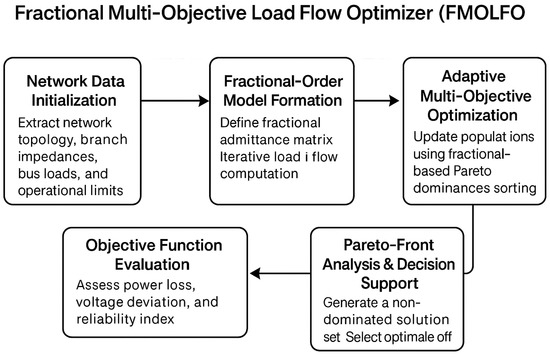
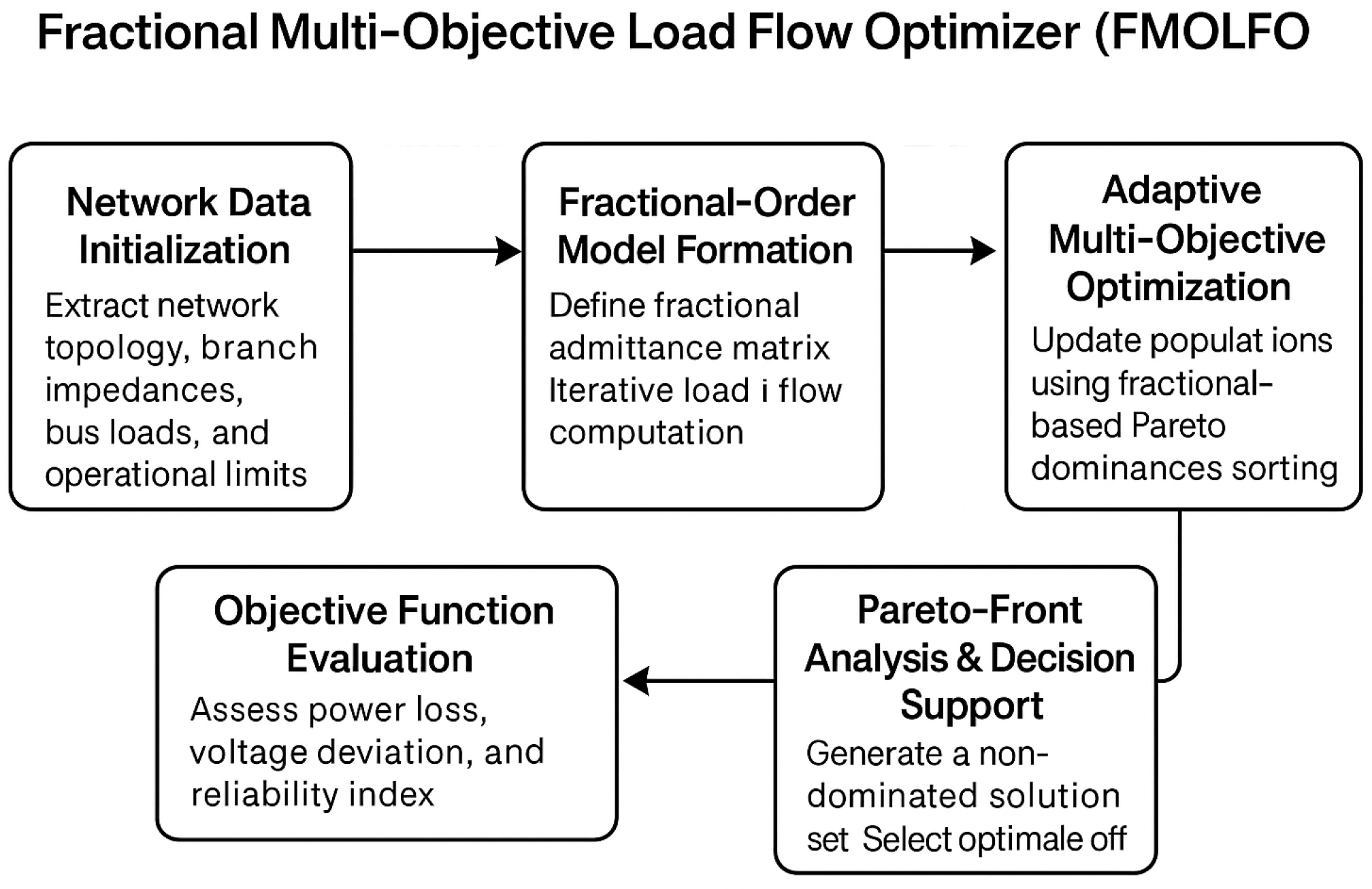
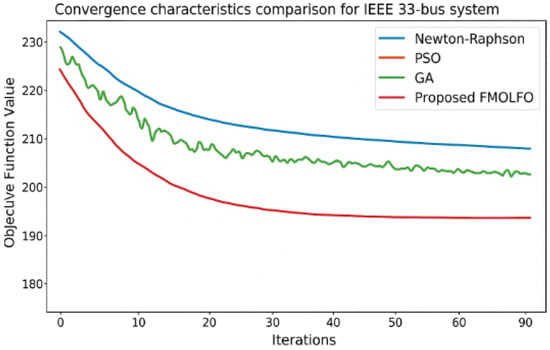
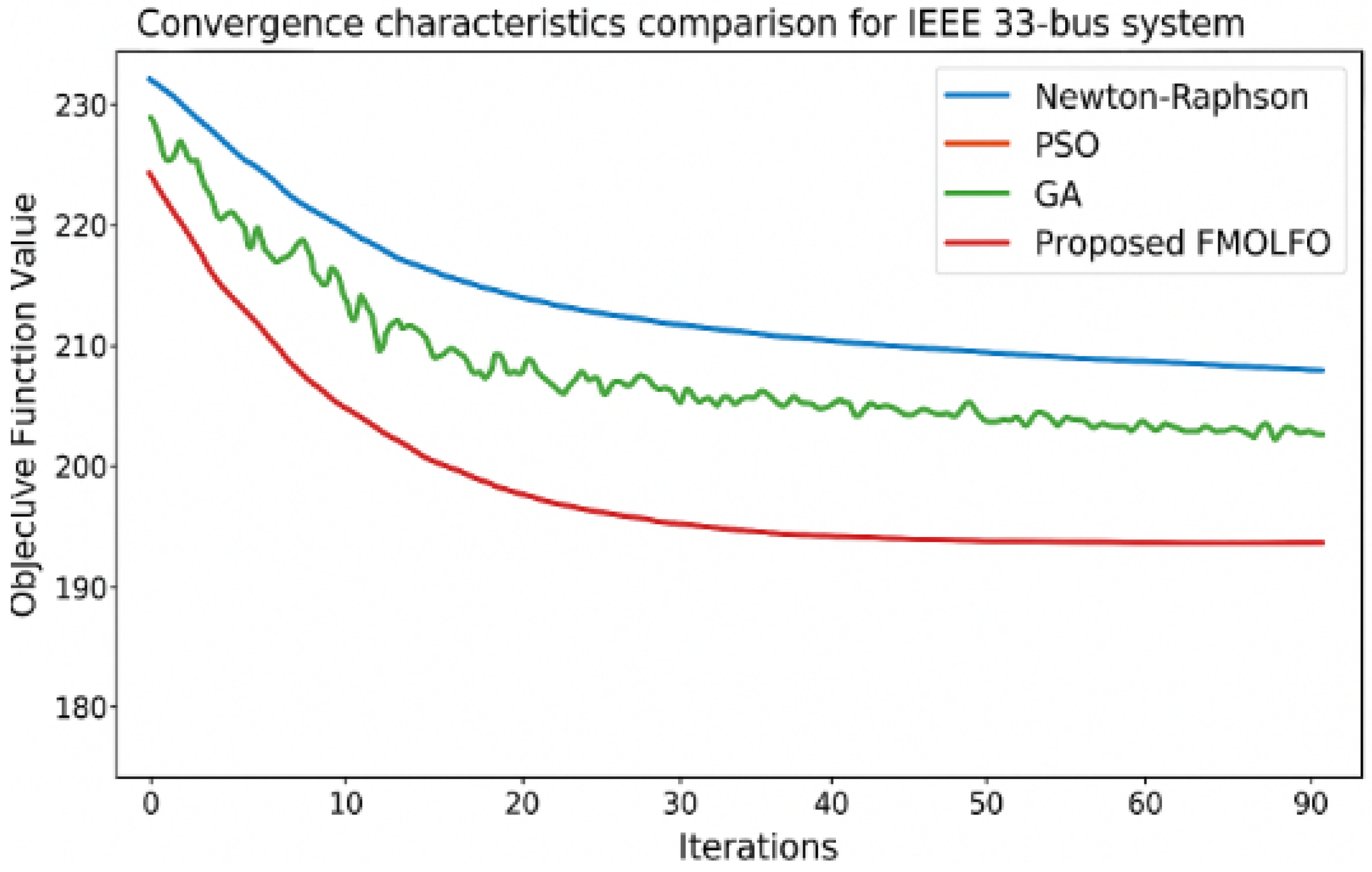
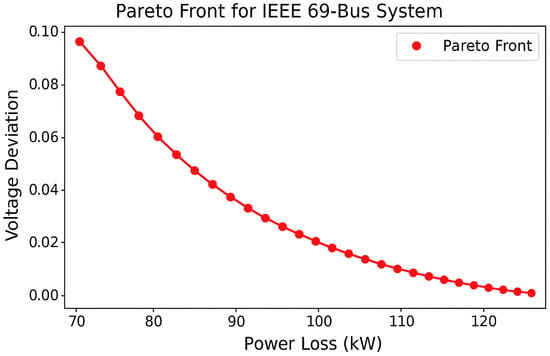
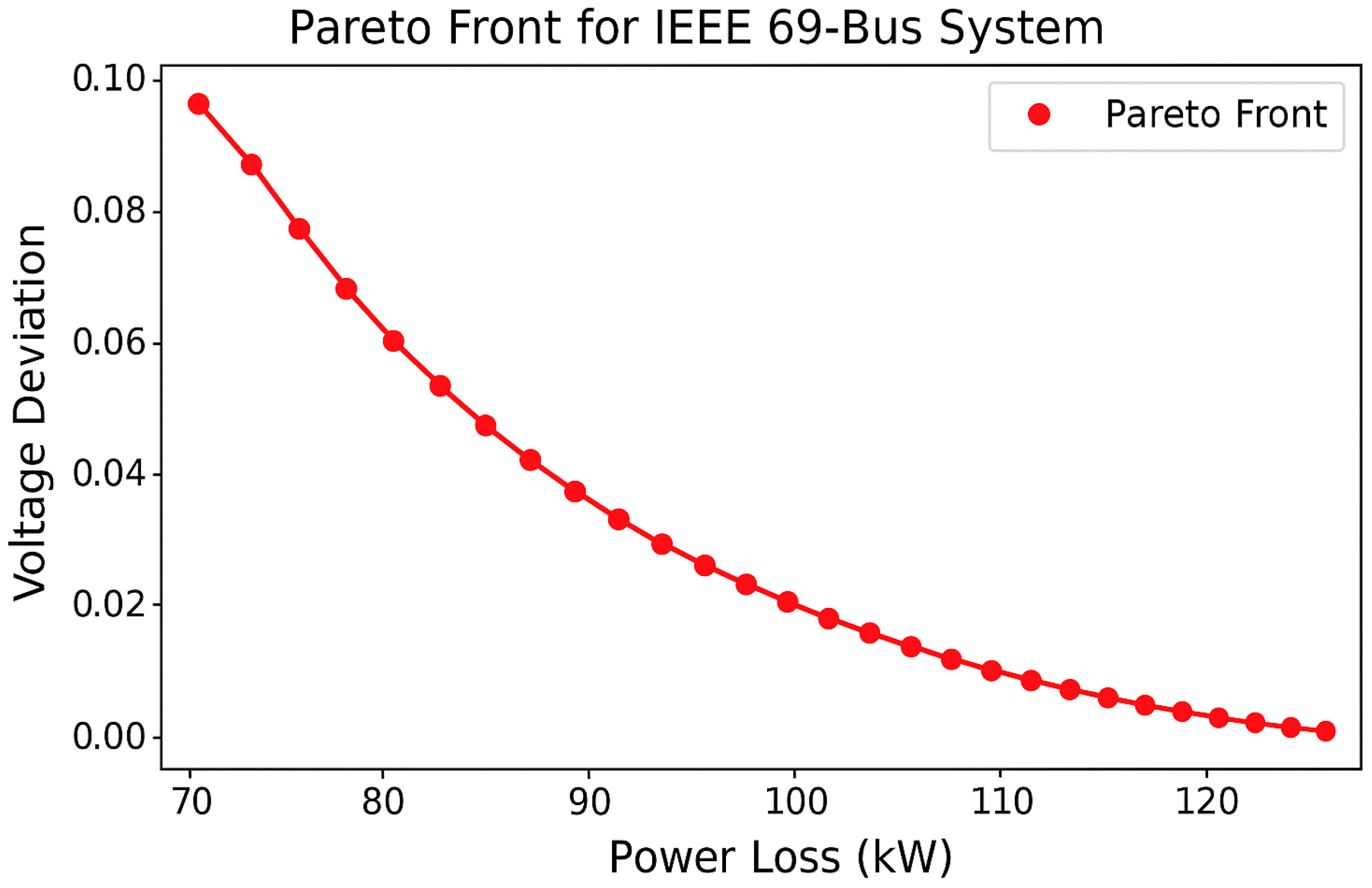
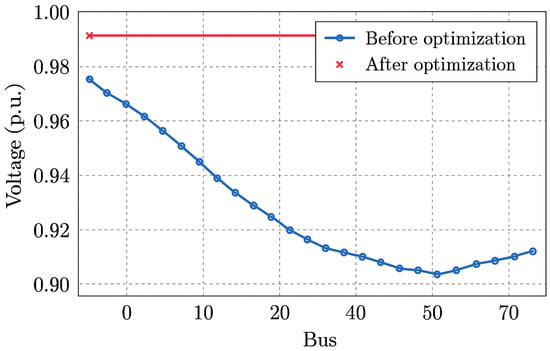
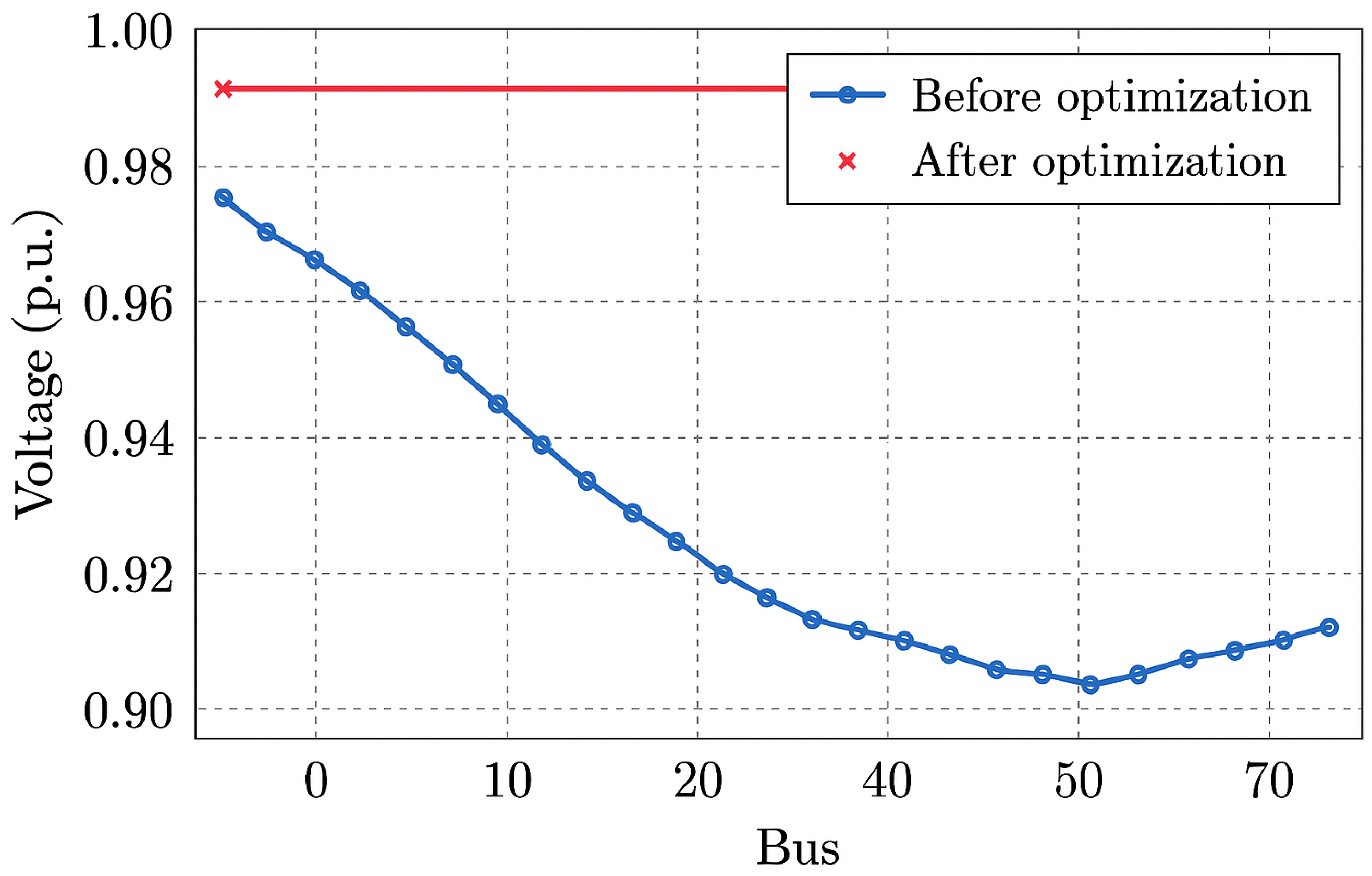
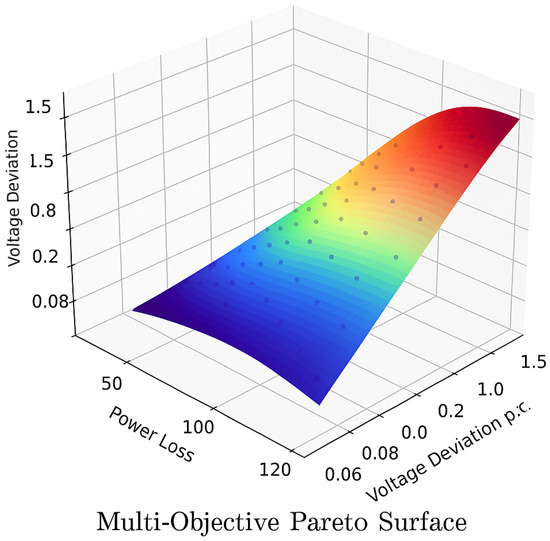
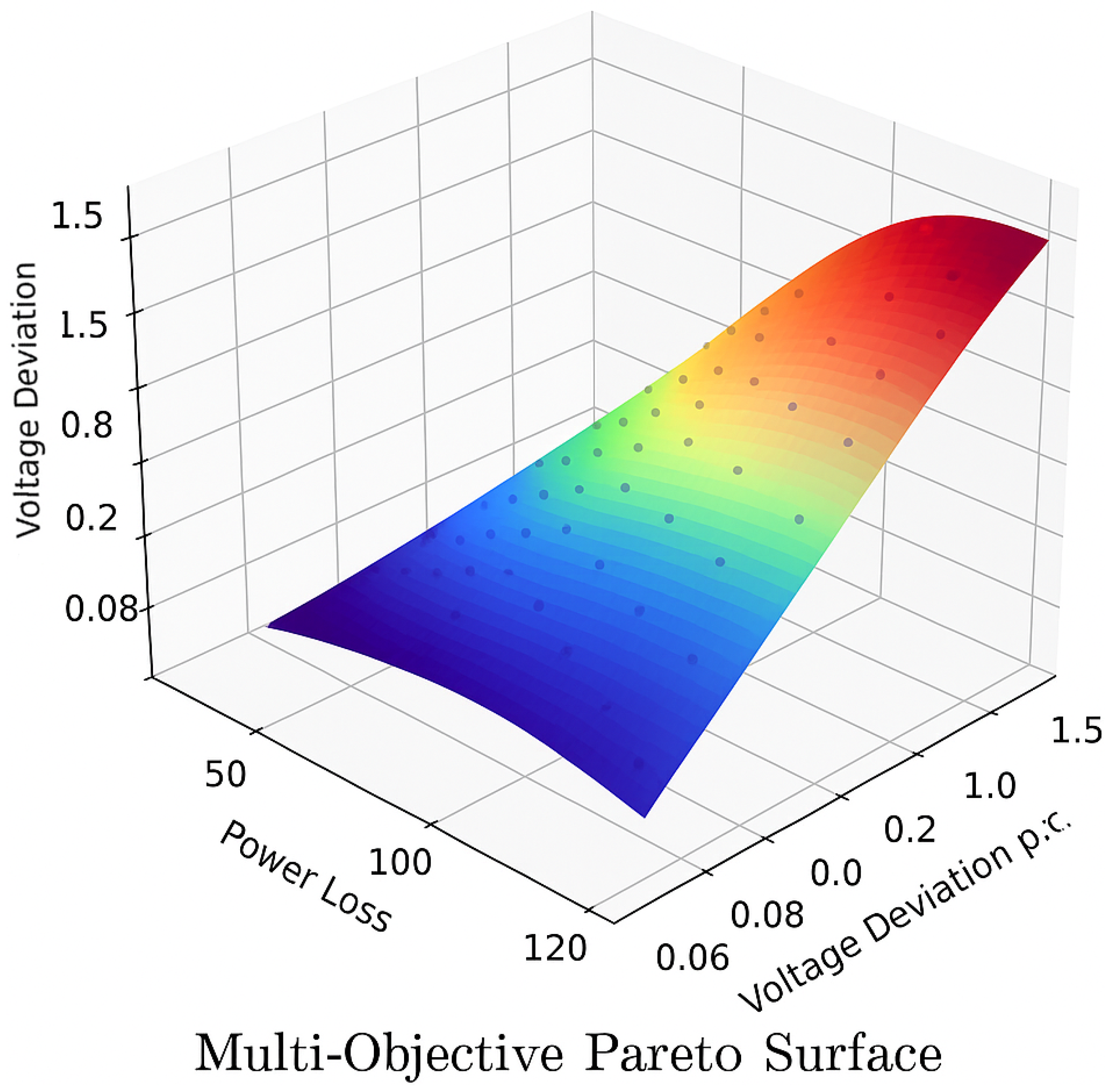
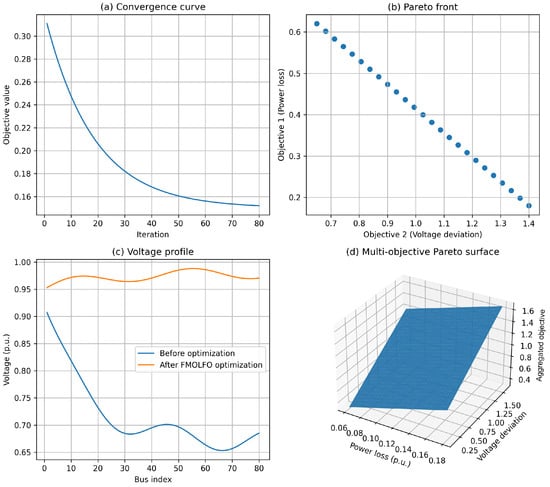
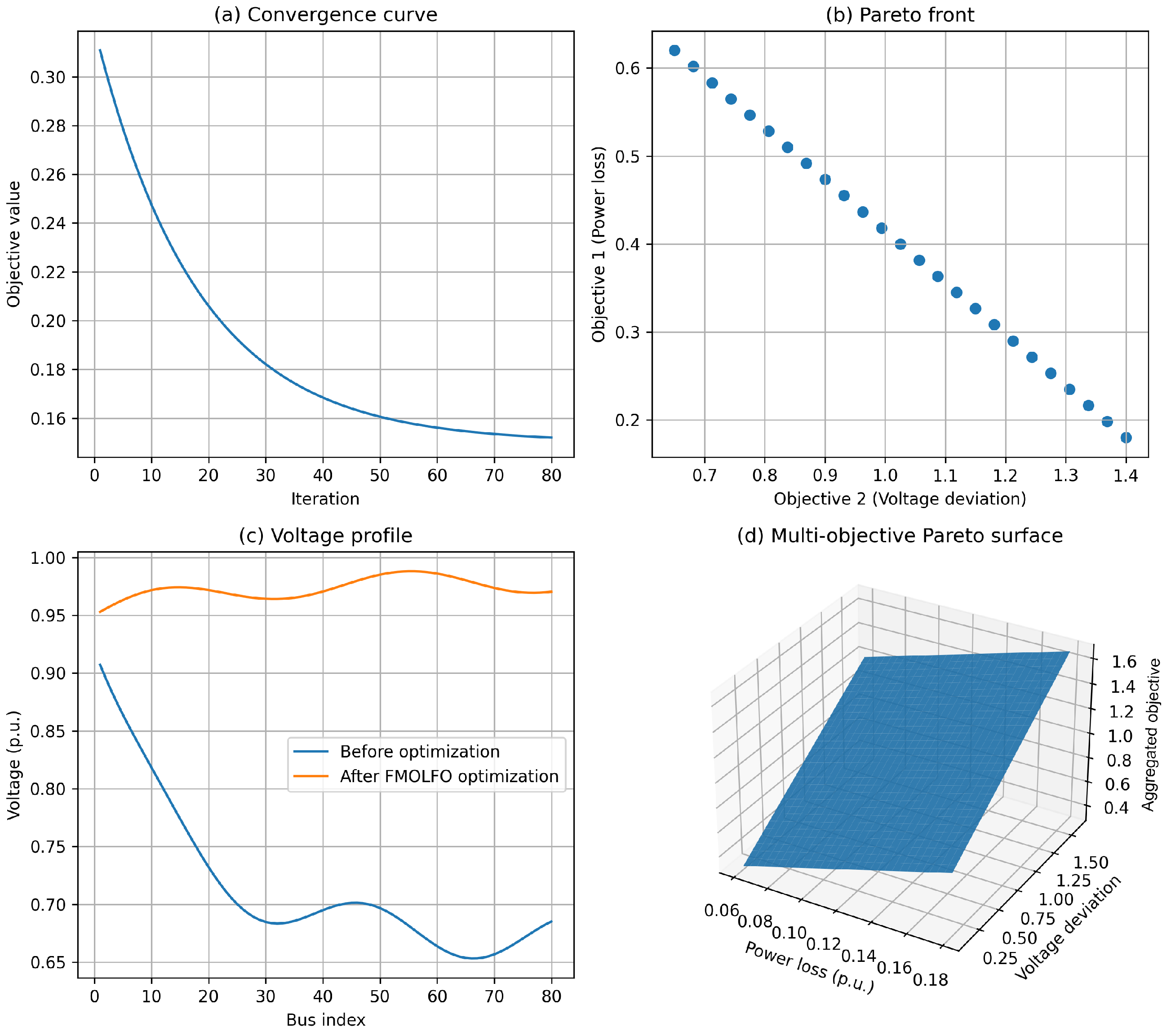
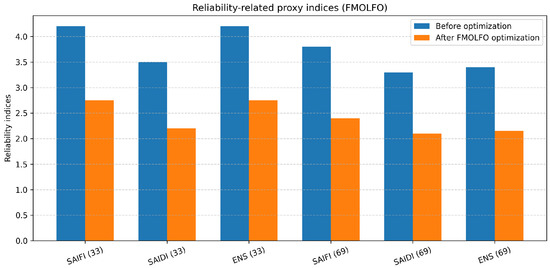
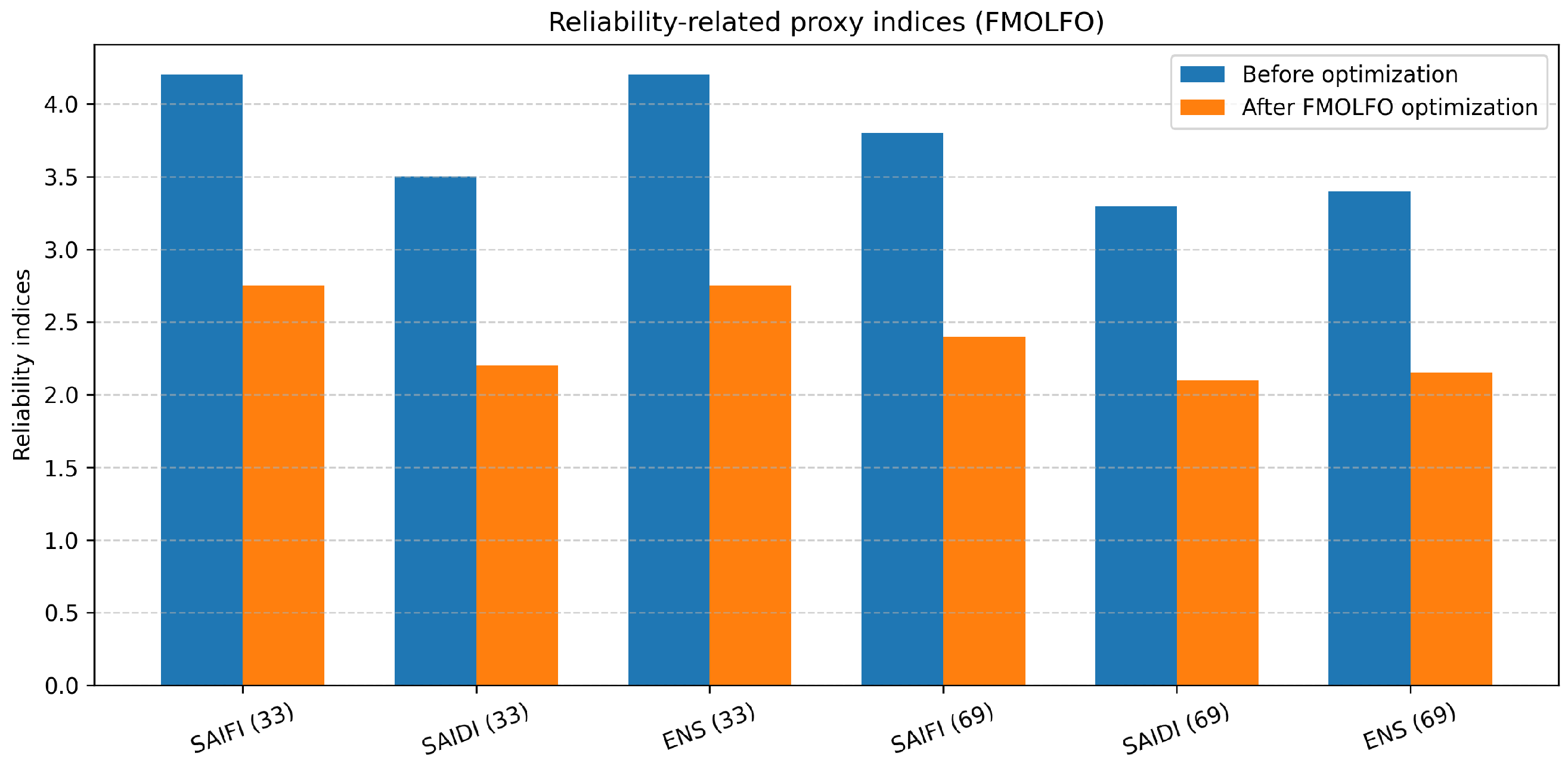
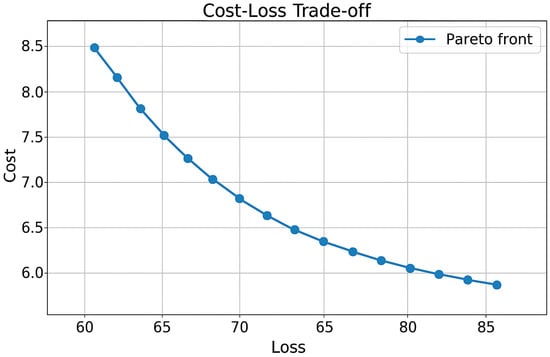
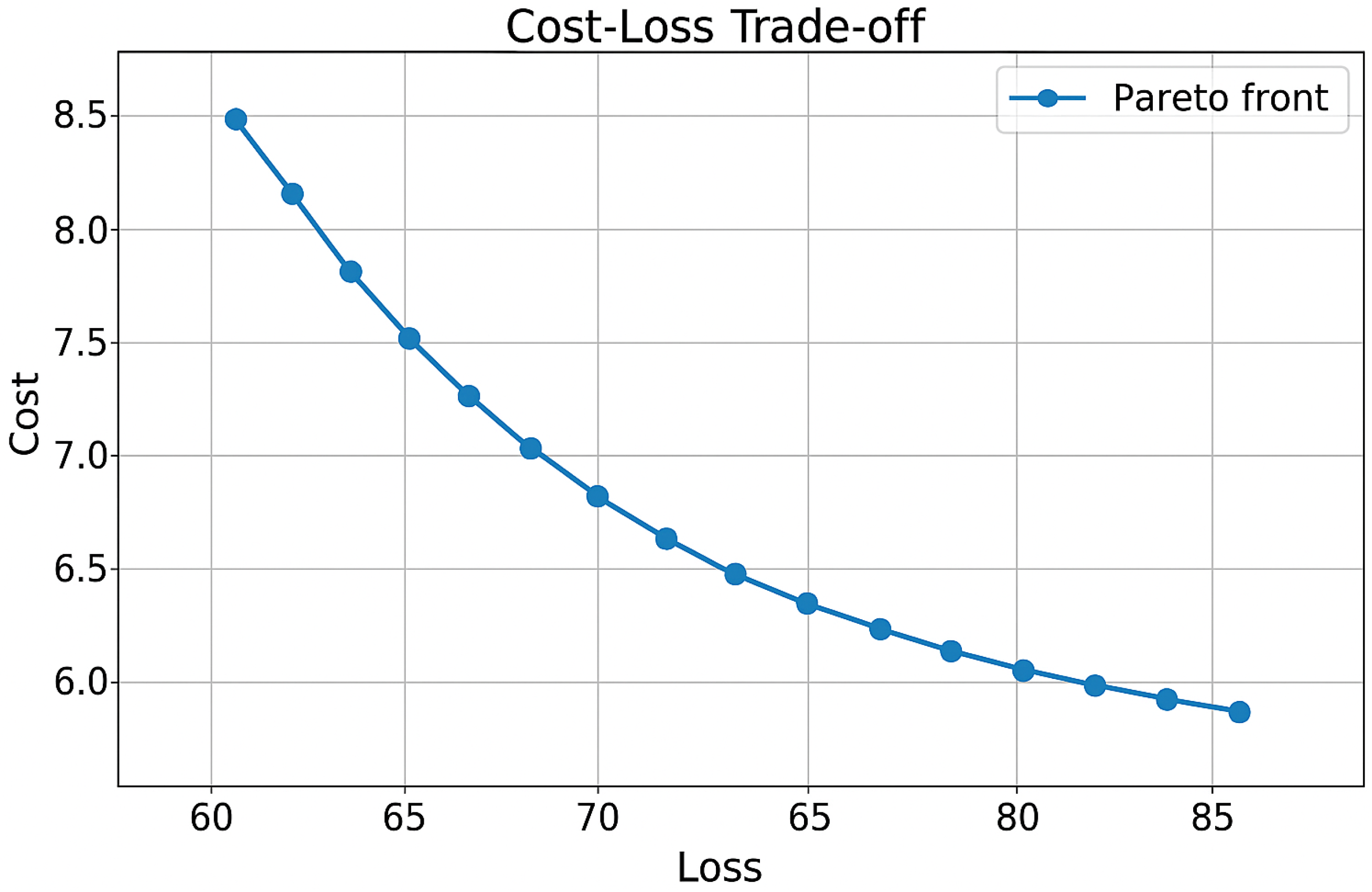
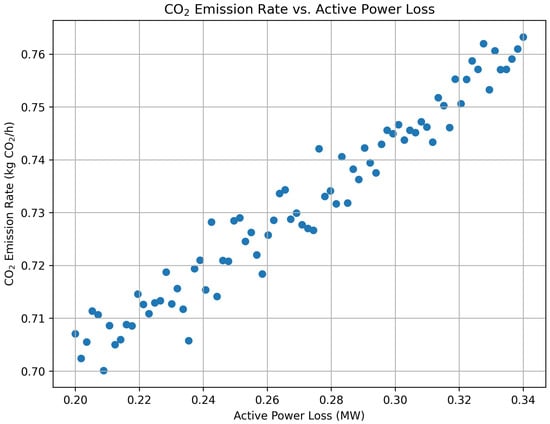
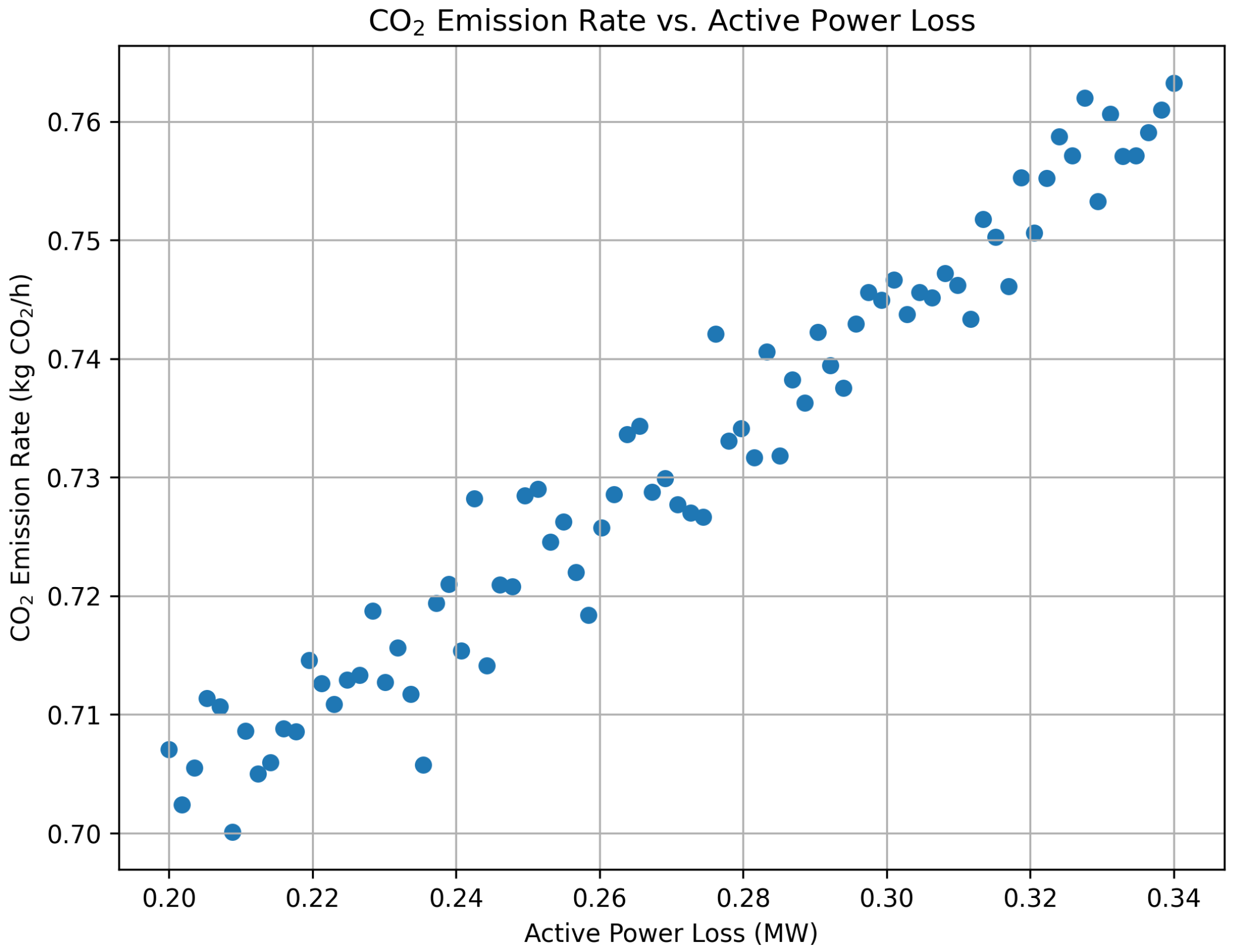
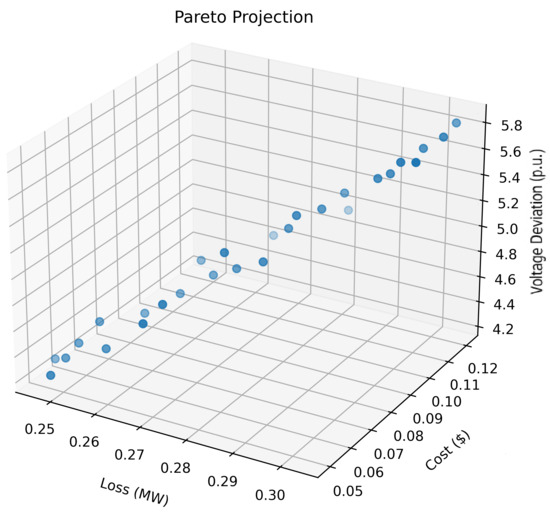
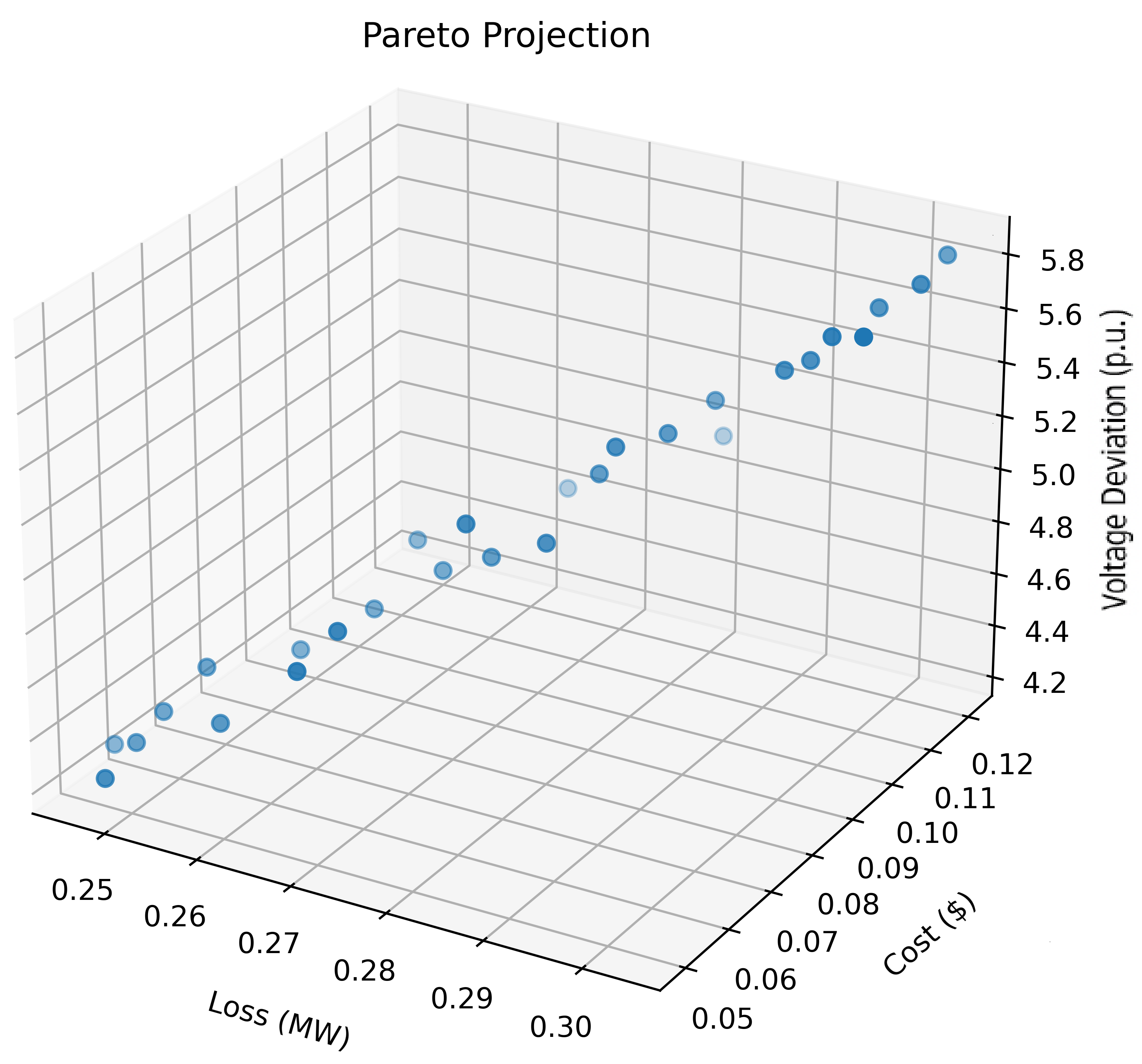
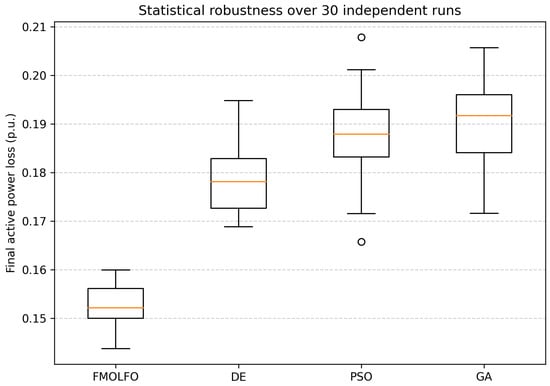
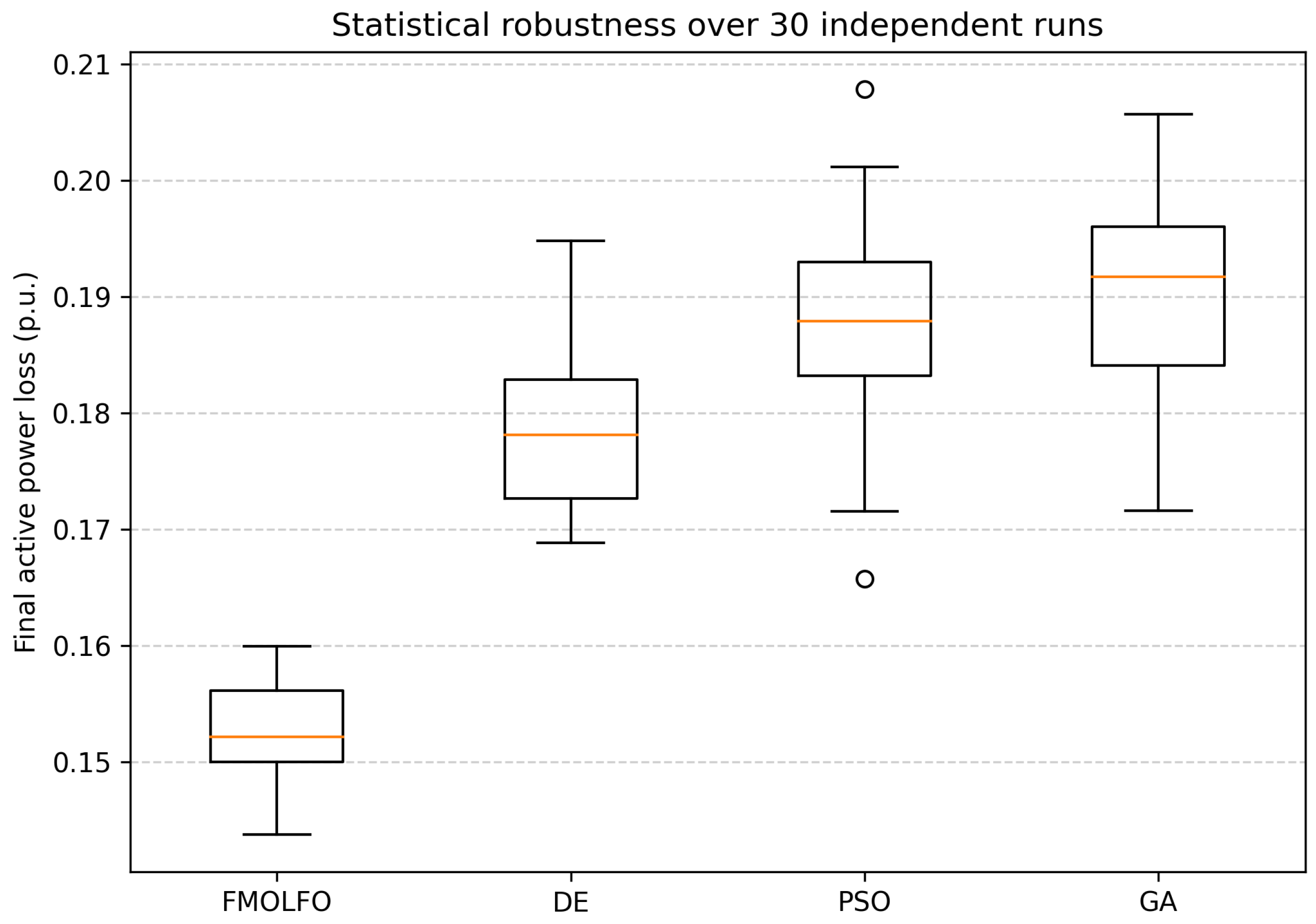
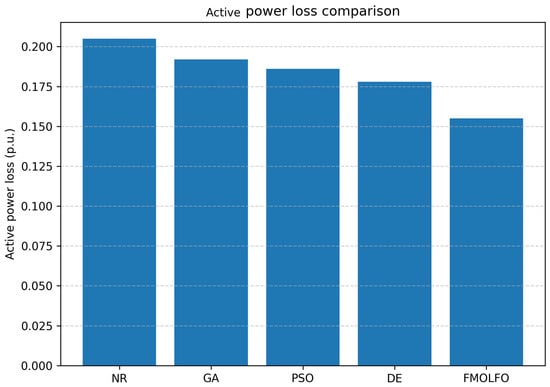
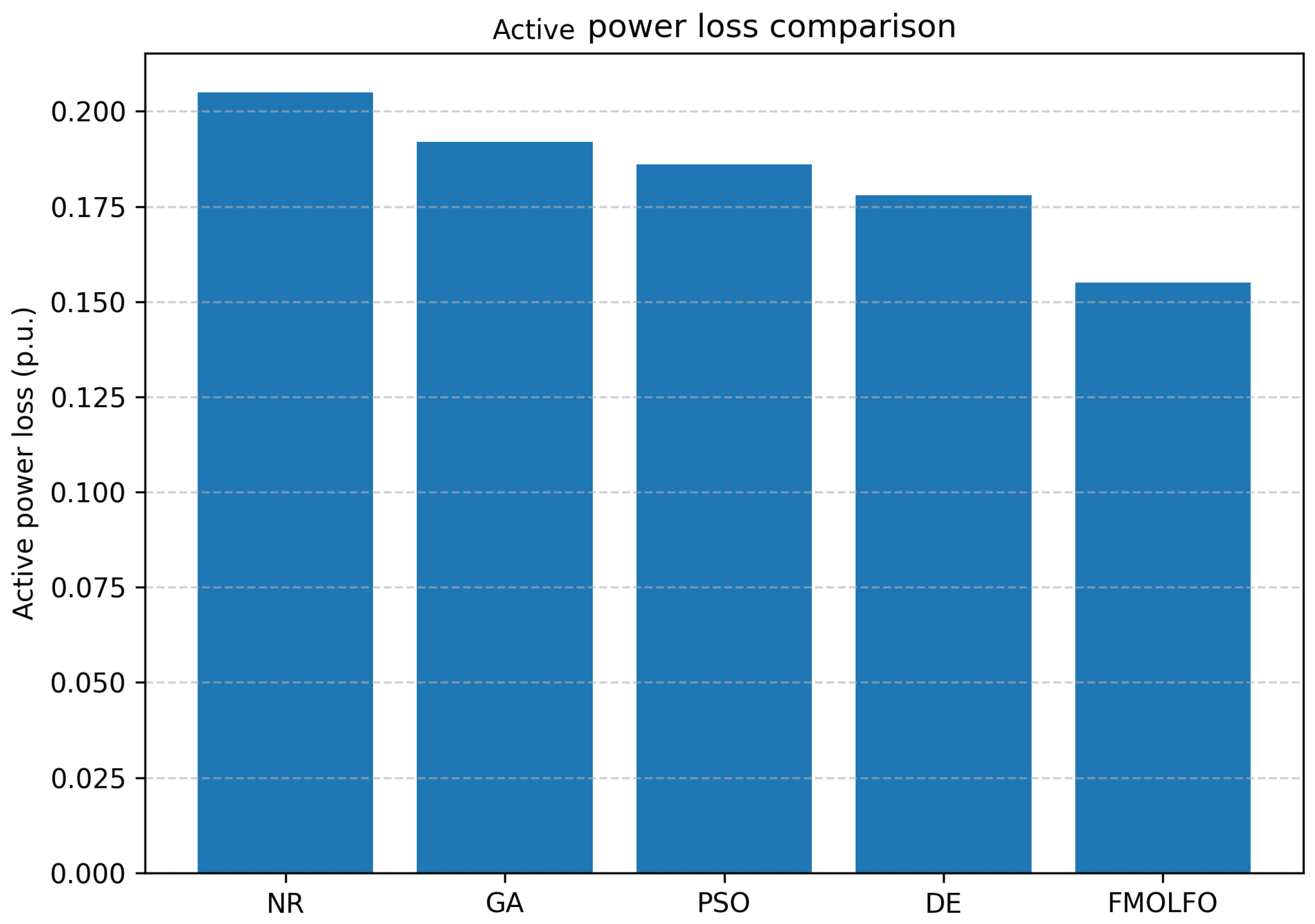
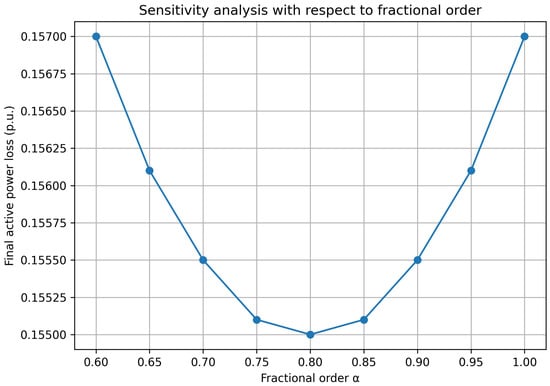
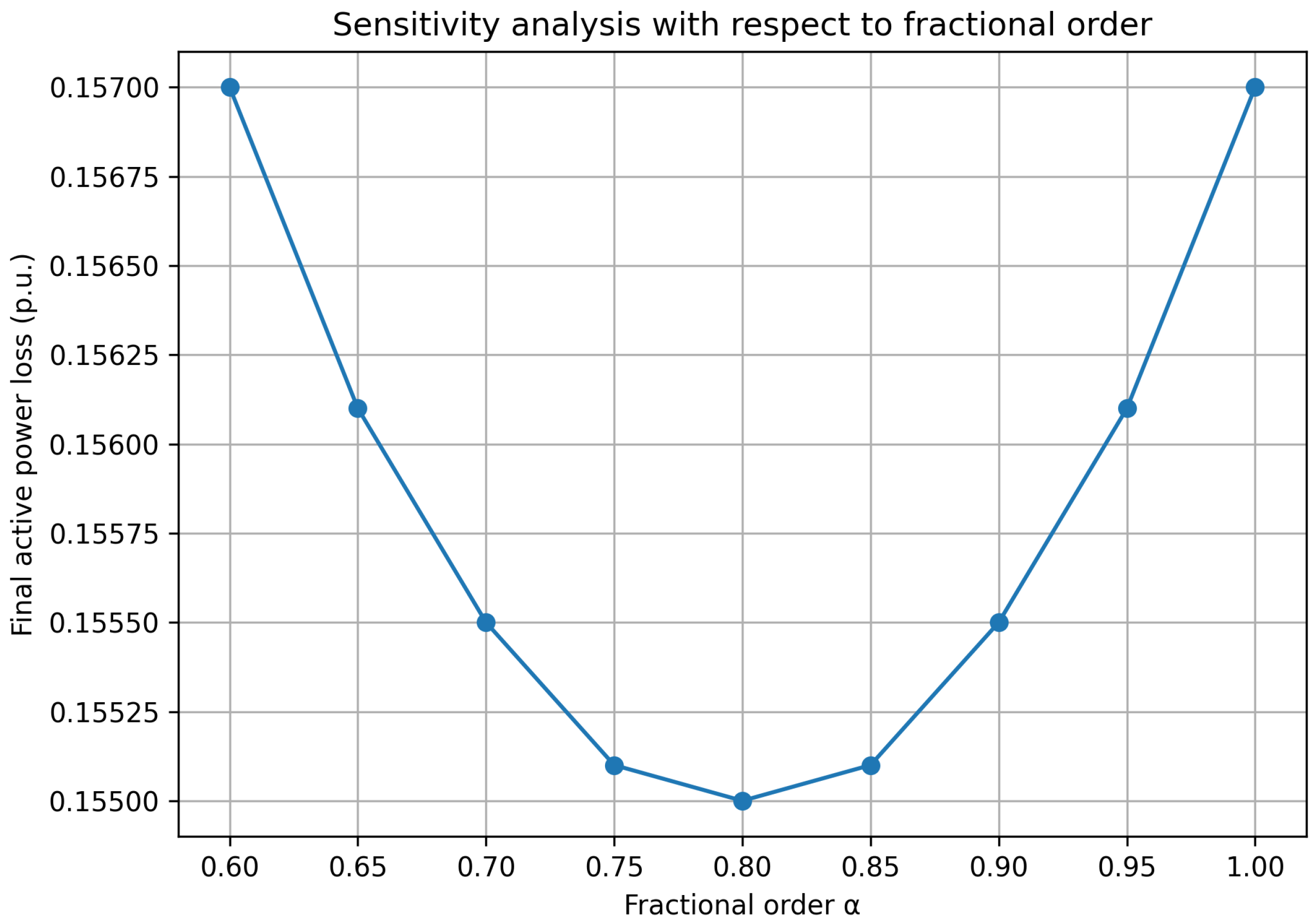
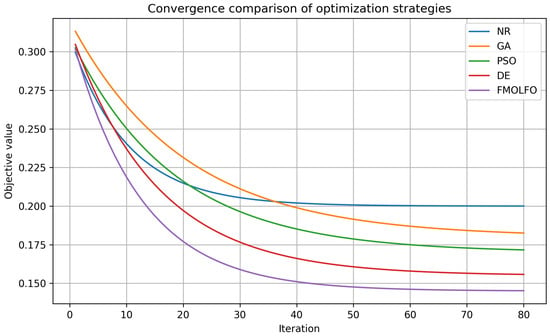
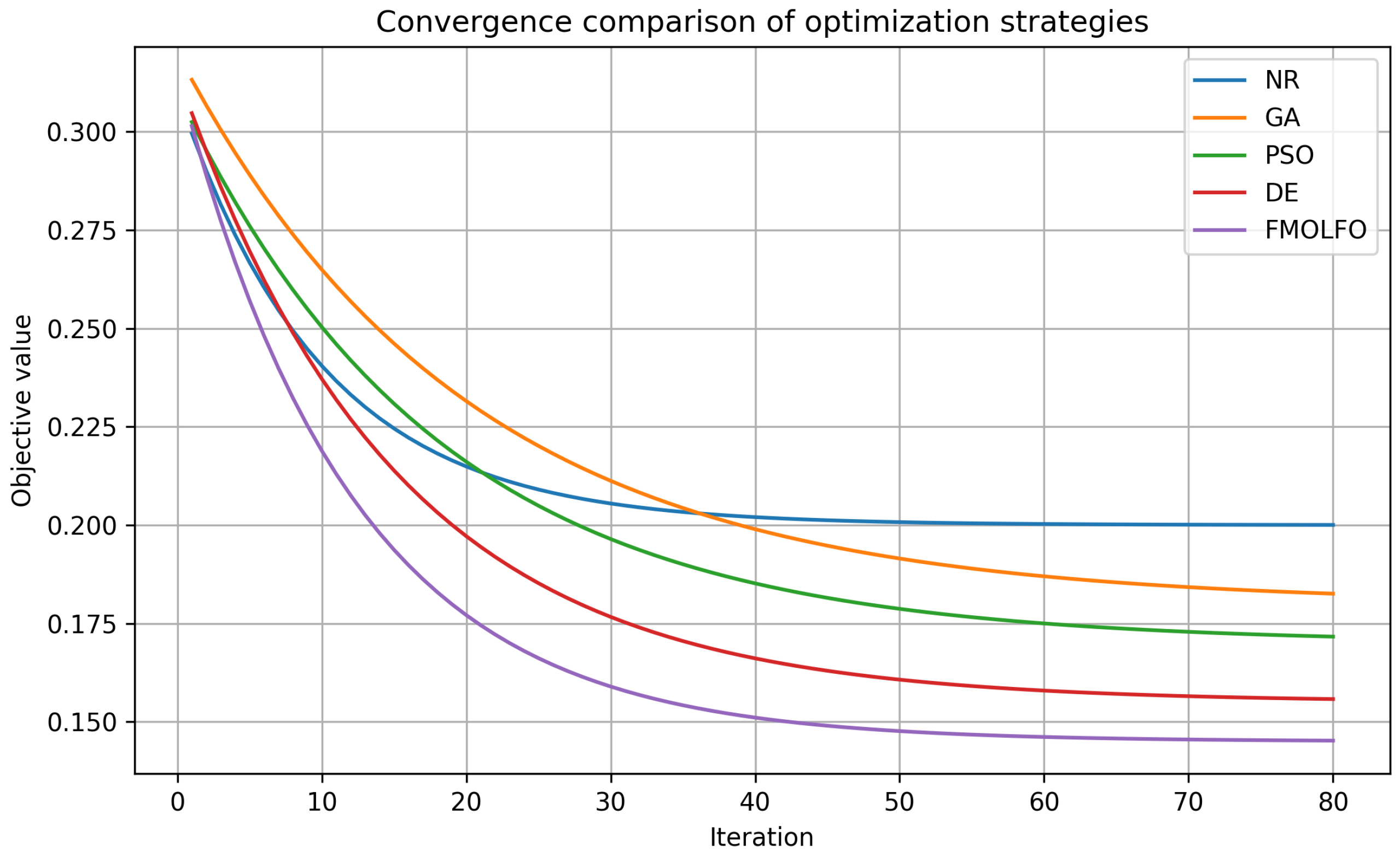

Disclaimer/Publisher’s Note: The statements, opinions and data contained in all publications are solely those of the individual author(s) and contributor(s) and not of MDPI and/or the editor(s). MDPI and/or the editor(s) disclaim responsibility for any injury to people or property resulting from any ideas, methods, instructions or products referred to in the content. |
© 2026 by the authors. Licensee MDPI, Basel, Switzerland. This article is an open access article distributed under the terms and conditions of the Creative Commons Attribution (CC BY) license.