


Abstract
Understanding particle transport in rough-walled fractures is essential for predicting flow behavior, clogging, and permeability evolution in natural and engineered subsurface systems. This study develops a fully coupled CFD–DEM framework to investigate how self-affine fractal roughness, represented by the Joint Roughness Coefficient (JRC), governs fluid–particle interactions across multiple scales. Nine fracture geometries with controlled roughness were generated using a fractal-based surface model, enabling systematic isolation of roughness effects. The results show that increasing JRC introduces a hierarchy of geometric perturbations that reorganize the flow field, amplify shear and velocity-gradient fluctuations, and enhance particle–wall interactions. Particle migration exhibits a nonlinear response to roughness due to the competing influences of disturbance amplification and the formation of preferential high-velocity pathways. Furthermore, roughness-controlled scaling relations are identified for mean particle velocity, residence time, and energy dissipation, revealing JRC as a fundamental parameter linking geometric complexity to transport efficiency. Based on these findings, a unified mechanistic framework is established that conceptualizes fractal roughness as a multiscale geometric forcing mechanism governing hydrodynamic heterogeneity, particle dynamics, and dissipative processes. This framework provides new physical insight into transport behavior in rough fractures and offers a scientific basis for improved prediction of clogging, proppant placement, and transmissivity evolution in subsurface engineering applications.
1. Introduction
With the global transition toward cleaner energy systems and the increasing exploitation of unconventional oil and gas reservoirs, hydraulic fracturing has become a key technology for improving permeability in low-permeability formations such as shale gas and tight oil [1,2]. Proppant transport, placement, and retention play a decisive role in maintaining fracture conductivity [3,4]; however, the subsurface fracture space is highly concealed, geometrically complex, and characterized by strong heterogeneity [5,6]. As a result, migration, settling, diversion, and accumulation of proppants cannot be directly observed, and field operations often rely on empirical parameter adjustments [7]. This limits the mechanistic understanding and predictive capability of proppant placement, creating uncertainties in post-fracturing production performance.
Extensive geological surveys and digital-core reconstructions have revealed that natural rock fractures are not smooth channels but exhibit pronounced self-affine fractal roughness [8]. Irregular protrusions, depressions, shear striations, and alternating constriction–expansion segments form multiscale geometric undulations that substantially modify the local hydraulic environment [9]. These geometric irregularities alter velocity gradients, enhance shear, and induce localized flow separation, giving rise to heterogeneous flow structures that deviate significantly from those predicted by smooth-wall models [10]. Particle transport within such rough-walled channels becomes highly sensitive to microscale geometry, with behaviors including trajectory deviation, intermittent acceleration or deceleration, localized retention, and increased particle–wall interactions [11,12]. These characteristics are central to understanding proppant bridging, uneven placement, clogging development, and permeability degradation.
Despite intensive research on fracture flow and roughness characterization, existing modeling frameworks still fall short of capturing the full complexity of particle migration in self-affine rough fractures. Many numerical studies rely on idealized 2D geometries or simplified statistical roughness models, which inadequately represent the multiscale, fractal-like features of natural surfaces. As a consequence, they underestimate key roughness-induced perturbations such as enhanced shear, local acceleration, secondary flow structures, and near-wall stagnation [13,14]. Experimental approaches, while capable of reproducing realistic fracture surfaces, face limitations in roughness controllability, boundary stability, and visualization of particle–wall contacts, making it difficult to resolve fine-scale dynamics such as force fluctuations and transient trapping [15,16,17].
Furthermore, conventional CFD struggles to represent solid–solid contacts, while DEM alone cannot account for fluid-induced perturbations. Although CFD–DEM coupling offers a promising multiphase modeling strategy, most existing applications focus on macroscopic deposition patterns rather than the underlying multiscale transport mechanisms [18,19]. Critically, quantitative and generalizable relations between geometric roughness parameters—such as the Joint Roughness Coefficient (JRC) or tortuosity—and transport metrics including particle-velocity probability distributions, residence-time distributions (RTD), force fluctuations, and energy dissipation have not been established [20]. The absence of such scaling relationships poses a major obstacle to cross-scale prediction of particle transport in rough-walled fractures, limiting the scientific basis of proppant-placement design.
Although significant progress has been made in modeling particle transport in rough fractures, several gaps remain in existing CFD–DEM studies. Many investigations rely on idealized or statistically simplified roughness representations, which do not fully capture the multiscale nature of self-affine fracture surfaces. In addition, a large body of work focuses either on fluid flow characteristics or on particle trajectories separately, without explicitly resolving their coupled interactions in rough geometries. Even in recent CFD–DEM studies, the influence of self-affine fractal roughness parameters, such as the Joint Roughness Coefficient (JRC), on flow reorganization, particle–wall interactions, and transport efficiency has not been systematically quantified. Given these challenges, there is an urgent need for a high-fidelity modeling framework capable of accurately reconstructing self-affine rough fracture geometries and resolving the multiscale coupling among fracture roughness, fluid-flow perturbation, particle dynamics, and energy dissipation. Such a framework should bridge the gap between microscopic geometric characteristics and macroscopic transport behavior, enabling predictive modeling of particle migration and clogging in natural and engineered fracture systems.
The primary purpose of this study is to systematically investigate how self-affine fractal roughness, characterized by the Joint Roughness Coefficient (JRC), governs fluid–particle interactions and particle transport behavior in fracture channels. By employing a fully coupled CFD–DEM framework, this work aims to reveal the nonlinear dependence of particle migration on roughness, quantify the effects of roughness-induced flow reorganization on particle velocity and residence time, and provide physical insight into particle capture and transport efficiency in rough fractures. The results are intended to contribute to a more reliable understanding of particle transport and clogging risks in subsurface engineering applications. In this study, a fully coupled, high-resolution CFD–DEM numerical framework is developed to investigate the multiscale mechanisms governing particle transport in self-affine rough fractures. Fractal roughness profiles are generated using an improved Random Successive Addition method and calibrated using the Joint Roughness Coefficient (JRC). Under controlled conditions, roughness is varied as the sole independent parameter to isolate its influence on flow-field perturbation and particle dynamics. The simulations uncover how fractal roughness regulates velocity and pressure structures, particle-trajectory evolution, particle–wall collisions, force fluctuations, residence time, and system energy dissipation. Scaling-like relations between JRC and key transport metrics are further established, forming the basis of a unified mechanistic framework for particle migration in rough-walled fractures. Several recent CFD–DEM studies have investigated particle transport in rough or quasi-realistic fracture geometries (e.g., Gao et al., 2025 [11]; Li et al., 2021 [17]; Gong et al., 2023 [18]). These studies primarily focus on particle migration paths, deposition patterns, or local clogging behavior under specific roughness conditions. However, they do not establish systematic roughness-controlled relationships across multiple transport metrics, nor do they employ a standardized roughness parameter to link fracture morphology with particle velocity statistics, residence time, and energy dissipation. In contrast, the present study introduces JRC as a bridging parameter and provides a unified framework that quantitatively connects self-affine roughness with multiscale transport and dissipation behavior.
2. Theory Background and Numerical Method
2.1. Numerical Method
The transport of particles within fractured media is an intrinsically Multiphysics and strongly coupled process. During migration, particles are subjected to a combination of hydrodynamic forces, including viscous drag, pressure-gradient forces, and lift [21,22]. At the same time, they undergo frequent collisions with fracture walls and neighboring particles. These concurrent fluid–solid and solid–solid interactions generate substantial momentum exchange and exert a strong influence on particle trajectories. Therefore, accurately resolving fluid–particle interactions is essential for understanding how geometric complexity and tortuosity in rough-walled fractures regulate particle migration. In the present simulations, the unresolved CFD–DEM formulation is applied under conditions where the particle diameter (dp = 4 × 10⁻⁵ m) is significantly smaller than the fracture aperture (b = 10−3 m) and the characteristic roughness length scale, while remaining larger than the smallest mesh scale used to resolve the rough-wall geometry. This scale separation ensures that hydrodynamic forces are effectively averaged at the particle scale, whereas roughness-induced flow heterogeneity and particle–wall interactions are explicitly resolved. Although a fully general dimensionless applicability criterion is not established here, these quantitative scale relationships define the validity range of the present simulations and support reproducibility.
To capture this bidirectional coupling between the particulate and fluid phases, the Computational Fluid Dynamics–Discrete Element Method (CFD–DEM) provides a robust and widely adopted numerical framework. In this hybrid approach, the fluid phase is modeled as a continuum and solved using computational fluid dynamics, whereas the particulate phase is explicitly resolved using the discrete element method, which computes particle motion as well as particle–particle and particle–wall contacts. This formulation enables detailed, particle-scale characterization of trajectories, force evolution, and local interactions with the surrounding flow field. Given its demonstrated effectiveness in representing complex multiphase transport behavior, the present study employs an unresolved CFD–DEM coupling scheme to simulate two-phase fluid–particle flow within rough and tortuous fracture geometries. This approach allows a systematic investigation of how self-affine roughness and flow-path tortuosity affect particle migration.
In the hydrodynamic computations, water is modeled as an incompressible Newtonian fluid under laminar flow conditions. Under these assumptions, fluid motion inside the fracture channel is governed by the conservation equations of mass and momentum, expressed as follows [23]:
where
denotes the density of the fluid phase;
is the fluid velocity;
represents the pressure;
is the gravitational acceleration; and
denotes the external body force acting on the fluid.
In this study, particles are treated as the discrete phase and are resolved using the Discrete Element Method (DEM). Particle motion during transport is governed jointly by hydrodynamic forces and inter-particle contact forces, while two-way coupling with the fluid phase is incorporated through momentum exchange between the two phases. To simplify the analysis, particles are assumed to be rigid, homogeneous spheres of identical diameter, undergoing neither deformation nor thermal interaction during motion. Under these assumptions, particle dynamics follow Newton’s second law, and the translational and rotational equations of motion are given by
where
denotes the contact force between particles;
is the particle mass;
represents the fluid density;
is the particle density;
denotes the drag force acting on the particle;
is the virtual mass force;
represents the pressure-gradient force; and
is the Saffman lift force exerted on the particle. The pressure gradient force and the virtual mass force are formally retained in the particle force balance to ensure a physically complete and general CFD–DEM formulation. Although these forces may become important in flows with comparable fluid and particle densities or under strongly unsteady conditions, their contribution is negligible in the present simulations due to the relatively high particle-to-fluid density ratio (ρp/ρf ≈ 2.5) and moderate particle acceleration. Consequently, particle motion is dominated by drag, lift, gravity, and contact forces. The inclusion of these terms does not affect the results but preserves the extensibility of the model to other flow regimes.
In this study, all simulated particles are modeled as rigid bodies, and neither electrostatic interactions nor adhesive forces are considered. Particle contacts are governed by the Hertz–Mindlin contact model, in which the total contact force consists of normal and tangential components. The normal force component is given by [24]
where
is the normal overlap, and the effective Young’s modulus
and effective radius
are defined as follows:
In addition, the tangential force
is given by
where
denotes the tangential overlap, and
is the tangential stiffness, which is expressed as
where
represents the effective shear modulus.
A drag force arises whenever the particle velocity differs from the local fluid velocity because of the relative motion between the two phases. For the particle–fluid coupling conditions considered in this study, the drag force acting on each particle is described using the Schiller–Naumann correlation [25]:
where
is the drag coefficient;
denotes the fluid density;
represents the particle–fluid interaction area;
is the fluid velocity; and
is the particle velocity.
The virtual mass force and pressure-gradient force are negligible when the fluid density is far lower than the particle density. In contrast, once the two densities become comparable, both forces exert a substantial influence on particle transport.
The virtual mass force
acting on a particle is expressed as [26]
where
is the virtual mass coefficient, which is taken as 0.5 in this study.
A particle subjected to a fluid pressure gradient experiences a corresponding pressure-gradient force
[27]:
In addition, the Saffman lift force
acting on particles within the fracture is also considered [28]:
where K is a constant, taken as 2.594 in this study, and
denotes the rate-of-strain tensor.
To assess the numerical reliability of the simulations, a mesh independence study was conducted by comparing results obtained with different mesh resolutions. Key flow and transport quantities, including mean velocity, pressure drop, and particle residence time, were examined. The differences between successive mesh refinements were found to be negligible, indicating that the selected mesh resolution is sufficient to accurately capture the flow and particle transport characteristics while maintaining computational efficiency.
The unresolved CFD–DEM scheme employed in this study is applicable when particle diameters are smaller than the characteristic flow structures but larger than the smallest roughness asperities resolved by the computational mesh. Under this condition, hydrodynamic forces are effectively averaged at the particle scale, while roughness-induced flow heterogeneity and particle–wall collisions remain explicitly represented. In the present simulations, particle sizes are comparable to the characteristic fracture aperture and smaller than the dominant roughness wavelength, ensuring that the main transport mechanisms associated with roughness-induced flow reorganization are captured. It is acknowledged that micromechanical interactions at sub-asperity scales may be smoothed by the unresolved formulation; however, this level of detail is beyond the scope of the present study and does not affect the macroscopic transport trends investigated here.
2.2. Self-Affine Rough Fractures Surface Generation
Fracture walls in natural rock masses typically exhibit pronounced self-affine fractal characteristics [29], and their geometric irregularities play a critical role in controlling both fluid flow and particle transport. To capture the stochastic roughness of such natural surfaces with high fidelity, the present study generates fracture profiles using fractal Brownian motion (fBm). By adjusting the Hurst exponent H and the corresponding fractal dimension Df, a series of self-affine boundaries with systematically varied roughness levels is produced. The resulting surface geometries are quantitatively characterized using parameters such as the Joint Roughness Coefficient (JRC) and the root mean square of the first derivative [30]. This procedure allows the construction of continuous, controllable rough-fracture profiles for CFD–DEM simulations while preserving the essential statistical attributes observed in natural fractures.
Self-affine fracture surfaces possess the defining property that their statistical features remain invariant under anisotropic scaling in the tangential and normal directions. This behavior can be quantified through the Hurst exponent H or the fractal dimension Df, which satisfy the relationship [31]:
In a one-dimensional fractal Brownian motion, the position of any point along the fracture profile is represented by a random, continuous, single-valued function Z(x). The increment over a lag distance h follows a Gaussian distribution with zero mean and variance zero and variance σ2. Based on the statistical properties of the increment mean and variance, the self-affine behavior of fractal Brownian motion can be expressed as [32]
where r is an arbitrary constant and, H is the Hurst exponent. Based on Equations (1) and (2), the function increment can be written as
According to the self-affine generation algorithm, nine one-dimensional fracture profiles with distinct roughness characteristics were generated by varying the Hurst exponent. The geometric parameters of these surfaces were subsequently calculated. According to the primary flow direction in the CFD–DEM simulations, statistical analyses of the surface morphology were conducted to quantitatively characterize fracture-wall roughness. The root mean square of the first derivative (Z2) and the Joint Roughness Coefficient (JRC) were computed using the following expressions [33]:
where x is the coordinate along the length direction of the fracture surface profile; z denotes the coordinate in the height direction of the profile; N is the total number of data points; and i represents the index of each data point.
Based on fractal theory, an improved random successive addition (RSA) method was employed to generate self-affine rough fracture surfaces. A dedicated fracture-profile generation program was developed specifically for this study, enabling precise control of roughness characteristics. According to the predefined roughness levels, nine sets of fracture profiles were produced, corresponding to JRC values of 2.04, 3.99, 6.03, 8.02, 9.96, 12.06, 13.98, 16.04, and 17.99. To provide a clear visual representation of the generated fractal surfaces, Figure 1 illustrates the profiles associated with the different roughness conditions.
Figure 1.
Fractal fracture surface profiles at different roughness levels, based on the comparison of self-affine curves corresponding to various JRC values.
As illustrated in Figure 1, increasing roughness parameters such as the Hurst exponent, the Joint Roughness Coefficient (JRC), and the root mean square of the first derivative leads to a marked enlargement of the surface fluctuation amplitude. The fracture surfaces exhibit progressively stronger undulations, and the tortuosity of the fracture path increases accordingly, resulting in a monotonic rise in overall roughness. This evolution reflects the intrinsic multiscale irregularity of self-affine fractal surfaces and provides a clear geometric foundation for subsequent analyses of how surface roughness influences flow-field structures and particle migration behavior.
After generating fracture profiles with different fractal roughness levels, the next step is to convert the one-dimensional profiles into pseudo three-dimensional rough-fracture geometries suitable for numerical simulation. In this study, the upper-wall profile generated from the fractal model is used as the reference, and the corresponding lower-wall profile is constructed through geometric translation and mapping. This procedure ensures that both walls preserve an identical overall shape while maintaining a prescribed mean fracture aperture b. During the transformation, the height coordinates of each profile are uniformly normalized and scaled so that the macroscopic aperture, fracture length, and overall geometric configuration remain consistent across all roughness levels. As a result, roughness becomes the only independent variable that changes among the different cases. The upper and lower profiles are subsequently used as the boundaries of a two-dimensional computational domain. By linearly connecting the endpoints of the two curves, a closed flow channel is formed, yielding a complete rough-fracture geometry suitable for CFD–DEM simulations. This reconstruction approach maintains the statistical characteristics of the fractal-generated surfaces while ensuring geometric consistency among all cases. It provides a controllable and statistically representative geometric foundation that preserves the morphological realism of natural fracture surfaces and supports reproducible analysis of how surface roughness influences fluid flow and particle transport. The pseudo-three-dimensional fracture geometry employed in this study is constructed by extruding one-dimensional self-affine roughness profiles along the out-of-plane direction. This representation preserves the statistical self-affine characteristics of roughness along the primary flow direction, while assuming statistical uniformity in the transverse direction. Although natural fracture surfaces may exhibit anisotropic roughness correlations in different directions, the present geometry is designed to provide a controlled and reproducible framework for isolating the influence of roughness amplitude and scaling properties on fluid–particle transport. The approach enables systematic investigation of roughness effects without introducing additional geometric complexity associated with fully anisotropic surface correlations. The limitations of this representation with respect to natural fracture anisotropy are acknowledged and discussed as part of the study scope.
The fracture geometry is generated by extruding one-dimensional self-affine roughness profiles along the out-of-plane direction, forming a pseudo-three-dimensional rough fracture channel. The governing equations are solved in three dimensions, while roughness variability is restricted to the fracture plane. The out-of-plane direction is assumed to be statistically uniform, allowing controlled investigation of roughness effects without introducing additional anisotropy. No-slip boundary conditions are imposed on the lateral sidewalls. Owing to the relatively large width-to-aperture ratio, sidewall effects are secondary and do not significantly alter the main flow structures or particle transport behavior.
2.3. Boundary Conditions for Particle Transport in Numerical Simulations
In the liquid–solid two-phase CFD–DEM model developed in this study; the computational domain consists of a two-dimensional fracture channel that incorporates the natural roughness characteristics of self-affine surfaces. To accurately reproduce particle transport, accumulation, and clogging within the fracture, physically consistent boundary conditions are imposed on both the fluid and particle phases.
As illustrated in Figure 2, a velocity inlet boundary condition is applied at the fluid inlet, where a constant inflow velocity drives the fluid into the computational domain in the primary flow direction along the x-axis. The inlet velocity corresponds to a Reynolds number of Re = 100 and is set to v = 0.1 m/s, ensuring that the flow remains within the laminar regime. The outlet is specified as a pressure outlet, allowing the fluid to leave the domain under nearly atmospheric conditions and preventing nonphysical backflow.
Figure 2.
Schematic illustration of the coupled CFD–DEM simulation framework.
The upper and lower fracture walls, represented by the generated roughness profiles, are assigned no-slip boundary conditions to capture the influence of wall geometry on local velocity distribution and viscous shear. The front and rear boundaries of the domain are also treated as no-slip walls to maintain numerical stability and ensure consistent handling of all solid interfaces. These boundary conditions collectively enable the model to reproduce the constrained flow behavior characteristic of rough-walled fractures and provide a robust foundation for accurately simulating particle motion, accumulation, and clogging.
2.4. Experimental Design for Particle Transport Analysis
To accurately characterize the mechanical response of particles and the momentum exchange between the particulate and fluid phases, a systematic set of input parameters is established, including particle physical properties, contact-model parameters, fluid properties, and the coupling time step. These parameters directly affect force calculations, collision behavior, and the fidelity of fluid–solid coupling. Therefore, they are held constant across all simulation cases to ensure comparability of the results. The definitions and numerical values of these parameters are summarized in Table 1.
Table 1.
Key physical properties and contact parameters employed in the CFD–DEM simulations.
Using the unified physical parameters and computational settings, a single-factor analysis is conducted to examine the influence of fracture roughness, quantified by the JRC, on particle transport. Fluid properties, particle characteristics, fracture aperture, and computational domain dimensions are kept constant, and only the roughness level is varied, resulting in nine simulation cases. Two-phase flow simulations are then performed using the CFD–DEM coupling framework. This experimental design isolates the structural variations arising exclusively from differences in roughness and thereby enables clear identification of the mechanisms governing particle migration, accumulation, and clogging behavior.
The computational domain is constructed as a three-dimensional rough fracture channel with a fixed fracture aperture b and a total channel length of
. The inlet development section and the outlet damping section each extend over
, while the main channel occupies the remaining
. The upper and lower fracture walls are defined using fractal-generated roughness profiles. Except for the roughness parameter, all geometric characteristics are kept identical across the simulation cases. To improve the resolution of local surface undulations, mesh refinement is applied in the vicinity of the rough walls.
A velocity inlet boundary condition is prescribed for the fluid phase, where a constant inflow velocity of U0 = 0.1 m/s is imposed to maintain a Reynolds number of Re = 100. The outlet is defined as a pressure outlet set to 0 MPa with backflow suppression to ensure numerical stability. No-slip wall conditions are applied on the upper, lower, left, and right boundaries of the fracture channel.
The particle and fluid phases share the same inlet boundary. Particles are injected at a volume fraction of
, with their initial positions randomly and uniformly distributed across the inlet plane to achieve dilute-phase injection and maintain a stable particle flux. The fracture walls are treated as rigid boundaries, permitting elastic rebound or sliding upon contact. An escape condition is assigned at the outlet so that particles leaving the domain are removed from the simulation.
Under these unified physical and geometric conditions, fracture roughness is treated as the sole varying parameter. Nine fractal-generated fracture profiles with different roughness levels, corresponding to JRC values of 2.04, 3.99, 6.03, 8.02, 9.96, 12.06, 13.98, 16.04, and 17.99, are used to construct nine simulation cases. This design ensures that the analysis focuses exclusively on the influence of roughness-induced variations in fracture tortuosity on particle migration behavior. A summary of the nine simulation cases is provided in Table 2.
Table 2.
Parameter settings for numerical simulation.
3. Flow-Field Evolution and Particle Transport Dynamics in Self-Affine Rough Fractures
3.1. Fluid Flow Behavior Under Different Self-Affine Rough Fractures
3.1.1. Velocity Field
Figure 3 illustrates the velocity fields corresponding to different fracture roughness levels (JRC = 2.04–17.99). Although a primary flow region develops along the fracture direction in all cases, the internal structure of the velocity field changes markedly as roughness increases.
Figure 3.
Velocity field distributions under different fracture roughness conditions.
At low roughness levels (JRC = 2.04–3.99), the primary flow region forms a continuous and relatively smooth band. The velocity distribution remains nearly uniform, and the high-velocity core is concentrated near the channel center. Near-wall low-velocity layers are thin, indicating that the mild geometric irregularities introduce minimal disturbance to the flow.
For moderate roughness (JRC = 6.03–12.06), geometric undulations along the fracture walls begin to substantially alter the flow structure. The boundaries of the high-velocity core become tortuous, and discontinuities appear along the main flow path. Local constrictions accelerate the fluid, whereas expansions or concave wall features produce identifiable low-velocity stagnation and recirculation zones. The velocity contours display clear multiscale fluctuations, reflecting strengthened shear and enhanced viscous dissipation associated with the rougher geometry.
At high roughness levels (JRC = 13.98–17.99), the nonuniformity of the velocity field becomes most pronounced. The primary flow region develops a fragmented pattern as the fluid is repeatedly deflected by protruding and recessed wall features. High- and low-velocity regions alternate along the channel, and near-wall velocity gradients increase substantially. Numerous localized low-velocity pockets and lobulated flow structures emerge, indicating a transition from relatively uniform transport to a strongly perturbed flow regime. Especially at JRC = 17.99, the velocity field exhibits pronounced blade-like structures aligned with sharp surface asperities. These structures reflect localized acceleration through constricted flow passages, followed by rapid deceleration and flow separation downstream. The associated strong velocity gradients and shear layers enhance particle inertial effects, increasing the probability of particle deviation from streamlines and collision with fracture walls. Moreover, the formation of low-velocity zones and recirculation regions downstream of asperities promotes temporary particle trapping. As a result, these blade-like flow structures play a direct role in enhancing particle capture and broadening the distribution of particle residence times.
Overall, increasing roughness drives a systematic transition in the velocity field from smooth and nearly uniform distributions at low JRC to highly heterogeneous, multiscale disturbed structures at high JRC. The intensified perturbations induced by rough fracture walls promote stagnant zones and amplify velocity fluctuations, creating hydrodynamic conditions that facilitate particle deceleration, accumulation, and potential clogging.
To complement the qualitative velocity field visualizations, the degree of flow heterogeneity was further characterized using statistical measures derived from the velocity field. Specifically, the intensity of velocity fluctuations and the spatial variability of normalized velocity gradients were evaluated for different roughness levels. With increasing JRC, these metrics exhibit a systematic increase, indicating enhanced velocity contrasts and stronger localization of flow into preferential pathways. These quantitative trends support the interpretation of a progressively fragmented flow structure, characterized by the coexistence of localized high-velocity channels and low-velocity regions. Here, the term “fragmented flow regime” is used descriptively to denote the emergence of spatially discontinuous velocity structures induced by roughness, rather than a formally defined hydrodynamic regime.
3.1.2. Pressure Field
Figure 4 presents the pressure fields corresponding to different fracture roughness levels (JRC = 2.04–17.99). Although all cases exhibit a pressure gradient that decreases along the flow direction, the spatial distribution of pressure evolves markedly with increasing roughness.
Figure 4.
Pressure field distributions under different fracture roughness conditions.
At low roughness (JRC = 2.04–3.99), the pressure field shows a smooth and nearly linear decay along the channel. Spatial fluctuations are minimal, indicating weak hydraulic resistance and a stable pressure-drop pattern consistent with the relatively straight flow path.
At moderate roughness levels (JRC = 6.03–12.06), surface undulations and geometric constrictions begin to introduce noticeable spatial variability in the pressure distribution. Local high-pressure regions emerge near the inlet and at geometric transition points, while expanded channel segments contain distinct low-pressure pockets. These variations reflect the growing influence of geometric irregularities on flow resistance and energy dissipation.
At high roughness (JRC = 13.98–17.99), pressure fluctuations become substantially more intense. The high-pressure region near the inlet broadens, and the overall pressure drop becomes steeper, indicating strong flow retardation induced by the highly irregular walls. Numerous small-scale high-pressure retention zones appear along the channel, arising from intensified local shear and viscous losses near protruding surface features. These abrupt pressure-gradient changes correspond to locations where particle accumulation and reduced transport efficiency are likely to occur.
Overall, increasing fracture roughness leads to a higher mean pressure gradient and larger local pressure fluctuations. The enhanced tortuosity and multiscale roughness features transform the pressure field from a nearly linear distribution at low roughness to a highly heterogeneous pattern at high roughness. Combined with the velocity-field results, these observations highlight the dominant role of fracture roughness in controlling fluid-flow behavior within rough-walled fractures.
3.2. Particle Migration Behavior Under Different Self-Affine Rough Fractures
3.2.1. Time Evolution at Medium Roughness (JRC = 6.03)
Figure 5 shows the instantaneous particle velocity distribution and migration process at different time instances (t = 0.1–1.0 s) in the fracture with moderate roughness (JRC = 6.03). Particles are injected randomly from the inlet at a volume fraction of
and are transported toward the outlet under fluid-driven flow. Their trajectories exhibit clear temporal evolution and are strongly influenced by the geometric undulations of the fracture walls. The particle trajectories shown in this section are presented as representative examples to illustrate qualitative differences in transport behavior under different roughness conditions. To ensure statistical robustness, all quantitative transport metrics reported in this study—including mean particle velocity, residence time distributions, and collision-related statistics—are obtained by ensemble averaging over a large number of particles with randomized initial positions. As a result, the observed differences in transport behavior across roughness levels reflect systematic effects of roughness-induced flow reorganization and particle–wall interactions, rather than sensitivity to specific initial particle configurations.
Figure 5.
Time-evolving particle trajectories and velocity distributions in the fracture with moderate roughness (JRC = 6).
During the initial stage (t = 0.1–0.2 s), most particles travel rapidly through the central region of the channel, forming a distinct high-velocity core. Particles near the rough walls move more slowly because of viscous shear, producing a characteristic pattern with a fast central zone and slower near-wall layers. As the flow develops (t = 0.3–0.4 s), the effects of local constrictions and expansions become more evident. Constricted segments slightly accelerate the flow, whereas expanded regions generate low-velocity zones where particles temporarily accumulate. These interactions introduce small-scale perturbations that cause periodic lateral shifts in the particle stream.
At later times (t = 0.5–1.0 s), the particle cloud spreads across the entire channel width and gradually approaches a quasi-steady spatial configuration. The high-velocity core exhibits lateral displacement in response to protrusions and curvature along the walls, demonstrating that even moderate roughness significantly alters the preferred transport pathway. A persistent layer of slow-moving particles remains near the walls, reflecting the continued influence of shear and viscous dissipation.
Overall, particle migration in the fracture with JRC = 6.03 shows that moderate geometric roughness is sufficient to modify particle paths, generate localized velocity disturbances, and create stable near-wall slow-particle layers. These behaviors form an important mechanistic basis for understanding how higher roughness levels may further intensify particle accumulation, trapping, and the onset of clogging.
3.2.2. Particle Transport Characteristics Under Varying Fracture Roughness
Figure 6 illustrates the instantaneous particle velocity distribution and spatial migration patterns at t = 1.0 s across nine fracture roughness levels (JRC = 2.04–17.99). The results clearly demonstrate that fracture roughness exerts a decisive influence on particle dispersion, accumulation behavior, and velocity organization. In low-roughness fractures (JRC = 2.04–3.99), particles form a nearly straight and continuous high-velocity band along the channel center, while near-wall regions contain only a thin layer of slow-moving particles. This indicates that the flow path remains relatively smooth and that wall-induced disturbances are weak, allowing particle motion to be dominated by the central high-velocity stream.
Figure 6.
Comparison of particle trajectories at t = 1 s under different fracture roughness levels.
At moderate roughness levels (JRC = 6.03–12.06), the increased geometric undulations of the fracture walls begin to alter particle trajectories more substantially. The main particle stream displays noticeable lateral oscillations, and the previously straight high-velocity band evolves into a wavy structure. Local expansions cause particles to decelerate and accumulate, whereas constricted segments promote distinct acceleration zones. Moreover, a thickened low-velocity layer develops near the walls, suggesting that wall-induced perturbations exert increasing control over particle transport and that the influence of geometric irregularities extends more deeply into the channel.
In high-roughness fractures (JRC = 13.98–17.99), particle distribution becomes markedly non-uniform and spatially dispersed. The central high-velocity band is disrupted and loses its coherence, fragmenting into isolated segments. Numerous particles become trapped within concave wall regions or local expansions, forming elongated low-velocity retention zones. Meanwhile, fast-moving particles are repeatedly forced away from the channel centerline and undergo strong lateral deflections, producing highly tortuous trajectories. Under these conditions, geometric irregularities become the dominant factor governing particle motion, producing pronounced fragmentation in both spatial distribution and velocity structure.
Overall, increasing fracture roughness leads to a progressive transition from an organized and continuous central flux band to a highly fragmented and dispersed particle field. Regions of slow movement expand from thin wall-adjacent layers in smooth fractures to broad, persistent retention zones within concave pockets at high roughness. Velocity gradients intensify, and the spatial distribution of particle speeds becomes increasingly heterogeneous. These migration patterns indicate that roughness not only modifies the underlying flow field but also exerts strong dynamical control over particle pathways, accumulation behavior, and transport stability, providing a mechanistic basis for enhanced force fluctuations, reduced migration efficiency, and elevated clogging potential in rough fractures.
Although increased fracture roughness is often intuitively associated with longer particle residence times due to enhanced geometric tortuosity and particle–wall interactions, the present results reveal a more nuanced behavior. At high roughness levels, roughness-induced flow reorganization leads to the emergence of preferential high-velocity channels that can partially bypass low-velocity or recirculation zones. As a result, particle residence time reflects a competition between increased collision-induced aperture effects and accelerated transport along localized fast-flow pathways. When the latter mechanism dominates, the overall residence time may decrease or exhibit non-monotonic dependence on roughness.
This behavior is expected to change under conditions where preferential channeling is suppressed, such as at higher particle loadings, in the presence of particle cohesion or aggregation, under reduced flow rates, or in multiphase flow environments where clogging and viscous dissipation become dominant. Under such conditions, increased roughness would more likely lead to sustained particle trapping and longer residence times.
3.3. Particle–Wall Interactions, Force Fluctuations and Mechanical Instability
3.3.1. Collision Statistics
Figure 7 shows the temporal evolution of cumulative particle–wall collision counts for fracture roughness levels ranging from JRC = 2.04 to 17.99. The results clearly demonstrate that fracture roughness exerts a strong control on collision behavior, with both collision frequency and growth rate increasing systematically as roughness intensifies. In low-roughness fractures (JRC = 2.04–3.99), the cumulative collision count grows nearly linearly with time and exhibits a relatively small slope. This behavior reflects the predominance of particle transport within the central high-velocity region, where particle–wall contact is infrequent and wall-induced perturbations are weak. Collisions in this regime mainly originate from the inlet zone and isolated geometric irregularities.
Figure 7.
Cumulative particle–wall collision counts under different fracture roughness levels.
As roughness increases to moderate levels (JRC = 6.03–12.06), the number of collisions rises considerably, and the growth slope becomes noticeably steeper. The more pronounced wall undulations in this roughness range induce significant bending and oscillation of particle trajectories, causing many particles to experience repeated rebound and sliding interactions along the walls. These sustained particle–wall contacts indicate that particle motion transitions from a center-dominated pattern to one increasingly governed by wall interactions.
At high roughness levels (JRC = 13.98–17.99), the collision rate reaches its maximum, with cumulative counts exceeding 1.6 × 10⁵ within t = 1.0 s. The strongly tortuous geometry generated by high roughness introduces frequent constrictions, protrusions, and concave pockets along the fracture walls. As particles traverse these complex structures, they undergo intense directional fluctuations due to continuous deflection and obstruction, leading to a rapid acceleration of the collision rate. Such intensive collision activity reflects significant amplification of force fluctuations acting on particles and signals the onset of a strongly perturbed dynamical state.
Overall, increasing fracture roughness markedly enhances particle–wall collision frequency and intensifies the associated mechanical disturbance. The monotonic rise in collision counts with JRC highlights the fundamental role of geometric complexity in governing force irregularity within particulate flows. High collision frequencies not only modify particle velocity distributions but also contribute to localized particle accumulation and hindered migration, thereby serving as early indicators of clogging initiation in rough fractures.
3.3.2. Force Response
Figure 8 depicts the temporal evolution of particle force responses under different fracture roughness levels (JRC = 2.04–17.99). The results reveal that fracture roughness strongly controls the magnitude, variability, and frequency of force fluctuations acting on particles. As roughness increases, both the instantaneous forces and their temporal variability intensify, indicating a progressive transition from stable particle motion to a highly disturbed mechanical state.
Figure 8.
Time evolution of particle forces: (a) total force, (b) coupling interaction force.
In low-roughness fractures (JRC = 2.04–3.99), the total force acting on particles exhibits relatively smooth variations over time, with small amplitudes and infrequent fluctuations. The forces are primarily governed by steady hydrodynamic drag, as particle trajectories remain concentrated within the central high-velocity region and interactions with the walls are minimal. Under these conditions, particle motion is mechanically stable and force perturbations remain weak.
At moderate roughness levels (JRC = 6.03–12.06), the force signal becomes markedly more irregular. The amplitude of the total force increases, and more frequent fluctuations appear throughout the simulation. These variations arise from the stronger wall-induced perturbations that intermittently accelerate, decelerate, or laterally deflect particles. Repeated, short-duration contacts with the rough walls and the presence of geometric constrictions amplify hydrodynamic and contact forces, indicating the onset of mechanically unstable particle motion.
In highly rough fractures (JRC = 13.98–17.99), the force response becomes strongly erratic, characterized by large-amplitude spikes and high-frequency oscillations. These intense fluctuations correspond to rapid transitions between free-flowing motion and forceful interactions with highly irregular wall features such as protrusions and concave pockets. The force peaks, which arise from abrupt particle deceleration or impact, reflect the severe geometric constraints imposed by strong surface roughness. This dynamic environment produces a distinct mechanical regime in which particles experience persistent force instability and are continuously driven toward deflection, trapping, or intermittent immobilization.
Overall, fracture roughness substantially amplifies the force dynamics acting on particles. As JRC increases, particle forces evolve from stable and nearly smooth profiles to highly fluctuating signals dominated by irregular hydrodynamic and contact interactions. This monotonic intensification of force variability highlights the fundamental role of geometric complexity in generating mechanical instability within particulate flows. The pronounced force fluctuations observed under high roughness conditions not only influence particle transport efficiency but also serve as clear indicators of elevated clogging potential in rough-walled fractures.
4. JRC-Controlled Scaling Behavior of Transport and Dissipation in Self-Affine Rough Fractures
The previous chapter presented the phenomenological effects of fracture roughness on fluid flow, particle migration, force fluctuations, velocity heterogeneity, residence time distribution (RTD), and energy dissipation. These results collectively highlight the significant role of fracture geometry in regulating transport processes. However, despite the clear qualitative evidence, a unified quantitative description of how roughness governs transport and dissipation across multiple spatial and temporal scales is still lacking. In self-affine rough-walled fractures, geometric irregularities represented by the Joint Roughness Coefficient (JRC) introduce multi-scale perturbations into both the flow field and particle dynamics, implying the presence of intrinsic scaling relations embedded in the system. In the present study, the term “scaling behavior” is used to describe the systematic and monotonic dependence of particle velocity statistics on fracture roughness across multiple roughness levels, rather than to imply a universal power-law relationship with fixed exponents. Although power-law fitting is commonly employed in scaling analyses, establishing robust exponent values would require a broader parametric range of roughness and flow conditions than considered here. Therefore, the focus of this work is on identifying consistent scaling trends and relative changes in particle velocity induced by roughness-driven flow reorganization, rather than on prescribing explicit analytical power-law expressions.
To elucidate the fundamental mechanisms connecting roughness to transport efficiency and energy dissipation, this section develops JRC-controlled scaling laws for three representative transport metrics: the mean particle velocity, the particle residence time within the fracture, and the dissipated mechanical energy of the coupled fluid–particle system. These scaling relations establish a quantitative framework that captures how self-affine geometric features influence particle motion and dissipative processes. Moreover, they provide key insights into the development of multi-scale transport models capable of representing the essential physics of particle-laden flows in natural rough-walled fractures.
4.1. Multiscale Scaling Behavior of Mean Particle Velocity
To analyze how fracture roughness regulates particle velocity structures, the probability density functions (PDFs) of the resultant particle velocity and its three directional components were obtained under different JRC conditions, as displayed in Figure 9. The results reveal that fracture roughness influences not only the overall velocity magnitude but also the spatial variability and statistical distribution of particle velocities, indicating a clear scaling behavior controlled by roughness.
Figure 9.
JRC–velocity probability density distributions: (a)
, (b)
, (c)
, (d) resultant speed.
For the streamwise velocity Vx (Figure 9a), the PDFs consistently exhibit a right-skewed distribution. As JRC increases, the tail of the distribution becomes increasingly extended, showing that a larger fraction of particles attains high streamwise velocities in rough fractures. This behavior reflects the presence of local geometric constrictions and preferential high-speed pathways that accelerate particle motion. In contrast, low-roughness fractures display more concentrated Vx distributions, suggesting that particle motion is dominated by a stable centerline flow with minimal perturbation.
The transverse velocity Vy (Figure 9b) exhibits a sharply peaked distribution centered near zero, yet its width expands substantially with increasing roughness. High-JRC conditions introduce pronounced lateral perturbations, increasing the probability of particles deviating from the main flow path. These broad distributions arise from frequent lateral deflections induced by geometric protrusions along the rough walls and are consistent with the elevated collision frequencies and force fluctuations observed in Figure 7 and Figure 8.
A similar trend is observed in the normal velocity Vz (Figure 9c), where high-roughness fractures show slightly broader distributions. This widening reflects enhanced wall-normal motion produced by repeated particle–wall contacts, rebounds, and sliding, as well as the intensified shear present in near-wall regions of rough fractures.
The resultant velocity PDFs (Figure 9d) retain a distinctly right-skewed distribution across all JRC values. Most particles remain in a low-speed regime (0–0.05 m/s), but the proportion of high-speed particles increases with fracture roughness, shifting the distribution peak toward higher velocities. This behavior aligns with the elevated mean particle velocities observed in high-roughness cases, indicating that rough-walled fractures not only diversify velocity pathways but also facilitate rapid particle motion through locally accelerated flow channels.
The probability density distributions of particle velocities exhibit clear scaling-like behavior controlled by fracture roughness. As JRC increases, the streamwise velocity PDF develops extended heavy tails, indicating the emergence of intermittent high-speed transport events induced by local geometric constrictions. Meanwhile, the transverse and wall-normal components broaden systematically, revealing roughness-driven multiscale perturbations that enhance lateral and normal fluctuations. This progressive broadening constitutes an intrinsic scaling response to the self-affine roughness: higher JRC introduces finer-scale geometric fluctuations, which in turn generate increasingly heterogeneous velocity fields and particle dynamics. Such behavior is characteristic of transport in fractal media, where the hierarchy of geometric irregularities induces a hierarchy of dynamical responses.
Figure 10 presents the temporal evolution of the average particle velocity
under different fracture roughness levels (JRC = 2.04–17.99). In all cases, the velocity increases sharply at the beginning of the simulation and then gradually decreases toward a steady value, with the rate of decay and the final velocity strongly dependent on the fracture roughness. During the early stage at t < 0.05 s, the average velocity rises rapidly, reaching values between 0.13 and 0.15 m/s. This initial acceleration corresponds to the moment immediately following particle injection, during which particles are subjected to a steep inlet velocity gradient and the flow field has not yet developed into a stable structure.
Figure 10.
Time evolution of the average particle velocity for fractures with varying roughness (JRC values).
As time progresses to
, the average velocity gradually decreases and eventually stabilizes. Differences among roughness levels become evident during this phase. In low-roughness fractures (JRC = 2.04–3.99), velocity decay is most pronounced and the steady velocity remains relatively low at 0.07–0.08 m/s. The smoother walls produce limited geometric disturbances, causing particles to follow the central high-velocity core in a manner dominated by viscous dissipation rather than geometric acceleration.
For moderate roughness levels (JRC = 6.03–12.06), the average velocity remains higher during the decay phase and stabilizes around 0.08–0.09 m/s. Localized acceleration in constricted regions partially compensates for viscous energy loss, while lateral perturbations shift more particles away from slow-moving wall-adjacent shear layers, maintaining a higher overall transport speed. When roughness reaches high levels (JRC = 13.98–17.99), the decay becomes the slowest and the steady-state velocity reaches approximately 0.09–0.10 m/s. Although particles undergo more frequent collisions and stronger force fluctuations, the presence of narrow constrictions and intermittent high-speed corridors in rougher fractures produces enhanced localized acceleration, sustaining elevated transport velocities. This behavior indicates that high roughness, despite imposing stronger resistance, also generates geometric pathways that intermittently amplify particle motion.
Overall, the evolution of average particle velocity reflects a complex interplay between geometric disturbance and viscous dissipation. Low-roughness fractures lead to dominant centerline transport and rapid velocity decay; moderate roughness introduces competing effects of localized acceleration and temporary retention; and high roughness generates strong geometric constrictions that promote intermittent high-speed transport. These results show that fracture roughness exerts a dual influence on particle motion: it increases energy loss through frequent wall interactions yet simultaneously enhances acceleration through geometric focusing effects. The combined action produces a nonlinear, multiscale dependence of particle velocity on fracture roughness.
4.2. Scaling Behavior of Residence Time Distribution (RTD)
Figure 11 presents the temporal evolution of particle residence time (RT) under different fracture roughness levels (JRC = 2.04–17.99). Overall, the residence time increases monotonically with simulation time for all cases, but the differences between roughness levels become progressively more pronounced, indicating that fracture roughness directly influences particle transport efficiency and stability within the channel.
Figure 11.
RTD evolution curves for varying fracture roughness (JRC values).
In low-roughness fractures (JRC = 2.04–3.99), the residence-time curves exhibit the steepest slopes, implying lower average particle velocities and faster accumulation of residence time. The relatively smooth geometry lacks local acceleration features, causing particle motion to be dominated by viscous resistance. Consequently, particles remain in the channel for longer durations.
When the roughness increases to moderate levels (JRC = 6.03–12.06), the residence-time curves show lower growth slopes, indicating that particles migrate more efficiently and experience reduced residence times. This trend aligns well with the velocity PDFs (Figure 9) and average-velocity evolution (Figure 10): local geometric constrictions in moderately rough fractures generate favorable acceleration zones that enhance overall transport speed.
In high-roughness fractures (JRC = 13.98–17.99), the residence-time curves exhibit the slowest growth, signifying the highest particle velocities and shortest residence durations. Although high roughness intensifies particle–wall collisions and force fluctuations (Figure 7 and Figure 8), the presence of narrow constrictions, enlarged shear zones, and intermittent high-speed channels substantially improves particle transport along the main flow direction. These local geometric accelerators offset the adverse effects of increased collisions and ultimately reduce overall residence time. This highlights that high roughness simultaneously enhances mechanical instability and promotes transport efficiency through localized acceleration.
The enlarged sub-figure further highlights subtle differences between roughness levels near
: high-roughness cases show significantly lower residence times than low-roughness cases, and the curves diverge sharply. This demonstrates that residence time is highly sensitive to fracture roughness, making it a key indicator of how geometric complexity affects particle transport behavior.
The residence time distributions demonstrate a clear scaling response to the self-affine roughness. Low-roughness fractures yield steep RTD slopes associated with uniform, near-laminar transport, whereas higher JRC values introduce multiscale geometric perturbations that produce intermittent acceleration pathways and stagnation pockets. This evolution is a hallmark of transport in fractal structures: the RTD widens and its temporal growth rate departs from linearity as the system transitions towards rougher and more tortuous geometries. The RTD, therefore, captures the emergence of multiscale transport regimes governed by the underlying self-affine fracture morphology.
4.3. Scaling of Energy Dissipation Across Roughness Levels
Figure 12 shows the variation in average energy dissipation in the particle–fluid system under different fracture roughness levels (JRC = 2.04–17.99). A clear multi-stage pattern emerges, indicating that the self-affine geometry of the fracture surfaces induces a systematic scaling response in the dissipation behavior. The observed trends should therefore be interpreted as limited-range scaling tendencies associated with roughness-induced flow reorganization, rather than as formal power-law relationships with universal validity. Any apparent linearity over the investigated JRC interval reflects the constrained parameter range of the present study and does not imply asymptotic scaling behavior beyond this range.
Figure 12.
Relationship between fracture roughness (JRC) and average energy dissipation in the particle–fluid system.
At low roughness (JRC = 2.04–3.99), the energy dissipation remains nearly constant, fluctuating slightly around 8.0–9.0 × 10⁻¹⁶ J. The limited geometric disturbance in this regime produces a thin shear layer and largely straight particle trajectories, so that energy loss is dominated by fluid viscous dissipation and infrequent particle–wall interactions. The transport system thus operates in a weak-perturbation regime, with minimal conversion of kinetic energy into dissipative forms.
As roughness increases to moderate levels (JRC = 6.03–12.06), the dissipation begins to rise, though the growth remains moderate. Localized wall undulations introduce small-scale perturbations that enhance shear and induce mild fluctuations in the velocity field. At the same time, constricted segments generate localized acceleration that partially offsets the additional energy loss. This competing interplay between geometric disturbance and flow enhancement produces a transitional regime in which energy dissipation increases smoothly but remains constrained.
When the fracture enters the high-roughness regime (JRC = 13.98–17.99), the dissipation increases sharply, reaching values on the order of 1.1 × 10⁻¹⁵ J. The highly irregular surfaces intensify multiscale perturbations in the fluid field, expanding shear regions, strengthening vortical structures, and amplifying velocity gradients near constrictions. Particles experience frequent deflections, rebounds, and localized accelerations, which increase both fluid–particle coupling losses and particle–wall contact dissipation. These microscale interactions collectively trigger a rapid growth phase in the overall energy dissipation, signaling a strong-perturbation regime dominated by geometric forcing rather than viscous control.
Energy dissipation exhibits a multistage nonlinear increase with JRC, which is characteristic of systems governed by fractal-induced perturbations. Low roughness corresponds to a nearly smooth dissipation landscape dominated by viscous effects. As roughness increases, the emergence of hierarchical geometric fluctuations intensifies local shear, pressure gradients, and particle–wall impacts, producing a multi-tiered increase in dissipation. At high JRC values, the system enters a strongly disturbed regime where dissipation reflects a multiscale cascade associated with the self-affine nature of the fracture surface. This scaling-like amplification highlights that dissipation is governed not merely by mean flow properties but by the full spectrum of roughness-induced perturbations in the multiscale geometry.
Taken together, the velocity PDFs, RTD curves, and energy dissipation patterns collectively reveal a consistent scaling behavior governed by fracture roughness. The monotonic yet nonlinear dependence of all transport metrics on JRC reflects the intrinsic multiscale dynamics induced by the self-affine fractal geometry. Although explicit power-law exponents are not fitted here, the observed responses clearly demonstrate that transport in rough-walled fractures is inherently fractal and cannot be described by single-scale flow models. These findings provide a scaling-consistent basis for the unified mechanistic framework developed in Section 5.
5. Unified Mechanistic Framework Linking Fractal Roughness, Flow Perturbation, and Particle Transport
5.1. Roughness-Induced Multiscale Perturbation to Flow and Particle Dynamics
The numerical results indicate that fracture roughness governs both fluid motion and particle dynamics through a multiscale perturbation mechanism. As JRC increases, self-affine surfaces develop stronger geometric variability and tortuosity, which progressively disrupt the otherwise smooth velocity field. These geometric features redistribute momentum and generate heterogeneous flow structures, including intensified shear and locally altered velocity pathways.
Particle motion reflects the accumulation of these perturbations. Increasing roughness broadens the statistical distributions of streamwise and transverse particle velocities, indicating stronger multidirectional disturbances and more frequent surface interactions. Correspondingly, collision frequency and force fluctuation intensify with roughness.
Importantly, roughness does not solely suppress transport. The geometric variability also generates localized acceleration zones that intermittently enhance particle motion. As a result, particle migration exhibits a nonlinear response to roughness, with low JRC dominated by viscous damping, moderate JRC showing mixed acceleration–disturbance behavior, and high JRC capable of supporting intermittent high-speed migration.
5.2. Unified Mechanistic Framework of Particle Transport in Self-Affine Rough Fractures
A unified mechanistic interpretation emerges when integrating velocity statistics, pressure variations, collision behavior, residence time, and energy dissipation. Increasing roughness elevates flow tortuosity and intensifies perturbations across scales, thereby strengthening shear, enhancing pressure gradients, and altering local flow organization. These changes collectively increase the dynamical complexity experienced by particles.
At the same time, roughness-induced constrictions, curvature variations, and aperture fluctuations reorganize momentum in ways that create preferential transport paths. These locally accelerated regions help counteract the increased mechanical disturbances and reduce residence time.
The combined effect of disturbance amplification and preferential-path formation produces the nonlinear dependence of particle transport on roughness. Particle motion is therefore shaped not by mean flow velocity alone but by the multiscale geometric perturbation structure intrinsic to self-affine fractures. This provides a mechanistic basis for understanding flow enhancement, clogging tendencies, and preferential migration pathways in natural and engineered fractured systems.
5.3. Scaling Relations Between JRC, Transport Efficiency, and Energy Dissipation
The quantitative analysis reveals that JRC governs transport behavior through coherent and interdependent scaling relations across velocity, residence time, and energy dissipation. As roughness increases, mean particle velocity exhibits a nonlinear enhancement resulting from the combined influence of disturbance-induced momentum redistribution and geometrically induced preferential pathways. Correspondingly, residence time decreases with increasing roughness because the perturbation cascades reorganize local flow structures in a manner that facilitates intermittently accelerated particle transport. At the same time, energy dissipation increases monotonically as roughness strengthens shear intensity, flow-path tortuosity, and the frequency of particle–wall interactions. These consistent scaling patterns demonstrate that JRC operates as a fundamental geometric parameter linking the multiscale morphology of fracture surfaces to transport efficiency and dissipation within rough-walled fractures.
5.4. Implications for Natural Fractures and Multiphase Flow Modeling
The mechanistic framework developed in this study has important implications for understanding and modeling particle-laden flows in fractured rock systems. Geometric roughness is shown to be a primary control on particle mobility and hydrodynamic heterogeneity, indicating that smooth-walled or uniform-aperture models substantially underestimate transport variability and the likelihood of localized retention or clogging. The findings further suggest that fracture transmissivity cannot be inferred solely from aperture because transport behavior is governed by the spatial arrangement of multiscale geometric features and the perturbation strength they introduce into the flow. Consequently, constitutive models should incorporate roughness-dependent scaling relations to capture the realistic evolution of fluid–particle interactions in complex fractures. These insights are directly relevant to hydraulic fracturing, geothermal energy extraction, CO2 sequestration, and mine-water management, where particle migration, clogging propensity, and long-term flow performance depend strongly on the fractal characteristics of fracture walls.
The applied implications discussed above should be interpreted within the scope of the present numerical framework. The simulations are designed to elucidate fundamental mechanisms of roughness-controlled flow reorganization and particle transport in simplified fracture geometries, rather than to provide direct quantitative predictions for field-scale hydraulic fracturing or permeability evolution. Accordingly, the results are best viewed as offering qualitative insights into how fracture roughness may influence particle migration pathways, residence times, and clogging tendencies under controlled conditions. Extrapolation to complex fracture networks, higher particle concentrations, or field-scale operations should be undertaken with caution and would require additional modeling and experimental validation.
6. Conclusions
This study established a CFD–DEM coupled numerical framework to investigate particle transport within self-affine rough-walled fractures and systematically examined how fractal roughness, represented by the Joint Roughness Coefficient (JRC), governs fluid flow structures, particle trajectories, force fluctuations, residence time, and energy dissipation. The major conclusions are as follows:
- (1)
- Fracture roughness fundamentally transforms the flow field by inducing multiscale perturbations. As JRC increases, the velocity field evolves from a smooth, nearly uniform structure to a highly heterogeneous one characterized by intensified shear zones, enlarged velocity gradients, and localized recirculation. The pressure field transitions from nearly linear decay to a markedly fluctuating multiscale pattern. Roughness-induced perturbations provide the hydrodynamic basis for particle deceleration, accumulation, and potential clogging.
- (2)
- Particle trajectories become increasingly unstable and spatially dispersed with roughness. Low JRC produces straight and continuous particle flux bands, while moderate roughness causes wavy trajectories and lateral oscillations. At high JRC, particle trajectories become fragmented and tortuous, with frequent trapping in concave wall regions. Velocity PDFs reveal stronger right-skewness in streamwise velocity and broadening in the transverse and normal components, indicating enhanced multidirectional disturbances.
- (3)
- Roughness intensifies particle–wall collisions and force fluctuations, amplifying mechanical instability. Both the frequency and cumulative number of collisions increase monotonically with JRC. High roughness produces rapid collision growth and large-amplitude force oscillations, demonstrating that geometric irregularity is the dominant driver of particle-level mechanical instability.
- (4)
- Fracture roughness has a dual effect on transport efficiency, producing nonlinear velocity and residence-time responses. Low roughness causes viscous-dominated slow migration; moderate roughness balances local acceleration with disturbance; high roughness creates intermittent high-speed corridors that enhance bulk transport. Consequently, the mean particle velocity increases nonlinearly with roughness, while residence time decreases accordingly.
- (5)
- Energy dissipation scales positively with roughness and exhibits distinct growth regimes. Energy dissipation remains low and stable at small JRC, increases gradually at moderate roughness due to competing flow effects, and rises sharply in highly rough fractures as shear intensifies and collision frequency surges. This reflects the transition from laminar-dominated dissipation to disturbance-dominated dissipation in rough fractures.
- (6)
- A unified mechanistic framework links fractal roughness, flow perturbation, and transport behavior. The findings reveal that particle motion in rough-walled fractures is jointly governed by disturbance amplification and preferential-pathway formation. Transport efficiency is therefore determined not solely by average aperture but by the multiscale geometric perturbations inherent to self-affine roughness. This framework provides theoretical support for modeling flow, transport, clogging, and permeability evolution in natural and engineered fractures.
The roughness-induced flow channeling and velocity heterogeneity observed in this study are consistent with previous findings reported for rough-walled fractures and self-affine surfaces [5,23,30,32]. However, most existing studies focus primarily on fluid flow characteristics or particle trajectories separately [16,17,30]. By contrast, the fully coupled CFD–DEM approach adopted here enables a direct linkage between self-affine roughness (JRC), multiscale flow reorganization, and particle-scale dynamics, including collision frequency, residence time distribution, and energy dissipation [11,20,21]. This provides a more mechanistic understanding of the nonlinear transport behavior observed in rough fractures. Despite the insights provided by this study, several limitations should be acknowledged. First, the fracture geometry is represented as a pseudo-three-dimensional channel generated by extruding self-affine roughness profiles, which does not fully capture the directional anisotropy and topological complexity of natural fracture networks [15,29]. Second, particles are modeled as rigid, spherical, and non-cohesive, neglecting effects such as particle shape irregularity, breakage, cohesion, and chemical interactions, which may become important under high concentration or reactive conditions [14,22]. Third, an unresolved CFD–DEM approach is employed, which averages sub-particle-scale flow features and may smooth micromechanical interactions at the smallest roughness scales [18,26]. Finally, the simulations focus on single-phase fluid flow under moderate Reynolds numbers, whereas multiphase flow, higher particle loading, or strongly unsteady conditions may alter transport and clogging behavior [4,7,20]. Future work will extend the present framework to account for these factors and to explore more realistic fracture geometries and flow conditions.
Author Contributions
J.X.: conceptualization; methodology; software; formal analysis; investigation; data curation; visualization; writing—original draft. K.X.: supervision; project administration; funding acquisition; validation; resources; writing—review and editing. H.P.: methodology; supervision; validation; resources; writing—review and editing. X.H.: data curation; visualization; investigation; formal analysis. All authors have read and agreed to the published version of the manuscript.
Funding
This research was funded by State Key Laboratory of Intelligent Construction and Healthy Operation and Maintenance of Deep Underground Engineering (SDGZ2542); Henan Academy of Sciences High-Level Talent Research Start-up Project Funding (241812302); the National Natural Science Foundation of China (Grant No. 52504155, Grant No. 52374147) and the China Postdoctoral Science Foundation (Grant No. 2024M753531) and the Jiangsu Funding Program for Excellent Postdoctoral Talent (Grant No. 2024ZB853).
Data Availability Statement
The original contributions presented in this study are included in the article. Further inquiries can be directed to the corresponding author.
Conflicts of Interest
The authors declare no conflicts of interest.
References
- Hai, H.; Yong, Z.; Yi, W.; Haizhu, W.; Jun, N.; Bin, W.; Bing, Y.; Wentong, Z. Characteristics of proppant transport and placement within rough hydraulic fractures. Pet. Explor. Dev. 2024, 51, 453–463. [Google Scholar] [CrossRef] [Scilit]
- Lei, Q.; Xu, Y.; Yang, Z.; Cai, B.; Wang, X.; Zhou, L.; Liu, H.; Xu, M.; Wang, L.; Li, S. Progress and development directions of stimulation techniques for ultra-deep oil and gas reservoirs. Pet. Explor. Dev. 2021, 48, 221–231. [Google Scholar] [CrossRef] [Scilit]
- Wang, J.; Peng, G.; Cong, Z.; Hu, B. Hydraulic Fracture Propagation and Proppant Transport Mechanism in Interlayered Reservoir. Energies 2023, 16, 5017. [Google Scholar] [CrossRef] [Scilit]
- Sahai, R.; Moghanloo, R.G. Proppant transport in complex fracture networks—A review. J. Petrol. Sci. Eng. 2019, 182, 106199. [Google Scholar] [CrossRef] [Scilit]
- Pu, H.; Xue, K.; Wu, Y.; Zhang, S.; Liu, D.; Xu, J. Estimating the permeability of fractal rough rock fractures with variable apertures under normal and shear stresses. Phys. Fluids 2025, 37, 036635. [Google Scholar] [CrossRef] [Scilit]
- Xue, K.; Pu, H.; Li, M.; Luo, P.; Liu, D.; Yi, Q. Fractal-based analysis of stress-induced dynamic evolution in geometry and permeability of porous media. Phys Fluids 2025, 37, 036630. [Google Scholar] [CrossRef] [Scilit]
- Barboza, B.R.; Chen, B.; Li, C. A review on proppant transport modelling. J. Petrol. Sci. Eng. 2021, 204, 108753. [Google Scholar] [CrossRef] [Scilit]
- He, X.; Zhang, Z.; Wang, Y.; Liu, X.; Hao, S. Modeling the relative permeability of gas and water flow in rock fractures with surface morphology parameters. Phys. Fluids 2024, 36, 123305. [Google Scholar] [CrossRef] [Scilit]
- He, X.; Liu, X.; Orlecka-Sikora, B.; Zhang, Z.; Hao, S. Influence of cavity structure on fines migration and aggregation in rock fractures. Phys. Fluids 2025, 37, 053301. [Google Scholar] [CrossRef] [Scilit]
- Han, B.; Wang, S.; Zhang, Z.; Girma, M.; Dong, F.; Ma, S. Response of flow field and temperature field under shear behavior of heterogeneous fracture and discussion on wear characteristics. Bull. Eng. Geol. Environ. 2025, 84, 586. [Google Scholar] [CrossRef] [Scilit]
- Gao, C.; Yang, W.; Meng, H.; Zhao, Y. Sand Particle Transport Mechanisms in Rough-Walled Fractures: A CFD-DEM Coupling Investigation. Water 2025, 17, 2520. [Google Scholar] [CrossRef] [Scilit]
- Liu, Y.; Qu, H.; Lu, Z.; Fei, Y. Experimental investigation of particle transport behaviors and distribution characteristics in a dual-branch fracture with rough surfaces. Powder Technol. 2025, 452, 120602. [Google Scholar] [CrossRef] [Scilit]
- Wang, D.Y.; Qian, Q.; Zhong, A.H.; Lu, M.J.; Zhang, Z.L. Numerical modeling of micro-particle migration in channels. Adv. Geo-Energy Res. 2023, 10, 117–132. [Google Scholar] [CrossRef] [Scilit]
- Shahzad, K.; D’Avino, G.; Greco, F.; Guido, S.; Maffettone, P.L. Numerical investigation of hard-gel microparticle suspension dynamics in microfluidic channels: Aggregation/fragmentation phenomena, and incipient clogging. Chem. Eng. J. 2016, 303, 202–216. [Google Scholar] [CrossRef] [Scilit]
- Rahmani Shahraki, A.; Baghbanan, A.; Azhari, A. Precise Replication of Complex Rock Fracture Surfaces Combining 3D Printing, Mold-and-Cast, and Statistical Analysis. Indian Geotech. J. 2025. [Google Scholar] [CrossRef] [Scilit]
- Qu, H.; Xu, Y.; Liu, Y.; Li, Z.; Liu, X.; Zeng, Z.; Guo, R. Experimental study of fluid-particle flow characteristics in a rough fracture. Energy 2023, 285, 129380. [Google Scholar] [CrossRef] [Scilit]
- Li, J.; Liu, P.; Kuang, S.; Yu, A. Visual lab tests: Proppant transportation in a 3D printed vertical hydraulic fracture with two-sided rough surfaces. J. Petrol. Sci. Eng. 2021, 196, 107738. [Google Scholar] [CrossRef] [Scilit]
- Gong, F.; Huang, H.; Babadagli, T.; Li, H. A resolved CFD-DEM coupling method to simulate proppant transport in narrow rough fractures. Powder Technol. 2023, 428, 118778. [Google Scholar] [CrossRef] [Scilit]
- Li, G.; Li, H.; Yang, X.; Li, R.; Li, H.; Zhang, Y. Radial migration behavior of particles in rough fracture wedge-shaped spaces. Phys. Fluids 2025, 37, 043305. [Google Scholar] [CrossRef] [Scilit]
- Yang, X.; Feng, J.; Li, G.; Li, R.; Li, Z.; Li, H. Transport behavior of particles and evolution of plugging zones in rough fractures: Insights from a novel coupled CFD-DEM model. Comput. Geotech. 2024, 173, 106553. [Google Scholar] [CrossRef] [Scilit]
- Wang, T.; Wang, P.; Yin, Z.Y.; Laouafa, F.; Hicher, P.Y. Hydro-mechanical analysis of particle migration in fractures with CFD-DEM. Eng. Geol. 2024, 335, 107557. [Google Scholar] [CrossRef] [Scilit]
- Xiong, H.; Zhang, Z.M.; Sun, X.H.; Yin, Z.Y.; Chen, X.S. Clogging effect of fines in seepage erosion by using CFD-DEM. Comput. Geotech. 2022, 152, 105013. [Google Scholar] [CrossRef] [Scilit]
- Xue, K.; Zhang, Z.; Hao, S.; Luo, P.; Wang, Y. On the onset of nonlinear fluid flow transition in rock fracture network: Theoretical and computational fluid dynamic investigation. Phys Fluids 2022, 34, 125114. [Google Scholar] [CrossRef] [Scilit]
- Hertz, B.H. On the contact of elastic solids. J. Für Die Reine Angew. Math. 1881, 92, 156–171. [Google Scholar]
- Schiller, L. A drag coefficient correlation. Z. Ver. Dtsch. Ingenieure 1935, 77, 318–320. [Google Scholar]
- Kolev, N.I. Drag, lift, and virtual mass forces. In Multiphase Flow Dynamics 2: Mechanical Interactions; Kolev, N.I., Ed.; Springer: Berlin/Heidelberg, Germany, 2012; pp. 31–85. [Google Scholar]
- Auton, T.R.; Hunt, J.C.R.; Prud’Homme, M. The force exerted on a body in inviscid unsteady non-uniform rotational flow. J. Fluid. Mech. 1988, 197, 241–257. [Google Scholar] [CrossRef] [Scilit]
- Saffman, P.G. The lift on a small sphere in a slow shear flow. J. Fluid. Mech. 1965, 22, 385–400. [Google Scholar] [CrossRef] [Scilit]
- Xue, K.; Zhang, Z.; Zhong, C.; Jiang, Y.; Geng, X. A fast numerical method and optimization of 3D discrete fracture network considering fracture aperture heterogeneity. Adv. Water Resour. 2022, 162, 104164. [Google Scholar] [CrossRef] [Scilit]
- Luo, Y.; Zhang, Z.Y.; Wang, Y.K.; Nemcik, J.; Wang, J.H. On fluid flow regime transition in rough rock fractures: Insights from experiment and fluid dynamic computation. J. Hydrol. 2022, 607, 127558. [Google Scholar] [CrossRef] [Scilit]
- Klapetek, P. Chapter 5—Dimensional Measurements. In Quantitative Data Processing in Scanning Probe Microscopy; Klapetek, P., Ed.; William Andrew Publishing: Norwich, NY, USA, 2013; pp. 81–125. [Google Scholar]
- Wang, Y.; Zhang, Z.; Ranjith, P.G.; Han, X. Flow structure transition and identification of two-phase fluid flow through rough rock fractures. Eur. Phys. J. Plus 2023, 138, 376. [Google Scholar] [CrossRef] [Scilit]
- Luo, Y.; Wang, Y.; Guo, H.; Liu, X.; Luo, Y.; Liu, Y. Relationship between Joint Roughness Coefficient and Statistical Roughness Parameters and Its Sensitivity to Sampling Interval. Sustainability 2022, 14, 13597. [Google Scholar] [CrossRef] [Scilit]
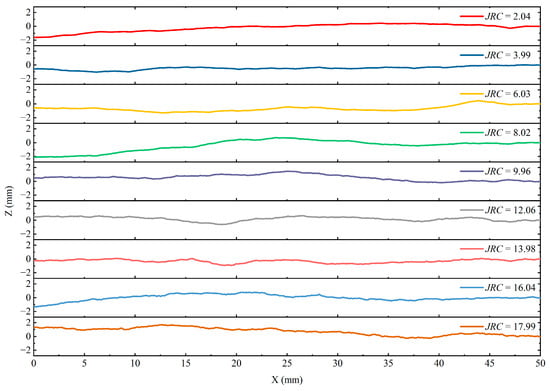
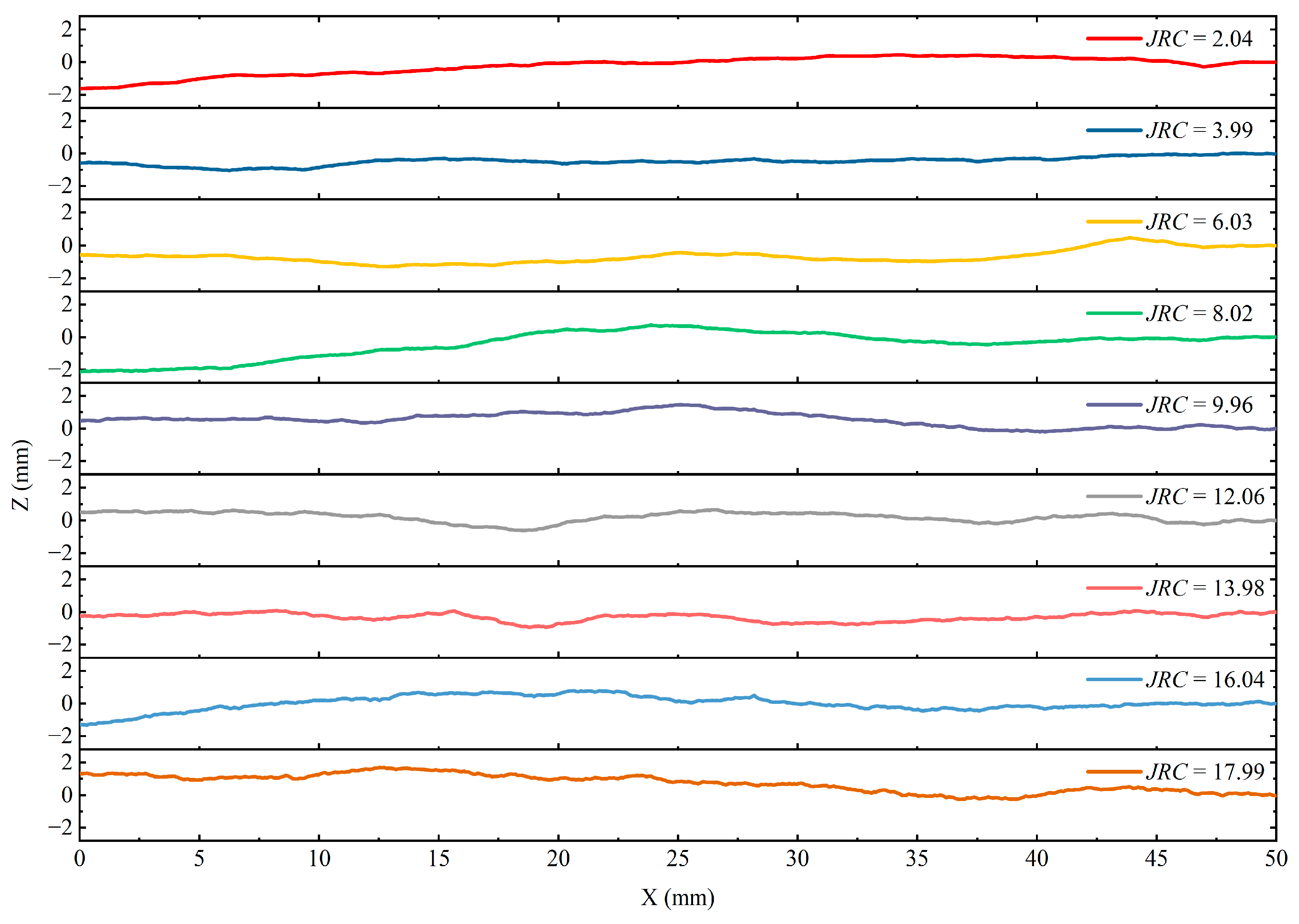


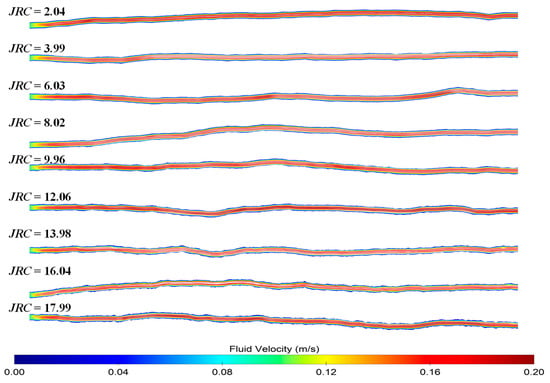
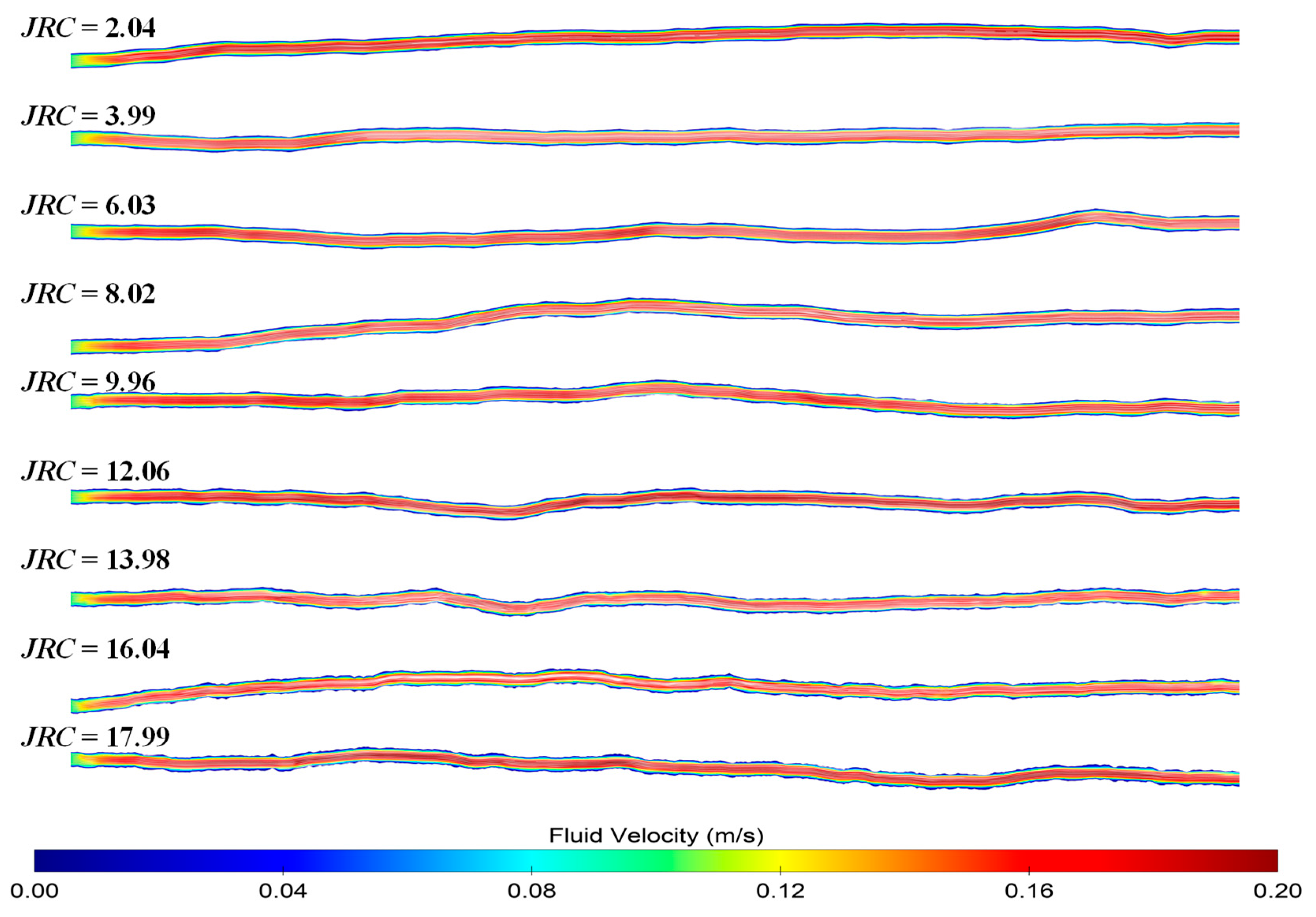
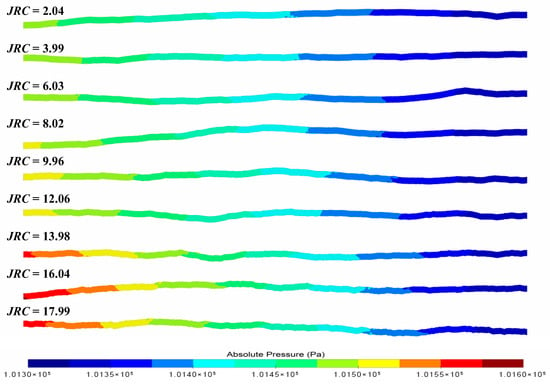
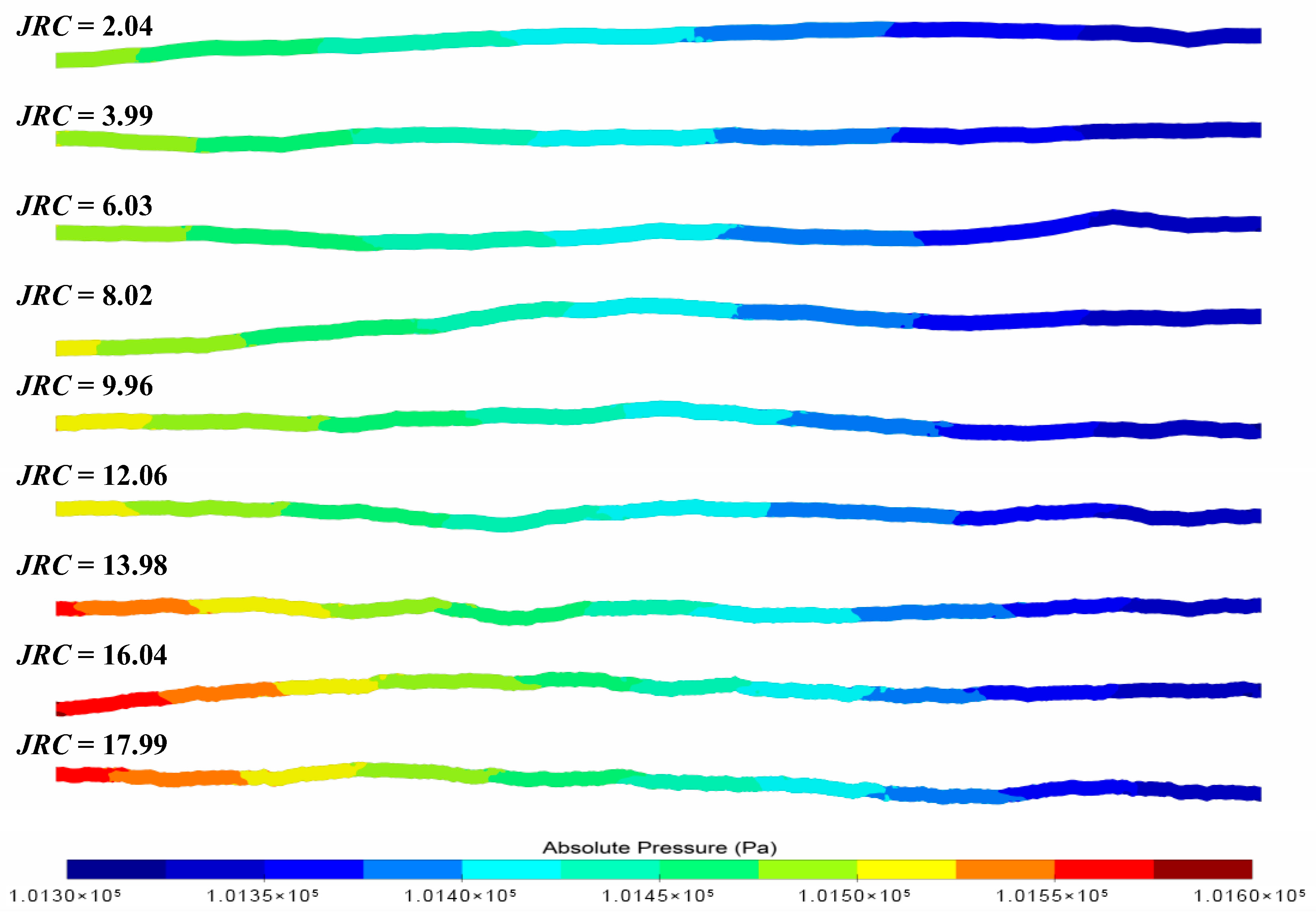
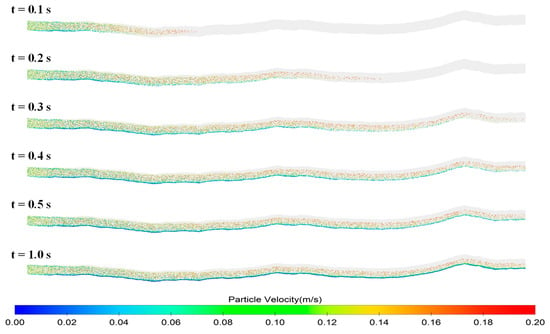
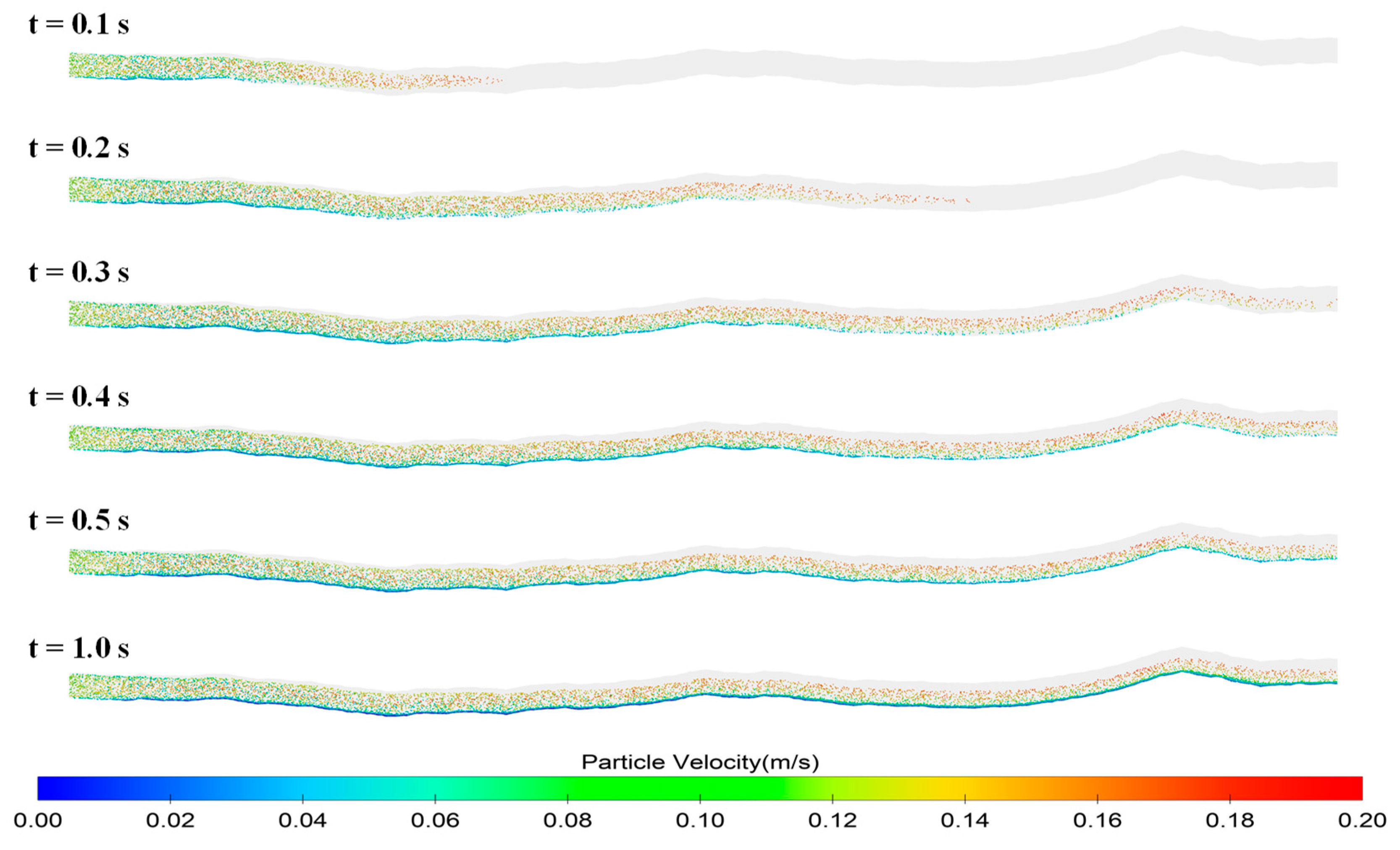
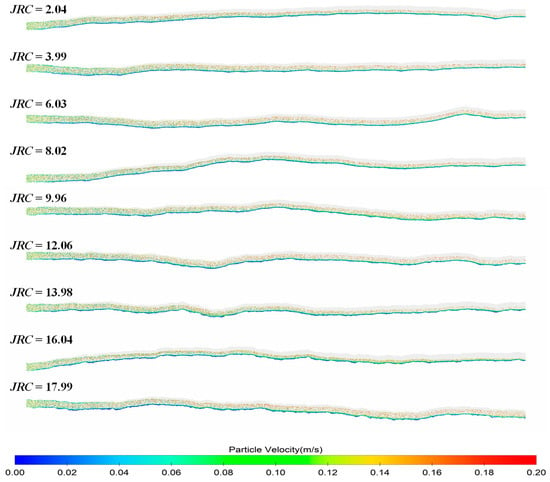
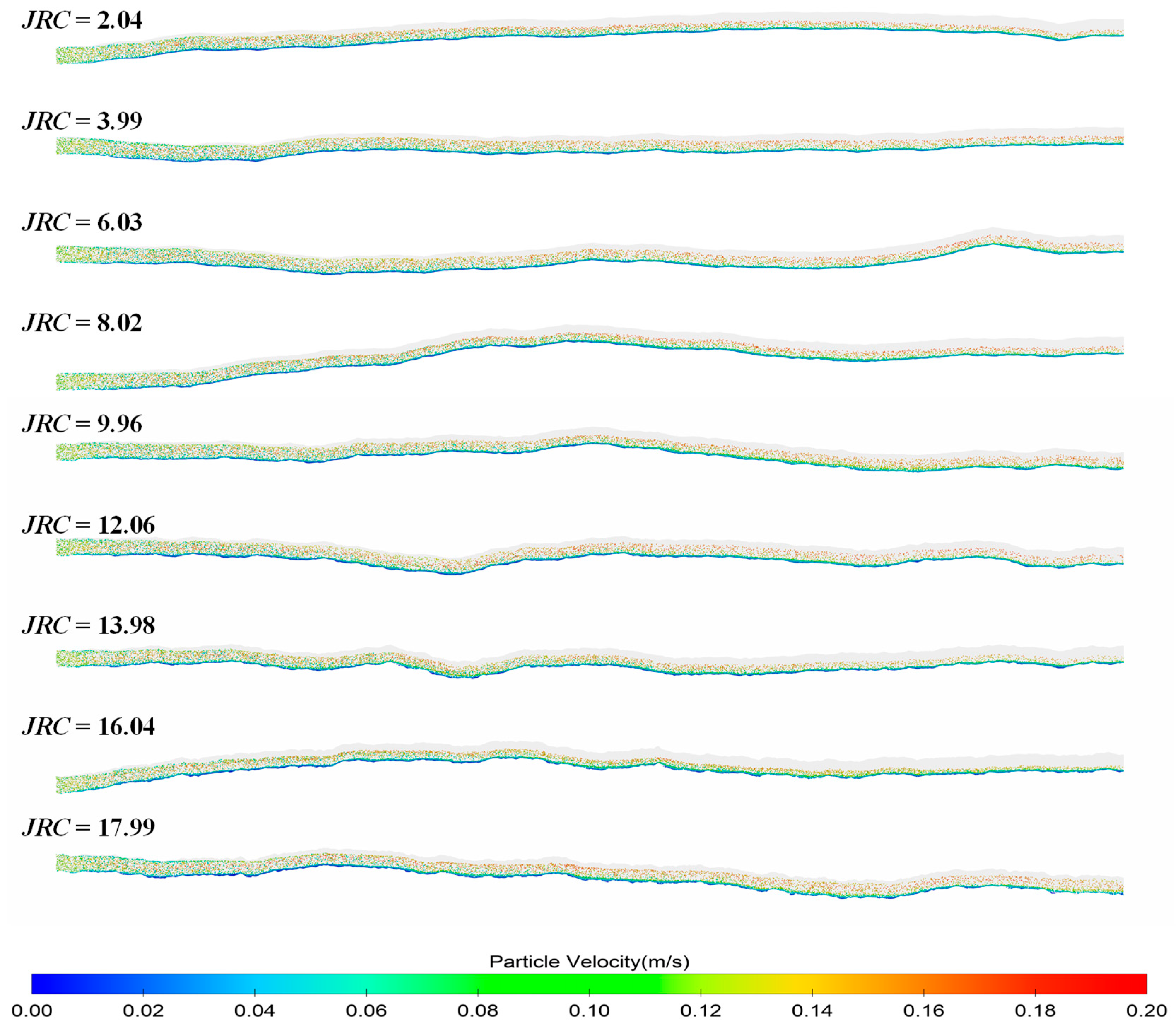
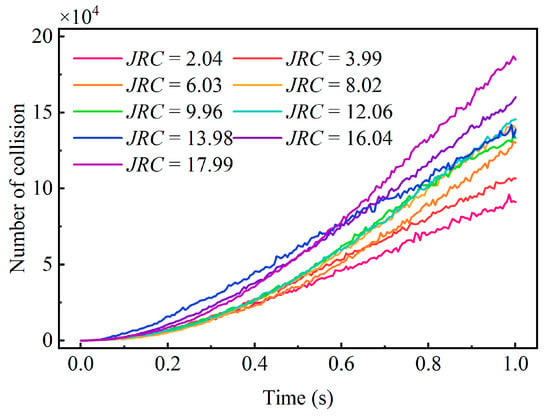
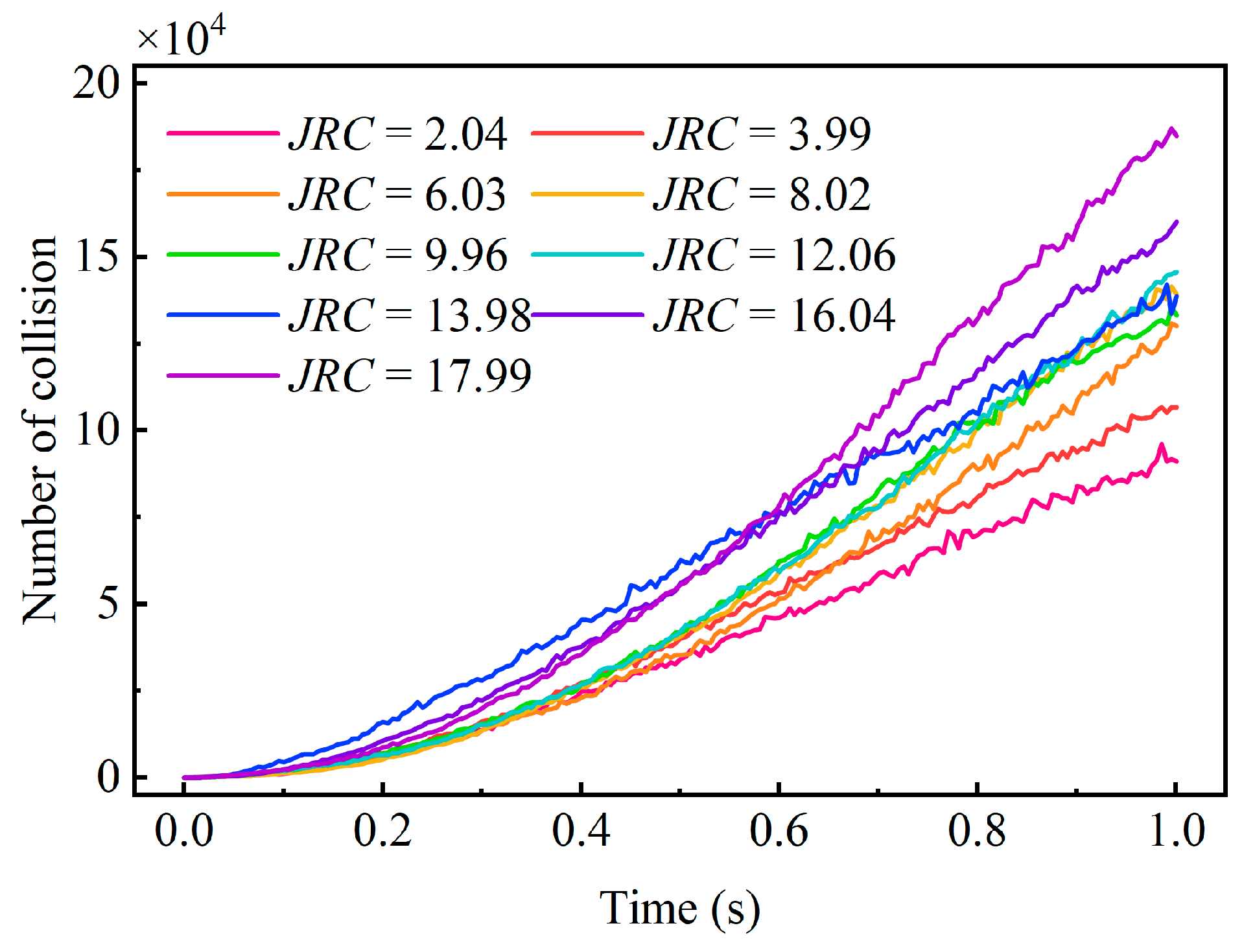
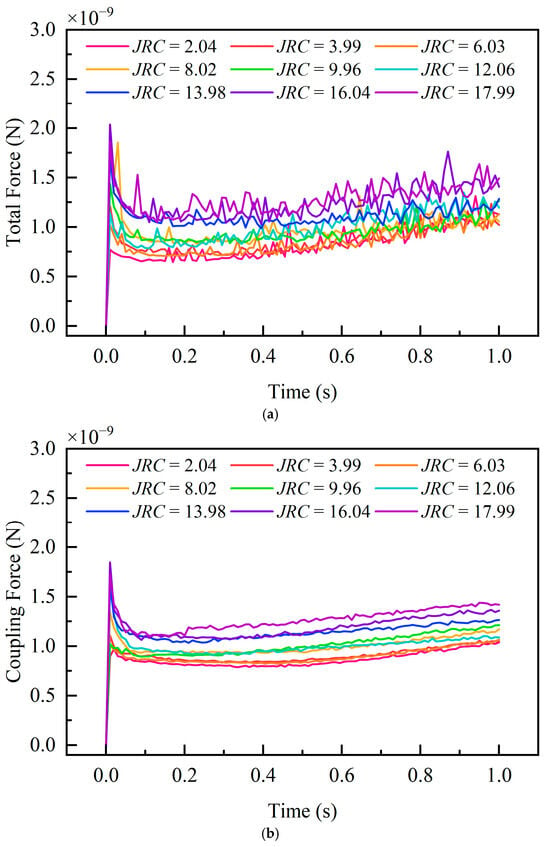
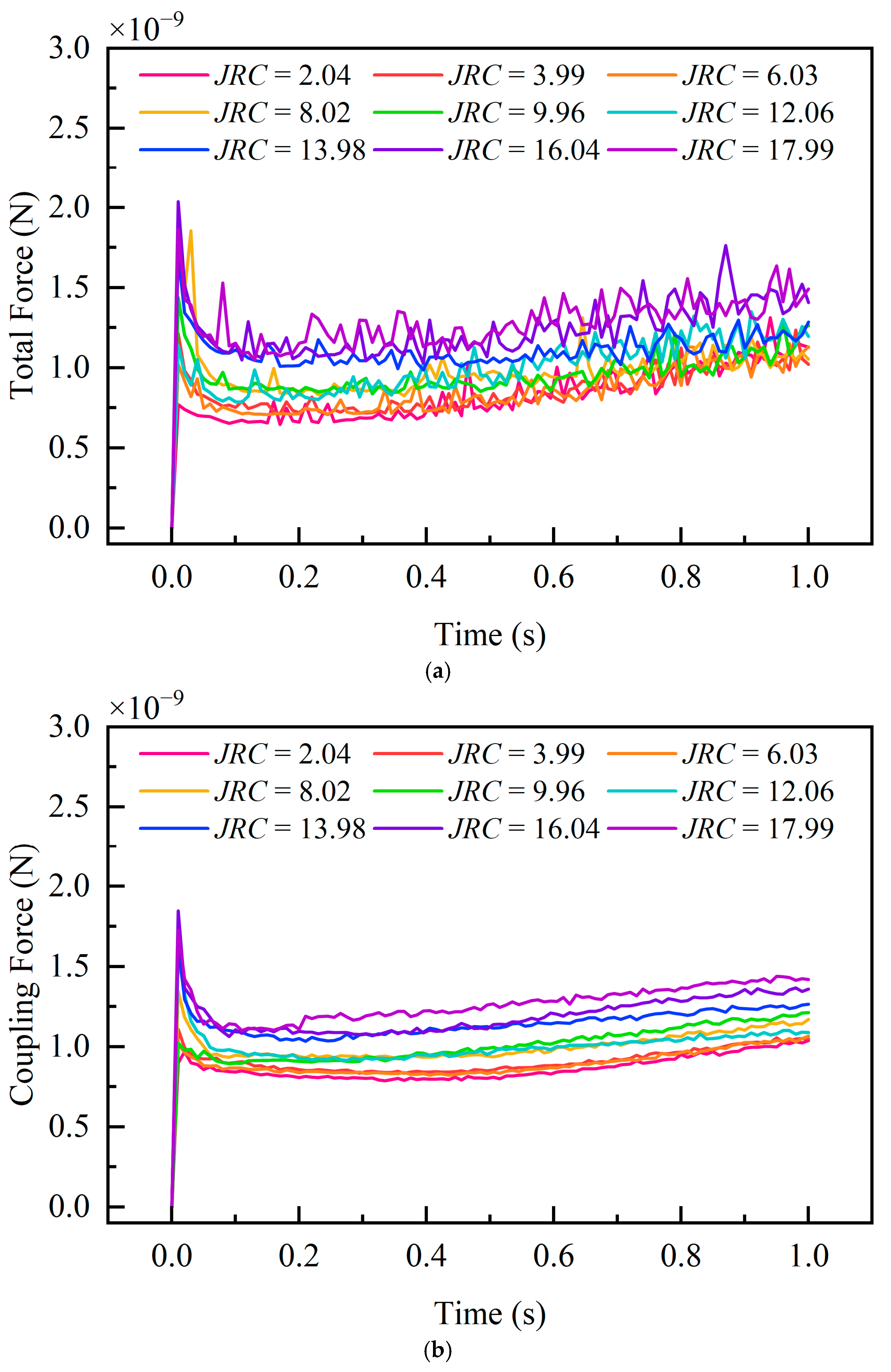
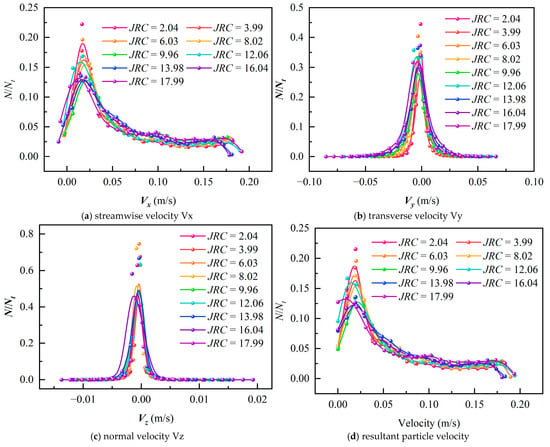
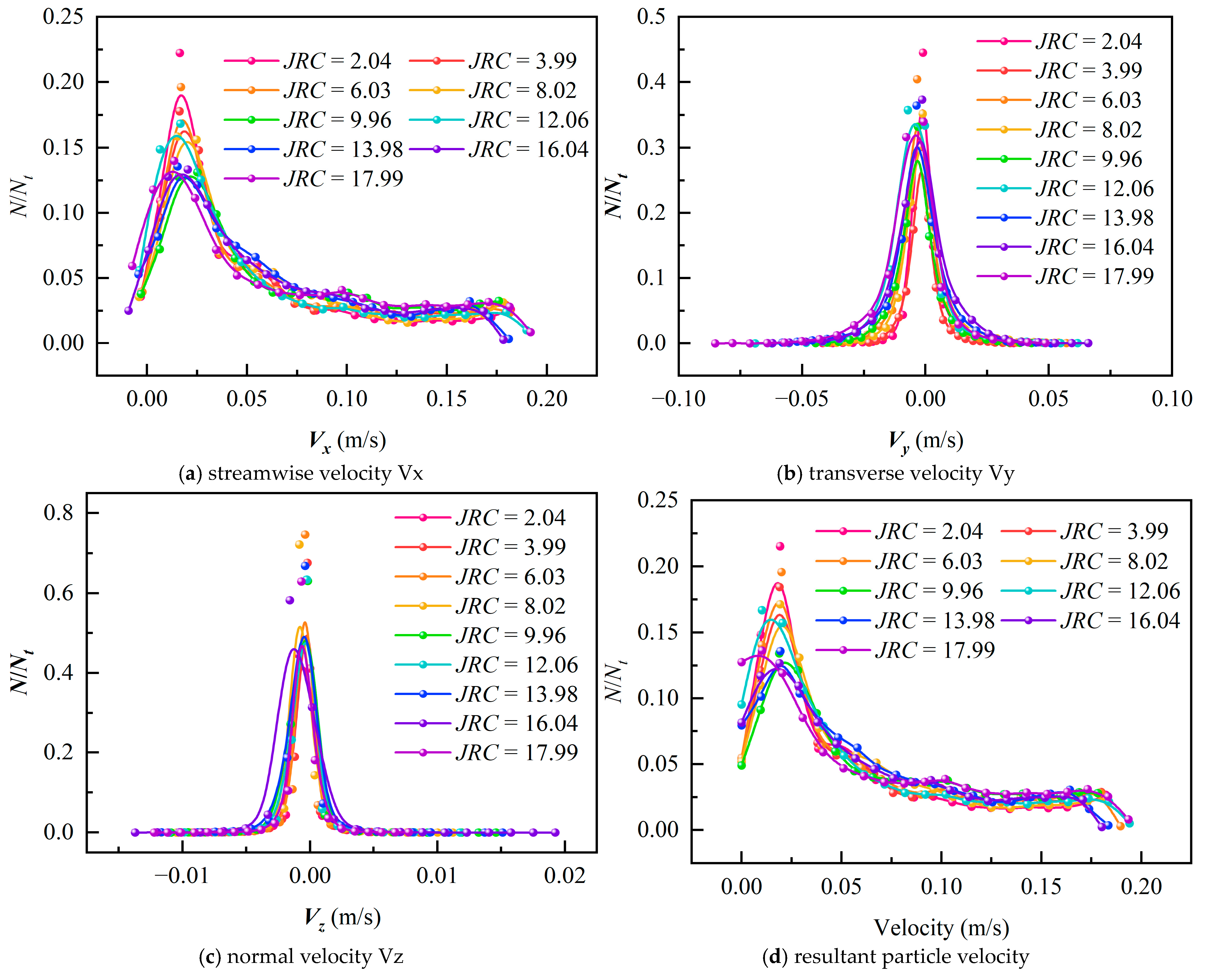
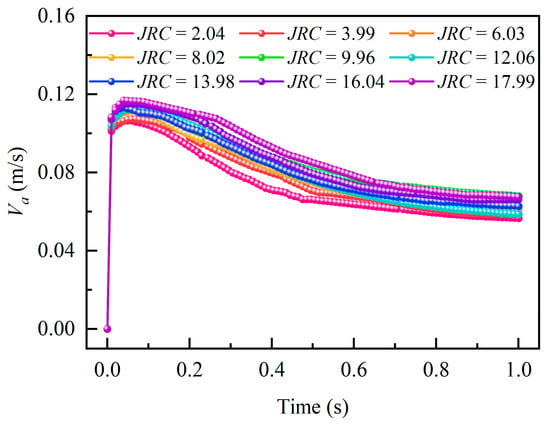
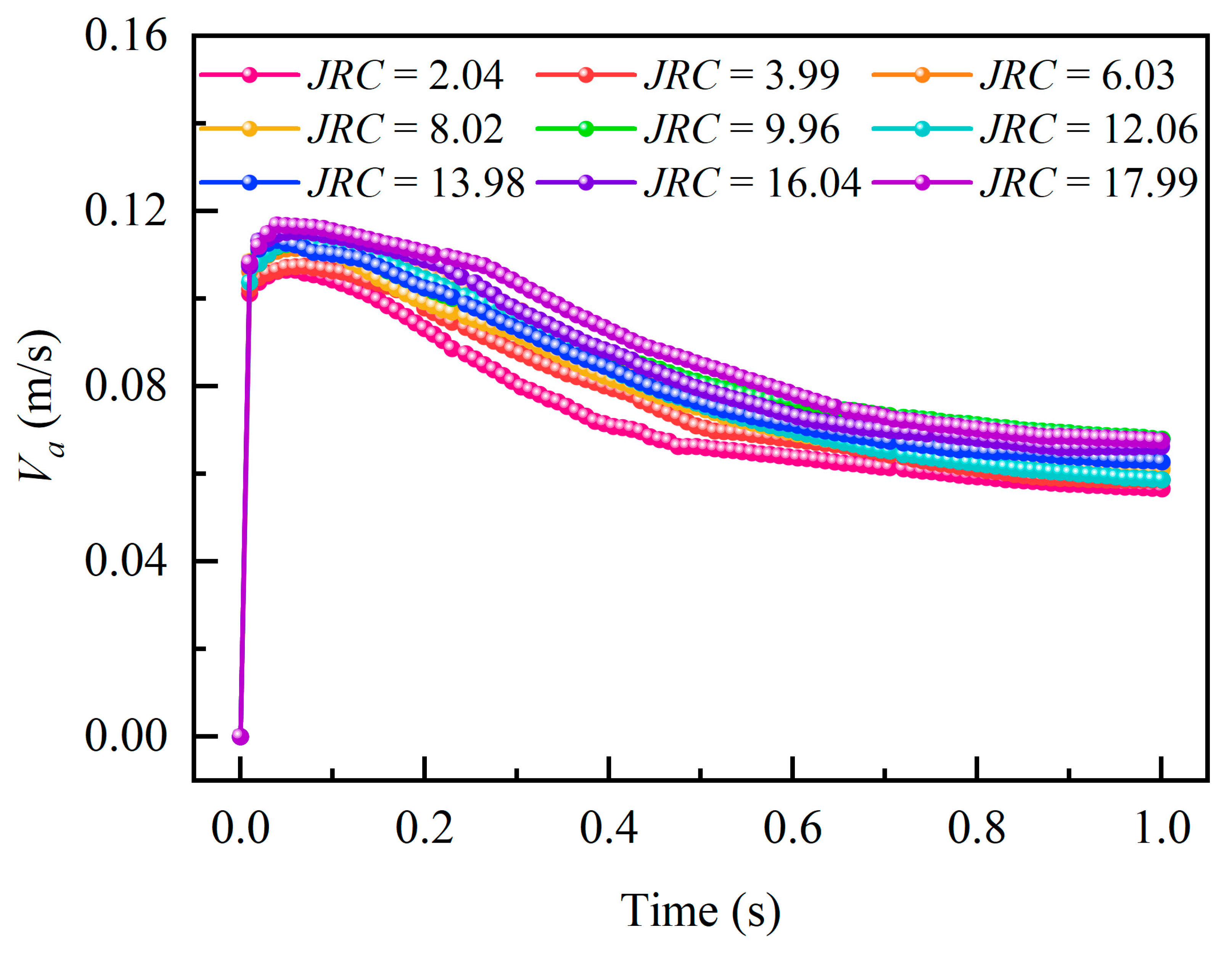
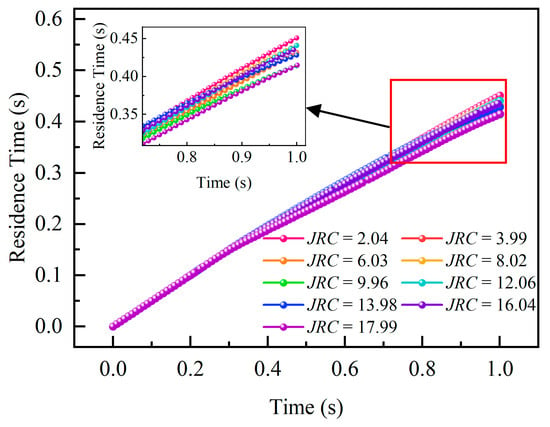
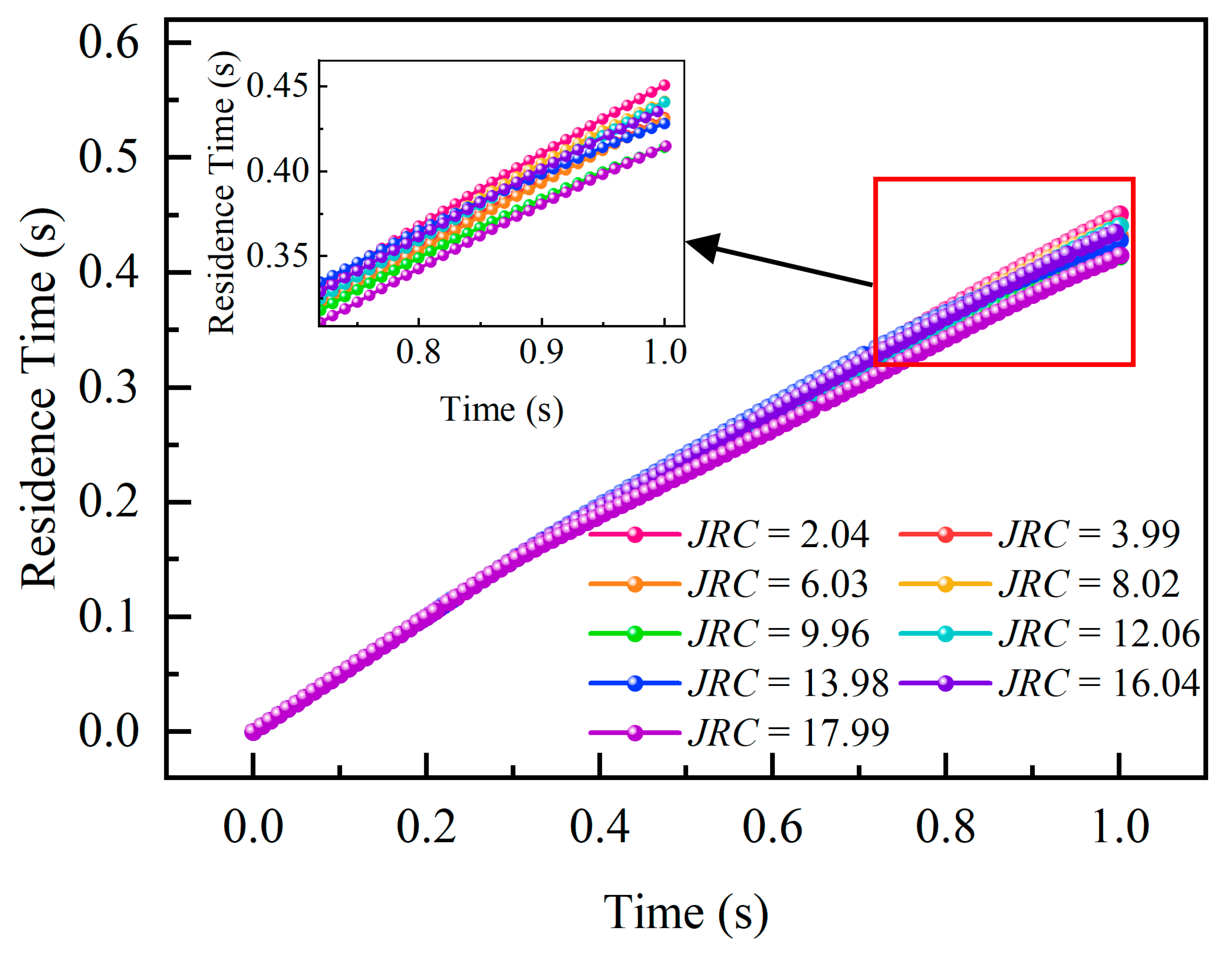
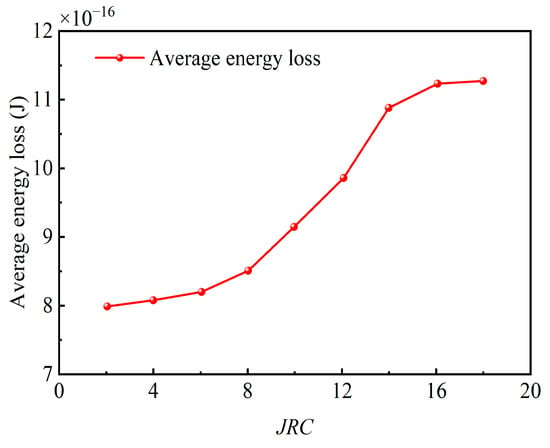

Disclaimer/Publisher’s Note: The statements, opinions and data contained in all publications are solely those of the individual author(s) and contributor(s) and not of MDPI and/or the editor(s). MDPI and/or the editor(s) disclaim responsibility for any injury to people or property resulting from any ideas, methods, instructions or products referred to in the content. |
© 2026 by the authors. Licensee MDPI, Basel, Switzerland. This article is an open access article distributed under the terms and conditions of the Creative Commons Attribution (CC BY) license.