


Abstract
Blue spaces (BS) are increasingly recognized for their potential to support mental health and well-being, yet the specific role of physical activity (PA) within these environments remains underexplored. This narrative review aimed to synthesize empirical evidence on the relationship between different types and intensities of PA in BS and mental health outcomes. Twenty studies published since 2010 were included, selected based on validated psychological measures and clearly reported PA types. Literature research in PubMed, Web of Science, and Scopus was conducted, and methodological quality was assessed using the Effective Public Health Practice Project (EPHPP) tool. Data extraction captured study characteristics, PA type and intensity (categorized according to the 2024 Compendium of Physical Activities, where no direct measurements were taken), and mental health outcomes. The results indicate that PA in BS is generally associated with improved psychological well-being. Light-intensity activities showed consistent positive effects on restorative and affective outcomes, while moderate- to vigorous intensity activities demonstrated variable results. Mechanisms underlying these benefits appear multifactorial, including neurobiological responses, social interactions, and cultural attachment to water. These findings underscore the contribution of both the type and intensity of PA in BS to mental health outcomes.
1. Introduction
Therapeutic landscapes refer to environments that promote health and well-being through their physical, social, and symbolic attributes. Since its introduction in 1992, the concept has expanded from natural to urban contexts, emphasizing the dynamic ways in which places shape human health [1]. In today’s fast-paced world, the need to better understand the links between place and health has become even more pressing. While quality of life has improved, the prevalence of chronic non-communicable diseases (such as cardiovascular diseases, cancers, diabetes, and mental disorders) has risen, posing significant public health challenges [2,3]. At the same time, urban overpopulation requires new, innovative approaches to urban planning to foster public health and sustainability.
Over the last decade, the role of urban nature, particularly green and blue spaces, has gained significant attention in academic literature. Green spaces (GS), such as parks, green corridors, and gardens, are widely recognized for their beneficial effects on physical and mental health, including reduced mortality rates, chronic disease prevention, and enhanced well-being [4,5,6,7,8,9]. However, blue spaces (BS)—natural and man-made surface water—are emerging as equally important for mental and general health. Indoor and outdoor water environments have health-promoting benefits [10]. They are linked to nutritious food resources [11], better general health [12], reduced obesity and lower mortality rates [13].
Similarly, contact with BS, such as rivers and meadows, fosters our psychological health [14] through reduced psychological distress [15] and increased well-being [16]. Blue features enhance restorative experiences in urban environments [17], while proximity to freshwater and oceanic bodies reduces anxiety and mood disorder hospitalization rates [18]. BS are also beneficial across all age populations: Refs. [19,20] found that visits to BS result in better mental health for elderly groups, Ref. [21] proved BS associations with enhanced well-being in adults, while in younger populations, BS support behavioral development and reduce attention deficit hyperactivity disorder symptoms [22].
Key pathways linking BS to health include social interaction, physical activity (PA), restoration, and environmental qualities [23]. For example, blue care programs positively affect mental health and well-being [24]. Neighborhood water elements have the same effects via increased social capital [25], though these effects are influenced by other factors such as socio-economic attributes, perceptions, personal preferences or landscape design [26,27]. With respect to PA, evidence demonstrates that the type, intensity, and scale of natural settings shape PA patterns [28], and that walking and other on-land activities mediate the positive effects of coastal proximity on mental health [29]. BS use is a stronger predictor of mental well-being [30], and specific configurations of green and/or blue environments support different types of exercise [31]. Among older adults, engagement with parks and BS enhances physical and mental health [32] and visits to inland waterways increase life satisfaction, PA, and well-being, although usage is shaped by socio-economic inequalities [33]. Moreover, sports in aquatic environments support children’s social and emotional development [34]. Water-based activities such as surfing or sea swimming further contribute to emotional restoration and resilience [35,36,37]. Systematic reviews confirm consistent benefits of BS exposure for mental health and PA [38].
Additional studies highlight structured interventions and sensory pathways, with the most common examples being barefoot walking on beaches [39] and soundscapes [40], which encourages recovery. Also, different BS environments foster place attachment with islands gaining more attention due to their natural and cultural elements and urban beaches promoting restorative experiences [41].
Collectively, this evidence illustrates that BS support health through environmental features, recreational opportunities, social engagement, and PA. However, important gaps remain. Although several reviews have examined associations between exposure to natural environments, PA, and mental health [31,42,43,44,45,46,47,48], most treat PA as a single construct and therefore offer limited insight into how its specific components contribute to these relationships. Existing syntheses often combine green and blue settings, even though recent work has moved beyond this traditional dichotomy [49,50,51,52], do not differentiate among heterogeneous activity types [42,53,54], and rarely consider PA intensity as a potential mechanism, mediator, or effect modifier. Moreover, findings from green-exercise research cannot be assumed to generalize to BS contexts, which involve distinct environmental affordances (e.g., water-based activities, coastal microclimates, sensory stimuli) [55,56] that shape both the intensity and the psychological impact of PA. As a result, current evidence cannot determine whether, and under which conditions, PA intensity influences mental health outcomes in BS settings.
By focusing on this aspect, the present review aims to synthesize evidence on how different types and intensities of PA in BS contribute to mental health and well-being. To achieve this, the study adopts a narrative review approach which permits the adoption of selected components such as predefined eligibility criteria, multi-database searching, and structured quality appraisal—while maintaining flexibility for qualitative analysis of emerging research areas with limited and heterogeneous evidence bases. Using this approach, we examine twenty relevant studies, categorizing PA by type and intensity and summarizing associated psychological outcomes. We highlight gaps in current evidence and challenges in identifying clear associations between activity intensity and well-being, providing directions for future research on the therapeutic potential of BS. Importantly, we also consider how these insights can inform urban planning and public health strategies, situating BS as components of resilient and health-supportive urban systems.
2. Materials and Methods
2.1. Eligibility Criteria
The present review includes quantitative or mixed studies that examine the relationship between BS, PA, and mental health. To ensure the reliability of the findings, only studies that measured psychological outcomes using validated tools were considered. We included peer-reviewed articles published in English since 2010. Another important criterion was that papers included measurements of PA intensity or clearly stated the type of PA. Accordingly, exclusion criteria referred to records that did not analyze results on BS separately from other outdoor settings, protocols involving artificial exposure to BS, and PA type described in ways that would not permit intensity classification. Interviews, narrative documents, and conference papers were also excluded.
2.2. Search Strategy
The literature search was conducted in PubMed, Scopus, and Web of Science between January and March 2025. The search strategy focused on the term “blue spaces”, widely used in environmental health and nature-health research as an umbrella concept encompassing coastal, marine, river and lake environments, including those located within or near urban areas [13,42]. The initial search string employed in all cases was: “blue spaces” AND (“mental health” OR restoration OR mood OR wellbeing OR stress OR anxiety OR emotion*) AND (swimming OR rafting OR kayaking OR fishing OR jogging OR running OR “physical activit* OR walking OR diving OR snorkeling OR sailing OR “water sports” OR surfing OR exercis*)”. To broaden the scope and avoid excluding potential environmental settings, a second search was conducted in December 2025 (for the same period: January 2010–March 2025). The search string was expanded to: (“blue spac*” OR beach OR coast OR riparian OR marine OR sea OR ocean OR river OR lake OR wetland OR fountain OR “swimming pool”) AND (“mental health” OR restoration OR mood OR wellbeing OR stress OR anxiety OR emotion*) AND (swimming OR rafting OR kayaking OR fishing OR jogging OR running OR “physical activit*” OR walking OR diving OR snorkeling OR sailing OR “water sports” OR surfing OR exercis*). In both rounds, two reviewers independently screened titles, abstracts, and full texts, with disagreements resolved through discussion.
2.3. Quality Assessment
The methodological rigor and risk of bias in the selected studies were evaluated using the Effective Public Health Practice Project (EPHPP) tool. The EPHPP is a comprehensive and widely recognized framework for assessing various study designs, including randomized controlled trials, cohort studies, and case–control studies [57,58]. The tool evaluates multiple domains, such as selection bias, study design, confounders, blinding, data collection methods, and participant attrition. Each domain is rated as strong, moderate, or weak, and these ratings are combined to generate an overall score for the study. Studies were classified as “strong” if no domains were rated weak, “moderate” if one domain was weak, and “weak” if two or more domains received weak ratings. To ensure consistency and minimize bias, two reviewers independently assessed the studies and reached a unanimous agreement on the final ratings. Criteria for selecting quality categorization were used based on the analysis of Ding et al., 2024 [59].
2.4. Data Extraction
Data extraction involved collecting information on study characteristics, including author names, year of publication, geographical context, and study design. Demographic data such as sample size, participant characteristics, gender distribution, and age range were also recorded. Detailed methodological descriptions were provided, highlighting protocols and tools used to measure PA levels. For those studies that did not report objective or relative intensity measures, activity intensities were classified using the 2024 Compendium of Physical Activities, a resource widely used in exercise science to classify activities by energy expenditure expressed in Metabolic Equivalent of Task (MET) values [60,61,62]. The Compendium assigns MET scores either from measured energy expenditure (indirect calorimetry) or from validated analogs with similar biomechanical and metabolic demands [63]. These values therefore represent standardized estimates of typical exertion under defined conditions, rather than the dose or intensity achieved within a specific intervention context. Each activity is described with detailed parameters (pace, terrain, movement pattern), allowing consistent classification into established intensity bands: sedentary (1.0–1.5 METs), light (1.6–2.9 METs), moderate (3.0–5.9 METs), and vigorous (≥6.0 METs).
To ensure that our classification reflected the typical exertion associated with the reviewed papers’ reported activities, we mapped each activity to the closest corresponding Compendium entry based on two guiding principles. Firstly, we considered activity content, environment, and typical exertion level, selecting entries that best represented the actual conditions under which the activity was performed, participants’ skill level or other characteristics when mentioned, and the setting (e.g., indoor or outdoor). Secondly, we used the assigned MET values to classify intensity, applying widely accepted thresholds for light, moderate, and vigorous activity. In the absence of specific information, the mean MET of all relevant entries was used (Table A2).
This approach provided a transparent and reproducible classification of intervention content, facilitating cross-study comparison and interpretation of potential associations with mental health outcomes. Each PA type was analyzed during different screening phases, ensuring precision in classification. Finally, the extracted data included outcome variables, the tools used to measure these outcomes, and key findings on the relationship between BS activities and psychological health.
3. Results
Our initial search resulted in 397 documents (Scopus n = 143, Web of Science n = 201, PubMed n = 53). However, the second round of literature research increased the total records to 36,859. After duplicate removal, 29,366 papers were left for screening. During the title and abstract reading, 29,346 articles were excluded. Through full-text evaluation, 20 records were identified as compatible with eligibility criteria (Figure 1).
Figure 1.
Flow diagram of literature search.
3.1. Design Study and Characteristics
The twenty studies included in this review employed diverse research designs: five were cross-sectional [64,65,66,67,68], primarily employing survey data to explore the effects of BS exposure on mental health indicators. Two studies adopted within-subject experimental designs [69,70]. Field experiments were conducted by [40,71], with the first incorporating a randomized crossover protocol. One study utilized a non-randomized prospective cohort design [72], while Ref. [73] performed a feasibility study with a pre-post-cohort design. Additional study designs included a randomized controlled trial (RCT) [74], a randomized crossover clinical trial [75], and a randomized single-blinded controlled pilot study [76]. Other methodological approaches comprised a retrospective, non-randomized pilot trial [77], an uncontrolled feasibility study [78], two pilots [79,80], an intervention study [81], and a randomized crossover design [82].
From a geographical perspective, most studies were conducted in Spain [64,68,74,79,82], United Kingdom [66,72,78,80,81] and the USA [67,73,77]. The rest were carried out in Canada [70], Italy [40], Brazil [75] and Asia, specifically Korea [76], Indonesia [65], Japan [71] and Taiwan [69]. Apart from [67,70,73,77,80,81,82], the remaining publications were made from 2020 onwards.
A total of 4054 participants were involved across the studies, with sample sizes ranging from a minimum of 11 to a maximum of 1752 participants. Most studies focused on adults, with three specifically targeting young adults around 20–26 years old [40,69,71] and Ref. [81] focusing on adolescents with a mean age of 14 years old. Regarding gender, one study exclusively included male participants [66]. Ref. [76] recruited females exclusively, while the others had mixed gender samples. In terms of health status, most studies recruited healthy participants. However, several studies focused on specific clinical or vulnerable populations. For instance, Ref. [79] used individuals with various types of cancer, Ref. [66] a mixed sample of both healthy individuals and those with psychological disorders, and Refs. [78,80,82] patients self-reporting depression, anxiety and distress or diagnosed with these disorders. Moreover, some studies targeted populations with particular social or health-related characteristics: Refs. [73,77] recruited military veterans experiencing medical, psychiatric, substance abuse, and post-traumatic stress syndrome, while Ref. [81] students at risk of school exclusion. All details regarding study characteristics and design are summarized in Table 1.
Table 1.
Study characteristics and design.
3.2. Quality Assessment
The methodological quality of the included studies was mixed. Out of the twenty studies assessed, three were rated as strong, seven studies were considered moderate, and ten were rated weak. A common limitation across studies was study design, with many employing cross-sectional, pre-post, or non-randomized approaches. Such designs inherently limit the ability to draw causal inferences and reduce internal validity. Selection bias was generally moderate, reflecting some efforts to recruit participants representative of the target populations, though a few studies relied on convenience or targeted sampling approaches, which may have limited generalizability.
Control of potential confounders varied considerably across studies. Some of them adequately addressed confounding variables, earning strong ratings in this domain. In contrast, other studies exhibited limited control, indicating that observed effects may be influenced by uncontrolled variables. Blinding was frequently not applicable due to the nature of the interventions or study designs, particularly for field based and self-reported measures. Four studies received moderate ratings, reflecting partial blinding or procedural steps to reduce bias, while the rest were rated weak or N/A.
Data collection methods were consistently a strength across the majority of studies, with validated and reliable instruments employed to measure both psychological and physiological outcomes. Withdrawals and dropouts were generally well reported, enhancing the transparency of participant flow, though some studies did not fully report initial recruitment numbers or attrition, resulting in weak ratings in this domain. Table A1 summarizes the qualitative evaluation anonymously, without linking assessments to specific authors, to focus on methodological considerations rather than individual work.
3.3. Psychological Outcomes and Physical Activity
3.3.1. Demographic Observations of Reviewed Studies
Certain demographic factors influenced the relationship between BS, PA and psychological outcomes. Gender differences were reported in Refs. [74,75], where women experienced greater well-being improvements or anxiety reduction than men (p = 0.02; p < 0.05). Health status also emerged as a significant variable: Ref. [74] suggested that individuals in poorer initial health may show greater psychological responses from BS exposure (p < 0.05). Furthermore, age was identified as a potential moderating factor in Ref. [66], where older anglers exhibited lower levels of anxiety and depressive symptoms compared to younger participants. The same applies for educational level which was positively correlated with reduced perceived stress (p < 0.05) [68]. However, demographic variations were not consistently analyzed across all studies, representing a literature gap. These associations are included in Table 2, along with the rest psychological outcomes and PA information and results.
Table 2.
Psychological Outcomes and Physical Activity.
3.3.2. Measurement Tools for Psychological Outcomes and Physical Activity
The reviewed studies used a variety of validated tools to measure psychological outcomes (Table 2). The Profile of Mood States (POMS) was widely used to measure mood disturbances or mental health [64,69,72,74,79,82], while the WHO-5 Well-Being Index [74], the Warwick–Edinburgh Mental Well-being Scale (WEMWBS) [66,72,80], items from the British Panel Household Survey (BPHS-Y) [81], and the Mental Component Summary (MCS) [65] provided broader assessments of psychological well-being. Cognitive or perceived restoration were assessed using the Restorative Outcome Scale (ROS) [71], the Perceived Restorativeness Scale (PRS) and General Restorative Subscale (GRS) [70], the Short Version of Revised Restoration Scale (SRRS) [40] and the Restorative Components Scale (RCS) [69]. Vitality was measured by [71] with the Subjective Vitality Scale (SVS) and [74] with the SF-36 Health Survey Manual.
Other emotional benefits, such as positive and negative feelings, life satisfaction, and sub-clinical depression and anxiety, were explored by employing the Positive and Negative Affect (PANAS) [71,77,80] or the Affective Valence Scale [75], the UK’s Office of National Statistics Questionnaire [74], the Major Depression Inventory (MDI) [73], the Beck Depression Inventory (BDI), the Hamilton Depression Rating Scale (K-HDRS), the Beck Anxiety Inventory (BAI) [66,67,68], the Patient Health Questionnaire (PHQ-9) [78], the Generalized Anxiety Disorder Assessment (GAD-7) [78,80], the Perceived Stress Scale (PSS) [68,80] and the Spielberger State-Trait Anxiety Inventory (SSTA-6) [75,77]. Additional constructs that were explored refer to spirituality measured by the Spirituality Assessment Scale (SAS) [67], functioning measured by the Work and Social Adjustment Scale (WAS) [78], coherence (Coherence Subscale) [70], mindfulness (Five Facet Mindfulness Questionnaire (FFMQ)) and psychological inflexibility (Acceptance and Action Questionnaire–II (AAQII)) [77]. For evaluating post-traumatic stress disorder symptomology, [73] employed the Post Traumatic Stress Disorder Checklist Military Version (PCL-M). Enjoyment, connectedness and attention capacity were measured with the Physical Activity Enjoyment Scale (PACES), an adapted version of the Inclusion of Nature in the Self Scale and the Backwards Digit-Span Task (BDSP) [75,81,82].
Collectively, these tools assess a broad spectrum of psychological responses, ranging from instruments evaluating momentary affect (POMS, PANAS, Affective Valence Scale) to broader indicators of well-being, mindfulness and vitality, (WHO-5, SWEMWBS, FFMQ, SF-36, SVS, BPHS-Y), cognitive restoration (ROS, RCS, PRS, GRS, SRRS), and subclinical symptoms (BDI, BAI, PHQ-9, GAD-7, SSTA-6, MDI, PCL-M, K-HDRS, PSS). This diversity suggests that BS PA influences multiple dimensions of psychological functioning. At the same time, the predominance of short-term measures indicates that the observed effects should be interpreted as acute, context-dependent improvements [74]. On the other hand, theoretical assumptions embedded in restoration-focused tools and differences in timescales across instruments limit direct comparability between studies [23]. Consequently, while the evidence supports multi-dimensional psychological benefits of PA in blue environments, caution is warranted when generalizing these findings to long-term mental health or clinical populations [83].
Across the included studies, only a small number directly quantified PA intensity during BS exposure. Two studies employed standardized methods to assess PA intensity, while several additional studies collected PA-related data primarily to characterize participants rather than to examine intensity as an exposure variable. Ref. [82] quantified PA intensity using a smartphone application that integrates accelerometer data to estimate activity levels expressed in METs. The system provided environment-specific estimates of activity, including median MET values for each exposure condition. In addition, the application quantified the median percentage of time participants spent in sedentary, light, moderate, and vigorous activity categories during each exposure period. Ref. [75] assessed PA intensity using heart rate monitoring during beach tennis sessions. Exercise intensity was classified according to the percentage of maximal heart rate (%HRmax).
Several studies employed tools capable of capturing PA metrics, although these measurements were not used to directly identify PA intensity in relation to BS activities. Ref. [79] used smartwatches to collect activity-related data during intervention sessions, including heart rate and session characteristics, but these measurements were primarily used for physiological monitoring and participant characterization rather than intensity classification. Ref. [68] assessed PA using the Baecke Physical Activity Questionnaire (BPAQ), generating an activity index reflecting participants’ general PA levels across work, sport, and leisure domains. Recreational fishing engagement was determined separately through fishing effort (hours per month over the previous three months), but this index was included as a baseline participant measurement. Other proxies include self-reported activity logs [65,66], accelerometers [74], or indirect physiological indicators [69], but as in previous cases, these metrics were used for providing a detailed background on the sample population. The rest of the studies did not measure PA intensity directly. To cover this gap, we categorized activities based on their MET values using the 2024 Compendium of Physical Activities [60], and the context provided by the reviewed papers in terms of activity or intervention description, environmental conditions and participants’ characteristics. Across the included studies, BS PA encompassed a heterogeneous range of recreational and lifestyle activities. Most interventions matched with moderate intensity METs related to surfing [67,73,81], snorkeling [65,79], swimming [65,79], sailing [77], meditation and stabilization exercise [76] and rafting [70]. Angling scored rates within the range of light intensity [66,68]. However, intensity levels of the same type of activity varied depending on the context: walking was generally classified as light intensity [69,71,74] but rated as moderate in the field experiment of Ref. [40] and the pilot study of Ref. [79].
Similarly, swimming was identified as moderate in Refs. [65,79], but almost reached vigorous levels in Ref. [72]. Scuba diving and beach tennis were evaluated as vigorous intensity PA [64,75]. In Ref. [78], a more complex intervention was employed, combining multiple PA (e.g., warm-up, paddling, wave riding, swimming, or resting phases) reflecting complex exposure profiles. A similar approach was followed in [80], as participants were engaged in walking, bird watching and canoeing, indicating light intensity levels. In Ref. [82], the mean MET value (METmean = 2.8) indicated a light intensity exposure, even though the study did not provide details of the engagement. Sedentary activities ranged from passive viewing to sitting in control rooms or experimental sites [69,71,72,74,79]. Overall, the classification highlights substantial variability in both activity type and intensity, with most studies emphasizing recreational, non-competitive, and guided PA rather than structured exercise training paradigms.
3.3.3. Relationship Between Physical Activity and Psychological Outcomes
Findings from this analysis support the positive impact of BS exposure for psychological well-being, with PA often amplifying these benefits. For instance, Ref. [64] found that scuba diving—which involves full water immersion and physical and mental focus—was linked to reductions in Total Mood Disturbance (TMD) scores (R = 93.2, p < 0.05) and the POMS subscales of anger-hostility (R = 0.6, p < 0.05), fatigue (R = 2.0, p < 0.05) and depression (R = 0.4, p < 0.05). Both diving experiences (group A and B) yielded similar benefits despite the differences in environmental respect protocols they followed. On the other hand, beach activities, which were less physically demanding, had no statistically significant effect. Also, Ref. [79] compared three sea-based activities (walking alongside the beach, swimming and snorkeling) and observed that those demanding contact with water had a greater positive impact than seaside walking. Swimming and/or snorkeling stood out as the most advantageous activities for mental health, providing significant improvements in fatigue (walking vs. swimming: p = 0.01, walking vs. snorkeling: p = 0.01), tension-anxiety (control vs. swimming: p = 0.02, control vs. snorkeling: p = 0.02), anger-hostility (control vs. swimming: p = 0.03, walking vs. swimming: p = 0.03) and vigor (control vs. snorkeling, p = 0.04).
Recreational swimming or snorkeling for 1–3 days per week was associated with higher mental well-being scores [65] (F = 5.58, η2 = 0,04, p < 0.0042), although more frequent participation offered a limited additional advantage, suggesting a dose–response relationship. Furthermore, Ref. [72] who examined the psychological effects of a 10-week swimming program documented declining trends in negative mood states of novice swimmers and an increase in vigor and esteem scores. At the same time, a large effect was observed in TMD (d = 1.1–1.7, p < 0.001). These responses were sustained over time as shown by the comparisons between the swimming sessions of weeks 1, 4 and 10 (Table 2). Also, between-group comparisons demonstrated better overall mood and well-being. Surprisingly, the control group experienced some healing effects too, as shown by the shifts in two POMS subscales (tension-anxiety: p < 0.001, fatigue: p < 0.05) and SWEMWBS of week 10 in relevance with week 1 (d = 0.02, p = 0.019). Thus, this study provides evidence that swimming enhances mood and well-being, but since limited results were found in the control group as well, the improvements cannot be attributed to exercise alone.
Complementary evidence to this observation offers [70] who showed that white rafting, regardless of the level of risk, elicited perceived restorativeness (p < 0.01), coherence (p < 0.01) and general restoration (p < 0.01), underscoring the beneficial effects of aquatic experiences. Similarly, [40] proved that walking at a moderate pace for 15 min enhances perceived restoration in both coastal (β = 0.616; p < 0.01) and urban environments (β = 0.355; p = 0.03). Reductions in depression symptoms were offered by the meditation and stabilization sessions of caregivers, regardless of the setting they were performed (blue: Μ = 11.00; p = 0.018 and urban: Μ = 12.20; p = 0.042) [76].
Surf-based and sailing interventions yielded more mixed effects. Surfing was associated with reductions in depressive (p < 0.01) and anxiety symptoms (p < 0.01) in Ref. [67], and with reductions in PTSD symptomatology (MedianΔ = 18.18; p < 0.0005) in military veterans in Ref. [73], whereas recreational sailing showed modest or non-significant changes in anxiety and affective outcomes but improvements in psychological flexibility (M = 35.5; p = 0.036) and treatment related indicators in individuals with substance use disorders (X2 = 5.34; DF = 1; r = 0.35; p = 0.02). Refs. [77,78] reported that a multicomponent surf therapy program combining stretching, water-based walking or running, body surfing and swimming produced short-term reductions in depression (d = 1.4 (95% CI: −10.0, −5.7)), anxiety (d = 1.7 (95% CI: −8.8, −5.5)) and functional impairment (d = 1.1 (95% CI: −11.8, −5.5)), although partial attenuation of effects was observed at three-month follow-up. Reference [81] identified limited effects of a surfing intervention on adolescents’ well-being (satisfaction with appearance: t(35) = 2.17; p = 0.037, connectedness towards school: t(35) = 2.39; p = 0.023). Mixed results were observed for the land-based vigorous activity of beach tennis, which produced stress-alleviating effects for women only, significant affective responses for both groups (females and males), but no significant changes in levels of enjoyment [75].
Outcomes for activities described as light intensity varied as well. Ref. [69] proved that walking in BS was beneficial for tension anxiety, esteem, fatigue, vigor and overall restoration. Frequent angling in Ref. [66] was associated with better well-being (β = −0.507, p < 0.01) and lower levels of depression (β = 0.881, p < 0.01) and anxiety (β = 0.556, p < 0.01). However, higher fishing effort in [68] managed to reduce perceived stress (Coef = −0.0156 (95% CI: −0.003, −0.029; p < 0.05)), but not depression (Coef = −0.0051(95% CI: −1.0140, −0.0038; p > 0.05)) and longer angling sessions in Ref. [66] increased anxiety (p = 0.028). In Ref. [71] both passive viewing and walking enhanced restoration (F = 18.695; p < 0.001) and vitality (F = 6.297; p = 0.002) without significant differences between the two groups. Walking maintained statistically significant scores for positive and negative mood states, as indicated by PANAS POS (F = 21.686; p < 0.001) and PANAS NEG (F = 14.375; p < 0.001) [71]. These results, when combined with the ones referring to the different experimental sites (urban lake, urban river, urban canal, and control site), support the idea of the “natural health dose”, e.g., the cumulative benefits of repeated exposure to restorative environments, analogous to the “mental health dose” concept in exercise science [84].
In the same context, a 20 min walking intervention improved well-being, mood and vitality when compared to a rest site [74] and a structured six week program of walking in wetlands, bird watching and canoeing delivered positive outcomes for a variety of scales such as well-being (M = 41; p = 0.009), stress (M = 10.28; p = 0.002), anxiety (M = 22.35; p = 0.041) and affect (PANAS POS: M = 30.57; p = 0.012, PANA NEG: M = 27.71; p = 0.025). Nonetheless, the fact that no significant relationships were found for PA levels assessed with vector magnitude—a measurement to quantify movement intensity—indicates that positive effects were not due to movement, but due to the BS environments as well. A complex light to moderate intensity program including walking, bird watching and canoeing improved all psychological outcomes (well-being: p = 0.090, stress: p = 0.002, anxiety: p < 0.041, affect p < 0.05). Finally, Ref. [82] demonstrated that BS exposure was associated with improvements in mood (p < 0.01) and attentional capacity (p < 0.05), with self-perceived restoration experience mediating the relationship between BS exposure and mood (p = 0.01). Although stress was also assessed using salivary cortisol, no significant effects were observed. Furthermore, while overall vigorous PA was significantly associated with mood, it did not explain the relationship between BS exposure and mood outcomes.
4. Discussion
The present review examined the relationship between PA intensity, BS and mental health outcomes. Overall, the findings indicate a positive association between PA engagement in blue environments and psychological well-being, with most studies reporting improvements in mental health and well-being, or reductions in negative psychological measurements. This tendency toward beneficial outcomes aligns with the broader literature highlighting the positive mental health effects of exposure to natural environments, including aquatic settings.
Nevertheless, our analysis did not reveal a clear relationship between PA intensity and mental health outcomes, even among studies employing objective measures of PA intensity. For instance, Ref. [82] quantified PA intensity using accelerometer-derived data expressed in METs and time spent across different intensity categories. Although improvements in mood were observed following BS exposure, PA intensity did not appear to mediate these effects. Similarly, Ref. [75] classified exercise intensity based on percentages of %HRmax during beach tennis sessions. Their findings indicated reductions in anxiety among women, but not among men, while affective responses showed improvements in both groups.
Interestingly, several studies suggest that light intensity activities may be associated with beneficial affective and restorative outcomes, including improvements in mood, positive affect, perceived restorativeness, and broader indicators of mental health and well-being [66,69,71,74,82], instead of sub-clinical indicators like anxiety, stress and depression [66,68,82]. Still, given the mixed methodological rigor or the reviewed studies and the absence of direct measurements for PA intensity, this possible association should be viewed as suggestive and be further examined in future research to understand if light PA intensity in BS interacts better with these mental health outcomes.
Focusing on studies examining moderate intensity activities, we see that they produce variable results. Refs. [40,65,79,80] yielded immediate benefits in mental health, well-being, mood, depression, anxiety and perceived stress, while Ref. [70] showed that positive effects could be sustained over time. On the other hand, Ref. [67] did not identify significant relationships for all measured outcomes, particularly spirituality, Ref. [77] did not observe a clear association between the sailing program and anxiety or affective outcomes, and in Ref. [81], even though the well-being effects of a surfing program in students facing school exclusion were examined, benefits could be observed solely for the index of self-appearance. Additionally, Ref. [76] observed a decrease in self-reported depression levels both in the marine and urban group undertaking the meditation and stabilization sessions. Likewise, Ref. [64] found that vigorous PA (scuba diving) resulted in better mental health than general on-shore recreation, but Ref. [78] reported non-significant effects on depression, anxiety, and functioning when comparing three-month follow-up measures with post-swimming session levels. We should also take into consideration that PA did not account for all effects. Meaningful psychological benefits were documented even when participants were sedentary—e.g., viewing a BS setting or the training swimming program—which in turn implies that other pathways influence this association as well.
One possible explanation for the absence of a clear intensity outcome pattern relates to the fact that most studies did not primarily aim to examine the role of PA intensity. Instead, most papers focused on the broader experience of interacting with blue environments through recreational activities such as swimming, surfing, walking along the shoreline or participation in structured BS programs [64,67,70,78]. As a result, PA intensity was rarely measured directly and could only be inferred from activity descriptions. To facilitate the comparison across studies, the present review classified activity intensity using MET values derived from the 2024 Compendium of Physical Activities. While this approach enabled a categorization of activity intensity, it may not fully capture the actual exertion experienced by participants. Energy expenditure during BS activities can vary considerably depending on environmental conditions (e.g., waves, currents, terrain), individual fitness levels, and the duration or context in which the activity is performed. Consequently, this approach should be interpreted with caution when examining potential relationships between PA intensity and mental health outcomes.
Additionally, there are multiple pathways influencing the relationship between BS and overall well-being, with the most prominent examples referring to neurobiological functions, social interaction, cultural attachment, and restorative attributes of natural environments. PA, in general, facilitates the release of endorphins, serotonin, dopamine, and brain-derived neurotrophic factor, promoting neuroplasticity and emotional resilience [85,86]. Exercise also exerts anti-inflammatory effects, which can regulate mood states and contribute to positive behavioral outcomes, including improvements in sleep quality and daily routine [83]. Alternative factors that might have worked are social interaction [87] and collective experiences [35,88,89] or cultural and psychological attachment to water elements [90,91,92,93,94,95,96]. In some regions, water-based activities are deeply embedded in local traditions, influencing perceptions of safety, relaxation, and connectedness to nature [97,98,99,100,101,102,103]. So, in cases that water-based activities are embedded in everyday routines or community customs, participants may perceive water as familiar, safe, and emotionally meaningful [97,98,99,100,101,102]. This could explain why certain populations experience stronger psychological benefits from BS exercise compared to others. Finally, restorative environmental attributes interact with PA to enhance outcomes. The application of the attention restoration theory (ART) suggests that natural environments, particularly BS, replenish depleted attentional resources through effortless fascination [104], whereas stress recovery theory (STR) indicates that exposure to natural elements reduces physiological stress responses, including cortisol levels and autonomic regulation [105]. Together, these mechanisms provide a comprehensive understanding of how PA in BS can enhance mental well-being across different intensity levels.
In respect to BS, the studies included in this review covered a range of aquatic environments, although a clear emphasis was placed on coastal and marine settings. Activities conducted in open sea or coastal environments were frequently associated with improvements in mood, well-being, or psychological functioning [64,67,72,73,78]. These improvements could also be influenced by additional moderators discussed in the BS–mental health literature, such as individual tolerance to water immersion, environmental conditions, or levels of psychological arousal associated with aquatic exposure [46]. Furthermore, coastal walking environments produced beneficial effects in vitality, mood, and perceived restoration [40,74], suggesting that sensory exposure to shoreline dynamics—including wave sounds, rhythmic water movement, open views, and the presence of blue–green elements—may contribute to cognitive recovery and nature connectedness [39,40,106].
Inland BS, such as rivers, canals, lakes, or wetlands, were less represented in the analyzed literature, although several studies still reported restorative benefits in these environments [69,70,71,77,80]. Notably, in some cases, these benefits were observed even under low-intensity PA or sedentary conditions, indicating that the psychological effects may be influenced by environmental exposure itself rather than the activity performed [69,70,71]. Therefore, while all BS types in our review were linked to positive mental health outcomes, they appear to operate through qualitatively distinct mechanisms that need to be taken into consideration collectively in future studies.
Taken all together, the reviewed studies provide limited direct evidence on the pathways promoting well-being following a BS exposure and PA. Except for Ref. [82] none directly tested neurobiological mechanisms as mediators, nor did they incorporate physiological biomarkers or neural measures that could create biological pathways. Evidence for social interaction also remained limited; for instance, Ref. [78] identified the feeling of community belonging as a possible pathway solely through the participants’ notes on the sailing experience, and Ref. [81] reported improvements in participants’ perceived connectedness toward school following the surfing program. Qualitative accounts from the same intervention also suggested that participants experienced increased social bonding and camaraderie while learning to surf, highlighting the potential role of group dynamics in shaping well-being outcomes. Similarly, focus group interviews in Ref. [80] revealed that participants perceived reduced feelings of social isolation and valued the opportunity to interact with others in a supportive group environment.
On the other hand, although the swimming programs and diving protocols were conducted in group settings, psychological outcomes were analyzed at the individual level and social connectedness was not modeled as a contributing mechanism. Likewise, the opportunity for learning new skills afforded by BS was suggested by Refs. [77,78,81] only through qualitative findings. Cultural attachment to water was also absent as a measured construct, even though angling participation [56] and habitual sea engagement [55] could hypothetically reflect cultural or identity-driven interaction with BS, this was neither operationalized nor statistically examined.
In contrast, restorative environmental attributes, consistent with ART/SRT, appeared more clearly embedded. Studies measuring restoration, affective results, vitality, “being away” or fascination [60,107] align conceptually with ART-based attentional recovery, whereas reductions in tension-anxiety, fatigue, or TMD in swimmers and divers are compatible with SRT-based stress-reduction pathways [55,57,58,108]. Findings derived from interviews further support this interpretation, with participants describing aquatic environments as calming, peaceful, and providing an “escape” from everyday stressors [80], experiences that closely reflect the restorative constructs proposed within ART and SRT. Therefore, among the mediators examined, restorative mechanisms are the only pathway that emerges, while neurobiological, social, and cultural mediators remain theoretically plausible yet empirically untested within this evidence base.
The discussion about PA and natural environments has practical implications for the design and management of BS in cities. Urban planners can maximize population-level mental health benefits by prioritizing features that reliably facilitate light intensity engagement—such as well-connected walking paths, shaded seating, and accessible waterfront viewpoints—while also accommodating infrastructure for more demanding activities. At the same time, infrastructure for more vigorous activities, including uninterrupted running and cycling routes, swimming zones, or kayaking areas, can support a wider range of users and provide additional opportunities for mental and physical stimulation, even if the specific psychological responses vary across individuals and contexts [109]. Complementary features, including safe access points, clear signage, and accessibility improvements, further strengthen the capacity of BS to deliver mental health benefits across user groups [110]. Importantly, integrating BS with surrounding green infrastructure—through measures such as riparian vegetation, shade provision, biodiversity corridors, and stormwater management—helps build environmental resilience and reinforces the restorative potential of these spaces [111,112,113]. Integrating these considerations fosters inclusive, adaptable, and resilient urban design that promotes sustainable mental health benefits.
5. Strengths and Limitations
To the best of our knowledge, this is the first narrative review examining how the intensity of PA influences the psychological benefits derived from BS exposure. In contrast to earlier reviews that broadly describe activity types without standardization, this review categorized activities using MET values to enable a structured indication of intensity patterns. We recognize that intensity classifications are approximate estimates, yet in the absence of validated assessment tools, they provided an organized way to examine how PA intensity may shape psychological outcomes in BS interventions. Third, the review extends beyond documenting mental health outcomes to offer policy-relevant recommendations grounded in urban public health, environmental equity, and behavioral inclusion. Finally, it highlights conceptual and methodological gaps in existing studies, such as the conflation of environmental and PA effects, thereby charting a clear agenda for future empirical work.
However, this review comes with some limitations as well. Firstly, the included studies come with wide heterogeneity in study designs, which limits our ability to conduct a more conclusive analysis and draw stronger, generalizable conclusions. Secondly, although the intensity-oriented categorization offers added structure, the MET values assigned in this review represent approximate estimates of typical intensity for the reported intervention content. These estimates do not reflect session-level exertion or intervention dose, as such parameters were not reported in all studies. Therefore, caution is warranted when interpreting the intensity classifications in relation to actual participant effort. The scope of the review is confined to BS: expanding future work to include wilderness or remote blue environments could enable more meaningful comparison between urban and non-urban settings and help identify setting-specific moderators (e.g., sensory immersion, perceived safety, accessibility, cultural symbolism). In addition, we followed a narrative approach rather than a meta-analysis, which limits the ability to quantify the overall effect size of PA in BS. As a result, comparisons across studies remain descriptive rather than statistically synthesized.
6. Conclusions
The studies reviewed confirm that PA in BS improves psychological well-being, reduces stress, enhances mood, and increases vigor. Light intensity activities produce predictable benefits for affective and restorative outcomes, whereas moderate to high-intensity activities produce variable results, influenced by environment, context, and population characteristics. Urban planners should consider inclusive designs accommodating a spectrum of activity intensities, with attention to environmental safety, accessibility, and multisensory engagement.
To better support policy and practice, future research should aim to refine methodologies and expand the scope of investigations regarding PA in BS. Objective measures of exercise intensity should be incorporated, such as accelerometers, heart rate monitors, or VO2 max assessments, to overcome the limitations of self-reported activity levels. Comparative analyses of PA intensities would help determine if psychological outcomes differentiate based on exercise volume. This approach would shed light on how ART functions in the context of BS activities, given that the theory is well investigated in low-intensity activities, but it remains unclear how it extends to high-intensity or group-based water sports. Longitudinal studies are needed to assess whether the psychological benefits of BS PA persist over time, as most existing research captures only short-term effects. Understanding these interactions more deeply could pave the way for more effective and evidence-based interventions for mental well-being.
Author Contributions
Conceptualization, A.A.K. and O.-I.K.; methodology, A.A.K., C.G. and O.-I.K.; investigation, A.A.K. and C.G.; writing—original draft preparation, A.A.K., C.G. and O.-I.K.; writing—review and editing, A.A.K. and O.-I.K.; supervision, O.-I.K.; project administration, O.-I.K. All authors have read and agreed to the published version of the manuscript.
Funding
This research received no external funding.
Institutional Review Board Statement
Not applicable.
Informed Consent Statement
Not applicable.
Data Availability Statement
Data is available upon request from the corresponding author.
Conflicts of Interest
The authors declare no conflicts of interest.
Abbreviations
The following abbreviations are used in this manuscript:
| BS | Blue spaces |
| PA | Physical activity |
| GS | Green spaces |
| EPHPP | Effective Public Health Practice Project |
| MET | Metabolic Equivalent of Task |
| POMS | Profile of Mood States |
| WEMEBS | Warwick-Edinburg Mental Health Well-being Scale |
| BPHS-Y | British Panel Household Survey |
| SWEMEBS | Short Warwick-Edinburg Mental Health Well-being Scale |
| MCS | Mental Component Summary |
| ROS | Restoration Outcome Scale |
| PRS | Perceived Restorativeness Scale |
| GRS | General Restorative Subscale |
| SRRS | Shor Version of Revised Restoration Scale |
| RCS | Restoration Component Scale |
| SVS | Subjective Vitality Scale |
| PANAS | Positive and Negative Affect Scale |
| MDI | Major Depressive Inventory |
| BDI | Beck Depression Inventory |
| K-HDRS | Hamilton Depression Rating Scale |
| BAI | Beck Anxiety Inventory |
| PHQ-9 | Patient Health Questionnaire |
| GAD-7 | Generalized Anxiety Disorder Assessment |
| PSS | Perceived Stress Scale |
| SSTA-6 | Spielbrger State Trait Anxiety Inventory |
| SAS | Spirituality Assessment Scale |
| WAS | Work and Social Adjustment Scale |
| FFMQ | Five-Facet Mindfulness Questionnaire |
| AAQII | Acceptance and Action Questionnaire |
| PCL-M | Post-Traumatic Stress Disorder Checklist Military Version |
| PACES | Physical Activity Enjoyment Scale |
| BDSP | Backwards Digit Span Task |
| TMD | Total Mood Disturbance |
Appendix A
Table A1.
Review the quality assessment.
Table A2.
Methodological process for physical activity intensity classification.
References
- Gesler, W.M. Therapeutic Landscapes: Medical Issues in Light of the New Cultural Geography. Soc. Sci. Med. 1992, 34, 735–746. [Google Scholar] [CrossRef] [Scilit]
- WHO. Global Action Plan for the Prevention and Control of Noncommunicable Diseases 2013–2020; WHO: Geneva, Switzerland, 2013. [Google Scholar]
- WHO. Global Status Report on Noncommunicable Diseases 2014; WHO: Geneva, Switzerland, 2014. [Google Scholar]
- Bray, I.; Reece, R.; Sinnett, D.; Martin, F.; Hayward, R. Exploring the Role of Exposure to Green and Blue Spaces in Preventing Anxiety and Depression among Young People Aged 14–24 Years Living in Urban Settings: A Systematic Review and Conceptual Framework. Environ. Res. 2022, 214, 114081. [Google Scholar] [CrossRef] [Scilit]
- Wood, C.; Wicks, C.; Barton, J. Green Spaces for Mental Disorders. Curr. Opin. Psychiatry 2023, 36, 41–46. [Google Scholar] [CrossRef] [Scilit]
- Baskaran, S.; Ab. Azis, S.S.; Hannani Ab Rahman, N.; Aziz, N. Effectiveness of Green Space in Improving Mental Health: A Review. Int. J. Built Environ. Sustain. 2025, 12, 175–186. [Google Scholar] [CrossRef] [Scilit]
- Xian, Z.; Nakaya, T.; Liu, K.; Zhao, B.; Zhang, J.H.; Zhang, J.; Lin, Y.X.; Zhang, J.G. The Effects of Neighbourhood Green Spaces on Mental Health of Disadvantaged Groups: A Systematic Review. Humanit. Soc. Sci. Commun. 2024, 11, 488. [Google Scholar] [CrossRef] [Scilit]
- Callaghan, A.; McCombe, G.; Harrold, A.; McMeel, C.; Mills, G.; Moore-Cherry, N.; Cullen, W. The Impact of Green Spaces on Mental Health in Urban Settings: A Scoping Review. J. Ment. Health 2021, 30, 179–193. [Google Scholar] [CrossRef] [Scilit]
- Pasanen, T.P.; White, M.P.; Elliott, L.R.; van den Bosch, M.; Bratman, G.N.; Ojala, A.; Korpela, K.; Fleming, L.E. Urban Green Space and Mental Health among People Living Alone: The Mediating Roles of Relational and Collective Restoration in an 18-Country Sample. Environ. Res. 2023, 232, 116324. [Google Scholar] [CrossRef] [Scilit]
- McNamara, M.; Murphy, A.; Dowler, F.; Foley, R. Blue Spaces as Resources for Health and Wellbeing: Survey Comparisons of Indoor and Outdoor Settings from Ireland. Rev. Estud. Andal. 2020, 39, 8–22. [Google Scholar] [CrossRef] [Scilit]
- Lloret, J.; García-de-Vinuesa, A.; Demestre, M. How Human Health and Well-Being Depends on Healthy Marine Habitats in the Mediterranean: A Review. Heliyon 2024, 10, e24329. [Google Scholar] [CrossRef] [Scilit]
- Garrett, J.K.; White, M.P.; Huang, J.; Ng, S.; Hui, Z.; Leung, C.; Tse, L.A.; Fung, F.; Elliott, L.R.; Depledge, M.H.; et al. Urban Blue Space and Health and Wellbeing in Hong Kong: Results from a Survey of Older Adults. Health Place 2019, 55, 100–110. [Google Scholar] [CrossRef] [Scilit]
- Smith, N.; Georgiou, M.; King, A.C.; Tieges, Z.; Webb, S.; Chastin, S. Urban Blue Spaces and Human Health: A Systematic Review and Meta-Analysis of Quantitative Studies. Cities 2021, 119, 103413. [Google Scholar] [CrossRef] [Scilit]
- Arnberger, A.; Eder, R.; Allex, B.; Ebenberger, M.; Hutter, H.P.; Wallner, P.; Bauer, N.; Zaller, J.G.; Frank, T. Health-Related Effects of Short Stays at Mountain Meadows, a River and an Urban Site—Results from a Field Experiment. Int. J. Environ. Res. Public Health 2018, 15, 2647. [Google Scholar] [CrossRef] [Scilit]
- Nutsford, D.; Pearson, A.L.; Kingham, S.; Reitsma, F. Residential Exposure to Visible Blue Space (but Not Green Space) Associated with Lower Psychological Distress in a Capital City. Health Place 2016, 39, 70–78. [Google Scholar] [CrossRef] [Scilit]
- MacKerron, G.; Mourato, S. Happiness Is Greater in Natural Environments. Glob. Environ. Change 2013, 23, 992–1000. [Google Scholar] [CrossRef] [Scilit]
- Amirbeiki, F.; Ghasr, A.K. Investigating the Effects of Exposure to Natural Blue Elements on the Psychological Restoration of University Students. Int. J. Archit. Eng. Urban Plan. 2020, 30, 1–10. [Google Scholar] [CrossRef] [Scilit]
- Pearson, A.L.; Shortridge, A.; Delamater, P.L.; Horton, T.H.; Dahlin, K.; Rzotkiewicz, A.; Marchiori, M.J. Effects of Freshwater Blue Spaces May Be Beneficial for Mental Health: A First, Ecological Study in the North American Great Lakes Region. PLoS ONE 2019, 14, e0221977. [Google Scholar] [CrossRef] [Scilit]
- Wang, L.; Md Sani, N. The Impact of Outdoor Blue Spaces on the Health of the Elderly: A Systematic Review. Health Place 2024, 85, 103168. [Google Scholar] [CrossRef] [Scilit]
- Chen, Y.; Yuan, Y. The Neighborhood Effect of Exposure to Blue Space on Elderly Individuals’ Mental Health: A Case Study in Guangzhou, China. Health Place 2020, 63, 102348. [Google Scholar] [CrossRef] [Scilit]
- de Bell, S.; Graham, H.; Jarvis, S.; White, P. The Importance of Nature in Mediating Social and Psychological Benefits Associated with Visits to Freshwater Blue Space. Landsc. Urban Plan. 2017, 167, 118–127. [Google Scholar] [CrossRef] [Scilit]
- Amoly, E.; Dadvand, P.; Forns, J.; López-Vicente, M.; Basagaña, X.; Julvez, J.; Alvarez-Pedrerol, M.; Nieuwenhuijsen, M.J.; Sunyer, J. Green and Blue Spaces and Behavioral Development in Barcelona Schoolchildren: The BREATHE Project. Environ. Health Perspect. 2015, 122, 1351–1358. [Google Scholar] [CrossRef] [Scilit]
- Georgiou, M.; Morison, G.; Smith, N.; Tieges, Z.; Chastin, S. Mechanisms of Impact of Blue Spaces on Human Health: A Systematic Literature Review and Meta-Analysis. Int. J. Environ. Res. Public Health 2021, 18, 2486. [Google Scholar] [CrossRef] [Scilit]
- Britton, E.; Kindermann, G.; Domegan, C.; Carlin, C. Blue Care: A Systematic Review of Blue Space Interventions for Health and Wellbeing. Health Promot. Int. 2020, 35, 50–69. [Google Scholar] [CrossRef] [Scilit]
- Rugel, E.J.; Carpiano, R.M.; Henderson, S.B.; Brauer, M. Exposure to Natural Space, Sense of Community Belonging, and Adverse Mental Health Outcomes across an Urban Region. Environ. Res. 2019, 171, 365–377. [Google Scholar] [CrossRef] [Scilit]
- Haeffner, M.; Jackson-Smith, D.; Buchert, M.; Risley, J. “Blue” Space Accessibility and Interactions: Socio-Economic Status, Race, and Urban Waterways in Northern Utah. Landsc. Urban Plan. 2017, 167, 136–146. [Google Scholar] [CrossRef] [Scilit]
- Völker, S.; Kistemann, T. The Impact of Blue Space on Human Health and Well-Being—Salutogenetic Health Effects of Inland Surface Waters: A Review. Int. J. Hyg. Environ. Health 2011, 214, 449–460. [Google Scholar] [CrossRef] [Scilit]
- Jansen, F.M.; Ettema, D.F.; Kamphuis, C.B.M.; Pierik, F.H.; Dijst, M.J. How Do Type and Size of Natural Environments Relate to Physical Activity Behavior? Health Place 2017, 46, 73–81. [Google Scholar] [CrossRef] [Scilit]
- Pasanen, T.P.; White, M.P.; Wheeler, B.W.; Garrett, J.K.; Elliott, L.R. Neighbourhood Blue Space, Health and Wellbeing: The Mediating Role of Different Types of Physical Activity. Environ. Int. 2019, 131, 105016. [Google Scholar] [CrossRef] [Scilit]
- Völker, S.; Heiler, A.; Pollmann, T.; Claßen, T.; Hornberg, C.; Kistemann, T. Do Perceived Walking Distance to and Use of Urban Blue Spaces Affect Self-Reported Physical and Mental Health? Urban For. Urban Green. 2018, 29, 1–9. [Google Scholar] [CrossRef] [Scilit]
- Tan, C.L.Y.; Chang, C.C.; Nghiem, L.T.P.; Zhang, Y.; Oh, R.R.Y.; Shanahan, D.F.; Lin, B.B.; Gaston, K.J.; Fuller, R.A.; Carrasco, L.R. The Right Mix: Residential Urban Green-Blue Space Combinations Are Correlated with Physical Exercise in a Tropical City-State. Urban For. Urban Green. 2021, 57, 126947. [Google Scholar] [CrossRef] [Scilit]
- Aliyas, Z. Physical, Mental, and Physiological Health Benefits of Green and Blue Outdoor Spaces among Elderly People. Int. J. Environ. Health Res. 2021, 31, 703–714. [Google Scholar] [CrossRef] [Scilit]
- Afentou, N.; Moore, P.; Hull, K.; Shepherd, J.; Elliott, S.; Frew, E. Inland Waterways and Population Health and Wellbeing: A Cross-Sectional Study of Waterway Users in the UK. Int. J. Environ. Res. Public Health 2022, 19, 13809. [Google Scholar] [CrossRef] [Scilit]
- Rocher, M.; Silva, B.; Cruz, G.; Bentes, R.; Lloret, J.; Inglés, E. Benefits of Outdoor Sports in Blue Spaces. The Case of School Nautical Activities in Viana Do Castelo. Int. J. Environ. Res. Public Health 2020, 17, 8470. [Google Scholar] [CrossRef] [Scilit]
- Britton, E.; Foley, R. Sensing Water: Uncovering Health and Well-Being in the Sea and Surf. J. Sport Soc. Issues 2021, 45, 60–87. [Google Scholar] [CrossRef] [Scilit]
- McKenzie, R.J.; Chambers, T.P.; Nicholson-Perry, K.; Pilgrim, J.; Ward, P.B. “Feels Good to Get Wet”: The Unique Affordances of Surf Therapy Among Australian Youth. Front. Psychol. 2021, 12, 721238. [Google Scholar] [CrossRef] [Scilit] [PubMed]
- Flynn, K.; Murray, O.; O’Regan, A.; Hayes, P.; Casey, M.; Glynn, L. Cold Water Swimming and Its Potential Health Benefits—A Qualitative Study of Participants’ Views and Experiences. Ir. Med. J. 2023, 116, 851. [Google Scholar] [PubMed]
- Gascon, M.; Zijlema, W.; Vert, C.; White, M.P.; Nieuwenhuijsen, M.J. Outdoor Blue Spaces, Human Health and Well-Being: A Systematic Review of Quantitative Studies. Int. J. Hyg. Environ. Health 2017, 220, 1207–1221. [Google Scholar] [CrossRef] [Scilit] [PubMed]
- Rickard, S.C.; White, M.P. Barefoot Walking, Nature Connectedness and Psychological Restoration: The Importance of Stimulating the Sense of Touch for Feeling Closer to the Natural World. Landsc. Res. 2021, 46, 975–991. [Google Scholar] [CrossRef] [Scilit]
- Nicolosi, V.; Wilson, J.; Yoshino, A.; Viren, P. The Restorative Potential of Coastal Walks and Implications of Sound. J. Leis. Res. 2021, 52, 41–61. [Google Scholar] [CrossRef] [Scilit]
- Subiza-Pérez, M.; Vozmediano, L.; San Juan, C. Green and Blue Settings as Providers of Mental Health Ecosystem Services: Comparing Urban Beaches and Parks and Building a Predictive Model of Psychological Restoration. Landsc. Urban Plan. 2020, 204, 103926. [Google Scholar] [CrossRef] [Scilit]
- White, M.P.; Elliott, L.R.; Gascon, M.; Roberts, B.; Fleming, L.E. Blue Space, Health and Well-Being: A Narrative Overview and Synthesis of Potential Benefits. Environ. Res. 2020, 191, 110169. [Google Scholar] [CrossRef] [Scilit]
- Gascon, M.; Mas, M.T.; Martínez, D.; Dadvand, P.; Forns, J.; Plasència, A.; Nieuwenhuijsen, M.J. Mental Health Benefits of Long-Term Exposure to Residential Green and Blue Spaces: A Systematic Review. Int. J. Environ. Res. Public Health 2015, 12, 4354–4379. [Google Scholar] [CrossRef] [Scilit]
- Coventry, P.A.; Brown, J.V.E.; Pervin, J.; Brabyn, S.; Pateman, R.; Breedvelt, J.; Gilbody, S.; Stancliffe, R.; McEachan, R.; White, P.C.L. Nature-Based Outdoor Activities for Mental and Physical Health: Systematic Review and Meta-Analysis. SSM—Popul. Health 2021, 16, 100934. [Google Scholar] [CrossRef] [Scilit]
- Marini, S.; Mauro, M.; Grigoletto, A.; Toselli, S.; Maietta Latessa, P. The Effect of Physical Activity Interventions Carried Out in Outdoor Natural Blue and Green Spaces on Health Outcomes: A Systematic Review. Int. J. Environ. Res. Public Health 2022, 19, 12482. [Google Scholar] [CrossRef] [Scilit] [PubMed]
- Overbury, K.; Conroy, B.W.; Marks, E. Swimming in Nature: A Scoping Review of the Mental Health and Wellbeing Benefits of Open Water Swimming. J. Environ. Psychol. 2023, 90, 102073. [Google Scholar] [CrossRef] [Scilit]
- Denton, H.; Aranda, K. The Wellbeing Benefits of Sea Swimming. Is It Time to Revisit the Sea Cure? Qual. Res. Sport Exerc. Health 2020, 12, 647–663. [Google Scholar] [CrossRef] [Scilit]
- Tang, Z.; Wang, Y.; Liu, J.; Liu, Y. Effects of Aquatic Exercise on Mood and Anxiety Symptoms: A Systematic Review and Meta-Analysis. Front. Psychiatry 2022, 13, 1051551. [Google Scholar] [CrossRef] [Scilit]
- Astell-Burt, T.; Feng, X. Time for ‘Green’ during Covid-19? Inequities in Green and Blue Space Access, Visitation and Felt Benefits. Int. J. Environ. Res. Public Health 2021, 18, 2757. [Google Scholar] [CrossRef] [Scilit]
- Li, Y.M.; Hachenberger, J.; Lemola, S. The Role of the Context of Physical Activity for Its Association with Affective Well-Being: An Experience Sampling Study in Young Adults. Int. J. Environ. Res. Public Health 2022, 19, 10468. [Google Scholar] [CrossRef] [Scilit] [PubMed]
- Nigg, C.; Niessner, C.; Burchartz, A.; Woll, A.; Schipperijn, J. The Geospatial and Conceptual Configuration of the Natural Environment Impacts the Association with Health Outcomes and Behavior in Children and Adolescents. Int. J. Health Geogr. 2022, 21, 9. [Google Scholar] [CrossRef] [Scilit]
- Li, H.; Browning, M.H.E.M.; Rigolon, A.; Larson, L.R.; Taff, D.; Labib, S.M.; Benfield, J.; Yuan, S.; McAnirlin, O.; Hatami, N.; et al. Beyond “Bluespace” and “Greenspace”: A Narrative Review of Possible Health Benefits from Exposure to Other Natural Landscapes. Sci. Total Environ. 2023, 856, 159292. [Google Scholar] [CrossRef] [Scilit]
- Murrin, E.; Taylor, N.; Peralta, L.; Dudley, D.; Cotton, W.; White, R.L. Does Physical Activity Mediate the Associations between Blue Space and Mental Health? A Cross-Sectional Study in Australia. BMC Public Health 2023, 23, 203. [Google Scholar] [CrossRef] [Scilit]
- Triguero-Mas, M.; Dadvand, P.; Cirach, M.; Martínez, D.; Medina, A.; Mompart, A.; Basagaña, X.; Gražulevičiene, R.; Nieuwenhuijsen, M.J. Natural Outdoor Environments and Mental and Physical Health: Relationships and Mechanisms. Environ. Int. 2015, 77, 35–41. [Google Scholar] [CrossRef] [Scilit] [PubMed]
- Grace, M.J.; Dickie, J.; Bartie, P.; Brown, C.; Oliver, D.M. Understanding Health Outcomes from Exposure to Blue Space Resources: Towards a Mixed Methods Framework for Analysis. Resources 2023, 12, 135. [Google Scholar] [CrossRef] [Scilit]
- Smith, N.; Foley, R.; Georgiou, M.; Tieges, Z.; Chastin, S. Urban Blue Spaces as Therapeutic Landscapes: “A Slice of Nature in the City”. Int. J. Environ. Res. Public Health 2022, 19, 15018. [Google Scholar] [CrossRef] [Scilit] [PubMed]
- Armijo-Olivo, S.; Stiles, C.R.; Hagen, N.A.; Biondo, P.D.; Cummings, G.G. Assessment of Study Quality for Systematic Reviews: A Comparison of the Cochrane Collaboration Risk of Bias Tool and the Effective Public Health Practice Project Quality Assessment Tool: Methodological Research. J. Eval. Clin. Pract. 2012, 18, 12–18. [Google Scholar] [CrossRef] [Scilit]
- Thomas, B.H.; Ciliska, D.; Dobbins, M.; Micucci, S. A Process for Systematically Reviewing the Literature: Providing the Research Evidence for Public Health Nursing Interventions. Worldviews Evid.-Based Nurs. 2004, 1, 176–184. [Google Scholar] [CrossRef] [Scilit] [PubMed]
- Ding, Y.; Lee, C.; Chen, X.; Song, Y.; Newman, G.; Lee, R.; Lee, S.; Li, D.; Sohn, W. Exploring the Association between Campus Environment of Higher Education and Student Health: A Systematic Review of Findings and Measures. Urban For. Urban Green. 2024, 91, 128168. [Google Scholar] [CrossRef] [Scilit]
- Ainsworth, B.E.; Herrmann, S.D.; Jacobs, D.R.; Whitt-Glover, M.C.; Tudor-Locke, C. A Brief History of the Compendium of Physical Activities. J. Sport Health Sci. 2024, 13, 3–5. [Google Scholar] [CrossRef] [Scilit]
- Herrmann, S.D.; Willis, E.A.; Ainsworth, B.E. The 2024 Compendium of Physical Activities and Its Expansion. J. Sport Health Sci. 2024, 13, 1–2. [Google Scholar] [CrossRef] [Scilit]
- Willis, E.A.; Herrmann, S.D.; Hastert, M.; Kracht, C.L.; Barreira, T.V.; Schuna, J.M.; Cai, Z.; Quan, M.; Conger, S.A.; Brown, W.J.; et al. Older Adult Compendium of Physical Activities: Energy Costs of Human Activities in Adults Aged 60 and Older. J. Sport Health Sci. 2024, 13, 13–17. [Google Scholar] [CrossRef] [Scilit]
- Herrmann, S.D.; Willis, E.A.; Ainsworth, B.E.; Barreira, T.V.; Hastert, M.; Kracht, C.L.; Schuna, J.M.; Cai, Z.; Quan, M.; Tudor-Locke, C.; et al. 2024 Adult Compendium of Physical Activities: A Third Update of the Energy Costs of Human Activities. J. Sport Health Sci. 2024, 13, 6–12. [Google Scholar] [CrossRef] [Scilit] [PubMed]
- Carreño, A.; Gascon, M.; Vert, C.; Lloret, J. The Beneficial Effects of Short-Term Exposure to Scuba Diving on Human Mental Health. Int. J. Environ. Res. Public Health 2020, 17, 7238. [Google Scholar] [CrossRef] [Scilit]
- Maharja, C.; Praptiwi, R.A.; Roberts, B.R.; Morrissey, K.; White, M.P.; Sari, N.M.; Cholifatullah, F.; Sugardjito, J.; Fleming, L.E. Sea Swimming and Snorkeling in Tropical Coastal Blue Spaces and Mental Well-Being: Findings from Indonesian Island Communities during the COVID-19 Pandemic. J. Outdoor Recreat. Tour. 2023, 41, 100584. [Google Scholar] [CrossRef] [Scilit] [PubMed]
- Wilson, J.J.; Trott, M.; Tully, M.A.; Lindsay, R.K.; Fossey, M.; Godier-McBard, L.; Butler, L.T.; Torrance, A.; Smith, L. Mental Health and Recreational Angling in UK Adult Males: A Cross-Sectional Study. Epidemiologia 2023, 4, 298–308. [Google Scholar] [CrossRef] [Scilit] [PubMed]
- Amrhein, M.; Barkhoff, H.; Heiby, E.M. Spirituality, Depression, and Anxiety among Ocean Surfers. J. Clin. Sport Psychol. 2016, 10, 155–171. [Google Scholar] [CrossRef] [Scilit]
- Pita, P.; Gribble, M.O.; Antelo, M.; Ainsworth, G.; Hyder, K.; Van Den Bosch, M.; Villasante, S. Recreational Fishing, Health and Well-Being: Findings from a Cross-Sectional Survey. Ecosyst. People 2022, 18, 530–546. [Google Scholar] [CrossRef] [Scilit]
- Yin, J.; Ramanpong, J.; Chang, J.; Wu, C.-D.; Chao, P.H.; Yu, C.P. Effects of Blue Space Exposure in Urban and Natural Environments on Psychological and Physiological Responses: A within-Subject Experiment. Urban For. Urban Green. 2023, 87, 128066. [Google Scholar] [CrossRef] [Scilit]
- Garg, R.; Couture, R.T.; Ogryzlo, T.; Schinke, R. Perceived Psychosocial Benefits Associated with Perceived Restorative Potential of Wilderness River-Rafting Trips. Psychol. Rep. 2010, 107, 213–226. [Google Scholar] [CrossRef]
- Luo, S.; Xie, J.; Wang, H.; Wang, Q.; Chen, J.; Yang, Z.; Furuya, K. Natural Dose of Blue Restoration: A Field Experiment on Mental Restoration of Urban Blue Spaces. Land 2023, 12, 1834. [Google Scholar] [CrossRef] [Scilit]
- Massey, H.; Kandala, N.; Davis, C.; Harper, M.; Gorczynski, P.; Denton, H. Mood and Well-Being of Novice Open Water Swimmers and Controls during an Introductory Outdoor Swimming Programme: A Feasibility Study. Lifestyle Med. 2020, 1, e12. [Google Scholar] [CrossRef] [Scilit]
- Rogers, C.M.; Otr, L.; Mallinson, T.; Otr, L.; Peppers, D. High-Intensity Sports for Posttraumatic Stress Disorder and Depression: Feasibility Study of Ocean Therapy with Veterans of Operation Enduring Freedom and Operation Iraqi Freedom. Am. J. Occup. Ther. 2014, 68, 395–404. [Google Scholar] [CrossRef] [Scilit]
- Vert, C.; Gascon, M.; Ranzani, O.; Márquez, S.; Triguero-Mas, M.; Carrasco-Turigas, G.; Arjona, L.; Koch, S.; Llopis, M.; Donaire-Gonzalez, D.; et al. Physical and Mental Health Effects of Repeated Short Walks in a Blue Space Environment: A Randomised Crossover Study. Environ. Res. 2020, 188, 109812. [Google Scholar] [CrossRef] [Scilit] [PubMed]
- de Freitas, J.V.R.; de Lima, B.E.; Rocha-Silva, R.; de Oliveira, V.N.; Costa, T.G.; Rodrigues, M.A.M.; Vancini, R.L.; Andrade, M.S.; Costa, G.D.C.T.; Laporta, L.; et al. A Single Session of Beach Tennis with Recreational Athletes Improves Anxiety Symptoms in Women but Not in Men: A Randomized Trial. Int. J. Environ. Res. Public Health 2025, 22, 38. [Google Scholar] [CrossRef] [Scilit] [PubMed]
- Shin, H.J.; Kim, S.H.; Cho, H.Y.; Lee, J.H. The Effects of Meditation with Stabilization Exercise in Marine Region on Pain, Tactile Sense, Muscle Characteristics and Strength, Balance, Quality of Life, and Depression in Female Family Caregivers of People with Severe Physical Disabilities: A Randomi. Int. J. Environ. Res. Public Health 2022, 19, 6025. [Google Scholar] [CrossRef] [Scilit] [PubMed]
- Marchand, W.R.; Klinger, W.; Block, K.; VerMerris, S.; Herrmann, T.S.; Johnson, C.; Shubin, E.; Sheppard, S. Safety and Psychological Impact of Sailing Adventure Therapy among Veterans with Substance Use Disorders. Complement. Ther. Med. 2018, 40, 42–47. [Google Scholar] [CrossRef] [Scilit]
- Burlingham, A.; Denton, H.; Massey, H.; Vides, N.; Harper, C.M. Sea Swimming as a Novel Intervention for Depression and Anxiety—A Feasibility Study Exploring Engagement and Acceptability. Ment. Health Phys. Act. 2022, 23, 100472. [Google Scholar] [CrossRef] [Scilit]
- Carreño, A.; Fontdecaba, E.; Izquierdo, A.; Enciso, O.; Daunis-i-Estadella, P.; Mateu-Figueras, G.; Palarea-Albaladejo, J.; Gascon, M.; Vendrell, C.; Lloveras, M.; et al. Blue Prescription: A Pilot Study of Health Benefits for Oncological Patients of a Short Program of Activities Involving the Sea. Heliyon 2023, 9, e17713. [Google Scholar] [CrossRef] [Scilit]
- Maund, P.R.; Irvine, K.N.; Reeves, J.; Strong, E.; Cromie, R.; Dallimer, M.; Davies, Z.G. Wetlands for Wellbeing: Piloting a Nature-Based Health Intervention for the Management of Anxiety and Depression. Int. J. Environ. Res. Public Health 2019, 16, 4413. [Google Scholar] [CrossRef] [Scilit]
- Hignett, A.; White, M.P.; Pahl, S.; Jenkin, R.; Froy, M. Le Evaluation of a Surfing Programme Designed to Increase Personal Well-Being and Connectedness to the Natural Environment among ‘at Risk’ Young People. J. Adventure Educ. Outdoor Learn. 2018, 18, 53–69. [Google Scholar] [CrossRef] [Scilit]
- Triguero-Mas, M.; Gidlow, C.J.; Martínez, D.; De Bont, J.; Carrasco-Turigas, G.; Martínez-Íñiguez, T.; Hurst, G.; Masterson, D.; Donaire-Gonzalez, D.; Seto, E.; et al. The Effect of Randomised Exposure to Different Types of Natural Outdoor Environments Compared to Exposure to an Urban Environment on People with Indications of Psychological Distress in Catalonia. PLoS ONE 2017, 12, e0172200. [Google Scholar] [CrossRef] [Scilit]
- Roberts, H.; van Lissa, C.; Hagedoorn, P.; Kellar, I.; Helbich, M. The Effect of Short-Term Exposure to the Natural Environment on Depressive Mood: A Systematic Review and Meta-Analysis. Environ. Res. 2019, 177, 108606. [Google Scholar] [CrossRef] [Scilit]
- Zhang, L.; Tan, P.Y.; Diehl, J.A. A Conceptual Framework for Studying Urban Green Spaces Effects on Health. J. Urban Ecol. 2017, 3, jux015. [Google Scholar] [CrossRef] [Scilit]
- Veale, D.M.W.D.C. Exercise and Mental Health. Acta Psychiatr. Scand. 1987, 76, 113–120. [Google Scholar] [CrossRef] [Scilit] [PubMed]
- Silverman, M.N.; Deuster, P.A. Biological Mechanisms Underlying the Role of Physical Fitness in Health and Resilience. Interface Focus 2014, 4, 20140040. [Google Scholar] [CrossRef] [Scilit]
- Testa, D. “They Are My Tribe”: How a Self-Organising Women’s Group Built a Sisterhood That Improved Wellbeing and Increased Social Connectedness. Aotearoa New Zeal. Soc. Work 2024, 36, 114–126. [Google Scholar]
- Østergaard, E.B.; Sparre, P.W.; Dahlgaard, J. Two-and-a-Half-Year Follow-Up Study with Freedom on Water through Stand-Up Paddling: Exploring Experiences in Blue Spaces and Their Long-Term Impact on Mental Well-Being. Healthcare 2024, 12, 1004. [Google Scholar] [CrossRef] [Scilit]
- Schiffman, H.R. Sensation and Perception: An Integrated Approach; Wiley: Hoboken, NJ, USA, 1976; ISBN 0471760919, 9780471760917. [Google Scholar]
- Moreton, S.G.; Brennan, M.K.; Nicholls, V.I.; Wolf, I.D.; Muir, D.L. Exploring Potential Mechanisms Underpinning the Therapeutic Effects of Surfing. J. Adventure Educ. Outdoor Learn. 2022, 22, 117–134. [Google Scholar] [CrossRef] [Scilit]
- Cairns, D.; Boswijk, G.; Brierley, G. River Restoration as a Sociocultural Process: A Case Study from the Waimatā Catchment, Aotearoa New Zealand. N. Z. Geog. 2024, 80, 3–15. [Google Scholar] [CrossRef] [Scilit]
- Juster-Horsfield, H.H.; Bell, S.L. Supporting ‘Blue Care’ through Outdoor Water-Based Activities: Practitioner Perspectives. Qual. Res. Sport Exerc. Health 2022, 14, 137–150. [Google Scholar] [CrossRef] [Scilit]
- Britton, E. ‘Be Like Water’: Reflections on Strategies Developing Cross-Cultural Programmes for Women, Surfing and Social Good. In The Palgrave Handbook of Feminism and Sport, Leisure and Physical Education; Palgrave Macmillan: Galway City, Ireland, 2017; pp. 793–807. ISBN 978-113753318-0, 978-113753317-3. [Google Scholar]
- Foley, R. Swimming: Immersive Encounters in the Ocean. In The Routledge Handbook of Ocean Space; Taylor and Francis: Maynooth, Ireland, 2022; pp. 298–310. ISBN 978-131511164-3, 978-113808480-3. [Google Scholar]
- Christie, M.A.; Elliott, D. From a Dark Place to a Blue Space: Open Water Swimming Transformed Our Lives. Sport Soc. 2024, 28, 1082–1112. [Google Scholar] [CrossRef] [Scilit]
- Strang, V. The Meaning of Water; Routledge: London, UK, 2020; ISBN 9781003087090. [Google Scholar]
- Arnberger, A.; Schaper, S.; Eder, R.; White, M.P. Visitor Mood, Restorativeness and Connectedness to Nature across Four Unmanaged Urban Outdoor Swimming Sites of Varying Naturalness. Urban For. Urban Green. 2024, 95, 128312. [Google Scholar] [CrossRef] [Scilit]
- Völker, S.; Kistemann, T. Developing the Urban Blue: Comparative Health Responses to Blue and Green Urban Open Spaces in Germany. Health Place 2015, 35, 196–205. [Google Scholar] [CrossRef] [Scilit]
- Oliver, D.M.; McDougall, C.W.; Robertson, T.; Grant, B.; Hanley, N.; Quilliam, R.S. Self-Reported Benefits and Risks of Open Water Swimming to Health, Wellbeing and the Environment: Cross-Sectional Evidence from a Survey of Scottish Swimmers. PLoS ONE 2023, 18, e0290834. [Google Scholar] [CrossRef] [Scilit]
- Burtscher, M.; Britton, E. “There Was Some Kind of Energy Coming into My Heart”: Creating Safe Spaces for Sri Lankan Women and Girls to Enjoy the Wellbeing Benefits of the Ocean. Int. J. Environ. Res. Public Health 2022, 19, 3342. [Google Scholar] [CrossRef] [Scilit]
- Rouse, E.; Wishart, L. What Does It Feel like to Be in a Blue Space Nature Play Program? A Phenomenological Investigation into the Wellbeing Benefits for Children Engaging in Physically Active Play in Coastal Environments. J. Adventure Educ. Outdoor Learn. 2024, 25, 52–65. [Google Scholar] [CrossRef] [Scilit]
- van den Bogerd, N.; Elliott, L.R.; White, M.P.; Mishra, H.S.; Bell, S.; Porter, M.; Sydenham, Z.; Garrett, J.K.; Fleming, L.E. Urban Blue Space Renovation and Local Resident and Visitor Well-Being: A Case Study from Plymouth, UK. Landsc. Urban Plan. 2021, 215, 104232. [Google Scholar] [CrossRef] [Scilit]
- McDougall, C.W.; Foley, R.; Hanley, N.; Quilliam, R.S.; Oliver, D.M. Freshwater Wild Swimming, Health and Well-Being: Understanding the Importance of Place and Risk. Sustainability 2022, 14, 6364. [Google Scholar] [CrossRef] [Scilit]
- Kaplan, S. The Restorative Benefits of Nature: Toward an Integrative Framework. J. Environ. Psychol. 1995, 15, 169–182. [Google Scholar] [CrossRef] [Scilit]
- Ulrich, R.S.; Simonst, R.F.; Lositot, B.D.; Fioritot, E.; Milest, M.A.; Zelsont, M. Stress Recovery During Exposure to Natural and Urban Environments. J. Environ. Psychol. 1991, 11, 201–230. [Google Scholar] [CrossRef] [Scilit]
- Yuan, S.; Browning, M.H.E.M.; McAnirlin, O.; Sindelar, K.; Shin, S.; Drong, G.; Hoptman, D.; Heller, W. A Virtual Reality Investigation of Factors Influencing Landscape Preferences: Natural Elements, Emotions, and Media Creation. Landsc. Urban Plan. 2023, 230, 104616. [Google Scholar] [CrossRef] [Scilit]
- Grant, M.J.; Booth, A. A Typology of Reviews: An Analysis of 14 Review Types and Associated Methodologies. Health Inf. Libr. J. 2009, 26, 91–108. [Google Scholar] [CrossRef] [Scilit] [PubMed]
- Dzhambov, A.M. Residential Green and Blue Space Associated with Better Mental Health: A Pilot Follow-up Study in University Students. Arch. Ind. Hyg. Toxicol. 2018, 69, 340–349. [Google Scholar] [CrossRef] [Scilit]
- Robinson, J.M.; Jorgensen, A.; Cameron, R.; Brindley, P. Let Nature Be Thy Medicine: A Socioecological Exploration of Green Prescribing in the UK. Int. J. Environ. Res. Public Health 2020, 17, 3460. [Google Scholar] [CrossRef] [Scilit]
- Lyles, C.R.; Nguyen, O.K.; Khoong, E.C.; Aguilera, A.; Sarkar, U. Multilevel Determinants of Digital Health Equity: A Literature Synthesis to Advance the Field. Annu. Rev. Public Health 2023, 44, 383–405. [Google Scholar] [CrossRef] [Scilit] [PubMed]
- McNabb, T.; Charters, F.J.; Challies, E.; Dionisio, R. Unlocking Urban Blue-Green Infrastructure: An Interdisciplinary Literature Review Analysing Co-Benefits and Synergies between Bio-Physical and Socio-Cultural Outcomes. Blue-Green Syst. 2024, 6, 217–231. [Google Scholar] [CrossRef] [Scilit]
- McPhearson, T.; Frantzeskaki, N.; Ossola, A.; Diep, L.; Anderson, P.M.L.; Blatch, T.; Collier, M.J.; Cook, E.M.; Fatti, C.C.; Grabowski, Z.J.; et al. Global Synthesis and Regional Insights for Mainstreaming Urban Nature-Based Solutions. Proc. Natl. Acad. Sci. USA 2017, 122, e2315910121. [Google Scholar] [CrossRef] [Scilit] [PubMed]
- Chowdhury, K.; Basu, S.; Pramanik, M.; Plieninger, T. Blue Infrastructure as Nature-Based Solutions for Urban Sustainability: Evaluating Local Perceptions from Four Indian Megacities. Nat.-Based Solut. 2025, 7, 100211. [Google Scholar] [CrossRef] [Scilit]
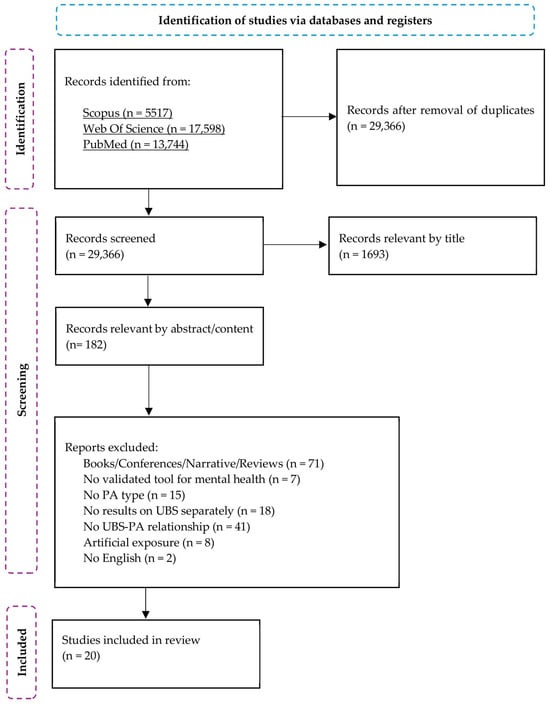

Disclaimer/Publisher’s Note: The statements, opinions and data contained in all publications are solely those of the individual author(s) and contributor(s) and not of MDPI and/or the editor(s). MDPI and/or the editor(s) disclaim responsibility for any injury to people or property resulting from any ideas, methods, instructions or products referred to in the content. |
© 2026 by the authors. Licensee MDPI, Basel, Switzerland. This article is an open access article distributed under the terms and conditions of the Creative Commons Attribution (CC BY) license.