


Abstract
Urban freight transport is an essential component of urban mobility, playing a key role in supporting the economic and social development of cities. However, the growth of freight and delivery activities can intensify energy consumption and increase pressure on urban transportation systems. In this context, the Energy-Efficient Vehicle Routing Problem (EE-VRP) has emerged as an important research challenge, requiring a balance between routing complexity and non-linear operational dynamics. From this perspective, data-driven and intelligent optimization approaches can support more efficient decision-making in urban transportation systems by integrating operational efficiency with energy performance. To address this challenge, this paper proposes the Prediction-Optimization Bridge (POB) model, a hybrid Artificial Intelligence and Multi-Objective Optimization framework that seamlessly integrates supervised machine learning with multi-objective evolutionary optimization. The proposed model combines a Random Forest surrogate model with the NSGA-II evolutionary algorithm to identify efficient vehicle routes. First, we used the RF surrogate to capture complex non-linear relationships and minimize total fleet energy consumption. Then, the predicted energy values are subsequently integrated into the NSGA-II multi-objective evolutionary algorithm, which explores alternative routing solutions. To enhance operational realism, a dynamic payload updating mechanism adjusts vehicle load after each delivery, reflecting the progressive reduction in transported goods along the route. As a result, the Random Forest surrogate achieved a predictive accuracy of R2 = 0.9960. Furthermore, the proposed framework attained an average energy reduction of 12.47% ± 2.32% compared with a conventional distance-greedy routing heuristic, while achieving a normalized Hypervolume of 0.6305 ± 0.0277 over five independent experimental runs. Feature importance analysis based on Gini metrics identified vehicle load as the most influential factor affecting energy consumption (approximately 70%). Overall, the results demonstrate that integrating vectorized machine learning surrogates with evolutionary multi-objective optimization provides an efficient, robust, and reproducible approach for developing energy-efficient and sustainable fleet routing strategies.
1. Introduction
The rapid transformation of urban spatial structures, characterized by urban expansion and the decentralization of logistics activities [1], has significantly increased the complexity of urban freight transport systems [2]. This evolution has led to longer travel distances, higher logistics costs, and increased energy consumption, raising important sustainability challenges. In this context, improving the efficiency of freight distribution has become a key objective for urban planners and logistics managers. The Vehicle Routing Problem (VRP) has emerged as a fundamental optimization framework for designing efficient distribution routes [3].
In today’s dynamic transportation landscape, effective vehicle routing management serves not only to streamline resource usage but also to further significant sustainability goals [4]. By strategically planning routes, we can effectively minimize critical factors such as time, distance, energy consumption, environmental emissions, costs, and operational inefficiencies, all while ensuring high-quality service [5]. As global demand for transportation services rises, fleet management is presented with the vital challenge of balancing energy consumption reduction with the need for swift and reliable service [6].
Optimizing routes to decrease fuel usage and carbon emissions without sacrificing performance or delivery times is essential [7]. This makes efficient vehicle route planning a key component in meeting increasing demand while aligning with sustainability objectives [8].
With accurate forecasting of energy consumption and optimal selection of energy-efficient routes, we can significantly minimize both energy usage and environmental impact [9]. A major focus of sustainable vehicle routing involves optimizing the flow between departure and arrival points, achieving an ideal balance among factors like distance, load, and energy efficiency. The integration of alternative fuel sources, such as electricity and hydrogen, and more energy-efficient vehicles, such as electric or hybrid models [10], can reduce energy consumption and environmental emissions [11]. The rapid development of battery technology and emerging alternative fuels, such as biofuels and compressed natural gas (CNG), offers new opportunities for energy optimization. While these solutions can help reduce dependence on fossil fuels, they require thoughtful investment and operational adjustments [12]. The transition to cleaner energy sources will be essential to reduce the carbon footprint of our transport networks and support the wider transition to sustainable logistics systems.
In addition to these innovations, incorporating artificial intelligence (AI) and machine learning (ML) into vehicle routing has the potential to transform our approaches [13]. AI techniques enable us to simulate multiple routing scenarios [14], accounting for energy consumption alongside real-time factors like traffic conditions, weather variations, and potential disruptions [15]. This predictive capability improved decision-making by anticipating risks and facilitating dynamic route optimization. AI’s ability to identify patterns and trends can drive consistent enhancements in routing strategies over time. Leveraging real-time data analytics through AI equips us to refine routes as conditions evolve [16], ensuring fleets remain adaptable and energy-efficient [17]. This technology enables real-time monitoring to predict traffic congestion, traffic delays or vehicle breakdowns, while maintaining energy saving targets. By leveraging the power of using AI in fleet management, the operational requirements and sustainability objectives are supported [18].
Ultimately, combining AI with cleaner energy technologies and fuel-efficient vehicles provides a solid foundation for creating more sustainable, cost-effective and environmentally friendly transport systems [19]. Adopting this integrated approach is key to addressing the growing environmental concerns associated with transport while meeting the operational needs of modern fleet [20]. By continually optimizing vehicle routing using these innovative tools and technologies, we can reduce our environmental footprint, lower operational costs and help build a sustainable future for logistics and transport.
2. Literature Review
2.1. Introduction to Vehicle Routing Problem
The growing demand for freight contributes to increasing and complexifying freight transport [21], introducing a significant challenge related to service quality, costs, energy consumption, and sustainability constraints [22]. In this sense, optimizing vehicle routing is relevant in developing efficient and effective freight transport. The vehicle routing problem is a combinatorial optimization problem that aims to define optimal flows for vehicles to transport freight from departure points to arrival points [23]. It was first introduced in 1959 by Dantzig and Ramser as a variation of the traveling salesman problem [24], aimed at determining the most efficient routes for a fleet of vehicles while ensuring each customer is visited exactly once.
As illustrated in Figure 1, the objective of the Vehicle Routing Problem (VRP) is most commonly formulated to minimize traveling distance or transportation cost; however, it is not limited to these criteria. Depending on the specific variant, different objectives may be optimized, such as respecting vehicle capacity constraints, satisfying delivery time windows, reducing energy or fuel consumption etc. Subsequently, variants of the vehicle routing problem were developed. One among the first introduced variant was the capacitated vehicle routing problem, which incorporated vehicle capacity constraints [25]. In 1980, a vehicle routing problem with time windows was introduced, which seeks to determine the most efficient routing while adhering to time window constraints [26]. Later, the authors of [27] studied the impact of multiple depots on vehicle routing, leading to the introduction of the multi-depot vehicle routing problem, which addresses constraints related to multiple depots. In 1990, the vehicle routing problem with pickup and delivery was formulated, designed to ensure that every pickup is matched with the correct delivery location [28]. To handle variations in demand, travel time, or other uncertain factors, the stochastic vehicle routing problem was introduced for the first time in 1991 [29]. From another perspective, delivery frequency is a crucial factor impacting vehicle routing efficiency [30].
Figure 1.
Conceptual schematic of the Vehicle Routing Problem.
In this regard, a periodic vehicle routing problem was developed by [31], it consists of integrating service frequency into routing schemes. With the rapid evolution of freight transport activities, various constraints related to traffic, infrastructure, or unplanned conditions can diminish the efficiency of vehicle routing. In response, a novel approach known as the Dynamic Vehicle Routing Problem (DVRP) was introduced to address real-time updates and propose dynamically adjusted routes [29]. Later, in 2016, the sustainability aspect was integrated into vehicle routing development, culminating in the green vehicle routing problem that focuses on optimizing routes with consideration for energy consumption and environmental emissions [32].
As interest in integrating intelligent transport systems grew, the role of drones in vehicle routing optimization was highlighted. This approach, termed the vehicle routing problem with drones (VRP with drones), aims to enhance last-mile delivery, particularly to reach specific areas [33,34]. Finally, a multi-modal vehicle routing problem (MMVRP) was proposed, which combines several modes of transport—including vehicles, bicycles, trucks, and drones—within a single distribution network to ensure the most efficient routing [35]. Table 1 summarizes the different vehicle routing problems with their various constraints.
Table 1.
Summary of VRP variants.
Following the comprehensive overview of various Vehicle Routing Problem (VRP) variants presented in the previous table, a particular focus has been placed on energy-efficient VRPs (EE-VRPs), which have gained increasing attention in recent years due to the growing demand for sustainable urban logistics. Unlike traditional VRP formulations that primarily aim to minimize distance or operational costs, EE-VRPs explicitly incorporate energy consumption and environmental considerations into the routing decision-making process. Table 2 below summarizes key contributions in this domain, highlighting the evolution of EE-VRP models from early analytical approaches to recent hybrid frameworks.
Table 2.
Summary of VRP Variants for Energy Consumption Optimization.
Vehicle routing problems (VRPs) can be classified into various types based on specific constraints, objectives, and operational scenarios. Different types of VRPs can be combined or adapted to address complex logistics challenges in real-world applications. To address the various categories of Vehicle Routing Problems (VRPs), several solution methods and algorithms are tailored to finding optimal or approximate solutions.
2.2. Review of VRP Solution Methods
The Vehicle Routing Problem (VRP) is an NP-hard problem that aims to find the most efficient routes to deliver goods to different customers, considering several constraints, including vehicle capacity, and time windows [75].
In this sense, finding optimal or near-optimal solutions is potentially challenging, particularly given the combinatorial nature of VRP [76]. We reviewed the literature and identified four solutions categories which are exact methods, heuristics, metaheuristics and hybrid methods [77].
- Exact methods
Exact methods systematically and exhaustively explore the entire solution space, ensuring that the best possible solution is identified [78].
- Heuristics methods
Heuristic methods are problem-solving techniques designed to find the best solution in a reasonable amount of time, rather than an optimal one. Heuristic methods aimed to explore the solution space quickly and efficiently [77].
- Metaheuristics methods
The metaheuristic methods are used for complex and large-scale problems; they guide heuristics to explore the solution space more effectively. It consists of finding the balance between exploration and exploitation of the search space and helps to avoid local optima [79,80].
- Hybrid methods
Hybrid methods consist of combining two or more different algorithms or techniques, such as exact methods, heuristics, or metaheuristics, to improve solution quality and efficiency [3].
Based on the reviewed papers, we measured the frequency of these solution methods in the literature, particularly in studies related to the vehicle routing problem. Figure 2 summarizes the frequency analysis.
Figure 2.
Frequency of the main VRP solution approaches.
As a result of our analysis, we observed that hybrid methods are the most commonly used for solving the vehicle routing problem. Approximately 21% of the research papers addressing this issue utilized hybrid approaches. Among them, 14% of research papers used dynamic programming techniques for solving VRP, while 12% employed genetic algorithms. Based on these findings, we observed a growing trend towards combining multiple methodologies, for their flexibility and ability to address VRP complexity. Furthermore, dynamic programming and genetic algorithms, though less frequent, still play significant roles in specific contexts where optimal or near-optimal solutions are required.
Based on the reviewed papers, we confirm that hybrid methods, dynamic programming, genetic algorithms were selected for their flexibility and proven ability to handle the complex, non-linear nature of the routing problem. GA provides an efficient way to search large solution spaces and identify global optima, which is relevant for optimizing energy consumption in routing. Additionally, GAs is computationally scalable and less prone to the limitations of dynamic programming, especially in large, dynamic environments.
Table 3 summarizes the main VRP solution approaches, then Figure 2 measured their frequency of occurrence in the literature.
Table 3.
Summary of VRP solution methods.
2.3. Energy Consumption Dynamics in Vehicle Routing Decisions
Energy efficiency is a key measurement used to evaluate how energy is utilized to accomplish specific tasks [11]. In the context of the vehicle routing problem (VRP), energy efficiency refers to how effectively thermal or electric energy is consumed by vehicles—such as trucks, vans, or electric delivery vehicles—transport goods from suppliers to end consumers [100].
The energy efficiency of VRP relies on designing optimal routing schemes that minimize wasted energy, whether due to unnecessary detours, idling, low load factors, or other inefficiencies [101]. Planning routes helps reduce travel distance, avoid high-traffic areas, and increase vehicle use capacity. We have identified several key variables in the Vehicle Routing Problem (VRP) that significantly influence energy efficiency [102]. These variables primarily relate to vehicle characteristics, route configurations, and operational constraints that directly affect fuel consumption and emissions [103]:
From the literature review and Table 4, we observed that most conventional approaches primarily focus on minimizing operational indicators such as traveled distance, transportation cost, or delivery time. Metaheuristic techniques, particularly Genetic Algorithms (GA), have demonstrated strong capabilities for solving large-scale and complex VRP variants due to their flexibility, scalability, and ability to efficiently explore large combinatorial search spaces. Nevertheless, despite the extensive use of evolutionary optimization methods, many existing studies still rely on simplified objective formulations that insufficiently capture the energetic behavior of transportation systems.
Table 4.
Factors Influencing Energy Efficiency in Vehicle Routing Problem (VRP).
In this context, the Energy-Efficient Vehicle Routing Problem (EE-VRP) has emerged as an important research direction aiming to jointly optimize transportation efficiency and environmental performance. However, accurately estimating transportation energy consumption within evolutionary optimization remains computationally challenging, particularly when repeated fitness evaluations are required across large populations and multiple generations.
To address these limitations, we propose a surrogate-assisted multi-objective optimization framework integrating synthetic physics-informed energy modeling, Random Forest, and the Non-dominated Sorting Genetic Algorithm II (NSGA-II). The proposed methodology combines machine learning-based energy prediction with evolutionary routing optimization to minimize transportation energy consumption.
3. Materials and Methods
In this paper, we introduce a Surrogate-Assisted Multi-Objective Energy-Efficient Vehicle Routing Problem (SAMO-EE-VRP) integrating machine learning and evolutionary optimization. As illustrated in Figure 3, our proposed model combines a Random Forest (RF) surrogate model with Non-dominated Sorting Genetic Algorithm II (NSGA-II) to simultaneously minimize vehicle energy consumption and total fleet distance.
Figure 3.
Research Framework description.
The methodology consists of four main stages. First, a synthetic dataset of 4000 observations is generated using operational variables commonly associated with freight transportation, namely vehicle speed, load ratio, traffic conditions, and travel distance. An energy-consumption function is then used to create the target values. These data are employed to train a Random Forest (RF), which acts as a surrogate model for estimating energy consumption. The RF model is configured with 100 trees and a maximum depth of 10. Its predictive performance is evaluated using a train-test split and assessed through the R2 and MAPE metrics.
In the second stage, the trained RF model is integrated into the optimization process through the Prediction–Optimization Bridge (POB). As described in Figure 4, the Vehicle Routing Problem instance consists of a depot and 26 customer locations. Each solution is represented as a permutation of customers and is converted into feasible vehicle routes using a route-splitting procedure that respects the vehicle capacity limit of 7000 units. During route evaluation, vehicle load is updated after each delivery to account for the reduction in transported goods along the route. To improve computational efficiency, route segments from all candidate solutions are evaluated in batches using a vectorized prediction procedure. In addition, a memoization cache is used to avoid repeated evaluations of previously explored solutions. The third stage performs the optimization using the NSGA-II multi-objective genetic algorithm. The algorithm starts with a population of 100 individuals and evolves the solutions over 60 generations.
Figure 4.
Algorithmic Architecture of the Proposed POB Optimization Framework.
To assess the robustness of the framework, the optimization process is repeated over five independent runs. The resulting Pareto fronts are evaluated using Hypervolume (HV) and Spacing (S) indicators. The final compromise solution is selected as the Pareto solution closest to the ideal normalized objective point.
Finally, the selected solution is compared with a random routing strategy and a distance-greedy baseline. Several graphical analyses are produced, including Pareto-front representations, energy-consumption comparisons, surrogate-model validation plots, route visualizations, and feature-importance analysis based on Gini scores. These indicators are essential to evaluate the behavior of the proposed framework and the factors influencing energy consumption.
The proposed framework was implemented in Python 3.13.15 and executed in the Google Colaboratory (Google Colab) environment. The implementation uses NumPy and Pandas for numerical computation and data processing, Scikit-learn for the Random Forest surrogate model, DEAP for the NSGA-II evolutionary optimization, and Matplotlib for visualization.
We used the following versions: (NumPy 2.1.3), (Pandas 2.2.3), (Scikit-learn 1.6.1), (DEAP 1.4) and (Matplotlib 3.10.0).
3.1. Mathematical Formulation
3.1.1. Decision Variables and Mathematical Parameter Space
Let G = (V, A) be a complete directed graph where V = {0, 1,…, N} is the node set and A = {(i,j) : i,j ∈ V, i ≠ j} represents the set of available arcs. Node 0 designates the central logistics depot, while the subset C = {1, …, N} defines the fixed customer locations (N = 26).
We summarize the main used parameters in Table 5:
Table 5.
Description Structural Parameter.
The decision variable is represented by a permutation-based chromosome:
where each element represents a customer index. The chromosome defines the visiting order of customers and is decoded into feasible vehicle routes using a capacity-based splitting procedure.
π = (π1, π2,…, πN)
3.1.2. Multi-Objective Function Formulations
The SAMO-EE-VRP maps the operational search grid onto a bi-objective minimization space:
- ▪
- Objective 1: Minimization of Total Fleet Energy Expenditure F1
Evaluating real-world fuel consumption within the EE-VRP paradigm requires accounting for dynamic operational features beyond simple distance. The first objective aggregates the energy costs incurred along every individual arc:
The energy objective is computed by summing the Random Forest predictions over all travelled segments:
where
Xe = [ve, Le, Te, de], represents the feature vector associated with travelled segment e, and E denotes the total number of travelled segments generated after chromosome decoding.
The function Ψ represents the Random Forest surrogate estimator, which approximates the nonlinear relationship between energy consumption and four edge-level operational features:
- Kinematic Velocity ve: the estimated vehicle speed on segment e, calculated using a distance-based decay relation:
ve = max(25, 80 − 0.3de)
- Payload Ratio Le: the remaining vehicle load ratio during the traversal of segment e, defined as:
- Traffic Congestion Coefficient Te: a fixed scaling factor representing urban traffic conditions:
Te = 1.2
- Segment Distance de: the Euclidean distance between two consecutive nodes of the route, calculated from their spatial coordinates.
The surrogate model uses these four variables to estimate the energy consumption of each route segment, and the total fleet energy is obtained by summing all predicted segment-level energy values.
- ▪
- Objective 2: Minimization of Total Fleet Travel Distance F2
The total travelled distance is calculated after decoding the chromosome into routes:
where rk represents vehicle route k.
Each route distance is:
with:
3.1.3. The Offline Data-Driven Surrogate Layer (Ψ)
To reduce the computational cost during evolutionary evaluation, the energy estimation is replaced by an offline trained Random Forest surrogate model, an ensemble machine learning surrogate model is trained once offline, acting as an analytical energy estimator for the EE-VRP routing segments.
- ▪
- Underlying Physical Function
The physical energy target function used to generate the synthetic training data (n = 4000) is defined by:
- ▪
- Random Forest Regression Formulation
The surrogate layer constructs a mathematical mapping Ψ:ℝ4 → ℝ, using an ensemble of B = 100 independent decision trees with a restricted structural depth (M = 10):
where Xedge = [ve, Le, Te, de] and Θb represents the split parameters, node features, and outputs for tree b. The Random Forest surrogate is trained using an ensemble of regression trees and provides an approximation of the nonlinear relationship between operational features and energy consumption.
3.1.4. Operational Constraints and Chromosome Routing Logic
The feasibility of generated solutions is ensured through a permutation-based decoding procedure. Each chromosome contains a unique sequence of customer IDs, which is transformed into vehicle routes using a greedy capacity-constrained splitting strategy. Customers are assigned sequentially while maintaining the vehicle capacity limit Q = 7000; when the remaining capacity is insufficient, a new route is created. The depot is not encoded in the chromosome but is added during route evaluation to complete each vehicle tour.
- ▪
- Node Coverage Consistency: The permutation representation inherently guarantees customer uniqueness because each chromosome contains every customer ID exactly once.
π = (π1, π2,…, πN) with πi ≠ πj, ∀i ≠ j,
- ▪
- Flow Conservation: Route continuity is automatically ensured during evaluation.
For each generated route, the depot is added as the starting and ending point:
Routek = (0, i1, i2,…, im, 0)
- ▪
- Capacity Constraint Handling: The vehicle capacity constraint is integrated directly into the chromosome decoding procedure. During route construction, customers are sequentially assigned to the current vehicle route while monitoring the accumulated demand. A new route is created whenever adding a customer exceeds the maximum vehicle capacity Q.
- ▪
- Permutation-to-Route Split Decoding
In the proposed approach, each chromosome π represents a possible sequence of customer visits and is defined as a permutation of customer IDs, excluding the depot: π = (π1, π2,…, πN). To transform this sequence into feasible vehicle routes, a greedy splitting procedure is applied. Customers are assigned one by one to the current route while checking the vehicle capacity constraint (Q = 7000). When adding a new customer exceeds the available capacity, the current route is completed and a new route is created for the remaining customers. The depot is not included in the chromosome representation; it is considered separately when evaluating each route, where vehicles start and return to the depot.
3.1.5. High-Speed Vectorized Population Evaluation Mechanics
To accelerate the evolutionary process, the evaluation step bypasses slow individual-by-individual iterations. Instead, it groups all un-evaluated solutions into a unified global feature matrix for parallel processing.
The mathematical steps of this execution loop are detailed below:
- ▪
- Memoization Subsampling: Filter out individuals whose fitness values are already stored in the hash-mapped cache :
Pinvalid = {π ∈ P: π ∉ dom()}
- Edge Feature Transformation: For every route r generated by an invalid chromosome, track the structural metrics along each edge. Construct an edge feature row vector xe = [ve, Le, Te, de] and append it to a global matrix , where Etotal is the total number of segments across the un-evaluated population.
- ▪
- Synchronized Metamodel Inference: Execute a single batch inference call using the Random Forest estimator across the entire population matrix:
- ▪
- Fitness Metric Reduction: Slice the contiguous output array Ypredictions back into its respective chromosome structures. Sum the edge energy segments to compute the final objective value for each individual, and store the result in the cache:
3.1.6. Multi-Objective Evolutionary Search Logic (NSGA-II)
The multi-objective search is driven by the Non-dominated Sorting Genetic Algorithm II (NSGA-II). It optimizes solutions by evaluating domination rules and maintaining population diversity in each generation.
- ▪
- Pareto Domination Criteria
A routing solution x1 mathematically dominates another solution x2(x1 < x2) if and only if:
i ∈ {1,2}: Fi(x1) ≤ Fi(x2) and ∃j ∈ {1,2}: Fj(x1) < Fj(x2)
Individuals are sorted into hierarchical fronts PF1,PF2,…,PFk, where PF1 contains the entirely non-dominated solutions.
- ▪
- Crowding Distance Assignment
To maintain diversity along the Pareto frontier, individuals within the same front are ranked by how isolated they are from their neighbors. The crowding distance Id(xi) is calculated by summing the normalized distance to adjacent solutions across both objectives:
Solutions with higher crowding distances are prioritized during selection, encouraging the algorithm to explore less dense regions of the trade-off space.
- ▪
- Genetic Variation Mechanics
- •
- Ordered Crossover (OX): Performed with a probability of pc= 0.8. It extracts a continuous matching segment from one parent chromosome and copies it directly to the offspring, filling the remaining positions with unassigned genes from the second parent in their original order. This preserves the relative sequence of customer sequences without creating duplicate nodes.
- •
- Shuffle Indexes Mutation: Applied with a probability of pm = 0.2. Each individual gene within the chromosome has a 10% probability of swapping positions with another random gene, introducing structural variations to escape local optima.
3.1.7. Pareto Front Quality Assessment
Because distance and energy consumption are measured on different scales, their direct comparison may bias the hypervolume indicator. Therefore, the Pareto solutions are normalized using predefined global minimum and maximum bounds before hypervolume calculation:
The normalized Pareto front is then evaluated using the Hypervolume (HV) indicator with a fixed reference point r = [1.1,1.1]T.
where Λ(.) denotes the Lebesgue measure and (PF) represents the normalized Pareto front.
Finally, to determine the best trade-off solution for practical deployment, often referred to as the Knee-point solution, the model uses the minimum Euclidean distance criterion:
3.1.8. Experimental Setup and Verification Metrics
To assess the stability and robustness of the framework under stochastic variations, the optimization procedure is performed over R = 5 independent runs, with each run starting from a different random seed. This allows the consistency and reliability of the obtained results to be evaluated across multiple experiments:
σr = 42 + r, r ∈ {0,1,2,3,4}
The quality and convergence of the obtained Pareto frontiers are evaluated using two standard performance indicators commonly used in multi-objective optimization:
- ▪
- Spacing Metric
The Spacing metric measures how uniformly the non-dominated solutions are distributed along the Pareto frontier. It is calculated as the standard deviation of the distances between consecutive solutions:
where di represents the Euclidean distance between consecutive points in the objective space, and is the mean of all such distances. A spacing value closer to zero indicates a more uniform distribution of solutions.
- ▪
- Relative Energy Savings
The relative energy reduction achieved by the optimized Knee-point solution π* compared to the standard industrial distance-greedy baseline πgreedy is calculated as:
3.2. Workflow Description
As described in Figure 5, this paper proposes a data-driven, surrogate-assisted evolutionary optimization framework tailored for the Multi-Objective Energy-Efficient Vehicle Routing Problem (SAMO-EE-VRP). The framework trains an offline Random Forest regressor (B = 100, M = 10) on physics-informed synthetic data (n = 4000) to act as an instantaneous, analytical edge-energy calculator embedded natively within the NSGA-II loop. Rather than applying static load assumptions, the model incorporates a dynamic payload-decay mechanism that strictly updates the vehicle’s remaining cargo weight wijk along each route segment as local client demands qi∈ [500, 2500] are systematically fulfilled. To maintain computational tractability and mitigate execution overhead during evolutionary search, two integrated speed optimizations are implemented: a memoized fitness dictionary that eliminates redundant evaluations of previously visited chromosomes, and a synchronized vectorized batch inference pipeline that routes un-evaluated population traits into a unified global feature matrix Mbatch for parallel execution.
Figure 5.
Description of the Model Workflow.
4. Results and Discussions
In this section, we summarize the main findings of our proposed Prediction–Optimization Bridge (POB) framework. Our model combines machine learning prediction and multi-objective optimization; a single metric would be insufficient to evaluate all aspects of the framework. Therefore, the evaluation was structured around three fundamental dimensions:
- Predictive Accuracy, which assesses the capability of the Random Forest surrogate to accurately reproduce the underlying energy-consumption model.
- Optimization Performance, which evaluates the ability of NSGA-II to generate energy-efficient routing solutions and discover high-quality trade-offs between fleet energy consumption and travelled distance.
- Computational Efficiency and Robustness, which measure the scalability, stability, and reproducibility of the proposed framework across multiple independent optimizations runs.
Accordingly, Table 6 summarized the five key performance indicators (KPIs):
Table 6.
Description of used key performance indicators.
The use of these indicators is essential to provide a comprehensive assessment of the predictive, optimization, and computational capabilities of the proposed framework.
4.1. Computational Efficiency Analysis
Computational efficiency is a critical requirement for practical deployment. Therefore, we monitored the execution time of each experimental run.
As a result, we observed that the proposed surrogate-assisted optimization framework required:
As illustrated in Table 7, the first run requires a slightly larger execution time since it includes the initialization of the optimization environment, memory allocation procedures, cache creation, and surrogate-model deployment. Then, the following runs stabilize around 3–4 s, demonstrating the efficiency of the vectorized population-evaluation mechanism. Despite this large search space, we observed that the execution remains below four seconds per instance due to the surrogate-assisted evaluation architecture.
Table 7.
Runtime Performance of the Model.
With an average execution time of:
Tavg = 4.30 s
From an operational perspective, the obtained execution times suggest that the proposed framework is suitable for near-real-time logistics planning applications. In practical urban freight systems, routing decisions frequently require rapid adaptation to changing customer demands and operational constraints.
The ability to generate high-quality routing solutions within only a few seconds enables the framework to support dynamic fleet-management environments and future Logistics 4.0 applications.
4.2. Validation of the Surrogate-Assisted Prediction Layer
The main aim of this paper is to verify whether the Random Forest surrogate can accurately reproduce the underlying energy-consumption mechanism before being embedded within the optimization framework. Figure 6 presents the correlation between the actual energy values generated by the physical energy model and the values predicted by the surrogate.
Figure 6.
Model Validation. Perfect Prediction (y = x): If a blue data point lies directly on the red line, it means the Surrogate-Predicted Energy (y-axis) exactly equals the Real Physical Energy (x-axis). Model Performance Indicator: The closer the scatter of blue points is to this red line, the higher the accuracy of your surrogate model.
The obtained coefficient of determination reaches R2 = 0.9960, indicating that 99.6% of the variability in energy consumption is successfully captured by the surrogate model. Such a result demonstrates an almost perfect agreement between predicted and actual values over the complete operating range.
From a statistical perspective, the tight concentration of observations around the identity line confirms the absence of significant prediction bias and suggests that both low-energy and high-energy operating regimes are accurately reproduced.
From a physical perspective, this result is particularly important because the energy formulation includes nonlinear interactions between distance, payload ratio, speed, and traffic conditions. The ability of the Random Forest model to capture these interactions demonstrates that the underlying energy landscape is successfully learned without requiring explicit analytical formulations.
More importantly, the surrogate becomes a computationally efficient digital twin of the energy system. During optimization, thousands of candidate routing solutions must be evaluated. Direct evaluation using a detailed physical model would significantly increase computational costs. By replacing the physical model with a highly accurate surrogate, the framework preserves solution quality while dramatically accelerating the search process. The high predictive accuracy therefore constitutes the first level of validation of the proposed Prediction–Optimization Bridge (POB) architecture.
4.3. Multi-Objective Energy–Distance Trade-Off Analysis
Figure 7 illustrates the Pareto-optimal solutions generated by the NSGA-II optimizer. The resulting front clearly demonstrates the existence of a conflict between total fleet energy consumption and total travelled distance.
Figure 7.
Multi-Objective Optimization Space.
We formulated the optimization as follows:
where Efleet represents the total fleet energy consumption and Dfleet is a cumulative travel distance.
min(Efleet, Dfleet)
The Pareto front indicates a pronounced negative slope, confirming that reductions in energy consumption are generally accompanied by increases in travelled distance. This behavior reveals that the two objectives are not aligned and must therefore be optimized simultaneously.
This observation challenges one of the most common assumptions in the classical vehicle routing literature, namely that minimizing distance automatically minimizes energy consumption. The results clearly demonstrate that this assumption does not hold under realistic operational conditions.
Although some Pareto-optimal solutions travel considerably longer distances than the industrial benchmark, they still achieve significantly lower energy consumption. This behavior can be explained by the dynamic payload mechanism incorporated into the model.
Basically, we confirm that the energy consumption is not solely determined by distance. Instead, it is driven by the interaction between transported mass and route structure.
Delivering large orders earlier in the route rapidly decreases vehicle mass, thereby reducing the energy required for subsequent travel segments. Consequently, a route that is slightly longer may consume substantially less energy if it achieves a more favorable payload evolution. The Pareto front therefore captures the fundamental physical trade-off governing energy-efficient logistics systems: the competition between geometric efficiency and mass-management efficiency.
4.4. Comparative Assessment of Routing Strategies
We compared the energy performance of three routing approaches:
- Random routing;
- Distance-greedy industrial routing;
- Proposed POB framework.
The random solution exhibits the highest energy consumption, reaching approximately 833 kWh. Such behavior is expected because random customer sequencing produces inefficient trajectories, excessive route overlap, and poor payload utilization.
As illustrated in Figure 8, the industrial distance-greedy heuristic reduces energy consumption to approximately 780 kWh by minimizing travel distance. However, despite its operational simplicity, this approach remains insensitive to vehicle mass evolution throughout the delivery process.
Figure 8.
Comparative Analysis of Energy Performance.
The proposed POB framework further reduces energy consumption to approximately 686 kWh.
Across five independent experimental runs, the average energy reduction reaches:
12.47% ± 2.32%
From a sustainability perspective, this reduction represents a meaningful improvement. In real-world logistics operations, energy savings exceeding 10% can lead to noticeable decreases in fuel consumption, operational costs, and carbon emissions. It is important to highlight that these improvements are achieved without any changes in vehicle technology, fleet structure, or infrastructure. Instead, the benefits come entirely from more intelligent routing decisions. Therefore, the results show that optimization approaches alone can play an important role as a decarbonization strategy for developing more sustainable logistics systems.
4.5. Spatial Interpretation of Optimized Routes
We compared the random routing solution with the optimized routing configuration selected from the knee-point region of the Pareto front in order to evaluate the real impact of the optimization process and highlight the improvements achieved compared to a non-optimized routing strategy.
Based on the results presented in Figure 9 the random routing solution exhibits several characteristics commonly associated with inefficient logistics operations, including visible route crossings, spatially dispersed customer sequences, unnecessary detours, and less structured route patterns. These characteristics lead to longer fleet travel distances and higher cumulative energy consumption compared with the optimized configuration.
Figure 9.
Comparison of Energy-Efficient Routing Schemes.
In contrast, the optimized solution shows more structured and coherent routing patterns. Customers are grouped into more organized spatial sequences, reducing unnecessary vehicle movements and improving route continuity. The obtained routes result from the interaction between the evolutionary optimization process and the surrogate energy model, which evaluates the impact of routing decisions on energy consumption. Although no explicit rule defines the customer visiting sequence, the optimizer naturally identifies efficient delivery patterns that reduce both total distance and energy consumption. This demonstrates that the proposed framework is able to extract operationally meaningful solutions from the optimization process rather than only searching for mathematical improvements. Such results reinforce the practical relevance of the proposed methodology for sustainable logistics applications.
4.6. Hypervolume-Based Convergence Analysis
To evaluate the overall quality of the generated Pareto fronts, we measured the normalized Hypervolume (HV) indicator.
The obtained average value is:
HV = 0.6305 ± 0.0277
Hypervolume measures the volume of objective space dominated by the Pareto front relative to a predefined reference point.
Unlike individual objective values, Hypervolume simultaneously evaluates:
- convergence toward the optimal region,
- diversity of solutions along the front.
A high Hypervolume value indicates that the algorithm is able to identify solutions that are close to the ideal point while also being well distributed within the objective space. The low variability observed across the five experimental runs further confirms the stability of the optimization process. This result shows that the POB framework consistently converges toward high-quality areas of the search space, even when different initial conditions are considered. Such robustness is particularly important in logistics applications, where operational decisions need to remain reliable under changing demand scenarios.
4.7. Pareto Diversity and Solution Distribution
While Hypervolume evaluates global front quality, the spacing metric provides complementary information regarding the uniformity of solution distribution. It measures the variability of distances between neighboring Pareto solutions.
The average spacing value obtained in this study is:
S = 109.32 ± 46.20
A perfectly uniform Pareto front would result in very small spacing values, while a more clustered distribution would lead to higher spacing values. The obtained results show a moderate level of dispersion along the Pareto front.
This behavior is consistent with the nonlinear characteristics of the energy optimization problem. Some areas of the solution space contain a higher number of feasible trade-off solutions, while other regions represent more complex operational compromises where fewer solutions can be achieved.
From a decision-support perspective, this distribution is beneficial because it offers logistics planners a diverse set of alternatives representing different compromises between energy consumption and travel distance, instead of limiting the choice to solutions concentrated in a single region.
Therefore, the proposed framework enables more flexible and reliable decision-making by allowing operational strategies to be adapted according to different priorities and constraints.
4.8. Sensitivity Analysis of Energy Drivers
We analyzed the feature-importance through sensitivity analysis; Figure 10 provides valuable insights into the physical mechanisms governing fleet energy consumption.
Figure 10.
Sensitivity Assessment of the Model’s Energy Drivers.
Vehicle load accounts for approximately 70% of the total explanatory power of the surrogate model, while distance contributes roughly 29%. Speed and traffic variables exhibit negligible influence.
Traditional vehicle routing approaches implicitly assume that travel distance is the dominant determinant of transportation efficiency. However, the present findings demonstrate that payload dynamics exert a significantly stronger influence on fleet energy consumption. The dominance of vehicle load explains several observations previously identified in the Pareto analysis.
First, it explains why longer routes may consume less energy than shorter routes.
Second, it explains why the optimizer tends to prioritize high-demand customers during the initial stages of the route. Third, it explains the consistent superiority of the POB solutions over the distance-greedy benchmark.
Collectively, these findings reveal that energy-efficient routing should be viewed primarily as a load-management problem rather than a pure distance-minimization problem.
Taken together, the results provide strong evidence supporting the effectiveness of the proposed Prediction–Optimization Bridge framework.
The surrogate model successfully captures the main characteristics of the energy landscape, allowing accurate and reliable fitness evaluations. Based on this information, the evolutionary optimizer is able to explore the solution space and identify routing solutions that may not be found by traditional heuristic approaches. The Pareto analysis highlights the existing trade-off between minimizing travel distance and reducing energy consumption, while the sensitivity analysis provides a physical explanation of this relationship by showing the strong influence of payload variations on energy demand.
The consistency observed through predictive accuracy, Pareto analysis, Hypervolume results, spacing evaluation, and route visualization provides strong evidence supporting the effectiveness of the proposed methodology.
More importantly, all results lead to the same conclusion: changes in vehicle load during delivery operations represent a major factor influencing fleet energy consumption. By considering this effect in routing decisions, significant energy savings can be achieved without relying on modifications in vehicle technology or transport infrastructure.
These findings demonstrate the potential of surrogate-assisted evolutionary optimization as an efficient and scalable approach for supporting sustainable logistics operations and promoting intelligent fleet decarbonization within future Logistics 4.0 environments.
5. Conclusions
The rapid growth of e-commerce, evolving consumer purchasing habits, and the increasing demand for last-mile delivery have significantly increased the complexity of vehicle routing. These trends have resulted in longer travel distances, more complex routing decisions, and greater diversity in urban traffic, including trucks, vans, passenger vehicles, motorcycles, and other delivery modes.
As freight transport is an important part of urban mobility, these changes directly affect the efficiency and sustainability of urban transportation systems. Longer travel distances and inefficient routing can increase energy consumption and environmental impacts in cities. Therefore, improving freight routing is important for more efficient and sustainable urban mobility. In this context, energy-efficient vehicle routing can help reduce travel distance and energy consumption, supporting the development of more sustainable urban transportation systems.
In response to these challenges, optimizing vehicle routing has become a critical issue, particularly with respect to energy consumption, which directly influences environmental emissions, operational costs, and the overall sustainability of urban freight transport. While traditional vehicle routing approaches primarily focus on minimizing travel distance, this objective alone is no longer sufficient. Energy consumption is influenced by several additional factors, including the transported load, vehicle characteristics, traffic conditions, and road topology. Moreover, conventional exact and metaheuristic optimization methods often struggle to cope with the dynamic nature of urban logistics, where traffic conditions and delivery demand continuously evolve.
To overcome these limitations, this paper proposes a novel Prediction–Optimization Bridge (POB) framework that integrates supervised machine learning with multi-objective evolutionary optimization. Rather than optimizing routes solely based on distance, the proposed framework first predicts the energy consumption associated with each routing alternative using a Random Forest (RF) surrogate model, which effectively captures the complex nonlinear relationships between routing parameters and energy use. The predicted energy values are then incorporated into the NSGA-II multi-objective evolutionary algorithm to identify vehicle routes that simultaneously minimize energy consumption while maintaining efficient routing performance.
The obtained results highlight the importance of the proposed Prediction–Optimization Bridge (POB) framework for fleet management. The proposed framework demonstrates excellent predictive capability, achieving an R2 value of 0.9960, which confirms the reliability of the surrogate model for energy estimation. In the multi-objective optimization space, the POB-generated Pareto front strictly dominates both the unoptimized baseline (833.3 kWh) and the Industry Standard Greedy heuristic (780.0 kWh). Selecting the knee-point solution translates to an optimized operational fleet consumption of 685.9 kWh—achieving energy savings of 17.7% over random routing and 12.1% over conventional industry practices, aligned with the global average savings of 12.47%±2.32% observed across all benchmark instances. Furthermore, the Gini feature importance analysis reveals that vehicle Load (≈70%) and Distance (≈29%) are the primary drivers of total energy output, far exceeding the impact of speed or traffic fluctuations under test conditions. In real-world fleet operations, these findings demonstrate that prioritizing load-sequence scheduling, delivering heavier payloads earlier in the route to minimize overall vehicle weight, results in greater fuel-cost savings than simply minimizing geographical distance alone.
These findings highlight the potential of integrating artificial intelligence with multi-objective optimization to support the development of more energy-efficient, sustainable, and intelligent urban freight transportation systems.
Author Contributions
Conceptualization, F.J., I.M. and I.T.; Methodology, M.E.Y. and F.J.; Writing—original draft, M.E.Y.; Writing—review and editing, M.E.Y., F.J. and I.T.; Supervision, F.J. and I.M. All authors have read and agreed to the published version of the manuscript.
Funding
This research received no external funding.
Institutional Review Board Statement
Not applicable.
Informed Consent Statement
Not applicable.
Data Availability Statement
The original contributions presented in this study are included in the article. Further inquiries can be directed to the corresponding author.
Acknowledgments
During the preparation of this manuscript, generative AI tools were used for limited language assistance and for the visual formatting of two figures, including adjustments to colors and icons. The authors have reviewed and edited the output and take full responsibility for the content of this publication.
Conflicts of Interest
The authors declare no conflicts of interest.
References
- Jawab, F.; Moufad, I.; Frichi, Y. Performance du transport de marchandises en ville. Proposition d’un tableau de bord prospectif. In Penser le Maroc Logistique: Une Perspective Pluridisciplinaire; Presses Universitaires d’Aix-Marseille: Marseille, France, 2021; pp. 243–254. [Google Scholar]
- Moufad, I. Logistique Transport: Modélisation & Amélioration des Flux de Transport et de la Mobilité: Performance du Transport de Marchandises en Ville: Cas de l’Implantation des Aires de Livraison. Doctoral Thesis, Université Sidi Mohamed Ben Abdellah, Fes, Morocco, 2018. [Google Scholar]
- Ammar, A.B.; Loukil, T.M.; Cheikh, M. A survey on the Hybrid Vehicle Routing Problem: Literature review. In 2022 14th International Colloquium of Logistics and Supply Chain Management (LOGISTIQUA2022); Jawab, F., El Farouk, I., Eds.; International Conference on Logistics; IEEE: New York, NY, USA, 2022; pp. 406–411. [Google Scholar] [CrossRef] [Scilit]
- Jawab, F.; El Mokaddem, Y. Territorial Logistics Governance and Sustainable Development Challenges: (Analysis and evaluation of the logistics competitiveness of the Casablanca-Settat region). In 2018 International Colloquium on Logistics and Supply Chain Management (LOGISTIQUA); IEEE: New York, NY, USA, 2018; pp. 117–121. [Google Scholar] [CrossRef] [Scilit]
- Soysal, M.; Cimen, M.; Belbag, S.; Togrul, E. A review on sustainable inventory routing. Comput. Ind. Eng. 2019, 132, 395–411. [Google Scholar] [CrossRef] [Scilit]
- el Yadari, M.; Jawab, F.; Moufad, I.; Arif, J. Logistics Sprawl and Urban Congestion Dynamics Toward Sustainability: A Logistic Regression and Random-Forest-Based Model. Sustainability 2025, 17, 5929. [Google Scholar] [CrossRef] [Scilit]
- Sruthi, A.; Anbuudayasankar, S.P.; Jeyakumar, G. Energy Efficient Green Vehicle Routing Problem. Int. J. Inf. Syst. Supply Chain Manag. 2019, 12, 27–41. [Google Scholar] [CrossRef] [Scilit]
- Moufad, I. A methodology for measuring the ecological footprint of freight transport in urban areas: A case study of a Moroccan City. In International Conference on Industrial Engineering and Operations Management (IEOM); IEOM Society International: Southfield, MI, USA, 2018. [Google Scholar]
- Bruzzone, F.; Cavallaro, F.; Nocera, S. Environmental and energy performance of integrated passenger–freight transport. Transp. Res. Interdiscip. Perspect. 2023, 22, 100958. [Google Scholar] [CrossRef] [Scilit]
- Ourabah, A.-D.; Quost, B.; Gayed, A.; Denoeux, T. Estimating Energy Consumption of a PHEV using Vehicle and On-board Navigation Data. In 2015 IEEE Intelligent Vehicles Symposium (IV); IEEE: New York, NY, USA, 2015; pp. 755–760. Available online: https://www.webofscience.com/wos/woscc/full-record/WOS:000380565800123 (accessed on 11 December 2024).
- Moon, J.; Anwar, H.; Villani, M.; Fahim, M.Q.; Jain, P.; Ramakrishnan, K.; Ahmed, Q. Electrified fleet and infrastructure aware energy efficient routing. eTransportation 2024, 22, 100351. [Google Scholar] [CrossRef] [Scilit]
- Frías, N.; Parejas, F.J.; Valle, C. Hybrid Algorithms for Energy Minimizing Vehicle Routing Problem: Integrating Clusterization and Ant Colony Optimization. IEEE Access 2023, 11, 125800–125821. [Google Scholar] [CrossRef] [Scilit]
- Yadari, M.E.; Jawab, F.; Moufad, I. Logistics Sprawl and Artificial Intelligence Revolving Urban Freight Transport. In Eco-Logistics and Sustainable Supply Chain Innovations; IGI Global Scientific Publishing: New York, NY, USA, 2025; pp. 191–244. [Google Scholar] [CrossRef] [Scilit]
- Sadeghi, J.; Botta, C.; Caroleo, B.; Arnone, M. Vehicle Connectivity and Dynamic Traffic Response to Unplanned Urban Events. Urban Sci. 2025, 9, 409. [Google Scholar] [CrossRef] [Scilit]
- Bharadiya, J. Artificial Intelligence in Transportation Systems A Critical Review. AJCE 2023, 6, 34–45. [Google Scholar] [CrossRef] [Scilit]
- Reis, M.J.C.S. Energy- and Communication-Aware Federated Learning for Smart City Sensing and Urban Intelligence. Urban Sci. 2026, 10, 350. [Google Scholar] [CrossRef] [Scilit]
- Giuffrida, N.; Fajardo-Calderin, J.; Masegosa, A.D.; Werner, F.; Steudter, M.; Pilla, F. Optimization and Machine Learning Applied to Last-Mile Logistics: A Review. Sustainability 2022, 14, 5329. [Google Scholar] [CrossRef] [Scilit]
- El Yadari, M.; Jawab, F.; Moufad, I. Revolutionizing Urban Freight: The Impact of VANET on Transport Performance. In 2025 16th International Conference on Logistics and Supply Chain Management (LOGISTIQUA); IEEE: New York, NY, USA, 2025; p. 9. [Google Scholar] [CrossRef] [Scilit]
- Azari, M.; Arif, J.; Moustabchir, H.; Jawab, F. Navigating Challenges and Leveraging Future Trends in AI and Machine Learning for Supply Chains. In AI and Machine Learning Applications in Supply Chains and Marketing; IGI Global Scientific Publishing: New York, NY, USA, 2025; pp. 257–282. [Google Scholar] [CrossRef] [Scilit]
- Saricicek, I.; Keser, S.B.; Cibi, A.; Ozdemir, T.; Yazici, A. Energy efficient routing and task scheduling for autonomous transfer vehicles in intra logistics. Kuwait J. Sci. 2022, 49, e10194. [Google Scholar] [CrossRef] [Scilit]
- Moufad, I. The dynamic simulation of the urban traffic: A literature review. In International Conference on Industrial Engineering and Operations Management (IEOM); IEOM Society International: Southfield, MI, USA, 2018. [Google Scholar]
- Waßmuth, K.; Köhler, C.; Agatz, N.; Fleischmann, M. Demand management for attended home delivery—A literature review. Eur. J. Oper. Res. 2023, 311, 801–815. [Google Scholar] [CrossRef] [Scilit]
- Bouanane, K.; Benadada, Y.; Bencheikh, G. Multi-Depots Vehicle Routing Problem with Simultaneous Delivery and Pickup and Inventory Restrictions: Formulation and Resolution. Int. J. Adv. Comput. Sci. Appl. 2019, 10, 110–120. [Google Scholar] [CrossRef] [Scilit]
- Dantzig, G.B.; Ramser, J.H. The Truck Dispatching Problem. Manag. Sci. 1959, 6, 80–91. [Google Scholar] [CrossRef] [Scilit]
- Clarke, G.; Wright, J.W. Scheduling of Vehicles from a Central Depot to a Number of Delivery Points. Oper. Res. 1964, 12, 568–581. [Google Scholar] [CrossRef] [Scilit]
- Solomon, M.M. Algorithms for the Vehicle Routing and Scheduling Problems with Time Window Constraints. Oper. Res. 1987, 35, 254–265. [Google Scholar] [CrossRef] [Scilit]
- Laporte, G.; Nobert, Y.; Taillefer, S. Solving a Family of Multi-Depot Vehicle-Routing and Location-Routing Problems. Transp. Sci. 1988, 22, 161–172. [Google Scholar] [CrossRef] [Scilit]
- Derigs, U.; Metz, A. A Matching-Based Approach for Solving a Delivery Pick-up Vehicle-Routing Problem with Time Constraints. OR Spektrum 1992, 14, 91–106. [Google Scholar] [CrossRef] [Scilit]
- Bertsimas, D.; Vanryzin, G. A Stochastic and Dynamic Vehicle-Routing Problem in the Euclidean Plane. Oper. Res. 1991, 39, 601–615. [Google Scholar] [CrossRef] [Scilit]
- Moufad, I.; Jawab, F. Analysis of pickup-delivery vehicles movements: A vehicle observation-based freight survey. In 2020 IEEE 13th International Colloquium of Logistics and Supply Chain Management (LOGISTIQUA); IEEE: New York, NY, USA, 2020; pp. 1–5. [Google Scholar] [CrossRef] [Scilit]
- Gaudioso, M.; Paletta, G. A Heuristic for the Periodic Vehicle-Routing Problem. Transp. Sci. 1992, 26, 86–92. [Google Scholar] [CrossRef] [Scilit]
- Chebbi, O.; Fatnassi, E.; Chaouachi, J.; Nouri, N. Cellular Genetic Algorithm for Solving a Routing On-Demand Transit Problem. In GECCO’16: Proceedings of the 2016 Genetic and Evolutionary Computation Conference; Association for Computing Machinery: New York, NY, USA, 2016; pp. 301–308. [Google Scholar] [CrossRef] [Scilit]
- Lauri, F.; Koukam, A. A Two-Step Evolutionary and ACO Approach for Solving the Multi-Agent Patrolling Problem. In 2008 IEEE Congress on Evolutionary Computation, Vols 1–8; IEEE: New York, NY, USA, 2008; pp. 861–868. [Google Scholar] [CrossRef] [Scilit]
- Montemanni, R.; Dell’Amico, M.; Corsini, A. Modeling the Parallel Drone Scheduling Vehicle Routing Problem as a Heterogeneous Vehicle Routing Problem. In Proceedings of the 2024 9th International Conference on Intelligent Information Technology, ICIIT 2024; Association for Computing Machinery: New York, NY, USA, 2024; pp. 410–415. [Google Scholar] [CrossRef] [Scilit]
- Kaplan, M.M.; Heaslip, K.P. The Parallel Scheduling Vehicle Routing Problem for Multimodal Package Delivery. In 2024 35th IEEE Intelligent Vehicles Symposium, IEEE IV 2024; IEEE: New York, NY, USA, 2024; pp. 3050–3056. [Google Scholar] [CrossRef] [Scilit]
- Xie, N.; Lee, X.; Cai, D.; Saito, Y.; Asai, N.; Lau, H.C. A Feasibility-Preserved Quantum Approximate Solver for the Capacitated Vehicle Routing Problem. arXiv 2024, arXiv:2308.08785. [Google Scholar] [CrossRef] [Scilit]
- Küp, E.T.; Cebeci, S.; Bayram, B.; Aydın, G.; Bozkaya, B.; Akhavan-Tabatabaei, R. An Integrated Framework for Dynamic Vehicle Routing Problems with Pick-up and Delivery Time Windows and Shared Fleet Capacity Planning. Symmetry 2024, 16, 505. [Google Scholar] [CrossRef] [Scilit]
- Ou, J.; Liu, X.; Xing, L.; Lv, J.; Hu, Y.; Zheng, J.; Zou, J.; Li, M. Solving many-objective delivery and pickup vehicle routing problem with time windows with a constrained evolutionary optimization algorithm. Expert Syst. Appl. 2024, 255, 124712. [Google Scholar] [CrossRef] [Scilit]
- Xu, K.; Cao, Z.; Zheng, C.; Liu, L. Learning to search for vehicle routing with multiple time windows. Comput. Ind. Eng. 2026, 213, 111760. [Google Scholar] [CrossRef] [Scilit]
- Stodola, P.; Kutěj, L. Multi-Depot Vehicle Routing Problem with Drones: Mathematical formulation, solution algorithm and experiments. Expert Syst. Appl. 2024, 241, 122483. [Google Scholar] [CrossRef] [Scilit]
- Osorio-Mora, A.; Soto-Bustos, M.; Gatica, G.; Palominos, P.; Linfati, R. The Multi-Depot Cumulative Vehicle Routing Problem With Mandatory Visit Times and Minimum Delayed Latency. IEEE Access 2021, 9, 27210–27225. [Google Scholar] [CrossRef] [Scilit]
- Martinovic, G.; Aleksi, I.; Baumgartner, A. Single-Commodity Vehicle Routing Problem with Pickup and Delivery Service. Math. Probl. Eng. 2008, 2008, 697981. [Google Scholar] [CrossRef] [Scilit]
- Yavary, A.; Sajedi, H. Solving Dynamic Vehicle Routing Problem with Pickup and Delivery by CLARITY Method. In 2018 IEEE 22nd International Conference on Intelligent Engineering Systems (INES); IEEE: New York, NY, USA, 2018; pp. 000207–000212. [Google Scholar] [CrossRef] [Scilit]
- Ma, Y.; Tang, J.; Guan, J. Split Delivery Weighted Vehicle Routing Problem: Comparison perspective. In Chinese Control Conference, CCC; IEEE: New York, NY, USA, 2013; pp. 8436–8440. [Google Scholar]
- Chen, R.-M.; Guo, J.-C. Optimal Routing for Split Delivery Vehicle Routing Problems. In 2018 7th International Congress on Advanced Applied Informatics (IIAI-AAI); IEEE: New York, NY, USA, 2018; pp. 667–670. [Google Scholar] [CrossRef] [Scilit]
- Casazza, M.; Ceselli, A.; Calvo, R.W. A branch and price approach for the Split Pickup and Split Delivery VRP. Electron. Notes Discret. Math. 2018, 69, 189–196. [Google Scholar] [CrossRef] [Scilit]
- Li, Z.; Jiao, P. Two-stage stochastic programming for the inventory routing problem with stochastic demands in fuel delivery. Int. J. Ind. Eng. Comput. 2022, 13, 507–522. [Google Scholar] [CrossRef] [Scilit]
- Gannouni, A.; Rachid, E.; Talbi, E.-G. Solving stochastic multiobjective vehicle routing problem using probabilistic metaheuristic. MATEC Web Conf. 2017, 105, 00001. [Google Scholar] [CrossRef] [Scilit]
- AbdAllah, A.; Essam, D.; Sarker, R. On Solving Periodic Re-Optimization Dynamic Vehicle Routing Problems. Appl. Soft Comput. 2017, 55, 1–12. [Google Scholar] [CrossRef] [Scilit]
- Prodhon, C.; Prins, C. A Memetic Algorithm with Population Management (MA|PM) for the Periodic Location-Routing Problem. In Hybrid Metaheuristics; Springer: Berlin/Heidelberg, Germany, 2008; pp. 43–57. [Google Scholar] [CrossRef] [Scilit]
- Prodhon, C. An ELSxPath Relinking Hybrid for the Periodic Location-Routing Problem. In Hybrid Metaheuristics; Springer: Berlin/Heidelberg, Germany, 2009; pp. 15–29. [Google Scholar] [CrossRef] [Scilit]
- Wassan, N.; Wassan, N.; Nagy, G.; Salhi, S. The Multiple Trip Vehicle Routing Problem with Backhauls. Comput. Oper. Res. 2017, 78, 454–467. [Google Scholar] [CrossRef] [Scilit]
- Tavakkoli-Moghaddam, R.; Rabbani, M.; Saremi, A.; Safaei, N. Solving the backhaul vehicle routing problem by genetic algorithms. In Proceedings of the 35th International Conference on Computers and Industrial Engineering, Istanbul, Turkey, 19–22 June 2005. [Google Scholar]
- Fadda, P.; Mancini, S.; Serra, P.; Fancello, G. The Heterogeneous Fleet Vehicle Routing Problem with Draft Limits. Comput. Oper. Res. 2022, 149, 106024. [Google Scholar] [CrossRef] [Scilit]
- Andani, S.; Zarlis, M.; Mawengkang, H.; Wage, S. Optimization of heterogeneous VRP model by considering recharging station using mixed integer programming. TELKOMNIKA (Telecommun. Comput. Electron. Control) 2023, 21, 1267. [Google Scholar] [CrossRef] [Scilit]
- Kabadurmus, O.; Erdogan, M. Bi-Objective Green Vehicle Routing Problem Minimizing Carbon Emissions and Maximizing Service Level. Gazi Üniv. Mühendis.-Mimar. Fak. Derg. 2022, 38, 633583. [Google Scholar] [CrossRef] [Scilit]
- HadjTaieb, S.; Hani, Y.; Loukil, T.M.; Mhamedi, A.E. Green VRP applied to Home Health Care problem. IFAC-PapersOnLine 2022, 55, 3154–3159. [Google Scholar] [CrossRef] [Scilit]
- Meng, X.; Li, Z.; Tang, J. A Dynamic VRP with Varying Transportation Costs and Its Solution Strategy. In 2021 IEEE International Conference on Networking, Sensing and Control (ICNSC); IEEE: New York, NY, USA, 2021; pp. 1–6. [Google Scholar] [CrossRef] [Scilit]
- Daely, P.; Aruan, Y.; Lee, J.M.; Kim, D.-S. Dynamic VRP Optimization Using Discrete PSO in Edge Computing Environment. In 2021 International Conference on Information and Communication Technology Convergence (ICTC); IEEE: New York, NY, USA, 2021; pp. 654–656. [Google Scholar] [CrossRef] [Scilit]
- Torres, F.; Gendreau, M.; Rei, W. Crowdshipping: An open VRP variant with stochastic destinations. Transp. Res. Part C Emerg. Technol. 2022, 140, 103677. [Google Scholar] [CrossRef] [Scilit]
- Ichoua, S.; Gendreau, M.; Potvin, J.-Y. Vehicle Dispatching With Time-Dependent Travel Times. Eur. J. Oper. Res. 2003, 144, 379–396. [Google Scholar] [CrossRef] [Scilit]
- Rizkiani, F.; Geraudy, I.; Imran, A. Solving the Vehicle Routing Problem with Multiple Trips and Simultaneous Delivery-Pickup for Drinking Water Distribution Company. E3S Web Conf. 2024, 484, 01003. [Google Scholar] [CrossRef] [Scilit]
- Belver; Gómez, A.; Lopez, R.; Fuente, A. Solving Vehicle Routing Problem with Multiple Trips Using Iterative Local Search with Variable Neighborhood Search. 2017. Available online: https://www.semanticscholar.org/paper/Solving-Vehicle-Routing-Problem-with-Multiple-Trips-Belver-G%C3%B3mez/532f4eb6829e75ea819cdd250f049f5786b3d476 (accessed on 31 August 2024).
- Olivera, A.; Viera, O. Solving the vehicle routing problem with multiple trips by adaptive memory programming. Int. J. Logist. Syst. Manag. 2007, 3, 440–450. [Google Scholar] [CrossRef] [Scilit]
- Kubek, D. Urban Pickup-and-Delivery VRP with Soft Time Windows Under Travel-Time Uncertainty: An Empirical Comparison of Robust and Deterministic Approaches. Sustainability 2025, 17, 11308. [Google Scholar] [CrossRef] [Scilit]
- Mohammed, A.R.; Shalaby, M.A.W.; Kassem, S.S. A Comprehensive Survey on Fuzzy Vehicle Routing Problem. SN Comput. Sci. 2025, 7, 52. [Google Scholar] [CrossRef] [Scilit]
- Alemany, G.; Juan, A.; Meizoso, R.; García-Sánchez, Á.; Ortega, M. Multi-capacity, Multi-depot, Multi-product VRP with Heterogeneous Fleets and Demand Exceeding Depot Capacity. In Applied Mathematics and Computational Intelligence; Springer: Cham, Switzerland, 2018; pp. 113–123. [Google Scholar] [CrossRef] [Scilit]
- Çakır, E. Evolutionary Multi-Objective Optimization of a Multi-Echelon Humanitarian VRP for Smart City Logistics Under Uncertainty. Mathematics 2026, 14, 2500. [Google Scholar] [CrossRef] [Scilit]
- Gaur, D.R.; Mudgal, A.; Singh, R.R. Routing vehicles to minimize fuel consumption. Oper. Res. Lett. 2013, 41, 576–580. [Google Scholar] [CrossRef] [Scilit]
- Zhang, J.; Zhao, Y.; Xue, W.; Li, J. Vehicle routing problem with fuel consumption and carbon emission. Int. J. Prod. Econ. 2015, 170, 234–242. [Google Scholar] [CrossRef] [Scilit]
- Asghari, M.; Al-e-hashem, S.M.J.M. Green vehicle routing problem: A state-of-the-art review. Int. J. Prod. Econ. 2021, 231, 107899. [Google Scholar] [CrossRef] [Scilit]
- Qin, H.; Su, X.; Ren, T.; Luo, Z. A review on the electric vehicle routing problems: Variants and algorithms. Front. Eng. Manag. 2021, 8, 370–389. [Google Scholar] [CrossRef] [Scilit]
- Li, H.; Zhou, J.; Xu, K. Evolution of Green Vehicle Routing Problem: A Bibliometric and Visualized Review. Sustainability 2023, 15, 16149. [Google Scholar] [CrossRef] [Scilit]
- Nyako, S.I.; Tayachi, D.; Abdelaziz, F.B. Machine learning multi-objective optimization for time-dependent green vehicle routing problem. Energy Econ. 2025, 148, 108628. [Google Scholar] [CrossRef] [Scilit]
- Mor, A.; Speranza, M.G. Vehicle routing problems over time: A survey. Ann. Oper. Res. 2022, 314, 255–275. [Google Scholar] [CrossRef] [Scilit]
- Medina, L.B.R.; La Rota, E.C.G.; Castro, J.A.O. State of the art review of the vehicle routing problem: A historic account with solving methods. Ingenieria 2011, 16, 35–55. [Google Scholar]
- Buyukozdemir, K.; Yildiz, K.; Bas, A.; Uslu, B.C. A Review of Heuristic Approaches to Vehicle Routing Problems. In 2021 IEEE Asia-Pacific Conference on Computer Science and Data Engineering (CSDE); IEEE: New York, NY, USA, 2021. [Google Scholar] [CrossRef] [Scilit]
- Tan, S.-Y.; Yeh, W.-C. The Vehicle Routing Problem: State-of-the-Art Classification and Review. Appl. Sci. 2021, 11, 10295. [Google Scholar] [CrossRef] [Scilit]
- Elshaer, R.; Awad, H. A taxonomic review of metaheuristic algorithms for solving the vehicle routing problem and its variants. Comput. Ind. Eng. 2020, 140, 106242. [Google Scholar] [CrossRef] [Scilit]
- Moufad, I. Use of improvement heuristics for solving a Vehicle Routing Problem: The case of a Moroccan company. In International Conference on Industrial Engineering and Operations Management (IEOM); IEOM Society International: Southfield, MI, USA, 2018. [Google Scholar]
- Navarro, M. Comparison Between the Branch and Bound and Evolutionary Algorithms to Solve the Classic Vehicle Routing Problem Known as VRP. In Proceedings of the Leadership in Education and Innovation in Engineering in the Framework of Global Transformations: Integration and Alliances for Integral Development, Buenos Aires, Argentina, 19–21 July 2023. [Google Scholar] [CrossRef] [Scilit]
- Toth, P.; Vigo, D. An overview of vehicle routing problems. In The Vehicle Routing Problem; Society for Industrial and Applied Mathematics: Pennsylvania, PA, USA, 2001; pp. 1–26. [Google Scholar]
- Lysgaard, J.; Letchford, A.N.; Eglese, R.W. A new branch-and-cut algorithm for the capacitated vehicle routing problem. Math. Program. 2004, 100, 423–445. [Google Scholar] [CrossRef] [Scilit]
- Mahya, A.; Khabibah, S.; Suryoto; Surarso, B. Optimization of vehicle routing problem with time windows using nearest neighbor algorithm and dynamic programming (case study: Pekalongan city Environmental Agency). AIP Conf. Proc. 2023, 2738, 020007. [Google Scholar] [CrossRef] [Scilit]
- Yu, M.; Nagarajan, V.; Shen, S. Improving Column Generation for Vehicle Routing Problems via Random Coloring and Parallelization. Inf. J. Comput. 2021, 34, 671–1304. [Google Scholar] [CrossRef] [Scilit]
- Sato, T.; Tomiyama, T.; Morita, T.; Murata, T. Lagrangian relaxation method for network flow modeled crew and vehicle rescheduling. In 2010 2nd International Conference on Advanced Computer Control; IEEE: New York, NY, USA, 2010; pp. 403–408. [Google Scholar] [CrossRef] [Scilit]
- Sun, Q.; Tyagu, T.; Noche, B. Savings matrix algorithm to address vehicle routing problem. In 2nd International Conference on Internet of Things and Smart City (IoTSC 2022); Ye, X., Falcone, F., Cui, H., Eds.; SPIE: Xiamen, China, 2022; p. 163. [Google Scholar] [CrossRef] [Scilit]
- Shetty, A.; Puthusseri, K.; Shetty, A.; Mani, R. A Savings Algorithm Approach to the Truck Routing and Loading Problem. In 2018 Fourth International Conference on Research in Computational Intelligence and Communication Networks (ICRCICN); IEEE: New York, NY, USA, 2018; pp. 284–290. [Google Scholar] [CrossRef] [Scilit]
- Chbichib, A.; Mellouli, R.; Chabchoub, H. Profitable Vehicle Routing Problem with Multiple Trips: Modeling and constructive heuristics. In Proceedings of the 2011 4th International Conference on Logistics, LOGISTIQUA’2011, Hammamet, Tunisia, 31 May–3 June 2011. [Google Scholar] [CrossRef] [Scilit]
- Sultana, N.; Chan, J.; Abbasi, B.; Sarwar, T.; Qin, A.K. Learning to Guide Local Search Optimisation for Routing Problems. Oper. Res. Lett. 2024, 55, 107136. [Google Scholar] [CrossRef] [Scilit]
- Ochelska-Mierzejewska, J.; Poniszewska-Maranda, A.; Marańda, W. Selected Genetic Algorithms for Vehicle Routing Problem Solving. Electronics 2021, 10, 3147. [Google Scholar] [CrossRef] [Scilit]
- Yu, V.; Lin, S.-W.; Zhou, L.; Baldacci, R. A fast simulated annealing heuristic for the multi-depot two-echelon vehicle routing problem with delivery options. Transp. Lett. 2023, 16, 921–932. [Google Scholar] [CrossRef] [Scilit]
- Ahmed, A.A.A.; Singhal, S.; Prakaash, A.S.; Dayupay, J.; Rahadi, I.; Marhoon, H.A.; Iswanto, A.H.; Abbas, S.F.; Aravindhan, S. A Mathematical Model for the Vehicles Routing Problem with Multiple Depots, Considering the Possibility of Return Using the Tabu Search Algorithm. Found. Comput. Decis. Sci. 2022, 47, 359–370. [Google Scholar] [CrossRef] [Scilit]
- Yousefikhoshbakht, M.; Didehvar, F.; Rahmati, F.; Ahmed, Z. Fixed fleet open vehicle routing problem: Mathematical model and a modified ant colony optimization. Bull. Pol. Acad. Sci. 2024, 72, e148253. [Google Scholar]
- Ramadhani, B.; Garside, A. Particle Swarm Optimization Algorithm to Solve Vehicle Routing Problem with Fuel Consumption Minimization. J. Optimasi Sist. Ind. 2021, 20, 1–10. [Google Scholar] [CrossRef] [Scilit]
- Yang, X.-S. Firefly Algorithms for Multimodal Optimization. In Stochastic Algorithms: Foundations and Applications; Watanabe, O., Zeugmann, T., Eds.; Springer: Berlin/Heidelberg, Germany, 2009; pp. 169–178. [Google Scholar] [CrossRef] [Scilit]
- Chu, S.-C.; Tsai, P.-W.; Pan, J.-S. Cat Swarm Optimization. In PRICAI 2006: Trends in Artificial Intelligence; Springer: Berlin/Heidelberg, Germany, 2006; p. 858. [Google Scholar] [CrossRef] [Scilit]
- Mirjalili, S. The Ant Lion Optimizer. Adv. Eng. Softw. 2015, 83, 80–98. [Google Scholar] [CrossRef] [Scilit]
- Kuyu, Y.Ç.; Vatansever, F. A hybrid approach of ALNS with alternative initialization and acceptance mechanisms for capacitated vehicle routing problems. Clust. Comput. 2024, 27, 13583–13606. [Google Scholar] [CrossRef] [Scilit]
- You, G. Sustainable vehicle routing problem on real-time roads: The restrictive inheritance-based heuristic algorithm. Sustain. Cities Soc. 2022, 79, 103682. [Google Scholar] [CrossRef] [Scilit]
- Su, Y.; Fan, Q. The Green Vehicle Routing Problem from a Smart Logistics Perspective. IEEE Access 2020, 8, 839–846. [Google Scholar] [CrossRef] [Scilit]
- Wang, D. An Adversarial-robust Graph Representation Learning for Energy-aware Vehicle Routing Considering Privacy. In 2024 the 8th International Conference on Green Energy and Applications, ICGEA 2024; IEEE: New York, NY, USA, 2024; pp. 80–86. [Google Scholar] [CrossRef] [Scilit]
- De Nunzio, G.; Gharbia, I.B.; Sciarretta, A. A general constrained optimization framework for the eco-routing problem: Comparison and analysis of solution strategies for hybrid electric vehicles. Transp. Res. Part C-Emerg. Technol. 2021, 123, 102935. [Google Scholar] [CrossRef] [Scilit]
- Comi, A.; Hriekova, O. Managing last-mile urban freight transport through emerging information and communication technologies: A systemic literature review. Transp. Res. Procedia 2024, 79, 162–169. [Google Scholar] [CrossRef] [Scilit]
- Kim, G.; Ong, Y.-S.; Heng, C.K.; Tan, P.S.; Zhang, N.A. City Vehicle Routing Problem (City VRP): A Review. IEEE Trans. Intell. Transp. Syst. 2015, 16, 1654–1666. [Google Scholar] [CrossRef] [Scilit]
- Julio, N.; Giesen, R.; Lizana, P. Real-time prediction of bus travel speeds using traffic shockwaves and machine learning algorithms. Res. Transp. Econ. 2016, 59, 250–257. [Google Scholar] [CrossRef] [Scilit]
- Vlahogianni, E.I. Some empirical relations between travel speed, traffic volume and traffic composition in urban arterials. IATSS Res. 2007, 31, 110–119. [Google Scholar] [CrossRef] [Scilit][Green Version]
- Franz, M.L. Decision support model for variable speed limit control in recurrent congestion. Transp. Lett. 2020, 12, 37–44. [Google Scholar] [CrossRef] [Scilit]
- Akkad, M.Z.; Bányai, T. Energy Consumption Optimization of Milk-Run-Based In-Plant Supply Solutions: An Industry 4.0 Approach. Processes 2023, 11, 799. [Google Scholar] [CrossRef] [Scilit]
- Desai, A.; Kanika; Patel, C.R. The impact of electric vehicle charging infrastructure on the energy demand of a city. Energy Rep. 2023, 9, 814–823. [Google Scholar] [CrossRef] [Scilit]
- Dey, K.C.; Rayamajhi, A.; Chowdhury, M.; Bhavsar, P.; Martin, J. Vehicle-to-vehicle (V2V) and vehicle-to-infrastructure (V2I) communication in a heterogeneous wireless network—Performance evaluation. Transp. Res. Part C Emerg. Technol. 2016, 68, 168–184. [Google Scholar] [CrossRef] [Scilit]
- Hu, S.; Shu, S.; Bishop, J.; Na, X.; Stettler, M. Vehicle telematics data for urban freight environmental impact analysis. Transp. Res. Part D Transp. Environ. 2022, 102, 103121. [Google Scholar] [CrossRef] [Scilit]
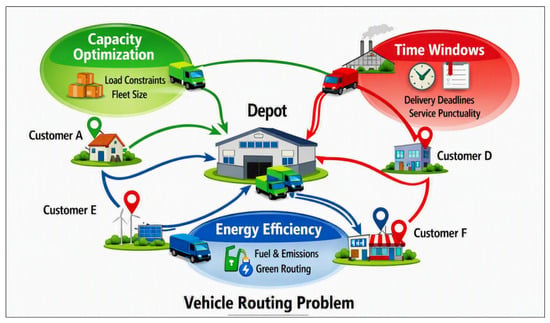
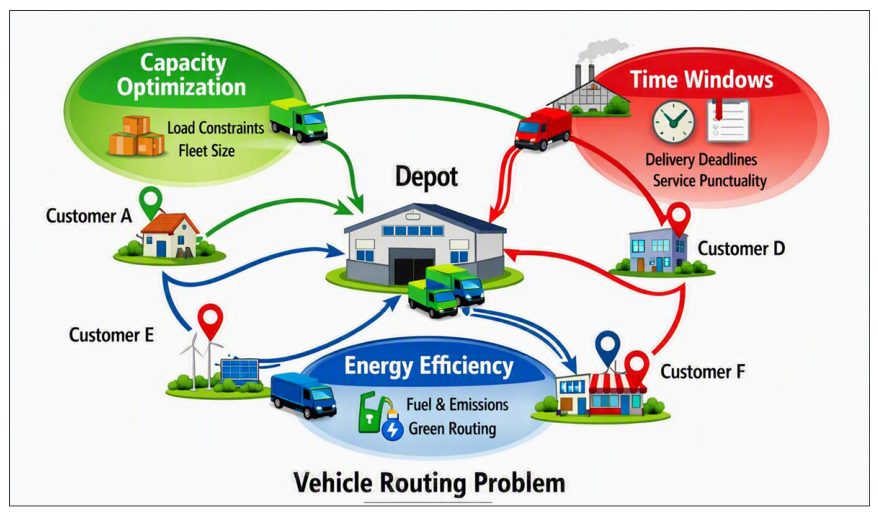
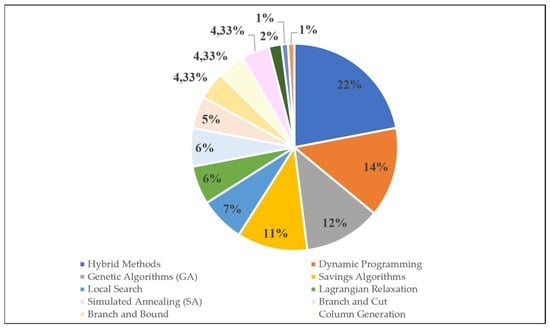
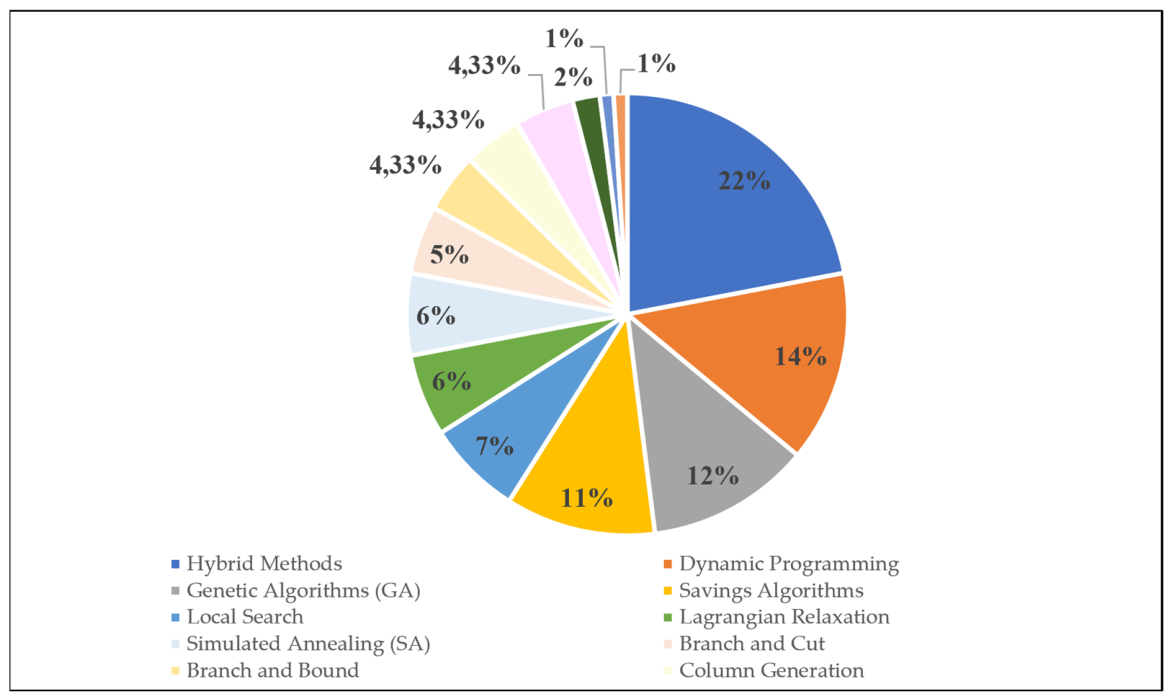
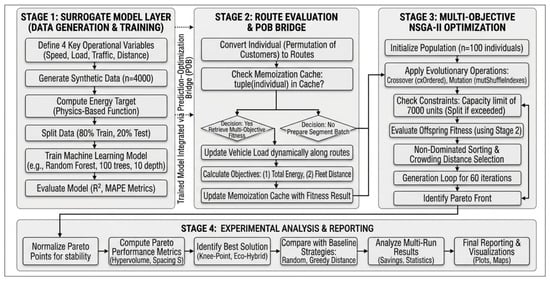
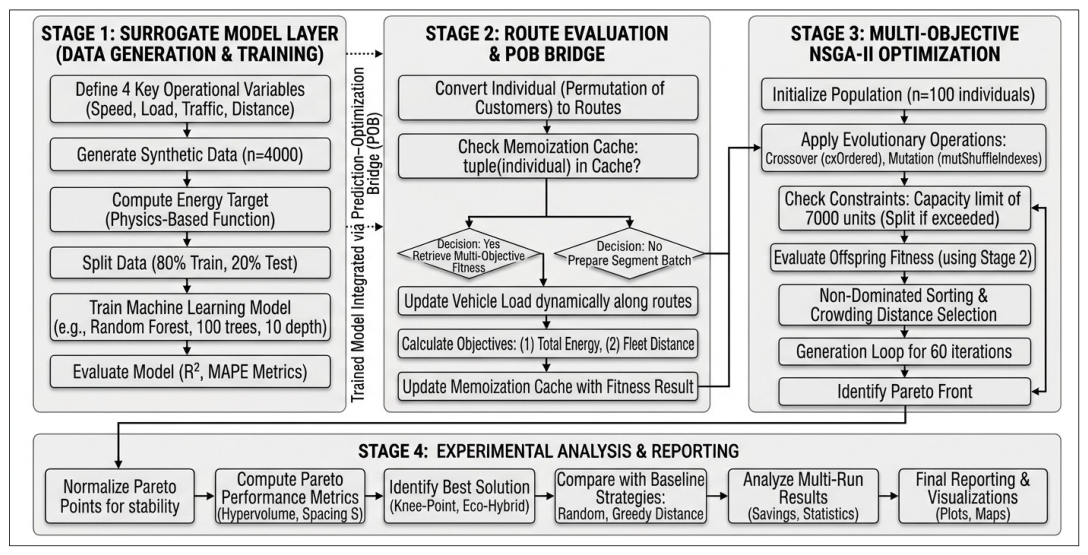
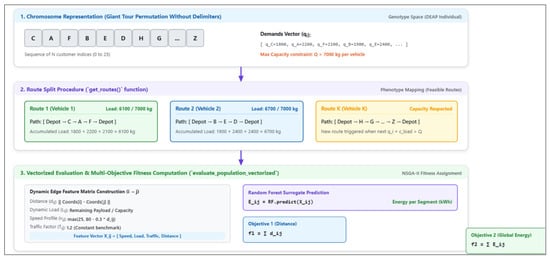
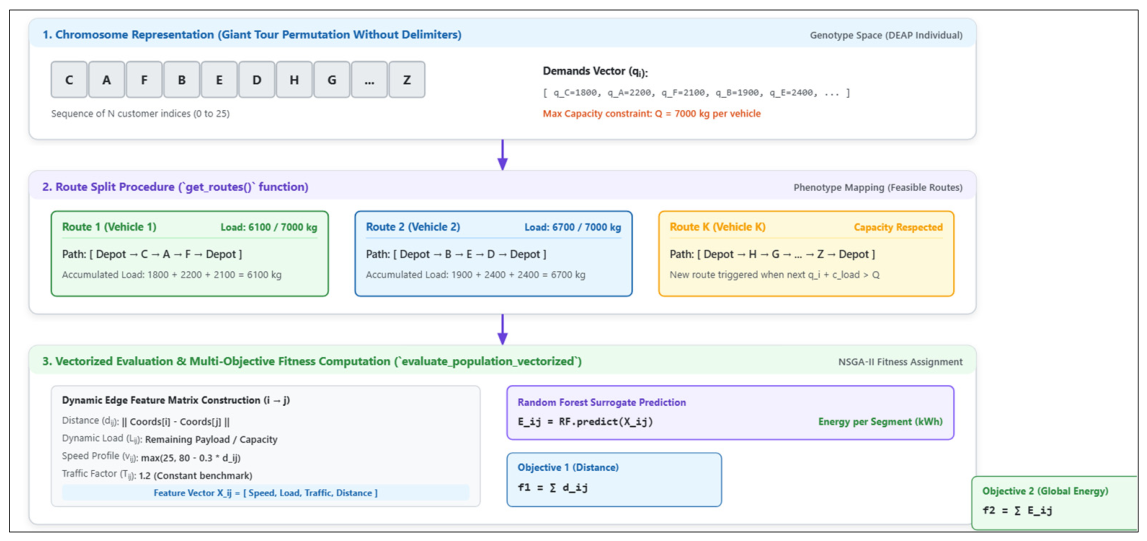
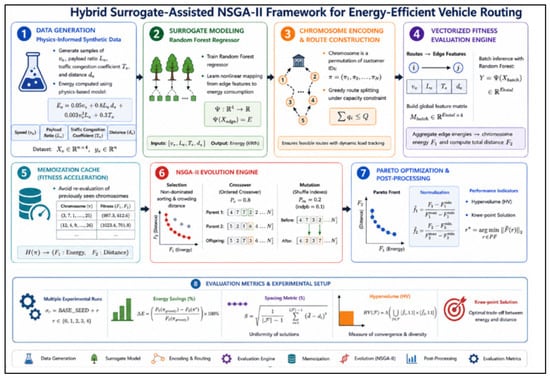
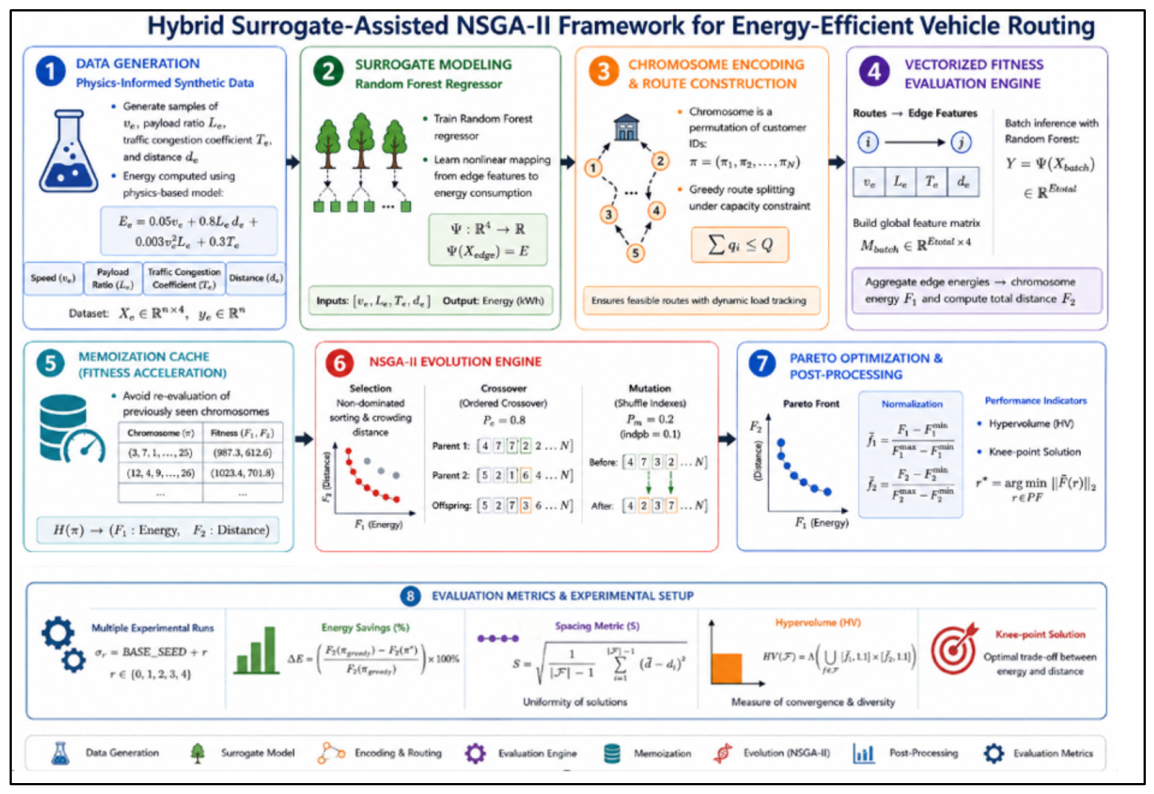
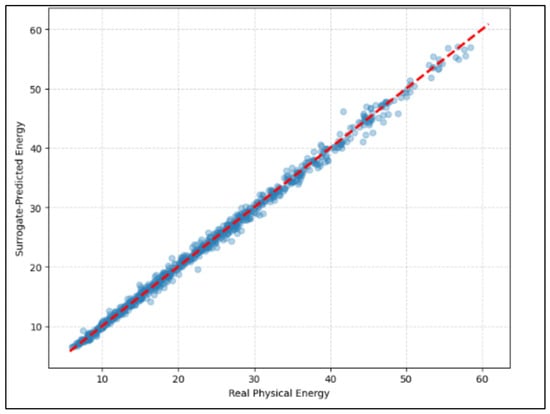
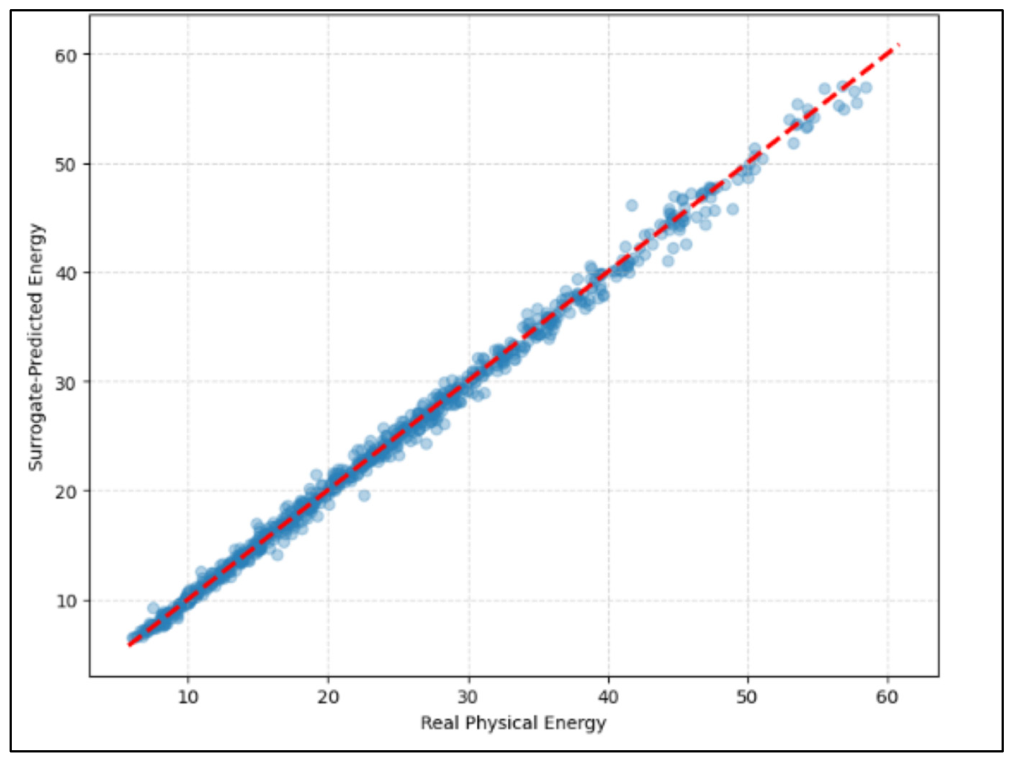
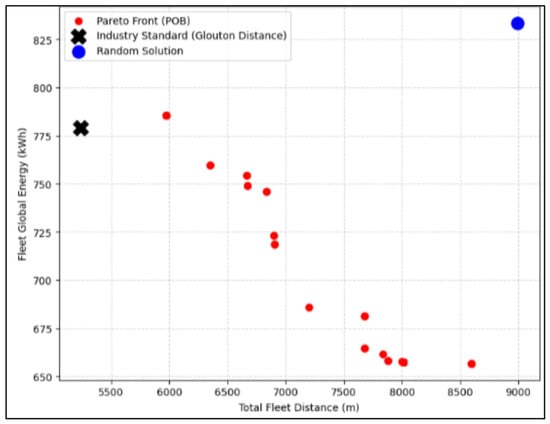
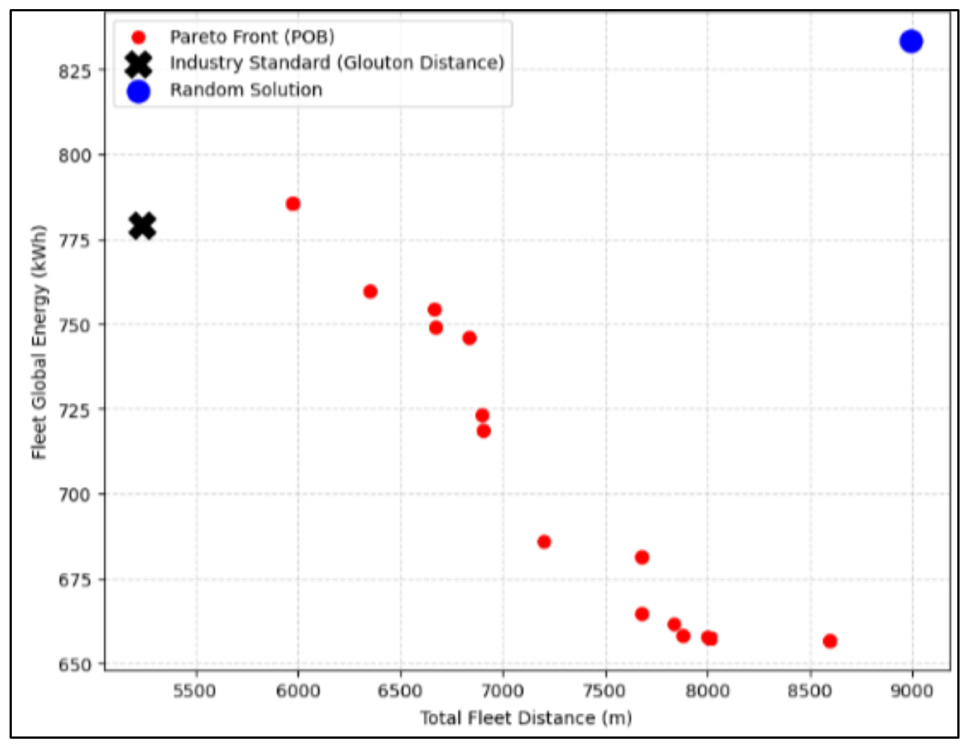
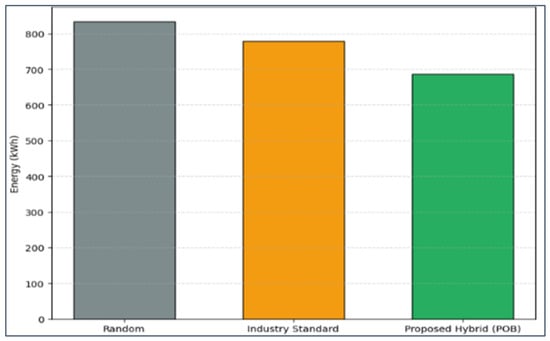
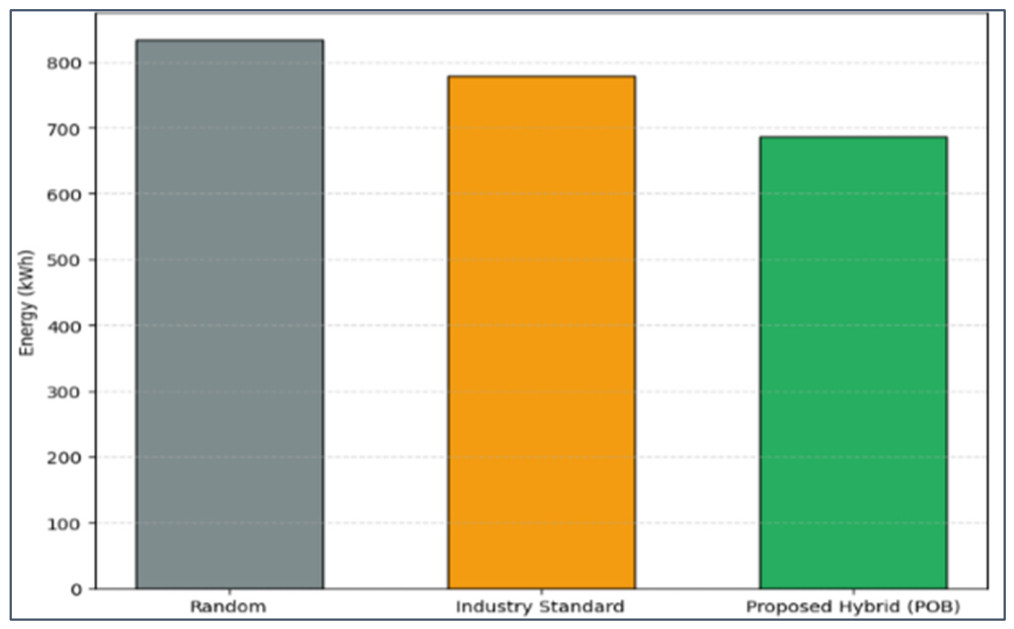
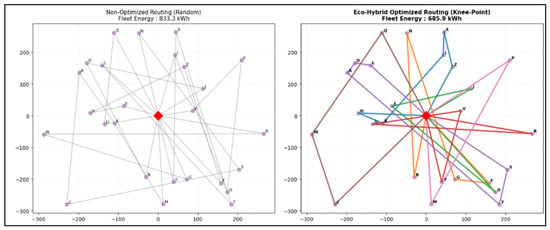
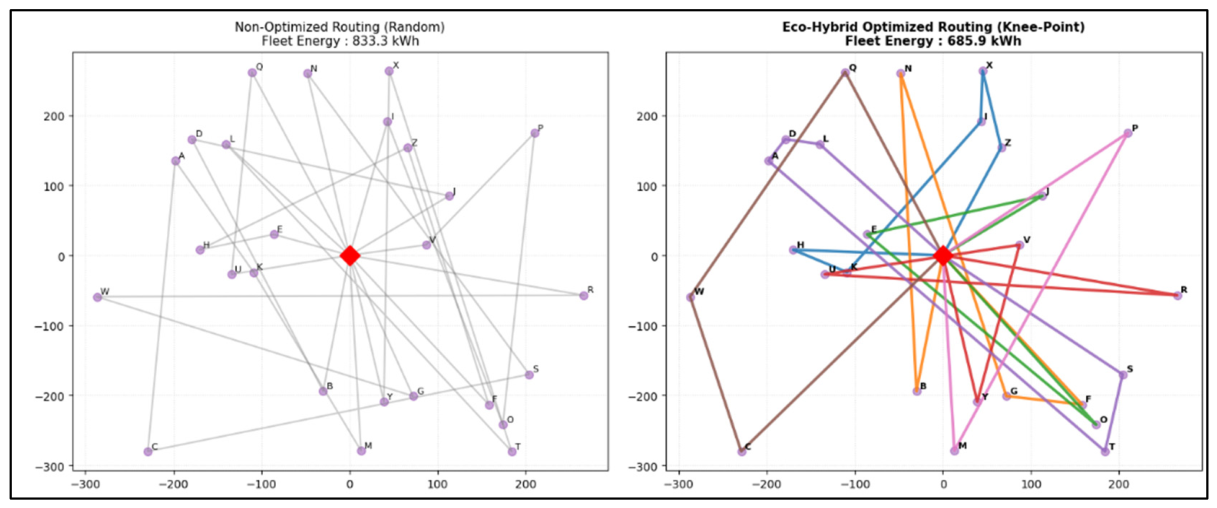
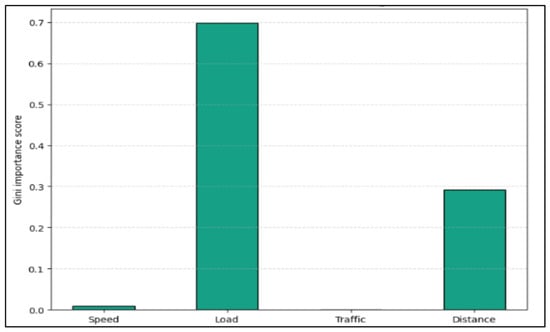
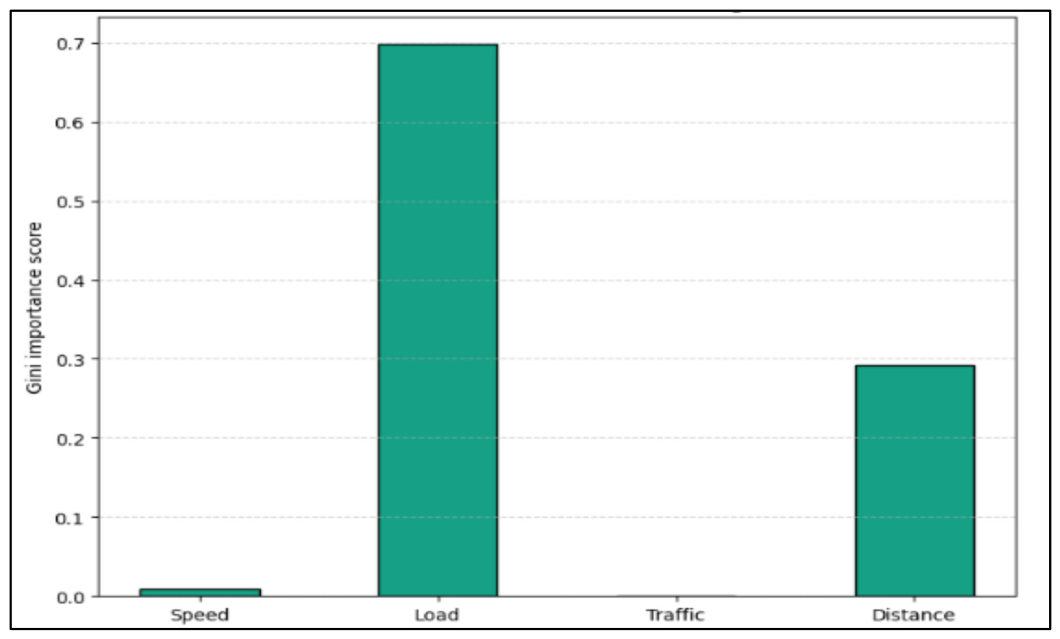

Disclaimer/Publisher’s Note: The statements, opinions and data contained in all publications are solely those of the individual author(s) and contributor(s) and not of MDPI and/or the editor(s). MDPI and/or the editor(s) disclaim responsibility for any injury to people or property resulting from any ideas, methods, instructions or products referred to in the content. |
© 2026 by the authors. Licensee MDPI, Basel, Switzerland. This article is an open access article distributed under the terms and conditions of the Creative Commons Attribution (CC BY) license.