


Abstract
Urban heritage museums are increasingly expected to act not only as custodians of collections, but also as visitor attractions, partners of the hospitality sector and platforms for community participation. Textile heritage is particularly difficult to integrate into these roles, because handling, light exposure, microclimatic fluctuations and biological agents accelerate the degradation of fragile fabrics and restrict their display and physical access. This paper examines how 3D laser scanning and its derived products can help reconcile preventive conservation with inclusive urban cultural tourism. A traditional embroidered blouse (ie) from Bihor County was digitised with a hand-guided portable laser scanning system while mounted on a display mannequin to preserve its original volume. Multiangle point clouds were merged into a polygon mesh, and colour deviation maps were used to screen for geometric anomalies that may indicate deformation or wear and that warrant direct conservation inspection. The resulting digital model was used to produce an interactive online 3D model and a reduced-scale 3D-printed tactile replica, complemented by a sign-language presentation video. The case demonstrates that a single digitisation workflow can generate outputs of potential relevance to four stakeholder groups: conservators, museum managers, tourism and hospitality actors, and local communities, including artisans and people with disabilities. The technical workflow and its outputs are demonstrated empirically, whereas their effects on visitors, local communities and management entities were not measured. Based on a qualitative mapping, a conceptual framework linking museum digitisation with destination management, hospitality partnerships and community engagement is proposed; its tourism, accessibility and community benefits remain to be validated with stakeholders in future research.
1. Introduction
The intangible cultural heritage associated with Romanian traditional textiles—weaving, embroidery and garment-making skills transmitted through direct learning, observation and intergenerational practice—is an important form of cultural expression, while the garments themselves constitute tangible heritage. The development of digital technologies, including 3D scanning, digital modelling and artificial intelligence, has created new opportunities for the documentation and conservation of cultural heritage, but has also raised concerns about authenticity, intellectual property and the risk of industrialising traditional crafts. Recent studies show that 3D technologies can support the conservation and transmission of cultural heritage without intervening with the original objects, thus contributing to documentation, research and education [1,2,3,4]. Beyond cultural heritage, 3D laser scanning is also an established measurement technique in engineering, for example, for monitoring the deformation and surface displacement of underground mine roadways and tunnels, including under GNSS-denied conditions [5,6,7].
At the same time, cities have become the main arenas of cultural tourism. Urban destinations compete through the quality and diversity of their cultural experiences, and museums are among the attractions that most directly shape visitor satisfaction, destination image and the intention to recommend or revisit a place [8,9]. Smart and digital technologies are increasingly used to manage visitor flows, to extend the tourist experience before and after the visit and to connect cultural institutions with mobility, accommodation and other hospitality services [10,11]. In this context, museum digitisation is no longer a purely curatorial task: it becomes part of destination management, of partnerships with the hospitality sector and of the relationship between cultural institutions and their communities [12,13].
Despite the growing literature on digital heritage in tourism, three gaps remain. First, studies on the 3D digitisation of historical clothing focus predominantly on technical accuracy and conservation [14,15,16], while the potential of the resulting models to generate tourism-, educational- and hospitality-oriented products is rarely examined. Second, research on digital museum experiences has concentrated on large flagship institutions and on immersive technologies such as virtual and augmented reality [17,18,19], leaving medium-sized urban museums in Central and Eastern Europe comparatively under-represented. Third, although accessibility is recognised as a pillar of inclusive tourism, museums remain considerably better prepared for visitors with reduced mobility than for visitors with visual or hearing impairments [20,21].
To address these gaps, the present study examines the 3D laser scanning of a traditional blouse (“spătoi” in Romanian; hereafter “the blouse”) from Bihor County, formerly held in the Ethnography section of the Municipal Museum of Beiuș, and the digital and physical products derived from it. In this paper, the term “scaled models” refers collectively to the digital and physical representations derived from the scan: the full-resolution (1:1) digital 3D mesh model retained in the processing software, the untextured STL geometry model exported from it for online viewing and 3D printing, and the reduced-scale 3D-printed tactile replica. The study pursues three objectives: (i) to document a replicable 3D scanning and processing workflow for structurally complex, highly embroidered textiles; (ii) to assess the usefulness of the resulting digital model and colour deviation maps for preventive conservation and collection management; and (iii) to discuss, on a conceptual basis, how these outputs could be integrated into inclusive urban cultural tourism, hospitality partnerships and community engagement strategies. Objectives (i) and (ii) are addressed empirically through the case study, whereas objective (iii) is addressed through a qualitative mapping of potential applications (Section 3.5) that has not yet been tested with stakeholders. The perceptions of folk craftsmen who make traditional garments regarding the digitisation of their work, and the conditions under which they would take part in museum digitisation processes, are treated as a complementary dimension and a direction for future research.
2. Theoretical Background
2.1. Urban Heritage Museums as Anchors of Urban Cultural Tourism
Cultural heritage is traditionally stored in museums, and urban heritage museums in particular play an important role in protecting collective memory through the preservation, interpretation and communication of the tangible and intangible values rooted in urban landscapes. Urban heritage museums act as catalysts and mediators between past and present, promoting public understanding of urban historical transformation and consolidating community identity and social cohesion [22]. Museological approaches view heritage not merely as a static collection of objects, but as a dynamic, people-centred process that supports sustainable urban development and civic participation [23]. This understanding reflects broader shifts in museology and heritage studies: heritage is increasingly conceived as a cultural process of meaning-making rather than a fixed set of objects [24], the Faro Convention recognises the right of everyone to engage with the cultural heritage of their choice [25], and the current ICOM definition describes museums as accessible and inclusive institutions that operate with the participation of communities [26]. Urban heritage museums contribute to cultural continuity by protecting historical narratives, architectural traditions and local knowledge that could otherwise disappear under the pressure of rapid globalisation and urbanisation [3]. Furthermore, they promote intercultural dialogue, allowing communities to recognise common histories and values, which is vital for social resilience and inclusion [23], thus improving urban quality of life and supporting cultural sustainability [22,23]. Therefore, urban heritage museums help societies cope with contemporary challenges through lessons from the past and contribute to transmitting cultural knowledge to future generations, the digitisation and 3D scanning of objects, including textile garments, being a contemporary means of such preservation [14].
From a tourism perspective, museums are also core components of the urban destination product. Visitor surveys show that satisfaction with the museum offer significantly increases the willingness to recommend a destination and to return to it [8], and that visitors’ perception of a museum attraction shapes their motivation to visit [9], while the service quality and online reputation of museums also influence visitors’ evaluations and intentions [27,28]. In Oradea, a city whose restored Art Nouveau heritage has become a central element of its tourism image, museums attract both residents and visitors through events such as the Night of the Museums, in which the physical environment and social interaction strongly influence the visitor experience [29]. Previous work in the city has also demonstrated the value of 3D documentation for the preservation, promotion and accessibility of built heritage and memorial houses [30,31].
2.2. Digital Heritage, Scaled Models and the Visitor Experience
Digital heritage has been defined by UNESCO as resources of human knowledge and expression that are created digitally or converted into digital form from existing analogue resources, and that deserve to be preserved and made accessible [32]. Critical scholarship has shown that digital surrogates are not neutral copies but new cultural objects whose meaning depends on how they are produced, documented and used by museums and their audiences [33,34]; accordingly, the London Charter requires computer-based visualisations of cultural heritage to document their sources, methods and degree of uncertainty transparently [35]. Digitisation is also closely linked to heritage interpretation, understood by Tilden as an educational activity that aims to reveal meanings and relationships rather than simply to communicate factual information [36], and codified in the ICOMOS Ename Charter, which emphasises access and understanding, authenticity, inclusiveness and the participation of stakeholders and associated communities [37].
The specialised literature shows that the 3D scanning and digitisation of textile artefacts are increasingly important directions for the conservation and valorisation of tangible and intangible cultural heritage. Żyła et al. [14] demonstrated that 3D scanning of traditional folk costumes allows the creation of detailed digital replicas that safeguard information on the shape, texture, pattern and construction of heritage garments. Montusiewicz et al. [15] underlined that structured-light scanning provides an efficient means of documenting and disseminating historical costumes from museum collections, contributing to their protection against physical degradation. Similarly, Ding and Liang [16] concluded that 3D digital reconstruction facilitates the long-term preservation of heritage clothing, the storage of information on cut and traditional making techniques (weaving, embroidery and tailoring), and audience access to interactive virtual representations, which convey the intangible component of this heritage.
The concept of the scaled model extends this logic from the object to the institution. Luther et al. [12] describe scaled models of museums and collections as virtual constructs whose value depends on standardised metadata, curatorial tools and visitors’ engagement throughout the life cycle of the model. For tourism, the key question is whether digital engagement substitutes for or stimulates physical visits. Recent evidence supports the latter: the perceived quality, interactivity and authenticity of virtual museum experiences strengthen cultural identity and the intention to visit the physical museum [17], while the vividness and interactivity of virtual reality content increase on-site visit intentions for heritage destinations [18]. Smart interpretation tools—virtual tours, augmented reality and 3D scanning—are being adopted by major European museums to widen their audiences and reduce the environmental footprint of access [11], and phygital solutions combining physical artefacts with mobile applications have proven cost-effective for textile exhibitions in small local museums [38].
For the Romanian blouse, 3D scanning can support the detailed documentation of decorations, volume and regional features, ensuring its transmission to future generations. Urban museums can use digital models for archival research, education and virtual exhibitions, widening access to cultural heritage beyond the museum walls. Therefore, the three-dimensional digitisation of clothing contributes not only to the physical preservation of the garment, but also to the protection of collective cultural memory and of the intangible heritage associated with the traditional making of the blouse [16,39].
2.3. Accessible Tourism, Inclusive Tourism and Universal Accessibility
Three related concepts frame the accessibility dimension of this study. Accessible tourism has been defined as tourism that enables people with access requirements, including the mobility, vision, hearing and cognitive dimensions of access, to function independently and with equity and dignity through universally designed tourism products, services and environments [40,41]; international recommendations stress that it benefits not only people with disabilities but also seniors, families with young children and other visitors with temporary or permanent access needs [42]. Universal accessibility builds on the principles of universal design—the design of products and environments to be usable by all people, to the greatest extent possible, without the need for adaptation or specialised design [43]—and is anchored in the UN Convention on the Rights of Persons with Disabilities, which recognises the right of persons with disabilities to take part in cultural life on an equal basis with others, including access to museums and tourism services [44]. Inclusive tourism is a broader concept, referring to transformative tourism in which marginalised groups are engaged in the ethical production or consumption of tourism and in the sharing of its benefits [45]. In this paper, accessibility therefore concerns the design of the outputs (e.g., sign-language and audio content, tactile replicas), whereas inclusion concerns who participates in producing them and benefits from them (e.g., people with disabilities, artisans and local communities).
Accessibility has become a core criterion of inclusive and sustainable tourism. Audits of cultural attractions reveal persistent gaps: museums in Kraków were found to be well prepared for visitors with physical disabilities and for seniors, but much less so for people with visual or hearing impairments [20], while historic and sacred sites in the Świętokrzyskie region remained largely inaccessible owing to cost and conservation constraints [21]. More generally, blind and partially sighted people have long been excluded from engaging with museum collections because of the prohibition of touch and the predominance of visual display [46]. 3D scanning and printing offer a way to lift the traditional “do not touch” restriction: tactile replicas produced from digital models have been developed for blind and partially sighted visitors in archaeological museums [47,48] and combined with multisensory storytelling in small museums connected to their territories [49].
2.4. Community Engagement and Hospitality
Community engagement is equally important. In museology, the participatory turn has redefined visitors and communities as co-creators and contributors rather than passive audiences [50], and collaborative curatorial practice has become an established way of working with source communities [51]. Participatory workshops, capacity building and community mapping have been shown to increase residents’ sense of ownership of heritage conservation [52], and community-centred heritage management models integrate participatory governance, multi-sector collaboration and digital innovation [13]. For craft-based intangible heritage, digital communication and interactive documentation can strengthen the recognition and transmission of artisans’ knowledge [53,54,55], provided that local communities are involved in the design of digital heritage initiatives [56]. In Romania, the digital communication of intangible heritage by local institutions remains an underused resource for sustainable local development [57]. At the same time, digital and immersive heritage applications still face tensions between technological innovation, cultural authenticity and user participation [19].
Finally, the link between museums and the hospitality sector is central to urban tourism dynamics. A positive museum experience increases destination loyalty [8], and smart destination strategies increasingly rely on digital content and services shared among cultural institutions, accommodation providers, tour operators and local authorities [10,11]. Digital heritage products that are portable, reproducible and easy to share—3D models, short videos accessible via DOI or QR codes and tactile replicas—are particularly suited to such partnerships, because they can be displayed or accessed outside the museum, in hotels, tourist information centres or at city events.
3. Materials and Methods
3.1. Study Area and Object
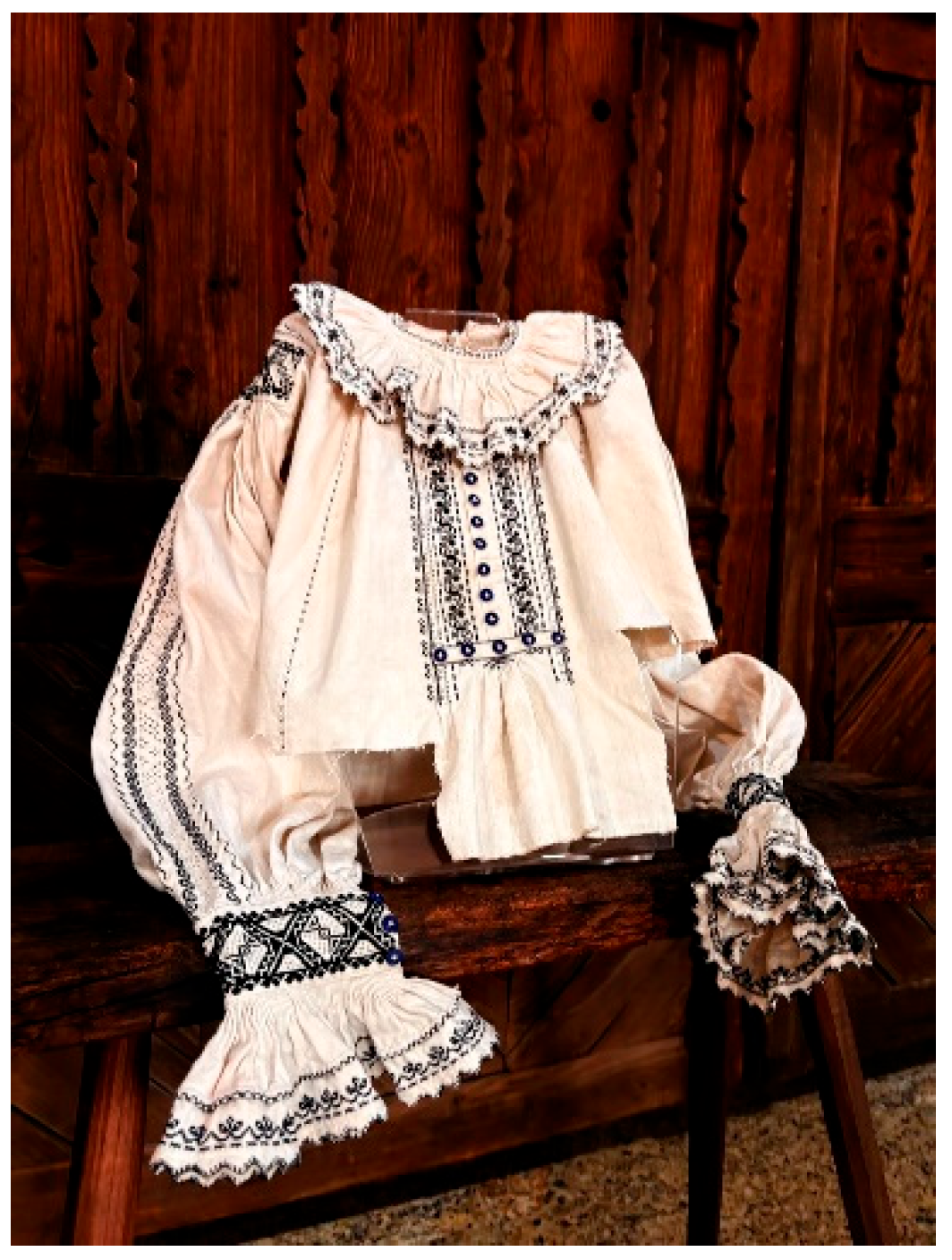
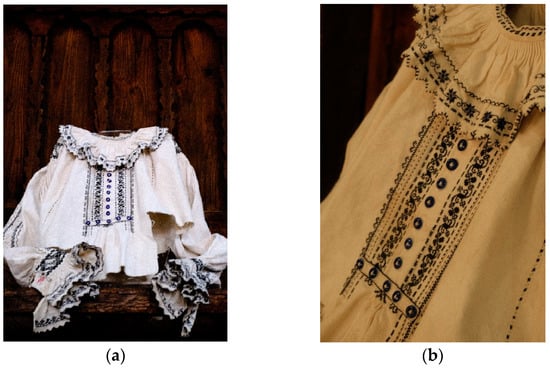
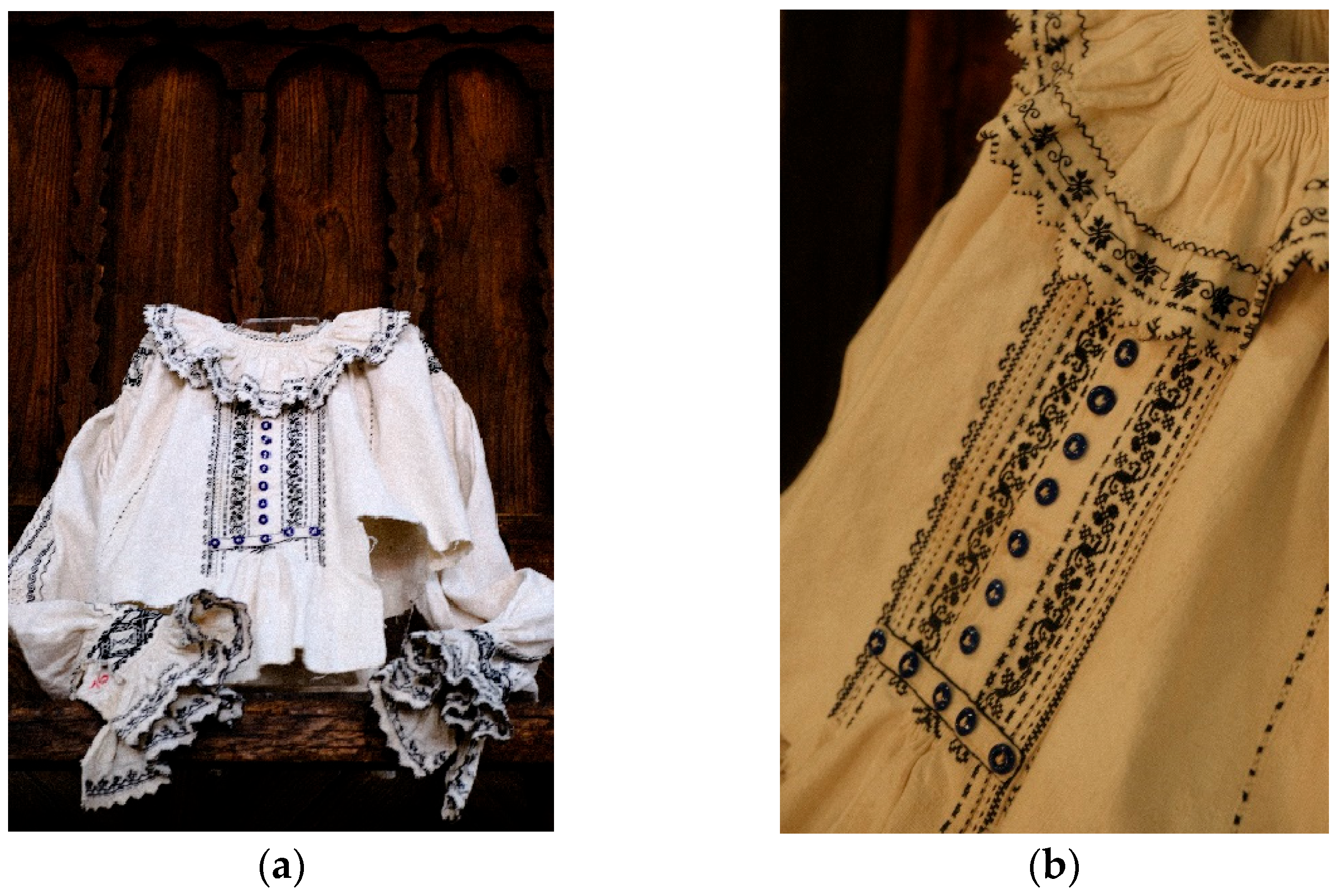
Traditional folk blouses are also exhibited in the Ethnography section of the Criș Land Museum (Muzeul Țării Crișurilor), the county museum of Bihor and one of the main cultural attractions of Oradea (Romania), a city whose tourism development has been closely associated with the restoration of its Art Nouveau historic centre [9,31]. The analysed object is representative of the women’s textile heritage of Bihor County and of Romania. Its fabric is of hemp and cotton; the blouse is more than 50 years old, has solid and openwork embroidery and is in a good state of conservation (Figure 1). The blouse was formerly part of the collection of the Municipal Museum of Beiuș (Bihor County, Romania), inventory no. 1675; it has since been deaccessioned and is currently held in a private collection. Digitisation and online publication of its digital surrogates were carried out with the owner’s confirmed consent, and scanning was performed at the Technology Transfer Centre, University of Oradea, Oradea, Romania. The two museums played distinct roles: the Municipal Museum of Beiuș is the institution in which the blouse was originally inventoried, whereas the Criș Land Museum in Oradea—the county museum, whose ethnographic collection includes comparable blouses—provided the ethnographic expertise for documenting the object. A specialist from its Ethnography section analysed and described the blouse, documenting its origin, materials and symbolic elements, as presented in the video available online via a DOI, can reach on supplementary materials [58]. The museum-management and urban-tourism applications discussed in Section 5 therefore refer to how an Oradea-based museum could apply this workflow to comparable objects in its own collection, not to the current display of this privately held blouse. The blouse was selected because (i) it is representative of the Bihor women’s blouse type; (ii) its dense solid and openwork embroidery, gathers and detachable parts make it a demanding test case for 3D scanning of textiles; (iii) its good state of conservation allowed safe mounting on a mannequin; and (iv) being outside a public exhibition, it could be handled for scanning without interrupting museum display. It is a wide-cut women’s blouse belonging to the traditional folk costume, tailored from four vertical strips of cloth sewn together, with separately made parts for the shoulder yoke, chest panel, sleeve ruffles and collar. The embroidery is black, indicating that the blouse belonged to an elderly or widowed woman, and combines openwork and filled (solid) embroidery. Its symbolic motifs include floral elements and agricultural tools such as the hay fork; protective Christian symbols such as the cross and the holy-bread stamp; and, on the sleeves, the motif of the endless meandering path. Buttons and joining stitches also serve as decorative elements, giving the blouse aesthetic unity.
Figure 1.
A general view of the traditional blouse (ie) from Bihor County (a); detail of the embroidery on the chest and collar area (b).
3.2. Equipment and Software
The 3D data were acquired with a hand-guided portable laser scanning system, the Hexagon Absolute Arm RA8 v3 (Hexagon Manufacturing Intelligence, Montoire-sur-le-Loir, France), equipped with a blue laser line scanner. According to the manufacturer’s specifications, the system has an accuracy of 0.013 mm, a minimum point spacing of 0.027 mm, a scanning speed of up to 300,000 points/s and a line width of 600 mm. These values are manufacturer ratings obtained under standardised test conditions on rigid artefacts; they describe the capability of the instrument, not the accuracy achieved on the blouse, which is additionally affected by fabric compliance, fibre translucency and occlusions in folds and gathers (see Section 3.3.3).
Data processing was carried out in Hexagon Manufacturing Suite 2024.2 Designer software, Designer/CAD for CAM/Reverse Engineering, version 2024.2. Hand-guided laser scanners offer very good flexibility and are well suited to textile and other cultural heritage objects, as they allow scanning from multiple angles without touching or damaging the sensitive fabric of the blouse [2,14].
Limitations. These mainly concern the quality of data capture, since 3D laser scanning of textile objects is difficult and laborious because of folds, gathers and the absorption/reflection of light by the fibres. Nevertheless, by adjusting the acquisition parameters (Section 3.3.3), the main relief features (dense embroidery, collar pleats and fabric gathers) were captured with sufficient detail for visual documentation, although deep gathers remained partly occluded.
3.3. Scanning and 3D Print Workflow
The blouse digitisation and 3D printing workflow comprised four phases, which are summarised in Figure 2 and described in Section 3.3.1, Section 3.3.2 and Section 3.3.3.
3.3.1. Preparation of the Blouse and of the Working Environment
- Preventive conservation and handling: The textile was handled with special cotton gloves, and a conservative visual inspection was carried out to detect fragile areas;
- Display system: The blouse was mounted on a non-reflective textile mannequin that simulates the natural shape of the garment, avoiding artificial creases;
- Environmental conditions: Diffuse, controlled lighting was ensured (no direct sunlight), and air currents were prevented so that the fabric remained still during scanning;
- Scanner preparation: The laser scanning system was prepared and calibrated according to the manufacturer’s procedure, and positioning markers were applied only on the fixed support (mannequin edges/frame), without touching the blouse.
3.3.2. 3D Scanning Process
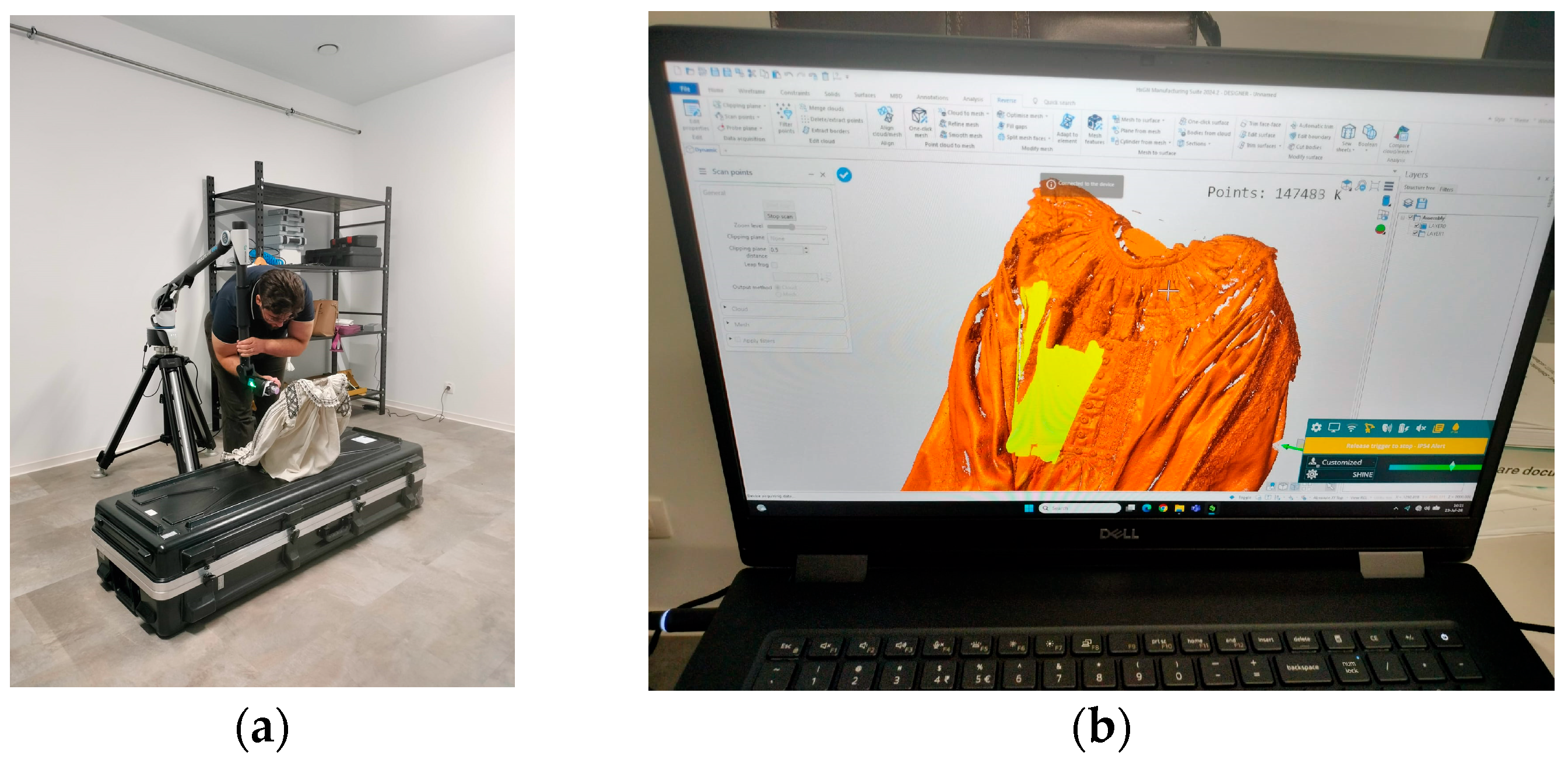
- Geometry scanning (cross-hatched passes): Scanning was carried out slowly, maintaining a stand-off distance of approximately 150–200 mm, within the range recommended by the manufacturer and covering the complex areas (Figure 3a);
- Real-time frame verification: Coverage was monitored directly on the laptop during scanning to avoid data gaps (Figure 3b);
- The raw data were processed in Hexagon Manufacturing Suite 2024.2 Designer software, Designer/CAD for CAM/Reverse Engineering, version 2024.2. The raw point cloud (X, Y, Z) acquired during scanning was first saved in VDF format (the native project format of Hexagon Manufacturing Suite 2024.2 Designer, in which the full-resolution mesh was also retained) and was then converted, through meshing, into STL format. Processing followed two parallel branches: (i) The raw point cloud (X, Y, Z) was converted into a polygon mesh (the full-resolution digital 3D model), which was used for processing and analysis within the software. The laser scanner records geometry only, so no colour or photographic texture information was captured; the colours shown on the model in the figures of Section 4 are software visualisations (normal orientation, mesh inspection or signed deviation values) and not a texture. Accordingly, no textured model was produced, and the mesh was exported from the VDF file only in STL format, as an untextured geometry model used for the interactive online viewer and for 3D printing. (ii) The mesh was used for dimensional and metrological analysis, including colour deviation maps (Figure 2).
Figure 2.
The four phases of the blouse digitisation and 3D printing workflow.
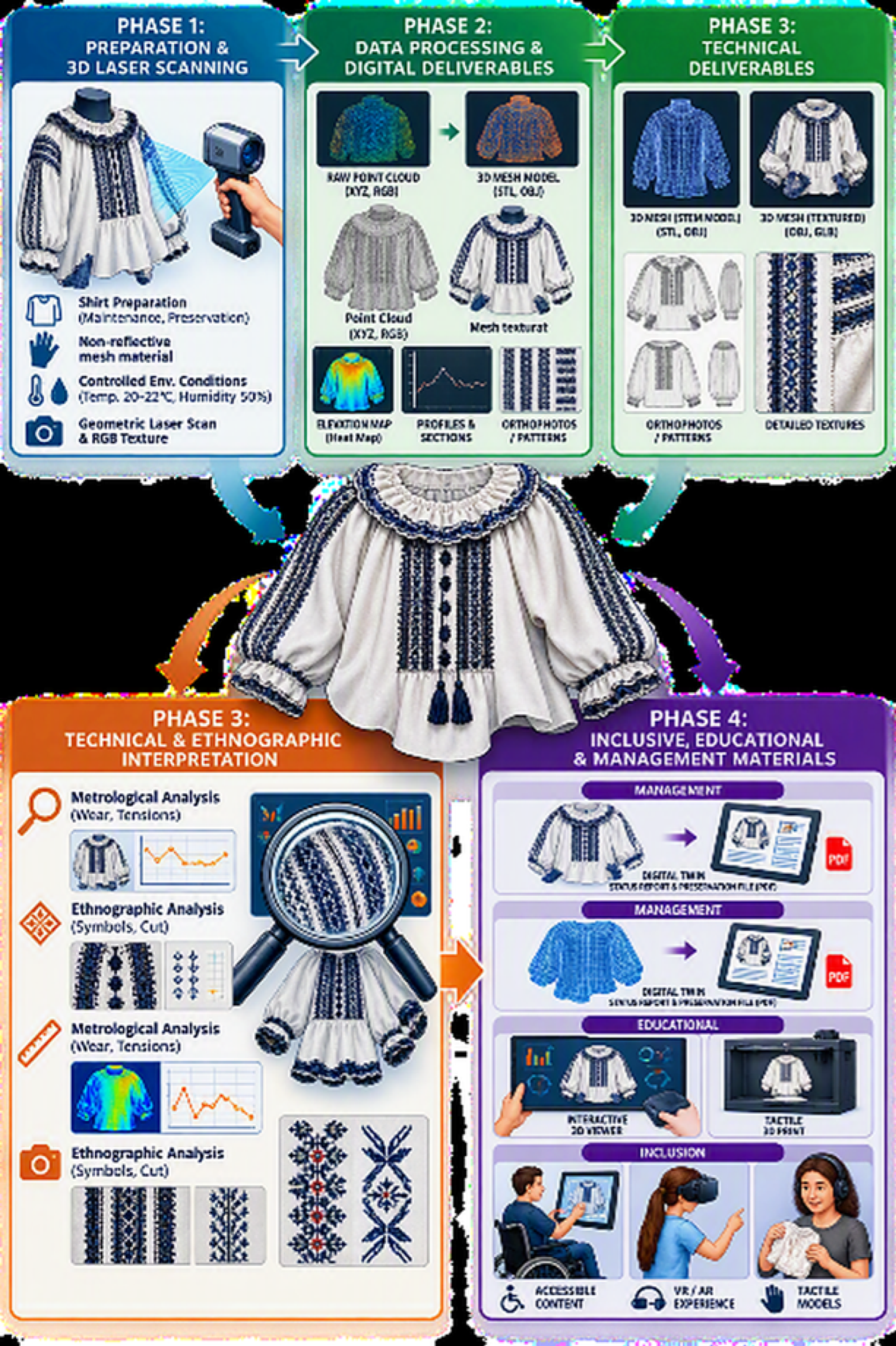
Figure 3.
Image of the 3D scanning process, carried out carefully to cover the more complex areas (folds, gathers) (a). Real-time monitoring of coverage on the laptop during scanning to avoid data gaps (b).
3.3.3. Processing Parameters and Quality Control
To support reproducibility, the main acquisition and processing settings used in Hexagon Manufacturing Suite 2024.2 Designer are reported below:
- Acquisition: Five scanning passes; stand-off distance of 150–200 mm; total acquisition time of 29 min; total number of acquired points as 338,620,000;
- Registration and alignment: Individual scan passes were merged by best-fit (ICP) alignment;
- Cleaning: Isolated fragments and outliers were removed (see Section 4.1) using the “Clear cloud points” function; no noise reduction was applied to the point cloud, whereas mesh smoothing was applied during meshing (see below);
- Meshing was carried out in two successive steps whose parameters act at different scales. (a) Initial mesh generation with the One-click mesh function (see Section 4.1): The distance between points was 3.8199 mm, i.e., the sampling distance at which the merged point cloud was meshed and hence the nominal vertex spacing of the initial mesh; the maximum triangle size was 22.9195 mm (six times the distance between points), i.e., the largest triangle edge allowed, which prevents spurious triangles from bridging large gaps; gap management was set to “Close entire mesh”; “Optimised for thin parts” and “Reorganise triangles” were enabled; the minimum number of triangles was 50 (smaller isolated mesh fragments discarded); “Smooth mesh” was enabled. (b) Local refinement with the Refine mesh function (Section 4.1), using the merged point cloud as reference, with a deviation error of 0.01 mm (a refinement criterion set below the nominal accuracy of the instrument in order to retain the finest surface detail, not a measure of achieved accuracy), a maximum number of triangles of 1,000,000, sharp-edge/radii preservation enabled and no preliminary smoothing, subdivides the initial triangles where the mesh departs from the reference point cloud by more than the deviation error, down to a minimum triangle size of 0.05 mm, thereby recovering the embroidery relief that the 3.8199 mm base spacing alone cannot resolve. The value of 3.8199 mm therefore defines the coarse base resolution of the initial mesh, whereas 0.05 mm is the finest triangle size permitted during refinement; the two values are not alternative definitions of the same parameter. Gaps were closed through the “Close entire mesh” option of the One-click mesh function, and no separate gap-filling step was applied; the final mesh size was 561,018 triangles in two closed mesh components: a main component of 559,012 triangles reconstructed from the scan data (surface area and volume reported in Section 4.1) and a small component of 2006 triangles (4865 mm2, about 0.3% of the surface) that closes areas not reached by the laser in the deep folds of the blouse; in these areas no data were acquired, and the surface was generated during mesh closure by following the trend of the adjacent scanned surfaces, so it is an approximation rather than measured geometry. The final count remains below the 1,000,000-triangle limit of the refinement step;
- Deviation analysis involved the reference surface and comparison procedure as described in Section 4.2; colour-scale range was ±1–2 mm.
No independent object-specific accuracy assessment (e.g., repeated scans of the same object or comparison with direct dimensional measurements) was performed in this study. Statements about the fidelity of the model in Section 4 therefore refer to the visual completeness of the reconstruction (coverage of folds, seams and embroidery), not to a measured accuracy value.
3.4. Derived Interpretive and Accessibility Products
A presentation video of the blouse and of its traditional making techniques was produced in Romanian Sign Language, with Romanian audio narration that also serves as an audio description for visually impaired users, and made available online via a DOI [58]. The sign-language interpretation was provided by interpreters affiliated with the CODA Association/Farmecul Tacerii. The video lasts 5:31 min and was recorded with a FUJIFILM X-S10 camera (FUJIFILM Corporation, Tokyo, Japan).
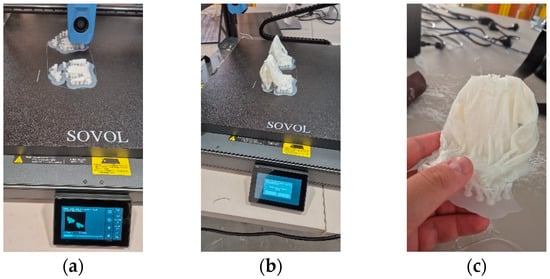
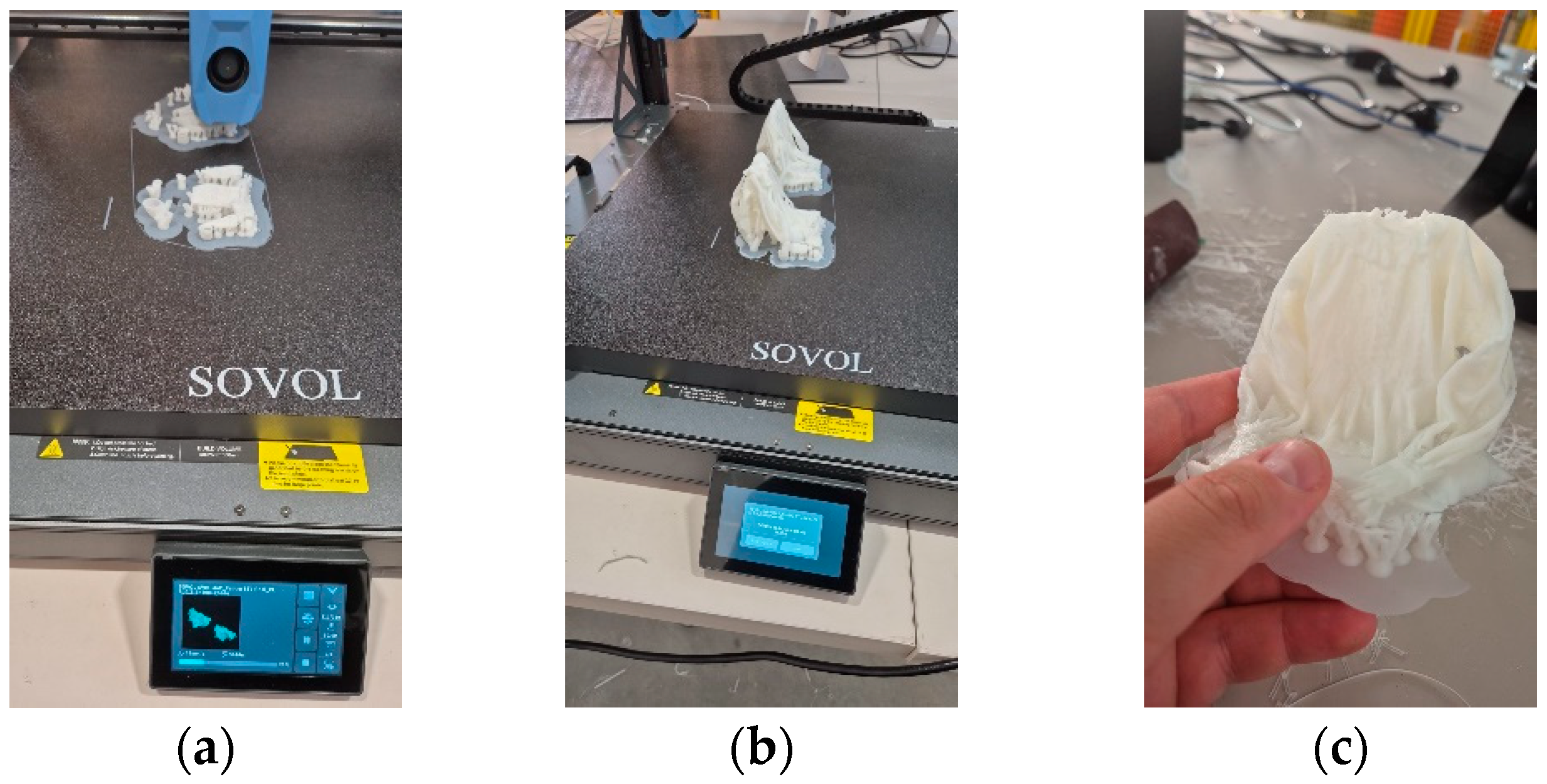
A reduced-scale tactile replica of the blouse was produced by additive manufacturing from the untextured STL geometry model, using a SOVOL SV08 Max 3D printer (SOVOL, Shenzhen, China) with Fused Deposition Modelling (FDM) technology and PLA filament, with a 0.4 mm nozzle. Printing took 7 h 37 min; the replica measures 8 cm in height and 7.5 cm in width and weighs 4 g. The original blouse is 45 cm high, 73 cm wide and weighs 700 g.
3.5. Analytical Framework for Tourism, Management and Community Uses
To connect the technical results with the urban tourism perspective, the outputs of the workflow were analysed qualitatively according to (i) their main function (conservation, management, interpretation, accessibility or promotion); (ii) their primary users and stakeholders (conservators and curators, museum managers, visitors and tourists, hospitality and tourism actors, and local communities, including artisans and people with disabilities); and (iii) the channels through which they can be deployed in the urban destination. This mapping, summarised in Table 1, builds on the stakeholder and community-centred perspectives discussed in Section 2 [12,13,52]. The mapping is conceptual: it identifies potential uses and was not validated with the stakeholder groups concerned. In the remainder of the paper we therefore distinguish between (a) outputs directly produced and demonstrated by the case study (the digital model, the colour deviation maps, the interactive online 3D model, the sign-language video and the tactile replica); (b) potential applications for tourism, hospitality, accessibility and community engagement derived from the mapping; and (c) outcomes that require future stakeholder-based evaluation (Section 5.5).
Table 1.
Proposed applications of the digital and physical outputs across urban tourism stakeholder groups (conceptual mapping; not empirically tested in the present study).
4. Results
As such, 3D laser scanning converts a fragile textile object into a high-resolution digital model that can be used for documentation, education and conservation. The technology can capture the complex geometry, the surface relief and the details of the stitching, producing resources for both specialists and the general public. Section 4.1, Section 4.2 and Section 4.3 document the individual outputs, and Section 4.4 summarises what the results show and what they do not show.
4.1. Digital Conservation Outputs
The 3D laser scanning process provides digital materials from the capture and processing of the polygon mesh to the final product. For relief analysis (detail images), the optimisation algorithm (Refine mesh) was configured to preserve sharp edges, which would allow vector patterns of the traditional stitches to be extracted in future work for digital reconstruction or heritage archiving initiatives. The blouse as photographed before scanning is shown in Figure 4.
Figure 4.
Photograph of the traditional blouse before scanning.
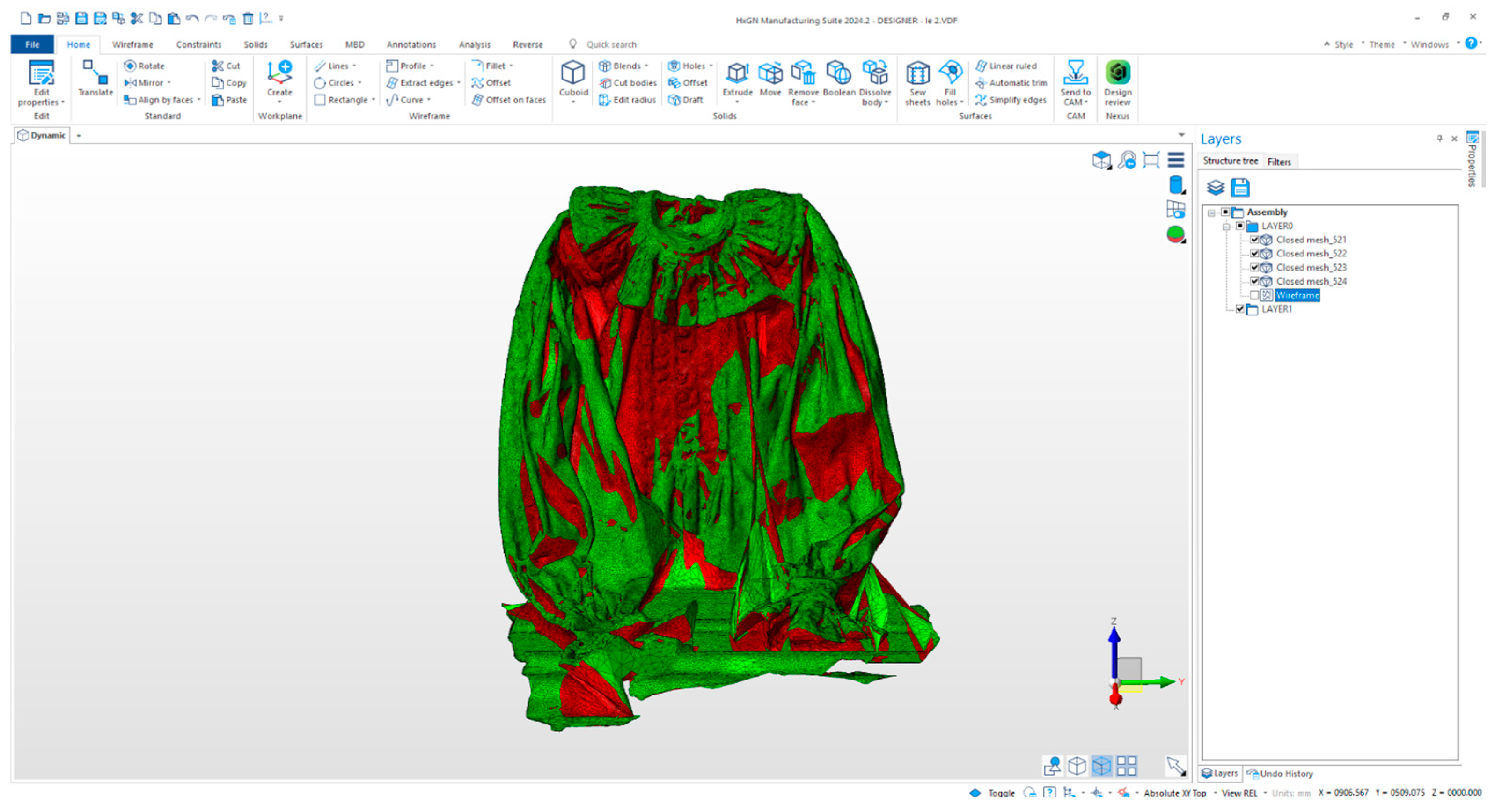
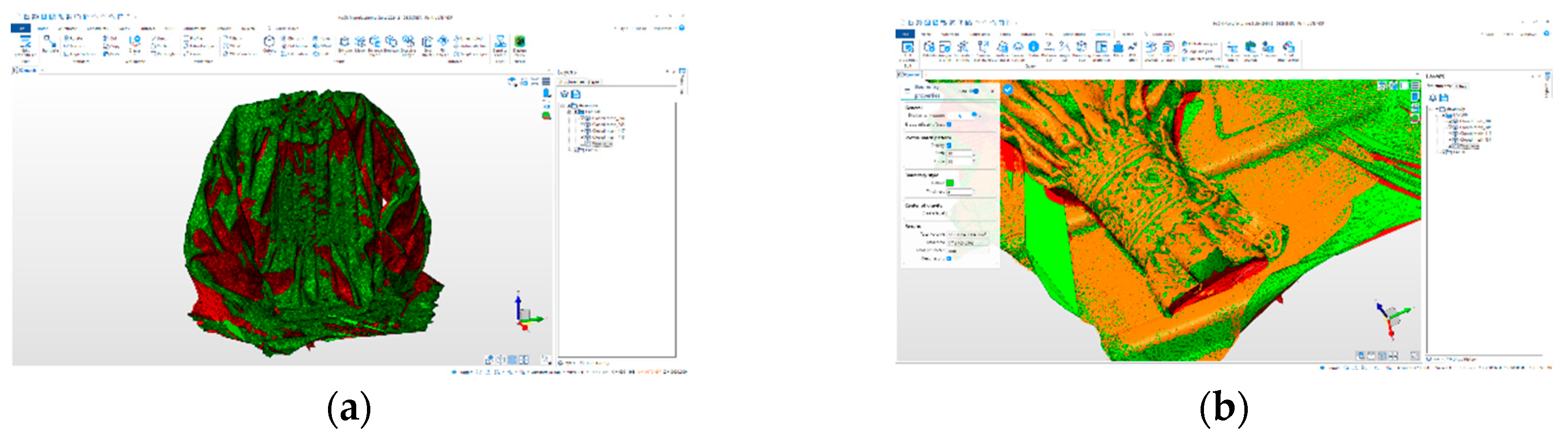
For raw data acquisition and preliminary mesh generation (Figure 5), the point cloud was converted into a polygon mesh coloured according to the orientation of the normals (green for the outer side and red for the inner side of the polygonal surfaces). For geometry cleaning and alignment, an overall view of the pre-processed mesh of the front of the blouse (Figure 5) was used to verify surface continuity and to fill data gaps. The point cloud of the blouse comprises 338,620,000 points.
Figure 5.
Preliminary polygon mesh generation (front of the traditional blouse).
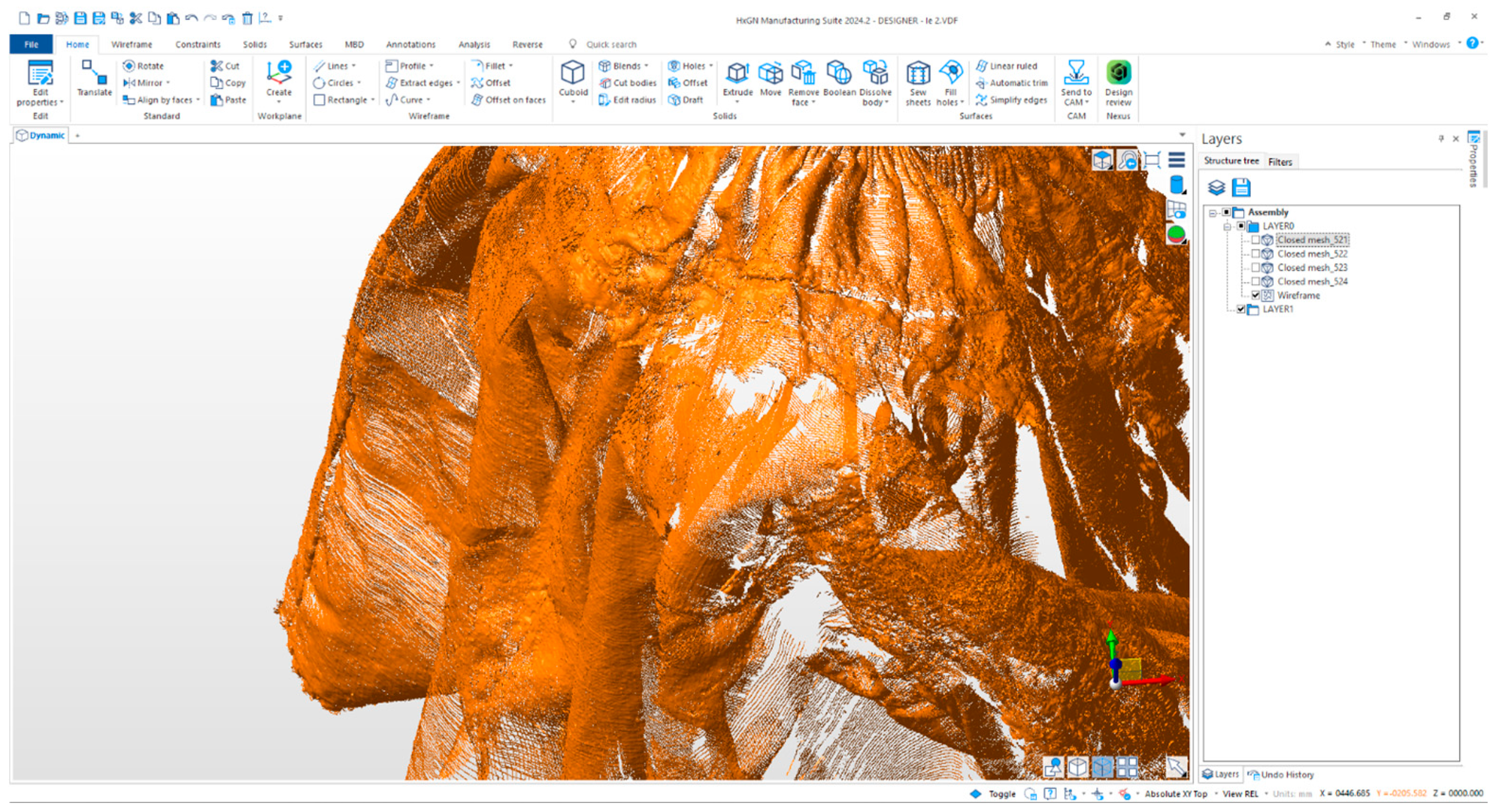
The raw capture of the back of the blouse (Figure 6) shows areas where data are missing (white gaps) and artefacts on the folds, which were subsequently corrected. The scanner nevertheless reconstructed, with good visual completeness, the geometry of pleats and seams, the natural folds of the fabric, the gathers at the neck and sleeve cuffs, and the traditional raised embroidery (embroidered shoulder panel, chest and sleeves).
Figure 6.
Back of the traditional blouse: raw capture from the 3D laser scanning process.
During automatic mesh generation, the One-click mesh parameters—distance between points, maximum triangle size and gap management—were defined (Figure 7) in order to generate the initial mesh, which was then locally refined (Figure 8c) to obtain the final mesh (Figure 8, Figure 9 and Figure 10); the corresponding values are reported in Section 3.3.3. The colours in Figure 7 are a software display of the orientation of the mesh faces, not a texture; geometric deviations from the reference surface are shown separately in the colour deviation maps (Section 4.2, Figure 11).
Figure 7.
Geometric analysis and optimisation of the mesh surfaces in the 3D laser scanning of the traditional blouse.
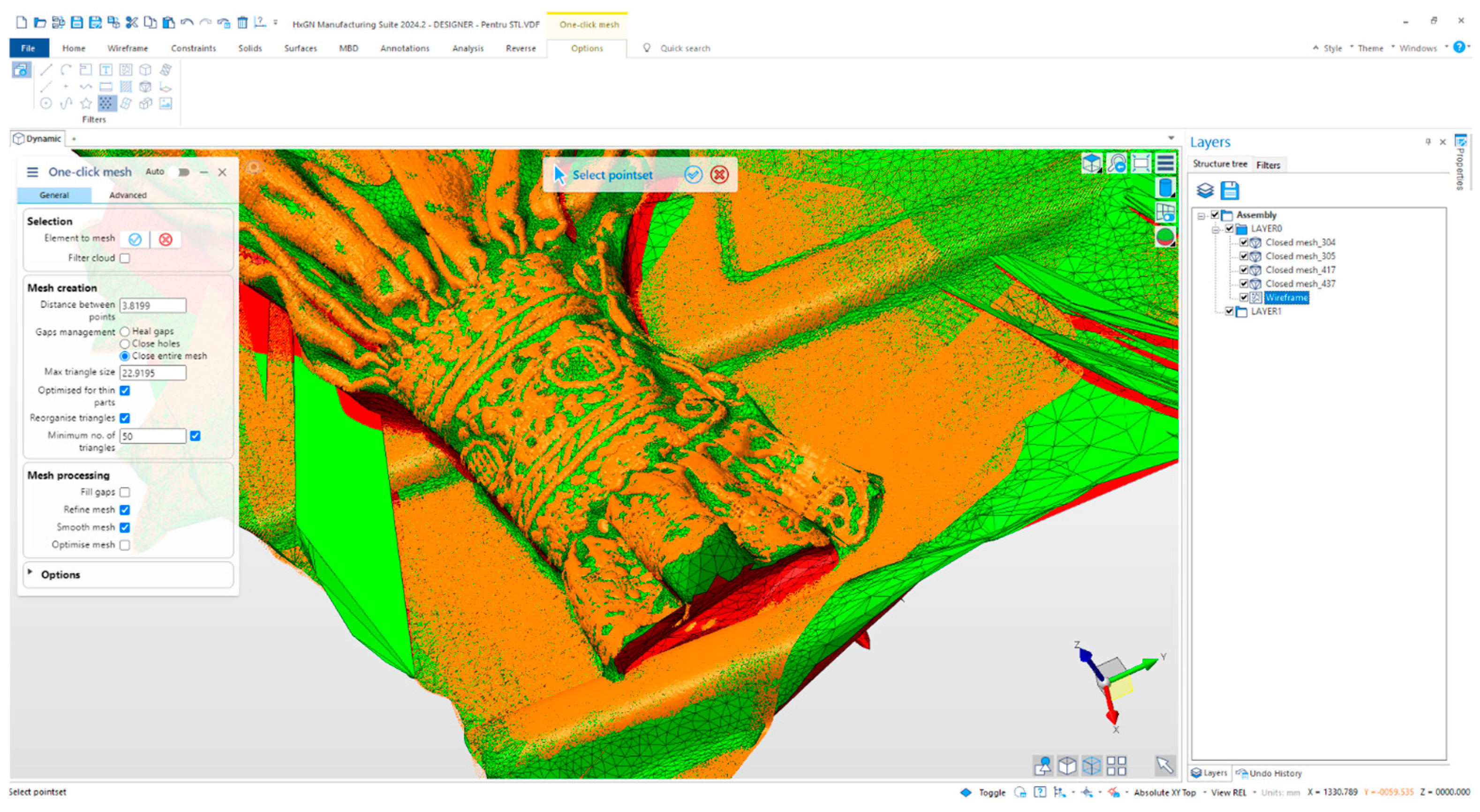
Figure 8.
The traditional blouse (chest area and embroidered shoulder panel) (a). Detailed analysis of the chest embroidery (relief/depth map): macro/topographic view of the central area (chest/embroidered shoulder panel), capturing the stitches and the volume of the traditional motifs (b). Advanced mesh refinement (Refine mesh): wireframe inspection of the triangles on complex decorative motifs to maximise embroidery detail (c).
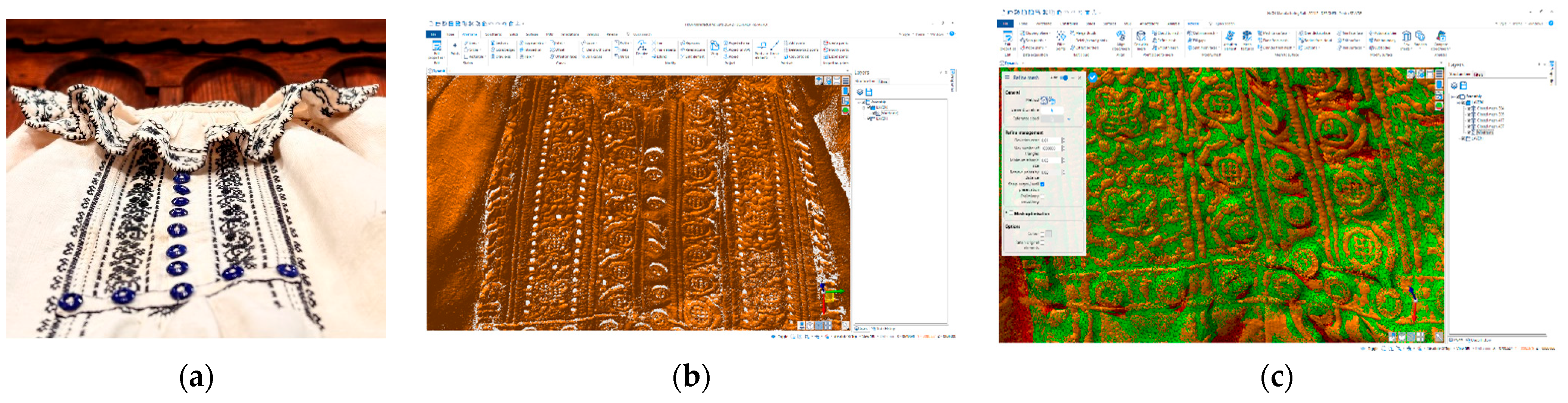
Figure 9.
Geometric capture of the back: rotation of the 3D model and point cloud acquisition for the posterior area, checking the drape of the fabric (a). Alignment and cleaning of raw data: removal of isolated scan fragments and merging of point clouds obtained from different viewpoints (b).
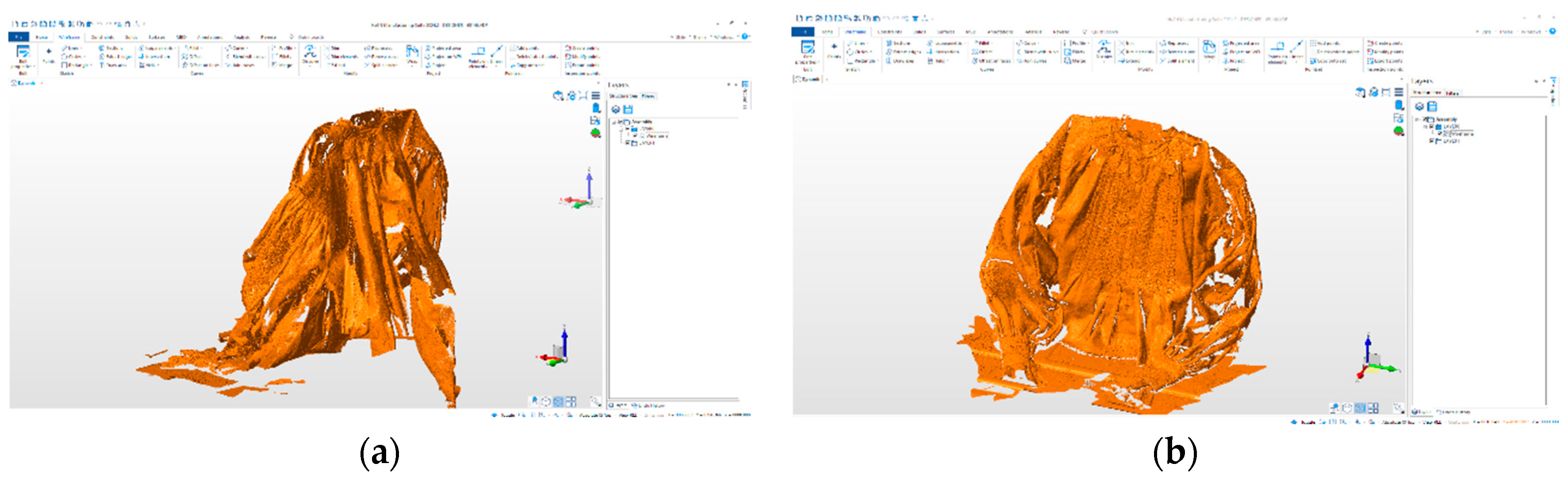
Figure 10.
(a) Polygon mesh generation (3D mesh): Polygonisation of raw data (closed mesh) with display of the normal orientation (orange/green for exterior/interior). (b) Resolution and geometric property inspection: Detailed analysis of the decorative mesh (sleeve) using the geometry properties’ panel, total volume (22,381,554.33 mm3) and surface area (1,713,765.63 mm2).
4.2. Colour Deviation Maps and Condition Assessment
Colour deviation maps (heatmaps) display, on a colour scale from blue to red, the signed distance (in mm) between the scanned surface and a reference surface. In this study, the reference surface was a smoothed best-fit surface computed from the same scan in Designer 2024.2 with a filter parameter of 0.2 mm, and deviations were computed as signed point-to-surface distances along the surface normals after best-fit alignment. Because no earlier scan of the blouse exists, the maps in Figure 11 do not show change over time; they show where the present surface departs locally from the reference geometry. Such departures may result from genuine material changes (wear, thinning, losses or deformation), but equally from normal textile geometry (embroidery relief, folds and gathers), garment asymmetry, the way the blouse sits on the mannequin, or scanning artefacts. The maps are therefore used here as a screening and visualisation tool that indicates areas warranting direct conservation inspection, not as a stand-alone diagnostic method; any area flagged must be confirmed by direct visual or microscopic inspection before an intervention such as repair, thread consolidation or cleaning is considered. The present scan also constitutes a baseline: repeated scans of the same object under the same mounting conditions would allow genuine change detection over time.
Figure 11.
Colour deviation map of the traditional blouse (point cloud and mesh).
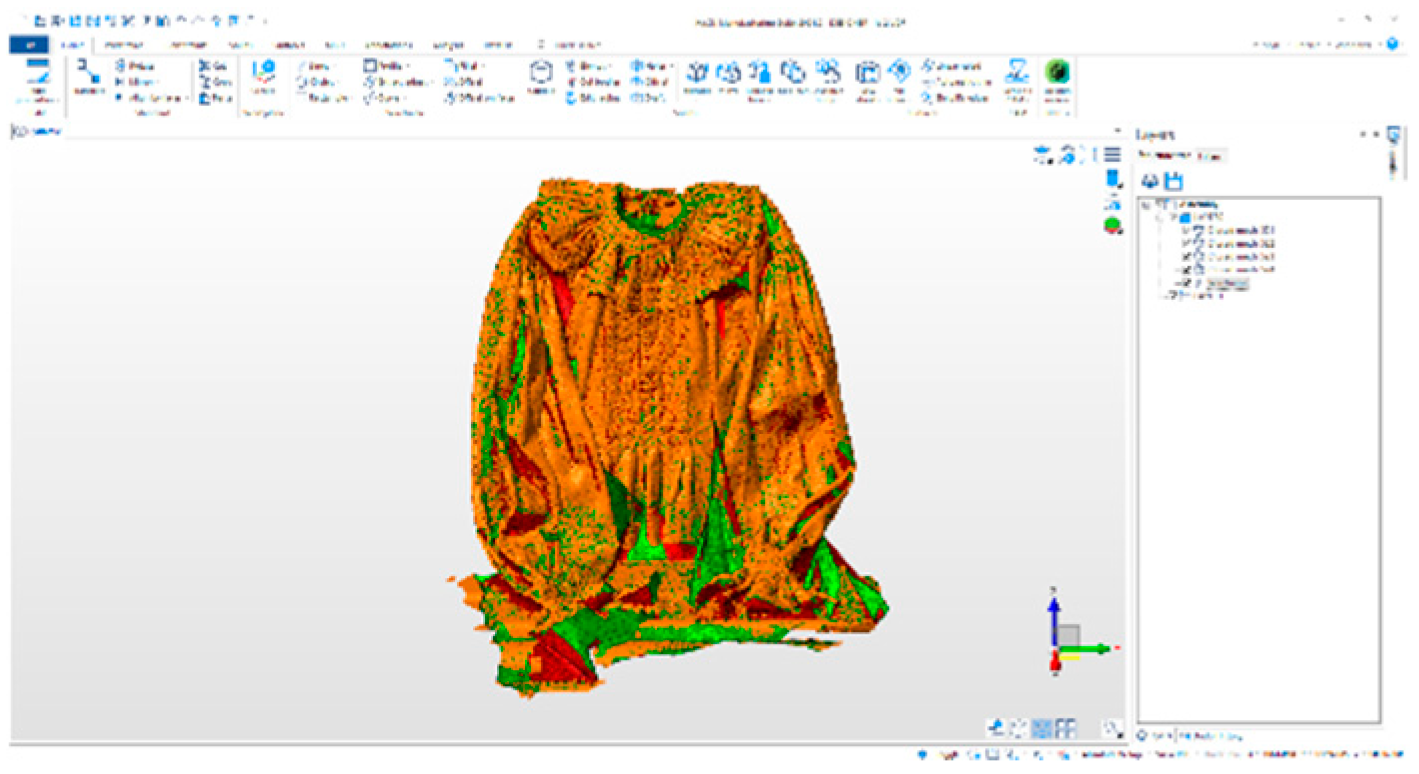
Colour scale/legend: Green (≈0 mm) shows areas where the scanned surface coincides with the reference surface within the tolerance of the scale; yellow/red (+ mm) indicates positive deviations, where the scanned surface protrudes (additional material, raised embroidery, outer folds); blue/violet (− mm) indicates negative deviations, where the scanned surface is recessed (e.g., inner creases or, potentially, thinning or contraction of the material).
On the colour deviation map (Figure 11), several groups of geometric anomalies can be distinguished; their interpretation below is provisional and identifies candidate areas for inspection rather than confirmed deterioration. In the chest area and on the lower part of the blouse, small isolated points with large deviations (dark red) and gaps in the mesh coincide with locations where losses, holes or detached embroidery threads may be present; they may, however, also correspond to occlusions or local scanning artefacts. On the collar, which is subject to more friction than the rest of the blouse during wear, concentrations of orange-red were identified that may result either from difficulties in scanning the dense gathers or from stiffening or degradation of the gathered material and seams.
Broader orange/yellow areas in the elbow and underarm regions indicate a loss of the continuous drape of the fabric, which is compatible with uneven sagging or stretching over time but could also reflect the way the garment sits on the mannequin. On the sleeves, concentrations of orange points correspond to undulations of the weave that differ from the regular pattern of the folds (Figure 11); whether these indicate mechanical wear can only be established through direct visual or microscopic inspection by a textile conservator, which will be carried out in a further study.
4.3. Educational, Interactive and Inclusive Outputs
The scanning results were converted into visual and tactile resources accessible to the general public, supporting promotion, museum management and interpretation.
4.3.1. Interactive Online 3D Model
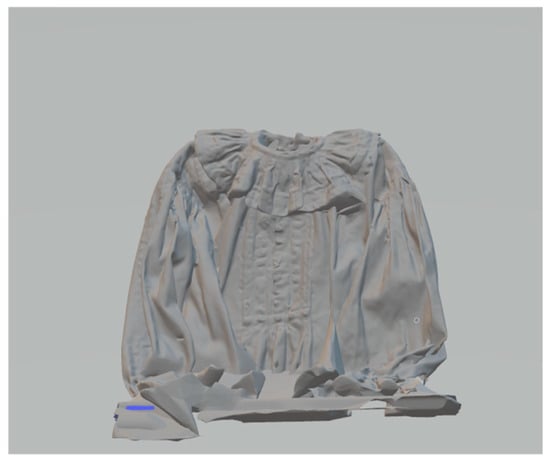
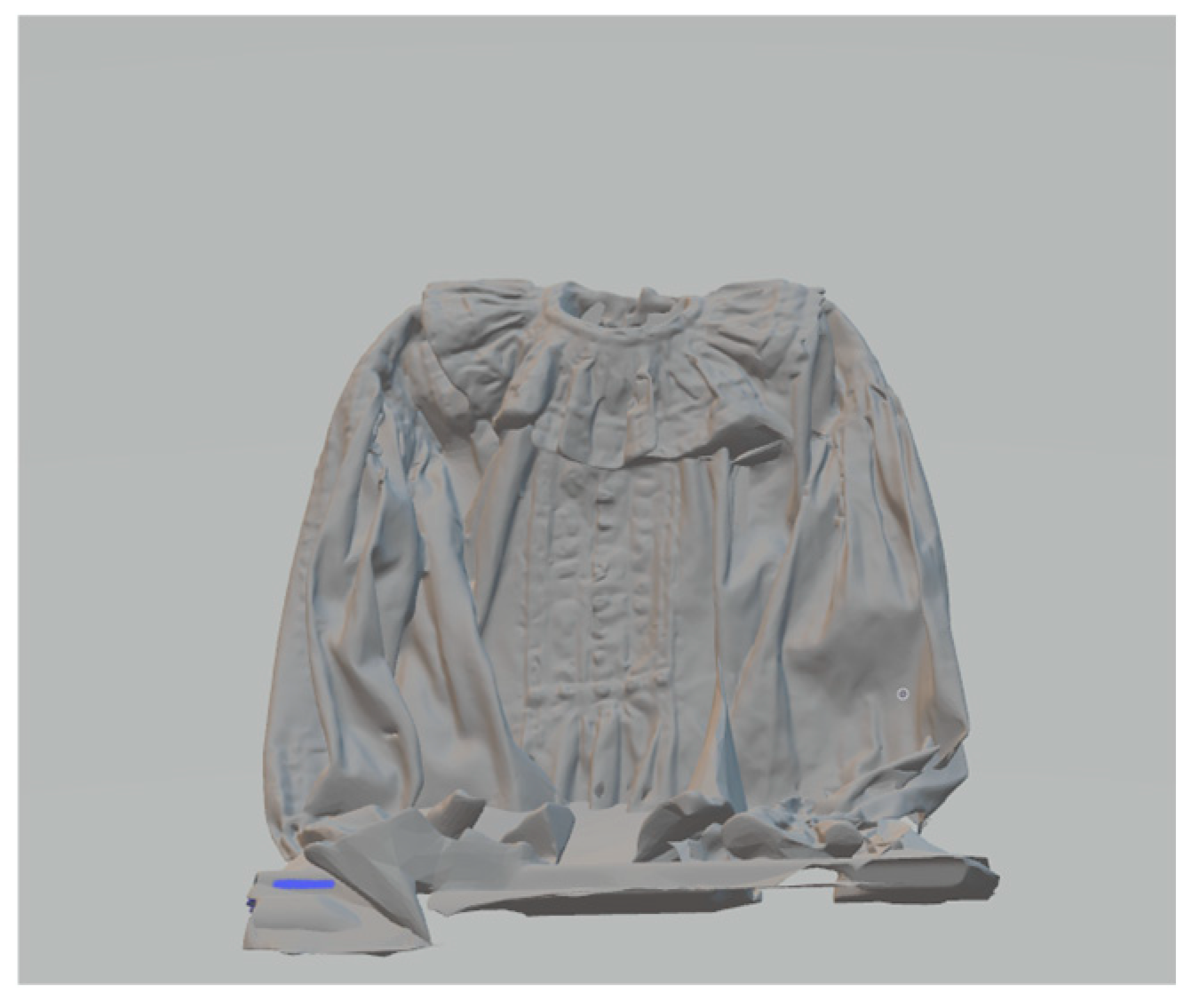
The untextured STL geometry model was generated in Hexagon Manufacturing Suite 2024.2 Designer and published online for 360° inspection/ rotation via its DOI [59], where users can rotate and zoom in on the object on computers and mobile phones before, during or after their visit.
In the untextured (matte) model (Figure 12), displayed in a neutral grey tone because the laser scan contains no colour information, the emphasis is placed exclusively on 3D form, depth and surface, without the influence of the colours of the embroidery threads.
Figure 12.
Interactive STL file for the traditional blouse [59].
4.3.2. Accessible Multimedia Content
A video in sign language and with audio content, accessible via DOI code and link [58], was prepared for deaf and hard-of-hearing visitors and for visitors with visual impairments, with a duration of 5:31 min, in Romanian and Romanian Sign Language.
4.3.3. Process of 3D Printing
Additive manufacturing (Figure 13) generated, layer by layer and on the basis of the processed digital model, a reduced-scale tactile replica of the blouse in PLA (8 cm high). The replica reproduces the overall three-dimensional form of the garment—its silhouette, cut and main folds—in a stable physical structure; at this scale, fine embroidery detail is only partially reproduced, so a larger print or a bas-relief of selected embroidery panels would be needed to convey the motifs by touch. The replica is intended to allow visitors, including blind and partially sighted people, to touch and feel the shape of the blouse while listening to its audio description [47,48].
Figure 13.
Image shows the 3D-printed model process (a,b) and final reduced-scale tactile replica of the blouse (c).
4.4. Synthesis of the Results
Taken together, the results support three findings. First, metrology-grade laser scanning of a mounted, densely embroidered textile is feasible within a short acquisition time: five passes totalling 29 min yielded 338,620,000 points and a final mesh of 561,018 triangles that reproduces the silhouette, seams, gathers and raised embroidery with good visual completeness, although deep gathers remained partly occluded (Section 3.3.3 and Section 4.1). Second, the colour deviation maps add information that is not available from photographs: they locate local departures from a smoothed reference surface and thus provide a spatially explicit record of the present geometry of the garment, which can guide inspection and serve as a baseline for repeated scans, but they do not by themselves establish deterioration (Section 4.2). Third, a single dataset was converted into several outputs of different nature—a full-resolution digital mesh model, an untextured STL model for online viewing and 3D printing, colour deviation maps and a tactile replica, complemented by a sign-language video with audio narration—at a low marginal cost per derived product (Section 4.3). The results do not show how these outputs are used or valued by visitors, people with disabilities, artisans, hospitality businesses or museum managers; these questions are discussed as potential applications in Section 5.
5. Discussion
The discussion below distinguishes between what the case study demonstrated—the technical feasibility of the workflow and the production of the outputs described in Section 4—and the potential applications of these outputs. Their effects on visitors, local communities and management entities were not measured in this study and are therefore discussed as hypotheses for future testing rather than as findings.
5.1. From Scaled Models to Urban Cultural Tourism Resource
The case study demonstrates that a single 3D digitisation workflow can produce a family of outputs whose potential value extends beyond documentation. The digital model reduces the need to handle the original garment—one of the main mechanical risk factors for fragile textiles—while the colour deviation maps provide curators with a geometric baseline against which future scans can be compared and with a screening tool that indicates areas warranting direct inspection. From an urban tourism perspective, the same outputs could transform a static, light-sensitive exhibit that can be displayed only intermittently into a permanently available and shareable heritage resource. Evidence from other contexts suggests that high-quality virtual heritage experiences do not replace physical visits but can strengthen cultural identity and on-site visit intentions [17,18]; whether this applies to the present outputs remains to be tested. For Oradea, whose tourism image is dominated by its Art Nouveau architecture [31], digitised textile heritage could diversify the cultural offer by connecting the urban core with the ethnographic traditions of Bihor County, thus adding an intangible, identity-based layer to the visitor experience.
5.2. Museum Management and Hospitality Linkages
The applications discussed in this section are proposals derived from the qualitative mapping described in Section 3.5; they were not tested with museum managers, hospitality businesses or visitors in the present study. For museum management, the outputs could support differentiated display strategies: original textiles could be periodically withdrawn from exhibition to limit light exposure, while the interactive model, the video and the tactile replica could help maintain continuity of interpretation. The same products could lend themselves to partnerships with the hospitality sector. Online accessible DOI/QR codes linking to the 3D model and to the sign-language video could be placed in hotel lobbies and rooms, in restaurants promoting local cuisine, in tourist information centres and on city cards, while 3D-printed replicas could be used in temporary exhibitions during events such as the Night of the Museums, which already attract strong participation from residents and visitors in Oradea [29]. Such cross-sector use of cultural content would be in line with smart destination strategies, in which digital enhancement and shared services are expected to improve both the efficiency and the sustainability of urban tourism [10,11], and with findings that a positive museum experience increases destination recommendation and revisit intentions [8]. Table 1 summarises the proposed mapping of outputs, stakeholders and deployment channels.
5.3. Community Engagement, Inclusion and Artisans
The accessibility outputs are designed to address the gaps identified in audits of cultural attractions, where visitors with visual and hearing impairments remain the least served [20,21]. Tactile replicas and multisensory narration have been positively evaluated by blind and partially sighted users in other museums [47,48,49]; the present case applies this approach to textiles, a category of heritage that is especially difficult to experience through touch because the originals cannot be handled. Inclusive design, however, requires that people with disabilities take part in developing and testing such products rather than being treated only as end users [19]. In the present study, neither the sign-language video nor the tactile replica has yet been evaluated with deaf, hard-of-hearing, blind or partially sighted users; such co-design and evaluation is a priority for the next stage of the project (Section 5.5).
Community engagement also concerns the bearers of the craft. The digital model and, in future, vectorised embroidery motifs could support workshops in which folk artisans, students and residents learn, reinterpret and transmit traditional techniques, in line with community-centred heritage management models [13,52]. At the same time, digitisation raises legitimate concerns among craftspeople regarding authenticity, intellectual property and the possible industrial reproduction of motifs [53,56]. Clear licencing rules, the attribution of motifs to their communities of origin and the involvement of artisans in decisions on reuse are therefore prerequisites for turning digital textile heritage into a shared, rather than appropriated, resource. Strengthening the digital communication of this heritage by local institutions could also support sustainable development beyond the city, in the rural areas where the craft originates [57].
These concerns are not hypothetical in Bihor County: in 2018, Romanian designers and the local community publicly contested the close reproduction of a traditional Bihor vest in a luxury fashion collection, drawing international attention to the appropriation of regional textile motifs [60]. The Romanian blouse with embroidery on the shoulder (altiță) has, moreover, been inscribed on the UNESCO Representative List of the Intangible Cultural Heritage of Humanity [61], which increases the responsibility of institutions that digitise such garments. Building on the UNESCO Ethical Principles for Safeguarding Intangible Cultural Heritage [62] and on the CARE principles (collective benefit, authority to control, responsibility and ethics) for data governance [63], we propose a minimum ethical protocol for the reuse of the digital outputs, comprising four elements: (i) consent—digitising an object and publicly releasing its digital surrogates requires the documented consent of the owner or holding institution and consultation with representatives of the craft community (e.g., artisans’ associations and local ethnographers) on the intended uses; (ii) attribution—each output is published with metadata identifying the community and ethnographic area of origin, the maker where known, the holding collection and the inventory number, and can carry machine-readable provenance and protocol labels such as the Traditional Knowledge and Biocultural Labels developed by Local Contexts [64]; (iii) tiered licencing—the digital model, deviation maps and video are released for research, education and accessibility purposes under a non-commercial attribution licence (e.g., CC BY-NC-ND 4.0), whereas commercial reuse of motifs (e.g., in hospitality décor, souvenirs or fashion) requires a separate agreement with the craft community that includes attribution and benefit-sharing provisions, such as support for local artisan workshops; and (iv) governance—an advisory group comprising the museum, artisans and organisations of people with disabilities reviews reuse requests and the development of new products [58,59]. This protocol has not yet been implemented and will itself need to be tested with artisans (Section 5.5).
5.4. Cost, Transferability and Market Validation
The cost structure of the workflow differs markedly between its components. The most expensive element is the acquisition hardware: the scanning system used here is a high-end industrial metrology instrument whose purchase cost exceeds the budget of most medium-sized museums. In this study it was accessed through a university partnership with the Criș Land Museum of Oradea/Muzeul Țării Crișurilor of Oradea, Oradea, Romania, which is a realistic model for regional museums: the equipment, software licences and technical expertise remain with the university, while the museum contributes curatorial expertise and access to the collection. The marginal costs of the derived products are, by contrast, low: the tactile replica required 7 h 37 min of printing on a consumer-grade FDM printer and 4 g of PLA, i.e., a material cost well below EUR 1 per copy, and the interactive model and the video are hosted free of charge on an open repository [58,59]. Labour is the main recurring cost: approximately 25 person-hours were needed for object preparation, scanning, processing, video production and printing. Because the processing and printing settings can be reused, the cost per object is expected to decrease when the workflow is applied to a series of garments rather than to a single case.
Regarding universality, the workflow is not tied to the specific instrument used here. Lower-cost alternatives—hand-held structured-light scanners and close-range photogrammetry—have been used successfully to document historical clothing and other heritage objects [14,15,65], at the price of lower metric accuracy and, for photogrammetry, greater sensitivity to surface texture and lighting. The choice of technique should therefore follow the purpose: metrology-grade scanning is justified where geometric monitoring is a goal, whereas photogrammetry or entry-level structured-light scanners may suffice for interpretation, online display and tactile replicas. Because the study rests on a single object, the transferability of the framework is analytical rather than statistical [66]: the framework identifies the components (outputs, stakeholder groups and deployment channels) and the conditions (access to scanning expertise, consent and licencing arrangements, and partnerships with accessibility organisations and tourism actors) that other museums would need to examine, but its validity for other textiles, museums and cities remains to be demonstrated through comparative case studies.
Finally, whether these outputs will be favoured by tourists and recognised by the market cannot be inferred from the present data. Existing evidence suggests that high-quality virtual heritage content tends to stimulate rather than replace on-site visits [17,18] and that tactile and multisensory replicas are positively received by visually impaired users [47,48,49], but these findings come from other contexts. Market validation for the present case would require, at a minimum, (i) visitor and resident surveys measuring perceived usefulness, satisfaction and visit or revisit intentions associated with the interactive model, the video and the tactile replica; (ii) usage analytics for the online resources (e.g., views and downloads generated by DOI/QR codes placed at partner locations); and (iii) structured interviews with hotels, tour operators and the local tourism authority on their willingness to host or co-fund such content. These steps are included in the research agenda below.
5.5. Limitations and Future Research
This study has several limitations. It is based on a single object, so the proposed framework is exploratory and its transferability to other textiles, museums and cities has not been demonstrated. The tourism, hospitality, accessibility and community implications are derived from a qualitative mapping rather than from empirical data collected from visitors, people with disabilities, artisans, residents or hospitality businesses; the corresponding parts of Section 5 should therefore be read as proposals to be tested rather than as validated results. The colour deviation maps depend on the choice of the reference surface and cannot always distinguish between genuine degradation and scanning artefacts in heavily gathered areas; they must therefore be validated through direct conservation inspection. No such inspection of the flagged areas and no object-specific accuracy assessment of the scan were carried out within this study; the accuracy reported in Section 3.2 is that rated by the manufacturer. Future research should (i) extend the workflow to a larger sample of garments from the museum’s collection; (ii) evaluate the use of the interactive model, the sign-language video and the tactile replica through visitor surveys, including people with disabilities; (iii) survey hotels and tourism operators in Oradea on their willingness to integrate digital heritage content into their services; (iv) explore the perceptions of folk craftsmen regarding the digitisation of their work and the conditions under which they would take part in museum digitisation processes; (v) perform repeated scans of the same object to quantify measurement repeatability and to monitor change over time, combined with direct conservation inspection of the flagged areas; (vi) test the ethical protocol proposed in Section 5.3 with artisans’ associations; and (vii) apply the workflow in comparative case studies involving other museums and cities.
6. Conclusions
This paper has shown, through a single case, how 3D laser scanning of a traditional blouse from Bihor County can help reconcile the preventive conservation of fragile textile heritage with its active use in urban cultural tourism. The hand-guided scanning workflow, carried out with the garment mounted on a mannequin to preserve its volume, produced a high-resolution digital 3D model that documents the geometry and embroidery of the blouse, together with colour deviation maps that serve as a screening tool for identifying areas requiring direct conservation inspection and as a baseline for future monitoring.
Beyond conservation, the same workflow generated an interactive online model [59], accessible multimedia content in sign language [58] and a 3D-printed tactile replica. Mapped against stakeholders and deployment channels, these outputs suggest how a medium-sized urban museum could become a node connecting heritage, hospitality and community: by extending the visitor experience before and after the visit, providing content for hotels and destination partners, making textile heritage more accessible to people with sensory impairments and supporting the transmission of craft knowledge [13,53,54]. These potential benefits have not yet been evaluated with visitors, people with disabilities, artisans or hospitality businesses and remain to be confirmed by stakeholder-based research.
For urban destinations such as Oradea, integrating digitised tangible and intangible textile heritage into tourism strategies could diversify the cultural offer, strengthen local identity and contribute to a more inclusive and participatory model of urban tourism [13,20,52]. Realising this potential requires coordinated action among museums, local authorities, the hospitality sector, artisans and organisations of people with disabilities, as well as clear ethical rules for the reuse of digital heritage, such as the consent, attribution and licencing protocol proposed in Section 5.3. Since the high-end scanning equipment is the main cost, partnerships between museums and universities, or lower-cost acquisition techniques, are key to making the workflow accessible to medium-sized museums.
The study also has limitations that define its scope. The findings were derived from a single object; the accuracy reported for the scanner is the manufacturer’s rating rather than an object-specific assessment; the colour deviation maps were not validated through conservation inspection; and the tourism, hospitality, accessibility and community benefits were derived from a conceptual mapping, without data from the stakeholders concerned. Future research should therefore (i) apply the workflow to a series of garments and to comparative cases in other museums and cities; (ii) combine repeated scans with conservation inspection to validate the deviation maps as a monitoring tool; (iii) evaluate the interactive model, the video and the tactile replica with visitors, including deaf, hard-of-hearing, blind and partially sighted people, through surveys, usability tests and usage analytics; (iv) assess the willingness of hotels, tour operators and local authorities to adopt such content; and (v) test the proposed ethical protocol with artisans and their associations. Only such empirical validation can confirm whether the potential benefits identified here materialise in practice.
Supplementary Materials
The following supporting information can be downloaded at https://doi.org/10.6084/m9.figshare.33972148, Video S1: Description of Traditional Shirt from Bihor County in Sign Language; STL File S1: https://doi.org/10.6084/m9.figshare.33972301, Interactive 3D Scanned Traditional Shirt from Bihor County.
Author Contributions
Conceptualisation, D.C.I. and C.F.T.; methodology, C.S., G.F.T. and C.F.T.; software, C.S.; validation, C.F.T., D.C.I., M.R., T.H.H. and G.F.G.C.; formal analysis, M.R. and G.F.T.; investigation, C.F.T. and C.S.; resources, C.F.T., D.C.I. and G.F.T.; data curation, C.S. and M.R.; writing—original draft preparation, D.C.I. and C.F.T.; writing—review and editing, C.F.T. and D.C.I.; visualisation, G.F.T.; supervision, M.R., T.H.H. and G.F.G.C.; project administration, C.F.T. and D.C.I. All authors have read and agreed to the published version of the manuscript.
Funding
The current study was partially supported by the Deanship of Scientific Research, Vice Presidency for Graduate Studies and Scientific Research, King Faisal University, Saudi Arabia, grant no. KFU265336. The APC is funded by MDPI. The research was made possible by the equal scientific involvement of all the authors concerned.
Institutional Review Board Statement
Not applicable.
Informed Consent Statement
Not applicable.
Data Availability Statement
The data presented in this study are openly available in figshare at https://doi.org/10.6084/m9.figshare.33972148 and https://doi.org/10.6084/m9.figshare.33972301, reference numbers [58,59].
Acknowledgments
The authors appreciate the support provided by the CODA Association of Bucharest/Farmecul Tacerii, Romania, for the interpretation in the Romanian Sign Language made by Andrei Darie and Lena Dermengiu as well as Simona Bala of the Criș Land Museum/Muzeul Țării Crișurilor of Oradea for describing the blouse.
Conflicts of Interest
The authors declare no conflicts of interest.
References
- Skublewska-Paszkowska, M.; Milosz, M.; Powroznik, P.; Lukasik, E. 3D Technologies for Intangible Cultural Heritage Preservation—Literature Review for Selected Databases. Herit. Sci. 2022, 10, 3. [Google Scholar] [CrossRef] [Scilit] [PubMed]
- Kantaros, A.; Ganetsos, T.; Petrescu, F.I.T. Three-Dimensional Printing and 3D Scanning: Emerging Technologies Exhibiting High Potential in the Field of Cultural Heritage. Appl. Sci. 2023, 13, 4777. [Google Scholar] [CrossRef] [Scilit]
- Xia, J.; Kang, J.; Xu, X. Global Research Trends and Future Directions in Urban Historical Heritage Area Conservation and Development: A 25-Year Bibliometric Analysis. Buildings 2024, 14, 3096. [Google Scholar] [CrossRef] [Scilit]
- Han, H.; Han, J.; Zhou, J.; Bai, W.; Feng, Z. Potential of 3D scanning and integrated modeling in virtual reconstruction study of excavated horse harnesses. npj Herit. Sci. 2026, 14. [Google Scholar] [CrossRef] [Scilit]
- Wang, C.; Xu, S.; Li, W.; Wang, Y.; Song, A.; Xing, F. Novel Method for Regional Surface Displacement Measurement of Coal Mine Roadway under Different Typical Working Conditions Based on 3D Laser Scanning Technique. Measurement 2026, 261, 119870. [Google Scholar] [CrossRef] [Scilit]
- Wang, C.; Xu, S.; Song, A.; Xing, F.; Li, W. Mobile Construction of 3-D Point Cloud Model and Structural Deformation Measurement in Deep Underground Space under GNSS Denial and Extreme Working Conditions. IEEE Trans. Instrum. Meas. 2026, 75, 8512723. [Google Scholar] [CrossRef] [Scilit]
- Xu, S.; Wang, C.; Xing, F.; Ai, S. Surface Displacement Measurement Method in Enclosed Underground Tunnel Based on Mobile Mapping. IEEE Trans. Instrum. Meas. 2026, 75, 8510619. [Google Scholar] [CrossRef] [Scilit]
- Badurina, A.; Zadel, Z.; Rudan, E. Analysis of the Experiences of Visitors the Museum Offer of Tourist Destination. Heritage 2025, 8, 425. [Google Scholar] [CrossRef] [Scilit]
- Herman, G.V.; Tătar, C.F.; Stașac, M.S.; Cosman, V.L. Exploring the Relationship between Tourist Perception and Motivation at a Museum Attraction. Sustainability 2024, 16, 370. [Google Scholar] [CrossRef] [Scilit]
- Vujko, A.; Knežević, M.; Arsić, M. The Future Is in Sustainable Urban Tourism: Technological Innovations, Emerging Mobility Systems and Their Role in Shaping Smart Cities. Urban Sci. 2025, 9, 169. [Google Scholar] [CrossRef] [Scilit]
- Ozdemir, G.; Zonah, S. Revolutionising Heritage Interpretation with Smart Technologies: A Blueprint for Sustainable Tourism. Sustainability 2025, 17, 4330. [Google Scholar] [CrossRef] [Scilit]
- Luther, W.; Baloian, N.; Biella, D.; Sacher, D. Digital Twins and Enabling Technologies in Museums and Cultural Heritage: An Overview. Sensors 2023, 23, 1583. [Google Scholar] [CrossRef] [Scilit] [PubMed]
- Liorančaitė-Šukienė, A.; Jurėnienė, V. Heritage Management Models for Sustainable Community Tourism Development. Tour. Hosp. 2025, 6, 111. [Google Scholar] [CrossRef] [Scilit]
- Żyła, K.; Kęsik, J.; Santos, F.; House, G. Scanning of Historical Clothes Using 3D Scanners: Comparison of Goals, Tools, and Methods. Appl. Sci. 2021, 11, 5588. [Google Scholar] [CrossRef] [Scilit]
- Montusiewicz, J.; Miłosz, M.; Kęsik, J.; Żyła, K. Structured-Light 3D Scanning of Exhibited Historical Clothing—A First-Ever Methodical Trial and Its Results. Herit. Sci. 2021, 9, 74. [Google Scholar] [CrossRef] [Scilit]
- Ding, Q.-K.; Liang, H.-E. Digital Restoration and Reconstruction of Heritage Clothing: A Review. Herit. Sci. 2024, 12, 225. [Google Scholar] [CrossRef] [Scilit]
- Meng, W.; Dolah, J. From Virtual Museum Experience Quality to Offline Visit Intention: A Cultural Identity Mediation Model for Sustainable Heritage Engagement. Sustainability 2025, 17, 10664. [Google Scholar] [CrossRef] [Scilit]
- To, W.M.; Gao, J.H.; Yu, B.T.W. Does Virtual Reality Foster On-Site Visit Intentions? A Stimulus–Organism–Response Analysis of Cultural Heritage Tourism in Macao. Tour. Hosp. 2026, 7, 169. [Google Scholar] [CrossRef] [Scilit]
- Xu, Z.; Liu, F.; Xia, G.; Wang, S.; Duan, Y.; Yu, L.; Zhao, S.; Li, M. Immersive HCI for Intangible Cultural Heritage in Tourism Contexts: A Narrative Review of Design and Evaluation. Sustainability 2026, 18, 153. [Google Scholar] [CrossRef] [Scilit]
- Kruczek, Z.; Gmyrek, K.; Ziżka, D.; Korbiel, K.; Nowak, K. Accessibility of Cultural Heritage Sites for People with Disabilities: A Case Study on Krakow Museums. Sustainability 2024, 16, 318. [Google Scholar] [CrossRef] [Scilit]
- Chwaja, K.; Chwaja, B.; Marczak, I.; Kruczek, Z. Accessibility of Tourist Attractions for Individuals with Disabilities as a Factor in the Development of Inclusive Tourism: Example of the Świętokrzyskie Region—Poland. Sustainability 2025, 17, 3853. [Google Scholar] [CrossRef] [Scilit]
- Veldpaus, L.; Pereira Roders, A.R.; Colenbrander, B.J.F. Urban Heritage: Putting the Past into the Future. Hist. Environ. Policy Pract. 2013, 4, 3–18. [Google Scholar] [CrossRef] [Scilit]
- Ripp, M.; Gustafsson, C.; Jones, Z.; Majumdar, S.; Ginzarly, M. Historic Urban Landscapes and Heritage Systems as the Basis for Sustainable Urban Development. Land 2025, 14, 1783. [Google Scholar] [CrossRef] [Scilit]
- Smith, L. Uses of Heritage; Routledge: London, UK, 2006. [Google Scholar]
- Council of Europe. Framework Convention on the Value of Cultural Heritage for Society (Faro Convention); Council of Europe Treaty Series No. 199; Council of Europe: Faro, Portugal, 2005. [Google Scholar]
- International Council of Museums (ICOM). Museum Definition. Approved by the ICOM Extraordinary General Assembly, Prague. 24 August 2022. Available online: https://icom.museum/en/resources/standards-guidelines/museum-definition/ (accessed on 14 October 2026).
- Burga-Terrones, J.E.; Cordova-Buiza, F.; Soto-Rumiche, M.A. Online reputation in cultural institutions: Evaluation of national museums on digital platforms. Geoj. Tour. Geosites 2026, 65, 739–747. [Google Scholar] [CrossRef] [Scilit]
- Chae, K. Service quality and visitor intentions at the National Palace Museum of Korea. Geoj. Tour. Geosites 2026, 64, 284–292. [Google Scholar] [CrossRef] [Scilit]
- Herman, G.V.; Grama, V.; Ilieș, A.; Safarov, B.; Ilieș, D.C.; Josan, I.; Buzrukova, M.; Janzakov, B.; Privitera, D.; Dehoorne, O.; et al. The Relationship between Motivation and the Role of the Night of the Museums Event: Case Study in Oradea Municipality, Romania. Sustainability 2023, 15, 1738. [Google Scholar] [CrossRef] [Scilit]
- Grama, V.; Ilies, G.; Safarov, B.; Ilies, A.; Caciora, T.; Hodor, N.; Ilies, D.C.; Kieti, D.; Berdenov, Z.; Josan, I.; et al. Digital Technologies Role in the Preservation of Jewish Cultural Heritage: Case Study Heyman House, Oradea, Romania. Buildings 2022, 12, 1617. [Google Scholar] [CrossRef] [Scilit]
- Caciora, T.; Jubran, A.; Ilies, D.C.; Hodor, N.; Blaga, L.; Ilies, A.; Grama, V.; Sebesan, B.; Safarov, B.; Ilies, G.; et al. Digitization of the Built Cultural Heritage: An Integrated Methodology for Preservation and Accessibilization of an Art Nouveau Museum. Remote Sens. 2023, 15, 5763. [Google Scholar] [CrossRef] [Scilit]
- UNESCO. Charter on the Preservation of Digital Heritage; UNESCO: Paris, France, 2003. [Google Scholar]
- Cameron, F.; Kenderdine, S. (Eds.) Theorizing Digital Cultural Heritage: A Critical Discourse; MIT Press: Cambridge, MA, USA, 2007. [Google Scholar]
- Parry, R. Recoding the Museum: Digital Heritage and the Technologies of Change; Routledge: London, UK, 2007. [Google Scholar]
- Denard, H. (Ed.) The London Charter for the Computer-Based Visualisation of Cultural Heritage, Version 2.1; King’s College London: London, UK, 2009. [Google Scholar]
- Tilden, F. Interpreting Our Heritage; University of North Carolina Press: Chapel Hill, NC, USA, 1957. [Google Scholar]
- ICOMOS. The ICOMOS Charter for the Interpretation and Presentation of Cultural Heritage Sites (Ename Charter); ICOMOS: Québec, Canada, 2008. [Google Scholar]
- Chai-Arayalert, S.; Puttinaovarat, S.; Saetang, W. Phygital Experience Platform for Textile Exhibitions in Small Local Museums. Heritage 2025, 8, 35. [Google Scholar] [CrossRef] [Scilit]
- Molee, A.-P.; Charuphanthuset, T.; Kunnu, W.; Chairungsee, S. Ontology-Based Digital Preservation Framework for Phum Riang Silk Heritage. Informatics 2026, 13, 35. [Google Scholar] [CrossRef] [Scilit]
- Darcy, S.; Dickson, T.J. A Whole-of-Life Approach to Tourism: The Case for Accessible Tourism Experiences. J. Hosp. Tour. Manag. 2009, 16, 32–44. [Google Scholar] [CrossRef] [Scilit]
- Buhalis, D.; Darcy, S. (Eds.) Accessible Tourism: Concepts and Issues; Channel View Publications: Bristol, UK, 2011. [Google Scholar]
- World Tourism Organization (UNWTO). Recommendations on Accessible Tourism; UNWTO: Madrid, Spain, 2013. [Google Scholar]
- Story, M.F.; Mueller, J.L.; Mace, R.L. The Universal Design File: Designing for People of All Ages and Abilities; Center for Universal Design, North Carolina State University: Raleigh, NC, USA, 1998. [Google Scholar]
- United Nations. Convention on the Rights of Persons with Disabilities; United Nations: New York, NY, USA, 2006. [Google Scholar]
- Scheyvens, R.; Biddulph, R. Inclusive Tourism Development. Tour. Geogr. 2018, 20, 589–609. [Google Scholar] [CrossRef] [Scilit]
- Candlin, F. Blindness, Art and Exclusion in Museums and Galleries. Int. J. Art Des. Educ. 2003, 22, 100–110. [Google Scholar] [CrossRef] [Scilit]
- Kantaros, A.; Soulis, E.; Alysandratou, E. Digitization of Ancient Artefacts and Fabrication of Sustainable 3D-Printed Replicas for Intended Use by Visitors with Disabilities: The Case of Piraeus Archaeological Museum. Sustainability 2023, 15, 12689. [Google Scholar] [CrossRef] [Scilit]
- Montusiewicz, J.; Barszcz, M.; Korga, S. Preparation of 3D Models of Cultural Heritage Objects to Be Recognised by Touch by the Blind—Case Studies. Appl. Sci. 2022, 12, 11910. [Google Scholar] [CrossRef] [Scilit]
- Clini, P.; Nespeca, R.; Ferretti, U.; Galazzi, F.; Bernacchia, M. Inclusive Museum Engagement: Multisensory Storytelling of Cagli Warriors’ Journey and the Via Flamina Landscape Through Interactive Tactile Experiences and Digital Replicas. Heritage 2025, 8, 61. [Google Scholar] [CrossRef] [Scilit]
- Simon, N. The Participatory Museum; Museum 2.0: Santa Cruz, CA, USA, 2010. [Google Scholar]
- Golding, V.; Modest, W. (Eds.) Museums and Communities: Curators, Collections and Collaboration; Bloomsbury: London, UK, 2013. [Google Scholar]
- Fahmy, A.; Thamarat, M. How Community Engagement Approach Enhances Heritage Conservation: Two Case Studies on Sustainable Urban Development in Historic Cairo. Sustainability 2025, 17, 4565. [Google Scholar] [CrossRef] [Scilit]
- Li, J. Grounded Theory-Based Model of the Influence of Digital Communication on Handicraft Intangible Cultural Heritage. Herit. Sci. 2022, 10, 126. [Google Scholar] [CrossRef] [Scilit] [PubMed]
- Lyu, L. Research on Interactive Experience and Inheritance Development of Traditional Craft Intangible Cultural Heritage Based on Digital Technology. Int. J. Cogn. Inform. Nat. Intell. 2025, 19, 1–19. [Google Scholar] [CrossRef] [Scilit]
- Zhang, Y. Crafting Heritage in the Digital Age: The Online Dissemination of Celadon by Contemporary Chinese Artisans. Int. Arch. Photogramm. Remote Sens. Spat. Inf. Sci. 2025, XLVIII-M-9, 1713–1720. [Google Scholar] [CrossRef] [Scilit]
- Ramdhani, A.; Febriani, R.; Santoso, F.D. A Community-Based Digital Heritage Design Model for Revitalizing Traditional Crafts. Qriset Indones. J. Art Des. 2026, 1, 224. [Google Scholar]
- Csesznek, C.; Rățulea, G.; Defta, M.; Harabagiu, F.-M.; Sorea, D. The Potential for Sustainable Local Development through Digital Communication and Digitization of Intangible Cultural Heritage Resources in Făgăraș Land, Romania. Sustainability 2024, 16, 1532. [Google Scholar] [CrossRef] [Scilit]
- Corina, T.; Camelia, I.D. Traditional Shirt Description of Bihor County in Signs Language. Available online: https://doi.org/10.6084/m9.figshare.33972148 (accessed on 1 August 2026).
- Corina, T.; Camelia, I.D. Interactive 3D Scanned Traditional Shirt of Bihor County. Available online: https://doi.org/10.6084/m9.figshare.33972301 (accessed on 10 August 2026).
- Euronews. Romanian Designers Accuse Dior of Plagiarising Traditional Vest. 5 July 2018. Available online: https://www.euronews.com/2018/07/05/romanian-designers-accuse-dior-of-plagiarising-traditional-vest (accessed on 8 October 2026).
- UNESCO. The Art of the Traditional Blouse with Embroidery on the Shoulder (Altiță)—An Element of Cultural Identity in Romania and the Republic of Moldova; Representative List of the Intangible Cultural Heritage of Humanity, Inscribed in 2022. Available online: https://ich.unesco.org/en/RL/the-art-of-the-traditional-blouse-with-embroidery-on-the-shoulder-alti-an-element-of-cultural-identity-in-romania-and-the-republic-of-moldova-01861 (accessed on 8 October 2026).
- UNESCO. Ethical Principles for Safeguarding Intangible Cultural Heritage; UNESCO: Paris, France, 2015; Available online: https://ich.unesco.org/en/ethics-and-ich-00866 (accessed on 8 October 2026).
- Carroll, S.R.; Garba, I.; Figueroa-Rodríguez, O.L.; Holbrook, J.; Lovett, R.; Materechera, S.; Parsons, M.; Raseroka, K.; Rodriguez-Lonebear, D.; Rowe, R.; et al. The CARE Principles for Indigenous Data Governance. Data Sci. J. 2020, 19, 43. [Google Scholar] [CrossRef] [Scilit]
- Local Contexts. Traditional Knowledge (TK) and Biocultural (BC) Labels. Available online: https://localcontexts.org (accessed on 8 October 2026).
- Remondino, F. Heritage Recording and 3D Modeling with Photogrammetry and 3D Scanning. Remote Sens. 2011, 3, 1104–1138. [Google Scholar] [CrossRef] [Scilit]
- Yin, R.K. Case Study Research and Applications: Design and Methods, 6th ed.; SAGE Publications: Thousand Oaks, CA, USA, 2018. [Google Scholar]

Disclaimer/Publisher’s Note: The statements, opinions and data contained in all publications are solely those of the individual author(s) and contributor(s) and not of MDPI and/or the editor(s). MDPI and/or the editor(s) disclaim responsibility for any injury to people or property resulting from any ideas, methods, instructions or products referred to in the content. |
© 2026 by the authors. Licensee MDPI, Basel, Switzerland. This article is an open access article distributed under the terms and conditions of the Creative Commons Attribution (CC BY) license.