


Abstract
The Atlantic blue crab (Callinectes sapidus) has rapidly expanded across the Mediterranean Sea, forming self-sustaining populations in coastal and transitional ecosystems. Its ecological plasticity, high reproductive potential, and tolerance to wide salinity and temperature ranges have enabled a rapid basin-wide colonization, particularly evident in Italian lagoons and estuaries. This invasion has generated substantial ecological alterations, such as predation on bivalves, competition with native decapods, and disruptions of trophic dynamics, as well as significant economic losses for fisheries and aquaculture sectors, especially in northern Adriatic clam-farming areas. Social perceptions vary widely, and management actions remain fragmented, limiting the effectiveness of control and mitigation efforts. This review analyzes the scientific and gray literature published from its first Mediterranean records to 2025, synthesizing evidence on the species’ distribution, ecological impacts, socio-economic consequences, and existing regulatory responses, with a focus on the Mediterranean basin and Italy. Studies on consumers’ and fishers’ perceptions are examined to identify emerging opportunities for sustainable utilization. By integrating ecological and socio-economic dimensions, the review outlines priority knowledge gaps and management needs, providing a science-based framework to support coordinated monitoring, adaptive control strategies, and potential valorization pathways consistent with the EU Green Deal, the Blue Economy, and Circular Bioeconomy principles.
1. Introduction
The species Callinectes sapidus (Rathbun, 1896), originally native to the western Atlantic, has rapidly established itself as one of the most notable invasive species in the Mediterranean basin and adjacent coastal systems. The species is a decapod crustacean belonging to the Portunidae family (“Callinectes” from ancient Greek and “sapidus” from Latin, meaning “beautiful swimmer” and “savory”). Over the last decade, its growing presence has attracted the attention of the quadruple helix of stakeholders, including scientists, managers, fishers, and the general public, given its multifaceted impacts on local ecosystems, economies, and social dynamics [1].
This review intends to provide a comprehensive analysis of the current knowledge on key aspects related to the C. sapidus invasion, drawing from both the scientific and gray literature, including media reports documenting sightings by tourists along coasts, with a special focus on the Italian framework. Special emphasis is placed on Italy, which has been strongly impacted by the high abundance of the species and serves as the first pilot case for the development of assessment frameworks and policy responses in the Mediterranean.
In particular, focus is placed on the socio-economic perception, by analyzing how this invasive species is perceived by the consumer and fisher categories. The review illustrates the spatial distribution and specific traits of the species, highlighting how it is increasingly perceived not only as an ecological concern but also as a curiosity and a potential opportunity by the general public. Evidence from multiple sources, including recent newspaper reports of crab sightings by beachgoers in Tuscany (Italy) and along the Adriatic coast, further supports this growing public awareness and diversified perception.
An additional focus was on the consumption and market potential of C. sapidus, reviewing available data on its commercial exploitation, market trends, and emerging culinary uses.
Moreover, the review considered the environmental impacts of the invasion, particularly its interactions with aquaculture systems, which appear more vulnerable to its presence than wild fish stocks.
The economic damages caused by the species were also addressed, notably the reduction in bivalve populations, such as clams (Ruditapes philippinarum), which are central to the Adriatic Sea fishing economies, particularly in Italy. While less extensively documented, damage to fishing gear, including nets and traps, was also assessed as a secondary source of economic loss for fishers [2].
In addition, the review presents the current production and legislative frameworks, with a specific section devoted to regulatory aspects and management options.
Finally, the paper discusses future perspectives, highlighting the potential for innovative uses of C. sapidus and opportunities for its sustainable exploitation, alongside recommendations for research and management to mitigate its negative impacts and maximize its potential value.
By integrating ecological, economic, social, and regulatory dimensions, this review aims to support a holistic understanding of the C. sapidus phenomenon and inform decision-making on its management and sustainable use in invaded regions.
- A Closer Look at the Blue Crab (C. sapidus)
Blue crab morphological characteristics vary with the season and between males and females. Males, which are larger than females, can reach a width of approximately 25 cm, while the females grow up to 20 cm. Sexual dimorphism is evident in both the shape of the abdomen (known as the “apron”) and the coloration of the claws. Males have a long and narrow abdomen forming an inverted “T” shape, whereas mature females have a broad, rounded abdomen, and young females exhibit a triangular shape. The claws of males are striking blue, while those of mature females show reddish tips on their pincers. Its carapace is a mottled brownish color, and a distinctive feature of the carapace is its nine-toothed lateral margin, with the final tooth extending sharply outward. They are good swimmers, also thanks to their uniquely adapted hind appendages shaped like paddles, as shown in Figure 1 [3,4].
Figure 1.
C. sapidus dorsal and ventral view, adult female (A,B) and male (C,D) from Patok Lagoon, Albania (observation date 29 October 2009) [5].
Blue crab megalopae (the post-larval stage) and early juvenile stages exhibit seasonal morphological differences, which are significant for distinguishing C. sapidus from co-occurring Portunidae species. Spring-collected megalopae tend to have larger carapaces, longer rostral spines, extended antennae, and a greater number of setae (bristle-like structures) on certain mouthparts compared to those collected in autumn [6]. C. sapidus has a complex life cycle spanning multiple larval (zoeae), post-larval (megalopae), juvenile, and adult stages across different habitats, temperature, dissolved oxygen and salinity gradients, as shown in Figure 2.
Figure 2.
Blue crab life cycle [7].
Reproduction occurs in low-salinity waters, after which females migrate to polyhaline zones to incubate eggs before the release of larvae at sea. Larvae develop in the ocean before returning to estuarine nurseries, where juveniles grow in vegetated and sandy–muddy habitats until maturity [8,9].
Males and juveniles prefer upstream oligohaline waters, while adult females inhabit meso- and polyhaline areas. This species tolerates temperatures ranging from 0 °C to 39 °C, with reproduction in warm seasons and activity ceasing below 10 °C. Dissolved oxygen levels below 2–4 mg/L trigger avoidance, while levels below 1.2 mg/L cause mortality [10].
Blue crabs are opportunistic predators and scavengers. Their diet involves bivalves, crustaceans, fish, worms and even plant matter. They are omnivorous detritivores and may also exhibit cannibalistic behavior. They use their strong claws to crack open shells and actively hunt or scavenge for food; moreover, their diet changes during their own development and with the seasons [11,12,13].
Blue crab is native to the American Atlantic coasts; its broad distribution extends from South America and the Caribbean to the Gulf of Mexico and along the eastern seaboard of North America up to northern New England [14,15].
The particular features of this species contribute to its invasion, expansion and maintenance success in various coastal habitats, such as, in the last decade, the Mediterranean areas [16]. Moreover, it is widely distributed in the Mediterranean Sea from Spain to Turkey and along the Egyptian, Tunisian, Algerian and Moroccan coasts [17].
2. Materials and Methods
The scope and structure of this review on the blue crab, with a focus on the Mediterranean area and on the Italian framework, were significantly shaped by a systematic search and quantitative analysis of specific keywords in the literature (Scopus, Web of Science, Google Scholar). The scientific name “Callinectes sapidus” appeared consistently, with over 1234 occurrences, confirming its central role as an Invasive Alien Species (IAS). The terms “invasive species” and “non-indigenous species” were recorded 13,589 times, highlighting the widespread recognition of the blue crab as an alien invader in new environments. Geographic terms were also frequent: “Mediterranean” appeared 1456 times, illustrating the main regional context of the invasion; “Tyrrhenian” was cited 13 times; and “lagoon” showed a notably high frequency, with 13,141,516 occurrences, reflecting the vulnerability of lagoon ecosystems to invasion. The term “inland waters” was mentioned 512 times, underscoring the blue crab’s ability to spread beyond marine areas into rivers and estuaries.
In the context of impacts and management, the keyword “fishery” appeared 1,718,192,021 times, demonstrating the major emphasis on the blue crab’s dual role as a threat to traditional fisheries and as a potential commercial resource. Similarly, “management” and “control” appeared a combined 82,223 times, confirming the critical need for mitigation and regulation strategies, while “resource” was noted 622 times, indicating growing interest in exploiting the species economically. The combined concept of “ecological and economic impact” was mentioned 918 times, reflecting the dual nature of the blue crab consequences.
Research addressing biological and chemical aspects was revealed by terms like “fatty acid composition” (24,252,627 occurrences), “mineral analysis” (3334 occurrences), and “microplastics” (36 occurrences), demonstrating attention to nutritional quality and contamination risks. Methodological approaches were also evident: the term “questionnaires” appeared 103,738 times, showcasing the use of participatory methods to gather data on consumer preferences and local knowledge, while “genetic analysis/DNA” occurred 539 times, highlighting molecular studies tracking the species’ origins and dispersal. Finally, the term “soft-shell” was recorded 2240 times, pointing to niche markets and commercial opportunities for soft-shell blue crabs.
By quantifying these keyword occurrences and complementing them with an analysis of biological trends in the species and gray literature on citizens’ perception of the phenomenon, we were able to identify the most heavily researched themes, knowledge gaps, and emerging trends in the literature. The analysis on socio-economic impacts and regulations sustained this informed, comprehensive, and balanced review of the ecological, economic, and management dimensions of the C. sapidus invasion and future perspective for its sustainable management.
3. Discussion
In recent years, sightings of C. sapidus have been increasingly reported along the Mediterranean coasts, reflecting the ongoing spread of this invasive species. By 2025, numerous records from various Mediterranean countries have documented its presence, highlighting both its ecological adaptability and the growing concerns about its impact on native ecosystems and local fisheries. These observations, often reported by fishers, researchers, and even citizens, contribute to a better understanding of the species’ distribution and highlight the need for coordinated monitoring and management strategies in line with the Citizen Science approach [18].
3.1. Sightings of Callinectes sapidus Reported Until 2025 on the Mediterranean Coasts
Accurate knowledge of the spatial distribution of the non-indigenous blue crab along Mediterranean coastlines is essential for effective monitoring, informed communication with fishers, and the assessment of its ecological and socio-economic impacts, thereby supporting the implementation of appropriate mitigation measures [17,18,19]. In fact, C. sapidus is currently reported to be included among the 100 worst “invasive alien species” in the Mediterranean Sea, which is, in general, known as one of the marine regions most exposed to bio-invasion: a total of 10% of invasive species out of more than a thousand of non-indigenous ones were recently estimated in the basin [16,20]. Among them, crustaceans are especially the ones to be emblematic of this situation, since they account for about 1/5 of the Mediterranean non-indigenous species [21]. Specifically, the blue crab that is native to the western coasts of the Atlantic Ocean, from Uruguay to northern Argentina, appeared in European waters at the start of the 20th century, probably introduced by ballast waters of ships, due to its ecological plasticity and high invasive capabilities outside its native range of distribution [22]. It was recorded in the Mediterranean for the first time in 1949, when a female was found in the Grado Lagoon, on the northeastern Italian coasts of the Adriatic Sea, and deposited in the zoological collection of the Museum of Natural History in Venice, under the name of Neptunus Pelagicus [23]. On the other hand, in 1947, there was the earliest sighting in the Mediterranean, probably preceded by an arrival of the species already in the 1930s in the Aegean Sea, while in Europe, it was first recorded on the Atlantic coast of France in 1901 [17]. Nevertheless, these early records in the Mediterranean were also broadly corroborated by subsequent studies, which additionally identified the coastal areas of Israel among the Mediterranean sites reporting first sightings in the mid-20th century [21]. The species can be found ubiquitously throughout the Mediterranean and Black Seas, as well as along the African and European Atlantic coasts, including the southern coast of the Portuguese Algarve coast and Ria Formosa Lagoon, for instance [22,24,25,26]. Considering that the species has been confirmed in 18 out of 23 countries surrounding the Mediterranean Sea, it can be assumed that it has colonized almost the entire basin in less than 100 years [19,20,27,28].
Notably, a synthesis of the current distribution of the species in the Mediterranean has been previously reported, followed by a more recent dataset comprising 40,388 georeferenced occurrences. This dataset was compiled from online databases, including both the published literature and unpublished sources, and was subjected to rigorous quality control procedures to ensure data reliability [17,29].
In particular, the areas with the highest numbers of sightings were recorded in northern Italy, Albania, Greece and Spain [30]. Based on the data collected and summarized in Figure 3, the ten Mediterranean countries with the highest number of Callinectes sapidus occurrences can be ranked as follows, from the highest to the lowest number of sightings: Spain (112 records, 2003–2020), Italy (99 records, 1949–2020), Greece (76 records, 1937–2020), France (44 records, 1901–2019), Turkey (39 records, 1959–2017), Albania (32 records, 1975–2020), Portugal (28 records, 1978–2020), Croatia (26 records, 2004–2019), Montenegro (26 records, 2000–2016), and Morocco (11 records, 2018–2019) [17]. In addition, the study highlights a southward expansion of the blue crab’s distribution along the African coastline, reporting a total of 20 occurrences from Morocco, Tunisia, and Algeria between 2017 and 2020. Nevertheless, it has been suggested that comparatively less suitable oceanographic conditions may account for the relatively low number of occurrences recorded in the Black Sea up to 2020 (15 sightings). On the other hand, the Mediterranean Sea is considered a self-recruitment zone, i.e., an area with a high probability for the larvae of a species to remain and settle in the same area from which they were born, contributing to the renewal of the local population. This “local retention” phenomenon has actually been observed in the main islands of the western Mediterranean basin (e.g., Balearic Islands, Corsica, Sicily and Sardinia), in Tunisia, for instance, or in semi-enclosed seas such as the Adriatic and Aegean. Understanding that is crucial, as those self-recruitment areas can sustain stable populations over time [31]. In the Mediterranean basin, most of the blue crab records were from the Adriatic, Ionian and Aegean seas, as widely reported [32,33,34]. This pattern was further corroborated using online questionnaires aimed at assessing the distribution of C. sapidus across the Tyrrhenian, Ligurian, Ionian, and Adriatic seas. The results indicated a lower frequency of blue crab records in the Tyrrhenian–Ligurian sector, although occurrences were reported particularly in the central and southern Tyrrhenian Sea [35]. However, the potential for misidentification with another invasive species, Portunus segnis, particularly in Sicily, was acknowledged, and may have resulted in two inaccurate records. Thus, considering the specific and dramatically increasing numbers of records related to Italy since spring 2023 and the raised concerns for the possible impacts, a focus on the Italian records has been given and catalogued herein in different regions in Section 2 and summarized in Figure 4. In fact, in November 2019, a Google search revealed about 70 Italian web pages mentioning records of blue crabs made by ordinary citizens along the Italian coasts, and there was a significant increase in reports from regions such as Campania, Emilia-Romagna, Friuli, Lazio, Liguria, Lombardy, Piedmont, Sardinia, and Veneto, according to media attention [23,25,36]. All the other blue crab sightings reported on the Mediterranean coasts of other countries are described in Section 1 and summarized in Figure 3.
Figure 3.
Summary of Section 1. Observations of Callinectes sapidus in Mediterranean countries as specifically reported in the scientific literature up to 2025. Legend: Sightings are differentiated by colors according to the time intervals of occurrence, where reported. When observations occurred at the same location during different time periods, subsequent occurrences, in addition to the first one, are also indicated by a symbol ▲ with the corresponding color in the image. (Source: Elaborated by the authors.)
Figure 4.
Focus on Italy and summary of Section 2. Observations of all blue crab species in Italy as specifically reported in the scientific literature up to 2025. Legend: Sightings are differentiated by colors according to the time intervals of occurrence, where reported. When observations occurred at the same location during different time periods, subsequent occurrences, in addition to the first one, are also indicated by a symbol ▲ with the corresponding color in the image. (Source: Elaborated by the authors.).
3.2. Section 1: Observations of Callinectes sapidus in the Mediterranean Countries Reported in the Scientific Literature Until 2025
This section provides an overview of C. sapidus occurrence across the Mediterranean Sea, beginning with the broader EU regional scale and progressing to transnational contexts. It is divided into the different states presented in alphabetical order.
- Europe
- Albania
Although the blue crab had reportedly been observed along the southwestern Albanian coast in the Narta Lagoon (north of Vlora Bay) as early as 2003, based on personal communications with local fishers, the capture of 12 specimens in October 2009 represents the first documented record on the Albanian coast in the scientific literature [5,37]. Specimens were captured using gillnets by local fishers in the Patok Lagoon (northwestern Albanian coast); however, the species was reported to have been present in the area since 2006. By contrast, the first scientific observations in the aforementioned Narta Lagoon were conducted in 2012 and subsequently continued during the 2014–2015 period [37].
- Croatia
Following initial observations at the mouth of the Neretva River on 1 October 2004 (one specimen), 6 December 2006 (one female), and 25 November 2009 (one specimen, representing the primary record described in the study), additional sightings were subsequently reported in the south-eastern Adriatic Sea [38]. These findings in that area suggest to the authors that the species may have established a population near Ston (south-eastern Adriatic): four specimens (two males and two females) were actually captured there on 15 October 2004 in a hypersaline lagoon at a depth of 0.5 m [21,39]. These studies reported the subsequent observation of 52 individuals collected in the Neretva River Delta between August and September 2010 by local fishers.
- France
The recent expansion of the blue crab on the French Mediterranean coast is also causing concern among professional fishers and shellfish farmers, especially since 2020 [29,40]. Results from a large national public survey conducted in 2023, which interviewed more than 2000 individuals, indicated a notably high number of respondents (890) from the French Mediterranean coast, reflecting widespread awareness of the blue crab invasion and its potential for strategic consumption [41]. According to the authors, France recorded 24 distinct blue crab observation sites, and the years of the first sightings of Callinectes sapidus (2016–2020) coincide with the first report in the scientific literature in 2016, although the exact location was not specified. A single adult male blue crab was caught by a commercial fisherman on 11 September 2017 in the Canet Lagoon at a depth of 1 m (in the Gulf of Lion, between the Spanish border and the city of Toulon in France) [23,29]. After this catch, observations of the species were recorded around the French Mediterranean coast, especially through reports from fishers and coastal lagoon managers who saw it mainly in bays, but also in the sea. Notably, the records illustrated in a subsequent detailed distribution map represent the first documented occurrences along the French Mediterranean mainland coast since the report of C. sapidus in the Berre Lagoon in 1962 [29,42]. Subsequently, an ovigerous female was then registered in the Camargue “Petit Rhône” on 26 August 2019 [29].
- Greece
The blue crab was already introduced to the Greek coastal areas of the Thermaic Gulf and Thessaloniki Bay (northwestern Aegean Sea) around 1935, when it was known by local fishers as “italos”; then, it had just sporadic sightings until 1959 (i.e., in the Lagoon of Porto Lagos, Gulf of Vistonikos), followed by a “reappearance” around the 1980s for a short time, but with not highly frequent records until 2007 [43,44]. That was in accordance with some anecdotal information obtained from professional fishers and mussel farmers, as reported by the authors. Since 2007, an increase in the abundance of blue crab has been reported in the North Aegean Sea, supporting local-scale fisheries since the 1950s: the Aegean Sea is well known as one of the main distribution points for blue crab in recent years [44]. To date, the species is considered established in Greece [45,46]. A focused investigation in the Bay of Methoni (Gulf of Thermaikos) documented a fully established blue crab population following the sampling of 543 individuals, including ovigerous females [43]. That area was already commonly known for the blue crab species, along with the estuary zone of the Evros River (northeastern Aegean) [22].
They were caught at bimonthly intervals from March 2011 to January 2012 at five stations in the area, which differed in depth and distance from the mouth of the Aliakmon River. A greater abundance of females was observed near the Aliakmon estuary, especially from May to November, while larger individuals were caught from deeper waters and estuarine areas [43]. In addition, an early record of the blue crab from Chios Island, dating back to 2014, has been reported.
Subsequently, a study was conducted in the Papapouli Lagoon located in the Thermaic Gulf (Thermaikos Gulf), in the northwestern Aegean Sea [44]. The lagoon has two connection points with the sea, and its main component is the Papapouli River. In that area, a total of 516 blue crabs were sampled from May to December 2015, with a weekly frequency. Also in this case, the differences in the abundance results were particularly related to the diverse sampling stations, but not significantly to different sampling dates.
In western Greece, 94 individuals were observed and measured in the Pogonitsa Lagoon during August 2016. These findings indicate that the blue crab population can be considered established in the Pogonitsa Lagoon, as well as in other lagoons of the Amvrakikos Gulf, where its abundance has been increasing since initial records reported in the late 2000s [47].
Moreover, additional areas of Greece have been involved in both the fishing and commercialization of the species. Related studies have also documented its presence in several Greek regions, including the areas of Thessaloniki and Xanthi, as well as other locations reported in subsequent distributional assessments [48,49].
With regard to inland waters, an adult male specimen was captured in Lake Volvi in November 2012 by a professional fishing vessel, representing the first documented record of the blue crab in a freshwater ecosystem in northern Greece [50].
- Malta
In August 2020, two ovigerous female specimens were discovered in Salini (Malta), which represents the first sighting of the species in Maltese waters before the following record reported in July 2021, indicating that the species is breeding in these waters [51].
- Montenegro
On the south-eastern coast of the Adriatic, in the country of Montenegro, the first observation of the blue crab occurred in 2006 [52]. In particular, the Tivat Salt Flats Area (Boka Kotorska Bay) was the place where the impact of this allochthonous species was considered abundant and associated with drastically decreased numbers of a native crab, i.e., Carcinus aestuarii.
- Spain
Starting from the northeastern Mediterranean coastline in Spain, the first detection of an adult female of blue crab dates back to 2012, specifically in the Lagoon of La Tancada, in the vast coastal wetland of the Ebro Delta (Catalonia), which was formed by the deposition of sediments [53]. According to the authors, local fishers had reported not just that similar crabs were collected earlier in the same lagoon, but also an adult male that was caught on 4 January 2013 off Eucalyptus Beach, an open-water site near the Ebro Delta. Local fishers reported a significant expansion of the blue crab there, especially between 2016 and 2018, and that was negatively correlated with the abundance of the target fishing species, such as European eel (Anguilla anguilla), the green crab (C. aestuarii) and sand smelt (Atherina boyeri) [54]. While sampling records were still limited to the Lagoon of La Tancada in 2016, by 2018, the species was perceived as ubiquitous throughout the Delta and along the main channel of the Ebro River, as well as in bays. The article focused on the records of the blue crab in those areas, including the results of 1880 sampling events conducted by the Ebro Delta Natural Park between 2011 and 2020. From the interviews with local stakeholders or data collected from the fishers’s guilds, a detailed chronology of the invasion in the area was highlighted by the study in the different lagoons of La Tancada, Encanyissada or Canal Vell between 2001 and 2020, or from the professional fish markets of Deltebre and Sant Carles de La Ràpita for the periods of 2011–2020 (annual investigations) and 2016–2020 (monthly investigations). According to the authors, in 2019, the blue crab was found along the Ebro River to the Xerta Dam (the first insurmountable barrier, about 30 km upstream of the Delta plain) and in several low-conductivity aquatic environments.
A high invasive potential was demonstrated in the northeastern sector of the Iberian Peninsula along the Mediterranean coast, where a rapid expansion of the blue crab was documented over a period of only nine months (2017–2018), from initially isolated individuals [55]. Studies focused on the basins of the rivers Ter, Fluvià and Muga. Specifically, a solitary individual was captured in the salt pans of La Pletera (basin of the Ter River) on 13 July 2017, while a solitary adult male was found in the “Rec Sirvent” (a body of water connected to the Fluvià river) on 26 September 2017, which was followed by an increased number of 46 specimens in 2018 (including 12 adult females). Between 2017 and 2018, specimens were also reported in the salt pans of La Rogera (Fluvià), at Canale Rec Sirvent (Fluvià), in Sant Pere Pescador (Fluvià), Esponellà (Fluvià), or at the mouth of the river Fluvià. In July 2018, an adult male was also captured in the Santa Margarida canals nearby, and an adult female was at the mouth of the Muga River. Between July and October 2018, additional observations documented specimens in the salt pans of Rovina (Muga) or in nearby locations, including two adult males found in inland river courses in Cogolls and Esponellà. Over 25 individuals were caught from May to July 2018 at sea off the Beach of Can Comas by local fishers. The reported observations between 2017 and 2018 included others that occurred in the sea, mentioning the Port of Roses, Can Comas Beach, or the Beaches of Empúries, according to the authors.
A sighting was recorded further south, at the mouth of the Segura River (Alicante, southwestern Mediterranean) [56]. Previous records in other parts of the Spanish Mediterranean coast were reported, such as in coastal lagoons in Valencia and observations at the mouth of the Foix River since 2015 [57]. Additional observations were documented in the Mar Menor Lagoon, where the first sighting dates back to 23 June 2015, corresponding to the first survey conducted in the province of Murcia [58,59].
In addition, the first documented occurrence of C. sapidus in the Spanish Balearic Islands was reported [23,48,60]. Nine different records were accurately documented for a total of 20 individuals in six different locations on the islands of Mallorca and Menorca: 1 female and 3 males in Gran Canal (Albufera), Mallorca (22 June 2017 and 17 July 2017, respectively); 1 specimen in the Torrent de Muro (Albufera), Mallorca (20 July 2017); 6 individuals in the Torrent de Siller (Port de Pollença), Mallorca (24 July 2017); 2 specimens in Canal den Moix (Albufera), Mallorca (12 and 25 August 2017); 4 individuals in the Gran Canal (Albufera), Mallorca (25 August 2017); 1 specimen in Albufera des Grau, Menorca (21 July 2017); and 2 individuals in the Torrent de Cala Galdana, Menorca (24 July 2017).
- Turkey
In southwestern Turkey, blue crab sightings were recorded both in the Beymelek Lagoon and Camlık Lagoon Lake (Yumurtalik), which were reported in 2002 and 2006 in studies regarding its fishing and morphological examination, respectively [61].
Proceeding further north on the Turkish coast, a mature female was also captured on 14 November 2008, in the Dardanelles, off the coast of Canakkale: this was listed as the first sighting of the blue crab in that area [62,63].
It has also been reported earlier from the Sea of Marmara, but no dates or precise related and detailed sites were reported [63].
C. sapidus has generally been reported in 15 lagoon systems along the Turkish coast, especially on the eastern side of the Mediterranean Sea northwards to the Black Sea. In particular, the distribution in Yumurtalık Cove (Iskenderun Bay, northeastern Mediterranean) was mainly studied [61]. The data were collected in summer 2010 and 2011, with 20 observations in 2010 and 15 sightings in 2011, monitoring also the related water temperatures. According to the authors, the distribution of the blue crab in Iskenderun Bay was already studied in 1997, and the general population of Turkey’s commercial fishmongers expanded rapidly in the 1980s. The total catch reached 46 tons in 2010, which was reported from the Eastern Mediterranean [61]. The presence of the blue crab along the eastern Turkish coasts was further supported by local ecological knowledge, as all surveyed fishers reported having encountered the species in their nets, with observations extending back more than 20 years [64]. According to the authors, 73% of the fishers considered that their population had stable characteristics in the last 10 years on the Eastern coasts, and also ovigerous females had been caught along the Eastern coasts of the Levant in the period between March and October. Blue crab sightings along the Turkish Mediterranean coasts are markedly more frequent than those reported from the Black Sea (15 occurrences). Although recent records indicate a range expansion into the Black Sea, the general oceanographic conditions of the Mediterranean basin appear to be more suitable for the species [17].
- North Africa
- Algeria
The first report of blue crab in Algerian coastal waters was a single specimen that was caught on 26 August 2018 near the Oued Z’hor estuary (the eastern part of the Algerian coast) at a catch depth of between 0.5 and 1 m [23,65]. The authors mention that a possible explanation for this first sighting may consist of Oued Z’hor’s proximity to major trading and oil ports (Skikda, Annaba, and Djendjen). A single individual of undefined sex, which was again recorded in the same area, but only from a photograph of its dorsal side, was provided by a fisherman [65].
A strong invasion of C. sapidus was subsequently documented in the Mellah Lagoon in Algeria (southwestern Mediterranean), which is at the extreme east of Algeria: this lagoon is described to be characterized by an average depth of 3.5 m, while salinity and temperature vary annually between 25–34.8‰ and 10–30.2 °C, respectively [20]. The authors reported the presence on 15 April 2020, after being alerted by fishers about the invading species, including pregnant juveniles and ovigerous females. It has been hypothesized that the population in the Mellah Lagoon may have originated from southern Sardinia (approximately 200 km away) or from Formentera (approximately 600 km away), where the species is established as invasive.
- Egypt
C. sapidus was first recorded in Egypt in Lake Menzala in 1940 and then in the northern Lake Edku in 1960 [66,67]. Regarding the Bardawil Lagoon (Sinai Peninsula), the authors mention that the introduction of C. sapidus may have occurred before 2015, but the exact time is unclear, due to difficulties in distinguishing it from P. pelagicus, as well. Anyway, they report that the species of C. sapidus was specifically seen in crab fisheries in the Bardawil Lagoon in 2015: it was collected monthly from commercial fishing at the landing site (Mitzfag) from May 2015 to December 2015, and its abundance represented about the 15% of the total population sampled during 2015. In addition, high numbers of the species were already found in the Bardawil Lagoon in the early 90s, as highlighted by data from the General Authority for Fisheries Resources Development (GAFRD), which indicated that blue crab accounted for about 32% of the total catch there from 2006 to 2017 [66]. This article highlights population dynamics specifically for C. sapidus in the Bardawil Lagoon, and the catch statistics indicate the growing and significant presence of the species in the area in those years.
- Morocco
In Morocco, the blue crab has been recorded not only along the Atlantic coasts but also along the Mediterranean shoreline [17,68]. In particular, the first recorded occurrence of C. sapidus from the Mediterranean coast of Morocco was the one that was observed in the Marchica Lagoon by fishers between November 2017 and July 2018 [19,69]. The mouth of the Moulouya River, near the Algerian border, had been monitored several times from 2014, with no blue crab observed, until some specimens were accidentally caught during hydrobiological research on 9 June 2019 [19]. Additional adults were caught by a fisherman in the same location on 30 December 2019. Also, the river mouth of the Oued Kert was sampled on 31 August 2019, with the discovery of a juvenile: the westernmost report of the species in the Mediterranean, according to that article published in 2020. This location had also been sampled previously, in May 2016 and August 2018, without reporting any specimens. As reported by the authors, in other northeastern Mediterranean areas, the blue crab was also recorded, including the Canal Saidia (16 June 2019) and the Embouchure O. Oulad Bouatia (27 August 2019).
- Tunisia
At the end of 2014, C. sapidus first appeared in Tunisian waters in the cities of Ghannouch (Gabes governorate) and Skhira (Sfax governorate) [70]. Afterwards, in Tunisia, sightings were reported by artisanal small-scale fishers between 2015 and 2016 and between 2018 and 2020, including the observations in the Gulfs of Gabes and Hammamet in 2016 or those again in the Bizerte and Ghar EL Melh lagoons (northern Tunisia) in 2018 [41,70]. Subsequently, specimens of C. sapidus were again observed in the Ghar El Melh and Bizerte lagoons in September 2019, being caught as bycatch: the vicinity of the port of Bizerte suggests that the sea traffic represents the most likely route of its introduction [70]. The adaptation and proliferation of this species can be linked with the presence of many females, including a high percentage of ovigerous ones in the Bizerte and Ghar El Melh lagoons, as stated by the authors. Hence, the development of blue crab fishing and marketing in Tunisia was the answer to the drop in the income of fishers due to the invasion of the blue crab in the southern regions initially, but then also in those northern lagoons. These sightings along Tunisia’s northern coast were also confirmed when five other sightings of C. sapidus were reported between April and July 2020 in the vicinity of those areas, including the mouth of the Wadi Tinja and the Menzel Abderrahman [27]. According to the authors, a further sighting was made in Lake Ichkeul (near the Bizerte Lagoon) in July 2020, as well. In addition, a single female specimen was also captured on 29 August 2020 in the coastal area in front of Mtorrech (central-eastern Tunisia), but the species first appeared in their nets in early August 2020 and was subsequently found in the area between Mtorrech and Zerkine, according to local fishers [71]. It can be speculated that the blue crab may have reached the Tunisian shores coming from northern Mediterranean coasts (i.e., Italy and France) and southwestern ones (i.e., Algeria and Morocco), considering its particular diffusion between 2018 and 2020 [27].
3.3. Section 2: Observations of the Blue Crab Species Reported in Italy Until 2025
This section examines the Italian context through a comprehensive review of the literature up to 2025, with findings presented by regions, starting from the northern Adriatic coasts, proceeding to southern Italy, and, finally, to the northern Tyrrhenian littoral, as showcased in Figure 4.
- Friuli-Venezia Giulia
In Friuli-Venezia Giulia, five specimens were reported between 2015 and 2016 in the lagoons of Marano and Grado, providing details on their characteristics and collection sites: this happened after the aforementioned first finding in the Grado Lagoon in 1949, with no observations occurring for about seven decades since then [72]. In addition to the blue crabs caught, at least 12 other adult specimens of C. sapidus have been known, some of which have been consumed by fishers.
- Veneto
Veneto is another Italian region where some of the earliest observations of the species were reported, such as those between 1990 and 1991, when two specimens were fished in the Venice Lagoon or those in the Sacca di Goro in July 2007, followed by more consistent sightings since 2010 [73]. Adult specimens had been found on 5 April 2014, with no juveniles observed until that moment: in June 2014, an ovigerous female was caught there, suggesting a probable breeding on site [62]. That could be related to the fact that C. sapidus larvae require high salinity for their survival and growth (>25 ppt), while the salinity of this area can widely oscillate between 5 and 35 ppt throughout the year [62].
In particular, the blue crab diffusion dramatically exploded in the Northern Adriatic Sea during summer 2023, particularly in coastal lagoons and the Po River delta, representing a major shellfish production area of Italy [25,36]. Specifically, the occurrence of the blue crab invasion was reported in the Sacca del Canarin and Sacca degli Scardovari lagoons in July and October 2023, as documented by the Italian environmental control institutions (ISPRA and ARPAV) [36]. These lagoons have represented major shellfish farming areas in Italy and Europe since the 1980s, primarily due to intensive Manila clam aquaculture, and have experienced severe impacts from the blue crab invasion on production. This invasion scenario is further supported by data from regional fish markets, which recorded an increase in blue crab landings of up to 40-fold between 2021 and 2023 [36]. High occurrence of the blue crab in both these lagoons was highlighted by the two surveys and sampling periods investigated, which were first in Summer (27 July) and second in Autumn (2 October) 2023 [36]. In particular, higher concentration were reported in Sacca del Canarin in both sampling periods (they are expressed as statistically higher expressed as abundance, biomass and catch per unit of effort reported as kg/h biomass): while the overall percentage of ovigerous females was higher in July, reaching the 19.2%, a prevalence of males was recorded in both lagoons in October, with significantly higher mean values in Sacca degli Scardovari. That aspect is consistent with the life cycle traits and sex already described for blue crabs, so that they could have also influenced the distribution of the blue crabs within the two investigated lagoons: salinity and temperature accounted for more than 20% of their spatio-temporal variation for adult female crabs. Although the sharp increase in blue crab records in 2023 does not appear to be directly associated with major environmental changes in the two lagoons, a recent trend toward higher water temperature and salinity was observed. In particular, slightly elevated values were recorded between May and October 2022–2023, and the mean water temperature in October 2023 at the Sacca degli Scardovari exceeded the 2011–2020 average (21.5 vs. 18.9 °C). Salinity values in the Sacca del Canarin in June and October 2023 were higher than the mean values recorded during the same months in the 2011–2020 period. The years 2022–2023 were characterized by drought conditions in northeastern Italy, which led the government to declare a state of national emergency [36].
- Emilia-Romagna, Marche and Abruzzi
Proceeding further south along the Adriatic coast, the species was also observed on several occasions in the Emilia-Romagna region, particularly in the Sacca di Goro, near the border with the Veneto Region. From the first discovery in July 2007 (personal observation by Turolla), more consistent sightings were recorded from 2010 onwards, including a specimen captured on 5 April 2014 and an ovigerous female observed in June 2014 [62].
In the same year, a female specimen of blue crab was also caught in the Abruzzi region in Silvi Marina, on 12 May, at the mouth of the Piomba river: this represents the first documented finding of C. sapidus on the coastal region of Abruzzi, in the middle Adriatic [62,74]. The discovery occurred on a sandy seabed at a depth of 10 m, in a zone that also has rocks at lower depths.
As for the Marche region, a specimen was already captured in 1972 in the north of Ancona, as mentioned in the scientific literature [73].
More recently, the first histologically based characterization of ovarian developmental stages of C. sapidus was provided within the spawning season in the central western Adriatic Sea, confirming the establishment of reproductive populations along the Marche coasts. Studies conducted between September and November 2023 near Ancona revealed a predominance of females, many of them ovigerous, and identified the area as an active spawning ground. The histological and gonadosomatic analyses showed that the reproductive season extends until mid-November, indicating the successful adaptation and reproductive fitness of the invasive species in the area [75].
- Apulia
Apulia was one of the earliest invaded regions in Italy, since the presence of C. sapidus already dates back to 2006 in the areas of the Ugento Ponds, Lecce, or in the Gargano National Park [62,76,77,78].
In particular, the Lagoon of Lesina (SE Italy, southern Adriatic coast) is one of the most cited places with the first blue crab sightings in the region: it is well known nowadays not just as an ecosystem, where fishing and aquaculture activities represent a significant economic resource, but also as an invaded system in Mediterranean with an abundant presence of the blue crab [21,76,78,79,80]. The physical characteristics of this lagoon could explain the reason why it is more subjected to invasions than pristine sites, like the other semi-closed environment sites (i.e., brackish waters and harbours) that are highlighted by the record of five specimens of C. sapidus, which was already reported in 2007, after being caught in June, July and October through fyke nets. The species was again recorded along with a dinoflagellate parasite in 2013 in the bakerish waters off the coast of Apulia region [48,76]. The first records of mature and ovigerous C. sapidus were documented in 2015 in four sites in the nearby area, during the breeding migration to more saline waters [78]. It is noteworthy that an intense fishery was reported in the Lagoon of Lesina, where the blue crab was already appreciated as a popular seafood item, even before the Northern Adriatic outbreak [25,33,81,82].
The small Acquatina Lagoon (0.45 km2, only 5 km north of Lecce on the Adriatic coast) is another Apulian ecosystem where C. sapidus was identified during spring and summer in 2012, along with the Torre Colimena basin (province of Taranto) [72,83].
Other Apulian coastal places where the species was reported include those described in Porto Cesareo, Alimini, Cesine, Frigole, and Varano [84].
- Sicily
In Sicily, the first three blue crabs were recorded in October 2016 along the southern coast of the island, off the port of Licata (Agrigento) [23,85].
Moving to the northwestern Sicilian coast, in the waters of the southern Tyrrhenian Sea, the first sighting of four individuals of this species occurred between 29 October 2019 and 1 February 2020 in Balestrate (the Gulf of Castellammare). Along the northwestern Sicilian coast, in the waters of the southern Tyrrhenian Sea, the first sightings of the species—four individuals in total—were recorded between 29 October 2019 and 1 February 2020 in Balestrate (the Gulf of Castellammare) [9,31]. In particular, ovigerous females of Callinectes sapidus were observed in the Trapani area in September and October between 2021 and 2022, suggesting that favorable conditions are present to support sustainable populations, despite the non-desalinated nature of Sicilian habitats [9]. In the Stagnone of Marsala, the species was first recorded in an environmental impact assessment report in 2015, and then its presence was confirmed again in June 2020, collecting several specimens at different ontogenetic stages of development in May, June, and July 2021, which suggests an established population [86]. Other sightings around Trapani included those that occurred in Valle del Belice (2016), Mazara del Vallo (2018), Castellammare del Golfo (2019), or even in Favignana, Egadi Islands (2020) [86].
The blue crab was subsequently observed in the salt pans of Trapani on 20 July 2021. Following the first record, the site of Salina Grande was monitored on a monthly basis for a period of 18 months [9]. Accordingly, the invasive blue crab population was considered well established in the Sicilian salt pans, with evidence of reproduction, despite the absence of brackish lagoons or pronounced salinity gradients. Other and different sightings of blue crab in Sicily were also specifically summarized by Bardelli et al. (2023), moving from southwestern Sicily to the south-eastern part and then to the north: Licata (AG) (2016), Contrada Fiori Sud (AG) (2019), Capo Peloro (ME) (2019), Balestrate (PA) (2019) [86].
Specifically in northern-eastern Sicily, an adult female specimen was also found in the Capo Peloro Lagoon in the Strait of Messina, on 22 May 2019, namely forty-seven years after its previous ascertained sightings [23,87]. Even if that does not yet prove a stable settlement of C. sapidus, the probability that this species may be established also in this place should be carefully evaluated [23,87].
Moving further south along the eastern coast of Sicily, the blue crab was also reported in Sampieri (RG) (2018), Vendicari (SR) (2018), Villaggio San Leonardo (SR) (2018), and Catania (CT) (2019), as well as near the San Leonardo River estuary (Syracuse) in August 2022 [51,86]. The invasive blue crab population was therefore considered established in the Sicilian salt pans, with reproductive activity observed despite the lack of brackish habitats or strong salinity gradients. The species was also observed in local markets across eastern Sicily, from Catania to Portopalo di Capo Passero and Marzamemi, and was additionally reported by citizen scientists in new areas of southern Sicily, including the coastal Lagoon of Longarini (Ispica) and Marina di Modica [33]. However, no detailed temporal information was added regarding these observations.
Sightings of the Atlantic blue crab were reported in the inland waters of two Sicilian rivers: a total of 11 adult C. sapidus were collected on 22 July 2021 and 1 September 2021 in the Irminio river (Marina di Ragusa, province of Ragusa) and in the Southern Imera river (Licata, province of Agrigento). The observed specimens were caught up to 6 km away from the mouth of the Southern Imera river and about 400 m from the mouth of the Irminio river [88].
- Sardinia
Two male specimens were first observed and photographed in Sardinia in April 2017, specifically in the S’Ena Arrubia Lagoon. Their identification was subsequently confirmed by two captures occurring three months later, not only at the same site but also in the Lagoon of Marceddì and in Porto Budell. Ovigerous females were observed not just in the lagoons of S’Ena Arrubia and in the marine area of Porto Budello, but also in Calich and in the Lagoon of Tortolì in the spring and summer of 2017 and 2018 [82]. The authors report that the blue crab had overall been found in 11 different specific areas along the total 1100 km of the Sardinian coast, detailing other collection sites and the exact number of caught specimens from April 2017 to October 2018; those included also the Coghinas estuary, Lazzaretto Beach, Is Benas Lagoon, Cabras Lagoon (30 October 2017), Tirso River and the quite close Fenosu Ponds. The collecting sites included not just transitional (lagoons, estuaries) or marine environments, but also fresh waters (rivers, ponds). In the transitional waters of the western and northwestern coast of the island, the species distribution appeared denser, while only a few records were found in the other areas.
Another adult male specimen was captured on 1 August 2018 using a baited funnel trap in shallow coastal waters off Matzaccara, a small fishing village within the municipality of San Giovanni Suergiu (province of Carbonia-Iglesias) [89].
- Latium, Basilicata and Campania
Proceeding further south along the Tyrrhenian coast, one of the first sightings of the blue crab in Latium was a female specimen captured with a gillnet off Civitavecchia (central-northern Tyrrhenian Sea) on 9 December 2019 [33]. Subsequently, in Latium, five specimens were captured with a fishing hand net on 28 and 31 July 2022 by a group of children bathing during their summer holidays within the Torre Flavia wetland Special Protection Area, near the mouth of a small stream on a muddy bottom at a depth of about 5–15 cm [28]. According to the authors, information on the occurrence of the Atlantic blue crab along the central Tyrrhenian coast of Latium was obtained from both direct records (specimen collection) and indirect sources, including web-based reports and interviews with local fishers and tourists, such as the sighting reported in February 2023 and those recorded in neighboring localities (e.g., Passoscuro, in the Municipality of Fiumicino, Tarquinia, and Santa Marinella). In the area of the Sabaudia coast and near the Lake of Paola, the presence of blue crab has been reported by Gaglioti (2021), and a pilot observatory on the invasive blue crab has been set up in Sabaudia within the Circeo National Park [90,91]. In the inland waters of Lake Fondi (Regional Natural Park and Site of Community Importance in Latium) and in Rio Claro, the species was observed in the monitored period between February 2020 and November 2021: these places are located 3.7 km and 4 km from the sea, respectively.
Thus, even if the Atlantic blue crab distribution appears occasional along the coast of Latium, its presence may prelude the onset of a worrisome scenario considering its high invasiveness.
In the south coasts of Campania, a specimen was first photographed in the coastal lagoon of Lake Miseno in Bacoli on 28 July 2019 [33]. In the same region, the website “intotheblue.it” reports that, in 2019, some specimens of blue crab were caught along the coast of Cilento, in Ascea Marina di Velia (SA), and, in September of the same year, other specimens were spotted on the Beach of Marina di Pisciotta (SA), but its presence is still monitored [92].
In the Basilicata region, about 50 specimens were collected by local fishers at the mouth of the Basento river in August 2013, and about 20 specimens were sampled in the Bradano river near Metaponto (Matera), on the borderline between Basilicata and Puglia [34]. The blue crab seemed to be first spotted in this region in 2008 along the Ionian coast at the mouth of the Sinni and Agri rivers, according to an article in the newspaper Il Quotidiano L’Altravoce, which was published on 18 August 2023 [93]. According to this source, a monitoring and containment project of the species was subsequently launched also in this region, showing a significant presence of the blue crab in the Agri River, up to 3 km from the mouth and at a depth of 14 m, while in the Sinni River, the presence was more limited. Other observations of C. sapidus in the inland waters of this region included Terzo Cavone (7.5 km from the sea), Lido di Scansano (2.5 km from the coast) and Scansano Jonico (4 km from the sea), near the aforementioned locations [94].
- Liguria and Tuscany
As for the opposite Tyrrhenian area, most of the records were highlighted from the Adriatic and Ionian seas, while the few Tyrrhenian coastal zones where C. sapidus was previously reported included only those of the northern Tyrrhenian Sea, the already mentioned Strait of Messina, Liguria, Sardinia and Tuscany [33].
In the coastal areas in Liguria, the capture of two specimens collected in the port of Genoa already dates back to 1962, followed by a large male captured near La Spezia in 1965 [95]. A recent detection of the blue crab was reported in the eastern Ligurian Sea on 11 November 2016, near the port of La Spezia. The specimen was captured by artisanal fishers using a gillnet set at a depth of 3–5 m.
As for Tuscany, instead, the earliest record in Tuscany was in the province of Livorno, but the specific date and further details were not indicated [33,96].
The sightings of the blue crab in Italian inland waters even included the samples that were found between February 2020 and November 2021 [33,94,96]. Among those coastal inland freshwaters characterized by a salinity still influenced by saltwater intrusion, Villa Clodia (province of Grosseto, Tuscany) and Spergolaia (Maremma Natural Park of Tuscany) were reported: their distances from the sea were up to 5.5 km and 9.2 km, respectively.
3.4. Perceptions of the General Public and Fishing Community
As presented, distribution and occurrence have expanded in the last decade. Given its rapid expansion, high reproductivity and proliferation, researchers have begun analyzing social and fishers’s perception to assess their awareness of the presence of blue crab, offering a complementary foundation for environmental management and informed decision-making [35].
The survey is the principal method used to investigate the topic, since such a direct method of data collection can be considered the fastest way to gain information, particularly from civil society. Another procedure used, in some research, is the SEICAT (Socio-Economic Impact Classification of Alien Taxa) methodology, which analyzes the impact of alien species on human well-being through comparisons of changes in people’s activities, in environmental factors, in economic settings and in the social context [97].
Another tool is the assessment of good practices, in particular six (tracking non-indigenous species, NIS, in data collections; reference protocols for NIS data collection; active participation through citizen science and local ecological knowledge; collaboration in data sharing according to the FAIR principles; Knowledge Hub as centralized data repository for NIS data; and strategic communication to raise public awareness and support public engagement), named with the acronym TRACKS. These help in defining the SWOT perception of NIS [98].
The perception of 2466 Italian consumers regarding the acceptance of C. sapidus was analyzed through a survey. The results showed that Italian consumers generally have a positive perception of the species due to its taste and smell, even if the study demonstrated that this species is less preferred than other Mediterranean crustaceans, such as prawns and lobster. This positive perception, although the general resistance to unfamiliar foods, can be attributed both to Italy’s tradition of eating crustaceans and its availability in local markets (such as in Apulia and Veneto, where the commercialization was antecedent to widespread popularity). The results support the growing trend of consuming invasive alien species (IAS) to reduce ecological and economic impacts [25].
The survey conducted on Apulian residents’ awareness of blue crabs shows that the majority of the Apulian citizens interviewed are aware of the presence of blue crabs, but only a minority of them tried to consume the species. The key reason for non-consumption seems to be a lack of knowledge of the species and limited availability in markets. The results show that most Apulian inhabitants are open to incorporating blue crabs into their diet [84].
The BlueConso public survey, based on 2040 responses across France, including 890 from the Mediterranean coast (the most affected by C. sapidus), revealed a strong consumer interest. French crustacean consumers viewed eating the invasive blue crab as a means of species control. Younger respondents showed the greatest inclination to consume blue crab for environmental reasons, contributing to its possible integration into French cuisine. Fresh products are preferred in fish stores, while frozen or cooked options are favored in supermarkets [40].
In addition, nowadays, consumers pay close attention to the product’s origin and traceability [99,100].
For these reasons, the artisanal C. sapidus fishery in the northern Adriatic Sea was analyzed to evaluate its compliance with the ARFM (Adriatic Responsible Fisheries Management) scheme [101]. To date, the blue crab fishery does not meet certification requirements due to the absence of specific regulations for pot-based fishing, lack of formal harvest control rules, insufficient data collection and ecological monitoring. However, the ARFM framework effectively pinpointed these gaps and offers solid approaches to strengthen governance, improve environmental management and market development.
The public perception appears largely positive, likely due to the primary culinary use of these crabs and their prior utilization in this field [102].
This application and the use of certification schemes can align ecological mitigation with socio-economic benefits, supporting adaptive fisheries [101].
Although the general public frequently perceives the blue crab as an opportunity, fishers report a contrasting perspective. They regard these invasive alien crustaceans as significant challenges because of the threats they pose to their livelihoods.
Data on the impacts of blue crabs in the western Mediterranean Sea highlighted that artisanal small-scale fishers are the most affected socio-economic group. They report considerable negative effects on fishing activities and identify net degradation and the reduction in commercially valuable fish as primary concerns [41].
Similarly, the invasion of blue crab in Apulia has significantly impacted fishing, in particular, small-scale artisanal fishers. C. sapidus invasion has led this group to increased working hours and higher costs (due to gear repairs, fuel consumption, and potential new equipment needs). Additionally, it has caused alteration in catch composition (with a decline in other commercial species caused by competition or predation) and physical harm from handling the aggressive crab [7,41].
The results of the application of the new SEICAT methodology revealed a concerning negative impact of the blue crab on fishing activity in the Marchica Lagoon (Morocco). These impacts primarily lead to reduced profitability due to increased costs and compromised fishing. Furthermore, the species’ aggressiveness poses a sanitary risk during the disentanglement of the crabs from the nets [97].
A decline in the income was observed for 2752 fishers from Bizerte and 1460 from Ghar El-Melh lagoons (Tunisia) due to blue crab invasion (both C. sapidus and P. segnis), which has led to a reduction in high-value commercial fish stocks [70].
Recreational fishers from Croatia and Montenegro play a key role in monitoring and managing invasive alien species. Moreover, IAS perceptions help assess socio-economic impacts and invasion timelines. During the early stages of invasion, stakeholders often lack awareness of IAS effects on native species and ecosystems. As the species becomes more abundant, fishers increasingly recognize their negative effects on fisheries and the environment [35].
3.5. Socio-Economic Perspectives: The Italian Framework as a Key Mediterranean Case
In Italy, the rapid reported spread of C. sapidus along the Italian coasts has raised increasing concern due to its ecological and economic impacts, particularly in brackish lagoons and aquaculture areas. In response to this emerging threat, both national and regional institutions in Italy have adopted a series of legislative and administrative measures aimed at controlling and managing the species, while supporting the most affected economic sectors.
At the national level, the first significant recognition of the issue came with Decree-Law No. 104 of 10 August 2023, Article 10, which allocated €2.9 million to finance the removal and disposal of C. sapidus by fishing and aquaculture enterprises [103]. This emergency funding was primarily directed towards consortia and cooperatives operating in coastal zones where the species had become particularly invasive.
Subsequently, the Italian Ministry of Agriculture, Food Sovereignty and Forests (MASAF) issued Ministerial Decree No. 587931 on 23 October 2023 [104]. This decree formalized specific operational strategies for containing the blue crab invasion. It outlined concrete measures, including selective harvesting efforts, safe disposal protocols for collected biomass, and the promotion of valorization initiatives for possible commercial use of the species, especially in food or feed sectors.
In March 2025, the Ministry issued another decree officially recognizing the spread of C. sapidus as an exceptional natural event in the Veneto region. This declaration enabled affected aquaculture businesses to access compensation through the National Solidarity Fund, which supports agricultural and fishery enterprises suffering damages from unforeseen events [105].
In parallel, the Presidency of the Council of Ministers enacted an ordinance on 15 April 2025, appointing a Special Commissioner with extraordinary powers to coordinate emergency measures related to the blue crab invasion. This included interregional coordination and the development of strategic actions in collaboration with local authorities and fishing communities [106].
Among the regional governments, the Veneto Region has been particularly proactive in addressing the crisis. On 4 February 2025, the Regional Council issued Resolution No. 105 to formally request recognition of a natural disaster due to the exceptional proliferation of blue crabs in 2024, mapping the most severely impacted areas [107].
Later, with Resolution No. 399 of 22 April 2025, the Region launched an experimental project in partnership with the University of Padua and Veneto Agricoltura. The aim of this initiative was to develop alternative value chains for the use of non-edible blue crab biomass [108]. The project, funded with €1.57 million under the National EMFAF Programme 2021–2027, helps to map the spread of the species and develop strategies for the valorization of non-edible biomass. The project includes experimental quantification of C. sapidus populations in affected areas such as the Po Delta and the Lagoon of Venice, although the preliminary results have not yet been published.
To manage the allocation of emergency support funds, the Veneto Region also issued Circular No. 152738 on 25 March 2025. This document provided technical guidance for companies operating in the fisheries and aquaculture sectors to apply for compensation, specifying eligibility criteria and application procedures [109].
At the European level, the regulatory framework for invasive alien species is defined by Regulation (EU) No. 1143/2014, which sets out rules for the prevention and management of the introduction and spread of invasive species of EU concern [110]. Although C. sapidus is not currently listed among these species, its expanding presence in the Mediterranean has led to calls for its inclusion, given the growing ecological and socioeconomic risks it poses.
Although C. sapidus is not yet systematically recorded in major international statistical databases, such as FAO FishStat or the Italian ISTAT datasets on fisheries production, the growing ecological and economic relevance of the species in Italy has prompted national and regional institutions to initiate targeted actions and pilot data collection.
In 2023 and 2024, the Italian Ministry of Agriculture, Food Sovereignty and Forests (MASAF) recognized the economic damage caused by the uncontrolled spread of the blue crab, particularly in the northern Adriatic lagoons and aquaculture basins. As a result, institutional decrees allocated financial resources specifically to support the removal and management of C. sapidus, indirectly confirming the significant biomass involved. Although exact volumes of catch and disposal are not available in official reports, the allocation of €2.9 million in 2023 for these activities and the subsequent recognition of a state of natural disaster in Veneto in 2025 suggest a considerable scale of intervention [111].
Furthermore, national and local initiatives have encouraged artisanal and semi-industrial fishing communities to report catches of blue crab, promoting informal market circulation, particularly in regions like Lazio, Tuscany, and Emilia-Romagna. Anecdotal reports from stakeholders suggest a significant and growing availability of the species on the domestic market, especially in the summer months. However, without a dedicated statistical monitoring framework, official consumption and trade data remain unavailable.
In conclusion, while precise figures on the production, harvest volumes, or consumption of C. sapidus in Italy are currently lacking in structured databases, the scale of institutional intervention and the mobilization of financial resources clearly indicate the growing importance of this species. Future integration of blue crab data into national fisheries statistics is crucial for informed management and policy development.
According to the Italian magazine Il Sole 24 Ore, a total of 1894 tons of blue crab were collected and passed through regional fish markets and the Polesine Fishermen’s Cooperative Consortium of Scardovari in 2024. However, only 714 tons were actually placed on the market. Additionally, the outlet reported the launch of an extraordinary €10 million plan for 2025–2026, which adds to the €44 million already allocated [112]. Official estimates report record high catch volumes [113].
In the Veneto Region, blue crab landings rose dramatically from 97 tons in 2022 to 630 tons in 2023, marking a 550% increase.
In the first half of 2024 alone, catches had already reached 687 tons.
In Emilia-Romagna, particularly in the Sacca di Goro, the increase was even more dramatic, from 90 tons in 2022 to 936 tons in 2023, representing a 940% rise.
The economic impact has been substantial, particularly for the clam farming sector, which previously generated approximately €200 million annually. According to estimates from Fedagripesca, damages in 2024 alone are projected to be around €200 million, due to the destruction of clam beds and competition with native benthic species [2,114].
To mitigate these impacts, the Italian government implemented emergency measures through a Special Commissioner Ordinance dated 15 April 2025. The plan includes financial compensation for containment efforts: €1.00 per kilogram for captured crabs and €0.50 per kilogram for disposal. Designated landing and collection points were established in Scardovari, Goro, and Comacchio, areas among the most affected by the invasion. This could enhance the expert knowledge, often mentioned as ‘Local Ecological Knowledge’ (LEK), according to the fundamental and participatory mapping approach by local fishers [81].
These data emphasize the urgency of coordinated and science-based management strategies to limit the ecological and economic consequences of C. sapidus, especially along Italy’s northern Adriatic coast.
4. Conclusions
Callinectes sapidus has emerged as one of the most successful and emblematic marine invaders within the Mediterranean basin. Its ecological plasticity, tolerance to a wide range of salinity and temperature conditions, and high reproductive potential have enabled a rapid and sustained colonization of coastal and lagoon ecosystems across nearly all Mediterranean subregions. The species’ establishment and proliferation, initially perceived as isolated occurrences, currently constitute a basin-wide phenomenon with complex ecological, economic, and social implications.
From an ecological standpoint, C. sapidus has demonstrated a significant capacity to alter the trophic food web and outcompete native crustaceans and mollusks, particularly in estuarine and lagoon environments where the species exerts strong predatory pressure on bivalves such as R. philippinarum and M. galloprovincialis, as documented in the Mediterranean coasts. The ensuing ecological imbalance has generated cascading effects on biodiversity and ecosystem services, particularly in sensitive coastal areas already under anthropogenic stress.
From an economic dimension, the invasion has produced dual and sometimes contradictory outcomes. On one hand, damages to traditional fisheries, aquaculture structures, and fishing gear have been consistently reported, particularly in the Adriatic lagoons of Italy and in North African coastal systems. On the other hand, the growing market demand for blue crab meat, coupled with its high nutritional and functional value, has prompted several Mediterranean countries to explore its commercialization as a novel fishery resource. This P-P transition, from “Pest to Product”, illustrates an emerging paradigm of adaptive management that aligns with the principles of the Blue Economy and Circular Bioeconomy.
Social and perceptual dimensions are equally relevant. In several Mediterranean contexts, including Italy, Greece, Spain, and Tunisia, fishers’ local ecological knowledge and consumers’ curiosity have played a pivotal role in reshaping the public image of the species. Initiatives aimed at valorizing C. sapidus within local gastronomy and soft-shell crab markets have already begun to diversify rural and coastal economies, though regulatory uncertainty and the absence of harmonized management frameworks remain major obstacles.
From a policy and governance perspective, a transnational and ecosystem-based approach is urgently required. The complexity of C. sapidus invasion dynamics, spanning multiple jurisdictions and biogeographical sub-basins, requires the integration of ecological monitoring, economic incentives, and legal instruments within the framework of EU and regional strategies such as the Marine Strategy Framework Directive, the EU Biodiversity Strategy, and the WestMED Initiative.
Future research should prioritize the quantification of ecological impacts through standardized indicators, the assessment of population genetics and larval connectivity across Mediterranean sub-basins, and the development of sustainable exploitation models grounded in life cycle analysis and techno-economic evaluation. Furthermore, the valorization of processing residues within circular economy schemes, such as chitin/chitosan recovery, protein hydrolysates, or bioactive compound extraction, could significantly enhance both the sustainability and the profitability of blue crab management strategies.
In conclusion, C. sapidus epitomizes the contemporary challenges of invasive species governance in a rapidly changing marine environment. Managing its presence requires an integrated perspective, while combining ecological control, socio-economic adaptation, and technological innovation, to convert a pressing environmental threat into a driver of resilient and sustainable development in the Mediterranean coastal zone and beyond.
Author Contributions
Conceptualization, G.B.; methodology, G.B., E.D.C. and S.C.; validation, G.B., G.S. and S.V.; formal analysis, G.B., E.D.C. and S.C.; investigation, G.B., E.D.C. and S.C.; resources, G.B.; data curation, G.B., E.D.C. and S.C.; writing—original draft preparation, G.B., E.D.C. and S.C.; writing—review and editing, G.B., E.D.C. and S.C.; visualization, E.D.C. and S.C.; supervision, G.B.; funding acquisition, G.B. All authors have read and agreed to the published version of the manuscript.
Funding
This research received no external funding.
Data Availability Statement
The original contributions presented in this study are included in the article. Further inquiries can be directed to the corresponding author.
Acknowledgments
During the preparation of this manuscript, the authors used ChatGPT (OpenAI), GPT-5.2, solely to support the organization and grouping of the relevant scientific literature. The authors critically reviewed and edited all outputs and took full responsibility for the content of this publication.
Conflicts of Interest
The authors declare no conflicts of interest.
References
- Mancinelli, G.; Chainho, P.; Cilenti, L.; Falco, S.; Kapiris, K.; Katselis, G.; Ribeiro, F. The Atlantic blue crab Callinectes sapidus in southern European coastal waters: Distribution, impact and prospective invasion management strategies. Mar. Pollut. Bull. 2017, 119, 5–11. [Google Scholar] [CrossRef] [Scilit]
- Tiralongo, F.; Mancini, E.; Gattelli, R.; Pasquale, C.; Rossetti, E.; Martellucci, R.; Felici, A.; Mancinelli, G.; Mulder, C. The devasting economic impact of Callinectes sapidus on the clam fishing in the Po Delta (Italy): Striking evidence from novel field data. arXiv 2025, arXiv:2502.07095. [Google Scholar] [CrossRef] [Scilit]
- Millikin, M.R. Synopsis of Biological Data on the Blue Crab, Callinectes sapidus Rathbun; NOAA Technical Report NMFS 1; U.S. Department of Commerce: Washington, DC, USA, 1984.
- Available online: https://www.arpa.veneto.it/granchio-blu (accessed on 14 November 2025).
- Beqiraj, S.; Kashta, L. The establishment of blue crab Callinectes sapidus Rathbun, 1896 in the Lagoon of Patok, Albania (south-east Adriatic Sea). Aquat. Invasions 2010, 5, 219–221. [Google Scholar] [CrossRef] [Scilit]
- Forward, R.B.; Ogburn, M.B.; Stuck, K.C.; Wang, S.Y.; Heard, R.W. Seasonal Variability in Morphology of Blue Crab, Callinectes sapidus, Megalopae and Early Juvenile Stage Crabs, and Distinguishing Characteristics Among Co-Occurring Portunidae. J. Crustac. Biol. 2011, 31, 106–113. [Google Scholar] [CrossRef] [Scilit]
- Nardelli, L.; Fucilli, V.; Pinto, H.; Elston, J.N.; Carignani, A.; Petrontino, A.; Bozzo, F.; Frem, M. Socio-economic impacts of the recent bio-invasion of Callinectus sapidus on small-scale artisanal fishing in southern Italy and Portugal. Front. Mar. Sci. 2024, 11, 1466132. [Google Scholar] [CrossRef] [Scilit]
- Epifanio, C.E. Early Life History of the Blue Crab Callinectes sapidus: A Review. J. Shellfish Res. 2019, 38, 1–22. [Google Scholar] [CrossRef] [Scilit]
- Marchessaux, G.; Gjoni, V.; Sarà, G. Environmental drivers of size-based population structure, sexual maturity and fecundity: A study of the invasive blue crab Callinectes sapidus (Rathbun, 1896) in the Mediterranean Sea. PLoS ONE 2023, 18, e0289611. [Google Scholar] [CrossRef] [Scilit]
- Arena, R.; Renda, G.; Ottaviani Aalmo, G.; Debeaufort, F.; Messina, C.M.; Santulli, A. Valorization of the Invasive Blue Crabs (Callinectes sapidus) in the Mediterranean: Nutritional Value, Bioactive Compounds and Sustainable By-Products Utilization. Mar. Drugs 2024, 22, 430. [Google Scholar] [CrossRef] [Scilit]
- Seitz, R.D.; Knick, K.E.; Westphal, M. Diet Selectivity of Juvenile Blue Crabs (Callinectes sapidus) in Chesapeake Bay. Integr. Comp. Biol. 2011, 51, 598–607. [Google Scholar] [CrossRef] [Scilit]
- Belgrad, B.A.; Griffen, B.D. The Influence of Diet Composition on Fitness of the Blue Crab, Callinectes sapidus. PLoS ONE 2016, 11, e0145481. [Google Scholar] [CrossRef] [Scilit]
- Laughlin, R.A. Feeding habits of the blue crab, Callinectes sapidus Rathbun, in the Apalachicola Estuary, Florida. Deep Sea Res. Part B Oceanogr. Lit. Rev. 1983, 30, 472. [Google Scholar] [CrossRef] [Scilit]
- Tamburini, E. The Blue Treasure: Comprehensive Biorefinery of Blue Crab (Callinectes sapidus). Foods 2024, 13, 2018. [Google Scholar] [CrossRef] [Scilit] [PubMed]
- Di Salvo, E.; Virga, A.N.; Forgia, S.; Nalbone, L.; Genovese, C.; Nava, V.; Giorgianni, C.M.; Vadalà, R.; Cicero, N. Blue Bounty: Italy’s Dual-Use Solution for Crab Invasion, Nutritional Value, Safety, and Valorization. Toxics 2024, 12, 506. [Google Scholar] [CrossRef] [Scilit] [PubMed]
- Streftaris, N.; Zenetos, A. Alien Marine Species in the Mediterranean—The 100 ‘Worst Invasives’ and their Impact. Mediterr. Mar. Sci. 2006, 7, 87–118. [Google Scholar] [CrossRef] [Scilit]
- Mancinelli, G.; Bardelli, R.; Zenetos, A. A global occurrence database of the Atlantic blue crab Callinectes sapidus. Sci. Data 2021, 8, 111. [Google Scholar] [CrossRef] [Scilit]
- Salo, T.; Nieminen, A.; Salovius-Laurén, S.; Rinne, H. Community science approach reveals temporal and eutrophication-related spatial patterns in bladderwrack-associated invertebrate fauna. Estuar. Coast. Shelf Sci. 2024, 304, 108822. [Google Scholar] [CrossRef] [Scilit]
- Taybi, A.F.; Mabrouki, Y. The American Blue Crab Callinectes sapidus Rathbun, 1896 (Crustacea: Decapoda: Portunidae) is Rapidly Expanding Through the Mediterranean Coast of Morocco. Thalass. Int. J. Mar. Sci. 2020, 36, 267–271. [Google Scholar] [CrossRef] [Scilit]
- Kara, M.H.; Chaoui, L. Strong invasion of Mellah lagoon (South-Western Mediterranean) by the American blue crab Callinectes sapidus Rathbun, 1896. Mar. Pollut. Bull. 2021, 164, 112089. [Google Scholar] [CrossRef] [Scilit]
- Cannarozzi, L.; Paoli, C.; Vassallo, P.; Cilenti, L.; Bevilacqua, S.; Lago, N.; Scirocco, T.; Rigo, I. Donor-side and user-side evaluation of the Atlantic blue crab invasion on a Mediterranean lagoon. Mar. Pollut. Bull. 2023, 189, 114758. [Google Scholar] [CrossRef] [Scilit]
- Cilenti, L.; Lago, N.; Lillo, A.O.; Li Veli, D.; Scirocco, T.; Mancinelli, G. Soft-Shell Production of the Invasive Atlantic Blue Crab Callinectes sapidus in the Lesina Lagoon (SE Italy): A First Assessment. J. Mar. Sci. Eng. 2024, 12, 310. [Google Scholar] [CrossRef] [Scilit]
- Pipitone, C.; Zenone, A.; Badalamenti, F.; D’Anna, G. First record of the blue crab Callinectes sapidus (Crustacea, Decapoda, Portunidae), a non-indigenous species in the central/southern Tyrrhenian Sea. Acta Adriat. 2020, 61, 101–106. [Google Scholar] [CrossRef] [Scilit]
- Vasconcelos, P.; Carvalho, A.N.; Piló, D.; Pereira, F.; Encarnação, J.; Gaspar, M.B.; Teodósio, M.A. Recent and Consecutive Records of the Atlantic Blue Crab (Callinectes sapidus Rathbun, 1896): Rapid Westward Expansion and Confirmed Establishment along the Southern Coast of Portugal. Thalass. Int. J. Mar. Sci. 2019, 35, 485–494. [Google Scholar] [CrossRef] [Scilit]
- Azzurro, E.; Bonanomi, S.; Chiappi, M.; De Marco, R.; Luna, G.M.; Cella, M.; Guicciardi, S.; Tiralongo, F.; Bonifazi, A.; Strafella, P. Uncovering unmet demand and key insights for the invasive blue crab (Callinectes sapidus) market before and after the Italian outbreak: Implications for policymakers and industry stakeholders. Mar. Policy 2024, 167, 106295. [Google Scholar] [CrossRef] [Scilit]
- Morais, P. The Atlantic blue crab Callinectes sapidus Rathbun, 1896 expands its non-native distribution into the Ria Formosa lagoon and the Guadiana estuary (SW-Iberian Peninsula, Europe). BioInvasions Rec. 2019, 8, 123–133. [Google Scholar] [CrossRef] [Scilit]
- Shaiek, M.; El Zrelli, R.; Crocetta, F.; Mansour, L.; Rabaoui, L. On the occurrence of three exotic decapods, Callinectes sapidus (Portunidae), Portunus segnis (Portunidae), and Trachysalambria palaestinensis (Penaeidae), in northern Tunisia, with updates on the distribution of the two invasive portunids in the Mediterranean Sea. BioInvasions Rec. 2021, 10, 158–169. [Google Scholar] [CrossRef] [Scilit]
- Battisti, C.; Chiesa, S.; Gallitelli, L.; Scalici, M. Further evidence of the occurrence of the Atlantic blue crab Callinectes sapidus (Rathbun 1896) (Crustacea: Decapoda: Portunidae) along the central Tyrrhenian coast. Nat. Hist. Sci. 2023, 10, 2. [Google Scholar] [CrossRef] [Scilit]
- Labrune, C. The arrival of the American blue crab, Callinectes sapidus Rathbun, 1896 (Decapoda: Brachyura: Portunidae), in the Gulf of Lions (Mediterranean Sea). BioInvasions Rec. 2019, 8, 876–881. [Google Scholar] [CrossRef] [Scilit]
- Gavioli, A.; Castaldelli, G.; Eggleston, D.B.; Christian, R.R. From ecological to anthropogenic factors: Unraveling the drivers of blue crab Callinectes sapidus occurrence along the Mediterranean coasts. Front. Mar. Sci. 2025, 11, 1515098. [Google Scholar] [CrossRef] [Scilit]
- Marchessaux, G.; Chevalier, C.; Mangano, M.C.; Sarà, G. Larval connectivity of the invasive blue crabs Callinectes sapidus and Portunus segnis in the Mediterranean Sea: A step toward improved cross border management. Mar. Pollut. Bull. 2023, 194, 115272. [Google Scholar] [CrossRef] [Scilit]
- Azzurro, E.; Bolognini, L.; Dragičević, B.; Drakulović, D.; Dulčić, J.; Fanelli, E.; Grati, F.; Kolitari, J.; Lipej, L.; Magaletti, E.; et al. Detecting the occurrence of indigenous and non-indigenous megafauna through fishermen knowledge: A complementary tool to coastal and port surveys. Mar. Pollut. Bull. 2019, 147, 229–236. [Google Scholar] [CrossRef] [Scilit]
- Tiralongo, F.; Villani, G.; Arciprete, R.; Mancini, E. Filling the gap on Italian records of an invasive species: First records of the Blue Crab, Callinectes sapidus Rathbun, 1896 (Decapoda: Brachyura: Portunidae), in Latium and Campania (Tyrrhenian Sea). Acta Adriat. 2021, 62, 99–104. [Google Scholar] [CrossRef] [Scilit]
- Stasolla, G.; Innocenti, G. New records of the invasive crabs Callinectes sapidus Rathbun, 1896 and Percnon gibbesi (H. Milne Edwards, 1853) along the Italian coasts. BioInvasions Rec. 2014, 3, 39–43. [Google Scholar] [CrossRef] [Scilit]
- Cerri, J.; Chiesa, S.; Bolognini, L.; Mancinelli, G.; Grati, F.; Dragičević, B.; Dulčic, J.; Azzurro, E. Using online questionnaires to assess marine bio-invasions: A demonstration with recreational fishers and the Atlantic blue crab Callinectes sapidus (Rathbun, 1986) along three Mediterranean countries. Mar. Pollut. Bull. 2020, 156, 111209. [Google Scholar] [CrossRef] [Scilit] [PubMed]
- Chiesa, S.; Petochi, T.; Brusà, R.B.; Raicevich, S.; Cacciatore, F.; Franceschini, G.; Antonini, C.; Vallini, C.; Bernarello, V.; Oselladore, F.; et al. Impacts of the blue crab invasion on Manila clam aquaculture in Po Delta coastal lagoons (Northern Adriatic Sea, Italy). Estuar. Coast. Shelf Sci. 2025, 312, 109037. [Google Scholar] [CrossRef] [Scilit]
- Milori, E.; Beqiraj, S.; Ibrahimi, E.; Zhori, A. The establishment and population characteristics of the invasive blue crab Callinectes sapidus in the Lagoon of Narta, Albania. In Proceedings of the International Agricultural, Biological and Life Science Conference, Edirne, Turkey, 1–3 September 2021; p. 347. [Google Scholar]
- Dulcic, J.; Dragicevic, B.; Lipej, L. New record of the Blue Crab, Callinectes sapidus Rathbun, 1896, (Decapoda: Brachyura) in the Adriatic Sea. Ann. Ser. Hist. Nat. 2010, 20, 23–28. [Google Scholar]
- Manfrin, C.; Chung, J.; Turolla, E.; Giulianini, P. Six Years from First Record to Population Establishment: The Case of the Blue Crab, Callinectes sapidus Rathbun, 1896 (Brachyura, Portunidae) in the Neretva River Delta (South-Eastern Adriatic Sea, Croatia). Crustaceana 2011, 84, 1211–1220. [Google Scholar] [CrossRef] [Scilit]
- Marchessaux, G.; Sibella, B.; Garrido, M.; Abbruzzo, A.; Sarà, G. Can we control marine invasive alien species by eating them? The case of Callinectes sapidus. Ecol. Soc. 2024, 29, 19. [Google Scholar] [CrossRef] [Scilit]
- Marchessaux, G.; Mangano, M.C.; Bizzarri, S.; M’Rabet, C.; Principato, E.; Lago, N.; Veyssiere, D.; Garrido, M.; Scyphers, S.B.; Sarà, G. Invasive blue crabs and small-scale fisheries in the Mediterranean sea: Local ecological knowledge, impacts and future management. Mar. Policy 2023, 148, 105461. [Google Scholar] [CrossRef] [Scilit]
- Galil, B.; Froglia, C.; Noël, P.; Briand, F. CIESM Atlas of Exotic Species in the Mediterranean. Vol. 2 Crustaceans: Decapods and Stomatopods; CIESM Publishers: Villa Girasole, Monaco, 2002. [Google Scholar]
- Kevrekidis, K.; Chryssanthi, A. Abundance and population structure of the blue crab Callinectes sapidus (Decapoda, Portunidae) in Thermaikos Gulf (Methoni Bay), northern Aegean Sea. Crustaceana 2018, 91, 6. [Google Scholar] [CrossRef] [Scilit]
- Kampouris, T.E.; Kouroupakis, E.; Batjakas, I.E. Morphometric Relationships of the Global Invader Callinectes sapidus Rathbun, 1896 (Decapoda, Brachyura, Portunidae) from Papapouli Lagoon, NW Aegean Sea, Greece. with Notes on Its Ecological Preferences. Fishes 2020, 5, 5. [Google Scholar] [CrossRef] [Scilit]
- Zenetos, A.; Pancucci-Papadopoulou, M.-A.; Zogaris, S.; Papastergiadou, E.; Vardakas, L.; Aligizaki, K.; Economou, A.N. Aquatic alien species in Greece (2009): Tracking sources, patterns and effects on the ecosystem. J. Biol. Res.-Thessalon. 2009, 12, 135–172. [Google Scholar]
- Katsanevakis, S.; Wallentinus, I.; Zenetos, A.; Leppäkoski, E.; Çinar, M.E.; Oztürk, B.; Grabowski, M.; Golani, D.; Cardoso, A.C. Impacts of invasive alien marine species on ecosystem services and biodiversity: A pan-European review. Aquat. Invasions 2014, 9, 391–423. [Google Scholar] [CrossRef] [Scilit]
- Katselis, G.N.; Koutsikopoulos, C. The Establishment of Blue Crab Callinectes sapidus Rathbun, 1896 in the Lagoon Pogonitsa (Amvrakikos Gulf, Western Greece). In Trends in Fisheries and Aquatic Animal Health; Bentham Science Publishers: Singapore, 2017; pp. 299–306. Available online: https://www.benthamdirect.com/content/books/9781681085807.chapter-13 (accessed on 20 November 2025).
- Mancinelli, G.; Chainho, P.; Cilenti, L.; Falco, S.; Kapiris, K.; Katselis, G.; Ribeiro, F. On the Atlantic blue crab (Callinectes sapidus Rathbun 1896) in southern European coastal waters: Time to turn a threat into a resource? Fish. Res. 2014, 194, 1–8. [Google Scholar] [CrossRef] [Scilit]
- Sidiropoulou, N.; Doumpas, N.; Perrakis, E.; Tsianis, D.; Giovos, I.; Moutopoulos, D.K. Investigating Consumer Attitudes and Market Trading of Edible Marine Invasive Alien Species in the Greek Seafood Market. Sustainability 2024, 16, 8479. [Google Scholar] [CrossRef] [Scilit]
- Kapiris, K.; Apostolidis, C.; Baldacconi, R.; BAŞUSTA, N.; Bilecenoglu, M.; Bitar, G.; Bobori, D.; Boyacı, Y.; Dimitriadis, C.; Djurovic, M.; et al. New Mediterranean Marine biodiversity records (April, 2014). Mediterr. Mar. Sci. 2014, 15, 198–212. [Google Scholar] [CrossRef] [Scilit]
- Vella, A.; Giarrusso, E.; Monaco, C.; Mifsud, C.M.; Darmanin, S.A.; Raffa, A.; Tumino, C.; Peri, I.; Vella, N. New Records of Callinectes sapidus (Crustacea, Portunidae) from Malta and the San Leonardo River Estuary in Sicily (Central Mediterranean). Diversity 2023, 15, 679. [Google Scholar] [CrossRef] [Scilit]
- Petovic, S.; Markovic, O.; Joksimovic, A.; Pesic, A. Does non-native species present a threat to marine ecosystems in the south Adriatic Sea (Montenegro). In Proceedings of the 3rd International Congress on Applied Ichthyology and Aquatic Environment (HydroMedi 2018), Volos, Greece, 8–11 November 2018; pp. 407–410. [Google Scholar]
- Castejón, D.; Guerao, G. A new record of the American blue crab, Callinectes sapidus Rathbun, 1896 (Decapoda: Brachyura: Portunidae), from the Mediterranean coast of the Iberian Peninsula. BioInvasions Rec. 2013, 2, 141–143. [Google Scholar] [CrossRef] [Scilit]
- Clavero, M.; Franch, N.; Bernardo-Madrid, R.; López, V.; Abelló, P.; Queral, J.M.; Mancinelli, G. Severe, rapid and widespread impacts of an Atlantic blue crab invasion. Mar. Pollut. Bull. 2022, 176, 113479. [Google Scholar] [CrossRef] [Scilit]
- Fuentes, M. Rapid invasion of the American blue crab Callinectes sapidus Rathbun, 1896 in the North-East of the Iberian Peninsula. BioInvasions Rec. 2019, 8, 113–118. [Google Scholar] [CrossRef] [Scilit]
- González-Wangüemert, M.; Pujol Fructuoso, J. First record of the Atlantic blue crab Callinectes sapidus (Crustacea: Brachyura: Portunidae) in the Segura River mouth (Spain, South-Western Mediterranean Sea). Turk. J. Zool. 2016, 40, 615–619. [Google Scholar] [CrossRef] [Scilit]
- Vivas, M.; García, E.; Muñoz-Vera, A.; Barcala, E.; Guijarro, E. Effect of the Invasive Blue Crab (Callinectes sapidus Rathbun, 1896) in a Protected Coastal Lagoon. Estuaries Coasts 2024, 48, 9. [Google Scholar] [CrossRef] [Scilit]
- Abelló, P. Consideracions sobre la fauna de decàpodes marins. In Historia Natural dels Paisos Catalans: Suplement Fauna i Flora; Enciclopedia Catalana: Barcelona, Spain, 2010; pp. 231–234. [Google Scholar]
- Izquierdo-Gomez, D. Synergistic use of facebook, online questionnaires and local ecological knowledge to detect and reconstruct the bioinvasion of the Iberian Peninsula by Callinectes sapidus Rathbun, 1896. Biol. Invasions 2022, 24, 1059–1082. [Google Scholar] [CrossRef] [Scilit]
- Garcia, L.; Pinya Fernández, S.; Colomar, V.; París, T.; Puig, M.; Rebassa, M.; Mayol, J. The first recorded occurrences of the invasive crab Callinectes sapidus (Crustacea: Decapoda: Portunidae) in coastal lagoons of the Balearic Islands (Spain). BioInvasion Rec. 2018, 7, 191–196. [Google Scholar] [CrossRef] [Scilit]
- Bilen, C.; Yesilyurt, I. Growth of blue crab, Callinectes sapidus, in the Yumurtalik Cove, Turkey: A molt process approach. Open Life Sci. 2014, 9, 49–57. [Google Scholar] [CrossRef] [Scilit]
- Manfrin, C.; Turolla, E.; Chung, J.S.; Giulianini, P.G. First occurrence of Callinectes sapidus (Rathbun, 1896) within the Sacca di Goro (Italy) and surroundings. Check List 2015, 11, 1640. [Google Scholar] [CrossRef] [Scilit]
- Tuncer, S.; Bilgin, S. First record of Callinectes sapidus Rathbun, 1896 (Crustacea: Decapoda: Brachyura) in the Dardanelles, Canakkale, Turkey. Aquat. Invasions 2008, 3, 469. [Google Scholar] [CrossRef] [Scilit]
- Öndes, F.; Gokce, G. Distribution and Fishery of the Invasive Blue Crab (Callinectes sapidus) in Turkey Based on Local Ecological Knowledge of Fishers. J. Anatol. Environ. Anim. Sci. 2021, 6, 325–332. [Google Scholar] [CrossRef] [Scilit]
- Mouloud, B.; Alae-eddine, B.; Samir, G. First record of the Atlantic blue crab Callinectes sapidus Rathbun, 1896 (Decapoda: Brachyura: Portunidae) in Algerian coastal waters (southwestern Mediterranean). BioInvasions Rec. 2019, 8, 119–122. [Google Scholar] [CrossRef] [Scilit]
- Mehanna, S.; Gaber, M.; Farouk, A.E. Population dynamics and fisheries characteristics of the Blue Crab Callinectes sapidus (Rathbun, 1896) as an invasive species in Bardawil Lagoon, Egypt. Egypt. J. Aquat. Biol. Fish. 2019, 23, 599–611. [Google Scholar] [CrossRef] [Scilit]
- Razek, F.; Ismaiel, M.; Ameran, M.A.A. Occurrence of the blue crab Callinectes sapidus, Rathbun, 1896, and its fisheries biology in Bardawil Lagoon, Sinai Peninsula, Egypt. Egypt. J. Aquat. Res. 2016, 42, 223–229. [Google Scholar] [CrossRef] [Scilit]
- Chaouti, A.; Belattmania, Z.; Nadri, A.; Serrão, E.; Encarnação, J.; Teodósio, A.; Reani, A.; Sabour, B. The invasive Atlantic blue crab Callinectes sapidus Rathbun, 1896 expands its distributional range southward to Atlantic African shores: First records along the Atlantic coast of Morocco. BioInvasions Rec. 2022, 11, 227–237. [Google Scholar] [CrossRef] [Scilit]
- Chartosia, N.; Anastasiadis, D.; Bazairi, H.; Crocetta, F.; Deidun, A.; Despalatović, M.; Di Martino, V.; Dimitriou, N.; Dragičević, B.; Dulčić, J.; et al. New Mediterranean Biodiversity Records (July 2018). Mediterr. Mar. Sci. 2018, 19, 398. [Google Scholar] [CrossRef] [Scilit]
- Mili, S. Development of the fishing and commercialization of the blue crabs in Bizerta and Ghar EL Melh lagoons: A case study of promotion opportunities of blue growth in Tunisia. J. Aquac. Mar. Biol. 2021, 10, 66–74. [Google Scholar] [CrossRef] [Scilit]
- Ragkousis, M.; Abdelali, N.; Azzurro, E.; Badreddine, A.; Bariche, M.; Bitar, G.; Crocetta, F.; Denitto, F.; Digenis, M.; El Zrelli, R.B.; et al. New Alien Mediterranean Biodiversity Records (October 2020). Mediterr. Mar. Sci. 2020, 21, 631–652. [Google Scholar]
- Manfrin, C.; Comisso, G.; Dall’Asta, A.; Bettoso, N.; Chung, J.S. The return of the Blue Crab, Callinectes sapidus Rathbun, 1896, after 70 years from its first appearance in the Gulf of Trieste, northern Adriatic Sea, Italy (Decapoda: Portunidae). Check List 2016, 12, 2006. [Google Scholar] [CrossRef] [Scilit]
- Froglia, C. Cambiamenti recenti nella comunità dei crostacei decapodi dell’Adriatico. In Il Mare Adriatico e le Sue Risorse; Carlo Saladino Editore: Palermo, Italy, 2017; pp. 149–162. [Google Scholar]
- Castriota, L.; Andaloro, F.; Costantini, R.; Ascentiis, A.D. First record of the Atlantic crab Callinectes sapidus Rathbun, 1896 (Crustacea: Brachyura: Portunidae) in Abruzzi waters, central Adriatic Sea. Acta Adriat. 2012, 53, 467–471. [Google Scholar]
- Chemello, G.; Giannico, E.; Zarantoniello, M.; Trotta, E.; Ciaralli, L.; Matiddi, M.; Silvestri, C.; Di Renzo, L.; Manfra, L.; Libralato, G.; et al. Histological-based characterization of ovarian developmental stages in blue crab (Callinectes sapidus) within the spawning season in the central western Adriatic Sea. Tissue Cell 2026, 98, 103118. [Google Scholar] [CrossRef] [Scilit]
- Florio, M.; Breber, P.; Scirocco, T.; Specchiulli, A.; Lucrezia, C.; Lumare, L. Exotic species in Lesina and Varano lakes new guest in lesina and varao lakes: Gargano National Park (Italy). Transit. Waters Bull. 2008, 2, 69–79. [Google Scholar] [CrossRef]
- Gennaio, R.; Scordella, G.; Pastore, M. Occurrence of blue crab Callinectes sapidus (Rathbun, 1986, Crustacea, Brachyura), in the Ugento ponds area (Lecce, Italy). Thalass. Salent. 2006, 29, 35–46. [Google Scholar] [CrossRef]
- Cilenti, L.; Pazienza, G.; Scirocco, T.; Fabbrocini, A. First record of ovigerous Callinectes sapidus (Rathbun, 1896) in the Gargano Lagoons (south-west Adriatic Sea). BioInvasions Rec. 2015, 4, 281–287. [Google Scholar] [CrossRef] [Scilit]
- Breber, P.; Cilenti, L.; Florio, M.; Specchiulli, A.; Scirocco, T. Stima della pescosità potenziale attraverso l’uso di specie indicatrice. Thalass. Salent. 2009, 31, 127–138. [Google Scholar]
- Renzi, M.; Cilenti, L.; Scirocco, T.; Grazioli, E.; Anselmi, S.; Broccoli, A.; Pauna, V.; Provenza, F.; Specchiulli, A. Litter in alien species of possible commercial interest: The blue crab (Callinectes sapidus Rathbun, 1896) as case study. Mar. Pollut. Bull. 2020, 157, 111300. [Google Scholar] [CrossRef] [Scilit] [PubMed]
- Azzurro, E.; Cerri, J. Participatory mapping of invasive species: A demonstration in a coastal lagoon. Mar. Policy 2021, 126, 104412. [Google Scholar] [CrossRef] [Scilit]
- Culurgioni, J. Distribution of the alien species Callinectes sapidus (Rathbun, 1896) in Sardinian waters (western Mediterranean). BioInvasions Rec. 2020, 9, 65–73. [Google Scholar] [CrossRef] [Scilit]
- Mancinelli, G.; Carrozzo, L.; Costantini, M.; Rossi, L.; Marini, G.; Pinna, M. Occurrence of the Atlantic blue crab Callinectes sapidus Rathbun, 1896 in two Mediterranean coastal habitats: Temporary visitor or permanent resident? Estuar. Coast. Shelf Sci. 2013, 135, 46–56. [Google Scholar] [CrossRef] [Scilit]
- Frem, M.; Nardelli, L.; Petrontino, A.; Navrud, S.; Colonna, M.A.; Fucilli, V.; Bozzo, F. Public preferences for edible invasive alien marine species—The Atlantic blue crab in southern Italy. NeoBiota 2024, 96, 19–47. [Google Scholar] [CrossRef] [Scilit]
- Lipej, L.; Acevedo, I.; Akel, E.H.K.; Anastasopoulou, A.; Angelidis, A.; Azzurro, E.; Castriota, L.; Çelik, M.; Lucrezia, C.; Crocetta, F.; et al. New Mediterranean Biodiversity Records (March 2017). Mediterr. Mar. Sci. 2017, 13, 179–201. [Google Scholar] [CrossRef] [Scilit]
- Bardelli, R.; Mancinelli, G.; Mazzola, A.; Vizzini, S. The Atlantic blue crab Callinectes sapidus spreading in the Tyrrhenian sea: Evidence of an established population in the Stagnone di Marsala (Sicily, southern Italy). Naše More 2023, 70, 177–183. [Google Scholar] [CrossRef] [Scilit]
- Giacobbe, S.; Piccolo, M.; Scaduto, G. Forty-seven years later: The blue crab Callinectes sapidus Rathbun, 1896 (Crustacea Decapoda Portunidae) reappears in the Strait of Messina (Sicily, Italy). Biodivers. J. 2022, 10, 365–368. [Google Scholar] [CrossRef] [Scilit]
- Vecchioni, L.; Russotto, S.; Arculeo, M.; Marrone, F. On the occurrence of the invasive Atlantic blue crab Callinectes sapidus Rathbun 1896 (Decapoda: Brachyura: Portunidae) in Sicilian inland waters. Nat. Hist. Sci. 2022, 9, 43–46. [Google Scholar] [CrossRef] [Scilit]
- Piras, P. On the occurrence of the blue crab Callinectes sapidus (Rathbun, 1896) in Sardinian coastal habitats (Italy): A present threat or a future resource for the regional fishery sector? BioInvasions Rec. 2019, 8, 134–141. [Google Scholar] [CrossRef] [Scilit]
- Gaglioti, M. On the occurrence of an adult specimen of C. sapidus Rathbun, 1896 in the coastal area of Torre Paola (Sabaudia, Latium Coast-Central Tyrrhenian Sea). Figshare 2021. [Google Scholar] [CrossRef]
- Available online: https://www.economiadelmare.org/il-lago-di-paola-diventa-un-centro-di-ricerca-per-monitoraggio-e-osservazione-del-granchio-blu/ (accessed on 14 October 2025).
- Available online: https://www.intotheblue.it/it_IT/#google_vignette (accessed on 30 November 2025).
- Available online: https://laltravoce.com/ (accessed on 30 November 2025).
- Scalici, M.; Chiesa, S.; Mancinelli, G.; Rontani, P.M.; Voccia, A.; Nonnis Marzano, F. Euryhaline Aliens Invading Italian Inland Waters: The Case of the Atlantic Blue Crab Callinectes sapidus Rathbun, 1896. Appl. Sci. 2022, 12, 4666. [Google Scholar] [CrossRef] [Scilit]
- Suaria, G.; Pierucci, A.; Zanello, P.; Fanelli, E.; Chiesa, S.; Azzurro, E. Percnon gibbesi (H. Milne Edwards, 1853) and Callinectes sapidus (Rathbun, 1896) in the Ligurian Sea: Two additional invasive species detections made in collaboration with local fishermen. BioInvasions Rec. 2017, 6, 147–151. [Google Scholar] [CrossRef] [Scilit]
- Sercia, G.; Innocenti, G. First record of the crab Callinectes sapidus Rathbun, 1896 (Crustacea Decapoda Brachyura Portunidae) of Favignana (Sicily, Italy). Biodivers. J. 2020, 11, 871–874. [Google Scholar] [CrossRef] [Scilit]
- Oussellam, M.; Selfati, M.; Ouamari, N.E.; Bazairi, H. Using the new SEICAT methodology to study the socio-economic impacts of the American blue crab Callinectes sapidus from Marchica lagoon, Morocco. AACL Bioflux 2021, 14, 3231–3241. [Google Scholar]
- Azzurro, E.; Strafella, P.; Bertolino, S.; Carnevali, L.; Crocetta, F.; Di Muri, C.; Genovesi, P.; Monaco, A.; Rosati, I.; Tricarico, E.; et al. Six good practices for Non-Indigenous Species research and their SWOT evaluation. ARPHA Preprints 2025, 160384. [Google Scholar] [CrossRef] [Scilit]
- Zander, K.; Daurès, F.; Feucht, Y.; Malvarosa, L.; Pirrone, C.; Le Gallic, B. Consumer perspectives on coastal fisheries and product labelling in France and Italy. Fish. Res. 2022, 246, 106168. [Google Scholar] [CrossRef] [Scilit]
- Zander, K.; Risius, A.; Feucht, Y.; Janssen, M.; Hamm, U. Sustainable Aquaculture Products: Implications of Consumer Awareness and of Consumer Preferences for Promising Market Communication in Germany. J. Aquat. Food Prod. Technol. 2018, 27, 5–20. [Google Scholar] [CrossRef] [Scilit]
- Bonanomi, S.; Libralato, S.; Malvarosa, L.; Czechowska, K.M.; Sandalli, G.; Cariani, A.; Ferrari, A.; Azzurro, E.; Scarcella, G. Applying a regional certification scheme for aquatic invasive species fishery: The case of blue crab (Callinectes sapidus) in the northern Adriatic Sea. Mar. Policy 2025, 181, 106858. [Google Scholar] [CrossRef] [Scilit]
- Paolisso, M. Taste the Traditions: Crabs, Crab Cakes, and the Chesapeake Bay Blue Crab Fishery. Am. Anthropol. 2007, 109, 654–665. [Google Scholar] [CrossRef] [Scilit]
- Ministero dell’Agricoltura, della Sovranità Alimentare e delle Foreste. Decreto 29 Dicembre 2023. Criteri e Modalità di Riparto delle Risorse del Fondo per sostenere l’attività produttiva dei consorzi e delle imprese di acquacoltura colpite dalla crisi determinata dalla proliferazione della specie del granchio blu “Callinectes sapidus e Portunus segnis”. Gazzetta Ufficiale della Repubblica Italiana, 26 January 2024.
- Ministero dell’Agricoltura, della Sovranità Alimentare e delle Foreste. Decreto 23 ottobre 2023. Criteri e Modalità di Utilizzo delle Risorse Destinate al contenimento della specie del Granchio Blu “Callinectes sapidus e Portunus segnis”. Gazzetta Ufficiale della Repubblica Italiana, 6 November 2023.
- Ministero dell’Agricoltura, della Sovranità Alimentare e delle Foreste. Decreto 13 Giugno 2025. Declaratoria dell’evento di diffusione eccezionale della specie Granchio blu “Callinectes sapidus” verificatosi nell’annualità 2024 e nel primo trimestre dell’anno 2025 nei territori della Regione Emilia Romagna. Gazzetta Ufficiale della Repubblica Italiana, 1 August 2025.
- Presidenza del Consiglio dei Ministri. Commissario Straordinario per il Fenomeno della Diffusione e Proliferazione del Granchio Blu (Callinectes sapidus). Ordinanaza Ministeriale n.3 del 21 Luglio 2025 “Attuazione del Piano di Intervento per Contenere e Contrastare il Fenomeno della Diffusione e della Proliferazione della Specie Granchio Blu (Callinectes sapidus)” 2025. Guardia Costiera, 21 July 2025. Available online: https://www.guardiacostiera.gov.it/portale/documents/122055/1039473/Ordinanza+Ministeriale+-+Piano+di+intervento+granchio+blu+-+21lug25+%282%29.pdf/4768afb7-df3d-10ff-7352-4c3582b796f1?version=1.0&t=1754910285847null (accessed on 5 January 2026).
- Regione Veneto. Deliberazione della Giunta Regionale n.105 del 04 Febbraio 2025. Proposta di Declaratoria di Clamità Naturale a Causa dell’evento di diffusione eccezionale della specie aliena invasiva denominata Granchio Blu (Callinectes sapidus) nell’anno 2024. Bollettino Ufficiale della Regione del Veneto, 14 February 2025. Available online: https://bur.regione.veneto.it/BurvServices/pubblica/DettaglioDgr.aspx?id=549283 (accessed on 8 January 2026).
- Regione Veneto. Deliberazione della Giunta Regionale n399 del 22 Aprile 2025. Progetto Sperimentale per la valorizzazione della biomassa di granchio Blu non edibile in Partnership con l’Università di Padova e Veneto Agricoltura, Finanziato nell’ambito del programma Nazionale FEAMPA 2021–2027. Bollettino Ufficiale della Regione del Veneto, 22 April 2025.
- Regione Veneto. Circolare n. 152738 del 25 Marzo 2025. Indicazioni regionali per la presentazione della domanda di contributo e per il perfezionamento delle conseguenti istruttorie (evento di diffusione Granchio Blu). Direzione Agroambiente, Programmazione e Gestione Ittica e Faunistico-Venatoria. 2025. Available online: https://bur.regione.veneto.it/BurvServices/pubblica/DettaglioDgr.aspx?id=554049 (accessed on 30 December 2025).
- European Parliament and Council of the European Union. Regulation (EU) No. 1143/2014 on the prevention and management of the introduction and spread of invasive alien species. Off. J. Eur. Union 2014, L 317, 35–55. [Google Scholar]
- Italy, Ministry of Agriculture, Food Sovereignty and Forests (MASAF). Institutional decree n. 587931 allocating financial resources for the removal and management of Callinectes sapidus in the northern Adriatic lagoons. Gazzetta Ufficiale della Repubblica Italiana. 2023. Available online: https://www.masaf.gov.it/flex/cm/pages/ServeBLOB.php/L/IT/IDPagina/20517 (accessed on 3 November 2025).
- Available online: https://www.ilsole24ore.com/art/cozza-dop-scardovari-minacce-clima-caldo-alghe-e-granchio-blu-AF28yYH (accessed on 15 November 2025).
- Available online: https://www.italiacooperativa.it/Federazioni/caccia-al-granchio-blu-nel-delta-del-po-la-controffensiva-dei-pescatori-per-salvare-le-vongole (accessed on 15 December 2025).
- Available online: https://www.reuters.com/sustainability/italys-clam-industry-under-threat-blue-crab-invasion-2023-08-03/ (accessed on 20 December 2025).
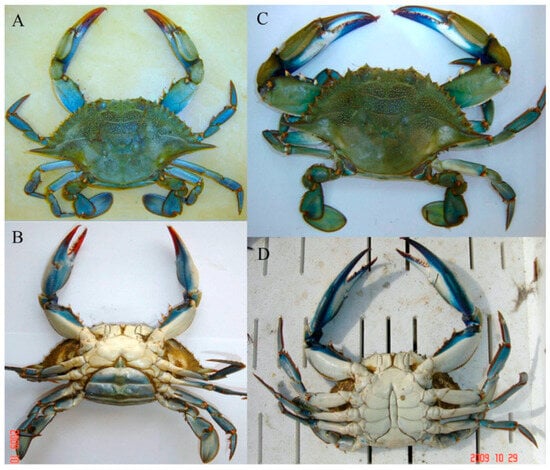
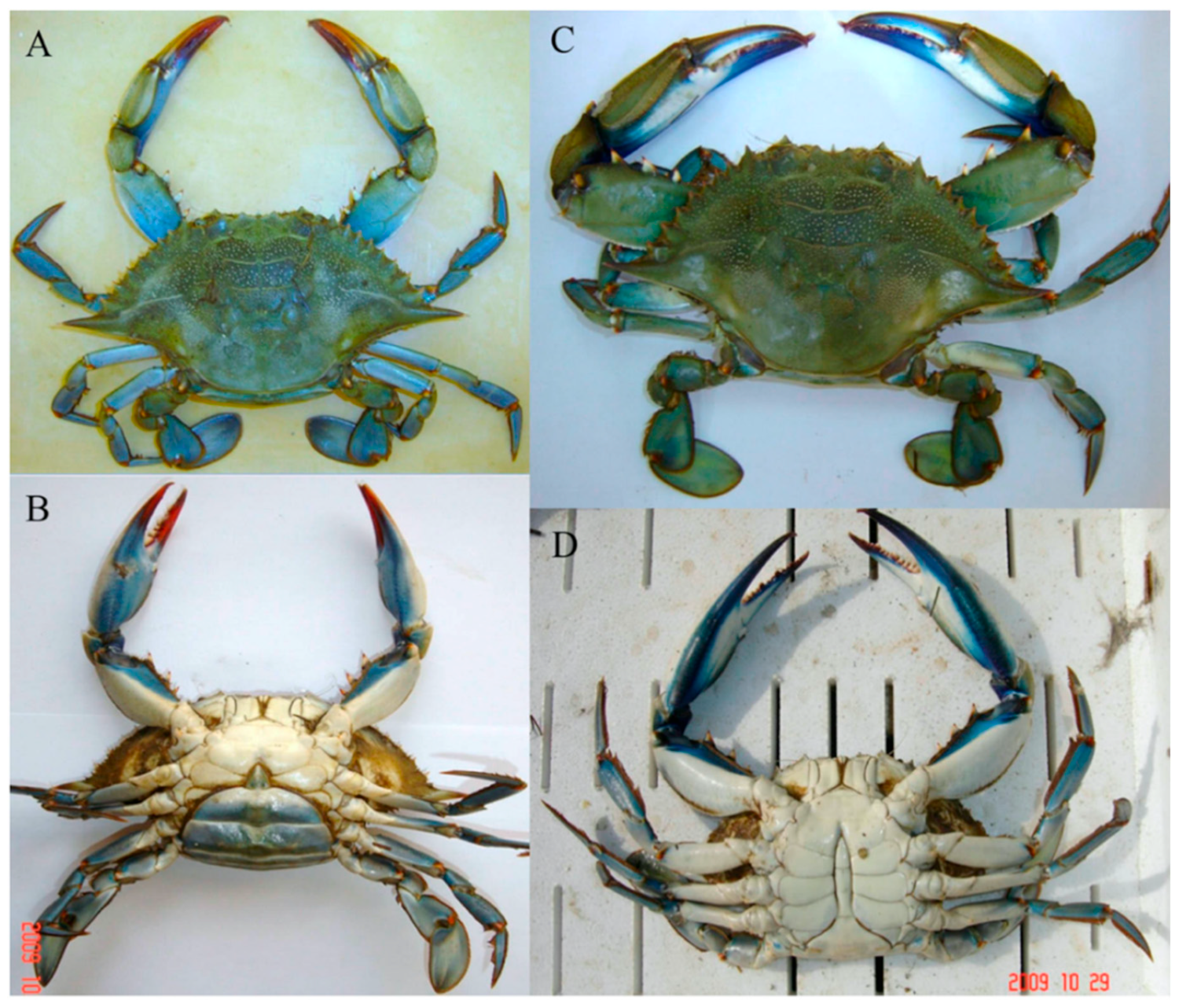
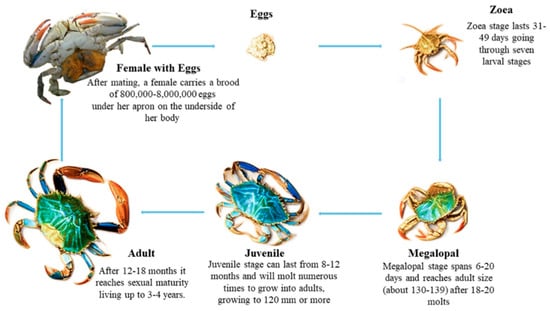
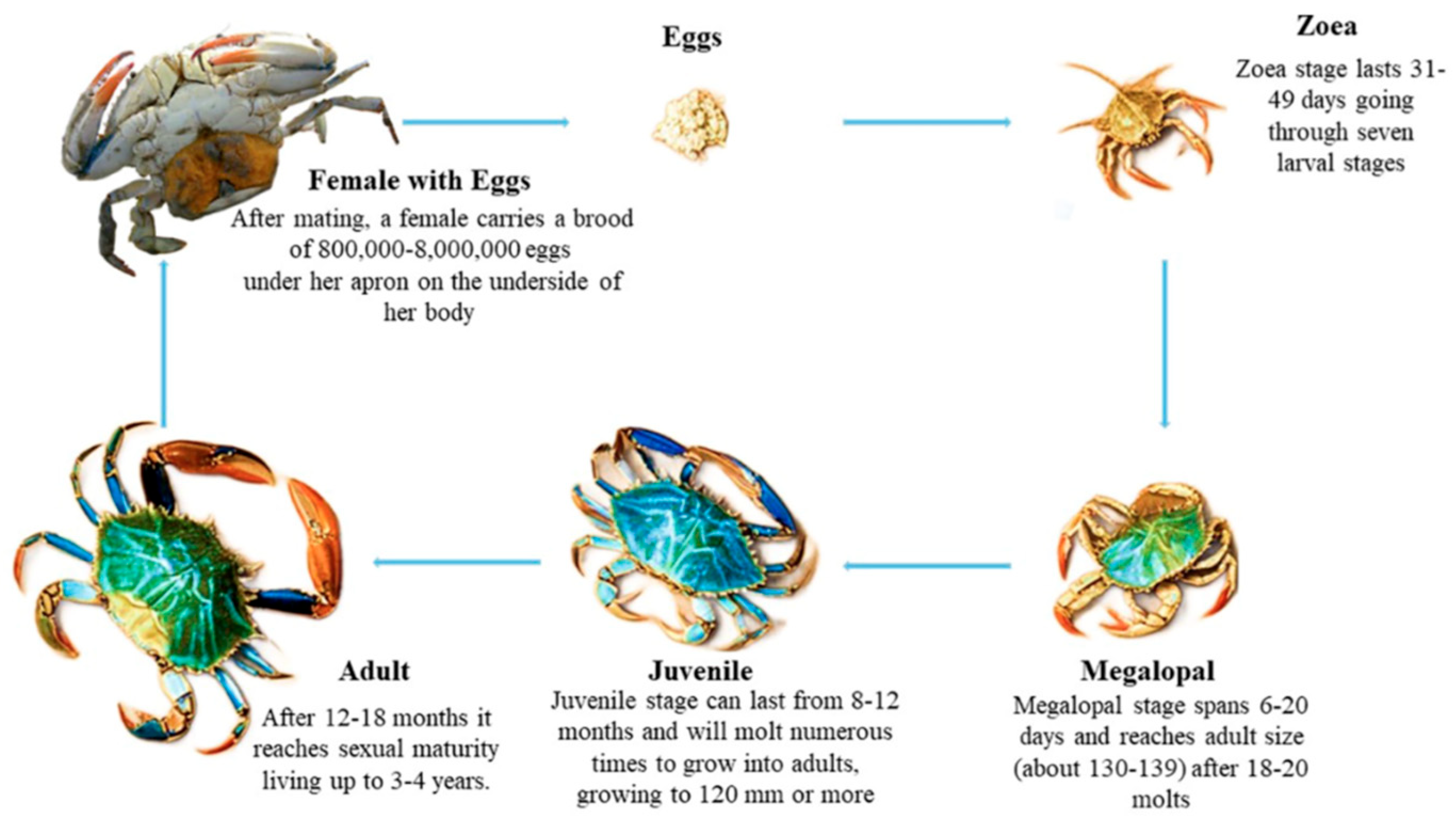
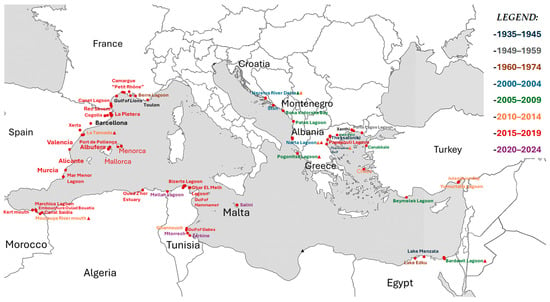
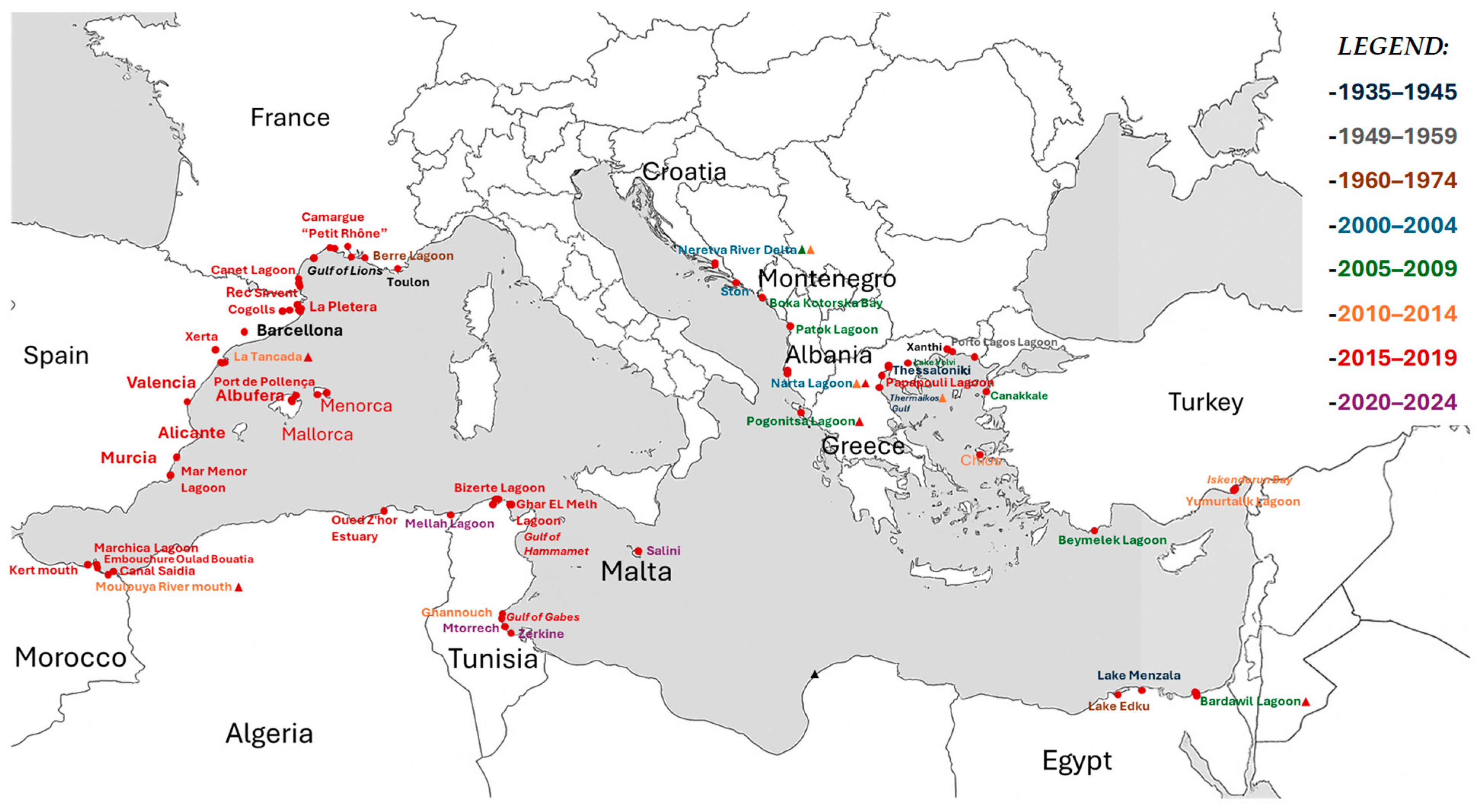
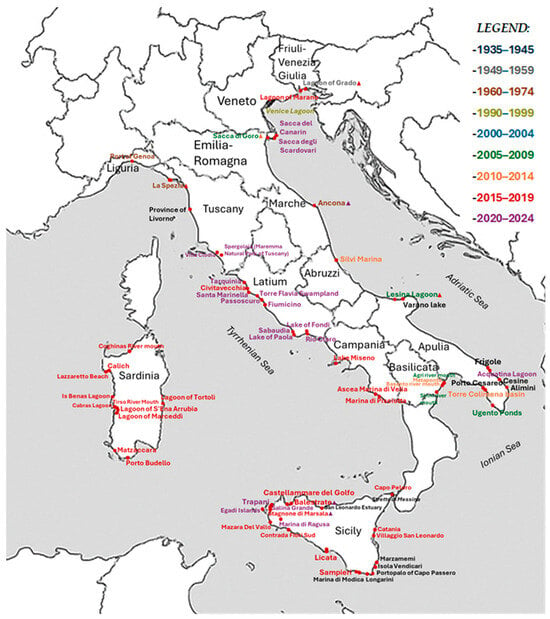
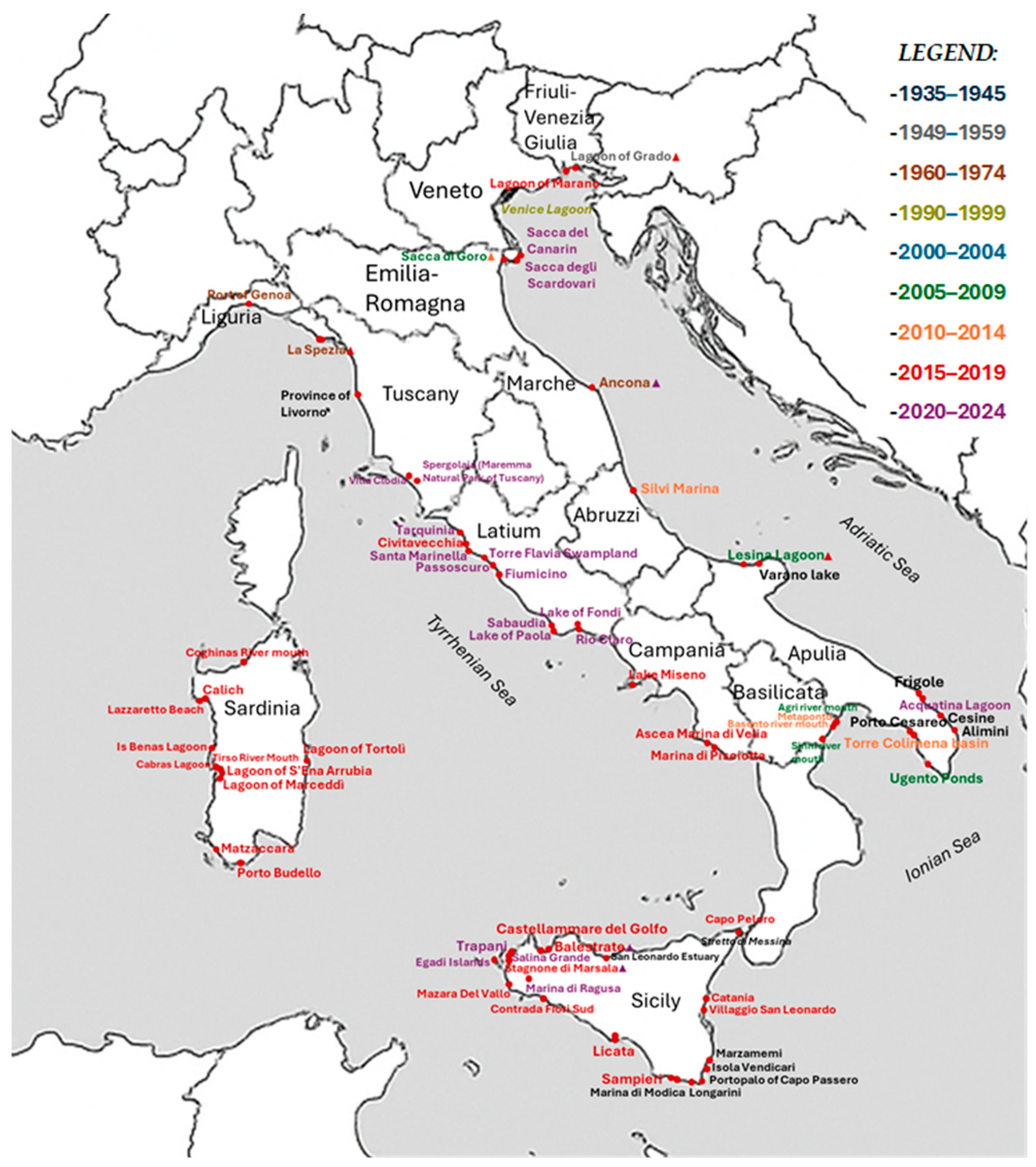
Disclaimer/Publisher’s Note: The statements, opinions and data contained in all publications are solely those of the individual author(s) and contributor(s) and not of MDPI and/or the editor(s). MDPI and/or the editor(s) disclaim responsibility for any injury to people or property resulting from any ideas, methods, instructions or products referred to in the content. |
© 2026 by the authors. Licensee MDPI, Basel, Switzerland. This article is an open access article distributed under the terms and conditions of the Creative Commons Attribution (CC BY) license.