


Abstract
Dynamic covalent biomacromaterials are redefining the design of adaptive soft materials by integrating the structural diversity and biological functionality of biomacromolecules with reversible covalent bond exchange. In contrast to permanently cross-linked networks, these materials can continuously reorganize their internal architecture in response to mechanical, chemical, and biological stimuli, enabling self-healing, stress relaxation, injectability, shape adaptation, programmable degradation, and spatiotemporally controlled molecular transport. This review critically examines the molecular and network-level principles that govern such adaptive behavior, emphasizing how bond-exchange chemistry, reaction kinetics, cross-link density, network topology, and biomacromolecular architecture collectively dictate macroscopic performance. Major dynamic covalent motifs, including imine and hydrazone bonds, boronic esters, disulfides, reversible Diels–Alder adducts, and related exchangeable linkages, are analyzed in the context of polysaccharides, proteins, peptides, nucleic acids, and other biologically derived macromolecules. Rather than treating dynamic chemistry solely as a cross-linking strategy, we highlight how molecular exchange propagates across hierarchical length scales to regulate mechanics, molecular diffusion, cell–material interactions, tissue integration, degradation, and therapeutic release. Recent developments in injectable hydrogels, regenerative matrices, wound-healing platforms, drug and gene delivery systems, bioadhesives, and responsive biomedical interfaces are critically assessed to identify both emerging opportunities and persistent limitations. The remaining challenges lie in reconciling exchange kinetics with mechanical robustness, physiological stability, cytocompatibility, reproducibility, and manufacturability, all of which remain central to successful biomedical translation. By establishing explicit relationships between molecular bond dynamics, network adaptation, and biological function, this review provides a unifying framework for engineering next-generation biomacromaterials capable of dynamically interacting with, responding to, and integrating within complex biological environments.
1. Introduction
The design of biomedical materials is undergoing a conceptual transition from constructing structures that merely remain stable in biological environments toward engineering systems capable of adapting to them. Living tissues are intrinsically dynamic, with extracellular matrices undergoing continuous molecular rearrangement, cells generating and redistributing mechanical forces, biochemical gradients evolving, and local microenvironments changing during development, inflammation, healing, and disease [1]. Consequently, a biomaterial defined only by its initial stiffness, composition, or degradation rate may reproduce selected features of a tissue while failing to capture the temporal character of the biological environment. Recent experimental studies increasingly demonstrate that cells respond not only to the magnitude of matrix mechanics but also to how those mechanics evolve with time [2,3]. Matrix viscoelasticity, stress relaxation, and cross-link dynamics can influence cellular spreading, mechanosensing, differentiation, migration, and even immune-cell phenotype, emphasizing that time-dependent material behavior represents a biologically instructive variable rather than a secondary mechanical property [4,5,6].
This challenge is particularly relevant to biomacromolecular materials. Polysaccharides and proteins such as hyaluronic acid, alginate, chitosan, gelatin, collagen, and engineered protein polymers provide hydrated, chemically functional, and often biologically recognizable matrices that are highly attractive for biomedical engineering [7,8]. Yet conventional covalent cross-linking generally converts these intrinsically flexible macromolecules into networks whose topology is effectively fixed after formation. Such stabilization can provide mechanical integrity, but it may simultaneously restrict molecular rearrangement, local remodeling, injection through confined geometries, and adaptation to cell-generated forces. The emerging objective is therefore not simply to increase or decrease cross-link density, but to engineer controlled network mobility while maintaining sufficient structural persistence. Experiments with dynamic hydrogel systems have shown that molecular-scale association and exchange parameters can be quantitatively connected to bulk viscoelastic behavior, providing an increasingly rational basis for controlling this balance [9].
Dynamic covalent chemistry (DCC) offers a particularly powerful strategy for introducing such adaptability into biomacromolecular networks [10]. Dynamic covalent bonds preserve the strength and chemical specificity associated with covalent interactions while allowing bond formation, cleavage, or exchange under appropriate conditions [11]. Once incorporated between macromolecular chains, this molecular reversibility enables the network to reorganize without requiring complete loss of connectivity. As a result, these materials can display properties difficult to achieve in permanently cross-linked networks, including stress relaxation, self-healing, injectability, reconfiguration, and environmentally responsive changes in network organization. Importantly, these behaviors are not determined by bond identity alone. Recent studies have demonstrated that network mechanics can be altered substantially by molecular parameters such as exchange kinetics, equilibrium constants, polymer molecular weight, degree of functionalization, cross-linker concentration, cross-linker valency, and network topology [12,13,14].
This distinction is fundamental to the rational design of dynamic covalent biomacromaterials. A reversible reaction does not automatically produce a functionally adaptive biomaterial. Instead, molecular exchange must occur on a timescale relevant to the process that the material is intended to accommodate. If exchange is excessively rapid, network restructuring may compromise dimensional stability, increase creep or erosion, and weaken sustained mechanical support. Conversely, if exchange is too slow under physiological conditions, a chemically reversible network may behave as an effectively permanent material over the timescale of cell migration, injection, tissue remodeling, or therapeutic release. Network dynamics must therefore be considered through the coupled effects of reaction kinetics, thermodynamic stability, macromolecular mobility, and network architecture. The design question, therefore, is shifted from which reversible bond should be used toward how molecular exchange and network architecture should be coordinated to generate the required material timescale.
The importance of this temporal perspective becomes especially apparent at the biological interface. Cells mechanically interrogate their surrounding matrices over characteristic timescales, and the ability of a network to reorganize during this interaction can alter how forces are transmitted, dissipated, and interpreted. Recent studies have provided compelling evidence that this relationship extends beyond conventional measures of hydrogel stiffness. In collagen-based matrices, modulation of viscoelasticity generated functionally distinct T-cell populations despite comparable biochemical stimulation, demonstrating that time-dependent matrix mechanics can influence cellular phenotype and function [6]. Dynamic systems are also increasingly being designed to control these properties in situ rather than fixing them during fabrication. Lu et al. (2025), for example, combined reversible Schiff-base interactions with light-responsive disulfide exchange to regulate hydrogel stress relaxation spatially and temporally, showing that changes in matrix relaxation affected cancer-cell spreading, migration, and mechanotransductive responses [15]. Such observations reinforce an important principle for adaptive biomaterials: biological response depends not simply on whether a network is dynamic, but on whether the magnitude, location, and timescale of that dynamics are compatible with cellular processes.
Biomacromolecules create additional opportunities within this design space because their contribution extends beyond providing a polymer backbone. Their molecular weight, chain flexibility, charge, biological recognition motifs, degradation pathways, and available functional groups can all influence the formation and behavior of dynamic networks. Hyaluronic acid provides a representative example. Boronate-based dynamic cross-linking has been engineered to overcome swelling and long-term stability limitations while preserving network reversibility [16], whereas dynamic hyaluronic acid–gelatin systems have been developed as cytocompatible bioinks for cartilage-oriented tissue engineering [17]. More sophisticated architectures now allow dynamic biomacromolecular networks to be modified after fabrication. Tournier et al. (2023) introduced hyaluronic-acid-based clickable dynamic bioinks in which dynamic covalent cross-linking was coupled with orthogonal click chemistry, permitting post-printing modulation of composition and mechanical properties in space and time [18]. These developments illustrate how DCC can transform biomacromolecules from passive structural matrices into platforms whose physicochemical state can be progressively adjusted after network formation.
At the same time, increasing adaptability introduces a set of interconnected trade-offs. Dynamic networks intended for biological use must reconcile reversibility with resistance to dilution and erosion; rapid restructuring with adequate load-bearing capability; chemical responsiveness with physiological robustness; and macromolecular functionalization with preservation of native biological activity. These constraints are particularly relevant under physiological conditions, where pH, ionic strength, redox state, competing nucleophiles, proteins, and other biomolecules can influence bond exchange and network stability. Recent work on boronate ester networks, for instance, has highlighted the possibility of engineering nonswelling and comparatively stable dynamic hydrogels [16], while fast-relaxing networks developed for dynamic cell culture demonstrate that mechanical adaptability can be tuned without simply sacrificing cytocompatibility [19]. At the application level, newer hyaluronic-acid-based systems further show that dynamic network formation can be integrated with tissue adhesion, antioxidant activity, drug release, and wound-regenerative functions [20,21,22]. These advances are important not because they continuously add functionalities to hydrogels, but because they reveal that biomedical performance emerges from interactions among chemistry, macromolecular structure, network dynamics, and the surrounding biological environment.
Despite this rapid progress, the literature remains fragmented across multiple levels of material design. Recent reviews have provided valuable analyses of individual dynamic chemistries, particularly boronate ester systems, or have examined dynamic covalent hydrogels within specific biomedical contexts such as wound healing [23,24]. However, organizing the field primarily by reversible bond type or end-use application can obscure hierarchical relationships that explain why similar materials behave differently. Two networks constructed through the same nominal dynamic chemistry may exhibit markedly different relaxation, erosion, healing, transport, or biological responses because their polymer molecular weights, functionalization levels, cross-link distributions, network topologies, and operating environments differ. Conversely, chemically distinct dynamic bonds may yield comparable macroscopic behavior when their exchange timescales and network configurations are appropriately engineered [25]. A broader structure–dynamics–function framework is therefore needed to connect molecular design variables with adaptive material behavior and ultimately with biomedical performance.
Therefore, this review looks at dynamic covalent biomacromaterials from the point of view of rational network design and not just based on bond classification. It focuses on the way in which the thermodynamics and kinetics of reversible covalent interactions are transformed, through the structure of the biomacromolecules and the network topology, into properties such as stress relaxation, self-healing, injectability, degradation, transport, responsiveness, and interfacial behaviour. The relationships thus identified are then linked to the biomedical functions of regenerative matrices, therapeutic delivery systems, wound-interfacing materials, bioadhesive platforms, biofabrication, and other adaptive biological environments. Instead of assuming that higher bond reversibility automatically leads to better biomaterials, the review treats the key design issue as one concerning time-scale matching: molecular exchange has to be fast enough to allow for the intended biological or mechanical process while at the same time being persistent enough to preserve the material’s function. By combining bond-level chemistry with network-level mechanics and biological response, we hope to develop a framework for designing dynamic covalent biomacromaterials based on the required function rather than on chemical identity alone. Figure 1 summarizes the design-to-function framework that connects biomacromolecular composition and dynamic covalent crosslinking with adaptive network behavior and biomedical performance.
Figure 1.
Conceptual design-to-function framework of dynamic covalent biomacromaterials.
2. Review Methodologies
A structured literature search was conducted using Web of Science, Scopus, PubMed, and Google Scholar to identify relevant studies on dynamic covalent biomacromaterials. The search primarily covered publications from 2020 to 2026, while earlier studies were included selectively when they provided essential conceptual or methodological foundations. The final literature search was conducted in approximately September 2026. Search terms were combined using Boolean operators (AND/OR), with minor adaptations according to the syntax and indexing characteristics of each database. Representative search combinations included (“dynamic covalent chemistry” OR “dynamic covalent biomaterials”) AND (“biomacromolecule” OR “hydrogel” OR “adaptive polymer network*”), as well as (“dynamic cross-linking” OR “reversible covalent bond*”) AND (“self-healing” OR “stress relaxation” OR “injectable hydrogel*” OR “bioadhesive*” OR “drug delivery” OR “tissue engineering” OR “biofabrication”). Additional targeted searches combined specific biomacromolecules, including hyaluronic acid, alginate, chitosan, gelatin, collagen, proteins, peptides, and nucleic-acid-related components, with relevant dynamic covalent chemistries.
Priority was given to peer-reviewed original research articles, particularly recent studies that established relationships among molecular design, network architecture, time-dependent material behavior, and biomedical performance. Review articles were used primarily to identify broader research trends and relevant primary literature rather than as the principal source of evidence. Studies were included when they directly addressed dynamic covalent networks containing biologically derived or biologically relevant macromolecular components and provided meaningful physicochemical, mechanical, biological, or application-level characterization. Studies directly involving dynamic covalent biomacromolecular networks were treated as the core evidence base of this review. A limited number of conceptually related systems based predominantly on reversible non-covalent interactions or other adaptive material strategies were included only as clearly identified benchmarks when they provided mechanistic or design insights directly relevant to DCC biomacromaterials. These benchmark systems were not treated as evidence of dynamic covalent network behavior. Articles focused exclusively on conventional synthetic dynamic polymers without clear relevance to biomacromaterials were generally excluded.
The selected literature was critically organized according to three interconnected themes: molecular and network design principles, adaptive structure–dynamics relationships, and biomedical applications. This framework was used to identify recurring design relationships, performance trade-offs, current limitations, and emerging opportunities across different dynamic covalent biomacromaterial platforms. During manuscript preparation, Figure Labs Plus, an AI-assisted graphical tool, was used solely to support the visual refinement and modification of selected schematic figures. The scientific concepts, figure structures, labels, interpretation, and final content were defined and reviewed by the authors.
3. Molecular Design Principles of Dynamic Covalent Biomacromaterials
The performance of a dynamic covalent biomacromaterial cannot be predicted from the presence of a reversible bond alone. Once incorporated into a macromolecular network, bond exchange operates within a hierarchy of constraints imposed by polymer identity, molecular weight, degree of functionalization, cross-linker architecture, network connectivity, solvent environment, and processing history. These variables determine whether molecular reversibility is effectively transmitted to the bulk material or suppressed by chain entanglement, steric restriction, network heterogeneity, or competing interactions. Rational design therefore requires a shift from bond-centered selection toward the coordinated engineering of biomacromolecular structure, exchange chemistry, and network architecture.
3.1. Biomacromolecular Scaffold Selection and Functionalization
The biomacromolecular scaffold should be regarded as an active determinant of dynamic-network behavior rather than as an inert carrier for reversible functional groups. Chain length, conformational flexibility, charge density, hydration, native intermolecular interactions, and the spatial distribution of reactive sites all influence network formation before the intrinsic properties of the dynamic bond become dominant. This distinction has been demonstrated particularly clearly in hyaluronic-acid-based systems. De Paiva Narciso et al. (2023) showed that changing both the molecular weight and degree of functionalization of benzaldehyde-modified hyaluronic acid produced substantial changes in stiffness, fracture behavior, and extrusion force in hydrazone-cross-linked networks, with polymer entanglement becoming increasingly important at higher molecular weight [12]. Related work by Navarro et al. (2022) demonstrated that modifying polymer hydrophilicity can alter network mechanics and the morphology of encapsulated cells, illustrating that seemingly secondary backbone characteristics may modify the physical environment generated by a cross-linked material [26]. These observations imply that the polymer and the dynamic bond cannot be optimized independently.
The same principle becomes particularly important when the biomacromolecule carries intrinsic biological information. Recombinant proteins provide an instructive example because their sequence, molecular weight, and ligand presentation can be controlled more precisely than those of many naturally extracted polymers. Suhar et al. (2023) developed a library of elastin-like proteins with systematically varied matrix ligands, demonstrating how protein engineering can separate changes in biochemical presentation from changes in the surrounding matrix [27]. Such sequence-level control is attractive for dynamic covalent systems because it provides a route to position reactive and biological functionalities more deliberately. By contrast, naturally derived proteins and polysaccharides commonly offer broader distributions in molecular weight and functional-group accessibility. These characteristics are not necessarily disadvantages, but they increase the importance of reporting source, molecular-weight distribution, degree of substitution, and batch-dependent composition when structure–property relationships are interpreted.
Hybrid biomacromolecular formulations provide another route for distributing structural and biological functions among different components. Shi et al. (2022), for example, combined modified hyaluronic acid with gelatin in a dynamically cross-linked formulation in which the polysaccharide contributed matrix-like hydration while gelatin introduced additional cell-interactive functionality and secondary stabilization [17]. Oxidized dextran represents a complementary strategy because oxidation converts an abundant polysaccharide into a macromolecule carrying distributed reactive aldehyde groups. Fan et al. (2023) exploited this feature to generate injectable dynamic dextran networks, illustrating how precursor modification can transform a biologically compatible polysaccharide into a cross-linking component without introducing a separate low-molecular-weight linker [28]. Similarly, Zhu et al. (2022) used oxidized alginate together with gelatin in a dynamically cross-linked composite bioink, further demonstrating that oxidation level and subsequent incorporation of inorganic components can simultaneously alter network formation and processability [29]. These studies collectively indicate that precursor chemistry should be selected according to the role assigned to each macromolecule within the network, rather than simply according to the availability of reactive groups.
Functionalization density introduces an additional design trade-off. Increasing the number of reactive groups can increase attainable connectivity, but it also changes the chemical identity of the parent biomacromolecule and may alter hydration, steric environment, chain conformation, or accessibility of native motifs. Orthogonal modification strategies are therefore increasingly attractive because they allow different functions to be manipulated with less chemical interference. Tournier et al. (2023) demonstrated this principle by integrating dynamic cross-linking with an independent click-functionalization pathway, enabling material composition to be modified after network formation [18]. Meanwhile, approaches that redesign the reactive motif itself can address limitations arising from the parent biomacromolecule. Lagneau et al. (2023) showed that appropriate macromolecular and boronate-crosslinking design could markedly suppress swelling and improve long-term stability [16], while Sundaram et al. (2025) demonstrated in recombinant-hyaluronic-acid-containing networks that the molecular weight of the biopolymer remained an influential parameter even when the nominal cross-linking chemistry was unchanged [30]. At the other end of the structural spectrum, Marić et al. (2023) combined peptide-based building blocks with two compatible dynamic covalent chemistries, illustrating the potential of modular biomolecular systems in which molecular recognition, assembly, and covalent adaptability are designed concurrently [31].
Taken together, these results establish a useful hierarchy for scaffold selection. Biomacromolecule identity defines the accessible chemical and biological design space; molecular weight and chain architecture determine how that space is physically expressed; and functionalization determines how effectively the scaffold participates in the dynamic network. Reporting only polymer identity and nominal cross-linker concentration is therefore insufficient for mechanistic comparison among dynamic biomacromaterials. Figure 2 summarizes how scaffold identity, intrinsic molecular characteristics, and controlled functionalization collectively determine the participation of biomacromolecules in dynamic covalent networks.
Figure 2.
Biomacromolecular scaffold selection and functionalization for dynamic covalent network design.
3.2. Exchange Chemistry as a Kinetic and Thermodynamic Design Variable
Once the biomacromolecular platform has been selected, the next design question is not simply which dynamic covalent reaction can cross-link it, but whether the reaction operates within the required physicochemical window. In aqueous biomaterials, the relevant parameters include the rates of bond formation and dissociation or exchange, the position of the equilibrium, sensitivity to pH and competing species, and the extent to which these quantities change after reactive groups are conjugated to a polymer. Lou et al. (2021) demonstrated that molecular association parameters could be quantitatively related to the viscoelastic response of dynamic hydrogels, providing evidence that macroscopic behavior can be approached from measurable molecular variables rather than through empirical formulation alone [5]. The important implication is that bond identity is an incomplete descriptor, with chemically similar networks behaving differently if their effective kinetic or equilibrium constants differ under the conditions in which the material is used. Although bond identity alone does not determine macroscopic performance, a concise comparison of representative dynamic covalent chemistries provides a useful baseline for understanding their characteristic exchange conditions, physiological compatibility, advantages, and limitations (Table 1).
Table 1.
Representative characteristics of major dynamic covalent chemistries used in biomacromolecular networks.
Reversible cycloaddition reactions provide a complementary design regime to more rapidly exchanging imine, hydrazone, or boronate systems. In particular, Diels–Alder-type linkages can offer comparatively persistent covalent connectivity with externally regulated reversibility, although conventional thermally driven exchange may require conditions that limit direct use in cell-containing systems. Their biomedical utility therefore depends strongly on molecular design strategies that shift the reaction window toward physiologically acceptable conditions. Environmental sensitivity is particularly relevant because many dynamic reactions are characterized under conditions that differ substantially from physiological media. FitzSimons et al. (2022) demonstrated that pH altered both equilibrium and kinetic parameters in thia-Michael-cross-linked hydrogels, with corresponding changes in macroscopic relaxation [32]. Rather than regarding such sensitivity solely as a route to stimuli responsiveness, it should initially be considered a design constraint as the reaction must maintain a suitable exchange window in buffered aqueous media containing salts, proteins, and potential competing reactants. This requirement also creates opportunities for chemical intervention. Gilchrist et al. (2023) introduced transient molecular competitors into recombinant hydrazone-cross-linked hydrogels and showed that competition could predictably modify gelation and network properties by perturbing cross-link formation [33]. In a related strategy, Lou and Xia (2022) used competitor molecules to reversibly modulate hydrogel mechanics, demonstrating that the effective cross-link population can be controlled without rebuilding the macromolecular scaffold [34].
A single exchange timescale is not necessarily optimal throughout fabrication and use. Morgan et al. (2022) addressed this limitation by mixing dynamic cross-linkers with different reaction characteristics, creating networks whose properties could be adjusted beyond those accessible using cross-linker alone [35]. Such approaches are conceptually important because they move dynamic-network design away from a one-bond–one-property relationship toward a distribution of exchange environments. Statistical formulation methods provide a complementary means of navigating this multidimensional design space. Mozipo et al. (2024) applied design-of-experiments analysis to hydrazone-cross-linked hyaluronic acid hydrogels and demonstrated that formulation variables jointly influenced gelation time, modulus, and stability [36]. This type of multivariate approach is especially appropriate for biomacromolecular systems, in which changing functionalization or stoichiometry frequently affects several properties simultaneously.
More quantitative structure–reactivity studies are now beginning to provide the chemical foundation required for such predictive design. Morgan et al. determined kinetic and equilibrium constants across a library of imine-type dynamic systems and demonstrated that these values could be used to anticipate unusual mechanical responses after incorporation into hydrogels [37]. Subsequent work examining hydrazone networks showed that reaction kinetics interact with cross-linker size and valency rather than acting as an isolated control variable [38]. Chemical structure can likewise be modified to reposition the equilibrium itself. Crolais et al. (2023) demonstrated that heterocyclic design substantially altered the equilibrium of dynamic thia-Michael reactions [39], highlighting a broader opportunity to tune reactive motifs before changing polymer concentration or network density.
Processing requirements further illustrate why exchange kinetics must be selected contextually. Hull et al. (2023) showed that small-molecule modulators could transiently regulate dynamic hydrogel cross-linking during bioprinting, helping reconcile the competing requirements of extrusion and subsequent structural retention [40]. This concept suggests a general design strategy, with the optimal network not necessarily requiring one invariant exchange rate. Instead, the kinetic landscape may be temporarily or spatially adjusted during synthesis, delivery, or fabrication and subsequently allowed to evolve toward the state required during material use. Figure 3 schematically illustrates how reversible covalent bond formation and exchange are translated into network rearrangement, stimulus responsiveness, and adaptive material behavior.
Figure 3.
From dynamic covalent bond exchange to adaptive network behavior.
3.3. Network Architecture as a Co-Determinant of Dynamic Behavior
Molecular exchange establishes the possibility of network rearrangement, but network architecture determines how extensively that exchange influences the bulk material. The number, spatial arrangement, and connectivity of dynamic junctions govern whether a bond-exchange event produces a local fluctuation or propagates into mesoscale restructuring. Lin et al. (2024) provided direct evidence for this distinction using hydrazone-cross-linked alginate networks with side-chain, linear telechelic, and star-shaped cross-linking architectures [13]. Despite sharing related dynamic chemistry, the architectures occupied distinct ranges of stiffness and relaxation behavior, while cross-linker valency and concentration affected the networks differently. Thus, comparisons based solely on cross-link density can be misleading when the underlying connectivity is not equivalent.
One increasingly useful strategy is to combine dynamic and persistent junctions deliberately. Aldana et al. (2021) constructed biomimetic double networks containing dynamic and static cross-links, illustrating that the two populations can be allocated different structural roles [41]. Borelli et al. (2022) similarly demonstrated that hybrid biopolymer–synthetic hydrogels could be formulated so that composition and dynamic cross-linking jointly governed matrix properties [42]. More recently, Jaeschke et al. (2024) combined hydrazone and triazole cross-linking within printable networks, using architectural control to reconcile properties required during extrusion with those needed after deposition [43]. These studies suggest that the conventional distinction between dynamic and permanent networks is often too binary for rational biomaterial design. A small, persistent fraction may serve as a structural backbone, whereas reversible junctions control local rearrangement.
The same reasoning applies to dual-dynamic systems. Wang et al. (2022) combined hydrazone-cross-linked hyaluronic acid with methacrylated gelatin to construct networks in which different structural components contributed to recovery and printability [44], whereas Zhang et al. (2021) used two forms of dynamic covalent cross-linking in gelatin-based hydrogels to increase mechanical robustness without eliminating network reversibility [45]. Multimodal alginate systems developed by Naeimipour et al. (2023) further showed that thiolated polysaccharides can accommodate multiple cross-linking modes within a single modular formulation [46]. Collectively, these examples support a design principle in which network heterogeneity is intentionally programmed rather than treated as an unavoidable consequence of gel formation.
Architectural complexity, however, should be introduced only when each network component has a defined function. Guo et al. (2024) used a dynamic/covalent dual-cross-linked hyaluronate architecture in which the persistent and reversible components contributed differently to overall material performance [47]. Likewise, static–dynamic viscoelastic networks investigated by Chen et al. (2021) showed that altering the balance between these two cross-link populations changed the accessible mechanical environment [48]. The broader lesson is that adding a second cross-linking mechanism should not be regarded automatically as “reinforcement.” Depending on its density and placement, a permanent network may immobilize the dynamic component sufficiently to suppress the very adaptability that motivated its inclusion.
Network design should therefore specify more than nominal cross-link concentration. Cross-linker valency, molecular length, attachment geometry, reactive-group stoichiometry, polymer concentration, and the fraction of dynamic versus persistent junctions collectively determine the topology through which bond exchange is transmitted. These parameters provide a means to decouple properties that would otherwise be tightly correlated, but excessive architectural complexity can reduce interpretability and reproducibility. For dynamic covalent biomacromaterials, the most informative architectures are consequently those in which structural complexity is introduced to resolve a specific property trade-off rather than simply to maximize the number of interactions present. Figure 4 illustrates how network architecture translates molecular exchange into distinct macroscopic properties and adaptive behaviors.
Figure 4.
Network architectural determinants of dynamic covalent biomacromaterial behavior.
3.4. Designing for Physiological Robustness and Processability
A dynamic network optimized in a rheometer is not necessarily a viable biomaterial. In physiological environments, dilution, ionic strength, macromolecular crowding, competing nucleophiles or diols, redox conditions, enzymes, and continuous fluid exchange can shift equilibria or remove dissociated polymer chains from the network (Figure 5).
Figure 5.
Processing stages and key considerations for dynamic covalent biomacromolecules.
The magnitude of these environmental variations is important when evaluating whether a nominally stimuli-responsive chemistry is physiologically relevant. For example, extracellular fluids are generally maintained close to neutral physiological pH (~7.35–7.45), whereas tissue microenvironments may deviate locally from this range. Intact skin is substantially more acidic (approximately pH 4–6), while chronic wound environments have commonly been reported in the range of approximately pH 7.15–8.9. Redox conditions are likewise strongly compartmentalized. Reduced glutathione (GSH), an important biological reducing agent relevant to disulfide exchange, is typically present at millimolar concentrations intracellularly (~0.5–10 mM), whereas extracellular concentrations are generally only in the low-micromolar range (~10–30 μM). The intracellular GSH/GSSG redox environment commonly lies in a relatively reducing range of approximately −260 to −190 mV, depending on cellular state. These differences illustrate why responsiveness observed only at highly acidic/basic pH or unusually high reductant concentrations should not automatically be interpreted as physiologically accessible behavior.
Consequently, one of the most important unresolved design tensions is the relationship between molecular reversibility and long-term material integrity. Huang et al. (2025) addressed this problem by introducing sparse static covalent “spot-welds” into a dynamic hyaluronic-acid/elastin-like-protein network [49]. The additional anchor points substantially extended network stability while retaining key dynamic characteristics, demonstrating that bulk persistence can be improved without converting the material into a predominantly permanent network. Related stable–dynamic architectures reported by Li et al. (2025) reinforce the concept that physiological persistence and local adaptability need not be treated as mutually exclusive design targets [50].
How a network is formed is equally important. Polymerization strategies that require strong catalysts, high temperatures, organic solvents, or substantial radical exposure may be chemically effective yet incompatible with proteins, cells, or sensitive biological cargo. Rizzo et al. (2024) recently demonstrated photoinitiator-free light-mediated cross-linking of dynamic polymer and pristine protein networks, providing a route to spatial control while avoiding conventional photoinitiator-derived radicals [51]. Tavakoli et al. (2025) similarly developed a hyaluronic-acid-based system using cysteine-derived dynamic disulfide cross-linking under physiologically relevant conditions and optimized it for high-resolution printing [52]. These studies illustrate that processing chemistry should be incorporated into molecular design from the outset, rather than treated as an engineering problem after a network formulation has been finalized.
Physiological robustness also requires attention to the chemical environment experienced by a specific dynamic junction. Boronic-acid-functionalized alginate/PVA networks investigated by Oyarzún et al. (2024) showed how pH-sensitive dynamic cross-linking can couple environmental conditions to network formation and stability [53]. Conversely, rapidly relaxing networks studied by Khine et al. (2024) illustrate that reversibility can be deliberately maintained when short-timescale remodeling is required [19]. Neither condition is intrinsically superior. The appropriate balance depends on whether material integrity is required for minutes, days, or weeks and whether polymer loss, swelling, or compositional drift would interfere with the intended function.
The chemistry used to prepare the precursor polymers also deserves comparable attention. Ge et al. (2024) formulated oxidized dextran/gelatin networks through mild in situ gelation, exemplifying how biomacromolecular oxidation and cross-link formation can be integrated without requiring harsh curing conditions [54]. In protein-based systems, Asim et al. (2025) engineered gelatin with dithiolane functionality to construct dynamic disulfide-containing networks, demonstrating that modification of the biomacromolecule itself can expand the accessible processing and cross-linking space [55]. Such approaches are valuable only if derivatization remains reproducible and does not excessively alter the parent polymer. Degree of substitution, residual reagents, polymer degradation during modification, and batch-to-batch molecular-weight changes should therefore be considered material-design variables rather than merely synthetic characterization details.
A further frontier is the deliberate use of external regulation after network formation. Lu et al. (2025) introduced light-mediated control into dynamically cross-linked hydrogels, enabling spatial and temporal alteration of the network after fabrication [15]. Similarly, recent multi-dynamic hyaluronic-acid systems have been designed to accelerate structural recovery while preserving a functional hydrated network [22]. Although the adaptive consequences of these strategies are discussed in the next section, from a design perspective they illustrate an important transition from pre-programmed materials, whose properties are fixed by their initial formulation, toward addressable dynamic networks, in which the exchange landscape can be modified during use.
These considerations lead to a practical design hierarchy for dynamic covalent biomacromaterials. The biomacromolecular scaffold should first be selected according to its biological function, molecular characteristics, and available sites for controlled derivatization. The dynamic chemistry should then be chosen according to its kinetic and equilibrium behavior under the intended aqueous environment rather than according to reversibility in isolation. Network topology should subsequently be engineered to translate molecular exchange into the required macroscopic response, with persistent cross-links introduced only where necessary to control erosion or structural failure. Finally, fabrication, sterilization, storage, delivery, and physiological exposure should be evaluated as part of network design rather than as downstream constraints.
4. Adaptive Network Behavior and Structure–Dynamics Relationships
The molecular and architectural parameters described in Section 3 establish the conditions under which dynamic covalent exchange can occur, but their biomedical relevance ultimately depends on how these molecular events are translated into observable material behavior. This distinction is important because a network containing reversible bonds is not necessarily adaptive on every relevant timescale. Depending on the relationship between bond exchange, polymer motion, deformation, environmental change, and mass transport, dynamic covalent biomacromaterials can dissipate stress, recover after mechanical disruption, alter their properties in response to local stimuli, or progressively change their permeability and degradation state [56]. These phenomena share a common origin in network rearrangement but should not be treated as interchangeable manifestations of “dynamicity.” Instead, they define distinct structure–dynamics relationships that require different experimental descriptors and have different biological consequences.
4.1. Stress Relaxation and Viscoelasticity as Temporal Mechanics
For conventional elastic biomaterials, mechanical characterization is frequently reduced to an elastic or storage modulus measured at a defined time and deformation. Dynamic networks challenge this representation because the force sustained by the material changes as its junctions rearrange. Two matrices with comparable initial stiffness can therefore impose substantially different mechanical environments over seconds, minutes, or hours. In hydrazone-based covalently adaptable networks, Richardson et al. demonstrated that viscoelasticity modified the transmission of dynamic compressive loading to encapsulated chondrocytes, establishing that the cellular mechanical environment depends on the temporal response of the surrounding network rather than on stiffness alone [57]. This temporal perspective is consistent with observations on soft viscoelastic substrates, where faster stress relaxation enabled cell migration under conditions in which elastic substrates of comparable modulus supported little movement [58].
However, increasing relaxation rate should not be interpreted as a universally beneficial design strategy. Stress relaxation contains several experimentally distinguishable features, including the magnitude of stress dissipated, characteristic relaxation times, residual stress, and the breadth of the relaxation spectrum. Hazur et al. (2021) directly compared relaxation amplitude and relaxation time in three-dimensional hydrogel matrices with broadly similar Young’s moduli and found that fibroblast elongation, migration, and proliferation were more consistently associated with relaxation amplitude than with the measured relaxation time constant [59]. By contrast, Yu et al. (2022) reported that gradual changes in relaxation amplitude could suppress spreading under their specific experimental conditions, despite controlling other mechanical parameters [60]. Rather than representing contradictory observations, these studies indicate that cellular responses arise from the relation between the material relaxation window and the timescale, dimensionality, and mode of cellular force generation.
The importance of temporal mechanics becomes more evident when the matrix is allowed to change after cell encapsulation. Yavitt et al. (2023) used photoinduced cross-link exchange to alter the viscoelastic state surrounding intestinal organoids in situ, thereby changing epithelial curvature and subsequently influencing crypt morphogenesis [61]. Peng et al. (2023) extended programmable temporal mechanics using DNA-encoded dynamic matrices whose stress-relaxation times could be varied over several orders of magnitude while maintaining a chemically defined culture environment [62]. Importantly, this system is not classified here as a dynamic covalent biomacromaterial because its adaptability arises predominantly from reversible DNA interactions rather than covalent bond exchange. It is included solely as a conceptual benchmark demonstrating how independently programmable relaxation spectra can help establish causal relationships between temporal mechanics and biological response. Similarly, modifying macroporosity alone can markedly accelerate stress relaxation and promote cell expansion and migration [63], demonstrating that comparable macroscopic relaxation may emerge from structurally distinct processes.
Recent systems increasingly combine such temporal mechanics with biomolecular signaling. Huang et al. (2025) showed that viscoelastic matrices presenting N-cadherin-like interactions supported neural progenitor cell expansion and maintenance of stemness through the combined influence of matrix dynamics and cell-binding cues [64]. At an even shorter mechanical timescale, ultrafast-relaxing matrices developed by Kirkpatrick et al. (2026) broadened the experimentally accessible range of relaxation behavior and facilitated cellular remodeling in synthetic three-dimensional environments [65]. Together, these findings indicate that stress relaxation should be treated as a multidimensional material property. Reporting only (G′) and a single relaxation half-time risks obscuring differences in relaxation amplitude, residual elasticity, creep, and frequency-dependent behavior that may be decisive for biological interpretation. These findings collectively demonstrate that temporal mechanics cannot be represented by stiffness alone; representative relationships among relaxation characteristics and biological responses are summarized in Table 2.
Table 2.
Representative relationships between temporal mechanics and biological response in dynamic hydrogel matrices.
The emerging implication is that a physiologically relevant dynamic matrix should not simply be classified as “fast” or “slow” relaxing. Its relaxation behavior should instead be matched to the biological process under investigation and characterized over the same time window in which cells generate forces, reorganize adhesions, migrate, divide, or remodel their surroundings.
4.2. Self-Healing and Mechanical Recovery After Network Disruption
Self-healing represents a fundamentally different manifestation of network dynamics. Stress relaxation describes redistribution of stress while the material remains macroscopically continuous, whereas self-healing requires restoration of connectivity after substantial disruption or creation of a new interface. This distinction is particularly important in dynamic covalent biomacromaterials because reversible bonding can support both phenomena, yet a network that relaxes rapidly does not necessarily recover its original mechanical integrity after fracture.
Recent biomacromolecular systems illustrate increasingly rapid and robust recovery. Yang et al. (2024) constructed a hyaluronic-acid-based double-dynamic network capable of rapid reconstruction after disruption [66], while Gao et al. (2024) combined gelatin and sodium alginate within a dynamic nanocomposite network to achieve recovery together with improved toughness and injectability [67]. Multiple reversible interactions have similarly been incorporated into antibacterial hyaluronic acid networks, where complete macroscopic reconnection was observed within approximately one hour [68]. These systems illustrate an important trend: rather than maximizing the reversibility of a single junction, several studies distribute dissipation and recovery across more than one interaction population.
Nevertheless, increasing mechanical reinforcement can create tension between recovery and structural persistence. Zhang et al. (2024) addressed this trade-off through a hyaluronic-acid network that retained dynamic acylhydrazone-mediated healing while secondary photocross-linking increased mechanical strength; the resulting material achieved approximately 90% healing efficiency after 6 h [69]. Collagen-based dual-dynamic networks developed by Cai et al. (2024) likewise combined recovery with resistance to mechanical failure [70]. The significance of such designs lies less in the number of cross-linking interactions than in their functional separation: reversible junctions enable damaged interfaces to reconnect, whereas more persistent interactions preserve sufficient cohesion during loading.
This behavior is especially relevant when the material experiences severe deformation during placement. Injectable hyaluronic-acid networks designed by Fan et al. (2024) recovered after extrusion and subsequently re-established a continuous matrix [71], whereas temperature-responsive gelatin adhesives developed by Zhou et al. (2025) combined injectability, self-healing, and reversible detachment [72]. Dynamic polyglycerol networks have further demonstrated that repeated recovery can be compatible with three-dimensional cell culture [73], and rapidly forming CBT–Cys networks showed that recovery can coexist with suppression of excessive swelling [74]. Earlier adaptive hyaluronic-acid/poly(γ-glutamic acid) networks similarly demonstrated that recovery and local mechanical accommodation could be combined within a degradable biomacromolecular system [75].
A persistent weakness in the literature, however, is inconsistency in how “self-healing” is quantified. Recovery of (G′) after alternating low- and high-strain rheology is evidence of reversible network reconstruction, but it does not necessarily demonstrate restoration of fracture strength across a physically separated interface. Conversely, optical disappearance of a cut provides little quantitative information about mechanical recovery. Stronger evaluation should therefore combine rheological recovery with cut–rejoin testing, tensile or compressive recovery, time-dependent healing efficiency, repeated damage cycles, and testing in physiologically relevant aqueous media. Without this distinction, networks that merely recover their rheological state can be difficult to compare with materials that genuinely restore load-bearing continuity. Recent HA, collagen, gelatin, and dynamic composite systems collectively demonstrate substantial progress, but they also reveal the need for standardized recovery metrics. The diversity of recovery behaviors across these systems further emphasizes the need to distinguish reversible network reconstruction from genuine restoration of mechanical integrity, as illustrated by representative examples in Table 3.
Table 3.
Representative self-healing behaviors and appropriate interpretation of mechanical recovery.
Self-healing should consequently be viewed as a damage-history-dependent property, not an intrinsic binary label. The clinically relevant question is not whether a hydrogel can heal under ideal laboratory conditions, but how much functionality is restored, how rapidly this occurs, whether recovery persists after repeated disruption, and whether the same performance is retained in the intended physiological environment.
4.3. Spatiotemporal Responsiveness and Adaptive Remodeling
A further level of adaptive behavior arises when network properties change in response to environmental information. Conventional stimuli-responsive materials frequently undergo swelling, dissolution, or release after exposure to a trigger; dynamic covalent biomacromaterials can extend this concept by allowing the connectivity of the network itself to evolve. The distinction is important because responsiveness becomes most valuable when the material response is coupled to the magnitude, location, or duration of the biological stimulus, rather than simply demonstrating sensitivity under extreme laboratory conditions.
Externally controlled systems provide the most direct route to spatiotemporal regulation. Guo et al. (2022) integrated multiple dynamic interactions with photothermal functionality, allowing mechanical recovery and externally triggered activity to coexist within an adhesive hydrogel [76]. Thapa et al. (2023) more directly modulated dynamic covalent PEG-based networks using photothermal heating, demonstrating that transient changes in network behavior could regulate cargo release on demand [77]. Photoresponsive shape-morphing matrices developed by Bril et al. (2023) further showed that dynamic changes in material topography can produce persistent changes in fibroblast behavior [78]. Although the latter system is not itself a biomacromolecular DCC network, it highlights a broader principle highly relevant to the field: a material may transmit a temporary physical change into a longer-lasting biological response.
Endogenous triggers offer a different form of adaptivity because they allow pathological microenvironments to regulate the material without external intervention. Huang et al. (2024) developed a sprayable hyaluronic-acid network in which ROS-sensitive components coupled local oxidative conditions to release behavior while dynamic covalent cross-links maintained the material interface [79]. pH-responsive HA matrices have similarly been used to link the changing wound environment with matrix behavior [80], while gelatin–oxidized tannic acid networks connected pH-dependent structural changes with controlled molecular release [81]. Redox-responsive materials provide an analogous strategy, with Kılıç Boz et al. (2022) demonstrating tunable and on-demand release of biomacromolecules through redox-sensitive network disruption [82], and Bas et al. (2023) using hyaluronic-acid-based redox-responsive networks to release macromolecular cargo upon exposure to a reducing environment [83].
More recent platforms increasingly integrate several aspects of the microenvironment rather than responding to one isolated signal. Chen et al. (2024) developed dynamic HA matrices designed to interact with the inflammatory, angiogenic, and metabolic characteristics of diabetic wounds [84]. Fu et al. (2025) subsequently reported a phase-adaptive HA hydrogel capable of changing its interaction with bacteria to support initial capture followed by on-demand removal [85]. These examples signal an important shift from stimulus-sensitive materials, which undergo a predefined change after crossing a threshold, toward state-adaptive materials, in which network properties evolve in accordance with the biological situation.
This evolution also exposes a translational weakness. Many responsive systems are evaluated at stimulus concentrations, pH values, irradiation intensities, or redox conditions chosen to maximize experimental contrast. For context, biologically relevant pH shifts are frequently much narrower than the ranges used in proof-of-concept material testing. Systemic extracellular conditions remain near pH 7.4, whereas chronic wounds commonly occupy a moderately alkaline range of approximately pH 7.15–8.9 rather than the strongly acidic or basic conditions sometimes used to demonstrate switching. Similarly, redox-responsive systems should account for the pronounced intracellular–extracellular glutathione gradient: intracellular GSH is typically in the ~0.5–10 mM range, whereas extracellular levels are generally only tens of micromolar. Consequently, material responses requiring reductant concentrations greatly exceeding the intracellular millimolar range, or pH excursions substantially outside realistic tissue-specific windows, should be interpreted primarily as proof-of-principle rather than evidence of autonomous physiological responsiveness. A material may therefore exhibit excellent responsiveness without operating effectively across the narrower and heterogeneous range encountered in vivo. Future evaluation should define the biologically realistic stimulus window, response threshold, reversibility, response time, spatial resolution, and performance after repeated activation. Together, these studies illustrate how distinct environmental and externally applied cues can be translated into changes in network state and function, with representative stimulus–response relationships summarized in Table 4.
Table 4.
Stimulus-to-response relationships in adaptive dynamic hydrogel systems.
The most compelling adaptive networks are therefore unlikely to be those with the largest measurable stimulus response. Instead, they are those whose response threshold and kinetics overlap realistically with the biological transition of interest and whose altered state remains functional for the required duration.
4.4. Coupled Degradation, Molecular Transport, and Evolving Microenvironments
Dynamic covalent biomacromaterials should finally be regarded as open, evolving networks rather than closed structures with fixed mesh sizes. Water, ions, proteins, metabolites, enzymes, and competing reactive molecules continuously enter and leave the material. Consequently, bond exchange can alter polymer mobility and network connectivity even before measurable bulk degradation occurs, while degradation itself can subsequently modify stress relaxation, permeability, and cargo transport.
The influence of the external environment on molecular transport was demonstrated particularly clearly by Marco-Dufort et al. (2021), who showed that biomolecule release from boronic-ester-based dynamic covalent hydrogels depended strongly on environmental conditions rather than solely on the initial properties of the network [86]. This finding challenges the common assumption that release from a hydrogel can be interpreted primarily through initial pore size or equilibrium swelling. When dynamic bonds continually reorganize, the transport landscape experienced by a therapeutic molecule may evolve during the release experiment itself.
Environment-responsive release provides a more explicit manifestation of this coupling. Huang et al. (2022) incorporated tobramycin into a dynamic chitosan/dextran-based system in which bacterial growth-associated environmental changes promoted antibiotic release [87]. In another approach, Li et al. (2025) combined dynamic covalent chitosan networks with kartogenin-containing components to generate extended cargo retention [88]. These examples illustrate two distinct transport strategies, with the first uses environmental change to accelerate release when required, whereas the second suppresses rapid loss and extends local availability. Neither behavior can be adequately described by a single initial diffusion coefficient.
Recent work has begun to formalize this time dependence. Sen et al. (2026) demonstrated that the transport properties of injectable dynamic hydrogels can evolve after administration because deformation disrupts transient network structure and subsequent recovery progressively alters cargo diffusion [89]. By controlling network recovery and relaxation, the authors reduced early release while preserving longer-term delivery. Although the systems examined included both covalent and non-covalent dynamic networks, the result is highly relevant to DCC biomaterials because it establishes that short-term burst release and long-term retention can arise from different network states of the same material. At a more general transport level, Escañuela-Copado et al. (2024) showed that molecular release from polymer matrices depends jointly on molecular diffusivity and interaction free energy [90]. This framework is particularly useful for biomacromolecular networks, in which therapeutic proteins or peptides may interact with charged, hydrophobic, or affinity-binding regions of the matrix while the network itself changes over time.
Degradation further complicates this relationship because it is not merely an endpoint at which the material disappears. Narasimhan et al. (2025) demonstrated that matrix degradation can accelerate stress relaxation and thereby alter cell adhesion and spreading [91]. Thus, degradation changes mechanics before complete material loss, providing a direct bridge between the phenomena. Similarly, Xu et al. (2020) showed that pH- and redox-responsive hyaluronan networks could undergo reversible structural changes while modulating protein release under different environmental conditions [92]. The resulting picture is one in which degradation, relaxation, swelling, and transport are coupled state variables rather than separable material properties. These observations highlight the interdependence of network evolution, degradation, and molecular transport, representative examples of which are compared in Table 5.
Table 5.
Coupling among network evolution, degradation, and molecular transport in dynamic hydrogel systems.
This coupling has important consequences for experimental interpretation. A sustained-release profile cannot automatically be attributed to restricted diffusion, just as accelerated release cannot automatically be interpreted as degradation. Apparent transport behavior may reflect a changing combination of diffusion, reversible binding, polymer erosion, bond exchange, swelling, and post-deformation network recovery. Future studies should therefore synchronize rheological, degradation, swelling, and transport measurements over comparable time windows rather than characterizing these processes independently.
Overall, the adaptive behavior of dynamic covalent biomacromaterials emerges from the interaction of multiple timescales. Bond exchange establishes the molecular possibility of rearrangement; stress relaxation determines how force is redistributed; self-healing determines whether connectivity can be restored after damage; environmental responsiveness allows the material state to change according to external or biological cues; and degradation and transport progressively redefine the network during use. Importantly, optimizing any one of these characteristics in isolation may compromise another. Extremely rapid relaxation can reduce mechanical persistence, extensive reinforcement may suppress healing, high stimulus sensitivity may destabilize the network under normal physiological fluctuations, and rapid degradation may accelerate both stress dissipation and cargo loss. The central challenge is therefore not to maximize dynamicity, but to match the relevant material timescales to the biological process that the material is expected to support. This structure–dynamics perspective provides the necessary bridge from molecular design to the biomedical functions considered in Section 5.
5. Biomedical Applications of Dynamic Covalent Biomacromaterials
The biomedical value of dynamic covalent biomacromaterials becomes most apparent in situations where conventional static matrices encounter a mismatch between material persistence and the changing requirements of the biological environment. Irregular tissue defects require conformal filling without loss of structural retention; contracting or beating tissues impose repeated deformation; wounds require simultaneous adhesion, fluid management, antimicrobial protection, and remodeling; therapeutic depots must retain cargo while permitting controlled release; and three-dimensional culture systems must provide sufficient stability for long-term experiments without preventing cell-mediated reorganization. Dynamic covalent biomacromaterials offer particular advantages in these settings because their network state can evolve after fabrication or administration [93]. Importantly, however, clinical relevance depends less on the presence of reversible chemistry itself than on whether that adaptability resolves a specific application-level limitation. Figure 6 provides an overview of the major biomedical application domains of dynamic covalent biomacromaterials, spanning regenerative repair, wound healing, localized therapeutic delivery, and biofabrication-based 3D models.
Figure 6.
Emerging biomedical applications enabled by dynamic covalent biomacromaterials.
The following sections therefore evaluate dynamic covalent biomacromaterials according to the biomedical problems they address rather than according to the underlying bond type.
5.1. Regenerative Medicine and Tissue-Specific Repair
Regenerative applications impose perhaps the clearest requirement for a material to reconcile initially contradictory functions. A regenerative matrix must occupy and remain within a defect while permitting cellular infiltration, tissue deposition, vascularization, and eventual replacement by newly formed tissue. These demands become particularly challenging in defects with irregular geometry or in tissues that experience substantial mechanical motion. Recent dynamic covalent systems increasingly address this problem by using adaptability during implantation and early healing, while providing sufficient persistence for subsequent tissue formation.
Bone and osteochondral defects illustrate this transition particularly clearly. Zhou et al. (2024) developed an injectable, bone-adhesive nanocomposite hydrogel that adapted to irregular defect geometries and supported ultrasound-driven electrical stimulation, resulting in enhanced bone regeneration [94]. Rather than relying solely on injectability, Wang et al. (2024) introduced a dough-like material that initially retained a dynamic network sufficiently malleable to conform to irregular bone defects but was subsequently converted into a more rigid state after placement [95]. This dynamic-to-stable transition is particularly relevant for load-bearing regeneration because the rheological state required during implantation is not necessarily the state required during tissue maturation. Fang et al. (2024) similarly demonstrated that an injectable self-healing alginate system could support osteochondral regeneration while balancing mechanical integrity with an appropriate degradation profile [96]. Collectively, these studies suggest that the strongest advantage of dynamic chemistry in skeletal repair may lie in stage-dependent material function, with conformability prioritized during placement, whereas retention and tissue support become increasingly important after implantation.
Articular cartilage presents a related but distinct challenge because the material must operate within a hydrated, mechanically active, inflammatory environment. Lei et al. constructed an injectable dynamic hydrogel that combined lubrication with reactive-oxygen-species scavenging for osteoarthritis treatment [97]. The formulation improved more than one pathological feature, but its broader significance is that dynamic networks can act as mechanically compliant local interfaces rather than merely as structural fillers. This concept extends to osteochondral regeneration, where the requirement is not simply to induce cartilage formation but to accommodate the mechanically and compositionally heterogeneous transition between cartilage and subchondral bone [96,97].
Cardiac tissues present an even more stringent temporal problem because an implanted material experiences continuous cyclic deformation immediately after administration. Jia et al. exploited borate-based dynamic covalent chemistry to produce a myocardial patch whose mechanical response was tailored toward the characteristic timescale of cardiac motion [98]. Importantly, the work progressed beyond a small-animal proof of concept to transspecies evaluation, providing stronger evidence that matching dynamic material behavior to organ-level physiology may be clinically meaningful. Yu et al. (2022) likewise developed an intrapericardially injectable hydrogel that supported mechanical–electrical coupling and local cell therapy after myocardial infarction [99], while injectable hyaluronic-acid/polylysine matrices have been used to retain therapeutic exosomes at infarcted cardiac tissue and modulate the oxidative and inflammatory microenvironment [100]. These studies shift the function of cardiac hydrogels from passive ventricular reinforcement toward locally adaptive therapeutic interfaces.
The same logic applies to cell-based regeneration in highly deformable soft-tissue defects. Yang et al. (2025) assembled growth-factor-loaded granular hydrogels through dynamic borate interactions and used them to improve mesenchymal stem-cell retention and therapeutic performance in abdominal-wall defects [101]. Protein-engineered matrices provide another route toward regeneration: Shayan et al. (2023) demonstrated that elastin-like protein hydrogels supported endothelial functions and vascularization, highlighting the potential to integrate molecularly defined biomacromolecules with dynamic network mechanics [102]. In spinal-cord repair, Sun et al. (2025) recently employed an injectable dynamic hydrogel containing therapeutic components to improve the injured microenvironment and support neurological repair [103]. Although these tissues differ substantially in physiology, a shared application principle emerges, with dynamic biomacromaterials are particularly valuable when the implanted matrix must conform to tissue geometry, remain locally retained, and progressively surrender structural control to regenerating tissue rather than behaving as a permanently fixed scaffold.
Despite encouraging in vivo results, translational evidence remains uneven. Many studies evaluate tissue regeneration over relatively short periods and use defects whose dimensions and mechanical demands are substantially lower than those encountered clinically. Moreover, improved histological regeneration does not by itself demonstrate restoration of tissue-level function. Future studies should therefore compare dynamic systems with chemically and mechanically matched static controls and incorporate application-specific endpoints, including load-bearing recovery for bone, lubrication and mechanical integration for cartilage, electrophysiological function for cardiac tissue, and behavioral recovery for neural repair. Such comparisons will be essential to determine whether network dynamics provide a genuine therapeutic advantage rather than simply accompanying an otherwise multifunctional formulation.
5.2. Wound Healing, Hemostasis, and Bioadhesive Interfaces
Wound management represents one of the most extensively investigated applications of dynamic covalent biomacromaterials, in part because wounds combine several conditions under which static materials perform poorly. The wound surface is wet, mechanically deformable, chemically heterogeneous, and continuously remodeled; chronic wounds additionally exhibit prolonged inflammation, oxidative stress, bacterial burden, abnormal glucose levels, and altered pH. Dynamic biomacromolecular networks can accommodate these conditions while simultaneously functioning as dressings, adhesives, hemostatic materials, and local therapeutic reservoirs.
For acute wounds, the first requirement is frequently rapid tissue coverage and hemostasis. Cheng et al. (2023) developed a first-aid hydrogel capable of rapid adhesion and hemostatic protection and validated its performance in severe bleeding and infected wound models [104]. Such performance emphasizes a distinction between conventional wound dressings and dynamic adhesive matrices: the latter can be formed directly against an irregular bleeding surface rather than requiring a preformed material to establish contact. This capability has increasingly been combined with biological activity. Li et al. (2023), for example, integrated glycyrrhizic acid-derived bioactivity with a dynamic chitosan-containing network, generating an injectable and adhesive material that improved both sterile and Staphylococcus aureus-infected wound healing [105].
Adhesion becomes even more challenging on continuously hydrated mucosal surfaces. Su et al. (2024) addressed diabetic oral mucosal defects using a dual-dynamic covalent hydrogel that displayed stronger wet adhesion than a commercial oral patch while providing acid-responsive delivery of tannic acid [106]. The importance of this study extends beyond oral wounds: dynamic covalent adhesion can allow interfacial bonds to continuously reform as hydration and mechanical deformation disrupt individual contacts. More recently, Zhang et al. (2025) developed a transglutaminase-reinforced hyaluronic-acid bioadhesive for suture-free wound closure and scar-reduced healing [107], illustrating the progression from conventional dressing concepts toward materials intended to substitute, complement, or reduce mechanical fixation.
Chronic diabetic wounds provide a stronger test of whether such systems can adapt to biological heterogeneity rather than merely mechanical disruption. Yin et al. (2024) combined hyaluronic acid and gelatin within a multifunctional adhesive containing a broad-spectrum bacteriocin and reported improved healing in diabetic wounds [108]. Hua et al. (2024) went further by developing a dynamic polysaccharide network responsive to pH, temperature, and glucose; incorporation of insulin allowed the wound environment itself to influence therapeutic release [109]. Zheng et al. (2026) similarly designed a hyaluronic-acid hydrogel with pH-responsive metformin delivery, integrating rapid hemostasis, antimicrobial function, and metabolic microenvironment regulation [110]. These examples reflect an important evolution in chronic-wound materials: the network is no longer only a moist protective covering but increasingly functions as an active interface between wound state and therapeutic action.
Multifunctionality, however, should not obscure the fundamental requirement for wound closure and tissue restoration. Meng et al. (2025) incorporated phycocyanin within a dynamic hydrogel and combined self-recovery with hemostatic, antioxidant, and antimicrobial properties, leading to improved wound healing [111]. Qi et al. (2026) subsequently embedded functional microspheres within a gelatin-based dynamic matrix to coordinate hemostatic, antioxidant, antimicrobial, and regenerative effects [112]. Such hierarchical systems can spatially separate network formation from cargo presentation, but they also introduce greater compositional complexity and therefore more potential sources of batch-to-batch variability.
Dynamic biomacromaterials are also being extended beyond cutaneous wounds. Zhang et al. (2024) constructed a ROS-responsive and scavenging hydrogel barrier for postoperative abdominal-adhesion prevention, in which elevated oxidative conditions promoted release of an anti-inflammatory component while the material physically separated injured tissues [113]. This application highlights a broader role for dynamic biomaterials at surgical interfaces: instead of promoting adhesion to every tissue, network chemistry can be engineered to support selective retention while preventing undesired tissue–tissue attachment.
As a conceptually related example rather than a core DCC biomacromaterial study, biomacromolecules have also been integrated with antimicrobial nanostructures to create multifunctional interfaces capable of controlling microbial colonization. Hyaluronic-acid-associated nanoparticles demonstrated substantial antibacterial activity against Escherichia coli, Listeria monocytogenes, and Salmonella Typhimurium, while maintaining favorable cytocompatibility [114,115]. These systems do not constitute dynamic covalent networks and are therefore considered here only as comparative examples of how biofunctional macromolecules may be combined with nanoscale antimicrobial components. For DCC biomacromaterials, analogous hybridization could provide a complementary strategy in which adaptive covalent-network behavior governs interfacial conformity and material recovery, while incorporated nanostructures provide localized antimicrobial or therapeutic functionality. Such integration may be particularly valuable for wound-contacting materials, provided that nanoparticle retention, degradation, cytocompatibility, and potential release of metal species are carefully evaluated.
The wound-healing literature nevertheless illustrates a major challenge for the broader field, as increasing the number of functions within one hydrogel does not necessarily increase clinical value. Antioxidant, antibacterial, photothermal, adhesive, hemostatic, anti-inflammatory, and responsive properties are frequently combined, but their individual contributions are rarely separated experimentally. More informative studies should benchmark dynamic materials against standard wound-care products and determine which network-mediated function materially changes healing outcome. Long-term scarring, repeated mechanical challenge, exudate management, dressing removal, storage stability, sterilization, and performance in large-animal wounds remain particularly important translational gaps.
5.3. Localized Therapeutic and Biological Cargo Delivery
Dynamic covalent chemistry offers a distinct conceptual advantage for therapeutic delivery because a cargo can interact with the network through reversible covalent association rather than being merely physically entrapped [116]. Such interactions create an intermediate state between free diffusion and permanent conjugation: the therapeutic molecule can be retained sufficiently to reduce premature loss while remaining chemically accessible for eventual release. This principle is relevant across small molecules, proteins, vaccines, extracellular vesicles, and combination therapies.
A particularly convincing demonstration was recently provided by Pogostin et al. (2025), who designed supramolecular peptide hydrogels in which dynamic boronate interactions between the matrix and therapeutic cargo supported prolonged delivery of chemically diverse small molecules and biologics [117]. The platform maintained therapeutically relevant exposure in vivo, demonstrating that dynamic covalent affinity can extend pharmacological activity without requiring permanent drug modification. The significance of this work lies in its generality: rather than treating network degradation as the sole release mechanism, reversible cargo–matrix association becomes a tunable determinant of residence time.
This principle has also been applied directly to polymeric prodrugs. Xue et al. (2024) reversibly conjugated tetrodotoxin to phenylboronic-acid-containing polymers and achieved substantially prolonged local nerve block compared with free drug while reducing systemic exposure [118]. Co-delivery with dexamethasone extended the pharmacological effect further, illustrating how dynamic covalent attachment can address the classical depot-delivery trade-off between excessive burst release and therapeutically ineffective over-retention.
Macromolecular therapeutics present a different challenge because proteins are susceptible to denaturation and often diffuse rapidly from highly hydrated networks. Lin et al. (2024) developed a chitosan/konjac-glucomannan hydrogel capable of pH-responsive controlled protein release [119], whereas Han et al. (2024) introduced polydopamine nanoparticles into an oxidized-hyaluronic-acid/chitosan dynamic network to generate sequential protein delivery, demonstrating that different proteins could be assigned distinct release profiles within the same material [120]. Such systems are particularly relevant to regenerative medicine, where angiogenic, immunomodulatory, and differentiation signals may be required at different stages rather than simultaneously.
Vaccination represents another application in which prolonged antigen presentation can be therapeutically advantageous. Shi et al. (2024) reported a dynamic covalent hydrogel that released recombinant protein antigens over approximately 10–30 days and functioned as a single-dose vaccine adjuvant, generating substantially enhanced humoral responses across multiple antigen models [121]. Here, the hydrogel does not merely protect a therapeutic molecule; its release timescale becomes part of the immunological intervention. This provides a useful example of why delivery performance should ultimately be evaluated against biological outcome rather than cumulative release curves alone.
Dynamic covalent delivery is similarly being investigated for metabolic and intracellular therapies. Xian et al. (2022) used glucose-responsive dynamic covalent cross-linking to create injectable thermogels intended for glucose-regulated therapeutic release [122]. At the nanoscale, Liu et al. (2024) engineered a dynamic covalent platform capable of co-delivering ribonuclease A and doxorubicin intracellularly, addressing the markedly different physicochemical requirements of a protein therapeutic and a small-molecule chemotherapeutic within a common carrier [123]. The latter example is important because it extends dynamic covalent biomaterials beyond bulk hydrogels: reversible covalent interactions can also organize nanoscale delivery architectures and control disassembly after cellular uptake.
Biologically derived therapeutic cargo further broadens this design space. Ren et al. (2024) used an injectable hyaluronic-acid/polylysine hydrogel to improve local retention of exosomes after myocardial infarction [100], while Yu et al. (2025) incorporated nanozyme-like carbon dots within a dynamically cross-linked hydrogel for prolonged ocular residence and treatment of inflammatory dry-eye disease [124]. These systems address an underappreciated limitation of many biologics: even highly active therapeutic agents provide little benefit if they rapidly leave the target tissue.
Across these studies, the key translational question is whether dynamic covalent retention improves the therapeutic window, rather than simply slowing release. An optimal depot should minimize initial toxicity, maintain concentrations above the therapeutic threshold, preserve cargo bioactivity, and ultimately clear without leaving persistent reactive species. Future studies should therefore integrate pharmacokinetics, local tissue concentration, systemic exposure, cargo integrity, network degradation, and therapeutic outcome. This is especially important for protein and nucleic-acid therapeutics, for which conventional mass-based release measurements cannot distinguish intact bioactive cargo from chemically altered material.
5.4. Biofabrication, 3D Cell Models, and Emerging Biomedical Platforms
Biofabrication provides an application in which dynamic covalent biomacromaterials must satisfy two fundamentally different environments: the material must behave appropriately during processing and subsequently provide a biologically permissive three-dimensional matrix. While Section 3 addressed the processing consequences of network design, from an application perspective, the more important question is whether dynamic networks enable biological models or engineered tissues that are difficult to achieve with permanently cross-linked bioinks.
Hyaluronic-acid systems have provided some of the clearest examples. Tavakoli et al. (2024) developed a dynamically cross-linked HA bioink that supported high cell survival during printing together with post-printing proliferation and migration [125]. Rather than viewing shear-thinning and self-recovery as the final performance criteria, this work demonstrated that these properties are useful because they enable delivery of living cells into spatially defined constructs while retaining an environment that remains biologically remodelable. Dynamic alginate bioinks developed by Zhang et al. (2023) similarly incorporated antioxidant functionality while supporting three-dimensional printing, illustrating how naturally derived polymers can contribute both processability and microenvironmental protection [126].
Alternative architectures are broadening the range of printable dynamic systems. Lee et al. (2023) constructed dynamically cross-linked thermoresponsive granular hydrogels with potential for cell and drug delivery as well as three-dimensional fabrication [127]. Granular systems are particularly attractive because interparticle rearrangement can facilitate extrusion while the assembled structure provides a porous environment after deposition. In parallel, more recent bioinks combine multiple dynamic covalent interactions to integrate printing with additional biological functionality. Cao et al. (2026) reported a dual-dynamic-covalent bioink that coupled printability with ROS scavenging and controllable degradation for wound-oriented constructs [128].
Control over when and where stabilization occurs is also becoming more sophisticated. Early work by Sigen et al. (2020) demonstrated an instant-gelling dynamic covalent bioink that protected cells during extrusion and rapidly reconstructed after printing [129]. More recently, Dehli et al. (2026) introduced light-mediated cross-linking into dynamic hydrazone hydrogels, providing greater spatial control over stabilization during biofabrication [130]. The progression between these studies illustrates a broader technological shift: dynamic covalent bioinks are moving from materials that are printable toward systems in which the temporal sequence of extrusion, recovery, stabilization, and biological remodeling can be deliberately programmed. Gao et al. (2025) incorporated Mg2+/DMOG-preconditioned mesenchymal stromal cells within a self-healing, tissue-adhesive hyaluronic-acid-based adaptive hydrogel for osteoarthritis therapy [131]. The material improved local cell retention and, in vivo, reduced inflammation while enhancing cartilage regeneration and joint function, illustrating how dynamic hydrogel design can be integrated with cell-based biochemical preconditioning to address the multifactorial osteoarthritic microenvironment. Table 6 summarizes representative dynamic covalent biomacromaterial platforms developed for biofabrication and advanced 3D biological models, highlighting the relationship between network adaptability, processing requirements, biological functionality, and remaining design constraints.
Table 6.
Biofabrication and 3D biological applications of dynamic covalent biomacromaterials.
Perhaps the most important emerging direction is the use of dynamic biomacromaterials as defined alternatives to poorly controlled animal-derived matrices for advanced cell and organoid culture. Neumann et al. recently developed hyaluronic-acid-based boronate ester matrices for kidney tubuloids and intrahepatic cholangiocyte organoids. Dynamic matrices supported greater proliferation than fully static counterparts while permitting organoid self-organization, demonstrating that reversible covalent remodeling can be exploited not merely for printing but for the construction of reproducible three-dimensional biological environments [132].
This application may ultimately be as important as implantation. Animal-derived matrices remain widely used in organoid and disease-model systems because they provide complex biological support, yet their poorly defined composition, batch variability, and limited tunability complicate mechanistic interpretation and standardization. Dynamic covalent biomacromaterials offer an alternative in which matrix composition, ligand presentation, stability, and remodeling can potentially be specified independently. Their future value may therefore extend from regenerative implants to patient-derived organoids, disease models, drug screening, and precision-medicine platforms.
The major challenge for biofabrication is now shifting from demonstrating print fidelity toward demonstrating biological fidelity. A construct that maintains its geometry after extrusion is not necessarily a superior tissue model if its network prevents physiologically relevant migration, morphogenesis, differentiation, or matrix deposition. Conversely, excessive dynamism can compromise reproducibility during long-term culture. Future platforms should consequently be evaluated across two linked timescales: fabrication performance over seconds to minutes and biological remodeling over days to weeks. Standardized comparisons with static synthetic matrices and commonly used biological matrices will be particularly important for establishing whether dynamic covalent biomacromaterials provide a reproducible advantage for organoid formation and drug-response prediction.
5.5. From Application Diversity to Translational Design
Across regenerative medicine, wound management, therapeutic delivery, and biofabrication, dynamic covalent biomacromaterials provide their strongest advantage when the desired material state changes during use. In an irregular bone defect, conformability is needed during implantation but mechanical retention becomes increasingly important afterward. At a wound interface, rapid adhesion and hemostasis precede inflammatory regulation and tissue remodeling. In drug delivery, strong initial cargo retention must eventually transition to therapeutically appropriate release. During bioprinting, transient flow under shear must be followed by rapid structural recovery and subsequently by slower cell-mediated remodeling. These applications therefore cannot be optimized using a single descriptor such as stiffness, self-healing efficiency, or degradation time.
This observation also exposes a central limitation of the existing literature. Many reported systems combine multiple biomacromolecules, nanoparticles, therapeutic agents, dynamic bonds, permanent cross-links, and stimuli-responsive elements [133]. Although such multifunctionality can produce impressive biological outcomes, increasing formulation complexity makes it progressively more difficult to establish which material feature is responsible for the observed benefit. It is also evident in related organic nanoparticle platforms, where particle composition, size, surface chemistry, degradation behavior, and encapsulated bioactives strongly influence antimicrobial performance, stability, cytotoxicity, and translational feasibility [134]. This issue is particularly important for translation because every additional component introduces new requirements related to synthesis reproducibility, purity, sterilization, storage, degradation-product safety, manufacturing, and regulatory characterization. For dynamic covalent systems, safety assessment should extend beyond characterization of the starting polymers and intact network. Because reversible bonds undergo repeated cleavage, reformation, and exchange during prolonged physiological exposure, reactive intermediates, released crosslinkers, oxidized or reduced species, and low-molecular-weight degradation products may emerge over time. These species should therefore be identified and evaluated with respect to their concentration, persistence, cytotoxicity, immunogenicity, clearance, and potential accumulation under application-relevant conditions. Long-term biocompatibility should consequently be assessed using the evolving chemical composition of the material rather than the initial formulation alone. As illustrated in Figure 7, increasing formulation complexity can obscure the contribution of individual material components to biological performance while simultaneously introducing additional barriers to reproducibility, manufacturing, safety assessment, and regulatory translation.
Figure 7.
Formulation complexity as a barrier to the translation of dynamic covalent biomacromaterials. Integrating multiple biomacromolecules, dynamic covalent bonds, permanent cross-links, nanoparticles, therapeutic agents, stimuli-responsive elements, and other additives can generate multifunctional systems but may obscure the contribution of individual components to observed biological outcomes.
The next phase of the field should therefore move from demonstrating that dynamic covalent biomacromaterials can perform diverse biomedical functions toward establishing when dynamic covalent adaptation provides a measurable advantage over simpler alternatives. Stronger studies will require matched static controls, application-relevant mechanical and biochemical environments, clinically meaningful outcome measures, longer observation periods, and validation in models that more closely reproduce human tissue dimensions and physiology. Data-driven approaches may further accelerate this transition by linking molecular composition, network dynamics, processing parameters, and biological outcomes to identify dynamic biomacromaterial formulations within predefined performance and translational windows [135]. Ultimately, the translational promise of dynamic covalent biomacromaterials will depend not on maximizing reversibility or multifunctionality, but on designing the minimum degree of network adaptability required to solve a clearly defined biomedical problem.
6. Conclusions and Future Perspectives
Dynamic covalent biomacromaterials represent an important evolution in biomaterials design because they introduce molecular adaptability into networks constructed from biologically relevant macromolecules. Their significance extends beyond the conventional attributes associated with reversible cross-linking, such as injectability or self-healing. More fundamentally, dynamic covalent chemistry provides a means of controlling how a biomacromolecular network redistributes force, reorganizes connectivity, exchanges molecular cargo, responds to environmental change, and evolves during interaction with living systems. The central design challenge is therefore not to maximize reversibility, but to coordinate molecular exchange with macromolecular architecture and the timescale of the intended biological process.
Across the studies examined in this review, a consistent structure–dynamics–function relationship emerges. The identity, molecular weight, functionality, and architecture of the biomacromolecular scaffold establish the physical and chemical environment in which dynamic exchange occurs. Bond kinetics and thermodynamic stability subsequently determine whether reversible interactions remain sufficiently persistent to support network formation while remaining sufficiently labile to permit rearrangement. These molecular events are further filtered through network topology, cross-linker valency, polymer concentration, and the distribution of dynamic and persistent junctions. Consequently, materials prepared using the same nominal dynamic chemistry can display markedly different stress relaxation, recovery, degradation, transport, and biological behavior. Conversely, chemically different networks can generate similar macroscopic responses when their characteristic timescales and connectivity are appropriately matched. This observation argues strongly against classifying dynamic covalent biomaterials primarily according to bond identity.
The same principle is evident at the level of adaptive network behavior. Stress relaxation, self-healing, environmental responsiveness, degradation, and molecular transport are interconnected but experimentally distinct manifestations of network dynamics. Their biological relevance depends on both magnitude and timescale. Rapid relaxation may facilitate cell-mediated remodeling but compromise mechanical persistence; extensive stabilization may improve durability while suppressing adaptability; accelerated degradation can increase transport and stress dissipation but simultaneously reduce tissue support or therapeutic retention. These trade-offs demonstrate that a single descriptor such as storage modulus, healing efficiency, or degradation time is insufficient to define an adaptive biomaterial. Future studies will benefit from multidimensional characterization in which mechanical evolution, molecular exchange, mass transport, degradation, and biological response are monitored over comparable timescales.
Biomedical studies increasingly demonstrate where this adaptability can provide a genuine advantage. Dynamic networks can conform to irregular tissue defects before becoming more structurally persistent, maintain contact with wet and mechanically active wound surfaces, retain therapeutic cargo while allowing controlled release, and provide cell culture or biofabrication matrices that reorganize as tissues develop. Particularly promising opportunities are emerging in mechanically active tissue repair, chronic wound interfaces, localized delivery of biologics, organoid culture, and programmable biofabrication. However, the rapid expansion of multifunctional formulations also introduces a risk of increasing material complexity without establishing which components are responsible for therapeutic benefit. Dynamic covalent chemistry should therefore be incorporated to solve a defined biomedical limitation rather than added as another functional feature.
Several priorities are likely to determine the next stage of the field. First, quantitative relationships between molecular exchange parameters and bulk network behavior should replace qualitative descriptions such as “fast,” “dynamic,” or “self-healing.” Second, comparisons with appropriately matched static and non-covalently dynamic controls are needed to demonstrate when covalent adaptability itself provides a measurable advantage. Third, physiological robustness requires more systematic evaluation under realistic ionic strength, protein content, pH, redox conditions, dilution, enzymatic activity, and mechanical loading. Fourth, the consequences of biomacromolecular derivatization, including changes in molecular weight, conformation, biological recognition, degradation, and batch variability, should be characterized alongside cross-linking chemistry. Finally, manufacturing reproducibility, sterilization, storage stability, degradation-product safety, and long-term in vivo performance must receive substantially greater attention if increasingly sophisticated laboratory systems are to progress toward clinical use.
A particularly important future direction will be the transition from empirically optimized materials to predictively designed dynamic biomacromolecular networks. Increasing availability of quantitative datasets describing molecular structure, exchange kinetics, rheology, degradation, transport, and biological response creates opportunities for multivariate modeling and data-driven materials development. Such approaches could help identify combinations of biomacromolecule composition, dynamic chemistry, architecture, and processing conditions that satisfy predefined performance windows rather than relying on sequential trial-and-error optimization. The most useful design target may therefore become a material-specific dynamic operating window in which network rearrangement is sufficiently rapid to accommodate the required biological or mechanical event but sufficiently slow to preserve structural and therapeutic function.
Ultimately, the future of dynamic covalent biomacromaterials is unlikely to be defined by an ever-expanding catalog of reversible bonds. Greater impact will come from understanding where, when, and to what extent molecular adaptability is required. By integrating bond-level chemistry with biomacromolecular structure, network topology, temporal mechanics, transport, and biological function, dynamic covalent materials can progress from broadly described “smart” systems toward quantitatively engineered adaptive biomaterials. Establishing these relationships will be essential to transforming dynamic covalent biomacromaterials from versatile experimental platforms into reproducible and clinically meaningful technologies.
Funding
This research received no external funding.
Data Availability Statement
No new data were created or analyzed in this review study. Data sharing does not apply to this article.
Acknowledgments
During the preparation of this manuscript, the authors used Figure Labs Plus for the purpose of modifying and enhancing the figures’ quality. The author has reviewed and edited the output and takes full responsibility for the content of this publication.
Conflicts of Interest
The author declares no conflict of interest.
References
- Lin, X.; Yang, H.; Xia, Y.; Wu, K.; Chu, F.; Zhou, H.; Gao, H.; Yang, L. Mechanobiomaterials: Harnessing mechanobiology principles for tissue repair and regeneration. Mechanobiol. Med. 2024, 2, 100079. [Google Scholar] [CrossRef] [Scilit] [PubMed]
- Wu, Y.; Song, Y.; Soto, J.; Hoffman, T.; Lin, X.; Zhang, A.; Chen, S.; Massad, R.N.; Han, X.; Qi, D.; et al. Viscoelastic extracellular matrix enhances epigenetic remodeling and cellular plasticity. Nat. Commun. 2025, 16, 4054. [Google Scholar] [CrossRef] [Scilit] [PubMed]
- Ciccone, G.; Azevedo Gonzalez-Oliva, M.; Versaevel, M.; Cantini, M.; Vassalli, M.; Salmeron-Sanchez, M.; Gabriele, S. Epithelial cell mechanoresponse to matrix viscoelasticity and confinement within micropatterned viscoelastic hydrogels. Adv. Sci. 2025, 12, 2408635. [Google Scholar] [CrossRef] [Scilit] [PubMed]
- Yang, B.; Wei, K.; Loebel, C.; Zhang, K.; Feng, Q.; Li, R.; Wong, S.H.D.; Xu, X.; Lau, C.; Chen, X.; et al. Enhanced mechanosensing of cells in synthetic 3D matrix with controlled biophysical dynamics. Nat. Commun. 2021, 12, 3514. [Google Scholar] [CrossRef] [Scilit] [PubMed]
- Lou, J.; Friedowitz, S.; Will, K.; Qin, J.; Xia, Y. Predictably engineering the viscoelastic behavior of dynamic hydrogels via correlation with molecular parameters. Adv. Mater. 2021, 33, e2104460. [Google Scholar] [CrossRef] [Scilit]
- Adu-Berchie, K.; Liu, Y.; Zhang, D.K.Y.; Freedman, B.R.; Brockman, J.M.; Vining, K.H.; Nerger, B.A.; Garmilla, A.; Mooney, D.J. Generation of functionally distinct T-cell populations by altering the viscoelasticity of their extracellular matrix. Nat. Biomed. Eng. 2023, 7, 1374–1391. [Google Scholar] [CrossRef] [Scilit] [PubMed]
- Su, C.-M.; Shie, M.-Y.; Huang, W.-N.; Chiu, F.-J.; Chen, H.-K.; Chen, Y.-W.; Shen, Y.-F. Hyaluronic acid-based biomaterials in tissue engineering: From molecular properties to re-generative applications. J. Funct. Biomater. 2026, 17, 246. [Google Scholar] [CrossRef] [Scilit] [PubMed]
- Baharlouei, P.; Rahman, A. Chitin and chitosan: Prospective biomedical applications in drug delivery, cancer treatment, and wound healing. Mar. Drugs 2022, 20, 460. [Google Scholar] [CrossRef] [Scilit] [PubMed]
- Zhang, Y.; Wang, Z.; Sun, Q.; Li, Q.; Li, S.; Li, X. Dynamic Hydrogels with Viscoelasticity and Tunable Stiffness for the Regulation of Cell Behavior and Fate. Materials 2023, 16, 5161. [Google Scholar] [CrossRef] [Scilit] [PubMed]
- Yang, B.; Ni, T.; Zhao, Q.; Li, Z.; Zheng, N. Dynamic covalent chemistry: A boon for closed-loop recycling of polymer networks. Precis. Chem. 2026, 4, 534–546. [Google Scholar] [CrossRef] [Scilit] [PubMed]
- Shi, X.; Zhuang, D. Thermosets based on covalent bond exchange: Mechanisms, properties, and reprocessing. Polymers 2026, 18, 1317. [Google Scholar] [CrossRef] [Scilit] [PubMed]
- de Paiva Narciso, N.; Navarro, R.S.; Gilchrist, A.E.; Trigo, M.L.M.; Aviles Rodriguez, G.; Heilshorn, S.C. Design parameters for injectable biopolymeric hydrogels with dynamic covalent chemistry crosslinks. Adv. Healthc. Mater. 2023, 12, e2301265. [Google Scholar] [CrossRef] [Scilit] [PubMed]
- Lin, Y.-H.; Lou, J.; Xia, Y.; Chaudhuri, O. Cross-linker architectures impact viscoelasticity in dynamic covalent hydrogels. Adv. Healthc. Mater. 2024, 13, e2402059. [Google Scholar] [CrossRef] [Scilit] [PubMed]
- Roca-Arroyo, A.F.; Gutierrez-Rivera, J.A.; Morton, L.D.; Castilla-Casadiego, D.A. Hydrogel Network Architecture Design Space: Impact on Mechanical and Viscoelastic Properties. Gels 2025, 11, 588. [Google Scholar] [CrossRef] [Scilit] [PubMed]
- Lu, Y.; Chen, C.; Li, H.; Zhao, P.; Zhao, Y.; Li, B.; Zhou, W.; Fan, G.; Guan, D.; Zheng, Y. Visible light-responsive hydrogels for cellular dynamics and spatiotemporal viscoelastic regulation. Nat. Commun. 2025, 16, 1365. [Google Scholar] [CrossRef] [Scilit] [PubMed]
- Lagneau, N.; Terriac, L.; Tournier, P.; Helesbeux, J.-J.; Viault, G.; Séraphin, D.; Halgand, B.; Loll, F.; Garnier, C.; Jonchère, C.; et al. A new boronate ester-based crosslinking strategy allows the design of nonswelling and long-term stable dynamic covalent hydrogels. Biomater. Sci. 2023, 11, 2033–2045. [Google Scholar] [CrossRef] [Scilit] [PubMed]
- Shi, W.; Fang, F.; Kong, Y.; Greer, S.E.; Kuss, M.; Liu, B.; Xue, W.; Jiang, X.; Lovell, P.; Mohs, A.M.; et al. Dynamic hyaluronic acid hydrogel with covalent linked gelatin as an anti-oxidative bioink for cartilage tissue engineering. Biofabrication 2022, 14, 014107. [Google Scholar] [CrossRef] [Scilit] [PubMed]
- Tournier, P.; Saint-Pé, G.; Lagneau, N.; Loll, F.; Halgand, B.; Tessier, A.; Guicheux, J.; Le Visage, C.; Delplace, V. Clickable dynamic bioinks enable post-printing modifications of construct composition and mechanical properties controlled over time and space. Adv. Sci. 2023, 10, e2300055. [Google Scholar] [CrossRef] [Scilit]
- Khine, Y.Y.; Nguyen, H.; Afolabi, F.; Lin, C.-C. Fast-relaxing hydrogels with reversibly tunable mechanics for dynamic cancer cell culture. Biomater. Adv. 2024, 159, 213829. [Google Scholar] [CrossRef] [Scilit] [PubMed]
- Pan, X.-Y.; Wang, Z.-H.; Wu, X.-Q.; Guo, C.-R.; Yang, L.-X.; Liu, H.-R.; Wang, Y.-H.; Chen, W.-J.; Wang, J.-J.; Nan, K.-H.; et al. ROS scavenging and corneal epithelial wound healing by a self-crosslinked tissue-adhesive hydrogel based-on dual-functionalized hyaluronic acid. Int. J. Biol. Macromol. 2025, 293, 139200. [Google Scholar] [CrossRef] [Scilit] [PubMed]
- Zhao, X.; Dai, W.; Liu, C.; An, M.; Li, S.; Guo, L.; Fan, Y.; Zhang, X. Gelatin/hyaluronic acid-based in situ forming hydrogel promotes wound regeneration by the synergy of ROS-scavenging and pro-healing activity. Regen. Biomater. 2025, 12, rbaf052. [Google Scholar] [CrossRef] [Scilit] [PubMed]
- Zhang, F.; Zhang, S.; Yang, S.; Tian, D.; Zhang, H.; Zhang, Z. Preparation of rapid self-healing hyaluronic acid-based hydrogels via dynamic covalent bonds for drug delivery systems. ACS Omega 2025, 10, 54224–54235. [Google Scholar] [CrossRef] [Scilit] [PubMed]
- Terriac, L.; Helesbeux, J.-J.; Maugars, Y.; Guicheux, J.; Tibbitt, M.W.; Delplace, V. Boronate ester hydrogels for biomedical applications: Challenges and opportunities. Chem. Mater. 2024, 36, 6674–6695. [Google Scholar] [CrossRef] [Scilit] [PubMed]
- Wong, J.H.M.; Chang, J.J.; Owh, C.; Tan, Y.L.; Lin, Q.; Ow, V.; Sim, B.; Leow, Y.; Goh, R.; Loh, X.J. Dynamic covalent hydrogels for wound healing. Annu. Rev. Chem. Biomol. Eng. 2025, 16, 93–117. [Google Scholar] [CrossRef] [Scilit] [PubMed]
- Wanasinghe, S.V.; Dodo, O.J.; Konkolewicz, D. Dynamic bonds: Adaptable timescales for responsive materials. Angew. Chem. Int. Ed. 2022, 61, e202206938. [Google Scholar] [CrossRef] [Scilit] [PubMed]
- Navarro, R.S.; Huang, M.S.; Roth, J.G.; Hubka, K.M.; Long, C.M.; Enejder, A.; Heilshorn, S.C. Tuning polymer hydrophilicity to regulate gel mechanics and encapsulated cell morphology. Adv. Healthc. Mater. 2022, 11, e2200011. [Google Scholar] [CrossRef] [Scilit] [PubMed]
- Suhar, R.A.; Huang, M.S.; Navarro, R.S.; Aviles Rodriguez, G.; Heilshorn, S.C. A library of elastin-like proteins with tunable matrix ligands for in vitro 3D neural cell culture. Biomacromolecules 2023, 24, 5926–5939. [Google Scholar] [CrossRef] [Scilit] [PubMed]
- Fan, B.; Torres García, D.; Salehi, M.; Webber, M.J.; van Kasteren, S.I.; Eelkema, R. Dynamic covalent dextran hydrogels as injectable, self-adjuvating peptide vaccine depots. ACS Chem. Biol. 2023, 18, 652–659. [Google Scholar] [CrossRef] [Scilit] [PubMed]
- Zhu, H.; Monavari, M.; Zheng, K.; Distler, T.; Ouyang, L.; Heid, S.; Jin, Z.; He, J.; Li, D.; Boccaccini, A.R. 3D bioprinting of multifunctional dynamic nanocomposite bioinks incorporating Cu-doped mesoporous bioactive glass nanoparticles for bone tissue engineering. Small 2022, 18, e2104996. [Google Scholar] [CrossRef] [Scilit] [PubMed]
- Sundaram, M.K.; Balavigneswaran, C.K.; Saravanakumar, I.; Jayaraman, G.; Muthuvijayan, V. Recombinant hyaluronic acid-incorporated self-healing injectable hydrogels for cartilage tissue engineering: A case study on effects of molecular weight. J. Mater. Chem. B 2025, 13, 9589–9606. [Google Scholar] [CrossRef] [Scilit] [PubMed]
- Marić, I.; Yang, L.; Li, X.; Santiago, G.M.; Pappas, C.G.; Qiu, X.; Dijksman, J.A.; Mikhailov, K.; van Rijn, P.; Otto, S. Tailorable and biocompatible supramolecular-based hydrogels featuring two dynamic covalent chemistries. Angew. Chem. Int. Ed. 2023, 62, e202216475. [Google Scholar] [CrossRef] [Scilit] [PubMed]
- FitzSimons, T.M.; Anslyn, E.V.; Rosales, A.M. Effect of pH on the properties of hydrogels cross-linked via dynamic thia-Michael addition bonds. ACS Polym. Au 2022, 2, 129–136. [Google Scholar] [CrossRef] [Scilit] [PubMed]
- Gilchrist, A.E.; Liu, Y.; Klett, K.; Liu, Y.-C.; Ceva, S.; Heilshorn, S.C. Transient competitors to modulate dynamic covalent cross-linking of recombinant hydrogels. Chem. Mater. 2023, 35, 8969–8983. [Google Scholar] [CrossRef] [Scilit]
- Lou, J.; Xia, Y. Using competitor molecules to reversibly modulate the mechanical properties of viscoelastic hydrogels. ACS Macro Lett. 2022, 11, 1312–1316. [Google Scholar] [CrossRef] [Scilit] [PubMed]
- Morgan, F.L.C.; Fernández-Pérez, J.; Moroni, L.; Baker, M.B. Tuning hydrogels by mixing dynamic cross-linkers: Enabling cell-instructive hydrogels and advanced bioinks. Adv. Healthc. Mater. 2022, 11, e2101576. [Google Scholar] [CrossRef] [Scilit] [PubMed]
- Mozipo, E.A.; Galindo, A.N.; Khachatourian, J.D.; Harris, C.G.; Dorogin, J.; Spaulding, V.R.; Ford, M.R.; Singhal, M.; Fogg, K.C.; Hettiaratchi, M.H. Statistical optimization of hydrazone-crosslinked hyaluronic acid hydrogels for protein delivery. J. Mater. Chem. B 2024, 12, 2523–2536. [Google Scholar] [CrossRef] [Scilit] [PubMed]
- Morgan, F.L.C.; Beeren, I.A.O.; Bauer, J.; Moroni, L.; Baker, M.B. Structure–reactivity relationships in a small library of imine-type dynamic covalent materials: Determination of rate and equilibrium constants enables model prediction and validation of a unique mechanical softening in dynamic hydrogels. J. Am. Chem. Soc. 2024, 146, 27499–27516. [Google Scholar] [CrossRef] [Scilit] [PubMed]
- Morgan, F.L.C.; Beeren, I.A.O.; Moroni, L.; Baker, M.B. Designing dynamic hydrogels: The interplay of cross-linker length, valency, and reaction kinetics in hydrazone-based networks. Chem. Mater. 2025, 37, 2709–2719. [Google Scholar] [CrossRef] [Scilit] [PubMed]
- Crolais, A.E.; Dolinski, N.D.; Boynton, N.R.; Radhakrishnan, J.M.; Snyder, S.A.; Rowan, S.J. Enhancing the equilibrium of dynamic thia-Michael reactions through heterocyclic design. J. Am. Chem. Soc. 2023, 145, 14427–14434. [Google Scholar] [CrossRef] [Scilit] [PubMed]
- Hull, S.M.; Lou, J.; Lindsay, C.D.; Navarro, R.S.; Cai, B.; Brunel, L.G.; Westerfield, A.D.; Xia, Y.; Heilshorn, S.C. 3D bioprinting of dynamic hydrogel bioinks enabled by small molecule modulators. Sci. Adv. 2023, 9, eade7880. [Google Scholar] [CrossRef] [Scilit] [PubMed]
- Aldana, A.A.; Morgan, F.L.C.; Houben, S.; Pitet, L.M.; Moroni, L.; Baker, M.B. Biomimetic double network hydrogels: Combining dynamic and static crosslinks to enable biofabrication and control cell–matrix interactions. J. Polym. Sci. 2021, 59, 2832–2843. [Google Scholar] [CrossRef] [Scilit]
- Borelli, A.N.; Young, M.W.; Kirkpatrick, B.E.; Jaeschke, M.W.; Mellett, S.; Porter, S.; Blatchley, M.R.; Rao, V.V.; Sridhar, B.V.; Anseth, K.S. Stress relaxation and composition of hydrazone-crosslinked hybrid biopolymer-synthetic hydrogels determine spreading and secretory properties of MSCs. Adv. Healthc. Mater. 2022, 11, e2200393. [Google Scholar] [CrossRef] [Scilit] [PubMed]
- Jaeschke, M.W.; Borelli, A.N.; Skillin, N.P.; White, T.J.; Anseth, K.S. Engineering a hydrazone and triazole crosslinked hydrogel for extrusion-based printing and cell delivery. Adv. Healthc. Mater. 2024, 13, e2400062. [Google Scholar] [CrossRef] [Scilit] [PubMed]
- Wang, Y.; Chen, Y.; Zheng, J.; Liu, L.; Zhang, Q. Three-dimensional printing self-healing dynamic/photocrosslinking gelatin-hyaluronic acid double-network hydrogel for tissue engineering. ACS Omega 2022, 7, 12076–12088. [Google Scholar] [CrossRef] [Scilit] [PubMed]
- Zhang, Y.; Wang, Q.; Wang, Z.; Zhang, D.; Gu, J.; Ye, K.; Su, D.; Zhang, Y.; Chen, J.; Barboiu, M. Strong, self-healing gelatin hydrogels cross-linked by double dynamic covalent chemistry. ChemPlusChem 2021, 86, 1524–1529. [Google Scholar] [CrossRef] [Scilit] [PubMed]
- Naeimipour, S.; Rasti Boroojeni, F.; Lifwergren, P.; Selegård, R.; Aili, D. Multimodal and dynamic cross-linking of modular thiolated alginate-based bioinks. Mater. Today Adv. 2023, 19, 100415. [Google Scholar] [CrossRef] [Scilit]
- Guo, K.; Li, G.; Yu, Q.; Yang, Y.; Liu, H.; Zhao, Y.; Huang, Y.; Zhang, H.; Li, W. Injectable hyaluronate-based hydrogel with a dynamic/covalent dual-crosslinked architecture for bone tissue engineering: Enhancing osteogenesis and immune regulation. Int. J. Biol. Macromol. 2024, 282, 137249. [Google Scholar] [CrossRef] [Scilit] [PubMed]
- Chen, S.; Liu, A.; Wu, C.; Chen, Y.; Liu, C.; Zhang, Y.; Wu, K.; Wei, D.; Sun, J.; Zhou, L.; et al. Static-Dynamic Profited Viscoelastic Hydrogels for Motor-Clutch-Regulated Neurogenesis. ACS Appl. Mater. Interfaces 2021, 13, 24463–24476. [Google Scholar] [CrossRef] [Scilit] [PubMed]
- Huang, M.S.; Navarro, R.S.; Brunel, L.G.; de Paiva Narciso, N.; Aviles Rodriguez, G.; Baugh, N.J.; Roth, J.G.; Hull, S.M.; Hubka, K.M.; Heilshorn, S.C. Expanding the Versatility of Dynamic Covalent Hydrogels with Static Covalent Spot-Welding. Chem. Mater. 2025, 37, 9758–9774. [Google Scholar] [CrossRef] [Scilit]
- Li, Y.; Li, T.; Zhu, C.; Li, H.; Fang, R.; Li, R.; Jin, Y.; Zhu, Z.; Xia, L.; Fang, B. Stable-Dynamic Hydrogels Mimicking the Pericellular Matrix for Articular Cartilage Repair. Adv. Healthc. Mater. 2025, 14, 2405081. [Google Scholar] [CrossRef] [Scilit] [PubMed]
- Rizzo, R.; Barber, D.M.; Wilt, J.K.; Ainscough, A.J.; Lewis, J.A. Photoinitiator-Free Light-Mediated Crosslinking of Dynamic Polymer and Pristine Protein Networks. Biomater. Sci. 2025, 13, 210–222. [Google Scholar] [CrossRef] [Scilit] [PubMed]
- Tavakoli, S.; Kocatürkmen, A.; Oommen, P.O.; Varghese, O.P. Ultra-Fine 3D Bioprinting of Dynamic Hyaluronic Acid Hydrogel for In Vitro Modeling. Adv. Mater. 2025, 37, e2500315. [Google Scholar] [CrossRef] [Scilit] [PubMed]
- Oyarzún, Y.; Ulloa, J.; Ceballos, M.; Urbano, B.F. Dynamic Covalent Boronic-Acid-Functionalized Alginate/PVA Hydrogels for pH and Shear-Responsive Drug Delivery. Gels 2024, 10, 504. [Google Scholar] [CrossRef] [Scilit] [PubMed]
- Ge, Z.; Long, L.; Zhang, F.; Dong, R.; Chen, Z.; Tang, S.; Yang, L.; Wang, Y. Development of an Injectable Oxidized Dextran/Gelatin Hydrogel Capable of Promoting the Healing of Alkali Burn-Associated Corneal Wounds. Int. J. Biol. Macromol. 2024, 273, 132740. [Google Scholar] [CrossRef] [Scilit]
- Asim, S.; Tuftee, C.; Qureshi, A.T.; Callaghan, R.; Geary, M.L.; Santra, M.; Pal, V.; Namli, I.; Yam, G.H.-F.; Ozbolat, I.T.; et al. Multi-Functional Gelatin-Dithiolane Hydrogels for Tissue Engineering. Adv. Funct. Mater. 2025, 35, 2407522. [Google Scholar] [CrossRef] [Scilit]
- Mah, J.J.Q.; Surat’man, N.E.B.; Li, B.; Wang, S.; Li, Z. Recent Advances of Dynamic Covalent Chemistry Polymers Aligning with Principles of Green Chemistry. ChemSusChem 2025, 18, e202500480. [Google Scholar] [CrossRef] [Scilit] [PubMed]
- Richardson, B.M.; Walker, C.J.; Maples, M.M.; Randolph, M.A.; Bryant, S.J.; Anseth, K.S. Mechanobiological Interactions between Dynamic Compressive Loading and Viscoelasticity on Chondrocytes in Hydrazone Covalent Adaptable Networks for Cartilage Tissue Engineering. Adv. Healthc. Mater. 2021, 10, e2002030. [Google Scholar] [CrossRef] [Scilit] [PubMed]
- Adebowale, K.; Gong, Z.; Hou, J.C.; Wisdom, K.M.; Garbett, D.; Lee, H.-P.; Nam, S.; Meyer, T.; Odde, D.J.; Shenoy, V.B.; et al. Enhanced Substrate Stress Relaxation Promotes Filopodia-Mediated Cell Migration. Nat. Mater. 2021, 20, 1290–1299. [Google Scholar] [CrossRef] [Scilit] [PubMed]
- Hazur, J.; Endrizzi, N.; Schubert, D.W.; Boccaccini, A.R.; Fabry, B. Stress Relaxation Amplitude of Hydrogels Determines Migration, Proliferation, and Morphology of Cells in 3-D Culture. Biomater. Sci. 2022, 10, 270–280. [Google Scholar] [CrossRef] [Scilit] [PubMed]
- Yu, W.; Sun, W.; Chen, H.; Wang, J.; Xue, B.; Cao, Y. Gradual Stress-Relaxation of Hydrogel Regulates Cell Spreading. Int. J. Mol. Sci. 2022, 23, 5170. [Google Scholar] [CrossRef] [Scilit] [PubMed]
- Yavitt, F.M.; Kirkpatrick, B.E.; Blatchley, M.R.; Speckl, K.F.; Mohagheghian, E.; Moldovan, R.; Wang, N.; Dempsey, P.J.; Anseth, K.S. In Situ Modulation of Intestinal Organoid Epithelial Curvature through Photoinduced Viscoelasticity Directs Crypt Morphogenesis. Sci. Adv. 2023, 9, eadd5668. [Google Scholar] [CrossRef] [Scilit] [PubMed]
- Peng, Y.-H.; Hsiao, S.-K.; Gupta, K.; Ruland, A.; Auernhammer, G.K.; Maitz, M.F.; Boye, S.; Lattner, J.; Gerri, C.; Honigmann, A.; et al. Dynamic Matrices with DNA-Encoded Viscoelasticity for Cell and Organoid Culture. Nat. Nanotechnol. 2023, 18, 1463–1473. [Google Scholar] [CrossRef] [Scilit] [PubMed]
- Nerger, B.A.; Kashyap, K.; Deveney, B.T.; Lou, J.; Hanan, B.F.; Liu, Q.; Khalil, A.; Lungjangwa, T.; Cheriyan, M.; Gupta, A.; et al. Tuning Porosity of Macroporous Hydrogels Enables Rapid Rates of Stress Relaxation and Promotes Cell Expansion and Migration. Proc. Natl. Acad. Sci. USA 2024, 121, e2410806121. [Google Scholar] [CrossRef] [Scilit] [PubMed]
- Huang, M.S.; LeSavage, B.L.; Ghorbani, S.; Gilchrist, A.E.; Roth, J.G.; Huerta-López, C.; Mozipo, E.A.; Navarro, R.S.; Heilshorn, S.C. Viscoelastic N-Cadherin-Like Interactions Maintain Neural Progenitor Cell Stemness within 3D Matrices. Nat. Commun. 2025, 16, 5213. [Google Scholar] [CrossRef] [Scilit] [PubMed]
- Kirkpatrick, B.E.; Dhand, A.P.; Hibbard, L.P.; Jaeschke, M.W.; Yendamuri, T.; Nelson, B.R.; Lee, J.S.; Bera, K.; Zlotnick, H.M.; Fox, C.A.; et al. Ultrafast-Relaxing and Photopolymerizable PEG Hydrogels Enable Viscoelasticity-Mediated Cell Remodeling in Synthetic Matrices. Matter 2026, 9, 102524. [Google Scholar] [CrossRef] [Scilit] [PubMed]
- Yang, K.; Yang, J.; Chen, R.; Dong, Q.; Zhou, Y. Fast Self-Healing Hyaluronic Acid Hydrogel with a Double-Dynamic Network for Skin Wound Repair. ACS Appl. Mater. Interfaces 2024, 16, 37569–37580. [Google Scholar] [CrossRef] [Scilit] [PubMed]
- Gao, L.T.; Chen, Y.M.; Aziz, Y.; Wei, W.; Zhao, X.Y.; He, Y.; Li, J.; Li, H.; Miyatake, H.; Ito, Y. Tough, Self-Healing and Injectable Dynamic Nanocomposite Hydrogel Based on Gelatin and Sodium Alginate. Carbohydr. Polym. 2024, 330, 121812. [Google Scholar] [CrossRef] [Scilit] [PubMed]
- Yang, K.; Yang, J.; Chen, R.; Dong, Q.; Yang, H.; Gu, S.; Zhou, Y. Antibacterial Hyaluronic Acid Hydrogels with Enhanced Self-Healing Properties via Multiple Dynamic Bond Crosslinking. Int. J. Biol. Macromol. 2024, 256, 128320. [Google Scholar] [CrossRef] [Scilit] [PubMed]
- Zhang, M.; Dong, Q.; Yang, K.; Chen, R.; Zhang, J.; Xiao, P.; Zhou, Y. Hyaluronic Acid Hydrogels with Excellent Self-Healing Capacity and Photo-Enhanced Mechanical Properties for Wound Healing. Int. J. Biol. Macromol. 2024, 267, 131235. [Google Scholar] [CrossRef] [Scilit] [PubMed]
- Cai, P.-F.; Zheng, B.-D.; Xu, Y.-L.; Li, B.-X.; Liu, Z.-Y.; Huang, Y.-Y.; Ye, J.; Xiao, M.-T. Multifunctional Fish-Skin Collagen-Based Hydrogel Sealant with Dual-Dynamic-Bond Cross-Linked for Rapid Hemostasis and Accelerated Wound Healing. Int. J. Biol. Macromol. 2024, 266, 131179. [Google Scholar] [CrossRef] [Scilit] [PubMed]
- Fan, P.; Li, S.; Yang, J.; Yang, K.; Wu, P.; Dong, Q.; Zhou, Y. Injectable, Self-Healing Hyaluronic Acid-Based Hydrogels for Spinal Cord Injury Repair. Int. J. Biol. Macromol. 2024, 263, 130333. [Google Scholar] [CrossRef] [Scilit] [PubMed]
- Zhou, J.; Cui, H.; Li, S.; Chen, J.; Zhang, Y. Gelatin-Based Adhesive Hydrogels with Self-Healing, Injectable and Temperature-Triggered Detachable Properties. Macromol. Biosci. 2025, 25, e2400566. [Google Scholar] [CrossRef] [Scilit] [PubMed]
- Feng, J.; Ponomareva, P.; Liu, K.; Nie, C.; Chen, R.; Haag, R. Dual-Dynamic Covalently Cross-Linked Polyglycerol Hydrogels for Tumor Spheroid Culture. Biomacromolecules 2025, 26, 3331–3343. [Google Scholar] [CrossRef] [Scilit] [PubMed]
- Xue, H.; Yi, D.; Wang, J.; Li, Z.; Jiang, Y.; Ma, S.; Peng, W.; He, Y.; Mao, H.; Gu, Z. Rapid Gelation of Anti-Swelling, Self-Healing, and Biocompatible PEG Hydrogels Based on CBT-Cys Click Reaction under Mild Conditions. ACS Macro Lett. 2025, 14, 664–670. [Google Scholar] [CrossRef] [Scilit] [PubMed]
- Yang, R.; Liu, X.; Ren, Y.; Xue, W.; Liu, S.; Wang, P.; Zhao, M.; Xu, H.; Chi, B. Injectable Adaptive Self-Healing Hyaluronic Acid/Poly(γ-glutamic acid) Hydrogel for Cutaneous Wound Healing. Acta Biomater. 2021, 127, 102–115. [Google Scholar] [CrossRef] [Scilit] [PubMed]
- Guo, H.; Huang, S.; Xu, A.; Xue, W. Injectable Adhesive Self-Healing Multiple-Dynamic-Bond Crosslinked Hydrogel with Photothermal Antibacterial Activity for Infected Wound Healing. Chem. Mater. 2022, 34, 2655–2671. [Google Scholar] [CrossRef] [Scilit]
- Thapa, K.; FitzSimons, T.M.; Otakpor, M.U.; Siller, M.M.; Crowell, A.D.; Zepeda, J.E.; Torres, E.; Roe, L.N.; Arts, J.; Rosales, A.M.; et al. Photothermal Modulation of Dynamic Covalent Poly(ethylene glycol)/PEDOT Composite Hydrogels for On-Demand Drug Delivery. ACS Appl. Mater. Interfaces 2023, 15, 52180–52196. [Google Scholar] [CrossRef] [Scilit] [PubMed]
- Bril, M.; Saberi, A.; Jorba, I.; van Turnhout, M.C.; Sahlgren, C.M.; Bouten, C.V.C.; Schenning, A.P.H.J.; Kurniawan, N.A. Shape-Morphing Photoresponsive Hydrogels Reveal Dynamic Topographical Conditioning of Fibroblasts. Adv. Sci. 2023, 10, e2303136. [Google Scholar] [CrossRef] [Scilit] [PubMed]
- Huang, Y.; Dai, X.; Gong, Y.; Ren, L.; Luo, Y.; Sun, Y.; Chen, M.; Jiang, J.; Guan, Z.; Zhao, C. ROS-Responsive Sprayable Hydrogel as ROS Scavenger and GATA6+ Macrophages Trap for the Prevention of Postoperative Abdominal Adhesions. J. Control. Release 2024, 369, 573–590. [Google Scholar] [CrossRef] [Scilit] [PubMed]
- Jia, Y.; Zhang, X.; Yang, W.; Lin, C.; Tao, B.; Deng, Z.; Gao, P.; Yang, Y.; Cai, K. A pH-Responsive Hyaluronic Acid Hydrogel for Regulating the Inflammation and Remodeling of the ECM in Diabetic Wounds. J. Mater. Chem. B 2022, 10, 2875–2888. [Google Scholar] [CrossRef] [Scilit] [PubMed]
- Tang, Y.; Sun, X.; Ma, J.; Yan, Q. Mussel-Inspired Self-Healing Hydrogel Based on Gelatin and Oxidized Tannic Acid for pH-Responsive Controlled Drug Release. J. Biomater. Sci. Polym. Ed. 2023, 34, 1771–1792. [Google Scholar] [CrossRef] [Scilit] [PubMed]
- Kilic Boz, R.; Aydin, D.; Kocak, S.; Golba, B.; Sanyal, R.; Sanyal, A. Redox-Responsive Hydrogels for Tunable and “On-Demand” Release of Biomacromolecules. Bioconjug. Chem. 2022, 33, 839–847. [Google Scholar] [CrossRef] [Scilit] [PubMed]
- Bas, Y.; Sanyal, R.; Sanyal, A. Hyaluronic-Acid Based Redox-Responsive Hydrogels Using the Diels–Alder Reaction for On-Demand Release of Biomacromolecules. J. Macromol. Sci. A 2023, 60, 246–254. [Google Scholar] [CrossRef] [Scilit]
- Chen, Y.; Wang, Q.; Ning, F.; Du, C.; Chen, M.; Feng, C.; Dong, C.-M. Dynamic Hyaluronic Acid Hydrogels for Comprehensively Regulating Inflammation, Angiogenesis, and Metabolism to Effectively Proheal Diabetic Wounds. ACS Appl. Mater. Interfaces 2024, 16, 70256–70273. [Google Scholar] [CrossRef] [Scilit] [PubMed]
- Fu, T.; Zhang, J.; Zhang, Y.; Jin, H.; Li, J.; Chen, L.; Liu, Q.; Wang, Z.; Yang, W.; Zhang, Y.; et al. Dynamic Phase-Adaptive Hyaluronic Acid Hydrogel with Bacterial Capture and On-Demand Removal for Drug-Resistant Bacteria-Infected Wound Healing. Int. J. Biol. Macromol. 2025, 330, 148062. [Google Scholar] [CrossRef] [Scilit] [PubMed]
- Marco-Dufort, B.; Willi, J.; Vielba-Gomez, F.; Gatti, F.; Tibbitt, M.W. Environment Controls Biomolecule Release from Dynamic Covalent Hydrogels. Biomacromolecules 2021, 22, 146–157. [Google Scholar] [CrossRef] [Scilit] [PubMed]
- Huang, Y.; Mu, L.; Zhao, X.; Han, Y.; Guo, B. Bacterial Growth-Induced Tobramycin Smart Release Self-Healing Hydrogel for Pseudomonas aeruginosa-Infected Burn Wound Healing. ACS Nano 2022, 16, 13022–13036. [Google Scholar] [CrossRef] [Scilit] [PubMed]
- Li, M.; Li, F.; Xu, J.; Zhu, L.; Xiang, J.; Zhu, C.; Dai, Z.; Tang, S.; Ouyang, F.; Yu, J.; et al. Bioadhesive Chitosan Hydrogel with Dynamic Covalent Bonds and Sustained Kartogenin Release for Endogenous Cartilage Regeneration. Front. Bioeng. Biotechnol. 2025, 13, 1606726. [Google Scholar] [CrossRef] [Scilit] [PubMed]
- Sen, S.; Dong, C.; Jons, C.K.; Reineking, W.; Alakesh, A.; Eckman, N.; Song, Y.E.; Prossnitz, A.N.; Appel, E.A. Evolving Transport Properties of Dynamic Hydrogels Enable Self-Tuning of Short- and Long-Term Cargo Delivery. J. Biomed. Mater. Res. A 2026, 114, e70074. [Google Scholar] [CrossRef] [Scilit] [PubMed]
- Escañuela-Copado, A.; López-Molina, J.; Kanduč, M.; Jódar-Reyes, A.B.; Tirado-Miranda, M.; Bastos-González, D.; Peula-García, J.M.; Adroher-Benítez, I.; Moncho-Jordá, A. Diffusion and Interaction Effects on Molecular Release Kinetics from Collapsed Microgels. ACS Appl. Polym. Mater. 2024, 6, 8905–8917. [Google Scholar] [CrossRef] [Scilit] [PubMed]
- Narasimhan, B.N.; Fraley, S.I. Matrix Degradation Enhances Stress Relaxation, Regulating Cell Adhesion and Spreading. Proc. Natl. Acad. Sci. USA 2025, 122, e2416771122. [Google Scholar] [CrossRef] [Scilit] [PubMed]
- Xu, Y.; Lu, G.; Chen, M.; Wang, P.; Li, Z.; Han, X.; Liang, J.; Sun, Y.; Fan, Y.; Zhang, X. Redox and pH Dual-Responsive Injectable Hyaluronan Hydrogels with Shape-Recovery and Self-Healing Properties for Protein and Cell Delivery. Carbohydr. Polym. 2020, 250, 116979. [Google Scholar] [CrossRef] [Scilit] [PubMed]
- Xu, Y.; Patino Gaillez, M.; Rothe, R.; Hauser, S.; Voigt, D.; Pietzsch, J.; Zhang, Y. Conductive Hydrogels with Dynamic Reversible Networks for Biomedical Applications. Adv. Healthc. Mater. 2021, 10, 2100012. [Google Scholar] [CrossRef] [Scilit] [PubMed]
- Zhou, S.; Xiao, C.; Fan, L.; Yang, J.; Ge, R.; Cai, M.; Yuan, K.; Li, C.; Crawford, R.W.; Xiao, Y.; et al. Injectable Ultrasound-Powered Bone-Adhesive Nanocomposite Hydrogel for Electrically Accelerated Irregular Bone Defect Healing. J. Nanobiotechnol. 2024, 22, 54. [Google Scholar] [CrossRef] [Scilit] [PubMed]
- Wang, N.; Chen, J.; Chen, Y.; Chen, L.; Bao, L.; Huang, Z.; Han, X.; Lu, J.; Cai, Z.; Cui, W.; et al. Kneadable Dough-Type Hydrogel Transforming from Dynamic to Rigid Network to Repair Irregular Bone Defects. Bioact. Mater. 2024, 40, 430–444. [Google Scholar] [CrossRef] [Scilit] [PubMed]
- Fang, Z.; Liu, G.; Wang, B.; Meng, H.; Bahatibieke, A.; Li, J.; Ma, M.; Peng, J.; Zheng, Y. An Injectable Self-Healing Alginate Hydrogel with Desirable Mechanical and Degradation Properties for Enhancing Osteochondral Regeneration. Carbohydr. Polym. 2024, 343, 122424. [Google Scholar] [CrossRef] [Scilit] [PubMed]
- Lei, L.; Cong, R.; Ni, Y.; Cui, X.; Wang, X.; Ren, H.; Wang, Z.; Liu, M.; Tu, J.; Jiang, L. Dual-Functional Injectable Hydrogel for Osteoarthritis Treatments. Adv. Healthc. Mater. 2024, 13, e2302551. [Google Scholar] [CrossRef] [Scilit] [PubMed]
- Jia, Y.; Wei, Z.; Feng, J.; Lei, M.; Yang, Y.; Liu, J.; Ma, Y.; Chen, W.; Huang, G.; Genin, G.M.; et al. A Heart Rate Matched Patch for Mechano-Chemical Treatment of Myocardial Infarction: Optimal Design and Transspecies Application. Research 2024, 7, 0517. [Google Scholar] [CrossRef] [Scilit] [PubMed]
- Yu, C.; Yue, Z.; Shi, M.; Jiang, L.; Chen, S.; Yao, M.; Yu, Q.; Wu, X.; Zhang, H.; Yao, F.; et al. An Intrapericardial Injectable Hydrogel Patch for Mechanical–Electrical Coupling with Infarcted Myocardium. ACS Nano 2022, 16, 16234–16248. [Google Scholar] [CrossRef] [Scilit] [PubMed]
- Ren, Y.; Wang, W.; Yu, C.; Wang, Y.; Qiu, Y.; Yue, Z.; Yu, Q.; Lu, J.; Che, P.; Li, J.; et al. An Injectable Exosome-Loaded Hyaluronic Acid-Polylysine Hydrogel for Cardiac Repair via Modulating Oxidative Stress and the Inflammatory Microenvironment. Int. J. Biol. Macromol. 2024, 275, 133622. [Google Scholar] [CrossRef] [Scilit] [PubMed]
- Yang, L.; Jing, F.; Wei, D.; Zhao, X.; Tao, Y.; Liu, T.; Zhang, T. Assembled Granular Hydrogels Loaded with Growth Factors for Enhanced Mesenchymal Stem Cell Therapy in Abdominal Wall Defect Repair. J. Control. Release 2025, 381, 113630. [Google Scholar] [CrossRef] [Scilit] [PubMed]
- Shayan, M.; Huang, M.S.; Navarro, R.; Chiang, G.; Hu, C.; Oropeza, B.P.; Johansson, P.K.; Suhar, R.A.; Foster, A.A.; LeSavage, B.L.; et al. Elastin-Like Protein Hydrogels with Controllable Stress Relaxation Rate and Stiffness Modulate Endothelial Cell Function. J. Biomed. Mater. Res. A 2023, 111, 896–909. [Google Scholar] [CrossRef] [Scilit] [PubMed]
- Sun, J.; Cao, Y.; Liu, P.; Gao, J. Multifunctional Hydrogels Loaded with Drugs for Spinal Cord Injury Repair. RSC Adv. 2025, 15, 32553–32559. [Google Scholar] [CrossRef] [Scilit] [PubMed]
- Cheng, J.; Wang, H.; Gao, J.; Liu, X.; Li, M.; Wu, D.; Liu, J.; Wang, X.; Wang, Z.; Tang, P. First-Aid Hydrogel Wound Dressing with Reliable Hemostatic and Antibacterial Capability for Traumatic Injuries. Adv. Healthc. Mater. 2023, 12, e2300312. [Google Scholar] [CrossRef] [PubMed]
- Li, Q.; Zhang, S.; Du, R.; Yang, Y.; Liu, Y.; Wan, Z.; Yang, X. Injectable Self-Healing Adhesive Natural Glycyrrhizic Acid Bioactive Hydrogel for Bacteria-Infected Wound Healing. ACS Appl. Mater. Interfaces 2023, 15, 17562–17576. [Google Scholar] [CrossRef] [Scilit] [PubMed]
- Su, K.; Li, J.; Wu, X.; Deng, D.; Gu, H.; Sun, Y.; Wang, X.; Huang, W.; Wang, Y.; Shang, X.; et al. One-Step Synthesis of Hydrogel Adhesive with Acid-Responsive Tannin Release for Diabetic Oral Mucosa Defects Healing. Adv. Healthc. Mater. 2024, 13, e2303252. [Google Scholar] [CrossRef] [Scilit] [PubMed]
- Zhang, J.; Liang, Z.; Xue, F.; Li, R.; Shen, S.; Shen, Y.; Fan, Z.; Gao, Z.; Wang, X.; Ren, W. Transglutaminase-Reinforced Hyaluronic Acid Bioadhesive with Calcium-Polyphenol Synergy for Suture-Free Wound Closure and Scar-Reduced Healing. Adv. Healthc. Mater. 2025, 14, e02157. [Google Scholar] [CrossRef] [Scilit] [PubMed]
- Yin, Q.; Luo, X.-Y.; Ma, K.; Liu, Z.-Z.; Gao, Y.; Zhang, J.-B.; Chen, W.; Yang, Y.-J. Hyaluronic Acid/Gelatin-Based Multifunctional Bioadhesive Hydrogel Loaded with a Broad-Spectrum Bacteriocin for Enhancing Diabetic Wound Healing. ACS Appl. Mater. Interfaces 2024, 16, 47226–47241. [Google Scholar] [CrossRef] [Scilit] [PubMed]
- Hua, S.; Zhang, Y.; Zhu, Y.; Fu, X.; Meng, L.; Zhao, L.; Kong, L.; Pan, S.; Che, Y. Tunicate Cellulose Nanocrystals Strengthened Injectable Stretchable Hydrogel as Multi-Responsive Enhanced Antibacterial Wound Dressing for Promoting Diabetic Wound Healing. Carbohydr. Polym. 2024, 343, 122426. [Google Scholar] [CrossRef] [Scilit] [PubMed]
- Zheng, Z.; Yang, X.; Liu, X.; Xu, L.; Li, L.; Tian, J.; Zhou, C. A Multifunctional Hyaluronic Acid Hydrogel with pH-Responsive Metformin Release for Accelerated Healing of Diabetic Infected Wounds. Mater. Today Bio 2026, 36, 102755. [Google Scholar] [CrossRef] [Scilit] [PubMed]
- Meng, Z.; Liu, J.; Zhang, R.; Ren, Y.; Qi, Q.; Cui, B.; Gou, Y.; Zhuang, S.; Zhao, T.; Liu, Q.; et al. Phycocyanin-Based Multifunctional Hydrogel with Self-Healing, Hemostatic, Antioxidative, and Antibacterial Activity for Wound Healing. Int. J. Biol. Macromol. 2025, 310, 143254. [Google Scholar] [CrossRef] [Scilit] [PubMed]
- Qi, Q.; Liang, R.; Ding, L.; Ren, Y.; Ding, B.; Wang, Y.; Liu, J.; Meng, Z.; Zhang, S.; Zhang, R.; et al. Microsphere-Embedded Gelatin-Based Hydrogel with Self-Healing, Hemostatic, Antioxidative, and Antibacterial Activity for Wound Healing. Biomater. Adv. 2026, 179, 214516. [Google Scholar] [CrossRef] [Scilit] [PubMed]
- Zhang, T.; Huang, Y.; Gong, Y.; Shi, X.; Xiao, D.; Ren, L.; Dai, X.; Zeng, Z.; Zhao, C. A ROS-Responsive and Scavenging Hydrogel for Postoperative Abdominal Adhesion Prevention. Acta Biomater. 2024, 184, 98–113. [Google Scholar] [CrossRef] [Scilit] [PubMed]
- Nguyen, H.L.; Moreira, R.G.; Castell-Perez, M.E. Multifunctional OEO-ZIF-8-HA nanoparticles for antibacterial control on latex surfaces and baby arugula (Eruca sativa) leaves. J. Food Sci. 2026, 91, e70896. [Google Scholar] [CrossRef] [Scilit] [PubMed]
- Nguyen, H.L.; Nguyen, T.B.N. Evaluation of Metal-Doped ZIF-8-Hyaluronic Acid Nanocomposites for Disruption of Salmonella Typhimurium and Escherichia coli on Food Contact (Stainless Steel) Surfaces. Sustainability 2026, 18, 2792. [Google Scholar] [CrossRef] [Scilit]
- Ulrich, S. Growing Prospects of Dynamic Covalent Chemistry in Delivery Applications. Acc. Chem. Res. 2019, 52, 510–519. [Google Scholar] [CrossRef] [Scilit] [PubMed]
- Pogostin, B.H.; Wu, S.X.; Swierczynski, M.J.; Pennington, C.; Li, S.-Y.; Vohidova, D.; Seeley, E.H.; Agrawal, A.; Tang, C.; Yu, M.H.; et al. Nanofibrous Supramolecular Peptide Hydrogels for Controlled Release of Small-Molecule Drugs and Biologics. Nat. Nanotechnol. 2025, 20, 1502–1513. [Google Scholar] [CrossRef] [Scilit] [PubMed]
- Xue, T.; Li, Y.; Torre, M.; Shao, R.; Han, Y.; Chen, S.; Lee, D.; Kohane, D.S. Polymeric Prodrugs Using Dynamic Covalent Chemistry for Prolonged Local Anesthesia. Angew. Chem. Int. Ed. 2024, 63, e202406158. [Google Scholar] [CrossRef] [Scilit] [PubMed]
- Lin, C.X.; Yang, K.; Li, P.C.; Gao, L.T.; Aziz, Y.; Li, J.H.; Miyatake, H.; Ito, Y.; Chen, Y.M. Self-Healing and Injectable Chitosan/Konjac Glucomannan Hydrogel with pH Response for Controlled Protein Release. Colloids Surf. B Biointerfaces 2024, 242, 114089. [Google Scholar] [CrossRef] [Scilit] [PubMed]
- Han, X.S.; Li, P.C.; Song, H.T.; Chen, Y.M.; Li, J.H.; Yang, Y.; Li, H.P.; Miyatake, H.; Ito, Y. Mussel Inspired Sequential Protein Delivery Based on Self-Healing Injectable Nanocomposite Hydrogel. Int. J. Biol. Macromol. 2024, 264, 130568. [Google Scholar] [CrossRef] [Scilit] [PubMed]
- Shi, Z.; Gao, Z.; Zhuang, X.; Si, X.; Huang, Z.; Di, Y.; Ma, S.; Guo, Z.; Li, C.; Jin, N.; et al. Dynamic Covalent Hydrogel as a Single-Dose Vaccine Adjuvant for Sustained Antigen Release and Significantly Elevated Humoral Immunity. Adv. Healthc. Mater. 2024, 13, e2400886. [Google Scholar] [CrossRef] [Scilit] [PubMed]
- Xian, S.; VandenBerg, M.A.; Xiang, Y.; Yu, S.; Webber, M.J. Glucose-Responsive Injectable Thermogels via Dynamic-Covalent Cross-Linking of Pluronic Micelles. ACS Biomater. Sci. Eng. 2022, 8, 4873–4885. [Google Scholar] [CrossRef] [Scilit] [PubMed]
- Liu, S.-N.; Meng, J.-H.; Cui, L.-Y.; Chen, H.; Shi, L.-Q.; Ma, R.-J. A Dynamic Covalent Bonding-Based Nanoplatform for Intracellular Co-Delivery of Protein Drugs and Chemotherapeutics with Enhanced Anti-Cancer Effect. Chin. J. Polym. Sci. 2024, 42, 559–569. [Google Scholar] [CrossRef] [Scilit]
- Yu, H.; Yu, X.; Huang, Y.; Yu, T.; Lan, H.; Zhang, Q.; Huang, Y.; Peng, X.; Jiang, Z. Engineering Biocompatible Carbon Dots Nano-Enzymes Hydrogel for Efficient Antioxidative and Anti-Inflammatory Treatment of Dry Eye Disease. J. Control. Release 2025, 381, 113490. [Google Scholar] [CrossRef] [Scilit] [PubMed]
- Tavakoli, S.; Krishnan, N.; Mokhtari, H.; Oommen, O.P.; Varghese, O.P. Fine-Tuning Dynamic Cross-Linking for Enhanced 3D Bioprinting of Hyaluronic Acid Hydrogels. Adv. Funct. Mater. 2024, 34, 2307040. [Google Scholar] [CrossRef] [Scilit]
- Zhang, W.; Kuss, M.; Yan, Y.; Shi, W. Dynamic Alginate Hydrogel as an Antioxidative Bioink for Bioprinting. Gels 2023, 9, 312. [Google Scholar] [CrossRef] [Scilit] [PubMed]
- Lee, H.-P.; Cai, K.X.; Wang, T.-C.; Davis, R., Jr.; Deo, K.; Singh, K.A.; Lele, T.P.; Gaharwar, A.K. Dynamically Crosslinked Thermoresponsive Granular Hydrogels. J. Biomed. Mater. Res. A 2023, 111, 1577–1587. [Google Scholar] [CrossRef] [Scilit] [PubMed]
- Cao, X.; Wang, Y.; Xu, Y.; Liang, N.; Xu, J.; Li, X.; Ye, C.; Zhao, C. Three-Dimensional-Printed ROS-Scavenging and Immunomodulatory Hydrogel Accelerates Diabetic Wound Healing through Synergistic Microenvironment Regulation. Regen. Biomater. 2026, 13, rbag066. [Google Scholar] [CrossRef] [Scilit] [PubMed]
- Sigen, A.; Lyu, J.; Johnson, M.; Creagh-Flynn, J.; Zhou, D.; Lara-Sáez, I.; Xu, Q.; Tai, H.; Wang, W. Instant Gelation System as Self-Healable and Printable 3D Cell Culture Bioink Based on Dynamic Covalent Chemistry. ACS Appl. Mater. Interfaces 2020, 12, 38918–38924. [Google Scholar] [CrossRef] [Scilit] [PubMed]
- Dehli, F.; Hyde, F.; Southan, A.; Duarte Campos, D.F. Bioprinting Dynamic Hydrazone Hydrogels via Light-Mediated Crosslinking. Biofabrication 2026, 18, 025042. [Google Scholar] [CrossRef] [Scilit] [PubMed]
- Gao, C.; Dai, W.; Liu, D.; Wang, X.; Zhang, T.; Yu, B.; Yu, Y.; Tian, H.; Yang, X.; Cai, Q. Adaptive Hydrogel Loaded with Pre-Coordinated Stem Cells for Enhanced Osteoarthritis Therapy. Bioact. Mater. 2025, 51, 613–633. [Google Scholar] [CrossRef] [Scilit] [PubMed]
- Neumann, M.; Kožinec, D.; Hène, D.; van Uden, L.; Schneeberger, K.; van der Laan, L.J.W.; Drost, J.; Slaats, G.G.; Verhaar, M.C.; Vermonden, T. Dynamic Matrix Remodeling in Boronate Ester Hydrogels for 3D Organoid Cultures. J. Control. Release 2026, 394, 114851. [Google Scholar] [CrossRef] [Scilit] [PubMed]
- Ahmad, Q.; Mehdi, S.; Shaukat, B.; Siddique, R.; Asif, M.T.; Malik, A.; Khan, S.; Siddiqui, R.; Khan, N.A.; Mehmood, M.H. Multi-Stimuli Responsive Nanoparticles: Next-Generation Platforms for Smart Drug Delivery. OpenNano 2026, 29, 100296. [Google Scholar] [CrossRef] [Scilit]
- Nguyen, H.L.; Nguyen, T.B.N. Organic Nanoparticles in Food Systems as Antimicrobial Agents: Synthesis Strategies, Functional Properties, and Biofilm Inhibition Mechanisms. Nano Select 2026, 7, e70141. [Google Scholar] [CrossRef] [Scilit]
- Nguyen, H.L.; Nguyen, H.M.X.; Nguyen, T.B.N. Data-Driven Engineering of Antimicrobial Nanomaterials for Food Safety and Biomedical Systems. Nanomaterials 2026, 16, 764. [Google Scholar] [CrossRef] [Scilit] [PubMed]
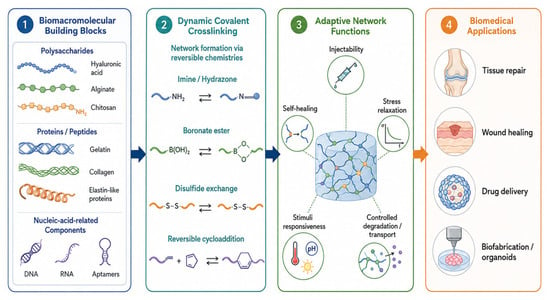
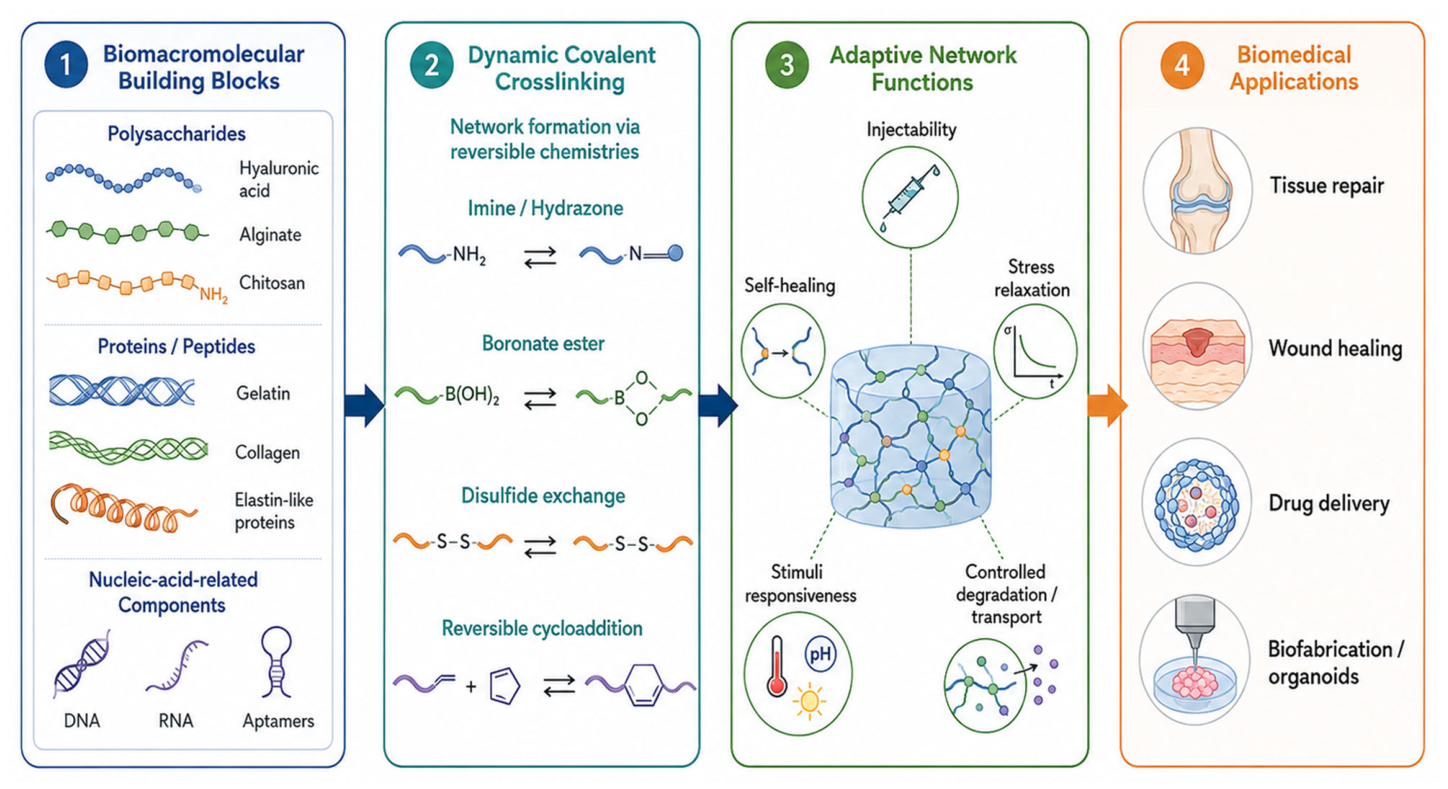
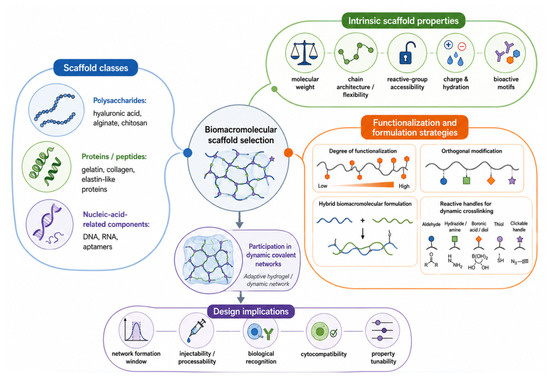
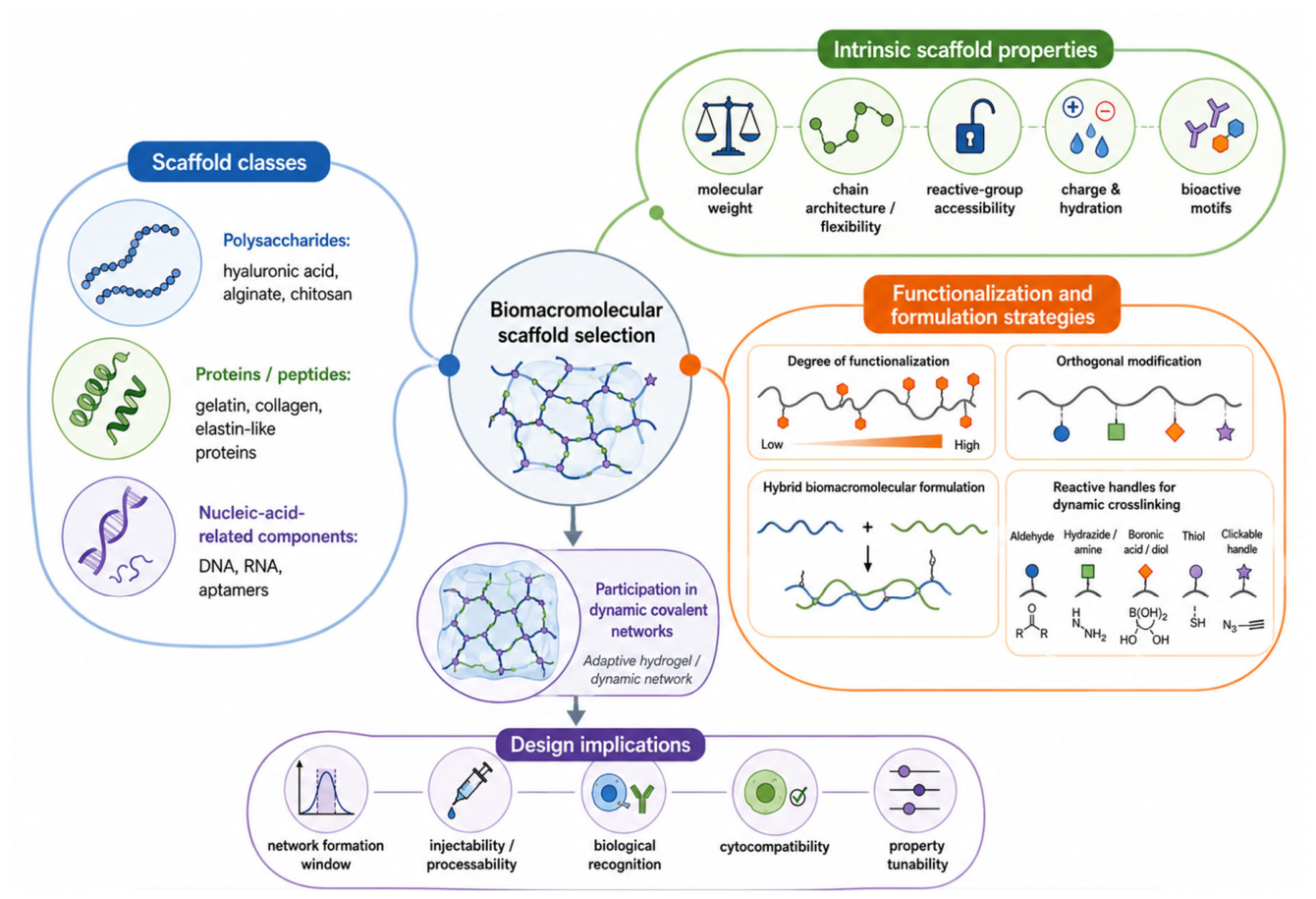
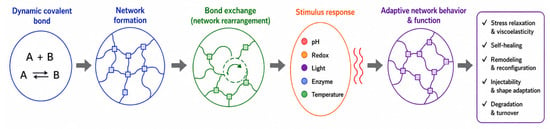
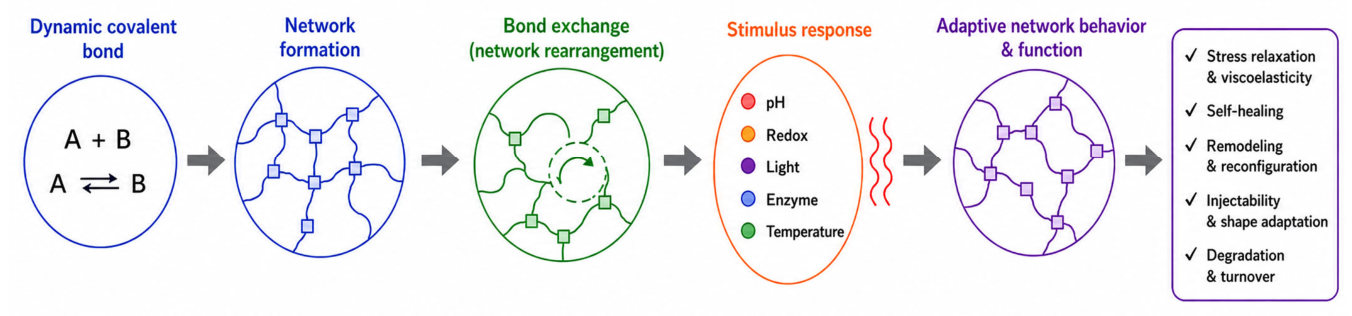
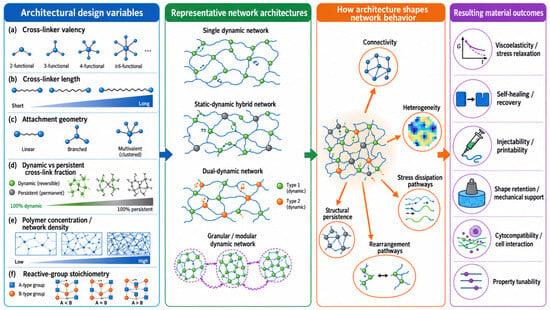
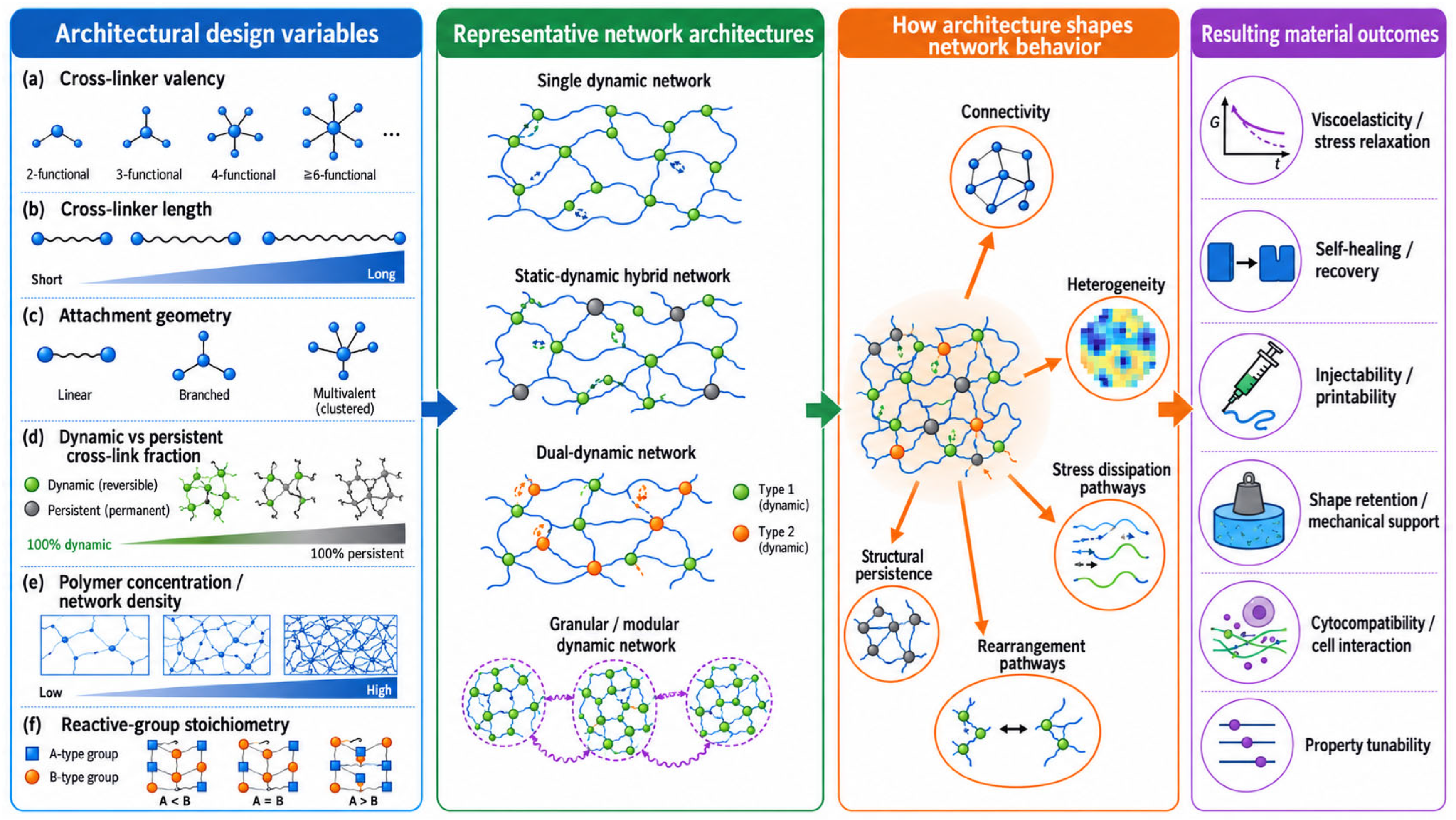
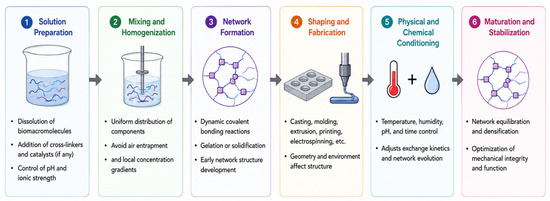
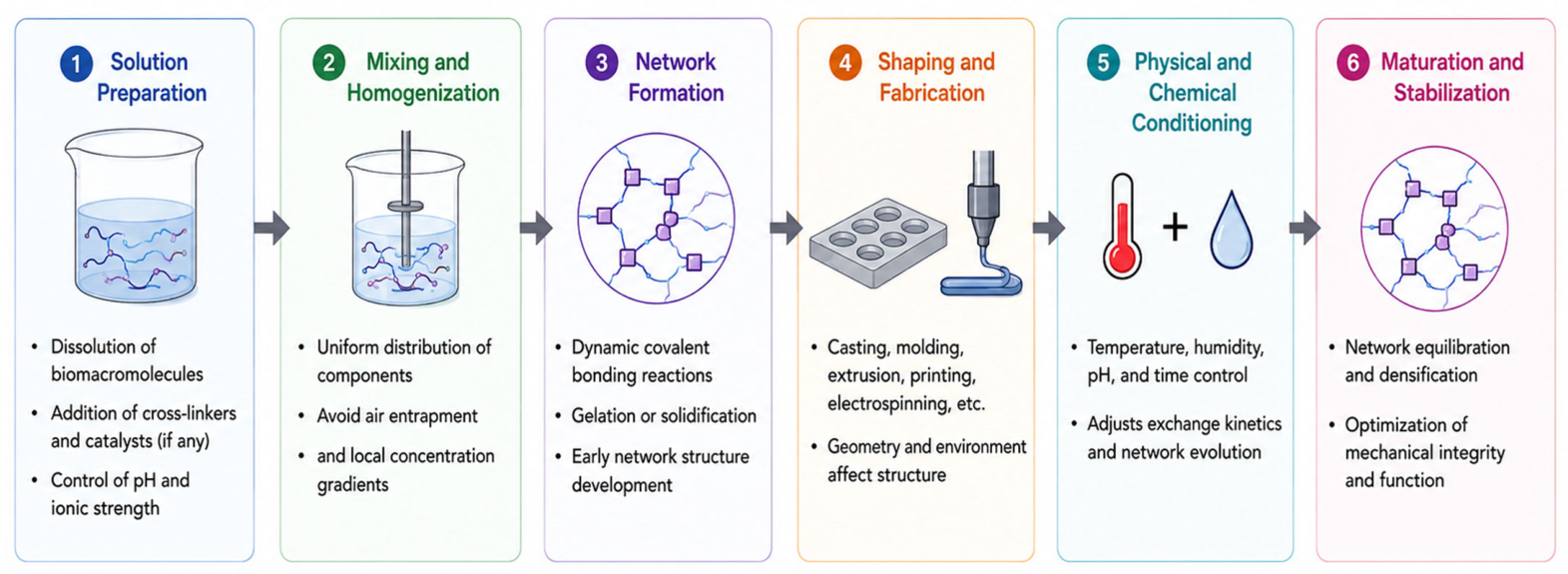
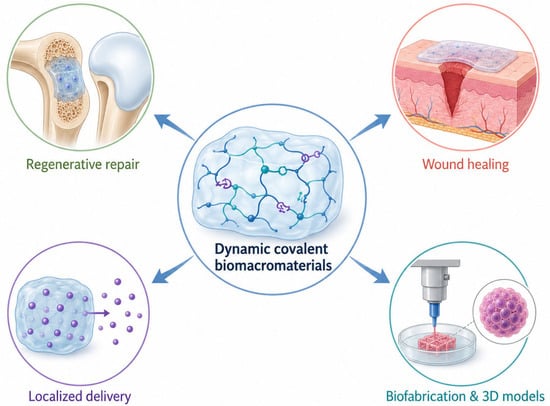
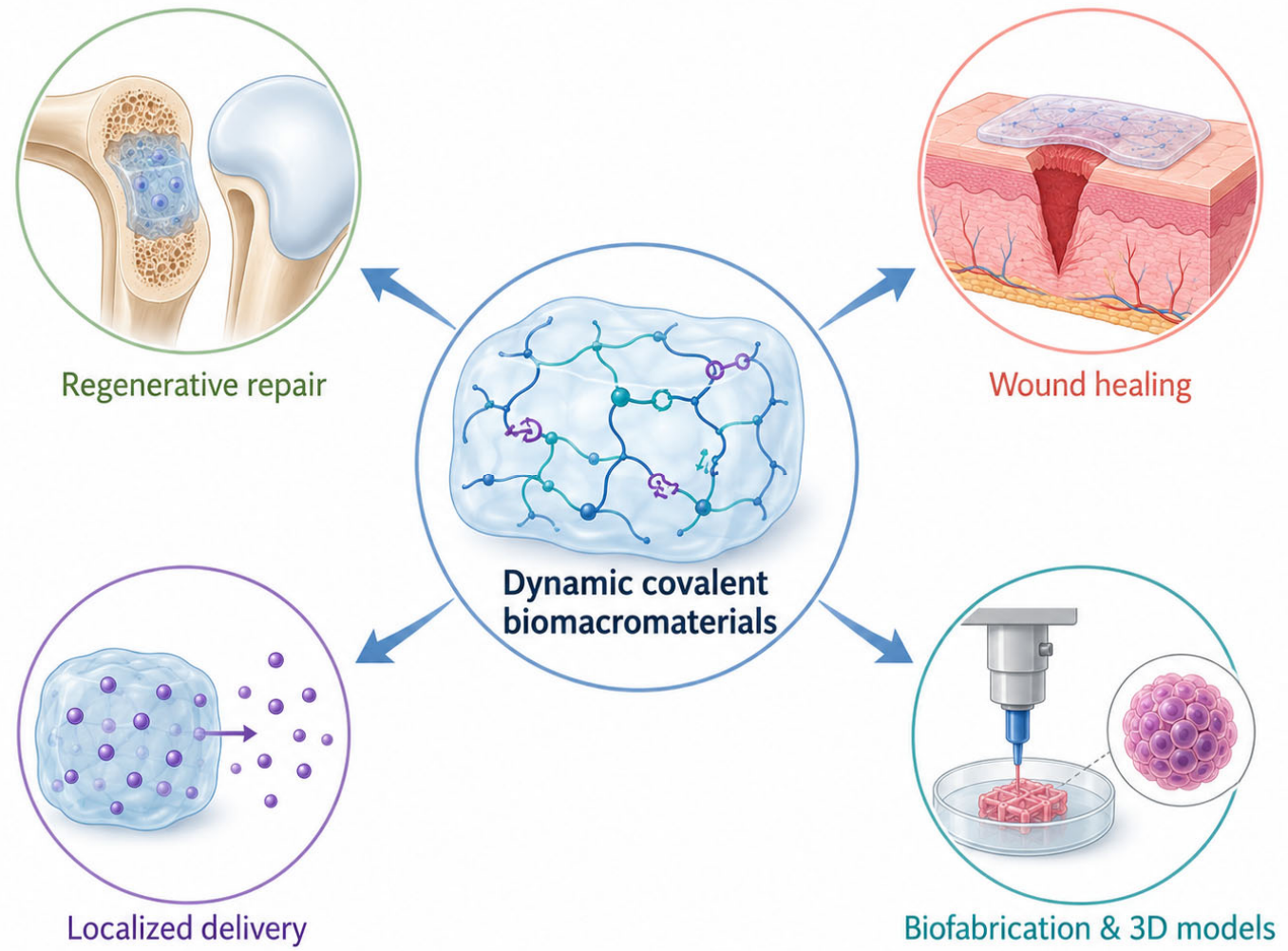
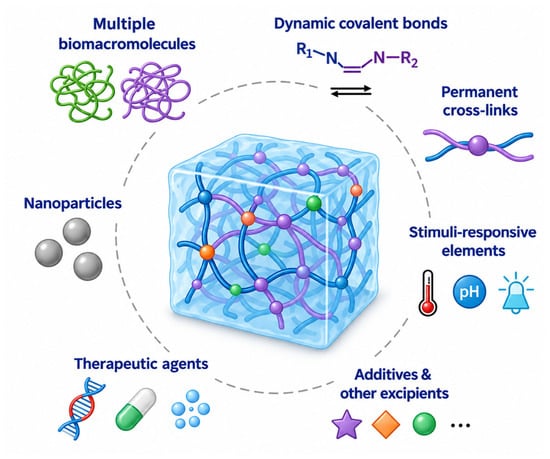
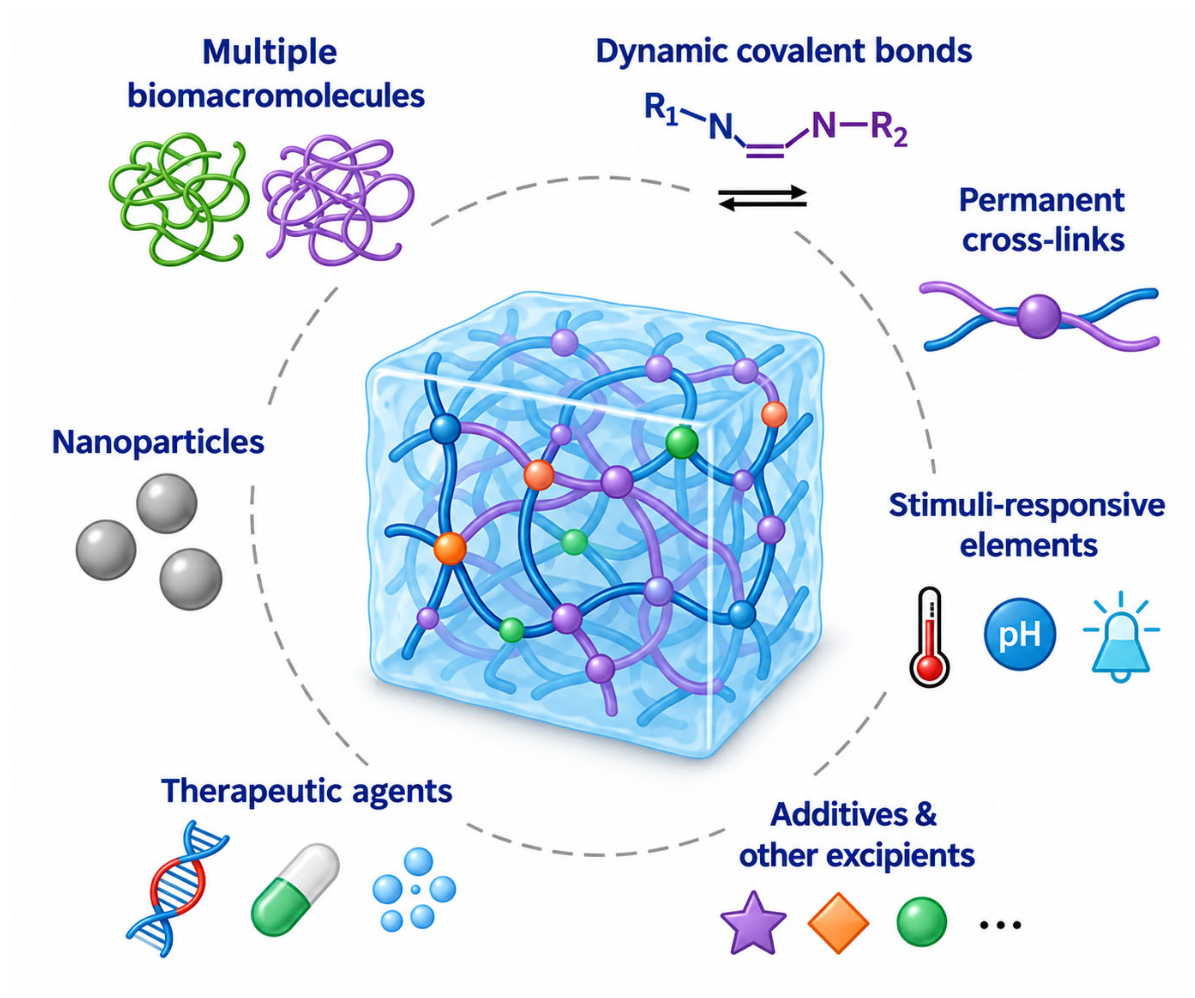

Disclaimer/Publisher’s Note: The statements, opinions and data contained in all publications are solely those of the individual author(s) and contributor(s) and not of MDPI and/or the editor(s). MDPI and/or the editor(s) disclaim responsibility for any injury to people or property resulting from any ideas, methods, instructions or products referred to in the content. |
© 2026 by the author. Licensee MDPI, Basel, Switzerland. This article is an open access article distributed under the terms and conditions of the Creative Commons Attribution (CC BY) license.