


Abstract
This study investigates the effect of Arundo donax L.-derived lignin on the rheological behaviour, mechanical performance and oxidative ageing resistance of bitumen. Arundo donax is a fast-growing invasive grass with high lignin content, representing a promising sustainable biomass source for bitumen modification. Lignin was extracted via the Acid Detergent Lignin method, yielding a fine powder (50–300 μm). The incorporation of 6 wt% lignin into a 35/50 paving-grade bitumen induced significant changes in binder behaviour. Infrared spectroscopy (FTIR) confirmed the polyaromatic and oxygenated nature of lignin and indicated that its interaction with bitumen is primarily physical, involving polar intermolecular interactions rather than chemical bonding. Lignin modification significantly increased stiffness, elasticity, and rutting resistance, as evidenced by higher softening point, complex modulus, and recovery after creep loading. Furthermore, FTIR analysis confirmed a reduced susceptibility to oxidative ageing, demonstrated by lower increases in carbonyl and sulfoxide indexes after ageing. This suggests distinct antioxidant activity associated with the phenolic structures of lignin. Despite these benefits, severe long-term ageing led to a marked reduction in fatigue life, ductility, low-temperature cracking resistance, and adhesive properties. Overall, these results demonstrate that Arundo donax-derived lignin is a promising sustainable modifier for bitumen, though optimisation of the dosage and blending conditions is necessary to balance durability against long-term fracture performance.
1. Introduction
Universal, safe, efficient, and sustainable transportation of both people and goods is a key element of modern economies. Thus, despite transportation not being explicitly included among the 17 Sustainable Development Goals (SDGs) defined by the United Nations, it is widely acknowledged that profound changes in transportation systems are essential to achieve several of these goals [1]. The road network is currently the most relevant infrastructure within transportation systems, and its total length worldwide is expected to continue increasing, reaching approximately four to five times its 2010 value by 2050 [2]. At present, roads are mostly paved with bituminous mixtures due to their favourable economic and technical performance. To sustain heavier traffic loads and wider service temperature ranges, pavement performance is commonly enhanced by modifying bitumen with synthetic polymers [3]. However, both bitumen and synthetic polymers are derived from petroleum, the extraction and refining of which are expected to decrease significantly in the coming decades in order to limit greenhouse gas emissions [4]. Therefore, the development of sustainable alternatives to conventional bitumen and additives capable of ensuring adequate rheological performance and durability of pavements is of great scientific interest.
Biomass is a renewable, widely available, and low-cost resource that can be processed to obtain sustainable alternatives for a variety of industries, including the construction sector. Moreover, in line with circular economy principles, most processed biomasses originate from industrial by-products, such as black liquor, swine manure, waste wood, crop residues, and waste cooking or motor oils [5]. Among biomass-derived products, heavy bio-oils and lignin are the most extensively investigated for bituminous applications, as they are suitable candidates for modification or partial substitution due to their chemical composition, namely the carbon-based aromatic skeleton. However, the biomass source and the thermochemical conversion process strongly influence the physicochemical characteristics of bio-products and, consequently, their interaction with bitumen compounds and their contribution to the performance of bio-binders in pavement applications [6,7].
Bio-oils are obtained by decomposing biomass through pyrolysis or hydrothermal liquefaction, resulting in a complex mixture of low-molecular-weight oxygenated organic compounds [8]. In general, bio-oils reduce the viscosity of bitumen, increasing its temperature sensitivity while improving low-temperature behaviour. However, the high polarity, oxygen reactivity, and hydrophilic nature of bio-oils can increase the susceptibility of bituminous materials to moisture damage and oxidation [8,9,10]. Due to these limitations, bio-oils are not the focus of the present study, which instead concentrates on lignin as a solid bio-based modifier with potential antioxidant functionality [7].
In contrast, lignin is a natural polymer found in plant cell walls, where it provides stiffness and mechanical strength by binding cellulose and hemicellulose. Lignin typically constitutes 10–25 wt% of lignocellulosic biomass [11,12]. Lignin is a complex three-dimensional (cross-linked) macromolecule, synthesised from the phenolic alcohols coniferyl (G-unit), sinapyl (S-unit), and p-coumaryl (H-unit) [11], with a phenylpropane hydrocarbon structure and differentiated by the number of metoxi groups (OCH3) linked to the benzene ring. The branching and reticulation occur via C-O and C-C bonds [13,14]. Functional groups such as phenolic hydroxyl groups, aliphatic hydroxyl groups, and conjugated double bonds, make possible chemical reactions like redox, substitutional addition, and graft copolymerization [14]. Thus, phenolic structures are known for their antioxidant properties, which represent a key motivation for the use of lignin in bituminous applications [12]. Lignin extraction from biomass can be carried out through different chemical processes, commonly classified according to reaction environment (oxidising, neutral, or reducing) and operating temperature [7]. Lignin is generally obtained as a solid material that is insoluble in water, with lignosulfonate lignin being a notable exception. As a result, lignin in its native plant form differs from lignin isolated through chemical processing, which is typically referred to as technical or industrial lignin and named according to the extraction method (e.g., lignosulfonate, Kraft, enzymatic hydrolysis, Klason, soda, organosolv, pyrolytic, or ionic liquid lignin). A comprehensive overview of biomass sources, lignin extraction methods, and chemical modification strategies is provided by Abolore et al. [15] and Dias et al. [16].
In general, lignin has been shown to increase the viscosity and high-temperature deformation resistance of bitumen [7,12]. For example, Zahedi et al. [17] investigated bitumen modified with 3–12 wt% Kraft lignin and reported decreases in penetration (3–17%) and ductility (51–85%), along with increases in softening point (2–18%), viscosity (7–32%), and Fraass breaking point (6–39%), with the magnitude of change proportional to lignin content. In addition to increased consistency, lignin also affects rheological behaviour. For waste wood-derived lignin, Wu et al. [18] observed a reduction in phase angle of up to 2° at 10 rad/s within the temperature range of 46–82 °C, accompanied by an increase in stiffness modulus of 56–718% depending on frequency at 58 °C. While enhanced elastic behaviour improves high-temperature performance, it may negatively affect resistance to cyclic loading at lower temperatures due to reduced stress relaxation capacity. Accordingly, the same study [18] reported a decrease in predicted fatigue life at 19 °C ranging from 2% to 39%, depending on lignin content and applied strain amplitude.
Despite these findings, the physicochemical interaction mechanisms between lignin and bitumen are not yet fully understood. Infrared spectroscopy analyses conducted by Gaudenzi et al. [19] on bitumen modified with organosolv lignin did not reveal the formation of new functional groups, suggesting the absence of chemical reactions between lignin and bitumen. Xu et al. [20] proposed a working system in which lignin particles absorb the lighter fractions of bitumen, resulting in a surrounding layer enriched in resins and asphaltenes. Similarly, Wu et al. [21] observed physical dispersion of wood lignin particles within bitumen using fluorescence microscopy. However, these authors also reported a reduction in lignin content during high-temperature storage, potentially due to lignin degradation. Conversely, molecular dynamics simulations by Ren et al. [22] suggested that lignin molecules may fill free volume within bitumen, reducing molecular mobility and increasing viscosity. These effects were attributed not only to a filler mechanism but also to strengthened intermolecular interactions arising from the polar functional groups present in lignin. Nevertheless, consensus has not been reached regarding the chemical similarity between lignin and bitumen. Gaudenzi et al. [7] suggested that the unsaturated aromatic rings linked by alkyl chains in lignin resemble the aromatic structures of lighter bitumen fractions, whereas Xie et al. [23] proposed similarities with asphaltenes. The latter authors suggested that lignin macromolecules could interact with polar asphaltenes through dipole–dipole forces, forming a tightly interconnected macromolecular structure that increases viscosity and reduces ductility at low temperatures. Similarly, Zahadi et al. [17] reported that lignin promotes the formation of a three-dimensional structure in bitumen, analogous to polymer-modified bitumens.
In addition to rheological modification, lignin has been associated with improved resistance to oxidative ageing of bitumen due to its phenolic structure, which can neutralise free radicals by donating protons and electrons [12,24]. The π–π conjugated regions in phenolic structures can form donor–acceptor complexes that scavenge ketones and sulfoxides generated during oxidation reactions [25]. Bitumen ageing is commonly evaluated through infrared spectroscopy or changes in rheological and performance properties with ageing. For instance, Wang et al. [24] reported significant reductions in carbonyl-related ageing indices for seven Kraft lignin-modified bitumens after short- and long-term ageing compared to the corresponding base bitumens. However, these aged bitumens still exhibited similar or higher stiffness values, which may compromise field performance. Moreover, Hu et al. [26] noted that the antioxidant effect of lignin is not constant, reporting similar ageing indices for bitumens with and without lignin after short-term ageing. This behaviour was attributed to residual moisture and hydrophilic hydroxyl groups in lignin, which may initially inhibit free radical scavenging.
Therefore, although lignin has demonstrated potential as a bio-based modifier for bitumen, its influence on rheological behaviour and oxidative ageing mechanisms is not yet fully understood. This uncertainty is largely due to the wide variability in lignin chemical structures arising from different biomass sources and extraction processes. The lack of knowledge is particularly pronounced for lignins not derived from paper industry residues, which are associated with specific industrial processes and feedstocks. This study aims to investigate the effect of Arundo donax L.-derived lignin on the rheological and oxidative ageing properties of paving-grade bitumen. Arundo donax (A. donax) is a perennial, fast-growing grass with invasive characteristics and a high lignin content [27,28], whose management can be aligned with circular economy principles. Based on the reviewed literature, it is hypothesised that A. donax-derived lignin primarily interacts with bitumen through physical dispersion and polar intermolecular interactions rather than chemical bonding. These interactions are expected to increase stiffness and elasticity while mitigating oxidative ageing through phenolic antioxidant activity.
To test this hypothesis, lignin was extracted from A. donax and incorporated into bitumen. The extracted lignin was characterised in terms of its physical and chemical properties, while the rheological behaviour and mechanical performance of lignin-modified bitumen were evaluated under unaged and aged conditions. Oxidative ageing-induced chemical changes were assessed using infrared spectroscopy. The results provide new insights into the ageing mitigation mechanisms of this plant-derived lignin and support its potential application as a sustainable modifier for durable bituminous pavements.
2. Materials and Methods
2.1. Lignin Extraction
Lignin was obtained from the biomass of A. donax plant with the Acid Detergent Lignin (ADL) method. In ADL, the biomass is pretreated with neutral and acid detergents to remove soluble components and hemicellulose, and then treated with sulfuric acid to hydrolyse cellulose, leaving lignin as residue [29]. One advantage of ADL is that acid-catalysed depolymerization does not require high temperatures [7]. A. donax plant was harvested in Almada (Portugal) (see Figure 1a). The lignin extraction process involved three tasks. In task 1, the cane stems of the plant were cleaned from any leaves and the driest elements were selected. The cane stems were chopped and shredded with secateurs and then milled to pass through a 2 mm opening sieve (see Figure 1b). In task 2, the biomass was chemically treated. First, 10 g of biomass was boiled with 150 mL of neutral detergent in an Erlenmeyer flask for 1 h (see Figure 2a,b). After cooling to room temperature, the solution was decanted using a paper filter (see Figure 2c). The filtered residue was added to 150 mL of acid detergent and boiled for 1 h. The solution was again filtered at room temperature. The filtered residue was added to 50 mL of 72% sulfuric acid, and the treatment was allowed for 3 h. The residue was filtered and washed several times with distilled water (see Figure 2d). The residue was dried in a ventilated oven at 50 °C for 72 h, and stored in a sealed plastic bag. Finally, the residue was milled and used the material passing the 0.300 mm opening sieve (ASTM No. 50) (see Figure 2e).
Figure 1.
Biomass: (a) A. donax L. plant; (b) physical treatment of main stem (cane).
Figure 2.
Lignin extraction: (a) biomass powder; (b) boiling with neutral detergent; (c) solution and residue separation; (d) residue washing with distilled water; (e) final dried powder.
2.2. Lignin-Modified Bitumen Production and Oxidative Ageing Treatment
Unmodified (neat) 35/50 paving-grade bitumen (identified as “Bitumen”), in accordance with the European specification EN 12591 standard [30], was used in this study. This bitumen grade is commonly used in warmer climates and the most used in Portugal. Bitumen was modified by incorporating 6 wt% lignin (identified as “Blign”). To prepare the modified binder, the base bitumen was preheated to 135 °C for 60–90 min. The lignin was then manually added into the hot bitumen at a constant rate over 5–10 min under mechanical agitation at 400 rpm. Stirring was maintained for an additional 20 min to ensure uniform dispersion of the lignin within the bitumen and to promote physicochemical interaction mechanisms. During mixing, volume expansion in the container and a rise in internal temperature that stabilised at around 145–150 °C were observed. To ensure tighter temperature control, the fabrication procedure was implemented in small batches of about 145 g of bitumen.
Ageing was induced in the two bitumens, Bitumen and Blign, by promoting thermo-oxidative reactions with the Pressure Ageing Vessel (PAV). Under this procedure, described in the EN 14769 standard [31], bituminous layers (approximately 3.2 mm of thickness) are exposed to the combined effects of elevated temperature and air pressure. Often, the bitumen is treated in PAV for 20 h at 100 °C and 2.1 MPa to obtain a similar oxidative ageing state in bitumen to that in naturally occurring in-service conditions for several years (long-term ageing). Still, the bitumen’s ageing evolution with time in real pavements varies with the environmental conditions and bituminous mixture properties [32]. However, PAV has also been proposed to simulate the short-term oxidative ageing occurring during bituminous mixture fabrication and paving. In [33], an equivalence of the ageing state of bitumens treated for 25 h in PAV (100 °C, 2.1 MPa) was reported and treated first in the Rolling Thin Film Oven Test followed by 20 h in PAV. From this, in this study, the bitumens were treated in PAV for 5 h to simulate short-term ageing (identified as “PAV-5 h”) and for an additional 20 h to simulate long-term ageing (identified as “PAV-25 h”).
2.3. Methods
2.3.1. Thermogravimetric Analysis (TGA)
Thermogravimetric analysis (TGA) was conducted to determine the thermal resistance of lignin and of both bitumens. Testing was performed in a NETZSCH 449 F3 Jupiter equipment(Selb, Germany), using nitrogen atmosphere (50 mL/min) and a heating rate of 10 K/min from room temperature up to 500 °C.
2.3.2. Scanning Electron Microscopy (SEM) with Energy-Dispersive X-Ray (EDS) Analysis
Scanning Electron Microscopy (SEM) with Energy-Dispersive X-ray (EDS) was conducted to evaluate the microstructural size and morphology and additionally to make an elemental analysis, using a TESCAN microscope (Brno, Czech Republic), model MIRA 3, coupled with an energy-dispersive X-ray spectrometer (EDS) from Bruker (Billerica, MA, USA), model X Flash 6|30.
2.3.3. Fourier Transform Infrared (FTIR) Spectroscopy Analysis
Lignin and the two bitumens were characterised by Fourier Transform Infrared (FTIR) spectroscopy to analyse its chemical composition in terms of main functional groups and their evolution with oxidative ageing. The infrared spectra were collected using the Attenuated Total Reflectance (ATR-FTIR) technique, on a Brukner spectrometer (Billerica, MA, USA), model Tensor 27, equipped with Platinum ATR accessory (diamond crystal). Each sample was scanned 32 times to collect the spectrum at a resolution of 4 cm−1 and in the range of 4000 cm−1 to 600 cm−1.
The evolution of the chemical composition of the bitumens with ageing was assessed by focusing on oxygen-containing functional groups, namely carbonyl-containing functionalities with C=O bonds (such as ketones and anhydrides) and sulfoxides with S=O bonds. These were identified in the infrared spectra by the characteristic stretching vibration bands of C=O and S=O, centred at approximately 1690 cm−1 and 1030 cm−1, respectively. Sulfoxide index (IS=O) and the carbonyl index (IC=O) were determined as
where A1690, A1460, A1376 and A1030 are the integration areas of bands centred around the wavenumbers of 1690 cm−1 (C=O stretching), 1460 cm−1 (methyl group (CH3) symmetric deformation and ethylene group (CH2) deformation), 1376 cm−1 (methyl group (CH3) symmetric deformation) and 1030 cm−1 (S=O stretching) [34]. These areas were determined from the infrared spectrum (not normalised) using a tangential baseline chosen to each infrared band (valley-to-valley integration). Assuming that the methyl (CH3) and methylene (CH2) groups, associated with aliphatic hydrocarbon structures, remain largely unaffected by oxidative ageing, their corresponding bands can be used as references for index determination [35].
2.3.4. Needle Penetration and Softening Point Tests
The needle penetration (Pen) at 25 °C and the softening point by the ring and ball method (TR&B), defined in the EN 1426 [36] and EN 1427 [37] standards, evaluate the consistency of bitumen at the intermediate and high in-service temperature range. From the results of these tests, the penetration index (Ip) [38] was determined as
To assess the effect of oxidative ageing, the recovered penetration percentage (Penrec) and the variation in softening point (ΔTR&B) were calculated as
2.3.5. Fraass Breaking Point Test
The Fraass breaking point (Tj) evaluates the brittleness of bitumen at low temperatures. Testing followed the EN 12593 standard [39]. In this test, a sample of bitumen is spread uniformly on a metal plate, and then the plate is subjected to a constant cooling rate and bent repeatedly until the bituminous layer breaks. A manual Fraass breaking apparatus was used in testing. The Fraass breaking point corresponds to the temperature at which the crack occurred.
As an alternative, the Fraass breaking point can also be estimated based on the relationship between penetration and temperature in neat bitumen developed by Pfeiffer and Van Doormaal [3], as
To assess the effect of oxidative ageing, the variation in breaking point (ΔTj) was used:
2.3.6. Linear Amplitude Sweep (LAS) Test
The linear viscoelastic properties and the fatigue resistance of bitumen were evaluated based on the Linear Amplitude Sweep (LAS) test protocol defined in the AASHTO TP 101-14 standard [40]. Testing was conducted on a Malvern Gemini HRnano rotational rheometer equipped with a Peltier system and a parallel-plate setup by imposing an oscillatory loading to a bitumen disk-specimen with 8 mm of diameter and 2 mm of thickness, at three temperatures (15 °C, 20 °C and 25 °C) with a minimum of two specimens tested. Specimens were conditioned for 25 min at the test temperature. The test protocol comprises two parts, the first corresponding to the viscoelastic characterisation of the undamaged specimen by means of a frequency sweep (0.2–30 Hz) with a low applied strain amplitude of 0.1%, within the linear viscoelastic regime. From this test, it is determined the dynamic modulus (|G*|) and phase angle (δ). To assess the effect of oxidative ageing on the linear viscoelastic behaviour, two ageing indexes associated with the variation in modulus (AIG) and phase angle (AIδ) were determined:
In the second part of LAS test, the loading is applied with increasing strain amplitude, from zero to 30% over the course of 3100 cycles at 10 Hz, to induce damage and failure eventually.
Test results were analysed with a procedure detailed in [41], based on the concepts of viscoelastic continuum damage mechanics and using the pseudo-strain energy density to quantify damage work. From this, the material’s fatigue law, at a defined temperature, is
where Nf is the number of cycles to failure at the strain amplitude (γ), and A and α are material constants. Constant α is determined as
where m is the maximum slope of the logarithm values of the storage modulus (G’(w)) versus the angular frequency (w).
2.3.7. Multiple Stress Creep and Recovery Test (MSCRT)
The susceptibility of bitumen to the accumulation of permanent deformation at high in-service temperatures was evaluated with the Multiple Stress Creep and Recovery Test (MSCRT). Testing was conducted on a rotational rheometer with a parallel-plate setup by imposing creep and recovery cycles to a bitumen disk-specimen with 25 mm of diameter and 1 mm of thickness. MSCRT followed the conditions established in the EN 16659 standard [42], with repeated cycles of 1 s of loading and 9 s of rest at two loading amplitudes (0.1 kPa and 3.2 kPa). Fifteen cycles of creep and recovery were applied at each loading amplitude, initiating with the lower loading amplitude. During the test, the shear load (τ) and strain (ε) are monitored. The test was performed at three temperatures (50 °C, 60 °C and 70 °C).
The performance of the specimen in the test is based on two variables, the strain recovery (R) and the non-recoverable creep compliance (Jnr). The individual variable values at cycle N with the imposing stress level τ are calculated as
where and are the strain values after 1 s (end of loading) and at 10 s (end of rest), respectively. The individual values are averaged to the 15 cycles of creep and recovery at each loading level and test temperature.
2.3.8. Double-Edge Notched Tension (DENT) Test
The double-edge notched tension (DENT) test evaluates the ductility and fracture behaviour of bitumen. In the test, following the Ontario specification test LS-299 [43], a bituminous specimen with a double-edge notch in the central section is tensioned at a constant displacement rate until fracture, or the maximum defined elongation is completed. The normal specimen section is 20 mm in width and 10 mm in thickness, whereas in the notched section the width (ligament length, l) is reduced to 5 mm, 10 mm and 15 mm. Specimens with three ligament lengths are tested. The tension load (P) and displacement (d) are monitored during the test to determine the resistance to deformation and the work of fracture expended in the specimen’s failure. Testing was conducted with an elongation rate of 50 mm/min and at the test temperature of 20 °C to ensure a ductile fracture of the bituminous specimens and that the load does not exceed the apparatus load cell limit.
For an individual specimen, the total work of fracture (Wt) is determined by integrating the P-d test curve, which is then normalised to the notched section size, called specific work of fracture (wt), as follows:
where t and l are the specimen’s thickness and ligament length, respectively. Next, the results with various ligament lengths are fitted with a linear model corresponding to the following:
where we is the specific essential work of fracture; wp is the specific plastic work of fracture; β is a constant related to the specimen’s shape and size. From [44], the specific essential work of fracture expresses the material’s resistance to ductile fracture that does not depend on the shape and size of specimen, and it is therefore an intrinsic material’s property.
3. Results
3.1. Microstructural and Chemical Analysis
Lignin extracted from A. donax was milled and sieved to obtain a fine dark-brown powder, before the incorporation into bitumen. The microstructural size and morphology of the lignin powder were investigated by Scanning Electron Microscopy (SEM). Figure 3 presents representative SEM images of the lignin particles at two different magnifications (×100 and ×500). Particle sizes range from slightly below 50 μm to approximately 300 μm (Figure 3a), which is consistent with the preliminary sieving operation using a 300 μm mesh. At higher magnification (Figure 3b), these particles are revealed to be agglomerates composed of smaller primary particles with sizes down to approximately 20 μm.
Figure 3.
SEM images of lignin at magnification level: (a) ×100; (b) ×500.
The lignin particles exhibit a wide variety of morphologies, including acicular (needle-shaped), fibrous particles with relatively regular fibres, and flocculated or plate-like structures with smooth to slightly rough surfaces. Particle aggregation was likely promoted by the hygroscopic nature of lignin, associated with the abundance of hydroxyl groups in its structure [45]. Such aggregation is undesirable, as it may hinder uniform dispersion of lignin within the bitumen matrix, potentially limiting homogeneous modification and reducing the effective surface area available for physicochemical interactions.
In addition, elemental surface analysis performed by energy-dispersive X-ray spectroscopy indicated that the lignin particles are primarily composed of carbon and oxygen, with sulphur also detected in notable amounts. Minor quantities of aluminium, sodium, calcium, and silicon were also identified, likely originating from residual inorganic components in the biomass or the extraction process.
The infrared spectra of lignin and both bitumens are presented in Figure 4. The polyaromatic nature of lignin and the presence of oxygen-containing functional groups are evidenced by several characteristic absorption bands, including the broad O–H stretching band of hydroxyl groups in the 3500–3200 cm−1 region, the broad C=O stretching band associated with various carbonyl-containing functionalities in the 1750–1650 cm−1 region, the aromatic ring stretching vibrations at approximately 1600 cm−1, and the C–O stretching vibrations associated with phenolic and ether groups in the 1300–1000 cm−1 region. The incorporation of lignin into bitumen is detected in different regions of the spectrum through changes in band intensity and shape, particularly in the O–H stretching region and, in the S=O stretching band associated with sulfoxide groups present in bitumen.
Figure 4.
Infrared spectra of lignin and bitumen.
Moreover, the increased absorbance around 1200 cm−1 is attributed to the higher concentration of C–O stretching vibrations from phenolic and ether groups present in lignin. This indicates an enrichment of oxygenated and polar functionalities in the modified bitumen, which may enhance intermolecular interactions within the bitumen colloidal system. Nevertheless, these spectral changes suggest that lignin incorporation does not introduce new chemical bonds but modifies the polarity and intermolecular interactions within the bitumen matrix. No new absorption bands were observed after lignin incorporation, indicating that the interaction between lignin and bitumen is primarily physical rather than chemical. The results also indicate that lignin incorporation increases the concentration of oxygenated functional groups in the bitumen, as evidenced by the higher intensity of the O–H and C–O bands and the broadening of the carbonyl region. These findings support a modification mechanism governed by physical interactions and intermolecular forces rather than chemical reactions, leading to a more structured and polar bitumen system. The same trend was observed by Wu et al. [21] in their work on lignin-modified bitumen, where increased intensity in the O–H and C–O regions (around 1200 cm−1), along with broadening of the carbonyl band, were attributed to the incorporation of lignin-derived oxygenated functional groups and enhanced intermolecular interactions, without evidence of new chemical bond formation.
The conventional production method of bituminous mixtures involves elevated temperatures (typically 140–180 °C) to dry aggregates and ensure adequate bitumen coating. Therefore, the thermal stability of both lignin and bitumen within this temperature range is of practical relevance. Figure 5a,b show the evolution of sample mass (TG) and mass loss rate (DTG) as a function of temperature.
Figure 5.
Thermogravimetric analysis: (a) TG; (b) DTG.
Lignin exhibits a non-negligible mass loss within the temperature range commonly used for bitumen modification and bituminous mixture production. Specifically, the relative mass loss of lignin reached 12.9% at 100 °C, 18.1% at 150 °C, and 28.5% at 180 °C. Two main degradation rate peaks are identified at 59.7 °C and 166.5 °C. Owing to the hydrophilic nature of lignin, resulting from its abundant hydroxyl groups, mass loss below 100 °C is primarily attributed to the evaporation of absorbed moisture. The additional mass loss observed between 100 °C and 180 °C is more significant and can be partially associated with the release of bound water and the onset of thermal decomposition (initial cleavage of weak bonds, e.g., ether, side chains), which has been reported to occur from approximately 120 °C [46]. Accordingly, the volume expansion and temperature increase observed after lignin addition to bitumen at 135 °C, as described in Section 2.2, are consistent with these thermally induced processes, namely volatile release and exothermic degradation reactions observed in the TGA results. The mass loss can affect dosage accuracy, influence dispersion, generate porosity or foaming effect, which can influence the effective lignin content in the bitumen and contribute to the observed volumetric expansion during mixing. Nevertheless, both the neat and lignin-modified bitumens exhibit very similar thermal behaviour below 200 °C, indicating that lignin reached a stable state following the bitumen modification process. Although further lignin degradation and gas formation occurred at temperatures above 200 °C [46], this range is not relevant for conventional asphalt production and paving applications. Similar thermogravimetric behaviour has been reported by Gohari et al. [47], who observed that kraft lignin-modified bitumens exhibit slightly lower thermal stability than the base bitumen. The minor mass loss (less than 1%) within the operational temperature range of bitumen (up to 200 °C) was attributed to the release of volatile compounds and the early thermal decomposition of lignin, with the total mass loss increasing with lignin content. The TGA profiles were only significantly altered when the lignin content reached 20%.
3.2. Oxidative Ageing-Induced Chemical Changes
The chemical changes in bitumen induced by oxidative ageing were analysed using infrared spectroscopy. Figure 6a,b illustrate the development of sulfoxide and carbonyl functional groups in the bitumens with increasing PAV conditioning time. For both functional groups and both bitumens, only minor spectral changes are observed between the unaged state (PAV-0 h) and short-term ageing (PAV-5 h), followed by a pronounced increase after prolonged ageing (PAV-25 h). However, the lignin-modified bitumen exhibits a broader carbonyl absorption band, extending from 1750 to 1665 cm−1, compared with the neat bitumen (1725–1660 cm−1). This spectral feature is likely associated with the superposition of multiple carbonyl-containing species originating from both oxidised bitumen components and lignin structures. In addition, hydrogen bonding between lignin hydroxyl groups and carbonyl functionalities, together with the increased chemical heterogeneity introduced by lignin incorporation, may contribute to the observed band broadening [48,49]. In some studies [50,51], the sulfoxide band was not analysed in lignin-modified bitumens due to overlap with lignin-related functional groups in this wavenumber region. In the present study, however, the sulfoxide band was considered reliable, as the evolution of the infrared spectra with ageing (Figure 6a) follows a similar trend for both bitumens.
Figure 6.
Chemical changes with oxidative ageing: (a) absorbance 1100–900 cm−1; (b) absorbance 1800–1500 cm−1; (c) IS=O; (d) IC=O.
Figure 6c,d compare the evolution of the ageing indices for the two bitumens. As shown in Figure 6c, the sulfoxide-based index (IS=O) of both unaged bitumens is non-zero. This is attributed to the presence of naturally occurring sulphur-containing compounds in bitumen, minor oxidation during laboratory preparation, and the higher susceptibility of sulphur species to oxidation compared with hydrocarbon structures [52]. The lignin-modified bitumen exhibits a higher initial sulfoxide index, which is associated with the sulphur content of used lignin. Although lignin obtained via acid-catalysed depolymerization is generally characterised by low sulphur content, residual sulphate species from sulfuric acid hydrolysis and the relatively high inorganic content of A. donax biomass can contribute to the total sulphur content of the modified bitumen [7,27]. Nevertheless, the sulfoxide index of the lignin-modified bitumen increased markedly less with PAV conditioning time than that of the neat bitumen. Relative to the unaged state, the sulfoxide index increased by 0.033 (PAV-5 h) and 0.074 (PAV-25 h) for the neat bitumen, compared with only 0.005 and 0.016 for the lignin-modified bitumen.
The evolution of the carbonyl index, shown in Figure 6d, was close to zero in the unaged state and increased progressively with PAV exposure time. The absolute increase in carbonyl index was 0.010 (PAV-5 h) and 0.024 (PAV-25 h) for the neat bitumen, and 0.008 and 0.021 for the lignin-modified bitumen, respectively. Previous studies on neat bitumens [52] have reported that sulfoxides form rapidly and reach a steady-state concentration dependent on sulphur content and oxygen diffusion, whereas carbonyl compounds are generated more gradually. For the neat bitumen used in this study, the sulfoxide index increased to a much greater extent than the carbonyl index, likely reflecting the specific characteristics of the crude oil source and refining process. In contrast, the lignin-modified bitumen exhibited comparable variations in the sulfoxide and carbonyl indices. These results indicate that the A. donax-derived lignin effectively mitigates oxidative ageing in bitumen, reducing the formation of both sulfoxide and carbonyl groups during short- and long-term ageing treatments. This behaviour differs from that reported by Hu et al. [26], who observed a reduction in ageing indices for lignin-modified bitumens only after very long-term ageing (RTFO + PAV-40 h), attributing the delayed antioxidant effect to initial moisture loss and chemical activation of hydroxyl functional groups.
3.3. Consistency at Intermediate and High Temperatures
The effect of lignin and oxidative ageing on the bitumen consistency at intermediate and high temperatures was evaluated using needle penetration and softening point tests. Figure 7 shows the measured values of penetration (Pen) and softening point (TR&B), and their evolution (Penrec and ΔTR&B) with ageing in PAV during 5 h for short-term ageing, and 25 h for long-term ageing. According to the current European specifications, EN 12591 [38], the following limits apply to a 35/50 paving-grade bitumen: Pen = 35 to 50 × 0.1 mm; TR&B = 50 to 58 °C; Ip = −1.5 to +0.7; Penrec ≥ 50% after short-term ageing induced with the Rolling Thin Film Oven Test (RTFOT); and ΔTR&B ≤ 8 or ≤ 11 depending on severity level with the same ageing protocol.
Figure 7.
Consistency tests results: (a) needle penetration; (b) softening point.
The incorporation of 6 wt% lignin resulted in a small reduction in penetration (−2 × 0.1 mm) but a pronounced increase in softening point (+9.2 °C), leading to an increase in the penetration index from −0.82 to +0.92. As a consequence, the lignin-modified bitumen no longer complied with the specifications for a 35/50 paving-grade bitumen. The observed increase in consistency is coherent with trends reported in previous studies employing different types of lignin [7]. However, the effect on high-temperature consistency was greater than that reported elsewhere for similar lignin content [17,20,53,54].
Oxidative ageing further increased the bitumen consistency, as expected, through a reduction in penetration and an increase in softening point, but the two tests revealed different sensitivities to lignin modification. In terms of retained penetration, the lignin-modified bitumen exhibits higher value at PAV-5 h and the same value at PAV-25 h compared to the neat bitumen. Thus, both bitumens satisfied the minimum penetration recovery requirement specified in EN 12591, even after long-term ageing. In contrast, the increase in softening point was significantly greater for the lignin-modified bitumen at both ageing levels. Nevertheless, the ΔTR&B values stay below the specification limit for short-term ageing in both bitumens. Considering the colloidal system of bitumen, this pronounced increase in consistency can be attributed to the change in molecular mobility, which is often associated with the increase in polarity detected by a decrease in aromatic fractions and an increase in resin and asphaltene contents [52].
3.4. Rheological Behaviour
The viscoelastic behaviour of the two bitumens at intermediate temperatures (15–25 °C) and different ageing levels is illustrated in the Black space shown in Figure 8. Paving-grade bitumens are generally considered thermorheologically simple materials and, under this representation, are expected to exhibit a decrease in complex modulus with increasing phase angle. The curve (point cloud) is typically asymptotic to a shear modulus of approximately 1 GPa at low phase angles and to a phase angle of 90° at low moduli [55]. However, the specific viscoelastic response of a given bitumen depends on its chemical composition and on the interactions established between molecules [52]. Although only a portion of the point cloud is presented due to the limited temperature range investigated, the results suggest that lignin incorporation does not alter the thermorheological simplicity of the bitumen. Instead, the curve of the lignin-modified bitumen is shifted to the left and exhibits a steeper slope compared with the neat bitumen, reflecting a general increase in elastic response and enhanced stiffness at higher temperatures or lower loading frequencies (higher |G*| and lower δ). Quantitatively, |G*| increased by 8–109% and δ decreased by 2.9–12.9°, with the magnitude of variation increasing as loading frequency decreased. These results suggest that lignin reinforces the bitumen colloidal system primarily under conditions where the bitumen is more deformable and viscous, namely at longer loading times and higher temperatures. As previously discussed, this behaviour can be attributed to a combined filler-like effect of lignin particles and enhanced intermolecular interactions arising from the polar functional groups present in lignin [22]. Previous studies reported similar increases in |G*| for lignin-modified bitumens, although the effect on δ was found to be insignificant in some cases [21,47]. By contrast, Li et al. [56] observed a temperature-dependent reduction in phase angle for a lignosulfonate-modified bitumen, with significant decreases occurring only at temperatures below 50 °C, which is consistent with the temperature range investigated in this study. Furthermore, Gohari et al. [47] reported larger phase angle variations when Kraft lignin was incorporated using blending conditions similar to those adopted herein.
Figure 8.
Black curves (|G*|-δ): (a) bitumen; (b) lignin-modified bitumen.
Oxidative ageing also affected the viscoelastic behaviour of the bitumens at intermediate temperatures, as expected, with the Black curves in Figure 8 shifting upward and to the left after 5 h and 25 h of PAV treatment. These shifts correspond to a general increase in |G*| and a decrease in δ. Oxidative ageing alters the relative proportions and compatibility of bitumen functional groups, affecting colloidal stability and promoting a more gel-like structure [57]. As the degree of structuring increases, the bitumen becomes stiffer and more elastic [52].
To quantify the effects of oxidative ageing on bitumen behaviour, Figure 9 presents |G*| and δ values at three temperatures and two loading frequencies, together with the corresponding ageing indices derived from these parameters (AIG and AIδ). For the neat bitumen, the average AIG values at loading frequencies of 0.8 Hz (10 Hz) were 1.8 (1.5) and 3.4 (2.3) after 5 h and 25 h of PAV treatment, respectively. In comparison, the lignin-modified bitumen exhibited lower AIG values of 1.2 (1.1) and 2.5 (1.8) under the same ageing conditions. Regarding phase angle, the average AIδ values for the neat bitumen at 0.8 Hz (10 Hz) were 5.4° (5.1°) and 15.1° (12.9°) after 5 h and 25 h of PAV ageing, respectively, whereas the corresponding values for the lignin-modified bitumen were reduced to 4.8° (3.2°) and 13.1° (10.2°). As expected, both ageing indices increased with PAV conditioning time. However, their consistently lower values for the lignin-modified bitumen indicate a beneficial anti-ageing effect associated with the intrinsic antioxidant properties of lignin and the adopted modification protocol. In contrast, other studies [21,26] reported higher modulus-based ageing indices for certain wood-derived lignins compared with base bitumens under specific ageing conditions. These discrepancies were attributed to inadequate lignin dispersion at low dosages (3–5%) and to the strong affinity of hydroxyl groups for water molecules, which can hinder free radical scavenging during oxidative ageing. Moreover, prolonged ageing treatments may either activate the antioxidant effect of lignin following moisture volatilisation or diminish its effectiveness due to lignin thermal degradation. It has also been reported that ageing indices do not continuously decrease with increasing lignin content, as particle agglomeration may occur and reduce antioxidant efficiency [46]. Consistent with ageing-induced changes in the bitumen colloidal structure [52,58], both ageing indices increased with temperature, and under long-term ageing conditions they were clearly influenced by loading frequency.
Figure 9.
Viscoelastic properties of bitumens: (a) complex shear modulus; (b) phase angle.
Multiple stress creep recovery testing was conducted to further investigate the effects of lignin addition and oxidative ageing on deformation recovery behaviour at high temperatures. Figure 10 presents the percentage recovery (R) and the non-recoverable creep compliance (Jnr) at the two stress levels defined in the testing protocol (0.1 kPa and 3.2 kPa) and at three temperatures (50 °C, 60 °C and 70 °C). For a given temperature, the percentage recovery increased with lignin incorporation and with PAV treatment, as both factors contributed to bitumen stiffening and enhanced elastic response. Conversely, Jnr, which reflects the tendency to accumulate permanent deformation, exhibited an opposite trend. As expected, increasing temperature resulted in lower recovery and higher Jnr values. In the unaged condition, the percentage recovery at 3.2 kPa increased by 3.8–35.5% due to lignin addition, with the magnitude of improvement decreasing as temperature increased. Following oxidative ageing, recovery at 3.2 kPa increased by 1.0–13.9% and 6.3–37.4% for the neat bitumen after 5 h and 25 h of PAV treatment, respectively, while the corresponding increases for the lignin-modified bitumen were 14.1–22.8% and 37.4–50.4%. These results indicate that the already more structured lignin-modified bitumen was further reinforced by ageing reactions, becoming stiffer and more elastic. Consequently, the relative variation in recovery with ageing was lower for the lignin-modified bitumen. Furthermore, irrespective of stress level or ageing condition, Jnr values were consistently lower for the lignin-modified bitumen, demonstrating its superior resistance to permanent deformation accumulation. Although previous studies have reported that lignin-modified bitumens are generally less prone to rutting [7], this beneficial effect may diminish if lignin degrades rapidly during ageing or if the lignin is not able to counteract oxidative reactions in bitumen functional groups.
Figure 10.
Recovery and non-recoverable compliance of bitumens.
3.5. Low-Temperature Performance
The Fraass breaking point test was performed to evaluate the low-temperature behaviour of the studied bitumens and the effect of oxidative ageing. The test identifies the temperature at which the bitumen approaches a critical stiffness modulus of approximately 2.1 GPa and fracture of the thin bitumen film occurs [3]. Figure 11 presents the measured and estimated Fraass breaking point values, obtained using Equation (6), together with their evolution as a function of oxidative ageing for both bitumens. As expected, the Fraass breaking point decreased (i.e., shifted to higher temperatures) with ageing, as oxidation-induced chemical changes increase stiffness and brittleness.
Figure 11.
Fraass breaking point of bitumens.
For the unaged and short-term ageing conditions, the measured Fraass breaking point values were similar for the neat and lignin-modified bitumens. In contrast, under long-term ageing, the lignin-modified bitumen exhibited a significantly larger decrease in the Fraass breaking point, with a temperature shift of 8 °C relative to the unaged state, whereas the corresponding decrease for the neat bitumen was limited to 4 °C.
A comparison between measured and estimated Fraass breaking point values shows that the neat bitumen followed the expected ageing-related evolution associated with increasing stiffness. Conversely, the lignin-modified bitumen exhibits a more rheologically complex behaviour and does not conform to the same empirical relationship between viscosity (or penetration) and temperature that applies to conventional paving-grade bitumens. Based solely on the consistency changes observed at intermediate and high temperatures (Figure 7), the Fraass breaking point of the lignin-modified bitumen would be expected to occur at significantly lower temperatures than those measured experimentally. This discrepancy suggests that the structural modifications induced by lignin incorporation, in the absence of or under limited oxidative ageing, enhance resistance to deformation and promote elastic recovery without substantially impairing low-temperature performance. However, under long-term ageing conditions, the cumulative effects of lignin incorporation and oxidation result in pronounced structural changes that adversely affect the flexibility and ductility at low temperatures of the lignin-modified bitumen.
Previous studies have evaluated the effect of lignin on low-temperature performance primarily using the Bending Beam Rheometer (BBR), through measurements of the flexural creep modulus and stress relaxation capacity. In most cases, lignin-modified bitumens exhibited an increased creep modulus, suggesting a reduced ability to relax thermally induced stresses and, consequently, a higher susceptibility to brittle fracture. However, several studies [20,21,54,56] reported that the stress relaxation capacity, as indicated by the m-value, was either unaffected or even improved by lignin incorporation. Despite these observations, Wu et al. [21] reported a more pronounced deterioration of low-temperature performance with progressive oxidative ageing in lignin-modified bitumen compared to the neat bitumen, highlighting the sensitivity of lignin-modified systems to ageing conditions. These findings from BBR testing are consistent with the trends observed in the present Fraass breaking point results.
3.6. Fatigue Resistance
The LAS testing protocol was adopted to evaluate the fatigue resistance of the studied bitumens. Testing was performed at three temperatures (15 °C, 20 °C, and 25 °C), as the damage mechanisms leading to specimen failure are temperature-dependent [59]. Figure 12 compares the stress evolution with increasing applied strain amplitude for both bitumens at different ageing levels. In all cases, as expected, the stress initially increased with strain until a maximum value was reached, followed by a progressive reduction associated with damage accumulation. The initial slope of the stress–strain response reflected the material stiffness, increasing with decreasing test temperature and with the degree of ageing. Although the maximum stress increased with stiffness, the corresponding strain at peak stress decreased, indicating reduced ductility and flexibility as the bitumen became stiffer. This transition point has been associated with the onset of macro-damage, when the specimen is no longer able to sustain additional stress under increasing strain [60].
Figure 12.
LAS stress–strain curves of bitumens: (a) unaged; (b) PAV-5 h; and (c) PAV-25 h.
For the unaged condition, the stress–strain curves at the different test temperatures exhibited similar shapes for both bitumens. However, the lignin-modified bitumen reached higher stress levels and tolerated larger strain amplitudes than the neat bitumen. After initial ageing treatment (PAV-5 h), the lignin-modified bitumen still sustained larger deformations than the neat bitumen at 20 °C and 25 °C, although with a reduction in peak stress. In contrast, at 15 °C the lignin-modified bitumen showed a noticeably lower capacity to sustain loading. Under prolonged ageing treatment (PAV-25 h), the differences between bitumens became evident across the entire temperature range. With the exception of the neat bitumen tested at 25 °C, the stress dropped sharply after the peak value, indicating rapid damage propagation associated with the increased brittleness induced by oxidative ageing. These results highlight the combined influence of temperature and ageing on cracking susceptibility.
During LAS testing, radial microcracks typically initiate at the specimen edge and propagate towards the centre, progressively reducing the effective load-bearing area [61]. The evolution of ductility, flexibility, and stress relaxation capacity with temperature and ageing therefore governs both crack initiation and propagation. In addition, temperature-related issues may influence the specimen’s response. Edge flow can occur when stiffness is too low, whereas excessive stiffness may promote premature adhesion failure at the interface with the plate.
To quantify fatigue performance, Figure 13 presents the estimated number of cycles to failure at a strain amplitude of 3.5%. As expected, fatigue life decreased markedly with decreasing temperature and with increasing ageing, with ageing having the most pronounced effect. For the neat bitumen, the reduction in the number of cycles to failure due to decreasing temperature reached 81% in the unaged state, whereas ageing from the unaged to PAV-25 h resulted in a 94% reduction at 20 °C. Comparable trends were observed for the lignin-modified bitumen (reductions of 89% and 95%, respectively). The lignin-modified bitumen outperformed the neat bitumen in the unaged condition and after short-term ageing at 20 °C and 25 °C, with increases in fatigue life ranging from 81% to 372%. However, ageing strongly affected the fatigue resistance of the lignin-modified bitumen, and after long-term ageing the number of cycles to failure was 56–97% lower than that of the neat bitumen.
Figure 13.
LAS test results: number of cycles to failure.
Despite differences in materials and testing conditions, several studies [19,20,22,62] have also reported a reduction in fatigue resistance of lignin-modified bitumens, and the negative effect of oxidative ageing. This behaviour has been attributed to changes in the bitumen’s colloidal network induced by lignin incorporation and oxidation reactions, which restricts strain energy dissipation under cyclic loading.
3.7. Ductility
The DENT test was used to evaluate the ductility behaviour of the studied bitumens. In this test, notched specimens with different ligament lengths are subjected to tensile loading at an intermediate temperature to promote ductile fracture. As shown in Figure 14a for the unaged neat bitumen, both the maximum load and the elongation at failure increased with ligament length. The peak in the load–displacement (P–d) curve corresponds to yielding in the notched region, followed by necking and progressive tearing until complete fracture occurs [63]. Consequently, specimens with larger ligament lengths exhibit higher work of fracture, defined by the area under the P–d curve.
Figure 14.
DENT results: (a) P-d curves of bitumen with different ligament lengths; (b) P-d curves, with ligament length 10 mm, of both bitumens at different ageing levels; (c) wt-l values and fitted models; (d) specimens of aged lignin-modified bitumen (PAV-25 h) after test.
The effects of lignin modification and ageing on the P–d response for specimens with an equal ligament length (10 mm) are illustrated in Figure 14b. Both factors led to an increase in peak load and a reduction in elongation at failure, indicating increased stiffness and reduced ductility. From the unaged to the most severely aged condition (PAV-25 h), the peak load increased by 385% for the neat bitumen and by 157% for the lignin-modified bitumen. At a given ageing level, lignin incorporation resulted in peak load increases ranging from 2% to 93%, with the magnitude of this effect decreasing as ageing progressed. A similar effect of lignin on the P–d response has also been reported in [53].
However, the long-term aged lignin-modified bitumen exhibited atypical behaviour in the DENT test. The peak load did not increase with ligament length for specimens with 5 mm and 10 mm ligaments, and the specimen with a 15 mm ligament did not fail in a ductile manner. Instead, as shown in Figure 14d, these specimens consistently failed by loss of adhesion at the mould–bitumen interface in the pulling-head zone. This behaviour indicates a pronounced deterioration of both ductility and adhesive properties of the lignin-modified bitumen under severe ageing.
Following the essential work of fracture approach [44], the total work of fracture was separated into the essential work, associated with crack initiation and propagation, and the non-essential work, related to plastic deformation in the outer process zone. The specific work of fracture, shown in Figure 14c, was obtained by normalising the total work by the ligament length (Equation (16)) and fitting the results with a linear model. The intercept of this model represents the specific essential work of fracture (we), which reflects the intrinsic resistance of the material to ductile fracture, while the slope (β·wp) quantifies the contribution of plastic deformation outside the fracture zone.
In the unaged state, the we values were nearly identical for the two bitumens, indicating comparable intrinsic fracture resistance. However, the lignin-modified bitumen exhibited a slightly higher β·wp value, suggesting a marginally greater capacity for plastic deformation. After short-term ageing, we increased for both bitumens, whereas β·wp decreased for the lignin-modified bitumen, indicating a reduction in the ability to accommodate tensile deformation. After long-term ageing, the neat bitumen showed a 100% increase in we relative to the unaged condition, while β·wp increased by 477%. This behaviour reflects the substantially higher energy required in a stiffer and more structured material to achieve a comparable level of plastic deformation outside the fracture zone.
3.8. Discussion
The experimental results demonstrated that A. donax-derived lignin significantly influences the rheological behaviour, mechanical performance, and ageing response of bitumen.
At intermediate and high temperatures, lignin incorporation increased bitumen consistency and elastic response, as evidenced by higher softening point, complex modulus, and percentage recovery in creep loading. These results indicate that A. donax-derived lignin reinforces the bitumen through physio-chemical interactions, acting both as a solid particulate phase and as a source of polar functional groups that enhance intermolecular associations within the bitumen colloidal system. The magnitude of increase in the high-temperature consistency observed in this study exceeded that reported for some other lignin types at similar dosages [17,20,53,54], highlighting the strong influence of lignin source and extraction method on modification efficiency.
Despite the increase in stiffness, the lignin-modified bitumen exhibited improved toughness and flexibility at intermediate temperatures in the unaged condition, as assessed by DENT and LAS testing. Furthermore, low-temperature performance evaluated through the Fraass breaking point was not significantly affected by lignin incorporation. These findings suggest that the reinforced structural system maintained sufficient ductility and stress relaxation capacity despite increased rigidity.
Infrared spectroscopy analysis and ageing indexes demonstrated that A. donax lignin effectively mitigates oxidative ageing. Both sulfoxide- and carbonyl-based indexes increased less with PAV conditioning in the lignin-modified bitumen, confirming the antioxidant activity of phenolic lignin structures. In addition to radical scavenging, the denser colloidal structure induced by lignin incorporation may hinder oxygen diffusion into the bitumen matrix, thereby reducing oxidation reactions [52]. Reduced ageing-related changes in the linear viscoelastic properties were observed at both short- and long-term ageing levels, in contrast to some previous studies where benefits were reported only after extended ageing. To this effect, as mentioned in [21,26], an adequate lignin dispersion during blending is essential to make available its endogenous antioxidant action.
However, despite the improved resistance to oxidative ageing at the chemical level, the mechanical performance of the lignin-modified bitumen deteriorated under severe ageing. A pronounced reduction in fatigue life and ductility was observed under both monotonic and cyclic loading at intermediate temperatures. The Fraass breaking point also decreased (higher temperature) significantly after prolonged ageing. Additionally, DENT testing revealed a deterioration of adhesive properties. These behaviours are consistent with the development of a denser and more elastic colloidal network that restricts strain energy dissipation and stress relaxation, thereby increasing cracking susceptibility at low and intermediate temperatures.
Overall, A. donax-derived lignin shows strong potential as a partial bitumen substitute, improving stiffness, elasticity, rutting resistance, and ageing resistance. However, these benefits are accompanied by increased rheological complexity and greater sensitivity of cracking- and adhesion-related properties to long-term ageing. Optimisation of lignin content and blending conditions, and potentially the combination with complementary modifiers, may be required to achieve a balanced response relative to durability and fracture performance.
Nevertheless, while the technical performance of A. donax-derived lignin as a bitumen modifier is determined in this study, its commercial viability depends heavily on the economics of biomass collection and lignin extraction. On a laboratory scale, chemical extraction methods contribute to high unit costs. However, industrial-scale biorefineries utilising optimised acid recovery, energy-efficient processing, and regional biomass harvesting could significantly reduce these expenses. Moreover, using an invasive species like A. donax provides dual economic and environmental benefits by offsetting raw bitumen consumption and mitigating land-management costs associated with invasive plant control [27,28]. Comprehensive techno-economic and life-cycle analyses in collaboration with industrial partners are recommended to evaluate the full economic feasibility of scaling up this technology.
4. Conclusions
This paper presents an investigation into the effect of Arundo donax L.-derived lignin on the rheological behaviour and oxidative ageing resistance of paving-grade bitumen. A. donax is a perennial, fast-growing grass with invasive characteristics and a high lignin content. Lignin was extracted from this biomass using the Acid Detergent Lignin method and incorporated into a 35/50 paving-grade bitumen at a dosage of 6 wt%. The extracted lignin was characterised in terms of its physical and chemical properties, while the rheological behaviour and mechanical performance of the neat and modified bitumens were evaluated under unaged and aged conditions. The main findings can be summarised as follows:
- •
- Lignin was obtained as a fine dark-brown powder with particle sizes ranging from 50 to 300 μm, showing some degree of agglomeration and a wide variety of particle morphologies. The lignin exhibited limited thermal stability within the temperature range used for bitumen production, with significant mass loss (18.1% at 150 °C) due to dehydration and thermal decomposition. Nevertheless, this thermal sensitivity did not affect the thermal resistance of the modified bitumen below 200 °C.
- •
- The infrared spectrum of A. donax–lignin confirmed its polyaromatic nature and the presence of oxygen-containing functional groups. Thus, its incorporation into bitumen increased the concentration of the latter functional groups, as evidenced by the higher intensity of the O–H and C–O bands and the broadening of the carbonyl (C=O) region. These spectral changes suggest that lignin incorporation does not form new chemical bonds, but rather modifies the polarity and intermolecular interactions within the bitumen matrix, indicating that the interaction is primarily physical rather than chemical.
- •
- The incorporation of A. donax-derived lignin significantly increased bitumen consistency and elastic response at intermediate and high temperatures, as evidenced by higher softening point, complex modulus, and percentage recovery after creep loading.
- •
- Infrared spectroscopy and ageing indexes confirmed that A. donax–lignin effectively mitigated oxidative ageing. Both sulfoxide- and carbonyl-based ageing indexes increased less with PAV conditioning time in the lignin-modified bitumen, demonstrating the antioxidant role of phenolic lignin structures. This effect is attributed to both free radical scavenging and reduced oxygen diffusion promoted by the denser bitumen structure.
- •
- Smaller ageing-related changes in the linear viscoelastic properties were observed at both short- and long-term ageing levels, suggesting that adequate lignin dispersion during blending enabled the activation of its endogenous antioxidant mechanisms from the early stages of ageing.
- •
- After long-term ageing treatment, the lignin-modified bitumen exhibited a pronounced reduction in fatigue life, ductility, low-temperature cracking resistance, and adhesive properties. These results indicate that the cumulative structural effects of lignin incorporation and prolonged oxidation produce a denser and more elastic colloidal network that restricts strain energy dissipation and increases cracking susceptibility.
Author Contributions
Conceptualization, R.M., M.S.d.C. and A.L.F.; methodology, R.M., M.S.d.C. and A.L.F.; validation, R.M., M.S.d.C. and A.L.F.; formal analysis, R.M. and B.R.; investigation, B.R.; resources, A.L.F. and C.L.; writing—original draft preparation, R.M.; writing—review and editing, R.M., M.S.d.C., C.L. and A.L.F. All authors have read and agreed to the published version of the manuscript.
Funding
This research was funded in whole or in part by the Fundação para a Ciência e a Tecnologia, I.P. (FCT, https://ror.org/00snfqn58) through project “UP-BitDES-Unlocking the Potential of Bio-bitumens with Deep Eutectic Systems” (2024.13736.PEX) and the R&D units: Civil Engineering Research and Innovation for Sustainability (CERIS)—UID/6438/2025; Mechanical Engineering and Resource Sustainability Center (MEtRICs)—UID/04077/2025 (https://doi.org/10.54499/UID/04077/2025); and Associate Laboratory Institute of Nanostructures, Nanomodelling and Nanofabrication (i3N)—UIDP/50025/2020 and UIDB/04540/2020. For the purpose of Open Access, the authors have applied a CC-BY public copyright license to any Author‘s Accepted Manuscript (AAM) version arising from this submission.
Data Availability Statement
The original contributions presented in the study are included in the article. Further inquiries can be directed to the corresponding author.
Conflicts of Interest
The authors declared no potential conflicts of interest concerning the research, authorship, and publication of this article.
References
- United Nations Department of Economic and Social Affairs. The Sustainable Development Goals Report 2025; United Nations Department of Economic and Social Affairs: New York, NY, USA, 2025. [Google Scholar]
- Wu, W.; Hou, L. Mapping Global Road Networks. In Atlas of Global Change Risk of Population and Economic Systems; Springer Nature: Singapore, 2022; pp. 177–184. ISBN 978-981-16-6691-9. [Google Scholar]
- Hunter, R.N.; Shelf, A.; Read, J. The Shell Bitumen Handbook, 6th ed.; ICE Publishing: London, UK, 2015. [Google Scholar]
- Vilchez, J.J.G. The Impact of Electric Cars on Oil Demand and Greenhouse Gas Emissions in Key Markets. Ph.D. Thesis, Karlsruher Institut für Technologie, Karlsruhe, Germany, 2018. [Google Scholar]
- Zhang, X.; Brown, R.C. Chapter 1: Introduction to Thermochemical Processing of Biomass into Fuels, Chemicals, and Power. In Thermochemical Processing of Biomass: Conversion into Fuels, Chemicals and Power; John Wiley & Sons, Incorporated: Hoboken, NJ, USA, 2019. [Google Scholar]
- Zhang, X.; Zhang, K.; Wu, C.; Liu, K.; Jiang, K. Preparation of Bio-Oil and Its Application in Asphalt Modification and Rejuvenation: A Review of the Properties, Practical Application and Life Cycle Assessment. Constr. Build. Mater. 2020, 262, 120528. [Google Scholar] [CrossRef] [Scilit]
- Gaudenzi, E.; Cardone, F.; Lu, X.; Canestrari, F. The Use of Lignin for Sustainable Asphalt Pavements: A Literature Review. Constr. Build. Mater. 2023, 362, 129773. [Google Scholar] [CrossRef] [Scilit]
- Zhang, R.; You, Z.; Ji, J.; Shi, Q.; Suo, Z. A Review of Characteristics of Bio-Oils and Their Utilization as Additives of Asphalts. Molecules 2021, 26, 5049. [Google Scholar] [CrossRef] [Scilit] [PubMed]
- Weir, A.; Jiménez Del Barco Carrión, A.; Queffélec, C.; Bujoli, B.; Chailleux, E.; Uguna, C.N.; Snape, C.; Airey, G. Renewable Binders from Waste Biomass for Road Construction: A Review on Thermochemical Conversion Technologies and Current Developments. Constr. Build. Mater. 2022, 330, 127076. [Google Scholar] [CrossRef] [Scilit]
- Ameri, A.; Haghshenas, H.F.; Fini, E.H. Future Directions for Applications of Bio-Oils in the Asphalt Industry: A Step to Sequester Carbon in Roadway Infrastructure. Energy Fuels 2023, 37, 4791–4815. [Google Scholar] [CrossRef] [Scilit]
- Watkins, D.; Nuruddin, M.; Hosur, M.; Tcherbi-Narteh, A.; Jeelani, S. Extraction and Characterization of Lignin from Different Biomass Resources. J. Mater. Res. Technol. 2015, 4, 26–32. [Google Scholar] [CrossRef] [Scilit]
- Yao, H.; Wang, Y.; Liu, J.; Xu, M.; Ma, P.; Ji, J.; You, Z. Review on Applications of Lignin in Pavement Engineering: A Recent Survey. Front. Mater. 2022, 8, 803524. [Google Scholar] [CrossRef] [Scilit]
- Constant, S.; Wienk, H.L.J.; Frissen, A.E.; Peinder, P.d.; Boelens, R.; van Es, D.S.; Grisel, R.J.H.; Weckhuysen, B.M.; Huijgen, W.J.J.; Gosselink, R.J.A.; et al. New Insights into the Structure and Composition of Technical Lignins: A Comparative Characterisation Study. Green Chem. 2016, 18, 2651–2665. [Google Scholar] [CrossRef] [Scilit]
- Feng, N.; Hu, J.; Zhao, X.; Chen, J.; Tang, F.; Liang, S.; Zhu, X.; Yang, X.; Yang, H.; Wu, Q. Lignin Nanoparticles Formation by Multiscale Structure Control to Regulate Morphology and Their Adsorption, Nucleation, and Growth on Chitin Nanofibers. J. Colloid Interface Sci. 2025, 677, 918–927. [Google Scholar] [CrossRef] [Scilit] [PubMed]
- Abolore, R.S.; Jaiswal, S.; Jaiswal, A.K. A Comprehensive Review on Sustainable Lignin Extraction Techniques, Modifications, and Emerging Applications. Ind. Crops Prod. 2025, 235, 121696. [Google Scholar] [CrossRef] [Scilit]
- Dias, C.; Mersmann, L.; Pires, J.R.A.; Fernando, A.L. From Lignocellulosic Biomass to Nanolignin: Sustainable Solutions for a Greener Future. Ind. Crops Prod. 2025, 238, 122286. [Google Scholar] [CrossRef] [Scilit]
- Zahedi, M.; Zarei, A.; Zarei, M.; Janmohammadi, O. Experimental Determination of the Optimum Percentage of Asphalt Mixtures Reinforced with Lignin. SN Appl. Sci. 2020, 2, 258. [Google Scholar] [CrossRef] [Scilit]
- Gao, J.; Wang, H.; Liu, C.; Ge, D.; You, Z.; Yu, M. High-Temperature Rheological Behavior and Fatigue Performance of Lignin Modified Asphalt Binder. Constr. Build. Mater. 2020, 230, 117063. [Google Scholar] [CrossRef] [Scilit]
- Zhang, Y.; Liu, X.; Apostolidis, P.; Gard, W.; van de Ven, M.; Erkens, S.; Jing, R. Chemical and Rheological Evaluation of Aged Lignin-Modified Bitumen. Materials 2019, 12, 4176. [Google Scholar] [CrossRef] [Scilit] [PubMed]
- Xu, C.; Wang, D.; Zhang, S.; Guo, E.; Luo, H.; Zhang, Z.; Yu, H. Effect of Lignin Modifier on Engineering Performance of Bituminous Binder and Mixture. Polymers 2021, 13, 1083. [Google Scholar] [CrossRef] [Scilit] [PubMed]
- Wu, J.; Liu, Q.; Wang, C.; Wu, W.; Han, W. Investigation of Lignin as an Alternative Extender of Bitumen for Asphalt Pavements. J. Clean. Prod. 2021, 283, 124663. [Google Scholar] [CrossRef] [Scilit]
- Ren, S.; Liu, X.; Zhang, Y.; Lin, P.; Apostolidis, P.; Erkens, S.; Li, M.; Xu, J. Multi-Scale Characterization of Lignin Modified Bitumen Using Experimental and Molecular Dynamics Simulation Methods. Constr. Build. Mater. 2021, 287, 123058. [Google Scholar] [CrossRef] [Scilit]
- Xie, S.; Li, Q.; Karki, P.; Zhou, F.; Yuan, J.S. Lignin as Renewable and Superior Asphalt Binder Modifier. ACS Sustain. Chem. Eng. 2017, 5, 2817–2823. [Google Scholar] [CrossRef] [Scilit]
- Adwani, D.; Sreeram, A.; Pipintakos, G.; Mirwald, J.; Wang, Y.; Hajj, R.; Jing, R.; Bhasin, A. Interpreting the Effectiveness of Antioxidants to Increase the Resilience of Asphalt Binders: A Global Interlaboratory Study. Constr. Build. Mater. 2023, 366, 130231. [Google Scholar] [CrossRef] [Scilit]
- Pan, T. A First-Principles Based Chemophysical Environment for Studying Lignins as an Asphalt Antioxidant. Constr. Build. Mater. 2012, 36, 654–664. [Google Scholar] [CrossRef] [Scilit]
- Hu, Y.; Hejazi, S.; Patel, D.; Jahan, H.; Özdemir, D.K.; Yin, Y.; Airey, G.D.; Sreeram, A. Comprehensive Characterisation of Lignin-Based Bio-Bitumen as a Sustainable Paving Material. Constr. Build. Mater. 2025, 502, 144455. [Google Scholar] [CrossRef] [Scilit]
- Galletti, S.; Cianchetta, S.; Righini, H.; Roberti, R. A Lignin-Rich Extract of Giant Reed (Arundo donax L.) as a Possible Tool to Manage Soilborne Pathogens in Horticulture: A Preliminary Study on a Model Pathosystem. Horticulturae 2022, 8, 589. [Google Scholar] [CrossRef] [Scilit]
- Gomes, L.; Costa, J.; Moreira, J.; Cumbane, B.; Abias, M.; Santos, F.; Zanetti, F.; Monti, A.; Fernando, A.L. Switchgrass and Giant Reed Energy Potential when Cultivated in Heavy Metals Contaminated Soils. Energies 2022, 15, 5538. [Google Scholar] [CrossRef] [Scilit]
- Van Soest, P.J.; Robertson, J.B.; Lewis, B.A. Methods for Dietary Fiber, Neutral Detergent Fiber, and Nonstarch Polysaccharides in Relation to Animal Nutrition. J. Dairy Sci. 1991, 74, 3583–3597. [Google Scholar] [CrossRef] [Scilit] [PubMed]
- EN 12591:2009; Bitumen and Bituminous Binders-Specifications for Paving Grade Bitumens. CEN: Brussels, Belgium, 2009.
- CEN EN 14769; Bitumen and Bituminous Binders-Accelerated Long-Term Ageing Conditioning by a Pressure Ageing Vessel (PAV). European Committee for Standardization: Brussels, Belgium, 2012.
- Petersen, J.C.; Christiansen, D.W.; Bahia, H.U.; Antle, C.; Sharma, M.; Button, J. Binder Characterization and Evaluation. Volume 3: Physical Characterization; Strategic Highway Research Program, National Research Council: Washington, DC, USA, 1994; Volume SHRP-A-369. [Google Scholar]
- Migliori, F.; Corté, J.-F. Comparative Study of RTFOT and PAV Aging Simulation Laboratory Tests. Transp. Res. Rec. J. Transp. Res. Board 1998, 1638, 56–63. [Google Scholar] [CrossRef] [Scilit]
- Colthup, N.; Daly, L.; Wiberley, S. Introduction to Infrared and Raman Spectroscopy; Elsevier Science: San Diego, CA, USA, 1990. [Google Scholar]
- Hofko, B.; Alavi, M.Z.; Grothe, H.; Jones, D.; Harvey, J. Repeatability and Sensitivity of FTIR ATR Spectral Analysis Methods for Bituminous Binders. Mater. Struct. 2017, 50, 187. [Google Scholar] [CrossRef] [Scilit]
- CEN EN 1426:2024; Bitumen and Bituminous Binders–Determination of Needle Penetration. European Committee for Standardization: Brussels, Belgium, 2024.
- CEN EN 1427:2015; Bitumen and Bituminous Binders–Determination of the Softening Point: Ring and Ball Method. European Committee for Standardization: Brussels, Belgium, 2015.
- IPQ NP EN 12591:2011; Bitumen and Bituminous Binders, Specifications for Paving Grade Bitumens. Instituto Português da Qualidade: Caparica, Portugal, 2011.
- CEN EN 12593:2015; Bitumen and Bituminous Binders–Determination of the Fraass Breaking Point. European Committee for Standardization: Brussels, Belgium, 2015.
- AASHTO TP 101-14; Estimating Damage Tolerance of Asphalt Binders Using the Linear Amplitude Sweep. American Association of State Highway and Transportation Officials: Washington, DC, USA, 2014.
- Carl, C.; Lopes, P.; Sá da Costa, M.; Canon Falla, G.; Leischner, S.; Micaelo, R. Comparative Study of the Effect of Long-Term Ageing on the Behaviour of Bitumen and Mastics with Mineral Fillers. Constr. Build. Mater. 2019, 225, 76–89. [Google Scholar] [CrossRef] [Scilit]
- CEN EN 16659:2015; Bitumen and Bituminous Binders: Multiple Stress and Recovery Test (MSCRT). European Committee for Standardization: Brussels, Belgium, 2015.
- MoT LS-299; Method of Test for the Determination of Asphalt Cement’s Resistance to Ductile Failure Using Double Edge Notched Tension Test (DENT). Ministry of Transportation, Ontario: Toronto, ON, Canada, 2012.
- Andriescu, A.; Hesp, S.; Youtcheff, J. Essential and Plastic Works of Ductile Fracture in Asphalt Binders. Transp. Res. Rec. J. Transp. Res. Board 2004, 1875, 1–7. [Google Scholar] [CrossRef] [Scilit]
- He, B.; Xiao, Y.; Li, Y.; Fu, M.; Yu, J.; Zhu, L. Preparation and Characterization of Lignin Grafted Layered Double Hydroxides for Sustainable Service of Bitumen under Ultraviolet Light. J. Clean. Prod. 2022, 350, 131536. [Google Scholar] [CrossRef] [Scilit]
- Su, Y.; Tang, S.; Cai, M.; Nie, Y.; Hu, B.; Wu, S.; Cheng, C. Thermal Oxidative Aging Mechanism of Lignin Modified Bitumen. Constr. Build. Mater. 2023, 363, 129863. [Google Scholar] [CrossRef] [Scilit]
- Gohari, A.R.; Lamothe, S.; Bilodeau, J.-P.; Mansourian, A.; Carter, A. Laboratory Study on Influence of Blending Conditions on Chemo-Thermal Characteristics of Lignin-Modified Bitumen. Appl. Sci. 2023, 13, 7766. [Google Scholar] [CrossRef] [Scilit]
- Musto, P.; Karasz, F.E.; MacKnight, W.J. Fourier Transform Infra-Red Spectroscopy on the Thermo-Oxidative Degradation of Polybenzimidazole and of a Polybenzimidazole/Polyetherimide Blend. Polymer 1993, 34, 2934–2945. [Google Scholar] [CrossRef] [Scilit]
- Kubo, S.; Kadla, J.F. Hydrogen Bonding in Lignin: A Fourier Transform Infrared Model Compound Study. Biomacromolecules 2005, 6, 2815–2821. [Google Scholar] [CrossRef] [Scilit] [PubMed]
- Adwani, D.; Pipintakos, G.; Mirwald, J.; Wang, Y.; Hajj, R.; Guo, M.; Liang, M.; Jing, R.; Varveri, A.; Zhang, Y.; et al. Examining the Efficacy of Promising Antioxidants to Mitigate Asphalt Binder Oxidation: Insights from a Worldwide Interlaboratory Investigation. Int. J. Pavement Eng. 2024, 25, 2332363. [Google Scholar] [CrossRef] [Scilit]
- Hu, D.; Gu, X.; Wang, G.; Zhou, Z.; Sun, L.; Pei, J. Performance and Mechanism of Lignin and Quercetin as Bio-Based Anti-Aging Agents for Asphalt Binder: A Combined Experimental and Ab Initio Study. J. Mol. Liq. 2022, 359, 119310. [Google Scholar] [CrossRef] [Scilit]
- Lesueur, D. The Colloidal Structure of Bitumen: Consequences on the Rheology and on the Mechanisms of Bitumen Modi-fication. Adv. Colloid Interface Sci. 2009, 145, 42–82. [Google Scholar] [CrossRef] [Scilit] [PubMed]
- Kalampokis, S.; Papamoschou, M.; Kalama, D.M.; Pappa, C.P.; Manthos, E.; Triantafyllidis, K.S. Investigation of the Characteristic Properties of Lignin-Modified Bitumen. CivilEng 2022, 3, 734–747. [Google Scholar] [CrossRef] [Scilit]
- Batista, K.B.; Padilha, R.P.L.; Castro, T.O.; Silva, C.F.S.C.; Araújo, M.F.A.S.; Leite, L.F.M.; Pasa, V.M.D.; Lins, V.F.C. High-Temperature, Low-Temperature and Weathering Aging Performance of Lignin Modified Asphalt Binders. Ind. Crops Prod. 2018, 111, 107–116. [Google Scholar] [CrossRef] [Scilit]
- Airey, G.D. Use of Black Diagrams to Identify Inconsistencies in Rheological Data. Road Mater. Pavement Des. 2002, 3, 403–424. [Google Scholar] [CrossRef]
- Li, S.; Wang, Y.; Zhou, S. Investigation of Purified Lignin as an Antioxidant for Sustainable Bitumen. Constr. Build. Mater. 2025, 458, 139499. [Google Scholar] [CrossRef] [Scilit]
- Li, J.; Huang, X.; Zhang, Y.; Xu, M. Bitumen Colloidal and Structural Stability Characterization. Road Mater. Pavement Des. 2009, 10, 45–59. [Google Scholar] [CrossRef] [Scilit]
- Ruan, Y.; Davison, R.R.; Glover, C.J. The Effect of Long-Term Oxidation on the Rheological Properties of Polymer Modified Asphalts. Fuel 2003, 82, 1763–1773. [Google Scholar] [CrossRef] [Scilit]
- Micaelo, R.; Jiménez, F.P.; Botella, R.; Miró, R.; Martínez, A.; da Costa, M.S. On the Analysis of Uniaxial Cyclic Strain Sweep Test Results to Bituminous Binders: Stiffness-Phase Angle Curve. Mater. Struct. 2022, 55, 90. [Google Scholar] [CrossRef] [Scilit]
- Micaelo, R.; Pereira, A.; Quaresma, L.; Cidade, M.T. Fatigue Resistance of Asphalt Binders: Assessment of the Analysis Methods in Strain-Controlled Tests. Constr. Build. Mater. 2015, 98, 703–712. [Google Scholar] [CrossRef] [Scilit]
- Johnson, C.M. Estimating Asphalt Binder Fatigue Resistance Using an Accelerated Test Method. Ph.D. Thesis, University of Madison-Wisconsin, Madison, WI, USA, 2010. [Google Scholar]
- Zhang, Y.; Si, C.; Fan, T.; Zhu, Y.; Li, S.; Ren, S.; Lin, P. Research on the Optimal Dosage of Bio-Oil/Lignin Composite Modified Asphalt Based on Rheological and Anti-Aging Properties. Constr. Build. Mater. 2023, 389, 131796. [Google Scholar] [CrossRef] [Scilit]
- Hashemi, S. Effect of Temperature on Fracture Toughness of an Amorphous Poly(Ether-Ether Ketone) Film Using Essential Work of Fracture Analysis. Polym. Test. 2003, 22, 589–599. [Google Scholar] [CrossRef] [Scilit]
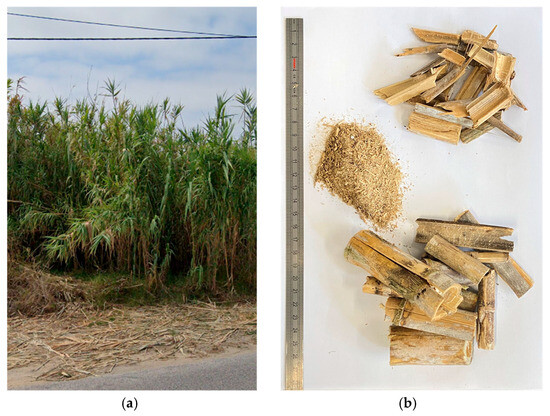
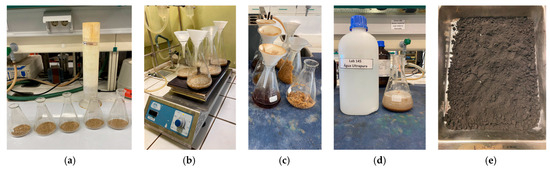
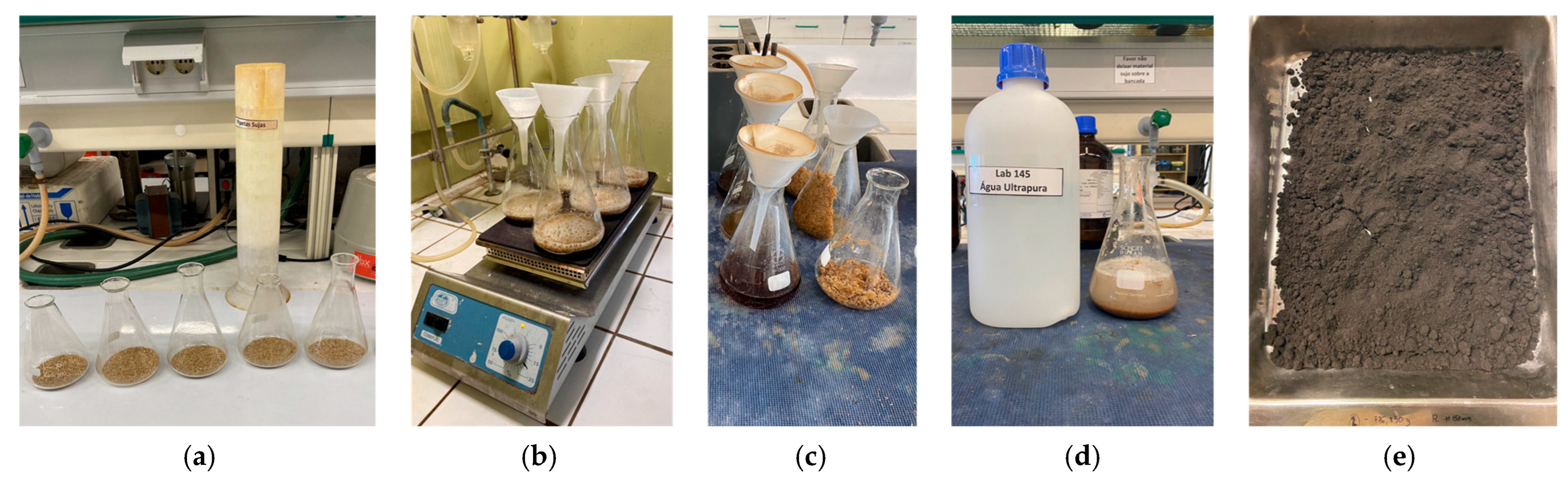
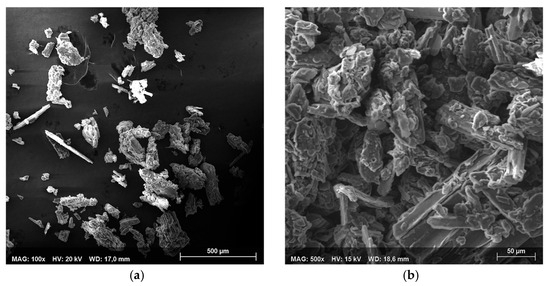
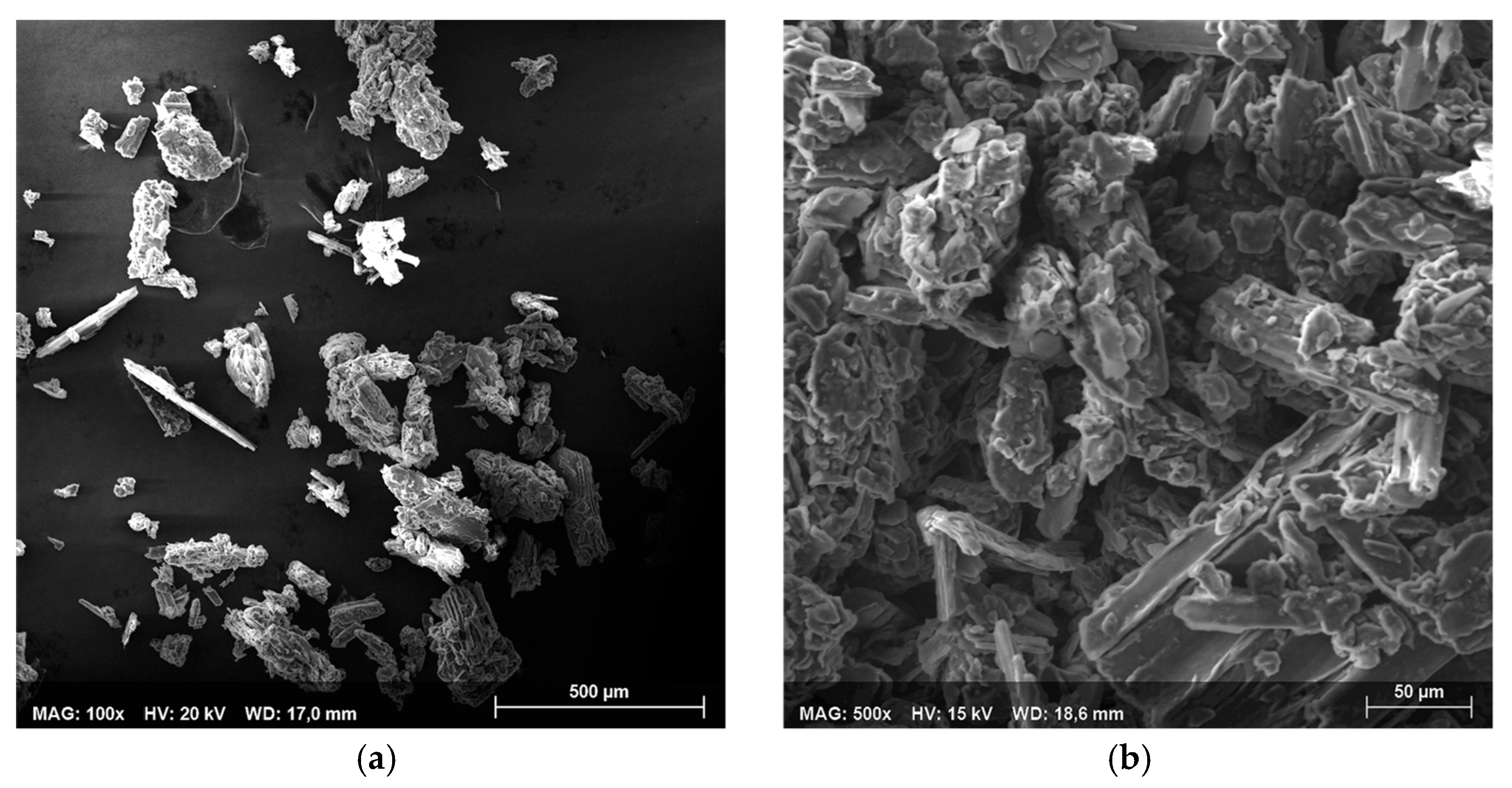
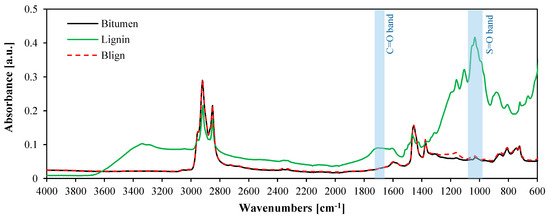
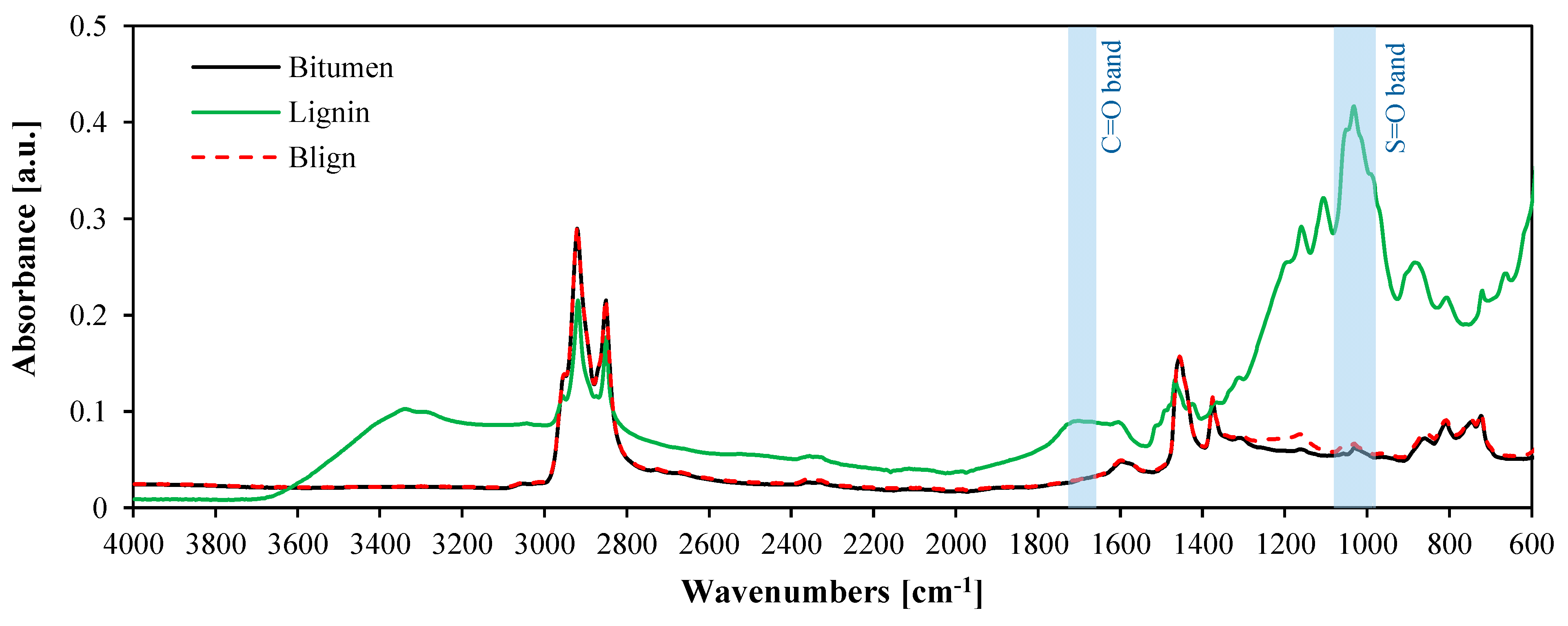
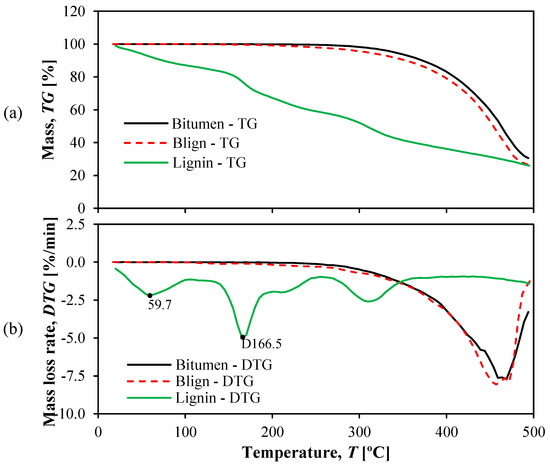
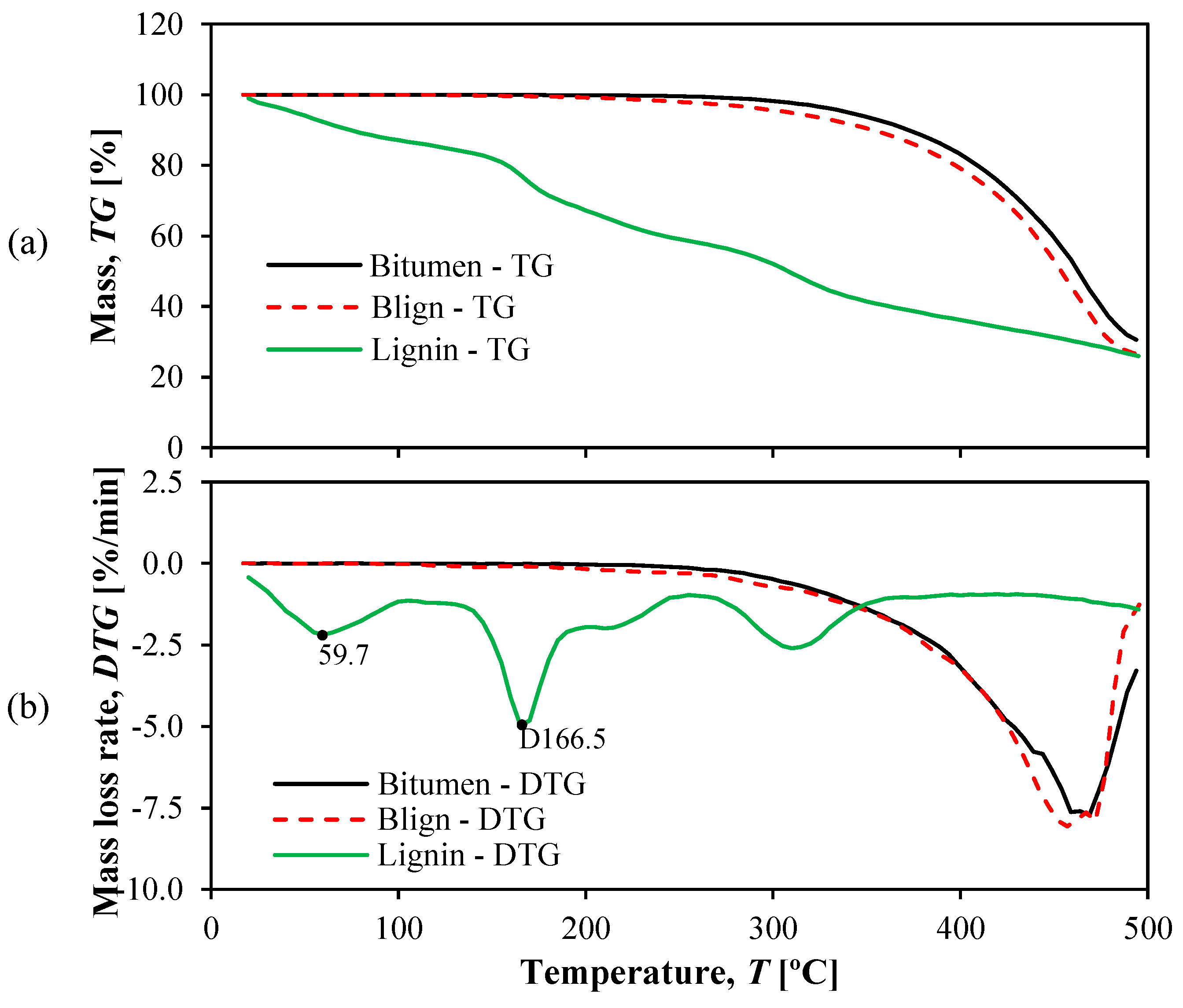
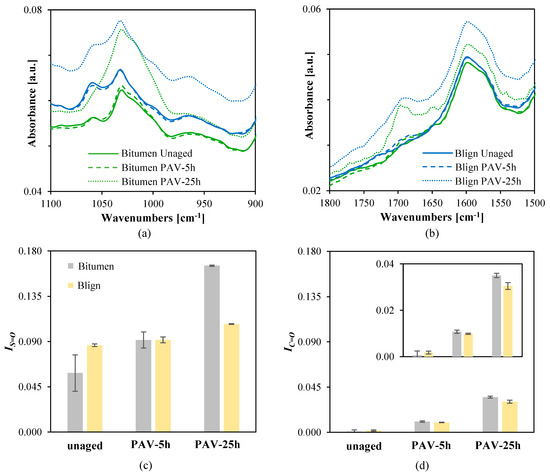
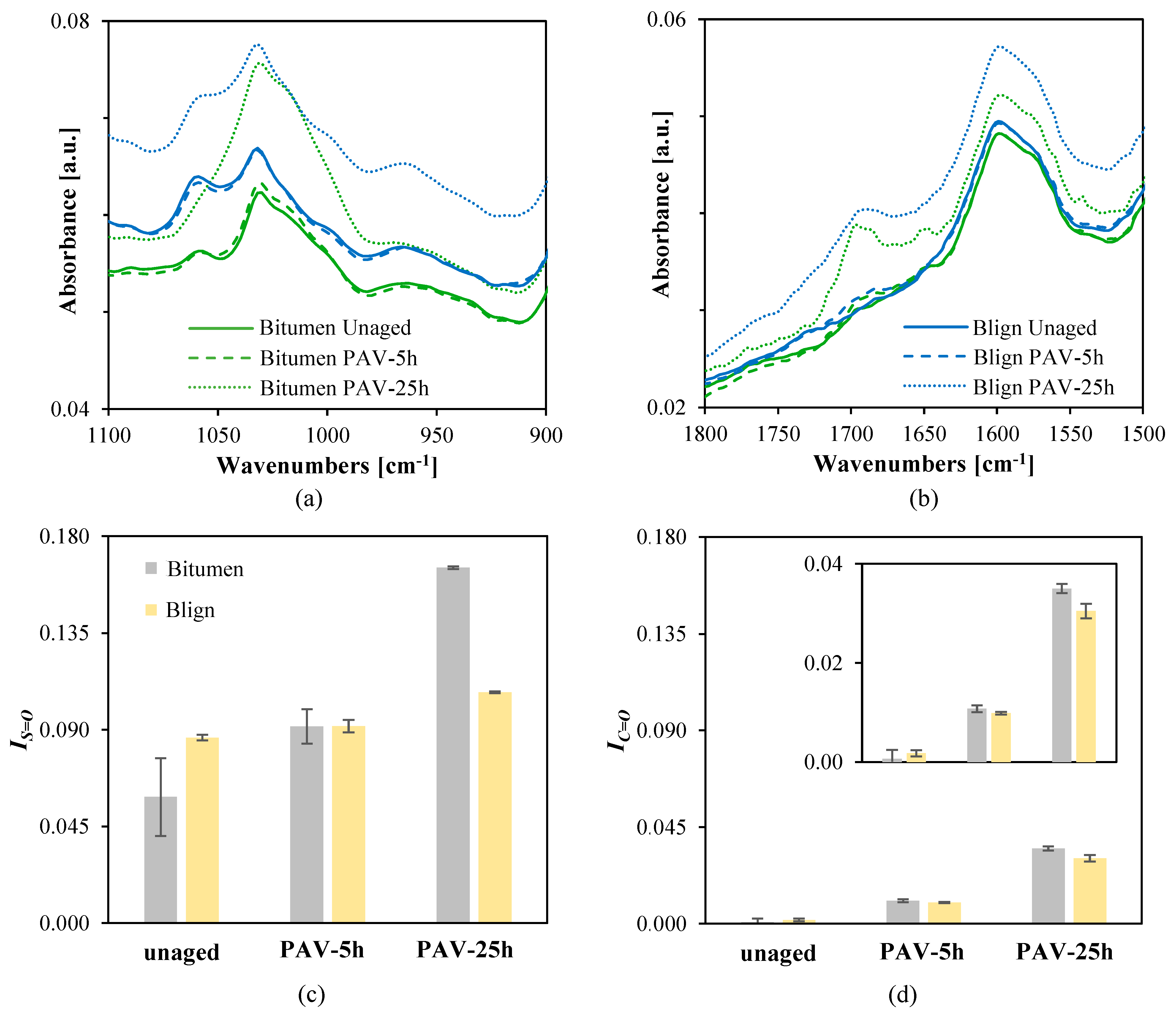
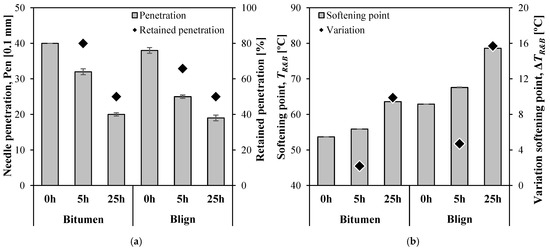
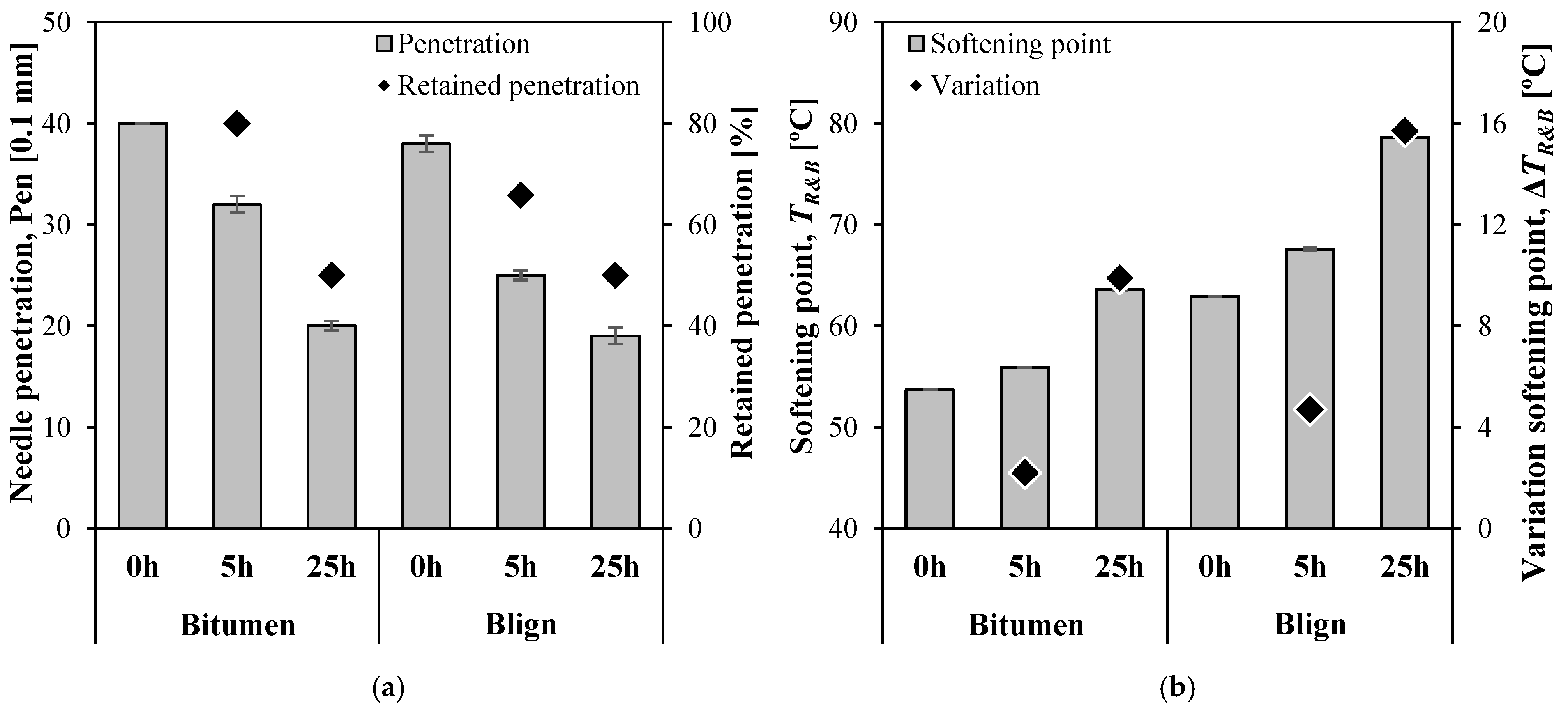
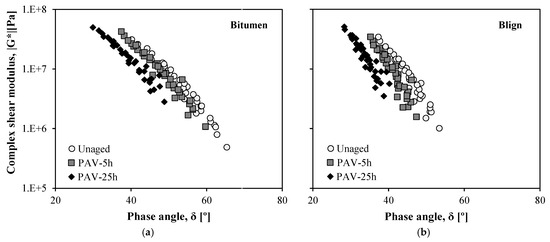
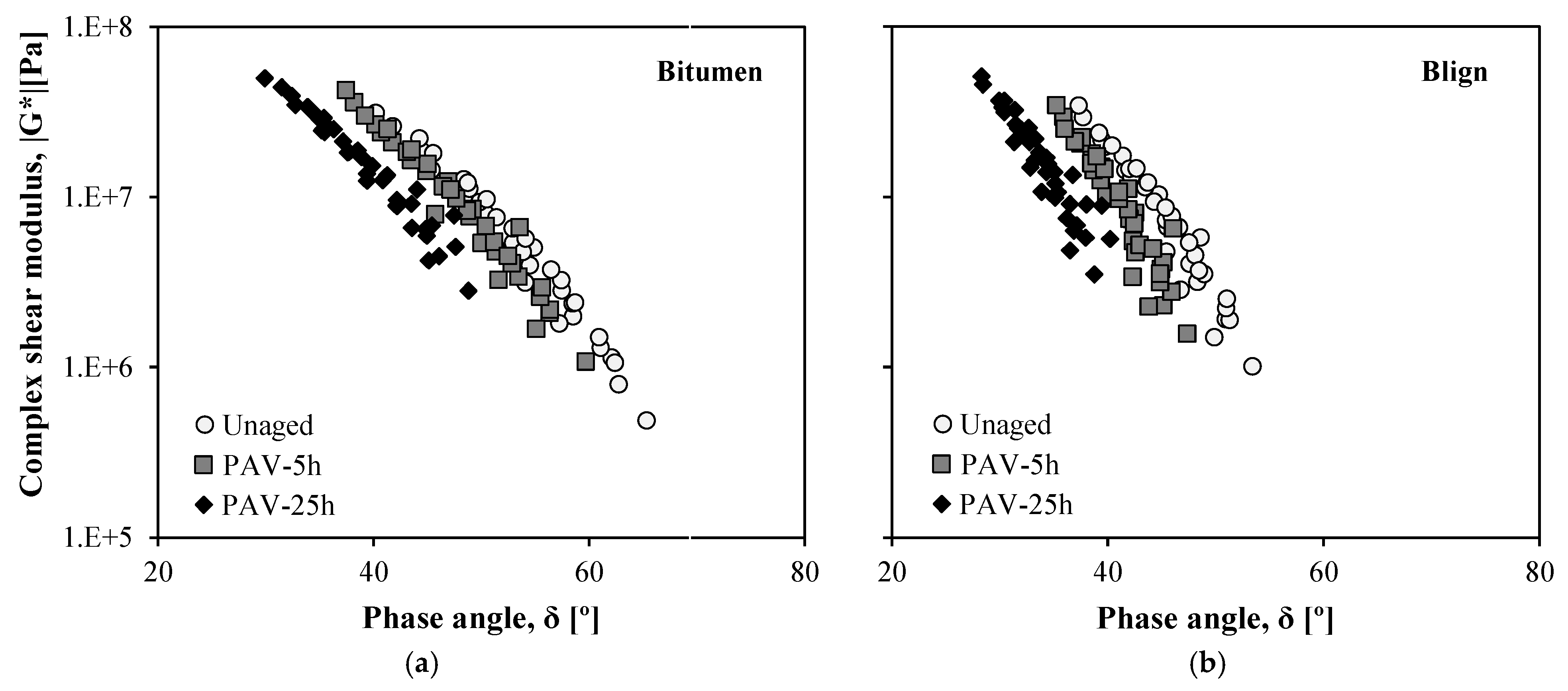
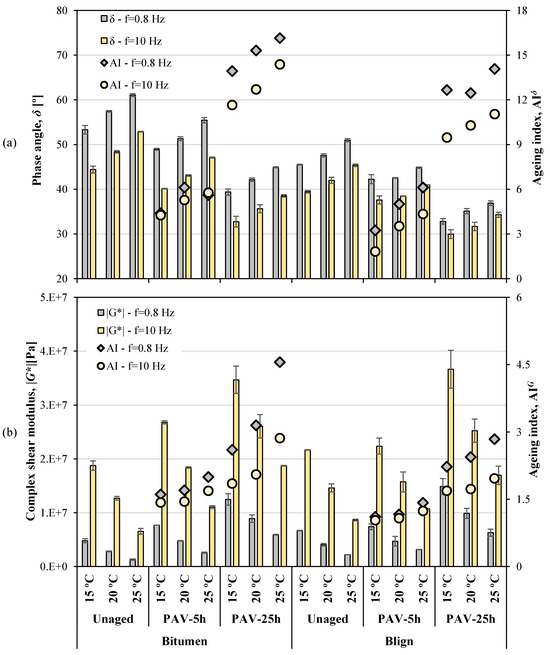
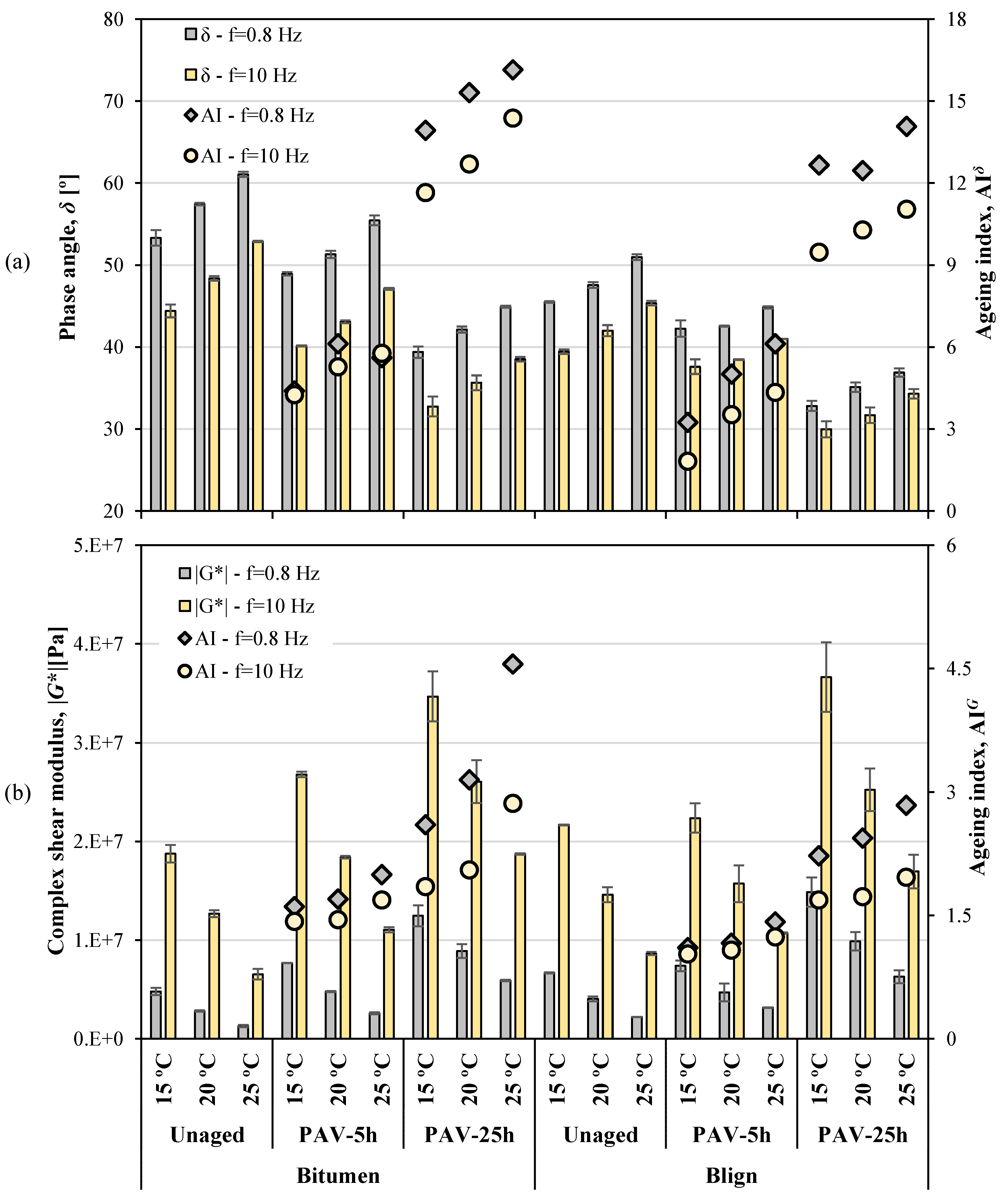
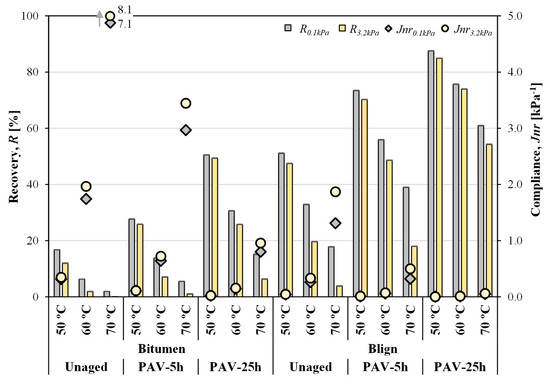
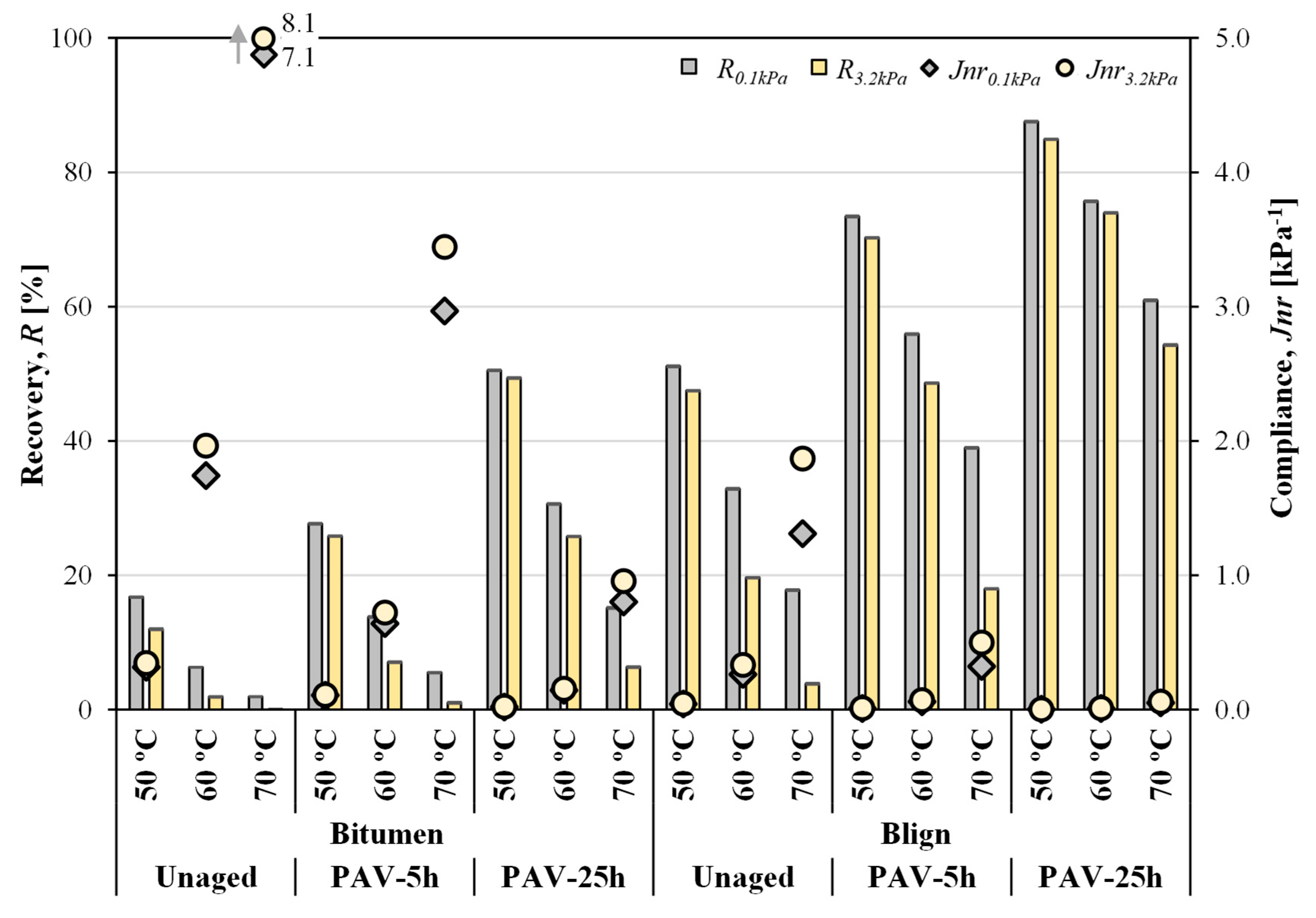
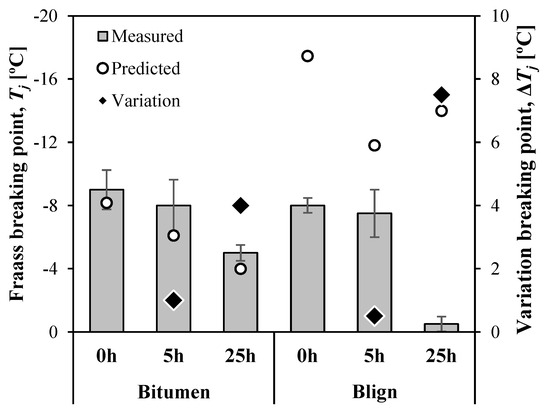
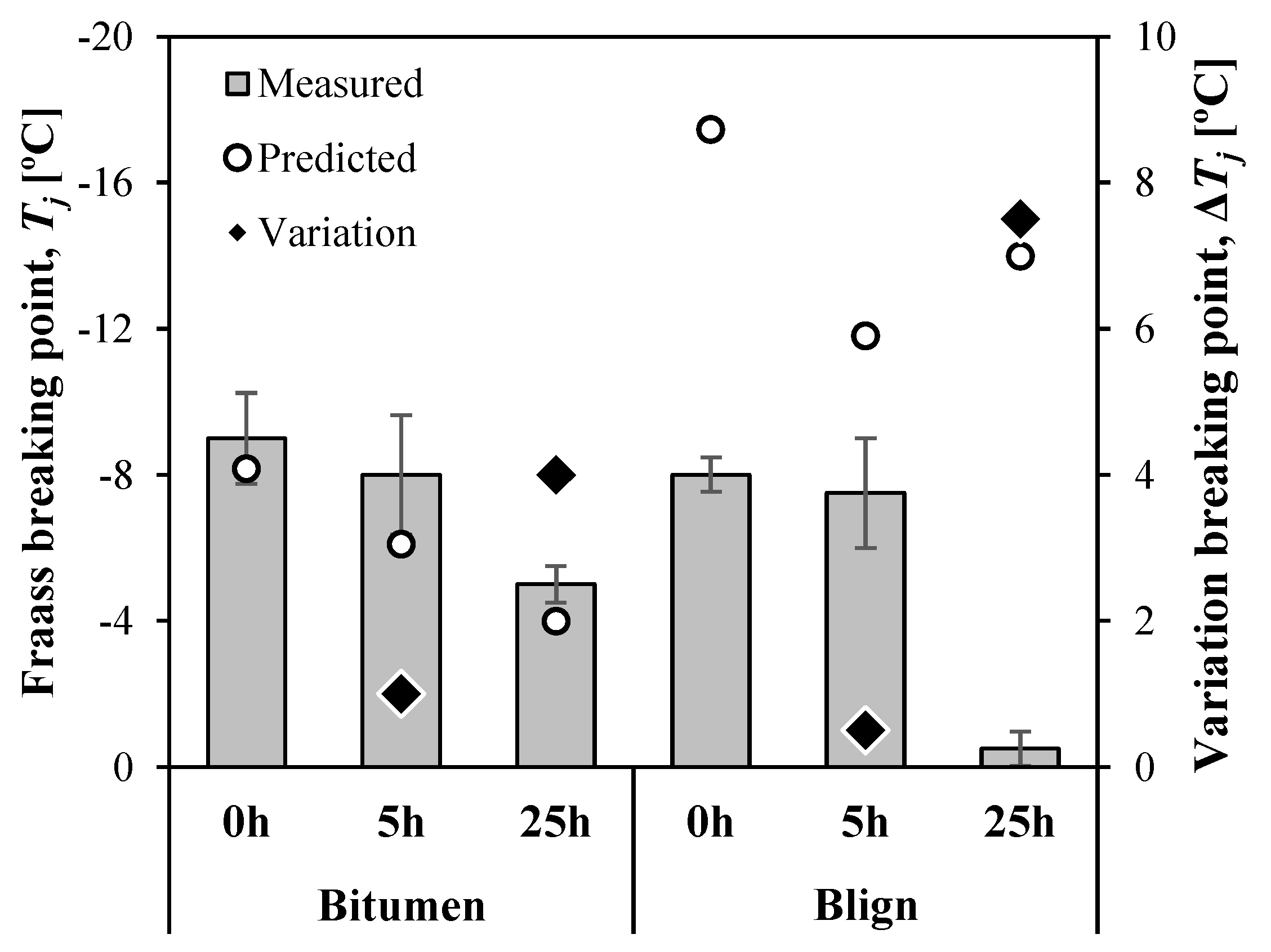
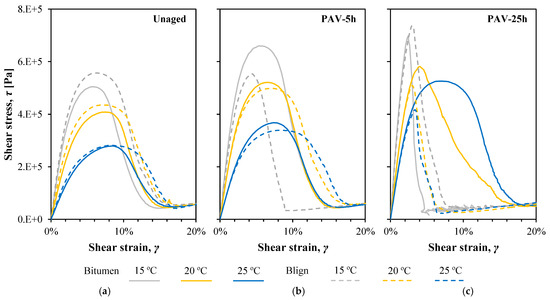
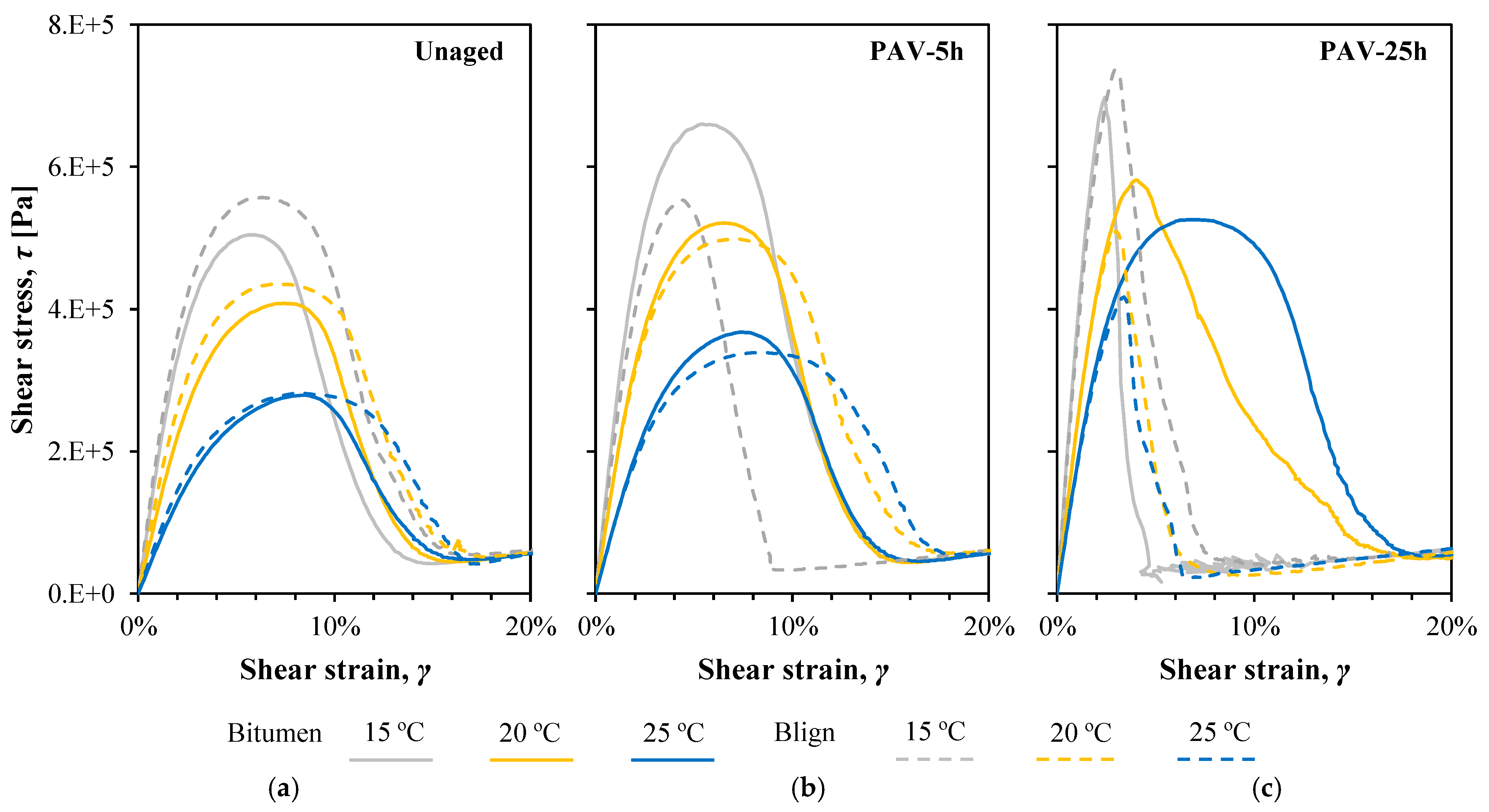
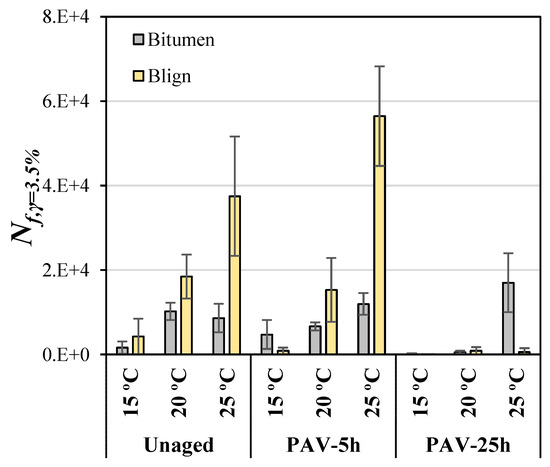
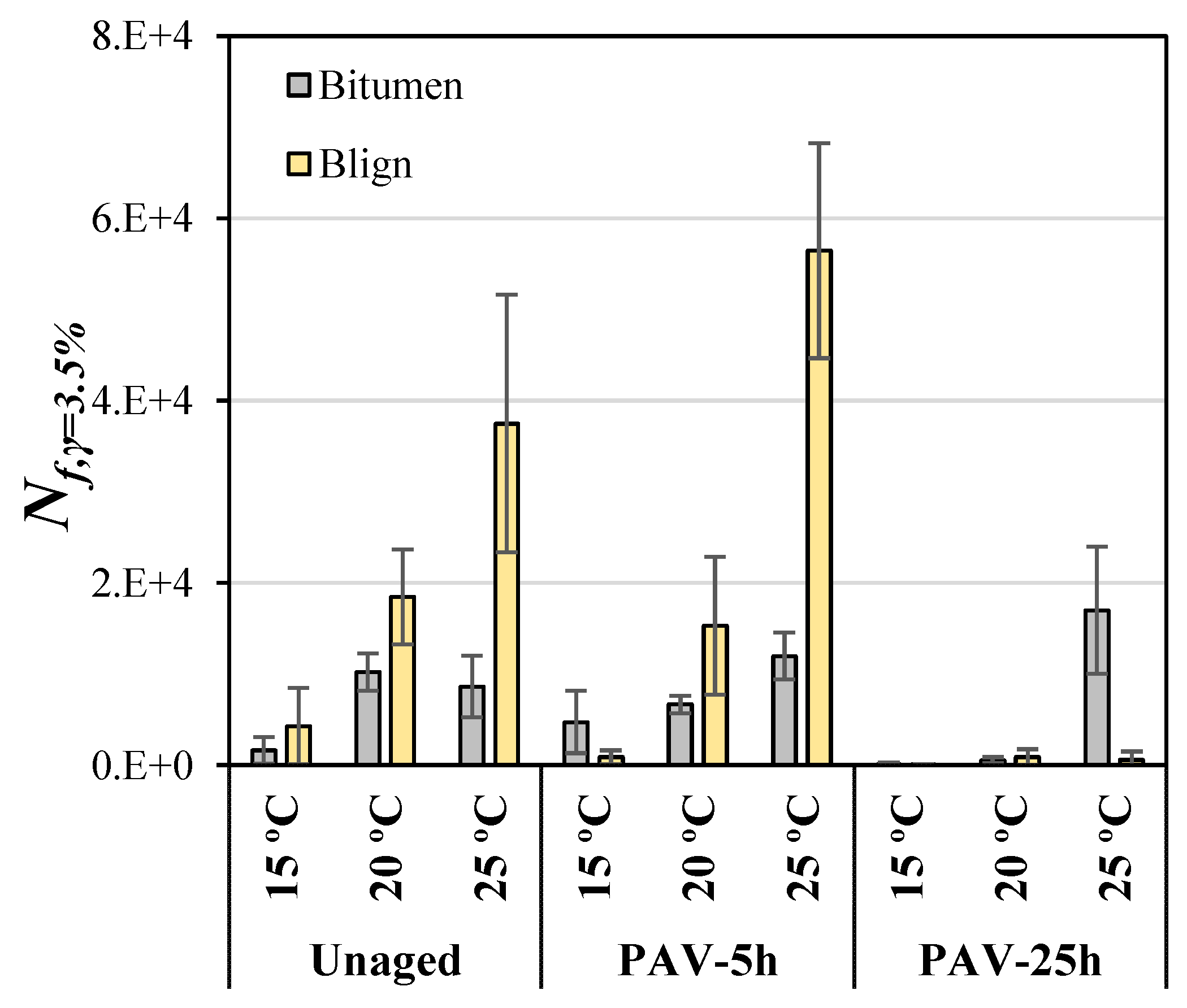
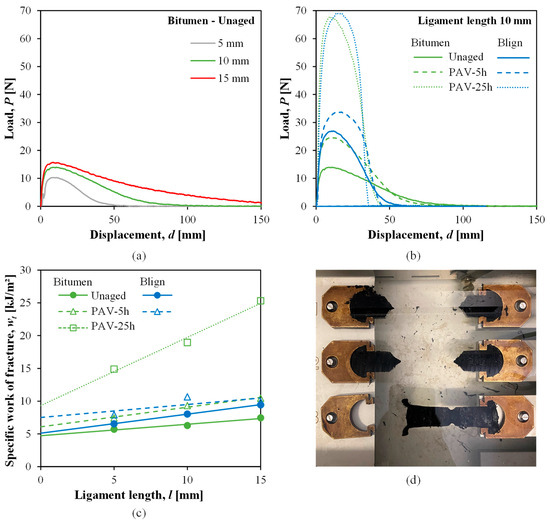
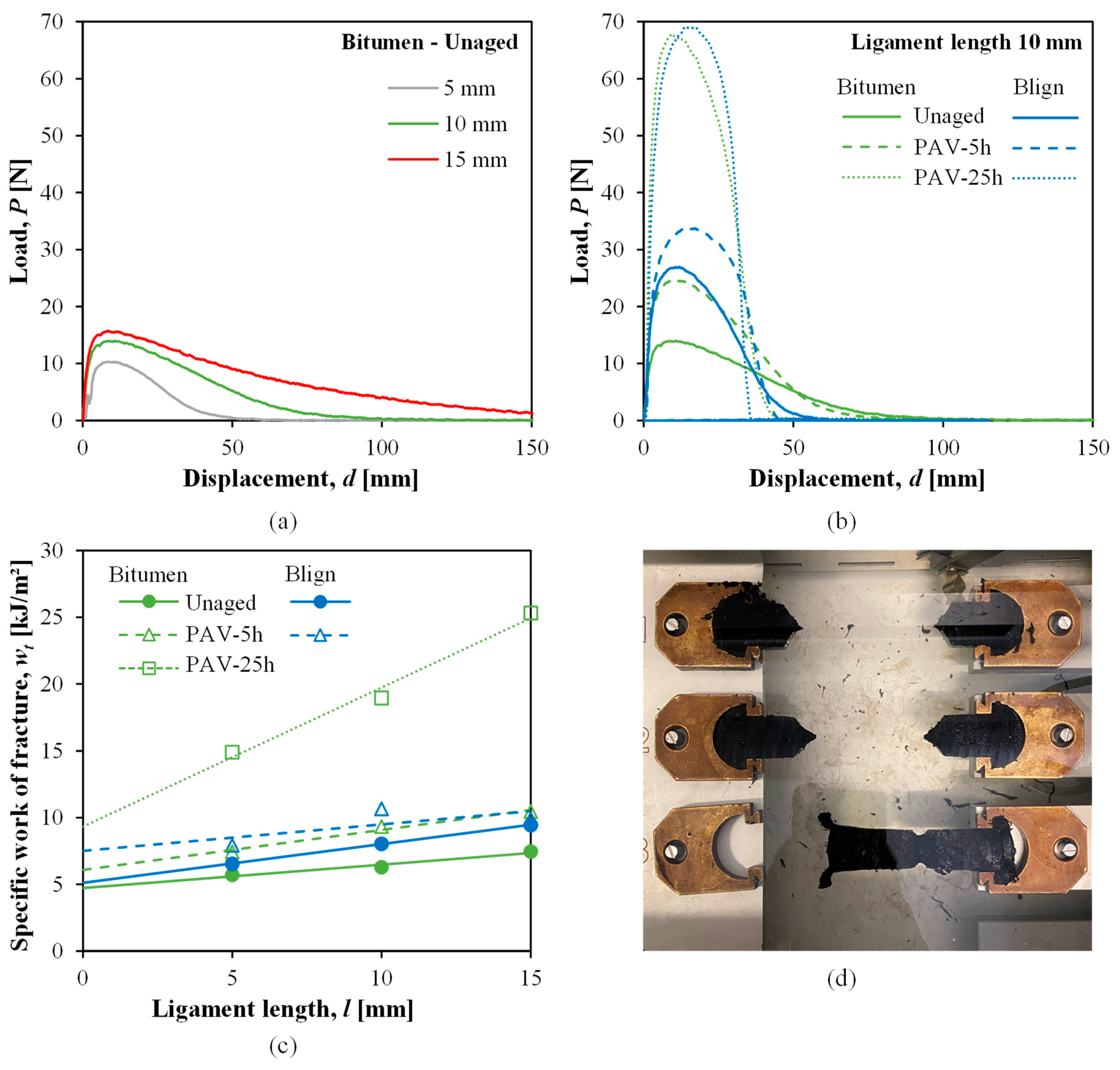
Disclaimer/Publisher’s Note: The statements, opinions and data contained in all publications are solely those of the individual author(s) and contributor(s) and not of MDPI and/or the editor(s). MDPI and/or the editor(s) disclaim responsibility for any injury to people or property resulting from any ideas, methods, instructions or products referred to in the content. |
© 2026 by the authors. Licensee MDPI, Basel, Switzerland. This article is an open access article distributed under the terms and conditions of the Creative Commons Attribution (CC BY) license.