
Article

Evaluation and Recommendations for Rehabilitation and Modernization of a Road Tunnel in a High Mountain Area

Faculty of Railways, Roads and Bridges, Technical University of Civil Engineering Bucharest, 020396 Bucharest, Romania
*
Author to whom correspondence should be addressed.
Infrastructures 2026, 11(3), 94; https://doi.org/10.3390/infrastructures11030094

Submission received: 1 February 2026 / Revised: 22 February 2026 / Accepted: 9 March 2026 / Published: 12 March 2026

Abstract

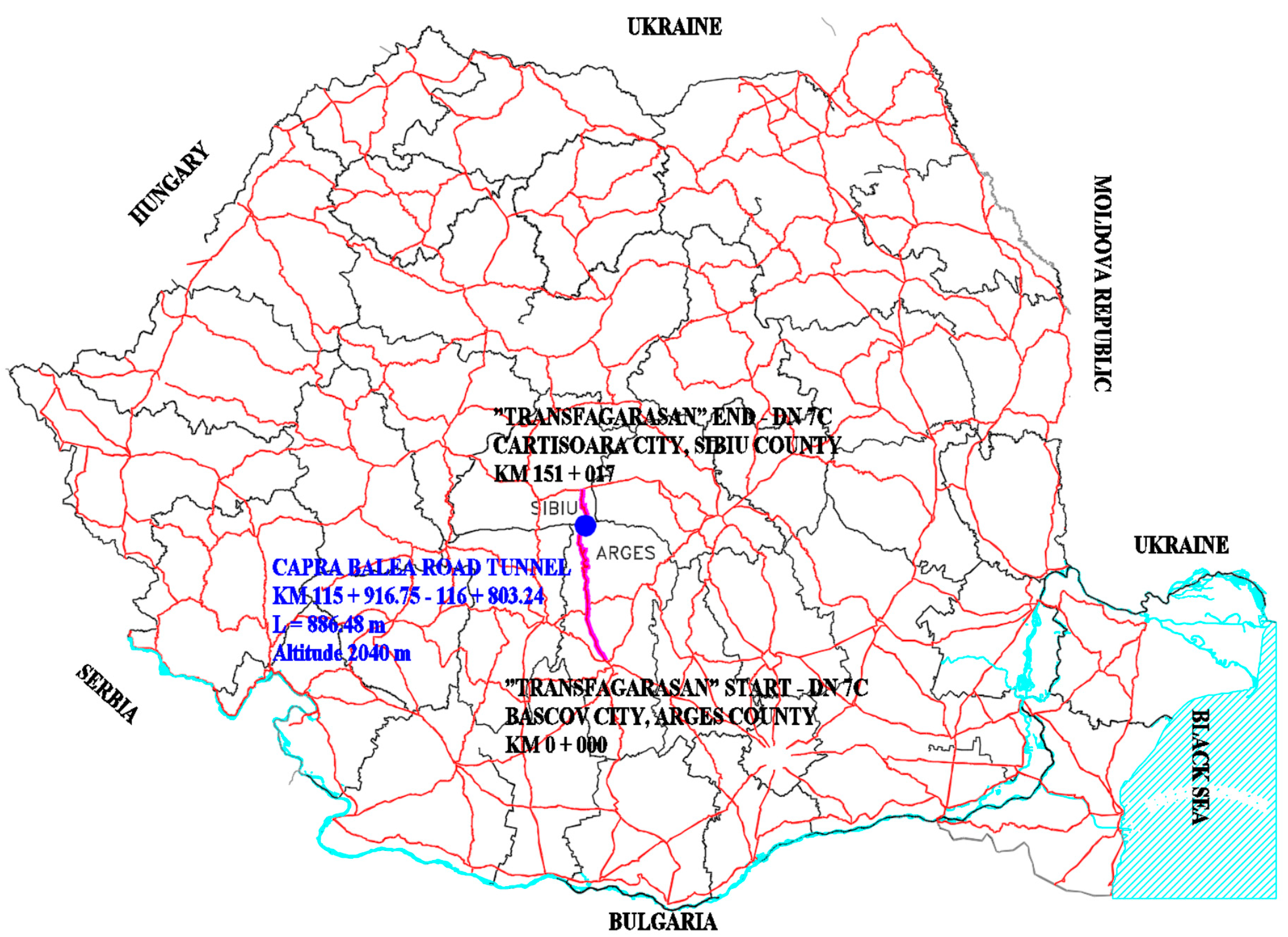
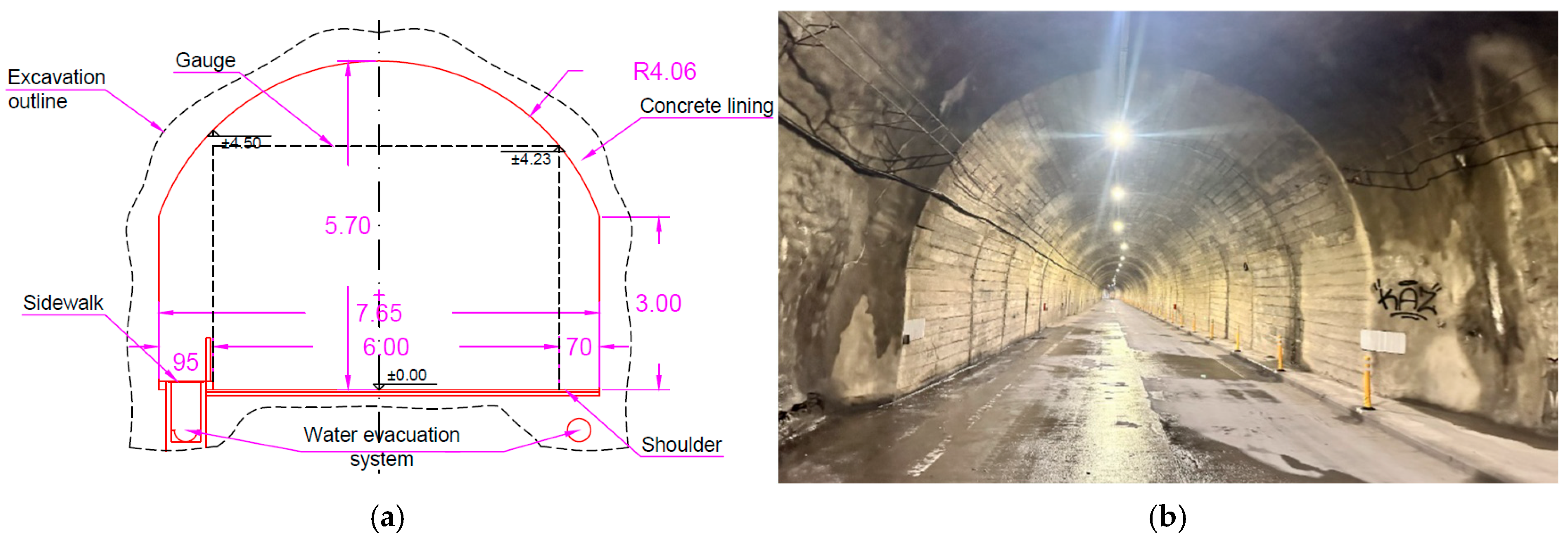
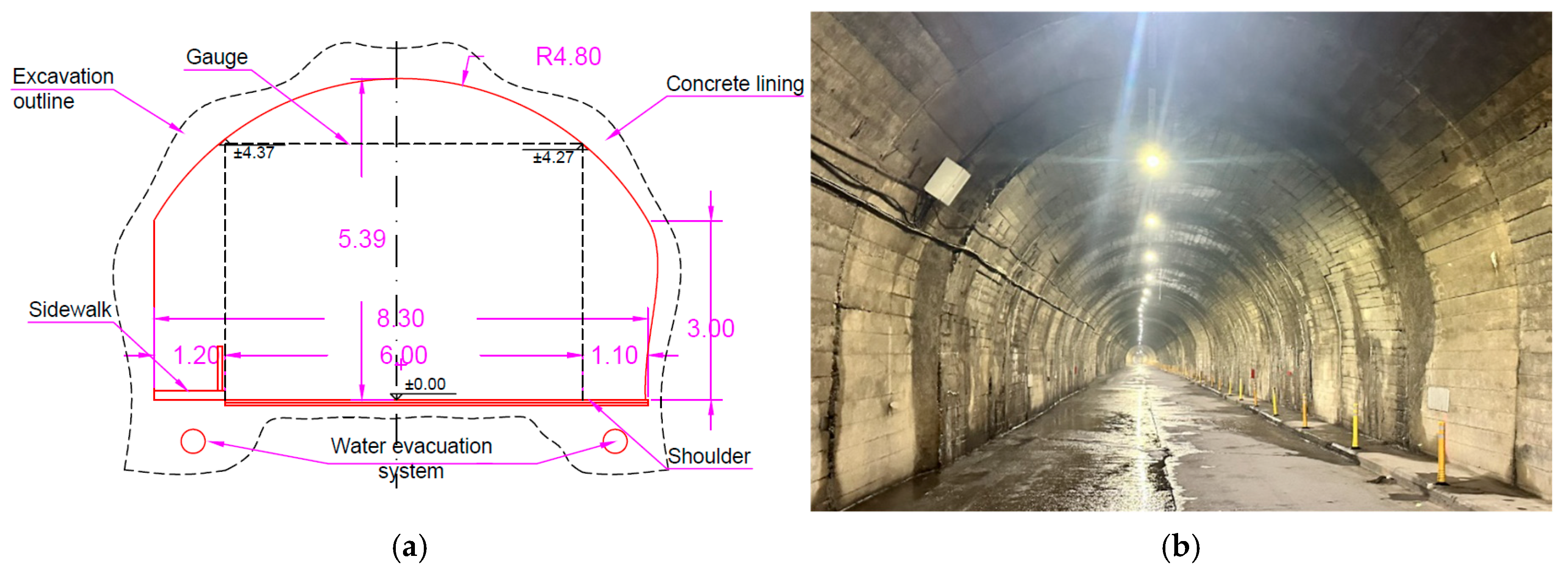
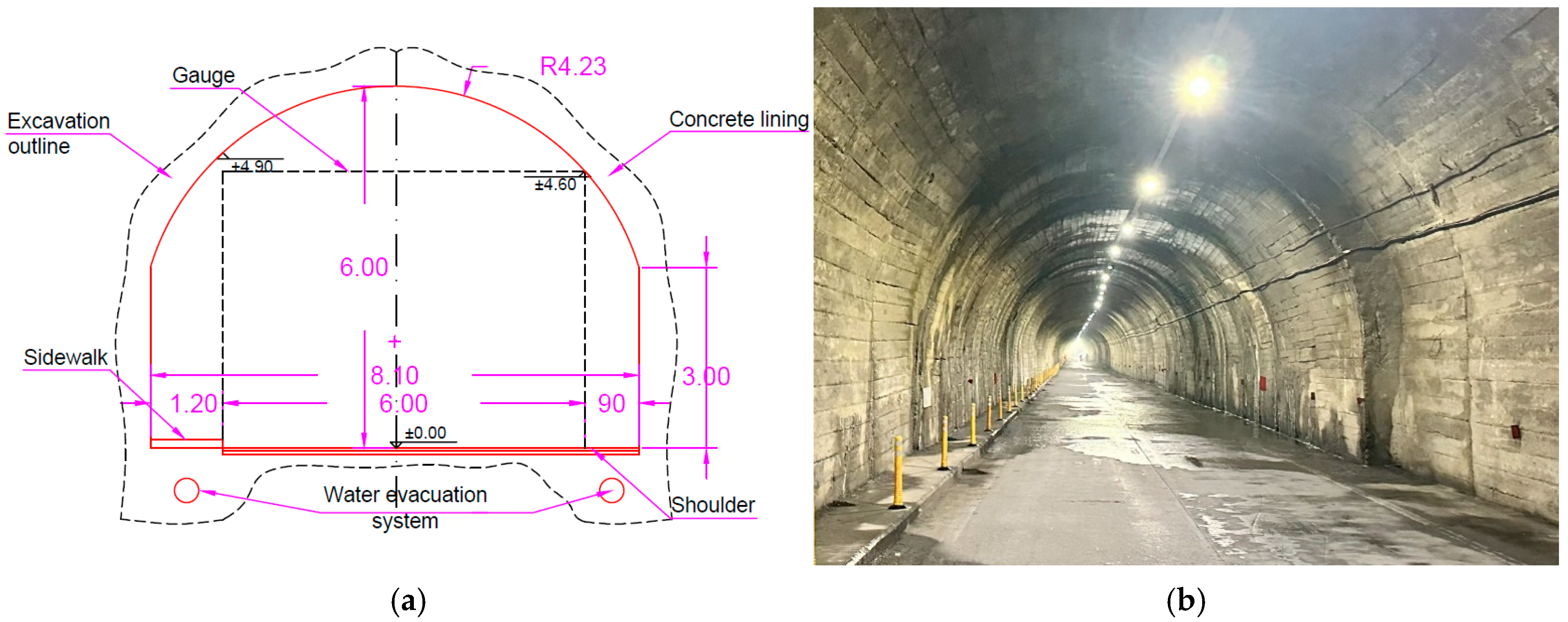
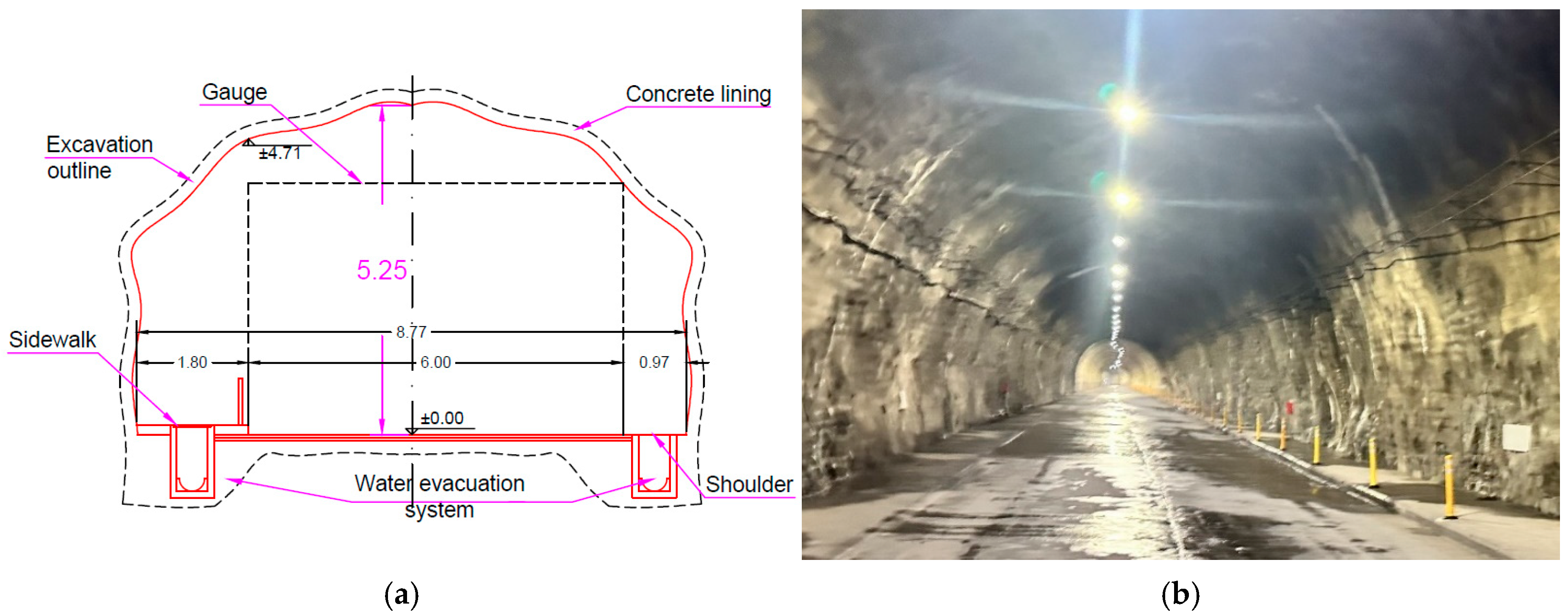
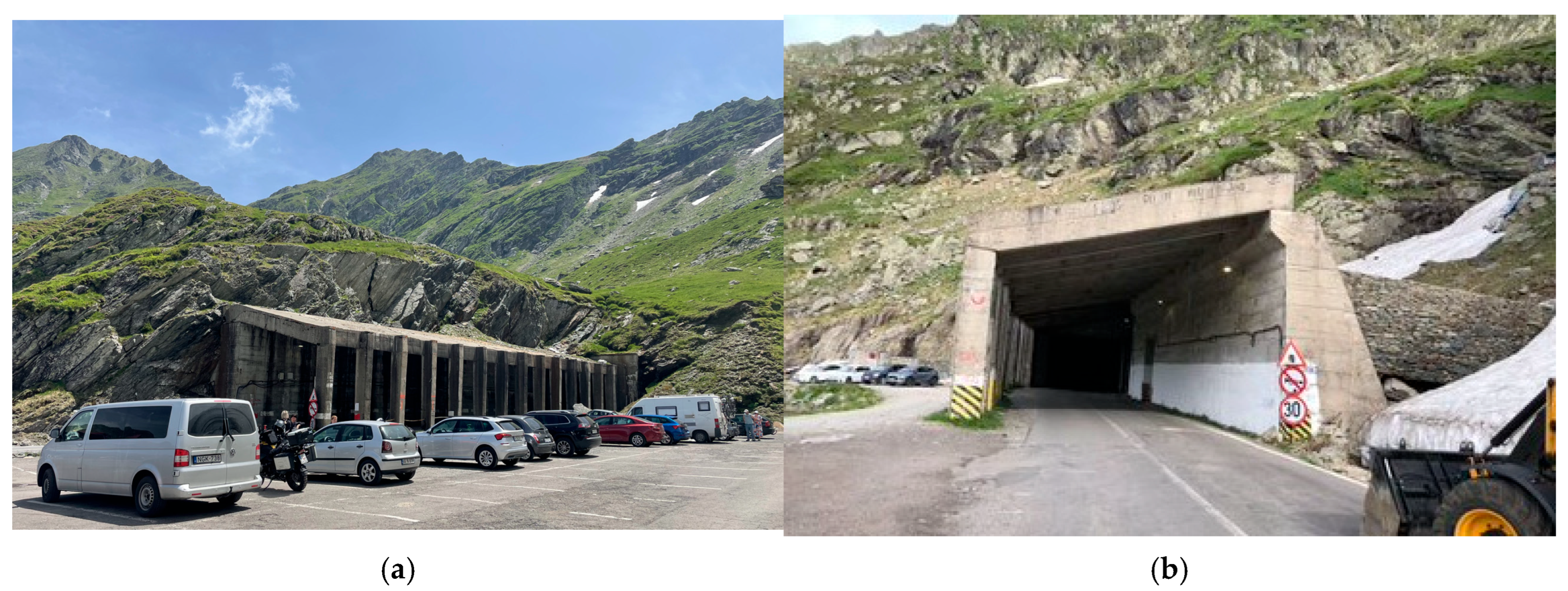
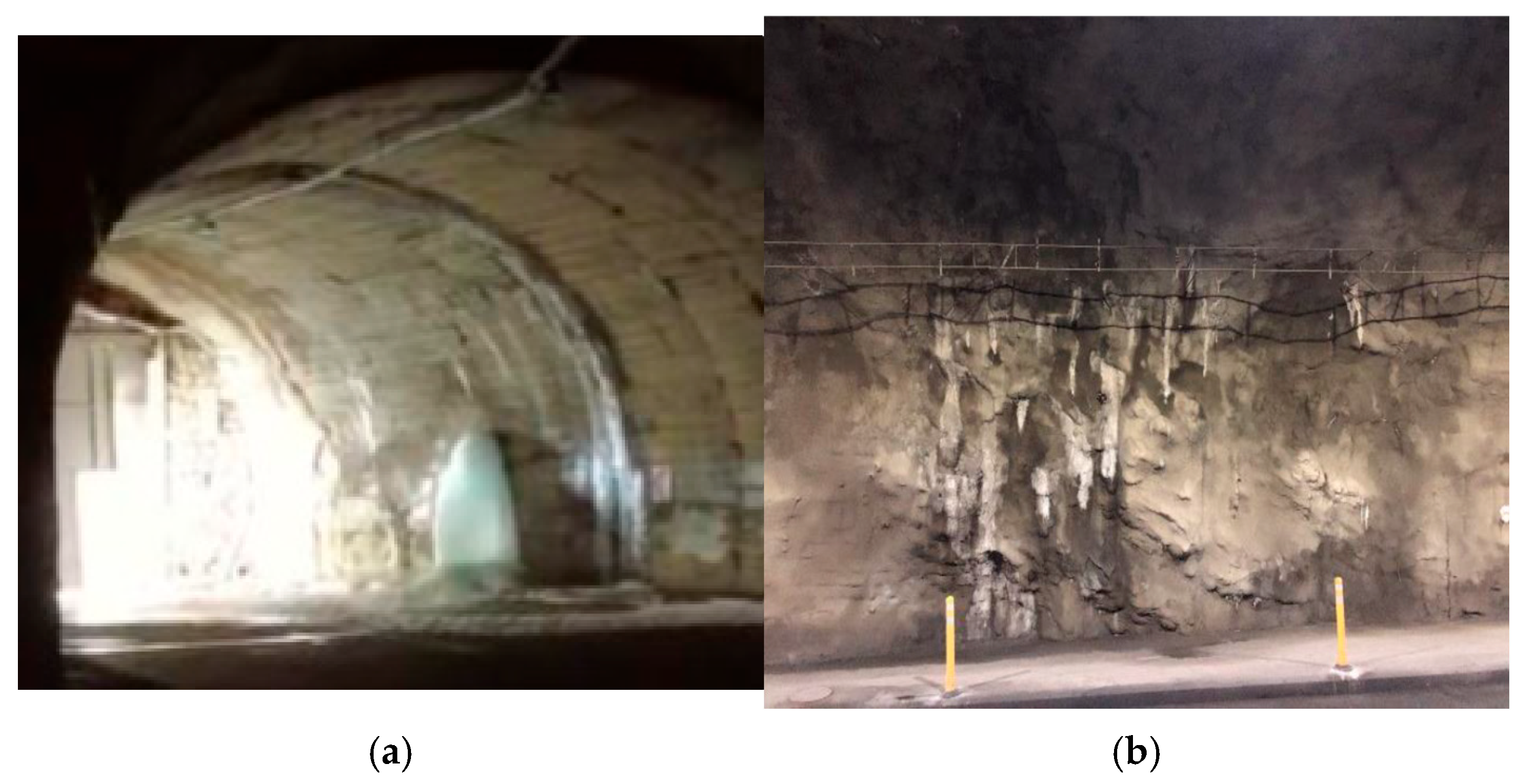
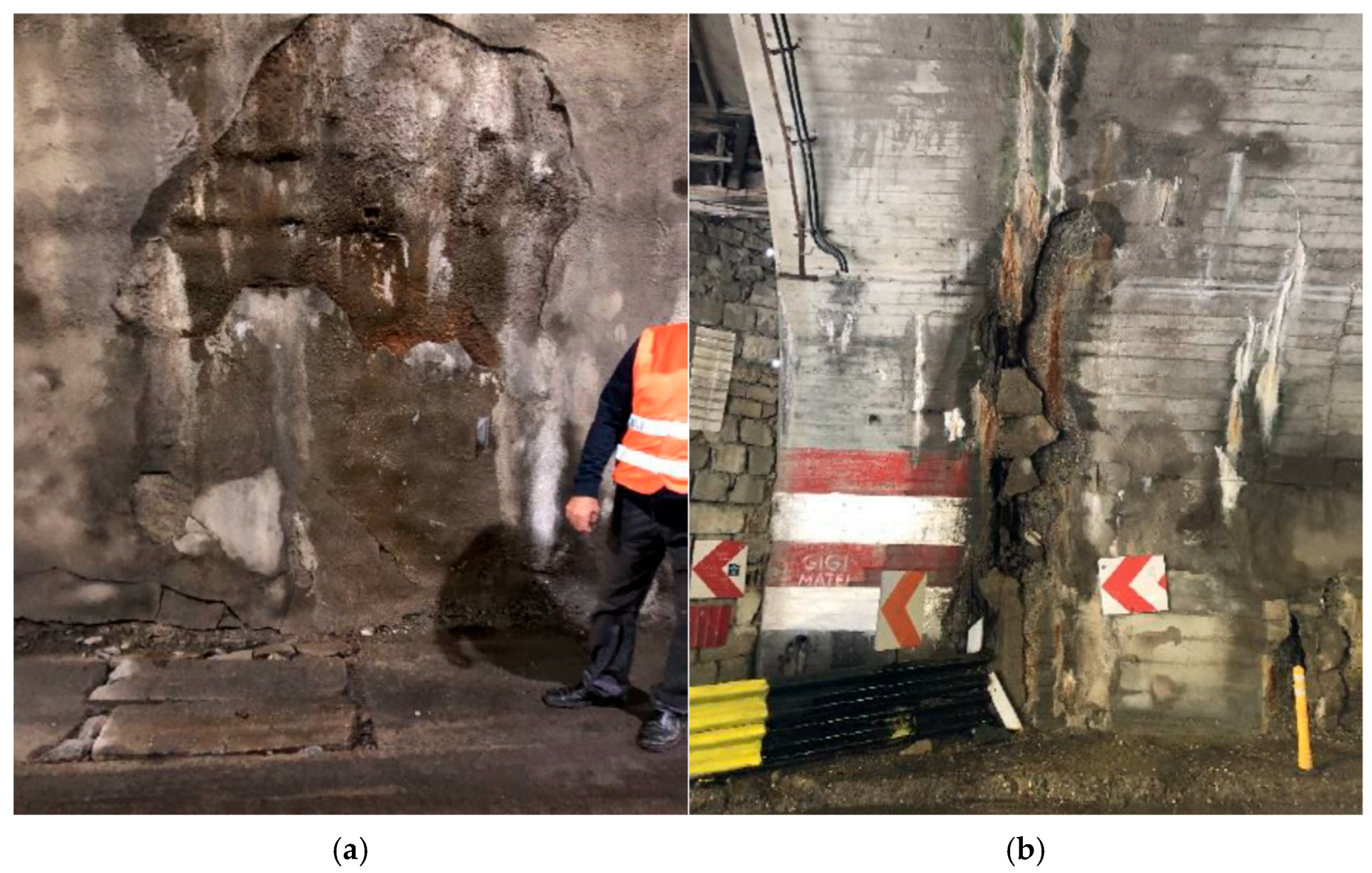
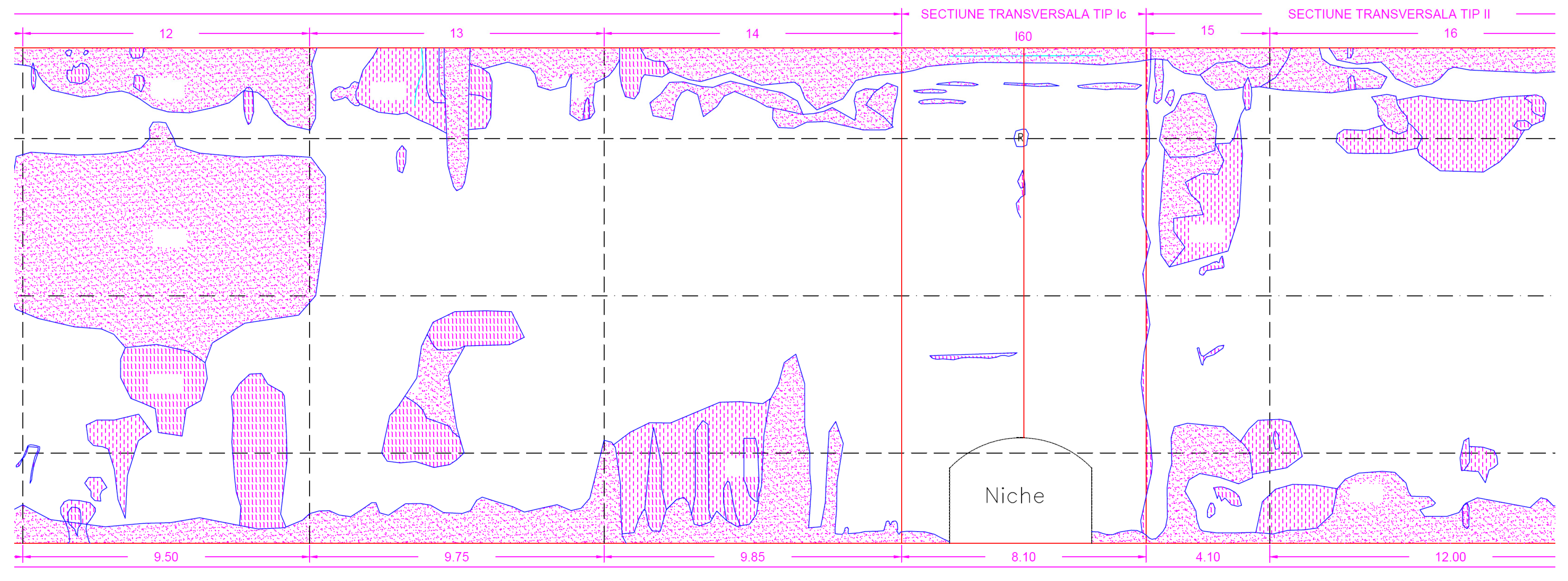
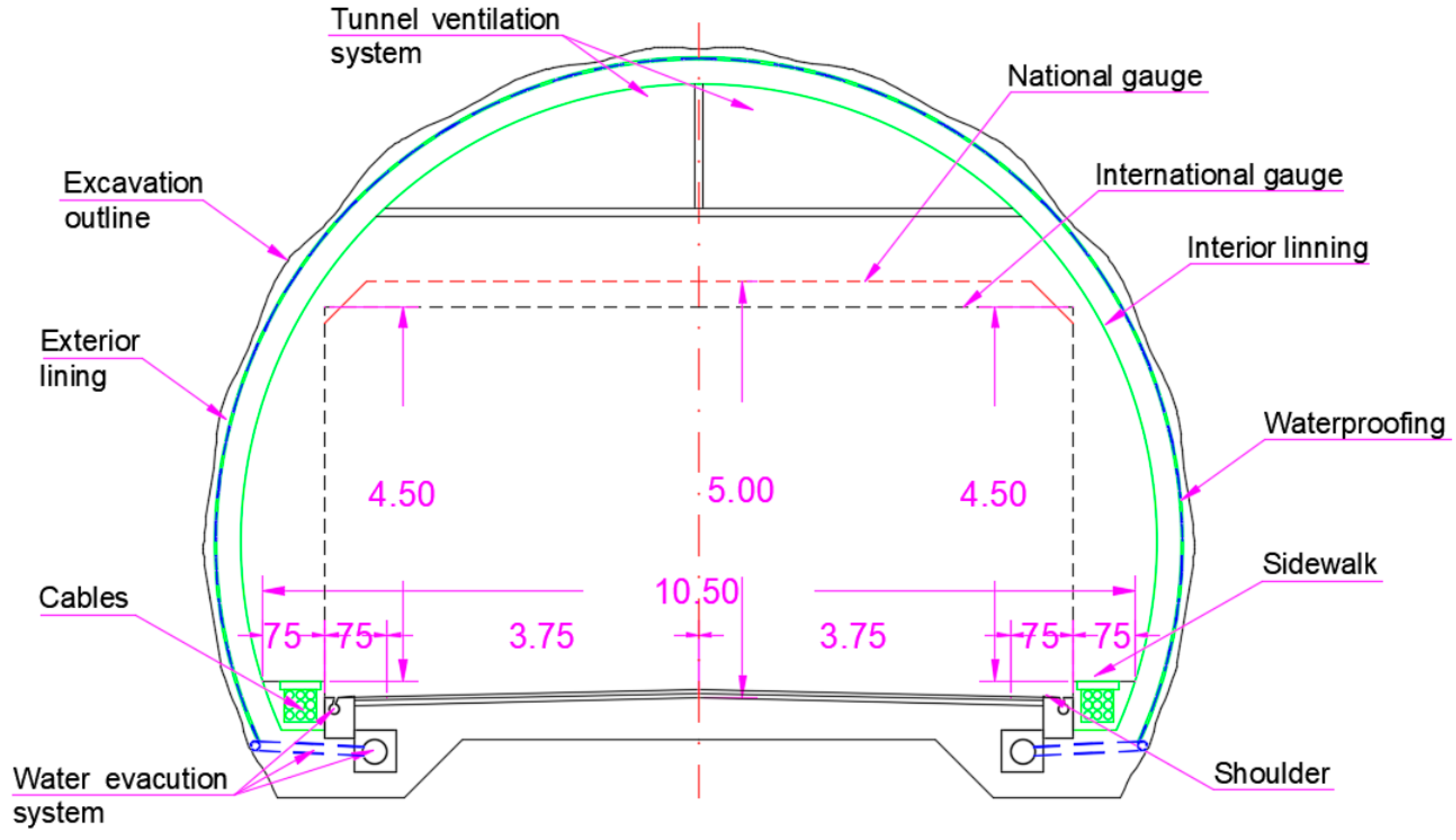
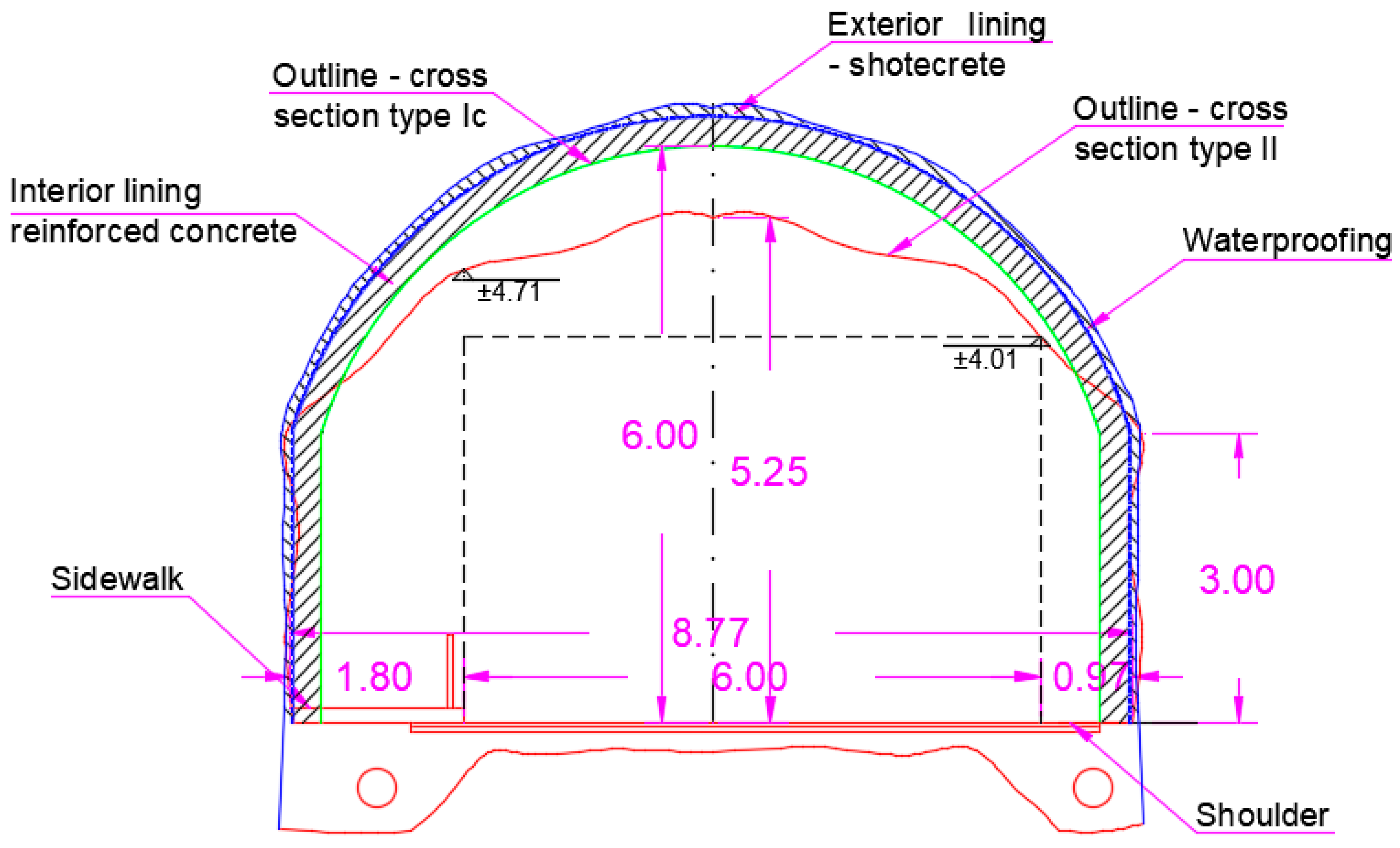
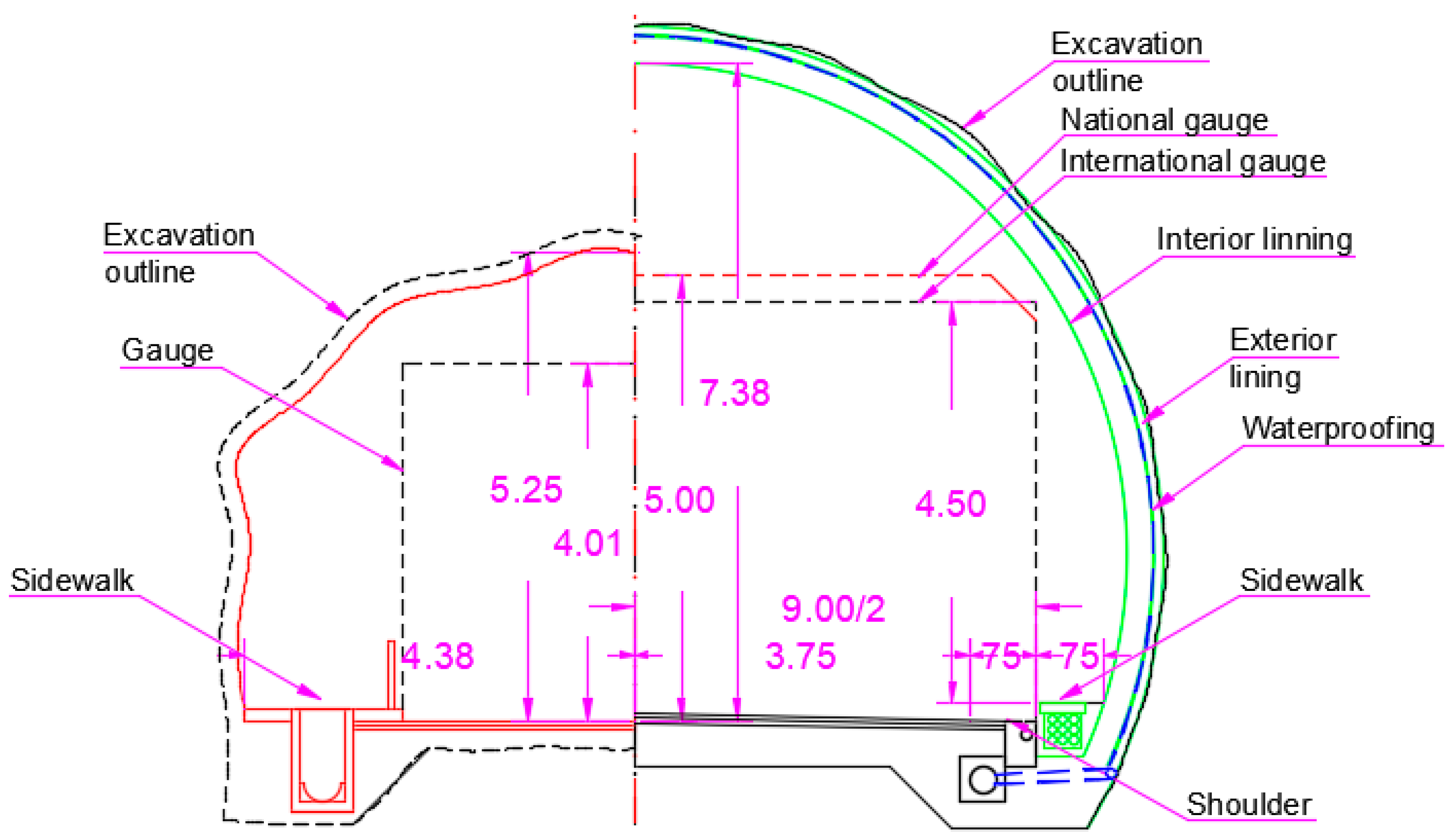
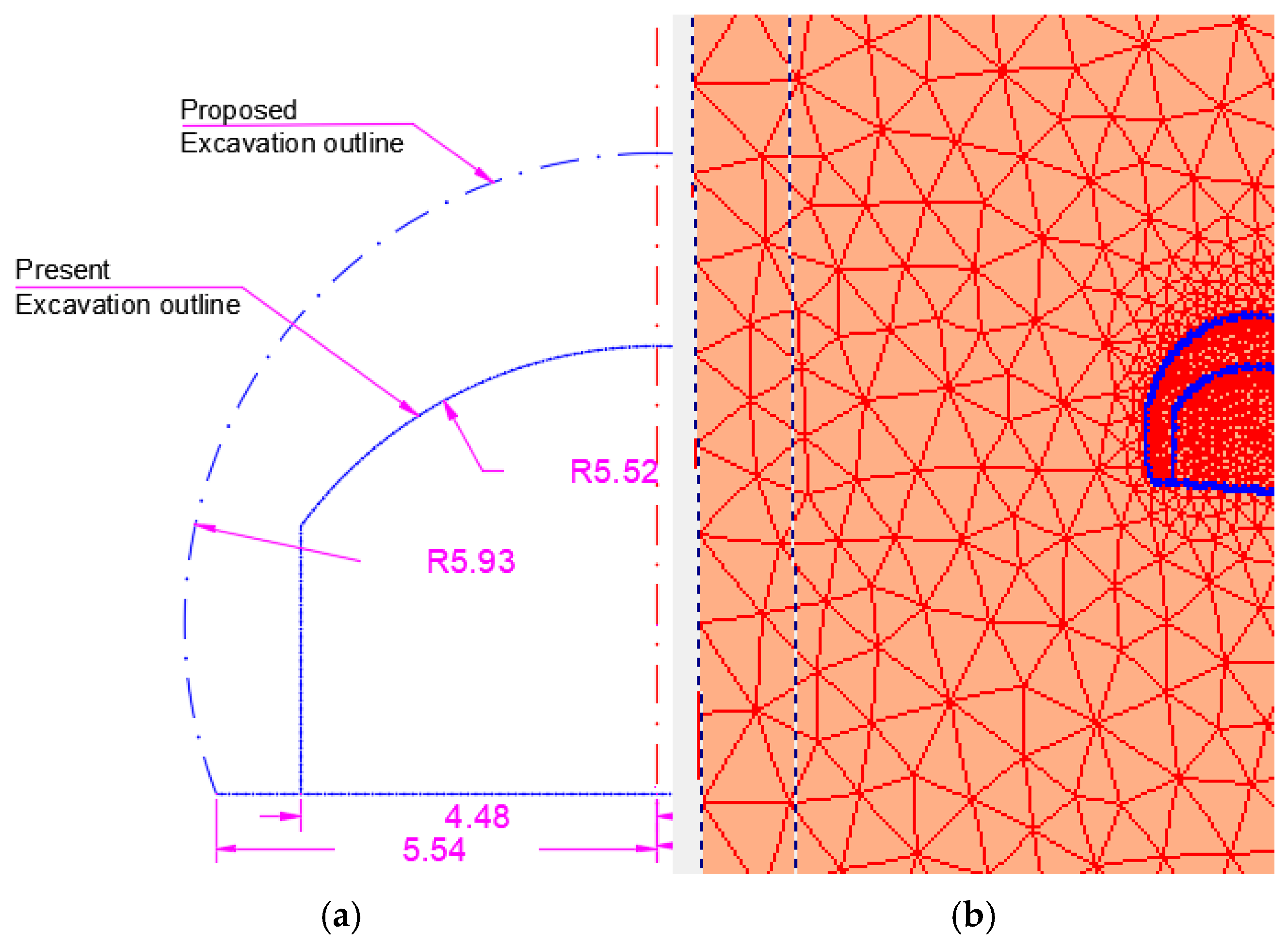
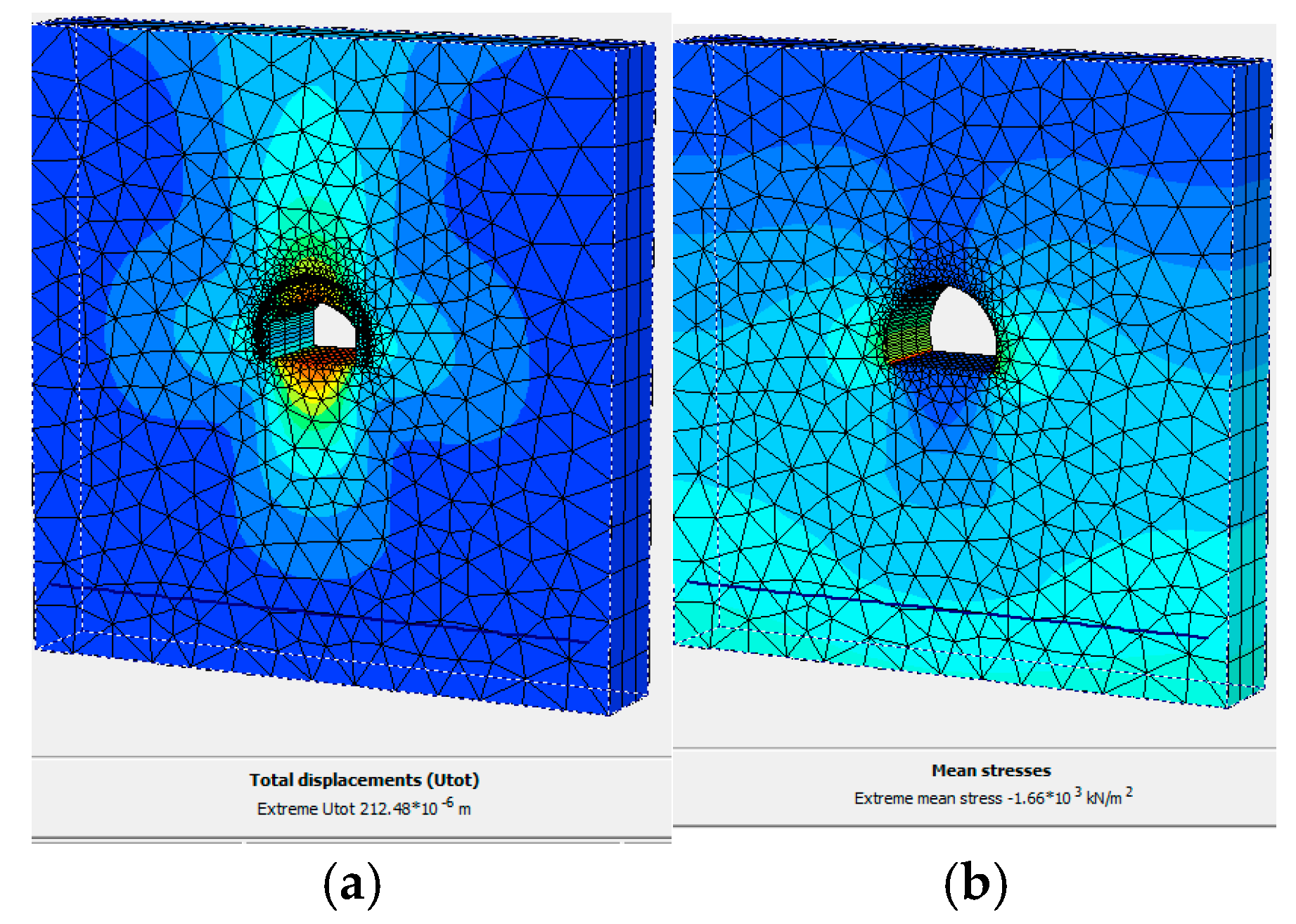
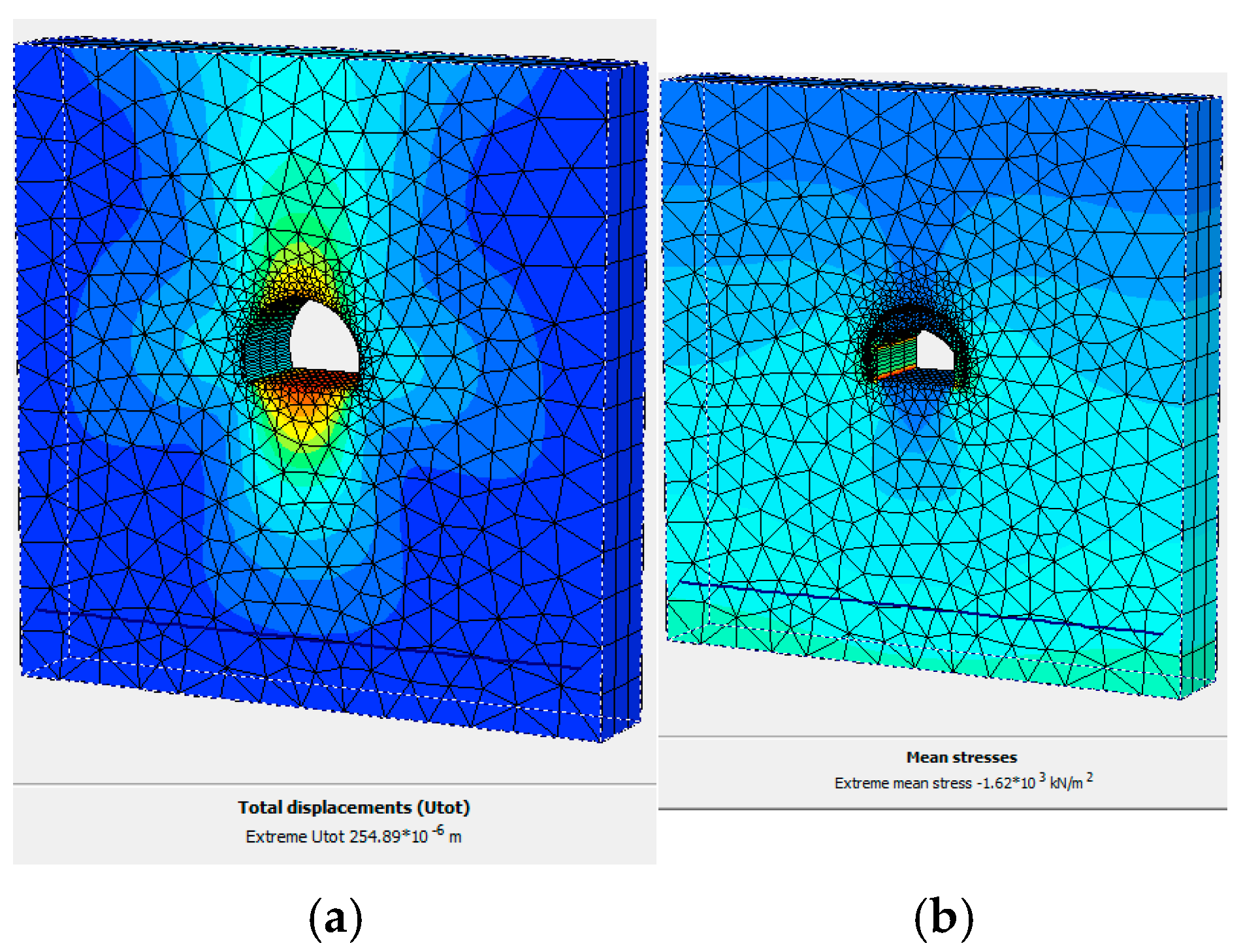
The paper presents the evaluation and research undertaken to propose an optimal solution for the Capra–Bâlea road tunnel, within the framework of rehabilitating and modernizing the entire road section, with the objective of ensuring uninterrupted vehicular traffic during the winter season. The Capra–Bâlea road tunnel is the longest operational and under exploitation tunnel in Romania, measuring 887 m, and the highest-altitude road tunnel structure in the country, at 2042 m above sea level. It serves as a connection between the historic regions of Tara Romaneasca and Transylvania via the DN7C national road, commonly referred to as the Transfagarasan, which is among Romania’s most significant tourist routes, and contains five of the ten existing road tunnels in the country. The tunnel passes through crystalline metamorphic rocks typical of the Fagaras mountains. The construction method was typical of the 1970s, combining drill-and-blast in the central section with cut-and-cover execution at the two ends. The technical condition of the tunnel, evaluated through a detailed technical inspection, is presented, highlighting defects and proposing rehabilitation or restoration solutions. The existing cross sections are described and comparatively analyzed against the currently recommended cross-sections in accordance with present standards and gauge requirements. A three-dimensional simulation of both the current and original cross-sections was performed to investigate the behavior of this type of structure, and solutions for tunnel rehabilitation and modernization are recommended. Finally, the advantages of the proposed solution are discussed.
Keywords: tunnel; transport infrastructure; rehabilitation–modernization; high-altitude tunnel; transport infrastructure; rehabilitation–modernization; high-altitude