


Abstract
Background: Replacing sedentary behavior (SB) with light-intensity physical activity (LIPA) may improve sit-to-stand (STS) ability in older adults, but whether the LIPA pattern influences the time course (or physiological basis) of adaptation remains unclear. Objectives: To compare the time course of changes in STS performance, including repetition duration, following intermittent versus continuous LIPA in older women, and to examine associations between functional changes and changes in lower-limb muscle morphology and tissue quality. Methods: Twenty-eight older women = (74 ± 5 years, BMI: 26.1 ± 3.6 kg·m−2, waist: height ratio: 0.58 ± 0.06) completed eight weeks of either intermittent (2 min bouts of LIPA following each 30 min of uninterrupted SB between 09:00 and 21:00, approximately 44 min·day−1 under a maximally sedentary pattern of LIPA); or continuous (one 45–50 min daily bout of LIPA) LIPA. Compliance with LIPA interventions was objectively assessed using accelerometry at weeks 0, 4 and 8. Thirty-second STS (30STS) performance and repetition duration were assessed at baseline, week 4 and week 8. Muscle morphology was assessed by ultrasonography at baseline and week 8. This two-arm, parallel-group quasi-randomized trial analyzed changes using two-way mixed ANOVA or ANCOVA, with non-parametric within- and between-group tests used where appropriate (two-sided α = 0.05). Exploratory correlations were Bonferroni-corrected. Results: 30STS repetitions increased from baseline to week 8 (p < 0.001), without a difference between LIPA patterns (p = 0.25). In participants assessed at all time points, 30STS performance improved between baseline and week 8 (p = 0.002) and weeks 4 and 8 (p = 0.017), while the baseline–week 4 comparison showed a trend (p = 0.076). Mean repetition duration decreased from baseline to week 8 (p = 0.02), with no between-pattern difference (p = 0.67). Time-course analyses suggested that temporal adaptations may begin earlier, although corrected baseline–week 4 comparisons were not significant. The ultrasound sarcopenia index changed differently between groups (interaction p = 0.041), decreasing with intermittent LIPA and increasing with continuous LIPA. In exploratory subgroup analyses, one hypothesis-generating association survived Bonferroni correction: change in distal GL echo intensity (25% of muscle length) was positively associated with mean interval change in the repetition 7 vs. 8 duration difference within the intermittent-LIPA group (n = 12, rs = 0.82, p = 0.001). Conclusions: Both intermittent and continuous LIPA were associated with improved STS performance in older women, with no evidence of a difference between patterns. Time-course trends suggested that reductions in repetition duration may emerge before increases in total repetitions; however, this temporal ordering was not confirmed statistically. Improvements in total repetitions were evident after eight weeks. USI responses differed between LIPA patterns, whereas the isolated exploratory ultrasound–STS association requires confirmation.
1. Introduction
Sedentary behaviour (SB) is associated with impaired physical function (the ability to independently carry out tasks of daily living) in older adults [1,2,3], increasing the risk of morbidity [4], mortality [5], and reduced quality of life [3]. This association appears stronger among older individuals [6] and those with frailty [7], persists after adjustment for moderate-to-vigorous physical activity [8,9], and may be exacerbated by prolonged, uninterrupted periods of SB [10,11,12]. Sit-to-stand (STS) performance (i.e., the ability to rise and mobilise from a seated position) is an important indicator of lower-limb function and is associated with sarcopenia [13], frailty [14], falls risk [15] and morbidity/mortality [16]. STS ability therefore forms a core component of established functional assessments, including the five-repetitions STS test (5STS) [17], the 30 s STS test (30STS) and the short physical performance battery (SPPB) [18]. In fact, within the latter, STS performance may be more strongly associated with mortality risk than its gait and balance components [18,19]. Diminished performance during the latter stages of repeated STS assessments reflects increasing muscular fatigability and a reduced repetition frequency [17]. During a 30 s repeated STS test, energy is supplied through phosphagen, glycolytic and oxidative pathways. Fatigue may be influenced by phosphocreatine depletion and the accumulation of metabolites such as inorganic phosphate [20]. Repeated STS exercise lasting longer than 30 s has been shown to elevate blood lactate in younger adults [21], while a greater STS repetition frequency increases oxygen consumption [22], supporting contributions from both glycolytic and oxidative metabolism. However, the 30STS is a functional assessment rather than a direct measure of any individual metabolic pathway, and performance also reflects lower-limb strength, power, coordination and muscular endurance. This is clinically relevant because the ability to rise repeatedly from a seated position underpins activities of daily living requiring strength, mobility and postural control [18,23], and is therefore important for maintaining independence in older adults.
Conventional methods of STS assessment (i.e., counting repetitions or measuring completion time) do not consider individual repetition kinematic measures such as concentric and eccentric velocity and power [24]. Accordingly, falls in older adults are multifactorial and may arise from interacting impairments across the musculoskeletal, sensory and nervous systems, including reduced lower-limb strength and power, impaired postural control, diminished visual, vestibular and proprioceptive input, and slower sensorimotor processing and reaction time [25]. The global prevalence of falls in older adults is ~26.5% [26], with average annual incidence increasing by ~0.49% from 1990 to 2021 [27]. Falls-related consequences include diminished autonomy, health, and function [28], increased reliance on social care [29] and greater economic burden, with falls accounting for ~0.85–1.5% of annual healthcare spending in high-income countries [30]. In fact, a recent systematic review identified that lower average leg-press power and lower peak sit-to-stand power could predict prospective falls in older adults, especially injurious or recurrent falls [15]. Accordingly, 41% of falls among care-home residents occur during inappropriate STS transitions [31], suggesting that the kinematic performance of individual STS repetitions (concentric/eccentric velocity and/or power) may provide important information beyond repetition number alone. In fact, a recent study found significantly reduced STS displacement velocity in adults aged >70 years compared with younger counterparts, characterised by significantly slower concentric rising velocity, and faster eccentric sitting velocity (i.e., less controlled descent) [24]. Another study identified an association between STS motion parameters [power, speed, and balance (measured with ground reaction force (GRF))] and frailty [14]. Older adults perform ~39–49 sit-to-stand transitions on average every day [32]. Considering that increased fatiguability and reduced muscular endurance is associated with falls risk [33,34,35], the ability to maintain optimal STS kinematic performance across successive repetitions (i.e., functional endurance) is also important to consider.
SB is consistently associated with lower STS ability in older adults [36]. In fact, higher objectively assessed SB is associated with lower-body muscle strength, and lower-body muscle power specifically measured using the chair stand test [3]. A prolonged SB pattern also appears to be specifically detrimental to STS ability [37], suggesting a pattern-specific deconditioning effect associated with longer bouts of SB. However, it remains possible that low STS ability in older adults may also reduce their physical capability to interrupt SB, facilitating more prolonged SB engagement. [37]. This is consistent with the negative deconditioning–inactivity cycle which is now considered a key contributor to accelerated sarcopenia and ageing [38]. The role of SB in this cycle may also be psychological as a history of falls and fear of falling are associated with an additional 22 and 45 min of SB per day respectively [36,39]. Ultimately, despite the evidence base being mostly epidemiological, clear associations exist between SB and diminished STS ability.
Moderate-to-vigorous physical activity (MVPA) or structured exercise consistently improves physical function in older adults, including 30STS (+2.5 repetitions) and 5STS (−1.9 s) [40]. Benefits have been observed across strength, endurance, balance and multicomponent exercise, and effect sizes appear to increase for interventions >12–16 weeks in length [40]. However, the optimal duration (in weeks) was undeterminable due to high variability between studies [40]. Such evidence informs physical activity recommendations like performing 150 min per week of moderate activity [41]. However, the negative association between prolonged SB and diminished physical function persists following adjustment for recommended levels of MVPA [8,9]. This suggests that SB should be considered an independent risk factor for diminished function in older adults and thus warrants interventions alongside MVPA promotion. However, older adults may have lower tolerance for and perceive greater difficulty with intense activity [42,43]. Older adults exhibit poor adherence to even recommended levels of MVPA [44,45], especially strength and balance training [45,46]. Furthermore, increasing MVPA in older adults with pre-existing frailty may increase injurious falls risk [47]. Older adults also report a lack of appropriate equipment/knowledge [48,49,50], supervision [51], and travel infrastructure [52] as further barriers to MVPA. Therefore, reducing and interrupting SB may provide a more feasible complementary approach to improving physical function in older adults. In fact, only older adults assigned to a 12-week SB reduction intervention significantly improved STS ability, whereas the MVPA group did not [53], suggesting that SB reduction may offer specific benefits for STS performance.
However, mere SB reduction (regardless of the behaviour SB is replaced with) does not appear to generate improved STS ability in older adults [54]. As such, it is unclear whether previously reported improvements result from reducing SB itself or from the accompanying increases in light-intensity physical activity (LIPA). In the present study, LIPA was operationally defined as activity requiring >1.5 and <3.0 metabolic equivalents (METs), consistent with the older-adult validation study underpinning the thigh-mounted accelerometer algorithm used here [55]. This includes activities such as light walking and routine household tasks (e.g., food preparation) [56]. Replacing SB with LIPA may be important for achieving long-term health benefits [57,58], potentially due to LIPA generating superior responses in both muscle activity (MA) [59,60] and energy expenditure [60,61,62] compared to replacing SB with stationary standing. Although LIPA may be assumed to provide an insufficient adaptive stimulus, low-intensity resistance training (10–<55% one repetition maximum, 2–3 sessions per week for 8–16 weeks) enhances both muscle strength [63,64] and physical function [65] in older adults. Similarly, increasing LIPA improves physical function [66] in older adults generally, but especially in frail individuals [67,68]. Therefore, LIPA may provide a sufficient stimulus for functional adaptation, particularly among older adults with lower physiological reserve.
Furthermore, the pattern of SB reduction/LIPA implementation may also play a role. A 10-week intervention in frail older adults used accelerometer prompts to encourage participants to interrupt SB frequently and resulted in improved STS ability [68]. However, frequently breaking up prolonged periods of SB with regular STS transitions [sedentary behaviour fragmentation (SBF)] has the potential to generate improved STS ability, irrespective of the activity performed following each transition. Although a single STS transition has a relatively low energy cost, it can generate muscle activation comparable to structured lower-body exercise [69]. Comparable muscle activation may contribute to improvements in physical function following SB reduction. In fact, heightened muscle activity during LIPA based SB replacement is also observed in key muscle groups involved in STS performance, including the knee extensors/flexors [59] and the Gastrocnemius Medialis (GM) [60].
Irrespective of the prescribed pattern (intermittent or continuous), similar improvements in 30STS performance are produced following 8 weeks of SB replacement with LIPA in older adults [70]. However, the time-course of these changes and changes in the duration of individual STS repetitions are yet to be determined. Following a similar intervention, statistically insignificant increases in Vastus Lateralis (VL) volume still explain 30–45% of the variance in gait speed improvements, measured using the timed-up-and-go (TUG) test [71]. The authors suggest that improvement in the STS component of the TUG may explain the association between VL volume changes and TUG performance [71]. Accordingly, a recent study in older adults found significant inverse correlations between VL thickness and 5STS completion time, explaining 47–60% of the observed variance [72]. VL/GM echo intensity was positively associated with 5STS completion time, explaining 48–64% of the observed variance [72]. The ultrasound sarcopenia index (USI) has also been investigated as an indicator of sarcopenia presence and severity [73,74]. Taken together, these findings suggest that lower-limb muscle morphology and tissue quality may be associated with STS performance and its adaptation following the displacement of SB.
Previous SB reduction studies have not established the time course of such changes in individual-repetition and overall STS performance over an intervention period. Furthermore, potential changes in these functional outcomes have not been examined in relation to changes in lower-limb muscle morphology and tissue quality. Consequently, the influence of intermittent versus continuous LIPA on the time course and muscular correlates of STS adaptation warrants investigation. Therefore, the aim of this study was to quantify the time-course changes in STS performance, including the duration of individual repetitions, following two different LIPA interventions in older women, and examine whether these functional changes are associated with changes in lower-limb muscle morphology and tissue quality. It was hypothesised that displacing SB with LIPA would improve STS performance irrespective of LIPA pattern. It was further hypothesised that improvements in individual-repetition duration would emerge before improvements in overall STS performance (i.e., repetitions completed in 30 s), irrespective of the prescribed LIPA pattern. Finally, changes in muscle morphology and tissue quality were hypothesised to be associated with functional improvements, with these associations differing according to the pattern of prescribed LIPA.
2. Materials and Methods
Twenty-eight community-dwelling older women voluntarily participated in the quasi-randomised study (see Figure 1 and Table 1). All data collection took place within the Cheshire East (UK) area, with baseline and post-test data analysis performed at the Crewe Campus of Manchester Metropolitan University (Manchester Met.).
Figure 1.
Consolidated reporting of clinical trials (CONSORT) flowchart detailing recruitment, exclusions, allocations and participants remaining for each analysis and sub-samples.
Table 1.
Inclusion/exclusion criteria.
2.1. Sample Size Calculation
To the authors’ knowledge, no sedentary behaviour replacement (with LIPA) studies examining changes in STS ability, muscle morphology and tissue related quality have been conducted. As such, the target sample size was informed by the following evidence:
An a priori power calculation was conducted using G*Power (version 3.1.9.7) for a 2 × 3 mixed-design ANOVA. A moderate effect (f = 0.30), derived from the effect reported for STS improvement following a previous sedentary-behaviour intervention (d = 0.60) [75], was entered with α = 0.05 and 80% power. Assuming a correlation of 0.5 among repeated measures and a non-sphericity correction of 1.0, the required sample was 20 participants (10 per group). Separate calculations were performed for the within factors effect, and within–between interaction effect, using the same parameters outlined. Both calculations yielded a required sample of size of n = 20. To accommodate potential attrition and uncertainty associated with the novel intervention patterns and repetition-duration outcome, the recruitment target was increased to 30 participants; 28 completed the study.
2.2. Recruitment
Participants were recruited from the local community in Cheshire East (UK) through advertising (posters, speaking engagements, etc.) and from a local research-volunteer database. The contacts on the research database had been retained from previous research studies conducted with the sport and exercise science department at Manchester Metropolitan University, specifically focusing on older adult women. This strategy was chosen because targeting the demographic of interest (in this case older adult women) and recruiting participants from a pre-existing database (within an existing research community) [75] have both been shown to be optimal strategies for recruitment. Trial Registration: This study was not prospectively registered.
2.3. Detailed Inclusion and Exclusion Criteria
Exclusion criteria included a history of lower-limb muscle/tendon/joint disorders during the past six months, or the presence of any chronic health condition that could affect the participant’s ability to independently perform the physical activity intervention (e.g., unstable, symptomatic or uncontrolled cardiovascular disease, uncontrolled diabetes, active cancer, stroke, Parkinson’s disease, etc). Furthermore, participants who habitually participated in structured progressive resistance training (free weights, etc.) were also excluded at baseline, given the potent effect such activity has on physical function in older adults [40]. Nevertheless, participants were eligible regardless of their habitual physical activity profile or whether they met recommended MVPA levels. Previous SB reduction intervention studies in older adults used a higher proportion of female participants (67–71%) compared to men (29–33%) [53,54,68]. Furthermore, women exhibit greater anabolic resistance [76,77], greater reductions in strength following disuse [78], and enhanced benefits from lower intensity loading [63,79,80] compared to men. Therefore, a stronger rationale existed to study the effects of SB displacement in older women specifically, compared to men. For these reasons, participant inclusion criteria for this study specified female gender.
2.4. Experimental Overview
Participants initially visited the laboratory to complete basic anthropometric assessments (height and body mass), and a falls-risk screening questionnaire [Falls Risk Assessment Tool (FRAT)], as well as to become familiar with the physical-function, muscle-strength and neuromuscular assessments (see below for full protocols). Participants completed each assessment a minimum of 3 times during familiarisation, as 3 attempts have been identified as the point at which functional performance begins to stabilise in older adults [81]. Participants were also able to confirm that they were comfortable performing each assessment before continuing. Familiarisation data were recorded and retained for a sample of participants for STS ability (n = 8, 29% of the sample). Intra-rater (test–retest) reliability between the familiarisation visit and the first testing visit (0-weeks) was performed, including absolute agreement intra-class coefficient (ICC), systematic error, and typical error. Please see ‘STS repetition and temporal performance assessment’ within the methods section for such results.
Before leaving, participants were provided with equipment to monitor habitual physical behaviour. After seven days of habitual physical behaviour monitoring, participants returned for pre-intervention testing (Ultrasonography and STS performance). Before leaving the pre-intervention visit, participants were allocated in a 1:1 ratio to intermittent or continuous LIPA using a quasi-randomised sequence based on order of enrolment. No allocation concealment or blinding was employed. Participants were given instructions specific to their intervention group. The principal investigator conducted a home visit at week 4 to reassess STS ability (see below and Figure 2). Participants returned to the laboratory after 8 weeks to undergo post-intervention assessments (Ultrasonography and STS performance). Physical behaviour was quantified during week 0 (between familiarisation and pre-intervention testing) and week 8 (during the approximately seven days preceding post-intervention testing) (see Figure 2).
Figure 2.
Experimental timeline detailing intervention periods and data-collection time points. Arrows represent key timeline events.
2.5. Anthropometrics
Participants arrived and removed their footwear in a private room. Height was measured to the nearest 0.1 cm using a portable stadiometer (Seca model 213; Seca GmbH & Co. KG, Hamburg, Germany). Briefly, participants were asked to stand with their heels against the stadiometer backboard, take a deep breath in, then breathe out, before the headpiece was lowered onto their head. Body mass was then measured using digital scales (Seca model 873, Seca GmbH & Co. KG, Hamburg, Germany), to the nearest 0.1 kg.
2.6. Ultrasonography
Participants lay prone on a height-adjustable physiotherapy bed in a prone position. The ankle joint of the dominant leg was positioned on top of a cushion and secured in a neutral position (90°, referred to hereafter as 0°) against a footplate. Ankle angle was measured using a goniometer and re-standardised to 0° before each assessment to ensure consistency between measures. To minimise fluid shifts, all images were obtained after 20 min of rest in this prone position [82,83,84]. During scanning, participants were asked to remain still and relaxed. Briefly, water-soluble transmission gel (Aquasonic 100 Ultrasound Transmission gel; Parker Laboratories Inc., Fairfield, NJ, USA) was applied to the skin, and the ultrasound probe (38 mm width, 7.5 mHz frequency, Esaote MyLab™ Twice, Esaote, Genoa, Italy) was positioned in the midsagittal and transverse planes. Minimal pressure was applied to avoid compression of the skin and underlying muscle. Anatomical landmarks of the GM and Gastrocnemius Lateralis (GL) muscles were identified using ultrasound and marked on the skin, including the proximal/distal insertions, medial/lateral borders, and discrete muscle sites (25%, 50%, and 75% of muscle length measured from the distal insertion).
2.6.1. Muscle Cross-Sectional Area and Tissue-Related Quality (Echo Intensity)
VPAN imaging procedure was employed as described previously [71] to determine GM and GL anatomical cross-sectional areas (ACSAs). Distal images (at 25% of GM and GL muscle length) were taken, followed by images at more proximal sites (50% and 75% of muscle length). GM/GL were chosen because structural and functional aspects of the plantar flexors explain the majority of the variance in static and dynamic postural stability in older adults [85,86]. Furthermore, higher levels of muscle quality in the lower-limb plantar flexors are consistently associated with functional capacity in older adults [87,88,89], including STS ability (i.e., 5STS) [72]. Participants moved to a supine position, with the knee fully extended and the hip flexed to 45° using a 30 cm platform. The proximal and distal insertions of the VL were identified, and the site corresponding to 50% of VL muscle length was marked on the skin. The VL was chosen considering the key role that the knee extensor muscles play during STS transitions [59]. Specifically, the VL has previously been found to be a valid proxy indicator of Quadriceps Femoris morphology, force generation and age-related atrophy [90,91]. Both VL thickness and echo intensity have previously been associated with 5STS performance [72]. Finally, previous intervention studies have found that VL volume changes explain part of the change in STS ability following SB reduction in older adults [71]. Three panoramic images of the VL were then obtained to determine VL ACSA, as described previously [71]. Offline analysis was performed using ImageJ (version 1.45 s; National Institutes of Health, Bethesda, MD, USA) by an assessor who was not blinded to group allocation or time point.
Echo intensity was determined by computer-aided grayscale analysis, using the standard histogram function. Briefly, the same region of interest used to calculate CSA was used to determine mean echo intensity value, typically ranging from 0 to 255 arbitrary units (AU) (black = 0, white = 255), as described previously [92]. Because alterations in probe tilt of as little as 2° can decrease echo intensity in the lower-limb musculature by ~5% [93], great care was taken to maintain a consistent probe orientation during scanning. Furthermore all acquisition settings were standardised across assessments because echo-intensity values can vary between ultrasound systems and settings [94].
2.6.2. Muscle Architecture and Ultrasound Sarcopenia Index
The ultrasound probe was then positioned along the mid-sagittal line, at the site corresponding to 50% of VL muscle length and width, to record resting muscle architecture. Images were then analysed using ImageJ (version 1.45s; National Institutes of Health, Bethesda, MD, USA). Resting VL fascicle length (Lf), muscle thickness (Mt) and subcutaneous adiposity thickness (SAT) were recorded. VL MT was measured at the centre of the image as the distance between the superficial and deep aponeuroses. Three VL fascicles extending from the deep to the superficial aponeurosis were measured, and the mean value was determined. Linear extrapolation of fascicles was used where fascicles extended beyond the field of view of the probe, as described previously [95]. This method has previously demonstrated good validity and reliability [96,97].
Lf was then used to calculate the ultrasound sarcopenia index (USI) using the following formula (please see Figure 3):
USI = Lf/MT
Figure 3.
A representative mid-sagittal ultrasound image of the VL muscle, highlighting the SAT, fascicular length path, fascicle pennation angle, and the upper and lower aponeuroses.
USI is a parameter proposed to evaluate changes in muscle geometric proportions associated with muscle atrophy [73,74]. USI has previously been validated against established methods of sarcopenia diagnosis [73]. More recently, USI has been shown to be sensitive to sarcopenia severity, supporting its potential use for monitoring muscle changes in older adults [74].
Subcutaneous adipose tissue (SAT) was measured at the centre of the image as the distance between the epidermis and superficial aponeurosis.
2.7. STS Repetition and Temporal Performance Assessment
STS ability was assessed as described previously [70,71]. The 30STS was selected because it provides an integrated assessment of lower-limb functional strength and endurance, while repetition-level timing enabled movement speed and within-test fatigability to be examined.
Because chair height influences sit-to-stand ability in older adults [98,99], the height of an adjustable stool was standardised to the length of each participant’s lower leg (distance from the tibio-femoral joint line, to the sole of the footwear worn during testing). Participants were instructed to wear the same comfortable footwear (e.g., trainers) during pre-, mid- and post-intervention testing. A modified pressure sensor (Tekescan, South Boston, MA, USA) was attached to the stool to provide automated timing and connected by cable to an external laptop. All equipment was transported to and manually assembled at the participant’s home for the mid-way (i.e., week 4) assessment.
During offline analysis, average baseline pressure and its standard deviation were determined from the first 5 s of each recording. The participant was deemed to have stood once the recorded pressure decreased to more than 2 standard deviations below the mean seated baseline pressure. STS ability was assessed using the 30STS. Participants began in a seated position, with their arms crossed over their chest, and remained still for 5 s to allow baseline pressure to be recorded. Participants were then instructed to rise from the chair as quickly as possible until their knees were fully extended and then return to a seated position. Participants completed as many repetitions as possible within 30 s. The test interval began when the pressure first decreased to more than two standard deviations below the mean seated baseline pressure and ended exactly 30 s later, with time recorded to the nearest 0.01 s (e.g., from 10.99 to 40.99). STS repetitions were counted as every time chair pressure fell below the defined seat-off threshold, including the first sit-to-stand transition.
Additionally, the time taken to complete each seat-off-to-seat-contact cycle for the first 10 repetitions performed within the 30 s period was termed the ‘repetition duration’. This was calculated as the interval, to the nearest 0.01 s, between pressure falling below the seat-off threshold (i.e., loss of contact between the participant and the stool), and pressure subsequently exceeding the seat-contact threshold (i.e., re-establishment of contact with the stool). This measure incorporated the standing and descending phases of each repetition; therefore, the concentric and eccentric phases could not be analysed separately, as undertaken previously [24]. The first 10 repetitions were used because the baseline 30STS range was 11–22 repetitions, ensuring that an equivalent number of repetitions was available for every participant. Thus, using the first 10 repetitions ensured all baseline data could be analysed. Furthermore, 10 repetitions represent twice the number assessed by the well-established 5STS test [13], potentially allowing changes in functional strength endurance across successive repetitions to be captured.
The difference in duration between consecutive repetition pairs (e.g., repetitions 1 and 2), repetitions 1 and 5, and repetitions 1 and 10 was also calculated as an indicator of fatiguability. The direction of difference score was always calculated as the subsequent repetition (e.g., repetition 2) subtracted from the preceding repetition (e.g., repetition 1). This meant that positive values could be interpreted as increasing duration/fatigability. Furthermore, the mean, standard deviation, and co-efficient of variation across the first 10 repetitions were calculated to express inter-repetition consistency during the 30STS. Examining intra-rater (test–retest) reliability between the familiarisation visit and the first testing visit (0 weeks) (i.e., two reliability assessments, separated by 7–10 days, n = 8, 29% of the sample), a two-way mixed-effects (absolute agreement) ICC test showed both 30STS (ICC = 0.87, 95% CI 0.52–0.98) and 1STS duration (ICC = 0.89, 95% CI 0.57–0.98) exhibited moderate to excellent inter-day reliability [100].
2.8. Physical Behaviour Interventions
The sedentary behaviour displacement interventions have been described previously [70,71]. The purpose of the two intervention groups was to compare two approaches to replacing sedentary behaviour with LIPA: brief intermittent bouts triggered by prolonged SB and one continuous daily bout. Both intervention groups were provided with a booklet containing simple LIPA suggestions compiled from the compendium of physical activities [101]. Participants were explicitly instructed to continue performing any pre-existing MVPA routines (e.g., exercise classes). Throughout the 8-week intervention, all participants received fortnightly home visits from the same member of the research team, to monitor progress and support intervention adherence. Participants’ daily SB and LIPA times were assessed at baseline and during intervention weeks 4 and 8, using a thigh-mounted GENEActiv Original triaxial accelerometer (Activinsights Ltd., Kimbolton, UK) and a previously validated algorithm [55]. Although accelerometery was undertaken throughout the intervention, physical-behaviour data from baseline and intervention weeks 0, 4 and 8 were included in the present analysis. Participants were retrospectively classified as sedentary (or ambulator) if their average daily sedentary time was ≥8 h/day (those with <8 h/day were defined as an ambulator), because health risks associated with sedentary time appear to increase more rapidly above this threshold [5,102,103].
Intermittent-LIPA group: Participants were informed that the purpose of their intervention was to reduce the amount of time spent sedentary (sitting, lying, or reclining) particularly in prolonged uninterrupted bouts. Intermittent participants also had an additional accelerometer (activPAL3™ triaxial physical activity logger, PAL technologies Ltd., Glasgow, Scotland, UK) (34 mm × 55 mm × 6 mm) mounted alongside the GENEA unit, as described above. The activPAL3™ was pre-configured using activPAL software version 7.0 (PAL technologies Ltd., Glasgow, Scotland, UK) to prompt movement following 30 min of SB, in the form of a vibration against the skin (classified through postural inclination of the thigh angle). Participants were instructed to comply to such prompts between the hours of 09:00 and 21:00, when safe (e.g., ignoring the prompt if on moving public transport). Participants were instructed to avoid remaining sedentary for more than 30 consecutive minutes, and to stand up and perform 2 min of upright LIPA whenever they had accumulated 30 min of uninterrupted SB. No fixed number of bouts or total daily duration of LIPA was prescribed. This event-contingent prescription allowed participants to accumulate up to approximately 44 min·day−1 of intermittent LIPA during the 12 h intervention window, under a maximally sedentary pattern, although the number of bouts completed depended on the occurrence of qualifying sedentary periods. Suggested activities included general walking, side-to-side shuffling and washing dishes (please see Table 2). Participants also received a booklet which contained a diary with 30 min time increments. Specifically, participants marked the blank space in the diary next to the appropriate time with an (X) if they complied with a given accelerometer prompt, a (O) if they did not comply, or left the space blank if they were already up and moving.
Table 2.
Intervention summary.
Continuous-LIPA group: Participants were informed that the purpose of their intervention was to increase the amount of time spent performing LIPA while maintaining habitual routines. Participants were instructed to perform one continuous 45–50 min bout of LIPA, each day, throughout the 8-week intervention. Suggested activities included general walking, side-to-side shuffling and washing dishes. Participants also received a booklet with a compliance diary. The participant marked the diary with a (Y) if they complied with the single LIPA bout for that day, or an (N) if they did not. Participants were also encouraged to record the amount of LIPA implemented during a complied bout in minutes.
2.9. Statistical Analysis
Statistical analyses were performed using IBM SPSS Statistics for Windows, version 26.0 (IBM Corp., Armonk, NY, USA). The normality of the model residuals and equality of variances between groups were assessed using the Shapiro–Wilk and Levene tests, respectively. See Supplementary Table S1 for a summary of the analyses detailed below. Baseline group differences were subsequently examined using independent-samples t-tests or Mann–Whitney U tests (intermittent versus continuous LIPA), as appropriate. The same tests were also used to examine baseline group differences between participants with vs. without missing data in each sub-sample employed (n = 22, n = 24, n = 19, please see below).
Intervention effects for outcomes assessed at pre and post intervention were examined using 2 × 2 split plot ANOVA [two time phases (within-factor pre- and post-intervention) and two intervention groups (between-factor intermittent and continuous LIPA)]. Where a significant baseline difference between groups was detected, an ANCOVA (with baseline as covariate) was performed, which adjusted for baseline values. This was also the case for the 3 × 2 split-plot ANOVA discussed below. For non-normally distributed data, within-group changes were examined using the Wilcoxon signed-rank test, while between-group differences were examined using the Mann–Whitney U test on the relative changes from baseline (expressed as percentages). Asymptotic two-tailed p-values are reported for Wilcoxon signed-rank and Mann–Whitney U tests.
A 3 × 2 split-plot ANOVA [three time phases (pre-, mid- and post-intervention) and two intervention groups] was used to examine time-course changes. Sphericity was assessed using Mauchly’s test, and where the assumption of sphericity was violated, Huynh–Feldt corrections were applied. For non-normally distributed data, within-group comparisons were performed using the Friedman test, with differences between individual time points examined using Wilcoxon signed-rank tests, with no adjustment for multiple comparisons.
Between-group comparisons of relative change were calculated firstly by computing the mean internal change (the average of pre–mid and mid–post relative differences) and then performing a Mann–Whitney U test to compare the two groups. A Mann–Whitney U test between groups was also performed on the trajectory shape (the difference between pre–mid and mid–post relative differences). If a significant overall between group comparisons effect was found for such tests, separate Mann–Whitney U tests were performed on the relative changes from baseline to mid-intervention, baseline to post-intervention, and mid-intervention to post-intervention, to explore post hoc differences.
Complete-case samples were used separately for each outcome according to data availability. The full sample (n = 28) was used to analyse pre–post changes in 30STS performance, whereas a sub-sample of n = 22 (intermittent LIPA: n = 12, continuous LIPA: n = 10) was used to analyse time-course changes across all three time points (i.e., pre, mid and post), owing to missing mid-intervention data for n = 6 participants. Data were missing for these observations due to TEKEscan equipment error during participant home visits, which prevented valid recordings of STS performance data from being obtained.
Similarly, a sub-sample of n = 24 (intermittent LIPA: n = 14, continuous LIPA: n = 10) was used to analyse pre–post changes in STS temporal performance (i.e., repetition duration), and ultrasound-derived outcomes. Pearson’s correlations or Spearman’s rank correlations assessed changes in ultrasound-derived outcomes (e.g., muscle thickness) and changes in STS temporal-performance outcomes (e.g., mean repetition duration). These analyses were conducted separately by intervention group and treated as exploratory. A further sub-sample of n = 19 (intermittent LIPA: n = 12, continuous LIPA: n = 7) was used to analyse changes in STS temporal performance outcomes across all three time points. Bonferroni corrections were applied to p values, with 12 comparisons corrected for (0.05/12 = 0.0042).
Data are reported as mean ± SD for normally distributed variables (or median, IQR for non-parametric data). Statistical significance was accepted at p ≤ 0.05. Furthermore, a statistical trend was deemed to present when p was between 0.05 and 0.10 [105].
Effect estimates are presented with 95% confidence intervals where calculable. Hodges–Lehmann estimates with 95% confidence intervals were reported for Wilcoxon signed-rank and Mann–Whitney U comparisons.
Effect sizes were measured as Pearson r correlation (r), Cohen’s d effect size (d), or partial eta squared (np2). Pearson r correlation was used to calculate effect size for the Wilcoxon signed-ranked test, and the Mann–Whitney U test. For the Wilcoxon signed-ranked test, r was calculated by dividing the Z value for the test by the square root of the number of paired observations (not the total number of pre- and post-observations). For the Mann–Whitney U test, r was calculated by dividing the Z value for the test by the square root of the total sample size. r values of 0.1, 0.3, and 0.5 are considered small, medium, and large effect sizes, respectively [106]. Cohen’s d effect size was used to calculate the effect size for the paired samples t-test.
For paired-samples t-tests, Cohen’s d was calculated by dividing the mean paired difference by the standard deviation of the paired differences. For independent-samples t-tests, Cohen’s (d) was calculated using the pooled standard deviation [106].
Partial eta squared (np2) was used to calculate the effect size for the two-way mixed design analysis of variance and the two-way mixed design analysis of co-variance. For such tests, effect size was calculated automatically by SPSS software with the values displayed in the output. np2 values of 0.01, 0.06, and 0.14 are considered small, medium, and large effect sizes, respectively [106]. Kendall’s W (Kendall’s coefficient of concordance) was used to determine the Friedman-test effect size, with values of ≥0.1, ≥0.3, & ≥0.5 representing small, medium, and large, respectively [107].
3. Results
3.1. Descriptive Characteristics and Data Availability
Twenty-eight community-dwelling older women participated (age: 74 ± 5 years; height: 1.60 ± 0.07 m; body mass: 67 ± 10 kg; BMI: 26.1 ± 3.6 kg·m−2). Baseline characteristics are presented in Table 3. No statistically significant baseline differences were detected between the intermittent- and continuous-LIPA groups for the measured participant characteristics (p > 0.05). Groups were also matched for the proportion classifed as sedentary (71% vs. 79%). Within the ultrasound sub-sample (n = 24), 0 of 14 participants in the intermittent-LIPA group and 1 of 10 participants in the continuous-LIPA group were classified as pre-sarcopenic according to USI.
Table 3.
No statistically significant baseline differences between groups were detected.
However, the absence of statistically significant differences should not be interpreted as evidence that the groups were necessarily equivalent.
Complete pre–post 30STS data were available for all 28 participants. Data across all three assessment points were available for 22 participants for 30STS performance and 19 participants for STS repetition-duration outcomes. Complete pre–post ultrasound and repetition-duration data were available for 24 participants.
Participants with complete data within the n = 22 sub-sample (STS repetition data across all three assessment points) had a signficiantly greater (t(26) = 2.52, p = 0.033, d = 1.04, 95% CI: −0.11, −0.00) waist:height ratio at baseline (0.59 ± 0.05) compared to the participants with missing data (n = 6, 0.54 ± 0.05). A significant baseline difference (Mann–Whitney U = 24, p = 0.017, r = 0.51, 95% CI: −5.00, −0.00 repetitions) in 30STS repetition number was found between intermittent (n = 12, 13 ± 3) vs. continious LIPA (n = 10, 16 ± 4) within the n = 22 sub-sample.
A significant baseline difference (Mann–Whitney U = 34, p = 0.036, r = 0.43, 95% CI −5.00, −0.00 repetitions) in 30STS repetition number was found between intermittent (n = 14, 14 ± 4) vs. continuous LIPA (n = 10, 16 ± 5) within the n = 24 sub-sample.
Participants with complete data within the n = 19 sub-sample (STS repetition-duration data across all three assessment points) had a signficiantly greater (t(26) = 2.46, p = 0.021, d = 1.00, 95% CI: −0.10, −0.01) waist:height ratio at baseline (0.59 ± 0.06) compared to the participants with missing data (n = 9, 0.54 ± 0.04). A significant baseline difference (Mann–Whitney U = 16, p = 0.028, r = 0.51, 95% CI −6.00, −0.00 repetitions) in 30STS repetition number was found between intermittent (n = 12, 13 ± 3) vs. continious LIPA (n = 7, 16 ± 6) within the n = 19 sub-sample.
All other outcomes examined (see Table 3) in each sub-sample were not significantly different at baseline (p > 0.05).
3.2. Diary-Based Intervention Adherence
In the intermittent group, the self-reported number of prompts which the participants reported as complying with exhibit a significant main effect of time (Friedman χ2 = 6.45, p = 0.04, W = 0.23). Post hoc testing revealed a significant difference between the number of self-reported compliant prompts between week 4 (7 ± 9) and week 8 (6 ± 8) (Wilcoxon signed-rank: Z = −2.51, p = 0.012, r = 0.67, 95% CI: −6, −1 prompts), and between week 1 (9 ± 12) and week 8 (Wilcoxon signed-rank: Z = −2.66, p = 0.008, r = 0.71, 95% CI: −8, −2 prompts), but not between week 1 and week 4 (Wilcoxon signed-rank: Z = −1.07, p = 0.29, r = 0.25, 95% CI: −5, 2 prompts).
The self-reported number of prompts which the intermittent participants reported as not complying with did not exhibit a significant main effect of time (Friedman χ2 = 2.17, p = 0.34, W = 0.08).
The total number of self-reported prompts reported by the intermittent participants exhibited a trend toward a significant main effect of time (Friedman χ2 = 5.8, p = 0.055, W = 0.21). Similar to the number of compliant prompts, this appears to have been driven by a reduction in self-reported prompts between week 4 (14 ± 14) and week 8 (9 ± 14), but not a change from week 1 (14 ± 16) to week 4.
Self-reported LIPA time in the continuous group did not exhibit a main effect of time (Friedman χ2 = 0.39, p = 0.82, W = 0.02), and remained ~345–350 min per week (~49–50 min per day on average) across the 8-week intervention. Days reported as ‘NO’ to performing a continuous self-reported LIPA bout did not exhibit a main effect of time (Friedman χ2 = 0.90, p = 0.64, W = 0.04), and remained ~0 days across the 8-week intervention. Days reported as ‘YES’ to performing a continuous self-reported LIPA bout did not exhibit a main effect of time (Friedman χ2 = 0.63, p = 0.63, W = 0.04), and remained ~7 days across the 8-week intervention.
3.3. Objectively Measured Physical-Behaviour Changes
Sedentary behaviour exhibited a significant main effect for time (F2,50 = 5.2, p = 0.009, np2 = 0.17), without a significant group x time interaction (F2,50 = 1.2, p = 0.32, np2 = 0.05) (please see Figure 4). Post hoc testing revealed a significant difference between 0 to 8 weeks (p = 0.03, 95%CI: −1.03, −0.04 h/24 h), a trend between 0 and 4 weeks (p = 0.06, 95%CI: −0.77, 0.02 h/24 h), and no significant difference between 4 and 8 weeks (p = 1.00, 95%CI: −0.58, 0.26 h/24 h).
Figure 4.
Time-course changes in sedentary behaviour (hours/24 h). * Represents a significant main effect of time.
Changes in MVPA differed between the intervention groups. Between-group comparisons of average internal change (Mann–Whitney U = 51.5, p = 0.054, r = 0.37, 95% CI: −19%, 0%) and trajectory shape (Mann–Whitney U = 51.5, p = 0.054, r = 0.37, 95% CI: −50%, 10%) exhibited a trend toward a significant difference between the LIPA patterns. Such trends suggest that the continuous group exhibited a greater magnitude of average internal change vs. intermittent (6 ± 24% vs. 2 ± 16%). However, the trajectory shape further suggested an early increase in MVPA (i.e., 0–4 weeks) in the continuous group (19 ± 46%), in contrast to the intermittent group (−13 ± 40%). When both groups were considered together, MVPA did not show an overall effect of time (Friedman χ2 = 0.52, p = 0.77, W = 0.10).
Standing (Friedman χ2 = 4.60, p = 0.10, W = 0.09) and average SB bout length (Friedman χ2 = 4.67, p = 0.097, W = 0.09) exhibited trends towards main effects of time. Average SB bout length reduced from ~31 min in both groups at 0 weeks to <30 min at weeks 4 and 8. LIPA exhibited a trend toward a significant between-group comparison of average internal change (Mann–Whitney U = 51.5, p = 0.054, r = 0.37, 95% CI: −13%, 0%), but not trajectory change (Mann–Whitney U = 72.5, p = 0.38, r = 0.17, 95% CI: −44%, 23%). The continuous group exhibited greater internal change vs. intermittent (10 ± 11% vs. 2 ± 9%).
3.4. Thirty-Second Sit-to-Stand Performance
In the complete pre–post sample (n = 28), the number of repetitions completed during the 30STS increased from 14 ± 4 to 17 ± 5 repetitions in the intermittent-LIPA group and from 16 ± 4 to 18 ± 6 repetitions in the continuous-LIPA group. The overall pre–post change was statistically significant (Wilcoxon signed-rank: Z = −3.36, p < 0.001, r = 0.63, 95% CI: 1,3 repetitions). The magnitude of change did not differ significantly between groups (Mann–Whitney U = 72.5, p = 0.25, r = 0.22, 95% CI: −6%, 21%).
Among participants with data at all three time points (n = 22), 30STS performance differed significantly over time (Friedman χ2 = 10.46, p = 0.005, W = 0.24). Pairwise comparisons indicated improvement between baseline and week 8 (Z = −3.04, p = 0.002, r = 0.65, 95% CI: 1, 3 repetitions) and between weeks 4 and 8 (Z = −2.39, p = 0.02, r = 0.51, 95% CI: 1, 2 repetitions) (please see Figure 5). The difference between baseline and week 4 was not statistically significant (Z = −1.78, p = 0.076, r = 0.38, 95% CI: 0, 2 repetitions). Composite metrics (mean internal change, trajectory shape) accounted for baseline differences in 30STS number. Between-group comparisons of average internal change (Mann–Whitney U = 35, p = 0.11, r = 0.35, 95% CI: −20%, 12%) and trajectory shape (Mann–Whitney U = 25, p = 0.63, r = 0.11, 95% CI: −19%, 15%) did not identify a significant difference between the LIPA patterns.
Figure 5.
Time-course changes in sit-to-stand ability assessed over 30 s. * Represents a significant pairwise difference between weeks 4 and 8.
3.5. Sit-to-Stand Repetition Duration
Within the pre–post sub-sample (n = 24), mean STS repetition duration across the first 10 repetitions decreased significantly from baseline to week 8 (Wilcoxon signed-rank: Z = −2.39, p = 0.02, r = 0.49, 95% CI: −0.23, −0.02 s). The magnitude of change did not differ between groups (Mann–Whitney U = 62.00, p = 0.67, r = 0.1, 95% CI: −18%, 60%). Individual repetition duration also decreased significantly for repetitions 1–4, 6–7 and 9–10 (all p < 0.05). Repetition 5 showed a trend towards an effect of time (F(1.00,22.00) = 4.04, p = 0.057, np2 = 0.16, Huynh–Feldt-corrected), whereas repetitions 8 (F(1.00,22.00) = 0.82, p = 0.38, np2 = 0.04, Huynh–Feldt-corrected) and 9 (F(1.00,22.00) = 2.29, p = 0.14, np2 = 0.09, Huynh–Feldt-corrected) did not change significantly (Supplementary Figure S1).
The only fatigability outcome to change significantly over time was the difference in duration between repetitions 7 and 8 (Wilcoxon signed-rank: Z = −2.45, p = 0.01, r = 0.5, 95% CI: 0.02, 0.13 s). However, the relative change in this outcome did not differ between the intermittent- and continuous-LIPA groups (Mann–Whitney U = 70.00, p = 1.00, r = 0.01, 95% CI: −175%, 117%).
In the sub-sample with data at all three assessment points (n = 19), repetitions 3 (F(2,34) = 4.8, p = 0.02, np2 = 0.22) and 7 (F(2,34) = 3.3, p = 0.049, np2 = 0.16) showed a significant main effect of time (Please see Figure 6A,B). However, pairwise comparisons indicated no significant post hoc differences between time points.
Figure 6.
Time-course changes in sit-to-stand repetition duration. Panels (A–D) represent changes in duration for repetitions 3, 7, 10, and the average of 10, respectively. * Represents a significant main effect of time.
Repetition 10 (F(2,34) = 3.2, p = 0.053, np2 = 0.16) and mean repetition duration across the first 10 repetitions (F(1.73,29.38) = 3.42, p = 0.053, np2 = 0.17, Huynh–Feldt-corrected) also showed trends towards effects of time (Please see Figure 6C,D). Descriptively, the reductions appeared to occur predominantly between baseline and week 4, with comparatively little further change between weeks 4 and 8. No significant group × time interactions were observed for any repetition-duration outcome (p > 0.05).
3.6. Ultrasound-Derived Outcomes
A significant baseline difference (t(22) = −2.472, p = 0.022, d = 1.02, 95% CI: −0.59, −0.05) was found between intermittent (n = 14, 3.38 ± 0.29) and continuous LIPA (n = 10, 3.72 ± 0.35) for USI. After accounting for baseline differences between groups, USI exhibited a significant main effect of time (F(1.00,21.00) = 9.87, p = 0.005, np2 = 0.32, Huynh–Feldt-corrected). USI further demonstrated a significant group × time interaction effect (F(1.00,21.00) = 4.73, p = 0.04, np2 = 0.18, Huynh–Feldt-corrected). USI decreased from 3.38 ± 0.29 to 3.33 ± 0.56 in the intermittent-LIPA group and increased from 3.72 ± 0.35 to 3.84 ± 0.54 in the continuous-LIPA group (Please see Figure 7).
Figure 7.
Time-course changes in ultrasound sarcopenia index. *× Represents a signficant group × time interaction effect.
No other ultrasound-derived outcome showed a statistically significant time effect, group × time interaction or between-group comparison of relative change (p > 0.05).
3.7. Exploratory Associations
Exploratory correlations examined associations between absolute changes in ultrasound-derived outcomes and STS repetition-duration outcomes. In the pre–post sample (n = 24), no associations involving absolute changes remained significant after Bonferroni correction in either the pooled sample (n = 24) or the intervention groups analysed separately. In the time-course sub-sample (n = 19), none of the trajectory-shape associations survived correction. Twelve correlations were examined using mean interval change, with a Bonferroni-adjusted significance threshold of (p < 0.0042). Within the intermittent-LIPA group (n = 12), a change in echo intensity at 25% of GL length was positively associated with the mean interval change in the repetition 7–8 duration difference (r_s = 0.82, p = 0.001). This group-specific exploratory association is presented in Supplementary Figure S2, with the complete correlation results reported in Supplementary Table S1.
4. Discussion
Our results demonstrate that displacing SB with LIPA in older women improves overall 30STS performance and mean STS repetition duration, irrespective of the prescribed LIPA pattern. The time-course findings further suggest that temporal adaptations may begin earlier than improvements in the total number of repetitions completed. As such, the first hypothesis was supported: both intermittent and continuous LIPA improved STS performance. Although no difference was detected between the intervention patterns, this finding is practically important because accumulating LIPA intermittently may offer a feasible alternative for older adults who cannot accommodate a continuous daily activity bout. The second hypothesis was broadly supported, as the time-course analyses showed trends consistent with earlier changes in repetition duration. However, the corrected baseline–week 4 comparisons were not statistically significant and therefore do not confirm that repetition-duration adaptations preceded improvements in total 30STS repetitions. The third hypothesis, concerning associations between ultrasound-derived adaptations and STS outcomes, found an association between GL echo intensity at 25% of muscle length changes and the change in one measure of fatiguability. Furthermore, USI exhibited a group-dependent change over time, decreasing in the intermittent-LIPA group but increasing in the continuous-LIPA group.
Our results demonstrate that displacing SB with LIPA in older women improved 30STS performance by approximately 2–3 repetitions over eight weeks. This exceeds the minimal detectable change of 1 repetition determined in older adults [108], and is comparable to the minimal clinically important difference of 2 repetitions observed in clinical populations [109]. This suggests that such a change is both statistically significant and potentially clinically relevant. These findings suggest that practice effects may be limited following familiarisation, but they do not exclude repeated-testing effects over the present eight-week period. Accordingly, although the magnitude of improvement was potentially clinically relevant, it cannot be attributed exclusively to the LIPA interventions. The absence of a difference between the prescribed LIPA patterns is consistent with a previous study reporting no difference in STS-related outcomes (30STS and 1STS) when LIPA was prescribed in either a continuous or accumulated manner to displace SB [70]. Importantly, intermittent LIPA may therefore offer a practical alternative for older adults who find it difficult to accommodate a continuous daily activity bout. This further supports the ability of light-intensity activity to improve physical function in older adults [63,64,65,66,67,68,70,71].
The current results also provide novel insights concerning the time course of change in 30STS performance. Although improvement from baseline to week 4 approached significance, statistically significant improvements were evident at week 8, suggesting that functional adaptation may begin earlier but becomes more consistently detectable following eight weeks of SB displacement with LIPA. A recent systematic review identified a large effect size on STS performance following 12–16 weeks of progressive resistance exercise in older adults [110]. Chair-based exercise (i.e., remaining seated and more stable), which may be suitable for frail or deconditioned older adults [111], produces a mean improvement of ~2.3 reps over 14–15 weeks [112]. Although, comparisons between different studies and populations require caution, the present home-based LIPA intervention produced a similar magnitude of improvement over eight weeks and required little equipment or direct supervision. Older adults exhibit poor lifelong adherence to MVPA [44,45], and report lack of equipment/knowledge [48,49,50], travel infrastructure [52] and supervision [51] as barriers. LIPA may therefore provide a more accessible home-based approach to improving physical function, particularly for older adults unable or unwilling to undertake structured MVPA [47].
Displacing SB with LIPA significantly reduced mean repetition duration across the first 10 repetitions of the 30STS, irrespective of the prescribed pattern. This extends the improvement in total repetitions by demonstrating enhanced temporal performance during individual sit-to-sit cycles. The time-course analyses suggested that these adaptations may begin earlier than improvements in overall 30STS performance: changes in repetitions 3 & 7, together with trends for repetition 10 and mean repetition duration, were predominantly observed during the first four weeks, with comparatively little subsequent change. However, because evidence from the corrected baseline-to-week-4 comparisons was limited, this early adaptation should be interpreted cautiously. The pressure-sensor method quantified complete sit-to-sit duration and could not distinguish concentric from eccentric phases or directly measure movement velocity or power. Nevertheless, improved STS temporal performance may be functionally important, given the reported associations of STS velocity and power with physical performance [24], injurious/recurrent fall risk [15], and frailty [14].
To our knowledge, this is the first study to examine individual repetition durations and inter-repetition changes during the 30STS. The only fatigability-related outcome to change significantly was the difference in duration between repetitions 7 and 8, with no difference in this change between the LIPA patterns. However, an isolated change between two adjacent repetitions cannot establish improved fatigue resistance, particularly because repetition 8 duration itself did not change significantly. This finding should therefore be regarded as exploratory and requires confirmation using methods specifically designed to quantify fatigability across the complete STS task. Nevertheless, further investigation is warranted because lower-limb fatigability is associated with falls risk [33,34,35]. STS transitions account for a substantial proportion (41%) of falls among care home residents [31], and postural transfers are performed frequently during daily life (~39–49 on average every day [32]). As such, fatigue resistance is an important functional improvement following LIPA in older adults.
USI demonstrated a pattern-dependent response, decreasing in the intermittent-LIPA group but increasing in the continuous-LIPA group. USI has been proposed as an indicator of sarcopenia presence and severity because it expresses VL fascicle length relative to muscle thickness [73,74]. Neither fascicle length nor muscle thickness changed significantly when analysed separately, suggesting that USI may detect coordinated small changes in muscle geometry that are not apparent from either component alone [73]. Sarcopenia is mostly due to a loss of sarcomeres in parallel (i.e., muscle thickness) rather than to a loss of sarcomeres in series (i.e., muscle length) [73], meaning a greater USI (i.e., greater Lf: Mt ratio) is representative of a disproportionate loss of type 2 muscle fibres [113,114,115]. Interestingly, this also appears to be dependent on the pattern of prescribed LIPA, given that intermittent LIPA reduced USI over time (−1%), whereas continuous LIPA increased it (4%). This result appears to suggest that frequently interrupting SB with LIPA in older adults leads to a gain of sarcomeres in parallel, which is not present when LIPA replaces SB in a single continuous bout. However, these findings do not provide direct evidence of hypertrophy or changes in the number or arrangement of sarcomeres. The response nevertheless complements previous evidence associating more fragmented sedentary behaviour with markers of sarcopenia [116], muscle morphology [117] and physical function [70,71]. The divergent USI response may reflect the greater specificity of the intermittent-LIPA pattern to knee-extensor loading. Participants in this group repeatedly transitioned from sitting to standing throughout the day, potentially providing a more frequent quadriceps stimulus than continuous LIPA. Chair-rise exercise has previously been shown to load the quadriceps muscles [59] and increase quadriceps muscle thickness [118]. This repeated loading could therefore preserve or increase VL muscle thickness relative to fascicle length, resulting in a lower USI, whereas continuous LIPA may provide a less specific stimulus to VL geometry. Nevertheless, because the individual USI components did not change significantly and the analysis involved a small sub-sample, this mechanism remains speculative and a chance finding cannot be excluded.
However, because 96% of this small sub-sample (n = 24) were considered as non-sarcopenic at baseline, with average baseline USI ~3.53 comfortably below the threshold of non-sarcopenic (<4.23) at baseline [73], the physiological and clinical significance of the observed USI changes remains uncertain and should be examined in older adults with greater frailty or sarcopenia, in whom LIPA interventions may offer greater scope for adaptation [67,68].
Contrary to the third hypothesis, the initial exploratory analyses did not identify associations between changes in ultrasound-derived outcomes and STS repetition duration that remained significant after correction for multiple testing. The present findings therefore do not support the conclusion that improvements in STS performance were mediated by changes in muscle morphology or tissue quality. This differs from previous evidence associating greater VL muscle thickness with better 5STS performance in older adults [72], but may reflect the small sub-sample, the relatively short intervention and the low prevalence of sarcopenia at baseline.
The exploratory analysis indicated that within the intermittent group only, the change in echo intensity at 25% of GL length was positively associated with the mean interval change in the difference between repetition 7 and 8 (Bonferroni corrections applied to p values, with 12 comparisons corrected for (0.05/12 = 0.0042). However, this finding should be viewed as hypothesis-generating and should not be interpreted as evidence of mediation, particularly given the small sub-sample and number of associations examined. Nevertheless, it may warrant further investigation. Previous evidence indicates that the association between SB and adiposity is attenuated after accounting for LIPA [119]. Accumulated physical activity has also been reported to produce greater improvements in adiposity than continuous activity [120], while shorter LIPA bouts have been associated with lower adiposity [121]. Ultrasound echo intensity has been used as an indicator of intramuscular fat [122] and has been associated with diminished physical function in older adults [123], including slower 5STS performance (explaining 23–35% of the observed variance) [72]. Previous evidence has shown that intramuscular fat disproportionately displaces contractile tissue to a greater extent in distal compared to proximal muscle regions following specific types of muscle dystrophy [124,125]. Such research supports a site-specific echo-intensity change, whereby unaccustomed distal sarcomeres undergo greater adaptation, due to increased distal loading with greater exercise intensity/duration [126]. The physiological significance of any site-specific association observed here remains uncertain and requires confirmation using direct measures of muscle composition and a larger sample.
Strengths and Limitations
A key strength of this study was the direct comparison of two pragmatic patterns of replacing SB with LIPA. Repeated assessment enabled the time courses of overall 30STS performance and individual repetition duration to be examined, while objective physical-behaviour monitoring and ultrasound provided complementary behavioural and physiological outcomes. The analysis of individual sit-to-sit cycles also extends conventional use of the 30STS beyond the total number of repetitions completed.
Focusing the functional assessment on the 30STS reduced participant burden across repeated functional and ultrasound assessments and extended accelerometer monitoring; however, the absence of a broader physical-fitness battery limits the generalisability of the findings to other fitness components.
The number of self-reported complied prompts decreased in the intermittent-LIPA group; however, the total number of prompts and average sedentary-bout duration also decreased. The lower number of complied prompts may therefore reflect either reduced adherence or fewer qualifying sedentary bouts as participants interrupted SB before receiving a prompt. Because the two interventions required different adherence measures, their comparative feasibility cannot be determined directly. Nevertheless, both patterns were associated with similar functional changes over eight weeks, supporting intermittent LIPA as a potential alternative for individuals unable to accommodate a continuous daily bout. Longer-term studies using comparable measures of acceptability and adherence are required.
Several limitations should nevertheless be acknowledged. The modest sample size was further reduced for some outcomes by missing data, limiting precision, particularly for group-specific and exploratory analyses. Missing data meant that up to 32% data loss was observed from the original sample (n = 28 to n = 19). However, only a baseline difference in waist:height ratio was observed between participants with complete vs. incomplete data in the n = 22 and n = 19 sub-samples, with similar average values reported across groups in both sub-samples (0.59 vs. 0.54). Whilst this could indicate that those with missing data systematically differed from those who were included, no other baseline differences were detected, although the small sub-samples limited the ability to identify systematic differences. Furthermore, average waist:height values of 0.54–0.59 place participants with and without missing data in the same risk category of ‘increased central adiposity’ between 0.5 to 0.59 [127]. Accordingly, a baseline difference in 30STS repetition number was observed between intermittent and LIPA groups, in the n = 22, n = 24, and n = 19 sub-samples, with similar average values reported across groups in all sub-samples (intermittent: ~13–14 vs. continuous: ~16). Baseline differences in 30STS performance were observed within the sub-samples; where applicable, these were addressed using ANCOVA, while the non-parametric raw-data analyses were supplemented by between-group comparisons of the composite metrics (mean internal change and trajectory shape) derived from relative changes.
Although familiarisation was undertaken and previous studies suggest that STS learning effects may be modest, [17,128,129], the absence of a non-intervention control group means that intervention effects cannot be fully separated from temporal or repeated-testing effects, although familiarisation was undertaken before baseline assessment. The improvements observed should therefore be interpreted as intervention-associated rather than definitively attributable to LIPA.
The pressure-sensor method quantified complete sit-to-sit duration but could not distinguish concentric and eccentric phases or directly measure velocity and power. Furthermore, whilst exclusive analysis of the first 10 repetitions was methodologically justified, this approach characterises only the earlier portion of the 30STS and may not capture fatigability emerging later in the test, particularly among higher-performing participants. Future studies should analyse the complete task or compare normalised early, middle and late phases of each participant’s performance.
Finally, the findings apply most directly to community-dwelling women aged 65–85 years who were predominantly non-sarcopenic and undertook the specified LIPA interventions for eight weeks. They should not be assumed to generalise to men, older adults with greater frailty or sarcopenia, or interventions using different LIPA doses, durations, or accumulation patterns. The exploratory correlation analyses should also be regarded as hypothesis-generating.
5. Conclusions
In this small sample of older women, eight weeks of intermittent and continuous LIPA were associated with potentially clinically meaningful improvements in 30STS performance and reduced mean repetition duration, with no detectable difference between patterns. Time-course trends suggested that repetition duration changes may emerge earlier than improvements in total repetitions, although this temporal ordering was not confirmed statistically. USI responded differently between LIPA patterns, and one group-specific exploratory ultrasound–STS association survived multiplicity correction; however, the findings do not establish that morphological adaptations mediated the functional improvements. Importantly given the absence of a non-intervention control group and the women-only sample, intermittent LIPA may offer a practical alternative for older women unable to accommodate a continuous daily activity bout, but larger controlled studies are required.
Supplementary Materials
The following supporting information can be downloaded at: https://www.mdpi.com/article/10.3390/jfmk11040461/s1, Figure S1: Pre-post changes for the first 10 individual repetitions performed in the 30 s sit to stand test. Figure S2 Associations between the absolute changes in echo intensity at 25% of GL muscle length (x axis, expressed as AU), and the average internal change in the inter-repetition difference between 7 & 8 (y axis, expressed as %), in intermittent LIPA. Negative changes on the y-axis represent reduced inter-repetition difference, whereas positive changes represent increased inter-repetition difference. Table S1: Summary of the statistical analyses applied to study outcomes. Analyses were selected according to the number of assessment points, distributional assumptions, baseline group differences and availability of complete outcome data.
Author Contributions
Conceptualization, G.L.O.-P., D.T. and K.T.; methodology, G.L.O.-P., D.T. and D.G.; software, G.L.O.-P., D.T. and D.G.; validation, G.L.O.-P., D.T. and D.G.; formal analysis, G.L.O.-P., D.T. and D.G.; investigation, D.G.; resources, G.L.O.-P., D.T. and K.T.; data curation, G.L.O.-P., D.T. and D.G.; writing—original draft preparation, G.L.O.-P. and D.G.; writing—review and editing, G.L.O.-P. and D.G.; visualization, G.L.O.-P., D.T., K.T. and D.G.; supervision, G.L.O.-P., D.T. and K.T.; project administration, G.L.O.-P.; funding acquisition, G.L.O.-P. All authors have read and agreed to the published version of the manuscript.
Funding
Financial support was provided by the ‘Vice Chancellor Scholarship Scheme’ at Manchester Metropolitan University.
Institutional Review Board Statement
The study was conducted in accordance with the Declaration of Helsinki and approved by the ethical committee of Manchester Metropolitan University in March 2018 [approval code: 230118-ESS-DG-(2)].
Informed Consent Statement
Informed consent was obtained from all subjects involved in the study.
Data Availability Statement
All data used in analyses can be accessed at https://doi.org/10.5281/zenodo.23105415.
Acknowledgments
We would like to extend our gratitude to the Musculoskeletal Sciences and Sport Medicine Research Centre at Manchester Metropolitan University for their continued support, and the research participants who kindly participated in this study.
Conflicts of Interest
The authors declare no conflicts of interest.
Abbreviations
The following abbreviations are used in this manuscript:
| GL | Gastrocnemius Lateralis |
| GM | Gastrocnemius Medialis |
| Lf | Muscle fascicle length |
| LIPA | Light-intensity physical activity |
| MT | Muscle thickness |
| MVPA | Moderate to vigorous physical activity |
| SAT | Subcutaneous adipose tissue thickness |
| SB | Sedentary behavior |
| SBF | Sedentary behavior fragmentation |
| STS | Sit to stand |
| USI | Ultrasound sarcopenia index |
| VL | Vastus Lateralis |
| 30STS | 30 s sit to stands |
References
- Cooper, A.J.; Simmons, R.K.; Kuh, D.; Brage, S.; Cooper, R.; NSHD Scientific and Data Collection Team. Physical activity, sedentary time and physical capability in early old age: British birth cohort study. PLoS ONE 2015, 10, e0126465. [Google Scholar] [CrossRef] [Scilit] [PubMed]
- Mañas, A.; del Pozo-Cruz, B.; García-García, F.J.; Guadalupe-Grau, A.; Ara, I. Role of objectively measured sedentary behaviour in physical performance, frailty and mortality among older adults: A short systematic review. Eur. J. Sport Sci. 2017, 17, 940–953. [Google Scholar] [CrossRef] [Scilit] [PubMed]
- Ramsey, K.A.; Rojer, A.G.M.; D’Andrea, L.; Otten, R.H.J.; Heymans, M.W.; Trappenburg, M.C.; Verlaan, S.; Whittaker, A.C.; Meskers, C.G.M.; Maier, A.B. The association of objectively measured physical activity and sedentary behavior with skeletal muscle strength and muscle power in older adults: A systematic review and meta-analysis. Ageing Res. Rev. 2021, 67, 101266. [Google Scholar] [CrossRef] [Scilit] [PubMed]
- Onagbiye, S.; Guddemi, A.; Baruwa, O.J.; Alberti, F.; Odone, A.; Ricci, H.; Gaeta, M.; Schmid, D.; Ricci, C. Association of sedentary time with risk of cardiovascular diseases and cardiovascular mortality: A systematic review and meta-analysis of prospective cohort studies. Prev. Med. 2024, 179, 107812. [Google Scholar] [CrossRef] [Scilit] [PubMed]
- Patterson, R.; McNamara, E.; Tainio, M.; de Sá, T.H.; Smith, A.D.; Sharp, S.J.; Edwards, P.; Woodcock, J.; Brage, S.; Wijndaele, K. Sedentary behaviour and risk of all-cause, cardiovascular and cancer mortality, and incident type 2 diabetes: A systematic review and dose response meta-analysis. Eur. J. Epidemiol. 2018, 33, 811–829. [Google Scholar] [CrossRef] [Scilit] [PubMed]
- García-Esquinas, E.; Andrade, E.; Martínez-Gómez, D.; Caballero, F.F.; López-García, E.; Rodríguez-Artalejo, F. Television viewing time as a risk factor for frailty and functional limitations in older adults: Results from 2 European prospective cohorts. Int. J. Behav. Nutr. Phys. Act. 2017, 14, 54. [Google Scholar] [CrossRef] [Scilit] [PubMed]
- da Silva, V.D.; Tribess, S.; Meneguci, J.; Sasaki, J.E.; Garcia-Meneguci, C.A.; Carneiro, J.A.O.; Virtuoso, J.S., Jr. Association between frailty and the combination of physical activity level and sedentary behavior in older adults. BMC Public Health 2019, 19, 709. [Google Scholar] [CrossRef] [Scilit] [PubMed]
- Santos, D.A.; Silva, A.M.; Baptista, F.; Santos, R.; Vale, S.; Mota, J.; Sardinha, L.B. Sedentary behavior and physical activity are independently related to functional fitness in older adults. Exp. Gerontol. 2012, 47, 908–912. [Google Scholar] [CrossRef] [Scilit] [PubMed]
- Gennuso, K.P.; Gangnon, R.E.; Matthews, C.E.; Thraen-Borowski, K.M.; Colbert, L.H. Sedentary behavior, physical activity, and markers of health in older adults. Med. Sci. Sports Exerc. 2013, 45, 1493–1500. [Google Scholar] [CrossRef] [Scilit] [PubMed]
- Davis, M.G.; Fox, K.R.; Stathi, A.; Trayers, T.; Thompson, J.L.; Cooper, A.R. Objectively measured sedentary time and its association with physical function in older adults. J. Aging Phys. Act. 2014, 22, 474–481. [Google Scholar] [CrossRef] [Scilit] [PubMed]
- Sardinha, L.B.; Santos, D.A.; Silva, A.M.; Baptista, F.; Owen, N. Breaking-up sedentary time is associated with physical function in older adults. J. Gerontol. Ser. A Biomed. Sci. Med. Sci. 2015, 70, 119–124. [Google Scholar] [CrossRef] [Scilit] [PubMed]
- Gennuso, K.P.; Thraen-Borowski, K.M.; Gangnon, R.E.; Colbert, L.H. Patterns of sedentary behavior and physical function in older adults. Aging Clin. Exp. Res. 2016, 28, 943–950. [Google Scholar] [CrossRef] [Scilit] [PubMed]
- Cruz-Jentoft, A.J.; Bahat, G.; Bauer, J.; Boirie, Y.; Bruyère, O.; Cederholm, T.; Cooper, C.; Landi, F.; Rolland, Y.; Sayer, A.A.; et al. Sarcopenia: Revised European consensus on definition and diagnosis. Age Ageing 2019, 48, 16–31. [Google Scholar] [CrossRef] [Scilit] [PubMed]
- Murao, Y.; Ishikawa, J.; Tamura, Y.; Kobayashi, F.; Iizuka, A.; Toba, A.; Harada, K.; Araki, A. Association between physical performance during sit-to-stand motion and frailty in older adults with cardiometabolic diseases: A cross-sectional, longitudinal study. BMC Geriatr. 2023, 23, 337. [Google Scholar] [CrossRef] [Scilit] [PubMed]
- Zhu, R.T.-L.; Zuo, J.J.-J.; Li, K.-J.; Lam, F.M.H.; Wong, A.Y.L.; Yang, L.; Bai, X.; Wong, M.S.; Kwok, T.; Zheng, Y.-P. Association of lower-limb strength with different fall histories or prospective falls in community-dwelling older people: A systematic review and meta-analysis. BMC Geriatr. 2025, 25, 83. [Google Scholar] [CrossRef] [Scilit] [PubMed]
- Cooper, R.; Kuh, D.; Hardy, R.; Mortality Review, G. Objectively measured physical capability levels and mortality: Systematic review and meta-analysis. BMJ 2010, 341, c4467. [Google Scholar] [CrossRef] [Scilit] [PubMed]
- Muñoz-Bermejo, L.; Adsuar, J.C.; Mendoza-Muñoz, M.; Barrios-Fernández, S.; Garcia-Gordillo, M.A.; Pérez-Gómez, J.; Carlos-Vivas, J. Test-retest reliability of five times sit to stand test (FTSST) in adults: A systematic review and meta-analysis. Biology 2021, 10, 510. [Google Scholar] [CrossRef] [Scilit] [PubMed]
- de Fátima Ribeiro Silva, C.; Ohara, D.G.; Matos, A.P.; Pinto, A.C.P.N.; Pegorari, M.S. Short physical performance battery as a measure of physical performance and mortality predictor in older adults: A comprehensive literature review. Int. J. Environ. Res. Public Health 2021, 18, 10612. [Google Scholar] [CrossRef] [Scilit] [PubMed]
- Cesari, M.; Onder, G.; Zamboni, V.; Manini, T.; Shorr, R.I.; Russo, A.; Bernabei, R.; Pahor, M.; Landi, F. Physical function and self-rated health status as predictors of mortality: Results from longitudinal analysis in the ilSIRENTE study. BMC Geriatr. 2008, 8, 34. [Google Scholar] [CrossRef] [Scilit] [PubMed]
- Roldán Jiménez, C.; Bennett, P.; Ortiz García, A.; Cuesta Vargas, A.I. Fatigue detection during sit-to-stand test based on surface electromyography and acceleration: A case study. Sensors 2019, 19, 4202. [Google Scholar] [CrossRef] [Scilit] [PubMed]
- Röhr, W.; Simon, R.; Kirschke, S.; von Loga, I.; Putrino, D.; Bloch, W.; Reuken, P.A.; Dudziak, D.; Kipp, A.P.; Stallmach, A.; et al. Acute effects of the 1-minute sit-to-stand test (STST) on immune-metabolic stress indices. Sci. Rep. 2026, 16, 25484. [Google Scholar] [CrossRef] [Scilit] [PubMed]
- Hatamoto, Y.; Yamada, Y.; Higaki, Y.; Tanaka, H. A novel approach for measuring energy expenditure of a single sit-to-stand movement. Eur. J. Appl. Physiol. 2016, 116, 997–1004. [Google Scholar] [CrossRef] [Scilit] [PubMed]
- Nakano, M.M. Versão Brasileira da Short Physical Performance Battery SPPB: Adaptação Cultural e Estudo da Confiabilidade. Master’s Dissertation, Universidade Estadual de Campinas, São Paulo, Brazil, 2007. [Google Scholar]
- Mahato, N.K.; Davis, A. Relationship between sit-to-stand movements and physical function in healthy older adults: Testing duration power and displacement velocities for A 30-second chair-rise test. J. Bodyw. Mov. Ther. 2025, 42, 139–145. [Google Scholar] [CrossRef] [Scilit] [PubMed]
- Xing, L.; Bao, Y.; Wang, B.; Shi, M.; Wei, Y.; Huang, X.; Dai, Y.; Shi, H.; Gai, X.; Luo, Q.; et al. Falls caused by balance disorders in the elderly with multiple systems involved: Pathogenic mechanisms and treatment strategies. Front. Neurol. 2023, 14, 1128092. [Google Scholar] [CrossRef] [Scilit] [PubMed]
- Salari, N.; Darvishi, N.; Ahmadipanah, M.; Shohaimi, S.; Mohammadi, M. Global prevalence of falls in the older adults: A comprehensive systematic review and meta-analysis. J. Orthop. Surg. Res. 2022, 17, 334. [Google Scholar] [CrossRef] [Scilit] [PubMed]
- Chen, H.; Liu, H.; Long, Y.; Wu, D.; Du, W.; He, J.; Li, S.; Ma, X.; Chen, H.; Su, W. Global burden of falls 1990-2021: Aging effect, age-stratified risk factors, and projection to 2040 in older adults. J. Gerontol. A Biol. Sci. Med. Sci. 2025, 80, glaf238. [Google Scholar] [CrossRef] [Scilit] [PubMed]
- Hajek, A.; König, H.-H. The onset of falls reduces perceived autonomy among middle aged and older adults. Results from a longitudinal nationally representative sample. Arch. Gerontol. Geriatr. 2020, 90, 104115. [Google Scholar] [CrossRef] [Scilit] [PubMed]
- Craig, J.; Murray, A.; Mitchell, S.; Clark, S.; Saunders, L.; Burleigh, L. The high cost to health and social care of managing falls in older adults living in the community in Scotland. Scott. Med. J. 2013, 58, 198–203. [Google Scholar] [CrossRef] [Scilit] [PubMed]
- Montero-Odasso, M.; van der Velde, N.; Martin, F.C.; Petrovic, M.; Tan, M.P.; Ryg, J.; Aguilar-Navarro, S.; Alexander, N.B.; Becker, C.; Blain, H.; et al. World guidelines for falls prevention and management for older adults: A global initiative. Age Ageing 2022, 51, afac205, Correction in Age Ageing 2023, 52, afad188. Correction in Age Ageing 2023, 52, afad199. [Google Scholar] [CrossRef] [Scilit] [PubMed]
- Rapp, K.; Becker, C.; Cameron, I.D.; König, H.-H.; Büchele, G. Epidemiology of falls in residential aged care: Analysis of more than 70,000 falls from residents of bavarian nursing homes. J. Am. Med. Dir. Assoc. 2012, 13, 187.e1–187.e6. [Google Scholar] [CrossRef] [Scilit] [PubMed]
- Blackwood, J.; Suzuki, R.; Webster, N.; Karczewski, H.; Ziccardi, T.; Shah, S. Use of activPAL to Measure Physical Activity in Community-Dwelling Older Adults: A Systematic Review. Arch. Rehabil. Res. Clin. Transl. 2022, 4, 100190, Erratum in Arch. Rehabil. Res. Clin. Transl. 2022, 4, 100214. [Google Scholar] [CrossRef] [Scilit] [PubMed]
- Kapan, A.; Ristic, M.; Felsinger, R.; Waldhoer, T. Muscle fatigability, sleep disturbance and fall risk in older adults: A cross-sectional study. Eur. J. Public Health 2025, 35, iv483. [Google Scholar] [CrossRef] [Scilit]
- Roshanravan, B.; Patel, K.V.; Fried, L.F.; Robinson-Cohen, C.; de Boer, I.H.; Harris, T.; Murphy, R.A.; Satterfield, S.; Goodpaster, B.H.; Shlipak, M.; et al. Association of Muscle Endurance, Fatigability, and Strength With Functional Limitation and Mortality in the Health Aging and Body Composition Study. J. Gerontol. A Biol. Sci. Med. Sci. 2017, 72, 284–291. [Google Scholar] [CrossRef] [Scilit] [PubMed]
- Morrison, S.; Colberg, S.R.; Parson, H.K.; Neumann, S.; Handel, R.; Vinik, E.J.; Paulson, J.; Vinik, A.I. Walking-Induced Fatigue Leads to Increased Falls Risk in Older Adults. J. Am. Med. Dir. Assoc. 2016, 17, 402–409. [Google Scholar] [CrossRef] [Scilit] [PubMed]
- Rosenberg, D.E.; Bellettiere, J.; Gardiner, P.A.; Villarreal, V.N.; Crist, K.; Kerr, J. Independent associations between sedentary behaviors and mental, cognitive, physical, and functional health among older adults in retirement communities. J. Gerontol. Ser. A Biomed. Sci. Med. Sci. 2015, 71, 78–83. [Google Scholar] [CrossRef] [Scilit] [PubMed]
- Wilson, J.J.; McMullan, I.; Blackburn, N.E.; Skjødt, M.; Caserotti, P.; Giné-Garriga, M.; Farche, A.; Klenk, J.; Dallmeier, D.; Deidda, M.; et al. Associations of sedentary behavior bouts with community-dwelling older adults’ physical function. Scand. J. Med. Sci. Sports 2021, 31, 153–162. [Google Scholar] [CrossRef] [Scilit] [PubMed]
- Furrer, R.; Handschin, C. Biomarkers of aging: From molecules and surrogates to physiology and function. Physiol. Rev. 2025, 105, 1609–1694. [Google Scholar] [CrossRef] [Scilit] [PubMed]
- Jefferis, B.J.; Iliffe, S.; Kendrick, D.; Kerse, N.; Trost, S.; Lennon, L.T.; Ash, S.; Sartini, C.; Morris, R.W.; Wannamethee, S.G.; et al. How are falls and fear of falling associated with objectively measured physical activity in a cohort of community-dwelling older men? BMC Geriatr. 2014, 14, 114. [Google Scholar] [CrossRef] [Scilit] [PubMed]
- Valenzuela, P.L.; Saco-Ledo, G.; Morales, J.S.; Gallardo-Gómez, D.; Morales-Palomo, F.; López-Ortiz, S.; Rivas-Baeza, B.; Castillo-García, A.; Jiménez-Pavón, D.; Santos-Lozano, A.; et al. Effects of physical exercise on physical function in older adults in residential care: A systematic review and network meta-analysis of randomised controlled trials. Lancet Healthy Longev. 2023, 4, e247–e256. [Google Scholar] [CrossRef] [Scilit] [PubMed]
- Gillham, G.; Baker, G.; Kelly, P.; Williamson, C. What Do Adults Know and Think About the United Kingdom Physical Activity Guidelines, and How Should They be Communicated? A Qualitative Exploration. Clin. Public Health Guidel. 2026, 3, e70066. [Google Scholar] [CrossRef] [Scilit] [PubMed]
- Brawner, C.A.; Churilla, J.R.; Keteyian, S.J. Prevalence of Physical Activity Is Lower among Individuals with Chronic Disease. Med. Sci. Sports Exerc. 2016, 48, 1062–1067. [Google Scholar] [CrossRef] [Scilit] [PubMed]
- Onambélé-Pearson, G.L.; Breen, L.; Stewart, C.E. Influence of exercise intensity in older persons with unchanged habitual nutritional intake: Skeletal muscle and endocrine adaptations. Age 2010, 32, 139–153. [Google Scholar] [CrossRef] [Scilit] [PubMed]
- Hansen, B.H.; Kolle, E.; Steene-Johannessen, J.; Dalene, K.E.; Ekelund, U.; Anderssen, S.A. Monitoring population levels of physical activity and sedentary time in Norway across the lifespan. Scand. J. Med. Sci. Sports 2019, 29, 105–112. [Google Scholar] [CrossRef] [Scilit] [PubMed]
- Garcia-Hermoso, A.; López-Gil, J.F.; Ramírez-Vélez, R.; Alonso-Martínez, A.M.; Izquierdo, M.; Ezzatvar, Y. Adherence to aerobic and muscle-strengthening activities guidelines: A systematic review and meta-analysis of 3.3 million participants across 32 countries. Br. J. Sports Med. 2023, 57, 225–229. [Google Scholar] [CrossRef] [Scilit] [PubMed]
- Sandercock, G.R.H.; Moran, J.; Cohen, D.D. Who is meeting the strengthening physical activity guidelines by definition: A cross-sectional study of 253 423 English adults? PLoS ONE 2022, 17, e0267277. [Google Scholar] [CrossRef] [Scilit] [PubMed]
- Skelton, D.A. When physical activity increases risk of injurious falls: Right activity, right person, right time. Age Ageing 2023, 52, afad209. [Google Scholar] [CrossRef] [Scilit] [PubMed]
- Rhodes, R.E.; Martin, A.D.; Taunton, J.E.; Rhodes, E.C.; Donnelly, M.; Elliot, J. Factors associated with exercise adherence among older adults: An individual perspective. Sports Med. 1999, 28, 397–411. [Google Scholar] [CrossRef] [Scilit] [PubMed]
- Forkan, R.; Pumper, B.; Smyth, N.; Wirkkala, H.; Ciol, M.A.; Shumway-Cook, A. Exercise adherence following physical therapy intervention in older adults with impaired balance. Phys. Ther. 2006, 86, 401–410. [Google Scholar] [CrossRef] [Scilit]
- Bell, R.A.; Arcury, T.A.; Stafford, J.M.; Golden, S.L.; Snively, B.M.; Quandt, S.A. Ethnic and sex differences in ownership of preventive health equipment among rural older adults with diabetes. J. Rural Health 2007, 23, 332–338. [Google Scholar] [CrossRef] [Scilit] [PubMed][Green Version]
- Glavas, C.; Mesinovic, J.; Gandham, A.; Cervo, M.M.; Ng, C.-A.; Ebeling, P.R.; George, E.S.; Daly, R.M.; Beck, B.R.; Jansons, P.; et al. Experiences and outcomes of older adults with obesity transitioning from gym-to home-based resistance training due to COVID-19 lockdowns: A mixed-methods analysis of a RCT. BMC Geriatr. 2025, 25, 556. [Google Scholar] [CrossRef] [Scilit] [PubMed]
- Malkowski, O.S.; Harvey, J.; Townsend, N.P.; Kelson, M.J.; Foster, C.E.M.; Western, M.J. Enablers and barriers to physical activity among older adults of low socio-economic status: A systematic review of qualitative literature. Int. J. Behav. Nutr. Phys. Act. 2025, 22, 82. [Google Scholar] [CrossRef] [Scilit] [PubMed]
- Barone Gibbs, B.; Brach, J.S.; Byard, T.; Creasy, S.; Davis, K.K.; McCoy, S.; Peluso, A.; Rogers, R.J.; Rupp, K.; Jakicic, J.M. Reducing sedentary behavior versus increasing moderate-to-vigorous intensity physical activity in older adults: A 12-week randomized, clinical trial. J. Aging Health 2017, 29, 247–267. [Google Scholar] [PubMed]
- Rosenberg, D.E.; Gell, N.M.; Jones, S.M.; Renz, A.; Kerr, J.; Gardiner, P.A.; Arterburn, D. The feasibility of reducing sitting time in overweight and obese older adults. Health Educ. Behav. 2015, 42, 669–676. [Google Scholar] [CrossRef] [Scilit] [PubMed]
- Wullems, J.A.; Verschueren, S.M.P.; Degens, H.; Morse, C.I.; Onambele, G.L. Performance of thigh-mounted triaxial accelerometer algorithms in objective quantification of sedentary behaviour and physical activity in older adults. PLoS ONE 2017, 12, e0188215. [Google Scholar] [CrossRef] [Scilit] [PubMed]
- Herrmann, S.D.; Willis, E.A.; Ainsworth, B.E.; Barreira, T.V.; Hastert, M.; Kracht, C.L.; Schuna, J.M., Jr.; Cai, Z.; Quan, M.; Tudor-Locke, C. 2024 Adult Compendium of Physical Activities: A third update of the energy costs of human activities. J. Sport Health Sci. 2024, 13, 6–12. [Google Scholar] [CrossRef] [Scilit] [PubMed]
- Dohrn, I.-M.; Kwak, L.; Oja, P.; Sjöström, M.; Hagströmer, M. Replacing sedentary time with physical activity: A 15-year follow-up of mortality in a national cohort. Clin. Epidemiol. 2018, 10, 179–186. [Google Scholar] [CrossRef] [Scilit] [PubMed]
- Chastin, S.; McGregor, D.; Palarea-Albaladejo, J.; Diaz, K.M.; Hagströmer, M.; Hallal, P.C.; Van Hees, V.T.; Hooker, S.; Howard, V.J.; Lee, I.M.; et al. Joint association between accelerometry-measured daily combination of time spent in physical activity, sedentary behaviour and sleep and all-cause mortality: A pooled analysis of six prospective cohorts using compositional analysis. Br. J. Sports Med. 2021, 55, 1277–1285. [Google Scholar] [CrossRef] [Scilit] [PubMed]
- Tikkanen, O.; Haakana, P.; Pesola, A.J.; Häkkinen, K.; Rantalainen, T.; Havu, M.; Pullinen, T.; Finni, T. Muscle activity and inactivity periods during normal daily life. PLoS ONE 2013, 8, e52228. [Google Scholar] [CrossRef] [Scilit] [PubMed]
- Lerma, N.L.; Keenan, K.G.; Strath, S.J.; Forseth, B.M.; Cho, C.C.; Swartz, A.M. Muscle activation and energy expenditure of sedentary behavior alternatives in young and old adults. Physiol. Meas. 2016, 37, 1686–1700. [Google Scholar] [CrossRef] [Scilit] [PubMed][Green Version]
- Carter, S.E.; Jones, M.; Gladwell, V.F. Energy expenditure and heart rate response to breaking up sedentary time with three different physical activity interventions. Nutr. Metab. Cardiovasc. Dis. 2015, 25, 503–509. [Google Scholar] [CrossRef] [Scilit] [PubMed]
- Saeidifard, F.; Medina-Inojosa, J.R.; Supervia, M.; Olson, T.P.; Somers, V.K.; Erwin, P.J.; Lopez-Jimenez, F. Differences of energy expenditure while sitting versus standing: A systematic review and meta-analysis. Eur. J. Prev. Cardiol. 2018, 25, 522–538. [Google Scholar] [CrossRef] [Scilit] [PubMed]
- Singh, N.A.; Stavrinos, T.M.; Scarbek, Y.; Galambos, G.; Liber, C.; Fiatarone Singh, M.A.; Morley, J.E. A randomized controlled trial of high versus low intensity weight training versus general practitioner care for clinical depression in older adults. J. Gerontol. Ser. A Biol. Sci. Med. Sci. 2005, 60, 768–776. [Google Scholar] [CrossRef] [Scilit] [PubMed]
- Sullivan, D.H.; Roberson, P.K.; Smith, E.S.; Price, J.A.; Bopp, M.M. Effects of muscle strength training and megestrol acetate on strength, muscle mass, and function in frail older people. J. Am. Geriatr. Soc. 2007, 55, 20–28. [Google Scholar] [CrossRef] [Scilit] [PubMed]
- Steib, S.; Schoene, D.; Pfeifer, K. Dose-response relationship of resistance training in older adults: A meta-analysis. Med. Sci. Sports Exerc. 2010, 42, 902–914. [Google Scholar] [CrossRef] [Scilit] [PubMed]
- Snyder, A.; Colvin, B.; Gammack, J.K. Pedometer use increases daily steps and functional status in older adults. J. Am. Med. Dir. Assoc. 2011, 12, 590–594. [Google Scholar] [CrossRef] [Scilit] [PubMed]
- Yamada, M.; Nishiguchi, S.; Fukutani, N.; Aoyama, T.; Arai, H. Mail-based intervention for sarcopenia prevention increased anabolic hormone and skeletal muscle mass in community-dwelling Japanese older adults: The INE (Intervention by Nutrition and Exercise) Study. J. Am. Med. Dir. Assoc. 2015, 16, 654–660. [Google Scholar] [CrossRef] [Scilit] [PubMed]
- Harvey, J.A.; Chastin, S.F.; Skelton, D.A. Breaking sedentary behaviour has the potential to increase/maintain function in frail older adults. J. Frailty Sarcopenia Falls 2018, 3, 26–34. [Google Scholar] [CrossRef] [Scilit] [PubMed]
- Júdice, P.B.; Hamilton, M.T.; Sardinha, L.B.; Zderic, T.W.; Silva, A.M. What is the metabolic and energy cost of sitting, standing and sit/stand transitions? Eur. J. Appl. Physiol. 2016, 116, 263–273. [Google Scholar] [CrossRef] [Scilit] [PubMed]
- Grant, D.; Tomlinson, D.; Tsintzas, K.; Kolić, P.; Onambele-Pearson, G.L. The effects of displacing sedentary behavior with two distinct patterns of light activity on health outcomes in older adults (implications for COVID-19 quarantine). Front. Physiol. 2020, 11, 574595. [Google Scholar] [CrossRef] [Scilit] [PubMed]
- Grant, D.; Tomlinson, D.; Tsintzas, K.; Kolić, P.; Onambélé-Pearson, G. Minimizing sedentary behavior (without increasing medium-to-vigorous exercise) associated functional improvement in older women is somewhat dependent on a measurable increase in muscle size. Aging 2020, 12, 24081. [Google Scholar] [CrossRef] [Scilit] [PubMed]
- Hill, M.W.; Roberts, M.; Price, M.J.; Kay, A.D. Association between knee extensor and ankle plantarflexor muscle thickness and echo intensity with postural sway, mobility and physical function in older adults. Exp. Gerontol. 2021, 150, 111385. [Google Scholar] [CrossRef] [Scilit] [PubMed]
- Narici, M.; McPhee, J.; Conte, M.; Franchi, M.V.; Mitchell, K.; Tagliaferri, S.; Monti, E.; Marcolin, G.; Atherton, P.J.; Smith, K.; et al. Age-related alterations in muscle architecture are a signature of sarcopenia: The ultrasound sarcopenia index. J. Cachexia Sarcopenia Muscle 2021, 12, 973–982. [Google Scholar] [CrossRef] [Scilit] [PubMed]
- Pus, K.; Sarto, F.; Narici, M.; Šimunič, B. The application of ultrasound sarcopenia index in sarcopenic population. Exp. Gerontol. 2026, 217, 113109. [Google Scholar] [CrossRef] [Scilit] [PubMed]
- Newington, L.; Metcalfe, A. Researchers’ and clinicians’ perceptions of recruiting participants to clinical research: A thematic meta-synthesis. J. Clin. Med. Res. 2014, 6, 162–172. [Google Scholar] [CrossRef] [Scilit] [PubMed]
- Smith, G.I.; Atherton, P.; Villareal, D.T.; Frimel, T.N.; Rankin, D.; Rennie, M.J.; Mittendorfer, B. Differences in muscle protein synthesis and anabolic signaling in the postabsorptive state and in response to food in 65–80 year old men and women. PLoS ONE 2008, 3, e1875. [Google Scholar] [CrossRef] [Scilit] [PubMed]
- Smith, G.I.; Reeds, D.N.; Hall, A.M.; Chambers, K.T.; Finck, B.N.; Mittendorfer, B. Sexually dimorphic effect of aging on skeletal muscle protein synthesis. Biol. Sex Differ. 2012, 3, 11. [Google Scholar] [CrossRef] [Scilit] [PubMed]
- Yasuda, N.; Glover, E.I.; Phillips, S.M.; Isfort, R.J.; Tarnopolsky, M.A. Sex-based differences in skeletal muscle function and morphology with short-term limb immobilization. J. Appl. Physiol. 2005, 99, 1085–1092. [Google Scholar] [CrossRef] [Scilit] [PubMed]
- Onambele-Pearson, G.L.; Pearson, S.J. The magnitude and character of resistance-training-induced increase in tendon stiffness at old age is gender specific. Age 2012, 34, 427–438. [Google Scholar] [CrossRef] [Scilit] [PubMed]
- Raymond, M.J.; Bramley-Tzerefos, R.E.; Jeffs, K.J.; Winter, A.; Holland, A.E. Systematic review of high-intensity progressive resistance strength training of the lower limb compared with other intensities of strength training in older adults. Arch. Phys. Med. Rehabil. 2013, 94, 1458–1472. [Google Scholar] [CrossRef] [Scilit] [PubMed]
- Kristensen, M.T.; Ekdahl, C.; Kehlet, H.; Bandholm, T. How many trials are needed to achieve performance stability of the Timed Up & Go test in patients with hip fracture? Arch. Phys. Med. Rehabil. 2010, 91, 885–889. [Google Scholar] [CrossRef] [Scilit] [PubMed]
- Berg, H.; Tedner, B.; Tesch, P. Changes in lower limb muscle cross-sectional area and tissue fluid volume after transition from standing to supine. Acta Physiol. Scand. 1993, 148, 379–385. [Google Scholar] [CrossRef] [Scilit] [PubMed]
- Reeves, N.D.; Maganaris, C.N.; Narici, M.V. Ultrasonographic assessment of human skeletal muscle size. Eur. J. Appl. Physiol. 2004, 91, 116–118. [Google Scholar] [CrossRef] [Scilit] [PubMed]
- Lopez, P.; Pinto, M.D.; Pinto, R.S. Does Rest Time before Ultrasonography Imaging Affect Quadriceps Femoris Muscle Thickness, Cross-Sectional Area and Echo Intensity Measurements? Ultrasound Med. Biol. 2019, 45, 612–616. [Google Scholar] [CrossRef] [Scilit] [PubMed]
- Onambele, G.L.; Narici, M.V.; Maganaris, C.N. Calf muscle-tendon properties and postural balance in old age. J. Appl. Physiol. 2006, 100, 2048–2056. [Google Scholar] [CrossRef] [Scilit] [PubMed]
- Epro, G.; McCrum, C.; Mierau, A.; Leyendecker, M.; Brüggemann, G.-P.; Karamanidis, K. Effects of triceps surae muscle strength and tendon stiffness on the reactive dynamic stability and adaptability of older female adults during perturbed walking. J. Appl. Physiol. 2018, 124, 1541–1549. [Google Scholar] [CrossRef] [Scilit] [PubMed]
- Scott, D.; Shore-Lorenti, C.; McMillan, L.B.; Mesinovic, J.; Clark, R.A.; Hayes, A.; Sanders, K.M.; Duque, G.; Ebeling, P.R. Calf muscle density is independently associated with physical function in overweight and obese older adults. J. Musculoskelet. Neuronal Interact. 2018, 18, 9–17. [Google Scholar] [PubMed]
- Santanasto, A.J.; Miljkovic, I.; Cvejkus, R.C.; Gordon, C.L.; Bunker, C.H.; Patrick, A.L.; Wheeler, V.W.; Zmuda, J.M. Body Composition Remodeling and Incident Mobility Limitations in African Ancestry Men. J. Gerontol. Ser. A 2019, 74, 400–405. [Google Scholar] [CrossRef] [Scilit] [PubMed]
- Scott, D.; Johansson, J.; McMillan, L.B.; Ebeling, P.R.; Nordstrom, A.; Nordstrom, P. Mid-calf skeletal muscle density and its associations with physical activity, bone health and incident 12-month falls in older adults: The Healthy Ageing Initiative. Bone 2019, 120, 446–451. [Google Scholar] [CrossRef] [Scilit] [PubMed]
- Trappe, T.A.; Lindquist, D.M.; Carrithers, J.A. Muscle-specific atrophy of the quadriceps femoris with aging. J. Appl. Physiol. 2001, 90, 2070–2074. [Google Scholar] [CrossRef] [Scilit] [PubMed]
- El-Ansary, D.; Marshall, C.J.; Farragher, J.; Annoni, R.; Schwank, A.; McFarlane, J.; Bryant, A.; Han, J.; Webster, M.; Zito, G.; et al. Architectural anatomy of the quadriceps and the relationship with muscle strength: An observational study utilising real-time ultrasound in healthy adults. J. Anat. 2021, 239, 847–855. [Google Scholar] [CrossRef] [Scilit] [PubMed]
- Rosenberg, J.G.; Ryan, E.D.; Sobolewski, E.J.; Scharville, M.J.; Thompson, B.J.; King, G.E. Reliability of panoramic ultrasound imaging to simultaneously examine muscle size and quality of the medial gastrocnemius. Muscle Nerve 2014, 49, 736–740. [Google Scholar] [CrossRef] [Scilit] [PubMed]
- Dankel, S.J.; Abe, T.; Bell, Z.W.; Jessee, M.B.; Buckner, S.L.; Mattocks, K.T.; Mouser, J.G.; Loenneke, J.P. The Impact of Ultrasound Probe Tilt on Muscle Thickness and Echo-Intensity: A Cross-Sectional Study. J. Clin. Densitom. 2020, 23, 630–638. [Google Scholar] [CrossRef] [Scilit] [PubMed]
- Rabello, R.; Pompeo, K.D.; de Almeida Paz, I.; Lanferdini, F.J.; Pinto, R.S.; Vaz, M.A. Echo Intensity Reliability from Two Ultrasound Systems. J. Diagn. Med. Sonogr. 2020, 36, 464–469. [Google Scholar] [CrossRef] [Scilit]
- Tomlinson, D.J.; Erskine, R.; Winwood, K.; Morse, C.; Onambélé, G. The impact of obesity on skeletal muscle architecture in untrained young vs. old women. J. Anat. 2014, 225, 675–684. [Google Scholar] [CrossRef] [Scilit] [PubMed]
- Morse, C.I.; Thom, J.M.; Birch, K.M.; Narici, M.V. Changes in triceps surae muscle architecture with sarcopenia. Acta Physiol. Scand. 2005, 183, 291–298. [Google Scholar] [CrossRef] [Scilit] [PubMed]
- Kwah, L.K.; Pinto, R.Z.; Diong, J.; Herbert, R.D. Reliability and validity of ultrasound measurements of muscle fascicle length and pennation in humans: A systematic review. J. Appl. Physiol. 2013, 114, 761–769. [Google Scholar] [CrossRef] [Scilit] [PubMed]
- Demura, S.; Yamada, T. Height of chair seat and movement characteristics in sit-to-stand by young and elderly adults. Percept. Mot. Ski. 2007, 104, 21–31. [Google Scholar] [CrossRef] [Scilit] [PubMed]
- Janssen, W.G.M.; Bussmann, H.B.J.; Stam, H.J. Determinants of the sit-to-stand movement: A review. Phys. Ther. 2002, 82, 866–879. [Google Scholar] [CrossRef] [Scilit]
- Koo, T.K.; Li, M.Y. A Guideline of Selecting and Reporting Intraclass Correlation Coefficients for Reliability Research. J. Chiropr. Med. 2016, 15, 155–163, Erratum in J. Chiropr. Med. 2017, 16, 346. [Google Scholar] [CrossRef] [Scilit] [PubMed]
- Ainsworth, B.E.; Haskell, W.L.; Herrmann, S.D.; Meckes, N.; Bassett, D.R., Jr.; Tudor-Locke, C.; Greer, J.L.; Vezina, J.; Whitt-Glover, M.C.; Leon, A.S. 2011 Compendium of Physical Activities: A second update of codes and MET values. Med. Sci. Sports Exerc. 2011, 43, 1575–1581. [Google Scholar] [PubMed]
- Matthews, C.E.; George, S.M.; Moore, S.C.; Bowles, H.R.; Blair, A.; Park, Y.; Troiano, R.P.; Hollenbeck, A.; Schatzkin, A. Amount of time spent in sedentary behaviors and cause-specific mortality in US adults. Am. J. Clin. Nutr. 2012, 95, 437–445. [Google Scholar] [CrossRef] [Scilit] [PubMed]
- Ekelund, U.; Tarp, J.; Steene-Johannessen, J.; Hansen, B.H.; Jefferis, B.; Fagerland, M.W.; Whincup, P.; Diaz, K.M.; Hooker, S.P.; Chernofsky, A. Dose-response associations between accelerometry measured physical activity and sedentary time and all cause mortality: Systematic review and harmonised meta-analysis. BMJ 2019, 366, i4570. [Google Scholar] [CrossRef] [Scilit] [PubMed]
- Bishop, D.J.; Beck, B.; Biddle, S.J.H.; Denay, K.L.; Ferri, A.; Gibala, M.J.; Headley, S.; Jones, A.M.; Jung, M.; Lee, M.J.C. Physical activity and exercise intensity terminology: A joint American college of sports medicine (ACSM) expert statement and exercise and sport science Australia (ESSA) consensus statement. J. Sci. Med. Sport 2025, 28, 980–991. [Google Scholar] [CrossRef] [Scilit] [PubMed]
- Thiese, M.S.; Ronna, B.; Ott, U. P value interpretations and considerations. J. Thorac. Dis. 2016, 8, E928–E931. [Google Scholar] [CrossRef] [Scilit] [PubMed]
- Cohen, J. A power primer. Psychol. Bull. 1992, 112, 155–159. [Google Scholar] [CrossRef] [PubMed]
- Fiel Peres, F. Effect sizes for nonparametric tests. Biochem. Med. 2026, 36, 5–16. [Google Scholar] [CrossRef] [Scilit] [PubMed]
- McAllister, L.S.; Palombaro, K.M. Modified 30-Second Sit-to-Stand Test: Reliability and Validity in Older Adults Unable to Complete Traditional Sit-to-Stand Testing. J. Geriatr. Phys. Ther. 2020, 43, 153–158. [Google Scholar] [CrossRef] [Scilit] [PubMed]
- Zanini, A.; Crisafulli, E.; D’Andria, M.; Gregorini, C.; Cherubino, F.; Zampogna, E.; Azzola, A.; Spanevello, A.; Schiavone, N.; Chetta, A. Minimum Clinically Important Difference in 30-s Sit-to-Stand Test After Pulmonary Rehabilitation in Subjects With COPD. Respir. Care 2019, 64, 1261–1269. [Google Scholar] [CrossRef] [Scilit] [PubMed]
- Escriche-Escuder, A.; Fuentes-Abolafio, I.J.; Roldán-Jiménez, C.; Cuesta-Vargas, A.I. Effects of exercise on muscle mass, strength, and physical performance in older adults with sarcopenia: A systematic review and meta-analysis according to the EWGSOP criteria. Exp. Gerontol. 2021, 151, 111420. [Google Scholar] [CrossRef] [Scilit] [PubMed]
- Robinson, K.R.; Leighton, P.; Logan, P.; Gordon, A.L.; Anthony, K.; Harwood, R.H.; Gladman, J.R.; Masud, T. Developing the principles of chair based exercise for older people: A modified Delphi study. BMC Geriatr. 2014, 14, 65. [Google Scholar] [CrossRef] [Scilit] [PubMed]
- Klempel, N.; Blackburn, N.E.; McMullan, I.L.; Wilson, J.J.; Smith, L.; Cunningham, C.; O’sullivan, R.; Caserotti, P.; Tully, M.A. The effect of chair-based exercise on physical function in older adults: A systematic review and meta-analysis. Int. J. Environ. Res. Public Health 2021, 18, 1902. [Google Scholar] [CrossRef] [Scilit] [PubMed]
- Korhonen, M.T.; Cristea, A.; Alén, M.; Hakkinen, K.; Sipila, S.; Mero, A.; Viitasalo, J.T.; Larsson, L.; Suominen, H. Aging, muscle fiber type, and contractile function in sprint-trained athletes. J. Appl. Physiol. 2006, 101, 906–917. [Google Scholar] [CrossRef] [Scilit] [PubMed]
- Messa, G.A.M.; Piasecki, M.; Rittweger, J.; McPhee, J.S.; Koltai, E.; Radak, Z.; Simunic, B.; Heinonen, A.; Suominen, H.; Korhonen, M.T.; et al. Absence of an aging-related increase in fiber type grouping in athletes and non-athletes. Scand. J. Med. Sci. Sports 2020, 30, 2057–2069. [Google Scholar] [CrossRef] [Scilit] [PubMed]
- McPhee, J.S.; Cameron, J.; Maden-Wilkinson, T.; Piasecki, M.; Yap, M.H.; Jones, D.A.; Degens, H. The contributions of fiber atrophy, fiber loss, in situ specific force, and voluntary activation to weakness in sarcopenia. J. Gerontol. Ser. A 2018, 73, 1287–1294. [Google Scholar] [CrossRef] [Scilit] [PubMed]
- Reid, N.; Healy, G.; Gianoudis, J.; Formica, M.; Gardiner, P.; Eakin, E.; Nowson, C.A.; Daly, R. Association of sitting time and breaks in sitting with muscle mass, strength, function, and inflammation in community-dwelling older adults. Osteoporos. Int. 2018, 29, 1341–1350. [Google Scholar] [CrossRef] [Scilit] [PubMed]
- Wullems, J.A.; Degens, H.; Verschueren, S.M.P.; Morse, C.I.; Grant, D.M.; Onambélé-Pearson, G.L. Sedentary behaviour (especially accumulation pattern) has an independent negative impact on skeletal muscle size and architecture in community-dwelling older adults. PLoS ONE 2024, 19, e0294555. [Google Scholar] [CrossRef] [Scilit] [PubMed]
- Yoshiko, A.; Tomita, A.; Ando, R.; Ogawa, M.; Kondo, S.; Saito, A.; Tanaka, N.I.; Koike, T.; Oshida, Y.; Akima, H. Effects of 10-week walking and walking with home-based resistance training on muscle quality, muscle size, and physical functional tests in healthy older individuals. Eur. Rev. Aging Phys. Act. 2018, 15, 13. [Google Scholar] [CrossRef] [Scilit] [PubMed]
- Antush, M.T.; Vella, C.A. Associations of Sedentary Behavior With Total and Central Adiposity and Health-Related Quality of Life in Older Adults. J. Aging Phys. Act. 2026, 1, 1–9. [Google Scholar] [CrossRef] [Scilit] [PubMed]
- Murphy, M.H.; Lahart, I.; Carlin, A.; Murtagh, E. The Effects of Continuous Compared to Accumulated Exercise on Health: A Meta-Analytic Review. Sports Med. 2019, 49, 1585–1607. [Google Scholar] [CrossRef] [Scilit] [PubMed]
- Jefferis, B.J.; Parsons, T.J.; Sartini, C.; Ash, S.; Lennon, L.T.; Wannamethee, S.G.; Lee, I.M.; Whincup, P.H. Does duration of physical activity bouts matter for adiposity and metabolic syndrome? A cross-sectional study of older British men. Int. J. Behav. Nutr. Phys. Act. 2016, 13, 36. [Google Scholar] [CrossRef] [Scilit] [PubMed]
- Watanabe, Y.; Ikenaga, M.; Yoshimura, E.; Yamada, Y.; Kimura, M. Association between echo intensity and attenuation of skeletal muscle in young and older adults: A comparison between ultrasonography and computed tomography. Clin. Interv. Aging 2018, 13, 1871–1878. [Google Scholar] [CrossRef] [Scilit] [PubMed]
- Guadagnin, E.C.; Priario, L.A.; Carpes, F.P.; Vaz, M.A. Correlation between lower limb isometric strength and muscle structure with normal and challenged gait performance in older adults. Gait Posture 2019, 73, 101–107. [Google Scholar] [CrossRef] [Scilit] [PubMed]
- Janssen, B.H.; Voet, N.B.M.; Nabuurs, C.I.; Kan, H.E.; de Rooy, J.W.J.; Geurts, A.C.; Padberg, G.W.; van Engelen, B.G.M.; Heerschap, A. Distinct disease phases in muscles of facioscapulohumeral dystrophy patients identified by MR detected fat infiltration. PLoS ONE 2014, 9, e85416. [Google Scholar] [CrossRef] [Scilit] [PubMed]
- Mair, D.; Huegens-Penzel, M.; Kress, W.; Roth, C.; Ferbert, A. Leg muscle involvement in facioscapulohumeral muscular dystrophy: Comparison between facioscapulohumeral muscular dystrophy types 1 and 2. Eur. Neurol. 2017, 77, 32–39. [Google Scholar] [CrossRef] [Scilit] [PubMed]
- Franchi, M.V.; Reeves, N.D.; Narici, M.V. Skeletal muscle remodeling in response to eccentric vs. concentric loading: Morphological, molecular, and metabolic adaptations. Front. Physiol. 2017, 8, 447. [Google Scholar] [CrossRef] [Scilit] [PubMed]
- NICE. Identifying and Assessing Overweight, Obesity and Central Adiposity. Available online: https://www.nice.org.uk/guidance/ng246/chapter/Identifying-and-assessing-overweight-obesity-and-central-adiposity (accessed on 16 October 2026).
- Vilarinho, R.; Montes, A.M.; Melo, C. Age-related influence on reliability and learning effect in the assessment of lower limb strength using sit-to-stand tests: A cross-sectional study. Health Sci. Rep. 2024, 7, e2064. [Google Scholar] [CrossRef] [Scilit] [PubMed]
- Zhang, W.; Regterschot, G.R.H.; Schaabova, H.; Baldus, H.; Zijlstra, W. Test-retest reliability of a pendant-worn sensor device in measuring chair rise performance in older persons. Sensors 2014, 14, 8705–8717. [Google Scholar] [CrossRef] [Scilit] [PubMed]
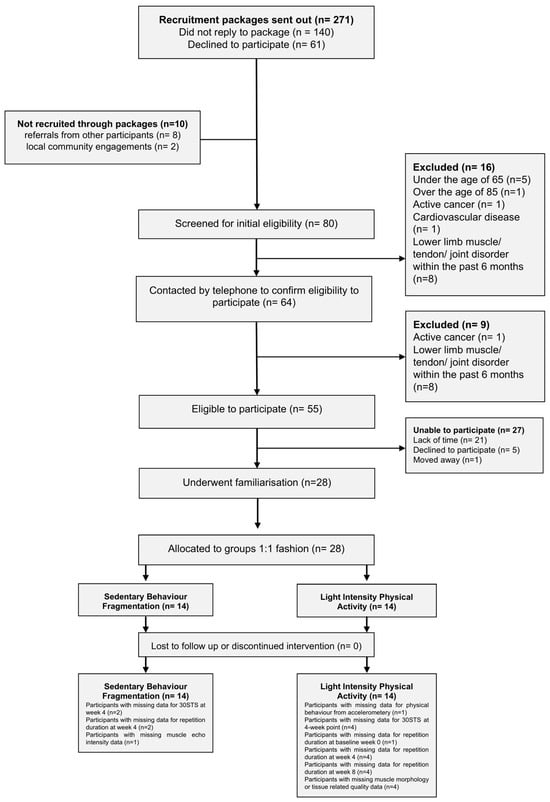
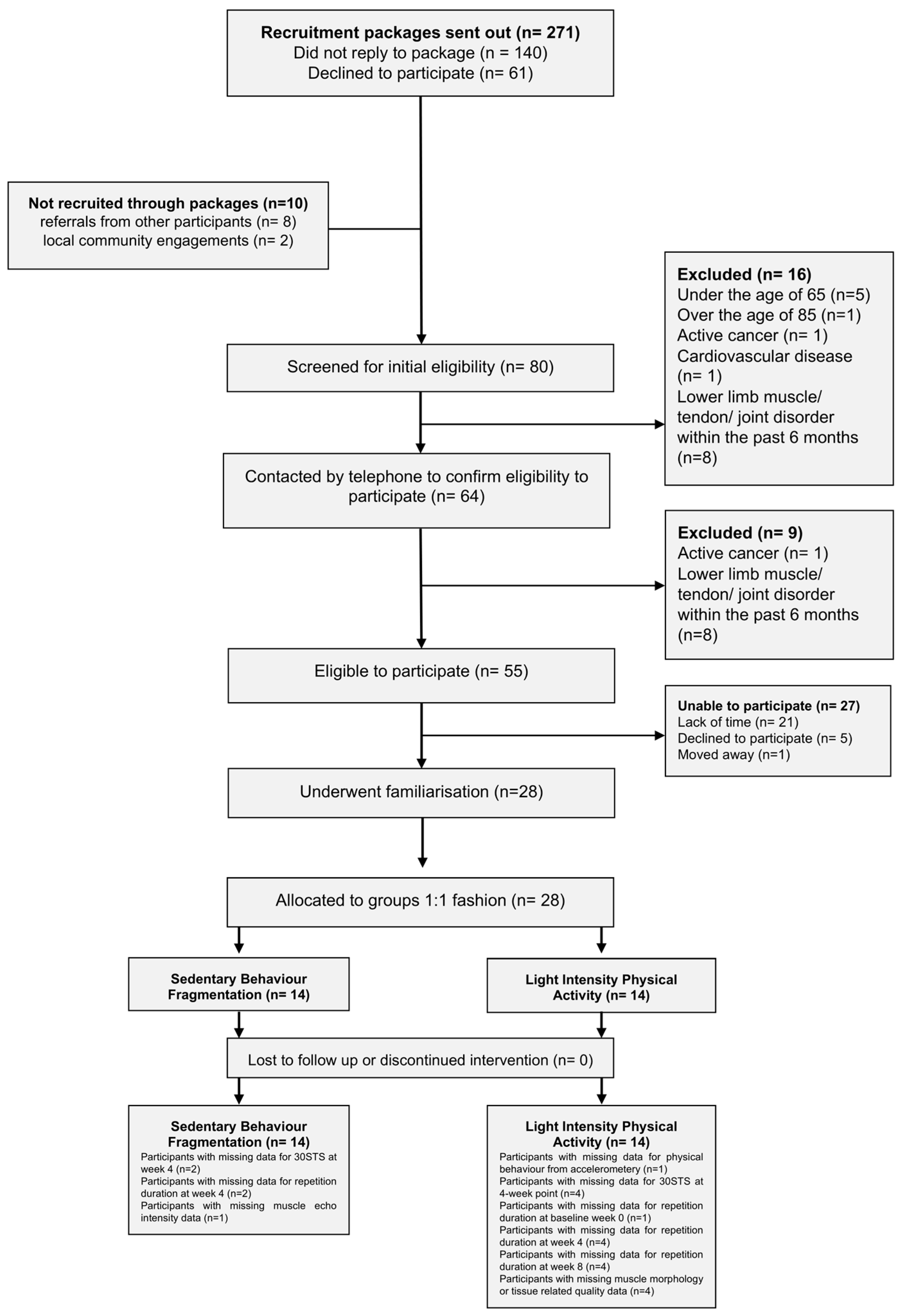
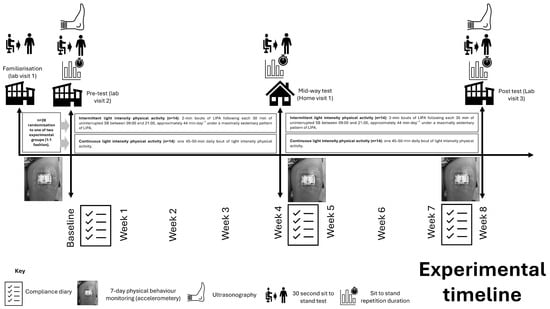
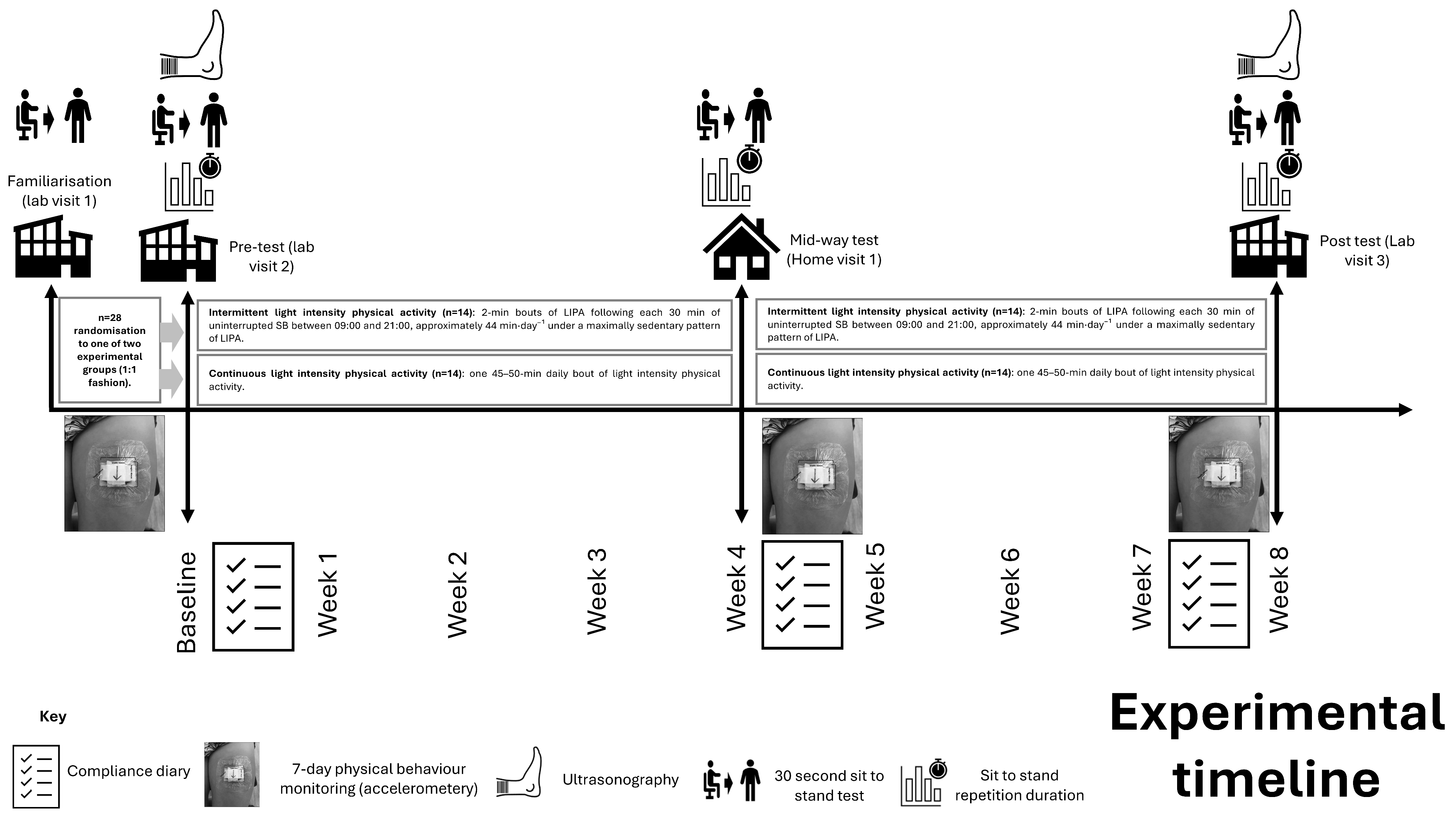
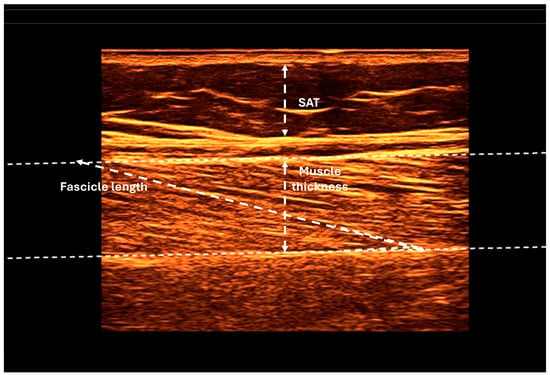
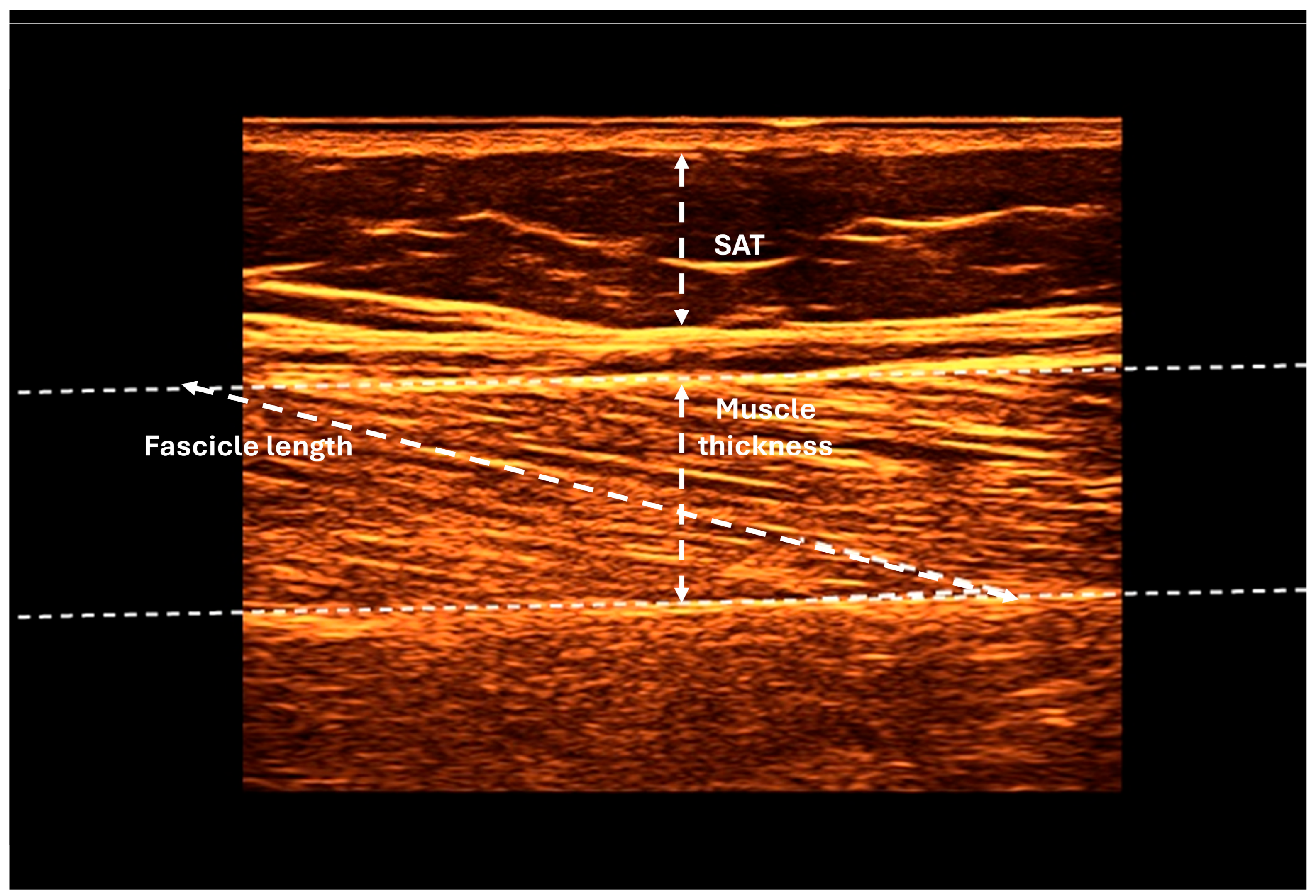
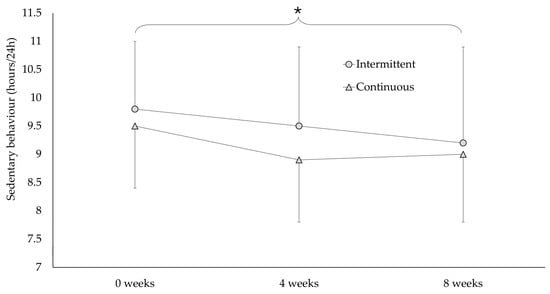
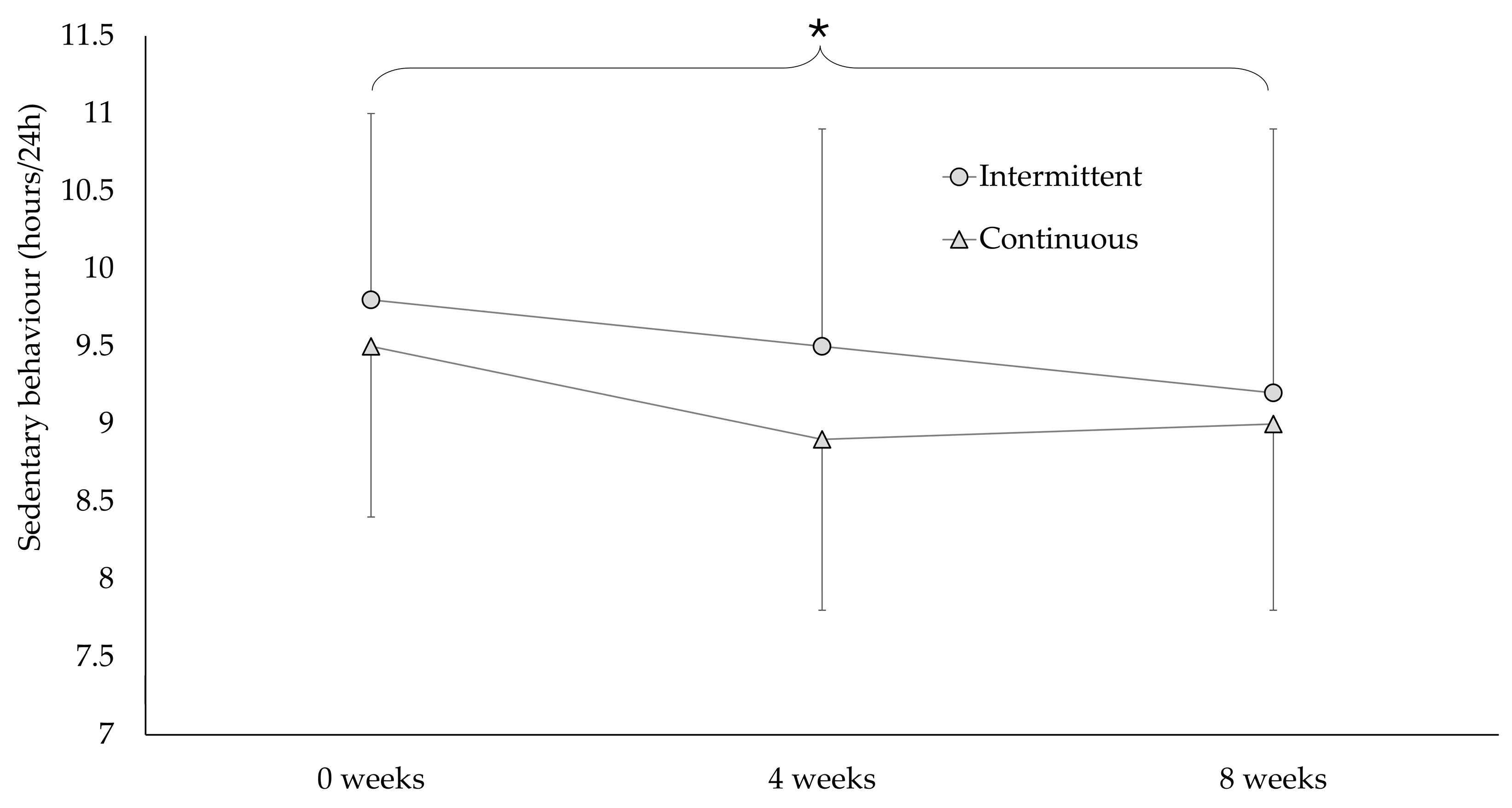
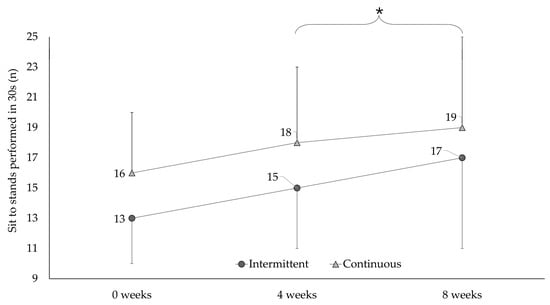
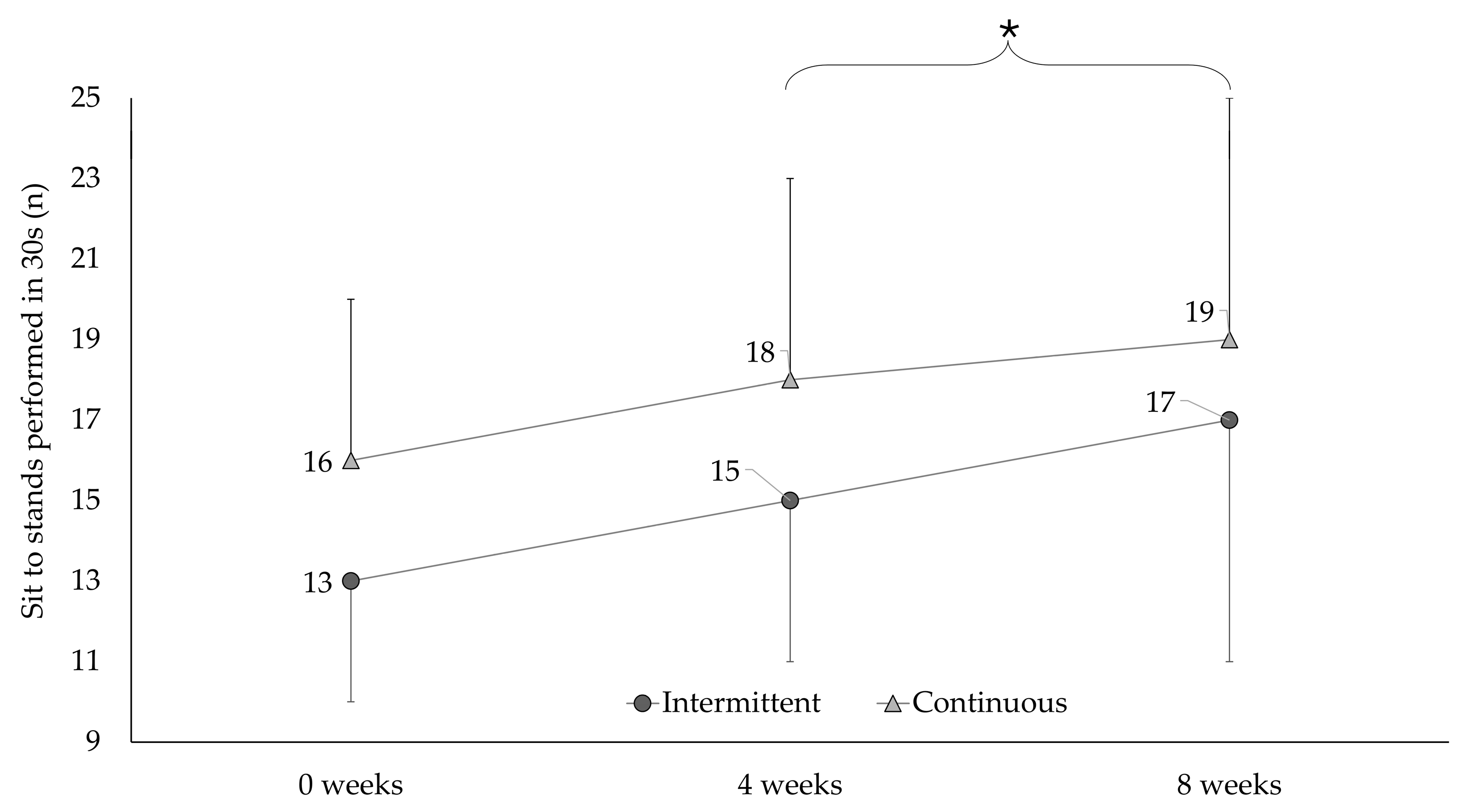
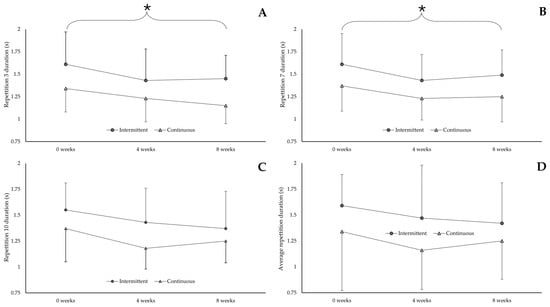
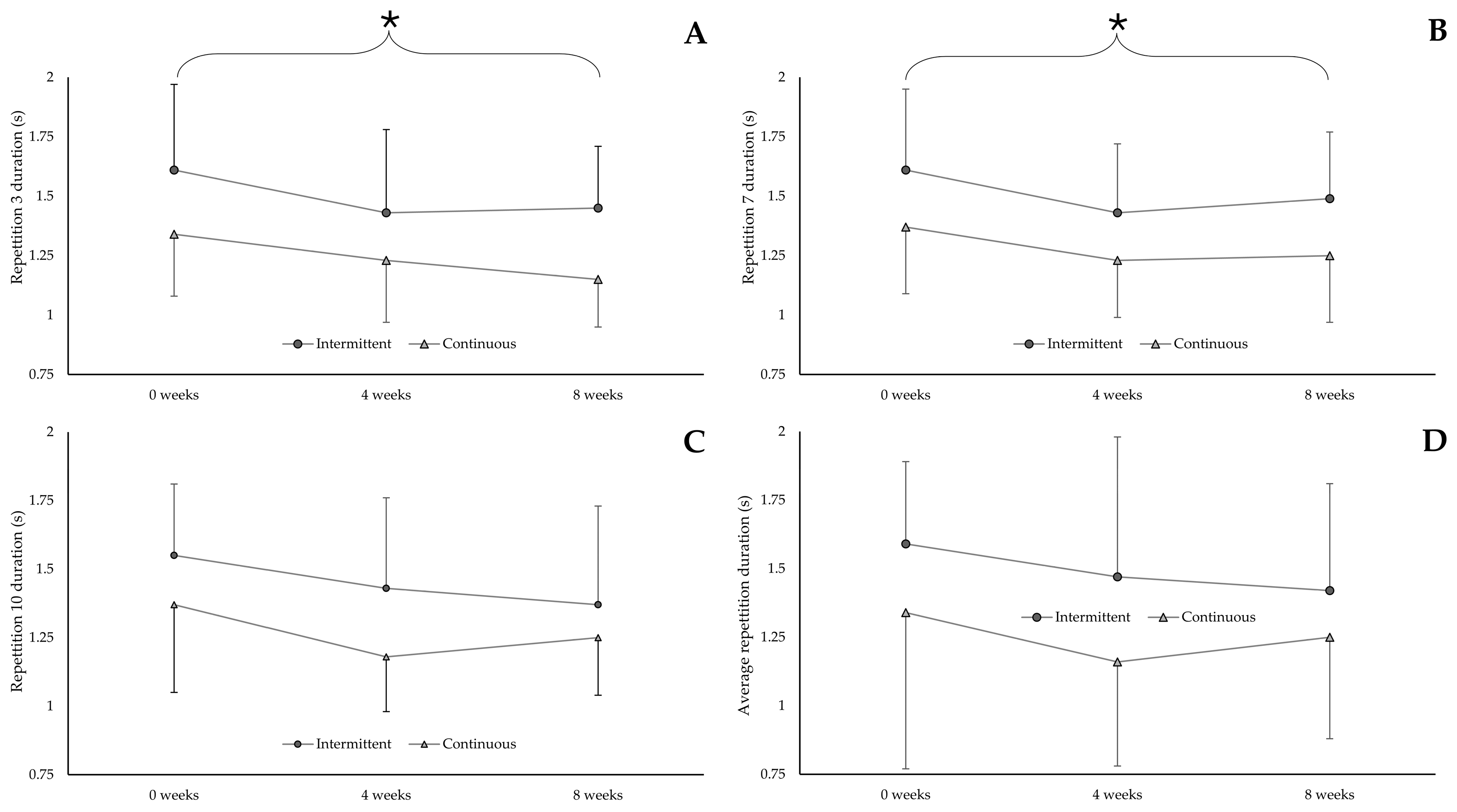
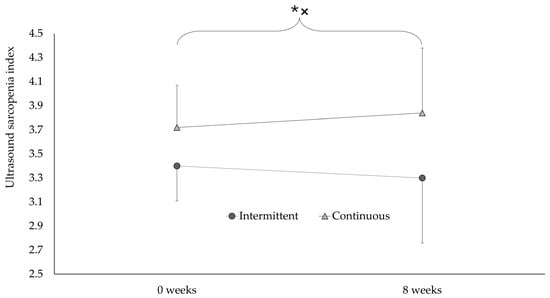
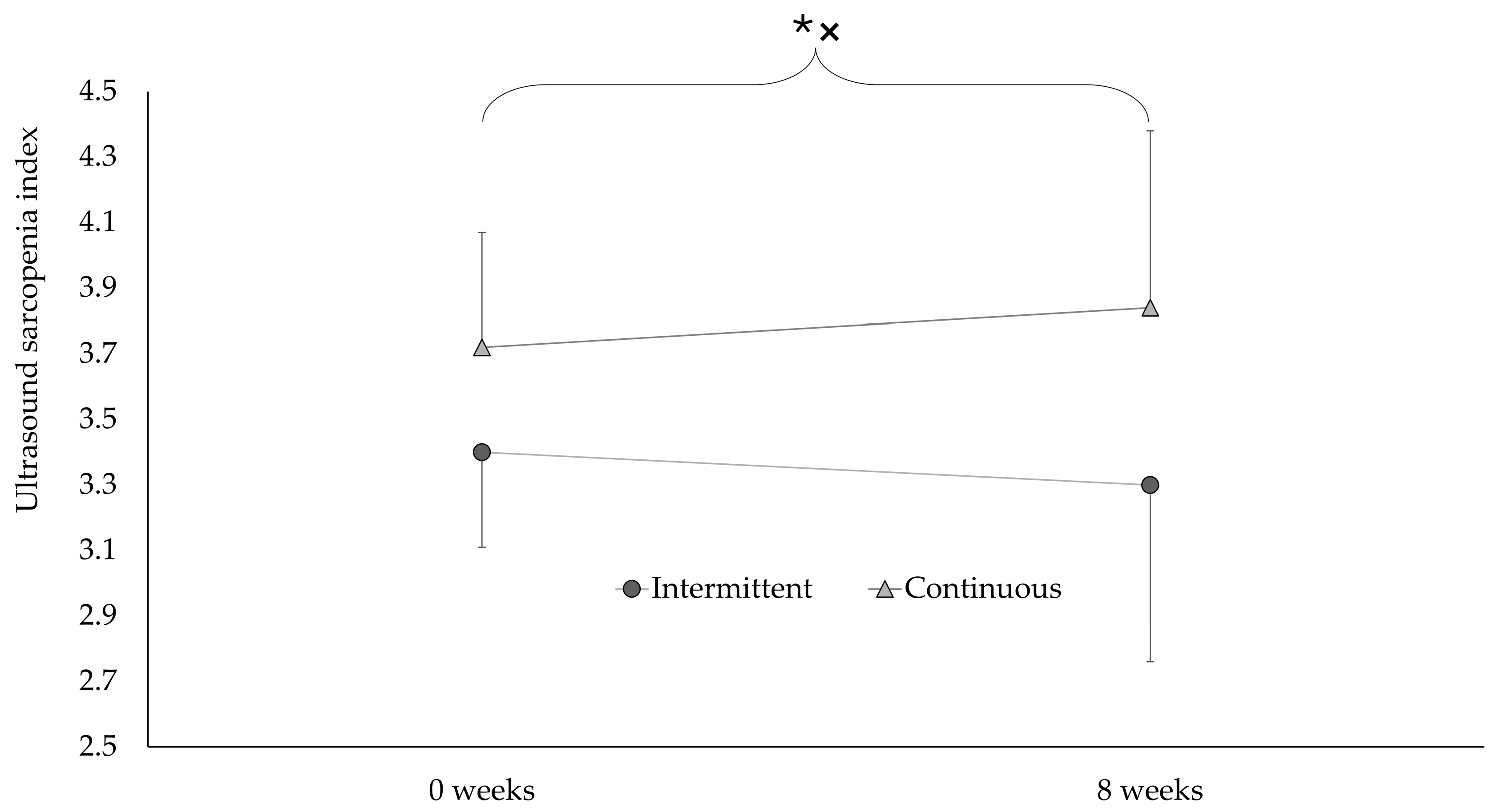

Disclaimer/Publisher’s Note: The statements, opinions and data contained in all publications are solely those of the individual author(s) and contributor(s) and not of MDPI and/or the editor(s). MDPI and/or the editor(s) disclaim responsibility for any injury to people or property resulting from any ideas, methods, instructions or products referred to in the content. |
© 2026 by the authors. Licensee MDPI, Basel, Switzerland. This article is an open access article distributed under the terms and conditions of the Creative Commons Attribution (CC BY) license.