


Abstract
The environmental and social problems caused by overfishing and unsustainable aquaculture practices make it necessary to implement the principles of the circular economy to steer the sector towards sustainability and responsible use of resources. The objective of this study was to assess the sustainability of the aquaculture sector in the context of current environmental and social concerns in the fisheries sector and to understand the state of research in terms of implementing circular practices, providing a comprehensive mapping of scientific articles focusing on circular practices adopted in the aquaculture sector over the last ten years, describing them and identifying their potential advantages and disadvantages. A bibliometric analysis was conducted using the Scopus database to obtain a clear picture of the sustainable innovations carried out in the aquaculture sector over the last ten years. The analysis focused on the terms ‘aquaculture’ and ‘circular economy’. The results indicate a rising trend in the number of studies on the circular economy in aquaculture from 2020 onwards, which can be attributed to an escalating awareness of environmental concerns. Subsequently, the analysis carried out by the VOSviewer software allowed the articles to be classified in four clusters, according to the relevance of the different adopted circularity practices. A particular focus was placed on the significance of practices minimising environmental impact, optimising resources and pursuing innovative strategies to ensure sustainability.
Key Contribution:
This study maps the main circular economic practices adopted in aquaculture over the last ten years, providing valuable insights into the primary challenges associated with implementing circular economy initiatives. A bibliometric analysis carried out using VOSviewer software mapped four distinct clusters representing the main thematic areas.
1. Introduction
Consumption of fish products has increased considerably in recent years, and this trend is expected to rise in anticipation of the growth of the world population, which will reach 10 billion in 2050. The fisheries and aquaculture sector has developed more rapidly than the other agro-food sectors over the last few decades [1], reaching an economic value of $424 billion [2]. The territory’s overall productivity in the food sector increased by almost 60% between 2001 and 2022. Global fisheries and aquaculture production increased by 223.2 million tonnes, equal to an increase of 4.4% compared to 2020 [3]. The increase in consumption has become particularly evident as seafood is recommended as part of a healthy and balanced diet, as it is a source of high nutritional quality proteins, essential micronutrients and omega-3 [4,5,6]. It is estimated that fisheries provide livelihoods for over 3.2 billion people worldwide, providing an average of 20% of consumable animal protein [2]. Due to its valuable nutritional profile, fish could be a key source of protein in developing countries with high levels of malnutrition [7]. Aquaculture production for human consumption exceeded that from fisheries in 2016, as reported by [1]. This should be attributed to the marine environment’s inability to meet consumer demand for fish products; this inefficiency is related to the overexploitation of marine resources due to excessive fish and shellfish capture [8].
Overfishing has negative environmental and social impacts [9,10,11,12,13]. The effects include the disappearance of fish from certain aquatic environment due to catch rates exceeding the reproductive capacity of fish [14]. Predatory fish, which represent most fish caught and sold, have the ability to protect blue carbon reserves; however, a drastic reduction in predators could increase CO2 production and have a negative impact on climate change. Overfishing leads to a reduction in the number, size, average age, and weight of fish, as well as a decrease in the stock of fish that can reproduce [15,16]. Concurrently, overfishing leads to environmentally deleterious practices, including illegal, unreported and unregulated fishing, incidental catches and sea pollution due to fuel and unintentional loss of fishing equipment (ghost nets). Furthermore, trawl fishing can destroy the ocean floor, affecting both desirable and unwanted species [17,18]. Other consequences of overfishing include the pollution and unsustainable exploitation of marine ecosystems [19,20].
Aquaculture production may be a valuable alternative to fishing to meet the increasing demand of a growing population [1]. Nevertheless, it has been demonstrated that the intensive aquaculture industry is not ecologically viable, in terms of the well-being of the farmed fish [21] and local environmental impacts [22,23]. Therefore, the externalities of fish farming and its impact on the surrounding ecosystem, must be carefully considered as the rapid global growth of aquaculture activities may raise environmental concerns [24]. This issue has been widely discussed because of its negative environmental, economic and social impact [25]. Aquaculture contributes to the pollution of water intended for human consumption [26], soil acidification [25], climate change, eutrophication and the nitrification of ecosystems where effluents are discharged [25]. It also facilitates the spread of diseases between wild and domestic fish and has ramifications for genetic interactions between wild and domestic species. Aquaculture may involve excessive consumption of antibiotics, which are used to prevent infections in farmed fish. This may have a negative impact on fish stocks in the seas and oceans due to the dependence on wild fish caught for feed production. Furthermore, mangrove forests have been destroyed in several areas of Thailand, Indonesia, Ecuador and Madagascar, which are major sources of organic matter in coastal areas. This destruction is attributable to the construction of dams equipped with sluice gates to retain water and develop aquaculture facilities. This has a negative ecological and social impact [27,28,29]. The deleterious effects on the environment presuppose the implementation of sustainable practices in the aquaculture sector; in fact, in recent years, various initiatives have been implemented with the objective of following a circular economy approach [27]. The European Commission is supporting the transition towards circular economy approaches in aquaculture. In 2019, it published the Green Deal strategy aimed at achieving sustainable growth in Europe and facilitating the development of sustainable strategies for aquaculture and other intensive commodities. The European Commission has also implemented the Circular Economy Action Plan (CEAP) [28]. Concurrently, the European Fund for Maritime Affairs, Fisheries and Aquaculture (EMFF) (2021–2027) fosters initiatives that emphasise a sustainable approach to low-carbon emissions, the provision of clean and equitable energy, and the facilitation of green and blue investments for the promotion of a circular economy [29]. The implementation of circular practices in aquaculture has the potential to produce healthy, nutritious food that is cultivated in a controlled environment [24].
The scientific literature focuses on the benefits of recirculation systems, integrated systems and reuse of fish waste. A recirculating aquaculture system (RAS) involves the purification of wastewater from pollutants by recycling the water. In addition, the RASs can support the rearing of fish alongside other species that convert waste into nutrients, making the system more sustainable [30]. Integrated multitrophic aquaculture (IMTA) is a system that involves the use of organisms from different trophic levels. Waste produced by organisms at higher trophic levels (i.e., fish and molluscs) is used by organisms at lower trophic levels for sustenance, thereby acting as water biofilters [31]. Fish waste, including heads, tails, scales, bones, viscera (internal organs) and skin, are subjected to a silage process that transforms them into a hydrolysate rich in proteins, lipids, vitamins, minerals and other nutrients easily assimilated by aquatic and terrestrial animals. In addition, the silage process is commonly carried out with low energy and labour efficiency, thus making the whole process sustainable [32,33,34,35]. Fish silage can be used as an alternative to conventional fertilisers due to its nutrient-rich composition, contributing to the reduction in environmental waste and pollution [35,36].
To the best of our knowledge existent literature reviews include studies focusing on the bibliometric analysis of circular economy practices adopted in maritime processes and aquaculture. These studies report a system-wide (micro, meso and macro) classification of research and map literature and global trends using VOSWER, respectively [37,38,39]. Other studies [40,41] based on bibliometric analysis specifically focus on the sustainability of feed used in aquaculture and do not examine the specific circular and sustainable practices adopted in aquaculture. However, there is no existing literature that has conducted a scope analysis of studies undertaken in the aquaculture sector in the context of the circular economy over the last decade, identifying and describing the benefits and disadvantages of individual circular practices, their frequency of implementation, as well as network and clustering analysis. So, the aim of this study is to fill a gap in the literature on circularity practices in aquaculture, applying an innovative method of bibliometric analysis to identify the circular practices implemented in the aquaculture sector in detail.
However, there is no extant literature that has conducted a scoping analysis of studies undertaken in the aquaculture sector in the context of the circular economy over the last decade. This study’s primary objective is to provide a comprehensive review of scientific articles on aquaculture and the circular economy published in the last ten years (2015–2025). Selected articles are described, and potential advantages and disadvantages of circularity practices are identified. The study aims to establish a framework for the recent literature on aquaculture and the circular economy. Specifically, it aims to detect research areas and techniques that can support scholars and companies in improving the sustainability of the aquaculture sector. In addition, this paper aims to provide aquaculture companies with an understanding of the main assessment tools used to measure the sustainability of aquaculture production processes. This study may also be of interest to researchers seeking to understand circularity trends over the last ten years. This will involve carrying out a measurement of the circular practices applied in the relevant studies. A bibliometric analysis was conducted to identify the salient points of this field of research and potential future developments. The frequency with which articles on the subject were published from 2015 to 2025 was analysed. The authors’ affiliations were then considered to understand the geographical distribution of the studies and the places where the experiments were conducted. Furthermore, VOSviewer (VoS) software (version 1.6.20) [42] was utilised to identify a network of recurring words in the abstracts of the selected articles and to segment these documents into clusters. Concurrently, the relationships between the identified items were examined. Furthermore, the keywords were analysed using the Word Cloud application. The remainder of this article is structured as shown. The Section 2 of the text provides a comprehensive explanation of the study design and the data source. The Section 3 of this study presents the results obtained from the analysis of the number of publications per year, the geographical distribution of studies by country, the word cloud analysis, the links between items, and the word networks.
2. Materials and Methods
2.1. Study Design
In recent years, the number of scientific contributions published by researchers in academic journals has increased [43]. These contributions are more frequently analysed using bibliometric methodologies [44,45,46,47]. Bibliometric analysis is a research methodology employed to study emerging trends in a specific area of scientific publications reported in well-known databases such as Scopus or Web of Science (WoS) [48]. Unlike qualitative methods, bibliometrics favours the objective statistical extrapolation of results from a scientific database, with less room for subjective bias. Indeed, bibliometric analysis can be used to analyse volume, distribution and growth trends within the extant literature, and has been identified as a quantitative method. Therefore, bibliometric analysis can be regarded as a scientific discipline involving quantitative and statistical analysis of the production, dissemination and utilisation of scientific knowledge [49]. In this review, a bibliometric analysis was conducted to study the literature in the field of aquaculture and circular economy. In particular, the study involved a performance analysis, quantitatively assessing the development of scientific publications over a ten-year period, the country of publication and the location where the experiments were conducted. This methodological approach facilitated mapping and identifying sub-themes underlying both aquaculture and the circular economy. The study used the Scopus database, a comprehensive resource well-suited to analysis [50]. Scopus is generally considered to be a more practical database than WoS thanks to its comprehensive authors, institutions and journal profiles, integrated interface, and more reliable impact indicators, which are available for all disciplines. Additionally, it is accessible as a single database without additional restrictions and offers free access to information on authors, journals and metrics. Some authors [51,52] observed that Scopus represents the database with higher journal coverage and faster citation analysis speed compared to the WoS database. It has also been observed that Scopus includes a greater number of documents and sources compared to WoS [53]. These characteristics led to the choice of Scopus instead of WoS. The search query focused on the Boolean combination of the two keywords (aquaculture) AND (circular economy), applied to several abstracts in order to select studies that deal with both topics. The search was limited to papers written in English and containing the keywords ‘aquaculture’ and ‘circular economy’ in their abstract, and to the subject areas ‘environmental sciences’, ‘agricultural and biological sciences’ and ‘economics, management and accounting’. The timeframe was set from 2015 to 2025 due to the need to prioritise the most current trends, particularly given the emergence of the circular economy as a significant scientific concept in the years following 2015 (Figure 1). Furthermore, the research was limited to ‘articles’ exclusively, with the aim of incorporating original and contemporary studies, providing detailed descriptions of circular economy practices in aquaculture that have been consolidated and studied by the scientific community.
Figure 1.
Percentage of articles per year of publication.
2.2. Data Source
The Scopus database was selected for its ability to match bibliographic data with citation information, enabling analysis of the impact and trends of research [54]. The utilisation of sophisticated search systems encompassing systematic querying is a viable approach for identifying scientific publications. These systems allowed results to be refined based on criteria such as the year of publication, subject area, language, keywords, and article type, thereby ensuring a comprehensive and precise exploration of the extant literature [53]. In fact, Scopus and WoS are widely considered to be the most reliable databases for bibliographic research [53]. The Scopus bibliographic database was accessed on 29 May 2025 to minimise variations in the number of publications and citations. The first step involved data acquisition using the words ‘circular economy’ and ‘aquaculture’ in the field ‘search documents’; it resulted in the retrieval of 234 documents. The data obtained from the Scopus search was exported in MSExcel tabulated format, including bibliographic information such as titles, authors, journals, keywords and abstracts, as well as the year of publication. The keywords were then analysed using a word cloud. This method identifies recurring words by analysing their frequency of occurrence in the data entered into the programme [55]. The font size is directly proportional to the frequency with which the words occur, and different colours are used for each word [56]. The second phase involved the use of VOSviewer software (1.6.20, Nees Jan van Eck & Ludo Waltman, Centre for Science and Technology Studies, Leiden University, Leiden, The Netherlands) [42]. This bibliometric instrument incorporates methodologies for collaborative research and web-based analysis, encompassing key terms such as co-occurrence, bibliographic association, co-citation, and co-authorship [57]. Therefore, VOSviewer was used to map the selected articles by highlighting the main clusters based on bibliometric networks of the most frequently occurring words in the abstracts, and to obtain a graphical representation of the data [42,58]. The following criteria were used. The choice of the option ‘create a map based on textual data’ was dictated by the need to create a co-occurrence map of terms based on textual data. Subsequently, the option ‘read data from VOSviewer files’ was selected and the file analysed. The chosen counting method was ‘full counting’, to obtain the total number of occurrences of a term in each document. The terms were selected manually, considering a minimum occurrence of five. Then, using VOSviewer software, the links between the words were analysed, and co-occurrence networks were detected and visualised in maps.
3. Results
3.1. Bibliometric Analysis: Number of Publications per Year
Figure 1 reports the number of publications on aquaculture and the circular economy published each year. The results showed an absence of publications in the years 2015, 2016, 2017 and 2019 [59]. However, a descriptive analysis performed by [59] in the sustainable aquaculture sector revealed an increase in the volume of publications concerning aquaculture and the circular economy since 2020. Similar results were found by [60] in a mapping analysis of aquaculture research. Several factors promoted an increase in the number of published studies. Firstly, the increasing trend can be explained by heightened consumer awareness of environmentally damaging practices, which has prompted researchers to focus their studies on this issue. It is also interesting to observe the significant increase in publications after 2019 [61] (as shown in Figure 1), which may have been partly related to the onset of the coronavirus pandemic, which was influenced by climate change and intense human activity [62,63]. Indeed, as demonstrated by several researchers, pollution is one of the factors that contributed to the transmission of SARS-CoV-2 [64,65,66,67]. Therefore, the growing public awareness of the close interconnection between climate change, environmental pollution, and the pandemic significantly impacted risk perception [68,69], likely prompting researchers to conduct studies measuring sustainability in various food sectors [70,71,72,73,74,75]. Furthermore, the decline in consumption and trade and the subsequent production freeze may have stimulated innovation and promoted the development of circular economy models [38]. This increase may also have been encouraged by the publication of strategic reference frameworks for sustainable transitions, such as the 2030 Agenda and the European Green Deal. The formulation of the 17 ‘Millennium Goals 2030’ issued by the UN in its 2015–2030 Agenda includes Sustainable Development Goals (SDGs), such as number 14 (conserve and sustainably use the oceans), which includes Target 14.a ‘increase scientific knowledge, research, and marine and aquatic technology’; whereas the European Green Deal, published by the European Commission (EC) in 2019, defines policy initiatives for sustainable development by focusing attention on environmental protection. In addition, the development of digital technologies for implementation in aquaculture systems over the last ten years has promoted an increase in scientific research in this field [3,76]. This has resulted in increased attention and sensitivity to sustainable practices in the food sector, with a focus on aquaculture [59]. Consequently, the need for harmonised sustainable aquaculture practices among developed economies has been recognised [77,78,79]. This may have resulted in heightened awareness of environmental issues and, consequently, the necessity to prioritise sustainability and the circular economy in the aquaculture sector. The highest number of publications (25%) was found in 2024 (however, it should be considered that it is not yet 2025, and further studies may be published in the coming months). Overall, the selected studies mainly focus on exploiting by-products and residues from the fishing industry, innovative aquaponics strategies, and the possibility of purifying and reusing wastewater. Several studies focused on the reuse of mollusc shells [80], evaluating stakeholder opinion [80] and the shells’ potential to improve soil characteristics [81]. Finally, clam shells, following a low-temperature calcination process, were transformed into powder and coarse granules and used as soil improvers for the cultivation of clams [82]. Other studies aimed at the exploitation of fish waste as by-products of salicornia and tuna to produce feed for sea bass and fish hydrolysates, respectively [83,84]. The treatment of wastewater and sludge was also assessed before being introduced into these plants [85,86,87]. The studies published between 2018 and 2020 predominantly addressed conceptual and theoretical aspects, including life cycle assessment (LCA), green food protein (GFP) [88,89], characterisation of fish by-products [90], application of recirculating aquaculture systems (RAS) [91], and assessment of the challenges and opportunities of working within a circular economy [92]. Therefore, these years functioned as a preparatory phase for subsequent applied experimentation. Since 2021, studies have started to focus on reusing agro-food by-products to feed fish and microalgae [93,94,95,96,97,98,99,100] producing innovative textiles [101], producing biodegradable compost from aquaculture [102], and treating antibiotic-contaminated water [103]. The first studies related to the valorisation of mollusc shells have been conducted since 2022 [104,105].
3.2. Geographical Distribution of Studies by Country
Figure 2a reports the geographical distribution of documents based on the author’s country of affiliation. Spain and Italy have conducted the greatest number of studies on the circular economy and aquaculture. In fact, Spain was the largest producer of aquaculture and fishery products within the European Union in 2022 [106,107]. The preponderance of the research conducted in Italy is probably attributable to its position as one of the four foremost European nations in the domain of aquaculture, alongside Spain, France and Greece [108]. Following Spain and Italy are China (7%), Portugal (6%), Chile and Norway (5%) and the UK and Australia (4%). All other countries have a percentage lower than 4%. The relevance of China is justified by the valuable contribution it makes to the growth of Asian aquaculture [3]. As shown in Figure 2b, the geographical distribution of studies is depicted as a percentage based on the country of origin of the respective trials. The results obtained are consistent with those relating to geographical distribution by affiliation, with the highest proportion of tests conducted in Spain (15%) and Italy (14%). This is followed by Chile (10%), China (8%) and Australia (7%). All other countries account for a lower percentage (6%).
Figure 2.
(a). Geographical percentage distribution of documents by authors’ nationality; source: author’s elaboration based on bibliographic data. (b) Geographical percentage distribution of documents based on trial country; source: author’s elaboration based on bibliographic data.
3.3. Word Cloud
Figure 3 shows the results of the word cloud analysis, which is based on the frequency with which keywords were reported in the selected texts. This analytical approach highlights the main keywords and reveals the concrete aspects of sustainability in aquaculture and the strategies implemented over the last ten years. The more frequent terms are ‘waste’, ‘sustainable’, ‘sustainability’, ‘environmental’, ‘wastewater’ and ‘by-products’. The font size in Figure 3 highlights the frequency of the words and shows that the main issues revolve around the circular economy, i.e., waste, by-products, sustainability, and the environment. These recurring terms listed are joined by others in the word cloud and include ‘microalgae’, ‘fish’, ‘treatment’, ‘food’, ‘system’ and ‘industrial’. It was possible to extrapolate the primary themes and the direction taken by the research and identify potential areas for further research. It is evident that sustainability has emerged as a salient issue in the aquaculture sector, particularly in the context of the environmental implications of non-circular practices. The main issues are fish feed, which plays a key role in fish health, the nutritional quality of products for human consumption and production costs. It is interesting to note that the growing interest in sustainable feed is driven by the limited availability of conventional feed based on fish meal and oil. The environmental and economic sustainability of aquaculture feed is compromised by over-reliance on fishmeal and fish oil and increasing cost [109]. In addition, the use of these resources for human nutrition is a key driver. As reported in Figure 3, the word cloud reported words that represent solutions to promote sustainability in aquaculture. One promising solution is the use of marine microalgae as a valuable substitute for fish by-products in fish feed due to the balanced quantities of essential amino acids, vitamins, minerals and long-chain omega-3 fatty acids present in microalgae [110,111,112]. Consequently, the selected literature highlights strategies for developing innovative feed solutions that are not based on food resources [113]. Other solutions may be represented by innovative technologies that include the use of intelligent feeding systems that promote fish growth performance and reduce feeding costs, with a view toward economic and environmental sustainability [105].
Figure 3.
Keywords word cloud.
Feed plays a key role in the health of fish and the nutritional quality of the products intended for human consumption. This has led to the emergence of the need to improve feed composition, and one of the innovative technologies involves the use of intelligent feeding systems that promote fish growth performance and reduce feeding costs, thereby promoting economic and environmental sustainability [114]. However, it is imperative to exercise caution and consider the possibility that these systems could result in an elevated degree of stress and the suppression of the innate immune system in the reared fishes [115]. Therefore, when used properly, these innovative and sustainable feed solutions can be valuable in guiding the sector to a circular transition. The term ‘by-products’ appears frequently in the word cloud because by-products are often used to feed fish in order to improve resource efficiency [116,117,118] in accordance with a circular economy approach [119,120,121]. This strategy also helps to enrich the nutritional composition of feed by enhancing the bioactive and functional substances present in by-products [122]. Improving the nutritional profile of feed was carried out by enhancing different agri-food by-products such as fermented abalone, Sargassum sp. mixture [93], distiller’s dried grains with soluble [98], and banana by-products [100] in the diets of marron (Cherax cainii), European sea bass (Dicentrarchus labrax) juveniles, and juvenile tilapia (Oreochromis niloticus), respectively. It is notable that among the indicated words, those related to ‘recovery’, ‘valorization’ and ‘nutrient’ are present, suggesting a connection with the word ‘by-products’. Therefore, the high frequency of the term ‘by-products’ indicates the significance attributed to it by scholars. Its relevance is attributable to its capability to replace conventional fish feed in accordance with the principles of environmental and economic sustainability. Considering the use of by-products in feed formulation could help operators in the sector convert their businesses into examples of circular implementation.
The presence of the word ‘life cycle assessment’ (LCA) can be traced back to the frequency with which this methodology is used in aquaculture to assess the environmental impact of rearing technologies. Indeed, there has been an increase in the utilisation of life cycle assessment since the 2000s in the aquaculture sector [123]. This trend testifies to a shift from theoretical to practical models in sustainability studies including data-supported analyses to evaluate environmental performance.
Several studies in which LCA analysis was applied to residues from the anchovy canning industry in Cantabria, several foods, the impact of replacing fishmeal with spirulina (Arthrospira platensis) (Nordstedt), an innovative biochar filter, the oyster life cycle under renewable energy expansion, and rainbow trout farming were present in the database extrapolated from Scopus [124,125,126,127]. Applying LCA to sustainability-oriented processes highlights the growing research effort to quantify the benefits of adopting sustainable strategies. This provides objective data to support the development and implementation of more sustainable production practices.
The presence of the term ‘wastewater’ links up with the theme of reuse of wastewater from the aquaculture process. It has been found that this wastewater is rich in nutrients such as nitrogen and phosphorus [128]. Consequently, several strategies have been postulated for converting aquaculture effluents into bio-fertilisers. These include aerobic and anaerobic digestion [129,130], drying [131], composting [132] and vermicomposting [133]. One study [134] examined the development of an eco-industrial park to integrate fossil fuel energy production, carbon capture, biofuel production, aquaculture and wastewater treatment. Other researchers have focused their attention on assessing the potential for improving nitrate trapping by two species of green microalgae from RAS wastewater [135] and on the assessment of brackish wastewater treatment developed by commercial farming of tilapia in Qatar using microalgae through cultivation of different strains [136].
These studies are a promising starting point, but are still limited to experimental trials. It highlights a research gap regarding concrete solutions for wastewater treatment, focused on industrial-scale transfer. The terms ‘black soldier fly larvae’ can be traced back to the use in feeds as reported by [137,138,139,140] in fact represents as a promising source of high-quality protein, fats, minerals and vitamins for enriching fish feed [141,142]. The recurrence of studies on the use of black soldier fly larvae is indicative of contemporary trends, with researchers poised to propose valid innovative solutions to address the issues related to the use of conventional fish feed.
3.4. Links Between Items
The strength of a link between a pair of words can be expressed by the frequency with which the two terms occur together and also their proximity. Table 1 shows the strength of connecting links between pairs of words in a selected abstract; with a breaking force ≥ 40 considered significant. The pair of terms with the strongest bond is ‘diet-spirulina’ (Figure 4), which has the highest correlation (130). The word ‘diet’ is connected to ‘fishmeal’ (59) and ‘salicornia’ (42), and there is a connection between ‘fishmeal’ and ‘spirulina’ (n = 52) (Figure 5). The close association between ‘diet’ and ‘spirulina’ is likely attributable to the ongoing pursuit of novel, sustainable ingredients to incorporate into animal feed [143]. Although fishmeal is the feed par excellence in terms of nutritional completeness [144], the high costs resulting from overfishing in recent years have led to the need to find feed substitutes for fishmeal in fish feed [145]. The main challenge in replacing fishmeal with other feeds is finding suitable substitutes with a high protein content. In this context, spirulina emerges as a notable component, exhibiting a comprehensive nutritional profile encompassing protein, amino acids, and fatty acids. Additionally, spirulina possesses bioactive properties, and the enhanced growth performance may be associated with its prebiotic characteristics [146]. Despite the substantial bibliometric association, this does not substantiate the consolidation of practice within the aquaculture sector. Spirulina production is a highly appreciated as food supplement, but its application in feed is still scarce. Nevertheless, it highlights an area of research that is being explored. As expected, the strong correlation between the variables ‘diet’ and ‘fishmeal’ can be attributed to the importance of fish in human nutrition, which is strictly related to the quality and availability of fish feed. Fish is a key component of healthy diet, as it is a rich source of protein, eicosapentaenoic acid (EPA), docosahexaenoic acid (DHA) (particularly in oily fish) and various vitamins and minerals [147]. Fish is well known for its high omega-3 content, and these fatty acids perform several beneficial functions within the human body. It has been shown that consuming approximately 2 g of omega-3 per week counteracts the risk of developing heart disease [148]. However, this correlation is indicative of a critical issue: the nutritional profile of fish is closely dependent on limited and unsustainable marine resources. Therefore, identifying valid alternatives to fishmeal would be optimal in order to achieve independence in terms of fish quality. The correlation between diet and fish meal items underscores the significance of selecting feed ingredients to achieve an optimal nutritional composition. Indeed, the correlation between dietary protein intake and the consumption of fish is indicative of the fish’s high protein content in the human diet. Fish provide approximately 20% of the protein consumed per capita by approximately 3.2 billion people [144]. Moreover, fish is made up of a high-quality protein that is highly digestible (over 90%) [149]. Indeed, a substantial correlation exists between aquaculture and protein items. Furthermore, considering the lower nutritional value of farmed fish compared to their wild counterparts, studies are underway to enhance the nutrient content of farmed fish in human diets [150]. Finally, the term ‘diet’ is closely associated with the word ‘salicornia’. This is due to their high protein content, n-3 and n-6 polyunsaturated fatty acids and minerals [151,152], as well as the significant presence of bioactive secondary metabolites with antioxidant and anti-inflammatory properties [151,153]. The correlations between the words that emerged from this analysis reflect the fact that the main challenge for the sector can be traced back to the transition towards feed with high nutritional value that meets sustainability requirements.
Table 1.
Links between items.
Figure 4.
Diet link; source: authors’ elaboration.
Figure 5.
Fishmeal link; source: authors’ elaboration.
3.5. Word Networks
The map (Figure 6) and Table 2 developed by VOSviewer identify four word- clusters (coloured differently), with their respective coordinates and weights (e.g., occurrence, link, total link strength). Each cluster represents a different research area related to circularity practices in aquaculture. The proximity of words on a map suggests significant associations that emerge from their common usage within the same context. These associations can be used to identify the broad areas of research that characterise the current scientific literature on aquaculture. Table 2 shows the correspondence between clusters, respective words and scientific articles in which the words are present (numbered as shown in Table 1) and allows the articles to be attributed to each cluster. These articles are listed in the last column. Following this criterion, the four clusters were identified and named as follows:
Figure 6.
Cluster networks on abstract; source: authors’ elaboration.
Cluster 1: By-products and effluent management represents the main group defined by a network (coloured in red in Figure 6) of eight words (compost, composting, energy, anaerobic digestion, organic matter, RAS, fish sludge and aquaponics). These words are primarily related to the management systems, processes and evaluation of the sustainability of aquaculture effluents, waste and fish sludge. The 25 articles collected in this cluster focus particularly on circular strategies for managing organic waste. Organic waste is considered to include fish sludge and organic matter compost [154]. Processes through which organic waste can be converted and valorised include anaerobic digestion [155,156,157], energy production through food loss, photovoltaic energy, CaO conversion of oyster, solar energy [90,92,125,126], RAS that allow the recovery of purified water, CO2, and fish sludge [135,158,159], and aquaponics. The frequency of the term ‘compost’ and ‘composting’ indicates studies focusing on the production and use of compost in the agri-food sector. Indeed, some of the analysed studies focus on evaluating compost derived from aquaculture (e.g., shrimp aquaculture sludge, compost prepared with biodegradable waste from the aquaculture industry, liquid digestates from anaerobic digestion of food waste combined with fish sludge from recirculated aquaculture systems, composting process of RAS salmon sludge) processes to improve soil characteristics and plant growth [102,156,159,160]. Fish sludge was used as a raw material for producing energy and recovering nutrients [155]. Some authors [156] report the results of an assessment of the effect on the plant growth and on soil fertility from a circular economic perspective. In line with the recurrence of the term ‘aquaponics’, this cluster includes articles dealing with symbiotic aquaculture technologies. These combine the rearing of aquatic animals (carried out following the recirculating aquaculture system) with hydroponics, which consists of growing plants without soil. Aquaponics is one of the closed-loop circular techniques, alongside RAS and IMTA [161]. This technique can be defined as sustainable in nature [162,163], as it is based on a symbiotic cycle in which fish waste functions as a nutrient source for the plants. Concurrently, the latter facilitates the purification of the water present within the system, benefiting the fish. This approach promotes a closed-loop economy [164] which could be further made sustainable by using sensors and IoT technologies, with the advantage of monitoring fertilisation, irrigation and lighting [165,166,167]. The sustainability of aquaponics is related to:
- (a)
- Water savings, achieved by conserving fresh water [168,169];
- (b)
- The recycling of nutrients;
- (c)
- The reduction in the use of chemical fertilisers and pesticides [170];
- (d)
- The reduction in environmental impact;
- (e)
- Urban and peri-urban adaptability;
- (f)
- The use of conventional soil contaminants that are not relevant for crops [171].
The term ‘aquaponics’ is associated with the studies on this topic, including the use of wastewater from omega perch (Therapon barcoo) rearing for the hydroponic cultivation of cucumber (Cucumis sativus L.) [158], aquaponics-oriented ecopark design optimisation [157] and the evaluation of the growth of pitaya (Hylocereus spp.) cuttings in two aquaponic systems based on tilapia (Oreochromis niloticus) rearing [172]. The anaerobic digestion process has been used to treat fish sludge in Norway and has been included in the design of eco-industrial parks [157]. The decision to categorise the first cluster as ‘Enhancement of by-products and effluents’ is also influenced by the inclusion of articles focusing on the valorisation of waste and by-products for fish feed replacement or soil fertilisers. BSFL raised on fish waste and corn grains from the distillery used for the partial replacement of fishmeal in fish feed for barramundi and sea bass are reported by [98,100,173]. The results from [173] highlighted how the total replacement of fishmeal with black soldier fly larval flour did not affect the nutritional value of the fish feed. In addition, ref. [81] reported on the evaluation of different treatments applied to mussel shells to produce fertilising powders that improve soil characteristics and fertility. The use of mussel shells as a soil improver can improve pH levels, the amount of organic matter, the available phosphorus and the exchangeable potassium. Other important approaches to aquaculture circularity covered by articles in this group include wastewater treatment and reuse technologies. In particular, the study by [103] presents the evaluation of magnetic composite materials consisting of waste biochar/titanium dioxide (BC/TiO2) on the photodegradation of two antibiotics used in aquaculture. Ref. [158] deals with the recovery of wastewater deriving from breeding of omega/jade perch (Therapon barcoo) RAS for the hydroponic cultivation of cucumber (Cucumis sativus L.). Another example of the opportunities represented by the recovery of brackish wastewater from fish farming is provided by article [136], which describes the use of wastewater from tilapia farming to cultivate microalgae. The cluster also includes several studies focusing on composting aquaculture sludge. Salmon farm sludge with a RAS has been used to recover nutrients and develop organic fertilisers for reuse in horticulture [86,159]. Furthermore, other studies have investigated the combined effect of fish sludge and liquid digestates, which result from the anaerobic digestion of food waste, on the propagation of plants such as Lepidium sativum and Triticum aestivum [156], in addition to analysing the growth of corn plants and soil in a Brazilian latosol following the addition of compost containing biodegradable waste resulting from the aquaculture process [102]. Nevertheless, the critical issues associated with regulating the cultivation of plant microalgae on composting sludge require further evaluation before the process can be transitioned from experimental studies to industrial-scale implementation.
This cluster emphasises the significance of waste treatment employed in aquaculture. Indeed, the optimal management of sustainability-oriented processes impacts the success of the business models adopted by companies, providing economic benefits for industry operators.
Cluster 2: Perception of sustainability and indicators in fish rearing systems: This cluster (coloured in green in Figure 6) was identified based on the frequency and links between the following words: BSFL (black soldier fly larvae), stakeholder, protein content, the supply chain, fishmeal and consumer. It includes 22 articles. Wild fish-based feed is the ideal feed in terms of nutritional completeness [174]; however, the high costs resulting from overfishing in recent years have led to the need to find new sources of raw materials and substitutes for fishmeal [148]. Finding suitable substitutes with a high protein content is the main challenge when replacing fishmeal with alternative feeds. Several studies focused on finding innovative, sustainable feed with an excellent nutritional profile [93,94,127,175]. The substantial focus on utilising black soldier fly larvae (Hermetia illucens) in fish feed production is primarily due to their rich nutritional composition and amino acid profile. Secondly, this process has a significant potential to convert both food waste and manure into high-grade protein [176]. Numerous studies published in recent years underline the importance of this alternative fish feed ingredient [61,137,138,139,140,173,174,177,178]. These studies focus on using insect meal in aquaculture as part of a circular economy model aimed at creating a zero-waste society [61]. However, as the integration of insects into feed can elicit neophobic and disgust responses in consumers [179,180], studies on consumer acceptability must also be considered alongside those on nutritional benefits.
The presence of the term ‘stakeholder’ in the definition of the cluster highlights the importance of considering the opinions and perceptions of consumers, civil society and companies when evaluating the acceptability of any food or environmental-related innovation [181]. The successful implementation of innovations depends on several factors. Firstly, the ability to successfully transition processes from pilot to industrial experimental scale is essential. Secondly, the environmental performance of innovations needs to be measurable using suitable tools. Finally, social approval is a key factor. Indeed, it is well documented that neophobic stakeholder attitudes can create barriers to innovation implementation [182,183,184]. Indeed, the close connection between human and environmental health stems from the public’s increasing awareness of environmental impact and its growing demand for agro-food chains to become more sustainable [185,186]. The database includes studies based on the importance of stakeholders for a transaction towards more sustainable practices, the evaluation of perceptions of black soldier fly-based feed [88] and the acceptability of processes for the disposal and recovery of bivalve shells [80,139]. The term ‘supply chain’ is linked to the need for production chains to be managed efficiently, fairly and in an integrated way. This can be achieved by involving the various stakeholders and moving toward a circular economy approach to more sustainable processes [90]. Other studies included in this cluster evaluate methods for calculating the Green Protein Foodprint Index (GPF), which considers the environmental impact of a product and its protein content [89] and the combination of the nexus thinking approach with life cycle thinking [88]. Furthermore, ref. [187] studied the implementation of an innovative tool to analyse the sustainability of a production process considering the greening factor. The measurement was conducted in Chile and considered the five main firms of the aquaculture sector. Furthermore, a study was conducted based on the development of a methodology for a European multiregional input–output model for seafood, as well as an evaluation of the potential of this model [188] and an evaluation of the mathematical optimisation of fish protein hydrolysates derived from tuna waste [84]. Other studies investigated the acceptability of implementing a new approach to sustainable supply chain management. Ref. [189] analysed the implementation of blockchain technology in an integrated multitrophic aquaculture plant, considering both food and ornamental fish markets. Ref. [80] evaluated a new model for the reuse of bivalve shells aimed at converting residues into innovative products considering sociocultural, economic and environmental aspects. For this purpose, a direct survey was conducted among stakeholders involved in both the production and consumption phases. The study highlighted the positive attitude of interested parties towards the proposed circular model, but also emphasised the need for comprehensive and detailed information on the proposed process to ensure effective acceptance and complete participation in the model. The recovery of shells from soil improvers may be of particular interest in terms of promoting circular economy development in coastal areas [80]. Ref. [139] investigated the willingness of interested parties to use black soldier fly larvae flour in Kenya. The risks and benefits perceived by interested parties were assessed, and the key issues related to legalisation and the advantages of promoting the use of BSFL in the fishing sector were identified. The findings of cluster 2 highlight the necessity for interconnection between technologies, sustainability metrics, governance support, and consumer consensus in developing innovative and widely applicable aquaculture systems. Therefore, the sustainable implementation of aquaculture systems should be aligned with current consumer needs.
Cluster 3: Recovery and valorisation of by-products and waste for nutritional improvement of feed: The 14 articles in this cluster (coloured in blue in Figure 6) were selected from a network of words including the following terms: ‘diet’, ‘salicornia’, ‘growth performance’, ‘sea urchins’ and ‘aquatic animals’. The relevance of the word ‘diet’ and the strong link between the terms ‘diet’ and ‘growth performance’ in this cluster reflect the focus of scholars on providing efficient and healthy feed formulations. The objective is to improve animal welfare growth and food nutritional quality while minimising environmental impact. The term ‘sea urchin’ is related to using its waste to formulate feed using biodeposits derived from sea urchin (Paracentrotus lividus) breeding as feed for polychaetes (Hediste diversicolor) and research into sustainable feeds for sea urchins [96,190]. This cluster includes articles that aim to improve the nutritional value of fish feed for upcycling purposes [83,93,94,96,97,98,102,122,191]. In fact, the protein supplied by the fishmeal was replaced by abalone waste fermented with Saccharomyces cerevisiae in different quantities. Fermenting the abalone waste improved the nutritional value of the mixture, and incorporating it into the marron feed maintained good health up to a replacement level of 75% [93]. At the same time, fermentation of distiller’s dried grains with solubles (DDGS) was conducted for feeding to sea bass, resulting in improved nutrition and increased digestibility [98]. The incorporation of Salicornia waste into the feed of European sea bass was also tested, using different inclusion levels. Again, positive effects on fish welfare were observed [83]. Wastes from sea urchin processing and various animal by-products [122] have been used to develop innovative feed, confirming their suitability for this purpose [96]. Sea urchin biodeposits, sludge from salmon farming and solid digestate from biogas production for use as feed for the polychaete Hediste diversicolor have also shown promising results [102,191]. This has also been achieved using poultry by-product meal (PBM) and whole black soldier fly larvae (Hermetia illucens) meal reared on fish waste. These ingredients have been used to develop experimental diets for the barramundi Lates calcarifer [94]. One study developed an innovative microalgae cultivation model aimed at recovering nutrients from waste and producing sustainable feed for use in aquaculture [97]. Other studies included in the cluster aimed to improve the nutritional value of feed by using black soldier larvae fly (Hermetia illucens L.) meal [140], microbial biomass cultivated on renewable sources [175] and spirulina [127]. In all cases, improvements were achieved in both the nutritional profile of the feed and the welfare of the fish. The considerable scientific interest in improving feed formulations indicates a growing focus on human nutrition. As the nutritional quality of fish increases, the health benefits for consumers also rise. In addition, cluster studies are pertinent as they identify alternative protein sources, which is favourable for sustainable applications.
Cluster 4: Wastewater treatment and resource recovery: This cluster (coloured in yellow in Figure 6) presented 10 articles and was identified by the frequency of the words ‘wastewater’, ‘aquaculture wastewater’ and ‘spirulina’ (represented in blue in Figure 6). Wastewater treatment is one of the most widespread technologies in the aquaculture sector. In fact, the topic most frequently discussed is the evaluation of strategies for treating wastewater from aquaculture [85,87,136,192,193]. Interest in wastewater treatment and recovery is indicative of its valuable potential. Indeed, the high protein, amino acid, lipid and collagen content of aquaculture wastewater is well documented [194,195,196]. A promising solution is to compost aquaculture wastewater for use as soil fertiliser and to improve phytoplankton assembly in aquaculture ponds [197,198,199]. Reducing wastewater discharge and improving the efficiency of water recirculation are also considered practices that enable greater sustainability in the aquaculture process [200]. Several studies on wastewater treatment are also available [85,127,134,135,136]. Reducing wastewater discharge and improving water recirculation efficiency enables greater sustainability in the aquaculture process [200]. Several studies have wastewater treatment as their central topic [85,127,134,135,136]. The opportunity to cultivate spirulina using wastewater is recognised as a new trend in aquaculture, given the benefits associated with using algae for feed production and human consumption [11,18,201]. Microalgae are a valuable source of high nutritional value proteins, providing an excellent supply of essential amino acids, vitamins, minerals, antioxidants and polyunsaturated fatty acids [11,18,201]. The sustainability potential of microalgae cultivation can be attributed to two key factors. Firstly, microalgae do not require soil to grow, which reduces greenhouse gas emissions and biodiversity loss [11,202,203,204] compared to terrestrial plants. Secondly, cultivating microalgae using aquaculture effluents represents a sustainable way to purify wastewater. This cluster includes studies that evaluated the potential for optimising the use of microalgae to treat aquaculture wastewater while recovering biomass and nutrients. The results highlighted the sustainability of using Chlorococcum sp. to treat aquaculture wastewater [192]. Ref. [193] envisaged the combined use of microalgae and water lentils to maximise the purification process, biomass production and CO2 sequestration from aquaculture effluents. Aquaculture wastewater has also been used to cultivate microalgae in order to study their optimal growth conditions, to optimise lutein recovery [87], and to treat the wastewater using microalgae [136]. These studies are set in a context aimed at mitigating the environmental impact caused by aquaculture wastewater through the simultaneous recovery of resources. Using wastewater for microalgae cultivation aligns with the principles of the circular economy. This approach facilitates the recovery and recycling of nutrients, ensuring the closed-loop management of resources for subsequent reuse in feed formulations for aquatic species. Consequently, enterprises stand to benefit from a paradigm shift in their approach to wastewater management, moving from a perspective of disposal to one of resource valorisation. This transformation could unlock new sources of revenue for stakeholders in the sector.
The correlation between wastewater treatment and spirulina, as identified in this cluster, indicates a clearly defined research direction focused on resource recovery and valorisation. This approach highlights the propensity towards implementing circular, environmentally and economically sustainable production models. Therefore, the four clusters enable the identification of the key aquaculture research points closely related to environmental sustainability from the perspective of the circular economy. At the same time, the clusters focus on optimising the management of available resources.
Table 2.
Cluster networks on abstract.
4. Conclusive Remarks and Limitations
This review explored the trends and evolution of circular economic practices in the aquaculture field over the past ten years. The Scopus bibliographic database was used to identify studies related to aquaculture and the circular economy. An increase in publications has been observed since 2020, with the majority of studies originating from Spain and Italy. The publication of international strategies, including Agenda 2030 and the European Green Deal, may have contributed to increased interest among researchers in sustainability and waste reduction issues. Concerns about environmental pollution and climate change, as well as the onset of the coronavirus pandemic, have steered research in this direction. The results demonstrate a clear shift in the focus of research, moving from a theoretical approach to the practical application of circular practices within aquaculture systems. Significant studies conducted in Spain and Italy confirm the leading role of these countries in producing aquaculture within the European Union. Bibliometric analysis using VOSviewer identified four distinct clusters: (1) enhancement of by-products and effluent, (2) indicators, technologies and perceptions in the sustainability of fish systems, (3) enhancement of by-products and waste for the nutritional improvement of feed, and (4) wastewater treatment and resource recovery. The following words characterised cluster 1: compost, composting, energy, anaerobic digestion, organic matter, RAS, fish sludge, and aquaponics. Studies in cluster 1 demonstrate a tendency to enhance wastewater management techniques in aquaculture with the aim of establishing systems that promote sustainable production models. Nevertheless, the regulations and laws concerning the management of aquaculture sludge require careful consideration. The terms denoting cluster 2 included BSFL, stakeholders, protein content, supply chain and consumers. This is indicative of the focus on identifying sustainable feed solutions with valuable nutritional properties. At the same time, the importance of stakeholder and consumer acceptance is recognised as a predominant factor in the success of innovations in the sector. Cluster 3 includes the terms ‘diet’, ‘salicornia’, ‘growth performance’, ‘sea urchins’ and ‘aquatic animals’. These terms underline the central role of research into feed formulated with alternative protein sources in improving feed nutrition and providing consumers with higher-quality products. Concurrently, research regarding alternative protein sources in by-products reflects the importance associated with environmental sustainability. Cluster 4 is characterised by the terms ‘wastewater’, ‘aquaculture wastewater’ and ‘spirulina’. The studies explore strategies focused on wastewater treatment and recovery. The strategies that have been studied include cultivating microalgae in aquaculture wastewater and recovering nutrients with the aim of transforming wastewater into valuable resources. These production models reflect circular approaches, expected to benefit operators. These thematic macro-areas reflect the different strategies that have been studied to address environmental pollution in the aquaculture sector with the aim of improving resource efficiency and product nutritional value. The analysis highlighted the establishment and consolidation of the practice of replacing fishmeal with sustainable, high-protein alternatives, as well as a focus on the recovery of wastewater and sludge by exploiting the composting and anaerobic digestion processes. This reflects the importance of reducing environmental impact. Implementing sustainable practices in aquaculture contributes to reducing the sector’s environmental impact, improving animal welfare, enhancing the nutritional quality of products, and optimising resource use.
Despite the promising results, this study has some limitations that must be acknowledged. In fact, the aquaculture sector has only recently started to transition towards a circular system. Despite the technological advancements witnessed in the aquaculture sector, future studies should prioritise interdisciplinary analyses of the economic assessment and stakeholder acceptance of innovative technologies and processes. Therefore, the path towards sustainability of the sector will be influenced by the participation of active system actors and effective communication strategies aimed at improving the sector’s circular economy. These strategies will allow the aquaculture sector to align with global sustainability objectives. Further studies are clearly needed in the coming years to monitor innovations in circular applications, assess their environmental, economic and social impacts, and study their adoption by aquaculture operators.
Author Contributions
Conceptualization, A.D.B., C.A. and R.R.; methodology, A.D.B. and R.R.; software, R.M.; validation, A.D.B., R.M., C.A. and R.R.; formal analysis, A.D.B., R.M., C.A. and R.R.; data curation, R.M.; writing—original draft, R.M.; writing—review and editing, A.D.B., C.A. and R.R.; supervision, A.D.B. and R.R.; funding acquisition, A.D.B. and R.R. All authors have read and agreed to the published version of the manuscript.
Funding
This work was supported by the European Union–Next Generation EU, Mission 4 Component 1, “Circularity in the Mediterranean aquaculture: measurement tools and economic assessment”, CUP H53D23008360001, Project code: P2022CW4HX.
Institutional Review Board Statement
Not applicable.
Data Availability Statement
This study used data sourced from the Scopus database via the search methodology described in the relevant section.
Conflicts of Interest
The authors declare no conflicts of interest.
References
- Food and Agriculture Organization of the United Nations. The State of World Fisheries and Aquaculture 2020; FAO: Rome, Italy, 2020; ISBN 978-92-5-132692-3. Available online: http://www.fao.org/documents/card/en/c/ca9229en (accessed on 8 April 2025).
- Food and Agriculture Organization of the United Nations. The State of World Fisheries and Aquaculture 2022; FAO: Rome, Italy, 2022; ISBN 978-92-5-136364-5. Available online: http://www.fao.org/documents/card/en/c/cc0461en (accessed on 8 April 2025).
- Food and Agriculture Organization of the United Nations. The State of World Fisheries and Aquaculture 2024; FAO: Rome, Italy, 2024; ISBN 978-92-5-138763-4. Available online: https://openknowledge.fao.org/handle/20.500.14283/cd0683en (accessed on 10 April 2025).
- Belton, B.; Bush, S.R.; Little, D.C. Are Farmed Fish Just for the Wealthy? Nature 2016, 538, 171. [Google Scholar] [CrossRef] [Scilit]
- Golden, C.D.; Koehn, J.Z.; Shepon, A.; Passarelli, S.; Free, C.M.; Viana, D.F.; Matthey, H.; Eurich, J.G.; Gephart, J.A.; Fluet-Chouinard, E.; et al. Aquatic Foods to Nourish Nations. Nature 2021, 598, 315–320. [Google Scholar] [CrossRef] [Scilit]
- Marques, I.; Botelho, G.; Guiné, R. Comparative Study on Nutritional Composition of Fish Available in Portugal. Nutr. Food Sci. 2019, 49, 925–941. [Google Scholar] [CrossRef] [Scilit]
- Ahmed, I.; Ahmad, I. Effect of Dietary Protein Levels on Growth Performance, Hematological Profile and Biochemical Composition of Fingerlings Rainbow Trout, Oncorhynchus mykiss Reared in Indian Himalayan Region. Aquac. Rep. 2020, 16, 100268. [Google Scholar] [CrossRef] [Scilit]
- Berkowitz, H.; Clarke, A.C. Le problème de la surpêche et sa gestion. Le Libellio D’aegis 2014, 10, 37–42. [Google Scholar]
- Bank, M.S.; Swarzenski, P.W.; Bianchi, G.; Metian, M.; Ok, Y.S.; Duarte, C.M. Reimagining Aquaculture in the Global South. Science 2021, 372, 247–248. [Google Scholar] [CrossRef] [Scilit]
- Cai, J.; Leung, P. Short-Term Projection of Global Fish Demand and Supply Gaps; FAO Fisheries and Aquaculture Technical Paper; Food and Agriculture Organization of the United Nations: Rome, Italy, 2017; ISBN 978-92-5-109857-8. [Google Scholar]
- Moomaw, W.; Berzin, I.; Tzachor, A. Cutting Out the Middle Fish: Marine Microalgae as the Next Sustainable Omega-3 Fatty Acids and Protein Source. Ind. Biotechnol. 2017, 13, 234–243. [Google Scholar] [CrossRef] [Scilit]
- Naylor, R.L.; Hardy, R.W.; Buschmann, A.H.; Bush, S.R.; Cao, L.; Klinger, D.H.; Little, D.C.; Lubchenco, J.; Shumway, S.E.; Troell, M. A 20-Year Retrospective Review of Global Aquaculture. Nature 2021, 591, 551–563. [Google Scholar] [CrossRef] [Scilit] [PubMed]
- World Resources Institute. Creating a Sustainable Food Future: A Menu of Solutions to Feed Nearly 10 Billion People by 2050; World Resources Institute: Washington, DC, USA, 2019; p. 558. [Google Scholar]
- Du, Y.; Sun, J.; Zhang, G. The Impact of Overfishing on Environmental Resources and the Evaluation of Current Policies and Future Guideline. In Proceedings of the 2021 International Conference on Public Relations and Social Sciences (ICPRSS 2021), Kunming, China, 21 October 2021. [Google Scholar]
- Baum, J.K.; Worm, B. Cascading Top-down Effects of Changing Oceanic Predator Abundances. J. Anim. Ecol. 2009, 78, 699–714. [Google Scholar] [CrossRef] [Scilit] [PubMed]
- Darimont, C.T.; Carlson, S.M.; Kinnison, M.T.; Paquet, P.C.; Reimchen, T.E.; Wilmers, C.C. Human Predators Outpace Other Agents of Trait Change in the Wild. Proc. Natl. Acad. Sci. USA 2009, 106, 952–954. [Google Scholar] [CrossRef] [Scilit]
- Jennings, S.; Dinmore, T.A.; Duplisea, D.E.; Warr, K.J.; Lancaster, J.E. Trawling Disturbance Can Modify Benthic Production Processes. J. Anim. Ecol. 2001, 70, 459–475. [Google Scholar] [CrossRef] [Scilit]
- Wang, Z.; Leung, K.M.Y.; Sung, Y.-H.; Dudgeon, D.; Qiu, J.-W. Recovery of Tropical Marine Benthos after a Trawl Ban Demonstrates Linkage between Abiotic and Biotic Changes. Commun. Biol. 2021, 4, 212. [Google Scholar] [CrossRef] [Scilit]
- Blanchard, J.L.; Watson, R.A.; Fulton, E.A.; Cottrell, R.S.; Nash, K.L.; Bryndum-Buchholz, A.; Büchner, M.; Carozza, D.A.; Cheung, W.W.L.; Elliott, J.; et al. Linked Sustainability Challenges and Trade-Offs among Fisheries, Aquaculture and Agriculture. Nat. Ecol. Evol. 2017, 1, 1240–1249. [Google Scholar] [CrossRef] [Scilit] [PubMed]
- Nayak, P.K.; Dias, A.C.E.; Pradhan, S.K. Traditional Fishing Community and Sustainable Development. In Life Below Water; Leal Filho, W., Azul, A.M., Brandli, L., Lange Salvia, A., Wall, T., Eds.; Encyclopedia of the UN Sustainable Development Goals; Springer International Publishing: Cham, Switzerland, 2021; pp. 1–18. ISBN 978-3-319-71064-8. [Google Scholar]
- Martos-Sitcha, J.A.; Mancera, J.M.; Prunet, P.; Magnoni, L.J. Editorial: Welfare and Stressors in Fish: Challenges Facing Aquaculture. Front. Physiol. 2020, 11, 162. [Google Scholar] [CrossRef] [Scilit] [PubMed]
- Klinger, D.; Naylor, R. Searching for Solutions in Aquaculture: Charting a Sustainable Course. Annu. Rev. Environ. Resour. 2012, 37, 247–276. [Google Scholar] [CrossRef] [Scilit]
- Osmundsen, T.C.; Almklov, P.; Tveterås, R. Fish Farmers and Regulators Coping with the Wickedness of Aquaculture. Aquac. Econ. Manag. 2017, 21, 163–183. [Google Scholar] [CrossRef] [Scilit]
- Asche, F.; Eggert, H.; Oglend, A.; Roheim, C.A.; Smith, M.D. Aquaculture: Externalities and Policy Options. Rev. Environ. Econ. Policy 2022, 16, 282–305. [Google Scholar] [CrossRef] [Scilit]
- Martinez-Porchas, M.; Martinez-Cordova, L.R. World Aquaculture: Environmental Impacts and Troubleshooting Alternatives. Sci. World J. 2012, 2012, 389623. [Google Scholar] [CrossRef] [Scilit]
- PáEz-Osuna, F. The Environmental Impact of Shrimp Aquaculture: Causes, Effects, and Mitigating Alternatives. Environ. Manag. 2001, 28, 131–140. [Google Scholar] [CrossRef] [Scilit]
- Poponi, S.; Arcese, G.; Pacchera, F.; Martucci, O. Evaluating the Transition to the Circular Economy in the Agri-Food Sector: Selection of Indicators. Resour. Conserv. Recycl. 2022, 176, 105916. [Google Scholar] [CrossRef] [Scilit]
- European Commission. The European Green Deal; European Commission: Brussels, Belgium, 2019. [Google Scholar]
- Puszkarski, J.; Śniadach, O. Instruments to Implement Sustainable Aquaculture in the European Union. Mar. Policy 2022, 144, 105215. [Google Scholar] [CrossRef] [Scilit]
- Jusoh, A.; Nasir, N.M.; Yunos, F.H.M.; Jusoh, H.H.W.; Lam, S.S. Green Technology in Treating Aquaculture Wastewater. In Proceedings of the 2nd International Conference on Chemical Process and Product Engineering (ICCPPE) 2019, Semarang, Indonesia, 25–26 September 2019; AIP Publishing LLC.: Melville, NY, USA, 2020; p. 020001. [Google Scholar]
- Khanjani, M.H.; Zahedi, S.; Mohammadi, A. Integrated Multitrophic Aquaculture (IMTA) as an Environmentally Friendly System for Sustainable Aquaculture: Functionality, Species, and Application of Biofloc Technology (BFT). Environ. Sci. Pollut. Res. 2022, 29, 67513–67531. [Google Scholar] [CrossRef] [Scilit]
- Coppola, D.; Lauritano, C.; Palma Esposito, F.; Riccio, G.; Rizzo, C.; De Pascale, D. Fish Waste: From Problem to Valuable Resource. Mar. Drugs 2021, 19, 116. [Google Scholar] [CrossRef] [Scilit]
- Olsen, R.L.; Toppe, J. Fish Silage Hydrolysates: Not Only a Feed Nutrient, but Also a Useful Feed Additive. Trends Food Sci. Technol. 2017, 66, 93–97. [Google Scholar] [CrossRef] [Scilit]
- Ozyurt, G.; Ozkutuk, A.S.; Boga, M.; Durmus, M.; Boga, E.K. Biotransformation of Seafood Processing Wastes Fermented with Natural Lactic Acid Bacteria; the Quality of Fermented Products and Their Use in Animal Feeding. Turk. J. Fish. Aquat. Sci. 2017, 17, 543–555. [Google Scholar] [CrossRef]
- Toppe, J.; Olsen, R.L.; Peñarubia, O.R.; James, D.G. Production and Utilization of Fish Silage: A Manual on How to Turn Fish Waste into Profit and a Valuable Feed Ingredient or Fertilizer; Food and Agriculture Organization of the United Nations: Rome, Italy, 2018; ISBN 978-92-5-130590-4. [Google Scholar]
- Gauthankar, M.; Khandeparker, R.; Shivaramu, M.S.; Salkar, K.; Sreepada, R.A.; Paingankar, M. Comparative Assessment of Amino Acids Composition in Two Types of Marine Fish Silage. Sci. Rep. 2021, 11, 15235. [Google Scholar] [CrossRef] [Scilit]
- Razmjooei, D.; Alimohammadlou, M.; Ranaei Kordshouli, H.-A.; Askarifar, K. A Bibliometric Analysis of the Literature on Circular Economy and Sustainability in Maritime Studies. Environ. Dev. Sustain. 2023, 26, 5509–5536. [Google Scholar] [CrossRef] [Scilit]
- Silvestri, R.; Morrone, D.; Del Vecchio, P.; Mele, G. Blue Economy and Aquaculture before and during the Pandemic Era: A Systematic Literature Review. Br. Food J. 2024, 126, 13–32. [Google Scholar] [CrossRef] [Scilit]
- Masi, M.; Adinolfi, F.; Vecchio, Y.; Agnusdei, G.P.; Coluccia, B. Toward the Circular Economy in the Aquaculture Sector: Bibliometric, Network and Content Analyses. Sustainability 2024, 16, 5405. [Google Scholar] [CrossRef] [Scilit]
- Prabakusuma, A.S.; Wardono, B.; Fahlevi, M.; Zulham, A.; Djoko Sunarno, M.T.; Syukur, M.; Aljuaid, M.; Saniuk, S.; Apriliani, T.; Pramoda, R. A Bibliometric Approach to Understanding the Recent Development of Self-Sufficient Fish Feed Production Utilizing Agri-Food Wastes and by-Products towards Sustainable Aquaculture. Heliyon 2023, 9, e17573. [Google Scholar] [CrossRef] [Scilit] [PubMed]
- Geremia, E.; Grande, U.; Muscari Tomajoli, M.T.; Petito, A.; Fasciolo, G.; Napolitano, G. Feed Production for Sustainable Aquaculture: A Bibliometric Network Analysis. Ecol. Quest. 2024, 35, 1–17. [Google Scholar] [CrossRef] [Scilit]
- Van Eck, N.J.; Waltman, L. Software Survey: VOSviewer, a Computer Program for Bibliometric Mapping. Scientometrics 2010, 84, 523–538. [Google Scholar] [CrossRef] [Scilit]
- Dias, F.D.O.; Rocha, G.D.M. Territorial Development: A Bibliometric Analysis of Scientific Production Through RStudio® and VOSviewer® (2013–2022). RGSA 2023, 18, e04510. [Google Scholar] [CrossRef] [Scilit]
- Donthu, N.; Kumar, S.; Pandey, N.; Lim, W.M. Research Constituents, Intellectual Structure, and Collaboration Patterns in Journal of International Marketing: An Analytical Retrospective. J. Int. Mark. 2021, 29, 1–25. [Google Scholar] [CrossRef] [Scilit]
- Donthu, N.; Kumar, S.; Pattnaik, D. Forty-Five Years of Journal of Business Research: A Bibliometric Analysis. J. Bus. Res. 2020, 109, 1–14. [Google Scholar] [CrossRef] [Scilit]
- Ellegaard, O.; Wallin, J.A. The Bibliometric Analysis of Scholarly Production: How Great Is the Impact? Scientometrics 2015, 105, 1809–1831. [Google Scholar] [CrossRef] [Scilit] [PubMed]
- Khan, M.A.; Pattnaik, D.; Ashraf, R.; Ali, I.; Kumar, S.; Donthu, N. Value of Special Issues in the Journal of Business Research: A Bibliometric Analysis. J. Bus. Res. 2021, 125, 295–313. [Google Scholar] [CrossRef] [Scilit]
- Alsharif, A.H.; Salleh, N.Z.; Baharun, R. Research Trends of Neuromarketing: A Bibliometric Analysis. J. Theor. Appl. Inf. Technol. 2020, 98, 2948–2962. [Google Scholar]
- Gutiérrez-Salcedo, M.; Martínez, M.Á.; Moral-Munoz, J.A.; Herrera-Viedma, E.; Cobo, M.J. Some Bibliometric Procedures for Analyzing and Evaluating Research Fields. Appl. Intell. 2017, 48, 1275–1287. [Google Scholar] [CrossRef] [Scilit]
- Kretchy, I.A.; Asiedu-Danso, M.; Kretchy, J.-P. Medication Management and Adherence during the COVID-19 Pandemic: Perspectives and Experiences from Low-and Middle-Income Countries. Res. Soc. Adm. Pharm. 2021, 17, 2023–2026. [Google Scholar] [CrossRef] [Scilit]
- Falagas, M.E.; Kouranos, V.D.; Arencibia-Jorge, R.; Karageorgopoulos, D.E. Comparison of SCImago Journal Rank Indicator with Journal Impact Factor. FASEB J. 2008, 22, 2623–2628. [Google Scholar] [CrossRef] [Scilit]
- Salouw, E.; Setiawan, B.; Roychansyah, M.S.; Sarwadi, A. Bibliometric Analysis of Tourism and Community Participation Research: A Comparison of Scopus and Web of Science Databases. Int. J. Sustain. Dev. Plan. 2024, 19, 1415–1422. [Google Scholar] [CrossRef] [Scilit]
- Pranckutė, R. Web of Science (WoS) and Scopus: The Titans of Bibliographic Information in Today’s Academic World. Publications 2021, 9, 12. [Google Scholar] [CrossRef] [Scilit]
- Verma, R.; Sharma, S. Scopus: A Comprehensive Literature Review. Int. J. Prof. Dev. 2022, 11, 107–110. [Google Scholar]
- Alam, A.; Mellinia, R.; Ratnasari, R.T.; Ma’aruf, A. A Systematic Review of Halal Hotels: A Word Cloud and Thematic Analysis of Articles from the Scopus Database. Int. J. Adv. Appl. Sci. 2023, 10, 166–175. [Google Scholar] [CrossRef] [Scilit]
- Lee, W.-J. A Study on Word Cloud Techniques for Analysis of Unstructured Text Data. J. Converg. Cult. Technol. 2020, 6, 715–720. [Google Scholar] [CrossRef]
- Rabbi, M.F.; Amin, M.B. Circular Economy and Sustainable Practices in the Food Industry: A Comprehensive Bibliometric Analysis. Clean. Responsible Consum. 2024, 14, 100206. [Google Scholar] [CrossRef] [Scilit]
- Biresselioglu, M.E.; Demir, M.H.; Solak, B.; Kayacan, A.; Altinci, S. Investigating the Trends in Arctic Research: The Increasing Role of Social Sciences and Humanities. Sci. Total Environ. 2020, 729, 139027. [Google Scholar] [CrossRef] [Scilit]
- Tucciarone, I.; Secci, G.; Contiero, B.; Parisi, G. Sustainable Aquaculture over the Last 30 Years: An Analysis of the Scientific Literature by the Text Mining Approach. Rev. Aquac. 2024, 16, 2064–2076. [Google Scholar] [CrossRef] [Scilit]
- Natale, F.; Fiore, G.; Hofherr, J. Mapping the Research on Aquaculture. A Bibliometric Analysis of Aquaculture Literature. Scientometrics 2012, 90, 983–999. [Google Scholar] [CrossRef] [Scilit]
- Belghit, I.; Liland, N.S.; Gjesdal, P.; Biancarosa, I.; Menchetti, E.; Li, Y.; Waagbø, R.; Krogdahl, Å.; Lock, E.-J. Black Soldier Fly Larvae Meal Can Replace Fish Meal in Diets of Sea-Water Phase Atlantic Salmon (Salmo salar). Aquaculture 2019, 503, 609–619. [Google Scholar] [CrossRef] [Scilit]
- Mishra, J.; Mishra, P.; Arora, N.K. Linkages between Environmental Issues and Zoonotic Diseases: With Reference to COVID-19 Pandemic. Environ. Sustain. 2021, 4, 455–467. [Google Scholar] [CrossRef] [Scilit]
- Schmeller, D.S.; Courchamp, F.; Killeen, G. Biodiversity Loss, Emerging Pathogens and Human Health Risks. Biodivers. Conserv. 2020, 29, 3095–3102. [Google Scholar] [CrossRef] [Scilit]
- Chen, N.; Zhou, M.; Dong, X.; Qu, J.; Gong, F.; Han, Y.; Qiu, Y.; Wang, J.; Liu, Y.; Wei, Y.; et al. Epidemiological and Clinical Characteristics of 99 Cases of 2019 Novel Coronavirus Pneumonia in Wuhan, China: A Descriptive Study. Lancet 2020, 395, 507–513. [Google Scholar] [CrossRef] [Scilit]
- Ma, Y.; Zhao, Y.; Liu, J.; He, X.; Wang, B.; Fu, S.; Yan, J.; Niu, J.; Zhou, J.; Luo, B. Effects of Temperature Variation and Humidity on the Death of COVID-19 in Wuhan, China. Sci. Total Environ. 2020, 724, 138226. [Google Scholar] [CrossRef] [Scilit] [PubMed]
- Marazziti, D.; Cianconi, P.; Mucci, F.; Foresi Crowther, L.; Chiarantini, I.; Della Vecchia, A. Climate Change, Environment Pollution, COVID-19 Pandemic and Mental Health. Sci. Total Environ. 2021, 773, 145182. [Google Scholar] [CrossRef] [Scilit] [PubMed]
- Sarmadi, M.; Marufi, N.; Kazemi Moghaddam, V. Association of COVID-19 Global Distribution and Environmental and Demographic Factors: An Updated Three-Month Study. Environ. Res. 2020, 188, 109748. [Google Scholar] [CrossRef] [Scilit]
- Cori, L.; Bianchi, F.; Cadum, E.; Anthonj, C. Risk Perception and COVID-19. Int. J. Environ. Res. Public Health 2020, 17, 3114. [Google Scholar] [CrossRef] [Scilit]
- Dryhurst, S.; Schneider, C.R.; Kerr, J.; Freeman, A.L.J.; Recchia, G.; Van Der Bles, A.M.; Spiegelhalter, D.; Van Der Linden, S. Risk Perceptions of COVID-19 around the World. J. Risk Res. 2020, 23, 994–1006. [Google Scholar] [CrossRef] [Scilit]
- Del Borghi, A.; Tacchino, V.; Moreschi, L.; Matarazzo, A.; Gallo, M.; Arellano Vazquez, D. Environmental Assessment of Vegetable Crops towards the Water-Energy-Food Nexus: A Combination of Precision Agriculture and Life Cycle Assessment. Ecol. Indic. 2022, 140, 109015. [Google Scholar] [CrossRef] [Scilit]
- Ferronato, G.; Corrado, S.; De Laurentiis, V.; Sala, S. The Italian Meat Production and Consumption System Assessed Combining Material Flow Analysis and Life Cycle Assessment. J. Clean. Prod. 2021, 321, 128705. [Google Scholar] [CrossRef] [Scilit]
- Fristch Denes, Q.R.; Machado, E.L.; Kipper, L.M.; Schneider, R.D.C.D.S. Pork Meat Production: Proposal for Monitoring Indicators Based on Life Cycle Assessment. J. Clean. Prod. 2024, 469, 143189. [Google Scholar] [CrossRef] [Scilit]
- Rafiee, M.; Abbaspour-Fard, M.H.; Heidari, A. Analyzing Sustainability in Bread Production: A Life Cycle Assessment Approach to Energy, Exergy and Environmental Footprint. Environ. Sci. Pollut. Res. 2024, 31, 46949–46964. [Google Scholar] [CrossRef] [Scilit]
- Zingale, S.; Guarnaccia, P.; Timpanaro, G.; Scuderi, A.; Matarazzo, A.; Bacenetti, J.; Ingrao, C. Environmental Life Cycle Assessment for Improved Management of Agri-Food Companies: The Case of Organic Whole-Grain Durum Wheat Pasta in Sicily. Int. J. Life Cycle Assess. 2022, 27, 205–226. [Google Scholar] [CrossRef] [Scilit]
- Zoli, M.; Rossi, L.; Costantini, M.; Bibbiani, C.; Fronte, B.; Brambilla, F.; Bacenetti, J. Quantification and Characterization of the Environmental Impact of Sea Bream and Sea Bass Production in Italy. Clean. Environ. Syst. 2023, 9, 100118. [Google Scholar] [CrossRef] [Scilit]
- Shete, R.P.; Bongale, A.M.; K, L.; Hiremath, S.; Dharrao, D. Comprehensive Analysis of Aquaculture Research Trends Focusing on Internet of Things, Machine Learning, Water Quality Monitoring, and Cybersecurity over Two Decades Using Bibliometric Data. Results Eng. 2025, 28, 108266. [Google Scholar] [CrossRef] [Scilit]
- Budhathoki, M.; Tunca, S.; Martinez, R.L.; Zhang, W.; Li, S.; Le Gallic, B.; Brunsø, K.; Sharma, P.; Eljasik, P.; Gyalog, G.; et al. Societal Perceptions of Aquaculture: Combining Scoping Review and Media Analysis. Rev. Aquac. 2024, 16, 1879–1900. [Google Scholar] [CrossRef] [Scilit]
- Little, D.C.; Newton, R.W.; Beveridge, M.C.M. Aquaculture: A Rapidly Growing and Significant Source of Sustainable Food? Status, Transitions and Potential. Proc. Nutr. Soc. 2016, 75, 274–286. [Google Scholar] [CrossRef] [Scilit]
- Xuan, B.B.; Sandorf, E.D.; Ngoc, Q.T.K. Stakeholder Perceptions towards Sustainable Shrimp Aquaculture in Vietnam. J. Environ. Manag. 2021, 290, 112585. [Google Scholar] [CrossRef] [Scilit] [PubMed]
- Magalhães, F.C.; Bellei, P.; Flores-Colen, I.; Da Costa, E.M. Blue Circular Economy—Reuse and Valorization of Bivalve Shells: The Case of Algarve, Portugal. Recycling 2024, 9, 27. [Google Scholar] [CrossRef] [Scilit]
- Lolas, A.; Molla, K.; Georgiou, K.; Apostologamvrou, C.; Petrotou, A.; Skordas, K.; Vafidis, D. Evaluating the Liming Potential of Mytilus Galloprovincialis Shell Waste on Acidic Soils. Conservation 2024, 4, 778–791. [Google Scholar] [CrossRef] [Scilit]
- Chuang, H.-C.; Wang, S.-Y.; Cheng, A.-C. Research on and Application of Low-Temperature Calcination on Waste Taiwanese Hard Clam Shell during Taiwanese Hard Clam Aquaculture. Aquaculture 2024, 590, 741048. [Google Scholar] [CrossRef] [Scilit]
- Barreto, A.; Couto, A.; Jerónimo, D.; Laranjeira, A.; Silva, B.; Nunes, C.; Veríssimo, A.C.S.; Pinto, D.C.G.A.; Dias, J.; Pacheco, M.; et al. Salicornia ramosissima Biomass as a Partial Replacement of Wheat Meal in Diets for Juvenile European Seabass (Dicentrarchus labrax). Animals 2024, 14, 614. [Google Scholar] [CrossRef] [Scilit]
- Vázquez, J.A.; Comesaña, S.; Soengas, J.L.; Pérez, M.; Bermúdez, R.; Rotllant, J.; Valcarcel, J. Optimal and Sustainable Production of Tailored Fish Protein Hydrolysates from Tuna Canning Wastes and Discarded Blue Whiting: Effect of Protein Molecular Weight on Chemical and Bioactive Properties. Sci. Total Environ. 2024, 939, 173461. [Google Scholar] [CrossRef] [Scilit]
- Muduli, M.; Swain, B.; Choudhary, M.; Verma, P.; Ray, S. Environmental Contaminants Remediation from Real Domestic Wastewater through a Canna-Based Bioretention Engineered System. Water Conserv. Sci. Eng. 2024, 9, 43. [Google Scholar] [CrossRef] [Scilit]
- Pérez-San Martín, A.; Tortosa, G.; González, A.; Cayunao, S.; Curaqueo, G. Drying Treatment for Sludges of the Chilean Salmon Farming Industry and Its Potential as an Agricultural Soil Amendment. Arch. Agron. Soil Sci. 2024, 70, 1–18. [Google Scholar] [CrossRef] [Scilit]
- Yin, Y.; Miao, X. Sustainable Lutein Production from Chlorella Sorokiniana NIES-2168 by Using Aquaculture Wastewater with Two-Stage Cultivation Strategies. Water 2023, 16, 79. [Google Scholar] [CrossRef] [Scilit]
- Ruiz-Salmón, I.; Margallo, M.; Laso, J.; Villanueva-Rey, P.; Mariño, D.; Quinteiro, P.; Dias, A.C.; Nunes, M.L.; Marques, A.; Feijoo, G.; et al. Addressing Challenges and Opportunities of the European Seafood Sector under a Circular Economy Framework. Curr. Opin. Environ. Sci. Health 2020, 13, 101–106. [Google Scholar] [CrossRef] [Scilit]
- Laso, J.; Margallo, M.; Serrano, M.; Vázquez-Rowe, I.; Avadí, A.; Fullana, P.; Bala, A.; Gazulla, C.; Irabien, Á.; Aldaco, R. Introducing the Green Protein Footprint Method as an Understandable Measure of the Environmental Cost of Anchovy Consumption. Sci. Total Environ. 2018, 621, 40–53. [Google Scholar] [CrossRef] [Scilit]
- Laso, J.; Margallo, M.; García-Herrero, I.; Fullana, P.; Bala, A.; Gazulla, C.; Polettini, A.; Kahhat, R.; Vázquez-Rowe, I.; Irabien, A.; et al. Combined Application of Life Cycle Assessment and Linear Programming to Evaluate Food Waste-to-Food Strategies: Seeking for Answers in the Nexus Approach. Waste Manag. 2018, 80, 186–197. [Google Scholar] [CrossRef] [Scilit] [PubMed]
- Kandyliari, A.; Mallouchos, A.; Papandroulakis, N.; Golla, J.P.; Lam, T.T.; Sakellari, A.; Karavoltsos, S.; Vasiliou, V.; Kapsokefalou, M. Nutrient Composition and Fatty Acid and Protein Profiles of Selected Fish By-Products. Foods 2020, 9, 190. [Google Scholar] [CrossRef] [Scilit] [PubMed]
- Cornejo-Ponce, L.; Vilca-Salinas, P.; Lienqueo-Aburto, H.; Arenas, M.J.; Pepe-Victoriano, R.; Carpio, E.; Rodríguez, J. Integrated Aquaculture Recirculation System (IARS) Supported by Solar Energy as a Circular Economy Alternative for Resilient Communities in Arid/Semi-Arid Zones in Southern South America: A Case Study in the Camarones Town. Water 2020, 12, 3469. [Google Scholar] [CrossRef] [Scilit]
- Achmad, H.; Chaklader, M.R.; Fotedar, R.; Foysal, M.J. From Waste to Feed: Microbial Fermented Abalone Waste Improves the Digestibility, Gut Health, and Immunity in Marron, Cherax cainii. Fish Shellfish. Immunol. 2023, 137, 108748. [Google Scholar] [CrossRef] [Scilit]
- Chaklader, M.R.; Howieson, J.; Foysal, M.J.; Fotedar, R. Transformation of Fish Waste Protein to Hermetia illucens Protein Improves the Efficacy of Poultry By-Products in the Culture of Juvenile Barramundi, Lates calcarifer. Sci. Total Environ. 2021, 796, 149045. [Google Scholar] [CrossRef] [Scilit] [PubMed]
- Chojnacka, K.; Moustakas, K.; Mikulewicz, M. Valorisation of Agri-Food Waste to Fertilisers Is a Challenge in Implementing the Circular Economy Concept in Practice. Environ. Pollut. 2022, 312, 119906. [Google Scholar] [CrossRef] [Scilit]
- Ciriminna, L.; Signa, G.; Vaccaro, A.M.; Visconti, G.; Mazzola, A.; Vizzini, S. Turning Waste into Gold: Sustainable Feed Made of Discards from the Food Industries Promotes Gonad Development and Colouration in the Commercial Sea Urchin Paracentrotus lividus (Lamarck, 1816). Aquac. Rep. 2021, 21, 100881. [Google Scholar] [CrossRef] [Scilit]
- Deng, Y.; Chen, F.; Liao, K.; Xiao, Y.; Chen, S.; Lu, Q.; Li, J.; Zhou, W. Microalgae for Nutrient Recycling from Food Waste to Aquaculture as Feed Substitute: A Promising Pathway to Eco-friendly Development. J. Chem. Technol. Biotechnol. 2021, 96, 2496–2508. [Google Scholar] [CrossRef] [Scilit]
- Filipe, D.; Dias, M.; Magalhães, R.; Fernandes, H.; Salgado, J.; Belo, I.; Oliva-Teles, A.; Peres, H. Solid-State Fermentation of Distiller’s Dried Grains with Solubles Improves Digestibility for European Seabass (Dicentrarchus labrax) Juveniles. Fishes 2023, 8, 90. [Google Scholar] [CrossRef] [Scilit]
- Nwoba, E.G.; Moheimani, N.R. Microalgae-Based Circular Economy Approach to Upcycle Fire Extinguisher Powder Waste. Resour. Conserv. Recycl. 2022, 180, 106210. [Google Scholar] [CrossRef] [Scilit]
- Ramírez-Bolaños, S.; Díaz, S.; Ventura-Castellano, A.; Quirós-Pozo, R.; Rodríguez-Rodríguez, Á.; Castro, P.; Robaina, L. Assessing the Growth and Physiological Performance of Juvenile Tilapia (Oreochromis niloticus) with the Inclusion of New Banana by-Products in Starter Diets. Aquac. Rep. 2023, 28, 101453. [Google Scholar] [CrossRef] [Scilit]
- Hou, E.-J.; Huang, C.-S.; Lee, Y.-C.; Chu, H.-T. Upcycled Aquaculture Waste as Textile Ingredient for Promoting Circular Economy. Sustain. Mater. Technol. 2022, 31, e00336. [Google Scholar] [CrossRef] [Scilit]
- Santos, L.C.; Osvaldo Cazetta, J.; Da Cruz, M.C.P.; Guidini Lopes, I. Evaluation of a Compost Prepared with Biodegradable Waste from Aquaculture Production. Commun. Soil Sci. Plant Anal. 2022, 53, 2778–2788. [Google Scholar] [CrossRef] [Scilit]
- Silva, C.P.; Pereira, D.; Calisto, V.; Martins, M.A.; Otero, M.; Esteves, V.I.; Lima, D.L.D. Biochar-TiO2 Magnetic Nanocomposites for Photocatalytic Solar-Driven Removal of Antibiotics from Aquaculture Effluents. J. Environ. Manag. 2021, 294, 112937. [Google Scholar] [CrossRef] [Scilit] [PubMed]
- Corbau, C.; Nardin, W.; Vaccaro, C.; Vona, I.; Simeoni, U. Experimental Design and Field Deployment of an Artificial Bio-Reef Produced by Mollusk Shell Recycling. Mar. Environ. Res. 2023, 183, 105833. [Google Scholar] [CrossRef] [Scilit] [PubMed]
- Peceño, B.; Bakit, J.; Cortes, N.; Alonso-Fariñas, B.; Bonilla, E.; Leiva, C. Assessing Durability Properties and Economic Potential of Shellfish Aquaculture Waste in the Construction Industry: A Circular Economy Perspective. Sustainability 2022, 14, 8383. [Google Scholar] [CrossRef] [Scilit]
- European Commission; Directorate General for Maritime Affairs and Fisheries; EUMOFA. Wholesale in the EU: Case Study; Publications Office of the European Union: Luxembourg, 2025; Available online: https://data.europa.eu/doi/10.2771/8290768 (accessed on 12 April 2025).
- Ruiz-Chico, J.; Peña-Sánchez, A.R.; Biedma-Ferrer, J.M.; Jiménez-García, M. Social Acceptance of Aquaculture in Andalusian Atlantic Coast (Spain): An Emerging Economy Sector. Foods 2020, 9, 910. [Google Scholar] [CrossRef] [Scilit]
- Eurostat. Aquaculture Statistics; Statistics Explained; European Commission: Brussels, Belgium, 2023. [Google Scholar]
- Ghamkhar, R.; Hicks, A. Comparative Environmental Impact Assessment of Aquafeed Production: Sustainability Implications of Forage Fish Meal and Oil Free Diets. Resour. Conserv. Recycl. 2020, 161, 104849. [Google Scholar] [CrossRef] [Scilit]
- Sarker, P.K.; Gamble, M.M.; Kelson, S.; Kapuscinski, A.R. Nile Tilapia (Oreochromis niloticus) Show High Digestibility of Lipid and Fatty Acids from Marine Schizochytrium sp. and of Protein and Essential Amino Acids from Freshwater Spirulina sp. Feed Ingredients. Aquac. Nutr. 2016, 22, 109–119. [Google Scholar] [CrossRef] [Scilit]
- Beal, C.M.; Gerber, L.N.; Thongrod, S.; Phromkunthong, W.; Kiron, V.; Granados, J.; Archibald, I.; Greene, C.H.; Huntley, M.E. Marine Microalgae Commercial Production Improves Sustainability of Global Fisheries and Aquaculture. Sci. Rep. 2018, 8, 15064. [Google Scholar] [CrossRef] [Scilit]
- Tocher, D.; Betancor, M.; Sprague, M.; Olsen, R.; Napier, J. Omega-3 Long-Chain Polyunsaturated Fatty Acids, EPA and DHA: Bridging the Gap between Supply and Demand. Nutrients 2019, 11, 89. [Google Scholar] [CrossRef] [Scilit]
- Solberg, B.; Moiseyev, A.; Hansen, J.Ø.; Horn, S.J.; Øverland, M. Wood for Food: Economic Impacts of Sustainable Use of Forest Biomass for Salmon Feed Production in Norway. For. Policy Econ. 2021, 122, 102337. [Google Scholar] [CrossRef] [Scilit]
- Wei, D.; Zhang, F.; Ye, Z.; Zhu, S.; Ji, D.; Zhao, J.; Zhou, F.; Ding, X. Effects of Intelligent Feeding Method on the Growth, Immunity and Stress of Juvenile Micropterus salmoides. Artif. Intell. Agric. 2021, 5, 118–124. [Google Scholar] [CrossRef] [Scilit]
- Previti, A.; Biondi, V.; Bruno, F.; Castelli, G.; Pugliese, M.; Vitale, F.; Padalino, B.; Passantino, A. Text Mining and Topic Modeling Insights on Fish Welfare and Antimicrobial Use in Aquaculture. BMC Vet. Res. 2025, 21, 225. [Google Scholar] [CrossRef] [Scilit] [PubMed]
- Röös, E.; Bajželj, B.; Smith, P.; Patel, M.; Little, D.; Garnett, T. Greedy or Needy? Land Use and Climate Impacts of Food in 2050 under Different Livestock Futures. Glob. Environ. Change 2017, 47, 1–12. [Google Scholar] [CrossRef] [Scilit]
- Schader, C.; Muller, A.; Scialabba, N.E.-H.; Hecht, J.; Isensee, A.; Erb, K.-H.; Smith, P.; Makkar, H.P.S.; Klocke, P.; Leiber, F.; et al. Impacts of Feeding Less Food-Competing Feedstuffs to Livestock on Global Food System Sustainability. J. R. Soc. Interface 2015, 12, 20150891. [Google Scholar] [CrossRef] [Scilit]
- Van Kernebeek, H.R.J.; Oosting, S.J.; Van Ittersum, M.K.; Bikker, P.; De Boer, I.J.M. Saving Land to Feed a Growing Population: Consequences for Consumption of Crop and Livestock Products. Int. J. Life Cycle Assess. 2016, 21, 677–687. [Google Scholar] [CrossRef] [Scilit]
- Billen, G.; Aguilera, E.; Einarsson, R.; Garnier, J.; Gingrich, S.; Grizzetti, B.; Lassaletta, L.; Le Noë, J.; Sanz-Cobena, A. Reshaping the European Agro-Food System and Closing Its Nitrogen Cycle: The Potential of Combining Dietary Change, Agroecology, and Circularity. One Earth 2021, 4, 839–850. [Google Scholar] [CrossRef] [Scilit]
- Van Hal, O.; De Boer, I.J.M.; Muller, A.; De Vries, S.; Erb, K.-H.; Schader, C.; Gerrits, W.J.J.; Van Zanten, H.H.E. Upcycling Food Leftovers and Grass Resources through Livestock: Impact of Livestock System and Productivity. J. Clean. Prod. 2019, 219, 485–496. [Google Scholar] [CrossRef] [Scilit]
- Van Zanten, H.H.E.; Van Ittersum, M.K.; De Boer, I.J.M. The Role of Farm Animals in a Circular Food System. Glob. Food Secur. 2019, 21, 18–22. [Google Scholar] [CrossRef] [Scilit]
- Fernandes, A.M.; Calduch-Giner, J.À.; Pereira, G.V.; Gonçalves, A.T.; Dias, J.; Johansen, J.; Silva, T.; Naya-Català, F.; Piazzon, C.; Sitjà-Bobadilla, A.; et al. Sustainable Fish Meal-Free Diets for Gilthead Sea Bream (Sparus aurata): Integrated Biomarker Response to Assess the Effects on Growth Performance, Lipid Metabolism, Antioxidant Defense and Immunological Status. Animals 2024, 14, 2166. [Google Scholar] [CrossRef] [Scilit] [PubMed]
- Chary, K.; Jaeger, C.; Jansen, H.M.; Harchaoui, S.; Aubin, J. Evaluating Nutrient Circularity in Integrated Aquaculture Systems: Criteria and Indicators. J. Clean. Prod. 2025, 504, 145414. [Google Scholar] [CrossRef] [Scilit]
- Behjat, M.; Svanström, M.; Peters, G.; Wennberg, N. Life Cycle Assessment of Recirculating Aquaculture Systems with Innovative Biochar Filter for Enhanced Nutrient Recirculation. Resour. Environ. Sustain. 2025, 21, 100233. [Google Scholar] [CrossRef] [Scilit]
- Chen, Y.; Han, M.; Liu, X.; Cui, J.; Habuer; Gao, X. Assessing the Environmental and Economic Impacts of the Oyster Life Cycle under Renewable Energy Expansion. J. Environ. Manag. 2025, 389, 126220. [Google Scholar] [CrossRef] [Scilit]
- Cozzolino, M.; Salomone, R.; Gulotta, T.M. Life Cycle Assessment of Circular Economy Practices in Rainbow Trout Farming: An Italian Case Study. Aquac. Int. 2025, 33, 192. [Google Scholar] [CrossRef] [Scilit]
- Napolitano, G.; Venditti, P.; Agnisola, C.; Quartucci, S.; Fasciolo, G.; Muscari Tomajoli, M.T.; Geremia, E.; Catone, C.M.; Ulgiati, S. Towards Sustainable Aquaculture Systems: Biological and Environmental Impact of Replacing Fishmeal with Arthrospira platensis (Nordstedt) (Spirulina). J. Clean. Prod. 2022, 374, 133978. [Google Scholar] [CrossRef] [Scilit]
- Syropoulou, E.; Sipkema, D.; Smit, S.E.; Schrama, J.W.; Kokou, F. Aquaculture Faecal Waste Generates Different Products during Anaerobic Digestion Depending on Nutrient Composition. J. Environ. Manag. 2024, 370, 122826. [Google Scholar] [CrossRef] [Scilit] [PubMed]
- Castro, I.M.P.; Rosa, A.; Borges, A.; Cunha, F.; Passos, F. The Effects of Microalgae Use as a Biofertilizer on Soil and Plant before and after Its Anaerobic (Co-)Digestion with Food Waste. Sci. Total Environ. 2024, 934, 173301. [Google Scholar] [CrossRef] [Scilit]
- Madariaga, S.T.; Marín, S.L. Sanitary and Environmental Conditions of Aquaculture Sludge. Aquac. Res. 2017, 48, 1744–1750. [Google Scholar] [CrossRef] [Scilit]
- Brod, E.; Øgaard, A.F. Closing Global P Cycles: The Effect of Dewatered Fish Sludge and Manure Solids as P Fertiliser. Waste Manag. 2021, 135, 190–198. [Google Scholar] [CrossRef] [Scilit]
- Suwoyo, H.S.; Tuwo, A.; Haryati; Anshary, H.; Mulyaningrum, S.R.H. The Effect of Various Decomposers on Quality of Organic Fertilizer Originated from Solid Waste of Super Intensive Shrimp Pond. IOP Conf. Ser. Earth Environ. Sci. 2021, 860, 012035. [Google Scholar] [CrossRef] [Scilit]
- Kouba, A.; Lunda, R.; Hlaváč, D.; Kuklina, I.; Hamáčková, J.; Randák, T.; Kozák, P.; Koubová, A.; Buřič, M. Vermicomposting of Sludge from Recirculating Aquaculture System Using Eisenia Andrei: Technological Feasibility and Quality Assessment of End-Products. J. Clean. Prod. 2018, 177, 665–673. [Google Scholar] [CrossRef] [Scilit]
- Tumilar, A.S.; Milani, D.; Cohn, Z.; Florin, N.; Abbas, A. A Modelling Framework for the Conceptual Design of Low-Emission Eco-Industrial Parks in the Circular Economy: A Case for Algae-Centered Business Consortia. Water 2020, 13, 69. [Google Scholar] [CrossRef] [Scilit]
- Pirhonen, J.; Koukka, S.; Pulkkinen, K. Supplementing Air with CO2 Stripped from Recirculating Aquaculture Improves Growth of Two Green Microalgae in Aquaculture Wastewater. Aquaculture 2023, 567, 739242. [Google Scholar] [CrossRef] [Scilit]
- Kashem, A.H.M.; Das, P.; AbdulQuadir, M.; Khan, S.; Thaher, M.I.; Alghasal, G.; Hawari, A.H.; Al-Jabri, H. Microalgal Bioremediation of Brackish Aquaculture Wastewater. Sci. Total Environ. 2023, 873, 162384. [Google Scholar] [CrossRef] [Scilit]
- Camperio, J.; Suarez, J.A.; Simonton, J.; Paresky, E.; Parodi, J.; Benetti, D.D. Valorizing Organic Waste Through Black Soldier Fly Larvae (Hermetia illucens): A Sustainable Solution for Aquafeeds with Key Nutrients and Natural Bioactive Polyphenols. Sustainability 2025, 17, 1788. [Google Scholar] [CrossRef] [Scilit]
- Chineme, A.; Assefa, G.; Herremans, I.M.; Wylant, B.; Shumo, M.; Shoo, A.; James, M.; Ngalesoni, F.; Ndjovu, A.; Mbuligwe, S.; et al. Advancing Circular Economy Principles through Wild Black Soldier Flies. AIMS Environ. Sci. 2023, 10, 868–893. [Google Scholar] [CrossRef] [Scilit]
- Ouko, K.O.; Mukhebi, A.W.; Obiero, K.O.; Opondo, F.A.; Ngo’ng’a, C.A.; Ongor, D.O. Stakeholders’ Perspectives on the Use of Black Soldier Fly Larvae as an Alternative Sustainable Feed Ingredient in Aquaculture, Kenya. Afr. J. Agric. Resour. Econ. 2022, 17, 64–79. [Google Scholar] [CrossRef] [Scilit] [PubMed]
- Zhang, Z.; Fan, S.; Jiang, S.; Deng, Y.; Xu, B.; Xiang, F. Effect of Full-Fat Black Soldier Fly Hermetia illucens L.) Larvae on Growth Performance, Immunological Parameters, and Gene Expressions in Zebrafish Danio rerio. Int. Aquat. Res. 2024, 16, 55–69. [Google Scholar] [CrossRef]
- Abd El-Hack, M.; Shafi, M.; Alghamdi, W.; Abdelnour, S.; Shehata, A.; Noreldin, A.; Ashour, E.; Swelum, A.; Al-Sagan, A.; Alkhateeb, M.; et al. Black Soldier Fly (Hermetia illucens) Meal as a Promising Feed Ingredient for Poultry: A Comprehensive Review. Agriculture 2020, 10, 339. [Google Scholar] [CrossRef] [Scilit]
- Spranghers, T.; Ottoboni, M.; Klootwijk, C.; Ovyn, A.; Deboosere, S.; De Meulenaer, B.; Michiels, J.; Eeckhout, M.; De Clercq, P.; De Smet, S. Nutritional Composition of Black Soldier Fly (Hermetia illucens) Prepupae Reared on Different Organic Waste Substrates. J. Sci. Food Agric. 2017, 97, 2594–2600. [Google Scholar] [CrossRef] [Scilit]
- Rosas, V.T.; Poersch, L.H.; Romano, L.A.; Tesser, M.B. Feasibility of the Use of Spirulina in Aquaculture Diets. Rev. Aquac. 2019, 11, 1367–1378. [Google Scholar] [CrossRef] [Scilit]
- FAO. The State of World Fisheries and Aquaculture. Meeting the Sustainable Development Goals; FAO: Rome, Italy, 2018; ISBN 978-92-5-130562-1. [Google Scholar]
- Tacon, A.G.J.; Metian, M. Feed Matters: Satisfying the Feed Demand of Aquaculture. Rev. Fish. Sci. Aquac. 2015, 23, 1–10. [Google Scholar] [CrossRef] [Scilit]
- Ramakrishnan, C.M.; Haniffa, M.A.; Manohar, M.; Dhanaraj, M.; Arockiaraj, A.J.; Seetharaman, S.; Arunsingh, S.V. Effects of Probiotics and Spirulina on Survival and Growth of Juvenile Common Carp (Cyprinus carpio). Isr. J. Aquac. Bamidgeh 2008, 60, 128–133. [Google Scholar] [CrossRef] [Scilit]
- Weichselbaum, E.; Coe, S.; Buttriss, J.; Stanner, S. Fish in the Diet: A Review. Nutr. Bull. 2013, 38, 128–177. [Google Scholar] [CrossRef] [Scilit]
- Mozaffarian, D.; Rimm, E.B. Fish Intake, Contaminants, and Human Health: Evaluating the Risks and the Benefits. JAMA 2006, 296, 1885–1899. [Google Scholar] [CrossRef] [Scilit] [PubMed]
- Kijora, C.; Peters, K.J.; Nardone, A.; Keane, M.G. Animal Food Quality and Human Health: The Animal Science Point of View. In Livestock Farming Systems; Rubino, R., Sepe, L., Dimitriadou, A., Gibon, A., Eds.; Brill|Wageningen Academic: Leiden, The Netherlands, 2006; pp. 37–48. ISBN 978-90-8686-565-9. [Google Scholar]
- Bogard, J.R.; Farook, S.; Marks, G.C.; Waid, J.; Belton, B.; Ali, M.; Toufique, K.; Mamun, A.; Thilsted, S.H. Higher Fish but Lower Micronutrient Intakes: Temporal Changes in Fish Consumption from Capture Fisheries and Aquaculture in Bangladesh. PLoS ONE 2017, 12, e0175098. [Google Scholar] [CrossRef] [Scilit]
- Barreira, L.; Resek, E.; Rodrigues, M.J.; Rocha, M.I.; Pereira, H.; Bandarra, N.; Da Silva, M.M.; Varela, J.; Custódio, L. Halophytes: Gourmet Food with Nutritional Health Benefits? J. Food Compos. Anal. 2017, 59, 35–42. [Google Scholar] [CrossRef] [Scilit]
- Isca, V.M.S.; Seca, A.M.L.; Pinto, D.C.G.A.; Silva, H.; Silva, A.M.S. Lipophilic Profile of the Edible Halophyte Salicornia ramosissima. Food Chem. 2014, 165, 330–336. [Google Scholar] [CrossRef] [Scilit]
- Lopes, A.; Rodrigues, M.J.; Pereira, C.; Oliveira, M.; Barreira, L.; Varela, J.; Trampetti, F.; Custódio, L. Natural Products from Extreme Marine Environments: Searching for Potential Industrial Uses within Extremophile Plants. Ind. Crops Prod. 2016, 94, 299–307. [Google Scholar] [CrossRef] [Scilit]
- Manea, E.E.; Bumbac, C.; Dinu, L.R.; Bumbac, M.; Nicolescu, C.M. Composting as a Sustainable Solution for Organic Solid Waste Management: Current Practices and Potential Improvements. Sustainability 2024, 16, 6329. [Google Scholar] [CrossRef] [Scilit]
- Böpple, H.; Brussino, G.; Engel, A.; Breuhaus, P.; Dopffel, N.; An-Stepec, B.A.; Kleinegris, D.M.M.; Slegers, P.M. Utilization of Fish Sludge and Aquaculture Effluent Water from Norway for Nutrient and Energy Recovery. Resour. Conserv. Recycl. Adv. 2025, 27, 200256. [Google Scholar] [CrossRef] [Scilit]
- Cichy, P.; Tomczak-Wandzel, R.; Szatkowska, B.; Kalka, J.; Yadav, R.S. Closing the Loop: Can Anaerobic Digestates from Food Waste Be Universal Source of Nutrients for Plant Growth? Sustainability 2024, 16, 6171. [Google Scholar] [CrossRef] [Scilit]
- De Korte, M.; Bergman, J.; Van Willigenburg, L.G.; Keesman, K.J. Towards a Zero-Waste Aquaponics-Centered Eco-Industrial Food Park. J. Clean. Prod. 2024, 454, 142109. [Google Scholar] [CrossRef] [Scilit]
- Crappé, S.; Buysens, S. How Cucumber (Cucumis sativus L.) Cultivation Can Contribute to a Sustainable Fish Production. Acta Hortic. 2020, 1294, 61–68. [Google Scholar] [CrossRef] [Scilit]
- Pérez-San Martín, A.; Tortosa, G.; Bustamante, M.Á.; González, A.; Curaqueo, G. Composting Salmon Farming Sludge: A Potential Soil Amendment with a Focus on the Circular Economy Approach. J. Soil. Sci. Plant Nutr. 2025, 25, 5313–5322. [Google Scholar] [CrossRef] [Scilit]
- Tie, H.O.; Che Man, H.; Koyama, M.; Syukri, F.; Yusoff, F.; Toda, T.; Nakasaki, K.; Mohamed Ramli, N. Integrated Nutrient Recycling: Ammonia Recovery from Thermophilic Composting of Shrimp Aquaculture Sludge via Self-Heated Bench-Scale Reactor and Mango Plant Growth Enhancement by the Compost. Waste Manag. 2024, 180, 55–66. [Google Scholar] [CrossRef] [Scilit] [PubMed]
- Masi, M.; La Sala, P.; Coluccia, B.; Adinolfi, F.; Vecchio, Y. Circular Economy in Aquaculture: The Perspectives of Aspiring Future Operators. Br. Food J. 2024, 126, 489–505. [Google Scholar] [CrossRef] [Scilit]
- Joyce, A.; Goddek, S.; Kotzen, B.; Wuertz, S. Aquaponics: Closing the Cycle on Limited Water, Land and Nutrient Resources. In Aquaponics Food Production Systems; Goddek, S., Joyce, A., Kotzen, B., Burnell, G.M., Eds.; Springer International Publishing: Cham, Switzerland, 2019; pp. 19–34. ISBN 978-3-030-15942-9. [Google Scholar]
- Taji, K.; Sohail, A.; Ghanimi, F.; Ghanimi, I.; Ilyas, S.; Ahmad, Y.T. A Systematic Literature Review of Computational Studies in Aquaponic System. Int. J. Adv. Comput. Sci. Appl. 2023, 14, 333–343. [Google Scholar] [CrossRef] [Scilit]
- Tschirner, M.; Kloas, W. Increasing the Sustainability of Aquaculture Systems: Insects as Alternative Protein Source for Fish Diets. GAIA-Ecol. Perspect. Sci. Soc. 2017, 26, 332–340. [Google Scholar] [CrossRef] [Scilit]
- Lee, C.; Wang, Y.-J. Development of a Cloud-Based IoT Monitoring System for Fish Metabolism and Activity in Aquaponics. Aquac. Eng. 2020, 90, 102067. [Google Scholar] [CrossRef] [Scilit]
- Lova Raju, K.; Vijayaraghavan, V. IoT Technologies in Agricultural Environment: A Survey. Wirel. Pers. Commun. 2020, 113, 2415–2446. [Google Scholar] [CrossRef] [Scilit]
- Yanes, A.R.; Martinez, P.; Ahmad, R. Towards Automated Aquaponics: A Review on Monitoring, IoT, and Smart Systems. J. Clean. Prod. 2020, 263, 121571. [Google Scholar] [CrossRef] [Scilit]
- Cerozi, B.D.S.; Fitzsimmons, K. Use of Bacillus Spp. to Enhance Phosphorus Availability and Serve as a Plant Growth Promoter in Aquaponics Systems. Sci. Hortic. 2016, 211, 277–282. [Google Scholar] [CrossRef] [Scilit]
- Odema, M.; Adly, I.; Wahba, A.; Ragai, H. Smart Aquaponics System for Industrial Internet of Things (IIoT). In Proceedings of the International Conference on Advanced Intelligent Systems and Informatics 2017; Hassanien, A.E., Shaalan, K., Gaber, T., Tolba, M.F., Eds.; Advances in Intelligent Systems and Computing; Springer International Publishing: Cham, Switzerland, 2018; Volume 639, pp. 844–854. ISBN 978-3-319-64860-6. [Google Scholar]
- Dhal, S.B.; Bagavathiannan, M.; Braga-Neto, U.; Kalafatis, S. Nutrient Optimization for Plant Growth in Aquaponic Irrigation Using Machine Learning for Small Training Datasets. Artif. Intell. Agric. 2022, 6, 68–76. [Google Scholar] [CrossRef] [Scilit]
- Wu, F.; Ghamkhar, R.; Ashton, W.; Hicks, A.L. Sustainable Seafood and Vegetable Production: Aquaponics as a Potential Opportunity in Urban Areas. Integr. Environ. Assess. Manag. 2019, 15, 832–843. [Google Scholar] [CrossRef] [Scilit]
- Suárez-Cáceres, G.P.; Malia-Torrejón, M.; Pérez-Urrestarazu, L.; Gross, J.A.; Fernández-Cabanás, V.M. Evaluation of Rooting and Growth of Pitaya (Hylocereus spp.) Cuttings in Soilless Production: Comparison of Hydroponic vs. Aquaponic Systems. Cogent Food Agric. 2024, 10, 2355298. [Google Scholar] [CrossRef] [Scilit]
- Abdel-Tawwab, M.; Khalil, R.H.; Metwally, A.A.; Shakweer, M.S.; Khallaf, M.A.; Abdel-Latif, H.M.R. Effects of Black Soldier Fly (Hermetia illucens L.) Larvae Meal on Growth Performance, Organs-Somatic Indices, Body Composition, and Hemato-Biochemical Variables of European Sea Bass, Dicentrarchus labrax. Aquaculture 2020, 522, 735136. [Google Scholar] [CrossRef] [Scilit]
- Peng, K.; Mo, W.; Xiao, H.; Wang, G.; Huang, Y. Effects of Black Soldier Fly Pulp on Growth Performance, Histomorphology and Lipid Metabolism Gene Expression of Micropterus salmoides. Aquac. Rep. 2021, 20, 100737. [Google Scholar] [CrossRef] [Scilit]
- Alloul, A.; Wille, M.; Lucenti, P.; Bossier, P.; Van Stappen, G.; Vlaeminck, S.E. Purple Bacteria as Added-Value Protein Ingredient in Shrimp Feed: Penaeus Vannamei Growth Performance, and Tolerance against Vibrio and Ammonia Stress. Aquaculture 2021, 530, 735788. [Google Scholar] [CrossRef] [Scilit]
- Craig Sheppard, D.; Larry Newton, G.; Thompson, S.A.; Savage, S. A Value Added Manure Management System Using the Black Soldier Fly. Bioresour. Technol. 1994, 50, 275–279. [Google Scholar] [CrossRef] [Scilit]
- Hu, Y.; Huang, Y.; Tang, T.; Zhong, L.; Chu, W.; Dai, Z.; Chen, K.; Hu, Y. Effect of Partial Black Soldier Fly (Hermetia illucens L.) Larvae Meal Replacement of Fish Meal in Practical Diets on the Growth, Digestive Enzyme and Related Gene Expression for Rice Field Eel (Monopterus albus). Aquac. Rep. 2020, 17, 100345. [Google Scholar] [CrossRef] [Scilit]
- Rawski, M.; Mazurkiewicz, J.; Kierończyk, B.; Józefiak, D. Black Soldier Fly Full-Fat Larvae Meal Is More Profitable Than Fish Meal and Fish Oil in Siberian Sturgeon Farming: The Effects on Aquaculture Sustainability, Economy and Fish GIT Development. Animals 2021, 11, 604. [Google Scholar] [CrossRef] [Scilit]
- Tuccillo, F.; Marino, M.G.; Torri, L. Italian Consumers’ Attitudes towards Entomophagy: Influence of Human Factors and Properties of Insects and Insect-Based Food. Food Res. Int. 2020, 137, 109619. [Google Scholar] [CrossRef] [Scilit] [PubMed]
- Spartano, S.; Grasso, S. UK Consumers’ Willingness to Try and Pay for Eggs from Insect-Fed Hens. Future Foods 2021, 3, 100026. [Google Scholar] [CrossRef] [Scilit]
- Kevin Van Langen, S.; Vassillo, C.; Ghisellini, P.; Restaino, D.; Passaro, R.; Ulgiati, S. Promoting Circular Economy Transition: A Study about Perceptions and Awareness by Different Stakeholders Groups. J. Clean. Prod. 2021, 316, 128166. [Google Scholar] [CrossRef] [Scilit]
- Jung, I.N.; Sharma, A.; Mattila, A.S. The Impact of Supermarket Credibility on Purchase Intention of Novel Food. J. Retail. Consum. Serv. 2022, 64, 102754. [Google Scholar] [CrossRef] [Scilit]
- Andrić, A.; Miličić, M.; Bojanić, M.; Obradović, V.; Šašić Zorić, L.; Petrović, M.; Gadjanski, I. Survey on Public Acceptance of Insects as Novel Food in a Non-EU Country: A Case Study of Serbia. J. Insects Food Feed 2023, 10, 91–106. [Google Scholar] [CrossRef] [Scilit]
- Greehy, G.M.; McCarthy, M.B.; Henchion, M.M.; Dillon, E.J.; McCarthy, S.N. Complexity and Conundrums. Citizens’ Evaluations of Potentially Contentious Novel Food Technologies Using a Deliberative Discourse Approach. Appetite 2013, 70, 37–46. [Google Scholar] [CrossRef] [Scilit]
- Borrello, M.; Caracciolo, F.; Lombardi, A.; Pascucci, S.; Cembalo, L. Consumers’ Perspective on Circular Economy Strategy for Reducing Food Waste. Sustainability 2017, 9, 141. [Google Scholar] [CrossRef] [Scilit]
- European Commission/Eurobarometer. Special Eurobarometer 501: Attitudes of European Citizens Towards the Environment; European Commission: Brussels, Belgium, 2020. [Google Scholar]
- Tapia-Ubeda, F.J.; Isbej Muga, J.A.; Polanco-Lahoz, D.A. Greening Factor Framework Integrating Sustainability, Green Supply Chain Management, and Circular Economy: The Chilean Case. Sustainability 2021, 13, 13575. [Google Scholar] [CrossRef] [Scilit]
- Raffray, M.; Martin, J.-C.; Jacob, C. Socioeconomic Impacts of Seafood Sectors in the European Union through a Multi-Regional Input Output Model. Sci. Total Environ. 2022, 850, 157989. [Google Scholar] [CrossRef] [Scilit] [PubMed]
- Mileti, A.; Arduini, D.; Watson, G.; Giangrande, A. Blockchain Traceability in Trading Biomasses Obtained with an Integrated Multi-Trophic Aquaculture. Sustainability 2022, 15, 767. [Google Scholar] [CrossRef] [Scilit]
- Santos, P.M.; Costa, J.L.; Neves, M.; Azevedo E Silva, F.; Mota, A.; Pombo, A. Sea Urchin Waste as a Promising Nutritional Source for the Polychaete Hediste Diversicolor (OF Müller, 1776). Aquaculture 2025, 595, 741478. [Google Scholar] [CrossRef] [Scilit]
- Villena-Rodríguez, A.; Monroig, Ó.; Hontoria, F.; Malzahn, A.M.; Hagemann, A.; Navarro, J.C. Effects of Temperature and Salinity on the LC-PUFA Biosynthesis and Composition of the Nereid Polychaete Hediste Diversicolor Fed Side Streams. Aquac. Int. 2025, 33, 56. [Google Scholar] [CrossRef] [Scilit]
- Hashmi, Z.; Idriss, I.M.; Aldio, R.Z.; Donglah, N.A.; Zaini, J.; Wibisono, Y.; Bilad, M.R. Optimization and Kinetic Studies of Aquaculture Effluent Bioremediation Using Chlorococcum Sp. Clean. Waste Syst. 2025, 11, 100304. [Google Scholar] [CrossRef] [Scilit]
- Song, Y.; Hu, Z.; Liu, S.; Luo, S.; He, R.; Yang, X.; Li, S.; Yang, X.; An, Y.; Lu, Y. Utilization of Microalgae and Duckweed as Sustainable Protein Sources for Food and Feed: Nutritional Potential and Functional Applications. J. Agric. Food Chem. 2025, 73, 4466–4482. [Google Scholar] [CrossRef] [Scilit]
- Arvanitoyannis, I.S.; Kassaveti, A. Fish Industry Waste: Treatments, Environmental Impacts, Current and Potential Uses. Int. J. Food Sci. Technol. 2008, 43, 726–745. [Google Scholar] [CrossRef] [Scilit]
- Jayathilakan, K.; Sultana, K.; Radhakrishna, K.; Bawa, A.S. Utilization of Byproducts and Waste Materials from Meat, Poultry and Fish Processing Industries: A Review. J. Food Sci. Technol. 2012, 49, 278–293. [Google Scholar] [CrossRef] [Scilit]
- Khiari, Z.; Kaluthota, S.; Savidov, N. Aerobic Bioconversion of Aquaculture Solid Waste into Liquid Fertilizer: Effects of Bioprocess Parameters on Kinetics of Nitrogen Mineralization. Aquaculture 2019, 500, 492–499. [Google Scholar] [CrossRef] [Scilit]
- Radziemska, M.; Mazur, Z. Effect of compost from by-product of the fishing industry on crop yield and microelement content in maize. J. Ecol. Eng. 2015, 16, 168–175. [Google Scholar] [CrossRef] [Scilit] [PubMed]
- Sahu, P.K.; Jena, J.K.; Das, P.C.; Mondal, S.; Das, R. Production Performance of Labeo calbasu (Hamilton) in Polyculture with Three Indian Major Carps Catla catla (Hamilton), Labeo rohita (Hamilton) and Cirrhinus mrigala (Hamilton) with Provision of Fertilizers, Feed and Periphytic Substrate as Varied Inputs. Aquaculture 2007, 262, 333–339. [Google Scholar] [CrossRef] [Scilit]
- Hastuti, E.D.; Hastuti, R.B.; Hariyati, R. The Effect of Compost Application in the Silvofishery Pond with Different Mangrove Species on the Phytoplankton Community. J. Phys. Conf. Ser. 2019, 1217, 012145. [Google Scholar] [CrossRef] [Scilit]
- Tom, A.P.; Jayakumar, J.S.; Biju, M.; Somarajan, J.; Ibrahim, M.A. Aquaculture Wastewater Treatment Technologies and Their Sustainability: A Review. Energy Nexus 2021, 4, 100022. [Google Scholar] [CrossRef] [Scilit]
- Lei, X. Seaweed and Microalgae as Alternative Sources of Protein. In Burleigh Dodds Series in Agricultural Sciences; Burleigh Dodds Science Publisher: London, UK, 2021; Volume 107, 322p. [Google Scholar]
- Greene, C.; Huntley, M.E.; Archibald, I.; Gerber, L.; Sills, D.; Granados, J.; Tester, J.; Beal, C.; Walsh, M.; Bidigare, R.; et al. Marine Microalgae: Climate, Energy, and Food Security from the Sea. Oceanography 2016, 29, 10–15. [Google Scholar] [CrossRef] [Scilit]
- Huntley, M.E.; Redalje, D.G. CO2 Mitigation and Renewable Oil from Photosynthetic Microbes: A New Appraisal. Mitig. Adapt. Strat. Glob. Change 2007, 12, 573–608. [Google Scholar] [CrossRef] [Scilit]
- Walsh, M.J.; Gerber Van Doren, L.; Sills, D.L.; Archibald, I.; Beal, C.M.; Lei, X.G.; Huntley, M.E.; Johnson, Z.; Greene, C.H. Algal Food and Fuel Coproduction Can Mitigate Greenhouse Gas Emissions While Improving Land and Water-Use Efficiency. Environ. Res. Lett. 2016, 11, 114006. [Google Scholar] [CrossRef] [Scilit]
- Casado-Coy, N.; Sánchez-Jerez, P.; Troncoso, J.S.; Sanz-Lazaro, C. Mollusc-Shell Debris Derived from Aquaculture Can Promote Macrofaunal Communities with a High Bioturbation Capacity. Aquaculture 2022, 548, 737642. [Google Scholar] [CrossRef] [Scilit]
- Harabiš, L.; Šorf, M.; Radojičić, M.; Mareš, J. Optimization of Aerobic Digestion Conditions of Solid Waste from Recirculating Aquaculture Systems for Liquid Fertilizer Production. Aquac. Eng. 2025, 111, 102574. [Google Scholar] [CrossRef] [Scilit]
- McDonnell, A.; Barone, M.E.; Nash, R.; Touzet, N. Comparative Antioxidant Potential, Proximal Biochemical Composition, and Pigment Content of 11 Brown Seaweeds from the West of Ireland. Food Chem. Adv. 2024, 4, 100699. [Google Scholar] [CrossRef] [Scilit]
- Morales, M.C.; Meruane, J. The Northern River Shrimp Cryphiops caementarius (Decapoda, Palaemonidae), Research Chronology between 1958 and 2008, II: Aquaculture Research and Development in Northern Chile. Crustaceana 2013, 86, 1452–1467. [Google Scholar] [CrossRef] [Scilit]
- Song, Y.; Hu, Z.; Yang, X.; An, Y.; Lu, Y. Synergistic Microalgae-Duckweed Systems for Enhanced Aquaculture Wastewater Treatment, Biomass Recovery, and CO2 Sequestration: A Novel Approach for Sustainable Resource Recovery. Environ. Res. 2025, 274, 121271. [Google Scholar] [CrossRef] [Scilit] [PubMed]
- Li, J.; Zhu, Z.; Lv, X.; Hu, X.; Tan, H.; Liu, W.; Luo, G. Exploring Single-Stage Oxic Process for Simultaneous Rapid Recovery of Phosphate and Nitrate via Bioflocs to Promote Circular Economic. Chem. Eng. J. 2024, 497, 154575. [Google Scholar] [CrossRef] [Scilit]
- Petereit, J.; Hoerterer, C.; Krause, G. Country-Specific Food Culture and Scientific Knowledge Transfer Events—Do They Influence the Purchasing Behaviour of Seafood Products? Aquaculture 2022, 560, 738590. [Google Scholar] [CrossRef] [Scilit]
- Pounds, A.; Kaminski, A.M.; Budhathoki, M.; Gudbrandsen, O.; Kok, B.; Horn, S.; Malcorps, W.; Mamun, A.-A.; McGoohan, A.; Newton, R.; et al. More Than Fish—Framing Aquatic Animals within Sustainable Food Systems. Foods 2022, 11, 1413. [Google Scholar] [CrossRef] [Scilit] [PubMed]
- Arduini, D.; Calabrese, C.; Borghese, J.; De Domenico, S.; Putignano, M.; Toso, A.; Gravili, C.; Giangrande, A. Perspectives for Exploitation of Sabella Spallanzanii’s Biomass as a New Integrated Multi-Trophic Aquaculture (IMTA) By-Product: Feeding Trial on Amphiprion Ocellaris Using Sabella Meal. J. Mar. Sci. Eng. 2023, 11, 123. [Google Scholar] [CrossRef] [Scilit]
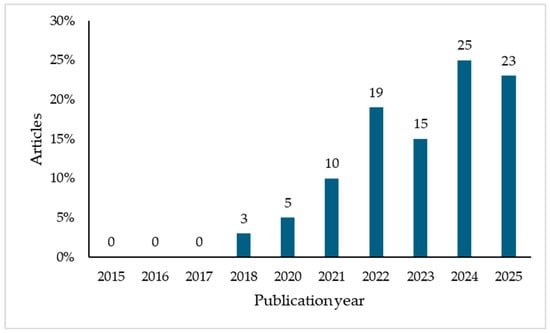
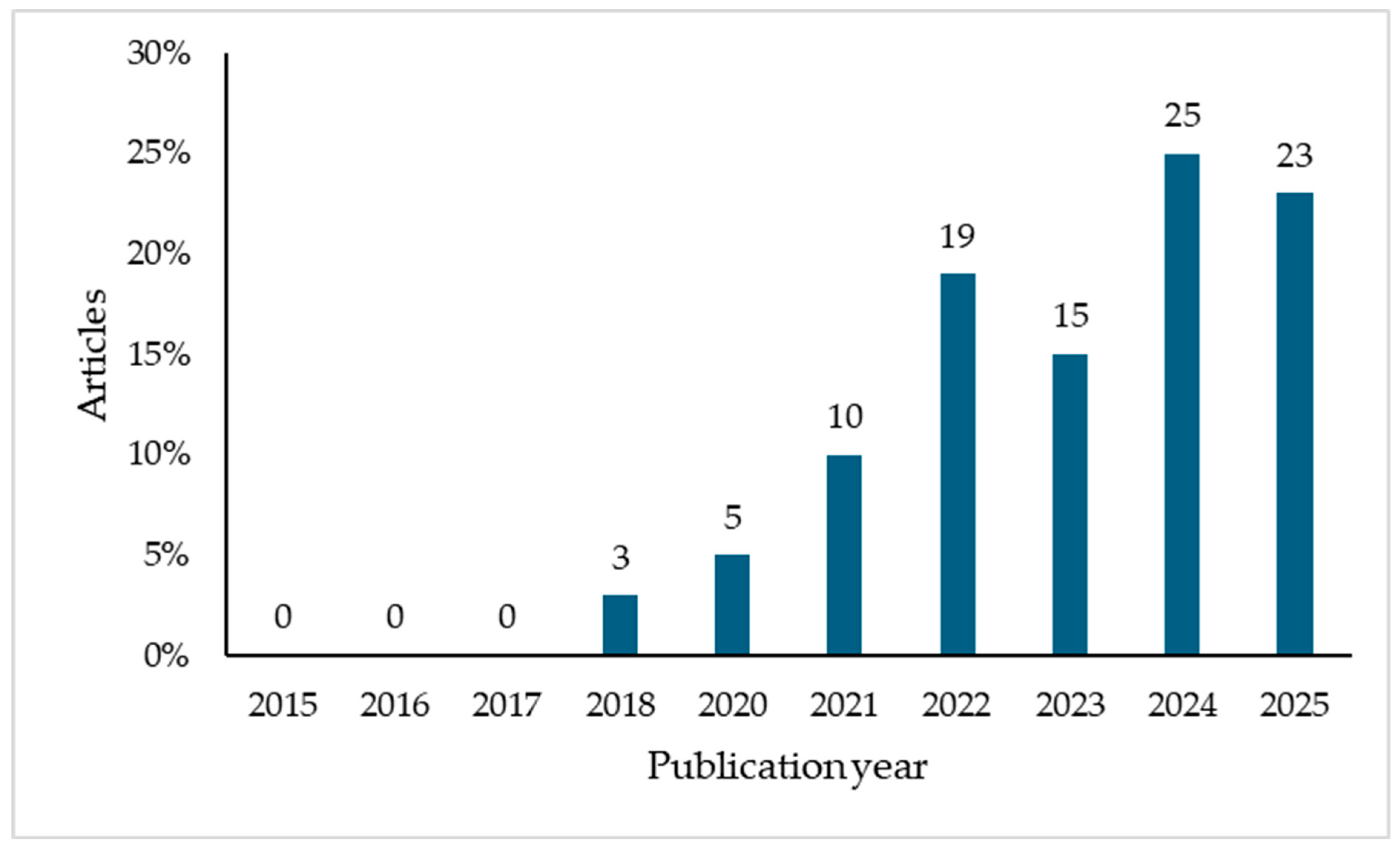
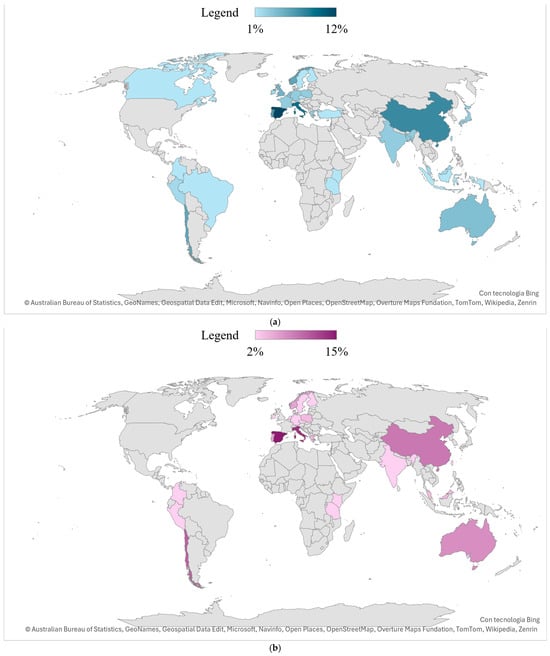
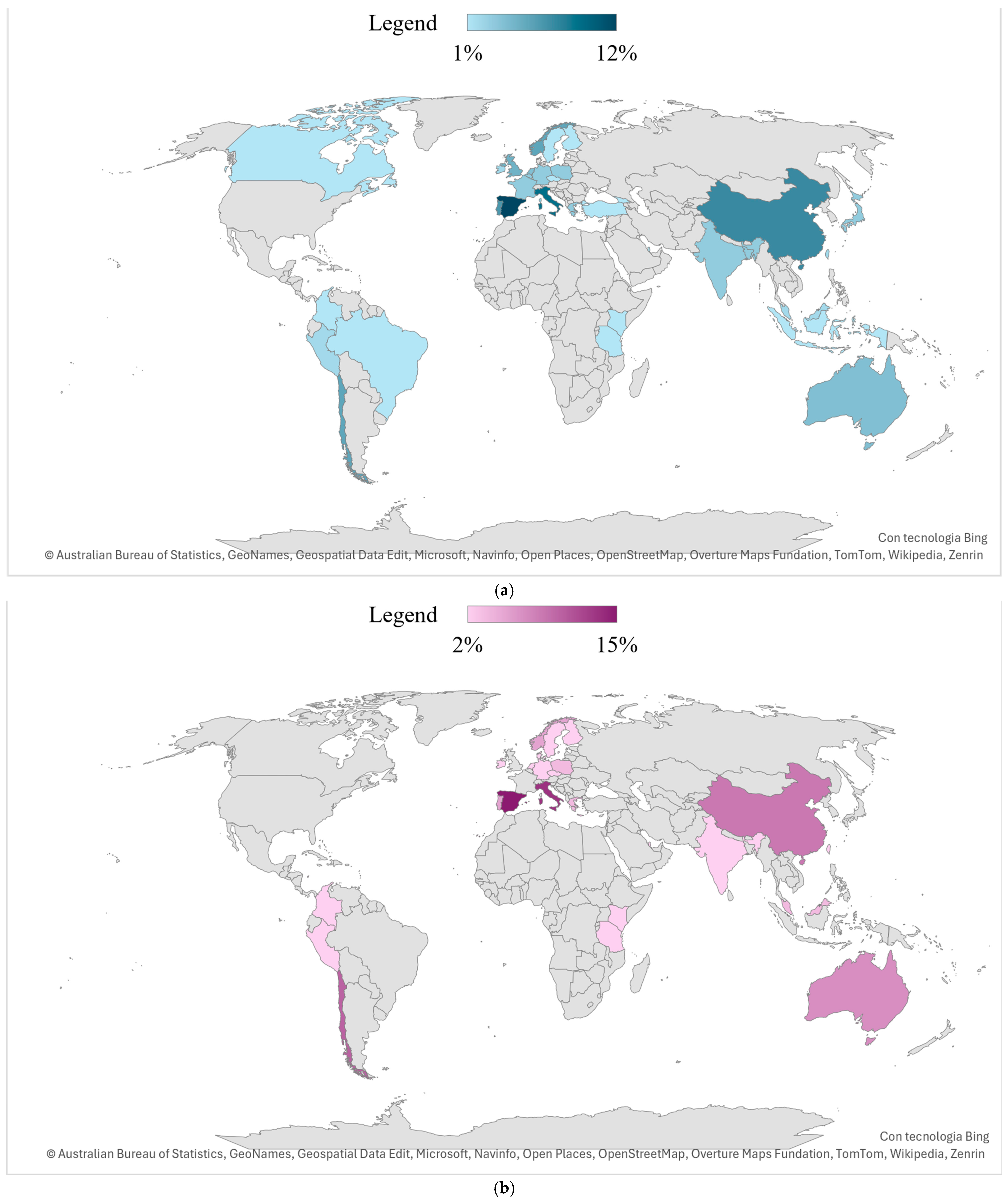
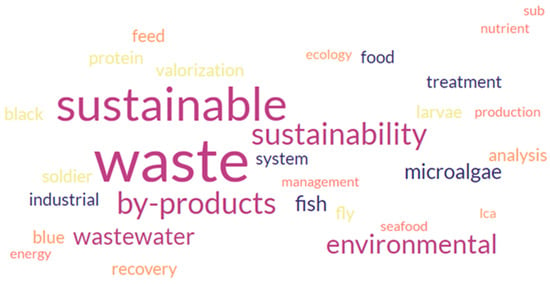
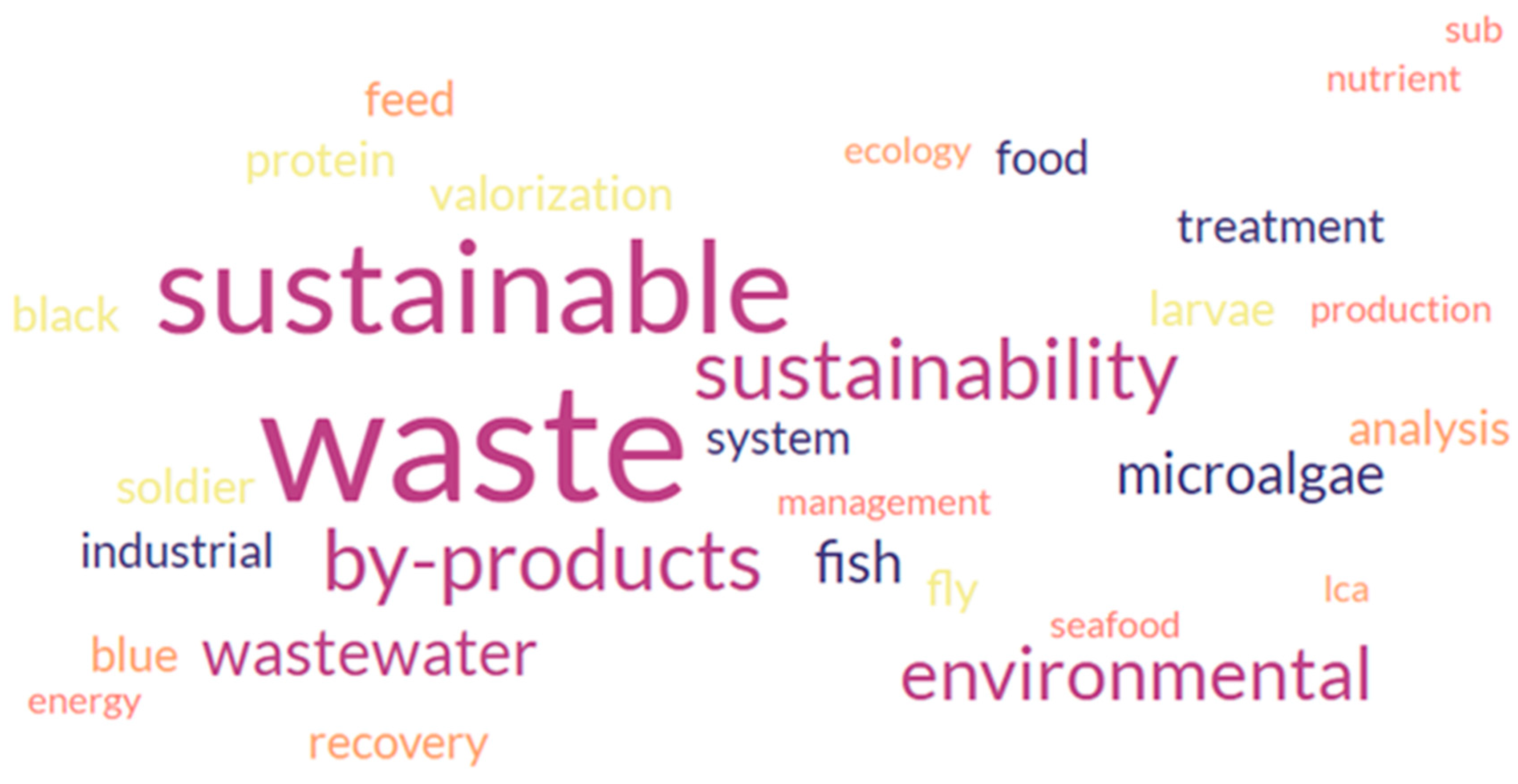




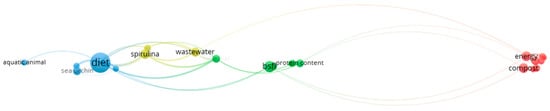
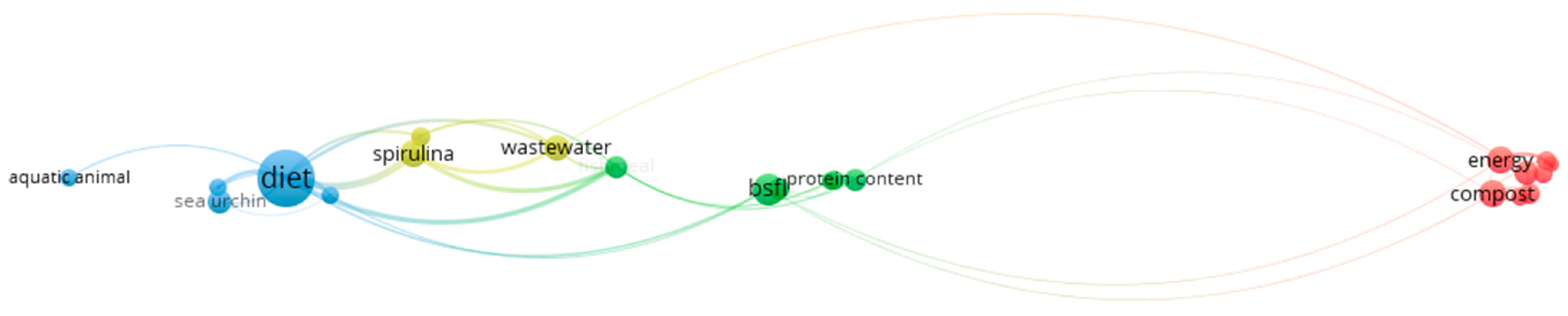

Disclaimer/Publisher’s Note: The statements, opinions and data contained in all publications are solely those of the individual author(s) and contributor(s) and not of MDPI and/or the editor(s). MDPI and/or the editor(s) disclaim responsibility for any injury to people or property resulting from any ideas, methods, instructions or products referred to in the content. |
© 2026 by the authors. Licensee MDPI, Basel, Switzerland. This article is an open access article distributed under the terms and conditions of the Creative Commons Attribution (CC BY) license.