


Abstract
Jarosite residues generated during zinc hydrometallurgy may retain valuable metals such as silver within complex and poorly accessible mineral phases. In this study, hydrated reline, a choline chloride–urea natural deep eutectic solvent (NADES), was evaluated as an alternative leaching medium for silver recovery from an industrial jarosite residue. Reline/water mixtures containing 10, 20, and 30 wt.% water (RE9010, RE8020, and RE7030, respectively) were investigated to determine the influence of solvent hydration and temperature (25–80 °C) on silver extraction. Mineralogical characterization by XRD, SEM–EDS, and automated TIMA analysis revealed a heterogeneous residue in which silver-bearing phases are associated with complex mineral assemblages, potentially limiting their accessibility during leaching. Among the evaluated systems, RE9010 consistently exhibited the highest silver recovery, increasing from 12.83% at 25 °C to 24.10% at 80 °C. Successive leaching cycles further increased the cumulative silver recovery to 34.7% for RE9010. FTIR analysis showed that the characteristic spectral features of reline were preserved after the addition of up to 30 wt.% water. Kinetic analysis indicated that diffusion-based models provided the best description of the leaching behavior, with the Zhuravlev–Lesokhin–Templeman model showing the best overall fit. An apparent activation energy of 18.4 kJ mol−1 was obtained, supporting the contribution of mass-transfer and diffusion phenomena to the overall process. These results demonstrate that controlled hydration and moderate heating can improve the leaching performance of reline while preserving its characteristic interactions, highlighting its potential as an alternative solvent for silver recovery from complex metallurgical residues.
1. Introduction
The increasing generation of industrial waste, together with the growing demand for valuable metals, has intensified the development of recycling strategies for recovering critical and high value elements from secondary resources. In this context, the recovery of precious metals, such as silver and gold, from waste and other secondary sources has attracted increasing attention because of their extensive use in electronic, photovoltaic, and other advanced technological applications. Consequently, secondary resources containing silver, including electronic waste, photovoltaic residues, and metallurgical wastes, have been investigated as alternative sources of this valuable metal. Silver recovery is not limited to a single type of waste; consequently, different secondary resources have been investigated depending on the origin and association of Ag [1,2,3,4,5,6,7]. Among the different secondary resources, metallurgical residues generated during mineral processing and metal extraction are particularly interesting because valuable elements may remain associated with secondary mineral phases after the primary recovery stage.
Hydrometallurgical processing of zinc ores is an important example of a process that generates potentially valuable residues, since the precipitation of iron-bearing residues such as jarosite represents an unavoidable step. Approximately 80% of global zinc production is carried out through hydrometallurgical processes, in which jarosite is generated as a residue during the removal of iron impurities from zinc-bearing solutions [8,9]. In the conventional zinc hydrometallurgical route, sphalerite is first roasted to produce impure zinc oxide (ZnO), which is subsequently subjected to sulfuric acid leaching. During the subsequent purification of the resulting zinc-bearing solution, iron is removed through jarosite precipitation, producing a solid residue known as jarosite. Jarosite is an iron (III) sulfate hydroxide with the general formula MFe3(SO4)2(OH)6, where M represents monovalent or divalent cations such as Na+, K+, NH4+, H3O+, Ag+, Li+, and ½ Pb2+ [10]. In this structure, Fe3+ ions can be partially substituted by other trivalent metal ions, including Al3+, In3+, or Cr3+ [11]. Although jarosite precipitation plays a critical role in iron removal during zinc processing [7,12], it simultaneously generates large quantities of solid residues that require appropriate management. It has been estimated that the production of 100,000 tons of zinc can generate approximately 80,000 tons of jarosite residue, containing about 50 wt.% iron and nearly 12 wt.% zinc [13]. The substantial volume of jarosite generated annually, together with its complex composition and potential content of valuable metals, has therefore motivated increasing interest in its treatment and valorization.
Jarosite residues are commonly disposed of in open landfills, leading to significant environmental and economic concerns. Nevertheless, limited attention has been given to the development of efficient processes for the recovery of valuable metals and the determination of optimal extraction conditions. Current research has mainly focused on the utilization of jarosite as a raw material for construction and ceramic applications [14,15]. The extraction of metals from jarosite and similar residues represents a major industrial challenge, as these elements typically occur at low concentrations and are embedded within complex mineral matrices [10].
Although jarosite precipitation facilitates iron removal during zinc hydrometallurgy, the resulting residue may contain significant amounts of other valuable and potentially hazardous elements, including silver. The recovery of high-value metals such as silver and gold from jarosite has been reported to reach efficiencies of up to 80% through alkaline decomposition followed by cyanidation [16]. Several studies have investigated recovery strategies and their associated environmental impacts, achieving extraction yields exceeding 90% [10,11,16,17].
However, most environmental assessments have primarily focused on gaseous emissions generated during pyrometallurgical treatments, which vary according to the jarosite type and processing conditions. Consequently, it is essential to evaluate both the recovery efficiency and the environmental implications of alternative hydrometallurgical approaches. Conventional leaching techniques often rely on aggressive chemical reagents and generate secondary pollutants, raising concerns regarding their environmental sustainability. Therefore, greener extraction strategies aimed at minimizing ecological impact while maintaining high recovery efficiencies are highly desirable.
Some deep eutectic solvents (DESs) have emerged as environmentally friendly alternatives to conventional organic solvents due to their low volatility, physicochemical properties, and favorable environmental profiles. In recent years, interest in DESs has increased considerably, leading to a rapid expansion of their applications across various fields of chemistry and chemical engineering. Their ability to dissolve and complex metallic species, combined with their low toxicity and simple synthesis, has made them attractive candidates for the development of green hydrometallurgical and solvometallurgical processes [18,19,20,21]. When DESs are formulated using naturally occurring compounds, they are referred to as natural deep eutectic solvents (NADESs) [22]. In 2011, Y. H. Choi et al. introduced the term NADES, providing a comprehensive analysis of different metabolite combinations and highlighting the advantageous physicochemical properties of these systems compared to traditional ionic liquids and DESs. Since then, NADESs have gained increasing attention as novel green solvents, offering remarkable advantages such as biocompatibility, low toxicity, biodegradability, and sustainability [23,24].
NADESs should be considered promising media for enhancing metal recovery while simultaneously reducing the environmental impact of metallurgical processing. Therefore, it is essential to investigate new extraction routes that align with green chemistry principles to improve existing technologies and develop sustainable processing strategies with minimal ecological footprint. Furthermore, economic aspects must be carefully evaluated to assess the industrial feasibility of these processes. An additional advantage of NADESs lies in their ability to eliminate the need for reducing agents or costly solvent extractants, which are commonly required in conventional hydrometallurgical operations [22,25]. This emerging approach to extractive metallurgy, known as solvometallurgy, involves the use of organic solvents instead of aqueous media for metal extraction and recovery, aiming to reduce environmental impact while improving process selectivity [10,26].
The most studied NADESs are typically composed of choline chloride (ChCl), (C5H14ClNO), carboxylic acids, and hydrogen bond donors (HBDs) such as urea (CO(NH2)2) or glycerol [27]. Although a wide variety of component combinations have been reported for NADES formulation, the systems most extensively investigated are those based on choline chloride combined with amides, particularly urea [28].
The eutectic mixture of choline chloride and urea, commonly known as reline, is classified as a natural deep eutectic solvent due to its composition of naturally occurring, low-toxicity metabolites, namely a choline salt and urea. This system forms a liquid with a melting point of approximately 12 °C and exhibits physicochemical properties comparable to those of certain ionic liquids at ambient conditions. The incorporation of urea into eutectic systems with metal halides, resulting in mixtures with melting points below 150 °C, has long been recognized as an effective strategy for generating low-temperature molten solvents suitable for metallurgical applications [29,30,31]. The metal extraction performance of deep eutectic solvents is strongly influenced by their physicochemical properties, particularly their hydrogen-bonding network, viscosity, polarity, and metal coordination capacity. In chloride-based DES systems, metal dissolution is promoted through the formation of stable chloride complexes and hydrogen-bond interactions that enhance the solubility of metallic species within the eutectic medium. Furthermore, operational parameters such as temperature and water content can significantly modify the viscosity and mass transfer behavior of the solvent, directly affecting leaching kinetics and extraction efficiency. These characteristics make DESs highly versatile media for the selective recovery of valuable metals from complex industrial residues [32,33].
In this context, the present approach explores the direct use of a choline chloride:urea deep eutectic solvent (reline) as the main leaching medium for silver recovery from a complex industrial jarosite residue, without the addition of conventional strong mineral acids. The system relies on the physicochemical and complexing properties of reline, while controlled amounts of water are incorporated to modify its transport properties without disrupting the eutectic environment. In addition, the combined evaluation of solvent hydration, temperature, mineralogical characteristics, and leaching kinetics provides a comprehensive assessment of the factors governing silver recovery from this complex residue.
Therefore, this study aims to evaluate the potential of hydrated reline (choline chloride–urea) as a leaching medium for the recovery of silver from industrial jarosite residues. In particular, the effects of water content and temperature on silver extraction were systematically investigated to determine how these parameters influence the leaching performance of the hydrated NADES system. FTIR spectroscopy was used to characterize the structural changes in reline upon water incorporation and after the leaching process, providing insights into the relationship between the physicochemical characteristics of the solvent and its silver-leaching behavior. In addition, a kinetic analysis of the leaching process was performed to determine silver dissolution behavior and activation energy.
2. Results
2.1. Mineral Characterization
2.1.1. Chemical Analysis
The chemical composition of the jarosite residue obtained by X-ray fluorescence (XRF) analysis is shown in Table 1.
Table 1.
Chemical composition of jarosite residue.
Table 1 shows that the jarosite residue contains 0.0094 wt.% Ag (94 ppm), indicating the presence of a potentially recoverable concentration of this valuable metal. The iron (Fe) content was 8.81 wt.%, consistent with the typical composition of jarosite minerals. Zinc (Zn) and copper (Cu) were present in moderate amounts, at 4.3 wt.% and 0.16 wt.%, respectively, suggesting the possibility of secondary sulfide or sulfate phases. Additionally, calcium (Ca) and sulfur (S) were detected in notable quantities, suggesting the presence of sulfate compounds. The low lead (Pb) concentration could indicate partial substitution in the jarosite structure or association with lead-bearing phases.
2.1.2. X-Ray Diffraction (XRD) Analysis
Figure 1 shows an X-ray powder diffraction analysis to identify crystalline phases from jarosite sample.
Figure 1.
X-ray diffraction (XRD) pattern of the industrial jarosite residue.
The diffractogram in Figure 1 shows the presence of prominent jarosite-group phases corresponding to argentojarosite (AgFe3(OH)6(SO4)2) and ammonium jarosite (NH4Fe3(OH)6(SO4)2), according to reference patterns 96-411-1758 and 00-026-1014, respectively [34,35,36]. Jarosite-group minerals are commonly formed during hydrometallurgical zinc processing, characterized by a general formula MFe3(SO4)2(OH)6, where the M-site can be occupied by different monovalent or divalent cations as well as Ag+, Li+, Na+, NH4+. Consequently, several jarosite-type phases may coexist within the same residue depending on the composition of the process solutions and precipitation conditions [37,38].
In addition to jarosite, some secondary phases were identified, including calcium sulfate dihydrate CaSO4·2H2O with reference pattern 96-230-0259, calcium carbonate (CaCO3, 00-005-0586), elemental sulfur (S, 96-900-8578), sphalerite (ZnS, 96-110-1051), and argentite (Ag2S, 00-011-0688). The silver-bearing jarosite phases confirm the ability of the jarosite structure to incorporate different metallic species during precipitation. Similar mineralogical assemblages have been reported for jarosite residues generated during zinc hydrometallurgy, where iron-bearing sulfate phases coexist with residual sulfides, sulfate minerals, and minor lead- or silver-containing phases [15,38,39].
The presence of elemental sulfur, sphalerite and argentite may be associated with the previous processing history of the residue and with the incomplete transformation of sulfur containing minerals. The coexistence of these phases together with jarosite confirms the complex mineralogical composition of the sample. Furthermore, the identification of silver jarosite phase indicates that valuable metals remain incorporated in the residue, which represents an opportunity for their subsequent recovery. The phases identified by XRD are consistent with the chemical composition determined by X-ray fluorescence (XRF).
2.1.3. SEM-EDS Analysis
Figure 2 shows a micrograph of the jarosite residue as-received obtained by scanning electron microscopy coupled with energy-dispersive X-ray spectroscopy (SEM-EDS).
Figure 2.
SEM micrograph of the jarosite residue and corresponding EDS elemental maps showing the spatial distribution of the main elements identified in the sample.
From Figure 2, elemental mapping confirms the presence of key elements detected by XRD and XRF. Oxygen (O), sulfur (S), and iron (Fe) are uniformly distributed, supporting the identification of jarosite-type phases. The elemental maps also show the presence of Ca, Cu, and Zn, consistent with the coexistence of secondary sulfate, carbonate, and sulfide phases identified by XRD. Notably, Ag was detected and appeared dispersed across the analyzed area, consistent with the silver-bearing phases identified by XRD.
Figure 3 shows an SEM micrograph of the jarosite residue at higher magnification. The material exhibits a highly agglomerated morphology composed of irregular particles of different sizes and shapes. Most of the larger particles display well-defined faces and angular to subangular morphologies, while their surfaces are covered by numerous fine particles, resulting in a rough texture. The micrograph also reveals the presence of interparticle voids generated by the aggregation of the particles, indicating a heterogeneous microstructure at the micrometer scale.
Figure 3.
SEM micrograph showing the morphological characterization of the jarosite residue.
After the leaching experiments, the solid residue was characterized by SEM–EDS, and the results are shown in Figure 4. The elemental maps of the leached residue show similar behavior to the as-received sample (Figure 2), where the particles contain O, S, Ca, Fe, Cu, and Zn. Sulfur remains widely distributed throughout the analyzed area, while Fe, Cu, and Zn are still associated with specific regions of mineral particles. It is observed that the bright particle may correspond to a sphalerite (ZnS) particle. In contrast, Ag was not detected in the analyzed area, suggesting that its local concentration was below the detection capability of the technique due to the leaching process. Chlorine was also detected in the post-leaching residue, despite the filtration, washing, and drying steps performed after the leaching experiment.
Figure 4.
SEM micrograph of the jarosite residue and corresponding EDS elemental maps showing the spatial distribution of the main elements identified in the sample after the leaching process.
2.1.4. Automated Mineral Identification
An automated mineralogical analysis was performed using the Tescan Integrated Mineral Analyzer (TIMA) system in liberation mode to evaluate mineral associations, mineral distribution, and the degree of particle liberation within the jarosite residue. This characterization provides valuable information for interpreting the leaching behavior, since the physical encapsulation and complex intergrowth of valuable metal-bearing phases directly influence the accessibility of the deep eutectic solvent to the target minerals. Representative TIMA images of the jarosite residue are presented in Figure 5.
Figure 5.
Automated mineralogical analysis of the jarosite residue using the TIMA system showing: (a) coexistence of complex Fe–Zn–S–O agglomerates with discrete calcite and unreacted sphalerite particles; (b) liberated grains of calcite, sphalerite, and gypsum; and (c) liberated grains of sphalerite, jarosite, and mixed Fe–Zn–S–O/Zn–Ca–S–O aggregates.
The automated mineralogical analysis confirms the highly heterogeneous nature of the industrial residue. Figure 5a,b illustrate the presence of unreacted sphalerite (ZnS) as discrete, liberated particles together with calcite and gypsum. These sphalerite particles represent a well-documented physical carryover of the unoxidized fraction of the zinc concentrate from the conventional Roast–Leach–Electrowinning (RLE) process [12,39].
Furthermore, the identification of gypsum particles (Figure 5b) is consistent with the calcium sulfate hydrate phase detected by XRD. More importantly, Figure 5c reveals the complex intergrowth patterns characteristic of these hydrometallurgical precipitates. Jarosite is observed not only as liberated crystalline particles but also intimately associated with amorphous or structurally complex Fe–Zn–S–O and Zn–Ca–S–O aggregates. The incomplete liberation of jarosite and iron-bearing phases indicates that valuable elements, including silver, are likely encapsulated or finely disseminated within complex mineral assemblages, thereby limiting their accessibility to the deep eutectic solvent during leaching [15].
The global mineralogical composition of the jarosite residue was determined using the Tescan Integrated Mineral Analyzer (TIMA). The main mineral species and their corresponding mass fractions are summarized in Table 2.
Table 2.
Global mineralogical composition of the industrial jarosite residue sample determined by TIMA.
The quantitative mineralogical analysis reveals significant compositional variability within the jarosite residue. The sample is predominantly composed of calcite (46.28 wt.%), followed by ammonium jarosite (15.68 wt.%) and structurally complex Fe–Zn–Ca–S–Si–O agglomerates (14.91 wt.%). Minor amounts of sphalerite, gypsum, and iron oxides are also present. The high calcite content is particularly important when selecting an appropriate leaching strategy. In conventional hydrometallurgical processes, carbonate-rich matrices are associated with excessive acid consumption and CO2 evolution, making sulfuric acid leaching less economically attractive.
Furthermore, the substantial fraction of complex Fe–Zn–Ca–S–Si–O and Fe–Zn–S–O phases quantitatively support the extensive mineral intergrowth observed in the TIMA micrographs (Figure 5). Silver may therefore occur both in association with jarosite phases and as finely disseminated or encapsulated species within complex mineral assemblages, reducing its accessibility to the leaching medium. Under these conditions, the use of reline represents an attractive alternative because its chloride-rich chemical environment promotes metal complexation and dissolution while operating at its natural mild alkaline pH, thereby avoiding the excessive acid consumption associated with carbonate-rich matrices.
2.2. NADES Characterization
Figure 6 shows the FTIR spectra for choline chloride, urea, and reline (ChCl/urea, 1:2 molar ratio).
Figure 6.
FTIR analysis of reline (black) and its components: urea (blue), choline chloride (red).
In the FTIR spectrum of urea, bands at 3427 cm−1 and 3328 cm−1 are attributed to N–H stretching vibrations, while the band at 3254 cm−1 is likely associated with O–H bonds. Additionally, a characteristic band appears at 1586 cm−1, corresponding to the C=O stretching vibration. These bands serve as reference points for identifying changes due to interactions in the eutectic system [40,41].
In the case of choline chloride, the band at 1473 cm−1 can be assigned to the ρCH3 bending vibration, which involves the collective oscillation of the hydrogen atoms in the methyl group while the central carbon remains stationary. Furthermore, the band at 955 cm−1 corresponds to the νCCO stretching vibration. The preservation of this band in the reline spectrum indicates that the characteristic structure of the choline cation (Ch+) is maintained after formation of the eutectic mixture [41].
In the FTIR spectrum of reline (a eutectic mixture of ChCl and urea at a 1:2 molar ratio), the aforementioned bands of both urea and choline chloride undergo slight shifts and broadening compared with those of the individual components, indicating the formation of a new hydrogen-bond network. For example, the band assigned to the C=O vibration of urea shifts from 1586 cm−1 to 1604 cm−1, corresponding to a displacement toward higher wavenumbers. This shift is attributed to the interaction between chloride ions and the N–H groups of urea, which modifies the electronic environment of the molecule and alters the vibrational energy of the associated bonds. In addition, the broadening observed in the N–H and O–H stretching regions suggests the establishment of extensive hydrogen-bond interactions between urea and choline chloride, supporting the establishment of the characteristic intermolecular interactions of the eutectic system [40,41]. Hydrogen bonding in reline can occur through various configurations, including OH···Cl−, OH···O=C, NH···NH, NH···Cl−, and NH···OH. Among these, the NH···Cl− interaction is considered the strongest and most stable, indicating that the chloride ion forms hydrogen bonds with two urea molecules simultaneously [29,30].
These spectral features provide strong evidence of complex hydrogen bonding networks that stabilize the reline structure.
The FTIR spectra of reline and the hydrated systems RE9010, RE8020, and RE7030 are presented in Figure 7. The characteristic absorption bands of reline were preserved after water addition, indicating that the hydrated mixtures retained the main spectral features associated with the eutectic system within the evaluated composition range.
Figure 7.
FTIR spectra of reline and the hydrated reline systems RE9010, RE8020, and RE7030.
The broad absorption band located between 3500 and 3000 cm−1, associated with the stretching vibrations of O–H and N–H groups, was observed in all systems with only slight variations in band shape. Furthermore, the characteristic bands assigned to urea and choline chloride in the regions around 1700–1450 cm−1 and 1200–900 cm−1 remained present in all hydrated mixtures. No new absorption bands or significant shifts in the characteristic peaks were detected as the water content increased from 10 to 30 wt.%.
2.3. Leaching Process
The leaching behavior of the jarosite residue was evaluated using hydrated reline (choline chloride–urea) systems containing different water contents. Three solvent compositions were investigated, namely reline/water ratios of 70:30 (RE7030), 80:20 (RE8020), and 90:10 (RE9010). In each experiment, 15 g of jarosite residue was contacted with 50 g of the corresponding NADES mixture under atmospheric pressure, continuous stirring at 500 rpm and room temperature conditions. The initial pH of the reline–water systems ranged from 8.88 (RE7030) to 9.33 (RE9010) as shown in Table 3.
Table 3.
Effect of water content on the apparent pH of reline-based systems.
Figure 8 shows silver recovery as a function of time for the three different reline/water ratios at 25 °C.
Figure 8.
Silver recovery as a function of leaching time for different reline/water ratios: RE7030 (black), RE8020 (red), and RE9010 (blue), at 25 °C, 500 rpm, atmospheric pressure, and natural apparent pH.
Iron and zinc concentrations were also monitored in the leaching solutions by AAS to evaluate their possible co-extraction. Both metals were detected only at trace levels, with concentrations below the detection limit of the analytical method; therefore, reliable extraction percentages could not be calculated under the evaluated conditions.
Figure 8 shows that water content strongly influences the leaching performance of the NADES system. In all cases, a rapid increase in recovery was observed during the initial stages of the process, particularly within the first 30 min, indicating fast dissolution of the most accessible silver-bearing phases. The decrease in the leaching rate at longer reaction times is consistent with the classical shrinking-core model, in which an initial surface-reaction-controlled stage is followed by diffusion limitations through the product layer; it may also be associated with the most accessible silver-bearing phases and the progressive dissolution of metals embedded within the jarosite matrix [42].
The RE9010 system exhibited the highest extraction efficiency throughout the experiment, reaching a final silver recovery of approximately 12.8% after 240 min, whereas RE8020 and RE7030 achieved recoveries of about 10.5% and 9.5%, respectively. The superior performance of RE9010 can be attributed to its higher concentration of NADES components, which provides a greater availability of chloride ions while preserving the hydrogen-bond network characteristic of the eutectic solvent. In chloride-based deep eutectic solvents, metal dissolution has been proposed to proceed through the formation of soluble metal complexes, generally represented as [MClx]n−x, where M denotes the metal cation, and x depends on its coordination environment [43].
In this mechanism, chloride ions act as coordinating ligands, whereas the hydrogen-bond network stabilizes the dissolved complexes and facilitates their transport within the eutectic medium. Consequently, both chloride availability and the integrity of the hydrogen-bond network are key factors governing metal extraction. Although the addition of water decreases viscosity and improves mass transfer, excessive dilution reduces the concentration of free chloride ions and progressively weakens the eutectic hydrogen-bond network, thereby decreasing the complexation ability of the solvent. Therefore, the 90:10 reline–water composition provides the most favorable balance between solvent fluidity, chloride availability, and metal coordination, resulting in the highest silver recovery [43,44,45,46].
To evaluate the extraction potential of the NADES systems beyond a single leaching stage, four successive leaching cycles were performed. The silver recovery obtained in each cycle and the corresponding recovered silver mass are summarized in Table 4.
Table 4.
Silver recovery obtained during successive leaching cycles using reline–water mixtures with different water contents.
Silver was recovered during all four consecutive leaching cycles for the three evaluated solvent compositions. In the first cycle, RE9010 exhibited the highest recovery (12.82%), followed by RE8020 (10.40%) and RE7030 (8.68%). After four cycles, cumulative recoveries of 25.4%, 32.6%, and 34.7% were obtained for RE7030, RE8020, and RE9010, respectively. RE9010 therefore exhibited the highest overall silver recovery among the evaluated systems.
The effect of temperature on silver recovery was evaluated at 25, 40, 60, and 80 °C using the three hydrated reline systems (Figure 9). Silver recovery increased with temperature for all solvent compositions. For RE9010, recovery increased from 12.83% at 25 °C to 15.89%, 22.28%, and 24.10% at 40, 60, and 80 °C, respectively. RE8020 exhibited recoveries of 10.57%, 12.49%, 14.35%, and 16.98%, whereas RE7030 showed recoveries of 9.53%, 12.40%, 13.76%, and 16.33% over the same temperature range. RE9010 consistently exhibited the highest silver recovery at all evaluated temperatures. These results clearly demonstrate that increasing the operating temperature enhances silver dissolution regardless of the water content in the hydrated reline systems, although the RE9010 composition consistently provided the highest extraction efficiency.
Figure 9.
Effect of temperature on silver recovery using hydrated reline systems: (a) RE7030, (b) RE8020, and (c) RE9010, over the temperature range of 25–80 °C at 500 rpm, atmospheric pressure, and natural apparent pH.
The effect of temperature on silver recovery for all the evaluated systems is summarized in Table 5.
Table 5.
Effect of temperature on silver recovery for the hydrated reline systems.
The progressive improvement in silver recovery observed with increasing temperature was consistent for all hydrated reline systems. However, the magnitude of the enhancement depended on the solvent composition. Among the evaluated mixtures, the RE9010 sample consistently exhibited the highest extraction efficiency over the entire temperature range, indicating that the combined effect of moderate heating and limited water addition provides the most favorable conditions for silver dissolution.
The experimental data obtained for the RE7030 system were evaluated using reaction-order and diffusion-controlled kinetic models. Reaction-order models can be expressed using the general rate Equation (1):
where α is the fractional silver recovery, t is the leaching time, k is the apparent rate constant, and n is the reaction-order parameter. In addition, diffusion-controlled expressions, including the Zhuravlev–Lesokhin–Templeman (ZLT), Anti-Jander, and Kröger–Ziegler models, were evaluated to account for possible mass-transfer limitations during silver dissolution. The integrated expressions employed for each kinetic model and their corresponding correlation coefficients (R2) are summarized in Table 6.
Table 6.
Assessment of kinetic models.
The results indicate that diffusion-based models provided the best description of experimental data. Among the evaluated models, the ZLT equation exhibited R2 values of 0.951, 0.934, 0.965, and 0.936 at 25, 40, 60, and 80 °C, respectively, as observed in Figure 10, followed by the Anti-Jander and Kroeger–Ziegler models, both with R2 values around 0.94. In contrast, pseudo first-order, pseudo-second order, and fractional-order models yielded lower correlation coefficients ranging from 0.89 to 0.95.
Figure 10.
ZLT kinetic model fits for the RE7030 system at (a) 25 °C, (b) 40 °C, (c) 60 °C, and (d) 80 °C, with the corresponding linear regressions.
To further evaluate the temperature dependence of the silver leaching process, the apparent activation energy was determined using the Arrhenius equation [48]. The apparent activation energy was calculated from the linear relationship between ln(k) and (1/T), where k is the apparent rate constant obtained from the kinetic analysis and T is the absolute temperature (K). The activation energy was calculated according to Equation (2):
where A is the Arrhenius pre-exponential factor, Ea is the apparent activation energy (cal mol−1), R is the universal gas constant (1.987 cal mol−1 K−1), and T is the absolute temperature (K). The plot of ln(k) versus 1/T is presented in Figure 11.
Figure 11.
Arrhenius plot of ln(k) versus 1/T using the apparent rate constants obtained from the ZLT kinetic model for the RE7030 system. The black line connects the calculated data points, while the red line represents the linear regression fit.
The slope of the linear regression corresponds to −Ea/R. The calculated apparent activation energy was 4.4147 kcal mol−1, equivalent to 18.4 kJ mol−1. This relatively low activation energy indicates that the silver leaching rate has a limited dependence on temperature and suggests that mass-transfer or diffusion processes may contribute significantly to the overall leaching behavior.
3. Discussion
The microstructural encapsulation of valuable metals within the jarosite matrix, as revealed by the TIMA automated mineralogy analysis (Figure 5c), presents a significant hydrometallurgical bottleneck. Conventional aqueous leaching often struggles to penetrate such densely intergrown Fe-Zn-S-O matrices, requiring aggressive acid attack that dissolves excess iron, thereby increasing reagent consumption [10]. In this context, the selected leaching agent—the reline–water NADES—must possess suitable mass transfer properties to permeate these multiphase agglomerates. The observed extraction efficiencies underscore the dual necessity of the deep eutectic solvent: it must maintain its complexation capability to coordinate with the disseminated silver-bearing species, while its viscosity must be sufficiently lowered (via controlled water addition) to overcome the physical diffusion barriers imposed by the surrounding gangue minerals.
The results clearly demonstrate that the water content of the reline-based system significantly influences silver extraction from the jarosite residue. Among the evaluated compositions, RE9010 consistently exhibited the highest recovery, whereas RE7030 showed the lowest extraction efficiency. This behavior suggests that the balance between solvent structure and mass-transfer properties plays a critical role in determining the leaching performance.
The slightly alkaline nature of the hydrated reline systems may contribute to silver dissolution by modifying the speciation and thermodynamic stability of silver species in the leaching medium [49,50,51,52,53]. Experimental studies have demonstrated that pH can significantly influence both the rate and extent of silver leaching in alkaline complexing systems [5]; it has been seen that systems containing a higher proportion of reline exhibited slightly higher pH values, whereas increasing the water content resulted in a progressive decrease in alkalinity as shown in Table 3. This behavior may partially contribute to the higher silver recoveries observed for RE9010 compared with RE8020 and RE7030. However, because reline contains a high concentration of chloride ions and can interact with dissolved silver species, the observed behavior cannot be attributed exclusively to pH.
The effect of adding water on the leaching performance of a reline-based system can be explained by the balance between improved mass transfer and preservation of the eutectic structure of the NADES. Previous studies [18,54] have shown that water addition significantly decreases the viscosity of reline and increases molecular mobility, which facilitates the transport of dissolved species, improving solid–liquid interactions. However, water also modifies the hydrogen bond network that characterizes the NADES. Molecular simulation studies [54,55] have demonstrated that increasing water content progressively hydrates the individual components of reline and weakens the interactions between chloride ions, urea, and cholinium species. Although moderate water additions may improve transport properties, excessive dilution can reduce the ability of the solvent to stabilize and complex dissolved metal species. This behavior is consistent with the higher silver recoveries obtained for RE9010 compared with RE8020 and RE7030. The FTIR spectra from Figure 7 indicate that the characteristic absorption bands of reline are maintained after the addition of 10–30 wt.% water, suggesting that the main local interactions associated with the eutectic system are largely preserved within the evaluated hydration range. In particular, the broad O–H/N–H stretching region and the characteristic bands associated with urea and choline chloride exhibited only minor variations in the band shape, without the appearance of new absorption bands or significant peak shifts.
The kinetic analysis suggests that diffusion-related mechanisms play an important role during silver dissolution from the jarosite residue [56]. The best fits were obtained with the ZLT, Anti-Jander, and Kroeger–Ziegler models, consistent with the progressive decrease in extraction rate observed after the initial leaching stage. Such behavior is commonly associated with increasing mass-transfer resistance as the reaction proceeds and the most accessible silver-bearing phases are depleted. Nevertheless, the relatively similar correlation coefficients obtained for several diffusion-based models indicate that more than one mass-transfer process may contribute to the overall leaching behavior. These processes may include diffusion of the NADES through the liquid boundary layer surrounding the particles, diffusion through the product layer and the heterogeneous mineral matrix to reach the reactive silver-bearing phases, and outward diffusion of the dissolved metal complexes from the reaction interface into the bulk solution [56,57,58,59,60]. The simultaneous contribution of these transport phenomena makes it difficult to assign a single rate-controlling step exclusively based on linear regression analysis. Furthermore, the complex mineralogical composition of the residue, together with the heterogeneous distribution of silver within the jarosite matrix, may further contribute to this behavior [56,58,59,60,61,62,63].
The superior statistical fit obtained with the ZLT model can also be rationalized from a mechanistic standpoint. Although the ZLT, Anti-Jander, and Kröger–Ziegler equations are based on a shrinking-core framework, an unreacted, silver-bearing core surrounded by a progressively thickening layer of reacted material through which the leaching agent and dissolved silver species must diffuse, they differ in how they account for the decrease in the interfacial area as the reaction progresses. Simpler diffusion-controlled formulations, such as the Jander equation, assume an approximately constant diffusion area and are therefore generally more applicable at relatively low conversions, whereas the ZLT equation incorporates a geometric correction for the continuously decreasing core radius as the reaction progresses. This allows the ZLT model to describe the leaching behavior over a broader conversion range, including later stages in which diffusion through an increasingly resistant reacted layer may become important. This mechanistic interpretation is consistent with the mineralogical evidence obtained in this study. TIMA and XRD analyses (Section 2.1) showed that silver-bearing species are associated with a heterogeneous Fe–Zn–S–O mineral assemblage and may occur within encapsulated or poorly accessible domains. Under these conditions, the leaching agent may encounter increasing transport resistance as it penetrates the reacted mineral matrix to reach less accessible silver-bearing domains, a scenario that is consistent with the assumptions of the ZLT model. Consequently, the higher correlation coefficient obtained for the ZLT model (R2 = 0.95) reflects not only a statistically better fit but also a kinetic description whose underlying assumptions are consistent with the structural characteristics of the jarosite residue [47,64,65,66,67,68].
Although higher activation energy values have been reported for the leaching and decomposition of jarosite-based systems [59,69,70], their interpretation is strongly dependent on the pH, lixiviant composition, and chemical reactions involved in the dissolution process. Therefore, the activation energy should be considered as a system-dependent parameter rather than as an intrinsic characteristic of silver leaching. In the present system, the relatively low activation energy suggests that mass transfer and diffusion phenomena may contribute to the observed leaching behavior. This interpretation is also consistent with the rapid silver extraction observed during the initial stage of leaching, followed by a progressive decrease in the extraction rate. As leaching proceeds, interactions between the NADES components and the dissolving mineral surface may promote the formation of a product layer or a modified surface layer (Figure 12), increasing the diffusion path for the reacting species. In addition, the gradual decrease in the concentration gradient between the silver-bearing jarosite and the leaching medium may further reduce the driving force for mass transfer, contributing to the decrease in the leaching rate at longer reaction times.
Figure 12.
Schematic representation of the proposed silver leaching mechanism from jarosite particles using hydrated NADES.
The persistence of Fe-, Zn-, Cu-, and S-bearing species in the post-leaching residue (Figure 4) indicates that the mineral matrix remains partially preserved after treatment with hydrated reline, consistent with the limited overall dissolution observed during the leaching experiments. Particularly noteworthy is the detection of chlorine on the residual particles after filtration, washing, and drying. Because chloride is an intrinsic component of the chloride-based leaching medium, its presence on the post-leaching solid suggests that chloride-containing species derived from the NADES remain associated with the mineral surface after leaching. This observation is consistent with the kinetic behavior described by the ZLT model, in which the progressive formation or modification of a surface layer may increase resistance to mass transfer as the reaction proceeds. Although the EDS results alone cannot establish the formation or chemical nature of a product layer, the persistence of chlorine on the residual particles provides complementary evidence of interactions between the reline-based medium and the mineral surface. Such surface-associated species could contribute to the increasing diffusion resistance proposed to explain the progressive decrease in the silver extraction rate at longer leaching times.
The improvement in silver recovery observed at 40, 60, and 80 °C can be attributed to the combined effect of enhanced mass transfer and increased molecular mobility within the hydrated reline systems. Moderate heating decreases the viscosity of deep eutectic solvents, facilitating the movement of ions and dissolved species while improving the diffusion of the leaching agent toward the mineral surface. As a result, the frequency of effective interactions between the solvent and the silver-bearing phases increases, leading to higher dissolution rates and improved metal recovery [71,72]. The superior performance of the RE9010 system was maintained at the elevated temperatures, suggesting that the favorable balance between water content and NADES concentration remained unchanged. The solvent composition played an important role in the overall leaching efficiency, despite temperature enhancing its transport properties.
The moderate silver recoveries obtained in this study can be attributed, at least in part, to the physicochemical stability and complex mineralogical characteristics of the industrial jarosite residue. As previously reported for these industrial by-products, the jarosite precipitation process produces a chemically stable iron-bearing residue that effectively immobilizes hazardous elements while simultaneously entrapping residual valuable metals within its crystalline framework, thereby facilitating environmentally safe disposal but hindering subsequent metal recovery [12,73]. Consequently, the limited silver recovery observed in this work is consistent with the strong structural stabilization of silver-bearing phases and their association with the complex mineral assemblages identified by the mineralogical analysis.
The automated mineralogical analysis (TIMA) together with X-ray diffraction (XRD) confirms that the residue is not composed of a single jarosite phase but rather constitutes a heterogeneous mineral assemblage exhibiting extensive mineral intergrowths and encapsulation of valuable phases within chemically resistant minerals, including calcite and iron-rich aggregates (Figure 5). These observations demonstrate that the residue presents both structural and mineralogical constraints that limit the accessibility of leaching reagents. Consequently, the moderate silver recoveries obtained in the present study, even when employing NADES as environmentally friendly lixiviants, indicate that solvent chemistry alone is insufficient to overcome the mass-transfer limitations and restricted accessibility imposed by the mineral matrix.
These findings emphasize the importance of incorporating appropriate pretreatment strategies to destabilize the jarosite structure before hydrometallurgical processing. Previous studies have demonstrated that thermal pre-conditioning through flux-assisted roasting promotes the decomposition of the jarosite lattice and the redistribution of valuable metals into more reactive and accessible mineral phases, thereby significantly improving subsequent metal recovery [74]. Therefore, future research should improve extraction efficiencies through optimization of operating conditions and further investigate the mechanisms governing metal dissolution in hydrated natural deep eutectic solvent systems. Such an approach could overcome the structural limitations of industrial jarosite residues and enhance silver recovery while contributing to the sustainable valorization of this industrial waste.
4. Materials and Methods
4.1. Materials
A brown jarosite wet residue was obtained from the jarosite precipitation stage of a Mexican zinc hydrometallurgical plant. Approximately 10 kg of residue was received and dried in a forced-air oven at 60 °C until constant mass was achieved to remove residual moisture. The dried material was subsequently homogenized and classified by particle size using a Tyler Ro-Tap RX-29 sieve shaker (W.S. Tyler, Mentor, OH, USA). The particle size fraction between 400 and 600 µm was selected for all characterization and leaching experiments. After preparation, the residue was stored in sealed glass containers inside a desiccator to minimize moisture uptake prior to use.
The natural deep eutectic solvent (NADES), known as reline, was synthesized using choline chloride (≥98%, Sigma-Aldrich, St. Louis, MO, USA) and urea (≥99%, Sigma-Aldrich, St. Louis, MO, USA) at a molar ratio of 1:2 (ChCl:urea). The solvent was synthesized by the heating and stirring method [75,76], a commonly employed technique for preparing eutectic mixtures. Initially, urea was heated under continuous magnetic stirring until complete melting was achieved. Subsequently, the calculated amount of choline chloride was gradually added to the molten urea under continuous stirring [77,78,79]. The mixture was continuously stirred at 100 °C until a transparent, homogeneous, and colorless liquid was obtained, indicating the formation of the eutectic solvent. The resulting solvent was allowed to cool to room temperature and was stored in a sealed container to prevent moisture absorption, since both components are hygroscopic. The synthesized reline was visually inspected to ensure the absence of undissolved solids before use in the leaching experiments.
4.2. Methods
X-ray diffraction (XRD) analysis was performed to identify the crystalline phases present in the jarosite residue. Diffraction patterns were collected using a Bruker D8 Advance diffractometer (Bruker AXS GmbH, Karlsruhe, Germany) equipped with Cu Kα radiation (λ = 1.5406 Å). Data were acquired over a 2θ range of 20–90°, using a step size of 0.02° and a scanning rate of 4° min−1. The crystalline phases were identified by comparison with reference diffraction patterns from the ICDD Powder Diffraction File (PDF) database.
Scanning electron microscopy (SEM) coupled with energy-dispersive X-ray spectroscopy (EDS) was employed to examine the morphology and elemental composition of the jarosite residue before and after the leaching process. Microstructural observations were carried out using JEOL JSM-6300 and JEOL JSM-6701F scanning electron microscopes (JEOL Ltd., Tokyo, Japan) operated at an accelerating voltage of 20 kV and a magnification of 20,000×. Secondary electron images were used to evaluate particle morphology, whereas EDS point analyses and elemental mapping were performed to determine the chemical composition and spatial distribution of the major elements within the residue. After leaching, the solid residue was separated from the leaching medium by filtration and thoroughly rinsed with isopropyl alcohol, followed by distilled water, to remove loosely retained residual NADES and soluble species from the particle surfaces. The washed residue was subsequently dried at 60 °C until constant mass was achieved and then analyzed under the same SEM–EDS conditions used for the original jarosite sample.
Automated mineralogical characterization of the jarosite residue was performed using a TESCAN Integrated Mineral Analyzer (TIMA; TESCAN, Brno, Czech Republic) system operating in liberation analysis mode. This SEM-based automated mineralogical technique combines backscattered electron imaging with energy-dispersive X-ray spectroscopy to identify and quantify mineral phases according to their chemical composition. The analyses were carried out using an accelerating voltage of 25 kV. TIMA analysis was employed to determine the mineralogical composition of the residue and to identify the occurrence and association of the silver-bearing phases relevant to the subsequent leaching experiments.
Hydrated reline systems were prepared by mixing synthesized reline with distilled water to obtain water contents of 10, 20, and 30 wt.%, corresponding to reline/water ratios of 90:10, 80:20, and 70:30 (w/w), respectively. Reline was previously synthesized in batches and stored under dry conditions until use. For each hydrated system, the required amount of reline was first weighed, followed by the gradual addition of distilled water under continuous magnetic stirring until a homogeneous mixture was obtained. The hydrated solvents were prepared immediately before the leaching experiments. These compositions were selected based on previous studies describing the influence of water on the nanostructure and physicochemical properties of choline chloride–urea deep eutectic solvents. Hammond et al. [55,80] reported that the characteristic nanostructure of reline is retained even at relatively high hydration levels due to the sequestration of water into nanostructured domains surrounding cholinium cations. However, when the water content exceeds approximately 42 wt.%, significant structural changes occur, and at around 51 wt.% water the eutectic network is disrupted, causing the system to behave as an aqueous solution of its individual components rather than as a true deep eutectic solvent [81]. Therefore, water content below this critical level was selected to preserve the eutectic structure while evaluating the effect of reduced viscosity and improved mass transfer on metal leaching efficiency. Leaching experiments were carried out in 100 mL glass beakers placed on magnetic stirring hot plates. For each experiment, 50 g of the hydrated reline system and 15 g of jarosite residue were used, this solid-to-liquid ratio of 15 g of jarosite residue to 50 g of leaching medium was selected to provide sufficient contact between the mineral particles and the hydrated NADES while maintaining an adequate amount of leaching medium for metal dissolution and mass transfer. Leaching experiments were carried out in 80 mL glass beakers placed on magnetic stirring hot plates. For each experiment, 15 g of jarosite residue and 50 g of the corresponding hydrated reline system were used. This solid-to-liquid ratio was selected to provide sufficient contact between the mineral particles and the hydrated NADES while maintaining an adequate amount of leaching medium for metal dissolution and mass transfer. The selected solid loading was also based on previous studies on the leaching of silver-bearing jarosite residues, which have shown that increasing the solid-to-liquid ratio can negatively affect silver extraction. In particular, silver recovery has been reported to decrease as the amount of jarosite in the leaching system increases, which has been attributed to limitations in reagent availability and/or the solubility of dissolved silver species at higher solid loadings [16]. Therefore, the solid loading employed in the present study was selected to avoid excessive solid concentrations that could restrict solid–liquid contact and mass transfer while maintaining sufficient residue mass for reliable quantification of dissolved silver [16,82].
The hydrated solvent was first heated to the selected temperature (25, 40, 60, or 80 °C), which was continuously monitored using a thermocouple. Once the desired temperature was reached and stabilized, the jarosite residue was added to initiate the leaching process. All experiments were performed under atmospheric pressure and continuous magnetic stirring at 500 rpm for 240 min [83].
The apparent pH of pure reline and the hydrated reline systems were measured at room temperature using a calibrated digital pH meter prior to the leaching experiments. These measurements were performed to evaluate the effect of water addition on the initial acidity/basicity of the leaching media.
The bulk chemical composition of the jarosite residue was determined by X-ray fluorescence (XRF) using a TITAN Handheld XRF Analyzer (Bruker, Kennewick, WA, USA). Prior to analysis, the residue was dried, homogenized, and ground to obtain a fine powder. The powdered samples were analyzed directly to determine the major elemental composition of the residue.
Fourier transform infrared spectroscopy (FTIR) was performed using a PerkinElmer System 2000 spectrometer (PerkinElmer, Norwalk, CT, USA) over the wavenumber range of 4000–400 cm−1. FTIR spectra were acquired for the individual components (choline chloride and urea), pure reline, and hydrated reline systems. The analysis was performed to evaluate the characteristic absorption bands associated with hydrogen-bond interactions, assess the effect of water addition on the molecular structure of the hydrated reline systems, and verify that the characteristic functional groups of reline were preserved after hydration.
The amount of silver initially present in the leaching system was calculated from the initial mass of jarosite and its elemental silver concentration determined by elemental analysis. The initial silver content was calculated according to Equation (3):
where is the initial mass of silver in the system, is the initial mass of jarosite, and is the silver concentration in the jarosite. During each leaching experiment, aliquots were collected at predetermined times, filtered, and analyzed by atomic absorption spectrometry (AAS) to determine the dissolved silver concentration. The amount of silver recovered in each aliquot was calculated from the measured silver concentration and the corresponding solution volume. The silver recovery for each leaching cycle was then calculated using Equation (4):
where is silver recovery at the end of cycle i, is silver mass at the end of cycle i and is initial mass of silver in the system. Finally, the cumulative silver recovery after four consecutive leaching cycles was calculated relative to the total initial silver content in the original jarosite sample, according to Equation (5):
where is the cumulative silver recovery after 4 cycles, is silver mass recovered in each cycle, is silver mass initial.
In addition to silver, iron and zinc concentrations in the leachates were also analyzed by atomic absorption spectrometry (AAS) to evaluate the possible co-extraction of these metals from the jarosite residue.
5. Conclusions
The present study demonstrated the feasibility of using a choline chloride–urea natural deep eutectic solvent (reline) as an alternative leaching medium for silver recovery from jarosite residues under ambient operating conditions. The main conclusions are summarized as follows:
- Among the evaluated hydrated reline systems, RE9010 (90:10, reline:water, w/w) exhibited the highest silver recovery. At 25 °C, silver recovery reached 12.83%, indicating that limited water addition provides a favorable balance between the properties of the hydrated solvent and its leaching performance.
- Increasing the temperature enhanced silver extraction in all hydrated reline systems. For RE9010, silver recovery increased from 12.83% at 25 °C to 24.10% at 80 °C, demonstrating the beneficial effect of moderate heating on the leaching process.
- Successive leaching cycles increased the cumulative silver recovery to approximately 25.4%, 32.6%, and 34.7% for RE7030, RE8020, and RE9010, respectively, after four consecutive cycles.
- Kinetic analysis showed that diffusion-based models provided the best description of silver dissolution, with the Zhuravlev–Lesokhin–Templeman (ZLT) model exhibiting the best overall fit. The apparent activation energy of 18.4 kJ mol−1 supports the contribution of mass-transfer and diffusion phenomena to the overall leaching behavior.
- Mineralogical characterization revealed that the heterogeneous and complex nature of the industrial jarosite residue limits the accessibility of silver-bearing phases. SEM–EDS analysis of the post-leaching residue showed the persistence of Fe-, Zn-, Cu-, and S-bearing species, while Ag was not detected in the analyzed area. The presence of residual chlorine after washing and drying provides additional evidence of interactions between the reline-based medium and the mineral surface.
- FTIR analysis showed that the characteristic spectral features of reline were preserved with water additions of up to 30 wt.%. Overall, hydrated reline represents a potential alternative medium for silver recovery from complex metallurgical residues; however, the moderate extraction achieved indicates that pretreatment of the jarosite residue should be considered in future work to improve the accessibility of silver-bearing phases.
Author Contributions
Conceptualization, Á.d.J.M.R., T.d.R.J.R. and A.C.R.; Data curation, M.G.H. and V.H.G.P.; Formal analysis, Á.d.J.M.R., T.d.R.J.R., J.E.S.V. and A.C.R.; Funding acquisition, M.E.F.F.; Investigation, J.E.S.V., J.A.R.S. and T.d.R.J.R.; Methodology, J.E.S.V., A.C.R. and T.d.R.J.R.; Resources, M.E.F.F., A.C.R. and Á.d.J.M.R.; Software, J.E.S.V. and J.A.R.S.; Supervision, Á.d.J.M.R. and A.C.R.; Validation, J.A.R.S.; Visualization, V.H.G.P., M.G.H. and T.d.R.J.R.; Writing—original draft, T.d.R.J.R. and A.C.R.; Writing—review & editing, Á.d.J.M.R., T.d.R.J.R. and A.C.R. All authors have read and agreed to the published version of the manuscript.
Funding
This research received no external funding.
Data Availability Statement
The original contributions presented in this study are included in the article. Further inquiries can be directed to the corresponding author.
Acknowledgments
The authors wish to thank the institutions SECIHTI, SNI, COFAA, SIP- PRORED 2026-0027, and Instituto Politécnico Nacional for their permanent assistance to the Process Metallurgy Group at ESIQIE-Metallurgy and Materials Department.
Conflicts of Interest
The authors declare no conflicts of interest.
Abbreviations
| AAS | Atomic absorption spectrometry |
| ChCl | Choline chloride |
| Ch+ | Choline cation |
| DES | Deep eutectic solvent |
| EDS | Energy-dispersive X-ray spectroscopy |
| FTIR | Fourier transform infrared spectroscopy |
| HBD | Hydrogen bond donor |
| HBA | Hydrogen bond acceptor |
| NADES | Natural deep eutectic solvent |
| SEM | Scanning electron microscopy |
| XRD | X-ray diffraction |
| XRF | X-ray fluorescence |
| ν | Stretching vibration |
| δ | Bending (deformation) vibration |
| ρ | Rocking vibration |
| ω | Wagging vibration |
| τ | Twisting vibration |
References
- Wang, L.; Lu, J.; Xi, F.; Wan, N.; Chen, X.; Du, N.; Liu, C.; Ma, W.; Luo, B.; Li, S. Sustainable Recycling of Photovoltaic Silicon Waste into High-Performance Anodes via Interface Engineering. Adv. Energy Mater. 2025, 15, e03540. [Google Scholar] [CrossRef] [Scilit]
- Xia, L.; Liu, Y.; Xu, Z. Micro-Galvanic Driven Selective Leaching and Pulsed Electrodeposition of Silver from Multi-Metallic Waste Systems and Their Mechanisms. J. Hazard. Mater. 2025, 498, 139861. [Google Scholar] [CrossRef] [Scilit] [PubMed]
- Aziz, A.A.; Mora, A.; Fatimah, S.S.; Sumarna, O.; Nurusyifa, H.A.; Elia, S.H.; Huwaidah, I.K.S. Silver Recovery from E-Waste Printed Circuit Board Using Binary and Ternary Deep Eutectic Solvents. J. Kim. Sains Dan Apl. 2024, 27, 64–71. [Google Scholar] [CrossRef] [Scilit]
- Lemoine, C.; Petit, Y.; Karaman, T.; Jahrsengene, G.; Martinez, A.M.; Benayad, A.; Billy, E. Circular Recycling Concept for Silver Recovery from Photovoltaic Cells in Ethaline Deep Eutectic Solvent. RSC Adv. 2024, 14, 29174–29183. [Google Scholar] [CrossRef] [Scilit] [PubMed]
- Akcil, A.; Erust, C.; Gahan, C.S.; Ozgun, M.; Sahin, M.; Tuncuk, A. Precious Metal Recovery from Waste Printed Circuit Boards Using Cyanide and Non-Cyanide Lixiviants—A Review. Waste Manag. 2015, 45, 258–271. [Google Scholar] [CrossRef] [Scilit] [PubMed]
- Das, N. Recovery of Precious Metals through Biosorption—A Review. Hydrometallurgy 2010, 103, 180–189. [Google Scholar] [CrossRef] [Scilit]
- Han, H.; Sun, W.; Hu, Y.; Jia, B.; Tang, H. Anglesite and Silver Recovery from Jarosite Residues through Roasting and Sulfidization-Flotation in Zinc Hydrometallurgy. J. Hazard. Mater. 2014, 278, 49–54. [Google Scholar] [CrossRef] [Scilit] [PubMed]
- Liu, C.; Ju, S.H.; Zhang, L.B.; Srinivasakannan, C.; Peng, J.H.; Le, T.Q.X.; Guo, Z.Y. Recovery of Valuable Metals from Jarosite by Sulphuric Acid Roasting Using Microwave and Water Leaching. Can. Metall. Q. 2017, 56, 1–9. [Google Scholar] [CrossRef] [Scilit]
- Rodriguez Rodriguez, N.; Machiels, L.; Onghena, B.; Spooren, J.; Binnemans, K. Selective Recovery of Zinc from Goethite Residue in the Zinc Industry Using Deep-Eutectic Solvents. RSC Adv. 2020, 10, 7328–7335. [Google Scholar] [CrossRef] [Scilit] [PubMed]
- Palden, T.; Regadío, M.; Onghena, B.; Binnemans, K. Selective Metal Recovery from Jarosite Residue by Leaching with Acid-Equilibrated Ionic Liquids and Precipitation-Stripping. ACS Sustain. Chem. Eng. 2019, 7, 4239–4246. [Google Scholar] [CrossRef] [Scilit]
- Zhu, D.; Yang, C.; Pan, J.; Guo, Z.; Li, S. New Pyrometallurgical Route for Separation and Recovery of Fe, Zn, In, Ga and S from Jarosite Residues. J. Clean. Prod. 2018, 205, 781–788. [Google Scholar] [CrossRef] [Scilit]
- Hoeber, L.; Steinlechner, S. A Comprehensive Review of Processing Strategies for Iron Precipitation Residues from Zinc Hydrometallurgy. Clean. Eng. Technol. 2021, 4, 100214. [Google Scholar] [CrossRef] [Scilit]
- Dutrizac, J.E. Converting Jarosite Residues into Compact Hematite Products. JOM 1990, 42, 36–39. [Google Scholar] [CrossRef] [Scilit]
- Eftekhari, N.; Kargar, M.; Zamin, F.R.; Rastakhiz, N.; Manafi, Z. A Review on Various Aspects of Jarosite and Its Utilization Potentials. Ann. Chim. Sci. Mater. 2020, 44, 43–52. [Google Scholar] [CrossRef] [Scilit]
- Pappu, A.; Saxena, M.; Asolekar, S.R. Jarosite Characteristics and Its Utilisation Potentials. Sci. Total Environ. 2006, 359, 232–243. [Google Scholar] [CrossRef] [Scilit] [PubMed]
- Calla-Choque, D.; Lapidus, G.T. Acid Decomposition and Silver Leaching with Thiourea and Oxalate from an Industrial Jarosite Sample. Hydrometallurgy 2020, 192, 105289. [Google Scholar] [CrossRef] [Scilit]
- Picazo-Rodríguez, N.G.; Soria-Aguilar, M.d.J.; Chaidez, J.; Flores, M.; Almaguer-Guzmán, I.; Carrillo-Pedroza, F.R. Analysis of the Behavior of As and Pb during the Pretreatments Applied to a Jarosite Residue for the Recovery of Gold and Silver. Metals 2023, 13, 138. [Google Scholar] [CrossRef] [Scilit]
- Lapeña, D.; Bergua, F.; Lomba, L.; Giner, B.; Lafuente, C. A Comprehensive Study of the Thermophysical Properties of Reline and Hydrated Reline. J. Mol. Liq. 2020, 303, 112679. [Google Scholar] [CrossRef] [Scilit]
- Yuan, Z.; Liu, H.; Yong, W.F.; She, Q.; Esteban, J. Status and Advances of Deep Eutectic Solvents for Metal Separation and Recovery. Green Chem. 2022, 24, 1895–1929. [Google Scholar] [CrossRef] [Scilit]
- Zhang, Q.; De Oliveira Vigier, K.; Royer, S.; Jérôme, F. Deep Eutectic Solvents: Syntheses, Properties and Applications. Chem. Soc. Rev. 2012, 41, 7108–7146. [Google Scholar] [CrossRef] [Scilit] [PubMed]
- Qin, H.; Hu, X.; Wang, J.; Cheng, H.; Chen, L.; Qi, Z. Overview of Acidic Deep Eutectic Solvents on Synthesis, Properties and Applications. Green Energy Environ. 2020, 5, 8–21. [Google Scholar] [CrossRef] [Scilit]
- Cruz-Reyes, I.G.; Mendoza-Pérez, J.A.; Ruiz-Guerrero, R.; Medina-Velázquez, D.Y.; Zepeda-Vallejo, L.G.; Morales-Ramírez, Á.d.J. Kinetics of Zn–C Battery Leaching with Choline Chloride/Urea Natural Deep Eutectic Solvents. Recycling 2022, 7, 86. [Google Scholar] [CrossRef] [Scilit]
- Choi, Y.H.; van Spronsen, J.; Dai, Y.; Verberne, M.; Hollmann, F.; Arends, I.W.C.E.; Witkamp, G.J.; Verpoorte, R. Are Natural Deep Eutectic Solvents the Missing Link in Understanding Cellular Metabolism and Physiology? Plant Physiol. 2011, 156, 1701–1705. [Google Scholar] [CrossRef] [Scilit] [PubMed]
- Savi, L.K.; Dias, M.C.G.C.; Carpine, D.; Waszczynskyj, N.; Ribani, R.H.; Haminiuk, C.W.I. Natural Deep Eutectic Solvents (NADES) Based on Citric Acid and Sucrose as a Potential Green Technology: A Comprehensive Study of Water Inclusion and Its Effect on Thermal, Physical and Rheological Properties. Int. J. Food Sci. Technol. 2019, 54, 898–907. [Google Scholar] [CrossRef] [Scilit]
- Yao, Y.; Zhu, M.; Zhao, Z.; Tong, B.; Fan, Y.; Hua, Z. Hydrometallurgical Processes for Recycling Spent Lithium-Ion Batteries: A Critical Review. ACS Sustain. Chem. Eng. 2018, 6, 13611–13627. [Google Scholar] [CrossRef] [Scilit]
- Damilano, G.; Laitinen, A.; Willberg-Keyriläinen, P.; Lavonen, T.; Häkkinen, R.; Dehaen, W.; Binnemans, K.; Kuutti, L. Effects of Thiol Substitution in Deep-Eutectic Solvents (DESs) as Solvents for Metal Oxides. RSC Adv. 2020, 10, 23484–23490. [Google Scholar] [CrossRef] [Scilit] [PubMed]
- Paiva, A.; Craveiro, R.; Aroso, I.; Martins, M.; Reis, R.L.; Duarte, A.R.C. Natural Deep Eutectic Solvents—Solvents for the 21st Century. ACS Sustain. Chem. Eng. 2014, 2, 1063–1071. [Google Scholar] [CrossRef] [Scilit]
- Rodriguez Rodriguez, N.; Van Den Bruinhorst, A.; Kollau, L.J.B.M.; Kroon, M.C.; Binnemans, K. Degradation of Deep-Eutectic Solvents Based on Choline Chloride and Carboxylic Acids. ACS Sustain. Chem. Eng. 2019, 7, 11521–11528. [Google Scholar] [CrossRef] [Scilit]
- Ghazali, Z.; Yarmo, M.A.; Hassan, N.H.; Teh, L.P.; Othaman, R. New Green Adsorbent for Capturing Carbon Dioxide by Choline Chloride:Urea-Confined Nanoporous Silica. Arab. J. Sci. Eng. 2020, 45, 4621–4634. [Google Scholar] [CrossRef] [Scilit]
- Li, Y.; Li, Y.; Li, H.; Fan, X.; Yan, H.; Cai, M.; Xu, X.; Zhu, M. Insights into the Tribological Behavior of Choline Chloride—Urea and Choline Chloride—Thiourea Deep Eutectic Solvents. Friction 2023, 11, 76–92. [Google Scholar] [CrossRef] [Scilit]
- Delgado-Mellado, N.; Larriba, M.; Navarro, P.; Rigual, V.; Ayuso, M.; García, J.; Rodríguez, F. Thermal Stability of Choline Chloride Deep Eutectic Solvents by TGA/FTIR-ATR Analysis. J. Mol. Liq. 2018, 260, 37–43. [Google Scholar] [CrossRef] [Scilit]
- Aragón-Tobar, C.F.; Endara, D.; de la Torre, E. Dissolution of Metals (Cu, Fe, Pb, and Zn) from Different Metal-Bearing Species (Sulfides, Oxides, and Sulfates) Using Three Deep Eutectic Solvents Based on Choline Chloride. Molecules 2024, 29, 290. [Google Scholar] [CrossRef] [Scilit] [PubMed]
- Abbott, A.P.; Capper, G.; Davies, D.L.; McKenzie, K.J.; Obi, S.U. Solubility of Metal Oxides in Deep Eutectic Solvents Based on Choline Chloride. J. Chem. Eng. Data 2006, 51, 1280–1282. [Google Scholar] [CrossRef] [Scilit]
- Bartlett, B.M.; Nocera, D.G. Long-Range Magnetic Ordering in Iron Jarosites Prepared by Redox-Based Hydrothermal Methods. J. Am. Chem. Soc. 2005, 127, 8985–8993. [Google Scholar] [CrossRef] [Scilit] [PubMed]
- Lengauer, C.L.; Giester, G.; Irran, E. KCr3(SO4)2(OH)6: Synthesis, Characterization, Powder Diffraction Data, and Structure Refinement by the Rietveld Technique and a Compilation of Alunite-Type Compounds. Powder Diffr. 1994, 9, 265–271. [Google Scholar] [CrossRef] [Scilit]
- Smith, W.L.; Lampert, J.E. Crystal Data for Ammoniojarosite. NH4Fe3(OH)6(SO4)2. J. Appl. Crystallogr. 1973, 6, 490–491. [Google Scholar] [CrossRef] [Scilit]
- Cogram, P.F.; Welch, M.D.; Hudson-Edwards, K.A. Uptake of Silver by Jarosite and Natrojarosite Family Compounds at 22 °C, 97 °C and 140 °C. Metals 2023, 13, 627. [Google Scholar] [CrossRef] [Scilit]
- Asokan, P.; Saxena, M.; Asolekar, S.R. Hazardous Jarosite Use in Developing Non-Hazardous Product for Engineering Application. J. Hazard. Mater. 2006, 137, 1589–1599. [Google Scholar] [CrossRef] [Scilit] [PubMed]
- Dutrizac, J.E.; Jambor, J.L. Jarosites and Their Application in Hydrometallurgy. Rev. Mineral. Geochem. 2000, 40, 405–452. [Google Scholar] [CrossRef] [Scilit]
- Zhu, J.; Shao, H.; Feng, L.; Lu, Y.; Meng, H.; Li, C. Absorptive Separation of HCl Gas by Choline Chloride-Based Deep Eutectic Solvents. J. Mol. Liq. 2021, 341, 116928. [Google Scholar] [CrossRef] [Scilit]
- Yue, D.; Jia, Y.; Yao, Y.; Sun, J.; Jing, Y. Structure and Electrochemical Behavior of Ionic Liquid Analogue Based on Choline Chloride and Urea. Electrochim. Acta 2012, 65, 30–36. [Google Scholar] [CrossRef] [Scilit]
- Bracamontes-Landavazo, M.A.; Valenzuela-García, J.L.; Parga-Torres, J.R.; Guerrero-German, P. Kinetic Study for the Extraction of Gold and Silver from an Ore Comparing Lixiviants Sodium Cyanide and DEZO Using Moderate Pressures. Min. Metall. Explor. 2024, 41, 2589–2602. [Google Scholar] [CrossRef] [Scilit]
- Wang, C.; Zhou, Z.; Zhang, X.; Guo, H.; Boczkaj, G. Metal Extraction Using Deep Eutectic Solvents for Metal Recovery and Environmental Remediation—A Review. Sep. Purif. Technol. 2025, 364, 132533. [Google Scholar] [CrossRef] [Scilit]
- Topçu, M.A.; Kalem, V.; Rüşen, A. Processing of Anode Slime with Deep Eutectic Solvents as a Green Leachant. Hydrometallurgy 2021, 205, 105732. [Google Scholar] [CrossRef] [Scilit]
- Omar, K.A.; Sadeghi, R. Database of Deep Eutectic Solvents and Their Physical Properties: A Review. J. Mol. Liq. 2023, 384, 121899. [Google Scholar] [CrossRef] [Scilit]
- Liu, Y.; Friesen, J.B.; McAlpine, J.B.; Lankin, D.C.; Chen, S.N.; Pauli, G.F. Natural Deep Eutectic Solvents: Properties, Applications, and Perspectives. J. Nat. Prod. 2018, 81, 679–690. [Google Scholar] [CrossRef] [Scilit] [PubMed]
- Dickinson, C.F.; Heal, G.R. Solid±liquid Diffusion Controlled Rate Equations. Thermochim. Acta 1999, 340–341, 89–103. [Google Scholar] [CrossRef] [Scilit]
- Levenspiel, O. Chemical Reaction Engineering. In Chichester Weinheim Brisbane Singapore Toronto; John Wiley & Sons: New York, NY, USA, 1999. [Google Scholar]
- Cos Castillo, C.E.; Fuentes Aceituno, J.C. Análisis Integral de La Disolución de Los Metales Preciosos Con Sistemas de Lixiviación Novedosos a Base de Aminas. Epistemus 2023, 17, 32–40. [Google Scholar] [CrossRef] [Scilit]
- Pascu, B.; Ardean, C.; Davidescu, C.M.; Negrea, A.; Ciopec, M.; Duţeanu, N.; Negrea, P.; Rusu, G. Modified Chitosan for Silver Recovery-Kinetics, Thermodynamic, and Equilibrium Studies. Materials 2020, 13, 657. [Google Scholar] [CrossRef] [Scilit] [PubMed]
- Chen, J.; Xie, F.; Wang, W.; Fu, Y.; Wang, J. Leaching of Gold and Silver from a Complex Sulfide Concentrate in Copper-Tartrate-Thiosulfate Solutions. Metals 2022, 12, 1152. [Google Scholar] [CrossRef] [Scilit]
- Islas, H.; Flores, M.U.; Juárez, J.C.; Reyes, M.; Blanco, A.; Gutiérrez, E.J.; Aguilar, J.; Nolasco, M.C.; Rodríguez, I.; Reyes, I.A. Raw Data of Silver Extraction from Sodium-Silver Jarosite Using Three Different Lixiviants in Alkaline Medium. Data Brief. 2021, 39, 107511. [Google Scholar] [CrossRef] [Scilit] [PubMed]
- Islas, H.; Flores, M.U.; Juárez, J.C.; Reyes, M.; Blanco, A.; Gutiérrez, E.J.; Aguilar, J.; Nolasco, M.C.; Rodríguez, I.; Reyes, I.A. Silver Leaching from Jarosite-Type Compounds Using Cyanide and Non-Cyanide Lixiviants: A Kinetic Approach. Miner. Eng. 2021, 174, 107250. [Google Scholar] [CrossRef] [Scilit]
- Shah, D.; Mjalli, F.S. Effect of Water on the Thermo-Physical Properties of Reline: An Experimental and Molecular Simulation Based Approach. Phys. Chem. Chem. Phys. 2014, 16, 23900–23907. [Google Scholar] [CrossRef] [Scilit] [PubMed]
- Hammond, O.S.; Bowron, D.T.; Edler, K.J. The Effect of Water upon Deep Eutectic Solvent Nanostructure: An Unusual Transition from Ionic Mixture to Aqueous Solution. Angew. Chem. 2017, 129, 9914–9917. [Google Scholar] [CrossRef] [Scilit]
- Liddell, K.C. Shrinking Core Models in Hydrometallurgy: What Students Are Not Being Told about the Pseudo-Steady Approximation. Hydrometallurgy 2005, 79, 62–68. [Google Scholar] [CrossRef] [Scilit]
- Ait Brahim, J.; Ait Hak, S.; Achiou, B.; Boulif, R.; Beniazza, R.; Benhida, R. Kinetics and Mechanisms of Leaching of Rare Earth Elements from Secondary Resources. Miner. Eng. 2022, 177, 107351. [Google Scholar] [CrossRef] [Scilit]
- Welch, S.A.; Kirste, D.; Christy, A.G.; Beavis, F.R.; Beavis, S.G. Jarosite Dissolution II-Reaction Kinetics, Stoichiometry and Acid Flux. Chem. Geol. 2008, 254, 73–86. [Google Scholar] [CrossRef] [Scilit]
- Cruells, M.; Roca, A.; Patino, F.; Salinas, E.; Rivera, I. Cyanidation Kinetics of Argentian Jarosite in Alkaline Media. Hydrometallurgy 2000, 55, 153–163. [Google Scholar] [CrossRef] [Scilit]
- Zante, G.; Boltoeva, M. Review on Hydrometallurgical Recovery of Metals with Deep Eutectic Solvents. Sustain. Chem. 2020, 1, 238–255. [Google Scholar] [CrossRef] [Scilit]
- Islas, H.; Flores, M.U.; Reyes, I.A.; Juárez, J.C.; Reyes, M.; Teja, A.M.; Palacios, E.G.; Pandiyan, T.; Aguilar-Carrillo, J. Determination of the Dissolution Rate of Hazardous Jarosites in Different Conditions Using the Shrinking Core Kinetic Model. J. Hazard. Mater. 2020, 386, 121664. [Google Scholar] [CrossRef] [Scilit] [PubMed]
- Gbor, P.K.; Jia, C.Q. Critical Evaluation of Coupling Particle Size Distribution with the Shrinking Core Model. Chem. Eng. Sci. 2004, 59, 1979–1987. [Google Scholar] [CrossRef] [Scilit]
- Sharp, J.H.; Brindley, G.W.; Achar, B.N.N. Numerical Data for Some Commonly Used Solid State Reaction Equations. J. Am. Ceram. Soc. 1966, 49, 379–382. [Google Scholar] [CrossRef] [Scilit]
- Prameswara, G.; Tyassena, F.Y.P.; Pasaribu, M.; Trisnawati, I.; Petrus, H.T.B.M. Nickel Recovery Optimization and Kinetic Study of Morowali Laterite Ore. Trans. Indian Inst. Met. 2023, 76, 1341–1348. [Google Scholar] [CrossRef] [Scilit]
- Zhuravlev, L.T. The Surface Chemistry of Amorphous Silica. Zhuravlev Model. Colloids Surf. A Physicochem. Eng. Asp. 2000, 173, 1–38. [Google Scholar] [CrossRef] [Scilit]
- Prameswara, G.; Trisnawati, I.; Mulyono, P.; Prasetya, A.; Petrus, H.T.B.M. Leaching Behaviour and Kinetic of Light and Heavy Rare Earth Elements (REE) from Zircon Tailings in Indonesia. JOM 2021, 73, 988–998. [Google Scholar] [CrossRef] [Scilit]
- Supriadi, H.; Trisnawati, I.; Handini, T.; Susilowati, S.R.; Sujoto, V.S.H.; Mulyono, P.; Petrus, H.T.B.M. Kinetics Study of Yttrium Leaching from Zircon Tailings Using Sulfuric Acid. Indones. J. Chem. 2023, 23, 489–498. [Google Scholar] [CrossRef] [Scilit]
- Reyes, I.A.; Mireles, I.; Patiño, F.; Pandiyan, T.; Flores, M.U.; Palacios, E.G.; Gutiérrez, E.J.; Reyes, M. A Study on the Dissolution Rates of K-Cr(VI)-Jarosites: Kinetic Analysis and Implications. Geochem. Trans. 2016, 17, 3. [Google Scholar] [CrossRef] [Scilit] [PubMed]
- Patiño, F.; Cruells, M.; Roca, A.; Salinas, E.; Pérez, M. Kinetics of Alkaline Decomposition and Cyanidation of Argentian Ammonium Jarosite in Lime Medium. Hydrometallurgy 2003, 70, 153–161. [Google Scholar] [CrossRef] [Scilit]
- Calla-Choque, D.; Lapidus, G.T. Jarosite Dissolution Kinetics in the Presence of Acidic Thiourea and Oxalate Media. Hydrometallurgy 2021, 200, 105565. [Google Scholar] [CrossRef] [Scilit]
- Ijardar, S.P.; Singh, V.; Gardas, R.L. Revisiting the Physicochemical Properties and Applications of Deep Eutectic Solvents. Molecules 2022, 27, 1368. [Google Scholar] [CrossRef] [Scilit] [PubMed]
- Agieienko, V.; Buchner, R. Densities, Viscosities, and Electrical Conductivities of Pure Anhydrous Reline and Its Mixtures with Water in the Temperature Range (293.15 to 338.15) K. J. Chem. Eng. Data 2019, 64, 4763–4774. [Google Scholar] [CrossRef] [Scilit]
- Kumar Singh, V.; Manna, S.; Kumar Biswas, J.; Pugazhendhi, A. Recovery of Residual Metals from Jarosite Waste Using Chemical and Biochemical Processes to Achieve Sustainability: A State-of-the-Art Review. J. Environ. Manag. 2023, 343, 118221. [Google Scholar] [CrossRef] [Scilit] [PubMed]
- Vite, J.E.S.; Ramírez, A.C.; Favela, M.E.F.; Alvarado, R.G.S.; Serrano, J.A.R.; Hernández, M.G.; Romero, T.d.R.J.; Lugos, J.C.J. Thermodynamic Assessment of the Pyrometallurgical Recovery of a Pb-Ag Alloy from a Mixture of Ammonium Jarosite–Lead Paste Wastes. Recycling 2025, 10, 136. [Google Scholar] [CrossRef] [Scilit]
- Abbott, A.P.; Capper, G.; Davies, D.L.; Rasheed, R.K.; Tambyrajah, V. Novel Solvent Properties of Choline Chloride/Urea Mixtures. Chem. Commun. 2003, 39, 70–71. [Google Scholar] [CrossRef] [Scilit] [PubMed]
- Smith, E.L.; Abbott, A.P.; Ryder, K.S. Deep Eutectic Solvents (DESs) and Their Applications. Chem. Rev. 2014, 114, 11060–11082. [Google Scholar] [CrossRef] [Scilit] [PubMed]
- Peeters, N.; Binnemans, K.; Riaño, S. Solvometallurgical Recovery of Cobalt from Lithium-Ion Battery Cathode Materials Using Deep-Eutectic Solvents. Green Chem. 2020, 22, 4210–4221. [Google Scholar] [CrossRef] [Scilit]
- El Achkar, T.; Greige-Gerges, H.; Fourmentin, S. Basics and Properties of Deep Eutectic Solvents: A Review. Environ. Chem. Lett. 2021, 19, 3397–3408. [Google Scholar] [CrossRef] [Scilit]
- Abbott, A.P.; Boothby, D.; Capper, G.; Davies, D.L.; Rasheed, R.K. Deep Eutectic Solvents Formed between Choline Chloride and Carboxylic Acids: Versatile Alternatives to Ionic Liquids. J. Am. Chem. Soc. 2004, 126, 9142–9147. [Google Scholar] [CrossRef] [Scilit] [PubMed]
- Hammond, O.S.; Bowron, D.T.; Edler, K.J. Liquid Structure of the Choline Chloride-Urea Deep Eutectic Solvent (Reline) from Neutron Diffraction and Atomistic Modelling. Green Chem. 2016, 18, 2736–2744. [Google Scholar] [CrossRef] [Scilit]
- Kumari, P.; Shobhna; Kaur, S.; Kashyap, H.K. Influence of Hydration on the Structure of Reline Deep Eutectic Solvent: A Molecular Dynamics Study. ACS Omega 2018, 3, 15246–15255. [Google Scholar] [CrossRef] [Scilit] [PubMed]
- Buronov, A.B.; Yayabu, B.K.; Godirilwe, L.L.; Altansukh, B.; Jeon, S.; Haga, K.; Shibayama, A. Copper–Ammonia–Thiosulfate Leaching of High-Sulfide Concentrates: Process Optimization and Additive Effects on Gold Extraction. Metals 2025, 15, 572. [Google Scholar] [CrossRef] [Scilit]
- Sirviö, J.A.; Haataja, R.; Kantola, A.M.; Suopajärvi, T.; Liimatainen, H. Insights into the Role of Molar Ratio and Added Water in the Properties of Choline Chloride and Urea-Based Eutectic Mixtures and Their Cellulose Swelling Capacity. Phys. Chem. Chem. Phys. 2022, 24, 28609–28620. [Google Scholar] [CrossRef] [Scilit] [PubMed]
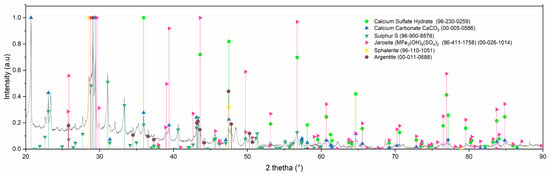
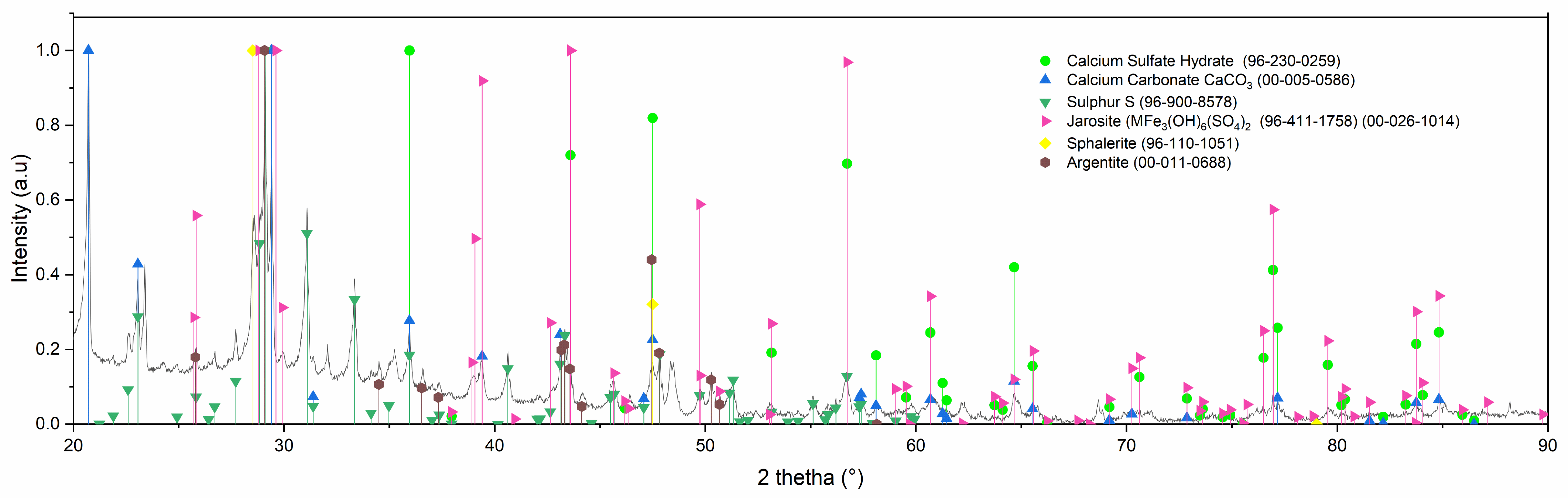
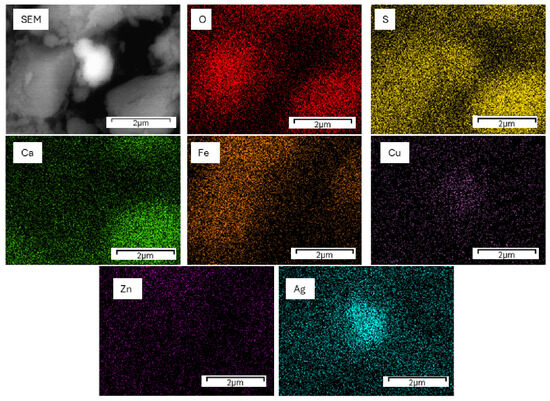
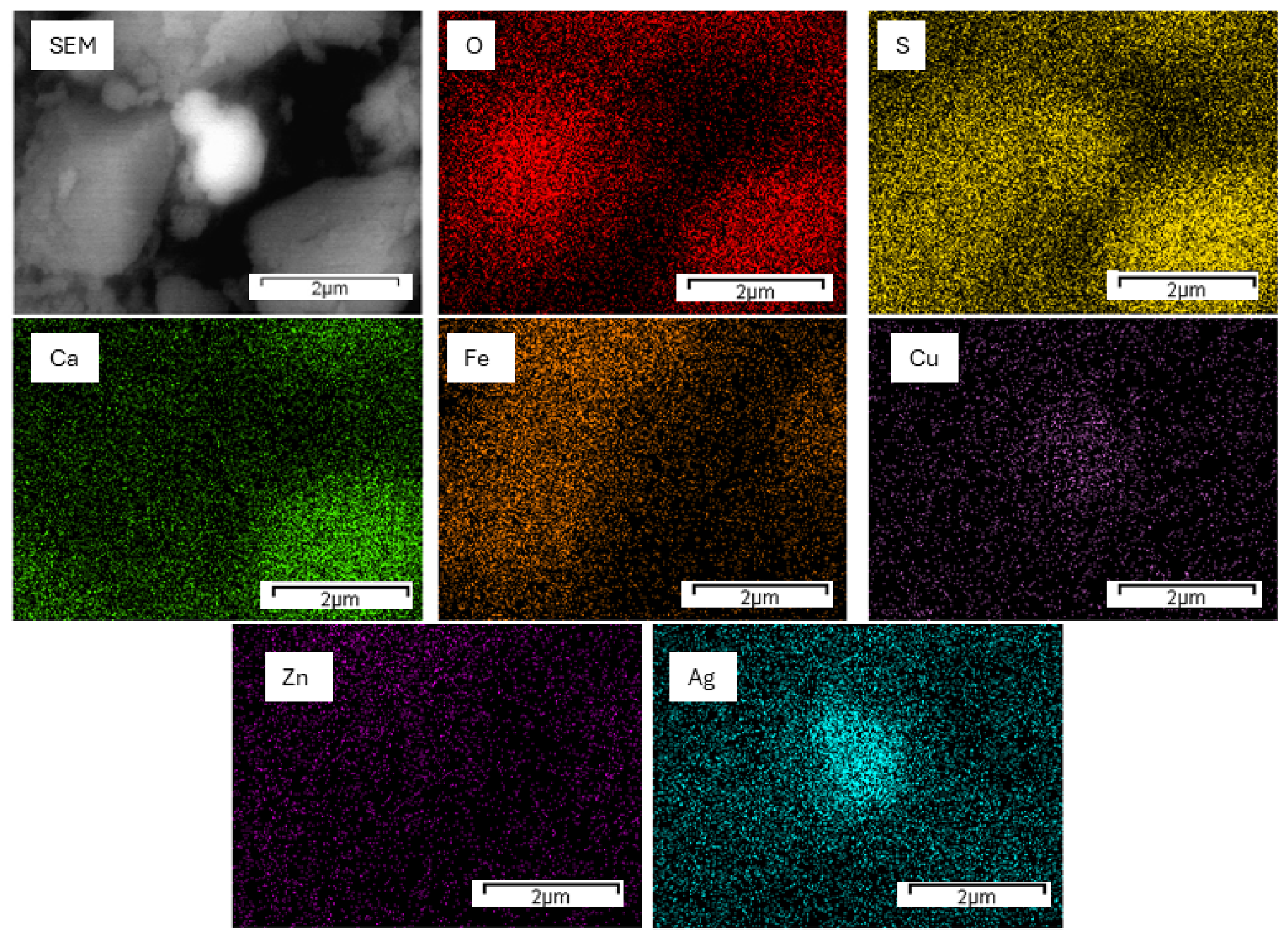
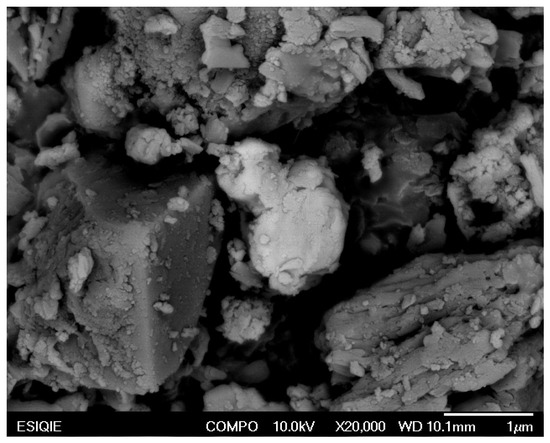
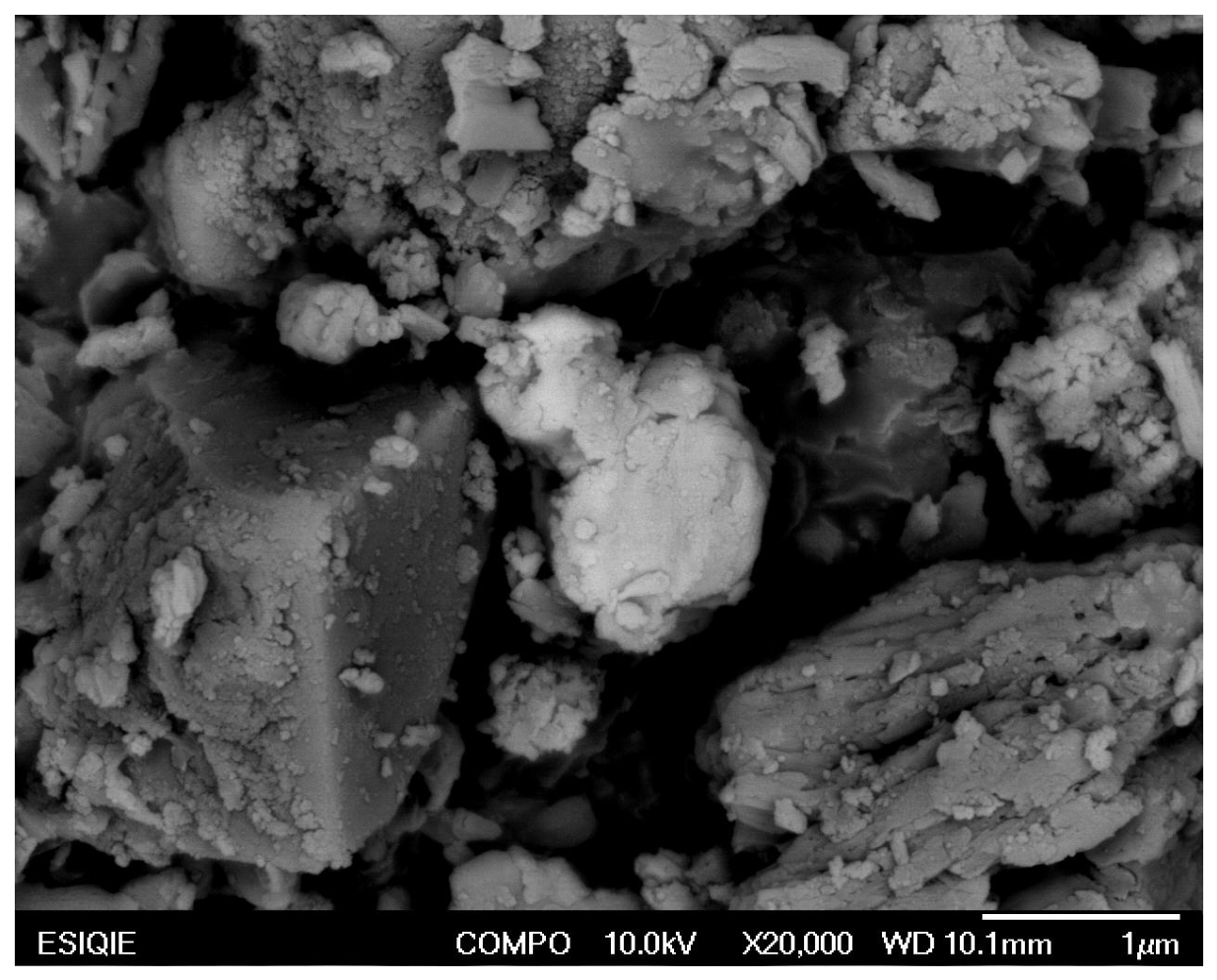
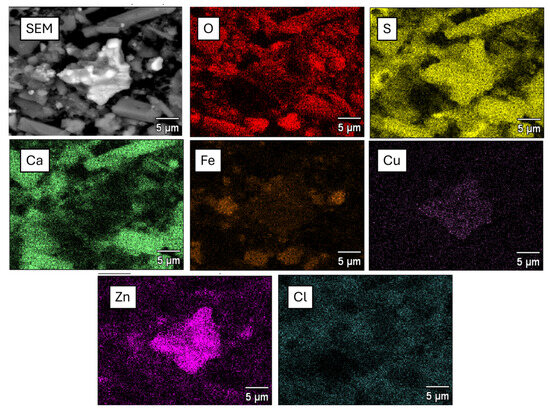
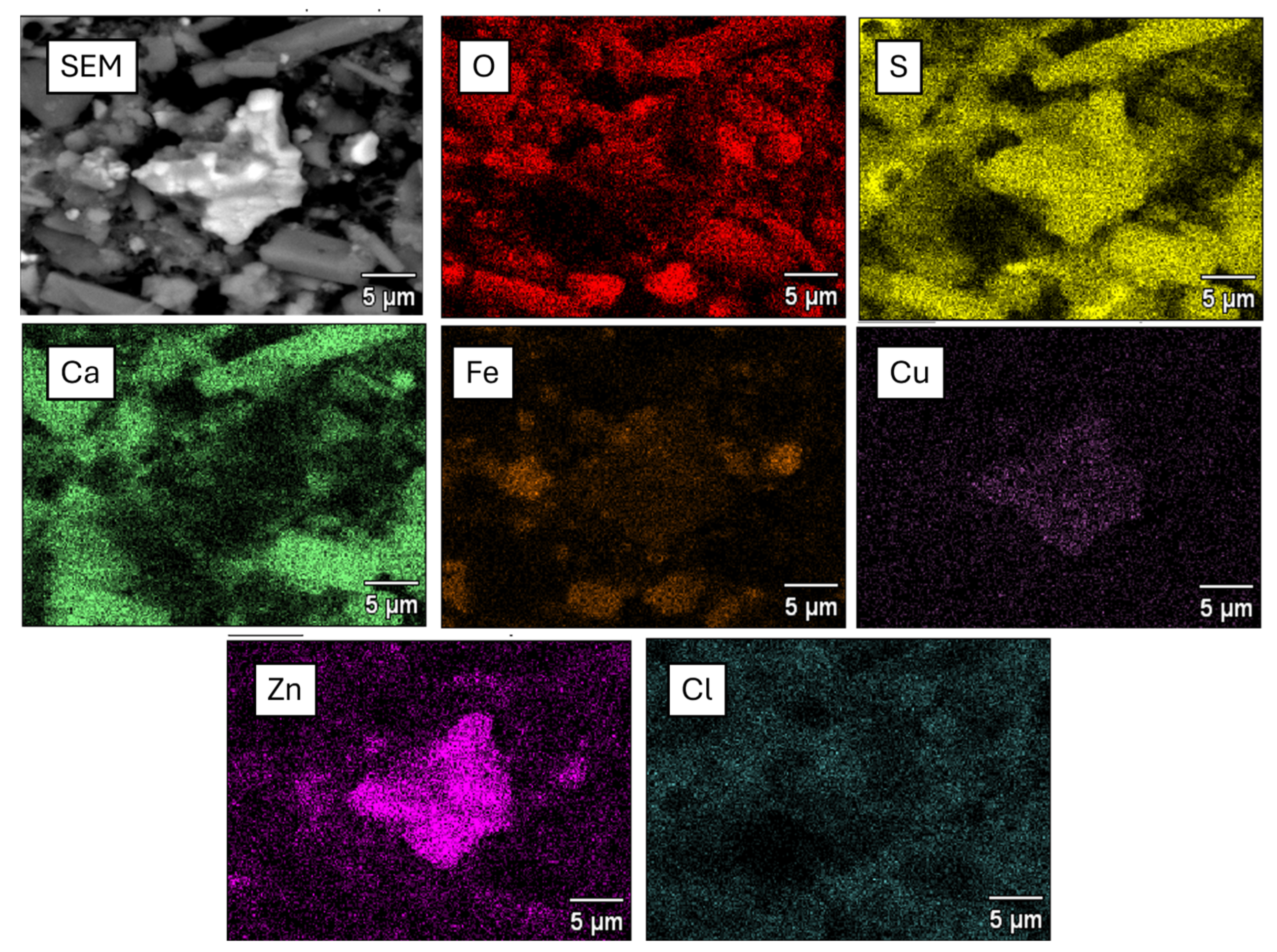
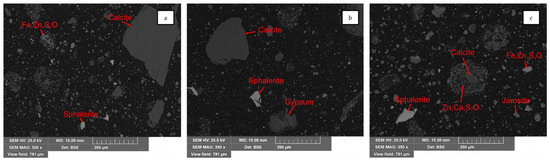
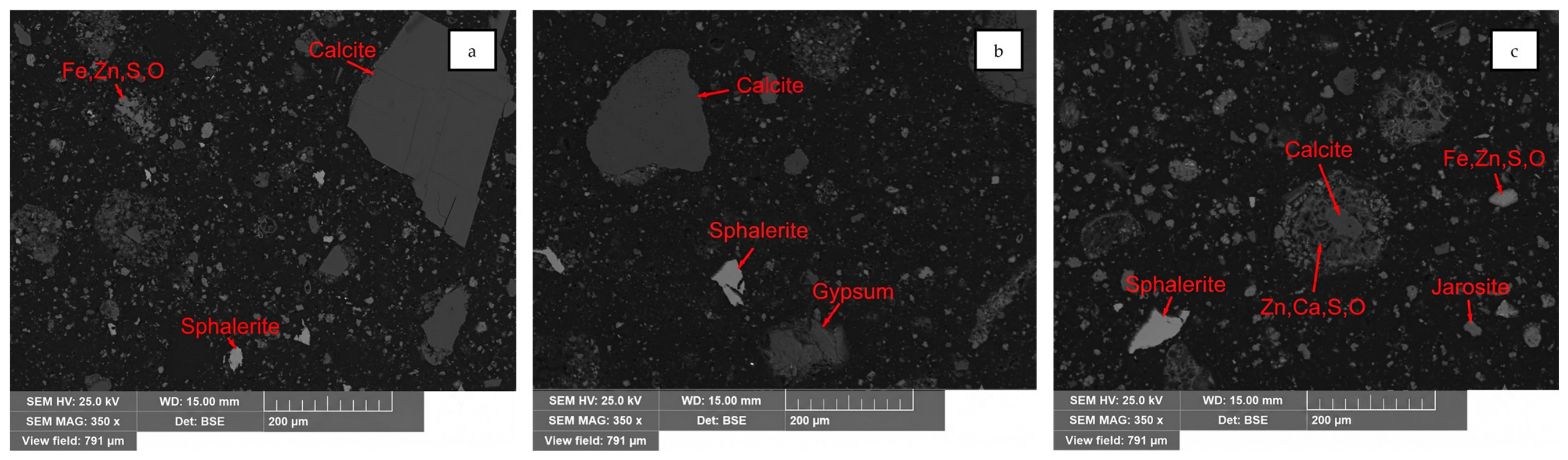
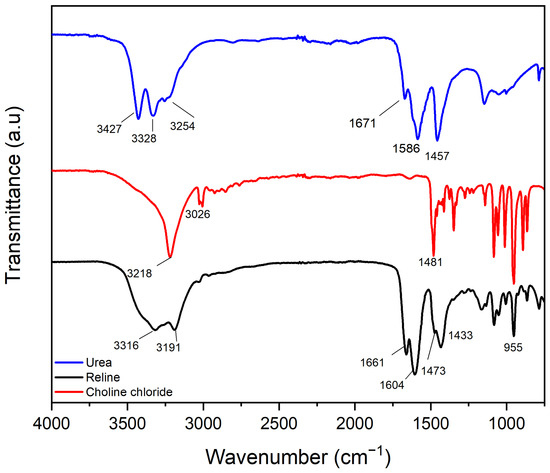
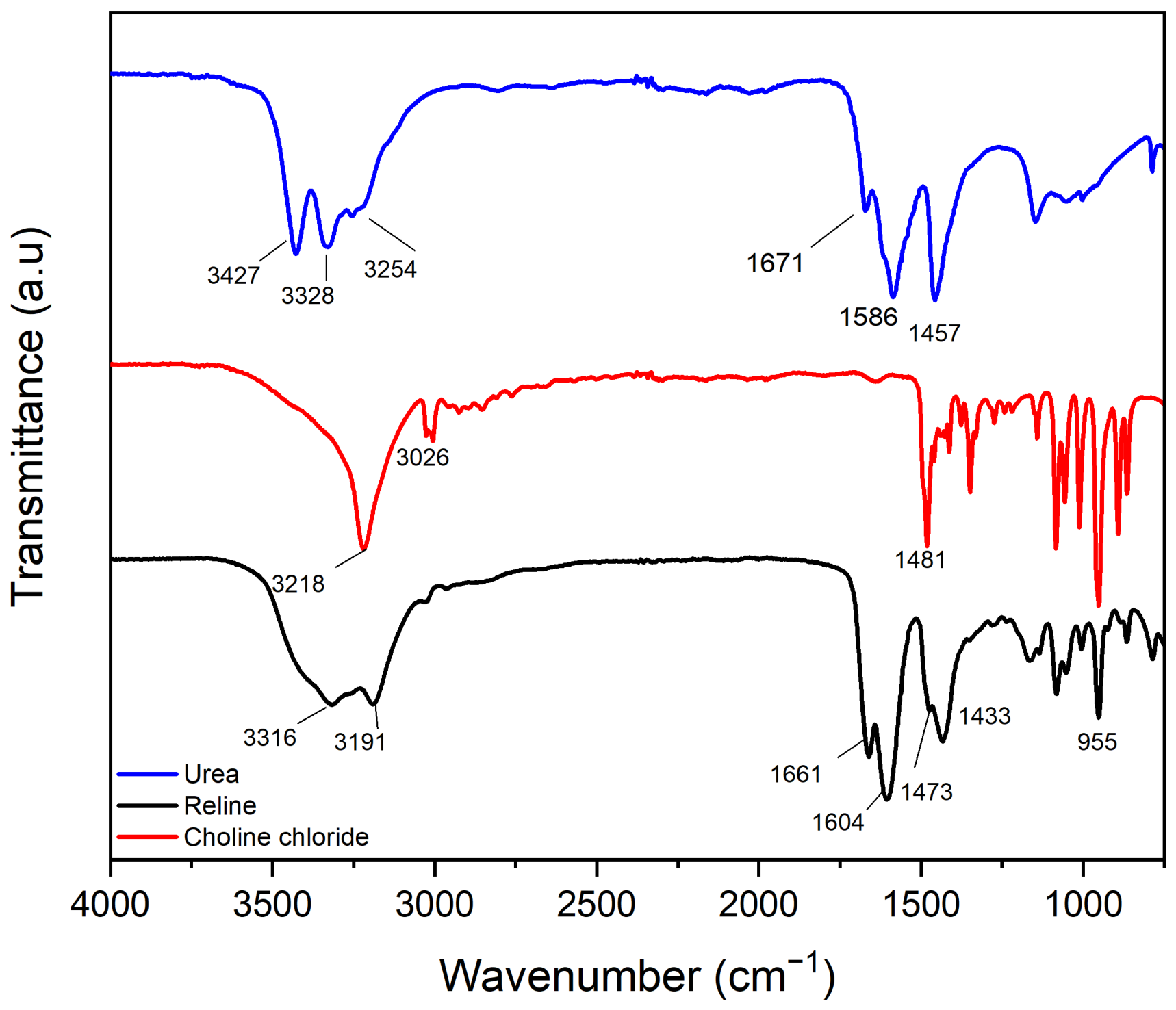
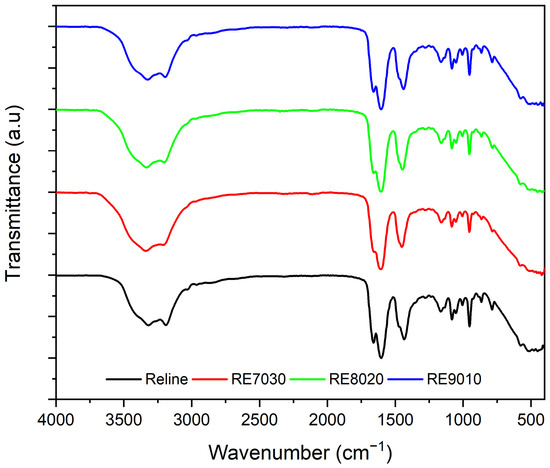
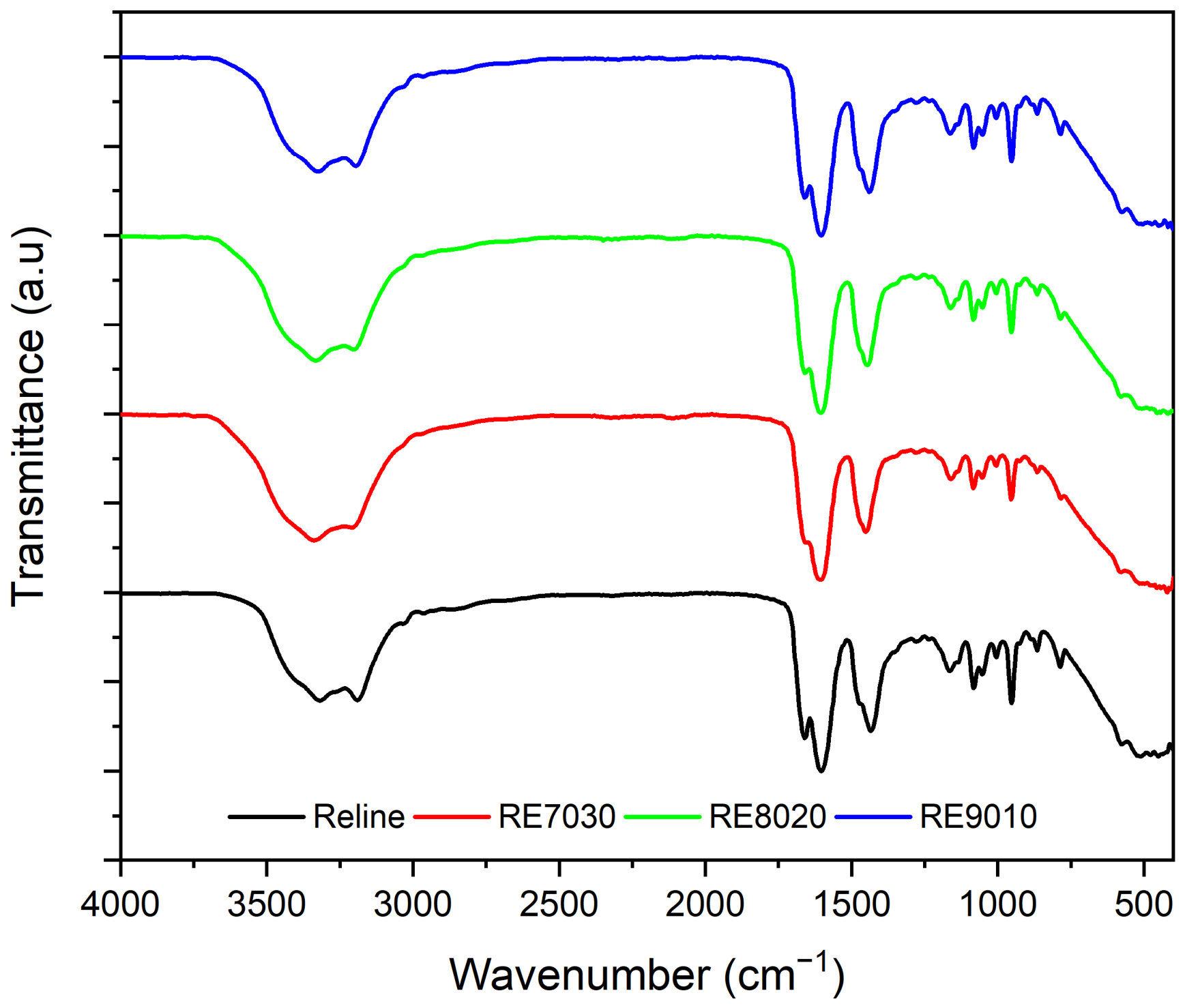
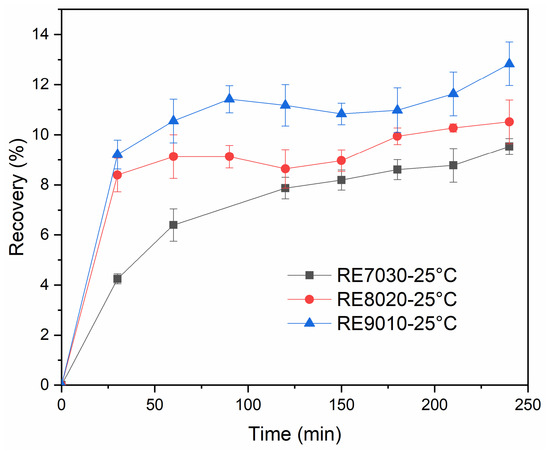
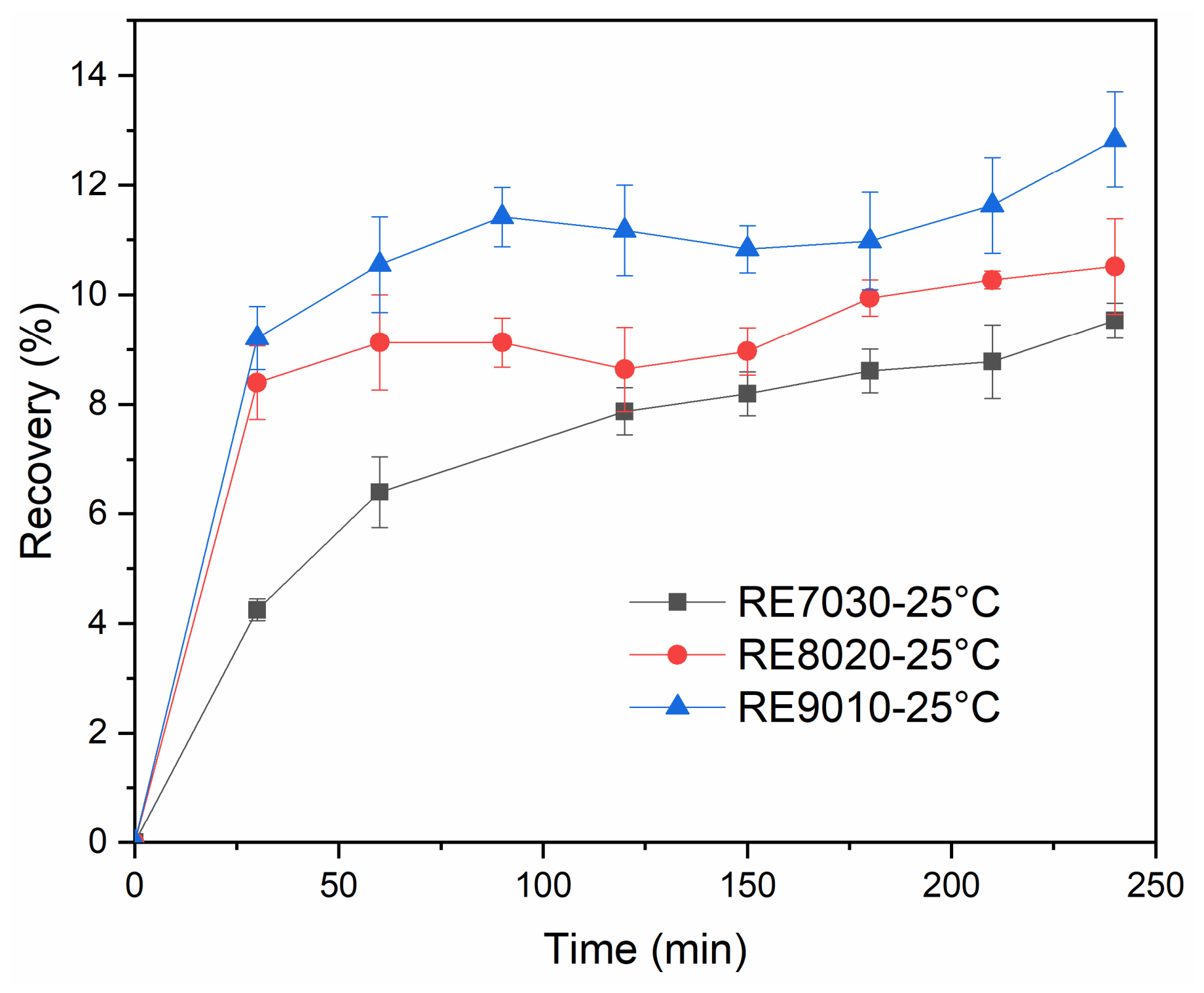
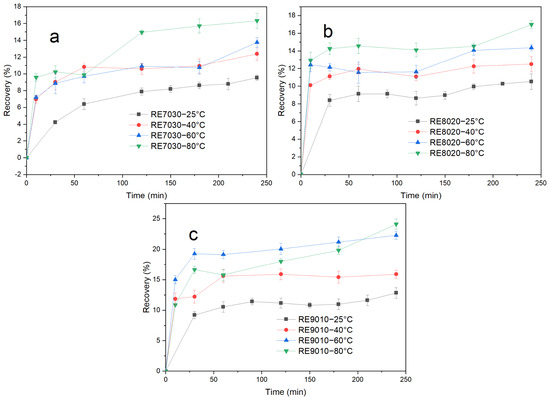
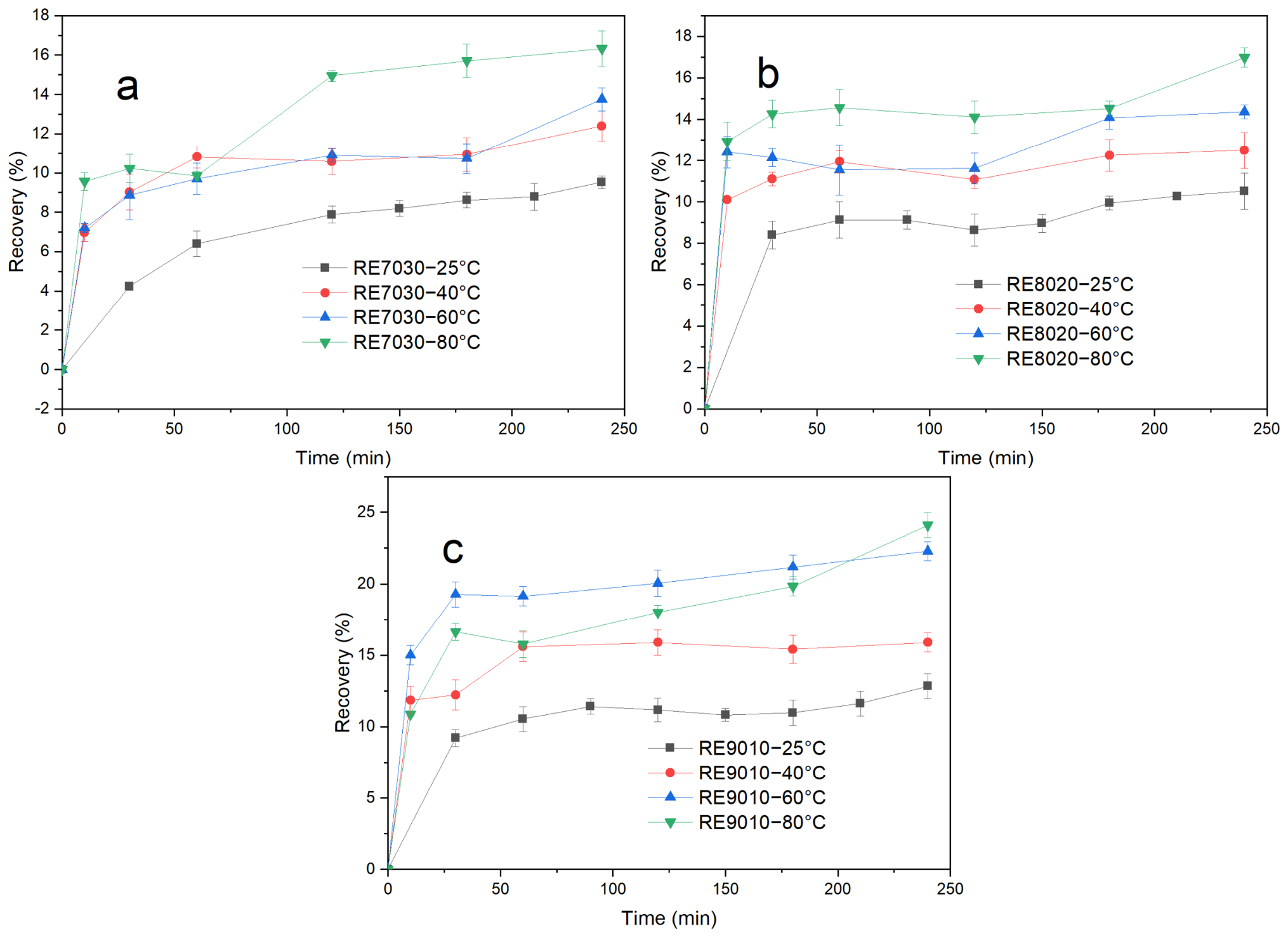
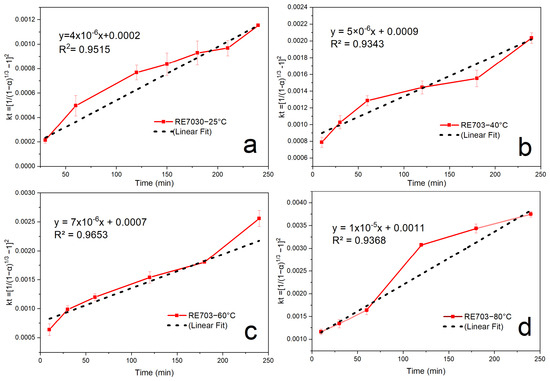
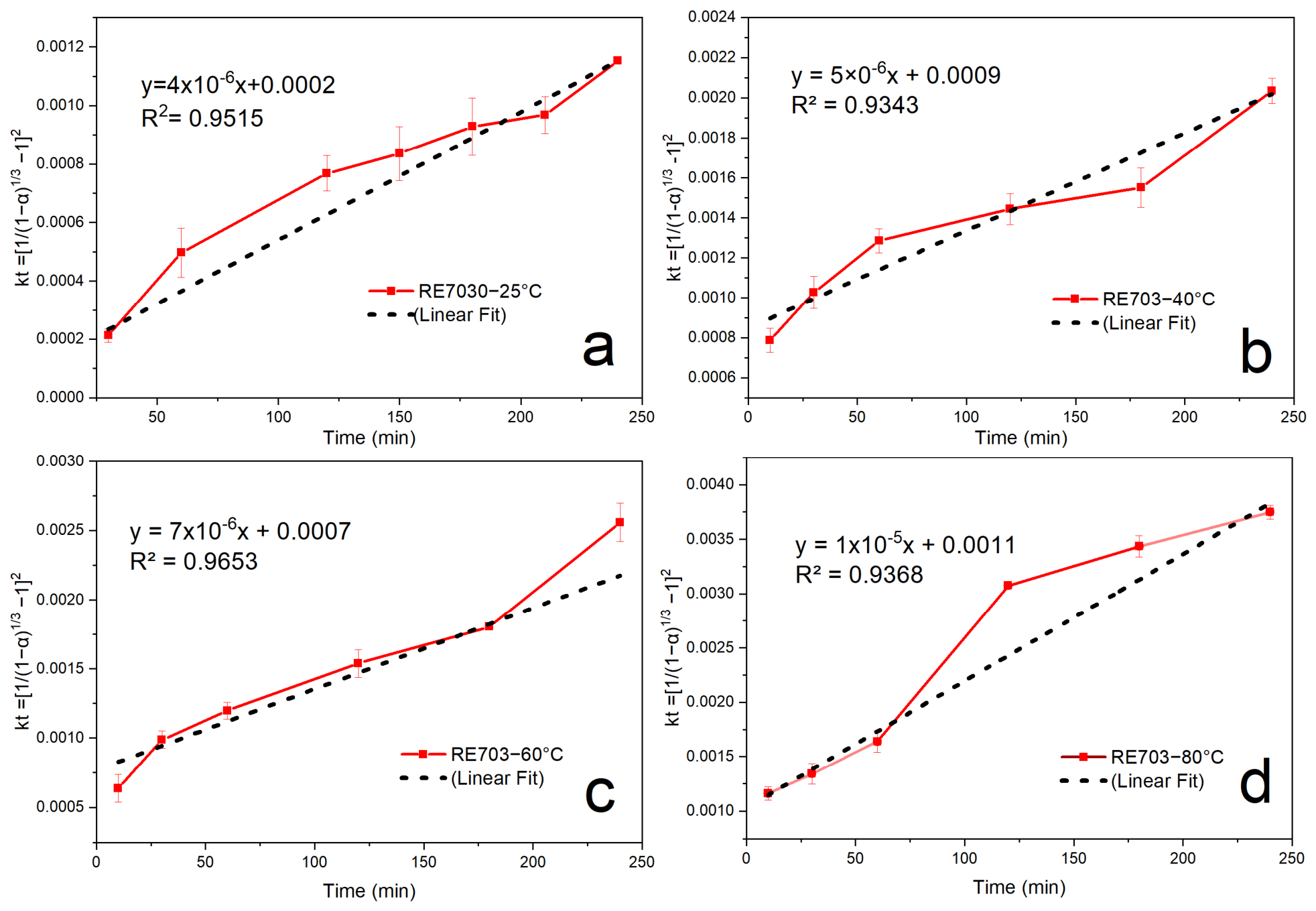
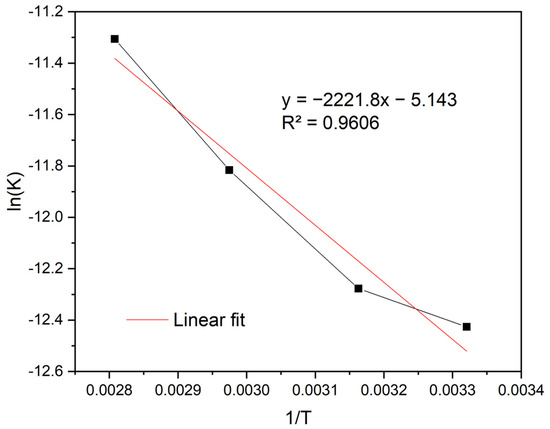
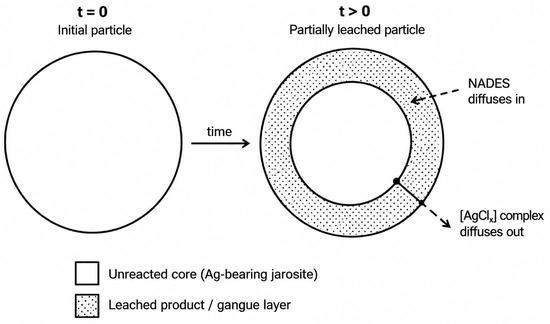

Disclaimer/Publisher’s Note: The statements, opinions and data contained in all publications are solely those of the individual author(s) and contributor(s) and not of MDPI and/or the editor(s). MDPI and/or the editor(s) disclaim responsibility for any injury to people or property resulting from any ideas, methods, instructions or products referred to in the content. |
© 2026 by the authors. Licensee MDPI, Basel, Switzerland. This article is an open access article distributed under the terms and conditions of the Creative Commons Attribution (CC BY) license.