1. Introduction
The increasing generation of industrial waste, together with the growing demand for valuable metals, has intensified the development of recycling strategies for recovering critical and high value elements from secondary resources. In this context, the recovery of precious metals, such as silver and gold, from waste and other secondary sources has attracted increasing attention because of their extensive use in electronic, photovoltaic, and other advanced technological applications. Consequently, secondary resources containing silver, including electronic waste, photovoltaic residues, and metallurgical wastes, have been investigated as alternative sources of this valuable metal. Silver recovery is not limited to a single type of waste; consequently, different secondary resources have been investigated depending on the origin and association of Ag [
1,
2,
3,
4,
5,
6,
7]. Among the different secondary resources, metallurgical residues generated during mineral processing and metal extraction are particularly interesting because valuable elements may remain associated with secondary mineral phases after the primary recovery stage.
Hydrometallurgical processing of zinc ores is an important example of a process that generates potentially valuable residues, since the precipitation of iron-bearing residues such as jarosite represents an unavoidable step. Approximately 80% of global zinc production is carried out through hydrometallurgical processes, in which jarosite is generated as a residue during the removal of iron impurities from zinc-bearing solutions [
8,
9]. In the conventional zinc hydrometallurgical route, sphalerite is first roasted to produce impure zinc oxide (ZnO), which is subsequently subjected to sulfuric acid leaching. During the subsequent purification of the resulting zinc-bearing solution, iron is removed through jarosite precipitation, producing a solid residue known as jarosite. Jarosite is an iron (III) sulfate hydroxide with the general formula MFe
3(SO
4)
2(OH)
6, where M represents monovalent or divalent cations such as Na
+, K
+, NH
4+, H
3O
+, Ag
+, Li
+, and ½ Pb
2+ [
10]. In this structure, Fe
3+ ions can be partially substituted by other trivalent metal ions, including Al
3+, In
3+, or Cr
3+ [
11]. Although jarosite precipitation plays a critical role in iron removal during zinc processing [
7,
12], it simultaneously generates large quantities of solid residues that require appropriate management. It has been estimated that the production of 100,000 tons of zinc can generate approximately 80,000 tons of jarosite residue, containing about 50 wt.% iron and nearly 12 wt.% zinc [
13]. The substantial volume of jarosite generated annually, together with its complex composition and potential content of valuable metals, has therefore motivated increasing interest in its treatment and valorization.
Jarosite residues are commonly disposed of in open landfills, leading to significant environmental and economic concerns. Nevertheless, limited attention has been given to the development of efficient processes for the recovery of valuable metals and the determination of optimal extraction conditions. Current research has mainly focused on the utilization of jarosite as a raw material for construction and ceramic applications [
14,
15]. The extraction of metals from jarosite and similar residues represents a major industrial challenge, as these elements typically occur at low concentrations and are embedded within complex mineral matrices [
10].
Although jarosite precipitation facilitates iron removal during zinc hydrometallurgy, the resulting residue may contain significant amounts of other valuable and potentially hazardous elements, including silver. The recovery of high-value metals such as silver and gold from jarosite has been reported to reach efficiencies of up to 80% through alkaline decomposition followed by cyanidation [
16]. Several studies have investigated recovery strategies and their associated environmental impacts, achieving extraction yields exceeding 90% [
10,
11,
16,
17].
However, most environmental assessments have primarily focused on gaseous emissions generated during pyrometallurgical treatments, which vary according to the jarosite type and processing conditions. Consequently, it is essential to evaluate both the recovery efficiency and the environmental implications of alternative hydrometallurgical approaches. Conventional leaching techniques often rely on aggressive chemical reagents and generate secondary pollutants, raising concerns regarding their environmental sustainability. Therefore, greener extraction strategies aimed at minimizing ecological impact while maintaining high recovery efficiencies are highly desirable.
Some deep eutectic solvents (DESs) have emerged as environmentally friendly alternatives to conventional organic solvents due to their low volatility, physicochemical properties, and favorable environmental profiles. In recent years, interest in DESs has increased considerably, leading to a rapid expansion of their applications across various fields of chemistry and chemical engineering. Their ability to dissolve and complex metallic species, combined with their low toxicity and simple synthesis, has made them attractive candidates for the development of green hydrometallurgical and solvometallurgical processes [
18,
19,
20,
21]. When DESs are formulated using naturally occurring compounds, they are referred to as natural deep eutectic solvents (NADESs) [
22]. In 2011, Y. H. Choi et al. introduced the term NADES, providing a comprehensive analysis of different metabolite combinations and highlighting the advantageous physicochemical properties of these systems compared to traditional ionic liquids and DESs. Since then, NADESs have gained increasing attention as novel green solvents, offering remarkable advantages such as biocompatibility, low toxicity, biodegradability, and sustainability [
23,
24].
NADESs should be considered promising media for enhancing metal recovery while simultaneously reducing the environmental impact of metallurgical processing. Therefore, it is essential to investigate new extraction routes that align with green chemistry principles to improve existing technologies and develop sustainable processing strategies with minimal ecological footprint. Furthermore, economic aspects must be carefully evaluated to assess the industrial feasibility of these processes. An additional advantage of NADESs lies in their ability to eliminate the need for reducing agents or costly solvent extractants, which are commonly required in conventional hydrometallurgical operations [
22,
25]. This emerging approach to extractive metallurgy, known as solvometallurgy, involves the use of organic solvents instead of aqueous media for metal extraction and recovery, aiming to reduce environmental impact while improving process selectivity [
10,
26].
The most studied NADESs are typically composed of choline chloride (ChCl), (C
5H
14ClNO), carboxylic acids, and hydrogen bond donors (HBDs) such as urea (CO(NH
2)
2) or glycerol [
27]. Although a wide variety of component combinations have been reported for NADES formulation, the systems most extensively investigated are those based on choline chloride combined with amides, particularly urea [
28].
The eutectic mixture of choline chloride and urea, commonly known as reline, is classified as a natural deep eutectic solvent due to its composition of naturally occurring, low-toxicity metabolites, namely a choline salt and urea. This system forms a liquid with a melting point of approximately 12 °C and exhibits physicochemical properties comparable to those of certain ionic liquids at ambient conditions. The incorporation of urea into eutectic systems with metal halides, resulting in mixtures with melting points below 150 °C, has long been recognized as an effective strategy for generating low-temperature molten solvents suitable for metallurgical applications [
29,
30,
31]. The metal extraction performance of deep eutectic solvents is strongly influenced by their physicochemical properties, particularly their hydrogen-bonding network, viscosity, polarity, and metal coordination capacity. In chloride-based DES systems, metal dissolution is promoted through the formation of stable chloride complexes and hydrogen-bond interactions that enhance the solubility of metallic species within the eutectic medium. Furthermore, operational parameters such as temperature and water content can significantly modify the viscosity and mass transfer behavior of the solvent, directly affecting leaching kinetics and extraction efficiency. These characteristics make DESs highly versatile media for the selective recovery of valuable metals from complex industrial residues [
32,
33].
In this context, the present approach explores the direct use of a choline chloride:urea deep eutectic solvent (reline) as the main leaching medium for silver recovery from a complex industrial jarosite residue, without the addition of conventional strong mineral acids. The system relies on the physicochemical and complexing properties of reline, while controlled amounts of water are incorporated to modify its transport properties without disrupting the eutectic environment. In addition, the combined evaluation of solvent hydration, temperature, mineralogical characteristics, and leaching kinetics provides a comprehensive assessment of the factors governing silver recovery from this complex residue.
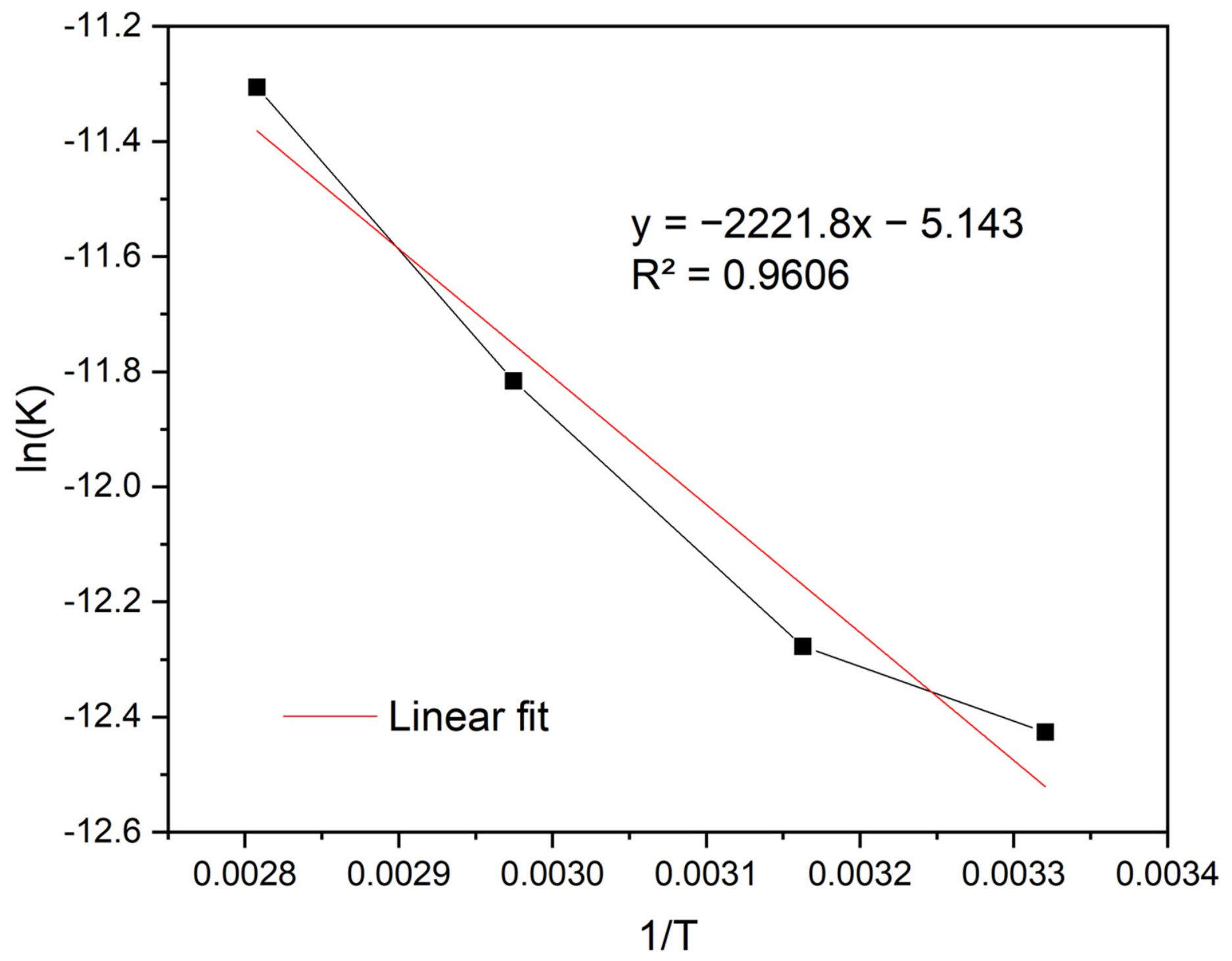
Therefore, this study aims to evaluate the potential of hydrated reline (choline chloride–urea) as a leaching medium for the recovery of silver from industrial jarosite residues. In particular, the effects of water content and temperature on silver extraction were systematically investigated to determine how these parameters influence the leaching performance of the hydrated NADES system. FTIR spectroscopy was used to characterize the structural changes in reline upon water incorporation and after the leaching process, providing insights into the relationship between the physicochemical characteristics of the solvent and its silver-leaching behavior. In addition, a kinetic analysis of the leaching process was performed to determine silver dissolution behavior and activation energy.
3. Discussion
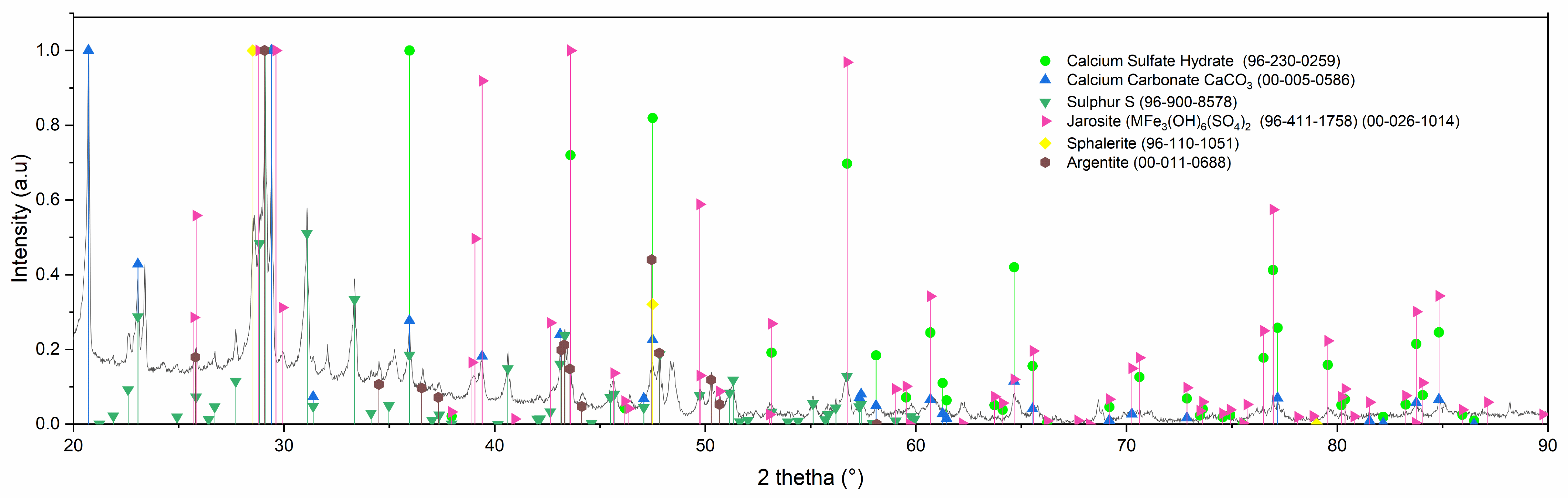
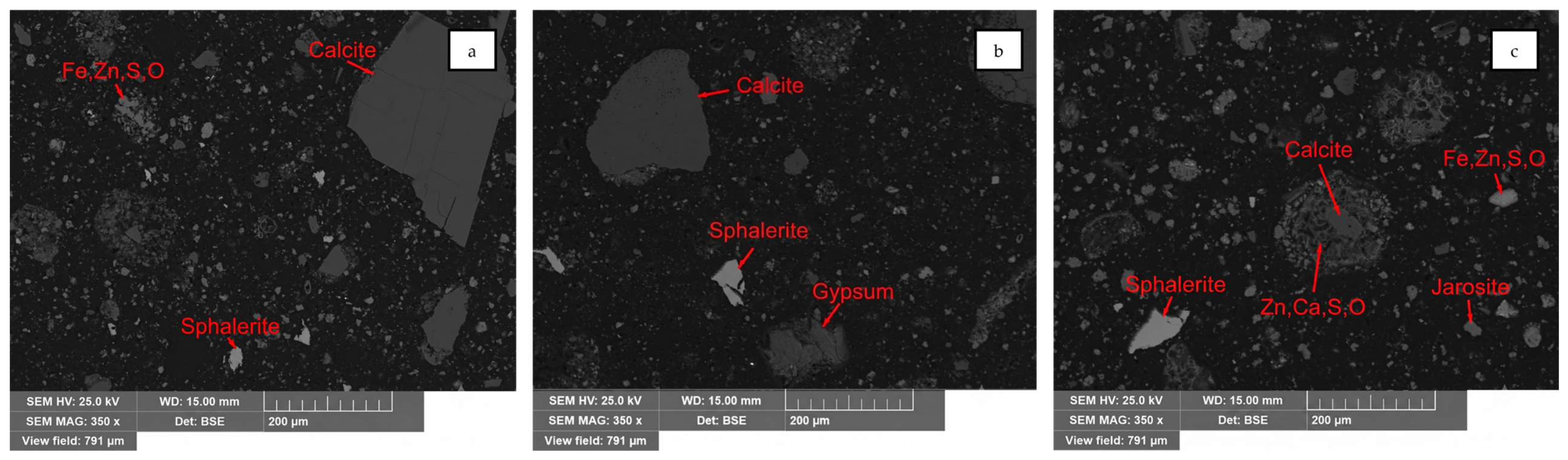
The microstructural encapsulation of valuable metals within the jarosite matrix, as revealed by the TIMA automated mineralogy analysis (
Figure 5c), presents a significant hydrometallurgical bottleneck. Conventional aqueous leaching often struggles to penetrate such densely intergrown Fe-Zn-S-O matrices, requiring aggressive acid attack that dissolves excess iron, thereby increasing reagent consumption [
10]. In this context, the selected leaching agent—the reline–water NADES—must possess suitable mass transfer properties to permeate these multiphase agglomerates. The observed extraction efficiencies underscore the dual necessity of the deep eutectic solvent: it must maintain its complexation capability to coordinate with the disseminated silver-bearing species, while its viscosity must be sufficiently lowered (via controlled water addition) to overcome the physical diffusion barriers imposed by the surrounding gangue minerals.
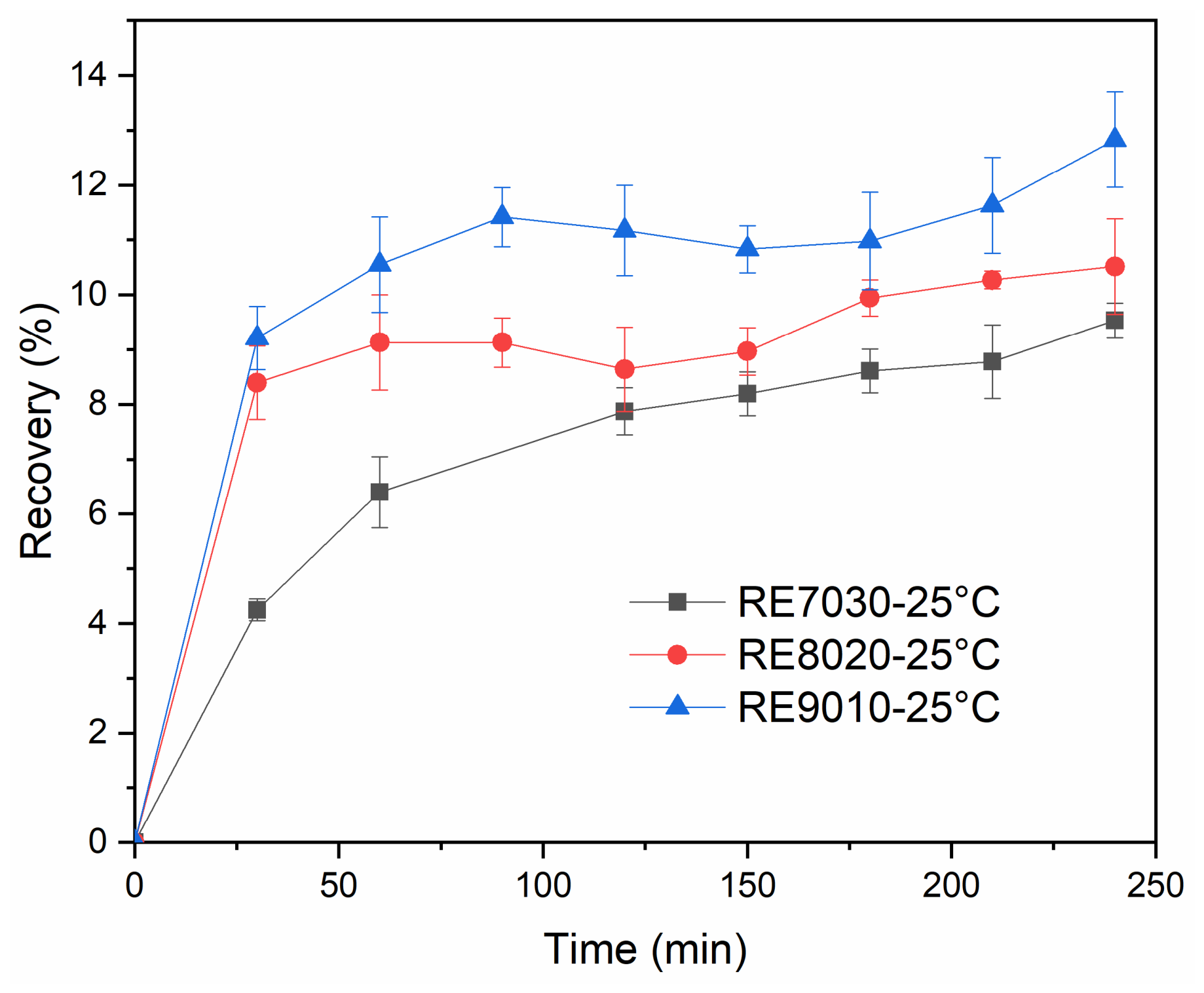
The results clearly demonstrate that the water content of the reline-based system significantly influences silver extraction from the jarosite residue. Among the evaluated compositions, RE9010 consistently exhibited the highest recovery, whereas RE7030 showed the lowest extraction efficiency. This behavior suggests that the balance between solvent structure and mass-transfer properties plays a critical role in determining the leaching performance.
The slightly alkaline nature of the hydrated reline systems may contribute to silver dissolution by modifying the speciation and thermodynamic stability of silver species in the leaching medium [
49,
50,
51,
52,
53]. Experimental studies have demonstrated that pH can significantly influence both the rate and extent of silver leaching in alkaline complexing systems [
5]; it has been seen that systems containing a higher proportion of reline exhibited slightly higher pH values, whereas increasing the water content resulted in a progressive decrease in alkalinity as shown in
Table 3. This behavior may partially contribute to the higher silver recoveries observed for RE9010 compared with RE8020 and RE7030. However, because reline contains a high concentration of chloride ions and can interact with dissolved silver species, the observed behavior cannot be attributed exclusively to pH.
The effect of adding water on the leaching performance of a reline-based system can be explained by the balance between improved mass transfer and preservation of the eutectic structure of the NADES. Previous studies [
18,
54] have shown that water addition significantly decreases the viscosity of reline and increases molecular mobility, which facilitates the transport of dissolved species, improving solid–liquid interactions. However, water also modifies the hydrogen bond network that characterizes the NADES. Molecular simulation studies [
54,
55] have demonstrated that increasing water content progressively hydrates the individual components of reline and weakens the interactions between chloride ions, urea, and cholinium species. Although moderate water additions may improve transport properties, excessive dilution can reduce the ability of the solvent to stabilize and complex dissolved metal species. This behavior is consistent with the higher silver recoveries obtained for RE9010 compared with RE8020 and RE7030. The FTIR spectra from
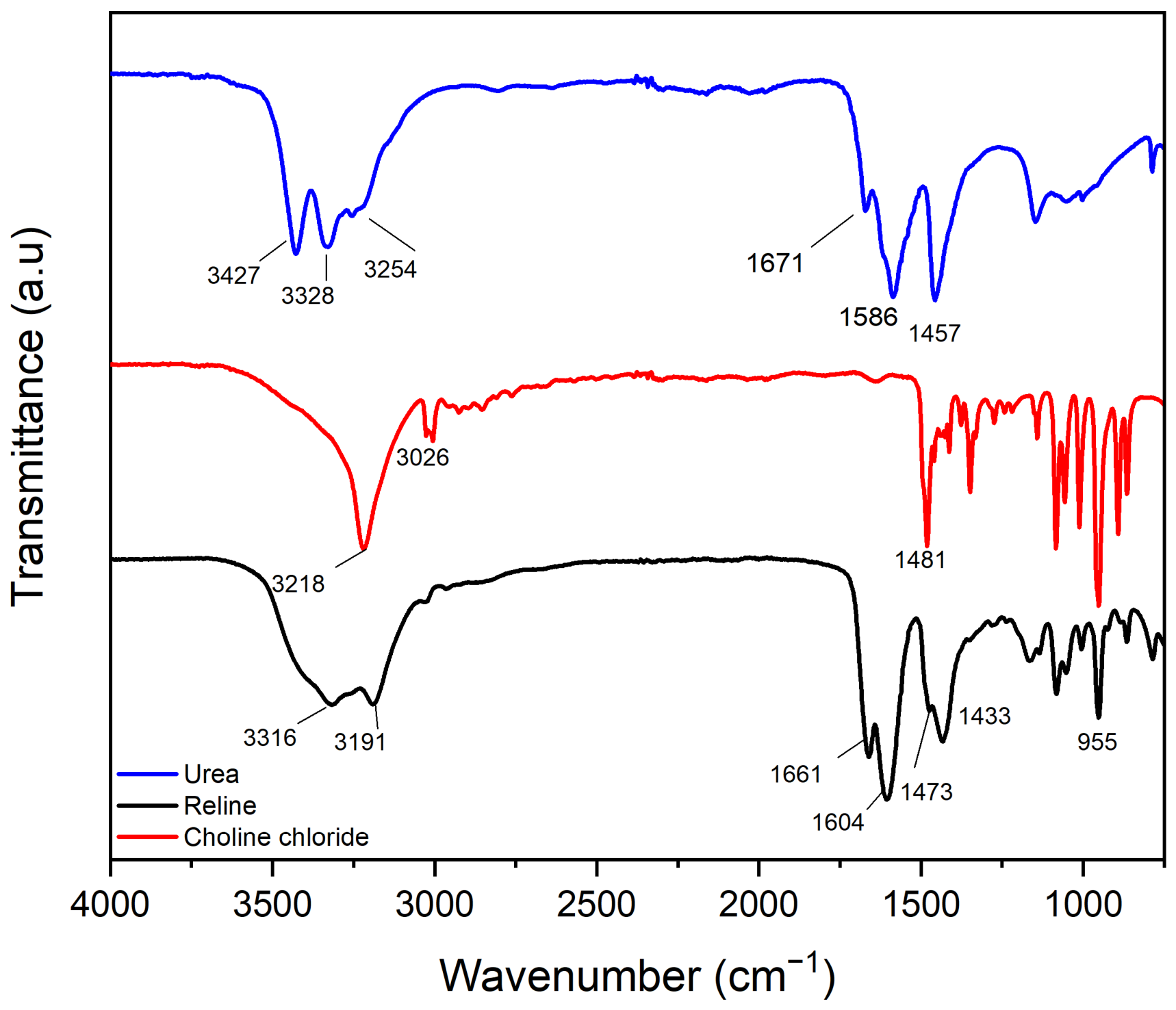
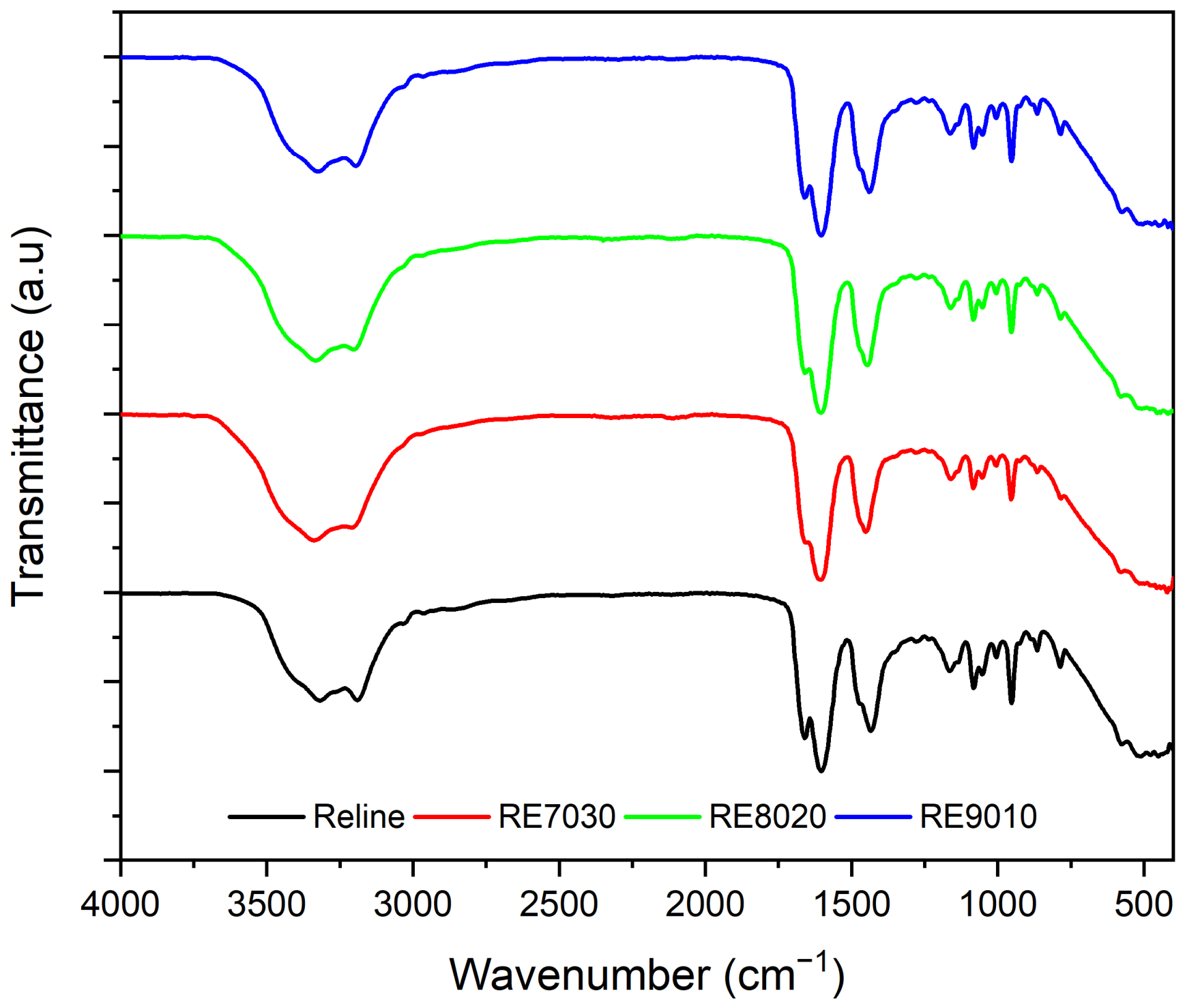
Figure 7 indicate that the characteristic absorption bands of reline are maintained after the addition of 10–30 wt.% water, suggesting that the main local interactions associated with the eutectic system are largely preserved within the evaluated hydration range. In particular, the broad O–H/N–H stretching region and the characteristic bands associated with urea and choline chloride exhibited only minor variations in the band shape, without the appearance of new absorption bands or significant peak shifts.
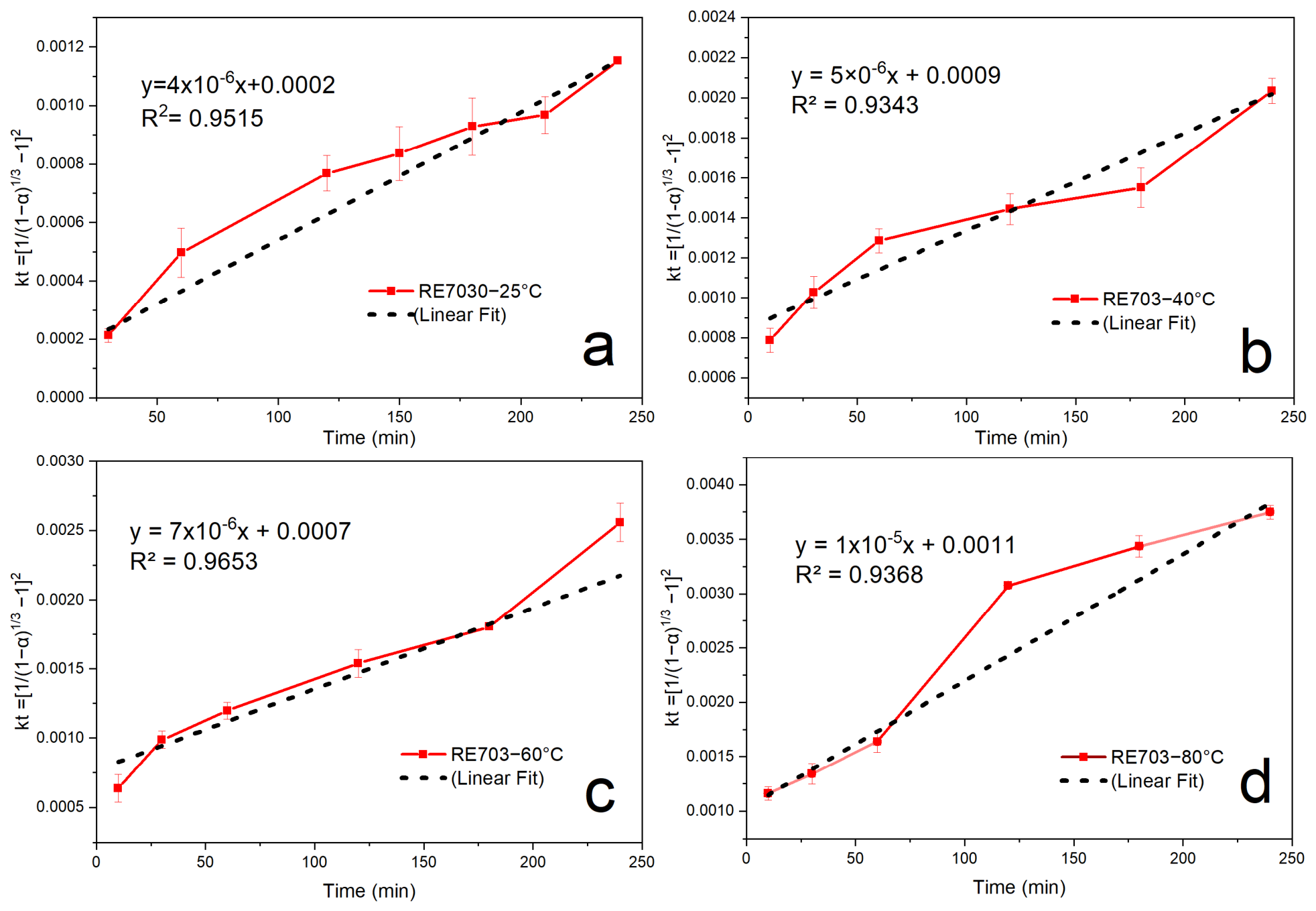
The kinetic analysis suggests that diffusion-related mechanisms play an important role during silver dissolution from the jarosite residue [
56]. The best fits were obtained with the ZLT, Anti-Jander, and Kroeger–Ziegler models, consistent with the progressive decrease in extraction rate observed after the initial leaching stage. Such behavior is commonly associated with increasing mass-transfer resistance as the reaction proceeds and the most accessible silver-bearing phases are depleted. Nevertheless, the relatively similar correlation coefficients obtained for several diffusion-based models indicate that more than one mass-transfer process may contribute to the overall leaching behavior. These processes may include diffusion of the NADES through the liquid boundary layer surrounding the particles, diffusion through the product layer and the heterogeneous mineral matrix to reach the reactive silver-bearing phases, and outward diffusion of the dissolved metal complexes from the reaction interface into the bulk solution [
56,
57,
58,
59,
60]. The simultaneous contribution of these transport phenomena makes it difficult to assign a single rate-controlling step exclusively based on linear regression analysis. Furthermore, the complex mineralogical composition of the residue, together with the heterogeneous distribution of silver within the jarosite matrix, may further contribute to this behavior [
56,
58,
59,
60,
61,
62,
63].
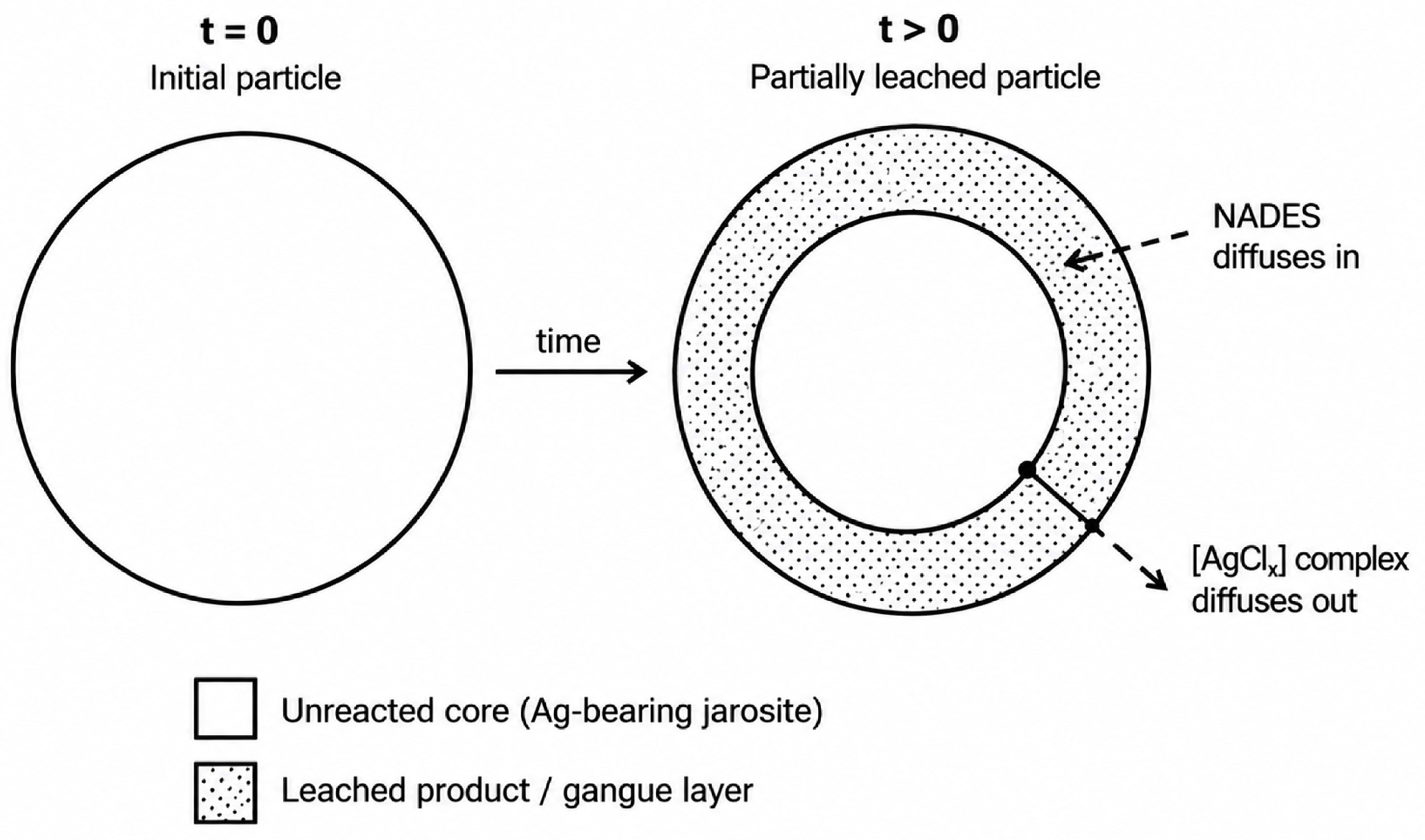
The superior statistical fit obtained with the ZLT model can also be rationalized from a mechanistic standpoint. Although the ZLT, Anti-Jander, and Kröger–Ziegler equations are based on a shrinking-core framework, an unreacted, silver-bearing core surrounded by a progressively thickening layer of reacted material through which the leaching agent and dissolved silver species must diffuse, they differ in how they account for the decrease in the interfacial area as the reaction progresses. Simpler diffusion-controlled formulations, such as the Jander equation, assume an approximately constant diffusion area and are therefore generally more applicable at relatively low conversions, whereas the ZLT equation incorporates a geometric correction for the continuously decreasing core radius as the reaction progresses. This allows the ZLT model to describe the leaching behavior over a broader conversion range, including later stages in which diffusion through an increasingly resistant reacted layer may become important. This mechanistic interpretation is consistent with the mineralogical evidence obtained in this study. TIMA and XRD analyses (
Section 2.1) showed that silver-bearing species are associated with a heterogeneous Fe–Zn–S–O mineral assemblage and may occur within encapsulated or poorly accessible domains. Under these conditions, the leaching agent may encounter increasing transport resistance as it penetrates the reacted mineral matrix to reach less accessible silver-bearing domains, a scenario that is consistent with the assumptions of the ZLT model. Consequently, the higher correlation coefficient obtained for the ZLT model (R
2 = 0.95) reflects not only a statistically better fit but also a kinetic description whose underlying assumptions are consistent with the structural characteristics of the jarosite residue [
47,
64,
65,
66,
67,
68].
Although higher activation energy values have been reported for the leaching and decomposition of jarosite-based systems [
59,
69,
70], their interpretation is strongly dependent on the pH, lixiviant composition, and chemical reactions involved in the dissolution process. Therefore, the activation energy should be considered as a system-dependent parameter rather than as an intrinsic characteristic of silver leaching. In the present system, the relatively low activation energy suggests that mass transfer and diffusion phenomena may contribute to the observed leaching behavior. This interpretation is also consistent with the rapid silver extraction observed during the initial stage of leaching, followed by a progressive decrease in the extraction rate. As leaching proceeds, interactions between the NADES components and the dissolving mineral surface may promote the formation of a product layer or a modified surface layer (
Figure 12), increasing the diffusion path for the reacting species. In addition, the gradual decrease in the concentration gradient between the silver-bearing jarosite and the leaching medium may further reduce the driving force for mass transfer, contributing to the decrease in the leaching rate at longer reaction times.
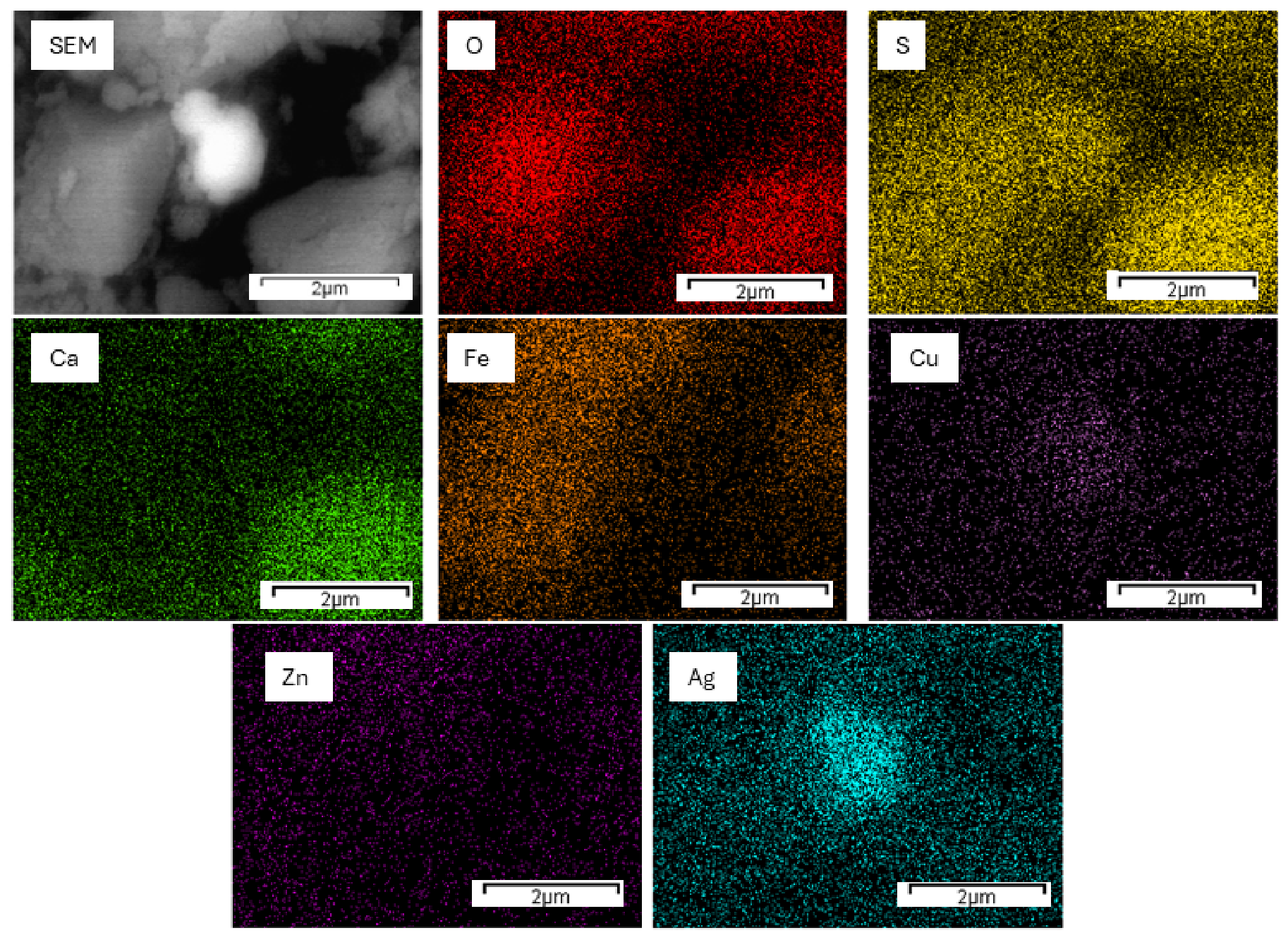
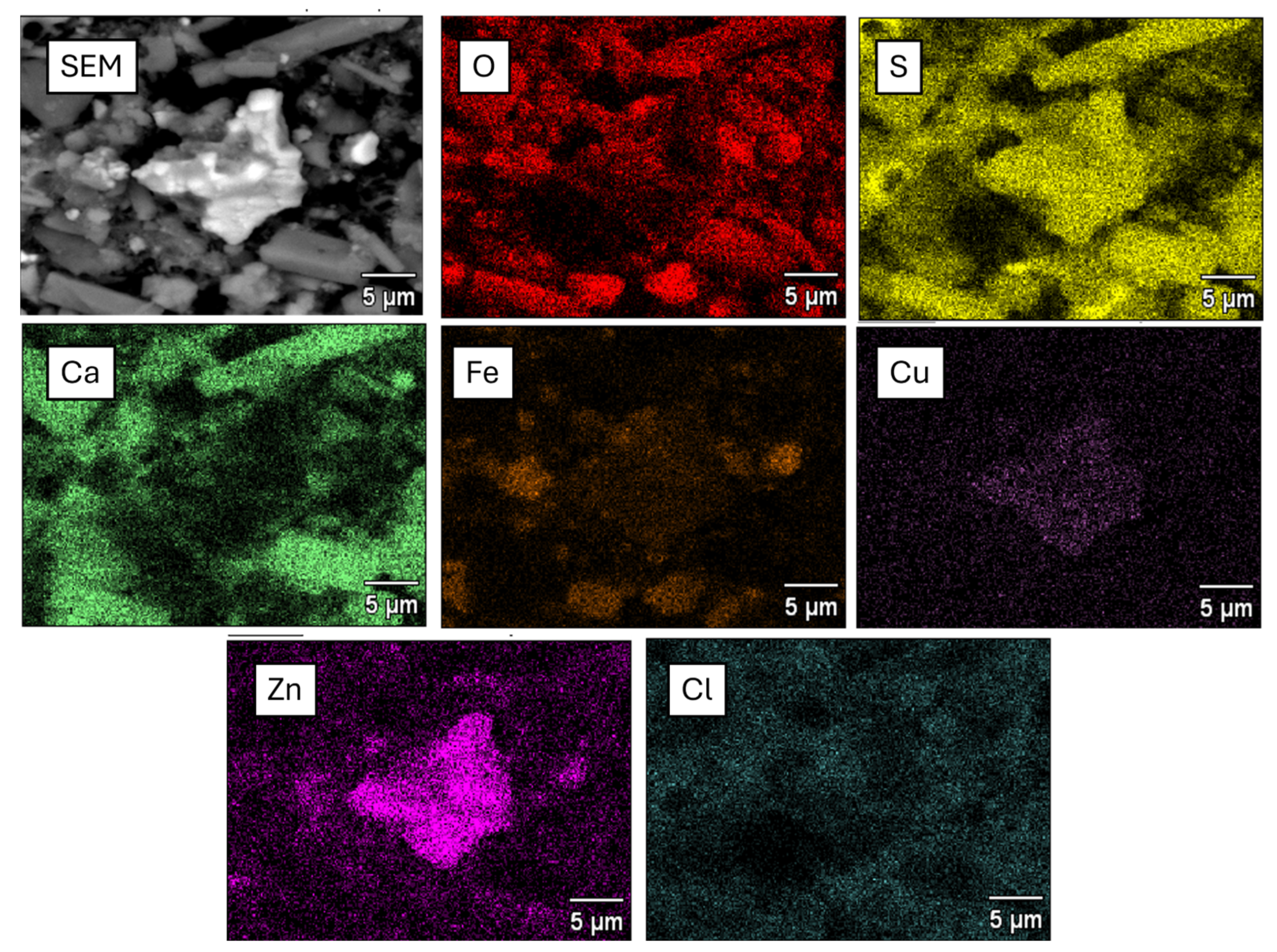
The persistence of Fe-, Zn-, Cu-, and S-bearing species in the post-leaching residue (
Figure 4) indicates that the mineral matrix remains partially preserved after treatment with hydrated reline, consistent with the limited overall dissolution observed during the leaching experiments. Particularly noteworthy is the detection of chlorine on the residual particles after filtration, washing, and drying. Because chloride is an intrinsic component of the chloride-based leaching medium, its presence on the post-leaching solid suggests that chloride-containing species derived from the NADES remain associated with the mineral surface after leaching. This observation is consistent with the kinetic behavior described by the ZLT model, in which the progressive formation or modification of a surface layer may increase resistance to mass transfer as the reaction proceeds. Although the EDS results alone cannot establish the formation or chemical nature of a product layer, the persistence of chlorine on the residual particles provides complementary evidence of interactions between the reline-based medium and the mineral surface. Such surface-associated species could contribute to the increasing diffusion resistance proposed to explain the progressive decrease in the silver extraction rate at longer leaching times.
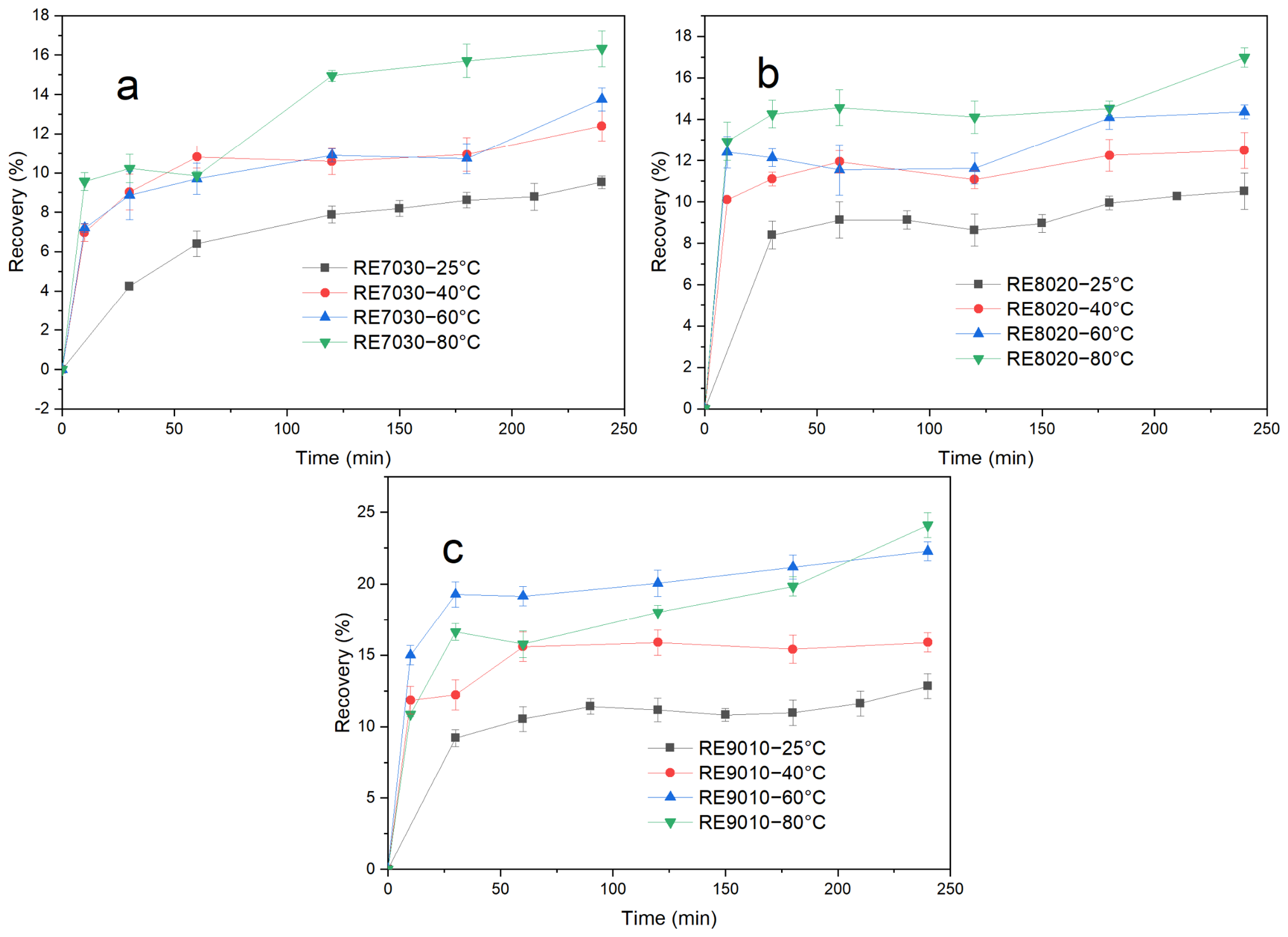
The improvement in silver recovery observed at 40, 60, and 80 °C can be attributed to the combined effect of enhanced mass transfer and increased molecular mobility within the hydrated reline systems. Moderate heating decreases the viscosity of deep eutectic solvents, facilitating the movement of ions and dissolved species while improving the diffusion of the leaching agent toward the mineral surface. As a result, the frequency of effective interactions between the solvent and the silver-bearing phases increases, leading to higher dissolution rates and improved metal recovery [
71,
72]. The superior performance of the RE9010 system was maintained at the elevated temperatures, suggesting that the favorable balance between water content and NADES concentration remained unchanged. The solvent composition played an important role in the overall leaching efficiency, despite temperature enhancing its transport properties.
The moderate silver recoveries obtained in this study can be attributed, at least in part, to the physicochemical stability and complex mineralogical characteristics of the industrial jarosite residue. As previously reported for these industrial by-products, the jarosite precipitation process produces a chemically stable iron-bearing residue that effectively immobilizes hazardous elements while simultaneously entrapping residual valuable metals within its crystalline framework, thereby facilitating environmentally safe disposal but hindering subsequent metal recovery [
12,
73]. Consequently, the limited silver recovery observed in this work is consistent with the strong structural stabilization of silver-bearing phases and their association with the complex mineral assemblages identified by the mineralogical analysis.
The automated mineralogical analysis (TIMA) together with X-ray diffraction (XRD) confirms that the residue is not composed of a single jarosite phase but rather constitutes a heterogeneous mineral assemblage exhibiting extensive mineral intergrowths and encapsulation of valuable phases within chemically resistant minerals, including calcite and iron-rich aggregates (
Figure 5). These observations demonstrate that the residue presents both structural and mineralogical constraints that limit the accessibility of leaching reagents. Consequently, the moderate silver recoveries obtained in the present study, even when employing NADES as environmentally friendly lixiviants, indicate that solvent chemistry alone is insufficient to overcome the mass-transfer limitations and restricted accessibility imposed by the mineral matrix.
These findings emphasize the importance of incorporating appropriate pretreatment strategies to destabilize the jarosite structure before hydrometallurgical processing. Previous studies have demonstrated that thermal pre-conditioning through flux-assisted roasting promotes the decomposition of the jarosite lattice and the redistribution of valuable metals into more reactive and accessible mineral phases, thereby significantly improving subsequent metal recovery [
74]. Therefore, future research should improve extraction efficiencies through optimization of operating conditions and further investigate the mechanisms governing metal dissolution in hydrated natural deep eutectic solvent systems. Such an approach could overcome the structural limitations of industrial jarosite residues and enhance silver recovery while contributing to the sustainable valorization of this industrial waste.
4. Materials and Methods
4.1. Materials
A brown jarosite wet residue was obtained from the jarosite precipitation stage of a Mexican zinc hydrometallurgical plant. Approximately 10 kg of residue was received and dried in a forced-air oven at 60 °C until constant mass was achieved to remove residual moisture. The dried material was subsequently homogenized and classified by particle size using a Tyler Ro-Tap RX-29 sieve shaker (W.S. Tyler, Mentor, OH, USA). The particle size fraction between 400 and 600 µm was selected for all characterization and leaching experiments. After preparation, the residue was stored in sealed glass containers inside a desiccator to minimize moisture uptake prior to use.
The natural deep eutectic solvent (NADES), known as reline, was synthesized using choline chloride (≥98%, Sigma-Aldrich, St. Louis, MO, USA) and urea (≥99%, Sigma-Aldrich, St. Louis, MO, USA) at a molar ratio of 1:2 (ChCl:urea). The solvent was synthesized by the heating and stirring method [
75,
76], a commonly employed technique for preparing eutectic mixtures. Initially, urea was heated under continuous magnetic stirring until complete melting was achieved. Subsequently, the calculated amount of choline chloride was gradually added to the molten urea under continuous stirring [
77,
78,
79]. The mixture was continuously stirred at 100 °C until a transparent, homogeneous, and colorless liquid was obtained, indicating the formation of the eutectic solvent. The resulting solvent was allowed to cool to room temperature and was stored in a sealed container to prevent moisture absorption, since both components are hygroscopic. The synthesized reline was visually inspected to ensure the absence of undissolved solids before use in the leaching experiments.
4.2. Methods
X-ray diffraction (XRD) analysis was performed to identify the crystalline phases present in the jarosite residue. Diffraction patterns were collected using a Bruker D8 Advance diffractometer (Bruker AXS GmbH, Karlsruhe, Germany) equipped with Cu Kα radiation (λ = 1.5406 Å). Data were acquired over a 2θ range of 20–90°, using a step size of 0.02° and a scanning rate of 4° min−1. The crystalline phases were identified by comparison with reference diffraction patterns from the ICDD Powder Diffraction File (PDF) database.
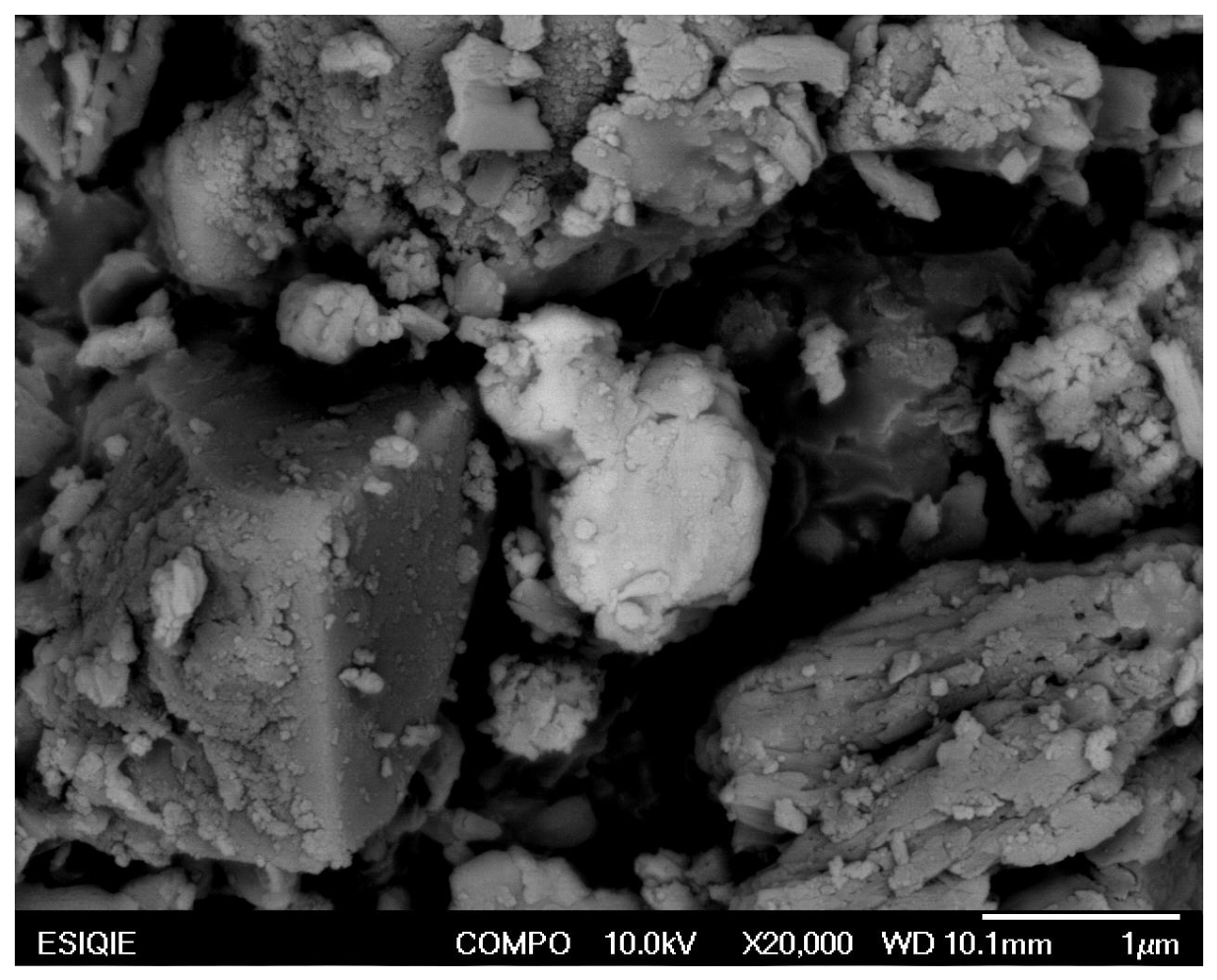
Scanning electron microscopy (SEM) coupled with energy-dispersive X-ray spectroscopy (EDS) was employed to examine the morphology and elemental composition of the jarosite residue before and after the leaching process. Microstructural observations were carried out using JEOL JSM-6300 and JEOL JSM-6701F scanning electron microscopes (JEOL Ltd., Tokyo, Japan) operated at an accelerating voltage of 20 kV and a magnification of 20,000×. Secondary electron images were used to evaluate particle morphology, whereas EDS point analyses and elemental mapping were performed to determine the chemical composition and spatial distribution of the major elements within the residue. After leaching, the solid residue was separated from the leaching medium by filtration and thoroughly rinsed with isopropyl alcohol, followed by distilled water, to remove loosely retained residual NADES and soluble species from the particle surfaces. The washed residue was subsequently dried at 60 °C until constant mass was achieved and then analyzed under the same SEM–EDS conditions used for the original jarosite sample.
Automated mineralogical characterization of the jarosite residue was performed using a TESCAN Integrated Mineral Analyzer (TIMA; TESCAN, Brno, Czech Republic) system operating in liberation analysis mode. This SEM-based automated mineralogical technique combines backscattered electron imaging with energy-dispersive X-ray spectroscopy to identify and quantify mineral phases according to their chemical composition. The analyses were carried out using an accelerating voltage of 25 kV. TIMA analysis was employed to determine the mineralogical composition of the residue and to identify the occurrence and association of the silver-bearing phases relevant to the subsequent leaching experiments.
Hydrated reline systems were prepared by mixing synthesized reline with distilled water to obtain water contents of 10, 20, and 30 wt.%, corresponding to reline/water ratios of 90:10, 80:20, and 70:30 (
w/
w), respectively. Reline was previously synthesized in batches and stored under dry conditions until use. For each hydrated system, the required amount of reline was first weighed, followed by the gradual addition of distilled water under continuous magnetic stirring until a homogeneous mixture was obtained. The hydrated solvents were prepared immediately before the leaching experiments. These compositions were selected based on previous studies describing the influence of water on the nanostructure and physicochemical properties of choline chloride–urea deep eutectic solvents. Hammond et al. [
55,
80] reported that the characteristic nanostructure of reline is retained even at relatively high hydration levels due to the sequestration of water into nanostructured domains surrounding cholinium cations. However, when the water content exceeds approximately 42 wt.%, significant structural changes occur, and at around 51 wt.% water the eutectic network is disrupted, causing the system to behave as an aqueous solution of its individual components rather than as a true deep eutectic solvent [
81]. Therefore, water content below this critical level was selected to preserve the eutectic structure while evaluating the effect of reduced viscosity and improved mass transfer on metal leaching efficiency. Leaching experiments were carried out in 100 mL glass beakers placed on magnetic stirring hot plates. For each experiment, 50 g of the hydrated reline system and 15 g of jarosite residue were used, this solid-to-liquid ratio of 15 g of jarosite residue to 50 g of leaching medium was selected to provide sufficient contact between the mineral particles and the hydrated NADES while maintaining an adequate amount of leaching medium for metal dissolution and mass transfer. Leaching experiments were carried out in 80 mL glass beakers placed on magnetic stirring hot plates. For each experiment, 15 g of jarosite residue and 50 g of the corresponding hydrated reline system were used. This solid-to-liquid ratio was selected to provide sufficient contact between the mineral particles and the hydrated NADES while maintaining an adequate amount of leaching medium for metal dissolution and mass transfer. The selected solid loading was also based on previous studies on the leaching of silver-bearing jarosite residues, which have shown that increasing the solid-to-liquid ratio can negatively affect silver extraction. In particular, silver recovery has been reported to decrease as the amount of jarosite in the leaching system increases, which has been attributed to limitations in reagent availability and/or the solubility of dissolved silver species at higher solid loadings [
16]. Therefore, the solid loading employed in the present study was selected to avoid excessive solid concentrations that could restrict solid–liquid contact and mass transfer while maintaining sufficient residue mass for reliable quantification of dissolved silver [
16,
82].
The hydrated solvent was first heated to the selected temperature (25, 40, 60, or 80 °C), which was continuously monitored using a thermocouple. Once the desired temperature was reached and stabilized, the jarosite residue was added to initiate the leaching process. All experiments were performed under atmospheric pressure and continuous magnetic stirring at 500 rpm for 240 min [
83].
The apparent pH of pure reline and the hydrated reline systems were measured at room temperature using a calibrated digital pH meter prior to the leaching experiments. These measurements were performed to evaluate the effect of water addition on the initial acidity/basicity of the leaching media.
The bulk chemical composition of the jarosite residue was determined by X-ray fluorescence (XRF) using a TITAN Handheld XRF Analyzer (Bruker, Kennewick, WA, USA). Prior to analysis, the residue was dried, homogenized, and ground to obtain a fine powder. The powdered samples were analyzed directly to determine the major elemental composition of the residue.
Fourier transform infrared spectroscopy (FTIR) was performed using a PerkinElmer System 2000 spectrometer (PerkinElmer, Norwalk, CT, USA) over the wavenumber range of 4000–400 cm−1. FTIR spectra were acquired for the individual components (choline chloride and urea), pure reline, and hydrated reline systems. The analysis was performed to evaluate the characteristic absorption bands associated with hydrogen-bond interactions, assess the effect of water addition on the molecular structure of the hydrated reline systems, and verify that the characteristic functional groups of reline were preserved after hydration.
The amount of silver initially present in the leaching system was calculated from the initial mass of jarosite and its elemental silver concentration determined by elemental analysis. The initial silver content was calculated according to Equation (3):
where
is the initial mass of silver in the system,
is the initial mass of jarosite, and
is the silver concentration in the jarosite. During each leaching experiment, aliquots were collected at predetermined times, filtered, and analyzed by atomic absorption spectrometry (AAS) to determine the dissolved silver concentration. The amount of silver recovered in each aliquot was calculated from the measured silver concentration and the corresponding solution volume. The silver recovery for each leaching cycle was then calculated using Equation (4):
where
is silver recovery at the end of cycle
i,
is silver mass at the end of cycle
i and
is initial mass of silver in the system. Finally, the cumulative silver recovery after four consecutive leaching cycles was calculated relative to the total initial silver content in the original jarosite sample, according to Equation (5):
where
is the cumulative silver recovery after 4 cycles,
is silver mass recovered in each cycle,
is silver mass initial.
In addition to silver, iron and zinc concentrations in the leachates were also analyzed by atomic absorption spectrometry (AAS) to evaluate the possible co-extraction of these metals from the jarosite residue.





 ,
,