


Abstract
The massive generation of coal-based solid wastes (CBSWs) poses severe environmental challenges globally, while widespread soil degradation threatens food security and ecosystem stability. This review critically evaluates the technical feasibility and agro-ecological benefits of valorizing CBSWs—including coal gangue, fly ash, gasification slag, and desulfurization gypsum—as soil amendments within a circular economy framework. We systematically examine the physicochemical characteristics of major CBSW types, analyze modification methods that enhance their performance and safety, and assess their multifaceted effects on soil physical structure, chemical properties, nutrient dynamics, heavy metal immobilization, and microbial communities. A dedicated section addresses environmental risks, particularly toxic element leaching, and outlines integrated control strategies from source selection to post-application monitoring. Critical knowledge gaps persist regarding long-term contaminant stability under climate change scenarios, molecular-scale immobilization mechanisms, and economic scalability. Future research must prioritize advanced low-energy modification technologies, robust long-term field studies, and harmonized international regulations. We conclude that with scientifically guided modification and stringent risk management, CBSWs can be transformed into safe, multifunctional soil conditioners, simultaneously addressing industrial waste management and contributing to global restoration of degraded soil health.
1. Introduction
Coal remains a cornerstone of the global energy matrix, accounting for a significant share of electricity generation and industrial fuel, particularly in emerging economies. Projections indicate that China’s coal production alone could reach 4.76 billion tons by 2024 [1]. The extensive mining, processing, and combustion of coal inevitably generate massive quantities of solid waste materials, collectively referred to as coal-based solid wastes (CBSWs), including coal gangue, fly ash, desulfurization gypsum, and gasification slag. The annual global production of CBSWs is staggering, with coal gangue alone exceeding 7 billion tons [2], while fly ash, gasification slag, and desulfurization gypsum contribute several hundred million tons more. The reported annual production of solid wastes in China gradually increased from 3.68 billion tons in 2020 to 4.4 billion tons in 2024, and the proportion of CBSWs was around 13.2%, based on the data from the annual report on China’s ecological environment statistics, shown in Figure 1. The traditional “take–make–dispose” linear model for managing these wastes primarily through uncontrolled stacking in open dumps or landfilling imposes severe environmental and social costs [3,4]. The prolonged above-ground stockpiling of these wastes entails severe environmental consequences. Firstly, coal gangue stockpiles occupy vast areas of land that could otherwise be utilized for agriculture or other productive purposes. Secondly, leachate from waste piles can contaminate groundwater with heavy metals and soluble salts, with studies demonstrating that leaching concentrations of elements such as B, Ba, Cr, Cu, Fe, and Pb from thermal treatment residues may exhibit phytotoxic effects, though typically remaining below hazardous waste thresholds [5,6,7,8]. Thirdly, exposed to air and moisture, coal gangue dumps are prone to spontaneous combustion due to the presence of residual carbon and pyrite. This combustion releases a complex mixture of hazardous air pollutants, including SO2, CO, H2S, CO2, NOx, CH4, and polycyclic aromatic hydrocarbons, contributing substantially to regional air pollution [9,10]. For instance, spontaneous combustion of coal and coal gangue in the Wuhai area accounts for approximately 26.3% of total PM2.5 emissions. Computational chemistry approaches have recently been employed to better understand the mechanisms governing heavy metal migration and spontaneous combustion risks in gangue accumulations [11].
Figure 1.
(a) The annual industrial solid waste and (b) the proportion of CBSWs during 2020–2024 in China.
Concurrently, the world faces a silent crisis of soil degradation. The Food and Agriculture Organization (FAO) estimates that approximately 1.7 billion people live in areas where crop yields are reduced by at least 10% due to human-induced land degradation. This degradation manifests in various forms: physical (compaction, erosion, loss of structure); chemical (acidification, salinization, nutrient depletion, pollution); and biological (loss of organic matter and biodiversity) [12]. The FAO’s 2025 State of Food and Agriculture report, employing a “degradation debt” analytical framework comparing current soil organic carbon, erosion, and moisture against natural baseline conditions, reveals that reversing just 10% of human-induced degradation on existing croplands through sustainable management practices could produce enough food to support an additional 154 million people annually. This estimation undermines soil fertility, reduces agricultural productivity, diminishes water quality, and compromises ecosystem services, thereby directly threatening global food security and environmental sustainability. The remediation and improvement of degraded soils, especially on a large scale, requires substantial inputs of materials, which can be prohibitively expensive, e.g., the remediation cost of cadmium-contaminated soil is 16,487.79 USD/ha using new nano zerovalent iron or 29,822.47 USD/ha using lime [13,14,15].
In this context, the paradigm of a circular economy offers a compelling solution: the valorization of industrial by-products for environmental benefit. The concept of “turn waste into wealth” has gained considerable scientific and policy momentum in China. In 2024, the Chinese government issued the “Opinions on Accelerating the Construction of a Waste Recycling and Utilization System” to strengthen the recycling and reuse chain to transform waste materials into valuable resources. Specifically, the strategic use of processed CBSWs as soil amendments presents a unique opportunity to address two critical challenges simultaneously [16,17,18]. This approach can divert significant waste streams from landfills (the use of 5% coal gangue for ecological remediation in China in 2023 could reach 30% in the future plan) [19], reducing their environmental footprint while providing a low-cost (conventional topsoil replacement costs between USD 10,000 and 15,000 per hectare) [20], bulk material to improve soil quality [21,22,23]. Research demonstrates that CBSWs can improve soil structure, enhance soil water and nutrient retention capacity, support stable beneficial microbial communities, and provide ecological benefits including increased soil carbon sequestration and reduced greenhouse gas emissions [19]. Fly ash, for instance, contains essential plant nutrients such as potassium, calcium, magnesium, and trace elements, and its application has been shown to enhance plant growth, chlorophyll synthesis, phenolic compound content, and crop yield across various species [24,25]. The physicochemical characteristics of fly ash, including its classification as Class F (more than 70% wt% SiO2 + Al2O3 + Fe2O3, low calcium, pozzolanic) or Class C (SiO2 + Al2O3 + Fe2O3 content between 50 and 70 wt%, high calcium, self-cementing), significantly influence its suitability for soil applications. Techniques such as mineral passivation, microbial fixation, and physical separation can mitigate potentially harmful elements in CBSWs, enabling their beneficial components to be utilized in soil remediation while reducing environmental risks [23]. Activation strategies including thermal (500–900 °C), mechanical (grinding to <200 μm), chemical (acid/alkali treatments), microwave, and hybrid methods have been shown to enhance surface area (up to 55 m2/g) and induce amorphization of kaolinite to metakaolinite, thereby improving adsorption efficiency for pollutants including phosphate, dyes, and heavy metals. Recent advances demonstrate that a modified solidified soil made with fly ash and cement was used to fill the space of coal gangue during the reconfiguration of soil, which achieves 76.9% immobilization of Cd2+ in coal gangue, while also preventing spontaneous combustion by forming dense hydration products that act as an oxygen barrier [11].
The scientific literature contains several reviews focusing on specific aspects of this field. Some have concentrated on a single waste type, such as the use of fly ash in agriculture [26,27] or coal gangue for land reclamation [28,29,30]. Others have examined specific applications, like the immobilization of heavy metals [31,32], fabrication of catalysts [33,34,35], or preparation of building materials [36,37,38] using CBSWs. However, a holistic and integrative synthesis is notably absent. Critical knowledge gaps persist, including limited understanding of long-term durability, inconsistent activation optimization across different CBSW sources, insufficient assessment of environmental impacts during large-scale implementation, high modification costs, and limited regional adaptability. There is a pressing need for a comprehensive review that systematically compares all major CBSW types (gangue, ash, slag, gypsum), critically evaluates the full arsenal of modern modification techniques, and provides a mechanistic and quantitative analysis of their effects on diverse soil properties. Additionally, a clear framework must be established for identifying environmental risk assessment and management, as well as translational barriers and future research pathways within a circular economy context. Therefore, this review aims to fill this critical gap. By integrating findings from recent publications, we provide an overview that bridges materials science, soil chemistry, environmental engineering, and policy. The objective is to guide researchers, engineers, and policymakers toward the safe, effective, and sustainable use of CBSWs for soil enhancement, turning a liability into a resource for planetary health.
2. Methodology
This review assessed the feasibility and environmental risks of using coal-based solid wastes (CBSWs) as soil amendments. Relevant literature was primarily retrieved from the Web of Science database, covering publications up to 2026. A set of search terms such as “coal based solid wastes” AND “soil”, “physical properties”, “chemical properties”, “environmental risk assessment”, “heavy metal immobilization”, “physical modification”, “chemical modification”, biological modification”, “microbial communities”, “economy” were searched across all fields. To minimize selection bias, predefined inclusion and exclusion criteria were established before screening the retrieved records. The initial search yielded 1135 potentially relevant items (journal articles, reviews, book chapters, books, conference papers, and corrections). Following a PRISMA-informed process (Figure 2), duplicates (n = 23) were removed, leaving 1112 records. In total, 261 records were removed via title and abstract screening, after which conference papers (n = 9) and non-English publications (n = 14) were excluded. The remaining 828 articles underwent full-text assessment, resulting in 204 records that were confirmed as relevant and included in the review. Exclusions at the full-text stage were mainly due to insufficient topical focus, lack of primary data or rigorous analysis, or overlapping coverage with other studies. It should be noted that this study does not aim to provide a full evidence synthesis or meta-analysis following a strict protocol, nor does it seek exhaustive coverage of all existing literature. Rather, the systematic approach was adopted solely to improve the organization, traceability, and defensibility of the literature selection, although potential publication bias remains.
Figure 2.
PRISMA 2020 flow diagram illustrating the selection process for research papers.
3. Types, Characteristics, and Inherent Suitability of Coal-Based Solid Wastes
CBSWs are heterogeneous by-products whose properties vary significantly based on the source coal’s geology, the extraction process, and the combustion or treatment technology. Their inherent characteristics fundamentally dictate their suitability, required pretreatment, and ultimate function as soil amendments [39]. Table 1 provides a comparative summary, while the following sections offer a detailed exposition.
Table 1.
Characteristics of major CBSWs for soil amendment.
3.1. Coal Gangue
Coal gangue, the most abundant coal-based solid waste, originates as heterogeneous rock extracted during coal seam mining, cutting, and washing [40]. Its complex mineralogical composition typically includes high silica (SiO2) and alumina (Al2O3) content, together typically exceeding 70%, and also contains Fe2O3, CaO, MgO, K2O, and residual carbon [41]. Mineral phases include clay minerals (kaolinite, illite), quartz, feldspars, and carbonates, with weathered gangue additionally containing secondary mineral phases [63,64]. Researchers have increasingly focused on its potential as a soil amendment material, leveraging its physical and mineralogical characteristics [44]. The coarse, irregular particles of coal gangue can function as a structural framework within fine-textured soils [65,66], enhancing aeration [67] and drainage while reducing compaction [68]. When appropriately activated, the clay mineral fraction contributes to soil aggregation and provides cation exchange capacity [69,70]. Furthermore, coal gangue serves as a slow-release source of phosphorus, potassium, and silicon elements beneficial for plant structural strength and metabolic processes [71,72]. Some studies have demonstrated that low-dose modified coal gangue (2.5% w/w) can significantly increase the available silicon content from 0.676 g/kg in raw sandy soil to 219.9 g/kg after performing alkaline hydrothermal processing of modified coal gangue at 180 °C for 3 h, which has been shown to promote the potato yield in pot experiments by 11.8 times (by weight) [73]. Unprocessed coal gangue presents several limitations for soil application. The direct application of raw coal gangue to soil is impeded by its intrinsically low concentration of active beneficial components (free mineral elements and organic substance), insufficient water and nutrient retention capabilities, and the inherent risk of potentially toxic element contamination [74]. Research indicates that raw coal gangue contains relatively low dissolved organic carbon (approximately 5 mg/kg) compared to reference soils (6.93–8.62 mg/kg) [42]. More significantly, the presence of pyrite (FeS2) poses environmental concerns through oxidation reactions that generate acidic, metal-laden drainage [75]. Mineralogical investigations reveal that pyrite and other metal-sulfide phases can persist in coal mine spoil for decades after disposal, though secondary mineral coatings may partially limit oxidative dissolution. Additionally, depending on parent coal geology, gangue may contain elevated trace metals including chromium, lead, and cadmium that require careful management [76]. Recent advances in modification techniques offer pathways to overcome these limitations. Approaches including thermal activation, mechanical grinding, hydrothermal treatment, and microwave activation can enhance gangue’s nutrient availability and adsorption properties while mitigating potential environmental risks. Plant colonization strategies combined with organic amendments have demonstrated effectiveness in promoting organic matter humification and transforming iron-bearing minerals to support sustainable vegetation on gangue substrates [69].
3.2. Fly Ash
Fly ash, the finely divided residue captured from flue gases during coal combustion, stands as the most extensively researched CBSW for agricultural and soil-related applications [77]. Its physicochemical properties are predominantly governed by the source coal type and the specific conditions under which combustion occurs. The material’s spherical particle morphology, typically ranging from 1 to 100 μm in diameter, represents a significant physical asset. These microspheres can occupy macropores within coarse-textured sandy soils, thereby enhancing water retention capacity [78,79], while their incorporation into fine-textured clayey soils reduces bulk density and increases overall porosity [80,81]. The inherently alkaline nature of most fly ashes renders them effective and economical liming agents for acid soils, neutralizing pH while simultaneously supplying calcium and magnesium [82,83,84]. Furthermore, the pozzolanic reactivity of certain fly ash classes facilitates the gradual formation of calcium-silicate-hydrate (C-S-H) gels within the soil matrix, contributing to long-term aggregate stabilization [85]. Fly ash also contains essential micronutrients including boron, molybdenum, and zinc that can support plant nutritional requirements [77]. Several limitations constrain direct soil application. The soluble salt content, particularly boron, presents phytotoxicity risks at elevated application rates [86]. Additionally, oxyanion-forming elements such as As, Se, and Mo as well as other hazardous trace elements such as Ni, Cr, and Cu exhibit leaching potential, especially in alkaline, well-drained soil environments where their mobility is enhanced [87,88]. These elements may become environmental contaminants under unfavorable conditions. Certain pre-processing strategies must be applied to promote the possibility of using fly ash for soil amelioration [89].
3.3. Gasification Slag
Gasification slag, also referred to as coal gasification residue, originates from integrated gasification combined cycle systems or synthetic natural gas production processes [49,90]. Its chemical composition differs substantially from that of fly ash. A distinguishing characteristic is its residual carbon content, which typically ranges from 5% to 40% and exists as porous, unreactive char [91,92,93]. The inorganic fraction undergoes fusion during gasification, forming a glassy, slag-like material. The highly porous and vesicular morphology imparts an extensive surface area to this material, with studies reporting specific surface areas up to 130.51 m2/g after modification [94]. When incorporated into soil, this porosity can substantially enhance water retention capacity and aeration [95,96]. The carbon component contributes to increasing the soil organic carbon content. Research demonstrates increases of 22.4% soil organic carbon following application, while improving moisture retention and providing microbial habitats [97]. The gasification slag addition can also increase soil microbial biomass carbon, nitrogen, and phosphorus by 10.7% to 69.1% compared to untreated controls, while also enhancing alkaline phosphatase enzyme activity by 16.5% [97]. The carbon fraction may temporarily immobilize nitrogen during decomposition if not adequately pre-composted. The material typically exhibits high alkalinity, which is able to neutralize acidic soils [97]. Additionally, gasification slag may contain elevated levels of soluble trace elements owing to the reducing conditions prevalent during gasification, necessitating thorough characterization and appropriate treatment prior to environmental application [98]. Environmental risk assessments indicate that certain heavy metals including Pb, As, and Cd in fine slag exceed screening values with probabilities exceeding 50%, while Zn presents moderate to high ecological risk levels with 84.21% occurrence probability.
3.4. Desulfurization Gypsum
Flue gas desulfurization (FGD) gypsum is a synthetic product with high purity, whose primary value for soil application derives from its substantial solubility and calcium content [99,100]. When incorporated into sodic soils characterized by elevated exchangeable sodium percentage, the calcium ions supplied by gypsum effectively displace sodium ions adsorbed onto soil colloidal surfaces [101,102]. The displaced sodium subsequently combines with sulfate to form soluble sodium sulfate, which can be readily leached below the root zone through irrigation water [103,104]. This cation exchange mechanism concurrently reduces soil pH and exchangeable sodium percentage; promotes soil flocculation, thereby improving aggregate structure; and enhances water infiltration capacity. Long-term field investigations have demonstrated that a single application of FGD gypsum can sustain ameliorative effects for up to two decades, significantly increasing the soil calcium content and promoting microaggregate formation [105]. Additionally, FGD gypsum serves as a valuable sulfur source, which is a secondary macronutrient frequently deficient in intensive agricultural systems, contributing to enhanced crop tolerance against heavy metal stress through the promotion of glutathione and phytochelatin biosynthesis [106,107].
The application of FGD gypsum entails certain environmental considerations. Principal risks originate from impurity constituents: chlorides introduced during the scrubbing process may prove phytotoxic, while specific desulfurization operations can concentrate mercury and other trace elements within the gypsum by-product [108]. Mercury in FGD gypsum predominantly exists as sulfide species with relatively low environmental mobility under natural conditions, though thermal processing during industrial utilization may facilitate mercury volatilization [108]. Comparative studies indicate that unlike lime amendments, which may lead to mercury bioaccumulation in crop seeds, FGD gypsum application has not resulted in detectable mercury transfer to harvested plant tissues [108]. Nevertheless, pre-application characterization and monitoring of elemental concentrations remain advisable management practices.
All four types of CBSWs have their advantages and disadvantages, so selection must be made according to the soil type and intended use. For comparison, coal gangue is advantageous for compacted clay or fine-textured soils, where its coarse, irregular particles function as a physical scaffold to reduce bulk density, improve aeration, and enhance drainage. It is ineffective for sodic or acidic soils and provides little benefit in sandy soils. Fly ash is optimal for acidic soils, where its high alkalinity (pH 8–12) enables it to act as a rapid, cost-effective liming agent. Gasification slag is suited for sandy, low-carbon, or low-water-holding-capacity soils. Its porous char structure improves moisture retention and provides a microbial habitat. It is not effective for sodic soils. FGD gypsum is the only CBSW that effectively remediates sodic soils (high exchangeable sodium percentage). The soluble calcium displaces adsorbed sodium, which is then leached as sodium sulfate. Its benefits are marginal for acidic, sandy, or compacted clay soils. Concerning water retention, the raw coal gangue may even reduce the water holding capacity and the raw fly ash is more effective in sandy soils rather than fine-textured soils. Due to its highly porous and vesicular morphology, gasification slag enhances more water holding capacity than fly ash or gangue. Gypsum has no direct effect on water holding capacity. It is highly soluble and rapidly leached, so it does not retain water or improve physical structure of soil. In terms of nutrients, raw gangue has very low initial nutrient availability and negligible dissolved organic carbon (~5 mg/kg), and fly ash supplies calcium, magnesium, and micronutrients such as boron, molybdenum, and zinc. Unique among CBSWs, gasification slag directly increases soil organic carbon, raises microbial biomass carbon, nitrogen, and phosphorus, and enhances alkaline phosphatase activity. Gypsum supplies calcium (for cation exchange) and sulfur (a secondary macronutrient). Sulfur enhances crop tolerance to heavy metals via glutathione and phytochelatin synthesis. It provides no nitrogen, phosphorus, potassium, or organic carbon. Potential risks always exist when using raw materials of CBSWs as soil amendments, so necessary modifications are needed to promote the advantages and eliminate the disadvantages.
4. Modification Methods to Enhance Efficacy and Mitigate Risks
The direct, unprocessed application of most CBSWs is often suboptimal or risky due to the limitations outlined above. Therefore, a suite of modification techniques has been developed to activate beneficial properties, passivate contaminants, and tailor the material for specific soil conditions. These methods can be applied alone or, increasingly, in synergistic combinations.
4.1. Physical Modification
Physical processes alter physical properties such as the waste’s size, shape, and surface area without changing its fundamental chemistry. The commonly used physical modification methods for CBSWs are listed in Table 2.
Table 2.
Physical modification methods and key effect of CBSWs for soil amendment.
Mechanical activation is the foundational and most energy-saving physical modification process (around 21.03 kW·h/t specific power consumption for an optimized grinding process on coal gangue [136]) for transforming coarse, heterogeneous CBSWs into effective soil amendments. This size reduction is not merely a physical change but a critical activation step that unlocks the material’s inherent chemical potential and determines its integration efficacy within the soil matrix [137]. The primary objective is to increase the specific surface area and alter particle morphology to enhance reactivity. Coarse materials (e.g., raw coal gangue lumps > 50 mm) are reduced to a manageable size (<10 mm) using jaw crushers or gyratory crushers. This is a pre-conditioning step. The pre-crushed material is further reduced to a fine powder. Ball mills (using steel balls in a rotating cylinder) and vibration mills are common for achieving particle sizes in the tens to hundreds of microns. To achieve micron or sub-micron (nano) scales, high-energy ball mills (attritors) or jet mills (using compressed air for particle-on-particle impact) are employed. This stage, often called mechanical activation, induces profound physicochemical changes. Reducing a particle from 1 mm to 1 μm increases its specific surface area by a factor of 1000. This exposes vastly more reactive sites (broken Si-O, Al-O bonds, crystal edges) for interaction with water, nutrients, and soil colloids. Research on coal gangue has shown that particles ground to below 0.25 mm significantly outperform coarser fractions in improving soil water retention and aggregate stability [138]. Furthermore, the dissolution rates of sparingly soluble minerals are surface-area controlled. Finer particles dramatically accelerate the kinetics of nutrient solubilization, transforming an inert material into a slow-release fertilizer. For instance, nano-scale silicon–calcium materials derived from similar wastes have shown exceptional efficiency in ameliorating soil acidity and supplying plant-available silicon. Coarse, irregular waste particles can create unfavorable discontinuities in soil. Finely ground amendments (e.g., <2 mm) blend homogeneously with the soil matrix, ensuring uniform distribution of nutritional elements and avoiding localized zones of extreme pH or salinity. A study using 5–8 mm coal gangue particles for soil remediation noted that effective integration was key to improving soil water content and structure stability of aggregate [139].
Importantly, controlled thermal activation can induce beneficial phase changes, which is a crucial technology for activating CBSWs’ latent chemical potential for use as a soil amendment or supplementary cementitious material [140,141]. This process involves heating the material in the range of 500 °C to 900 °C for several hours to induce beneficial physicochemical transformations [142], so it normally requires the most energy consumption over other physical activation methods. The theoretical energy consumption without considering the energy conversion efficiency and heat loss is around 174.4 kW·h/t based on its 0.73–0.89 J g−1 K−1 specific heat capacity [143]. The primary goal is to convert inert, crystalline clay minerals into a highly reactive, amorphous phase with enhanced pozzolanic activity [144]. For example, in coal gangue, the core reaction during calcination is the dehydroxylation of kaolinite (Al2O3·2SiO2·2H2O), which is the primary clay mineral in many coal gangues. The amount of crystalline kaolinite was significantly reduced but still detectable after calcination at 500 °C. When the temperature was raised to 600 °C, the kaolinite completely disappeared, and an amorphous phase was formed. The removal of hydroxyl groups from kaolinite destroyed its crystal structure, transforming it into disordered metakaolinite. The quartz and anatase phases were present in the samples calcined between 600 °C and 900 °C and increased in intensity with rising temperature. This trend is attributed to the progressive dehydroxylation of kaolinite during calcination, which enriches the relative content of quartz and anatase. The appearance of hematite likely results from the oxidation of pyrite or the dehydration of ferric hydroxide present in the coal gangue. When the calcination temperature reached 1000 °C, mullite emerged. Mullite, formed by the recrystallization of kaolinite at high temperatures, exhibits no pozzolanic activity [145]. The creation of highly reactive metakaolinite from coal gangue offers direct and indirect benefits for soil health. As a soil amendment, calcined coal gangue can improve soil structure. Its pozzolanic properties can help stabilize soil aggregates, and it can serve as a source of plant-available silicon. Although the thermal activation process is an energy-intensive method, some studies have also shown feasible ways to reduce the required energy. For example, Zhang et al. used Na2CO3 during thermal activation of coal gangue as fertilizer (effective silicon content of 22.63%) for lowering energy consumption and improving economic feasibility [146]. Compared to traditional thermal treatment, microwave activation of coal gangue (less energy consumption due to minute-level heating duration) elevated its reactive aluminate content, thereby enhancing pozzolanic activity and promoting secondary hydration with cement. This generated supplementary C-(A)-S-H gels and AFm phases, which filled matrix pores and increased system density and compressive strength [115]. Recently, hydrothermal treatment has become an effective and energy-efficient way to decompose CBSWs and extract their nutrients [72,113,121,122,123,129,130]. The hydrothermal conditions are essential to the production of highly active and clean CBSW fertilizers. Normally, the hydrothermal temperature, pressure, and time changes range from 150 to 270 °C, 10 to 27 bar, and 10 to 180 min [147]. Specifically for fly ash and gasification slag, separating particles into specific size fractions allows for targeted applications. Coarse fractions can be used for subsoil drainage layers, while fine fractions are suitable for topsoil conditioning.
4.2. Chemical Modification
Chemical treatments aim to alter surface chemistry, solubilize nutrients, or immobilize contaminants. Table 3 summarizes the commonly used chemical modification methods enabling the use of CBSWs as soil amendments.
Table 3.
Chemical modification methods and key effects of CBSWs as soil amendments.
Acid and alkali activation are core chemical processes for transforming inert CBSWs into reactive materials suitable for soil amendment. These treatments break the stable Si-O-Al bonds in amorphous or crystalline silico-aluminous phases, creating a more disordered, porous, and soluble structure and unlocking the material’s latent potential for various soil engineering and remediation functions. Solutions like NaOH and KOH dissolve silica and alumina, forming reactive silicate and aluminate monomers. Research demonstrates that the pozzolanic reaction of coal gangue in Ca(OH)2 solution changes the Al-O and Si-O bond energies and leads to the precipitation of new, needle-like cementitious products [176]. For fly ash, advanced methods like “lattice activation” have been developed to more efficiently liberate active ions, forming superior geopolymers with enhanced stability [177]. Acids like H2SO4 and HCl primarily dissolve metal cations (Al3+, Ca2+, Fe3+) from the aluminosilicate matrix. This promotes the formation of a silica-rich, porous framework with increased surface area and acidity. H3PO4 is particularly effective, as the phosphate anion can react with dissolved metals to form stable phosphate precipitates, useful for immobilizing contaminants [178]. Organic acids, such as citric acid, act through chelation and can create synergistic effects with other minerals to modify release profiles [179]. Impregnating CBSWs with soluble phosphate salts like monoammonium phosphate, diammonium phosphate, or potassium phosphate directly introduces plant-available phosphorus (P) and accompanying cations (NH4+, K+) [180]. These nutrients can be slowly released into the soil, acting as a controlled-release fertilizer. This is particularly synergistic as CBSWs themselves often contain trace amounts of beneficial minerals like silicon and potassium. The phosphate ions from these salts are highly effective at immobilizing cationic heavy metals like lead, cadmium, zinc, and copper [180]. The stabilization of potentially toxic elements (PTEs) is a cornerstone strategy for using CBSWs in soil remediation. By blending CBSWs with specific additives including phosphates [181,182], iron oxides [183,184], and organic stabilizers [185], their inherent properties are enhanced to chemically bind, adsorb, or encapsulate metals, thereby transforming hazardous wastes into valuable soil amendments. From a practical point of view, the cost of reagents for chemical modification is much higher than those for physical modification, so it is difficult to scale up for industrial purposes.
4.3. Biological Modification
Biological processes represent a sustainable and ecologically aligned strategy for improving CBSWs for soil amendment. By harnessing natural decomposers and specialized microbes, these methods can transform inert and potentially hazardous wastes into nutrient-rich, stable, and plant-friendly materials through mechanisms like organic matter decomposition, microbial weathering, and selective metal removal [186,187].
Composting is a controlled aerobic process that harnesses diverse microbial communities to decompose organic matter. When CBSWs like coal gangue or fly ash are mixed with nutrient-rich organic wastes (manure, sewage sludge, agricultural residues), the process achieves multiple benefits [188,189]. During active composting, microbial respiration generates significant heat (thermophilic phase, 50–65 °C), which helps sanitize the mixture by reducing pathogens [190,191,192]. This heat, combined with the organic acids (e.g., citric, oxalic, gluconic acids) produced as microbial metabolites, actively weathers the mineral surfaces of the CBSWs [193]. This acidic dissolution breaks down silicate and aluminosilicate structures, releasing otherwise locked nutrients such as potassium, phosphorus, calcium, and silicon into plant-available forms. The final product of co-composting is a humus-rich, stabilized organic–mineral composite. It has a more stable nutrient supply, significantly increased cation exchange capacity for retaining nutrients, and improved physical structure, making it an excellent soil conditioner and slow-release fertilizer. Research shows that optimizing the particle size of coal gangue and the ratio of organic amendments are critical factors for successful co-composting and subsequent plant growth in reconstructed soils [194].
Vermicomposting is the process of further stabilizing organic waste mixtures using specific earthworm species, most commonly Eisenia fetida [195,196,197]. This process can follow conventional composting or be applied directly to suitable CBSW-organic blends. Earthworms act as powerful biological reactors. As they ingest the material, their gut enzymes (proteases, lipases, amylases, cellulases) and the symbiotic microbes in their intestines perform intensive biochemical digestion [198]. This process further breaks down organic matter and mineral particles, leading to a notable increase in the availability of key nutrients, particularly nitrate nitrogen and available phosphorus. The earthworm’s activity also enriches the material with plant-growth-promoting hormones (e.g., auxins) and enzymes (e.g., phosphatase, urease), while producing mucus that helps form stable soil aggregates [199]. The resulting vermicompost is a finely divided, peat-like material with excellent porosity, moisture retention, and microbial diversity, offering enhanced resistance to pathogens, reduced Botrytis cinerea damage, and activation of the jasmonic acid signaling pathway for seed germination and plant growth as a soil amendment.
Microbial bioleaching or bioactivation uses specialized microorganisms to directly interact with and alter the CBSW matrix for specific purposes, such as nutrient liberation or contaminant removal. For example, silicate-solubilizing bacteria and phosphate-solubilizing bacteria are key to unlocking nutrients [200,201]. These bacteria secrete organic acids and chelating agents that dissolve mineral lattices. For example, Stenotrophomonas maltophilia isolated from coal gangue dissolves the mineral monetite to release phosphorus [202]. Similarly, silicate bacteria can dramatically increase the availability of nutrients from coal tailings [203]. This biological activation is a core principle in developing biofertilizers from CBSWs. Acidophilic bacteria, such as Acidithiobacillus ferrooxidans and A. thiooxidans, are traditionally used to leach metals from ores by oxidizing ferrous iron and sulfur, generating sulfuric acid that dissolves metals. This principle is applied to remove unwanted heavy metals (e.g., Cu, Zn, Cd, Ni) from CBSWs [204]. Alkaliphilic bacteria (e.g., Bacillus species) can leach metals under alkaline conditions, which is relevant for high-pH wastes like fly ash, through mechanisms like biosorption and complexolysis [205]. In terms of functional microbial fermentation, broader application involves screening and applying functional microbial consortia to treat CBSWs. A 2025 study isolated a coal gangue-degrading strain, Acinetobacter lwoffii XAQ2297, which decomposed the gangue structure and increased its humic acid content sixfold during fermentation [206]. This biologically treated gangue substrate successfully supported alfalfa growth, demonstrating direct conversion of waste into a plant growth medium. Indigenous microbial consortia from coal waste can also act as bioaccumulators for metals like lead [207].
Among the available modification methods, mechanical activation is unequivocally the most feasible for industrial scaling due to its modest energy consumption compared to other physical methods. Continuous operation, minimal infrastructure complexity, and the absence of consumable reagents give mechanical activation the best cost–benefit ratio for large-scale soil amendment production. Thermal-related and chemical activation methods may not be practical for large-scale soil amendment due to their high energy cost and reagent cost as well as their side effects on the environment caused by CO2 emissions or reagent contamination. Biological methods are also scalable, and can convert inert, potentially hazardous CBSWs into nutrient-rich, biologically active soil amendments with low energy and cost input. Therefore, mechanical grinding of CBSWs combined with biological activation might be the most feasible way to cost-effectively generate soil amendments at a large scale.
5. Effects on Soil Properties
The application of properly modified CBSWs induces a cascade of improvements in soil health, moving it towards restored functionality.
5.1. Physical Property Improvements
The physical amendment of soils with materials like fly ash, gasification slag, and coal gangue directly improves their physical framework. When combined in specific ratios, these wastes can reduce bulk density, increase porosity, and markedly improve water-holding capacity compared to poor-quality native soils. The spherical particles of fly ash, in particular, are known to act like ball bearings, improving soil texture. In geotechnical applications, similar solid waste-based binders significantly reduce the plasticity index of soft soils, indicating a favorable shift from a clay-like to a more friable, silt-like consistency. Adding porous amendments like gasification slag or fly ash to compacted or dense soil creates new, interconnected macropores (pores >30 μm). These act as channels for rapid water movement. The spherical particles of fly ash, for instance, reduce inter-particle friction in fine-textured soils, facilitating water flow. A study on coal gangue–fly ash mixtures for land reclamation found that the saturated hydraulic conductivity was highly dependent on the mixture’s bulk density and composition [208]. An optimal blend (e.g., 30% fly ash to 70% coal gangue) can create a matrix with hydraulic properties similar to natural soil, enhancing infiltration and reducing harmful surface runoff. Specifically, in sandy or coarse-textured soils, water drains too quickly. The high surface area and internal porosity of amendments like coal gasification slag counteract this. Research shows that coal gasification slag is inherently porous with a small particle size, and when added to soil, its water retention capacity increases directly with the application rate [209]. The slag particles hold water within their pores and on their vast surfaces, making it available to plant roots over time. To gain more insight into the hydrological behavior of coarse-textured soils, the physical properties of artificially created soil mixtures with different texture were determined. Wesseling et al. conducted a study on the effect of soil texture and the addition of 10% organic matter on hydraulic properties. Five sand mixtures were created, ranging from slightly to very coarse-textured, using sand sieved into different particle size classes. The hydraulic conductivity significantly increased with increasing coarseness while moisture retention decreased. On the other hand, organic matter addition reduced the saturated hydraulic conductivity by a factor of 10 to 100 and distinctly increased the moisture retention capacity. The amounts of total available water were increased by the addition of organic matter between 144% (slightly coarse texture) and 434% (very coarse texture), demonstrating the dramatic potential of porous amendments in arid regions [210].
5.2. Chemical Property Improvements
The application of modified CBSWs induces profound and interconnected improvements in soil chemistry, directly addressing key constraints like acidity, nutrient deficiency, and contamination. This multifaceted remediation transforms inert wastes into active soil conditioners.
Calcareous fly ash acts as a long-lasting liming agent. Its alkaline components (CaO, MgO) neutralize acidity more gradually than agricultural lime, providing sustained pH elevation. A meta-analysis confirmed that fly ash raises the pH most effectively in acidic soils (pH < 6.5) [211]. Particularly, flue gas desulfurization gypsum is central to reclaiming alkaline, sodium-rich soils. The soluble Ca2+ from gypsum displaces Na+ on soil clay particles, which is then leached away with the accompanying SO42− ion, reducing the exchangeable sodium percentage and improving soil structure. Studies show that desulfurization gypsum application directly lowers the pH of saline–alkali soils and increases the soluble Ca2+ and Mg2+ [212]. The application of low-salt amendments—including fly ash, desulfurization gypsum, furnace bottom slag, and coal washing sludge—can lower soil salinity from 8.30 to 4.8 g/kg through a dilution effect. Additionally, the Ca2+ in desulfurization gypsum exchanges with free Na+ in the soil, further reducing soluble salts to levels conducive for crop growth [213,214].
CBSWs significantly enhance soil fertility through two key mechanisms: they act as slow-release mineral nutrient reservoirs and they increase the soil’s cation exchange capacity, which is crucial for retaining those nutrients. Fly ash, for example, contains measurable amounts of phosphorus (1.1–1.5%), potassium (0.8–0.9%), calcium (1.1–7%), and magnesium (0.7–4.8%), as well as beneficial micronutrients like iron (2.3–19.3%) and silicon (35.6–57.2%) in their oxidation states [215]. These elements are integral parts of the ash’s mineral matrix and become available to plants through gradual weathering and dissolution in the soil, functioning as a slow-release fertilizer. Desulfurization gypsum is a direct and soluble source of calcium and sulfur. Finely divided CBSW particles, especially those that are weathered or activated, have high specific surface areas with negative charges. These new surfaces provide additional sites to attract and hold positively charged nutrient ions (cations) like ammonium (NH4+) and potassium (K+), preventing them from leaching away. Alkali-activated amendments can form geopolymer-like gels that integrate with soil particles, creating stable aggregates with enhanced ion-exchange properties.
Heavy metal immobilization is a critical remediation function in which chemically modified CBSWs excel through multiple, often concurrent, mechanisms. These processes transform bioavailable, toxic metals into stable, less-mobile forms within the soil matrix, thereby reducing their environmental risk. Engineered materials derived from CBSWs, such as porous slag and activated carbon/biochar from gasification processes, provide extensive sites for adsorption. For example, a study on coal bottom ash geopolymer demonstrated a high efficiency for Pb2+ removal from water, highlighting its potential for soil stabilization through similar surface interactions [216]. Furthermore, many CBSWs contain exchangeable cations like calcium (Ca2+), magnesium (Mg2+), and potassium (K+). When applied to soil, these cations can be displaced by more strongly held toxic metals (e.g., Pb2+, Cd2+, Cu2+), effectively trapping the contaminants on the solid phase. Alkali-activated materials, such as geopolymers synthesized from fly ash, possess a negatively charged aluminosilicate framework that strongly attracts and binds cationic heavy metals through both physical adsorption and ion exchange [217]. CBSWs enriched with phosphate (e.g., from treatment with KH2PO4 or (NH4)2HPO4) are highly effective for phosphate-induced heavy metal precipitation. The phosphate anions react with lead to form extremely stable minerals such as pyromorphite (Pb5(PO4)3(OH)). This transformation effectively locks the metal into a crystalline structure that is resistant to re-mobilization under a wide range of soil pH conditions. Alkaline CBSWs like certain fly ashes or lime-stabilized wastes increase soil pH, promoting the precipitation of metals as hydroxides (e.g., Cd(OH)2) or carbonates (e.g., CdCO3). While effective, these precipitates can re-dissolve if the soil pH drops. CBSWs containing iron or manganese oxides are particularly effective against oxyanion-forming metals like arsenic and chromium. These oxides have high surface reactivity and can co-precipitate with or adsorb As and Cr, forming inner-sphere surface complexes. For instance, iron-modified coal gasification slag has demonstrated a high affinity for adsorbing As and Cr [183]. For redox-sensitive heavy metals and metalloids (e.g., Cr, As, Hg, U, Se), adsorption and ion exchange are often ineffective because these elements occur as mobile oxyanions [218]. A novel theoretical perspective focuses on electron transfer pathways that reduce toxic, mobile species to less toxic, less soluble forms. Soil organic matter, particularly humic substances with quinone and phenolic moieties, functions not as a simple reductant but as an electron shuttle, accepting electrons from microbial respiration and donating them to heavy metals at distant sites [218]. This mediated transfer overcomes the physical limitation that microbes cannot contact all contaminant molecules. Exogenous electron shuttles enable field-scale reduction (e.g., Cr(VI) → Cr(III), U(VI) → U(IV)). Unlike reversible adsorption, electron transfer drives irreversible contaminant speciation change. Moreover, the electron transfer capacity of soil organic matter is cyclable (re-oxidized by microbes, reduced again by carbon inputs), offering persistent remediation over extended timescales [218].
5.3. Biological Property Improvements
The modified CBSWs not only alter the soil’s physical and chemical matrix but also revitalize the living soil ecosystem. By creating a more hospitable habitat, these amendments stimulate microbial abundance, diversity, and function, which are the true engines of soil fertility and resilience.
The improved soil habitat acts as a catalyst for microbial development [219]. Enhanced porosity and aeration alleviate oxygen limitations, while better water retention ensures moisture availability, creating optimal microsites for microbial colonization. High-throughput sequencing consistently reveals that soils amended with CBSWs, especially when combined with organic matter, host a larger and more diverse microbial community [220]. For instance, research on coal gangue substrate improved with organic fertilizer showed a significant increase in bacterial diversity and altered community structure [221]. Motesharezadeh et al. investigated the effects of different amounts of coal gangue (0, 5, 10, 20, and 50%) on the nutrient content of forage corn under the synergistic action of arbuscular mycorrhizal fungi (AMF). The results showed that all the coal gangue addition levels significantly increased the nutrient content of the plants. Among them, the combination of 10% coal gangue with Glomus intraradices achieved the highest above-ground dry weight and phosphorus, iron and zinc contents, which were 49.68%, 30.49%, 16.72% and 75.71% higher than the control experiment, respectively. Therefore, a 10% coal gangue addition level was considered to be an appropriate dosage for promoting nutrient supply and AMF root colonization in the corn cultivation substrate [222]. Roy et al. performed both short-term laboratory and field studies, showing the dose effect on the soil amended with fly ash at 5%, 10%, 20%, and 40% (50–400 t/ha). The addition of fly ash reached 20% and 40% had adverse effects on the bacterial, fungal, and actinomycete communities in the soil, and the main soil enzyme activities (such as those of amylase and cellulase) significantly decreased at high doses. It confirmed that the application of fly ash at a dosage of no more than 100 t/ha was safe for the microbial characteristics of tropical laterite soil [223]. The primary limitations of this study include its short-term duration, confinement to a single laterite sandy loam soil and a single source of fly ash, the use of a fixed farmyard manure background, a limited set of tested fly ash doses, and the lack of contaminant leaching or plant uptake measurements. Therefore, the conclusion is that up to 100 t/ha fly ash applies only to the specific conditions tested and requires validation through long-term, multi-site, and multi-crop field trials. The relative abundance of beneficial phyla like Proteobacteria increased, while that of oligotrophic groups like Acidobacteria decreased, indicating a shift towards more fertile soil conditions. Beyond overall diversity, there is a targeted enrichment of microbes that directly contribute to soil fertility [224]. Amendments often increase the abundance of genes and organisms responsible for nitrogen fixation and nitrification. This enhances the soil’s internal nitrogen supply. The population of PSB and fungi frequently rises. These microbes secrete organic acids and phosphatases that liberate mineral-bound phosphorus, turning inert CBSWs into active nutrient sources. The colonization rates of AMF often increase. AMF hyphae act as extensions of plant root systems, dramatically improving the host plant’s access to water and immobile nutrients like phosphorus and zinc, while also contributing to soil aggregate stability [225].
Soil enzymes function as the proximate catalytic agents governing virtually all biochemical transformations within the pedosphere. They are synthesized and secreted primarily by soil microorganisms (and to a lesser extent by plant roots and soil fauna) to depolymerize complex organic macromolecules into soluble, bioavailable forms. Consequently, their aggregate activity provides a direct, integrative, and highly sensitive bioindicator of the soil’s metabolic capacity and functional state, responding more rapidly to perturbations than general measures like organic matter content [226]. CBSW amendments, when applied at optimized rates to compatible soils, consistently induce measurable elevations in the activity of key extracellular enzymes responsible for major nutrient cycling [227]. Qiang Li et al. used soil conditioner comprising 75–85% fly ash and coal gangue to a 50 cm sand-loess profile. Six plant species (Avena sativa, Astragalus laxmannii, Leymus chinensis, and Salsola collina) were sown at 4500 t/km2 [228]. After two years, soil organic matter rose from 5.10 to 6.12 g/kg, available N increased from 18.07 to 33.62 mg/kg, and available P and K also increased. Above-ground biomass increased by 39.9%. CBSWs thus improve soil fertility and biomass by stimulating microbial proliferation and enzyme activity via promoting plant root exudates (organic acids, sugars, amino acids), while microbial communities enhance adaptability via structural and functional shifts. This enhancement is not a result of the wastes containing these enzymes, but rather of the amelioration of soil conditions that stimulate the native microbial community to produce more enzymes. The effect is most pronounced on four critical hydrolases and oxidoreductases, including urease (N-cycle), which catalyzes the hydrolysis of urea to ammonia and carbon dioxide, a critical step in the nitrogen mineralization pathway; phosphatase (P-cycle), which liberates inorganic phosphate from organically bound P; β-Glucosidase (C-cycle), which catalyzes the final step in cellulose degradation; and dehydrogenase (general microbial activity), which is a robust proxy for total microbial respiratory activity and viable biomass.
Physical improvements modify key soil properties, such as porosity, water retention capacity, and bulk density, thereby enhancing the soil’s ability to hold water and air during plant growth. Chemical improvements, in contrast, fundamentally alter the soil’s chemical makeup, including its pH (acidity or alkalinity), concentrations of metallic cations, and nutrient levels. Biological improvements primarily operate through catalytic effects that regulate soil microbial activity, facilitating the gradual release of nutrients from CBSWs. An effective soil amendment should ideally integrate all three types of improvements. Physical restructuring creates the pore spaces and water films that enable microbial colonization, chemical conditioning supplies the nutrients and pH environment that determine which microbial communities can thrive, and biological activity sustains long-term fertility by releasing nutrients from the amendment matrix.
6. Environmental and Agronomic Risk Assessment and Management
The potential benefits of CBSW amendments must be rigorously weighed against their environmental risks through a comprehensive lifecycle perspective and proactive risk management framework. Recent research has substantially advanced our understanding of these risks and the measures required to mitigate them.
6.1. Leaching and Mobility of Contaminants
The greatest concern is the long-term leaching of potentially toxic elements like As, Se, Mo, B, Cd, and Pb from the amendment into groundwater or surface water. A detailed study revealed that fly ash from a coal gangue power plant in China had alarming contamination potential: concentrations of six representative elements in leachate exceeded the Chinese national standard for groundwater quality Class III (GB/T14848-2017 [229]), with Pb contamination reaching 26.67 times above the standard (0.01 mg/L) [230]. Under extreme rainfall conditions simulated in long-term column tests, contaminants migrated to depths of 56 cm in compacted soil layers, with Pb reaching 28 cm, nickel 23 cm, and cadmium 9 cm [230]. This demonstrates that even compacted fly ash deposits pose significant groundwater risks during long-term storage. Another risk is the bioaccumulation of heavy metals. Crops absorb heavy metals primarily through root uptake of bioavailable fractions. Bioconcentration factors and translocation factors are key metrics used to quantify plant metal accumulation. Once absorbed by crops, heavy metals can be passed upward through terrestrial food webs from plants to invertebrates, to small and large mammals, and ultimately to humans. Cadmium, zinc, and lead are known to be absorbed by wheat and rice plants, and the consumption of metal-contaminated grains is a primary pathway for human exposure. Biomagnification, while more commonly associated with organic contaminants like methylmercury, also occurs for certain metals (e.g., Cd, Hg) in specific ecosystems, leading to elevated concentrations at higher trophic levels. In agricultural settings, long-term consumption of crops grown on CBSW-amended soils may pose chronic health risks, including nephrotoxicity (Cd), neurotoxicity (Pb), and carcinogenicity (As, Cr). However, some research has proven that organic amendments such as humic acid and potassium fulvate can dose-dependently decrease Cd and Pb concentrations, bioconcentration factors, and translocation factors in maize tissues, particularly in grains, due to reduced bioavailable fractions in soil [231]. Surprisingly, field aging can significantly alter the immobilization performance of amendments. A long-term field study by Chen et al. investigated the stability of Cd, Cu, and Pb immobilized by biochar and found that cumulative metal desorption decreased with biochar aging: desorption rates for Pb2+, Cu2+, and Cd2+ in the third year were 0.08%, 0.20%, and 13.15%, respectively. The order of desorption was Pb2+ < Cu2+ < Cd2+, indicating that Cd remains the most vulnerable to long-term release despite immobilization. The aging process increased the O/C ratio of biochar (from 0.30 to 0.61) and the abundance of oxygen-containing functional groups, enhancing metal immobilization through co-precipitation and complexation. Nevertheless, the long-term stability of immobilized metals must be continuously monitored, as environmental perturbations can remobilize previously stabilized metals [232].
The mobility of oxyanion-forming elements (As, Se, Mo, B) is particularly pronounced in alkaline, aerobic conditions common in amended soils. Critically, the study emphasized that current landfill practices rely on average meteorological conditions, yet intensifying climate change with extreme rainfall events significantly accelerates pollutant transport [233]. Xu et al. simulated the vertical migration behaviors of heavy metals in polluted soils by changing the rainfall conditions in Hydrus-1D software with different rainfall amounts [233]. Taking Cu2+ as an example, varying the rainfall amount from 60% to 80%, 100%, 105%, 150%, and 200%, the migration depth of Cu2+ increased from 70 cm to 100, 110, 120, 140, and 170 cm, respectively. To mitigate these risks, researchers recommend combining locally compacted Malan loess with geosynthetic materials or implementing a liner system equivalent to a 1.5 m thick clay layer with a saturated hydraulic conductivity of less than 10−7 cm/s to prevent leachate infiltration according to the Chinese standard for pollution control of non-hazardous industrial solid waste storage and landfill (GB 18599-2020 [234]) [230]. It is worth mentioning that the aforementioned findings are derived from a laboratory-scale case study conducted at a specific power plant in Shanxi Province, utilizing particular samples of coal fly ash and Malan loess, under defined compaction conditions and simulated rainfall scenarios. Consequently, these results should not be construed as typical, representative, or universally replicable across all fly ash types, landfill operational contexts, or geological settings, whether within China or elsewhere. Site-specific variables, such as the chemical composition of fly ash, local soil mineralogy, compaction techniques, hydrogeological conditions, climatic patterns, and landfill engineering practices, may yield markedly different contaminant release and transport behaviors. Leaching is highly dependent on the chemical form of the element, soil pH, and redox conditions. Zhang et al. investigated the ecological risk and influencing factors of heavy metal leaching from fly ash from a 2660-MW coal-fired power plant in Huainan (China) [235]. This study analyzed five heavy metals (Cd, Cr, Cu, Co, Ni) in fly ash using acid digestion, leaching tests, and sequential extraction. It examined how pH, temperature, and particle size affect metal leaching and assessed ecological risks using the risk assessment coding. The bioavailability coefficient (K) was calculated to evaluate the environmental risk with K = (E + C)/Q, where E and C are the heavy metal concentration in the exchangeable state and the carbonate binding state; Q is the total sum of the heavy metal concentration. Here, K can be <1% (risk-free); 1–10% (low risk); 11–30% (medium risk); 31–50%, (high risk); and >50% (very high risk) [235]. The risk assessment coding revealed that Cd posed high ecological risk (>50%), Co and Ni posed medium risk (10–30%), and Cr and Cu posed low risk (<10%) [235]. The results showed average metal concentrations below China’s soil risk screening values when pH > 7.5. Leaching levels remained safe under all tested conditions. This might be safe for alkaline soil, but it is worth noting that lowering the pH value can highly increase the risk index value from 3.13 (at pH 6.8) to 59.62 (at pH 2.8). Moreover, long-term leaching experiments to estimate the long-term outcomes are lacking. More outdoor experiments in ambient conditions are suggested to evaluate the leaching behavior of CBSWs. The porous structure and glassy intergrowths in gasification residues can significantly influence contaminant retention and release kinetics, with grinding pretreatment affecting particle size distribution and pore characteristics that govern leaching behavior [236]. Therefore, CBSWs can be suitable candidates for soil additives for reclaiming coal mining subsidence areas with appropriate treatment.
6.2. Agronomic and Ecological Toxicity
The application of CBSWs can introduce elements toxic to plants, soil fauna, and microbial communities, with studies providing quantitative analysis for toxicity effects. High-concentration soluble salts in unweathered CBSWs remain serious constraints for plant growth. Issayeva et al. reported that high toxicity was determined by multiple interacting factors, including low pH (~3.0); highly active forms of Al (344.0 mg/kg), Fe (0.90 mg/kg), and Mn (20 mg/kg); and elevated electrical conductivity (2835 μS/cm), with an exchangeable Al content exceeding 100 mg/kg responsible for complete lack of vegetation [237]. A more detailed investigation of the Ningdong Coal Power Production Base in Northwest China’s arid region found that concentrations of B, Tl, Mn, Pb, Cr, K, Cu, and Co exceeded regional background values [238]. The maximum risk index reached 265.66, and critically, trace elements posed a cancer risk to children. Li et al. confirmed that directly applying coal fly ash to agricultural production can decrease land productivity and threaten ecosystems due to poor physicochemical properties and serious heavy metal pollution [239]. When appropriately managed with carrier soil and amendments containing humic acid, polyacrylamide, zeolite powder, and FeSO4·7H2O, beneficial microbial populations increased notably for the facilitation of the circulation of soil nutrients including acidobacteria (77.05%), sphingomonas (25.60%), and nitrospira (20.78%). Kumar et al. found that heavy metals negatively impact soil fauna and alter microbial community composition and function [240]. Research on coal mine waste demonstrated that mycorrhizal inoculation significantly reduced stress in test plants, with vetiver showing a metal tolerance index of 295.45 ± 18.98% and saccharum spontaneum reaching 212.50 ± 12.74%. Plants grown in amended soil showed less malonaldehyde and antioxidative stress enzyme (catalase and guaiacol peroxidase) formation compared to those grown on unamended CMW. Initially, few microbial parameters increased significantly after 90 days, with the highest levels observed in mycorrhizal-amended treatments. More importantly, vetiver grass proved superior in reducing bioavailable heavy metal fractions through rhizofiltration and phytostabilization mechanisms, while saccharum spontaneum contributed through phytoextraction. Partial least square structural equation modeling highlighted Vetiver’s higher phytoremediation potential (R2 = 0.806) compared to saccharum (R2 = 0.962), confirming both species as viable options for remediating heavy metals from coal-based wastes. The bioaccumulation factor for roots was consistently higher than that for shoots across different treatments, with translocation factors for heavy metals (except Cu) remaining <1, depicting restricted translocation to above-ground tissues. This provides important context for assessing food chain transfer risks.
6.3. Radiological Concerns
Coal and its by-products naturally contain uranium, thorium, and their decay products (e.g., radium-226). While typically at low levels, the concentration effect in fly ash and its potential accumulation in soil with repeated applications warrant assessment of radiological dose via gamma spectroscopy and comparison to regulatory guidelines. Studies provide concrete evidence that an analysis of fly ash from a Turkish lignite-fired power plant reported average activity concentrations of 621 Bq/kg for 40K, 150 Bq/kg for 226Ra, and 96 Bq/kg for 232Th [241]. In China, a study on fly ash from power plants in the Ningdong region found ranges of 67.16–178.97 Bq/kg for 238U, 216.47–733.14 Bq/kg for 40K, 78.56–188.58 Bq/kg for 232Th, and 76.72–179.28 Bq/kg for 226Ra. Compared to local environmental background values, the study noted a clear enrichment, with 238U levels being 2–5 times higher and 226Ra levels 2–6 times higher [242]. Research across 19 Polish power plants demonstrated that fly ash contains substantially elevated radionuclide levels, which is approximately 3 to 10 times higher than in the original coal and 2 to 5 times higher than in unprocessed coal. The combustion of carbonaceous matter leaves these elements concentrated in the residual ash [243]. Volatile elements and their isotopic forms, notably 210Pb and 210Po, become significantly enriched during high-temperature combustion and are subsequently released either through adsorption onto particulate matter or within volatile flue gas phases.
Coal gangue also contains these radionuclides. A 2022 study of the Huainan coal field calculated that the effective dose equivalent of radionuclides from coal gangue to local residents was 0.328 mSv/a, which is significantly lower than the natural background radiation value of 2.21 mSv/a, suggesting that under certain conditions, the risk may be limited [244]. Human exposure to radioactive substances elevates the risk of developing bone and cavity malignancies. Radium, originating from 238U decay, exhibits metabolic behavior similar to calcium upon ingestion or inhalation, accumulating in skeletal tissues, where it may contribute to dental fractures, anemia, visual disturbances, and multiple cancer types. Thorium exposure has been linked to malignancies affecting the lungs, pancreas, liver, skeletal system, and kidneys, in addition to leukemia. Furthermore, respirable ash particles can irritate or occlude small airways, potentially triggering or exacerbating respiratory conditions including asthma and chronic bronchitis. Nevertheless, employing low-level background gamma-ray spectrometry for naturally occurring radioactive material analysis in coal and combustion residues as the systematic radiological characterization is essential for determining safe disposal and utilization pathways [245]. These findings underscore the importance of plant-specific factors and source characteristics in comprehensive radiological risk assessment.
In synthesizing the environmental risks associated with CBSW soil amendments, a hierarchical risk assessment reveals that not all hazards are equally consequential. Pb and Cd leaching emerge as the most critical concern, with documented exceedances of regulatory groundwater standards by a factor of 26.7 for Pb and a high ecological risk index (>50%) for Cd, which are particularly exacerbated by climate-induced extreme rainfall events that can accelerate contaminant migration to depths exceeding 170 cm. Bioaccumulation and food chain transfer constitute an equally critical pathway, whereby uptake of Cd, Pb, and Zn in crops poses chronic human health risks including nephrotoxicity and carcinogenicity. Acute agronomic toxicity from unweathered CBSWs represents a third critical risk, capable of causing complete vegetation failure. Conversely, oxyanion mobility (As, Se, Mo, B) presents a moderate, readily manageable risk through pH maintenance above 7.5, while long-term Cd remobilization requires sustained monitoring but not urgent intervention. Radiological concerns are demonstrably low, with effective dose equivalents (0.328 mSv/a from coal gangue) remaining well below natural background radiation (2.21 mSv/a), rendering this risk category negligible in most agricultural reclamation contexts.
6.4. Integrated Safety-Control and Management Framework
Crucially, all critical risks are manageable through a robust, multi-barrier approach, which is essential for safe application, encompassing source characterization, modification, and long-term monitoring. Recent research emphasizes the need for tailored strategies that account for the specific physicochemical properties of the waste, such as heavy metal speciation, pH buffering capacity, and particle size distribution [23]. These strategies must also consider the sensitivity of the receiving environment, including soil type, groundwater depth, and local climatic conditions. This adaptive framework ensures that risk mitigation measures are both effective and sustainable, particularly when dealing with materials like fly ash that exhibit variable leaching behaviors under different pH, temperature, and particle size scenarios. By integrating site-specific data and ecological risk assessments, practitioners can design application protocols that minimize ecological harm while maximizing the material’s potential for soil improvement and reclamation. Figure 3 shows a flow chart of the general process of an integrated safety-control and management framework for using CBSWs as soil amendments.
Figure 3.
A flow chart of the integrated safety-control and management framework for using CBSWs as soil amendments.
Mandatory pre-application source characterization of each CBSW batch is critical, including analysis for total and leachable PTE concentrations, boron content, salinity, and radionuclide activity. Research on coal gasification fine slag demonstrates the importance of detailed physical characterization, including particle size distribution, surface morphology examination via SEM, and porosity analysis (average pore diameter increased by 0.1335 nm after grinding) [235]. These physical parameters significantly influence contaminant retention and release behavior. Zhang et al. established that coal gasification coarse slag amendment presents no inherent risk of soil environmental contamination when properly characterized [95]. The research demonstrated that coal gasification coarse slag loosens soil structure, optimizes pore distribution, improves soil gradation without altering texture, and promotes water infiltration while reducing evaporation. These all-positive attributes must be balanced against potential contaminant loads through systematic pre-screening. Following source characterization and pre-screening, some beneficial modification methods can be applied to CBSWs. For example, composting low-grade coal with cattle manure demonstrated that integrated approaches significantly reduce phytotoxicity while enhancing compost stability [246]. Composts containing Kauchuken coal showed reduced phytotoxicity and supported higher seed germination compared to manure-only controls, as evaluated using germination index assays with Lepidium sativum seeds. SEM revealed dense microbial colonization and enhanced adhesion in coal-based composts, indicating improved biological activity. Key functional groups (O-H, C=O, and S=O bonds) identified by ATR-FTIR spectroscopy confirmed the presence of alcohols, aldehydes, sulfoxides, and other organic compounds essential for microbial growth. More importantly, sustained monitoring is crucial to ensure ongoing safety, providing frameworks for comprehensive assessment. Post-application monitoring should include soil chemistry and fertility parameters, water quality and contaminant leaching, crop tissue analysis for PTEs and radionuclides, and bioavailable heavy metal fractions. Monitoring data should inform adaptive strategies. If contaminant levels approach thresholds, actions such as adjusting future application rates, adding further amendments, or changing land use may be necessary. The translocation factor of heavy metals (<1 for most elements except Cu) provides a useful metric for assessing whether management interventions are effectively restricting food chain transfer.
7. Challenges, Knowledge Gaps, and Future Perspectives
Despite significant progress in safe applications of CBSWs, the widespread adoption of CBSWs as soil amendments faces hurdles.
The inherent heterogeneity of CBSWs, derived from variations in feedstocks and combustion conditions, complicates the standardization of modification protocols and product quality assurance [247]. The long-term stability of immobilized contaminants under evolving climate scenarios particularly altered hydrological regimes involving inadequately constrained frequent flooding and drought. The field observations of buried coal wastes reveal complex dynamics. While slag fragments undergo dissolution of primary phases and precipitation of secondary carbonates and (hydr)oxides, elements such as V and Ba can be mobilized, with the waste layer potentially acting as both a contaminant source and a trap for exogenous pollution [248]. Furthermore, the energy intensity and economic viability of advanced modification techniques continue to pose scalability challenges. Meanwhile, transportation economics also remain a critical barrier. Haulage costs from generation sources to agricultural end-users can readily offset the intrinsic low value of the waste material. The absence of mature supply chains, robust quality control protocols, and established market infrastructure severely constrains commercial deployment [135]. Hadas et al. quantified the economic cost–benefit for the agricultural use of CBSWs [249]. On an annual weighted basis, the benefits (farmers’ additional income) and costs per hectare amounted to 324 and 131 dollars, respectively. The main potential benefits consisted of chemical fertilizer replacement (159 dollars), improvement of soil physical properties (75 dollars), and supply of essential trace elements (33 dollars). Public acceptance is persistently hindered by the stigma of “waste”, engendering reluctance among farmers and communities. Regulatory landscapes are frequently characterized by fragmentation, ambiguity, or excessive precautions, lacking clear, science-based end-of-waste criteria and streamlined product approval pathways that distinguish beneficial reuse from disposal. Nevertheless, in recent years, some positive efforts have been made to facilitate the commercialization of CBSWs. For example, the United States Environmental Protection Agency has issued the document “Beneficial Use Evaluation: Flue Gas Desulfurization Gypsum as an Agricultural Amendment” in 2023 to clearly demonstrate how the analytical framework from the methodology and compendium can be applied to a real-world beneficial use scenario, specifically the use of flue gas desulfurization (FGD) gypsum as an agricultural amendment. In 2025, China has issued a national standard, “coal gangue-based artificial soil substrate”, that specifies the product technical indicators and test methods for coal gangue-based artificial soil substrates. It also covers inspection rules and identification, packaging, transportation, and storage requirements. The scope of application is products or materials that are mainly made from coal gangue, undergo specific technological processing, and are combined with other auxiliary materials. On this basis, they are endowed with soil-related physical, chemical, and biological functions and characteristics, and can be used in the form of “foreign soil” to improve saline–alkali land, sandy land, mine ecological restoration, and degraded farmland.
Elucidating molecular-scale mechanisms is paramount. Advanced synchrotron-based spectroscopic techniques (XANES, EXAFS) are essential to definitively characterize the chemical speciation, local bonding environment, and long-term stability of immobilized metals in amended soils. Such approaches can reveal minimal transformation of host phases during combustion, with elements transferred in bulk from coal to by-products, informing recovery and stabilization strategies [250]. Concurrently, the formation and dynamics of beneficial organo-mineral complexes require systematic investigation. Long-term, large-scale field experiments spanning diverse agro-climatic zones and cropping systems are urgently needed to validate laboratory findings, monitor unintended ecological consequences, and parameterize robust predictive models. Such trials should integrate assessments of soil microbial community responses, as recent evidence indicates that CBSW addition can significantly alter bacterial β-diversity, co-occurrence network topology, and the abundance of specific phyla (e.g., Methylomirabilota, Entotheonellaeota) that correlate with soil quality improvements and forage yield [97]. Research should advance towards stimuli-responsive materials, such as amendments engineered for targeted nutrient release triggered by root exudates, and synergistic composites that combine CBSWs with complementary waste streams (e.g., biochar, digested sludge, biomass-based amendments) to enhance multifunctionality [247]. Comprehensive, system-level lifecycle assessments are imperative to compare the full environmental footprint of CBSW amendments against conventional alternatives (lime, synthetic fertilizers, imported compost). Concurrent techno-economic analysis must identify cost-optimized pathways for production, distribution, and application, incorporating research advances in pelletization and formulation that enhance handling and efficacy [251].
The ultimate objective is to embed CBSW valorization within a regional industrial–ecological symbiosis framework. Therefore, governments must develop coherent, risk-based policies that incentivize safe, beneficial use while ensuring environmental protection. This necessitates establishing clear end-of-waste criteria, developing product-specific quality standards for soil amendments, and creating regulatory sandboxes for innovative applications. Simultaneously, decentralized, mobile processing units capable of treating wastes near their source for localized agricultural use represent a promising paradigm. Fostering public–private partnerships to finance and execute large-scale soil remediation and reclamation projects using CBSWs can demonstrate efficacy and build stakeholder confidence. Engineered CBSW amendments specifically designed to promote humus formation and stable aggregate development could be integrated into emerging soil carbon credit markets. This approach offers a dual benefit of generating potential revenue streams to offset amendment costs while contributing to climate change mitigation through enhanced soil carbon sequestration [252].
8. Conclusions
This review suggests that CBSWs, previously viewed as an environmental burden, could serve as precursors for soil amendments, though their viability depends heavily on context. Various physical, chemical, and biological modification techniques may transform these heterogeneous materials into products that address certain soil issues, such as poor structure, pH imbalances, nutrient deficits, and moderate heavy metal contamination. While these amendments might influence soil porosity, water dynamics, pH, nutrient retention, metal immobilization, and microbial activity, outcomes vary significantly with waste composition and treatment conditions. Variability in waste composition and the presence of contaminants demand thorough characterization, tailored processing, and rigorous application protocols. A full-chain risk management framework, including source control, process optimization, and long-term monitoring, is essential to limit environmental harm and gain public trust. Further progress will depend on developing less energy-intensive and cost-effective modification methods, filling persistent knowledge gaps through extended interdisciplinary research, and establishing supportive policy and market structures for circular economy models. Turning CBSWs from a disposal challenge into a resource for soil restoration may offer a way to partially address two sustainability issues simultaneously, contributing to the regeneration of our planet’s vital soil resources while advancing towards a more circular and resource-efficient industrial system.
Author Contributions
Z.J.: writing—original draft, resources; Q.W.: writing—original draft; Y.C.: writing—original draft; P.C.: writing—review and editing; H.C.: writing—review and editing; Z.L.: conceptualization, funding acquisition, writing—review and editing; C.Y.: writing—review and editing. All authors have read and agreed to the published version of the manuscript.
Funding
This research was funded by Huainan Mining (Group) Co., Ltd., Huainan; Ping’an Coal Mining Engineering Technology Research Institute Co., Ltd., Huainan (HX20250732); and the Scientific Research Foundation for High-level Talents of Anhui University of Science and Technology (2022yjrc50).
Institutional Review Board Statement
Not applicable.
Informed Consent Statement
Not applicable.
Data Availability Statement
Data sharing is not applicable. No new data were created or analyzed in this study.
Conflicts of Interest
Zhongli Jiang, Qinggang Wang, Yinnan Cao, Pengfei Chen, Hongyu Chen, and Zhi Li are employees of Huainan Mining (Group) Co., Ltd., Qinggang Wang, Yinnan Cao, Pengfei Chen, and Hongyu Chen are employees of Ping’an Coal Mining Engineering Technology Research Institute Co., Ltd., Huainan. The other authors declare no conflicts of interest. The company and funders had no role in the design of the study; in the collection, analyses, or interpretation of data; in the writing of the manuscript; or in the decision to publish the results.
References
- Wang, X.; Niu, X.; Zhang, X.; Ma, X.; Zhang, K. Computational Chemistry Insights into Pollutant Behavior During Coal Gangue Utilization. Sustainability 2025, 17, 7135. [Google Scholar] [CrossRef] [Scilit]
- Du, P.; Ren, Y.; Liu, Z.; He, J.; Wang, L. From Waste to Resources: Coal Gangue Utilization-A Comprehensive Analysis. Process Saf. Environ. Prot. 2025, 201, 107558. [Google Scholar] [CrossRef] [Scilit]
- Song, W.; Zhang, J.; Li, M.; Yan, H.; Zhou, N.; Yao, Y.; Guo, Y. Underground Disposal of Coal Gangue Backfill in China. Appl. Sci. 2022, 12, 12060. [Google Scholar] [CrossRef] [Scilit]
- Gao, Y.; Li, W.; Du, F.; Li, X.; Sun, Y.; Zhao, C.; Chen, Y.; Fan, M.; Bian, R.; Gao, W.; et al. Heavy metal leaching and landfill gas emissions from a recirculated MSW landfill mixed with stabilized MSW incineration fly ash: Behavior and interactive effects. J. Environ. Chem. Eng. 2025, 13, 116342. [Google Scholar] [CrossRef] [Scilit]
- Li, X.; Sun, Y.; Li, W.; Nie, Y.; Wang, F.; Bian, R.; Wang, H.; Wang, Y.; Gong, Z.; Lu, J.; et al. Solidification/stabilization pre-treatment coupled with landfill disposal of heavy metals in MSWI fly ash in China: A systematic review. J. Hazard. Mater. 2024, 478, 235479. [Google Scholar] [CrossRef] [Scilit]
- Long, L.; Jiang, X.; Lv, G.; Chen, Q.; Liu, X.; Chi, Y.; Yan, J.; Zhao, X.; Kong, L.; Qiu, Q. Comparison of MSWI fly ash from grate-type and circulating fluidized bed incinerators under landfill leachate corrosion scenarios: The long-term leaching behavior and speciation of heavy metals. Environ. Sci. Pollut. Res. 2022, 29, 15057–15067. [Google Scholar] [CrossRef] [Scilit]
- Yao, J.; Kong, Q.; Qiu, Z.; Chen, L.; Shen, D. Patterns of heavy metal immobilization by MSW during the landfill process. Chem. Eng. J. 2019, 375, 122060. [Google Scholar] [CrossRef] [Scilit]
- Desfitri, E.R.; Sutopo, U.M.; Hayakawa, Y.; Kambara, S. Effect of Additive Material on Controlling Chromium (Cr) Leaching from Coal Fly Ash. Minerals 2020, 10, 563. [Google Scholar] [CrossRef] [Scilit]
- Xu, Y.; Wu, H.; Dong, Z.; Wang, Q.; Chen, X. Life cycle energy use efficiency and greenhouse gas emissions of circulating fluidized bed coal-fired plant with coal gangue and coal co-combustion. Environ. Dev. Sustain. 2024, 26, 20049–20071. [Google Scholar] [CrossRef] [Scilit]
- Zhang, T.; Zhu, Q.; Liu, H.; Gao, S. Utilization of coal gangue sand in structural concrete as fine aggregate towards sustainable production. Constr. Build. Mater. 2024, 417, 135264. [Google Scholar] [CrossRef] [Scilit]
- Chen, M.; Wu, H.; Zhang, K.; Feng, S.; Li, B.; Wang, F.; Liu, H. Application of eco-friendly modified solidified soil in coal gangue backfill: Synergistic heavy metal Cd2+ solidification and flame retardancy. Environ. Res. 2025, 286, 122871. [Google Scholar] [CrossRef] [Scilit]
- Smith, P.; Poch, R.; Lobb, D.; Bhattacharyya, R.; Alloush, G.; Eudoxie, G.; Anjos, L.; Castellano, M.; Ndzana, G.; Chenu, C.; et al. Status of the World’s Soils. Annu. Rev. Environ. Resour. 2024, 49, 73–104. [Google Scholar] [CrossRef] [Scilit]
- Daba, A. Rehabilitation of soil salinity and sodicity using diverse amendments and plants: A critical review. Discov. Environ. 2025, 3, 53. [Google Scholar] [CrossRef] [Scilit]
- Yang, H.; Tian, H.; Xing, T.; Yan, M.; Wen, C.; Sun, Y.; Tan, Q. Life cycle assessment and cost analysis of typical remediation technologies for cadmium-contaminated soil. J. Environ. Chem. Eng. 2025, 13, 118765. [Google Scholar] [CrossRef] [Scilit]
- Leogrande, R.; Vitti, C. Use of organic amendments to reclaim saline and sodic soils: A review. Arid Land Res. Manag. 2019, 33, 1–21. [Google Scholar] [CrossRef] [Scilit]
- Wang, Y.; Liu, Y.; Xu, D.; Jin, L.; Xu, Z.; Yang, J. Restoring arid ecosystems: The synergistic benefits of fly ash and bentonite soil amendments. Front. Environ. Sci. 2025, 13, 1571505. [Google Scholar] [CrossRef] [Scilit]
- Meng, H.; Wang, S.; Zhang, J.; Wang, X.; Qiu, C.; Hong, J. Effects of coal-derived compound fertilizer on soil nutrient, corn yield and water and fertilizer use efficiency in reclaimed area. Front. Microbiol. 2023, 18, 1187572. [Google Scholar] [CrossRef] [Scilit]
- Lu, Y.; Song, C.; Yan, C.; Jin, Z.; Li, Y.; Lai, C.; Wang, D. The use of coal gangue as a planting substrate in arid mining areas. Glob. Ecol. Conserv. 2024, 56, e03328. [Google Scholar] [CrossRef] [Scilit]
- Liu, C.; Gu, W.; Cui, F.; Zhang, Y.; Yang, Y.; Qiu, F.; Yuan, C.; Cheng, H.; Li, M. Research progress and prospects on resource utilization of coal gangue for soil remediation in China. Coal Sci. Technol. 2025, 53, 125–140. [Google Scholar] [CrossRef]
- Zhou, Z.; Wu, C.; Cao, Y.; Zhang, K.; Yan, Z.; Wang, Y.; Li, T.; Pandey, R. Soil reconstruction using coal industry solid wastes: Linking pollution control with climate variability across scales. Environ. Res. 2026, 291, 123535. [Google Scholar] [CrossRef] [Scilit]
- Tang, T.; Wu, S.; Li, D.; Ma, H.; Wang, Z.; Chen, L.; Kim, S.; Wang, Y.; Liu, Y. An innovative modified coal gangue capable of improving sandy soil remediation, wheat growth and drought resistance. Chem. Eng. J. 2026, 529, 173002. [Google Scholar] [CrossRef] [Scilit]
- Zhao, G.; Wu, T.; Ren, G.; Zhu, Z.; Gao, Y.; Shi, M.; Ding, S.; Fan, H. Reusing waste coal gangue to improve the dispersivity and mechanical properties of dispersive soil. J. Clean. Prod. 2023, 404, 136993. [Google Scholar] [CrossRef] [Scilit]
- Song, W.; Xu, R.; Li, X.; Min, X.; Zhang, J.; Zhang, H.; Hu, X.; Li, J. Soil reconstruction and heavy metal pollution risk in reclaimed cultivated land with coal gangue filling in mining areas. CATENA 2023, 228, 107147. [Google Scholar] [CrossRef] [Scilit]
- Yu, L.; Deng, Q.; Jian, S.; Li, J.; Dzantor, E.; Hui, D. Effects of fly ash application on plant biomass and element accumulations: A meta-analysis. Environ. Pollut. 2019, 250, 137–142. [Google Scholar] [CrossRef] [Scilit]
- Chi, Y.; Peng, L.; Tam, N.; Lin, Q.; Liang, H.; Li, W.; Ye, Z. Effects of fly ash and steel slag on cadmium and arsenic accumulation in rice grains and soil health: A field study over four crop seasons in Guangdong, China. Geoderma 2022, 419, 115879. [Google Scholar] [CrossRef] [Scilit]
- Pandey, V. Chapter 3-Scope of fly ash use in agriculture: Prospects and challenges. In Phytomanagement of Fly Ash; Elsevier: Amsterdam, The Netherlands, 2020; pp. 63–101. [Google Scholar] [CrossRef] [Scilit]
- Hussain, A.; Ali, J.; Faizan, S. Exploring the scientific research on coal fly ash and agriculture: Knowledge mapping and future research directions. Environ. Sci. Pollut. Res. 2023, 30, 121292–121305. [Google Scholar] [CrossRef] [Scilit]
- Gao, L.; Liu, Y.; Xu, K.; Bai, L.; Guo, N.; Li, S. A short review of the sustainable utilization of coal gangue in environmental applications. RSC Adv. 2024, 14, 39285–39296. [Google Scholar] [CrossRef] [Scilit]
- Chen, F.; Jin, X.; Lu, P. Precise classification and pathways for resource utilization of coal gangue in China. J. Mater. Cycles Waste Manag. 2026, 28, 96–113. [Google Scholar] [CrossRef] [Scilit]
- Zhu, L.; Gu, W.; He, Z.; Liu, C.; Zhao, M.; Song, T.; Zhang, Y.; Wu, Y.; Liu, Z.; Zhang, X.; et al. Current situation of comprehensive utilization of coal gangue and exploration of ways of high-value utilization: A case study of China National Coal Group Corporation. Coal Sci. Technol. 2025, 53, 104–124. [Google Scholar] [CrossRef]
- Kou, B.; He, Y.; Wang, Y.; Qu, C.; Tang, J.; Wu, Y.; Tan, W.; Yuan, Y.; Yu, T. The relationships between heavy metals and bacterial communities in a coal gangue site. Environ. Pollut. 2023, 322, 121136. [Google Scholar] [CrossRef] [Scilit]
- Gao, H.; Huang, Y.; Li, W.; Li, J.; Ouyang, S.; Song, T.; Lv, F.; Zhai, W.; Ma, K. Explanation of heavy metal pollution in coal mines of China from the perspective of coal gangue geochemical characteristics. Environ. Sci. Pollut. Res. 2021, 28, 65363–65373. [Google Scholar] [CrossRef] [Scilit]
- Han, L.; Hu, H.; Qu, C.; Li, J.; Ma, L.; Yu, T. Catalytic application of coal gasification slag-based materials: A review. Chem. Eng. J. 2025, 510, 161713. [Google Scholar] [CrossRef] [Scilit]
- Guo, J.; Fan, Y.; Qiao, C.; Ma, X.; Dong, X.; Zeng, H. Harnessing coal and coal waste for environmental conservation: A review of photocatalytic materials. Sci. Total Environ. 2024, 946, 174437. [Google Scholar] [CrossRef] [Scilit] [PubMed]
- Li, T.; Liu, J.; Zhang, Y.; Zhang, X.; Wang, Y.; Zhao, Y.; Li, G.; Zhang, G. Utilization of coal gasification fine slag-derived mesoporous silica supports for enhanced dry reforming of methane catalysts. Fuel 2024, 375, 132619. [Google Scholar] [CrossRef] [Scilit]
- Nayak, D.; Abhilash, P.; Singh, R.; Kumar, R.; Kumar, V. Fly ash for sustainable construction: A review of fly ash concrete and its beneficial use case studies. Clean. Mater. 2022, 6, 100143. [Google Scholar] [CrossRef] [Scilit]
- Padavala, S.; Avudaiappan, S.; Paluri, Y.; Bharath, C.; Prathipati, S.; Kumara, A. Self-compacting concrete with fly ash and silica fume: Experimental evaluation, microstructural analysis, and machine learning modeling. Sci. Rep. 2025, 15, 45146. [Google Scholar] [CrossRef] [Scilit]
- Wang, A.; Pan, Y.; Zhao, J.; Liu, P.; Wang, Y.; Chu, Y.; Liu, K.; Sun, D. Research progress of resourceful and efficient utilization of coal gangue in the field of building materials. J. Build. Eng. 2025, 99, 111526. [Google Scholar] [CrossRef] [Scilit]
- Guo, N.; Bai, L.; Yang, Y.; Wang, F. Feasibility study on coal based solid waste as a soil additive. Sci. Rep. 2025, 15, 11068. [Google Scholar] [CrossRef] [Scilit]
- Hu, Z.; Zhao, Y.; Mao, Z. Principles and key technologies for the large-scale ecological utilization of coal gangue. J. China Coal Soc. 2024, 49, 978–987. [Google Scholar] [CrossRef]
- Snehasree, N.; Nuruddin, M.; Moghal, A. Critical Appraisal of Coal Gangue and Activated Coal Gangue for Sustainable Engineering Applications. Appl. Sci. 2025, 15, 9649. [Google Scholar] [CrossRef] [Scilit]
- Wu, H.; Wu, S.; Wang, C.; Zhang, Y.; Chen, S.; Fu, W.; Chan, T.; Gamage, D.; Chen, B. Physicochemical and mineralogical constraints on the ecological rehabilitation of coal mine waste. Plant Soil 2025, 519, 595–613. [Google Scholar] [CrossRef] [Scilit]
- Gaddam, A.; Amulya, G.; Bind, A.; Yamsani, S. Effective Utilization of Coal Gangue for Stabilizing Black Cotton Soil: Geotechnical Performance and Microstructural Insights. Transp. Infrastruct. Geotechnol. 2025, 12, 104. [Google Scholar] [CrossRef] [Scilit]
- Zhang, Y.; Song, Z.; Kong, T.; Zhao, D.; Wang, L.; Wang, Y. Amelioration effect of coal gangue on physical and chemical properties of saline-alkaline soil. Ecol. Environ. Sci. 2021, 30, 195–204. [Google Scholar] [CrossRef]
- Zheng, Q.; Zhou, Y.; Liu, X.; Liu, M.; Liao, L.; Lv, G. Environmental hazards and comprehensive utilization of solid waste coal gangue. Prog. Nat. Sci. Mater. Int. 2024, 34, 223–239. [Google Scholar] [CrossRef] [Scilit]
- Bhatt, A.; Priyadarshini, S.; Mohanakrishnan, A.; Abri, A.; Sattler, M.; Techapaphawit, S. Physical, chemical, and geotechnical properties of coal fly ash: A global review. Case Stud. Constr. Mater. 2019, 11, e00263. [Google Scholar] [CrossRef] [Scilit]
- Jarosz-Krzemińska1, E.; Poluszyńska, J. Repurposing Fly Ash Derived from Biomass Combustion in Fluidized Bed Boilers in Large Energy Power Plants as a Mineral Soil Amendment. Energies 2020, 13, 4805. [Google Scholar] [CrossRef] [Scilit]
- Czech, T.; Marchewicz, A.; Sobczyk, A.; Krupa, A.; Jaworek, A.; Śliwiński, Ł.; Rosiak, D. Heavy metals partitioning in fly ashes between various stages of electrostatic precipitator after combustion of different types of coal. Process Saf. Environ. Prot. 2020, 133, 18–31. [Google Scholar] [CrossRef] [Scilit]
- Gao, H.; Liang, L.; Jin, K.; Tan, J. Review on resource utilization of coal gasification slag. Coal Sci. Technol. 2024, 52, 192–208. [Google Scholar] [CrossRef]
- Liu, X.; Jin, Z.; Jing, Y.; Fan, P.; Qi, Z.; Bao, W.; Wang, J.; Yan, X.; Lv, P.; Dong, L. Review of the characteristics and graded utilisation of coal gasification slag. Chin. J. Chem. Eng. 2021, 35, 92–106. [Google Scholar] [CrossRef] [Scilit]
- Xue, Z.; Dong, L.; Fan, X.; Ren, Z.; Liu, X.; Fan, P.; Fan, M.; Bao, W.; Wang, J. Physical and Chemical Properties of Coal Gasification Fine Slag and Its Carbon Products by Hydrophobic–Hydrophilic Separation. ACS Omega 2022, 7, 16484–16493. [Google Scholar] [CrossRef] [Scilit] [PubMed]
- Zhao, Y.; Gu, X.; Xu, X. Physical-chemical performance of coal gasification slag with calcination activation utilized as supplementary cementitious material. Constr. Build. Mater. 2024, 451, 138776. [Google Scholar] [CrossRef] [Scilit]
- Li, X.; Zhang, K.; Bao, K.; Zhao, J.; Wang, X.; Tang, Y. Effect of coal gasification coarse slag on soil water and nutrition at an arid opencast coal mine site in Northwest China. Land Degrad. Dev. 2024, 35, 3112–3125. [Google Scholar] [CrossRef] [Scilit]
- Chen, B.; Liu, M.; Chai, Q.; Lu, J.; Yang, C.; Chen, A. Effects of waste slag soil reconstruction on the growth of Elymus nutans and microbial diversity in the western Sichuan Plateau. Grass Res. 2025, 5, e021. [Google Scholar] [CrossRef] [Scilit]
- Yang, H.; Kang, L.; Liu, Q.; Li, Q.; Ai, F.; Zhang, K.; Zhao, X.; Ding, K. Synergistic effects of coal gasification slag-based soil conditioner and vermicompost on soil–microbe–plant systems under saline–alkali stress. Sustainability 2026, 18, 1180. [Google Scholar] [CrossRef] [Scilit]
- Wang, H.; Wang, F.; Qin, W.; He, C.; Wang, F.; Liang, X.; Li, X. A critical review on the use of flue gas desulfurization gypsum to ameliorate saline-alkali soils and its prospect for reducing carbon emissions. Sci. Total Environ. 2024, 945, 174053. [Google Scholar] [CrossRef] [Scilit]
- Sundha, P.; Mukhopadhyay, R.; Basak, N.; Rai, A.; Bedwal, S.; Patel, S.; Kumar, S.; Kaur, H.; Chandra, P.; Sharma, P.; et al. Characterization of flue gas desulphurized (FGD) gypsum of a coal-fired plant and its relevant risk of associated potential toxic elements in sodic soil reclamation. Sci. Rep. 2023, 13, 19787. [Google Scholar] [CrossRef] [Scilit]
- Aakriti; Maiti, S.; Jain, N.; Malik, J. A comprehensive review of flue gas desulphurized gypsum: Production, properties, and applications. Constr. Build. Mater. 2023, 393, 131918. [Google Scholar] [CrossRef] [Scilit]
- Zhao, Y.; Wang, S.; Jia Liu, J.; Zhuo, Y.; Li, Y.; Zhang, W. Fertility and biochemical activity in sodic soils 17 years after reclamation with flue gas desulfurization gypsum. J. Integr. Agric. 2021, 20, 3312–3322. [Google Scholar] [CrossRef] [Scilit]
- Hou, D.; Zhang, J.; Wang, X.; Wu, H.; Zhan, L.; Li, W. Effects of Flue Gas Desulfurization Gypsum and Coal Fly Ash Treatments on Coastal Saline Soils in China: A Field Study. Processes 2025, 13, 1937. [Google Scholar] [CrossRef] [Scilit]
- Tian, Y.; Xia, R.; Ying, Y.; Lu, S. Desulfurization steel slag improves the saline-sodic soil quality by replacing sodium ions and affecting soil pore structure. J. Environ. Manag. 2023, 345, 118874. [Google Scholar] [CrossRef] [Scilit]
- Wang, X.; Yan, X.; Li, X.; Cai, D.; Lei, M. Environment Risk for Application of Flue Gas Desulfurization Gypsum in Soils in China. Sci. Agric. Sin. 2018, 51, 926–939. [Google Scholar] [CrossRef]
- Sui, S.; He, G.; Jiang, C.; Wang, H.; Kong, X.; Li, S.; Wang, F.; Liu, Z.; Zhao, S.; Jiang, J. Investigation on the activation of various coal gangues and the reaction mechanism with portlandite. Constr. Build. Mater. 2025, 463, 140120. [Google Scholar] [CrossRef] [Scilit]
- Singer, D.; Herndon, E.; Cole, K.; Koval, J.; Perdrial, N. Formation of secondary mineral coatings and the persistence of reduced metal-bearing phases in soils developing on historic coal mine spoil. Appl. Geochem. 2020, 121, 104711. [Google Scholar] [CrossRef] [Scilit]
- Zhang, Z.; Liu, A.; Yu, S.; Liu, S.; Fang, C.; Liu, Z.; Hu, W. A constitutive model for coal gangue coarse-grained subgrade filler incorporating particle breakage. Sci. Rep. 2025, 15, 1815. [Google Scholar] [CrossRef] [Scilit]
- Liu, K.; Chen, G.; Qiao, J.; Xie, Z.; Chen, Z.; Jiang, Z. Coal gangue as a multifunctional material for soil pollution control: Advances in hierarchical fractionation evaluation and application mechanisms. J. Environ. Chem. Eng. 2026, 14, 123189. [Google Scholar] [CrossRef] [Scilit]
- Yang, R. Progress in the utilization of coal gangue for soilification and the preparation of soil amendment. J. Mater. Process. Des. 2024, 8, 69–74. [Google Scholar] [CrossRef] [Scilit]
- Du, T.; Wang, D.; Bai, Y.; Zhang, Z. Optimizing the formulation of coal gangue planting substrate using wastes: The sustainability of coal mine ecological restoration. Ecol. Eng. 2020, 143, 105669. [Google Scholar] [CrossRef] [Scilit]
- Guo, J.; Li, Z.; Shi, Y.; Zhang, T.; Huang, Y.; Shang, J.; Chan, T.; Wu, S.; Liu, Y. Plant colonization facilitates organic matter humification, iron mineral transformation, and microbial community restructuring in coal gangue remediation. Environ. Res. 2026, 289, 123370. [Google Scholar] [CrossRef] [Scilit]
- Gong, W.; Hui, H.; Ma, S.; Ji, J.; Jiang, H. Preparation of Coal Gangue-Based Artificial Soil and Investigation of the Mechanism of Aggregate Structure Formation. Sustainability 2025, 17, 3318. [Google Scholar] [CrossRef] [Scilit]
- Lv, X.; Yang, S.; Deng, J.; Lei, J.; Shu, Z. Formulation of ferric/phosphorus composite coating on coal gangue as a novel fertilizer for enhancing slow-release of silicon and implication of As, Cr and Pb. J. Environ. Manag. 2024, 354, 120347. [Google Scholar] [CrossRef] [Scilit]
- Tang, T.; Chen, L.; Wang, Z.; Wu, S.; Han, Y.; Liu, Y. Simultaneous nutrients activation and pollutants removal of coal gangue in one step to acquire silicon-based compound fertilizers. J. Clean. Prod. 2024, 466, 142866. [Google Scholar] [CrossRef] [Scilit]
- Tang, T.; Wang, Z.; Chen, L.; Wu, S.; Li, D.; Ma, H.; Kim, S.; Wang, Y.; Liu, Y. Modified coal gangue enables synchronous sandy soil remediation and safe potato production: Efficacy and mechanisms. J. Clean. Prod. 2025, 525, 146645. [Google Scholar] [CrossRef] [Scilit]
- Tang, T.; Wang, Z.; Chen, L.; Wu, S.; Liu, Y. Opportunities, challenges and modification methods of coal gangue as a sustainable soil conditioner-a review. Environ. Sci. Pollut. Res. 2024, 31, 58231–58251. [Google Scholar] [CrossRef] [Scilit]
- Zhang, F.; Han, Z.; Liu, G.; Gao, X.; Zhou, J.; Zhu, Q.; Liu, J.; Wang, Y.; Liu, W.; Li, H. Acid mine drainage prevention and control in abandoned coal mine areas: From key issues to remediation technology systems. Hydrogeol. Eng. Geol. 2025, 52, 34–42. [Google Scholar] [CrossRef]
- Duan, D.; Wang, C.; Bai, D.; Huang, D. Representative coal gangue in China: Physical and chemical properties, heavy metal coupling mechanism and risk assessment. Sustain. Chem. Pharm. 2024, 37, 101402. [Google Scholar] [CrossRef] [Scilit]
- Singh, J.; Raj, S.; Kaur, D. Exploration of the utilization of fly ash in medicinal plant cultivation. Front. Sustain. 2025, 6, 1661849. [Google Scholar] [CrossRef] [Scilit]
- Wang, Q.; He, Y.; Chen, J.; Kong, H.; Chai, R.; Zha, W.; Gao, H.; Ma, D.; Zhang, J. Effects of straw or fly ash addition on water holding capacity of typical Shajiang black soil and drought stress tolerance in wheat. Trans. Chin. Soc. Agric. Eng. 2020, 36, 95–102. [Google Scholar] [CrossRef]
- Jiao, Y.; Li, Z.; Jia, Y.; Zhao, X. Meta-Analysis of the Effect of Fly Ash Application on Soil Fertility. Water Sav. Irrig. 2025, 4, 31–37. [Google Scholar] [CrossRef]
- Li, S.; Huang, Y.; Sun, J.; Cui, Q.; Yu, R.; Liu, Y. Mechanisms of concentration control alkali activated fly ash stabilized saline soil in seasonally frozen regions. Sci. Rep. 2025, 15, 285. [Google Scholar] [CrossRef] [Scilit]
- Alqawasmeh, H. Enhancing the sustainability of geotechnical engineering with utilization of fly Ash. Discov. Mater. 2025, 5, 11. [Google Scholar] [CrossRef] [Scilit]
- Hamanaka, A.; Sasaoka, T.; Shimada, H.; Matsumoto, S. Amelioration of acidic soil using fly Ash for Mine Revegetation in Post-Mining Land. Int. J. Coal Sci. Technol. 2022, 9, 33. [Google Scholar] [CrossRef] [Scilit]
- Rao, M.; Jiang, H.; Zou, X.; Ma, D.; Cheng, J.; Jiang, X.; Yuan, Z.; Huang, B. Effects of Coal Fly Ash Addition on the Carbon Mineralization of Agricultural Soil Under Different Moisture Conditions. Water 2025, 17, 2912. [Google Scholar] [CrossRef] [Scilit]
- Horvatinec, J.; Stipičević, S.; Bureš, M.; Brtnicky, M.; Holatko, J.; Kucerik, J.; Buczny, J.; Ondrasek, G. Recycling fly ash from coal or biomass combustion for nutrient recovery and enhanced food production in acidic agroecosystems: A multi-level meta-analysis. Renew. Sustain. Energy Rev. 2025, 221, 115925. [Google Scholar] [CrossRef] [Scilit]
- Hui, Y.; Zhang, R.; Men, G.; Yuan, H.; Gu, S.; Ma, L.; Wang, D. Fly ash for sustainable roads: A comprehensive review on mechanisms and performance optimization. J. Road Eng. 2025, 5, 618–638. [Google Scholar] [CrossRef] [Scilit]
- Chen, Y.; Fan, Y.; Huang, Y.; Liao, X.; Xu, W.; Zhang, T. A comprehensive review of toxicity of coal fly ash and its leachate in the ecosystem. Ecotoxicol. Environ. Saf. 2024, 269, 115905. [Google Scholar] [CrossRef] [Scilit]
- Liu, P.; Wang, Q.; Jung, H.; Tang, Y. Speciation, Distribution, and Mobility of Hazardous Trace Elements in Coal Fly Ash: Insights from Cr, Ni, and Cu. Energy Fuels 2020, 34, 14333–14343. [Google Scholar] [CrossRef] [Scilit]
- Milke, K.; Mitchell, K.; Hayes, S.; Green, C.; Guerard, J. Behavior of potentially toxic elements from stoker-boiler fly ash in Interior Alaska: Paired batch leaching and solid-phase characterization. Environ. Sci. Pollut. Res. 2022, 29, 31059–31074. [Google Scholar] [CrossRef] [Scilit]
- Kanesalingam, B.; Fernando, W.; Jayawardena, C.; Attygalle, D.; Amarasinghe, D.; Panda, S. Strategic routes in valorising pre-processed coal fly ash to promote circular economy. Clean. Chem. Eng. 2025, 11, 100200. [Google Scholar] [CrossRef] [Scilit]
- Yan, S.; Xuan, W.; Cao, C.; Zhang, J. A review of sustainable utilization and prospect of coal gasification slag. Environ. Res. 2023, 238, 117186. [Google Scholar] [CrossRef] [Scilit] [PubMed]
- Tang, H.; He, J.; Wu, J.; Liu, Y.; Yang, B.; Zhu, L. Strategies and mechanisms for synergistic enhancement of coal gasification fine slag dewatering by waste soybean oil and polyacrylamide. Powder Technol. 2026, 469, 121825. [Google Scholar] [CrossRef] [Scilit]
- Han, R.; Zhou, A.; Zhang, N.; Li, Z.; Cheng, M.; Chen, X.; Nan, T. Effective separation of coal gasification fine slag: Role of classification and ultrasonication in enhancing flotation. Int. J. Min. Sci. Technol. 2024, 34, 867–880. [Google Scholar] [CrossRef] [Scilit]
- Wang, Q.; Bai, Y.; Lv, P.; Song, X.; Ma, M.; Shen, Y.; Yu, G.; Yao, M. Separation and characterization of different types of residual carbon in fine slag from entrained flow coal gasification. Fuel 2023, 339, 127437. [Google Scholar] [CrossRef] [Scilit]
- Xue, J.; He, G.; Wu, D.; Zhang, L.; Yang, J. Enhanced organic dye adsorption and recyclability of coal gasification fine slag via biomass modification and binder granulation. Mater. Res. Express 2025, 12, 115506. [Google Scholar] [CrossRef] [Scilit]
- Zhang, K.; Li, X.; Chang, B.; Song, S.; Liu, C. Use of coal gasification coarse slag to amend the soil water, nutrient and salt of waste dump in the northwest arid region: Feasibility and potential. Environ. Dev. Sustain. 2025, 27, 10523–10547. [Google Scholar] [CrossRef] [Scilit]
- Chen, L.; Wu, J.; Zhang, S.; Xiao, Z.; Zhang, Y.; Wei, Z.; He, L.; Wu, J.; Guo, F. Carbon-rich gasification slag mechanical pore-breaking induced water migration: An inspiration for industrial deep dewatering. Powder Technol. 2026, 469, 121827. [Google Scholar] [CrossRef] [Scilit]
- Kang, L.; Li, Q.; Dumack, K.; Zhang, K.; Xiang, Y.; Bian, J.; Ai, F. Resource utilization of decarbonized coal gasification slag in soil quality improvement: New insights into microbial community composition and environmental risk assessment. Ecotoxicol. Environ. Saf. 2025, 294, 118104. [Google Scholar] [CrossRef] [Scilit] [PubMed]
- Han, R.; Zhang, N.; Zhou, A.; Li, Z.; Chen, X. Insight into resource recoverability and environmental hazards of coal gasification fine slag from trace element distribution perspective. Fuel 2024, 366, 131407. [Google Scholar] [CrossRef] [Scilit]
- Kaur, H.; Williard, K.; Schoonover, J.; Singh, G. Impact of Flue Gas Desulfurization Gypsum Applications to Corn-Soybean Plots on Surface Runoff Water Quality. Water Air Soil Pollut. 2022, 233, 72. [Google Scholar] [CrossRef] [Scilit]
- Koralegedara, N.; Pinto, P.; Dionysiou, D.; Al-Abed, S. Recent advances in flue gas desulfurization gypsum processes and applications—A review. J. Environ. Manag. 2019, 251, 109572. [Google Scholar] [CrossRef] [Scilit]
- Guo, J.; Liu, B.; Zhang, K.; Sun, Z.; Mo, E.; Wang, S.; Liu, J.; Li, Y.; Xu, L.; Zhao, Y. Long-term effects of a one-time application of flue gas desulfurization gypsum on the soil pore structure in sodic paddy fields. Agric. Water Manag. 2025, 309, 109346. [Google Scholar] [CrossRef] [Scilit]
- Mao, Y.; Li, X. Desalting effect of flue gas desulfurization gypsum (FGDG) on coastal saline-sodic soil with different textures. J. Soils Sediments 2023, 23, 765–776. [Google Scholar] [CrossRef] [Scilit]
- Liao, R.; Yu, H.; Lin, H.; Yang, P. A quantitative study on three-dimensional pore parameters and physical properties of sodic soils restored by FGD gypsum and leaching water. J. Environ. Manag. 2019, 248, 109303. [Google Scholar] [CrossRef] [Scilit]
- Zhang, W.; Zhang, W.; Wang, S.; Liu, J.; Li, Y.; Zhuo, Y.; Xu, L.; Zhao, Y. Band application of flue gas desulfurization gypsum improves sodic soil amelioration. J. Environ. Manag. 2021, 298, 113535. [Google Scholar] [CrossRef] [Scilit] [PubMed]
- Liu, S.; Liu, W.; Jiao, W.; Qin, W.; Yang, C. Production and resource utilization of flue gas desulfurized gypsum in China-A review. Environ. Pollut. 2021, 288, 117799. [Google Scholar] [CrossRef] [Scilit]
- Deo, B.; Muthan, B.; Cruise, T.; Mukherjee, T.; Allen, D.; Sanjaya, S. Flue gas desulfurization gypsum as a sustainable amendment for coal mine soil reclamation and camelina-based bioenergy crop production. J. Environ. Manag. 2025, 393, 127296. [Google Scholar] [CrossRef] [Scilit]
- Reginato, J.; Pinto, L.; Stumpf, L.; Peroba, J.; Ribeiro, A.; Carlos, F. Improving the recovery of constructed mine soil profile with flue gas desulfurization gypsum. Int. J. Environ. Sci. Technol. 2024, 21, 5367–5378. [Google Scholar] [CrossRef] [Scilit]
- Wang, Q.; Wang, D.; Li, Z.; Zhang, L.; Feng, X. Mercury in desulfurization gypsum and its dependence on coal properties in coal-fired power plants. Fuel 2021, 293, 120413. [Google Scholar] [CrossRef] [Scilit]
- Ding, X.; He, R.; Xing, Z.; Wei, H.; Niu, J.; Chen, S.; Li, M. Effect of Coal Gangue Powder Addition on Hydraulic Properties of Aeolian Sandy Soil and Plant Growth. Horticulturae 2025, 11, 634. [Google Scholar] [CrossRef] [Scilit]
- Zhang, H.; Jiang, X.; Zhao, M.; Ma, X.; Yang, Y.; Li, T. Performance of ball-milling-modified coal gangue on Pb2+, Zn2+, and NH4+–N adsorption. J. Mater. Cycles Waste Manag. 2024, 26, 2115–2127. [Google Scholar] [CrossRef] [Scilit]
- Chen, J.; Sun, Q.; Li, M.; Dou, K.; Song, Y.; Tan, X. Research on the Thermal-Mechanical Synergistic Activation Mechanism of Coal Gangue and Its Hydration Characteristics. Buildings 2026, 16, 152. [Google Scholar] [CrossRef] [Scilit]
- Shao, S.; Ma, B.; Wang, C.; Chen, Y. Thermal behavior and chemical reactivity of coal gangue during pyrolysis and combustion. Fuel 2023, 331, 125927. [Google Scholar] [CrossRef] [Scilit]
- Wang, X.; Guo, N.; Fang, J.; Li, S. Hydrothermal Modification of Coal Gangue for Cd2+ and Pb2+ Adsorption: Modelling and Optimization of Process Parameters by Response Surface Methodology. Water 2025, 17, 3441. [Google Scholar] [CrossRef] [Scilit]
- Liu, B.; Gu, X.; Li, Z.; Yang, B.; Wang, H.; Liu, J.; Nehdi, M.; Zhang, Y. Exploring microwave activation as a novel method for activating coal gangue: Focus on microwave activation mechanisms and hydration characteristics of cementitious supplementary materials. Constr. Build. Mater. 2024, 450, 138482. [Google Scholar] [CrossRef] [Scilit]
- Gao, X.; Li, W.; Duan, S.; Wang, J.; Zhang, J.; Ma, Z.; Guo, Y.; Cheng, F. Effect of coal gangue thermal activation methods on the properties of geopolymer materials. Constr. Build. Mater. 2026, 512, 145379. [Google Scholar] [CrossRef] [Scilit]
- Wang, L.; Mi, S.; Zhang, J.; Zhou, H. Synergistic performance of microwave-activated coal gangue with limestone in low-carbon cement. J. Build. Eng. 2024, 96, 110622. [Google Scholar] [CrossRef] [Scilit]
- Turan, C.; Javadi, A.; Vinai, R. Effects of Class C and Class F Fly Ash on Mechanical and Microstructural Behavior of Clay Soil-A Comparative Study. Materials 2022, 15, 1845. [Google Scholar] [CrossRef] [Scilit]
- Yu, J.; Bao, J.; Su, Q.; Zhang, W.; Ye, B.; Zhou, X.; Li, H.; Li, X. Stabilization and Remediation of Arsenic-Contaminated Soil: Fly Ash-Based Technology for Industrial Site Restoration. Sustainability 2024, 16, 8132. [Google Scholar] [CrossRef] [Scilit]
- Grabias-Blicharz, E.; Franus, W. A critical review on mechanochemical processing of fly ash and fly ash-derived materials. Sci. Total Environ. 2023, 860, 160529. [Google Scholar] [CrossRef] [Scilit]
- Guo, Y.; Wu, F. Synergistic co-pyrolysis of fly ash and biomass for sustainable soil amendment: Enhanced nutrient release and toxicity mitigation. Ind. Crops Prod. 2025, 233, 121357. [Google Scholar] [CrossRef] [Scilit]
- Liang, Z.; Liu, Z.; Yu, L.; Wang, W. Fly ash-based zeolites: From waste to value -A comprehensive overview of synthesis, properties, and applications. Chem. Eng. Res. Des. 2024, 212, 240–260. [Google Scholar] [CrossRef] [Scilit]
- Burhan, S.; Mohammed, A. Sustainable strength enhancement of clay soils using fly ash and hydrothermal solidification: The role of silica modulus, aluminate modulus, and lime modulus. Model. Earth Syst. Environ. 2025, 11, 92. [Google Scholar] [CrossRef] [Scilit]
- Cui, H.; Sheng, X.; Hu, S.; Li, S.; Zhang, S.; Zhou, J. Impacts of Modified Fly Ash on Soil Available Lead and Copper and Their Accumulation by Ryegrass. Agronomy 2023, 13, 2194. [Google Scholar] [CrossRef] [Scilit]
- Li, T.; Yue, Z.; Li, J.; Li, Q.; Li, Y.; Chen, G. Experimental study of microwave heating on mechanical properties of fly ash-based cementitious materials. J. Build. Eng. 2024, 83, 108454. [Google Scholar] [CrossRef] [Scilit]
- Li, M.; Ma, S.; Wang, J.; Wang, X.; Yao, T.; Liu, C. The improvement effect of modified fly ash on the physical properties of sandy soil. Chin. J. Process Eng. 2022, 22, 204–213. [Google Scholar] [CrossRef]
- Chen, L.; Wu, J.; Zhang, S.; Zhang, Y.; Wu, J.; Guo, F. Mechanical grinding-induced pore structure regulation in coal gasification fine slag: Multiscale investigation of water release mechanisms. Chem. Eng. Sci. 2025, 318, 122225. [Google Scholar] [CrossRef] [Scilit]
- Zhou, L.; Liang, C.; Qi, X.; Li, W.; Ren, Q. Research progress of thermal treatment and utilization technologyof coal gasification fine ash and slag. Clean. Coal Technol. 2023, 29, 65–77. [Google Scholar] [CrossRef]
- Sun, Y.; Fan, P.; Yang, J.; Fan, M.; Bao, W.; Dong, L.; Wang, J. Study on the mechanism of hydrothermal pretreatment enhancing the flotation of coal gasification fine slag. Fuel 2025, 399, 135669. [Google Scholar] [CrossRef] [Scilit]
- Luoyang, Y.; Wang, H.; Li, J.; Chen, B.; Li, X.; Zhang, G. Mechanism of one-step hydrothermal nitric acid treatment for producing high adsorption capacity porous materials from coal gasification fine slag. Sci. Rep. 2024, 14, 21177. [Google Scholar] [CrossRef] [Scilit]
- Zhu, D.; Miao, S.; Xue, B.; Jiang, Y.; Wei, C. Effect of Coal Gasification Fine Slag on the Physicochemical Properties of Soil. Water Air Soil Pollut. 2019, 230, 155. [Google Scholar] [CrossRef] [Scilit]
- Su, S.; Tahir, M.; Cheng, X.; Zhang, J. Modification and resource utilization of coal gasification slag-based material: A review. J. Environ. Chem. Eng. 2024, 12, 112112. [Google Scholar] [CrossRef] [Scilit]
- Sun, L.; Sun, Y.; Zou, L.; Ye, L.; Yang, S.; Qin, Q.; Wang, J.; Jiang, X.; Bai, N.; Wang, Z.; et al. Comparative study of pristine and desulfurized gypsum ball-milled biochar for saline-alkali soil amelioration in combination with sulfur. J. Environ. Chem. Eng. 2026, 14, 121664. [Google Scholar] [CrossRef] [Scilit]
- Xiao, Q.; Wei, W.; Wu, H.; Wu, K.; Gong, X.; Li, M.; Wang, S.; Yin, L. Effect of Combined Application of Desulfurization Gypsum and Soil Amendment KIA on Saline-Alkali Soil Improvement. Agronomy 2025, 15, 53. [Google Scholar] [CrossRef] [Scilit]
- Wan, Y.; Hui, X.; He, X.; Xue, J.; Feng, D.; Chen, Z.; Li, J.; Liu, L.; Xue, Q. Utilization of flue gas desulfurization gypsum to produce green binder for dredged soil solidification: Strength, durability, and planting performance. J. Clean. Prod. 2022, 367, 133076. [Google Scholar] [CrossRef] [Scilit]
- Zhang, Z.; Xu, C.; Cheng, G.; Lau, E. Towards carbon neutrality: A comprehensive study on the utilization and resource recovery of coal-based solid wastes. Int. J. Coal Sci. Technol. 2025, 12, 34. [Google Scholar] [CrossRef] [Scilit]
- Li, G.; Zhou, B.; Zhu, S.; Zhang, Y. Optimization of Multi-objective Process Parameters of Coal Gangue Based on Energy Consumption Theory. JOM 2026, 78, 3642–3652. [Google Scholar] [CrossRef] [Scilit]
- Zhu, L.; Zhang, X.; Li, J.; Wang, M.; Liu, Z.; Geng, M.; Liu, L.; Wang, R. The Influence of Coal Gangue Particle Size on Water Retention Characteristics. Adv. Civ. Eng. 2024, 2024, 4720940. [Google Scholar] [CrossRef] [Scilit]
- Nan, Y.; Yang, Y.; Wang, Z.; Zhou, Y.; Su, Q. Effects of coal gangue on soil property and plant growth in mining area. Chin. J. Appl. Ecol. 2023, 34, 1253–1262. [Google Scholar] [CrossRef] [Scilit]
- Yao, X.; Jiao, F.; Gao, S.; Hu, Y.; Liu, T.; Zhang, Y.; Mao, L.; Wu, C.; Li, H.; Dong, Z. Co-melting mechanisms for municipal solid waste incineration fly ash with fine slag from coal gasification and coal gangue. J. Environ. Manag. 2024, 367, 122035. [Google Scholar] [CrossRef] [Scilit]
- Lv, B.; Zhao, Z.; Deng, X.; Fang, C.; Dong, B.; Zhang, B. Sustainable and clean utilization of coal gangue: Activation and preparation of silicon fertilizer. J. Mater. Cycles Waste Manag. 2022, 24, 1579–1590. [Google Scholar] [CrossRef] [Scilit]
- Hao, R.; Li, X.; Xu, P.; Liu, Q. Thermal activation and structural transformation mechanism of kaolinitic coal gangue from Jungar coalfield, Inner Mongolia, China. Appl. Clay Sci. 2022, 223, 106508. [Google Scholar] [CrossRef] [Scilit]
- Zhang, J.; Han, H.; Wang, L. Pozzolanic activity experimental dataset of calcined coal gangue. Data Brie 2023, 51, 109802. [Google Scholar] [CrossRef] [Scilit]
- Li, B.; Wang, J.; Bi, M.; Gao, W.; Shu, C. Experimental study of thermophysical properties of coal gangue at initial stage of spontaneous combustion. J. Hazard. Mater. 2020, 400, 123251. [Google Scholar] [CrossRef] [Scilit] [PubMed]
- Fan, W.; Chen, Y.; Zhang, R.; Chen, X.; Li, J.; Gu, Z.; Wang, J. Impacts of Thermal Activation on Physical Properties of Coal Gangue: Integration of Microstructural and Leaching Data. Buildings 2025, 15, 159. [Google Scholar] [CrossRef] [Scilit]
- Zhang, Y.; Yang, X.; Tighe, S. Evaluation of Mechanical Properties and Microscopic Structure of Coal Gangue after Aqueous Solution Treatment. Materials 2019, 12, 3207. [Google Scholar] [CrossRef] [Scilit]
- Zhang, H.; Jiang, X.; Li, Q.; Yang, Y.; Li, T. Sustainable coal gangue-Based silicon fertilizer: Energy-Efficient preparation, performance optimization and conversion mechanism. Chem. Eng. J. 2025, 505, 159205. [Google Scholar] [CrossRef] [Scilit]
- Kahilu, G.; Bada, S.; Mulopo, J. Physicochemical, structural analysis of coal discards (and sewage sludge) (co)-HTC derived biochar for a sustainable carbon economy and evaluation of the liquid by-product. Sci. Rep. 2022, 12, 17532. [Google Scholar] [CrossRef] [Scilit] [PubMed]
- Kong, D.; Zhou, Z.; Jiang, R.; Song, S.; Feng, S.; Lian, M. Extraction of Aluminum and Iron Ions from Coal Gangue by Acid Leaching and Kinetic Analyses. Minerals 2022, 12, 215. [Google Scholar] [CrossRef] [Scilit]
- E, F.; Zhang, X.; Su, L.; Liu, B.; Li, B.; Li, W. Analysis of calcination activation modified coal gangue and its acid activation mechanism. J. Build. Eng. 2024, 95, 109916. [Google Scholar] [CrossRef] [Scilit]
- Zhang, Q.; Zhang, H.; Wang, L.; Zhang, X.; Zhang, S. Effect of coal-gangue derived calcium silicate hydrate on the growth of pakchoi in copper contaminated soil. Environ. Technol. 2025, 46, 4493–4506. [Google Scholar] [CrossRef] [Scilit]
- Zhou, J.; Zheng, F.; Li, H.; Wang, J.; Bu, N.; Hu, P.; Gao, J.; Zhen, Q.; Bashir, S.; Liu, J. Optimization of post-treatment variables to produce hierarchical porous zeolites from coal gangue to enhance adsorption performance. Chem. Eng. J. 2020, 381, 122698. [Google Scholar] [CrossRef] [Scilit]
- Chen, W.; Wu, H.; Zhang, Z.; Song, W.; Sun, B. Synergistic treatment of coal gangue in alkali-activated composites activated by carbide slag. Constr. Build. Mater. 2025, 490, 142473. [Google Scholar] [CrossRef] [Scilit]
- Li, C.; Wang, Z.; Yang, J.; Liu, Y.; Shi, C.; Zhao, T.; Zhang, Z.; Feng, S. Effect of biochar addition on water properties of coal gangue matrix. Hydrogeol. Eng. Geol. 2026, 53, 257–268. [Google Scholar] [CrossRef]
- Luo, C.; Li, S.; Ren, P.; Yan, F.; Wang, L.; Guo, B.; Zhao, Y.; Yang, Y.; Sun, J.; Gao, P.; et al. Enhancing the carbon content of coal gangue for composting through sludge amendment: A feasibility study. Environ. Pollut. 2024, 348, 123439. [Google Scholar] [CrossRef] [Scilit] [PubMed]
- Wu, H.; Liu, Y.; Liu, S.; Wang, W.; Liu, J.; Lv, Z.; Liu, R. The Effect of Coal Gangue Fertilizer and Chemical Fertiliser Allocation on Maize Growth and Soil Nutrients. J. Soil Sci. Plant Nutr. 2025, 25, 8846–8856. [Google Scholar] [CrossRef] [Scilit]
- Qin, Q.; Geng, H.; Deng, J.; Xu, H.; Ye, Y.; Li, B.; Gui, X.; Park, C. Waste-free technologies of coal gangue processing: Extraction of metals and improvement of soil. Sep. Purif. Technol. 2025, 361, 131203. [Google Scholar] [CrossRef] [Scilit]
- Zhang, S.; Qiu, Y.; Shen, Z.; Zhang, X. Combined effects of plant establishment and organic matter amendment on coal gangue transformation into soil-like substrates. Ecol. Eng. 2026, 226, 107938. [Google Scholar] [CrossRef] [Scilit]
- Hamidi, A.; Bastami, Y.; Shakibania, S.; Mahmoudi, A.; Rashchi, F.; Vahidi, E. Fly ash treatment via conventional and microwave-assisted organic acid leaching: Kinetics and life cycle assessment. Environ. Sci. Pollut. Res. 2024, 31, 30039–30058. [Google Scholar] [CrossRef] [Scilit]
- Kong, W.; Peng, Y.; Zhao, X.; Ding, J.; Wang, Q.; Pan, H.; Xiao, X.; Lu, S. Leaching of calcium and heavy metals from fly ash by acetic acid and life cycle assessment of the leaching processes. Waste Dispos. Sustain. Energy 2025, 7, 115–126. [Google Scholar] [CrossRef] [Scilit]
- Yan, F.; Zhao, H.; Liu, F.; Wang, L.; Huang, X.; Zhao, X.; Yang, Y.; Li, J.; Zhang, G.; Ju, X.; et al. Remediation of Cadmium and Lead in contaminated soils by a newly modified fly ash material: The possibility and safety. Environ. Technol. Innov. 2022, 28, 102894. [Google Scholar] [CrossRef] [Scilit]
- Xing, L.; Li, G.; Luo, J.; Jiang, H. From waste to wealth: Separation of alumina from coal fly ash and synergistic preparation of soil amendments. J. Environ. Manag. 2025, 385, 125675. [Google Scholar] [CrossRef] [Scilit]
- Jarosz, R.; Kowalska, J.B.; Gondek, K.; Bejger, R.; Mielnik, L.; Lahori, A.H.; Mierzwa-Hersztek, M. The Effect of New Zeolite Composites from Fly Ashes Mixed with Leonardite and Lignite in Enhancing Soil Organic Matter. Agriculture 2025, 15, 786. [Google Scholar] [CrossRef] [Scilit]
- Li, G.; Cao, C.; Cai, M.; Zhao, L.; Xu, B. Rapid conversion of fly ash into synthetic soil via polymer-assist granulation. J. Environ. Chem. Eng. 2025, 13, 118951. [Google Scholar] [CrossRef] [Scilit]
- Ukwattage, N.; Ranjith, P.; Bouazza, M. The use of coal combustion fly ash as a soil amendment in agricultural lands (with comments on its potential to improve food security and sequester carbon). Fuel 2013, 109, 400–408. [Google Scholar] [CrossRef] [Scilit]
- Sun, X.; Sun, R.; Liu, D.; Liu, Z.; Wang, D.; Cao, W.; Zhao, Y. Preparation of coal gasification coarse slag-based alkaline activator and its activation mechanism in alkali-activated slag. Cem. Concr. Compos. 2024, 152, 105648. [Google Scholar] [CrossRef] [Scilit]
- Huang, Q.; Yang, G.; Li, C.; Guo, M.; Wang, T.; Jiang, L. Use of Alkali-Activated Slag as an Environment-Friendly Agent for High-Performance Stabilized Soil. Materials 2023, 16, 4803. [Google Scholar] [CrossRef] [Scilit]
- Zhou, C.; Wang, J.; Wang, Q.; Leng, Z.; Geng, Y.; Sun, S.; Hou, H. Simultaneous adsorption of Cd and As by a novel coal gasification slag based composite: Characterization and application in soil remediation. Sci. Total Environ. 2023, 882, 163374. [Google Scholar] [CrossRef] [Scilit] [PubMed]
- Liu, T.; Han, F.; Yang, B.; Xing, Z.; Wang, J.; An, C.; Dong, X. Modification of gasification slag-based functional soil for oat grass cultivation. Front. Environ. Sci. 2022, 10, 1053760. [Google Scholar] [CrossRef] [Scilit]
- Zhang, L.; Li, Q.; Yan, Y.; Jiang, X.; Shen, J. One-step preparation of sulfur-modified biochar via co-pyrolysis of desulfurization gypsum and Doudan skin waste for highly efficient immobilization of cadmium. Biomass Bioenergy 2026, 205, 108508. [Google Scholar] [CrossRef] [Scilit]
- Wu, F.; Qu, G. Soil utilization analysis of synergistic pyrolysis products of flue gas desulfurization gypsum and biomass. Process Saf. Environ. Prot. 2024, 191, 1816–1832. [Google Scholar] [CrossRef] [Scilit]
- Li, Y.; Xu, J.; Fu, L.; Fan, J.; Zhang, J.; Zhang, J.; Meng, Q. Contrasting Effects of Desulfurization Gypsum and Aluminum Sulfate Application in Rice Cultivation on Soil Salinity and Sodicity on the Songnen Plain of Northeast China. Agronomy 2026, 16, 406. [Google Scholar] [CrossRef] [Scilit]
- Bello, S.K.; Alayafi, A.H.; AL-Solaimani, S.G.; Abo-Elyousr, K.A.M. Mitigating Soil Salinity Stress with Gypsum and Bio-Organic Amendments: A Review. Agronomy 2021, 11, 1735. [Google Scholar] [CrossRef] [Scilit]
- Zhang, S.; Yang, Y.; Zhang, J.; Qian, X. Mitigating salt stress in saline-alkali soils through co-application of superabsorbent carbon-based material and flue gas desulfurization gypsum. Front. Soil Sci. 2025, 5, 1639967. [Google Scholar] [CrossRef] [Scilit]
- Tsombou, F.; Alhmoudi, A.; Alhmoudi, M.; Ridouane, F.; Ghebremeskel, S.; Alzaabi, M. Effects of gypsum, peat moss, and date-palm biochar on arid soil quality and seedling performance of Acacia tortilis in Fujairah. BMC Plant Biol. 2026, 26, 230. [Google Scholar] [CrossRef] [Scilit]
- Wang, Y.; Wang, Z.; Liang, F.; Jing, X.; Feng, W. Application of flue gas desulfurization gypsum improves multiple functions of saline-sodic soils across China. Chemosphere 2021, 277, 130345. [Google Scholar] [CrossRef] [Scilit] [PubMed]
- Han, R.; Guo, X.; Guan, J.; Yao, X.; Hao, Y. Activation Mechanism of Coal Gangue and Its Impact on the Properties of Geopolymers: A Review. Polymers 2022, 14, 3861. [Google Scholar] [CrossRef] [Scilit] [PubMed]
- Yuan, W.; Li, H.; Zhang, D.; Pan, T.; Li, Y. Mechanistic insights into lattice activation in improving high-temperature performance of alkali-activated fly ash geopolymers. Cem. Concr. Compos. 2026, 165, 106305. [Google Scholar] [CrossRef] [Scilit]
- Ge, Q.; Tian, Q.; Hou, R.; Wang, S. Combing phosphorus-modified hydrochar and zeolite prepared from coal gangue for highly effective immobilization of heavy metals in coal-mining contaminated soil. Chemosphere 2022, 291, 132835. [Google Scholar] [CrossRef] [Scilit]
- Yu, J.; Wang, X.; Fang, L.; Wang, M.; Bian, Z.; Zhou, G.; Xie, J.; Zhang, J. Impact of organic acids cultivation time and types on composition of debris and available nutrient in coal gangue. Trans. Chin. Soc. Agric. Eng. 2020, 36, 228–235. [Google Scholar] [CrossRef]
- Cui, W.; Li, X.; Duan, W.; Xie, M.; Dong, X. Heavy metal stabilization remediation in polluted soils with stabilizing materials: A review. Environ. Geochem. Health 2023, 45, 4127–4163. [Google Scholar] [CrossRef] [Scilit]
- Hafsteinsdóttir, E.; Camenzuli, D.; Rocavert, A.; Walworth, J.; Gore, D. Chemical immobilization of metals and metalloids by phosphates. Appl. Geochem. 2015, 59, 47–62. [Google Scholar] [CrossRef] [Scilit]
- Deng, W.; Fu, P.; Li, J.; Wang, X.; Zhang, Y. Immobilization of heavy metals from MSWI fly ash using a novel cementitious material: Long-term leaching behavior and mechanism. J. Mater. Cycles Waste Manag. 2024, 26, 1804–1818. [Google Scholar] [CrossRef] [Scilit]
- Rezwan, F.; Kashem, M.; Hu, H.; Islam, M. Mechanisms of Metal Immobilization in the Soil by a Phosphate Compound with Low Molecular Weight Organic Acids Present. Commun. Soil Sci. Plant Anal. 2024, 55, 2422–2443. [Google Scholar] [CrossRef] [Scilit]
- Zhou, C.; Wang, Q.; Zhu, F.; Sun, Z.; Yin, H.; Hou, H.; Wang, J. Preparation and performance of a coal gasification slag-based composite for simultaneous immobilization of Cd and As. J. Cent. South Univ. 2024, 31, 1331–1343. [Google Scholar] [CrossRef] [Scilit]
- Chen, M.; Zhou, Y.; Sun, Y.; Chen, X.; Yuan, L. Coal gangue-based magnetic porous material for simultaneous remediation of arsenic and cadmium in contaminated soils: Performance and mechanisms. Chemosphere 2023, 338, 139380. [Google Scholar] [CrossRef] [Scilit] [PubMed]
- Qiu, Z.; Tang, J.; Chen, J.; Zhang, Q. Remediation of cadmium-contaminated soil with biochar simultaneously improves biochar’s recalcitrance. Environ. Pollut. 2020, 256, 113436. [Google Scholar] [CrossRef] [Scilit]
- Bhatt, N.; Buddhi, D.; Suthar, S. Synthesizing biochar-based slow-releasing fertilizers using vermicompost leachate, cow dung, and plant weed biomass. J. Environ. Manag. 2023, 326, 116782. [Google Scholar] [CrossRef] [Scilit]
- Zhang, Z.; Zeng, J.; Zhang, H.; Chen, K.; Bai, J.; Zhao, Y.; Ren, J.; Zhang, Z. Heterogeneous coal gangue-driven humification in manure co-composting: Core microbial functional coupling and precursor synergistic regulation mechanism. J. Environ. Manag. 2025, 395, 127968. [Google Scholar] [CrossRef] [Scilit] [PubMed]
- Wang, H.; Liu, Z.; Wang, X.; Zhang, L.; Wu, X.; Li, S.; Cao, Y.; Ma, L. Precision co-composting of multi-source organic solid wastes provide a sustainable waste management strategy with high eco-efficiency: A life cycle assessment. Environ. Sci. Pollut. Res. 2025, 32, 13487–13496. [Google Scholar] [CrossRef] [Scilit]
- Liu, C.; He, Y.; Zhang, H.; Zhang, D.; Ai, C.; Tang, X.; Yang, Q.; Yu, Z.; Tan, S.; Friman, V.; et al. Metabolic activity and survival strategies of thermophilic microbiomes during hyperthermophilic composting. MSystems 2025, 10, 24. [Google Scholar] [CrossRef] [Scilit] [PubMed]
- Cao, X.; Williams, P.; Zhan, Y.; Coughlin, S.; McGrath, J.; Chin, J.; Xu, Y. Municipal solid waste compost: Global trends and biogeochemical cycling. Soil Environ. Health 2023, 1, 100038. [Google Scholar] [CrossRef] [Scilit]
- Ayilara, M.S.; Olanrewaju, O.S.; Babalola, O.O.; Odeyemi, O. Waste Management through Composting: Challenges and Potentials. Sustainability 2020, 12, 4456. [Google Scholar] [CrossRef] [Scilit]
- Coban, H. Organic acids as antimicrobial food agents: Applications and microbial productions. Bioprocess Biosyst. Eng. 2020, 43, 569–591. [Google Scholar] [CrossRef] [Scilit]
- Wen, X.; Qu, F.; Chen, J.; Tao, W.; Zhou, J.; Yang, H.; Wei, Z. Evaluation of coal gangue resource utilization: A study on the humification process and microbial community dynamics in composting with different particle sizes of coal gangue. Process Saf. Environ. Prot. 2025, 202, 107701. [Google Scholar] [CrossRef] [Scilit]
- Sharma, A.; Mittal, R.; Bohat, N.; Malik, K.; Dahiya, B. Sustainable agriculture and soil enrichment through diverse organic vermicompost synthesized from different organic waste. Int. J. Environ. Sci. Technol. 2025, 22, 2683–2696. [Google Scholar] [CrossRef] [Scilit]
- Gupta, R.; Mago, M.; Garg, V. Infusion of fruit-vegetable waste biomass into bakery sludge to enhance nutrient availability and vermicompost maturity using Eisenia fetida. Biomass Convers. Biorefinery 2024, 14, 17851–17862. [Google Scholar] [CrossRef] [Scilit]
- Kumar, S.; Chakraborty, S.; Banerjee, S.; Ghosh, S.; Roy, P.; Bhattacharyya, P. Earthworm mediated vermitechnology for the eco-friendly transformation of coal mine wastes into organic amendment: An insight through metal benignity, microbial community structure, fatty acid profiles, and Sobol’s sensitivity analysis. J. Mater. Cycles Waste Manag. 2025, 27, 4448–4464. [Google Scholar] [CrossRef] [Scilit]
- Chakraborty, P.; Sarkar, S.; Mondal, S.; Agarwal, B.; Kumar, A.; Bhattacharya, S.; Bhattacharya, S.; Bhattacharyya, P. Eisenia fetida mediated vermi-transformation of tannery waste sludge into value added eco-friendly product: An insight on microbial diversity, enzyme activation, and metal detoxification. J. Clean. Prod. 2022, 348, 131368. [Google Scholar] [CrossRef] [Scilit]
- Chelkha, M.; Blanco-Pérez, R.; Dueñas-Hernani, J.; Vicente-Díez, I.; Pastor, V.; Campos-Herrera, R. Dual role of Eisenia fetida and its excreta in boosting tomato biomass and defense against Botrytis cinerea. Biol. Control 2025, 207, 105806. [Google Scholar] [CrossRef] [Scilit]
- Srichandan, H.; Mohapatra, R.; Parhi, P.; Mishra, S. Bioleaching approach for extraction of metal values from secondary solid wastes: A critical review. Hydrometallurgy 2019, 189, 105122. [Google Scholar] [CrossRef] [Scilit]
- Bi, Y.; Xiao, L.; Liu, R. Response of arbuscular mycorrhizal fungi and phosphorus solubilizing bacteria to remediation abandoned solid waste of coal mine. Int. J. Coal Sci. Technol. 2019, 6, 603–610. [Google Scholar] [CrossRef] [Scilit]
- Zhu, X.; Gong, W.; Li, W.; Bai, X.; Zhang, C. Reclamation of waste coal gangue activated by Stenotrophomonas maltophilia for mine soil improvement: Solubilizing behavior of bacteria on nutrient elements. J. Environ. Manag. 2022, 320, 115865. [Google Scholar] [CrossRef] [Scilit]
- Zhang, Q.; Yan, X.; Luo, X.; Peng, Y. Biological leaching mechanism of available silicon in coal tailings: Insights into B.M. bacteria interaction with quartz, kaolinite, and montmorillonite minerals. Int. J. Coal Prep. Util. 2025, 46, 1395–1415. [Google Scholar] [CrossRef] [Scilit]
- Yi, Q.; Wu, S.; Southam, G.; Robertson, L.; You, F.; Liu, Y.; Wang, S.; Saha, N.; Webb, R.; Wykes, J.; et al. Acidophilic Iron- and Sulfur-Oxidizing Bacteria, Acidithiobacillus ferrooxidans, Drives Alkaline pH Neutralization and Mineral Weathering in Fe Ore Tailings. Environ. Sci. Technol. 2021, 55, 8020–8034. [Google Scholar] [CrossRef] [Scilit]
- Zhang, Q.; Ma, L.; Peng, Y.; Yan, X. Sustainable bioleaching of heavy metals from coal tailings using Bacillus inaquosorum B.4: Mechanistic insights and environmental implications. J. Environ. Chem. Eng. 2024, 12, 113400. [Google Scholar] [CrossRef] [Scilit]
- Shi, J.; Zhang, X.; Lu, M.; He, X.; Wan, Y.; Yu, X.; Huang, Z.; Cai, M.; Yu, C. Eco-friendly utilization and microbiological characteristics of coal gangue substrate via functional microbial fermentation. Environ. Res. 2025, 271, 121035. [Google Scholar] [CrossRef] [Scilit]
- Qiu, J.; Zheng, L.; Chen, X.; Chen, Y. Effects of fly ash incorporation on hydraulic characteristics and air permeability of coal gangue. Environ. Eng. 2021, 39, 131–137+186. [Google Scholar] [CrossRef]
- Zhao, Y.; Liu, X.; Lv, Y.; Tan, Z.; Wu, H.; Bian, X.; Qi, Z.; Zhang, L. Application of a composite microbial agent in the restoration of ecologically damaged areas in typical coal mines in Northwest China. Microbiol. China 2024, 51, 1391–1404. [Google Scholar] [CrossRef]
- Zhang, R.; Li, X.; Zhang, K.; Wang, P.; Xue, P.; Zhang, H. Research on the Application of Coal Gasification Slag in Soil Improvement. Processes 2022, 10, 2690. [Google Scholar] [CrossRef] [Scilit]
- Wesseling, J.; Stoof, C.; Ritsema, C.; Oostindie, K.; Dekker, L. The effect of soil texture and organic amendment on the hydrological behaviour of coarse-textured soils. Soil Use Manag. 2009, 25, 274–283. [Google Scholar] [CrossRef] [Scilit]
- Horvatinec, J.; Buczny, J.; Ondrasek, G. Fly ash application impacts master physicochemical pedovariables: A multilevel meta-analysis. J. Environ. Manag. 2024, 368, 122066. [Google Scholar] [CrossRef] [Scilit]
- Yan, Y.; Du, X.; Wang, Y.; Liu, J.; Ding, Y.; Wei, Y. Application of desulphurization gypsum with fly ash improves saline-alkali soils. Acta Prataculturae Sin. 2025, 34, 30–40. [Google Scholar] [CrossRef]
- Zhao, H.; Chang, J.; Miao, Z.; Kan, H.; Ji, J.; Luan, Y.; Lu, Y.; Guo, Y. Application of coal-based solid waste artificial soil in the restoration of saline alkali land-taking the saline alkali land restoration of the Emao River in China as an example. Heliyon 2024, 15, e37095. [Google Scholar] [CrossRef] [Scilit]
- Jiang, Z.; Ning, S.; Wang, Q. A Comprehensive Evaluation of the Effect of Desulfurized Gypsum for Improving Saline-alkali Soil. Acta Pedol. Sin. 2024, 61, 699–713. [Google Scholar] [CrossRef]
- Blissett, R.; Rowson, N. A review of the multi-component utilisation of coal fly ash. Fuel 2012, 97, 1–23. [Google Scholar] [CrossRef] [Scilit]
- Novais, R.; Buruberri, L. Novel porous fly-ash containing geopolymer monoliths for lead adsorption from wastewaters. J. Hazard. Mater. 2016, 318, 631–640. [Google Scholar] [CrossRef] [Scilit] [PubMed]
- Wu, Y.; Lu, B.; Bai, T.; Wang, H.; Du, F.; Zhang, Y.; Cai, L.; Jiang, C.; Wang, W. Geopolymer, green alkali activated cementitious material: Synthesis, applications and challenges. Constr. Build. Mater. 2019, 224, 930–949. [Google Scholar] [CrossRef] [Scilit]
- Kou, B.; Yuan, Y.; Zhu, X.; Ke, Y.; Wang, H.; Yu, T.; Tan, W. Effect of soil organic matter-mediated electron transfer on heavy metal remediation: Current status and perspectives. Sci. Total Environ. 2024, 917, 170451. [Google Scholar] [CrossRef] [Scilit]
- Li, S.; Li, X.; Qiang, X.; Yu, Z.; Li, H.; Sun, Z.; Li, Q.; He, J.; Han, L.; Zhao, N. Improving Saline-Alkaline Soil and Ryegrass Growth with Coal Gangue Treatments. Plants 2024, 13, 3419. [Google Scholar] [CrossRef] [Scilit]
- Wang, Z.; Luo, Z.; You, J.; Zhu, X.; Sui, X.; Ji, G. Synergistic application of biochar with organic fertilizer enhances soil carbon sequestration by optimizing mineral-associated organic matter formation pathway contributions. Bioresour. Technol. 2026, 445, 134063. [Google Scholar] [CrossRef] [Scilit]
- Elhaissoufi, W.; Ghoulam, C.; Barakat, A.; Zeroual, Y.; Bargaz, A. Phosphate bacterial solubilization: A key rhizosphere driving force enabling higher P use efficiency and crop productivity. J. Adv. Res. 2022, 38, 13–28. [Google Scholar] [CrossRef] [Scilit] [PubMed]
- Motesharezadeh, B.; Ahmadiyan, E.; Alikhani, H.; Azarnivand, H. The Use of Coal Gangue as a Cultivation Bed Conditioner in Forage Maize Inoculated with AMF. Commun. Soil Sci. Plant Anal. 2017, 48, 1266–1279. [Google Scholar] [CrossRef] [Scilit]
- Roy, G.; Joy, V. Dose-related effect of fly ash on edaphic properties in laterite cropland soil. Ecotoxicol. Environ. Saf. 2011, 74, 769–775. [Google Scholar] [CrossRef] [Scilit] [PubMed]
- Guan, X.; Jiang, J.; Classen, A.; Ullah, S.; Wang, G. Disentangling the contribution of mycorrhizal fungi to soil organic carbon storage. Soil Biol. Biochem. 2025, 209, 109900. [Google Scholar] [CrossRef] [Scilit]
- Khan, K.; Alam, T.; Fiaz, S.; Azim, R.; Qadeer, A.; Iqbal, R.; Li, L. Hyphosphere fungi–bacteria–plant interactions regulate phosphorus tradeoffs in the soil plant system. Plant Sci. 2026, 362, 112819. [Google Scholar] [CrossRef] [Scilit]
- Fan, Q.; Li, N.; Geng, Y.; Dong, Y.; Zhang, C. Variation in soil enzyme activity with amendments of biochar and polyacrylamide in coal gangue soils. Sci. Rep. 2025, 15, 4596. [Google Scholar] [CrossRef] [Scilit]
- Shar, A.; Peng, J.; Tian, X.; Siyal, T.; Shar, A.; Jiang, Y.; Datta, R.; Hessini, K. Contrasting effects of maize residue, coal gas residue and their biochars on nutrient mineralization, enzyme activities and CO2 emissions in sandy loess soil. Saudi J. Biol. Sci. 2021, 28, 4155–4163. [Google Scholar] [CrossRef] [Scilit]
- Li, Q.; Ai, F.; Wang, X.; Ma, Y.; Liu, L.; Zhu, Z.; Zhang, K. Theoretical Analysis and Practical Exploration on Ecological Restoration of Mines with Multi-source Solid Wastes: Example from Yulin City, Shaanxi Province. Northwesten Geol. 2023, 56, 70–77. [Google Scholar] [CrossRef]
- GB/T14848-2017; Standard for Groundwater Quality. Ministry of Ecology and Environment: Beijing, China, 2017.
- Xu, S.; Zhang, Y.; Guo, J.; Wu, A.; Xiang, X.; Sun, H. Experimental and modeled analysis of contaminant mobility in coal fly ash landfills under continuous rainfall regimes. Sci. Rep. 2025, 15, 2758. [Google Scholar] [CrossRef] [Scilit]
- Liu, Q.; Sun, X.; Wang, S.; Zhao, R.; Li, L.; Zhou, J.; Bao, L.; Zhou, W.; Zhang, N. Impacts of Humic Acid and Potassium Fulvate on Cadmium and Lead Accumulation and Translocation in Maize Grown in Co-Contaminated Soil. Agriculture 2025, 15, 2064. [Google Scholar] [CrossRef] [Scilit]
- Chen, X.; Jiang, S.; Wu, J.; Yi, X.; Dai, G.; Shu, Y. Three-year field experiments revealed the immobilization effect of natural aging biochar on typical heavy metals (Pb, Cu, Cd). Sci. Total Environ. 2024, 912, 169384. [Google Scholar] [CrossRef] [Scilit]
- Xu, Z.; Yin, M.; Yang, X.; Yang, Y.; Xu, X.; Li, H.; Hong, M.; Qiu, G.; Feng, X.; Tan, W.; et al. Simulation of vertical migration behaviors of heavy metals in polluted soils from arid regions in northern China under extreme weather. Sci. Total Environ. 2024, 919, 170494. [Google Scholar] [CrossRef] [Scilit] [PubMed]
- GB 18599-2020; Standard for Pollution Control on the Non-Hazardous Industrial Solid Waste Storage and Landfill. Ministry of Ecology and Environment: Beijing, China, 2020.
- Zhang, Z.; Cai, W.; Hu, Y.; Yang, K.; Zheng, Y.; Fang, C.; Ma, C.; Tan, Y. Ecological Risk Assessment and Influencing Factors of Heavy-Metal Leaching From Coal-Based Solid Waste Fly Ash. Front. Chem. 2022, 10, 932133. [Google Scholar] [CrossRef] [Scilit] [PubMed]
- Xie, W.; Yu, Y.; Zhang, Z.; Yan, Y.; Bahater, G.; Zhou, L. Research on the mechanism of pre-grinding and multi-stage flotation of coal gasification fine slag. Particuology 2025, 106, 12–19. [Google Scholar] [CrossRef] [Scilit]
- Issayeva, A.; Spychalski, W.; Wilk-Woźniak, E.; Kayzer, D.; Pankiewicz, R.; Antkowiak, W.; Łeska, B.; Alikhan, A.; Tleukeyeva, A.; Rozwadowski, Z. Assessment of the Influence of Aluminum, Iron, and Manganese Forms on the Phytocenoses of Post-Mining Lands in the Lengerskoye Brown Coal Mine. Sustainability 2025, 17, 1642. [Google Scholar] [CrossRef] [Scilit]
- Feng, F.; Zhou, Y.; Su, W.; Sun, J.; Li, Y. Homology and heterogeneity of soil trace elements of coal power production bases in arid and semi-arid areas of Northwest China. Environ. Monit. Assess. 2024, 196, 593. [Google Scholar] [CrossRef] [Scilit]
- Li, F.; Qi, T.; Zhang, G.; Lin, X.; Li, X.; Wu, Z.; Men, S.; Liu, H.; Zhang, S.; Huang, Z. Responses of soil microbial community activities and soil physicochemical properties to coal fly ash soil amendment. Ann. Microbiol. 2024, 74, 16. [Google Scholar] [CrossRef] [Scilit]
- Kumar, S.; Banerjee, S.; Dutta, S.; Roy, P.; Bhattacharyya, P. Evaluating the impact of arbuscular mycorrhizal fungi on the phytoremediation potential of Vetiveria zizanioides and Saccharum spontaneum on coal mine waste, India. J. Environ. Chem. Eng. 2025, 13, 116593. [Google Scholar] [CrossRef] [Scilit]
- Turhan, Ş.; Jamasali, Y. Technologically enhanced natural radioactivity level in fly ash produced in lignite-fired thermal power plant and assessment of radiological hazards. Environ. Geochem. Health 2025, 47, 374. [Google Scholar] [CrossRef] [Scilit]
- Zhou, X.; Wei, J.; Wang, S.; Tian, S.; Xi, J.; Lu, J.; Wang, T. Analysis of natural radionuclides in fly ash from major coal-fired power plants in Ningdong. Coal Process. Compr. Util. 2025, 5, 110–114. [Google Scholar] [CrossRef]
- Isajenko, K.; Piotrowska, B.; Szyłak-Szydłowski, M.; Reizer, M.; Maciejewska, K.; Kwestarz, M. Radiological Assessment of Coal Fly Ash from Polish Power and Cogeneration Plants: Implications for Energy Waste Management. Energies 2025, 18, 3010. [Google Scholar] [CrossRef] [Scilit]
- Liang, W. Characteristics and Risk Assessment of Harmful and Radioactive Elements in Coal Gangue from Huainan Coalfield. Coal Technol. 2022, 41, 94–97. [Google Scholar] [CrossRef]
- Srivastava, A.; Chauhan, N.; Patnaik, R.; Toor, A.; Bol, R.; Farasat, M.; Goedert, S.; Scherer, U. Assessment of naturally occurring radioactive material (NORM) in coal and its combustion residues by employing low-level background gamma-ray spectrometry. J. Radioanal. Nucl. Chem. 2025, 334, 5359–5370. [Google Scholar] [CrossRef] [Scilit]
- Balym, Z. Physico-Biochemical Technology for Composting Low-Grade Coal and Cattle Manure. Master’s Thesis, Università Degli Studi di Padova, Padua, Italy, 2025. [Google Scholar]
- Peng, S.-M.; Li, X.-Y.; Xie, J.; Liu, W.-H.; Li, S.-X.; Luo, J.-L.; Zhao, L. Critical Contribution of Biomass-Based Amendments in Mine Ecological Restoration: Properties, Functional Mechanisms, and Environmental Impacts. Minerals 2025, 15, 1250. [Google Scholar] [CrossRef] [Scilit]
- Tyszka, R.; Pędziwiatr, A.; Pietranik, A.; Kierczak, J.; Ettler, V.; Mihaljevič, M.; Zieliński, G. A long-term perspective on coal combustion solid waste interacting with urban soil. Appl. Geochem. 2024, 166, 105975. [Google Scholar] [CrossRef] [Scilit]
- Hadas, E.; Mingelgrin, U.; Fine, P. Economic cost-benefit analysis for the agricultural use of sewage sludge treated with lime and fly ash. Int. J. Coal Sci. Technol. 2021, 8, 1099–1107. [Google Scholar] [CrossRef] [Scilit]
- Bishop, B.; Shivakumar, K.; Schmidt, J.; Chen, N.; Alessi, D.; Robbins, L. Rare Earth Element Speciation in Coal and Coal Combustion Byproducts: A XANES and EXAFS Study. Environ. Sci. Technol. 2024, 58, 14565–14574. [Google Scholar] [CrossRef] [Scilit] [PubMed]
- Katwal, U.; Yong, M.; He, J.; Babla, M.; Khazaie, A.; Chen, Z.; Tao, Z. Producing soil conditioner pellets from waste coal tailings for sustainable tomato production. Biomass Bioenergy 2025, 194, 107627. [Google Scholar] [CrossRef] [Scilit]
- Enebe, M.; Ray, R.; Griffin, R. Carbon sequestration and soil responses to soil amendments-A review. J. Hazard. Mater. Adv. 2025, 18, 100714. [Google Scholar] [CrossRef] [Scilit]
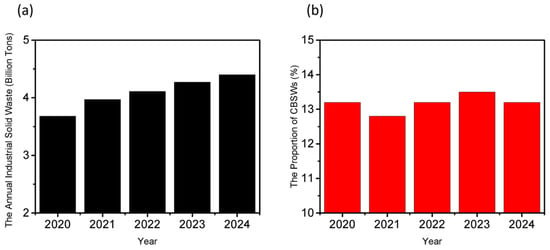
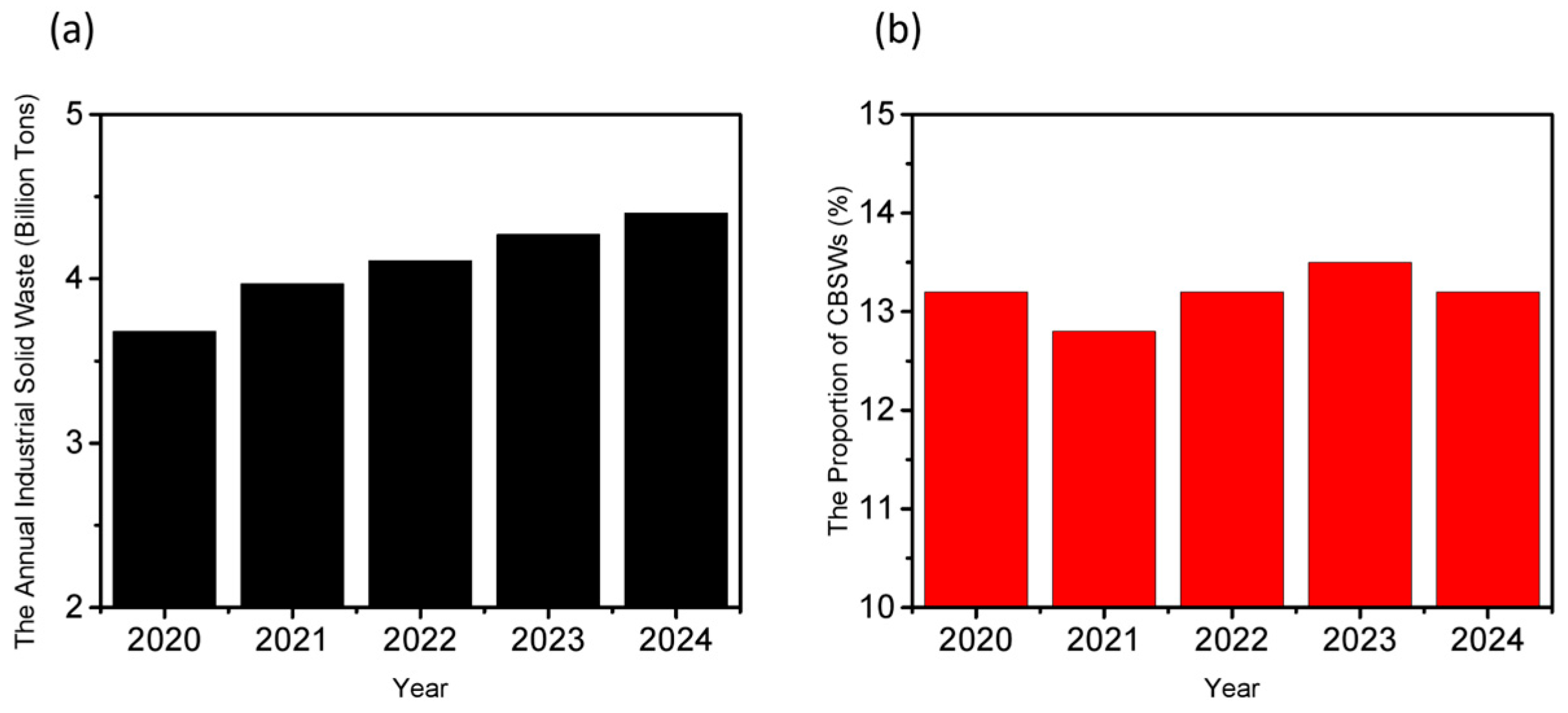
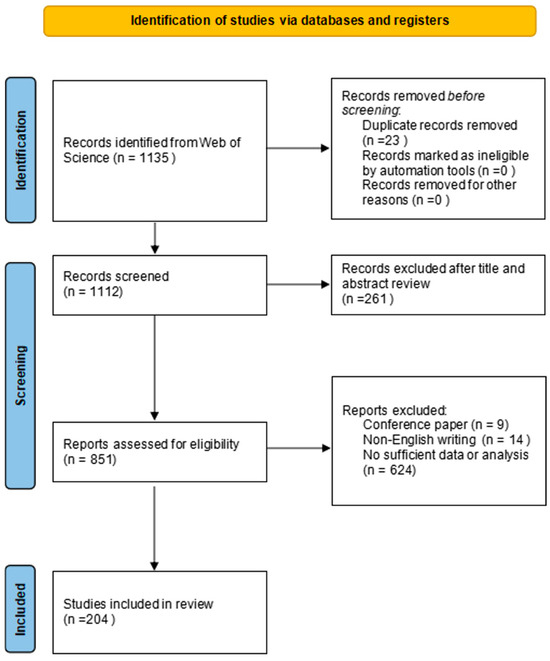
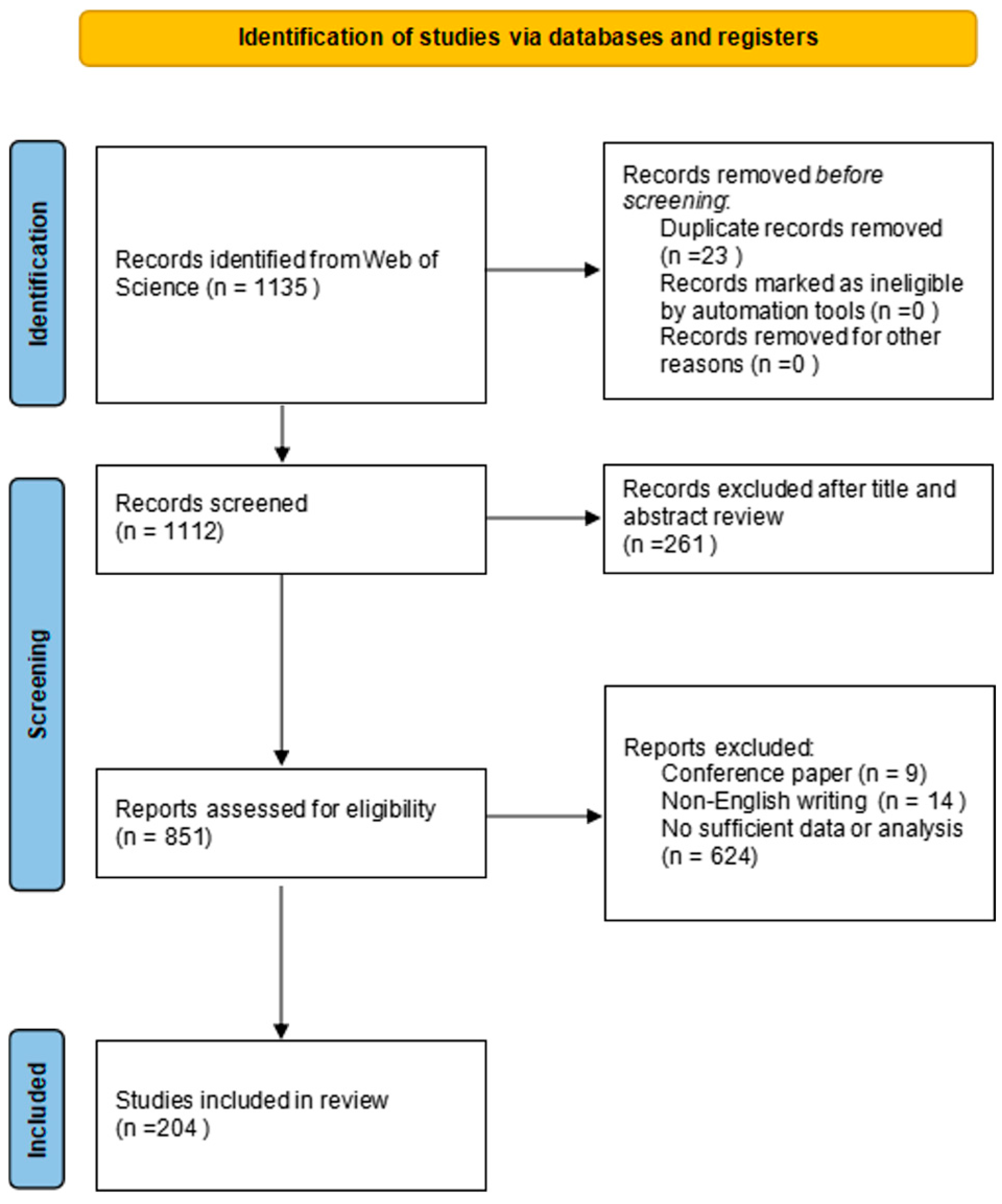
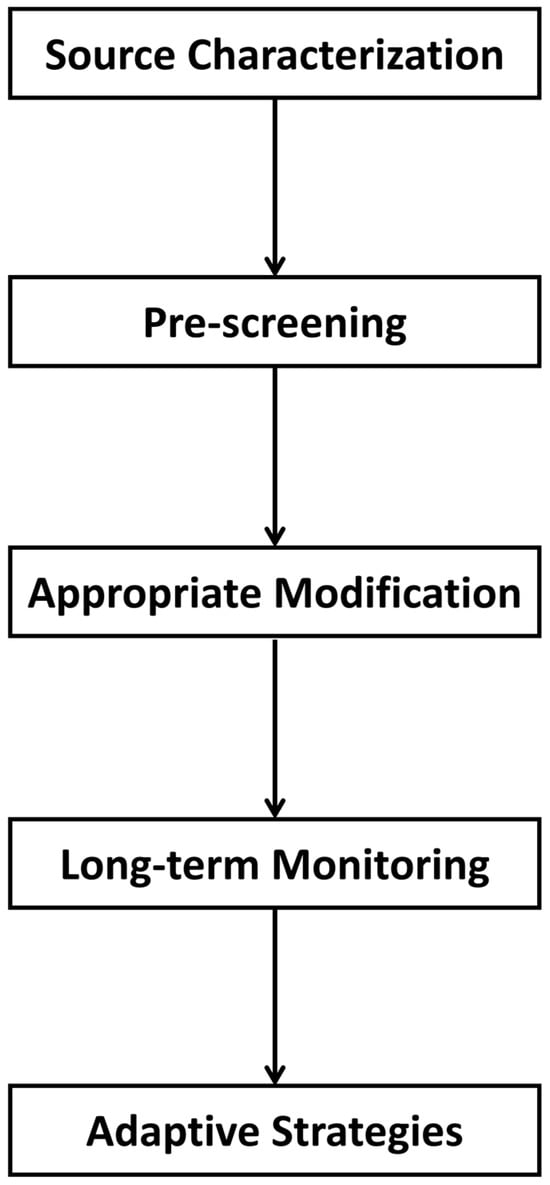
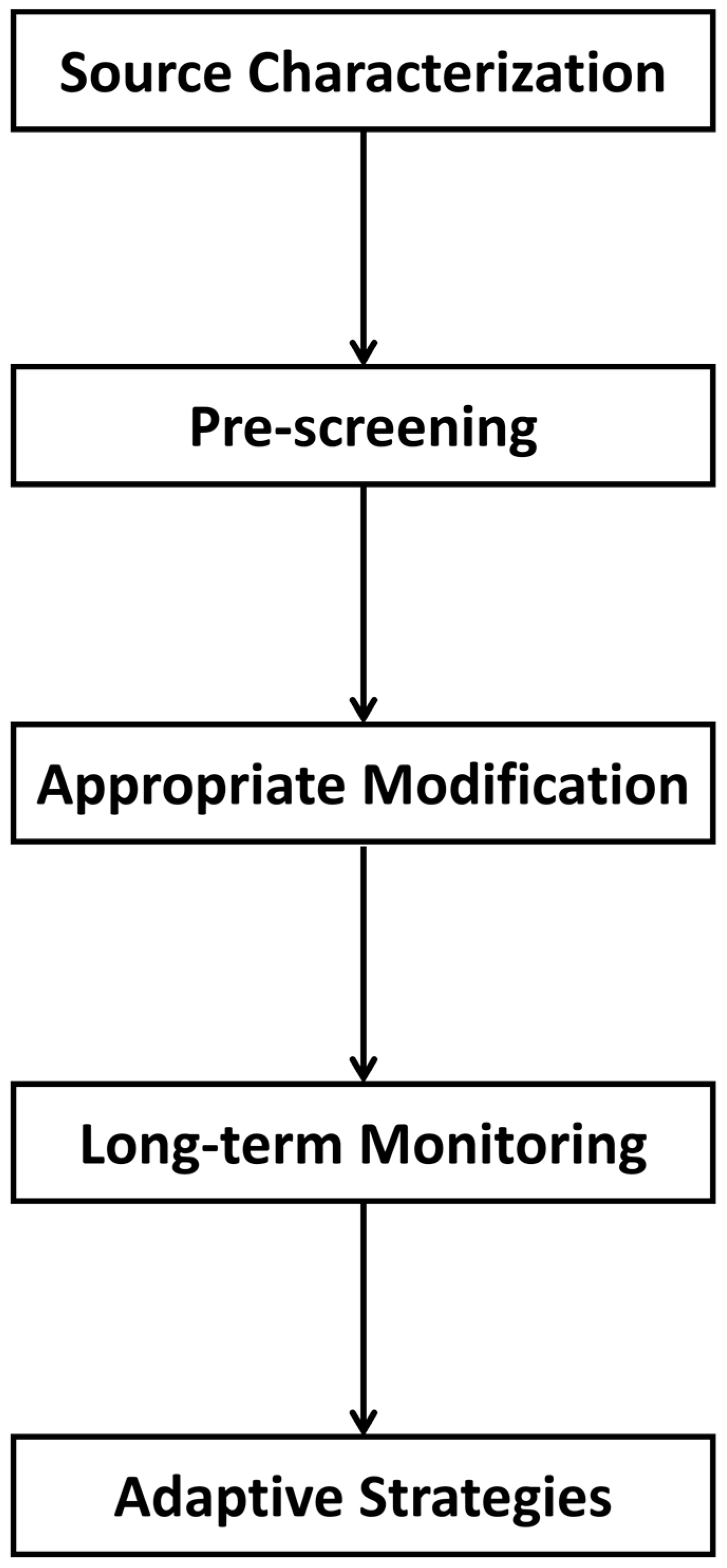

Disclaimer/Publisher’s Note: The statements, opinions and data contained in all publications are solely those of the individual author(s) and contributor(s) and not of MDPI and/or the editor(s). MDPI and/or the editor(s) disclaim responsibility for any injury to people or property resulting from any ideas, methods, instructions or products referred to in the content. |
© 2026 by the authors. Licensee MDPI, Basel, Switzerland. This article is an open access article distributed under the terms and conditions of the Creative Commons Attribution (CC BY) license.