


Abstract
Sodium-ion batteries are emerging as credible complements to lithium-ion technology for sustainable, safe, and cost-effective energy storage. This critical review links molecular-scale electrolyte solvation and interphase chemistry to electrode compatibility, full-cell engineering, manufacturing constraints, and commercial viability. Organic liquid, aqueous, ionic-liquid, concentrated, inorganic solid, polymer, and composite electrolytes are compared using transport, stability, processing, and interface criteria. The principal cathode and anode families are then evaluated in terms of practical voltage, reversible capacity, cycling stability, raw-material exposure, manufacturability, and end-of-life implications. A distinctive contribution of this work is the explicit separation of thermodynamic predictions, laboratory measurements, prototype demonstrations, and company-reported targets, together with design rules that connect electrolyte chemistry to cell-level performance. Sodium-ion batteries are unlikely to replace lithium-ion batteries universally, but they can occupy a strategic role where cost, safety, abundance, supply-chain resilience, and circularity outweigh maximum energy density.
1. Introduction
Growing awareness of the environmental impact of fossil fuel dependence has accelerated the global shift toward renewable energy sources such as solar and wind [1]. These technologies alone cannot guarantee continuous power generation, as they depend on uncontrollable external factors, like weather and time [2,3]. To bridge this gap and maintain a stable and reliable energy supply, efficient energy storage solutions are essential [2,3,4].
Among energy storage technologies, batteries stand out because their performance is governed by coupled electrochemical processes at the cathode, anode, and electrolyte. The electrolyte transports ions while blocking electronic current, whereas the electrode chemical potentials establish the cell voltage and electrodes the cell’s capacity. Interfaces govern charge-transfer kinetics, passivation, impedance growth, and long-term stability (Figure 1) [4,5,6,7,8,9].
Figure 1.
Schematic of the operation of a sodium-ion battery employing a polyanionic compound positive electrode (active cathode) and carbon anode. The designations anode and cathode strictly refer to the electrodes during discharge; during charging, their electrochemical roles are reversed.
At present, lithium-based systems dominate the energy storage field, spanning grid applications, consumer electronics, and electric mobility [2,10,11]. However, their long-term use raises significant challenges, particularly related to raw material scarcity, environmental and ethical concerns, and safety issues [12,13]. The Study on Critical Raw Materials for the EU (2023) highlights that key elements such as lithium, cobalt, nickel and natural graphite, vastly used in lithium-ion batteries (LIBs), are scarce and/or geographically concentrated [14]. This concentration not only exposes the global energy storage industry to geopolitical and economic risks, but also makes the market prices highly dependent on their availability and, by extension, on the efficiency of their recycling processes [15,16,17]. The instability of global supply chains was already demonstrated in 2010, prompting other nations to invest in developing their own rare earth supply chains [15,16].
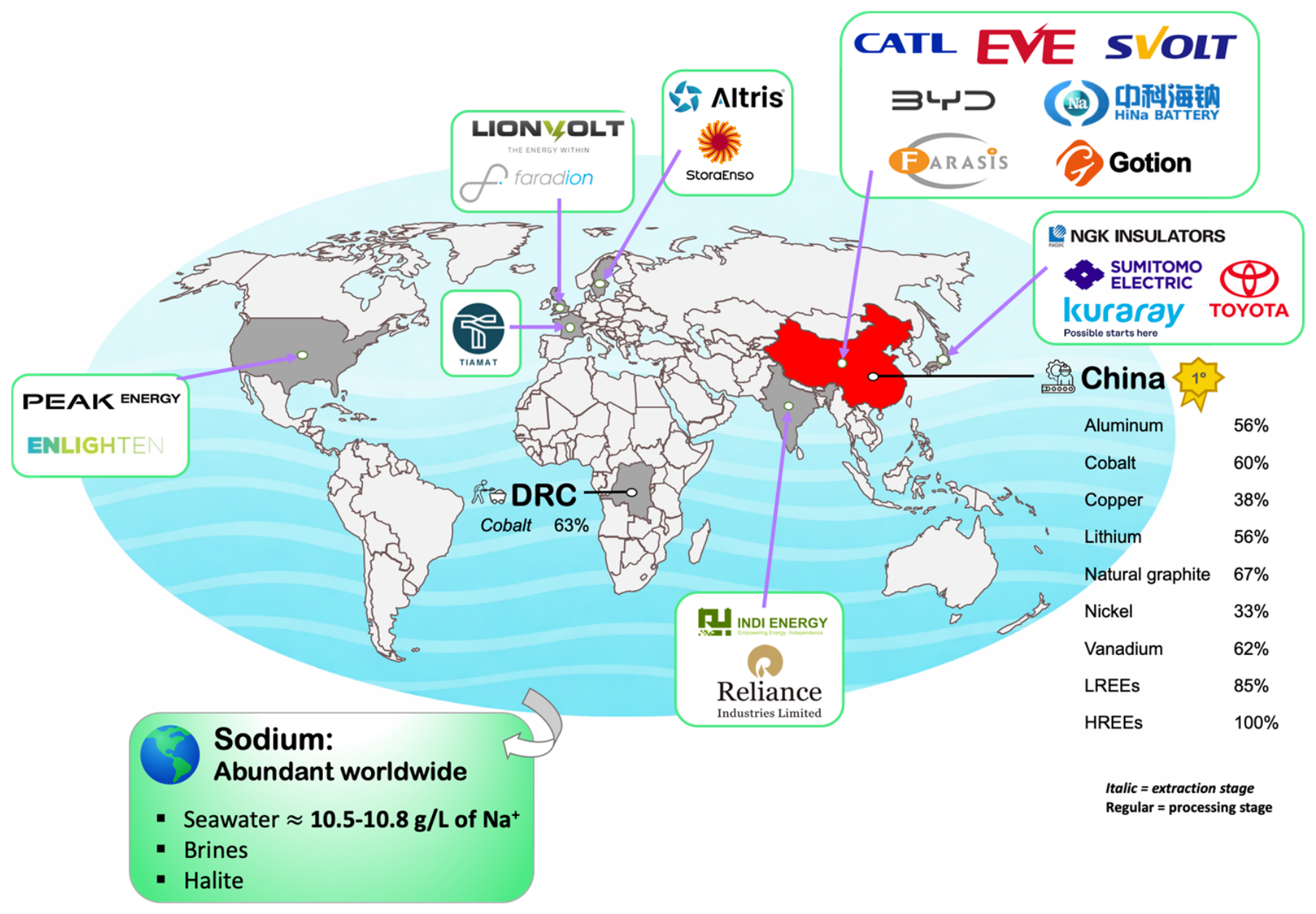
China, the world’s largest energy producer and consumer, dominates the global critical raw material landscape, processing 56% of the world’s lithium, 60% of its cobalt, and extracting 67% of natural graphite [14]. Its dominance is even more pronounced in rare earth elements (REEs), critical for electric motors and wind turbines, where it processes nearly 85% of light REEs and controls virtually the entire processing of heavy REEs [14]. Meanwhile, the Democratic Republic of Congo (DRC) supplies approximately 63% of global cobalt [18]. These figures illustrate only a fraction of the global monopolies and related issues in the critical raw material (CRM) supply chain, which fundamentally undermines the long-term sustainability of LIBs.
Another factor limiting the long-term feasibility of LIBs is the toxicity of several cell components. Key constituents such as cobalt and nickel, used in the cathode, are classified as carcinogenic, mutagenic, and toxic to reproduction [2,13]. LIBs also contain highly reactive organic and inorganic compounds that can ignite or explode at elevated temperatures and pollute the environment [9,19]. While government regulations and recycling initiatives aim to mitigate these risks and improve sustainability, the recycling of LIBs remains a complex and imperfect process, facing both technical and economic limitations [17,20].
The challenges associated with LIBs have motivated the development of alternative, more sustainable chemistries capable of supporting the growing energy demand [3,4]. Among these, sodium-ion batteries (SIBs) have re-emerged as a promising candidate. Initially explored in the 1970s and 1980s alongside lithium-based systems, SIB research declined after the rapid success of LIBs due to lithium’s superior energy density [9,21]. Interest was renewed around 2000, with the discovery of sodium hard carbon as a suitable anode, shifting attention toward material optimization in response to growing concerns about lithium’s scarcity and uneven resource distribution [9,22].
Sodium is approximately 1300 times more abundant than lithium in earth’s crust (Na 2.36 wt.% vs Li 0.0017 wt.%) and is evenly distributed across the globe, which significantly reduces both material cost and geopolitical exposure [23,24]. It can be extracted from seawater and industrial waste, making it a more sustainable alternative to lithium [23].
Although SIBs exhibit lower energy density due to the higher atomic mass and larger ionic radius of sodium, their advantages in cost, sustainability and operational safety make them particularly attractive for stationary energy storage and grid-scale applications, where weight and energy density are less critical [4,23]. SIBs are also well positioned to replace LIBs in lower-energy-density mobile markets, e.g., low-speed electric vehicles (EVs) and electric bikes, and to serve as a cost-effective complement to LIBs in the broader energy storage landscape [9].
In stationary energy storage systems (ESSs), safety is paramount, and LIBs have already demonstrated significant safety vulnerabilities. Incidents such as the 2017 fire at Belgium’s first grid-connected LIB energy storage facility, along with similar events in South Korea and the United States, emphasize the danger of thermal runaway, where localized heating can trigger cascading cell failures, fires, and toxic gas release [25]. Sodium-ion systems, by contrast, operate at slightly lower cell voltages and use electrolytes with higher thermal stability and less reactive components [9,25,26]. Research indicates that sodium-ion electrolytes can incorporate a higher proportion of heat-resistant solvents, raising the threshold for thermal runaway and reducing the likelihood of combustions [9,26].
A potentially important transport advantage of some SIB designs is the possibility of using aluminum current collectors on both electrodes and shipping cells at very low state of charge. These benefits are chemistry- and design-dependent rather than universal: they require electrode potentials that avoid aluminum alloying or dissolution and must be validated at the complete cell level. Accordingly, zero-volt transport and dual-aluminum architectures should be treated as system-specific engineering options, not intrinsic properties of every sodium-ion cell [26].
On the industrial front, sodium-ion technology has entered early commercialization, but the maturity of individual announcements varies. Figure 2 is therefore date-stamped to August 2026 and distinguishes active production, pilot-scale activity, announced projects, partnerships, and inactive companies. CATL performance values are identified as company-reported claims rather than independently verified cell data; vehicle range, cell-level energy density, and projected cycle life are reported separately. This evidence hierarchy is essential because commercial status and announced specifications can change rapidly [27,28,29].
Despite rapid progress and growing industrial interest in sodium-ion technology, several challenges persist, particularly in material optimization and performance [9,30]. The lower energy density of SIBs relative to LIBs and their limited cycle life remain major obstacles [9,23]. At the electrolyte level, conventional organic liquid electrolytes (OLEs) enable fast ion transport but suffer from flammability, leakage, and narrow electrochemical stability windows (ESWs) [31]. Solid-state electrolytes (SSEs) offer a safer, more thermally stable, and simpler battery design alternative, eliminating issues related to volatility and leakage while providing the mechanical rigidity necessary to prevent dendrite formation [5,31]. Their adoption, however, is still limited by interfacial resistance and ionic conductivity at room temperature, which raise cell impedance and contribute to capacity fading during cycling [30,31]. At the electrode level, the optimization of cathode materials, particularly in architectures that integrate SSEs, is essential for achieving higher capacity, longer cycle life, and improved energy density [9,30].
Figure 2.
Global landscape of sodium-ion battery industrial players, and geographical concentration of critical raw materials (CRMs). CRM processing shares from [14]; sodium abundance data from [32].
This review examines sodium-ion batteries across the coupled chain from electrolyte chemistry to electrode selection, cell engineering, commercialization, and end-of-life strategy. Unlike reviews focused exclusively on a single electrolyte or electrode family, it compares liquid, aqueous, ionic-liquid, concentrated, inorganic-solid, polymer, and composite electrolytes under common transport, stability, interface, safety, and processing criteria; it then connects those properties to cathode/anode compatibility and full-cell evidence. Particular emphasis is placed on distinguishing theoretical values, half-cell measurements, prototype full cells, cell-level specifications, and company-reported pack targets. Section 2 addresses electrolytes, Section 3 cathodes, Section 4 anodes, Section 5 cross-cutting cell-design principles, Section 6 future directions, and Section 7 conclusions.
Review Methodology and Evidence Classification
The peer-reviewed literature was identified using Web of Science, Scopus, and Google Scholar with combinations of the terms “sodium-ion battery”, “sodium electrolyte”, “solvation”, “SEI”, “CEI”, “aqueous electrolyte”, “ionic liquid”, “high-concentration electrolyte”, “solid electrolyte”, “NaSICON”, “beta-alumina”, “sulfide”, “halide”, “polymer electrolyte”, “cathode”, “hard carbon”, “commer-cialization”, and “recycling”. The principal publication window was 2012–5 August 2026, complemented by seminal earlier studies. Studies were included when they reported clearly identifiable materials, test conditions, or industrial status. Commercial information was last checked on 5 August 2026, and it prioritized primary corporate, regulatory, or facility sources. Throughout the review, peer-reviewed electrochemical data, independent prototype results, market analyses, and company announcements are labeled separately and are not as-signed equivalent evidentiary weight.
The reference catalog is dominated by the peer-reviewed literature, comprising 189 of the 209 references (90.4%) as journal articles, supplemented by two book chapters (1.0%), two technical reports (1.0%), one conference abstract (0.5%), and 15 web-based-institutional sources (7.1%). Given the early stage of sodium-ion battery commercialization, a limited number of non-peer-reviewed sources were included where equivalent academic information was unavailable, primarily to document commercial cell specifications, product launches, market developments, and regulatory frameworks. These include six company sources (2.9%) from CATL, Hithium, Kuraray, and Stora Enso, eight trade-news and market-intelligence reports (3.8%) from EE Power/Tech Insights, Shanghai Metals Market, IDTechEx, CIC energiGUNE, TYCORUN Energy, BEST Magazine, and Battery-News.de, and three institutional or regulatory reports (1.4%) from the European Commission, the U.S. Geological Survey, and the Batteries European Partnership Association (BEPA) addressing raw materials and battery policy.
2. Sodium-Based Electrolytes for SIBs
As in LIBs, the electrolytes play a key role in the operation and safety of SIBs, as they govern the migration of Na+ ions between the electrodes while maintaining electronic insulation. Their composition directly influences ionic conductivity, interfacial stability, and the electrochemical durability of a battery [5]. Based on their physical state and chemistry, electrolytes are classified as non-aqueous (organic), aqueous and solid-state (including polymers) and all-solid-state electrolytes (inorganic) [5,30].
2.1. Organic Liquid Electrolytes
Organic liquid electrolytes (OLEs) have been the dominant electrolyte choice in sodium-ion systems due to their high ionic conductivity [5]. OLEs for SIBs typically consist of a sodium-based salt dissolved in aprotic solvents, with small amounts of additives incorporated to improve electrochemical performance and stabilize electrode/electrolyte interphases (EEIs) [33]. These EEIs, commonly known as the solid electrolyte interphase (SEI) on the anode side and cathode electrolyte interphase (CEI) on the cathode side, act as passivating layers that form from the decomposition of the electrolyte components, as shown in Figure 3 [34]. The SEI is particularly important when using Na metal anode because of its high reactivity [5]. An inhomogeneous and unstable SEI can lead to uneven Na metal deposition and dendrite formation, which hinder the cell’s behavior [5]. The nature and stability of these interphases are therefore strongly dependent on the choice of salt and solvent.
Figure 3.
Schematic of the electrolyte’s electrochemical stability window (ESW). (a) Ideal case: the ESW fully spans the potential range between anode () and cathode (). Non-ideal case: (b) the cell voltage exceeds the ESW at the anode, exceeds the electrolyte’s LUMO and at the cathode the is below the electrolyte’s HOMO level, likely leading to the formation of an SEI and a CEI and (c) cycling chemical potential variations.
Crystalline sodium salts are described by periodic band structures with valence-band maxima and conduction-band minima. After dissolution, however, liquid-electrolyte reduction and oxidation are governed by the frontier orbitals and redox free energies of solvated ion–solvent complexes, together with electrode surfaces, defects, concentration, and interphase kinetics [34]. Periodic solid-state band edges therefore cannot be interpreted as the HOMO/LUMO levels or practical electrochemical stability window of a liquid electrolyte. In this review, calculated crystalline values are used only as qualitative electronic-structure descriptors and are explicitly separated from experimentally measured solution-phase stability.
2.1.1. Sodium Salts and Solvents
As crystalline materials, sodium salts are properly described in terms of band structure, characterized by the valence maximum energy (Ev) and conduction band minimum energy (Ec). However, once the salt is dissolved, the ESW is governed by the highest occupied molecular orbital (HOMO) and the lowest unoccupied molecular orbital (LUMO) energy levels of the solvated ion complexes in the liquid, which depend jointly on the anion and the specific solvent in which it is dissolved, as shown in Figure 3 [34]. For a stable electrolyte, the anode’s electrochemical potential must lie below the LUMO energy level and the cathode’s electrochemical potential above the HOMO energy level (Figure 3a) [34]. The ESW must then fully span the operating potential range between the two electrodes for the electrolyte to remain electrochemically stable. Anions whose solvated HOMO is high are prone to oxidative decomposition at the cathode, while those with a low solvated LUMO are more susceptible to reduction at the anode and can facilitate the formation of the SEI layer (Figure 3b,c) [5,33,34].
Selecting materials, which balance these two parameters, is essential to prevent degradation and preserve the electrolyte’s chemical integrity (Figure 4). The salt should exhibit: (1) high solubility in the solvent in order to facilitate Na+ ions transportation, (2) high thermal stability, (3) chemically inertness toward other cell components, and (4) stability across wide voltage ranges to resist oxidative and reductive decomposition [5,33]. The solvent, in turn, must: (1) be polar and have a high dielectric constant () to support salt dissociation, (2) have low viscosity to enable better ionic conductivity, (3) remain electrochemically inert at both electrode surfaces, and (4) display a wide liquid-state temperature range defined by a low melting point and a high boiling point [4,5].
Figure 4.
Sodium salts comparison map. Color indicates toxicity (green = low; red = high); border style denotes Al corrosion. Corrosion data were compiled from Eshetu et al. [33] Toxicity level was adapted from Li et al. [35] * Calculated herein for the salts in a periodic lattice, not solvated in a liquid electrolyte. For additional information, see Appendix A.
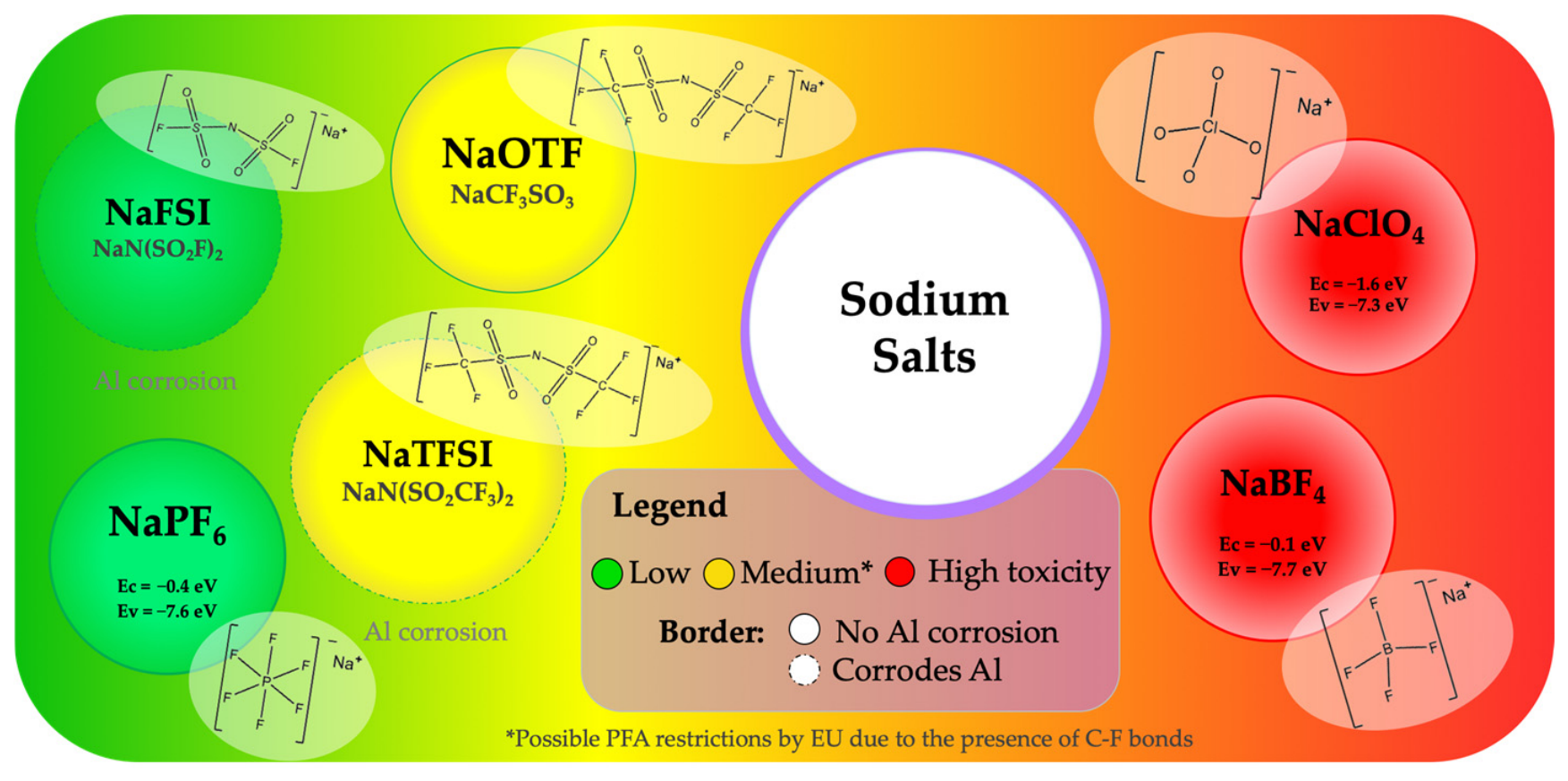
Figure 4 shows a qualitative comparison of representative sodium salts. Color denotes the toxicity category assigned from the cited safety literature, and border style denotes reported aluminum corrosion behavior. The displayed periodic solid-state band-edge values were calculated for crystalline salts and must not be interpreted as solvated HOMO/LUMO energies or as direct predictions of the practical electrochemical stability window. Corrosion data were compiled from Eshetu et al. [33], and toxicity categories were adapted from Li et al. [35]. Full computational settings and numerical values are provided in Appendix A.
Among the most commonly used salts in non-aqueous liquid SIB electrolytes are NaClO4, NaPF6, NaBF4, NaFSI − NaN(SO2F)2, NaTFSI − NaN(SO2CF3)2, and NaOTf − NaCF3SO3 (Figure 4) [4,5].
Of these salts, NaPF6 (Na hexafluorophosphate) is regarded as the most balanced choice in terms of ionic conductivity, cost and safety. It generally exhibits high ionic conductivity; 1 M NaPF6 solution in propylene carbonate (PC) reaches 8 mS cm−1 at 25 °C [33,36]. It shows good thermal stability, with a decomposition temperature reported to be around 300 °C, which is not the case for its lithium analog LiPF6, improving safety of the sodium correspondent [5]. NaPF6 offers low toxicity compared to NaClO4 and its synthesis route is almost identical to that of LiPF6, which facilitates cost estimation and scaling [37].
In specific environments, the solvation structure of [PF6]− favors preferential anion decomposition, leading to the formation of a thin, inorganic compound-rich CEI (Figure 3c) that ensures electrode stability and facilitates charge transfer [5]. However, despite these favorable attributes, NaPF6 is highly sensitive to moisture, decomposing to form hydrofluoric acid (HF), a highly toxic and aggressively corrosive species that attacks aluminum current collectors and dissolves redox-active transition metals [5,38]. While additives with water-scavenging ability, such as trimethoxy (pentafluorophenyl)silane (TPFS), can reduce HF generation, they do not eliminate it, and their long-term efficacy under real operating conditions remains an open question [5,39].
NaClO4 (sodium perchlorate) is the most soluble of the commonly studied perchlorate salts and is widely used in research due to its availability and low cost [5]. It shows superior thermal stability, but retains significant water content even after prolonged high-temperature drying, and, in its dry form, poses serious safety risks due to its explosive potential and high toxicity [5,40].
Imide-based salts, such as NaFSI and NaTFSI, exhibit good ionic conductivity. For example, NaTFSI in PC reaches 6 mS cm−1, similar to NaClO4 (6 mS cm−1) under the same conditions [33,36]. Their main drawbacks include concerns associated with their fluorinated nature, including potential implications under the EU’s proposed class-wide PFAS restriction, corrosion of aluminum current collectors, and, particularly for FSI-based salts, lower oxidative stability than NaPF6 [5,36]. It was reported that adding a small fraction of NaPF6 (5 wt.%) to an imide-based electrolyte can suppress Al dissolution and extend the anodic stability window [33,36].
The performance of sodium salts in OLEs is inseparable from the properties of the solvents in which they are dissolved, since ion dissociation, Na+ mobility and interphase formation are governed by salt–solvent interactions [5,33]. No single solvent can simultaneously satisfy all electrolyte requirements, so OLEs typically rely on a mixture of two or three solvents [5]. Carbonate esters and ether-based solvents constitute the two main families used in OLEs, selected primarily according to their dielectric constant () and viscosity, the two parameters that most directly control salt dissociation and ionic mobility [28]. As illustrated in Figure 5, cyclic carbonates exhibit high dielectric constants but relatively high viscosities, whereas linear carbonates and ethers offer lower viscosity at the expense of reduced dielectric constant.
Figure 5.
(a) Representative organic electrolyte solvents used in SIBs and key physicochemical properties: (b) melting, boiling and flash point, (c) viscosity, and (d) dielectric constant of representative organic electrolyte solvents used in sodium-ion batteries. Data compiled from [5].
Cyclic carbonates such as ethylene carbonate (EC) and propylene carbonate (PC) form the backbone of most non-aqueous SIB electrolytes due to their high dielectric constants (89.7 for EC and 64.9 for PC at 25 °C, Figure 5d) [5]. Their drawback lies in their high viscosity (1.9 cP for EC at 40 °C and 2.5 cP for PC at 25 °C, Figure 5c) [5]. EC’s high melting point (c.a. 36 °C, Figure 5b) further prevents its use as a single solvent, making blending unavoidable [41].
Linear carbonates, most importantly ethyl methyl carbonate (EMC), dimethyl carbonate (DMC) and diethyl carbonate (DEC), exhibit much lower viscosity (e.g., DEC: 0.75 cP at 25 °C, Figure 5c) but also significantly lower dielectric constants (e.g., DMC: 3.1 at 25 °C, Figure 5d) [5]. Evidence from studies using NaPF6-based electrolytes in Na3V2(PO4)2F3 (NVPF)/hard-carbon (HC) full-cell prototypes containing single linear carbonates (DMC, EMC or DEC) indicates that these solvents lack sufficient reductive stability at low potentials, leading to the formation of highly soluble decomposition products at the HC electrode and preventing the development of an effective SEI layer [42].
Carbonate solvents critically influence solvation structure and interphase chemistry in OLEs [33]. At typical concentrations (1 M), Na+ is coordinated by approximately five to six solvent molecules, meaning that the initial SEI formed in carbonate electrolytes originates predominantly from the reductive decomposition of solvent molecules, rather than the salt anion [5]. However, it is important to note that deep understanding of the EEI is extremely limited by the available experimental methods [33]. Early research studies conducted by Ponrouch et al. in 2012 showed that choosing NaClO4 or NaPF6 as the electrolyte salt resulted in little difference in SEI formation or cycling inefficiencies, emphasizing instead the dominant role of the solvent [41,43].
In SIBs, the reduction in EC and PC on carbon-based anodes (which are the most common for SIBs) produces polymeric carbonates and sodium alkyl carbonates, which generates SEI layers that are more soluble and mechanically weaker than those typically observed in LIBs [33,41,44]. EC is particularly prone to ring-opening reduction, a low-barrier pathway that drives the continuous formation and dissolution of SEI species, sustained electrolyte consumption, and long-term interfacial instability [33,45].
Solvation also governs the electronic stability of the electrolyte [34]. Coordination between Na+ and solvent molecules lowers both the LUMO and HOMO levels of the solvated complex due to the donation of lone pair electrons to cations through strong electrostatic interactions, making the electrolyte more susceptible to reduction at the anode, as seen in Figure 3 and Figure 6 (conventional electrolyte) [34,45].
Figure 6.
Solvation structures. Schematic comparison of ion coordination environments in conventional electrolytes, highly concentrated electrolytes (HCEs), and localized highly concentrated electrolytes (LHCEs). The blue boxes highlight the corresponding shift in solvation structure, from solvent-separated ion pairs (SSIPs) in conventional electrolytes to contact ion pairs (CIPs) and cation–anion aggregates (AGGs) as salt concentration increases.
Blending cyclic and linear carbonates mitigates the drawbacks of each family [5]. In the 2012 study by Ponrouch et al. referenced earlier, the authors examined several combinations of Na salts (NaClO4, NaPF6, and NaTFSI) and solvents (PC, EC, DMC, DME, DEC, tetrahydrofuran (THF) and triglyme) and solvent mixtures (EC:DMC, EC:DME, EC:PC and EC:triglyme) [43]. Among these, 1 M NaPF6 in EC:PC was identified as a high-performing formulation for HC electrodes, providing a reversible capacity of 200 mAh g−1 over 180 cycles at C/10 with ≥99% capacity retention. The same group later refined these systems by introducing a linear carbonate (DMC) to reduce viscosity and enhance ionic mobility [46]. The resulting ternary mixture EC0.45:PC0.45:DMC0.1 achieved an ionic conductivity of 10.0 mS cm−1 and allowed a higher capacity of 320 mAh g−1 to be obtained in Na/HC cells, which maintained ≥99% capacity retention over 100 cycles at C/10.
Carbonate-based electrolytes have difficulty in commercial SIB applications due to the quality of the SEI layer formed [4]. Ether-based electrolytes have been proposed as an alternative, as they tend to generate thinner and denser SEI layers enriched in inorganic species, improving interfacial stability [33]. Ether solvents also support a unique [Na-ether]+ co-intercalation mechanism into graphite, impossible with carbonates [47,48]. The Na+ ion does not undergo complete desolvation and instead the solvated [Na-ether]+ complex binds reversibly to the graphite layers. Representative ether solvents include 1,2-dimethoxyethane (DME), diethylene glycol dimethyl ether (DEGDME), and triethylene glycol dimethyl ether (TEGDME). They exhibit higher HOMO and LUMO energy levels than carbonate solvents, indicating higher reductive stability, but inferior oxidative stability, consequently restricting their use with high-voltage Na+-insertion cathodes [4,34].
2.1.2. Concentrated Electrolytes
Beyond salt and solvent selection, electrolyte concentration itself has proven to be a powerful lever for widening the ESW. In high-concentration electrolytes (HCEs), the salt-to-solvent ratio increases to the point where free solvent molecules are nearly absent, shifting the solvation structure from solvent-separated ion pairs (SSIPs) toward contact ion pairs (CIPs) and cation-anion aggregates (AGGs), as seen in Figure 6 [34]. This transition lowers the HOMO level of the electrolyte as follows: as ion-solvent complex pairs form, the solvent’s lone pair is drawn into a coordinate bond with Na+ instead of remaining non-bonding on the free solvent molecule, improving oxidative stability, as seen in Figure 6 [34]. With few free solvent molecules remaining, the anion with the lowest LUMO is preferentially reduced at the anode, forming an inorganic-rich SEI and improving the reduction stability of the electrolyte system [34]. Geng et al. [49] reported that 3 M NaPF6 in PC raises the ESW from 5.3 V to 6.3 V relative to the 1 M formulation, and Liang et al. [50] showed that a 3.36 M NaPF6 in DEGDME with the addition of 1,3-dioxolane (DOL) remained anodically stable at 4.5 V vs. Na+/Na, sustaining a Na3V2(PO4)2O2F (NVPOF)//HC full cell over 700 cycles at 95% capacity retention.
In parallel, the initial CEI composition is directly governed by the decomposition chemistry of solvated sodium ions during desolvation at the electrode surface (Figure 6). Greater anion participation in the solvation structure, associated with the transition from SSIPs to CIPs and AGGs, as seen in Figure 6, increases the number of anions coordinated to Na+ and promotes the formation of inorganic-rich CEIs [34,51]. Low-concentration electrolytes (<1 M) sit at the opposite end with abundance of free solvent favoring SSIP-dominated structures and, consequently, organic-rich CEIs. However, high-voltage interfacial resistance depends more on CEI stability and electrolyte oxidation resistance than on CEI composition alone. As shown by Deng et al. [52], a higher anion/solvent ratio produced a more inorganic-rich (anion-dominated) interphase that nonetheless caused larger interfacial Na+ transport resistance and worse gas evolution than a lower anion/solvent ratio.
HCEs carry practical drawbacks, namely high viscosity, high cost, and poor wettability, which limit commercial adoption [35,53]. Localized high-concentration electrolytes (LHCEs) address the viscosity limitation by introducing an “inert” diluent, miscible with the solvent but insoluble in the salt, which dilutes the electrolyte without disrupting the underlying salt–solvent coordination, as seen in Figure 6 [34]. Zheng et al. [54] designed a 2.1 M NaFSI in DME/bis(2,2,2-trifluoroethyl) ether (BTFE) (solvent molar ratio 1:2) LHCE using BTFE as a diluent, achieving >99% Coulombic efficiency for Na plating/stripping, and Na//Na3V2(PO4)3 (NVP) cells retained 90.8% capacity retention after 40,000 cycles at 20C. Despite reducing viscosity, LHCEs do not resolve the problem of low ionic conductivity, since the inert diluent cannot dissolve the sodium salt, and the high cost of these diluents further limits their practical adoption [34].
2.1.3. Ionic Liquids
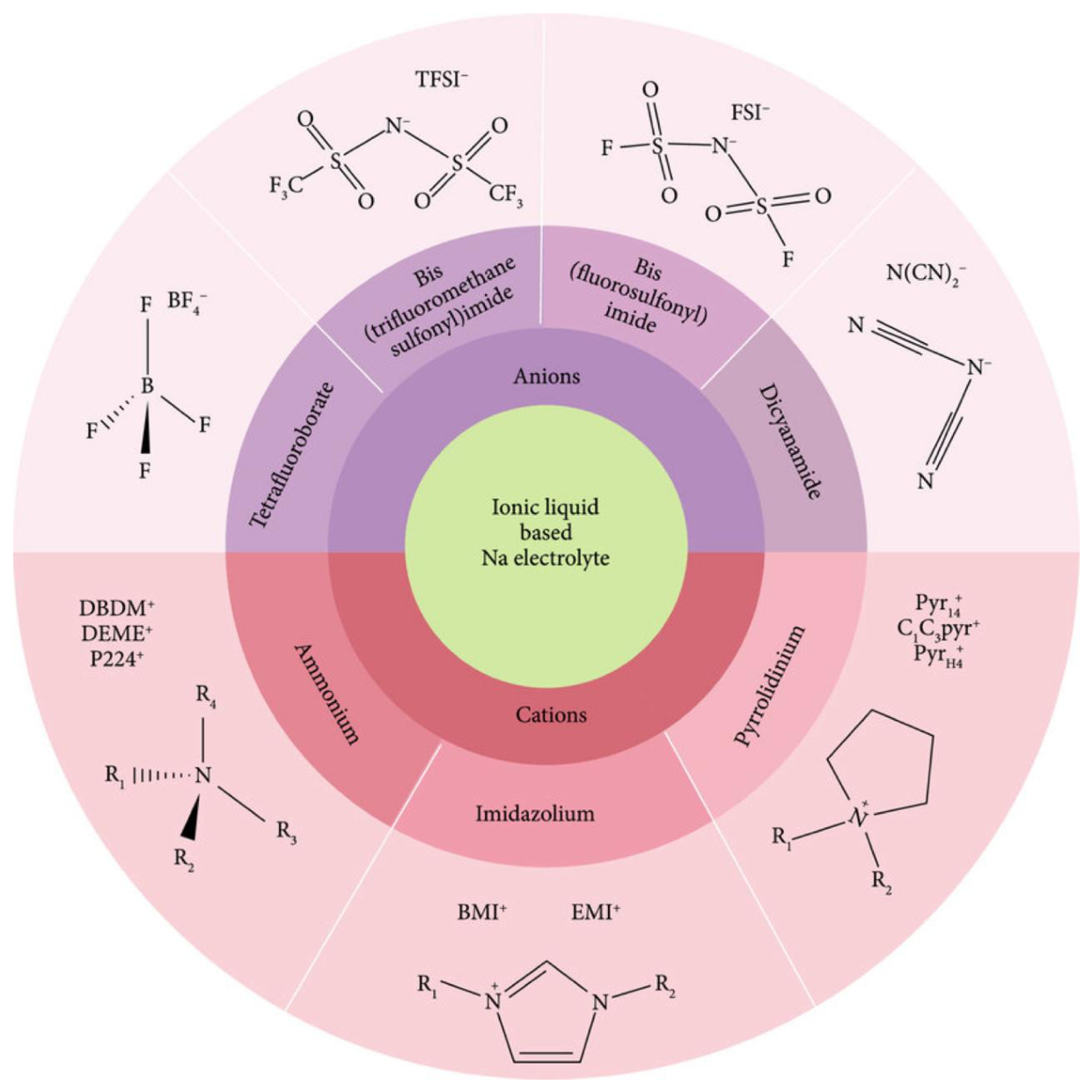
Ionic liquids (ILs) constitute a distinct class of liquid electrolytes, consisting entirely of ions rather than a conventional solvent–salt system, as seen in Figure 7. ILs are typically composed of bulky organic cations, such as imidazolium, pyrrolidinium, piperidinium, phosphonium, or quaternary ammonium, paired with charge-delocalized anions including TFSI−, FSI−, or BF4− [55], as seen in Figure 7. Therefore, ion correlation cannot be neglected, and their behavior often deviates markedly from that of diluted molecular solutions. Cation–anion interactions are strong and persistent and adding a sodium salt intensifies this effect as follows: Na+ coordinates tightly with the surrounding anions, forming ion pairs and aggregates rather than moving as an independently diffusing species [55,56].
Figure 7.
Anions and cations in ionic liquid electrolytes for SIBs. Adapted from Zhu et al. [57], licensed under CC BY 4.0.
A recent demonstration of this principle is the single-anion IL electrolyte developed by Wang et al. [58], combining NaFSI with PY13FSI (1-methyl-1-propylpyrrolidinium FSI) as follows: concentrated FSI− anions preferentially decomposed during initial Na deposition to form an inorganic, NaF-rich SEI, while FSI−-coordinated ion pairs and aggregates facilitated Na+ desolvation kinetics, together enabling Na||Na symmetric cells to cycle stably for over 2200 h at 0.5 mA cm−2 at RT while remaining non-flammable. In contrast to conventional carbonate-based electrolytes, ILs are non-volatile and non-flammable, remaining stable up to 300–400 °C, which represents a significant safety advantage for large-scale energy storage applications [33]. Despite these advantages, ILs present significant limitations that constrain their practical application. The main one is high viscosity, typically one to two orders of magnitude greater than conventional organic solvents, which generally translates into lower ionic conductivity than carbonate-based electrolytes at RT [55,59]. This was demonstrated directly by Do et al. [60], who compared BMPyrTFSI-based IL electrolytes (containing NaClO4, NaFSI, or NaTFSI at 0.5 M) against a conventional 1.0 M NaClO4 in EC/PC electrolyte at RT as follows: the carbonate-based electrolyte exhibited both the highest ionic conductivity (7.38 mS cm−1) and the lowest viscosity (6.8 cP), compared to 1.29–1.70 mS cm−1 and 166.3–224.6 cP across the three IL formulations. Considerable effort has been directed towards tailoring IL chemistry, through cation and anion design, salt concentration, and additive engineering, in an attempt to decouple ionic transport from bulk viscosity [61,62,63,64].
2.2. Aqueous Electrolyte
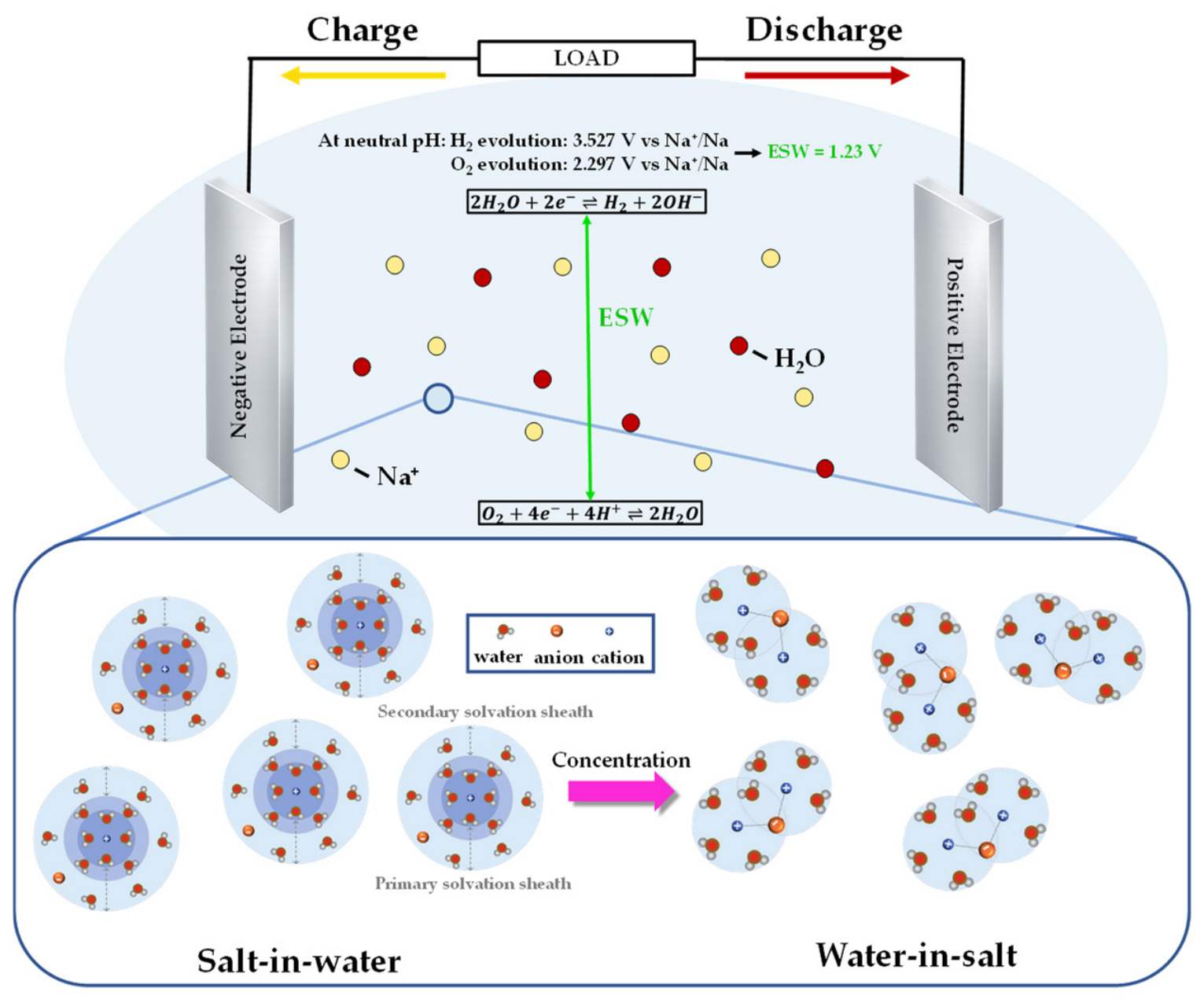
The working principle of aqueous rechargeable sodium-ion batteries is very similar to that of conventional non-aqueous (organic) batteries discussed in Section 2.1. During operation, Na+ ions diffuse through the aqueous electrolyte while electrons flow through the external circuit between the anode and the cathode (Figure 8). The main difference lies in the electrolyte, where sodium salts are dissolved in water rather than in organic solvents (Figure 8) (Table 1). Although some salts, including NaClO4, NaOTf, NaFSI, and NaTFSI, are common to both aqueous and non-aqueous (organic) systems, aqueous electrolytes also frequently employ salts such as Na2SO4 and NaNO3 [65]. The stable operating voltage for aqueous electrolytes is approximately 1.23 V, since at a neutral pH, the redox potentials for H2 and O2 evolution are 3.527 and 2.297 V vs. Na+/Na, respectively (Figure 8) [65]. Beyond this voltage, electrolysis of water takes place, resulting in H2 and O2 evolution, compromising cycle life. This narrow ESW, as discussed in the previous section (Figure 3), contrasts the much wider ESW of non-aqueous (organic) electrolytes of approximately 4 V; therefore, aqueous systems usually display much lower energy density than organic systems [65].
Table 1.
Cross-family comparison of representative sodium electrolytes. Values are order-of-magnitude ranges from the studies discussed in Section 2 and are not directly comparable unless temperature, method, pressure, electrode configuration, and thickness are matched.
A consequence of using water as the solvent is that aqueous electrolytes generally do not form an SEI. In organic systems, electrolyte decomposition at the anode produces insoluble species that deposit as a passivating interphase, as seen in Figure 3. In water, the decomposition products are volatile (H2 and O2) and escape the electrode surface rather than passivating it, so no such kinetic protection is available, and the practical window remains close to the thermodynamic value given above [65]. Concentrated electrolytes have emerged as the principal strategy for overcoming this limitation. In practice, the most widely used aqueous electrolyte for Na-ion batteries remains 1 M Na2SO4 at neutral pH, paired with a range of electrode materials [65]. Manganese-based oxides and Prussian blue analogs dominate on the cathode side, while activated carbon and NaTi2(PO4)3 are the most commonly reported anodes [65,66,67,68]. Across these systems, the stability window is consistently found to scale with electrolyte concentration, with more concentrated formulations delivering wider operating potential windows [65]. The origin of this effect lies in the solvation structure. In dilute solutions, Na+ ions remain fully hydrated: because water vastly outnumbers the cations, two solvation shells form around each Na+, giving a conventional salt-in-water electrolyte (SiW), as seen in Figure 8 [65]. Beyond a certain concentration, however, Na+ ions outnumber the available water molecules, yielding a water-in-salt (WiS) electrolyte in which nearly all water is tightly coordinated to the cation, as seen in Figure 8 [65]. This coordination lowers the HOMO of water and suppresses its oxidation, widening the ESW [65].
Figure 8.
Schematic representation of an aqueous sodium-ion battery and the electrolyte concentration effect. (Top) Basic cell configuration showing charge/discharge directions, with the electrochemical stability window (ESW) of water at neutral pH (1.23 V), bounded by the H2 and O2 evolution reactions. (Bottom) Comparison between “salt-in-water” and “water-in-salt” electrolytes. Adapted from Zhu et al. [69], licensed under CC BY 3.0.
2.3. Solid-State Sodium Electrolytes
Despite their widespread use in SIBs, OLEs present inherent safety concerns related to flammability, thermal instability, and interfacial degradation. These limitations become more pronounced paired with high-capacity electrodes, which often undergo large volume changes and/or operate at high potentials, exacerbating SEI/CEI instability and promoting electrolyte decomposition and dendritic growth [33]. To overcome these challenges, solid-state electrolytes (SSEs) (Table 1) have been extensively investigated owing to their enhanced safety, improved thermal and electrochemical stability, reduced risks associated with leakage and volatility, sufficient mechanical rigidity to suppress dendrite growth and enhanced electrochemical stability against metallic anodes or high-voltage cathodes [5,31,70]. Based on chemical composition and ion transport mechanisms, SSEs can be classified into inorganic solid electrolytes (ISEs), solid polymer electrolytes (SPEs), and composite polymer electrolytes (CPEs) (Figure 9) [70].
Figure 9.
Classification of solid-state sodium electrolytes (SSEs) into inorganic solid electrolytes (ISEs), solid polymer electrolytes (SPEs), and composite polymer electrolytes (CPEs).
2.3.1. Inorganic Solid-State Electrolytes
Inorganic solid electrolytes (ISEs) are non-volatile and generally non-flammable, eliminating bulk-liquid leakage, as seen in Figure 9 [5,71]. Nevertheless, neither a wide calculated stability window nor mechanical rigidity guarantees practical compatibility with sodium metal or high-voltage cathodes. Thermodynamic decomposition, defect-assisted electronic leakage, catalytic surfaces, grain boundaries, interphase growth, void formation, and local current focusing can all promote degradation or sodium penetration [70,72,73]. Compatibility must therefore be established for each electrolyte–electrode pair using interface-specific electrochemical measurements and full cell cycling [70,74].
Oxide ISEs. Within ISEs, oxide-based solid electrolytes are between the most extensively studied for SIBs, with Na--alumina and NaSICON-type (Sodium Super Ionic Conductor) emerging as representative families [70,75]. The -alumina electrolytes, depending on the Na/Al ratio, exist in the following two closely related layered structures (Figure 10): hexagonal -Al2O3 (-Na2O·xAl2O3), where x varies from 8 to 11, and rhombohedral β″-Al2O3 (β″-Na2O·yAl2O3), where y varies from 5 to 7, with stoichiometries NaAlxO17 and NaAlyO8, respectively [70,76]. Both structures are built from spinel blocks composed of tetrahedral and octahedral Al-O units, separated by 2D conduction planes that host mobile Na+ ions, as seen in Figure 10. While the hexagonal -Al2O3 phase is built from two spinel blocks, the rhombohedral β″-Al2O3 phase comprises three spinel blocks, resulting in an elongated crystallographic c-axis, as seen in Figure 10 [8]. This structural arrangement increases the number of accessible Na+ sites per conduction layer and weakens the electrostatic interaction between Na+ ions and the surrounding oxygen framework, thereby facilitating ion migration, as seen in Figure 10 [70]. As a result, β″-Al2O3 exhibits ionic conductivities ca. 3–4 times higher than those in -Al2O3, reaching values of the order 10−3–10−2 S cm−1 at room temperature (RT) [77,78]. Despite these favorable transport properties, β″-Al2O3 is a thermodynamically metastable phase and it is prone to transform into -Al2O3 or decompose into alumina-rich mixtures at high temperatures (around 1500 °C, the same temperature for phase formation), making the synthesis and stabilization of the phase-pure material challenging [8,75]. Strategies aimed to enhance the ionic conductivity of Na--Al2O3. ISEs by doping and adjusting the ratio of -Al2O3 to β″-Al2O3 have been explored [70]. For example, Lie et al. synthesized Na--Al2O3 with high β″-Al2O3 phase purity of 95 wt.% by utilizing boehmite as alumina source, which yielded ionic conductivities of 0.63 mS cm−1 at RT and reached 11.6 mS cm−1 at 350 °C [77]. When coupled with a Na3V2(PO4)3 cathode and a sodium metal anode, the system delivered an initial discharge capacity of 80.5 mAh g−1 at a rate of C/2 [77]. Moreover, pure β″-Al2O3 is sensitive to moisture [8,79]. Water molecules can penetrate the conduction planes, leading to ion-exchange reaction where mobile Na+ ions are replaced by H+ or H3O+ ions. These results in the formation of Al(OH)3 and AlO(OH), which decrease ionic conductivity and mechanical strength [8].
Figure 10.
Crystal structures of -Al2O3 (left) and β″-Al2O3 (right).
NaSICON-type compounds as solid-state electrolytes, first reported by Goodenough and Hong in 1976, constitute another important class of oxide-based solid electrolytes featuring 3D Na+ diffusion channels [80,81,82]. NaSICON materials are defined by the general formula Na1+xZr2SixP3−xO12 in which x varies between 0 and 3 [71,80,82]. These materials crystallize into two main polymorphs, namely, monoclinic and rhombohedral, both constructed from corner-sharing ZrO6 octahedra and (Si/P)O4 tetrahedra that form the 3D Na+ diffusion networks (Figure 11) [70,83]. Ionic transport is governed by narrow triangular bottlenecks defined by three oxygen atoms, which constitute the dominant energy barrier for Na+ migration between adjacent interstitial sites, as seen in Figure 11 [71]. The monoclinic phase, stabilized at specific compositions, introduces additional sodium sites and yields the highest RT ionic conductivity, reaching 0.67 mS cm−1 when x = 2 [70,82]. Their high thermal and chemical robustness distinguishes this class of materials as one of the few SSEs capable of combining elevated ionic conductivity with strong chemical and electrochemical stability [71]. Interfacial limitations have become the dominant performance bottleneck for -Al2O3 and NaSICON electrolytes, surpassing constraints associated with bulk ionic conductivity [76,84]. At the cathode/electrolyte interface, insufficient solid–solid contact between the rigid ceramic electrolytes and the cathode active materials leads to high interfacial resistance [70,85]. Various approaches have been proposed and validated to tackle this issue. Improved contact can be promoted by introducing a small amount of liquid solvent during electrode processing, followed by solvent evaporation to form an integrated cathode [76,86]. In oxide-based ISE systems, hot pressing, i.e., applying pressure at elevated temperature, enhances particle–particle contact; by contrast, sulfide and complex hydride electrolytes, owing to their softer mechanical nature, can achieve good interfacial contact via simple cold pressing [76,79,87]. Introducing a trace amount of liquid electrolytes or ionic liquids (i.e., salts composed entirely of ions that remain in the liquid state at or near RT) as an interfacial wetting agent is another effective strategy [71,88]. The rigid “point-to-point” solid contacts transform into a continuous ionic surface, lowering the total cell resistance of the quasi-solid battery by orders of magnitude [88].
Figure 11.
Crystal structures of rhombohedral and monoclinic phases of Na3Zr2Si2PO12 and ion transport paths. Adapted from Zhao et al. [8], with permission. Copyright 2018, Wiley.
At the anode/electrolyte interface, poor physical contact and grain boundaries promote high interfacial impedance and facilitate sodium dendrite growth [70,89]. During Na stripping, insufficient replenishment of sodium at the interface leads to void formation; these voids concentrate current during subsequent plating, accelerating dendrite propagation and increasing the risk of short circuits [70,90]. To mitigate these effects, strategies such as surface cleaning, interfacial buffer layers, and stack pressure are employed. For instance, heat treatment of -Al2O3 effectively removed surface Na2CO3 impurities, substantially reducing interfacial resistance by ca. 19,000 .cm2, while coating NaSICON with SnO2 enabled the formation of a sodiophilic Na-Sn alloy interlayer that improves wetting and lowers impedance by orders of magnitude [91,92].
Sulfide ISEs. Sulfide-based SSEs emerged in the 1980s as sulfur analogs of oxide SSEs [93]. Because sulfur is less electronegative than oxygen, S2− exerts a weaker electrostatic attraction on Na+, and its larger ionic radius widens the migration channels within the anionic framework. Consequently, sulfide electrolytes combine high RT ionic conductivity with low grain-boundary resistance and, owing to their soft mechanical nature, can be densified by simple cold pressing rather than hot pressing, simplifying manufacturing [87,94,95]. Na3PS4 is the most extensively studied member of this family, as seen in Figure 12a. Its glass-ceramic form exhibits a room-temperature ionic conductivity of approximately 0.2 mS cm−1 [87]. Subsequent optimization of the synthesis route by the same group, consisting of 1.5 h of milling followed by heat treatment at 270 °C for 1 h, increased the ionic conductivity to 4.6 mS cm−1 [94]. Several strategies have since been explored to improve ionic conductivity, including modifications to the synthesis route and elemental doping [87,94,96,97]. The main limitation of sulfide ISEs is their sensitivity to moisture: S2− reacts with H2O to release toxic H2S and form alkaline by-products, degrading the material, Figure 12b [98].
Figure 12.
(a) Crystal structures of Na3PS4-type compounds in the cubic and tetragonal phases, showing the PS43− polyhedra and Na+ occupation sites. Adapted from Yin et al. [95], licensed under CC BY 4.0. (b) Schematic representation of the microstructural changes in sulfide-based SEs before and after air exposure. Adapted from Yang et al. [99], licensed under CC BY 4.0.
Elemental co-doping and protective coatings substantially suppress H2S evolution, and several members of the family are also obtained in glass or glass–ceramic form, which favors dendrite suppression. Beyond these intrinsic properties, the practical viability of sulfide SSEs is governed by their compatibility with other battery components [99]. Despite their attractive ionic conductivity and processability, most sulfide SSEs display poor interfacial compatibility with chemical, electrochemical and mechanical incompatibilities arising at both electrode interfaces promoting electrolyte decomposition, capacity fading and shortened cycle life [99]. Most sulfide SSEs are thermodynamically unstable against metallic Na and against oxide cathodes, reacting to form decomposition products that block Na+ transport and cause interfacial resistance to grow continuously. Moreover, the practical ESW of sulfide SSEs is narrow and lies below the operating potential of most insertion-type cathodes, which severely restricts the choice of cathode chemistry [99].
Halides. Halide-based ISEs became a focus of attention following the 2018 report of mechanochemically synthesized Li3YX6 (X = Cl, Br) [100]. Na-conducting analogs have since attracted growing interest for their balanced ionic conductivity, oxidative stability, and RT processability [101]. Na+ transport proceeds through a “soft” halide-ion lattice with a low migration-energy barrier, but early Na3YX6 compositions showed conductivities of only 10−1–10−3 mS cm−1 at 500 K, prompting the search for new families, such as Na3−xEr1−xZrxCl6, Na3−xY1−xZrxCl6, Na2+xZr1−xInxCl6, Na2ZrCl6, and NaAlCl4 [102,103,104,105,106,107]. Among these, the synthesis conditions of Na2+xZr1−xInxCl6 and NaAlCl4 were found to play a decisive role as follows: lower-temperature annealing yields higher conductivity and lower activation energy in both systems, indicating that processing control, not only composition, is a lever for optimizing halide ISEs [102,104]. However, like sulfides, chloride ISEs are moisture-sensitive: Cl− hydrolyzes to HCl and metal oxides/carbonates, cracking particles and blocking conduction pathways [108]. Surface coating, structural/doping optimization, improved synthesis routes, and encapsulation are the main mitigation strategies reported to date [109,110,111,112]. Taken together, the oxide, sulfide, and halide subclasses of ISEs trace a relation can be established as follows: oxide electrolytes are the most chemically inert and easiest to decommission but the most costly to densify, while sulfides and halides process more cheaply via cold pressing yet release toxic H2S or HCI on moisture exposure, shifting the recyclability burden from manufacturing to disposal.
Complex Hydrides. Complex hydrides ISEs pair Na+ (or Li+) with a polyatomic borohydride-type anion (e.g., BH4−, B10H102−, and NH2−), combining low density with exceptional plasticity [113,114]. Above their order-disorder phase-transition temperature, rapid anion reorientation creates a highly disordered environment that greatly accelerates Na+ migration [115]. However, this transition temperature is often too high for practical operation, so most research targets its suppression [115,116]. Carbon incorporation is usually used to lower the transition temperature by modifying local cation–anion interactions [115].
Antiperovskite-derived glassy electrolytes have exhibited polarization-induced feedback currents that oppose the discharge current, thereby sustaining the cell voltage over extended periods even under discharge conditions [8,117,118,119]. In this description, polarization is coupled to redistribution of mobile ions and can produce voltage relaxation or feedback currents after a prior electrical or chemical perturbation [120,121]. These observations should not be interpreted as spontaneous creation of net energy: the recoverable electrical response is bounded by energy previously supplied through polarization, chemical-potential gradients, thermal history, or electrochemical reactions. Reported voltage recovery and sustained-voltage effects depend on cell architecture, load, measurement protocol, relaxation time, and interfacial blocking conditions. Independent replication remains limited, and competing interpretations—including slow ionic redistribution, concentration-cell effects, interfacial redox processes, and dielectric absorption—must be considered. Ferroionic coupling is therefore presented here as an emerging, testable mechanism rather than an established universal property of solid sodium electrolytes. Related ion–polarization coupling has also been discussed in CuInP2S6 and hybrid halide perovskite MAPbI3 [120].
The glassy and semi-amorphous electrolytes reported by Braga et al. were synthesized from crystalline antiperovskite precursors with composition A3−2xMxOCl (A = Li+, Na+, or K+, and M = Mg2+, Ca2+, Sr2+, Ba2+) via a water-mediated process followed by controlled dehydration at 230–250 °C. Partial substitution of A+ by divalent M2+ ions introduces alkali-ion vacancies, increasing the concentration of mobile charge carriers without relying on thermally activated defect formation, thereby reducing the activation energy for ion migration [118].
Beyond storage applications, this polarization–ion coupling enables the development of non-volatile memories [120]. In these devices, ionic redistribution alters the interfacial resistance between two electrodes, enabling the material to switch between distinct high- and low-resistance states that remain stable even after removal of the applied electric field [120].
2.3.2. Solid Polymer and Composite Electrolytes
Solid polymer electrolytes (SPEs) (Table 1) consist of a polymer host with a dissolved sodium salt and, unlike ISEs, offer mechanical flexibility that lowers electrode–electrolyte interfacial impedance, as seen in Figure 9 and Figure 13 [31]. Ion transport proceeds via segmental motion of polymer chains in the amorphous phase rather than through vacancy or interstitial hopping in a rigid lattice. Consequently, SPE conductivity follows a Vogel–Tammann–Fulcher rather than an Arrhenius temperature dependence [81]. Poly(ethylene oxide) (PEO) remains the most widely used SPE host, owing to its electrochemical stability, mechanical robustness, and capacity to solvate a broad range of sodium salts [81]. However, the ionic conductivity of pristine PEO-based SPEs typically reaches only <10−6 S cm−1 at RT, since the polymer’s high crystallinity restricts chain mobility and thus ion transport, requiring elevated operating temperatures for practical use [31,122,123]. The principal strategy to overcome this limitation is to reduce crystallinity, via copolymerization, plasticization, or filler addition, thereby expanding the amorphous fraction responsible for fast ion conduction [124,125,126]. This is exemplified by Chen et al. [127], who incorporated an ionic-liquid plasticizer (Pyr13FSI) into a PEO-NaClO4 host: hydrogen bonding between the FSI- anion and the PEO backbone suppressed crystallinity, raising conductivity from ~10−7 to 6.8 × 10⁻⁵ S cm−1 at RT while widening the electrochemical stability window from 3.70 to 4.44 V. Poly(vinylidene fluoride) (PVDF)-based SPEs offer an alternative host with higher intrinsic amorphicity and greater polarity than PEO, which favors salt dissociation and reduces the need for crystallinity-suppression strategies. This is illustrated by Bristi et al. [128], who developed a filler-less PVDF/polyvinylpyrrolidone (PVP) composite SPE with NaPF6, identifying an optimum composition (PVDF:NaPF6 = 9:1, 11 wt.% PVP) that achieved an ionic conductivity of 8.51 × 10⁻⁴ S cm−1 at 23 °C and a low activation energy (0.19 eV), consistent with fast ion-hopping transport. Electrochemical evaluation used a hybrid symmetric configuration, with carbon cloth soaked in a supporting liquid electrolyte (20 L of 1 M NaClO4 in EC/PC) inserted at each SPE-electrode interface; in a full cell with an NVP cathode, this SPE delivered a discharge capacity of 93.20 mAh g-1 at 0.1C, with 86% capacity retention after 100 cycles and 99% Coulombic efficiency [128]. Despite this performance, PVDF is chemically unstable at the sodium interface and, as a per- and polyfluoroalkyl substance (PFAS), faces growing EOL disposal restrictions [31].
Figure 13.
Structure of solid polymer electrolytes (SPEs) and composite polymer electrolytes (CPEs), highlighting common host polymer matrixes and filler types.
Composite polymer electrolytes (CPEs) (Table 1) involve the distribution of inorganic filler within a polymer matrix, as seen in Figure 9 and Figure 13. CPEs differ mechanistically from filler-doped SPEs in that the inorganic phase forms a continuous ion-conduction network rather than merely promoting the amorphous phase [129]. Taking advantages of both ISE and organic polymer electrolyte enhances ionic conductivity, mechanical strength and high chemical/thermal stability [130,131,132]. Inorganic fillers in CPEs for SIBs are classified as active or inactive by their role in ion transport [133]. Inactive fillers (e.g., Al2O3, SiO2, TiO2, and ZrO2) do not conduct Na+ directly; they act interfacially via Lewis acid–base interactions with the polymer and salt anions, reducing crystallinity and freeing Na+ from polymer coordination, as seen in Figure 13 [133,134]. Active fillers (e.g., NASICON-type, beta-alumina, and Na3SbS4) additionally conduct Na+ through their own lattice, and above the percolation threshold form a continuous conduction pathway, yielding higher conductivity than inactive-filler systems, at the cost of stricter dispersion and interfacial control, as seen in Figure 13 [135]. Conductivity rises sharply once filler loading crosses a threshold connecting a continuous filler-polymer interfacial pathway, rather than scaling linearly with content. Below threshold, filler particles behave as isolated defects, as in SPEs; above it, the filler network itself becomes the dominant transport channel. This non-linear behavior is confirmed experimentally. Sahu et al. [136] demonstrated this while characterizing [80PEO:20NaPF6] + xTiO2 CPE films, varying the nanofiller content from 1 to 9 wt.%. Conductivity did not increase gradually with filler content: it remained relatively stable up to around 6–7 wt.% but reached a maximum of 3.53 × 10⁻⁶ S cm−1 at 8 wt.% TiO2, which is roughly one order of magnitude higher than the unfilled SPE (7.78 × 10⁻⁷ S cm−1). More advanced CPE architecture uses an active, ion-conducting filler rather than an inert one, allowing the filler itself to contribute a parallel Na+ transport pathway rather than merely suppressing polymer crystallinity. Fang et al. [137] developed an ultrathin single-particle-layer membrane combining a PVDF matrix, NaPF6, and size-screened sodium -alumina ceramic electrolyte (SBACE) particles, reducing membrane thickness to accommodate a single layer of filler particles and thereby minimizing the non-conductive polymer volume the ion must traverse. This design reached 0.19 mS cm−1 at RT and a sodium transference number of 0.91, substantially higher than typical SPE values. Paired with a potassium manganese hexacyanoferrate cathode, the membrane retained 95.5% of its capacity after 100 cycles at 0.5C rate, outperforming a thicker composite membrane with isolated filer particles [137]. Taken together, CPEs currently offer one of the clearest routes within organic solid electrolytes to improve ionic conductivity, mechanical strength, and sodium transference number relative to unfilled SPEs. However, the field remains comparatively less mature for SIBs than for LIBs, and most reported CPEs still fall short of LE conductivities under practical operating conditions.
3. Cathode Materials for SIBs
The performance, cost, and practical viability of SIBs are strongly dictated by the choice of cathode material [138] (Table 2). By serving as the host for reversible Na+ storage, the cathode defines the operating voltage window and constrains the energy density and cycling stability of the battery [9]. A typical cathode formulation consists of (1) an active material, (2) a conductive additive to establish an electronically conductive network between the active particles and the current collector, and (3) a binder to hold the electrode materials together and ensure cohesion between the active material particles [2,139]. There are the following four primary cathode materials for SIBs (Figure 14): Layered Transition Metal Oxides (LTMOs), polyanions, Prussian blue analogs (PBAs), and organic compounds.
Table 2.
Quantitative and evidentiary comparison of the principal cathode families. Reported values distinguish theoretical or material-level performance from prototype and commercial claims.
Figure 14.
Comparative map of the different cathode families for SIBs.
Layered oxide cathodes have been the industry standard for most LIBs [2] (Table 2). In LIB technology, nickel-rich materials such as NMC (lithium Nickel Manganese Cobalt oxide) are widely used, although their reliance on cobalt and nickel increases material cost and supply concerns [2]. In SIBs, layered oxides are likewise among the most explored families, with companies such as Faradion and HiNa adopting this chemistry while focusing more on earth-abundant elements like iron (Fe) and manganese (Mn) [140].
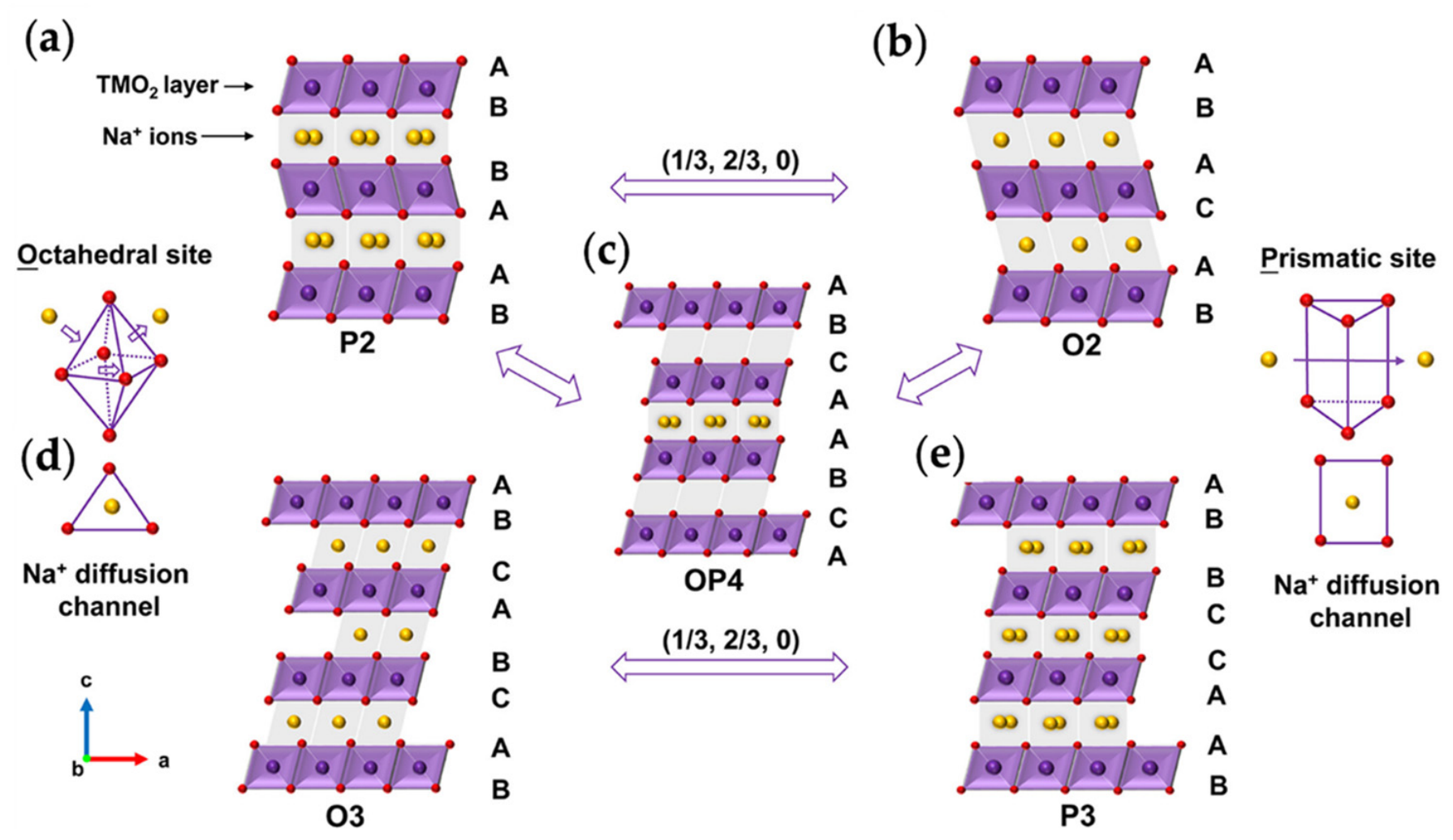
Layered sodium transition metal oxides are generally described by the formula NaxTMO2, where TM is the transition metal (e.g., Ni, V, Co, Fe, Cu, Ti, etc.), and consist of repeated MO6 layers with Na ions in-between them [138]. The coordination environment of the sodium ions defines the structural classification [138]. According to the Delmas notation, these materials are subdivided into “O” (octahedral) and “P” (prismatic) phases, referring to the coordination of Na+ between adjacent MO2 layers [138]. The nomenclature also includes a numeral (commonly two or three) indicating the number of transition metal oxide layers within a single unit cell, as shown in Figure 15 [138]. For instance, the O3 phase (Figure 15d) features sodium ions in octahedral sites within a framework characterized by an ABCABC oxygen stacking sequence, whereas the P2 phase (Figure 15a) contains sodium ions in primastic sites within an ABBA stacking sequence [9]. This structural distinction influences electrochemical behavior. In prismatic environments, Na+ diffusion follows a direct path, while in octahedral environments migration proceeds through a more indirect zigzag route involving intermediate sites [138,141]. Consequently, P2-type materials often display superior ionic mobility compared to their O3-type counterparts [75,142].
NaxTMO2 based cathodes deliver theoretical capacities of 100–160 mAh g−1 and operating voltages of 2.4–3.6 V vs. Na/Na+ [75,142]. This attractive combination of capacity and energy density comes at the expense of increased susceptibility to structural phase transitions, surface degradation, and CEI instability, creating a fundamental trade-off between energy density and long-term stability [143,144]. During cycling, reversible and irreversible phase transitions (e.g., O3 P3 or P2 O2) occur upon Na extraction and insertion, accompanied by slab gliding, lattice strain, and volume changes that can induce long-term degradation [145]. To mitigate these challenges, three optimization strategies are typically combined. Bulk composition engineering employs cation substitution and doping to stabilize the layered framework, improving structural reversibility and suppressing detrimental phase transitions during cycling [144]. Surface engineering reduces surface reactivity, suppresses microcracking, and limits transition-metal dissolution at high SOC [146,147]. Finally, electrolyte and interphase optimization stabilize the CEI and suppress parasitic reactions at elevated potentials [148,149]. These materials are also notably sensitive to moisture and atmospheric air [145]. Layered oxides adsorb H2O and CO2, forming NaOH, NaHCO3 and Na2CO3 residues on the particles surface [150,151]. Far from being a mere storage inconvenience, this contamination propagates through the entire electrode fabrication line as follows: the residual alkali reacts with the PVDF binder, promoting dehydrofluorination and subsequent crosslinking that gels the slurry and can render an entire batch unusable [152]. The associated material losses constitute a significant barrier to commercialization, yet they are frequently overlooked in the academic literature, as cathode slurry preparation is rarely performed at industrially relevant scales in laboratory settings. Despite these challenges, and against market tendencies, layered oxide cathodes appear to be CATL’s option of choice. On 21 April 2026, the company announced the launch of its sodium-ion battery, combining a long-cycle hard carbon anode with a layered oxide composite cathode [28].
Figure 15.
Schematic illustration of common crystal structures of layered sodium transition metal oxides (NaxTMO2). (a) P2 phase, (b) O2 phase, (c) OP4 phase, (d) O3 phase and (e) P3 phase, where the purple, yellow, and red spheres represent, respectively, transition metals, Na+, and O2−. Adapted from Liu et al. [153], licensed under CC-BY 4.0.
In LIBs, polyanionic cathodes play a complementary role to layered oxides [138]. While NMC dominates high-energy applications, the phosphate cathode LFP has been widely adopted for the abundance and low cost of its raw materials (Figure 2) and is now used by automakers including Tesla, Ford and BYD [154,155]. This precedent has since been reproduced in sodium storage, where analogous polyanionic frameworks already underpin the majority of commercial cell shipments [4]. Polyanionic chemistries dominate the wider market, accounting for 77% of shipments from major players such as BYD, HiThium and Peak Energy [156].
Polyanionic materials (Table 2) can be generally expressed by NaxTMy(XO4)n, where TM represents one or more transition metals and X denotes a central atom of the polyanionic group (e.g., P, S, Si, As, Mo, and W) [138] (Table 2). A defining chemical characteristic of polyanions is the inductive effect, which is absent in simple layered oxides [138,157]. In these compounds, the oxygen atoms are strongly covalently bonded to a highly electronegative central atom X [9]. Because X withdraws electron density, the oxygen 2p orbitals are stabilized (shifted to a lower energy) [9]. Since the redox-active states of the transition metal involve hybridization with these oxygen orbitals, the metal-oxygen antibonding levels are also lowered in energy [9]. As a result, the cathode redox level lies at a lower absolute energy relative to Na/Na+, which increases the redox potential and leads to higher operating voltages [9]. Moreover, unlike the 2D sheets of layered oxides that are prone to sliding and gliding, polyanions possess a rigid 3D skeletal framework reinforced by the strong covalent X-O bonds [30]. This robust bonding network enhances structural integrity, suppresses oxygen release, and stabilizes high oxidation states of the transition metal, contributing to the superior thermal stability typically observed in polyanionic cathodes [158,159]. However, this structural robustness comes with performance trade-offs. Polyanionic frameworks generally exhibit low intrinsic electronic conductivity, as the XO4 units are electronically insulating and electron transport must proceed through extended TM-O-X-O-TM pathways rather than direct metal–metal interaction [160]. In addition, the relatively bulky and heavy polyanionic groups increase the molecular weight of the compound, which often leads to lower gravimetric specific capacities compared to more compact layered oxide structures [30]. While both families often operate within an experimental range of 100 to 160 mAh g−1, polyanionic compounds are generally constrained to the lower end of this spectrum [30].
From an industrial perspective, the selection of a cathode material is driven not only by its electrochemical performance but also by its impact on overall system cost. In this regard, polyanionic cathodes have emerged as particularly attractive for stationary energy storage because their intrinsic safety characteristics simplify system design and reduce deployment costs. Unlike layered oxides, whose highly delithiated/desodiated states can release lattice oxygen under abuse conditions, the strong covalent P-O bonds in polyanionic frameworks suppress oxygen evolution during overcharge, thermal stress, mechanical damage, or external short circuits [161,162]. This enhanced thermal stability has the potential to simplify thermal management strategies, including the use of passive or air cooling, which may reduce auxiliary energy consumption, capital and operating costs, and maintenance requirements. Furthermore, improved fire safety can facilitate permitting and regulatory approval, an increasingly important consideration for large-scale ESS deployment [163]. Additionally, polyanionic cathodes are less susceptible than layered oxides to residual alkali-induced slurry gelation during electrode processing, although they are not entirely moisture-insensitive [164]. Although these materials sacrifice gravimetric energy density and require conductive carbon coatings, because of their intrinsically low electronic conductivity, these limitations are generally acceptable in stationary applications [165].
Among polyanionic cathodes, vanadium (V)-based compounds have attracted disproportionate attention because they combine the inductive effect of polyanionic groups with vanadium redox activity and an open framework that supports fast Na+ transport [166,167]. Unlike many transition metals, vanadium can access a wide range of oxidation states, specifically, V2+, V3+, V4+, and V5+, within a single polyanionic host lattice [158,168]. Most vanadium-based polyanions adopt the NaSICON-type structure (NaxM2(XO4)3), which consists of corner-sharing polyhedra that create open 3D channels, as discussed in Section 2.3.1 [71].
Within V-based phosphates, Na3V2(PO4)3 (NVP) is widely regarded as a reference cathode in the NaSICON family. It exhibits a theoretical specific capacity of 117 mAh g−1 and a voltage plateau of approximately 3.4 V vs. Na/Na+, corresponding to the V4+/V3+ redox couple [166,169]. Figure 16 shows the crystal structure of NVP. Structurally, three PO4 tetrahedra and two VO6 octahedra share corners along the c-axis, forming a three-dimensional covalent [V2(PO4)3]3− framework [170]. This robust skeleton can accommodate up to three Na+ ions when vanadium is in the trivalent state and undergoes only minimal volume change within the unit cell, unlike what is observed in layered oxide materials [86,171,172].
Figure 16.
(a) Crystal structure of NaSICON-type Na3V2(PO4)3 and local environments of the (b) Na1 site and (c) N2 site. Adapted from Ishado et al. [171], licensed under CC BY-NC-SA 4.0.
The NVP structure contains the following two crystallographically distinct interstitial sodium sites with markedly different coordination environments: the Na1 (or M1) site and the Na2 (or M2) site [171,173]. There is one Na1 site per formula unit, where Na+ is six-fold coordinated by oxygen atoms, and three Na2 sites per formula unit, where Na+ exhibits eight-fold coordination and longer Na-O bond distances [81,171]. Because the Na1-O bonds are shorter and stronger, sodium ions occupying the Na1 site are considered relatively immobile and electrochemically inactive during cycling [166,169]. As a consequence, only two sodium ions can be reversibly extracted at 3.4 V, giving rise to the theoretical capacity of 117 mAh g−1 associated with the V4+/V3+ redox reaction [166,169]. The removal of the third sodium ion is kinetically and thermodynamically hindered [171].
NVP’s electrochemical performance is still limited by intrinsic material constraints. It behaves as a semiconductor with a wide bandgap, resulting in low intrinsic electronic conductivity [174,175]. Additionally, although the NaSICON framework provides the interconnected 3D diffusion pathways for Na+ transport, pristine NVP still exhibits sluggish sodium-ion diffusion kinetics [171,176]. This is attributed to the activation energy barriers associated with the migration through narrow triangular bottlenecks formed by the surrounding oxygen atoms, which restrict Na+ mobility within the structure [71]. Optimization strategies for NVP include various dopant/substitution strategies, carbon modification, and nanostructure and morphology design [174].
The industrialization of these materials is already underway. TIAMAT, for example, developed full-cell prototypes based on Na3V2(PO4)2F3 (NVPF) for high-power applications, reporting an energy density of 125 Wh kg−1 with at least 3200 cycles at 2C/5C with 80% capacity retention [177]. However, vanadium is a relatively scarce and costly resource, with an average abundance of only ~0.02 wt.% in the Earth’s crust [158,168]. Although it is more abundant than critical battery metals such as Co, Ni, and Li, its availability remains limited, and the supply of vanadium is highly concentrated in China, Russia, and South Africa [178]. In addition, vanadium compounds pose handling and end-of-life challenges, further limiting their attractiveness for large-scale battery applications.
A key objective of sodium-ion battery development is to reduce dependence on critical raw materials [179]. However, vanadium-based cathodes such as NVP and NVPF reintroduce this dependency, as their widespread deployment would effectively replace lithium supply risks with those associated with vanadium.
Na4Fe3(PO4)2P2O7 (NFPP), sodium iron phosphate pyrophosphate, offers several intrinsic advantages, including the use of earth-abundant elements such as Na and Fe, together with favorable safety characteristics, making it well-suited for large-scale stationary energy storage application [165]. Hithium Corporation begun commercializing a prismatic NFPP hard carbon cell for utility-scale energy storage in 2024 [180,181]. The cell delivers a gravimetric energy density of ≥95 Wh kg−1 and a nominal cycle life of 20,000 cycles [180,181]. It also exhibits an exceptionally wide operating temperature range, supporting charging from 10 to 60 °C and discharging from −40 to 60 °C [180,181].
NFPP (Table 2) is a mixed-polyanion cathode that crystallizes in an orthorhombic structure with the Pn21a space group and shares structural features with NaSICON-type materials [182]. The interconnected [PO4] and [P2O7] polyanionic units create an open framework that enables Na+ diffusion through 3D pathways, similar to NVP but unlike many other polyanionic cathodes, where ion transport is restricted to one- or two-dimensional channels. However, while these polyanionic units facilitate fast Na+ diffusion, they are intrinsically insulating and therefore limit the electronic conductivity and electrochemical performance of NFPP.
NFPP exhibits a theoretical capacity of 129 mAh g−1, based exclusively on the Fe2+/Fe3+ redox couple, and an average operating voltage of approximately 3.1 V versus Na/Na+ [182,183]. During Na+ extraction, the Fe oxidation states evolve sequentially, with the electrostatic interactions between the Fe sites and their relative positions to Na+ driving the stepwise oxidation of Fe1, followed by Fe2 and finally Fe3 [182]. This highly reversible redox process, combined with the rigid open framework, results in exceptional structural stability. Consequently, NFPP undergoes one of the smallest volume changes (<4%) among sodium-ion cathodes, contributing to its outstanding cycling stability and ultralong cycle life [182]. The minimal volume variation is attributed to the rigidity of the mixed-polyanion framework and the structural flexibility of the [P2O7] units, which can rotate and distort to accommodate lattice changes during Na+ insertion and extraction [182]. Although NFPP exhibits lower electronic conductivity than NVP due to its insulating polyanionic framework, it retains comparable ionic conductivity. NFPP also exhibits good thermal stability across a wide temperature range. Li et al. [184] reported an NFPP@C/Bi full cell that retained 70.2% of its RT capacity at −70 °C at C/38 while maintaining stable electrochemical performance at 100 °C.
One of the greatest challenges facing NFPP, at both laboratory and industrial scales, is achieving phase purity [182]. Pure-phase NFPP is difficult to synthesize and is frequently accompanied by secondary phases, primarily NaFePO4 and Na2FeP2O7, which exhibit inferior electrochemical properties and consequently compromise overall cell performance [182]. As a result, many reported NFPP cathodes consist of multiphase mixtures rather than single-phase materials [182]. To address this issue, defect engineering, single and multi-ion doping as well as surface modification particularly carbon modification have been reported has successful strategies [182].
Prussian Blue and its Analogs (PBAs) (Table 2) represent a distinct class of cathode materials for SIBs and constitute a strategic technological direction initially pushed by American companies [30]. Natron Energy, a Stanford spin-off (now inactive), developed aqueous sodium-ion systems employing PBAs at both electrodes with a power density of 775 W kg−1, reporting a cycle life over 25,000 cycles at 12C rate [185].
PBAs are generally described by the formula NaxTMa[TMb(CN)y]z.H2O where TMa and TMb are transition metals that may be identical or different (e.g., Fe, Mn, Co, Ni, and Cu) [145]. Their primary appeal lies in their structure. The TMa and TMb are connected through linear cyanide (CN−) bridges, forming a cage-like structure [9,186]. The face-centered cubic structure contains large interstitial sites that facilitate rapid Na+ insertion and extraction [9,187]. Their specific capacity varies based on the transition metals used in the framework. For instance, Prussian blue (standard iron-based) reaches approximately 160 mAh g−1 at a potential of 3.1 V vs. Na/Na+ and double Mn analog can reach up to 209 mAh g−1 at 3.5 V [30].
A key disadvantage of PBAs is their aqueous synthesis route, which often leaves coordinated (“zeolitic”) water trapped within the framework. This residual water can compete with Na+ for interstitial sites and accelerate structural degradation during cycling [9,188]. Nevertheless, aqueous processing is also one of their main industrial advantages, offering lower manufacturing costs and a reduced environmental footprint compared with many oxide synthesis routes. In addition, PBA production requires careful process and occupational safety management because cyanide-containing precursors must be handled under appropriate industrial safeguards. Although the cyanide ligands are strongly coordinated within the crystal lattice, potential toxicity concerns remain if free cyanide species were released under failure conditions [30,188].
Among the cathode families discussed, PBAs have demonstrated the slowest commercial adoption. Although they were the first cathode chemistry to reach commercialization through Natron Energy and were initially adopted by CATL in its first-generation sodium-ion cells, more recent commercial developments have shifted toward layered oxide-based and polyanionic cathodes, indicating that PBAs have yet to achieve widespread industrial acceptance.
Organic cathodes (Table 2) store Na+ through reversible redox reactions at molecular functional groups rather than through intercalation into a rigid inorganic lattice. Charge storage proceeds via electron transfer at these redox-active sites, with Na+ coordinating to the reduced (electron-rich) form of the group, so capacity scales with the density of redox-active groups per molecule rather than with lattice vacancy availability [145]. This molecular-level mechanism allows structural design flexibility (small molecules to polymers), avoids reliance on scarce transition metals, and is compatible with more sustainable synthesis routes, aligning with the broader sustainability rationale for SIBs. Wang et al. [189] exploited this by combining perylene and naphthalenetetracarboxylic dianhydride units bearing groups that coordinate Na+, yielding a polymer cathode with ~150 mAh g−1 capacity at 1.5–3.5 V and 87.5% capacity retention after 5000 cycles at 0.1C. However, the electronically insulating nature of organic frameworks results in intrinsically low conductivity, limiting rate performance [145]. This is typically compensated by incorporating high carbon loadings, which in turn lowers the practical energy density of the electrode [189,190,191,192].
4. Anode Materials for SIBs
Anode materials are essential components in a wide range of electrochemical devices. By definition, the anode is the electrode where the oxidation occurs (donor of electrons). However, rechargeable batteries operate through reversible electrochemical reactions, meaning that the anode and cathode alternate depending on whether the battery is charging or discharging (Figure 3c). During discharge, the negative electrode acts as the anode and undergoes oxidation (Figure 3c). While charging, the same electrode undergoes reduction and therefore acts as the cathode (Figure 3c). Therefore, what characterizes anode material in a battery?
The key characteristic of an anode material is its electrochemical potential relative to the electrolyte. Ideally, the anode chemical potential should lie below the conduction band minimum of the electrolyte, preventing electron transfer from the anode to the electrolyte (Figure 3a) [34]. However, in most cases, the chemical potential of the anode material lies above the electrolyte’s conduction band, enabling electron tunneling from the anode to the electrolyte LUMO in liquid electrolytes or to the conduction band in solid-state electrolytes (Figure 3c). As a result, a SEI, consisting of an insulating solid material, is formed. Once it reaches sufficient thickness, the SEI blocks further electron tunneling. The formed SEI should be electronically insulating, with its conduction band positioned above both the chemical potential of the anode and the conduction band of the electrolyte (Figure 3c).
Anode materials can be broadly classified into the following three main categories: intercalation-type, alloy-type and conversion-type materials (Table 3) [143]. The most widely studied intercalation-type anodes are carbon-based and titanium-based materials, as seen in Figure 1. In these materials, Na+ ions are reversibly inserted into the interlayer spacing or crystallographic sites within the host structure, forming stable intercalation compounds that enable sodium storage [4,143]. Among carbon-based materials, graphite and soft carbon typically exhibit poor Na+ intercalation in conventional carbonate-based electrolytes [143,193]. Significant sodium storage generally requires alternative electrolyte formulations, particularly ether-based electrolytes, through a co-intercalation mechanism, which introduces additional electrolyte compatibility constraints, as discussed in Section 2.1. Consequently, their practical application relies on specialized electrolyte formulations and effective interphase control. Additional graphite exhibits poor Na+ storage because binary Na–graphite intercalation compounds are thermodynamically unstable [4,194]. This instability has been attributed to the size mismatch between Na+ and the graphite interlayer spacing, although changes in Na–C chemical bonding may also contribute [4].
Table 3.
The principal sodium-ion battery (SIB) anode families are compared in terms of their sodium-storage mechanism, capacity, advantages, limitations, interfacial requirements, and technological maturity. The terms anode and cathode strictly describe electrode functions during discharge; during charging, the electrochemical roles of the electrodes are reversed.
Hard carbon (Table 3) remains the leading anode material for SIBs. This trend extends beyond academia to industry, where all major players employ hard carbon-based anodes (Figure 17) [24]. Hard carbon exhibits a practical reversible capacity of approximately 250–350 mAh g−1 [143]. Its sodium storage mechanism is generally described as a combination of a sloping region, commonly attributed to defect and surface storage processes, and a low-voltage plateau frequently associated with sodium storage in nanopores [143]. One of the key remaining challenges is its low initial coulombic efficiency. The first-cycle irreversible capacity loss can be substantial due to SEI formation and parasitic reactions, often requiring cathode oversizing or pre-sodiation strategies in full cells [143]. Several optimization strategies have been proposed to mitigate these limitations [195,196,197]. Industrial hard carbon production is currently dominated by Japan and China. Japanese manufacturers have established the benchmark for high-performance hard carbon materials, some from natural sources, while Chinese companies lead large-scale production and are increasingly adopting lower-cost coal-derived precursors [198,199]. In Europe, Stora Enso has emerged as a key supplier with its lignin-derived Lignode (Natural product), highlighting the growing interest in sustainable hard carbon production [200].
Figure 17.
Timeline of representative sodium-ion battery companies (2010–2026), showing founding/launch year, cathode and anode chemistries, and notable industry consolidation event.
Compared with hard carbon, alloy-type anodes such as Sn, Sb, Bi, and especially P offer significantly higher theoretical capacities, ranging from approximately 500 to 2600 mAh g−1 depending on the composition (Table 3) [143]. These high capacities arise from the formation of multiple Na-M alloy phases during sodiation and their reversible dealloying upon desodiation [143]. Despite its exceptional capacity, phosphorus remains challenging to implement in practical applications due to its large volume expansion and intrinsically low electronic conductivity [143]. Electrolyte and additive selection are also critical, as the repeated volume changes continuously challenge SEI stability [44,143]. An unstable or mechanically fragile SEI repeatedly ruptures and reforms, consuming cyclable sodium, increasing interfacial resistance, and accelerating cell polarization. Consequently, the practical viability of alloy anodes depends not only on their high specific capacity but also on maintaining interphase stability and mitigating volume expansion during long-term cycling [143,201].
Conversion-type anodes (Table 3), including transition-metal oxides, sulfides, and phosphides, store Na+ through multielectron conversion reactions, in which the host structure is transformed into new phases during sodiation and reversibly reconstructed upon desodiation, rather than through simple ion insertion [143,202]. This mechanism enables high theoretical capacities and large charge storage per formula unit, making these materials attractive anode candidates for SIBs. However, their practical implementation remains challenging due to large voltage hysteresis, severe volume expansion during cycling, sluggish Na+ diffusion kinetics, and interfacial instability, all of which accelerate electrode degradation and capacity fading. To address these limitations, strategies such as carbon-conducting matrices have been widely explored to improve electronic conductivity and cycling stability [143,202].
5. From Fundamental Electrolyte Chemistry to Practical Cell Engineering: Design Principles and Remaining Challenges
Battery materials are defined not by perfection but by compromise; every anode, cathode, and electrolyte offers distinct advantages while inevitably imposing limitations, making their selection an exercise in balancing competing electrochemical, engineering, economic, and safety requirements (Table 1, Table 2 and Table 3). Ultimately, battery chemistry is useless if it cannot be scaled. Commercial deployment therefore demands criteria that extend well beyond laboratory electrochemical performance. Although capacity and cycle life remain essential benchmarks, they alone cannot determine commercial viability, and greater emphasis should be placed on realistic testing conditions and long-term calendar aging. Manufacturing considerations are equally important.
Practical cell design requires matching the electrolyte’s solvation/desolvation behavior, interphase-forming tendency, transport properties, and mechanical response to both electrodes. A high bulk ionic conductivity is insufficient when charge transfer is limited by desolvation, poor solid–solid contact, unstable SEI/CEI chemistry, or current constriction. Accordingly, electrolyte screening should be performed in the intended full cell configuration and should report temperature, pressure, electrode loading, areal capacity, electrolyte amount or thickness, formation protocol, and impedance evolution. Excess electrolyte in lab coin-cell architectures compensates for continuous consumption at the interphase and therefore masks exactly the instability that most electrolyte research aims to address. Formulations should be validated at commercially representative electrolyte loading, and the loading should be reported. Results obtained under flooded conditions do not transfer.
For liquid systems, the principal design trade-off is between low viscosity and high salt dissociation on one hand, and oxidative/reductive stability and controlled interphase formation on the other. Hard-carbon anodes are especially sensitive to solvent-derived SEI solubility and first-cycle sodium loss, while high-voltage layered or polyanionic cathodes require oxidation-resistant electrolytes and stable CEIs. Concentrated and localized-concentration formulations can increase anion participation and alter interphase chemistry, but their benefits must be weighed against viscosity, cost, wettability, and reduced low-temperature conductivity. Low-temperature performance is currently the clearest commercial advantage of sodium-ion technology, and it is the basis for its early deployment in cold-climate stationary storage and hybrid vehicle packs. Its practical significance is illustrated by the excellent low-temperature operation reported for NFPP-containing cells down to −70 °C, as well as the already commercial available Hithium design as discussed at the end of Section 3, [180,181,184].
For solid-state systems, the dominant engineering problem shifts from volatility to contact mechanics and interfacial reaction. Oxides offer chemical robustness but generally require high-temperature densification and interface modification; sulfides and halides are more deformable and can be cold-pressed, but moisture sensitivity and electrode reactivity impose dry-room, coating, and end-of-life constraints. Polymer and composite electrolytes improve conformability, yet practical evaluation must account for thickness, active-filler percolation, transference number, mechanical creep, and whether a supporting liquid electrolyte was used. Critical-current-density or dendrite-suppression claims should always be reported with stack pressure, defect density, electrode area, and cycling duration.
6. Future Directions
Sodium-ion batteries have progressed from academic alternatives to early commercial technologies, but their readiness is application- and chemistry-specific. Their strongest proposition is not simply replacing lithium with sodium; it is the possibility of combining geographically broader raw-material availability, aluminum-based current collectors in suitable designs, robust low-cost cathodes, and safer transport or operation under validated cell conditions. SIB advantages make them more compelling for stationary storage, grid services, low-temperature operation, and selected mobility applications where cost, lifetime, and resilience outweigh maximum gravimetric energy density.
To bridge the remaining gap between laboratory research and commercial deployment, future sodium-ion battery studies should adopt standardized reporting practices. At a minimum, commercially relevant investigations should report: (i) complete cell chemistry and N/P balance; (ii) active-material loading and areal capacity; (iii) electrolyte-to-capacity ratio or solid-electrolyte thickness; (iv) formation and temperature/pressure conditions; (v) initial Coulombic efficiency and sodium inventory; (vi) capacity retention at a stated rate and depth of discharge; (vii) impedance or interphase evolution; and (viii) whether performance is measured in a half-cell, laboratory full cell, prototype, commercial cell, or pack.
A second priority is supply-chain and manufacturing maturity, and here the regional contrast is evident. The absence of standardized cell formats further complicates matters, as it limits the direct transfer of manufacturing processes and quality control protocols across production lines [203]. In China, the commercialization is advancing roughly in line with earlier projections: CATL has released its second-generation Naxtra battery, achieving an energy density of 175 Wh kg−1 on par with mainstream LFP cells, with the product line currently comprising a passenger-EV battery and a 24 V integrated battery for heavy-duty trucks; BYD began construction of its first dedicated sodium-ion plant in January 2024 in Xuzhou, targeting EVs, grid storage, and industrial applications [27,28,204]. Outside China, the picture is less favorable. In the United States, Natron Energy ceased operations in September 2025, only months after beginning commercial-scale production, abandoning a planned $1.4 billion, 14 GWh facility. This closure was attributed to the absence of an integrated regional supply chain comparable to China’s, along with pricing pressure from a sharp decline in lithium carbonate prices that further plummeted the cost of LFP cells and narrowed the economic advantages for early SIB contestants [205]. Even within China, not all projects have proceeded on schedule. One example is Veken Teck, which delayed its 2 GWh facility by one year from its original December 2024 completion date, citing uncertainty in energy storage demand, financing constraints, and supply chain scaling difficulties [206]. Closing this gap outside China will likely require building regionally dedicated supply chains for much-solicited hard carbon anodes, sodium-specific salts, and aluminum current collectors, rather than relying on the assumption that existing lithium-ion infrastructure alone is sufficient to support a parallel sodium-ion industry at scale.
Recyclability should also be designed in parallel with cell chemistry from the outset, rather than retrofitted later as has occurred in the LIB industry; doing so would both reduce environmental impact and differentiate SIBs from LIBs on sustainability grounds. Sodium abundance does not by itself establish a low environmental footprint or an economically trivial recovery process: precursor origin, fluorinated salts, solvent production, drying energy, manufacturing yield, lifetime, and electricity mix all affect life-cycle impact, and recovery economics depend on process scale, energy use, reagent consumption, wastewater treatment, and material prices. Future work should therefore report system boundaries and sensitivity analyses, and compare direct regeneration, mechanical separation, hydrometallurgy, and water-assisted disassembly under controlled reaction and effluent-treatment conditions. A study conducted by Liu et al. outlined a water-based disassembly route in which contact with water releases sodium as NaOH and simultaneously corrodes the aluminum foil, successfully separating the two [207]. The same study identified the recovery of transition metals from the cathode as an unresolved step requiring dedicated chemical recycling methods, a gap that warrants further investigation. Direct experimental work on spent commercial NaNi1/3Fe1/3Mn1/3O2 cells reinforces the following: aqueous pretreatment proved more effective at separating and cleaning the cathode than conventional acid leaching, and cathode regeneration via sodium replenishment and thermal treatment yielded a profit of $3.76 kg−1 battery, surpassing the $2.64 kg−1 reported for LIB recycling under comparable conditions [208].
The central difficulty, however, is economic motivation. The transition metals most commonly used in SIB cathodes, principally iron and manganese, are inexpensive commodities with well-established production routes. Unlike cobalt and nickel, whose high market value provides a direct financial incentive to recover them from spent LIBs, Fe and Mn offer no comparable pull. This raises legitimate concern. Without an economic driver, recycling rated for SIBs may remain low even if the technical pathways exist. One route forward is regulatory. The EU Battery Regulation (2023) already mandates minimum recycled content and collection targets that will apply to SIBs as volumes grow, which may substitute market incentives where they are absent [209]. A second direction is to shift the economic framing entirely, from metal recovery toward cathode regeneration, which the experimental evidence cited above suggests can be profitable even for Fe-/Mn-based systems precisely because it avoids the energy and chemical-intensive dissolution and re-precipitation steps that make hydrometallurgical recovery of cheap metals unviable. Embedding regeneration-friendly design principles into cathode development from the outset may therefore be a promising path to a self-sustaining recycling economy for SIBs.
7. Conclusions
Sodium-ion batteries have moved beyond their status as a purely academic alternative to lithium-ion systems and are now entering a decisive stage of technological validation and early commercialization. Their main strength is not simply the replacement of lithium by sodium, but the possibility of building a battery ecosystem less dependent on geographically concentrated critical raw materials, more compatible with low-cost large-scale storage, and potentially safer across transport, operation, and end-of-life handling. The advantages of sodium abundance, aluminum current collectors and improved discharge-state safety make SIBs particularly attractive for stationary energy storage, grid balancing, and selected mobility applications where cost and robustness are more important than maximum gravimetric energy density.
Electrolyte development remains one of the central scientific and technological bottlenecks. Organic liquid electrolytes currently offer high ionic conductivity and relatively mature processing, but their flammability, interfacial instability, and sensitivity to salt–solvent interactions continue to limit long-term performance and safety. The design of stable SEI and CEI layers is especially critical in sodium-ion systems, where solvation, desolvation, and electrolyte decomposition pathways differ substantially from those established for Li-ion batteries. Solid-state sodium electrolytes, including polymers, composites, /β″-alumina, NaSICON-type oxides, sulfides, halides and antiperovskite-derived systems, offer an important route toward safer and more thermally robust cells. However, their practical implementation is still constrained by solid–solid contact resistance, grain-boundary effects, sodium wetting, dendrite propagation, and the need for scalable processing routes.
Cathode chemistry will largely determine the commercial identity of sodium-ion batteries. Layered transition-metal oxides provide attractive capacities and can be designed with Fe-/Mn-rich and Co-/Ni-poor compositions, but they suffer from phase transitions, air sensitivity, and structural degradation during cycling. Polyanionic compounds, especially NaSICON-type phosphates and fluorophosphates, offer excellent structural and thermal stability, although low electronic conductivity and the frequent use of vanadium raise cost and sustainability concerns. Prussian blue analogs are highly appealing because of their open framework, low-cost synthesis, and fast Na+ transport, but coordinated water, vacancies, and potential safety concerns linked to cyanide-containing frameworks must be carefully controlled. Organic cathodes add sustainability potential, but their low conductivity, dissolution, and limited energy density still require substantial material engineering.
The future of SIBs will depend less on a single breakthrough material and more on the integration of chemistry, interfaces, manufacturing, and circularity. Commercial success will require standardized cell formats, dedicated sodium-compatible supply chains, scalable hard-carbon production, stable sodium salts, robust aluminum-based current-collector strategies, and recycling or regeneration routes designed from the beginning rather than retrofitted after deployment. In this context, SIBs should not be presented as universal substitutes for LIBs, but as complementary technologies with a strong strategic role in safe, affordable, and sustainable energy storage. Their greatest opportunity lies in applications where resource security, environmental impact, operational safety, low temperature operation and cost stability are more valuable than achieving the highest possible energy density.
Author Contributions
Conceptualization, B.M.G. and M.H.B.; methodology, M.L.P. and B.M.G.; writing—original draft preparation, M.L.P. and B.M.G.; writing—review and editing, M.H.B.; visualization, M.L.P. and B.M.G.; supervision, validation, project administration, and funding acquisition, M.H.B. All authors have read and agreed to the published version of the manuscript.
Funding
This work is financially supported by the Agenda “NGS—New Generation Storage”, ref. no. C644936001-00000045, investment project no. 58, under the Incentive System “Agendas for Business Innovation”, funded by the PRR—Recovery and Resilience Plan and the European Union’s NextGeneration EU funds. However, the views and opinions expressed herein are solely those of the author(s) and do not necessarily reflect the views and opinions of the European Union or the European Commission. Neither the European Union nor the European Commission can be held responsible for them. This work also benefited from FCT UIDP/50022/2025 Thematic line 06–LAETA.
Data Availability Statement
The literature-derived data are available in the cited sources. The numerical values, structural models, and input/output files associated with the original calculations in Figure 4 and Appendix A are available upon request.
Acknowledgments
During the preparation of this manuscript, the authors used Claude Sonnet 5 (July 2026 version, developed by Anthropic) for the purposes of improving language clarity and style. The authors have reviewed and edited the output and take full responsibility for the content of this publication.
Conflicts of Interest
The authors declare no conflicts of interest. The funders had no role in the design of the study; in the collection, analyses, or interpretation of data; in the writing of the manuscript; or in the decision to publish the results.
Abbreviations
The following abbreviations are used in this manuscript:
| AGGs | Cation-Anion Aggregates |
| BTFE | Bis(2,2,2-Trifluoroethyl) Ether |
| CAGR | Compound Annual Growth Rate |
| CAM | Cathode Active Material |
| CATL | Contemporary Amperex Technology Co. Limited |
| CEI | Cathode Electrolyte Interphase |
| CIPs | Contact Ion Pairs |
| CIPS | CuInP2S6 |
| CPE | Composite Polymer Electrolyte |
| CRM | Critical Raw Material |
| DEC | Diethyl Carbonate |
| DEGDME | Diethylene Glycol Dimethyl Ether |
| DMC | Dimethyl Carbonate |
| DME | 1,2-Dimethoxyethane |
| DOL | 1,3-Dioxolane |
| DRC | Democratic Republic of Congo |
| Ec | Conduction Band |
| EC | Ethylene Carbonate |
| EEI | Electrode/Electrolyte Interphase |
| EMC | Ethyl Methyl Carbonate |
| EOL | Enf-Of-Life |
| ESW | Electrochemical Stability Window |
| ESS | Energy Storage System |
| EV | Electric Vehicle |
| Ev | Valence band |
| Fe | Iron |
| GWh | Gigawatt-Hour |
| HC | Hard Carbon |
| HCE | High-Concentration Electrolyte |
| HF | Hydrofluoric Acid |
| HOMO | Highest Occupied Molecular Orbital |
| IL | Ionic Liquid |
| ISE | Inorganic Solid Electrolyte |
| LFP | Lithium Iron Phosphate |
| LIB | Lithium-Ion Battery |
| LHCE | Localized High-Concentration Electrolyte |
| LTMO | Layered Transition Metal Oxide |
| LUMO | Lowest Unoccupied Molecular Orbital |
| Mn | Manganese |
| NaFSI | Sodium Bis(fluorosulfonyl)imide |
| NaS | Sodium-Sulfur |
| NaSICON | Sodium Super Ionic Conductor |
| NaTFSI | Sodium Bis(trifluoromethanesulfonyl)imide |
| NFPP | Na4Fe3(PO4)2P2O7 |
| NMC | Lithium Nickel Manganese Cobalt Oxide |
| NVP | Na3V2(PO4)3 |
| NVPF | Na3V2(PO4)2F3 |
| NVPOF | Na3V2(PO4)2O2F |
| OLE | Organic Liquid Electrolyte |
| PBA | Prussian Blue Analog |
| PC | Propylene Carbonate |
| PEO | Poly(ethylene oxide) |
| PPAS | Per- and Polyfluoroalkyl Substance |
| PVDF | Poly(vinylidene fluoride) |
| PVP | Polyvinylpyrrolidone |
| REE | Rare Earth Element |
| RT | Room Temperature |
| SBACE | Sodium Beta-Alumina Ceramic Electrolyte |
| s.g. | Space Group |
| SEI | Solid Electrolyte Interphase |
| SIB | Sodium-Ion Battery |
| SOC | State of Charge |
| SPE | Solid Polymer Electrolyte |
| SSE | Solid-State Electrolyte |
| SSIP | Solvent-Separated Ion Pairs |
| TEGDME | Triethylene Glycol Dimethyl Ether |
| THF | Tetrahydrofuran |
| TM | Transition Metal |
| TPFS | Trimethoxy(pentafluorophenyl)silane |
| V | Vanadium |
Appendix A
Band-Gap and Chemical-Potential Calculations
The crystal structures of NaClO4 (s.g. Cmcm), NaPF6 (s.g Fm-3m) and NaBF4 (s.g. Cmcm) were built in MedeA and fully relaxed using density functional theory as implemented in VASP using the GGA-PBE exchange-correlation functional through the MedeA interface via a default planewave cutoff energy of 400.000 eV and electronic iterations convergence is 1.00 × 10⁻⁵ eV using the normal (blocked Davidson) algorithm and reciprocal space projection operators. We have used a first order Methfessel–Paxton smearing with a width of 0.2 eV.
The parameters that differ in each simulation are:
NaClO4 (s.g. Cmcm):
The k-spacings used were 0.327 × 0.481 × 0.446 Å−1.
Planewave cutoff energy of 400.000 eV.
The system is an insulator with an indirect gap of 5.722 eV.
NaClO4—surface (001); 10 Å vacuum layer to avoid periodic interference:
The k-spacings used were 0.494 × 0.454 × 0.263 Å−1.
Planewave cutoff energy of 400.000 eV.
Calculated work function: WF = 4.4 eV.
NaPF6 (s.g Fm-3m):
The k-spacings used were 0.485 × 0.485 × 0.485 Å−1.
Planewave cutoff energy of 520.000 eV.
The system is an insulator with a direct gap of 7.115 eV.
NaPF6—surface (001); 10 Å vacuum layer to avoid periodic interference:
The k-spacings used were 0.379 × 0.379 × 0.245 Å−1.
Planewave cutoff energy of 400.000 eV.
Calculated work function: WF = 4.0 eV.
NaBF4 (s.g. Cmcm):
The k-spacings used were 0.272 × 0.401 × 0.462 Å−1.
Planewave cutoff energy of 520.000 eV.
The system is an insulator with a indirect gap of 7.873 eV.
NaBF4—surface (001); 10 Å vacuum layer to avoid periodic interference:
The k-spacings used were 0.334 × 0.459 × 0.266 Å−1.
Planewave cutoff energy of 400.000 eV.
Calculated work function: WF = 3.9 eV.
Geometry optimization was performed until the residual forces and total-energy variations were below the selected convergence criteria. The band gap was obtained from the calculated electronic density of states and band structure as the energy difference between the valence-band maximum and the conduction-band minimum.
The calculations reported here concern periodic crystalline salts. Valence-band maxima, conduction-band minima, and Fermi levels were aligned to a common reference; for slab models, the vacuum electrostatic potential provided an absolute-energy reference. These quantities are solid-state electronic-structure descriptors and are not equivalent to the HOMO/LUMO levels, redox free energies, or practical stability limits of solvated electrolyte complexes.
References
- Gielen, D.; Boshell, F.; Saygin, D.; Bazilian, M.D.; Wagner, N.; Gorini, R. The Role of Renewable Energy in the Global Energy Transformation. Energy Strategy Rev. 2019, 24, 38–50. [Google Scholar] [CrossRef] [Scilit]
- Dühnen, S.; Betz, J.; Kolek, M.; Schmuch, R.; Winter, M.; Placke, T. Toward Green Battery Cells: Perspective on Materials and Technologies. Small Methods 2020, 4, 2000039. [Google Scholar] [CrossRef] [Scilit]
- Yu, X.; Manthiram, A. Sustainable Battery Materials for Next-Generation Electrical Energy Storage. Adv. Energy Sustain. Res. 2021, 2, 2000102. [Google Scholar] [CrossRef] [Scilit]
- Singh, A.N.; Islam, M.; Meena, A.; Faizan, M.; Han, D.; Bathula, C.; Hajibabaei, A.; Anand, R.; Nam, K.W. Unleashing the Potential of Sodium-Ion Batteries: Current State and Future Directions for Sustainable Energy Storage. Adv. Funct. Mater. 2023, 33, 2304617. [Google Scholar] [CrossRef] [Scilit]
- Darjazi, H.; Falco, M.; Colò, F.; Balducci, L.; Piana, G.; Bella, F.; Meligrana, G.; Nobili, F.; Elia, G.A.; Gerbaldi, C. Electrolytes for Sodium Ion Batteries: The Current Transition from Liquid to Solid and Hybrid Systems. Adv. Mater. 2024, 36, 2313572. [Google Scholar] [CrossRef] [Scilit] [PubMed]
- Braga, M.H. Coherence in the Ferroelectric A3ClO (A = Li, Na) Family of Electrolytes. Materials 2021, 14, 2398. [Google Scholar] [CrossRef] [Scilit] [PubMed]
- Braga, M.H. Energy Harnessing and Storage from Surface Switching with a Ferroelectric Electrolyte. Chem. Commun. 2024, 60, 5395–5398. [Google Scholar] [CrossRef] [Scilit] [PubMed]
- Zhao, C.; Liu, L.; Qi, X.; Lu, Y.; Wu, F.; Zhao, J.; Yu, Y.; Hu, Y.S.; Chen, L. Solid-State Sodium Batteries. Adv. Energy Mater. 2018, 8, 1703012. [Google Scholar] [CrossRef] [Scilit]
- Rostami, H.; Valio, J.; Suominen, P.; Tynjälä, P.; Lassi, U. Advancements in Cathode Technology, Recycling Strategies, and Market Dynamics: A Comprehensive Review of Sodium Ion Batteries. Chem. Eng. J. 2024, 495, 153471. [Google Scholar] [CrossRef] [Scilit]
- Liang, Y.; Zhao, C.-Z.; Yuan, H.; Chen, Y.; Zhang, W.; Huang, J.-Q.; Yu, D.; Liu, Y.; Titirici, M.-M.; Chueh, Y.-L.; et al. A Review of Rechargeable Batteries for Portable Electronic Devices. InfoMat 2019, 1, 6–32. [Google Scholar] [CrossRef] [Scilit]
- Crabtree, G.; Kócs, E.; Trahey, L. The Energy-Storage Frontier: Lithium-Ion Batteries and Beyond. MRS Bull. 2015, 40, 1067–1078. [Google Scholar] [CrossRef] [Scilit]
- Olivetti, E.A.; Ceder, G.; Gaustad, G.G.; Fu, X. Lithium-Ion Battery Supply Chain Considerations: Analysis of Potential Bottlenecks in Critical Metals. Joule 2017, 1, 229–243. [Google Scholar] [CrossRef] [Scilit]
- Chagnes, A.; Pospiech, B. A Brief Review on Hydrometallurgical Technologies for Recycling Spent Lithium-Ion Batteries. J. Chem. Technol. Biotechnol. 2013, 88, 1191–1199. [Google Scholar] [CrossRef] [Scilit]
- Grohol, M.; Veeh, C.; Dg Grow, E.C. Study on the Critical Raw Materials for the EU 2023—Final Report; European Commission: Brussels, Belgium, 2023.
- Montana, F.; Cellura, M.; Di Silvestre, M.L.; Longo, S.; Luu, L.Q.; Riva Sanseverino, E.; Sciumè, G. Assessing Critical Raw Materials and Their Supply Risk in Energy Technologies—A Literature Review. Energies 2025, 18, 86. [Google Scholar] [CrossRef] [Scilit]
- Overland, I. The Geopolitics of Renewable Energy: Debunking Four Emerging Myths. Energy Res. Soc. Sci. 2019, 49, 36–40. [Google Scholar] [CrossRef] [Scilit]
- Biswal, B.K.; Zhang, B.; Thi Minh Tran, P.; Zhang, J.; Balasubramanian, R. Recycling of Spent Lithium-Ion Batteries for a Sustainable Future: Recent Advancements. Chem. Soc. Rev. 2024, 53, 5552–5592. [Google Scholar] [CrossRef] [Scilit] [PubMed]
- Eskelinen, T.; Khan, J.; Härri, A. Cobalt Mining and Responsibility: An Analysis of the Meaning of Ethical Products. Etikk Praksis 2024, 18, 65–82. [Google Scholar] [CrossRef] [Scilit]
- Böttcher, T.; Kalinovich, N.; Kazakova, O.; Ponomarenko, M.; Vlasov, K.; Winter, M.; Röschenthaler, G.-V. Novel Fluorinated Solvents and Additives for Lithium-Ion Batteries. In Advanced Fluoride-Based Materials for Energy Conversion; Elsevier: Amsterdam, The Netherlands, 2015; pp. 125–145. [Google Scholar] [CrossRef] [Scilit]
- Spiewak, M.; Piątek, J.; Rodrigues, B.V.M.; Slabon, A. Sustainable Recycling of Lithium-Ion Batteries: Pipe Dream or Realistic Solution. Cell Rep. Sustain. 2025, 2, 100429. [Google Scholar] [CrossRef] [Scilit]
- Delmas, C. Sodium and Sodium-Ion Batteries: 50 Years of Research. Adv. Energy Mater. 2018, 8, 1703137. [Google Scholar] [CrossRef] [Scilit]
- Stevens, D.A.; Dahn, J.R. High Capacity Anode Materials for Rechargeable Sodium-Ion Batteries. J. Electrochem. Soc. 2000, 147, 1271. [Google Scholar] [CrossRef] [Scilit]
- Chen, J.; Adit, G.; Li, L.; Zhang, Y.; Chua, D.H.C.; Lee, P.S. Optimization Strategies Toward Functional Sodium-Ion Batteries. Energy Environ. Mater. 2023, 6, e12633. [Google Scholar] [CrossRef] [Scilit]
- Pilali, E.; Nia, F.F.; Yamini, E.; Esmaeilion, F.; Alfraidi, W.; Taklifi, A.; Garcia, D.A.; Soltani, M. SWOT Analysis on the Transition from Lithium-Ion Batteries to Sodium-Ion Batteries. Sustain. Energy Technol. Assess. 2025, 80, 104371. [Google Scholar] [CrossRef] [Scilit]
- Du, K.; Wang, C.; Subasinghe, L.U.; Gajella, S.R.; Law, M.; Rudola, A.; Balaya, P. A Comprehensive Study on the Electrolyte, Anode and Cathode for Developing Commercial Type Non-Flammable Sodium-Ion Battery. Energy Storage Mater. 2020, 29, 287–299. [Google Scholar] [CrossRef] [Scilit]
- Rudola, A.; Wright, C.J.; Barker, J. Reviewing the Safe Shipping of Lithium-Ion and Sodium-Ion Cells: A Materials Chemistry Perspective. Energy Mater. Adv. 2025, 2021, 9798460. [Google Scholar] [CrossRef] [Scilit]
- Contemporary Amperex Technology Co. Limited (CATL). CATL Unveils Its Latest Breakthrough Technology by Releasing Its First Generation of Sodium-Ion Batteries. Available online: https://www.catl.com/en/news/665.html (accessed on 30 October 2025).
- Contemporary Amperex Technology Co. Limited (CATL). Naxtra Battery Breakthrough & Dual-Power Architecture: CATL Pioneers the Multi-Power Era. Available online: https://www.catl.com/en/news/6401.html (accessed on 30 October 2025).
- Li, M. Elevating the Practical Application of Sodium-Ion Batteries through Advanced Characterization Studies on Cathodes. Energies 2023, 16, 8004. [Google Scholar] [CrossRef] [Scilit]
- Goikolea, E.; Palomares, V.; Wang, S.; de Larramendi, I.R.; Guo, X.; Wang, G.; Rojo, T. Na-Ion Batteries—Approaching Old and New Challenges. Adv. Energy Mater. 2020, 10, 2002055. [Google Scholar] [CrossRef] [Scilit]
- Zhao, S.; Che, H.; Chen, S.; Tao, H.; Liao, J.; Liao, X.Z.; Ma, Z.F. Research Progress on the Solid Electrolyte of Solid-State Sodium-Ion Batteries. Electrochem. Energy Rev. 2024, 7, 3. [Google Scholar] [CrossRef] [Scilit]
- Nayar, K.G.; Sharqawy, M.H.; Banchik, L.D.; Lienhard, J.H. Thermophysical Properties of Seawater: A Review and New Correlations That Include Pressure Dependence. Desalination 2016, 390, 1–24. [Google Scholar] [CrossRef] [Scilit]
- Eshetu, G.G.; Elia, G.A.; Armand, M.; Forsyth, M.; Komaba, S.; Rojo, T.; Passerini, S. Electrolytes and Interphases in Sodium-Based Rechargeable Batteries: Recent Advances and Perspectives. Adv. Energy Mater. 2020, 10, 2000093. [Google Scholar] [CrossRef] [Scilit]
- Ning, J.; Zhou, M.; Zhang, Y.; Wang, T.; Chen, M.; Cu, Q.; Wang, K.; Wang, W.; Li, H.; Jiang, K. Recent Advances in Non-Aqueous Liquid Electrolytes for High-Voltage Sodium-Ion Batteries. EcoEnergy 2025, 3, e70006. [Google Scholar] [CrossRef] [Scilit]
- Li, C.; Xu, H.; Ni, L.; Qin, B.; Ma, Y.; Jiang, H.; Xu, G.; Zhao, J.; Cui, G. Nonaqueous Liquid Electrolytes for Sodium-Ion Batteries: Fundamentals, Progress and Perspectives. Adv. Energy Mater. 2023, 13, 2301758. [Google Scholar] [CrossRef] [Scilit]
- Eshetu, G.G.; Grugeon, S.; Kim, H.; Jeong, S.; Wu, L.; Gachot, G.; Laruelle, S.; Armand, M.; Passerini, S. Comprehensive Insights into the Reactivity of Electrolytes Based on Sodium Ions. ChemSusChem 2016, 9, 462–471. [Google Scholar] [CrossRef] [Scilit] [PubMed]
- Peters, J.F.; Cruz, A.P.; Weil, M. Exploring the Economic Potential of Sodium-Ion Batteries. Batteries 2019, 5, 10. [Google Scholar] [CrossRef] [Scilit]
- Aykol, M.; Kim, S.; Hegde, V.I.; Snydacker, D.; Lu, Z.; Hao, S.; Kirklin, S.; Morgan, D.; Wolverton, C. High-Throughput Computational Design of Cathode Coatings for Li-Ion Batteries. Nat. Commun. 2016, 7, 13779. [Google Scholar] [CrossRef] [Scilit] [PubMed]
- Wu, D.; Zhu, C.; Wu, M.; Wang, H.; Huang, J.; Tang, D.; Ma, J. Highly Oxidation-Resistant Electrolyte for 4.7 V Sodium Metal Batteries Enabled by Anion/Cation Solvation Engineering. Angew. Chem. Int. Ed. 2022, 61, e202214198. [Google Scholar] [CrossRef] [Scilit] [PubMed]
- Ponrouch, A.; Monti, D.; Boschin, A.; Steen, B.; Johansson, P.; Palacín, M.R. Non-Aqueous Electrolytes for Sodium-Ion Batteries. J. Mater. Chem. A 2014, 3, 22–42. [Google Scholar] [CrossRef] [Scilit]
- Bommier, C.; Ji, X. Electrolytes, SEI Formation, and Binders: A Review of Nonelectrode Factors for Sodium-Ion Battery Anodes. Small 2018, 14, 1703576. [Google Scholar] [CrossRef] [Scilit] [PubMed]
- Yan, G.; Alves-Dalla-Corte, D.; Yin, W.; Madern, N.; Gachot, G.; Tarascon, J.-M. Assessment of the Electrochemical Stability of Carbonate-Based Electrolytes in Na-Ion Batteries. J. Electrochem. Soc. 2018, 165, A1222. [Google Scholar] [CrossRef] [Scilit]
- Ponrouch, A.; Marchante, E.; Courty, M.; Tarascon, J.M.; Palacín, M.R. In Search of an Optimized Electrolyte for Na-Ion Batteries. Energy Environ. Sci. 2012, 5, 8572–8583. [Google Scholar] [CrossRef] [Scilit]
- Kulova, T.L.; Skundin, A.M. Electrode/Electrolyte Interphases of Sodium-Ion Batteries. Energies 2022, 15, 8615. [Google Scholar] [CrossRef] [Scilit]
- Chen, X.; Li, H.R.; Shen, X.; Zhang, Q. The Origin of the Reduced Reductive Stability of Ion–Solvent Complexes on Alkali and Alkaline Earth Metal Anodes. Angew. Chem. Int. Ed. 2018, 57, 16643–16647. [Google Scholar] [CrossRef] [Scilit] [PubMed]
- Ponrouch, A.; Dedryvère, R.; Monti, D.; Demet, A.E.; Ateba Mba, J.M.; Croguennec, L.; Masquelier, C.; Johansson, P.; Palacín, M.R. Towards High Energy Density Sodium Ion Batteries through Electrolyte Optimization. Energy Environ. Sci. 2013, 6, 2361–2369. [Google Scholar] [CrossRef] [Scilit]
- Jache, B.; Adelhelm, P. Use of Graphite as a Highly Reversible Electrode with Superior Cycle Life for Sodium-Ion Batteries by Making Use of Co-Intercalation Phenomena. Angew. Chem. Int. Ed. 2014, 53, 10169–10173. [Google Scholar] [CrossRef] [Scilit] [PubMed]
- Jache, B.; Binder, J.O.; Abe, T.; Adelhelm, P. A Comparative Study on the Impact of Different Glymes and Their Derivatives as Electrolyte Solvents for Graphite Co-Intercalation Electrodes in Lithium-Ion and Sodium-Ion Batteries. Phys. Chem. Chem. Phys. 2016, 18, 14299–14316. [Google Scholar] [CrossRef] [Scilit] [PubMed]
- Geng, C.; Buchholz, D.; Kim, G.T.; Carvalho, D.V.; Zhang, H.; Chagas, L.G.; Passerini, S. Influence of Salt Concentration on the Properties of Sodium-Based Electrolytes. Small Methods 2018, 3, 1800208. [Google Scholar] [CrossRef] [Scilit]
- Liang, H.-J.; Gu, Z.-Y.; Zhao, X.-X.; Guo, J.-Z.; Yang, J.-L.; Li, W.-H.; Li, B.; Liu, Z.-M.; Li, W.-L.; Wu, X.-L. Ether-Based Electrolyte Chemistry Towards High-Voltage and Long-Life Na-Ion Full Batteries. Angew. Chem. Int. Ed. 2021, 60, 26837–26846. [Google Scholar] [CrossRef] [Scilit] [PubMed]
- Lin, Y.; Peng, Q.; Chen, L.; Zuo, Q.; Long, Q.; Lu, F.; Huang, S.; Chen, Y.; Meng, Y. Organic Liquid Electrolytes in Sodium-Based Batteries: Actualities and Perspectives. Energy Storage Mater. 2024, 67, 103211. [Google Scholar] [CrossRef] [Scilit]
- Deng, L.; Yu, F.; Sun, G.; Xia, Y.; Jiang, Y.; Zheng, Y.; Sun, M.; Que, L.; Zhao, L.; Wang, Z. Constructing Stable Anion-Tuned Electrode/Electrolyte Interphase on High-Voltage Na3V2(PO4)2F3 Cathode for Thermally-Modulated Fast-Charging Batteries. Angew. Chem. Int. Ed. 2022, 61, e202213416. [Google Scholar] [CrossRef] [Scilit] [PubMed]
- Perez Beltran, S.; Cao, X.; Zhang, J.-G.; Balbuena, P.B. Localized High Concentration Electrolytes for High Voltage Lithium–Metal Batteries: Correlation between the Electrolyte Composition and Its Reductive/Oxidative Stability. Chem. Mater. 2020, 32, 5973–5984. [Google Scholar] [CrossRef] [Scilit]
- Zheng, J.; Chen, S.; Zhao, W.; Song, J.; Engelhard, M.H.; Zhang, J.G. Extremely Stable Sodium Metal Batteries Enabled by Localized High-Concentration Electrolytes. ACS Energy Lett. 2018, 3, 315–321. [Google Scholar] [CrossRef] [Scilit]
- Domingues, L.S.; De Melo, H.G.; Martins, V.L. Ionic Liquids as Potential Electrolytes for Sodium-Ion Batteries: An Overview. Phys. Chem. Chem. Phys. 2023, 25, 12650–12667. [Google Scholar] [CrossRef] [Scilit] [PubMed]
- Massaro, A.; Avila, J.; Goloviznina, K.; Rivalta, I.; Gerbaldi, C.; Pavone, M.; Costa Gomes, M.F.; Padua, A.A.H. Sodium Diffusion in Ionic Liquid-Based Electrolytes for Na-Ion Batteries: The Effect of Polarizable Force Fields. Phys. Chem. Chem. Phys. 2020, 22, 20114–20122. [Google Scholar] [CrossRef] [Scilit] [PubMed]
- Zhu, N.; Zhang, K.; Wu, F.; Bai, Y.; Wu, C. Ionic Liquid-Based Electrolytes for Aluminum/Magnesium/Sodium-Ion Batteries. Energy Mater. Adv. 2021, 2021, 9204217. [Google Scholar] [CrossRef] [Scilit]
- Wang, L.; Li, Z.; Shi, G.; Deng, M.; Wang, X.; Yang, H.Y.; Mai, W.; Li, J. A Safe Single-Anion Ionic Liquid Electrolyte for High-Performance Sodium Metal Batteries. Chem. Eng. J. 2025, 522, 167910. [Google Scholar] [CrossRef] [Scilit]
- Rogstad, D.T.; Einarsrud, M.-A.; Svensson, A.M. High-Temperature Performance of Selected Ionic Liquids as Electrolytes for Silicon Anodes in Li-Ion Batteries. J. Electrochem. Soc. 2022, 169, 110531. [Google Scholar] [CrossRef] [Scilit]
- Do, M.P.; Bucher, N.; Nagasubramanian, A.; Markovits, I.; Bingbing, T.; Fischer, P.J.; Loh, K.P.; Kühn, F.E.; Srinivasan, M. Effect of Conducting Salts in Ionic Liquid Electrolytes for Enhanced Cyclability of Sodium-Ion Batteries. ACS Appl. Mater. Interfaces 2019, 11, 23972–23981. [Google Scholar] [CrossRef] [Scilit] [PubMed]
- Ferdousi, S.A.; Hilder, M.; Basile, A.; Zhu, H.; O’Dell, L.A.; Saurel, D.; Rojo, T.; Armand, M.; Forsyth, M.; Howlett, P.C. Water as an Effective Additive for High-Energy-Density Na Metal Batteries? Studies in a Superconcentrated Ionic Liquid Electrolyte. ChemSusChem 2019, 12, 1700–1711. [Google Scholar] [CrossRef] [Scilit] [PubMed]
- Chen, F.; Howlett, P.; Forsyth, M. Na-Ion Solvation and High Transference Number in Superconcentrated Ionic Liquid Electrolytes: A Theoretical Approach. J. Phys. Chem. C 2018, 122, 105–114. [Google Scholar] [CrossRef] [Scilit]
- Forsyth, M.; Hilder, M.; Zhang, Y.; Chen, F.; Carre, L.; Rakov, D.A.; Armand, M.; Macfarlane, D.R.; Pozo-Gonzalo, C.; Howlett, P.C. Tuning Sodium Interfacial Chemistry with Mixed-Anion Ionic Liquid Electrolytes. ACS Appl. Mater. Interfaces 2019, 11, 43093–43106. [Google Scholar] [CrossRef] [Scilit] [PubMed]
- Fischer, P.J.; Do, M.P.; Reich, R.M.; Nagasubramanian, A.; Srinivasan, M.; Kühn, F.E. Synthesis and Physicochemical Characterization of Room Temperature Ionic Liquids and Their Application in Sodium Ion Batteries. Phys. Chem. Chem. Phys. PCCP 2018, 20, 29412–29422. [Google Scholar] [CrossRef] [Scilit] [PubMed]
- Pahari, D.; Puravankara, S. Greener, Safer, and Sustainable Batteries: An Insight into Aqueous Electrolytes for Sodium-Ion Batteries. ACS Sustain. Chem. Eng. 2020, 8, 0c02145. [Google Scholar] [CrossRef] [Scilit]
- Wu, W.; Shabhag, S.; Chang, J.; Rutt, A.; Whitacre, J.F. Relating Electrolyte Concentration to Performance and Stability for NaTi2 (PO4)3/Na0.44MnO2 Aqueous Sodium-Ion Batteries. J. Electrochem. Soc. 2015, 162, A803–A808. [Google Scholar] [CrossRef] [Scilit]
- Wu, X.; Cao, Y.; Ai, X.; Qian, J.; Yang, H. A Low-Cost and Environmentally Benign Aqueous Rechargeable Sodium-Ion Battery Based on NaTi2(PO4)3–Na2NiFe(CN)6 Intercalation Chemistry. Electrochem. Commun. 2013, 31, 145–148. [Google Scholar] [CrossRef] [Scilit]
- Guo, X.; Wang, Z.; Deng, Z.; Li, X.; Wang, B.; Chen, X.; Ong, S.P. Water Contributes to Higher Energy Density and Cycling Stability of Prussian Blue Analogue Cathodes for Aqueous Sodium-Ion Batteries. Chem. Mater. 2019, 31, 5933–5942. [Google Scholar] [CrossRef] [Scilit]
- Zhu, Y.; Fontaine, O. Most Modern Supercapacitor Designs Advanced Electrolyte and Interface. In Supercapacitors for the Next Generation; Tashima, D., Kumar Samantara, A., Eds.; IntechOpen: London, UK, 2022; ISBN 978-1-83968-322-0. [Google Scholar]
- Lee, D.; Kumar Kakarla, A.; Sun, S.; Joohyun Kim, P.; Choi, J. Inorganic Solid-State Electrolytes for Solid-State Sodium Batteries: Electrolyte Design and Interfacial Challenges. ChemElectroChem 2025, 12, e202400612. [Google Scholar] [CrossRef] [Scilit]
- Li, C.; Li, R.; Liu, K.; Si, R.; Zhang, Z.; Hu, Y.S. NaSICON: A Promising Solid Electrolyte for Solid-State Sodium Batteries. Interdiscip. Mater. 2022, 1, 396–416. [Google Scholar] [CrossRef] [Scilit]
- Guo, J.; Zheng, J.; Zhang, W.; Lu, Y. Recent Advances of Composite Solid-State Electrolytes for Lithium-Based Batteries. Energy Fuels 2021, 35, 11118–11140. [Google Scholar] [CrossRef] [Scilit]
- He, X.; Zhu, Y.; Mo, Y. Origin of Fast Ion Diffusion in Super-Ionic Conductors. Nat. Commun. 2017, 8, 15893. [Google Scholar] [CrossRef] [Scilit] [PubMed]
- Zhang, L.; Yang, K.; Mi, J.; Lu, L.; Zhao, L.; Wang, L.; Li, Y.; Zeng, H. Na3PSe4: A Novel Chalcogenide Solid Electrolyte with High Ionic Conductivity. Adv. Energy Mater. 2015, 5, 1501294. [Google Scholar] [CrossRef] [Scilit]
- Shi, K.; Guan, B.; Zhuang, Z.; Chen, J.; Chen, Y.; Ma, Z.; Zhu, C.; Hu, X.; Zhao, S.; Dang, H.; et al. Recent Progress and Prospects on Sodium-Ion Battery and All-Solid-State Sodium Battery: A Promising Choice of Future Batteries for Energy Storage. Energy Fuels 2024, 38, 9280–9319. [Google Scholar] [CrossRef] [Scilit]
- Lu, Y.; Li, L.; Zhang, Q.; Niu, Z.; Chen, J. Electrolyte and Interface Engineering for Solid-State Sodium Batteries. Joule 2018, 2, 1747–1770. [Google Scholar] [CrossRef] [Scilit]
- Liu, Z.; Chen, J.; Wang, X.; Wang, Y.; Wang, D.; Mao, Z. Synthesis and Characterization of High Ionic-Conductive Sodium Beta-Alumina Solid Electrolyte Derived from Boehmite. J. Mater. Sci. Mater. Electron. 2020, 31, 17670–17678. [Google Scholar] [CrossRef] [Scilit]
- Zhu, C.; Xue, J. Structure and Properties Relationships of Beta-Al2O3 Electrolyte Materials. J. Alloys Compd. 2012, 517, 182–185. [Google Scholar] [CrossRef] [Scilit]
- Lu, X.; Xia, G.; Lemmon, J.P.; Yang, Z. Advanced Materials for Sodium-Beta Alumina Batteries: Status, Challenges and Perspectives. J. Power Sources 2010, 195, 2431–2442. [Google Scholar] [CrossRef] [Scilit]
- Goodenough, J.B.; Hong, H.Y.P.; Kafalas, J.A. Fast Na+-Ion Transport in Skeleton Structures. Mater. Res. Bull. 1976, 11, 203–220. [Google Scholar] [CrossRef] [Scilit]
- Wang, Y.; Song, S.; Xu, C.; Hu, N.; Molenda, J.; Lu, L. Development of Solid-State Electrolytes for Sodium-Ion Battery–A Short Review. Nano Mater. Sci. 2019, 1, 91–100. [Google Scholar] [CrossRef] [Scilit]
- Hong, H.Y.P. Crystal Structures and Crystal Chemistry in the System Na1+xZr2SixP3−xO12. Mater. Res. Bull. 1976, 11, 173–182. [Google Scholar] [CrossRef] [Scilit]
- Uchida, Y.; Hasegawa, G.; Shima, K.; Inada, M.; Enomoto, N.; Akamatsu, H.; Hayashi, K. Insights into Sodium Ion Transfer at the Na/NASICON Interface Improved by Uniaxial Compression. ACS Appl. Energy Mater. 2019, 2, 2913–2920. [Google Scholar] [CrossRef] [Scilit]
- Tian, Y.; Shi, T.; Richards, W.D.; Li, J.; Kim, J.C.; Bo, S.H.; Ceder, G. Compatibility Issues between Electrodes and Electrolytes in Solid-State Batteries. Energy Environ. Sci. 2017, 10, 1150–1166. [Google Scholar] [CrossRef] [Scilit]
- Wang, H.; Xu, D.; Qiu, R.; Tang, S.; Li, S.; Wang, R.; He, B.; Gong, Y.; Fan, H.J. Aligned Arrays of Na2Ti3O7 Nanobelts and Nanowires on Carbon Nanofiber as High-Rate and Long-Cycling Anodes for Sodium-Ion Hybrid Capacitors. Small Struct. 2021, 2, 2000073. [Google Scholar] [CrossRef] [Scilit]
- Banerjee, S.; Choudhary, R.B.; Ansari, S. Na3V2(PO4)3 Derived Cathode Materials for Sodium-Ion Batteries (SIBs): A Review. Future Batter. 2024, 4, 100010. [Google Scholar] [CrossRef] [Scilit]
- Hayashi, A.; Noi, K.; Sakuda, A.; Tatsumisago, M. Superionic Glass-Ceramic Electrolytes for Room-Temperature Rechargeable Sodium Batteries. Nat. Commun. 2012, 3, 856. [Google Scholar] [CrossRef] [Scilit] [PubMed]
- Zhang, Z.; Zhang, Q.; Shi, J.; Chu, Y.S.; Yu, X.; Xu, K.; Ge, M.; Yan, H.; Li, W.; Gu, L.; et al. A Self-Forming Composite Electrolyte for Solid-State Sodium Battery with Ultralong Cycle Life. Adv. Energy Mater. 2017, 7, 1601196. [Google Scholar] [CrossRef] [Scilit]
- Tang, B.; Jaschin, P.W.; Li, X.; Bo, S.H.; Zhou, Z. Critical Interface between Inorganic Solid-State Electrolyte and Sodium Metal. Mater. Today 2020, 41, 200–218. [Google Scholar] [CrossRef] [Scilit]
- Spencer Jolly, D.; Ning, Z.; Darnbrough, J.E.; Kasemchainan, J.; Hartley, G.O.; Adamson, P.; Armstrong, D.E.J.; Marrow, J.; Bruce, P.G. Sodium/Na B″ Alumina Interface: Effect of Pressure on Voids. ACS Appl. Mater. Interfaces 2020, 12, 678–685. [Google Scholar] [CrossRef] [Scilit] [PubMed]
- Bay, M.C.; Wang, M.; Grissa, R.; Heinz, M.V.F.; Sakamoto, J.; Battaglia, C. Sodium Plating from Na-Β″-Alumina Ceramics at Room Temperature, Paving the Way for Fast-Charging All-Solid-State Batteries. Adv. Energy Mater. 2020, 10, 1902899. [Google Scholar] [CrossRef] [Scilit]
- Lu, Y.; Alonso, J.A.; Yi, Q.; Lu, L.; Wang, Z.L.; Sun, C. A High-Performance Monolithic Solid-State Sodium Battery with Ca2+ Doped Na3Zr2Si2PO12 Electrolyte. Adv. Energy Mater. 2019, 9, 1901205. [Google Scholar] [CrossRef] [Scilit]
- Zhang, Z.; Gao, L.; Sun, X.; Deng, N.; Zhao, Y.; Kang, W. Matching Strategy between Sulfide Solid Electrolyte and Various Anodes: Electrolyte Modification, Interface Engineering and Electrode Structure Design. Energy Storage Mater. 2024, 69, 103422. [Google Scholar] [CrossRef] [Scilit]
- Hayashi, A.; Noi, K.; Tanibata, N.; Nagao, M.; Tatsumisago, M. High Sodium Ion Conductivity of Glass–Ceramic Electrolytes with Cubic Na3PS4. J. Power Sources 2014, 258, 420–423. [Google Scholar] [CrossRef] [Scilit]
- Yin, H.; Wang, Y.; Cao, Y.; Xiao, B.; Huang, J.; Hou, Z.; Lashari, N.; Cunha, J.; Yu, Z. Progress and Challenges of Solid Electrolytes for High-Performance Sodium Ion Batteries. Energy Mater. Adv. 2026, 7, 0259. [Google Scholar] [CrossRef] [Scilit]
- Takeuchi, S.; Suzuki, K.; Hirayama, M.; Kanno, R. Sodium Superionic Conduction in Tetragonal Na3PS4. J. Solid State Chem. 2018, 265, 353–358. [Google Scholar] [CrossRef] [Scilit]
- Wenzel, S.; Leichtweiss, T.; Weber, D.A.; Sann, J.; Zeier, W.G.; Janek, J. Interfacial Reactivity Benchmarking of the Sodium Ion Conductors Na3PS4 and Sodium β-Alumina for Protected Sodium Metal Anodes and Sodium All-Solid-State Batteries. ACS Appl. Mater. Interfaces 2016, 8, 28216–28224. [Google Scholar] [CrossRef] [Scilit] [PubMed]
- Liu, B.; Fang, C. From Mechanism to Metrics: Quantitative Insights into Moisture Stability of Solid-State Electrolytes. ACS Energy Lett. 2026, 11, 1154–1160. [Google Scholar] [CrossRef] [Scilit]
- Yang, H.; Weckelmann, L.; Wu, B.; Tsai, C.; Raijmakers, L.; Eichel, R.; Windmüller, A. Sulfide-Based Electrolytes for All-Solid-State Sodium Batteries. Adv. Energy Mater. 2026, e05208. [Google Scholar] [CrossRef] [Scilit]
- Asano, T.; Sakai, A.; Ouchi, S.; Sakaida, M.; Miyazaki, A.; Hasegawa, S. Solid Halide Electrolytes with High Lithium-Ion Conductivity for Application in 4 V Class Bulk-Type All-Solid-State Batteries. Adv. Mater. 2018, 30, 1803075. [Google Scholar] [CrossRef] [Scilit] [PubMed]
- Wei, Z.; Nazar, L.F.; Janek, J. Emerging Halide Solid Electrolytes for Sodium Solid-State Batteries: Structure, Conductivity, Paradigm of Applications. Batter. Supercaps 2024, 7, e202400005. [Google Scholar] [CrossRef] [Scilit]
- Park, J.; Son, J.P.; Ko, W.; Kim, J.-S.; Choi, Y.; Kim, H.; Kwak, H.; Seo, D.-H.; Kim, J.; Jung, Y.S. NaAlCl4: New Halide Solid Electrolyte for 3 V Stable Cost-Effective All-Solid-State Na-Ion Batteries. ACS Energy Lett. 2022, 7, 3293–3301. [Google Scholar] [CrossRef] [Scilit]
- Kwak, H.; Lyoo, J.; Park, J.; Han, Y.; Asakura, R.; Remhof, A.; Battaglia, C.; Kim, H.; Hong, S.-T.; Jung, Y.S. Na2ZrCl6 Enabling Highly Stable 3 V All-Solid-State Na-Ion Batteries. Energy Storage Mater. 2021, 37, 47–54. [Google Scholar] [CrossRef] [Scilit]
- Zhao, T.; Sobolev, A.N.; Schlem, R.; Helm, B.; Kraft, M.A.; Zeier, W.G. Synthesis-Controlled Cation Solubility in Solid Sodium Ion Conductors Na2+xZr1−xInxCl6. ACS Appl. Energy Mater. 2023, 6, 4334–4341. [Google Scholar] [CrossRef] [Scilit]
- Sebti, E.; Qi, J.; Richardson, P.M.; Ridley, P.; Wu, E.A.; Banerjee, S.; Giovine, R.; Cronk, A.; Ham, S.-Y.; Meng, Y.S.; et al. Synthetic Control of Structure and Conduction Properties in Na-Y-Zr-Cl Solid Electrolytes. J. Mater. Chem. A 2022, 10, 21565–21578. [Google Scholar] [CrossRef] [Scilit]
- Wu, E.A.; Banerjee, S.; Tang, H.; Richardson, P.M.; Doux, J.-M.; Qi, J.; Zhu, Z.; Grenier, A.; Li, Y.; Zhao, E.; et al. A Stable Cathode-Solid Electrolyte Composite for High-Voltage, Long-Cycle-Life Solid-State Sodium-Ion Batteries. Nat. Commun. 2021, 12, 1256. [Google Scholar] [CrossRef] [Scilit] [PubMed]
- Schlem, R.; Banik, A.; Eckardt, M.; Zobel, M.; Zeier, W.G. Na3−xEr1−xZrxCl6—A Halide-Based Fast Sodium-Ion Conductor with Vacancy-Driven Ionic Transport. ACS Appl. Energy Mater. 2020, 3, 10164–10173. [Google Scholar] [CrossRef] [Scilit]
- Chen, Y.-T.; Tan, D.H.S.; Ham, S.-Y.; Sayahpour, B.; Lee, J.B.; Kim, Y.; Song, M.-S.; Nguyen, L.H.B.; Oh, J.A.S.; Ridley, P.; et al. Investigating Dry Room Compatibility of Chloride Solid-State Electrolytes for Scalable Manufacturing. J. Electrochem. Soc. 2023, 170, 080521. [Google Scholar] [CrossRef] [Scilit]
- Liu, H.; Li, Y.; Dong, C.; Yuan, H.; Yu, D.; Ding, P.; Li, Y.; Cao, R.; Wu, Q.; Liang, Y.; et al. Fluorinated Coating Stabilizing Halide Solid Electrolytes for All-Solid-State Lithium Metal Batteries. Energy Storage Mater. 2025, 75, 104107. [Google Scholar] [CrossRef] [Scilit]
- Fu, C.; Li, Y.; Xu, W.; Feng, X.; Gu, W.; Liu, J.; Deng, W.; Wang, W.; Abeykoon, A.M.M.; Su, L.; et al. LaCl3-Based Sodium Halide Solid Electrolytes with High Ionic Conductivity for All-Solid-State Batteries. Nat. Commun. 2024, 15, 4315. [Google Scholar] [CrossRef] [Scilit] [PubMed]
- Zhu, X.; Liu, C.; Yan, X.; Yue, J.; Zhang, M.; Zhang, S.; Wang, Y.; Wu, H.; Gong, Y.; Wu, Y.; et al. Hydrate/Moisture Co-Assisted Synthesis Enables Humid-Air Stability of Halide Solid-State Electrolytes. Natl. Sci. Rev. 2026, 13, nwag209. [Google Scholar] [CrossRef] [Scilit] [PubMed]
- Cao, M.; Pan, L.; Wang, Y.; Sui, X.; Liu, X.X.; Feng, S.; Yuan, P.; Gao, M.; Liu, J.; Kure-Chu, S.-Z.; et al. Mechanical-Durable and Humidity-Resistant Dry-Processed Halide Solid-State Electrolyte Films for All-Solid-State Battery. Chin. Chem. Lett. 2025, 36, 110391. [Google Scholar] [CrossRef] [Scilit]
- Matsuo, M.; Kuromoto, S.; Sato, T.; Oguchi, H.; Takamura, H.; Orimo, S. Sodium Ionic Conduction in Complex Hydrides with [BH4]− and [NH2]− Anions. Appl. Phys. Lett. 2012, 100, 203904. [Google Scholar] [CrossRef] [Scilit]
- Udovic, T.J.; Matsuo, M.; Tang, W.S.; Wu, H.; Stavila, V.; Soloninin, A.V.; Skoryunov, R.V.; Babanova, O.A.; Skripov, A.V.; Rush, J.J.; et al. Exceptional Superionic Conductivity in Disordered Sodium Decahydro- Closo -decaborate. Adv. Mater. 2014, 26, 7622–7626. [Google Scholar] [CrossRef] [Scilit] [PubMed]
- Tang, W.S.; Unemoto, A.; Zhou, W.; Stavila, V.; Matsuo, M.; Wu, H.; Orimo, S.; Udovic, T.J. Unparalleled Lithium and Sodium Superionic Conduction in Solid Electrolytes with Large Monovalent Cage-like Anions. Energy Environ. Sci. 2015, 8, 3637–3645. [Google Scholar] [CrossRef] [Scilit] [PubMed]
- Hansen, B.R.S.; Paskevicius, M.; Jørgensen, M.; Jensen, T.R. Halogenated Sodium- Closo -Dodecaboranes as Solid-State Ion Conductors. Chem. Mater. 2017, 29, 3423–3430. [Google Scholar] [CrossRef] [Scilit]
- Zhu, J.; Wang, Y.; Li, S.; Howard, J.W.; Neuefeind, J.; Ren, Y.; Wang, H.; Liang, C.; Yang, W.; Zou, R.; et al. Sodium Ion Transport Mechanisms in Antiperovskite Electrolytes Na3OBr and Na4OI2: An in Situ Neutron Diffraction Study. Inorg. Chem. 2016, 55, 5993–5998. [Google Scholar] [CrossRef] [Scilit] [PubMed]
- Braga, M.H.; Ferreira, J.A.; Stockhausen, V.; Oliveira, J.E.; El-Azab, A. Novel Li3ClO Based Glasses with Superionic Properties for Lithium Batteries. J. Mater. Chem. A 2014, 2, 5470–5480. [Google Scholar] [CrossRef] [Scilit]
- Gomes, B.M.; Ribeiro Moutinho, J.F.; Braga, M.H. A Perspective on the Building Blocks of a Solid-State Battery: From Solid Electrolytes to Quantum Power Harvesting and Storage. J. Mater. Chem. A 2024, 12, 690–722. [Google Scholar] [CrossRef] [Scilit]
- Gomes, B.M.; Prior, T.; Freitas, Â.; Vale, A.B.; Maia, B.A.; Lebre, H.; Baptista, M.C.; Dantas, R.; Braga, M.H. Ferroelectric and Ferroionic Multifunctional Quantum Sensors: Incursion into Applications. Appl. Phys. Rev. 2026, 13, 011306. [Google Scholar] [CrossRef] [Scilit]
- Braga, M.H.; Oliveira, J.E.; Murchison, A.J.; Goodenough, J.B. Performance of a Ferroelectric Glass Electrolyte in a Self-Charging Electrochemical Cell with Negative Capacitance and Resistance. Appl. Phys. Rev. 2020, 7, 011406. [Google Scholar] [CrossRef] [Scilit]
- Xue, Z.; He, D.; Xie, X. Poly(Ethylene Oxide)-Based Electrolytes for Lithium-Ion Batteries. J. Mater. Chem. A 2015, 3, 19218–19253. [Google Scholar] [CrossRef] [Scilit]
- Guo, B.; Fu, Y.; Wang, J.; Gong, Y.; Zhao, Y.; Yang, K.; Zhou, S.; Liu, L.; Yang, S.; Liu, X.; et al. Strategies and Characterization Methods for Achieving High Performance PEO-Based Solid-State Lithium-Ion Batteries. Chem. Commun. 2022, 58, 8182–8193. [Google Scholar] [CrossRef] [Scilit] [PubMed]
- Devi, C.; Gellanki, J.; Pettersson, H.; Kumar, S. High Sodium Ionic Conductivity in PEO/PVP Solid Polymer Electrolytes with InAs Nanowire Fillers. Sci. Rep. 2021, 11, 20180. [Google Scholar] [CrossRef] [Scilit] [PubMed]
- Shenbagavalli, S.; Muthuvinayagam, M.; Jayanthi, S.; Revathy, M.S. Investigations on Al2O3 Dispersed PEO/PVP Based Na+ Ion Conducting Blend Polymer Electrolytes. J. Mater. Sci. Mater. Electron. 2021, 32, 9998–10007. [Google Scholar] [CrossRef] [Scilit]
- Yao, Y.; Liu, Z.; Wang, X.; Chen, J.; Wang, X.; Wang, D.; Mao, Z. Promoted Ion Conductivity of Sodium Salt–Poly(Ethylene Oxide) Polymer Electrolyte Induced by Adding Conductive Beta-Alumina and Application in All-Solid-State Sodium Batteries. J. Mater. Sci. 2021, 56, 9951–9960. [Google Scholar] [CrossRef] [Scilit]
- Chen, G.; Bai, Y.; Gao, Y.; Wang, Z.; Zhang, K.; Ni, Q.; Wu, F.; Xu, H.; Wu, C. Inhibition of Crystallization of Poly(Ethylene Oxide) by Ionic Liquid: Insight into Plasticizing Mechanism and Application for Solid-State Sodium Ion Batteries. ACS Appl. Mater. Interfaces 2019, 11, 43252–43260. [Google Scholar] [CrossRef] [Scilit] [PubMed]
- Bristi, A.A.; Samson, A.J.; Sivakumaran, A.; Butler, S.; Thangadurai, V. Ionic Conductivity, Na Plating–Stripping, and Battery Performance of Solid Polymer Na Ion Electrolyte Based on Poly(Vinylidene Fluoride) and Poly(Vinyl Pyrrolidone). ACS Appl. Energy Mater. 2022, 11, 43252–43260. [Google Scholar] [CrossRef] [Scilit]
- Irfan, M.; Khan, K.H.; Shah, A.; Hussain, H. Composite Polymer Electrolytes for Sodium-Ion Batteries: From Material Design to Interfacial Engineering and Future Perspectives. Mater. Adv. 2026, 7, 3993–4036. [Google Scholar] [CrossRef] [Scilit]
- Zhang, Z.; Zhang, Q.; Ren, C.; Luo, F.; Ma, Q.; Hu, Y.-S.; Zhou, Z.; Li, H.; Huang, X.; Chen, L. A Ceramic/Polymer Composite Solid Electrolyte for Sodium Batteries. J. Mater. Chem. A 2016, 4, 15823–15828. [Google Scholar] [CrossRef] [Scilit]
- Zhang, Z.; Xu, K.; Rong, X.; Hu, Y.-S.; Li, H.; Huang, X.; Chen, L. Na3.4Zr1.8Mg0.2Si2PO12 Filled Poly(Ethylene Oxide)/Na(CF3SO2)2N as Flexible Composite Polymer Electrolyte for Solid-State Sodium Batteries. J. Power Sources 2017, 372, 270–275. [Google Scholar] [CrossRef] [Scilit]
- Chen-Yang, Y. Polyacrylonitrile Electrolytes 1. A Novel High-Conductivity Composite Polymer Electrolyte Based on PAN, LiClO4 and α-Al2O3. Solid State Ion. 2002, 150, 327–335. [Google Scholar] [CrossRef] [Scilit]
- Qiao, L.; Judez, X.; Rojo, T.; Armand, M.; Zhang, H. Review—Polymer Electrolytes for Sodium Batteries. J. Electrochem. Soc. 2020, 167, 070534. [Google Scholar] [CrossRef] [Scilit]
- Cheng, Z.; Liu, T.; Zhao, B.; Shen, F.; Jin, H.; Han, X. Recent Advances in Organic-Inorganic Composite Solid Electrolytes for All-Solid-State Lithium Batteries. Energy Storage Mater. 2021, 34, 388–416. [Google Scholar] [CrossRef] [Scilit]
- Dwivedi, S.; Vasudevan, S.; Balaya, P. A Dual Aliovalent Ion Doped NASICON Ceramic Filler Embedded in the PEO–NaTFSI Polymer Matrix for High-Performance Solid-State Sodium-Ion Batteries. J. Mater. Chem. A 2024, 12, 22867–22882. [Google Scholar] [CrossRef] [Scilit]
- Sahu, M.; Kumar, N.; Agrawal, R.C.; Mahipal, Y.K. To Study the Effect of Nanoparticle TiO2 on Sodium (Na+)—Ion Conducting Solid Polymer Electrolyte System: [80PEO:20NaPF6]. Macromol. Symp. 2024, 413, 2200212. [Google Scholar] [CrossRef] [Scilit]
- Fang, R.; Li, Y.; Wu, N.; Xu, B.; Liu, Y.; Manthiram, A.; Goodenough, J.B. Ultra-Thin Single-Particle-Layer Sodium Beta-Alumina-Based Composite Polymer Electrolyte Membrane for Sodium-Metal Batteries. Adv. Funct. Mater. 2023, 33, 2211229. [Google Scholar] [CrossRef] [Scilit]
- Baumann, M.; Häringer, M.; Schmidt, M.; Schneider, L.; Peters, J.F.; Bauer, W.; Binder, J.R.; Weil, M. Prospective Sustainability Screening of Sodium-Ion Battery Cathode Materials. Adv. Energy Mater. 2022, 12, 2202636. [Google Scholar] [CrossRef] [Scilit]
- Spahr, M.E.; Goers, D.; Leone, A.; Stallone, S.; Grivei, E. Development of Carbon Conductive Additives for Advanced Lithium Ion Batteries. J. Power Sources 2011, 196, 3404–3413. [Google Scholar] [CrossRef] [Scilit]
- Zhao, L.; Zhang, T.; Li, W.; Li, T.; Zhang, L.; Zhang, X.; Wang, Z. Engineering of Sodium-Ion Batteries: Opportunities and Challenges. Engineering 2023, 24, 172–183. [Google Scholar] [CrossRef] [Scilit]
- Chen, C.; Han, Z.; Chen, S.; Qi, S.; Lan, X.; Zhang, C.; Chen, L.; Wang, P.; Wei, W. Core–Shell Layered Oxide Cathode for High-Performance Sodium-Ion Batteries. ACS Appl. Mater. Interfaces 2020, 12, 7144–7152. [Google Scholar] [CrossRef] [Scilit] [PubMed]
- Zhang, P.; Zhang, G.; Liu, Y.; Fan, Y.; Shi, X.; Dai, Y.; Gong, S.; Hou, J.; Ma, J.; Huang, Y.; et al. Constructing P2/O3 Biphasic Structure of Fe/Mn-Based Layered Oxide Cathode for High-Performance Sodium-Ion Batteries. J. Colloid Interface Sci. 2024, 654, 1405–1416. [Google Scholar] [CrossRef] [Scilit] [PubMed]
- Machín, A.; Márquez, F. Sodium-Ion Batteries: Advances, Challenges, and Roadmap to Commercialization. Batteries 2026, 12, 131. [Google Scholar] [CrossRef] [Scilit]
- Ahangari, M.; Zhou, M.; Luo, H. Review of Layered Transition Metal Oxide Materials for Cathodes in Sodium-Ion Batteries. Micromachines 2025, 16, 137. [Google Scholar] [CrossRef] [Scilit] [PubMed]
- Nguyen, T.P.; Kim, I.T. Recent Advances in Sodium-Ion Batteries: Cathode Materials. Materials 2023, 16, 6869. [Google Scholar] [CrossRef] [Scilit] [PubMed]
- Liang, X.; Song, X.; Sun, H.H.; Kim, H.; Kim, M.-C.; Sun, Y.-K. High-Energy and Long-Life O3-Type Layered Cathode Material for Sodium-Ion Batteries. Nat. Commun. 2025, 16, 3505. [Google Scholar] [CrossRef] [Scilit] [PubMed]
- Ma, Q.; Kong, L.-Y.; Guo, B.-Y.; Ran, Q.-L.; Wang, Y.-F.; Zhu, Y.-F.; Xiao, Y. Layered Oxide Cathodes for Sodium-Ion Batteries: Origins of Microcracks and Countermeasures. Chem. Sci. 2026, 17, 10329–10354. [Google Scholar] [CrossRef] [Scilit] [PubMed]
- Zhang, N.; Wang, B.; Jin, F.; Chen, Y.; Jiang, Y.; Bao, C.; Tian, J.; Wang, J.; Xu, R.; Li, Y.; et al. Modified Cathode-Electrolyte Interphase toward High-Performance Batteries. Cell Rep. Phys. Sci. 2022, 3, 101197. [Google Scholar] [CrossRef] [Scilit]
- Wang, M.; Zhong, Q.; Wang, Y.; Liu, X.; Zhang, D.; Ding, S. Interfacial Failure Mechanisms and Design Principles in Solid-State Sodium Batteries. Chem. Sci. 2026, 17, 4881–4907. [Google Scholar] [CrossRef] [Scilit] [PubMed]
- Kuang, Y.; Wu, Y.; Zhang, H.; Sun, H. Interface Issues of Layered Transition Metal Oxide Cathodes for Sodium-Ion Batteries: Current Status, Recent Advances, Strategies, and Prospects. Molecules 2024, 29, 5988. [Google Scholar] [CrossRef] [Scilit] [PubMed]
- You, Y.; Dolocan, A.; Li, W.; Manthiram, A. Understanding the Air-Exposure Degradation Chemistry at a Nanoscale of Layered Oxide Cathodes for Sodium-Ion Batteries. Nano Lett. 2019, 19, 182–188. [Google Scholar] [CrossRef] [Scilit] [PubMed]
- Jia, X.-B.; Peng, Q.-Q.; Liu, Y.-F.; Chen, D.-C.; Wang, J.; Li, J.-Y.; Zhu, Y.-F.; Xu, N.-H.; Kong, L.-Y.; Liu, H.-X.; et al. Design Principles of Practical Industrial-Scale Layered Oxide Cathodes with Air/Water Stability for Sustainable Sodium-Ion Batteries. Nat. Commun. 2025, 16, 10477. [Google Scholar] [CrossRef] [Scilit] [PubMed]
- Liu, Y.F.; Han, K.; Peng, D.N.; Kong, L.Y.; Su, Y.; Li, H.W.; Hu, H.Y.; Li, J.Y.; Wang, H.R.; Fu, Z.Q.; et al. Layered Oxide Cathodes for Sodium-Ion Batteries: From Air Stability, Interface Chemistry to Phase Transition. InfoMat 2023, 5, e12422. [Google Scholar] [CrossRef] [Scilit]
- Tesla Kicks Off Future of LFP Batteries in EVs—Tech Insights. Available online: https://eepower.com/tech-insights/tesla-kicks-off-future-of-lfp-batteries-in-evs/# (accessed on 30 March 2026).
- Kakarla, A.K.; Akhtar, Z.; Kim, J.; Yoon, M.; Lee, D.; Choi, J. Beyond the Limits of Lithium Iron Phosphate: Cutting-Edge Innovations Toward High Performance and Sustainability for Next-Generation Batteries. Interdiscip. Mater. 2025, 4, 812–849. [Google Scholar] [CrossRef] [Scilit]
- Análise da SMM] Em Março, Toda a Cadeia Industrial de Baterias de Íons de Sódio se Recuperou, Definindo o tom Para a Alta Temporada no 2° Trimestre—Shanghai Metals Market (SMM). Available online: https://news.metal.com/pt/newscontent/103841815-análise-da-smmem-março-toda-a-cadeia-industrial-de-baterias-de-íons-de-sódio-se-recuperou-definindo-o-tom-para-a-alta-te (accessed on 3 August 2026).
- Padhi, A.K.; Manivannan, V.; Goodenough, J.B. Tuning the Position of the Redox Couples in Materials with NASICON Structure by Anionic Substitution. J. Electrochem. Soc. 1998, 145, 1518. [Google Scholar] [CrossRef] [Scilit]
- Wang, Q.; Lu, L.; Lv, Z.; Xin, Y.; Zhang, Z.; Wang, Y.; Gao, H. Recent Advances in Vanadium-Based NASICON-Structured Cathode Materials for Sodium-Ion Batteries. Green Chem. 2025, 27, 12029–12049. [Google Scholar] [CrossRef] [Scilit]
- Xiang, K.; Xing, W.; Ravnsbæk, D.B.; Hong, L.; Tang, M.; Li, Z.; Wiaderek, K.M.; Borkiewicz, O.J.; Chapman, K.W.; Chupas, P.J.; et al. Accommodating High Transformation Strains in Battery Electrodes via the Formation of Nanoscale Intermediate Phases: Operando Investigation of Olivine NaFePO4. Nano Lett. 2017, 17, 1696–1702. [Google Scholar] [CrossRef] [Scilit] [PubMed]
- Jin, T.; Li, H.; Zhu, K.; Wang, P.F.; Liu, P.; Jiao, L. Polyanion-Type Cathode Materials for Sodium-Ion Batteries. Chem. Soc. Rev. 2020, 49, 2342–2377. [Google Scholar] [CrossRef] [Scilit] [PubMed]
- Kausthubharam; Vishnugopi, B.S.; Sengupta, A.; Rajagopalan Kannan, D.R.; Premnath, V.; Tang, W.S.; Jeevarajan, J.A.; Mukherjee, P.P. Perspective on Thermal Stability and Safety of Sodium-Ion Batteries. ACS Energy Lett. 2025, 10, 5383–5397. [Google Scholar] [CrossRef] [Scilit]
- Bhutia, P.T.; Grugeon, S.; Lecocq, A.; Bordes, A.; El Mejdoubi, A.; Marlair, G.; Laruelle, S. Thermal Safety of Na3V2(PO4)2F3/HC Sodium-Ion Batteries: Influence of Electrolyte Formulation and Aging. Results Eng. 2026, 30, 110537. [Google Scholar] [CrossRef] [Scilit]
- Nichols, C. Safer Battery Storage: Thermal Management & Fire Protection Trends. Available online: https://www.idtechex.com/en/research-article/safer-battery-storage-thermal-management-and-fire-protection-trends/33916 (accessed on 3 August 2026).
- Chen, X.; Zeng, J.; Wu, J.; Hu, G.; Du, K.; Peng, Z.; Cao, Y. Air Stability and Na Site Activation of NASICON-Based NFPP/NVOPF/C Heterostructured Cathode via Surface Reconstruction. Adv. Funct. Mater. 2026, 36, e11174. [Google Scholar] [CrossRef] [Scilit]
- Xia, H.; Xu, W.; Wang, W.; Wu, H.; Zhang, Y.; Cai, W.; Wu, K. Na4Fe3(PO4)2P2O7 Cathode for Sodium-Ion Batteries: Critical Technologies and Progress from Fundamental Advances to Industrialization Challenges. Energy Storage Mater. 2026, 84, 104788. [Google Scholar] [CrossRef] [Scilit]
- Wu, H.; Chen, Y.; Wen, T.; Chen, L.; Pu, X.; Chen, Z. Advances in Vanadium-Redoxed Polyanions for High-Voltage Sodium-Ion Batteries. Batteries 2023, 9, 56. [Google Scholar] [CrossRef] [Scilit]
- Wang, Q.; Xu, J.; Zhang, W.; Mao, M.; Wei, Z.; Wang, L.; Cui, C.; Zhu, Y.; Ma, J. Research Progress on Vanadium-Based Cathode Materials for Sodium Ion Batteries. J. Mater. Chem. A 2018, 6, 8815–8838. [Google Scholar] [CrossRef] [Scilit]
- Hadouchi, M.; Yaqoob, N.; Kaghazchi, P.; Tang, M.; Liu, J.; Sang, P.; Fu, Y.; Huang, Y.; Ma, J. Fast Sodium Intercalation in Na3.41£0.59FeV(PO4)3: A Novel Sodium-Deficient NASICON Cathode for Sodium-Ion Batteries. Energy Storage Mater. 2021, 35, 192–202. [Google Scholar] [CrossRef] [Scilit]
- Zheng, Q.; Yi, H.; Li, X.; Zhang, H. Progress and Prospect for NASICON-Type Na3V2(PO4)3 for Electrochemical Energy Storage. J. Energy Chem. 2018, 27, 1597–1617. [Google Scholar] [CrossRef] [Scilit]
- Ishado, Y.; Inoishi, A.; Okada, S. Exploring Factors Limiting Three-Na+Extraction from Na3V2(PO4)3. Electrochemistry 2020, 88, 457–462. [Google Scholar] [CrossRef] [Scilit]
- Chen, G.; Huang, Q.; Wu, T.; Lu, L. Polyanion Sodium Vanadium Phosphate for Next Generation of Sodium-Ion Batteries—A Review. Adv. Funct. Mater. 2020, 30, 2001289. [Google Scholar] [CrossRef] [Scilit]
- Choudhary, K.; Park, S.; Fauth, F.; Rabuel, F.; Delacourt, C.; Seznec, V.; Chotard, J.N. Effect of Temperature on Intermediate Phases of Na3V2(PO4)3 during Cycling by Operando X-Ray Diffraction. ACS Appl. Mater. Interfaces 2024, 16, 58609–58616. [Google Scholar] [CrossRef] [Scilit] [PubMed]
- Wang, Q.; Zhang, M.; Zhou, C.; Chen, Y. Concerted Ion-Exchange Mechanism for Sodium Diffusion and Its Promotion in Na3V2(PO4)3 Framework. J. Phys. Chem. C 2018, 122, 16649–16654. [Google Scholar] [CrossRef] [Scilit]
- Hu, J.; Li, X.; Liang, Q.; Xu, L.; Ding, C.; Liu, Y.; Gao, Y. Optimization Strategies of Na3V2(PO4)3 Cathode Materials for Sodium-Ion Batteries. Nano-Micro Lett. 2024, 171, 33. [Google Scholar] [CrossRef] [Scilit] [PubMed]
- Chen, Y.; Liao, X.; Wang, P.; Chen, J.; Zhang, X.; Wu, X.; Smith, S.C.; Lin, D.; Tan, X.; Zheng, Q. A High-Energy-Density NASICON-Type Na3V1.25Ga0.75(PO4)3 Cathode with Reversible V4+/V5+ Redox Couple for Sodium Ion Batteries. J. Colloid Interface Sci. 2024, 653, 1–10. [Google Scholar] [CrossRef] [Scilit] [PubMed]
- Masquelier, C.; Croguennec, L. Polyanionic (Phosphates, Silicates, Sulfates) Frameworks as Electrode Materials for Rechargeable Li (or Na) Batteries. Chem. Rev. 2013, 113, 6552–6591. [Google Scholar] [CrossRef] [Scilit] [PubMed]
- He, M.; Mejdoubi, A.E.; Chartouni, D.; Morcrette, M.; Troendle, P.; Castiglioni, R. High Power NVPF/HC-Based Sodium-Ion Batteries. J. Power Sources 2023, 588, 233741. [Google Scholar] [CrossRef] [Scilit]
- Mamula, N. Mineral Commodity Summaries 2026; U.S. Geological Survey: Reston, VA, USA, 2026.
- Vaalma, C.; Buchholz, D.; Weil, M.; Passerini, S. A Cost and Resource Analysis of Sodium-Ion Batteries. Nat. Rev. Mater. 2018, 3, 18013. [Google Scholar] [CrossRef] [Scilit]
- Hithium Launches the First Specialized Sodium-Ion Battery for Utility-Scale Energy Storage—∞Cell N162Ah-Hithium. Available online: https://en.hithium.com/newsroom/latest/details/62.html (accessed on 3 August 2026).
- HiTHIUM Battery Cells for Advanced Energy Storage Solutions | HiTHIUM. Available online: https://www.hithium.com/products/cell.html (accessed on 3 August 2026).
- Shen, Q.; Qin, Y.; Pang, B.; Mai, R.; Song, J.; Li, H.; Fu, C. Cost-Effective Na4Fe3(PO4)2P2O7 Cathode Materials for Sodium-Ion Batteries in Large-Scale Energy Storage Applications. Small Sci. 2026, 6, e70316. [Google Scholar] [CrossRef] [Scilit] [PubMed]
- Jian, W.; Sun, L.; Gao, J.; Zeng, J.; Wang, H.; Li, W.; Wang, K.; Huang, J.; He, Y.; Cao, J.; et al. Valence-Modulated Na4Fe3(PO4)2(P2O7) Cathode Tuned by Orbital-Delocalization for Extreme-Temperature Sodium Storage. Angew. Chem. Int. Ed. 2025, 64, e202514523. [Google Scholar] [CrossRef] [Scilit] [PubMed]
- Li, Z.; Zhang, Y.; Zhang, J.; Cao, Y.; Chen, J.; Liu, H.; Wang, Y. Sodium-Ion Battery with a Wide Operation-Temperature Range from −70 to 100 °C. Angew. Chem. Int. Ed. 2022, 61, e202116930. [Google Scholar] [CrossRef] [Scilit] [PubMed]
- Achievements and Challenges of Sodium-Ion Battery Materials | CIC energiGUNE. Available online: https://cicenergigune.com/en/blog/achievements-challenges-sodium-ion-battery-materials (accessed on 31 March 2026).
- Xie, B.; Sun, B.; Gao, T.; Ma, Y.; Yin, G.; Zuo, P. Recent Progress of Prussian Blue Analogues as Cathode Materials for Nonaqueous Sodium-Ion Batteries. Coord. Chem. Rev. 2022, 460, 214478. [Google Scholar] [CrossRef] [Scilit]
- Qiao, S.; Dong, S.; Yuan, L.; Li, T.; Ma, M.; Wu, Y.; Hu, Y.; Qu, T.; Chong, S. Structure Defects Engineering in Prussian Blue Cathode Materials for High-Performance Sodium-Ion Batteries. J. Alloys Compd. 2023, 950, 169903. [Google Scholar] [CrossRef] [Scilit]
- Qian, J.; Wu, C.; Cao, Y.; Ma, Z.; Huang, Y.; Ai, X.; Yang, H. Prussian Blue Cathode Materials for Sodium-Ion Batteries and Other Ion Batteries. Adv. Energy Mater. 2018, 8, 1702619. [Google Scholar] [CrossRef] [Scilit]
- Wang, H.; Yuan, S.; Ma, D.; Huang, X.; Meng, F.; Zhang, X. Tailored Aromatic Carbonyl Derivative Polyimides for High-Power and Long-Cycle Sodium-Organic Batteries. Adv. Energy Mater. 2014, 4, 1301651. [Google Scholar] [CrossRef] [Scilit]
- Wang, S.; Wang, L.; Zhu, Z.; Hu, Z.; Zhao, Q.; Chen, J. All Organic Sodium-Ion Batteries with Na4C8H2O6. Angew. Chem. 2014, 126, 6002–6006. [Google Scholar] [CrossRef] [Scilit]
- Wang, C.; Xu, Y.; Fang, Y.; Zhou, M.; Liang, L.; Singh, S.; Zhao, H.; Schober, A.; Lei, Y. Extended π-Conjugated System for Fast-Charge and -Discharge Sodium-Ion Batteries. J. Am. Chem. Soc. 2015, 137, 3124–3130. [Google Scholar] [CrossRef] [Scilit] [PubMed]
- Sakaushi, K.; Hosono, E.; Nickerl, G.; Gemming, T.; Zhou, H.; Kaskel, S.; Eckert, J. Aromatic Porous-Honeycomb Electrodes for a Sodium-Organic Energy Storage Device. Nat. Commun. 2013, 4, 1485. [Google Scholar] [CrossRef] [Scilit] [PubMed]
- Moriwake, H.; Kuwabara, A.; Fisher, C.A.J.; Ikuhara, Y. Why Is Sodium-Intercalated Graphite Unstable? RSC Adv. 2017, 7, 36550–36554. [Google Scholar] [CrossRef] [Scilit]
- Jache, B.; Adelhelm, P. Graphite As Anode Material for Sodium-Ion Batteries: Making an Inactive Electrode Active to Compete with Li-Ion Batteries. ECS Meet. Abstr. 2015, MA2015-03, 567. [Google Scholar] [CrossRef] [Scilit]
- Wang, W.; Liu, G.; Wu, N.; Fang, Q.; Chen, Z.; Zhang, W.; He, X.; Xu, G. The Key Role of Molecular Engineering in Developing Hard Carbon Anodes: Precise Regulation and Performance Optimization. Adv. Funct. Mater. 2026, 36, e75830. [Google Scholar] [CrossRef] [Scilit]
- Li, Z.; Gao, Y.; Luo, W.; Xu, Z.; Wu, J.; Wang, Y.; Zhang, K.; Chen, R.; Lu, Z.; Wang, H.-L. Overcoming the Trade-Off between Initial Coulombic Efficiency and Rate Performance in Hard Carbon Anodes for Sodium-Ion Storage. ACS Nano 2026, 20, 7589–7600. [Google Scholar] [CrossRef] [Scilit] [PubMed]
- Wang, J.; Fan, J.; Yue, X.; Fan, M.; Xie, Z.; Yang, Z.; Zhang, J.; Abudula, A.; Guan, G. Hard Carbon Anodes for Advanced Sodium Ion Batteries: A Review on Sodium Storage Mechanism and Strategies to Improve the Initial Coulombic Efficiency. Chem. Eng. J. 2025, 511, 161953. [Google Scholar] [CrossRef] [Scilit]
- Global Top 10 Hard Carbon Anode Manufacturers for Sodium Battery—TYCORUN ENERGY. Available online: https://www.takomabattery.com/global-top-10-hard-carbon-anode-manufacturers/ (accessed on 5 August 2026).
- KURANODETM. Available online: https://www.kuraray.com/global-en/products/kuranode/ (accessed on 5 August 2026).
- Lignode® by Stora Enso. Available online: https://www.storaenso.com/en/products/lignin/lignode (accessed on 5 August 2026).
- Chayambuka, K.; Mulder, G.; Danilov, D.L.; Notten, P.H.L. Sodium-Ion Battery Materials and Electrochemical Properties Reviewed. Adv. Energy Mater. 2018, 8, 1800079. [Google Scholar] [CrossRef] [Scilit]
- Kim, J.-H.; Kim, D.K. Conversion-Alloying Anode Materials for Na-Ion Batteries: Recent Progress, Challenges, and Perspective for the Future. J. Korean Ceram. Soc. 2018, 55, 307–324. [Google Scholar] [CrossRef] [Scilit]
- Antony Jose, S.; Latos, B.; Hurtado, A.; Hurtado, J.; Jenkins, J.; Menezes, P.L. Sodium-Ion Batteries: Materials, Performance, and Application in Engineering Systems. Batteries 2026, 12, 180. [Google Scholar] [CrossRef] [Scilit]
- BYD Advances Sodium-Ion and Solid-State Tech, Bestmag. 2026. Available online: https://www.bestmag.co.uk/byd-advances-sodium-ion-and-solid-state-tech/ (accessed on 3 July 2026).
- Karow, C. Natron Energy Ceases Operations, Battery-News. 2025. Available online: https://battery-news.de/en/2025/09/08/natron-energy-ceases-operations/ (accessed on 3 July 2026).
- Sodium-Ion Batteries 2025–2035: Technology, Players, Markets, and Forecasts. Available online: https://www.vinachem.com.vn/articles/market-and-product-vnc/sodium-ion-batteries-2025-2035-technology-players-markets-and-forecasts.html (accessed on 3 July 2026).
- Lai, X.; Chen, J.; Chen, Q.; Han, X.; Lu, L.; Dai, H.; Zheng, Y. Comprehensive Assessment of Carbon Emissions and Environmental Impacts of Sodium-Ion Batteries and Lithium-Ion Batteries at the Manufacturing Stage. J. Clean. Prod. 2023, 423, 138674. [Google Scholar] [CrossRef] [Scilit]
- Zhang, J.; Wang, Y.; Kang, Y.; Du, H.; Jia, T.; Xu, J.; Huang, Y.; Zhao, Y.; Kang, F.; Li, B. Cathode Recycling of Spent Sodium Ion Batteries. Energy Mater. Adv. 2024, 5, 0128. [Google Scholar] [CrossRef] [Scilit]
- Batteries Regulation Brief Overview—BEPA. Available online: https://bepassociation.eu/batteries-regulation-brief-overview/ (accessed on 3 July 2026).
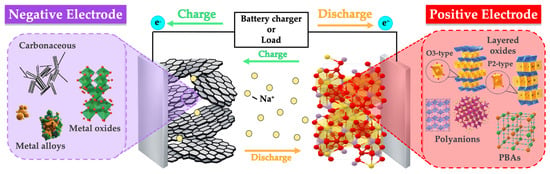
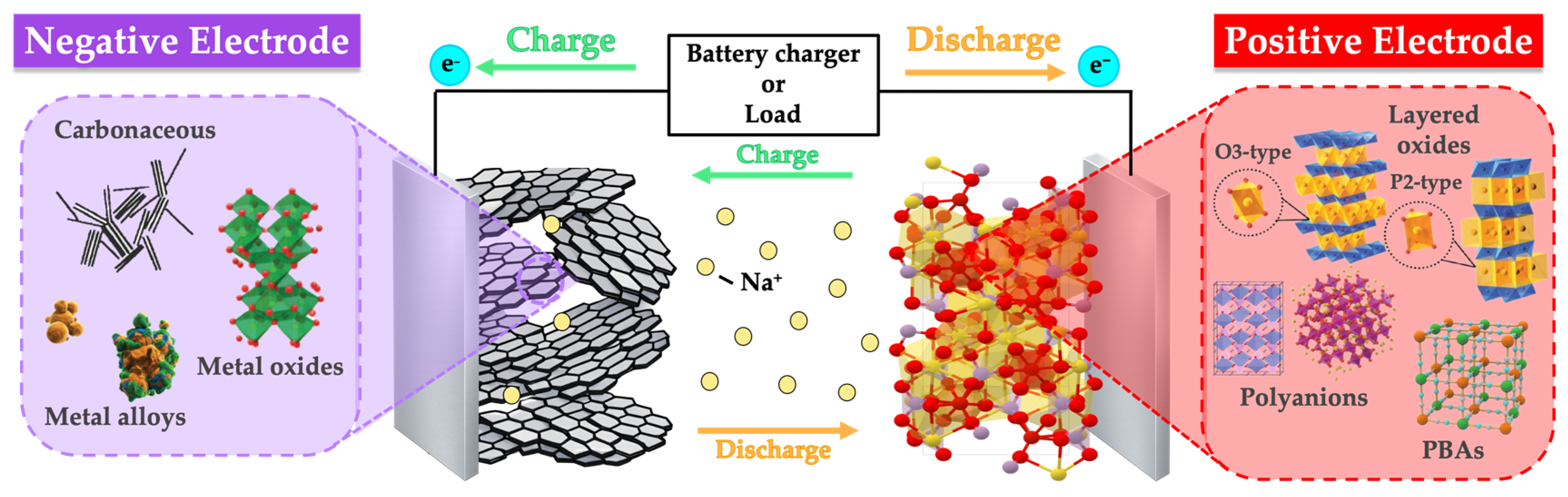
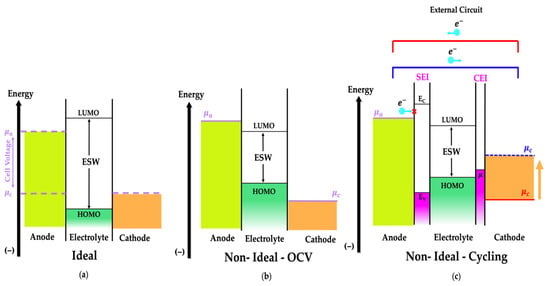
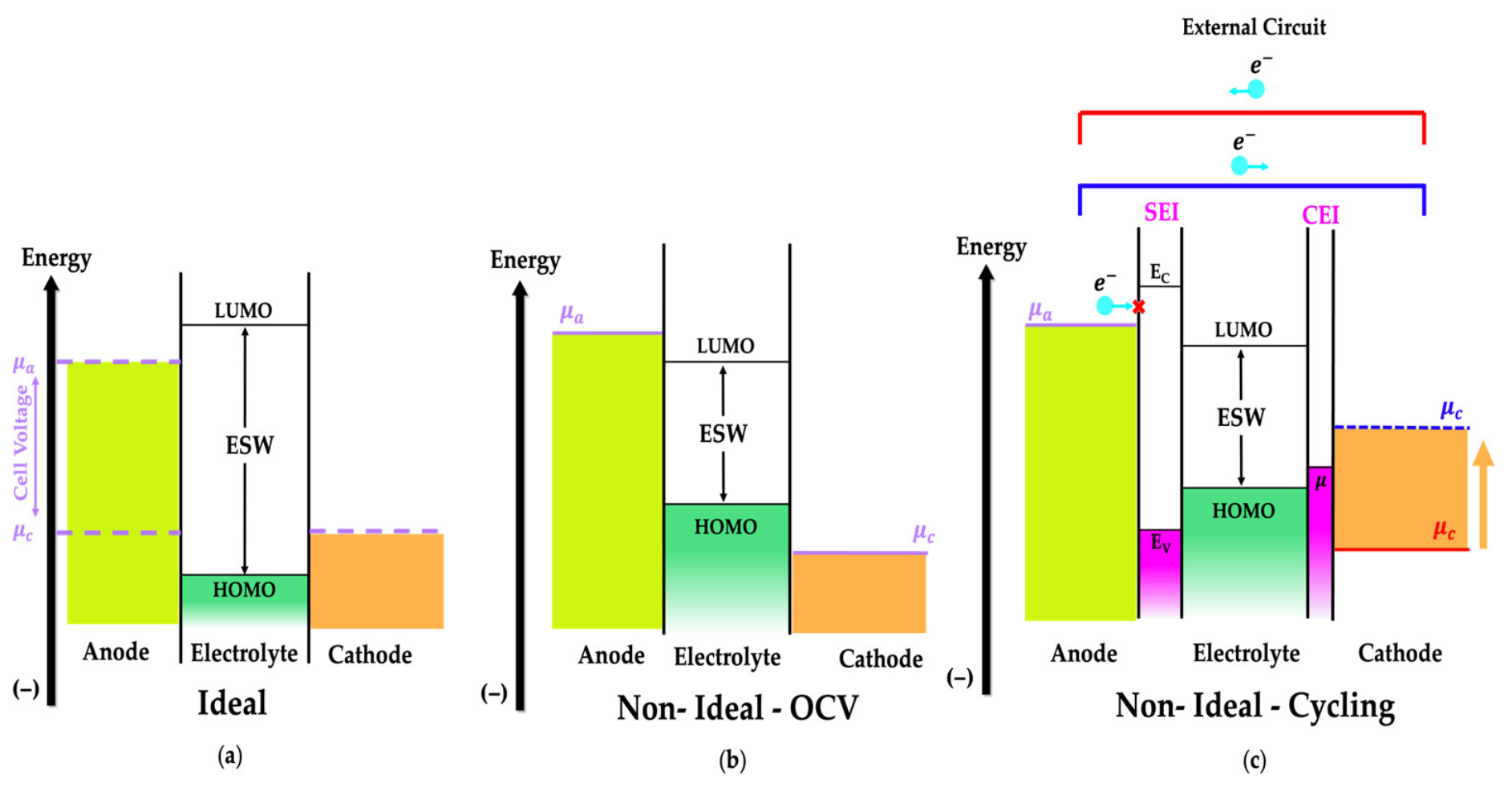
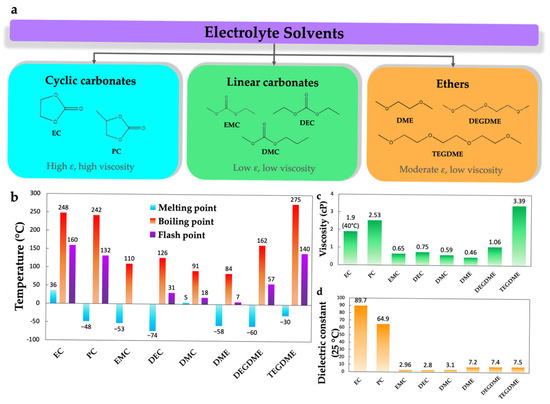
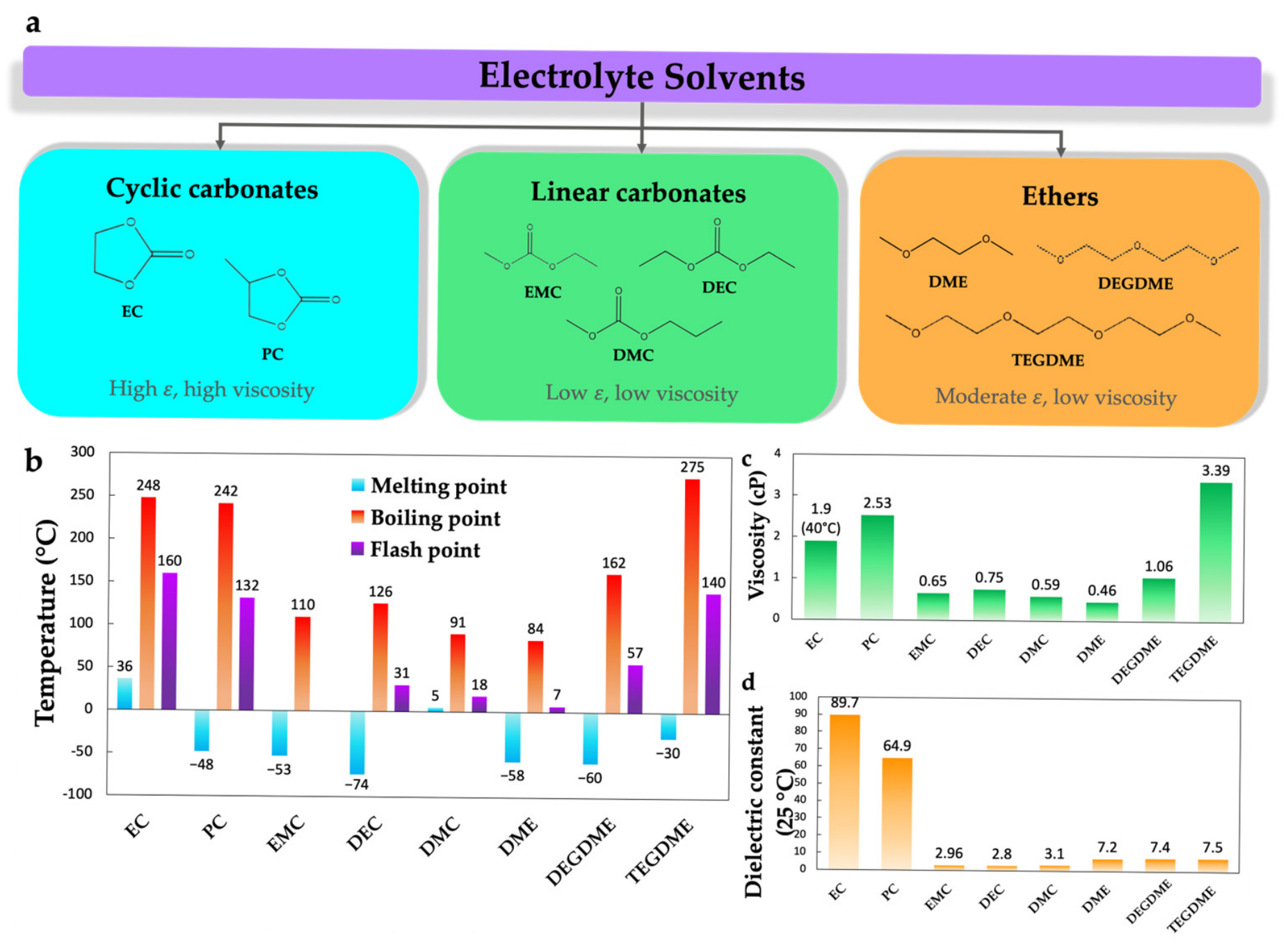
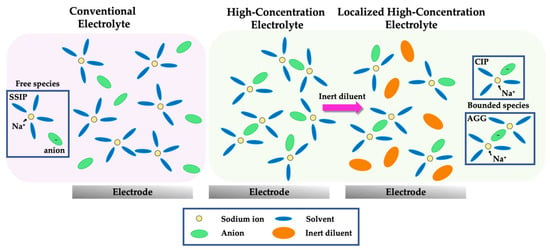
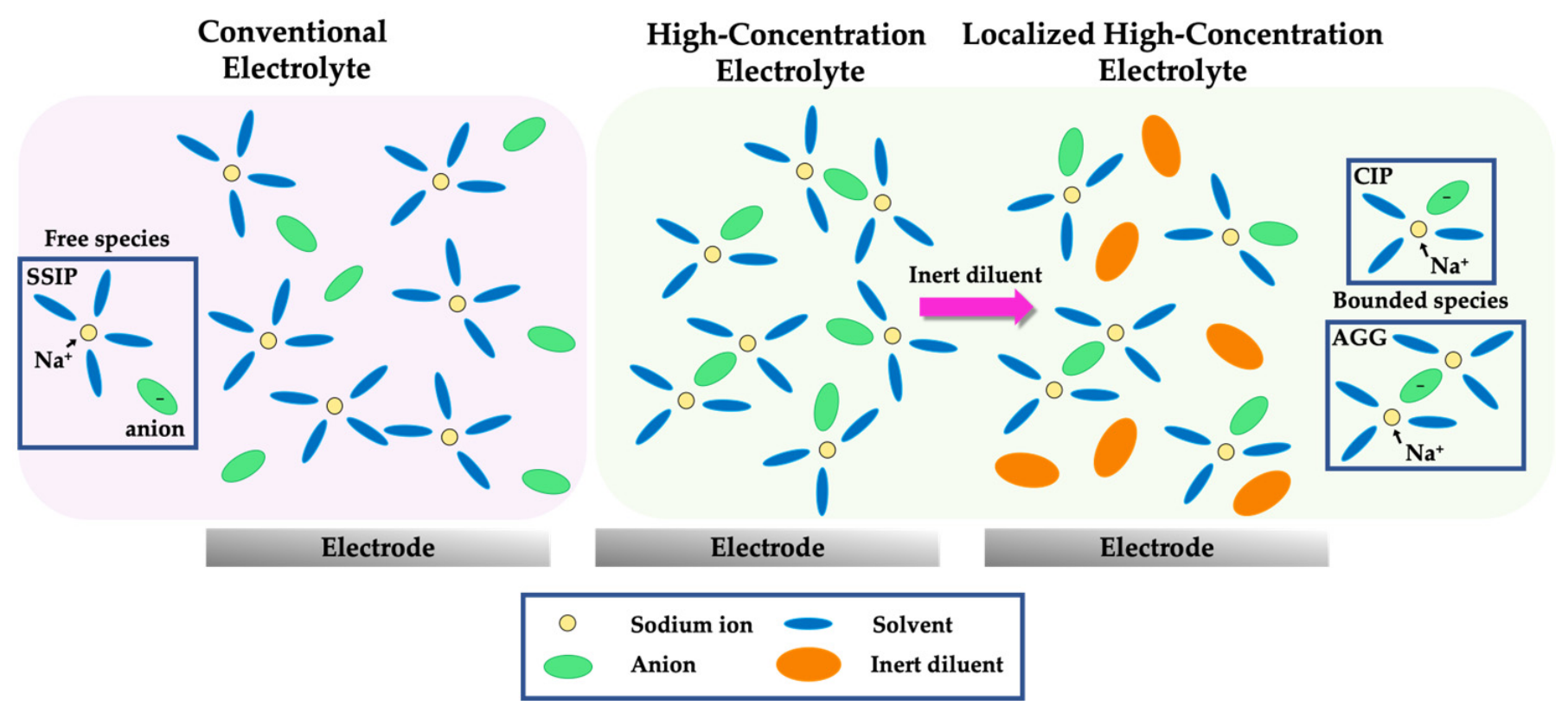
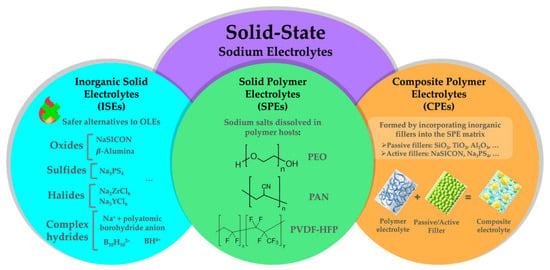
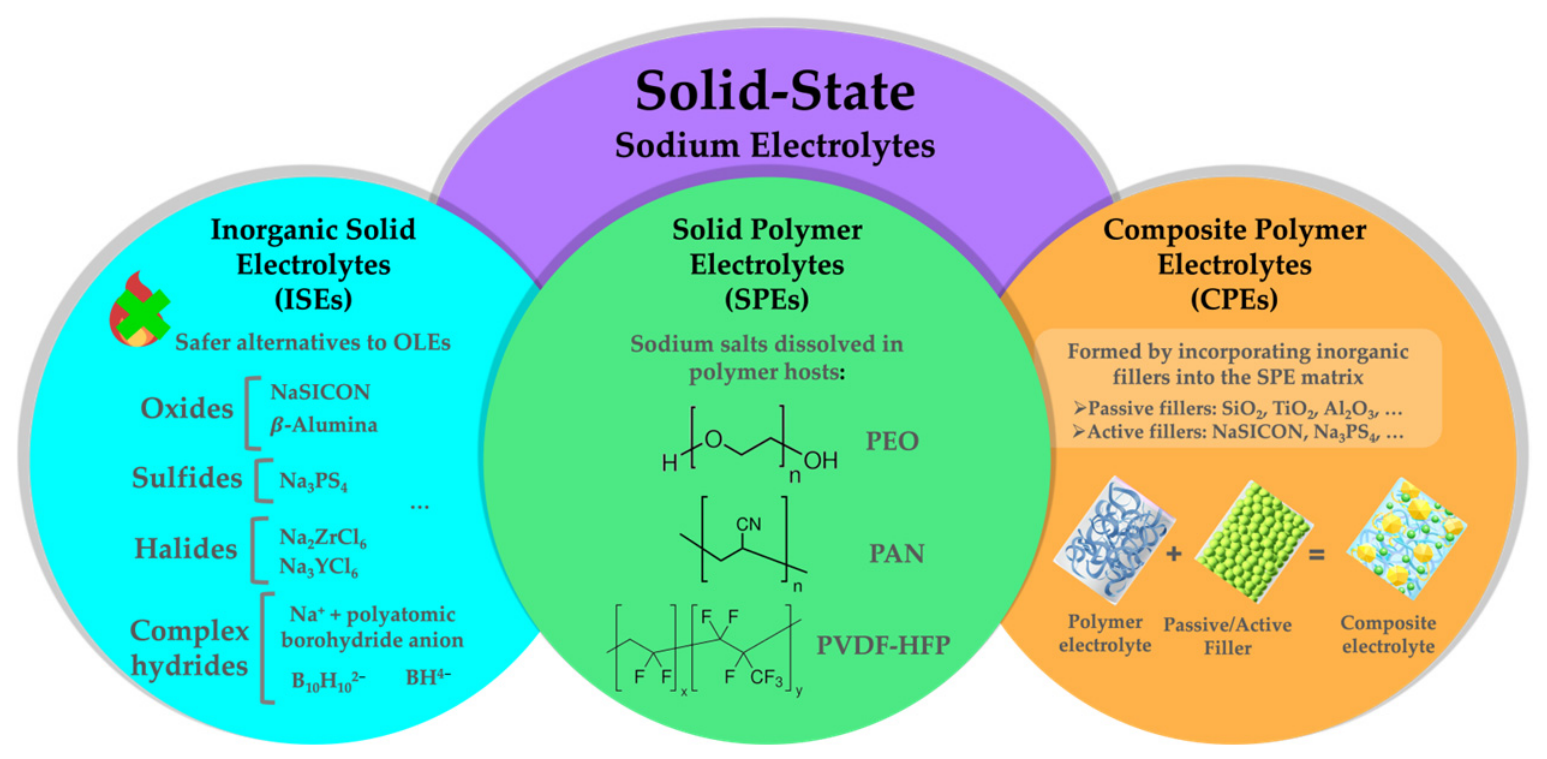
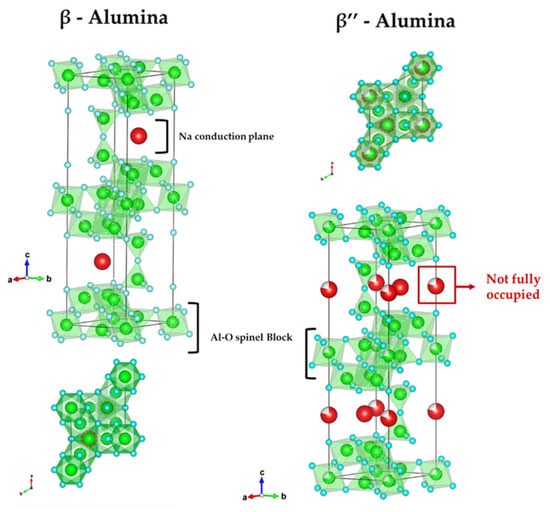
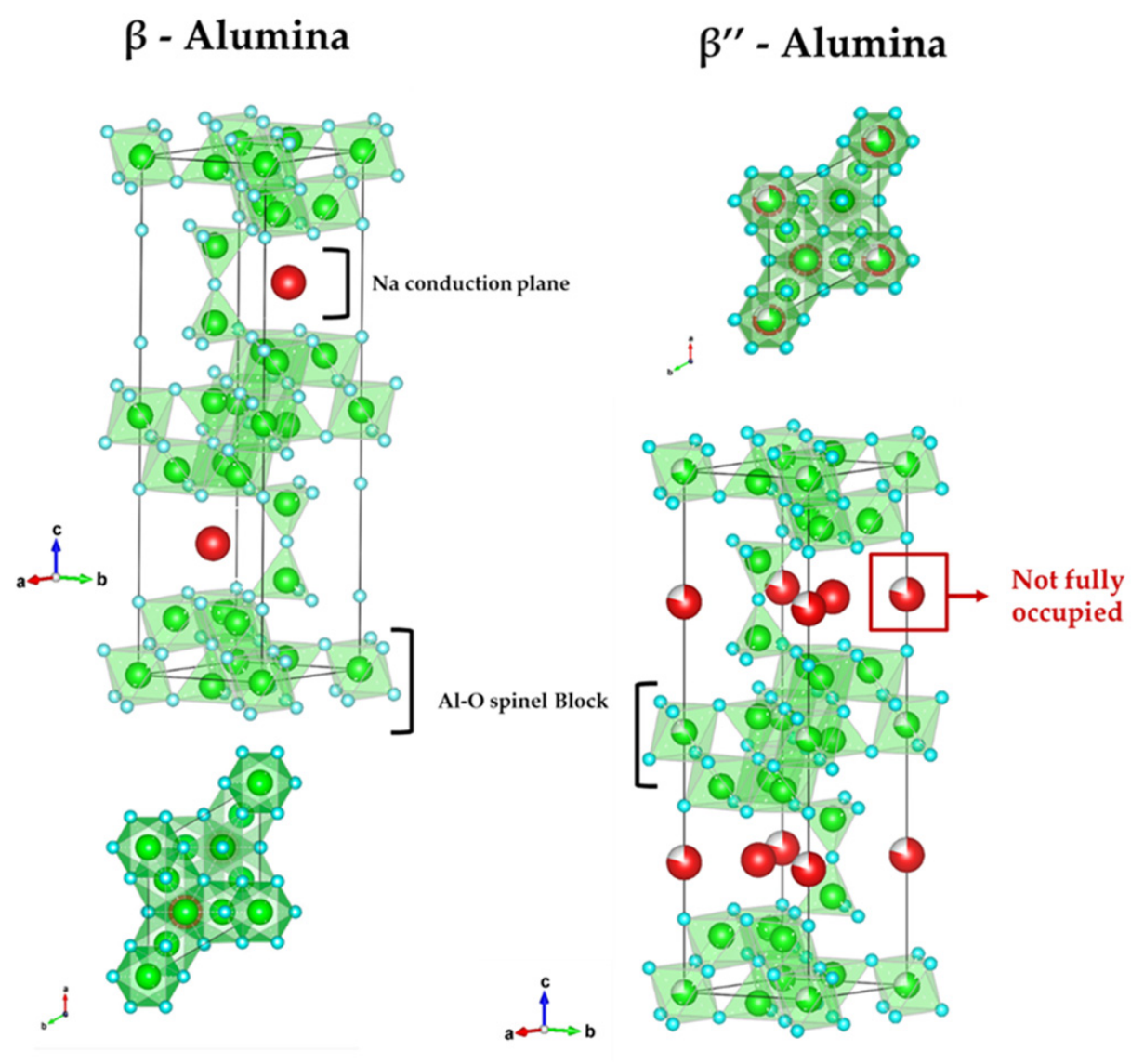
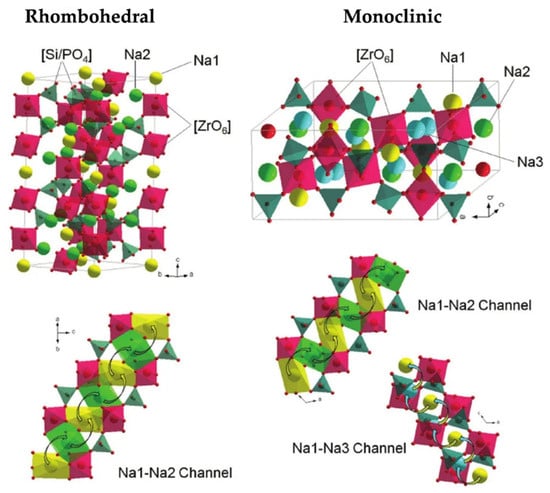
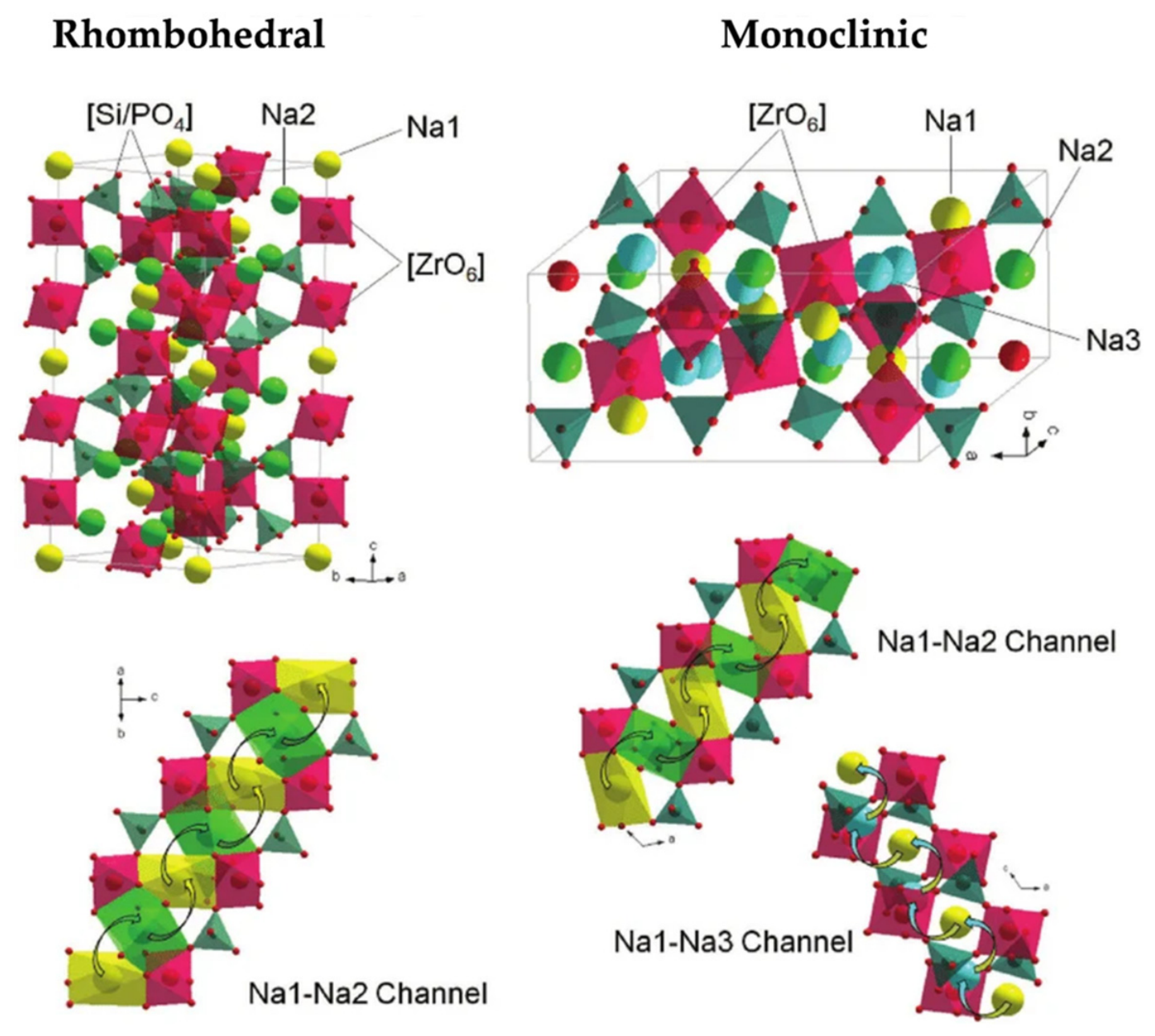
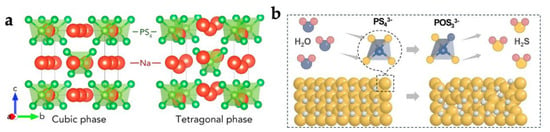
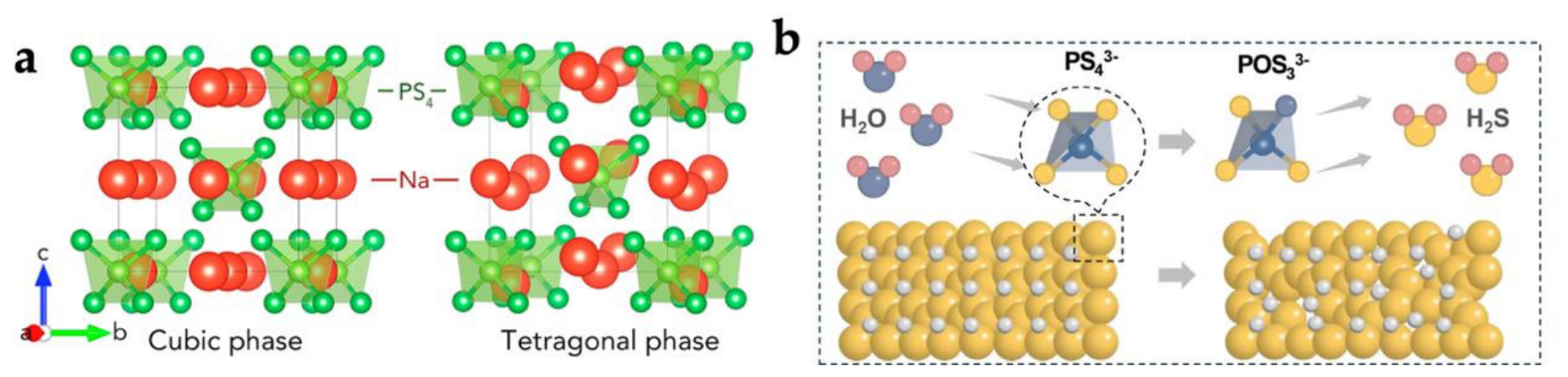
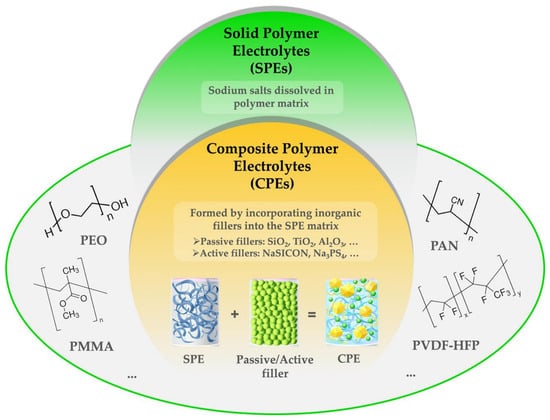
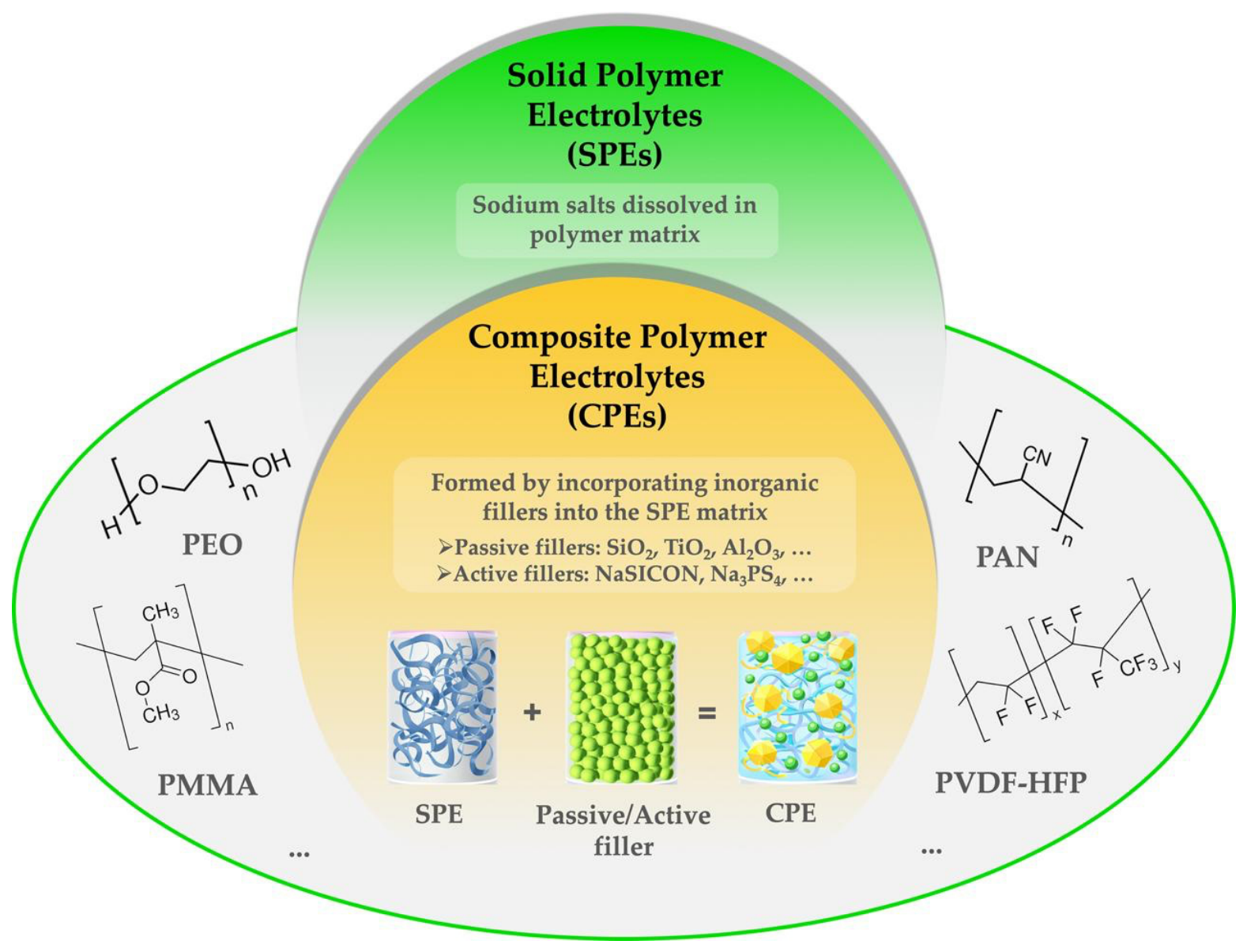
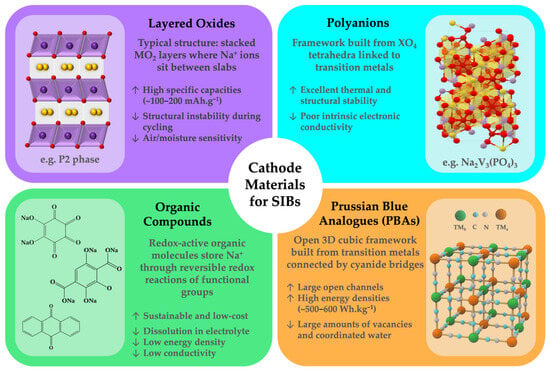
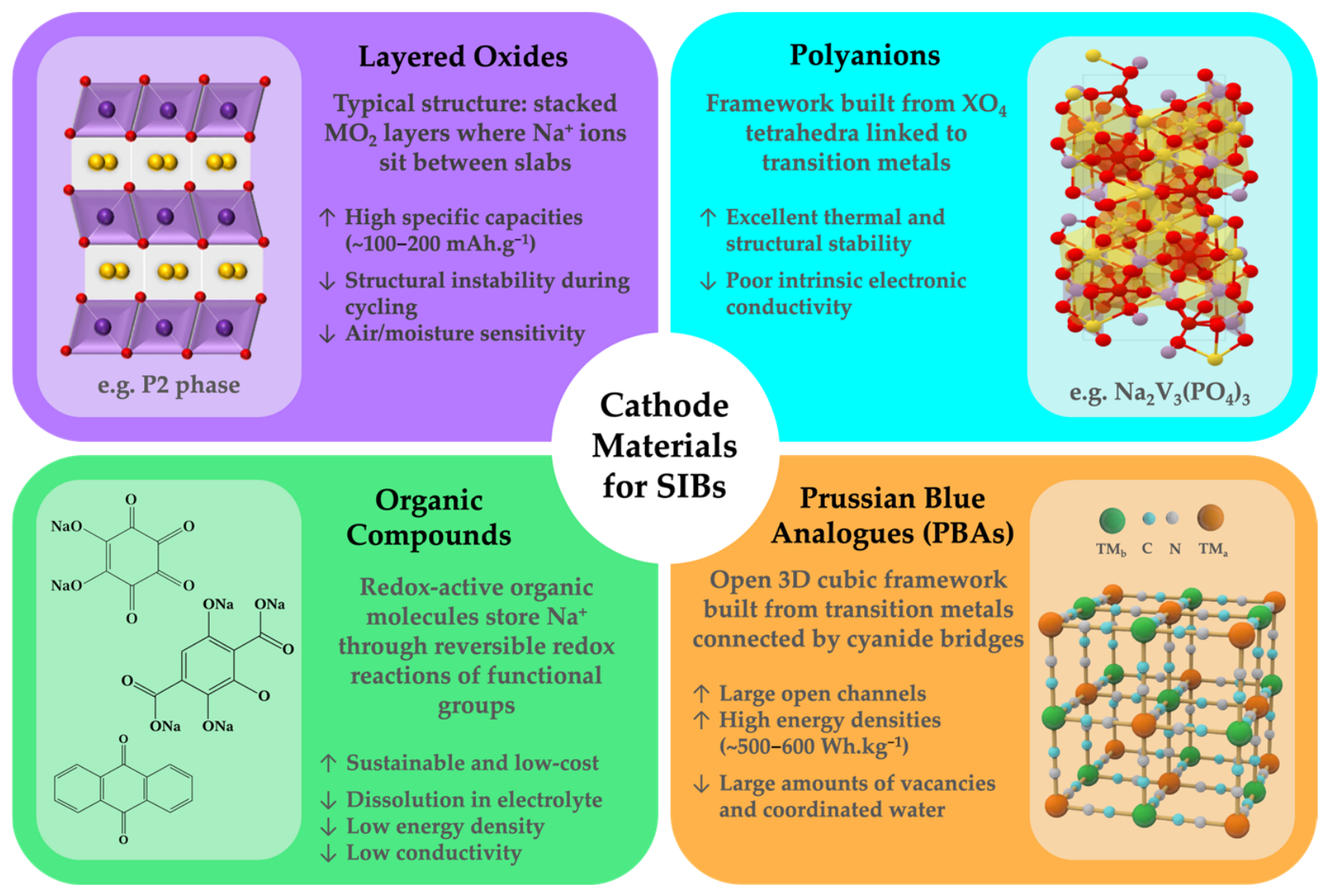
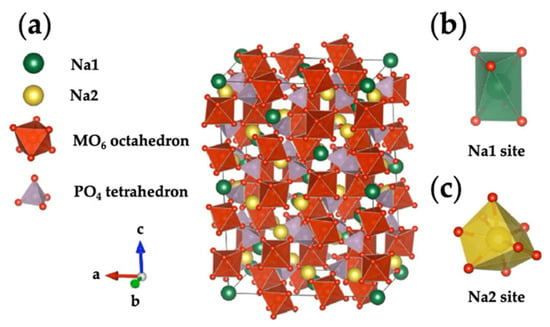
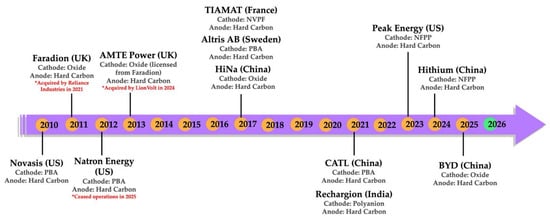
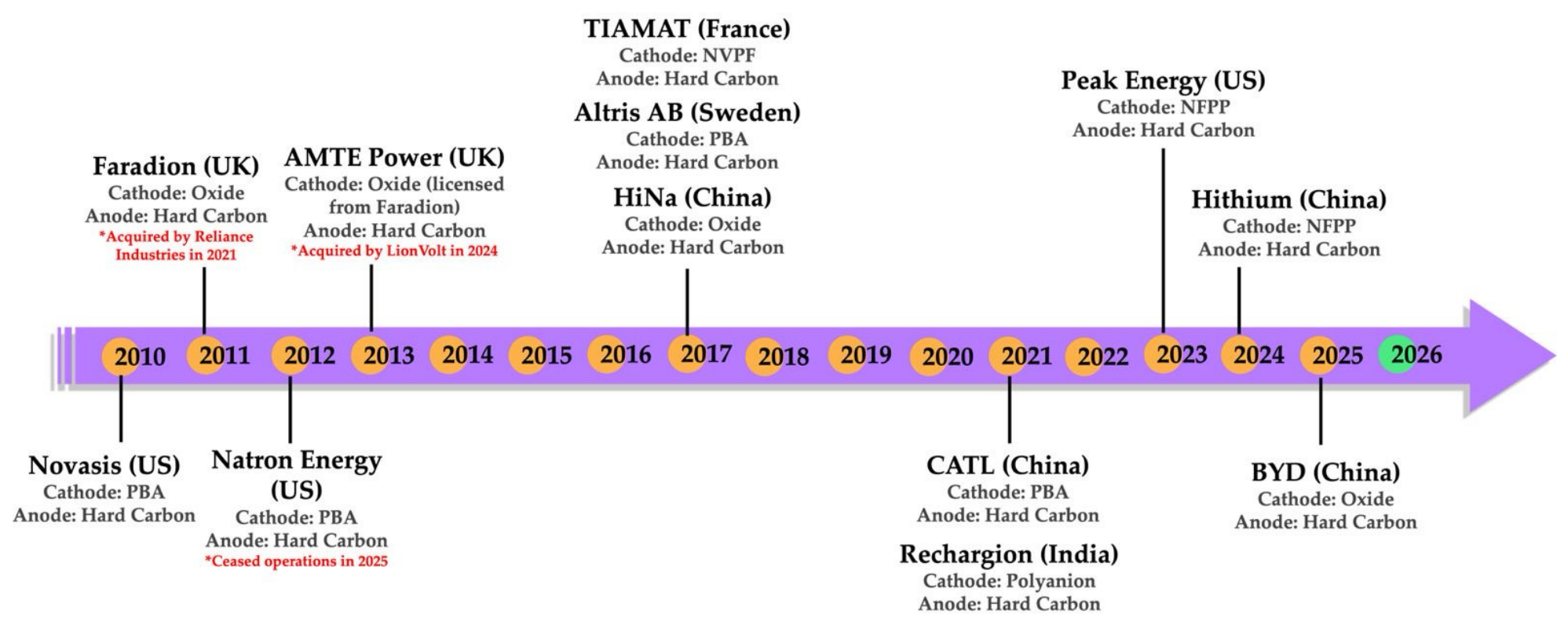

Disclaimer/Publisher’s Note: The statements, opinions and data contained in all publications are solely those of the individual author(s) and contributor(s) and not of MDPI and/or the editor(s). MDPI and/or the editor(s) disclaim responsibility for any injury to people or property resulting from any ideas, methods, instructions or products referred to in the content. |
© 2026 by the authors. Licensee MDPI, Basel, Switzerland. This article is an open access article distributed under the terms and conditions of the Creative Commons Attribution (CC BY) license.