


Abstract
Graphite is a critical mineral used to produce anodes for lithium-ion batteries (LIBs). Battery-grade anode active material (AAM) is derived from natural graphite. As the electric vehicle (EV) market continues to expand across North America, establishing a local AAM supply chain has become increasingly important. This new supply chain must be sustainable if critical minerals are to replace the internal combustion engine (ICE) powertrain in vehicles. Canada possesses abundant critical mineral resources, including natural graphite, which is mined and processed in the province of Québec. To better understand the environmental implications of this emerging supply chain, a life cycle assessment (LCA) was conducted on a Québec-based graphite mine and processing facility. The results showed that producing one ton of AAM in Québec generates approximately 1.44 tons of CO2-equivalent (long-term) emissions, significantly lower than the 9.6 tons of CO2 emitted per ton of graphite produced in China. Natural gas used for purification and coating at the process plant was the largest contributor of CO2 in this study. Although this LCA in Québec represents a substantial reduction in carbon intensity, further opportunities must be explored to enhance sustainability and strengthen North America’s graphite supply chain.
1. Introduction
Sales of electric vehicles continue to increase in North America [1] even with the economic fluctuations in both the United States and Canada. According to Bloomberg, global EV sales are projected to reach approximately 24.3 million units by 2026 [2]. There is also a change in the lithium-ion battery (LIB) supply chain for critical minerals that were originally coming from Asia, mainly China [3] but now being sourced from the United States and Canada [4]. Canada has reserves many critical minerals, including cobalt, graphite, lithium, nickel, and rare earth metals for battery production [5].
Graphite has dominated the anode materials market, accounting for up to 98% of market share, while Li4Ti5O12 represents only about 2% [6]. Silicone anodes have been researched over the past several years due to the high theoretical capacity, availability and low cost, but issues like volume expansion and reliability have hindered commercialization for EV anodes [7]. Graphite, which can make up 20% of a LIB cell, is a critical mineral used in the anode of the LIB. Graphite sourced from natural ores; natural graphite (NG) generally has lower production costs but also lower purity and quality. Its anisotropic crystal structure can hinder performance in lithium-ion batteries, even though the larger domain sizes often allow for higher capacities. This advantage, however, typically comes with reduced cycle life. In contrast, synthetic graphite (SG) produced from carbon precursors such as petroleum coke or coal tar pitch is more costly to manufacture but offers much higher purity and consistency, but had a higher market share (59.09%) by revenue in 2025 [8]. Its isotropic crystal orientation provides better thermal stability, lower thermal expansion, and faster lithiation/delithiation kinetics. As a result, it delivers stronger overall battery performance and longer cycle life, despite usually having lower capacities due to smaller domain sizes or a greater number of interdomain boundaries [9].
The widespread use of graphite is attributed to its low cost, natural abundance, high energy and power density, and long cycle life, making it a highly favorable choice for lithium-ion battery anodes [10]. According to the International Energy Agency (IEA), achieving net-zero emissions by 2050 would require global demand for graphite to reach approximately 16 million tons by 2040 [11]. The production of NG used in LIBs requires 230 to 260 MJ of energy per kg graphite, with China burning mainly coal as a source of electricity, thus causing a high environmental impact [12]. China is working on developing green energy for critical mineral processing. An example of this effort is the Sunstone facility in Inner Mongolia that operates its graphitization furnaces on 100% renewable electricity, making it an early commercial example of fully renewable-powered anode material processing [13].
SG is preferred due to the lack of natural graphite sources for LIB applications [14]. In a recent study by Pandey et al. (2025) in the United States found that the production of battery anode active material (BAAM) from synthetic graphite produced 29.7 CO2-eq per kg BAAM. The hotspot was found in the graphitization step and total energy use was at 580 MJ kg−1 [15]. To address this challenge, researchers have explored methods to reduce the energy required for synthetic graphite production, including electrochemical graphitization. The Acheson process transforms soft amorphous carbons, such as petroleum coke, into graphite at high temperatures up to 3200 °C [14].
Engels et al. (2022) conducted a life cycle assessment (LCA) of natural graphite production for battery-grade anodes using industrial primary data from China. The study reported total greenhouse gas emissions of 9616 kg CO2-eq per 1000 kg of natural graphite, with the coating process identified as the primary contributor to these emissions [12]. In another study, Zhang et al. (2018) found that the purification process accounted for the majority of the environmental impact (60%), followed by surface modification (18%). This study reported an energy consumption of 100.46 MJ per kg of natural graphite anode, with electricity identified as the dominant contributor, accounting for 50% of the overall environmental impact [16]. Additionally, Gao Si et al. reported that producing 1 ton of natural graphite anode resulted in 112.48 GJ of energy consumption and 5315.91 kg CO2-eq of emissions [17].
High-purity graphite is required by EV manufacturers for their anode material. Many original equipment manufacturers (OEMs) have signed contracts with graphite mines located in Québec [18]. With this new North American graphite supply chain, OEM’s are requiring LCA from the mines as part of their sustainability objectives. It was noted that there are no recently published articles for LCA’s on graphite extraction and processing in Asia and Europe. There is no recent LCA published in the literature for graphite extracted from Québec. Many previous studies found in the literature focused on carbon fiber–thermoplastic, fuel cell, and the crystallization of carbon atoms in Acheson furnaces [14].
1.1. Cost Analysis of Natural Graphite
Graphite comprises roughly half the mass of a lithium-ion battery anode, with roughly 1.2 kg of graphite required per kWh of cell capacity. Driven by EV and energy storage demand, natural flake graphite is projected to gain market share relative to synthetic graphite, rising from about 224,538 tons today to roughly 3.08 million tons by 2030 [19]. Natural graphite undergoes mining, flotation, purification, spheroidization, and heat treatment to achieve battery-grade quality (>99.95% C). This process is notably wasteful, as up to 70% of feedstock is lost during conversion to spherical form [20]. According to research by the German institute, anode material made from natural graphite is priced between 4–8 USD per kg. In contrast, synthetic graphite-based anode material costs 12–13 USD per kg [21]. Meanwhile, synthetic graphite is produced via high-temperature graphitization (exceeding ~2800–3000 °C) of petroleum or needle coke, an energy-intensive method responsible for 50–60% of total production costs and heavily affected by electricity pricing [22,23]. On an energetic basis, given graphite’s specific capacity (~360 mAh/g), this equates to an energy material cost of approximately 8–12 USD/kWh for natural graphite and higher for synthetic. However, the precise values can vary depending on process efficiencies and regional energy costs. Notably, synthetic graphite’s higher carbon footprint (up to 20 kg CO2e/kg) makes natural graphite more environmentally favorable, offering a 60–90% reduction in emissions CO2 [24].
Studies have been conducted to reduce the energy consumption needed to produce synthetic graphite via electrochemical graphitization [12,14]. The techno-economic analysis shows that natural graphite is the lowest-cost pathway for producing battery-grade anode material, with total production costs typically in the range of 2000–3000 USD per ton, driven mainly by purification chemicals, electricity use, and spheronization. In contrast, synthetic graphite is significantly more expensive, approximately 4000–10,000 USD per ton because high-temperature graphitization (2500–3000 °C) dominates both energy demand and capital expenditure. Northern Graphite has indicated that producing battery-grade natural graphite commercially in Canada would require sale prices of approximately 8000–10,000 USD per ton, whereas equivalent material sourced from China was available for about 6000–7000 USD per ton in 2024. In addition, a recent comparative economic assessment of Chinese and U.S. graphite reported natural graphite prices of 4.34 USD/kg for China and 7.99 USD/kg for the United States [25]. Overall, the significant factors influencing cost include energy consumption, chemical purification reagents, feedstock quality, and equipment capital costs, with graphitization energy being the single most significant contributor to synthetic graphite production [26].
Recent studies demonstrated practical, industry-relevant anode material manufacturing routes particularly those based on industrial by-products and waste-derived carbon sources for processes of spheronization, carbon coating, and graphitization in an attempt to reduce process cost.
Spheronization
Recent results indicate that graphite waste (GW) produced via the Acheson furnace constitutes a technically robust and scalable precursor route for the development of low-cost, environmentally benign anode materials for LIBs [27].
Carbon coating
Another study reported that commercial high-density polyethylene (CPE) and waste high-density polyethylene (WPE) can be effectively regenerated into anode-grade materials for LIBs [28]. Because polyethylene (PE) undergoes rapid thermal degradation at elevated temperatures, it was first subjected to a thermal stabilization step to facilitate controlled carbonization. After stabilization, the material was graphitized at 3000 °C, producing PE-derived graphite with crystallinity surpassing that of conventional commercial anode materials (CAM).
Graphitization
High-purity graphite was produced from steel manufacturing waste through the successful conversion of emission control system (ECS) dust a carbon-rich by-product generated during steel processing into anode-grade material for lithium-ion batteries (LIBs) [29]. The ECS dust first underwent a purification step to remove metallic contaminants and non-carbonaceous phases. It was then subjected to thermal stabilization to mitigate premature decomposition during subsequent high-temperature processing. After stabilization, the material was carbonized and graphitized at temperatures approaching 3000 °C, promoting the development of highly ordered graphitic domains. This integrated sequence of purification, stabilization, and high-temperature graphitization enabled the production of graphite exhibiting structural and electrochemical characteristics on par with, or superior to, those of conventional commercial anode-grade graphite.
1.2. Availability of Graphite in Canada
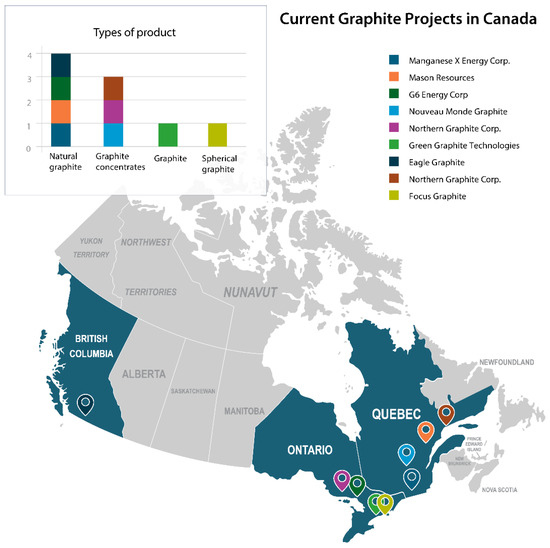
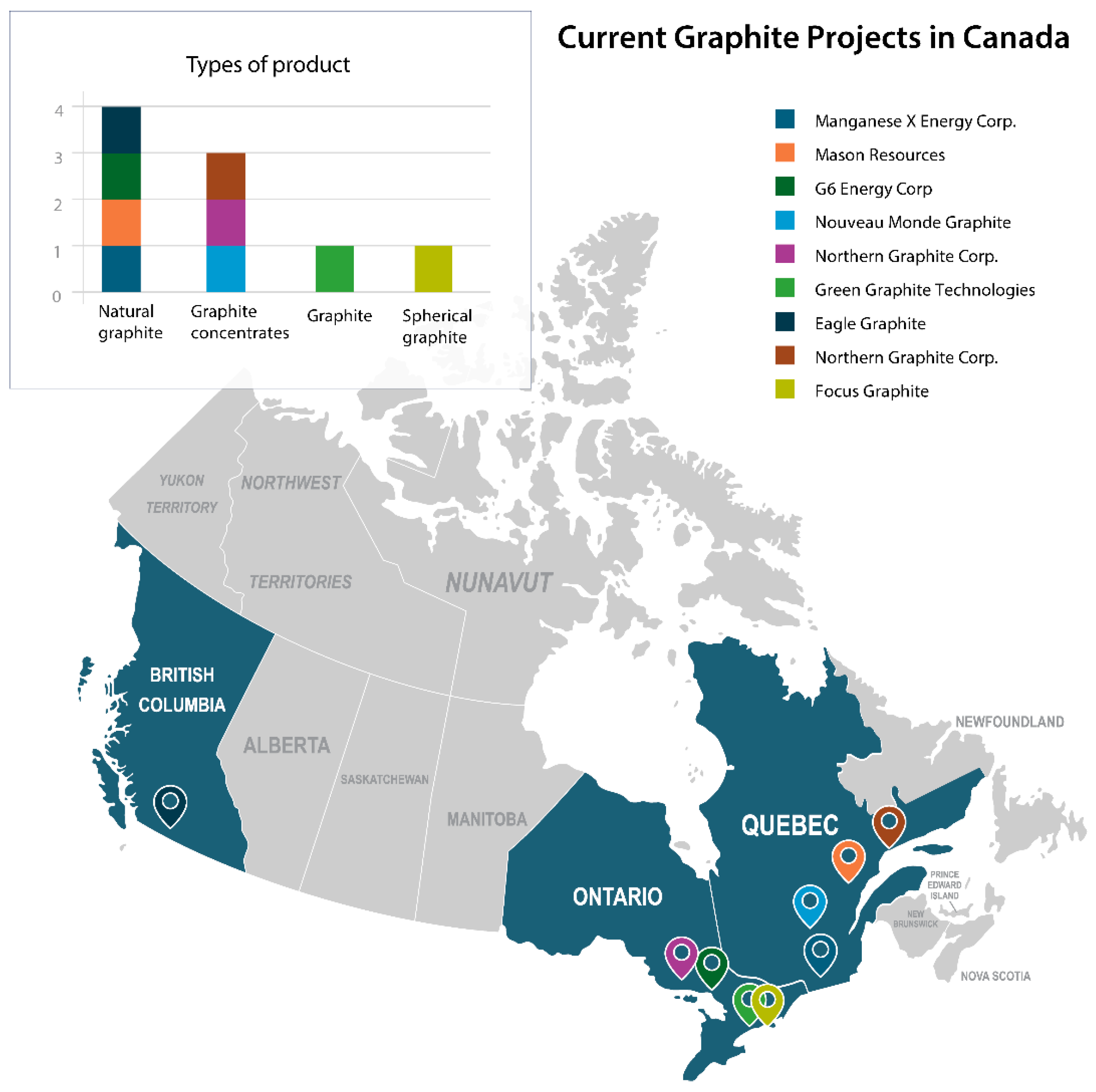
The province of Québec in Canada is notably rich in critical minerals, including graphite [30,31]. Currently, there are graphite projects in three Canadian provinces (Québec, Ontario, and British Columbia) [4] as shown in Figure 1. The purpose of this research is to evaluate the environmental impact of graphite mined in Québec via LCA. A cradle-to-gate process-based attributional analysis was performed on AAM produced in Québec. Our objective was to compare LCA results from AAM originating in China and material from Québec, Canada. This study encompassed the processes of ore extraction at the open pit mine, drilling/blasting, metrophoric rock out of the ground, flotation, spheronization, purification, and coating. The production of co-products was also considered in this LCA [18,32].
Figure 1.
Graphite projects in Canada (NATTBatt lithium-ion Battery Supply Chain database; September 2025 [4]).
2. Methods and Materials
2.1. Graphite Ore Extraction and Processing in Québec
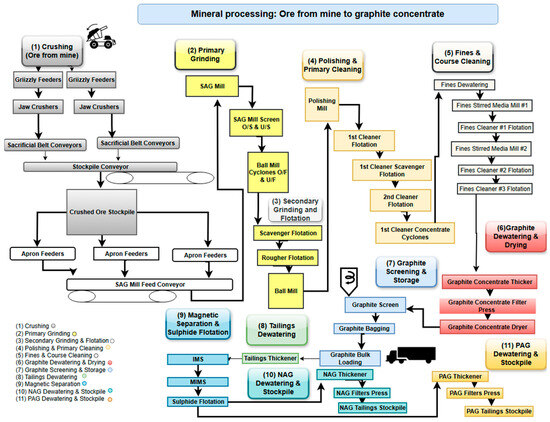
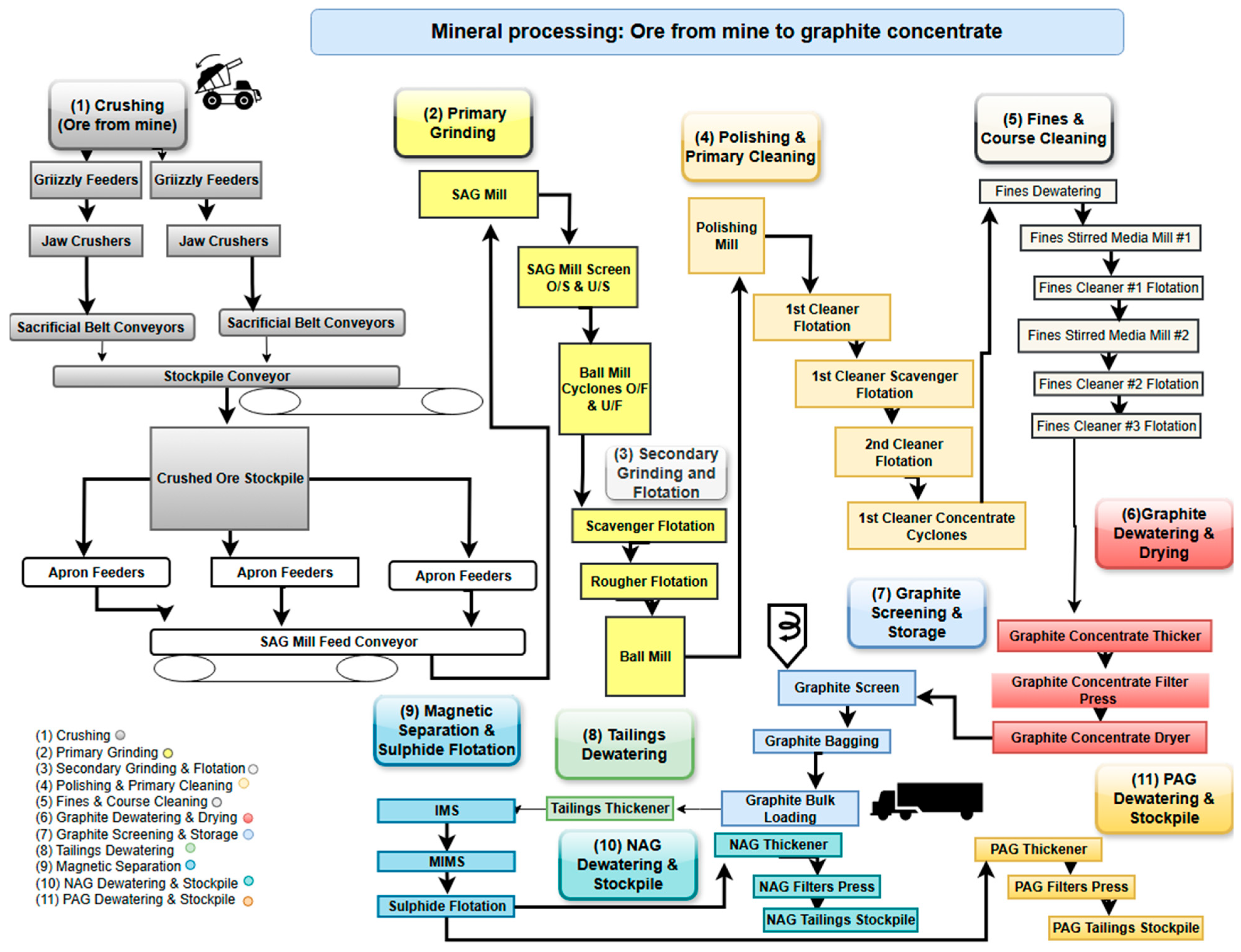
Canada is home to several critical minerals used in lithium-ion batteries, including graphite, a commonly used anode material currently being mined in Québec. Figure 2 represents typical mining and extraction of natural graphite from ore.
Figure 2.
Extraction of graphite and processing to concentrated graphite at a Québec mine.
The extraction of natural graphite from ore in Québec involves a series of complex beneficiation steps designed to produce high-purity graphite concentrate suitable for battery applications. These steps typically include crushing and grinding to reduce the particle size, followed by polishing and primary cleaning to remove impurities. The material then undergoes fines and coarse cleaning, dewatering, drying, and screening before being stored. Additional processes such as magnetic separation and sulfide flotation are used to eliminate metallic contaminants. Waste management is also a critical component of the operation, with non-acid generating (NAG) waste being dewatered and sorted for safe disposal, while potentially acid-generating (PAG) waste is carefully managed to prevent environmental contamination, as illustrated in Figure 2. The graphite concentrate is then transported to the process plant to create AAM used in LIBs.
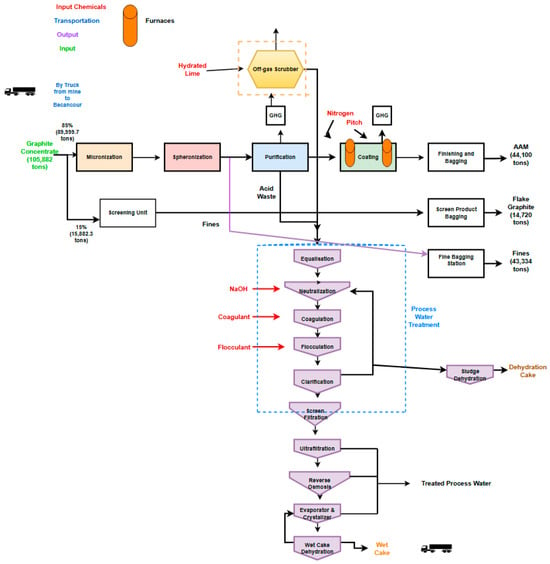
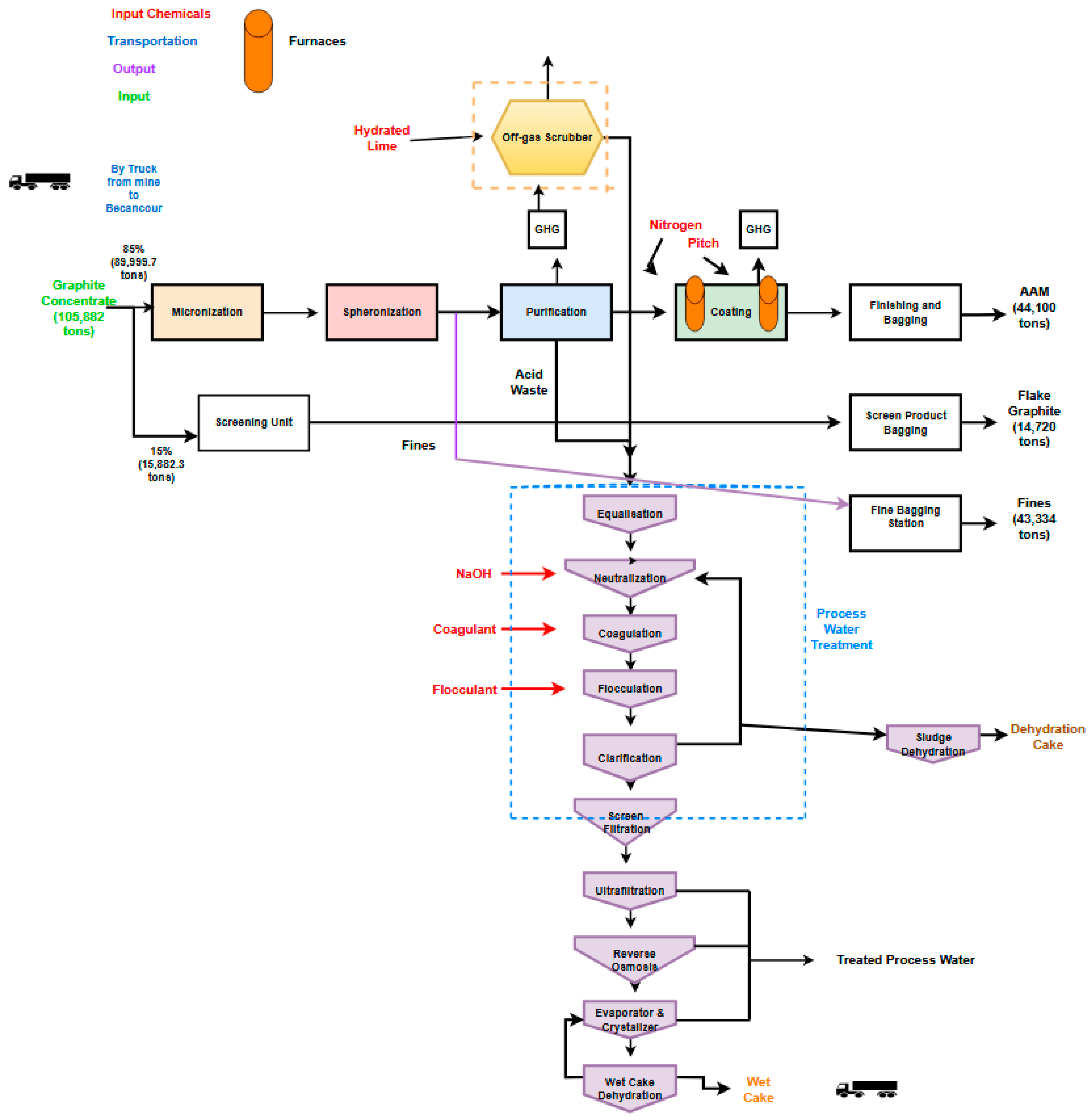
In a typical anode material processing plant, three primary steps are involved: micronization and spheronization, purification, and coating as seen in Figure 3. During the micronization step, concentrated graphite is micronized to achieve optimal particle size. This is followed by spheronization, in which the particles are shaped into spherical forms to enhance tap density, improving packing efficiency and electrode performance.
Figure 3.
Graphite process plant flowchart for Québec case study.
The purification step can employ either hydrometallurgical or pyrometallurgical methods. In the hydrometallurgical route, acid-based leaching techniques are applied, commonly using hydrofluoric acid (HF), which is highly effective but associated with significant environmental impacts due to the toxicity and corrosivity of HF [18,33]. Alternatively, pyrometallurgical purification involves chlorination roasting, where impurities react with chlorine to form volatile chlorides that are subsequently removed. This method can achieve a purification efficiency of up to 98% [33]. Another technique under exploration is high-temperature purification, in which graphite is heated to elevated temperatures to vaporize impurities with low boiling points [34]. In this study, we focus on acid-based leaching, as it is a widely adopted purification technique, particularly in Chinese graphite processing facilities [12]. The final stage is coating, wherein the purified, spheronized graphite is coated with a nanometric carbon layer. This coating improves the electrical conductivity, structural stability, and overall performance of the anode material.
To compile a comprehensive dataset of input parameters reflecting the mining, concentration, and processing of AAM in Québec, data was sourced from a range of technical documents published in 2022 [35], 2023 [32], and 2025 [18]. A data gap was also identified in locating Ecoinvent (v3.8) entries for certain reagents utilized in both the concentrator plant and the AAM process facility. Where feasible, proxy chemicals were selected based on available datasets within the Ecoinvent (v3.8) database. Co-products were also considered in the process plant operations and credit given on CO2 emissions.
Table 1 lists the processes, intermediary flows, and subprocesses that were setup in the OpenLCA (v2.3) program that represent the Québec case study. The main areas were the (mine) concentrator, mining crusher/concentrator, flotation, (AAM production plant) process plant micronization spheronization, purification, coating, process facility wide (example one number provided for total plant wide natural gas consumption), finishing/bagging, and AAM production.
Table 1.
AAM processes, intermediary flows, and sub processes.
2.2. Reagent Substitution and Justification
While analyzing the AAM data for both the concentrator and process plant, several reagents were identified as missing from the Ecoinvent v3.8 database. To address these gaps and maintain the continuity and completeness of the LCA, alternative reagent datasets were selected. This substitution strategy is widely recognized as a valid and practical approach in LCA modeling, particularly when direct inventory data is unavailable. According to Fantke et al. (2020) [36], life cycle-based alternatives assessment (LCAA) supports the use of functionally equivalent substitutes to ensure consistent environmental modeling while avoiding unacceptable trade-offs. Similarly, Meron, Blass, and Thoma (2020) [37] propose a proxy selection methodology that enables accurate approximation of environmental impacts when site-specific data is lacking. These approaches align with best practices in LCA and ensure that reagent-related impacts are represented transparently and scientifically.
In the absence of a dedicated dataset for Methyl Isobutyl Carbinol (MIBC) in the Ecoinvent v3.8 database, butanol can be used as a representative substitute for modeling flotation reagents in graphite production. This substitution is justified by the chemical and functional similarities between the two compounds. Both MIBC and butanol are alcohol-based frothers commonly used in mineral beneficiation processes, particularly in froth flotation. MIBC is known for its superior frothing efficiency, bubble stability, and selectivity in mineral separation [38,39]. However, butanol shares key structural features and exhibits similar behavior in stabilizing air bubbles, which is essential for effective flotation performance [40].
Moreover, butanol is readily available in the Ecoinvent database with comprehensive environmental impact data, making it a practical and defensible proxy for LCA purposes. Studies have demonstrated that butanol can serve as a primary frother in flotation systems, influencing bubble size and stability in a manner comparable to MIBC. While MIBC may offer enhanced performance in certain applications, the use of butanol allows for consistent environmental modeling without compromising relevance to industrial flotation practices. This approach ensures methodological transparency and supports the robustness of environmental assessments in the absence of specific data for MIBC [40,41] that can have both upstream and downstream impacts.
Hydrofluoric acid (HF), a highly reactive and hazardous chemical, is widely used in industrial applications such as metal treatment, glass etching, and uranium processing. Although HF is not explicitly listed as a standalone entry in the Ecoinvent v3.8 database, hydrogen fluoride its gaseous form and molecular equivalent are available and serves as a scientifically valid proxy for environmental modeling. Chemically, hydrofluoric acid is simply hydrogen fluoride dissolved in water, and both forms share the same molecular formula (HF), properties, and industrial uses [42,43,44].
Ferric sulfate (Fe2(SO4)3) and ferric chloride (FeCl3) are both iron-based coagulants commonly used in purification processes, but they exhibit notable chemical and operational differences [45]. Ferric chloride is more acidic and corrosive than ferric sulfate, which can influence equipment durability and necessitate more robust handling protocols. The two compounds also differ in the nature of their byproducts: ferric chloride generates chloride-rich waste, while ferric sulfate produces sulfate-based residues, each carrying distinct implications for environmental emissions and wastewater treatment. In terms of effectiveness, their performance in graphite purification varies depending on the specific impurities targeted, with ferric sulfate often showing superior results due to its favorable precipitation characteristics. Ferric III chloride was chosen as a substitute for ferric sulfate since data was available in the Ecoinvent v3.8 database as a coagulant.
To estimate reagent consumption in the purification stage of AAM production, plant-specific data were unavailable, so data from Engels et al. [12] were used as substitute. A process flowsheet was developed to trace input, output values across production stages, revealing that 1010 kg of purified spherical graphite is needed to produce 1 ton of coated spherical graphite. Since the purification stage yields 1 ton of purified graphite, a scaling factor of 1.01 (1010/1000) was applied to adjust reagent quantities accordingly. Using this factor, the required amounts of hydrochloric acid, hydrofluoric acid, nitric acid, and sodium hydroxide were calculated and converted to tons per year (tpy), ensuring consistency with the functional unit of 1 ton of coated spherical graphite.
2.3. Review of LCA Datasets and Data Analysis
To perform the LCA of battery-grade AAM, we used OpenLCA v2.3 together with the Ecoinvent v3.8 database, one of the most comprehensive and widely applied LCA inventory datasets available. Background data from Ecoinvent v3.8 were incorporated to represent specific processes and feedstocks where primary, context-specific data were unavailable. This ensured a robust evaluation of the environmental impacts associated with graphite production. Midpoint impact results were generated using Impact World+ midpoint v2.0.1, which assesses a broad set of environmental indicators. In this study, the primary focus was on global warming potential (GWP), expressed as CO2 emissions, and water use.
An attributional LCA approach was applied to quantify the direct environmental burdens associated with producing battery-grade AAM. This method excludes broader system-level considerations such as market effects or indirect emissions, enabling a clear and structured assessment of the energy use, greenhouse gas emissions, and resource demands of AAM production.
The LCA workflow was designed to ensure reproducibility and comprehensive quantification of environmental impacts. Primary data were collected from the graphite mining operation and downstream processing facility in Québec. These data included key operational parameters such as energy consumption profiles, raw material inputs, direct emissions, and solid and liquid waste outputs. All raw data were preprocessed and validated to ensure consistency and suitability for LCA modeling.
After validation, system boundaries and process flows were defined in OpenLCA v2.3, with individual unit processes representing each step of graphite extraction and refinement. A complete life cycle inventory (LCI) was assembled to capture all relevant environmental exchanges. The model was then executed to calculate life cycle impacts across multiple environmental categories using the selected impact assessment method.
2.4. Goal and Scope Definition
The LCA framework employed in this study was structured in accordance with ISO 14040 standards [46], encompassing the definition of system boundaries, LCI inputs, and impact assessment methodologies. The functional unit was defined as the production of one metric ton of AAM, selected to ensure comparability with existing LCA studies and industrial benchmarks. A cradle-to-gate approach was adopted, thereby encompassing all relevant environmental impacts from raw material extraction through to the final production of AAM. An overview of the methods and materials used in this LCA are shown in Table 2.
Table 2.
Overview of methods and material for LCA research.
The life cycle inventory included primary (foreground) data obtained directly from operations at the graphite mine and associated processing facilities, complemented by secondary (background) data from the Ecoinvent (v3.8) database to ensure completeness and model fidelity. The life cycle impact assessment (LCIA) focused on key environmental indicators, including atmospheric emissions, freshwater consumption, solid waste generation, transportation-related impacts, and co-product flows. These impact categories were analyzed to provide a comprehensive assessment of the environmental footprint and identify opportunities for sustainability improvements.
2.5. Processes, Intermediary Flows, and System Boundary
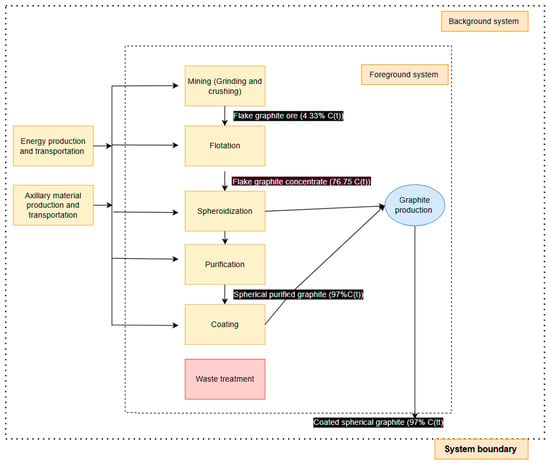
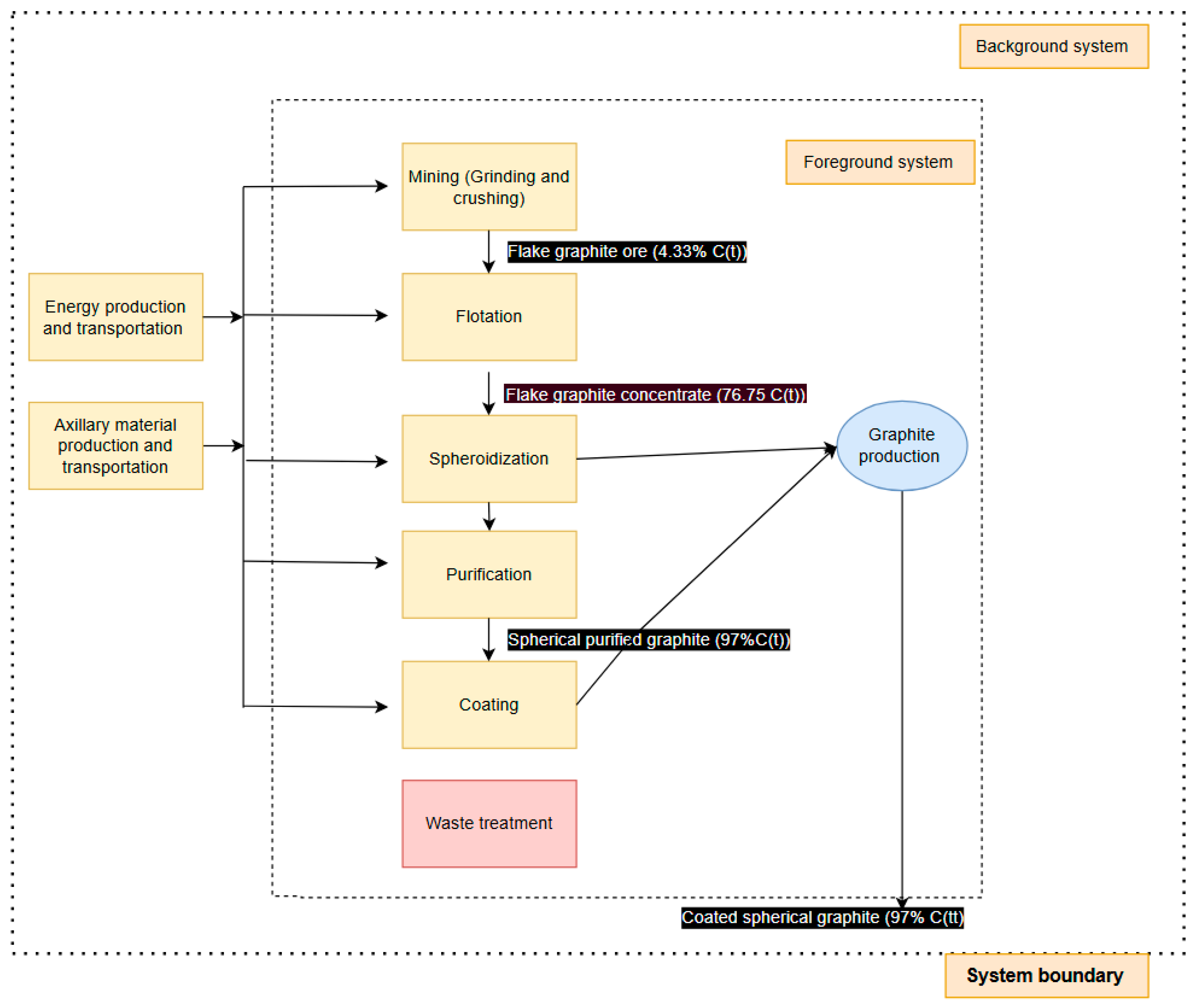
Several sources of data were used such as environmental impact assessments, technical reports [18,32,35] and other sources. Once the processes, elementary, and intermediary flows were identified, a product system was created as shown in Figure 4 (process tree). In this study, energy was supplied by electricity, diesel, and natural gas. Water consumption, reagents, and to AAM at the process plant. transportation were considered for both the extraction/concentration of graphite and processing.
Figure 4.
System boundary for graphite extraction and processing to AAM.
To carry out an LCA of graphite extraction and processing in Québec, it was crucial to collect accurate, site-specific, and representative data. This data was essential to ensure the reliability of the environmental impact assessment across all stages of the graphite supply chain. Environmental process data were gathered from multiple sources, including environmental impact assessment (EIA) reports mandated by the Québec government, as well as technical and feasibility reports from the mining industry [18,32,35]. These documents provided key information on resource extraction, energy consumption, emissions, water usage, and waste generation associated with graphite mining and processing activities.
The EIA reports were particularly valuable, as they included regulatory evaluations, environmental monitoring data, and mitigation strategies implemented by mining operations to comply with both provincial and federal environmental standards. In addition, technical and feasibility reports from the mining sector offered detailed insights into operational efficiencies, material flows, and efforts to optimize processing methods. By integrating updated data from both regulatory and industry sources, this assessment delivers a comprehensive and current evaluation of graphite extraction and AAM production operations in Québec, which can serve as a foundation for a more comprehensive LCA. Some assumptions had to be made such as the case of reagents substitution to conduct a multifunction system.
3. Results and Discussion
Several gaps have been identified in the literature regarding the comprehensive LCA of natural graphite mining and the subsequent processes involved in manufacturing AAM. Many studies, including Engels et al. (2022) [12], rely on alternative process assumptions rather than modeling the actual steps performed in graphite extraction and processing. The production of battery-grade AAM typically involves a sequence of operations: mining natural graphite, flotation, spheronization, purification, coating, and final finishing. The current LCA was developed using a combination of data from 2022, 2023, and 2025 specific to graphite mining and processing activities in Québec [18,32,35].
To contextualize and validate the findings, a comparative analysis was conducted using the cradle-to-gate LCA presented by Engels et al. (2022) [12], which focused on natural graphite-based AAM produced in China for automotive lithium-ion batteries. Table 3 presents a detailed comparison of key input parameters between Engels et al.’s study and the current Québec-based assessment, covering both the concentrator and process plant stages.
Table 3.
Flows (detailed) in current research and from Engels et al. [12] per ton of AAM.
A summary of various parameters is shown in Table 4 including water, electricity, diesel, and natural gas consumption were compared with data from Engel et al. (2022) [12] on graphite mining and processing for one ton of AAM. Water usage in Engel’s study was higher at 47 m3 compared to 37 m3 in our Québec case study mine, which employed a closed-loop water system. Electricity consumption was also significantly lower in Engel’s study 7470 kWh compared to 17,100 kWh per ton of AAM in Québec. In contrast, diesel usage was higher at the Québec mine, reaching 156.6 kg per ton of AAM, compared to only 4.15 kg in Engels’ findings. Natural gas consumption was higher in China at 1050 MJ [12] compared to 295.84 MJ in Québec. The higher diesel consumption may be attributed to the detailed data obtained for the Québec mining equipment which was not presented in the Engels’ study. The Québec study had higher electricity consumption which reduced the natural gas usage versus that in China.
Table 4.
Summary comparison of graphite production.
The long-term CO2 per ton of AAM in the Québec case study was 1.44, compared with 9.60 for China’s natural graphite and 29.70 for synthetic graphite, as shown in Table 5. The data indicates that natural graphite production generates far lower CO2 emissions than synthetic graphite production, and that Québec’s natural graphite industry has a substantially smaller environmental footprint compared to natural graphite production in China.
Table 5.
Long-term CO2 for one ton of graphite in recent studies.
3.1. Natural Gas Consumption
One of the most significant differences observed between the Québec-based LCA and the study by Engels et al. (2022) [12] lies in natural gas consumption. Engels et al. reported a usage of 1050 MJ per functional unit, whereas the Québec mine and processing plant recorded a substantially lower figure of 295.84 MJ. This discrepancy highlights regional variations in energy sourcing and process efficiency.
In the Québec LCA, natural gas was identified as the primary contributor to CO2 emissions during the purification and coating stages of AAM production. These stages require extremely high temperatures often exceeding 2500 °C to achieve the necessary material properties [12,47]. The lower natural gas consumption in Québec may reflect differences in technology, energy integration, or operational optimization, which contribute to a reduced environmental footprint in compared to the Chinese operations modeled by Engels et al. [12].
3.2. Electricity Consumption
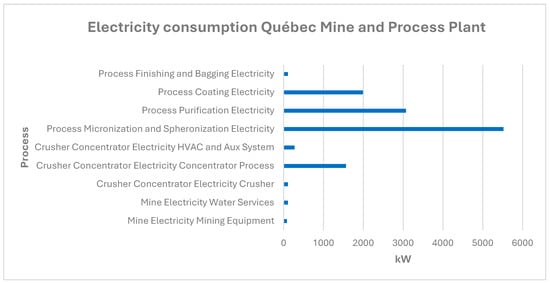
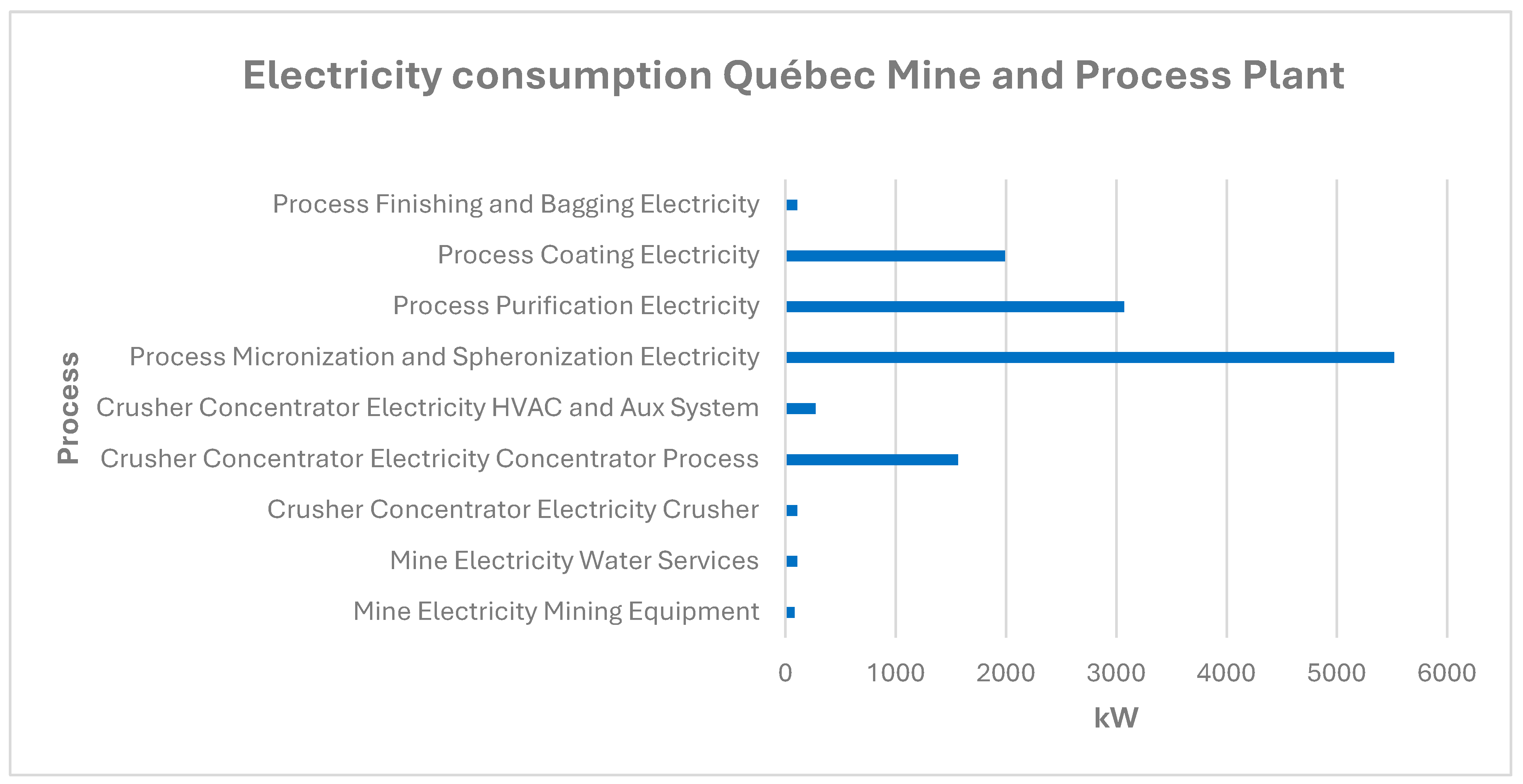
In the Québec case study of producing AAM from natural graphite, the highest electricity consumption was observed during the micronization/spheronization, purification, and coating stages at the process plant (see Figure 5).
Figure 5.
Electricity consumption at Québec mine/concentrator and AAM process.
These stages micronization, spheronization, purification, and coating are particularly energy-intensive due to the mechanical and thermal demands required to transform graphite concentrate into battery-grade AAM. Micronization and spheronization involve high-speed milling and shaping of graphite particles into spherical forms, which improves tap density, reduces surface area, and enhances electrochemical performance in lithium-ion batteries [48]. Purification typically requires temperature treatment, often exceeding 2500 °C, to achieve the necessary purity levels above 99.95% carbon content, which is essential for battery performance [49,50]. The coating process further adds to the energy demand, as it involves applying a carbon layer to the graphite surface to improve conductivity, stability, and rate capability under fast-charging conditions [51]. These steps are critical for producing high-performance AAM, but they also represent the most resource-intensive phases of the graphite refinement process.
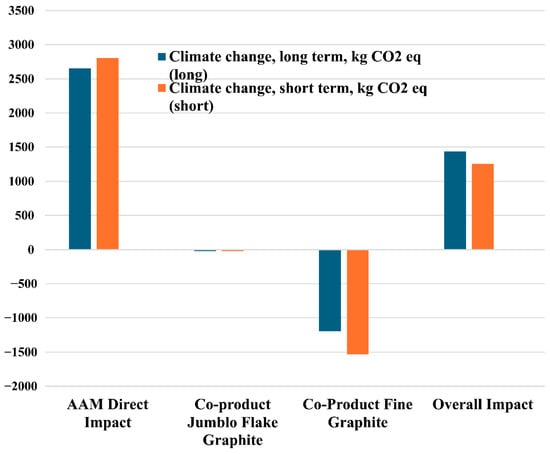
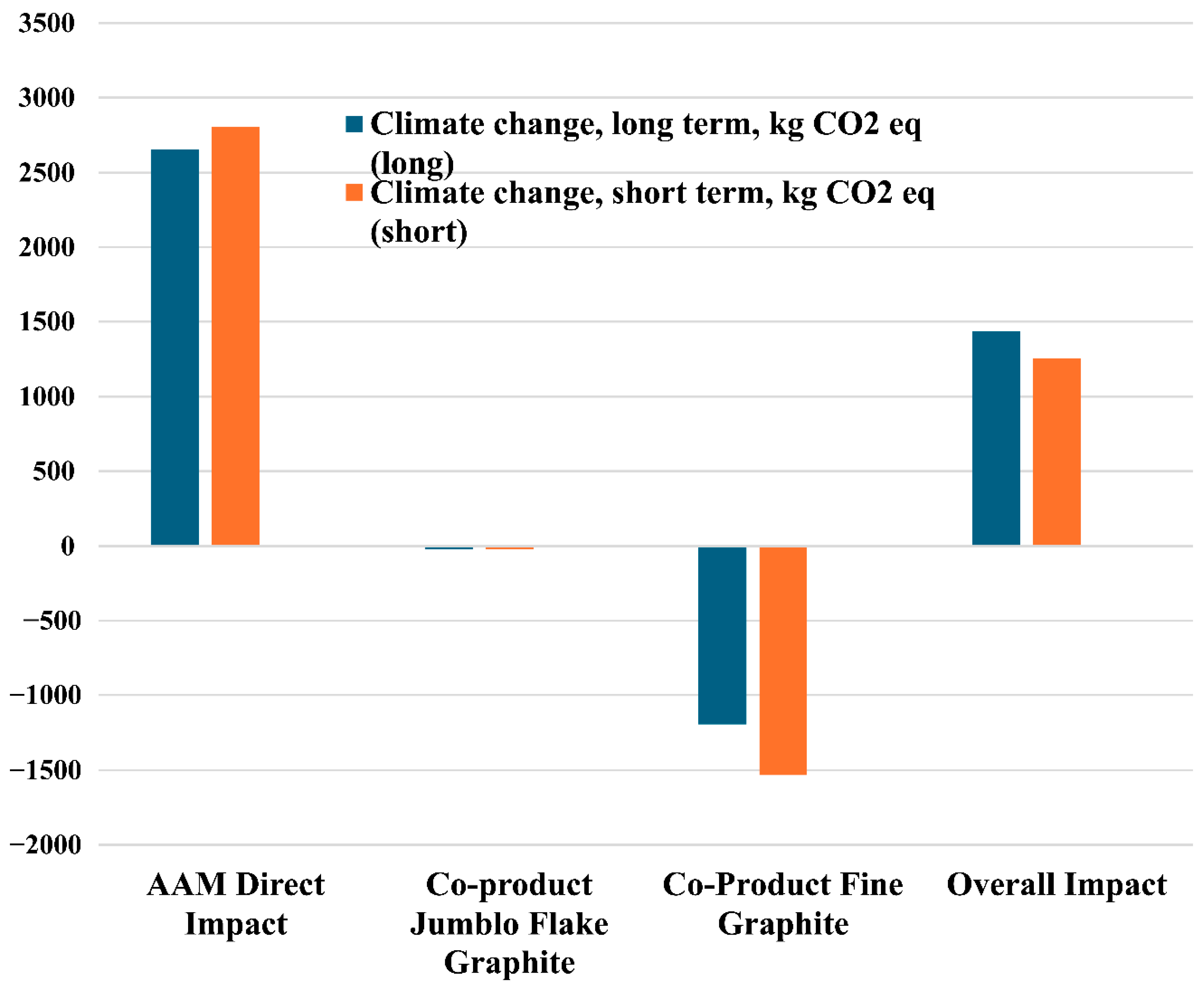
Despite the high electricity demand in these stages, the environmental impact of electricity use in Québec is significantly lower than in many other regions. This is primarily due to Québec’s electricity grid being powered almost entirely by renewable sources, particularly hydropower. Over 99% of Hydro-Québec’s electricity generation comes from renewable energy, with hydropower alone accounting for approximately 94.3% of the province’s electricity supply [52]. As a result, Québec’s grid has one of the lowest greenhouse gas (GHG) emission intensities in North America, averaging just 2.48 kg CO2e/MWh [53]. The use of clean electricity in both mining and critical mineral processing makes Québec a strategic location for developing a low-carbon supply chain for battery materials. This positions the province as a key contributor to the production of “green batteries” in North America, supporting broader climate and sustainability goals. Figure 6 shows the electricity consumption at the Québec case study by process for the mine/concentrator, and process plant.
Figure 6.
Long- and short-term CO2 impact for Québec natural graphite case study.
3.3. Water Consumption
Water plays a critical role throughout the graphite production process, both at the mine site and the downstream processing plant. At the concentrator located at the mine site, water is primarily used for ore beneficiation, including crushing, grinding, and flotation to separate graphite from gangue minerals [54]. In the subsequent refining stage, water is essential for converting graphite concentrate into battery-grade AAM, which requires multiple chemical and thermal treatments [15].
Our Québec case study implemented a closed-loop water management system to minimize freshwater withdrawal and reduce environmental impact [35]. This system recycles process water, significantly reducing demand for external water sources and mitigating stress on local ecosystems. Additionally, a dewatering system was installed to manage surface runoff, precipitation (rain and snowmelt), and groundwater infiltration, ensuring that excess water does not compromise operational efficiency or cause contamination [18,35].
To further safeguard water quality, a wastewater treatment facility was integrated at the process plant. This facility treats effluents generated during chemical purification and other processing steps, removing suspended solids, chemical residues, and potential contaminants before discharge or reuse [55]. These measures collectively aim to conserve water resources, maintain compliance with environmental regulations, and reduce the overall water footprint of graphite production [15,54].
3.4. Diesel Consumption
Diesel consumption in the Québec case study was primarily associated with two key activities: excavation of natural graphite ore and transportation of ore and waste rock to the concentrator. To estimate diesel usage, detailed operational data for each piece of mining equipment was collected, including equipment model, payload capacity, gross horsepower [56], number of units, and annual operating hours [18]. These parameters were combined with manufacturer specifications for diesel consumption rates (liters per hour) to calculate the total liters of diesel per ton of AAM produced as shown in Table 6.
Table 6.
Mining equipment used to calculate liters of diesel per ton of AAM.
The calculation process involved multiplying the diesel consumption rate of each equipment type by the total operating hours for all units of that type. For example, the haul trucks (CAT 775G) had a consumption rate of 172.2 L/h and operated for a combined total of 33,036 h annually across 12 units, resulting in approximately 5.69 million liters of diesel consumed by haul trucks alone. Similar calculations were performed for hydraulic excavators, wheel loaders, drills, dozers, graders, water trucks, and support vehicles. The aggregated total across all equipment was 8,297,882 L per year. To normalize this figure for LCA purposes, the total diesel consumption was divided by the annual production of AAM, yielding 188.2 L per ton of AAM. This metric provides a clear basis for comparing diesel-related impacts across different production scenarios.
For integration into the LCA, diesel volumes were converted into energy units (megajoules, MJ) using the standard energy content of diesel fuel (38.6 MJ/L). This conversion ensures consistency in energy flow analysis and allows diesel-related impacts to be assessed alongside other energy sources such as electricity and natural gas.
The analysis revealed that haul trucks were the dominant contributor to diesel consumption, accounting for approximately 68% of the total fuel use. This reflects the energy-intensive nature of ore transportation compared to other mining activities. Excavation equipment such as hydraulic excavators and wheel loaders also consumed significant amounts of diesel, while auxiliary operations like drilling, grading, and water hauling represented smaller but still notable shares. Overall, the high reliance on diesel-powered equipment underscores its role as a major contributor to the energy footprint and greenhouse gas emissions of graphite production. These findings highlight the importance of targeting haulage and excavation processes to improve efficiency and of exploring alternatives, such as electrification or hybrid technologies, to reduce environmental impacts.
Implications for Sustainability: Reducing diesel consumption through fleet optimization, electrification of mining equipment, or hybrid technologies could substantially lower the carbon footprint of graphite production. Additionally, improving haulage efficiency and implementing advanced route-planning could further reduce fuel consumption.
3.5. LCA CO2 and Water Scarcity Analysis
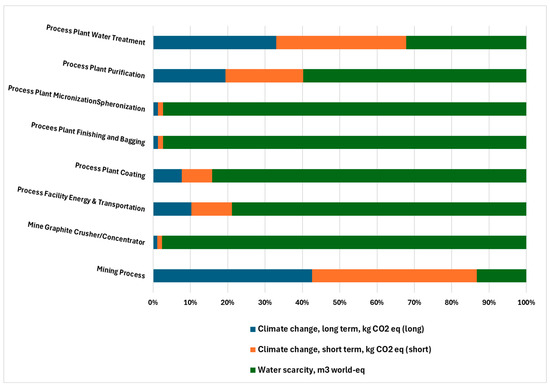
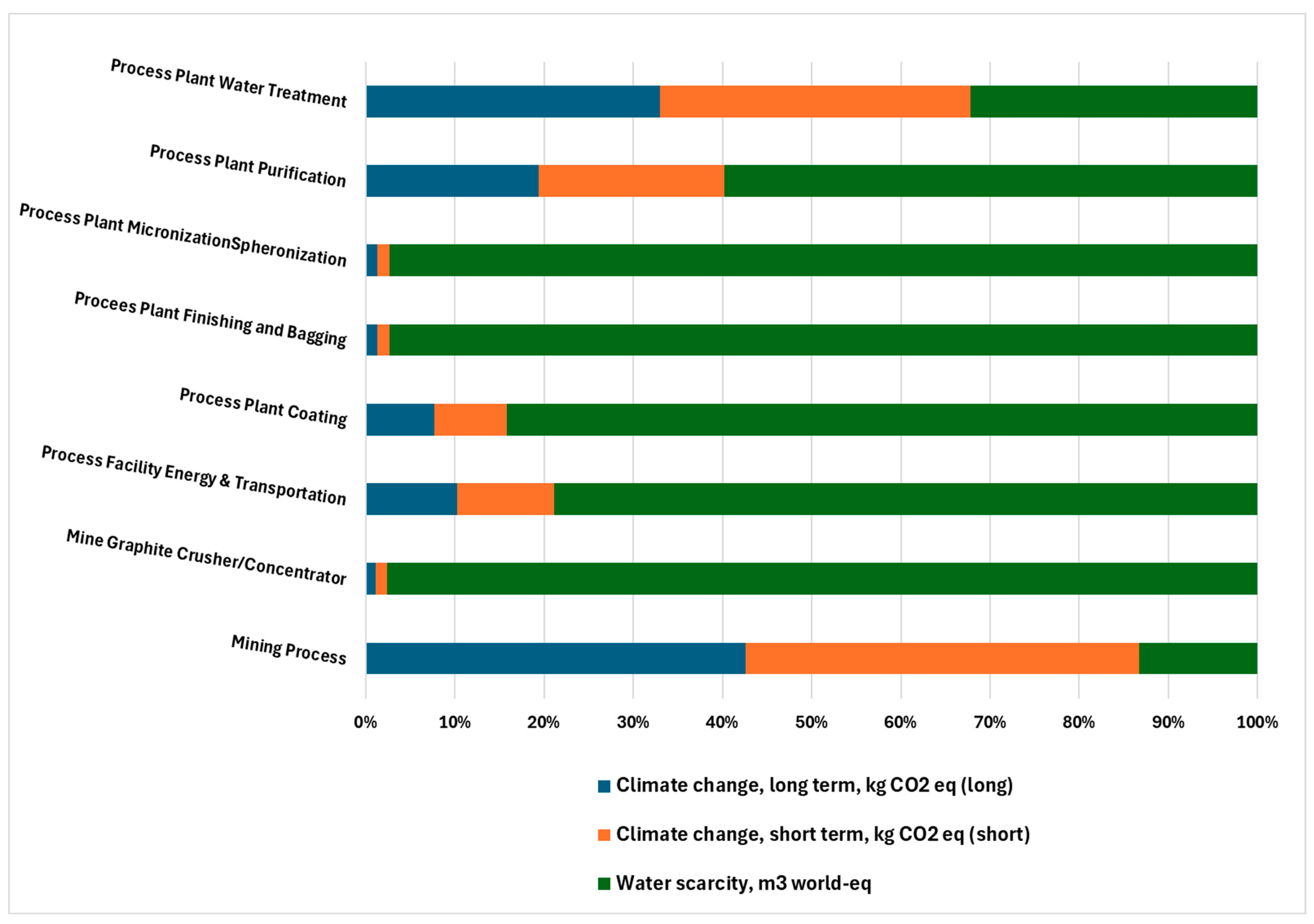
The LCA for producing one ton of graphite AAM for EV batteries demonstrates that environmental impacts are distributed across three major stages: mining, concentration, and processing, with each stage contributing differently to climate change, water scarcity, and resource use. A cradle-to-gate analysis was carried out for the Québec mine, concentrator, and process plant. The results showed long-term CO2-equivalent emissions of 1.438 tons, short-term CO2 and emissions of 1.252 tons, as presented in Figure 6. Co-products produced during the processing of graphite concentrate included jumbo flake and fine graphite. Water scarcity impact of 14.271 m3, was normalized by process against CO2 long- and short-term as presented in Figure 7.
Figure 7.
Water scarcity normalized to CO2 long- and short-term emissions by process.
The mining stage is the foundation of the supply chain and is highly resource intensive. The extraction of rock from the ground alone accounts for 58 tons of material movement for one ton of AAM, generating 1064 kg CO2-eq (long-term) and 1101 kg CO2-eq (short-term) emissions. Diesel-powered equipment dominates energy consumption at 7263 MJ, making it the largest single contributor to greenhouse gas emissions in this stage. Transportation of ore and waste adds further burdens, with over 110 ton-kilometers for ore movement and 130 ton-kilometers for waste disposal. While electricity use for mining equipment is relatively minor, the cumulative effect of blasting, drilling, and material handling amplifies the overall footprint. Water scarcity impact is also significant at 332.85 m3 world-equivalent, primarily due to dust suppression and water services. The concentration phase introduces additional complexity through mechanical and chemical processes. Electricity demand for crushing and flotation is notable, with 1841.3 kW for concentrator operations and smaller loads for auxiliary systems. Water use spikes dramatically to 44.27 m3, reflecting the need for slurry preparation and tailings management. Chemical reagents such as lime, potassium amyl xanthate, and methyl isobutyl carbinol (MIBC) are essential for flotation, adding toxicity and resource depletion concerns. Climate change impacts for this stage range between 42–46 kg CO2-eq, but water scarcity impact is disproportionately high at 3597 m3 world-equivalent, signaling that water recycling and treatment should be a priority.
The processing plant is the most energy- and chemical-intensive stage. Purification processes consume 1988.7 kW of electricity and use aggressive reagents such as hydrochloric, hydrofluoric, and nitric acids, which pose environmental and safety risks. This stage alone contributes 1276–1366 kg CO2-eq and 3935 m3 world-equivalent in water scarcity, making it the single largest hotspot in the LCA. Coating operations add further emissions, with electricity use linked to 164–176 kg CO2-eq, while micronization and spheronization processes consume 5519.3 kW, resulting in 61–68 kg CO2-eq. Finishing and bagging, though less impactful, still require energy and generate waste streams.
The input and output (climate change long/short-term, and water scarcity) parameters used in this LCA are shown in Table 7.
Table 7.
Input and output for Québec LCA case study natural graphite mine and process plant.
3.6. Cluster-Based Environmental Impact Analysis of Graphite AAM Production Processes
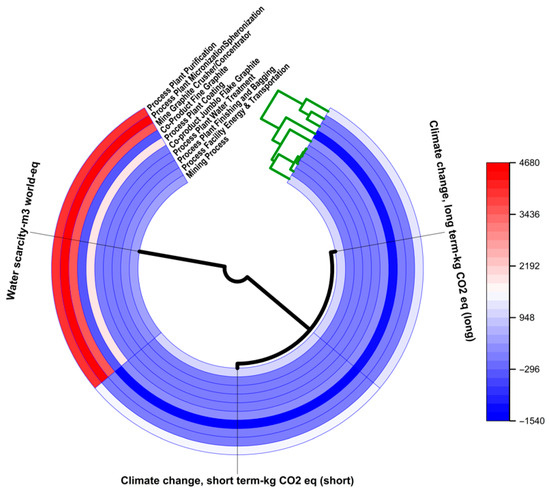
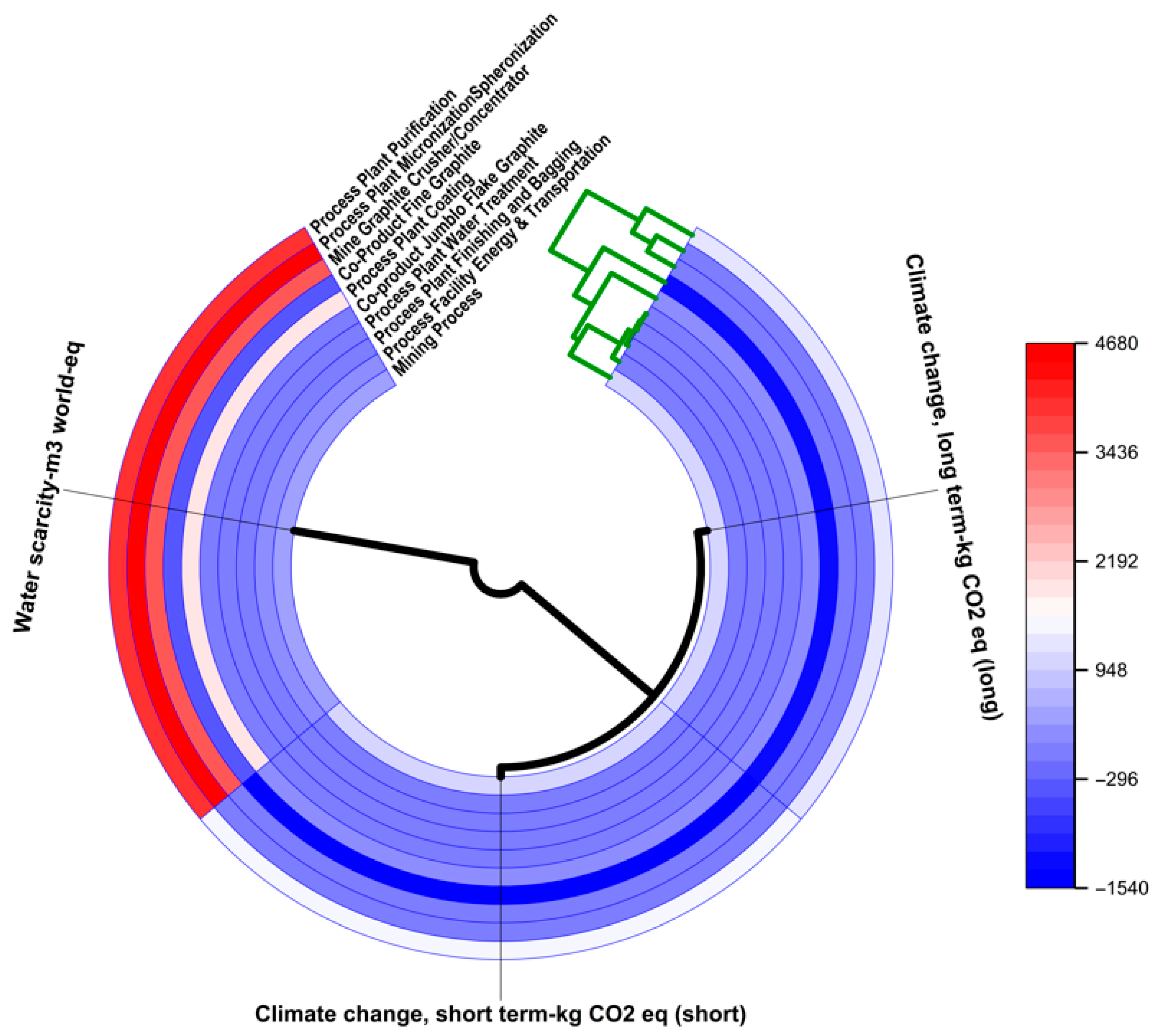
The polar heat map (Figure 8) provides a visually compelling representation of environmental impacts across various graphite processing stages. Each radial segment corresponds to a process or co-product, while the color intensity reflects the magnitude of key sustainability metrics long-term climate change potential, short-term climate change potential, and water scarcity. This visualization immediately highlights the stark contrasts between processes, enabling rapid identification of hotspots.
Figure 8.
Polar heat map of environmental impact metrics across graphite processing stages. This visualization displays the relative magnitude of key LCA indicators long-term climate change potential (kg CO2-eq), short-term climate change potential, and water scarcity (m3 world-equivalent) for each process and co-product in the graphite production chain. Radial positions represent individual processes, while color intensity indicates the severity of environmental impacts. The outer rings highlight high-impact stages such as purification and micronization, whereas inner rings correspond to low-impact processes like water treatment and finishing.
Comparative observations showed that processes such as Process Plant Purification and Micronization/Spheronization dominate the outer rings with high radial values, indicating significant contributions to CO2 emissions and water usage. Purification alone shows a mean long-term climate impact exceeding 2193 kg CO2-eq, far surpassing finishing and bagging, which averages only 31.6 kg CO2-eq. Similarly, water scarcity impacts are concentrated in micronization and purification, suggesting these stages are resource-intensive and prime candidates for optimization. In contrast, co-products like jumbo flake graphite and fine graphite exhibit negative values, reflecting potential credits of −16.42 to −1065.22 kg CO2 in life cycle accounting. The heat map reveals a contracting pattern for low-impact processes clustered near the center, such as water treatment and finishing, while high-impact processes expand outward. This radial spread underscores the uneven distribution of environmental loads, reinforcing the need for targeted interventions rather than uniform strategies. For example, reducing energy intensity in purification could yield disproportionately large sustainability gains compared to marginal improvements in coating or bagging.
Insights from dendrogram analysis indicate that hierarchical cluster diagrams, both angular and radial, complement the polar heat map by grouping processes based on similarities in their environmental profiles. Angular clustering reveals that low-impact processes tend to merge early, forming tight clusters at very small distances, indicating strong similarity. In contrast, purification and micronization remain isolated until much later in the clustering sequence, which confirms their distinct and severe impact profiles. Radial dendrograms further demonstrate how clusters progressively aggregate, with climate change metrics exerting a stronger influence on separation than water scarcity. The final stages of clustering highlight the dataset’s pronounced heterogeneity. This structural insight is critical for decision-making because clusters can guide modular sustainability strategies, allowing similar processes to share mitigation technologies, while outliers require tailored solutions.
The combined interpretation of polar heat maps and dendrograms suggests a dual approach to improving sustainability performance across graphite processing stages. First, cluster-based optimization should be applied to processes that share similar environmental profiles, such as finishing and water treatment. These processes can benefit from common efficiency measures, reducing resource consumption without requiring major structural changes. Second, hotspot intervention is essential for outlier processes like purification and micronization, which exhibit disproportionately high impacts on climate change and water scarcity as green lines in polar heat map. These stages demand advanced technologies or complete process redesign to achieve meaningful reductions. Some of the changes could be at the mine with electrification of mining equipment and reduction in natural gas usage at the process plant. By integrating these two strategies, organizations can balance broad efficiency gains with targeted improvements, ensuring both cost-effectiveness and significant environmental benefits. A large focus in Québec is to reduce GHG’s and not so much on water consumption.
4. Conclusions
Following the analysis, a detailed interpretation phase was undertaken to assess impact contributions, identify environmental hotspots, and determine the stages with the highest resource intensity and emission profiles. This analysis facilitated the generation of midpoint impact indicators, enabling a comprehensive, multiscale evaluation of environmental burdens. The LCA conducted for this Québec case study on natural graphite mining and processing to AAM revealed that natural gas consumption contributed the most to CO2 emissions, followed by diesel and electricity consumption. The study concluded with an integrated synthesis of findings, providing targeted recommendations for process optimization, emission reduction, and overall sustainability improvement. This systematic and transparent methodology ensured a robust assessment of the environmental performance of battery-grade AAM production. Despite the substantial decrease in CO2 emissions compared to graphite mining and processing in China, the research highlights further opportunities for improvement, particularly through electrifying mining equipment to reduce diesel use and minimizing or substituting natural gas consumption during the purification and coating stages at the process plant.
Author Contributions
Conceptualization, G.V., S.S. and I.K.; methodology, G.V.; software, I.K.; validation, K.A., K.Z. and A.K.M.R.R.; formal analysis, G.V.; investigation, S.S.; resources, G.V.; writing—original draft preparation, G.V.; writing—review and editing, M.S., M.R.; visualization, G.V.; supervision, K.Z.; All authors have read and agreed to the published version of the manuscript.
Funding
This research received no external funding or This research was funded by Concordia University grant number 001.
Data Availability Statement
The data presented in this study is available on request from the corresponding author.
Acknowledgments
We would specifically like to acknowledge Bingyang Yu for her invaluable contribution in providing graphics support and ingenuity. Her expertise and dedication have enhanced the visual elements of this article, elevating their overall qualities and impacts. We would also like to express our heartfelt appreciation to AI Mogul, InnovÉÉ (Québec Government), and the NSERC Alliance for their assistance throughout this endeavor.
Conflicts of Interest
The authors declare the following financial interests/personal relationships which may be considered as potential competing interests: Professor Karim Zaghib reports financial support and article publishing charges were provided by Concordia University. If there are other authors, they declare that they have no known competing financial interests or personal relationships that could have appeared to influence the work reported in this paper.
Abbreviations
| AAM | anode active material |
| BAAM | battery anode active material |
| GWP | Global Warming Potential |
| GHG | Greenhouse gas |
| ICE | internal combustion engine |
| IEA | International Energy Agency |
| LCA | life cycle assessment |
| LCI | life cycle inventory |
| LIB | lithium-ion battery |
| Mt | million metric ton |
| QC | Québec |
| tpy | metric ton per year |
| USGS | United States Geological Survey |
References
- Electric Vehicles—North America. Available online: https://www.statista.com/outlook/mmo/electric-vehicles/north-america (accessed on 6 February 2026).
- BloombergNEF. Electric Vehicles Have a Bumpy Road Ahead in 2026. 2026. Available online: https://www.bloomberg.com/news/newsletters/2026-01-06/electric-vehicles-have-a-bumpy-road-ahead-in-2026 (accessed on 6 February 2026).
- Barman, P.; Dutta, L.; Azzopardi, B. Electric Vehicle Battery Supply Chain and Critical Materials: A Brief Survey of State of the Art. Energies 2023, 16, 3369. [Google Scholar] [CrossRef] [Scilit]
- NREL. NAATBatt Lithium-Ion Battery Supply Chain Database. Available online: https://www2.nrel.gov/transportation/li-ion-battery-supply-chain-database (accessed on 6 February 2026).
- Government of Canada. The Canadian Critical Minerals Strategy. Available online: https://www.canada.ca/en/campaign/critical-minerals-in-canada/canadian-critical-minerals-strategy.html (accessed on 6 February 2026).
- Julien, C.M.; Mauger, A. Fabrication of Li4Ti5O12 (LTO) as Anode Material for Li-Ion Batteries. Micromachines 2024, 15, 310. [Google Scholar] [CrossRef] [Scilit]
- Toki, G.F.I.; Hossain, M.K.; Rehman, W.U.; Manj, R.Z.A.; Wang, L.; Yang, J. Recent progress and challenges in silicon-based anode materials for lithium-ion batteries. Ind. Chem. Mater. 2024, 2, 226–269. [Google Scholar] [CrossRef] [Scilit]
- Mordor Intelligence. Graphite Market Size & Share Analysis—Growth Trends and Forecast (2026–2031). 2026. Available online: https://www.mordorintelligence.com/industry-reports/graphite-market (accessed on 31 January 2026).
- Jacob Robin, R. Viability and Eco-Consequences of Synthetic and Natural Graphite for Lithium-Ion Battery Anodes in the USA. IEEE Eng. Manag. Rev. 2024, 52, 131–147. [Google Scholar] [CrossRef] [Scilit]
- Zhang, H.; Yang, Y.; Ren, D.; Wang, L.; He, X. Graphite as anode materials: Fundamental mechanism, recent progress and advances. Energy Storage Mater. 2021, 36, 147–170. [Google Scholar] [CrossRef] [Scilit]
- IEA. Graphite Outlook for Key Transition Minerals. Available online: https://www.iea.org/reports/graphite (accessed on 6 February 2026).
- Engels, P.; Cerdas, F.; Dettmer, T.; Frey, C.; Hentschel, J.; Herrmann, C.; Mirfabrikikar, T.; Schueler, M. Life cycle assessment of natural graphite production for lithium-ion battery anodes based on industrial primary data. J. Clean. Prod. 2022, 336, 130474. [Google Scholar] [CrossRef] [Scilit]
- Han, M.; Li, P. Harmonizing critical mineral resources with storage-integrated renewable energy transition in China. Energy Convers. Manag. 2025, 333, 119785. [Google Scholar] [CrossRef] [Scilit]
- Kulkarni, S.; Huang, T.-Y.; Thapaliya, B.P.; Luo, H.; Dai, S.; Zhao, F. Prospective Life Cycle Assessment of Synthetic Graphite Manufactured via Electrochemical Graphitization. ACS Sustain. Chem. Eng. 2022, 10, 13607–13618. [Google Scholar] [CrossRef] [Scilit]
- Pandey, R.; Gracida-Alvarez, U.R.; Iyer, R.K.; Kelly, J.C. Energy, greenhouse gas, and water life cycle analysis of synthetic graphite anode production in the United States. Environ. Sci. Adv. 2025, 4, 2055–2068. [Google Scholar] [CrossRef] [Scilit]
- Zhang, Q.Q.; Gong, X.Z.; Meng, X.C. Environment Impact Analysis of Natural Graphite Anode Material Production. Mater. Sci. Forum 2018, 913, 1011–1017. [Google Scholar] [CrossRef] [Scilit]
- Gao, S.W.; Gong, X.Z.; Liu, Y.; Zhang, Q.Q. Energy Consumption and Carbon Emission Analysis of Natural Graphite Anode Material for Lithium Batteries. Mater. Sci. Forum 2018, 913, 985–990. [Google Scholar] [CrossRef] [Scilit]
- Nouveau Monde Graphite. NI 43-101 Updated Technical Feasibility Study Report for the Matawinie Mine and the Becancour Battery Material Plant Integrated Graphite Projects; Nouveau Monde Graphite: Saint-Michel-des-Saints, QC, Canada, 2025; Available online: https://nmg.com/wp-content/uploads/2025/03/NMG-2025-Updated-Feasibility-Study.pdf (accessed on 20 March 2025).
- Nouveau Monde Graphite. Graphite 101 Powering the Clean Energy Transition; Nouveau Monde Graphite: Saint-Michel-des-Saints, QC, Canada, 2023; Available online: https://nmg.com/wp-content/uploads/2023/06/NMG-Graphite-101.pdf (accessed on 16 November 2025).
- Mining MarketWatch. Mining Market Watch Graphite. 2025. Available online: https://miningmarketwatch.net/graphite.htm (accessed on 6 February 2026).
- Government of Canada. Graphite Facts—Natural Resources Canada. 2025. Available online: https://natural-resources.canada.ca/minerals-mining/mining-data-statistics-analysis/minerals-metals-facts/graphite-facts (accessed on 6 February 2026).
- Rising Synthetic Graphite Costs May Push Battery Makers to Rely on Natural Material—Fastmarkets. 2025. Available online: https://www.fastmarkets.com/insights/rising-synthetic-graphite-costs-may-push-battery-makers-to-rely-on-natural-material (accessed on 6 February 2026).
- PW Consulting Battery Grade Synthetic Graphite Market. 2025. Available online: https://pmarketresearch.com/chemi/battery-grade-synthetic-graphite-market (accessed on 6 February 2026).
- Zhang, J.; Liang, C.; Dunn, J.B. Graphite Flows in the U.S.: Insights into a Key Ingredient of Energy Transition. Environ. Sci. Technol. 2023, 57, 3402–3414. [Google Scholar] [CrossRef] [Scilit]
- Gorman, S.; Hitt, C.; Kesler, S.; Keoleian, G.; Kim, H.C.; De Kleine, R.; Anderson, J.E. US graphite sourcing for electric vehicle battery applications. J. Ind. Ecol. 2025, 29, 2162–2181. [Google Scholar] [CrossRef] [Scilit]
- Kadivar, S.; Sharifian, S.; Vahidi, E. Natural, synthetic, or recycled? A life cycle and techno-economic analysis of battery-grade graphite production. J. Environ. Manag. 2025, 395, 127747. [Google Scholar] [CrossRef] [Scilit]
- Yang, I.; Choi, S.; Kim, S.-W.; Ha, M.Y.; Park, S.-M.; An, J.-C. Utilizing Graphite Waste from the Acheson Furnace as Anode Material in Lithium-Ion Batteries. Appl. Sci. 2024, 14, 11353. [Google Scholar] [CrossRef] [Scilit]
- Jin, H.; Kim, C.; Park, S.-M.; An, J.-C.; Yang, I.; Choi, D. Coal tar-coated artificial graphite anode derived from polyethylene for lithium-ion batteries. Carbon Lett. 2025, 35, 1259–1270. [Google Scholar] [CrossRef] [Scilit]
- Choi, J.; Choi, S.; Park, S.-M.; An, J.-C.; Park, H.W.; Jung, J.C.; Yang, I. Eco-friendly recycling of coke waste: Transforming steel manufacturing waste into high-purity graphite for lithium-ion batteries. Carbon 2025, 236, 120119. [Google Scholar] [CrossRef] [Scilit]
- Ibarra-Gutiérrez, S.; Bouchard, J.; Laflamme, M.; Fytas, K. Assessing the potential of quebec lithium industry: Mineral reserves, lithium-ion batteries production and greenhouse gas emissions. Resour. Policy 2021, 74, 102371. [Google Scholar] [CrossRef] [Scilit]
- Government of Quebec. Critical and Strategic Minerals in Quebec. 2022. Available online: https://diffusion.mern.gouv.qc.ca/public/biblio/Mono/2022/07/1261431.pdf (accessed on 16 November 2025).
- NMG NI 43-101 Technical Report; PEA Report for the Uatnan Mining Project; Cote-Nord Administrative Region, Quebec, Canada. Available online: https://nmg.com/wp-content/uploads/2023/02/PEA-Uatnan-Mining-Project.pdf (accessed on 15 January 2026).
- Microlit. Uses and Industrial Applications of Hydrofluoric Acid. 2023. Available online: https://www.microlit.us/uses-and-industrial-applications-of-hydrofluoric-acid (accessed on 15 January 2026).
- Barma, S.D.; Baskey, P.K.; Rao, D.S.; Sahu, S.N. Ultrasonic-assisted flotation for enhancing the recovery of flaky graphite from low-grade graphite ore. Ultrason. Sonochem. 2019, 56, 386–396. [Google Scholar] [CrossRef] [Scilit]
- Nouveau Monde Graphite. NI 43-101 Technical Feasibility Study Report for the Matawinie Mine and the Becancour Battery Material Plant Integrated Graphite Projects; Nouveau Monde Graphite: Saint-Michel-des-Saints, QC, Canada, 2022; Available online: https://nmg.com/integrated-feasibility-study/ (accessed on 15 January 2026).
- Fantke, P.; Huang, L.; Overcash, M.; Griffing, E.; Jolliet, O. Life cycle based alternatives assessment (LCAA) for chemical substitution. Green Chem. 2020, 22, 6008–6024. [Google Scholar] [CrossRef] [Scilit]
- Meron, N.; Blass, V.; Thoma, G. Selection of the most appropriate life cycle inventory dataset: New selection proxy methodology and case study application. Int. J. Life Cycle Assess. 2020, 25, 771–783. [Google Scholar] [CrossRef] [Scilit]
- Alsafasfeh, A.; Alagha, L.; Al-Hanaktah, A. The Effect of Methyl Isobutyl Carbinol “MIBC” on the Froth Stability and Flotation Performance of Low-Grade Phosphate Ore. Min. Metall. Explor. 2024, 41, 353–361. [Google Scholar] [CrossRef] [Scilit]
- Xu, M.; Vanderbruggen, A.; Kupka, N.; Zhang, H.; Rudolph, M. Influence of MIBC on the surface-air nucleation and bubble-particle loading in graphite froth flotation. Miner. Eng. 2022, 185, 107714. [Google Scholar] [CrossRef] [Scilit]
- Xue, Y.; Li, T. The Significance of Flotation Frothers Chemical Structure and Fundamental Properties: A Review. Open J. Appl. Sci. 2024, 14, 2124–2132. [Google Scholar] [CrossRef]
- Pereira, L.G.; Chagas, M.F.; Dias, M.O.S.; Cavalett, O.; Bonomi, A. Life cycle assessment of butanol production in sugarcane biorefineries in Brazil. J. Clean. Prod. 2015, 96, 557–568. [Google Scholar] [CrossRef] [Scilit]
- The National Institute for Occupational Safety and Health (NIOSH). Hydrogen Fluoride Hydrofluoric Acid; National Institute for Occupational Safety and Health: Washington, DC, USA, 2017. Available online: https://www.cdc.gov/niosh/npg/npgd0334.html (accessed on 20 January 2026).
- Hydrofluoric Acid vs. Hydrogen Fluoride—What’s the Difference? 2025. Available online: https://thisvsthat.io/hydrofluoric-acid-vs-hydrogen-fluoride (accessed on 20 January 2026).
- Hydrofluoric Acid vs. Hydrogen Fluoride: Detailed Comparison and Applications. 2024. Available online: https://rawsource.com/hydrofluoric-acid-vs-hydrogen-fluoride-detailed-comparison-and-applications (accessed on 20 January 2026).
- Liu, X.; Yin, H.; Zhao, J.; Guo, Z.; Liu, Z.; Sang, Y. Understanding the coagulation mechanism and floc properties induced by Fe(VI) and FeCl3: Population balance modeling. Water Sci. Technol. 2021, 83, 2377–2388. [Google Scholar] [CrossRef] [Scilit]
- ISO 14040:2006; Environmental Management—Life Cycle Assessment—Principles and Framework. ISO: Geneva, Switzerland, 2006. Available online: https://www.iso.org/standard/37456.html (accessed on 15 January 2026).
- Falcon Energy Materials, P.D.A.U.L. Technical Report on the Natural Graphite Active Anode Integrated Global Strategy Preliminary Economic Assessment. 2025.
- Fischer, S.; Doose, S.; Müller, J.; Höfels, C.; Kwade, A. Impact of Spheroidization of Natural Graphite on Fast-Charging Capability of Anodes for LIB. Batteries 2023, 9, 305. [Google Scholar] [CrossRef] [Scilit]
- Tan, Y.; Duchesne, M.; Doninger, A.; Meyers, M.; Barsukov, I.V. Ultrahigh Temperature Purification of Graphite for the Development of a Continuous Process. ACS Omega 2025, 10, 44162–44172. [Google Scholar] [CrossRef] [Scilit]
- Lähde, A.; Välikangas, J.; Meščeriakovas, A.; Karhunen, T.; Meščeriakovė, S.-M.; Sippula, O.; Leinonen, S.; Lassi, U.; Jokiniemi, J. Effect of high temperature thermal treatment on the electrochemical performance of natural flake graphite. J. Mater. Res. 2024, 39, 944–954. [Google Scholar] [CrossRef] [Scilit]
- Kazyak, E.; Chen, K.H.; Chen, Y.; Cho, T.H.; Dasgupta, N.P. Enabling 4C Fast Charging of Lithium-Ion Batteries by Coating Graphite with a Solid-State Electrolyte. Adv. Energy Mater. 2021, 12, 2102618. [Google Scholar] [CrossRef] [Scilit]
- Hydro-Québec. Québec Hydropower: Clean, Renewable and Low in GHG Emissions. 2025. Available online: https://www.hydroquebec.com/about/our-energy.html (accessed on 15 January 2026).
- Hydro-Québec. GHG Emission Rate Associated with Residual Electricity Supplies, 1990–2023. 2023. Available online: https://www.hydroquebec.com/data/developpement-durable/pdf/hq-ghg-emission-rate-1990-2023.pdf (accessed on 8 February 2026).
- CarbonScape Ltd. CarbonScape Toward a Life Cycle Inventory for Graphite Production. 2022. Available online: https://static1.squarespace.com/static/6213f06671d00e605c9eea45/t/62ce206273cd8e10b634d6bb/1657675880422/TOWARD%2BA%2BLIFE%2BCYCLE%2BINVENTORY%2BFOR%2BGRAPHITE%2BPRODUCTION_carbonscape.pdf (accessed on 8 February 2026).
- Mining, B. Graphite Anode Materials Plant Update. 2024. Available online: https://mb.cision.com/Main/11673/4029477/2965899.pdf (accessed on 15 January 2026).
- Club, B.D. Diesel Engine Power to Fuel Consumption Table—Naturally Aspirated Engines. Available online: https://barringtondieselclub.co.za/ (accessed on 20 November 2025).
- Abdel Ghany, U.A.; Mahmoud, A.A. Comparison Between Different Types of Chemical Coagulants Used in Water Purification. Eng. Res. J. 2019, 1, 89–93. [Google Scholar] [CrossRef] [Scilit]

Disclaimer/Publisher’s Note: The statements, opinions and data contained in all publications are solely those of the individual author(s) and contributor(s) and not of MDPI and/or the editor(s). MDPI and/or the editor(s) disclaim responsibility for any injury to people or property resulting from any ideas, methods, instructions or products referred to in the content. |
© 2026 by the authors. Licensee MDPI, Basel, Switzerland. This article is an open access article distributed under the terms and conditions of the Creative Commons Attribution (CC BY) license.