


Abstract
The validity of the models incorporated into battery management systems (BMSs) is crucial to the safe and effective use of lithium-ion batteries (LIBs), the predominant electrochemical energy storage technology for electric vehicles (EVs) and stationary storage. Over the past ten years, two methodological families have transformed battery modeling and diagnostics: artificial intelligence (AI) models that learn state estimators directly from data and metaheuristic optimization algorithms that recast parameter identification as a black box optimization problem. This paper critically and comprehensively analyzes both families. This paper first examines the primary battery model classes, integer-order and fractional-order equivalent circuit models (ECM/FO-ECMs) and electrochemical models, and the identifiability problems that underpin any identification process. Second, the paper presents a critical synthesis of reported accuracy trends across standard datasets and driving profiles, along with a taxonomy of metaheuristic algorithms for battery parameter identification, including evolutionary, swarm-based, physics-based, and bio-inspired approaches. Third, AI-based methods for estimating state-of-charge (SOC) and state-of-health (SOH) are analyzed. These methods range from simple machine learning to deep recurrent and attention-based architectures, with a focus on the new class of hybrid physics-informed methods (physics-informed neural networks and neural ordinary differential equations coupled with ECMs). Fourth, the synergy between the two approaches (AI-assisted optimization and metaheuristic tuning of AI estimators) is examined. In addition, this review addresses the “novel algorithm inflation” impacting the metaheuristic literature, the implications of the no-free-lunch theorem, the frequent lack of statistical validation and fair benchmarking, and the discrepancy between reported laboratory accuracy and real-time feasibility in embedded systems. Lastly, research perspectives are suggested, such as hardware-aware hybrid estimators, standardized open benchmarks, and chemistry-transferable identification (LFP, NMC, sodium-ion). The most practical route to scalable, field-ready battery management systems is to incorporate physical structures into artificial neural network designs, moving from strictly data-driven models to physics-informed hybrid frameworks.
1. Introduction
1.1. Motivation and Scope
Lithium-ion batteries (LIBs) are a key component of the global energy transition, driven by the electrification of road transportation and the widespread use of renewable energy sources. The battery management system (BMS), whose primary functions are state-of-charge (SOC) estimation, state-of-health (SOH) tracking, power capability prediction, thermal management, and fault detection, all of which rely on a mathematical model of the cell, controls the battery’s longevity, performance, and safety [1,2]. The safety margin, usable energy, and battery system lifetime are thus directly influenced by the accuracy of this model and the factors that feed into it.
The fidelity and complexity of battery models vary widely. Internal transport and kinetic phenomena are physically rigorously described by electrochemical models, such as the Doyle–Fuller–Newman (DFN) pseudo-two-dimensional model and its single-particle simplifications, at the expense of dozens of parameters that are challenging to determine from full-cell data [3,4]. On the other hand, equivalent circuit models (ECMs), which represent the cell using a small number of lumped electrical elements, strike an attractive balance between accuracy and computational cost, making them the standard models in embedded BMSs [5,6]. By replacing ideal capacitors with constant-phase elements, fractional-order ECMs (FO-ECMs) reproduce the anomalous diffusion dynamics observed in electrochemical impedance spectra with fewer parameters than high-order integer models [7,8].
In parallel, advances in deep learning and the availability of large-scale datasets have driven a second methodological wave: AI models that directly forecast SOC, SOH, and remaining useful life (RUL) from observable signals [9]. Recurrent architectures (LSTM) [10,11], convolutional networks [12], attention-based networks [13], Gaussian process regression [14], and, more recently, hybrid physics-informed approaches such as physics-informed neural networks (PINNs) [15], coupled with circuit or electrochemical backbones [16,17], all promise estimators that generalize beyond the training distribution while retaining physical interpretability.
Regardless of the specific model, parameter identification must be performed using empirical data. Due to the nonlinear, frequently non-convex, and occasionally ill-conditioned nature of the resulting optimization problems, gradient-free metaheuristic algorithms have gained popularity as identification tools. During the same period, there has been a rapid increase in the development of new metaphor-based algorithms, a trend that has attracted criticism within the optimization community [18,19]. Consequently, battery parameter identification lies at the intersection of two rapidly evolving research areas and often lacks a unified methodological standard.
1.2. Related Reviews, Research Gaps and Objectives
Several reviews have addressed various aspects of this landscape, including ECM parameter estimation strategies [20,21], machine learning for SOC estimation [22,23], deep learning for SOH [24,25], and AI approaches to health diagnostics [26], data-driven SOH estimation on real-world data [27] and modeling and state estimation of sodium-ion batteries [28]. Most surveys look at metaheuristic and AI research separately. They often do not assess how reproducible or well benchmarked the main studies are, and they rarely offer practical advice on choosing methods for specific BMS tasks. This review sets out to address these gaps with three main goals:
- -
- Review of the AI-based estimation and metaheuristic identification approaches, including their combinations (surrogate models and hyperparameter optimization).
- -
- A critical evaluation of the common weaknesses of these approaches, such as novel algorithms inflation, lack of data and statistical analysis, inconsistent measurements and metrics, and embedded implementation constraints.
- -
- Propose a research agenda focused on transferring these approaches to emerging chemistries, such as sodium-ion.
1.3. Review Methodology and Paper Organization
This article presents a critical narrative review rather than a formal systematic review or meta-analysis. To promote transparency and reproducibility in literature coverage, we followed and reported a documented search and selection protocol wd using relevant elements of the PRISMA 2020 statement [29]. Table A1 summarizes the protocol. Because the primary studies differ a lot in chemistry, temperature, excitation profile, sampling rate, model order, parameter constraints, and validation protocol, we did not combine their numerical results. Instead, we organize the statements in this paper as follows:
- We report single-study results, along with details on the chemistry, dataset, operating conditions, and metrics used in each source.
- We identify multi-study trends only when at least three studies using similar model types and validation methods show a consistent pattern.
Tables in Section 4 include an evidence-type column that reflects this classification.
The rest of the paper is illustrated in Figure 1, which presents the section and subsection titles. Section 2 reviews battery model classes and identifiability. Section 3 examines metaheuristic parameter identification and concludes with a critical discussion of its open challenges. Section 4 reviews artificial intelligence approaches to SOC and SOH estimation, including hybrid physics-informed architectures, and concludes with a discussion of their open challenges. Section 5 analyzes the synergies between these two families and proposes a decision framework. Section 6 addresses cross-cutting methodological issues, Section 7 outlines future research directions, and Section 8 is a conclusion.
Figure 1.
Overview schematic of the review scope.
2. Battery Models and the Identification Problem
2.1. Equivalent Circuit Models
An equivalent circuit model (ECM) represents the cell as an open-circuit voltage (OCV) source in series with an ohmic resistance (R0) and n resistor–capacitor (RC) branches, which simulate charge-transfer and diffusion dynamics [5]. In discrete time, with a sampling period Δt, the terminal voltage of an nRC model is as follows:
where vt denotes the terminal voltage (V), while OCV(SOC(k), T) represents the open-circuit voltage as a function of SOC ∈ [0, 1] and temperature T. R0 refers to the ohmic resistance (Ω), and i indicates the cell current (A), which is positive during discharge. The variables vj, Rj, Cj, and τj correspond to the polarization voltage, resistance, capacitance, and time constant of the jth RC branch, η denotes the Coulombic efficiency, and Qn is the nominal capacity (Ah).
The model order is selected based on both cell chemistry and the intended application. He et al. [5] evaluated five ECMs and found that the dual-polarization model exhibited the best dynamic performance for the tested cells. Hu et al. [6], compared twelve ECMs on LiNMC and LiFePO4 (LFP) cells and concluded that a first-order RC model was optimal for NMC cells, while adding a one-state hysteresis term improved performance for LFP cells. Nejad et al. [30] reported comparable results for both LFP and NMC chemistries. Tran et al. [31] assessed 1RC, 2RC, and 1RC-with-hysteresis models on LFP, NMC, LMO, and NCA cells and found that the optimal model structure depended on cell chemistry. Collectively, these studies suggest determining model order based on cell chemistry and excitation profile, with validation on independent data. The widespread use of the 2RC model as a default appears to be a pragmatic choice for dynamic automotive profiles, rather than an empirically validated optimum.
The OCV is usually modeled by look-up tables, polynomials, combined analytical forms, and splines. The used model influences both identification conditioning and SOC observability, especially for LFP cells with flat OCV. Yu et al. [32] compared 18 OCV models for LFP and NMC cells across various temperatures and aging levels, and found that model suitability depended on cell chemistry and SOC region. Pillai et al. [33], through 28 OCV characterization experiments, demonstrated that widely used polynomial OCV–SOC models introduce substantial errors and quantified the effects of C-rate and cell-to-cell variation. For chemistries exhibiting a flat OCV plateau, such as LFP, minor OCV errors can result in large SOC estimation errors [34]. Consequently, OCV model selection should be regarded as an identification problem in its own right rather than as a preprocessing step. Additionally, the RC parameters vary with temperature, SOC, and aging [8,35], so a single parameter set identified at one operating point seldom describes the entire operating envelope.
2.2. Fractional-Order Models
Electrochemical impedance spectroscopy (EIS) of lithium-ion cells typically exhibits depressed semicircles and low-frequency Warburg-type behavior. Integer-order RC networks can replicate these features only by employing multiple branches. Fractional-order equivalent circuit models (FO-ECMs) address this limitation by replacing capacitors with constant phase elements (CPEs), whose impedance is as follows:
where s represents the Laplace variable, Q is the CPE coefficient, and α is the dispersion exponent. If α = 1, the CPE behaves like a capacitor, while if α = 0.5, it represents a semi-infinite (Warburg) diffusion [7]. This fractional element is approximated in the time domain using the Grünwald–Letnikov (GL) definition as follows:
where Dα is the fractional derivative of order α, x represents the state variable (the CPE voltage in this case), Δt is the sampling time, ωj are the weights of the GL function, and L is its memory length. Extending this memory allows a single CPE to model slow, distributed diffusion processes. In the implementation case, the sum is truncated to the most recent L samples, in accordance with the short-memory principle [36].
Applying Equation (5) to an ECM with R in parallel with a CPE, where Dαv = −v/(RQ) + i/Q, produces the updating discrete-time of a fractional-order Kalman filter:
Equation (7) shows that GL-based FO models incur higher computational costs than integer-order (IO) models because each update requires summing over L previous samples and storing them. Truncating L introduces an approximation error that increases at low frequencies. An alternative in the frequency domain is the Oustaloup recursive approximation [37], which replaces sα within a specified frequency band [ωb, ωh] with an IO transfer function of order 2N + 1:
where and denote the approximation’s zeros and poles, and N determines its order.
The CPE impedance described in Equation (4) employs the reciprocal of Equation (8), which consists of a cascade of first-order lag (low-pass) sections. Collectively, these sections replicate the constant phase and the −20α dB/decade magnitude slope characteristic of the CPE within the specified frequency band. Since the resulting system is an ordinary rational transfer function, it can be represented as an integer-order state-space model of fixed size and applied with standard Kalman filters, thereby avoiding the increasing memory requirements associated with Equation (7). However, this approach is accurate only within the frequency range [ωb, ωh]; outside this band, the model exhibits IO system behavior, and modeling wide frequency bands necessitates high orders, which may lead to numerical ill-conditioning. Each approximation has its own trade-offs. The GL method is simple, works directly in discrete time, and is often used for FO state estimation. Its computational cost and accuracy depend on the memory length L. On the other hand, the Oustaloup approximation is less computationally demanding and works well for continuous-time simulation and IO observers, but its accuracy depends on the frequency band and the order N.
Research on FO-ECMs usually shows high impedance fidelity, but the evidence for time-domain benefits is mixed. Wang et al. [8] developed temperature-compensated FO models identified using particle swarm optimization (PSO) and reported mean relative voltage errors below 4% for Li-ion cells under dynamic cycles. Yu et al. [38] introduced a noise-assisted procedure and an information criterion for selecting FO model structures. Tian et al. [39] compared five FO models, and the results show that increased model complexity did not necessarily enhance identification or SOC accuracy. Wang and Liu [40] determined that the FO structure yielded the lowest EIS fitting error among six ECMs. Collectively, these studies support applying CPEs for impedance-based modeling but do not demonstrate a consistent time-domain advantage of FO models over well-identified 2RC models across different chemistries and profiles. Two practical considerations arise. First, the identified exponents are dependent on the specific approximation used (memory length L and sampling rate for GL, or frequency band and order for Oustaloup), so parameters identified with one implementation may not be transferable to another [39]. Second, additional exponents increase the non-convexity of the identification landscape, which partially explains the prevalence of metaheuristic approaches in FO identification [41,42].
2.3. Electrochemical and Reduced-Order Physical Models
The DFN model [3] and the single-particle model with electrolyte dynamics (SPMe) [4] provide access to internal states, including lithium surface concentration and electrode potentials, which are essential for advanced functions such as plating-aware fast charging [43]. Extensions incorporating double-layer and solid electrolyte interphase (SEI) effects enhance the accuracy of the pseudo-two-dimensional (P2D) model across a broad frequency range (10 mHz to 1 kHz) [44]. However, identification of these models using only full-cell current–voltage data is structurally limited. Bizeray et al. [45] demonstrated that only specific parameter groupings of the single-particle model are identifiable from such data, while additional parameters require half-cell or supplementary measurements. Electrochemical parameter estimation frequently employs metaheuristics; for instance, Li et al. [46] compared 78 metaheuristics on a finite-element P2D model under 5C loading.
2.4. Identifiability, Excitation, and Data
Regardless of the optimizer, the quality of identification is limited by the excitation’s information content. Standard protocols include hybrid pulse power characterization (HPPC), dynamic stress test (DST), federal urban driving schedule (FUDS), US06, and worldwide harmonized light vehicle test cycle (WLTC) profiles; low-excitation constant-current data yield highly correlated parameter estimates [20,47]. Optimal experiment design, including reinforcement-learning-based input design [48], is an active approach that moves work away from the optimizer and toward the data. Table 1 summarizes the key characteristics of publicly available datasets that have become community benchmarks, including the MIT-Stanford fast-charging LFP dataset [11], the NASA [49], CALCE [50], and Oxford [14] aging datasets, and the Panasonic 18650PF [51] and KIT NMC [52] drive-cycle and aging datasets.
Table 1.
Public benchmark datasets used in the reviewed identification and estimation literature.
2.5. Implications for Identification and Estimation
The choice of model class determines the dimensionality and conditioning of the identification problem, which in turn influences the selection of an appropriate optimizer. A 1RC model identified using rich pulse data presents a low-dimensional, well-conditioned problem that deterministic least-squares methods can reliably solve. In contrast, a 2RC or FO model identified from drive-cycle data across multiple temperatures is higher-dimensional and exhibits multimodality. Electrochemical models are computationally expensive to evaluate and often include non-identifiable parameter groups. These distinctions are reflected in the comparative evidence presented in Section 3.3 and are further formalized in the decision map in Section 5.2 and the synthesis matrix in Section 5.3.
3. Metaheuristic Optimization for Battery Parameter Identification
3.1. Problem Formulation
As stated in Equation (1), parameter identification is typically defined as the minimization of a voltage-error criterion, subject to box constraints on θ. This is often complemented with penalty terms that ensure physical plausibility (e.g., time-constant separation τ1 < τ2, monotonic OCV or with multi-objective formulations that trade voltage precision for parameter smoothness across SOC) [54,55] as follows:
where N represents the number of samples, vmeas(k) is the measured voltage, and vmodel(k; θ) is the model’s output voltage. The terms θmin and θmax refer to the physical limits of each parameter, this cost function can include also inequality constraints that encode physical knowledge, such as time-constant separation (τ1 − τ2 ≤ 0) or a monotonic OCV (−dOCV/dSOC ≤ 0). λ (≥0) is the optional penalty P(θ) weight. This penalty function is used for violations of physical plausibility.
Multi-objective formulations balance voltage precision with other objectives, such as parameter smoothness across the SOC [51]. The three most commonly used reporting metrics are root mean square error (RMSE), mean absolute error (MAE), and maximum absolute error (MaxAE). The RMSE penalizes large deviations, the MAE is less sensitive to outliers, and the MaxAE captures the worst-case scenario, which is particularly relevant for voltage-limit protection. An important but often unstated detail is whether these metrics are computed using the identification data or an independent validation profile; only the latter provides a valid measure of predictive accuracy (Section 6.2).
3.2. Taxonomy of Algorithms
Metaheuristics applied to battery identification are typically categorized according to their underlying metaphor. However, in alignment with the component-based critique in the optimization literature [19,56], this paper organizes them by their principal search mechanism. This approach more clearly highlights the substantive differences among algorithms, as seen in Figure 2.
Figure 2.
Taxonomy tree of metaheuristic algorithms applied to battery parameter identification.
- -
- Evolutionary algorithms: these algorithms generate new candidates by population recombination and mutation. Genetic algorithm (GA) [57] and differential evolution (DE) [58] are the historical ones and among the early ones used for ECM applications [54,55]. DE variants with adaptive mutation remain competitive baseline algorithms in comparison studies [59].
- -
- Swarm intelligence: these algorithms move candidates according to their own best positions and those of their neighbors. Particle swarm optimization (PSO) [60] is the most cited algorithm in the battery identification literature and frequently ranks among the most accurate and robust options in independent comparisons [61]. Grey wolf optimization (GWO) [62], whale optimization algorithm (WOA) [63], cuckoo search, and salp swarm algorithm [64] have all been applied, with heterogeneous results across studies [65].
- -
- Physics- and mathematics-based methods: Simulated annealing, gravitational search, sine–cosine algorithm (SCA), and gradient-based optimizer (GBO) hybrids exploit non-biological metaphors; several have been benchmarked on Shepherd and ECM models for EV applications [66,67].
- -
- Recent bio-inspired algorithms: the number of new algorithms has increased dramatically over the past five years (snake optimizer [68], honey badger [69], golden jackal [70], bonobo optimizer [71], red-tailed hawk [72], arctic puffin [73], hiking optimization [74], and polar lights optimizers [75]). The majority of these algorithms were published with battery identification as an early application. The field’s vigor and fragmentation were demonstrated by a recent representative study that benchmarked twelve untested metaheuristics on 24 datasets covering DST, BJDST, FUDS, and US06 profiles [42]. Variants that use chaotic maps, Lévy flights, or elite opposition-based learning report gradual improvements over their base algorithms [68]. Table 2 synthesizes representative studies from each of these algorithm families, together with their key reported results, and Figure 2 illustrates the taxonomy, with algorithms color-coded by publication era.
- -
- Model-based (surrogate) algorithms: particularly Bayesian optimization (BO), are not considered metaheuristics in the conventional sense. However, they compete directly with metaheuristics when applied to computationally expensive electrochemical models [76,77], and are therefore included in this taxonomy. Hybrid global–local schemes integrate a population-based global search with deterministic local refinement methods, such as the Levenberg–Marquardt (LM) or least-squares approaches [78,79], or decompose the problem into successive stages [40].
This grouping enables the separation of genuine algorithmic contributions from mere relabeling. Mechanisms such as adaptive parameter control [59], opposition-based learning [68], and global–local hybridization [78] can be isolated and evaluated through ablation studies, whereas introducing a new metaphor alone does not provide any testable property. New algorithms for battery identification should be justified by the mechanisms they introduce and by ablation results, rather than by the novelty of the metaphor.
Table 2.
Representative studies of metaheuristic and competing identification methods for battery models. Results are reported as stated by the original authors and are not directly comparable across rows.
3.3. Comparative Evidence
Table 2 summarizes, for representative studies from each family in Figure 2, the model class, cell and data, algorithms compared, evaluation metric and best reported result, evaluation budget and number of runs, statistical tests, and whether validation used independent data. Two aspects of the table are important for interpretation. First, the studies vary in chemistry, profile, and metric, so their numerical results are not directly comparable. Second, budgets, run counts, and statistical tests are often omitted from abstracts and, based on our review, are frequently absent from the full texts as well. This observation is further discussed in Section 6.3.
Observations:
- -
- The advantage of population-based methods over deterministic local methods increases with model order and non-convexity. Lai et al. [79] reported that exact algorithms are ideal for 1RC models across most of the state-of-charge (SOC) range, particle swarm optimization (PSO) is preferable for 2RC models, and the firefly algorithm is most accurate, though slower, for third- and fourth-order models. Kalogiannis et al. [80] found all methods to be adequate for a 2RC model, with maximum relative error below 3%, and identified PSO as offering the best trade-off. Sepúlveda et al. [61] found that bio-inspired methods are more accurate than least-squares for 2RC models of 12 cells and do not take much longer to run. Overall, these results do not show that metaheuristics always outperform local search. Instead, metaheuristics seem most useful when the optimization landscape is complex or when the starting point is not ideal.
- -
- No single algorithm consistently stands out as superior across studies. The top-performing algorithms were CS and MRFO in [65], TLBO among 78 algorithms in [46], MPA among 13 in [40], and EOLSO in [68], with each study using a different model and dataset. This trend aligns with the no-free-lunch (NFL) theorems [82]. The NFL theorems look at performance averaged over all possible problems. While they do not rule out the possibility that one algorithm always performs better within the battery-identification problem class, they show that you must prove such an advantage for that specific class [19]. Another interesting point from individual studies is that two investigations using different optimizers for Shepherd-model identification found the same RMSE (8.64 × 10⁻³) [66,67]. This suggests that for low-dimensional models, several algorithms can reach the same best result, but they may differ in how quickly they get there and how much their results vary from run to run.
- -
- Breaking down the model and using hybrid approaches help improve its conditioning. Determining OCV from low-rate or relaxation data before estimating dynamic parameters from pulse or drive-cycle data simplifies the problem and reduces parameter correlation [42]. Choosing the model structure before searching for parameters has similar benefits [40]. Also, using a global metaheuristic in conjunction with LM or least-squares refinement makes the process more robust to initial values and helps the model converge more quickly [78,83].
- -
- Sample-efficient methods exhibit strong performance when each model evaluation requires substantial computational resources. For instance, in an electrochemical equivalent circuit model (ECM) of a nickel manganese cobalt (NMC) cell, Bayesian optimization (BO) reduced the mean testing loss by 28.8% compared to gradient descent and by 5.8% compared to particle swarm optimization (PSO). Furthermore, BO decreased the variances of the testing losses by 95.8% and 72.7%, respectively [76]. BO’s principal advantage over PSO was reliability rather than mean accuracy. Classification-assisted BO [77] and a deep Bayesian harmony-search method [81] achieved higher accuracy with significantly fewer pseudo-two-dimensional (P2D) simulations than genetic algorithms (GA) and PSO. These results indicate that when simulation cost is the primary constraint, sample efficiency becomes more important than the specific characteristics of the search heuristic.
3.4. Fractional-Order Identification
FO-ECM identification adds the CPE exponents to the search space and is now dominated by metaheuristic approaches [41]. Reported results show that FO models identified by hybrid metaheuristics outperform their integer-order counterparts by 20–40% in voltage RMSE on dynamic profiles [38,43], figures that are not directly comparable across studies due to differences in cell chemistries, datasets, and evaluation protocols. Attention must be paid to the interaction between the discretization scheme and the identified exponents: parameters identified with one memory length or sampling rate do not transfer to another, an issue rarely reported but critical for embedded deployment [39].
3.5. Open Challenges for Metaheuristic Identification
The evidence presented indicates that, in most battery identification problems, the primary source of error is not the selection of the optimizer but rather the formulation of the problem, including the informativeness of the data, model structure, constraints, and validation protocol. Six challenges arise from this perspective.
- -
- It is important to consider identifiability before starting optimization. If two parameters affect the voltage only through their product or ratio, as seen in some SPM parameter groups [45], no optimizer can tell them apart. A metaheuristic will find just one of many possible solutions, and repeated runs will spread the results along a ridge in the cost function. Before claiming accurate identification, it is best to perform a sensitivity or Fisher information analysis or at least report how much the identified parameters vary across repeated runs. Often, improving experimental design is more helpful than creating a new optimizer [47,48].
- -
- Parameters need to be generalizable. If you calibrate a parameter set using only one profile at one temperature, it will describe only that specific case and will not give you a full cell model. To validate your parameter identification, use different profiles and, when possible, test at various temperatures and aging states. For parameters that change with SOC or temperature, use functions or look-up tables with smooth transitions [55].
- -
- Ensuring physical plausibility is essential. Excessively broad box constraints can allow compensating parameter errors. Implementing physical inequality constraints and penalties (Equation (7)) reduces this risk. For safety-critical applications, internal-state checks are required (Section 6.5).
- -
- Online implementation requires a specific trade-off. Although most metaheuristic identification occurs offline, recursive least squares (RLS) and Kalman filter-based estimators track slowly varying parameters more effectively online. Comparative studies demonstrate that these methods surpass particle swarm optimization (PSO) in accuracy, robustness, and computational cost [84]. An effective system architecture utilizes a metaheuristic offline or in the cloud to initialize parameters and bounds, while a recursive estimator onboard monitors parameter evolution.
- -
- Demonstration of novelty should focus on the underlying mechanism. Algorithmic variants incorporating chaotic maps, Lévy flights, or opposition-based learning have reported improvements over their base algorithms [68]. However, these improvements are only meaningful when evaluated against robust baselines and through ablation studies of the added mechanisms [19,85].
4. Artificial Intelligence for Battery State Estimation
4.1. From Model-Based Observers to Data-Driven Estimators
Classical SOC estimation includes an ECM and a state observer, such as an extended or unscented Kalman filter (EKF/UKF), a sliding-mode observer, an H-infinity observer, or a particle filter [2,34]. These remain the industry standard: they are lightweight, interpretable, and have analyzable error dynamics. Their accuracy, however, is limited by model fidelity and the quality of noise-covariance tuning [86,87], which is typically handled by metaheuristics [41]. Under laboratory dynamic profiles, adaptive EKF formulations using higher-order ECMs report SOC errors below 1% [5]. Point accuracies, such as fractional-order comparisons in Section 3.4, are useful indicators of achievable performance; nevertheless, they are not directly comparable across investigations due to changes in chemistry, temperature, and excitation patterns.
Chemali et al. [10] demonstrated that a single LSTM can map current, voltage, and temperature sequences directly to SOC across temperatures, achieving an MAE of 0.573% at a fixed ambient temperature and 1.606% on a dataset with ambient temperature increasing from 10 to 25 °C (Panasonic 18650PF NCA cell; single study). Yang et al. [11] trained a stacked LSTM network on LFP cells using DST, US06, and FUDS profiles. They reported an RMSE within 2% and MAE within 1%, even when the initial SOC was inaccurate. The model outperformed a UKF and achieved sub-millisecond computation per time step on a desktop computer. Severson et al. [9] predicted the cycle life of 124 commercial LFP/graphite cells using data from the first 100 cycles, achieving a 9.1% test error. They also classified cells into short- and long-lived groups based on the first five cycles, with a test error of 4.9%. For SoH estimation, feature-based machine learning was compared (incremental capacity analysis features, charge-curve statistics, and impedance features) against end-to-end deep learning on raw partial charge curves [14,24,27].
4.2. Deep Architectures
Recurrent networks, particularly LSTM and GRU architectures, are the most widely used models for mapping measurement sequences to states. Their accuracy on laboratory drive cycles typically falls within the 1–2% state-of-charge (SOC) range at fixed temperature, but performance declines as temperature varies; this trend is corroborated by several studies [10,11,12,13]. Guo and Ma [88] compared a fully connected network, LSTM, GRU, and a TCN on two cell types and found that the three sequence models outperformed the fully connected network. Among these, the TCN demonstrated the greatest robustness to temperature fluctuations and noise, while the GRU exhibited the shortest per-step computation time. Naguib et al. [89] reported similar findings regarding the accuracy of GRU, LSTM, and TCN networks for SOC estimation. Convolutional networks and TCNs leverage local patterns in charge curves and enable greater parallel computation. Simpler architectures may also suffice: on NASA cells B0005–B0007, a multilayer perceptron achieved an SOH RMSE of 0.0069 on B0005, whereas GRU and LSTM networks required longer training without improving accuracy [12]. This outcome likely reflects the small, homogeneous nature of such datasets rather than indicating a general superiority of shallow networks.
Attention-based and Transformer models can capture long-range dependencies and facilitate transfer across different cells. A self-supervised Transformer achieved an SOC RMSE of 0.90% and an MAE of 0.44% under constant-temperature conditions, and an RMSE of 1.19% under varying-temperature conditions. With self-supervised pre-training, the model achieved an RMSE of less than 1.9% using only 20% of the training data, and its learned weights were successfully transferred to a cell with different chemistry [13]. However, these advantages are accompanied by increased data requirements and attention costs that scale quadratically with sequence length [25].
Probabilistic methods like GPR [14] and Bayesian neural networks with Monte Carlo dropout [90] provide uncertainty estimates for safety-critical BMS functions. In contrast, deterministic deep networks do not offer these estimates. Ke et al. [90] tested their Bayesian pipeline on four datasets, which included regular charging, fast charging, and second-use applications.
Transfer learning [91] and weakly supervised learning with imprecise interval labels [92] mitigate the scarcity of labeled state-of-health (SOH) data and facilitate adaptation to diverse cell types and operating conditions. Table 3 summarizes representative studies of these architectural classes, detailing their data, validation protocols, and reported results. Figure 3 positions these classes in relation to data requirements and physical structure.
Table 3.
Synthesis of AI architectures applied to SOC/SOH estimation.
Figure 3.
Qualitative positioning of SOC/SOH estimator classes is presented according to labeled-data requirements (horizontal axis) and the degree of embedded physical structure and interpretability (vertical axis). Marker color represents embedded, while marker size reflects the maturity of the evidence base.
4.3. Hybrid Physics-Informed Approaches
Outside the training distribution, where safety is paramount, purely data-driven estimators perform poorly. Hybrid techniques are considered the most promising current direction, since they include physical structure in the learning problem:
- -
- Physics-informed neural networks (PINNs): the loss function enforces the governing equations (diffusion PDEs, ECM state equations) as soft constraints [93]. Compared with purely data-driven methods, SOH estimation applied to real-world EV data is more robust to distribution shifts [93].
- -
- Neural ODEs and hybrid state-space models: While neural networks learn residual dynamics, parameter dependencies on SOC/temperature, or unmodeled aging effects [16,17], neural ODEs [16] learn continuous-time dynamics and readily integrate with circuit models. The backbone is provided by the established ECM structure. This reasoning is extended to CPE dynamics by fractional-order neural ODE hybrids. Compared with end-to-end networks, these architectures offer irregular sampling, maintain state interpretability (the SOC remains a physical state), and require less data.
- -
- Digital twins: battery digital twins for fleets are built at the system level using ECM/electrochemical backbones in conjunction with recurrent or neural-ODE correctors that are constantly re-identified from telemetry; early tests on multi-vehicle EV telemetry demonstrate that SOH can be tracked from field data without specific characterization tests [27,41].
4.4. From Laboratory to Field Data
The discrepancy between field circumstances and laboratory benchmarks is a recurrent finding in recent surveys [41]. Partial, erratic charge events, clock drift, sensor noise, variations in ambient temperature, and a lack of ground-truth capacity are all present in field data. In field telemetry, methods that top laboratory leaderboards often deteriorate dramatically. Fleet-level hierarchical models, physics-informed regularization, and weak supervision from opportunistic full charges are examples of practical advancements [92,93]. For upcoming SOH literature, we consider field data validation an essential component of reporting.
4.5. Open Challenges for AI-Based Estimation
SOC errors of 1–2% on laboratory drive cycles are now routinely reported (Table 3). The primary factors limiting the usefulness of AI estimators are generalization, calibration, and cost, rather than the choice of architecture. Six key challenges are discussed below.
Generalization is often evaluated too narrowly. Random train/test splits that include cycles from the same cell in both sets, or that use identical temperature and profile conditions for training and testing, tend to overstate accuracy [23,25]. More rigorous approaches are necessary, such as cell-wise (leave-one-cell-out), cross-temperature, cross-profile, and, where applicable, cross-chemistry splits. The transfer results presented in [13,91] illustrate effective reporting of such tests.
Ground-truth data are limited in real-world applications. Laboratory SOH labels are derived from reference capacity tests, which are seldom available in vehicles. Interval-valued labels [92], incremental-capacity-derived labels [93], and physics-based priors partially address this limitation. However, these approaches make the reported error dependent on the label definition, which must therefore be explicitly stated.
Uncertainty is rarely quantified or calibrated. Only a minority of the studies in Table 4 report uncertainty, and fewer still test whether the predicted intervals are calibrated [14,90]. For BMS functions that trigger protective actions, an uncalibrated point estimate is of limited use.
Table 4.
Synthesis matrix relating model and estimator classes to identification approaches, BMS targets and practical attributes.
Cost is rarely assessed. Accuracy is typically reported using offline, double-precision computations on desktop hardware. Section 6.4 shows that small recurrent networks can operate within microcontroller budgets, but quantization may affect accuracy rankings. Architectures should be compared at deployment precision.
Physics consistency is only partially enforced. In PINNs, physical residuals are included in the loss function with adjustable weights, so physical consistency is encouraged but not guaranteed. The weight setting is also a hyperparameter. Ablation studies that toggle physics terms, as in [93], should become standard practice.
Metrics can be misleading. Errors averaged over the full SOC range are dominated by the flat OCV region for LFP, and sensitivity to the initial SOC is often untested [11]. Reporting errors by SOC region, MaxAE, and convergence from incorrect initial states provides a more accurate assessment.
5. Synergies: Metaheuristics Meet Machine Learning
5.1. Interfaces Between Metaheuristics and AI
The two methodological families interact and compensate for each other’s shortcomings; therefore, the convergence of metaheuristic optimization and artificial intelligence is not merely a coincidence. These synergies are divided into four main interfaces:
- Metaheuristic hyperparameter and architecture optimization: learning rates and architecture size have a significant impact on SOC/SOH network performance. GA or PSO variations are frequently used to adjust parameters, including learning-rate schedules, layer sizes, window lengths, and regularization weights. PSO-tuned LSTM, for example, reported SOC errors within 0.5% [94]. Comparative research, however, shows that Bayesian optimization and grid search remain robust baselines that metaheuristic publications should include in their assessments (but frequently neglect to do so) [18,26].
- Metaheuristic training of small networks: Metaheuristics can completely replace gradient descent for shallow estimators (such as ELM, RBF, and ANFIS). In small, extremely non-convex optimization problems, this method successfully avoids suboptimal local minima [26]. This is feasible only for small parameter counts; for deep networks, gradient training remains far more efficient.
- Learned surrogates inside identification loops: the DFN model and other electrochemical simulators are computationally expensive. Kim et al. integrated a GA with a one-dimensional convolutional network to learn the current–voltage dynamics of a pseudo-two-dimensional (P2D) model, thereby proposing candidate parameters [95]. Additionally, a deep Bayesian neural network reduced the number of required electrochemical model simulations compared with GA, PSO, and Levenberg–Marquardt (LM) methods [81]. Furthermore, a classifier that rejects parameter vectors likely to cause P2D model convergence failure enhanced the efficiency of BO [77]. BO functions as a surrogate method, utilizing a Gaussian process as the learned model [76].
- Optimization of the estimation pipeline: Metaheuristics are often used to optimize the larger estimation framework beyond training. This involves determining the OCV model structure [32], selecting the best features for SOH regressors [90], and adjusting filter covariances [83,87].
Figure 4 depicts these four interfaces as a closed-loop synergy diagram.
Figure 4.
Interaction diagram between metaheuristic optimization and AI models across the BMS pipeline.
5.2. When Is Metaheuristic Identification Warranted?
The trends identified in Section 3.3 can be formalized into a decision rule based on three key properties: the cost of a single model evaluation, the dimensionality and multimodality of the optimization landscape, and the requirement for online parameter tracking, as illustrated in Figure 5.
Figure 5.
Decision map for selecting an identification approach.
If parameters are not identifiable from the available data, optimization is ineffective, and modifications to the experiment or model parameterization are necessary [45,47]. For low-order ECMs with informative pulse data identified offline, deterministic least-squares or LM methods are sufficient and cost effective [79,80]. For online tracking of slowly varying parameters, recursive estimators such as recursive least squares (RLS) or EKF are preferred [42,84]. For higher-order, fractional-order (FO), or multi-temperature ECMs, where evaluation is inexpensive but the landscape is multimodal, population-based methods are recommended such as PSO, DE, or covariance matrix adaptation evolution strategy (CMA-ES), ideally followed by local refinement [78,79]. The specific algorithm should be selected through benchmarking rather than novelty (Section 6.1). When each evaluation is costly, as in P2D or DFN models, BO and surrogate-assisted searches are preferred, with population-based methods considered only under equivalent and limited computational budgets [76,77,81].
5.3. Matching Model Classes and AI Architectures to BMS Tasks
Table 4 synthesizes the evidence from Section 2, Section 3, Section 4 and Section 6.4 into a matrix that relates each model or estimator class to its typical identification approach, primary BMS targets, and nine practical attributes. The entries represent a qualitative assessment, supported by the references in the last column, and are intended as a starting point for method selection rather than a ranking.
Table 4 reveals three notable patterns. First, attributes are traded off along the rows; no class simultaneously achieves low data requirement, high interpretability, native uncertainty, and high embedded feasibility. Second, ECM classes are the only ones with strong evidence of embedded feasibility combined with high interpretability, which accounts for their prevalence in production BMSs. Third, hybrid classes offer the most favorable combination of attributes, although their transferability and embedded feasibility are supported by limited studies.
5.4. Where Do Physics-Informed Hybrids Add Measurable Value?
Current evidence indicates that hybrid approaches provide measurable value in three scenarios: when labels are scarce and physical structure must substitute for data, as observed in field SOH estimation with weak labels [92,93]; when estimates must remain physically interpretable, such as SOC represented as a state of an ECM corrected by a learned residual [16]; and when extrapolation beyond the training conditions is necessary. Embedded implementation is also feasible. For example, a hybrid combining Coulomb counting and a one-layer LSTM network (hidden size 10) via a Kalman filter required 21 ms and 5444 bytes of RAM per step on a 16 MHz 8-bit ATmega2560 processor [96]. However, three aspects have not yet been convincingly demonstrated: transferability across chemistries, calibrated uncertainty, and validation on large fleets with reference capacity measurements. The benefits of the added complexity should therefore be demonstrated on a case-by-case basis, using ablation studies against both the physics-only and data-only components.
6. Critical Discussion
Although battery state estimation has undoubtedly been improved by metaheuristic and AI techniques, the literature contains several systemic methodological flaws. The main problems found in this review are listed in Table 5 along with recommended solutions.
Table 5.
Methodological pitfalls in battery parameter identification and state estimation, alongside proposed best practices.
6.1. Novel-Algorithm Inflation
Hundreds of nature-inspired algorithms have been developed, many of which differ from known approaches simply in metaphor [18]. The metaheuristic literature is growing at a rate that is unrelated to methodological advancement. Battery parameter identification is a common initial application because it is a practical nonlinear testbed. According to the no-free-lunch theorem [82], performance on the particular problem class is what matters, as shown against strongly tuned baselines (PSO, DE, CMA-ES, Bayesian optimization) and validated by statistical testing over numerous independent runs. Claimed universal superiority is implied to be meaningless. These requirements are only met by a small percentage of the surveyed research [42,54].
6.2. In-Sample Evaluation and Data Leakage
Across the identification literature, recurring deficiencies are identified as follows:
- -
- Inconsistent datasets and profiles that prevent cross-study comparison;
- -
- Single-run results without variance reporting;
- -
- Unequal function-evaluation budgets across compared algorithms;
- -
- Lack of code and identified-parameter release;
- -
- In-sample evaluation: parameters are fitted and evaluated on the same profile.
The AI estimation literature has similar issues: random train/test splits that leak cycles from the same cell, metric selection that favors flat areas of the SOC range, and the lack of cross-chemistry evaluation [23,25]. Community benchmarks with fixed splits, inspired by computer-vision leaderboards, are overdue.
6.3. Absence of Statistical Testing
Metaheuristics are inherently stochastic, so a single run provides limited information about expected performance. However, the identification literature frequently reports single-run results without variance estimates, compares algorithms with unequal numbers of function evaluations, and omits the code and identified parameters (Table 2). Comparative studies should use equal evaluation budgets, report the mean, standard deviation, and worst-case performance over multiple independent runs (30 is a common choice), apply non-parametric tests such as the Wilcoxon signed-rank test for pairs and the Friedman test with post hoc correction for multiple algorithms, as demonstrated in [40], and release code and identified parameters, as in [68]. Community benchmarks with fixed data splits and evaluation budgets, analogous to computer vision leaderboards, are needed (Section 7.3).
6.4. Embedded Feasibility
Reported accuracy is typically obtained offline using double-precision floating-point on desktop hardware. Embedded BMS implementation requires fixed-point or reduced-precision arithmetic, kilobyte-scale memory, millisecond-scale deadlines, and functional-safety requirements according to the international standard for the functional safety of electrical and electronic systems (ISO 26262). Fractional operators with extended memory, transformer inference, and particle filters can all exceed these budgets. Few papers report inference time, memory footprint, or quantization robustness; those that do show order-of-magnitude differences amongst algorithmic families [11]. We believe that hardware-aware assessment should become commonplace. Table 6 collects the studies in our sample that report hardware-level measurements.
Table 6.
Summary of studies reporting hardware-level power and performance measurements.
Four conclusions can be drawn from Table 6:
- -
- Small recurrent and feedforward networks are compatible with microcontroller resource constraints: on an automotive-grade processor, an LSTM step required 0.71 ms, and the neural estimators used less than 1 kB of RAM per instance, which is less than the requirement for EKFs [97].
- -
- Execution time varies by approximately two orders of magnitude across platforms, ranging from sub-millisecond on 32-bit automotive processors to tens of milliseconds on an 8-bit device [96] or when using an interpreted INT8 runtime [98]. Therefore, latency claims are meaningful only when the processor and network sizes are specified.
- -
- Quantization can alter the ranking of architectures; for instance, in [98], the most accurate FP32 model (CNN-LSTM) was not the most accurate INT8 model (LSTM).
- -
- Pack-level deployment increases the computational cost in proportion to the number of estimator instances, as explicitly evaluated in [97]. The scope of validation is also significant; for example, ref. [99] was validated exclusively on constant-current discharge. Consequently, hardware-aware evaluation should be adopted as standard practice.
6.5. Physical Plausibility Versus Fit Quality
Both metaheuristic identification and AI estimation enhance output-error criteria. However, a low RMSE does not guarantee accurate internal behavior: output-error tests pass even with compensating parameter errors, sign-inverted temperature dependence, and unphysical CPE exponents. For safety-critical applications, such as fast-charging control with anode-potential limitations, validation must include internal-state checks against reference measurements (e.g., three-electrode cells, EIS) or, at the very least, plausibility constraints within the identification itself [43,45].
7. Future Research Directions
7.1. Chemistry Transfer and Emerging Chemistries
The majority of existing identification processes and AI estimators have been validated primarily using LFP and NMC chemistry. As the market evolves, these methodologies must be rigorously reassessed for silicon-blended anodes and developing sodium-ion cells. Sodium-ion cells built on hard-carbon anodes exhibit a markedly different OCV--SOC signature from graphite-based Li-ion cells: a low-slope, quasi-plateau region combined with pronounced voltage hysteresis linked to the disordered pore structure of hard carbon, along with distinct impedance and aging mechanisms; existing lithium-ion modeling and state-estimation techniques can be partially transferred but require substantial re-parameterization and, in several cases, new model structures [28]. Creating transferable OCV representations and using meta-learning to initialize parameter identification across different cell types are extremely intriguing directions for future research.
7.2. Sodium-Ion Batteries
Sodium-ion batteries are emerging as a complement to lithium-ion technology for stationary storage and low-cost vehicles. The evidence base for their modeling and state estimation is considerably smaller than that for lithium-ion cells and should be maintained separately [28]. Sodium-ion cells with hard-carbon anodes exhibit an open-circuit voltage–state-of-charge (OCV–SOC) curve characterized by a sloping region and a low-slope quasi-plateau, pronounced voltage hysteresis, and impedance and aging mechanisms distinct from those of graphite-based cells [28]. Table 7 summarizes which elements of the lithium-ion methodology are directly transferable and which require the development of new models.
Table 7.
Transferability of lithium-ion modeling, identification and estimation methods to sodium-ion.
7.3. Standardized Open Benchmarks
The fragmented nature of current benchmarking precludes meaningful cross-study comparisons. The community needs a defined set of open benchmarks, similar to those used in the computer vision sector. This suite should mix public datasets with predefined identification and estimation tasks [9], statistical methods and computing budgets. Establishing such a paradigm would reorient academic incentives, shifting the emphasis away from superficial metaphorical novelty and toward measurable, repeatable engineering progress.
7.4. Sample-Efficient and Surrogate-Assisted Identification
Because evaluating complex physical models requires substantial computing power, brute-force population-based metaheuristics are not always the best choice. Future research should systematically compare metaheuristics to sample-efficient alternatives, such as Bayesian optimization and trust-region surrogate methods, on strict, equal computation budgets [76]. In addition, using trained neural simulators in the optimization process can greatly reduce function evaluation times while still keeping physical accuracy.
7.5. Hybrid Neural–Physical Estimators
Purely data-driven approaches often fail to generalize beyond their training distributions, which can introduce substantial safety risks in field deployments. On the other hand, hybrid approaches, including Neural ODE, or estimators regularized with PINNs, are among the most promising directions for robust SOH estimation [16,17,93]. These hybrid systems maintain interpretable physical states while simultaneously learning complex, unmodeled residual dynamics from data, and may therefore help to close the gap between laboratory accuracy and field reliability.
7.6. Uncertainty-Aware and Safety-Certified Estimation
Deterministic point estimates of SOC and SOH are insufficient for safety-critical BMS applications. Advanced AI estimators must incorporate uncertainty quantification [90]. Methods such as conformal prediction, deep ensembles, and Bayesian final layers provide calibrated confidence intervals. These probabilistic outputs are crucial for integrating AI models into systems that must meet stringent functional safety requirements (e.g., ISO 26262).
7.7. Fast-Charging and Second-Life Applications
Battery modeling is moving beyond passive monitoring and toward optimization-in-the-loop applications [43]. Advanced use cases, such as fast charging with lithium plating limitations or rapid electrochemical screening for second-life batteries, require high-accuracy models. Often, parameter identification errors lead to reduced safety margins or loss of economic value, which shows why the thorough validation processes in this study are so important.
8. Conclusions
This review had three main objectives. The summary below explains how each one was met and highlights the key findings.
Objective 1 (integrated appraisal) was addressed in Section 2, Section 3, Section 4 and Section 5. Four principal findings are identified. First, the optimal ECM structure depends on both chemistry and profile. The 2RC model is a reasonable default for dynamic automotive profiles, but it does not represent a definitive optimum (Section 2.1). Second, metaheuristics are most effective for multimodal, higher-order, or fractional-order identification problems. For low-order models with informative data, deterministic methods are sufficient, and no single algorithm consistently outperforms others across studies (Section 3.3). Third, for computationally expensive electrochemical models, sample-efficient methods are competitive. For example, in one study, Bayesian Optimization (BO) reduced the mean testing loss by 5.8% and its variance by 72.7% compared to Particle Swarm Optimization (PSO) (Section 3.3). Fourth, artificial intelligence (AI) estimators now routinely achieve state-of-charge (SOC) errors of 1–2% on laboratory drive cycles. However, evidence from field data, calibrated uncertainty, and cross-chemistry transfer remains limited (Section 4). Among the four interfaces between the two methodological families, learned surrogates in identification loops and pipeline optimization demonstrate the most significant benefits (Section 5.1).
Objective 2 (methodological weaknesses) was addressed in Section 3.5, Section 4.5 and Section 6. Five primary pitfalls were identified: algorithm inflation without mechanism-level novelty, in-sample evaluation and data leakage, lack of statistical testing with unequal budgets, neglect of embedded feasibility, and excessive reliance on output error. For each pitfall, supporting evidence and recommended practices were provided (Table 5). Quantitative hardware evidence indicates that small recurrent networks and extended Kalman filters (EKFs) operate within sub-millisecond to tens-of-millisecond computational budgets and require only a few kilobytes of RAM on microcontrollers. Additionally, quantization can alter accuracy rankings (Table 6).
Objective 3, which concerns practical guidance and the research agenda, was addressed in Section 5 and Section 7. This was achieved through a decision map for selecting identification methods (Figure 5), a synthesis matrix that links model and estimator classes to battery management system (BMS) tasks (Table 4), and a research agenda. The agenda addresses standardized benchmarks, sample-efficient identification, hybrid neural–physical estimators, calibrated uncertainty, and chemistry transfer. It also provides a separate evaluation of transferability to sodium-ion cells (Table 7).
This review has several inherent limitations. As a critical narrative review rather than a meta-analysis, heterogeneity in chemistries, profiles, and metrics prevented pooled statistics. The literature search was limited to English-language sources within the databases listed in Table 1. Furthermore, publication bias favoring positive results is likely present in both bodies of literature. Nevertheless, the evidence supports an integrative approach: physically structured models identified through sample-efficient optimization, refined by learning components with quantified uncertainty, and evaluated using open benchmarks that include diverse chemistries, field conditions, and embedded hardware.
Author Contributions
Conceptualization, A.M.N. and H.M.B.; methodology, A.M.N. and M.A.E.; software, A.M.N. and H.M.B.; validation, A.M.N., H.M.B. and M.A.E.; formal analysis, A.M.N. and H.M.B.; investigation, A.M.N. and M.A.E.; resources, A.M.N.; data curation, A.M.N., H.M.B. and M.A.E.; writing—original draft preparation, A.M.N. and H.M.B.; writing—review and editing, A.M.N., H.M.B. and M.A.E.; visualization, A.M.N. and M.A.E.; supervision, A.M.N.; project administration, A.M.N.; funding acquisition, A.M.N. All authors have read and agreed to the published version of the manuscript.
Funding
This research was funded by Prince Sattam bin Abdulaziz University grant number PSAU/2025/RV/11.
Data Availability Statement
No new experimental data were generated in this study.
Acknowledgments
The authors extended their appreciation to Prince Sattam bin Abdulaziz University for funding this research work through the project number PSAU/2025/RV/11.
Conflicts of Interest
The authors declare no conflict of interest.
Abbreviations
The following abbreviations are used in this manuscript:
| AEKF | Adaptive extended Kalman filter |
| AI | Artificial intelligence |
| ANFIS | Adaptive neuro-fuzzy inference system |
| AOA | Arithmetic optimization algorithm |
| APO | Arctic puffin optimization |
| BMS | Battery management system |
| BNN | Bayesian neural network |
| BO | Bayesian optimization |
| CC | Coulomb counting |
| CC-CV | Constant current–constant voltage |
| CMA-ES | Covariance matrix adaptation evolution strategy |
| CMABO | Classification-model-assisted Bayesian optimization |
| CNN | Convolutional neural network |
| CPE | Constant-phase element |
| CS | Cuckoo search |
| DE | Differential evolution |
| DFN | Doyle–Fuller–Newman (model) |
| DL | Deep learning |
| DOLADE | Adaptive differential evolution with dynamic opposite learning |
| DST | Dynamic stress test |
| ECM | Equivalent circuit model |
| EIS | Electrochemical impedance spectroscopy |
| EKF | Extended Kalman filter |
| ELM | Extreme learning machine |
| EOLSO | Elite opposition-based learning snake optimization |
| EV | Electric vehicle |
| FCNN | Fully connected neural network |
| FNN | Feedforward neural network |
| FO | Fractional order |
| FO-ECM | Fractional-order equivalent circuit model |
| FP32 | 32-bit floating point |
| FUDS | Federal urban driving schedule |
| GA | Genetic algorithm |
| GBO | Gradient-based optimizer |
| GJO | Golden jackal optimization |
| GL | Grünwald–Letnikov |
| GPR | Gaussian process regression |
| GRU | Gated recurrent unit |
| GWO | Grey wolf optimizer |
| HBA | Honey badger algorithm |
| HOA | Hiking optimization algorithm |
| HPPC | Hybrid pulse power characterization |
| HS | Harmony search |
| HWFET | Highway fuel economy test |
| IC | Incremental capacity |
| INT8 | 8-bit integer |
| JS | Jellyfish search |
| KF | Kalman filter |
| LCO | Lithium cobalt oxide (LiCoO2) |
| LFP | Lithium iron phosphate (LiFePO4) |
| LIB | Lithium-ion battery |
| LM | Levenberg–Marquardt |
| LMO | Lithium manganese oxide |
| LS | Least squares |
| LSTM | Long short-term memory |
| MAE | Mean absolute error |
| MAPE | Mean absolute percentage error |
| MaxAE | Maximum absolute error |
| MC | Monte Carlo |
| MCU | Microcontroller unit |
| MLP | Multilayer perceptron |
| MPA | Marine predators algorithm |
| MRFO | Manta ray foraging optimization |
| MSE | Mean squared error |
| NCA | Lithium nickel cobalt aluminum oxide |
| NFL | No free lunch |
| NMC | Lithium nickel manganese cobalt oxide |
| OBD | On-board diagnostics |
| OCV | Open-circuit voltage |
| ODE | Ordinary differential equation |
| P2D | Pseudo-two-dimensional (model) |
| PDD | Potential and current-density distribution (model) |
| PINN | Physics-informed neural network |
| PLO | Polar lights optimizer |
| PSO | Particle swarm optimization |
| RAM | Random-access memory |
| RBF | Radial basis function |
| RC | Resistor–capacitor |
| RLS | Recursive least squares |
| RMSE | Root mean square error |
| RMSPE | Root mean square percentage error |
| RNN | Recurrent neural network |
| RTH | Red-tailed hawk (algorithm) |
| RUL | Remaining useful life |
| SA | Simulated annealing |
| SaBO | Self-adaptive bonobo optimizer |
| SCA | Sine–cosine algorithm |
| SEI | Solid-electrolyte interphase |
| SO | Snake optimizer |
| SOC | State of charge |
| SOH | State of health |
| SOP | State of power |
| SPM | Single-particle model |
| SPMe | Single-particle model with electrolyte dynamics |
| SSA | Salp swarm algorithm |
| SSE | Sum of squared errors |
| TCN | Temporal convolutional network |
| TLBO | Teaching–learning-based optimization |
| UDDS | Urban dynamometer driving schedule |
| UKF | Unscented Kalman filter |
| WLTC | Worldwide harmonized light vehicle test cycle |
| WOA | Whale optimization algorithm |
Symbols
The following symbols are used in this manuscript:
| Cj | Capacitance of the j-th RC branch (F) |
| d | Dimension of the parameter vector |
| Dα | Fractional derivative of order α |
| i(k) | Cell current, positive for discharge (A) |
| J(θ) | Identification cost function (V2) |
| L | Memory length of the Grünwald–Letnikov approximation (samples) |
| N | Number of samples |
| n | Number of RC branches |
| OCV(SOC, T) | Open-circuit voltage as a function of SOC and temperature (V) |
| P(θ) | Penalty for violation of physical plausibility |
| Q | CPE coefficient (F·sα−1) |
| Qn | Nominal capacity (Ah) |
| R0 | Ohmic resistance (Ω) |
| Rj | Resistance of the j-th RC branch (Ω) |
| s | Laplace variable |
| T | Temperature (°C or K) |
| vj(k) | Polarization voltage of the j-th RC branch (V) |
| vmeas(k), vmodel(k; θ) | Measured and simulated terminal voltage (V) |
| vt(k) | Terminal voltage (V) |
| SOC(k) | State of charge |
| ZCPE(s) | Impedance of a constant-phase element (Ω) |
| α | CPE dispersion exponent/fractional order (–) |
| Δt | Sampling period (s) |
| η | Coulombic efficiency (–) |
| θ | Identified parameter vector |
| θmin, θmax | Lower and upper parameter bounds |
| λ | Penalty weight |
| τj | Time constant of the jth RC branch, τj = RjCj(s) |
Appendix A
Table A1.
Summary of the literature search and selection protocol.
References
- Wang, Y.; Tian, J.; Sun, Z.; Wang, L.; Xu, R.; Li, M.; Chen, Z. A Comprehensive Review of Battery Modeling and State Estimation Approaches for Advanced Battery Management Systems. Renew. Sustain. Energy Rev. 2020, 131, 110015. [Google Scholar] [CrossRef] [Scilit]
- Xiong, R.; Cao, J.; Yu, Q.; He, H.; Sun, F. Critical Review on the Battery State of Charge Estimation Methods for Electric Vehicles. IEEE Access 2018, 6, 1832–1843. [Google Scholar] [CrossRef] [Scilit]
- Doyle, M.; Fuller, T.F.; Newman, J. Modeling of Galvanostatic Charge and Discharge of the Lithium/Polymer/Insertion Cell. J. Electrochem. Soc. 1993, 140, 1526–1533. [Google Scholar] [CrossRef] [Scilit]
- Moura, S.J.; Argomedo, F.B.; Klein, R.; Mirtabatabaei, A.; Krstic, M. Battery State Estimation for a Single Particle Model with Electrolyte Dynamics. IEEE Trans. Contr. Syst. Technol. 2017, 25, 453–468. [Google Scholar] [CrossRef] [Scilit]
- He, H.; Xiong, R.; Fan, J. Evaluation of Lithium-Ion Battery Equivalent Circuit Models for State of Charge Estimation by an Experimental Approach. Energies 2011, 4, 582–598. [Google Scholar] [CrossRef] [Scilit]
- Hu, X.; Li, S.; Peng, H. A Comparative Study of Equivalent Circuit Models for Li-Ion Batteries. J. Power Sources 2012, 198, 359–367. [Google Scholar] [CrossRef] [Scilit]
- Wang, B.; Li, S.E.; Peng, H.; Liu, Z. Fractional-Order Modeling and Parameter Identification for Lithium-Ion Batteries. J. Power Sources 2015, 293, 151–161. [Google Scholar] [CrossRef] [Scilit]
- Wang, Y.; Li, M.; Chen, Z. Experimental Study of Fractional-Order Models for Lithium-Ion Battery and Ultra-Capacitor: Modeling, System Identification, and Validation. Appl. Energy 2020, 278, 115736. [Google Scholar] [CrossRef] [Scilit]
- Severson, K.A.; Attia, P.M.; Jin, N.; Perkins, N.; Jiang, B.; Yang, Z.; Chen, M.H.; Aykol, M.; Herring, P.K.; Fraggedakis, D.; et al. Data-Driven Prediction of Battery Cycle Life before Capacity Degradation. Nat. Energy 2019, 4, 383–391. [Google Scholar] [CrossRef] [Scilit]
- Chemali, E.; Kollmeyer, P.J.; Preindl, M.; Ahmed, R.; Emadi, A. Long Short-Term Memory Networks for Accurate State-of-Charge Estimation of Li-Ion Batteries. IEEE Trans. Ind. Electron. 2018, 65, 6730–6739. [Google Scholar] [CrossRef] [Scilit]
- Yang, F.; Song, X.; Xu, F.; Tsui, K.-L. State-of-Charge Estimation of Lithium-Ion Batteries via Long Short-Term Memory Network. IEEE Access 2019, 7, 53792–53799. [Google Scholar] [CrossRef] [Scilit]
- Bairwa, B.; Pareek, K.; Jadoun, V.K. Cycle Based State of Health Estimation of Lithium Ion Cells Using Deep Learning Architectures. Sci. Rep. 2025, 15, 37078. [Google Scholar] [CrossRef] [Scilit] [PubMed]
- Hannan, M.A.; How, D.N.T.; Lipu, M.S.H.; Mansor, M.; Ker, P.J.; Dong, Z.Y.; Sahari, K.S.M.; Tiong, S.K.; Muttaqi, K.M.; Mahlia, T.M.I.; et al. Deep Learning Approach towards Accurate State of Charge Estimation for Lithium-Ion Batteries Using Self-Supervised Transformer Model. Sci. Rep. 2021, 11, 19541. [Google Scholar] [CrossRef] [Scilit] [PubMed]
- Richardson, R.R.; Osborne, M.A.; Howey, D.A. Gaussian Process Regression for Forecasting Battery State of Health. J. Power Sources 2017, 357, 209–219. [Google Scholar] [CrossRef] [Scilit]
- Raissi, M.; Perdikaris, P.; Karniadakis, G.E. Physics-Informed Neural Networks: A Deep Learning Framework for Solving Forward and Inverse Problems Involving Nonlinear Partial Differential Equations. J. Comput. Phys. 2019, 378, 686–707. [Google Scholar] [CrossRef] [Scilit]
- Pepe, S.; Liu, J.; Quattrocchi, E.; Ciucci, F. Neural Ordinary Differential Equations and Recurrent Neural Networks for Predicting the State of Health of Batteries. J. Energy Storage 2022, 50, 104209. [Google Scholar] [CrossRef] [Scilit]
- Aykol, M.; Gopal, C.B.; Anapolsky, A.; Herring, P.K.; Van Vlijmen, B.; Berliner, M.D.; Bazant, M.Z.; Braatz, R.D.; Chueh, W.C.; Storey, B.D. Perspective—Combining Physics and Machine Learning to Predict Battery Lifetime. J. Electrochem. Soc. 2021, 168, 030525. [Google Scholar] [CrossRef] [Scilit]
- Sörensen, K. Metaheuristics—The Metaphor Exposed. Int. Trans. Oper. Res. 2015, 22, 3–18. [Google Scholar] [CrossRef] [Scilit]
- Camacho-Villalón, C.L.; Dorigo, M.; Stützle, T. Exposing the Grey Wolf, Moth-flame, Whale, Firefly, Bat, and Antlion Algorithms: Six Misleading Optimization Techniques Inspired by Bestial Metaphors. Int. Trans. Oper. Res. 2023, 30, 2945–2971. [Google Scholar] [CrossRef] [Scilit]
- Mohamed, M.A.A.; Yu, T.F.; Ramsden, G.; Marco, J.; Grandjean, T. Advancements in Parameter Estimation Techniques for 1RC and 2RC Equivalent Circuit Models of Lithium-Ion Batteries: A Comprehensive Review. J. Energy Storage 2025, 113, 115581. [Google Scholar] [CrossRef] [Scilit]
- Peng, J.; Meng, J.; Wu, J.; Deng, Z.; Lin, M.; Mao, S.; Stroe, D.-I. A Comprehensive Overview and Comparison of Parameter Benchmark Methods for Lithium-Ion Battery Application. J. Energy Storage 2023, 71, 108197. [Google Scholar] [CrossRef] [Scilit]
- Wu, Y.; Bai, D.; Zhang, K.; Li, Y.; Yang, F. Advancements in the Estimation of the State of Charge of Lithium-Ion Battery: A Comprehensive Review of Traditional and Deep Learning Approaches. J. Mater. Inf. 2025, 5, 18. [Google Scholar] [CrossRef] [Scilit]
- How, D.N.T.; Hannan, M.A.; Hossain Lipu, M.S.; Ker, P.J. State of Charge Estimation for Lithium-Ion Batteries Using Model-Based and Data-Driven Methods: A Review. IEEE Access 2019, 7, 136116–136136. [Google Scholar] [CrossRef] [Scilit]
- Liu, C.; Li, H.; Li, K.; Wu, Y.; Lv, B. Deep Learning for State of Health Estimation of Lithium-Ion Batteries in Electric Vehicles: A Systematic Review. Energies 2025, 18, 1463. [Google Scholar] [CrossRef] [Scilit]
- Wang, Y.; Guo, S.; Cui, Y.; Deng, L.; Zhao, L.; Li, J.; Wang, Z. A Comprehensive Review of Machine Learning-Based State of Health Estimation for Lithium-Ion Batteries: Data, Features, Algorithms, and Future Challenges. Renew. Sustain. Energy Rev. 2025, 224, 116125. [Google Scholar] [CrossRef] [Scilit]
- Kumar, D.; Nasimov, R.; Singh, A.; Jha, A.; Jha, A.; Rizwan, M. Artificial Intelligence Approaches for SOH Estimation in Lithium-Ion Batteries: A Comprehensive Review of Progress, Critical Evaluations, Challenges, and Toward Future Outlooks. Appl. Comput. Intell. Soft Comput. 2025, 2025, 5516151. [Google Scholar] [CrossRef] [Scilit]
- Chen, H.; Chen, Y.; Sun, C.; Huo, L.; Zhang, W.; Shen, P.; Huang, L.; Luan, W.; Chen, H. Towards Practical Data-Driven Battery State of Health Estimation: Advancements and Insights Targeting Real-World Data. J. Energy Chem. 2025, 110, 657–680. [Google Scholar] [CrossRef] [Scilit]
- Sandri, C.; Di Rienzo, R.; Deiaco, A.; Morelli, M.; Cristofoli, G.; Cazzanti, S.; Baronti, F.; Roncella, R.; Saletti, R. Sodium-Ion Batteries: A Review of Modeling, Safety, and State Estimation Techniques. J. Energy Storage 2026, 163, 122120. [Google Scholar] [CrossRef] [Scilit]
- Page, M.J.; McKenzie, J.E.; Bossuyt, P.M.; Boutron, I.; Hoffmann, T.C.; Mulrow, C.D.; Shamseer, L.; Tetzlaff, J.M.; Akl, E.A.; Brennan, S.E.; et al. The PRISMA 2020 Statement: An Updated Guideline for Reporting Systematic Reviews. BMJ 2021, 372, n71. [Google Scholar] [CrossRef] [Scilit] [PubMed]
- Nejad, S.; Gladwin, D.T.; Stone, D.A. A Systematic Review of Lumped-Parameter Equivalent Circuit Models for Real-Time Estimation of Lithium-Ion Battery States. J. Power Sources 2016, 316, 183–196. [Google Scholar] [CrossRef] [Scilit]
- Tran, M.-K.; DaCosta, A.; Mevawalla, A.; Panchal, S.; Fowler, M. Comparative Study of Equivalent Circuit Models Performance in Four Common Lithium-Ion Batteries: LFP, NMC, LMO, NCA. Batteries 2021, 7, 51. [Google Scholar] [CrossRef] [Scilit]
- Yu, Q.-Q.; Xiong, R.; Wang, L.-Y.; Lin, C. A Comparative Study on Open Circuit Voltage Models for Lithium-Ion Batteries. Chin. J. Mech. Eng. 2018, 31, 65. [Google Scholar] [CrossRef] [Scilit]
- Pillai, P.; Nguyen, J.; Balasingam, B. Performance Analysis of Empirical Open-Circuit Voltage Modeling in Lithium-Ion Batteries—Part 3: Experimental Results. IEEE Trans. Transp. Electrif. 2024, 10, 7258–7274. [Google Scholar] [CrossRef] [Scilit]
- Plett, G.L. Battery Management Systems; Artech House Power Engineering Series; Artech House: Boston, MA, USA, 2016. [Google Scholar]
- Plett, G.L. Extended Kalman Filtering for Battery Management Systems of LiPB-Based HEV Battery Packs. J. Power Sources 2004, 134, 277–292. [Google Scholar] [CrossRef] [Scilit]
- Podlubny, I. Fractional Differential Equations: An Introduction to Fractional Derivatives, Fractional Differential Equations, to Methods of Their Solution and Some of Their Applications; Mathematics in Science and Engineering; Academic Press: San Diego, CA, USA, 1999. [Google Scholar]
- Oustaloup, A.; Levron, F.; Mathieu, B.; Nanot, F.M. Frequency-Band Complex Noninteger Differentiator: Characterization and Synthesis. IEEE Trans. Circuits Syst. I 2000, 47, 25–39. [Google Scholar] [CrossRef] [Scilit]
- Yu, M.; Li, Y.; Podlubny, I.; Gong, F.; Sun, Y.; Zhang, Q.; Shang, Y.; Duan, B.; Zhang, C. Fractional-Order Modeling of Lithium-Ion Batteries Using Additive Noise Assisted Modeling and Correlative Information Criterion. J. Adv. Res. 2020, 25, 49–56. [Google Scholar] [CrossRef] [Scilit] [PubMed]
- Tian, J.; Xiong, R.; Shen, W.; Wang, J. A Comparative Study of Fractional Order Models on State of Charge Estimation for Lithium Ion Batteries. Chin. J. Mech. Eng. 2020, 33, 51. [Google Scholar] [CrossRef] [Scilit]
- Wang, S.-C.; Liu, Y.-H. Research on Two-Stage Parameter Identification for Various Lithium-Ion Battery Models Using Bio-Inspired Optimization Algorithms. Appl. Sci. 2025, 16, 202. [Google Scholar] [CrossRef] [Scilit]
- Wang, J.; Yu, W.; Cheng, G.; Chen, L. Identification of Fractional-Order Equivalent Circuit Model of Lithium-Ion Battery for Improving Estimation of State of Charge. J. Energy Storage 2023, 70, 108043. [Google Scholar] [CrossRef] [Scilit]
- Fan, Y.; Zhang, Z.; Yang, G.; Pan, T.; Tian, J.; Li, M.; Liu, X.; Wang, P. A Comparative Study of Modeling and Parameter Identification for Lithium-Ion Batteries in Energy Storage Systems. Measurement 2025, 243, 116263. [Google Scholar] [CrossRef] [Scilit]
- Attia, P.M.; Grover, A.; Jin, N.; Severson, K.A.; Markov, T.M.; Liao, Y.-H.; Chen, M.H.; Cheong, B.; Perkins, N.; Yang, Z.; et al. Closed-Loop Optimization of Fast-Charging Protocols for Batteries with Machine Learning. Nature 2020, 578, 397–402. [Google Scholar] [CrossRef] [Scilit] [PubMed]
- Zhang, Q.; Wang, D.; Yang, B.; Cui, X.; Li, X. Electrochemical Model of Lithium-Ion Battery for Wide Frequency Range Applications. Electrochim. Acta 2020, 343, 136094. [Google Scholar] [CrossRef] [Scilit]
- Bizeray, A.M.; Kim, J.-H.; Duncan, S.R.; Howey, D.A. Identifiability and Parameter Estimation of the Single Particle Lithium-Ion Battery Model. IEEE Trans. Contr. Syst. Technol. 2019, 27, 1862–1877. [Google Scholar] [CrossRef] [Scilit]
- Li, Y.; Liu, G.; Deng, W.; Li, Z. Comparative Study on Parameter Identification of an Electrochemical Model for Lithium-Ion Batteries via Meta-Heuristic Methods. Appl. Energy 2024, 367, 123437. [Google Scholar] [CrossRef] [Scilit]
- Lai, Q.; Ahn, H.J.; Kim, Y.; Kim, Y.N.; Lin, X. New Data Optimization Framework for Parameter Estimation under Uncertainties with Application to Lithium-Ion Battery. Appl. Energy 2021, 295, 117034. [Google Scholar] [CrossRef] [Scilit]
- Ozkan, M.F.; Da Silva, S.F.; El Idrissi, F.; Ramesh, P.; Canova, M. Optimal Design of Experiment for Electrochemical Parameter Identification of Li-Ion Battery via Deep Reinforcement Learning. In Proceedings of the 2025 IEEE Conference on Control Technology and Applications (CCTA); IEEE: San Diego, CA, USA, 2025; pp. 83–88. [Google Scholar]
- Saha, B.; Goebel, K. Battery Data Set; NASA Ames Prognostics Data Repository, NASA Ames Research Center: Moffett Field, CA, USA, 2007. Available online: http://ti.arc.nasa.gov/project/prognostic-data-repository (accessed on 17 August 2026).
- He, W.; Williard, N.; Osterman, M.; Pecht, M. Prognostics of Lithium-Ion Batteries Based on Dempster–Shafer Theory and the Bayesian Monte Carlo Method. J. Power Sources 2011, 196, 10314–10321. [Google Scholar] [CrossRef] [Scilit]
- Kollmeyer, P. Panasonic 18650PF Li-ion Battery Data; Mendeley Data, V1, 2018. Available online: https://data.mendeley.com/datasets/wykht8y7tg/1 (accessed on 17 August 2026). [CrossRef]
- Luh, M.; Blank, T. Comprehensive Battery Aging Dataset: Capacity and Impedance Fade Measurements of a Lithium-Ion NMC/C-SiO Cell. Sci. Data 2024, 11, 1004. [Google Scholar] [CrossRef] [Scilit] [PubMed]
- Birkl, C.R.; Roberts, M.R.; McTurk, E.; Bruce, P.G.; Howey, D.A. Degradation Diagnostics for Lithium Ion Cells. J. Power Sources 2017, 341, 373–386. [Google Scholar] [CrossRef] [Scilit]
- Sangwan, V.; Sharma, A.; Kumar, R.; Rathore, A.K. Estimation of Battery Parameters of the Equivalent Circuit Models Using Meta-Heuristic Techniques. In Proceedings of the 2016 IEEE 1st International Conference on Power Electronics, Intelligent Control and Energy Systems (ICPEICES); IEEE: Delhi, India, 2016; pp. 1–6. [Google Scholar]
- Brand, J.; Zhang, Z.; Agarwal, R.K. Extraction of Battery Parameters of the Equivalent Circuit Model Using a Multi-Objective Genetic Algorithm. J. Power Sources 2014, 247, 729–737. [Google Scholar] [CrossRef] [Scilit]
- Tzanetos, A.; Dounias, G. Nature Inspired Optimization Algorithms or Simply Variations of Metaheuristics? Artif. Intell. Rev. 2021, 54, 1841–1862. [Google Scholar] [CrossRef] [Scilit]
- Holland, J.H. Adaptation in Natural and Artificial Systems: An Introductory Analysis with Applications to Biology, Control, and Artificial Intelligence; The MIT Press: Cambridge, MA, USA, 1992. [Google Scholar] [CrossRef] [Scilit]
- Storn, R.; Price, K. Differential Evolution—A Simple and Efficient Heuristic for Global Optimization over Continuous Spaces. J. Glob. Optim. 1997, 11, 341–359. [Google Scholar] [CrossRef] [Scilit]
- Zhou, J.; Zhang, Y.; Guo, Y.; Feng, W.; Menhas, M.I.; Zhang, Y. Parameters Identification of Battery Model Using a Novel Differential Evolution Algorithm Variant. Front. Energy Res. 2022, 10, 794732. [Google Scholar] [CrossRef] [Scilit]
- Kennedy, J.; Eberhart, R. Particle Swarm Optimization. In Proceedings of the ICNN’95—International Conference on Neural Networks; IEEE: Perth, WA, Australia, 1995; Volume 4, pp. 1942–1948. [Google Scholar]
- Sepúlveda, J.S.S.; Sepúlveda-Oviedo, E.H.; Jammes, B.; Alonso, C. Parameter Identification of Lithium-Ion Batteries: A Comparative Study of Various Models and Optimization Techniques for Battery Modeling. arXiv 2025. [Google Scholar] [CrossRef] [Scilit]
- Mirjalili, S.; Mirjalili, S.M.; Lewis, A. Grey Wolf Optimizer. Adv. Eng. Softw. 2014, 69, 46–61. [Google Scholar] [CrossRef] [Scilit]
- Mirjalili, S.; Lewis, A. The Whale Optimization Algorithm. Adv. Eng. Softw. 2016, 95, 51–67. [Google Scholar] [CrossRef] [Scilit]
- Mirjalili, S.; Gandomi, A.H.; Mirjalili, S.Z.; Saremi, S.; Faris, H.; Mirjalili, S.M. Salp Swarm Algorithm: A Bio-Inspired Optimizer for Engineering Design Problems. Adv. Eng. Softw. 2017, 114, 163–191. [Google Scholar] [CrossRef] [Scilit]
- Chen, B.-J.; Lin, J.-H.; Cheng, Y.-S.; Fang, J.-H.; Liu, Y.-H. Parameter Identification of the Parameters of Lithium-Ion Battery Model Based on Metaheuristic Algorithms. In Proceedings of the 2024 16th IIAI International Congress on Advanced Applied Informatics (IIAI-AAI); IEEE: Takamatsu, Japan, 2024; pp. 724–725. [Google Scholar]
- Ghadbane, H.E.; Rezk, H.; Ferahtia, S.; Barkat, S.; Al-Dhaifallah, M. Optimal Parameter Identification Strategy Applied to Lithium-Ion Battery Model for Electric Vehicles Using Drive Cycle Data. Energy Rep. 2024, 11, 2049–2058. [Google Scholar] [CrossRef] [Scilit]
- Turki Almousa, M.; Gomaa, M.R.; Ghasemi, M.; Louzazni, M. Gradient-Based Optimization for Parameter Identification of Lithium-Ion Battery Model for Electric Vehicles. Results Eng. 2024, 24, 102845. [Google Scholar] [CrossRef] [Scilit]
- Li, W.; Xiong, Y.; Zhang, S.; Fan, X.; Wang, R.; Wong, P. A Novel Method of Parameter Identification for Lithium-Ion Batteries Based on Elite Opposition-Based Learning Snake Optimization. WEVJ 2025, 16, 268. [Google Scholar] [CrossRef] [Scilit]
- Ashraf, H.; Abdellatif, S.O.; Elkholy, M.M.; El-Fergany, A.A. Honey Badger Optimizer for Extracting the Ungiven Parameters of PEMFC Model: Steady-State Assessment. Energy Convers. Manag. 2022, 258, 115521. [Google Scholar] [CrossRef] [Scilit]
- Chopra, N.; Mohsin Ansari, M. Golden Jackal Optimization: A Novel Nature-Inspired Optimizer for Engineering Applications. Expert Syst. Appl. 2022, 198, 116924. [Google Scholar] [CrossRef] [Scilit]
- Das, A.K.; Pratihar, D.K. A New Bonobo Optimizer (BO) for Real-Parameter Optimization. In Proceedings of the 2019 IEEE Region 10 Symposium (TENSYMP); IEEE: Kolkata, India, 2019; pp. 108–113. [Google Scholar]
- Ferahtia, S.; Houari, A.; Rezk, H.; Djerioui, A.; Machmoum, M.; Motahhir, S.; Ait-Ahmed, M. Red-Tailed Hawk Algorithm for Numerical Optimization and Real-World Problems. Sci. Rep. 2023, 13, 12950. [Google Scholar] [CrossRef] [Scilit] [PubMed]
- Wang, W.; Tian, W.; Xu, D.; Zang, H. Arctic Puffin Optimization: A Bio-Inspired Metaheuristic Algorithm for Solving Engineering Design Optimization. Adv. Eng. Softw. 2024, 195, 103694. [Google Scholar] [CrossRef] [Scilit]
- Oladejo, S.O.; Ekwe, S.O.; Mirjalili, S. The Hiking Optimization Algorithm: A Novel Human-Based Metaheuristic Approach. Knowl.-Based Syst. 2024, 296, 111880. [Google Scholar] [CrossRef] [Scilit]
- Aljaidi, M.; Jangir, P.; Agrawal, S.P.; Pandya, S.B.; Parmar, A.; Gulothungan, G.; Alkoradees, A.F.; Khishe, M.; Jangid, R. Polar Lights Optimizer: A Novel Algorithm for Accurate Parameter Estimation in Proton Exchange Membrane Fuel Cells. Results Eng. 2025, 27, 106571. [Google Scholar] [CrossRef] [Scilit]
- Pi, J.; Da Silva, S.F.; Ozkan, M.F.; Gupta, A.; Canova, M. Parameter Identification for Electrochemical Models of Lithium-Ion Batteries Using Bayesian Optimization. IFAC-PapersOnLine 2024, 58, 180–185. [Google Scholar] [CrossRef] [Scilit]
- Wang, B.-C.; He, Y.-B.; Liu, J.; Luo, B. Fast Parameter Identification of Lithium-Ion Batteries via Classification Model-Assisted Bayesian Optimization. Energy 2024, 288, 129667. [Google Scholar] [CrossRef] [Scilit]
- Shen, W.-J.; Li, H.-X. Multi-Scale Parameter Identification of Lithium-Ion Battery Electric Models Using a PSO-LM Algorithm. Energies 2017, 10, 432. [Google Scholar] [CrossRef] [Scilit]
- Lai, X.; Gao, W.; Zheng, Y.; Ouyang, M.; Li, J.; Han, X.; Zhou, L. A Comparative Study of Global Optimization Methods for Parameter Identification of Different Equivalent Circuit Models for Li-Ion Batteries. Electrochim. Acta 2019, 295, 1057–1066. [Google Scholar] [CrossRef] [Scilit]
- Kalogiannis, T.; Hosen, M.; Sokkeh, M.; Goutam, S.; Jaguemont, J.; Jin, L.; Qiao, G.; Berecibar, M.; Van Mierlo, J. Comparative Study on Parameter Identification Methods for Dual-Polarization Lithium-Ion Equivalent Circuit Model. Energies 2019, 12, 4031. [Google Scholar] [CrossRef] [Scilit]
- Kim, M.; Chun, H.; Kim, J.; Kim, K.; Yu, J.; Kim, T.; Han, S. Data-Efficient Parameter Identification of Electrochemical Lithium-Ion Battery Model Using Deep Bayesian Harmony Search. Appl. Energy 2019, 254, 113644. [Google Scholar] [CrossRef] [Scilit]
- Wolpert, D.H.; Macready, W.G. No Free Lunch Theorems for Optimization. IEEE Trans. Evol. Comput. 1997, 1, 67–82. [Google Scholar] [CrossRef] [Scilit]
- Zhang, C.; Li, K.; Deng, J.; Song, S. Improved Realtime State-of-Charge Estimation of LiFePO4 Battery Based on a Novel Thermoelectric Model. IEEE Trans. Ind. Electron. 2017, 64, 654–663. [Google Scholar] [CrossRef] [Scilit]
- Zhang, S.; Zhang, X. A Comparative Study of Different Online Model Parameters Identification Methods for Lithium-Ion Battery. Sci. China Technol. Sci. 2021, 64, 2312–2327. [Google Scholar] [CrossRef] [Scilit]
- Aranha, C.; Camacho Villalón, C.L.; Campelo, F.; Dorigo, M.; Ruiz, R.; Sevaux, M.; Sörensen, K.; Stützle, T. Metaphor-Based Metaheuristics, a Call for Action: The Elephant in the Room. Swarm Intell. 2022, 16, 1–6. [Google Scholar] [CrossRef] [Scilit]
- Wang, D.; Yang, Y.; Gu, T. A Hierarchical Adaptive Extended Kalman Filter Algorithm for Lithium-Ion Battery State of Charge Estimation. J. Energy Storage 2023, 62, 106831. [Google Scholar] [CrossRef] [Scilit]
- Liu, S.; Deng, D.; Wang, S.; Luo, W.; Takyi-Aninakwa, P.; Qiao, J.; Li, S.; Jin, S.; Hu, C. Dynamic Adaptive Square-Root Unscented Kalman Filter and Rectangular Window Recursive Least Square Method for the Accurate State of Charge Estimation of Lithium-Ion Batteries. J. Energy Storage 2023, 67, 107603. [Google Scholar] [CrossRef] [Scilit]
- Guo, S.; Ma, L. A Comparative Study of Different Deep Learning Algorithms for Lithium-Ion Batteries on State-of-Charge Estimation. Energy 2023, 263, 125872. [Google Scholar] [CrossRef] [Scilit]
- Naguib, M.; Kollmeyer, P.J.; Emadi, A. State of Charge Estimation of Lithium-Ion Batteries: Comparison of GRU, LSTM, and Temporal Convolutional Deep Neural Networks. In Proceedings of the 2023 IEEE Transportation Electrification Conference & Expo (ITEC); IEEE: Detroit, MI, USA, 2023; pp. 1–6. [Google Scholar]
- Ke, Y.; Long, M.; Yang, F.; Peng, W. A Bayesian Deep Learning Pipeline for Lithium-ion Battery SOH Estimation with Uncertainty Quantification. Qual. Reliab. Eng. 2024, 40, 406–427. [Google Scholar] [CrossRef] [Scilit]
- Yang, Y.; Xu, Y.; Nie, Y.; Li, J.; Liu, S.; Zhao, L.; Yu, Q.; Zhang, C. Deep Transfer Learning Enables Battery State of Charge and State of Health Estimation. Energy 2024, 294, 130779. [Google Scholar] [CrossRef] [Scilit]
- Wang, T.; Chao, R.; Dong, Z.; Feng, L. Weakly Supervised Battery SOH Estimation With Imprecise Intervals. IEEE Trans. Energy Convers. 2025, 40, 1841–1855. [Google Scholar] [CrossRef] [Scilit]
- Wang, L.; Yang, T.; Hu, B. A Battery State-of-Health Estimation Method for Real-World Electric Vehicles Based on Physics-Informed Neural Networks. IEEE Sens. J. 2025, 25, 15577–15587. [Google Scholar] [CrossRef] [Scilit]
- Ren, X.; Liu, S.; Yu, X.; Dong, X. A Method for State-of-Charge Estimation of Lithium-Ion Batteries Based on PSO-LSTM. Energy 2021, 234, 121236. [Google Scholar] [CrossRef] [Scilit]
- Kim, J.; Chun, H.; Baek, J.; Han, S. Parameter Identification of Lithium-Ion Battery Pseudo-2-Dimensional Models Using Genetic Algorithm and Neural Network Cooperative Optimization. J. Energy Storage 2022, 45, 103571. [Google Scholar] [CrossRef] [Scilit]
- Kuchly, J.; Heitzmann, T.; Mesbahi, T. Embedded Computational Cost Analysis of a Hybrid AI/Physics-Based State-of-Charge Estimation Method for Lithium-Ion Batteries. IEEE Open J. Veh. Technol. 2026, 7, 1804–1813. [Google Scholar] [CrossRef] [Scilit]
- Naguib, M.; Kollmeyer, P.; Vidal, C.; Duque, J.; Gross, O.; Emadi, A. Microprocessor execution time and memory use for battery state of charge estimation algorithms. In Proceedings of the WCX SAE World Congress Experience, Detroit, MI, USA and Online, 5 April 2022; Paper No. 2022-01-0697; SAE International: Warrendale, PA, USA, 2022. [Google Scholar] [CrossRef] [Scilit]
- Liang, Y.; Lin, X.; Tang, X.; Shen, W.; Wang, J.; Zheng, L. Comparative Study of Embedded Deep Learning Models for State of Charge Estimation of Lithium-Ion Batteries. World Electr. Veh. J. 2026, 17, 401. [Google Scholar] [CrossRef] [Scilit]
- Ali, S.; Bianchi, V.; De Munari, I. A Microcontroller Based Optimized Framework for the State of Charge Estimation of a Lithium Ion Battery. In Proceedings of the 2025 IEEE International Workshop on Metrology for Automotive (MetroAutomotive); IEEE: Parma, Italy, 2025; pp. 257–261. [Google Scholar]
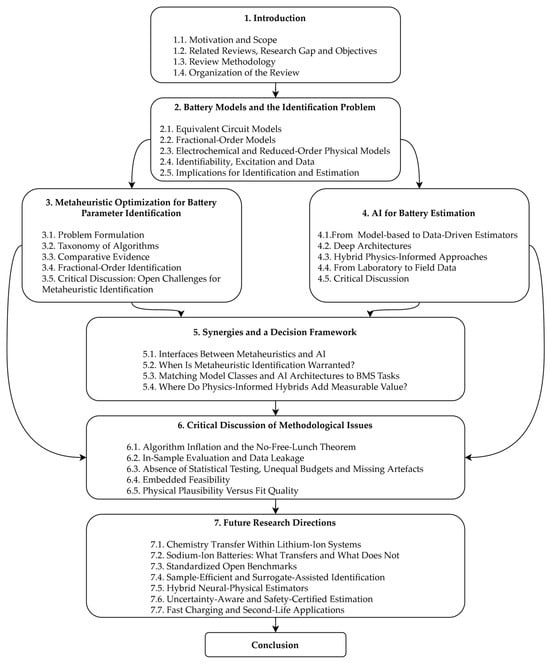
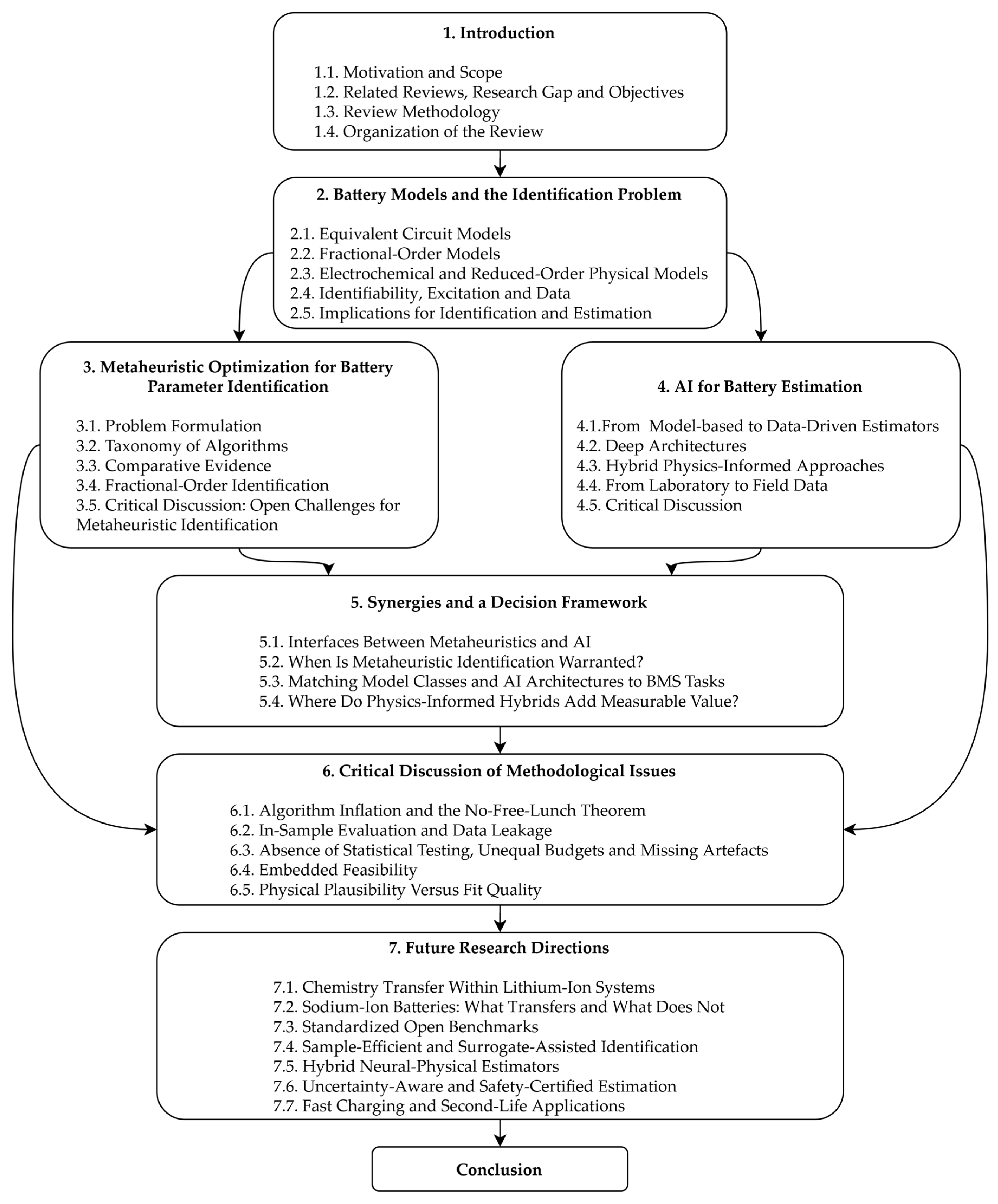
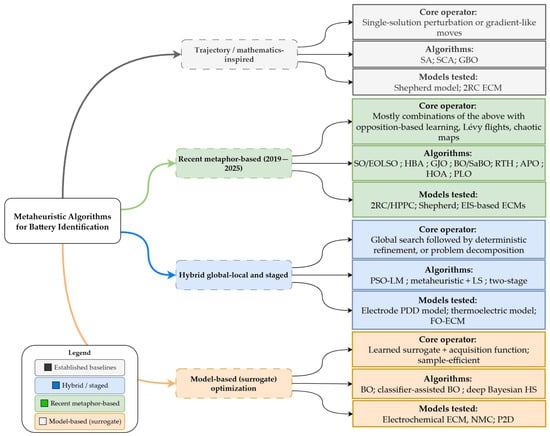
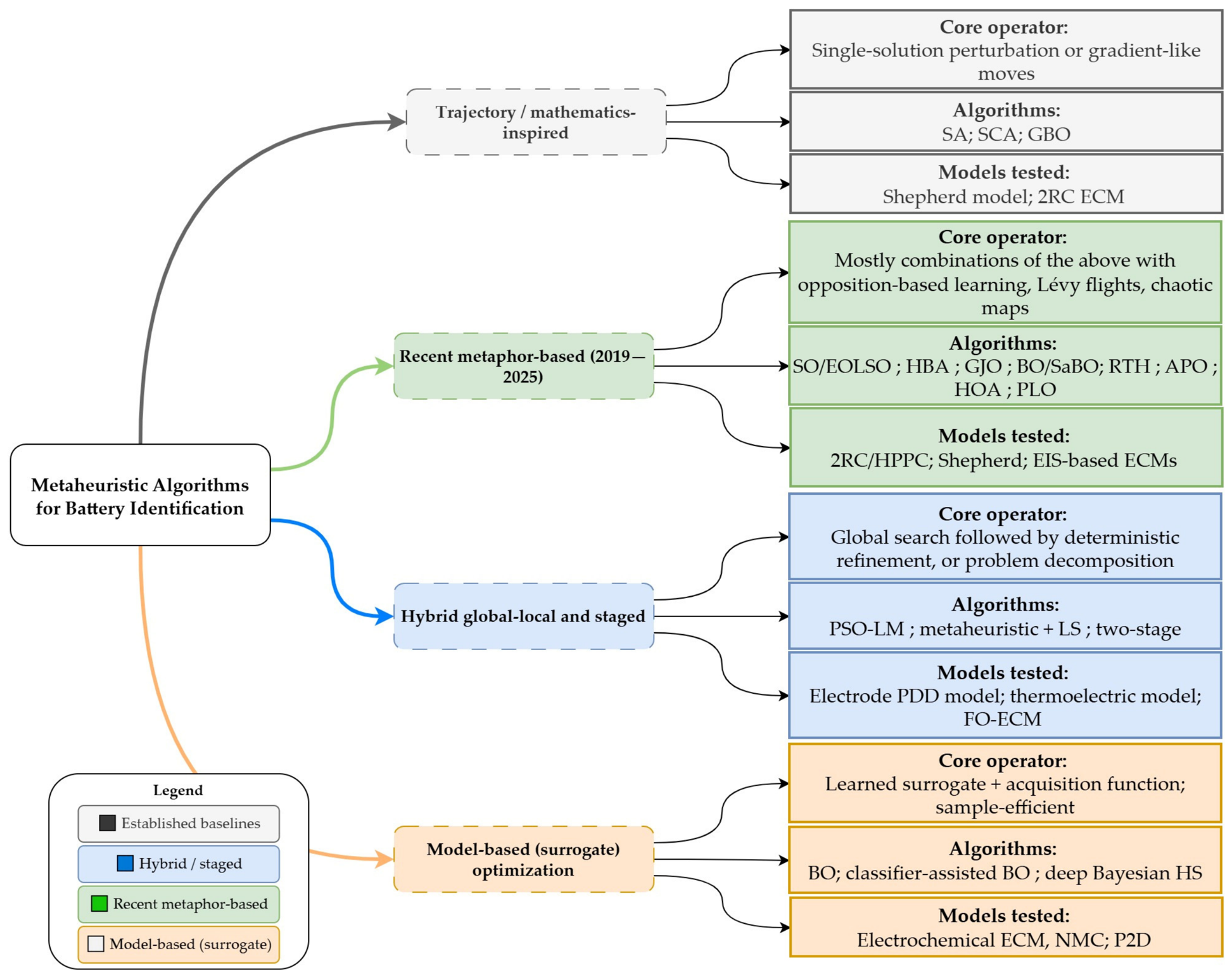
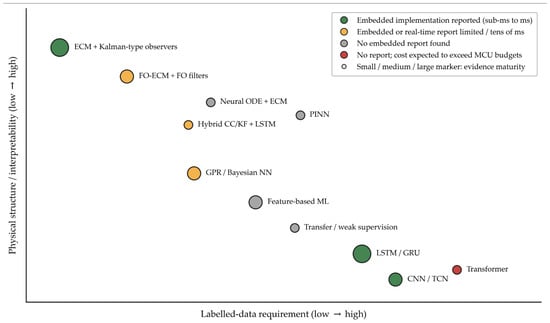
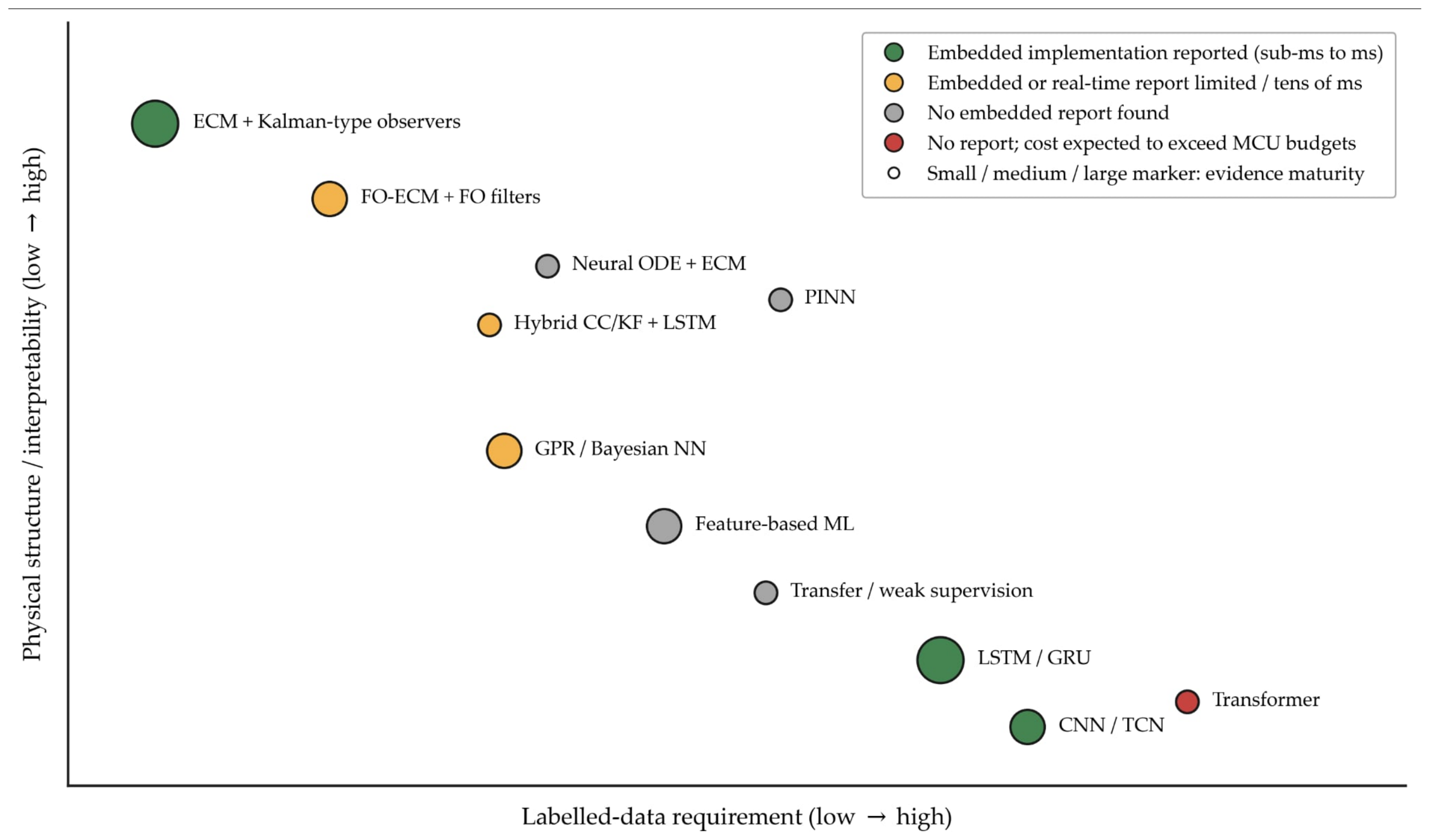
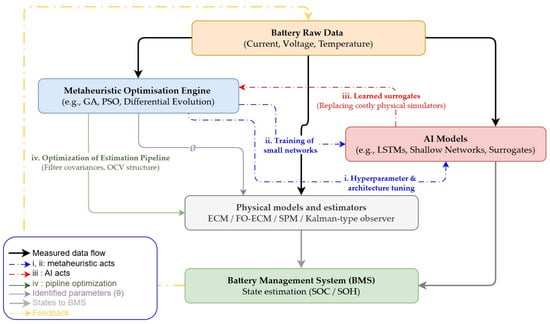
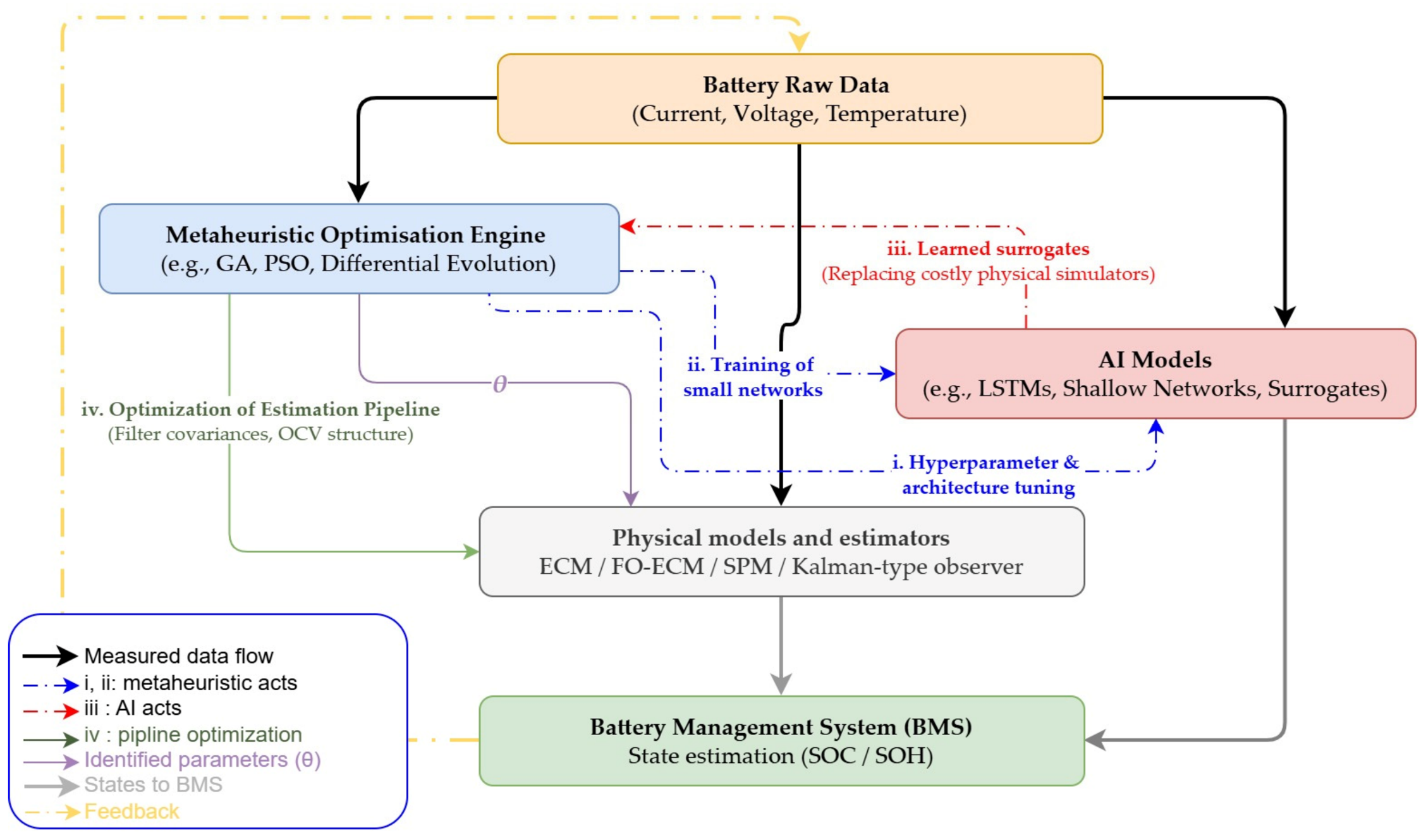
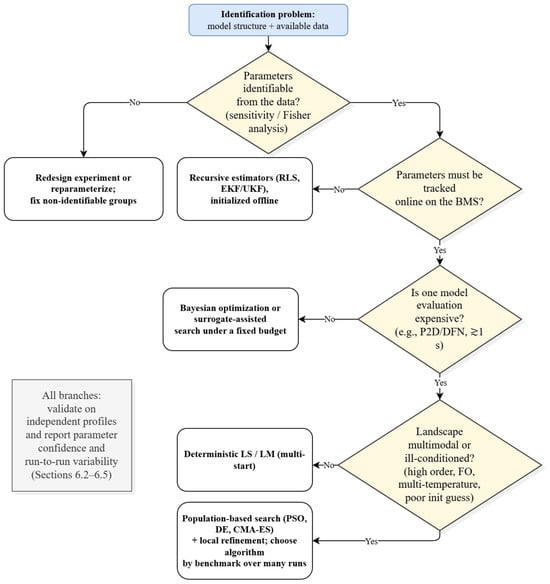
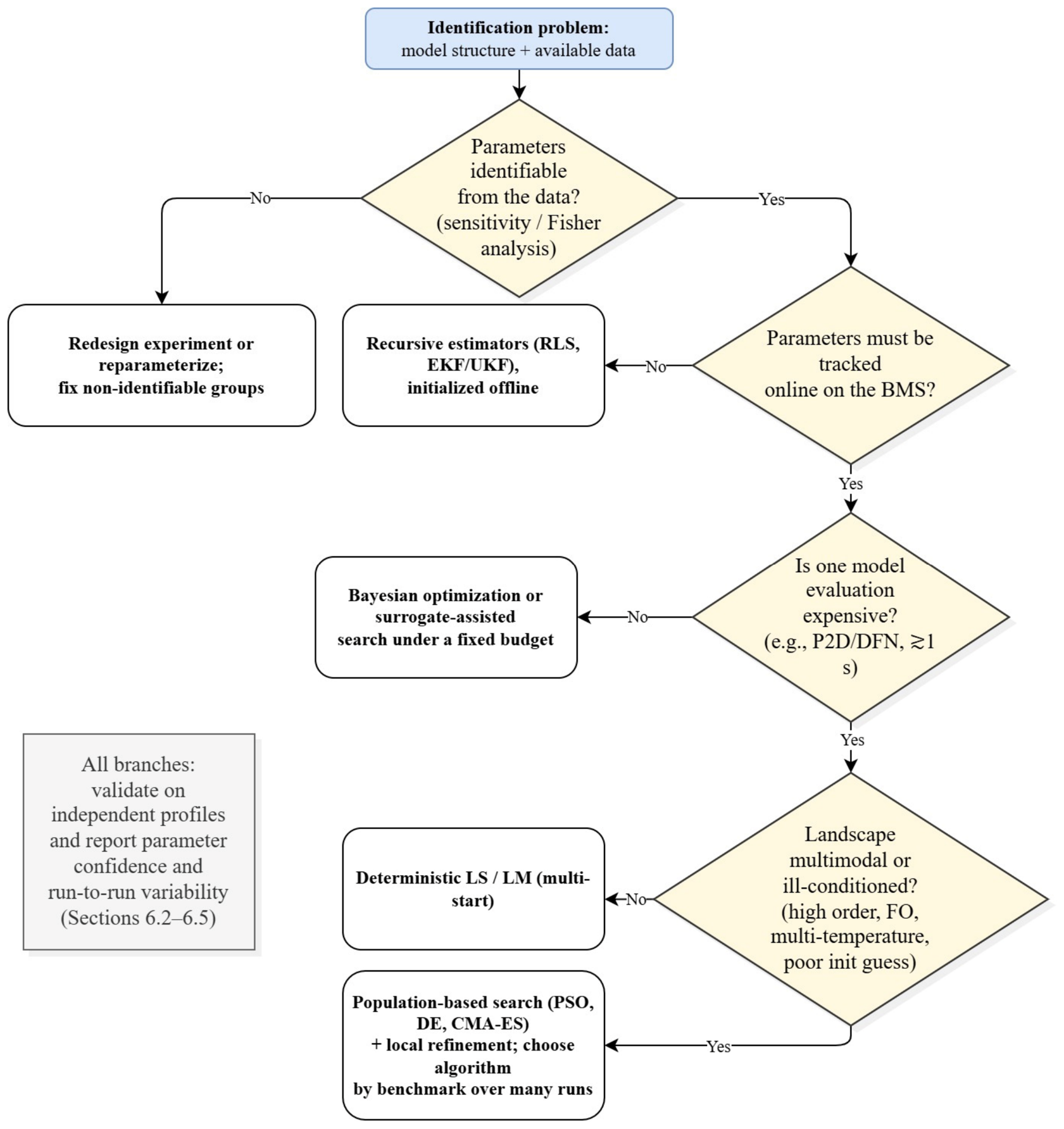

Disclaimer/Publisher’s Note: The statements, opinions and data contained in all publications are solely those of the individual author(s) and contributor(s) and not of MDPI and/or the editor(s). MDPI and/or the editor(s) disclaim responsibility for any injury to people or property resulting from any ideas, methods, instructions or products referred to in the content. |
© 2026 by the authors. Licensee MDPI, Basel, Switzerland. This article is an open access article distributed under the terms and conditions of the Creative Commons Attribution (CC BY) license.