


Highlights
What are the main findings?
- •
- Thin-layer drying kinetics of pear pomace were successfully modeled at 57, 63 and 68 °C.
- •
- The Midilli–Kucuk, logarithmic, and two-term models best described moisture loss.
- •
- Abate pear pomace powder exhibited approximately 1.5-fold-higher total phenolic content and antioxidant activity than Santa Maria.
What are the implications of the main findings?
- •
- Convective drying is an effective approach for producing stable, bioactive pear pomace powders from juice-processing by-products.
- •
- Pear pomace showed strong potential as a sustainable functional food ingredient.
Abstract
Pear pomace, a major by-product of industrial juice processing, represents a valuable resource for the development of functional ingredients. This study aimed to investigate the drying kinetics and quality attributes of pear pomace from two cultivars (Santa Maria and Abate) subjected to thin-layer convective drying at 57, 63, and 68 °C and an air velocity of 1.5 m/s. Experimental moisture ratio data were fitted using twelve empirical and semi-empirical models, and model performance was evaluated based on statistical criteria. The Midilli–Kucuk, logarithmic, and two-term models provided the best fit to the experimental data. Effective moisture diffusivity ranged from 1.44 to 1.90 × 10⁻⁸ m2/s and increased with temperature. The resulting powders were characterized in terms of physicochemical properties, proximate composition, and bioactive compounds. Significant differences (p < 0.05) between cultivars were observed for most quality parameters. Total phenolic content (200.64–301.09 mg gallic acid equivalents (GAEs)/100 g dry sample) and antioxidant activity (0.56–0.97 mmol Trolox/100 g dry sample) were approximately 1.5-fold higher in Abate than in Santa Maria pomace powder. Drying temperature had no significant effect (p > 0.05) on these parameters; however, individual phenolic compounds, such as rutin and epicatechin, showed a decreasing trend with increasing temperature. These findings support the potential of pear pomace as a functional ingredient and provide useful information for optimizing drying processes.
1. Introduction
Pear (Pyrus spp.) ranks among the world’s most important temperate fruits [1]. A significant portion of this production is directed toward juice and concentrate manufacturing, where pressing operations generate pear pomace as the primary solid residue [2]. This by-product, comprising peel, pulp, seeds, and core tissues, accounts for approximately 15–20% of the total fruit mass [3]. The high moisture content renders fresh pomace highly perishable and unsuitable for direct storage or transport, necessitating immediate processing or disposal. Pear pomace represents an underutilized resource whose disposal poses economic and environmental burdens to processing facilities [4].
Recent compositional analyses have revealed that pear pomace retains substantial nutritional and functional value despite juice extraction. The material is exceptionally rich in dietary fiber, with total fiber content of 43.9% on a dry weight basis [5]. In pear pomace, soluble dietary fiber was approximately 7% dry weight and insoluble dietary fiber was 36.3% [5]. Beyond fiber, pear pomace contains significant quantities of phenolic compounds, with total phenolic content ranging from approximately 390 to 567 mg gallic acid equivalents per 100 g dry weight [6]. These polyphenols include chlorogenic acid, protocatechuic acid, quinic acid, and flavonoids such as isoquercitrin and rutin [7,8], which contribute to antioxidant, antimicrobial, and potential health-promoting properties [9,10,11]. The material also provides pectin, making it a candidate source for functional food ingredients. However, the high moisture content and biochemical composition create favorable conditions for microbial spoilage and enzymatic degradation, thereby limiting shelf life to hours or days in the absence of preservation treatments.
Drying represents the most widely applied preservation method for fruit pomaces, reducing moisture content to levels that inhibit microbial growth and enzymatic activity while concentrating bioactive compounds and enabling long-term storage [12]. Thin-layer drying, in which material is spread in a single layer and exposed to heated air, is particularly suited to laboratory-scale investigation of drying behavior and serves as the foundation for understanding industrial convective drying processes. The drying process is governed by simultaneous heat- and mass-transfer phenomena, wherein moisture migrates from the interior of the material to the surface and subsequently evaporates into the surrounding air. Mathematical modeling of thin-layer drying kinetics provides essential information for process design, equipment selection, energy optimization, and quality prediction [13,14]. Accurate models enable prediction of drying time, estimation of energy requirements, and optimization of operating conditions to balance processing efficiency with retention of heat-sensitive bioactive compounds [15,16]. The effective moisture diffusivity, calculated from experimental drying curves using Fick’s second law of diffusion, quantifies the rate of internal moisture movement and typically ranges from 10−10 to 10−8 m2/s for fruit materials [17,18]. Activation energy, derived from the temperature dependence of diffusivity via the Arrhenius equation, characterizes the energy barrier for moisture removal and generally falls between 15 and 50 kJ/mol for fruit pomaces [19,20].
Extensive research has documented the drying kinetics of various fruit pomaces, establishing a foundation for understanding moisture-removal behavior in these materials. Studies on apple pomace have demonstrated that convective drying at temperatures between 40 °C and 110 °C reduces moisture content from approximately 80% to below 10% wet basis, with drying time inversely related to temperature [21,22,23]. For pear slices, effective diffusivity values between 6.49 × 10⁻⁹ and 3.29 × 10⁻⁸ m2/s have been reported across temperatures from 30 °C to 70 °C, with activation energies of 28.15 to 30.51 kJ/mol. Vacuum-infrared drying of pear slices yielded diffusivity values of 1.18 to 4.67 × 10⁻⁸ m2/s and activation energies of 43.89 to 44.21 kJ/mol [24,25,26,27]. These studies consistently indicate that fruit pomace drying occurs predominantly in the falling-rate period, where internal moisture diffusion rather than surface evaporation limits the drying rate. To describe and predict drying behavior, researchers have applied numerous semi-empirical and empirical mathematical models to experimental moisture ratio data. Commonly evaluated models include the Newton (single-term exponential), Page (modified exponential with power term), Henderson–Pabis (two-parameter exponential), logarithmic (three-parameter exponential), Midilli–Kucuk (four-parameter model incorporating time and exponential terms), two-term (sum of two exponentials), and Wang and Singh (polynomial) models, among others. Model performance is typically assessed using statistical indicators including coefficient of determination (R2), reduced chi-square (χ2), root mean square error (RMSE), mean bias error (MBE), and standard error of estimate (SEE). Studies on pear slices have identified the Midilli–Kucuk model as providing a superior fit to experimental data, with R2 values exceeding 0.999, while the Wang and Singh model has also demonstrated excellent predictive capability for vacuum-infrared drying [28,29,30].
Despite the substantial body of literature on fruit pomace drying, research specifically addressing pear pomace remains limited compared to the extensive work on apple pomace [12]. Most existing studies on pear drying have focused on fresh-fruit slices rather than pomace [31], and the few investigations of pear pomace have primarily examined compositional characteristics or extraction of specific components rather than drying kinetics [32]. The distinct cellular structure, fiber composition, and moisture distribution of pomace compared to fresh fruit tissue suggest that drying behavior may differ substantially from that of fruit slices. Furthermore, cultivar-specific differences in composition and structure may influence drying kinetics and the suitability of mathematical models, yet comparative studies of different pear cultivars under identical drying conditions are notably absent from the literature. This knowledge gap limits the ability of processors to optimize drying operations for pear pomace and to predict the quality attributes of resulting powders.
The present study was designed to address these gaps through five specific research objectives: (a) to investigate the thin-layer drying kinetics of pear pomace from two cultivars (Santa Maria and Abate) at three temperatures (57, 63, and 68 °C) under controlled convective drying conditions; (b) to determine the effective moisture diffusivity and activation energy for moisture removal in each cultivar; (c) to fit twelve mathematical models (Newton, Page, Modified Page, Henderson–Pabis, logarithmic, two-term, two-term exponential, Wang and Singh, diffusion approach, Verma et al., Midilli–Kucuk, and modified Henderson–Pabis) to the experimental drying data; (d) to comparatively evaluate model performance using five statistical indicators (R2, χ2, RMSE, MBE, and SEE) to identify the most accurate predictive models; and (e) to characterize the physicochemical and bioactive properties of the resulting pear pomace powders to establish relationships between drying conditions and product quality. By systematically addressing these objectives, this study provides key kinetic parameters and selected mathematical models for pear pomace drying, thereby supporting the development of efficient processing strategies and the valorization of this underutilized by-product as a functional food ingredient within circular-economy frameworks.
2. Materials and Methods
2.1. Sample Preparation
Pear pomace from two cultivars, “Santa Maria” and “Abate”, was generated as a by-product of laboratory-scale juice production carried out with centrifugal extraction equipment (R.G.V., Como, Italy). Fresh pear pomace, consisting of peel, pulp, seeds, and core tissues, was recovered immediately after juice extraction and prepared without delay for the subsequent drying experiments. The pomace was subjected to mechanical grinding using a laboratory-scale grinder to ensure complete homogenization of the material and uniform moisture distribution throughout the sample mass. The initial moisture content of the homogenized pomace was determined gravimetrically according to AOAC Method 934.06 by drying samples in a vacuum oven at 65 °C until a constant weight was achieved. The initial moisture content was measured as 83.59% on a wet basis (w.b.), corresponding to 5.078 kg water per kg dry matter on a dry basis (d.b.).
2.2. Drying Process
Drying experiments were performed in a forced-air convective drying system (Deca +SS Design, Profimatic, Cluj-Napoca, Romania) consisting of a drying chamber equipped with an electric heating system, a centrifugal fan for air circulation, and a temperature control unit. Heated air was supplied to the drying chamber through a distribution plenum to ensure uniform air flow across the sample surface. Three drying air temperatures were investigated: 57 °C, 63 °C, and 68 °C. Air velocity was maintained constant at 1.5 m/s throughout all experiments.
For each drying trial, approximately 100 g of thoroughly homogenized pear pomace was evenly distributed as a thin layer (approximately 2 mm thick) over parchment paper placed on a circular tray with a diameter of 26 cm. Weight measurements were recorded at regular intervals: every 30 min during the entire drying process until the sample reached equilibrium moisture content. Drying was considered completed when three consecutive weight measurements showed no change exceeding 0.01 g. All drying experiments were performed in triplicate for each cultivar–temperature combination to ensure reproducibility of results.
2.3. Drying Kinetics and Moisture Ratio Calculation
The moisture content at any time during drying was calculated on a dry basis (d.b.) using the instantaneous sample weight and the initial dry matter content determined from the initial moisture analysis. The dimensionless moisture ratio (MR), which normalizes the drying curve and facilitates comparison across different conditions, was calculated using Equation (1) [20]:
where Mt is the moisture content (kg water/kg dry matter) at time t, M0 is the initial moisture content (kg water/kg dry matter), and Me is the equilibrium moisture content (kg water/kg dry matter). The equilibrium moisture content was determined experimentally by extending the drying process until no further weight change was observed.
The drying rate at any instant was calculated as the change in moisture content per unit time using finite difference approximation from consecutive moisture measurements [22]:
where Mt+Δt and Mt are the moisture contents at times t + Δt and t, respectively, and Δt is the time interval (30 min in this study).
2.4. Mathematical Drying Models
Twelve semi-empirical and empirical thin-layer drying models commonly applied to fruit and vegetable materials were fitted to the experimental moisture ratio data to identify the most suitable models for describing pear pomace drying kinetics (Table 1). These models were selected based on their widespread application in agricultural-product-drying literature and their varying complexity in representing moisture-removal mechanisms.
Table 1.
Mathematical models applied to pear pomace thin-layer drying data.
In these equations, MR is the dimensionless moisture ratio, t is the drying time (min), k, k0, k1, g, and h are drying constants (min−1), a, b, and c are dimensionless model coefficients, and n is a dimensionless exponent.
2.5. Effective Moisture Diffusivity
The effective moisture diffusivity (Deff), which quantifies the rate of internal moisture migration within the pomace matrix, was determined by applying Fick’s second law of diffusion for an infinite slab geometry with moisture movement in one dimension. The analytical solution for Fick’s second law, assuming uniform initial moisture distribution, constant diffusivity, negligible external resistance, and negligible shrinkage, is given by Equation (3) [22,23]:
where n is a positive integer (0, 1, 2, …), L is the half-thickness of the slab (m), and t is the drying time (s). For long drying times when the Fourier number (Deff *t/L2) exceeds 0.1, corresponding to MR values below approximately 0.6, only the first term of the infinite series is significant, and Equation (3) simplifies to Equation (4):
Taking the natural logarithm of both sides yields a linear relationship (Equation (5)):
The effective moisture diffusivity was calculated from the slope of the linear regression line obtained by plotting ln(MR) versus drying time for the falling-rate period (MR < 0.6).
2.6. Activation Energy
The temperature dependence of the effective moisture diffusivity was described using the Arrhenius equation (Equation (6)):
where D0 is the pre-exponential factor or frequency factor (m2/s), Ea is the activation energy for moisture diffusion (kJ/mol), R is the universal gas constant (8.314 J/mol·K), and T is the absolute temperature (K). Taking the natural logarithm of both sides yields a linear form (Equation (7)):
The activation energy was determined from the slope of the linear regression line obtained by plotting ln(Deff) versus 1/T, where the slope equals −Ea/R [21,27,34]. This analysis was performed separately for each pear cultivar using the effective diffusivity values calculated at the three experimental temperatures.
2.7. Model Performance Indicators
The goodness of fit for each mathematical model was evaluated using five statistical indicators: coefficient of determination (R2), reduced chi-square (χ2), root mean square error (RMSE), mean bias error (MBE), and standard error of estimate (SEE). These indicators were calculated using Equations (8)–(12):
where MRexp,i is the experimental moisture ratio for the ith observation, MRpred,i is the predicted moisture ratio from the model, MRexp,mean is the mean of experimental moisture ratio values, N is the number of observations, and n is the number of model parameters. Higher R2 values (approaching 1.0) and lower χ2, RMSE, MBE, and SEE values indicate better model fit. Nonlinear regression analysis was performed using the Levenberg–Marquardt algorithm to estimate model parameters by minimizing the sum of squared residuals between experimental and predicted moisture ratio values.
2.8. Proximate Composition
The contents of dry matter (AOAC 984.25), crude protein (AOAC 950.36), crude fat (AOAC 935.38), and ash (AOAC 925.51) in pear pomace powders were determined in accordance with standardized methods established by AOAC International [35]. Crude fiber was determined by intermediary filtration using Fibertec 2010 (Tecator, Hillerod, Sweden) according to ISO 6865/2002 [36].
2.9. Titratable Acidity
Titratable acidity was quantified by potentiometric titration of an aqueous suspension of pear pomace powder titrated to pH 8.2 using 0.1 N NaOH as the titrant, according to AOAC Method 942.15 [35]. The suspension was prepared by homogenizing 5 g of pear pomace powder in distilled water, diluting to 100 mL, and filtering through Whatman No. 1 paper to remove solids. The results were expressed in terms of malic acid equivalents.
2.10. Water Activity
The water activity (aw) of pear pomace powders was measured using a Humimeter RH2 water activity meter (Schaller Messtechnik GmbH, Styria, Austria).
2.11. Color
Color measurements were carried out with a PCE-CSM1 colorimeter (PCE Instruments, Southampton, UK) following calibration against a white reference standard. The color parameters L* (lightness), a* (red–green axis), and b* (yellow–blue axis) were determined from six measurements per replicate, with each sample analyzed in triplicate. Hue angle (h*) and chroma (C*) were calculated as arctan (b*/a*) and (a2 + b2)1/2, respectively [37].
2.12. Rehydration Ratio
The rehydration ratio was assessed following the method described by Waseem et al. [38]. Briefly, 2.5 g pear pomace powder was dispersed in 50 mL of boiling water and allowed to hydrate for 5 min, after which the suspension was filtered through Whatman No. 1 filter paper. The recovered material was weighed, and the rehydration ratio was calculated as the ratio between the mass of the rehydrated sample and that of the initial dry sample.
2.13. Phenolic Compound Extraction
Phenolic compounds were recovered from pear pomace powders in methanol through a 60 min ultrasonic-assisted extraction conducted at room temperature. Methanol was selected based on its well-established efficiency in extracting a broad range of phenolic compounds from plant materials, as widely reported in the literature [39]. Following centrifugation at 6000 rpm for 5 min, the supernatants were collected and passed through 0.45 μm membrane filters. The resulting filtrates were subsequently analyzed to determine total phenolic content, evaluate antioxidant activity, and characterize the phenolic profile.
2.14. Total Phenolic Content
The total phenolic content of the methanolic extracts was determined by applying the Folin–Ciocalteu spectrophotometric assay, following the procedure described by Singleton et al. [33,40]. Briefly, 0.1 mL of each extract was combined with 6 mL of distilled water and 0.5 mL of Folin–Ciocalteu reagent previously diluted 1:1 (v/v) with distilled water. The mixture was allowed to react for 3 min, after which 1.5 mL of sodium carbonate solution (20%, w/v) and 1.9 mL of distilled water were incorporated. The resulting mixture was thoroughly vortexed and kept in darkness at 40 °C for 30 min to allow for full color development. Optical absorbance was subsequently recorded at 765 nm using a Varian Cary 50 UV–Vis spectrophotometer (Varian Co., Cary, NC, USA). Total phenolic content was expressed as milligrams of gallic acid equivalents (mg GAEs) per 100 g of pear pomace powder, quantified against a gallic acid standard calibration curve.
2.15. DPPH Radical-Scavenging Activity
The antioxidant potential of the pomace powders was assessed through the DPPH free-radical-scavenging assay, performed according to the spectrophotometric procedure of Brand-Williams et al. [41]. In brief, aliquots of 50 μL of each extract were mixed with 3 mL of freshly prepared DPPH solution at a concentration of 0.004% (w/v). The reaction mixtures were kept in darkness for 30 min to allow for complete radical–antioxidant interaction, after which the optical absorbance was recorded at 517 nm using a Varian Cary 50 UV–Vis spectrophotometer (Varian Co., Cary, NC, USA). The DPPH radical-scavenging activity was calculated using the following equation:
where As and Ac correspond to the absorbance of the sample and the control, respectively.
DPPH scavenging activity (%) = [1 − (As/Ac)] × 100
Trolox was employed as the calibration standard, and the results were expressed as millimoles of Trolox equivalents per 100 g of sample.
2.16. Phenolic Profile
Individual phenolic compounds were identified and quantified in methanolic extracts using high-performance liquid chromatography (HPLC). The analysis followed the methodology described by Nour et al. [42] and was conducted on a Finnigan Surveyor Plus HPLC system (Thermo Electron Corporation, San Jose, CA, USA) fitted with a diode-array detector. Chromatographic separation was achieved on a Hypersil Gold C18 reversed-phase column (5 μm, 250 × 4.6 mm) held at a constant temperature of 20 °C. The mobile phase comprised two solvents: 1% aqueous acetic acid (solvent A) and methanol (solvent B). Simultaneous UV detection was performed at wavelengths of 254, 278, and 300 nm, with a constant flow rate of 1 mL/min. The gradient elution program was as follows: 0–20 min, linear gradient from 90% to 80% A; 20–27 min, linear gradient from 80% to 60% A; 27–52 min, isocratic hold at 60% A; 52–57 min, linear gradient from 60% to 80% A; and 57–60 min, return to 90% A. Prior to injection, methanolic extracts were filtered through a 0.45 μm nylon syringe filter, and a 5 μL aliquot was introduced into the system. Individual compounds were tentatively identified by matching their retention times against certified reference standards, and quantification was based on peak area integration. The corresponding chromatograms for phenolic standards recorded at 254, 278, and 300 nm are presented in Figure S2a–c, respectively (Supplementary Materials). All results are expressed as milligrams per 100 g of pear pomace powder.
2.17. Organic Acid Profile
Organic acids were identified and quantified in the aqueous extracts of pear pomace powders by HPLC following the method of Nour et al. [43] using a Finnigan Surveyor Plus HPLC system (Thermo Electron Corporation, San Jose, CA, USA). For the extraction of organic acids, 1 g of pear pomace was homogenized with 30 mL of distilled water. The resulting mixture was centrifuged at 6000 rpm for 10 min, and the supernatant was subsequently filtered through a 0.45 μm nylon syringe filter prior to analysis. Separation was performed under isocratic conditions on a Hypersil Gold aQ column (5 μm, 250 × 4.6 mm) maintained at 10 °C, using a 50 mM KH2PO4 aqueous solution (pH 2.8) as the mobile phase at a flow rate of 0.7 mL/min. Detection was carried out using a diode array detector set at 254 nm for ascorbic acid and 214 nm for malic, citric, tartaric, and oxalic acids. The concentrations were expressed as milligrams per 100 g of pear pomace powder. Chromatograms of organic acid standards at 214 and 254 nm are shown in Figure S4a,b, respectively, available in the Supplementary Materials.
2.18. Statistical Analysis
Statistical analyses were carried out using Statgraphics Centurion XVI, version 16.1.03 (StatPoint Technologies, Warrenton, VA, USA). Unless otherwise specified, all determinations were performed in at least three independent replicates, and the results are reported as the mean ± standard deviation. The overall effects of cultivar, drying temperature, and their interaction were first evaluated using two-way ANOVA. When significant effects were detected, mean separation was performed using Tukey’s HSD test. Statistical significance was accepted at p < 0.05.
3. Results and Discussion
3.1. Drying Curves and Drying Behavior
The drying curves for Santa Maria and Abate pear pomace at the three experimental temperatures (57, 63, and 68 °C) are presented in Figure 1. The moisture ratio decreased exponentially with drying time for both cultivars at all temperatures, following a characteristic pattern observed in fruit pomace drying. The initial moisture content of 5.078 kg water/kg dry matter (83.593% w.b.) was reduced to equilibrium moisture content below 0.15 kg water/kg dry matter within the experimental timeframe. The exponential decline in moisture ratio reflects the progressive reduction in the driving force for moisture removal as the moisture content gradient between the pomace interior and the drying air diminishes over time.
Figure 1.
Effect of drying air temperature and drying time on the moisture ratio of pear pomace samples: (a) Santa Maria, (b) Abate.
Temperature exerted a pronounced effect on drying kinetics, with higher temperatures resulting in substantially shorter drying times. At 68 °C, both cultivars reached equilibrium moisture content in 120 min, whereas drying at 57 °C required approximately 150 min to achieve comparable moisture reduction. This temperature dependence is consistent with established principles of convective drying, where elevated temperatures increase the vapor pressure gradient between the product surface and the surrounding air, enhance the rate of moisture diffusion within the material, and reduce air viscosity, thereby facilitating more rapid moisture removal [26]. Similar temperature effects have been documented for other fruit pomaces, including cashew apple pomace, where drying time at 60 °C was 32.29% greater than at 70 °C [15], and grape pomace, which reached equilibrium moisture content in 360, 240, and 180 min at 40, 50, and 60 °C, respectively [44].
Comparison between the two pear cultivars revealed only minor and statistically non-significant differences in drying behavior. As illustrated in Figure 1, moisture removal was carried out in a closely similar manner for both cultivars, with comparable drying times at each temperature. The small differences that were observed may be related to cultivar-specific variations in cell structure, fiber composition, and initial moisture distribution. Although these differences were modest and did not reach statistical significance, monitoring cultivar-related variability remains advisable when optimizing drying parameters for industrial applications.
Throughout the entire drying process, both cultivars exhibited falling-rate-period behavior with no discernible constant-rate period. Figure 2 shows the drying rate as a function of moisture content, demonstrating a continuous decrease in drying rate from the initiation of drying until equilibrium was reached. This behavior is characteristic of porous fruit pomaces and indicates that internal moisture diffusion, rather than surface evaporation, controls the rate of moisture removal [15]. The absence of a constant-rate period suggests that the pomace surface did not remain saturated with free water during drying, likely due to the porous structure created by the fibrous matrix and the presence of bound water associated with pectin and other cell-wall polysaccharides. Similar falling-rate behavior has been extensively documented for apple pomace [19,45], grape pomace [44], and other fruit-processing by-products, confirming that diffusion-controlled moisture migration is the predominant mechanism in pomace drying.
Figure 2.
Drying rate of pear pomace samples changes with drying time: (a) Santa Maria, (b) Abate.
The porous structure of pear pomace, resulting from the disruption of cellular architecture during juice extraction, creates a network of interconnected voids that facilitates air penetration but simultaneously increases the tortuosity of moisture migration pathways [46].
Detailed analysis of drying-rate behavior confirmed that moisture removal occurred exclusively in the falling-rate period for both pear cultivars at all experimental temperatures. As shown in Figure 2, the drying rate decreased continuously from the beginning of the drying process, with maximum rates observed at the start when moisture content was highest and the concentration gradient-driving diffusion was greatest.
The continuous decrease in drying rate throughout the process indicates that internal moisture diffusion constitutes the rate-limiting mechanism for pear pomace drying. In diffusion-controlled drying, the rate of moisture removal is governed by the concentration gradient within the material and the effective moisture diffusivity, which quantifies the ease with which moisture migrates through the solid matrix. The absence of a surface evaporation-controlled period reflects the porous structure of the pomace and the nature of water binding within the material.
The falling-rate behavior observed in pear pomace drying aligns closely with literature reports for other fruit pomaces [15,19,44]. The consistent observations across diverse pomace types confirm that internal diffusion resistance, rather than external convective resistance, limits the rate of moisture removal in fruit-processing residues.
The porous structure of pear pomace plays a dual role in determining drying kinetics. On one hand, the network of voids created by cellular disruption during pressing facilitates air circulation through the pomace bed and provides extensive surface area for evaporation. On the other hand, the tortuous pathways created by the fibrous matrix increase the effective diffusion distance that moisture must traverse to reach an evaporative surface [4,15,45,47].
3.2. Effective Moisture Diffusivity
The effective moisture diffusivity (Deff) values calculated from the slope of ln(MR) versus time plots for the falling-rate period ranged from 1.44 × 10⁻⁸ to 1.90 × 10⁻⁸ m2/s across all experimental conditions for both pear pomace cultivars (Table 2). These values fall within the typical range of 10−10 to 10−8 m2/s reported for biological materials undergoing convective drying, confirming that moisture transport in pear pomace is governed by diffusion-controlled mechanisms characteristic of porous food matrices.
Table 2.
Effective moisture diffusivity and coefficient of determination for pear pomaces at different drying temperatures.
Temperature exerted a pronounced effect on effective moisture diffusivity for both cultivars. For Santa Maria pomace, Deff increased from 1.44 × 10⁻⁸ m2/s at 57 °C to 1.50 × 10⁻⁸ m2/s at 63 °C and up to 1.82 × 10⁻⁸ m2/s at 68 °C, representing a 20.88% increase over the temperature range studied. Abate pomace exhibited a similar temperature dependence, with Deff values increasing from 1.46 × 10⁻⁸ m2/s at 57 °C to 1.56 × 10⁻⁸ m2/s at 63 °C and 1.90 × 10⁻⁸ m2/s at 68 °C, corresponding to a 23.16% increase. The positive correlation between temperature and effective diffusivity reflects the fundamental relationship between thermal energy and molecular mobility. Elevated temperatures reduce the viscosity of bound water layers associated with cell-wall polysaccharides and pectin, thereby decreasing resistance to moisture migration through the pomace matrix. Additionally, higher temperatures provide greater thermal energy to overcome intermolecular forces binding water molecules to hydrophilic sites within the fibrous structure, facilitating more rapid diffusion toward evaporative surfaces.
The effective diffusivity values obtained for pear pomace in this study are consistent with literature reports for other fruit pomaces and pear products. For pear slices dried under convective conditions at temperatures of 30–70 °C and air velocities of 1–2 m/s, effective moisture diffusivity ranged from 6.49 × 10⁻⁹ to 3.29 × 10⁻⁸ m2/s [21], with the upper end of this range comparable to the values observed for pear pomace. Vacuum-combined infrared drying of pear slices yielded diffusivity values ranging from 1.18 × 10⁻⁸ to 4.67 × 10⁻⁸ m2/s under various drying conditions [2], with the lower portion of this range overlapping with the present results despite the different drying method. For pear cubes treated with various biopolymer coatings and dried at 70 °C, moisture diffusion coefficients ranged from 2.33 × 10⁻⁹ to 3.26 × 10⁻⁹ m2/s [34], approximately one order of magnitude lower than the values obtained for uncoated pomace in the present study, likely reflecting the barrier effect of surface coatings on moisture migration.
The magnitude of effective diffusivity reflects the combined influence of structural and compositional factors on moisture migration. The porous structure of pear pomace, resulting from mechanical disruption during pressing, creates a network of interconnected voids that reduces the effective diffusion path length compared to intact tissue. These structural effects determine the overall rate of moisture diffusion and explain why pomace diffusivity values are generally lower than those for intact fruit tissue but higher than those for dense, non-porous materials.
3.3. Activation Energy
The temperature dependence of effective moisture diffusivity was quantified using the Arrhenius relationship, with ln(Deff) plotted against the reciprocal of absolute temperature (1/T). Linear regression analysis of these Arrhenius plots yielded activation energy values of 19.48 kJ/mol for Santa Maria pomace (R2 = 0.8426) and 21.79 kJ/mol for Abate pomace (R2 = 0.8843) (Table 3). The coefficients of determination obtained from the Arrhenius plots (R2 = 0.8426 for Santa Maria and 0.8843 for Abate; Table 3) indicate an acceptable, though not perfect, linear description of the temperature dependence of moisture diffusivity in pear pomace. This is consistent with the assumption that moisture diffusion behaves as a thermally activated process governed by a single dominant energy barrier, while the moderate R2 values also reflect the limited number of temperature levels (three) available for the regression [21,48].
Table 3.
Activation energy and coefficient of determination for pear pomaces.
The moderate activation energy values obtained for both pear cultivars indicate that moisture removal from pomace requires a modest energy input compared to materials with very strong water binding or highly restrictive structural barriers. The slightly higher activation energy for Abate pomace (21.79 kJ/mol) compared to Santa Maria pomace (19.48 kJ/mol) suggests that despite exhibiting higher absolute diffusivity values at all temperatures, Abate pomace shows greater sensitivity to temperature changes, with moisture diffusion in this cultivar requiring a larger thermal energy increment to overcome the activation barrier.
The difference in activation energy between the two cultivars may reflect compositional and structural variations affecting the nature of water binding and the resistance to moisture migration. The higher activation energy for Abate pomace suggests that this cultivar may possess structural or compositional features that create a steeper energy barrier for moisture diffusion, even though the absolute rate of diffusion remains higher than in Santa Maria pomace at all experimental temperatures.
The activation energy values obtained for pear pomace are consistent with literature reports for pear products and other fruit pomaces. For pear slices dried under convective conditions at temperatures of 30–70 °C and air velocities of 1–2 m/s, activation energies ranged from 28.15 to 30.51 kJ/mol [21,25], somewhat higher than the values observed for pomace in the present study. Vacuum-combined infrared drying of pear slices yielded activation energies of 44.21 kJ/mol for 100 mmHg vacuum and 43.89 kJ/mol for 250 mmHg vacuum [24], substantially higher than the convective drying values and reflecting the different moisture transport mechanisms operative under vacuum conditions. The lower activation energies observed for pear pomace compared to intact pear slices may be attributed to the disrupted cellular structure of pomace, which reduces the structural resistance to moisture migration and eliminates the need to overcome intact cell-membrane barriers that remain present in sliced fruit tissue.
The practical implications of the activation energy values are significant for process design and scale-up. The moderate activation energies indicate that pear pomace drying is reasonably responsive to temperature increases, with each 10 °C temperature increment producing a substantial increase in moisture diffusivity and corresponding reduction in drying time. This temperature sensitivity suggests that energy-efficient drying can be achieved by optimizing temperature to balance drying rate against quality considerations such as color retention, bioactive compound preservation, and energy consumption. The Arrhenius parameters determined in this study enable prediction of effective diffusivity at temperatures within and slightly beyond the experimental range, facilitating process optimization and scale-up calculations for industrial applications. The cultivar-specific differences in activation energy indicate that drying process parameters may require adjustment when processing pomace from different pear cultivars to achieve consistent product quality and process efficiency.
3.4. Mathematical Modeling and Model Comparison
Twelve semi-empirical and empirical thin-layer drying models were fitted to the experimental moisture ratio data obtained for both Santa Maria and Abate pear pomace cultivars at all three drying temperatures (57, 63, and 68 °C). The comprehensive statistical evaluation employed five performance indicators: coefficient of determination (R2), reduced chi-square (χ2), root mean square error (RMSE), mean bias error (MBE), and standard error of estimate (SEE). This multi-criteria approach enabled robust identification of the models most suitable for describing pear pomace drying kinetics and provided a quantitative basis for model selection in process design applications.
The statistical analysis revealed that three models demonstrated superior performance across all experimental conditions: the Midilli–Kucuk model, the logarithmic model, and the two-term model. These three models consistently achieved R2 values exceeding 0.99 and exhibited the lowest error metrics (χ2, RMSE, and MBE) among all tested models for both cultivars at all temperatures (Table 4 and Table 5). The exceptional fit of these models indicates their capacity to capture the complex moisture-removal dynamics characteristic of porous fruit pomace materials, where internal diffusion resistance and structural heterogeneity govern drying behavior.
Table 4.
Statistical performance indicators for mathematical models fitted to Santa Maria pear pomace drying data.
Table 5.
Statistical performance indicators for mathematical models fitted to Abate pear pomace drying data.
Among the top-performing models, the Midilli–Kucuk model exhibited the highest predictive accuracy, with R2 values consistently exceeding 0.9970 and the lowest χ2 and RMSE values across all experimental conditions. The four-parameter structure of the Midilli–Kucuk model provides the mathematical flexibility necessary to represent non-exponential drying behavior and explicitly accounts for the time-dependent nature of moisture-removal processes. The inclusion of the linear term (bt) enables the model to capture subtle deviations from purely exponential decay that arise from progressive changes in material structure, moisture-binding characteristics, and diffusion pathways as drying proceeds. This structural advantage has been recognized in previous studies of fruit and vegetable drying, where the Midilli–Kucuk model demonstrated superior fit to experimental data for pear slices [28,29] and biopolymer-coated pear cubes [49].
The logarithmic model and two-term model also provided excellent fits to the experimental data, with R2 values ranging from 0.9968 to 0.9980 and correspondingly low error metrics. Both models employ three parameters, offering a favorable balance between predictive accuracy and mathematical parsimony. The logarithmic model’s additive constant (c) accounts for the asymptotic approach to equilibrium moisture content, while the two-term model’s dual exponential structure represents the superposition of two moisture-removal mechanisms operating at different time scales, potentially corresponding to surface-associated and internally bound water fractions. The strong performance of these models confirms that pear pomace drying involves multiple moisture populations with distinct removal kinetics, consistent with the heterogeneous composition of pomace comprising peel, pulp, seed, and core tissues with varying cellular structures and water-binding capacities.
Simpler models, including the Newton (single-parameter), Page (two-parameter), and Henderson–Pabis (two-parameter) models, demonstrated adequate but inferior performance compared to the top three models. The Newton model, representing simple exponential decay, achieved R2 values ranging from 0.9823 to 0.9852 across all conditions, with correspondingly higher χ2 and RMSE values. The Page model, which introduces a shape parameter (n) to account for non-exponential behavior, showed improved performance relative to the Newton model, with R2 values between 0.9941 and 0.9955. The Henderson–Pabis model, which adds an amplitude coefficient to the Newton model, exhibited similar performance to the Newton model. While these simpler models may be adequate for preliminary process calculations or when computational simplicity is prioritized, their reduced accuracy limits their utility for precise process optimization and control applications.
The ranking of model performance remained consistent across both pear cultivars and all three drying temperatures, indicating that the relative suitability of different mathematical structures for representing pear pomace drying kinetics is robust to variations in cultivar and thermal-processing conditions. This consistency suggests that the fundamental mechanisms governing moisture removal—internal diffusion through a porous, fibrous matrix with heterogeneous moisture binding—are similar for both Santa Maria and Abate cultivars despite the subtle differences in drying rates observed experimentally. The temperature independence of model ranking further indicates that while elevated temperatures accelerate moisture removal by increasing diffusivity and vapor pressure gradients, they do not fundamentally alter the mathematical form of the moisture ratio–time relationship.
Comparison with literature on fruit pomace drying reveals that the Midilli–Kucuk and Page models are frequently identified as best-performing models for similar materials [29,30,49]. These literature findings corroborate the present results and confirm that multi-parameter models incorporating non-exponential terms and time-dependent corrections are necessary to accurately represent the complex drying behavior of fruit pomaces and related materials.
From a practical standpoint, the Midilli–Kucuk, logarithmic, and two-term models can be used to predict the residual moisture content of pear pomace at any point during drying without continuous gravimetric monitoring, to estimate the drying time required to reach a target water activity, and to support the sizing and scheduling of industrial convective dryers. Because the model coefficients varied systematically with temperature, they also allow for interpolation of drying behavior between the tested temperatures, assisting the selection of operating conditions that minimize energy consumption while limiting the thermal degradation of heat-sensitive phenolics.
3.5. Color
Color represents a key quality attribute of food, influencing consumer acceptability and recognizability, and thereby affecting the selection of the final product in which fruit pomace is incorporated. Table 6 reports the CIEL*a*b* color parameter values of the pear pomace powder samples. Two-way ANOVA revealed significant effects of cultivar on all CIELab color parameters (p ≤ 0.005). Drying temperature significantly affected L*, a*, C*, and h° (p ≤ 0.027), whereas its effect on b* was not significant (p = 0.058). A significant cultivar × drying temperature interaction was observed only for hue angle (h°) (p = 0.027), while no significant interactions were detected for the other color parameters.
Table 6.
CIELab color parameters of pear pomace powders.
For both cultivars, increasing the drying temperature resulted in higher L* (lightness) values in the powders. The increase in powder lightness may be ascribed to the shorter drying durations at elevated temperatures, which limit the extent of both enzymatic and non-enzymatic browning reactions. As the drying temperature increased, the a* values decreased, whereas the b* values increased. However, no statistically significant differences (p > 0.05) were observed between the L*, a*, and b* values measured at 63 °C and those found at 68 °C. A temperature-dependent decrease in red hues during both lyophilization and contact drying was also reported by Krajewska and Dziki [50]. Mrad et al. [51] also reported that pear samples dried at higher temperatures (60–70 °C) exhibited increased yellowness values, compared to those dried at lower temperatures (30–40 °C). In contrast, they found higher a* values at higher temperature while lightness (L*) was not significantly affected by temperature. These differences could be attributed to the influence of both drying method and process parameters on the colorimetric parameters of the resulting dried material. Browning reactions occurring during drying significantly influence the final product color, with both enzymatic oxidation mediated by polyphenol oxidase (PPO) and non-enzymatic Maillard reactions contribute to these changes [51].
Krajewska et al. [52] reported that pear pomace from the Conference cultivar exhibited higher L* values (61.56 and 58.16 at 60 and 80 °C, respectively), whereas markedly lower a* (9.63 and 8.82) and b* (22.22 and 21.20) values were recorded under the same drying conditions. However, the h values were similar to those obtained in the present study, with 66.56 reported for contact drying at 60 °C, compared to 61.22 recorded in our study under air-drying conditions at 63 °C. Figure S1 (available in the Supplementary Materials) presents the appearance of the fresh fruits (1), pear pomace uniformly spread in a thin layer (2 mm thickness) on parchment paper covering a circular surface with 26 cm diameter (2), and of the pear pomace powder (3) for Santa Maria (a) and Abate (b) cultivars.
3.6. Water Activity (aw) and Rehydration Rate
Rehydration capacity is a key quality attribute of dried foods, reflecting structural and cellular damage induced during processing. The rehydration ratio depends on the drying method and conditions, as well as on product composition, microstructure, pre-treatments, and rehydration conditions [53]. A gradual decline in the rehydration ratio was observed with increasing drying temperature across pear pomace powders from both cultivars (Table 7). Significant varietal differences were observed, with pomace powder from the Santa Maria cultivar exhibiting higher rehydration rate than that from Abate under identical drying conditions. Two-way ANOVA showed that both cultivar (p < 0.001) and drying temperature (p < 0.001) significantly affected the rehydration ratio, with a significant cultivar × drying temperature interaction (p < 0.001). This interaction indicates that the effect of drying temperature on the rehydration ratio depended on the cultivar. In both cultivars, the rehydration ratio increased with increasing drying temperature; however, the magnitude of this increase differed between cultivars. Previous studies have consistently shown that increasing drying temperature reduces the rehydration ratio of fruit powders [54,55], mainly due to enhanced shrinkage and collapse of the porous structure, which adversely affects its rehydration properties. Material shrinkage during drying is mainly driven by the loss of structural integrity of tissues as water is removed from air-filled spaces, together with the subsequent collapse of the material matrix [56]. From a practical perspective, these differences in rehydration properties are relevant for the use of pear pomace powders as food ingredients. Powders with a higher rehydration ratio are expected to exhibit better water absorption and dispersion, making them more suitable for applications such as beverages, soups, sauces, dairy products, and bakery formulations where rapid and uniform reconstitution is desirable. Conversely, the reduced rehydration ratio observed at higher drying temperatures may limit their performance in reconstituted food systems and should therefore be considered when selecting drying conditions for specific end-use applications [57].
Table 7.
Rehydration rate and water activity (aW) of pear pomace powders.
Water activity was significantly affected by drying temperature (p = 0.003), whereas neither cultivar (p = 0.563) nor the cultivar × drying temperature interaction (p = 0.556) had a significant effect. Water activity increased slightly with increasing drying temperature in both cultivars. In the present study, the water activity of pear pomace powders ranged from 0.25 to 0.32. Comparable results were reported by Krajewska et al. [52], who determined water activity values of 0.275 and 0.268 in pear pomace powder produced by contact drying at 60 °C and 80 °C, corresponding to moisture contents of 7.90% and 7.56%, respectively, whereas lower values (0.226 and 0.211, respectively) were obtained following freeze-drying.
3.7. Proximate Composition
The proximate composition results of the pear pomace powders are presented in Table 8. Pear pomace powders produced at a higher drying temperature (68 °C) exhibited slightly higher dry matter content than those obtained at 57 °C. Protein and fat contents also showed slight increases with rising temperature. Two-way ANOVA revealed that cultivar significantly affected protein, fat, crude fiber, and ash contents (p ≤ 0.005), whereas no significant cultivar effect was observed for dry matter (p = 0.082). Drying temperature significantly influenced dry matter (p = 0.002), protein (p = 0.025), and fat content (p < 0.001), but had no significant effect on crude fiber or ash (p > 0.05). A significant cultivar × drying temperature interaction was detected only for fat content (p = 0.005), while no significant interactions were observed for the remaining proximate composition parameters (p > 0.05).
Table 8.
Dry matter, protein, fat, crude fiber and ash content of pear pomace powders.
With respect to varietal variation, Abate pomace powders exhibited significantly (p < 0.05) lower contents of protein, fat, and crude fiber compared to those of the Santa Maria cultivar. Drying temperature did not exert a significant influence on mineral composition; however, significant variations (p < 0.05) were identified between the two varieties. Earlier studies have documented comparable ranges in the proximate composition of pear pomace powder. For instance, Krajewska and Dziki [50] reported protein, fat, and ash contents of 2.64%, 0.92%, and 1.99%, respectively, whereas Bozdogan et al. [58] found that pear pomace powder contained 2.89% protein, 1.88% oil, and 1.20% ash. In line with the results of the present study, Rocha-Parra et al. [59] reported protein and ash contents of 4.78%, and 1.06%, respectively, but higher fat content (1.90%) in pear pomace dried at 50 °C in a forced-convection oven up to a moisture level below 10% w/w. In contrast, Kausar et al. [60] reported comparatively lower protein content (2.95%) but higher ash levels (3.76%) in pear pomace dehydrated in a hot-air oven at 60 °C. Similarly, Fernandes et al. [7] identified low concentrations of protein (1.8%, DW), fat (1.1%), and ash (1.1%) in flour obtained from Rocha do Oeste pear pomace.
3.8. Titratable Acidity (TA), Total Phenolic Content (TPC) and DPPH Radical-Scavenging Activity (RSA)
Two-way ANOVA revealed that cultivar had a significant effect on titratable acidity, total phenolic content (TPC), and DPPH radical-scavenging activity (p < 0.001) (Table 9). Drying temperature significantly affected only TPC (p = 0.049), whereas no significant effects were observed for titratable acidity (p = 0.415) or DPPH activity (p = 0.087). No significant cultivar × drying temperature interactions were detected for any of these parameters (p > 0.05). Pear pomace powder derived from the Santa Maria cultivar exhibited significantly higher titratable acidity (p < 0.05) than that obtained from the Abate cultivar. TPC and RSA ranged from 200.64 to 301.09 mg/100 g and 0.56 to 0.97 mmol Trolox/100 g, respectively, with approximately 1.5-fold-higher values observed in the Abate pear pomace powder compared with the Santa Maria cultivar. In general, drying temperature did not induce significant differences, with the exception of the Santa Maria cultivar, in which samples dried at 68 °C exhibited a significant reduction in both total phenolic content and radical-scavenging activity compared with those processed at lower temperatures.
Table 9.
Titratable acidity, total phenolic content and DPPH radical-scavenging activity of pear pomace powders.
In line with the findings of the present study, Krajewska et al. [52] reported total phenolic contents of 258 and 346 mg GAE/100 g in Conference pear pomace, obtained by contact drying at 60 °C and 80 °C, respectively, and Deng et al. [61] reported TPC of 360 mg GAE/100 g in dehydrated pear peel, while Fernandes et al. [7] found 390 mg CAE/g of Rocha do Oeste pear pomace analyzed by the Folin–Ciocalteau assay. Reis et al. [62] likewise reported lower total phenolic content values, approximately 256.6 mg GAE/100 g DW, while Krajewska et al. [52] reported that the total phenolic content of pear pomace varied between 258 and 432 mg GAE/100 g. However, Ferreira et al. [32] reported higher total phenolic contents (536.93–636.36 mg/100 g) in different fractions of pear pomace powder, together with higher ABTS antioxidant activity values (2.3–3 mmol Trolox/100 g).
The observed differences between the Abate and Santa Maria cultivars indicate that genetic background played a greater role than drying temperature in determining TPC and RSA of the resulting pear pomace powders. The consistently higher TPC and RSA of the Abate cultivar suggest that cultivar selection is a key factor when producing pear pomace powders with enhanced antioxidant potential. Therefore, in addition to optimizing drying conditions, the choice of raw material should be considered an important strategy for maximizing the nutritional and functional value of pear pomace powders intended for use as food ingredients.
For comparative purposes, Wang et al. [63] reported lower TPC values for pears grown in Australia, depending on the cultivar (189–314 mg GAE/100 g DW), whereas higher values of 375–512 mg GAE/100 g DW were observed in pear pomaces. It is well-established that variations in phenolic content and antioxidant activity are primarily governed by multiple factors, including fruit cultivar and agronomic conditions such as climate and soil composition, as well as post-harvest processing parameters, particularly the drying method and applied temperature [52]. Regarding the antioxidant activity, Kolniak-Ostek [64] reported DPPH radical-scavenging activity values of 0.426 mmol Trolox/100 g for pear pulp and 1.21 mmol Trolox/100 g for pear peel.
3.9. Phenolic Compounds
Chromatograms of phenolic compounds in pear pomace powder at 254, 278 and 300 nm are shown in Figure S3 a, b and c, respectively, available in the Supplementary Materials. The concentrations of individual phenolic compounds in pear pomace powders, determined by RP-HPLC, are summarized in Table 10. The most abundant quantified phenolic compounds were rutin (7.99–57.69 mg/100 g) and chlorogenic acid (9.16–28.52 mg/100 g), followed by epicatechin (2.84–6.38 mg/100 g) and vanillic acid (0.87–4.06 mg/100 g). According to previous studies, chlorogenic acid is the dominant phenolic acid, while catechin, epicatechin, rutin, and quercetin are the main flavonoids identified in pear [65,66]. In agreement with the present results, Krajewska et al. [52] reported 29 mg/100 g of chlorogenic acid in pear pomace powder obtained by contact drying at 60 °C, while Gomez Mattson et al. [4] reported between 11.65 and 20.56 chlorogenic acid in pear residue powders. Similarly, Jiang et al. [67] identified chlorogenic acid as one of the predominant phenolic constituents of pear pomace powder, reporting concentrations of 8.84 and 9.56 mg/100 g in air-dried and freeze-dried samples, respectively. Fernandes et al. [7] also reported chlorogenic acid as the predominant phenolic compound in Rocha do Oeste pear pomace (16.3 mg/100 g), followed by epicatechin (7.1 mg/100 g). Due to its pronounced antioxidant activity, chlorogenic acid is considered a major contributor to the beneficial health effects attributed to pear consumption. The relatively high level of chlorogenic acid further reinforces the potential of pear pomace powder as a value-added ingredient for the development of functional foods [32].
Table 10.
Content of phenolic compounds in pear pomace powders.
Krajewska et al. [52] reported rutin contents ranging from 92 to 267 mg/100 g and catechin levels between 30 and 43 mg/100 g of pear pomace powders obtained using various drying methods. In agreement with the present results, Gomez Mattson et al. [4] reported rutin contents ranging from 10.83 to 17.18 mg/100 g in pear residue powders.
Significant differences were observed in the phenolic profiles of pear pomace powders from the two varieties. Although the pomace powder from the Santa Maria cultivar exhibited a lower total phenolic content, it contained more than fivefold-higher levels of rutin than the Abate cultivar. In contrast, the Abate samples showed markedly higher levels—more than threefold—of chlorogenic, vanillic, p-coumaric, and ferulic acids compared with Santa Maria samples. Although rutin and epicatechin tended to decrease with increasing drying temperature, the overall total phenolic content and antioxidant activity remained largely unchanged. This may be attributed to the combined effects of improved extractability of bound phenolics, shorter drying times at higher temperatures, and compensatory changes in other phenolic compounds, which may offset the thermal degradation of heat-sensitive constituents [68]. Heras-Ramírez et al. [69] also reported a significant decrease in epicatechin content, from 7.68 to 4.23 mg/100 g DW, in convectively dried apple pomace as the drying temperature increased from 50 to 80 °C. Consistent with previous studies, no clear relationship was observed between drying temperature and the content of several individual phenolic compounds [52].
3.10. Organic Acids
Chromatograms of organic acids in pear pomace powder at 214 and 254 nm are shown in Figure S5a,b, respectively, available in the Supplementary Materials. The organic acid composition was characterized by the predominance of malic acid, followed by tartaric acid (Table 11). The predominance of malic acid observed in the present study is consistent with previous reports describing it as the principal organic acid in pear pulp, peel, and seeds [64,70].
Table 11.
Content of organic acids (mg/100 g) in pear pomace powders.
Two-way ANOVA revealed significant effects of cultivar on all identified organic acids (p ≤ 0.013). Drying temperature significantly affected malic (p = 0.018), oxalic (p = 0.043), and ascorbic acid contents (p = 0.033), whereas its effects on tartaric and citric acids were not significant (p > 0.05). A significant cultivar × drying temperature interaction was observed only for citric acid (p < 0.001), indicating that the effect of drying temperature on citric acid content differed between the two cultivars. Pomace powders obtained from the Santa Maria cultivar exhibited malic acid contents approximately 1.5-fold higher than those from the Abate cultivar, consistent with the titratable acidity of the samples. No significant differences were observed in tartaric acid content between the two varieties; however, the Santa Maria samples contained higher levels of citric and oxalic acids, but more than 2.5-fold lower levels of ascorbic acid compared with the Abate samples.
In agreement with the present results, Queji et al. [71] reported malic acid concentrations of 190–905 mg/100 g in dried pomace from 26 apple varieties, while Sato et al. [45] found values between 730 and 1320 mg/100 g in pomace obtained from 11 apple varieties.
4. Conclusions
Pear pomace from both Santa Maria and Abate cultivars can be successfully valorized through thin-layer convective drying to produce a stable ingredient with potential functional applications. The Midilli–Kucuk, logarithmic, and two-term models accurately described the drying behavior and provide a useful basis for predicting drying kinetics and supporting process optimization in industrial applications.
Although drying temperature within the investigated range had only a limited effect on total phenolic content and antioxidant activity, cultivar had a greater influence on phenolic composition and the preservation of bioactive compounds, highlighting the importance of raw material selection alongside drying conditions. These findings contribute to the sustainable utilization of pear processing by-products and provide practical guidance for the production of value-added ingredients. Future research should investigate the functional performance of the resulting powders in real food systems, as well as their sensory properties, storage stability, and the bioavailability of their bioactive compounds to further support their industrial application.
Supplementary Materials
The following supporting information can be downloaded at: https://www.mdpi.com/article/10.3390/horticulturae12080950/s1, Figure S1. Appearance of the fresh fruits (1), pear pomace uniformly spread in a thin layer (2 mm thickness) on parchment paper covering a circular surface with 26 cm diameter (2) and of the pear pomace powder (3) for Santa Maria (a) and Abate (b) cultivars; Figure S2. Chromatograms of phenolic standards recorded at (a) 254, (b) 278 and (c) 300 nm; Figure S3. Chromatograms of phenolic compounds in pear pomace powder recorded at (a) 254, (b) 278 and (c) 300 nm; Figure S4. Chromatograms of organic acid standards recorded at (a) 214 and (b) 254 nm; Figure S5. Chromatograms of organic acid in pear pomace powder recorded at (a) 214 and (b) 254 nm.
Author Contributions
Conceptualization, L.C. and V.N.; methodology, L.C., A.R.C. and V.N.; software, L.C., I.V., I.R. and A.R.C.; validation, V.N., L.C. and A.R.C.; formal analysis, L.C., A.C., A.R.C., I.R., A.-M.B. and I.V.; investigation, A.-M.B. and A.C.; resources, V.N. and L.C.; data curation, I.R. and A.C.; writing—original draft preparation, L.C. and V.N.; writing—review and editing, V.N.; visualization, V.N. and I.R.; supervision, V.N.; project administration, V.N. and L.C.; funding acquisition, V.N. All authors have read and agreed to the published version of the manuscript.
Funding
This work was supported by a grant of the Ministry of Research, Innovation and Digitization, CNCS—UEFISCDI, project number PN-IV-PCB-ROMD-2024-0141, within PNCDI IV and NARD 25.80013.5107.24ROMD.
Data Availability Statement
The original contributions presented in this study are included in this article/Supplementary Materials. Further inquiries can be directed to the corresponding author.
Acknowledgments
During the preparation of this manuscript, the authors used ChatGPT (OpenAI, GPT-5.5) for the purposes of assisting in rewriting selected paragraphs for improved clarity, grammar, and readability and creating the graphical abstract.
Conflicts of Interest
The authors declare no conflicts of interest.
References
- Simionca Mărcășan, L.I.; Pop, R.; Somsai, P.A.; Oltean, I.; Popa, S.; Sestras, A.F.; Sestras, R.E. Comparative evaluation of Pyrus species to identify possible resources of interest in pear breeding. Agronomy 2023, 13, 1264. [Google Scholar] [CrossRef] [Scilit]
- Sagar, N.A.; Pareek, S.; Sharma, S.; Yahia, E.M.; Lobo, M.G. Fruit and Vegetable Waste: Bioactive Compounds, Their Extraction, and Possible Utilization. Compr. Rev. Food Sci. Food Saf. 2018, 17, 512–531. [Google Scholar] [CrossRef] [Scilit] [PubMed]
- Ueda, J.M.; Pedrosa, M.C.; Heleno, S.A.; Carocho, M.; Ferreira, I.C.F.R.; Barros, L. Food Additives from Fruit and Vegetable By-Products and Bio-Residues: A Comprehensive Review Focused on Sustainability. Sustainability 2022, 14, 5212. [Google Scholar] [CrossRef] [Scilit]
- Gomez Mattson, M.; Diez, S.; Sette, P.; Corfield, R.; Garrido Makinistian, F.; Schebor, C.; Franceschinis, L.; Salvatori, D.M. Williams Pear Canning-Industrial Residues Suitable for Powdered Products: Effect of Particle Size and Acid Immersion on Physicochemical and Bioactive Properties. Foods 2026, 15, 377. [Google Scholar] [CrossRef] [Scilit]
- Martin-Cabrejas, M.; Esteban, R.; Lopez-Andreu, F.; Waldron, K.; Selvendran, R. Dietary fiber content of pear and kiwi pomaces. J. Agric. Food Chem. 1995, 43, 662–666. [Google Scholar] [CrossRef] [Scilit]
- Ferreira, J.; Tkacz, K.; Turkiewicz, I.P.; Santos, M.I.; Belas, A.; Lima, A.; Wojdyło, A.; Sousa, I. Influence of particle size and extraction methods on phenolic content and biological activities of pear pomace. Foods 2023, 12, 4325. [Google Scholar] [CrossRef] [Scilit] [PubMed]
- Fernandes, A.; Simões, S.; Ferreira, I.M.; Alegria, M.J.; Mateus, N.; Raymundo, A.; de Freitas, V. Upcycling rocha do oeste pear pomace as a sustainable food ingredient: Composition, rheological behavior and microstructure alone and combined with yeast protein extract. Molecules 2022, 28, 179. [Google Scholar] [CrossRef] [Scilit] [PubMed]
- Galvis Sánchez, A.C.; Gil-Izquierdo, A.; Gil, M.I. Comparative study of six pear cultivars in terms of their phenolic and vitamin C contents and antioxidant capacity. J. Sci. Food Agric. 2003, 83, 995–1003. [Google Scholar] [CrossRef] [Scilit]
- Hong, S.Y.; Lansky, E.; Kang, S.S.; Yang, M. A review of pears (Pyrus spp.), ancient functional food for modern times. BMC Complement. Med. 2021, 21, 219. [Google Scholar] [CrossRef] [Scilit] [PubMed]
- Peng, F.; Ren, X.; Du, B.; Chen, L.; Yu, Z.; Yang, Y. Structure, physicochemical property, and functional activity of dietary fiber obtained from pear fruit pomace (Pyrus ussuriensis Maxim) via different extraction methods. Foods 2022, 11, 2161. [Google Scholar] [CrossRef] [Scilit] [PubMed]
- Li, X.; Wang, T.; Zhou, B.; Gao, W.Y.; Cao, J.G.G.; Huangc, L.Q. Chemical composition and antioxidant and anti-inflammatory potential of peels and flesh from 10 different pear varieties (Pyrus spp.). Food Chem. 2014, 152, 531–538. [Google Scholar] [CrossRef] [Scilit] [PubMed]
- Redha, A.A.; Yücetepe, A.; Esatbeyoglu, T. Impact of drying technologies on bioactive composition of fruit pomace: A critical review and future perspectives. Food Chem. X 2026, 36, 103929. [Google Scholar] [CrossRef] [Scilit] [PubMed]
- Kayran, S.; Doymaz, İ. Determination of drying kinetics and physicochemical characterization of apricot pomace in hot-air dryer. J. Therm. Anal. Calorim. 2017, 130, 1163–1170. [Google Scholar] [CrossRef] [Scilit]
- Nsibi, C.; Lajili, M. Experimental Study and Mathematical Modeling under Various Hot-Air Drying Conditions of Thin Layer Olive Pomaces. Processes 2023, 11, 2513. [Google Scholar] [CrossRef] [Scilit]
- Luka, B.S.; Yuguda, T.K.; Adnouni, M.; Zakka, R.; Abdulhamid, I.B.; Gargea, B.G. Drying temperature-dependent profile of bioactive compounds and prediction of antioxidant capacity of cashew apple pomace using coupled Gaussian Process Regression and Support Vector Regression (GPR–SVR) model. Heliyon 2022, 8, e10461. [Google Scholar] [CrossRef] [Scilit] [PubMed]
- Buzrul, S. Reassessment of Thin-Layer Drying Models for Foods: A Critical Short Communication. Processes 2022, 10, 118. [Google Scholar] [CrossRef] [Scilit]
- Ertekin, C.; Firat, M.Z. A comprehensive review of thin-layer drying models used in agricultural products. Crit. Rev. Food Sci. Nutr. 2017, 57, 701–717. [Google Scholar] [CrossRef] [Scilit] [PubMed]
- Kumar, N.; Sarkar, B.C.; Sharma, H.K. Effect of air velocity on kinetics of thin layer carrot pomace drying. Food Sci. Technol. Int. 2011, 17, 459–469. [Google Scholar] [CrossRef] [Scilit] [PubMed]
- Jung, J.; Cavender, G.; Zhao, Y. Impingement Drying for Preparing Dried Apple Pomace Flour and Its Fortification in Bakery and Meat Products. J. Food Sci. Technol. 2015, 52, 5568–5578. [Google Scholar] [CrossRef] [Scilit] [PubMed]
- Akpinar, E.K. Determination of suitable thin layer drying curve model for some vegetables and fruits. J. Food Eng. 2006, 73, 75–84. [Google Scholar] [CrossRef] [Scilit]
- Doymaz, I. Experimental study on drying of pear slices in a convective dryer. Int. J. Food Sci. Tech. 2013, 48, 1909–1915. [Google Scholar] [CrossRef] [Scilit]
- Doymaz, İ. Drying Kinetics, Rehydration and Colour Characteristics of Convective Hot-Air Drying of Carrot Slices. Heat Mass Transf. 2017, 53, 25–35. [Google Scholar] [CrossRef] [Scilit]
- Onwude, D.I.; Hashin, N.; Janius, R.B.; Nawi, N.M.; Abdan, K. Modeling the thin-layer drying of fruits and vegetables: A review. Innov. Food Sci. Emerg. Technol. 2016, 15, 559–618. [Google Scholar] [CrossRef] [Scilit] [PubMed]
- Topuz, F.C.; Bakkalbaşı, E.; Aldemir, A.; Javidipour, I. Drying kinetics and quality properties of Mellaki (Pyrus communis L.) pear slices dried in a novel vacuum-combined infrared oven. J. Food Process. Preserv. 2022, 46, e16866. [Google Scholar] [CrossRef] [Scilit]
- Doymaz, İ.; İsmail, O. Experimental characterization and modelling of drying of pear slices. Food Sci. Biotechnol. 2012, 21, 1377–1381. [Google Scholar] [CrossRef] [Scilit]
- Lutovska, M.; Mitrevski, V.; Pavkov, I.; Mijakovski, V.; Radojčin, M. Mathematical modelling of thin layer drying of pear. Chem. Ind. Chem. Eng. Q. 2016, 22, 191–199. [Google Scholar] [CrossRef] [Scilit]
- de Araujo, M.E.V.; Barbosa, E.G.; Lopes, R.P.; Corrêa, P.C.; Barbosa, E.G. Infrared drying of pear slices: Drying kinetics, energy, and exergy analysis. J. Food Process Eng. 2021, 44, e13915. [Google Scholar] [CrossRef] [Scilit]
- Kucuk, H.; Midilli, A.; Kilic, A.; Dincer, I. A Review on Thin-Layer Drying-Curve Equations. Dry. Technol. 2014, 32, 757–773. [Google Scholar] [CrossRef] [Scilit]
- Midilli, A.; Kucuk, H. Mathematical modeling of thin layer drying of pistachio by using solar energy. Energy Convers. Manag. 2003, 44, 1111–1122. [Google Scholar] [CrossRef] [Scilit]
- Wang, Z.; Sun, J.; Liao, X.; Chen, F.; Zhao, G.; Wu, J.; Hu, X. Mathematical modeling on hot air drying of thin layer apple pomace. Food Res. Int. 2007, 40, 39–46. [Google Scholar] [CrossRef] [Scilit]
- Kaveh, M.; Çetin, N.; Gilandeh, Y.A.; Sharifian, F.; Szymanek, M. Comparative evaluation of greenhouse gas emissions and specific energy consumption of different drying techniques in pear slices. Eur. Food Res. Technol. 2023, 249, 3027–3041. [Google Scholar] [CrossRef] [Scilit]
- Ferreira, J.; Tkacz, K.; Turkiewicz, I.P.; Santos, I.; Camoesase Silva, M.; Lima, A.; Sousa, I. Exploring the Bioactive Properties and Therapeutic Benefits of Pear Pomace. Antioxidants 2024, 13, 784. [Google Scholar] [CrossRef] [Scilit] [PubMed]
- Midilli, A.; Kucuk, H.; Yapar, Z. A New Model for Single-Layer Drying. Dry. Technol. 2002, 20, 1503–1513. [Google Scholar] [CrossRef] [Scilit]
- Kara, C.; Doymaz, I. Thin layer drying kinetics of by-products from pomegranate juice processing. J. Food Process. Preserv. 2015, 39, 480–487. [Google Scholar] [CrossRef] [Scilit]
- AOAC. Official Methods of Analysis, 17th ed.; Association of Official Analytical Chemists: Washington, DC, USA, 2000. [Google Scholar]
- ISO 6865:2002; Feeds: Determination of Crude Fibre Content. Indirect Filtration Method. ISO: Geneva, Switzerland, 2002.
- CIE. Colorimetry, 3rd ed.; International Commission on Illumination: Vienna, Austria, 2004. [Google Scholar]
- Waseem, M.; Akhtar, S.; Mehmood, T.; Qamar, M.; Saeed, W.; Younis, M.; Perveen, S.; Ismail, T.; Esatbeyoglu, T. Nutritional, safety and sensory quality evaluation of unleavened flatbread supplemented with thermal and non-thermal processed spinach powder. J. Agric. Food Res. 2024, 16, 101114. [Google Scholar] [CrossRef] [Scilit]
- Alara, O.R.; Abdurahman, N.H.; Ukaegbu, C.I. Extraction of Phenolic Compounds: A Review. Curr. Res. Food Sci. 2021, 4, 200–214. [Google Scholar] [CrossRef] [Scilit] [PubMed]
- Singleton, V.L.; Orthofer, R.; Lamuela-Raventos, R.M. Analysis of total phenols and other oxidation substrates and antioxidants using Folin-Ciocalteau reagent. Methods Enzymol. 1999, 299, 152–178. [Google Scholar] [CrossRef] [Scilit]
- Brand-Williams, W.; Cuvelier, M.E.; Berset, C. Use of a free radical method to evaluate antioxidant activity. LWT-Food Sci. Technol. 1995, 28, 25–30. [Google Scholar] [CrossRef] [Scilit]
- Nour, V.; Trandafir, I.; Cosmulescu, S. Bioactive Compounds, Antioxidant Activity and Nutritional Quality of Different Culinary Aromatic Herbs. Not. Bot. Horti Agrobot. Cluj-Napoca 2017, 45, 179–184. [Google Scholar] [CrossRef] [Scilit]
- Nour, V.; Trandafir, I.; Ionica, M.E. HPLC Organic Acid Analysis in Different Citrus Juices under Reversed Phase Conditions. Not. Bot. Horti Agrobot. Cluj-Napoca 2010, 38, 44–48. [Google Scholar] [CrossRef] [Scilit]
- Teles, A.S.C.; Chávez, D.W.H.; Gomes, F.D.S.; Cabral, L.M.C.; Tonon, R.V. Effect of temperature on the degradation of bioactive compounds of Pinot Noir grape pomace during drying. Braz. J. Food Technol. 2017, 21, e2017059. [Google Scholar] [CrossRef] [Scilit]
- Sato, M.F.; Vieira, R.G.; Zardo, D.M.; Falcão, L.D.; Nogueira, A.; Wosiacki, G. Apple pomace from eleven cultivars: An approach to identify sources of bioactive compounds. Acta Sci. Agron. 2010, 32, 29–35. [Google Scholar] [CrossRef] [Scilit]
- Joseph, M.; Van Cauteren, H.; Postelmans, A.; Nugraha, B.; Verreydt, C.; Verboven, P.; Nicolai, B.; Saeys, W. Porosity quantification in pear fruit with X-ray CT and spatially resolved spectroscopy. Postharvest Biol. Technol. 2023, 204, 112455. [Google Scholar] [CrossRef] [Scilit]
- Marzec, A.; Kowalska, H.; Kowalska, J.; Domian, E.; Lenart, A. Influence of Pear Variety and Drying Methods on the Quality of Dried Fruit. Molecules 2020, 25, 5146. [Google Scholar] [CrossRef] [Scilit] [PubMed]
- Nguyen, T.-V.; Nguyen, Q.-D.; Nguyen, P.-B. Drying Kinetics and Changes of Total Phenolic Content, Antioxidant Activity and Color Parameters of Mango and Avocado Pulp in Refractance Window Drying. Pol. J. Food Nutr. Sci. 2022, 72, 27–38. [Google Scholar] [CrossRef] [Scilit]
- Kian-Pour, N. Effect of Biopolymer Dip-Coating Pretreatments as a Non-Thermal Green Technology on Physicochemical Characteristics, Drying, and Rehydration Kinetics of Santa Maria Pears. Foods 2023, 12, 2466. [Google Scholar] [CrossRef] [Scilit] [PubMed]
- Krajewska, A.; Dziki, D. Utilization of pear pomace as a functional additive in biscuit production: Physicochemical and sensory evaluation. Int. Agrophys. 2025, 39, 53–60. [Google Scholar] [CrossRef] [Scilit] [PubMed]
- Mrad, N.D.; Boudhrioua, N.; Kechaou, N.; Courtois, F.; Bonazzi, C. Influence of air drying temperature on kinetics, physicochemical properties, total phenolic content and ascorbic acid of pears. Food Bioprod. Process. 2012, 90, 433–441. [Google Scholar] [CrossRef] [Scilit]
- Krajewska, A.; Dziki, D.; Yilmaz, M.A.; Özdemir, F.A. Physicochemical Properties of Dried and Powdered Pear Pomace. Molecules 2024, 29, 742. [Google Scholar] [CrossRef] [Scilit] [PubMed]
- Winiczenko, R.; Gornicki, K.; Kaleta, A.; Janaszek-Mańkowska, M.; Choińska, A.; Trajer, J. Apple Cubes Drying and Rehydration. Multiobjective Optimization of the processes. Sustainability 2018, 10, 4126. [Google Scholar] [CrossRef] [Scilit]
- Singh, G.D.; Sharma, R.; Bawa, A.S.; Saxena, D.C. Drying and rehydration characteristics of water chestnut (Trapa natans) as a function of drying air temperature. J. Food Eng. 2008, 87, 213–221. [Google Scholar] [CrossRef] [Scilit]
- Tulej, W.; Głowacki, S. Modeling of the Drying Process of Apple Pomace. Appl. Sci. 2022, 12, 1434. [Google Scholar] [CrossRef] [Scilit]
- Mahiuddin, M.; Khan, M.I.H.; Kumar, C.; Rahman, M.M.; Karim, M.A. Shrinkage of Food Materials during Drying: Current Status and Challenges. Compr. Rev. Food Sci. Food Saf. 2018, 17, 1113–1126. [Google Scholar] [CrossRef] [Scilit] [PubMed]
- Ueda, J.M.; Morales, P.; Fernández-Ruiz, V.; Ferreira, A.; Barros, L.; Carocho, M.; Heleno, S.A. Powdered Foods: Structure, Processing, and Challenges: A Review. Appl. Sci. 2023, 13, 12496. [Google Scholar] [CrossRef] [Scilit]
- Bozdogan, N.; Ormanli, E.; Kumcuoglu, S.; Tavman, S. Pear Pomace Powder Added Quinoa-Based Gluten-Free Cake Formulations: Effect on Pasting Properties, Rheology, and Product Quality. Food Sci. Technol. 2022, 42, e39121. [Google Scholar] [CrossRef] [Scilit]
- Rocha-Parra, A.F.; Belorio, M.; Ribotta, P.D.; Ferrero, C.; Gómez, M. Effect of the particle size of pear pomace on the quality of enriched layer and sponge cakes. Int. J. Food Sci. Technol. 2018, 54, 1265–1275. [Google Scholar] [CrossRef] [Scilit]
- Kausar, T.; Aslam, B.; Ainee, A.; Hussain, A. Quality Evaluation of Cakes Supplemented with Apple and Pear Pomace Powder. Food Agric. Commun. 2024, 1, 15–21. [Google Scholar] [CrossRef] [Scilit]
- Deng, G.-F.; Shen, C.; Xu, X.-R.; Kuang, R.-D.; Guo, Y.-J.; Zeng, L.-S.; Gao, L.-L.; Lin, X.; Xie, J.-F.; Xia, E.-Q.; et al. Potential of fruit wastes as natural resources of bioactive compounds. Int. J. Mol. Sci. 2012, 13, 8308–8323. [Google Scholar] [CrossRef] [Scilit] [PubMed]
- Reis, S.F.; Rai, D.K.; Abu-Ghannam, N. Water at Room Temperature as a Solvent for the Extraction of Apple Pomace Phenolic Compounds. Food Chem. 2012, 135, 1991–1998. [Google Scholar] [CrossRef] [Scilit] [PubMed]
- Wang, Z.; Barrow, C.J.; Dunshea, F.R.; Suleria, H.A.R. A Comparative Investigation on Phenolic Composition, Characterization and Antioxidant Potentials of Five Different Australian Grown Pear Varieties. Antioxidants 2021, 10, 151. [Google Scholar] [CrossRef] [Scilit] [PubMed]
- Kolniak-Ostek, J. Chemical composition and antioxidant capacity of different anatomical parts of pear (Pyrus communis L.). Food Chem. 2016, 203, 491–497. [Google Scholar] [CrossRef] [Scilit] [PubMed]
- Sun, L.; Tao, S.; Zhang, S. Characterization and quantification of polyphenols and triterpenoids in thinned young fruits of ten pear varieties by UPLC-Q TRAP-MS/MS. Molecules 2019, 24, 159. [Google Scholar] [CrossRef] [Scilit] [PubMed]
- Ji, Y.; Zhang, N.; Wang, J.; Cheng, Y.; Guan, J. Health Benefits and Bioactive Compounds of Pear and Its Products: A Comprehensive Review. Food Sci. Hum. Wellness 2025, 15, 9250544. [Google Scholar] [CrossRef] [Scilit]
- Jiang, G.H.; Lee, K.C.; Ameer, K.; Eun, J.B. Comparison of freeze-drying and hot air-drying on asian pear (Pyrus pyrifolia Nakai ’Niitaka’) powder: Changes in bioaccessibility, antioxidant activity, and bioactive and volatile compounds. J. Food Sci. Technol. 2019, 56, 2836–2844. [Google Scholar] [CrossRef] [Scilit] [PubMed]
- ElGamal, R.; Song, C.; Rayan, A.M.; Liu, C.; Al-Rejaie, S.; ElMasry, G. Thermal Degradation of Bioactive Compounds during Drying Process of Horticultural and Agronomic Products: A Comprehensive Overview. Agronomy 2023, 13, 1580. [Google Scholar] [CrossRef] [Scilit]
- Heras-Ramírez, M.E.; Quintero-Ramos, A.; Camacho-Dávila, A.A.; Barnard, J.; Talamás-Abbud, R.; Torres-Muñoz, J.V.; Salas-Muñoz, E. Effect of blanching and drying temperature on polyphenolic compound stability and antioxidant capacity of apple pomace. Food Bioprocess Technol. 2012, 5, 2201–2210. [Google Scholar] [CrossRef] [Scilit]
- Commisso, M.; Bianconi, M.; Poletti, S.; Negri, S.; Munari, F.; Ceoldo, S.; Guzzo, F. Metabolomic profiling and antioxidant activity of fruits representing diverse apple and pear cultivars. Biology 2021, 10, 380. [Google Scholar] [CrossRef] [Scilit] [PubMed]
- Queji, M.D.; Wosiacki, G.; Cordeiro, G.A.; Peralta-Zamora, P.G.; Nagata, N. Determination of simple sugars, malic acid and total phenolic compounds in apple pomace by infrared spectroscopy and PLSR. Int. J. Food Sci. Technol. 2010, 45, 602–609. [Google Scholar] [CrossRef] [Scilit]
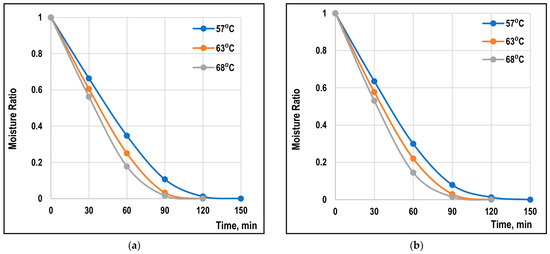
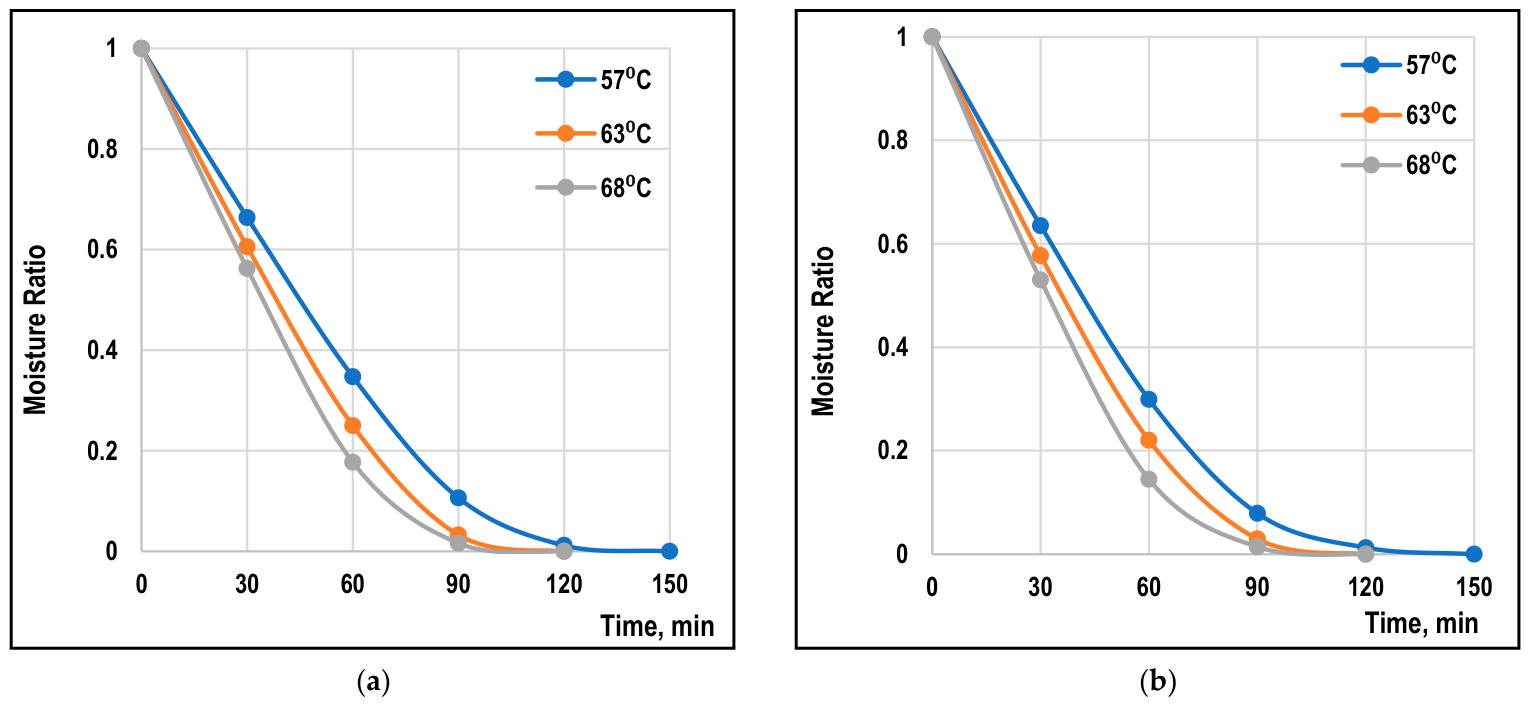
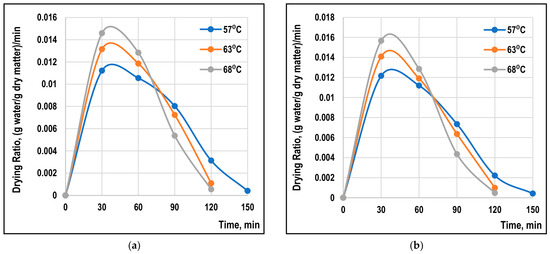
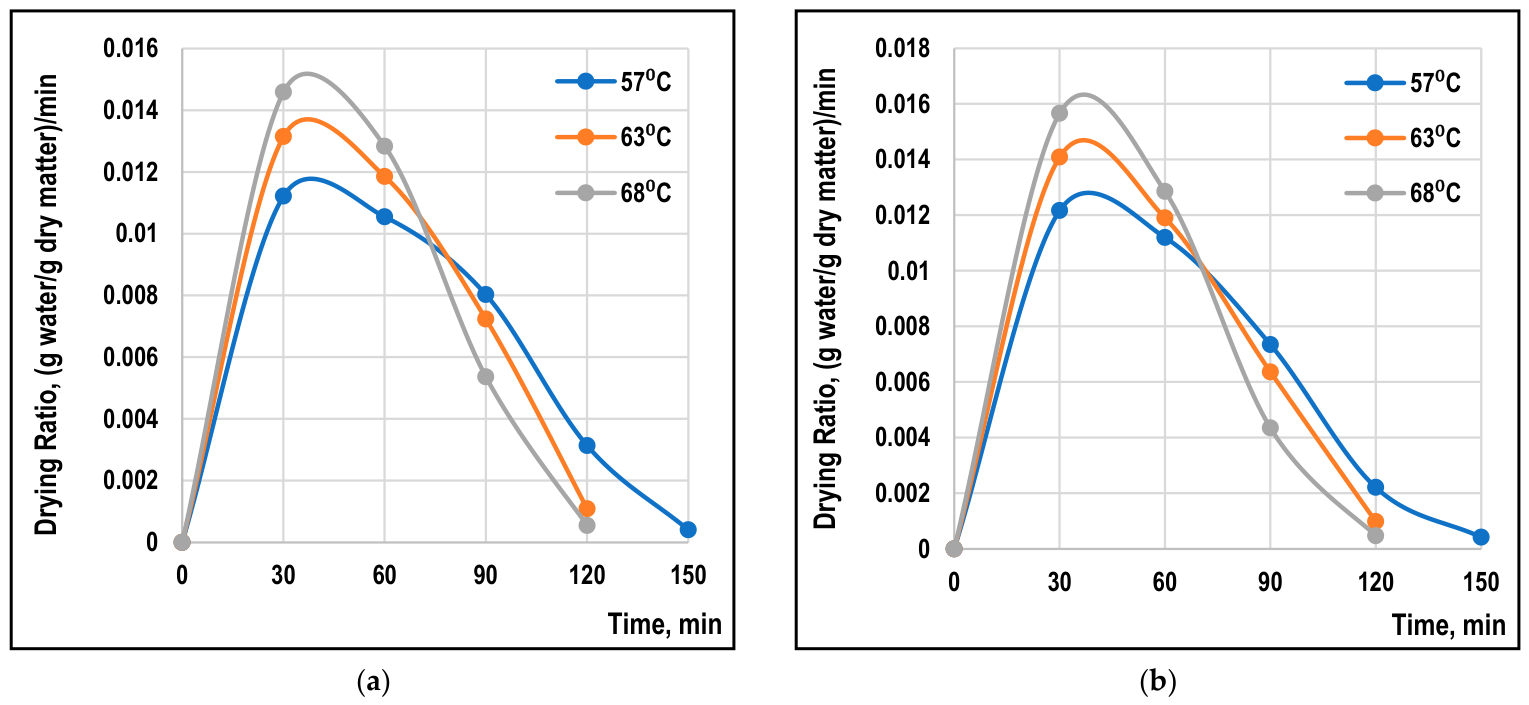

Disclaimer/Publisher’s Note: The statements, opinions and data contained in all publications are solely those of the individual author(s) and contributor(s) and not of MDPI and/or the editor(s). MDPI and/or the editor(s) disclaim responsibility for any injury to people or property resulting from any ideas, methods, instructions or products referred to in the content. |
© 2026 by the authors. Licensee MDPI, Basel, Switzerland. This article is an open access article distributed under the terms and conditions of the Creative Commons Attribution (CC BY) license.