


Abstract
Microgreens have emerged as a nutrient-dense specialty crop with great potential to address global nutritional challenges through urban farming and controlled-environment agriculture. While interest in enhancing both the yield and nutritional quality of hydroponic microgreens is growing, a comprehensive synthesis of horticultural strategies is still lacking. This gap hinders the development of integrated approaches needed for efficient and targeted quality improvement. This review systematically examines the current literature on horticultural interventions for improving hydroponic microgreen production, focusing on nutrient solution management, light environmental manipulation, substrate selection, genetic potential, and emerging synergistic approaches. Nutrient solution optimization, including appropriate concentration, timing, and targeted biofortification with essential elements, enhances both productivity and nutritional density. Light spectral manipulation, particularly through red-to-far-red ratios or blue-light supplementation, enables precise control of morphology and the accumulation of bioactive compounds. Substrate physicochemical properties influence nutrient availability and uptake, while genetic variability among species and cultivars provides the foundation for biofortification efforts. Emerging approaches including biostimulant application, integrated pre- and post-harvest practices, and phenotyping and artificial intelligence integration offer additional avenues for sustainable quality enhancement. This review provides a framework for optimizing hydroponic microgreen production systems to simultaneously achieve high yield and enhanced nutritional quality.
1. Introduction
Microgreens have attracted increasing global attention in recent years as a rapidly expanding specialty crop sector driven by rising consumer demand for fresh, nutrient-dense, and functional foods. The global microgreen market is projected to grow from $3.36 billion in 2024 to $8.31 billion by 2032, with North America accounting for the largest regional share of over 30% [1]. In addition to their premium market appeal, microgreens are highly compatible with indoor cultivation, limited-space production, and year-round fresh produce supply [2]. Compared with many conventional hydroponic vegetables that often require relatively high infrastructure input, microgreens can be cultivated in compact indoor environments with comparatively lower initial investment, making them particularly attractive to small-scale growers and urban food entrepreneurs [3]. These agronomic and commercial advantages have positioned microgreens as an emerging crop of considerable interest in sustainable horticultural production.
Microgreens are young, tender, and edible seedlings harvested at the cotyledon stage or when the first true leaf has just emerged [4]. While the majority of commercially grown species are dicots (e.g., brassicas), which develop two photosynthetic cotyledons, certain monocots like onion (Allium cepa) and wheat (Triticum aestivum) are also cultivated for their single and functional cotyledon [5,6]. This specific developmental stage, distinguishable from sprouts and baby greens by size, growth duration, and light requirements, is the critical window for applying the horticultural interventions discussed in this review to optimize yield and phytochemical profiles [5]. Microgreens are generally 2–8 cm in height [7], and are harvested 7–21 days after germination [8]. They can be produced from a wide variety of seeds from vegetables, aromatic herbs, herbaceous plants, and wild edible plants, resulting in diverse colors, flavors, and textures that have promoted their popularity as fresh culinary ingredients and garnishes [9]. In addition to their sensory appeal, microgreens have gained attention for their remarkable nutritional profiles, which provide support for their value as healthy foods.
Microgreens are found to be a rich source of antioxidants, bioactive compounds, minerals, and vitamins [10,11]. These nutrients play distinct roles in human health, thereby highlighting the nutritional and health values of microgreens. For example, broccoli microgreens (Brassica oleracea var. italica) are recognized for their high concentrations of glucosinolates, which are much higher than those contained in mature broccoli [12]. Regular dietary intake of glucosinolates has been associated with a reduced risk of several cancers, neurodegenerative disorders, and cardiovascular diseases [13]. Spinach microgreens (Spinacia oleracea) contain significantly higher concentrations of ascorbic acid and alpha-tocopherol than mature plants [7]. Alpha-tocopherol exhibits proven efficacy in preventing and managing cardiovascular diseases, cancer, and neurodegenerative disorders, such as Alzheimer’s disease [14]. Hence, microgreens are known as “functional foods” or “super foods” [10]. The nutritional composition of microgreens is not uniform, as numerous studies have demonstrated that the nutritional composition of microgreens varies among species, even under similar growing conditions and environments [15,16,17]. For example, compared with those of black radish (Raphanus sativus), red beet (Beta vulgaris), pea (Pisum sativum), sunflower (Helianthus annuus L.), and bean microgreens, broccoli microgreens contain high concentrations of iron and manganese, and are rich in phenolic acids [9]. Red cabbage microgreen (Brassica oleracea var. capitata) exhibits the highest vitamin C concentration, as well as higher phenolic acid and total anthocyanin content among mung bean (Vigna radiata), lentil (Lens culinaris), red radish, pearl-millet (Pennisetum glaucum), mustard (Brassica juncea), and red cabbage microgreens [18]. Thus, these findings highlight that the nutritional composition of microgreens is highly species-dependent.
While genetic variation lays the foundation for the nutrient diversity of microgreens, environmental conditions and cultivation practices are essential. They not only guarantee production yield but also promote nutrient accumulation in microgreens under desired conditions. Although numerous studies have reported promising tools such as biostimulants, substrate selection, optimization of LED light intensity, and spectral quality, and tailored biofortification strategies [19,20,21,22,23], a comprehensive review that integrates these horticultural strategies to improve plant growth and nutritional quality in hydroponic microgreens, is still lacking. This literature review aims to address this gap by synthesizing current knowledge into an integrated framework (Figure 1), providing valuable insights to help growers and researchers develop more efficient cultivation methods for hydroponic microgreen production.
Figure 1.
Summary of Factors Influencing Microgreen Yield and Quality.
2. Nutrient Solution Management—The Foundation
The success of a hydroponic system depends on nutrient solution composition, as it provides the essential mineral elements for plant growth and yield [24]. Therefore, optimal nutrient solution management is not only fundamental for promoting growth and improving yield but also provides a tool for enhancing microgreen quality and nutritional value.
In hydroponic microgreen production, the nutrient solutions used are largely derived from conventional formulations developed for vegetable soilless culture. Although detailed nutrient recipes specifically developed for microgreens are still limited, most existing studies have used modified Hoagland solutions as the nutrient source [25]. Although microgreens partially rely on seed reserves during germination, previous studies have demonstrated that macro- and micronutrient supplementation through hydroponic fertigation can still effectively modify mineral composition and improve the accumulation of bioactive compounds within the short cultivation cycle [26]. Therefore, the short production period does not diminish the importance of nutrient solution management but instead underscores its central role in shaping both yield performance and nutritional quality in microgreens. These effects are mainly reflected through fertilization optimization, targeted mineral biofortification, and salt stress–induced metabolic stimulation, which together shape the growth and quality responses of hydroponic microgreens (Figure 2).
Figure 2.
Mechanistic framework of nutrient solution management in hydroponic microgreens.
2.1. Fertilization Rate and Timing
Plant growth requires multiple essential mineral nutrients [27], and nutrient solution supplementation can further enhance growth and productivity in hydroponic microgreens. Despite their short life cycle, nutrient solution concentration remains a primary factor determining plant growth and quality in hydroponic microgreens [28,29]. Previous studies on basil microgreens (Ocimum basilicum) showed that 50% Hoagland’s nutrient solution maximized yield, while higher concentrations (100% and 125%) enhanced antioxidant compounds and phytochemicals [30]. Similar findings were reported for broccoli and cauliflower (Brassica oleracea var. botrytis) microgreens, where there was no significant difference in yield between the 50% and 25% Hoagland nutrient solutions [31]. In purple cabbage microgreens, applying nutrient solution enhanced fresh and dry matter yield but decreased total soluble solids and carotenoid contents [32]. In addition to proper nutrient solution concentration, an appropriate relative ratio of nutrient elements also helps to achieve the normal growth of plants in hydroponics [33]. A study demonstrated that an NH4:NO3 ratio of 25:75 improved β-carotene and protein contents and reduced nitrate accumulation in Brassica microgreens [31]. As for fertigation timing, previous studies reported that in spinach microgreens, a 10-day nutrient solution supply before harvest provided an optimal balance by maintaining high yields, improving mineral and ascorbic acid contents, and reducing nitrate accumulation compared to other feeding regimes [26]. Overall, a balanced nutrient solution influences both yield and nutritional qualities in microgreens, indicating the importance of optimizing nutrient solutions to achieve optimal growth and quality.
2.2. Targeted Biofortification
Deficiencies in essential micronutrients remain a major public health concern. Horticultural crops can serve as important carriers of minerals such as iodine, selenium, iron, and zinc, making them promising candidates for nutritional enhancement [34]. Biofortification, which involves fertilization or other eliciting factors to increase the concentration of target nutrients in edible plant tissues, has been recognized as an immediate way for developing functional staple crops and vegetables to address micronutrient deficiency [35,36]. Specifically, the biofortification of microgreens through nutrient solution management can be implemented more readily than in conventional cultivation systems and may contribute to improving food and nutritional value [26]. Biofortification studies on microgreens have investigated the incorporation of several key elements, including iodine (I), selenium (Se), iron (Fe), and zinc (Zn).
Iodine is an indispensable trace element that plays a crucial role in maintaining human health [34], since it is essential for the synthesis of thyroid hormones (thyroxine T4 and triiodothyronine T3), which are vital for neural system protection, brain differentiation and growth, as well as fetal development [37]. In soil, I occurs in both inorganic forms (iodide (I−) and iodate (IO3−) ions) and organic forms [38], and rainfall deposits iodine mainly as I− and IO3−, which are accessible to plants [39]. Given these natural sources and uptake pathways, several studies have explored the targeted biofortification of microgreens with I under hydroponic systems. A study applying two potassium iodide (KI) concentrations to four microgreens (tatsoi (Brassica rapa var. narinosa), coriander (Coriandrum sativum), green basil, and purple basil) has shown that an 8 μM dose of KI increased I concentration in plant tissue by 226.52% without affecting yield or color [37]. While KI treatments revealed the potential of I enrichment without compromising quality traits, research on common buckwheat microgreens (Fagopyrum esculentum) showed that IO3− led to markedly higher I accumulation than I−, highlighting the importance of I form in biofortification [40]. Overall, these findings indicate that I biofortification of microgreens can provide a reliable dietary source of I, supporting their potential role as functional foods to alleviate I deficiency in human populations.
Selenium is an essential micronutrient for humans that supports antioxidant defense, thyroid hormone metabolism, immune and reproductive functions, and may lower the risk of HIV progression and cancer development [41]. Its forms are divided into organic and inorganic types in nature; the major organic forms are SeCys and SeMet, while inorganic forms are selenide (Se2−), elemental Se, selenite (SeO32−), and selenate (SeO24−) [42,43]. Although varying forms of Se function differently in plants, hydroponic growing conditions allow for precise control of Se application [44]. The ability of plants to absorb and accumulate Se differs greatly among species, highlighting the importance of selecting crops that can moderately accumulate Se in edible tissues for effective biofortification [43]. This has been further demonstrated in hydroponic microgreens, where kale (133 μg Se·g−1 DW; Brassica oleracea var. acephala) and kohlrabi (127 μg Se·g−1 DW; Brassica oleracea var. gongylodes) accumulated high Se concentrations at 20 μmol L−1 Se, whereas wheat accumulated much less (28 μg Se·g−1 DW) [45]. Se biofortification can improve the nutraceutical value of microgreens [46]. In wild herb microgreens, Se biofortification enhanced chlorophyll and flavonoid content while ensuring sufficient dietary Se supply [47]. However, Se biofortification exhibited a dose- and species-dependent response. Excessive supplementation may cause phytotoxic effects or growth inhibition in sensitive microgreen species [42]. For example, 16 μM Se enhanced yield, β-carotene, and lutein in tatsoi microgreens, while the same concentration decreased β-carotene and lutein in green basil and purple basil microgreens [46]. Selenium biofortification at moderate levels (0.25–0.50 mg·L−1) significantly increased tissue Se concentration in wheat microgreens while simultaneously enhancing the nutritional value by increasing bioactive compounds and antioxidant activity, whereas further increasing Se concentration to 1.00 mg·L−1 resulted in yield reduction [48]. Thus, determining the appropriate Se dose range is essential to enhance nutritional quality while avoiding phytotoxic effects.
Iron deficiency leads to anemia, impaired growth, and irreversible psychomotor and cognitive dysfunction, especially in women of childbearing age and young children [35]. Because the human body is selective about the form of Fe it absorbs, Fe from plant-based foods has lower bioavailability than heme Fe, but remains an important dietary source in vegetarian diets [49]. Fe is involved in respiration and photosynthesis in plants [36]. Iron fertilizers are classed into three groups: inorganic Fe-compounds (such as FeSO4), synthetic Fe-chelates (such as EDDHA), and natural Fe-complexes (humates and amino acids) [50,51]. Generally, to avoid precipitation of ionic Fe salts in hydroponic nutrient solutions and the consequent reduction in Fe phytoavailability, stable and soluble forms such as Fe-EDTA and Fe-EDDHA are commonly used [52]. Studies have found that Fe chelate enhance the Fe content in purple kohlrabi, pea, and spinach microgreens [53]. Another study found that while the application of FeSO4 + 7H2O significantly increased Fe concentration in various Brassicaceae microgreen species, the increase ratio was highly species-dependent, ranging from a 64% increase in arugula to a 278% increase in red cabbage [35]. However, Fe biofortification also exhibits a concentration-dependent response. Moderate Fe supplementation (0.2 mM) improved Fe enrichment and ascorbic acid accumulation in sunflower and water spinach (Ipomoea aquatica Forssk.) microgreens, whereas increasing the concentration to 0.3 mM caused reductions in tocopherols, mineral balance, and photosynthetic pigments [54]. Similarly, Fe supplementation at 40 mg·L−1 markedly reduced shoot population density, fresh yield, and single-shoot fresh weight in arugula (Eruca sativa), red cabbage, and red mustard microgreens, indicating that excessive Fe application can severely impair both nutritional quality and productivity [35].
Zinc is essential for the human diet, and its deficiency adversely affects multiple systems, including epidermal, gastrointestinal, nervous, immune, skeletal, and reproductive functions [55]. Zn is indispensable for plants, functioning in gene regulation, chlorophyll biosynthesis, photosynthesis, respiration, hormone balance, and stress tolerance, therefore, its deficiency severely limits plant growth, yield, and nutritional quality [56]. Similar to Fe, Zn fertilizers are divided into four groups: inorganic compounds, synthetic chelates, natural organic complexes, and inorganic complexes; the most commonly used fertilizers are ZnO and ZnSO4 [57]. For instance, supplementation with ZnSO4 + 7H2O in hydroponic nutrient solutions significantly enhanced Zn accumulation in Brassicaceae microgreens, highlighting its potential for effective biofortification [35]. Similar to Fe, the positive effects of Zn biofortification are not linearly enhanced with increasing Zn concentration. In pea microgreens, Zn application at 25 mg·L−1 produced the highest fresh yield and dry biomass, whereas further increasing Zn concentration to 200 mg·L−1 resulted in lower yield performance and reduced biomass accumulation, with no additional improvement in chlorophyll or carotenoid contents [58]. Another study showed that Zn supplementation at 0–15 mg·L−1 significantly modified the accumulation of several phytochemical groups in radish microgreens, but the responses varied considerably among metabolites rather than showing a consistent concentration-dependent increase [59].
Overall, targeted biofortification has shown considerable potential to improve micronutrient enrichment in hydroponic microgreens. However, the positive effects are clearly dependent on mineral type, application dose, and microgreen species. In most cases, moderate supplementation is sufficient to enhance nutrient accumulation and certain phytochemicals, whereas excessive concentrations may suppress growth or negatively affect quality traits. Therefore, defining species-specific optimal fortification ranges remains essential for achieving nutritional enhancement without compromising productivity.
2.3. Salinity Stress as an Elicitor
Elicitors are used in cultivation to activate plant signaling pathways that upregulate the biosynthesis of selected phytochemicals [60]. In this context, salinity stress as an elicitor in plants is mainly applied by gradually increasing salinity conditions [61] or by directly adding the final salt concentration 24 h before harvest [62]. These treatments induce oxidative stress, since salinity raises ROS levels, and plants respond by boosting antioxidants and the phenylpropanoid pathway, thereby increasing the accumulation of phenolics, flavonoids, and anthocyanins to remove ROS [63]. Consequently, salinity stress can effectively increase nutrient and antioxidant contents in microgreens [64]. In wheat microgreens, moderate NaCl treatments (12.5 and 25 mM) markedly enhanced phenolics, flavonoids, carotenoids, anthocyanins, vitamin C, and antioxidant activities [65]. In white cabbage microgreens, NaCl at 0.01 M maximized DPPH radical scavenging capacity, whereas Na2SO4 at 0.1 M induced the greatest accumulation of phenolics and anthocyanins [66]. Similarly, five-day treatments with CaCl2 or CaSO4 significantly promoted physiological growth and increased biochemical metabolites in mustard and radish microgreens compared with untreated controls [67]. However, the impacts on phytochemistry varied among species. For example, under 0 to 1.5 dS·m−1 NaCl, broccoli microgreens exhibited increased moisture content and proline but reduced vitamin C, while purslane microgreens (Portulaca oleracea) showed no significant changes, and yields of both species were unaffected [68]. Therefore, these studies highlight that although the elicitor effects of salinity are strongly dependent on species and salt type, appropriate doses of diverse salts can be used to enhance bioactive compounds and antioxidant capacity in hydroponic microgreens.
3. Manipulating Light Environment—A Key Factor in Controlled Environment
As one of the significant environmental factors for plants, light can regulate plant growth and metabolism by providing the source of energy for photosynthesis and signals for numerous physiological responses [6,69]. The light environment is characterized by its spectral quality, light intensity, direction, and photoperiod [6], which collectively regulate plant physiology by influencing photosynthesis, morphogenesis, nutrient accumulation, and developmental processes such as germination and stress adaptation [70,71]. Here, we focus on how different aspects of light environment affect plant physiology and the accumulation of nutritional metabolites in microgreens.
3.1. The Physiology of Light Perception
Plants perceive external light changes through several classes of photoreceptors, mainly including phytochromes, cryptochromes, phototropins, and UV Resistance Locus 8, which are responsible for sensing red/far-red, blue, and UV wavelengths [71,72]. Through these light-sensing systems, plants can regulate a wide range of developmental and metabolic processes in response to spectral changes. In microgreens, photoreceptor-mediated light perception is closely associated with seed germination, hypocotyl elongation, cotyledon expansion, chlorophyll biosynthesis, stomatal behavior, and secondary metabolite accumulation, all of which directly determine marketable appearance and nutritional quality [73,74].Therefore, understanding the physiological basis of light perception helps explain why manipulating spectral quality, light intensity, and photoperiod can effectively alter growth performance and functional quality in controlled-environment microgreen production.
3.2. Spectral Quality
Spectral quality plays an important role in plant morphology, growth, yield, and nutritional quality, as different wavelengths activate photoreceptor-mediated pathways regulating photosynthesis, photomorphogenesis, and secondary metabolism [75]. In hydroponic controlled-environment systems, LED lighting enables precise manipulation of spectra composition to regulate specific developmental and metabolic responses [69]. Therefore, spectral optimization has become an effective approach to improve both the marketable appearance and functional quality of microgreens, largely through distinct photoreceptor-mediated signaling and downstream metabolic regulation pathways (Figure 3).
Figure 3.
Mechanistic framework of spectral light regulation in hydroponic microgreens.
Red and far-red light regulation is one of the key spectral factors influencing plant responses to light [76,77]. A higher RL/FRL ratio promotes the conversion of phytochrome into its active form, Pfr, which stabilizes HY5 accumulation and subsequently upregulates PAL, CHS, and C4H, involved in phenolic and flavonoid biosynthesis [77,78]. Consistent with this regulatory pathway, several studies suggest that appropriate red/far-red manipulation can simultaneously stimulate biomass production and antioxidant accumulation, although the magnitude of the response varies among species. For example, under low-light intensity (50 μmol·m−2·s−1 photosynthetic photon flux density (PPFD)), supplementing FRL increased fresh weight and total antioxidant activity in broccoli microgreens compared with white LED lighting alone [79]. Supplementing 638 nm RL increased phenolic content by about 19%, nearly doubled α-tocopherol levels, and enhanced antioxidant activity by approximately 27% in basil microgreens, whereas parsley microgreen (Petroselinum crispum) showed greater antioxidant responses under sole 665 nm RL, indicating that the beneficial effects of red spectral regulation are species-dependent [80].
Blue light is crucial for regulating numerous photophysiological processes in plants [72]. It is perceived by cryptochromes, which upregulate HY5 and MYB expression, thereby activating the key enzymes (PAL, CHS, 4CL) in the phenylpropanoid pathway and promoting flavonoid, anthocyanin, and phenolic accumulation to improve plant antioxidant capacity [78]. Consistent with this mechanism, blue light supplementation has been shown to markedly modulate phytochemical composition, although the responses are not uniform across species or metabolites. In Brassicaceae microgreens, 20% blue light maximized ascorbate levels in most species, and 30% blue light promoted the highest anthocyanin accumulation [81]. In kale microgreens, 400 and 420 nm blue light enhanced dry matter percentage and sucrose accumulation despite lower pigments and mineral concentrations [82]. Higher blue light intensities (33%) markedly increased carotenoid pigment in mustard, beet, and parsley microgreens, while lower levels (16%) favored tocopherol accumulation, indicating metabolite-specific responses to blue light [83].
Although UV-B light has long been considered harmful to plants because it damages DNA, proteins, and other cellular macromolecules, low-fluence UV-B can also function as an environmental signal that promotes photomorphogenesis and induces flavonoid biosynthesis [84]. In response to UV-B light, the UV Resistance Locus 8 receptor mediates activation of the HY5 transcription factor pathway, leading to increased production of phenolics, flavonoids, and anthocyanins [78]. Consistent with this signaling mechanism, several studies have demonstrated that controlled UV-B supplementation can effectively improve nutritional quality in hydroponic microgreens. For example, low-dose UV-B enhanced total antioxidant capacity, flavonoids, and ascorbic acid in green-leaf basil microgreens without impairing photosynthetic performance [85]. In flaxseed microgreens (Linum usitatissimum L.), supplemental UV-B exposure increased nutritional quality, including total phenolics, total flavonoids, and total antioxidant activity [86]. Short-term pre-harvest UV-B exposure significantly increased phenols, flavonoids, antioxidant capacity, and 20-hydroxyecdysone (20E) in Achyranthes japonica Nakai microgreens without reducing biomass [87]. These findings suggest that UV-B can serve as an effective pre-harvest elicitor under moderate exposure, although its beneficial effects remain closely dependent on dose control.
3.3. Light Intensity and Photoperiod
Light intensity and photoperiod are crucial environmental factors that influence growth, photosynthetic performance, and the biosynthesis of plant secondary metabolites [78]. In general, increasing light intensity within an appropriate range enhances the net photosynthetic rate, carbon assimilation, biomass production, and nutrient accumulation [88]. Similarly, extending the photoperiod increases cumulative daily light exposure and further promotes the accumulation of pigments and antioxidant compounds [89]. These factors rarely act independently; instead, they interact with spectral quality to regulate both photosynthetic efficiency and secondary metabolism [69,76]. In broccoli microgreens, supplemental FRL under low intensities promoted biomass and antioxidant levels but reduced phenolics [79]. Within the tested ranges of light spectra (red, blue, red plus blue, and white), PPFD (130–280 μmol m−2 s−1), and photoperiod (8–20 h), fresh yield, photosynthetic pigments, anthocyanins, vitamin C, and total antioxidant capacity of both red and leafy amaranth microgreens (Amaranthus) were enhanced under a 70% red plus 30% blue spectrum, 280 μmol m−2 s−1 PPFD, and a 16 h photoperiod [90]. Notably, increasing light intensity and photoperiod did not always linearly enhance microgreen yield and quality across all species. In cabbage and Chinese kale microgreens, moderate PPFD (50–70 μmol m−2 s−1) and 14–16 h photoperiods were generally more favorable for biomass and pigment accumulation than further increases [91]. A similar trade-off was observed in beet microgreens, where low (120 μmol m−2 s−1) and medium (160 μmol m−2 s−1) light intensity levels favored maximum yield, whereas extending the photoperiod to 16 h improved phenolic compounds, betalains, and antioxidant capacity but reduced yield by 23% [92]. These findings highlight that light intensity and photoperiod, in combination with spectral composition, play a decisive role in balancing microgreen yield and nutritional quality; species-specific responses require integrative optimization in controlled environments.
4. Growth Substrate and Irrigation Management
4.1. Substrate Material Properties
Growth substrates, preferably obtained from accessible, renewable, and low-cost materials [93], are one of the key factors that can affect production cost, waste output, yield, and quality of microgreens [29,93,94]. An ideal hydroponic substrate should act as a reservoir of water and nutrients that can be easily absorbed by seedlings, while also providing sufficient air-filled porosity for oxygen exchange and adequate bulk density to ensure mechanical support for seedling growth [29,95]. Various materials can be used as substrates for growing microgreens, which are classified into three groups: organic substrates (peat, coconut coir, and hemp mats), inorganic substrates (perlite, vermiculite, and rockwool), and synthetic substrates (nonwoven polyester fiber mats and cellulose sponges) [29,93,96,97] (Figure 4). Due to marked differences in physical (e.g., bulk density, water-holding capacity, air-filled porosity, and particle size distribution) and chemical properties (pH, electrical conductivity, and cation exchange capacity (CEC)) among these materials, substrate type can substantially influence root-zone nutrient dynamics, plant growth, and nutrient accumulation in hydroponic microgreen systems [98]. Such substrate effects are largely mediated through substrate-induced regulation of the root-zone microenvironment (Figure 5).
Figure 4.
Common substrates used for microgreen production. Peat. Source: Doug Beckers, 2011, via Flickr, licensed under CC BY-SA 2.0 [99]; Hemp mat. Source: Asim Shahzad, 2013, via Wikimedia Commons, licensed under CC-BY-4.0 [100]; Vermiculite. Source: KENPEI, 2008, via Wikimedia Commons, licensed under CC-BY-SA-3.0-migrated [101]; Nonwoven polyester fiber mat. Source: Gerrit41, 2011, via Wikimedia Commons, licensed under CC-BY-SA-3.0 [102]; Cellulose sponge. Source: Sylenius, 2011, via Wikimedia Commons, licensed under CC-BY-SA-3.0 [103]. Other photos were taken by Jingyi Wu.
Figure 5.
Mechanistic framework of substrate-mediated regulation in hydroponic microgreens.
Among organic substrates, peat is one of the most commonly used substrates in hydroponic microgreen production [104], since it provides favorable physical, chemical, and biological conditions for plant growth and development, including high porosity, high water-holding capacity, low bulk density, and relatively high CEC [105,106,107]. Coconut coir is considered a good alternative to peat, offering similar benefits [95,96]. Hemp mats have attracted attention as a biodegradable and renewable substitute for peat in microgreen production, with additional sustainability advantages [108,109]. Beyond their favorable physical characteristics, alternative peat substitutes may differ in their effects on microgreen nutritional quality. For example, hemp substrate promoted higher DPPH radical scavenging activity in mustard and radish microgreens compared with coconut substrate [110]. As an inorganic substrate, perlite has shown promising performance in microgreen production, as comparative evaluations in broccoli, black radish, and red beet microgreens indicated that perlite can support microgreen growth and improve nutritional quality (including total phenolic content and vitamin C levels), although its effectiveness is species-dependent [111]. Vermiculite also increased shoot fresh weight in table beet microgreens, indicating its suitability for enhancing biomass production [112]. However, not all inorganic substrates perform equally well, as rockwool was inferior to desert sand in supporting growth performance, yield, and phytochemical accumulation across several microgreen species [113]. Synthetic substrates have also been evaluated for microgreen production and shown to maintain favorable microbiological quality, although biomass yields may be slightly lower than those on peat-based or natural fiber substrates [96]. Overall, the most suitable substrate may differ among microgreen species, since different materials do not always optimize yield and quality to the same extent.
4.2. Irrigation and Seed Priming
Water management plays a critical role in determining crop performance, yield, and quality, as both under- and over-irrigation can adversely affect plant growth [114]. In hydroponic microgreen production, irrigation amounts and control strategies can strongly influence seedling growth, water-stress responses, and biomass accumulation during the short cultivation cycle. For example, varying daily irrigation volumes significantly affected hypocotyl elongation in mung bean microgreens, with hypocotyl length being significantly greater under the 60 mL/day and 10 mL/day treatments than under other treatments [115]. Maintaining moisture at 17.5% effective volume of the container through sensor-based irrigation optimized water use efficiency and fresh yield of Toscano black kale microgreens, whereas severe water deficit (7.5% effective volume of the container) induced plant water stress and reduced yield [116]. Beyond irrigation level optimization, recent studies have also explored automated, sensor-based irrigation systems for microgreen cultivation. Specifically, soil moisture-driven irrigation controlled by fuzzy logic algorithms successfully maintained optimal substrate moisture conditions and achieved high cultivation success rates, highlighting the potential of intelligent irrigation technologies to support efficient and stable microgreen production [117]. While these approaches mainly focus on water management during post-emergence growth, seed priming is a complementary, water-based pre-sowing technique that enables controlled seed hydration to activate pre-germinative metabolism without allowing progression to full germination [118]. Recent studies suggest that seed priming can enhance both yield stability and nutritional quality in microgreens. For example, priming Komatsuna (Brassica rapa var. perviridis) and Mibuna (Brassica rapa var. japonica) microgreen seeds with protein hydrolysates (legume-derived: TRAINER®; peanut biomass–derived: H250) significantly increased antioxidant capacity, phenolic and flavonoid contents compared with hydropriming and untreated controls, while maintaining yield performance [19]. Pulsed electric fields-treated beetroot, arugula, and basil microgreens exhibited improved germination performance and species-specific increases in pigments, macronutrients, and amino acid composition [119]. Therefore, irrigation management during post-emergence growth and seed priming at the pre-sowing stage provide two complementary water-based approaches for improving microgreen growth and quality throughout the production cycle.
5. Cultivar and Species Selection—The Genetic Bases
5.1. Intrinsic Genetic Potential
Plant genotypes vary in their inherent capacity to access nutrients present in less available forms and to take them up efficiently [120], which underlines the genetic basis of nutritional potential. Crop adaptability and performance can differ substantially among genotypes under controlled-environment cultivation conditions. Importantly, the ability of a genotype to reach its maximum genetic potential depends on the environment in which it grows and completes its life cycle, as phenotypic expression is shaped by the combined effects of genotype, environment, and their interaction [121]. Microgreens have gained increased attention due to their rich nutritional profile. The wide variety of species cultivated as microgreens further enhances their value by offering diversity in colors, flavors, textures, and aesthetic qualities, as well as nutritional traits linked to genetic variability [15]. To illustrate species-specific differences in nutrient accumulation, Table 1 summarizes representative species along with their major nutritional attributes. Therefore, a deeper understanding of genotypic variation in the phytochemical composition of microgreens will significantly benefit this emerging industry, as interspecific differences in bioactive compounds not only determine nutritional and functional quality but also provide a basis for informed species selection in future cultivation programs [122]. Providing information on microgreen nutrient availability would help patients with conditions like cancer and kidney disease make informed dietary choices and select the most beneficial species [123,124]. Such insights are also critical for supporting breeding strategies and consumer-driven production of nutrient-dense microgreens.
Table 1.
Nutritional Highlights of Selected Microgreen Crops.
5.2. Cultivar Screening and Selection
Germplasm and genetic resources lay the foundation for new variety development, and breeding practice shows that major improvements depend on identifying and utilizing these resources [132]. Ultimately, the goal of breeding is to predict and maximize genetic gain over successive generations by utilizing available genetic variation and by increasing the intensity and accuracy of selection, thereby delivering benefits for human health, economic profitability, and environmental sustainability [133]. As nutrient-dense and short-cycle young seedlings, microgreens represent promising candidates for agronomic biofortification to produce functional greens enriched with essential micronutrients, thereby improving dietary intake [9,15]. Because plant secondary metabolite content and composition in microgreens differ by species and genotype [125], prioritizing germplasm evaluation is key to selecting elite genotypes for nutritional fortification. Several cultivar- and genotype-specific examples highlight the potential of targeted selection for biofortification. For example, purple basil microgreens consistently exhibit higher anthocyanin and phenolic acid contents than green basil microgreens [134]. Compared with the traditional cultivar ‘Broccolo Nero’, the commercial broccoli cultivar ‘Cavolo Broccolo Ramoso Calabrese’ microgreen showed higher glucosinolate accumulation [135]. Savoy cabbage microgreens contained higher concentrations of macrominerals than other cabbage cultivars, including Chinese cabbage, green cabbage, and red cabbage [130]. Additionally, a study reported that ‘Asian purple’ and ‘Koregon red’ accumulated higher antioxidant levels than the other three radish microgreen cultivars (‘Asian green 1’, ‘Asian green 2’, and ‘Asian red’), particularly when treated with methyl jasmonate [136]. Therefore, these candidates constitute a short list for immediate fortification trials and provide valuable parental material for breeding nutrient-dense microgreen cultivars.
6. Emerging and Synergistic Approaches
While the previous sections have discussed the effects of nutrient solution management, light environment manipulation, growth substrates, and cultivar and species selection separately, these horticultural and genetic factors rarely operate independently in practical hydroponic microgreen production. Therefore, simply optimizing each factor individually may not be sufficient to obtain the best overall yield and quality, and a more integrated management approach is needed.
Previous studies have increasingly demonstrated that microgreen performance is strongly influenced by the interaction among multiple cultivation factors. Low light combined with elevated nutrients favored biomass accumulation in basil microgreens, whereas high light under reduced nutrient supply markedly enhanced phenolic concentration and antioxidant activity, indicating that light–nutrient combinations can shift the production outcome from yield maximization to quality enhancement [137]. Similarly, combined UVA radiation and selenium application in broccoli microgreens produced stronger phytochemical enhancement than either treatment alone, further confirming that the effectiveness of light manipulation can vary substantially with concurrent nutritional elicitation [138]. In addition, biomass accumulation and phytochemical responses in mizuna and pak choi microgreens differed markedly among substrate–LED combinations, suggesting that microgreen performance depends on the combined regulation of both substrate and light conditions [139].
As the importance of such multifactor coordination becomes increasingly recognized, recent studies have placed greater emphasis on advanced synergistic practices that aim to coordinate multiple stages of microgreen cultivation and quality regulation. These efforts mainly focus on the use of exogenous biostimulants, timely pre- and post-harvest management, and intelligent phenotyping and precision technologies, which are discussed in the following subsections.
6.1. Biostimulant Application
Plant biostimulants have received considerable attention in recent years as promising tools for improving nutrient use efficiency, stress tolerance, and crop productivity and quality traits in controlled-environment agriculture. They are generally defined as substances or microorganisms that are applied to plants to improve nutrient use efficiency, increase tolerance to abiotic stress, and enhance crop quality traits, regardless of their nutrient content [140,141]. They can be classified into seven categories: humic and fulvic acids, protein hydrolysates and other nitrogen-containing compounds, seaweed extracts and botanicals, chitosan and other biopolymers, inorganic compounds, beneficial fungi, and beneficial bacteria [142]. These biostimulants can promote plant performance through several mechanisms. For example, humic substances, protein hydrolysates, and seaweed extracts have been shown to stimulate root growth and development, which can enhance the plant’s ability to acquire water and nutrients [143]. Beneficial bacteria can promote crop performance by colonizing roots, suppressing pathogens, producing growth hormones, and mobilizing nutrients such as N, P, and K [144]. These microbial and non-microbial biostimulant strategies are especially suitable for hydroponic microgreens, given their short production cycle, high nutrient density, and strong potential for targeted biofortification. Recent studies have increasingly demonstrated the effectiveness of biostimulants in improving both growth performance and nutritional quality of microgreens. As summarized in Table 2, a wide range of microgreen species respond positively to biostimulant application. Overall, the application of biostimulants has been shown to effectively enhance both growth and quality traits in microgreens, underscoring their potential as a sustainable strategy in controlled-environment agriculture.
Table 2.
Application of different biostimulants and their effects on nutritional quality parameters in microgreens.
6.2. Pre-Harvest and Post-Harvest Practices
Pre- and post-harvest interventions represent another important synergistic strategy for improving microgreen quality and extending marketability. Because microgreens are harvested at an early developmental stage and senesce rapidly after harvest, they generally have a very short shelf life [149]. Preharvest practices, such as regulating nutrient supply and adjusting supplemental light conditions, are mainly used to stimulate desirable metabolic changes before harvest [34], whereas postharvest practices, including chlorine or ozone washes, coating, and modified-atmosphere packaging, are used to ensure safety, reduce losses, and prolong postharvest longevity of microgreens [64,150]. Therefore, coordinated management before and after harvest is increasingly recognized as an effective approach to preserve the commercial and nutritional value of microgreens.
Given the short production cycle of microgreens, the application time of preharvest practices is crucial. Several studies have demonstrated that precisely timed preharvest elicitation can effectively stimulate phytochemical accumulation and antioxidant capacity within a limited growth period. For example, UV-B irradiation applied one day before harvest enhanced phenolics, flavonoids, antioxidant capacity, and 20-hydroxyecdysone without affecting biomass in Achyranthes japonica Nakai microgreens [87], while UV-B treatment applied from the fifth day after sowing until harvest increased glucosinolate levels and helped maintain nutritional quality during postharvest storage in broccoli microgreens [12]. In radish microgreens, pre-harvest foliar application of methyl jasmonate, conducted three days prior to harvest, has been shown to significantly increase anthocyanins, glucosinolates, phenolics, flavonoids, and overall antioxidant capacity [136].
Timely postharvest preservation is equally critical because harvested microgreens are highly susceptible to rapid physiological deterioration. For example, in daikon radish microgreens, immediate storage at 1 °C after harvest effectively maintained chlorophyll content and overall quality while suppressing microbial growth, compared with storage at 5 °C and 10 °C [151]. In addition, prompt postharvest spraying with ascorbic acid and citric acid, followed by modified-atmosphere packaging (15% CO2 + 5% O2 + balanced N2), effectively preserved nutritional quality by maintaining higher levels of phenolics, flavonoids, chlorophyll, and antioxidant activity, and extended shelf life up to 12 days in broccoli microgreens [152]. Overall, these findings indicate that appropriate timing of preharvest elicitation and timely postharvest preservation are both critical for minimizing deterioration and maximizing the commercial and nutritional value of microgreens.
6.3. Phenotyping and Artificial Intelligence Integration
Due to their rapid growth cycles, hydroponic microgreens require more precise and timely management than conventional manual monitoring can typically provide. As a result, researchers are increasingly integrating Internet of Things (IoT) technologies and phenotyping into microgreen cultivation systems to enable continuous monitoring and more coordinated environmental management. Through sensor networks, wireless communication, and automated control modules, IoT-assisted systems can track key cultivation parameters such as temperature, humidity, moisture, and light conditions and adjust environmental settings when needed [153]. For example, an IoT-based intelligent cultivation system for spinach, water spinach, and sunflower microgreens demonstrated that continuous regulation of light, water temperature, and relative humidity improved growth uniformity and reduced harvest time by 2–3 days compared with conventional cultivation [154]. Similarly, an IoT-based microgreen sprouter unit was reported to continuously regulate ventilation, moisture, humidity, light, and temperature, while allowing users to track sprout growth and modify environmental settings as needed [155].
Along with environmental automation, advances in artificial intelligence (AI) and imaging technologies have improved the non-destructive monitoring of plant growth responses during cultivation. In hydroponic microgreens, image-based phenotyping provides a practical means of continuously assessing canopy development, root morphology, biomass accumulation, and leaf characteristics without relying on repeated destructive or labor-intensive manual measurements [156]. For example, a YOLO-based vision system successfully detected individual basil microgreens and estimated plant height non-invasively under vertical farming conditions, demonstrating the feasibility of real-time growth monitoring without manual measurement [157]. A phenotyping algorithm combining RGB and depth data could effectively predict microgreen yield through canopy height and density measurements, further highlighting the potential of image-based systems for dynamic crop assessment [158]. Overall, the integration of IoT-based environmental monitoring with phenotyping-based trait assessment can support more precise and data-driven microgreen production by enabling closer coordination between environmental control and real-time plant response evaluation.
However, despite these promising applications, the practical adoption of IoT- and phenotyping-assisted cultivation systems in hydroponic microgreen production remains limited. Most currently reported technologies have primarily been tested under small-scale experimental conditions [155,157], and scaling these sensor- and imaging-dependent systems to routine commercial production may require substantial initial investment and operational expenses, thereby reducing their immediate economic feasibility [159]. Data management also remains a practical challenge, as large volumes of environmental sensing and image-derived phenotypic data can be difficult to efficiently process, integrate, and interpret for real-time cultivation decisions [160]. Therefore, the broader application of these technologies in hydroponic microgreens will depend on the development of simpler and more integrated management platforms.
7. Conclusions
Microgreens are increasingly recognized as promising functional foods, valued for their high concentrations of essential nutrients and health-beneficial bioactive compounds. In this review, we summarized recent advances in cultivation practices, including nutrient solution management, light environment regulation, substrate and growth material selection, species and cultivar diversity, biostimulant application, pre- and postharvest handling, and phenotyping and artificial intelligence integration. These approaches demonstrate strong potential to enhance yield and nutritional quality, and ensure consistent year-round production of microgreens. Despite considerable progress in optimizing cultivation practices, several critical gaps remain. Most studies have focused on single-factor manipulations, while synergistic or antagonistic interactions among light, nutrients, substrates, and genotype remain poorly understood. Furthermore, the bioavailability of fortified nutrients in human diets, sensory quality, and consumer acceptance, as well as the economic feasibility and commercial scalability of advanced production practices, remain insufficiently evaluated. Future research should place greater emphasis on integrated and application-oriented strategies to address these remaining limitations. At the molecular level, integrating genomics, transcriptomics, and metabolomics will be essential to uncover the regulatory pathways underlying phytochemical biosynthesis and to guide the breeding of cultivars with higher nutritional potential. Based on recent advances in artificial intelligence-assisted monitoring and management of microgreen production systems, future studies should further develop precision management systems capable of dynamically coordinating environmental and nutritional inputs to achieve targeted nutrient-dense outcomes. Long-term human dietary intervention trials are urgently needed to validate the nutritional and health benefits of fortified microgreens, while sensory quality evaluation and consumer acceptance are also necessary to ensure the marketability of nutritionally enhanced products. Finally, comprehensive lifecycle assessments, commercial scalability, and economic feasibility studies will be essential to determine the environmental sustainability of these advanced practices. Therefore, addressing these research gaps will not only advance the scientific understanding of microgreens but also accelerate their transition from experimental systems to sustainable, commercially viable, and health-promoting foods.
Author Contributions
Conceptualization, Q.Z. and J.W.; writing—original draft preparation, J.W.; writing—review and editing, Q.Z., J.W., T.L., J.L. and D.C.; visualization, J.W. and Q.Z.; supervision, Q.Z.; funding acquisition, Q.Z. All authors have read and agreed to the published version of the manuscript.
Funding
This research is supported by the NIFA, U.S. Department of Agriculture (USDA), under award number 2024-38640-42988-SUB00003853 through the Southern Sustainable Agriculture Research and Education program under project number SPDP25-033 and USDA Agricultural Marketing Service, Mississippi Department of Agriculture and Commerce, Specialty Crop Block Grant Program (Advancing Leafy Green Hydroponic Production in Mississippi). The contents are solely the responsibility of the authors and do not necessarily represent the official views of the USDA.
Data Availability Statement
No new data were created or analyzed in this study. Data sharing is not applicable to this article.
Acknowledgments
During the preparation of this manuscript, the authors used AI tool ChatGPT (GPT-5.3) for the purpose of language refinement and the generation of images included in the figures. The authors have reviewed and edited the output and take full responsibility for the content of this publication.
Conflicts of Interest
The authors declare no conflicts of interest.
References
- Research, S.M. Stellar Market Research. Available online: https://www.stellarmr.com/report/Microgreens-Market/2027 (accessed on 28 April 2026).
- Bulgari, R.; Negri, M.; Santoro, P.; Ferrante, A. Quality Evaluation of Indoor-Grown Microgreens Cultivated on Three Different Substrates. Horticulturae 2021, 7, 96. [Google Scholar] [CrossRef] [Scilit]
- Enssle, N. Microgreens: Market Analysis, Growing Methods and Models. Master’s Thesis, California State University, San Marcos, CA, USA, 2020. [Google Scholar]
- Kainikkara, F.S.; Shams, R.; Dash, K.K.; Béla, K. Development Strategies and Processing Effects on the Nutritional and Bioactive Composition of Microgreens: A Comprehensive Review. Appl. Food Res. 2025, 5, 101280. [Google Scholar] [CrossRef] [Scilit]
- Dubey, S.; Harbourne, N.; Harty, M.; Hurley, D.; Elliott-Kingston, C. Microgreens Production: Exploiting Environmental and Cultural Factors for Enhanced Agronomical Benefits. Plants 2024, 13, 2631. [Google Scholar] [CrossRef] [Scilit]
- Zhang, X.; Bian, Z.; Yuan, X.; Chen, X.; Lu, C. A Review on the Effects of Light-Emitting Diode (LED) Light on the Nutrients of Sprouts and Microgreens. Trends Food Sci. Technol. 2020, 99, 203–216. [Google Scholar] [CrossRef] [Scilit]
- Ghoora, M.D.; Babu, D.R.; Srividya, N. Nutrient Composition, Oxalate Content and Nutritional Ranking of Ten Culinary Microgreens. J. Food Compos. Anal. 2020, 91, 103495. [Google Scholar] [CrossRef] [Scilit]
- Li, T.; Lalk, G.T.; Arthur, J.D.; Johnson, M.H.; Bi, G. Shoot Production and Mineral Nutrients of Five Microgreens as Affected by Hydroponic Substrate Type and Post-Emergent Fertilization. Horticulturae 2021, 7, 129. [Google Scholar] [CrossRef] [Scilit]
- Balik, S.; Elgudayem, F.; Dasgan, H.Y.; Kafkas, N.E.; Gruda, N.S. Nutritional Quality Profiles of Six Microgreens. Sci. Rep. 2025, 15, 6213. [Google Scholar] [CrossRef] [Scilit] [PubMed]
- Renna, M.; Di Gioia, F.; Leoni, B.; Mininni, C.; Santamaria, P. Culinary Assessment of Self-Produced Microgreens as Basic Ingredients in Sweet and Savory Dishes. J. Culin. Sci. Technol. 2017, 15, 126–142. [Google Scholar] [CrossRef] [Scilit]
- Seth, T.; Mishra, G.P.; Chattopadhyay, A.; Deb Roy, P.; Devi, M.; Sahu, A.; Sarangi, S.K.; Mhatre, C.S.; Lyngdoh, Y.A.; Chandra, V.; et al. Microgreens: Functional Food for Nutrition and Dietary Diversification. Plants 2025, 14, 526. [Google Scholar] [CrossRef] [Scilit] [PubMed]
- Lu, Y.; Dong, W.; Yang, T.; Luo, Y.; Chen, P. Preharvest UVB Application Increases Glucosinolate Contents and Enhances Postharvest Quality of Broccoli Microgreens. Molecules 2021, 26, 3247. [Google Scholar] [CrossRef] [Scilit]
- Ilahy, R.; Tlili, I.; Pék, Z.; Montefusco, A.; Siddiqui, M.W.; Homa, F.; Hdider, C.; R’Him, T.; Lajos, H.; Lenucci, M.S. Pre- and Post-Harvest Factors Affecting Glucosinolate Content in Broccoli. Front. Nutr. 2020, 7, 147. [Google Scholar] [CrossRef] [Scilit]
- Tucker, J.M.; Townsend, D.M. Alpha-Tocopherol: Roles in Prevention and Therapy of Human Disease. Biomed. Pharmacother. 2005, 59, 380–387. [Google Scholar] [CrossRef] [Scilit]
- Di Gioia, F.; Hong, J.C.; Pisani, C.; Petropoulos, S.A.; Bai, J.; Rosskopf, E.N. Yield Performance, Mineral Profile, and Nitrate Content in a Selection of Seventeen Microgreen Species. Front. Plant Sci. 2023, 14, 1220691. [Google Scholar] [CrossRef] [Scilit]
- González, R.E.; Vargas, V.C.S. Nutritional and Functional Composition of Microgreens: A Comparison of Various Species. Biol. Life Sci. Forum 2025, 40, 25. [Google Scholar] [CrossRef] [Scilit]
- Xiao, Z.; Lester, G.E.; Luo, Y.; Wang, Q. Assessment of Vitamin and Carotenoid Concentrations of Emerging Food Products: Edible Microgreens. J. Agric. Food Chem. 2012, 60, 7644–7651. [Google Scholar] [CrossRef] [Scilit] [PubMed]
- Dhaka, A.S.; Dikshit, H.K.; Mishra, G.P.; Tontang, M.T.; Meena, N.L.; Kumar, R.R.; Ramesh, S.V.; Narwal, S.; Aski, M.; Thimmegowda, V.; et al. Evaluation of Growth Conditions, Antioxidant Potential, and Sensory Attributes of Six Diverse Microgreens Species. Agriculture 2023, 13, 676. [Google Scholar] [CrossRef] [Scilit]
- Ciriello, M.; Campana, E.; Kyriacou, M.C.; El-Nakhel, C.; Graziani, G.; Cardarelli, M.; Colla, G.; De Pascale, S.; Rouphael, Y. Plant-Derived Biostimulant as Priming Agents Enhanced Antioxidant and Nutritive Properties in Brassicaceous Microgreens. J. Sci. Food Agric. 2024, 104, 5921–5929. [Google Scholar] [CrossRef] [Scilit] [PubMed]
- Eswaranpillai, U.; Murugesan, P.; Karuppiah, P. Assess the Impact of Cultivation Substrates for Growing Sprouts and Microgreens of Selected Four Legumes and Two Grains and Evaluation of Its Nutritional Properties. Plant Sci. Today 2023, 10, 160–169. [Google Scholar] [CrossRef] [Scilit]
- Gerovac, J.R.; Craver, J.K.; Boldt, J.K.; Lopez, R.G. Light Intensity and Quality from Sole-Source Light-Emitting Diodes Impact Growth, Morphology, and Nutrient Content of Brassica Microgreens. HortScience 2016, 51, 497–503. [Google Scholar] [CrossRef] [Scilit]
- Samuolienė, G.; Brazaitytė, A.; Viršilė, A.; Miliauskienė, J.; Vaštakaitė-Kairienė, V.; Duchovskis, P. Nutrient Levels in Brassicaceae Microgreens Increase Under Tailored Light-Emitting Diode Spectra. Front. Plant Sci. 2019, 10, 1475. [Google Scholar] [CrossRef] [Scilit]
- Shibaeva, T.G.; Rubaeva, A.A.; Sherudilo, E.G.; Titov, A.F. Continuous Lighting Increases Yield and Nutritional Value and Decreases Nitrate Content in Brassicaceae Microgreens. Russ. J. Plant Physiol. 2023, 70, 118. [Google Scholar] [CrossRef] [Scilit]
- Fathidarehnijeh, E.; Nadeem, M.; Cheema, M.; Thomas, R.; Krishnapillai, M.; Galagedara, L. Current Perspective on Nutrient Solution Management Strategies to Improve the Nutrient and Water Use Efficiency in Hydroponic Systems. Can. J. Plant Sci. 2024, 104, 88–102. [Google Scholar] [CrossRef] [Scilit]
- Keutgen, N.; Hausknecht, M.; Tomaszewska-Sowa, M.; Keutgen, A.J. Nutritional and Sensory Quality of Two Types of Cress Microgreens Depending on the Mineral Nutrition. Agronomy 2021, 11, 1110. [Google Scholar] [CrossRef] [Scilit]
- Petropoulos, S.A.; El-Nakhel, C.; Graziani, G.; Kyriacou, M.C.; Rouphael, Y. The Effects of Nutrient Solution Feeding Regime on Yield, Mineral Profile, and Phytochemical Composition of Spinach Microgreens. Horticulturae 2021, 7, 162. [Google Scholar] [CrossRef] [Scilit]
- Nadeem, F.; Hanif, M.A.; Majeed, M.I.; Mushtaq, Z. Role of Macronutrients and Micronutrients in the Growth and Development of Plants and Prevention of Deleterious Plant Diseases—A Comprehensive Review. Int. J. Chem. Biochem. Sci. 2018, 13, 31–52. [Google Scholar]
- Sakamoto, M.; Suzuki, T. Effect of Nutrient Solution Concentration on the Growth of Hydroponic Sweetpotato. Agronomy 2020, 10, 1708. [Google Scholar] [CrossRef] [Scilit]
- Silva, M.G.d.; Gheyi, H.R.; Barros, I.d.S.; Souza, E.d.S.; Rodrigues, A.d.S.; Silva, T.I.d.; Sacramento, L.S.; Pereira, G.S.d.J. Amaranth Microgreen Cultivation: Seeding Density, Substrate Type, Electrical Conductivity, and Application Interval of Nutrient Solutions. Horticulturae 2025, 11, 870. [Google Scholar] [CrossRef] [Scilit]
- Fayezizadeh, M.R.; Ansari, N.A.; Sourestani, M.M.; Hasanuzzaman, M. Balancing Yield and Antioxidant Capacity in Basil Microgreens: An Exploration of Nutrient Solution Concentrations in a Floating System. Agriculture 2023, 13, 1691. [Google Scholar] [CrossRef] [Scilit]
- Palmitessa, O.D.; Renna, M.; Crupi, P.; Lovece, A.; Corbo, F.; Santamaria, P. Yield and Quality Characteristics of Brassica Microgreens as Affected by the NH4:NO3 Molar Ratio and Strength of the Nutrient Solution. Foods 2020, 9, 677. [Google Scholar] [CrossRef] [Scilit]
- Wieth, A.R.; Pinheiro, W.D.; Duarte, T.D.S. Purple cabbage microgreens grown in different substrates and nutritive solution concentrations. Rev. Caatinga 2019, 32, 976–985. [Google Scholar] [CrossRef] [Scilit]
- Meselmani, M.A.A. Nutrient Solution for Hydroponics. In Recent Research and Advances in Soilless Culture; IntechOpen: London, UK, 2022; ISBN 978-1-80355-169-2. [Google Scholar]
- Zhao, X.; Peng, J.; Zhang, L.; Yang, X.; Qiu, Y.; Cai, C.; Hu, J.; Huang, T.; Liang, Y.; Li, Z.; et al. Optimizing the Quality of Horticultural Crop: Insights into Pre-Harvest Practices in Controlled Environment Agriculture. Front. Plant Sci. 2024, 15, 1427471. [Google Scholar] [CrossRef] [Scilit]
- Di Gioia, F.; Petropoulos, S.A.; Ozores-Hampton, M.; Morgan, K.; Rosskopf, E.N. Zinc and Iron Agronomic Biofortification of Brassicaceae Microgreens. Agronomy 2019, 9, 677. [Google Scholar] [CrossRef] [Scilit]
- Giordano, M.; El-Nakhel, C.; Pannico, A.; Kyriacou, M.C.; Stazi, S.R.; De Pascale, S.; Rouphael, Y. Iron Biofortification of Red and Green Pigmented Lettuce in Closed Soilless Cultivation Impacts Crop Performance and Modulates Mineral and Bioactive Composition. Agronomy 2019, 9, 290. [Google Scholar] [CrossRef] [Scilit]
- Ciriello, M.; Formisano, L.; El-Nakhel, C.; Zarrelli, A.; Giordano, M.; De Pascale, S.; Kyriacou, M.; Rouphael, Y. Iodine Biofortification of Four Microgreens Species and Its Implications for Mineral Composition and Potential Contribution to the Recommended Dietary Intake of Iodine. Sci. Hortic. 2023, 320, 112229. [Google Scholar] [CrossRef] [Scilit]
- Gonzali, S.; Kiferle, C.; Perata, P. Iodine Biofortification of Crops: Agronomic Biofortification, Metabolic Engineering and Iodine Bioavailability. Curr. Opin. Biotechnol. 2017, 44, 16–26. [Google Scholar] [CrossRef] [Scilit]
- Riyazuddin, R.; Singh, K.; Iqbal, N.; Nisha, N.; Rani, A.; Kumar, M.; Khatri, N.; Siddiqui, M.H.; Yasheshwar; Kim, S.T.; et al. Iodine: An Emerging Biostimulant of Growth and Stress Responses in Plants. Plant Soil 2023, 486, 119–133. [Google Scholar] [CrossRef] [Scilit]
- Germ, M.; Stibilj, V.; Šircelj, H.; Jerše, A.; Kroflič, A.; Golob, A.; Maršić, N.K. Biofortification of Common Buckwheat Microgreens and Seeds with Different Forms of Selenium and Iodine. J. Sci. Food Agric. 2019, 99, 4353–4362. [Google Scholar] [CrossRef] [Scilit] [PubMed]
- Rayman, M.P. The Importance of Selenium to Human Health. Lancet 2000, 356, 233–241. [Google Scholar] [CrossRef] [Scilit] [PubMed]
- Gupta, M.; Gupta, S. An Overview of Selenium Uptake, Metabolism, and Toxicity in Plants. Front. Plant Sci. 2017, 7, 2074. [Google Scholar] [CrossRef] [Scilit]
- Wu, Z.; Bañuelos, G.S.; Lin, Z.-Q.; Liu, Y.; Yuan, L.; Yin, X.; Li, M. Biofortification and Phytoremediation of Selenium in China. Front. Plant Sci. 2015, 6, 136. [Google Scholar] [CrossRef] [Scilit] [PubMed]
- Newman, R.G.; Moon, Y.; Sams, C.E.; Tou, J.C.; Waterland, N.L. Biofortification of Sodium Selenate Improves Dietary Mineral Contents and Antioxidant Capacity of Culinary Herb Microgreens. Front. Plant Sci. 2021, 12, 716437. [Google Scholar] [CrossRef] [Scilit]
- Viltres-Portales, M.; Sánchez-Martín, M.-J.; Llugany, M.; Boada, R.; Valiente, M. Selenium Biofortification of Microgreens: Influence on Phytochemicals, Pigments and Nutrients. Plant Physiol. Biochem. 2024, 206, 108283. [Google Scholar] [CrossRef] [Scilit]
- Pannico, A.; El-Nakhel, C.; Graziani, G.; Kyriacou, M.C.; Giordano, M.; Soteriou, G.A.; Zarrelli, A.; Ritieni, A.; De Pascale, S.; Rouphael, Y. Selenium Biofortification Impacts the Nutritive Value, Polyphenolic Content, and Bioactive Constitution of Variable Microgreens Genotypes. Antioxidants 2020, 9, 272. [Google Scholar] [CrossRef] [Scilit] [PubMed]
- Puccinelli, M.; Pezzarossa, B.; Pintimalli, L.; Malorgio, F. Selenium Biofortification of Three Wild Species, Rumex acetosa L., Plantago coronopus L., and Portulaca oleracea L., Grown as Microgreens. Agronomy 2021, 11, 1155. [Google Scholar] [CrossRef] [Scilit]
- Islam, M.Z.; Park, B.-J.; Kang, H.-M.; Lee, Y.-T. Influence of Selenium Biofortification on the Bioactive Compounds and Antioxidant Activity of Wheat Microgreen Extract. Food Chem. 2020, 309, 125763. [Google Scholar] [CrossRef] [Scilit] [PubMed]
- van Wonderen, D.; Melse-Boonstra, A.; Gerdessen, J.C. Iron Bioavailability Should Be Considered When Modeling Omnivorous, Vegetarian, and Vegan Diets. J. Nutr. 2023, 153, 2125–2132. [Google Scholar] [CrossRef] [Scilit]
- Abadía, J.; Vázquez, S.; Rellán-Álvarez, R.; El-Jendoubi, H.; Abadía, A.; Álvarez-Fernández, A.; López-Millán, A.F. Towards a Knowledge-Based Correction of Iron Chlorosis. Plant Physiol. Biochem. 2011, 49, 471–482. [Google Scholar] [CrossRef] [Scilit]
- Roosta, H.R.; Jalali, M.; Ali Vakili Shahrbabaki, S.M. Effect of Nano Fe-Chelate, Fe-Eddha and FeSO4 on Vegetative Growth, Physiological Parameters and Some Nutrient Elements Concentrations of Four Varieties of Lettuce (Lactuca sativa L.) In NFT System. J. Plant Nutr. 2015, 38, 2176–2184. [Google Scholar] [CrossRef] [Scilit]
- Chen, Z.; Tang, Y.-T.; Zhou, C.; Xie, S.-T.; Xiao, S.; Baker, A.J.M.; Qiu, R.-L. Mechanisms of Fe Biofortification and Mitigation of Cd Accumulation in Rice (Oryza sativa L.) Grown Hydroponically with Fe Chelate Fertilization. Chemosphere 2017, 175, 275–285. [Google Scholar] [CrossRef] [Scilit]
- Frąszczak, B.; Kleiber, T. Microgreens Biometric and Fluorescence Response to Iron (Fe) Biofortification. Int. J. Mol. Sci. 2022, 23, 14553. [Google Scholar] [CrossRef] [Scilit]
- Utthanontri, P.; Cha-um, M.; Tisarum, R.; Sotesaritkul, T.; Saimi, K.; Chungloo, D.; Singh, H.P.; Cha-um, S. Regulation of Plant-Based Biofortification in Mmicrogreens of Sunflower (Helianthus annuus L.) and Water Spinach (Ipomoea aquatica Forssk.) Using Exogenous Iron Application. J. Soil Sci. Plant Nutr. 2024, 24, 6365–6376. [Google Scholar] [CrossRef] [Scilit]
- Roohani, N.; Hurrell, R.; Kelishadi, R.; Schulin, R. Zinc and Its Importance for Human Health: An Integrative Review. J. Res. Med. Sci. 2013, 18, 144–157. [Google Scholar]
- Zeng, H.; Wu, H.; Yan, F.; Yi, K.; Zhu, Y. Molecular Regulation of Zinc Deficiency Responses in Plants. J. Plant Physiol. 2021, 261, 153419. [Google Scholar] [CrossRef] [Scilit] [PubMed]
- Montalvo, D.; Degryse, F.; da Silva, R.C.; Baird, R.; McLaughlin, M.J. Chapter Five—Agronomic Effectiveness of Zinc Sources as Micronutrient Fertilizer. Adv. Agron. 2016, 139, 215–267. [Google Scholar]
- Poudel, P.; Di Gioia, F.; Lambert, J.D.; Connolly, E.L. Zinc Biofortification through Seed Nutri-Priming Using Alternative Zinc Sources and Concentration Levels in Pea and Sunflower Microgreens. Front. Plant Sci. 2023, 14, 1177844. [Google Scholar] [CrossRef] [Scilit]
- Poudel, P.; Jeffries, K.A.; Bai, J.; Dorado, C.; Rosskopf, E.; Di Gioia, F. Radish Microgreen Metabolomic Profile in Response to Zinc Biofortification and Light Intensity. J. Agric. Food Chem. 2025, 73, 16996–17013. [Google Scholar] [CrossRef] [Scilit]
- Maina, S.; Ryu, D.H.; Cho, J.Y.; Jung, D.S.; Park, J.-E.; Nho, C.W.; Bakari, G.; Misinzo, G.; Jung, J.H.; Yang, S.-H.; et al. Exposure to Salinity and Light Spectra Regulates Glucosinolates, Phenolics, and Antioxidant Capacity of Brassica carinata L. Microgreens. Antioxidants 2021, 10, 1183. [Google Scholar] [CrossRef] [Scilit] [PubMed]
- Santangeli, M.; Capo, C.; Beninati, S.; Pietrini, F.; Forni, C. Gradual Exposure to Salinity Improves Tolerance to Salt Stress in Rapeseed (Brassica napus L.). Water 2019, 11, 1667. [Google Scholar] [CrossRef] [Scilit]
- Šamec, D.; Linić, I.; Salopek-Sondi, B. Salinity Stress as an Elicitor for Phytochemicals and Minerals Accumulation in Selected Leafy Vegetables of Brassicaceae. Agronomy 2021, 11, 361. [Google Scholar] [CrossRef] [Scilit]
- Sharma, A.; Shahzad, B.; Rehman, A.; Bhardwaj, R.; Landi, M.; Zheng, B. Response of Phenylpropanoid Pathway and the Role of Polyphenols in Plants under Abiotic Stress. Molecules 2019, 24, 2452. [Google Scholar] [CrossRef] [Scilit]
- Zhang, Y.; Xiao, Z.; Ager, E.; Kong, L.; Tan, L. Nutritional Quality and Health Benefits of Microgreens, a Crop of Modern Agriculture. J. Future Foods 2021, 1, 58–66. [Google Scholar] [CrossRef] [Scilit]
- Islam, M.Z.; Park, B.-J.; Lee, Y.-T. Effect of Salinity Stress on Bioactive Compounds and Antioxidant Activity of Wheat Microgreen Extract under Organic Cultivation Conditions. Int. J. Biol. Macromol. 2019, 140, 631–636. [Google Scholar] [CrossRef] [Scilit]
- Patras, A. Effects of Development Stage and Sodium Salts on the Antioxidant Properties of White Cabbage Microgreens. Agriculture 2021, 11, 200. [Google Scholar] [CrossRef] [Scilit]
- Brahmakshatriya, F.; Solanki, B.; Mankad, A. The Effect of Calcium on Growth and Development of Selected Microgreens. Int. Assoc. Biol. Comput. Dig. 2022, 1, 9–16. [Google Scholar] [CrossRef] [Scilit]
- Plocek, G.; Kathi, S.; Simpson, C.; Plocek, G.; Kathi, S.; Simpson, C. Effects of Eustress Induced by Low Concentrations of Salinity on Broccoli (Brassica oleracea) and Purslane (Portulaca oleracea) Microgreens. Technol. Hortic. 2023, 3, 4. [Google Scholar] [CrossRef] [Scilit]
- Azizi, S.; Aliniaeifard, S.; Zarbakhsh, S.; Esmaeili, S.; Baghalian, K.; Gruda, N.S. Photobiology, Photosynthesis, and Plant Responses under Artificial Lighting in Controlled Environment Agriculture. Sci. Hortic. 2025, 349, 114248. [Google Scholar] [CrossRef] [Scilit]
- Toscano, S.; Cavallaro, V.; Ferrante, A.; Romano, D.; Patané, C. Effects of Different Light Spectra on Final Biomass Production and Nutritional Quality of Two Microgreens. Plants 2021, 10, 1584. [Google Scholar] [CrossRef] [Scilit]
- Wu, W.; Chen, L.; Liang, R.; Huang, S.; Li, X.; Huang, B.; Luo, H.; Zhang, M.; Wang, X.; Zhu, H. The Role of Light in Regulating Plant Growth, Development and Sugar Metabolism: A Review. Front. Plant Sci. 2025, 15, 1507628. [Google Scholar] [CrossRef] [Scilit]
- Ali, V.; Mandal, J.; Vyas, D. Insights into Light-Driven Dynamics of Phytochemicals in Sprouts and Microgreens. Plant Growth Regul. 2025, 105, 129–152. [Google Scholar] [CrossRef] [Scilit]
- Frąszczak, B.; Kula-Maximenko, M.; Podsędek, A.; Sosnowska, D.; Unegbu, K.C.; Spiżewski, T. Morphological and Photosynthetic Parameters of Green and Red Kale Microgreens Cultivated under Different Light Spectra. Plants 2023, 12, 3800. [Google Scholar] [CrossRef] [Scilit]
- Galvão, V.C.; Fankhauser, C. Sensing the Light Environment in Plants: Photoreceptors and Early Signaling Steps. Curr. Opin. Neurobiol. 2015, 34, 46–53. [Google Scholar] [CrossRef] [Scilit]
- Landi, M.; Zivcak, M.; Sytar, O.; Brestic, M.; Allakhverdiev, S.I. Plasticity of Photosynthetic Processes and the Accumulation of Secondary Metabolites in Plants in Response to Monochromatic Light Environments: A Review. Biochim. Biophys. Acta (BBA)—Bioenerg. 2020, 1861, 148131. [Google Scholar] [CrossRef] [Scilit] [PubMed]
- Demotes-Mainard, S.; Péron, T.; Corot, A.; Bertheloot, J.; Le Gourrierec, J.; Pelleschi-Travier, S.; Crespel, L.; Morel, P.; Huché-Thélier, L.; Boumaza, R.; et al. Plant Responses to Red and Far-Red Lights, Applications in Horticulture. Environ. Exp. Bot. 2016, 121, 4–21. [Google Scholar] [CrossRef] [Scilit]
- Pashkovskiy, P.; Vereshchagin, M.; Kartashov, A.; Ivanov, Y.; Ivanova, A.; Zlobin, I.; Abramova, A.; Ashikhmina, D.; Glushko, G.; Kreslavski, V.D.; et al. Influence of Additional White, Red and Far-Red Light on Growth, Secondary Metabolites and Expression of Hormone Signaling Genes in Scots Pine under Sunlight. Cells 2024, 13, 194. [Google Scholar] [CrossRef] [Scilit] [PubMed]
- Wu, W.; Wu, H.; Liang, R.; Huang, S.; Meng, L.; Zhang, M.; Xie, F.; Zhu, H. Light Regulates the Synthesis and Accumulation of Plant Secondary Metabolites. Front. Plant Sci. 2025, 16, 1644472. [Google Scholar] [CrossRef] [Scilit]
- Shahkoomahally, S.; Ortiz, I.; Zhu, X.; Turner, E.R.; Li, Y.; Sun, J.; Yang, T. Effect of Low Light Intensity with Supplemental Far-Red Light on Growth, Yield and Quality of Broccoli Microgreens. Food Sci. Nutr. 2025, 13, e70542. [Google Scholar] [CrossRef] [Scilit]
- Samuolienė, G.; Brazaitytė, A.; Viršilė, A.; Jankauskienė, J.; Sakalauskienė, S.; Duchovskis, P. Red Light-Dose or Wavelength-Dependent Photoresponse of Antioxidants in Herb Microgreens. PLoS ONE 2016, 11, e0163405. [Google Scholar] [CrossRef] [Scilit] [PubMed]
- Ying, Q.; Jones-Baumgardt, C.; Zheng, Y.; Bozzo, G. The Proportion of Blue Light from Light-Emitting Diodes Alters Microgreen Phytochemical Profiles in a Species-Specific Manner. HortScience 2021, 56, 13–20. [Google Scholar] [CrossRef] [Scilit]
- Kopsell, D.A.; Sams, C.E.; Metallo, R.M.; Waterland, N.L.; Kopsell, D.E. Biomass, Carbohydrates, Pigments, and Mineral Elements in Kale (Brassica oleracea var acephala) Microgreens Respond to LED Blue-Light Wavelength. Sci. Hortic. 2024, 328, 112929. [Google Scholar] [CrossRef] [Scilit]
- Samuolienė, G.; Viršilė, A.; Brazaitytė, A.; Jankauskienė, J.; Sakalauskienė, S.; Vaštakaitė, V.; Novičkovas, A.; Viškelienė, A.; Sasnauskas, A.; Duchovskis, P. Blue Light Dosage Affects Carotenoids and Tocopherols in Microgreens. Food Chem. 2017, 228, 50–56. [Google Scholar] [CrossRef] [Scilit]
- Fehér, B.; Kozma-Bognár, L.; Kevei, É.; Hajdu, A.; Binkert, M.; Davis, S.J.; Schäfer, E.; Ulm, R.; Nagy, F. Functional Interaction of the Circadian Clock and UV RESISTANCE LOCUS 8-Controlled UV-B Signaling Pathways in Arabidopsis thaliana. Plant J. 2011, 67, 37–48. [Google Scholar] [CrossRef] [Scilit]
- Skowron, E.; Trojak, M.; Pacak, I.; Węzigowska, P.; Szymkiewicz, J. Enhancing the Quality of Indoor-Grown Basil Microgreens with Low-Dose UV-B or UV-C Light Supplementation. Int. J. Mol. Sci. 2025, 26, 2352. [Google Scholar] [CrossRef] [Scilit]
- Santin, M.; Sciampagna, M.C.; Mannucci, A.; Puccinelli, M.; Angelini, L.G.; Tavarini, S.; Accorsi, M.; Incrocci, L.; Ranieri, A.; Castagna, A. Supplemental UV-B Exposure Influences the Biomass and the Content of Bioactive Compounds in Linum usitatissimum L. Sprouts and Microgreens. Horticulturae 2022, 8, 213. [Google Scholar] [CrossRef] [Scilit]
- Kim, Y.L.; Yeom, M.-S.; Sim, H.-S.; Lee, G.O.; Kang, I.-J.; Yang, G.-S.; Yun, J.G.; Son, K.-H. Effect of Pre-Harvest Intermittent UV-B Exposure on Growth and Secondary Metabolites in Achyranthes japonica Nakai Microgreens in a Vertical Farm. Horticulturae 2024, 10, 1040. [Google Scholar] [CrossRef] [Scilit]
- Miao, C.; Yang, S.; Xu, J.; Wang, H.; Zhang, Y.; Cui, J.; Zhang, H.; Jin, H.; Lu, P.; He, L.; et al. Effects of Light Intensity on Growth and Quality of Lettuce and Spinach Cultivars in a Plant Factory. Plants 2023, 12, 3337. [Google Scholar] [CrossRef] [Scilit] [PubMed]
- Chu, Q.; Qin, Y.; Li, C.; Cheng, S.; Su, L.; He, Z.; Zhou, X.; Shao, D.; Guo, X. Effects of Different Photoperiods on the Growth and Nutritional Characteristics of Two Celery Cultivars in Plant Factory. Agronomy 2023, 13, 3039. [Google Scholar] [CrossRef] [Scilit]
- Meas, S.; Luengwilai, K.; Thongket, T. Enhancing Growth and Phytochemicals of Two Amaranth Microgreens by LEDs Light Irradiation. Sci. Hortic. 2020, 265, 109204. [Google Scholar] [CrossRef] [Scilit]
- Liu, K.; Gao, M.; Jiang, H.; Ou, S.; Li, X.; He, R.; Li, Y.; Liu, H. Light Intensity and Photoperiod Affect Growth and Nutritional Quality of Brassica Microgreens. Molecules 2022, 27, 883. [Google Scholar] [CrossRef] [Scilit]
- Hernández-Adasme, C.; Palma-Dias, R.; Escalona, V.H. The Effect of Light Intensity and Photoperiod on the Yield and Antioxidant Activity of Beet Microgreens Produced in an Indoor System. Horticulturae 2023, 9, 493. [Google Scholar] [CrossRef] [Scilit]
- Paglialunga, G.; El Nakhel, C.; Proietti, S.; Moscatello, S.; Battistelli, A.; Formisano, L.; Ciriello, M.; Del Bianco, M.; De Pascale, S.; Rouphael, Y. Substrate and Fertigation Management Modulate Microgreens Production, Quality and Resource Efficiency. Front. Sustain. Food Syst. 2023, 7, 1222914. [Google Scholar] [CrossRef] [Scilit]
- Saleh, R.; Gunupuru, L.R.; Lada, R.; Nams, V.; Thomas, R.H.; Abbey, L. Growth and Biochemical Composition of Microgreens Grown in Different Formulated Soilless Media. Plants 2022, 11, 3546. [Google Scholar] [CrossRef] [Scilit]
- Bantis, F.; Koukounaras, A. Microgreen Vegetables’ Production Can Be Optimized by Combining the Substrate and Nutrient Solution in a PFAL. Sci. Hortic. 2024, 333, 113277. [Google Scholar] [CrossRef] [Scilit]
- Di Gioia, F.; De Bellis, P.; Mininni, C.; Santamaria, P.; Serio, F. Physicochemical, Agronomical and Microbiological Evaluation of Alternative Growing Media for the Production of Rapini (Brassica rapa L.) Microgreens. J. Sci. Food Agric. 2017, 97, 1212–1219. [Google Scholar] [CrossRef] [Scilit] [PubMed]
- Gruda, N.S. Increasing Sustainability of Growing Media Constituents and Stand-Alone Substrates in Soilless Culture Systems. Agronomy 2019, 9, 298. [Google Scholar] [CrossRef] [Scilit]
- Schafer, G.; Lerner, B.L. Physical and Chemical Characteristics and Analysis of Plant Substrate. Ornam. Hortic. 2022, 28, 181–192. [Google Scholar] [CrossRef] [Scilit]
- Beckers, D. Schultz Sphagnum Peat Moss. Wikimedia Commons. 2011. Available online: https://commons.wikimedia.org/wiki/File:Schultz_Sphagnum_Peat_Moss.jpg (accessed on 10 April 2026).
- Shahzad, A. A Closeup of Hemp Fibre Mat. Wikimedia Commons. 2013. Available online: https://commons.wikimedia.org/wiki/File:A-closeup-of-hemp-fibre-mat.jpg (accessed on 10 April 2026).
- KENPEI. Vermiculite. Wikimedia Commons. 2008. Available online: https://commons.wikimedia.org/wiki/File:Vermiculite1.jpg (accessed on 10 April 2026).
- Gerrit41. Nonwoven Polyester Fiber Mat. Wikimedia Commons. 2011. Available online: https://commons.wikimedia.org/wiki/File:P4210004.JPG (accessed on 10 April 2026).
- Sylenius. Cleaning Sponge Detail. Wikimedia Commons. 2011. Available online: https://commons.wikimedia.org/wiki/File:Cleaning_sponge_detail.jpg (accessed on 10 April 2026).
- Kyriacou, M.C.; El-Nakhel, C.; Pannico, A.; Graziani, G.; Soteriou, G.A.; Giordano, M.; Palladino, M.; Ritieni, A.; De Pascale, S.; Rouphael, Y. Phenolic Constitution, Phytochemical and Macronutrient Content in Three Species of Microgreens as Modulated by Natural Fiber and Synthetic Substrates. Antioxidants 2020, 9, 252. [Google Scholar] [CrossRef] [Scilit]
- Fuertes-Mendizábal, T.; Huérfano, X.; Ortega, U.; González-Murua, C.; Estavillo, J.M.; Salcedo, I.; Duñabeitia, M.K. Compost and PGP-Based Biostimulant as Alternative to Peat and NPK Fertilization in Chestnut (Castanea sativa Mill.) Nursery Production. Forests 2021, 12, 850. [Google Scholar] [CrossRef] [Scilit]
- Markoska, V.; Spalevic, V.; Lisichkov, K.; Atkovska, K.; Gulaboski, R. Determination of Water Retention Charateristics of Perlite and Peat. Agric. For. 2018, 64, 113–126. [Google Scholar] [CrossRef] [Scilit]
- Pascual, J.A.; Ceglie, F.; Tuzel, Y.; Koller, M.; Koren, A.; Hitchings, R.; Tittarelli, F. Organic Substrate for Transplant Production in Organic Nurseries. A Review. Agron. Sustain. Dev. 2018, 38, 35. [Google Scholar] [CrossRef] [Scilit]
- Both, A.K.; Helle, M.A.; Madireddy, G.; Cheung, C.L. Green Chemical Approach to Fabricate Hemp Fiber Composites for Making Sustainable Hydroponic Growth Media. ACS Agric. Sci. Technol. 2021, 1, 499–506. [Google Scholar] [CrossRef] [Scilit]
- Li, T.; Arthur, J.D.; Bi, G.; White, S. Hydroponic Fiber Mats Altered Shoot Growth and Mineral Nutrient Composition of Five Herbal Microgreens. Horticulturae 2024, 10, 1298. [Google Scholar] [CrossRef] [Scilit]
- Marta, A.E.; Stoica, F.; Ostaci, Ș.; Jităreanu, C.D. The Antioxidant Profile of Some Species of Microgreens Cultivated on Hemp and Coconut Substrate Under the Action of a Biostimulator Based on Humic Acids. Horticulturae 2024, 10, 1238. [Google Scholar] [CrossRef] [Scilit]
- Balik, S.; Dasgan, H.Y.; Ikiz, B.; Gruda, N.S. The Performance of Growing-Media-Shaped Microgreens: The Growth, Yield, and Nutrient Profiles of Broccoli, Red Beet, and Black Radish. Horticulturae 2024, 10, 1289. [Google Scholar] [CrossRef] [Scilit]
- Murphy, C.J.; Llort, K.F.; Pill, W.G. Factors Affecting the Growth of Microgreen Table Beet. Int. J. Veg. Sci. 2010, 16, 253–266. [Google Scholar] [CrossRef] [Scilit]
- Nishanth, D.; Somanathan Nair, C.; Manoharan, R.; Subramanian, R.; Ahmed, Z.F.R.; Jaleel, A. Harnessing Desert Resources: A Comparative Study of Microgreens Growth, Nutrient Dynamics, and Performance in Desert Sand and Rockwool. Front. Plant Sci. 2025, 16, 1677009. [Google Scholar] [CrossRef] [Scilit]
- Pignata, G.; Casale, M.; Nicola, S. Water and Nutrient Supply in Horticultural Crops Grown in Soilless Culture: Resource Efficiency in Dynamic and Intensive Systems. In Advances in Research on Fertilization Management of Vegetable Crops; Tei, F., Nicola, S., Benincasa, P., Eds.; Springer International Publishing: Cham, Switzerland, 2017; pp. 183–219. ISBN 978-3-319-53626-2. [Google Scholar]
- Manickavasagan, S. Effect of Light and Irrigation on the Growth of Vigna radiata (Mung Bean) Microgreens. Int. J. High Sch. Res. 2021, 3, 57–60. [Google Scholar] [CrossRef] [Scilit]
- Tavan, M.; Wee, B.; Brodie, G.; Fuentes, S.; Pang, A.; Gupta, D. Optimizing Sensor-Based Irrigation Management in a Soilless Vertical Farm for Growing Microgreens. Front. Sustain. Food Syst. 2021, 4, 622720. [Google Scholar] [CrossRef] [Scilit]
- Wijaya, F.C.; Puriyanto, R.D. Moisture Measurement Growing Media and Automatic Watering Mini Greenhouse Growing Media for Microgreen. J. Sci. Agrotechnol. 2023, 1, 36–44. [Google Scholar] [CrossRef]
- Paparella, S.; Araújo, S.S.; Rossi, G.; Wijayasinghe, M.; Carbonera, D.; Balestrazzi, A. Seed Priming: State of the Art and New Perspectives. Plant Cell Rep. 2015, 34, 1281–1293. [Google Scholar] [CrossRef] [Scilit]
- Aguiar-Macedo, M.; Dulyanska, Y.; Guiné, R.P.F.; Costa, D.V.T.A.; Redondo, L.M. PEF Priming of Seeds for Microgreen Production: A Comparative Study. Appl. Sci. 2025, 15, 12481. [Google Scholar] [CrossRef] [Scilit]
- Rengel, Z.; Marschner, P. Nutrient Availability and Management in the Rhizosphere: Exploiting Genotypic Differences. New Phytol. 2005, 168, 305–312. [Google Scholar] [CrossRef] [Scilit]
- de Leon, N.; Jannink, J.-L.; Edwards, J.W.; Kaeppler, S.M. Introduction to a Special Issue on Genotype by Environment Interaction. Crop Sci. 2016, 56, 2081–2089. [Google Scholar] [CrossRef] [Scilit]
- Kyriacou, M.C.; El-Nakhel, C.; Graziani, G.; Pannico, A.; Soteriou, G.A.; Giordano, M.; Ritieni, A.; De Pascale, S.; Rouphael, Y. Functional Quality in Novel Food Sources: Genotypic Variation in the Nutritive and Phytochemical Composition of Thirteen Microgreens Species. Food Chem. 2019, 277, 107–118. [Google Scholar] [CrossRef] [Scilit]
- Renna, M.; Castellino, M.; Leoni, B.; Paradiso, V.M.; Santamaria, P. Microgreens Production with Low Potassium Content for Patients with Impaired Kidney Function. Nutrients 2018, 10, 675. [Google Scholar] [CrossRef] [Scilit]
- Truzzi, F.; Whittaker, A.; Roncuzzi, C.; Saltari, A.; Levesque, M.P.; Dinelli, G. Microgreens: Functional Food with Antiproliferative Cancer Properties Influenced by Light. Foods 2021, 10, 1690. [Google Scholar] [CrossRef] [Scilit] [PubMed]
- Kyriacou, M.C.; El-Nakhel, C.; Pannico, A.; Graziani, G.; Soteriou, G.A.; Giordano, M.; Zarrelli, A.; Ritieni, A.; De Pascale, S.; Rouphael, Y. Genotype-Specific Modulatory Effects of Select Spectral Bandwidths on the Nutritive and Phytochemical Composition of Microgreens. Front. Plant Sci. 2019, 10, 1501. [Google Scholar] [CrossRef] [Scilit]
- El-Nakhel, C.; Ciriello, M.; Formisano, L.; Pannico, A.; Giordano, M.; Gentile, B.R.; Fusco, G.M.; Kyriacou, M.C.; Carillo, P.; Rouphael, Y. Protein Hydrolysate Combined with Hydroponics Divergently Modifies Growth and Shuffles Pigments and Free Amino Acids of Carrot and Dill Microgreens. Horticulturae 2021, 7, 279. [Google Scholar] [CrossRef] [Scilit]
- Fabek Uher, S.; Radman, S.; Opačić, N.; Dujmović, M.; Benko, B.; Lagundžija, D.; Mijić, V.; Prša, L.; Babac, S.; Šic Žlabur, J. Alfalfa, Cabbage, Beet and Fennel Microgreens in Floating Hydroponics—Perspective Nutritious Food? Plants 2023, 12, 2098. [Google Scholar] [CrossRef] [Scilit] [PubMed]
- de la Fuente, B.; López-García, G.; Máñez, V.; Alegría, A.; Barberá, R.; Cilla, A. Evaluation of the Bioaccessibility of Antioxidant Bioactive Compounds and Minerals of Four Genotypes of Brassicaceae Microgreens. Foods 2019, 8, 250. [Google Scholar] [CrossRef] [Scilit]
- Marchioni, I.; Martinelli, M.; Ascrizzi, R.; Gabbrielli, C.; Flamini, G.; Pistelli, L.; Pistelli, L. Small Functional Foods: Comparative Phytochemical and Nutritional Analyses of Five Microgreens of the Brassicaceae Family. Foods 2021, 10, 427. [Google Scholar] [CrossRef] [Scilit] [PubMed]
- Xiao, Z.; Codling, E.E.; Luo, Y.; Nou, X.; Lester, G.E.; Wang, Q. Microgreens of Brassicaceae: Mineral Composition and Content of 30 Varieties. J. Food Compos. Anal. 2016, 49, 87–93. [Google Scholar] [CrossRef] [Scilit]
- Altuner, F. Antioxidant Activity and Biochemical Contents of Some Cereal Microgreens. Cogent Food Agric. 2024, 10, 2419426. [Google Scholar] [CrossRef] [Scilit]
- Mondal, R.; Kumar, A.; Gnanesh, B.N. Crop Germplasm: Current Challenges, Physiological-Molecular Perspective, and Advance Strategies towards Development of Climate-Resilient Crops. Heliyon 2023, 9, e12973. [Google Scholar] [CrossRef] [Scilit] [PubMed]
- Bhattarai, K.; Ogden, A.B.; Pandey, S.; Sandoya, G.V.; Shi, A.; Nankar, A.N.; Jayakodi, M.; Huo, H.; Jiang, T.; Tripodi, P.; et al. Improvement of Crop Production in Controlled Environment Agriculture through Breeding. Front. Plant Sci. 2025, 15, 1524601. [Google Scholar] [CrossRef] [Scilit] [PubMed]
- Lanoue, J.; St. Louis, S.; Little, C.; Hao, X. Continuous Lighting Can Improve Yield and Reduce Energy Costs While Increasing or Maintaining Nutritional Contents of Microgreens. Front. Plant Sci. 2022, 13, 983222. [Google Scholar] [CrossRef] [Scilit] [PubMed]
- Di Bella, M.C.; Toscano, S.; Arena, D.; Moreno, D.A.; Romano, D.; Branca, F. Effects of Growing Cycle and Genotype on the Morphometric Properties and Glucosinolates Amount and Profile of Sprouts, Microgreens and Baby Leaves of Broccoli (Brassica oleracea L. var. italica Plenck) and Kale (B. oleracea L. var. acephala DC.). Agronomy 2021, 11, 1685. [Google Scholar] [CrossRef] [Scilit]
- Tilahun, S.; Baek, M.W.; An, K.-S.; Choi, H.R.; Lee, J.H.; Tae, S.H.; Park, D.S.; Hong, J.S.; Jeong, C.S. Preharvest Methyl Jasmonate Treatment Affects the Mineral Profile, Metabolites, and Antioxidant Capacity of Radish Microgreens Produced without Substrate. Foods 2024, 13, 789. [Google Scholar] [CrossRef] [Scilit]
- Simonavičiūtė, A.; Medveckienė, B.; Kulaitienė, J.; Meškinytė, E.; Vaštakaitė-Kairienė, V. Modulation of Phytochemical Composition and Antioxidant Capacity in Basil Microgreens by Light Intensity and Nutrient Solution. Plants 2026, 15, 545. [Google Scholar] [CrossRef] [Scilit]
- Gao, M.; He, R.; Shi, R.; Li, Y.; Song, S.; Zhang, Y.; Su, W.; Liu, H. Combination of Selenium and UVA Radiation Affects Growth and Phytochemicals of Broccoli Microgreens. Molecules 2021, 26, 4646. [Google Scholar] [CrossRef] [Scilit]
- Nájera, C.; Ros, M.; Moreno, D.A.; Hernández-Lara, A.; Pascual, J.A. Combined Effect of an Agro-Industrial Compost and Light Spectra Composition on Yield and Phytochemical Profile in Mizuna and Pak Choi Microgreens. Heliyon 2024, 10, e26390. [Google Scholar] [CrossRef] [Scilit]
- Adoko, M.Y.; Agbodjato, N.A.; Noumavo, A.P.; Amogou, O.; Adjanohoun, A.; Baba-Moussa, L. Bioformulations Based on Plant Growth Promoting Rhizobacteria for Sustainable Agriculture: Biofertilizer or Biostimulant? Afr. J. Agric. Res. 2021, 17, 1256–1260. [Google Scholar] [CrossRef] [Scilit]
- Garcia-Gonzalez, J.; Sommerfeld, M. Biofertilizer and Biostimulant Properties of the Microalga Acutodesmus dimorphus. J. Appl. Phycol. 2016, 28, 1051–1061. [Google Scholar] [CrossRef] [Scilit] [PubMed]
- du Jardin, P. Plant Biostimulants: Definition, Concept, Main Categories and Regulation. Sci. Hortic. 2015, 196, 3–14. [Google Scholar] [CrossRef] [Scilit]
- De Pascale, S.; Rouphael, Y.; Colla, G. Plant Biostimulants: Innovative Tool for Enhancing Plant Nutrition in Organic Farming. Eur. J. Hortic. Sci. 2018, 82, 277–285. [Google Scholar] [CrossRef] [Scilit]
- Adoko, M.Y.; Noumavo, A.D.P.; Agbodjato, N.A.; Amogou, O.; Salami, H.A.; Aguégué, R.M.; Adjovi Ahoyo, N.; Adjanohoun, A.; Baba-Moussa, L. Effect of the Application or Coating of PGPR-Based Biostimulant on the Growth, Yield and Nutritional Status of Maize in Benin. Front. Plant Sci. 2022, 13, 1064710. [Google Scholar] [CrossRef] [Scilit]
- Golubkina, N.; Zayachkovsky, V.; Markarova, M.; Fedotov, M.; Alpatov, A.; Skrypnik, L.; Nadezhkin, S.; Murariu, O.C.; Tallarita, A.V.; Caruso, G. Effect of Plant Biostimulants on Beetroot Seed Productivity, Germination, and Microgreen Quality. Crops 2025, 5, 23. [Google Scholar] [CrossRef] [Scilit]
- Guardiola-Márquez, C.E.; García-Sánchez, C.V.; Sánchez-Arellano, Ó.A.; Bojorquez-Rodríguez, E.M.; Jacobo-Velázquez, D.A. Biofortification of Broccoli Microgreens (Brassica oleracea var. italica) with Glucosinolates, Zinc, and Iron through the Combined Application of Bio- and Nanofertilizers. Foods 2023, 12, 3826. [Google Scholar] [CrossRef] [Scilit]
- Toscano, S.; Romano, D.; Patanè, C. Effect of Application of Biostimulants on the Biomass, Nitrate, Pigments, and Antioxidants Content in Radish and Turnip Microgreens. Agronomy 2023, 13, 145. [Google Scholar] [CrossRef] [Scilit]
- Pérez-Leal, R.; Rodríguez-Roque, M.J.; Acevedo-Barrera, A.A.; Villa-Martínez, A.; Guerrero, B.I.; Gutiérrez-Chávez, A.; Hernández-Huerta, J. Bacillus thuringiensis and Trichoderma asperellum as Biostimulants in Hydroponic Tendril Pea (Pisum sativum) Microgreens. Horticulturae 2025, 11, 39. [Google Scholar] [CrossRef] [Scilit]
- Kou, L.; Yang, T.; Luo, Y.; Liu, X.; Huang, L.; Codling, E. Pre-Harvest Calcium Application Increases Biomass and Delays Senescence of Broccoli Microgreens. Postharvest Biol. Technol. 2014, 87, 70–78. [Google Scholar] [CrossRef] [Scilit]
- Ghoora, M.D.; Srividya, N. Effect of Packaging and Coating Technique on Postharvest Quality and Shelf Life of Raphanus sativus L. and Hibiscus sabdariffa L. Microgreens. Foods 2020, 9, 653. [Google Scholar] [CrossRef] [Scilit]
- Xiao, Z.; Luo, Y.; Lester, G.E.; Kou, L.; Yang, T.; Wang, Q. Postharvest Quality and Shelf Life of Radish Microgreens as Impacted by Storage Temperature, Packaging Film, and Chlorine Wash Treatment. LWT—Food Sci. Technol. 2014, 55, 551–558. [Google Scholar] [CrossRef] [Scilit]
- Patil, M.; Sharma, S.; Sridhar, K.; Anurag, R.K.; Grover, K.; Dharni, K.; Mahajan, S.; Sharma, M. Effect of Postharvest Treatments and Storage Temperature on the Physiological, Nutritional, and Shelf-Life of Broccoli (Brassica oleracea) Microgreens. Sci. Hortic. 2024, 327, 112805. [Google Scholar] [CrossRef] [Scilit]
- Tzounis, A.; Katsoulas, N.; Bartzanas, T.; Kittas, C. Internet of Things in Agriculture, Recent Advances and Future Challenges. Biosyst. Eng. 2017, 164, 31–48. [Google Scholar] [CrossRef] [Scilit]
- Sakwong, P.; Wongsim, M. Development and Performance Analysis of Smart Microgreen Cultivation System Using the Internet of Things Technology. In Proceedings of the 2024 5th Technology Innovation Management and Engineering Science International Conference (TIMES-iCON), Bangkok, Thailand, 19–21 June 2024; pp. 1–5. [Google Scholar]
- Rankothge, W.; Kehelella, P.; Perera, D.; Kanchana, B.; Madushan, K.; Peiris, R. IOT Based Smart Microgreen Sprouter. In Proceedings of the Future Technologies Conference (FTC) 2021, Volume 1, Vancouver, BC, Canada, 28–29 October 2021; Arai, K., Ed.; Springer International Publishing: Cham, Switzerland, 2022; pp. 321–329. [Google Scholar]
- Li, L.; Zhang, Q.; Huang, D. A Review of Imaging Techniques for Plant Phenotyping. Sensors 2014, 14, 20078–20111. [Google Scholar] [CrossRef] [Scilit] [PubMed]
- Bakirov, K.; Kenzhebai, A.; Tussupov, J.; Shayea, I.; Shoman, A.; Yedilkhan, D. Integrating AI-Based Monitoring System for Microgreen Growth in Vertical Farming. In Proceedings of the 2025 IEEE 5th International Conference on Smart Information Systems and Technologies (SIST), Astana, Kazakhstan, 14–16 May 2025; pp. 1–6. [Google Scholar]
- Watawana, B.; Isaksson, M. Automated Microgreen Phenotyping for Yield Estimation Using a Consumer-Grade Depth Camera. Smart Agric. Technol. 2024, 7, 100384. [Google Scholar] [CrossRef] [Scilit]
- Mansoor, S.; Iqbal, S.; Popescu, S.M.; Kim, S.L.; Chung, Y.S.; Baek, J.-H. Integration of Smart Sensors and IOT in Precision Agriculture: Trends, Challenges and Future Prospectives. Front. Plant Sci. 2025, 16, 1587869. [Google Scholar] [CrossRef] [Scilit]
- Zouari, M.; Hachicha, M. A Review of IoT Applications for Monitoring Plant Growth and Adaptation to Climate Change: IoT for Monitoring Plant Growth & Climate. J. Oasis Agric. Sustain. Dev. 2025, 7, 1–8. [Google Scholar] [CrossRef] [Scilit]
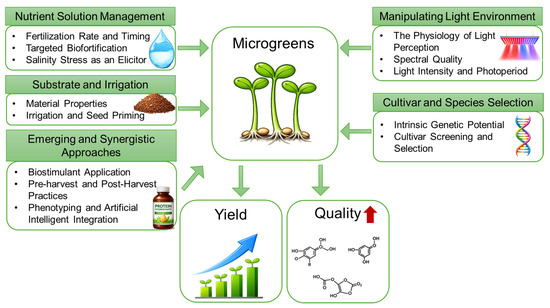
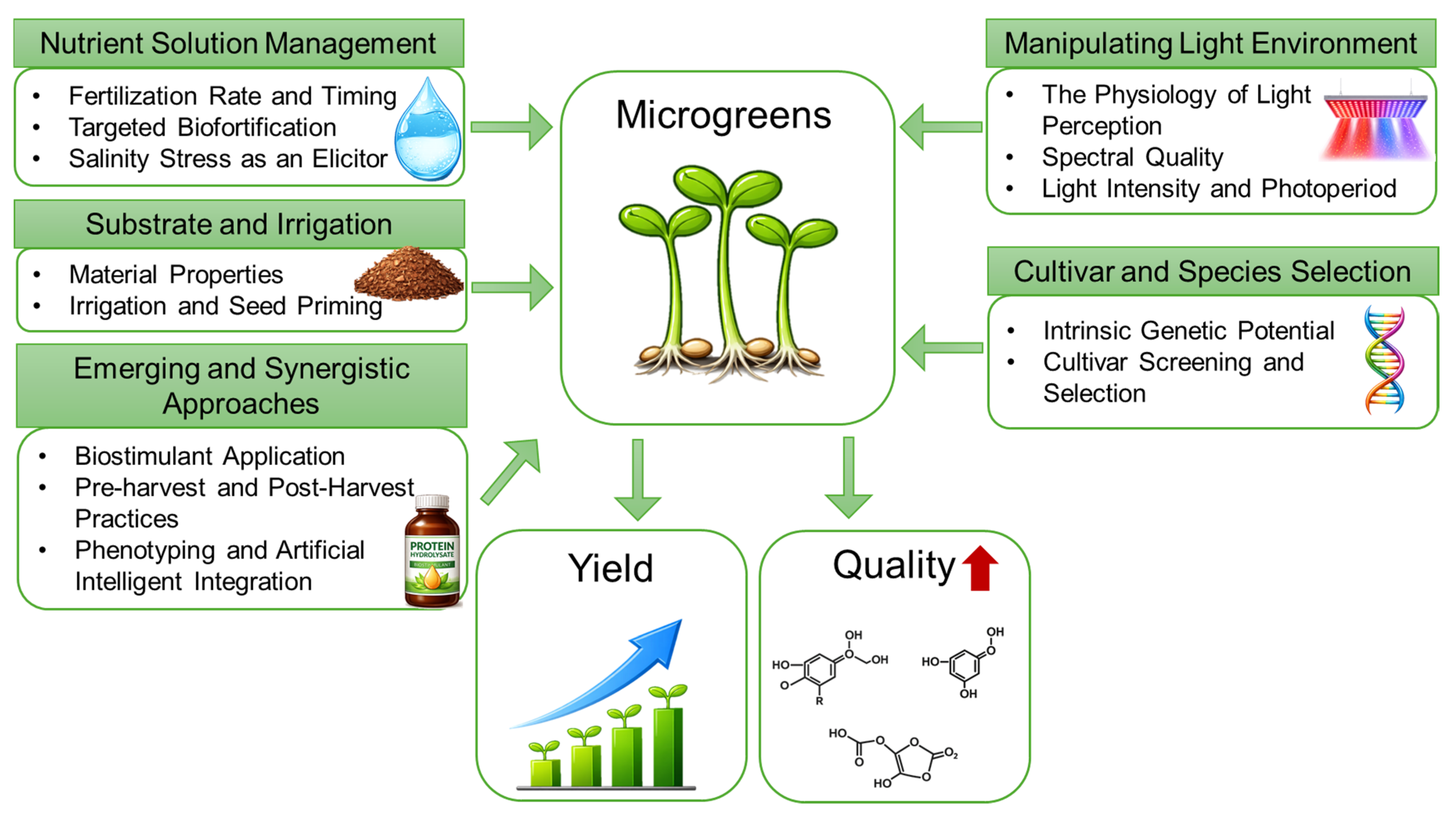
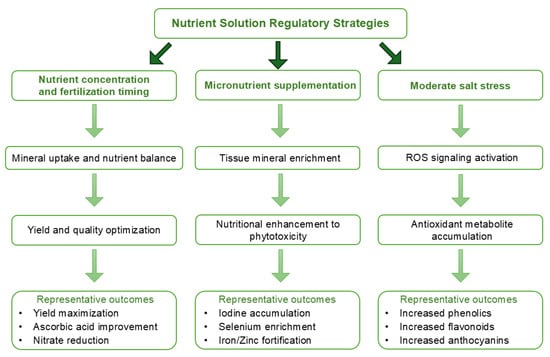
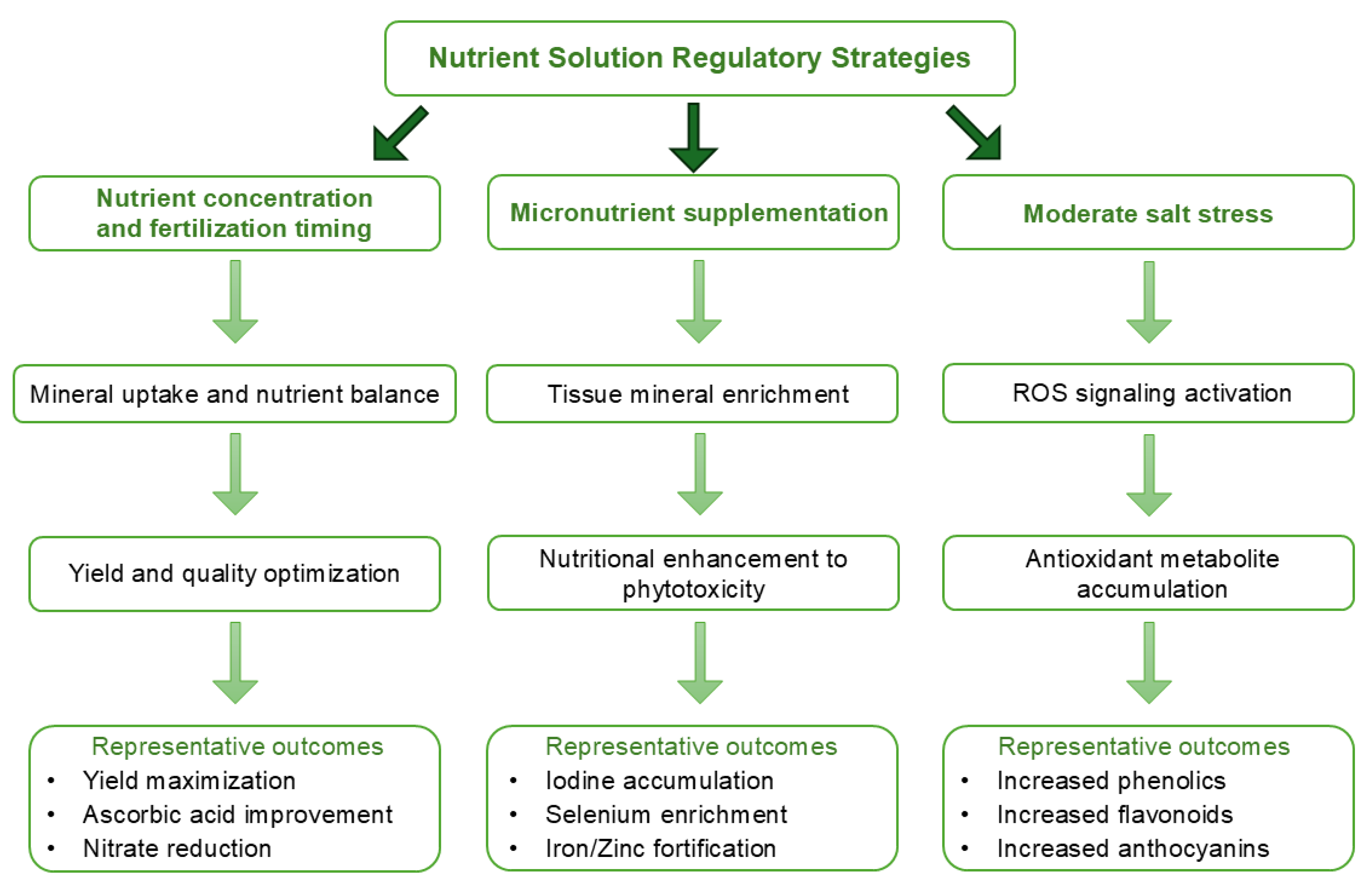
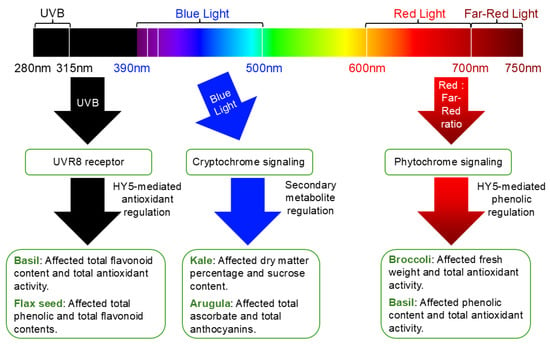
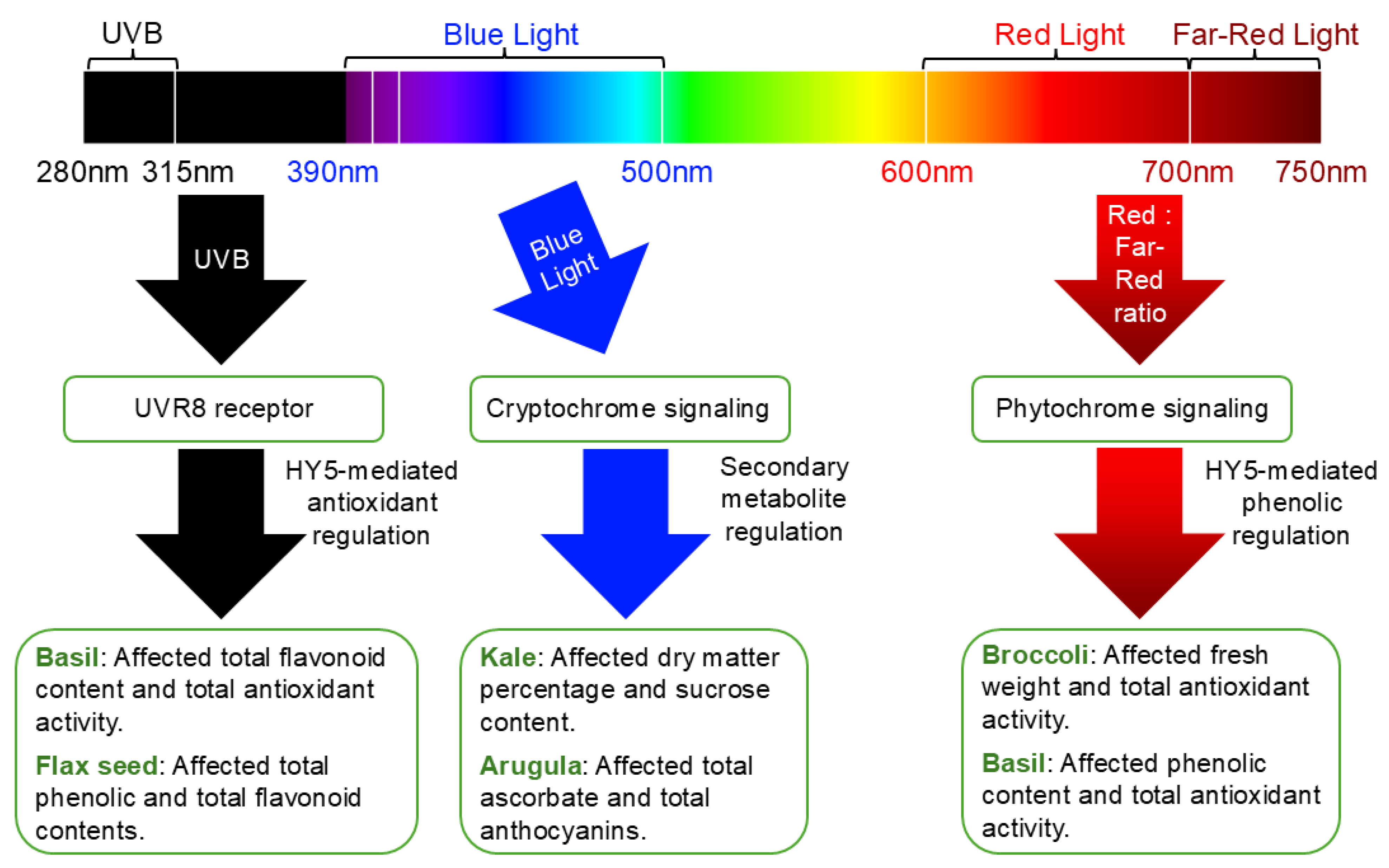
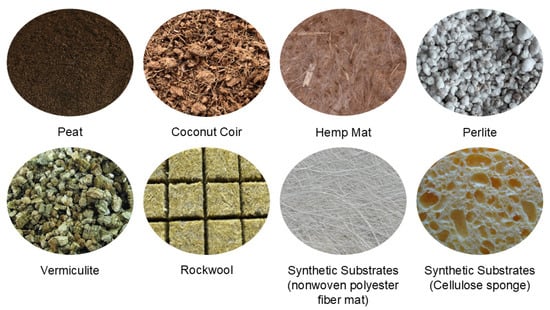
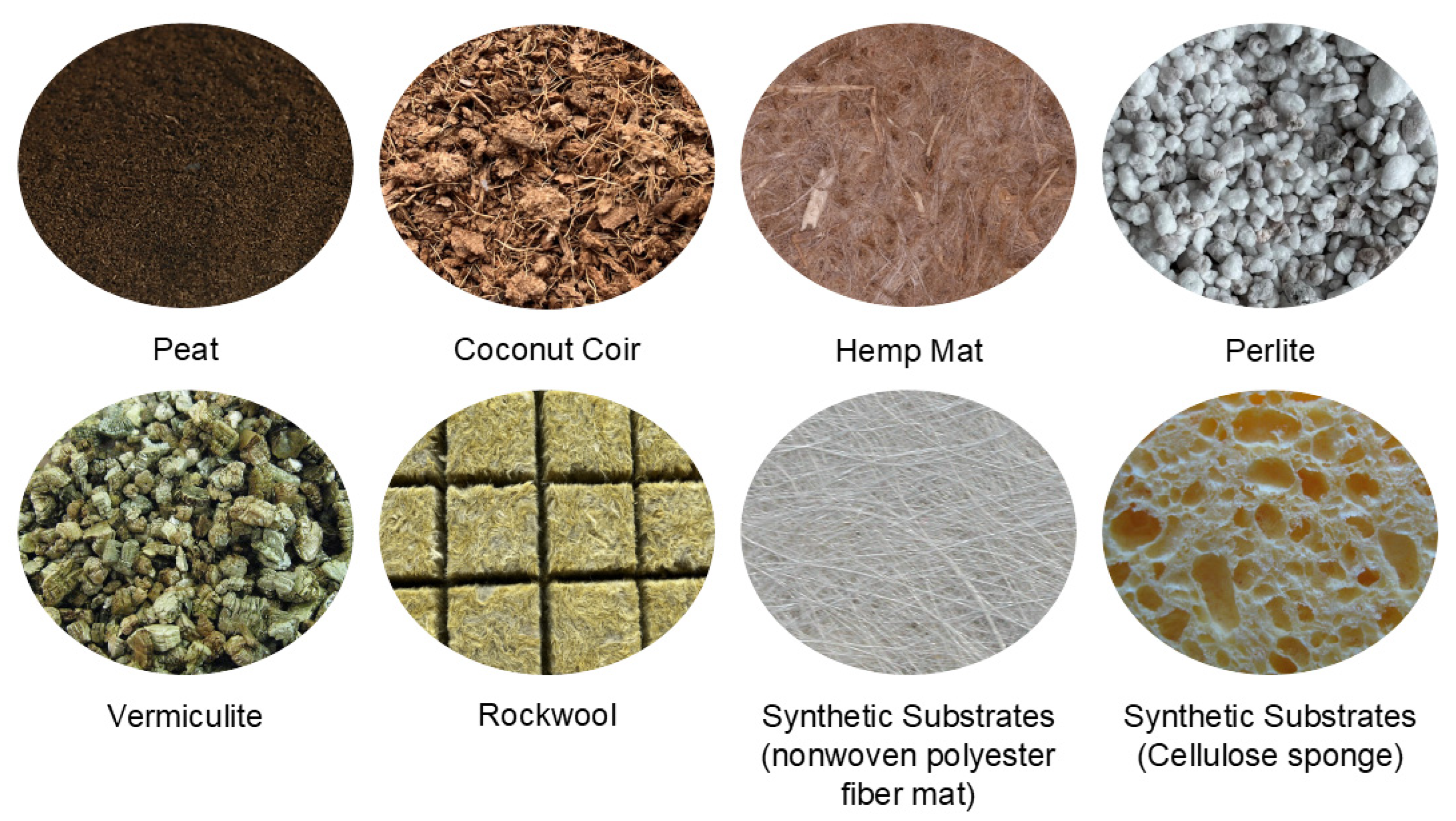
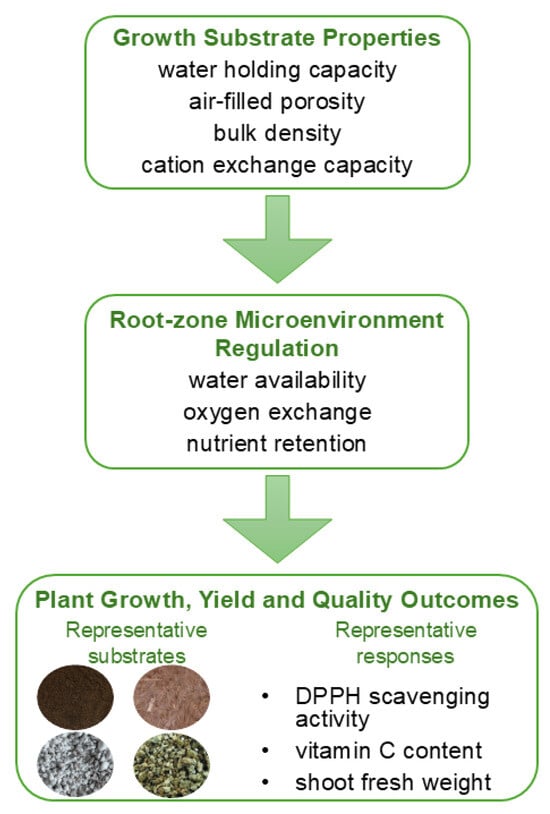
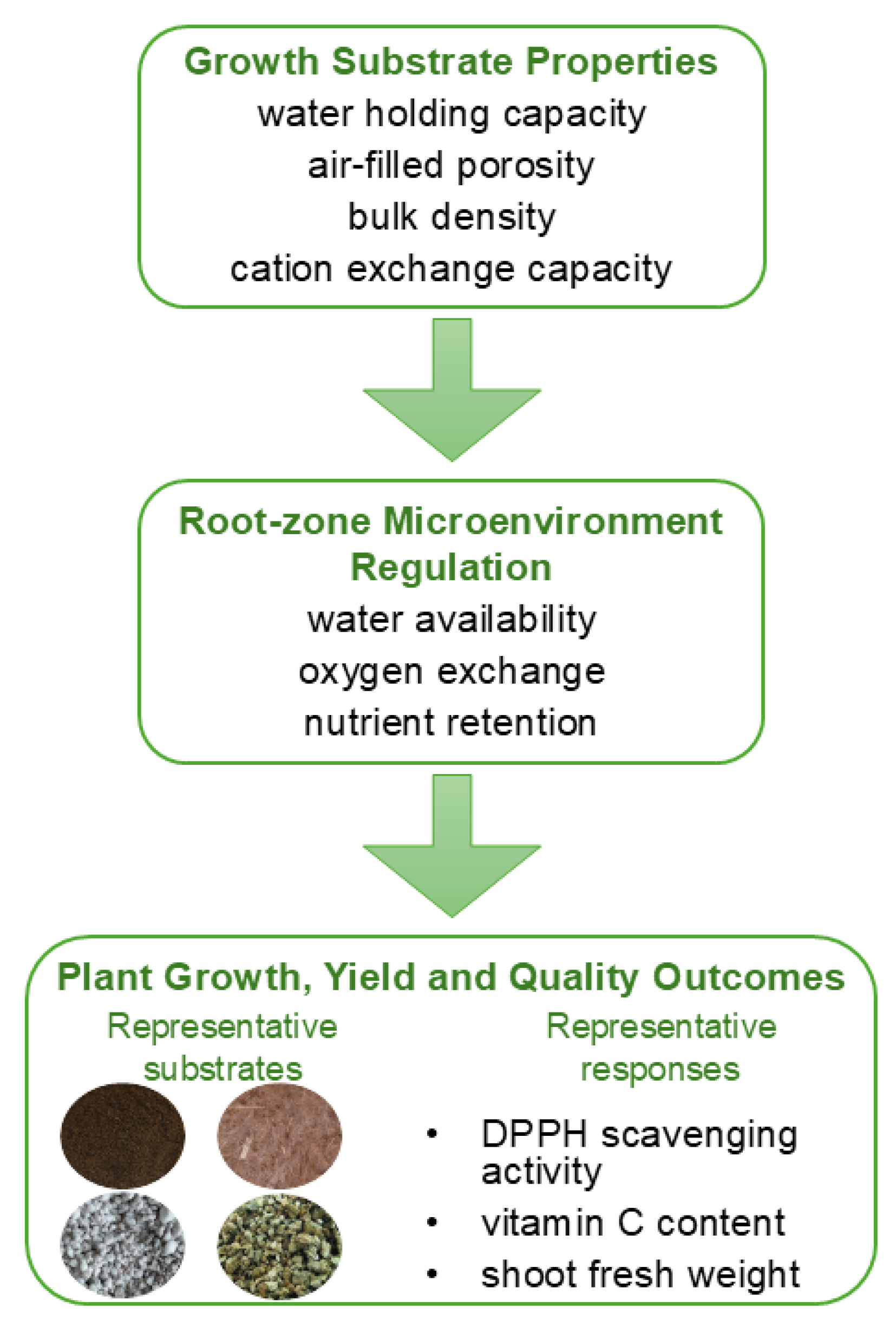

Disclaimer/Publisher’s Note: The statements, opinions and data contained in all publications are solely those of the individual author(s) and contributor(s) and not of MDPI and/or the editor(s). MDPI and/or the editor(s) disclaim responsibility for any injury to people or property resulting from any ideas, methods, instructions or products referred to in the content. |
© 2026 by the authors. Licensee MDPI, Basel, Switzerland. This article is an open access article distributed under the terms and conditions of the Creative Commons Attribution (CC BY) license.