


Abstract
In conventional anaerobic digestion (AD) of livestock manure, temperature regulation faces an inherent paradox: thermophilic conditions facilitate pathogen inactivation but inhibit methanogenesis, whereas mesophilic conditions enable efficient methane production but are less effective at eliminating pathogens. This study systematically analyzed the methanogenic performance, microbial physiology, and the dynamics of biosafety factors during AD of chicken manure at 4 °C, 35 °C, and 55 °C. Additionally, a ceramic membrane (CM) coupled with ozone micro-nano bubbles (O3-MNBs) backwashing was configured for advanced digestate purification. Contrary to conventional understanding, mesophilic conditions (35 °C) simultaneously achieved optimal methanogenic efficiency (277.83 mL/gVS) and the efficient removal of viruses (66.65%) and antibiotic resistance genes (ARGs) (>77.11%), supported by a more diverse microbial community. While thermophilic conditions (55 °C) inactivated certain viruses, methanogenic efficiency was significantly inhibited by thermal stress. Moreover, the residual plasmid-borne ARGs were 3.04-fold higher than under mesophilic conditions. The integration of CM filtration with O3-MNBs backwashing effectively retained and inactivated pathogens while reducing the membrane fouling rate by 83.97%. The integration of mesophilic digestion, membrane filtration, and O3-MNBs processes synergistically achieved efficient energy recovery and robust pathogen control, providing technical support for the safe treatment and high-value resource utilization of manure.
1. Introduction
With the rapid development of the poultry industry, the resource recovery and harmless treatment of chicken manure have become urgent issues [1]. China is one of the world’s largest consumers of antibiotics in livestock and poultry [2]. In response to this situation, the Chinese Ministry of Agriculture and Rural Affairs launched a regulation that banned all growth-promoting antibiotic feed additives except for traditional Chinese medicine and revised product quality standards to restrict antimicrobials solely to preventive or therapeutic use rather than for growth promotion, with the updated standards and labeling fully in place by 2020 [3]. Despite these regulatory efforts, residual antibiotics, antibiotic-resistant bacteria, antibiotic resistance genes (ARGs) [4], pathogenic bacteria [5], and various pathogenic viruses [6] present in chicken manure pose a severe threat to ecological environments and public health [7]. Anaerobic digestion (AD), as a mature and efficient resource recovery technology, offers the dual benefits of energy recovery and pollution control, thereby reducing secondary pollution caused by traditional composting or direct discharge [8].
Digestion temperature shapes microbial metabolism, enzyme activity, and community structure, critically regulating AD performance [9]. AD is typically classified into three temperature ranges: psychrophilic (<20 °C), mesophilic (20–43 °C, although 35–37 °C is usually regarded as optimal), and thermophilic (50–60 °C, optimal at 55 °C) [10,11]. The various stages of AD respond differently to temperature. Substrate hydrolysis rate increases with rising temperature, as observed under psychrophilic (20 °C), mesophilic (30 °C), and thermophilic (40 °C) conditions [12]. The responses of acidogenesis and acetogenesis efficiencies to different temperature conditions remain controversial. Cai et al. [13] and Kim et al. [14] indicated that compared with mesophilic conditions, the production of volatile fatty acids (VFAs) was higher at thermophilic temperatures. In contrast, Yu et al. [15] showed that temperatures did not affect VFA production from 45 °C to 70 °C. However, Zhuo et al. [16] reported that the activities of acidification enzymes at mesophilic conditions (37 °C) were much higher than those at thermophilic conditions (55 °C). During methanogenesis, acetoclastic methanogenesis dominated at 35 °C, whereas hydrogenotrophic methanogenesis dominated at 45 °C [17]. It is the dynamic balance among the stages, rather than temperature alone, that determines the digestion efficiency [12]. In addition, recent studies have shown that temperature also affects the inactivation dynamics of pathogens in digestate and horizontal gene transfer (HGT) mechanisms through complex interactions among mobile genetic elements, phage ecology, and bacterial stress responses [18,19]. The synergistic effects of heat stress and oxidation can impose selective pressures that reshape the resistome landscape of the digestate [20,21]. Although the effect of temperature on AD performance has been extensively studied [22,23], its specific roles in the elimination of ARGs and pathogens, as well as in controlling the risk of ARGs dissemination, remain unclear.
Conventional AD fails to eliminate ARGs and pathogens, leaving biosafety risks that require further purification [24]. Currently, typical disinfection technologies, including chlorination [25,26], ultraviolet irradiation [27], hygienization [28], and emerging photoelectrocatalytic technologies [29], have inherent defects. The excessive application of chlorine-based disinfectants generates toxic disinfection byproducts [30] and induces microbial resistance [31]. Ultraviolet disinfection is hindered by photoreactivation and dark repair mechanisms [32], while highly effective heterogeneous photocatalysis incurs high operational costs [29]. In contrast, ozone is highly favored due to its elevated oxidation potential (2.07 V) and the non-toxic byproducts [33,34], yet its application is limited by poor aqueous mass transfer and rapid decomposition [35,36]. In recent years, micro-nano bubbles (MNBs) have gained attention for their high mass transfer efficiency and prolonged residence time in water [37]. Additionally, hydroxyl radicals (•OH) generated from the decomposition of ozone micro-nano bubbles (O3-MNBs) can further enhance disinfection and oxidation capacities [38].
Building upon these premises, this study proposes a tandem strategy that couples silicon carbide (SiC) ceramic membrane (CM) enrichment with O3-MNBs backwashing for simultaneous pathogens retention and advanced disinfection. Although chicken manure AD [39], membrane separation [40,41], and ozone oxidation [42,43] have been widely reported separately, few investigations have explored their interactive effects. Currently, the retention efficiency of CM against viruses, bacteria, and ARGs in the complex digestate is poorly understood. Furthermore, while O3-MNBs backwashing can mitigate membrane fouling, its capacity to eliminate pathogens and ARGs enriched on the membrane surface has yet to be systematically evaluated.
This study aims to: (1) explore temperature-dependent AD performance of chicken manure at 4 °C, 35 °C and 55 °C; (2) clarify temperature-driven co-occurrence networks and succession patterns of viruses, bacteria and ARGs; (3) evaluate the CM retention efficiency of typical biosafety risk factors; and (4) delineate the mechanisms of O3-MNBs backwashing in mitigating membrane fouling, as well as the its control mechanisms and potential risks regarding the spread of ARGs and pathogens. This research provides theoretical support for green, low-carbon advanced treatment processes for livestock waste and lays a robust foundation for the widespread application of coupled membrane-ozonation technologies in the advanced treatment of livestock wastewater.
2. Materials and Methods
2.1. Anaerobic Digestion Experimental Design and Set-Up
In this study, the fresh chicken manure was obtained from a poultry farm located in Qingdao, China (36.075° N, 120.408° E). Before storage at 4 °C, foreign materials, such as stones and feathers, were manually removed from the manure. The inoculum, anaerobic sludge, was obtained from the anaerobic unit of wastewater treatment in a citric acid processing plant located in Shandong Province, China.
Anaerobic batch digestion tests were conducted at 4 ± 1 °C, 35 ± 1 °C, and 55 ± 1 °C using 500 mL glass reactors with a working volume of 350 mL, with a single batch reactor operated for each temperature condition. Each bottle was loaded with 30 g of anaerobic sludge (total solids (TS) content = 11.44%, volatile solids (VS) content = 4.89%), 6.1 g of chicken manure (TS = 16.86%, VS = 12.89%), and 313.9 mL of nutrient solution, and operated for 20 days. The TS and VS content of the reaction system were 1.27% and 0.64%, respectively. Before the reaction began, the pH was adjusted to 7.5 ± 0.1 using NaHCO3. Gas samples were collected daily to analyze gas yield and composition. The gas yield was calculated by normalizing the cumulative gas volume to the mass of VS in the added chicken manure. Liquid and solid samples were collected at five time points according to the gas production profile: the initial stage, the rapid gas production phase, the declining gas production rate phase, the slow gas production phase, and the end of the reaction.
2.2. Membrane Filtration Experiment Setup and Procedure
The performance of the CM was evaluated using a dead-end filtration system consisting of an SiC flat-sheet CM, a membrane tank (1.0 L), and a quartz tube O3 generator (FDG-MK-5g, Huachuang, China; ozone yield: 5 g·h−1; gas source: air). The size of the CM was 90 mm × 50 mm × 5 mm, with an effective filtration area of 0.0045 m2 and a nominal pore size of 0.1 μm. Digested effluent obtained at the end of anaerobic digestion at 35 °C was diluted fivefold with sterile water and used as the raw water.
In the membrane ultrafiltration experiment, the raw water was continuously pumped into the membrane tank by a peristaltic pump, and the water level was kept constant. Filtration was performed under negative pressure generated by the peristaltic pump at a fixed flux of 100 L·m−2·h−1 for 30 min. After filtration, the filter cake layer was collected and designated as sample 35-C. In the ozone backwash experiment, ozone aeration was performed for 2 min before filtration. Then, the peristaltic pump operated for 10 min, followed by ozone aeration for 10 s, and this cycle was repeated three times. We collected the filter cake layer as sample 35-O. The transmembrane pressure (TMP) was measured by a high-precision pressure sensor and recorded via an online recorder. The complete experimental procedure is shown in Figure S1.
2.3. Analytical Methods
- Biogas composition: The composition of biogas was determined by gas chromatography coupled to a thermal conductivity detector (GC136, Yidian Scientific Instruments Co., Shanghai, China) [44]. The temperatures of the injector, column oven, and detector were set at 130 °C, 100 °C, and 125 °C, respectively.
- Soluble chemical oxygen demand (SCOD), TS and VS: They were determined according to standard methods [45].
- Total ammonia nitrogen (TAN): The concentration of TAN was analyzed by Nessler’s reagent spectrophotometry (HJ 535-2009).
- VFAs: The concentrations of VFAs were analyzed by High Performance Liquid Chromatography (HPLC, Shimadzu, LC-2030, Kyoto, Japan).
- Na+ K+-ATPase, Ca2+ Mg2+-ATPase and malondialdehyde (MDA): The activities of Na+ K+-ATPase and Ca2+ Mg2+-ATPase, as well as MDA content, were determined by related instructions of commercial assay kits (Beijing Solarbio Science & Technology Co., Ltd., Beijing, China and Nanjing Jiancheng Bioengineering Institute, Nanjing, China). Sample pretreatment and enzyme extraction were conducted following the procedures reported in the previous study [46].
- Extracellular polymeric substances (EPSs): After membrane filtration, EPSs were extracted from the filter cake layer by a modified heat extraction method [47]. The fluorescent substances in the EPSs were detected using an F-4600 fluorescence spectrophotometer (Hitachi, Tokyo, Japan).
2.4. Metagenomic and Metatranscriptomic Sequencing
Total DNA and RNA were extracted from the selected samples (4 °C, 35 °C and 55 °C: chicken manure digestate at corresponding temperatures; 35-C: cake layer; 35-O: cake layer after backwashing with O3-MNBs) and quality-controlled. Sequencing libraries were constructed (350 bp) and sequenced by Novogene Co., Ltd. (Beijing, China) on the Illumina NovaSeq 6000 platform using paired-end 150 bp (PE150) sequencing, generating approximately 40 Gb of raw data per sample. Raw sequencing reads were first trimmed of adapters and filtered for low-quality bases using Trimmomatic (v0.39), followed by quality assessment with FastQC (v0.11.9). All bioinformatic analyses were conducted on a self-built platform using integrated metagenomic, metatranscriptomic, and viromic strategies. Clean reads obtained from the above quality-control steps were then analyzed using the MetaWRAP v1.3.0 pipeline. Hybrid assembly with metaSPAdes and MEGAHIT was performed, and contigs > 1000 bp were retained. Binning was automatically implemented in MetaWRAP using MetaBAT2, MaxBin2 and CONCOCT 1.0.0. Bins were quality-assessed by CheckM and refined via the MetaWRAP Refine module, and high-quality bins (completeness ≥ 70%, contamination ≤ 5%) were retained. Gene prediction and annotation were achieved using the MetaWRAP Annotate module. Kraken2 was used for read-level taxonomic classification. Bacterial and archaeal annotations were performed with GTDBdk and enrichM, while microbial functional pathways were characterized based on the KEGG database. Taxonomic abundances across samples were normalized to relative abundance based on the total number of metagenomic reads per sample to account for differences in sequencing depth between samples.
For metatranscriptomics, clean reads were de novo assembled using Trinity. Assembled transcripts were verified by Bowtie and BWA mapping, with all samples achieving a mapping rate above 80%. Assembly integrity and overall quality were evaluated using BUSCO and Transrate, respectively, and gene expression levels were quantified with RSEM. Combining metagenomic and metatranscriptomic data, DNA and RNA viromes were separately analyzed. Viral sequences were quality-filtered by Check and taxonomically annotated against the NCBI viral database to ensure reliable virome results.
2.5. Statistical Analysis
All statistical and multivariate network analyses in this study were performed using R software (R V4.2.1). Permutation tests were applied to evaluate the significant differences among groups. The Mantel test was further conducted to clarify the correlations of microbial community structure, resistome profiles, and environmental factors (https://www.chiplot.online/ (accessed on 10 September 2025)). Bipartite network analysis revealed shared and unique ARGs in digestate at different temperatures, and the analyses were visualized using Cytoscape (Version 3.7.2) [48]. Network analysis based on Spearman’s rank correlation was conducted to investigate the co-occurrence patterns among the resistomes, microbial communities, and mobile genetic elements. Strong correlation (Spearman’s ρ > 0.7; p < 0.01) was used to construct the network, which was visualized using Gephi (v0.9.2) [49].
3. Results and Discussion
3.1. Effects of Temperature on Chicken Manure AD and Microbial Response Mechanisms
3.1.1. Effect of Temperature on AD Performance
As shown in Figure 1(a1–a4), the methanogenic activity during the AD exhibited a profound dependence on temperature. In the psychrophilic group (4 °C), microbial metabolism was essentially stagnant, and no gas production was detected. Under mesophilic conditions (35 °C), the cumulative CH4 yield reached a peak of 277.83 mL/gVS. In contrast, the thermophilic group (55 °C) produced only 24.13 mL/gVS of CH4, whereas its cumulative CO2 yield reached 64.73 mL/gVS. This clearly demonstrates that the mesophilic microbial community possesses superior metabolic activity and strong adaptability to nitrogen-rich substrates. The highly efficient synergy between hydrolytic–acidogenic bacteria and methanogens ensured rapid substrate conversion and stable methane production [50]. Under thermal stress, hydrolytic and acidogenic bacteria demonstrated greater thermal tolerance than methanogens, thereby partially preserving their metabolic activity [51]. Notably, the minor amount of biohydrogen (13.52 mL/gVS) detected in the thermophilic group implies that hydrolytic hydrogenesis remained active under thermal stress, with electron flows partially diverted toward syntrophic acetate oxidation. This observation is consistent with previous reports that hydrogen accumulates as an intermediate product at high temperatures [39].
Figure 1.
Biogas component yield (a1–a4); variations of SCOD (b), TAN (c), and VFAs concentration (d1–d3) at different temperatures. ①–⑤ indicate sampling points.
The variations in SCOD and VFAs concentrations during the AD process at different temperatures are illustrated in Figure 1b and Figure 1(d1–d3). At 35 °C, the SCOD continuously decreased, achieving a remarkable removal efficiency of 51.91%. The slight rebound in SCOD at the end of the reaction could be attributed to sludge decomposition [52]. The total VFA concentration decreased rapidly after 59 h, ultimately dropping to 355.02 mg/L, accompanied by the rapid generation of CH4. This indicates that organic macromolecules were swiftly converted into methane via hydrolysis and acidification, rather than accumulating as soluble organic matter [53]. In contrast, the SCOD concentration in the thermophilic group increased continuously, culminating at 5430.0 mg/L at the end of the experiment. Concurrently, VFAs steadily accumulated, with valerate in particular reaching a high concentration of 4192.51 mg/L. This phenomenon demonstrates that while high temperatures promote substrate hydrolysis and acidification, methanogenesis efficiency is limited. Consequently, syntrophic VFAs oxidation was hindered by increased thermodynamic resistance, ultimately leading to the accumulation of VFAs [54,55].
3.1.2. Cellular Toxicity and Physiological Regulation Induced by Temperature
The ammonification rate of proteins and amino acids increased with increasing temperatures, leading to a TAN concentration of 223.68 mg/L in the thermophilic group (Figure 1c), which remains within a safe range [56]. To counteract heat stress, microorganisms regulate ATPases to facilitate energy transduction and maintain intracellular homeostasis. ATPase activity directly reflects cellular metabolic intensity and environmental adaptability [46]. Specifically, Na+ K+-ATPase regulates intracellular pH via active transport and extrudes excess cations, such as NH4+, through a cation exchange mechanism [57]. Na+ K+-ATPase exhibited virtually no activity at 4 °C (Figure 2a), indicating that low temperatures severely inhibited the cellular transmembrane proton pump function and energy metabolism, leading to an overall deficiency in microbial activity [58]. The activities of both Na+ K+-ATPase and Ca2+ Mg2+-ATPase peaked under mesophilic conditions (35 °C). Conversely, at 55 °C, the activities of Na+ K+-ATPase and Ca2+ Mg2+-ATPase decreased by 30.78% and 36.10%, respectively, compared to those at 35 °C. The robust enzymatic activity observed at mesophilic conditions reflects highly efficient energy metabolism coupling, which sustained high metabolic flux via ATP hydrolysis and the proton motive force [58]. The suppression of these crucial regulatory factors at high temperatures suggests that the cellular stress-response system was compromised [59]. Furthermore, MDA, a secondary byproduct of lipid peroxidation, is commonly used to assess cell membrane integrity [60]. The MDA content in the thermophilic group reached a peak of 3.89 nmol/mg prot, indicating that heat stress subjected the cell membranes to severe oxidative stress (Figure 2b) [61].
Figure 2.
Comparison of ATP enzyme activities (a) and MDA content (b) at different temperatures.
In summary, the digestion temperature not only influences AD performance by modulating enzyme activities and metabolic pathways but also indirectly dictates overall system stability by altering the oxidative homeostasis of cell membranes. Mesophilic conditions are confirmed as the optimal regime for methanogenesis, as this temperature effectively balances the kinetics of hydrolysis and methanogenesis while sustaining the activity of key syntrophic consortia. Conversely, thermophilic and psychrophilic operations are severely constrained by obstructed metabolic pathways and inadequate microbial activity, respectively.
3.2. Temperature-Dependent Regulation of Pathogen Ecology
3.2.1. Temperature Response Characteristics of Pathogens
Temperature is a pivotal factor influencing pathogen inactivation during AD [62]. Compared to psychrophilic digestion, the total viral abundance in the mesophilic and thermophilic digestates decreased by 66.65% and 49.61%, respectively (Figure 3a), demonstrating that higher temperatures facilitated viral inactivation. Although multiple studies have confirmed that high temperatures are generally more conducive to viral inactivation [63], mesophilic digestion in this study achieved a more substantial reduction in total viruses. This aligns with previous findings conducted in real complex matrices [64]. The abundances of specific DNA viruses, such as Kuravirus, unclassified Siphoviridae, and Avunavirus, were lower in the mesophilic conditions than in the thermophilic conditions. Under mesophilic conditions, an active microbial community secretes extracellular enzymes (e.g., nucleases and proteases) to actively degrade viral nucleic acids and capsid proteins, thereby accelerating the inactivation of DNA viruses [64]. However, this biological inactivation mechanism is weakened under thermophilic conditions due to restricted microbial activity [65]. Furthermore, the high alpha diversity indices of the mesophilic system (Table S1 and Figure S2) indicate that a diverse microbial community constrains viral colonization through competitive niche exclusion and nutrient competition [66]. These findings underscore microbial diversity as a key factor of pathogen suppression in AD systems. Nevertheless, high temperatures still exerted a potent inactivation effect on specific viral types, and Harbinvirus, Dhakavirus, and Tybeckvirus were almost completely inactivated. These are all nonenveloped viruses. It has been reported that temperature is a critical inactivating factor for the genomic degradation and capsid protein impairment of nonenveloped viruses [67]. This suggests that viral inactivation is regulated by a combination of temperature and microbial activity, with different viral types exhibiting significant variations in their susceptibility to these factors [67]. Furthermore, the thermophilic Avunavirus was unexpectedly enriched at 55 °C, with its abundance reaching 1.89 times that observed in the mesophilic environment. This selective enrichment may be attributed either to the inherent thermotolerance of the virus or to the sustained proliferation activity of its host microbiome under thermophilic conditions [68].
Figure 3.
Compositions of viral communities at the genus level at different temperatures (a); abundance of bacterial priority pathogens (b); a Mantel test was used to compare the relative abundances of viral and bacterial communities, as well as physicochemical indicators (c). Heatmaps represent Pearson correlations among abiotic factors. Asterisks within the heatmap cells indicate the statistical significance of pairwise Pearson correlations: * p < 0.05, ** p < 0.01, *** p < 0.001, **** p < 0.0001. The color gradient of each square represents the Pearson correlation coefficient (r); phage lifestyles in digestate at different temperatures (d).
Temperature exerted a significant selective pressure on bacterial pathogen communities. Except for Enterobacterales, the total bacterial pathogens abundance decreased as temperature increased (Figure 3b). Thermophilic digestion reduced the total bacterial pathogens abundance to 0.10%, demonstrating a pronounced removal advantage. Conversely, the psychrophilic conditions lacked a thermal inactivation effect, and microbial metabolism decelerated toward dormancy, presenting the highest risk of pathogen persistence. This trend was particularly evident among nosocomial opportunistic pathogens, such as Acinetobacter baumannii (critical tier) and Pseudomonas aeruginosa (high-priority tier). These species are of immense clinical significance due to their resistance to carbapenem antibiotics, frequently causing pneumonia and bloodstream and wound infections in immunocompromised patients [69,70]. Specifically, the abundance of Acinetobacter baumannii at 4 °C reached 0.08%, exceeding the levels in the mesophilic (0.003%) and thermophilic (0.007%) groups. Similarly, the abundance of Pseudomonas aeruginosa at 4 °C (0.19%) was approximately 3–4 times higher than that in the mesophilic and thermophilic groups. This is primarily attributed to the fact that dominant anaerobes and thermophiles in mesophilic and thermophilic systems occupy available ecological niches, resulting in strong competitive exclusion, whereas psychrophilic conditions are more conducive to the survival and maintenance of these non-dominant bacteria [71,72].
In contrast to the temperature sensitivity of the aforementioned pathogens, Enterobacterales exhibited remarkable ecological resilience. They maintained a relatively high relative abundance (0.83–1.77%) across all temperature conditions, peaking in the mesophilic group (1.77%). Environmental (non-clinical and non-human) populations of Enterobacterales are recognized as a crucial genetic reservoir for antimicrobial resistance [73]. Owing to their facultative anaerobic metabolic advantages and robust ecological adaptability [74], they are difficult to eradicate solely through temperature regulation, making them a significant biosafety concern in the resource recovery and downstream utilization of anaerobic digestate.
3.2.2. Phage Life Strategies and Environment-Driven ARGs Dissemination Risks
Phage life strategies significantly influence the dissemination patterns of ARGs within chicken manure digestate [75]. Among the dominant phages in the digestate across different temperatures, lytic phages accounted for 84.62%, higher than lysogenic phages (Figure 3d), and exhibited a classic “kill-the-winner” life strategy [76]. Although viral lysis causes host cell rupture and the release of ARGs into the extracellular DNA pool, the sustained pressure exerted by a high proportion of lytic phages on bacterial communities theoretically helps suppress bacterial overgrowth, thereby indirectly weakening the potential for ARG dissemination [19].
The Mantel test further revealed the driving effects of environmental factors on virus and bacteria community structures (Figure 3c). The virus community structure was significantly influenced by COD, valerate, NH4+-N, Na+ K+-ATPase, MDA, ARGs, and temperature (Mantel’s r = 0.62–0.97, 0.01 < p ≤ 0.05). Conversely, the bacteria community structure was significantly correlated only with Na+ K+-ATPase, MDA, and temperature (Mantel’s r = 0.91–0.94, 0.01 < p ≤ 0.05). This indicates that virus communities are more susceptible to substrates and environmental factors than bacteria, which is consistent with the host-dependent nature and their propensity for environmentally stress-induced lysis [77]. Environmental driver analysis regarding ARGs demonstrated that ARGs abundance was significantly and positively correlated with pH (p < 0.001), but significantly and negatively correlated with NH4+-N (p < 0.001). This suggests that an elevated pH may exacerbate the risk of ARG dissemination by enhancing HGT efficiency or increasing ARGs stability [78]. In contrast, high NH4+-N levels exert a potential inhibitory effect on the dissemination and persistence of ARGs [79].
3.3. Temperature-Dependent Distribution and Removal Mechanisms of ARGs
Temperature significantly regulated the abundance of ARGs during the AD of chicken manure (Figure 4a). The resistomes across all experimental groups were dominated by macrolide–lincosamide–streptogramin (MLS), aminoglycoside, and multidrug resistance genes. Contrary to conventional reports, mesophilic digestion in this study exhibited the highest ARG reduction efficacy. Compared to the psychrophilic group, the abundances of the aforementioned three ARG categories decreased by 87.29%, 89.67%, and 77.11%, respectively. Notably, bleomycin, fosfomycin, and vancomycin ARGs were completely eliminated. This is attributed to the ecological competitive inhibition exerted by the highly active and diverse mesophilic microbial community against the ARG host bacteria [66]. However, sulfonamide ARGs exhibited pronounced recalcitrance in the mesophilic group. This is likely driven by HGT, as their typical representative gene, sul1, is frequently mobilized via class I integrons [80,81]. Although high temperatures generally facilitate pathogen inactivation, the removal rate of total ARGs (81.45%) was lower than that in the mesophilic group (83.53%), suggesting that certain thermophilic bacteria may harbor persistent ARGs [82].
Figure 4.
Distribution of ARG classes in the total resistome (a) and plasmids (b); bipartite network analysis reveals the shared and unique ARGs among the systems at 4 °C, 35 °C, and 55 °C (c); co-occurrence patterns of ARGs, mobile genetic elements (MGEs) and bacteria (d).
Furthermore, the removal efficiency of plasmid-borne ARGs under thermophilic conditions (34.44%) was lower than under mesophilic conditions (78.44%), resulting in a relative abundance 3.04 times that of the latter (Figure 4b). Within this plasmid-borne resistome, the persistence of aminoglycoside, MLS, and tetracycline ARGs was particularly pronounced. Given that plasmids serve as critical vectors for HGT [83], the thermophilic digestion system potentially poses a heightened risk for ARGs dissemination.
The bipartite network analysis revealed the shared and unique distribution patterns of ARGs subtypes at different temperatures (Figure 4c). The psychrophilic group harbored 91 unique ARGs subtypes, substantially outnumbering those in the mesophilic (16 subtypes) and thermophilic (13 subtypes) groups, highlighting the distinct selective pressures exerted by different temperatures. This remodeling of the resistome is fundamentally dictated by temperature-driven microbial community succession [84]. Pseudomonas exhibited a pronounced preference for low temperatures, achieving a relative abundance of 15.28% in the psychrophilic group, which was 6.06 and 11.36 times higher than under mesophilic and thermophilic conditions, respectively (Figure S3). As an opportunistic pathogen, Pseudomonas is known for harboring extended-spectrum β-lactamases, aminoglycoside-modifying enzymes, and multidrug efflux pump systems [85]. Consequently, its predominance at low temperatures directly drives the substantial accumulation of ARGs. Co-occurrence patterns further confirmed that Pseudomonas was strongly associated with β-lactam, chloramphenicol, and multidrug resistance genes, as well as integrative and mobilizable elements (Spearman’s ρ > 0.8) (Figure 4d), further substantiating its potential as a high-risk host for ARGs dissemination.
Although the mesophilic and thermophilic groups shared the fewest ARGs (only seven), the psychrophilic and thermophilic groups unexpectedly shared 38 ARGs, predominantly comprising MLS and multidrug resistance genes. The sharing of ARGs between these extreme temperatures may be closely related to the survival strategies of microorganisms [86]. Strains adapted to extreme environments (e.g., Nocardioides and Nocardia) frequently harbor multiple ARGs to maintain cellular homeostasis [87,88]. In conclusion, temperature not only selects for ARGs but also fundamentally shapes the resistomes of anaerobic digestion systems by determining the ecological niches of key host bacteria.
3.4. Membrane Retention and Ozone-Enhanced Pathogen Removal
3.4.1. Retention and Removal of Viruses
Microfiltration membranes possess excellent potential for virus removal, based on the size-exclusion physical sieving mechanism [89]. In this study, a CM with a pore size of 0.1 µm was employed to comprehensively evaluate its capacity for the retention and enrichment of viruses in the mesophilic chicken manure digestate. At the phylum level, the viral community in the mesophilic group was dominated by Uroviricota (89.15%), followed by Nucleocytoviricota (1.99%) (Figure 5a). Uroviricota (double-stranded DNA viruses) are widely distributed in soils [90] and marine sediments [91]. They are known to infect a variety of hosts, including Firmicutes, Bacteroidota, and Proteobacteria [92], and can influence human metabolism and immune functions [93]. Nucleocytoviricota primarily and specifically infect eukaryotes [94]. The CM achieved complete retention of these two major viral phyla. Furthermore, O3-MNBs backwashing reduced the viral abundance in the cake layer by 26.88% via the oxidative destruction of viral capsid proteins and nucleic acids [95]. Specifically, the relative abundances of Uroviricota and Nucleocytoviricota decreased by 29.05% and 19.0%, respectively.
Figure 5.
Compositions of viral communities at phylum level (a) and genus level (b), and alpha diversity indices (c1,c2). 35 °C: 35 °C chicken manure digestate, 35-C: cake layer, 35-O: cake layer after O3-MNBs backwashing.
At the genus level, Carltongylesvirus (10.21%) and unclassified Siphoviridae (8.84%) dominated the mesophilic digestate (Figure 5b). The viral community structure retained on the membrane closely resembled that of the raw digestate, but the relative abundance of low-abundance genera such as unclassified Podoviridae, Avunavirus, and Felixounavirus increased. This indicates that viral removal is not solely dependent on physical sieving but is also influenced by membrane–virus interfacial interactions [96]. Specifically, hydrophobic residues on the surface of viral capsid proteins readily bind to the hydrophobic regions of the membrane pores and the fouling layer, thereby facilitating viral adsorption and retention [97]. Simultaneously, the concentration effect promotes inter-viral aggregation and their co-deposition with organic matter, further reinforcing the membrane retention efficacy [98]. Subsequently, O3-MNBs backwashing reduced the abundance of membrane-retained viruses by 28.81% through robust oxidative action, concurrently decreasing the viral community diversity (Figure 5(c1, c2)).
In summary, the CM achieves highly efficient viral retention through the synergistic mechanisms of physical sieving, hydrophobic adsorption, and the concentration effect. O3-MNBs backwashing effectively inactivates the viruses enriched in the cake layer and reshapes the viral community. This “physical enrichment–chemical oxidation” tandem strategy establishes a reliable dual barrier, thereby improving the biosafety of the digestate.
3.4.2. Retention and Removal of Bacterial Pathogens
The CM exhibited substantial retention and enrichment of bacterial pathogens. The total abundance of bacterial pathogens in the cake layer (1.98%) was comparable to that of the raw digestate (1.90%), which indirectly suggests that CM filtration serves as an effective barrier against the dissemination of pathogenic bacteria (Figure 3b and Table S2). The relative abundances of specific pathogens, such as Neisseria gonorrhoeae and Haemophilus influenzae, in the cake layer were 1.70 and 1.50 times those observed in the raw digestate, respectively. This selective enrichment implies that the cake layer acts not merely as a physical barrier but likely evolves into a complex biofilm microenvironment [99]. Furthermore, the matrix-protective effects of EPS facilitate the colonization and proliferation of certain pathogenic bacteria, thereby transforming the cake layer into a “secondary enrichment reservoir” for pathogens [100].
Following O3-MNBs backwashing, the overall abundance of bacterial pathogens within the cake layer decreased. Specifically, the relative abundances of Shigella spp., Mycobacterium tuberculosis, and Pseudomonas aeruginosa dropped by 30.16%, 19.44%, and 10.05%, respectively, compared to the 35-C sample. This validates the efficacy of the coupled “physical enrichment–chemical oxidation” strategy. Ozone accomplishes inactivation by disrupting cell membrane structures and damaging intracellular genetic material [101]. However, the bacterial pathogens reduction failed to achieve a log-reduction level, which is primarily attributed to the matrix shielding effect of the cake layer [102]. High concentrations of organic matter and EPS preferentially consume ozone, limiting its mass transfer and penetration into the deeper layers of the biofilm and consequently attenuating its oxidative inactivation efficacy against internalized pathogens [100].
3.5. Dissemination and Horizontal Transfer Risks of ARGs
The membrane achieved a retention efficiency of 91.53% for resistome ARGs, with high retention efficiency (81.35–95.48%) for aminoglycoside, MLS, novobiocin, and tetracycline ARGs (Figure 4a). Hydrophobic and hydrophilic interactions between the cake layer (composed primarily of proteins and polysaccharides) and the ARGs facilitate ARG adsorption [103]. Furthermore, biofilm formation on the membrane surface induced the selective enrichment of ARGs. Notably, the abundances of bacitracin, florfenicol, and pleuromutilin-tiamulin ARGs on the membrane were 1.92, 1.26, and 1.93 times higher than those in the raw digestate, respectively. This is likely attributed to the robust membrane adhesion and biofilm-forming capabilities of the host bacteria harboring these genes [104].
Ozone exhibited a differential removal efficacy for resistome ARGs. Specifically, the removal efficiencies for florfenicol, rifamycin, and trimethoprim ARGs reached as high as 64.08%, 51.26%, and 100%, respectively (Figure 4a). However, the removal efficiency of the dominant ARGs (MLS, sulfonamide, and multidrug) was limited (only 0–12.64%), which may be attributed to the high tolerance of bacteria harboring these ARGs to oxidative stress [105]. Notably, the relative abundances of β-lactam, chloramphenicol and mupirocin ARGs increased following ozone treatment. This is potentially driven by an increase in intracellular reactive oxygen species, which can enhance the transformation frequency of ARGs [106], resulting in the insignificant overall removal of ARGs.
Plasmid-borne ARGs, whose fate is jointly governed by host cell proliferation, plasmid replication, and conjugative transfer [107], exhibited complex dynamics during the treatment process. The abundances of plasmid-borne ARGs in the 35 °C, 35-C, and 35-O groups were 13.44, 17.88, and 15.93 RPKM, respectively (Figure 4b). In the 35-C group, the abundances of plasmid-borne aminoglycoside and tetracycline ARGs were 1.96-fold and 1.90-fold higher than those in the raw digestate, respectively. The biofilm microenvironment on the membrane surface likely accelerates HGT frequencies by facilitating plasmid-borne conjugative transfer [108]. The enrichment of plasmid-borne ARGs on the membrane surface may be associated with an increased potential for HGT within the cake layer. Following O3-MNBs backwashing, plasmid-borne tetracycline and sulfonamide ARGs were completely eradicated, whereas the abundance of plasmid-borne aminoglycoside ARGs increased by 79.96% compared to the 35-C group. This anomalous increase is likely attributable to ozone oxidation increasing cell membrane permeability, thereby promoting the transfer and transformation of ARGs [109]. Furthermore, ozone-induced cell lysis releases large amounts of extracellular plasmid DNA. Even after host cell death, this DNA can be acquired by downstream microbial communities via natural transformation, thus perpetuating ARGs dissemination [110]. Although O3-MNBs backwashing successfully diminishes certain ARGs, the plasmid mobilization and DNA release triggered by oxidative stress may partially offset these positive effects, ultimately failing to fundamentally mitigate the environmental risks of ARGs dissemination.
3.6. Mitigation of Membrane Fouling via O3-MNBs Backwashing
The fouling control efficacy of O3-MNBs backwashing was evaluated by comparing the time required for the baseline membrane and the backwashed membrane to reach the maximum TMP (55 kPa) (Figure 6a). The baseline membrane reached the maximum TMP after 11.97 h, whereas O3-MNBs backwashing extended this to 74.67 h. The membrane fouling cycle was extended to 6.24 times, and the fouling rate was correspondingly reduced by approximately 83.97%. These results demonstrate that O3-MNBs backwashing effectively inhibited the accumulation of foulants on the membrane surface.
Figure 6.
Time required to reach maximum transmembrane pressure (55 kPa) in different treatment groups (a); fluorescent spectrum of EPS in the cake layer: baseline membrane cake layer (b) and cake layer after O3-MNBs backwashing (c).
To elucidate the underlying mechanisms of fouling mitigation, three-dimensional excitation–emission matrix fluorescence spectroscopy was conducted on the EPS extracted from the cake layer (Figure 6b). The spectra revealed four distinct peaks located in Region V1 (Ex/Em 250–340/280–380 nm), Region V2 (Ex/Em 220–250/380–500 nm), Region V3 (Ex/Em 220–250/330–380 nm), and Region V5 (Ex/Em 250–400/380–500 nm). These peaks correspond to humic acid-like substances, soluble microbial byproduct substances, fulvic acid-like substances, and tryptophan-like proteins, respectively [111]. Following O3-MNBs backwashing, the fluorescence intensities of all EPS components decreased, except for tyrosine-like substances (Figure 6c). The enhanced fluorescence of tyrosine-like substances can be attributed to ozone-induced cell lysis and the differential oxidation efficiencies of ozone toward various protein fractions [112]. This aligns with previous studies showing increased fluorescence intensity following ozone treatment [113]. O3 oxidation of organic matter introduces oxygen-containing functional groups, thereby weakening their adsorption on the membrane surface [114]. Concurrently, the high interfacial activity and the bursting shear forces of the MNBs can loosen the fouling layer structure, further reducing the adhesion of foulants to the membrane [115,116]. Overall, O3-MNBs backwashing significantly retards membrane fouling through the synergistic mechanisms of strong chemical oxidation and high-shear physical detachment, ultimately ensuring the long-term stable operation of the membrane filtration system.
3.7. Techno-Economic Assessment
To provide an indicative assessment of the practical applicability of the proposed process, the energy consumption and operating cost of the coupled CM-O3-MNBs system were estimated based on the operational parameters recorded in this study (Table S3). The total indicative operating cost, excluding membrane depreciation, was approximately 21.26 RMB/m3 of treated digestate, suggesting a technically feasible and reasonably energy-efficient process design at the bench scale. Further pilot-scale evaluation incorporating continuous-flow operation, membrane service life, and capital costs would be required to fully assess large-scale economic viability.
4. Conclusions
This study elucidated the critical roles of temperature regulation and a coupled CM–ozone process in the chicken manure AD and the advanced purification of digestate. Compared with the metabolic stagnation at 4 °C and energy metabolism inhibition at 55 °C, mesophilic digestion (35 °C) exhibited optimal performance. At this temperature, microbial ATPase activity was maximized, achieving a peak methane yield of 277.83 mL/gVS. Mesophilic digestion also demonstrated the highest ARGs removal efficiency, with an 83.53% reduction in the total resistome and a 78.44% removal of plasmid-borne ARGs. Furthermore, total viral abundance decreased by 66.65% under mesophilic conditions, outperforming the thermophilic group (49.61%). Using digestate generated under mesophilic conditions as the treatment substrate, the CM effectively retained dominant viruses (e.g., Uroviricota) and bacterial pathogens, improving the biological safety of the effluent. The integrated CM and O3-MNBs process successfully synchronized membrane fouling control with viral inactivation, effectively extending the filtration cycle and substantially reducing the abundance and diversity of viruses within the cake layer. This study confirms that the integrated mesophilic AD process coupling CM and O3-MNBs is an effective and safe approach for digestate treatment, requiring precise control of ozone exposure to avoid HGT. This work provides an efficient and reliable technical pathway for the resource utilization of poultry manure and the safe treatment of mesophilic digestate.
Supplementary Materials
The following supporting information can be downloaded at: https://www.mdpi.com/article/10.3390/fermentation12080355/s1, Figure S1: Experimental flowchart; Figure S2: Alpha diversity indices of the bacterial communities under different temperatures: Richness (a); Shannon index (b); Simpson index (c); Pielou’s evenness index (d); inverse Simpson index (e); Chao1 index (f); and ACE index (g); Figure S3: Compositions of bacterial communities at the genus level; Table S1: Alpha diversity indices of the bacterial communities under different temperatures; Table S2: Absolute abundance of bacterial priority pathogens (Unit: Reads); Table S3: Indicative techno-economic assessment of the coupled CM-O3-MNBs system (bench-scale).
Author Contributions
J.L.: Investigation, Formal analysis, Writing—original draft. S.S.: Writing—review and editing. X.W.: Writing—review and editing. W.Z.: Writing—review and editing. Q.N.: Funding acquisition, Data curation, Conceptualization, Project administration. All authors have read and agreed to the published version of the manuscript.
Funding
The author’s research is supported by the National High Technology Research and Development Program of China (Grant No. 2022YFC3700187), the Shandong Provincial Natural Science Foundation (Project No. ZR2024MB158), the National Natural Science Foundation of China (Grant No. 51608304), the Guangdong Basic and Applied Basic Research Foundation (Project No. 2025A1515012777), and the Instrument Improvement Funds of Shandong University (Grant No. ts20240301).
Institutional Review Board Statement
According to China’s Regulations for the Administration of Affairs Concerning Experimental Animals (promulgated by the State Council, Order No. 2 of the State Science and Technology Commission, 1988; last amended 2017) [117]: Article 2 defines “laboratory animals” as animals that are “artificially bred, whose carried microorganisms are controlled, and whose genetic background is clear or origin is known, used for scientific research, teaching, production, inspection, and other scientific experiments”. Article 3 specifies that the Regulations apply to organizations and individuals engaged in the research, breeding, rearing, supply, application, management, and supervision of such laboratory animals. This study only involves non-invasive and non-contact collection of manure waste routinely generated at poultry farms. There is no direct contact with or intervention in the animals, and the chickens themselves are not subjected to any additional treatments and are not used for experimental purposes. This does not meet the definition of “experimental animals” according to Article 2. Therefore, this study does not require Institutional Review Board approval.
Informed Consent Statement
Not applicable.
Data Availability Statement
The original contributions presented in this study are included in the article/Supplementary Materials. Further inquiries can be directed to the corresponding author.
Conflicts of Interest
Author Xiaoming Wang was employed by the company the Qingdao Wisdom Cloud Image Information Technology Co., Ltd. Author Wenhao Zhu was employed by the company Linyi International Ecological City Construction and Investment Group Co., Ltd. The remaining authors declare that the research was conducted in the absence of any commercial or financial relationships that could be construed as potential conflicts of interest.
References
- Busato, C.J.; Da Ros, C.; Pellay, R.; Barbierato, P.; Pavan, P. Anaerobic Membrane Reactor: Biomethane from Chicken Manure and High-Quality Effluent. Renew. Energy 2020, 145, 1647–1657. [Google Scholar] [CrossRef] [Scilit]
- Zeng, S.; He, Y.; Li, X.; Li, Y.; Tian, H.; Yin, R.; Zhang, Q.; Yu, D. The Livestock and Poultry Farming Impact on Antibiotic Pollution in China and the Potential of Nitrogen-Doped Biochar for Remediation. J. Environ. Manag. 2025, 383, 125462. [Google Scholar] [CrossRef] [Scilit] [PubMed]
- China Ministry of Agriculture and Rural Affairs. Announcement of the Ministry of Agriculture and Rural People’s Republic of China No. 194; China Ministry of Agriculture and Rural Affairs: Beijing, China, 2019. Available online: https://xmsyj.moa.gov.cn/zcjd/201907/t20190710_6320678.htm (accessed on 16 July 2026). (In Chinese)
- Qian, X.; Gu, J.; Sun, W.; Wang, X.-J.; Su, J.-Q.; Stedfeld, R. Diversity, Abundance, and Persistence of Antibiotic Resistance Genes in Various Types of Animal Manure Following Industrial Composting. J. Hazard. Mater. 2018, 344, 716–722. [Google Scholar] [CrossRef] [Scilit] [PubMed]
- Spencer, J.L.; Guan, J. Public Health Implications Related to Spread of Pathogens in Manure From Livestock and Poultry Operations. In Public Health Microbiology: Methods and Protocols; Spencer, J.F.T., Ragout de Spencer, A.L., Eds.; Humana Press: Totowa, NJ, USA, 2004; pp. 503–515. ISBN 978-1-59259-766-6. [Google Scholar]
- Polley, S.; Biswas, S.; Kesh, S.S.; Maity, A.; Batabyal, S. The Link Between Animal Manure and Zoonotic Disease. In Animal Manure: Agricultural and Biotechnological Applications; Mahajan, S., Varma, A., Eds.; Springer International Publishing: Cham, Switzerland, 2022; pp. 297–333. ISBN 978-3-030-97291-2. [Google Scholar]
- Christou, A.; Agüera, A.; Bayona, J.M.; Cytryn, E.; Fotopoulos, V.; Lambropoulou, D.; Manaia, C.M.; Michael, C.; Revitt, M.; Schröder, P.; et al. The Potential Implications of Reclaimed Wastewater Reuse for Irrigation on the Agricultural Environment: The Knowns and Unknowns of the Fate of Antibiotics and Antibiotic Resistant Bacteria and Resistance Genes–A Review. Water Res. 2017, 123, 448–467. [Google Scholar] [CrossRef] [Scilit] [PubMed]
- Ampese, L.C.; Sganzerla, W.G.; Di Domenico Ziero, H.; Mudhoo, A.; Martins, G.; Forster-Carneiro, T. Research Progress, Trends, and Updates on Anaerobic Digestion Technology: A Bibliometric Analysis. J. Clean. Prod. 2022, 331, 130004. [Google Scholar] [CrossRef] [Scilit]
- Wang, Z.; He, H.; Yan, J.; Xu, Z.; Yang, G.; Wang, H.; Zhao, Y.; Cui, Z.; Yuan, X. Influence of Temperature Fluctuations on Anaerobic Digestion: Optimum Performance Is Achieved at 45 °C. Chem. Eng. J. 2024, 492, 152331. [Google Scholar] [CrossRef] [Scilit]
- Wang, S.; Ruan, Y.; Zhou, W.; Li, Z.; Wu, J.; Liu, D. Net Energy Analysis of Small-Scale Biogas Self-Supply Anaerobic Digestion System Operated at Psychrophilic to Thermophilic Conditions. J. Clean. Prod. 2018, 174, 226–236. [Google Scholar] [CrossRef] [Scilit]
- Fernández-Rodríguez, J.; Pérez, M.; Romero, L.I. Semicontinuous Temperature-Phased Anaerobic Digestion (TPAD) of Organic Fraction of Municipal Solid Waste (OFMSW). Comparison with Single-Stage Processes. Chem. Eng. J. 2016, 285, 409–416. [Google Scholar] [CrossRef] [Scilit]
- Nie, E.; He, P.; Zhang, H.; Hao, L.; Shao, L.; Lü, F. How Does Temperature Regulate Anaerobic Digestion? Renew. Sustain. Energy Rev. 2021, 150, 111453. [Google Scholar] [CrossRef] [Scilit]
- Cai, M.; Chua, H.; Zhao, Q.; Shirley, S.N.; Ren, J. Optimal Production of Polyhydroxyalkanoates (PHA) in Activated Sludge Fed by Volatile Fatty Acids (VFAs) Generated from Alkaline Excess Sludge Fermentation. Bioresour. Technol. 2009, 100, 1399–1405. [Google Scholar] [CrossRef] [Scilit] [PubMed]
- Kim, J.K.; Oh, B.R.; Chun, Y.N.; Kim, S.W. Effects of Temperature and Hydraulic Retention Time on Anaerobic Digestion of Food Waste. J. Biosci. Bioeng. 2006, 102, 328–332. [Google Scholar] [CrossRef] [Scilit] [PubMed]
- Yu, J.; Zheng, M.; Tao, T.; Zuo, J.; Wang, K. Waste Activated Sludge Treatment Based on Temperature Staged and Biologically Phased Anaerobic Digestion System. J. Environ. Sci. 2013, 25, 2056–2064. [Google Scholar] [CrossRef] [Scilit] [PubMed]
- Zhuo, G.; Yan, Y.; Tan, X.; Dai, X.; Zhou, Q. Ultrasonic-Pretreated Waste Activated Sludge Hydrolysis and Volatile Fatty Acid Accumulation under Alkaline Conditions: Effect of Temperature. J. Biotechnol. 2012, 159, 27–31. [Google Scholar] [CrossRef] [Scilit] [PubMed]
- Noll, M.; Klose, M.; Conrad, R. Effect of Temperature Change on the Composition of the Bacterial and Archaeal Community Potentially Involved in the Turnover of Acetate and Propionate in Methanogenic Rice Field Soil. FEMS Microbiol. Ecol. 2010, 73, 215–225. [Google Scholar] [CrossRef] [Scilit] [PubMed]
- Liu, W.; Xu, C.; Li, T.; Ren, Z.; Hao, S.; Chen, Z.; Huang, X.; Wen, X. Temporal Dynamics and Contribution of Phage Community to the Prevalence of Antibiotic Resistance Genes in a Full-Scale Sludge Anaerobic Digestion Plant. Environ. Sci. Technol. 2024, 58, 6296–6304. [Google Scholar] [CrossRef] [Scilit] [PubMed]
- Zhang, J.; Lu, T.; Song, Y.; da Rocha, U.N.; Liu, J.; Nikolausz, M.; Wei, Y.; Richnow, H.H. Viral Communities Contribute More to the Lysis of Antibiotic-Resistant Bacteria than the Transduction of Antibiotic Resistance Genes in Anaerobic Digestion Revealed by Metagenomics. Environ. Sci. Technol. 2024, 58, 2346–2359. [Google Scholar] [CrossRef] [Scilit] [PubMed]
- Jiao, P.; Zhou, Y.; Zhang, X.; Jian, H.; Zhang, X.-X.; Ma, L. Mechanisms of Horizontal Gene Transfer and Viral Contribution to the Fate of Intracellular and Extracellular Antibiotic Resistance Genes in Anaerobic Digestion Supplemented with Conductive Materials under Ammonia Stress. Water Res. 2024, 267, 122549. [Google Scholar] [CrossRef] [Scilit] [PubMed]
- Zhang, Y.; Mao, Q.; Su, Y.; Zhang, H.; Liu, H.; Fu, B.; Su, Z.; Wen, D. Thermophilic Rather than Mesophilic Sludge Anaerobic Digesters Possess Lower Antibiotic Resistant Genes Abundance. Bioresour. Technol. 2021, 329, 124924. [Google Scholar] [CrossRef] [Scilit] [PubMed]
- Zhang, H.; Yuan, W.; Dong, Q.; Wu, D.; Yang, P.; Peng, Y.; Li, L.; Peng, X. Integrated Multi-Omics Analyses Reveal the Key Microbial Phylotypes Affecting Anaerobic Digestion Performance under Ammonia Stress. Water Res. 2022, 213, 118152. [Google Scholar] [CrossRef] [Scilit] [PubMed]
- Zhang, L.; Gong, X.; Xu, R.; Guo, K.; Wang, L.; Zhou, Y. Responses of Mesophilic Anaerobic Sludge Microbiota to Thermophilic Conditions: Implications for Start-up and Operation of Thermophilic THP-AD Systems. Water Res. 2022, 216, 118332. [Google Scholar] [CrossRef] [Scilit] [PubMed]
- Zhu, Y.-G.; Zhao, Y.; Li, B.; Huang, C.-L.; Zhang, S.-Y.; Yu, S.; Chen, Y.-S.; Zhang, T.; Gillings, M.R.; Su, J.-Q. Continental-Scale Pollution of Estuaries with Antibiotic Resistance Genes. Nat. Microbiol. 2017, 2, 16270. [Google Scholar] [CrossRef] [Scilit] [PubMed]
- Han, J.; Zhang, X.; Li, W.; Jiang, J. Low Chlorine Impurity Might Be Beneficial in Chlorine Dioxide Disinfection. Water Res. 2021, 188, 116520. [Google Scholar] [CrossRef] [Scilit] [PubMed]
- He, Z.-Y.; Liu, H. Inactivation Mechanisms of Intracellular Coliphages in Host Bacteria by Chemical Disinfection with Ozone, Chlorine Oxide, Chlorine and Chloramine. Water Res. 2025, 287, 124404. [Google Scholar] [CrossRef] [Scilit] [PubMed]
- Gao, Z.-C.; Lin, Y.-L.; Xu, B.; Xia, Y.; Hu, C.-Y.; Zhang, T.-Y.; Cao, T.-C.; Chu, W.-H.; Gao, N.-Y. Effect of UV Wavelength on Humic Acid Degradation and Disinfection By-Product Formation during the UV/Chlorine Process. Water Res. 2019, 154, 199–209. [Google Scholar] [CrossRef] [Scilit] [PubMed]
- Liu, X.; Lendormi, T.; Lanoisellé, J.-L. A Review of Hygienization Technology of Biowastes for Anaerobic Digestion: Effect on Pathogen Inactivation and Methane Production. Chem. Eng. Trans. 2018, 70, 529–534. [Google Scholar] [CrossRef] [Scilit]
- Qi, Z.; Li, G.; Wang, M.; Chen, C.; Xu, Z.; An, T. Photoelectrocatalytic Inactivation Mechanism of E. Coli DH5α (TET) and Synergistic Degradation of Corresponding Antibiotics in Water. Water Res. 2022, 215, 118240. [Google Scholar] [CrossRef] [Scilit] [PubMed]
- Xu, S.; Hu, S.; Zhu, L.; Wang, W. Haloquinone Chloroimides as Toxic Disinfection Byproducts Identified in Drinking Water. Environ. Sci. Technol. 2021, 55, 16347–16357. [Google Scholar] [CrossRef] [Scilit] [PubMed]
- Wang, H.-B.; Wu, Y.-H.; Luo, L.-W.; Yu, T.; Xu, A.; Xue, S.; Chen, G.-Q.; Ni, X.-Y.; Peng, L.; Chen, Z.; et al. Risks, Characteristics, and Control Strategies of Disinfection-Residual-Bacteria (DRB) from the Perspective of Microbial Community Structure. Water Res. 2021, 204, 117606. [Google Scholar] [CrossRef] [Scilit] [PubMed]
- Wan, Q.; Wen, G.; Cao, R.; Xu, X.; Zhao, H.; Li, K.; Wang, J.; Huang, T. Comparison of UV-LEDs and LPUV on Inactivation and Subsequent Reactivation of Waterborne Fungal Spores. Water Res. 2020, 173, 115553. [Google Scholar] [CrossRef] [Scilit] [PubMed]
- Morrison, C.M.; Hogard, S.; Pearce, R.; Gerrity, D.; Von Gunten, U.; Wert, E.C. Ozone Disinfection of Waterborne Pathogens and Their Surrogates: A Critical Review. Water Res. 2022, 214, 118206. [Google Scholar] [CrossRef] [Scilit] [PubMed]
- Wang, J.; Bai, Z. Fe-Based Catalysts for Heterogeneous Catalytic Ozonation of Emerging Contaminants in Water and Wastewater. Chem. Eng. J. 2017, 312, 79–98. [Google Scholar] [CrossRef] [Scilit]
- He, H.; Zhou, P.; Shimabuku, K.K.; Fang, X.; Li, S.; Lee, Y.; Dodd, M.C. Degradation and Deactivation of Bacterial Antibiotic Resistance Genes during Exposure to Free Chlorine, Monochloramine, Chlorine Dioxide, Ozone, Ultraviolet Light, and Hydroxyl Radical. Environ. Sci. Technol. 2019, 53, 2013–2026. [Google Scholar] [CrossRef] [Scilit] [PubMed]
- Han, W.-R.; Wang, W.-L.; Qiao, T.-J.; Wang, W.; Su, H.; Xu, C.-X.; Wu, Q.-Y. Ozone Micro-Bubble Aeration Using the Ceramic Ultrafiltration Membrane with Superior Oxidation Performance for 2, 4-D Elimination. Water Res. 2023, 237, 119952. [Google Scholar] [CrossRef] [Scilit] [PubMed]
- Hu, L.; Cao, Y.; Sun, J.; Chen, Z.; Wang, M.; Wu, Z.; Zhu, X.; Ji, L.; Wen, Q. Field Demonstration of In Situ Remediation of Contaminated Groundwater Using Ozone Micro–Nano-Bubble-Enhanced Oxidation. Environ. Sci. Technol. 2025, 59, 5829–5838. [Google Scholar] [CrossRef] [Scilit] [PubMed]
- von Gunten, U. Ozonation of Drinking Water: Part I. Oxidation Kinetics and Product Formation. Water Res. 2003, 37, 1443–1467. [Google Scholar] [CrossRef] [Scilit] [PubMed]
- Chen, X.; Niu, Q.; Li, J.; Zhou, Z.; Wu, Y.; Song, G.; Liu, R. Anaerobic Digestion of High-Solid Chicken Manure (CM) at Different Temperature: Intestinal Microbiome Efficiency, Inhibition, and Microbial Community Evolution. Microorganisms 2025, 13, 724. [Google Scholar] [CrossRef] [Scilit] [PubMed]
- Yang, Z.-C.; Peng, L.; Jing, Z.-B.; Wang, W.-L.; Cai, H.-Y.; Jiang, Y.-Q.; Li, L.-D.; Ye, B.; Wu, Q.-Y. Superior Water Disinfection via Ozone Micro-Bubble Aeration: Performance and Mechanism. J. Hazard. Mater. 2025, 492, 138174. [Google Scholar] [CrossRef] [Scilit] [PubMed]
- Zhu, Y.; Chen, R.; Li, Y.-Y.; Sano, D. Virus Removal by Membrane Bioreactors: A Review of Mechanism Investigation and Modeling Efforts. Water Res. 2021, 188, 116522. [Google Scholar] [CrossRef] [Scilit] [PubMed]
- Pan, J.; Ma, J.; Liu, X.; Zhai, L.; Ouyang, X.; Liu, H. Effects of Different Types of Biochar on the Anaerobic Digestion of Chicken Manure. Bioresour. Technol. 2019, 275, 258–265. [Google Scholar] [CrossRef] [Scilit] [PubMed]
- Wang, S.; Qiu, J.; Ren, M.; Cui, Y.; Xie, Y.; Cao, H. Enhanced Treatment of Reverse Osmosis Concentrates by Ozone Micro-Nano Bubbles Coupled with Catalytic Ceramic Membranes. J. Water Process Eng. 2024, 61, 105213. [Google Scholar] [CrossRef] [Scilit]
- Ward, A.J.; Bruni, E.; Lykkegaard, M.K.; Feilberg, A.; Adamsen, A.P.S.; Jensen, A.P.; Poulsen, A.K. Real Time Monitoring of a Biogas Digester with Gas Chromatography, near-Infrared Spectroscopy, and Membrane-Inlet Mass Spectrometry. Bioresour. Technol. 2011, 102, 4098–4103. [Google Scholar] [CrossRef] [Scilit] [PubMed]
- Wei, F.S.; Qi, W.Q.; Sun, Z.G.; Huang, Y.R.; Shen, Y.W. Water and Wastewater Monitoring and Analysis Method; China Environmental Science Press: Beijing, China, 2002. [Google Scholar]
- Shi, Y.; Fang, H.; Li, Y.-Y.; Wu, H.; Liu, R.; Niu, Q. Single and Simultaneous Effects of Naphthalene and Salinity on Anaerobic Digestion: Response Surface Methodology, Microbial Community Analysis and Potential Functions Prediction. Environ. Pollut. 2021, 291, 118188. [Google Scholar] [CrossRef] [Scilit] [PubMed]
- Yao, Y.; Wei, Y.; Li, J.; Han, R.; Jing, C.; Liu, R.; Niu, Q. Microbial Electron Flow Promotes Naphthalene Degradation in Anaerobic Digestion in the Presence of Nitrate Electron Acceptor: Focus on Electron Flow Regulation and Microbial Interaction Succession. J. Hazard. Mater. 2023, 459, 132293. [Google Scholar] [CrossRef] [Scilit] [PubMed]
- Shannon, P.; Markiel, A.; Ozier, O.; Baliga, N.S.; Wang, J.T.; Ramage, D.; Amin, N.; Schwikowski, B.; Ideker, T. Cytoscape: A Software Environment for Integrated Models of Biomolecular Interaction Networks. Genome Res. 2003, 13, 2498–2504. [Google Scholar] [CrossRef] [Scilit] [PubMed]
- Du, C.; Yang, F.; Li, X.; Liao, H.; Li, Z.; Gao, J.; Zhang, L. Metagenomic Analysis of Microbial Community Structure and Distribution of Resistance Genes in Daihai Lake, China. Environ. Pollut. 2022, 302, 119065. [Google Scholar] [CrossRef] [Scilit] [PubMed]
- Guo, H.; Zhao, S.; Xia, D.; Zhao, W.; Li, Q.; Liu, X.; Lv, J. The Biochemical Mechanism of Enhancing the Conversion of Chicken Manure to Biogenic Methane Using Coal Slime as Additive. Bioresour. Technol. 2022, 344, 126226. [Google Scholar] [CrossRef] [Scilit] [PubMed]
- He, H.; Wang, W.; Wang, Y.; He, H.; Zhang, P.; Wang, H.; Zhu, W.; Zhao, Y.; Cui, Z.; Yuan, X. Combined Effect of Temperature and Total Solid Content on Methane Yield: Balancing Hydrolysis and Methanogenesis. Fuel 2025, 381, 133454. [Google Scholar] [CrossRef] [Scilit]
- Yao, Y.; Li, J.; Xue, H.; Liu, Y.; Qiao, J.; Tang, J.; Liu, R.; Niu, Q. Influences of Naphthalene Concentration on Starch Anaerobic Digestion: Focusing on Digestion Performance, Extracellular Polymeric Substances and Function Microbial Community. Sustainability 2022, 14, 16377. [Google Scholar] [CrossRef] [Scilit]
- Li, Z.; Li, D.; Cheng, S.; Ma, Y.; Liu, F.; Gao, X.; Zhang, K.; Liu, R.; Yang, J.; Du, L. Unveiling the Synergy of Volatile Fatty Acids and Ammonia Nitrogen in Optimizing Methane Production during Dry Anaerobic Digestion of Pig Manure and Corn Straw. Chem. Eng. J. 2024, 496, 153988. [Google Scholar] [CrossRef] [Scilit]
- Pap, B.; Györkei, Á.; Boboescu, I.Z.; Nagy, I.K.; Bíró, T.; Kondorosi, É.; Maróti, G. Temperature-Dependent Transformation of Biogas-Producing Microbial Communities Points to the Increased Importance of Hydrogenotrophic Methanogenesis under Thermophilic Operation. Bioresour. Technol. 2015, 177, 375–380. [Google Scholar] [CrossRef] [Scilit] [PubMed]
- Wu, D.; Liu, H.; Xing, T.; Xiao, F.; Liu, Y.; Zhen, F.; Sun, Y. An Integrated Evaluation Strategy for Anaerobic Digestion Monitoring Based on Acid-Base Balance and Thermodynamics of Volatile Fatty Acid Degradation. Chem. Eng. J. 2024, 486, 150340. [Google Scholar] [CrossRef] [Scilit]
- Astals, S.; Peces, M.; Batstone, D.J.; Jensen, P.D.; Tait, S. Characterising and Modelling Free Ammonia and Ammonium Inhibition in Anaerobic Systems. Water Res. 2018, 143, 127–135. [Google Scholar] [CrossRef] [Scilit] [PubMed]
- Yu, D.; Wang, T.; Liang, Y.; Liu, J.; Zheng, J.; Chen, M.; Wei, Y. Delivery and Effects of Proton Pump Inhibitor on Anaerobic Digestion of Food and Kitchen Waste under Ammonia Stress. J. Hazard. Mater. 2021, 416, 126211. [Google Scholar] [CrossRef] [Scilit] [PubMed]
- Yu, D.; Zhang, Q.; De Jaegher, B.; Liu, J.; Sui, Q.; Zheng, X.; Wei, Y. Effect of Proton Pump Inhibitor on Microbial Community, Function, and Kinetics in Anaerobic Digestion with Ammonia Stress. Bioresour. Technol. 2021, 319, 124118. [Google Scholar] [CrossRef] [Scilit] [PubMed]
- Zhu, C.; Cao, Z.; Wang, H.; Yuan, H.; Li, X. High-Solid Anaerobic Digestion Performance of Municipal Organic Solid Waste: Methane Yield, Microbial Communities, Enzymes, and Key Metabolic Pathways. J. Environ. Chem. Eng. 2025, 13, 116297. [Google Scholar] [CrossRef] [Scilit]
- Zheng, Y.; Sun, J.; Luo, Z.; Li, Y.; Huang, Y. Emerging Mechanisms of Lipid Peroxidation in Regulated Cell Death and Its Physiological Implications. Cell Death Dis. 2024, 15, 859. [Google Scholar] [CrossRef] [Scilit] [PubMed]
- Zhang, Z.; Zhang, Y.; Cao, Y.; Chen, S.; Zhu, Y.; Wang, Y.; Peng, Y.; Chen, A.; Wu, Y. Integrated Physiological and Transcriptomic Analysis Reveals Osmoregulatory Collapse, Oxidative Stress, and Apoptosis Drive Hypo-Salinity-Induced Mortality in Solen Grandis. Int. J. Biol. Macromol. 2025, 310, 143495. [Google Scholar] [CrossRef] [Scilit] [PubMed]
- Jiang, Y.; Xie, S.H.; Dennehy, C.; Lawlor, P.G.; Hu, Z.H.; Wu, G.X.; Zhan, X.M.; Gardiner, G.E. Inactivation of Pathogens in Anaerobic Digestion Systems for Converting Biowastes to Bioenergy: A Review. Renew. Sustain. Energy Rev. 2020, 120, 109654. [Google Scholar] [CrossRef] [Scilit]
- Guo, L.; Yang, Z.; Zhang, L.; Wang, S.; Bai, T.; Xiang, Y.; Long, E. Systematic Review of the Effects of Environmental Factors on Virus Inactivation: Implications for Coronavirus Disease 2019. Int. J. Environ. Sci. Technol. 2021, 18, 2865–2878. [Google Scholar] [CrossRef] [Scilit] [PubMed]
- Decrey, L.; Kohn, T. Virus Inactivation in Stored Human Urine, Sludge and Animal Manure under Typical Conditions of Storage or Mesophilic Anaerobic Digestion. Environ. Sci. Water Res. Technol. 2017, 3, 492–501. [Google Scholar] [CrossRef] [Scilit] [PubMed]
- Maseh, K.; Ehsan, N.; Mukhtar, S.; Mehnaz, S.; Malik, K.A. Metaproteomics: An Emerging Tool for the Identification of Proteins from Extreme Environments. Environ. Sustain. 2021, 4, 39–50. [Google Scholar] [CrossRef] [Scilit]
- Li, X.; Chen, D.; Carrión, V.J.; Revillini, D.; Yin, S.; Dong, Y.; Zhang, T.; Wang, X.; Delgado-Baquerizo, M. Acidification Suppresses the Natural Capacity of Soil Microbiome to Fight Pathogenic Fusarium Infections. Nat. Commun. 2023, 14, 5090. [Google Scholar] [CrossRef] [Scilit] [PubMed]
- Yang, W.; Cai, C.; Wang, S.; Wang, X.; Dai, X. Unveiling the Inactivation Mechanisms of Different Viruses in Sludge Anaerobic Digestion Based on Factors Identification and Damage Analysis. Bioresour. Technol. 2024, 413, 131541. [Google Scholar] [CrossRef] [Scilit] [PubMed]
- Liao, H.; Liu, C.; Ai, C.; Gao, T.; Yang, Q.-E.; Yu, Z.; Gao, S.; Zhou, S.; Friman, V.-P. Mesophilic and Thermophilic Viruses Are Associated with Nutrient Cycling during Hyperthermophilic Composting. ISME J. 2023, 17, 916–930. [Google Scholar] [CrossRef] [Scilit] [PubMed]
- Bisht, K.; Moore, J.L.; Caprioli, R.M.; Skaar, E.P.; Wakeman, C.A. Impact of Temperature-Dependent Phage Expression on Pseudomonas Aeruginosa Biofilm Formation. npj Biofilms Microbiomes 2021, 7, 22. [Google Scholar] [CrossRef] [Scilit] [PubMed]
- Peleg, A.Y.; Seifert, H.; Paterson, D.L. Acinetobacter Baumannii: Emergence of a Successful Pathogen. Clin. Microbiol. Rev. 2008, 21, 538–582. [Google Scholar] [CrossRef] [Scilit] [PubMed]
- Higgins, P.G.; Hrenovic, J.; Seifert, H.; Dekic, S. Characterization of Acinetobacter Baumannii from Water and Sludge Line of Secondary Wastewater Treatment Plant. Water Res. 2018, 140, 261–267. [Google Scholar] [CrossRef] [Scilit] [PubMed]
- Nie, E.; He, P.; Zhang, H.; Lü, F. Genome-Centric Metagenomic Analysis Unveils the Influence of Temperature on the Microbiome in Anaerobic Digestion. J. Environ. Sci. 2025, 158, 516–526. [Google Scholar] [CrossRef] [Scilit] [PubMed]
- Alvisi, G.; Curtoni, A.; Fonnesu, R.; Piazza, A.; Signoretto, C.; Piccinini, G.; Sassera, D.; Gaibani, P. Epidemiology and Genetic Traits of Carbapenemase-Producing Enterobacterales: A Global Threat to Human Health. Antibiotics 2025, 14, 141. [Google Scholar] [CrossRef] [Scilit] [PubMed]
- Matlock, W.; Chau, K.K.; AbuOun, M.; Stubberfield, E.; Barker, L.; Kavanagh, J.; Pickford, H.; Gilson, D.; Smith, R.P.; Gweon, H.S.; et al. Genomic Network Analysis of Environmental and Livestock F-Type Plasmid Populations. ISME J. 2021, 15, 2322–2335. [Google Scholar] [CrossRef] [Scilit] [PubMed]
- Xie, T.; Lin, D.; Cai, X.-D.; Ma, L.-J.; Wang, L.; Cai, T.-G.; Ye, Y.-Q.; Shen, L.-Q.; Sun, M.-M.; Ye, M. Nano-Biochar Regulates Phage–Host Interactions, Reducing Antibiotic Resistance Genes in Vermicomposting Systems. Proc. Natl. Acad. Sci. USA 2025, 122, e2511986122. [Google Scholar] [CrossRef] [Scilit] [PubMed]
- Fan, L.; Peng, W.; Duan, H.; Lü, F.; Zhang, H.; He, P. Presence and Role of Viruses in Anaerobic Digestion of Food Waste under Environmental Variability. Microbiome 2023, 11, 170. [Google Scholar] [CrossRef] [Scilit] [PubMed]
- Yang, W.; Cai, C.; Dai, X. Interactions between Virus Surrogates and Sewage Sludge Vary by Viral Analyte: Recovery, Persistence, and Sorption. Water Res. 2022, 210, 117995. [Google Scholar] [CrossRef] [Scilit] [PubMed]
- Wang, L.; Zhang, T.; Cai, T.; Xiang, Q.; Liu, X.; Zhu, D. The pH-Specific Response of Soil Resistome to Triclocarban and Arsenic Co-Contamination. J. Hazard. Mater. 2024, 464, 132952. [Google Scholar] [CrossRef] [Scilit] [PubMed]
- Yu, H.; Jia, W.; Luo, Y.; Zhang, R.; Zhao, J.; Lu, C.; Dong, Y.; Han, S.; Li, B.; Qu, C. Accelerating Enrichment of ARGs and MGEs with Increasing Ammonium Removal during Partial Nitrification Treating High-Strength Ammonia Wastewater. Environ. Res. 2025, 278, 121657. [Google Scholar] [CrossRef] [Scilit] [PubMed]
- Saha, S.; Xiong, J.-Q.; Patil, S.M.; Ha, G.-S.; Hoh, J.-K.; Park, H.-K.; Chung, W.; Chang, S.W.; Khan, M.A.; Park, H.B. Dissemination of Sulfonamide Resistance Genes in Digester Microbiome during Anaerobic Digestion of Food Waste Leachate. J. Hazard. Mater. 2023, 452, 131200. [Google Scholar] [CrossRef] [Scilit] [PubMed]
- Zou, Y.; Xiao, Y.; Wang, H.; Fang, T.; Dong, P. New Insight into Fates of Sulfonamide and Tetracycline Resistance Genes and Resistant Bacteria during Anaerobic Digestion of Manure at Thermophilic and Mesophilic Temperatures. J. Hazard. Mater. 2020, 384, 121433. [Google Scholar] [CrossRef] [Scilit] [PubMed]
- Zou, Y.; Tu, W.; Wang, H.; Fang, T. Anaerobic Digestion Reduces Extracellular Antibiotic Resistance Genes in Waste Activated Sludge: The Effects of Temperature and Degradation Mechanisms. Environ. Int. 2020, 143, 105980. [Google Scholar] [CrossRef] [Scilit] [PubMed]
- Wang, Q.; Wei, S.; Silva, A.F.; Madsen, J.S. Cooperative Antibiotic Resistance Facilitates Horizontal Gene Transfer. ISME J. 2023, 17, 846–854. [Google Scholar] [CrossRef] [Scilit] [PubMed]
- Ahmed, I.; Zhuang, Z.; Zhang, D.; Li, P.; Zhang, B. Temperature-Driven Dynamics of Intracellular and Extracellular Antibiotic Resistance Genes during Aerobic Composting: Insights from qPCR and Metagenomic Analysis. J. Hazard. Mater. 2025, 494, 138519. [Google Scholar] [CrossRef] [Scilit] [PubMed]
- Oliver, A.; Rojo-Molinero, E.; Arca-Suarez, J.; Beşli, Y.; Bogaerts, P.; Cantón, R.; Cimen, C.; Croughs, P.D.; Denis, O.; Giske, C.G. Pseudomonas Aeruginosa Antimicrobial Susceptibility Profiles, Resistance Mechanisms and International Clonal Lineages: Update from ESGARS-ESCMID/ISARPAE Group. Clin. Microbiol. Infect. 2024, 30, 469–480. [Google Scholar] [CrossRef] [Scilit] [PubMed]
- Yun, H.; Liang, B.; Ding, Y.; Li, S.; Wang, Z.; Khan, A.; Zhang, P.; Zhang, P.; Zhou, A.; Wang, A.; et al. Fate of Antibiotic Resistance Genes during Temperature-Changed Psychrophilic Anaerobic Digestion of Municipal Sludge. Water Res. 2021, 194, 116926. [Google Scholar] [CrossRef] [Scilit] [PubMed]
- Xu, Y.; You, G.; Yin, J.; Zhang, M.; Peng, D.; Xu, J.; Yang, S.; Hou, J. Salt Tolerance Evolution Facilitates Antibiotic Resistome in Soil Microbiota: Evidences from Dissemination Evaluation, Hosts Identification and Co-Occurrence Exploration. Environ. Pollut. 2023, 317, 120830. [Google Scholar] [CrossRef] [Scilit] [PubMed]
- Yang, C.; Zheng, Y.; Gu, H.; Chen, H.; Li, W.; Li, F.; Bi, Y.; Chen, J.; Wang, F.; Sun, Q. Genomic Characteristics, Virulence Potential, Antimicrobial Resistance Profiles, and Phylogenetic Insights into Nocardia Cyriacigeorgica. Ann. Clin. Microbiol. Antimicrob. 2025, 24, 22. [Google Scholar] [CrossRef] [Scilit] [PubMed]
- Li, Y.; Wang, X.; Ren, L.; Dai, R.; Qiu, Z.; Zhou, H.; Wang, Z. Membrane Modification Strategies for Virus Removal from Water. Iscience 2025, 28, 111944. [Google Scholar] [CrossRef] [Scilit] [PubMed]
- Liao, H.; Li, H.; Duan, C.-S.; Zhou, X.-Y.; Luo, Q.-P.; An, X.-L.; Zhu, Y.-G.; Su, J.-Q. Response of Soil Viral Communities to Land Use Changes. Nat. Commun. 2022, 13, 6027. [Google Scholar] [CrossRef] [Scilit] [PubMed]
- Li, Z.; Pan, D.; Wei, G.; Pi, W.; Zhang, C.; Wang, J.-H.; Peng, Y.; Zhang, L.; Wang, Y.; Hubert, C.R. Deep Sea Sediments Associated with Cold Seeps Are a Subsurface Reservoir of Viral Diversity. ISME J. 2021, 15, 2366–2378. [Google Scholar] [CrossRef] [Scilit] [PubMed]
- Zhang, J.; Tang, A.; Jin, T.; Sun, D.; Guo, F.; Lei, H.; Lin, L.; Shu, W.; Yu, P.; Li, X. A Panoramic View of the Virosphere in Three Wastewater Treatment Plants by Integrating Viral-like Particle-concentrated and Traditional Non-concentrated Metagenomic Approaches. Imeta 2024, 3, e188. [Google Scholar] [CrossRef] [Scilit] [PubMed]
- Wahida, A.; Tang, F.; Barr, J.J. Rethinking Phage-Bacteria-Eukaryotic Relationships and Their Influence on Human Health. Cell Host Microbe 2021, 29, 681–688. [Google Scholar] [CrossRef] [Scilit] [PubMed]
- Hong, W.; Mei, H.; Shi, X.; Lin, X.; Wang, S.; Ni, R.; Wang, Y.; Song, L. Viral Community Distribution, Assembly Mechanism, and Associated Hosts in an Industrial Park Wastewater Treatment Plant. Environ. Res. 2024, 247, 118156. [Google Scholar] [CrossRef] [Scilit] [PubMed]
- Bayarri, B.; Cruz-Alcalde, A.; López-Vinent, N.; Micó, M.M.; Sans, C. Can Ozone Inactivate SARS-CoV-2? A Review of Mechanisms and Performance on Viruses. J. Hazard. Mater. 2021, 415, 125658. [Google Scholar] [CrossRef] [Scilit] [PubMed]
- Gentile, G.J.; Cruz, M.C.; Rajal, V.B.; de Cortalezzi, M.M.F. Electrostatic Interactions in Virus Removal by Ultrafiltration Membranes. J. Environ. Chem. Eng. 2018, 6, 1314–1321. [Google Scholar] [CrossRef] [Scilit]
- Armanious, A.; Mezzenga, R. A Roadmap for Building Waterborne Virus Traps. JACS Au 2022, 2, 2205–2221. [Google Scholar] [CrossRef] [Scilit] [PubMed]
- Tanneru, C.T.; Rimer, J.D.; Chellam, S. Sweep Flocculation and Adsorption of Viruses on Aluminum Flocs during Electrochemical Treatment Prior to Surface Water Microfiltration. Environ. Sci. Technol. 2013, 47, 4612–4618. [Google Scholar] [CrossRef] [Scilit] [PubMed]
- Pu, Y.; Tang, J.; Zeng, T.; Hu, Y.; Wang, Q.; Huang, J.; Pan, S.; Wang, X.C.; Li, Y.; Hao Ngo, H.; et al. Enhanced Energy Production and Biological Treatment of Swine Wastewater Using Anaerobic Membrane Bioreactor: Fouling Mechanism and Microbial Community. Bioresour. Technol. 2022, 362, 127850. [Google Scholar] [CrossRef] [Scilit] [PubMed]
- Sun, H.; Zhou, Z.-J.; Wen, H.-Q.; Chen, F.-F.; Pan, Y.; Tang, Q.; Yu, H.-Q. Deciphering the Roles of Extracellular Polymeric Substances (EPS) in Shaping Disinfection Kinetics through Permanent Removal via Genetic Disruption. Environ. Sci. Technol. 2024, 58, 6552–6563. [Google Scholar] [CrossRef] [Scilit] [PubMed]
- Zhou, J.; Wang, T.; Xie, X. Locally Enhanced Electric Field Treatment (LEEFT) Promotes the Performance of Ozonation for Bacteria Inactivation by Disrupting the Cell Membrane. Environ. Sci. Technol. 2020, 54, 14017–14025. [Google Scholar] [CrossRef] [Scilit] [PubMed]
- Yin, X.; Li, X.; Hua, Z.; Ren, Y. The Growth Process of the Cake Layer and Membrane Fouling Alleviation Mechanism in a MBR Assisted with the Self-Generated Electric fieldMBR. Water Res. 2020, 171, 115452. [Google Scholar] [CrossRef] [Scilit] [PubMed]
- Cheng, H.; Hong, P.-Y. Removal of Antibiotic-Resistant Bacteria and Antibiotic Resistance Genes Affected by Varying Degrees of Fouling on Anaerobic Microfiltration Membranes. Environ. Sci. Technol. 2017, 51, 12200–12209. [Google Scholar] [CrossRef] [Scilit] [PubMed]
- Cui, X.; Liu, Y.; Wei, T.; Zhou, Y. Response of Antibiotic Resistance Genes Expression and Distribution on Extracellular Polymeric Substances and Microbial Community in Membrane Biofilm during Greywater Treatment. Bioresour. Technol. 2024, 393, 130146. [Google Scholar] [CrossRef] [Scilit] [PubMed]
- Liu, Y.; Cai, Y.; Li, G.; Wang, W.; Wong, P.K.; An, T. Response Mechanisms of Different Antibiotic-Resistant Bacteria with Different Resistance Action Targets to the Stress from Photocatalytic Oxidation. Water Res. 2022, 218, 118407. [Google Scholar] [CrossRef] [Scilit] [PubMed]
- Shi, H.; Hu, X.; Zhang, J.; Li, W.; Xu, J.; Hu, B.; Ma, L.; Lou, L. Soil Minerals and Organic Matters Affect ARGs Transformation by Changing the Morphology of Plasmid and Bacterial Responses. J. Hazard. Mater. 2023, 457, 131727. [Google Scholar] [CrossRef] [Scilit] [PubMed]
- Xu, J.; Ding, D.; Fan, Y.; Chen, R.; Xia, Y.; Liang, Y.; Ding, Y.; Feng, H. The Overlooked Risk of Horizontal Transfer of Plasmid-Borne Antibiotic Resistance Genes Induced by Synthetic Phenolic Antioxidants. J. Hazard. Mater. 2025, 488, 137459. [Google Scholar] [CrossRef] [Scilit] [PubMed]
- Michaelis, C.; Grohmann, E. Horizontal Gene Transfer of Antibiotic Resistance Genes in Biofilms. Antibiotics 2023, 12, 328. [Google Scholar] [CrossRef] [Scilit] [PubMed]
- Bai, C.; Cai, Y.; Sun, T.; Li, G.; Wang, W.; Wong, P.K.; An, T. Mechanism of Antibiotic Resistance Spread during Sub-Lethal Ozonation of Antibiotic-Resistant Bacteria with Different Resistance Targets. Water Res. 2024, 259, 121837. [Google Scholar] [CrossRef] [Scilit] [PubMed]
- Zhao, B.; Park, K.; Kondo, D.; Wada, H.; Nakada, N.; Nishimura, F.; Ihara, M.; Tanaka, H. Comparison on Removal Performance of Virus, Antibiotic-Resistant Bacteria, Cell-Associated and Cell-Free Antibiotic Resistance Genes, and Indicator Chemicals by Ozone in the Filtrated Secondary Effluent of a Sewage Treatment Plant. J. Hazard. Mater. 2024, 465, 133347. [Google Scholar] [CrossRef] [Scilit] [PubMed]
- Mo, J.; Lin, T.; Liu, W.; Zhang, Z.; Yan, Y. Cleaning Efficiency and Mechanism of Ozone Micro-Nano-Bubbles on Ceramic Membrane Fouling. Sep. Purif. Technol. 2024, 331, 125698. [Google Scholar] [CrossRef] [Scilit]
- Mehmood, C.T.; Tan, W.; Chen, Y.; Waheed, H.; Li, Y.; Xiao, Y.; Zhong, Z. UV/O3 Assisted Ceramic Membrane Reactor for Efficient Fouling Control and DOM Transformations in Real Textile Wastewater. Sep. Purif. Technol. 2022, 295, 121284. [Google Scholar] [CrossRef] [Scilit]
- Yu, W.; Zhang, D.; Graham, N.J.D. Membrane Fouling by Extracellular Polymeric Substances after Ozone Pre-Treatment: Variation of Nano-Particles Size. Water Res. 2017, 120, 146–155. [Google Scholar] [CrossRef] [Scilit] [PubMed]
- Van Geluwe, S.; Braeken, L.; Van der Bruggen, B. Ozone Oxidation for the Alleviation of Membrane Fouling by Natural Organic Matter: A Review. Water Res. 2011, 45, 3551–3570. [Google Scholar] [CrossRef] [Scilit] [PubMed]
- Liu, W.; Lin, T.; Yan, X. Ceramic Membrane Fouling Caused by Recycling Biological Activated Carbon Filter Backwash Water: Effective Backwash with Ozone Micro-Nano Bubbles. Water Res. 2025, 275, 123219. [Google Scholar] [CrossRef] [Scilit] [PubMed]
- Wang, Z.; Ding, J.; Xie, P.; Chen, Y.; Wan, Y.; Wang, S. Formation of Halogenated By-Products during Chemical Cleaning of Humic Acid-Fouled UF Membrane by Sodium Hypochlorite Solution. Chem. Eng. J. 2018, 332, 76–84. [Google Scholar] [CrossRef] [Scilit]
- Ministry of Science and Technology. Regulations for the Administration of Affairs Concerning Experimental Animals. 2017. Available online: https://www.gov.cn/gongbao/content/2017/content_5219148.htm (accessed on 23 July 2026). (In Chinese)
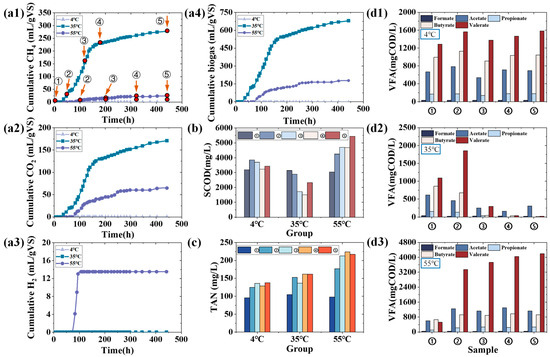
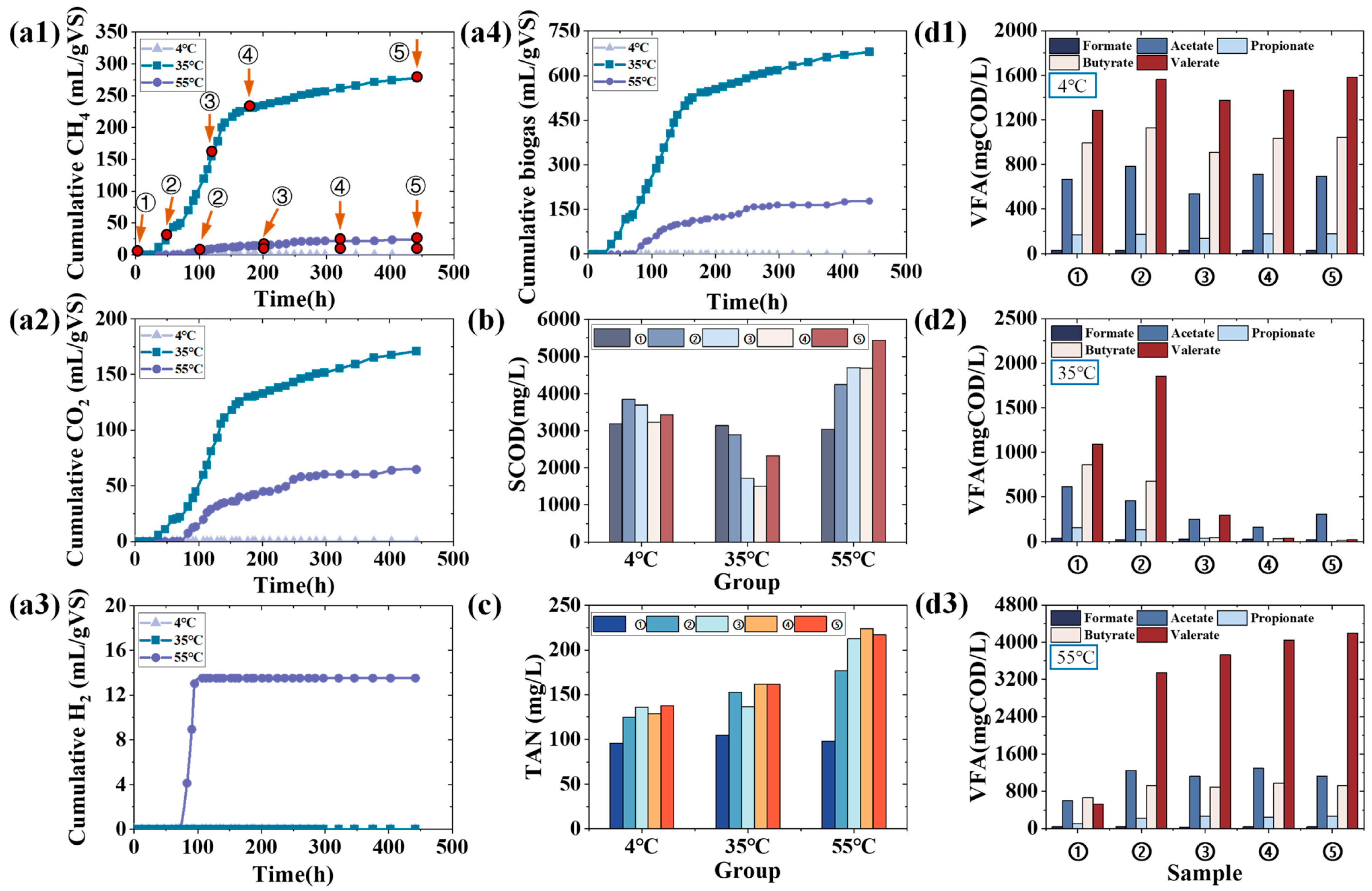
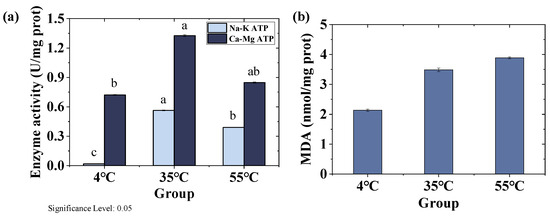
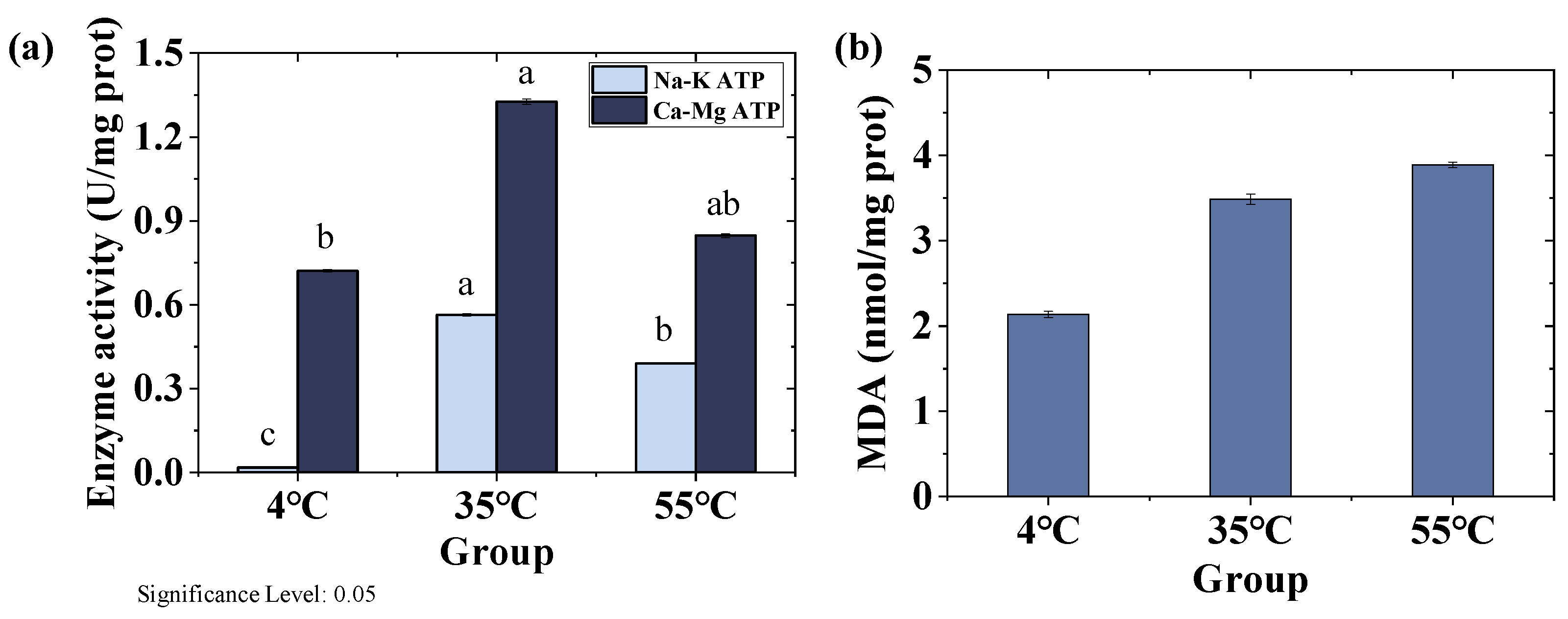
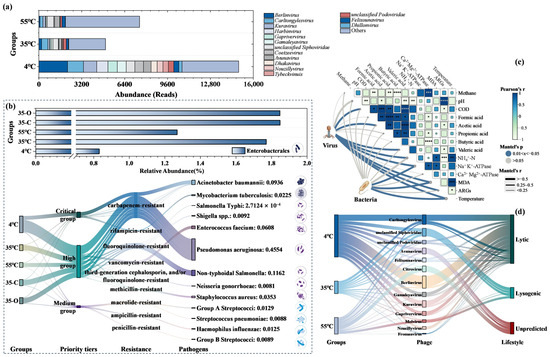
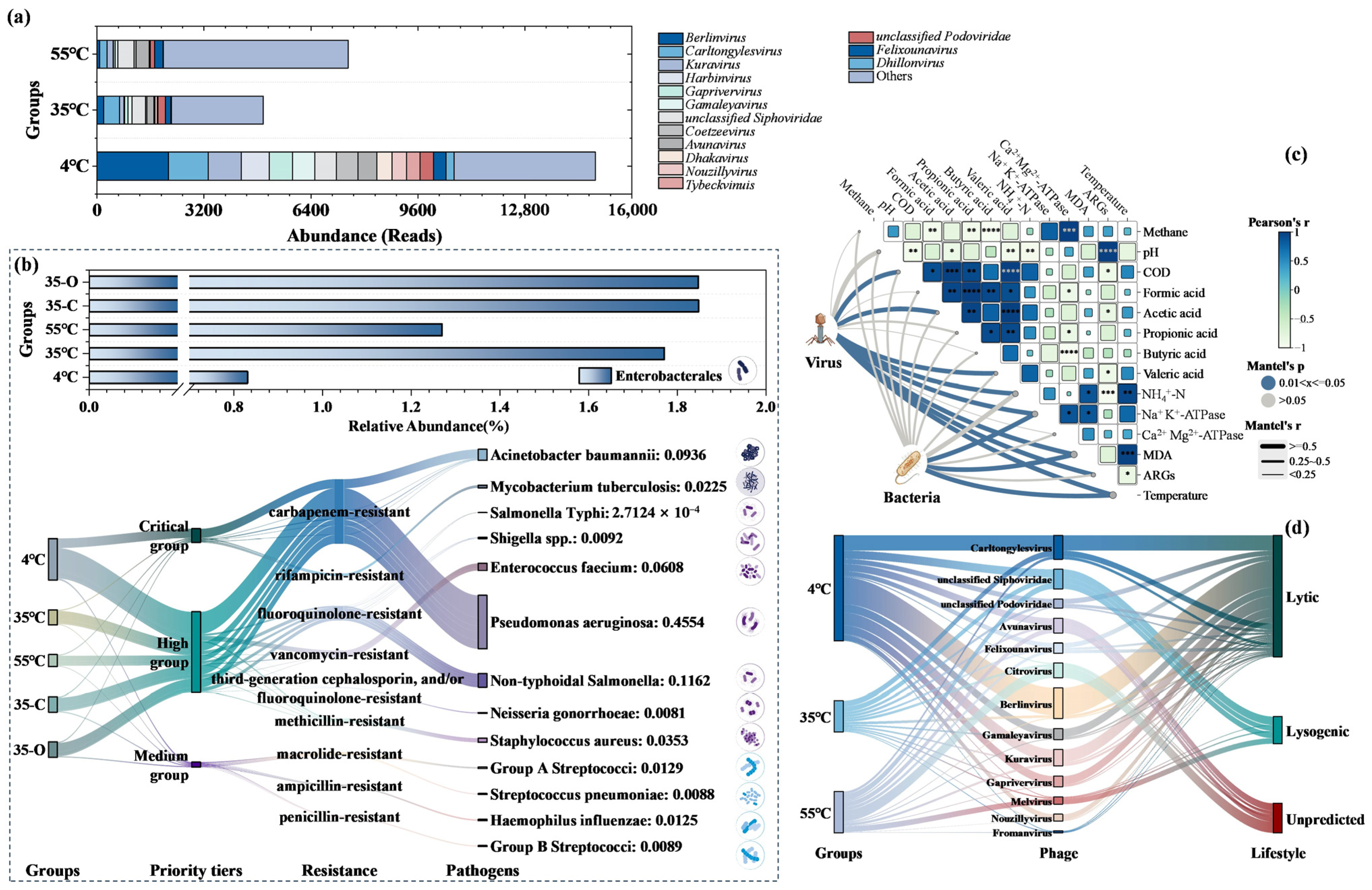
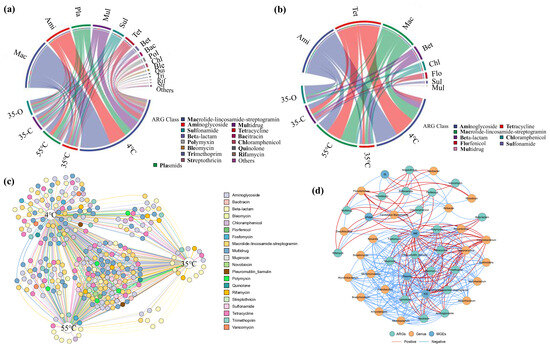
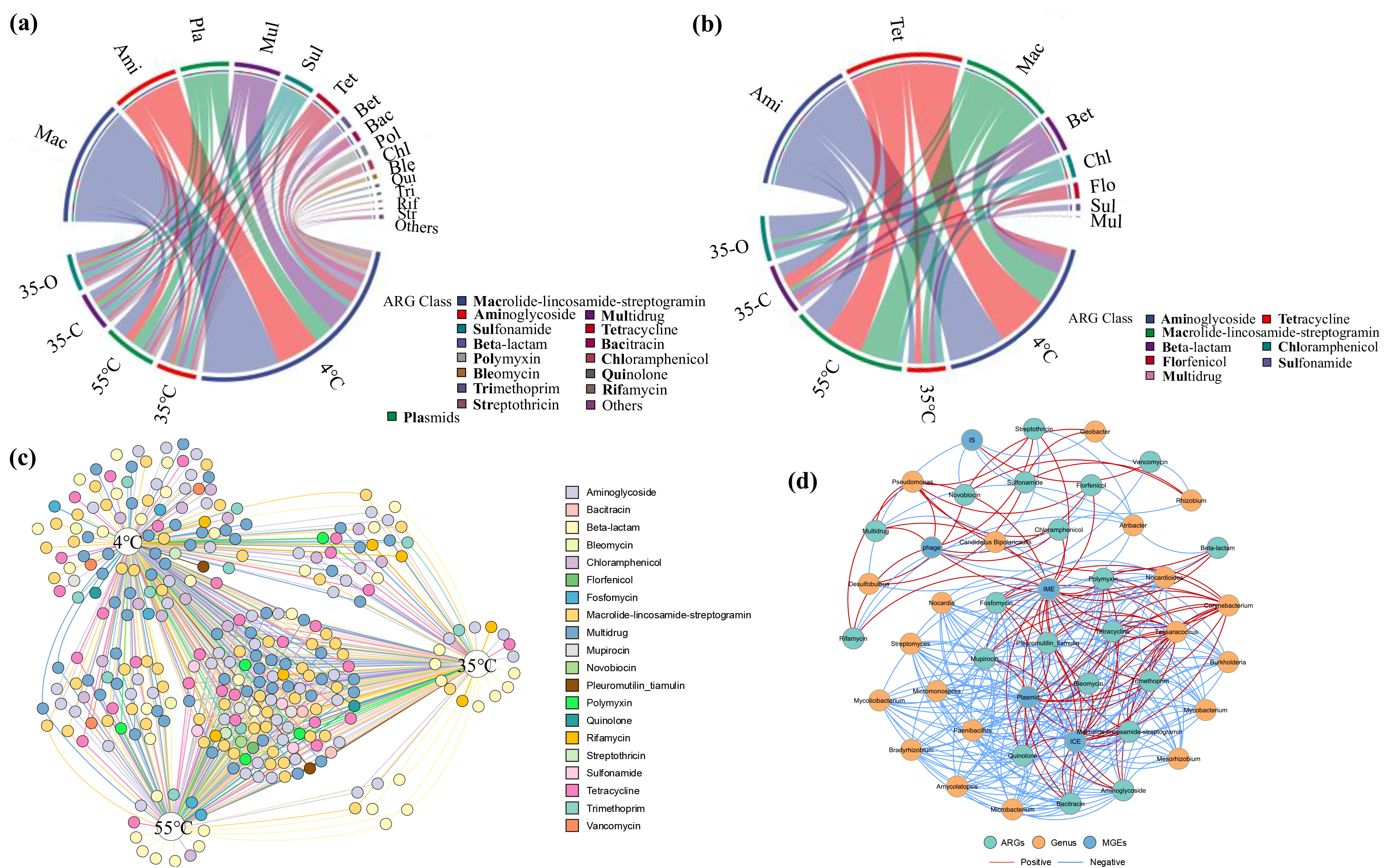
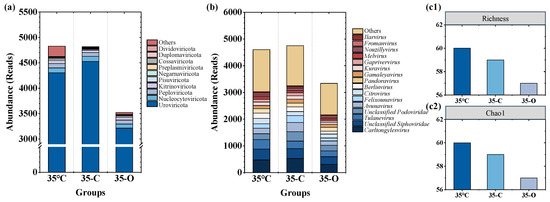
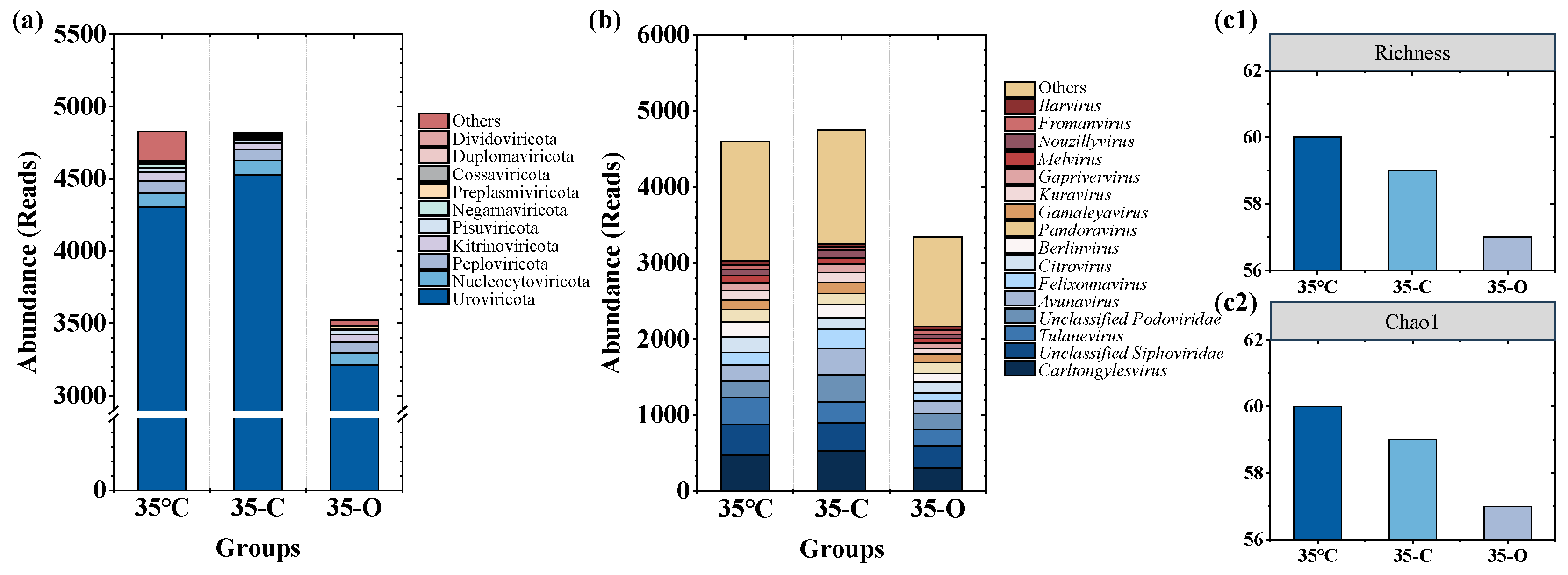
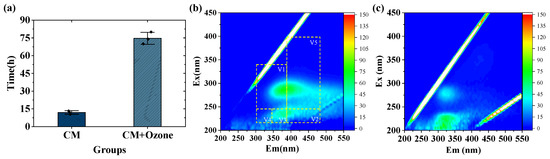
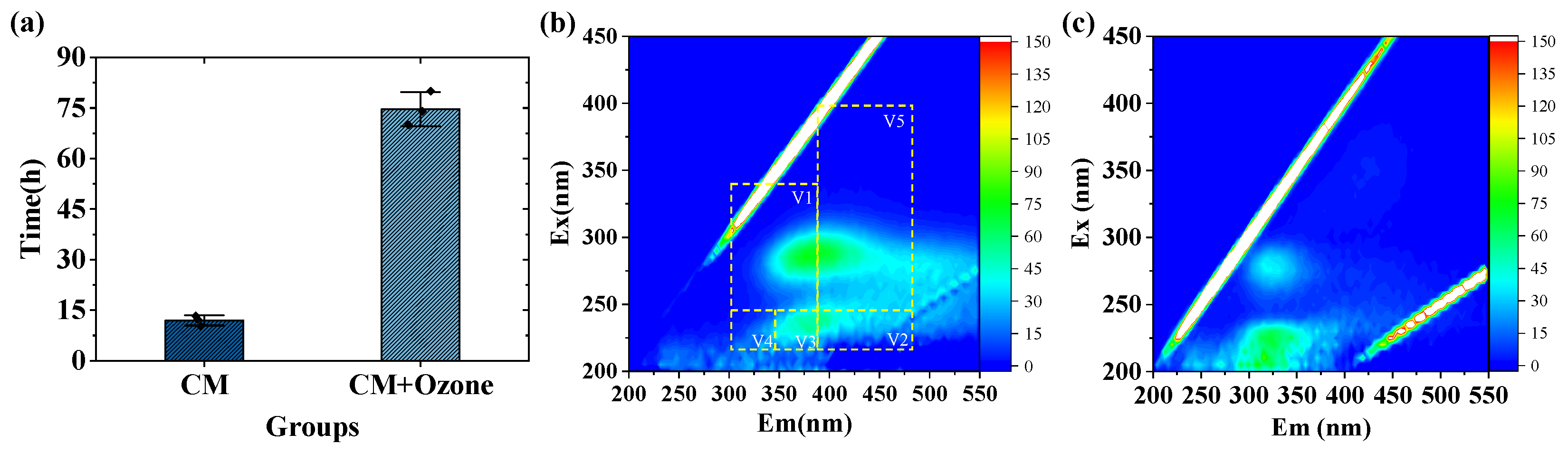
Disclaimer/Publisher’s Note: The statements, opinions and data contained in all publications are solely those of the individual author(s) and contributor(s) and not of MDPI and/or the editor(s). MDPI and/or the editor(s) disclaim responsibility for any injury to people or property resulting from any ideas, methods, instructions or products referred to in the content. |
© 2026 by the authors. Licensee MDPI, Basel, Switzerland. This article is an open access article distributed under the terms and conditions of the Creative Commons Attribution (CC BY) license.