


Abstract
Proteins are fundamental to life and indispensable for human physiological activities. However, traditional proteins derived from natural sources such as animals and plants face challenges including low extraction efficiency and limited availability. Therefore, recombinant proteins produced via microbial manufacturing have emerged as a promising alternative. This review specifically focuses on the production of recombinant protein with certain specific functional characteristics, using microorganisms. Owing to their unique functional attributes, such proteins are in increasing demand in diverse fields, including food, medicine, and agriculture. Firstly, this review outlines the definition of recombinant protein and summarizes the microbial manufacturing and applications of nine typical proteins with certain specific functional characteristics. Secondly, the strategies of utilizing microorganisms for the efficient production and purification of recombinant proteins was systematically reviewed.
1. Introduction
Proteins, serving as the fundamental building blocks of human cells and tissues, are indispensable for life processes [1]. However, the conventional acquisition of proteins largely depends on agricultural and animal husbandry, which are often associated with inefficient extraction, limited supply, unstable product quality, and the generation of by-products that lead to resource wastage [2,3]. Consequently, microbial manufacturing has emerged as a promising alternative pathway for protein production. Proteins generated through this approach are commonly referred to as recombinant proteins [4]. Its core is to introduce the gene encoding the target protein into the host cell by genetic engineering technology to produce the corresponding protein [5]. Compared with conventional methods, microbial manufacturing offers numerous advantages, including short growth cycles, rapid reproduction rates, favorable conditions for the rapid accumulation of target products, a small genome size, and a clear genetic background. Notably, recombinant protein eliminates the need for animal farming and slaughter, thereby reducing the emission of harmful greenhouse gases and improving the human living environment [6]. Thus, leveraging the metabolic capabilities of microorganisms for recombinant protein production is particularly suitable for synthesizing recombinant protein with distinct functional characteristics, such as transferrin and hemoglobin. These proteins can not only be used as a source of nutrition, but also rely on their precise three-dimensional structure and intermolecular interactions to play important physiological functions in organisms [7]. In the medical field, these proteins are recognized as vital drug resources, playing key roles in treating tumors, autoimmune diseases, genetic disorders, and other conditions. For example, human serum albumin has been shown to exhibit excellent tumor-suppressive activity, while insulin is critical for regulating blood glucose levels in diabetic patients [8,9,10,11]. In agriculture, these proteins are widely applied in animal and plant vaccines, biopesticides, and feed additives. For example, the addition of 0.4–0.8% cottonseed meal protein hydrolysate (CPH) to Chinese mitten crab diets significantly enhances their growth rate and feed protein utilization efficiency, highlighting its potential in aquaculture [12,13]. Vegetative insecticidal proteins display broad-spectrum toxicity against Lepidopteran pests, enabling their use as insecticides in crop cultivation [9,14]. In the food industry, these proteins can enhance nutritional value, improve functional properties, and boost food safety. Bacterial ice nucleation proteins (INPs) elevate the ice nucleation temperature, reduce freezing time, and minimize ice crystal size, thereby improving the quality of frozen foods such as fish and meat [9,15,16,17]. Given the broad applications and unique value of these proteins, we primarily focus on the production of these proteins by microorganisms. Unlike proteins that generally provide nutritional value, these recombinant proteins with distinct functional characteristics are more difficult and technically demanding than ordinary recombinant proteins in microbial manufacturing [18]. Precisely because of these technical demands, microbial manufacturing offers a critical advantage: it enables higher purity and more customized production processes, thereby providing a more reliable foundation for their application [19]. Furthermore, the growing societal demand for efficient and stable sources of recombinant protein with distinct functional characteristics has rendered these proteins the focus of widespread attention (Figure 1).
Figure 1.
The role of different proteins in the fields of medicine, food and agriculture. SF: silk fibroin and AFPs: antifreeze proteins.
Through genetic editing and metabolic engineering, metabolic pathways can be optimized to achieve precise regulation of types of metabolic products. A variety of microorganisms, including Escherichia coli (E. coli), Corynebacterium glutamicum (C. glutamicum), Bacillus subtilis (B. subtilis), Pichia pastoris (P. pastoris), Trichoderma reesei (T. reesei), and Aspergillus niger (A. niger), have been successfully used for protein production, with some even achieving industrial-scale production [20]. Through strategies including rational protein design and the regulation of protein expression and modification modules, proteins with specific functions such as lipophilicity, water retention, fiber formation, long-lasting effects, and stability can be designed. To illustrate this point, Takahara et al. [21] utilized microbial transglutaminase (MTG) to crosslink specific glutamine residues in proteins with newly designed lysine-rich lipid fusion peptides, yielding a water-soluble peptide substrate designated as C14-X-MRHKGS. This substrate mimics natural lipid proteins and enhances the protein’s lipophilicity and modifiability. Similarly, Peng et al. [22] designed a biomimetic microfluidic channel to replicate silk gland functions. Recombinant major ampullate spidroin I (MaSp1) from Nephila clavipes was expressed in E. coli and used as spinning dope. The resulting protein fibers exhibited a performance that was comparable to that of natural spider silk. The microbial manufacturing of recombinant proteins with distinct functional characteristics is recognized as a key research direction in bioengineering. This review systematically summarizes the core technical processes, based on extensive literature reviews: target genes are obtained through gene cloning, codon optimization, and various genetic engineering techniques. The coding sequences for key proteins, which include collagen, hemoglobin, myoglobin, transferrin, and elastin, are introduced into appropriate microbial hosts, followed by the construction of recombinant vectors. Simultaneously, numerous researchers have focused on optimizing fermentation processes and innovating purification technologies, such as tag design and chromatography, to enhance the efficiency, sustainability, and retention of target functional properties. For instance, microbially synthesized hemoglobin serves as a stable and pathogen-free oxygen carrier that addresses safety concerns and supply challenges associated with traditional blood products [23]. Elastin interacts with microfibrils to form elastic fibers that are essential for maintaining skin health. These fibers impart elasticity and resilience to the skin, enabling it to retain its shape and structural integrity under mechanical stress from stretching and compression [24]. Antifreeze proteins (AFPs) are recognized for inhibiting ice crystal growth and are valued in food freezing, cell preservation, and anti-icing coatings. Nevertheless, despite the directional optimization of recombinant protein through genetic editing and microbial fermentation technologies, multiple challenges persist. From the perspective of intrinsic protein properties, sequence repetition may lead to insufficient stability, and erroneous amino acid incorporation or excessive rare codons during translation can cause reduced synthesis efficiency; some recombinant protein may inhibit host growth.
From the external environment perspective, fluctuations in fermentation system parameters such as pH and dissolved oxygen levels, as well as the random generation of inclusion bodies (IB), can damage the protein structure and activity. In the future, scientists are expected to explore innovative strategies that include the deep integration of microbial synthesis with artificial intelligence (AI), predictive models based on data from microbial genomes and metabolomes, development of specific substances to enhance protein expression, and modification of protein modifications or co-expression of molecular chaperones—to advance recombinant protein research toward a more comprehensive and efficient direction, overcoming the application limitations of microbial manufacturing for proteins. In summary, this review systematically summarizes the research progress, existing challenges, and corresponding strategies for typical recombinant protein with distinct functional characteristics such as collagen, hemoglobin, myoglobin, transferrin, elastin, AFPs, ovalbumin, immunoglobulins, silk fibroin (SF), and mucins. This provides a scientific basis for research on and applications of recombinant protein in biomedicine, food processing [25], and other fields while offering new insights into addressing global protein demand issues.
2. Typical Proteins
2.1. Collagen
Collagen, the most abundant protein in mammals, constitutes 25% to 30% of the total protein content and serves as the primary structural protein in the extracellular matrix (ECM) [26]. It is characterized by strong extensibility, excellent water retention, emulsifying properties, biocompatibility, and biodegradability, and is widely used in food, medicine, and other fields [27]. Skin collagen levels decline with age or due to exposure to external environmental factors such as ultraviolet radiation. This decline impairs skin barrier function, leading to wrinkles, age spots, and other dermatological concerns [28]. Traditional sources for collagen include pig skin, bovine hooves, and fish scales through acid or enzymatic methods. These methodologies give rise to concerns regarding safety and batch stability, thereby impeding their development. The efficiency and sustainability of microbial synthesis technology have garnered significant scholarly attention. Currently, E. coli and P. pastoris are the primary hosts for microbial collagen synthesis [29,30]. Ina Goldberg et al. [9] successfully produced a 22 kDa collagen-like peptide by designing complementary overlapping oligonucleotide assembly genes. Eleven overlapping recombinant proteins covering the full length of the bovine collagen α2[I] chain were designed by Hisae Hori et al. [31], and the bovine α2[I] collagen fragment with a clear allergen epitope was successfully produced. Aarthy et al. [32] designed a gene sequence based on Streptococcus pyogenes Scl2 collagen domain. Three collagen-like protein (CLP) variants were constructed by fusing this sequence with human N- and C-telopeptide sequences of Type I collagen. The results showed that the protein expression was highest at 37 °C, with titers of 1.3 g/L in flasks and 3.5 g/L in a 75 L fermenter. A functional fragment of human type I collagen (rhLCOL-I) was designed by Xie et al. [33], and a production system with a temperature-sensitive PR/PL promoter was constructed; under thermal induction at 42 °C, rhLCOL-I was optimally produced as a soluble protein, with a purified yield of 1.88 g/L in a 7 L fermenter, which was significantly higher than that in the isopropylβ-d-thiogalacto-side (IPTG)-induced group.
The core characteristic of collagen resides in its abundant repeating Gly-X-Y sequences, which maintain the triple-helical structure via proline hydroxylation. In terms of host compatibility, both E. coli and P. pastoris enable efficient soluble expression; however, the yeast system facilitates secretory expression, is compatible with post-translational modifications (PTMs), and is more suitable for large-scale production. In microbial manufacturing, the strategies mentioned above, such as fusing designed sequences or collagen domains with peptides like those from human type I collagen, can simplify subsequent purification, enhance protein solubility, and enable the construction of customized collagen fragments. Furthermore, expression systems controlled by temperature-sensitive promoters enable thermal induction, which helps to avoid the potential cytotoxicity of chemical inducers such as IPTG. These methods collectively support a more stable fermentation process.
2.2. Hemoglobin and Myoglobin
Hemoglobin, also known as haemoglobin, is the main component of red blood cells. It is responsible for binding and transporting oxygen and carbon dioxide, and its content effectively reflects the degree of anemia [27]. Myoglobin is a protein found predominantly in mammalian muscle cells that functions to store and distribute oxygen. In the medical field, serum myoglobin measurement serves as the most sensitive indicator for the early diagnosis of acute myocardial infarction [34]. Human hemoglobin was produced in Saccharomyces cerevisiae (S. cerevisiae) by Ishchuk et al. [35], through multi-gene editing: genes HMX1, VPS10, ROX1 and vacuolar protease genes PEP2, PEP3, and PEP4 were deleted to construct a novel strain, which yielded human hemoglobin accounting for 18% of the total protein content, using glucose as the substrate. Xue et al. [36] induced the production of globulin in soybean, clover, cattle and pig. By deleting the mitochondrial localization signal (MLS) of Hem1p/Hem14p/Hem15p, the enzyme system is relocated to the cytoplasm, eliminating the spatial barrier to heme synthesis. The results showed that bovine myoglobin (68.9 mg/L), porcine myoglobin (85.9 mg/L), soybean hemoglobin (108.2 mg/L) and clover hemoglobin (13.7 mg/L) were successfully prepared. Natarajan et al. [37] synthesized a new method for synthesizing human hemoglobin with proper NH2-terminal acetylation in E. coli for the first time by co-expressing pNatA and pMAP plasmids, realizing the unique physiological N-terminal acetylation modification of eukaryotic proteins. Acetylated hemoglobin showed oxygen binding properties that were highly consistent with natural human hemoglobin. Notably, in the microbial production of hemoglobin and myoglobin, oxygen-binding capacity is a core functional indicator. Due to the limited native heme synthesis capacity and subcellular compartmentalization in microorganisms, the experimental approach differs from that of collagen, often involving synergistic engineering through gene deletion or addition to achieve enhanced functional activity.
This class of proteins belongs to oxygen-carrying proteins, which depend on the proper folding of heme-binding sites and modifications such as N-terminal acetylation. S. cerevisiae serves as the preferred host, owing to its complete eukaryotic expression and cofactor biosynthetic pathways. The aforementioned strategies, including gene deletion and MLS removal, optimize the overall fermentation process at the cellular level. Notably, the implementation of N-terminal acetylation of human hemoglobin in Escherichia coli provides a novel paradigm for recombinant protein production, which can be referenced for the subsequent preparation of hemoglobin and myoglobin from diverse sources.
2.3. Transferrin
Transferrin is a family of proteins with iron-binding and transport functions, which includes serum transferrin, melanotransferrin, lactoferrin, and ovotransferrin. It is a single-molecule protein, with each transferrin containing an N-terminal and a C-terminal domain, each with a single iron-binding site [38]. Human serum transferrin, the primary iron-binding protein in serum, not only plays a key role in iron transport but also possesses antimicrobial functions and can regulate the proliferation and differentiation of mammalian cells through growth factor-like effects [39,40]. In 1993, Steinlein et al. [41] discovered that the N-terminal domain of transferrin could be produced in baby hamster Syrian kidney (BHK) cells. Subsequent studies demonstrated that plasmids obtained by inducing the expression of the N-terminal (nTF) and C-terminal (cTF) domains in E. coli produced approximately 38 kDa proteins, which was consistent with the predicted sizes of the N- and C-terminal halves of transferrin and reactive with anti-human serum transferrin antibodies. In Bobik et al.’s study [42], constructed P. pastoris GS115 was used as the host, and a recombinant vector harboring the constitutive GAP promoter replaced the natural signal sequence with the α-factor propeptide signal sequence. The transferrin concentration reached 20 mg/L. Mizutani et al. [43] used a similar experimental method. The α-factor signal peptide of S. cerevisiae has replaced the natural signal peptide of human serum transferrin, and the yield was 30 mg/L after purification and the natural iron binding function was retained. A microbial system for high-level secretory production of recombinant transferrin (rTf) was developed by Finnis et al. [44], based on the 2 μm plasmid vector of S. cerevisiae. N-glycosylation sites were eliminated via N413Q/N611Q mutations, resolving product heterogeneity from yeast hypermannosylation. This strategy increased rTf secretory yield 12-fold over the parental strain (max. 2.29 g/L), with functionality equivalent to plasma-derived transferrin.
These methods focus on the recombinant expression of transferrin, relying on α-factor signal peptide replacement, N-glycosylation site mutation, and dedicated vector construction to enhance the secretory yield and resolve product heterogeneity. They are compatible with multiple expression systems, including BHK cells, E. coli, P. pastoris, and S. cerevisiae, ensuring the correct folding of N/C-terminal iron-binding domains and the retention of natural iron-binding functionality.
2.4. Elastin
Elastin is the main component of elastic fibers in dermal tissue, widely distributed in ligaments and vascular walls. It works synergistically with collagen to endow tissues with elasticity and tensile strength [45,46], and is a key component of skin elasticity. The amino acid sequence of elastin has no continuous repeating periodic structure but contains alternating hydrophobic and hydrophilic peptide segments. The streptavidin and open-chain streptavidin formed by oxidized lysyl are the unique cross-linked structures of elastin, making it a water-insoluble, highly cross-linked fibrous protein [47]. Kim et al. [48] successfully produced 300 mg/L of Resilin elastin protein (RLP), using a dual induction strategy of IPTG and lactose, with a volumetric productivity more than 20-fold higher than traditional IPTG induction. Similarly, Homma et al. [49] developed an efficient secretion system in Brevibacillus choshinensis (B. choshinensis) for extracellular Rec1 RLP production, using four signal peptides (P22, R2L6, BbrPI, MWP). Among these four signal peptides, the BbrPI signal peptide exhibited the best performance in mediating protein secretion, effectively secreting Rec1 RLP at 530 mg/L. Wu et al. [50] constructed an amyloid production library by cloning amyloid-forming peptides CsgA, TasA, Sup35 (1–61), and Ure2 from E. coli, B. subtilis, and S. cerevisiae, respectively, and fused green fluorescent protein (GFP) to detect expression levels. Results showed that Ure2 could induce the assembly or binding of target proteins into supramolecular hydrogels. This supramolecular elastin outperforms similar commercial products in tissue engineering, esthetic anti-aging, and hemostasis, and has been commercialized. Li et al. [51] studied the production of elastin-like polypeptide[I]40 (ELP[I]40) in pIG6LH vector, using thioredoxin (Trx) as a model protein, and constructed pIG6LH/ELP[I]40 and pIG6LH/ELP[I]40 + Trx expression systems using inverse transition cycling (ITC) technology, and the purity of 90% ELP[I]40 and ELP[I]40 + Trx pure proteins were obtained.
The core characteristic of elastin resides in the alternating arrangement of hydrophobic/hydrophilic peptide segments, which form elastic fibers via lysine cross-linking and exhibit excellent solubility and self-assembly capacity. In comparison, the secretory advantages of Bacillus hosts are suitable for industrial-scale mass production, E. coli is ideal for rapid laboratory preparation, and yeast applies to highly active elastin requiring complex folding; these inter-host differences provide clear targets for subsequent secretory pathway engineering and simplified downstream purification strategies. Its preparation relies on dual induction, signal peptide-mediated secretion, fusion expression, and ITC purification to enhance expression efficiency and product purity. Specifically, compared with traditional single IPTG induction, the IPTG–lactose dual induction strategy balances induction specificity and cost control while significantly improving the volumetric productivity of elastin and ELPs; signal peptide screening optimizes extracellular secretion of target proteins to avoid intracellular accumulation and degradation; and ITC purification enables the efficient acquisition of high-purity proteins while retaining their natural structure and function.
2.5. Antifreeze Proteins
AFPs are specialized proteins that inhibit the formation and growth of ice crystals at extremely low temperatures, thereby enabling organisms to withstand cold damage and survive in frigid environments [52,53]. These proteins hold significant potential for applications in various fields, including medicine and food preservation. For example, natural AFPs can serve as effective biological antifreeze agents in low-temperature food preservation [54]. AFP genes from polar organisms or cold-tolerant plants have been transferred into crops to improve their cold tolerance significantly [55,56]. AFPs can be obtained through various approaches: they can be synthesized via microbial genetic engineering or directly extracted from microorganisms such as bacteria. Proteins with antifreeze activity were first identified in Micrococcus cryophilus and Rhodococcus erythropolis [57]. Subsequently, researchers identified high-activity AFPs in various bacterial species, including Pseudomonas fluorescens KUAF-68 [58], Marinomonas primoryensis [59,60], and Colwellia sp. SLW05 [61,62], primarily sourced from psychrophilic bacteria inhabiting permanently cold regions like the Arctic and Antarctic. A strain of Psychrobacter MLB-29 was statically cultured in nutrient broth at −1 °C for 30 days by Singh et al. [63]. After centrifugation, dialysis, and purification via Econo-pac High-Q column chromatography, an antifreeze protein (CRY-c) with a molecular weight of 22.14 kDa was characterized through electrospray ionization quadrupole time-of-flight mass spectrometry (ESI-Q-TOF-MS) analysis. An AFP gene (pUC-AFP) containing the afpA protein-coding sequence was designed and synthesized by Muganlı et al. [64]. The production of 63 kDa recombinant AFP was induced with 0.8 × 10⁻³ M IPTG at 30 °C for 4 h. Subsequently, aluminum surfaces were activated via oxygen plasma treatment, through which the immobilization of AFP was achieved, and AFP was thus converted from a free protein into a coating component with an anti-icing function. In summary, AFPs differ slightly from other proteins in that they can be extracted from natural microorganisms. However, most natural hosts, such as the psychrophilic bacteria mentioned above, require low-temperature induction to activate AFPs synthesis, which is time-consuming and inefficient. In contrast, via microbial manufacturing, AFPs can be produced by using mesophilic microorganisms at room temperature.
The core function of AFPs is to inhibit ice crystal growth, relying on specific ice-binding domains, and activity is closely related to protein stability (low temperature resistance, anti-degradation). The short production cycle and low cost in E. coli expression systems make them well-suited for large-scale applications. This also highlights the importance of “heterologous expression instead of natural extraction” and “soluble optimization strategy”. Methodologically, E. coli-based heterologous expression enables efficient AFP production at room temperature, circumventing the need for the low-temperature cultivation of psychrophilic bacteria and significantly reducing both production costs and cycle time. Purification efficiency is further enhanced through a multi-step strategy integrating oxygen plasma treatment (for surface functionalization), combined with centrifugation, dialysis, ion-exchange chromatography, and mass spectrometry analysis. This approach not only improves fermentation yields, but also provides research ideas for the efficiency of the following technology. Artificial intelligence assistance has become the core driving force for promoting rational design of AFPs. The rational design of efficient and highly biosafety AFPs, and its large-scale production for use in food preservation, is the foundation for the large-scale application of AFPs [65].
2.6. Ovalbumin
Ovalbumin is the predominant protein found in egg white, constituting 54–65% of total proteins [66], and serves as a critical source of essential amino acids for humans. Endowed with natural origin, biocompatibility, and non-toxicity, it has been successfully applied in multiple fields. In the food industry, it functions as an emulsifier, stabilizer, and antimicrobial component [67]. In the pharmaceutical field, it is utilized for designing delivery systems of drugs and bioactive substances [68]. In recent years, ovalbumin has been successfully produced in hosts including filamentous fungi, E. coli, and P. pastoris [69]. The chicken ovalbumin gene was successfully isolated by Järviö et al. [70], and the recombinant ovalbumin (Tr-OVA) production system was established by a three-stage pre-culture at 28 °C, bioreactor fermentation, ultrafiltration purification, and spray drying with engineered T. reesei as the host. The Tr-OVA with 92% protein content was successfully obtained. Similarly, Aro et al. [71] achieved precise fermentation of recombinant chicken ovalbumin (Tr-OVA), using T. reesei. A dual-promoter system (synthetic promoter SES and strong inducible cbh1 promoter) was adopted, and the strain was successfully modified to achieve TrOVA production of 2 g/L, and the product had excellent foaming and gel properties. High-yield production of recombinant ovalbumin (re-OVA) was achieved in E. coli, using the T7 phage promoter [69]. The NcoI site within the ovalbumin gene was disrupted, and a HindIII site was introduced through site-directed mutagenesis to construct the expression vector pET/Ova without N-terminal extension. Driven by the strong T7 promoter, re-Ova accounted for 29.4% of cellular proteins.
Ovalbumin are characterized by high amino acid integrity, biocompatibility, and functional properties such as emulsification and gelation. T. reesei, with excellent secretory capacity, is more suitable for the industrial production of food-grade ovalbumin with high functionality, while E. coli is preferred for the low-cost preparation of ovalbumin for research applications. Its recombinant production relies on vector modification (site-directed mutagenesis, dual-promoter system) and integrated fermentation–purification processes, which, compared with traditional egg white extraction and single-expression strategies, improve the yield, product integrity, and scalability.
2.7. Immunoglobulin
Immunoglobulins are proteins produced by B lymphocytes, primarily functioning to recognize and bind foreign antigens to initiate immune responses. They are classified into five types (IgG, IgA, IgM, IgD, and IgE), each playing distinct roles in the immune system [72]. For instance, IgG crosses the placenta to protect neonates, while IgA is mainly present on mucosal surfaces to prevent pathogen invasion. By specifically binding antigens, they play key roles in infection defense, autoimmune regulation, and tumor immunity [73]. However, traditional immunoglobulins production relies on animal serum extraction or mammalian cell culture, such as Chinese hamster ovary cells (CHO), which suffer from high cost, animal-derived risks, and scale-up bottlenecks. Thus, microbial synthesis has become a research focus. Currently, E. coli and P. pastoris have been used to produce functional antibody fragment variants [74]. Petrus et al. [75] used E. coli to insert the gene containing a single-chain variable antibody fragment (scFv PGT135) against HIV into the vector. A rhamnose-induced pSAR-2 expression system was developed to replace the traditional induction, and then the scFv PGT135 was guided to the periplasm and correctly folded by the PelB signal peptide. The yield of scFv was 0.8 g/L. The anti-hen egg white lysozyme (HEWL) antibody fragment Fab D1.3 was produced in E. coli by using a lac-based induction system combined with fed-batch fermentation by Jalalirad et al. [76]. The target protein titer in the fermenter medium peaked at approximately 78 mg/L 6 h post-induction. Trastuzumab is an anti-HER2 monoclonal antibody. Its Trastuzumab Fab was efficiently secreted, using the Brevibacillus choshinensis expression system by Mizukami et al. [77]. Four signal peptides (BIC1–BIC4) were constructed into expression vectors for comparison. The antibody with the BIC3 signal peptide and His tag had the highest secretion of 1.25 g/L, while the antibody without a tag had a secretion of 145 mg/L.
Overall, microbial manufacturing of immunoglobulins is more advanced than that of other proteins, focusing on purification optimization and efficiency enhancement. Methodologically, E. coli excels in rapid, low-cost preparation of antibody fragments, while B. choshinensis achieves high-yield secretion of intact Fabs (1.25 g/L with BIC3 signal peptide) with endotoxin-free advantages. P. pastoris further enables the production of glycosylated full-length antibodies by leveraging eukaryotic post-translational machinery. The challenges of achieving correct disulfide bond formation and preventing protein aggregation are successfully resolved by means of signal peptide engineering and optimized fermentation protocols.
2.8. Silk Fibroin
Silk fibroin is a natural protein polymer that is mainly derived from silk such as Bombyx mori or spider silk. It consists of a heavy chain and a light chain, connected by disulfide bonds and hydrogen bonds, with glycine, alanine, and serine as major components, accounting for over 80% of total amino acids [78]. In biomedicine, it can be used as a gel dressing for wound care after laser surgery [79]. Its mechanical properties, biocompatibility, and adjustable degradability can be processed into various forms, such as film formation, gel, and sponge nanofibers in tissue engineering. In recent years, SF-based nanoparticles have become a research hotspot in biomaterials and food fields, due to their small size and controllable degradation/release, serving as delivery systems for bioactive components [80]. SF was modified using Broussonetia kazinoki (BK) by Kim et al. [81]. BK powder was physically mixed with SF and lyophilized, followed by methanol cross-linking. They further introduced calcium-based bioactive components to construct a BK/SF composite scaffold. This scaffold served as an efficient cell carrier, promoting rat bone marrow mesenchymal stem cell (rBMSC) proliferation, and achieved 45% bone volume recovery 8 weeks after in vivo implantation, with no significant inflammatory response. An immobilization technology was developed by Drachuk et al. [82]. Gluconacetobacter xylinus (cellulose-producing) was co-cultured with recombinant E. coli carrying a dual-color riboswitch synthetic (RS). The recombinant E. coli was then immobilized in a bacterial cellulose–SF (BC-SF) composite matrix. Results showed that the transparent scaffold could tightly encapsulate cells without leakage and retain cell sensor functions. Spider silk is a natural protein fiber produced by spiders with excellent performance. Bhattacharyya et al. [83] cloned the genes related to the spider Nephila clavipes and introduced them into the E. coli pET19K and p4GPP dual vectors. After batch fermentation, AKTA avant was introduced for protein purification. The purified protein produced by the system can be spun into fibers and used to manufacture alternative materials such as films and adhesives. Overall, SF possesses a unique ability to form fibers, films, or scaffolds. In microbial system design, its performance and bioactivity are flexibly regulated by introducing active components, and material–cell or tissue interface interactions are optimized. Due to its special fibrous property, SF can be processed and modified into composite scaffolds.
SF are characterized by abundant Gly-Ala repeats, fiber-forming capacity, and biocompatibility, relying on correct disulfide bond formation and self-assembly for applications in tissue engineering scaffolds and biomaterials. Eukaryotic hosts are more suitable for tolerating repetitive sequence expression and matching secretion systems. In the production system for creating SF, the protein purified by AKTA avant can be spun into high-performance fibers while retaining the original functional properties, which also provides a new method for subsequent applications.
2.9. Mucins
Mucins are highly glycosylated macromolecular glycoproteins that are widely distributed on mucosal surfaces and in the bodily fluids of organisms. Their molecular feature is the presence of tandemly repeated PTS sequence domains, referred to as mucins domains, which contain threonine, proline, and serine residues and serve as major O-glycosylation sites. This complex chemical structure endows mucins with diverse biological functions and significant clinical application value [84,85,86]. The gene encoding the WbgU enzyme was cloned from Plesiomonas shigelloides and inserted into a plasmid vector to construct a recombinant plasmid by Mueller et al. [87]. This recombinant plasmid and another plasmid, pMJS9 (carrying genes encoding chaperones Erv1p and PDI), were co-transformed into host strain SHuffle® T7 E. coli for co-expression. The E. coli host successfully produced the MUC10-derived target protein T7Muc10. Sjöblom et al. [88] site-specifically linked the GFP gene to the C-terminus of a mucin-type fusion protein (PSGL-1/mIgG2b) via a flexible linker (GTPTPTPTGEF). Finally, the fusion protein was produced and secreted by P. pastoris in a 1 L bioreactor, and the concentration in the medium reached 18 mg/L. A genetically engineered yeast strain that was capable of producing mucin-type glycan chains was developed by Amano et al. [89]. Genes encoding B. subtilis UDP-Gal/GalNAc 4-epimerase, human UDP-Gal/GalNAc transporter, human ppGalNAc-T1, and Drosophila melanogaster core1 β1–3 GalT were sequentially introduced into S. cerevisiae via LiAc/PEG chemical transformation. Results showed that the engineered yeast produced aggrecan containing mucin a peptide with O-glycans.
Mucins are characterized by tandemly repeated PTS sequence domains (O-glycosylation sites), which depend on complex glycosylation for their mucosal protective functions. Aggregation induced by misfolding is to be avoided. The research focus lies in reconstructing the host glycosylation pathway for accurate glycan modification, and eukaryotic hosts with PTMs capabilities (e.g., glycosylation, hydroxylation) are recommended. Its recombinant production relies on chaperone co-expression, fusion secretory expression, and yeast glycosylation pathway reconstruction, which, compared with conventional prokaryotic expression and native yeast systems, effectively alleviate protein misfolding and achieve site-specific O-glycan modification. Eukaryotic hosts (P. pastoris, S. cerevisiae) with post-translational modification capabilities are preferred, and engineered yeast with reconstructed glycan pathways can better restore the natural structure and function of mucins.
In summary, whether it is a common protein such as collagen and transferrin or a niche protein such as SF and mucins, proteins will always have similarities in the way of genetic modification and microbial culture (as shown in Figure 2). However, in order to purify the production of the target protein or prevent protein misfolding, researchers will conduct their own experimental design and provide insights on similar processes. For efficient expression and purification strategies, this review also covers several techniques, as detailed in Table 1. For example, in the aforementioned content, ITC purification was used for elastin-like polypeptides, compared with traditional complex chromatographic techniques, and efficiently obtained high-purity proteins while avoiding protein denaturation; the dual-promoter system was applied for ovalbumin production in T. reesei, compared with single-promoter expression, significantly improving the yield while retaining the protein’s foaming and gel properties; and chaperone co-expression was employed for mucins in E. coli, compared with conventional prokaryotic expression, alleviating protein misfolding and enhancing the yield of soluble proteins.
Figure 2.
Protein flow chart of microbial manufacturing: (A) the strategy of protein purification; (B) the cultivation of microbial cells; (C) the gene modification; and (D) the optimization strategies in transcription and translation.
Table 1.
Summary and advantage strategy of microbial protein production methods.
3. Challenges and Strategies
Through a discussion of studies on microbial manufacturing of the above nine typical recombinant proteins with certain functional characteristics, we revealed distinct protein-specific differences in protein expression, PTMs, and structural complexity, which directly dictate the selection of suitable host strains. For instance, proteins such as elastin and SF, characterized by repetitive short amino acid sequences as their core structural motifs, require high gene sequence stability for successful microbial production. Therefore, hosts with greater genetic stability, such as P. pastoris and S. cerevisiae, are generally more suitable. Additionally, in view of the presence of certain heme-dependent promoters (e.g., the CYC1 promoter) and enzymes (e.g., Fre1p) in S. cerevisiae, it is frequently regarded as the preferred host for the expression of hemoglobin and myoglobin [92]. E. coli, a common prokaryotic host, is recognized for its short growth cycle and low culture cost. However, it is constrained by limitations, including insufficient soluble protein expression, endotoxin production, and the absence of key PTMs such as hydroxylation. Accordingly, it is unsuitable for proteins (e.g., collagen) that require proline hydroxylation to maintain their structural stability. Nevertheless, its rapid proliferation enables its use as a host for fragment antibody expression. These characteristics are systematically compared in Table 2 for further clarification. Beyond host selection, the efficient microbial production of these recombinant proteins also hinges on tailored technical methods that complement strain characteristics: signal peptide optimization enhances extracellular secretion to reduce intracellular accumulation, and the fusion tag design simplifies purification while preserving protein activity. These host-matched strategies and targeted technical methods collectively drive the advancement of microbial manufacturing for recombinant protein.
Table 2.
Advantages and disadvantages of microbial expression types of proteins.
This review discusses the efficient production and expression strategies for recombinant proteins with specific functional characteristics. Beyond the nine typical proteins highlighted herein, other functional proteins that are distinct from conventional nutritionally oriented proteins—such as enzymes and moonlighting proteins—have also advanced in microbial expression [97,98]. In summary, these proteins exhibit “functional promiscuity,” manifested by their ability to bind different molecules at single or multiple structural sites to exert unique functional properties. Compared with ordinary proteins, these “moonlighting” functional proteins pose greater challenges and higher technical requirements in microbial manufacturing. Notably, these recombinant proteins still face both internal and external challenges. From the perspective of internal mechanisms, the core challenge lies in protein synthesis errors. Drummond and Wilke [99] defined such errors as any disruptions occurring during the conversion of coding sequences into recombinant protein, encompassing amino acid misincorporation, transcriptional errors, aberrant splicing, premature termination, and PTMs, among others. For instance, variations in the concentrations of charged tRNAs corresponding to different codons during translation can influence the decoding speed, with the accumulation of rare codons leading to translational stalling and the formation of IB [93,94,100,101]. Moreover, the correct folding and activity of many recombinant proteins are highly dependent on precise PTMs, such as glycosylation, disulfide bond formation, and hydroxylation. Prokaryotic hosts (e.g., E. coli, B. subtilis) generally lack the relevant modification capabilities, while eukaryotic microorganisms (e.g., P. pastoris) exhibit differences in modification patterns (e.g., O-glycosylation), all of which may result in the abnormal functionality of recombinant proteins and remain at the forefront of current research challenges [102,103]. To address these issues, cellular engineering and PTMs optimization strategies are commonly employed. These primarily include promoter engineering, codon optimization, fusion tags (e.g., the aforementioned His and Trx tags), and co-expression of molecular chaperones (e.g., PDI, KAR2/BiP), which enhance soluble expression and reduce protein misfolding. For instance, in E. coli, IPTG-induced activation of the lacUV5 promoter drives T7 RNA polymerase expression, thereby facilitating efficient transcription of target genes controlled by the T7 promoter on recombinant plasmids [90,91]. In P. pastoris GS115, co-expression of polyphosphate kinase (SePPK) reduces acetate accumulation and improves the protein yield [104]. For yeast glycosylation engineering, knockout of endogenous glycosyltransferases and introduction of human homologs enable the synthesis of humanized glycoproteins. Additionally, heterologous expression of prolyl 4-hydroxylase (P4Hs) in E. coli achieves effective collagen hydroxylation [105], all of which are validated approaches. Meanwhile, the secretion pathway can be engineered via signal peptide optimization and enhanced SRP-mediated co-translational translocation; co-expression of endoplasmic reticulum (ER) chaperones such as protein disulfide isomerase (PDI) and KAR2/BiP facilitates proper protein folding and increases the soluble protein yield [106].
The external challenges primarily stem from fluctuations in fermentation process parameters and downstream purification bottlenecks. Variations in parameters such as temperature, pH, and dissolved oxygen have the capacity to exert influence on the process of protein folding (e.g., insufficient dissolved oxygen leading to mispaired disulfide bonds), while the complexity of the traditional purification process has pushed up the cost of industrialization [107]. In response, novel fermentation processes and purification technologies offer preliminary solutions, such as employing affinity chromatography, cation exchange chromatography, and multimodal adsorption chromatography, to optimize purification recovery rates [107,108,109]. Dang et al. [110] developed a chemical protein cleavage method utilizing sequence-specific nickel-assisted cleavage (SNAC) tags to overcome the limitations of enzymatic cleavage. Meanwhile, the integration of AI with high-throughput technologies provides new avenues for optimization. Tools based on big data and deep learning directly enable codon optimization and accurate prediction of protein synthesis and PTMs. Sun et al. [111] introduced Pythia, a deep learning framework based on structural self-supervised learning, which is capable of rapidly predicting stability changes resulting from protein mutations. Furthermore, compared to the current NESG protein expression database, the integration of AI with the SoluProt tool allows for high-precision prediction of protein solubility [19]; dynamic monitoring techniques such as the internal quenching fluorescent peptide system facilitate the elucidation of PTMs processes [19]. In the future, the exploration of novel proteins and host systems represents a promising research direction [112]. For example, Schlesinger et al. [113] identified a new functional microprotein, SEPs, encoded by short open reading frames containing fewer than 100 codons. Although their low abundance and instability pose research challenges, their potential functions warrant further investigation. Additionally, Lesur et al. [114] discovered a new type of PTM—protein mycoloylation, which occurs specifically in Corynebacterium species, highlighting further diversity and research potential in PTMs.
In summary, microbial production of recombinant proteins is transitioning from empirical trial-and-error toward rational design and global optimization based on artificial intelligence, systems biology, and efficient synthesis. By integrating multi-dimensional strategies—including codon optimization, gene design, PTMs engineering, novel fermentation and purification processes, and AI-driven approaches (Figure 3)—we can progressively address the existing challenges and accelerate the translation of high-performance recombinant protein from laboratory research to industrial applications.
Figure 3.
Possible challenges and corresponding development strategies for microbial production of recombinant protein in the future. Challenge: (A) unstable protein production; (B) low production of recombinant proteins; and (C) host–vector mismatch in the culture process. Corresponding strategies: (D) gene expression-based optimization; (E) advanced technologies and AI-guided protein structure prediction; and (F) the exploration of novel proteins and hosts. IB: inclusion bodies and AI: artificial intelligence.
4. Conclusions
The microbial manufacturing of recombinant proteins represents a pivotal direction in biotechnology and medicine, with profound implications for human health [115]. To date, biological manufacturing has achieved remarkable results in collagen, hemoglobin, transferrin, elastin, AFPs, ovalbumin, immunoglobulins, SF, and mucins. Related proteins have been successfully expressed in microorganisms such as E. coli, P. pastoris, S. cerevisiae, and T. reesei, and applied to biomedicine, food, and other fields (Table 3). This review also discusses selecting suitable microbial hosts based on different recombinant proteins, as well as various purification technologies and optimization of protein production methods, while preliminarily exploring their advantages in boosting the protein yield and preserving their functional properties. However, we still face internal and external challenges, including insufficient protein stability, PTMs defects, fluctuations in fermentation parameters, and purification bottlenecks. In this regard, we propose strategies such as optimizing metabolic pathways, co-expressing molecular chaperones, and codon optimization, combined with innovative purification techniques and AI-guided design tools, to effectively improve protein solubility and yield and enhance functional integrity. We hope to provide a scientific basis for the direction of microbial protein production and promote future related development.
Table 3.
Common protein types, hosts, and expression strategies for the production of recombinant proteins, using microorganisms.
Author Contributions
Y.C.: Writing—review and editing, Writing—original draft, Validation, Investigation. Z.Z.: Methodology, Investigation, Formal analysis. C.W.: Writing—review and editing, Supervision. Q.H.: Validation, Software, Investigation. L.Y.: Validation, Investigation. C.S.: Validation, Investigation. J.K.: Validation, Investigation. J.Z.: Writing—review and editing, Supervision. J.C.: Writing—review and editing, Supervision, Funding acquisition. All authors have read and agreed to the published version of the manuscript.
Funding
We would like to thank the Open Funding Project of the Key Laboratory of Natural Products and Functional Food Development of Luzhou (2024-GNSP-1, 2025-GNSP-14), the Chengdu Science and Technology Project (2024-YF0800022-GX), and the Open Funding Project of Meat Processing Key Laboratory of Sichuan Province (24-R-02, 25-R-02, 25-R-19).
Institutional Review Board Statement
Not applicable.
Informed Consent Statement
Not applicable.
Data Availability Statement
No new data were created or analyzed in this study. Data sharing is not applicable to this article.
Conflicts of Interest
The authors declare no conflicts of interest.
References
- Assenberg, R.; Wan, P.T.; Geisse, S.; Mayr, L.M. Advances in recombinant protein expression for use in pharmaceutical research. Curr. Opin. Struct. Biol. 2013, 23, 393–402. [Google Scholar] [CrossRef] [Scilit] [PubMed]
- Rodriguez-Conde, F.C.; Zhu, S.; Dikicioglu, D. Harnessing microbial division of labor for biomanufacturing: A review of laboratory and formal modeling approaches. Crit. Rev. Biotechnol. 2025, 45, 1249–1267. [Google Scholar] [CrossRef] [Scilit]
- Hussain, S.M.; Bano, A.A.; Ali, S.; Rizwan, M.; Adrees, M.; Zahoor, A.F.; Sarker, P.K.; Hussain, M.; Arsalan, M.Z.-u.-H.; Yong, J.W.H.; et al. Substitution of fishmeal: Highlights of potential plant protein sources for aquaculture sustainability. Heliyon 2024, 10, e26573. [Google Scholar] [CrossRef] [Scilit]
- Gopal, G.J.; Kumar, A. Strategies for the Production of Recombinant Protein in Escherichia coli. Protein J. 2013, 32, 419–425. [Google Scholar] [CrossRef] [Scilit]
- Thombre, K.R.; Gupta, K.R.; Masne, T.P.; Umekar, M.J. Recombinant Proteins: Evolution to their Therapeutic Potential. Protein Pept. Lett. 2025, 32, 557–574. [Google Scholar] [CrossRef] [Scilit]
- Mastrangeli, R.; Audino, M.C.; Fernandes, S.M.; Bierau, H. Sustainability by design for recombinant protein therapeutics. Drug Discov. Today 2025, 30, 104393. [Google Scholar] [CrossRef] [Scilit] [PubMed]
- Kinsella, J.E.; Melachouris, N. Functional properties of proteins in foods: A survey. CRC Crit. Rev. Food Sci. Nutr. 1976, 7, 219–280. [Google Scholar] [CrossRef] [Scilit]
- Amendt, T.; Allies, G.; Nicolò, A.; Ayoubi, O.E.; Young, M.; Röszer, T.; Setz, C.S.; Warnatz, K.; Jumaa, H. Autoreactive antibodies control blood glucose by regulating insulin homeostasis. Proc. Natl. Acad. Sci. USA 2022, 119, e2115695119. [Google Scholar] [CrossRef] [Scilit]
- Goldberg, I.; Salerno, A.J.; Patterson, T.; Williams, J.I. Cloning and expression of a collagen-analog-encoding synthetic gene in Escherichia coli. Gene 1989, 80, 305–314. [Google Scholar] [CrossRef] [Scilit] [PubMed]
- Sugiki, T.; Fujiwara, T.; Kojima, C. Latest approaches for efficient protein production in drug discovery. Expert Opin. Drug Discov. 2014, 9, 1189–1204. [Google Scholar] [CrossRef] [Scilit]
- Wang, M.; Zhang, L.; Cai, Y.; Yang, Y.; Qiu, L.; Shen, Y.; Jin, J.; Zhou, J.; Chen, J. Bioengineered Human Serum Albumin Fusion Protein as Target/Enzyme/pH Three-Stage Propulsive Drug Vehicle for Tumor Therapy. ACS Nano 2020, 14, 17405–17418. [Google Scholar] [CrossRef] [Scilit] [PubMed]
- He, C.; Liu, W.; Zhang, L.; Chen, W.; Liu, Z.; Qian, X.; Li, X. Utilization of Cottonseed Meal Protein Hydrolysate by Crustaceans: Insights on Growth Performance, Protein Turnover, and Metabolism in Chinese Mitten Crab Eriocheir sinensis. Animals 2023, 13, 3631. [Google Scholar] [CrossRef] [Scilit] [PubMed]
- Long, Y.; Wei, X.; Wu, S.; Wu, N.; Li, Q.X.; Tan, B.; Wan, X. Plant Molecular Farming, a Tool for Functional Food Production. J. Agric. Food Chem. 2022, 70, 2108–2116. [Google Scholar] [CrossRef] [Scilit]
- Syed, T.; Askari, M.; Meng, Z.; Li, Y.; Abid, M.; Wei, Y.; Guo, S.; Liang, C.; Zhang, R. Current Insights on Vegetative Insecticidal Proteins (Vip) as Next Generation Pest Killers. Toxins 2020, 12, 522. [Google Scholar] [CrossRef] [Scilit]
- Muñoz, P.A.; Márquez, S.L.; González-Nilo, F.D.; Márquez-Miranda, V.; Blamey, J.M. Structure and application of antifreeze proteins from Antarctic bacteria. Microb. Cell Factories 2017, 16, 138. [Google Scholar] [CrossRef] [Scilit]
- Ye, Q.; Eves, R.; Campbell, R.L.; Davies, P.L. Crystal structure of an insect antifreeze protein reveals ordered waters on the ice-binding surface. Biochem. J. 2020, 477, 3271–3286. [Google Scholar] [CrossRef] [Scilit]
- Jaeger, S.R.; Meiselman, H.L.; Meiselman, H.L.; Giacalone, D. Sensory and consumer science: A complex, expanding, and interdisciplinary field of science. Food Qual. Prefer. 2025, 122, 105298. [Google Scholar] [CrossRef] [Scilit]
- Beygmoradi, A.; Homaei, A.; Hemmati, R.; Fernandes, P. Recombinant protein expression: Challenges in production and folding related matters. Int. J. Biol. Macromol. 2023, 233, 123407. [Google Scholar] [CrossRef] [Scilit]
- Ferraro, C.; Dattilo, M.; Patitucci, F.; Prete, S.; Scopelliti, G.; Parisi, O.; Puoci, F. Exploring Protein-Based Carriers in Drug Delivery: A Review. Pharmaceutics 2024, 16, 1172. [Google Scholar] [CrossRef] [Scilit] [PubMed]
- Cupit, P.M.; Whyte, J.A.; Porter, A.J.; Browne, M.J.; Holmes, S.D.; Harris, W.J.; Cunningham, C. Cloning and expression of single chain antibody fragments in Escherichia coli and Pichia pastoris. Lett. Appl. Microbiol. 1999, 29, 273–277. [Google Scholar] [CrossRef] [Scilit]
- Takahara, M.; Wakabayashi, R.; Minamihata, K.; Goto, M.; Kamiya, N. Design of Lipid–Protein Conjugates Using Amphiphilic Peptide Substrates of Microbial Transglutaminase. ACS Appl. Bio Mater. 2018, 1, 1823–1829. [Google Scholar] [CrossRef] [Scilit]
- Peng, Q.; Zhang, Y.; Lu, L.; Shao, H.; Qin, K.; Hu, X.; Xia, X. Recombinant spider silk from aqueous solutions via a bio-inspired microfluidic chip. Sci. Rep. 2016, 6, 36473. [Google Scholar] [CrossRef] [Scilit]
- Zhao, X.; Zhou, J.; Du, G.; Chen, J. Recent Advances in the Microbial Synthesis of Hemoglobin. Trends Biotechnol. 2021, 39, 286–297. [Google Scholar] [CrossRef] [Scilit]
- Heinz, A. Elastic fibers during aging and disease. Ageing Res. Rev. 2021, 66, 101255. [Google Scholar] [CrossRef] [Scilit]
- Cao, R.; Wang, W.; Zhang, Z.; Wang, C.; Huang, Q.; Yan, L.; Zhang, J.; Cheng, J. Strategies for enhancing protein solubility: Methods, applications, and prospects. npj Sci. Food 2026. [Google Scholar] [CrossRef] [Scilit]
- Sorushanova, A.; Delgado, L.M.; Wu, Z.; Shologu, N.; Kshirsagar, A.; Raghunath, R.; Mullen, A.M.; Bayon, Y.; Pandit, A.; Raghunath, M.; et al. The Collagen Suprafamily: From Biosynthesis to Advanced Biomaterial Development. Adv. Mater. 2018, 31, e1801651. [Google Scholar] [CrossRef] [Scilit]
- Ramshaw, J.A.M.; Peng, Y.Y.; Glattauer, V.; Werkmeister, J.A. Collagens as biomaterials. J. Mater. Sci. Mater. Med. 2009, 20, 3–8. [Google Scholar] [CrossRef] [Scilit]
- Myllyharju, J.; Kivirikko, K.I. Collagens and collagen-related diseases. Ann. Med. 2001, 33, 7–21. [Google Scholar] [CrossRef] [Scilit]
- Buechter, D.D.; Paolella, D.N.; Leslie, B.S.; Brown, M.S.; Mehos, K.A.; Gruskin, E.A. Co-translational Incorporation ofTrans-4-Hydroxyproline into Recombinant Proteins in Bacteria. J. Biol. Chem. 2003, 278, 645–650. [Google Scholar] [CrossRef] [Scilit]
- Xie, Y.-R.; Chen, Z.-Y.; Brown, R.L.; Bhatnagar, D. Expression and functional characterization of two pathogenesis-related protein 10 genes from Zea mays. J. Plant Physiol. 2010, 167, 121–130. [Google Scholar] [CrossRef] [Scilit]
- Hori, H.; Hattori, S.; Inouye, S.; Kimura, A.; Irie, S.; Miyazawa, H.; Sakaguchi, M. Analysis of the major epitope of the α2 chain of bovine type I collagen in children with bovine gelatin allergy. J. Allergy Clin. Immunol. 2002, 110, 652–657. [Google Scholar] [CrossRef] [Scilit]
- Aarthy, M.; Hemalatha, T.; Suryalakshmi, P.; Vinoth, V.; Mercyjayapriya, J.; Shanmugam, G.; Ayyadurai, N. Biomimetic design of fibril-forming non-immunogenic collagen like proteins for tissue engineering. Int. J. Biol. Macromol. 2024, 266, 130999. [Google Scholar] [CrossRef] [Scilit]
- Xie, W.; Wu, Q.; Kuang, Z.; Cong, J.; Zhang, Q.; Huang, Y.; Su, Z.; Xiang, Q. Temperature-Controlled Expression of a Recombinant Human-like Collagen I Peptide in Escherichia coli. Bioengineering 2023, 10, 926. [Google Scholar] [CrossRef] [Scilit]
- Brunori, M. Structural dynamics of myoglobin. Biophys. Chem. 2000, 86, 221–230. [Google Scholar] [CrossRef] [Scilit]
- Ishchuk, O.P.; Frost, A.T.; Muñiz-Paredes, F.; Matsumoto, S.; Laforge, N.; Eriksson, N.L.; Martínez, J.L.; Petranovic, D. Improved production of human hemoglobin in yeast by engineering hemoglobin degradation. Metab. Eng. 2021, 66, 259–267. [Google Scholar] [CrossRef] [Scilit]
- Xue, J.; Zhou, J.; Li, J.; Du, G.; Chen, J.; Wang, M.; Zhao, X. Systematic engineering of Saccharomyces cerevisiae for efficient synthesis of hemoglobins and myoglobins. Bioresour. Technol. 2022, 370, 128556. [Google Scholar] [CrossRef] [Scilit]
- Natarajan, C.; Signore, A.V.; Kumar, V.; Storz, J.F. Synthesis of Recombinant Human Hemoglobin With NH2-Terminal Acetylation in Escherichia coli. Curr. Protoc. Protein Sci. 2020, 101, e112. [Google Scholar] [CrossRef] [Scilit]
- Zak, O.; Aisen, P. A New Method for Obtaining Human Transferrin C-Lobe in the Native Conformation: Preparation and Properties. Biochemistry 2002, 41, 1647–1653. [Google Scholar] [CrossRef] [Scilit]
- Carette, C.; Czernichow, S. Harms and benefits of the haemoglobin glycation index (HGI). Eur. J. Prev. Cardiol. 2017, 24, 1402–1404. [Google Scholar] [CrossRef] [Scilit]
- Xiao, G.; Liu, Z.-H.; Zhao, M.; Wang, H.-L.; Zhou, B. Transferrin 1 Functions in Iron Trafficking and Genetically Interacts with Ferritin in Drosophila melanogaster. Cell Rep. 2019, 26, 748–758.e745. [Google Scholar] [CrossRef] [Scilit]
- Steinlein, L.M.; Ikeda, R.A. Production of N-terminal and C-terminal human serum transferrin in Escherichia coli. Enzym. Microb. Technol. 1993, 15, 193–199. [Google Scholar] [CrossRef] [Scilit]
- Bobik, T.V.; Popov, R.Y.; Aliev, T.K.; Mokrushina, Y.A.; Shamborant, O.G.; Khurs, E.N.; Knorre, V.D.; Smirnov, I.V.; Gabibov, A.G. Production of Recombinant Human Transferrin in Eukaryotic Pichia pastoris Expression System. Bull. Exp. Biol. Med. 2019, 167, 335–338. [Google Scholar] [CrossRef] [Scilit]
- Mizutani, K.; Hashimoto, K.; Takahashi, N.; Hirose, M.; Aibara, S.; Mikami, B. Structural and Functional Characterization of Recombinant Human Serum Transferrin Secreted from Pichia pastoris. Biosci. Biotechnol. Biochem. 2010, 74, 309–315. [Google Scholar] [CrossRef] [Scilit]
- Finnis, C.J.; Payne, T.; Hay, J.; Dodsworth, N.; Wilkinson, D.; Morton, P.; Saxton, M.J.; Tooth, D.J.; Evans, R.W.; Goldenberg, H.; et al. High-level production of animal-free recombinant transferrin from saccharomyces cerevisiae. Microb. Cell Factories 2010, 9, 87. [Google Scholar] [CrossRef] [Scilit]
- Ganjibakhsh, M.; Tkachenko, Y.; Knutsen, R.H.; Kozel, B.A. Toward a rational therapeutic for elastin related disease: Key considerations for elastin based regenerative medicine strategies. Matrix Biol. 2025, 138, 8–21. [Google Scholar] [CrossRef] [Scilit]
- Kanta, J. Elastin in the Liver. Front. Physiol. 2016, 7, 491. [Google Scholar] [CrossRef] [Scilit] [PubMed]
- Wahart, A.; Hocine, T.; Albrecht, C.; Henry, A.; Sarazin, T.; Martiny, L.; Btaouri, H.E.; Maurice, P.; Bennasroune, A.; Romier-Crouzet, B.; et al. Role of elastin peptides and elastin receptor complex in metabolic and cardiovascular diseases. FEBS J. 2019, 286, 2980–2993. [Google Scholar] [CrossRef] [Scilit] [PubMed]
- Kim, M.; Elvin, C.; Brownlee, A.; Lyons, R. High yield expression of recombinant pro-resilin: Lactose-induced fermentation in E. coli and facile purification. Protein Expr. Purif. 2007, 52, 230–236. [Google Scholar] [CrossRef] [Scilit]
- Homma, T.; Terui, S.; Yokoyama, F.; Okino, S.; Ohta, S.; Kato, C.; Haraguchi, N.; Fujisawa, I.; Itsuno, S.; Ang, L.Z.P. Simple production of resilin-like protein hydrogels using the Brevibacillus secretory expression system and column-free purification. Biotechnol. Bioeng. 2022, 120, 194–202. [Google Scholar] [CrossRef] [Scilit]
- Wu, J.; Zhou, L.; Peng, H.; Wang, Z.; Wang, Z.; Keasling, J.D.; Liu, S.; Zhou, G.; Ding, S.; Wang, Q.; et al. A General and Convenient Peptide Self-Assembling Mechanism for Developing Supramolecular Versatile Nanomaterials Based on The Biosynthetic Hybrid Amyloid-Resilin Protein. Adv. Mater. 2023, 36, e2304364. [Google Scholar] [CrossRef] [Scilit] [PubMed]
- Li, J.; Lin, H.; Ding, N.; Zuo, X.; Shi, J.; Xu, Y.; Leng, C.; Yang, C. The Expression of Elastin-like Polypeptide Tag in Periplasmic Space of Escherichia coli. Biotechnol. Bull. 2016, 32, 214–220. [Google Scholar] [CrossRef]
- Haji-Akbari, A. Rating antifreeze proteins: Not a breeze. Proc. Natl. Acad. Sci. USA 2016, 113, 3714–3716. [Google Scholar] [CrossRef] [Scilit]
- Chen, J.; Xu, Y.; Chen, H.; Li, S.; Yuan, C.; Chen, C.; Zhai, W.; Chen, L. Screening of raw materials for antifreeze protein extraction and comprehensive analysis of their regulatory networks. Ind. Crops Prod. 2025, 226, 120662. [Google Scholar] [CrossRef] [Scilit]
- Yin, M.; Guo, L.; Cui, H.; Fan, D.; Liu, H. Progress in application research on antifreeze proteins. Nong Ye Sheng Wu Ji Shu Xue Bao = J. Agric. Biotechnol. 2002, 10, 390–396. [Google Scholar]
- Eskandari, A.; Leow, T.C.; Rahman, M.B.A.; Oslan, S.N. Antifreeze Proteins and Their Practical Utilization in Industry, Medicine, and Agriculture. Biomolecules 2020, 10, 1649. [Google Scholar] [CrossRef] [Scilit]
- Cid, F.P.; Rilling, J.I.; Graether, S.P.; Bravo, L.A.; Mora, M.d.L.L.; Jorquera, M.A. Properties and biotechnological applications of ice-binding proteins in bacteria. FEMS Microbiol. Lett. 2016, 363, fnw099. [Google Scholar] [CrossRef] [Scilit]
- Duman, J.G.; Olsen, T.M. Thermal Hysteresis Protein Activity in Bacteria, Fungi, and Phylogenetically Diverse Plants. Cryobiology 1993, 30, 322–328. [Google Scholar] [CrossRef] [Scilit]
- Kawahara, H.; Nakano, Y.; Omiya, K.; Muryoi, N.; Nishikawa, J.; Obata, H. Production of two types of ice crystal-controlling proteins in Antarctic bacterium. J. Biosci. Bioeng. 2004, 98, 220–223. [Google Scholar] [CrossRef]
- Garnham, C.P.; Gilbert, J.A.; Hartman, C.P.; Campbell, R.L.; Laybourn-Parry, J.; Davies, P.L. A Ca2+-dependent bacterial antifreeze protein domain has a novel β-helical ice-binding fold. Biochem. J. 2008, 411, 171–180. [Google Scholar] [CrossRef] [Scilit] [PubMed]
- Guo, S.; Garnham, C.P.; Whitney, J.C.; Graham, L.A.; Davies, P.L. Re-Evaluation of a Bacterial Antifreeze Protein as an Adhesin with Ice-Binding Activity. PLoS ONE 2012, 7, e48805. [Google Scholar] [CrossRef] [Scilit] [PubMed]
- Raymond, J.A.; Fritsen, C.; Shen, K. An ice-binding protein from an Antarctic sea ice bacterium. FEMS Microbiol. Ecol. 2007, 61, 214–221. [Google Scholar] [CrossRef] [Scilit]
- Singh, P.; Hanada, Y.; Singh, S.M.; Tsuda, S. Antifreeze protein activity in Arctic cryoconite bacteria. FEMS Microbiol. Lett. 2014, 351, 14–22. [Google Scholar] [CrossRef] [Scilit]
- Singh, P.; Tsuda, S.; Singh, S.M.; Mondal, S.; Roy, U. Partial characterization of an antifreeze protein (CRY-c) from Cryobacterium psychrotolerans MLB-29 of Arctic glacier cryoconite. Polar Sci. 2021, 28, 100661. [Google Scholar] [CrossRef] [Scilit]
- Muganlı, Z.; Saeidiharzand, S.; Rekuviene, R.; Samaitis, V.; Jankauskas, A.; Koşar, A.; Gharib, G.; Sadaghiani, A. Development and Implementation of Microbial Antifreeze Protein Based Coating for Anti-Icing. Adv. Mater. Interfaces 2023, 10, 2300021. [Google Scholar] [CrossRef] [Scilit]
- Yu, F.; Zhang, D.; Zhang, J.; Wang, W.; Cheng, J.; Zhang, C. Artificial intelligence driven meat preservation technology: Research progress, challenges, and future directions. Food Qual. Saf. 2026, fyaf083. [Google Scholar] [CrossRef] [Scilit]
- Huntington, J.A.; Stein, P.E. Structure and properties of ovalbumin. J. Chromatogr. B Biomed. Sci. Appl. 2001, 756, 189–198. [Google Scholar] [CrossRef] [Scilit]
- Sharif, M.K.; Saleem, M.; Javed, K. Food materials science in egg powder industry. In Role of Materials Science in Food Bioengineering; Elsevier: Amsterdam, The Netherlands, 2018; pp. 505–537. [Google Scholar]
- Rostamabadi, H.; Chaudhary, V.; Chhikara, N.; Sharma, N.; Nowacka, M.; Demirkesen, I.; Rathnakumar, K.; Falsafi, S.R. Ovalbumin, an outstanding food hydrocolloid: Applications, technofunctional attributes, and nutritional facts, A systematic review. Food Hydrocoll. 2023, 139, 108514. [Google Scholar] [CrossRef] [Scilit]
- Takahashi, N.; Orita, T.; Hirose, M. Production of chicken ovalbumin in Escherichia coli. Gene 1995, 161, 211–216. [Google Scholar] [CrossRef] [Scilit]
- Järviö, N.; Parviainen, T.; Maljanen, N.-L.; Kobayashi, Y.; Kujanpää, L.; Ercili-Cura, D.; Landowski, C.P.; Ryynänen, T.; Nordlund, E.; Tuomisto, H.L. Ovalbumin production using Trichoderma reesei culture and low-carbon energy could mitigate the environmental impacts of chicken-egg-derived ovalbumin. Nat. Food 2021, 2, 1005–1013. [Google Scholar] [CrossRef] [Scilit]
- Aro, N.; Ercili-Cura, D.; Andberg, M.; Silventoinen, P.; Lille, M.; Hosia, W.; Nordlund, E.; Landowski, C.P. Production of bovine beta-lactoglobulin and hen egg ovalbumin by Trichoderma reesei using precision fermentation technology and testing of their techno-functional properties. Food Res. Int. 2023, 163, 112131. [Google Scholar]
- Chaudhary, N.; Wesemann, D.R. Analyzing Immunoglobulin Repertoires. Front. Immunol. 2018, 9, 462. [Google Scholar] [CrossRef] [Scilit]
- Prevot, J.; Jolles, S. Global immunoglobulin supply: Steaming towards the iceberg? Curr. Opin. Allergy Clin. Immunol. 2020, 20, 557–564. [Google Scholar] [CrossRef] [Scilit]
- Spadiut, O.; Capone, S.; Krainer, F.; Glieder, A.; Herwig, C. Microbials for the production of monoclonal antibodies and antibody fragments. Trends Biotechnol. 2014, 32, 54–60. [Google Scholar] [CrossRef] [Scilit]
- Petrus, M.L.C.; Kiefer, L.A.; Puri, P.; Heemskerk, E.; Seaman, M.S.; Barouch, D.H.; Arias, S.; van Wezel, G.P.; Havenga, M. A microbial expression system for high-level production of scFv HIV-neutralizing antibody fragments in Escherichia coli. Appl. Microbiol. Biotechnol. 2019, 103, 8875–8888. [Google Scholar] [CrossRef] [Scilit]
- Jalalirad, R. Production of antibody fragment (Fab) throughout Escherichia coli fed-batch fermentation process: Changes in titre, location and form of product. Electron. J. Biotechnol. 2013, 16, 9. [Google Scholar] [CrossRef] [Scilit]
- Mizukami, M.; Onishi, H.; Hanagata, H.; Miyauchi, A.; Ito, Y.; Tokunaga, H.; Ishibashi, M.; Arakawa, T.; Tokunaga, M. Efficient production of Trastuzumab Fab antibody fragments in Brevibacillus choshinensis expression system. Protein Expr. Purif. 2018, 150, 109–118. [Google Scholar] [CrossRef] [Scilit]
- Chai, S.; Wu, H.; Peng, X.; Tan, Z.; Cao, H.; Wei, L.; Mao, X.; Zhang, Z.; Zhou, F.; Zhang, Q.; et al. Progress in Research and Application of Modified Silk Fibroin Fibers. Adv. Mater. Technol. 2023, 9, 2301659. [Google Scholar] [CrossRef] [Scilit]
- Giorgio, G.D.; Matera, B.; Vurro, D.; Manfredi, E.; Galstyan, V.; Tarabella, G.; Ghezzi, B.; D’Angelo, P. Silk Fibroin Materials: Biomedical Applications and Perspectives. Bioengineering 2024, 11, 167. [Google Scholar] [CrossRef] [Scilit]
- Panneerselvam, D.; Murugesan, P.; Moses, J.A. Silk fibroin and prospective applications in the food sector. Eur. Polym. J. 2024, 212, 113058. [Google Scholar] [CrossRef] [Scilit]
- Kim, D.K.; Kim, J.I.; Hwang, T.I.; Sim, B.R.; Khang, G. Bioengineered Osteoinductive Broussonetia kazinoki/Silk Fibroin Composite Scaffolds for Bone Tissue Regeneration. ACS Appl. Mater. Interfaces 2017, 9, 1384–1394. [Google Scholar] [CrossRef] [Scilit]
- Drachuk, I.; Harbaugh, S.; Geryak, R.; Kaplan, D.L.; Tsukruk, V.V.; Kelley-Loughnane, N. Immobilization of Recombinant E. coli Cells in a Bacterial Cellulose–Silk Composite Matrix To Preserve Biological Function. ACS Biomater. Sci. Eng. 2017, 3, 2278–2292. [Google Scholar] [CrossRef] [Scilit] [PubMed]
- Bhattacharyya, G.; Oliveira, P.; Krishnaji, S.T.; Chen, D.; Hinman, M.; Bell, B.; Harris, T.I.; Ghazitabatabaei, A.; Lewis, R.V.; Jones, J.A. Large scale production of synthetic spider silk proteins in Escherichia coli. Protein Expr. Purif. 2021, 183, 105839. [Google Scholar] [CrossRef] [Scilit] [PubMed]
- Paone, P.; Cani, P.D. Mucus barrier, mucins and gut microbiota: The expected slimy partners? Gut 2020, 69, 2232–2243. [Google Scholar] [CrossRef] [Scilit] [PubMed]
- Al-bataineh, M.M.; Sutton, T.A.; Hughey, R.P. Novel roles for mucin 1 in the kidney. Curr. Opin. Nephrol. Hypertens. 2017, 26, 384–391. [Google Scholar] [CrossRef] [Scilit]
- Ning, Y.; Zheng, H.; Zhan, Y.; Liu, S.; Yang, Y.; Zang, H.; Luo, J.; Wen, Q.; Fan, S. Comprehensive analysis of the mechanism and treatment significance of Mucins in lung cancer. J. Exp. Clin. Cancer Res. 2020, 39, 162. [Google Scholar] [CrossRef] [Scilit]
- Mueller, P.; Gauttam, R.; Raab, N.; Handrick, R.; Wahl, C.; Leptihn, S.; Zorn, M.; Kussmaul, M.; Scheffold, M.; Eikmanns, B.; et al. High level in vivo mucin-type glycosylation in Escherichia coli. Microb. Cell Factories 2018, 17, 168. [Google Scholar] [CrossRef] [Scilit]
- Sjöblom, M.; Lindberg, L.; Holgersson, J.; Rova, U. Secretion and expression dynamics of a GFP-tagged mucin-type fusion protein in high cell density Pichia pastoris bioreactor cultivations. Adv. Biosci. Biotechnol. 2012, 3, 238–248. [Google Scholar]
- Amano, K.; Chiba, Y.; Kasahara, Y.; Kato, Y.; Kaneko, M.K.; Kuno, A.; Ito, H.; Kobayashi, K.; Hirabayashi, J.; Jigami, Y.; et al. Engineering of mucin-type human glycoproteins in yeast cells. Proc. Natl. Acad. Sci. USA 2008, 105, 3232–3237. [Google Scholar] [CrossRef] [Scilit]
- Hon, J.; Marusiak, M.; Martinek, T.; Kunka, A.; Zendulka, J.; Bednar, D.; Damborsky, J. SoluProt: Prediction of soluble protein expression in Escherichia coli. Bioinformatics 2021, 37, 23–28. [Google Scholar] [CrossRef] [Scilit]
- Wagner, S.; Klepsch, M.M.; Schlegel, S.; Appel, A.; Draheim, R.; Tarry, M.; Högbom, M.; Wijk, K.J.v.; Slotboom, D.J.; Persson, J.O.; et al. Tuning Escherichia coli for membrane protein overexpression. Proc. Natl. Acad. Sci. USA 2008, 105, 14371–14376. [Google Scholar] [CrossRef] [Scilit]
- Protchenko, O.; Shakoury-Elizeh, M.; Keane, P.; Storey, J.; Androphy, R.; Philpott, C.C. Role of PUG1 in inducible porphyrin and heme transport in Saccharomyces cerevisiae. Eukaryot. Cell 2008, 7, 859–871. [Google Scholar] [CrossRef] [Scilit]
- Minaev, M.; Nagel, A.; Andreeva-Kovalevskaya, Z.; Zakharova, M.; Khvostov, D. PSX-B-12 Creation of a pichia pastoris strain: A producer of recombinant peptidase M9 from Aeromonas salmonicida. J. Anim. Sci. 2021, 99, 328. [Google Scholar] [CrossRef] [Scilit]
- Xiang, Z.-X.; Gong, J.-S.; Shi, J.-H.; Liu, C.-F.; Li, H.; Su, C.; Jiang, M.; Xu, Z.-H.; Shi, J.-S. High-efficiency secretory expression and characterization of the recombinant type III human-like collagen in Pichia pastoris. Bioresour. Bioprocess. 2022, 9, 117. [Google Scholar] [CrossRef] [Scilit] [PubMed]
- Su, Y.; Liu, C.; Fang, H.; Zhang, D. Bacillus subtilis: A universal cell factory for industry, agriculture, biomaterials and medicine. Microb. Cell Factories 2020, 19, 173. [Google Scholar] [CrossRef] [Scilit]
- Probanza, A.; García, J.A.L.; Palomino, M.R.; Ramos, B.; Mañero, F.J.G. Pinus pinea L. seedling growth and bacterial rhizosphere structure after inoculation with PGPR Bacillus (B. licheniformis CECT 5106 and B. pumilus CECT 5105). Appl. Soil Ecol. 2002, 20, 75–84. [Google Scholar] [CrossRef] [Scilit]
- Retief, C.; Kumar, S.; Tepper, K.; Maselko, M. Biomanufacturing of a functional microbial phytase in an insect host. J. Insects Food Feed 2024, 11, 1453–1462. [Google Scholar] [CrossRef] [Scilit]
- Zhou, Z.; Yang, D.; Lambert, I.; Decroo, C.; Mascolo, C.; Heidig, S.-L.; Karasiewicz, T.; Flot, J.-F.; Prévost, M.; Wattiez, R.; et al. New moonlighting activities for various GroEL/Hsp60 proteins, mainly characterized using recombinant M. tuberculosis GroEL1. Int. J. Biol. Macromol. 2026, 336, 149266. [Google Scholar] [CrossRef] [Scilit]
- Drummond, D.A.; Wilke, C.O. The evolutionary consequences of erroneous protein synthesis. Nat. Rev. Genet. 2009, 10, 715–724. [Google Scholar] [CrossRef] [Scilit]
- Lithwick, G.; Margalit, H. Hierarchy of sequence-dependent features associated with prokaryotic translation. Genome Res. 2003, 13, 2665–2673. [Google Scholar] [CrossRef] [Scilit]
- Pereira, W.E.S.; da Silva, R.R.; de Amo, G.S.; Ruller, R.; Kishi, L.T.; Boscolo, M.; Gomes, E.; da Silva, R. A Collagenolytic Aspartic Protease from Thermomucor indicae-seudaticae Expressed in Escherichia coli and Pichia pastoris. Appl. Biochem. Biotechnol. 2020, 191, 1258–1270. [Google Scholar] [CrossRef] [Scilit] [PubMed]
- Bobalova, J.; Strouhalova, D.; Bobal, P. Common Post-translational Modifications (PTMs) of Proteins: Analysis by Up-to-Date Analytical Techniques with an Emphasis on Barley. J. Agric. Food Chem. 2023, 71, 14825–14837. [Google Scholar] [CrossRef] [Scilit] [PubMed]
- Beckley, K.D. Internally quenched fluorescent peptides provide insights into underexplored and reversible post-translational modifications. Chem. Sci. 2025, 17, 2317–2331. [Google Scholar] [CrossRef] [Scilit] [PubMed]
- Wang, X.; Zhang, X.; Mao, Y.; Wu, Y.; Lv, X.; Liu, L.; Han, W.; Yin, S.; Wu, R.; Chen, J.; et al. Ethanol-Inducible Bioproduction of Human α-Lactalbumin in Komagataella phaffii. J. Agric. Food Chem. 2025, 73, 9246–9260. [Google Scholar] [CrossRef] [Scilit]
- Liu, S.; Li, Y.; Wang, M.; Ma, Y.; Wang, J. Efficient coexpression of recombinant human fusion collagen with prolyl 4-hydroxylase from Bacillus anthracis in Escherichia coli. Biotechnol. Appl. Biochem. 2022, 70, 761–772. [Google Scholar] [CrossRef] [Scilit]
- Zhang, Y.S.; Gong, J.S.; Jiang, J.Y.; Xu, Z.H.; Shi, J.S. Engineering protein translocation and unfolded protein response enhanced human PH-20 secretion in Pichia pastoris. Appl. Microbiol. Biotechnol. 2024, 108, 54. [Google Scholar] [CrossRef] [Scilit]
- Trexler-Schmidt, M.; Sargis, S.; Chiu, J.; Sze-Khoo, S.; Mun, M.; Kao, Y.H.; Laird, M.W. Identification and prevention of antibody disulfide bond reduction during cell culture manufacturing. Biotechnol. Bioeng. 2010, 106, 452–461. [Google Scholar] [CrossRef] [Scilit] [PubMed]
- Mun, M.; Khoo, S.; Minh, A.D.; Dvornicky, J.; Trexler-Schmidt, M.; Kao, Y.H.; Laird, M.W. Air sparging for prevention of antibody disulfide bond reduction in harvested CHO cell culture fluid. Biotechnol. Bioeng. 2014, 112, 734–742. [Google Scholar] [CrossRef] [Scilit]
- Liu, L.; Bao, W.; Men, X.; Zhang, H. Engineering for life in toxicity: Key to industrializing microbial synthesis of high energy density fuels. Eng. Microbiol. 2022, 2, 100013. [Google Scholar] [CrossRef] [Scilit]
- Dang, B.; Mravic, M.; Hu, H.; Schmidt, N.; Mensa, B.; DeGrado, W.F. SNAC-tag for sequence-specific chemical protein cleavage. Nat. Methods 2019, 16, 319–322. [Google Scholar] [CrossRef] [Scilit] [PubMed]
- Sun, J.; Zhu, T.; Cui, Y.; Wu, B. Structure-based self-supervised learning enables ultrafast protein stability prediction upon mutation. Innovation 2025, 6, 100750. [Google Scholar] [CrossRef] [Scilit]
- Azam, S.; Yang, F.; Wu, X. Finding functional microproteins. Trends Genet. 2025, 41, 107–118. [Google Scholar] [CrossRef] [Scilit]
- Schlesinger, D.; Elsässer, S.J. Revisiting sORFs: Overcoming challenges to identify and characterize functional microproteins. FEBS J. 2021, 289, 53–74. [Google Scholar] [CrossRef] [Scilit]
- Lesur, E.; Zhang, Y.; Dautin, N.; Dietrich, C.; Sierra-Gallay, I.L.d.l.; Augusto, L.A.; Rollando, P.; Lazar, N.; Urban, D.; Doisneau, G.; et al. Synthetic mycolates derivatives to decipher protein mycoloylation, a unique post-translational modification in bacteria. J. Biol. Chem. 2025, 301, 108243. [Google Scholar] [CrossRef] [Scilit]
- Ebo, J.S.; Guthertz, N.; Radford, S.E.; Brockwell, D.J. Using protein engineering to understand and modulate aggregation. Curr. Opin. Struct. Biol. 2020, 60, 157–166. [Google Scholar] [CrossRef] [Scilit] [PubMed]
- Ma, L.; Liang, X.; Yu, S.; Zhou, J. Expression, characterization, and application potentiality evaluation of recombinant human-like collagen in Pichia pastoris. Bioresour. Bioprocess. 2022, 9, 119. [Google Scholar] [CrossRef] [Scilit]
- Anwised, P.; Jangpromma, N.; Temsiripong, T.; Patramanon, R.; Daduang, S.; Jitrapakdee, S.; Araki, T.; Klaynongsruang, S. Cloning, Expression, and Characterization of Siamese Crocodile (Crocodylus siamensis) Hemoglobin from Escherichia coli and Pichia pastoris. Protein J. 2016, 35, 256–268. [Google Scholar] [CrossRef] [Scilit] [PubMed]
- Yang, Y.; Liu, F.; Zeng, D.; Chen, Z.; Wang, M.; Xun, L.; Xia, Y. Expressing Vitreoscilla hemoglobin in Escherichia coli Nissle 1917 enhances its probiotic potential for alleviating ulcerative colitis. J. Control. Release 2025, 386, 114149. [Google Scholar] [CrossRef] [Scilit] [PubMed]
- Terng, H. Human transferrin receptor is active and plasma membrane-targeted in yeast. FEMS Microbiol. Lett. 1998, 160, 61–67. [Google Scholar] [CrossRef] [Scilit]
- Jung, S.J.; Nguyen, N.-T.T.; Lee, S.A.; Seo, S.H.; Choi, E.-S.; Lee, H.W.; Seong, G.H.; Bae, O.N.; Lee, E.K. In-vivo half-life and hypoglycemic bioactivity of a fusion protein of exenatide and elastin-based polypeptide from recombinant Saccharomyces cerevisiae. J. Biotechnol. 2019, 303, 16–24. [Google Scholar] [CrossRef] [Scilit]
- Sallach, R.E.; Conticello, V.P.; Chaikof, E.L. Expression of a recombinant elastin-like protein in pichia pastoris. Biotechnol. Prog. 2009, 25, 1810–1818. [Google Scholar] [CrossRef] [Scilit]
- Yang, S.; Chen, G.; Yu, X.; Li, M.; Wang, J. Cloning of a novel ovalbumin gene from quail oviduct and its heterologous expression in Pichia pastoris. J. Basic Microbiol. 2009, 49, S73–S78. [Google Scholar] [CrossRef] [Scilit]
- Jin, K.C.; Seo, S.-O.; Kim, S.-K. Animal-free production of hen egg ovalbumin in engineered Saccharomyces cerevisiae via precision fermentation. Int. J. Biol. Macromol. 2024, 271, 132479. [Google Scholar] [CrossRef] [Scilit]
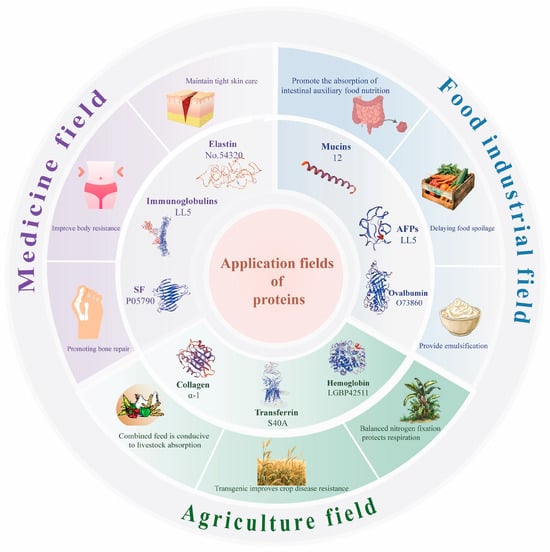
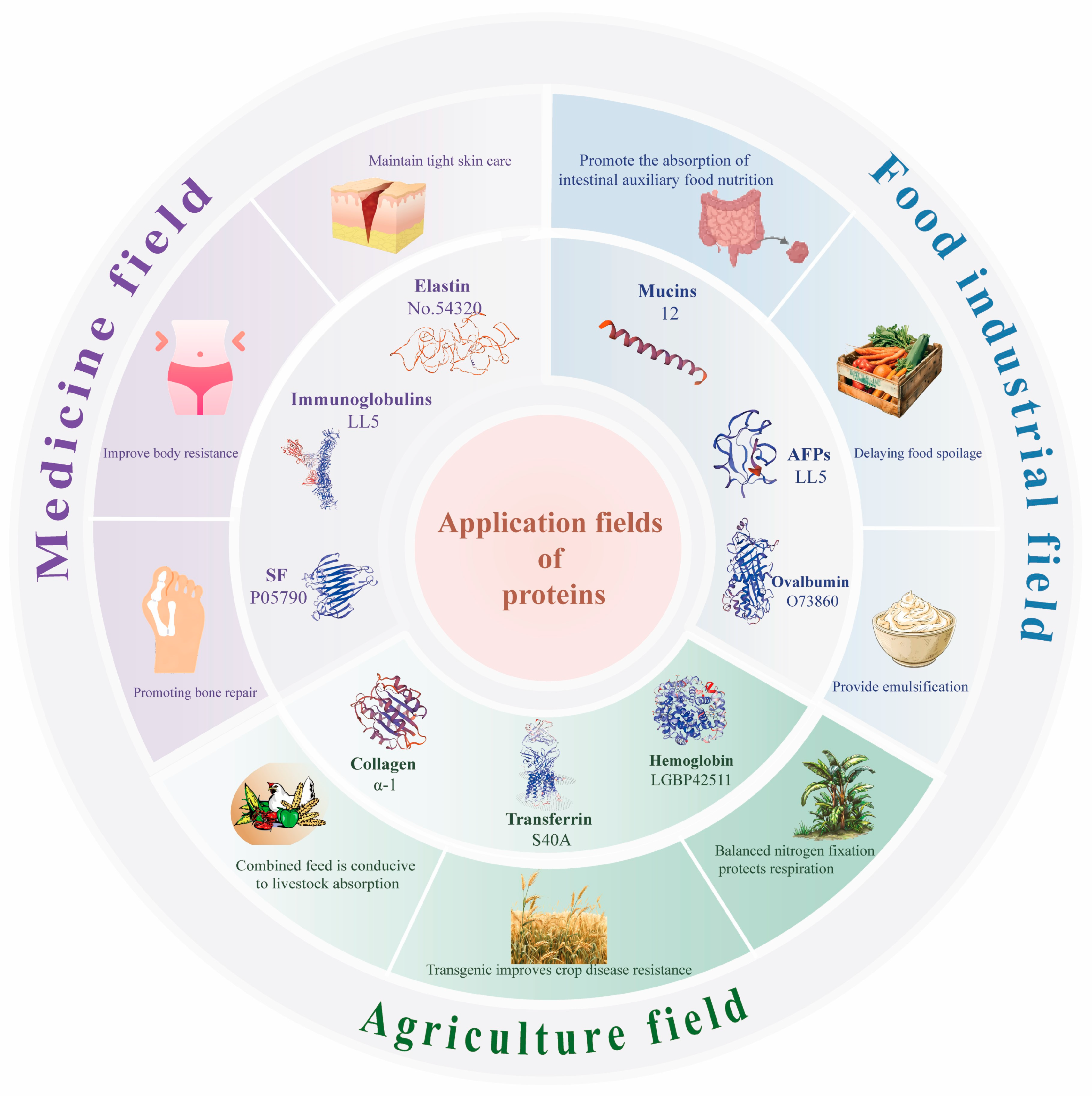
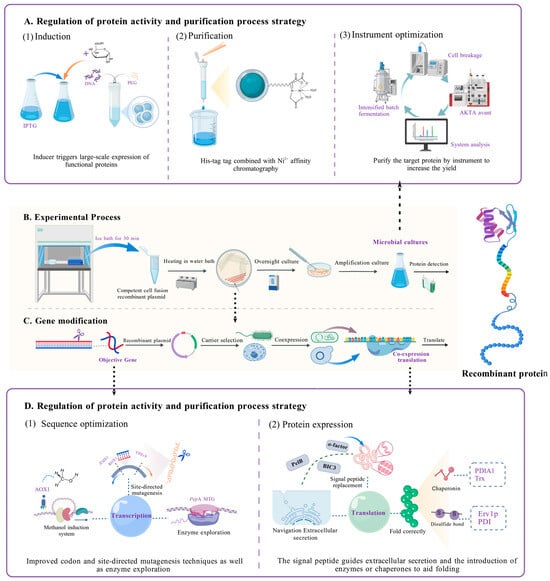
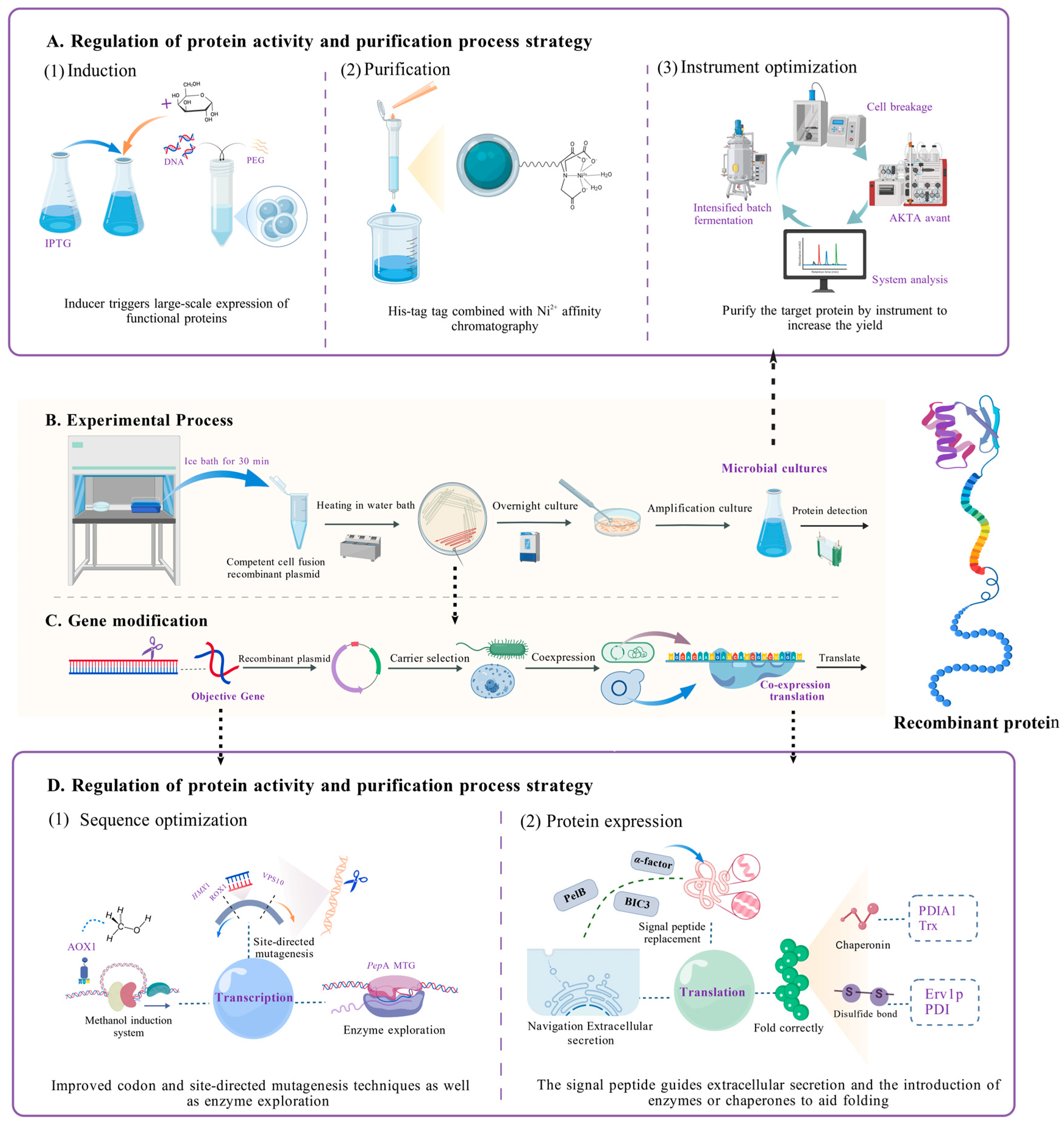
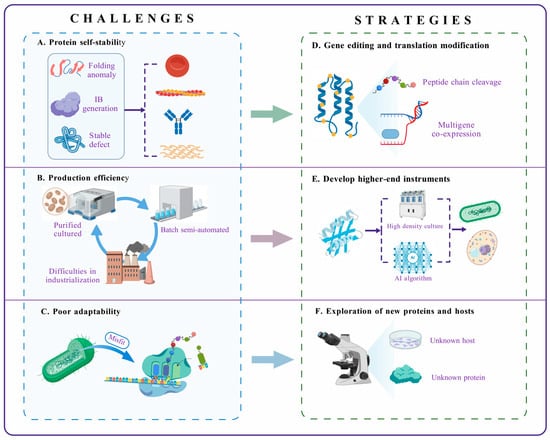
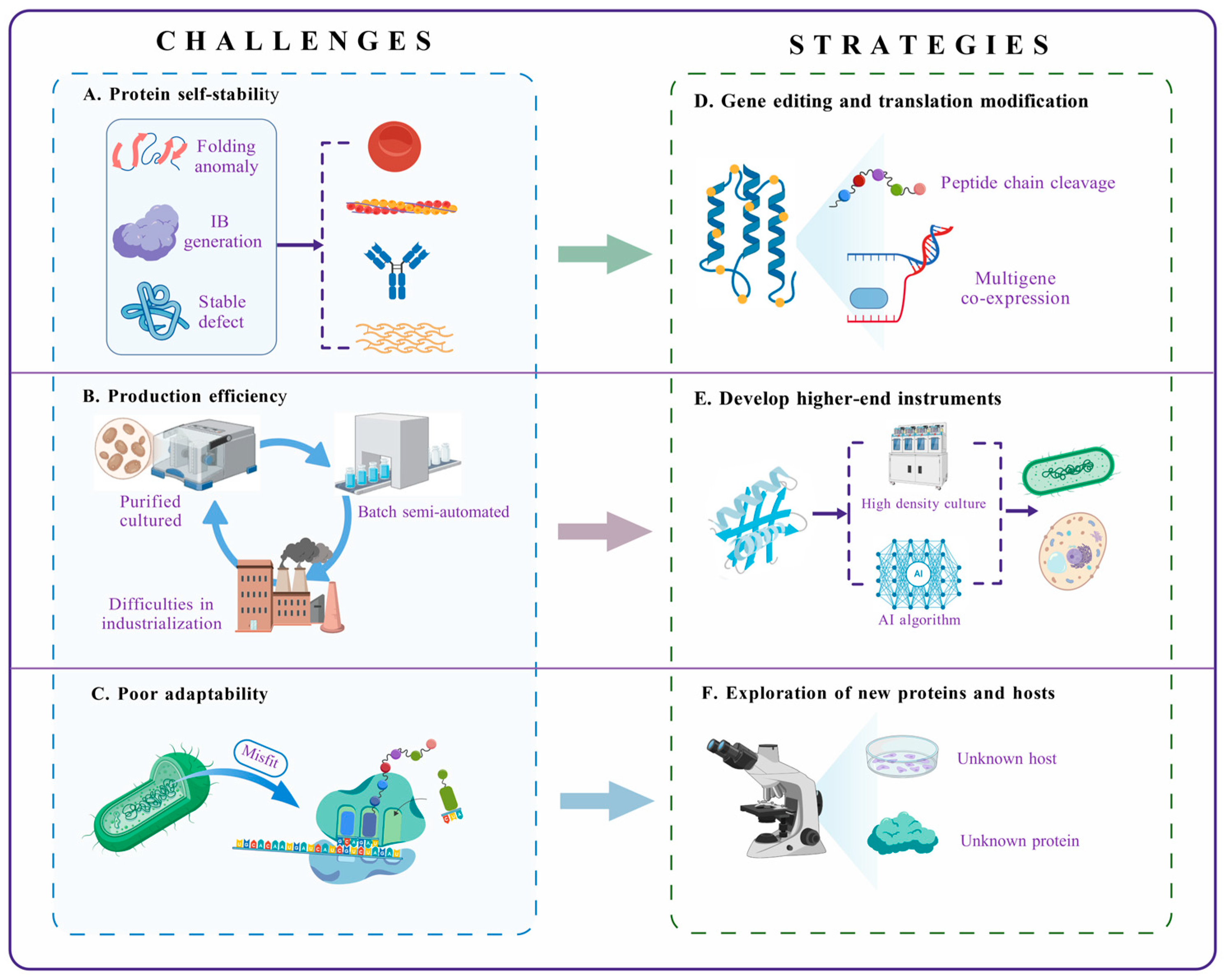

Disclaimer/Publisher’s Note: The statements, opinions and data contained in all publications are solely those of the individual author(s) and contributor(s) and not of MDPI and/or the editor(s). MDPI and/or the editor(s) disclaim responsibility for any injury to people or property resulting from any ideas, methods, instructions or products referred to in the content. |
© 2026 by the authors. Licensee MDPI, Basel, Switzerland. This article is an open access article distributed under the terms and conditions of the Creative Commons Attribution (CC BY) license.