


Abstract
This study characterized a protein-fortified peach-and-grape beverage, focusing on the effects of fermentation and protein particle size on protein digestibility and the bioaccessibility of minerals and antioxidants. Beverages were formulated with 3.5% pea protein isolate (PPI), added directly to peach-and-grape juice (PGJ) or subjected to high-pressure homogenization (HPH) before incorporation. The resulting beverages (PGJ + PPI and PGJ + PPIHPH) were evaluated before and after lactic fermentation for 48 h. HPH significantly reduced PPI particle size while increasing polyphenol content (11.27%) and antioxidant activity (ABTS: 11.09%; FRAP: 12.83%). Fermentation resulted in the detection of glutamine (1.32 ± 0.23 mg/g d.w.) and increased lactic acid content (61.44 ± 0.83 mg/g d.w.) and the levels of the essential amino acids phenylalanine and valine. Both fermentation and HPH increased the readily bioaccessible hydrolyzed protein fraction (13.27% and 11.94%, respectively), although neither significantly affected mineral or antioxidant bioaccessibility. Probiotic viability during fermentation and simulated gastrointestinal digestion was assessed using viable counts, with the quantitative results needed to establish the extent of viability retention. However, fermented beverages showed lower consumer acceptability. Overall, protein fortification and fermentation improved selected nutritional and in vitro digestive properties, although fermentation adversely affected sensory acceptance. These findings highlight the need to balance nutritional and functional improvements with consumer acceptability in the development of fermented, protein-fortified plant-based beverages.
1. Introduction
Motivated by ecological and health concerns, alternative dietary patterns are gaining interest, with plant-based diets at the forefront. These dietary choices offer nutritional advantages due to their content of fiber, minerals, antioxidants, and other essential nutrients derived from fruits, vegetables, and whole grains [1]. Minerals perform an indispensable role in various physiological processes, including the maintenance of bone health and the appropriate functioning of the nervous system, and enzyme catalytic activity, thereby ensuring optimal metabolism function and, finally, optimal health [2]. In addition to minerals, phenolic compounds, particularly those found in plants, are currently the focus of public attention due to their health benefits as these compounds may promote optimal health by mitigating oxidative biomarkers and improving life-quality indicators [3]. However, plant-based foods may also present certain nutritional limitations, particularly regarding protein content and quality.
Protein constitutes a macronutrient essential for structural processes and the appropriate functioning of the body [4]. Therefore, the agri-food industry is increasingly focusing on developing plant-based products enriched with proteins to improve their nutritional composition [5]. In this context, fruit-based beverages represent an interesting option for protein fortification. According to Regulation (EC) No. 1924/2006 on nutrition and health claims made on foods, a product can be labeled as a “source of protein” or “high in protein” when at least 12% or 20% of its energy value, respectively, is provided by protein. These regulatory criteria were considered when selecting the protein fortification level evaluated in the present study. However, the incorporation of proteins into acidic fruit matrices may present technological challenges related to their solubility, stability, and sensory properties.
Fruits are important sources of minerals, phenolic compounds, and organic acids, which contribute to their nutritional and physicochemical characteristics. Organic acids, in particular, exert a substantial impact on fruit flavor and may also contribute to food preservation [6]. Among fruit-based beverages, peach-and-grape juices provide an interesting matrix due to their content of fermentable sugars, organic acids, and phenolic compounds. Previous studies have demonstrated the potential of combining peach-and-grape juices to develop enriched and fermented beverages, evaluating their physicochemical, nutritional, microbiological, and sensory properties [7,8]. In the present study, pea protein isolate (PPI) was selected based on its high protein content, nutritional value, and potential technofunctional properties [9]. Nevertheless, its incorporation into acidic fruit matrices may present challenges regarding protein solubility, stability and interactions with other food components.
Besides the quantity and quality of proteins, it is worth mentioning the potential impact of interactions among nutrients or ingredients, as well as factors such as pH, enzyme accessibility, and processing methods, all of which can influence nutrient digestion and subsequent utilization [10]. Concerning the digestion process, two key but distinct terms must be addressed: digestibility refers to the extent to which proteins are broken down during gastrointestinal digestion, while bioaccessibility denotes the fraction of a nutrient or compound released from the food matrix and potentially available for intestinal absorption. Bioavailability, in contrast, involves its actual absorption and utilization by the body [11]. In this context, plant-based proteins may present limitations in digestibility compared with animal proteins, depending on their composition, structure, and processing conditions [12]. Furthermore, protein digestibility can be affected by protein particle size and structure. High-pressure homogenization (HPH) is a processing technology that can modify these characteristics, potentially improving protein dispersion, solubility, and accessibility to digestive enzymes. Previous research has shown that HPH can reduce particle size and influence the in vitro digestibility of plant protein dispersions, although these effects depend on the protein source and processing conditions [13].
Considering the potential limitations in nutrient digestibility and bioaccessibility in plant-based foods, it is particularly important to implement strategies that enhance nutrient release during digestion. In this regard, fermentation has been recognized for its potential to improve the nutritional and technological properties of foods. Fermentation is gaining renewed interest as a strategy to enhance the digestibility and bioaccessibility of nutrients, including proteins, minerals, and other bioactive compounds [14]. In particular, microorganisms possess enzymes that can influence mineral-chelating compounds, thereby potentially enhancing mineral bioaccessibility [15]. In addition to the activity of microbial enzymes, microbial metabolism can produce and transform compounds with antioxidant or other bioactive properties [16]. Additionally, changes in pH caused by fermentation can modify mineral solubility, protein structure, and the stability of phenolic compounds [15]. Previous studies on protein-enriched fermented beverages have also reported changes in physicochemical properties and in vitro protein digestibility following fermentation [17]. However, these effects depend on the microorganisms employed and the composition of the food matrix. In the present study, the commercial probiotic culture SYNBIO®, consisting of Lacticaseibacillus rhamnosus IMC 501 and Lacticaseibacillus paracasei IMC 502, was selected based on the reported tolerance of these strains to acidic conditions and their potential application in functional foods [18,19]. Furthermore, previous research demonstrated the ability of SYNBIO® to grow in peach–grape juice under fermentation conditions, supporting its selection for the present study [7].
Thus, the simultaneous application of protein fortification and fermentation may represent a promising synergistic approach to improve the nutritional characteristics of fruit-based beverages, potentially influencing protein digestibility and the bioaccessibility of other nutrients. However, the combined influence of protein incorporation using HPH and subsequent fermentation on nutrient digestibility and bioaccessibility in peach–grape beverages remains insufficiently characterized. Consequently, this research evaluated the impact of high-pressure-homogenized protein incorporation into peach-and-grape juice and the subsequent fermentation on protein digestibility and mineral and antioxidant bioaccessibility. Additionally, this study assessed the nutritional, microbiological, physicochemical, and sensory acceptance of a protein-fortified peach-and-grape beverage.
2. Materials and Methods
2.1. Juice
Commercial pasteurized organic peach-and-grape juice (PGJ), obtained from ecologically produced fresh fruits (50% of each), with no sugar added and additive-free (Cal Valls, Vilanova de Bellpuig, Lleida, Spain), was used.
2.2. Probiotic
The fermentation trials used the probiotic culture Lyofast SYNBIO® 100 (SYNBIO, Sacco S.r.l., Cadorago, Italy), which consisted of a mixture of Lacticaseibacillus rhamnosus IMC 501 and Lacticaseibacillus paracasei IMC 502. This culture is designed for plant-based products and has about 1011 CFU/g.
2.3. Protein
Pea protein isolate was provided by T. ALIMENT (lot: 242151; Barcelona, Spain). The product contained 81.7% protein.
2.4. Culture Media and Reagents
Man, Rogosa, Sharpe (MRS), and peptone were obtained from Biokar Diagnostics (Allonne, France). NaOH was provided by VWR (Leuven, Belgium), while the Community Bureau of Reference provided Standard BCR-129-3A 172 and Standard BCR-679-3A 173. KCl, KH2PO4, NaHCO3, NaCl, MgCl2 (H2O), HCl, and nitric acid 65%TCA were acquired from Fisher Scientific (Merelbeke, Belgium). Reagents, as well as the enzyme used for the digestion methodology, were classified as analytical-grade and were provided by Sigma Aldrich (Diegem, Belgium): NH4, bovine bile, porcine pepsine 2054 U/mg), trypsine (247.77 U/mg), chymotrypsine (55.8 U/mg), disodium tetraborate decahydrate, o-phthaldialdehyde and sodium dodecyl sulfate bile extract.
Ascorbic acid, gallic acid, 2,4,6-tris(2-pyridyl)-s-triazine (TPTZ), sodium carbonate, metaphosphoric acid, acetic acid, 2,2′-Azino-bis (3-ethylbenzothiazoline-6-sulfonic acid) diammonium salt (ABTS) and metaphosphoric acid, acetic acid, 3,3′,3″-phosphanetriyltripropanoic acid (TCEP), potassium phosphate monobasic (KH2PO4), chloroform (CHCl3), 3-(Trimethylsilyl)propionic-2,2,3,3-d4 acid sodium salt (TSP) and hexamethyl disilane (HMDS) were acquired from Sigma Aldrich. Methanol, acetone, chloroauric acid (37%), sodium acetate, sodium hydroxide, sodium chloride, potassium chloride, ferric chloride hexahydrate, and Folin–Ciocalteau’s reagent were procured by Panreac (Llinars del Valles, Spain).
2.5. High-Pressure-Homogenized Protein
High-pressure homogenization (HPH) was employed to process a portion of the PPI, with the objective of assessing the impact of protein particle size on in vitro protein digestion kinetics. PPI was initially dispersed in ultrapure water (30:70; w:w) and subsequently treated with HPH (Stansted SPCH-10, Homogenising Systems, Harlow, UK) at 100 MPa for one cycle (PPIHPH). Subsequently, the homogenized PPI dispersion was freeze-dried in an Alpha 2-4 LSC plus (Christ, Osterode, Germany), resulting in a powder that exhibits a texture comparable to the original pea protein.
2.6. Preparation of Protein-Fortified Peach-and-Grape Beverage
A total of 3.5 g of the pea protein isolate (PPI) was added to 96.5 g of PGJ to achieve 100 g of protein-fortified beverage. The amount of pea protein isolate added to the juice (3.5%) ensured that protein provided 12% of the beverage’s energy value to meet the requirements of Regulation (EC) No. 1924/2006. Homogenized (PPIHPH) or non-homogenized pea protein (PPI) (3.5% w/w) was added to the PGJ (96.5% w/w) and mixed (2 min, 8000 rpm) (IKA® T25 ultra-turrax, Janke and Kunkel, Staufen, Germany). The obtained beverages are referred to as PGJ + PPI and PGJ +PPIHPH, respectively.
It is worth mentioning that during the elaboration of the protein-fortified peach-and-grape beverages, gravitational separation of the two ingredients was observed, regardless of whether the protein was homogenized (PPIHPH) or not (PPI). The difference in density between the two ingredients could have been the reason for the decantation [20]. Thus, a completely homogeneous texture was not achieved.
2.7. Fermentation of Protein-Fortified Peach-and-Grape Beverage
The protein-fortified peach-and-grape beverage was formulated as described in Section 2.6. A subsequent fermentation with a probiotic culture was also conducted to evaluate the impact of fermentation on characterization, as well as on the digestibility and bioaccessibility properties of the protein-fortified beverages. Likewise, SYNBIO freeze-dried powder was added at a sufficient concentration to reach 2·107 CFU/mL. Finally, the probioticated beverages were incubated at 37 °C for 48 h. The two protein-fortified fermented PGJ are referred to as PGJ + PPI_F and PGJ + PPIHPH_F.
To exclude the possibility that changes in the digestibility or bioavailability of micro- and macronutrients were caused by the fermentation temperature rather than the presence of the probiotic, a control fermentation (without the probiotic) was performed for both formulations. However, as no significant differences were observed in the characterization of protein digestibility or bioaccessibility of minerals and functional compounds, the results for these control samples are not presented.
2.8. Characterization of Protein-Fortified Peach-and-Grape Beverages
2.8.1. Microscopy and Particle Size
Protein (PPI and PPIHPH) dispersions were analyzed using an Olympus BX-51 light microscope (Olympus, Optical Co., Ltd., Tokyo, Japan) with 10× objectives and cell Sense Standard® software (Version 2.3, Olympus, Tokyo, Japan). In addition, the particle size of these two protein dispersions (PPI and PPIHPH) was also quantified by laser diffraction analysis (Laser Diffraction Particle Size Analyser LS 13 320, Beckman Coulter Inc., Indianapolis, IN, USA), as described before in [21]. An aliquot of PPI and PPIHPH dispersions was introduced into a tank of deionized water under stirring, where it was diluted and directed to a measuring cell. There, the particles present emitted and scattered a laser beam (wavelength of the primary illumination source: 750 nm; main illumination source: 750 nm; wavelength halogen light for differential scattering of polarization intensity: 450 nm, 600 nm, 900 nm). The raw signal was processed using the Fraunhofer model to generate a particle size distribution and surface-weighted mean diameter d(3,2). The analysis was performed in duplicate.
2.8.2. Proximate Analysis
Nitrogen content was analyzed in triplicate by automated Kjeldahl analysis (CE instrument, Thermo Fisher Scientific, Waltham, MA, USA), applying a 5.4 conversion factor to calculate the crude protein content and following the methodology explained by Brabson [22]. The moisture content was determined in triplicate by measuring the mass difference after drying in an oven (Jouan S.A., Saint-Herblain, France) at 100 °C for 24 h, until a constant dried mass. The ash content was measured in triplicate as the weight lost during complete incineration (muffle furnace, 550 °C, 20 h). Following this, the Mg, K, and Na contents were determined by inductively coupled plasma optical emission spectroscopy (ICP-OES) [23]. For that analysis, the collected ashes were dissolved in 10 mL of MilliQ water containing a 1% nitric acid solution and stored overnight (24 h, 25 °C). The solutions were subsequently filtered using a 0.45 μm membrane filter (Chromaphil® A-45/25, Macherey-Nagel, Düren, Germany). Finally, minerals were quantified using ICP-OES (ICAP 7000 series, Thermo Fisher Scientific), radially at 285 and 318 nm for Mg and Ca and axially at 766 nm for K and 589 Na. Before each run and after every 20 samples, calibration using SPS-SW2 was performed. Certified reference materials (BCR-129 and BCR-679, Joint Research Centre, European Commission) were analyzed to ensure the accuracy of the quantification.
2.8.3. Total Polyphenol Content (TPC) and Total Antioxidant Capacity (AOX)
The extraction and determination of Total Polyphenol Content (TPC) and antioxidant activity (AOX) were carried out for all samples prior to digestion, as described in [24].
First, the extraction of TPC and AOX samples (before digestion) was achieved by adding 3.0 ± 0.1 g of the sample to 10 mL of 70% (v/v) methanol and homogenizing in a mixer for 20 s. Subsequently, the samples were shaken at 4 °C and 195 rpm for 20 min and centrifuged at 13,500× g and 4 °C for 20 min (Sigma-3-18KS centrifuge, Sigma Laborzentrifugen GmbH, Osterode am Harz, Germany). The extracts were stored at −80 °C until analysis.
The total phenolic content was determined by adding 0.020 mL of each methanolic extract to a 96-well microplate with 0.1 mL of Folin–Ciocalteu’s reagent. The plates were then incubated at room temperature for 5 min in the dark, and 0.075 mL of saturated sodium carbonate was added. After 2 h in the dark, absorbance was read at 760 nm, using a FLUOstar Omega UV-Vis microplate reader (BMG Labtech, Ortenberg, Germany). A calibration curve was prepared for each analysis day using gallic acid as the reference. For each sample, a reagent blank was performed, as well as a sample blank. The results were presented as mg gallic acid equivalents per 100 mL fresh weight (f.w.).
Total Antioxidant Capacity (AOX) was assessed in the frozen methanolic extracts using two different methodologies due to each one’s distinct approach. On the one hand, the Ferric Reducing Antioxidant Power (FRAP) methodology quantifies the ability of various compounds to reduce Fe3+ (ferric ion) to Fe2+ (ferrous ion). Conversely, the ABTS assay evaluates the capacity of antioxidants to neutralize the ABTS•+ radical cation, which is produced by the action of oxidants. Therefore, while the FRAP method primarily identifies compounds possessing reducing capabilities, such as phenolic compounds and ascorbic acid, the ABTS approach focuses on assessing the radical-cation-scavenging capacity of antioxidant compounds. The FRAP reagent was prepared by mixing 0.3 M acetate buffer pH 2.6, 2,4,6-tris(2-pyridyl)-s-triazine (TPTZ) in 40 mM HCl, and FeCl3-6H2O 20 mM in distilled water in a 10:1:1 (v:v:v) ratio. A volume of 0.02 mL of each methanolic extract was placed in a 96-well microplate, and 0.180 mL of the FRAP reagent was added, whereafter the mixtures were incubated at 37 °C for 20 min in the dark. Absorbance was read at 593 nm using a FLUOstar Omega spectrophotometer.
The ABTS radical solution was obtained by diluting a stock solution of 7 mM ABTS in water to reach an absorbance at 734 nm of 0.750 ± 0.050. Then, 0.02 mL of each methanolic extract was mixed with 0.180 mL of ABTS reagent in a 96-well microplate and incubated at room temperature for 30 min in the dark. Absorbance was read at 734 nm using a FLUOstar Omega spectrophotometer. The percentage of antioxidant activity was plotted against the different concentrations of the juice extract. All analyses were performed in triplicate.
Trolox was used as a standard for both methods. The daily calibration curve was prepared following the same procedure used for the samples. A reagent and sample blank were performed for each sample and methodology. The results are expressed as mg Trolox equivalents/100 mL fresh weight (f.w.).
2.8.4. Identification and Quantification of Polar Metabolites: Organic Acids and Free Amino Acids
The extraction, identification, and quantification of free amino acids and organic acids were performed following the methodology explained Choi et al. [25], using a 1-H-NMR spectroscopy. Shortly, 50 mg of lyophilized material was weighed into a 2 mL Eppendorf tube. Extraction was carried out by adding 1200 µL of hydroethanolic mixture (1:1, MeOH:H2O) and vortexing the mix for about 1 min, sonicating for 3 min at 1 min intervals (repeated 3 times). The samples were refrigerated at 4 °C for 30 min. Subsequently, the tubes were centrifugated at a speed of 11,000× g for 20 min, also at 4 °C. The supernatant (hydromethanolic phase) was carefully poured into a clean Eppendorf (1.5 mL). Finally, the Eppendorf was placed in a speed vacuum at a maximum of 30–35 °C until the liquid phase evaporated (overnight). Next, the soluble solid fraction obtained after speed vacuum was resuspended in 800 µL of 100 mM monobasic potassium phosphate buffer (KH2PO4) at pH = 6.0 (dissolved in 100% D2O) and containing 0.58 mM of 3-(trimethylsilyl)propionate (TSP) as the internal standard. The samples were filtered with 0.45 µm Nylon filters before analysis.
For the quantification, 600 µL of the filtered sample was placed in a 5 mm NMR tube for analysis by 1H-NMR spectroscopy. All spectra were recorded on a Bruker Avance II HD AV-400 NMR spectrometer (Bruker BioSpin GmbH, Rheinstetten, Germany) operating at a proton NMR frequency of 400.13 MHz. For each sample, 128 scans were recorded (0.126 Hz/point, pulse width (PW) = 4.0 ms. The data acquired with the NMR spectrometer, free induction decay (FID), was Fourier-transformed with LB = 1.0 HZ, GB = 0, and PC = 1.0.
Regarding the quantification, each peak obtained was integrated, and spectra were referenced to TSP. The organic acid and amino acid results are expressed as mg/g d.w.
2.8.5. Sensory Evaluation
An extensive sensory evaluation of the juices, including an organoleptic assessment, was conducted. First, a descriptive analysis of the samples was performed using questions related to taste and texture (granularity and viscosity). Second, the overall acceptance of the samples was evaluated.
Twenty-six semi-trained panelists (19 women and 7 men), regular fruit juice consumers, were recruited at the IRTA Fruitcentre in Lleida (Spain). Sensory evaluations were conducted in a tasting room with individual booths. The facilities complied with the relevant recommendations of ISO 8589:2007 [26] for sensory testing environments. The acceptability evaluation was conducted in a tasting room with individual booths. Samples were served randomly in coded glasses, and assessors were given 60 s between each sample to minimize sensory fatigue. Each panelist evaluated the sample’s taste and texture using a 5-point hedonic scale (1 = extremely dislike, 5 = extremely like) and viscosity and granularity on a 5-point hedonic scale (1 = not at all, 5 = extremely). Overall acceptability was assessed on a 9-point hedonic scale (1 = extremely dislike, 9 = extremely like). The results were calculated as the percentage of testers who gave a score of 3, >3, and <3 for appearance, flavor, viscosity, and granularity, and 5, >5, and <5 for overall acceptability. Scores of 3 and 5 corresponded to “I neither like it nor dislike it” in the hedonic scales, respectively. The acceptability index was calculated according to the method described in previous studies [27].
2.9. Simulated In Vitro Digestion
All samples were digested following the standardized static in vitro digestion protocol of INFOGEST [28] with minor modifications [21]. Enzyme activities are indicated in Section 2.4 and were determined experimentally according to the methodologies recommended in [28,29]. The oral phase was started by diluting 1.25 mL of the sample with 1.25 mL of simulated salivary fluids (pH 7). Then, 6.25 μL of a CaCl2 solution (0.3 M) and ultrapure water (0.25 mL) were added. The gastric phase was simulated by mixing the oral phase and the sample with 2 mL of simulated gastric fluids (pH 3), 2 μL of CaCl2 (0.3 M), and pepsin (2000 U/mL). Ultrapure water and (2 M) were added to adjust the pH to reach a value of 3. Finally, the tubes were incubated at 37 °C in an end-over-end rotator (40 rpm) for 2 h.
To mimic the intestinal phase, the gastric sample was mixed with 2.125 mL of simulated intestinal fluids (pH 7), 10 μL of CaCl2 (0.6 M), 12.5 μL of bile salt solution (10 mM), 1.250 mL of a trypsin and chymotrypsin mixture (100 U/mL and 25 U/mL digest, respectively), NaOH (1 M) and ultrapure water to bring the pH to 7. All samples were incubated at 37 °C in an end-over-end rotator (40 rpm) for different digestion times. Lastly, samples were centrifuged (2000× g, 4 °C, 5 min) to collect the digestive supernatant (bioaccessible compounds) and the pellet (non-bioaccessible/undigested compounds).
A kinetic approach was followed to evaluate protein digestion as a function of short intestinal digestion time, employing ten individual tubes (0, 5, 10, 15, 20, 30, 45, 60, 90, and 120 min) per sample. At each pre-determined moment, digestion was stopped by thermal treatment (100 °C for 5 min) to inactivate enzymes [30]. For mineral analysis, a triplicate digestion of 120 min was employed instead.
2.9.1. Determination of Digested Protein
Protein digestion was evaluated using the spectrophotometric o-phthaldialdehyde (OPA) assay that quantifies α-amino groups released upon digestion simulation, as previously described in detail by Duijsens et al. [31] with some modifications. To quantify the total α-amino groups in the undigested sample (NH2, total), 0.5 mL of the sample was hydrolyzed in triplicate in 1 mL of 6 N HCl (24 h, 110 °C). Then, 1 mL of NaOH (6 M) was added to neutralize the acid. Finally, samples were diluted in 5 mL MilliQ and filtered (pore size 0.45 μM).
Proteolysis was subsequently determined utilizing two distinct methodologies. First, the readily bioaccessible fraction (NH2, TCA) was quantified by precipitating large peptides from the digestive supernatant through the addition of a 5% trichloroacetic acid (TCA, 3.2%) solution [32]. After centrifugation (10,000× g, 25 °C, 30 min) (Microfuge 22R, Beckman Coulter Inc., Brea, CA, USA), the resulting TCA-treated supernatant was filtered (pore size 0.45 µM) and analyzed. The small peptides (mainly amino acids, dipeptides, and tripeptides) are usually present in this TCA-treated supernatant. They are considered to be available for absorption at the intestinal brush border. Second, the hydrolyzed bioaccessible fraction (NH2,TCA hydro) was also quantified. This fraction represents the same fraction as the readily bioaccessible protein. However, it is ultimately expressed in terms of amino acid constituents and thus is more easily relatable to the undigested sample’s total protein amount (i.e., α-amino groups) (NH2, total). To quantify this fraction, 0.5 mL of the TCA-treated supernatant obtained in the first part of the procedure was fully hydrolyzed in 6 N HCl (16 h, 110 °C). After neuralization with 6 M NaOH, the samples were filtered and diluted in MilliQ water (total volume of 10 mL).
For each set of analyses, the OPA reagent was freshly prepared according to [32]. Detected amino groups were converted into serine equivalents using an L-serine standard curve (12.5–100 mg/mL). The analysis was carried out as stated before [31], and the extent of proteolysis was calculated as indicated in Equations (1) and (2).
2.9.2. Mineral Content After In Vitro Gastrointestinal Digestion
The mineral content after in vitro gastrointestinal digestion was determined in the digestive supernatant obtained after 120 min of digestion simulation (ppm final) as indicated above and was expressed as the percentage of initial mineral content recovered after in vitro gastrointestinal digestion (%). It was calculated using Equation (3) [23].
where ppm initial and ppm final refer to the mineral concentrations before and after the simulated digestive process.
2.9.3. TPC and AOX After In Vitro Gastrointestinal Digestion
The antioxidant and polyphenol after in vitro gastrointestinal digestion were determined in the digestive supernatants at the final small intestinal time (120 min) (EAA/TEACfinal) (see Section 2.8.3) and expressed as the percentage of increase in TPC and AOX (FRAP and ABTS) recovered after in vitro gastrointestinal digestion (%). These fractions were calculated using Equation (4) and according to [33].
EAA/TEACinitial and EAA/TEACfinal refer to the concentration before and after the simulated digestive process.
2.9.4. Determination of Probiotic Viability During Fermentation and After In Vitro Digestion
For the determination of probiotic counts, the methodology explained by Prieto-Santiago et al. [7] was followed. Briefly, a series of decimal dilutions of the protein-fortified peach-and-grape beverages were carried out in peptone saline and plated in duplicate on MRS (de Man, Rogosa, and Sharpe) for Lacticaseibaccillus counts. Plates were incubated at 30 °C ± 1 for 3 days. The results are expressed as log CFU/mL.
This determination was performed at the start and end of fermentation to assess the survival and growth of the probiotic in the beverages and after digestion to evaluate its bioavailability.
2.10. Statistical Analysis
Most results are expressed by a mean ± standard deviation (SD) of three repetitions.
Protein digestion kinetics were studied for each beverage by determining digestion products at different times throughout the digestion simulation. More specifically, ten digestion tubes were employed per digestion kinetics of one sample. Therefore, each of these digests is considered an independent, consecutive measurement of the same digestive behavior of one sample, as recently discussed by Verkempinck et al. [34]. Protein digestion kinetics were determined by integrating the experimental data of all kinetic points using mathematical modeling and by comparing the obtained curves and estimated parameters. Integration was done using nonlinear regression (JMP 17 SAS Institute Inc., Cary, NC, USA). In particular, a first-order fractional conversion model (Equation (5)) was applied with C the extent (%) of protein hydrolysis at a specific digestion time. C0 was defined as the hydrolysis extent at the beginning of the small intestinal phase (t = 0 min) (i.e., the end of the gastric phase). Moreover, Cf (%) represents the hydrolysis extent at an infinite time, and k is the rate constant (min−1) [31]. The fit of the modeled curves was assessed by calculating R2adj and drafting residual and parity plots.
All data related to the characterization of the beverages and the bioaccessibility of minerals, polyphenols, and other antioxidant compounds were checked for significant differences by applying an analysis of variance test (ANOVA). The criterion for statistical significance was p < 0.05. When significant differences were observed, a post hoc test was applied, depending on the normality of the data. All statistical analyses were carried out using JMP 13 (SAS Institute Inc., Cary, NC, USA).
3. Results
3.1. Particle Size of PPI as Impacted by HPH Treatment
Considering the impact of protein particle size on the integration of plant proteins into beverage matrices and on protein bioaccessibility, this study evaluated the effect of high-pressure homogenization (HPH) on the particle size distribution of pea protein isolate (PPI). The four protein-fortified beverages assessed in this project had identical nutrient compositions (3.5% PPI and 96.5% PGJ). However, the particle size of the added PPI significantly differed due to applying a high-pressure homogenization (HPH) treatment (Figure 1).
Figure 1.
Micrographs and particle size (distributions) of (A) initial pea protein solutions (PPI) and (B) high-pressure-homogenized pea protein solution (PPIHPH).
The findings revealed that the non-treated PPI exhibited a multimodal distribution, with an average volume-based particle size of 34.21 ± 0.16 µm. In contrast, the PPIHPH displayed a bimodal distribution, characterized by a predominance of smaller particles, with an average volume-based particle size of 0.71 ± 0.02 µm. The PPI dispersion exhibited a mixture of varying-sized protein particles, including large aggregates. This is consistent with the thermal treatment utilized in producing PPI, which has been demonstrated to induce protein denaturation and facilitate the formation of aggregates in commercially available protein isolates. A similar particle size distribution of the PPI dispersion (from 1 to around 100 µm) has been reported before [21]. The HPH treatment in PPI significantly decreased the particle size (<10 µm), improving protein stability by mitigating hydrophobic interactions and promoting the formation of hydration layers around the proteins. Guevara-Zambrano et al. [20] demonstrated the potential of HPH to reduce the particle size of a commercial PPI, obtaining values similar to those in the present experiment. These authors attributed the reduction in particle sizes observed post-HPH application to the dissociation of substantial, insoluble protein aggregates that were similarly present prior to the HPH treatment [35]. Consequently, these results suggest that HPH of PPI may enhance its integration into PGJ, resulting in a more uniform beverage.
3.2. Impact of Fermentation and Protein HPH on the Chemical Composition and Sensory Acceptability of Pea Protein-Fortified Peach-and-Grape Beverage
3.2.1. Moisture and Ash Content
The moisture content of both fermented and non-fermented PPI, regardless of HPH treatment, fortified peach-and-grape beverages, is presented in Table 1. The average moisture content of non-fermented pea protein in both homogenized and non-homogenized fortified peach-and-grape beverages was 83.21 ± 0.14 g and 83.76 ± 0.16 g of water per 100 mL, respectively. Meanwhile, the moisture content of the fermented pea protein in both the homogenized and non-homogenized fortified peach-and-grape beverages was 84.00 ± 0.13 g and 84.72 ± 0.19 g per 100 mL, respectively.
Table 1.
Chemical composition (g/100 mL fresh weight (f.w)) of different protein-fortified peach-and-grape beverages. Different superscript letters within a column indicate significant differences between the mean values (Tukey’s range test p < 0.05).
The results indicated that fermentation might increase the moisture content of the products. This phenomenon could be attributed to the metabolic processes of microorganisms, particularly the enzymes involved in fermentation, which hydrolyze complex carbohydrates and other organic compounds into simpler forms. This process enhances the surface area accessible for interaction with water, thereby improving both water absorption and retention [36].
Neither the fermentation (F) nor the HPH treatment of PPI (PPIHPH) had any impact on the ash content of the protein-fortified peach-and-grape beverage (Table 1) (0.41 ± 0.02 g per 100 mL).
3.2.2. Protein Content
Given that beverages were designed and formulated to be declared protein-fortified, protein content was confirmed. The average mean protein content of the four protein-fortified peach-and-grape beverages, independent of HPH treatment affecting the protein or the fermentation process, was reported to be 2.48 ± 0.13 g/100 mL (Table 1). This value corresponded to the raw protein content incorporated into the beverage, quantified as 3.5 g of PPI/100 g, which equates to 2.32 g of protein/100 g. Consequently, the protein content of the final protein-fortified beverage will constitute 15% of the total energy, thus enabling the product to qualify for a nutritional declaration as a “source of protein”.
No significant differences were observed as a result of fermentation or high-pressure homogenization (HPH) to which the protein-fortified fruit-based beverage and protein preparation ingredient (PPI) were subjected.
3.2.3. Mineral Composition
In light of the significance of mineral content in nutrition, the effects of HPH and fermentation on the mineral profile of the fortified beverages were thoroughly assessed. Table 2 shows the mineral (K, Na, Mg, and Ca) content of the four protein-fortified peach-and-grape beverages. Among the mineral profile of the beverages, potassium (K) and sodium (Na) were predominant in quantity, followed by calcium (Ca) and magnesium (Mg) (73.0 ± 2.79, 68.49 ± 3.60, 11.02 ± 0.82 and 7.74 ± 0.31/100 g f.w, respectively). No significant differences were found in the content of any of the four minerals present in the four beverages examined.
Table 2.
Ca, Mg, K, and Na content (mg/100 g f.w.) of different protein-fortified peach-and-grape beverages. No significant difference among different beverages was found within the average content of each mineral (ANOVA, p-value > 0.5).
Despite the formulation including PPI (3.5%), the principal ingredient of the beverages was PGJ (96.5%). In fruit, the mineral content depends not only on the type of fruit and the variety but also on the cultivar conditions [37]. According to the existing bibliography, fruit juices and, in particular, peach-and-grape juices reported values of 3–7.3, 25–100, 3–10, and 2–3 mg/100 mL for Ca, K, Mg, and Na, respectively [38,39]. Considering these results, it is noteworthy that the sodium content was found to be tenfold higher in the protein-fortified peach-and-grape beverages. In this context, according to the nutritional information provided on the packaging, PPI reported a sodium concentration of 1.6 g per 100 g. Therefore, as beverages were formulated with 3.5 g of PPI per 100 mL, PPI would contribute 56 mg of sodium to each. Consequently, it can be deduced that the predominant portion of sodium concentration in the beverages is attributable to the inclusion of pea protein.
The results demonstrated that the mineral content did not display significant variation throughout the fermentation process, which aligns with prior findings regarding fermented juices derived from beetroot and carrot [40].
Given the importance and essential role of K, Ca, and Mg in human health and metabolic functions, these three minerals are particularly relevant when considering the nutritional value of foods. In particular, an adequate potassium/sodium balance is related to healthy blood pressure regulation, maintenance of fluid balance, nerve transmission, and muscle function [41].
3.2.4. Polyphenol Composition and Antioxidant Properties
To explore the functional potential of the beverages, changes in polyphenol composition and antioxidant activity as influenced by fermentation and HPH-PPI integration were evaluated. Incorporating PPI in PGJ resulted in a Total Polyphenol Content (TPC) of 9.54 ± 0.41 mg GAE/100 mL f.w. (Figure 2A). The fermentation of this beverage did not show any increase in the polyphenol composition. However, the addition of PPIHPH significantly increased the polyphenol content to 10.62 ± 0.02 mg GAE/100 mL f.w.
Figure 2.
TPC (A) (mg EAA/100 mL) and AOX: ABTS (B) and FRAP (C) (mg Eq TEAC/100 mL) in fermented and not fermented pea protein-fortified peach-and-grape beverage (PGJ + PPI_F and PGJ + PPI and high-pressure-homogenized pea protein-fortified peach-and-grape beverage (PGJ + PPIHPH_F and PGJ + PPIHPH). According to the ANOVA test, an asterisk indicates significant differences when utilizing PPHPH (p-value < 0.05).
The significance of polyphenolic compounds in the preservation of health has been the subject of extensive research, and the advantageous effects of their consumption, when approached with moderation, have been substantiated [42,43]. Polyphenol content in fruit juices ranges between 26.7 and 961 mg GAE/100 mL f.w. [3]. Since the evaluated protein-fortified juices presented fruit as the principal ingredient, the TPC values might be similar to fruit products, as previously seen by Prieto-Santiago et al. [7,8,24] in PGJ without protein fortification.
Regarding antioxidant activity, two different methodologies were used (Figure 2B ABTS and Figure 2C FRAP). Both antioxidant activity evaluations presented similar results. The incorporation of non-high-pressure-homogenized PPI in PGJ resulted in an antioxidant activity of 28.56 ± 0.19 (ABTS) and 12.50 ± 0.43 (FRAP) mg TEAC/100 mL f.w. However, when PPI was subjected to HPH, antioxidant activity significantly increased to 31.73 ± 0.88 (ABTS) and 14.11 ± 0.29 (FRAP) mg TEAC/100 mL f.w.
The antioxidant capacity of fruits is primarily attributed to phenolic compounds, with most bioactive compounds belonging to the polyphenol family, which is recognized for its antioxidant properties [6,44]. Thus, similar values concerning the antioxidant activity (ABTS and FRAP) of PGJ have already been indicated [7,8,24] in PGJ without protein fortification.
On the one hand, the results obtained showed that the fermentation process did not improve the antioxidant functionality, regardless of the formulation with PPI or PPIHPH. In this regard, recent studies suggested the potential of probiotics to enhance the functionality of the food products in which they are found, increasing polyphenol content and antioxidant activity [45]. This enhancement could be attributed to the products released from their metabolism and the reactions of metabolism and fermentation [46]. On the contrary, other authors have pointed out the possible degradation of food polyphenols by microorganisms during fermentation [47]. In this respect, the fermentation conducted by lactic acid bacteria increased TPC and AOX in mulberry juice [46] and tomato juice [48]. In line with the present results, others, such as Panda et al. [49], reported no significant changes in TPC and even registered a decrease in antioxidant activity after the fermentation of prickly pear juice.
On the other hand, protein configuration may be responsible for the polyphenol content and the antioxidant activity boost reported after the subjection of PPI to HPH. Thus, the antioxidant properties of proteins depend on their molecular structure, molecular weight, and amino acid sequence [50]. HPH treatment may alter protein structure, potentially exposing more antioxidant functional groups [51]. Accordingly, Luo et al. [52] evaluated the antioxidant functionality of pea protein and observed that treatments that involved HPH presented increased radical scavenging and FRAP activity. Opposite results were found by D’Alessio et al. [53] when evaluating pea protein’s antioxidant power (ABTS) and reduction power (TPC) submitted to 60 and 100 MPa high-pressure homogenization.
Furthermore, protein–polyphenol interactions could affect the extractability and accessibility of phenolic compounds, potentially affecting the determination of phenolic content and antioxidant capacity.
Besides the limited bibliography regarding the effect of HPH on protein phenolic composition and antioxidant functionality, the Folin–Ciocalteu, ABTS, and FRAP approaches present limitations. It can lead to overestimation of results due to their lack of specificity. Thus, the Folin–Ciocalteu and FRAP methodologies can detect reductions by other nonphenolic compounds, while FRAP and ABTS may not accurately represent the complex antioxidant mechanisms in biological systems [54].
3.2.5. Free Amino Acids Composition
Since probiotic approaches emphasize the potential delivery of free essential amino acids, the free essential amino acid profile in the fermented protein-fortified beverages was evaluated. The application of HPH to PPI did not impact on the protein content, as noted in Section 3.2.2. Furthermore, it was confirmed that the amino acid profile of the unfermented samples remained consistent, regardless of whether the protein underwent HPH treatment. Consequently, the free amino acid content results were compiled and presented based on whether the beverages underwent fermentation (Table 3). Both fermented and unfermented PGJ fortified in protein presented four essential amino acids (isoleucine, leucine, phenylalanine, and valine). In non-fermented beverages, 11 amino acids were identified, whereas 12 amino acids were detected in fermented beverages. Consequently, the amino acid produced due to lactic fermentation was glutamine (1.32 ± 0.23 mg/g d.w.). Likewise, two of the four essential amino acids (phenylalanine and valine) significantly increased their content after fermentation, reaching a final concentration of 0.21 ± 0.03 and 0.24 ± 0.02 mg/g d.w., respectively. The role of several bacteria, especially lactic bacteria, in the production of amino acids as an end-product of their metabolism is reported [55].
Table 3.
Free amino acids content (mg/g d.w.) in the fermented and non-fermented protein-fortified peach-and-grape beverages.
Amino acids and peptides play an important role in the taste of fermented foods, particularly the bitter taste characteristic of fermented food. In this regard, proline (Pro) is considered a major contributor to the bitter taste. Furthermore, other amino peptides, such as Gly, Ala, Val, Leu, Tyr, and Phe, also contribute to bitterness. In the present determination of amino acids, significant increases after fermentation were observed for not only Pro but also Val, Phe, and Tyr (1.44 ± 0.26, 0.24 ± 0.02, 0.21 ± 0.03 and 0.10 ± 0.01 mg/g d.w., respectively). In line with the present results, Glu has been related to the lactic fermented products, being associated with the umami taste [56,57].
3.2.6. Organic Acid Composition
As fermentation can significantly alter the organic acid profile of food, the organic acid composition was evaluated before and after fermentation in the protein-fortified peach-and-grape beverages. Since the organic acid composition of PGJ + PPI, confirmed by the analysis, remained stable after subjecting the PPI to HPH (PPIHPH), the data for both protein beverages were combined and presented, only calculating the impact of the fermentation (Table 4). In summary, ascorbic, citric, fumaric, malic, and quinic acid concentrations were significantly reduced after the fermentation of protein-fortified peach-and-grape beverages. Of the compounds tested, malic acid showed the most significant reduction, becoming undetectable and unquantifiable after fermentation, decreasing from 36.72 ± 1.73 mg/g d.w. to below the limit of quantification (LOQ). In contrast, lactic acid concentration significantly increased post-fermentation, rising by more than sixty-fold. Succinic acid was absent in unfermented juices but was detected after fermentation.
Table 4.
Organic acids content (mg/g d.w.) in the fermented and non-fermented protein-fortified peach-and-grape beverages.
The decrease in malic acid may be partly associated with microbial metabolism during fermentation, including its possible conversion through the malolactic pathway. Other decreases in organic acids may also reflect microbial utilization or conversion into other metabolites. However, the specific mechanisms responsible for these changes were not investigated in the present study. Malic acid has been described as the organic acid that is primarily and naturally present in fruits such as apples and peaches and is responsible for the fruity flavor. It has been reported that lactic acid bacteria consume malic acid; indeed, the lactic fermentation of satsuma mandarin juice demonstrated a significant reduction in the concentration of this organic acid [58]. Likewise, lactic acid was produced after fermentation, significantly increasing its content from 2.67 ± 0.22 mg/g d.w. to 61.44 ± 0.83 mg/g d.w. The delivery of lactic acid in juices, after a fermentation driven by lactic bacteria, has been reported in fruit juices, such as date juice [59], and even in peach-and-grape juice with different Lactobacillus strains [7].
The variations in the concentration and composition of organic acids generally contribute to a reduction in the pH of fermented foods [58]. This decrease in pH is typically associated with a more intense sour taste [60], directly linking organic acid composition to the flavor profile in food and, to a greater extent, fermented products. Furthermore, these variations can greatly impact antioxidant activity, as organic acids may influence the chemical stability and reactivity of antioxidant compounds [51], often enhancing the antioxidant capacity of the final product. Several specific organic acids, including lactic acid and acetic acid, have also demonstrated important antimicrobial properties by decreasing pH levels and establishing an unfavorable environment for pathogenic bacteria [61]. These functions of organic acids in food underscore the necessity of assessing organic acid composition to enhance the sensory and functional attributes of foods and beverages.
3.2.7. Acceptability Evaluation
An evaluation of the sensory characteristics and overall acceptability of the formulated beverages was conducted to address consumer acceptance. The results of the sensory evaluation of the protein-fortified peach-and-grape beverages (Figure 3) are presented as the percentage of testers who gave a score of 3, >3 and <3 for appearance, flavor, viscosity, and granularity (Figure 3A), and 5, >5, and <5 for overall acceptability (Figure 3B). The plant-based protein beverages that the assessors preferred were the unfermented ones, regardless of the homogenization treatment of the PPI (44%). The acceptance scores for the fermented beverages (PGJ + PPI_F and PGJ + PPIHPH_F) were lower, reaching 20% and 8%, depending on whether the beverages were formulated with PPI or PPIHPH, respectively. The juice with the protein, unfermented and unhomogenized (PGJ + PPI), showed a higher percentage of consumer acceptance in terms of appearance (84%), followed by the unfermented sample with the homogenized protein (68%), and the fermented beverages in the corresponding order (72% and 52%, respectively). This tendency was reflected in the attribute taste, in which unfermented beverages were more greatly accepted (40%) than fermented ones (20%). However, it should be noted that the HPH treatment on PPI improved product texture, decreasing granularity in the unfermented beverage; 56% of testers scored PGJ + PPHPH with a granularity of 3 or more, vs. 72% who described PGJ + PPI with a score of 3 or more. However, regarding granularity and texture in unfermented juices and viscosity in fermented juices, incorporating high-pressure-homogenized PPI into PGJ did not improve these attributes. Therefore, the results suggest that fermentation may lead to a possible texture modification, even if the texture of the resulting fermented beverage was not clearly described.
Figure 3.
Sensory evaluation. % of testers who gave a score of 3, >3, and <3 for appearance, flavor, viscosity, and granularity (A), and 5, >5, and <5 for overall acceptability (B) in unfermented and fermented protein-fortified peach-and-grape beverage (A = PGJ + PPI and C = PGJ + PPI_F) and high-pressure-homogenized protein-fortified peach-and-grape beverage (B = PGJ + PPIHPH and D = PGJ + PPIHPH_F).
Lactic acid fermentation has the potential to modify the flavor profile and influence consumer acceptance; the intensified sourness observed in fermented beverages may be ascribed to an increase in lactic acid and overall organic compounds acids. Research on the fermentation of other fruit juices, such as orange juice, Haruka juice, or satsuma mandarin juice, also reported these sensory notes justified by producing organic acids [58]. The production of organic acids, especially lactic acid, can be found in fermented beverages, as described in the section above. The fermentation of legumes positively influences their flavor profile; specifically, lactic fermentation in peas decreases several volatile compounds that contribute to sourness, mainly aldehydes and ketones [62]. Thus, compounds derived from fermentation enhance umami sensations and reduce bitterness, improving the overall flavor perception of pea proteins [63]. Moreover, the fermentation process has shown that the bitter taste, characteristic of fermented products, could be associated with some short-chain peptides released during the fermentation of pea proteins [63]. However, fermented pea protein-fortified peach-and-grape beverages (PGJ + PPI and PGJ + PPIHPH) did not gain acceptance among the panelists; in fact, the acceptance rate of the fermented beverages was lower than that of the unfermented ones. As described by the assessors, the flavor profile of these beverages was characterized by earthy and powdery notes, consequently reducing flavor scores. Other authors have also reported that global appreciation and flavor were negatively affected by the protein addition to the beverage [53].
Texture, appearance, and the perception of color play a critical role in evaluating a product’s acceptance. The difficulty of complete homogenization of the protein (both PPI and PPIHPH) in the beverages could have played an important role in the evaluation of texture in beverages. On the one hand, HPH has been shown to reduce the particle size of the protein, as indicated in Section 3.1, which theoretically enhances its resolving properties. However, the participants did not show a clear preference for PGJ + PPHPH texture. On the other hand, the fermentation process, as described in Section 3.2, increased the product’s water content by breaking the matrix’s primary structure. However, the evaluators did not assess the texture of the fermented beverages as superior either.
3.3. Impact of Fermentation and Protein HPH on In Vitro Digestion-Related Properties
3.3.1. Protein Hydrolysis
Figure 4A displays the readily bioaccessible protein (NH2TCA) (right) and hydrolyzed readily bioaccessible protein (NH2TCA, hydro) (left) of the protein-fortified peach-and-grape beverage (PGJ + PPI and PGJ + PPI_F). Figure 4B presents the same determinations but with the high-pressure-homogenized pea protein (PGJ + PPIHPH and PGJ + PPIHPH_F). After the simulated gastric digestion phase (0 min of small intestinal digestion time, in the figure), the amount of bioaccessible protein (NH2TCA) varied between 3 and 5%, regardless of the processing that pea protein underwent (PPI or PPIHPH) or whether the fruit-based protein drink underwent fermentation. During the intestinal phase, the formation of bioaccessible protein (soluble protein: NH2TCA and NH2TCA, hydro) followed a fractional conversion behavior, with the rate of proteolysis (ratio of protein hydrolysis to proteolysis digestion time) decreasing as digestion progressed. The protein accessibility data were modeled using the fractional conversion model to allow for comparison of the hydrolyzation and digestion behavior of the protein present in the four different tested samples, with the estimated parameters shown in Table A1. At each considered digestion time throughout the intestinal phase, the extent of protein hydrolysis was slightly greater after the fermentation for the commercial PPI, reaching a final concentration of 35.68 ± 0.51% in the ‘hydrolyzed readily bioaccessible’ protein (NH2TCA, hydro) for the unfermented protein-fortified beverage (PGJ + PPI) and 40.41 ± 0.50% for the fermented protein-fortified beverage (PGJ + PPI_F). The impact of fermentation on protein digestibility within PGJ + PPI indicated an increase of 13.27% (final concentration of NH2TCA, hydro). However, this significant enhancement in protein digestibility observed after fermentation was not reported when the protein used in the formulation was previously submitted to HPH, reaching a similar final concentration of hydrolyzed `readability bioaccessible’ protein (NH2TCA, hydro values (39.94 ± 0.39 and 41.81 ± 0.83, respectively). However, it is noteworthy that the subjection of the PPI to HPH also increased the final concentration of ‘hydrolyzed readily bioaccessible’ protein in 11.94%.
Figure 4.
Protein digestion (readily bioaccessibility protein and hydrolyzed readily bioaccessibility protein) as a function of small intestinal digestion time in (A) non-fermented and fermented pea protein-fortified peach-and-grape beverage ( : PGJ + PPI and
 : PGJ + PPI_F) and (B) non-fermented and fermented high-pressure-homogenized pea protein-fortified peach-and-grape beverage (
 : PGJ + PPIHPH and
 : PGJ + PPIHPH_F). Markers indicate experimental data, while lines show the predicted protein hydrolysis (%) fitted with the corresponding fractional conversion model (Equation (5)).
: PGJ + PPI and : PGJ + PPI_F) and (B) non-fermented and fermented high-pressure-homogenized pea protein-fortified peach-and-grape beverage (: PGJ + PPIHPH and : PGJ + PPIHPH_F). Markers indicate experimental data, while lines show the predicted protein hydrolysis (%) fitted with the corresponding fractional conversion model (Equation (5)).
In the literature, the results of legume protein added to food products show a wide variation, mainly depending on the incorporated food matrix. However, the reported ‘readily bioaccessible’ and ‘hydrolyzed readily bioaccessible’ protein (NH2TCA, hydro) extents are in line with previously reported ones for different protein legumes [30,64,65]. Guevara-Zambrano et al. [13,20] also informed that 27% of the protein was digested in plant-based shakes that contained similar protein concentrations.
On the one hand, fermentation has been reported to provide slightly more accessible proteins due to the release of protein components and the reduction in anti-nutritional compounds [66]. Many authors have studied the positive impact of lactic fermentation in pea flour and grass pea flour digestibility [67,68]. On the other hand, HPH has been applied mainly to legume flours to reduce the proteins’ particle size, enhance their solubility, and increase protein–enzyme interaction [13]. However, conditions, particularly the pressure applied in the HPH process, may limit the impact on particle size and protein digestibility. Indeed, Melchior et al. [69] did not clearly report what HPH conditions would be required to maximize pea protein digestibility.
3.3.2. Mineral Content After In Vitro Gastrointestinal Digestion
Mineral content after in vitro gastrointestinal digestion (Mg, Na, and K) of the fermented and unfermented protein (homogenized and non-homogenized) fortified peach-and-grape beverages was expressed as the percentage of initial mineral content recovered after in vitro gastrointestinal digestion (%) and is shown in Table 5. Neither the HPH of the PPI nor the further fermentation of the beverages reported any significant difference regarding mineral bioaccessibility. Thus, only the averages of the four beverages tested (PGJ + PP, PGJ + PPHPH, PGJ + PP_F, and PGJ + PPHPH_F) are displayed for the four elements determined.
Table 5.
Percentage of initial mineral content recovered after in vitro gastrointestinal digestion (%) of protein-fortified peach-and-grape beverages.
The mineral content of fruit greatly contributes to daily mineral requirements (especially Mg, Fe, Mn, and Cu). In vitro digestion might possibly result in microelements being released from the food matrix [70]. However, the conditions related to the matrix could affect their bioaccessibility and, thus, mineral content after in vitro gastrointestinal digestion. Generally, fruit and their derived products present a relatively high mineral content after in vitro gastrointestinal digestion, ranging from 0 to 81.1% [71].
Previous studies have also reported findings on mineral bioaccessibility that provide a useful context for interpreting the present results. Magnesium (Mg) has been highlighted as the most bioaccessible mineral, with values exceeding 90% in passion fruit [36]. In contrast, sodium (Na) bioaccessibility has been reported to be low in various food products, such as tomato varieties, after digestion [72]. Notably, potassium (K) was the only mineral whose bioaccessibility improved in peach-and-grape beverage formulations with PPI homogenized under high pressure. This improvement occurred regardless of subsequent fermentation, with values of 59.21 ± 6.79% in PGJ + PPI and 79.57 ± 6.10% in PGJ + PPIHPH.
Although limited references are available regarding the impact of fermentation on mineral bioaccessibility in food, certain probiotic bacteria have demonstrated the ability to enhance mineral bioaccessibility. For example, the incorporation of probiotic Lactobacillus strains into Dutch-type cheese increased the in vitro availability of magnesium (approximately 18%) and calcium (approximately 2.5%) compared with the control cheese [73]. Garzón et al. [74] investigated the mineral bioaccessibility of pistachio-based beverages both prior to and following fermentation with lactic acid bacteria (LAB) and found an enhancement in mineral bioaccessibility subsequent to the fermentation process.
3.3.3. TPC and AOX Content Recovered After In Vitro Gastrointestinal
Neither the HPH of pea protein nor the subsequent fermentation of protein-fortified peach-and-grape beverages resulted in significant differences in TPC or antioxidant activity (AOX). Therefore, the results are presented as the average percentage of TPC and antioxidant activity (FRAP and ABTS) determined after in vitro gastrointestinal digestion (Table 6). The percentages of TPC and antioxidant activity measured after digestion were (TPC = 84.51 ± 0.52; ABTS = 96.49 ± 0.24 and FRAP = 58.79 ± 2.02%).
Table 6.
Percentage of increase in TPC and AOX (FRAP and ABTS) recovered after in vitro gastrointestinal digestion (%) of peach-and-grape beverages fortified with protein.
Phenolics, like several bioactive compounds, can be released in the digestive process by the action of the enzymes and conditions in the gastrointestinal lumen; however, several factors may influence their release and transformation during digestion. On the one hand, protein–polyphenol interactions may influence the release and transformation of phenolic compounds during in vitro digestion, potentially affecting their bioaccessibility. On the other hand, polyphenol stability could be affected by alkaline conditions and the matrix composition in which functional compounds are found [75]. Thus, numerous experiments indicate an increase in the content of phenolic compounds and antioxidant activity after a digestive process, which can be further increased when the food matrix is of plant origin. Similarly, and in line with the present results, He et al. [76] found a significant enhancement in phenols and reducing-capacity compounds after in vitro gastrointestinal digestion of several fruit juices.
Fermentation may also influence the phenolic content and antioxidant activity measured after digestion, as a result of enzymes that are present in bacteria, including lactic acid bacteria, that mammals do not possess and that allow them to metabolize compounds or ingredients, especially those of plant origin [77]. In this regard, Macêdo et al. [78] observed that fermented pomegranate juices with LAB increased the bioaccessibility of phenolic compounds. Nevertheless, opposite to the described results, a low recovery (28.76%) of polyphenols in pomegranate juice after digestion has also been observed [79]. Furthermore, following a fermentation process, a significant reduction has been observed regarding antioxidant bioaccessibility in fermented pomegranate juices [80]) and polyphenols in apple juice [47].
3.3.4. Probiotic Survival After In Vitro Gastrointestinal Digestion in Peach-and-Grape Beverages
Since non-HPH and HPH treated PPI did not influence probiotic survival after in vitro gastrointestinal digestion, the results are combined and shown according to whether they were fermented or after digestion (Figure 5). Fermentation increased the probiotic concentration in 2.6 logs (from 6.5 to 9.1 log CFU/mL). This increase was higher than that observed in a previous study with non-fortified PGJ juice [7,8]. This could be explained by the fact that protein is a nitrogen source for microorganisms, including probiotics, which may cause their higher growth in peach-and-grape juice with protein after the same fermentation period. Moreover, the digestion process did not significantly decrease probiotic survival.
Figure 5.
Probiotic counts (log CFU/mL) in fermented pea protein-fortified peach-and-grape juice beverages prepared using untreated pea protein isolate (PGJ + PPI_F) or high-pressure-homogenized pea protein isolate (PGJ + PPIHPH_F), before and after fermentation and during in vitro gastrointestinal digestion. Values are expressed as the mean ± standard deviation of three replicates. As no significant differences were observed between the two formulations at any of the evaluated stages, the results for PGJ + PPI_F and PGJ + PPIHPH_F were pooled. No significant differences were detected by ANOVA (p > 0.05).
Fermentation has been shown to be feasible in the matrix of juices, such as apple juice [81], Haruka juice, satsuma mandarins juice, orange juice [58], beetroot and carrot juice [40] and in peach-and-grape juice (7–8).
In order to provide a declarable probiotic effect, they must be viable in the foodstuffs in which they are found, at a concentration between 106 and 107 CFU/mL or g [82]. In this experiment, probiotic counts of 109 CFU/mL were found. Hence, a probiotic claim could be proposed for this product. The probiotic culture used in this experiment was Lyofast SYNBIO® 100, which consisted of a mixture of Lacticaseibacillus rhamnosus IMC 501 and Lacticaseibacillus paracasei IMC 502. Moreover, these and other strains of probiotics, also belonging to the lactic acid bacteria family, have demonstrated their viability in other fruit matrices, such as pineapple juice [83], apple [84], and peach-and-grape juice [7], observing an optimum survival rate.
Evaluation of the survival of these probiotic bacteria following the digestive process is critical, as it is imperative that these microorganisms arrive in the intestine alive and in the necessary concentrations to exert their declared probiotic effects in food products. Although, in the present experiment, the digestion conditions did not substantially affect the viability of the probiotic (8.7 log CFU/mL), some studies demonstrate a particular susceptibility of lactic acid bacteria to the digestive process. Thus, while Lacticaseibacillus rhamnosus GG in mixed pineapple and jussara juice exhibited resistance to gastrointestinal conditions [83], a slight but significant decrease in the availability of the probiotic strain was reported after digestion of probioticated pomegranate juice and in fermented apple juice [46,80]. The high viable counts obtained after fermentation highlight the potential of this beverage as a carrier of these bacterial strains. Further studies assessing their viability throughout shelf life, the dose delivered per serving, and the available strain-specific evidence would help further establish its potential for probiotic applications, taking into account the applicable regulatory requirements for relevant claims.
4. Conclusions
This research studied the feasibility of formulating a protein-fortified plant-based beverage, combining PPI with PGJ, and the effect of fermentation and PPI particle size on protein digestion and the extractability of minerals and antioxidant compounds following in vitro digestion.
The homogenization at high pressure of PPI reduced the particle size (50 times) and delivered a more homogeneous drink. Moreover, polyphenol content (11.27%) and antioxidant activity (ABTS = 11.09% and FRAP = 12.83%) and improved protein digestibility (NH2TCA, hydro final concentration was increased by 11.94% when the PPI was subjected to HPH).
Fermentation with probiotic bacteria increased compounds of interest, such as lactic acid (61.44 ± 0.83 mg/g d.w.) and glutamine (1.32 ± 0.23 mg/g d.w.), along with the release of two essential amino acids (phenylalanine and valine). Furthermore, after the fermentation of fruit-based drinks, protein digestion was slightly improved, especially in PGJ_PPI (NH2TCA, hydro final concentration was increased by 11.27%).
The probiotic population increased about 2.6 logs after 48 h fermentation at 37 °C and survived after in vitro digestibility. While the HPH formulation achieved higher sensory scores for texture, the fermented beverages exhibited reduced sensory acceptability, potentially attributable to the production of metabolites, including organic acids (e.g., lactic acid) and free amino acids, resulting from the fermentation process.
This approach would allow for the development of a plant-based beverage offering both a source of protein and probiotic benefits while providing valuable insights for the formulation of novel functional plant-based beverages that align with both nutritional requirements and consumer demands for sustainable, health-promoting food products. However, additional research should be undertaken to better understand the effects of formulation and processing on protein digestion and the extractability of relevant compounds, as well as to optimize sensory properties and assess consumer acceptance.
Author Contributions
Conceptualization, T.G. and M.A.; methodology, V.P.-S., S.H.E.V., T.G. and M.A.; validation, T.G., I.A.-A. and M.A.; formal analysis, S.H.E.V., T.G., I.A.-A. and M.A.; investigation, V.P.-S. and S.H.E.V.; resources, T.G., I.A.-A. and M.A.; data curation, V.P.-S.; writing—original draft preparation, V.P.-S.; writing—review and editing, V.P.-S., S.H.E.V., T.G. and M.A.; supervision, S.H.E.V., T.G., I.A.-A. and M.A.; project administration, I.A.-A. and M.A.; funding acquisition, I.A.-A. and M.A. All authors have read and agreed to the published version of the manuscript.
Funding
This research was funded by MCIN/AEI/10.13039/501100011033 (grant number PID2019-104269RR-C31, ALLFRUIT4ALL project). Additional support was provided by the Generalitat de Catalunya through the CERCA Programme and the Departament de Recerca i Universitats (grant 2021 SGR 01477). The authors also acknowledge financial support from KU Leuven Internal Funds.
Institutional Review Board Statement
This study was conducted in accordance with the Declaration of Helsinki and approved by the Sensory Sciences and Consumers Committee (CCSC) of the Institute of Agrifood Research and Technology (IRTA) (Approval No. CCSC 15/2022, 12/05/2022). This study complied with the applicable data protection legislation (Organic Law 3/2018 and Regulation (EU) 2016/679).
Informed Consent Statement
Informed consent was obtained from all subjects involved in this study. Participants were fully informed about the study procedures and were free to withdraw at any time. Their privacy and personal data were protected throughout this study.
Data Availability Statement
The data supporting the findings of this study will be made available upon reasonable request.
Acknowledgments
The authors would like to acknowledge M. Anguera for her technical support. During the preparation of this manuscript, the authors used Grammarly (Grammarly, Inc., San Francisco, CA, USA; https://www.grammarly.com/; accessed on 31 August 2024) to improve the clarity, coherence, and readability of the text. After using this tool, the authors carefully reviewed and edited this manuscript and take full responsibility for the content of the published article.
Conflicts of Interest
The authors declare no conflicts of interest.
Appendix A
Table A1.
Kinetic parameters (±standard deviation) of hydrolyzed readily bioaccessible protein fractions of protein-fortified peach-and-grape beverages estimated by fractional conversion model (Equations (1) and (2)), where k (min−1) is the digestion rate constant, Ci (%) is the protein hydrolysis at the beginning of the small intestinal phase (after 2 h of gastric pre-digestion), and Cf (%) is the final protein hydrolysis after 2 h of small intestinal digestion. Different superscript letters within a column indicate significant differences among each parameter estimate according to their confidence intervals (95%).
References
- Alcorta, A.; Porta, A.; Tárrega, A.; Alvarez, M.D.; Vaquero, M.P. Foods for Plant-Based Diets: Challenges and Innovations. Foods 2021, 10, 293. [Google Scholar] [CrossRef] [Scilit] [PubMed]
- de Souza, R.B.; de Menezes, J.A.S.; de Souza, R.F.R.; Dutra, E.D.; de Morais, M.A. Mineral Composition of the Sugarcane Juice and Its Influence on the Ethanol Fermentation. Appl. Biochem. Biotechnol. 2015, 175, 209–222. [Google Scholar] [CrossRef] [Scilit] [PubMed]
- Aguilera, Y.; Martin-Cabrejas, M.A.; González de Mejía, E. Phenolic Compounds in Fruits and Beverages Consumed as Part of the Mediterranean Diet: Their Role in Prevention of Chronic Diseases. Phytochem. Rev. 2016, 15, 405–423. [Google Scholar] [CrossRef] [Scilit]
- Shahnaz, T.; Fawole, A.O.; Adeyanju, A.A.; Onuh, J.O. Food Proteins as Functional Ingredients in the Management of Chronic Diseases: A Concise Review. Nutrients 2024, 16, 2323. [Google Scholar] [CrossRef] [Scilit] [PubMed]
- Ashokkumar, V.; Flora, G.; Venkatkarthick, R.; SenthilKannan, K.; Kuppam, C.; Mary Stephy, G.; Kamyab, H.; Chen, W.-H.; Thomas, J.; Ngamcharussrivichai, C. Advanced Technologies on the Sustainable Approaches for Conversion of Organic Waste to Valuable Bioproducts: Emerging Circular Bioeconomy Perspective. Fuel 2022, 324, 124313. [Google Scholar] [CrossRef] [Scilit]
- Famiani, F.; Battistelli, A.; Moscatello, S.; Cruz-Castillo, J.G.; Walker, R.P. The Organic Acids That Are Accumulated in the Flesh of Fruits: Occurrence, Metabolism and Factors Affecting Their Contents—A Review. Rev. Chapingo Ser. Hortic. 2015, 21, 97–128. [Google Scholar] [CrossRef] [Scilit]
- Prieto-Santiago, V.; Aguiló-Aguayo, I.; Ortiz-Solà, J.; Anguera, M.; Abadias, M. Selection of a probiotic for its potential for developing a synbiotic peach and grape juice. Foods 2024, 13, 350. [Google Scholar] [CrossRef] [Scilit] [PubMed]
- Prieto-Santiago, V.; Aguiló-Aguayo, I.; Mestres, M.; Schorn-García, D.; Ezenarro, J.; Rico, D.; Martín-Diana, A.B.; Anguera, M.; Abadias, M. Effects of Lacticaseibacillus casei fermentation on the physicochemical, nutritional, volatile, and sensory profile of synbiotic peach and grape juice during refrigerated storage. Appl. Food Res. 2025, 5, 101002. [Google Scholar] [CrossRef] [Scilit]
- Lam, A.C.Y.; Can Karaca, A.; Tyler, R.T.; Nickerson, M.T. Pea Protein Isolates: Structure, Extraction, and Functionality. Food Rev. Int. 2018, 34, 126–147. [Google Scholar] [CrossRef] [Scilit]
- Ajomiwe, N.; Boland, M.; Phongthai, S.; Bagiyal, M.; Singh, J.; Kaur, L. Protein Nutrition: Understanding Structure, Digestibility, and Bioavailability for Optimal Health. Foods 2024, 13, 1771. [Google Scholar] [CrossRef] [Scilit] [PubMed]
- Demarco, M.; Oliveira de Moraes, J.; Matos, Â.P.; Derner, R.B.; de Farias Neves, F.; Tribuzi, G. Digestibility, Bioaccessibility and Bioactivity of Compounds from Algae. Trends Food Sci. Technol. 2022, 121, 114–128. [Google Scholar] [CrossRef] [Scilit]
- Kaur, L.; Mao, B.; Beniwal, A.S.; Abhilasha; Kaur, R.; Chian, F.M.; Singh, J. Alternative Proteins vs. Animal Proteins: The Influence of Structure and Processing on Their Gastro-Small Intestinal Digestion. Trends Food Sci. Technol. 2022, 122, 275–286. [Google Scholar] [CrossRef] [Scilit]
- Guevara-Zambrano, J.M.; Verkempinck, S.H.E.; Muriithi, B.; Duijsens, D.; Hendrickx, M.E.; Loey, A.M.V.; Grauwet, T. Protein Accessibility Level Affects Macronutrient Digestion Kinetics of Plant-Based Shakes. Food Hydrocoll. 2023, 137, 108428. [Google Scholar] [CrossRef] [Scilit]
- Shah, A.M.; Tarfeen, N.; Mohamed, H.; Song, Y. Fermented Foods: Their Health-Promoting Components and Potential Effects on Gut Microbiota. Fermentation 2023, 9, 118. [Google Scholar] [CrossRef] [Scilit]
- Knez, E.; Kadac-Czapska, K.; Grembecka, M. Effect of Fermentation on the Nutritional Quality of the Selected Vegetables and Legumes and Their Health Effects. Life 2023, 13, 655. [Google Scholar] [CrossRef] [Scilit] [PubMed]
- Rani, A.; Saini, K.C.; Bast, F.; Mehariya, S.; Bhatia, S.K.; Lavecchia, R.; Zuorro, A. Microorganisms: A Potential Source of Bioactive Molecules for Antioxidant Applications. Molecules 2021, 26, 1142. [Google Scholar] [CrossRef] [Scilit] [PubMed]
- Manus, J.; Millette, M.; Uscanga, B.R.A.; Salmieri, S.; Maherani, B.; Lacroix, M. In Vitro Protein Digestibility and Physico-Chemical Properties of Lactic Acid Bacteria Fermented Beverages Enriched with Plant Proteins. J. Food Sci. 2021, 86, 4172–4182. [Google Scholar] [CrossRef] [Scilit] [PubMed]
- Coman, M.M.; Cecchini, C.; Verdenelli, M.C.; Silvi, S.; Orpianesi, C.; Cresci, A. Functional Foods as Carriers for SYNBIO®, a Probiotic Bacteria Combination. Int. J. Food Microbiol. 2012, 157, 346–352. [Google Scholar] [CrossRef] [Scilit] [PubMed]
- Verdenelli, M.C.; Ghelfi, F.; Silvi, S.; Orpianesi, C.; Cecchini, C.; Cresci, A. Probiotic Properties of Lactobacillus rhamnosus and Lactobacillus paracasei Isolated from Human Faeces. Eur. J. Nutr. 2009, 48, 355–363. [Google Scholar] [CrossRef] [Scilit] [PubMed]
- Guevara-Zambrano, J.M.; Verkempinck, S.H.E.; Hernandez-Ruiz, L.; Infantes-Garcia, M.R.; Hendrickx, M.E.; Van Loey, A.M.; Grauwet, T. Digestion Kinetics of Lipids and Proteins in Plant-Based Shakes: Impact of Processing Conditions and Resulting Structural Properties. Food Chem. 2022, 382, 132306. [Google Scholar] [CrossRef] [Scilit] [PubMed]
- Infantes-Garcia, M.R.; Verkempinck, S.H.E.; Guevara-Zambrano, J.M.; Andreoletti, C.; Hendrickx, M.E.; Grauwet, T. Enzymatic and Chemical Conversions Taking Place during In Vitro Gastric Lipid Digestion: The Effect of Emulsion Droplet Size Behavior. Food Chem. 2020, 326, 126895. [Google Scholar] [CrossRef] [Scilit] [PubMed]
- Brabson, J.A. The Kjeldahl Method for Organic Nitrogen. J. AOAC Int. 1966, 49, 481. [Google Scholar] [CrossRef] [Scilit]
- Gwala, S.; Pallares Pallares, A.; Pälchen, K.; Hendrickx, M.; Grauwet, T. In Vitro Starch and Protein Digestion Kinetics of Cooked Bambara Groundnuts Depend on Processing Intensity and Hardness Sorting. Food Res. Int. 2020, 137, 109512. [Google Scholar] [CrossRef] [Scilit] [PubMed]
- Prieto-Santiago, V.; Aguiló-Aguayo, I.; Bravo, F.I.; Mulero, M.; Abadias, M. Valorization of Peach Fruit and Wine Lees through the Production of a Functional Peach and Grape Juice. Foods 2024, 13, 1095. [Google Scholar] [CrossRef] [Scilit] [PubMed]
- Choi, H.K.; Choi, Y.H.; Verberne, M.; Lefeber, A.W.M.; Erkelens, C.; Verpoorte, R. Metabolic Fingerprinting of Wild Type and Transgenic Tobacco Plants by 1H NMR and Multivariate Analysis Technique. Phytochemistry 2004, 65, 857–864. [Google Scholar] [CrossRef] [Scilit] [PubMed]
- ISO 8589:2007; Sensory Analysis—General Guidance for the Design of Test Rooms. International Organization for Standardization (ISO): Geneva, Switzerland, 2007.
- Hernández-López, I.; Alamprese, C.; Cappa, C.; Prieto-Santiago, V.; Abadias, M.; Aguiló-Aguayo, I. Effect of Spirulina in Bread Formulated with Wheat Flours of Different Alveograph Strength. Foods 2023, 12, 3724. [Google Scholar] [CrossRef] [Scilit] [PubMed]
- Brodkorb, A.; Egger, L.; Alminger, M.; Alvito, P.; Assunção, R.; Ballance, S.; Bohn, T.; Bourlieu-Lacanal, C.; Boutrou, R.; Carrière, F.; et al. INFOGEST Static In Vitro Simulation of Gastrointestinal Food Digestion. Nat. Protoc. 2019, 14, 991–1014. [Google Scholar] [CrossRef] [Scilit] [PubMed]
- Minekus, M.; Alminger, M.; Alvito, P.; Ballance, S.; Bohn, T.; Bourlieu, C.; Carrière, F.; Boutrou, R.; Corredig, M.; Dupont, D.; et al. A Standardised Static In Vitro Digestion Method Suitable for Food—An International Consensus. Food Funct. 2014, 5, 1113–1124. [Google Scholar] [CrossRef] [Scilit] [PubMed]
- Pälchen, K.; Michels, D.; Duijsens, D.; Gwala, S.; Pallares Pallares, A.; Hendrickx, M.; Van Loey, A.; Grauwet, T. In Vitro Protein and Starch Digestion Kinetics of Individual Chickpea Cells: From Static to More Complex In Vitro Digestion Approaches. Food Funct. 2021, 12, 7787–7804. [Google Scholar] [CrossRef] [Scilit] [PubMed]
- Duijsens, D.; Pälchen, K.; Verkempinck, S.; Guevara-Zambrano, J.; Hendrickx, M.; Van Loey, A.; Grauwet, T. Size Exclusion Chromatography to Evaluate In Vitro Proteolysis: A Case Study on the Impact of Microstructure in Pulse Powders. Food Chem. 2023, 418, 135709. [Google Scholar] [CrossRef] [Scilit] [PubMed]
- Zahir, M.; Fogliano, V.; Capuano, E. Food Matrix and Processing Modulate In Vitro Protein Digestibility in Soybeans. Food Funct. 2018, 9, 6326–6336. [Google Scholar] [CrossRef] [Scilit] [PubMed]
- Hernández-López, I.; Abadias, M.; Prieto-Santiago, V.; Chic-Blanco, Á.; Ortiz-Solà, J.; Aguiló-Aguayo, I. Exploring the Nutritional Potential of Microalgae in the Formulation of Bakery Products. Foods 2024, 13, 84. [Google Scholar] [CrossRef] [Scilit] [PubMed]
- Verkempinck, S.H.E.; Salvia-Trujillo, L.; Moens, L.G.; Charleer, L.; Van Loey, A.M.; Hendrickx, M.E.; Grauwet, T. Emulsion Stability during Gastrointestinal Conditions Affects Lipid Digestion Kinetics. Food Chem. 2018, 246, 179–191. [Google Scholar] [CrossRef] [Scilit] [PubMed]
- Zhao, X.; Liu, X.; Xue, F. Effects of High-Pressure Homogenization Treatment on Physicochemical Properties of Novel Plant Proteins. Appl. Food Res. 2023, 3, 100285. [Google Scholar] [CrossRef] [Scilit]
- Sharma, R.; Garg, P.; Kumar, P.; Bhatia, S.K.; Kulshrestha, S. Microbial Fermentation and Its Role in Quality Improvement of Fermented Foods. Fermentation 2020, 6, 106. [Google Scholar] [CrossRef] [Scilit]
- Galvão, F.; Pinto, E.; Martins, Z.E.; Almeida, A.A.; Ferreira, I.M.P.L.V.O.; de Lima, V.A.; Felsner, M.L. Nutritional Composition and Minerals Bioaccessibility of Commercial Fruit Flours. J. Food Meas. Charact. 2023, 17, 2547–2554. [Google Scholar] [CrossRef] [Scilit]
- Dehelean, A.; Magdas, D.A. Analysis of Mineral and Heavy Metal Content of Some Commercial Fruit Juices by Inductively Coupled Plasma Mass Spectrometry. Sci. World J. 2013, 2013, 215423. [Google Scholar] [CrossRef] [Scilit] [PubMed]
- Nuncio-Jáuregui, N.; Calín-Sánchez, Á.; Hernández, F.; Carbonell-Barrachina, Á.A. Pomegranate Juice Adulteration by Addition of Grape or Peach Juices. J. Sci. Food Agric. 2014, 94, 646–655. [Google Scholar] [CrossRef] [Scilit] [PubMed]
- Rakin, M.; Vukasinovic, M.; Siler-Marinkovic, S.; Maksimovic, M. Contribution of Lactic Acid Fermentation to Improved Nutritive Quality Vegetable Juices Enriched with Brewer’s Yeast Autolysate. Food Chem. 2007, 100, 599–602. [Google Scholar] [CrossRef] [Scilit]
- Mohamed, E.T.; Mahmood, F.N.; Merie, G.M.S.; Saadi, A.M. The Medical Importance of Sodium and Potassium. Int. J. Pharma Growth Res. Rev. 2025, 2, 01–10. [Google Scholar] [CrossRef] [Scilit]
- Khan, M.; Liu, H.; Wang, J.; Sun, B. Inhibitory Effect of Phenolic Compounds and Plant Extracts on the Formation of Advance Glycation End Products: A Comprehensive Review. Food Res. Int. 2020, 130, 108933. [Google Scholar] [CrossRef] [Scilit] [PubMed]
- Sae-leaw, T.; Benjakul, S. Prevention of Melanosis in Crustaceans by Plant Polyphenols: A Review. Trends Food Sci. Technol. 2019, 85, 1–9. [Google Scholar] [CrossRef] [Scilit]
- Lara, M.V.; Bonghi, C.; Famiani, F.; Vizzotto, G.; Walker, R.P.; Drincovich, M.F. Stone Fruit as Biofactories of Phytochemicals with Potential Roles in Human Nutrition and Health. Front. Plant Sci. 2020, 11, 562252. [Google Scholar] [CrossRef] [Scilit] [PubMed]
- Li, R.; Wang, Z.; Kong, K.W.; Xiang, P.; He, X.; Zhang, X. Probiotic Fermentation Improves the Bioactivities and Bioaccessibility of Polyphenols in Dendrobium officinale under in vitro Simulated Gastrointestinal Digestion and Fecal Fermentation. Front. Nutr. 2022, 9, 1005912. [Google Scholar] [CrossRef] [Scilit] [PubMed]
- Kwaw, E.; Ma, Y.; Tchabo, W.; Apaliya, M.T.; Wu, M.; Sackey, A.S.; Xiao, L.; Tahir, H.E. Effect of Lactobacillus Strains on Phenolic Profile, Color Attributes and Antioxidant Activities of Lactic-Acid-Fermented Mulberry Juice. Food Chem. 2018, 250, 148–154. [Google Scholar] [CrossRef] [Scilit] [PubMed]
- Wu, C.; Wang, J.; Liu, N.; Chen, X.; Xu, H.; Lei, H. Phytochemical Properties and Antioxidant Capacities of Apple Juice Fermented by Probiotics during Refrigerated Storage and Simulated Gastrointestinal Digestion. Appl. Biochem. Biotechnol. 2023, 195, 6032–6049. [Google Scholar] [CrossRef] [Scilit] [PubMed]
- Liu, Y.; Chen, H.; Chen, W.; Zhong, Q.; Zhang, G.; Chen, W. Beneficial Effects of Tomato Juice Fermented by Lactobacillus plantarum and Lactobacillus casei: Antioxidation, Antimicrobial Effect, and Volatile Profiles. Molecules 2018, 23, 2366. [Google Scholar] [CrossRef] [Scilit] [PubMed]
- Panda, S.K.; Behera, S.K.; Witness Qaku, X.; Sekar, S.; Ndinteh, D.T.; Nanjundaswamy, H.M.; Ray, R.C.; Kayitesi, E. Quality Enhancement of Prickly Pears (Opuntia sp.) Juice through Probiotic Fermentation Using Lactobacillus fermentum ATCC 9338. LWT 2017, 75, 453–459. [Google Scholar] [CrossRef] [Scilit]
- Žilić, S.; Akıllıoğlu, G.; Serpen, A.; Barać, M.; Gökmen, V. Effects of Isolation, Enzymatic Hydrolysis, Heating, Hydratation and Maillard Reaction on the Antioxidant Capacity of Cereal and Legume Proteins. Food Res. Int. 2012, 49, 1–6. [Google Scholar] [CrossRef] [Scilit]
- Pirozzi, A.; Donsì, F. Impact of High-Pressure Homogenization on Enhancing the Extractability of Phytochemicals from Agri-Food Residues. Molecules 2023, 28, 5657. [Google Scholar] [CrossRef] [Scilit] [PubMed]
- Luo, L.; Wang, Z.; Deng, Y.; Wei, Z.; Zhang, Y.; Tang, X.; Liu, G.; Zhou, P.; Zhao, Z.; Zhang, M.; et al. High-Pressure Homogenization: A Potential Technique for Transforming Insoluble Pea Protein Isolates into Soluble Aggregates. Food Chem. 2022, 397, 133684. [Google Scholar] [CrossRef] [Scilit] [PubMed]
- D’Alessio, G.; Flamminii, F.; Faieta, M.; Prete, R.; Di Michele, A.; Pittia, P.; Di Mattia, C.D. High Pressure Homogenization to Boost the Technological Functionality of Native Pea Proteins. Curr. Res. Food Sci. 2023, 6, 100499. [Google Scholar] [CrossRef] [Scilit] [PubMed]
- Munteanu, I.G.; Apetrei, C. Analytical Methods Used in Determining Antioxidant Activity: A Review. Int. J. Mol. Sci. 2021, 22, 3380. [Google Scholar] [CrossRef] [Scilit] [PubMed]
- Widyastuti, Y.; Lisdiyanti, P.; Tisnadjaja, D. Role of Lactobacillus helveticus on Flavor Formation in Cheese: Amino Acid Metabolism. Ann. Bogor. 2014, 18, 1–11. [Google Scholar] [CrossRef]
- Zhao, C.J.; Schieber, A.; Gänzle, M.G. Formation of Taste-Active Amino Acids, Amino Acid Derivatives and Peptides in Food Fermentations—A Review. Food Res. Int. 2016, 89, 39–47. [Google Scholar] [CrossRef] [Scilit] [PubMed]
- Diana, M.; Quílez, J.; Rafecas, M. Gamma-Aminobutyric Acid as a Bioactive Compound in Foods: A Review. J. Funct. Foods 2014, 10, 407–420. [Google Scholar] [CrossRef] [Scilit]
- Yuasa, M.; Shimada, A.; Matsuzaki, A.; Eguchi, A.; Tominaga, M. Chemical Composition and Sensory Properties of Fermented Citrus Juice Using Probiotic Lactic Acid Bacteria. Food Biosci. 2021, 39, 100810. [Google Scholar] [CrossRef] [Scilit]
- Nancib, A.; Nancib, N.; Meziane-Cherif, D.; Boubendir, A.; Fick, M.; Boudrant, J. Joint Effect of Nitrogen Sources and B Vitamin Supplementation of Date Juice on Lactic Acid Production by Lactobacillus casei subsp. rhamnosus. Bioresour. Technol. 2005, 96, 63–67. [Google Scholar] [CrossRef] [Scilit] [PubMed]
- Neta, E.R.D.; Johanningsmeier, S.D.; Drake, M.A.; McFeeters, R.F. Effects of pH adjustment and sodium ions on sour taste intensity of organic acids. J. Food Sci. 2019, 74, S165–S169. [Google Scholar] [CrossRef] [Scilit] [PubMed]
- Leeuwendaal, N.K.; Stanton, C.; O’Toole, P.W.; Beresford, T.P. Fermented Foods, Health and the Gut Microbiome. Nutrients 2022, 14, 1527. [Google Scholar] [CrossRef] [Scilit] [PubMed]
- Shi, Y.; Singh, A.; Kitts, D.D.; Pratap-Singh, A. Lactic Acid Fermentation: A Novel Approach to Eliminate Unpleasant Aroma in Pea Protein Isolates. LWT 2021, 150, 111927. [Google Scholar] [CrossRef] [Scilit]
- Spaccasassi, A.; Ye, L.; Rincón, C.; Börner, R.A.; Bogicevic, B.; Glabasnia, A.; Hofmann, T.; Dawid, C. Sensoproteomic Characterization of Lactobacillus johnsonii-Fermented Pea Protein-Based Beverage: A Promising Strategy for Enhancing Umami and Kokumi Sensations while Mitigating Bitterness. J. Agric. Food Chem. 2024, 72, 15875–15889. [Google Scholar] [CrossRef] [Scilit] [PubMed]
- Khrisanapant, P.; Leong, S.Y.; Kebede, B.; Oey, I. Effects of Hydrothermal Processing Duration on the Texture, Starch and Protein in vitro Digestibility of Cowpeas, Chickpeas and Kidney Beans. Foods 2021, 10, 1415. [Google Scholar] [CrossRef] [Scilit] [PubMed]
- Rovalino-Córdova, A.M.; Fogliano, V.; Capuano, E. The Effect of Cell Wall Encapsulation on Macronutrients Digestion: A Case Study in Kidney Beans. Food Chem. 2019, 286, 557–566. [Google Scholar] [CrossRef] [Scilit] [PubMed]
- Emkani, M.; Oliete, B.; Saurel, R. Effect of Lactic Acid Fermentation on Legume Protein Properties: A Review. Fermentation 2022, 8, 244. [Google Scholar] [CrossRef] [Scilit]
- Ma, Z.; Boye, J.I.; Hu, X. Nutritional Quality and Techno-Functional Changes in Raw, Germinated and Fermented Yellow Field Pea (Pisum sativum L.) upon Pasteurization. LWT 2018, 92, 147–154. [Google Scholar] [CrossRef] [Scilit]
- Starzyńska-Janiszewska, A.; Stodolak, B. Effect of Inoculated Lactic Acid Fermentation on Antinutritional and Antiradical Properties of Grass Pea (Lathyrus sativus ‘Krab’) Flour. Pol. J. Food Nutr. Sci. 2011, 61, 245–249. [Google Scholar] [CrossRef] [Scilit]
- Melchior, S.; Moretton, M.; Calligaris, S.; Manzocco, L.; Nicoli, M.C. High Pressure Homogenization Shapes the Techno-Functionalities and Digestibility of Pea Proteins. Food Bioprod. Process. 2022, 131, 77–85. [Google Scholar] [CrossRef] [Scilit]
- Pupin, L.; Santos, V.d.S.; Santos Neto, J.P.d.; De Fusco, D.O.; Teixeira, G.H.d.A. Is the Bioaccessibility of Minerals Affected by the Processing Steps of Juçara Fruit (Euterpe edulis Mart.)? LWT 2018, 91, 14–25. [Google Scholar] [CrossRef] [Scilit]
- Schulz, M.; Biluca, F.C.; Gonzaga, L.V.; Borges, G.d.S.C.; Vitali, L.; Micke, G.A.; de Gois, J.S.; de Almeida, T.S.; Borges, D.L.G.; Miller, P.R.M.; et al. Bioaccessibility of Bioactive Compounds and Antioxidant Potential of Juçara Fruits (Euterpe edulis Martius) Subjected to in vitro Gastrointestinal Digestion. Food Chem. 2017, 228, 447–454. [Google Scholar] [CrossRef] [Scilit] [PubMed]
- Ciudad-Mulero, M.; Pinela, J.; Carvalho, A.M.; Barros, L.; Fernández-Ruiz, V.; Ferreira, I.C.F.R.; Sánchez-Mata, M.d.C.; Morales, P. Bioaccessibility of Macrominerals and Trace Elements from Tomato (Solanum lycopersicum L.) Farmers’ Varieties. Foods 2022, 11, 1968. [Google Scholar] [CrossRef] [Scilit] [PubMed]
- Aljewicz, M.; Siemianowska, E.; Cichosz, G.; Tońska, E. The Effect of Probiotics (Lactobacillus rhamnosus HN001, Lactobacillus paracasei LPC-37, and Lactobacillus acidophilus NCFM) on the Availability of Minerals from Dutch-Type Cheese. J. Dairy Sci. 2014, 97, 4824–4831. [Google Scholar] [CrossRef] [Scilit] [PubMed]
- Garzón, A.G.; Puppo, M.C.; Di Renzo, T.; Drago, S.R.; Reale, A. Mineral Bioaccessibility of Pistachio-Based Beverages: The Effect of Lactic Acid Bacteria Fermentation. Plant Foods Hum. Nutr. 2025, 80, 4. [Google Scholar] [CrossRef] [Scilit] [PubMed]
- Cassani, L.; Gomez-Zavaglia, A.; Jimenez-Lopez, C.; Lourenço-Lopes, C.; Prieto, M.A.; Simal-Gandara, J. Seaweed-Based Natural Ingredients: Stability of Phlorotannins during Extraction, Storage, Passage through the Gastrointestinal Tract and Potential Incorporation into Functional Foods. Food Res. Int. 2020, 137, 109676. [Google Scholar] [CrossRef] [Scilit] [PubMed]
- He, M.; Zeng, J.; Zhai, L.; Liu, Y.; Wu, H.; Zhang, R.; Li, Z.; Xia, E. Effect of in vitro Simulated Gastrointestinal Digestion on Polyphenol and Polysaccharide Content and Their Biological Activities among 22 Fruit Juices. Food Res. Int. 2017, 102, 156–162. [Google Scholar] [CrossRef] [Scilit] [PubMed]
- De Montijo-Prieto, S.; Razola-Díaz, M.C.; Barbieri, F.; Tabanelli, G.; Gardini, F.; Jiménez-Valera, M.; Ruiz-Bravo, A.; Verardo, V.; Gómez-Caravaca, A.M. Impact of Lactic Acid Bacteria Fermentation on Phenolic Compounds and Antioxidant Activity of Avocado Leaf Extracts. Antioxidants 2023, 12, 298. [Google Scholar] [CrossRef] [Scilit] [PubMed]
- Macêdo, E.D.L.C.; Pimentel, T.C.; de Sousa Melo, D.; de Souza, A.C.; de Morais, J.S.; dos Santos Lima, M.; Dias, D.R.; Schwan, R.F.; Magnani, M. Yeasts from Fermented Brazilian Fruits as Biotechnological Tools for Increasing Phenolics Bioaccessibility and Improving the Volatile Profile in Derived Pulps. Food Chem. 2023, 401, 134200. [Google Scholar] [CrossRef] [Scilit] [PubMed]
- Yıkmış, S.; Ozer, H.; Levent, O.; Çöl, B.G.; Erdal, B. Effect of Thermosonication and Thermal Treatments on Antidiabetic, Antihypertensive, Mineral Elements and in vitro Bioaccessibility of Bioactive Compounds in Freshly Squeezed Pomegranate Juice. J. Food Meas. Charact. 2022, 16, 3023–3041. [Google Scholar] [CrossRef] [Scilit]
- Valero-Cases, E.; Nuncio-Jáuregui, N.; Frutos, M.J. Influence of Fermentation with Different Lactic Acid Bacteria and in vitro Digestion on the Biotransformation of Phenolic Compounds in Fermented Pomegranate Juices. J. Agric. Food Chem. 2017, 65, 6488–6496. [Google Scholar] [CrossRef] [Scilit] [PubMed]
- Pimentel, T.C.; Madrona, G.S.; Garcia, S.; Prudencio, S.H. Probiotic Viability, Physicochemical Characteristics and Acceptability during Refrigerated Storage of Clarified Apple Juice Supplemented with Lactobacillus paracasei subsp. paracasei and Oligofructose in Different Package Types. LWT 2015, 63, 415–422. [Google Scholar] [CrossRef] [Scilit]
- Min, M.; Bunt, C.R.; Mason, S.L.; Bennett, G.N.; Hussain, M.A. Effect of Non-Dairy Food Matrices on the Survival of Probiotic Bacteria during Storage. Microorganisms 2017, 5, 43. [Google Scholar] [CrossRef] [Scilit] [PubMed]
- de Almeida Bianchini Campos, R.C.; Martins, E.M.F.; Pires, B.A.; Peluzio, M.d.C.G.; da Rocha Campos, A.N.; Ramos, A.M.; Leite Júnior, B.R.d.C.; de Oliveira Martins, A.D.; da Silva, R.R.; Martins, M.L. In vitro and in vivo Resistance of Lactobacillus rhamnosus GG Carried by a Mixed Pineapple (Ananas comosus L. Merril) and Jussara (Euterpe edulis Martius) Juice to the Gastrointestinal Tract. Food Res. Int. 2019, 116, 1247–1257. [Google Scholar] [CrossRef] [Scilit] [PubMed]
- Alegre, I.; Viñas, I.; Usall, J.; Anguera, M.; Abadias, M. Microbiological and Physicochemical Quality of Fresh-Cut Apple Enriched with the Probiotic Strain Lactobacillus rhamnosus GG. Food Microbiol. 2011, 28, 59–66. [Google Scholar] [CrossRef] [Scilit] [PubMed]
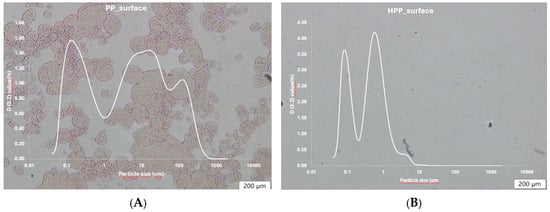
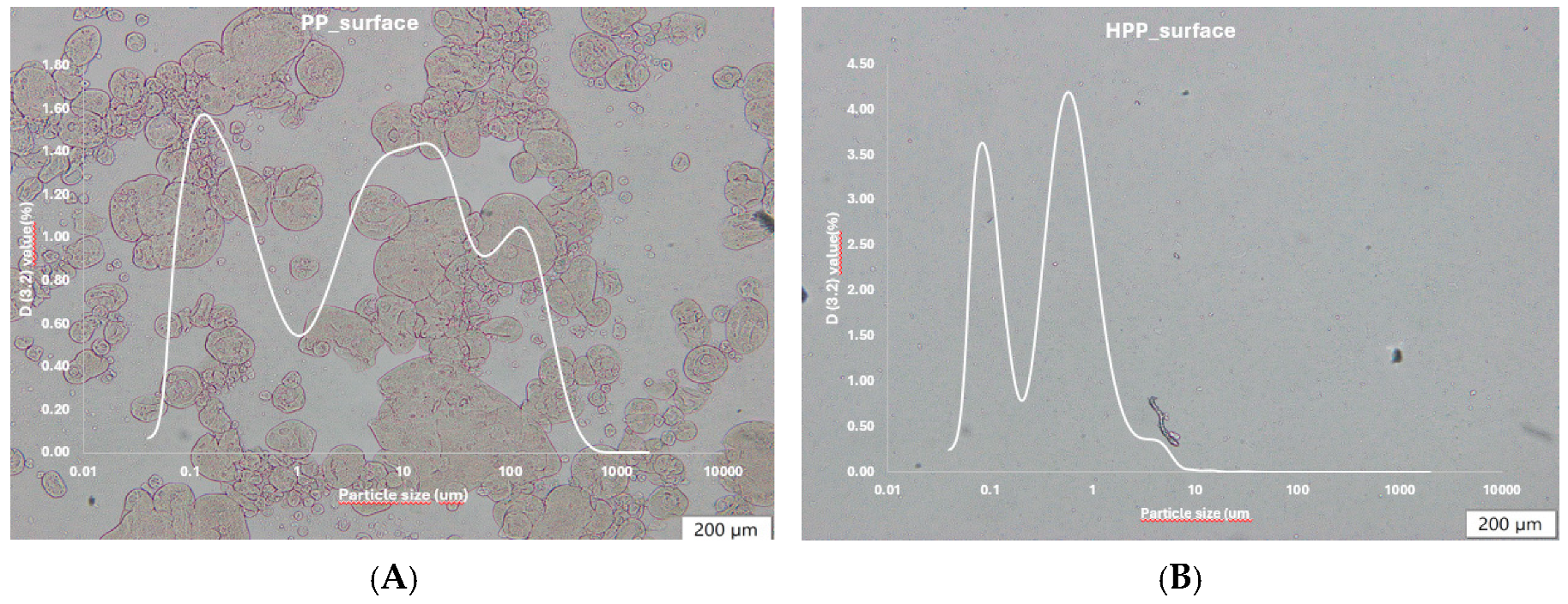
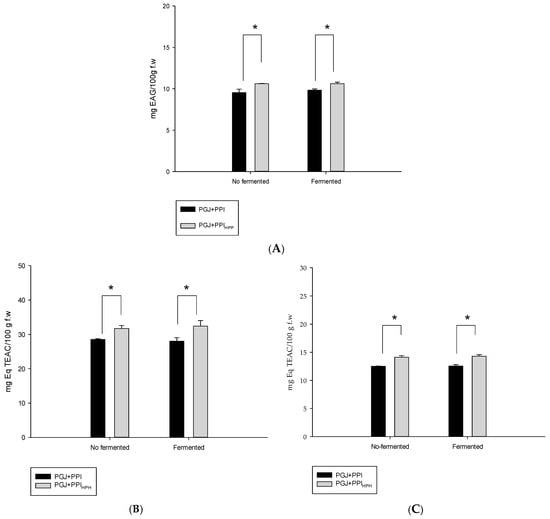
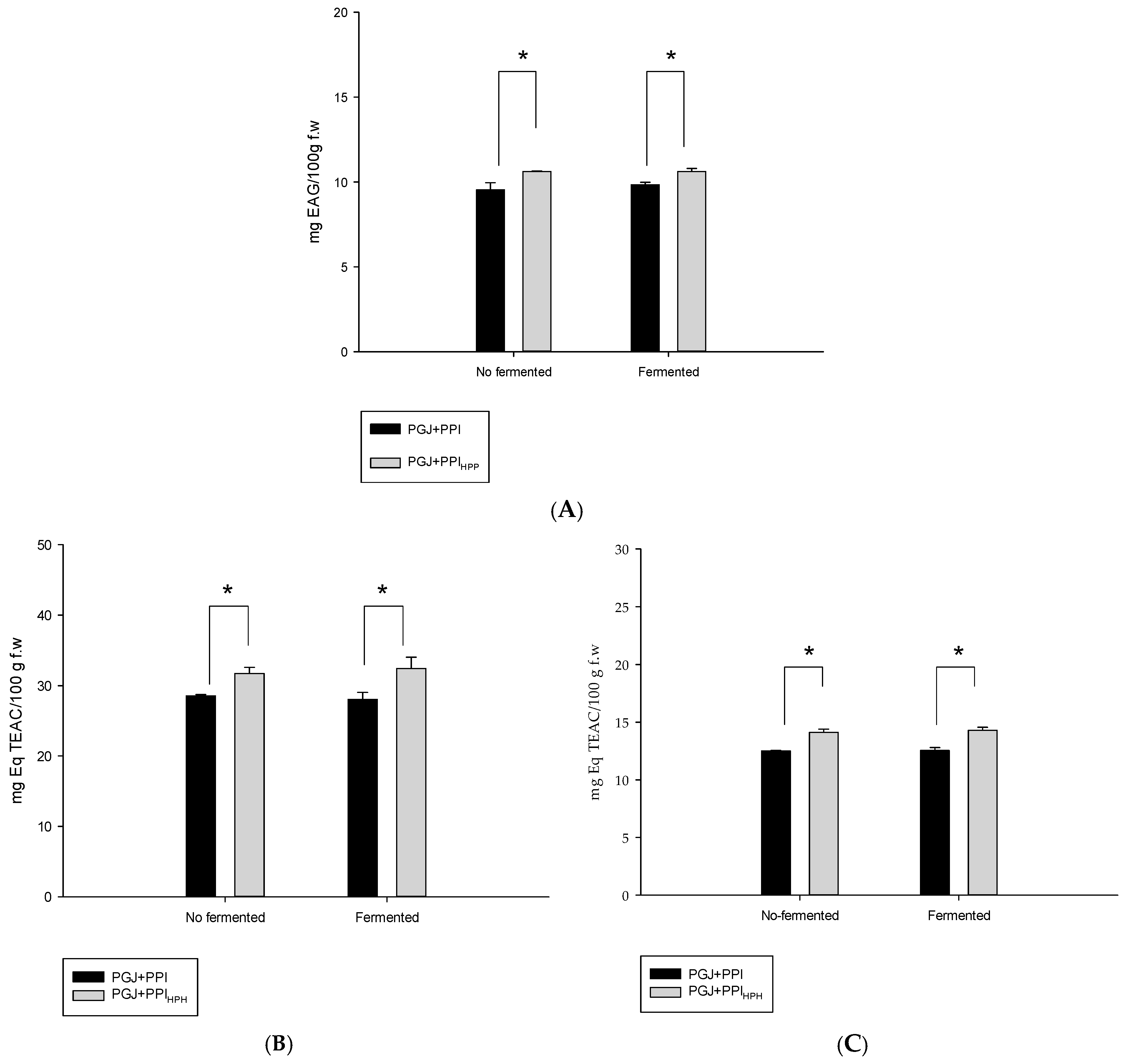
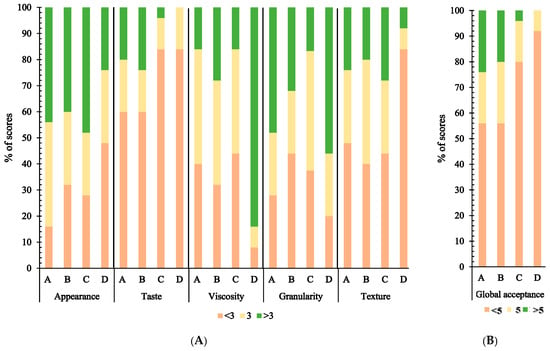
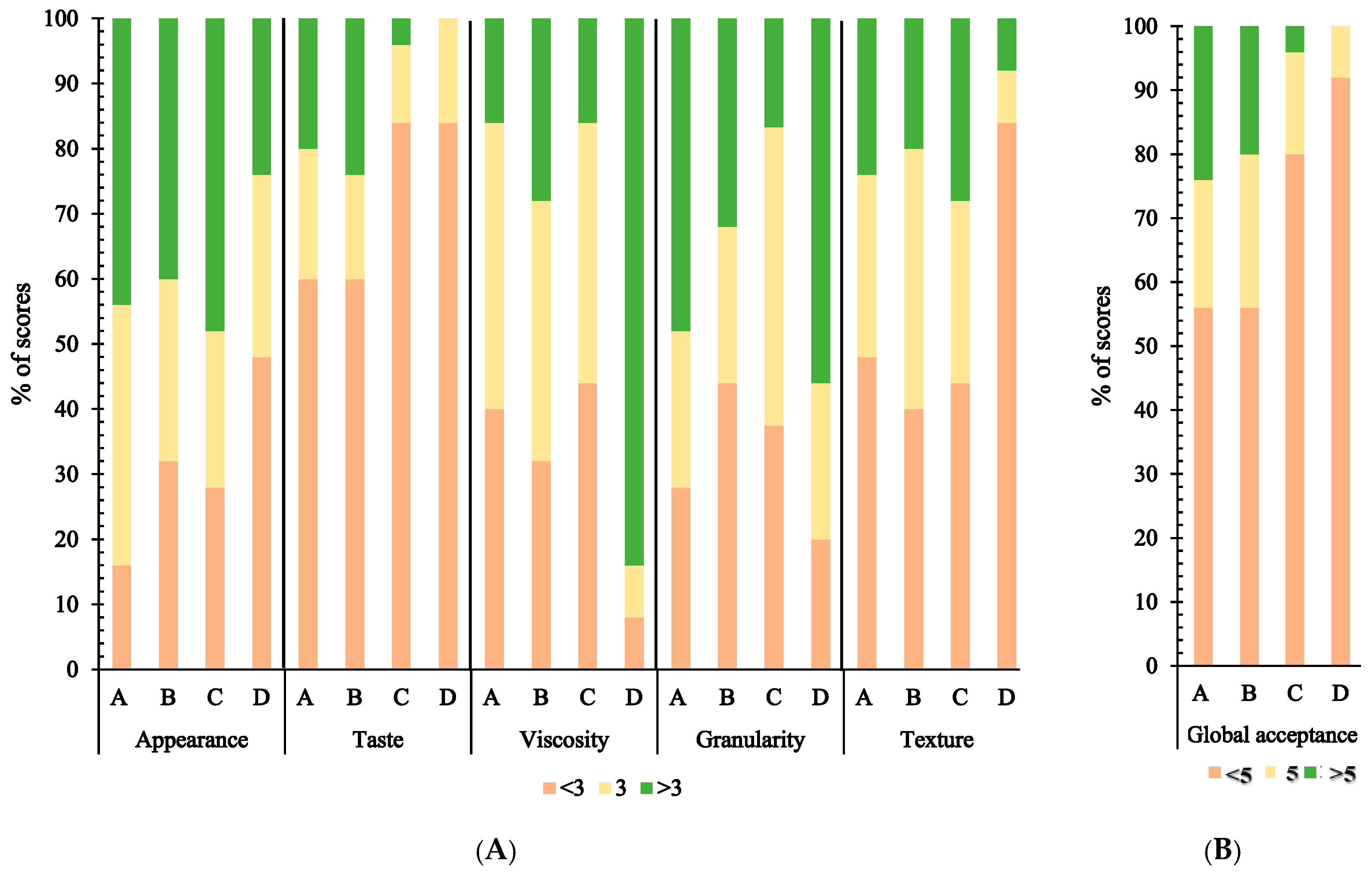
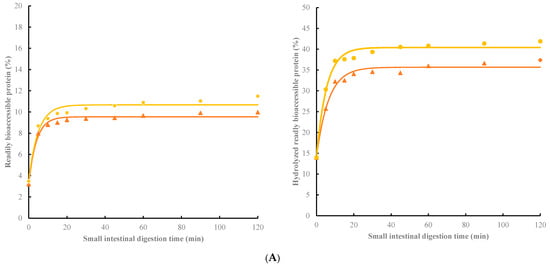
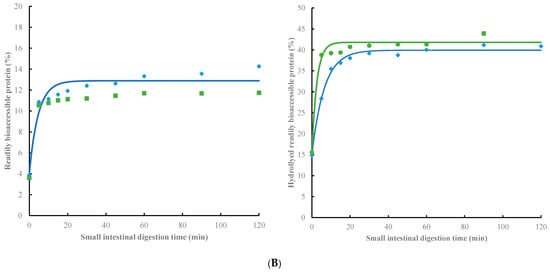
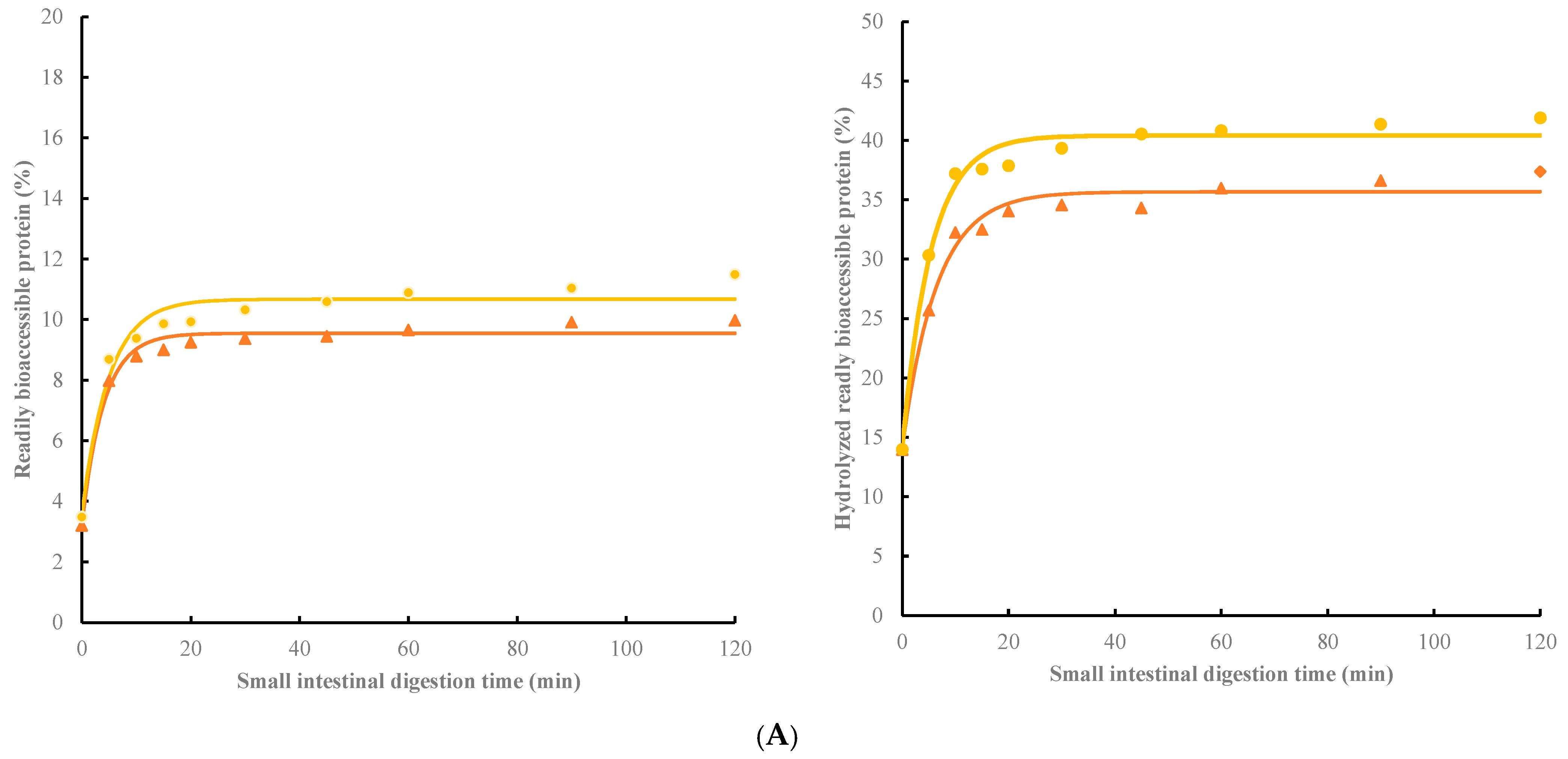
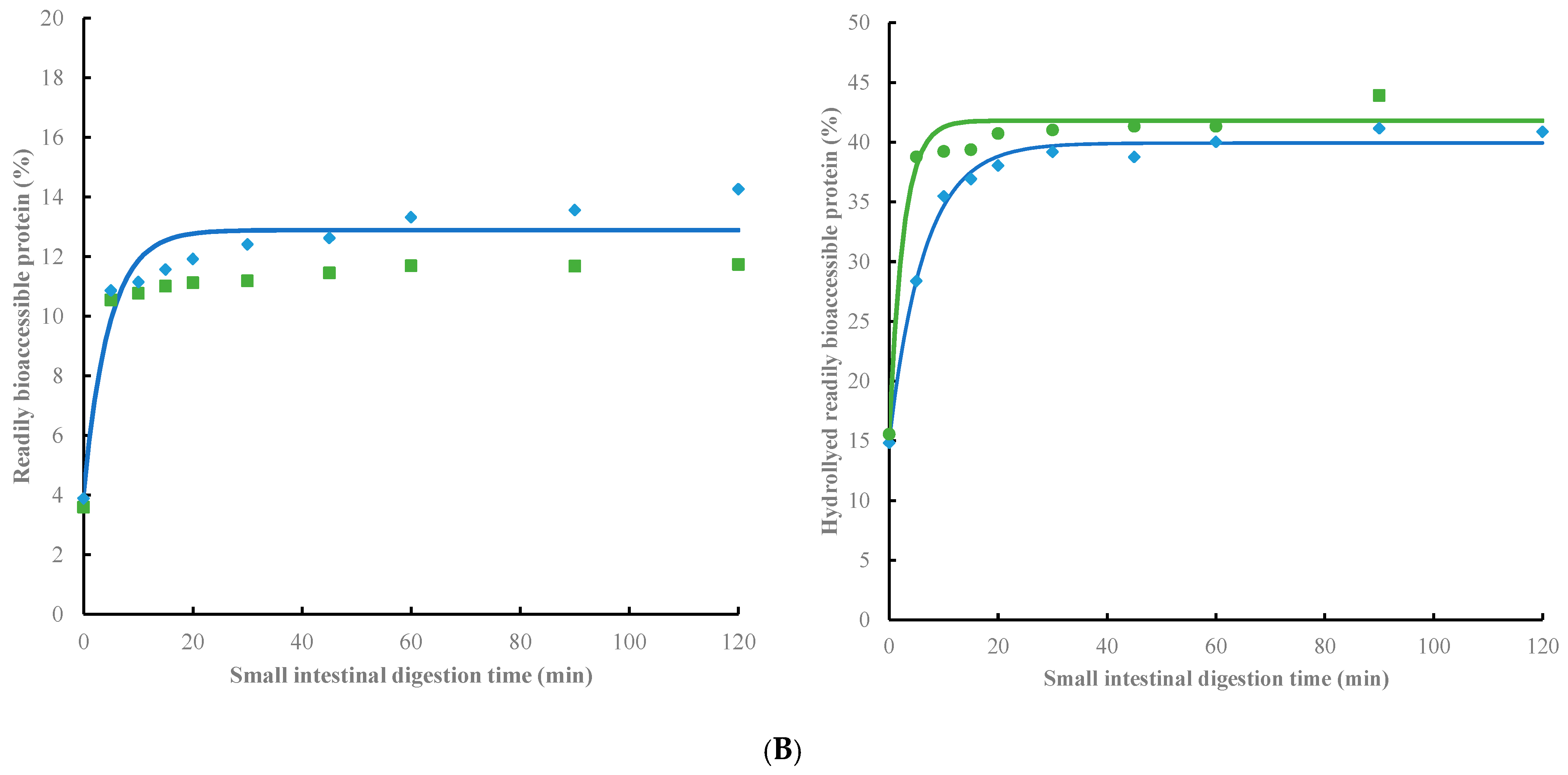
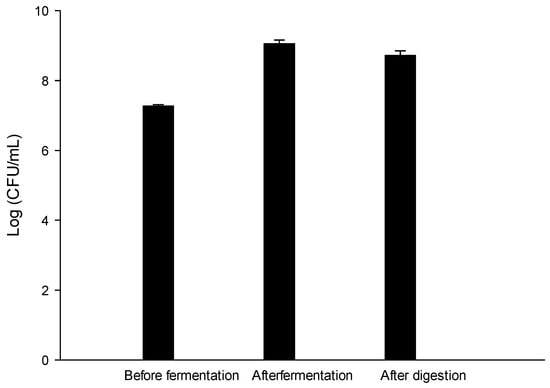

Disclaimer/Publisher’s Note: The statements, opinions and data contained in all publications are solely those of the individual author(s) and contributor(s) and not of MDPI and/or the editor(s). MDPI and/or the editor(s) disclaim responsibility for any injury to people or property resulting from any ideas, methods, instructions or products referred to in the content. |
© 2026 by the authors. Licensee MDPI, Basel, Switzerland. This article is an open access article distributed under the terms and conditions of the Creative Commons Attribution (CC BY) license.