


Abstract
Carbon-based materials, including graphene, carbon nanotubes, laser-induced graphene, and pyrolyzed glassy carbon, are widely used in sensing applications due to their high conductivity, large surface area, and tunable surface chemistry. Meanwhile, microfluidic systems enable precise fluid handling, reduced sample consumption, and enhanced analytical performance through improved mass transport and device miniaturization. The integration of carbon-based materials with microfluidic platforms has enabled the development of compact, portable, and highly sensitive devices for water monitoring. This review summarizes recent advances in carbon-based microfluidic sensors for water monitoring applications. Key carbon materials and their sensing mechanisms, particularly electrochemical transduction, are discussed. Various microfluidic integration strategies, including paper-based devices, polymer-based devices, MEMS-based systems, and flexible platforms, are highlighted, with emphasis on mass transport enhancement and overall system performance. Representative recent advances in carbon-based microfluidic sensors for water monitoring, including the detection of heavy metal ions, nutrients, and emerging contaminants, are reviewed. Finally, challenges related to scalable manufacturing, long-term operational stability, biofouling/surface fouling, and reproducible system integration are discussed, together with future perspectives on intelligent carbon-based microfluidic platforms featuring AI-assisted analytics, sense-response functionality, and self-healing and dynamic antifouling capabilities for water monitoring. These advances are expected to enable real-time, low-cost, and field-deployable water monitoring systems for environmental protection and public health management. Overall, this review highlights the critical role of integrating carbon-based sensing materials with microfluidic engineering in advancing next-generation water monitoring technologies.
1. Introduction
Water pollution has become one of the most pressing environmental challenges worldwide [1,2,3,4]. Among various water contaminants, heavy metals [5,6,7] and nutrients [8,9,10] are two of the most representative pollutant categories. Heavy metals are characterized by high toxicity, persistence, and a strong tendency to bioaccumulate, posing long-term risks to ecosystems and human health even at trace concentrations [11,12]. Nutrient pollutants, primarily originating from agricultural runoff, industrial discharges, and municipal wastewater, are major drivers of eutrophication and harmful algal blooms [8,13,14]. In addition, emerging contaminants, particularly per- and polyfluoroalkyl substances (PFAS), have attracted increasing attention because of their environmental persistence and potential biological toxicity [15,16]. Together, these contaminants constitute a complex and dynamic pollution matrix that places increasingly stringent demands on the sensitivity, selectivity, and applicability of water monitoring technologies.
Current water quality monitoring still relies heavily on conventional laboratory-based analytical methods, including ultraviolet-visible (UV-Vis) spectroscopy [17,18], ion chromatography [19,20], and chromatography-mass spectrometry [21,22] techniques. Although these methods provide high accuracy and reliability, they often require sophisticated laboratory infrastructure, trained personnel, and extensive sample preparation, resulting in high operational costs and limiting their suitability for real-time, continuous, and on-site water quality monitoring. Consequently, existing analytical approaches remain constrained in terms of portability and in situ monitoring capability, making it challenging to meet the growing demand for high-spatiotemporal-resolution water quality data.
To address these limitations, considerable efforts have been devoted to the development of novel sensing technologies. Among them, electrochemical sensing has emerged as a promising approach for environmental monitoring due to its rapid response, simple instrumentation, ease of miniaturization, and suitability for on-site analysis [23,24]. In this context, carbon-based sensors have attracted significant attention and are widely regarded as ideal candidates for high-performance water monitoring platforms due to their excellent electrical conductivity, large specific surface area, outstanding chemical stability, and tunable surface functionalization [25,26,27,28]. Meanwhile, advances in microfluidic technologies have created new opportunities for further miniaturization and performance enhancement of sensing systems [29,30]. Microfluidic platforms enable precise manipulation of fluids, substantially reduce sample consumption, and improve sensing kinetics by enhancing mass transport and shortening diffusion distances [31,32,33]. In addition, their high degree of integration and scalability facilitates seamless coupling with carbon-based sensing electrodes, enabling the development of highly sensitive, low-power, and real-time analytical systems [34,35,36].
The integration of carbon-based sensing materials with microfluidic platforms has therefore emerged as a powerful strategy for improving sensing performance and overcoming the limitations of conventional analytical methods in terms of sensitivity, response speed, and field applicability [37,38]. Compared with other signal transduction approaches commonly employed in microfluidic sensing systems, such as fluorescence [39,40], colorimetric [41,42], Raman [43,44], and photoelectrochemical detection [45,46], the primary advantages of carbon-based materials in water monitoring lie in their electrochemical and electrical signal transduction capabilities [47,48,49]. These advantages arise from their exceptional conductivity, tunable interfacial electronic properties, and compatibility with miniaturized electrodes and microfluidic architectures [34,50]. Recent advances have led to significant improvements in highly sensitive electrochemical detection, system miniaturization, and multiplexed analysis, substantially expanding the capabilities and application potential of environmental sensing platforms [51,52]. Several representative reviews have summarized related progress from different perspectives. For example, carbon-based electrochemical sensors for environmental monitoring have been extensively reviewed, focusing on material types, sensing performance, and analytical applications for detecting environmental toxicants in groundwater, surface water, and drinking water, as well as air and soil [53]. In addition, recent work has critically examined advanced carbon-based electrochemical sensing interfaces, emphasizing structure–property relationships, signal amplification mechanisms, and interfacial engineering strategies for heavy metal detection in water quality monitoring applications [54]. Furthermore, microfluidic sensing platforms have been comprehensively reviewed with respect to micropollutant detection, highlighting advances in microfluidic transport control and device miniaturization for enhanced sensitivity and real-time environmental diagnostics [55]. Nevertheless, comprehensive reviews focusing specifically on carbon-based microfluidic sensing systems remain limited, particularly those that systematically analyze the interplay among sensing materials, interfacial mechanisms, and microfluidic transport processes.
Accordingly, this review focuses on the integration of carbon-based materials in microfluidic systems for water monitoring and provides a comprehensive overview of recent advances and key technological developments in this field by collecting, classifying, analyzing, and synthesizing relevant studies published over the past decade. The literature was primarily retrieved from peer-reviewed journal articles and conference papers indexed in the Web of Science and Scopus databases. First, carbon-based sensing materials and their electrochemical transduction mechanisms are discussed, highlighting the functional characteristics and signal-generation principles of different carbon materials used in water monitoring. Subsequently, integration strategies between carbon-based sensors and microfluidic platforms are examined to establish a framework for microfluidic carbon-based sensing systems. Particular emphasis is placed on transport-enhanced sensing mechanisms, including flow-assisted mass transport and interfacial reaction enhancement, to elucidate the coupling between fluid transport and sensing responses. Advances in representative water monitoring applications are then reviewed, including the detection of heavy metals, nutrients, and emerging contaminants. Finally, challenges including scalable manufacturing, long-term operational stability, biofouling/surface fouling, and reproducible system integration are discussed, together with future perspectives on intelligent carbon-based microfluidic platforms featuring AI-assisted analytics, sense-response functionality, and self-healing and dynamically antifouling capabilities for water monitoring. This review aims to provide a systematic framework for the design and optimization of carbon-based microfluidic sensing systems and to support the development of next-generation technologies for real-time water monitoring.
2. Carbon-Based Sensing Materials and Transduction Mechanisms
Carbon-based materials widely used in chemical and biological sensing applications exhibit excellent electrical properties, highly tunable structural characteristics, and strong chemical stability [27,38,49]. The remarkable versatility of carbon-based sensing materials originates fundamentally from the unique electronic configuration of carbon atoms [25]. A carbon atom possesses an electronic configuration of 1s2 2s2 2p2, and the relatively small energy gap between the 2s and 2p orbitals facilitates the formation of sp, sp2, and sp3 hybridizations [56,57,58]. This enables carbon to form diverse bonding configurations and gives rise to a wide range of structural architectures [59].
Based on these structural characteristics, carbon-based sensing materials can be broadly classified according to their dimensionality, including one-dimensional carbon nanotubes [60], two-dimensional graphene and its derivatives [61,62], three-dimensional porous carbon architectures [63,64], as well as bulk carbon electrodes and carbon-based composites [65]. This evolution from low-dimensional to high-dimensional structures not only influences electron transport pathways and specific surface area distribution but also directly determines interfacial reactivity and signal amplification capability. Although carbon materials of different dimensionalities exhibit variations in charge transport mechanisms, interfacial active site density, and mass transport behavior, they generally share key advantages such as high electrical conductivity and large surface area. Moreover, their surfaces can be readily functionalized or structurally engineered to achieve selective recognition of target analytes, thereby significantly enhancing sensing performance [60,62,65].
In sensing systems, carbon-based materials primarily function as interfacial signal transduction layers. Their core role is to convert physicochemical interactions between analytes and the electrode interface such as physical adsorption, charge interactions, or redox reactions, into measurable electrochemical signals, including changes in current, potential, or impedance [34,66]. Depending on the specific system, signal transduction mechanisms may involve charge transfer modulation, interfacial adsorption effects, electric double-layer variations, and conductive network reconfiguration [67]. Therefore, establishing a fundamental correlation between the structural properties of carbon materials and interfacial signal transduction mechanisms is essential for the rational design of high-performance environmental monitoring and microfluidic sensing systems.
2.1. Graphene-Based Sensing Materials
Graphene has attracted extensive attention in electrochemical sensing due to its unique two-dimensional electronic structure, exceptional electrical conductivity, and large specific surface area [68]. Graphene-based electrodes typically exhibit a wide electrochemical potential window, low charge-transfer resistance, and rapid interfacial electron-transfer kinetics [69]. Cyclic voltammetry measurements using common redox probes, such as [Fe(CN)6]3−/4− and [Ru(NH3)6]3+/2+, have revealed well-defined oxidation and reduction peaks at graphene electrodes [70], with electrochemical responses characteristic of near-reversible systems, as evidenced by small peak-to-peak potential separations (ΔEp) [68,71].
Furthermore, graphene-based electrodes typically exhibit diffusion-controlled redox behavior, as indicated by the linear relationship between peak current and the square root of scan rate [68,72]. This behavior is primarily attributed to the high electronic density of states and the extended two-dimensional π-conjugated network of graphene [73,74], which facilitate efficient charge transport and rapid electron-transfer kinetics at the electrode-electrolyte interface. In addition, its surface charge distribution and electrical double-layer (EDL) structure modulate the interfacial electric field, enhancing ion adsorption and sensitivity toward charged analytes [75,76].
Beyond pristine graphene, graphene-derived materials, including graphene oxide (GO), reduced graphene oxide (rGO), and graphene quantum dots (GQDs), offer additional opportunities for tailoring sensing performance [77]. Their structures are shown in Figure 1. Through the introduction of structural defects, surface functional groups, and quantum confinement effects, these materials exhibit distinct advantages in interfacial adsorption, electronic structure modulation, and localized enhancement of reaction activity. Consequently, they provide diverse pathways for signal amplification and create abundant active sites for target–analyte interactions, thereby expanding the applicability of graphene-based materials in electrochemical sensing systems [77].
Figure 1.
Structures of graphene-based materials. (a) pristine graphene, consisting of a pure arrangement of sp2-hybridized carbon atoms; (b) graphene oxide (GO); (c) reduced graphene oxide (rGO); and (d) graphene quantum dots (GQDs). Reproduced from Reference [77] under the CC BY.
Furthermore, recent advances have focused on chemical functionalization and hybridization strategies to enhance sensing performance of graphene-based materials [78,79]. For example, aminated graphene has been widely explored to introduce abundant active nitrogen-containing groups, which improve analyte adsorption and electron-transfer efficiency in electrochemical sensing systems [80,81,82]. Similarly, thiolated graphene enables strong affinity toward metal ions and improves selectivity for heavy metal detection through enhanced coordination interactions [83,84,85]. In addition, graphene functionalized with metal oxide nanoparticles, such as ZnO/graphene composites, has demonstrated synergistic effects arising from the combination of graphene’s high conductivity and ZnO surface reactivity, leading to improved sensitivity and catalytic activity [86,87,88]. More recently, graphene-based polymer composites with segregated conductive structures have attracted increasing attention due to their highly efficient electron transport pathways and enhanced percolation networks [89,90,91], providing a new class of multifunctional sensing materials for electrochemical and microfluidic applications.
These characteristics endow graphene with significant potential for high-sensitivity electrochemical sensing. During sensing, target analytes generate detectable signals through several interfacial mechanisms, including the modulation of electron-transfer kinetics at the electrode interface affecting the current response and peak potential characteristics of redox reactions [92,93]; alterations in interfacial charge distribution and EDL structure leading to changes in surface potential or impedance [76,94]; and adsorption-induced perturbations of the local electronic structure, which enhance the sensitivity toward trace-level analytes [95,96]. Collectively, these mechanisms constitute the fundamental signal transduction principles of graphene-based electrochemical sensors.
From a synthesis and manufacturing perspective, graphene-based materials can be produced at scale via chemical exfoliation [97,98], oxidation-reduction processes [99,100], and laser-assisted or printing-based techniques [101,102]. These methods enable precise control over defect density, edge structure, and surface functionalization, allowing tailored electrochemical properties for specific sensing applications and facilitating their integration into microfluidic platforms [77].
2.2. Carbon Nanotubes Sensing Materials
Carbon nanotubes (CNTs) are one-dimensional carbon nanomaterials that can be conceptually regarded as cylindrical nanostructures formed by rolling a single graphene sheet into a tubular geometry [103]. Due to their exceptionally high aspect ratio, electrons preferentially transport along the tube axis, giving rise to pronounced one-dimensional charge transport characteristics at the nanoscale. Depending on the number of graphene walls, CNTs can be classified into single-walled carbon nanotubes (SWCNTs), double-walled carbon nanotubes (DWCNTs), and multi-walled carbon nanotubes (MWCNTs) [104,105], as shown in Figure 2. These structural variations significantly influence their electrical properties and interfacial electrochemical behavior. It should be emphasized that the one-dimensionality of CNTs refers to the intrinsic geometric and electronic characteristics of individual nanotubes. In practical sensing devices, however, CNTs rarely exist as isolated entities but are typically assembled into interconnected macroscopic three-dimensional network structures through solution processing, deposition, printing, or alignment techniques [106].
Figure 2.
Schematic illustrations of carbon nanotube structures. (a) single-walled carbon nanotubes (SWCNTs), (b) double-walled carbon nanotubes (DWCNTs), and (c) multi-walled carbon nanotubes (MWCNTs).
Within CNTs networks, nanotubes are interconnected through physical contacts or quantum tunneling effects, forming numerous distributed inter-tube junctions that collectively establish conductive pathways exhibiting characteristic percolation behavior [107,108]. Their electrical properties depend not only on the intrinsic conductivity of individual nanotubes but also on the combined effects of inter-tube contact resistance, network connectivity, and the dynamic reconstruction of electron transport pathways. As a result, CNT networks highly sensitive to external perturbations, including molecular adsorption, charge-transfer processes, and changes in the interfacial environment [109,110].
From a sensing perspective, CNT-based systems operate through three coupled mechanisms. First, the sp2-conjugated carbon framework of CNTs provides excellent electrical conductivity, enabling rapid and efficient signal transduction [111]. Second, their high specific surface area and one-dimensional morphology promote the enrichment and adsorption of analytes at the sensing interface [112]. Third, the inter-tube junctions within CNT networks can amplify local changes in charge distribution and electron transport pathways [108], allowing subtle interfacial perturbations to be converted into measurable variations in resistance, current, or impedance. Furthermore, surface and structural defects in CNTs, such as vacancy defects [113,114] and Stone-Wales defects [115,116], can serve as active sites that enhance interactions with target analytes, thereby improving sensing sensitivity and selectivity. In microfluidic sensing systems, CNT networks further function as integrated conductive interfacial layers [117]. Their high porosity and continuous conductive pathways facilitate mass transport and electron-transfer processes at the interface, supporting high-performance miniaturized sensing.
From a fabrication perspective, CNTs are commonly synthesized using chemical vapor deposition (CVD) [118,119], arc-discharge [120,121,122], and laser-ablation methods [123,124,125]. Among these approaches, CVD is the most widely adopted for sensor and microfluidic applications because of its superior structural controllability and compatibility with micro- and nanofabrication processes, enabling the controlled integration of CNTs into device architectures.
2.3. Laser-Induced Graphene Porous Carbon Materials
Laser-induced graphene (LIG) is a rapidly emerging three-dimensional porous carbon-based material [126,127,128]. Its defining feature is the capability to directly convert polymer precursors into graphitized conductive patterns via laser writing, enabling simultaneous material transformation and electrode patterning in a single step [129].
Unlike conventional synthesized graphene, LIG is fundamentally formed through a non-equilibrium thermal decomposition and structural reconfiguration process driven by localized laser energy [130]. This formation process involves coupled photothermal and photochemical effects, and the resulting structural evolution is highly dependent on parameters such as laser energy density, pulse duration, and scanning speed [126]. Consequently, the final carbon framework typically exhibits pronounced structural heterogeneity [131]. At the microscopic level, LIG consists of turbostratically stacked graphitic domains with mixed sp2/sp3 bonding configurations and a high defect density, lacking the long-range crystalline order characteristic of single- or few-layer graphene [130,132]. Therefore, it is more appropriately regarded as a laser-induced porous graphitized carbon material rather than a strictly defined graphene system.
LIG is typically produced on carbon-rich polymer substrates such as polyimide (PI) through CO2 or near-infrared laser irradiation, which induces rapid localized heating and pyrolysis [129]. The formation process of LIG is shown in Figure 3. During this process, non-carbon elements in the polymer (e.g., O, H, and N) are rapidly removed, while the remaining carbon atoms undergo structural rearrangement to form an sp2-conjugated network. This approach eliminates the need for photolithography masks or complex multistep micro/nanofabrication processes, enabling rapid manufacturing strategy. However, in practical sensing applications, additional post-treatments such as electrochemical activation, nanoparticle decoration, or surface functionalization are often required to enhance interfacial reaction kinetics and selectivity [130].
Figure 3.
Laser-induced graphene (LIG) fabrication, modification strategies, and representative applications. Reproduced from Reference [130] under the CC BY.
LIG features a three-dimensional porous architecture that significantly increases specific surface area and interfacial active sites, facilitating analyte enrichment and enhancing interfacial electrochemical reactions. Its continuous sp2 carbon network provides stable electron-transport pathways [130,133], enabling good electrical conductivity in both electrochemical and resistive sensing applications. However, compared with ideal graphene, electron transport in LIG is strongly influenced by defects, edge states, and sp3-hybridized regions. Its conduction mechanism is therefore more consistent with defect-mediated percolation transport rather than high-mobility Dirac fermion transport. Accordingly, its electrochemical response is primarily governed by the density of interfacial states and localized charge-transfer processes. In addition, the abundant defect structures and surface functional groups provide additional opportunities for post-modification or in situ functionalization [130,132], thereby enhancing selective recognition capability.
In sensing applications, LIG is typically employed as a working electrode or in microelectrode array configurations. Its three-dimensional porous structure provides a large electrochemically active surface area, abundant adsorption sites, and efficient conductive pathways, facilitating analyte enrichment and interfacial electron-transfer processes. Consequently, its sensing performance is primarily governed by porous-structure-enhanced interfacial charge transfer. Within microfluidic systems, LIG electrodes can be directly patterned via laser writing and seamlessly integrated with microchannels in a spatially conformal manner [134], thereby eliminating the need for complex lithography, metal deposition, and pattern-transfer processes typically required for conventional electrodes. It should be emphasized that the distinction between LIG and conventional graphene materials lies not only in structural dimensionality but also in its dual role as both a material and a device fabrication platform [135]. Beyond its role as a sensing material, LIG also serves as a direct-write fabrication platform, enabling rapid electrode patterning and streamlined device manufacturing, which makes it highly compatible with microfluidic sensor prototyping.
In summary, as a representative three-dimensional porous carbon material, LIG enables in situ laser-induced conversion and direct patterning, and differs from conventional graphene in structural characteristics, electron transport behavior, and device integration. These features make it a promising material for low-cost, highly integrated microfluidic electrochemical sensing platforms.
2.4. Pyrolyzed Carbon Microelectrodes
Pyrolyzed carbon materials are obtained by carbonizing polymer precursors under inert atmospheres [136]. Depending on the chemical structure of the precursor, pyrolysis conditions, and post-treatment methods, they are classified into graphitizing carbon and non-graphitizing carbon, as shown in Figure 4. These two categories exhibit significant differences in structural ordering, electrical properties, and electrochemical behavior.
Figure 4.
Classification of carbon materials obtained from pyrolysis of polymers. Reproduced from Reference [136] under the CC BY.
Graphitizing carbon progressively evolves into high ordered graphitic structures under high-temperature or catalytic conditions [136,137]. In the early stages of pyrolysis, turbostratic, graphite-like layers are typically formed, which progressively become more ordered as the temperature increases [136,138]. Highly oriented pyrolytic graphite (HOPG) can be regarded as an extreme and highly ordered form of this process and is primarily used for studies of electrochemical interfacial mechanisms rather than practical sensing applications [139,140,141].
In contrast, non-graphitizing carbon cannot be converted into crystalline graphite even under high-temperature conditions [142]. It typically consists of highly cross-linked three-dimensional carbon structures with a high density of structural defects [143]. Their microstructure is generally composed of disordered sp2-rich carbon domains that exhibit curved, folded, or even fullerene-like structural features [130,143]. Due to the absence of long-range order, their electron transport is primarily governed by defect-mediated localized hopping conduction rather than band-like transport as in graphite. Although less conductive than graphitizing carbon, non-graphitizing carbon offers superior mechanical and chemical stability [143,144].
Glassy carbon is the most representative and widely used type of non-graphitizing carbon. It is typically prepared by high-temperature carbonization of thermosetting polymer precursors such as phenolic resins [145,146] and photoresists (e.g., SU-8) [147,148]. During pyrolysis, the precursor undergoes dehydrogenation, deoxygenation, and extensive carbon network reorganization, resulting in a dense, non-graphitizing carbon structure with predominantly closed or semi-closed porosity [149]. This microstructure imparts excellent chemical inertness, electrochemical stability, and corrosion resistance, which have contributed to its widespread adoption in electrochemical microelectrode and sensing applications.
Glassy carbon microelectrodes are highly compatible with micro/nanofabrication and MEMS integration [150,151]. Using a pattern-then-pyrolyze strategy, polymer microstructures are converted into conductive carbon structures through pyrolysis, while largely preserving their geometric features and undergoing predictable volumetric shrinkage. This approach enables the fabrication of complex microelectrode arrays, three-dimensional microstructures, and microfluidic-integrated electrode systems that are difficult to achieve using conventional bulk carbon materials.
In electrochemical sensing, glassy carbon microelectrodes transduce signals primarily through defect-mediated interfacial electron-transfer processes, which occur predominantly at edge-plan-like sites and defect-rich sp2 carbon domains [152]. The resulting response mechanisms include surface redox reactions [153], molecular adsorption effects [154], and variations in electrical double-layer capacitance [155]. Unlike graphene, CNT networks, or LIG, which often benefit from high surface area and/or percolative conductive architectures, glassy carbon exhibits relatively dense and less porous microstructures. Its key advantage lies in forming stable, homogeneous, and highly reproducible electrochemical interfaces, thereby ensuring consistent electron-transfer kinetics and high measurement repeatability. This endows glassy carbon with excellent suitability for quantitative electrochemical analysis and long-term continuous monitoring applications.
The performance of glassy carbon electrodes can be further enhanced through various surface modification strategies, including mechanical polishing [156,157], plasma treatment [158,159], electrochemical activation [160,161], and functionalization with metal nanoparticles [162,163], metal oxides [164,165], carbon nanomaterials [163,165], or conductive polymers [166]. These modification approaches effectively increase active site density, improve electrocatalytic activity, and introduce selective recognition capability toward target analytes, enabling their widespread use in environmental monitoring, electrochemical sensing, and microfluidic analytical systems.
2.5. Transduction Mechanisms in Carbon-Based Systems
The core role of carbon-based sensing materials in electrochemical and microfluidic sensing systems lies not only in their diverse structural forms and fabrication pathways, but more fundamentally in their function as interfacial layers that transduce target analytes into measurable electrical signals. Although graphene, CNTs, laser-induced graphene, and pyrolyzed glassy carbon electrodes differ in structural dimensionality, conductive pathways, and surface chemistry, their sensing responses ultimately originate from coupled interfacial electron-transfer processes and charge-distribution variations. Therefore, carbon-based sensing signal transduction can be systematically interpreted within a unified interfacial mechanistic framework.
The electrochemical signal output of carbon-based materials can be broadly categorized into three fundamental measurement modes: amperometric, potentiometric, and impedance-based responses [34]. Among these, amperometric responses primarily arise from Faradaic redox processes of target species occurring at the electrode surface [167]. Potentiometric responses reflect variations in interfacial charge equilibrium or ion activity that induce changes in electrode potential [168]. Impedance-based responses are governed by variations in charge-transfer resistance as well as changes in the electrical double-layer structure [169]. The differences among these macroscopic responses fundamentally originate from variations in interfacial reaction kinetics and charge-transport pathways at the electrode interface.
At the microscopic level, carbon-based sensing signal transduction can be described through three coupled key processes. First, electron-transfer dynamics govern the electrochemical reaction kinetics and serve as the primary origin of Faradaic current responses [170]. These kinetics are strongly influenced by the intrinsic conductivity, density of electronic states, and interfacial structure of the material. Second, the adsorption behavior of target analytes on carbon surfaces modifies the local electronic structure and reaction energy barriers [171], thereby affecting both reactivity and selectivity. This effect is particularly pronounced in carbon materials containing defect sites or surface functional groups. Third, variations in the electrical double-layer structure at the electrode/electrolyte interface modulate the local electric field distribution and charge-screening behavior [172], leading to potential shifts or impedance changes. This mechanism is especially critical in ion-sensing systems such as heavy metal ion and nutrient detection. In addition, for carbon materials with three-dimensional porous and networked structures, their electrical conductivity is typically governed by interconnected conductive networks [173]. In such systems, analyte adsorption, volumetric deformation, or environmental perturbations can lead to redistribution or partial reconstruction of conductive pathways, thereby inducing changes in overall conductivity or impedance. This connectivity-dependent response mechanism inherently provides a signal amplification effect, making it particularly attractive for flexible sensing and printable device applications.
In more advanced device architectures, carbon-based sensing systems based on field-effect transistors (FETs) [174], such as graphene FETs [175] and ion-sensitive field-effect transistors (ISFETs) [176], further extend the signal transduction pathway. In these devices, interfacial charge variations are converted into channel conductivity modulation through the gate effect [177], accompanied by contributions from chemical doping effects [178], enabling highly sensitive detection of low-concentration ions or molecules. For example, in graphene-based ISFETs, adsorption or binding of target ions at the interface alters the carrier concentration, resulting in a pronounced electrical response enhancement [179].
Overall, the signal transduction mechanisms of carbon-based sensing materials can be broadly understood through the coupled effects of interfacial electron transfer, adsorption-induced charge modulation, electrical double-layer regulation, and, in networked carbon architectures, network-scale conductivity variations. These mechanisms operate with different relative contributions across different material systems. Table 1 summarizes the transduction mechanisms of these representative carbon-based materials. Graphene-based materials primarily emphasize electron transfer and interfacial charge regulation; CNT networks rely more strongly on percolation-based network effects; LIG enhances sensing performance through a combination of increased electrochemically active surface area, improved mass transport, and interconnected conductive pathways within its porous architecture; whereas pyrolytic glassy carbon electrodes exhibit interfacial electron transfer on defect-rich sp2 carbon domains, accompanied by localized hopping conduction behavior.
Table 1.
Transduction mechanisms of representative carbon-based materials.
When integrated into microfluidic platforms, however, the sensing performance of these carbon-based materials is no longer determined solely by their intrinsic electrochemical properties, but is further governed by the coupling between material characteristics and microfluidic transport behavior. Enhanced mass transport and controlled interfacial flow reduce diffusion-layer thickness and accelerate analyte delivery to carbon-based electrode surfaces, thereby promoting electron-transfer kinetics. Meanwhile, microfluidic-induced convection improves the accessibility of adsorption sites on carbon materials, amplifying adsorption-mediated signal transduction. In porous and three-dimensional carbon architectures, continuous flow further facilitates renewal of the electrochemical interface, resulting in synergistic improvements in sensitivity, response speed, and detection limits. Therefore, carbon-based microfluidic sensors operate through a coupled material-transport sensing mechanism, in which intrinsic material properties and microfluidic transport jointly determine the overall sensing performance.
3. Microfluidic Carbon-Based Sensing Platforms and Transport-Enhanced Sensing Mechanisms
To further enhance sensing performance, microfluidic systems provide an effective platform for regulating mass transport, accelerating reaction kinetics, and optimizing interfacial signal transduction in carbon-based sensing devices [25,180,181,182]. Accordingly, the integration of carbon-based sensing materials with microfluidic platforms has attracted increasing attention, leading to a diverse range of device configurations with distinct structural designs and functional capabilities [36].
3.1. Microfluidic Platforms and Carbon Sensor Integration
Microfluidic systems enable highly integrated functions, including sample transport, reaction, separation, and detection, through precise manipulation of fluids at the microscale [183], demonstrating significant application potential in water quality analysis. To meet diverse application requirements, various microfluidic platforms have been developed for the integration of carbon-based sensors, exhibiting different structural configurations and fabrication strategies [25,184]. These platforms differ not only in fluid actuation mechanisms, device flexibility, and fabrication cost, but also significantly influence the integration approaches of carbon-based sensing materials, electrode construction methods, and interfacial signal transduction characteristics.
Based on platform architecture and fabrication processes, carbon-based microfluidic sensing systems can generally be classified into paper-based microfluidic devices [185,186], polymer-based microfluidic chips [187,188], MEMS-fabricated microfluidic systems [189,190], and flexible microfluidic platforms [191,192].
3.1.1. Paper-Based Microfluidic Devices
Paper-based microfluidic devices (μPADs) typically employ cellulose-based paper as the fluid transport medium [193,194,195]. Their intrinsic porous network enables passive liquid transport via capillary action, allowing sample delivery and distribution without the need for external pumping systems [186,195]. These platforms offer advantages such as low cost, simple structure, high portability, and suitability for disposable testing [185,186], making them highly attractive for on-site environmental monitoring and point-of-care analysis.
Paper-based microfluidic platforms are highly compatible with printing-based fabrication techniques [196], among which carbon inks serve as a key material for constructing conductive functional layers and sensing electrodes [197]. Carbon inks are generally composed of conductive carbon materials, such as graphene and CNTs, combined with polymer binders and solvent systems [198]. Due to their excellent printability, electrical conductivity, and low cost, carbon inks provide a versatile platform for fabricating scalable and disposable electrochemical sensing components on paper substrates [196,199].
During device fabrication, different printing techniques are employed to define both fluidic and sensing components. Wax printing is commonly used to create hydrophobic barriers within the paper matrix, thereby defining microfluidic channels [200,201]. Inkjet printing and screen printing are widely employed to fabricate functional electrodes and analytical zones [196,199]. This material-printing integration strategy enables the construction of electrochemical sensors without relying on complex micro/nanofabrication processes.
Beyond their fabrication advantages, the high porosity of paper facilitates enhanced contact between the sample and sensing interface, while carbon-based materials provide stable conductive pathways and efficient interfacial signal transduction. Together, these features enable paper-based platforms to achieve portable, rapid, and highly sensitive electrochemical detection in field applications.
3.1.2. Polymer-Based Microfluidic Devices
Polymer-based microfluidic chips are among the most widely used microfluidic platforms and are extensively applied in lab-on-a-chip systems as well as electrochemical and biosensing applications [188,202]. Depending on the material system and fabrication approach, polymer microfluidic platforms can be broadly categorized into elastomer-based systems, represented by polydimethylsiloxane (PDMS) [203] and thermoplastic polymer systems such as polymethyl methacrylate (PMMA) [204], polycarbonate (PC) [202], and cyclic olefin copolymer (COC) [205]. These two classes differ in fabrication routes, scalability, and interface integration strategies.
PDMS-based microfluidic chips are typically fabricated using soft lithography [206,207,208,209]. In this process, a silicon wafer master mold is first prepared using photoresists such as SU-8, followed by replica molding through casting and curing to form microchannel structures. The resulting devices are then bonded to glass or PDMS substrates via oxygen plasma treatment. This platform offers advantages such as simple fabrication, low cost, rapid prototyping, and short development cycles, making it the most widely used system in laboratory research. However, PDMS also exhibits limitations in solvent absorption, long-term stability, and large-scale manufacturability.
In contrast, thermoplastic polymer microfluidic platforms are commonly fabricated using hot embossing [210,211], injection molding [211,212], or laser micromachining [210,212]. These approaches are more suitable for large-scale manufacturing and industrial production, offering higher reproducibility and improved chemical stability. As a result, they show strong potential in disposable microfluidic sensors and portable diagnostic systems.
Due to their excellent compatibility with surface and interface processing, polymer-based microfluidic platforms can readily integrate functional carbon materials to construct electrochemical sensing interfaces [202]. For example, graphene, CNT networks, LIG, and carbon electrodes can be introduced into microfluidic channels or electrode regions via drop-casting [213], spray coating [214], transfer printing [215], or embedded integration [36], enabling efficient electrochemical detection and enhanced signal transduction of target analytes.
In addition, both PDMS/glass hybrid structures and thermoplastic polymer chips can support multimodal detection schemes, such as the integration of electrochemical and optical sensing modalities, thereby improving system sensitivity and functional versatility [216]. Overall, polymer-based microfluidic platforms represent one of the most flexible and widely applicable systems for carbon-based sensor integration and environmental water quality monitoring.
3.1.3. MEMS-Fabricated Microfluidic Devices
MEMS (microelectromechanical systems)-based silicon/glass microfluidic systems represent another class of high-precision microfluidic platforms [217]. These systems typically rely on semiconductor micro/nanofabrication techniques to achieve the integrated construction of microchannels, electrode arrays, and functional structures [218]. They are characterized by high dimensional precision, high device integration density, and strong capability for multifunctional microsystem integration, making them a typical lab-on-a-chip implementation strategy [219].
MEMS microfluidic platforms are generally fabricated using standard micro/nanofabrication processes such as photolithography, thin-film deposition, etching, and thermal processing [220]. Among them, negative photoresists, such as SU-8 and other patternable polymer materials, are widely used for microstructure template fabrication [221]. Through subsequent carbonization, material deposition, or interfacial functionalization, carbon-based microelectrodes can be constructed and integrated within MEMS microfluidic chips, enabling scalable integration of various carbon-based sensing materials [184]. In addition, MEMS processes are highly compatible with low-dimensional carbon materials such as graphene and CNTs, further enabling the integration of semiconductor-based sensor architectures such as FETs and ISFETs, thereby providing new device design pathways for highly sensitive ion and trace pollutant detection [222,223,224].
Furthermore, silicon wafer processing technologies enable the precise fabrication of high-density electrode arrays, complex microchannel networks, and integrated electrochemical detection units [225,226,227]. These capabilities make MEMS-based platforms particularly attractive for high-sensitivity electrochemical sensing and the monolithic integration of carbon-based microelectrodes with microfluidic chips.
3.1.4. Flexible Microfluidic Devices
Flexible microfluidic systems are typically fabricated using flexible substrates such as PI, polyethylene terephthalate (PET), ultrathin PDMS, or other elastomeric polymers, enabling stable operation under bending, stretching, or conformal contact with complex surfaces [191,228]. Compared with conventional rigid microfluidic chips, flexible platforms offer significantly greater adaptability for wearable sensing, real-time environmental monitoring, and portable analytical applications [191,229].
With the rapid development of flexible electronics and printed electronics technologies, flexible microfluidic platforms have been increasingly integrated with carbon-based conductive materials [38]. Graphene conductive films, CNT composite networks, and LIG can be directly fabricated on flexible substrates via techniques such as inkjet printing, screen printing, laser writing, or transfer printing [230,231]. Among these, LIG enables the direct laser-induced carbonization of polyimide surfaces to form three-dimensional porous conductive structures, eliminating the need for complex transfer or post-processing steps and thereby attracting considerable attention for flexible electrochemical sensor fabrication [231,232].
In addition, flexible microfluidic systems not only reduce device weight and manufacturing cost but also enable conformal contact with irregular surfaces and dynamic environments, thereby enhancing in situ continuous monitoring and real-time sensing capabilities [191,228]. These platforms provide an important technological direction for the development of next-generation portable and intelligent environmental monitoring systems.
3.2. Flow Architectures and Sensing Modes
In carbon-based microfluidic sensing systems, fluid transport within microchannels governs analyte mass transport and interfacial reaction kinetics [233,234,235], whereas the signal readout mode determines how these interfacial processes are transduced into measurable analytic signals [236]. Together, they shape the overall sensing performance of the system.
3.2.1. Flow Architectures
Under microfluidic conditions, the characteristic dimensions of channels are typically on the micrometer scale, resulting in low Reynolds number laminar flow regimes [237]. In such systems, analyte transport is predominantly governed by flow pathway design and interfacial engineering [238,239]. Therefore, the selection of flow architecture plays a critical role in determining mass transport efficiency and overall sensing performance. For electrochemical carbon-based microfluidic sensors, the flow mode not only governs the transport of analytes from the bulk solution to the electrode surface, but also affects interfacial renewal rates, diffusion layer thickness, and local concentration distributions, thereby further modulating electron transfer processes and signal stability [66]. At present, the most commonly used flow actuation modes in carbon-based microfluidic sensing systems include capillary-driven flow [240,241], pressure-driven flow [134], and electrokinetic flow [242].
Capillary-driven flow relies on capillary forces within porous media to enable spontaneous liquid transport without external pumping systems [243,244,245]. μPADs are the most representative example of this category [240]. These systems offer advantages such as simple structure, low cost, high portability, and suitability for disposable testing, making them widely used in field-based environmental monitoring [246]. However, due to relatively low flow velocities and the absence of active convective enhancement, analyte transport is typically diffusion-dominated [243], leading to limited interfacial renewal efficiency. In addition, the inherent randomness of the paper fiber network may induce spatially non-uniform flow fields, thereby affecting measurement reproducibility [247].
Pressure-driven microfluidic systems typically employ syringe pumps, peristaltic pumps, or pneumatic control systems to establish a stable pressure gradient within microchannels, enabling precise regulation of flow rates [248,249,250]. This approach is widely used in polymer-based and MEMS-fabricated microfluidic chips. Under stable laminar flow conditions, analytes can be continuously transported to the electrode surface, effectively reducing the diffusion boundary layer thickness and improving interfacial mass transport efficiency and measurement reproducibility. Moreover, pressure-driven systems allow further optimization of residence time, reaction kinetics, and signal response through flow rate control [251], making them particularly suitable for high-sensitivity quantitative detection and continuous online monitoring.
Electrokinetically driven flow primarily includes electroosmotic flow (EOF) and electrophoretic transport, in which external electric fields are applied to induce directional movement of fluids or ions [252]. Compared with conventional mechanical pumping systems, electrokinetic actuation enables precise fluid manipulation without moving components, making it particularly suitable for highly integrated micro- and nanoscale sensing systems. In addition, the applied electric field not only governs fluid motion but also directly influences ion migration behavior and local interfacial charge distribution [253,254], thereby coupling fluid transport with electrochemical response processes. However, such systems are generally sensitive to buffer ionic strength, electrode polarization, and interfacial stability [252,255], which poses challenges for applications in complex environmental samples.
Overall, different flow architectures exhibit significant differences in analyte transport behavior, interfacial renewal capability, and system complexity. Table 2 summarizes the characteristics of these three flow actuation systems. Capillary-driven systems emphasize low cost and portability, pressure-driven systems are better suited for stable and high-sensitivity detection, and electrokinetic systems enable highly integrated and finely controlled fluid manipulation. Together, these flow modes constitute the fundamental fluidic operation framework of carbon-based microfluidic sensing systems and further influence downstream mass transport enhancement and interfacial signal amplification processes.
Table 2.
Characteristics of representative microfluidic flow architectures.
3.2.2. Sensing Modes
In carbon-based microfluidic sensing systems, the sensing mode determines how electrochemical signals are acquired. Under microfluidic conditions, analyte transport, interfacial reactions, and flow-field distribution are highly coupled [256]. Therefore, different detection modes exhibit distinct response behaviors under dynamic flow environments.
Current-based sensing is one of the most widely used modes in microfluidic electrochemical sensing and mainly includes amperometric and voltammetric sensing [257]. These methods quantify analytes by monitoring the Faradaic current generated from redox reactions occurring at the electrode surface [258,259]. The response magnitude is closely related to interfacial electron transfer kinetics and analyte flux. Under continuous flow conditions, convective transport effectively reduces the diffusion boundary layer thickness, thereby enhancing interfacial mass transport. As a result, current-based sensing is well coupled with continuous-flow or flow-through microfluidic systems. This mode is widely applied in the real-time detection of environmental analytes such as heavy metal ions, nutrients, and organic pollutants.
Potentiometric sensing determines analyte concentration by measuring the equilibrium potential difference between the working electrode and the reference electrode [260,261]. Its response typically arises from changes in ion activity or interfacial charge distribution. Compared with current-based systems, potentiometric sensing generally does not rely on significant Faradaic currents, resulting in lower power consumption and improved long-term stability. In microfluidic systems, this approach is particularly suitable for ion-selective detection, such as pH, nitrate, or heavy metal ion monitoring. However, because its signal originates from interfacial equilibrium states, it is relatively sensitive to local ionic strength and flow stability.
Impedimetric sensing includes conductometric sensing [262], resistive sensing [263], and electrochemical impedance spectroscopy (EIS) [264]. These techniques typically evaluate changes in interfacial impedance by applying an alternating current signal, capturing processes such as charge transfer resistance, electrical double-layer structure, and surface adsorption behavior. Due to its high sensitivity to interfacial state changes, this mode enables label-free detection and is widely used for analyzing biofouling, organic molecules, and surface adsorption processes [265]. In microfluidic environments, impedimetric sensing can achieve high sensitivity with small sample volumes. However, its response is more susceptible to bubbles, fouling deposition, and interfacial flow non-uniformity.
Overall, different sensing modes exhibit significant differences in signal origin, dependence on mass transport processes, and response characteristics under dynamic flow conditions. Table 3 summarizes the key features of these three sensing modes. Current-based sensing emphasizes interfacial electron transfer and transport enhancement, potentiometric sensing focuses on ionic equilibrium and interfacial charge variations, while impedimetric sensing is more sensitive to interfacial structure and adsorption behavior. The coupling between these sensing modes and microfluidic flow fields jointly determines the overall performance of carbon-based microfluidic sensing systems and provides a fundamental basis for the design of subsequent mass transport enhancement strategies.
Table 3.
Characteristics of representative electrochemical sensing modes in microfluidic systems.
3.3. Transport-Enhanced Sensing
In conventional static electrochemical sensing systems, analyte transport toward the electrode surface is predominantly governed by molecular diffusion [266]. However, in trace-level pollutant detection, diffusion-controlled mass transport is often inefficient, leading to insufficient replenishment of analytes at the interface, thickened diffusion layers, and limited current responses, thereby constraining both sensitivity and response speed. In contrast, microfluidic systems can significantly enhance interfacial mass transport through active regulation of microscale fluid behavior, effectively overcoming diffusion limitations and improving detection performance [238,267]. Therefore, the performance of carbon-based microfluidic sensing systems depends not only on the electrode materials themselves but is also strongly coupled with fluid transport behavior and interfacial mass transport processes, forming a typical transport-coupled sensing regime.
In pressure-driven microfluidic systems, flow patterns and flow rates are key factors governing interfacial mass transport behavior. Depending on the detection stage and operational mode, systems typically operate in either continuous-flow or stopped-flow modes. Continuous-flow operation refers to a condition in which the fluid continuously moves through the microchannel during detection [268], enabling continuous delivery of analytes to the electrode interface. This maintains a stable concentration gradient and facilitates continuous surface renewal. As flow rate increases, the diffusion layer thickness at the electrode surface decreases, allowing faster analyte transport to the reaction interface and thereby enhancing reaction kinetics and steady-state current responses. Consequently, continuous-flow microfluidic systems generally exhibit high response stability, good reproducibility, and improved detection efficiency.
In contrast, stopped-flow sensing involves halting fluid motion after the sample has been delivered to the detection zone, allowing analytes to accumulate locally or react sufficiently at the interface [269]. As convective transport is minimized, the system gradually becomes diffusion-dominated, which prolongs analyte–electrode interaction time and enhances signal responses in systems with slower reaction kinetics. This strategy is particularly suitable for adsorption-based sensing, enzymatic reactions, and preconcentration processes for trace analysis. However, stopped-flow modes may also intensify local concentration polarization and reduce interface renewal efficiency, requiring a trade-off between sensitivity and response time.
In practical carbon-based microfluidic sensing systems, continuous-flow and stopped-flow strategies are not mutually exclusive and are often combined in a sequential manner for synergistic optimization. For example, in anodic stripping voltammetry (ASV) for trace heavy metal detection, continuous flow is typically used for analyte delivery, followed by a stopped-flow preconcentration step to enhance metal ion deposition on the electrode surface, and finally resumed flow for stripping measurement [270,271]. This flow-assisted accumulation strategy further improves mass transport efficiency and detection sensitivity.
Beyond conventional unidirectional flow, recent studies have also explored oscillatory flow, recirculating flow, and locally disturbed flow fields to enhance interfacial mass transport [272,273,274,275]. For instance, periodic flow perturbations can effectively disrupt the concentration boundary layer at the electrode surface, reduce local concentration polarization, and thereby improve detection sensitivity. In some microfluidic systems, microstructural designs such as serpentine channels, micropillar arrays, hierarchical porous architectures, and integrated valveless micropumps are also employed to induce secondary flows or enhance convective mixing, thereby improving analyte-electrode interfacial contact efficiency [276,277].
For paper-based microfluidic systems, although flow is primarily driven by capillary forces and the overall flow rate is relatively low, interfacial mass transport can be partially enhanced through the large surface area, improved wettability, and shortened local diffusion pathways provided by the porous fiber network of paper. In addition, electrokinetically driven systems further expand mass transport enhancement strategies. By tuning external electric field parameters, directional migration of ions or charged analytes can be promoted, thereby improving transport efficiency toward the electrode interface.
Overall, mass transport enhancement in microfluidic systems arises from the synergistic interplay between fluid flow, interfacial renewal, and micro/nanostructural regulation. Compared with conventional static sensing systems, transport-enhanced sensing significantly improves analyte delivery efficiency, reduces diffusion limitations, and strengthens interfacial electron transfer processes, thereby enabling higher sensitivity, faster response, and lower detection limits. This coupled flow-mass transport-interfacial reaction mechanism represents a key distinguishing feature of carbon-based microfluidic sensing systems compared with traditional electrochemical sensing platforms.
4. Recent Advances in Carbon-Based Microfluidic Sensors for Water Monitoring
Water quality safety is directly linked to ecosystem stability, human health, and sustainable development [278,279]. However, with the continuous increase in industrial discharges, agricultural runoff, and emerging contaminants, water systems are increasingly affected by heavy metal ions [280], nutrients [281], and emerging organic contaminants [282,283]. These pollutants are often characterized by low concentrations, complex matrices, and dynamic variations, making it difficult for conventional laboratory-based analytical methods to meet the requirements of rapid, on-site, continuous, and highly sensitive detection. Therefore, the development of efficient, portable, and real-time environmental monitoring technologies is of critical importance. Driven by advances in carbon-based sensing materials and microfluidic device engineering, carbon-based microfluidic sensing platforms have rapidly evolved as promising tools for water quality monitoring. This section highlights recent developments and representative applications in the detection of major water contaminants, including heavy metals, nutrients, and emerging organic contaminants.
4.1. Heavy Metal Monitoring
Heavy metal ions such as lead (Pb), mercury (Hg), cadmium (Cd), arsenic (As), and chromium (Cr) are highly toxic and environmentally persistent, making them important target pollutants in water quality monitoring [284,285]. Their primary sources include industrial wastewater discharge, mining, and smelting activities, and they can accumulate in aquatic environments over long periods. These heavy metals pose serious risks to human health (Figure 5), including renal dysfunction, immune system damage, and carcinogenicity [286]. Therefore, achieving highly sensitive, rapid, and in situ detection of these species is of critical importance. In recent years, advances in carbon-based microfluidic sensing platforms for heavy metal detection have mainly focused on the optimization of carbon electrode interfacial structures and the engineering design of microfluidic flow fields and device architectures.
Figure 5.
Human health impacts of heavy metal contamination in water. Reproduced from Reference [286] under the CC BY license.
In the optimization of carbon-based electrodes, researchers have continuously improved electron transport capability, interfacial reaction kinetics, and detection stability in complex matrices by constructing highly conductive carbon nanostructures, functionalized interfaces, and integrated device architectures, thereby promoting their applications in microfluidic and field-deployable sensing platforms. For instance, graphene, CNTs, carbon quantum dots, and porous carbon materials have been widely employed to construct composite electrode interfaces to enhance conductivity, effective surface area, and electron transfer efficiency. One study developed a graphene-modified glassy carbon electrode, forming a glassy carbon/graphene composite structure combined with layer-by-layer self-assembly and pyrolysis processes [276]. This highly conductive carbon interface significantly reduced the overpotential of heavy metal redox reactions and enhanced electrochemical responses, thereby improving overall sensing performance.
On this basis, heteroatom doping strategies have been widely applied to regulate the electronic structure and active site distribution of carbon materials, thereby enhancing interfacial adsorption and reaction kinetics of target ions. For example, a boron-doped diamond paste electrode (BDDPE) was integrated with a paper-based microfluidic platform for the detection of Pb2+ and Cd2+ [287]. Compared with conventional carbon paste electrodes (CPEs), BDDPE exhibited a wider potential window, lower background current, and improved antifouling properties, thereby significantly improving detection reliability in complex samples and demonstrating the potential for low-cost microfluidic integration.
As detection targets expand from single ions to multicomponent systems, multichannel carbon-based electrode arrays have emerged as an important strategy to improve analytical throughput. A study developed a carbon-based microelectrode array using carbon-MEMS (C-MEMS) fabrication combined with gold electrodes and differentiated electrode materials for simultaneous detection of multiple heavy metal ions under an ASV framework [288]. In this system, glassy carbon electrodes were used for Pb2+ and Cd2+ detection, while gold electrodes were employed for As3+ and Cu2+ detection. Bismuth (Bi) modification was further introduced to enhance the preconcentration and signal amplification of Pb2+ and Cd2+ by promoting alloy formation during the deposition step, thereby increasing stripping peak currents and improving detection sensitivity. The resulting array exhibited excellent selectivity and signal robustness under complex ionic interference, highlighting the transition of carbon-based microelectrodes from single-point detection toward multichannel cooperative sensing.
Furthermore, to meet the requirements of long-term monitoring of trace heavy metals in real environments, carbon-based electrode systems are evolving toward multifunctional sensing architectures and cross-mechanism integration. For instance, a single-layer graphene-based dual-mode electrochemical sensing platform integrated a graphene ion-sensitive field-effect transistor (G-ISFET) and a graphene-based ion-selective electrode (G-ISE) for highly sensitive, real-time, and long-term monitoring of As3+ [289]. By constructing a graphene-based signal transduction channel and introducing an arsenic ion-selective membrane (As-ISM) together with a specific ionophore, the system achieved selective recognition and interfacial charge modulation of target ions. The dual-mode of ISFET with ISE design enabled a balance between high instantaneous sensitivity and long-term stability. The platform achieved a detection limit of 0.1 ppt, maintained excellent recovery in complex water samples, and exhibited strong anti-interference capability against Pb2+, Cd2+, and Cr3+. This work further demonstrates that carbon-based electrode systems are evolving along the trajectory of material optimization to electrode arraying to multimodal integration, providing a strong foundation for field-deployable and portable heavy metal monitoring systems.
On the other hand, optimization of microfluidic device architecture and flow field engineering has become an important strategy for enhancing heavy metal detection performance. Numerous studies have improved interfacial enrichment and mass transport of heavy metal ions by regulating fluid transport behavior within microchannels, thereby enhancing sensitivity and response efficiency. Typical strategies include thin-layer flow cells [35,290], flow-field-shaped electrodes [286], oscillatory or disturbed flow fields [291], and thermocapillary convection [292]. These designs enhance local convective transport, effectively thin the diffusion boundary layer, and promote electrochemical deposition of metal ions on the electrode surface. This flow-assisted accumulation mechanism is particularly suitable for ASV, significantly improving preconcentration efficiency and reducing analysis time. For example, a thin-layer flow cell integrated with flow-field-shaped electrodes was developed for stripping analysis, and finite element simulations were used to optimize fluid distribution and electrode geometry, achieving enhanced heavy metal accumulation under continuous-flow conditions [293]. This flow-field optimization strategy significantly improved Pb2+ accumulation efficiency, achieving a detection limit of 0.2 μg L−1.
Moreover, to enable continuous real-time detection and more efficient interfacial mass transport, active fluidic components have been introduced into microfluidic systems to develop dynamic flow-regulated sensing platforms. For instance, a system integrating carbon microelectrodes fabricated from pyrolyzed KMPR photoresist with a valveless micropump was developed for real-time ASV of heavy metal ions [51]. The non-steady flow generated by the valveless micropump enhanced analyte transport toward the electrode interface, thereby accelerating mass transfer and improving metal ion preconcentration efficiency. The system achieved a Pb2+ detection limit of 40 ppt under continuous-flow conditions, approximately three orders of magnitude lower than conventional static systems, while the dynamic flow field further doubled the sensing sensitivity. This study highlights that microfluidic flow-field engineering can significantly enhance trace heavy metal detection and provides a new design strategy for real-time environmental monitoring.
Overall, the synergistic development of carbon-based electrode interface engineering and microfluidic structural optimization has significantly enhanced heavy metal sensing performance. While material-level strategies improve interfacial electron transfer and electrochemical activity through compositional tuning, structural and microfluidic designs enhance analyte transport and local mass transfer. This deep coupling between material engineering and fluidic regulation in microfluidic electrochemical systems collectively advances detection sensitivity, response speed, and on-site monitoring capability for heavy metal analysis.
4.2. Nutrient Monitoring
Nutrient pollution is a major driver of eutrophication in aquatic systems, leading to excessive algal growth, dissolved oxygen depletion, and ecological imbalance [8,14]. As representative nitrogen-containing nutrients, nitrate (NO3−) and nitrite (NO2−) are key target analytes in water quality monitoring due to their high mobility, toxicity, and strong association with agricultural runoff and wastewater discharge [294,295]. Therefore, the development of highly sensitive, selective, and in situ real-time detection technologies is of great importance for understanding nitrogen cycling and supporting water resource management.
Recent advances in carbon-based microfluidic sensing platforms for nutrient detection have primarily focused on electrode material optimization, signal amplification strategies, and microfluidic device engineering. At the material level, graphene and its composites have been extensively employed for the construction of electrochemical sensing interfaces for nitrate and nitrite detection owing to their exceptional electrical conductivity and high specific surface area. A systematic review has summarized graphene-based nitrite sensors, highlighting various composite strategies such as metal nanoparticle/graphene, MOF/graphene, and enzyme/graphene systems, demonstrating that interfacial engineering can significantly enhance electrocatalytic activity and sensing performance [296].
In addition, researchers have further developed electrode design strategies based on electrochemical signal amplification to improve detection sensitivity. Among these, redox cycling under microfluidic conditions has been demonstrated as an effective approach for enhancing electrode responses. For example, a four-electrode microfluidic electrochemical sensing platform based on pyrolyzed glassy carbon was developed for the highly sensitive simultaneous detection of nitrate and nitrite [52]. The platform employed MEMS-based fabrication to produce carbon microelectrodes that were subsequently integrated into a microfluidic chip. In this system, a CuNP-modified working electrode was used to promote nitrate reduction kinetics, while an AuNP-modified auxiliary oxidation electrode was introduced to enhance nitrite oxidation. Together with conventional reference and counter electrodes, these components formed a four-electrode configuration. This design overcomes the signal amplification limitations of conventional three-electrode systems by incorporating a functionally differentiated auxiliary oxidation electrode to establish a redox cycling/redox amplification mechanism. Through continuous regeneration and amplification of electroactive species, the platform significantly enhanced signal intensity and detection sensitivity. As a result, the device achieved a nitrate detection limit as low as 2 ppb, while exhibiting excellent anti-interference capability and long-term operational stability. In addition, the platform enabled the simultaneous determination of both nitrate and nitrite within a single microfluidic sensing system.
With the increasing complexity of device integration, carbon-based FET platforms, particularly G-ISFETs, have emerged as another important class of highly sensitive sensors for nutrient monitoring. By coupling graphene channels with ion-selective membranes, ionic binding events are converted into surface potential changes and further translated into Dirac point shifts for signal readout. For instance, an ultra-sensitive nitrate sensing platform by integrating a G-ISFET with a nitrate-selective membrane has been developed [179]. The device performance was enhanced through optimization of graphene layer number, channel width-to-length ratio, and sensing area, thereby improving transconductance and interfacial ion transport efficiency. The nitrate-binding-induced surface potential variation was effectively translated into Dirac point shifts, enabling an extremely low detection limit of 0.041 ppt, along with excellent accuracy and stability in real water samples. Notably, this charge-transfer-based signal transduction mechanism exhibits strong generality and has also been extended to heavy metal ion detection [297], highlighting its potential for platform-level sensor development.
Building upon advances in materials and device engineering, microfluidic structural design and the integration of functional sensing interface have further emerged as a key strategy for enhancing nutrient sensing performance. For example, a GO/PEDOT nanofiber composite electrode was integrated into a PDMS microfluidic channel operating under continuous-flow conditions, enabling enhanced convective transport and reduced diffusion boundary layer thickness. Meanwhile, nitrate reductase immobilization was incorporated to construct a bio-recognition interface for highly selective nitrate detection [298]. The synergy between microfluidic flow regulation, carbon-based electrochemical interfaces, and enzyme-functionalized recognition layers significantly improves sensing efficiency and selectivity. The resulting system exhibited a stable response over a concentration range of 0.44–442 mg/L, achieved a detection limit of 0.135 mg/L, and demonstrated good reproducibility and anti-interference capability in real sample analysis.
Overall, carbon-based microfluidic nutrient sensing technologies are evolving from single-material optimization toward multiscale integration of materials, device architectures, and fluidic transport engineering. Graphene-based materials provide efficient electrochemical interfaces, signal amplification strategies such as redox cycling and field-effect transduction significantly enhance sensitivity, and microfluidic optimization further improves mass transport and response speed. Future development will focus on fully integrated multifunctional microfluidic platforms enabling highly selective, sensitive, and real-time nutrient monitoring in complex aquatic environments.
4.3. Emerging Organic Contaminants Monitoring
Emerging organic contaminants refer to trace organic pollutants that have been newly identified or increasingly detected in aquatic environments in recent years [15]. Among various emerging organic contaminants, PFAS, particularly representative compounds such as perfluorooctane sulfonate (PFOS) and perfluorooctanoic acid (PFOA), have attracted significant attention in water monitoring and sensing research due to their extreme environmental persistence and strong bioaccumulation potential [299,300]. PFAS are typically present at trace levels ranging from ng/L to μg/L [301]. However, long-term exposure may cause endocrine disruption, immune system damage, and potential carcinogenic risks [302,303]. Their widespread occurrence in drinking water, surface water, and groundwater further exacerbates environmental and health concerns [304]. Therefore, the development of highly sensitive, rapid, and in situ detection methods for PFAS has become a critical research direction in environmental analysis. In this context, carbon-based microfluidic sensing platforms have emerged as a promising technological approach for PFAS and other emerging organic contaminants detection.
Recent advances in electrochemical microfluidic sensing of PFAS have primarily focused on two aspects: electrode interface enhancement and molecular recognition optimization. At the electrode material level, carbon nanomaterials have been widely used to construct efficient signal transduction interfaces due to their excellent conductivity and high surface area [305,306]. For example, MWCNT-modified electrodes have been applied for PFOS detection, where enhanced electron transport and interfacial reaction kinetics enable improved selectivity and stability in complex water matrices [307], highlighting the important role of carbon-based materials in electrochemical signal amplification.
At the molecular recognition level, conventional antibodies or enzyme-based recognition systems are increasingly being replaced by molecularly imprinted polymers (MIPs) to improve stability and environmental adaptability [308]. MIPs form template-specific recognition cavities during polymerization, enabling highly selective binding of PFAS [309]. Compared with biological receptors, MIPs offer broader pH and temperature tolerance, lower fabrication cost, and higher environmental robustness, making them particularly suitable for on-site and microfluidic sensing applications [310]. In sensing mechanisms, the binding between PFAS and MIP recognition sites induces measurable changes in electrochemical signals (e.g., current or impedance), enabling quantitative detection [23].
A further development trend is the integration of MIP-based recognition with carbon-based electrode systems to construct synergistic sensing platforms combining high conductivity and high selectivity. For instance, a three-dimensional porous microfluidic electrode based on LIG was developed and functionalized with an MIP layer for the highly selective detection of PFOA [135]. In this system, LIG significantly enhanced the electrochemically active surface area and electron transfer efficiency, while the MIP provided specific binding sites for target recognition. This synergistic configuration enabled efficient preconcentration of target PFAS molecules and signal amplification, achieving an ultralow detection limit of 0.025 ppt, along with excellent anti-interference performance in complex environmental water samples.
In addition, similar carbon-based–MIP synergistic strategies have also been extended to paper-based microfluidic systems. For example, a carbon-based microfluidic paper-based analytical device was developed by integrating carbon dots with MIPs for highly selective PFOS detection [311]. In this system, specific binding between PFOS and the MIP recognition sites generated measurable signal variations that were quantified through the paper-based microfluidic channel. The device achieved an ultralow detection limit at the femtogram level (fg-level) and exhibited excellent anti-interference capability in complex environmental water samples. This study demonstrates the potential of combining carbon-based nanomaterials with molecular recognition strategies in low-cost microfluidic platforms for rapid on-site monitoring of PFAS and other emerging organic contaminants.
4.4. Performance Comparison
Carbon-based microfluidic sensors have demonstrated excellent analytical performance across a wide range of water contaminants, although their sensing strategies and performance characteristics vary depending on the target analytes and device architectures. Table 4 summarize some representative carbon-based microfluidic sensing platforms for monitoring heavy metals, nutrients, and emerging organic contaminants, providing a comparison of target analytes, carbon materials, microfluidic platforms, dynamic detection ranges, and detection limits. Overall, representative carbon-based microfluidic sensors achieve detection limits ranging from the sub-ng/L level for PFAS to the low-µg/L level for heavy metals and nutrients, highlighting their outstanding sensitivity and broad applicability for diverse water quality monitoring applications.
Table 4.
Representative carbon-based microfluidic sensors for water monitoring applications.
4.5. Field Deployment Status
Recent studies indicate that carbon-based microfluidic sensors are gradually transitioning from laboratory demonstrations toward practical environmental applications. Representative studies have demonstrated the applicability of carbon-based microfluidic sensors for monitoring heavy metals, nutrients, and emerging organic contaminants in real environmental waters, including river and lake water [316,317], seawater [318,319,320], wastewater [47,321,322], and agricultural water [311,323,324]. For example, a smartphone-integrated electrochemical microfluidic platform has been successfully applied for on-site Pb2+ monitoring in river water, with analytical performance comparable to inductively coupled plasma-mass spectrometry (ICP-MS) [317]. For nutrient monitoring, a nitrate-binding nickel complex within a polyaniline/carbon nanocomposite microfluidic electrochemical sensor has been validated with field water samples collected from multiple natural streams in Maryland, showing performance comparable to a commercial SUNA nitrate analyzer [315]. For emerging organic contaminants, a portable carbon dot/MIP-based paper microfluidic platform has been successfully applied for on-site PFOS monitoring in agricultural water, with analytical performance comparable to high-performance liquid chromatography–tandem mass spectrometry (HPLC-MS/MS) [311]. In addition, recent reviews have highlighted the growing deployment of microfluidic technologies for marine environmental monitoring, including heavy metals, persistent organic pollutants, and other emerging contaminants [325].
Despite these encouraging advances, the technology readiness of most carbon-based microfluidic sensors remains at the laboratory or prototype stage. Although many devices exhibit excellent analytical performance under controlled laboratory conditions, their performance is still predominantly evaluated using buffered or simulated samples. Real environmental waters contain complex matrices such as natural organic matter, suspended solids, microorganisms, and fluctuating ionic strength, all of which can significantly affect sensor sensitivity, selectivity, stability, and long-term operational reliability. Furthermore, challenges associated with biofouling, sensor durability, device standardization, large-scale manufacturing, automated calibration, and long-term autonomous operation remain major barriers to widespread commercialization and routine field deployment. Therefore, future research should place greater emphasis on long-term validation under realistic environmental conditions and on engineering strategies that improve device robustness, reproducibility, and manufacturability.
5. Challenges and Future Directions
With the rapid development of carbon-based microfluidic sensors in water quality monitoring, these platforms have demonstrated significant advantages in sensitivity, selectivity, and on-site detection capability. However, to transition from laboratory research to real-world deployment, further advances are still required in device manufacturability, system integration, long-term operational stability, and intelligence. Therefore, the development of next-generation carbon-based microfluidic sensing systems with enhanced manufacturability, integrability, multifunctionality, and reliability has become a key research direction in this field.
Fabrication processes and system integration remain critical bottlenecks limiting the practical application of carbon-based microfluidic sensors. Although substantial progress has been achieved in improving sensitivity and detection limits, the transition from laboratory-scale prototypes to large-scale manufacturing and real-world applications remains challenging. In recent years, 3D printing has emerged as a promising approach for the low-cost fabrication and integration of microfluidic sensing systems [326,327,328]. Its rapid prototyping capability, multi-material integration, and structural design flexibility make it highly attractive for carbon electrode fabrication and microfluidic chip integration. For instance, 3D-printed carbon-based composite conductive materials have been used to construct integrated electrode systems [329], enabling rapid assembly of working, counter, and reference electrodes, thereby significantly reducing fabrication cost while improving device customizability. As 3D printing technologies continue to evolve, they are expected to facilitate the development of fully integrated carbon-based microfluidic sensing platforms with enhanced manufacturability, design flexibility, and scalability for real-world environmental monitoring applications.
Portability, automation, and intelligence are becoming important development trends in carbon-based microfluidic sensing systems. The integration of digital microfluidics (DMF), wireless communication modules, smartphone interfaces, and automated sampling systems enables real-time on-site monitoring and remote data transmission. For example, recent studies have integrated microfluidic chips with molecularly imprinted sensors and LoRa-based wireless communication systems for continuous nutrient monitoring and remote data transmission, supported by embedded control units for long-term stable operation [330]. In addition, flexible electrochemical sensors based on carbon nanomaterials are increasingly being integrated with Internet of Things (IoT) platforms, enabling cloud-based data analysis and remote environmental monitoring [34]. This trend is driving carbon-based microfluidic systems toward intelligent, distributed sensing networks. Meanwhile, the introduction of artificial intelligence (AI) and machine learning (ML) further enhances system-level data interpretation, enabling complex signal decoding, device optimization, and flow-field design improvement [331]. For instance, machine learning has been applied to microfluidic SERS platforms for pollutant classification, significantly improving multicomponent detection capability and data processing efficiency [55]. Looking forward, the integration of AI-assisted data analytics with carbon-based microfluidic sensing platforms is expected to enable intelligent, self-optimizing, and autonomous monitoring systems capable of real-time decision-making and adaptive environmental management.
Beyond sensing functionality, carbon-based microfluidic platforms are gradually evolving toward sense-respond integrated systems, extending from environmental monitoring to in situ pollutant degradation and resource recovery. By incorporating photocatalytic, electrocatalytic, or electrochemical reaction units, these systems can achieve simultaneous detection and removal of contaminants. For example, carbon electrode-based microfluidic systems coupled with photocatalytic electrodes have been developed for the synergistic degradation of organic pollutants and electrochemical removal of heavy metals [332]. Such systems not only improve electron utilization efficiency but also provide new strategies for miniaturized water treatment and in situ environmental remediation. In the future, further integration of sensing and response units is expected to enable closed-loop environmental management systems involving real-time monitoring, feedback regulation, and pollutant remediation.
Meanwhile, despite continuous functional integration, long-term stability under complex environmental conditions remains a critical challenge for practical applications. Non-specific adsorption of natural organic matter, proteins, and microorganisms on carbon electrode surfaces can lead to signal drift and sensitivity degradation. To address this issue, various antifouling strategies have been proposed, including nanostructured surface engineering, antifouling polymer coatings, graphene functionalization, and electrostatic repulsion interface design. For instance, electrochemical sensing platforms based on nanostructured wrinkled surfaces and graphene modification can maintain stable responses in highly complex protein-rich environments [333]. In such systems, wrinkled nanostructures not only increase the effective interfacial surface area and enhance mass transport, but also partially suppress the diffusion and accumulation of macromolecular foulants. Meanwhile, graphene functionalization further improves interfacial electron-transfer efficiency and sensing sensitivity [334]. Therefore, future research should focus on developing carbon-based electrode systems with self-healing capability, dynamic antifouling behavior, and regenerable interfaces. Combined with intelligent interfacial regulation strategies, this will enable a shift from passive antifouling to active interface control, thereby improving long-term deployment capability in real environmental conditions.
6. Conclusions
To address the limitations of conventional water monitoring methods in terms of real-time analysis, field deployment, and performance in complex environmental matrices, this review provides a comprehensive overview of carbon-based microfluidic sensing systems for water monitoring, covering sensing materials, transduction mechanisms, integration strategies, and representative applications.
Carbon-based sensing materials, including graphene, CNTs, laser-induced graphene, and pyrolytic glassy carbon, exhibit diverse structures and fabrication pathways. Despite these differences, they can all serve as effective electrochemical sensing interfaces owing to their unique electrical, electrochemical, and interfacial properties.
Microfluidic systems significantly enhance the performance of carbon-based electrochemical sensors by enabling precise control of fluid transport and improving interfacial mass transfer and reaction kinetics. Through various flow modes and flow-field engineering strategies, these platforms effectively reduce diffusion limitations and promote continuous surface renewal at the electrode interface. Overall, the tight coupling between microfluidic transport regulation and carbon-based sensing interfaces establishes a transport-enhanced sensing paradigm, leading to improved sensitivity, faster response, and more reliable water monitoring performance.
Carbon-based microfluidic sensing platforms have demonstrated broad applicability in water quality monitoring, including heavy metals, nutrients, and emerging organic contaminants. Across these applications, performance improvements are consistently driven by synergistic advances in carbon-based electrode engineering, molecular recognition strategies, and microfluidic flow-field optimization, thereby enhancing both monitoring sensitivity and efficiency.
Despite significant progress, carbon-based microfluidic sensing systems still face challenges in scalable fabrication, system integration, long-term stability, and intelligent operation. Future development will focus on low-cost manufacturing, integration with IoT and AI for smart and automated environmental monitoring, and expansion toward sense-respond systems for coupled detection and remediation. In addition, improving antifouling performance and interfacial durability remains critical for real-world deployment. Overall, these advances will enable the transition of carbon-based microfluidic sensors toward intelligent, multifunctional, and field-deployable environmental monitoring platforms.
Author Contributions
Conceptualization, J.Y.; methodology, G.L. and J.Y.; resources, G.L. and J.Y.; writing—original draft preparation, G.L. and J.Y.; writing—review and editing, G.L. and J.Y.; visualization, G.L. and J.Y. All authors have read and agreed to the published version of the manuscript.
Funding
This research received no external funding.
Data Availability Statement
No new data were created or analyzed in this study. Data sharing is not applicable to this article.
Acknowledgments
The authors are grateful to the Departments of Chemical Engineering and Petroleum Engineering at the University of Wyoming for the support.
Conflicts of Interest
The authors declare no conflicts of interest.
References
- Saxena, V. Water Quality, Air Pollution, and Climate Change: Investigating the Environmental Impacts of Industrialization and Urbanization. Water Air Soil Pollut. 2025, 236, 73. [Google Scholar] [CrossRef] [Scilit]
- du Plessis, A. Persistent Degradation: Global Water Quality Challenges and Required Actions. One Earth 2022, 5, 129–131. [Google Scholar] [CrossRef] [Scilit]
- Tang, W.; Pei, Y.; Zheng, H.; Zhao, Y.; Shu, L.; Zhang, H. Twenty Years of China’s Water Pollution Control: Experiences and Challenges. Chemosphere 2022, 295, 133875. [Google Scholar] [CrossRef] [Scilit] [PubMed]
- Morin-Crini, N.; Lichtfouse, E.; Liu, G.; Balaram, V.; Ribeiro, A.R.L.; Lu, Z.; Stock, F.; Carmona, E.; Teixeira, M.R.; Picos-Corrales, L.A.; et al. Worldwide Cases of Water Pollution by Emerging Contaminants: A Review. Environ. Chem. Lett. 2022, 20, 2311–2338. [Google Scholar] [CrossRef] [Scilit]
- Prasad Ahirvar, B.; Das, P.; Srivastava, V.; Kumar, M. Perspectives of Heavy Metal Pollution Indices for Soil, Sediment, and Water Pollution Evaluation: An Insight. Total Environ. Res. Themes 2023, 6, 100039. [Google Scholar] [CrossRef] [Scilit]
- Zhartybayeva, M.; Muntayev, N.; Tulegenova, S.; Oralbekova, Z.; Lamasheva, Z.; Iskakov, K. Monitoring and Forecasting of Water Pollution by Heavy Metals. IEEE Access 2023, 11, 1593–1602. [Google Scholar] [CrossRef] [Scilit]
- Yao, X.; Wang, Z.; Li, D.; Sun, H.; Ren, C.; Yu, Y.; Pei, F.; Li, Y. Distribution, Mobilization, Risk Assessment and Source Identification of Heavy Metals and Nutrients in Surface Sediments of Three Urban-Rural Rivers after Long-Term Water Pollution Treatment. Sci. Total Environ. 2024, 932, 172894. [Google Scholar] [CrossRef] [Scilit] [PubMed]
- Tiwari, A.K.; Pal, D.B. Nutrients Contamination and Eutrophication in the River Ecosystem. In Ecological Significance of River Ecosystems; Elsevier: Amsterdam, The Netherlands, 2022; pp. 203–216. [Google Scholar]
- Wang, W.; Zhang, F.; Zhao, Q.; Liu, C.; Jim, C.Y.; Johnson, V.C.; Tan, M.L. Determining the Main Contributing Factors to Nutrient Concentration in Rivers in Arid Northwest China Using Partial Least Squares Structural Equation Modeling. J. Environ. Manag. 2023, 343, 118249. [Google Scholar] [CrossRef] [Scilit] [PubMed]
- Li, T.; Hong, X.; Liu, S.; Wu, X.; Fu, S.; Liang, Y.; Li, J.; Li, R.; Zhang, C.; Song, X.; et al. Cropland Degradation and Nutrient Overload on Hainan Island: A Review and Synthesis. Environ. Pollut. 2022, 313, 120100. [Google Scholar] [CrossRef] [Scilit] [PubMed]
- Edo, G.I.; Samuel, P.O.; Oloni, G.O.; Ezekiel, G.O.; Ikpekoro, V.O.; Obasohan, P.; Ongulu, J.; Otunuya, C.F.; Opiti, A.R.; Ajakaye, R.S.; et al. Environmental Persistence, Bioaccumulation, and Ecotoxicology of Heavy Metals. Chem. Ecol. 2024, 40, 322–349. [Google Scholar] [CrossRef] [Scilit]
- Sharma, A.; Grewal, A.S.; Sharma, D.; Srivastav, A.L. Heavy Metal Contamination in Water: Consequences on Human Health and Environment. In Metals in Water; Elsevier: Amsterdam, The Netherlands, 2023; pp. 39–52. [Google Scholar]
- Omoregie, A.I.; Silini, M.O.E.; Wong, L.S.; Rajasekar, A. Nitrogen Eutrophication in Chinese Aquatic Ecosystems: Drivers, Impacts, and Mitigation Strategies. Nitrogen 2025, 6, 92. [Google Scholar] [CrossRef] [Scilit]
- Li, G.; Yao, J. A Review of Algae-Based Carbon Capture, Utilization, and Storage (Algae-Based CCUS). Gases 2024, 4, 468–503. [Google Scholar] [CrossRef] [Scilit]
- Boahen, E.; Owusu, L.; Adjei-Anim, S.O. A Comprehensive Review of Emerging Environmental Contaminants of Global Concern. Discov. Environ. 2025, 3, 144. [Google Scholar] [CrossRef] [Scilit]
- Panieri, E.; Baralic, K.; Djukic-Cosic, D.; Buha Djordjevic, A.; Saso, L. PFAS Molecules: A Major Concern for the Human Health and the Environment. Toxics 2022, 10, 44. [Google Scholar] [CrossRef] [Scilit] [PubMed]
- Qi, X.; Lian, Y.; Xie, L.; Wang, Y.; Lu, Z. Water Quality Detection Based on UV-Vis and NIR Spectroscopy: A Review. Appl. Spectrosc. Rev. 2024, 59, 1036–1060. [Google Scholar] [CrossRef] [Scilit]
- Shi, Z.; Chow, C.W.K.; Fabris, R.; Liu, J.; Jin, B. Applications of Online UV-Vis Spectrophotometer for Drinking Water Quality Monitoring and Process Control: A Review. Sensors 2022, 22, 2987. [Google Scholar] [CrossRef] [Scilit] [PubMed]
- Thakur, A.; Devi, P. A Comprehensive Review on Water Quality Monitoring Devices: Materials Advances, Current Status, and Future Perspective. Crit. Rev. Anal. Chem. 2024, 54, 193–218. [Google Scholar] [CrossRef] [Scilit] [PubMed]
- Lal, K.; Jaywant, S.A.; Arif, K.M. Electrochemical and Optical Sensors for Real-Time Detection of Nitrate in Water. Sensors 2023, 23, 7099. [Google Scholar] [CrossRef] [Scilit] [PubMed]
- Roehl, R.; Slingsby, R.; Avdalovic, N.; Jackson, P.E. Applications of Ion Chromatography with Electrospray Mass Spectrometric Detection to the Determination of Environmental Contaminants in Water. J. Chromatogr. A 2002, 956, 245–254. [Google Scholar] [CrossRef] [Scilit] [PubMed]
- de Almeida Azevedo, D.; Lacorte, S.; Vinhas, T.; Viana, P.; Barceló, D. Monitoring of Priority Pesticides and Other Organic Pollutants in River Water from Portugal by Gas Chromatography–Mass Spectrometry and Liquid Chromatography–Atmospheric Pressure Chemical Ionization Mass Spectrometry. J. Chromatogr. A 2000, 879, 13–26. [Google Scholar] [CrossRef] [Scilit] [PubMed]
- Hassan, M.H.; Khan, R.; Andreescu, S. Advances in Electrochemical Detection Methods for Measuring Contaminants of Emerging Concerns. Electrochem. Sci. Adv. 2022, 2, e2100184. [Google Scholar] [CrossRef] [Scilit]
- Amirian, H.; Dalvand, K.; Ghiasvand, A. Seamless Integration of Internet of Things, Miniaturization, and Environmental Chemical Surveillance. Environ. Monit. Assess. 2024, 196, 582. [Google Scholar] [CrossRef] [Scilit] [PubMed]
- Guo, Y.; Wei, X.; Gao, S.; Yue, W.; Li, Y.; Shen, G. Recent Advances in Carbon Material-Based Multifunctional Sensors and Their Applications in Electronic Skin Systems. Adv. Funct. Mater. 2021, 31, 2104288. [Google Scholar] [CrossRef] [Scilit]
- Kothandam, G.; Singh, G.; Guan, X.; Lee, J.M.; Ramadass, K.; Joseph, S.; Benzigar, M.; Karakoti, A.; Yi, J.; Kumar, P.; et al. Recent Advances in Carbon-Based Electrodes for Energy Storage and Conversion. Adv. Sci. 2023, 10, e2301045. [Google Scholar] [CrossRef] [Scilit] [PubMed]
- Tang, J.; Li, R.; Mahmood, S.; Li, J.; Yao, S. Carbon Nanotube-Based Chemical Sensors: Sensing Mechanism, Functionalization and Applications. Chemosensors 2025, 13, 367. [Google Scholar] [CrossRef] [Scilit]
- Li, G.; He, J.; Yao, J. A Review of Recent Advances in Biomass-Derived Porous Carbon Materials for CO2 Capture. C 2025, 11, 92. [Google Scholar] [CrossRef] [Scilit]
- Mohan, J.M.; Amreen, K.; Javed, A.; Dubey, S.K.; Goel, S. Emerging Trends in Miniaturized and Microfluidic Electrochemical Sensing Platforms. Curr. Opin. Electrochem. 2022, 33, 100930. [Google Scholar] [CrossRef] [Scilit]
- Salim, A.; Lim, S. Review of Recent Metamaterial Microfluidic Sensors. Sensors 2018, 18, 232. [Google Scholar] [CrossRef] [Scilit] [PubMed]
- Debroy, D.; Liu, J.; Li-Oakey, K.; Oakey, J. Structured Hydrogel Particles With Nanofabricated Interfaces via Controlled Oxygen Inhibition. IEEE Trans. Nanobiosci. 2019, 18, 253–256. [Google Scholar] [CrossRef] [Scilit] [PubMed]
- Liu, J.; Enloe, C.; Li-Oakey, K.D.; Oakey, J. Optimizing Immunofunctionalization and Cell Capture on Micromolded Hydrogels via Controlled Oxygen-Inhibited Photopolymerization. ACS Appl. Bio Mater. 2022, 5, 5004–5013. [Google Scholar] [CrossRef] [Scilit] [PubMed]
- Emiroglu, D.B.; Singh, A.; Marco-Dufort, B.; Speck, N.; Rivano, P.G.; Oakey, J.S.; Nakatsuka, N.; deMello, A.J.; Labouesse, C.; Tibbitt, M.W. Granular Biomaterials as Bioactive Sponges for the Sequestration and Release of Signaling Molecules. Adv. Healthc. Mater. 2024, 13, e2400800. [Google Scholar] [CrossRef] [Scilit] [PubMed]
- Khan, A.; DeVoe, E.; Andreescu, S. Carbon-Based Electrochemical Biosensors as Diagnostic Platforms for Connected Decentralized Healthcare. Sens. Diagn. 2023, 2, 529–558. [Google Scholar] [CrossRef] [Scilit]
- Triroj, N.; Saensak, R.; Porntheeraphat, S.; Paosawatyanyong, B.; Amornkitbamrung, V. Diamond-Like Carbon Thin Film Electrodes for Microfluidic Bioelectrochemical Sensing Platforms. Anal. Chem. 2020, 92, 3650–3657. [Google Scholar] [CrossRef] [Scilit] [PubMed]
- Hernández-Rodríguez, J.F.; Rojas, D.; Escarpa, A. Rapid and Cost-Effective Benchtop Microfabrication of Disposable Carbon-Based Electrochemical Microfluidic Devices. Sens. Actuators B Chem. 2020, 324, 128679. [Google Scholar] [CrossRef] [Scilit]
- Jin, J.; Guo, J.; Guo, J.; Li, D. Carbon-Based Biosensor in Point of Care Setting. Adv. Sens. Res. 2024, 3, 2400037. [Google Scholar] [CrossRef] [Scilit]
- Erdem, Ö.; Derin, E.; Zeibi Shirejini, S.; Sagdic, K.; Yilmaz, E.G.; Yildiz, S.; Akceoglu, G.A.; Inci, F. Carbon-Based Nanomaterials and Sensing Tools for Wearable Health Monitoring Devices. Adv. Mater. Technol. 2022, 7, 2100572. [Google Scholar] [CrossRef] [Scilit]
- Thrush, E.; Levi, O.; Cook, L.J.; Deich, J.; Kurtz, A.; Smith, S.J.; Moerner, W.E.; Harris, J.S. Monolithically Integrated Semiconductor Fluorescence Sensor for Microfluidic Applications. Sens. Actuators B Chem. 2005, 105, 393–399. [Google Scholar] [CrossRef] [Scilit]
- Lefèvre, F.; Chalifour, A.; Yu, L.; Chodavarapu, V.; Juneau, P.; Izquierdo, R. Algal Fluorescence Sensor Integrated into a Microfluidic Chip for Water Pollutant Detection. Lab Chip 2012, 12, 787–793. [Google Scholar] [CrossRef] [Scilit] [PubMed]
- Wang, Z.; Dong, Y.; Sui, X.; Shao, X.; Li, K.; Zhang, H.; Xu, Z.; Zhang, D. An Artificial Intelligence-Assisted Microfluidic Colorimetric Wearable Sensor System for Monitoring of Key Tear Biomarkers. npj Flex. Electron. 2024, 8, 35. [Google Scholar] [CrossRef] [Scilit]
- Xiao, J.; Liu, Y.; Su, L.; Zhao, D.; Zhao, L.; Zhang, X. Microfluidic Chip-Based Wearable Colorimetric Sensor for Simple and Facile Detection of Sweat Glucose. Anal. Chem. 2019, 91, 14803–14807. [Google Scholar] [CrossRef] [Scilit] [PubMed]
- Zhou, Q.; Kim, T. Review of Microfluidic Approaches for Surface-Enhanced Raman Scattering. Sens. Actuators B Chem. 2016, 227, 504–514. [Google Scholar] [CrossRef] [Scilit]
- Ni, R.; Ge, K.; Luo, Y.; Zhu, T.; Hu, Z.; Li, M.; Tao, P.; Chi, J.; Li, G.; Yuan, H.; et al. Highly Sensitive Microfluidic Sensor Using Integrated Optical Fiber and Real-Time Single-Cell Raman Spectroscopy for Diagnosis of Pancreatic Cancer. Biosens. Bioelectron. 2024, 264, 116616. [Google Scholar] [CrossRef] [Scilit] [PubMed]
- Alaridhee, Z.A.I.; Alqaraguly, M.B.; Formanova, S.; Kuryazov, R.; Mahdi, M.S.; Taher, W.M.; Alwan, M.; Jabir, M.S.; Zankanah, F.H.; Majdi, H.; et al. Recent Advances in Microfluidic-Based Photoelectrochemical (PEC) Sensing Platforms for Biomedical Applications. Microchim. Acta 2025, 192, 297. [Google Scholar] [CrossRef] [Scilit] [PubMed]
- Wang, D.; Lv, J.; Xu, J.; Fu, K.; He, W.; Meng, X.; Wu, X.; Ji, W.; Shan, L.; Li, L. Microfluidic Paper-Based Photoelectrochemical Sensors for Point-of-Care Testing. Microchem. J. 2025, 212, 113491. [Google Scholar] [CrossRef] [Scilit]
- Torrinha, Á.; Oliveira, T.M.B.F.; Ribeiro, F.W.P.; Correia, A.N.; Lima-Neto, P.; Morais, S. Application of Nanostructured Carbon-Based Electrochemical (Bio)Sensors for Screening of Emerging Pharmaceutical Pollutants in Waters and Aquatic Species: A Review. Nanomaterials 2020, 10, 1268. [Google Scholar] [CrossRef] [Scilit] [PubMed]
- Fritea, L.; Banica, F.; Costea, T.; Moldovan, L.; Dobjanschi, L.; Muresan, M.; Cavalu, S. Metal Nanoparticles and Carbon-Based Nanomaterials for Improved Performances of Electrochemical (Bio)Sensors with Biomedical Applications. Materials 2021, 14, 6319. [Google Scholar] [CrossRef] [Scilit] [PubMed]
- Casanova, A.; Iniesta, J.; Gomis-Berenguer, A. Recent Progress in the Development of Porous Carbon-Based Electrodes for Sensing Applications. Analyst 2022, 147, 767–783. [Google Scholar] [CrossRef] [Scilit] [PubMed]
- Kamran, U.; Heo, Y.-J.; Lee, J.; Park, S.-J. Functionalized Carbon Materials for Electronic Devices: A Review. Micromachines 2019, 10, 234. [Google Scholar] [CrossRef] [Scilit] [PubMed]
- Zhou, P.; Zhang, T.; Xu, Y.; Simon, T.; Cui, T. Microfluidic Electrochemical Sensor for Heavy Metal Detection Using Pyrolytic Carbon Electrodes and Valveless Micropump. In Proceedings of the 2022 International Conference on Manipulation, Automation and Robotics at Small Scales (MARSS); IEEE: Piscataway, NJ, USA, 2022; pp. 1–6. [Google Scholar]
- Zhou, P.; Xu, Y.; Cui, T. Redox-Amplified Pyrolytic Glassy Carbon Sensor for Ultrasensitive Simultaneous Detection of Nitrate and Nitrite. Talanta 2026, 304, 129530. [Google Scholar] [CrossRef] [Scilit] [PubMed]
- Zare-Shehneh, N.; Mollarasouli, F.; Ghaedi, M. Recent Advances in Carbon Nanostructure-Based Electrochemical Biosensors for Environmental Monitoring. Crit. Rev. Anal. Chem. 2023, 53, 520–536. [Google Scholar] [CrossRef] [Scilit] [PubMed]
- Yin, C.; Liu, Y.; Hu, T.; Chen, X. Graphitic Carbon Nitride Nanomaterials-Based Electrochemical Sensing Interfaces for Monitoring Heavy Metal Ions in Aqueous Environments. Nanomaterials 2025, 15, 564. [Google Scholar] [CrossRef] [Scilit] [PubMed]
- Abdelhamid, M.A.A.; Ki, M.-R.; Yoon, H.J.; Pack, S.P. Microfluidic Sensors for Micropollutant Detection in Environmental Matrices: Recent Advances and Prospects. Biosensors 2025, 15, 474. [Google Scholar] [CrossRef] [Scilit] [PubMed]
- Vejpravová, J. Mixed sp2–sp3 Nanocarbon Materials: A Status Quo Review. Nanomaterials 2021, 11, 2469. [Google Scholar] [CrossRef] [Scilit] [PubMed]
- Lesiak, B.; Kövér, L.; Tóth, J.; Zemek, J.; Jiricek, P.; Kromka, A.; Rangam, N. C sp2/sp3 Hybridisations in Carbon Nanomaterials—XPS and (X)AES Study. Appl. Surf. Sci. 2018, 452, 223–231. [Google Scholar] [CrossRef] [Scilit]
- Lin, Y.; Sun, X.; Su, D.S.; Centi, G.; Perathoner, S. Catalysis by Hybrid Sp 2/Sp 3 Nanodiamonds and Their Role in the Design of Advanced Nanocarbon Materials. Chem. Soc. Rev. 2018, 47, 8438–8473. [Google Scholar] [CrossRef] [Scilit] [PubMed]
- Ghasemi, A.; Amiri, H.; Zare, H.; Masroor, M.; Hasanzadeh, A.; Beyzavi, A.; Aref, A.R.; Karimi, M.; Hamblin, M.R. Carbon Nanotubes in Microfluidic Lab-on-a-Chip Technology: Current Trends and Future Perspectives. Microfluid. Nanofluid. 2017, 21, 151. [Google Scholar] [CrossRef] [Scilit] [PubMed]
- Verma, B.; Balomajumder, C. Surface Modification of One-Dimensional Carbon Nanotubes: A Review for the Management of Heavy Metals in Wastewater. Environ. Technol. Innov. 2020, 17, 100596. [Google Scholar] [CrossRef] [Scilit]
- Varghese, S.; Varghese, S.; Swaminathan, S.; Singh, K.; Mittal, V. Two-Dimensional Materials for Sensing: Graphene and Beyond. Electronics 2015, 4, 651–687. [Google Scholar] [CrossRef] [Scilit]
- Ashok Kumar, S.S.; Bashir, S.; Ramesh, K.; Ramesh, S. A Review on Graphene and Its Derivatives as the Forerunner of the Two-Dimensional Material Family for the Future. J. Mater. Sci. 2022, 57, 12236–12278. [Google Scholar] [CrossRef] [Scilit]
- Wang, Z.; Jiang, R.; Li, G.; Chen, Y.; Tang, Z.; Wang, Y.; Liu, Z.; Jiang, H.; Zhi, C. Flexible Dual-Mode Tactile Sensor Derived from Three-Dimensional Porous Carbon Architecture. ACS Appl. Mater. Interfaces 2017, 9, 22685–22693. [Google Scholar] [CrossRef] [Scilit] [PubMed]
- Chen, X.; Xing, X.; Li, Z.; Zhao, X.; Tian, Y.; Lang, X.; Yang, D. Three-Dimensional Porous Carbon Framework Coated with Polyaniline for Highly Stable and Selective Ammonia Sensing. Sens. Actuators B Chem. 2023, 395, 134539. [Google Scholar] [CrossRef] [Scilit]
- Kangmennaa, A.; Forkuo, R.B.; Agorku, E.S. Carbon-Based Electrode Materials for Sensor Application: A Review. Sens. Technol. 2024, 2, 2350174. [Google Scholar] [CrossRef] [Scilit]
- Nagarajappa, H.; Gattavadipura Shivaraju, R.; Donnakatte Neelalochana, V.; G Mahadevappa, B.; Rajendrachari, S.; Honnu, G.; Kim, T.H. Carbon-Based Electrochemical Sensors and Voltammetry for the Detection of Biologically Active Molecules: Fundamentals, Theoretical Aspects, and Emerging Perspectives. Langmuir 2026, 42, 10–31. [Google Scholar] [CrossRef] [Scilit] [PubMed]
- Wang, Y.; Dou, S.; Wu, Y.; Wang, M.; Wu, T. Modification Strategies of Carbon-Based Electrodes From Structural Regulation to Multifunctional Integration. Adv. Sci. 2026, 13, e18189. [Google Scholar] [CrossRef] [Scilit] [PubMed]
- Shao, Y.; Wang, J.; Wu, H.; Liu, J.; Aksay, I.A.; Lin, Y. Graphene Based Electrochemical Sensors and Biosensors: A Review. Electroanalysis 2010, 22, 1027–1036. [Google Scholar] [CrossRef] [Scilit]
- Zhou, M.; Zhai, Y.; Dong, S. Electrochemical Sensing and Biosensing Platform Based on Chemically Reduced Graphene Oxide. Anal. Chem. 2009, 81, 5603–5613. [Google Scholar] [CrossRef] [Scilit] [PubMed]
- Yang, S.; Guo, D.; Su, L.; Yu, P.; Li, D.; Ye, J.; Mao, L. A Facile Method for Preparation of Graphene Film Electrodes with Tailor-Made Dimensions with Vaseline as the Insulating Binder. Electrochem. Commun. 2009, 11, 1912–1915. [Google Scholar] [CrossRef] [Scilit]
- Nicholson, R.S. Theory and Application of Cyclic Voltammetry for Measurement of Electrode Reaction Kinetics. Anal. Chem. 1965, 37, 1351–1355. [Google Scholar] [CrossRef] [Scilit]
- Lin, W.-J.; Liao, C.-S.; Jhang, J.-H.; Tsai, Y.-C. Graphene Modified Basal and Edge Plane Pyrolytic Graphite Electrodes for Electrocatalytic Oxidation of Hydrogen Peroxide and β-Nicotinamide Adenine Dinucleotide. Electrochem. Commun. 2009, 11, 2153–2156. [Google Scholar] [CrossRef] [Scilit]
- Novoselov, K.S.; Geim, A.K.; Morozov, S.V.; Jiang, D.; Zhang, Y.; Dubonos, S.V.; Grigorieva, I.V.; Firsov, A.A. Electric Field Effect in Atomically Thin Carbon Films. Science 2004, 306, 666–669. [Google Scholar] [CrossRef] [Scilit] [PubMed]
- Torres, A.E.; Flores, R.; Fomine, S. A Comparative Study of One and Two Dimensional π-Conjugated Systems. Synth. Met. 2016, 213, 78–87. [Google Scholar] [CrossRef] [Scilit]
- Xu, K.; Islam, M.M.; Guzman, D.; Seabaugh, A.C.; Strachan, A.; Fullerton-Shirey, S.K. Pulse Dynamics of Electric Double Layer Formation on All-Solid-State Graphene Field-Effect Transistors. ACS Appl. Mater. Interfaces 2018, 10, 43166–43176. [Google Scholar] [CrossRef] [Scilit] [PubMed]
- Wu, J. Understanding the Electric Double-Layer Structure, Capacitance, and Charging Dynamics. Chem. Rev. 2022, 122, 10821–10859. [Google Scholar] [CrossRef] [Scilit] [PubMed]
- Suvarnaphaet, P.; Pechprasarn, S. Graphene-Based Materials for Biosensors: A Review. Sensors 2017, 17, 2161. [Google Scholar] [CrossRef] [Scilit] [PubMed]
- Rabchinskii, M.K.; Sysoev, V.V.; Brzhezinskaya, M.; Solomatin, M.A.; Gabrelian, V.S.; Kirilenko, D.A.; Stolyarova, D.Y.; Saveliev, S.D.; Shvidchenko, A.V.; Cherviakova, P.D.; et al. Rationalizing Graphene–ZnO Composites for Gas Sensing via Functionalization with Amines. Nanomaterials 2024, 14, 735. [Google Scholar] [CrossRef] [Scilit] [PubMed]
- Rabchinskii, M.K.; Besedina, N.A.; Brzhezinskaya, M.; Stolyarova, D.Y.; Ryzhkov, S.A.; Saveliev, S.D.; Antonov, G.A.; Baidakova, M.V.; Pavlov, S.I.; Kirilenko, D.A.; et al. Graphene Amination towards Its Grafting by Antibodies for Biosensing Applications. Nanomaterials 2023, 13, 1730. [Google Scholar] [CrossRef] [Scilit] [PubMed]
- Glukhova, O.E.; Rabchinskii, M.K.; Saveliev, S.D.; Kirilenko, D.A.; Barkov, P.V. Aminated Graphene Nanomesh: Theoretical and Experimental Insights into Process of Decorating, Topology and Electron Properties. J. Compos. Sci. 2022, 6, 335. [Google Scholar] [CrossRef] [Scilit]
- Zhang, K.; Zhou, H.; Hu, P.; Lu, Q. The Direct Electrochemistry and Bioelectrocatalysis of Nitrate Reductase at a Gold Nanoparticles/Aminated Graphene Sheets Modified Glassy Carbon Electrode. RSC Adv. 2019, 9, 37207–37213. [Google Scholar] [CrossRef] [Scilit] [PubMed]
- Magerusan, L.; Pogacean, F.; Pruneanu, S. Enhanced Acetaminophen Electrochemical Sensing Based on Nitrogen-Doped Graphene. Int. J. Mol. Sci. 2022, 23, 14866. [Google Scholar] [CrossRef] [Scilit] [PubMed]
- Hernández-Fernández, J.A.; Pérez, J.S.G.; Marquez, E. Computational Study of Graphene Quantum Dots (GQDs) Functionalized with Thiol and Amino Groups for the Selective Detection of Heavy Metals in Wastewater. Molecules 2025, 30, 4661. [Google Scholar] [CrossRef] [Scilit] [PubMed]
- Yang, Q.; Nguyen, E.P.; Panáček, D.; Šedajová, V.; Hrubý, V.; Rosati, G.; Silva, C.d.C.C.; Bakandritsos, A.; Otyepka, M.; Merkoçi, A. Metal-Free Cysteamine-Functionalized Graphene Alleviates Mutual Interferences in Heavy Metal Electrochemical Detection. Green Chem. 2023, 25, 1647–1657. [Google Scholar] [CrossRef] [Scilit] [PubMed]
- Yap, P.L.; Auyoong, Y.L.; Hassan, K.; Farivar, F.; Tran, D.N.H.; Ma, J.; Losic, D. Multithiol Functionalized Graphene Bio-Sponge via Photoinitiated Thiol-Ene Click Chemistry for Efficient Heavy Metal Ions Adsorption. Chem. Eng. J. 2020, 395, 124965. [Google Scholar] [CrossRef] [Scilit]
- Alouani, M.A.; Casanova-Cháfer, J.; Güell, F.; Peña-Martín, E.; Ruiz-Martínez-Alcocer, S.; de Bernardi-Martín, S.; García-Gómez, A.; Vilanova, X.; Llobet, E. ZnO-Loaded Graphene for NO2 Gas Sensing. Sensors 2023, 23, 6055. [Google Scholar] [CrossRef] [Scilit] [PubMed]
- Mliki, H.; Echabaane, M.; Rouis, A.; El Ghoul, J.M.; Bessueille, F.; Ayed, D.; Jaffrezic-Renault, N. Highly Electroactive Co–ZnO/GO Nanocomposite: Electrochemical Sensing Platform for Oxytetracycline Determination. Heliyon 2024, 10, e30265. [Google Scholar] [CrossRef] [Scilit] [PubMed]
- Pitiphattharabun, S.; Auewattanapun, K.; Htet, T.L.; Thu, M.M.; Panomsuwan, G.; Techapiesancharoenkij, R.; Ohta, J.; Jongprateep, O. Reduced Graphene Oxide/Zinc Oxide Composite as an Electrochemical Sensor for Acetylcholine Detection. Sci. Rep. 2024, 14, 14224. [Google Scholar] [CrossRef] [Scilit] [PubMed]
- Meloni, M.; Large, M.J.; González Domínguez, J.M.; Victor-Román, S.; Fratta, G.; Istif, E.; Tomes, O.; Salvage, J.P.; Ewels, C.P.; Pelaez-Fernandez, M.; et al. Explosive Percolation Yields Highly-Conductive Polymer Nanocomposites. Nat. Commun. 2022, 13, 6872. [Google Scholar] [CrossRef] [Scilit] [PubMed]
- Sun, X.; Huang, C.; Wang, L.; Liang, L.; Cheng, Y.; Fei, W.; Li, Y. Recent Progress in Graphene/Polymer Nanocomposites. Adv. Mater. 2021, 33, e2001105. [Google Scholar] [CrossRef] [Scilit] [PubMed]
- Kim, K.H.; Jang, J.-U.; Yoo, G.Y.; Kim, S.H.; Oh, M.J.; Kim, S.Y. Enhanced Electrical and Thermal Conductivities of Polymer Composites with a Segregated Network of Graphene Nanoplatelets. Materials 2023, 16, 5329. [Google Scholar] [CrossRef] [Scilit] [PubMed]
- Ritzert, N.L.; Rodríguez-López, J.; Tan, C.; Abruña, H.D. Kinetics of Interfacial Electron Transfer at Single-Layer Graphene Electrodes in Aqueous and Nonaqueous Solutions. Langmuir 2013, 29, 1683–1694. [Google Scholar] [CrossRef] [Scilit] [PubMed]
- Pan, M.; Zhang, Y.; Shan, C.; Zhang, X.; Gao, G.; Pan, B. Flat Graphene-Enhanced Electron Transfer Involved in Redox Reactions. Environ. Sci. Technol. 2017, 51, 8597–8605. [Google Scholar] [CrossRef] [Scilit] [PubMed]
- Strelcov, E.; Arble, C.; Guo, H.; Hoskins, B.D.; Yulaev, A.; Vlassiouk, I.V.; Zhitenev, N.B.; Tselev, A.; Kolmakov, A. Nanoscale Mapping of the Double Layer Potential at the Graphene–Electrolyte Interface. Nano Lett. 2020, 20, 1336–1344. [Google Scholar] [CrossRef] [Scilit] [PubMed]
- Bermudez, V.M.; Robinson, J.T. Effects of Molecular Adsorption on the Electronic Structure of Single-Layer Graphene. Langmuir 2011, 27, 11026–11036. [Google Scholar] [CrossRef] [Scilit] [PubMed]
- Liu, Y.; Liu, H.; Chu, Y.; Cui, Y.; Hayasaka, T.; Dasaka, V.; Nguyen, L.; Lin, L. Defect-Induced Gas Adsorption on Graphene Transistors. Adv. Mater. Interfaces 2018, 5, 1701640. [Google Scholar] [CrossRef] [Scilit]
- Adetayo, A.; Runsewe, D. Synthesis and Fabrication of Graphene and Graphene Oxide: A Review. Open J. Compos. Mater. 2019, 9, 207–229. [Google Scholar] [CrossRef]
- Su, C.-Y.; Lu, A.-Y.; Xu, Y.; Chen, F.-R.; Khlobystov, A.N.; Li, L.-J. High-Quality Thin Graphene Films from Fast Electrochemical Exfoliation. ACS Nano 2011, 5, 2332–2339. [Google Scholar] [CrossRef] [Scilit] [PubMed]
- Sieradzka, M.; Ślusarczyk, C.; Biniaś, W.; Fryczkowski, R. The Role of the Oxidation and Reduction Parameters on the Properties of the Reduced Graphene Oxide. Coatings 2021, 11, 166. [Google Scholar] [CrossRef] [Scilit]
- Tene, T.; Tubon Usca, G.; Guevara, M.; Molina, R.; Veltri, F.; Arias, M.; Caputi, L.S.; Vacacela Gomez, C. Toward Large-Scale Production of Oxidized Graphene. Nanomaterials 2020, 10, 279. [Google Scholar] [CrossRef] [Scilit] [PubMed]
- Jakubec, P.; Panáček, D.; Nalepa, M.; Rossetti, M.; Álvarez-Diduk, R.; Merkoçi, A.; Vasjari, M.; Kulla, L.; Otyepka, M. Graphene Derivatives as Efficient Transducing Materials for Covalent Immobilization of Biocomponents in Electrochemical Biosensors. ChemElectroChem 2025, 12, e202400660. [Google Scholar] [CrossRef] [Scilit]
- Chen, Z.; Zhang, C.; Zheng, Z. Advancements in Transfer Printing Techniques for Flexible Electronics: Adjusting Interfaces and Promoting Versatility. Int. J. Extrem. Manuf. 2024, 6, 052005. [Google Scholar] [CrossRef] [Scilit]
- Rahman, G.; Najaf, Z.; Mehmood, A.; Bilal, S.; Shah, A.; Mian, S.; Ali, G. An Overview of the Recent Progress in the Synthesis and Applications of Carbon Nanotubes. C 2019, 5, 3. [Google Scholar] [CrossRef] [Scilit]
- Moore, K.E.; Tune, D.D.; Flavel, B.S. Double-Walled Carbon Nanotube Processing. Adv. Mater. 2015, 27, 3105–3137. [Google Scholar] [CrossRef] [Scilit] [PubMed]
- Arunkumar, T.; Karthikeyan, R.; Ram Subramani, R.; Viswanathan, K.; Anish, M. Synthesis and Characterisation of Multi-Walled Carbon Nanotubes (MWCNTs). Int. J. Ambient Energy 2020, 41, 452–456. [Google Scholar] [CrossRef] [Scilit]
- Kumar, D.; Chaturvedi, P.; Saho, P.; Jha, P.; Chouksey, A.; Lal, M.; Rawat, J.S.B.S.; Tandon, R.P.; Chaudhury, P.K. Effect of Single Wall Carbon Nanotube Networks on Gas Sensor Response and Detection Limit. Sens. Actuators B Chem. 2017, 240, 1134–1140. [Google Scholar] [CrossRef] [Scilit]
- Xiang, Y.; Zhang, L.; Liu, C. Electrical Properties of Carbon Nanotubes: From Individual to Assemblies. Nanomaterials 2025, 15, 1165. [Google Scholar] [CrossRef] [Scilit] [PubMed]
- Zorn, N.F.; Zaumseil, J. Charge Transport in Semiconducting Carbon Nanotube Networks. Appl. Phys. Rev. 2021, 8, 041318. [Google Scholar] [CrossRef] [Scilit]
- Paul, R.; Zhai, Q.; Roy, A.K.; Dai, L. Charge Transfer of Carbon Nanomaterials for Efficient Metal-free Electrocatalysis. Interdiscip. Mater. 2022, 1, 28–50. [Google Scholar] [CrossRef] [Scilit]
- Umadevi, D.; Panigrahi, S.; Sastry, G.N. Noncovalent Interaction of Carbon Nanostructures. Acc. Chem. Res. 2014, 47, 2574–2581. [Google Scholar] [CrossRef] [Scilit] [PubMed]
- Liu, X.; Li, H.; Zhang, G.; Li, K.; Guan, T. Rational Design of Spherical Carbon Materials: Resolving Performance Trade-Offs in Electrochemical Energy Storage. Small 2026, 22, e14440. [Google Scholar] [CrossRef] [Scilit] [PubMed]
- Qiu, Y.; Yu, J.; Fang, G.; Shi, H.; Zhou, X.; Bai, X. Synthesis of Carbon/Carbon Core/Shell Nanotubes with a High Specific Surface Area. J. Phys. Chem. C 2009, 113, 61–68. [Google Scholar] [CrossRef] [Scilit]
- Wang, Q.; Duan, W.H.; Richards, N.L.; Liew, K.M. Modeling of Fracture of Carbon Nanotubes with Vacancy Defect. Phys. Rev. B 2007, 75, 201405. [Google Scholar] [CrossRef] [Scilit]
- Charlier, J.-C. Defects in Carbon Nanotubes. Acc. Chem. Res. 2002, 35, 1063–1069. [Google Scholar] [CrossRef] [Scilit] [PubMed]
- Zhou, L.G.; Shi, S.-Q. Formation Energy of Stone–Wales Defects in Carbon Nanotubes. Appl. Phys. Lett. 2003, 83, 1222–1224. [Google Scholar] [CrossRef] [Scilit]
- Patel, A.M.; Joshi, A.Y. Effect of Stone-Wales and Vacancy Defect in Double Walled Carbon Nanotube for Mass Sensing. Procedia Technol. 2016, 23, 122–129. [Google Scholar] [CrossRef] [Scilit]
- Fu, Q.; Liu, J. Integrated Single-Walled Carbon Nanotube/Microfluidic Devices for the Study of the Sensing Mechanism of Nanotube Sensors. J. Phys. Chem. B 2005, 109, 13406–13408. [Google Scholar] [CrossRef] [Scilit] [PubMed]
- Hou, P.; Zhang, F.; Zhang, L.; Liu, C.; Cheng, H. Synthesis of Carbon Nanotubes by Floating Catalyst Chemical Vapor Deposition and Their Applications. Adv. Funct. Mater. 2022, 32, 2108541. [Google Scholar] [CrossRef] [Scilit]
- Nessim, G.D. Properties, Synthesis, and Growth Mechanisms of Carbon Nanotubes with Special Focus on Thermal Chemical Vapor Deposition. Nanoscale 2010, 2, 1306. [Google Scholar] [CrossRef] [Scilit] [PubMed]
- Das, R.; Shahnavaz, Z.; Ali, M.E.; Islam, M.M.; Abd Hamid, S.B. Can We Optimize Arc Discharge and Laser Ablation for Well-Controlled Carbon Nanotube Synthesis? Nanoscale Res. Lett. 2016, 11, 510. [Google Scholar] [CrossRef] [Scilit] [PubMed]
- Shi, Z.; Lian, Y.; Liao, F.H.; Zhou, X.; Gu, Z.; Zhang, Y.; Iijima, S.; Li, H.; Yue, K.T.; Zhang, S.-L. Large Scale Synthesis of Single-Wall Carbon Nanotubes by Arc-Discharge Method. J. Phys. Chem. Solids 2000, 61, 1031–1036. [Google Scholar] [CrossRef] [Scilit]
- Vittori Antisari, M.; Marazzi, R.; Krsmanovic, R. Synthesis of Multiwall Carbon Nanotubes by Electric Arc Discharge in Liquid Environments. Carbon 2003, 41, 2393–2401. [Google Scholar] [CrossRef] [Scilit]
- Yogesh, G.K.; Shukla, S.; Sastikumar, D.; Koinkar, P. Progress in Pulsed Laser Ablation in Liquid (PLAL) Technique for the Synthesis of Carbon Nanomaterials: A Review. Appl. Phys. A 2021, 127, 810. [Google Scholar] [CrossRef] [Scilit]
- Arepalli, S. Laser Ablation Process for Single-Walled Carbon Nanotube Production. J. Nanosci. Nanotechnol. 2004, 4, 317–325. [Google Scholar] [CrossRef] [Scilit] [PubMed]
- Chrzanowska, J.; Hoffman, J.; Małolepszy, A.; Mazurkiewicz, M.; Kowalewski, T.A.; Szymanski, Z.; Stobinski, L. Synthesis of Carbon Nanotubes by the Laser Ablation Method: Effect of Laser Wavelength. Phys. Status Solidi (B) 2015, 252, 1860–1867. [Google Scholar] [CrossRef] [Scilit]
- Zhu, J.; Huang, X.; Song, W. Physical and Chemical Sensors on the Basis of Laser-Induced Graphene: Mechanisms, Applications, and Perspectives. ACS Nano 2021, 15, 18708–18741. [Google Scholar] [CrossRef] [Scilit] [PubMed]
- Vivaldi, F.M.; Dallinger, A.; Bonini, A.; Poma, N.; Sembranti, L.; Biagini, D.; Salvo, P.; Greco, F.; Di Francesco, F. Three-Dimensional (3D) Laser-Induced Graphene: Structure, Properties, and Application to Chemical Sensing. ACS Appl. Mater. Interfaces 2021, 13, 30245–30260. [Google Scholar] [CrossRef] [Scilit] [PubMed]
- Ye, R.; James, D.K.; Tour, J.M. Laser-Induced Graphene. Acc. Chem. Res. 2018, 51, 1609–1620. [Google Scholar] [CrossRef] [Scilit] [PubMed]
- Le, T.D.; Phan, H.; Kwon, S.; Park, S.; Jung, Y.; Min, J.; Chun, B.J.; Yoon, H.; Ko, S.H.; Kim, S.; et al. Recent Advances in Laser-Induced Graphene: Mechanism, Fabrication, Properties, and Applications in Flexible Electronics. Adv. Funct. Mater. 2022, 32, 2205158. [Google Scholar] [CrossRef] [Scilit]
- Oh, I.J.; Kim, D.; Kim, S.-Y.; Choi, S.; Yeo, W.-H.; Lim, H.-R. Advances in Laser-Induced Graphene: Materials, Fabrication, and Emerging Applications in Flexible Electronics. Front. Nanotechnol. 2026, 7, 1750193. [Google Scholar] [CrossRef] [Scilit]
- Wu, Z.; Sahaluddin, M.; Bani Mustafa, D.; Ghosh, S.; Bedewy, M. Laser-Induced Graphene: From Precursor Chemistry to Process Control and Throughput–Resolution–Performance Trade-Offs. Nanoscale 2026, 18, 6647–6686. [Google Scholar] [CrossRef] [Scilit] [PubMed]
- Chen, P.; Li, Z.; Chang, Y.; Yang, X.; Jiang, S.; Qian, W.; Li, X.; Yuan, H.; Wang, Z.; Shi, Z.; et al. Enhancing the Conductivity of Laser-Induced Graphene via a Facile High-Crystallinity-Riveting Method for Multifunctional Applications. ACS Appl. Mater. Interfaces 2025, 17, 64771–64782. [Google Scholar] [CrossRef] [Scilit] [PubMed]
- Yang, S.; Zheng, B.; Qian, H.; Yan, Q.; Huang, G.; Lin, J.; Wan, C. Low-Defect Laser-Induced Graphene from Lignin for Smart Triboelectric Touch Sensors. ACS Appl. Nano Mater. 2024, 7, 25241–25248. [Google Scholar] [CrossRef] [Scilit]
- Johnson, Z.T.; Ellis, G.; Pola, C.C.; Banwart, C.; McCormick, A.; Miliao, G.L.; Duong, D.; Opare-Addo, J.; Sista, H.; Smith, E.A.; et al. Enhanced Laser-Induced Graphene Microfluidic Integrated Sensors (LIGMIS) for On-Site Biomedical and Environmental Monitoring. Small 2025, 21, e2500262. [Google Scholar] [CrossRef] [Scilit] [PubMed]
- Xu, Y.; Zhou, P.; Cui, T. Laser-Induced Graphene Sensors with Electropolymerized Molecularly Imprinted Polymer for the Detection of Ultra-Low Perfluorooctanoic Acid. Sens. Actuators B Chem. 2025, 445, 138635. [Google Scholar] [CrossRef] [Scilit]
- Sharma, S. Glassy Carbon: A Promising Material for Micro- and Nanomanufacturing. Materials 2018, 11, 1857. [Google Scholar] [CrossRef] [Scilit] [PubMed]
- Wu, Z.; Li, W.; Xia, Y.; Webley, P.; Zhao, D. Ordered Mesoporous Graphitized Pyrolytic Carbon Materials: Synthesis, Graphitization, and Electrochemical Properties. J. Mater. Chem. 2012, 22, 8835. [Google Scholar] [CrossRef] [Scilit]
- Sakintuna, B.; Yürüm, Y.; Çetinkaya, S. Evolution of Carbon Microstructures during the Pyrolysis of Turkish Elbistan Lignite in the Temperature Range 700−1000 °C. Energy Fuels 2004, 18, 883–888. [Google Scholar] [CrossRef] [Scilit]
- Pantin, V.; Avila, J.; Valbuena, M.A.; Esquinazi, P.; Dávila, M.E.; Asensio, M.C. Electronic Properties of High Oriented Pyrolitic Graphite: Recent Discoveries. J. Phys. Chem. Solids 2006, 67, 546–551. [Google Scholar] [CrossRef] [Scilit]
- Zhang, G.; Cuharuc, A.S.; Güell, A.G.; Unwin, P.R. Electrochemistry at Highly Oriented Pyrolytic Graphite (HOPG): Lower Limit for the Kinetics of Outer-Sphere Redox Processes and General Implications for Electron Transfer Models. Phys. Chem. Chem. Phys. 2015, 17, 11827–11838. [Google Scholar] [CrossRef] [Scilit] [PubMed]
- Patel, A.N.; Collignon, M.G.; O’Connell, M.A.; Hung, W.O.Y.; McKelvey, K.; Macpherson, J.V.; Unwin, P.R. A New View of Electrochemistry at Highly Oriented Pyrolytic Graphite. J. Am. Chem. Soc. 2012, 134, 20117–20130. [Google Scholar] [CrossRef] [Scilit] [PubMed]
- Harris, P.J.F. New Perspectives on the Structure of Graphitic Carbons. Crit. Rev. Solid State Mater. Sci. 2005, 30, 235–253. [Google Scholar] [CrossRef] [Scilit]
- Jurkiewicz, K.; Pawlyta, M.; Zygadło, D.; Chrobak, D.; Duber, S.; Wrzalik, R.; Ratuszna, A.; Burian, A. Evolution of Glassy Carbon under Heat Treatment: Correlation Structure–Mechanical Properties. J. Mater. Sci. 2018, 53, 3509–3523. [Google Scholar] [CrossRef] [Scilit]
- Yang, Y.; Dang, Y.; Ruan, H. Structural Evolution in Glassy Carbon Investigated Based on the Temperature Dependence of Young’s Modulus. Materials 2023, 16, 4794. [Google Scholar] [CrossRef] [Scilit] [PubMed]
- Tzeng, S.-S.; Chr, Y.-G. Evolution of Microstructure and Properties of Phenolic Resin-Based Carbon/Carbon Composites during Pyrolysis. Mater. Chem. Phys. 2002, 73, 162–169. [Google Scholar] [CrossRef] [Scilit]
- Sharma, S.; Kamath, R.; Madou, M. Porous Glassy Carbon Formed by Rapid Pyrolysis of Phenol-Formaldehyde Resins and Its Performance as Electrode Material for Electrochemical Double Layer Capacitors. J. Anal. Appl. Pyrolysis 2014, 108, 12–18. [Google Scholar] [CrossRef] [Scilit]
- Martinez-Duarte, R. SU-8 Photolithography as a Toolbox for Carbon MEMS. Micromachines 2014, 5, 766–782. [Google Scholar] [CrossRef] [Scilit]
- Sharma, C.S.; Sharma, A.; Madou, M. Multiscale Carbon Structures Fabricated by Direct Micropatterning of Electrospun Mats of SU-8 Photoresist Nanofibers. Langmuir 2010, 26, 2218–2222. [Google Scholar] [CrossRef] [Scilit] [PubMed]
- Beltrán-Larrotta, J.-I.; Moreno-Piraján, J.C.; Giraldo, L. New Perspectives on the Models of Porous Carbon. Comput. Struct. Biotechnol. J. 2025, 29, 156–165. [Google Scholar] [CrossRef] [Scilit] [PubMed]
- Vomero, M.; Castagnola, E.; Ciarpella, F.; Maggiolini, E.; Goshi, N.; Zucchini, E.; Carli, S.; Fadiga, L.; Kassegne, S.; Ricci, D. Highly Stable Glassy Carbon Interfaces for Long-Term Neural Stimulation and Low-Noise Recording of Brain Activity. Sci. Rep. 2017, 7, 40332. [Google Scholar] [CrossRef] [Scilit] [PubMed]
- Faul, E.-B.A.; Broussard, A.M.; Rivera, D.R.; Pwint, M.Y.; Wu, B.; Cao, Q.; Bailey, D.; Cui, X.T.; Castagnola, E. Batch Fabrication of Microelectrode Arrays with Glassy Carbon Microelectrodes and Interconnections for Neurochemical Sensing: Promises and Challenges. Micromachines 2024, 15, 277. [Google Scholar] [CrossRef] [Scilit] [PubMed]
- Castagnola, E.; Cao, Q.; Robbins, E.; Wu, B.; Pwint, M.Y.; Siwakoti, U.; Cui, X.T. Glassy Carbon Fiber-Like Multielectrode Arrays for Neurochemical Sensing and Electrophysiology Recording. Adv. Mater. Technol. 2025, 10, 2400863. [Google Scholar] [CrossRef] [Scilit] [PubMed]
- Jeanmairet, G.; Rotenberg, B.; Salanne, M. Microscopic Simulations of Electrochemical Double-Layer Capacitors. Chem. Rev. 2022, 122, 10860–10898. [Google Scholar] [CrossRef] [Scilit] [PubMed]
- Swinya, D.L.; Martín-Yerga, D.; Walker, M.; Unwin, P.R. Surface Nanostructure Effects on Dopamine Adsorption and Electrochemistry on Glassy Carbon Electrodes. J. Phys. Chem. C 2022, 126, 13399–13408. [Google Scholar] [CrossRef] [Scilit] [PubMed]
- Xu, Q.; Zhang, K.; Wang, X.; Gong, M.; Zhang, C.; Liu, P. Electrical Double Layer in Electrocatalysis: Definitions, Characterization, and Influencing Factors. ACS Appl. Mater. Interfaces 2025, 17, 67415–67425. [Google Scholar] [CrossRef] [Scilit] [PubMed]
- Dekanski, A.; Stevanović, J.; Stevanović, R.; Nikolić, B.Ž.; Jovanović, V.M. Glassy Carbon Electrodes. Carbon 2001, 39, 1195–1205. [Google Scholar] [CrossRef] [Scilit]
- Kiema, G.K.; Aktay, M.; McDermott, M.T. Preparation of Reproducible Glassy Carbon Electrodes by Removal of Polishing Impurities. J. Electroanal. Chem. 2003, 540, 7–15. [Google Scholar] [CrossRef] [Scilit]
- DeClements, R.; Swain, G.M.; Dallas, T.; Holtz, M.W.; Herrick, R.D.; Stickney, J.L. Electrochemical and Surface Structural Characterization of Hydrogen Plasma Treated Glassy Carbon Electrodes. Langmuir 1996, 12, 6578–6586. [Google Scholar] [CrossRef] [Scilit]
- Colin, C.; Levallois, P.; Botsos-Margerit, U.; Clément, F.; Zigah, D.; Arbault, S. Easy Cleaning plus Stable Activation of Glassy Carbon Electrode Surface by Oxygen Plasma. Bioelectrochemistry 2023, 154, 108551. [Google Scholar] [CrossRef] [Scilit] [PubMed]
- Bystron, T.; Sramkova, E.; Dvorak, F.; Bouzek, K. Glassy Carbon Electrode Activation—A Way towards Highly Active, Reproducible and Stable Electrode Surface. Electrochim. Acta 2019, 299, 963–970. [Google Scholar] [CrossRef] [Scilit]
- Kepley, L.J.; Bard, A.J. Ellipsometric, Electrochemical, and Elemental Characterization of the Surface Phase Produced on Glassy Carbon Electrodes by Electrochemical Activation. Anal. Chem. 1988, 60, 1459–1467. [Google Scholar] [CrossRef] [Scilit]
- Kulpa-Koterwa, A.; Ossowski, T.; Niedziałkowski, P. Functionalized Fe3O4 Nanoparticles as Glassy Carbon Electrode Modifiers for Heavy Metal Ions Detection—A Mini Review. Materials 2021, 14, 7725. [Google Scholar] [CrossRef] [Scilit] [PubMed]
- Hong, J.; Zhao, Y.-X.; Xiao, B.-L.; Moosavi-Movahedi, A.; Ghourchian, H.; Sheibani, N. Direct Electrochemistry of Hemoglobin Immobilized on a Functionalized Multi-Walled Carbon Nanotubes and Gold Nanoparticles Nanocomplex-Modified Glassy Carbon Electrode. Sensors 2013, 13, 8595–8611. [Google Scholar] [CrossRef] [Scilit] [PubMed]
- Marwan, J.; Addou, T.; Bélanger, D. Functionalization of Glassy Carbon Electrodes with Metal-Based Species. Chem. Mater. 2005, 17, 2395–2403. [Google Scholar] [CrossRef] [Scilit]
- Suroshe, J.S.; Garje, S.S. Capacitive Behaviour of Functionalized Carbon Nanotube/ZnO Composites Coated on a Glassy Carbon Electrode. J. Mater. Chem. A Mater. 2015, 3, 15650–15660. [Google Scholar] [CrossRef] [Scilit]
- Tian, B.; Kou, Y.; Jiang, X.; Lu, J.; Xue, Y.; Wang, M.; Tan, L. Ultrasensitive Determination of Mercury Ions Using a Glassy Carbon Electrode Modified with Nanocomposites Consisting of Conductive Polymer and Amino-Functionalized Graphene Quantum Dots. Microchim. Acta 2020, 187, 210. [Google Scholar] [CrossRef] [Scilit] [PubMed]
- Davis, G. Electrochemical Techniques for the Development of Amperometric Biosensors. Biosensors 1985, 1, 161–178. [Google Scholar] [CrossRef] [Scilit]
- Bobacka, J.; Ivaska, A.; Lewenstam, A. Potentiometric Ion Sensors. Chem. Rev. 2008, 108, 329–351. [Google Scholar] [CrossRef] [Scilit] [PubMed]
- Huang, J.; Gao, Y.; Luo, J.; Wang, S.; Li, C.; Chen, S.; Zhang, J. Editors’ Choice—Review—Impedance Response of Porous Electrodes: Theoretical Framework, Physical Models and Applications. J. Electrochem. Soc. 2020, 167, 166503. [Google Scholar] [CrossRef] [Scilit]
- Waelder, J.; Vasquez, R.; Liu, Y.; Maldonado, S. A Description of the Faradaic Current in Cyclic Voltammetry of Adsorbed Redox Species on Semiconductor Electrodes. J. Am. Chem. Soc. 2022, 144, 6410–6419. [Google Scholar] [CrossRef] [Scilit] [PubMed]
- Solak, A.O.; Eichorst, L.R.; Clark, W.J.; McCreery, R.L. Modified Carbon Surfaces as “Organic Electrodes” That Exhibit Conductance Switching. Anal. Chem. 2003, 75, 296–305. [Google Scholar] [CrossRef] [Scilit] [PubMed]
- Elliott, J.D.; Papaderakis, A.A.; Dryfe, R.A.W.; Carbone, P. The Electrochemical Double Layer at the Graphene/Aqueous Electrolyte Interface: What We Can Learn from Simulations, Experiments, and Theory. J. Mater. Chem. C Mater. 2022, 10, 15225–15262. [Google Scholar] [CrossRef] [Scilit]
- Geng, D.; Zhang, S.; Jiang, Y.; Jiang, Z.; Shi, M.; Chang, J.; Liang, S.; Zhang, M.; Feng, J.; Wei, T.; et al. 3D Interconnected Porous Carbon Derived from Spontaneous Merging of the Nano-Sized ZIF-8 Polyhedrons for High-Mass-Loading Supercapacitor Electrodes. J. Mater. Chem. A Mater. 2022, 10, 2027–2034. [Google Scholar] [CrossRef] [Scilit]
- Elli, G.; Hamed, S.; Petrelli, M.; Ibba, P.; Ciocca, M.; Lugli, P.; Petti, L. Field-Effect Transistor-Based Biosensors for Environmental and Agricultural Monitoring. Sensors 2022, 22, 4178. [Google Scholar] [CrossRef] [Scilit] [PubMed]
- Krishnan, S.K.; Nataraj, N.; Meyyappan, M.; Pal, U. Graphene-Based Field-Effect Transistors in Biosensing and Neural Interfacing Applications: Recent Advances and Prospects. Anal. Chem. 2023, 95, 2590–2622. [Google Scholar] [CrossRef] [Scilit] [PubMed]
- Falina, S.; Syamsul, M.; Rhaffor, N.A.; Sal Hamid, S.; Mohamed Zain, K.A.; Abd Manaf, A.; Kawarada, H. Ten Years Progress of Electrical Detection of Heavy Metal Ions (HMIs) Using Various Field-Effect Transistor (FET) Nanosensors: A Review. Biosensors 2021, 11, 478. [Google Scholar] [CrossRef] [Scilit] [PubMed]
- Chen, F.; Qing, Q.; Xia, J.; Tao, N. Graphene Field-Effect Transistors: Electrochemical Gating, Interfacial Capacitance, and Biosensing Applications. Chem. Asian J. 2010, 5, 2144–2153. [Google Scholar] [CrossRef] [Scilit] [PubMed]
- Javey, A.; Tu, R.; Farmer, D.B.; Guo, J.; Gordon, R.G.; Dai, H. High Performance N-Type Carbon Nanotube Field-Effect Transistors with Chemically Doped Contacts. Nano Lett. 2005, 5, 345–348. [Google Scholar] [CrossRef] [Scilit] [PubMed]
- Xu, Y.; Zhou, P.; Simon, T.; Cui, T. Ultra-Sensitive Nitrate-Ion Detection via Transconductance-Enhanced Graphene Ion-Sensitive Field-Effect Transistors. Microsyst. Nanoeng. 2024, 10, 137. [Google Scholar] [CrossRef] [Scilit] [PubMed]
- Yao, J. Microfluidic Studies of Geometrically-Mediated Snap-Off. Master’s Thesis, University of Wyoming, Laramie, WY, USA, 2014. [Google Scholar]
- Yao, J. Microfluidic Studies on Snap-Off During Imbibition Process. Master’s Thesis, China University of Petroleum (East China), Qingdao, China, 2014. [Google Scholar]
- Yao, J. A Microfluidic Model for Visualizing Snap-Off During Imbibition. Ph.D. Dissertation, University of Wyoming, Laramie, WY, USA, 2017. [Google Scholar]
- Nge, P.N.; Rogers, C.I.; Woolley, A.T. Advances in Microfluidic Materials, Functions, Integration, and Applications. Chem. Rev. 2013, 113, 2550–2583. [Google Scholar] [CrossRef] [Scilit] [PubMed]
- Jiang, S.; Shi, T.; Zhan, X.; Xi, S.; Long, H.; Gong, B.; Li, J.; Cheng, S.; Huang, Y.; Tang, Z. Scalable Fabrication of Carbon-Based MEMS/NEMS and Their Applications: A Review. J. Micromech. Microeng. 2015, 25, 113001. [Google Scholar] [CrossRef] [Scilit]
- Cate, D.M.; Adkins, J.A.; Mettakoonpitak, J.; Henry, C.S. Recent Developments in Paper-Based Microfluidic Devices. Anal. Chem. 2015, 87, 19–41. [Google Scholar] [CrossRef] [Scilit] [PubMed]
- Anushka; Bandopadhyay, A.; Das, P.K. Paper Based Microfluidic Devices: A Review of Fabrication Techniques and Applications. Eur. Phys. J. Spec. Top. 2023, 232, 781–815. [Google Scholar] [CrossRef] [Scilit] [PubMed]
- Han, X.; Zhang, Y.; Tian, J.; Wu, T.; Li, Z.; Xing, F.; Fu, S. Polymer-based Microfluidic Devices: A Comprehensive Review on Preparation and Applications. Polym. Eng. Sci. 2022, 62, 3–24. [Google Scholar] [CrossRef] [Scilit]
- Alrifaiy, A.; Lindahl, O.A.; Ramser, K. Polymer-Based Microfluidic Devices for Pharmacy, Biology and Tissue Engineering. Polymers 2012, 4, 1349–1398. [Google Scholar] [CrossRef] [Scilit]
- Verpoorte, E.; De Rooij, N.F. Microfluidics Meets MEMS. Proc. IEEE 2003, 91, 930–953. [Google Scholar] [CrossRef] [Scilit]
- Ashraf, M.W.; Tayyaba, S.; Afzulpurkar, N. Micro Electromechanical Systems (MEMS) Based Microfluidic Devices for Biomedical Applications. Int. J. Mol. Sci. 2011, 12, 3648–3704. [Google Scholar] [CrossRef] [Scilit] [PubMed]
- Chen, S.; Qiao, Z.; Niu, Y.; Yeo, J.C.; Liu, Y.; Qi, J.; Fan, S.; Liu, X.; Lee, J.Y.; Lim, C.T. Wearable Flexible Microfluidic Sensing Technologies. Nat. Rev. Bioeng. 2023, 1, 950–971. [Google Scholar] [CrossRef] [Scilit]
- Chen, G.; Zheng, J.; Liu, L.; Xu, L. Application of Microfluidics in Wearable Devices. Small Methods 2019, 3, 1900688. [Google Scholar] [CrossRef] [Scilit]
- Troussel, E.; Gomez-Martinez, J.; Denneulin, A.; Brès, J.-C.; Beneventi, D. Fluid Transport in Cellulose-Based Composite Microfluidic Paper-Based Analytical Devices. Cellulose 2025, 32, 4199–4211. [Google Scholar] [CrossRef] [Scilit]
- Ardakani, F.; Hemmateenejad, B. Challenges in the Development of Microfluidic Paper–Based Analytical Devices (ΜPADs). Microchim. Acta 2025, 192, 451. [Google Scholar] [CrossRef] [Scilit] [PubMed]
- Gao, B.; Li, X.; Yang, Y.; Chu, J.; He, B. Emerging Paper Microfluidic Devices. Analyst 2019, 144, 6497–6511. [Google Scholar] [CrossRef] [Scilit] [PubMed]
- Yamada, K.; Henares, T.G.; Suzuki, K.; Citterio, D. Paper-Based Inkjet-Printed Microfluidic Analytical Devices. Angew. Chem. Int. Ed. 2015, 54, 5294–5310. [Google Scholar] [CrossRef] [Scilit] [PubMed]
- Shen, L.; Zhang, G.; Etzold, B.J.M. Paper-Based Microfluidics for Electrochemical Applications. ChemElectroChem 2020, 7, 10–30. [Google Scholar] [CrossRef] [Scilit] [PubMed]
- Qin, Y.; Ouyang, X.; Lv, Y.; Liu, W.; Liu, Q.; Wang, S. A Review of Carbon-Based Conductive Inks and Their Printing Technologies for Integrated Circuits. Coatings 2023, 13, 1769. [Google Scholar] [CrossRef] [Scilit]
- Mohammadi, S.; Maeki, M.; Mohamadi, R.M.; Ishida, A.; Tani, H.; Tokeshi, M. An Instrument-Free, Screen-Printed Paper Microfluidic Device That Enables Bio and Chemical Sensing. Analyst 2015, 140, 6493–6499. [Google Scholar] [CrossRef] [Scilit] [PubMed]
- Carrilho, E.; Martinez, A.W.; Whitesides, G.M. Understanding Wax Printing: A Simple Micropatterning Process for Paper-Based Microfluidics. Anal. Chem. 2009, 81, 7091–7095. [Google Scholar] [CrossRef] [Scilit] [PubMed]
- Li, X.; Liu, X. Fabrication of Three-Dimensional Microfluidic Channels in a Single Layer of Cellulose Paper. Microfluid. Nanofluid. 2014, 16, 819–827. [Google Scholar] [CrossRef] [Scilit]
- Alexandre-Franco, M.F.; Kouider, R.; Kassir Al-Karany, R.; Cuerda-Correa, E.M.; Al-Kassir, A. Recent Advances in Polymer Science and Fabrication Processes for Enhanced Microfluidic Applications: An Overview. Micromachines 2024, 15, 1137. [Google Scholar] [CrossRef] [Scilit] [PubMed]
- Waheed, S.; Cabot, J.M.; Macdonald, N.P.; Kalsoom, U.; Farajikhah, S.; Innis, P.C.; Nesterenko, P.N.; Lewis, T.W.; Breadmore, M.C.; Paull, B. Enhanced Physicochemical Properties of Polydimethylsiloxane Based Microfluidic Devices and Thin Films by Incorporating Synthetic Micro-Diamond. Sci. Rep. 2017, 7, 15109. [Google Scholar] [CrossRef] [Scilit] [PubMed]
- Soper, S.A.; Henry, A.C.; Vaidya, B.; Galloway, M.; Wabuyele, M.; McCarley, R.L. Surface Modification of Polymer-Based Microfluidic Devices. Anal. Chim. Acta 2002, 470, 87–99. [Google Scholar] [CrossRef] [Scilit]
- Agha, A.; Waheed, W.; Alamoodi, N.; Mathew, B.; Alnaimat, F.; Abu-Nada, E.; Abderrahmane, A.; Alazzam, A. A Review of Cyclic Olefin Copolymer Applications in Microfluidics and Microdevices. Macromol. Mater. Eng. 2022, 307, 2200053. [Google Scholar] [CrossRef] [Scilit]
- Yao, J.; Oakey, J. Geometrically-Mediated Snap-off of Water-in-Oil Emulsion Droplets in Microfluidic Flow Focusing Devices. J. Oil Gas Petrochem. Sci. 2018, 1, 42–46. [Google Scholar] [CrossRef] [Scilit] [PubMed]
- Li, G. 3D Printed Microfluidic Devices for Controlled Biomaterial Fabrication. Ph.D. Thesis, University of Wyoming, Laramie, WY, USA, 2020. [Google Scholar]
- Raj M, K.; Chakraborty, S. PDMS Microfluidics: A Mini Review. J. Appl. Polym. Sci. 2020, 137, 48958. [Google Scholar] [CrossRef] [Scilit]
- Li, G.; Yao, J. Snap-Off during Imbibition in Porous Media: Mechanisms, Influencing Factors, and Impacts. Eng 2023, 4, 2896–2925. [Google Scholar] [CrossRef] [Scilit]
- Scott, S.; Ali, Z. Fabrication Methods for Microfluidic Devices: An Overview. Micromachines 2021, 12, 319. [Google Scholar] [CrossRef] [Scilit] [PubMed]
- Shakeri, A.; Khan, S.; Jarad, N.A.; Didar, T.F. The Fabrication and Bonding of Thermoplastic Microfluidics: A Review. Materials 2022, 15, 6478. [Google Scholar] [CrossRef] [Scilit] [PubMed]
- Juang, Y.-J.; Chiu, Y.-J. Fabrication of Polymer Microfluidics: An Overview. Polymers 2022, 14, 2028. [Google Scholar] [CrossRef] [Scilit] [PubMed]
- Yafia, M.; Foudeh, A.M.; Tabrizian, M.; Najjaran, H. Low-Cost Graphene-Based Digital Microfluidic System. Micromachines 2020, 11, 880. [Google Scholar] [CrossRef] [Scilit] [PubMed]
- Raub, A.A.M.; Hamidah, I.; Nandiyanto, A.B.D.; Ridwan, J.; Mohamed, M.A.; Buyong, M.R.; Yunas, J. ZnO NRs/RGO Photocatalyst in a Polymer-Based Microfluidic Platform. Polymers 2023, 15, 1749. [Google Scholar] [CrossRef] [Scilit] [PubMed]
- Carlson, A.; Bowen, A.M.; Huang, Y.; Nuzzo, R.G.; Rogers, J.A. Transfer Printing Techniques for Materials Assembly and Micro/Nanodevice Fabrication. Adv. Mater. 2012, 24, 5284–5318. [Google Scholar] [CrossRef] [Scilit] [PubMed]
- Avci, M.B.; Kurul, F.; Topkaya, S.N.; Cetin, A.E. Smartphone-Based Biosensing: A Review of Optical Imaging, Microfluidic Integration, and AI-Enhanced Analysis. Microchim. Acta 2025, 192, 786. [Google Scholar] [CrossRef] [Scilit] [PubMed]
- Deb, A.; Nagesh, G.; Harrison, T.; Spicer, D.; Ting, D.S.-K.; Ahamed, M.J. A Review of Commercial and Laboratory-Based Microfluidic Devices Based on Glass and/or Silicon Substrates. RSC Adv. 2026, 16, 12663–12681. [Google Scholar] [CrossRef] [Scilit] [PubMed]
- Torkashvand, Z.; Shayeganfar, F.; Ramazani, A. Nanomaterials Based Micro/Nanoelectromechanical System (MEMS and NEMS) Devices. Micromachines 2024, 15, 175. [Google Scholar] [CrossRef] [Scilit] [PubMed]
- Cheng, J.; Xue, N.; Qiu, B.; Qin, B.; Zhao, Q.; Fang, G.; Yao, Z.; Zhou, W.; Sun, X. Recent Design and Application Advances in Micro-Electro-Mechanical System (MEMS) Electromagnetic Actuators. Micromachines 2025, 16, 670. [Google Scholar] [CrossRef] [Scilit] [PubMed]
- Naghib, S.M.; Rezaeian, Y. Exploring Microelectromechanical Systems (MEMS) and Their Manufacturing Processes. In Frontiers of Nanobiotechnology; Series in BioEngineering; Springer: Cham, Switzerland, 2025; pp. 35–59. [Google Scholar]
- Zhang, J.; Tan, K.L.; Hong, G.D.; Yang, L.J.; Gong, H.Q. Polymerization Optimization of SU-8 Photoresist and Its Applications in Microfluidic Systems and MEMS. J. Micromech. Microeng. 2001, 11, 20–26. [Google Scholar] [CrossRef] [Scilit]
- Zang, X.; Zhou, Q.; Chang, J.; Liu, Y.; Lin, L. Graphene and Carbon Nanotube (CNT) in MEMS/NEMS Applications. Microelectron. Eng. 2015, 132, 192–206. [Google Scholar] [CrossRef] [Scilit]
- Xi, S.; Shi, T.; Liu, D.; Xu, L.; Long, H.; Lai, W.; Tang, Z. Integration of Carbon Nanotubes to Three-Dimensional C-MEMS for Glucose Sensors. Sens. Actuators A Phys. 2013, 198, 15–20. [Google Scholar] [CrossRef] [Scilit]
- Khan, Z.H.; Kermany, A.R.; Öchsner, A.; Iacopi, F. Mechanical and Electromechanical Properties of Graphene and Their Potential Application in MEMS. J. Phys. D Appl. Phys. 2017, 50, 053003. [Google Scholar] [CrossRef] [Scilit]
- Rai, H.; Natarajan, A.; Birla, S.; Singh, N.; Singh, K.R.; Pandey, S.S. Chip Fabrication from Electrochemical Perspective: Challenges and Opportunities. In Electrochemistry; Royal Society of Chemistry: London, UK, 2024; pp. 441–475. [Google Scholar]
- Wang, Z. 3-D Integration and Through-Silicon Vias in MEMS and Microsensors. J. Microelectromech. Syst. 2015, 24, 1211–1244. [Google Scholar] [CrossRef] [Scilit]
- Liu, B.; Ni, C.; Tong, B.; Yang, D.; Wang, X.; Huang, L. Innovative Ultra-High-Density Microelectrode Arrays Based on CMOS and MEMS Technology. J. Micromech. Microeng. 2025, 35, 105010. [Google Scholar] [CrossRef] [Scilit]
- Fallahi, H.; Zhang, J.; Phan, H.-P.; Nguyen, N.-T. Flexible Microfluidics: Fundamentals, Recent Developments, and Applications. Micromachines 2019, 10, 830. [Google Scholar] [CrossRef] [Scilit] [PubMed]
- Apoorva, S.; Nguyen, N.-T.; Sreejith, K.R. Recent Developments and Future Perspectives of Microfluidics and Smart Technologies in Wearable Devices. Lab Chip 2024, 24, 1833–1866. [Google Scholar] [CrossRef] [Scilit] [PubMed]
- Wang, H.; Zhao, Z.; Liu, P.; Guo, X. Laser-Induced Graphene Based Flexible Electronic Devices. Biosensors 2022, 12, 55. [Google Scholar] [CrossRef] [Scilit] [PubMed]
- Sahaluddin, M.; Abdulhafez, M.; Ghosh, S.; Bedewy, M. Spatially Varying Wettability and Resistivity in Laser-Induced Graphene for Flexible Microfluidics, Programmable Heaters, and Thermochromic Displays. Carbon 2026, 250, 121304. [Google Scholar] [CrossRef] [Scilit]
- Garland, N.T.; Schmieder, J.; Johnson, Z.T.; Hjort, R.G.; Chen, B.; Andersen, C.; Sanborn, D.; Kjeldgaard, G.; Pola, C.C.; Li, J.; et al. Wearable Flexible Perspiration Biosensors Using Laser-Induced Graphene and Polymeric Tape Microfluidics. ACS Appl. Mater. Interfaces 2023, 15, 38201–38213. [Google Scholar] [CrossRef] [Scilit] [PubMed]
- Conlisk, A.T.; McFerran, J.; Zheng, Z.; Hansford, D. Mass Transfer and Flow in Electrically Charged Micro- and Nanochannels. Anal. Chem. 2002, 74, 2139–2150. [Google Scholar] [CrossRef] [Scilit] [PubMed]
- Gómez-Pastora, J.; González-Fernández, C.; Fallanza, M.; Bringas, E.; Ortiz, I. Flow Patterns and Mass Transfer Performance of Miscible Liquid-Liquid Flows in Various Microchannels: Numerical and Experimental Studies. Chem. Eng. J. 2018, 344, 487–497. [Google Scholar] [CrossRef] [Scilit]
- Martin, J.D.; Hudson, S.D. Mass Transfer and Interfacial Properties in Two-Phase Microchannel Flows. New J. Phys. 2009, 11, 115005. [Google Scholar] [CrossRef] [Scilit]
- Ma, Y.; Deng, Y.; Xie, C.; Zhang, B.; Shen, B.; Zhang, M.; Yin, L.; Liu, X.; van der Spiegel, J. A Review of Electrochemical Electrodes and Readout Interface Designs for Biosensors. IEEE Open J. Solid-State Circuits Soc. 2023, 3, 76–88. [Google Scholar] [CrossRef] [Scilit]
- Günther, A.; Jensen, K.F. Multiphase Microfluidics: From Flow Characteristics to Chemical and Materials Synthesis. Lab Chip 2006, 6, 1487–1503. [Google Scholar] [CrossRef] [Scilit] [PubMed]
- Atencia, J.; Beebe, D.J. Controlled Microfluidic Interfaces. Nature 2005, 437, 648–655. [Google Scholar] [CrossRef] [Scilit] [PubMed]
- Song, H.; Tice, J.D.; Ismagilov, R.F. A Microfluidic System for Controlling Reaction Networks in Time. Angew. Chem. 2003, 115, 792–796. [Google Scholar] [CrossRef] [Scilit]
- Elizalde, E.; Urteaga, R.; Berli, C.L.A. Rational Design of Capillary-Driven Flows for Paper-Based Microfluidics. Lab A Chip 2015, 15, 2173–2180. [Google Scholar] [CrossRef] [Scilit] [PubMed]
- Bezinge, L.; Shih, C.; Richards, D.A.; deMello, A.J. Electrochemical Paper-Based Microfluidics: Harnessing Capillary Flow for Advanced Diagnostics. Small 2024, 20, e2401148. [Google Scholar] [CrossRef] [Scilit] [PubMed]
- Bhatt, G.; Bhattacharya, S.; Vashist, A. Review of Electrokinetic Flows and Their Applications in BioMEMS Sensors. J. Micromanuf. 2025, 8, 73–92. [Google Scholar] [CrossRef] [Scilit]
- Kar, S.; Das, S.S.; Laha, S.; Chakraborty, S. Microfluidics on Porous Substrates Mediated by Capillarity-Driven Transport. Ind. Eng. Chem. Res. 2020, 59, 3644–3654. [Google Scholar] [CrossRef] [Scilit]
- Qu, Z.; Yao, J.; Yang, Y.; Wang, B.; He, L. Laboratory Experiments of a Microfluidic Model for Imbibition. J. Petrochem. Univ. 2014, 27, 64–66. [Google Scholar]
- Li, G.; Yao, J. A Review of In Situ Leaching (ISL) for Uranium Mining. Mining 2024, 4, 120–148. [Google Scholar] [CrossRef] [Scilit]
- Aryal, P.; Hefner, C.; Martinez, B.; Henry, C.S. Microfluidics in Environmental Analysis: Advancements, Challenges, and Future Prospects for Rapid and Efficient Monitoring. Lab Chip 2024, 24, 1175–1206. [Google Scholar] [CrossRef] [Scilit] [PubMed]
- Ma, J.; Yang, Z.; Fan, S.; Chen, J.; Yu, J.; Xie, J.; He, B.; Tang, J.; Wu, Y.; Pan, Z. Precision Fiber Engineering via Microfluidic Spinning for next-Generation Smart Wearable Systems: A Review. J. Mater. Chem. A Mater. 2026, 14, 7251–7280. [Google Scholar] [CrossRef] [Scilit]
- Zeng, W.; Fu, H. Precise Measurement and Control of the Pressure-driven Flows for Microfluidic Systems. Electrophoresis 2020, 41, 852–859. [Google Scholar] [CrossRef] [Scilit] [PubMed]
- Zhang, X.; Bao, Y.; Liu, Y.; Pei, Y.; Oseyemi, A.E.; Lv, F.; Hibara, A. On-Chip Peristaltic Pump for Pulse-Free and Accurate Liquid Delivery in Microfluidics. Sens. Actuators A Phys. 2025, 396, 117182. [Google Scholar] [CrossRef] [Scilit]
- Satoh, T.; Narazaki, G.; Sugita, R.; Kobayashi, H.; Sugiura, S.; Kanamori, T. A Pneumatic Pressure-Driven Multi-Throughput Microfluidic Circulation Culture System. Lab Chip 2016, 16, 2339–2348. [Google Scholar] [CrossRef] [Scilit] [PubMed]
- Recktenwald, S.M.; Wagner, C.; John, T. Optimizing Pressure-Driven Pulsatile Flows in Microfluidic Devices. Lab Chip 2021, 21, 2605–2613. [Google Scholar] [CrossRef] [Scilit] [PubMed]
- Yu, C.-X.; Chang, C.-C.; Huang, K.-H.; Fu, L.-M. Electrokinetic Microfluidics at the Convergence Frontier: From Charge-Driven Transport to Intelligent Chemical Systems. Micromachines 2025, 17, 71. [Google Scholar] [CrossRef] [Scilit] [PubMed]
- Alizadeh, A.; Hsu, W.; Wang, M.; Daiguji, H. Electroosmotic Flow: From Microfluidics to Nanofluidics. Electrophoresis 2021, 42, 834–868. [Google Scholar] [CrossRef] [Scilit] [PubMed]
- Das, D.; Biswas, N. A Comprehensive Review on Electrically Modulated Transport of Soft, Multiphase Systems in Microflow: Perspectives on Drops and Vesicles. Biomicrofluidics 2025, 19, 031503. [Google Scholar] [CrossRef] [Scilit] [PubMed]
- Sun, R.; Huang, J.; Ao, R.; Al-Anzi, B.; Gou, Y.; Li, Z. Spatial Variations of PH and Electrokinetic Transport in Micro–Nanofluidic Systems under Ion Concentration Polarization. Phys. Fluids 2026, 38, 022014. [Google Scholar] [CrossRef] [Scilit]
- Santra, S.; Mandal, S.; Chakraborty, S. Phase-Field Modeling of Multicomponent and Multiphase Flows in Microfluidic Systems: A Review. Int. J. Numer. Methods Heat Fluid Flow 2021, 31, 3089–3131. [Google Scholar] [CrossRef] [Scilit]
- Singh, R.; Gupta, R.; Bansal, D.; Bhateria, R.; Sharma, M. A Review on Recent Trends and Future Developments in Electrochemical Sensing. ACS Omega 2024, 9, 7336–7356. [Google Scholar] [CrossRef] [Scilit] [PubMed]
- Gencoglu, A.; Minerick, A.R. Electrochemical Detection Techniques in Micro- and Nanofluidic Devices. Microfluid. Nanofluid. 2014, 17, 781–807. [Google Scholar] [CrossRef] [Scilit]
- Rackus, D.G.; Shamsi, M.H.; Wheeler, A.R. Electrochemistry, Biosensors and Microfluidics: A Convergence of Fields. Chem. Soc. Rev. 2015, 44, 5320–5340. [Google Scholar] [CrossRef] [Scilit] [PubMed]
- Zdrachek, E.; Bakker, E. Potentiometric Sensing. Anal. Chem. 2021, 93, 72–102. [Google Scholar] [CrossRef] [Scilit] [PubMed]
- Bakker, E.; Pretsch, E.; Bühlmann, P. Selectivity of Potentiometric Ion Sensors. Anal. Chem. 2000, 72, 1127–1133. [Google Scholar] [CrossRef] [Scilit] [PubMed]
- Sharma, N.K.; Singh, K.; Nain, A.; Rani, N.; Singal, A. Impedimetric Sensors: Principles, Applications and Recent Trends. Int. J. Innov. Technol. Explor. Eng. 2019, 8, 4015–4025. [Google Scholar] [CrossRef] [Scilit]
- Santos, A. Fundamentals and Applications of Impedimetric and Redox Capacitive Biosensors. J. Anal. Bioanal. Tech. 2014, S7, 016. [Google Scholar] [CrossRef]
- Magar, H.S.; Hassan, R.Y.A.; Mulchandani, A. Electrochemical Impedance Spectroscopy (EIS): Principles, Construction, and Biosensing Applications. Sensors 2021, 21, 6578. [Google Scholar] [CrossRef] [Scilit] [PubMed]
- Santos, D.R.; Soares, R.R.G.; Pinto, I.F.; Caneira, C.R.F.; Pinto, R.M.R.; Chu, V.; Conde, J.P. Label-Free Detection of Biomolecules in Microfluidic Systems Using On-Chip UV and Impedimetric Sensors. IEEE Sens. J. 2019, 19, 7803–7812. [Google Scholar] [CrossRef] [Scilit]
- Jaugstetter, M.; Blanc, N.; Kratz, M.; Tschulik, K. Electrochemistry under Confinement. Chem. Soc. Rev. 2022, 51, 2491–2543. [Google Scholar] [CrossRef] [Scilit] [PubMed]
- Novotný, J.; Foret, F. Fluid Manipulation on the Micro-scale: Basics of Fluid Behavior in Microfluidics. J. Sep. Sci. 2017, 40, 383–394. [Google Scholar] [CrossRef] [Scilit] [PubMed]
- Rahul, R.; Prasad, N.; Mini, R.S.; Ranjith, S.K. An Integrated Continuous-Flow Microfluidic Sensor for Long-Term Monitoring of Microalgae Growth in a Tubular Photobioreactor. Lab Chip 2025, 25, 5828–5844. [Google Scholar] [CrossRef] [Scilit] [PubMed]
- Noviana, E.; Ozer, T.; Carrell, C.S.; Link, J.S.; McMahon, C.; Jang, I.; Henry, C.S. Microfluidic Paper-Based Analytical Devices: From Design to Applications. Chem. Rev. 2021, 121, 11835–11885. [Google Scholar] [CrossRef] [Scilit] [PubMed]
- Vieira dos Santos, A.C.; Masini, J.C. Development of a Sequential Injection Anodic Stripping Voltammetry (SI-ASV) Method for Determination of Cd(II), Pb(II) and Cu(II) in Wastewater Samples from Coatings Industry. Anal. Bioanal. Chem. 2006, 385, 1538–1544. [Google Scholar] [CrossRef] [Scilit] [PubMed]
- Trojanowicz, M.; Pyszynska, M. Flow-Injection Methods in Water Analysis—Recent Developments. Molecules 2022, 27, 1410. [Google Scholar] [CrossRef] [Scilit] [PubMed]
- Zhou, P.; Xu, Y.; Simon, T.; Fernandez-Zapico, M.E.; Ma, W.W.; Cui, T. Enhanced Impedance Flow Cytometry via Acoustic-Driven Microparticle Focusing in Microchannels. In Proceedings of the 2024 IEEE 37th International Conference on Micro Electro Mechanical Systems (MEMS); IEEE: Piscataway, NJ, USA, 2024; pp. 1130–1133. [Google Scholar]
- Zhang, T.; Zhou, P.; Simon, T.; Cui, T. Vibrating a Sessile Droplet to Enhance Mass Transfer for High-Performance Electrochemical Sensors. Sens. Actuators B Chem. 2022, 362, 131788. [Google Scholar] [CrossRef] [Scilit]
- Zhang, T.; Zhou, P.; Simon, T.; Cui, T. Internal Flow in Sessile Droplets Induced by Substrate Oscillation: Towards Enhanced Mixing and Mass Transfer in Microfluidic Systems. Microsyst. Nanoeng. 2024, 10, 86. [Google Scholar] [CrossRef] [Scilit] [PubMed]
- Zhang, T.; Zhou, P.; Simon, T.; Cui, T. Vibrating an Air Bubble to Enhance Mass Transfer for an Ultra-Sensitive Electrochemical Sensor. Sens. Actuators B Chem. 2022, 354, 131218. [Google Scholar] [CrossRef] [Scilit]
- Zhou, P.; Xu, Y.; Simon, T.; Cui, T. Pyrolytic Glassy Carbon and Graphene Composite-Based Heavy Metal Sensor with a Valveless Micropump. Sens. Actuators B Chem. 2025, 436, 137683. [Google Scholar] [CrossRef] [Scilit]
- Zhou, P.; Zhang, T.; Simon, T.W.; Cui, T. Simulation and Experiments on a Valveless Micropump With Fluidic Diodes Based on Topology Optimization. J. Microelectromech. Syst. 2022, 31, 292–297. [Google Scholar] [CrossRef] [Scilit]
- Alcamo, J. Water Quality and Its Interlinkages with the Sustainable Development Goals. Curr. Opin. Environ. Sustain. 2019, 36, 126–140. [Google Scholar] [CrossRef] [Scilit]
- Akhai, S.; Taneja, T. The Critical Role of Water Quality. In Smart Water Technology for Sustainable Management in Modern Cities; IGI Global: Hershey, PA, USA, 2025; pp. 101–116. [Google Scholar]
- Zhang, P.; Yang, M.; Lan, J.; Huang, Y.; Zhang, J.; Huang, S.; Yang, Y.; Ru, J. Water Quality Degradation Due to Heavy Metal Contamination: Health Impacts and Eco-Friendly Approaches for Heavy Metal Remediation. Toxics 2023, 11, 828. [Google Scholar] [CrossRef] [Scilit] [PubMed]
- Nie, J.; Feng, H.; Witherell, B.B.; Alebus, M.; Mahajan, M.D.; Zhang, W.; Yu, L. Causes, Assessment, and Treatment of Nutrient (N and P) Pollution in Rivers, Estuaries, and Coastal Waters. Curr. Pollut. Rep. 2018, 4, 154–161. [Google Scholar] [CrossRef] [Scilit]
- Pal, A.; Gin, K.Y.-H.; Lin, A.Y.-C.; Reinhard, M. Impacts of Emerging Organic Contaminants on Freshwater Resources: Review of Recent Occurrences, Sources, Fate and Effects. Sci. Total Environ. 2010, 408, 6062–6069. [Google Scholar] [CrossRef] [Scilit] [PubMed]
- Bayabil, H.K.; Teshome, F.T.; Li, Y.C. Emerging Contaminants in Soil and Water. Front. Environ. Sci. 2022, 10, 873499. [Google Scholar] [CrossRef] [Scilit]
- Rahman, Z.; Singh, V.P. The Relative Impact of Toxic Heavy Metals (THMs) (Arsenic (As), Cadmium (Cd), Chromium (Cr)(VI), Mercury (Hg), and Lead (Pb)) on the Total Environment: An Overview. Environ. Monit. Assess. 2019, 191, 419. [Google Scholar] [CrossRef] [Scilit] [PubMed]
- Balali-Mood, M.; Naseri, K.; Tahergorabi, Z.; Khazdair, M.R.; Sadeghi, M. Toxic Mechanisms of Five Heavy Metals: Mercury, Lead, Chromium, Cadmium, and Arsenic. Front. Pharmacol. 2021, 12, 643972. [Google Scholar] [CrossRef] [Scilit] [PubMed]
- Filippidou, M.-K.; Chatzandroulis, S. Microfluidic Devices for Heavy Metal Ions Detection: A Review. Micromachines 2023, 14, 1520. [Google Scholar] [CrossRef] [Scilit] [PubMed]
- Nantaphol, S.; Channon, R.B.; Kondo, T.; Siangproh, W.; Chailapakul, O.; Henry, C.S. Boron Doped Diamond Paste Electrodes for Microfluidic Paper-Based Analytical Devices. Anal. Chem. 2017, 89, 4100–4107. [Google Scholar] [CrossRef] [Scilit] [PubMed]
- Xu, Y.; Zhou, P.; Simon, T.; Cui, T. Electrochemical Sensors For Heavy Metal Detection Using Pyrolytic Carbon Gold Electrodes. In Proceedings of the 2024 Solid-State, Actuators, and Microsystems Workshop Technical Digest; Transducer Research Foundation: San Diego, CA, USA, 2024; pp. 300–303. [Google Scholar]
- Xu, Y.; Zhou, P.; Simon, T.; Cui, T. Dual-Function Graphene Sensor as an Ion-Sensitive Field-Effect Transistor and Ion-Sensitive Electrode for Arsenite Detection. Carbon 2025, 242, 120419. [Google Scholar] [CrossRef] [Scilit]
- Xiao, D.; Zhai, J.; Shen, Z.; Wang, Q.; Wei, S.; Li, Y.; Bian, C. A Novel Thin-Layer Flow Cell Sensor System Based on BDD Electrode for Heavy Metal Ion Detection. Micromachines 2024, 15, 363. [Google Scholar] [CrossRef] [Scilit] [PubMed]
- Mudugamuwa, A.; Roshan, U.; Hettiarachchi, S.; Cha, H.; Musharaf, H.; Kang, X.; Trinh, Q.T.; Xia, H.M.; Nguyen, N.; Zhang, J. Periodic Flows in Microfluidics. Small 2024, 20, e2404685. [Google Scholar] [CrossRef] [Scilit] [PubMed]
- Ma, S.; Zhang, Q.; Zhao, W.; Zhuo, X.; Wang, C.; Wang, D.; Liu, Q. Thermocapillary Convection-Driven Microfluidic Electrochemical Sensing System for the Detection of Lead Ions in Water and Food Samples. Food Control 2026, 182, 111812. [Google Scholar] [CrossRef] [Scilit]
- Sun, Q.; Wang, J.; Tang, M.; Huang, L.; Zhang, Z.; Liu, C.; Lu, X.; Hunter, K.W.; Chen, G. A New Electrochemical System Based on a Flow-Field Shaped Solid Electrode and 3D-Printed Thin-Layer Flow Cell: Detection of Pb2+ Ions by Continuous Flow Accumulation Square-Wave Anodic Stripping Voltammetry. Anal. Chem. 2017, 89, 5024–5029. [Google Scholar] [CrossRef] [Scilit] [PubMed]
- Islam, A.; Sarkar, B.; Shit, P.K.; Gazi, H.A.R. Groundwater Nitrate Contamination in Agroecosystems: A Comprehensive Review of Detection Methods, Pollution Mechanisms, and Policy Implications. Prog. Phys. Geogr. Earth Environ. 2025, 49, 281–317. [Google Scholar] [CrossRef] [Scilit]
- Tan, J.F.; Anastasi, A.; Chandra, S. Electrochemical Detection of Nitrate, Nitrite and Ammonium for on-Site Water Quality Monitoring. Curr. Opin. Electrochem. 2022, 32, 100926. [Google Scholar] [CrossRef] [Scilit]
- Li, G.; Xia, Y.; Tian, Y.; Wu, Y.; Liu, J.; He, Q.; Chen, D. Review—Recent Developments on Graphene-Based Electrochemical Sensors toward Nitrite. J. Electrochem. Soc. 2019, 166, B881–B895. [Google Scholar] [CrossRef] [Scilit]
- Xu, Y.; Zhou, P.; Simon, T.; Cui, T. Sensitive Lead Detection Through Integration of Electrochemical Deposition and Graphene Ion-Sensitive Field-Effect Transistor. In Proceedings of the 2024 IEEE 37th International Conference on Micro Electro Mechanical Systems (MEMS); IEEE: Piscataway, NJ, USA, 2024; pp. 887–890. [Google Scholar]
- Ali, M.A.; Jiang, H.; Mahal, N.K.; Weber, R.J.; Kumar, R.; Castellano, M.J.; Dong, L. Microfluidic Impedimetric Sensor for Soil Nitrate Detection Using Graphene Oxide and Conductive Nanofibers Enabled Sensing Interface. Sens. Actuators B Chem. 2017, 239, 1289–1299. [Google Scholar] [CrossRef] [Scilit]
- Caroleo, F.; Magna, G.; Naitana, M.L.; Di Zazzo, L.; Martini, R.; Pizzoli, F.; Muduganti, M.; Lvova, L.; Mandoj, F.; Nardis, S.; et al. Advances in Optical Sensors for Persistent Organic Pollutant Environmental Monitoring. Sensors 2022, 22, 2649. [Google Scholar] [CrossRef] [Scilit] [PubMed]
- Rodriguez, K.L.; Hwang, J.-H.; Esfahani, A.R.; Sadmani, A.H.M.A.; Lee, W.H. Recent Developments of PFAS-Detecting Sensors and Future Direction: A Review. Micromachines 2020, 11, 667. [Google Scholar] [CrossRef] [Scilit] [PubMed]
- Tavasoli, E.; Luek, J.L.; Malley, J.P.; Mouser, P.J. Distribution and Fate of Per- and Polyfluoroalkyl Substances (PFAS) in Wastewater Treatment Facilities. Environ. Sci. Process. Impacts 2021, 23, 903–913. [Google Scholar] [CrossRef] [Scilit] [PubMed]
- Ma, J.; Gao, G.; Meng, B.; Wei, X.; Zhao, L.; Ge, Z. Toxicological Effects and Health Impacts of Per- and Polyfluoroalkyl Substances (PFAS) in Humans. Toxics 2026, 14, 374. [Google Scholar] [CrossRef] [Scilit] [PubMed]
- Abdulkadir, A.; Kandel, S.; Lewis, N.; D’Auvergne, O.; Rosby, R.; Hossain, E. Epigenetic Consequences of In Utero PFAS Exposure: Implications for Development and Long-Term Health. Int. J. Environ. Res. Public Health 2025, 22, 917. [Google Scholar] [CrossRef] [Scilit] [PubMed]
- Sadia, M.; Nollen, I.; Helmus, R.; ter Laak, T.L.; Béen, F.; Praetorius, A.; van Wezel, A.P. Occurrence, Fate, and Related Health Risks of PFAS in Raw and Produced Drinking Water. Environ. Sci. Technol. 2023, 57, 3062–3074. [Google Scholar] [CrossRef] [Scilit] [PubMed]
- Mashkoor, F.; Shoeb, M.; Yoon, J.; Jeong, C. Selective Electrochemical Detection of Perfluorooctanoic Acid (PFOA) Using CNT-Anchored SnO2-WO3 Nanocomposites Based Sensor for Real Time Analysis. J. Environ. Chem. Eng. 2025, 13, 116957. [Google Scholar] [CrossRef] [Scilit]
- Manivannan, B.; Nallathambi, G.; Devasena, T. Alternative Methods of Monitoring Emerging Contaminants in Water: A Review. Environ. Sci. Process. Impacts 2022, 24, 2009–2031. [Google Scholar] [CrossRef] [Scilit] [PubMed]
- Liu, L.; Liu, Y.; Gao, B.; Ji, R.; Li, C.; Wang, S. Removal of Perfluorooctanoic Acid (PFOA) and Perfluorooctane Sulfonate (PFOS) from Water by Carbonaceous Nanomaterials: A Review. Crit. Rev. Environ. Sci. Technol. 2020, 50, 2379–2414. [Google Scholar] [CrossRef] [Scilit]
- Shekari, M.; Moghari, S.; Dawi, E.A.; Khonakdar, H.A. Molecularly Imprinted Polymers for Diagnosis and Medical Applications: Recent Advances and Progress. Polym. Adv. Technol. 2025, 36, e70293. [Google Scholar] [CrossRef] [Scilit]
- Zhao, J.; Wang, Y. Electrochemical Sensor-Based Microanalytical Strategies for Water Quality Monitoring and Trace Contaminant Remediation. Microchem. J. 2026, 226, 118430. [Google Scholar] [CrossRef] [Scilit]
- Karasu, T.; Özgür, E.; Uzun, L. MIP-on-a-Chip: Artificial Receptors on Microfluidic Platforms for Biomedical Applications. J. Pharm. Biomed. Anal. 2023, 226, 115257. [Google Scholar] [CrossRef] [Scilit] [PubMed]
- Khachornsakkul, K.; Trakoolwilaiwan, T.; Del-Rio-Ruiz, R.; Friesen, E.; Dungchai, W.; Leelasattarathkul, T. Photothermal Paper-Based Microfluidic Analytical Device Integrated with Carbon Nanomaterials and Molecularly Imprinted Polymers for Sensitive Perfluorooctanesulfonate Quantification. ACS Sens. 2025, 10, 5008–5018. [Google Scholar] [CrossRef] [Scilit] [PubMed]
- Nguyen, H.L.; Cao, H.H.; Nguyen, D.T.; Nguyen, V. Sodium Dodecyl Sulfate Doped Polyaniline for Enhancing the Electrochemical Sensitivity of Mercury Ions. Electroanalysis 2017, 29, 595–601. [Google Scholar] [CrossRef] [Scilit]
- Ghanbari, M.H.; Norouzi, Z.; Biesalski, M.; Etzold, B.J.M. Superior Performance of N-Doped Carbon Nanoonions/Nafion Based Microfluidic Electrochemical Cd2+ Sensor When Compared to Screen-Printed Carbon-Based Electrode Devices. Microchem. J. 2024, 201, 110506. [Google Scholar] [CrossRef] [Scilit]
- Pungjunun, K.; Praphairaksit, N.; Chailapakul, O. A Facile and Automated Microfluidic Electrochemical Platform for the In-Field Speciation Analysis of Inorganic Arsenic. Talanta 2023, 265, 124906. [Google Scholar] [CrossRef] [Scilit] [PubMed]
- Mani, S.K.; Kadolkar, R.; Prajapati, T.; Ahuja, P.; Shajahan, M.; Lee, J.; Tolosa, M.; McWilliams, M.; Welty, C.; Frey, D.D.; et al. Microfluidic-Electrochemical Sensor Utilizing Statistical Modeling for Enhanced Nitrate Detection in Surface Water towards Environmental Monitoring. Analyst 2025, 150, 2179–2189. [Google Scholar] [CrossRef] [Scilit] [PubMed]
- Nightingale, A.M.; Beaton, A.D.; Mowlem, M.C. Trends in Microfluidic Systems for in Situ Chemical Analysis of Natural Waters. Sens. Actuators B Chem. 2015, 221, 1398–1405. [Google Scholar] [CrossRef] [Scilit]
- Ma, S.; Zhao, W.; Zhang, Q.; Zhang, K.; Liang, C.; Wang, D.; Liu, X.; Zhan, X. A Portable Microfluidic Electrochemical Sensing Platform for Rapid Detection of Hazardous Metal Pb2+ Based on Thermocapillary Convection Using 3D Ag-RGO-f-Ni(OH)2/NF as a Signal Amplifying Element. J. Hazard. Mater. 2023, 448, 130923. [Google Scholar] [CrossRef] [Scilit] [PubMed]
- Geng, Y.; Liu, Y.; Song, L.; Wu, J.; Fu, P.; Zhao, W.; Jia, L.; Yuan, Y.; Liu, X. Research Progress of Micro-Mixing Technologies in Microfluidic Chips and Their Applications in Heavy Metal Detection in Seawater: A Review. Thalass. Int. J. Mar. Sci. 2026, 42, 101. [Google Scholar] [CrossRef] [Scilit]
- Chen, C.; Wiorek, A.; Gomis-Berenguer, A.; Crespo, G.A.; Cuartero, M. Portable All-in-One Electrochemical Actuator-Sensor System for the Detection of Dissolved Inorganic Phosphorus in Seawater. Anal. Chem. 2023, 95, 4180–4189. [Google Scholar] [CrossRef] [Scilit] [PubMed]
- Gao, R.; Guan, Z.; Yu, Y.; Zhan, C.; Liu, H.; Zhou, W.; Cheng, Z.; Yu, L. Femtosecond Laser-Aided Fabrication of Graphitic Carbon Based Micro-Nano Hierarchical Interfaces for SERS Detection on Microfluidic Sensor. Sens. Actuators B Chem. 2026, 466, 140238. [Google Scholar] [CrossRef] [Scilit]
- Alhalaili, B.; Popescu, I.N.; Rusanescu, C.O.; Vidu, R. Microfluidic Devices and Microfluidics-Integrated Electrochemical and Optical (Bio)Sensors for Pollution Analysis: A Review. Sustainability 2022, 14, 12844. [Google Scholar] [CrossRef] [Scilit]
- Yang, Z. Low-Cost and Rapid Sensors for Wastewater Surveillance at Low-Resource Settings. Nat. Water 2023, 1, 405–407. [Google Scholar] [CrossRef] [Scilit]
- Savas, S.; Gharibzahedi, S.M.T. Smartphone-Integrated Electrochemical Devices for Contaminant Monitoring in Agriculture and Food: A Review. Biosensors 2025, 15, 574. [Google Scholar] [CrossRef] [Scilit] [PubMed]
- Loima, T.; Yoon, J.-Y.; Kaarj, K. Microfluidic Sensors Integrated with Smartphones for Applications in Forensics, Agriculture, and Environmental Monitoring. Micromachines 2025, 16, 835. [Google Scholar] [CrossRef] [Scilit] [PubMed]
- Yu, Q.; Wang, Y.; Wang, J.; Dong, J. Small Chips, Big Ocean: Recent Trends in Microfluidic Technology for Marine Environmental Monitoring. Trends Environ. Anal. Chem. 2025, 46, e00264. [Google Scholar] [CrossRef] [Scilit]
- Rupal, B.S.; Garcia, E.A.; Ayranci, C.; Qureshi, A.J. 3D Printed 3D-Microfluidics: Recent Developments and Design Challenges. J. Integr. Des. Process Sci. 2019, 22, 5–20. [Google Scholar] [CrossRef] [Scilit]
- Brinckmann, S.A.; Patra, N.; Yao, J.; Ware, T.H.; Frick, C.P.; Fertig, R.S. Stereolithography of SiOC Polymer-Derived Ceramics Filled with SiC Micronwhiskers. Adv. Eng. Mater. 2018, 20, 1800593. [Google Scholar] [CrossRef] [Scilit]
- Brinckmann, S.A.; Yao, J.; Young, J.C.; Jones, M.H.; Fertig, R.S., III; Frick, C.P. Additive Manufacturing of SiCNO Polymer-Derived Ceramics via Step-Growth Polymerization. Open Ceram. 2023, 15, 100414. [Google Scholar] [CrossRef] [Scilit]
- Contreras-Naranjo, J.E.; Perez-Gonzalez, V.H.; Mata-Gómez, M.A.; Aguilar, O. 3D-Printed Hybrid-Carbon-Based Electrodes for Electroanalytical Sensing Applications. Electrochem. Commun. 2021, 130, 107098. [Google Scholar] [CrossRef] [Scilit]
- Kamat, V.; Burton, L.; Venkadesh, V.; Jayachandran, K.; Bhansali, S. Enabling Smart Agriculture through Sensor-Integrated Microfluidic Chip to Monitor Nutrient Uptake in Plants. ECS Sens. Plus 2023, 2, 043201. [Google Scholar] [CrossRef] [Scilit]
- Ma, Q.; Liu, Y.; He, Z.; Wang, H.; Wang, R.; Kong, Y.; Li, Z. Using Image Texture to Monitor the Growth and Settling of flocs. AQUA Water Infrastruct. Ecosyst. Soc. 2023, 72, 1825–1836. [Google Scholar] [CrossRef] [Scilit]
- Zhou, P.; Xu, Y.; Cui, T. A New Photoelectrocatalytic Water Purification System for Simultaneous Removal of Organic Pollutants and Heavy Metal Ions in Water. Research 2025, 8, 0654. [Google Scholar] [CrossRef] [Scilit] [PubMed]
- He, W.; Ye, X.; Cui, T. Shrink-Polymer Based Antifouling Sensor for Electrochemical Detection of Small Molecules in Complex Biofluids. IEEE Sens. J. 2024, 24, 9401–9410. [Google Scholar] [CrossRef] [Scilit]
- He, W.; Liu, L.; Cao, Z.; Lin, Y.; Tian, Y.; Zhang, Q.; Zhou, C.; Ye, X.; Cui, T. Shrink Polymer Based Electrochemical Sensor for Point-of-Care Detection of Prostate-Specific Antigen. Biosens. Bioelectron. 2023, 228, 115193. [Google Scholar] [CrossRef] [Scilit] [PubMed]
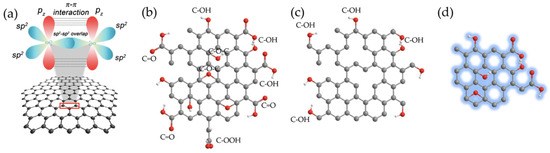
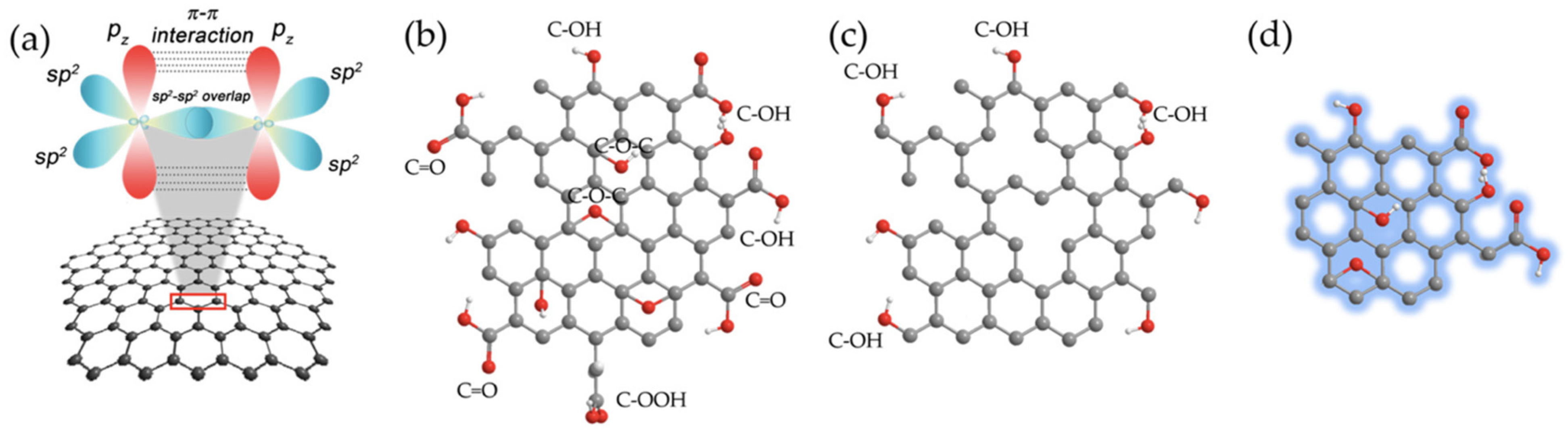
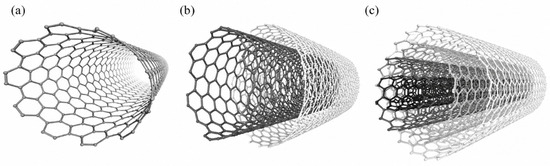
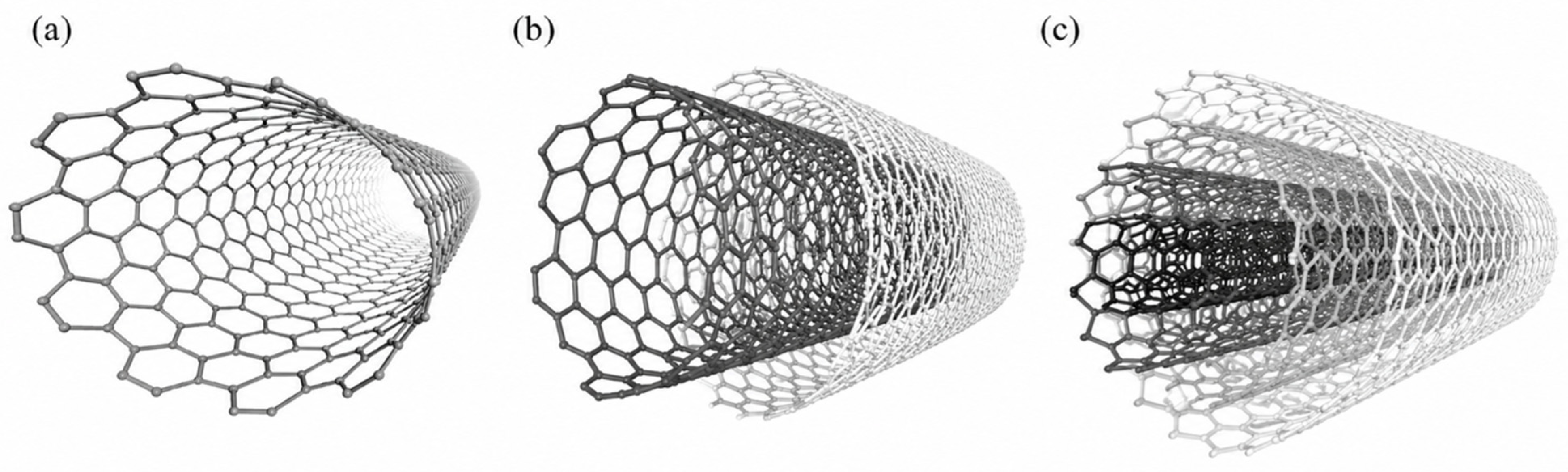
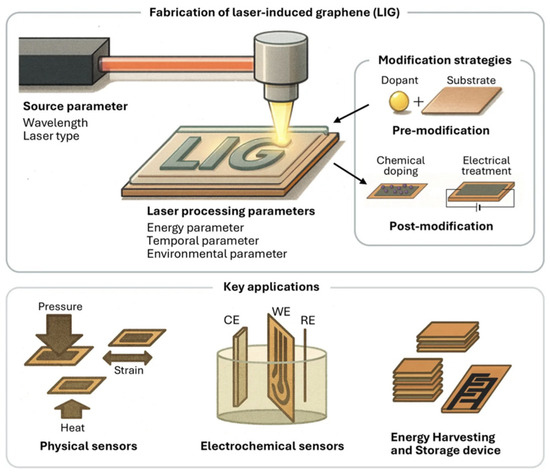
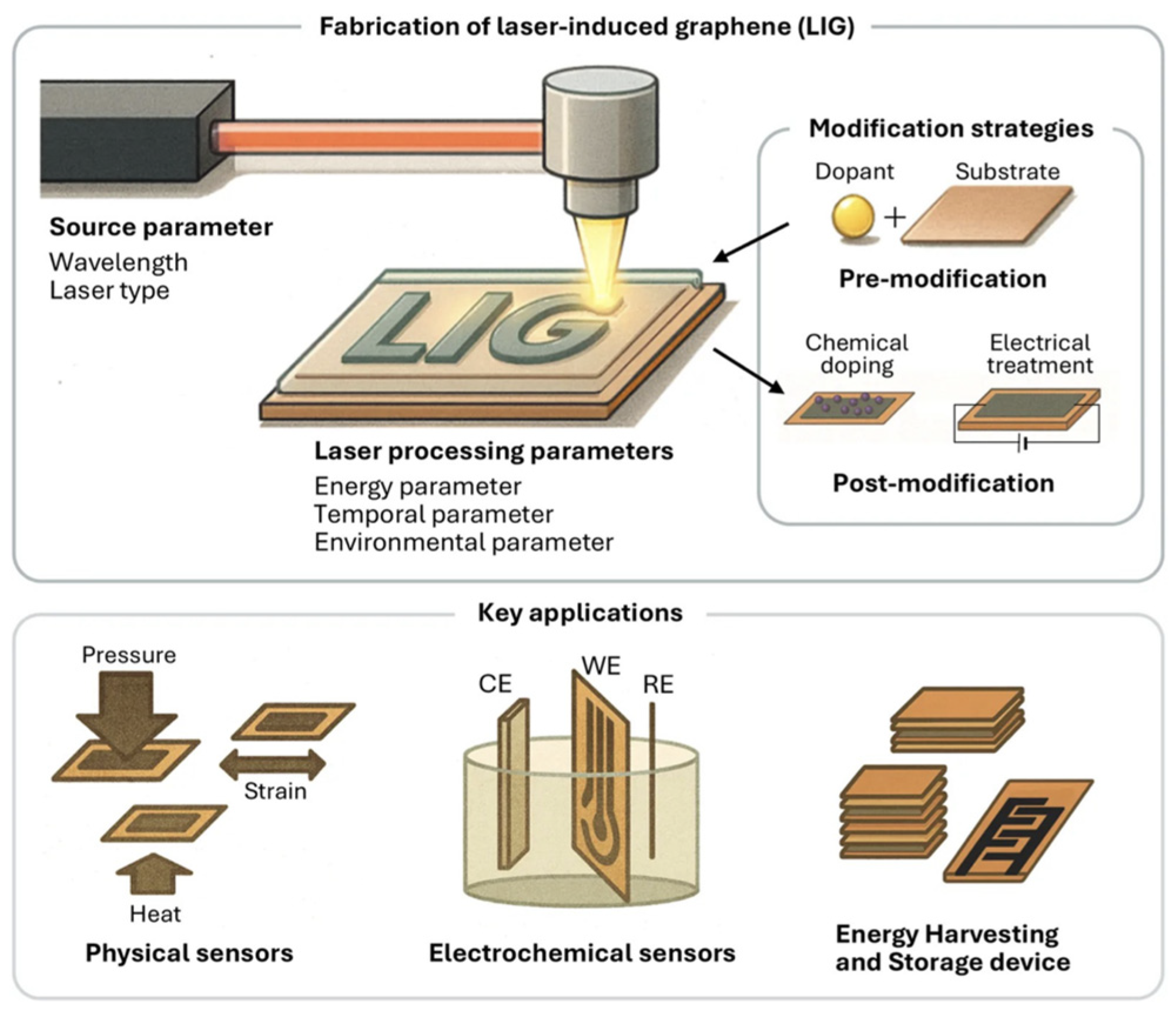
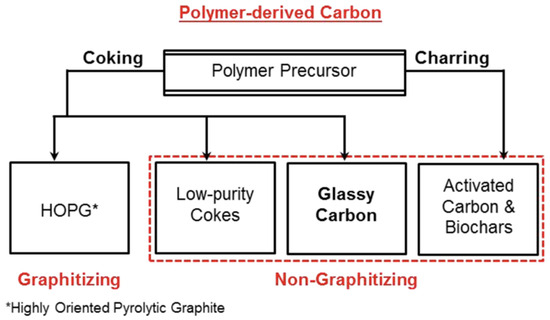
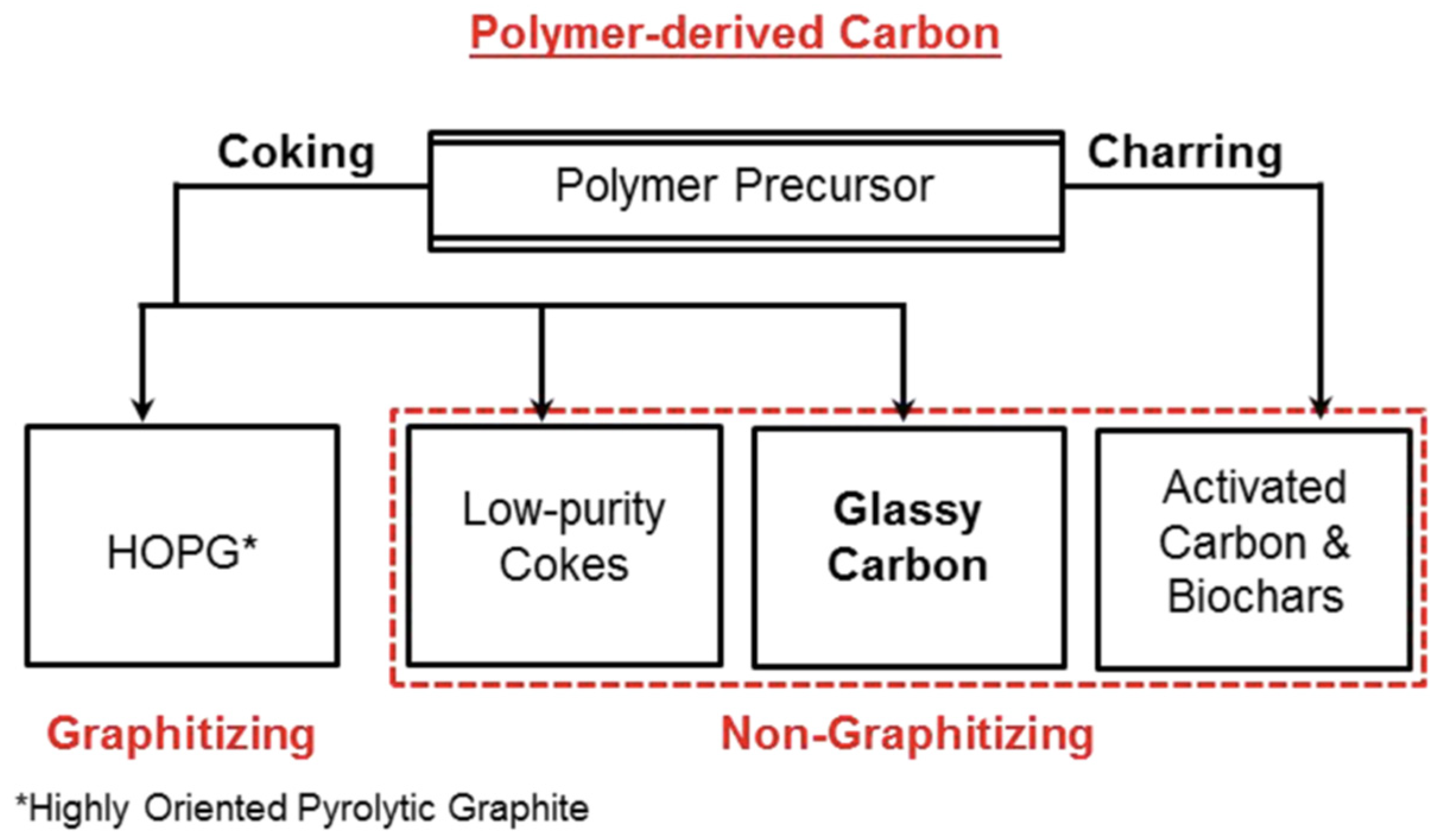
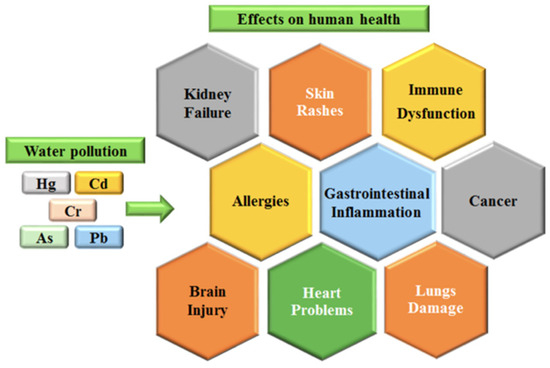
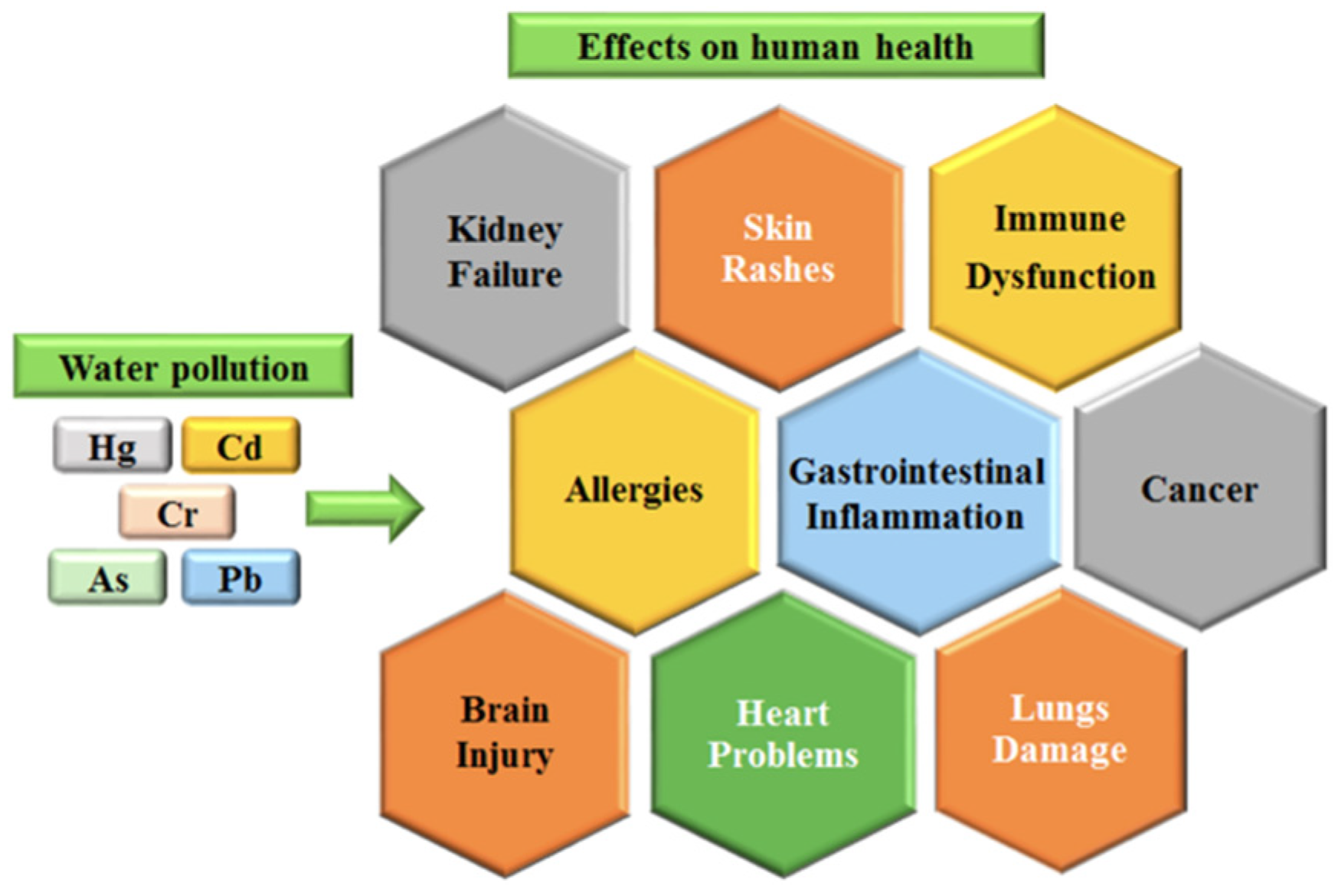

Disclaimer/Publisher’s Note: The statements, opinions and data contained in all publications are solely those of the individual author(s) and contributor(s) and not of MDPI and/or the editor(s). MDPI and/or the editor(s) disclaim responsibility for any injury to people or property resulting from any ideas, methods, instructions or products referred to in the content. |
© 2026 by the authors. Licensee MDPI, Basel, Switzerland. This article is an open access article distributed under the terms and conditions of the Creative Commons Attribution (CC BY) license.