


Abstract
Deep-sea ecosystems, characterized by extreme conditions such as high hydrostatic pressure, low temperatures, and oligotrophy, host phylogenetically and functionally diverse microbial communities. Among these, deep-sea fungi represent a critical but underexplored group whose survival strategies and adaptive mechanisms are emerging as a key research area. This review highlights recent advances in understanding how fungi adapt to deep-sea environments, focusing on strategies for managing three primary stressors: hypoxia, high pressure, and low temperature. These unique adaptations not only expand our understanding of the limits of life in extreme habitats but also offer valuable microbial resources for biotechnological innovation.
1. Introduction
The deep sea, defined as depths exceeding 200 m, covers over 65% of the Earth’s surface and constitutes the vast majority of the ocean, which itself occupies approximately 70% of the planet’s surface [1]. This expansive and largely unexplored realm is defined by a unique combination of extreme environmental conditions, including perpetual darkness, low temperatures, and immense pressures [2]. Geologically, the deep-sea floor is highly heterogeneous; abyssal plains make up 76% of its area, with the remainder comprising continental margins, mid-ocean ridges, seamounts, and trenches [3]. The discovery of specialized habitats such as hydrothermal vents [4], cold seeps [5], and deep hypersaline anoxic basins (DHABs) [6] has overturned the traditional view of the deep sea as a lifeless desert, revealing its capacity to support highly specialized biological communities.
In 1955, the detection of viable bacteria in abyssal pelagic sediments demonstrated that metabolically active bacterial populations could persist in sedimentary layers with geological ages exceeding one million years [7]. This finding challenged the prevailing paradigm that the deep-sea sedimentary environment was too extreme to sustain life and highlighted the remarkable tenacity of microbial life in these sediments, as well as their potential geochemical significance [3]. Subsequently, Parkes et al. (1994) proposed the existence of a highly active and globally significant prokaryotic deep biosphere beneath the seafloor sediments, estimated to account for 10% of the total carbon biomass in the global biosphere [8]. Today, it is evident that most of these microbial cells remain metabolically active, or have evolved adaptive strategies to sustain extremely low levels of metabolic activity [9,10,11,12,13]. This collective evidence establishes bacteria and archaea as crucial components of the deep-sea biosphere. In contrast, fungi, an ecologically significant group of eukaryotes, remain largely understudied in terms of their diversity in deep-sea environments.
The first accidental discovery of filamentary fungi in pelagic sediments occurred during the Mid-Pacific Expedition in 1955 [7]. Later, in 1961, Höhnk confirmed the presence of fungi formerly classified as Phycomycetes and Deuteromycetes in the deep-sea environment at a depth of 4610 m, which is considered the earliest documented record of deep-sea fungi [14]. Roth et al. (1964) later achieved the first successful isolation and identification of deep-sea fungal species, collecting Aureobasidium pullulans and Dendryphiella arenaria from water column samples at 4450 m in the subtropical Atlantic Ocean [15]. Since then, a growing body of research has documented diverse fungal species in various deep-sea environments, including subsurface sediments [16,17,18], hydrothermal vents [4,19,20], cold seeps [5,21,22], DHABs [23,24], oxygen minimum zones (OMZs) [25,26,27]. The ability of these fungi to thrive in such diverse habitats underscores their remarkable adaptability, making them ideal model systems for investigating the limits of life and the evolutionary processes of eukaryotes [28,29].
Understanding the environmental adaptation strategies of deep-sea fungi is crucial for several reasons. First, their unique adaptations provide insights into how life persists under extreme conditions, a topic of particular relevance in the context of climate change and mounting environmental stressors [28]. Additionally, the ecological roles of deep-sea fungi, including their contributions to biogeochemical cycles and their potential for biotechnological applications, highlight the importance of studying these organisms [5]. As the exploration of our oceans continues, a comprehensive understanding of deep-sea fungi will be essential for unraveling the complexities of these ecosystems and assessing their responses to global changes. This review aims to illuminate the environmental adaptation strategies employed by deep-sea fungi, emphasizing their significance in both ecological and applied contexts.
2. Advances in Deep-Sea Fungi Research
Research on deep-sea fungi has expanded globally, with studies spanning nearly all oceanic regions (Figure 1; Table S1). Key investigations have focused on the Pacific Ocean, particularly in the South China Sea [30,31,32], the Mariana Trench [33,34], the Yap Trench [35,36], and the Eastern Tropical Pacific [26,37]. In the Indian Ocean, significant research has been conducted in the Central Indian Basin [38,39], the Arabian Sea [27,40], and the Southwest Indian Ridge [41,42]. In the Atlantic, studies have centered on the Gulf of Mexico [43,44] and the North and South Atlantic regions [45,46]. Additional research in the Arctic Ocean [47], the Mediterranean Sea [48,49], the Red Sea [4,21], and the Southern Ocean [50] has further confirmed the global distribution and ecological importance of these organisms.
Figure 1.
Global distribution of reported deep-sea fungi. The pink dots indicate the locations of documented fungi based on published literature, utilizing both culture-dependent and/or culture-independent methods. A Supplementary Table (Table S1) lists the studies and observations corresponding to each data point, along with relevant literature references and metadata, sorted by geographic origin in different oceans.
Most deep-sea fungi are found in marine sediments, while others inhabit hydrothermal vents and cold seeps, with some identified at depths of up to 2.5 km below the seafloor [22,51]. Common genera include Aspergillus, Penicillium, Cladosporium, Alternaria, and Fusarium [52,53,54]. Research indicates that fungi belonging to the genera Xylaria, Cadophora, and Torulaspora can thrive in hydrothermal vents characterized by extreme temperatures (up to 400 °C) and steep thermal gradients [51,55], whereas fungi from the genera Fusarium, Suillus, and Cryptococcus persist in methane-rich fluids at ambient seawater temperatures over the long term [5,56].
To investigate deep-sea fungal diversity, researchers use both traditional culture-dependent methods and modern culture-independent techniques. Although culture-dependent methods attempt to recreate deep-sea conditions for fungal isolation, they often underestimate diversity because many deep-sea fungi are difficult to culture [38,44,45,54,57,58]. Consequently, recent studies increasingly utilize total DNA extraction from sediment samples, combined with high-throughput sequencing and DNA metabarcoding [42,59,60,61,62,63,64,65,66,67]. Common genetic markers include ITS, 18S, and 28S rRNA regions, as well as protein-coding sequences such as actin and β-tubulin [36,61,68].
Current rough estimates suggest that the fungal diversity in deep-sea environments comprises at least 130 genera, based on both culture-dependent and culture-independent studies [31,36,38,42,44,45,52,53,57,59,60,62,66,67,68,69,70,71,72,73,74,75]. Prominent genera include Aspergillus, Penicillium, and Cladosporium, which are found across various deep-sea habitats, including hydrothermal systems, ocean trenches, seamounts, OMZs, and mid-ocean ridges [45,62,76]. Other notable genera identified in deep-sea sediments include Fusarium, Exophiala, Candida, and Rhodotorula [65,67].
Of particular interest are the seven species classified as obligate deep-sea fungi, which thrive at depths ranging from 500 to 5707 m. Five species were identified by Kohlmeyer: Abyssomyces hydrozoicus, found on hydrozoan substrates at depths of 631 to 641 m near the South Orkney Islands [77]; and Allescheriella bathygena, Bathyascus vermisporus, Oceanitis scuticella, and Periconia abyssa, isolated from wood substrates in Atlantic and Pacific sediments at depths ranging from 1615 to 5315 m [78]. Dupont et al. (2009) discovered Alisea longicolla on submerged wood at depths of 630 to 791 m off the Vanuatu Islands [79]. Most recently, Oceanitis abyssalis was described by Nagano et al. (2024) from a sample collected on the abyssal plain in the Northwest Pacific Ocean at a depth of 5707 m [80].
In a significant investigation by Nagano et al. (2010) examining fungal diversity in ten deep-sea sediment samples from depths between 1200 and 10,000 m, the researchers deployed three fungal-specific primer sets targeting the ITS1–5.8S–ITS2–28S rRNA regions [69]. They found that 34 out of 43 amplified ITS sequences showed minimal association with known fungal sequences in public databases. Despite this, some common surface fungi, such as Penicillium, Aspergillus, Trichosporon, and Candida, were identified. Additionally, they discovered a highly novel fungal phylotype, designated as DSF-Group1, which appears to be globally distributed in deep-sea environments but has not been reported elsewhere, except from small zooplankton (Daphnia) in European lakes [69]. Importantly, no pure cultures of DSF-Group1 have been documented to date.
3. Adaptive Mechanisms of Deep-Sea Fungi to Extreme Environments
Deep-sea fungi thrive in extreme environments characterized by a combination of stressors, including high hydrostatic pressure (HHP), low temperatures (2–4 °C), and frequent hypoxia or anoxia in oceanic sediments [81]. These conditions require integrated adaptive strategies that may be similar to or distinct from those employed by fungi in other environments, such as terrestrial or shallow-water habitats.
3.1. Hypoxia
Deep-sea habitats, such as hadal zones (water depths exceeding 6000 m) [82] and marine sediments, are characterized by extreme hypoxic or anaerobic conditions that starkly contrast with well-oxygenated terrestrial environments. In response to these challenges, deep-sea fungi have evolved unique mechanisms to thrive despite oxygen limitations (Figure 2). One significant adaptation is the evolution of hydrogenosomes, modified mitochondria that generate ATP through fermentative metabolism rather than oxidative phosphorylation [83]. This allows fungi to flourish in permanently anoxic conditions, such as those found in the rumen of herbivorous mammals [84]. Notably, hydrogenosomes have evolved independently in various fungal lineages, including anaerobic fungi from the phylum Neocallimastigomycota found in terrestrial ruminants and certain Chytridiomycota across different environments, demonstrating convergent evolution in response to oxygen scarcity [85,86,87]. Recent discoveries also suggest that similar hydrogen-producing metabolic strategies may exist in fungi found in oxygen-depleted oceanic crust (an extreme anoxic habitat extending to ~950 m below seafloor) [88].
Figure 2.
Potential adaptive mechanisms of deep-Sea fungi to hypoxia, high hydrostatic pressure, and low temperature. Panel (A) illustrates the adaptive responses of deep-sea fungi to hypoxic conditions through several mechanisms: formation of hydrogenosomes (brown), reprogramming carbon metabolism (pink arrow), diversification of nitrogen metabolism (orange arrow), and hydrogen-driven symbiosis (blue arrow). Panel (B) shows deep-sea fungi adaptation to high hydrostatic pressure via three main strategies: signal transduction and gene regulation through HOG-MAPK and SLT2-MAPK pathways that trigger adaptive gene expression and DNA repair, structural reinforcement through cell wall thickening, and maintenance of intracellular homeostasis, which involves accumulating compatible solutes, neutralizing reactive oxygen species, and deploying heat shock proteins. Panel (C) outlines deep-sea fungi responses to cold stress. The primary confirmed mechanism is the modification of lipid composition to maintain membrane fluidity. Other hypothetical mechanisms (dashed boxes), which are inferred from terrestrial or polar fungi, include the secretion of cold-active enzymes, synthesis of antifreeze proteins, biosurfactant and melanin, accumulation of cryoprotectants, and production of cold shock proteins. This figure was drawn using Adobe Illustrator (version 29.0.1) and Adobe Photoshop (version 20.0.0).
The metabolic byproducts of deep-sea fungi equipped with hydrogenosomes, such as hydrogen (H2), acetate, and formate, facilitate symbiotic interactions with prokaryotes like methanogens and sulfate reducers. These interactions create thermodynamic gradients that enhance the fungi’s fermentation efficiency [83,88]. Moreover, fungal hyphal networks act as conduits for nutrient transport in anoxic environments, enabling microorganisms to access distant resources [89,90,91]. Certain marine fungi, such as Alternaria destruens F10.81 and Fusarium pseudonygamai F5.76, can selectively translocate specific bacteria (e.g., Spirochaeta litoralis), creating anoxic microniches that support anaerobic bacterial survival and contribute to microbial community dynamics [92]. Additionally, fungi in the OMZ of the eastern tropical North Pacific Ocean can degrade complex polysaccharides, complementing the metabolic functions of anaerobic prokaryotes and highlighting their ecological significance in extreme anoxic habitats [93].
Deep-sea fungi, such as Schizophyllum commune 20R-7-F01 isolated from coal-bearing sediments ~2 km below the seafloor, exhibit a remarkable ability to degrade complex organic substrates like polycyclic aromatic hydrocarbons (PAHs), through carboxylase-mediated pathways, rather than relying on lignin-modifying enzymes like laccase (Lac), manganese peroxidase (MnP), and lignin peroxidase (LiP), which are commonly used by terrestrial fungi [94]. This specialized adaptation allows deep-sea fungi to harness energy from sources in oxygen-depleted environments, distinguishing them from their terrestrial counterparts that primarily utilize these for aerobic degradation.
Unlike most terrestrial fungi, which primarily rely on ethanol fermentation, deep-sea fungi display remarkable versatility in their anaerobic metabolic pathways. For example, S. commune 20R-7-F01 activates both ethanol and lactic acid fermentation pathways under anoxic conditions, creating a redundant energy generation system that enhances metabolic flexibility in oxygen-limited environments [95,96]. Additionally, deep-sea fungi can utilize nitrate as both a nitrogen source and an alternative electron acceptor during anaerobic respiration [97]. For example, Aspergillus sydowii DM1, isolated from the Mariana Trench, possesses complete nitrate reduction pathways, enabling it to perform denitrification in the absence of oxygen [98]. Furthermore, nearly all tested fungal species, including Aspergillus spp., Cladosporium spp., Eutypalla spp., Eurotium rubrum, Hamigera spp., Penicillium spp., Pseudocercosporella fraxini, and S. commune from deep sediments beneath the seafloor, can engage in dissimilatory nitrate/nitrite reduction to ammonium, denitrification, and nitrification under anaerobic conditions [97]. This metabolic capability optimizes nitrogen acquisition and energy production in hypoxic environments.
In the energy-scarce and low-oxygen subseafloor environments, deep-sea fungi have developed a specialized reliance on amino acids for growth, nitrogen acquisition, and as energy substrates [99]. Extensive studies on subseafloor S. commune 20R-7-F01 have revealed that this fungus efficiently utilizes various amino acids, particularly those with hydrocarbon chains, which are important for fruiting body formation under low-oxygen conditions [99,100]. Transcriptomic analyses indicate that amino acid metabolic pathways are upregulated under anaerobic conditions, highlighting their essential role as energy sources for survival in the deep biosphere [96]. This dependence on amino acids reduces fungi’s reliance on carbohydrates, which are often limited in deep-sea sediments [101].
Extracellular polysaccharides (EPSs), which are high-molecular-weight, sugar-based polymers secreted by microorganisms, play critical roles in stress adaptation, cellular aggregation, and interspecific interactions, particularly under extreme conditions such as high salinity, high pressure, and nutrient limitation [102]. Research has demonstrated a significant increase in EPS production under anaerobic conditions, providing the first evidence of anaerobic EPS synthesis in fungi [103]. While the exact mechanisms linking EPS to anaerobic adaptation remain unclear, it is hypothesized that EPS may enhance cellular integrity, facilitate nutrient retention, or mediate symbiotic interactions with prokaryotes [103].
3.2. HHP
HHP is a defining challenge of deep-sea ecosystems, with pressure increasing by 0.1 MPa for every 10 m of depth [104]. This environmental stress profoundly impacts the physiological functions of organisms, affecting cellular integrity, membrane fluidity, protein folding, DNA stability, and metabolic homeostasis [105,106,107]. While the adaptive mechanisms of prokaryotes to HHP have been extensively studied [108,109,110,111,112], the strategies employed by deep-sea fungi remain less understood. However, recent advancements in molecular and omics technologies have begun to uncover unique adaptations that enable deep-sea fungi to thrive under these extreme conditions (Figure 2).
One key adaptation involves the High-Osmolarity Glycerol (HOG)-MAPK signaling pathway, which is essential for fungal responses to various stressors [112,113,114,115]. Notably, deep-sea fungi, such as A. sydowii DM1 and Purpureocillium lilacinum FDZ8Y1, isolated from the sediments of the Mariana Trench, have developed specialized adaptations within this pathway to enhance their tolerance to HHP [98,116]. A comparative study found that A. sydowii DM1 exhibits exceptional piezotolerance, showing increased gene expression associated with carbohydrate metabolism and cell wall synthesis at pressures of 40 MPa, in contrast to strains of the same species from terrestrial habitats (L-5) and shallow water (SDM1). The key downstream gene hog1 showed downregulation through negative feedback, indicating three adaptive strategies: Hog1-mediated cell cycle arrest, enhanced ATP production via carbohydrate metabolism, and upregulation of pressure-responsive genes associated with DNA repair and heat shock proteins [117]. Additionally, P. lilacinum FDZ8Y1 integrates the HOG pathway with the SLT2 MAPK pathway, enhancing cell wall integrity monitoring and repair compared to their non-deep-sea counterparts [116].
Structural adaptations in cell walls are crucial for maintaining stability under HHP. In A. sydowii DM1, increased levels of glucans and mannoproteins in the cell wall contribute to internal stability [117]. Similarly, S. commune 20R-7-F01 upregulates chitin synthases and β-1,3-glucan synthases under high pressure, resulting in thicker cell walls [95].
To combat oxidative stress resulting from impaired mitochondrial function, deep-sea fungi utilize robust antioxidant defense mechanisms. For instance, P. lilacinum FDZ8Y1 upregulates antioxidant enzymes such as superoxide dismutase (SOD), catalase (CAT), and glutathione peroxidase (GPx) [116]. Similarly, S. commune 20R-7-F01 accumulates glutathione and activates genes encoding glutathione synthase and glutathione transferase to neutralize reactive oxygen species (ROS). It also activates specific DNA repair pathways (ATM/ATR-Chk1-CDC25) to address genetic damage induced by high pressure [95]. Additionally, A. sydowii DM1 synthesizes compatible solutes, including glycine, glutamate, and betaine, which are thought to help regulate osmotic balance and protect cellular proteins from denaturation under HHP [117].
Importantly, research by Deng et al. (2023) revealed that A. sydowii SYX6, also isolated from the sediment of the Mariana Trench, increases the production of diorcinol, an antimicrobial and cytotoxic compound, under 20 MPa [34]. Notably, its terrestrial relatives are unable to survive at such high pressures [118]. This underscores a distinctive survival strategy that deep-sea fungi employ to adapt to HHP conditions.
Certain deep-sea fungi exhibit significant metabolic responses with biogeochemical implications under HHP. For example, S. commune 20R-7-F01 demonstrates a remarkable increase in methane production at 35 MPa, a response attributed to pressure-induced oxidative stress that upregulates genes involved in anaerobic methane synthesis [95]. This finding highlights the potentially critical role of subseafloor fungi in global methane generation and carbon cycling. Additionally, the methane produced by these fungi may serve as a carbon source for methanotrophs within these ecosystems, thereby enriching microbial diversity and enhancing ecological interactions.
3.3. Low Temperature
Low temperature is a significant environmental stressor for fungi, affecting cellular integrity, membrane fluidity, protein folding, DNA stability, and metabolic homeostasis [119]. Extensive studies on terrestrial and polar fungi have shown that these organisms primarily employ several mechanisms to adapt to cold conditions, including: (1) secreting antifreeze proteins to inhibit ice crystal growth and prevent mechanical damage [120,121]; (2) accumulating osmoprotectants such as trehalose and polyols to lower freezing points and maintain osmotic pressure [122,123]; (3) synthesizing cold shock proteins that act as RNA molecular chaperones to stabilize mRNA structure and facilitate translation [124]; (4) producing psychrotolerant enzymes that function efficiently at low temperatures [125]; (5) increasing the content and unsaturation index of unsaturated lipids to maintain membrane fluidity [126]; (6) producing biosurfactants (e.g., glycolipids), which exhibit dual functionality by inhibiting ice recrystallization and serving as osmolytes to enhance cold hardiness [127,128], and (7) utilizing protective strategies such as melanin and EPS, along with ecological avoidance tactics like timing spore germination to warmer seasons [129,130].
While the cold adaptation strategies of terrestrial and polar fungi have been extensively researched, those of deep-sea fungi remain understudied. However, evidence suggests that these organisms may share similar tolerance mechanisms with their terrestrial counterparts. For example, Xu et al. (2024) reported that Rhodotorula mucilaginosa CTD02, isolated from a depth of 5000 m in the Yap Trench, increases the proportion of unsaturated fatty acids in its membrane from 53.83% at room temperature to 90.57% at 4 °C, which helps sustain normal biological functions under cold conditions [131]. Additionally, Chaetomium madrasense HM411, a symbiotic fungus found in the gut of the amphipod Hirondellea gigas at depths of 10,895–10,910 m in the Mariana Trench, exhibits remarkable psychrotolerant enzyme characteristics. Its endoglucanase activity at 15 °C reaches 87.5 ± 1.8 U/mL, surpassing that of its terrestrial counterpart HM412, which has an activity of 71.3 ± 3.4 U/mL, while also demonstrating a shorter stable enzyme production phase (16 days for HM411 compared to 22 days for HM412) [132]. These findings highlight the potential for deep-sea fungi to possess unique evolutionary adaptations for thriving in extreme cold environments (Figure 2). Further investigation into the specific mechanisms employed by these organisms is essential for a deeper understanding of their cold adaptation strategies.
4. Challenges and Future Research Directions
The deep sea, characterized by extreme conditions, hosts diverse fungal communities that have evolved complex survival strategies. Despite advances in deep-sea exploration and microbial research, our understanding of the adaptive mechanisms of deep-sea fungi remains fragmented due to various technical and methodological challenges [133]. However, emerging research, fueled by technological innovation and interdisciplinary collaboration, offers new opportunities to explore the molecular and ecological bases of fungal adaptation [134].
4.1. Current Challenges
A significant challenge in deep-sea fungal research is acquiring and preserving high-quality, contamination-free samples that accurately reflect the in situ physiological state of fungal communities [135]. Sampling requires specialized, costly equipment and is operationally constrained [136,137]. Maintaining environmental conditions during sample retrieval is difficult; pressure and temperature changes can induce physiological stress in fungi, leading to misinterpretation of their adaptive traits [138,139]. Additionally, contamination from terrestrial fungi poses a persistent issue [140], and variations in sediment depth complicate sample acquisition in extreme habitats like the hadal zone [141]. Although international standards for sample preservation exist, their application in fungal research remains limited [142].
Most deep-sea fungi are recalcitrant to cultivation in laboratory settings due to their adaptation to extreme, oligotrophic environments [143]. Traditional cultivation methods, which rely on nutrient-rich media and standard conditions (atmospheric pressure, room temperature, and aerobic conditions), fail to replicate the specific ecological niches these fungi inhabit. Early-diverging lineages such as Cryptomycota and Chytridiomycota may have unique adaptive mechanisms but remain unculturable with current techniques [144]. Even culturable strains present challenges in simulating the extreme multifactorial conditions, such as high pressure and low temperature, necessary to trigger their native adaptive responses [145]. Additionally, the fungi’s symbiotic or syntrophic associations with other microorganisms in their natural habitats complicate the isolation of pure cultures and hinder detailed physiological, biochemical, and genetic analyses, limiting our understanding of their specific adaptive mechanisms [146]. Notably, such syntrophic or symbiotic associations represent a key adaptive trait for microorganisms in oligotrophic extreme habitats, which further exacerbates the difficulty of pure culture isolation. For instance, fungal-bacterial syntrophy can enhance nutrient acquisition in oligotrophic habitats, with one study demonstrating this adaptive trait by showing that co-cultures of Aeromonas sp., Vibrio sp., Coprinellus micaceus, Cladosporium sp., and Aspergillus niger exhibited predominantly beneficial interactions under phosphorus-limited conditions, thereby facilitating microbial survival in such oligotrophic aquatic environments [147]. Similar adaptive interactions occur in other extreme environments, such as the Candida haemulonii complex in Thai estuaries, where interactions with free-living amoebae are associated with increased pathogenic traits [148].
Current research on deep-sea fungal adaptation primarily examines individual environmental stressors, such as high pressure or hypoxia, rather than the combined effects of multiple stressors typical in natural deep-sea habitats [149,150]. Deep-sea fungi often encounter concurrent challenges, including high pressure, low temperature, hypoxia, and anoxia, necessitating integrated adaptive strategies [151]. For instance, the growth of Aspergillus ustus from the Central Indian Ocean Basin is significantly influenced by hydrostatic pressure and temperature in laboratory conditions [152]. Comprehensive research is needed to understand how these fungi respond to the complex interplay of stressors they encounter in their environments.
Advances in molecular technologies such as metabarcoding, metagenomics, and transcriptomics have enhanced our ability to characterize deep-sea fungal diversity and gene expression. However, extracting high-quality nucleic acids from deep-sea samples poses challenges due to inhibitory compounds such as humic acids and heavy metals. These substances can lead to low sequencing coverage and the potential loss of genetic information associated with adaptive traits [153,154].
A significant gap in current research is the limited understanding of the adaptive mechanisms employed by obligate deep-sea fungi, such as A. longicolla, A. bathygena, B. vermisporus, O. scuticella, P. abyssa, A. hydrozoicus, and O. abyssalis [77,78,79,80]. The difficulty in replicating their natural habitats significantly impedes research into their physiological and biochemical pathways for adaptation. Consequently, critical insights into how these fungi cope with extreme environmental stressors remain largely unexplored, underscoring the urgent need for more focused investigations that bridge laboratory studies with the complexities of deep-sea ecosystems.
4.2. Future Directions
Developing high-fidelity sampling devices that maintain in situ pressure, temperature, and redox conditions during retrieval is crucial. Improving contamination control protocols will help ensure accurate community analyses [155].
To culture unculturable deep-sea fungi, researchers should create nutrient-poor media that replicate deep-sea conditions and employ co-cultivation techniques with associated microorganisms [156]. Utilizing microfluidic technologies can aid in isolating individual fungal cells for study [157,158,159].
Future studies should investigate the interactive effects of multiple stressors (e.g., pressure, temperature, hypoxia) on fungal physiology [160]. Advanced experimental systems capable of simulating natural deep-sea conditions will facilitate these investigations, particularly in extreme habitats [161].
Combining metagenomics, metatranscriptomics, metabolomics, and proteomics with functional validation methods will enhance our understanding of fungal adaptation mechanisms. Improved nucleic acid extraction techniques and gene editing technologies like CRISPR-Cas9 can facilitate the study of adaptive genes [131,162].
Investigating the relationships between deep-sea fungi, particularly obligate deep-sea fungi, and other organisms (e.g., bacteria, archaea, tube worms, shrimp, corals) is essential for understanding their adaptations [163,164]. Metagenomic analyses can identify potential symbionts, while co-cultivation experiments can reveal specific adaptive responses to symbiotic interactions [5,146].
Understanding the unique enzymes and metabolites produced by deep-sea fungi, particularly obligate deep-sea fungi that have evolved to thrive in extreme environmental conditions, can lead to innovative applications in various fields, including industry, medicine, and environmental science [165,166]. This research could drive advancements in bioprocessing, drug development, and the creation of novel biomaterials.
By addressing these challenges and prioritizing research on deep-sea fungi, particularly obligate deep-sea fungi, we can gain valuable insights into their unique adaptations and their roles within extreme ecosystems.
5. Conclusions
Recent advancements in deep-sea fungi research have significantly enhanced our understanding of their distribution and potential bioresources, revealing their ecological significance and biotechnological applications. These fungi exhibit unique adaptive mechanisms that allow them to thrive in extreme environments characterized by hypoxia, high hydrostatic pressure (HHP), and low temperatures. While some adaptations overlap with those of other environmental fungi, many are distinct, particularly those related to HHP and specialized metabolic pathways. Despite challenges in studying these organisms, future research should focus on integrating multi-omics technologies and innovative experimental approaches to uncover the biological processes that enable deep-sea fungi to survive and their contributions to biogeochemical cycles. Continued exploration of these fungi will deepen our understanding of life in extreme environments and unlock new biotechnological applications beneficial to fields such as medicine and environmental science.
Supplementary Materials
The following supporting information can be downloaded at: https://www.mdpi.com/article/10.3390/jof12030176/s1, Table S1: Reported sampling site information of deep-sea fungi. Refs. [167,168,169,170,171,172,173,174,175,176,177,178,179,180,181,182,183,184,185,186,187,188,189,190,191,192,193,194,195,196,197,198,199,200,201,202,203,204,205] are included in the Supplementary Materials.
Author Contributions
Writing—original draft preparation, S.L.; writing—review and editing, C.-H.L. All authors have read and agreed to the published version of the manuscript.
Funding
This work was supported in part by the National Natural Science Foundation of China (no. 42573075, no. 42273077).
Data Availability Statement
No new data were created.
Acknowledgments
During the preparation of this manuscript, the authors used Manus 1.6 AI Tool for the purposes of language polishing. The authors have reviewed and edited the output and take full responsibility for the content of this publication.
Conflicts of Interest
The authors declare no conflicts of interest.
References
- Calbet, A. Deep-sea ecosystems and exploitation. In The Ocean of Today, the Legacy of Tomorrow: Navigating the Future of Marine Life and Ecosystems; Calbet, A., Ed.; Springer Nature: Cham, Switzerland, 2025; pp. 137–142. [Google Scholar]
- Sánchez, O.; Stefanni, S.; Bhadury, P. The deep sea biodiversity and conservation collection. Sci. Rep. 2024, 14, 27559. [Google Scholar] [CrossRef] [Scilit]
- Ramirez-Llodra, E.; Brandt, A.; Danovaro, R.; De Mol, B.; Escobar, E.; German, C.R.; Levin, L.A.; Martinez Arbizu, P.; Menot, L.; Buhl-Mortensen, P.; et al. Deep, diverse and definitely different: Unique attributes of the world’s largest ecosystem. Biogeosciences 2010, 7, 2851–2899. [Google Scholar] [CrossRef] [Scilit]
- Schultz, J.; Altalhi, S.; van der Zwan, F.M.; Augustin, N.; Rosado, A.S. Diving into the deep: Fungal diversity in the newly discovered hydrothermal vents of Hatiba Mons, Red Sea. Front. Mar. Sci. 2025, 12, 1649339. [Google Scholar] [CrossRef] [Scilit]
- Shekarriz, E.; Chen, J.; Xu, Z.; Liu, H. Disentangling the functional role of fungi in Cold Seep sediment. Microbiol. Spectr. 2023, 11, e01978-22. [Google Scholar] [CrossRef] [Scilit] [PubMed]
- Mapelli, F.; Borin, S.; Daffonchio, D. Microbial diversity in deep hypersaline anoxic basins. In Adaption of Microbial Life to Environmental Extremes; Stan-Lotter, H., Fendrihan, S., Eds.; Springer: Vienna, Austria, 2012; pp. 21–36. [Google Scholar]
- Morita, R.Y.; ZoBell, C.E. Occurrence of bacteria in pelagic sediments collected during the mid-Pacific expedition. Deep–Sea Res. (1953) 1955, 3, 66–73. [Google Scholar] [CrossRef] [Scilit]
- Parkes, R.J.; Cragg, B.A.; Bale, S.J.; Getlifff, J.M.; Goodman, K.; Rochelle, P.A.; Fry, J.C.; Weightman, A.J.; Harvey, S.M. Deep bacterial biosphere in Pacific Ocean sediments. Nature 1994, 371, 410–413. [Google Scholar] [CrossRef] [Scilit]
- Schippers, A.; Neretin, L.N.; Kallmeyer, J.; Ferdelman, T.G.; Cragg, B.A.; Parkes, R.J.; Jørgensen, B.B. Prokaryotic cells of the deep sub-seafloor biosphere identified as living bacteria. Nature 2005, 433, 861–864. [Google Scholar] [CrossRef] [Scilit]
- Biddle, J.F.; Lipp, J.S.; Lever, M.A.; Lloyd, K.G.; Sørensen, K.B.; Anderson, R.; Fredricks, H.F.; Elvert, M.; Kelly, T.J.; Schrag, D.P.; et al. Heterotrophic Archaea dominate sedimentary subsurface ecosystems off Peru. Proc. Natl. Acad. Sci. USA 2006, 103, 3846–3851. [Google Scholar] [CrossRef] [Scilit]
- Schippers, A.; Köweker, G.; Höft, C.; Teichert, B.M.A. Quantification of microbial communities in forearc sediment basins off Sumatra. Geomicrobiol. J. 2010, 27, 170–182. [Google Scholar] [CrossRef] [Scilit]
- Lloyd, K.G.; May, M.K.; Kevorkian, R.T.; Steen, A.D. Meta-analysis of quantification methods shows that archaea and bacteria have similar abundances in the subseafloor. Appl. Environ. Microbiol. 2013, 79, 7790–7799. [Google Scholar] [CrossRef] [Scilit]
- D’Hondt, S.; Rutherford, S.; Spivack, A.J. Metabolic activity of subsurface life in deep-sea sediments. Science 2002, 295, 2067–2070. [Google Scholar] [CrossRef] [Scilit]
- Höhnk, W. A further contribution to the oceanic mycology. Rapp. Procès-Verbaux Réunions 1961, 149, 202–208. [Google Scholar]
- Roth, F.J., Jr.; Orpurt, P.A.; Ahearn, D.G. Occurrence and distribution of fungi in a subtropical marine environment. Can. J. Bot. 1964, 42, 375–383. [Google Scholar] [CrossRef] [Scilit]
- Jones, E.; Devadatha, B.; Abdel-Wahab, M.; Dayarathne, M.; Zhang, S.; Hyde, K.; Liu, J.; Bahkali, A.; Sarma, V.; Tibell, S.; et al. Phylogeny of new marine Dothideomycetes and Sordariomycetes from mangroves and deep-sea sediments. Bot. Mar. 2020, 63, 155–181. [Google Scholar] [CrossRef] [Scilit]
- Sobol, M.S.; Hoshino, T.; Delgado, V.; Futagami, T.; Kadooka, C.; Inagaki, F.; Kiel Reese, B. Genome characterization of two novel deep-sea sediment fungi, Penicillium pacificagyrus sp. nov. and Penicillium pacificasedimenti sp. nov., from South Pacific Gyre subseafloor sediments, highlights survivability. BMC Genom. 2023, 24, 249. [Google Scholar] [CrossRef] [Scilit]
- Damare, S.; Raghukumar, C. Fungi and macroaggregation in deep-sea sediments. Microb. Ecol. 2008, 56, 168–177. [Google Scholar] [CrossRef] [Scilit]
- Burgaud, G.; Le Calvez, T.; Arzur, D.; Vandenkoornhuyse, P.; Barbier, G. Diversity of culturable marine filamentous fungi from deep-sea hydrothermal vents. Environ. Microbiol. 2009, 11, 1588–1600. [Google Scholar] [CrossRef] [Scilit]
- Burgaud, G.; Arzur, D.; Durand, L.; Cambon-Bonavita, M.A.; Barbier, G. Marine culturable yeasts in deep-sea hydrothermal vents: Species richness and association with fauna. FEMS Microbiol. Ecol. 2010, 73, 121–133. [Google Scholar] [CrossRef] [Scilit]
- Wang, Y.; Zhang, W.P.; Cao, H.L.; Shek, C.S.; Tian, R.M.; Wong, Y.H.; Batang, Z.; Al-suwailem, A.; Qian, P.-Y.N. Diversity and distribution of eukaryotic microbes in and around a brine pool adjacent to the Thuwal cold seeps in the Red Sea. Front. Microbiol. 2014, 5, 37. [Google Scholar] [CrossRef] [Scilit]
- Nagahama, T.; Takahashi, E.; Nagano, Y.; Abdel-Wahab, M.A.; Miyazaki, M. Molecular evidence that deep-branching fungi are major fungal components in deep-sea methane cold-seep sediments. Environ. Microbiol. 2011, 13, 2359–2370. [Google Scholar] [CrossRef] [Scilit]
- Merlino, G.; Barozzi, A.; Michoud, G.; Ngugi, D.K.; Daffonchio, D. Microbial ecology of deep-sea hypersaline anoxic basins. FEMS Microbiol. Ecol. 2018, 94, fiy085. [Google Scholar] [CrossRef] [Scilit] [PubMed]
- Stock, A.; Breiner, H.-W.; Pachiadaki, M.; Edgcomb, V.; Filker, S.; La Cono, V.; Yakimov, M.M.; Stoeck, T. Microbial eukaryote life in the new hypersaline deep-sea basin Thetis. Extremophiles 2012, 16, 21–34. [Google Scholar] [CrossRef] [Scilit] [PubMed]
- Peng, X.; Valentine, D.L. Diversity and N2O production potential of fungi in an oceanic oxygen minimum zone. J. Fungi 2021, 7, 218. [Google Scholar] [CrossRef] [Scilit]
- Posadas, J.; Velez, P.; Pajares, S.; Gasca-Pineda, J.; Espinosa-Asuar, L. Fungal diversity in sediments of the eastern tropical Pacific oxygen minimum zone revealed by metabarcoding. PLoS ONE 2024, 19, e0301605. [Google Scholar] [CrossRef] [Scilit] [PubMed]
- Stief, P.; Fuchs-Ocklenburg, S.; Kamp, A.; Manohar, C.S.; Houbraken, J.; Boekhout, T.; de Beer, D.; Stoeck, T. Dissimilatory nitrate reduction by Aspergillus terreus isolated from the seasonal oxygen minimum zone in the Arabian Sea. BMC Microbiol. 2014, 14, 35. [Google Scholar] [CrossRef] [Scilit]
- Orsi, W.D.; Richards, T.A.; Santoro, A.E. Cellular maintenance processes that potentially underpin the survival of subseafloor fungi over geological timescales. Estuar. Coast. Shelf Sci. 2015, 164, A1–A9. [Google Scholar] [CrossRef] [Scilit]
- Romeo, O.; Marchetta, A.; Giosa, D.; Giuffre, L.; Urzi, C.; De Leo, F. Whole genome sequencing and comparative genome analysis of the halotolerant deep sea black yeast Hortaea werneckii. Life 2020, 10, 229. [Google Scholar] [CrossRef] [Scilit]
- Lai, X.; Cao, L.; Tan, H.; Fang, S.; Huang, Y.; Zhou, S. Fungal communities from methane hydrate-bearing deep-sea marine sediments in South China Sea. ISME J. 2007, 1, 756–762. [Google Scholar] [CrossRef] [Scilit]
- Feng, L.; Song, Q.; Jiang, Q.; Li, Z. The horizontal and vertical distribution of deep-sea sediments fungal community in the South China Sea. Front. Mar. Sci. 2021, 8, 592784. [Google Scholar] [CrossRef] [Scilit]
- Lü, F.; Li, X.; Chi, L.; Meng, L.; Wang, B. A new acyclic peroxide from Aspergillus nidulans SD-531, a fungus obtained from deep-sea sediment of cold spring in the South China Sea. J. Oceanol. Limnol. 2020, 38, 1225–1232. [Google Scholar] [CrossRef] [Scilit]
- Wang, Z.; Cui, Y.; Fang, J.; Yu, X. Differential hypo-osmotic stress responses and regulatory mechanisms of Aspergillus sydowii in amphipod guts and hadal sediments. Appl. Environ. Microbiol. 2025, 91, e0144825. [Google Scholar] [CrossRef] [Scilit]
- Deng, L.; Zhong, M.; Li, Y.; Hu, G.; Zhang, C.; Peng, Q.; Zhang, Z.; Fang, J.; Yu, X. High hydrostatic pressure harnesses the biosynthesis of secondary metabolites via the regulation of polyketide synthesis genes of hadal sediment-derived fungi. Front. Microbiol. 2023, 14, 1207252. [Google Scholar] [CrossRef] [Scilit] [PubMed]
- Gao, Y.; Du, X.; Xu, W.; Fan, R.; Zhang, X.; Yang, S.; Chen, X.; Lv, J.; Luo, Z. Fungal diversity in deep sea sediments from East Yap Trench and their denitrification potential. Geomicrobiol. J. 2020, 37, 848–858. [Google Scholar] [CrossRef] [Scilit]
- Xu, W.; Gao, Y.-H.; Gong, L.-F.; Li, M.; Pang, K.-L.; Luo, Z.-H. Fungal diversity in the deep-sea hadal sediments of the Yap Trench by cultivation and high throughput sequencing methods based on ITS rRNA gene. Deep Sea Res. Part I Oceanogr. Res. Pap. 2019, 145, 125–136. [Google Scholar] [CrossRef] [Scilit]
- Thompson, M.A.; Valentine, D.L.; Peng, X. Size fractionation informs microbial community composition and interactions in the eastern tropical North Pacific Ocean. FEMS Microbes 2024, 5, xtae028. [Google Scholar] [CrossRef] [Scilit]
- Singh, P.; Raghukumar, C.; Verma, P.; Shouche, Y. Phylogenetic diversity of culturable fungi from the deep-sea sediments of the Central Indian Basin and their growth characteristics. Fungal Divers. 2010, 40, 89–102. [Google Scholar] [CrossRef] [Scilit]
- Liu, F.-A.; Lin, X.; Zhou, X.; Chen, M.; Huang, X.; Yang, B.; Tao, H. Xanthones and quinolones derivatives produced by the deep-sea-derived fungus Penicillium sp. SCSIO Ind16F01. Molecules 2017, 22, 1999. [Google Scholar] [CrossRef] [Scilit]
- Jebaraj, C.S.; Raghukumar, C.; Behnke, A.; Stoeck, T. Fungal diversity in oxygen-depleted regions of the Arabian Sea revealed by targeted environmental sequencing combined with cultivation. FEMS Microbiol. Ecol. 2010, 71, 399–412. [Google Scholar] [CrossRef] [Scilit]
- Xu, W.; Gong, L.-F.; Pang, K.-L.; Luo, Z.-H. Fungal diversity in deep-sea sediments of a hydrothermal vent system in the Southwest Indian Ridge. Deep Sea Res. Part I Oceanogr. Res. Pap. 2018, 131, 16–26. [Google Scholar] [CrossRef] [Scilit]
- Zhang, L.; Kang, M.; Huang, Y.; Yang, L. Fungal communities from the calcareous deep-sea sediments in the Southwest India Ridge revealed by Illumina sequencing technology. World J. Microbiol. Biotechnol. 2016, 32, 78. [Google Scholar] [CrossRef] [Scilit]
- Thaler, A.D.; Van Dover, C.L.; Vilgalys, R. Ascomycete phylotypes recovered from a Gulf of Mexico methane seep are identical to an uncultured deep-sea fungal clade from the Pacific. Fungal Ecol. 2012, 5, 270–273. [Google Scholar] [CrossRef] [Scilit]
- Villanueva-Silva, R.; Velez, P.; Riquelme, M.; Fajardo-Hernández, C.A.; Martínez-Cárdenas, A.; Arista-Romero, A.; Wan, B.; Ma, R.; Qader, M.; Franzblau, S.G.; et al. Chemical diversity and antimicrobial potential of cultivable fungi from deep-sea sediments of the Gulf of Mexico. Molecules 2021, 26, 7328. [Google Scholar] [CrossRef] [Scilit] [PubMed]
- Zhou, Y.; Gao, X.; Shi, C.; Li, M.; Jia, W.; Shao, Z.; Yan, P. Diversity and antiaflatoxigenic activities of culturable filamentous fungi from deep-sea sediments of the South Atlantic Ocean. Mycology 2021, 49, 151–160. [Google Scholar] [CrossRef] [Scilit] [PubMed]
- Morgan-Smith, D.; Clouse, M.A.; Herndl, G.J.; Bochdansky, A.B. Diversity and distribution of microbial eukaryotes in the deep tropical and subtropical North Atlantic Ocean. Deep Sea Res. Part I Oceanogr. Res. Pap. 2013, 78, 58–69. [Google Scholar] [CrossRef] [Scilit]
- Khusnullina, A.I.; Bilanenko, E.N.; Kurakov, A.V. Microscopic fungi of white sea sediments. Contemp. Probl. Ecol. 2018, 11, 503–513. [Google Scholar] [CrossRef] [Scilit]
- Barone, G.; Rastelli, E.; Corinaldesi, C.; Tangherlini, M.; Danovaro, R.; Dell’Anno, A. Benthic deep-sea fungi in submarine canyons of the Mediterranean Sea. Prog. Oceanogr. 2018, 168, 57–64. [Google Scholar] [CrossRef] [Scilit]
- Edgcomb, V.; Orsi, W.; Leslin, C.; Epstein, S.S.; Bunge, J.; Jeon, S.; Yakimov, M.M.; Behnke, A.; Stoeck, T. Protistan community patterns within the brine and halocline of deep hypersaline anoxic basins in the eastern Mediterranean Sea. Extremophiles 2009, 13, 151–167. [Google Scholar] [CrossRef] [Scilit]
- Barone, C.; Lo Giudice, A.; Corinaldesi, C.; Tangherlini, M.; Dell’Anno, A.; Rastelli, E. Local environmental conditions promote high turnover diversity of benthic deep-sea fungi in the Ross Sea (Antarctica). J. Fungi 2022, 8, 65. [Google Scholar] [CrossRef] [Scilit]
- Liu, C.-H.; Huang, X.; Xie, T.-N.; Duan, N.; Xue, Y.-R.; Zhao, T.-X.; Lever, M.A.; Hinrichs, K.-U.; Inagaki, F. Exploration of cultivable fungal communities in deep coal-bearing sediments from ∼1.3 to 2.5 km below the ocean floor. Environ. Microbiol. 2017, 19, 803–818. [Google Scholar] [CrossRef] [Scilit]
- Xu, W.; Pang, K.L.; Luo, Z.H. High fungal diversity and abundance recovered in the deep-sea sediments of the Pacific Ocean. Microb. Ecol. 2014, 68, 688–698. [Google Scholar] [CrossRef] [Scilit]
- Singh, P.; Raghukumar, C.; Meena, R.M.; Verma, P.; Shouche, Y. Fungal diversity in deep-sea sediments revealed by culture-dependent and culture-independent approaches. Fungal Ecol. 2012, 5, 543–553. [Google Scholar] [CrossRef] [Scilit]
- Wei, X.; Guo, S.; Gong, L.-F.; He, G.; Pang, K.-L.; Luo, Z.-H. Cultivable fungal diversity in deep-sea sediment of the East Pacific Ocean. Geomicrobiol. J. 2018, 35, 790–797. [Google Scholar] [CrossRef] [Scilit]
- Keeler, E.; Burgaud, G.; Teske, A.; Beaudoin, D.; Mehiri, M.; Dayras, M.; Cassand, J.; Edgcomb, V. Deep-sea hydrothermal vent sediments reveal diverse fungi with antibacterial activities. FEMS Microbiol. Ecol. 2021, 97, fiab103. [Google Scholar] [CrossRef] [Scilit] [PubMed]
- Takishita, K.; Tsuchiya, M.; Reimer, J.D.; Maruyama, T. Molecular evidence demonstrating the basidiomycetous fungus Cryptococcus curvatus is the dominant microbial eukaryote in sediment at the Kuroshima Knoll methane seep. Extremophiles 2006, 10, 165–169. [Google Scholar] [CrossRef] [Scilit]
- Ogaki, M.B.; Coelho, L.C.; Vieira, R.; Neto, A.A.; Zani, C.L.; Alves, T.M.A.; Junior, P.A.S.; Murta, S.M.F.; Barbosa, E.C.; Oliveira, J.G.; et al. Cultivable fungi present in deep-sea sediments of Antarctica: Taxonomy, diversity, and bioprospecting of bioactive compounds. Extremophiles 2020, 24, 227–238. [Google Scholar] [CrossRef] [Scilit]
- Mouton, M.; Postma, F.; Wilsenach, J.; Botha, A. Diversity and characterization of culturable fungi from marine sediment collected from St. Helena Bay, South Africa. Microb. Ecol. 2012, 64, 311–319. [Google Scholar] [CrossRef] [Scilit]
- Zhu, D.; Sethupathy, S.; Gao, L.; Nawaz, M.Z.; Zhang, W.; Jiang, J.; Sun, J. Microbial diversity and community structure in deep-sea sediments of South Indian Ocean. Environ. Sci. Pollut. Res. 2022, 29, 45793–45807. [Google Scholar] [CrossRef] [Scilit]
- Zhang, X.-Y.; Zhang, Y.; Xu, X.-Y.; Qi, S.-H. Diverse deep-sea fungi from the South China Sea and their antimicrobial activity. Curr. Microbiol. 2013, 67, 525–530. [Google Scholar] [CrossRef] [Scilit]
- Yang, S.; Xu, W.; Gao, Y.; Chen, X.; Luo, Z.H. Fungal diversity in deep-sea sediments from Magellan seamounts environment of the western Pacific revealed by high-throughput Illumina sequencing. J. Microbiol. 2020, 58, 841–852. [Google Scholar] [CrossRef] [Scilit]
- Zhang, X.-Y.; Wang, G.-H.; Xu, X.-Y.; Nong, X.-H.; Wang, J.; Amin, M.; Qi, S.-H. Exploring fungal diversity in deep-sea sediments from Okinawa Trough using high-throughput Illumina sequencing. Deep Sea Res. Part I Oceanogr. Res. Pap. 2016, 116, 99–105. [Google Scholar] [CrossRef] [Scilit]
- Quemener, M.; Mara, P.; Schubotz, F.; Beaudoin, D.; Li, W.; Pachiadaki, M.; Sehein, T.R.; Sylvan, J.B.; Li, J.; Barbier, G.; et al. Meta-omics highlights the diversity, activity and adaptations of fungi in deep oceanic crust. Environ. Microbiol. 2020, 22, 3950–3967. [Google Scholar] [CrossRef] [Scilit] [PubMed]
- Zhang, X.-Y.; Tang, G.-L.; Xu, X.-Y.; Nong, X.-H.; Qi, S.-H. Insights into deep-sea sediment fungal communities from the East Indian Ocean using targeted environmental sequencing combined with traditional cultivation. PLoS ONE 2014, 9, e109118. [Google Scholar] [CrossRef] [Scilit] [PubMed]
- Zhang, T.; Fei Wang, N.; Qin Zhang, Y.; Yu Liu, H.; Yan Yu, L. Diversity and distribution of fungal communities in the marine sediments of Kongsfjorden, Svalbard (High Arctic). Sci. Rep. 2015, 5, 14524. [Google Scholar] [CrossRef] [Scilit] [PubMed]
- Nagano, Y.; Miura, T.; Nishi, S.; Lima, A.O.; Nakayama, C.; Pellizari, V.H.; Fujikura, K. Fungal diversity in deep-sea sediments associated with asphalt seeps at the Sao Paulo Plateau. Deep Sea Res. Part II Top. Stud. Oceanogr. 2017, 146, 59–67. [Google Scholar] [CrossRef] [Scilit]
- Tang, X.; Yu, L.; Xu, W.; Zhang, X.; Xu, X.; Wang, Q.; Wei, S.; Qiu, Y. Fungal diversity of deep-sea sediments in Mid-Oceanic Ridge area of the East Pacific and the South Indian Oceans. Bot. Mar. 2020, 63, 183–196. [Google Scholar] [CrossRef] [Scilit]
- Xu, W.; Luo, Z.-H.; Guo, S.; Pang, K.-L. Fungal community analysis in the deep-sea sediments of the Pacific Ocean assessed by comparison of ITS, 18S and 28S ribosomal DNA regions. Deep Sea Res. Part I Oceanogr. Res. Pap. 2016, 109, 51–60. [Google Scholar] [CrossRef] [Scilit]
- Nagano, Y.; Nagahama, T.; Hatada, Y.; Nunoura, T.; Takami, H.; Miyazaki, J.; Takai, K.; Horikoshi, K. Fungal diversity in deep-sea sediments—The presence of novel fungal groups. Fungal Ecol. 2010, 3, 316–325. [Google Scholar] [CrossRef] [Scilit]
- Ogaki, M.B.; Pinto, O.H.B.; Vieira, R.; Neto, A.A.; Convey, P.; Carvalho-Silva, M.; Rosa, C.A.; Câmara, P.; Rosa, L.H. Fungi present in Antarctic deep-sea sediments assessed using DNA metabarcoding. Microb. Ecol. 2021, 82, 157–164. [Google Scholar] [CrossRef] [Scilit]
- Nagano, Y.; Miura, T.; Tsubouchi, T.; Lima, A.O.; Kawato, M.; Fujiwara, Y.; Fujikura, K. Cryptic fungal diversity revealed in deep-sea sediments associated with whale-fall chemosynthetic ecosystems. Mycology 2020, 11, 263–278. [Google Scholar] [CrossRef] [Scilit]
- Luo, Y.; Wei, X.; Yang, S.; Gao, Y.-H.; Luo, Z.-H. Fungal diversity in deep-sea sediments from the Magellan seamounts as revealed by a metabarcoding approach targeting the ITS2 regions. Mycology 2020, 4, 214–229. [Google Scholar] [CrossRef] [Scilit]
- Singh, P.; Raghukumar, C.; Verma, P.; Shouche, Y. Fungal community analysis in the deep-sea sediments of the Central Indian Basin by culture-independent approach. Microb. Ecol. 2011, 61, 507–517. [Google Scholar] [CrossRef] [Scilit]
- Nagano, Y.; Konishi, M.; Nagahama, T.; Kubota, T.; Abe, F.; Hatada, Y. Retrieval of deeply buried culturable fungi in marine subsurface sediments, Suruga-Bay, Japan. Fungal Ecol. 2016, 20, 256–259. [Google Scholar] [CrossRef] [Scilit]
- Velez, P.; Salcedo, D.L.; Espinosa-Asuar, L.; Gasca-Pineda, J.; Hernandez-Monroy, A.; Soto, L.A. Fungal diversity in sediments from deep-sea extreme ecosystems: Insights into low- and high-temperature hydrothermal vents, and an oxygen minimum zone in the Southern Gulf of California, Mexico. Front. Mar. Sci. 2022, 9, 802634. [Google Scholar] [CrossRef] [Scilit]
- Le Calvez, T.; Burgaud, G.; Mahé, S.; Barbier, G.; Vandenkoornhuyse, P. Fungal diversity in deep-sea hydrothermal ecosystems. Appl. Environ. Microbiol. 2009, 75, 6415–6421. [Google Scholar] [CrossRef] [Scilit] [PubMed]
- Kohlmeyer, J. Marine fungi deteriorating chitin of hydrozoa and keratin-like annelid tubes. Mar. Biol. 1972, 12, 277–284. [Google Scholar] [CrossRef] [Scilit]
- Kohlmeyer, J. New genera and species of higher fungi from the deep sea 1615–5315 meters. Rev. Mycol. 1977, 41, 189–206. [Google Scholar]
- Dupont, J.; Magnin, S.; Rousseau, F.; Zbinden, M.; Frebourg, G.; Samadi, S.; de Forges, B.R.; Jones, E.B. Molecular and ultrastructural characterization of two ascomycetes found on sunken wood off Vanuatu islands in the deep Pacific Ocean. Mycol. Res. 2009, 113, 1351–1364. [Google Scholar] [CrossRef] [Scilit]
- Nagano, Y.; Abdel-Wahab, M.A.; Nakajima, R.; Yabuki, A. Oceanitis abyssalis sp. nov., a new deep-sea fungus from sunken wood collected at the depth of 5707 m in the Northwest Pacific Ocean. Phytotaxa 2024, 663, 171–183. [Google Scholar] [CrossRef] [Scilit]
- Scoma, A.; Barbato, M.; Hernandez-Sanabria, E.; Mapelli, F.; Daffonchio, D.; Borin, S.; Boon, N. Microbial oil-degradation under mild hydrostatic pressure (10 MPa): Which pathways are impacted in piezosensitive hydrocarbonoclastic bacteria? Sci. Rep. 2016, 6, 23526. [Google Scholar] [CrossRef] [Scilit]
- Wolff, T. The concept of the hadal or ultra-abyssal fauna. Deep Sea Res. Oceanogr. Abstr. 1970, 17, 983–1003. [Google Scholar] [CrossRef] [Scilit]
- Ma, J.; Zhong, P.; Li, Y.; Sun, Z.; Sun, X.; Aung, M.; Hao, L.; Cheng, Y.; Zhu, W. Hydrogenosome, pairing anaerobic fungi and H2-utilizing microorganisms based on metabolic ties to facilitate biomass utilization. J. Fungi 2022, 8, 338. [Google Scholar] [CrossRef] [Scilit]
- van der Giezen, M.; Slotboom, D.J.; Horner, D.S.; Dyal, P.L.; Harding, M.; Xue, G.P.; Embley, T.M.; Kunji, E.R.S. Conserved properties of hydrogenosomal and mitochondrial ADP/ATP carriers: A common origin for both organelles. EMBO J. 2002, 21, 572–579. [Google Scholar] [CrossRef] [Scilit] [PubMed]
- Hess, M.; Paul, S.S.; Puniya, A.K.; van der Giezen, M.; Shaw, C.; Edwards, J.E.; Fliegerová, K. Anaerobic fungi: Past, present, and future. Front. Microbiol. 2020, 11, 584893. [Google Scholar] [CrossRef] [Scilit] [PubMed]
- Gruninger, R.J.; Puniya, A.K.; Callaghan, T.M.; Edwards, J.E.; Youssef, N.; Dagar, S.S.; Fliegerova, K.; Griffith, G.W.; Forster, R.; Tsang, A.; et al. Anaerobic fungi (phylum Neocallimastigomycota): Advances in understanding their taxonomy, life cycle, ecology, role and biotechnological potential. FEMS Microbiol. Ecol. 2014, 90, 1–17. [Google Scholar] [CrossRef] [Scilit] [PubMed]
- van der Giezen, M.; Sjollema, K.A.; Artz, R.R.; Alkema, W.; Prins, R.A. Hydrogenosomes in the anaerobic fungus Neocallimastix frontalis have a double membrane but lack an associated organelle genome. FEBS Lett. 1997, 408, 147–150. [Google Scholar] [CrossRef] [Scilit]
- Ivarsson, M.; Schnurer, A.; Bengtson, S.; Neubeck, A. Anaerobic fungi: A potential source of biological H2 in the oceanic crust. Front. Microbiol. 2016, 7, 674. [Google Scholar] [CrossRef] [Scilit]
- Boer, W.d.; Folman, L.B.; Summerbell, R.C.; Boddy, L. Living in a fungal world: Impact of fungi on soil bacterial niche development. FEMS Microbiol. Rev. 2005, 29, 795–811. [Google Scholar] [CrossRef] [Scilit]
- Barto, E.K.; Weidenhamer, J.D.; Cipollini, D.; Rillig, M.C. Fungal superhighways: Do common mycorrhizal networks enhance below ground communication? Trends Plant Sci. 2012, 17, 633–637. [Google Scholar] [CrossRef] [Scilit]
- Ng, M.S.; Soon, N.; Chin, M.Y.; Ho, S.K.; Drescher, L.; Sani, M.A.B.; Lim, K.E.; Wainwright, B.J.; Chang, Y. Fungi promote cross-domain interactions even in deep anoxic mangrove sediments. Environ. Microbiome 2025, 20, 34. [Google Scholar] [CrossRef] [Scilit]
- Álvarez-Barragán, J.; Cravo-Laureau, C.; Xiong, B.; Wick Lukas, Y.; Duran, R. Marine fungi select and transport aerobic and anaerobic bacterial populations from polycyclic aromatic hydrocarbon-contaminated sediments. mBio 2023, 14, e02761-22. [Google Scholar] [CrossRef] [Scilit]
- Peng, X.; Valentine, D.L. Expanded genetic and functional diversity of oceanic fungi. Microbiome 2025, 13, 179. [Google Scholar] [CrossRef] [Scilit] [PubMed]
- Zain Ul Arifeen, M.; Ma, Y.; Wu, T.; Chu, C.; Liu, X.; Jiang, J.; Li, D.; Xue, Y.R.; Liu, C.H. Anaerobic biodegradation of polycyclic aromatic hydrocarbons (PAHs) by fungi isolated from anaerobic coal-associated sediments at 2.5 km below the seafloor. Chemosphere 2022, 303, 135062. [Google Scholar] [CrossRef] [Scilit] [PubMed]
- Zhao, M.; Li, D.; Liu, J.; Fang, J.; Liu, C. Pressure-tolerant survival mechanism of Schizophyllum commune 20R-7-F01 isolated from deep sediments 2 kilometers below the seafloor. Front. Mar. Sci. 2024, 11, 1471465. [Google Scholar] [CrossRef] [Scilit]
- Zain Ul Arifeen, M.; Chu, C.; Yang, X.; Liu, J.; Huang, X.; Ma, Y.; Liu, X.; Xue, Y.; Liu, C. The anaerobic survival mechanism of Schizophyllum commune 20R-7-F01, isolated from deep sediment 2 km below the seafloor. Environ. Microbiol. 2021, 23, 1174–1185. [Google Scholar] [CrossRef] [Scilit]
- Jiang, J.-P.; Leng, S.; Liao, Y.-F.; Liu, X.; Li, D.-X.; Chu, C.; Yu, X.-Y.; Liu, C.-H. The potential role of subseafloor fungi in driving the biogeochemical cycle of nitrogen under anaerobic conditions. Sci. Total Environ. 2023, 897, 165374. [Google Scholar] [CrossRef] [Scilit]
- Hu, G.; Zhong, M.; Zhang, C.; Lai, H.; Breyer, E.; Fang, J.; Yu, X. The HOG signal pathway contributes to survival strategies of the piezo-tolerant fungus Aspergillus sydowii DM1 in hadal sediments. Appl. Environ. Microbiol. 2025, 91, e0092125. [Google Scholar] [CrossRef] [Scilit]
- Zain Ul Arifeen, M.; Ahmad, S.; Wu, X.; Hou, S.; Liu, C. Amino acids could sustain fungal life in the energy-limited anaerobic sediments below the seafloor. Appl. Environ. Microbiol. 2024, 90, e0127924. [Google Scholar] [CrossRef] [Scilit]
- Zain Ul Arifeen, M.; Ma, Z.J.; Wu, S.; Liu, J.Z.; Xue, Y.R.; Liu, C.H. Effect of oxygen concentrations and branched-chain amino acids on the growth and development of sub-seafloor fungus, Schizophyllum commune 20R-7-F01. Environ. Microbiol. 2021, 23, 6940–6952. [Google Scholar] [CrossRef] [Scilit]
- Bradley, J.A.; Arndt, S.; Amend, J.P.; Burwicz, E.; Dale, A.W.; Egger, M.; LaRowe, D.E. Widespread energy limitation to life in global subseafloor sediments. Sci. Adv. 2020, 6, eaba0697. [Google Scholar] [CrossRef] [Scilit]
- Nicolaus, B.; Kambourova, M.; Oner, E.T. Exopolysaccharides from extremophiles: From fundamentals to biotechnology. Environ. Technol. 2010, 31, 1145–1158. [Google Scholar] [CrossRef] [Scilit]
- Ma, Y.; Zhao, M.; Zhou, F.; Liu, X.; Liu, C. Anaerobic production and biosynthesis mechanism of exopolysaccharides in Schizophyllum commune 20R-7-F01. Int. J. Biol. Macromol. 2023, 253, 127339. [Google Scholar] [CrossRef] [Scilit] [PubMed]
- Yang, Y.; Zhao, W.; Xiao, X. The upper temperature limit of life under high hydrostatic pressure in the deep biosphere. Deep Sea Res. Part I Oceanogr. Res. Pap. 2021, 176, 103604. [Google Scholar] [CrossRef] [Scilit]
- Xiao, X.; Zhang, Y.; Wang, F. Hydrostatic pressure is the universal key driver of microbial evolution in the deep ocean and beyond. Environ. Microbiol. Rep. 2021, 13, 68–72. [Google Scholar] [CrossRef] [Scilit] [PubMed]
- Abe, F. Exploration of the effects of high hydrostatic pressure on microbial growth, physiology and survival: Perspectives from piezophysiology. Biosci. Biotechnol. Biochem. 2007, 71, 2347–2357. [Google Scholar] [CrossRef] [Scilit]
- Gross, M.; Jaenicke, R. Proteins under pressure: The influence of high hydrostatic pressure on structure, function and assembly of proteins and protein complexes. Eur. J. Biochem. 1994, 221, 617–630. [Google Scholar] [CrossRef] [Scilit]
- Lauro, F.M.; Bartlett, D.H. Prokaryotic lifestyles in deep sea habitats. Extremophiles 2008, 12, 15–25. [Google Scholar] [CrossRef] [Scilit]
- Tamburini, C.; Boutrif, M.; Garel, M.; Colwell, R.R.; Deming, J.W. Prokaryotic responses to hydrostatic pressure in the ocean—A review. Environ. Microbiol. 2013, 15, 1262–1274. [Google Scholar] [CrossRef] [Scilit]
- Cario, A.; Jebbar, M.; Thiel, A.; Kervarec, N.; Oger, P.M. Molecular chaperone accumulation as a function of stress evidences adaptation to high hydrostatic pressure in the piezophilic archaeon Thermococcus barophilus. Sci. Rep. 2016, 6, 29483. [Google Scholar] [CrossRef] [Scilit]
- Amrani, A.; van Helden, J.; Bergon, A.; Aouane, A.; Ben Hania, W.; Tamburini, C.; Loriod, B.; Imbert, J.; Ollivier, B.; Pradel, N.; et al. Deciphering the adaptation strategies of Desulfovibrio piezophilus to hydrostatic pressure through metabolic and transcriptional analyses. Environ. Microbiol. Rep. 2016, 8, 520–526. [Google Scholar] [CrossRef] [Scilit]
- Román, E.; Correia, I.; Prieto, D.; Alonso, R.; Pla, J. The HOG MAPK pathway in Candida albicans: More than an osmosensing pathway. Int. Microbiol. 2020, 23, 23–29. [Google Scholar] [CrossRef] [Scilit]
- Ma, D.; Li, R. Current understanding of HOG-MAPK pathway in Aspergillus fumigatus. Mycopathologia 2013, 175, 13–23. [Google Scholar] [CrossRef] [Scilit]
- de Nadal, E.; Posas, F. The HOG pathway and the regulation of osmoadaptive responses in yeast. FEMS Yeast Res. 2022, 22, foac013. [Google Scholar] [CrossRef] [Scilit]
- Zhang, Y.; Zhu, M.; Wang, H.; Yu, G.; Guo, A.; Ren, W.; Li, B.; Liu, N. The mitogen-activated protein kinase Hog1 regulates fungal development, pathogenicity, and stress response in Botryosphaeria dothidea. Phytopathology 2024, 114, 725–731. [Google Scholar] [CrossRef] [Scilit] [PubMed]
- Li, Y.; Zhang, C.; Zhong, M.; Hu, S.; Cui, Y.; Fang, J.; Yu, X. Revealing the metabolic potential and environmental adaptation of nematophagous fungus, Purpureocillium lilacinum, derived from hadal sediment. Front. Microbiol. 2024, 15, 1474180. [Google Scholar] [CrossRef] [Scilit] [PubMed]
- Zhong, M.; Li, Y.; Deng, L.; Fang, J.; Yu, X. Insight into the adaptation mechanisms of high hydrostatic pressure in physiology and metabolism of hadal fungi from the deepest ocean sediment. mSystems 2024, 9, e01085-23. [Google Scholar] [CrossRef] [Scilit] [PubMed]
- Damare, S.; Raghukumar, C.; Raghukumar, S. Fungi in deep-sea sediments of the Central Indian Basin. Deep Sea Res. Part I Oceanogr. Res. Pap. 2006, 53, 14–27. [Google Scholar] [CrossRef] [Scilit]
- Pavankumar, T.L.; Rai, N.; Pandey, P.K.; Vincent, N. Helicases at work: The importance of nucleic acids unwinding under cold stress. DNA 2024, 4, 455–472. [Google Scholar] [CrossRef] [Scilit]
- Baskaran, A.; Kaari, M.; Venugopal, G.; Manikkam, R.; Joseph, J.; Bhaskar, P.V. Antifreeze proteins (Afp): Properties, sources and applications—A review. Int. J. Biol. Macromol. 2021, 189, 292–305. [Google Scholar] [CrossRef] [Scilit]
- Xiao, N.; Suzuki, K.; Nishimiya, Y.; Kondo, H.; Miura, A.; Tsuda, S.; Hoshino, T. Comparison of functional properties of two fungal antifreeze proteins from Antarctomyces psychrotrophicus and Typhula ishikariensis. FEBS J. 2010, 277, 394–403. [Google Scholar] [CrossRef] [Scilit]
- Weinstein, R.N.; Palm, M.E.; Johnstone, K.; Wynn-Williams, D.D. Ecological and physiological characterization of Humicola marvinii, a new psychrophilic fungus from fellfield soils in the Maritime Antarctic. Mycologia 1997, 89, 706–711. [Google Scholar] [CrossRef] [Scilit]
- Jennings, D.H. Polyol metabolism in fungi. In Advances in Microbial Physiology; Rose, A.H., Tempest, D.W., Eds.; Academic Press: Cambridge, MA, USA, 1985; Volume 25, pp. 149–193. [Google Scholar]
- Fang, W.; St Leger, R.J. RNA binding proteins mediate the ability of a fungus to adapt to the cold. Environ. Microbiol. 2010, 12, 810–820. [Google Scholar] [CrossRef] [Scilit] [PubMed]
- Duarte, A.W.F.; Dos Santos, J.A.; Vianna, M.V.; Vieira, J.M.F.; Mallagutti, V.H.; Inforsato, F.J.; Wentzel, L.C.P.; Lario, L.D.; Rodrigues, A.; Pagnocca, F.C.; et al. Cold-adapted enzymes produced by fungi from terrestrial and marine Antarctic environments. Crit. Rev. Biotechnol. 2018, 38, 600–619. [Google Scholar] [CrossRef] [Scilit] [PubMed]
- Saharova, S.A.; Ianutsevich, E.A.; Danilova, O.A.; Grum-Grzhimaylo, O.A.; Groza, N.V.; Tereshina, V.M. Cold adaptation mechanisms of the psychrotolerant filamentous ascomycete Psychrophilomyces antarcticus. Braz. J. Microbiol. 2025, 56, 2413–2425. [Google Scholar] [CrossRef] [Scilit] [PubMed]
- Kitamoto, D.; Yanagishita, H.; Endo, A.; Nakaiwa, M.; Nakane, T.; Akiya, T. Remarkable antiagglomeration effect of a yeast biosurfactant, diacylmannosylerythritol, on ice-water slurry for cold thermal storage. Biotechnol. Prog. 2001, 17, 362–365. [Google Scholar] [CrossRef] [Scilit]
- Perfumo, A.; Banat, I.M.; Marchant, R. Going Green and Cold: Biosurfactants from low-temperature environments to biotechnology applications. Trends Biotechnol. 2018, 36, 277–289. [Google Scholar] [CrossRef] [Scilit]
- Robinson, C.H. Cold adaptation in Arctic and Antarctic fungi. New Phytol. 2001, 151, 341–353. [Google Scholar] [CrossRef] [Scilit]
- Butler, M.J.; Day, A.W. Fungal melanins: A review. Can. J. Microbiol. 1998, 44, 1115–1136. [Google Scholar] [CrossRef]
- Xu, W.; Fan, R.; Ling, M.; Wei, S.; Xu, Z.; Zhang, K.; Luo, Z. A preliminary analysis of cold temperature adaptation mechanism of a deep-sea yeast Rhodotorula mucilaginosa. Mycosystema 2024, 43, 240105. [Google Scholar]
- Ji, P.; Cui, Y.; Xiao, Y.; Wan, S.; Fang, J.; Yu, X. Low-temperature adaptation of Chaetomium madrasense, a symbiotic gut fungus of amphipods in the Mariana Trench: Cellulase activity and transcriptome analysis. Front. Mar. Sci. 2025, 12, 1602692. [Google Scholar] [CrossRef] [Scilit]
- Vargas-Gastelum, L.; Riquelme, M. The mycobiota of the deep sea: What omics can offer. Life 2020, 10, 292. [Google Scholar] [CrossRef] [Scilit]
- Reich, M.; Labes, A. How to boost marine fungal research: A first step towards a multidisciplinary approach by combining molecular fungal ecology and natural products chemistry. Mar. Genom. 2017, 36, 57–75. [Google Scholar] [CrossRef] [Scilit]
- Amend, A.S.; Gunde-Cimerman, N.; Coelho, M.A.; Durkin, C.A.; Ettinger, C.L.; Gifford, H.; Gladfelter, A.S.; Gostinčar, C.; Granit, L.; Grigoriev, I.; et al. Ten pressing questions (and answers) about marine fungi and opportunities for collaborations in the ocean sciences. Oceanography 2025, 38, 40–49. [Google Scholar] [CrossRef] [Scilit]
- Macreadie, P.I.; McLean, D.L.; Thomson, P.G.; Partridge, J.C.; Jones, D.O.B.; Gates, A.R.; Benfield, M.C.; Collin, S.P.; Booth, D.J.; Smith, L.L.; et al. Eyes in the sea: Unlocking the mysteries of the ocean using industrial, remotely operated vehicles (ROVs). Sci. Total Environ. 2018, 634, 1077–1091. [Google Scholar] [CrossRef] [Scilit] [PubMed]
- Ramadass, G.A.; Vedachalam, N.; Ramesh, S.; Sathianarayanan, D.; Subramanian, A.N.; Ramesh, R.; Chowdhury, T.; Pranesh, S.B.; Atmanand, M.A. Challenges in developing deep-water human occupied vehicles. Curr. Sci. 2020, 118, 1687–1693. [Google Scholar] [CrossRef] [Scilit]
- Bartlett, D.H.; Lauro, F.M.; Eloe, E.A. Microbial adaptation to high pressure. In Physiology and Biochemistry of Extremophiles; Gerday, C., Glansdorff, N., Eds.; ASM Press: Washington, DC, USA, 2007; pp. 331–348. [Google Scholar]
- Yan, G.; Lan, Y.; Sun, J.; Xu, T.; Wei, T.; Qian, P.-Y. Comparative transcriptomic analysis of in situ and onboard fixed deep-sea limpets reveals sample preparation-related differences. iScience 2022, 25, 104092. [Google Scholar] [CrossRef] [Scilit]
- Labonté, J.M.; Campbell, K.L.; Walker, J.R.; Rodriguez-Pilco, M.A. Ubiquitous microbial contaminants associated with scientific ocean drilling. Access Microbiol. 2025, 7, 000865.v3. [Google Scholar] [CrossRef] [Scilit]
- Song, Q.; Jiang, Q.; Jing, H.; Xiao, X.; Li, Z. Sediment depth–dependent fungal community and biogeochemical potentials along the abyssal–hadal transition zone of the Mariana Trench. Limnol. Oceanogr. 2025, 70, 3292–3308. [Google Scholar] [CrossRef] [Scilit]
- ISO 20309:2025; Biotechnology—Biobanking—Requirements for Deep-Sea Biological Materials. International Organization for Standardization: Geneva, Switzerland, 2025. Available online: https://www.iso.org/standard/86238.html (accessed on 31 December 2025).
- Zhang, Z.-F.; Liu, F.; Liu, L.-R.; Li, M.; Cai, L.; Liu, S.; Mao, J. Culturing the uncultured marine fungi in the omics age: Opportunities and challenges. Fungal Biol. Rev. 2024, 48, 100353. [Google Scholar] [CrossRef] [Scilit]
- Grossart, H.-P.; Wurzbacher, C.; James, T.Y.; Kagami, M. Discovery of dark matter fungi in aquatic ecosystems demands a reappraisal of the phylogeny and ecology of zoosporic fungi. Fungal Ecol. 2016, 19, 28–38. [Google Scholar] [CrossRef] [Scilit]
- Lorenz, R.; Molitoris, H.P. Cultivation of fungi under simulated deep sea conditions. Mycol. Res. 1997, 101, 1355–1365. [Google Scholar] [CrossRef] [Scilit]
- Pawlowska, T.E. Symbioses between fungi and bacteria: From mechanisms to impacts on biodiversity. Curr. Opin. Microbiol. 2024, 80, 102496. [Google Scholar] [CrossRef] [Scilit]
- Velez, P.; Espinosa-Asuar, L.; Figueroa, M.; Gasca-Pineda, J.; Aguirre-von-Wobeser, E.; Eguiarte, L.E.; Hernandez-Monroy, A.; Souza, V. Nutrient dependent cross-kingdom interactions: Fungi and bacteria from an oligotrophic desert oasis. Front. Microbiol. 2018, 9, 1755. [Google Scholar] [CrossRef] [Scilit]
- Amsri, A.; Pruksaphon, K.; Thammasit, P.; Poonsawat, W.; Nosanchuk, J.D.; Youngchim, S. Interaction with amoeba drives virulence-associated phenotypes in the Candida haemulonii complex. Virulence 2025, 16, 2570002. [Google Scholar] [CrossRef] [Scilit]
- Li, J.; Zhang, Y.; Lv, Y.; Xiao, X. Isolation and characterization of piezotolerant fungi from Mariana Trench sediment. Deep Sea Res. Part I Oceanogr. Res. Pap. 2022, 190, 103873. [Google Scholar] [CrossRef] [Scilit]
- Yang, Y.; Rivera Pérez, C.A.; Richter-Heitmann, T.; Nimzyk, R.; Friedrich, M.W.; Reich, M. Effects of oxygen availability on mycobenthic communities of marine coastal sediments. Sci. Rep. 2023, 13, 15218. [Google Scholar] [CrossRef] [Scilit] [PubMed]
- Danovaro, R.; Corinaldesi, C.; Dell’Anno, A.; Snelgrove, P.V.R. The deep-sea under global change. Curr. Biol. 2017, 27, R461–R465. [Google Scholar] [CrossRef] [Scilit] [PubMed]
- Raghukumar, C.; Raghukumar, S. Barotolerance of fungi isolated from deep-sea sediments of the Indian Ocean. Aquat. Microb. Ecol. 1998, 15, 153–163. [Google Scholar] [CrossRef] [Scilit]
- Muto, H.; Takaki, Y.; Hirai, M.; Mino, S.; Sawayama, S.; Takai, K.; Nakagawa, S. A simple and efficient RNA extraction method from deep-Sea hydrothermal vent chimney structures. Microbes Environ. 2017, 32, 330–335. [Google Scholar] [CrossRef] [Scilit]
- Demkina, A.; Slonova, D.; Mamontov, V.; Konovalova, O.; Yurikova, D.; Rogozhin, V.; Belova, V.; Korostin, D.; Sutormin, D.; Severinov, K.; et al. Benchmarking DNA isolation methods for marine metagenomics. Sci. Rep. 2023, 13, 22138. [Google Scholar] [CrossRef] [Scilit]
- Raghukumar, C.; Damare, S.; Singh, P. A review on deep-sea fungi: Occurrence, diversity and adaptations. Bot. Mar. 2010, 53, 479–492. [Google Scholar] [CrossRef] [Scilit]
- Shi, Y.; Ma, Y.; Wei, J.; Ge, Y.; Jiang, W.; He, S.; Wu, X.; Zhang, X.; Wu, B. Comparative metabolomics reveals fungal conversion of co-existing bacterial metabolites within a synthetic Aspergillus-Streptomyces community. Mar. Drugs 2021, 19, 526. [Google Scholar] [CrossRef] [Scilit]
- Richter, F.; Bindschedler, S.; Calonne-Salmon, M.; Declerck, S.; Junier, P.; Stanley, C.E. Fungi-on-a-Chip: Microfluidic platforms for single-cell studies on fungi. FEMS Microbiol. Rev. 2022, 46, fuac039. [Google Scholar] [CrossRef] [Scilit] [PubMed]
- Samlali, K.; Alves, C.L.; Jezernik, M.; Shih, S.C.C. Droplet digital microfluidic system for screening filamentous fungi based on enzymatic activity. Microsyst. Nanoeng. 2022, 8, 123. [Google Scholar] [CrossRef] [Scilit] [PubMed]
- Ahrendt, S.R.; Quandt, C.A.; Ciobanu, D.; Clum, A.; Salamov, A.; Andreopoulos, B.; Cheng, J.-F.; Woyke, T.; Pelin, A.; Henrissat, B.; et al. Leveraging single-cell genomics to expand the fungal tree of life. Nat. Microbiol. 2018, 3, 1417–1428. [Google Scholar] [CrossRef] [Scilit] [PubMed]
- Lang, S.; Hüners, M.; Verena, L. Bioprocess engineering data on the cultivation of marine prokaryotes and fungi. Adv. Biochem. Eng./Biotechnol. 2005, 97, 29–62. [Google Scholar]
- Houghton, J.L.; Seyfried, W.E.; Banta, A.B.; Reysenbach, A.L. Continuous enrichment culturing of thermophiles under sulfate and nitrate-reducing conditions and at deep-sea hydrostatic pressures. Extremophiles 2007, 11, 371–382. [Google Scholar] [CrossRef] [Scilit]
- Long, H.; Zhou, J.; Ren, Y.; Lu, J.; Wang, N.; Liu, H.; Zhou, X.; Cai, M. Comparative omics directed gene discovery and rewiring for normal temperature-adaptive red pigment synthesis by polar psychrotrophic fungus Geomyces sp. WNF-15A. Synth. Syst. Biotechnol. 2024, 9, 842–852. [Google Scholar] [CrossRef] [Scilit]
- Amend, A.; Burgaud, G.; Cunliffe, M.; Edgcomb Virginia, P.; Ettinger Cassandra, L.; Gutiérrez, M.H.; Heitman, J.; Hom Erik, F.Y.; Ianiri, G.; Jones Adam, C.; et al. Fungi in the marine environment: Open questions and unsolved problems. mBio 2019, 10, 10–1128. [Google Scholar] [CrossRef] [Scilit]
- Lin, G.; Huang, J.; Luo, K.; Lin, X.; Su, M.; Lu, J. Bacterial, archaeal, and fungal community structure and interrelationships of deep-sea shrimp intestine and the surrounding sediment. Environ. Res. 2022, 205, 112461. [Google Scholar] [CrossRef] [Scilit]
- Bonugli-Santos, R.C.; dos Santos Vasconcelos, M.R.; Passarini, M.R.Z.; Vieira, G.A.L.; Lopes, V.C.P.; Mainardi, P.H.; dos Santos, J.A.; de Azevedo Duarte, L.; Otero, I.V.R.; da Silva Yoshida, A.M.; et al. Marine-derived fungi: Diversity of enzymes and biotechnological applications. Front. Microbiol. 2015, 6, 269. [Google Scholar] [CrossRef] [Scilit]
- Wang, Y.T.; Xue, Y.R.; Liu, C.H. A brief review of bioactive metabolites derived from deep-sea fungi. Mar. Drugs 2015, 13, 4594–4616. [Google Scholar] [CrossRef] [Scilit]
- Magot, F.; Van Soen, G.; Buedenbender, L.; Li, F.J.; Soltwedel, T.; Grauso, L.; Mangoni, A.; Blümel, M.; Tasdemir, D. Bioactivity and metabolome mining of deep-sea sediment-derived microorganisms reveal new hybrid PKS-NRPS macrolactone from Aspergillus versicolor PS108-62. Mar. Drugs 2023, 21, 95. [Google Scholar] [CrossRef] [Scilit]
- Cheng, Z.; Zhao, J.; Liu, D.; Proksch, P.; Zhao, Z.; Lin, W. Eremophilane-type sesquiterpenoids from an Acremonium sp. fungus isolated from deep-sea sediments. J. Nat. Prod. 2016, 79, 1035–1047. [Google Scholar] [CrossRef] [Scilit] [PubMed]
- Niu, S.; Huang, S.; Hong, B.; Huang, Q.; Liu, X.; Shao, Z.; Zhang, G. Antiviral cyclopropane acids from deep-sea-derived fungus Aspergillus sydowii. Mar. Drugs 2022, 20, 410. [Google Scholar] [CrossRef] [Scilit] [PubMed]
- Niu, S.; Yang, L.; Hong, B.; Pei, S.; Shao, Z.; Zhang, G. New monoterpenoids and polyketides from the deep-sea sediment-derived fungus Aspergillus sydowii MCCC 3A00324. Mar. Drugs 2020, 18, 561. [Google Scholar] [CrossRef] [Scilit] [PubMed]
- Niu, S.; Liu, D.; Shao, Z.; Proksch, P.; Lin, W. Eutypellazines N-S, new thiodiketopiperazines from a deep sea sediment derived fungus Eutypella sp with anti-VRE activities. Tetrahedron Lett. 2017, 58, 3695–3699. [Google Scholar] [CrossRef] [Scilit]
- Vargas-Gastélum, L.S.; Chong-Robles, J.; Lago-Lestón, A.; Darcy, J.L.; Amend, A.S.; Riquelme, M. Targeted ITS1 sequencing unravels the mycodiversity of deep-sea sediments from the Gulf of Mexico. Environ. Microbiol. 2019, 21, 4046–4061. [Google Scholar] [CrossRef] [Scilit]
- Büdenbender, L.; Kumar, A.; Blümel, M.; Kempken, F.; Tasdemir, D. Genomics- and metabolomics-based investigation of the deep-sea sediment-derived yeast, Rhodotorula mucilaginosa 50-3-19/20B. Mar. Drugs 2021, 19, 14. [Google Scholar] [CrossRef] [Scilit]
- Sergeeva, N.; Kopytina, N. The first marine filamentous fungi discovered in the bottom sediments of the oxic/anoxic interface and in the bathyal zone of the Black Sea. Turk. J. Fish. Aquat. Sci. 2015, 15, 823–828. [Google Scholar]
- Wang, J.-W.; Xu, W.; Zhong, T.-H.; He, G.-Y.; Luo, Z.-H. Degradation of dimethyl phthalate esters by a filamentous fungus Aspergillus versicolor isolated from deep-sea sediments. Bot. Mar. 2017, 60, 351–359. [Google Scholar] [CrossRef] [Scilit]
- Raghukumar, S.; Damare, S.R.; Raghukumar, C.; Gupta, S.M. Buried in time: Culturable fungi in a deep—Sea sediment core from the Chagos Trench, Indian Ocean. Deep-Sea Res. Part I 2004, 51, 1759–1768. [Google Scholar] [CrossRef]
- Lee, H.S.; Kang, J.S.; Choi, B.K.; Lee, H.S.; Lee, Y.J.; Lee, J.H.; Shin, H.J. Phenazine derivatives with anti—Inflammatory activity from the deep—Sea sediment—Derived yeast—Like fungus Cystobasidium laryngis IV17-028. Mar. Drugs 2019, 17, 482. [Google Scholar] [CrossRef] [Scilit] [PubMed]
- Luo, X.; Lin, X.; Salendra, L.; Pang, X.; Dai, Y.; Yang, B.; Liu, J.; Wang, J.; Zhou, X.; Liu, Y. Isobenzofuranones and Isochromenones from the Deep-Sea Derived Fungus Leptosphaeria sp. SCSIO 41005. Mar. Drugs 2017, 15, 204. [Google Scholar] [CrossRef] [Scilit] [PubMed]
- Tian, Y.-Q.; Lin, X.-P.; Liu, J.; Kaliyaperumal, K.; Ai, W.; Ju, Z.-R.; Yang, B.; Wang, J.; Yang, X.-W.; Liu, Y. Ascomycotin A, a new citromycetin analogue produced by Ascomycota sp. Ind19F07 isolated from deep sea sediment. Nat. Prod. Res. 2015, 29, 820–826. [Google Scholar] [CrossRef] [Scilit]
- Niu, Z.; Chen, Y.C.; Guo, H.; Li, S.N.; Li, H.H.; Liu, H.X.; Liu, Z.M.; Zhang, W.M. Cytotoxic polyketides from a deep-sea sediment derived fungus Diaporthe phaseolorum FS431. Molecules 2019, 24, 3062. [Google Scholar] [CrossRef] [Scilit]
- Xu, J.-L.; Liu, H.-X.; Chen, Y.-C.; Tan, H.-B.; Guo, H.; Xu, L.-Q.; Li, S.-N.; Huang, Z.-L.; Li, H.-H.; Gao, X.-X.; et al. Highly substituted benzophenone aldehydes and eremophilane derivatives from the deep-sea derived fungus Phomopsis lithocarpus FS508. Mar. Drugs 2018, 16, 329. [Google Scholar] [CrossRef] [Scilit]
- Romero-Hernández, L.; Velez, P.; Betanzo-Gutiérrez, I.; Camacho-López, M.D.; Vázquez-Duhalt, R.; Riquelme, M. Extra-Heavy crude oil degradation by Alternaria sp. Isolated from deep-sea sediments of the Gulf of Mexico. Appl. Sci. 2021, 11, 6090. [Google Scholar] [CrossRef] [Scilit]
- Wu, B.; Wiese, J.; Schmaljohann, R.; Imhoff, J.F. Biscogniauxone, a new isopyrrolonaphthoquinone compound from the fungus biscogniauxia mediterranea isolated from deep-sea sediments. Mar. Drugs 2016, 14, 204. [Google Scholar] [CrossRef] [Scilit]
- Edgcomb, V.P.; Bernhard, J.M.; Orsi, W.D.; Pachiadaki, M.G.; Sogin, M.L. Benthic protists and fungi of Mediterranean deep hypersaline anoxic basin redoxcline sediments. Front. Microbiol. 2014, 5, 605. [Google Scholar]
- Luo, J.-J.; Ding, J.-F.; Li, G.-W.; Zheng, T.-L.; Luo, Z.-H. Characterization of a formaldehyde degrading fungus Penicillium chrysogenum DY-F2 isolated from deep sea sediment. Int. Biodeterior. Biodegrad. 2014, 89, 45–49. [Google Scholar] [CrossRef] [Scilit]
- Zeng, X.; Xiao, X.; Li, D.; Gu, Q.; Wang, F. Isolation, identification and screening of microorganisms for cytotoxic activities from deep Sea sediments at different Pacific stations. World J. Microbiol. Biotechnol. 2010, 26, 2141–2150. [Google Scholar] [CrossRef] [Scilit]
- Li, Y.; Ye, D.; Chen, X.; Lu, X.; Shao, Z.; Zhang, H.; Che, Y. A Sterol and Spiroditerpenoids from a Penicillium sp. isolated from a deep sea sediment sample. Mar. Drugs 2012, 10, 497–508. [Google Scholar] [CrossRef] [Scilit] [PubMed]
- Li, D.H.; Cai, S.X.; Zhu, T.J.; Wang, F.P.; Xiao, X.; Gu, Q.Q. New cytotoxic metabolites from a deep-sea-derived fungus, Phialocephala sp., strain FL30r. Chem. Biodivers 2011, 8, 895–901. [Google Scholar] [CrossRef] [Scilit] [PubMed]
- Peng, Q.; Li, Y.; Fang, J.; Yu, X. Effects of epigenetic modification and high hydrostatic pressure on polyketide synthase genes and Secondary Metabolites of Alternaria Derived from the Mariana Trench Sediments. Mar. Drugs 2023, 21, 585. [Google Scholar] [CrossRef] [Scilit]
- Sun, F.; Shao, Z. Biosorption and bioaccumulation of lead by Penicillium sp. Psf-2 isolated from the deep sea sediment of the Pacific Ocean. Extremophiles 2007, 11, 853–858. [Google Scholar] [CrossRef] [Scilit]
- Zhang, J.; Chen, Y.C.; Liu, Z.M.; Guo, B.H.; Gao, X.X.; Liu, H.X.; Zhang, W.H. Cytotoxic secondary metabolites from a sea-derived fungal strain of hypoxylon rubiginosum FS521. Chin. J. Org. Chem. 2020, 40, 504–511. [Google Scholar] [CrossRef] [Scilit]
- Xu, X.; Zhang, X.; Nong, X.; Wei, X.; Qi, S. Oxindole alkaloids from the fungus penicillium commune DFFSCS026 isolated from deep-sea-derived sediments. Tetrahedron 2015, 71, 610–615. [Google Scholar] [CrossRef] [Scilit]
- Li, X.; Li, X.; Xu, G.; Zhang, P.; Wang, B. Antimicrobial phenolic bisabolanes and related derivatives from Penicillium aculeatum SD-321, a deep Sea sediment-derived fungus. J. Nat. Prod. 2015, 78, 844–849. [Google Scholar] [CrossRef] [Scilit]
- Liu, Z.; Fan, Z.; Sun, Z.; Liu, H.; Zhang, W. Dechdigliotoxins a-c, three novel disulfide-bridged gliotoxin dimers from deep-sea sediment derived fungus Dichotomomyces cejpii. Mar. Drugs 2019, 17, 596. [Google Scholar] [CrossRef] [Scilit]
- Fredimoses, M.; Zhou, X.; Ai, W.; Tian, X.; Yang, B.; Lin, X.; Liu, J.; Liu, Y. Emerixanthone E, a new xanthone derivative from deep sea fungus Emericella sp SCSIO 05240. Nat. Prod. Res. 2019, 33, 2088–2094. [Google Scholar] [CrossRef] [Scilit]
- Fredimoses, M.; Zhou, X.; Lin, X.; Tian, X.; Ai, W.; Wang, J.; Liao, S.; Liu, J.; Yang, B.; Yang, X.; et al. New Prenylxanthones from the Deep-Sea Derived Fungus Emericella sp. SCSIO 05240. Mar. Drugs 2014, 12, 3190–3202. [Google Scholar] [CrossRef] [Scilit] [PubMed]
- Sun, Y.L.; Wang, J.; Wang, Y.F.; Zhang, X.Y.; Nong, X.H.; Chen, M.Y.; Xu, X.Y.; Qi, S.H. Cytotoxic and antiviral tetramic acid derivatives from the deep-sea-derived fungus Trichobotrys effusa DFFSCS021. Tetrahedron 2015, 71, 9328–9332. [Google Scholar] [CrossRef] [Scilit]
- Sun, Z.-H.; Gu, J.; Ye, W.; Wen, L.-X.; Lin, Q.-B.; Li, S.-N.; Chen, Y.-C.; Li, H.-H.; Zhang, W.-M. Geospallins a–c: New thiodiketopiperazines with inhibitory activity against angiotensin-converting enzyme from a deep-sea-derived fungus geosmithia pallida FS140. Mar. Drugs 2018, 16, 464. [Google Scholar] [CrossRef] [Scilit] [PubMed]
- Sun, C.; Ge, X.; Mudassir, S.; Zhou, L.; Yu, G.; Che, Q.; Zhang, G.; Peng, J.; Gu, Q.; Li, D. New glutamine-containing azaphilone alkaloids from deep-sea-derived fungus Chaetomium globosum HDN151398. Mar. Drugs 2019, 17, 253. [Google Scholar] [CrossRef] [Scilit]
- Xiang, Y.; Zeng, Q.; Mai, Z.M.; Chen, Y.C.; Shi, X.F.; Chen, X.Y.; Zhong, W.M.; Wei, X.Y.; Zhang, W.M.; Zhang, S.; et al. Asperorydines N-P, three new cyclopiazonic acid alkaloids from the marine-derived fungus Aspergillus flavus SCSIO F025. Fitoterapia 2021, 150, 104839. [Google Scholar] [CrossRef] [Scilit]
- Wang, F.Z.; Huang, Z.; Shi, X.F. Cytotoxic indole diketopiperazines from the deep sea-derived fungus Acrostalagmus luteoalbus SCSIO F457. Bioorg. Med. Chem. Lett. 2012, 22, 7315–7318. [Google Scholar] [CrossRef] [Scilit]
- Velez, P.; Gasca-Pineda, J.; Hernandez-Monroy, A.; Martinez-Hernandez, M.; Arista-Romero, A.; López-Lobato, M.; Rangel-Grimaldo, M.; Salcedo, D.; Figueroa, M. Chemical and biological potential of fungi from deep-sea hydrothermal vents and an oxygen minimum zone. Bot. Mar. 2025, 68, 503–515. [Google Scholar] [CrossRef] [Scilit]
- Li, X.D.; Li, X.M.; Yin, X.L.; Li, X.; Wang, B.G. Six new antimicrobial metabolites from the deep-sea sediment-derived fungus Aspergillus fumigatus SD- 406. Mar. Drugs 2022, 20, 4. [Google Scholar]
- Zhang, X.; Li, Y.; Yu, Z.; Liang, X.; Qi, S. Phylogenetic diversity and bioactivity of culturable deep-sea-derived fungi from Okinawa Trough. J. Oceanol. Limnol. 2021, 039, 892–902. [Google Scholar] [CrossRef] [Scilit]
- Takishita, K.; Yubuki, N.; Kakizoe, N.; Inagaki, Y.; Maruyama, T. Diversity of microbial eukaryotes in sediment at a deep-sea methane cold seep: Surveys of ribosomal DNA libraries from raw sediment samples and two enrichment cultures. Extremophiles 2007, 11, 563–576. [Google Scholar] [CrossRef] [Scilit]
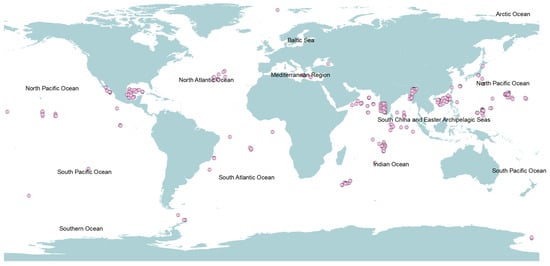
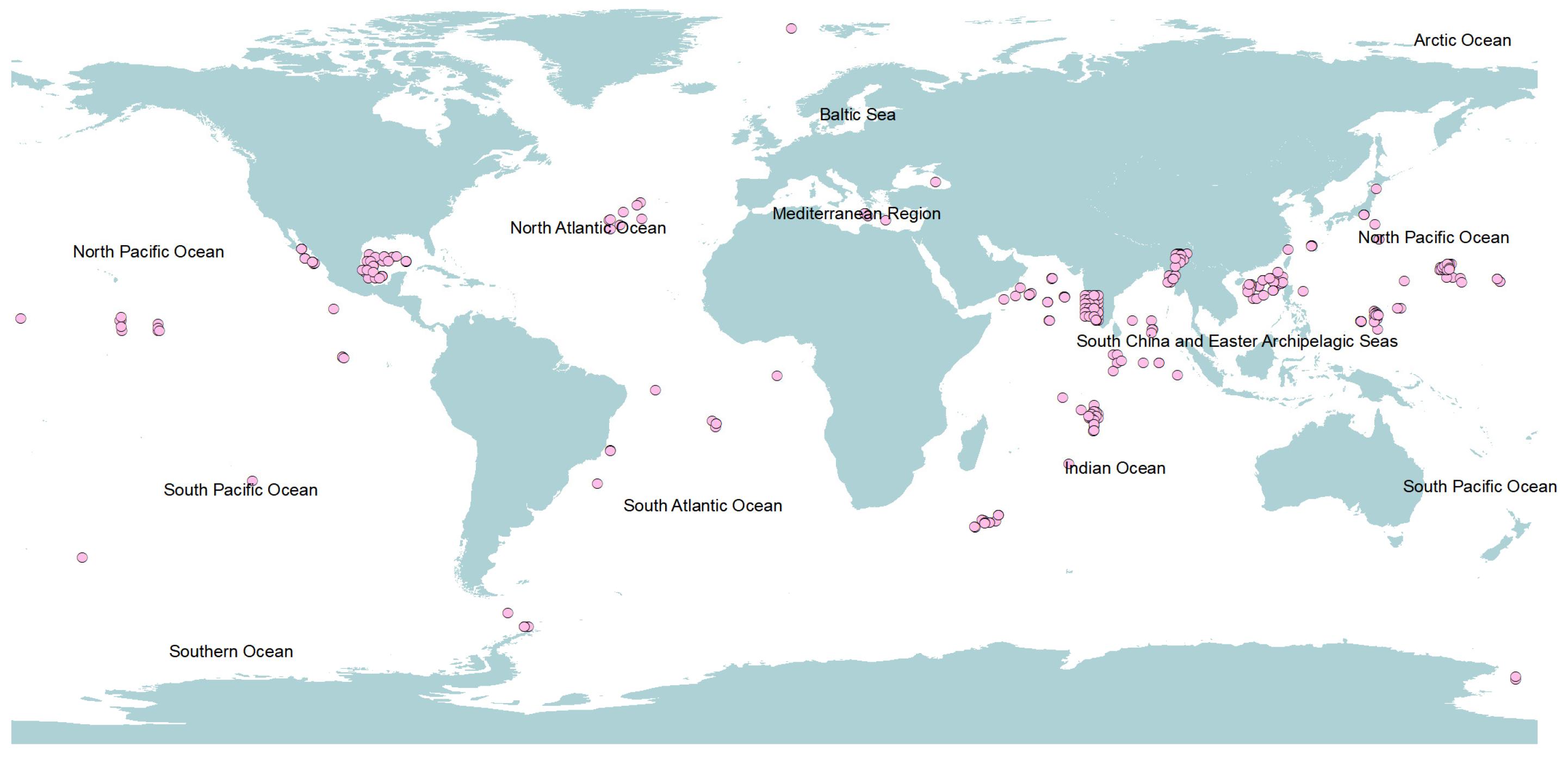
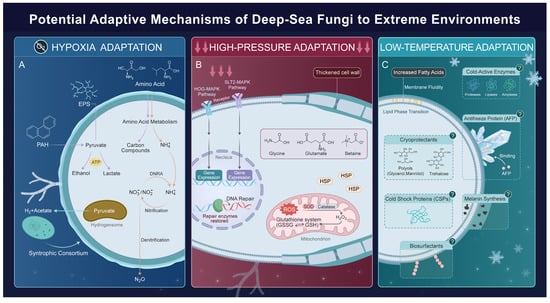
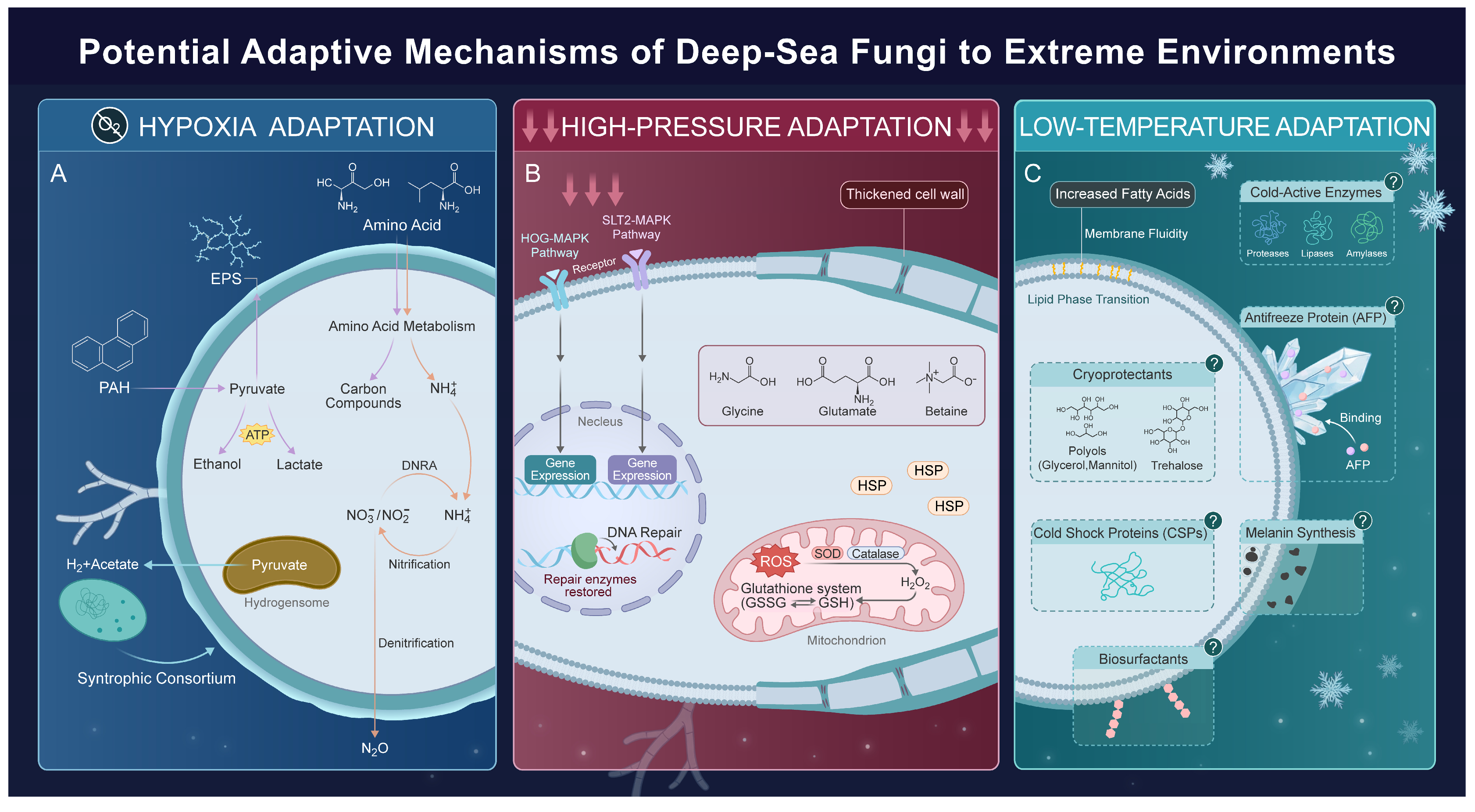
Disclaimer/Publisher’s Note: The statements, opinions and data contained in all publications are solely those of the individual author(s) and contributor(s) and not of MDPI and/or the editor(s). MDPI and/or the editor(s) disclaim responsibility for any injury to people or property resulting from any ideas, methods, instructions or products referred to in the content. |
© 2026 by the authors. Licensee MDPI, Basel, Switzerland. This article is an open access article distributed under the terms and conditions of the Creative Commons Attribution (CC BY) license.