


Simple Summary
Heat stress severely limits rabbit production by impairing digestion, disrupting intestinal microbial balance, weakening antioxidant and immune defenses, and reducing animal welfare and productivity. This study investigated the effects of vitamin C, probiotics, and their combination in adult rabbits maintained under naturally occurring heat-stress conditions. Supplemented rabbits showed improvements in several nutrient digestibility coefficients, serum biochemical, antioxidant, and immune-related indices, and fecal microbial populations compared with untreated rabbits under the same environmental conditions. Serum fatty acid composition was also assessed to provide complementary information on lipid metabolic responses to supplementation, as circulating fatty acids reflect alterations in the relative distribution of saturated and unsaturated fatty acids. Supplementation modified several individual fatty acids and increased the overall unsaturated-to-saturated fatty acid ratio, indicating treatment-associated changes in lipid metabolism. Overall, vitamin C and probiotic supplementation, individually or combined, influenced several digestive, physiological, microbial, and metabolic traits in adult rabbits under naturally occurring summer conditions. Serum fatty acid profiling provided complementary information on treatment-associated metabolic changes.
Abstract
Chronic heat stress (HS) profoundly disrupts intestinal homeostasis, redox balance, immune competence, and lipid metabolism in rabbits, necessitating integrated nutritional strategies that simultaneously target multiple physiological pathways. This study comprehensively evaluated, for the first time, the effects of a multi-strain probiotic and vitamin C, administered individually or in combination, on digestive, biochemical, endocrine, antioxidant, immune, microbial, and serum fatty acid responses in adult rabbits maintained under naturally occurring heat-stress conditions. Forty adult male V-line rabbits (initial body weight, 3083.75 ± 48.64 g) were assigned to four treatments for 28 days under naturally occurring HS conditions (temperature: 27.4–35.2 °C; temperature–humidity index: 78.08–86.95): untreated control, vitamin C (15 mg/kg BW/day), probiotic (4.14 × 10⁹ CFU/rabbit/day), or their combination (COM) (15 mg/kg BW/day + 4.14 × 10⁹ CFU/rabbit/day), administered via drinking water. Nutrient digestibility, serum biochemical, endocrine, antioxidant, and immune-related indices, fecal bacterial populations, and serum fatty acid composition were evaluated. Supplementation increased feed intake and improved the digestibility of selected nutrients compared with the untreated control (p < 0.05), with responses varying according to treatment and measured variable. Supplemented groups also exhibited favorable changes in antioxidant status, humoral immune indices, and fecal microbial populations. The COM treatment showed the highest values for neutral detergent fiber and acid detergent fiber digestibility, serum globulin and IgM concentrations, fecal Lactobacillus counts, and the proportion of polyunsaturated fatty acids, as well as the highest unsaturated-to-saturated fatty acid and MDA/TAC ratios (p < 0.05). Vitamin C produced the highest total antioxidant capacity, whereas probiotic supplementation most effectively reduced alanine aminotransferase activity and fecal Clostridium perfringens counts (p < 0.05). Serum fatty acid composition was also significantly altered by supplementation, with changes in individual fatty acids, increased proportions of unsaturated fatty acids (monounsaturated and polyunsaturated), and a higher unsaturated-to-saturated fatty acid ratio (p < 0.05). In conclusion, vitamin C and probiotic supplementation, administered individually or in combination, modified multiple digestive, physiological, microbial, antioxidant, immune, and lipid-related responses in rabbits maintained under naturally occurring heat-stress conditions. Serum fatty acid profiling provided complementary information on treatment-associated alterations in lipid metabolism and may be useful for characterizing metabolic responses to nutritional interventions under warm summer conditions.
1. Introduction
Climate change has become a major challenge to livestock production due to the continuous rise in environmental temperatures and the resulting increase in heat stress (HS), which compromises animal health, welfare, and productivity [1]. Among livestock species, rabbits are particularly susceptible to HS due to their limited number of sweat glands, dense fur, and limited capacity for heat dissipation. Moreover, modern genetically improved breeds exhibit even greater sensitivity owing to their rapid growth and high metabolic rate [2,3]. In Egypt, where summer temperatures commonly range from 25 to 45 °C, HS is a major constraint on rabbit production [4]. Rabbits perform optimally at 15–25 °C and relative humidity of 55–65%; however, signs of HS emerge when ambient temperatures exceed 30 °C, while temperatures above 35 °C can overwhelm thermoregulatory capacity, resulting in heat exhaustion or death [5]. Consequently, HS markedly reduces feed intake, growth performance, feed efficiency, reproductive performance, and survival, posing a serious threat to the sustainability of rabbit production under global warming [6].
The detrimental effects of HS extend beyond reduced productivity; they also disrupt multiple physiological systems. HS disrupts cellular redox homeostasis, promoting excessive production of reactive oxygen species (ROS) and oxidative stress [7]. This condition reduces the body’s antioxidant defense mechanisms while increasing malondialdehyde (MDA) levels, an indicator of lipid peroxidation [8,9]. At the same time, HS suppresses both humoral and cellular immunity, disrupts immune homeostasis, and alters the balance between pro- and anti-inflammatory cytokines, thereby increasing susceptibility to inflammatory disorders and infections [10,11,12].
HS also exerts profound effects on gastrointestinal health by impairing intestinal barrier integrity and altering microbial composition. Increased intestinal permeability facilitates the translocation of toxins and pathogens, aggravating oxidative stress and inflammatory responses [13]. Moreover, HS promotes the proliferation of pathogenic microorganisms, including Salmonella, Escherichia coli, Staphylococcus aureus, Clostridium perfringens, and molds, while disrupting microbial homeostasis in the intestine and cecum of rabbits [3,14]. Such alterations compromise digestive efficiency and further exacerbate the physiological consequences of thermal stress.
In addition to these systemic disturbances, HS profoundly affects lipid metabolism. Fatty acids (FAs) are essential molecules involved in cell membrane function, enzyme regulation, inflammatory responses, and overall metabolic homeostasis [15]. Alterations in the circulating fatty acid (FA) pool, encompassing both quantitative and compositional changes associated with physiological and pathological conditions, have established blood FA profiling as a valuable biomarker-based approach for detecting and evaluating metabolic perturbations [16]. Accordingly, alterations in circulating FA patterns may provide useful complementary information for evaluating metabolic responses to environmental stress [17]. Individual FAs may also reflect changes in metabolic homeostasis and provide insight into alterations in lipid utilization and biosynthetic pathways. In addition, changes in blood FA composition have been associated with modifications in biomembrane characteristics and energy balance during prolonged HS exposure [18].
Consequently, considerable research has focused on evaluating the effects of nutritional interventions on physiological and metabolic responses in animals exposed to elevated ambient temperatures. Among these, functional dietary additives such as vitamins, probiotics, prebiotics, phytogenic compounds, and essential oils have emerged as promising approaches due to their ability to strengthen antioxidant defenses, enhance immune function, preserve intestinal health, and support productive performance under environmental stress. Among these strategies, vitamin C (ascorbic acid; Vit-C) is recognized as an effective antioxidant against HS. As a water-soluble antioxidant, Vit-C neutralizes reactive oxygen species, protects cellular components from oxidative damage, supports innate and adaptive immunity, and serves as a cofactor for numerous enzymatic reactions [19]. Supplementation with Vit-C enhances antibody production, stimulates leukocyte phagocytic activity, and improves liver detoxification capacity [20]. In heat-stressed New Zealand White rabbits, Vit-C has been shown to regulate immune function by enhancing the expression of HSP70 and FOXP3 genes [21]. More recently, supplementation of drinking water with 0.025% Vit-C improved nutrient digestibility, particularly the digestibility coefficients of crude fiber and neutral detergent fiber, enhanced total antioxidant capacity, and reduced serum low-density lipoprotein (LDL) and MDA concentrations in heat-stressed adult V-line rabbits [22].
Although rabbits can synthesize ascorbic acid endogenously and therefore do not normally require dietary vitamin C, this endogenous capacity does not preclude a biological response to additional supplementation under environmental conditions that impose greater physiological and oxidative demands. Heat exposure can increase oxidative pressure and the utilization of antioxidant defenses, potentially increasing the demand for antioxidant protection. Under such conditions, supplemental vitamin C may provide additional antioxidant support beyond that supplied by endogenous synthesis. This rationale is supported by previous studies reporting physiological and antioxidant responses to vitamin C supplementation in rabbits exposed to elevated environmental temperatures [4,23]. Thus, vitamin C supplementation in the present study was evaluated as a nutritional intervention under naturally occurring summer heat conditions rather than as a means of correcting a dietary vitamin C deficiency.
Probiotics have likewise gained widespread attention as natural alternatives to antibiotic growth promoters because of their ability to improve animal health while minimizing antibiotic residues in animal-derived foods. These live microbial supplements enhance growth performance, reinforce immune responses, promote intestinal barrier function, and maintain microbial balance by stimulating beneficial bacteria while suppressing pathogenic microorganisms [13,24]. For example, supplementation with Bacillus subtilis and Enterococcus faecium reduced E. coli abundance while increasing Lactobacillus populations under HS conditions [13]. Furthermore, combined supplementation with probiotics and ascorbic acid has been reported to improve productivity and antioxidant status in broiler chickens, with potential effects on stress-related physiological responses [25].
Despite the established benefits of probiotics and vitamin C individually, their combined effects on the digestive, physiological, immune, microbial, and metabolic responses of adult rabbits under naturally occurring heat-stress conditions remain unknown. In particular, limited information is available on serum fatty acid (FA) remodeling in response to these nutritional interventions. The novelty of this study lies in the integrated evaluation of probiotics and vitamin C, individually and in combination, using serum FA profiling and complementary physiological, antioxidant, immune, and microbial indicators in adult V-line rabbits. Accordingly, this study evaluated the effects of individual and combined supplementation with probiotics and vitamin C via drinking water on nutrient digestibility, antioxidant defense mechanisms, immune performance, fecal microbial composition, and serum FA profiles in adult V-line rabbits under naturally occurring warm summer conditions. It also assessed whether the combined treatment produced more pronounced responses than either additive alone, particularly in the circulating FA profile.
2. Materials and Methods
2.1. Ethical Approval and Experimental Site
All procedures involving animals were performed in compliance with the ethical standards of the Animal Care Committee at Alexandria University (Approval No. Alex. Agri. 092403303). Throughout the study, rabbits were handled and managed in accordance with established welfare guidelines. The study was performed at the Nucleus Breeding Rabbit Farm of the Poultry Research Center, Department of Poultry Production, Faculty of Agriculture, Alexandria University, Alexandria, Egypt (31°20′ N, 30° E).
2.2. Experimental Additive
The additives were a commercial multi-strain probiotic (ANOVA-PRO, Anova Pharma JSC, Long A Province, Vietnam; imported and distributed by Vet Land Trade Commercial Agency, Tanta, Egypt), supplied as a lyophilized powder, and a pure vitamin C powder (ascorbic acid, 100%; MOBDCO International Inc., Amman, Jordan). Per gram of product, the manufacturer’s label specifies Bacillus subtilis 10 × 109 CFU, Bacillus licheniformis 7 × 10⁹ CFU, Bacillus mesentericus 9 × 10⁹ CFU, Lactobacillus acidophilus 9.8 × 10⁹ CFU, and Saccharomyces cerevisiae 9 × 10⁹ CFU, giving a total labelled potency of 44.8 × 10⁹ CFU/g. These are nominal manufacturer specifications and were not verified analytically in this study.
2.3. Animals, Dietary Treatments, and Management
Forty healthy V-line rabbits (adult male), averaging 3083.75 ± 48.64 g in body weight, were categorized based on their initial body weight (IBW) and age. The animals were then randomly allocated to four experimental groups and maintained under naturally occurring heat-stress conditions throughout a 28-day experimental period. Rabbits in the control group (CON) received untreated tap water, which served as the common basal water source for all experimental groups. The daily water requirement was estimated at 120 mL/kg body weight, based on standard recommendations for adult rabbits [26]. The Vit-C group received tap water supplemented with vitamin C at 15 mg/kg body weight (BW)/day. The dose was calculated from each rabbit’s initial BW recorded at the start of the trial and was not re-adjusted during the 28 days; for the mean initial BW (3.08375 kg), this corresponded to approximately 46.3 mg vitamin C/rabbit/day. The PRO group received 4.14 × 10⁹ CFU/rabbit/day of the probiotic. Based on the labelled potency of 44.8 × 10⁹ CFU/g, the daily product mass required per rabbit was calculated as (4.14 × 10⁹ CFU) ÷ (44.8 × 10⁹ CFU/g) = 0.0924 g (92.4 mg) of powder per rabbit per day. The COM group received both additives at the same doses. The supplemented water was prepared fresh daily, maintained in opaque containers protected from sunlight, and connected to the nipple-drinker lines. For the Vit-C, PRO, and COM groups, the supplemented volume (fixed at 185 mL/rabbit/day) was offered first, before plain drinking water, and containers were checked daily for residuals; the full supplemented volume was consumed each day before plain drinking water was provided ad libitum. Rabbits in the CON group received plain tap water ad libitum throughout the day via the same nipple-drinker system, without a preceding fixed-volume delivery step; the CON and supplemented groups therefore differed in their water-delivery schedules. Because the supplemented volume was fixed and fully consumed, the realized additive intake did not vary with total water intake. The reported probiotic CFU values represent nominal doses based on the manufacturer’s label; probiotic viability in the prepared supplemented water was not independently verified analytically, and the actual number of viable organisms delivered therefore remains unknown. Total water intake (mL/rabbit/day) was recorded using graduated containers and included both the supplemented volume and the ad libitum consumption of plain water. Rabbits had unrestricted access to feed throughout the experimental period, and the ingredients and proximate composition of the formulated basal diet are summarized in Table 1. Each animal was individually housed in a galvanized wire cage arranged in a single tier (35 × 40 × 50 cm) and equipped with a feeder, an automatic nipple drinker, and a plastic floor covering to reduce the incidence of hock injuries. During the study, all rabbits were managed under uniform housing, hygienic, and climatic conditions. Environmental temperature and relative humidity were recorded continuously at 5-min intervals throughout the 28-day experimental period (16 August to 12 September) using a temperature–humidity data logger (Benetech GM1365, Shenzhen Jumaoyuan Science and Technology Co., Ltd., Shenzhen, China). The temperature-humidity index (THI) was calculated for each paired temperature–humidity record using the equation of Moraes et al. [27], expressed here in linear form for clarity:
where Tdb is the dry-bulb air temperature (°C), and RH is the relative humidity (%). This formulation and its attribution to Moraes et al. [27] were verified against the source. The THI was used solely to characterize the environmental heat load of the rabbit house; it does not constitute a direct measure of individual-animal heat strain because rectal temperature, respiration rate, and pre-trial baseline physiological measurements were not recorded in this study.
THI = 0.8 × Tdb + [(RH / 100) × (Tdb − 14.3)] + 46.3
Table 1.
Ingredient and chemical composition of the experimental diet.
2.4. Assessment of Feed Intake, Nutrient Digestibility, and Chemical Analysis
Daily feed intake (FI) was calculated by recording the quantity of feed provided and subtracting the weight of the residual feed collected after each feeding period. To assess nutrient digestibility coefficients, eight rabbits per treatment were randomly selected on day 17 of the experiment and housed individually in metabolic cages designed to prevent the mixing of feces and urine from different animals. The rabbits were allowed to acclimate to the metabolic cages for seven days before fecal collection. Fecal samples were collected daily from each rabbit before the morning feeding for five consecutive days. The fecal material collected from each rabbit throughout the collection period was pooled separately and thoroughly homogenized to obtain a representative sample for subsequent chemical analyses. It was then stored at −20 °C until further processing. Following the termination of the experimental period, samples were oven-dried at 60 °C for 48 h and then subjected to proximate composition analysis at the Laboratory of Animal Nutrition, Department of Animal and Fish Production, Faculty of Agriculture, Alexandria University. Apparent nutrient digestibility coefficients were estimated using lignin as an internal indicator according to the calculation method described by García et al. [28]:
Digestibility (%) = 100 − 100 × [(marker in feed / marker in feces) × (nutrient in feces / nutrient in feed)]
The chemical composition of the experimental diets and fecal materials was determined according to the standard analytical procedures of [29]. The evaluated components comprised dry matter (DM; 934.01), ash (942.05), crude protein (CP; 986.06), ether extract (EE; 920.39), and crude fiber (CF; 978.10). Nitrogen-free extract (NFE) was calculated using the difference equation. Furthermore, the concentrations of neutral detergent fibre (NDF), acid detergent fibre (ADF), and acid detergent lignin (ADL) were analyzed with an Ankom fibre analyzer system (model A2001, ANKOM, Macedon, NY, USA) following the procedure established by Van Soest et al. [30].
2.5. Blood Sampling and Assessment of Serum Biochemical, Immune, and Oxidative Stress-Related Indicators
After the trial completion, six rabbits from each treatment were randomly chosen for blood sampling. Approximately 4 mL of blood was collected from the marginal ear vein of each selected rabbit between 08:00 and 09:00 h into tubes without heparin anticoagulant. The samples were centrifuged at 4000 × g for 15 min, and the obtained serum was stored at −20 °C until biochemical evaluation. Analyses were performed using commercial diagnostic kits (Stanbio Laboratory, Boerne, TX, USA, MyBioSource, San Diego, CA, USA). Serum parameters assessed included total protein, albumin, triglycerides, total cholesterol, high-density lipoprotein (HDL), low-density lipoprotein (LDL), immunoglobulins (IgG and IgM), aspartate aminotransferase (AST), alanine aminotransferase (ALT), urea, creatinine, glucose, cortisol, triiodothyronine (T3), thyroxine (T4), total antioxidant capacity (TAC), and malondialdehyde (MDA) activity. The MDA/TAC ratio was calculated by dividing MDA by TAC, and mean values were calculated for each rabbit.
2.6. Fecal Microbial Count
At the end of the experiment, fresh fecal samples were randomly collected from six rabbits per treatment for microbiological analysis. Samples were kept on ice and immediately transported to the laboratory for further processing. Approximately 0.1 g of each fecal sample was aseptically homogenized in sterile buffered peptone water and serially ten-fold diluted (10−1–10−10). Enumeration of Lactobacillus and Escherichia coli (E. coli) populations was performed using selective culture media: de Man–Rogosa–Sharpe (MRS) agar for Lactobacillus and MacConkey agar (Oxoid, Wesel, Germany) for E. coli. MRS plates were incubated anaerobically at 37 °C for 48 h, whereas MacConkey agar plates were incubated aerobically at 37 °C for 24 h [31]. Additionally, Clostridium perfringens counts were determined using Tryptose Sulfite Cycloserine (TSC) agar supplemented with egg yolk (Oxoid, Basingstoke, UK), followed by incubation under anaerobic conditions at 37 °C for a period of 24–48 h [32]. Microbial counts were expressed as log10 CFU per gram of fecal contents.
2.7. Determination of Blood Fatty Acid Profile
Total serum lipids were isolated following the extraction procedure described by Folch et al. [33]. Briefly, a 1 mL serum aliquot was combined with 10 mL of chloroform–methanol solvent (2:1, v/v), followed by centrifugation at 2500× g for 10 min at 20 °C. The resulting organic fraction containing extracted lipids was subsequently recovered and maintained at −20 °C until further analysis.
Fatty acid methyl esters (FAMEs) were generated from the extracted lipid fraction by first dissolving the sample in 5 mL of GC-grade benzene. The dissolved lipids were then subjected to methylation with 7 mL of 1% H2SO4 in methanol at 90 °C for 90 min. Phase separation was initiated by adding distilled water, after which the organic phase containing the fatty acid methyl esters (FAMEs) was isolated, dehydrated with anhydrous sodium sulfate, filtered through a 0.22 µm membrane filter, and subsequently analyzed by gas chromatography.
Fatty acid composition was determined using a ChroZen GC system (Young Lin Instrument Co., Anyang, Republic of South Korea) equipped with its integrated flame ionization detector (FID) and a built-in split injector. Separation was achieved on an Rtx-2330 capillary column (Restek Corporation, Bellefonte, PA, USA; 30 m × 0.25 mm i.d., 0.20 μm film thickness) using nitrogen as the carrier gas at a flow rate of 0.5 mL/min. The injector and detector temperatures were maintained at 220 and 260 °C, respectively, with a split ratio of 1:80. The oven temperature was initially held at 90 °C for 10 min and then increased to 240 °C at 5 °C/min. Individual fatty acids were identified by comparison of retention times with authentic standards and were expressed as relative percentages of the total identified fatty acid methyl esters (FAMEs). Total saturated (SFA), monounsaturated (MUFA), polyunsaturated (PUFA), total unsaturated (USFA) fatty acids, and the USFA/SFA ratio were subsequently calculated from the individual fatty acid percentages, as described by Chen et al. [34].
2.8. Statistical Analysis
The data obtained in this study were statistically analyzed using a 2 × 2 factorial arrangement to evaluate the main effects of probiotic supplementation (PRO; 0 or 4.14 ×10⁹ CFU/rabbit/day), vitamin C supplementation (Vit-C; 0 or 15 mg/kg BW/day), and their interaction (PRO × Vit-C). The individual rabbit was considered the experimental unit. Feed intake, water intake, and body weight were recorded for all rabbits (n = 10 per group). Nutrient digestibility was assessed in eight rabbits per group (n = 8), whereas serum biochemical, antioxidant, and immune indices, serum fatty acid composition, and fecal bacterial counts were determined in a randomly selected subset of six rabbits per group (n = 6). No animals were excluded from any analysis. The statistical model was Yijk = μ + Pi + Vj + (P × V)ij + eijk, where Yijk is the observed value of the dependent variable, μ is the overall mean, Pi is the effect of probiotic supplementation, Vj is the effect of vitamin C supplementation, (P × V)ij is the interaction effect between probiotic and vitamin C supplementation, and eijk is the experimental error. The analysis was performed using the GLM procedure according to SAS [35]. Statistical significance was declared at p < 0.05. Where a significant interaction was detected, the treatment combinations were further examined using Duncan’s multiple range test to characterize the nature of the interaction.
3. Results
3.1. Temperature-Humidity Index
Environmental conditions in the rabbit house were monitored throughout the experimental period from 16 August to 12 September (28 days). Measurements of ambient temperature (AT) and relative humidity (RH) were obtained at 5-min intervals, yielding 8064 paired observations over 28 days (28 days × 24 h × 12 recordings per hour). As shown in Table 2, AT averaged 30.48 ± 1.48 °C and varied from 27.40 to 35.20 °C, whereas RH averaged 70.57 ± 5.63%, with recorded values ranging from 45.20 to 83.70%. The THI values were calculated from the corresponding paired AT and RH observations using the equation of Moraes et al. [27] and averaged 82.35 ± 1.77, with an overall range of 78.08–86.95. The daily THI pattern throughout the experimental period is illustrated in Figure 1. Detailed daily values for THI, AT, and RH across the same 28-day experimental period are provided in Supplementary Tables S1–S3, which are included with the submission. All environmental data presented in the Results section were derived from these Supplementary Datasets.
Table 2.
Overall ambient temperature (AT, °C), relative humidity (RH, %), and temperature–humidity index (THI) recorded in the rabbit house throughout the experimental period.
Figure 1.
Temperature–humidity index (THI) computed throughout the experimental period.
To quantify the duration of exposure to elevated THI, the cumulative time spent above conventional THI bands for this formulation was calculated from the 8064 paired observations (Table 2). Because the minimum recorded THI was 78.08, no observation fell within the no-heat-stress (<74) or mild (74–78) bands. Approximately 100% of the 672 observation-hours fell within the moderate (78–82) to severe (>82) range, with 389 h (57.8% of the total) above THI 82 and 118 h (17.6%) above THI 84. These data characterize the environmental heat load during the trial; they do not by themselves demonstrate individual heat strain, since animal-based physiological indicators were not measured.
3.2. Feed Intake, Water Intake, and Nutrient Digestion Coefficients
The baseline measurements presented in Table 3 confirm that the experimental groups were comparable at the start of the trial, as IBW did not differ significantly among treatments (p > 0.05). This indicates that the rabbits were appropriately balanced in terms of initial body size before the dietary interventions were initiated. Final body weight was not significantly influenced by either vitamin C or probiotic supplementation (p > 0.05), and no significant vitamin C × probiotic interaction was detected for this variable (p > 0.05). In contrast, both vitamin C and probiotic supplementation significantly affected feed intake (p < 0.05), with a significant interaction between the two factors (p < 0.05). Among the treatment combinations, feed intake was highest in COM, followed by Vit-C and PRO, whereas CON recorded the lowest value; all four groups differed significantly (p < 0.05). Water intake was significantly affected by both vitamin C and probiotic supplementation (p < 0.05), and their interaction was also significant (p < 0.05). The CON group exhibited the highest water intake, followed by Vit-C and COM, whereas PRO showed the lowest; each treatment combination differed significantly from the others (p < 0.05). With respect to nutrient digestibility, significant main effects of vitamin C were found for DM, OM, CP, CF, NFE, NDF, and ADF, whereas probiotics influenced CP, CF, NFE, NDF, and ADF (p < 0.05). EE digestibility was unaffected by either factor or their interaction (p > 0.05). The Vit-C × PRO interaction reached significance for CP, NDF, and ADF digestibility (p < 0.05), but not for DM, OM, CF, or NFE (p > 0.05). Regarding CP digestibility, CON had a significantly lower value than the three supplemented groups, which did not differ significantly from one another. A similar pattern was observed for both NDF and ADF digestibility: CON had the lowest value; Vit-C was significantly lower than PRO and COM; and PRO and COM did not differ significantly from each other (p < 0.05).
Table 3.
Impacts of Probiotic (PRO), Vitamin C (Vit-C), and their Combined Supplementation (COM) on Feed Intake, Water Intake, and Digestion Coefficients in Adult Rabbits under Naturally Occurring Heat Stress.
3.3. Serum Biochemical Parameters
As presented in Table 4, vitamin C significantly affected serum total protein, globulin, cholesterol, triglycerides, HDL, LDL, glucose, AST, cortisol, IgG, IgM, MDA, TAC, and the MDA/TAC ratio (p < 0.05). In contrast, albumin, urea, creatinine, T3, T4, ALT, and the T3/T4 ratio were not significantly affected by vitamin C supplementation (p > 0.05). Probiotic supplementation also exerted significant main effects on total protein, globulin, cholesterol, triglycerides, HDL, LDL, glucose, AST, ALT, T3, IgG, IgM, MDA, and the MDA/TAC ratio (p < 0.05). Conversely, albumin, urea, creatinine, the T3/T4 ratio T4, cortisol, and TAC were not significantly affected by probiotic supplementation (p > 0.05). Significant Vit-C × PRO interactions were observed for globulin, glucose, cortisol, IgG, IgM, TAC, and the MDA/TAC ratio (p < 0.05); the interaction terms for the other serum variables were nonsignificant (p > 0.05). Globulin concentration was significantly higher in COM than in PRO and CON, while Vit-C did not differ significantly from COM or PRO. Glucose concentration was significantly higher in PRO than in Vit-C, COM, and CON. Vit-C and COM also exceeded CON significantly, whereas COM did not differ significantly from Vit-C or PRO (p < 0.05). Cortisol concentration was higher in CON than in Vit-C, PRO, and COM, and there were no significant differences among the supplemented groups. Regarding IgG, Vit-C, and COM, values were significantly higher than in PRO and CON, and PRO also exceeded CON. IgM concentration was highest in COM and lowest in CON, whereas Vit-C and PRO showed intermediate values that differed significantly from both COM and CON but not from each other. TAC differed significantly among all four groups, with Vit-C highest, followed by COM, PRO, and CON. The MDA/TAC ratio differed significantly among the treatment groups, with the highest value in CON and the lowest in Vit-C and COM, which did not differ significantly from each other (p < 0.05).
Table 4.
Effects of Probiotic (PRO), Vitamin C (Vit-C), and their Combined Supplementation (COM) on serum biochemical parameters in Adult Rabbits under Naturally Occurring Heat Stress.
3.4. Fecal Microbial Counts
As reported in Table 5, both vitamin C and probiotic supplementation had significant main effects on the counts of Lactobacillus and E. coli (p < 0.05). Regarding Clostridium perfringens, the probiotic effect was significant (p < 0.05), whereas the vitamin C effect was not (p > 0.05). The interaction between vitamin C and probiotics was significant for Lactobacillus and Clostridium perfringens counts (p < 0.05), but not for E. coli (p > 0.05). Lactobacillus counts differed significantly across all four groups, ranking from highest to lowest as COM, PRO, Vit-C, and CON. A similar all-group distinction was observed for Clostridium perfringens. Still, with an opposite treatment pattern, CON had the highest count, followed by Vit-C, COM, and PRO, with each group differing significantly from the others (p < 0.05).
Table 5.
Impacts of Probiotic (PRO), Vitamin C (Vit-C), and their Combined Supplementation (COM) on Fecal Microbial Counts in Adult Rabbits under Naturally Occurring Heat Stress.
3.5. Blood Fatty Acids Profile
As detailed in Table 6, vitamin C had significant main effects on most of the measured fatty acids, as well as calculated fatty acid classes, including SFA, MUFA, PUFA, and UFA (p < 0.05), whereas no significant effects were detected for myristoleic acid, pentadecylic acid, palmitoleic acid, arachidic acid, eicosenoic acid, margaroleic acid, or gamma-linolenic acid (p > 0.05). Probiotic supplementation also significantly affected several individual fatty acids and the calculated fatty acid classes (p < 0.05), whereas its effects on caproic acid, capric acid, myristoleic acid, pentadecylic acid, palmitoleic acid, trans-linoleic acid, arachidic acid, heneicosanoic acid, and erucic acid were not significant (p > 0.05). The Vit-C × PRO interaction was significant for caproic, caprylic lauric, tridecanoic, myristic, pentadecylic, 9-pentadecenoic, palmitic, stearic, trans-linoleic, arachidic heneicosanoic, eicosatrienoic, margaroleic, and γ-linolenic acids, as well as PUFA and UFA/SFA ratio (p < 0.05). In contrast, the interaction was nonsignificant for the remaining individual fatty acids and for MUFA, UFA, and SFA (p > 0.05). Among the fatty acids with significant interactions, caproic acid was significantly higher in Vit-C than in CON and PRO, whereas COM did not differ significantly from Vit-C or PRO. Caprylic acid levels differed significantly among the treatment groups. The COM group had the highest value, whereas CON had the lowest. Vit-C was intermediate and did not differ significantly from either COM or PRO, while PRO was significantly lower than COM but higher than CON (p < 0.05). Lauric acid was significantly higher in CON than in the three supplemented groups, which did not differ significantly from one another. Tridecanoic acid was highest in COM and lowest in CON; Vit-C and PRO shared an intermediate statistical grouping. Myristic and palmitic acids were highest in CON, intermediate in Vit-C and PRO, and lowest in COM; Vit-C and PRO did not differ significantly from each other. Pentadecylic acid was significantly higher in CON and COM than in Vit-C and PRO, with no significant difference within either pair. For 9-pentadecenoic acid, COM exceeded the other three groups, which did not differ significantly from one another. Stearic, trans-linoleic, and heneicosanoic acids were significantly lower in CON than in the supplemented groups (Vit-C, PRO, and COM), which did not differ significantly from one another (p < 0.05). In contrast, eicosatrienoic acid was highest in COM, followed by PRO, whereas CON and Vit-C shared the lowest statistical grouping (p < 0.05). Margaroleic acid was highest in PRO and lowest in CON; Vit-C differed significantly from both, while COM did not differ significantly from CON or Vit-C. The γ-linolenic acid was significantly higher in PRO than in the other treatment groups. COM also exceeded CON and Vit-C significantly, whereas CON and Vit-C did not differ significantly from each other (p < 0.05). A significant interaction between vitamin C and probiotic supplementation was observed for arachidic acid proportions (p < 0.05). Specifically, the Vit-C group recorded significantly higher levels compared with the CON and COM groups, while showing no significant difference from the PRO group. Furthermore, the PRO group was statistically comparable to both CON and COM, with no significant difference detected between the CON and COM treatments. Considering the calculated fatty acid classes, in particular, PUFA was significantly lower in CON than in the three supplemented groups, which did not differ significantly among themselves (p < 0.05). The UFA/SFA ratio differed significantly among the four treatment groups. The ratio was lowest in CON, followed by Vit-C and PRO, and highest in COM, with significant differences among all groups (p < 0.05).
Table 6.
Effects of Probiotic (PRO), Vitamin C (Vit-C), and their Combined Supplementation (COM) on the Blood Fatty Acid Profile (% of Total Lipids) in Adult Rabbits under Naturally Occurring Heat Stress.
4. Discussion
The present study evaluated the effects of vitamin C and probiotic supplementation, administered individually or in combination, on nutrient digestibility, serum biochemical and antioxidant indices, immune-related variables, fecal bacterial populations, and serum fatty acid (FA) composition in adult V-line rabbits maintained under naturally occurring summer conditions in Egypt. During the experimental period, ambient temperature ranged from 27.4 to 35.2 °C, relative humidity from 45.20 to 83.70%, and the temperature-humidity index (THI) from 78.08 to 86.95; THI exceeded 82 for approximately 57.8% of the observation time (Table 2). These environmental conditions provided the context in which the dietary treatments were evaluated. It should be emphasized that these THI values describe the environmental heat load of the rabbit house and do not constitute direct evidence of individual heat strain, because animal-based indicators such as rectal temperature and respiration rate were not measured. Accordingly, the findings are interpreted as treatment-associated responses under the recorded summer conditions rather than as evidence of altered thermotolerance or of heat-stress alleviation. Elevated ambient temperatures have been associated with changes in oxidative balance, nutrient utilization, and gastrointestinal function in rabbits [36,37]. Within this context, the present findings demonstrate that vitamin C and probiotic supplementation were associated with differences in several digestive, physiological, microbial, and metabolic variables, with the combined treatment showing particularly notable responses across a number of the measured parameters.
Feed intake (FI) is an important determinant of nutrient supply and productive performance in rabbits. Reduced FI is commonly reported in animals exposed to elevated ambient temperatures and is considered a response associated with limiting metabolic heat production [38,39]. In the present study, FI was significantly higher in all supplemented groups than in the untreated control group, with the highest value observed in the combined treatment (COM) group, followed by the vitamin C and probiotic groups. These findings indicate that supplementation was associated with increased FI under the prevailing summer conditions. Similar responses have been reported in heat-exposed rabbits supplemented with vitamin C or probiotics [22,40]. The increase in FI observed in the supplemented groups may be related to changes in digestive function, nutrient availability, and the physiological responses associated with these nutritional interventions.
The higher FI in supplemented rabbits was accompanied by improved apparent digestibility of several nutrients, including DM, OM, CP, CF, NDF, and ADF. Notably, FI and digestibility increased concurrently, whereas higher FI is generally expected to increase passage rate and reduce digestibility. In the present study, the supplemented groups also had improved intestinal microbial balance, as indicated by higher Lactobacillus counts and lower E. coli and Clostridium perfringens counts, which may have enhanced digestive and absorptive capacity. The control group had the highest water intake, which could have contributed to faster digesta passage and lower nutrient retention. The increase in FI in supplemented groups was moderate and may have been accommodated by improved digestive function. Thus, the concurrent increase in FI and digestibility suggests that the supplements supported intestinal function sufficiently to offset the potential negative effect of greater feed intake. These responses suggest that the nutritional treatments were associated with more efficient nutrient utilization. Probiotics may contribute to digestive processes by influencing intestinal microbial activity, microbial enzyme production, fiber degradation, and epithelial function [41]. Microbial metabolites generated during fermentation may also contribute to nutrient digestion and absorption. Improvements in nutrient digestibility following administration of Lactobacillus plantarum, Lactobacillus acidophilus, and multi-strain probiotic preparations have previously been reported in rabbits [40,42,43], consistent with the responses observed in the present study.
Water intake differed markedly among treatments, with the control rabbits consuming approximately 505 mL/day compared with 314–364 mL/day in the supplemented groups, resulting in a higher water-to-feed ratio in the control group. Daily water intake in rabbits has been reported to average 0.33 L/rabbit/day, with variation by season and individual animal [44]. In comparison, the estimated requirement of adult rabbits is approximately 120 mL/kg body weight/day [26], corresponding to approximately 370 mL/day for the mean initial body weight in the present study. The intake of the supplemented groups was therefore broadly consistent with these reference estimates, whereas the control group’s intake exceeded them. Several non-exclusive explanations for this pattern are plausible, and the present design does not allow them to be distinguished. First, the higher intake in the control group may reflect a greater thermoregulatory water demand under the prevailing summer conditions, since rabbits exposed to elevated ambient temperatures increase water consumption [45], and water intake and the water-to-feed ratio generally rise under such conditions [46]. Under this interpretation, the lower intake in the supplemented groups would reflect a lower heat load or a reduced need for evaporative cooling. However, this cannot be confirmed without animal-based indicators of heat strain. Second, the reduced palatability of the supplemented water cannot be excluded. Vitamin C lowers the pH of drinking water, and probiotic preparations can alter taste and odour; either could reduce voluntary intake independently of any physiological effect. The absence of overt adverse outcomes in the supplemented groups does not exclude a palatability effect, because the supplemented volume was fixed and was fully consumed before plain water was offered, so a preference against the supplemented water would have manifested mainly as reduced subsequent intake of plain water rather than as refusal of the supplement. Third, the water-delivery procedure differed between the control and supplemented groups: the supplemented groups received a fixed volume of 185 mL/rabbit/day initially, followed by plain water ad libitum, whereas the control group had continuous ad libitum access to plain water from the start of the day. Such differences in delivery schedule can influence drinking behaviour and total daily intake independently of palatability or physiological demand. These possibilities are not mutually exclusive, and the present data do not permit any one of them to be identified as the operative mechanism. Future studies using paired-choice preference tests, continuous monitoring of drinking behaviour, and animal-based indicators of heat strain would be required to disentangle palatability, delivery schedule, and thermoregulatory effects. Regardless of the explanation, the fixed carrier volume ensured that the administered doses of vitamin C and probiotic did not vary with total water intake, so the water-intake difference does not confound the dose–response interpretation of the supplement effects.
Vitamin C supplementation also improved nutrient digestibility, which may be related to its antioxidant protection of intestinal tissues. Under HS, excessive ROS production damages intestinal epithelial cells, compromises barrier integrity, and reduces digestive efficiency [13]. By scavenging free radicals and preserving cellular integrity, vitamin C may maintain intestinal function and improve nutrient utilization. Similar responses were observed by Abu Hafsa et al. [4], who demonstrated that vitamin C supplementation improved the digestibility of DM, CP, CF, NDF, and ADF in heat-stressed rabbits.
Interestingly, the COM treatment was associated with more pronounced responses in apparent digestibility of CP, NDF, and ADF, for which significant interactions between vitamin C and probiotics were observed. These responses may be partly explained by the potential roles of probiotics in supporting intestinal microbial activity and nutrient degradation, as well as by vitamin C’s contribution to cellular antioxidant protection. The combined provision of these additives may therefore be associated with differences in digestive efficiency through potentially distinct physiological pathways under naturally occurring summer conditions. Alterations in serum biochemical indicators further supported the improved nutrient utilization observed in supplemented rabbits. Supplementation increased serum total protein and globulin concentrations, with the greatest globulin response observed in the COM treatment. These findings suggest enhanced protein metabolism and improved immune competence. Globulins constitute an important fraction of immune-related proteins, and their elevation, together with increased IgG and IgM concentrations, indicates enhanced humoral immunity. Similar increases in serum immunoglobulins following probiotic supplementation have been reported in rabbits and poultry, reflecting improved immune responsiveness under environmental stress conditions [47,48].
The findings of the current study indicate that vitamin C and probiotic supplementation were associated with changes in fecal bacterial populations, characterized by higher Lactobacillus counts and lower counts of E. coli and Clostridium perfringens in the supplemented groups. The response of Lactobacillus and Clostridium perfringens varied significantly with the combination of the two additives, whereas the interaction was not significant for E. coli. HS can impair intestinal barrier integrity and disturb microbial homeostasis, potentially favoring opportunistic pathogens over beneficial bacteria [13]. Consistent with previous reports, probiotic supplementation may promote beneficial microorganisms and suppress enteric pathogens, with potential benefits for intestinal fermentation, digestive enzyme activity, and nutrient utilization [40,49,50]. Vitamin C has also been reported to reduce intestinal E. coli populations and improve nutrient digestibility under heat-stress conditions [4]. Collectively, these findings indicate that supplementation was associated with changes in measured fecal bacterial populations, although response patterns differed by bacterial species and additive combination.
Improved microbial homeostasis was accompanied by enhanced antioxidant status, as evidenced by higher TAC and lower MDA concentrations and MDA/TAC ratios, indicating attenuation of lipid peroxidation. HS promotes ROS generation, leading to oxidative damage of cellular lipids and impairment of physiological functions [37]. Vitamin C directly scavenges ROS and protects membrane phospholipids against oxidative degradation [51]. Although rabbits possess the endogenous capacity to synthesize ascorbic acid, this does not necessarily preclude a biological response to additional vitamin C under conditions associated with increased oxidative and physiological demands. Heat exposure can increase oxidative pressure and the utilization of antioxidant defenses, creating a physiological context in which supplemental vitamin C may provide additional antioxidant support beyond endogenous synthesis. Previous studies have reported favorable antioxidant and physiological responses to vitamin C supplementation in heat-exposed rabbits [22,23,52]. In the present study, the higher TAC and lower MDA concentrations associated with vitamin C supplementation are consistent with a potential contribution of additional ascorbate to antioxidant defense under the prevailing summer conditions. Thus, the response to supplementation may reflect the capacity of additional vitamin C to support antioxidant protection during environmental challenge, rather than correction of an established dietary vitamin C deficiency. In contrast, probiotics reinforce antioxidant defense by modulating intestinal microbial metabolism and attenuating oxidative and inflammatory signaling [53]. Similar improvements in antioxidant status and reductions in MDA have been reported following probiotic [40,54] and vitamin C supplementation in heat-stressed rabbits [22,52], supporting the antioxidant response observed in the present study.
The improvement in antioxidant status was accompanied by lower serum cortisol concentrations in all supplemented groups, with the greatest reduction observed in the Vit-C group. This finding is consistent with the potential role of ascorbic acid in modulating hypothalamic–pituitary–adrenal axis activity and cortisol secretion under challenging environmental conditions [55]. In parallel, supplementation increased serum glucose concentrations compared with the untreated control, suggesting altered energy metabolism under the experimental conditions. Under chronic HS, inhibition of FA oxidation shifts energy metabolism toward greater dependence on glucose, thereby accelerating glucose utilization in untreated animals [56,57,58]. Accordingly, the maintenance of higher serum glucose concentrations in the supplemented groups suggests that vitamin C and probiotic supplementation were associated with changes in energy metabolism under the study’s environmental conditions.
The changes in antioxidant status and serum biochemical parameters were accompanied by alterations in humoral immune-related responses, suggesting that vitamin C and probiotic supplementation influenced several interconnected physiological processes in adult rabbits under naturally occurring summer conditions. The observed changes in serum protein fractions and immunoglobulin concentrations are consistent with an influence on humoral immunity. Comparable responses have been reported following probiotic supplementation [40,42,48] and vitamin C administration in heat-stressed rabbits [4,22,52]. The changes in globulin, IgG, and IgM concentrations are also consistent with previous findings linking supplementation to humoral immune responses [58]. In parallel, the lower serum cholesterol, triglyceride, and LDL concentrations, together with reduced AST activity, indicate changes in lipid-related metabolism and serum enzyme activities following supplementation. These responses may be associated with vitamin C antioxidant properties and the potential effects of probiotics on intestinal microbial balance and nutrient utilization. Such effects may contribute to the interconnections among intestinal function, nutrient metabolism, and systemic physiological responses. Consistent with these potential roles, previous studies in heat-stressed poultry have reported improvements in antioxidant status, immune responses, and stress-related biomarkers following combined supplementation with probiotics and vitamin C [25,59].
A major finding of the present study was the significant modulation of serum FA composition by dietary supplementation. Serum FA profiling provides valuable insight into metabolic responses because circulating FAs reflect the integrated effects of dietary absorption, lipid mobilization, oxidation, and tissue metabolism. Increasing evidence suggests that FA signatures can serve as sensitive biomarkers for detecting metabolic alterations associated with environmental stress, including HS [60,61]. Chronic HS profoundly disrupts lipid metabolism by suppressing adipose tissue mobilization and FA oxidation, thereby limiting the release of circulating non-esterified fatty acids (NEFA) despite reduced FI and increased metabolic demand [62,63,64]. Comparable changes in circulating fatty acid profiles, including reduced concentrations of stearic, arachidonic, and oleic acids, have also been reported in broiler chickens exposed to chronic HS, supporting an association between HS and alterations in lipid-related metabolic profiles [57]. The changes in serum FA composition observed in the present study suggest that vitamin C and probiotic supplementation may influence lipid-related metabolic responses in adult V-line rabbits under naturally occurring summer conditions. The significant main effects of vitamin C on most individual FAs and several FA classes, together with the significant effects of probiotics on a number of these parameters, indicate that both supplements contributed to the observed alterations in the serum FA profile. Notably, the highest UFA/SFA ratio and the higher proportion of polyunsaturated FAs (PUFA) in the COM group highlight the changes associated with combined supplementation. However, the effects on MUFA, total unsaturated fatty acids (UFA), and saturated FAs (SFA) were primarily reflected in the significant main effects of vitamin C and probiotics, as their interaction was not significant. These results demonstrate that serum FA composition was responsive to the nutritional treatments in adult V-line rabbits.
The lower proportion of palmitic acid (C16:0) observed in supplemented rabbits, particularly in the COM group, was a notable feature of the serum fatty acid profile. Palmitic acid is a major saturated fatty acid (SFA), and elevated palmitate availability has been associated with adverse effects on mitochondrial function, cellular energy metabolism, and oxidative balance [65]. Changes in palmitic acid were accompanied by alterations in other individual fatty acids and in the proportions of major fatty acid classes, indicating that the serum fatty acid profile was responsive to vitamin C and probiotic supplementation. Although the proportion of oleic acid (C18:1n9c) was numerically highest in the COM group, the significant main effects of vitamin C and probiotic supplementation indicate that each supplement influenced this fatty acid, whereas their interaction was not statistically significant. Oleic acid is a monounsaturated fatty acid (MUFA) involved in membrane lipid composition and lipid-related cellular processes [17,66].
The PUFA profile was also influenced by supplementation. All supplemented groups showed higher total PUFA proportions than the control group, although the differences among the supplemented treatments were not statistically significant. The COM group had the highest PUFA proportion by number and showed increased levels of selected individual PUFAs, including linoleic, eicosatrienoic, and arachidonic acids. PUFAs are important structural components of membrane phospholipids and serve as precursors for bioactive lipid mediators involved in inflammatory regulation [67]. The changes in PUFA proportions observed in the present study, considered alongside the measured antioxidant indices, provide complementary information on serum lipid composition and antioxidant status in response to supplementation. However, these variables represent distinct aspects of the measured response, and their concurrent variation should be considered in the context of the overall treatment-associated changes in serum composition.
The serum FA responses observed in this study can also be considered in relation to findings in other animal species. In heat-stressed dairy cows, prolonged hyperthermia has been associated with reduced circulating MUFA concentrations and changes in FA composition [18]. Although the direction and magnitude of FA responses may differ across species and experimental conditions, the present results add information on the serum FA profile of adult rabbits receiving vitamin C and probiotics under naturally occurring summer conditions. In particular, the lower SFA proportion and higher MUFA, PUFA, and UFA/SFA ratio in supplemented rabbits indicate that serum FA composition is a responsive metabolic variable in this nutritional context.
Overall, vitamin C and probiotic supplementation were associated with changes in nutrient digestibility, serum biochemical and antioxidant indices, humoral immune-related variables, selected fecal bacterial populations, and serum fatty acid composition in adult V-line rabbits maintained under naturally occurring summer conditions. The responses varied across the measured variables, with individual supplements and their combination affecting different aspects of nutrient utilization, physiological and immune-related indices, fecal bacterial populations, and serum fatty acid profiles. Collectively, these findings provide integrated evidence of the responses associated with individual and combined supplementation with vitamin C and probiotics and contribute to the limited knowledge of their use in rabbit nutrition under summer environmental conditions.
A limitation of the present study is that plasma ascorbate concentrations were not measured. Therefore, the study cannot determine whether vitamin C supplementation altered circulating ascorbate status or provided direct evidence of increased systemic availability of ascorbate. Accordingly, the responses observed following vitamin C supplementation are interpreted as treatment-associated changes in the measured antioxidant, biochemical, and physiological variables rather than as evidence of altered vitamin C status. Nevertheless, this limitation does not affect the assessment of the treatment-associated responses evaluated in the present study. Still, it highlights the need for future investigations that incorporate circulating ascorbate measurements to further clarify the biological response to supplemental vitamin C in rabbits exposed to elevated environmental temperatures. Further limitations are that the probiotic CFU values were based on nominal manufacturer specifications without independent analytical verification, that the vitamin C dose was based on initial rather than current body weight, and that the supplemented and control groups differed in their water-delivery schedules, which is acknowledged as a potential contributor to the observed water-intake pattern.
5. Conclusions
In conclusion, the present findings indicate that Vitamin C and probiotic supplementation, administered individually or in combination, were associated with changes in nutrient digestibility, feed intake, selected serum biochemical and antioxidant indices, immune-related variables, fecal bacterial populations, and serum fatty acid composition in adult V-line rabbits maintained under naturally occurring summer conditions in Egypt. The responses varied among the measured variables, with effects associated with vitamin C and probiotic supplementation observed across several digestive, microbial, biochemical, and lipid-related parameters. The observed changes in serum fatty acid composition provide complementary information on the metabolic responses associated with these nutritional interventions and extend the available evidence on serum lipid profiles in adult rabbits. These results highlight the potential value of vitamin C and probiotics, administered individually or in combination, as nutritional strategies for modifying selected physiological and metabolic responses in rabbits under summer conditions.
Supplementary Materials
The following supporting information can be downloaded at: https://www.mdpi.com/article/10.3390/vetsci13111230/s1; Table S1: Temperature–humidity index (THI) calculated from paired ambient temperature and relative humidity observations throughout the experimental period; Table S2: Ambient Temperature (AT, °C), recorded throughout the experimental period; Table S3: Relative Humidity (%), recorded throughout the experimental period.
Author Contributions
M.M.S., H.-E.A.-M.S., E.M. and M.S. Conceptualization and supervision. M.M.S., H.-E.A.-M.S. and E.M. Methodology and resources. M.M.S. and M.S. Data collection, analysis, and curation. M.M.S. and S.M.A.S. Writing—original draft preparation. M.M.S., S.M.A.S., A.A.S. and M.S. Wrote and revised the draft with the approval of all authors. All authors have read and agreed to the published version of the manuscript.
Funding
This research received no external funding.
Institutional Review Board Statement
All procedures involving animals were performed in compliance with the ethical standards of the Institutional Animal Care and Use Committee (IACUC) of Alexandria University, Egypt (Approval No. Alex. Agri. 092403303, 3 March 2024). Throughout the study, rabbits were handled and managed in accordance with established welfare guidelines.
Informed Consent Statement
Not applicable.
Data Availability Statement
The data presented in this study are available on request from the corresponding author. The data presented in this study are not publicly available due to institutional data-sharing policies.
Acknowledgments
The authors would like to thank the Deanship of Graduate Studies and Scientific Research at Qassim University (https://www.qu.edu.sa) for financial support for publishing this research QU-APC-2026.
Conflicts of Interest
The authors declare that they have no conflicts of interest or personal relationships associated with this work.
References
- Belhadj Slimen, I.; Najar, T.; Ghram, A.; Abdrrabba, M. Heat Stress Effects on Livestock: Molecular, Cellular and Metabolic Aspects, a Review. J. Anim. Physiol. Anim. Nutr. 2016, 100, 401–412. [Google Scholar] [CrossRef] [Scilit] [PubMed]
- Hosny, N.S.; Morsy, A.S.; Abo-elezz, Z.R.; Hashem, N.M. Physiological Responses and Reproductive Performance of Naturally Heat-Stressed Rabbit Does Treated with Postbiotic of Bacillus Subtilis and Saccharomyces Cerevisiae in Free and Nano-Encapsulated Forms. BMC Vet. Res. 2025, 21, 288. [Google Scholar] [CrossRef] [Scilit] [PubMed]
- Ebeid, T.A.; Aljabeili, H.S.; Al-Homidan, I.H.; Volek, Z.; Barakat, H. Ramifications of Heat Stress on Rabbit Production and Role of Nutraceuticals in Alleviating Its Negative Impacts: An Updated Review. Antioxidants 2023, 12, 1407. [Google Scholar] [CrossRef] [Scilit] [PubMed]
- Abu Hafsa, S.H.; Centoducati, G.; Hassan, A.A.; Maggiolino, A.; Elghandour, M.M.M.Y.; Salem, A.Z.M. Effects of Dietary Supplementations of Vitamin C, Organic Selenium, Betaine, and Pomegranate Peel on Alleviating the Effect of Heat Stress on Growing Rabbits. Animals 2024, 14, 950. [Google Scholar] [CrossRef] [Scilit] [PubMed]
- Saxmose Nielsen, S.; Alvarez, J.; Bicout, D.J.; Calistri, P.; Depner, K.; Drewe, J.A.; Garin-Bastuji, B.; Gonzales Rojas, J.L.; Gortázar Schmidt, C.; Michel, V.; et al. Stunning Methods and Slaughter of Rabbits for Human Consumption. EFSA J. 2020, 18, e05927. [Google Scholar] [CrossRef] [Scilit] [PubMed]
- Liang, Z.L.; Chen, F.; Park, S.; Balasubramanian, B.; Liu, W.C. Impacts of Heat Stress on Rabbit Immune Function, Endocrine, Blood Biochemical Changes, Antioxidant Capacity and Production Performance, and the Potential Mitigation Strategies of Nutritional Intervention. Front. Vet. Sci. 2022, 9, 906084. [Google Scholar] [CrossRef] [Scilit] [PubMed]
- Bai, X.; Shi, Y.; Tang, L.; Chen, L.; Fan, H.; Wang, H.; Wang, J.; Jia, X.; Chen, S.; Lai, S. Heat Stress Affects Faecal Microbial and Metabolic Alterations of Rabbits. Front. Microbiol. 2022, 12, 817615. [Google Scholar] [CrossRef] [Scilit] [PubMed]
- Jimoh, O.A.; Ayedun, E.S.; Oyelade, W.A.; Oloruntola, O.D.; Daramola, O.T.; Ayodele, S.O.; Omoniyi, I.S. Protective Effect of Soursop (Annona Muricata Linn.) Juice on Oxidative Stress in Heat Stressed Rabbits. J. Anim. Sci. Technol. 2018, 60, 4–9. [Google Scholar] [CrossRef] [Scilit] [PubMed]
- Kuang, L.D.; Li, C.Y.; Guo, Z.Q.; Ren, Y.J.; Zheng, J.; Mei, X.L. Effects of Heat Stress on Reproductive Performance, Serum Biochemical Indexes and Reproductive Hormones in Female Rabbit of Qixing. Southwest China J. Agric. Sci. 2021, 1323–1329. [Google Scholar]
- El-Desoky, N.I.; Hashem, N.M.; Gonzalez-Bulnes, A.; Elkomy, A.G.; Abo-Elezz, Z.R. Effects of a Nanoencapsulated Moringa Leaf Ethanolic Extract on the Physiology, Metabolism and Reproductive Performance of Rabbit Does during Summer. Antioxidants 2021, 10, 1326. [Google Scholar] [CrossRef] [Scilit] [PubMed]
- Abdnour, S.A.; Hassan, M.A.E.; Mohammed, A.K.; Alhimaidi, A.R.; Al-Gabri, N.; Al-Khaldi, K.O.; Swelum, A.A. The Effect of Adding Different Levels of Curcumin and Its Nanoparticles to Extender on Post-Thaw Quality of Cryopreserved Rabbit Sperm. Animals 2020, 10, 1508. [Google Scholar] [CrossRef] [Scilit] [PubMed]
- Saghir, S.A.M.; Al Hroob, A.M.; Majrashi, K.A.; Jaber, F.A.; Abduh, M.S.; Al-Gabri, N.; Albaqami, N.M.; Abdelnour, S.A.; Alqhtani, A.H.; Abd El-Hack, M.E.; et al. Effects of Alginates on the Growth, Haematological, Immunity, Antioxidant and pro-Inflammatory Responses of Rabbits under High Temperature. Res. Vet. Sci. 2023, 155, 36–43. [Google Scholar] [CrossRef] [Scilit] [PubMed]
- Patra, A.K.; Kar, I. Heat Stress on Microbiota Composition, Barrier Integrity, and Nutrient Transport in Gut, Production Performance, and Its Amelioration in Farm Animals. J. Anim. Sci. Technol. 2021, 63, 211–247. [Google Scholar] [CrossRef] [Scilit] [PubMed]
- Varasteh, S.; Braber, S.; Akbari, P.; Garssen, J.; Fink-Gremmels, J. Differences in Susceptibility to Heat Stress along the Chicken Intestine and the Protective Effects of Galacto-Oligosaccharides. PLoS ONE 2015, 10, e0138975. [Google Scholar] [CrossRef] [Scilit] [PubMed]
- Chiu, H.H.; Kuo, C.H. Gas Chromatography-Mass Spectrometry-Based Analytical Strategies for Fatty Acid Analysis in Biological Samples. J. Food Drug Anal. 2020, 28, 60–73. [Google Scholar] [CrossRef] [Scilit] [PubMed]
- Caron, J.P.; Gandy, J.C.; Brown, J.L.; Sordillo, L.M. Docosahexaenoic Acid-Derived Oxidized Lipid Metabolites Modulate the Inflammatory Response of Lipolysaccharide-Stimulated Macrophages. Prostaglandins Other Lipid Mediat. 2018, 136, 76–83. [Google Scholar] [CrossRef] [Scilit] [PubMed]
- Blaga, Ș.; Vizitiu, D.A.; Bratu, D.G.; Lungu, B.C.; Tripon, R.M.; Tulcan, C.; Marc, S.; Huțu, I. Fatty Acid Profiles in Blood and Milk of Cows Under Heat Stress: A Comprehensive Review. Rom. J. Vet. Sci. 2024, 58, 31–40. [Google Scholar] [CrossRef] [Scilit]
- Mylostyvyi, R.; Sejian, V.; Izhboldina, O.; Kalinichenko, O.; Karlova, L.; Lesnovskay, O.; Begma, N.; Marenkov, O.; Lykhach, V.; Midyk, S.; et al. Changes in the Spectrum of Free Fatty Acids in Blood Serum of Dairy Cows during a Prolonged Summer Heat Wave. Animals 2021, 11, 3391. [Google Scholar] [CrossRef] [Scilit] [PubMed]
- Amer, F.; Elkassas, N.; Salim, I.; El-Medany, S.; Aboelenin, S.M.; Shukry, M.; Taha, A.E.; Peris, S.; Soliman, M.; Mahrose, K. Impacts of Dietary Supplementations of Orange Peel and Tomato Pomace Extracts as Natural Sources for Ascorbic Acid on Growth Performance, Carcass Characteristics, Plasma Biochemicals and Antioxidant Status of Growing Rabbits. Animals 2021, 11, 1688. [Google Scholar] [CrossRef] [Scilit] [PubMed]
- Khan, R.; Ali, S.; Mumtaz, S.; Andleeb, S.; Ulhaq, M.; Tahir, H.M.; Khan, M.K.A.; Khan, M.A.; Shakir, H.A. Toxicological Effects of Toxic Metals (Cadmium and Mercury) on Blood and the Thyroid Gland and Pharmacological Intervention by Vitamin C in Rabbits. Environ. Sci. Pollut. Res. 2019, 26, 16727–16741. [Google Scholar] [CrossRef] [Scilit] [PubMed]
- Marco-Jiménez, F.; García-Diego, F.J.; Vicente, J.S. Effect of Gestational and Lactational Exposure to Heat Stress on Performance in Rabbits. World Rabbit Sci. 2017, 25, 17–25. [Google Scholar] [CrossRef] [Scilit]
- Sayedahmed, M.M.; Safwat, A.M.; Madkour, M.; Seddik, H.E.A.M. An Integrated in Vitro Antioxidant/in Vivo Metabolomics Approach Unravels the Synergistic Effects between Oregano Essential Oil and Vitamin C as a Nutritional Strategy for Alleviating Heat Stress in Rabbits. J. Anim. Sci. 2026, 104, skag083. [Google Scholar] [CrossRef] [Scilit] [PubMed]
- Van Hieu, T.; Guntoro, B.; Qui, N.H.; Quyen, N.T.K.; Al Hafiz, F.A. The Application of Ascorbic Acid as a Therapeutic Feed Additive to Boost Immunity and Antioxidant Activity of Poultry in Heat Stress Environment. Vet. World 2022, 15, 685–693. [Google Scholar] [CrossRef] [Scilit] [PubMed]
- Fathi, M.; Abdelsalam, M.; Al-Homidan, I.; Ebeid, T.; El-Zarei, M.; Abou-Emera, O. Effect of Probiotic Supplementation and Genotype on Growth Performance, Carcass Traits, Hematological Parameters and Immunity of Growing Rabbits under Hot Environmental Conditions. Anim. Sci. J. 2017, 88, 1644–1650. [Google Scholar] [CrossRef] [Scilit] [PubMed]
- Sumanu, V.O.; Naidoo, V.; Oosthuizen, M.C.; Chamunorwa, J.P. Evaluating the Efficacy of Probiotics and Ascorbic Acid as Anti-Stress Agents against Heat Stress in Broiler Chickens. Front. Vet. Sci. 2024, 11, 1482134. [Google Scholar] [CrossRef] [Scilit] [PubMed]
- NRC (National Research Council). Nutrient Requirements of Rabbits: Second Revised Edition. In Nutrient Requirements of Domestic Animals; National Academies Press: Washington, DC, USA, 1977. [Google Scholar]
- de Moraes, S.R.P.; Yanagi Júnior, T.; de Oliveira, A.L.R.; Yanagi, S.d.N.M.; Café, M.B. Classification of the Temperature and Humidity Index (THI), Aptitude of the Region, and Conditions of Comfort for Broilers and Layer Hens in Brazil. In Proceedings of the International Conference on Agricultural Engineering, Hersonissos, Crete, Greece, 23–25 June 2008; pp. 1–10. [Google Scholar]
- García, J.; Carabaño, R.; de Blas, J.C. Effect of Fiber Source on Cell Wall Digestibility and Rate of Passage in Rabbits. J. Anim. Sci. 1999, 77, 898. [Google Scholar] [CrossRef] [Scilit] [PubMed]
- AOAC. Official Methods of Analysis, 17th ed.; Association of Official Analytical Chemists: Washington, DC, USA, 2000. [Google Scholar]
- Van Soest, P.J.; Robertson, J.B.; Lewis, B.A. Methods for Dietary Fiber, Neutral Detergent Fiber, and Nonstarch Polysaccharides in Relation to Animal Nutrition. J. Dairy Sci. 1991, 74, 3583–3597. [Google Scholar] [CrossRef] [Scilit] [PubMed]
- Tarabees, R.; Gafar, K.M.; EL-Sayed, M.S.; Shehata, A.A.; Ahmed, M. Effects of Dietary Supplementation of Probiotic Mix and Prebiotic on Growth Performance, Cecal Microbiota Composition, and Protection Against Escherichia Coli O78 in Broiler Chickens. Probiotics Antimicrob. Proteins 2019, 11, 981–989. [Google Scholar] [CrossRef] [Scilit] [PubMed]
- Hustá, M.; Ducatelle, R.; Haesebrouck, F.; Van Immerseel, F.; Goossens, E. A Comparative Study on the Use of Selective Media for the Enumeration of Clostridium Perfringens in Poultry Faeces. Anaerobe 2020, 63, 102205. [Google Scholar] [CrossRef] [Scilit] [PubMed]
- Folch, J.; Lees, M.; Stanley, G.H.S. A Simple Method for the Isolation and Purification of Total Lipides from Animal Tissues. J. Biol. Chem. 1957, 226, 497–509. [Google Scholar] [CrossRef] [Scilit]
- Chen, Y.; Qiao, Y.; Xiao, Y.; Chen, H.; Zhao, L.; Huang, M.; Zhou, G. Differences in Physicochemical and Nutritional Properties of Breast and Thigh Meat from Crossbred Chickens, Commercial Broilers, and Spent Hens. Asian-Australas. J. Anim. Sci. 2016, 29, 855–864. [Google Scholar] [CrossRef] [Scilit] [PubMed]
- SAS. SAS Software, 9.1 ed.; SAS Institute Inc.: Cary, NC, USA, 2009.
- Okab, A.; El-Banna, S.; Koriem, A. Influence of Enviromental Temperatures on Some Physiological Biochemical Parameters of New-Zeland Rabbits Males. Slovak J. Anim. Sci. 2008, 1, 12–19. [Google Scholar]
- Choi, S.I.; Kim, T.I.; Kyu, S.K.; Kim, B.Y.; Ahn, S.Y.; Cho, H.J.; Hyung, K.L.; Cho, H.S.; Eung, K.K. Decreased Catalase Expression and Increased Susceptibility to Oxidative Stress in Primary Cultured Corneal Fibroblasts from Patients with Granular Corneal Dystrophy Type II. Am. J. Pathol. 2009, 175, 248–261. [Google Scholar] [CrossRef] [Scilit] [PubMed]
- Pontalti, E.; Matics, Z.; Cullere, M.; Szendr, Z.; Gerencsér, Z.; Palumbo, B.; Zotte, A.D. Growth Performance, Carcass and Meat Quality Traits of Three Rabbit Lines Under Heat Stress Conditions. Animals 2025, 15, 3200. [Google Scholar] [CrossRef] [Scilit] [PubMed]
- Turk, R.; Rošić, N.; Beer Ljubić, B.; Vince, S. Effects of Summer Heat on Adipose Tissue Activity in Periparturient Simmental Cows. Metabolites 2024, 14, 207. [Google Scholar] [CrossRef] [Scilit] [PubMed]
- Elbaz, A.M.; Althagafi, H.; Samy, A.; Arafa, A.S.; Abdelhady, A.R.Y.; Elkanawaty, A.M.; Alwutayd, K.M.; Shousha, S.; Hereba, A.M.; El Sheikh, A.I.; et al. Nano-Encapsulated Cumin Oil and Bacillus Subtilis Enhance Growth Performance, Immunity, Oxidative Stability, and Intestinal Integrity in Growing Rabbits Under High Ambient Temperature. Vet. Sci. 2025, 12, 1039. [Google Scholar] [CrossRef] [Scilit] [PubMed]
- Wang, J.; Ji, H. Influence of Probiotics on Dietary Protein Digestion and Utilization in the Gastrointestinal Tract. Curr. Protein Pept. Sci. 2019, 20, 125–131. [Google Scholar] [CrossRef] [Scilit] [PubMed]
- Anas, H.; Mohamed, M.A.A.; Hassan, R.I.M.; Gomaa, W.M.S.; Mustafa, F.E.Z.A. Lactobacillus Plantarum and Lactobacillus Acidophilus Enhance Growth Performance, Immunity, Cecal Microbiota, and Vital Organs Histomorphology in Rabbits. Sci. Rep. 2026, 16, 3268. [Google Scholar] [CrossRef] [Scilit] [PubMed]
- Bhatt, R.S.; Agrawal, A.R.; Sahoo, A. Effect of Probiotic Supplementation on Growth Performance, Nutrient Utilization and Carcass Characteristics of Growing Chinchilla Rabbits. J. Appl. Anim. Res. 2017, 45, 304–309. [Google Scholar] [CrossRef] [Scilit]
- Lebas, F.; Thébault, R.G.; Allain, D. Nutritional Recommendations and Feeding Management of Angora Rabbits. In Nutrition of the Rabbit, 2nd ed.; CABI: Wallingford, UK, 2010; pp. 285–293. [Google Scholar]
- Bodnár, K. Data for the Domestic Rabbit’s Drinking Water Supply. J. Cent. Eur. Green Innov. 2022, 10, 68–74. [Google Scholar] [CrossRef] [Scilit]
- de Blas, C.; Wiseman, J. (Eds.) Nutrition of the Rabbit; CAB International: Wallingford, UK, 2020. [Google Scholar]
- Hou, X.; Dai, P.; Song, X.; Long, X.; Gao, J.; Chai, T. Understanding the Effect of Compound Probiotics on the Health of Rabbits and Its Mechanisms Through Metagenomics. Probiotics Antimicrob. Proteins 2024, 16, 815–828. [Google Scholar] [CrossRef] [Scilit] [PubMed]
- Bassiony, S.S.; Al-Sagheer, A.A.; El-Kholy, M.S.; Elwakeel, E.A.; Helal, A.A.; Alagawany, M. Evaluation of Enterococcus Faecium NCIMB 11181 and Clostridium Butyricum Probiotic Supplements in Post-Weaning Rabbits Reared under Thermal Stress Conditions. Ital. J. Anim. Sci. 2021, 20, 1232–1243. [Google Scholar] [CrossRef] [Scilit]
- Tufarelli, V.; Losacco, C.; Pugliese, G.; Tateo, A.; Schiavitto, M.; Iarussi, F.; Laudadio, V.; Passantino, L. Effects of a Multi-Strain Probiotic on Productive Traits, Antioxidant Defence, Caecal Microbiota and Short-chain Fatty Acid Profile, and Intestinal Histomorphology in Rabbits. Anim. Biosci. 2025, 38, 1247–1258. [Google Scholar] [CrossRef] [Scilit] [PubMed]
- Helal, F.; El-Badawi, A.; El-Naggar, S.; Shourrap, M.; Aboelazab, O.; Abu Hafsa, S. Probiotics Role of Saccharomyces Cerevisiae and Bacillus Subtilis in Improving the Health Status of Rabbits’ Gastrointestinal Tract. Bull. Natl. Res. Cent. 2021, 45, 66. [Google Scholar] [CrossRef] [Scilit]
- Hajati, H.; Hassanabadi, A.; Golian, A.; Nassiri-Moghaddam, H.; Reza Nassiri, M. The Effect of Grape Seed Extract and Vitamin C Feed Supplementation on Some Blood Parameters and HSP70 Gene Expression of Broiler Chickens Suffering from Chronic Heat Stress. Ital. J. Anim. Sci. 2015, 14, 3600. [Google Scholar] [CrossRef] [Scilit]
- El-Ratel, I.T.; Mekawy, A.; Hassab, S.H.M.; Abdelnour, S. Enhancing Growing Rabbit Heat Stress Resilience through Dietary Supplementation with Natural Antioxidants. BMC Vet. Res. 2025, 21, 28. [Google Scholar] [CrossRef] [Scilit] [PubMed]
- El-Aziz, A.H.A.; Mahrose, K.M.; El-Kasrawy, N.I.; Alsenosy, A.E.-W.A. Yeast as Growth Promoter in Two Breeds of Growing Rabbits with Special Reference to Its Economic Implications. An. Acad. Bras. Cienc. 2021, 93, e20190274. [Google Scholar] [CrossRef] [Scilit] [PubMed]
- Shehu, B.M.; Buba, W.; Yusuf, M. Probiotic Supplemented-Diet Mitigated the Effects of Hot-Dry Season on Growth Performance and Welfare of Rabbits in Zaria, Kaduna State. Niger. J. Anim. Sci. 2018, 20, 55–60. [Google Scholar]
- Egbuniwe, I.C.; Uchendu, C.N.; Obidike, I.R. Ameliorative Effects of Betaine and Ascorbic Acid on Endocrine and Erythrocytic Parameters of Sexually–Maturing Female Japanese Quails during the Dry Season. J. Therm. Biol. 2021, 96, 102812. [Google Scholar] [CrossRef] [Scilit] [PubMed]
- Jentjens, R.L.P.G.; Wagenmakers, A.J.M.; Jeukendrup, A.E. Heat Stress Increases Muscle Glycogen Use but Reduces the Oxidation of Ingested Carbohydrates during Exercise. J. Appl. Physiol. 2002, 92, 1562–1572. [Google Scholar] [CrossRef] [Scilit] [PubMed]
- Lu, Z.; He, X.; Ma, B.; Zhang, L.; Li, J.; Jiang, Y.; Zhou, G.; Gao, F. Serum Metabolomics Study of Nutrient Metabolic Variations in Chronic Heat-Stressed Broilers. Br. J. Nutr. 2018, 119, 771–781. [Google Scholar] [CrossRef] [Scilit] [PubMed]
- Sakr, O.G.; Mousa, B.H.; Emam, K.R.S.; Morsy, A.S.; Ahmed, N.A.E.H. Effect of Early Heat Shock Exposure on Physiological Responses and Reproduction of Rabbits under Hot Desert Conditions. World’s Vet. J. 2019, 9, 90–101. [Google Scholar] [CrossRef] [Scilit]
- Sumanu, V.O.; Byaruhanga, C.; Bosman, A.M.; Ochai, S.O.; Naidoo, V.; Oosthuizen, M.C.; Chamunorwa, J.P. Effects of Probiotic (Saccharomyces Cerevisiae) and Ascorbic Acid on Oxidative Gene Damage Biomarker, Heat Shock Protein 70 and Interleukin 10 in Broiler Chickens Exposed to Heat Stress. Anim. Gene 2023, 28, 200150. [Google Scholar] [CrossRef] [Scilit]
- Cui, Y.; Wang, C.; Hao, Y.; Gu, X.; Wang, H. Chronic Heat Stress Induces Acute Phase Responses and Serum Metabolome Changes in Finishing Pigs. Animals 2019, 9, 395. [Google Scholar] [CrossRef] [Scilit] [PubMed]
- Tian, H.; Wang, W.; Zheng, N.; Cheng, J.; Li, S.; Zhang, Y.; Wang, J. Identification of Diagnostic Biomarkers and Metabolic Pathway Shifts of Heat-Stressed Lactating Dairy Cows. J. Proteom. 2015, 125, 17–28. [Google Scholar] [CrossRef] [Scilit] [PubMed]
- Rhoads, R.P.; Baumgard, L.H.; Suagee, J.K.; Sanders, S.R. Nutritional Interventions to Alleviate the Negative Consequences of Heat Stress. Adv. Nutr. 2013, 4, 267–276. [Google Scholar] [CrossRef] [Scilit] [PubMed]
- Lamp, O.; Derno, M.; Otten, W.; Mielenz, M.; Nürnberg, G.; Kuhla, B. Metabolic Heat Stress Adaption in Transition Cows: Differences in Macronutrient Oxidation between Late-Gestating and Early-Lactating German Holstein Dairy Cows. PLoS ONE 2015, 10, e0125264. [Google Scholar] [CrossRef] [Scilit] [PubMed]
- Pearce, S.C.; Gabler, N.K.; Ross, J.W.; Escobar, J.; Patience, J.F.; Rhoads, R.P.; Baumgard, L.H. The Effects of Heat Stress and Plane of Nutrition on Metabolism in Growing Pigs1. J. Anim. Sci. 2013, 91, 2108–2118. [Google Scholar] [CrossRef] [Scilit] [PubMed]
- Chen, L.; Zhang, Q.; Meng, Y.; Zhao, T.; Mu, C.; Fu, C.; Deng, C.; Feng, J.; Du, S.; Liu, W.; et al. Saturated Fatty Acids Increase LPI to Reduce FUNDC1 Dimerization and Stability and Mitochondrial Function. EMBO Rep. 2023, 24, e54731. [Google Scholar] [CrossRef] [Scilit] [PubMed]
- Faraj, T.; Khaled, F. Organic Composition and Fatty Acid Profile of Macadamia Nut Oil and Its Impact on the Body Weight of Male Rabbits. Attahadi Med. J. 2026, 3, 138–142. [Google Scholar] [CrossRef] [Scilit]
- Mavangira, V.; Sordillo, L.M. Role of Lipid Mediators in the Regulation of Oxidative Stress and Inflammatory Responses in Dairy Cattle. Res. Vet. Sci. 2018, 116, 4–14. [Google Scholar] [CrossRef] [Scilit] [PubMed]
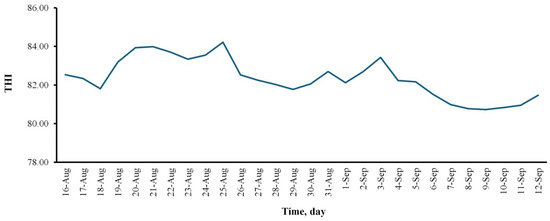
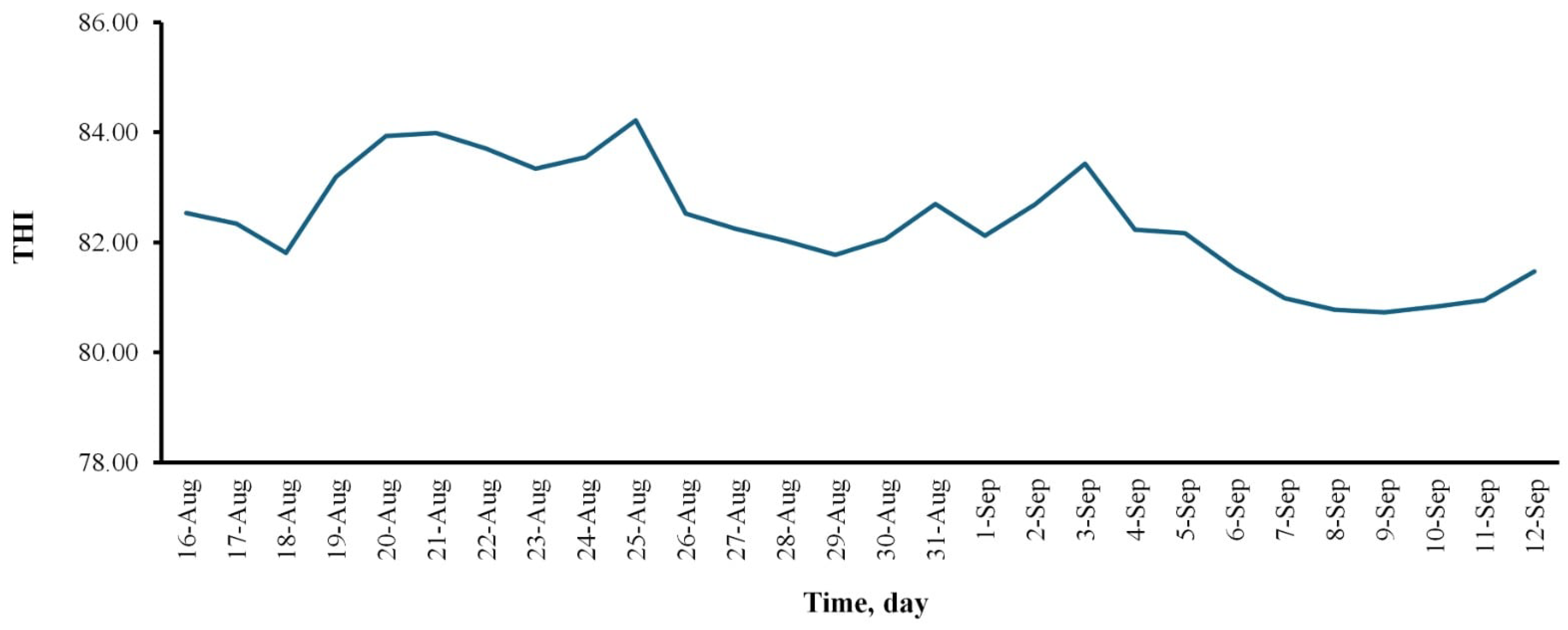

Disclaimer/Publisher’s Note: The statements, opinions and data contained in all publications are solely those of the individual author(s) and contributor(s) and not of MDPI and/or the editor(s). MDPI and/or the editor(s) disclaim responsibility for any injury to people or property resulting from any ideas, methods, instructions or products referred to in the content. |
© 2026 by the authors. Licensee MDPI, Basel, Switzerland. This article is an open access article distributed under the terms and conditions of the Creative Commons Attribution (CC BY) license.