


Simple Summary
Porcine reproductive and respiratory syndrome (PRRS) is a major viral disease that causes significant economic losses in the global pig industry by affecting reproduction, respiratory health, growth, and survival. Although vaccines are available, their effectiveness is often limited by the high genetic diversity of the virus. Traditional Chinese medicines (TCMs) have attracted increasing interest as potential alternatives or complementary approaches because they contain natural compounds with antiviral and immune-regulating properties. This review summarizes current knowledge of the antiviral effects of TCMs and their bioactive compounds against PRRS virus (PRRSV). It also explains how these compounds may interfere with viral replication, strengthen host immune responses, and influence gut microbial balance. In addition, the review explores the potential benefits of combining TCMs with other antiviral strategies and using nanotechnology to improve their effectiveness and bioavailability. However, challenges such as toxicity, inconsistent product quality, variable research outcomes, and limited evidence from animal studies must be addressed. Further research and strict quality control are essential to establish the safety, effectiveness, and practical application of TCM-based approaches for PRRS prevention and control.
Abstract
Porcine reproductive and respiratory syndrome (PRRS) is one of the most economically important viral diseases affecting the global swine industry, causing substantial production losses through reproductive failure, respiratory disease, increased mortality and impaired growth. Although vaccines against PRRS are available, their effectiveness can be limited by the considerable genetic diversity of porcine reproductive and respiratory syndrome virus (PRRSV), and they do not guarantee complete protection against infection or viral transmission. In contrast, Traditional Chinese Medicines (TCMs), which have been used for centuries, are receiving increasing attention because of their diverse antiviral and immunomodulatory properties. TCMs include individual herbs and complex formulations containing a wide range of bioactive compounds that can act at multiple molecular targets to interfere with viral infection and modulate host responses. This review highlights the potential of TCMs and their bioactive constituents as alternative or complementary strategies for controlling PRRSV infection. It describes the structure and replication cycle of PRRSV to provide a basis for understanding viral replication in target cells, as well as the mechanisms by which viral non-structural proteins interfere with host immune responses. Evidence from in vitro and in vivo studies is summarized to evaluate the anti-PRRSV activity of TCMs and to elucidate the molecular mechanisms underlying the antiviral effects of their bioactive constituents. Furthermore, this review discusses synergistic approaches, nanotechnology-based strategies for improving TCM-compounds bioavailability/vaccine performance and the interplay between PRRSV infection and the gut microbiota. Finally, translational prospects of TCM-based interventions have been discussed, highlighting toxicity concerns and the need for strict quality control to prevent plant substitution and minimize batch-to-batch variability. The discussion also addressed the limited translation of in vitro findings to in vivo efficacy, inconsistent outcomes in animal studies and the need to comply with relevant regulatory requirements before clinical or commercial application.
1. Introduction
Porcine reproductive and respiratory syndrome (PRRS) is an economically important viral disease of swine that was first recognized in the United States in 1987 and subsequently spread to Canada [1,2]. By 1990, PRRS had been reported in Germany and subsequently became established throughout Europe [1,2]. The disease is now endemic in many swine-producing regions and represents a major cause of reproductive failure, respiratory disease and mortality in pigs [2]. PRRS virus (PRRSV) can be transmitted through direct contact between infected and susceptible animals through infectious aerosols, as well as indirectly through contaminated biological materials and secretions, including feces, urine and semen [3]. Based on genetic and antigenic differences, PRRSV is currently classified into two species, PRRSV-1 and PRRSV-2 [4]. Following infection, the virus can enter through the respiratory tract and reach tissues such as tonsils, nasal mucosa and lungs, with pulmonary macrophages, particularly alveolar macrophages, serving as major target cells for viral replication [2]. PRRSV can subsequently disseminate through the bloodstream to lymphoid and other peripheral tissues, resulting in systemic infection [2].
Clinical manifestations vary with viral strains, host factors, age and immune status. Infected pigs may develop fever, depression, anorexia, conjunctivitis, respiratory distress and diarrhea [2]. In breeding herds, PRRSV infection can cause severe reproductive disorders including abortions, fetal mummification, stillbirths, premature farrowing and birth of weak piglets, whereas infection in growing pigs is commonly associated with respiratory disease and increased mortality [5,6]. Reproductive failure is closely associated with PRRSV infection and damage at the maternal-fetal interface, including endometrium and placenta, particularly during late gestation, while pulmonary disease results largely from viral replication in susceptible macrophages and the associated inflammatory response [6,7]. The considerable genetic diversity and ongoing mutation of PRRSV contribute to the emergence of genetically diverse strains, complicating disease control and vaccine development [8]. Although modified-live and inactivated vaccines are available, their efficacy can vary among strains and under different field conditions, and vaccination generally does not provide complete protection against infection or viral transmission [9]. In addition, rare cases of vaccine-derived virus transmission and recombination with field strains have been reported, highlighting potential safety concerns associated with modified-live vaccines [10]. These limitations have encouraged continued investigation of alternative or complementary antiviral strategies.
Traditional Chinese medicine (TCM) represents a diverse source of bioactive compounds and herbal preparations that have been used for centuries in the management of various diseases [11]. Increasing experimental evidence has demonstrated that individual TCM constituents and herbal formulations can exert antiviral effects through multiple mechanisms, including interference with viral attachment and entry, inhibition of viral replication, modulation of host signaling pathways and regulation of innate and inflammatory immune responses [12]. Against this background, this review summarizes current evidence on the antiviral activity of TCM constituents against PRRSV, with particular emphasis on how individual bioactive compounds interfere with viral infection or modulate host cellular responses [13]. In addition to purified compounds, this review discusses evidence from herbal extracts in vitro and in vivo, as well as potential synergistic strategies involving combinations of TCM constituents or their integration with conventional antiviral approaches. Nanotechnology-based delivery systems are discussed as emerging strategies for improving the bioavailability of TCM compounds and for targeting PRRSV infection. Finally, PRRSV and gut–microbiota interplay has also been discussed that PRRSV infection severity is related to gut microbes with translational prospects have also been included.
2. Search Strategy
A narrative literature search was conducted to identify studies published between 2000 and 2026 investigating the antiviral potential of TCMs and their bioactive compounds against PRRSV. Literature searches were conducted using PubMed, Google Scholar, Scopus and Web of Science. Search terms included a combination of “porcine reproductive and respiratory syndrome virus”, “PRRSV”, “traditional Chinese medicine”, “TCM”, “herbal medicine”, “herbal extract”, “TCM against PRRSV”, “PRRSV viral replication”, “PRRSV structure”, and “PRRSV toxicity”. “Gut-microbiota and TCM”, Nanotechnology and TCM”. Additional searches were performed using names of individual herbs, formulations and bioactive compounds identified during initial screening to retrieve relevant mechanistic and experimental studies. Publications were selected according to their relevance to the objectives and scope of this review, with emphasis on antiviral efficacy, mechanism of action, safety and potential therapeutic applications. English-language publications were primarily considered. This review adopts a narrative synthesis approach rather than a formal systematic or scoping review; therefore, a PRISMA-based screening process and quantitative record-selection analysis were not undertaken.
3. Structure of PRRSV
PRRSV is an enveloped positive-sense single-stranded RNA virus belonging to the order Nidovirales and family Arteriviridae [14]. It is spherical to oval, around 50–60 nm in diameter. The genetic material is enclosed within a nucleocapsid, composed of nucleocapsid (N) proteins [15]. This nucleocapsid is enclosed within a lipid envelope embedded with several membrane proteins and glycoproteins [15]. The genome size is approximately 15 kb long, having multiple open reading frames (ORFs) [15]. The large ORF1a and ORF1b regions occupy approximately three quarters of the 5′ end of the genome and encode viral replicase machinery [10]. These regions are translated to produce two large polyproteins, pp1a and pp1ab [10]. Production of pp1ab requires a-1 ribosomal frameshift at the overlapping region between ORF1a and ORF1b [10]. These proteins give rise to different non-structural proteins (nsps) [16]. They aid in viral RNA replication and modulate the host’s immune response [17,18]. Additional programmed ribosomal frameshifting within the central region of ORF1a also produces the novel proteins pp1a-nsp2TF and pp1a-nsp2N [10]. In contrast, the 3′ end of the PRRSV genome contains several smaller ORFs that mainly encode structural proteins required for virion formation and infection [19]. These include four glycosylated envelope proteins (GP2a, GP3, GP4 and GP5), two non-glycosylated envelope-associated proteins (E and M), the small non-glycosylated ORF5a protein, and the nucleocapsid protein N [19]. These proteins participate in virion assembly, receptor interaction, cellular entry and packing of the viral genome [19].
4. Viral Attachment and Replication
Alveolar macrophages are the primary target cells for PRRSV infection and replication and therefore play a crucial role in progression of disease [20]. In addition to macrophages, dendritic cells have also been reported to support PRRSV replication [21]. The viral entry process begins with relatively nonspecific attachment of the viral M/GP5 glycoprotein complex to heparan sulfate proteoglycans on the surface of susceptible host cells, facilitating the concentration of virions at the cell surface [22]. Subsequent interactions between the viral GP5/M complex and sialic acid residues on CD169 (sialoadhesin) can facilitate viral internalization through clathrin-mediated endocytosis. Following internalization, CD163 plays an important role in viral entry by facilitating subsequent membrane fusion, uncoating and release of the viral genome into the cytoplasm (Figure 1) [22]. This positive-sense single-stranded RNA genome is then translated by host ribosomes to produce the large replicase polyproteins as described in Section 3 [22]. These polyproteins are proteolytically processed by viral proteases, including papain-like and chymotrypsin-like proteases, to generate the non-structural proteins, which assemble into a replication-transcription complex (RTC) [22]. The RTC associates with a double-membrane vesicle derived from the rearranged endoplasmic reticulum membranes and serves as the site of viral RNA synthesis [22]. The viral RNA-dependent RNA polymerase generates negative-sense RNA templates for the synthesis of full-length genomic RNA and a nested set of sub-genomic mRNAs through a discontinuous transcription mechanism [22]. The sub-genomic mRNAs are subsequently translated, primarily at the rough ER, to produce the structural proteins required for virion assembly [19]. Newly synthesized genomic RNA associates with the N protein to form the nucleocapsid [15]. The nucleocapsid is then targeted to the ER-Golgi intermediate compartment (ERGIC), where it acquires its lipid envelope containing the mature viral glycoprotein complexes during budding [15]. Newly assembled virions are subsequently transported through the cellular secretory pathway in Golgi-derived vesicles and are ultimately released from the infected cell by exocytosis, completing the PRRSV replication cycle [15].
Figure 1.
Replication cycle of PRRSV. Figure created using Biorender.com [15].
5. Immune Response Suppression
Despite the ability of host cells to recognize PRRSV, the virus has evolved multiple mechanisms to weaken the early innate immune response and establish productive infection [23] (Figure 2). PRRSV-infected porcine alveolar macrophages (PAMs) exhibit delayed and relatively weak type I IFN responses, accompanied by reduced IFN-α in the lungs [24]. PRRSV-2 has also been reported to suppress type I IFN and pro-inflammatory cytokine responses in porcine plasmacytoid dendritic cells (pDCs), which are an important source of IFN-α and other inflammatory mediators [23,25]. During early stages of infection, suppression of antiviral and inflammatory signaling may therefore provide PRRSV with a window in which to replicate before an effective host response is established [26]. However, this suppression does not necessarily mean that PRRSV prevents inflammation throughout the entire course of infection. As infection progresses and viral replication, cell damage and host immune activation increase, dysregulated inflammatory responses may develop and contribute to tissue injury and disease severity [27,28].
Figure 2.
PRRSV non-structural protein-mediated modulation of host innate immunity [23]. Figure created using Biorender.com.
Several PRRSV nonstructural proteins (nsps) interfere with the key signaling pathways involved in IFN and inflammatory responses [18]. Nsp4 has been reported to modulate NF-κB signaling by cleaving NF-κB essential modulator (NEMO) and VISA/MAVS, both of which participate in antiviral signaling, thereby impairing downstream type I IFN production [29,30,31]. Similarly, PRRSV can suppress IFN-β production by interfering with IPS-1/MAVS signaling in the RIG- I pathway or by reducing MAVS mRNA expression through endoribonuclease activity of nsp11 [32,33]. Nsp1α further inhibits NF-κB signaling by preventing IκB phosphorylation, thereby reducing NF-κB translocation [34]. In parallel, nsp1β inhibits IRF3 phosphorylation and its subsequent nuclear translocation, limiting the transcription of type I IFN genes [35,36]. Nsp7 has been reported to downregulate the expression of IRF7, while nsp2 inhibits NF-κB activation by targeting the IκBα polyubiquitination pathway [18,37].
PRRSV also interferes with signaling downstream of type I IFN receptors [23]. Following IFN-I stimulation, STAT1 and STAT2 associate with IRF9 to form the heterotrimeric interferon-stimulated gene factor (ISGF3) complex, which translocates into the nucleus and activates ISG transcription [38]. PRRSV nsp11 has been reported to target IRF9 and interfere with ISGF3 formation and nuclear translocation, thereby reducing the expression of antiviral ISGs such as ISG15 and ISG56 [39]. Nsp1β can further inhibit nuclear translocation of ISGF3 through degradation of karyopherin-α1 (KPNA1), a nuclear import protein required for the transport of transcription factors into the nucleus [40]. In addition, nsp11 has been reported to inhibit JAK/STAT2 signaling through STAT2 degradation [41].
In addition to targeting signaling pathways, PRRSV can directly interfere with the activity of antiviral ISG products [42]. Nsp4 has been reported to cleave porcine mRNA-decapping enzyme 1a (DCP1a), an ISG-associated antiviral factor involved in cellular RNA metabolism [42]. Cholesterol-25-hydroxylase (CH25H), another antiviral ISG, can restrict the replication of several viruses; however, PRRSV nsp1β and nsp11 have been reported to inhibit CH25H activity through lysosomal degradation [43,44]. Protein kinase R (PKR) is another important antiviral effector that restricts viral protein synthesis through phosphorylation of eukaryotic initiation factor 2α (eIF2α) [45,46]. PRRSV also manipulates this antiviral pathway through nsp1β [47]. During infection, nsp1β localizes to virus-induced stress granules (SGs), which are normally involved in cellular stress responses and antiviral defense [47]. Rather than allowing SGs to function solely as antiviral structures, nsp1β can remodel these structures in a manner that favors viral replication [47]. This activity involves interaction with Ras-GAP SH3-domain-binding protein 1 (G3BP1), thereby maintaining the interaction between G3BP1 and PKR and modulating the PKR response [47].
6. Traditional Chinese Medicines
Traditional Chinese medicines (TCMs) have been used for centuries in the prevention and treatment of various diseases, including respiratory infection, gastrointestinal disorders, inflammatory conditions, liver diseases and other infectious diseases [48,49,50]. TCM preparations may consist of a single medicinal herb or plant-derived materials combined according to traditional therapeutic principles [51]. In recent decades, modern pharmacological and molecular studies have provided increasing evidence of the therapeutic potential of TCM against a wide range of viral infections [49]. The antiviral effects of these medicines are largely associated with their diverse phytochemical composition, which includes flavonoids, phenolic compounds, terpenoids, alkaloids, polysaccharides, saponins and other bioactive constituents [52]. Among these, several compounds derived from TCM-associated medicinal plants are baicalein, luteolin, quercetin, emodin, naringenin, salvianolic acid A and many more [53]. These compounds can interfere with viral infection at multiple stages, including viral attachment and entry, genome replication, and protein synthesis, while also modulating host immune responses, regulating interferon expression and associated signaling pathways and preventing oxidative damage [52].
7. Molecular Mechanisms of Compounds from Chinese Herbal Medicines Against PRRSV
7.1. Inhibiting Attachment and Entry in Host Cell
The antiviral activity of an ethanolic extract of Archidendron clypearia was evaluated in MARC-145 cells and porcine alveolar macrophages (PAMs) [54]. The extract significantly inhibited PRRSV replication at both the mRNA and protein levels and reduced the expression of pro-inflammatory cytokines, which was associated with modulation of the TLR4/NF-κB signaling pathway [54]. Among the major constituents identified in the extract, 7-O-galloyltricetiflavan (7-GTDF) was predominant [54]. Molecular docking demonstrated that 7-GTDF could interact with CD163, giving an idea that interference with this receptor may contribute to its antiviral activity [54]. Consistent with the importance of CD163 in PRRSV entry, [55] reported that cepharanthine and fangchinoline found in Stephania species, considered important TCM plants, inhibited PRRSV infection in vitro by targeting the CD163 receptor. Likewise, [56] found that brazilin, a major constituent of Caesalpinia sappan, exhibited the highest predicted binding affinity for SRC5, the fifth scavenger receptor cysteine-rich domain of porcine CD163, compared with catechin and epicatechin, and inhibited PRRSV infection in MARC-145 cells. Beyond direct interaction with CD163, baicalein, a major flavonoid of Scutellaria baicalensis, was shown to inhibit PRRSV entry in MARC-145 cells by targeting epidermal growth factor (EGFR) and modulating the downstream PI3K-AKT signaling pathway [57]. Supporting the involvement of CD163 in viral entry, an evaluation of crude extract from nine TCM herbs demonstrated that Plantago ovata, Rhus chinensis, and Persicaria orientalis inhibited PRRSV entry into macrophages [58]. Molecular docking analysis further suggested that compounds abundant in these herbs could interact favorably with the SRC5 domain of CD163 [58]. Collectively, these findings indicate that several TCM-derived compounds may interfere with PRRSV infection at an early stage by targeting host receptors or signaling pathways involved in viral attachment and entry.
7.2. Modulating Pro-Inflammatory Cytokine Expression
In addition to interfering with viral entry, several TCM-derived compounds have been reported to modulate the inflammatory response associated with PRRSV infection. Ginsenoside Rg1, a major constituent of ginseng and notoginseng, was evaluated in PRRSV-infected MARC-145 cells and PAMs [59]. Treatment with Rg1 affected virus activity at multiple steps, including a reduction in the expression of pro-inflammatory cytokines, which was associated with modulation of the NF-κB signaling pathway [59]. In contrast, mogroside V, isolated from Siraitia grosvenorii, inhibited PRRSV replication in MARC-145 cells and PAMs while increasing the expression of cytokine genes, including IL-1 and IL-2 [60]. This finding highlights the immunomodulatory rather than uniformly anti-inflammatory nature of some TCM-derived compounds. Similarly, epigallocatechin gallate (EGCG), a major catechin in green tea, inhibited PRRSV attachment to MARC-145 cells and PAMS, reduced viral replication and enhanced resistance to infection while suppressing the expression of pro-inflammatory cytokines including TNF-α, IL-6 and IL-8 [61]. Neferine, commonly found in Nelumbo nucifera, has demonstrated a similar anti-inflammatory effect by inhibiting NF-κB activation in PRRSV-infected MARC-145 cells [62]. Furthermore, Chen et al. demonstrated that Astragalus polysaccharide reduced the expression of TLR7, TLR9 and TNF-α in a PAM cell model [63]. Treatment also decreased p65 phosphorylation, suggesting that the polysaccharide attenuated inflammatory signaling through modulation of the TLR/NF-κB pathway [63]. Taken together, these studies suggest that TCM-derived compounds can regulate PRRSV-associated inflammation through multiple mechanisms, particularly by modulating NF-κB signaling and TLR-mediated inflammatory responses.
7.3. Modulating Interferon Expression
Modulation of the interferon response represents another important mechanism through which TCM-derived compounds may restrict PRRSV infection [64]. In PRRSV-infected MARC-145 cells, naringenin, a flavanone commonly found in citrus fruits, was shown to restore aspects of the suppressed innate immune response by increasing the expression of IFNs, IL-10 and interferon-stimulated genes (ISGs) [65]. Treatment also increased the expression of proteins associated with the RIG/MAVS signaling pathway [65]. Notably, the inability of naringenin to activate this pathway in the presence of the RIG-I inhibitor cyclo(Phe-Pro) provided evidence for the involvement of RIG- I/MAVS signaling in its antiviral activity [65]. Similarly, myricetin, also found in a variety of plant-based foods, reduced PRRSV replication in MARC-145 in a dose-dependent manner while increasing IFN-α, IFN-β and IFN-γ [66]. Calycosin, found in the roots of Astragalus membranaceus, was also reported to suppress PRRSV replication while increasing IFN-β and ISG56 expression, accompanied by enhanced expression of RIG-I and MAVS, along with inducing the phosphorylation and nuclear translocation of IRF3 [67]. Ipriflavone, a synthetic compound formed from Daidzein, found in soybeans, which are famously used in TCMs, exhibited a comparable antiviral profile in MARC-145 cells, reducing PRRSV replication while increasing IFN-β and ISG56, enhancing RIG-I and MAVS expression and promoting the phosphorylation of IRF3 and STAT1 [68]. Luteolin, a natural flavonoid, increased IFN-α, IFN-β, and IFN-γ levels while reducing TNF- α expression in PRRSV-infected MARC-145 cells [69]. Emodin, found in plants belonging to the family Polygonaceae and Rhamnaceae, AND derived from several species traditionally used in Chinese medicine, has also been reported to inhibit PRRSV activity while increasing TLR3, IFN-α, AND IFN-β expression in iPAMs [70]. Overall, these findings suggest that several TCM-derived compounds enhance antiviral innate immunity by promoting RIG-I/MAVS or TLR3-associated interferon signaling, thereby increasing IFN production and ISG expression.
7.4. Modulating Antioxidant Response and Autophagy/Pyroptosis
TCM bioactive compounds have been investigated for their potential to alleviate PRRSV-associated oxidative stress and regulate autophagy and pyroptosis [71]. Liu et al. demonstrated that xanthohumol found in Humulus lupulus increased the expression of several antioxidant-related genes, including HMOX1, Nrf2, GCLC, NQO1 and GCLM, in PRRSV-infected MARC-145 cells [71]. Ma et al. reported that lycopene reduced reactive oxygen species (ROS) accumulation in PRRSV-infected MARC-145 cells and modulated the expression of antioxidant genes including SOD2, HO-1, CAT and NQO1 [72]. Hyperoside has also been shown to attenuate PRRSV infection in MARC-145 cells by reducing pro-inflammatory cytokine expression through suppression of the TLR4/NF-κB pathway [73]. In addition, hyperoside alleviated PRRSV-associated autophagy through modulation of the p62/Nrf2/Keap1 signaling axis [73]. More direct evidence for regulation of the Keap1/Nrf2 pathway was provided by studies of salvianolic acid A [74]. This compound was reported to bind directly to Keap1 and facilitate its interaction with MKRN1, an E3 ubiquitin ligase that promotes Keap1 ubiquitination and subsequent proteasomal degradation [74]. This results in the release and activation of Nrf2 and the inhibition of cellular pyroptosis [74].
8. Network Pharmacology and Multi-Target Mechanisms in TCM
The concept of network pharmacology was introduced by Andrew L. Hopkins in 2007 as an approach that integrates pharmacology with biological network analysis to investigate the complex interactions among diseases, drugs and therapeutic targets [75]. Unlike the conventional “one drug-one target” paradigm, network pharmacology proposes that the therapeutic effects of drugs may arise from their interactions with multiple molecular targets and signaling pathways [76]. This multi-target perspective provides a more comprehensive framework for understanding the complex relationships between therapeutic agents and biological systems [76]. The integration of network-based approaches with Traditional Chinese Medicine (TCM) was subsequently proposed and developed to investigate the molecular basis of TCM syndromes and herbal therapies [77]. For example, Li Shao and colleagues at Tsinghua University investigated the biomolecular networks associated with TCM concepts such as heat and cold syndromes and examined how herbal interventions modulate these networks [77]. Such studies helped establish connections between TCM phenotypes, herbal treatments and underlying molecular mechanisms [78].
The therapeutic efficacy of medical herbs is largely influenced by their diverse chemical constituents [79]. However, identifying the bioactive compounds responsible for therapeutic effects can be challenging because of the complex chemical composition of herbal medicines [80]. Traditionally, individual compounds were isolated and tested separately to determine their pharmacological effects [80]. Although this reductionist approach can provide valuable information about specific compounds, it is often time-consuming and may not adequately represent the synergistic effects of multiple constituents present in herbal medicines [81]. Network pharmacology addresses these limitations by integrating systems biology, bioinformatics and computational network analysis to investigate the interactions among multiple compounds, targets and signaling pathways [81]. This approach is particularly suitable for TCM because it enables the systemic investigation of multi-component and multi-target therapeutic mechanisms and can facilitate the identification of potential bioactive compounds and therapeutic targets [81].
Several databases and computational platforms support the network pharmacology workflow. The Traditional Chinese Medicine Systems Pharmacology Database and Analysis Platform (TCMSP) provides information on medicinal herbs, their chemical constituents, and associated pharmacological properties [82]. Similarly, the Encyclopedia of Traditional Chinese Medicine (ETCM) contains information on herbs, chemical compounds, targets and related pharmacological data [83]. The Bioinformatics Analysis Tools for Molecular Mechanism of Traditional Chinese Medicine (BATMAN-TCM) integrates information on Chinese herbal medicines, chemical constituents, protein targets and disease and can be used to investigate potential mechanisms of action [84]. These databases facilitate the identification and characterization of chemical constituents present in medicinal herbs [84]. The potential targets of identified compounds can be subsequently be predicted using platforms such as SwissTargetPrediction, which helps associate individual compounds with their putative protein targets [85]. In parallel, disease-associated targets can be obtained from databases such as DisGeNet and GeneCards, which provide information on genes and proteins associated with specific diseases and pathological processes [86]. The predicted targets of herbal compounds can be compared with the disease-associated targets to identify overlapping or common targets, which may represent potential molecular mediators or the therapeutic effects of the herbal medicine [86].
Following target identification, STRING and MINT can be used to explore protein–protein interactions and construct interaction networks [77]. Network visualization and further topological analysis can then be performed using tools such as Cytoscape, allowing important hub targets and network relationships to be identified [77]. Functional interpretation of the identified targets can be performed using Gene Ontology (GO) and Kyoto Encyclopedia of Genes and Genomes (KEGG) enrichment analyses through platforms such as DAVID and Metascape [77]. These analyses can identify the biological processes, molecular functions, cellular components and signaling pathways potentially associated with the therapeutic effects of the herbal medicine [77]. Finally, molecular docking can be employed to investigate the potential binding interactions between selected compounds and their predicted protein targets [87]. Collectively, this workflow provides a systematic framework for linking the chemical constituents of TCM herbs with potential molecular targets, biological processes and signaling pathways.
Sophora flavescens, which is a famous TCM, is used in combination with other medicinal plants to treat a variety of disorders, including fever, dysentery, jaundice, asthma, eczema, inflammatory disorders and ulcers [88]. Network pharmacology has revealed that its bioactive compounds exert an anti-PRRSV effect by targeting HSPA8 and HSP90AB1. An in vitro study further provided evidence that the compound decreased HSPA8 and HSP90AB1 protein expression [89]. In another study, network pharmacology revealed that quercetin, kaempferol, and luteolin in Fuzhengjiedu San target the PI3K/Akt pathway to inhibit PRRSV replication. In vitro findings further demonstrated that the expression of P65, JNK, and TLR4 was decreased, revealing that the compounds may have affected the PI3K/Akt pathway [90]. Similarly, network pharmacology analysis of Ma-Xing-Shi-Gan-San identified calycosin, odoratin, glyzaglabrin and eriodictyol as key compounds, with ALB, PPARG, CASP3, TGFB1, JAK2, TLR4, PRKACA and PRKACB as potential core targets. Molecular docking predicted favorable binding affinities between selected compounds and target proteins. In vitro findings revealed that treatment successfully decreased viral attachment, replication, internalization and release [91]. Despite its usefulness, network pharmacology has several limitations, including database coverage bias, which may favor well-studied compounds and targets and a high risk of false-positive predictions in compound-target interactions. Molecular docking and pathway enrichment analyses generate hypotheses about potential molecular interactions and biological mechanisms rather than providing definitive evidence of target binding or pathway modulation.
9. In Vitro Evaluation
Over the past several years, numerous in vitro studies have demonstrated the inhibitory effects of TCM extracts and their bioactive constituents against PRRSV [13]. These studies have reported reductions in viral replication and infection, with different TCM-derived compounds acting at multiple stages of the viral life cycle, including viral attachment and entry, genome replication and modulation of host cellular signaling pathways [13] (Table 1).
Table 1.
Summary of in vitro studies evaluating the anti-PRRSV activity of TCMs, including cell types, cytotoxicity and proposed mechanism of action.
10. In Vivo Evaluation
Although in vivo studies have demonstrated the potential of various interventions to control PRRSV infection, their effectiveness remains limited by inconsistent outcomes. Some studies have reported reductions in viral load without corresponding improvements in antibody responses or average daily weight gain, whereas others have demonstrated immunomodulatory effects without significantly reducing viral replication [98] (Table 2).
Table 2.
Summary of in vivo studies evaluating the protective effects of TCMs against PRRSV, including viral load, rectal temperature, inflammatory markers and pulmonary histopathological changes.
11. Combination and Synergistic Approaches Against PRRSV
Given the complex interplay between PRRSV replication, immune suppression and excessive inflammation, combining antiviral agents with immunomodulatory or vaccine-adjuvant strategies may provide broader protection than targeting a single mechanism. Several studies have therefore investigated combinations of medicinal plant extracts, phytochemicals and conventional antiviral agents to enhance antiviral efficacy and improve host immune responses against PRRSV [106,107].
In one study, combined Astragalus membranaceus and Curcuma zedoaria extracts exhibited significant anti-PRRSV activity in vitro with an optimal CZ to AM ratio of 1:4. When used as an adjuvant to an inactivated PRRSV vaccine, the combined extract increased piglet body weight and PRRSV-specific antibody levels, enhanced T and B lymphocyte proliferation and modulated the TLR4/NLRP3/IL-1β pathway, thereby reducing inflammatory factor expression [106]. Similarly, Houttuynia cordata ethanolic extracts interfered with PRRSV replication and enhanced interferon- and cytokine-related responses in vitro. In PRRSV-1 MLV-vaccinated pigs, oral supplementation with 50% ethanol extract increased IRF3 mRNA expression in PRRSV-recall PBMCs and significantly reduced HP-PRRSV-2 viremia, although it did not further improve PRRSV-specific antibody responses, rectal temperature or average daily weight gain [107].
Other immunomodulatory approaches have shown similar effects. In PRRSV-1 MLV-vaccinated pigs, quercetin increased IRF3 and IFN-α expression and reduced TGF-β and HP-PRRSV viremia but did not further improve antibody responses, rectal temperature or daily weight gain in contrast to vaccination alone [108]. Likewise, supplementation with Panax notoginseng saponins enhanced PRRSV-2 MLV vaccine efficacy by increasing neutralizing antibody titers and IFN-α and IFN-β mRNA expression, while reducing viremia and viral loads in lungs and lymph nodes [109].
Combination of conventional antiviral and immunomodulatory agents has also demonstrated enhanced therapeutic effects. Tylvalosin inhibited PRRSV replication and suppressed PRRSV-induced NF-κB activation and cytokine expression in vitro, while treatment of infected pigs reduced viral loads, fever, lung lesions and loss of daily gain. Moreover, the combination of tylvalosin with Poria cocos polysaccharides produced greater therapeutic efficacy than either treatment alone, particularly in reducing lung lesions, fever and cytokine production [98]. Similarly, a sanguinarine–chelerythrine combination at a 2:1 ratio dose-dependently inhibited PRRSV infection in MARC-145 cells and showed stronger antiviral activity than either compound alone at their highest non-cytotoxic concentrations [110].
Dietary combinations of medicinal plants have also shown promise. Supplementation with combined Caesalpinia sappan and Tiliacora triandra powders enhanced PRRSV-specific antibody responses, while the highest dose (5.0 g/kg diet) significantly reduced serum viral loads and increased lymphocyte levels in infected piglets. The lower dose (0.5 g/kgdies) additionally enhanced pulmonary secretory IgA responses, suggesting that different supplementation levels may exert distinct immunomodulatory effects [111]. Ma-Xing-Shi-Gan-San and Fuzhengjiedu, two well-known TCM formulations composed of multiple Chinese medicinal herbs, have also been reported to inhibit PRRSV activity in vitro [90,91].
12. Nanotechnology-Based Delivery Systems for Enhancing TCM Bioavailability and Combating PRRSV Infection
The therapeutic application of many TCM constituents is limited by poor aqueous solubility, low intestinal permeability, instability in the gastrointestinal tract, rapid metabolism and inefficient systemic absorption, resulting in low and variable bioavailability [112]. Nanotechnology-based delivery systems provide a promising approach to overcome these limitations by reducing particle size, increasing apparent solubility and dissolution, protecting bioactive compounds from premature degradation, and facilitating intestinal permeation and cellular uptake [90]. Different nanocarriers, including polymeric nanoparticles, lipid nanoparticles, liposomes, nano-emulsions, micelles and nanostructured lipid carriers, have therefore been investigated for TCM constituents, which can be extracted through a variety of procedures including ultrasonic-assisted extraction, microwave-assisted extraction, supercritical fluid extraction, maceration, decoction and soxhlet extraction [90].
Polymeric or drug nanoparticles are nanosized particles composed of the active compound itself or formed using biodegradable polymeric materials, and their small particle size can increase surface area, dissolution and apparent solubility [113]. For example, honokiol, a bioactive lignan found in Magnolia species, has poor aqueous solubility that limits its oral application. The bark and leaves of the Magnolia tree have been extensively studied for a long time but have raised several bioavailability-related issues [114]. Wu et al. prepared honokiol nanoparticles using a liquid antisolvent precipitation technique. Compared with free honokiol, the nanoparticles showed markedly improved dissolution in artificial gastric and intestinal fluids and enhanced bioavailability in mouse models [115]. Similarly, nanostructured lipid carriers are lipid-based nanoparticles containing a mixture of solid and liquid lipids that can encapsulate poorly water-soluble compounds and improve their distribution and delivery [116]. Sun et al. developed hyaluronic-acid-coated NLCs containing oleanolic acid, ursolic acid and ginsenoside Rg3. In tumor-bearing mice, the formulation prolonged circulation and enhanced anti-tumor activity [117].
Liposomes are spherical vesicles surrounded by one or more phospholipid bilayers and can improve the aqueous dispersion, stability and systemic exposure of poorly soluble compounds [118]. Curcumin is a well-known example because its potent anticancer activity is limited by poor aqueous solubility and low systemic exposure [119]. Hamano et al. developed curcumin-loaded liposomes (Lipo-Cur) using an automated microfluid preparation method. The formulation increased the water solubility of curcumin by 700-fold and 8–20 times increased systemic exposure in contrast to simple curcumin suspension. The coadministration of Lipo-Cur with cisplatin in a mouse tumor model enhanced cisplatin efficacy and decreased nephrotoxicity [120].
Nanoemulsions are nanoscale oil-in-water or water-in-oil dispersions stabilized by surfactant and, when appropriate, co-surfactant [121]. They can improve the apparent solubility and stability of poorly soluble compounds and facilitate intestinal absorption [121]. Li et al. developed an oil-in-water nanoemulsion of berberine hydrochloride using Labrafil M 1944 CS as the oil phase, RH-40 as the surfactant, glycerin as the co-surfactant and water as the aqueous phase. The formulation increased the relative oral bioavailability of the berberine hydrochloride to approximately 440% of the unencapsulated compound and enhanced its permeability across Caco-2 cell monolayers while reducing P-glycoprotein-mediated efflux [122].
Micelles are nanoscale colloidal structures formed by amphiphilic molecules or polymers, with hydrophobic domains that can solubilize poorly water-soluble compounds [123]. Ding et al. developed magnolol-loaded binary mixed micelles using Soluplus and either Solutol HS15 or d-α-tocopheryl polyethylene glycol 1000 succinate (TPGS) to improve the poor solubility and oral bioavailability of magnolol. The micellar formulation improved permeability across Caco-2 cells and oral bioavailability [124].
Transethosomes are highly deformable lipid vesicles containing phospholipids, ethanol and an edge activator, which allows them to deform and penetrate biological barriers more efficiently than conventional vesicles [125]. Wang et al. developed a brucine-strychnine transethosome formulation for transdermal delivery of the major active constituents of Nux vomica. Compared with the free compounds, the optimized formulation showed greater transdermal permeation and cellular uptake, sustained release and prolonged inhibition of hepatoma cell proliferation in vitro [126].
Beyond improving the efficacy and delivery of TCM-derived compounds, nanotechnology has demonstrated considerable potential for inhibiting PRRSV replication and enhancing vaccine-induced immunity. Chitosan-coated selenium nanoparticles attenuated PRRSV replication in vitro while reducing ROS generation and JNK phosphorylation levels [127]. Similarly, Cyanidin-3-O-glucoside-based selenium nanoparticles exhibited antiviral activity against PRRSV by inhibiting viral internalization and replication while reducing oxidative stress and ferroptosis in infected MARC-145 cells [69]. Glycyrrhizic acid-modified gold nanoparticles demonstrated promising antiviral activity against PRRSV by interfering with multiple stages of the viral life cycle [128]. In addition to directly inhibiting viral replication, nanotechnology has shown promise in improving vaccine efficacy. A self-assembling archaeal ferritin nanoparticle vaccine (FeCocktail), incorporating T-cell epitopes derived from PRRSV GP3, GP4, and GP5 proteins, elicited a robust PRRSV-specific cellular and humoral immune response in mice and piglets. In piglets, the vaccine improved protection against PRRSV challenge by alleviating clinical symptoms and lung tissue damage while reducing viral loads in serum and lung tissues [62]. Similarly, ferritin-based nano-vaccine targeting the PRRSV GP5 protein provided significant protection against PRRSV-infected piglets [90]. Nanoparticle-based delivery systems have also been investigated as vaccine adjuvants and antigen carriers. Intranasal administration of chitosan/alginate-encapsulated bee venom (CH/AL-BV) enhanced PRRSV vaccine-induced Th1 immune response, increased PRRSV-specific antibodies and reduced immunosuppressive response in pigs. Following PRRSV challenge, treated pigs exhibited lower viral loads in serum and tissues and less severe lung lesions, suggesting that CH/AL-BV could serve as a promising adjuvant for improving protection against PRRSV [129]. Likewise, monnosylated gelatin nanoparticles encapsulating inactive PRRSV enhanced antigen uptake by monocyte-derived dendritic cells, promoting their maturation and cytokine secretion while improving T-cell activation, proliferation and cytotoxic activity against PRRSV-infected cells [130]. Furthermore, intranasal administration of a biodegradable PLGA nanoparticle-entrapped killed PRRSV vaccine (Nano-KAg) enhanced antiviral immunity in pigs, resulting in complete clearance of viremia within two weeks following homologous virus challenge. The vaccine promoted virus-neutralizing antibody responses in the lungs, increased Th1-associated cytokines and T-cell populations and reduced regulatory T-cell frequencies [131]. Collectively, these findings highlight the diverse application of nanotechnology in PRRSV control, encompassing direct antiviral activity, targeted delivery, immune modulation and enhanced vaccine protection.
Although nanotechnology has shown promise in improving solubility and bioavailability of TCM-derived compounds and in controlling PRRSV through direct antiviral activity and enhanced vaccine efficacy, its application in delivering TCM compounds specifically against PRRSV remains an area requiring further investigation. Before practical application in pig production, further studies should evaluate production cost at the feed-tonne scale, nanoparticle stability during feed pelleting and storage, effects on animal health and product safety and compliance with regulations governing nanomaterials in animal feed.
13. PRRSV and Gut Microbiota
Apart from causing respiratory and reproductive disorders, PRRSV has also been reported to affect the gastrointestinal tract [132]. Zhao et al. reported that PRRSV infection in piglets resulted in viral replication and detection of viral N protein in both the lungs and small intestine, accompanied by significant intestinal injury [132]. PRRSV infection also impaired intestinal barrier integrity and increased the expression of pro-inflammatory cytokines through activation of the NF-κB signaling pathway [132]. This indicates that PRRSV can directly affect the intestinal tract, promoting intestinal barrier dysfunction and potentially contributing to systemic consequences of infection. Wang et al. reported divergent, host-dependent shifts in gut microbial composition between PRRSV-resistant and susceptible pigs following infection [133]. Notably, the Prevotellaceae-NK3B31 group was lower in resistant pigs than in susceptible pigs prior to infection, but increased significantly in resistant pigs by 7 days post-infection while declining in susceptible pigs, resulting in significantly higher abundance in resistant animals post-infection. In contrast, taxa including Campylobacter and Desulfovibrio increased in abundance and remained enriched in susceptible pigs throughout infection, providing a link between the presence of certain microbes and protection against disease progression [133].
Gut microbiota may also contribute more directly to PRRSV-specific immunity, as supported by studies examining vaccine-induced antibody response [134]. Following PRRSV vaccination, pigs were classified into high and low antibody response groups according to their PRRSV-specific antibody levels [134]. Although overall gut microbial richness and diversity were comparable between the groups, Lactobacillus abundance was positively correlated with PRRSV-specific antibody levels [134]. Following virulent PRRSV challenge, gut microbial composition was also associated with clinical parameters, including body weight and rectal temperature [134]. This suggests that specific gut microbial members may contribute to variation in PRRSV vaccine-induced immunity and subsequent disease response. More direct evidence for a microbiota-metabolite-immune pathway was provided by a study of Radix pseudostellariae polysaccharide (RPP) [135]. Oral administration of RPP before inactivated PRRSV vaccination enhanced GP-5 specific antibody response, increased circulating taurodeoxycholic acid (TDCA) and altered the abundance of several gut microorganisms, including Prevotella copri, Parabacteroides distasonis and Eubacterium species, together with changes in cytokines such as IL-2, IL-4 and IL-10 [135]. Integrated microbiome and metabolome analyses identified an association between P. copri and TDCA. In mice, RPP administration similarly increased P. copri, TDCA, GP-5 specific antibody responses and splenic CD3+ and CD3+ CD4+ T-cell populations [135]. Moreover, administration of P. copri increased serum TDCA and GP-5 specific antibody levels following GP-5 immunization [135]. Collectively, these findings indicate that the P. copri-TDCA axis may contribute to RPP-mediated enhancement of vaccine-induced immunity, although further studies are required to establish the direct causal role of TDCA in this response.
Based on these observations, modulation of the gut microbiota represents a potential component of the protective effects of the TCM against PRRSV [100]. Several TCM interventions have been associated with increased abundance of potentially beneficial microorganisms, including Lactobacillus and Akkermansia, together with reductions in disease-associated taxa such as Desulfovibrio [136]. For example, Wang et al. reported that licorice extract improved average daily weight gain in PRRSV-infected pigs, reduced pro-inflammatory cytokine responses and lung injury, and increased the abundance of beneficial short-chain fatty acid (SCFA)-producing microorganisms in the gut, thereby halting disease progression through the gut–lung axis [100].
14. Limitations and Future Direction for Translational Prospect
TCMs have been used for centuries for the management of various diseases, but their therapeutic potential must be considered alongside potential safety concerns [137]. Studies from the last two decades have demonstrated that certain TCM constituents, including specific alkaloids, terpenoids and other phytochemicals, can cause toxicity affecting the kidneys, liver, nervous system and cardiovascular system [138,139,140]. A well-known example is Aristolochic acid (AA), a nephrotoxic and carcinogenic compound commonly found in plants of the genera Asarum, Aristolochia and related species that have been used in several TCM preparations [141]. AA nephropathy was first recognized in Belgium in 1993, when women developed rapidly progressive renal interstitial fibrosis following use of a Chinese-herbal slimming regimen; subsequent investigation identified the inadvertent substitution of Stephania tetrandra with Aristolochia fangchi, with both herbs being referred to as “Fang Ji”. By January 1994, 71 cases had been registered in Belgium, including 35 patients requiring renal replacement therapy due to the use of herbal medicines [141,142]. Similarly, aconitine, a highly toxic alkaloid present in Aconitum carmichaelii and Aconitum kusnezoffii, has been associated with severe ventricular arrhythmia and cardiac arrest following ingestion of aconite-containing herbal medicines [143]. Long-term use of Jin bu huan has also been associated with hepatitis in adults, whereas acute exposure in children has caused neurological toxicity, attributed to its neuroactive constituents such as levo-tetrahydropalmatine [144]. In addition, clinical evidence has implicated Polygonum Multiflorum (He Shou Wu) in herb-induced liver injury [145]. These examples highlight the importance of rigorous quality control and standardization in the development of safe and reproducible TCM-based interventions. Botanical misidentification or substitution can compromise both therapeutic efficacy and safety [146]. Therefore, accurate botanical identification through taxonomic identification, voucher specimens and, where appropriate, DNA-based methods should be established [147]. Chemical fingerprinting is another method involving ultra-high-performance liquid chromatography (UHPLC) or high-performance liquid chromatography (HPLC) to characterize chemical profiles of plants, detect toxic compounds and identify inconsistencies between batches [148,149]. Quantification of appropriate marker compounds, screening of contaminants and implementation of standardized extraction and manufacturing procedures are also necessary to ensure consistent composition and biological activity.
Moreover, the available evidence is largely derived from experimentally infected weaned or nursery pigs, with little-to-no investigation of reproductive outcomes in gestating sows and gilts, including transplacental viral transmission, abortion, and stillbirths. Therefore, promising TCM extracts and formulations should undergo longer-term toxicity and safety evaluations using adequately powered animal studies, with particular attention to hepatic, renal, neurological effects, as well as maternal health and reproductive performance.
Another important limitation is that antiviral activity observed in vitro cannot necessarily be extrapolated to therapeutic efficacy in vivo. Many studies of TCMs against PRRSV have been performed using cultured cell lines, where compounds may reach concentrations that are difficult to achieve safely in animals because of differences in absorption, metabolism, distribution and elimination. A notable example is the study by [135] in which a combination of matrine and glycyrrhizic acid demonstrated substantial anti-PRRSV activity in vitro but failed to provide practical protection in PRRSV-infected pigs, with increased mortality and increased pro-inflammatory cytokine levels. Therefore, future PRRSV studies should incorporate pharmacokinetic, metabolomic and toxicological assessments to determine how TCM constituents behave in pigs. Furthermore, in vivo studies have reported inconsistent outcomes regarding the efficacy of TCM-based intervention against PRRSV. Some studies have demonstrated reduction in viral load without significant improvement in weight gain or clinical symptoms, whereas others have reported immunomodulatory effects in the absence of a significant reduction in viral load (Table 2). These findings highlight the importance of considering multiple parameters, including virological, clinical, immunological and growth performance outcomes when evaluating the efficacy of TCM formulations and selecting promising candidates for further investigation.
Several studies have investigated the combined use of TCM formulations and MLV vaccines to improve protection against PRRSV. For example, the combination of Bazhen powder and an MLV vaccine demonstrated beneficial effects in pigs by reducing viral load and improving immune responses [150]. However, the beneficial effects observed with specific formulations cannot be generalized to all TCM preparations because their immunomodulatory and antiviral activities may vary considerably, affecting MLV vaccine-virus replication.
Regulatory approval is required for translating herbal formulations into veterinary practice. In China, veterinary medicinal products are subjected to a veterinary drug registration and approval framework administered by the Ministry of Agriculture and Rural Affairs (MARA) [151]. It requires appropriate evidence regarding safety and efficacy, with applicable labeling required for dose, precautions and withdrawal period. In the European Union, feed additives are regulated under Regulation (EC) No.1831/2003, whereas veterinary medicinal products fall under Regulation (EU) 2019/6. Products must satisfy all the requirements applicable to their intended use and regulatory category before marketing [152,153]. For food-producing pigs, safety assessments should address the potential transfer of active constituents and their metabolites into edible tissues. Where required by the applicable framework, maximum residue limits (MRLs) and residue depletion studies must be established [154].
15. Conclusions
TCMs represent a promising source of alternative and complementary therapeutic strategies against PRRSV because of their diverse antiviral and immunomodulatory activities. However, current evidence remains insufficient to fully establish their therapeutic potential, as concerns regarding toxicity, limited translation of in vitro findings into in vivo efficacy and inconsistent outcomes in animal studies constrain conclusions about their long-term safety and effectiveness in farm animals. Further research should prioritize the identification of bioactive constituents, standardization of herbal formulations, comprehensive toxicity assessments and validation of antiviral mechanisms through well-designed in vivo studies. Greater emphasis should also be placed on reproductive outcomes and herd-level performance. From a translational perspective, multicenter field trials, rigorous quality control, residue assessment and compliance with veterinary regulatory requirements will be essential to establish reproducible efficacy, consumer safety and commercial feasibility.
Author Contributions
Conceptualization, L.W. and Z.L. (Zheng Lu); methodology, Z.S.; validation, W.L., Z.L. (Zheng Lu) and Z.L. (Zhixin Lei); data curation, X.C. and R.C.; writing—original draft preparation, L.W.; writing—review and editing, Z.L. (Zheng Lu), Z.L. (Zhixin Lei) and W.L.; visualization, K.D.; supervision, B.H.; project administration, K.D.; funding acquisition, B.H. All authors have read and agreed to the published version of the manuscript.
Funding
This work was financially supported by the fund of Wuhan Academy of Agricultural Sciences Innovation Project: Network Pharmacology-Based Investigation of the Anti-PRRSV Mechanism of Compound Chinese Herbal Medicine (QNCX202610), Hubei Important Science and Technology Project (2024BBA004), Hubei Important Science and Technology Project (2024BBB075).
Institutional Review Board Statement
Not applicable.
Informed Consent Statement
Not applicable.
Data Availability Statement
No new data were created or analyzed in this study. Data sharing is not applicable to this article.
Conflicts of Interest
The authors declare no conflicts of interest.
References
- Velasova, M.; Alarcon, P.; Williamson, S.; Wieland, B. Risk Factors for Porcine Reproductive and Respiratory Syndrome Virus Infection and Resulting Challenges for Effective Disease Surveillance. BMC Vet. Res. 2012, 8, 184. [Google Scholar] [CrossRef] [Scilit] [PubMed]
- Rimayanti, R.; Khairullah, A.R.; Lestari, T.D.; Hernawati, T.; Mulyati, S.; Utama, S.; Damayanti, R.; Moses, I.B.; Yanestria, S.M.; Kusala, M.K.J.; et al. Porcine Reproductive and Respiratory Syndrome Developments: An in-Depth Review of Recent Findings. Open Vet. J. 2024, 14, 2138–2152. [Google Scholar] [CrossRef] [Scilit] [PubMed]
- Melini, C.M.; Kikuti, M.; Bruner, L.; Allerson, M.; O’Brien, K.; Stahl, C.; Roggow, B.; Yeske, P.; Leuwerke, B.; Schwartz, M.; et al. Assessment of Porcine Reproductive and Respiratory Syndrome Virus (PRRSV) Farm Surface Contamination through Environmental Sampling. Porc. Health Manag. 2024, 10, 34. [Google Scholar] [CrossRef] [Scilit] [PubMed]
- Oh, T.; Kim, H.; Park, K.H.; Jeong, J.; Yang, S.; Kang, I.; Chae, C. Comparison of Four Commercial PRRSV MLV Vaccines in Herds with Co-Circulation of PRRSV-1 and PRRSV-2. Comp. Immunol. Microbiol. Infect. Dis. 2019, 63, 66–73. [Google Scholar] [CrossRef] [Scilit] [PubMed]
- Olanratmanee, E.; Wongyanin, P.; Thanawongnuwech, R.; Tummaruk, P. Prevalence of Porcine Reproductive and Respiratory Syndrome Virus Detection in Aborted Fetuses, Mummified Fetuses and Stillborn Piglets Using Quantitative Polymerase Chain Reaction. J. Vet. Med. Sci. 2015, 77, 1071–1077. [Google Scholar] [CrossRef] [Scilit] [PubMed]
- Ruedas-Torres, I.; Sánchez-Carvajal, J.M.; Salguero, F.J.; Pallarés, F.J.; Carrasco, L.; Mateu, E.; Gómez-Laguna, J.; Rodríguez-Gómez, I.M. The Scene of Lung Pathology during PRRSV-1 Infection. Front. Vet. Sci. 2024, 11, 1330990. [Google Scholar] [CrossRef] [Scilit] [PubMed]
- Karniychuk, U.U.; Saha, D.; Geldhof, M.; Vanhee, M.; Cornillie, P.; Van den Broeck, W.; Nauwynck, H.J. Porcine Reproductive and Respiratory Syndrome Virus (PRRSV) Causes Apoptosis during Its Replication in Fetal Implantation Sites. Microb. Pathog. 2011, 51, 194–202. [Google Scholar] [CrossRef] [Scilit] [PubMed]
- Raev, S.A.; Cai, L.; Muro, N.; Madera, R.; Wang, L.; Shi, J. Cross-Protection in PRRSV: Mechanisms, Limitations, and Implications for Vaccine Design. Pathogens 2026, 15, 345. [Google Scholar] [CrossRef] [Scilit] [PubMed]
- Chae, C. Commercial PRRS Modified-Live Virus Vaccines. Vaccines 2021, 9, 185. [Google Scholar] [CrossRef] [Scilit] [PubMed]
- Montaner-Tarbes, S.; del Portillo, H.A.; Montoya, M.; Fraile, L. Key Gaps in the Knowledge of the Porcine Respiratory Reproductive Syndrome Virus (PRRSV). Front. Vet. Sci. 2019, 6, 38. [Google Scholar] [CrossRef] [Scilit] [PubMed]
- Chao, J.; Dai, Y.; Verpoorte, R.; Lam, W.; Cheng, Y.-C.; Pao, L.-H.; Zhang, W.; Chen, S. Major Achievements of Evidence-Based Traditional Chinese Medicine in Treating Major Diseases. Biochem. Pharmacol. 2017, 139, 94–104. [Google Scholar] [CrossRef] [Scilit] [PubMed]
- Zou, Q.; Chen, Y.; Qin, H.; Tang, R.; Han, T.; Guo, Z.; Zhao, J.; Xu, D. The Role and Mechanism of TCM in the Prevention and Treatment of Infectious Diseases. Front. Microbiol. 2023, 14, 1286364. [Google Scholar] [CrossRef] [Scilit] [PubMed]
- Bello-Onaghise, G.; Wang, G.; Han, X.; Nsabimana, E.; Cui, W.; Yu, F.; Zhang, Y.; Wang, L.; Li, Z.; Cai, X.; et al. Antiviral Strategies of Chinese Herbal Medicine Against PRRSV Infection. Front. Microbiol. 2020, 11, 1756. [Google Scholar] [CrossRef] [Scilit] [PubMed]
- Dokland, T. The Structural Biology of PRRSV. Virus Res. 2010, 154, 86–97. [Google Scholar] [CrossRef] [Scilit] [PubMed]
- Lunney, J.K.; Fang, Y.; Ladinig, A.; Chen, N.; Li, Y.; Rowland, B.; Renukaradhya, G.J. Porcine Reproductive and Respiratory Syndrome Virus (PRRSV): Pathogenesis and Interaction with the Immune System. Annu. Rev. Anim. Biosci. 2016, 4, 129–154. [Google Scholar] [CrossRef] [Scilit] [PubMed]
- Li, Y.; Tas, A.; Sun, Z.; Snijder, E.J.; Fang, Y. Proteolytic Processing of the Porcine Reproductive and Respiratory Syndrome Virus Replicase. Virus Res. 2015, 202, 48–59. [Google Scholar] [CrossRef] [Scilit] [PubMed]
- Jiang, D.; Wang, X.; Sui, C.; Wu, X.; Hu, Y.; Cong, X.; Li, J.; Qi, J.; Lee, C.; Zhou, M.; et al. PRRSV Nsp11 Antagonizes Host Antiviral Immune Response by Reducing OAS1 and RNase L Expressions. BMC Vet. Res. 2026, 22, 122. [Google Scholar] [CrossRef] [Scilit] [PubMed]
- Zheng, Z.; Zhang, M.; Zhang, Y.; Zhang, H.; Ren, J. The Biological Functions of PRRSV Nonstructural Protein NSP2 in Viral Infection and Replication and Its Role in Host Regulatory Mechanisms. Front. Vet. Sci. 2026, 13, 1746188. [Google Scholar] [CrossRef] [Scilit] [PubMed]
- Kappes, M.A.; Faaberg, K.S. PRRSV Structure, Replication and Recombination: Origin of Phenotype and Genotype Diversity. Virology 2015, 479–480, 475–486. [Google Scholar] [CrossRef] [Scilit] [PubMed]
- Xia, Y.; Li, Y.; Wang, J.; Zhang, M.; Li, J.; Yang, Z.; Zhao, S.; Wu, Y.; Chen, J.; Zhang, Y.; et al. Porcine Reproductive and Respiratory Syndrome Virus (PRRSV)-Induced Reactive Oxygen Species Inhibit Phagocytosis in Alveolar Macrophages. Int. J. Mol. Sci. 2026, 27, 5800. [Google Scholar] [CrossRef] [Scilit] [PubMed]
- Flores-Mendoza, L.; Silva-Campa, E.; Reséndiz, M.; Osorio, F.A.; Hernández, J. Porcine Reproductive and Respiratory Syndrome Virus Infects Mature Porcine Dendritic Cells and Up-Regulates Interleukin-10 Production. Clin. Vaccine Immunol. 2008, 15, 720–725. [Google Scholar] [CrossRef] [Scilit] [PubMed]
- Ma, J.; Ma, L.; Yang, M.; Wu, W.; Feng, W.; Chen, Z. The Function of the PRRSV–Host Interactions and Their Effects on Viral Replication and Propagation in Antiviral Strategies. Vaccines 2021, 9, 364. [Google Scholar] [CrossRef] [Scilit] [PubMed]
- Chen, X.; Qiao, S.; Li, R.; Wang, J.; Li, X.; Zhang, G. Evasion Strategies of Porcine Reproductive and Respiratory Syndrome Virus. Front. Microbiol. 2023, 14, 1140449. [Google Scholar] [CrossRef] [Scilit] [PubMed]
- Miller Laura, C.; Lager Kelly, M.; Kehrli Marcus, E. Role of Toll-like Receptors in Activation of Porcine Alveolar Macrophages by Porcine Reproductive and Respiratory Syndrome Virus. Clin. Vaccine Immunol. 2009, 16, 360–365. [Google Scholar] [CrossRef] [Scilit] [PubMed]
- Calzada-Nova, G.; Schnitzlein William, M.; Husmann Robert, J.; Zuckermann Federico, A. North American Porcine Reproductive and Respiratory Syndrome Viruses Inhibit Type I Interferon Production by Plasmacytoid Dendritic Cells. J. Virol. 2011, 85, 2703–2713. [Google Scholar] [CrossRef] [Scilit] [PubMed]
- Li, H.; Lv, C.; Wang, R.; Zhao, X.; Huang, L.; Zhao, M. Advances in the Immunosuppression of Porcine Reproductive and Respiratory Syndrome Virus. Front. Vet. Sci. 2026, 13, 1775261. [Google Scholar] [CrossRef] [Scilit] [PubMed]
- Li, Y.; Wei, Y.; Hao, W.; Zhao, W.; Zhou, Y.; Wang, D.; Xiao, S.; Fang, L. Porcine Reproductive and Respiratory Syndrome Virus Infection Promotes C1QBP Secretion to Enhance Inflammatory Responses. Vet. Microbiol. 2020, 241, 108563. [Google Scholar] [CrossRef] [Scilit] [PubMed]
- Cai, H.; Zhang, H.; Cheng, H.; Liu, M.; Wen, S.; Ren, J. Progress in PRRSV Infection and Adaptive Immune Response Mechanisms. Viruses 2023, 15, 1442. [Google Scholar] [CrossRef] [Scilit] [PubMed]
- Chen, Z.; Li, M.; He, Q.; Du, J.; Zhou, L.; Ge, X.; Guo, X.; Yang, H. The Amino Acid at Residue 155 in Nonstructural Protein 4 of Porcine Reproductive and Respiratory Syndrome Virus Contributes to Its Inhibitory Effect for Interferon-β Transcription in Vitro. Virus Res. 2014, 189, 226–234. [Google Scholar] [CrossRef] [Scilit] [PubMed]
- Huang, C.; Zhang, Q.; Guo, X.-K.; Yu, Z.-B.; Xu, A.-T.; Tang, J.; Feng, W.-H. Porcine Reproductive and Respiratory Syndrome Virus Nonstructural Protein 4 Antagonizes Beta Interferon Expression by Targeting the NF-κB Essential Modulator. J. Virol. 2014, 88, 10934–10945. [Google Scholar] [CrossRef] [Scilit] [PubMed]
- Huang, C.; Du, Y.; Yu, Z.; Zhang, Q.; Liu, Y.; Tang, J.; Shi, J.; Feng, W. Highly Pathogenic Porcine Reproductive and Respiratory Syndrome Virus Nsp4 Cleaves VISA to Impair Antiviral Responses Mediated by RIG-I-like Receptors. Sci. Rep. 2016, 6, 28497. [Google Scholar] [CrossRef] [Scilit] [PubMed]
- Luo, R.; Xiao, S.; Jiang, Y.; Jin, H.; Wang, D.; Liu, M.; Chen, H.; Fang, L. Porcine Reproductive and Respiratory Syndrome Virus (PRRSV) Suppresses Interferon-β Production by Interfering with the RIG-I Signaling Pathway. Mol. Immunol. 2008, 45, 2839–2846. [Google Scholar] [CrossRef] [Scilit] [PubMed]
- Sun, Y.; Ke, H.; Han, M.; Chen, N.; Fang, W.; Yoo, D. Nonstructural Protein 11 of Porcine Reproductive and Respiratory Syndrome Virus Suppresses Both MAVS and RIG-I Expression as One of the Mechanisms to Antagonize Type I Interferon Production. PLoS ONE 2016, 11, e0168314. [Google Scholar] [CrossRef] [Scilit] [PubMed]
- Song, C.; Krell, P.; Yoo, D. Nonstructural Protein 1α Subunit-Based Inhibition of NF-κB Activation and Suppression of Interferon-β Production by Porcine Reproductive and Respiratory Syndrome Virus. Virology 2010, 407, 268–280. [Google Scholar] [CrossRef] [Scilit] [PubMed]
- Beura Lalit, K.; Sarkar Saumendra, N.; Kwon, B.; Subramaniam, S.; Jones, C.; Pattnaik Asit, K.; Osorio Fernando, A. Porcine Reproductive and Respiratory Syndrome Virus Nonstructural Protein 1β Modulates Host Innate Immune Response by Antagonizing IRF3 Activation. J. Virol. 2010, 84, 1574–1584. [Google Scholar] [CrossRef] [Scilit] [PubMed]
- Sagong, M.; Lee, C. Porcine Reproductive and Respiratory Syndrome Virus Nucleocapsid Protein Modulates Interferon-β Production by Inhibiting IRF3 Activation in Immortalized Porcine Alveolar Macrophages. Arch. Virol. 2011, 156, 2187–2195. [Google Scholar] [CrossRef] [Scilit] [PubMed]
- Liu, K.; Ma, G.; Liu, X.; Lu, Y.; Xi, S.; Ou, A.; Wei, J.; Li, B.; Shao, D.; Li, Y.; et al. Porcine Reproductive and Respiratory Syndrome Virus Counteracts Type I Interferon-Induced Early Antiviral State by Interfering IRF7 Activity. Vet. Microbiol. 2019, 229, 28–38. [Google Scholar] [CrossRef] [Scilit] [PubMed]
- Au-Yeung, N.; Mandhana, R.; Horvath, C.M. Transcriptional Regulation by STAT1 and STAT2 in the Interferon JAK-STAT Pathway. JAKSTAT 2013, 2, e23931. [Google Scholar] [CrossRef] [Scilit] [PubMed]
- Wang, D.; Chen, J.; Yu, C.; Zhu, X.; Xu, S.; Fang, L.; Xiao, S. Porcine Reproductive and Respiratory Syndrome Virus Nsp11 Antagonizes Type I Interferon Signaling by Targeting IRF9. J. Virol. 2019, 93, e00623-19. [Google Scholar] [CrossRef] [Scilit] [PubMed]
- Wang, R.; Nan, Y.; Yu, Y.; Zhang, Y.-J. Porcine Reproductive and Respiratory Syndrome Virus Nsp1β Inhibits Interferon-Activated JAK/STAT Signal Transduction by Inducing Karyopherin-A1 Degradation. J. Virol. 2013, 87, 5219–5228. [Google Scholar] [CrossRef] [Scilit] [PubMed]
- Yang, L.; He, J.; Wang, R.; Zhang, X.; Lin, S.; Ma, Z.; Zhang, Y. Nonstructural Protein 11 of Porcine Reproductive and Respiratory Syndrome Virus Induces STAT2 Degradation To Inhibit Interferon Signaling. J. Virol. 2019, 93, e01352-19. [Google Scholar] [CrossRef] [Scilit] [PubMed]
- Tao, R.; Fang, L.; Bai, D.; Ke, W.; Zhou, Y.; Wang, D.; Xiao, S. Porcine Reproductive and Respiratory Syndrome Virus Nonstructural Protein 4 Cleaves Porcine DCP1a To Attenuate Its Antiviral Activity. J. Immunol. 2018, 201, 2345–2353. [Google Scholar] [CrossRef] [Scilit] [PubMed]
- Liu, S.-Y.; Aliyari, R.; Chikere, K.; Li, G.; Marsden, M.D.; Smith, J.K.; Pernet, O.; Guo, H.; Nusbaum, R.; Zack, J.A.; et al. Interferon-Inducible Cholesterol-25-Hydroxylase Broadly Inhibits Viral Entry by Production of 25-Hydroxycholesterol. Immunity 2013, 38, 92–105. [Google Scholar] [CrossRef] [Scilit] [PubMed]
- Dong, H.; Zhou, L.; Ge, X.; Guo, X.; Han, J.; Yang, H. Porcine Reproductive and Respiratory Syndrome Virus Nsp1β and Nsp11 Antagonize the Antiviral Activity of Cholesterol-25-Hydroxylase via Lysosomal Degradation. Vet. Microbiol. 2018, 223, 134–143. [Google Scholar] [CrossRef] [Scilit] [PubMed]
- Liu, Y.; Wang, M.; Cheng, A.; Yang, Q.; Wu, Y.; Jia, R.; Liu, M.; Zhu, D.; Chen, S.; Zhang, S.; et al. The Role of Host eIF2α in Viral Infection. Virol. J. 2020, 17, 112. [Google Scholar] [CrossRef] [Scilit] [PubMed]
- Witwit, H.; Khafaji, R.; Salaniwal, A.; Kim, A.S.; Cubitt, B.; Jackson, N.; Ye, C.; Weiss, S.R.; Martinez-Sobrido, L.; de la Torre, J.C. Activation of Protein Kinase R (PKR) Plays a Pro-Viral Role in Mammarenavirus Infected Cells. J. Virol. 2023, 98, e0188323. [Google Scholar] [CrossRef] [Scilit] [PubMed]
- Gao, P.; Liu, Y.; Wang, H.; Chai, Y.; Weng, W.; Zhang, Y.; Zhou, L.; Ge, X.; Guo, X.; Han, J.; et al. Viral Evasion of PKR Restriction by Reprogramming Cellular Stress Granules. Proc. Natl. Acad. Sci. USA 2022, 119, e2201169119. [Google Scholar] [CrossRef] [Scilit] [PubMed]
- Teschke, R.; Wolff, A.; Frenzel, C.; Eickhoff, A.; Schulze, J. Herbal Traditional Chinese Medicine and Its Evidence Base in Gastrointestinal Disorders. World J. Gastroenterol. 2015, 21, 4466–4490. [Google Scholar] [CrossRef] [Scilit] [PubMed]
- Li, B.-H.; Li, Z.-Y.; Liu, M.-M.; Tian, J.-Z.; Cui, Q.-H. Progress in Traditional Chinese Medicine Against Respiratory Viruses: A Review. Front. Pharmacol. 2021, 12, 743623. [Google Scholar] [CrossRef] [Scilit] [PubMed]
- Zhao, C.; Zhou, Y.; Ping, J.; Xu, L. Traditional Chinese Medicine for Treatment of Liver Diseases: Progress, Challenges and Opportunities. J. Integr. Med. 2014, 12, 401–408. [Google Scholar] [CrossRef] [Scilit] [PubMed]
- Fung, F.Y.; Linn, Y.C. Developing Traditional Chinese Medicine in the Era of Evidence-Based Medicine: Current Evidences and Challenges. Evid.-Based Complement. Altern. Med. 2015, 2015, 425037. [Google Scholar] [CrossRef] [Scilit] [PubMed]
- Chen, Z.; Ye, S. Research Progress on Antiviral Constituents in Traditional Chinese Medicines and Their Mechanisms of Action. Pharm. Biol. 2022, 60, 1063–1076. [Google Scholar] [CrossRef] [Scilit] [PubMed]
- Meng, W.; Chao, W.; Kaiwei, Z.; Sijia, M.; Jiajia, S.; Shijie, X. Bioactive Compounds from Chinese Herbal Plants for Neurological Health: Mechanisms, Pathways, and Functional Food Applications. Front. Nutr. 2025, 12, 1537363. [Google Scholar] [CrossRef] [Scilit] [PubMed]
- Yang, J.; Zhang, X.; Wu, H.; Peng, W.; Su, W.; Li, P. 7-GTDF from Archidendron Clypearia Extract Inhibits PRRSV Entry and Interacts with the CD163 Receptor. BMC Vet. Res. 2026, 22, 379. [Google Scholar] [CrossRef] [Scilit] [PubMed]
- Zheng, Y.; Ling, M.; Feng, J.; Yu, Y.; Song, M.; Tao, Y.; Zhang, A.; Wang, X. Inhibition of PRRSV Replication by Fangchinoline and Cepharanthine from Medicinal Herbs through Targeting of the CD163 Protein. Vet. Microbiol. 2025, 306, 110536. [Google Scholar] [CrossRef] [Scilit] [PubMed]
- Arjin, C.; Tateing, S.; Potapohn, N.; Arunorat, J.; Pringproa, K.; Lumsangkul, C.; Seel-audom, M.; Ruksiriwanich, W.; Sringarm, K. Brazilin from Caesalpinia Sappan Inhibits Viral Infection against PRRSV via CD163ΔSRCR5 MARC-145 Cells: An in Silico and in Vitro Studies. Sci. Rep. 2022, 12, 21595. [Google Scholar] [CrossRef] [Scilit] [PubMed]
- Wu, J.; Lu, Q.; Hou, J.; Qiu, Y.; Tian, M.; Wang, L.; Gao, K.; Yang, X.; Jiang, Z. Baicalein Inhibits PRRSV through Direct Binding, Targeting EGFR, and Enhancing Immune Response. Vet. Res. 2025, 56, 16. [Google Scholar] [CrossRef] [Scilit] [PubMed]
- Cui, W.; Yu, F.; Zhang, Y.; Han, X.; Zou, R.; Tang, Y.; Wang, L.; Eliphaz, N.; Wang, J.; Yuan, S.; et al. Discovery of Traditional Chinese Medicines against Porcine Reproductive and Respiratory Syndrome Virus. Pharmacol. Res.-Mod. Chin. Med. 2021, 1, 100003. [Google Scholar] [CrossRef] [Scilit]
- Yu, Z.; Yi, H.; Ma, J.; Wei, Y.; Cai, M.; Li, Q.; Qin, C.; Chen, Y.; Han, X.; Zhong, R.; et al. Ginsenoside Rg1 Suppresses Type 2 PRRSV Infection via NF-κB Signaling Pathway In Vitro, and Provides Partial Protection against HP-PRRSV in Piglet. Viruses 2019, 11, 1045. [Google Scholar] [CrossRef] [Scilit] [PubMed]
- Liang, L.; Huang, X.; Qin, G.; Ma, X.; He, R.; Dai, H.; Zhang, Z.; Yang, X.; Liang, X. Antiviral Effects of Mogroside V against Porcine Reproductive and Respiratory Syndrome Virus in Vitro. Front. Microbiol. 2025, 16, 1611600. [Google Scholar] [CrossRef] [Scilit] [PubMed]
- Ge, M.; Xiao, Y.; Chen, H.; Luo, F.; Du, G.; Zeng, F. Multiple Antiviral Approaches of (–)-Epigallocatechin-3-Gallate (EGCG) against Porcine Reproductive and Respiratory Syndrome Virus Infection in Vitro. Antivir. Res. 2018, 158, 52–62. [Google Scholar] [CrossRef] [Scilit] [PubMed]
- Sun, Q.; Cheng, Y.; Huang, Y.; Li, S.; Li, Y.; Fu, Q. Neferine Inhibits PRRSV Infection by Disrupting P65 Nuclear Translocation. Microb. Pathog. 2025, 205, 107648. [Google Scholar] [CrossRef] [Scilit] [PubMed]
- Chen, D.; Kang, H.; Tuo, T.; Wang, L.; Xia, Y.; Zhang, Y.; Zhou, L.; Ge, X.; Han, J.; Guo, X.; et al. Astragalus Polysaccharide Alleviated the Inhibition of CSFV C-Strain Replication Caused by PRRSV via the TLRs/NF-κB/TNF-α Pathways. Virus Res. 2022, 319, 198854. [Google Scholar] [CrossRef] [Scilit] [PubMed]
- Suebsaard, P.; Charerntantanakul, W. Rutin, α-Tocopherol, and l-Ascorbic Acid up-Regulate Type I Interferon-Regulated Gene and Type I and II Interferon Expressions and Reduce Inflammatory Cytokine Expressions in Monocyte-Derived Macrophages Infected with Highly Pathogenic Porcine Reproductive and Respiratory Syndrome Virus. Vet. Immunol. Immunopathol. 2021, 235, 110231. [Google Scholar] [CrossRef] [Scilit] [PubMed]
- Yu, J.; Shi, H.; Song, K.; Yang, Y.; Li, X.; Peng, L.; Fu, B.; Yi, P. Naringenin Improves Innate Immune Suppression after PRRSV Infection by Reactivating the RIG-I-MAVS Signaling Pathway, Promoting the Production of IFN-I. Viruses 2023, 15, 2172. [Google Scholar] [CrossRef] [Scilit] [PubMed]
- Wang, A.; Chen, W.; Wang, B.; Tong, M.; Feng, X.; He, S.; Fan, H.; Zhang, L. Myricetin Activates Innate Antiviral Immunity during PRRSV Infection in MARC-145 Cells. Vet. Immunol. Immunopathol. 2026, 298, 111141. [Google Scholar] [CrossRef] [Scilit] [PubMed]
- Chang, Y.; Li, Z.; Wang, M.; Pei, K.; Chang, X.; Ma, J. Calycosin Inhibits Porcine Reproductive and Respiratory Syndrome Virus Replication and Activates RIG-I/IRF3 Signaling Pathway. Front. Vet. Sci. 2025, 12, 1674259. [Google Scholar] [CrossRef] [Scilit] [PubMed]
- Chang, Y.; Li, Z.; Pei, K.; Wang, M.; Chang, X. Ipriflavone Inhibits Porcine Reproductive and Respiratory Syndrome Virus Infection via RIG-I/IRF3-Mediated Interferon Signaling. Animals 2025, 15, 2840. [Google Scholar] [CrossRef] [Scilit] [PubMed]
- Chen, W.; Wang, A.; Feng, X.; Wang, B.; He, S.; Fan, H.; Zhang, L. Luteolin Up-Regulates the Production of Type I and II Interferons in MARC-145 Cells in Response to Porcine Reproductive and Respiratory Syndrome Virus Infection. Dev. Comp. Immunol. 2025, 170, 105433. [Google Scholar] [CrossRef] [Scilit] [PubMed]
- Xu, Z.; Huang, M.; Xia, Y.; Peng, P.; Zhang, Y.; Zheng, S.; Wang, X.; Xue, C.; Cao, Y. Emodin from Aloe Inhibits Porcine Reproductive and Respiratory Syndrome Virus via Toll-like Receptor 3 Activation. Viruses 2021, 13, 1243. [Google Scholar] [CrossRef] [Scilit] [PubMed]
- Liu, X.; Song, Z.; Bai, J.; Nauwynck, H.; Zhao, Y.; Jiang, P. Xanthohumol Inhibits PRRSV Proliferation and Alleviates Oxidative Stress Induced by PRRSV via the Nrf2–HMOX1 Axis. Vet. Res. 2019, 50, 61. [Google Scholar] [CrossRef] [Scilit] [PubMed]
- Ma, Y.-X.; Han, Y.-Q.; Wang, P.-Z.; Chu, B.-B.; Ming, S.-L.; Zeng, L. Lycopene Inhibits PRRSV Replication by Suppressing ROS Production. Int. J. Mol. Sci. 2025, 26, 7560. [Google Scholar] [CrossRef] [Scilit] [PubMed]
- Wang, T.; Chen, L.; Wang, A.; Xu, Y.; Zhang, Y.; Zhao, Q.; Ren, Q.; Liu, S.; Li, L.; Li, Y.; et al. Hyperoside Inhibits PRRSV Proliferation via the TLR4/NF-κB and P62-Nrf2-Keap1 Signaling Pathways, Mediating Inflammation and Autophagy. Microbiol. Spectr. 2025, 13, e03107-24. [Google Scholar] [CrossRef] [Scilit] [PubMed]
- Duan, H.; Zhang, Y.; Shen, A.; Ren, J.; Zhang, F.; Lu, Y.; Wei, X.; Yang, C.; Gong, J.; Wang, X.; et al. Salvianolic Acid A Inhibits PRRSV Replication via Binding to Keap1 to Activate the MKRN1–Nrf2–NQO1 Pathway. Vet. Res. 2025, 56, 182. [Google Scholar] [CrossRef] [Scilit] [PubMed]
- Hopkins, A.L. Network Pharmacology. Nat. Biotechnol. 2007, 25, 1110–1111. [Google Scholar] [CrossRef] [Scilit] [PubMed]
- Joshi, C.P.; Baldi, A.; Kumar, N.; Pradhan, J. Harnessing Network Pharmacology in Drug Discovery: An Integrated Approach. Naunyn-Schmiedeberg’s Arch. Pharmacol. 2025, 398, 4689–4703. [Google Scholar] [CrossRef] [Scilit] [PubMed]
- Zhai, Y.; Liu, L.; Zhang, F.; Chen, X.; Wang, H.; Zhou, J.; Chai, K.; Liu, J.; Lei, H.; Lu, P.; et al. Network Pharmacology: A Crucial Approach in Traditional Chinese Medicine Research. Chin. Med. 2025, 20, 8. [Google Scholar] [CrossRef] [Scilit] [PubMed]
- Pelkonen, O.; Xu, Q.; Qu, F. Network Pharmacology and Traditional Chinese Medicine. In Alternative Medicine; Sakagami, H., Ed.; IntechOpen: London, UK, 2012. [Google Scholar][Green Version]
- Gonçalves, A.C.; Pinto, A.R.; Cima, A.; Olo-Fontinha, E.; Martins, J.C.L.; Garcia, J.; Lemos, A.; Saavedra, M.J.; Pintado, M.M.; Alves, M.J. Plant-Derived Bioactive Compounds: One Health Perspective. Appl. Sci. 2026, 16, 327. [Google Scholar] [CrossRef] [Scilit]
- Chaachouay, N.; Zidane, L. Plant-Derived Natural Products: A Source for Drug Discovery and Development. Drugs Drug Candidates 2024, 3, 184–207. [Google Scholar] [CrossRef] [Scilit]
- Wang, Y.; Yang, Z.; Wang, W.; Huang, Y.; Zhang, Q.; Li, J.; Tang, Y.; Yue, S. Methodology of Network Pharmacology for Research on Chinese Herbal Medicine against COVID-19: A Review. J. Integr. Med. 2022, 20, 477–487. [Google Scholar] [CrossRef] [Scilit] [PubMed]
- Ru, J.; Li, P.; Wang, J.; Zhou, W.; Li, B.; Huang, C.; Li, P.; Guo, Z.; Tao, W.; Yang, Y.; et al. TCMSP: A Database of Systems Pharmacology for Drug Discovery from Herbal Medicines. J. Cheminform. 2014, 6, 13. [Google Scholar] [CrossRef] [Scilit] [PubMed]
- Xu, H.-Y.; Zhang, Y.-Q.; Liu, Z.-M.; Chen, T.; Lv, C.-Y.; Tang, S.-H.; Zhang, X.-B.; Zhang, W.; Li, Z.-Y.; Zhou, R.-R.; et al. ETCM: An Encyclopaedia of Traditional Chinese Medicine. Nucleic Acids Res. 2019, 47, D976–D982. [Google Scholar] [CrossRef] [Scilit] [PubMed]
- Liu, Z.; Guo, F.; Wang, Y.; Li, C.; Zhang, X.; Li, H.; Diao, L.; Gu, J.; Wang, W.; Li, D.; et al. BATMAN-TCM: A Bioinformatics Analysis Tool for Molecular mechANism of Traditional Chinese Medicine. Sci. Rep. 2016, 6, 21146. [Google Scholar] [CrossRef] [Scilit] [PubMed]
- Daina, A.; Michielin, O.; Zoete, V. SwissTargetPrediction: Updated Data and New Features for Efficient Prediction of Protein Targets of Small Molecules. Nucleic Acids Res. 2019, 47, W357–W364. [Google Scholar] [CrossRef] [Scilit] [PubMed]
- Aneke, J.C.; Amoah, A.S.; Salimon, S.S. Network Pharmacology and Molecular Docking Analysis of Luteolin from Ginkgo Biloba for Drug Target Identification in Age-Related Cardiovascular Diseases. Biochem. Suppl. Ser. A Membr. Cell Biol. 2025, 19, 381–391. [Google Scholar] [CrossRef] [Scilit]
- Yu, X.; Qin, W.; Cai, H.; Ren, C.; Huang, S.; Lin, X.; Tang, L.; Shan, Z.; AL-Ameer, W.H.A.; Wang, L.; et al. Analyzing the Molecular Mechanism of Xuefuzhuyu Decoction in the Treatment of Pulmonary Hypertension with Network Pharmacology and Bioinformatics and Verifying Molecular Docking. Comput. Biol. Med. 2024, 169, 107863. [Google Scholar] [CrossRef] [Scilit] [PubMed]
- He, X.; Fang, J.; Huang, L.; Wang, J.; Huang, X. Sophora Flavescens Ait.: Traditional Usage, Phytochemistry and Pharmacology of an Important Traditional Chinese Medicine. J. Ethnopharmacol. 2015, 172, 10–29. [Google Scholar] [CrossRef] [Scilit] [PubMed]
- Zhao, Y.; Ling, X.; Zhang, H.; Sun, P.; Sun, Y.; Yin, W.; Fan, K.; Yang, H.; Zhong, J.; Zhang, Z.; et al. Network Pharmacology and Experimental Validation to Reveal the Target of Matrine against PRRSV. iScience 2023, 26, 106371. [Google Scholar] [CrossRef] [Scilit] [PubMed]
- Chang, K.; Fan, K.; Zhang, H.; Wu, Q.; Zhang, Y.; Wang, L.; Chen, H.; Tong, J.; Cui, D. Fuzhengjiedu San Inhibits Porcine Reproductive and Respiratory Syndrome Virus by Activating the PI3K/AKT Pathway. PLoS ONE 2024, 19, e0283728. [Google Scholar] [CrossRef] [Scilit] [PubMed]
- Zhang, M.; Huang, J.; Chi, Q.; Ran, X.; Wen, X. Antiviral Effects and Mechanism of Ma-Xing-Shi-Gan-San on Porcine Reproductive and Respiratory Syndrome Virus. Front. Microbiol. 2025, 16, 1539094. [Google Scholar] [CrossRef] [Scilit] [PubMed]
- Sun, Y.; Li, C.; Liu, Z.; Zeng, W.; Ahmad, M.J.; Zhang, M.; Liu, L.; Zhang, S.; Li, W.; He, Q. Chinese Herbal Extracts with Antiviral Activity: Evaluation, Mechanisms, and Potential for Preventing PRV, PEDV and PRRSV Infections. Anim. Dis. 2023, 3, 35. [Google Scholar] [CrossRef] [Scilit]
- Arjin, C.; Hongsibsong, S.; Pringproa, K.; Seel-audom, M.; Ruksiriwanich, W.; Sutan, K.; Sommano, S.R.; Sringarm, K. Effect of Ethanolic Caesalpinia Sappan Fraction on In Vitro Antiviral Activity against Porcine Reproductive and Respiratory Syndrome Virus. Vet. Sci. 2021, 8, 106. [Google Scholar] [CrossRef] [Scilit] [PubMed]
- Pringproa, K.; Khonghiran, O.; Kunanoppadol, S.; Potha, T.; Chuammitri, P. In Vitro Virucidal and Virustatic Properties of the Crude Extract of Cynodon Dactylon against Porcine Reproductive and Respiratory Syndrome Virus. Vet. Med. Int. 2014, 2014, 947589. [Google Scholar] [CrossRef] [Scilit] [PubMed]
- Gao, L.; Zhang, W.; Sun, Y.; Yang, Q.; Ren, J.; Liu, J.; Wang, H.; Feng, W. Cryptoporus Volvatus Extract Inhibits Porcine Reproductive and Respiratory Syndrome Virus (PRRSV) In Vitro and In Vivo. PLoS ONE 2013, 8, e63767. [Google Scholar] [CrossRef] [Scilit] [PubMed]
- Song, J.; Zhang, J.; Chen, J.; Chen, S.; Yu, Z.; He, L.; Ding, K.; Wei, Y. Cinnamaldehyde Inhibits the Replication of Porcine Reproductive and Respiratory Syndrome Virus Type 2 In Vitro. Viruses 2025, 17, 506. [Google Scholar] [CrossRef] [Scilit] [PubMed]
- Su, L.; Gao, Y.; Zhang, M.; Liu, Z.; Lin, Q.; Gong, L.; Guo, J.; Chen, L.; An, T.; Chen, J. Andrographolide and Its Derivative Potassium Dehydrographolide Succinate Suppress PRRSV Replication in Primary and Established Cells via Differential Mechanisms of Action. Virol. Sin. 2021, 36, 1626–1643. [Google Scholar] [CrossRef] [Scilit] [PubMed]
- Shi, H.; Luo, W.; Wang, S.; Dai, J.; Chen, C.; Li, S.; Liu, J.; Zhang, W.; Huang, Q.; Zhou, R. Therapeutic Efficacy of Tylvalosin Combined with Poria Cocos Polysaccharides against Porcine Reproductive and Respiratory Syndrome. Front. Vet. Sci. 2023, 10, 1242146. [Google Scholar] [CrossRef] [Scilit] [PubMed]
- Liu, Y.; Che, T.M.; Song, M.; Lee, J.J.; Almeida, J.A.S.; Bravo, D.; Van Alstine, W.G.; Pettigrew, J.E. Dietary Plant Extracts Improve Immune Responses and Growth Efficiency of Pigs Experimentally Infected with Porcine Reproductive and Respiratory Syndrome Virus. J. Anim. Sci. 2013, 91, 5668–5679. [Google Scholar] [CrossRef] [Scilit] [PubMed]
- Wang, F.; Sang, Y.; Guo, J.; Fu, Y.; Zhang, S.; Li, J.; Zhao, J.; Zhang, L. Licorice Extract Modulates Immunity, Enhances Beneficial Microbiota, and Alleviates Lung Pathology in PRRSV-Positive Pigs: Optimizing the Dose and Administration Route. Anim. Dis. 2026, 6, 24. [Google Scholar] [CrossRef] [Scilit]
- Arjin, C.; Hongsibsong, S.; Pringproa, K.; Ruksiriwanich, W.; Lumsangkul, C.; Arunorat, J.; Chuammitri, P.; Seel-audom, M.; Sommano, S.R.; Sringarm, K. Immune Response Enhancement by Dietary Supplementation with Caesalpinia Sappan Extract in Weaned Pigs Challenged with Porcine Reproductive and Respiratory Syndrome Virus. BMC Vet. Res. 2024, 20, 111. [Google Scholar] [CrossRef] [Scilit] [PubMed]
- Pu, X.; Liang, J.; Shang, R.; Wang, X.; Wang, Z.; Hua, L.; Liu, Y. Influence of Hypericum Perforatum Extract on Piglet Infected with Porcine Respiratory and Reproductive Syndrome Virus. Agric. Sci. China 2009, 8, 730–739. [Google Scholar] [CrossRef] [Scilit]
- Liu, X.; Meng, Y.; He, J.; Jiang, X.; Zhang, S.; Wang, D.; Zhu, Y.; Zheng, Z.; Fan, Y.; Yin, Y.; et al. Natural Compound Sanggenon C Inhibits Porcine Reproductive and Respiratory Syndrome Virus Replication in Piglets. Vet. Microbiol. 2024, 290, 109991. [Google Scholar] [CrossRef] [Scilit] [PubMed]
- Lu, Z.; Xu, L.; Jiang, D.; Jiang, R.; Chen, T.; Fang, C.; Jiang, H.; Li, Z. Antiviral Activity of Baicalin Against PRRSV In Vitro and in Infected Piglets. Vet. Sci. 2026, 13, 915. [Google Scholar] [CrossRef] [Scilit] [PubMed]
- Hu, Y.; Zhang, B.; Wang, W.; Zhou, J.; Li, B.; He, K. Therapeutic Effects of Saponin Components on Porcine Reproductive and Respiratory Syndrome Virus-Infected Piglets. J. Anim. Physiol. Anim. Nutr. 2020, 104, 637–644. [Google Scholar] [CrossRef] [Scilit] [PubMed]
- Tu, T.; Zhang, G.; Du, C.; Luo, Y.; Yao, X.; Yang, Z.; Ren, M.; Wang, Y.; Jiang, D. In Vivo and in Vitro Study on the Combination Extract of Curcuma Zedoaria and Astragalus Membranaceus as an Adjuvant for PRRSV Inactivated Vaccine and Its Preliminary Application in Piglets. Front. Microbiol. 2024, 5, 1470297. [Google Scholar] [CrossRef] [Scilit] [PubMed]
- Ruansit, W.; Charerntantanakul, W. Oral Supplementation of Houttuynia Cordata Extract Reduces Viremia in PRRSV-1 Modified-Live Virus-Vaccinated Pigs in Response to the HP-PRRSV-2 Challenge. Front. Immunol. 2022, 13, 929338. [Google Scholar] [CrossRef] [Scilit] [PubMed]
- Ruansit, W.; Charerntantanakul, W. Oral Supplementation of Quercetin in PRRSV-1 Modified-Live Virus Vaccinated Pigs in Response to HP-PRRSV-2 Challenge. Vaccine 2020, 38, 3570–3581. [Google Scholar] [CrossRef] [Scilit] [PubMed]
- Yi, H.; Yu, Z.; Wang, Q.; Sun, Y.; Peng, J.; Cai, Y.; Ma, J.; Chen, Y.; Qin, C.; Cai, M.; et al. Panax Notoginseng Saponins Suppress Type 2 Porcine Reproductive and Respiratory Syndrome Virus Replication in Vitro and Enhance the Immune Effect of the Live Vaccine JXA1-R in Piglets. Front. Vet. Sci. 2022, 9, 886058. [Google Scholar] [CrossRef] [Scilit] [PubMed]
- Ke, Q.; Duan, K.; Cheng, Y.; Xu, S.; Xiao, S.; Fang, L. Sanguinarine Exhibits Antiviral Activity against Porcine Reproductive and Respiratory Syndrome Virus via Multisite Inhibition Mechanisms. Viruses 2023, 15, 688. [Google Scholar] [CrossRef] [Scilit] [PubMed]
- Tasuksai, P.; Sringam, K.; Chuammitri, P.; Pringproa, K.; Yano, T.; Hnokaew, P.; Sartsook, A.; Tongkham, M.; Arjin, C. Caesalpinia Sappan and Tiliacora Triandra Powder as a Novel Feed Additive to Mitigate PRRSV Infection in Weaned Pigs. Ital. J. Anim. Sci. 2025, 24, 2404–2417. [Google Scholar] [CrossRef] [Scilit]
- Guan, D.; Xuan, B.; Wang, C.; Long, R.; Jiang, Y.; Mao, L.; Kang, J.; Wang, Z.; Chow, S.F.; Zhou, Q. Improving the Physicochemical and Biopharmaceutical Properties of Active Pharmaceutical Ingredients Derived from Traditional Chinese Medicine through Cocrystal Engineering. Pharmaceutics 2021, 13, 2160. [Google Scholar] [CrossRef] [Scilit] [PubMed]
- Geszke-Moritz, M.; Moritz, M. Biodegradable Polymeric Nanoparticle-Based Drug Delivery Systems: Comprehensive Overview, Perspectives and Challenges. Polymers 2024, 16, 2536. [Google Scholar] [CrossRef] [Scilit] [PubMed]
- Pan, C.; Li, Q.; Xiong, S.; Yang, Y.; Yang, Y.; Huang, C.; Wang, Z.-P. Delivery Strategies, Structural Modification, and Pharmacological Mechanisms of Honokiol: A Comprehensive Review. Chem. Biodivers. 2024, 21, e202302032. [Google Scholar] [CrossRef] [Scilit] [PubMed]
- Wu, W.; Wang, L.; Wang, L.; Zu, Y.; Wang, S.; Liu, P.; Zhao, X. Preparation of Honokiol Nanoparticles by Liquid Antisolvent Precipitation Technique, Characterization, Pharmacokinetics, and Evaluation of Inhibitory Effect on HepG2 Cells. Int. J. Nanomed. 2018, 13, 5469–5483. [Google Scholar] [CrossRef] [Scilit] [PubMed]
- Viegas, C.; Patrício, A.B.; Prata, J.M.; Nadhman, A.; Chintamaneni, P.K.; Fonte, P. Solid Lipid Nanoparticles vs. Nanostructured Lipid Carriers: A Comparative Review. Pharmaceutics 2023, 15, 1593. [Google Scholar] [CrossRef] [Scilit] [PubMed]
- Sun, S.; Guan, Q.; Shang, E.; Xiao, H.; Yu, X.; Shi, L.; Zhao, C.; Guo, Y.; Lv, S.; Li, Y. Hyaluronic Acid-Coated Nanostructured Lipid Carriers for Loading Multiple Traditional Chinese Medicine Components for Liver Cancer Treatment. Pak. J. Pharm. Sci. 2020, 33, 109–119. [Google Scholar] [CrossRef] [Scilit]
- Nsairat, H.; Khater, D.; Sayed, U.; Odeh, F.; Al Bawab, A.; Alshaer, W. Liposomes: Structure, Composition, Types, and Clinical Applications. Heliyon 2022, 8, e09394. [Google Scholar] [CrossRef] [Scilit] [PubMed]
- Sohn, S.-I.; Priya, A.; Balasubramaniam, B.; Muthuramalingam, P.; Sivasankar, C.; Selvaraj, A.; Valliammai, A.; Jothi, R.; Pandian, S. Biomedical Applications and Bioavailability of Curcumin—An Updated Overview. Pharmaceutics 2021, 13, 2102. [Google Scholar] [CrossRef] [Scilit] [PubMed]
- Hamano, N.; Böttger, R.; Lee, S.E.; Yang, Y.; Kulkarni, J.A.; Ip, S.; Cullis, P.R.; Li, S.-D. Robust Microfluidic Technology and New Lipid Composition for Fabrication of Curcumin-Loaded Liposomes: Effect on the Anticancer Activity and Safety of Cisplatin. Mol. Pharm. 2019, 16, 3957–3967. [Google Scholar] [CrossRef] [Scilit] [PubMed]
- Maali, A.; Mosavian, M.T.H. Preparation and Application of Nanoemulsions in the Last Decade (2000–2010). J. Dispers. Sci. Technol. 2013, 34, 92–105. [Google Scholar] [CrossRef] [Scilit]
- Li, Y.-J.; Hu, X.-B.; Lu, X.-L.; Liao, D.-H.; Tang, T.-T.; Wu, J.-Y.; Xiang, D.-X. Nanoemulsion-Based Delivery System for Enhanced Oral Bioavailability and Caco-2 Cell Monolayers Permeability of Berberine Hydrochloride. Drug Deliv. 2017, 24, 1868–1873. [Google Scholar] [CrossRef] [Scilit] [PubMed]
- Movassaghian, S.; Merkel, O.M.; Torchilin, V.P. Applications of Polymer Micelles for Imaging and Drug Delivery. WIREs Nanomed. Nanobiotechnol. 2015, 7, 691–707. [Google Scholar] [CrossRef] [Scilit] [PubMed]
- Ding, P.; Shen, H.; Wang, J.; Ju, J. Improved Oral Bioavailability of Magnolol by Using a Binary Mixed Micelle System. Artif. Cells Nanomed. Biotechnol. 2018, 46, 668–674. [Google Scholar] [CrossRef] [Scilit] [PubMed]
- Seenivasan, R.; Halagali, P.; Nayak, D.; Tippavajhala, V.K. Transethosomes: A Comprehensive Review of Ultra-Deformable Vesicular Systems for Enhanced Transdermal Drug Delivery. AAPS PharmSciTech 2025, 26, 41. [Google Scholar] [CrossRef] [Scilit] [PubMed]
- Wang, Y.; Wang, R.; Qi, X.; Li, W.; Guan, Q.; Wang, R.; Li, X.; Li, Y.; Yang, Z.; Feng, Y. Novel Transethosomes for the Delivery of Brucine and Strychnine: Formulation Optimization, Characterization and in Vitro Evaluation in Hepatoma Cells. J. Drug Deliv. Sci. Technol. 2021, 64, 102425. [Google Scholar] [CrossRef] [Scilit]
- Shao, C.; Yu, Z.; Luo, T.; Zhou, B.; Song, Q.; Li, Z.; Yu, X.; Jiang, S.; Zhou, Y.; Dong, W.; et al. Chitosan-Coated Selenium Nanoparticles Attenuate PRRSV Replication and ROS/JNK-Mediated Apoptosis in Vitro. Int. J. Nanomed. 2022, 17, 3043–3054. [Google Scholar] [CrossRef] [Scilit] [PubMed]
- Tong, T.; Zhang, X.; Lei, Y.; Li, L.; Xiao, S.; Liang, J. Glycyrrhizic Acid-Modified Gold Nanoparticles Show Inhibitory Activity Against PRRSV and SARS-CoV-2 Pseudovirus In Vitro. Viruses 2026, 18, 454. [Google Scholar] [CrossRef] [Scilit] [PubMed]
- Lee, J.; Kim, Y.-M.; Kim, J.-H.; Cho, C.-W.; Jeon, J.-W.; Park, J.-K.; Lee, S.-H.; Jung, B.-G.; Lee, B.-J. Nasal Delivery of Chitosan/Alginate Nanoparticle Encapsulated Bee (Apis Mellifera) Venom Promotes Antibody Production and Viral Clearance during Porcine Reproductive and Respiratory Syndrome Virus Infection by Modulating T Cell Related Responses. Vet. Immunol. Immunopathol. 2018, 200, 40–51. [Google Scholar] [CrossRef] [Scilit] [PubMed]
- Huang, J.; Liu, H.; Wang, M.; Bai, X.; Cao, J.; Zhang, Z.; Wang, Q. Mannosylated Gelatin Nanoparticles Enhanced Inactivated PRRSV Targeting Dendritic Cells and Increased T Cell Immunity. Vet. Immunol. Immunopathol. 2021, 235, 110237. [Google Scholar] [CrossRef] [Scilit] [PubMed]
- Dwivedi, V.; Manickam, C.; Binjawadagi, B.; Renukaradhya, G.J. PLGA Nanoparticle Entrapped Killed Porcine Reproductive and Respiratory Syndrome Virus Vaccine Helps in Viral Clearance in Pigs. Vet. Microbiol. 2013, 166, 47–58. [Google Scholar] [CrossRef] [Scilit] [PubMed]
- Zhao, J.; Wan, S.; Sun, N.; Sun, P.; Sun, Y.; Khan, A.; Guo, J.; Zheng, X.; Fan, K.; Yin, W.; et al. Damage to Intestinal Barrier Integrity in Piglets Caused by Porcine Reproductive and Respiratory Syndrome Virus Infection. Vet. Res. 2021, 52, 93. [Google Scholar] [CrossRef] [Scilit] [PubMed]
- Wang, T.; Guan, K.; Su, Q.; Wang, X.; Yan, Z.; Kuang, K.; Wang, Y.; Zhang, Q.; Zhou, X.; Liu, B. Change of Gut Microbiota in PRRSV-Resistant Pigs and PRRSV-Susceptible Pigs from Tongcheng Pigs and Large White Pigs Crossed Population upon PRRSV Infection. Animals 2022, 12, 1504. [Google Scholar] [CrossRef] [Scilit] [PubMed]
- Zhang, H.; Ma, W.; Sun, Z.; Zhu, C.; Werid, G.M.; Ibrahim, Y.M.; Zhang, W.; Pan, Y.; Shi, D.; Chen, H.; et al. Abundance of Lactobacillus in Porcine Gut Microbiota Is Closely Related to Immune Response Following PRRSV Immunization. Vet. Microbiol. 2021, 259, 109134. [Google Scholar] [CrossRef] [Scilit] [PubMed]
- Zhang, Z.; Wu, W.; Li, Q.; Du, F.; Wang, X.; Yang, M.; Zhang, H. The Effect of Matrine and Glycyrrhizic Acid on Porcine Reproductive and Respiratory Syndrome Virus in Vitro and in Vivo. Virol. J. 2024, 21, 150. [Google Scholar] [CrossRef] [Scilit] [PubMed]
- Zhou, Y.; Zhang, D.; Cheng, H.; Wu, J.; Liu, J.; Feng, W.; Peng, C. Repairing Gut Barrier by Traditional Chinese Medicine: Roles of Gut Microbiota. Front. Cell. Infect. Microbiol. 2024, 14, 1389925. [Google Scholar] [CrossRef] [Scilit] [PubMed]
- Lv, W.; Piao, J.-H.; Jiang, J.-G. Typical Toxic Components in Traditional Chinese Medicine. Expert. Opin. Drug Saf. 2012, 11, 985–1002. [Google Scholar] [CrossRef] [Scilit] [PubMed]
- Guo, J.; Zhang, J.; Liu, Q.; Yang, N.; Huang, Y.; Hu, T.; Rao, C. Research Progress on Components and Mechanisms of Neurotoxicity Induced by Traditional Chinese Medicine. J. Appl. Toxicol. 2023, 43, 338–349. [Google Scholar] [CrossRef] [Scilit] [PubMed]
- Teschke, R.; Zhang, L.; Long, H.; Schwarzenboeck, A.; Schmidt-Taenzer, W.; Genthner, A.; Wolff, A.; Frenzel, C.; Schulze, J.; Eickhoff, A. Traditional Chinese Medicine and Herbal Hepatotoxicity: A Tabular Compilation of Reported Cases. Ann. Hepatol. 2015, 14, 7–19. [Google Scholar] [CrossRef] [Scilit]
- Xu, X.-L.; Yang, L.-J.; Jiang, J.-G. Renal Toxic Ingredients and Their Toxicology from Traditional Chinese Medicine. Expert. Opin. Drug Metab. Toxicol. 2016, 12, 149–159. [Google Scholar] [CrossRef] [Scilit] [PubMed]
- Britza, S.M.; Byard, R.W.; Musgrave, I.F. Traditional Chinese Medicine-Associated Nephrotoxicity and the Importance of Herbal Interactions—An Overview. Pharmacol. Res.-Mod. Chin. Med. 2022, 3, 100099. [Google Scholar] [CrossRef] [Scilit]
- Vanherweghem, J.L. A new form of nephropathy secondary to the absorption of Chinese herbs. Bull. Mem. Acad. R. Med. Belg. 1994, 149, 128–135. [Google Scholar] [PubMed]
- Dickens, P.; Tai, Y.T.; But, P.P.H.; Tomlinson, B.; Ng, H.K.; Yan, K.W. Fatal Accidental Aconitine Poisoning Following Ingestion of Chinese Herbal Medicine: A Report of Two Cases. Forensic Sci. Int. 1994, 67, 55–58. [Google Scholar] [CrossRef] [Scilit] [PubMed]
- Horowitz, R.S.; Feldhaus, K.; Dart, R.C.; Stermitz, F.R.; Beck, J.J. The Clinical Spectrum of Jin Bu Huan Toxicity. Arch. Intern. Med. 1996, 156, 899–903. [Google Scholar] [CrossRef] [Scilit]
- Wang, Y.; Wang, L.; Saxena, R.; Wee, A.; Yang, R.; Tian, Q.; Zhang, J.; Zhao, X.; Jia, J. Clinicopathological Features of He Shou Wu-Induced Liver Injury: This Ancient Anti-Aging Therapy Is Not Liver-Friendly. Liver Int. 2019, 39, 389–400. [Google Scholar] [CrossRef] [Scilit] [PubMed]
- Ichim, M.C.; Booker, A. Chemical Authentication of Botanical Ingredients: A Review of Commercial Herbal Products. Front. Pharmacol. 2021, 12, 666850. [Google Scholar] [CrossRef] [Scilit] [PubMed]
- Nazar, N.; Saxena, A.; Sebastian, A.; Slater, A.; Sundaresan, V.; Sgamma, T. Integrating DNA Barcoding Within an Orthogonal Approach for Herbal Product Authentication: A Narrative Review. Phytochem. Anal. 2025, 36, 7–29. [Google Scholar] [CrossRef] [Scilit] [PubMed]
- Zakaria, N.; El-Sayed, A.S.A.; Ali, M.G. Phytochemical Fingerprinting of Phytotoxins as a Cutting-Edge Approach for Unveiling Nature’s Secrets in Forensic Science. Nat. Prod. Bioprospecting 2025, 15, 1. [Google Scholar] [CrossRef] [Scilit] [PubMed]
- Xiong, H.; Yu, L.X.; Qu, H. Batch-to-Batch Quality Consistency Evaluation of Botanical Drug Products Using Multivariate Statistical Analysis of the Chromatographic Fingerprint. AAPS PharmSciTech 2013, 14, 802–810. [Google Scholar] [CrossRef] [Scilit] [PubMed]
- Chai, H.; Wei, Y.; Chen, W.; Han, G.; Godspower, B.-O.; Liu, Y.; Dong, C.; Zhang, Z.; Li, Y. Protection Efficacy and the Safety of the Synergy between Modified Bazhen Powder and PRRSV Modified-Live Virus Vaccine against HP-PRRSV in Piglets. Front. Vet. Sci. 2024, 11, 1436426. [Google Scholar] [CrossRef] [PubMed]
- Balzano, J.C. Administrative Law Concepts and Enforcement Powers. In China Food and Drug Law: Policy, Practice, and Future Directions; Balzano, J.C., Ed.; Springer International Publishing: Cham, Switzerland, 2024; pp. 25–51. ISBN 978-3-031-61901-4. [Google Scholar]
- Tedesco, D.; Cagnardi, P. Regulatory Guidelines for Nutraceuticals in the European Union; Springer: Berlin/Heidelberg, Germany, 2019; pp. 793–805. ISBN 978-3-030-04623-1. [Google Scholar]
- Hellmann, K.; Jukes, H.; Hofer, M.; Peters, J.; Schmerold, I.; Beechinor, G.; Bruno, R.; Cooney, R.; Braun, G.; Cull, C.; et al. Innovation in Animal Health under Regulation (EU) 2019/6: Review and Recommendations. Front. Vet. Sci. 2026, 13, 1758179. [Google Scholar] [CrossRef] [Scilit] [PubMed]
- Qiang, Z.; Shentu, F.; Wang, B.; Wang, J.; Chang, J.; Shen, J. Residue Depletion of Ractopamine and Its Metabolites in Swine Tissues, Urine, and Serum. J. Agric. Food Chem. 2007, 55, 4319–4326. [Google Scholar] [CrossRef] [Scilit] [PubMed]
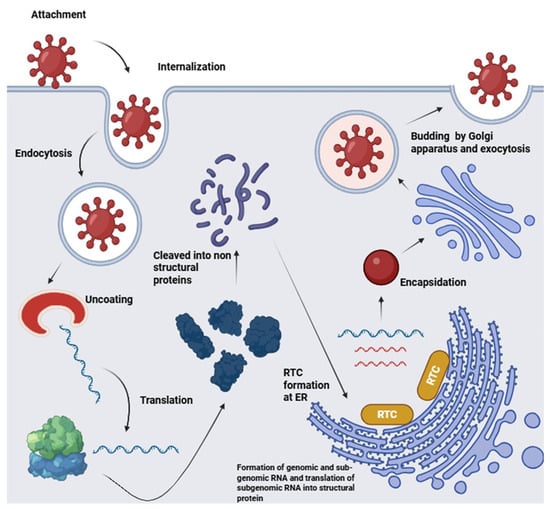
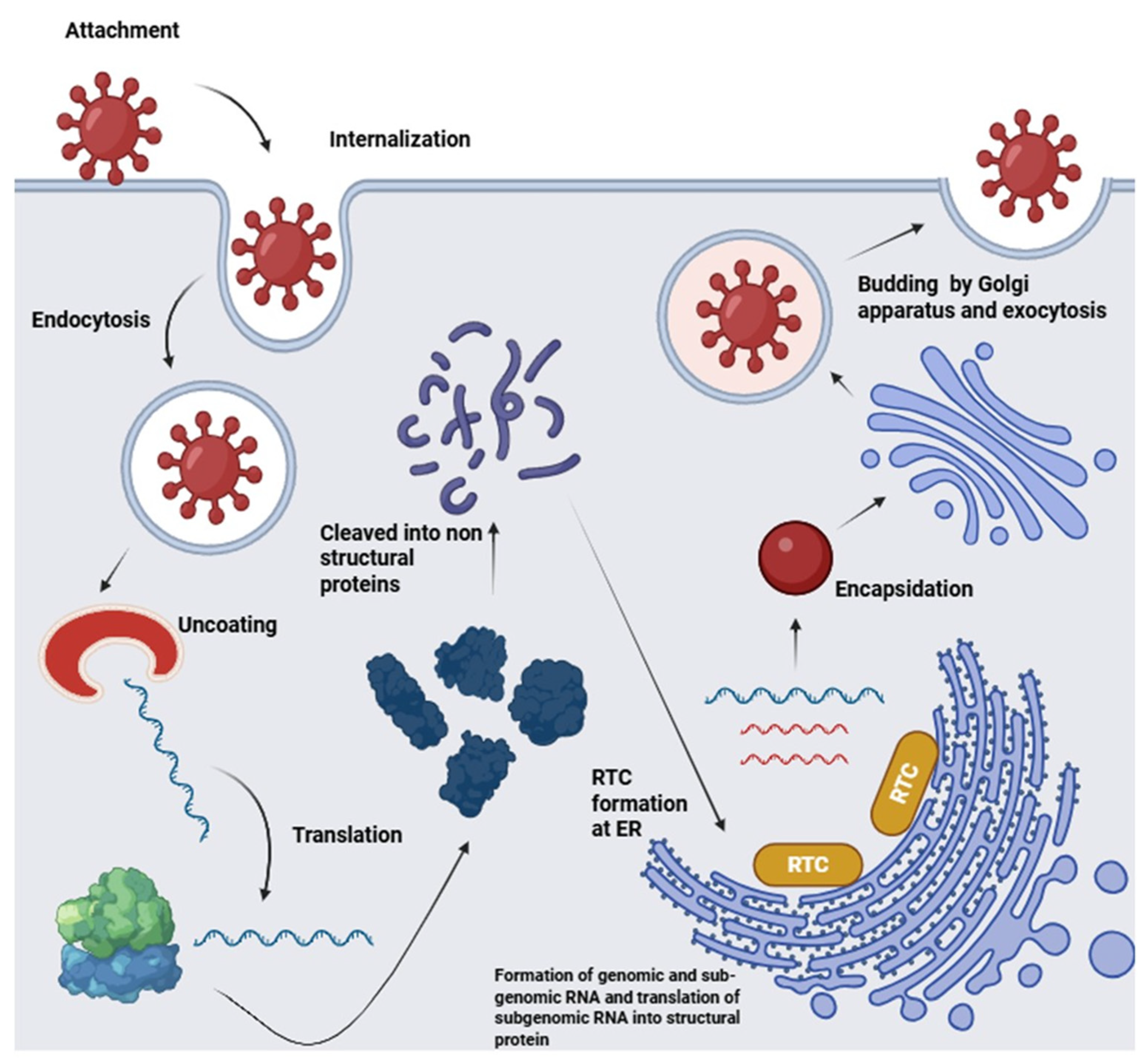
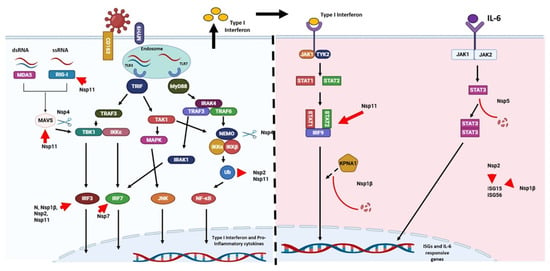
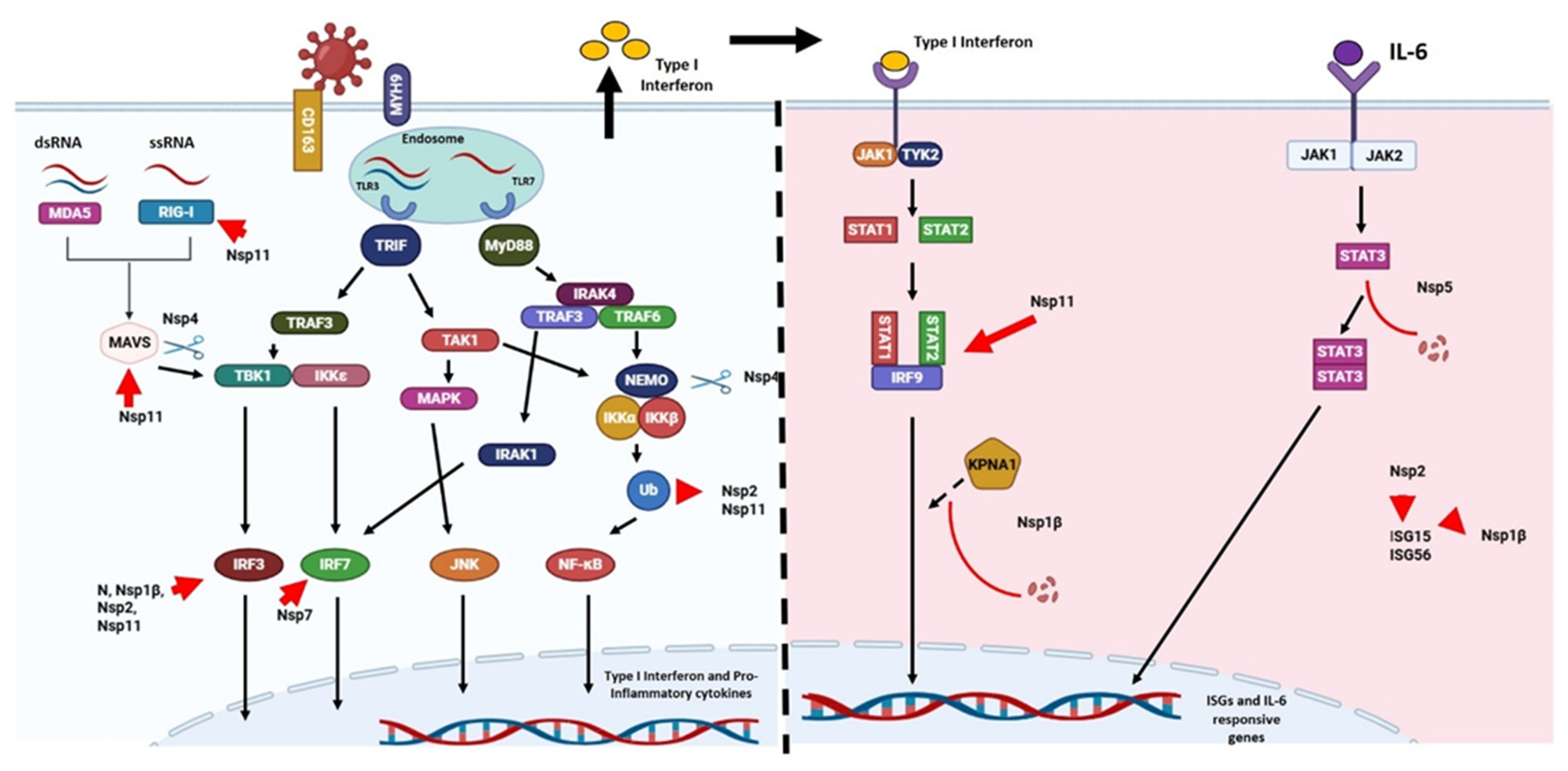

Disclaimer/Publisher’s Note: The statements, opinions and data contained in all publications are solely those of the individual author(s) and contributor(s) and not of MDPI and/or the editor(s). MDPI and/or the editor(s) disclaim responsibility for any injury to people or property resulting from any ideas, methods, instructions or products referred to in the content. |
© 2026 by the authors. Licensee MDPI, Basel, Switzerland. This article is an open access article distributed under the terms and conditions of the Creative Commons Attribution (CC BY) license.