


Simple Summary
A hormone used in livestock breeding to improve fertility is obtained from the blood of pregnant mares, and the welfare of these animals during repeated blood collection is debated. This study aimed to describe how mares are managed for this purpose in a sample of farms in Iceland and how they respond to blood collection. We analysed publicly available video footage published by an animal welfare organisation showing mares on pasture, while waiting for blood collection, and during the procedure. In our sample, mares and foals kept at pasture appeared in good physical condition and showed normal social behaviour. However, the main problems emerged during the handling of mares and the blood collection itself. Most mares showed moderate to severe fear, anxiety or stress during blood collection, including becoming subdued and non-responsive, but the procedure was not stopped. Even though our findings must be interpreted with caution, due to the small number of videos and possible bias in video selection, they provide an objective description of mare behaviour and welfare-related aspects. They may also support informed decisions on its regulation, after being confirmed by appropriate welfare assessments by trained assessors.
Abstract
Welfare implications of repeated blood collection from pregnant mares for equine chorionic gonadotropin (eCG) production remain debated. This study aimed to describe mare-management practices in a sample of Icelandic farms, investigating behavioural responses to blood collection and associated management conditions using publicly available video footage. The analysis was performed while the mares were kept on pasture, as well as during the pre-collection waiting period and blood collection. A Fear, Anxiety and Stress (FAS) score (from 0 = relaxed to 5 = severe signs of FAS with aggression) was also assigned to each blood collection phase. Although limited, pasture observations highlighted generally good physical condition of mares and foals, with normal social behaviour. Mares waited an average of 1 h 40 min before blood collection, and greater pen crowding was associated with increased negative interactions among mares (p = 0.031). The blood collection procedure lasted about 8 min on average (range: 5.2–15.4 min). Most mares exhibited moderate to severe FAS during blood collection, with a significant effect of the phase (LRT p < 0.001). Blood draw was the phase with the highest likelihood of showing higher FAS scores in comparison with waiting time (OR = 9.91, 95% CI: 4.08–20.5). A significant increase in a depressed-like, non-responsive demeanour was recorded during more invasive handling phases (all p < 0.05). Even if our findings are limited by the nature of the analysed videos, this study identifies potential welfare concerns, including restrictive head positioning, incomplete post-venipuncture care, and continuation of procedures despite severe behavioural signs of stress.
1. Introduction
Currently, the European equine sector encompasses a population of over 6 million horses [1]. Beyond their traditional uses, horses are bred and managed for a variety of purposes and kept as pets or livestock depending on the country’s regulations [2,3]. Within the livestock sector, horses have been employed not only for meat production but also as biological resources for production of medical substances [4]. One of the most relevant examples is equine chorionic gonadotropin (eCG), also known as pregnant mare serum gonadotropin (PMSG), a hormone widely incorporated into livestock breeding programmes to improve reproductive efficiency and productivity [5,6,7,8,9,10]. ECG is a glycoprotein hormone secreted by foetal-origin trophoblastic cells that form the endometrial cups of pregnant mares [11,12]. Its secretion is restricted to early and mid-gestation, enabling its commercial production through repeated blood collection from pregnant mares (typically between days 40 and 120 of gestation) [11,13].
Within Europe, commercial eCG production is mainly concentrated in Iceland [14], where a company sources blood from farms that maintain pregnant donor mares as well as from its own herds [15,16]. The development of blood farming in Iceland originated in the southeast of the country, where it complemented the traditional horse breeding sector, historically focused on foal production for meat [17]. Increasing international demand for eCG subsequently contributed to the expansion of this practice within Icelandic agricultural systems, making the country one of the major producers in the global market [17,18]. The production system operates within an extensive pasture-based management context, where broodmares are commonly kept under free-range conditions. During the summer grazing season (approximately from May/June to August/September), mares are maintained on large pastures without supplementary feeding, unless adverse seasonal conditions require additional forage; whereas during winter, when pasture availability is limited, or snow cover prevents grazing, horses are fed round-bale haylage ad libitum [14]. The combination of extensive pasture management with seasonal gathering, repeated weekly movement to collection facilities, and restraint and handling for blood collection creates a unique production context where welfare risks are influenced by multiple interacting factors [2,4,19,20,21].
Although pasture-based management is widely recognised as supporting horses’ ethological needs [22], it is not risk-free, and welfare outcomes ultimately depend on the quality of its implementation [23]. As reported for horses managed under extensive pasture-based systems, potential welfare challenges for donor mares may arise from limited pasture availability or quality [24], restricted or uneven access to water sources [25,26], insufficient shelter or infrastructure to protect horses from adverse weather conditions [26,27], and limited monitoring due to large pasture areas [2]. However, evidence specifically addressing eCG donor mares is limited, with available information mainly derived from literature reviews [2,4] based on non-governmental organisations (NGOs) reports and documentaries [28,29,30]. Handling procedures represent another critical stage [2]. Inadequate handling practices, excessive use of force, and poorly designed facilities have been reported by animal welfare organisations [28,31]. Finally, the blood collection procedure itself requires careful management to minimise potential pain, distress and health risks associated with restraint, repeated venipuncture and blood removal [2]. Relevant procedural factors include well-designed restraint-facility, trained personnel, aseptic procedures, adequate collection volume and frequency, and post-collection access to water and electrolytes [4,32,33].
Because production of eCG relies on the repeated use of pregnant mares, the implications for their physical and mental welfare have started to receive increasing attention from both the scientific community and public opinion [2,18,28,29,34,35]. In 2023, European and North American veterinary organisations have called for standards, guidelines, audit programmes and greater transparency within the eCG industry [36]. Shortly thereafter, the European Commission tasked the European Food Safety Authority (EFSA) with preparing a scientific opinion on equine welfare, including risks associated with commercial blood collection for eCG production, expected by the end of 2026 [34]. Meanwhile, recent NGO publications on Icelandic farms have further intensified public ethical debate [28,37], while the Icelandic Food and Veterinary Authority (MAST) continues to regulate and authorise blood collection activities under specific requirements, with the possibility of revising these authorisations as new evidence emerges [38]. Notably, in September 2026, the EFTA Court issued an advisory opinion stating that blood collection from pregnant mares for eCG production falls within the scope of Directive 2010/63/EU, which regulates the use of animals in research [39]. These developments therefore highlight the need for objective, evidence-based assessments of welfare conditions within this production system.
Despite the growing importance of eCG production in Iceland and the increasing public attention surrounding the welfare of donor mares, scientific information on this topic remains limited. As mentioned above, most available information originates from grey literature [28,31], and, from the authors’ knowledge, the small body of peer-reviewed literature has largely relied on these same sources [2,4]. Quantitative data describing management practices and blood collection procedures are currently lacking, and no behavioural studies have systematically assessed fear and stress responses experienced by donor mares during blood collection. Therefore, the aim of the present study was to provide the first systematic description of mare management practices and mares’ behaviour throughout the different phases of the eCG production cycle in Iceland, based on the analysis of publicly available video footage obtained from online sources. The study further aimed to investigate whether behavioural indicators of fear, anxiety, and stress during blood collection varied across procedural phases and were associated with handling quality, and whether pre-collection handling practices and management conditions (e.g., waiting time and pen crowding) were associated with mares’ behavioural responses, including social interactions with other horses and avoidance or aggressive responses towards humans. We hypothesised that handling quality would be associated with mares’ behavioural responses. We further hypothesised that the blood collection procedure, particularly during more invasive handling phases, would be associated with increased fear- and stress-related behavioural responses, and that prolonged waiting times and higher pen crowding during the pre-collection period would be associated with increased aggressive behaviours among mares. Conversely, pasture-based management was expected to support satisfactory overall behavioural and health outcomes.
2. Materials and Methods
Video footage was identified through an online search conducted on YouTube using the search strings “PMSG mares Iceland” and “PMSG blood collection Iceland” and limiting the search to material uploaded within the previous five years. The search was conducted in July 2026 and originally identified 37 videos; many consisted of edited documentary material, including interviews or narrative content. Some of the retrieved videos belong to a YouTube channel named “Blood Collection for PMSG Production in Iceland 2024”, which contained observational footage (n = 87 videos).
The available material included 13 clips of pasture settings, 9 videos showing group handling and sorting procedures while mares were in the raceway during the waiting time before blood collection, and 65 videos documenting complete individual blood collection procedures (i.e., from the moment the mare entered the restraint box until she was released) (Table S1). Individual mares were identified using the ID numbers provided in the original video titles. In addition, visual checks were performed to verify that the recorded mares were distinct individuals. Videos of waiting time and blood collection procedures originated from six different farms in Iceland (Table S2), whereas pasture videos were also from Iceland, but the specific farm of origin was unknown.
Although the videos were published by an NGO, as indicated by the visible logo, they were not edited documentaries and seemed to show the entire procedures without being manipulated to construct a particular narrative. Therefore, they were considered suitable for an observational analysis. However, as the footage originated from a publicly available collection compiled by a third party, the criteria used to select and publish the original recordings could not be independently verified. Videos were downloaded and screened for inclusion based on visual quality, in terms of image resolution and field of view. All 87 available videos were included in the study and coded by farm (where reported) and group or horse ID.
2.1. Pasture
Among the 13 videos retrieved, several clips appeared to show the same group (or individual animal). Clips were therefore examined and cross-checked based on similarities in the background and surrounding environment, as well as in the composition and characteristics of the animals (e.g., number of mares and foals, coat colour, distinctive physical features, spatial arrangement). The consistency of these features across clips suggested that they were recorded consecutively or at close time intervals. Based on these observations, and to avoid duplication of data, the clips were reorganised into 5 different scenarios, each representing a unique group (n = 4) or individual animal (n = 1) in a given setting. Clips showing the same scenario were treated as a single observational unit and considered as complementary sources of information, providing different viewing angles or additional details of the same subject(s) (see first two columns of Table S3 for details on how clips were combined in each scenario).
Only a qualitative analysis of these videos was carried out. Both animal-based measures (ABMs) and resource-based measures (RBMs) were assessed. The ABMs evaluation included qualitative visual assessment of body condition score (BCS) on a 1 to 5 scale [40], health status (e.g., visible injuries, wounds, lameness), coat condition and cleanliness, behaviour and social interactions on pasture (including social proximity), group size and the presence of foals. When visible, cases of poor hoof condition were also recorded. RBMs included qualitative assessment of environmental-related features, specifically pasture quality (vegetation cover rated as excellent, good, average, or poor) [41], the presence of muddy or slippery areas, water availability and accessibility, availability of natural or artificial shelter, and fence condition and safety. Observations were cross-checked with the senior author to ensure consistency in the assessment of ABMs and RBMs.
2.2. Waiting Time in the Raceway Before Blood Collection
The 9 videos documenting waiting time in the raceway recorded the entire waiting period, since when mares entered the raceway until the last mare of the group entered the restraint box for the blood collection procedure.
A qualitative assessment of the facilities (i.e., facility safety and resources, floor quality) was conducted for each video, while foal presence (yes/no) was recorded separately. The assessed parameters included pen crowding (visually assessed and classified as high, medium, or low), feed availability (yes/no), water availability (yes/no), presence of shade (yes/no), fence type (e.g., wooden, metallic), fence safety (yes/no), facility type (indoor or outdoor), observed facility problems (e.g., sharp edges, slippery floor), mud level (high, medium, or low), and bedding presence (yes/no) (Table S4).
The interactions between humans and horses, as well as horse–horse interactions (Table 1), were analysed at the group level using an all-occurrence sampling method [42]. Continuous 5 min observation sessions (i.e., scans) were conducted, with 10 min intervals between consecutive observation periods. In addition, for each scan, the type of procedure observed was recorded and classified as: waiting (i.e., no handling activity), handling (i.e., including sorting mares in the raceway towards the restraint boxes or separating mares from their foals), or transfer (i.e., movement of a large number of horses from one area to another, typically from a holding pen to the raceway). Video recordings were analysed, considering only the visible field of view under conditions of good visibility. Behavioural observations and visual assessments of pen crowding were cross-checked with the senior author to ensure consistency in classification.
Table 1.
Ethogram used for the analysis of human–horse and horse–horse interactions during waiting time in the raceway before blood collection. For each category of behaviours, the corresponding description, including examples, is provided.
In addition, for each video, the maximum (i.e., last mare entering blood collection) and the minimum (i.e., first mare entering blood collection) waiting time were recorded.
Three out of the nine videos were excluded from the behavioural analysis. Specifically, two did not clearly show the entire procedure (e.g., due to short video duration or incomplete camera coverage) and were therefore retained only for the qualitative assessment of the facilities, whereas the third, although showing the complete procedure, provided insufficient visibility to allow reliable behavioural scoring. Consequently, it was excluded from the behavioural analysis but retained for the waiting time analysis.
2.3. Blood Collection
A checklist based on standard operating procedures (SOPs) for equine blood collection [4,32,33,43] was developed. Table 2 shows the checklist, including 12 steps and their categories (i.e., Yes, No, Not visible). It was filled in while reviewing the video recording of each individual mare undergoing the blood collection procedure (n = 65).
Table 2.
Checklist based on standard operating procedures (SOPs) steps for equine blood collection, used to assess compliance and calculate the Compliance Score (CS). It includes items on workstation setup, site preparation, and the blood collection procedure.
Whether mares were tied short during the site preparation (i.e., clipping and wiping the jugular area) and whether feed was offered during the procedures were also recorded, as these have been suggested as good practices [44].
To analyse mares’ behavioural responses and human–horse interactions during the blood collection procedure, an ad hoc ethogram was developed (Table 3). Before the formal video analysis, the ethogram was jointly refined by the research team until each behaviour was clearly defined and consistently recognised and recorded by all team members.
Table 3.
Ethogram used for the analysis of horse behavioural responses and human–horse interactions during the blood collection procedure, including behavioural states (duration) and behavioural events (frequency) with their respective definitions. For each group of behaviours, the corresponding category is reported in the first column.
Moreover, a random sample of 6 videos was independently reviewed by the senior author (BP) and a member of the research team (MGA) to assess inter-observer agreement. After reaching a good inter-observer agreement (all behaviours Cohen’s κ ≥ 0.640), all recordings were analysed by a single trained observer (MGA), with expertise in animal behavioural analysis and previous experience in the behavioural assessment of horses [50,57]. Intra-observer consistency was assessed by re-analysing a subset of the initial video recordings (n = 6) on two separate occasions (all behaviours Cohen’s κ ≥ 0.695).
All 65 videos were analysed using a behavioural analysis software, namely Solomon Coder (version beta 17.03.22), using a continuous focal animal sampling method [42]. As a first step, a configuration was created reporting the developed ethogram in Solomon language following standard procedure [58]. Behavioural states (i.e., demeanours) were quantified as duration (s) and proportion of observation time (%), whereas behavioural events were recorded as frequency (n). Demeanour was split into 4 categories, where only BAR (bright, alert, responsive) was considered a normal status/response, in line with the literature [46]. The other categories (i.e., aggressive, nervous/overresponsive, depressed/non-responsive) were considered abnormal, and consequently indicators of poor health and welfare. Although included in the ethogram, blinking behaviour was not recorded because it could not be reliably assessed in a substantial number of videos due to limited visibility of the eyes (e.g., forelocks covering the eyes, the head oriented away from the camera, poor lighting conditions). Leg movements and vocalisations were recorded whenever possible, although their assessment was often limited by obstruction from the restraint box and background noise, respectively. When the mare was not visible (e.g., because the operator obstructed the view, the head was turned away, or it was obscured by the restraint box structure), the observation was recorded as “out of view”. The latency to the onset of the depressed/non-responsive demeanour and to the first occurrence of head dropping behaviour were also recorded. In addition, the duration of each phase of the blood collection procedure (i.e., waiting, head restraint, cannula insertion, blood draw, and release) (Table S5) was taken and behavioural data combined by phase were recorded (i.e., frequency or duration of the behaviour within each phase).
A slightly modified FAS (Fear, Anxiety and Stress) score (0 = relaxed; 5 = severe signs of FAS with aggression) (Table 4) was adapted from the original Fear Free FAS scale for horses [59]. The original scale was supplemented with descriptors drawn from the literature addressing behavioural indicators of stress and discomfort in horses [45,60,61], especially during veterinary procedures [45,60]. In addition, the depressed, non-responsive demeanour was added to scores 4 and 5, as it was considered a possible passive response to severe stress in horses [45]. A FAS score was assigned to each phase to easily quantify stress responses across the blood collection procedure. Moreover, an overall FAS score was assigned to each video. As done for the other visual assessments, FAS scores were cross-checked (inter-observer Cohen’s κ = 0.872; intra-observer Cohen’s κ = 0.947).
Table 4.
Fear, Anxiety and Stress (FAS) scoring system (0–5) adapted from [45,59,60,61] used to quantify behavioural stress responses during the blood collection procedure.
Finally, the ratio between positive and negative human–horse interactions was calculated to derive a new factor variable summarising the handling quality for each blood collection procedure. Handling was classified as supportive when the number of positive interactions exceeded the number of negative interactions, and as aversive in the opposite case.
2.4. Statistical Analysis
Data from the pasture scenarios were not subjected to statistical analysis; each scenario was only described qualitatively based on direct observations, and the observed characteristics were reported. Data from the waiting time in the raceway and blood collection were instead analysed using descriptive statistics. Stratified descriptive statistics were performed for the blood collection procedure (by farm and phase) and for behavioural interactions during the waiting time in the raceway before blood collection (by time). Numeric variables are reported as mean ± standard deviation (SD), minimum (min), maximum (max), median, and interquartile range (IQR) while categorical variables are reported as counts and percentages. Descriptive statistics were performed using an online statistical software (Statulatorbeta®, Sydney, Australia).
Waiting time in the raceway before blood collection
All analyses were performed using a scan-level dataset (n = 63). Exploratory Spearman rank correlation analyses were performed among all numeric variables. The effects of environmental and management-related factors on negative horse–horse interactions were assessed using separate univariable generalised linear mixed models (GLMMs) with a negative binomial distribution, including number of horses, pen crowding, and time as fixed effects. To assess the effect of procedure type (handling vs. transfer) on negative human–horse interactions and on horse avoidance responses towards humans, separate negative binomial GLMMs were fitted. Group and farm were included as random factors in all GLMMs to account for repeated observations within the same group (multiple scans per group) and clustering of mares within farms.
Blood collection
Exploratory Spearman rank correlation analyses were performed among all numeric variables.
To assess the effect of handling type (supportive vs. aversive) on FAS score, a cumulative link mixed model (CLMM) was fitted using an ID-level dataset (n = 65) (i.e., one summary observation per mare), with FAS score as the ordinal response variable.
In order to evaluate the effect of the different phases of the blood collection procedure on FAS score and the duration of the depressed, non-responsive demeanour, a dataset comprising five observations per mare, one for each phase of the procedure (n = 325), was used. Mare ID was included as a random factor to account for repeated measurements across the five phases for each individual. The effect of phase on FAS score was assessed using a cumulative link mixed model (CLMM). The depressed, non-responsive demeanour was specifically analysed in order to evaluate its evolution across the procedure. This was intended to explore whether changes in its duration emerged with progression through the procedure or were associated with specific more stressful phases. A GLMM with a Tweedie distribution was used to account for zero-inflated continuous data, including a log-transformed offset to account for differences in phase duration.
Farm was also included as a random factor to account for clustering of mares within farms in all models.
Post hoc pairwise comparisons between phase levels were performed with Holm adjustment for multiple testing.
All regression analyses were conducted in the R environment (R Version 4.4.3; www.r-project.org; accessed on 30 July 2026). Results are reported with 95% confidence intervals (CIs) and p-values, presented as odds ratios (OR) for the CLMMs, count ratios (CR) for the negative binomial GLMMs, and rate ratios (RR) for the Tweedie GLMM. Overall significance of the fixed effects was assessed using Likelihood Ratio Tests (LRTs). Observations with missing values were automatically excluded from the analysis by the software. Significance was set at p-values ≤ 0.05.
3. Results
3.1. Pasture
The dataset included one scenario with a single individual, two scenarios with groups of more than 30 horses, and two scenarios with groups of approximately 50 or more horses. Groups were predominantly composed of mares with foals. The full descriptions of each individual scenario are reported in Table S3.
3.1.1. ABMs
Across all observations, animals consistently seemed to show a generally good body condition score (BCS ~ 3), with only isolated cases appearing closer to BCS 4. No severe health issues were observed overall; however, in one mare, signs consistent with neck venipuncture-related injuries were detected. Mares were consistently observed in good coat condition, with sleek and relatively shiny coats and no evidence of poor coat quality or excessive soiling. Foals also showed dense, fluffy coats in good condition. Nevertheless, localized issues were observed, including severe mane and tail matting in several individuals; notably in one group of approximately 30 horses (of which around 20 were mares), 6–8 mares were affected (scenario 1). Almost all horses maintained social proximity to conspecifics, with only one individual observed in social isolation (scenario 3). The predominant behaviours observed included grazing and resting, often synchronised among mares, with resting occurring both in standing posture and in sternal recumbency. Positive social interactions were present in almost all group observations and included foal suckling, allogrooming, and play behaviour between foals. Negative social interactions were rare but included isolated attempted bites. Hoof condition was generally not assessable, with one exception in which signs consistent with hoof neglect were observed, including overgrown hind hooves. Mild hind-limb lameness was also observed in the same mare (scenario 3). No other episodes of lameness were observed.
3.1.2. RBMs
Pasture conditions varied from average to good quality, generally characterised by mixed green and yellow vegetation, often with flowering plants. Muddy areas were present in some cases, including small flooded or poached zones, sometimes associated with adverse weather conditions, while in other scenarios no muddy areas were visible. Scattered waste material was very rarely observed, and only in a single instance (e.g., overturned buckets and nylon fragments) (scenario 1). Water points and shelters were not visible in any of the recorded scenarios. In some cases, adverse weather conditions (i.e., rain and strong wind) were noted without immediate access to shelter. Fencing conditions varied between scenarios, ranging from thin wire and nylon structures to more robust metal fencing in good condition. In one scenario, no fencing was visible, and the pasture appeared to be adjacent to a road based on the video footage.
3.2. Waiting Time in the Raceway Before Blood Collection
3.2.1. Facility Features and Waiting Area Conditions
Among the six farms for which videos of the waiting phase were available, only one was an indoor facility, whereas in the remaining farms both the blood collection and sorting procedures were conducted outdoors, with no shelters or shaded areas visible in the videos. Ground was the only flooring available in all investigated facilities; however, out of the nine groups of mares evaluated, only one was kept in a pen/raceway with a high level of mud. Fences were mainly constructed of wood or metal. In some facilities (33.33%), the fences and raceways were in good condition and did not pose any apparent risk to the mares, whereas in the majority of the facilities (66.67%), potential hazards of varying type and severity were identified, including sharp edges, tortuous raceways, and slippery flooring. In addition, pens and raceways were almost always crowded (77.78%). Food sources were not visible in any of the video recordings during the waiting time, whereas water was clearly visible in 4 out of the 9 groups, all of which belonged to the same farm. Foals were present in all the groups investigated. The full descriptive statistics of facility features and waiting area conditions are reported in Table S6 and S7, respectively.
3.2.2. Waiting Times Before Blood Collection
The minimum waiting time averaged 35.1 ± 28.3 min, reaching a maximum of 73 min, whereas the average maximum waiting time was almost 3 h (166.2 ± 59.9 min), ranging from 1 h 45 min in the fastest farm to approximately 4 h in the farm with the longest waiting time. The mean waiting time per group was 100.7 ± 43.9 min (1 h 40 min) (Table S8).
3.2.3. Horse–Horse Interactions
The univariable GLMM model showed a positive association between the frequency of negative horse–horse interactions and the number of horses in the raceway (CR = 1.04, 95% CI: 1.01–1.07, p = 0.020). Pen crowding was also associated with negative horse–horse interactions (p = 0.045); compared with low crowded pens, high crowding was associated with a significantly higher frequency of negative interactions (CR = 2.25, 95% CI: 1.08–4.70, p = 0.031).
Time was not significantly associated with the frequency of negative horse–horse interactions (p = 0.533) in the GLMM model; however, descriptive statistics showed that the mean observed frequency of negative interactions was higher at the beginning of the procedure, when more horses were present (Spearman’s correlation between number of horses and time: ρ = −0.505, p < 0.001). Two additional peaks in the mean frequency of negative interactions were observed after approximately two hours of waiting, at 135–140 min (mean = 9.33) and 180–185 min (mean = 11.50) (Table S9).
Positive horse–horse interactions were rarely observed (mean: 0.21 ± 0.48 events per scan; median = 0, IQR: 0–0).
3.2.4. Handling and Horse–Human Interactions
Positive human–horse interactions were rarely recorded (mean = 0.15 ± 0.57 events per scan; median = 0, IQR = 0–0).
The frequency of negative human–horse interactions differed significantly between procedures (p = 0.021). Compared with normal handling (sorting mares, moving them to the restraint boxes and separating mares from their foals), the transfer procedures were associated with a significantly higher frequency of negative interactions (CR = 2.93, 95% CI: 1.11–7.70, p = 0.029). However, it should be highlighted that only a limited number of transfer observations were available (n = 5) compared with handling observations (n = 22).
The frequency of horse avoidance behaviours towards humans did not differ significantly between handling and transfer procedures (p = 0.439). However, a significant positive correlation was observed between negative human–horse interactions and the horse’s avoidance responses during handling (Spearman’s ρ = 0.455, p = 0.003).
Overall descriptive statistics of behavioural variables recorded during the waiting period in the raceway before blood collection, together with the number of horses present during observations, are reported in Table S10.
3.3. Blood Collection
3.3.1. Compliance Score (CS) and Good Practices
The mean CS was 5.18 ± 1.43, with scores ranging from 2 to 9 (out of a maximum possible score of 12). Most blood collection procedures (69.2%) demonstrated a medium level (CS 5–8) of compliance with the checked SOPs for equine blood collection. Only one procedure achieved a high level of compliance (CS 9–12) (Table S11). Farm 3 had the highest observed median CS (median = 6), whereas Farm 4 showed the lowest (median = 3) (Table S12).
Analysis of individual checklist items revealed several recurrent deficiencies. The most frequent were the use of restraint facilities that did not comply with safety standards (100%) and the failure to apply sterile gauze and maintain pressure at the venipuncture site to minimise bleeding immediately after blood collection (100%). In addition, in 46 cases the procedure was not interrupted when horses showed severe signs of FAS.
Although the venipuncture site was disinfected in 78.5% of procedures, cleaning after clipping (when performed) was not observed from the videos. A topical anaesthetic appeared to have been applied in all procedures; however, personnel were observed to wait at least 1 min for the anaesthetic to take effect in only 12.9% of cases. Sterile needles were observed being opened immediately before the blood draw in 14 procedures out of 65. All procedures were completed within the 30 min limit. However, in 40% of cases the required materials had not been prepared in advance and personnel were not ready to begin the procedure when the mare entered the restraint box.
Finally, head restraint during site preparation was applied in all observed procedures and horses never had access to food during blood collection.
The full descriptive statistics of checklist items related to adherence to SOPs for equine blood collection is reported in Table S13.
3.3.2. Handling
Handling was described as supportive in almost half of the analysed blood collection procedures (49.2%) and as aversive in the remaining half (50.8%). Both handling types were represented in all farms, with a relatively balanced distribution of cases in most of them. However, Farm 4 was characterized predominantly by supportive handling, whereas Farm 6 was characterized predominantly by aversive handling (Figure 1). Handling type had no significant effect on FAS score (LRT p = 0.91) (Figure 2).
Figure 1.
Frequency (n) of supportive and aversive handling type (i.e., ratio between positive and negative human–horse interactions) during the blood collection procedures stratified by farm. Handling was classified as supportive when the number of positive interactions exceeded the number of negative interactions, and as aversive in the opposite case.
Figure 2.
Proportion (%) of Fear, Anxiety and Stress (FAS) scores observed in mares during the entire blood collection procedure, stratified by handling type (supportive vs. aversive). Handling was classified as supportive when positive human–horse interactions exceeded negative interactions, and as aversive in the opposite case.
3.3.3. Phases Duration
The blood collection procedure lasted on average approximately 8 min, from the mare entering the restraint box to release, reaching a maximum of about 15 min (Table 5).
Table 5.
Overall descriptive statistics of the duration (s) of the different phases of the blood collection procedure.
The longest part of the procedure was the blood draw, accounting on average for 51.9% of the total procedure duration, with a mean duration of approximately 4 min and a maximum duration approaching double this value. The waiting phase and the head restraint phase also represented a substantial proportion of the procedure (15.2% and 16.9%, respectively) (Table 5). However, there was high variability among farms, with Farm 2 showing particularly long waiting phases compared with the others (193.2 ± 75.3 s) (Figure 3). Cannula insertion was generally rapid but extended to approximately 4.5 min in the slowest case (Table 5). The full descriptive statistics of the duration of the different phases of the blood collection procedure stratified by farm are reported in Table S14.
Figure 3.
Mean duration (s) of the different phases of the blood collection procedure across farms. Error bars represent standard deviation (SD).
3.3.4. FAS (Fear, Anxiety and Stress) Score
The majority of the mares (56.9%) were assigned an overall FAS score of 4 out of 5, indicating severe signs of FAS without aggression during the blood collection procedure (Figure 4). The mean overall FAS score was 3.78 ± 0.76. Episodes of aggression directed towards the handler or farm personnel (FAS score = 5) were recorded in 13.9% of the mares. Notably, no mare was assigned an overall FAS score of 0 or 1, whereas only 4 out of 65 mares (6.2%) were classified as showing mild to moderate signs of FAS (FAS score = 2) (Figure 4).
Figure 4.
Proportion (%) of Fear, Anxiety and Stress (FAS) scores observed in mares during the entire blood collection procedure.
The CLMM showed a significant effect of the phase on FAS score (LRT p < 0.001). All active phases (i.e., from head restraint to release) differed significantly from the reference category (waiting), with the strongest effect observed for blood draw (OR = 9.91; 95% CI: 4.8–20.5; p < 0.001), followed by head restraint (OR = 3.47; 95% CI: 1.7–7; p < 0.001), cannula insertion (OR = 3.22; 95% CI: 1.6–6.5; p = 0.001), and release (OR = 2.22; 95% CI: 1.1–4.5; p = 0.026) (Table S15). The estimated odds of a higher FAS score during blood draw were approximately 10 times those during the waiting phase, indicating an increase in behavioural signs of stress, fear and anxiety during this phase compared with the reference. Furthermore, the blood draw phase was associated with consistently higher FAS scores compared with all other phases (all p < 0.05) (Figure 5).
Figure 5.
Proportion (%) of Fear, Anxiety and Stress (FAS) scores observed in mares stratified by the different phases of the blood collection procedure (waiting, head restraint, cannula insertion, blood draw, release). Asterisks indicate significant differences between phases according to the cumulative link mixed model (CLMM): * p < 0.05; ** p < 0.01; *** p < 0.001.
3.3.5. Ethogram Results
The full descriptive statistics of horses’ behavioural responses (including behavioural states and events) during the blood collection procedure are reported in Table S16. Descriptive statistics for demeanours and selected behavioural events, stratified by the different phases of the blood collection procedure, are reported in Tables S17 and S18, respectively.
Mares spent most of the blood collection procedure displaying a nervous demeanour (80.6 ± 24.7%), consistently across all five phases. Overall, a BAR demeanour was rarely observed, but when present it occurred primarily during the waiting and release phases, accounting on average for 14.3% (± 3.4) and 8.6% (± 2.7) of the respective phase durations (Figure 6). An aggressive demeanour was also rarely observed overall and showed marked inter-individual variability (0.6 ± 2.5%). It was never recorded during the waiting phase and occurred predominantly during the active handling, reaching its highest mean relative duration during the release phase (3.4 ± 1.5%) (Figure 6). Figure 6 also shows the mean relative duration of the depressed, non-responsive demeanour across phases. The Tweedie GLMM revealed a significant effect of phase on this behavioural state (LRT p < 0.001). Compared with the waiting phase, all subsequent phases were associated with a significantly higher rate of depressed, non-responsive demeanour (all p < 0.05) (Table S19). Notably, the mean latency of head dropping behaviour (223.8 ± 151.6 s) and depressed/non-responsive demeanour (201.7 ± 117.9 s), when considered in relation to the average duration of the phases, fell between cannula insertion and blood draw phases. The shortest recorded latency for the onset of depressed-like behaviours was 52.8 s, indicating that in some mares the non-responsive demeanour occurred within less than one minute from the start of the procedure.
Figure 6.
Relative durations (%) of mares’ demeanour during the different phases of the blood collection procedure.
Aggressive behavioural events such as attempts to bite or biting were infrequent (0.22 ± 0.60 events per horse), with most mares showing no occurrences (median = 0; range: 0–3). Avoidance behaviours were more commonly observed, although with marked individual variability (9.48 ± 7.87 events per horse), with the highest observed frequency during the head restraint phase (2.71 ± 4.00 events; maximum = 25). Escape behaviours were uncommon overall (0.82 ± 1.64 events per horse), although some mares showed repeated attempts to exit the restraint box (maximum = 10). Other escape-related behaviours were also observed with high frequencies in some mares, including pulling back (3.85 ± 5.12 events per horse; median = 2; range: 0–28) and pulling forward (1.78 ± 3.60 events per horse; median = 0; range: 0–18). The most frequently observed behaviour was sclera exposure (Figure 7), with particularly high frequencies during the blood draw (9.07 ± 1.27 events per horse) (Table S18).
Figure 7.
Bar plot showing the overall mean frequency (n) of behavioural events recorded in mares throughout the entire blood collection procedure.
Moderate positive correlation was observed between the overall FAS score and the following behaviours: sclera, mouth and lip movements, and attempt to bite or biting (Spearman’s ρ = 0.4 for all behaviours; all p < 0.05).
4. Discussion
This study represents the first attempt to systematically describe management practices and mare behaviour throughout the eCG production cycle in a sample of Icelandic farms using a video-based analysis. We investigated associations between handling quality, management conditions and mares’ behavioural responses across different phases of the blood collection procedure to identify production stages associated with greater welfare challenges in this unique system [2]. Our findings supported the hypothesis that the blood collection procedure, particularly during more invasive handling phases, would be associated with increased fear- and stress-related behavioural responses, and that prolonged waiting times and higher pen crowding during the pre-collection period would be associated with increased aggressive behaviours among mares. As expected, the pasture-based management showed satisfactory overall behavioural and health outcomes. However, our findings should be interpreted in light of the limitations of the study material. The analysis relied exclusively on publicly available footage published by an animal welfare organisation, which may have introduced selection bias if recordings were selected to document particular management practices or situations of animal welfare concern. Although the videos appeared to be minimally edited, the selection criteria used by the organisation and the circumstances in which the recordings were made could not be independently verified. Furthermore, the study covered only six farms, and the findings should be considered preliminary and require confirmation. However, this is the first study documenting the procedures, giving simple descriptive data, including their average duration and mares’ behavioural responses, thereby increasing our knowledge of this debated topic.
From the small number of analysed videos, the mares observed on pasture generally presented favourable welfare indicators. The majority of the mares indeed showed appropriate body condition, good coat quality, and displayed positive behavioural indicators, including synchronised grazing and resting behaviours, as well as affiliative social interactions with conspecifics, which may reflect positive social functioning and welfare conditions [40,62,63,64]. No widespread evidence of serious health problems was observed, further supporting the view that pasture-based systems may promote good welfare when appropriate husbandry practices are implemented [22,23,26,65]. Indeed, such systems require careful and proactive management, including the provision of adequate shelter and nutrition, access to essential resources, and routine health monitoring [2,23]. However, welfare conditions can vary considerably among eCG production facilities and should therefore be assessed on a farm-by-farm basis using trained assessors [2]. In our video-based observations, water points and shelter structures were not visible in any of the recorded footage. However, given the restricted field of view inherent to this type of video-based assessment, the absence of visible water points and shelter structures should not be interpreted as evidence that these resources were absent from the pasture. Nevertheless, reliable access to shelter from adverse weather conditions is a recognised welfare requirement for horses kept outdoors [26,66], and notably, no shelter structures were visible in the proximity of the mares during two pasture scenarios characterised by active rainfall and strong wind. In the absence of accessible shelter, horses may rely partly on behavioural buffering strategies, such as forming tightly clustered groups, which could contribute to mitigating thermal discomfort [27,67]. Fencing represented a more tangible concern, with one pasture directly bordering a road, posing a potential safety risk [20]. More localised findings included cases of pronounced mane and tail matting and sporadic hoof neglect. This may reflect the practical challenges of monitoring individual animals within large, extensively managed groups [68], highlighting the importance of regular supervision, as also recommended in Icelandic welfare guidelines [32]. Mild lameness was also observed in the same individual showing hoof neglect. However, it could not be determined whether this was indicative of an underlying problem or a consequence of excessively long hooves. These findings should be interpreted with caution, as video-based observations cannot replace a comprehensive on-farm welfare assessment and pasture conditions could only be evaluated during a single season (August). Furthermore, as the footage was produced by animal welfare NGO, close-up views may have focused on situations perceived as welfare concerns. Despite these limitations, the overall findings suggest that pasture-based management appears to represent a comparatively lower-risk stage of the production cycle in Iceland than the blood collection procedures [2].
From the videos of the waiting time before blood collection, some welfare concerns were also identified. Potential hazards of varying types and severity were observed in the areas where mares and foals are temporarily kept prior to blood collection (i.e., holding pens and raceways), including sharp edges, tortuous raceway layouts, and slippery flooring, which may result in an increased risk of injury [69]. Conversely, some facilities were found to be in excellent condition, with safe design features aimed at minimising potential risks. However, only one facility provided indoor waiting areas, whereas all others kept mares outdoors without access to shelters during the waiting period before blood collection. Although heat stress is unlikely to represent a major concern under the Icelandic climatic conditions, shelter provision may still be beneficial to protect mares from adverse weather, such as strong winds and heavy precipitation [70]. In warmer eCG production systems, such as those located in South America [29], shade and shelter may also be important to mitigate heat stress risk [69].
Mares waited an average of more than an hour and a half from entering the holding pen until blood collection began, and up to nearly four hours in the slowest farm. During this period, feed was not visible in the recorded footage, and access to water could only be confirmed on one farm; however, it should be considered that these resources may have been available outside the camera field of view. Prolonged confinement with potentially limited access to feed and water may lead to welfare consequences which may exacerbate the acute stress associated with blood collection [2,21,69]. This consideration may be particularly relevant for donor mares, as repeated handling procedures occur throughout pregnancy and lactation, a physiologically demanding period during which cumulative exposure to multiple stressors may represent an additional welfare challenge [2,71]. Although in our study elapsed waiting time itself was not statistically associated with negative horse–horse interactions, descriptive patterns show peaks after prolonged waiting, despite the small number of horses remaining in the group by that stage. This may also be related to the progressive removal of mares for blood collection, which may alter group social dynamics, as changes in group composition have been associated with increased aggressive behaviours in managed horses [72]. Nevertheless, pen crowding was significantly associated with aggressive behaviours among horses as reported in previous studies [72,73,74]. Notably, peaks in aggressive interactions also occurred early in the waiting period, when group size was largest. Management strategies should focus on optimizing pen design, minimising unnecessary waiting times, maintaining appropriate stocking densities during the pre-collection period and avoiding mixing unfamiliar animals [69]. Managing group size and composition may help avoid excessive pen crowding and contribute to reducing waiting times, ultimately reducing group stress and episodes of aggression [69,72]. Currently, Icelandic guidelines recommend limiting the number of mares gathered at any one time, with a maximum of 75 mares (with foals) per blood-collection group [32]. Providing suitable protection from adverse weather conditions and ensuring access to essential resources, such as water and feed, is crucial to further support mare welfare during the pre-collection period [69,75].
Moving large groups of mares between holding areas was associated with a threefold higher rate of negative interactions than driving individual mares to the restraint box, supporting the recommendation that handling animals in smaller groups facilitates movement and reduces the need for aversive handling methods [76]. However, this finding should be interpreted with caution, as the number of observations available for transfer procedures was low compared with other handling practices. Furthermore, differences in group size may have contributed to the observed pattern, and the relative contribution of these factors could not be distinguished in our analysis. Inappropriate handling was also frequently observed when separating mares and foals and during sorting procedures within the raceway, including pushing mares into corners, chasing animals, and, in some cases, more forceful handling, although considerable variability among farms was observed. Aggressive responses towards handlers were never observed, consistent with horses’ prey-animal behaviour, which relies primarily on avoidance and flight rather than aggression [77]. These practices were instead positively correlated with mares’ avoidance responses, although causation cannot be established from our analysis. According to low-stress handling principles, when animals become crowded, handlers should facilitate movement by encouraging the lead animals to move rather than applying pressure from behind, while avoiding chasing behaviours [76,78]. Ensuring adequate staff training and competence is therefore essential to promote appropriate handling practices and minimise negative human–horse interactions [19,21]. Positive interactions were rare throughout the observations, consistent with previous findings that maintaining positive human–animal interactions becomes more challenging as the number of animals per stockperson increases [79]. However, this may underestimate the quality of handling to some extent, as only clear affiliative behaviours (e.g., patting or scratching) were recorded as positive. Other signs of appropriate handling, such as calm pacing, correct positioning, and release of the pressure following the desired behaviour [76,78], were not classified as positive interactions and may therefore have been underestimated.
Regarding the blood collection phase, overall compliance with SOPs for equine blood collection [4,33,43] was moderate. However, it may have been underestimated to some extent, as a score of zero was assigned both to procedures that were not performed and to those that were not visible in the recordings. In particular, compliance with aseptic procedures and the use of sterile equipment could not always be reliably assessed from the videos and therefore requires further verification through on-site assessments. Among the main concerns identified, restraint facilities did not meet the recommended safety standards, sterile gauze and post-venipuncture pressure to minimise bleeding were never used, and blood collection was not interrupted when mares showed severe signs of FAS. Failure to adapt the procedure to mares’ behavioural responses may increase the likelihood of injury to both the animals and the handlers [44], particularly in inadequately designed restraint facilities [2], while the lack of post-venipuncture pressure may increase the risk of prolonged bleeding and local vascular complications such as thrombophlebitis [80]. It is also worth noting that handling practices during the blood collection varied considerably among farms. Negative interactions were observed particularly during halter positioning and head restraint, including some mares being tied very short and high, maintaining their heads in an elevated position for prolonged periods. Such restrictive restraint may limit natural head and neck movements and increase physical and psychological stress, particularly when prolonged [81]. However, contrary to our initial hypothesis, handling practices were not associated with FAS scores in our study. This may partly reflect the fact that we considered interactions such as facial scratching and petting as positive, which—although well-intended—may not always be perceived positively by unbroken or lightly trained mares [2] unaccustomed to close human contact, potentially eliciting increased avoidance or stress responses [54,82]. Further studies specifically assessing the relationship between handling practices and behavioural and stress responses during blood collection are therefore warranted.
Although the blood collection procedure was relatively brief (approximately 8 min from entering the restraint box to release), most mares exhibited moderate to severe signs of fear, anxiety, and stress, with some individuals also displaying overt aggressive behaviours. As expected, no mares were classified as relaxed or showing minimal stress responses (FAS = 1) across the entire blood collection, consistent with the veterinary nature of the procedure [83] and the limited-handling status of the mares [54,84,85]. Notably, considerable variation in the duration of specific procedural phases was observed among farms, with prolonged waiting and head-restraint phases potentially extending mares’ exposure to stressful conditions. Ensuring that personnel and materials are prepared before mares enter the restraint box may reduce unnecessary delays and minimise stress associated with prolonged restraint and handling [69,75,86]. FAS scores increased significantly during every active phase compared with the waiting period. The blood draw itself was the longest phase and was associated with the highest FAS scores, as expected. However, this association may relate more closely to how the procedure is performed—including the method of head restraint, the equipment used, and the veterinarians’ handling skills—rather than to blood collection itself. As feed was never provided during the observed procedures, and positive-reinforcement and preparatory training can reduce fear and stress associated with veterinary procedures, further research should investigate whether offering feed during blood collection and training mares to cooperate through positive reinforcement could reduce their stress responses [44,87].
Notably, in no case was the procedure interrupted even when mares exhibited severe signs of FAS, including a depressed-like demeanour, despite Icelandic guidelines recommending discontinuation if blood collection causes the mare distress or compromises her welfare [32]. A subdued demeanour and reduced responsiveness to environmental stimuli were considered potential indicators of compromised welfare. Previous research has described withdrawn behaviour and reduced environmental responsiveness in horses exhibiting a depression-like behavioural profile using behavioural observation [88]. Subtle stress- and fear-related behaviours, such as sclera exposure and mouth and lip movements [45,89], were frequently recorded during the blood collection procedure, and their occurrence was positively correlated with FAS scores. Although less overt than behaviours such as avoidance movements or escape attempts, they may provide valuable additional information about the mare’s behavioural state and should therefore be considered when monitoring responses to blood collection. Our findings represent a preliminary step towards identifying observable behavioural indicators that could contribute to the development of more objective criteria for interrupting blood collection. This is particularly relevant because current Icelandic guidelines do not specify precise behavioural or physiological thresholds for determining when interruption is warranted [32]. Future research could therefore investigate whether the frequency or recurrence of specific behaviours, including more subtle behavioural signs and FAS score, could be used to establish practical thresholds to guide veterinarians in deciding when a procedure should be discontinued. Further studies are needed to explore these associations in greater depth, identify appropriate behavioural thresholds, and validate their usefulness in clinical practice.
In line with this precautionary approach, Icelandic guidelines also limit each veterinarian to a maximum of three mares undergoing blood collection simultaneously and require a person to be present next to each mare at all times, ready to intervene if assistance is needed [32]. Compliance with this limit could not be assessed in our analysis, as each video focused on a single individual. However, in some cases, no personnel were visible next to the mare during blood collection; nevertheless, due to the framing of the videos, it could not be determined whether a person was present nearby but outside the camera’s field of view. Cannula insertion was generally quick (less than 1 min). Although blood collection in Iceland can only be performed by veterinarians [32], insertion was prolonged and difficult in some cases, with frequent expressions of stress-related behaviours and repeated avoidance attempts by the mares requiring repeated approaches. These may contribute to generating an “avoidance cycle”, potentially prolonging handling and increasing overall stress [90], further highlighting the need for trained and experienced personnel [2], as well as effective oversight to ensure that appropriate handling practices are consistently followed. This difficulty may also reflect reduced venous accessibility or local vascular changes associated with repeated catheterisation, including inflammation or phlebitis, which may impair venous flow and make subsequent catheterisation more difficult [80]. Although these conditions could not be confirmed in the present study, their possible occurrence highlights the value of assessing jugular vein condition before blood collection (e.g., via ultrasound [85]), potentially reducing the need for repeated attempts.
The occurrence of a depressed-like, non-responsive demeanour increased significantly after the head restraint. This response, also previously reported by NGOs [28,29], typically emerged between the cannula insertion and the blood draw phases. In the literature, such behaviour has been reported as a reactive coping strategy, characterised by reduced behavioural responsiveness, shutdown or freezing, but potentially more pronounced physiological stress responses [91,92]. Fatigue associated with blood collections, as reported in previous studies, may also explain these responses in some individuals [93]. However, in our case, some mares showed these responses shortly after the procedure began. This early onset might also be interpreted as a sign of learned helplessness, whereby repeated exposure to an unavoidable stressful procedure may reduce active resistance despite continued distress [94,95]. In our opinion, non-responsive horses should not be confused with a calm animal used to the procedure.
As mentioned above, our findings should be considered preliminary and interpreted with caution as the study has several limitations. One of the most important limitations is that our study relied exclusively on a small number of videos published by an animal welfare organisation, covering procedures conducted on six farms, with a possible selection bias. Therefore, the findings should not be generalised until further confirmation. Moreover, the use of video recordings represents another important limitation [96]. Some welfare indicators could not be assessed reliably from video footage, such as BCS, which in horses requires physical palpation [40]. In addition, some relevant procedural details could also not be verified due to poor visibility or because they occurred outside the camera’s field of view, potentially leading to an underestimation of compliance with SOPs. Despite these limitations, this study provides an objective and quantitative description of blood collection procedures and associated management practices in the recorded Icelandic mares, including the first numerical evidence on procedure duration, behavioural responses, and stress-related indicators during the procedure. These preliminary findings provide a basis for evaluating current practices and identifying areas of concern, and guiding future research. Further studies involving direct on-farm assessments performed by trained assessors and long-term monitoring of mares across repeated collection cycles are needed to confirm our findings and assess the consistency of these observations across a broader range of farms and procedures.
5. Conclusions
Our preliminary findings indicate that potential welfare challenges in the sample of analysed eCG farms in Iceland are not uniformly distributed across the different phases. Despite the limited number of videos available and the possible selection bias, mares generally exhibited favourable welfare indicators while on pasture and more stress-related indicators during the blood collection. In the observed videos, the main challenges emerged during the management procedures associated with blood collection, including prolonged waiting, overcrowding, restraint, and blood draw. Mares waited over 1.5 h on average in the raceway or holding pen before blood collection, with waiting times reaching nearly 4 h on the slowest farm, and pen crowding was associated with increased aggressive behaviour among horses. Despite Icelandic guidelines recommending discontinuation if blood collection causes the mare distress or compromises her welfare, the procedures were never stopped when mares showed severe signs of FAS. Specific training must be provided to enable the early recognition of such signs, and further studies are needed to identify and validate the stop criteria. Other widespread shortcomings across the analysed farms included restraint facilities that posed potential risks of injury and the absence of sterile gauze and post-venipuncture pressure immediately after the blood draw to minimise bleeding. Additionally, to avoid delays and minimise prolonged confinement, personnel and equipment should be fully prepared before the mare enters the restraint box. In particular, prolonged and unnecessary periods of waiting with the head restrained must be avoided.
Even though related to a small sample of Icelandic farms, our preliminary data emphasise the need to assess donor mare welfare throughout the eCG production cycle. The development of a comprehensive welfare assessment protocol, encompassing both pasture-based management and blood collection procedures, is therefore recommended to enable systematic data collection and provide a more objective and integrated understanding of welfare variation across management conditions in donor mares.
Supplementary Materials
The following supporting information can be downloaded at: https://www.mdpi.com/article/10.3390/vetsci13111161/s1. Table S1: Full list of videos retrieved from YouTube; Table S2: Number, subject and use of the videos retrieved for each farm and procedural phase; Table S3: Full description of the pasture scenarios; Table S4: Indicators for the qualitative assessment of facilities; Table S5: Phases of the blood collection procedure; Table S6: Raceway structural features; Table S7: Descriptive statistics of waiting area conditions; Table S8: Descriptive statistics of waiting times in raceway; Table S9: Negative horse–horse interactions in the raceway by time; Table S10: Behavioural variables and number of horses during the waiting period in the raceway; Table S11: Compliance Score; Table S12: Compliance Score by farm; Table S13: Checklist items on adherence to standard operational procedures for equine blood collection; Table S14: Phase duration by farm; Table S15: Effect of procedural phase on FAS score (CLMM); Table S16: Behavioural responses and human–horse interactions during blood collection; Table S17: Percentage of time spent in each demeanour by phase; Table S18: Behavioural events by phase; Table S19: Effect of procedural phase on depressed demeanour (Tweedie GLMM).
Author Contributions
Conceptualization, B.P. and M.G.A.; methodology, B.P. and M.G.A.; formal analysis, M.G.A.; data curation, M.G.A.; writing—original draft preparation, M.G.A. and E.G.; writing—review and editing, B.P.; visualization, M.G.A.; supervision, B.P.; project administration, B.P.; funding acquisition, B.P. All authors have read and agreed to the published version of the manuscript.
Funding
This research received a donation as a research contribution from the Eurogroup for Animals (Padalino_Eurogroup_26).
Institutional Review Board Statement
Ethical review and approval were waived for this study because the videos of the mares were publicly available online and contained no identifiable human subjects.
Informed Consent Statement
Not applicable.
Data Availability Statement
The original contributions presented in this study are included in the article/Supplementary Materials. Further inquiries can be directed to the corresponding author.
Acknowledgments
Language editing and proofreading of English grammar were assisted by DeepL Translator and ChatGPT (OpenAI, online version) during manuscript preparation. The use of these tools was limited to grammar correction and stylistic refinement; all scientific content, data analysis, and interpretation remain solely the responsibility of the authors.
Conflicts of Interest
The authors declare no conflicts of interest.
Abbreviations
The following abbreviations are used in this manuscript:
| PMSG | Pregnant Mare Serum Gonadotropin |
| eCG | Equine Chorionic Gonadotropin |
| FAS | Fear, Anxiety and Stress |
| NGO | Non-Governmental Organisation |
| MAST | Icelandic Food and Veterinary Authority |
| EFSA | European Food Safety Authority |
| ABM | Animal-Based Measure |
| RBM | Resource-Based Measure |
| BCS | Body Condition Score |
| SOP | Standard Operating Procedure |
| CS | Compliance Score |
| CLMM | Cumulative Link Mixed Model |
| GLMM | Generalised Linear Mixed Model |
| CI | Confidence Interval |
| CR | Count Ratio |
| RR | Rate Ratio |
| LRT | Likelihood Ratio Test |
| OR | Odd Ratio |
| SD | Standard Deviation |
| BAR | Bright, Alert, Responsive |
References
- European Horse Network. The Equine Industry in Europe. Available online: https://www.europeanhorsenetwork.eu/ (accessed on 16 July 2026).
- Vilanova, X.M.; De Briyne, N.; Beaver, B.; Turner, P.V. Horse welfare during equine chorionic gonadotropin (eCG) production. Animals 2019, 9, 1053. [Google Scholar] [CrossRef] [Scilit] [PubMed]
- Waran, N.; Evans, L. Good Welfare for Equids: White Paper Report; Eurogroup for Animals: Brussels, Belgium, 2024; Available online: https://eu.worldhorsewelfare.org/documents/eu-reports/2024-09-25-EfA-Equine%20White%20Paper-EN_0.pdf (accessed on 20 October 2026).
- Vilanova, X.M.; Beaver, B.; Uldahl, M.; Turner, P.V. Recommendations for ensuring good welfare of horses used for industrial blood, serum, or urine production. Animals 2021, 11, 1466. [Google Scholar] [CrossRef] [Scilit] [PubMed]
- Courot, M.; Volland-Nail, P. Management of reproduction in farm animals: Present and future. Biotechnol. Equip. 1991, 5, 3–12. [Google Scholar] [CrossRef] [Scilit]
- De Rensis, F.; López-Gatius, F. Use of equine chorionic gonadotropin to control reproduction of the dairy cow: A review. Reprod. Domest. Anim. 2014, 49, 177–182. [Google Scholar] [CrossRef] [Scilit] [PubMed]
- Estill, C.T. Current concepts in estrus synchronization in swine. J. Anim. Sci. 2000, 77, 1–9. [Google Scholar] [CrossRef] [Scilit]
- Gardón, J.C.; Escribano, B.; Astiz, S.; Ruiz, S. Synchronization protocols in Spanish Merino sheep: Reduction in time to estrus by the addition of eCG to a progesterone-based estrus synchronization protocol. Ann. Anim. Sci. 2015, 15, 409–418. [Google Scholar] [CrossRef] [Scilit][Green Version]
- Habeeb, H.M.H.; Kutzler, M.A. Estrus synchronization in the sheep and goat. Vet. Clin. N. Am. Food Anim. Pract. 2021, 37, 125–137. [Google Scholar] [CrossRef] [Scilit] [PubMed]
- Yadav, J.N.; Singh, H.K.; Yadav, V.; Diwakar, R.P. Artificial insemination and embryo transfer: Emerging technologies in the livestock industry. Int. J. Environ. Agric. Biotechnol. 2025, 10, 119–128. [Google Scholar] [CrossRef] [Scilit]
- Hoppen, H.O. The equine placenta and equine chorionic gonadotrophin—An overview. Exp. Clin. Endocrinol. 1994, 102, 235–243. [Google Scholar] [CrossRef] [Scilit] [PubMed]
- Murphy, B.D.; Martinuk, S.D. Equine chorionic gonadotropin. Endocr. Rev. 1991, 12, 27–44. [Google Scholar] [CrossRef] [Scilit] [PubMed]
- Allen, W.R.; Stewart, F. Equine chorionic gonadotropin. In Equine Reproduction; McKinnon, A.O., Voss, J.L., Eds.; Lea & Febiger: Philadelphia, PA, USA, 1993; pp. 81–96. [Google Scholar]
- Oddsdóttir, C.; Jónsdóttir, H.K.; Sturludóttir, E.; Vilanova, X.M. The effect of repeated blood harvesting from pregnant mares on haematological variables. Animals 2024, 14, 745. [Google Scholar] [CrossRef] [Scilit] [PubMed]
- Ísteka ehf. Blood from Farms. Available online: https://isteka.is/manufacture/manufacture/blood-from-farms/ (accessed on 1 September 2026).
- Ísteka ehf. Yfirlit um þætti í starfsemi Ísteka árið 2025 [Overview of Aspects of Ísteka’s Operations in 2025]. Available online: https://isteka.is/yfirlit-um-thaetti-i-starfsemi-felagsins-arid-2025/ (accessed on 1 September 2026).
- Lally, A.E. Circulatory [food] systems: Icelandic bloodmaring, reproductive technologies, and the porosity of female agricultural bodies. CuiZine 2018, 9, 1. [Google Scholar] [CrossRef] [Scilit]
- European Parliament. European Parliament Resolution of 14 March 2017 on Responsible Ownership and Care of Equidae (P8_TA(2017)0065). Available online: https://www.europarl.europa.eu/doceo/document/TA-8-2017-0065_EN.html (accessed on 16 July 2026).
- EU Platform on Animal Welfare. Guide to Good Animal Welfare Practice for the Keeping, Care, Training and Use of Horses. Available online: https://food.ec.europa.eu/system/files/2022-07/aw_platform_plat-conc_guide_equidae_en.pdf (accessed on 28 July 2026).
- National Farm Animal Care Council (NFACC). Code of Practice for the Care and Handling of Equines. Available online: https://www.nfacc.ca/codes-of-practice/equine-code (accessed on 28 July 2026).
- Equine Ranching Advisory Board (ERAB). White Paper: Care and Oversight of Horses Managed for the Collection of Pregnant Mares’ Urine (PMU). Available online: https://naeric.org/assets/pdf/PMU-WhitePaper.pdf (accessed on 28 July 2026).
- Phelipon, R.; Hennes, N.; Ruet, A.; Bret-Morel, A.; Górecka-Bruzda, A.; Lansade, L. Forage, freedom of movement, and social interactions remain essential fundamentals for the welfare of high-level sport horses. Front. Vet. Sci. 2024, 11, 1504116. [Google Scholar] [CrossRef] [Scilit] [PubMed]
- Temple, D.; Manteca, X. Animal welfare in extensive production systems is still an area of concern. Front. Sustain. Food Syst. 2020, 4, 545902. [Google Scholar] [CrossRef] [Scilit]
- Harvey, A.M.; Beausoleil, N.J.; Ramp, D.; Mellor, D.J. A ten-stage protocol for assessing the welfare of individual non-captive wild animals: Free-roaming horses (Equus ferus caballus) as an example. Animals 2020, 10, 148. [Google Scholar] [CrossRef] [Scilit] [PubMed]
- Górecka-Bruzda, A.; Siemieniuch, M.; Lansade, L.; Stanley, C.R. How useful are existing protocols in the quick assessment of the welfare of semi-feral horses? Pilot study on Konik Polski horses living in the forest sanctuary. Animals 2024, 14, 8. [Google Scholar] [CrossRef] [Scilit] [PubMed]
- Dai, F.; Costa, E.D.; Minero, M.; Briant, C. Does housing system affect horse welfare? The AWIN welfare assessment protocol applied to horses kept in an outdoor group-housing system: The ‘parcours’. Anim. Welf. 2023, 32, e22. [Google Scholar] [CrossRef] [Scilit] [PubMed]
- Mejdell, C.M.; Bøe, K.E.; Jørgensen, G.H.M. Caring for the horse in a cold climate—Reviewing principles for thermoregulation and horse preferences. Appl. Anim. Behav. Sci. 2020, 231, 105071. [Google Scholar] [CrossRef] [Scilit]
- Animal Welfare Foundation. Production of PMSG in Iceland. Available online: https://www.animal-welfare-foundation.org/en/resources/dossiers/production-of-pmsg-in-iceland (accessed on 24 July 2026).
- Animal Welfare Foundation. Production of PMSG in South America. Available online: https://www.animal-welfare-foundation.org/en/resources/dossiers/production-of-pmsg-in-south-america (accessed on 24 July 2026).
- Animals’ Angels Inc. The Trade with Horse Blood and Pregnant Mare Serum Gonadotropin (PMSG) in the United States, Argentina and Uruguay. Available online: https://www.animalsangels.org/investigations/horses/cruel-trade-pregnant-mare-blood-united-states-uruguay-and-argentina-9-30-15 (accessed on 3 August 2026).
- Animals’ Angels Inc. Horrific Conditions for Pregnant Mares at Blood Farms in Iceland. Available online: https://www.animalsangels.org/investigations/horses/horrific-conditions-pregnant-mare-blood-farms-iceland-1-13-22 (accessed on 3 August 2026).
- Icelandic Food and Veterinary Authority (MAST). Verklagsreglur: Blóðtaka úr Fylfullum Hryssum til Lyfjaframleiðslu [Procedures: Blood Collection from Pregnant Mares for Pharmaceutical Production]. Available online: https://www.eftasurv.int/cms/sites/default/files/documents/gopro/Verklagsreglur_Bl%C3%B3%C3%B0taka%20%C3%BAr%20fylfullum%20hryssum%20til%20lyfjaframlei%C3%B0slu_060324_SB.pdf (accessed on 27 July 2026).
- Virginia Tech. SOP: Blood Collection in the Horse. Available online: https://ouv.vt.edu/content/dam/ouv_vt_edu/sops/large-animal/sop-equine-blood-collection.pdf (accessed on 5 February 2026).
- European Food Safety Authority (EFSA). Request for a Scientific Opinion Concerning the Protection of Horses, a Scientific Opinion Concerning the Protection of Donkeys and Their Hybrids and a Technical Report on Current Practices for the Keeping of Equidae (EFSA-Q-2024-00188). Available online: https://open.efsa.europa.eu/questions/EFSA-Q-2024-00188 (accessed on 27 July 2026).
- EFTA Surveillance Authority. Complaint against Iceland Concerning the Production of PMSG/eCG Hormone (Case No. 88475). Available online: https://www.eftasurv.int/cms/sites/default/files/documents/gopro/ESA%20br%C3%A9f.pdf (accessed on 28 July 2026).
- Federation of Veterinarians of Europe (FVE). FVE, FEEVA, AVMA, CVMA Joint Press Release: Animal Welfare in the PMSG Industry. Available online: https://fve.org/publications/fve-feeva-avma-cvma-joint-press-release-animal-welfare-in-the-pmsg-industry/ (accessed on 28 July 2026).
- Animal Welfare Foundation. Complaint Against the New License for Iceland’s Blood Farms. Available online: https://www.animal-welfare-foundation.org/en/investigations/blog/beschwerde-gegen-die-neue-lizenz-fuer-islands-blutfarmen (accessed on 28 July 2026).
- Icelandic Food and Veterinary Authority (MAST). Matvælastofnun Veitir Ísteka ehf. Skilyrt Starfsleyfi fyrir Blóðtöku á Hryssum [The Icelandic Food and Veterinary Authority Grants Ísteka ehf. a Conditional Operating Licence for Blood Collection from Mares]. Available online: https://www.mast.is/is/um-mast/frettir/frettir/matvaelastofnun-veitir-isteka-ehf-skilyrt-starfsleyfi-fyrir-blodtoku-a-hryssum (accessed on 28 July 2026).
- EFTA Court. Judgment of the Court of 16 September 2026 in Case E-24/25, Ísteka ehf. v The Icelandic Food and Veterinary Authority (Matvælastofnun). Available online: https://eftacourt.int/cases/e-24-25 (accessed on 24 September 2026).
- AWIN. Protocollo AWIN di Valutazione del Benessere dei Cavalli [AWIN Welfare Assessment Protocol for Horses]; Università degli Studi di Milano: Milan, Italy, 2018. [Google Scholar]
- FeedXL. Determining Pasture Quality. Available online: https://feedxl.com/determining-pasture-quality/ (accessed on 22 July 2026).
- Altmann, J. Observational study of behavior: Sampling methods. Behaviour 1974, 49, 227–267. [Google Scholar] [CrossRef] [Scilit] [PubMed]
- World Health Organization (WHO). Guidelines for the Production, Control and Regulation of Snake Antivenom Immunoglobulins; WHO Technical Report Series No. 1004, Annex 5. Available online: https://www.who.int/publications/m/item/snake-antivenom-immunoglobulins-annex-5-trs-no-1004 (accessed on 18 February 2026).
- Carroll, S.L.; Sykes, B.W.; Mills, P.C. Moving toward fear-free husbandry and veterinary care for horses. Animals 2022, 12, 2907. [Google Scholar] [CrossRef] [Scilit] [PubMed]
- Torcivia, C.; McDonnell, S. Equine discomfort ethogram. Animals 2021, 11, 580. [Google Scholar] [CrossRef] [Scilit] [PubMed]
- Reed, S.M.; Bayly, W.M.; Sellon, D.C. Equine Internal Medicine, 4th ed.; Elsevier: St. Louis, MO, USA, 2017. [Google Scholar]
- Padalino, B.; Raidal, S.L.; Knight, P.; Celi, P.; Jeffcott, L.; Muscatello, G. Behaviour during transportation predicts stress response and lower airway contamination in horses. PLoS ONE 2018, 13, e0194272. [Google Scholar] [CrossRef] [Scilit] [PubMed]
- Kay, R.; Hall, C. The use of a mirror reduces isolation stress in horses being transported by trailer. Appl. Anim. Behav. Sci. 2009, 116, 237–243. [Google Scholar] [CrossRef] [Scilit]
- McGreevy, P. Equine Behavior: A Guide for Veterinarians and Equine Scientists; Saunders: Edinburgh, UK, 2004. [Google Scholar]
- Benedetti, B.; Freccero, F.; Piscopiello, M.; Felici, M.; Mannini, A.; Zappaterra, M.; Angeloni, M.G.; Arena, I.; Accorsi, P.A.; Marliani, G. Effects of chiropractic manipulations on behavioral and physiological parameters in healthy horses: A preliminary investigation. J. Vet. Behav. 2024, 76, 25–33. [Google Scholar] [CrossRef] [Scilit]
- McDonnell, S.M. The Equid Ethogram: A Practical Field Guide to Horse Behavior; Eclipse Press: Lexington, KY, USA, 2003. [Google Scholar]
- Waring, G.H. Horse Behavior, 2nd ed.; Noyes Publications/William Andrew Publishing: Norwich, NY, USA, 2003. [Google Scholar]
- McDonnell, S.M.; Haviland, J.C.S. Agonistic ethogram of the equid bachelor band. Appl. Anim. Behav. Sci. 1995, 43, 147–188. [Google Scholar] [CrossRef] [Scilit]
- Riva, M.G.; Sobrero, L.; Menchetti, L.; Minero, M.; Padalino, B.; Dalla Costa, E. Unhandled horses classified with broken/unbroken test (BUT) exhibit longer avoidance, flight reactions, and displacement behaviors when approached by humans. Front. Vet. Sci. 2022, 9, 1022255. [Google Scholar] [CrossRef] [Scilit] [PubMed]
- Merkies, K.; Ready, C.; Farkas, L.; Hodder, A. Eye blink rates and eyelid twitches as a non-invasive measure of stress in the domestic horse. Animals 2019, 9, 562. [Google Scholar] [CrossRef] [Scilit] [PubMed]
- Thorbergson, Z.W.; Nielsen, S.G.; Beaulieu, R.J.; Doyle, R.E. Physiological and behavioral responses of horses to wither scratching and patting the neck when under saddle. J. Appl. Anim. Welf. Sci. 2016, 19, 245–259. [Google Scholar] [CrossRef] [Scilit] [PubMed]
- Masebo, N.T.; Faraz, A.; Angeloni, M.G.; Saleem, F.; Buzdar, H.Q.; Padalino, B. How to apply positive-reinforcement-based training for self-loading and self-unloading in dromedary camels. Animals 2026, 16, 1103. [Google Scholar] [CrossRef] [Scilit] [PubMed]
- Friard, O.; Gamba, M. BORIS: A free, versatile open-source event-logging software for video/audio coding and live observations. Methods Ecol. Evol. 2016, 7, 1325–1330. [Google Scholar] [CrossRef] [Scilit]
- Fear Free. How to Recognize Fear, Anxiety, and Stress in Your Horse. Available online: https://www.fearfreehappyhomes.com/how-to-recognize-your-horses-fas/ (accessed on 10 May 2026).
- Pearson, G.; Waran, N.; Reardon, R.J.M.; Keen, J.; Dwyer, C. A Delphi study to determine expert consensus on the behavioural indicators of stress in horses undergoing veterinary care. Appl. Anim. Behav. Sci. 2021, 237, 105291. [Google Scholar] [CrossRef] [Scilit]
- Young, T.; Creighton, E.; Smith, T.; Hosie, C. A novel scale of behavioural indicators of stress for use with domestic horses. Appl. Anim. Behav. Sci. 2012, 140, 33–43. [Google Scholar] [CrossRef] [Scilit]
- Mellor, D.J.; Beausoleil, N.J.; Littlewood, K.E.; McLean, A.N.; McGreevy, P.D.; Jones, B.; Wilkins, C. The 2020 five domains model: Including human–animal interactions in assessments of animal welfare. Animals 2020, 10, 1870. [Google Scholar] [CrossRef] [Scilit] [PubMed]
- Zeitler-Feicht, M.H.; Hartmann, E.; Erhard, M.H.; Baumgartner, M. Which affiliative behaviour can be used as a valid, reliable and feasible indicator of positive welfare in horse husbandry? Appl. Anim. Behav. Sci. 2024, 273, 106236. [Google Scholar] [CrossRef] [Scilit]
- Asher, L.; Collins, L.M. Assessing synchrony in groups: Are you measuring what you think you are measuring? Appl. Anim. Behav. Sci. 2012, 138, 162–169. [Google Scholar] [CrossRef] [Scilit]
- Raspa, F.; Valle, E.; Ozella, L.; Bergero, D.; Tarantola, M.; Necci, A.; Bertocchi, L.; D’Avino, N.; Paniccià, M.; De Palo, P.; et al. Horse welfare in semi-extensive system: Establishing a welfare protocol and comparing pasture and stable farming systems. Ital. J. Anim. Sci. 2024, 23, 1057–1068. [Google Scholar] [CrossRef] [Scilit]
- Snoeks, M.G.; Moons, C.P.H.; Ödberg, F.O.; Aviron, M.; Geers, R. Behavior of horses on pasture in relation to weather and shelter—A field study in a temperate climate. J. Vet. Behav. 2015, 10, 561–568. [Google Scholar] [CrossRef] [Scilit]
- Ingólfsdóttir, H.B.; Sigurjónsdóttir, H. The benefits of high rank in the wintertime—A study of the Icelandic horse. Appl. Anim. Behav. Sci. 2008, 114, 485–491. [Google Scholar] [CrossRef] [Scilit]
- Viksten, S.M.; Hartmann, E.; Schneller, K.; Steen, M. Welfare of extensively managed Swedish Gotland ponies. Anim. Welf. 2023, 32, e21. [Google Scholar] [CrossRef] [Scilit] [PubMed]
- EFSA Panel on Animal Health and Animal Welfare (AHAW); Nielsen, S.S.; Alvarez, J.; Boklund, A.; Dippel, S.; Dorea, F.; Figuerola, J.; Herskin, M.; Miranda Chueca, M.A.; Nannoni, E.; et al. Welfare of horses at slaughter. EFSA J. 2025, 23, e9178. [Google Scholar] [CrossRef] [Scilit] [PubMed]
- Ólafsson, H.; Furger, M.; Brümmer, B. The weather and climate of Iceland. Meteorol. Z. 2007, 16, 5–8. [Google Scholar] [CrossRef] [Scilit]
- National Research Council (NRC). Nutrient Requirements of Horses, 5th rev. ed.; National Academy Press: Washington, DC, USA, 1989. [Google Scholar]
- Fureix, C.; Bourjade, M.; Henry, S.; Sankey, C.; Hausberger, M. Exploring aggression regulation in managed groups of horses Equus caballus. Appl. Anim. Behav. Sci. 2012, 138, 216–228. [Google Scholar] [CrossRef] [Scilit]
- Jørgensen, G.H.M.; Borsheim, L.; Mejdell, C.M.; Søndergaard, E.; Bøe, K.E. Grouping horses according to gender—Effects on aggression, spacing and injuries. Appl. Anim. Behav. Sci. 2009, 120, 94–99. [Google Scholar] [CrossRef] [Scilit]
- Rodenburg, T.B.; Koene, P. The impact of group size on damaging behaviours, aggression, fear and stress in farm animals. Appl. Anim. Behav. Sci. 2007, 103, 205–214. [Google Scholar] [CrossRef] [Scilit]
- Department for Environment, Food and Rural Affairs (DEFRA). Code of Practice for the Welfare of Horses, Ponies, Donkeys and Their Hybrids. Available online: https://assets.publishing.service.gov.uk/media/5ad4b5f5e5274a76c13dfb33/horses-welfare-codes-of-practice-april2018.pdf (accessed on 10 August 2026).
- Grandin, T.; Oldfield, J.E.; Boyd, L.J. Review: Reducing handling stress improves both productivity and welfare. Prof. Anim. Sci. 1998, 14, 1–10. [Google Scholar] [CrossRef] [Scilit]
- Starling, M.; McLean, A.; McGreevy, P. The contribution of equitation science to minimising horse-related risks to humans. Animals 2016, 6, 15. [Google Scholar] [CrossRef] [Scilit] [PubMed]
- Grandin, T. Behavioral principles of livestock handling. Prof. Anim. Sci. 1989, 5, 1–11. [Google Scholar] [CrossRef] [Scilit]
- Boivin, X.; Lensink, J.; Tallet, C.; Veissier, I. Stockmanship and farm animal welfare. Anim. Welf. 2003, 12, 479–492. [Google Scholar] [CrossRef] [Scilit]
- Dias, D.P.M.; de Lacerda Neto, J.C. Jugular thrombophlebitis in horses: A review of fibrinolysis, thrombus formation, and clinical management. Can. Vet. J. 2013, 54, 65–71. [Google Scholar] [PubMed]
- Takahashi, Y.; Niwa, H.; Ebisuda, Y.; Mukai, K.; Yoshida, T.; Raidal, S.; Padalino, B.; Ohmura, H. Increased freedom of head movement mitigates stress and bacterial load in the airways of horses during transport. Front. Vet. Sci. 2024, 11, 1477653. [Google Scholar] [CrossRef] [Scilit] [PubMed]
- Kelly, K.J.; McDuffee, L.A.; Mears, K. The effect of human–horse interactions on equine behaviour, physiology, and welfare: A scoping review. Animals 2021, 11, 2782. [Google Scholar] [CrossRef] [Scilit] [PubMed]
- Pearson, G.; Reardon, R.; Waran, N.; Keen, J.; Dwyer, C. Investigation into the impact of veterinary procedures on horses. In Proceedings of the 3rd European Veterinary Congress of Behavioural Medicine and Animal Welfare, Online, 7–9 October 2021; Available online: https://www.research.ed.ac.uk/en/publications/investigation-into-the-impact-of-veterinary-procedures-on-horses/ (accessed on 10 August 2026).
- Marsbøll, A.F.; Christensen, J.W. Effects of handling on fear reactions in young Icelandic horses. Equine Vet. J. 2015, 47, 615–619. [Google Scholar] [CrossRef] [Scilit] [PubMed]
- Sankey, C.; Henry, S.; Clouard, C.; Richard-Yris, M.-A.; Hausberger, M. Asymmetry of behavioral responses to a human approach in young naive vs. trained horses. Physiol. Behav. 2011, 104, 464–468. [Google Scholar] [CrossRef] [Scilit] [PubMed]
- EFSA Panel on Animal Health and Animal Welfare (AHAW); Nielsen, S.S.; Alvarez, J.; Boklund, A.; Dippel, S.; Dorea, F.; Figuerola, J.; Herskin, M.; Chueca, M.A.M.; Nannoni, E.; et al. Welfare of horses during killing for purposes other than slaughter. EFSA J. 2025, 23, e9195. [Google Scholar] [CrossRef] [Scilit] [PubMed]
- Gerein, A. Just a click away? Evaluating the use of positive reinforcement in equine training. USURJ Univ. Sask. Undergrad. Res. J. 2025, 11. [Google Scholar] [CrossRef] [Scilit]
- Fureix, C.; Jego, P.; Henry, S.; Lansade, L.; Hausberger, M. Towards an ethological animal model of depression? A study on horses. PLoS ONE 2012, 7, e39280. [Google Scholar] [CrossRef] [Scilit] [PubMed]
- Wathan, J.; Burrows, A.M.; Waller, B.M.; McComb, K. EquiFACS: The Equine Facial Action Coding System. PLoS ONE 2015, 10, e0131738. [Google Scholar] [CrossRef] [Scilit] [PubMed]
- McDonnell, S.M. Preventing and rehabilitating common healthcare procedure aversions. In Proceedings of the 63rd Annual Convention of the American Association of Equine Practitioners, San Antonio, TX, USA, 17–21 November 2017; Volume 63, pp. 262–268. [Google Scholar]
- Koolhaas, J.M.; Korte, S.M.; De Boer, S.F.; Van Der Vegt, B.J.; Van Reenen, C.G.; Hopster, H.; De Jong, I.C.; Ruis, M.A.W.; Blokhuis, H.J. Coping styles in animals: Current status in behavior and stress-physiology. Neurosci. Biobehav. Rev. 1999, 23, 925–935. [Google Scholar] [CrossRef] [Scilit] [PubMed]
- Squibb, K.; Griffin, K.; Favier, R.; Ijichi, C. Poker Face: Discrepancies in behaviour and affective states in horses during stressful handling procedures. Appl. Anim. Behav. Sci. 2018, 202, 34–38. [Google Scholar] [CrossRef] [Scilit]
- Sweegers, M.G.; Twisk, J.W.R.; Quee, F.A.; Ferguson, E.; van den Hurk, K. Whole blood donors’ post-donation symptoms diminish quickly but are discouraging: Results from 6-day symptom diaries. Transfusion 2021, 61, 811–821. [Google Scholar] [CrossRef] [Scilit] [PubMed]
- Hall, C.; Goodwin, D.; Heleski, C.; Randle, H.; Waran, N. Is there evidence of learned helplessness in horses? J. Appl. Anim. Welf. Sci. 2008, 11, 249–266. [Google Scholar] [CrossRef] [Scilit] [PubMed]
- Maier, S.F.; Seligman, M.E.P. Learned helplessness: Theory and evidence. J. Exp. Psychol. Gen. 1976, 105, 3–46. [Google Scholar] [CrossRef]
- Cooke, A.; Mullan, S.; Morten, C.; Hockenhull, J.; Lee, M.; Cardenas, L.; Rivero, M.J. V-QBA vs. QBA—How do video and live analysis compare for qualitative behaviour assessment? Front. Vet. Sci. 2022, 9, 832239. [Google Scholar] [CrossRef] [Scilit] [PubMed]
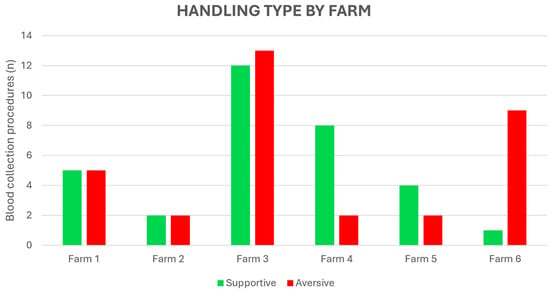
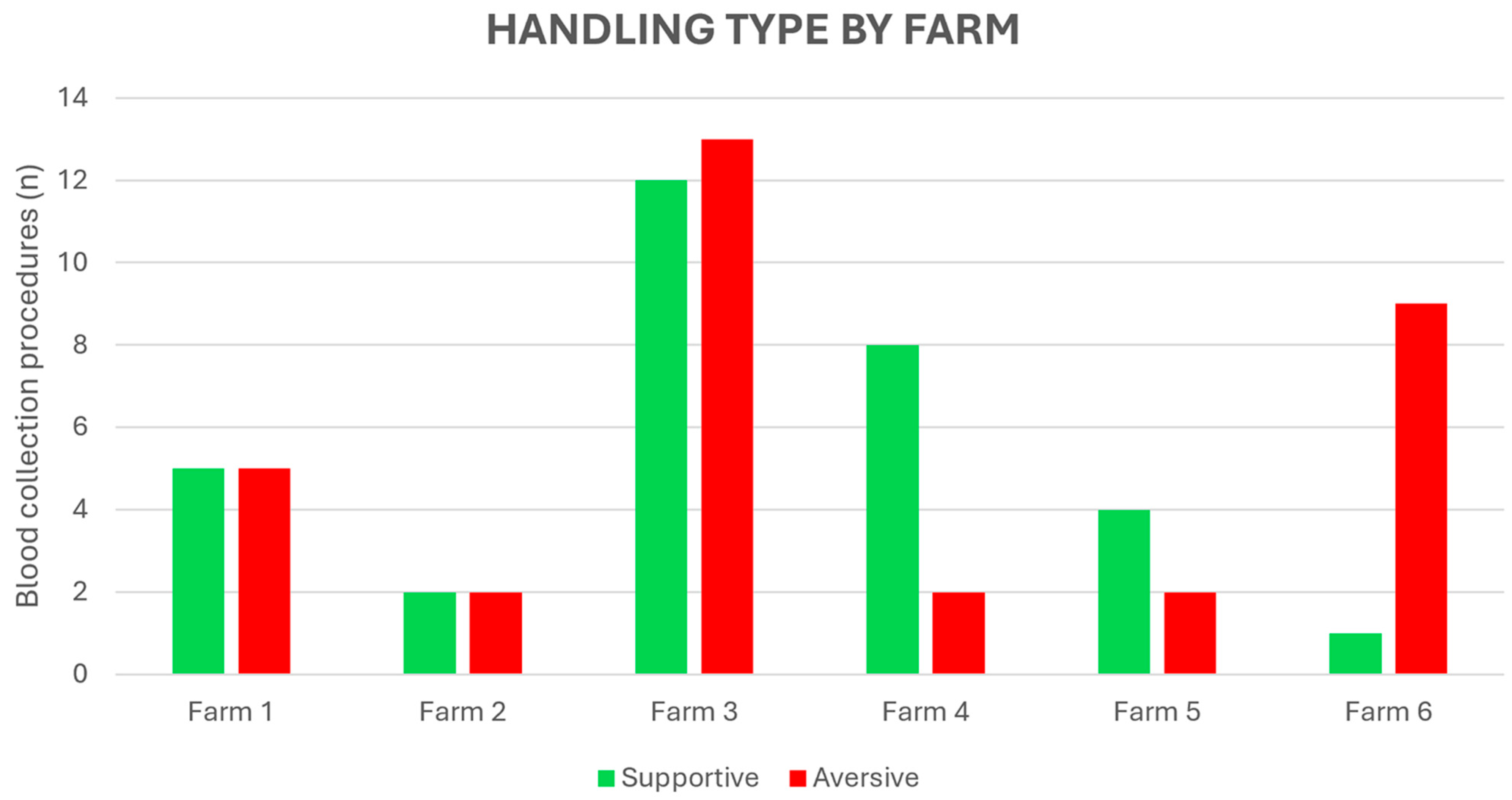
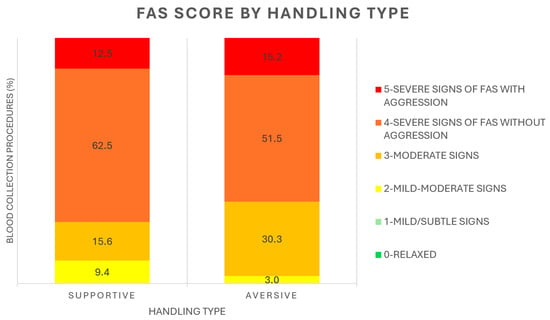
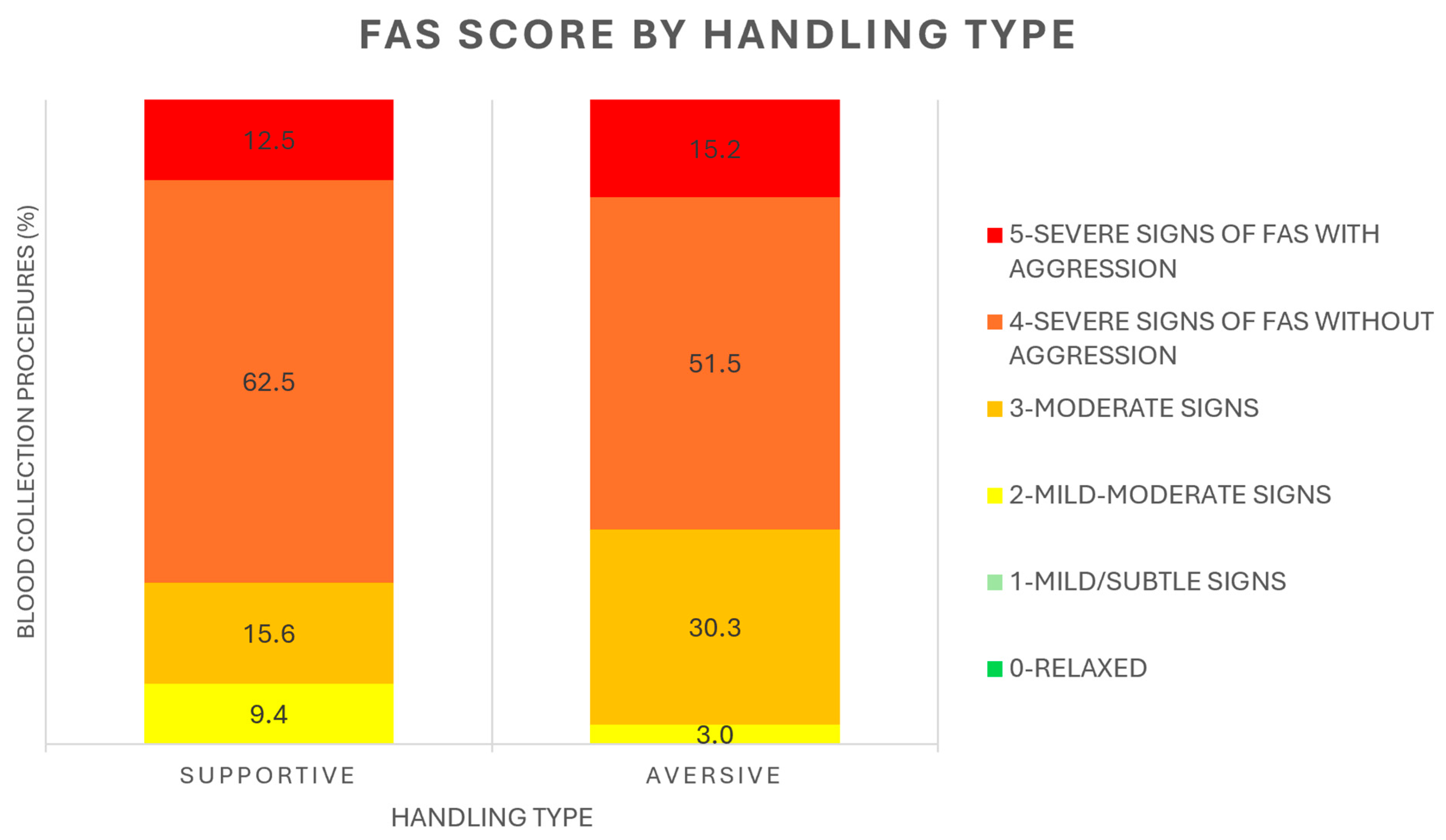
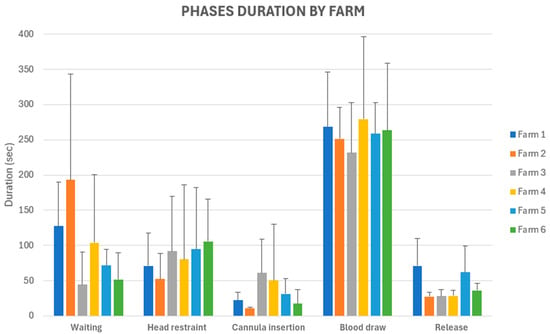
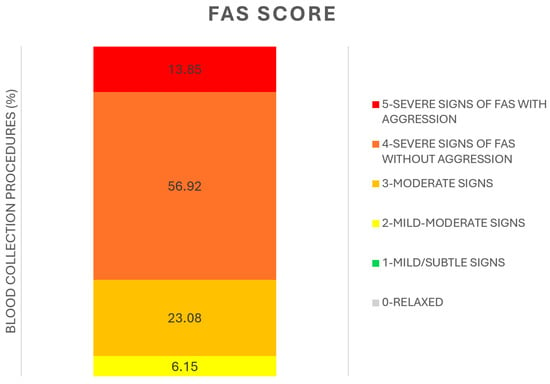
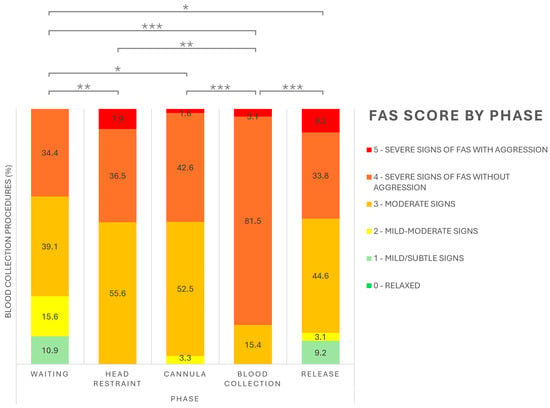
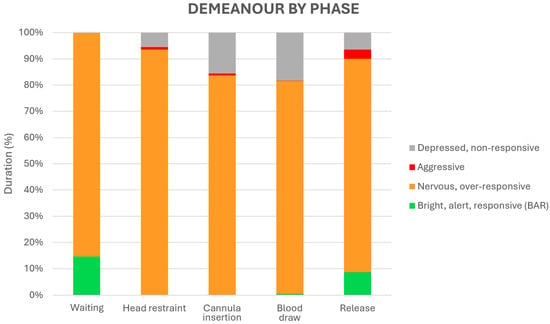
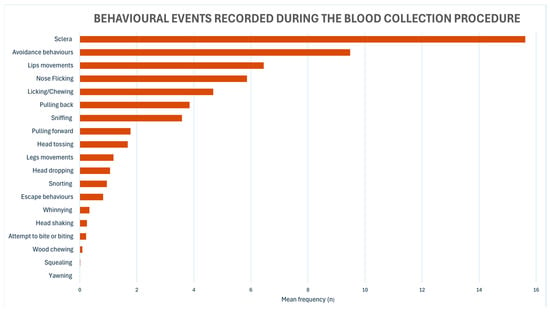
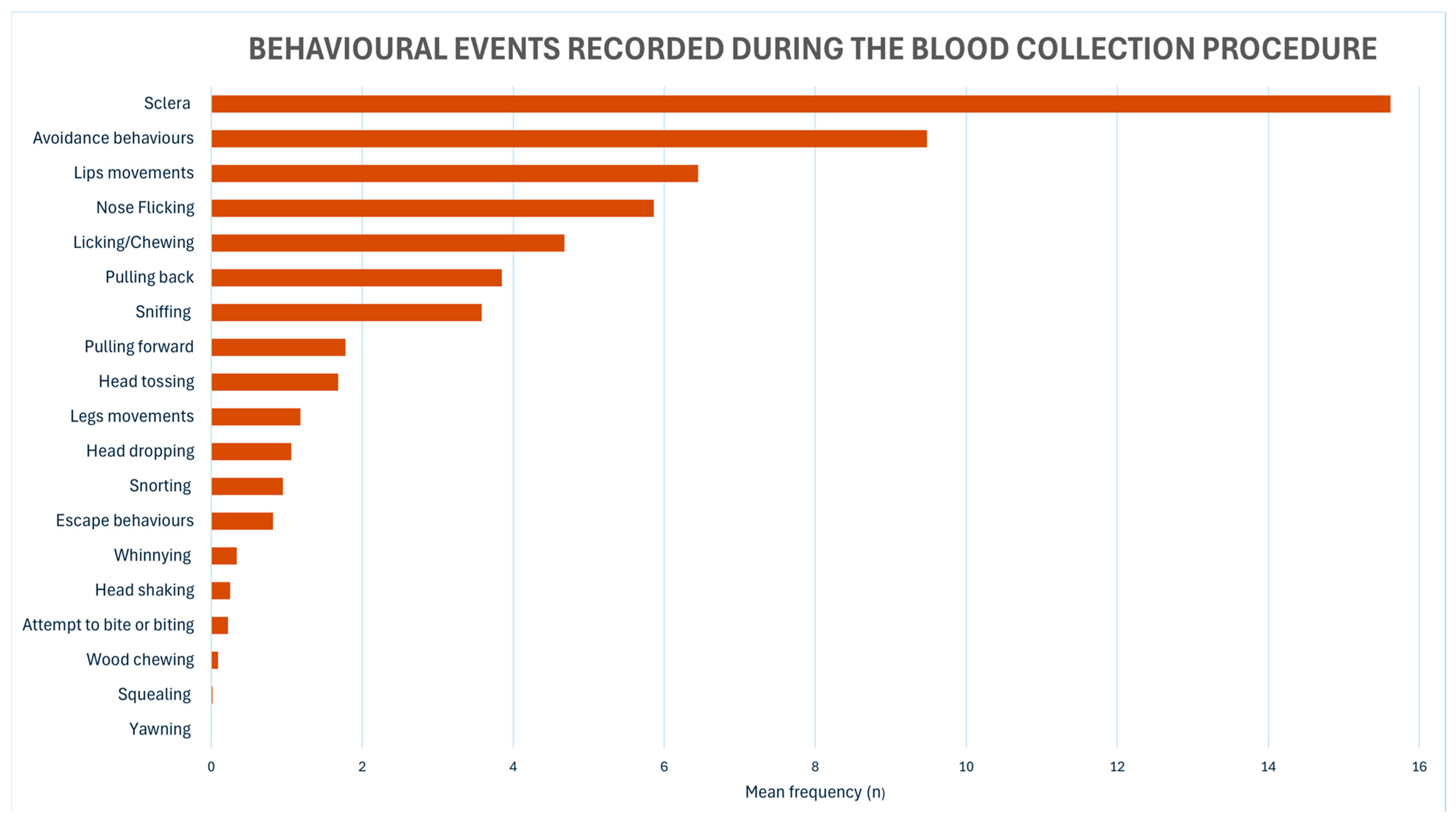

Disclaimer/Publisher’s Note: The statements, opinions and data contained in all publications are solely those of the individual author(s) and contributor(s) and not of MDPI and/or the editor(s). MDPI and/or the editor(s) disclaim responsibility for any injury to people or property resulting from any ideas, methods, instructions or products referred to in the content. |
© 2026 by the authors. Licensee MDPI, Basel, Switzerland. This article is an open access article distributed under the terms and conditions of the Creative Commons Attribution (CC BY) license.