


Abstract
Conceptual metaphors structure abstract domains through concrete, perceptual, affective, or bodily experience, but they are accessed through metaphorical expressions. Controlled experimental work requires normed materials characterizing expressions, not only the conceptual mappings they instantiate. This is particularly relevant for European Portuguese, where research on metaphors lacks multidimensional normative resources for everyday metaphorical expressions. We introduce ME6D-PT, a database of 213 European Portuguese metaphorical expressions instantiating 20 conceptual metaphors and accompanied by English counterparts. Portuguese native speakers rated the expressions on six dimensions relevant to language processing: familiarity, concreteness, valence, arousal, embodiment, and transparency. Items were presented individually without context, organized in seven lists in a within-subject design. Aggregated item-level reliability ranged from moderate to excellent across dimensions. Descriptive results showed that the expressions were generally familiar and transparent while varying substantially in concreteness, valence, arousal, and embodiment. Further analyses showed strong positive associations among familiarity, transparency, and concreteness, whereas embodiment was weakly related to experiential and semantic dimensions. Exploratory quadratic models revealed nonlinear patterns involving valence, including the expected U-shaped association with arousal, and a decelerating positive association between transparency and familiarity. ME6D-PT provides a controlled resource for stimulus selection and research on metaphors, abstract language, embodiment, and future cross-linguistic research.
1. Introduction
Much of everyday language is used to talk about things that are not directly perceptible: emotions, time, power, morality, knowledge, social relations, and internal states. These abstract domains are rarely expressed in purely abstract terms. Instead, speakers often make them more intelligible by drawing on concrete, perceptual, bodily, or socially familiar experience: affection may be understood through warmth, guilt through weight, power through verticality, and time through resources. Conceptual metaphor theory [1] captures these regularities as systematic mappings between a target domain and a source domain, here represented in their conventional uppercase form, as in affection is warmth, guilt is weight, power is up, or time is a resource. In such mappings, the target domain refers to the concept or experience being conveyed, whereas the source domain provides the conceptual structure through which the target is understood. From a processing perspective, understanding a metaphorical expression involves relating information associated with the source domain to the target concept. The interpretation of a metaphorical expression can consequently be understood as involving the activation and integration of source- and target-domain information, rather than the processing of the linguistic expression independently of the conceptual domains it evokes. Moreover, target domains frequently concern more abstract or less directly perceptible concepts, whereas source domains are often grounded in perceptual, sensorimotor, bodily, or otherwise experientially accessible knowledge, drawing on experience of the physical world. Yet, these mappings are not the linguistic expressions themselves. Instead, the mappings provide the conceptual structure that can be realized in everyday metaphorical expressions such as “warm hug”, “heavy guilt”, “rise to power”, or “spend time”.
This distinction is central to the study of metaphor processing. Conceptual metaphors define the mappings that give metaphorical meaning its structure, but psycholinguistic research necessarily accesses those mappings through specific linguistic materials. The way metaphorical expressions are judged, understood, and used may therefore depend not only on the conceptual mapping they instantiate, but also on a set of psycholinguistic, affective, and sensorimotor properties known to influence language processing more broadly. These include dimensions related to exposure and meaning retrieval, such as familiarity and transparency [2,3,4]; affective dimensions, such as valence and arousal, which have been shown to shape the processing of emotional, abstract, and figurative language [5,6,7,8,9,10]; and experiential dimensions, such as concreteness and embodiment, which are central to accounts of sensorimotor grounding in semantic representation and comprehension [11,12]. In particular, the degree to which an expression refers to something that can be experienced through the senses (concreteness) and the extent to which it involves bodily and sensorimotor experience (embodiment) may indicate how strongly its linguistic realization reflects the experiential basis of its source domain. Consequently, expressions instantiating the same conceptual mapping may nevertheless differ in the extent to which their linguistic realization is grounded in perceptually accessible or bodily experience. Thus, stimulus control in metaphor research requires more than identifying the conceptual mapping instantiated by an expression; it also requires characterizing the linguistic, affective, and sensorimotor profile of the expression itself.
Normative work has long recognized the importance of stimulus characterization in metaphor research. A foundational example is the work of Katz et al. [13], who provided one of the earliest and most influential sets of norms for literary and non-literary metaphors, supporting subsequent work on metaphor comprehension and stimulus selection [14,15,16,17]. However, many materials in this tradition were presented as explicit metaphorical statements or a is b formulations, such as love is a flower or sleep is an ocean. Although this format is theoretically informative, it is relatively distant from everyday metaphorical language. In ordinary use, speakers do not usually formulate conceptual mappings as explicit a is b statements; rather, such mappings surface through metaphorical expressions such as “blooming love”, “a wave of sleep”, “heavy guilt”, “rise to power”, or “spend time”. These expressions instantiate broader conceptual mappings, but they also have their own psycholinguistic, affective, and sensorimotor profiles. A resource designed to support metaphor-processing research should therefore characterize metaphorical expressions themselves, rather than relying exclusively on norms developed for explicit conceptual or statement-like metaphor formats [4,18,19].
Recent databases have moved closer to naturally occurring metaphorical language by providing affective and psycholinguistic norms for metaphorical materials in different linguistic and methodological contexts. COMETA [6], for example, is a German database of conventional metaphors paired with literal counterparts and presented either as sentences or embedded in short stories. The database includes ratings for dimensions such as imageability (the ease with which an expression elicits a mental image), metaphoricity (the degree to which an expression is perceived as figurative), valence (the nature of the emotional response evoked by each expression), and arousal (the level of physiological activation provoked by each expression), thereby capturing both the perceived figurativeness of the stimuli and their affective impact. COMETA showed that metaphorical expressions were rated as more arousing and easier to imagine than their literal counterparts. It also replicated the well-known U-shaped association between valence and arousal, with highly positive and highly negative expressions eliciting higher arousal ratings, in line with previous findings for pictures, sounds, emotional words, and abstract language [5,7,8,9].
A related but more specifically sensory-oriented approach was adopted in the MIST database [20]. Rather than focusing broadly on conventional metaphors, MIST compiled German metaphorical expressions referring to internal states through sensory domains such as vision, hearing, smell, taste, touch, and temperature inputs. Participants rated the materials on familiarity (i.e., how often they encountered each expression in everyday life) and on the affective dimensions of valence and arousal defined above, allowing the authors to examine how sensory-based metaphorical expressions are positioned along dimensions of use and affective experience. Although MIST did not directly collect ratings of bodily involvement or embodiment, it is particularly relevant here because it targeted metaphorical expressions grounded in perceptual experience. Its results showed a positive association between familiarity and valence, suggesting that more familiar metaphorical expressions tended to be evaluated more positively. However, unlike the U-shaped valence–arousal pattern reported in COMETA, MIST showed an inverse linear association, with lower valence ratings associated with higher arousal. This divergence suggests that the relationship among affective dimensions in metaphorical language may depend on the stimulus type, sensory domain, and norming procedure.
This sensory focus was further extended by COGMED [21], a Chinese database of olfactory and gustatory literal and metaphorical items. By collecting ratings for familiarity, meaningfulness (the degree to which each item is understood), figurativeness (the degree of literal or metaphorical understanding of an item), valence, difficulty (the time required to understand each item), imageability, and naturalness (each item’s normalcy and its usage likelihood), COGMED broadened the range of dimensions considered in sensory metaphor norming. Across olfactory and gustatory items, familiarity, meaningfulness, difficulty, imageability, and naturalness were positively associated, whereas figurativeness was negatively associated with several semantic and evaluative dimensions. Unlike MIST, however, COGMED did not find a significant association between familiarity and valence. Together with the divergent valence–arousal patterns reported in COMETA and MIST, these findings indicate that the associations among semantic, affective, and experiential variables are not fully stable across stimulus types, sensory domains, languages, or norming procedures.
Taken together, these resources have substantially advanced the empirical study of metaphorical language. At the same time, they reveal a fragmented methodological landscape that remains consequential for stimulus selection, comparison, and control. Existing databases differ in stimulus format and contextual support, ranging from explicit a is b formulations to literal–metaphorical pairs, isolated expressions, sentences, and short stories [6,13,18,20,21]. They also focus on different kinds of metaphorical material, including literary and non-literary metaphors, conventional metaphors, sensory metaphors, olfactory and gustatory metaphors, and expressions referring to internal states [6,13,14,20,21]. Finally, they vary in the dimensions they assess and in the terminology used for related constructs, such as familiarity, conventionality, transparency, meaningfulness, figurativeness, naturalness, imageability, and difficulty, a concern that has been highlighted in broader discussions of stimulus control in figurative-language research [4]. This heterogeneity makes it difficult to determine whether differences across studies reflect metaphorical processing itself or uncontrolled variation in the linguistic, affective, and sensorimotor properties of the materials.
A further limitation concerns cross-linguistic applicability. Many metaphorical expressions are language-specific, culturally constrained, or only partially translatable. Conversely, some conceptual mappings appear across languages but surface through expressions that differ in lexical form, conventionality, idiomaticity, or naturalness. This issue is particularly important given the growing use of cross-linguistic and bilingual approaches in metaphor research [22,23,24,25]. A resource intended to support such work must therefore go beyond translation. It must establish whether comparable conceptual mappings are instantiated in both languages and whether the corresponding expressions are plausible, natural, and usable within each linguistic system. Without this level of control, cross-linguistic comparisons risk confounding metaphor processing with differences in lexicalization, familiarity, cultural availability, or translation naturalness.
This gap is particularly relevant for European Portuguese. Although metaphor has been examined in Portuguese within cognitive–linguistic, semantic, and discourse-oriented traditions, including work on metaphor, cognition, emotion, ideology, and cultural conceptualization [26,27], the experimental study of metaphor processing in European Portuguese remains comparatively underdeveloped. Existing empirical work has begun to address metaphor comprehension in Portuguese-speaking populations, particularly in developmental contexts [28,29], but controlled adult-oriented materials for experimental studies of metaphorical expressions remain scarce (see Ref. [19] for an exception). This situation contrasts with the broader psycholinguistic norming tradition in European Portuguese, where several lexical, semantic, affective, and association norms have been developed for single words and other linguistic materials [30,31,32]; (see Ref. [33] for a review). To date, however, no widely available multidimensional normative database has characterized everyday metaphorical expressions in European Portuguese across dimensions such as familiarity, transparency, valence, arousal, concreteness, and embodiment. This lack of normed materials limits the possibility of designing experiments in which metaphorical stimuli can be systematically selected, matched, or manipulated.
Against this background, we introduce ME6D-PT, the first multidimensional normative database of everyday metaphorical expressions in European Portuguese. The database includes 213 metaphorical expressions linked to 20 conceptual metaphors and accompanied by English counterparts. ME6D-PT was designed to address three specific needs in metaphor research. First, it shifts the empirical focus from explicit conceptual formulations to everyday metaphorical expressions, providing item-level norms for the linguistic forms through which conceptual mappings are ordinarily realized. Second, it responds to a language-specific gap in European Portuguese while also supporting cross-linguistic research by linking each Portuguese expression to an English counterpart that preserves the underlying conceptual mapping. Third, it brings together six dimensions that are theoretically and methodologically relevant for figurative, abstract, affective, and embodied language research: familiarity, concreteness, valence, arousal, embodiment, and transparency.
ME6D-PT is therefore not only a repository of metaphorical expressions but also a controlled resource for selecting, matching, and manipulating metaphorical stimuli according to dimensions known to influence language processing more broadly (see Ref. [34] for a review). Familiarity and transparency capture aspects of exposure and meaning retrieval; valence and arousal capture affective tone and activation; and concreteness and embodiment capture sensory and bodily involvement in semantic representation and comprehension [2,3,5,6,7,8,9,10,11,12,20]. Specifically, in the present database, embodiment refers to the extent to which an expression evokes bodily and sensorimotor experience and is therefore conceptually related to, but distinct from, concreteness.
By collecting these ratings for isolated metaphorical expressions, ME6D-PT provides a controlled basis for examining expression-level variability without the additional interpretive support introduced by sentence or discourse contexts, which are known to affect the processing and evaluation of metaphorical language [35,36]. At the same time, by preserving links to conceptual metaphors and English counterparts, it can facilitate research examining the relation between conceptual mappings and their linguistic realization across languages, while highlighting the need for independent evaluation of the English counterparts when they are used as experimental stimuli.
The present study had two complementary aims. The first was to develop and document a reusable normed resource for research on metaphorical expressions in European Portuguese. The second was to examine the pattern of associations among the six rated dimensions, with particular attention to relationships previously reported in research on figurative, abstract, emotional, and embodied language. We expected familiarity to be positively associated with transparency and concreteness, given previous evidence that more familiar figurative expressions tend to be easier to interpret and that concreteness can facilitate semantic access [2,22,35]. We also expected positive associations involving transparency, concreteness, arousal, and familiarity while exploring whether these relationships extended to embodiment [5,10]. Given heterogeneous findings across previous databases, the relationship between familiarity and valence was treated as exploratory [5,20,21]. Finally, we examined potential curvilinear associations among the rated dimensions, with specific expectations for the well-established U-shaped relationship between valence and arousal [5,6,7,8,9,10], and for the association between valence and transparency reported in recent idiom research [10].
2. Materials and Methods
2.1. Participants
A total of 201 unique participants (172 women; Mage = 22.26, SD = 6.91; age range = 17–54 years old) took part in this study through a platform for experimental studies at a Portuguese university or via the researchers’ contact network. All participants were native speakers of Portuguese and held Portuguese nationality. These criteria were adopted to reduce variability associated with linguistic background and culturally constrained uses of figurative language, which are known to affect metaphor comprehension and rating behavior [22,37]. Participation was voluntary. Students recruited through the university platform received academic credits for their participation, whereas participants recruited through the researchers’ contact networks received no compensation. All participants reported normal or corrected-to-normal vision and normal hearing. All provided their digital consent to participate, and this study was approved by the University of Minho’s Ethics Committee for Research in Social and Human Sciences (CEICSH 087/2024).
2.2. Materials
The final stimulus set comprised 213 metaphorical expressions commonly used in European Portuguese. The aim was not to construct balanced semantic cells across conceptual metaphors, but to develop an ecologically valid database of everyday metaphorical expressions that instantiate conceptual mappings available in both European Portuguese and English. To support future cross-linguistic research, the initial pool was restricted to expressions for which a plausible English counterpart could be identified while preserving the same underlying conceptual mapping. These English counterparts were included to facilitate future cross-linguistic stimulus selection and comparison but were not independently normed in the present study.
Eligible expressions were first identified based on the researchers’ native linguistic knowledge and through consultation of online linguistic resources. Search engines (e.g., Google) were used as tools for attesting the availability and approximate naturalness of candidate expressions in contemporary usage, not as formal corpora in the strict linguistic sense. Artificial intelligence tools, including OpenAI’s ChatGPT (GPT-3.5), were used only as brainstorming aids during candidate generation and were not treated as sources of validation. Specifically, these tools were used to generate potential examples of conceptual metaphors in Portuguese and English contexts. AI-generated candidate expressions were subsequently checked by the authors for naturalness and appropriateness based on their linguistic knowledge and through consultation of online linguistic resources. Final inclusion decisions were based on systematic cross-checking against monolingual and bilingual dictionaries (e.g., Cambridge Dictionary; Collins English Dictionary; Merriam-Webster), phraseological repositories (e.g., The Phrase Finder, and The Free Dictionary), bilingual resources (e.g., Linguee), and relevant literature on conceptual metaphors and metaphorical language [1,38,39,40,41,42]. The selected expressions met three inclusion criteria: cross-linguistic conceptual availability, structural mapping equivalence, and lexical translatability. First, cross-linguistic conceptual availability required that each expression instantiate a conceptual metaphor that could be identified in both European Portuguese and English. Expressions associated with culturally or linguistically specific conceptualizations in only one language were excluded. For example, the Portuguese expression “alimentar a saudade” [“feed the longing”] was not included since its mapping, saudade é uma entidade viva [longing is a living entity], is highly specific to the Portuguese sociolinguistic context and does not have a natural English counterpart with equivalent conceptual status. Second, structural mapping equivalence required that the Portuguese expression and its English counterpart activate a comparable source–target mapping. Candidate expressions were therefore examined to determine whether the same conceptual relation was preserved across languages. For instance, the metaphorical expression “this contribution outweighs the argument”, which instantiates the conceptual metaphor considering is weighing, was excluded because its natural Portuguese equivalent, “esta contribuição supera o argumento”, does not preserve the same weighing-based mapping. Third, lexical translatability required that the expression could be rendered in the other language without losing its metaphorical structure or relying on lexical items with no common equivalent. For example, “shoulder the guilt” instantiates the conceptual metaphor guilt is weight in English; however, an equivalent translation of the metaphorical expression does not exist in European Portuguese. This expression was therefore excluded. These criteria were intended to maximize conceptual comparability while avoiding direct word-for-word translation as the sole basis for item selection.
All English counterparts were subsequently reviewed by a native speaker of British English, who also assessed the naturalness and applicability of each metaphorical expression in contemporary English. This review provided an additional check on the plausibility of the English counterparts, thereby providing a supplementary layer of validation regarding the cross-linguistic equivalence of the included items. This step should be understood as a plausibility and naturalness check, rather than as a full normative validation of the English materials, which would require independent ratings from native English-speaking participants.
The 213 selected metaphorical expressions were classified into 20 conceptual metaphors shared by Portuguese and English. Because item selection prioritized ecological validity and cross-linguistic usability over balanced category size, the number of metaphorical expressions per conceptual metaphor varied substantially (M = 10.65, SD = 6.04, range: 4–28). Each expression was assigned to a single conceptual metaphor category by the authors. This distribution was ensured through a qualitative inspection of each item’s underlying source–target mapping, drawing on established principles of Conceptual Metaphor Theory and the broader conceptual metaphor literature [1,39,43,44,45]. Specifically, each metaphorical expression was allocated to the category that best illustrated the conceptual relation it instantiated. The categories were used primarily to organize the database and identify the conceptual metaphor associated with each expression, rather than to imply that each expression can be understood as instantiating only one conceptual mapping. For example, “your royal highness” was classified under the conceptual metaphor power is up, whereas “spent time” and “consume information” were classified under time is a resource and ideas are food, respectively.
Turning now to their linguistic features, the metaphorical expressions had an average length of 19.59 characters (SD = 6.23, range: 8–40) and 3.88 words (SD = 1.50, range: 2–9). Because the main goal was to collect naturally occurring realizations of conceptual mappings in both languages, the stimuli were heterogeneous in linguistic format, including nominal/adjectival phrases, verb-based constructions, and short sentence-like expressions, such as “heavy reading”, “rise to power”, and “the company is sinking”. This heterogeneity was intentionally retained to preserve the ecological character of the database, but formal consistency was imposed whenever it did not compromise naturalness. For verb-based metaphorical items (n = 105), the infinitive form was employed when possible (n = 99; e.g., “subir ao poder” [“rise to power”]). For pronominal verb constructions, the impersonal form with the reflexive clitic -se was chosen (n = 16; e.g., “elevar-se acima do mal” [“rise above evil”]), except in one case in which the first-person clitic pronoun -me was necessary to preserve naturalness (“agarrar-me à minha fé” [“hold on to my faith”]). When grammatical gender marking was required, the masculine form was adopted as the default generic form in Portuguese, i.e., -o (n = 11; e.g., “esmagado pela culpa” [crushed by guilt]―see Ref. [46]).
Given the size of the stimulus set, a list-based design was implemented to reduce participant fatigue and encourage completion, as in previous normative studies [2,18]. The 213 expressions were divided into seven lists, each containing approximately 30 expressions (range: 29–31). Lists were randomly generated in Excel and pseudo-randomly assigned to participants via Qualtrics software v.10 (Qualtrics, https://www.qualtrics.com/use-cases/surveys/, Provo, UT, USA; accessed on 12 August 2024), ensuring that each list received a similar number of ratings. Participants were only allowed to complete more than one session if they were assigned to a different list so that no participant rated the same set of metaphorical expressions more than once.
Each participant rated all expressions from one assigned list on all six dimensions, following a within-subject rating design. This procedure allowed each participant to evaluate the same set of items across dimensions, reducing the influence of between-participant variability on cross-dimensional comparisons while keeping the task short enough to minimize fatigue. Ratings for each dimension were collected in separate blocks to reduce interference from the simultaneous evaluation of multiple properties (see Ref. [12] for a similar procedure). Within each dimension, the order of expressions was randomized. The order of dimensions was fixed as follows: familiarity, concreteness, valence, arousal, embodiment, and transparency. The dimension order was fixed rather than counterbalanced for methodological reasons. Familiarity was always rated first so that participants could indicate whether they knew each expression before evaluating it on subsequent dimensions. Dimensions that tapped partially overlapping aspects of processing were intentionally separated, namely concreteness and embodiment, and familiarity and transparency, to reduce immediate carry-over between related judgments.
2.3. Procedure
Ratings were collected through a web survey procedure using Qualtrics software (Qualtrics, Provo, UT, USA). The survey link was disseminated via an experimental research platform at a Portuguese university and through the researchers’ personal online networks. Online rating procedures are increasingly common in psycholinguistic research and normative research because they enable efficient data collection from larger and more diverse samples [2,5,6]. Previous research also indicates that online data can achieve quality comparable to laboratory-collected data when appropriate screening and task constraints are used [47,48]. After accessing the survey link, participants first read a brief description of this study and information about confidentiality, voluntary participation, and data protection. They then provided digital informed consent and completed a sociodemographic and linguistic background questionnaire assessing age, biological sex, gender, native language(s), and proficiency in other languages. Education level, country of birth, country of residence, and language(s) exposure were also collected, as these variables are especially relevant for a database intended to support cross-linguistic research.
Participants were then presented with the instructions for the first rating dimension (familiarity). In each block, metaphorical expressions appeared individually at the center of the computer screen, along with a 5-point Likert scale and an additional “Unknown expression” option. Metaphorical expressions were presented randomly within each dimension. Each item remained on the screen until the participant selected a response (i.e., a number on the 5-point Likert scale that better suited their judgment) and pressed the advance button to proceed to the following metaphorical expression. Responses could not be changed after submission. Participants completed the full set of items for one dimension before moving to the next block. At the end of each block, instructions for the following dimension were displayed, and the same expressions from the assigned list were presented again in a new randomized order. This process was repeated until all expressions in the assigned list had been rated on all dimensions.
The “Unknown expression” option was included to distinguish unfamiliarity with the expression from low ratings on the target dimension. Because each dimension was processed independently, items marked as “Unknown expression” in one block were retained for the remaining dimensions unless they met exclusion criteria for inconsistent familiarity judgments, as described in the Data Preparation and Analysis section.
The instructions for each dimension were adapted from previous research on conceptual metaphors, metaphorical expressions, idioms, and emotional words [2,3,5,6,7,12,13,20,21,49,50,51,52]. To facilitate direct comparison across psycholinguistic, affective, and experiential variables, all ratings were collected using 5-point scales. This format, widely used in rating studies [53], provides a practical balance between measurement sensitivity and participant burden, especially given evidence that reliability gains from longer scales tend to level off after approximately six response options [54,55]. Familiarity was defined as how often participants encountered and used each metaphorical expression in everyday life and was rated from 1 (very unfamiliar) to 5 (very familiar). Concreteness referred to the extent to which the expression evoked content that could be experienced through the senses and was rated from 1 (very abstract) to 5 (very concrete). Valence captured the emotional tone associated with the expression and was rated on a scale designed to provide an explicitly emotional frame of the judgment, therefore ranging from 1 (very sad) to 5 (very happy). Arousal indexed the degree of calmness versus activation conveyed by the expression and ranged from 1 (very calm) to 5 (very aroused). Embodiment assessed the extent to which understanding the expression involved bodily experience or bodily involvement and ranged from 1 (very disembodied) to 5 (very embodied). Finally, transparency measured how easily the figurative meaning of the expression could be inferred from its constituent words, ranging from 1 (very opaque) to 5 (very transparent). In all cases, intermediate scale points represented graded values between the two anchors.
The full procedure lasted approximately 15 to 25 min per participant. The verbatim instructions for all dimensions are provided in the Supplementary Materials as well as in the OSF repository at https://osf.io/j9msd/overview?view_only=7d3fdaf1a56549308b302032ccda1562 (accessed on 17 July 2026).
2.4. Data Preparation and Analysis
Because the 213 metaphorical expressions were divided into seven lists and participants could complete more than one session, the participant and session levels were distinguished throughout data preparation and analysis. The participant-level sample comprised 201 unique individuals, whereas the final analysis-level dataset comprised 225 valid list-completion sessions after screening. Among the 201 unique participants, 20 completed two different lists and 2 completed three different lists, as verified using full participant IDs. Each retained session contributed ratings for a distinct subset of metaphorical expressions.
Several data-screening steps were applied to ensure the integrity of the normative ratings, following procedures commonly used in normative research [21,49,56]. First, incomplete rating sessions were excluded when 33% or more of the expected responses were missing and/or marked as “Unknown” (n = 14). Second, sessions suggesting inattentive or non-informative response behavior were removed (n = 28). These included cases in which participants assigned the same rating across an entire dimension (except in familiarity, where uniformly high ratings may reflect genuine knowledge of the expressions), cases involving clearly implausible ratings of semantically unambiguous expressions (e.g., judging an expression such as “to be downtrodden” as very happy); and cases showing repeated mechanical response patterns across successive items throughout the entire task, such as alternating 1, 2, 1, 2. After these exclusions, 225 valid rating sessions were retained for analysis.
For the retained sessions, responses marked as “Unknown expression” were treated as missing values for the corresponding item and dimension. These responses accounted for 4% of the ratings in familiarity and 3% in each of the remaining dimensions. Because each dimension was analyzed independently, an “Unknown expression” response in one dimension did not automatically lead to the exclusion of that participant’s ratings for the same item in other dimensions. However, familiarity ratings of 4 or 5 were removed when the same participant marked the same expression as “Unknown expression” in any subsequent dimension, because this pattern indicated an inconsistent familiarity judgment. These cases represented 1% of familiarity responses.
For each metaphorical expression and dimension, item-level means and standard deviations were computed from the valid ratings. Before outlier removal, this yielded 6521 evaluations for familiarity, 6642 for concreteness, 6470 for valence, 6219 for arousal, 6090 for embodiment, and 6006 for transparency. Finally, following previous normative studies, responses falling more than 2.5 standard deviations above or below the mean of each metaphorical expression in each dimension were also removed as potential outliers [12,34]. The proportion of excluded outliers was low across dimensions: 2.8% for familiarity, 1.6% for valence, 1.2% for transparency, 1.1% for arousal, 0.4% for embodiment, and 0.2% for concreteness. After trimming, the final number of valid ratings was 6341 for familiarity, 6627 for concreteness, 6365 for valence, 6151 for arousal, 6068 for embodiment, and 5932 for transparency. These final values were used to compute the descriptive statistics reported in the database and in the Results section.
Reliability analyses were conducted separately for each rated dimension as in previous studies [5,34,50]. Because participants rated only subsets of the full stimulus set and because the final dataset included missing observations resulting from “Unknown expression” responses and outlier removal, reliability was estimated using linear mixed-effect models with crossed random intercepts for participants and metaphorical expressions. Intraclass correlation coefficients (ICCs) were computed for single ratings, ICC(A, 1), and for aggregated item-level means, ICC(A, k). ICC(A, 1) indexed the reliability of individual participants’ ratings, whereas ICC(A, k) indexed the reliability of the aggregated norms intended for use in stimulus selection, matching, and control. Because the number of valid ratings varied across expressions, the average number of ratings per expression was used when estimating ICC(A, k), following De Vet et al. [57].
Descriptive statistics were computed for each dimension, including the number of valid ratings, mean, standard deviation, skewness, kurtosis, and 95% confidence interval. These statistics were calculated to characterize the overall distribution of ratings across the database, whereas item-level means and standard deviations were retained as the primary normative values for each metaphorical expression.
To examine associations among the six rated dimensions, analyses were conducted at the item level, using the mean rating of each metaphorical expression on each dimension. This level of analysis was chosen because the ME6D-PT database is intended to provide item-level normative values for stimulus selection, matching, and manipulation, as is common in psycholinguistic and affective norming studies [6,7,56,58]. Pearson correlations were first computed across the 213 expressions to provide an initial description of the linear relationships among familiarity, concreteness, valence, arousal, embodiment, and transparency. These correlations were used to characterize the internal structure of the database and to identify dimensions that may need to be jointly controlled in future experimental work, particularly given previous evidence that familiarity, transparency, decomposability, concreteness, and affective dimensions shape figurative-language comprehension and evaluation [2,3,5,10,22]. The magnitude and direction of the correlations were therefore emphasized as indicators of the structure of the normative space.
In a second step, selected quadratic regression models were fitted to examine whether some associations were better characterized by nonlinear patterns. This decision was guided by previous evidence that affective dimensions, especially valence and arousal, often show curvilinear relationships in affective words, idioms, and metaphorical materials [5,6,7,8,9,49,58], as well as by visual inspection of the item-level bivariate distributions. Quadratic models were not intended as an exhaustive search across all possible pairs of dimensions. Instead, they were restricted to theoretically motivated or visually suggested associations. The valence–arousal model was treated as theoretically motivated, given the well-established U-shaped relation between these dimensions. The valence-transparency model was motivated by recent evidence from idiom research showing nonlinear associations between affective and interpretability-related dimensions [10], as well as by the observed bivariate pattern in the present dataset. Additional models involving valence with embodiment and familiarity, and transparency with familiarity, were treated as exploratory because they were suggested primarily by the observed item-level distributions.
For each quadratic analysis, the dependent variable was regressed on the linear and squared terms of the predictor. The variance explained by the quadratic model was compared with that of the corresponding linear model, and ΔR2 was reported as an index of the additional variance accounted for by the quadratic term. This approach allowed us to distinguish strong and theoretically expected nonlinear patterns from more modest exploratory trends. All analyses were conducted using IBM SPSS Statistics (Version 29; IBM Corp., Armonk, NY, USA). The complete item set, normative ratings, codebook, and analysis scripts are described in the Open Science Framework (OSF) repository at https://osf.io/j9msd/overview?view_only=7d3fdaf1a56549308b302032ccda1562 (accessed on 17 July 2026).
3. Results
The final ME6D-PT database comprises item-level normative ratings for 213 metaphorical expressions in European Portuguese across six dimensions: familiarity, concreteness, valence, arousal, embodiment, and transparency. Each expression is linked to an underlying conceptual metaphor and to an English counterpart. For each item and dimension, the database provides the number of valid ratings, mean rating, standard deviation, and additional descriptive information.
The Results section is organized as follows: First, we report the reliability of the normative ratings across the six dimensions. Second, we present the descriptive properties of the ME6D-PT norms. Third, we examine linear and nonlinear associations among the six rated dimensions using item-level correlations and selected quadratic regression models. Normative ratings are available for download in an Excel file with this article in the Supplementary Materials as well as in the OSF repository at https://osf.io/j9msd/overview?view_only=7d3fdaf1a56549308b302032ccda1562 (accessed on 17 July 2026).
3.1. Reliability of the ME6D-PT Norms
Table 1 reports single-rating and aggregated-rating reliability estimates for each of the six dimensions included in ME6D-PT. As described in the Data Preparation and Analysis section, ICC(A, 1) was used to estimate the reliability of individual participants’ ratings, whereas ICC(A, k) was used to estimate the reliability of the aggregated item-level mean ratings provided in the database.
Table 1.
Inter-Rater Reliability Estimates for the Six Dimensions in ME6D-PT.
As shown in Table 1, single-rating reliability estimates were low across dimensions, ranging from 0.04 for valence to 0.32 for concreteness. This pattern indicates substantial variability in individual judgments, which is expected in rating tasks involving subjective, figurative, affective, and experiential properties. Importantly, ICC(A, 1) indexes the reliability of a single rater and should not be interpreted as the reliability of the normative values provided in the database. In contrast, reliability estimates for aggregated item-level mean ratings, ICC(A, k), were substantially higher, ranging from 0.58 for valence to 0.94 for concreteness. This difference shows that aggregation across multiple raters markedly increased the stability of the item-level estimates, which are the values intended for use in stimulus selection, matching, and control.
The strongest aggregated reliability was observed for concreteness, followed by familiarity, embodiment, and transparency. Arousal also showed good aggregated reliability. Valence was the only dimension with clearly lower reliability, showing very low single-rating reliability and moderate reliability at the level of aggregated item means. This value should therefore be interpreted with caution, particularly when researchers intend to use valence as a fine-grained matching variable. At the same time, the lower reliability of valence is theoretically plausible and methodologically informative. Valence judgments for decontextualized metaphorical expressions may be especially variable because such expressions often lack the discourse context that would normally constrain their affective interpretation. For example, expressions such as “heavy reading” or “rise to power” may evoke neutral, positive, or negative interpretations depending on the imagined context, personal experience, or pragmatic framing.
The comparatively lower reliability of valence is also consistent with the broader observation that affective ratings of metaphorical and sensory language can be more variable than ratings of more perceptually anchored or semantically constrained dimensions. For example, COGMED reported high reliability overall, but valence was among the relatively lower reliability estimates compared with dimensions such as familiarity, meaningfulness, figurativeness, difficulty, imageability, and naturalness [21]. However, direct numerical comparison with the present study should be made cautiously, because previous databases have often relied on Cronbach’s alpha or other internal-consistency indices, whereas the present study reports ICCs for both single ratings and aggregated item means. ICCs were preferred here because the aim was to estimate inter-rater reliability and the stability of aggregated item-level norms, rather than the internal consistency of items forming a psychometric scale. Specifically for valence, the number of valid ratings per expression ranged from 18 to 33 (M = 29.88), providing context for interpreting the aggregated ICC(A, k) estimate.
Taken together, the ICC results support the reliability of the aggregated ME6D-PT norms for most dimensions and indicate that the database provides stable item-level estimates for familiarity, concreteness, arousal, embodiment, and transparency. Valence showed more limited reliability and should be treated as a more context-sensitive dimension. Rather than undermining the database, this result highlights the value of norming metaphorical expressions directly: individual affective interpretations vary, but aggregated ratings still provide usable item-level estimates, while also documenting the dimensions in which metaphorical expressions are intrinsically more variable.
3.2. Descriptive Properties of the ME6D-PT Norms
Table 2 summarizes the descriptive statistics for the six dimensions included in ME6D-PT after the final trimming procedure. For each dimension, we report the total number of valid ratings retained after trimming, together with the mean rating (M), standard deviation (SD), skewness (Sk), kurtosis (K), and 95% confidence interval (CI). These values provide an overview of the distribution of ratings across the database, whereas item-level normative values for each metaphorical expression are provided in the full ME6D-PT database.
Table 2.
Descriptive Statistics for the Six Dimensions Included in ME6D-PT.
Overall, the descriptive results indicate that ME6D-PT includes metaphorical expressions that are, on average, highly familiar and relatively transparent, while still preserving substantial variability across affective and experiential dimensions. Familiarity showed the highest mean rating and a marked negative skew (M = 4.24, SD = 1.06, Sk = −1.39), indicating that ratings clustered toward the upper end of the scale. This pattern aligns with the aim of constructing a database of commonly used metaphorical expressions. Indeed, 14 items were consistently rated as very familiar across all valid ratings, including expressions such as “high expectations” and “warm hug” (both M = 5.00, SD = 0.00). At the lower end of the familiarity distribution, items such as “hawks fly more than robins” and “upward moral trajectory” received the lowest ratings in the dataset (M = 1.70, SD = 0.92, and M = 2.38, SD = 1.27, respectively).
Transparency also showed a moderately high mean and a negative skew (M = 3.76, SD = 1.22, Sk = −0.68), suggesting that many expressions were perceived as relatively easy to interpret from their constituent words. For this dimension, participants rated “warm hug” (M = 4.75, SD = 0.44) and “the heat of a smile” (M = 4.72, SD = 0.45) as highly transparent items, whereas “hawks fly more than robins” (M = 2.33, SD = 0.72) and “high-minded” (M = 2.45, SD = 1.18) were among the most opaque expressions. The familiarity and transparency patterns, therefore, suggest that many items are accessible to speakers, while still allowing researchers to select expressions that vary in how readily their figurative meaning can be inferred.
By contrast, concreteness, valence, arousal, and embodiment showed broader distributions, indicating that, beyond familiarity and transparency, the database covers a useful range of perceptual, affective, and bodily involvement dimensions. Concreteness ratings illustrate this spread clearly (M = 3.37, SD = 1.42, Sk = −0.32). Expressions such as “a big crowd” (M = 4.77, SD = 0.50) and “this music first appeared” (M = 4.59, SD = 0.73) were rated as highly concrete, whereas “descend into nothing” (M = 1.70, SD = 0.95) and “plummeting ethics” (M = 1.72, SD = 0.89) were rated as highly abstract.
Valence was centered around the midpoint of the scale (M = 3.01, SD = 1.34, Sk = 0.03), indicating that the database includes positive, negative, and more neutral metaphorical expressions. Indeed, items such as “meet my target” (M = 5.00, SD = 0.00) and “reach my goals” (M = 4.97, SD = 0.18) were rated as the most positive, whereas “hit rock bottom” (M = 1.00, SD = 0.00) and “fall from grace” (M = 1.14, SD = 0.36) were rated as the most negative. This balanced distribution is particularly useful for studies aiming to control or manipulate emotional valence in metaphorical language.
Arousal showed a moderately high mean (M = 3.58, SD = 1.15, Sk = −0.52), suggesting that many metaphorical expressions convey some degree of affective or experiential activation. Expressions such as “crushing pressure” and “launch a verbal assault” were considered the most arousing (both M = 4.73, SD = 0.45), whereas “lighter after doing the right thing” (M = 1.87, SD = 1.33) and “saved time” (M = 2.15, SD = 1.03) were among the least arousing. Together with the valence results, these ratings show that ME6D-PT can support the selection of expressions that vary not only in emotional tone but also in activation level.
Finally, embodiment ratings were distributed around the midpoint of the scale (M = 2.96, SD = 1.34, Sk = −0.07), indicating substantial variation in the extent to which expressions were perceived as involving bodily experience. Expressions such as “warm hug” (M = 4.48, SD = 0.96) and “a look heavy with guilt” (M = 4.36, SD = 0.70) were rated as highly embodied. At the opposite end of the scale, expressions such as “stocks are dropping” (M = 1.56, SD = 0.87) and “the price of an hour” (M = 1.62, SD = 0.86) were classified as highly disembodied. This variability is important because embodiment is often theoretically invoked in metaphor research, but rarely normed directly within broad databases of everyday metaphorical expressions.
Taken together, these descriptive results suggest that the ME6D-PT provides a broad set of metaphorical expressions that are generally familiar and relatively transparent, while also varying substantially in concreteness, valence, arousal, and embodiment. This profile supports the database’s ecological validity and its usefulness as a controlled pool of metaphorical language for experimental research. In practical terms, researchers can use ME6D-PT both to select highly familiar and natural metaphorical expressions and to match or manipulate items along dimensions known to affect figurative, affective, and embodied language processing.
3.3. Associations Among ME6D-PT Dimensions
To examine item-level associations among the six dimensions collected in ME6D-PT, Pearson correlations were computed across the mean ratings of the 213 metaphorical expressions. The resulting correlation matrix is presented in Table 3, whereas Figure 1 provides a scatterplot matrix of the corresponding bivariate distributions. This combined approach allowed us to describe the linear associations among dimensions while also identifying relationships that might be better captured by nonlinear models. Because previous work has shown that associations involving valence are often nonlinear, particularly in the relationship between valence and arousal in affective words, idioms, and metaphorical materials, selected quadratic models were fitted when theoretically motivated or suggested by visual inspection of Figure 1 [5,6,7,10,49,58]. Furthermore, since the 213 expressions constitute the complete set of items included in the ME6D-PT database rather than a probabilistic sample of expressions, the inferential tests were used primarily to characterize the strength and consistency of associations among the rated dimensions within the database and to facilitate comparison with relationships reported in previous norming studies. The resulting correlation coefficients and p-values therefore describe the observed item set and should not be interpreted as population-level estimates for all European Portuguese metaphorical expressions. Similarly, the reported results characterize relationships among the normative properties of the expressions and should not be taken to reflect participant-level psychological processes or within-person relationships among the rated dimensions during metaphor comprehension. Generalization beyond these normative properties and expressions requires replication in independent sets of metaphorical materials.
Table 3.
Pearson Correlations for the Six Dimensions Included in ME6D-PT.
Figure 1.
Scatterplot Matrix Displaying Bivariate Distributions for the Subjective and Affective Norms Collected in ME6D-PT. Note. Lower panels display scatterplots with linear trend lines for the item-level mean ratings of the 213 metaphorical expressions included in ME6D-PT. Upper panels display Pearson correlation coefficients for each pair of dimensions, with significance indicated by asterisks (* p < 0.05, ** p < 0.001). Diagonal panels identify the six rated dimensions: familiarity (FAM), concreteness (CON), valence (VAL), arousal (ARO), embodiment (EMB), and transparency (TRA). All axes range from 1 to 5.
The strongest positive association was observed between familiarity and transparency (r = 0.65, p < 0.001), indicating that expressions that were more familiar to participants also tended to be rated as easier to interpret from their constituent words. This pattern is consistent with previous work showing that familiarity is a key predictor of how easily figurative expressions are interpreted, particularly through its relation to transparency and decomposability [2,3,22]. For example, “warm hug” was rated as both highly familiar (M = 5.00, SD = 0.00) and highly transparent (M = 4.75, SD = 0.44), whereas “hawks fly more than robins” received low ratings on both familiarity (M = 1.70, SD = 0.92) and transparency (M = 2.33, SD = 0.72).
Concreteness was also strongly associated with transparency (r = 0.64, p < 0.001) and moderately associated with familiarity (r = 0.55, p < 0.001). These correlations suggest that metaphorical expressions rated as more perceptually accessible were also more familiar and easier to interpret. This pattern is consistent with the broader view that figurative meaning is facilitated when expressions provide more accessible semantic, perceptual, or decomposable cues to interpretation [2,3,5,11]. Items such as “warm hug” illustrate this pattern, with high concreteness, familiarity, and transparency ratings, whereas more abstract or opaque items tended to receive lower ratings on these dimensions.
The associations involving embodiment were weaker. Embodiment showed a small positive correlation with arousal (r = 0.24, p < 0.001), suggesting that expressions perceived as involving greater bodily engagement also tended to be rated as more activating. This association is compatible with embodied and affective accounts of figurative meaning, according to which emotionally salient expressions may recruit bodily or sensorimotor experience to different degrees [5,11]. This pattern is illustrated by items such as “launch a verbal assault” and “crushing pressure”, which were highly arousing (both M = 4.73, SD = 0.45) and showed moderate to high embodiment ratings (M = 3.88, SD = 1.03, and M = 3.30, SD = 1.46, respectively). Embodiment was also weakly associated with concreteness (r = 0.15, p < 0.05) and transparency (r = 0.16, p < 0.05). These small effects should be interpreted cautiously, as they suggest only limited overlap between bodily involvement, sensory accessibility, and ease of interpretation. This distinction is important because concreteness and embodiment are theoretically related but not interchangeable dimensions.
The affective dimensions of valence and arousal showed a strong negative linear association (r = −0.53, p < 0.001). At the linear level, this indicates that more negative expressions tended to be rated as more arousing. The quadratic model with valence and valence squared as predictors of arousal was also significant, F(2, 210) = 55.74, p < 0.001, explaining 34.7% of the variance in arousal (R2 = 0.347). The corresponding linear model explained 27.6% of the variance (R2 = 0.276), indicating that the quadratic term accounted for an additional 7.1% of explained variance (ΔR2 = 0.071). As shown in Figure 2, Panel (a), arousal ratings were higher at both negative and positive valence extremes and lower near the midpoint of the valence scale. This pattern, therefore, replicates the typical U-shaped relationship between valence and arousal. Expressions such as “achieve success” and “hit rock bottom” illustrate this pattern: although they occupied opposite ends of the valence scale (M = 4.97, SD = 0.19, and M = 1.00, SD = 0.00, respectively), both were rated as highly arousing (M = 4.25, SD = 0.94, and M = 4.55, SD = 0.69, respectively).
Figure 2.
Quadratic Relationships Between Valence and Selected Dimensions Included in ME6D-PT. Note. Scatterplots display item-level mean ratings for the 213 metaphorical expressions included in ME6D-PT. Quadratic trend lines are shown for the relationships between valence and (a) arousal, (b) transparency, (c) embodiment, and (d) familiarity. All axes range from 1 to 5.
Valence was also positively associated with transparency at the linear level (r = 0.27, p < 0.001), indicating that more positive expressions tended to be rated as more transparent. The quadratic model with valence and valence squared as predictors of transparency was significant, F(2, 210) = 26.03, p < 0.001, explaining 19.9% of the variance in transparency (R2 = 0.199). The corresponding linear model explained 7.4% of the variance (R2 = 0.074), indicating that the quadratic term accounted for an additional 12.5% of explained variance (ΔR2 = 0.125). As shown in Figure 2, Panel (b), expressions with more extreme valence ratings, especially highly positive and highly negative expressions, tended to receive higher transparency ratings. This asymmetric U-shaped association suggests that emotionally polarized expressions may be easier to interpret from their constituent words than more affectively neutral expressions. In the database, this tendency is visible in expressions such as “warm hug” (valence: M = 4.97, SD = 0.19; transparency: M = 4.75, SD = 0.44) and “put someone down” (valence: M = 1.31, SD = 0.47; transparency: M = 4.29, SD = 0.69).
Additional exploratory quadratic models were fitted for other valence-related associations that appeared nonlinear in Figure 1. Specifically, valence and valence squared were entered as predictors of embodiment and familiarity. Both models were statistically significant, although their explanatory power was modest. For embodiment, the quadratic model explained 6.9% of the variance, F(2, 210) = 7.82, p < 0.001, R2 = 0.069, whereas the corresponding linear model explained virtually no variance. For familiarity, the quadratic model explained 8.6% of the variance, F(2, 210) = 9.94, p < 0.001, R2 = 0.086, compared with 1.1% explained by the linear model (R2 = 0.011), yielding an additional 7.5% of explained variance (ΔR2 = 0.075). As shown in Figure 2, Panels (c,d), these patterns suggest that expressions with more extreme valence ratings tended to be rated as more embodied and more familiar. Given their exploratory status and modest effect sizes, these associations should be interpreted as descriptive patterns that may inform future work rather than as strong confirmatory findings.
Finally, the strong linear association between transparency and familiarity (r = 0.65, p < 0.001) was further examined because visual inspection suggested a possible nonlinear pattern. The quadratic model with transparency and transparency squared as predictors of familiarity was significant, F(2, 210) = 88.39, p < 0.001, explaining 45.7% of the variance in familiarity (R2 = 0.457). The corresponding linear model explained 42.2% of the variance (R2 = 0.422), indicating a modest additional 3.5% of explained variance for the quadratic model (ΔR2 = 0.035). As shown in Figure 3, the association followed a decelerating positive curve: familiarity increased with transparency, but the slope became shallower at higher transparency levels. In other words, increases in transparency were most informative for less transparent expressions, whereas highly transparent expressions tended to be familiar but showed less variability in familiarity ratings. For example, “chew on words” showed relatively low transparency (M = 2.57, SD = 1.20) and moderate familiarity (M = 3.04, SD = 1.45), whereas “warm hug” was both highly transparent (M = 4.75, SD = 0.44) and highly familiar (M = 5.00, SD = 0.00).
Figure 3.
Quadratic Relationship Between Transparency and Familiarity in ME6D-PT. Note. The scatterplot displays item-level mean ratings for the 213 metaphorical expressions included in ME6D-PT. The quadratic trend line represents the relationship between transparency and familiarity. The box in the upper-right corner reports the variance explained by the quadratic model (R2) and the additional variance explained relative to the corresponding linear model (ΔR2). Both axes range from 1 to 5.
Overall, the association analyses show that the ME6D-PT dimensions are related in theoretically meaningful, but not always purely linear ways. Familiarity, transparency, and concreteness formed the strongest cluster of linear associations, suggesting that commonly used expressions tend to be more perceptually accessible and easier to interpret. Embodiment showed weaker associations with other dimensions, supporting its status as a related but distinct experiential dimension. Affective associations, particularly those involving valence, were better characterized by nonlinear models, most clearly in the U-shaped relationship between valence and arousal. The additional quadratic analyses further suggest that emotional polarity may also be related to transparency, embodiment, and familiarity, although the latter two associations were modest and exploratory. Taken together, these findings indicate that the ME6D-PT ratings capture both stable linear associations among psycholinguistic dimensions and nonlinear affective patterns relevant to metaphor processing and stimulus control.
4. Discussion
The present study introduces ME6D-PT, a normative database of 213 metaphorical expressions in European Portuguese linked to 20 conceptual metaphors and accompanied by English counterparts. The database was developed in response to a specific methodological need in Portuguese metaphor research. Although metaphor has been extensively discussed in Portuguese within cognitive–linguistic, semantic, and discourse-oriented approaches [26,27], and although empirical work has begun to examine metaphor comprehension in Portuguese-speaking populations, especially in developmental contexts [28,29], research on metaphor processing in European Portuguese has lacked a controlled normative resource for everyday metaphorical expressions. This gap is particularly consequential for experimental research, where stimuli must be selected, matched, and manipulated according to psycholinguistic, affective, and experiential properties (see the work of Mateus et al. [59] for a recent example).
ME6D-PT was developed to address this gap by extending the psycholinguistic norming tradition in European Portuguese from single words and other linguistic materials to metaphorical expressions. European Portuguese already has several lexical, semantic, and affective norms that have been used to support experimental research on word recognition, emotion, memory, and semantic processing [7,8,9,30,31,32,60]. However, comparable resources for multiword metaphorical expressions have remained unavailable. By providing item-level ratings for familiarity, concreteness, valence, arousal, embodiment, and transparency, ME6D-PT makes it possible to select expressions that are not only ecologically plausible and familiar to speakers but also systematically characterized along dimensions known to affect figurative, abstract, affective, and embodied language processing [2,3,5,6,10,11,22]. In this respect, ME6D-PT is not simply a repository of metaphorical expressions, but a relevant tool for controlled experimental work on metaphorical language processing in European Portuguese.
A second contribution of ME6D-PT concerns the relation between language-specific resources and cross-linguistic research. Many metaphorical expressions are culturally and linguistically constrained, and direct translation alone does not guarantee equivalence in metaphor processing [22,23,24,25]. For this reason, the database links each European Portuguese expression to an underlying conceptual metaphor and to an English counterpart. This organization supports future studies that aim to compare metaphorical language across languages while controlling expression-level properties. It also allows researchers to distinguish questions about conceptual metaphor structure from questions about the linguistic forms through which those mappings are realized. This distinction is important because two expressions may instantiate the same conceptual metaphor while differing substantially in familiarity, transparency, affective tone, arousal, concreteness, or perceived bodily involvement. ME6D-PT can therefore be used to match metaphorical expressions across experimental conditions or to systematically manipulate psycholinguistic, affective, and experiential properties while examining how these characteristics interact with conceptual metaphor structure. Beyond facilitating stimulus selection and experimental control, the multidimensional norms may help generate hypotheses about the extent to which variation in these properties predicts behavioral or online measures of metaphor processing. In future cross-linguistic research, the accompanying English counterparts may also facilitate the construction of comparable stimulus sets, although their lack of independent norming should be taken into account when selecting and validating materials.
The reliability and descriptive analyses support the usefulness of ME6D-PT as a normative resource. Aggregated item-level ratings showed adequate reliability for most dimensions, particularly familiarity, concreteness, embodiment, and transparency, with arousal also showing acceptable stability. Valence showed more modest reliability, suggesting that affective evaluation of isolated metaphorical expressions is more sensitive to individual interpretation and contextual assumptions. This pattern is theoretically plausible: without sentence or discourse context, metaphorical expressions may invite different affective readings depending on the imagined situation, pragmatic framing, or personal experience. Similar issues have been noted in norming studies of affective and figurative materials, where affective ratings may vary depending on stimulus type, context, and interpretive constraints [5,6,21,58]. Rather than undermining the database, this variability highlights the value of norming metaphorical expressions directly because it identifies which dimensions are more stable and which require greater caution when used for stimulus matching or manipulation.
The descriptive profile of the database also supports its intended use. ME6D-PT includes expressions that are, on average, familiar and relatively transparent, consistent with the goal of compiling everyday metaphorical language. At the same time, the expressions vary substantially in concreteness, valence, arousal, and embodiment. This combination is important for experimental research: it provides a pool of metaphorical expressions that are sufficiently accessible for use in behavioral, developmental, neurocognitive, or cross-linguistic studies while still allowing researchers to control or manipulate dimensions that may influence comprehension, affective evaluation, and embodied processing. Thus, the database combines ecological plausibility with experimental control, which is precisely the balance required for stimulus selection in metaphor-processing research.
The association analyses showed that familiarity, transparency, and concreteness formed the strongest cluster of relationships. More familiar expressions tended to be more transparent, and expressions rated as more concrete also tended to be more familiar and easier to interpret from their constituent words. This pattern is consistent with previous work on figurative language that shows close links among familiarity, transparency, decomposability, and ease of meaning recovery [2,3,22]. In the present database, these associations suggest that metaphorical expressions grounded in more accessible perceptual or semantic cues may also be more readily interpretable and more entrenched in everyday use. Importantly, these findings support the practical value of jointly norming familiarity, transparency, and concreteness, because they allow researchers to select expressions that are matched or intentionally varied along dimensions that are likely to affect metaphor comprehension.
Embodiment showed weaker associations with the remaining dimensions. It was positively associated with arousal and only weakly related to concreteness and transparency. This pattern suggests that embodiment overlaps only partially with other experiential or semantic dimensions. Rather than treating embodiment as reducible to concreteness, the present results support its inclusion as a distinct normative dimension. This is particularly relevant to metaphor research, where bodily grounding is frequently invoked theoretically but less often directly normed across broad sets of everyday metaphorical expressions [11,44,61,62]. ME6D-PT, therefore, allows researchers to examine embodiment empirically, rather than assuming that all metaphorical expressions linked to bodily or sensory domains are equivalent in bodily involvement. At the same time, the modest size of these associations indicates that embodiment should be treated as a related but distinct dimension, not as a simple proxy for concreteness, arousal, or transparency.
The affective analyses revealed both linear and nonlinear patterns. The strongest affective result was the U-shaped relationship between valence and arousal: expressions with highly positive or highly negative valence tended to be more arousing than neutral expressions. This pattern replicates a well-established finding in affective-language research and extends it to European Portuguese metaphorical expressions [5,6,7,8,9,10,49,58]. A similar nonlinear pattern was observed between valence and transparency, suggesting that emotionally polarized expressions may be easier to interpret from their constituents than more neutral expressions. Because a comparable pattern has recently been reported in idiomatic language [10], this finding may indicate that emotional salience is related not only to activation but also to perceived interpretability in figurative expressions. However, this interpretation should be treated with caution until replicated in other metaphorical datasets.
Additional exploratory quadratic analyses revealed statistically significant but modest associations involving valence and embodiment, and valence and familiarity. These patterns suggest that emotionally polarized expressions may tend to be more embodied and more familiar, but these findings should be considered exploratory. They are useful for generating hypotheses about the interaction between affective polarity, bodily involvement, and usage frequency in metaphorical language, but they should not be interpreted as evidence for a strong causal mechanism. Future behavioral and online-processing studies will be needed to determine whether these normative associations predict comprehension, memory, emotional evaluation, or embodied simulation during metaphor processing. In this sense, the nonlinear analyses should be understood primarily as descriptive evidence of the structure of the normative space and as a basis for future hypothesis-driven studies, rather than definitive evidence of the mechanisms underlying metaphor comprehension.
Although ME6D-PT provides a useful and reusable normative resource for research on metaphorical expressions in European Portuguese, its scope and use should be interpreted in light of several limitations. First, the participant sample was relatively homogeneous, with a substantial proportion of young females recruited in a university context. This composition does not invalidate the item-level norms, but it may limit their generalizability to speakers differing in age, gender, educational background, or regional variety. Therefore, future studies should examine whether the observed normative patterns generalize across more diverse populations of European Portuguese speakers. Similarly, although English counterparts were included in ME6D-PT to support future cross-linguistic research, they were not independently normed in English in the present study. As a result, their inclusion facilitates comparisons at the level of conceptual mappings and linguistic realizations but does not establish psycholinguistic equivalence across languages. Researchers intending to use the English counterparts as experimental stimuli should therefore independently evaluate and norm these expressions with English-speaking participants before drawing cross-linguistic conclusions.
Second, the organization of expressions into conceptual metaphor categories should be interpreted as a practical, descriptive framework rather than a definitive representation of metaphor structure. In fact, this assignment of expressions to conceptual metaphors was based on qualitative inspection performed by the authors, with each expression assigned to a single category. Although this approach provides a clear organizational structure for the database, some expressions may plausibly instantiate multiple conceptual mappings, meaning that the classification necessarily simplifies the conceptual complexity of metaphorical language. In addition, the distribution of expressions across categories was uneven, ranging from 4 to 28 items per conceptual metaphor. Consequently, category-level summaries or comparisons may be less stable for categories represented by a smaller number of items. Furthermore, expressions themselves are heterogeneous in linguistic form, including nominal and adjectival phrases, verb-based constructions, and short sentence-like expressions. While this diversity enhances the ecological validity of the database, linguistic format may itself influence psycholinguistic ratings and contribute to additional variability within and across conceptual-metaphor categories. Therefore, researchers using the database should treat the conceptual metaphor groupings primarily as an organizational aid, taking into account both the unequal number of expressions across categories and the considerable conceptual and linguistic heterogeneity among the individual items when selecting, matching, or comparing stimuli.
Third, the affective dimension of valence exhibited particularly low reliability, underscoring the need for caution when using this normative rating as a fine-grained matching variable. Although this lower reliability may partly reflect the subjective and context-sensitive nature of affective evaluations of isolated metaphorical expressions, researchers should avoid interpreting small differences in valence ratings as highly precise distinctions between stimuli and may consider obtaining additional ratings in an independent sample when valence is central to the research question. Furthermore, it is also worth noting that, whereas several psycholinguistic norming studies have measured valence using anchors such as “unpleasant–pleasant” [7] or “very negative-very positive” [5,6,10,20], the present study employed a “very sad–very happy” scale. This decision was taken to provide an explicitly emotional frame for evaluating the affective response elicited by each expression. Nevertheless, differences in wording across scales may influence how participants interpret and use the response scale, thereby limiting direct comparability with norms obtained using alternative anchors. Researchers using ME6D-PT valence ratings alongside norms from other databases should consequently take differences in scale anchors into account.
Moreover, in ME6D-PT, the normative ratings were obtained under highly controlled conditions that do not fully capture the complexity of metaphor processing in natural language use. Specifically, expressions were presented in isolation, which proved useful for obtaining item-level norms but may have altered how participants interpreted them, given that metaphor comprehension is often shaped by sentence and discourse context [3,35,36]. In addition, the fixed order of the rating blocks may also have introduced order or carry-over effects, particularly for dimensions evaluated later in the procedure, as no counterbalancing was implemented. More generally, ME6D-PT provides subjective ratings rather than direct behavioral or neurocognitive measures of metaphor processing. Consequently, the norms are well-suited for stimulus selection, matching, and hypothesis generation, but they do not by themselves establish how these expressions are processed during online comprehension. Future research should therefore build on ME6D-PT by examining the influence of sentence and discourse context, testing the predictive validity of the rated dimensions for behavioral, electrophysiological, and neurocognitive measures of metaphor processing, and replicating the normative findings using alternative methodological designs.
In sum, ME6D-PT addresses a concrete methodological gap in European Portuguese by transforming everyday metaphorical expressions into controlled, multidimensional stimuli for experimental research. The database shows that expressions instantiating conceptual metaphors differ systematically in familiarity, transparency, concreteness, affective tone, arousal, and perceived bodily involvement. By documenting this expression-level variability, ME6D-PT creates the conditions for more precise studies of metaphor processing, embodiment, and affect, as well as for future cross-linguistic research.
Supplementary Materials
The following supporting information can be downloaded at https://osf.io/j9msd/overview?view_only=7d3fdaf1a56549308b302032ccda1562 (accessed on 17 July 2026).
Author Contributions
Conceptualization, I.M., H.M.O., J.L., and A.P.S.; methodology, I.M., H.M.O., J.L., and A.P.S.; formal analysis, I.M.; investigation, I.M.; data curation, I.M.; writing—original draft preparation, I.M., H.M.O., and A.P.S.; writing—review and editing, I.M., H.M.O., J.L., and A.P.S.; visualization, I.M.; supervision, H.M.O. and A.P.S.; funding acquisition, I.M., H.M.O., and A.P.S. All authors have read and agreed to the published version of the manuscript.
Funding
This study was conducted at the Psychology Research Center (CIPsi; PSI/01662), School of Psychology, University of Minho, and was supported by the Portuguese Foundation for Science and Technology (FCT; UID/01662/2025) through the Portuguese State Budget. The Center is registered under the following DOI: https://doi.org/10.54499/UID/01662/2025. Inês Mateus is supported by a PhD Fellowship from FCT (Ref.: 2023.01508.BD), Helena M. Oliveira by the Program-Contract signed between the Foundation for Science and Technology (FCT) I.P. and the University of Minho within the scope of the Individual Call to Scientific Employment (5th Edition; Ref: 2022.05154.CEECIND), and A.P.S. by the FCT grant 2023.16162.ICDT.
Institutional Review Board Statement
This study was conducted in accordance with the Declaration of Helsinki and approved by the Ethics Committee for Research in Social and Human Sciences of the University of Minho (CEICSH 087/2024).
Informed Consent Statement
Informed consent was obtained from all subjects involved in this study.
Data Availability Statement
The database originated from this study, and the subsequent analyses are available at https://osf.io/j9msd/overview?view_only=7d3fdaf1a56549308b302032ccda1562 (accessed on 17 July 2026).
Acknowledgments
The authors thank Vinicius Garcia Canonici for assistance with the graphical formatting of the figures included in this work. During the design of this study and the preparation of this manuscript, the authors used ChatGPT (GPT-4o and GPT-4o mini models; OpenAI) and Google Gemini (Gemini 1.5 Flash model; Google) to assist in generating candidate metaphorical expressions, improving the clarity and readability of the manuscript, refining its structure and wording, checking formatting consistency, and discussing possible interpretations of the results. All AI-generated suggestions were critically evaluated, reviewed, and edited by the authors. The authors take full responsibility for the content of this publication.
Conflicts of Interest
The authors declare no conflicts of interest.
Abbreviations
The following abbreviations are used in this manuscript:
| FAM | Familiarity |
| CON | Concreteness |
| VAL | Valence |
| ARO | Arousal |
| EMB | Embodiment |
| TRA | Transparency |
References
- Lakoff, G.; Johnson, M. Metaphors We Live By; University of Chicago Press: Chicago, IL, USA, 1980. [Google Scholar]
- Bulkes, N.Z.; Tanner, D. “Going to Town”: Large-Scale Norming and Statistical Analysis of 870 American English Idioms. Behav. Res. Methods 2017, 49, 772–783. [Google Scholar] [CrossRef] [Scilit] [PubMed]
- Carrol, G.; Littlemore, J. Resolving Figurative Expressions During Reading: The Role of Familiarity, Transparency, and Context. Discourse Process. 2020, 57, 609–626. [Google Scholar] [CrossRef] [Scilit]
- Koller, S.; Müller, N.; Kauschke, C. The Elephant in the Room: A Systematic Review of Stimulus Control in Neuro-Measurement Studies on Figurative Language Processing. Front. Hum. Neurosci. 2022, 15, 791374. [Google Scholar] [CrossRef] [Scilit] [PubMed]
- Citron, F.M.M.; Cacciari, C.; Kucharski, M.; Beck, L.; Conrad, M.; Jacobs, A.M. When Emotions Are Expressed Figuratively: Psycholinguistic and Affective Norms of 619 Idioms for German (PANIG). Behav. Res. Methods 2016, 48, 91–111. [Google Scholar] [CrossRef] [Scilit] [PubMed]
- Citron, F.M.M.; Lee, M.; Michaelis, N. Affective and Psycholinguistic Norms for German Conceptual Metaphors (COMETA). Behav. Res. Methods 2020, 52, 1056–1072. [Google Scholar] [CrossRef] [Scilit] [PubMed]
- Soares, A.P.; Comesaña, M.; Pinheiro, A.P.; Simões, A.; Frade, C.S. The Adaptation of the Affective Norms for English Words (ANEW) for European Portuguese. Behav. Res. Methods 2012, 44, 256–269. [Google Scholar] [CrossRef] [Scilit] [PubMed]
- Soares, A.P.; Pinheiro, A.P.; Costa, A.; Frade, C.S.; Comesaña, M.; Pureza, R. Affective Auditory Stimuli: Adaptation of the International Affective Digitized Sounds (IADS-2) for European Portuguese. Behav. Res. Methods 2013, 45, 1168–1181. [Google Scholar] [CrossRef] [Scilit] [PubMed]
- Soares, A.P.; Pinheiro, A.P.; Costa, A.; Frade, C.S.; Comesaña, M.; Pureza, R. Adaptation of the International Affective Picture System (IAPS) for European Portuguese. Behav. Res. Methods 2015, 47, 1159–1177. [Google Scholar] [CrossRef] [Scilit] [PubMed]
- Zhong, Y.; Shao, Y.; Yi, W. Affective and Non-Affective Psycholinguistic Norms for 500 Chinese Three-Character Idiomatic Expressions. Behav. Res. Methods 2025, 57, 116. [Google Scholar] [CrossRef] [Scilit] [PubMed]
- Meteyard, L.; Cuadrado, S.R.; Bahrami, B.; Vigliocco, G. Coming of Age: A Review of Embodiment and the Neuroscience of Semantics. Cortex 2012, 48, 788–804. [Google Scholar] [CrossRef] [Scilit] [PubMed]
- Soares, A.P.; Costa, A.S.; Machado, J.; Comesaña, M.; Oliveira, H.M. The Minho Word Pool: Norms for Imageability, Concreteness, and Subjective Frequency for 3,800 Portuguese Words. Behav. Res. Methods 2017, 49, 1065–1081. [Google Scholar] [CrossRef] [Scilit] [PubMed]
- Katz, A.N.; Paivio, A.; Marschark, M.; Clark, J.M. Norms for 204 Literary and 260 Nonliterary Metaphors on 10 Psychological Dimensions. Metaphor Symb. Act. 1988, 3, 191–214. [Google Scholar] [CrossRef] [Scilit] [PubMed]
- Campbell, S.J.; Raney, G.E. A 25-Year Replication of Katz et al.’s (1988) Metaphor Norms. Behav. Res. Methods 2016, 48, 330–340. [Google Scholar] [CrossRef] [Scilit] [PubMed]
- Ichien, N.; Stamenković, D.; Holyoak, K.J. Large Language Model Displays Emergent Ability to Interpret Novel Literary Metaphors. Metaphor Symb. 2024, 39, 296–309. [Google Scholar] [CrossRef] [Scilit]
- Jones, L.L.; Estes, Z. Roosters, Robins, and Alarm Clocks: Aptness and Conventionality in Metaphor Comprehension. J. Mem. Lang. 2006, 55, 18–32. [Google Scholar] [CrossRef] [Scilit]
- Schmidt, G.L.; Seger, C.A. Neural Correlates of Metaphor Processing: The Roles of Figurativeness, Familiarity and Difficulty. Brain Cogn. 2009, 71, 375–386. [Google Scholar] [CrossRef] [Scilit] [PubMed]
- Cardillo, E.R.; Schmidt, G.L.; Kranjec, A.; Chatterjee, A. Stimulus Design Is an Obstacle Course: 560 Matched Literal and Metaphorical Sentences for Testing Neural Hypotheses about Metaphor. Behav. Res. Methods 2010, 42, 651–664. [Google Scholar] [CrossRef] [Scilit] [PubMed]
- Mateus, I.; Mendes Oliveira, H.; Teixeira, J.; Soares, A.P. “Montes de sentidos”: Uma abordagem multidimensional às expressões metafóricas. Rev. Assoc. Port. Linguist. 2025, 13, 168–192. [Google Scholar] [CrossRef] [Scilit]
- Müller, N.; Nagels, A.; Kauschke, C. Metaphorical Expressions Originating from Human Senses: Psycholinguistic and Affective Norms for German Metaphors for Internal State Terms (MIST Database). Behav. Res. Methods 2022, 54, 365–377. [Google Scholar] [CrossRef] [Scilit] [PubMed]
- Huang, J.; Chen, L.; Huang, Y.; Chen, Y.; Zou, L. COGMED: A Database for Chinese Olfactory and Gustatory Metaphor. Humanit. Soc. Sci. Commun. 2024, 11, 1080. [Google Scholar] [CrossRef] [Scilit]
- Carrol, G.; Littlemore, J.; Gillon Dowens, M. Of False Friends and Familiar Foes: Comparing Native and Non-Native Understanding of Figurative Phrases. Lingua 2018, 204, 21–44. [Google Scholar] [CrossRef] [Scilit]
- Jankowiak, K.; Naranowicz, M.; Rataj, K. Metaphors Are like Lenses: Electrophysiological Correlates of Novel Meaning Processing in Bilingualism. Int. J. Biling. 2021, 25, 668–686. [Google Scholar] [CrossRef] [Scilit]
- Tang, X.; Shen, L.; Yang, P.; Huang, Y.; Huang, S.; Huang, M.; Ren, W. Bilingual Processing Mechanisms of Scientific Metaphors and Conventional Metaphors: Evidence via a Contrastive Event-Related Potentials Study. Front. Psychol. 2022, 13, 894114. [Google Scholar] [CrossRef] [Scilit] [PubMed]
- Yang, H.; Reid, J.N.; Mei, Y. Conceptual Metaphor Activation in Chinese–English Bilinguals. Biling. Lang. Cogn. 2023, 26, 345–355. [Google Scholar] [CrossRef] [Scilit]
- Soares da Silva, A. Metaphor, Emotion, and Intralinguistic Cultural Variation: Metaphors of Anger in European and Brazilian Portuguese. In Metaphorical Conceptualizations; Schröder, U., Mendes De Oliveira, M., Tenuta, A.M., Eds.; De Gruyter: Berlin, Germany, 2022; pp. 189–222. [Google Scholar]
- Teixeira, J. Metaphors, We Li(v)e By: Metáfora, Verdade e Mentira Nas Línguas Naturais. Rev. Galega Filol. 2021, 14, 201–225. [Google Scholar] [CrossRef] [Scilit]
- Figueira, A.C.P.; Marques, B. Understanding Metaphors: Preliminary Results with Children 9–14 Years Old. Athens J. Philol. 2024, 11, 195–202. [Google Scholar] [CrossRef] [Scilit]
- Rocha, J.A.; Ferreira, C.; Alegria, R. Metaphor and Irony Comprehension in Typically Developing School Children: A Pilot Study. Rev. Investig. Logop. 2020, 11, 13–21. [Google Scholar] [CrossRef] [Scilit]
- Comesaña, M.; Fraga, I.; Moreira, A.J.; Frade, C.S.; Soares, A.P. Free Associate Norms for 139 European Portuguese Words for Children from Different Age Groups. Behav. Res. Methods 2014, 46, 564–574. [Google Scholar] [CrossRef] [Scilit] [PubMed]
- Garrido, M.V.; Prada, M. Comparing the Valence, Emotionality and Subjective Familiarity of Words in a First and a Second Language. Int. J. Biling. Educ. Biling. 2021, 24, 275–291. [Google Scholar] [CrossRef] [Scilit]
- Soares, A.P.; Iriarte, Á.; de Almeida, J.J.; Simões, A.; Costa, A.; Machado, J.; França, P.; Comesaña, M.; Rauber, A.; Rato, A.; et al. Procura-PALavras (P-PAL): A Web-Based Interface for a New European Portuguese Lexical Database. Behav. Res. Methods 2018, 50, 1461–1481. [Google Scholar] [CrossRef] [Scilit] [PubMed]
- Félix, S.B.; Pandeirada, J.N.S. Norming Studies of European Portuguese Words: A Literature Review. Anal. Psicol. 2021, 39, 107–131. [Google Scholar] [CrossRef] [Scilit]
- Soares, A.P.; Lages, A.; Silva, A.; Comesaña, M.; Sousa, I.; Pinheiro, A.P.; Perea, M. Psycholinguistic Variables in Visual Word Recognition and Pronunciation of European Portuguese Words: A Mega-Study Approach. Lang. Cogn. Neurosci. 2019, 34, 689–719. [Google Scholar] [CrossRef] [Scilit]
- Bambini, V.; Resta, D.; Grimaldi, M. A Dataset of Metaphors from the Italian Literature: Exploring Psycholinguistic Variables and the Role of Context. PLoS ONE 2014, 9, e105634. [Google Scholar] [CrossRef] [Scilit] [PubMed]
- Bambini, V.; Bertini, C.; Schaeken, W.; Stella, A.; Di Russo, F. Disentangling Metaphor from Context: An ERP Study. Front. Psychol. 2016, 7, 559. [Google Scholar] [CrossRef] [Scilit] [PubMed]
- Zou, J.; Fuller, C.; Wang, L. The Interplay between Cultural Models and Metaphor Understanding: A Cross-Cultural Cognitive Perspective. Front. Psychol. 2025, 16, 1539784. [Google Scholar] [CrossRef] [Scilit] [PubMed]
- Day, M.V.; Bobocel, D.R. The Weight of a Guilty Conscience: Subjective Body Weight as an Embodiment of Guilt. PLoS ONE 2013, 8, e69546. [Google Scholar] [CrossRef] [Scilit] [PubMed]
- Grady, J. Foundations of Meaning: Primary Metaphors and Primary Scenes. Ph.D. Thesis, University of California, Berkeley, CA, USA, 1997. [Google Scholar]
- Lam, J. Patterns of Sin in the Hebrew Bible: Metaphor, Culture, and the Making of a Religious Concept; Oxford University Press: Oxford, UK, 2016. [Google Scholar]
- Schubert, T.W. Your Highness: Vertical Positions as Perceptual Symbols of Power. J. Pers. Soc. Psychol. 2005, 89, 1–21. [Google Scholar] [CrossRef] [Scilit] [PubMed]
- Winter, B.; Duffy, S.E.; Littlemore, J. Power, Gender, and Individual Differences in Spatial Metaphor: The Role of Perceptual Stereotypes and Language Statistics. Metaphor Symb. 2020, 35, 188–205. [Google Scholar] [CrossRef] [Scilit]
- Gibbs, R.W., Jr. Embodiment and Cognitive Science; Cambridge University Press: New York, NY, USA, 2006. [Google Scholar]
- Gibbs, R.W., Jr.; Macedo, A.C. Metaphor and Embodied Cognition. DELTA 2010, 26, 679–700. [Google Scholar] [CrossRef] [Scilit]
- Lakoff, G.; Johnson, M. Philosophy in the Flesh: The Embodied Mind and Its Challenge to Western Thought; Basic Books: New York, NY, USA, 1999. [Google Scholar]
- Mäder, G.R.C.; Moura, H. Masculino genérico em português: Uma viagem no tempo. ReVEL 2023, 21, 41–68. [Google Scholar]
- Clifford, S.; Jerit, J. Is There a Cost to Convenience? An Experimental Comparison of Data Quality in Laboratory and Online Studies. J. Exp. Polit. Sci. 2014, 1, 120–131. [Google Scholar] [CrossRef] [Scilit]
- Prissé, B.; Jorrat, D. Lab vs Online Experiments: No Differences. J. Behav. Exp. Econ. 2022, 100, 101910. [Google Scholar] [CrossRef] [Scilit]
- Gavilán, J.M.; Haro, J.; Hinojosa, J.A.; Fraga, I.; Ferré, P. Psycholinguistic and Affective Norms for 1,252 Spanish Idiomatic Expressions. PLoS ONE 2021, 16, e0254484. [Google Scholar] [CrossRef] [Scilit] [PubMed]
- Lada, A.; Paquier, P.; Dosi, I.; Manouilidou, C.; Sprenger, S.; Keulen, S. Four Hundred Greek Idiomatic Expressions: Ratings for Subjective Frequency, Ambiguity, and Decomposability. Behav. Res. Methods 2024, 56, 8181–8195. [Google Scholar] [CrossRef] [Scilit] [PubMed]
- Littlemore, J.; Sobrino, P.P.; Houghton, D.; Shi, J.; Winter, B. What Makes a Good Metaphor? A Cross-Cultural Study of Computer-Generated Metaphor Appreciation. Metaphor Symb. 2018, 33, 101–122. [Google Scholar] [CrossRef] [Scilit]
- Tabossi, P.; Arduino, L.; Fanari, R. Descriptive Norms for 245 Italian Idiomatic Expressions. Behav. Res. Methods 2011, 43, 110–123. [Google Scholar] [CrossRef] [Scilit] [PubMed]
- Amidei, J.; Piwek, P.; Willis, A. The Use of Rating and Likert Scales in Natural Language Generation Human Evaluation Tasks: A Review and Some Recommendations. In Proceedings of the 12th International Conference on Natural Language Generation; Association for Computational Linguistics: Tokyo, Japan, 2019; pp. 397–402. [Google Scholar]
- Jebb, A.T.; Ng, V.; Tay, L. A Review of Key Likert Scale Development Advances: 1995–2019. Front. Psychol. 2021, 12, 637547. [Google Scholar] [CrossRef] [Scilit] [PubMed]
- Simms, L.J.; Zelazny, K.; Williams, T.F.; Bernstein, L. Does the Number of Response Options Matter? Psychometric Perspectives Using Personality Questionnaire Data. Psychol. Assess. 2019, 31, 557–566. [Google Scholar] [CrossRef] [Scilit] [PubMed]
- Brysbaert, M.; Warriner, A.B.; Kuperman, V. Concreteness Ratings for 40 Thousand Generally Known English Word Lemmas. Behav. Res. Methods 2014, 46, 904–911. [Google Scholar] [CrossRef] [Scilit] [PubMed]
- De Vet, H.C.W.; Mokkink, L.B.; Mosmuller, D.G.; Terwee, C.B. Spearman–Brown Prophecy Formula and Cronbach’s Alpha: Different Faces of Reliability and Opportunities for New Applications. J. Clin. Epidemiol. 2017, 85, 45–49. [Google Scholar] [CrossRef] [Scilit] [PubMed]
- Warriner, A.B.; Kuperman, V.; Brysbaert, M. Norms of Valence, Arousal, and Dominance for 13,915 English Lemmas. Behav. Res. Methods 2013, 45, 1191–1207. [Google Scholar] [CrossRef] [Scilit] [PubMed]
- Mateus, I.; Oliveira, H.M.; Teixeira, J.; Soares, A.P. Is She Still Beneath Him? Gendered Spatial Biases in Vertical Positioning in European Portuguese; Manuscript submitted for publication; School of Psychology, University of Minho: Braga, Portugal, 2026. [Google Scholar]
- Soares, A.P.; Pureza, R.; Comesaña, M. Portuguese Norms of Name Agreement, Concept Familiarity, Subjective Frequency and Visual Complexity for 150 Colored and Tridimensional Pictures. Span. J. Psychol. 2018, 21, E8. [Google Scholar] [CrossRef] [Scilit] [PubMed]
- Bechtold, L.; Cosper, S.H.; Malyshevskaya, A.; Montefinese, M.; Morucci, P.; Niccolai, V.; Repetto, C.; Zappa, A.; Shtyrov, Y. Brain Signatures of Embodied Semantics and Language: A Consensus Paper. J. Cogn. 2023, 6, 61. [Google Scholar] [CrossRef] [Scilit] [PubMed]
- Dijkstra, K.; Eerland, A.; Zijlmans, J.; Post, L.S. Embodied Cognition, Abstract Concepts, and the Benefits of New Technology for Implicit Body Manipulation. Front. Psychol. 2014, 5, 757. [Google Scholar] [CrossRef] [Scilit] [PubMed]
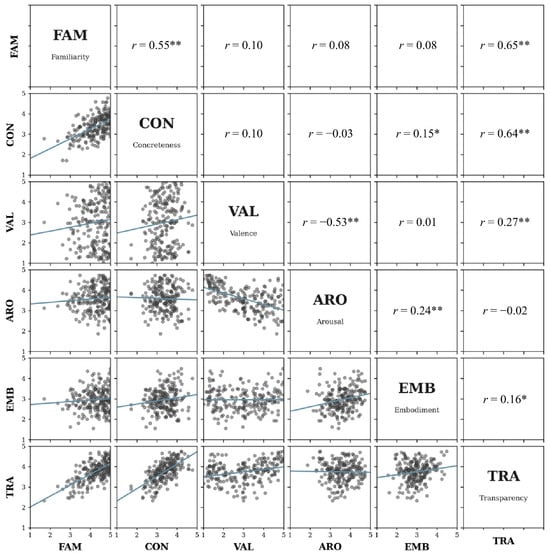
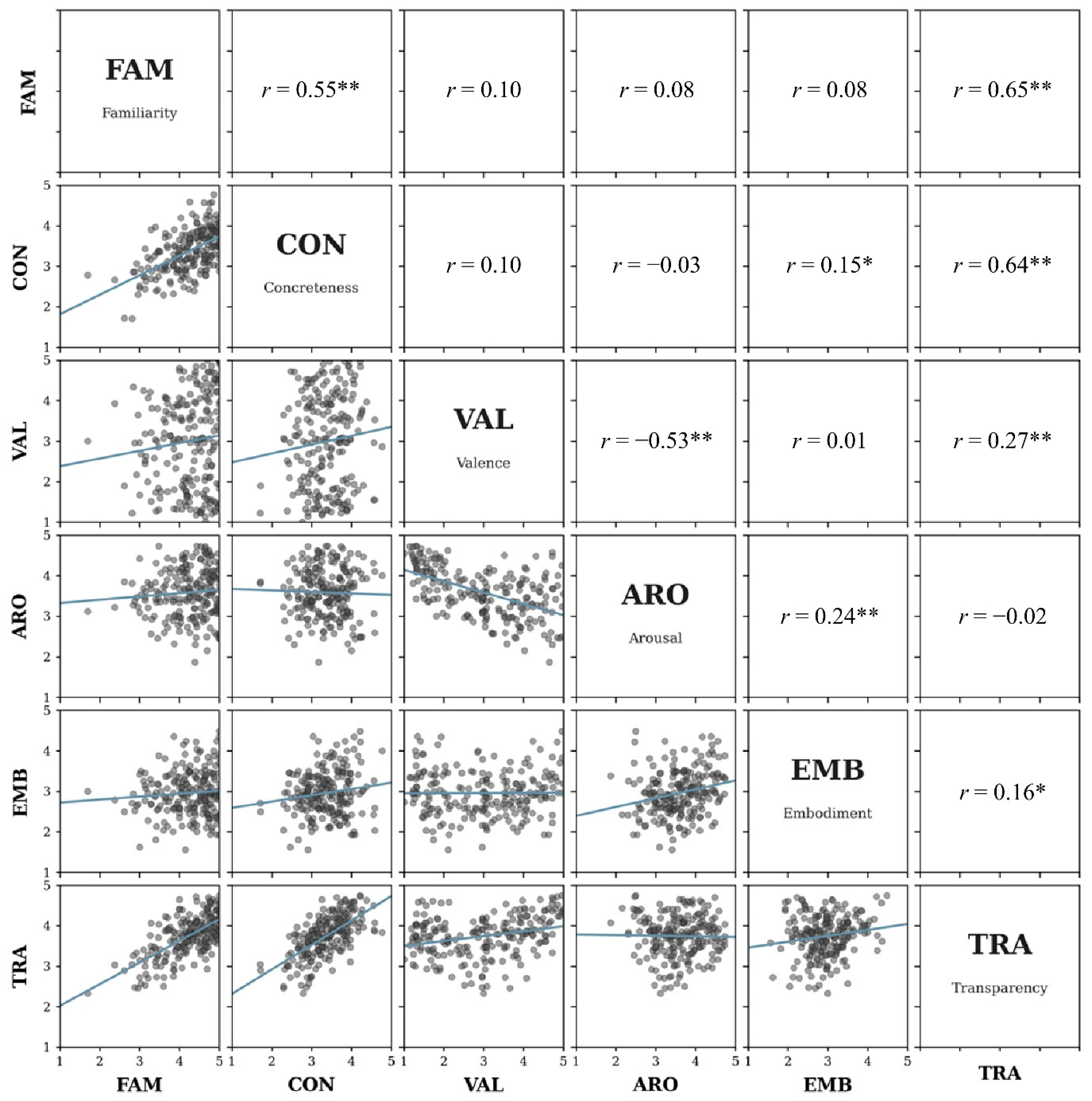
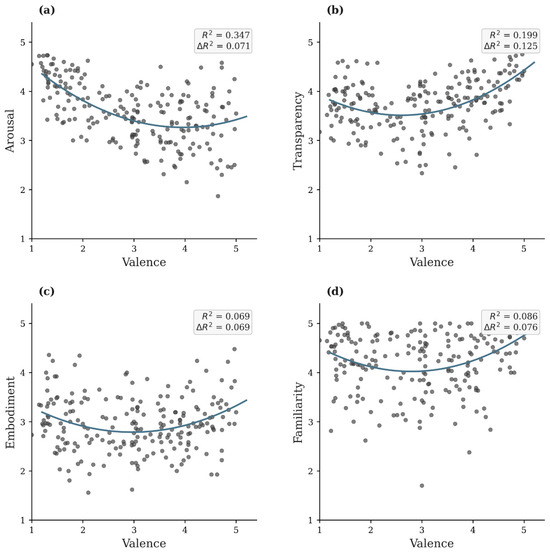
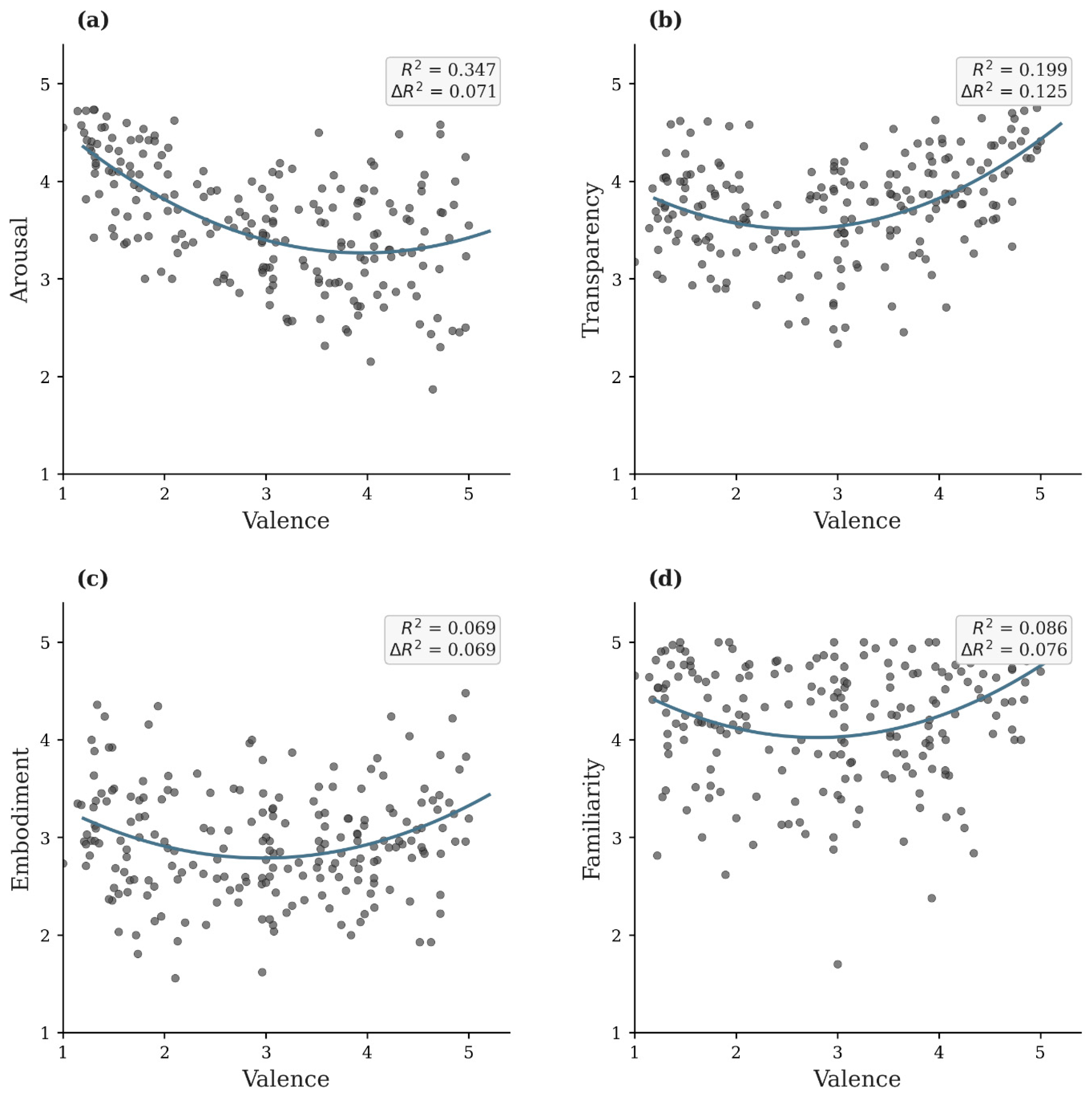
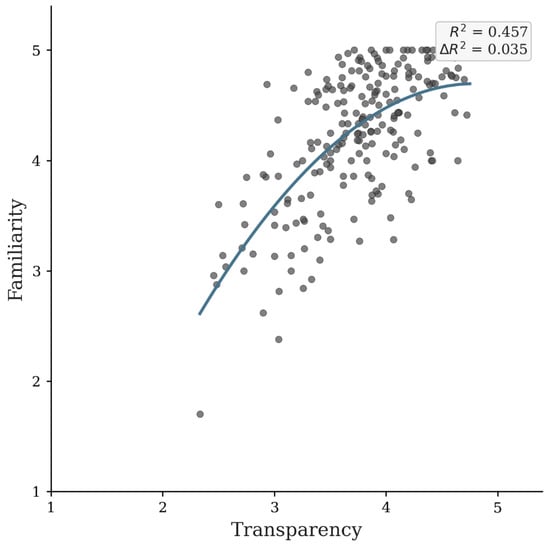
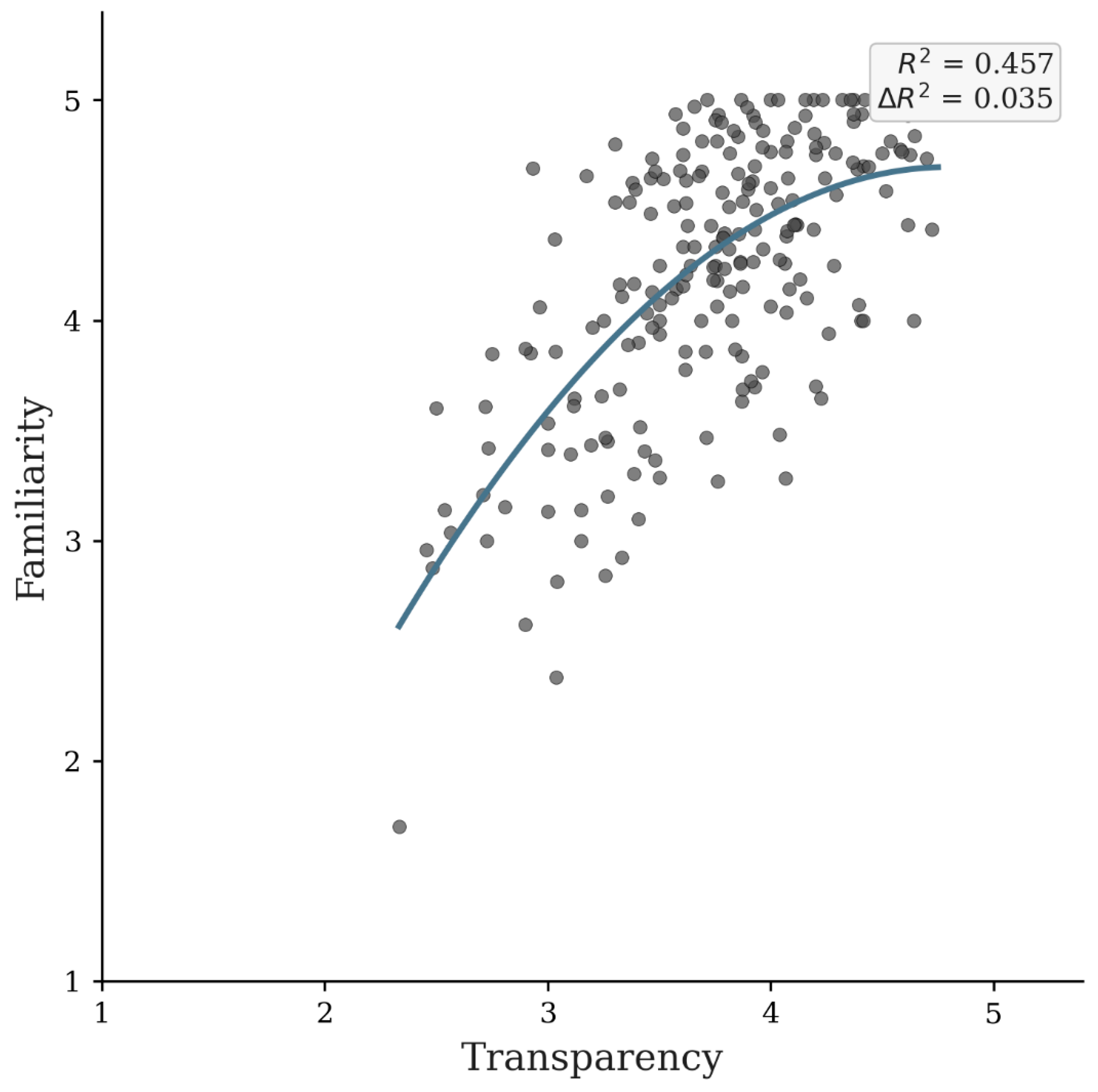

Disclaimer/Publisher’s Note: The statements, opinions and data contained in all publications are solely those of the individual author(s) and contributor(s) and not of MDPI and/or the editor(s). MDPI and/or the editor(s) disclaim responsibility for any injury to people or property resulting from any ideas, methods, instructions or products referred to in the content. |
© 2026 by the authors. Licensee MDPI, Basel, Switzerland. This article is an open access article distributed under the terms and conditions of the Creative Commons Attribution (CC BY) license.