


Abstract
The production of inexpensive, effective sorbents from natural materials for the purification of water bodies and/or soils is a pressing problem. Therefore, the purpose of this manuscript is to summarize current approaches to the use of brown coal (lignite) and its processing products (humic acids, HAs) as sorbents for the purification of aqueous and soil environments from heavy metal ions and other pollutants. Modification of lignite (chemical, biological, physicochemical) or the creation of lignite–mineral composites significantly increases its sorption capacity and stability: after modification, the sorption capacity can reach more than 85 mg of heavy metals per g of sorbent, which is only 3 times lower than that of specialized, expensive sorbents. Also, good results are achieved in the case of sorption of water-soluble organic drugs, dyes, etc. Humic acids obtained from brown coal have better selectivity and efficiency than the original lignite, and slightly worse than the modified one, in terms of removing cadmium, lead, copper, and other toxic elements; and also, can complex with organic xenobiotics. Current research trends indicate growing interest in multifunctional composite sorbents, environmentally friendly extraction technologies, and the development of materials with enhanced selectivity and regeneration ability. Future studies should focus on improving the understanding of sorption mechanisms, optimizing modification strategies, scaling up lignite-based technologies for practical environmental applications, and developing waste-free technologies to produce sorbents from lignite.
1. Introduction
Lignite (brown coal) is among the most widespread fossil fuels, playing an essential role in the energy sector of many countries, including Ukraine. Its high availability, considerable reserves, and low cost enable broad use in heat energy production and chemical industries. According to the International Energy Agency (IEA), Ukraine’s proven lignite and sub-bituminous coal reserves totaled approximately 2.9 billion tons as of late 2024, ranking the country 15th worldwide [1]. These reserves can sustain operations for at least 75 years, underscoring their strategic importance for national energy security [2].
Valuable components, such as humic acids (HAs), can be extracted from lignite. In the Dnipropetrovsk region (Ukraine), HA yields reach 35–50 wt.% on an analytical sample and 51–75 wt.% on the organic fraction [3]. Lignite thus has significant potential as a source of humic substances, which are widely used in agriculture, environmental protection, and as sorbents.
Modern global challenges—reducing greenhouse gas emissions, implementing climate-neutral technologies, and transitioning to renewable energy—necessitate reconsidering approaches to brown coal use. The European Green Deal (2019) envisions climate neutrality by 2050 and serves as a key policy benchmark for Ukraine [4]. Under the Paris Climate Agreement, Ukraine integrates global climate provisions into national strategic documents [5,6]. Ukraine’s Energy Strategy until 2050 outlines a gradual transformation of the coal sector to reduce fossil fuel dependence [6]. This transformation emphasizes low-carbon technologies and renewable energy development, aligned with international environmental standards and UN Sustainable Development Goals [7].
Given global efforts to reduce environmental impacts, studying rational lignite utilization pathways is increasingly relevant. One promising direction is the development of highly efficient sorption materials based on brown coal and its derivatives. This article reviews modern methods for obtaining, modifying, and applying sorbents derived from brown coal, with emphasis on heavy-metal sorption and environmental safety.
Despite the significant number of scientific publications devoted to the study of the sorption properties of brown coal and humic acids as separate adsorption materials, there are no works in the scientific literature that carry out a comprehensive analysis of their properties within the framework of a single study. Most available works focus either on the use of brown coal (lignite) as a natural sorbent or on the study of humic acids obtained from it as separate active components of sorption materials [8,9,10,11,12,13]. Some comparisons of the sorption properties of HAs and lignite focus on a limited number of samples, do not account for current trends, and are difficult to compare objectively because they lack sufficient information [14]. That is, there are practically no generalized comparative studies in the available publications that systematically examine the sorption properties of lignite and humic acids, the influence of the methods of their production on these properties, and the possibility of removing pollutants from both the aqueous phase and soils. In particular, the literature does not present generalized comparative tables that reflect the main characteristics of various sorption materials based on brown coal, the methods of their modification, sorption mechanisms, and indicators of purification efficiency. Such fragmentation of existing research complicates a comprehensive assessment of the potential of brown coal and humic acids as promising sorption materials. In this regard, it is relevant to summarize and systematize the modern literature and conduct a comparative analysis of various approaches to the use of lignite and humic acids in water and soil purification processes. This will allow us to determine the most effective directions for the application of GC and lignite, justify the feasibility of further research in this area, and outline the current limitations.
The search, screening, and selection of literature sources for this review were carried out in accordance with a structured, reproducible methodology adapted from modern review articles in the field of “green” use of fossil fuels, ecological materials, and sorption technologies. To search for scientific publications, the international scientometric databases Web of Science and Scopus, and the MDPI publishing platform were used, with a coverage of publications available as of December 2025. The search strategy was developed based on a combination of keywords related to lignite, humic substances, sorption materials, heavy-metal adsorption, water treatment, and the remediation of contaminated soils. The main search queries included: “lignite adsorption”, “humic acid sorbents”, “brown coal heavy metal removal”, “modified lignite adsorbents”, and “coal-derived sorption materials”. The inclusion criteria included peer-reviewed scientific papers that: investigated lignite or its processing products (humic substances, modified brown coal, and composites using them); presented experimental results on the removal of inorganic or organic pollutants; presented quantitative indicators of sorption efficiency, adsorption capacity, or degree of purification; described methodological approaches and experimental conditions necessary for comparative analysis. Works devoted exclusively to mathematical modeling without experimental confirmation of the obtained results and/or purely theoretical studies were excluded from the analysis. A number of our own previously published studies were also used.
2. Environmental Risks of Heavy Metal Pollution
Toxic pollutants, including heavy metals (HMs), are released by many industrial sectors: mining, metallurgy, electroplating, and the production of batteries, dyes, and leather goods. Heavy metals—defined as elements with density exceeding 4.5 g/cm3—include Cd, Hg, Pb, As, Cr, Cu, Ni, Zn, and Fe [8,15]. Industrial activities introduce these metals into the environment, where they accumulate in soils and aquatic ecosystems through natural geochemical cycles.
Heavy metals in the aquatic environment constitute a significant ecological and epidemiological threat due to their resistance to biodegradation and ability to bioaccumulate within trophic chains. Even trace concentrations (above 10 μg/L) of elements such as Cd, Hg, Pb, and As can cause acute and chronic forms of intoxication, including nephrotoxicity, osteotoxic lesions, hematological disorders, neurotoxicity, and carcinogenesis [8,13,15]. Particularly dangerous is hexavalent chromium (Cr(VI)), which is recognized as a highly toxic carcinogen with predominant effects on the respiratory tract. Excessive intake of Cr(III), Cu, Ni, and Zn is also associated with toxic effects impacting the liver, kidneys, and gastrointestinal organs [8,15].
Iron deserves special attention as one of the most widespread elements in Earth’s crust, present in natural waters primarily as dissolved Fe2+ and Fe3+ ions [16,17]. Iron enters aquatic systems through pipeline corrosion, mineral leaching, and anthropogenic activities such as agriculture, mining, and metallurgy [18]. Although iron is essential for erythropoiesis, cellular respiration, and energy metabolism, concentrations exceeding the WHO limit of 300 μg/L pose a threat to public health [19]. Excess iron deteriorates water quality by imparting a metallic taste, causing yellow-brown discoloration, and forming sediment. It also promotes the growth of iron-oxidizing bacteria, leading to biofilm formation, reduced pipeline throughput, and increased maintenance costs [17].
In Ukraine, pollution of water and soil environments with heavy metals has become particularly threatening due to the large-scale impact of hostilities, which include the destruction of industrial infrastructure, the release of toxic substances into water bodies and soils, and the increase in technogenic load on ecosystems. The situation is complicated by the fact that a significant part of Ukraine’s heavy and mining enterprises is concentrated in frontline regions or in zones of active hostilities, thereby significantly increasing the risk of large-scale environmental pollution with heavy metals and other hazardous substances. According to the Ministry of Environmental Protection of Ukraine, more than 30% of treated wastewater does not meet the standards for heavy metal content [20]. Elevated concentrations of Pb, Cd, Ni, and other toxic metals are particularly characteristic of areas near industrial enterprises, transport infrastructure, mining regions, and, especially, war zones, which leads to soil degradation, deterioration of aquatic ecosystems, and increased ecotoxicological risks [21].
Upper soil horizons are also intensively contaminated, especially near transport infrastructure, industrial enterprises, and open-pit mines. Maximum permissible concentrations of Pb, Cd, Cu, Zn, and Ni are significantly exceeded in these areas, sometimes by dozens of times [22,23,24]. Such ecological conditions lead to soil fertility degradation, reduced crop productivity, and increased ecotoxicological risks due to the transfer of toxic elements through trophic chains [25,26].
In this regard, the remediation of aquatic environment problems and soils from HMs has become essential for science and practice. Innovative approaches to deep purification of contaminated environments are being intensively developed within the global scientific community, including the use of natural, modified, bio-, and nanostructured sorbents [27]. Of particular significance in this regard are lignite-based sorbents, their modifications, and processing products (humic acids, HAs), which combine high efficiency in removing HM ions, availability, low cost, and regeneration capability [9].
The following sections present a review of modern technological solutions involving lignite-based sorbents, which are considered among the most promising tools for effectively detoxifying aquatic and soil environments.
3. Methods of Obtaining Sorbents from Lignite
Lignite is the youngest coal type, intermediate between peat and bituminous coal. It has a brownish-black color, a porous structure, and high chemical reactivity [14]. A complex organic–mineral composition characterizes lignite and contains significant amounts of humic substances, particularly humic acids, which are considered one of the main organic components of low-metamorphosed coals. Depending on the de-posit origin and degree of coalification, the content of humic acids in lignite can reach 35–70 wt.%, which determines its pronounced ion-exchange and complexation properties. The organic matrix of lignite consists predominantly of aromatic and aliphatic fragments containing oxygen-containing functional groups, while the mineral part includes silicates, carbonates, sulfides, and metal oxides.
Lignite contains abundant oxygen-containing functional groups: carboxyl (–COOH), hydroxyl (–OH), phenolic (Ar–OH), aldehyde (–CHO), and carbonyl (–C=O), which participate in metal cation chemisorption [10,28]. Among them, carboxyl groups play a particularly important role, functioning as key active centers of cation exchange. Due to this structure, lignite efficiently removes heavy metal ions from aqueous and soil environments. Lignite is also an abundant and inexpensive natural material, making it an attractive absorbent for various applications, particularly for water and soil purification from harmful compounds. However, the use of brown coal also has significant limitations. Its porosity and surface area are significantly lower than those of activated carbon, which reduces pollutant capture efficiency. In addition, the material’s high moisture content and reduced adsorption capacity at elevated temperatures complicate its practical application. The maximum adsorption capacity of brown coal was determined to be 1.41 mg/g [9,29]. To address these shortcomings of lignite as a potential sorbent, it is subjected to activation, processing, or extraction of specific groups of compounds. More effective sorbents can be extracted from brown coal by treating it with organic solvents (extracts) or alkalis. For example, it has been shown that toluene extracts may serve as sorbents [30]. However, humic acids (HAs), whose yield can exceed 70 wt.% [3,11], can be considered even more effective environmental cleansing agents.
It is logical that humic acids, like lignite, are characterized by the presence of functional groups such as carboxyl, phenolic hydroxyl, aldehyde, and carbonyl groups [31]. These functional groups impart to lignite-derived HAs unique chemical properties that form the basis of their wide practical application. The presence of these functional groups, primarily oxygen-containing, both in humic substances/acids and in the initial low-metamorphosed coal and the residue after extraction of HA, has been confirmed by the results of various instrumental studies, primarily infrared (IR) spectroscopy [11,12,32,33,34,35,36,37]. The relative content of oxygen-containing functional groups, calculated from the characteristic absorption bands of IR spectra, can be up to 35% [32]. A typical IR spectrum of humic acids is shown in Figure 1 [34].
Figure 1.
Typical IR spectrum of HA; representatives of oxygen-containing functional groups: 3386 cm−1—O–H stretching of alcohols and/or phenols; 1573 cm−1—COO aromatic asymmetric stretching; 1008-913 cm−1—aromatic ether C–O–C and C–O stretching of polysaccharide.
As shown in Figure 2 [35], various researchers have proposed several models of humic acid structure—from polyaromatic structures with numerous carboxyl groups (Fuchs model) to more complex polymeric formations combining aromatic and aliphatic fragments (Stiilink, Flaig, and Stevenson models). A common feature of all models is the combination of condensed aromatic rings with numerous functional groups, which confers high reactivity and a strong tendency to form metal complexes. This structural diversity explains the wide spectrum of adsorption properties of humic acids and their effectiveness in natural and technological processes.
Figure 2.
Structural models of humic acids illustrating the diversity of their functional groups.
3.1. Production of Lignite-Based Sorbents
The methodologies for producing sorbents from lignite are diverse. Ordinary (as-mined) lignite can act as a sorbent; however, its sorption properties are limited in this case. Therefore, lignite is subjected to grinding, activation, and other treatments. The choice of a specific preparation method is determined by the sorbent’s intended purpose, the type of target pollutants, the operating conditions, and potential reuse requirements.
Below are approaches to synthesizing lignite-based sorbents, as implemented in recent leading studies, along with indications of the technological features, the type of raw material used, and the efficiency of the resulting materials.
In the study [38], the sorbent was initially prepared by grinding the samples to a fine powder (<44 μm), thereby increasing the specific surface area and improving mass transfer kinetics. After sieving to the 20 × 40 mesh fraction, lignite was thoroughly washed with hot distilled water to remove fine-dispersed fractions and impurities that could interfere with adsorption. The obtained material was used in column experiments simulating a flow-through sorption mode. Regeneration of the sorbent after saturation was performed by washing with 0.1 M nitric acid (HNO3), which effectively removed accumulated metal cations and preserved lignite’s adsorption capacity over 3 cycles of use. Also, nitric acid modification [39] allowed for an increase in the capacity of the treated brown coal in relation to heavy metals by twofold.
In [40], a biological modification of lignite was proposed to improve its sorption characteristics. For this purpose, lignite from the Pingzhuang deposit (China) was exposed to the micromycete Fusarium lignite B3 in an aqueous medium at 24 °C, pH 6.0, for 24 h. Such treatment promoted the activation of oxygen-containing functional groups (–COOH, –OH, Ar–OH), thereby increasing the material’s surface hydrophilicity and porosity. After biotransformation, the lignite was washed to neutral pH, dried at 60 °C to constant weight, ground, and sieved. For further testing, the 825–1000 μm fraction was used. The adsorption equilibrium time was 120 min, and the maximum adsorption capacity for Cu(II) was 65 mg/g.
The synthesis of a composite sorbent “bentonite–lignite” (BL), combining the advantages of a clay mineral with the organic nature of lignite, was described in [41]. For the preparation of the composite, bentonite (BEN) from the Jelšový Potok deposit (fraction < 200 μm) and lignite (LIG) from Bełchatów (fraction < 400 μm) were used as starting materials. The components were mixed in different mass ratios (BEN:LIG = 80:20, 50:50, and 20:80) to obtain composite sorbents with varying structural and sorption characteristics.
The synthesis of a combined Mg-PL sorbent modified with magnesium and phosphorus was described in [42]. Lignite from the Shenbei region (China) was used as the raw material. The lignite was ground to a particle size of <75 μm, dried at 105 °C for 12 h, and subsequently treated with 0.5 M solutions of MgCl2·6H2O or KH2PO4 in a water bath at 80 °C for 1 h. After treatment, the material was washed to neutral pH, filtered, and dried to constant weight. The resulting Mg-L and P-L samples were then combined in a 1:1 mass ratio to form the composite sorbent Mg-PL. The prepared material was stored without further activation and used in adsorption experiments to remove Cd2+ ions at pH 5.0 ± 0.1, with a sorbent dosage of 1.0 g/L and a contact time of 24 h. This type of sorbent combines ion-exchange properties with high structural stability, thereby enhancing its effectiveness under stringent water treatment conditions.
3.2. Production of Humic Acids
Humic acids (HAs) are characterized by high biological activity and many functional groups capable of interacting with various substances. As a result, humic acids effectively retain nutrients in the soil, improve soil structure and water-holding capacity, and increase nutrient availability to plants. Although their extraction process is more complex and costly than using untreated or activated brown coal, the resulting adsorbents demonstrate significantly higher efficiency and broader functional capabilities [43]. Carboxyl and phenolic hydroxyl groups in HAs form complexes with metal ions, altering their activity and solubility, reducing their mobility and toxicity, and promoting nutrient release and soil fertility. Humic acids can accelerate the natural coalification or humification process of biomass waste during mild hydrothermal humification by up to 10 times.
Various methods for obtaining HAs are presented in Figure 3.
Figure 3.
Methods of Obtaining Humic Acids.
In general, the methods of obtaining humic acids (HAs) can be divided into three main directions: the classical method (treatment with alkalis and acids), preliminary decomposition of the organic mass of lignite, followed by the application of the classical technique, and physicochemical methods of breaking the bonds between HAs and the organic matrix of lignite. If the stage of treatment with mineral acids is absent, most of the compounds obtained can be considered to be acid salts (humates). However, these compounds also contain free acids. For the sake of simplicity, only the term humic acids will be used in further description in this manuscript.
The classical method, the so-called alkaline extraction with acid precipitation, is based on the alkaline extraction of HAs from brown coal (or other natural organic materials) followed by acid precipitation [11,44,45]. The material is treated with aqueous NaOH or KOH solution at room or elevated temperature. Has passed into the soluble form by disrupting hydrogen and hydrophobic interactions, separating them from the insoluble fraction. Then, by acid precipitation (e.g., with HCl), HAs are obtained in the solid phase, which is washed and dried [44,45].
Preliminary decomposition of the organic matrix is commonly achieved by treatment with alkaline sodium pyrophosphate solutions [3,11,46] or by toluene extraction [30]. In particular, humic acids were isolated from lignite via sequential alkaline processing with sodium pyrophosphate, followed by extraction with 1% sodium hydroxide and subsequent precipitation with excess hydrochloric acid [47]. The resulting humic acids were separated by centrifugation, thoroughly washed to remove residual impurities, and dried before further analysis.
Ultrasonic, microwave, hydrodynamic cavitation, and electrical activation methods are employed [48,49,50,51,52,53,54,55,56] to improve the efficiency of HA recovery:
- Ultrasonic waves induce cavitation bubble formation and microshocks that break hydrogen and hydrophobic bonds of HAs, enhancing diffusion rates 2.5–3.5 times compared to conventional stirring and extraction efficiency, achieving a 67.12% yield [51,52]. Active radicals (OH•, H2O2, ozone) promote oxidation and increase the content of functional groups;
- Microwaves provide internal volumetric heating, accelerating HA dissolution. Extraction with H2O2 from brown coal allows the isolation of fulvic acids, while KOH–urea extraction from low-condensed materials yields up to 36.1% of HAs [53,54];
- An electric field creates an oxidative environment at the anode, breaking active chemical bonds of the substrate and increasing the content of oxygen-containing functional groups [55]. Electrolysis of brown coal in NaOH allows the recovery of 10–70% HAs depending on the conditions [56].
Supercritical fluid extraction (SFE) employs supercritical fluids (polar inorganic solvents in a supercritical state), most often CO2, as solvents for the selective extraction of humic acids. Supercritical CO2 possesses unique properties: low viscosity, high diffusion coefficient, and tunable polarity at elevated pressure and temperature, enabling penetration into substrate pores and dissolution of target components. The process includes preliminary coal grinding, loading into the extraction apparatus, and passing the supercritical fluid through the material under controlled temperature and pressure. After extraction, the supercritical fluid is separated, yielding a pure HA concentrate free of solvent residues. SFE ensures an environmentally safe process by minimizing the use of organic solvents and allowing control over the selectivity of isolating different HA fractions [57,58,59,60,61]. A subtype of SFE is considered to be hydrothermal methods, which use subcritical (supercritical) water as a polar solvent and catalyst. Water breaks weak covalent and hydrogen bonds at 230–500 °C and 2–10 MPa pressures, hydrolyzes ether and ester groups, and forms HAs [44,45,62,63,64,65,66]. Alkalization and oxidation increase yields to 40–60% [67].
Microbial activation employs fungi and bacteria to biodegrade substrates and release HAs [68,69,70,71,72]. The stages include alkaline dissolution of the substrate, enzymatic depolymerization, and HA isolation. Surfactants and oxidants can also improve efficiency [68,70].
Mechanochemical activation is based on processing the substrate in the solid state using ball mills or mechanical activators, which create parametric centers and active radicals [73]:
- Oxidative activation: with sodium percarbonate, provides high yield and solubility of HAs [73];
- Catalytic activation: nanocatalysts (3D-MoS2-HN, DS-Fe-N-HC, TiO2-WO3) increase nutrient properties and nitrogen enrichment of humus [73,74,75,76].
Enzyme-assisted extraction relies on enzymes such as cellulases and ligninases, which depolymerize the organic components of coal, facilitating the release of humic acids. The process begins with grinding and substrate preparation, followed by enzyme treatment in an optimal buffer medium at moderate temperature and pH. Enzymes break down complex macromolecules, releasing water-soluble humic acids, which are then separated by filtration. To increase purity, dialysis or chromatography is applied. This method is more environmentally friendly since enzymes degrade and do not form toxic residues [69,77,78,79,80].
A comparison of the efficiency of specific HA production methods is presented in Table 1. The analysis indicates a wide spectrum of technological approaches, ranging from classical alkaline extractions to innovative physicochemical, biotechnological, and supercritical methods. The most accessible and technologically simple methods are alkaline extraction and microwave-assisted extraction, which yield high HA levels but have limited selectivity and may cause degradation of thermosensitive components. Ultrasound-assisted and mechanochemical activation methods demonstrate increased extraction efficiency due to disrupting chemical bonds and activating functional groups, but require careful parameter optimization and energy-intensive equipment.
Table 1.
Comparative table of HA production methods.
Microbiological and enzymatic methods are distinguished by high environmental safety and selectivity, although their scaling and control of technological parameters remain challenging. In contrast, supercritical fluid extraction and hydrothermal conversion ensure high purity and ecological friendliness, but they require expensive equipment and high energy consumption. Applying electric fields and enzymatic activation offers prospects for selectively modifying the HA structure, enabling the creation of functionalized sorbents with tailored properties.
Overall, the choice of HA production method should be made considering the balance between technological complexity, energy consumption, product yield, and functional properties, depending on specific application conditions—such as water and soil purification, fertilization, or complexation with metal ions. The proposed comparison of methods makes it possible to develop a scientifically sound strategy for selecting the optimal approach to lignite processing into sorption-active products.
4. Treatment of Aquatic Environments
The following section reviews the methods and efficiency of sorbents and the preparation techniques described in the previous chapters.
4.1. Adsorptive Treatment Using Lignite
As noted above, the advantages of lignite include significant specific surface area, high cation-exchange capacity, and resistance to chemical and biological degradation, which ensures long service life under conditions of anthropogenic load. Combined with its low cost and ease of disposal after adsorption, these properties make lignite a promising selective adsorbent for treating industrial wastewater [9].
The potential of lignite as a low-cost sorbent for treating acid mine drainage (AMD) was investigated in [38]. Owing to its ion-exchange properties associated with surface carboxyl and hydroxyl functional groups, lignite demonstrated effective removal of Fe(II), Fe(III), Mn(II), Zn(II), and Ca(II) ions. Maximum treatment efficiency was achieved under controlled pH conditions, while the use of fixed-bed columns ensured stable metal removal. Multi-column configurations achieved sorption capacities exceeding 90% after three cycles and extended breakthrough times. An important technological advantage is the ability to regenerate the sorbent with 0.1 M HNO3, restoring nearly 100% of the removal efficiency, reducing operational costs, and increasing the practical applicability of the process.
In view of the nature of the adsorbent used, the pH variation in the system can be explained by ion-exchange interactions occurring between lignite functional groups and ions in solution according to the following reactions:
L2Ca + 2H+ → L2H2 + Ca2+
L2Mg + 2H+ → L2H2 + Mg2+
A comprehensive study of the adsorption properties of natural lignite for removing divalent iron (Fe2+) ions from groundwater is presented in [9]. The authors analyzed the influence of key operational factors—pH of the medium, temperature, and initial metal ion concentration—on sorption efficiency and the sorbent’s regeneration potential. Equilibrium analysis showed that the Langmuir isotherm best described the experimental data (R2 = 0.983). The maximum adsorption capacity was 1.41 mg/g. Kinetic studies confirmed the pseudo-second-order model fit, indicating a dominant chemisorption mechanism. It was established that increasing temperature, pH, and the initial Fe2+ concentration enhances removal efficiency, indicating an endothermic process. The increase in entropy at the phase boundary was interpreted as an increase in system disorder during adsorption. Cyclic studies confirmed the material’s high stability: after four consecutive adsorption–regeneration cycles, lignite retained most of its sorption capacity, making it suitable for multiple reuse in water treatment systems. At the same time, the adverse effect of multivalent cations was noted, reducing Fe2+ removal efficiency due to competition for active sites.
The efficiency of Cr(VI) removal from model aqueous solutions using lignite and modified zeolite was investigated in [82]. Adsorption experiments were performed in batch mode to evaluate the influence of key operational parameters, including pH, sorbent dosage, and their mass ratio. The results showed that maximum Cr(VI) removal by lignite was achieved at pH = 4 with a sorbent dosage of 60 g/L. In contrast, zeolite required prior modification to ensure consistently high chromium removal efficiency across a broader pH range of 2–8, with an optimal dosage of 10 g/L. The combined application of lignite and modified zeolite at a 3:1 mass ratio resulted in purification efficiencies exceeding 99%, even without preliminary pH adjustment. Analysis of adsorption isotherms indicated that the Langmuir model best described lignite adsorption, whereas the Freundlich model provided a better fit for modified zeolite. Kinetic analysis revealed that the adsorption process follows a pseudo-second-order model, suggesting that the interaction between the sorbent surface and Cr(VI) ions is predominantly chemical in nature.
The sorption properties of lignite from the Konya deposits (Turkey) were investigated in [83]. The adsorption capacity of the sorbents was evaluated under controlled conditions, with parameters including contact time, initial pH, Cr(VI) concentration, temperature, and sorbent dosage. The highest removal efficiency for Cr(VI) was observed within a narrow pH range of 2.0–3.2, while the equilibrium pH varied depending on the specific lignite sample and ranged from 2.3 to 3.2.
Isotherm analysis indicated that the Freundlich model adequately describes the adsorption process, and equilibrium in dynamic experiments was achieved within approximately 80 min. The maximum sorption capacity ranged from 6.8 to 12.4 mM/g, depending on the characteristics of the investigated samples. A slight decrease in the equilibrium constant with increasing temperature suggested that the adsorption process was exothermic.
In terms of Cr(VI) removal efficiency, several lignite samples demonstrated adsorption performance comparable to that of commercial activated sorbents, confirming their significant potential for practical application in wastewater treatment technologies.
The sorption properties of a mineral–organic composite based on bentonite and lignite for the removal of organic pollutants from aqueous solutions were investigated in [41]. Among the tested materials, the BL 20:80 composite (20% bentonite, 80% lignite) demonstrated the highest adsorption efficiency, exhibiting sorption capacities of 22.8 mg/g for Rhodamine B, 18.9 mg/g for Remazol Brilliant Blue R, 1.77 mg/g for ibuprofen, 1.47 mg/g for sulfamethoxazole, and 4.7 mg/g for the anionic surfactant SDBS. The adsorption efficiency was strongly influenced by the pH of the solution. Optimal sorption of sulfamethoxazole (STX) and Rhodamine B (RB) occurred under slightly acidic conditions (pH 4–7), whereas Remazol Brilliant Blue R (RBBR) and ibuprofen (IB) were more effectively adsorbed in alkaline media (pH > 7). Lignite played a key role in determining the composite’s sorption performance due to its high organic matter content (≈43% TOC) and the presence of a well-developed system of functional groups (–COOH, –OH), which facilitates both cation and anion exchange processes.
Additionally, lignite’s relatively high hydrophobicity (contact angle of 58.9°) enhanced the retention of weakly polar molecules, such as ibuprofen. Experiments conducted with real wastewater samples confirmed that applying BL 20:80 at 10 g/L significantly reduced concentrations of organic pollutants. At the same time, the leaching of elements from the composite remained below international drinking water quality standards, except for Mn (0.06 mg/L), which slightly exceeded the EU limit but remained within WHO permissible levels.
Overall, these results demonstrate that lignite-containing mineral–organic composites represent a promising low-cost and efficient sorbent for the removal of a wide range of organic contaminants from wastewater.
The sorption process using modified lignite [10,40,41] also deserves attention, given its potential as an effective and economically feasible adsorbent for removing heavy metal ions from aqueous environments. Untreated lignite is characterized by relatively low adsorption capacity for heavy metal ions, ranging from Pb 30 mg/g to Cu 26 mg/g. Such sorption capacity is inferior to synthetic ion-exchange materials, which significantly limits its practical applicability in water treatment and contaminated soil remediation [40]. Consequently, in recent years, various approaches to lignite modification have been actively implemented to increase its porosity (void content from 3.85% to 6.12%), the content of active functional groups, and chemical stability. The application of such technologies significantly enhances lignite’s adsorption capacity and aligns its properties with modern environmental remediation requirements.
The use of calcium-modified lignite for the removal of heavy metals from water was investigated in [10]. Natural lignite typically exhibits relatively low sorption capacity; however, its adsorption properties can be significantly enhanced through modification with Ca(OH)2. During this treatment, active carboxyl and hydroxyl functional groups are converted into their calcium forms, which enables effective ion exchange with heavy metal ions (Me2+) according to the following reaction:
(R–COO)2Ca + Me2+ ⟷ (R–COO)2Me + Ca2+
After modification, the cation-exchange capacity (CEC) was 2–4 meq/g, with the highest (3.99–4.0 meq/g) observed for sapropelite lignite. Experiments also confirmed high sorbent selectivity for Pb and Cu: at low concentrations, the selectivity coefficient for Pb exceeded 70, while for other ions it decreased in the order: Pb > Fe2+ > Cu > Zn ≈ Cd ≈ Co > Ni. For Zn, equilibrium was well described by the Langmuir model (KL = 0.191 m3/mol, Qmax = 1.47 mol/kg). Kinetic studies showed the process to be slow: equilibrium was reached only after 24 days, and efficiency decreased with increasing Zn concentration.
The potential application of modified lignite as a low-cost and efficient adsorbent for removing heavy metal ions from aqueous solutions was investigated in [40]. Pinzhuang lignite was used as the raw material and subjected to biotransformation with the Fusarium lignite B3 strain, yielding a bio-modified lignite adsorbent (BLA). Microbial treatment significantly increased the oxygen, hydrogen, and nitrogen contents in the BLA structure and increased the specific surface area from 1.81 to 5.66 m2/g, indicating substantial improvements in the morphological and chemical characteristics of the adsorbent and promoting stronger interactions with metal ions.
To evaluate the removal efficiency of heavy metals from aqueous solutions, Cu(II) was selected as a model contaminant. Kinetic studies showed that the pseudo-second-order model well describes the adsorption process, while the equilibrium data fit both the Langmuir and the Freundlich isotherm models, with the Freundlich model providing a better fit, suggesting a heterogeneous adsorption surface and the possibility of multilayer adsorption.
The maximum theoretical adsorption capacity for Cu(II) calculated using the Langmuir model was 71.47 mg/g. In contrast, the experimentally determined value under dynamic conditions was 65 mg/g, with equilibrium achieved after approximately 120 min. The results also indicated that neutral pH conditions and larger sorbent particle sizes favor more efficient adsorption of heavy metal ions.
Comparative analysis between untreated lignite and BLA demonstrated a significant enhancement in the sorption capacity of the bio-modified material for Cu(II), Hg(II), Mn(II), and Cd(II), with the effectiveness decreasing in the order: Cu(II) > Hg(II) > Mn(II) > Cd(II). At a 50 mg/L initial concentration, raw lignite showed capacities of 2.5, 1.3, 1.6, and 1.1 mg/g for Cu(II), Mn(II), Hg(II), and Cd(II), respectively. BLA achieved 11.2, 9.0, 9.8, and 9.1 mg/g for these metals, with an average removal rate of 93.4% versus 15.5% for raw lignite. SEM–EDS and FTIR analyses confirmed increased surface area, porosity, and concentration of active functional groups (–COOH, Ar–OH, R–OH) [40].
Overall, the results demonstrate that bio-transformed lignite is a promising, low-cost, environmentally friendly adsorbent for the removal of toxic metal ions from aquatic environments. The proposed biological modification method is energy-efficient, does not require aggressive chemical reagents, and achieves high efficiency in both sorption and metal passivation.
4.2. Adsorptive Treatment Using Humic Acids (HAs)
Based on modern literature sources [4,11,84,85,86], it has been established that one of the most promising directions for the purification of aquatic environments from heavy metal ions is the use of sorption materials based on humic acids, including alkali metal salts—humates—obtained from lignite and other organic raw materials. The high efficiency of such sorbents is determined by the unique physicochemical properties of humic acids, which are natural high-molecular-weight polyelectrolytes with a pronounced heterogeneous structure.
According to [87], the molecular weight of humic acids varies widely—from 1500 to 50,000 atomic mass units—depending on the raw material’s geological origin and the specific extraction method. This variability allows humate properties to be tailored to specific technological tasks. The high molecular weight, combined with the presence of a significant number of oxygen-containing functional groups—carboxyl, hydroxyl, phenolic, and alcoholic—forms active sorption centers responsible for the material’s ion-exchange and chelating properties.
Phenolic and carboxyl groups integrated into the aromatic cores of the polymer matrix of humic acids play a significant role in the processes of metal ion removal. These groups can form stable complexes with heavy metal cations, thereby ensuring high selectivity and sorption efficiency even in the presence of competing ions in aquatic environments [11,84,85,86]. Such chemical composition and structure define humic acids as highly effective natural sorbents for the purification of water from toxic metals. The technology for obtaining humates involves the alkaline extraction of humic acids from lignite, forming water-soluble alkali metal salts [11,85]. These compounds show high sorption activity toward toxic heavy metals, including Hg, Pb, and Cd, as well as industrial effluent metals (Cu2+, Zn2+, Ni2+, Cr3+/Cr6+). Humate functional groups effectively remove these ions even at concentrations as low as 5 mg/L.
For example, ref. [88] reported that numerous –COOH and –OH functional groups in HA can participate in the formation of Cu(II) metal complexes through ion exchange and hydrogen bonding [89]. Based on the well-known coordination chemistry of humic substances, the possible reaction pathways include proton displacement and the formation of hydroxide bridges:
2(–ROH) + Cu2+ → (RO)2 Cu + 2H+;
2(–RCOOH) + Cu2+ → (RCOO)2 Cu + 2H+;
2(–ROH) + (CuOH)2 → (–ROH)2 Cu(OH)2;
2(–RCOOH) + (CuOH)2 → (–RCOOH)2 Cu(OH)2.
2(–RCOOH) + Cu2+ → (RCOO)2 Cu + 2H+;
2(–ROH) + (CuOH)2 → (–ROH)2 Cu(OH)2;
2(–RCOOH) + (CuOH)2 → (–RCOOH)2 Cu(OH)2.
These interaction pathways are generally considered representative of the complexation of other heavy metal ions, including Pb2+, Cd2+, etc., with humic substances.
Humates’ ion-exchange and chelating properties enable selective sorption that depends on pH, temperature, ionic strength, and competing ions, thereby adapting the process to specific purification conditions. The complexes formed can be effectively removed from aqueous solutions using ultrafiltration, membrane separation, or electrochemical desorption methods, thereby enabling water purification and concentrating pollutants to levels suitable for further disposal or recovery [11,85].
An additional advantage of humic sorbents is their reuse after regeneration, which reduces operational costs and enhances the overall efficiency of the technological process. In the context of modern requirements for environmental safety and sustainable development, such sorbents are considered a practical and accessible alternative to traditional methods for treating industrial and municipal wastewater contaminated with toxic metals.
5. Application of Lignite and Humic Acids in the Remediation of Soils Contaminated with Heavy Metals
One promising approach to detoxifying such soils is the use of natural sorbents, particularly brown coal (lignite). Applying lignite-based sorbents reduces the bioavailability and mobility of toxic elements in the soil environment [40]. In addition, lignite stabilizes the agrophysical properties of soil, including buffering capacity, structure, and humus content, thereby indirectly enhancing its fertility [90].
Lignite-derived humic substances for soil remediation from cadmium were investigated in [91]. In Cd-contaminated soils, barley shoot biomass decreased by 28–37% versus control. However, humic substance application increased root biomass by 186% in silty soil and 55% in sandy loam. These results demonstrate lignite-derived humic substances as effective bioactivation agents for phytoremediation of Cd-contaminated soils. The immobilization of Cd2+ is associated with the ability of humic substances to form stable inner-complex compounds with carboxylic and phenolic functional groups according to the reactions:
or through bidentate chelation:
where Cd2+ is simultaneously coordinated with oxygen atoms of carboxylate and phenolate functional groups.
Cd2+ + 2(HA–COO−) → HA–(COO)2Cd
Cd2+ + HA → [HA–Cd]2+complex,
Lignite-derived humic substances for soil remediation from cadmium were investigated in [91]. In Cd-contaminated soils, barley shoot biomass decreased by 28–37% versus control. However, humic substance application increased root biomass by 186% in silty soil and 55% in sandy loam. These results demonstrate that lignite-derived humic substances are effective bioactivation agents for the phytoremediation of Cd-contaminated soils.
The potential of modified brown coal for the removal of cadmium ions from both soils and aqueous media was examined in [42]. Within the work, two functionalized materials (Mg-LM and P-LM) were synthesized by chemical impregnation of brown coal with magnesium and phosphate ions, respectively. The main objective was to enhance the adsorption and immobilization efficiency of Cd(II) in contaminated water and soil systems. Physicochemical characterization demonstrated the successful incorporation of exchangeable magnesium ions into the Mg-LM structure, accompanied by improved pore morphology of the material. In the case of P-LM, an increase in the concentration of oxygen-containing functional groups and higher levels of exchangeable calcium and phosphorus were observed, both of which positively influenced chemical interactions with cadmium. Adsorption processes on both materials followed a pseudo-second-order kinetic model and were well described by the Langmuir isotherm. The maximum adsorption capacity of Cd(II) reached 1033 mg/g for Mg-LM and 55 mg/g for P-LM. In soil tests, the most effective reduction in DTPA-extractable cadmium was achieved with P-LM (32.9%), while Mg-LM showed 20.2% and unmodified brown coal 11.1%. The data indicate that both modified materials can convert cadmium from mobile (acid-soluble and reducible) fractions into stable forms with low bioavailability. Spectroscopic analyses using XRD, FTIR, and XPS identified the main mechanisms of Cd(II) adsorption and immobilization, among which electrostatic interactions, ion exchange, surface complex formation, and precipitation processes played key roles. Therefore, Mg-LM is recommended for water treatment, while P-LM proved more effective in cadmium fixation in contaminated soils, confirming their potential for environmental remediation technologies.
The effectiveness of natural organic surfactants, particularly humic acids (HAs) derived from brown coal, for the simultaneous removal of heavy metals (HMs) and polychlorinated biphenyls (PCBs) from heavily contaminated industrial soil in northern Italy was evaluated in [92]. Owing to the supramolecular organization of humic acids in aqueous solutions, pseudo-micellar domains are formed, which facilitate the desorption of hydrophobic organic pollutants from soil particle surfaces. Simultaneously, the acidic functional groups of HAs chelate heavy metal cations, enhancing their mobility and subsequent removal.
Experimental results demonstrated that a single soil-washing step with an HA solution effectively reduced the concentration of both organic and inorganic contaminants. At solution-to-soil ratios of 1:1 and 10:1, the removal efficiencies for PCB congeners reached 68% and 75%, respectively. The average removal efficiency for heavy metals was 47%, with maximum values of 57% for Hg and 67% for Cu. Compared with water, HA solutions exhibited significantly higher remediation efficiency due to heterogeneous functional groups capable of complexation and the formation of hydrophobic domains that retain organic xenobiotics.
In [93], humic substances obtained from the waste streams of humic acid production of coal origin were investigated as promising materials for the remediation of cadmium pollution in soils and aquatic environments. Samples from different coal sources were studied: Shanxi (S-CHM), Heilongjiang (D-CHM), and Inner Mongolia (N-CHM). It was found that S-CHM exhibited a high specific surface area and a microporous structure (8.57 nm), providing a large number of active adsorption centers and a dominance of chemisorption. In contrast, D-CHM and N-CHM contained more polycyclic aromatic hydrocarbons, had lower molecular weights, and had a larger number of aliphatic chains, indicating the predominance of physical adsorption. Adsorption studies showed that the maximum capacity of S-CHM for Cd(II) reached 72.46 mg/g, and the main mechanisms of cadmium binding were complexation, ion exchange, and surface adsorption involving carboxyl and hydroxyl groups. In vegetation experiments, the introduction of humins into Cd-contaminated soil contributed to a decrease in the proportion of acid-soluble forms of cadmium by 2.47–8.12%, a decrease in the biological activity coefficient by 2.47–8.10%, and a decrease in the ecological risk index (KRSP) by 21.01–28.56%, which indicates an effective inhibition of Cd migration and mobility in the soil, an increase in its immobilization and a decrease in ecological risk.
Thus, soil washing with humic substances is highly effective and environmentally sound, avoiding aggressive synthetic reagents or organic solvents. This approach preserves soil ecosystem biodiversity, promotes the natural degradation of residual pollutants, and increases the efficiency of subsequent reclamation technologies, including bio- and phytoremediation. Furthermore, applying HAs reduces the environmental burden and simplifies the disposal of extracted contaminants, since HA-enriched solutions can be safely incinerated off-site. Another advantage is the preservation of metabolically active carbon in soil, which stimulates the further mineralization of residual organic matter. Therefore, humic-based surfactants represent a promising, environmentally friendly, and economically viable alternative to synthetic agents in the remediation of soils contaminated with heavy metals and persistent organic pollutants.
6. Critical Analysis and Discussion
Based on the literature review, a summary table (Table 2) was prepared to systematize data on sorption materials and remediation methods. The table includes sorbent types, modification methods, target pollutants, sorption mechanisms, maximum capacities, and optimal conditions. Only quantitative sorption values are included, enabling comparative analysis of lignite, modified coal, and humic acids.
Table 2.
Lignite-based sorbents, modifications, and their efficiency.
The results presented in Table 2 indicate that lignite and its modification products have a wide range of sorption properties that can be adapted to specific water and soil remediation conditions. However, a comparison of the efficiency of different lignites, modified forms, and HA is possible only if the following assumptions are made:
- -
- Practical results do not differ significantly from theoretical ones (for example, Langmuir model);
- -
- Within the framework of the studies, the main influence is determined by the type of sorbent and the concentration of the substances being removed; this implies a dependence close to proportional between the initial concentrations and sorption capacity.
Natural lignite is characterized by low cost and satisfactory efficiency in removing Fe, Mn, Zn, and Ca; however, its limited specific surface area and porosity necessitate additional activation, although some types of unmodified brown coal may compete with modified samples obtained from other types of lignite in terms of quality characteristics (for example, see line 2 (natural lignite) and line 6 (modified lignite), line 3 (natural lignite) and line 7 (modified lignite), Table 2).
Chemical modifications, including treatments with HNO3, Ca(OH)2, MgCl2, and KH2PO4, etc., significantly enhance ion-exchange capacity and selectivity for Pb, Cu, and Cd, while also promoting the formation of stable, sparingly soluble metal compounds that ensure long-term pollutant fixation in the environment. For instance, un-modified Turkish lignite exhibits sorption capacities of 5.22 mg/g for Zn2+ and 11.46 mg/g for Cd2+ at initial concentrations of 1308 and 2248 mg/L, respectively [14]. In comparison, Ca-modified lignite achieves 96.1 mg/g for Zn2+ with a concentration of 1307 mg/L, and HNO3-modified lignite doubles Pb2+ capacity from 14.5 to 30.7 mg/g [39,83].
Biological modification of lignite and the synthesis of bentonite-based composites enhance the formation of additional functional groups and porosity, enabling these materials to remove heavy metals and organic xenobiotics simultaneously. Specifically, bio-modified lignite (BLA) demonstrates capacities of 24.4, 20.6, 16.1, and 13.2 mg/g for Cu2+, Hg2+, Mn2+, and Cd2+, respectively, achieving an average removal rate of 93.4% [40]. In contrast, unmodified lignite under identical conditions shows capacities of only 2.5, 1.6, 1.3, and 1.1 mg/g for the same metals, with a removal rate of 15.5%. The bentonite–lignite composite (BL 20:80) achieves sorption capacities of 22.8 mg/g for Rhodamine B and 18.9 mg/g for Remazol Brilliant Blue R [41].
Humic acids occupy a special place due to their numerous carboxyl and phenolic groups (with a higher content of active groups than lignite), their high selectivity towards toxic elements (Cd, Pb, Hg, Cu), and their effective binding of organic pollutants. Their derivatives, in the form of humates or nanostructured systems, can combine mechanisms of chemisorption, chelation, and pseudomicellar desorption, thereby ensuring simultaneous detoxification of metals and organics. Comparative analysis at pH 5.7 and 25 °C shows that humic acids achieve sorption capacities of 7.26 mg/g for Zn2+ (concentration: 1308 mg/L) and 16.83 mg/g for Cd2+ (concentration: 2248 mg/L), with removal efficiencies of 49.5% and 73.8%, respectively [14]. Under identical conditions, unmodified lignite yields only 5.22 and 11.46 mg/g for Zn2+ (concentration: 1308 mg/L) and Cd2+ (concentration: 2248 mg/L), with efficiencies of 35.6% and 50.2%, respectively. Mg-modified lignite demonstrates the highest capacity of 1033 mg/g for Cd2+ even at lower concentrations (500 mg/L) [40].
However, the efficiency of humic acids in soil purification is significantly better than that of modified lignites (see lines 13, 14, 15, and 10, Table 2, respectively). The results also suggest that HA extracted from soil and converted into an insoluble form (line 12, Table 2) may exhibit higher efficiency than HA (possibly soluble) from lignite (line 11, Table 2). Such trends suggest that for the purification of aquatic environments, it is advisable to use insoluble HA, the efficiency of which approaches that of modified ligands (capacity 7.03 mg/g for Cd2+ even at concentrations of 40 mg/L [42] and capacity 1033 mg/g for Cd2+ even at concentrations of 500 mg/L [42], respectively). At the same time, coal-based humin residues obtained after HA extraction (line 15, Table 2) demonstrated adsorption capacities of up to 72.46 mg/g for Cd2+, which is substantially higher than that of unmodified lignite and comparable with several modified lignite-based sorbents. In addition, these residues effectively reduced the proportion of acid-extractable Cd fractions. They reduced the ecological risk index (KRSP) by up to 28.56%, indicating not only efficient adsorption but also long-term cadmium immobilization in soil systems.
It should also be noted that initial attempts to use waste/residues generated during HA production are described in the technologies reviewed [21,93]; these residues also showed quite good sorption properties.
7. Conclusions
This review presents the first comprehensive analysis of brown coal and its processing products (modified lignite, lignite–mineral composites, and humic acids) as natural sorbents. The analysis enables recommendations for effective sorption of heavy metal ions and organic pollutants from water and soil systems. A structured classification of lignite sorbent production and modification technologies has been proposed, integrating chemical, biotechnological, mechanochemical, and compositional approaches.
A synthesis of the literature indicates that:
- Lignite is an accessible and economically advantageous raw material for the development of sorbents capable of effectively removing heavy metal ions and organic pollutants;
- Modification of lignite (chemical, biological, mechanochemical) significantly expands its sorption properties by increasing its specific surface area and the number of functional groups;
- The use of lignite-based composites in combination with minerals (bentonite, zeolite) or cationic modifiers enhances the stability and durability of the sorbents;
- Humic acids and their salts exhibit high selectivity and complexation capacity, making them effective detoxification agents. Their water solubility renders them more promising sorbents than brown coal for soil remediation;
- Technologies based on lignite-derived sorbents are environmentally safe, accessible, and scalable, making them promising for application in industrial and municipal wastewater treatment systems and soil remediation programs;
- The low cost and wide availability of lignite resources indicate strong potential for the development of economically feasible sorption technologies.
Therefore, lignite and its derivatives can be considered a strategic raw material for developing practical, low-cost, and environmentally friendly technologies to remove toxic metals and organic pollutants from the environment.
However, several limitations currently prevent scaling up lignite use as a sorbent. Key research gaps include:
- The heterogeneity of experimental conditions in the analyzed works;
- The insufficient number of studies devoted to the use of humic acids as independent sorbents and the absence of studies on the modification of HA;
- The practically absent studies on the use of residual coal (the residue after the extraction of HAs from lignite), although it has a similar content of functional groups to lignite and HA;
- The lack of detailed economic evaluations addressing regeneration efficiency, reuse potential, and large-scale engineering applicability of lignite-based sorbents.
Therefore, further research should be directed specifically in these three directions, enabling the use of brown coal as an accessible, low-cost natural raw material in industrial water purification and soil remediation systems.
In addition to the relatively new research areas mentioned above, based on the obvious effectiveness of lignite and HAs modification, it is advisable to develop and review the work. Promising areas of further research are the development of combined methods for modifying lignite and its processing products, combining chemical activation, the introduction of metal-containing components, and surface functionalization of humic substances. It is advisable to pay special attention to the creation of composite sorbents based on lignite, humic acids, and coal residues. Accordingly, further research should focus on the in-depth study of sorption mechanisms, the stability of materials in real environments, and the feasibility of their practical scaling for ecological cleaning technologies.
Author Contributions
Conceptualization, S.P. and M.S.; formal analysis, M.S. and Y.L.; data curation, Y.L. and A.H.; writing—original draft preparation, S.P., M.S., Y.L., and A.H.; writing—review and editing, S.P.; visualization, Y.L. and A.H.; supervision, S.P. All authors have read and agreed to the published version of the manuscript.
Funding
The authors acknowledge the financial support of this paper by the Ministry of Education and Science of Ukraine under grant (Zeltech/0124U000516).
Data Availability Statement
The original contributions presented in this study are included in the article.
Conflicts of Interest
The authors declare no conflicts of interest.
References
- International Energy Agency. Coal Information: Overview—2024 Edition; IEA: Paris, France, 2024; Available online: https://www.iea.org/reports/coal-information-overview (accessed on 20 May 2025).
- Pyshyev, S.V.; Miroshnychenko, D.V.; Shved, M.Y.; Korchak, B.O.; Lebedev, V.V. Register of Lignite Deposits of Ukraine Recommended for Use in “Green” Technologies: Handbook; Spolom: Lviv, Ukraine, 2024; 148p. (In Ukrainian) [Google Scholar]
- Pyshyev, S.; Miroshnichenko, D.; Shved, M.; Riznyk, V.; Bilushchak, H.; Borisenko, O.; Miroshnychenko, M.; Lypko, Y. Forecasting Potential Resources of Humic Substances in the Ukrainian Lignite. Resources 2025, 14, 117. [Google Scholar] [CrossRef] [Scilit]
- European Council; Council of the European Union. European Green Deal. Available online: https://commission.europa.eu/strategy-and-policy/priorities-2019-2024/european-green-deal_en (accessed on 20 May 2025).
- Cabinet of Ministers of Ukraine. On the Approval of the Energy Strategy of Ukraine for the Period Until 2050: Order of 21 April 2023 No. 373-r; Cabinet of Ministers of Ukraine: Kyiv, Ukraine, 2023. Available online: https://zakon.rada.gov.ua/laws/show/373-2023-p#Text (accessed on 20 May 2025).
- Ministry of Environmental Protection and Natural Resources of Ukraine. Analytical Review of Ukraine’s Updated Nationally Determined Contribution to the Paris Agreement. July 2021. Available online: https://mepr.gov.ua/wp-content/uploads/2023/07/Analitychnyj-oglyad-NVV-lypen-2021.pdf (accessed on 20 May 2025).
- United Nations. Transforming Our World: The 2030 Agenda for Sustainable Development. Resolution Adopted by the General Assembly on 25 September 2015 (A/RES/70/1); United Nations: New York, NY, USA, 2015. Available online: https://docs.un.org/en/A/RES/70/1 (accessed on 20 May 2025).
- Mei, Y.; Zhuang, S.; Wang, J. Adsorption of heavy metals by biochar in aqueous solution: A review. Sci. Total Environ. 2025, 968, 178898. [Google Scholar] [CrossRef] [Scilit]
- Quansah, J.O.; Obiri-Nyarko, F.; Karikari, A.Y. Adsorptive removal of dissolved iron from groundwater by brown coal—A low-cost adsorbent. J. Contam. Hydrol. 2024, 260, 104283. [Google Scholar] [CrossRef] [Scilit]
- Jochova, M.; Punocha, M.; Horacek, J.; Stamberg, K.; Vopalka, D. Removal of heavy metals from water by lignite-based sorbents. Fuel 2004, 83, 1197–1203. [Google Scholar] [CrossRef] [Scilit]
- Miroshnichenko, D.; Lebedev, V.; Shved, M.; Fedevych, O.; Pyshyev, S. Valorization of Lignite Use in “Green” Technologies: A Review. Chem. Chem. Technol. 2025, 19, 157–173. [Google Scholar] [CrossRef] [Scilit]
- Yuliani, G. Potential application of lignite as adsorbents in industrial wastewater treatment: A mini review. Bul. Sumber Daya Geol. 2015, 10, 46–53. [Google Scholar] [CrossRef] [Scilit]
- Mlayah, A.; Jellali, S.; Azzaz, A.A.; Jeguirim, M.; Sellalmi, H.; Hamdi, N. Investigations on lignite use for lead removal from aqueous solutions under static and dynamic conditions: Adsorption properties and mechanism exploration. Comptes Rendus Chim. 2021, 24, 7–22. [Google Scholar] [CrossRef] [Scilit]
- Pehlivan, E.; Arslan, G. Comparison of adsorption capacity of young brown coals and humic acids prepared from different coal mines in Anatolia. J. Hazard. Mater. 2006, 138, 401–408. [Google Scholar] [CrossRef] [Scilit]
- Briffa, J.; Sinagra, E.; Blundell, R. Heavy metal pollution in the environment and their toxicological effects on humans. Heliyon 2020, 6, e04691. [Google Scholar] [CrossRef] [Scilit] [PubMed]
- Bin Jusoh, A.; Cheng, W.H.; Low, W.M.; Nora’aini, A.; Noor, M.M.M. Study on the removal of iron and manganese in groundwater by granular activated carbon. Desalination 2005, 182, 347–353. [Google Scholar] [CrossRef] [Scilit]
- Chaturvedi, S.; Dave, P.N. Removal of iron for safe drinking water. Desalination 2012, 303, 1–11. [Google Scholar] [CrossRef] [Scilit]
- Tekerlekopoulou, A.G.; Pavlou, S.; Vayenas, D.V. Removal of ammonium, iron and manganese from potable water in biofiltration units: A review. J. Chem. Technol. Biotechnol. 2013, 88, 751–773. [Google Scholar] [CrossRef] [Scilit]
- Khatri, N.; Tyagi, S.; Rawtani, D. Recent strategies for the removal of iron from water: A review. J. Water Process Eng. 2017, 19, 291–304. [Google Scholar] [CrossRef] [Scilit]
- Publications Office of the European Union. Status of Environment and Climate in Ukraine—Assessing the Impact of War and Its Implications for Reconstruction [Online Resource]. 2025. Available online: https://op.europa.eu/en/publication-detail/-/publication/bca7b880-1033-11f0-b1a3-01aa75ed71a1/language-en (accessed on 23 May 2025).
- Melnykov, A.; Miroshnichenko, D.; Karnozhytskyi, P.P.; Zhylina, M.; Karnozhytskyi, P.V.; Ozolins, J.; Lypko, Y.; Shved, M.; Pyshyev, S. Clean technologies for the brown coal use: Studying the sorption properties of lignite after the humic acids extraction. Clean. Eng. Technol. 2026, 32, 101211. [Google Scholar] [CrossRef] [Scilit]
- Kabata-Pendias, A. Trace Elements in Soils and Plants, 4th ed.; CRC Press: Boca Raton, FL, USA, 2011; 520p. [Google Scholar]
- Alloway, B.J. Heavy Metals in Soils: Trace Metals and Metalloids in Soils and Their Bioavailability, 3rd ed.; Springer: Dordrecht, The Netherlands, 2013. [Google Scholar] [CrossRef] [Scilit]
- Tóth, G.; Hermann, T.; Da Silva, M.R.; Montanarella, L. Heavy metals in agricultural soils of the European Union with implications for food safety. Environ. Int. 2016, 88, 299–309. [Google Scholar] [CrossRef] [Scilit]
- Wuana, R.A.; Okieimen, F.E. Heavy metals in contaminated soils: A review of sources, chemistry, risks and best available strategies for remediation. ISRN Ecol. 2011, 2011, 402647. [Google Scholar] [CrossRef] [Scilit]
- Sharma, B.; Dangi, A.K.; Shukla, P. Contemporary enzyme-based technologies for bioremediation: A review. J. Environ. Manag. 2018, 210, 10–22. [Google Scholar] [CrossRef] [Scilit] [PubMed]
- Shrestha, B.; Kour, J.; Ghimire, K.N. Adsorptive removal of heavy metals from aqueous solution with environmentally friendly material—Exhausted tea leaves. Adv. Chem. Eng. Sci. 2016, 6, 525–540. [Google Scholar] [CrossRef]
- Murakami, K.; Yamada, T.; Fuda, K. Selectivity in cation exchange property of heat-treated brown coals. Fuel 2001, 80, 599–605. [Google Scholar] [CrossRef] [Scilit]
- Pusz, A. Influence of brown coal on limit of phytotoxicity of soils contaminated with heavy metals. J. Hazard. Mater. 2007, 149, 590–597. [Google Scholar] [CrossRef] [Scilit]
- Miroshnichenko, D.; Zhylina, M.; Bielov, O.; Lysenko, L.; Miroshnychenko, M.; Omelianchuk, H.; Pyshyev, S.; Ozolins, J. Optimisation of the Extraction Process of Toluene and Humic Acid Extract from Brown Coal. Chem. Chem. Technol. 2025, 19, 572–581. [Google Scholar] [CrossRef] [Scilit]
- Zhou, L.P.; Yuan, L.; Zhang, S.Q. Advances in humic acid structures and their regulatory role in maize roots. J. Plant Nutr. Fertil. 2022, 28, 334–343. [Google Scholar]
- Prysiazhnyi, Y.; Lypko, Y.; Chipko, T.; Miroshnichenko, D.; Zhylina, M.; Miroshnychenko, M.; Omelianchuk, H.; Pyshyev, S. Non-fuel carbon-neutral use of lignite: Mechanism of bitumen and humic acid interaction. Clean Technol. 2025, 7, 81. [Google Scholar] [CrossRef] [Scilit]
- Lebedev, V.; Miroshnichenko, D.; Pyshyev, S.; Kohut, A. Study of hybrid humic acids modification of environmentally safe biodegradable films based on hydroxypropyl methyl cellulose. Chem. Chem. Technol. 2023, 17, 357–364. [Google Scholar] [CrossRef] [Scilit]
- Sarlaki, E.; Sharif Paghaleh, A.; Kianmehr, M.H.; Asefpour Vakilian, K. Chemical, spectral and morphological characterization of humic acids extracted and membrane purified from lignite. Chem. Chem. Technol. 2020, 14, 353–361. [Google Scholar] [CrossRef] [Scilit]
- Xue, S.; Hu, Y.; Wan, K.; Miao, Z. Exploring humic acid as an efficient and selective adsorbent for lead removal in multi-metal coexistence systems: A review. Separations 2024, 11, 80. [Google Scholar] [CrossRef] [Scilit]
- Alnasra, O.A.; Khalili, F.I.; Alhnafat, F.A. Enhanced removal of Pb(II), Zn(II) and Cd(II) ions by insolubilized humic acid: Characterization and sorption behaviors. Desalin. Water Treat. 2024, 320, 100604. [Google Scholar] [CrossRef] [Scilit]
- Cheng, G.; Zhang, M.; Lu, Y.; Zhang, H.; Von Lau, E. New insights for improving low-rank coal flotation performance via emulsified waste fried oil collector. Fuel 2024, 357, 129925. [Google Scholar] [CrossRef] [Scilit]
- Mohan, D.; Chander, S. Removal and recovery of metal ions from acid mine drainage using lignite—A low cost sorbent. J. Hazard. Mater. 2006, 137, 1545–1553. [Google Scholar] [CrossRef] [Scilit] [PubMed]
- Huang, B.; Liu, G.; Wang, P.; Zhao, X.; Xu, H. Effect of Nitric Acid Modification on Characteristics and Adsorption Properties of Lignite. Processes 2019, 7, 167. [Google Scholar] [CrossRef] [Scilit]
- Cheng, J.; Zhang, S.; Fang, C.; Ma, L.; Duan, J.; Fang, X.; Li, R. Removal of heavy metal ions from aqueous solution using biotransformed lignite. Molecules 2023, 28, 5031. [Google Scholar] [CrossRef] [Scilit] [PubMed]
- Solińska, A.; Bajda, T.; Gackowski, M. Sorption interactions and behavior of bentonite–lignite based composite toward immobilization of dyes, pharmaceuticals and surfactants. J. Clean. Prod. 2024, 473, 143555. [Google Scholar] [CrossRef] [Scilit]
- Cheng, Y.; Wen, T.; Zhou, W.; Yuan, Y.; Sun, R. Surface-loaded magnesium and phosphorus-modified lignite adsorbents: Efficient adsorption and immobilization for remediation of Cd-contaminated water and soil. Environ. Technol. Innov. 2023, 32, 103442. [Google Scholar] [CrossRef] [Scilit]
- Sarlaki, E.; Kianmehr, M.H.; Marzban, N.; Shafizadeh, A.; Tajuddin, S.A.F.S.A.; Hu, S.; Aghbashlo, M. Advances and challenges in humic acid production technologies from natural carbonaceous material wastes. Chem. Eng. J. 2024, 498, 155521. [Google Scholar] [CrossRef] [Scilit]
- Ghaslani, M.; Rezaee, R.; Aboubakri, O.; Sarlaki, E.; Hoffmann, T.; Maleki, A.; Marzban, N. Lime-assisted hydrothermal humification and carbonization of sugar beet pulp: Unveiling the yield, quality, and phytotoxicity of products. Biofuel Res. J. 2024, 11, 2025–2039. [Google Scholar] [CrossRef] [Scilit]
- Sarlaki, E.; Ghofrani-Isfahani, P.; Ghorbani, M.; Benedini, L.; Kermani, A.M.; Rezaei, M.; Angelidaki, I. Oxidation–alkaline-enhanced abiotic humification valorizes lignin-rich biogas digestate into artificial humic acids. J. Clean. Prod. 2024, 435, 140409. [Google Scholar] [CrossRef] [Scilit]
- Lebedev, V.; Miroshnichenko, D.; Vytrykush, N.; Pyshyev, S.; Masikevych, A.; Filenko, O.; Lysenko, L. Novel biodegradable polymers modified by humic acids. Mater. Chem. Phys. 2024, 313, 128778. [Google Scholar] [CrossRef] [Scilit]
- Lebedev, V.; Miroshnichenko, D.; Xiaobin, Z.; Pyshyev, S.; Dmytro, S.; Nikolaichuk, Y. Use of Humic Acids from Low-Grade Metamorphism Coal for the Modification of Biofilms Based on Polyvinyl Alcohol. Pet. Coal 2021, 63, 953–962. [Google Scholar]
- Javed, S.; Kohli, K.; Ali, M. Microwave-Assisted Extraction of Fulvic Acid from a Solid Dosage Form: A Statistical Approach. J. Pharm. Innov. 2013, 8, 175–186. [Google Scholar] [CrossRef] [Scilit]
- Marecka, K.M.; Nieweś, D.; Braun-Giwerska, M.; Huculak-Mączka, M. Application of microwave-assisted extraction for the intensification of humic acid isolation from peat. Chem. Process Eng. New Front. 2023, 44, e33. [Google Scholar] [CrossRef] [Scilit]
- Omarov, B.T.; Zhantasov, K.T.; Zhantasov, M.K.; Altybayev, Z.M. Changes in the Physicochemical Characteristics of Humic Acids in a Hydrodynamic Rotor–Pulsation Apparatus. Eurasian Chem.-Technol. J. 2023, 25, 219–226. [Google Scholar] [CrossRef] [Scilit]
- Al-Akbari, R.; Manasrah, A.D.; Nassar, N.N. Production of humic and fulvic acid analogs through the ultrasonication of low-rank lignite coals. React. Chem. Eng. 2024, 9, 566–582. [Google Scholar] [CrossRef] [Scilit]
- Nieweś, D. Modelling of humic acids extraction process assisted by low-intensity ultrasound with the use of three-level fractional factorial design. Korean J. Chem. Eng. 2024, 41, 681–695. [Google Scholar] [CrossRef] [Scilit]
- Zhang, Y.; Gong, G.; Zheng, H.; Yuan, X.; Xu, L. Synergistic extraction and characterization of fulvic acid by microwave and hydrogen peroxide–glacial acetic acid to oxidize low-rank lignite. ACS Omega 2020, 5, 6389–6394. [Google Scholar] [CrossRef] [Scilit]
- Aftab, K.; Javed, J.; Siddiqua, U.H.; Malik, A.; Hassan, A.; Khan, M.R.; Busquets, R.; Ahmad, N.; Haque, A. Process optimization and method validation for efficient valorization of low-grade coal into humic substances. Fuel 2024, 369, 131796. [Google Scholar] [CrossRef] [Scilit]
- Lalvani, S.; Pata, M.; Coughlin, R.W. Electrochemical oxidation of lignite in basic media. Fuel 1986, 65, 122–128. [Google Scholar] [CrossRef] [Scilit]
- Armstrong McKay, D.I.; Staal, A.; Abrams, J.F.; Winkelmann, R.; Sakschewski, B.; Loriani, S.; Lenton, T.M. Exceeding 1.5 °C global warming could trigger multiple climate tipping points. Science 2022, 377, eabn7950. [Google Scholar] [CrossRef] [Scilit] [PubMed]
- Willey, R.J.; Radwan, A.; Vozzella, M.E.; Fataftah, A.; Davies, G.; Ghabbour, E.A. Humic acid gel drying with supercritical carbon dioxide. J. Non-Cryst. Solids 1998, 225, 30–35. [Google Scholar] [CrossRef] [Scilit]
- Demirbaş, A. Characterization of humic substances from lignite samples. Energy Sources 2003, 25, 23–32. [Google Scholar] [CrossRef]
- Czechowski, F.; Stolarski, M.; Simoneit, B.R. Supercritical fluid extracts from brown coal lithotypes and their group components—Molecular composition of non-polar compounds. Fuel 2002, 81, 1933–1944. [Google Scholar] [CrossRef] [Scilit]
- Gryglewicz, G.; Rutkowski, P.; Yperman, J. Characterization of sulfur functionalities of supercritical extracts from coals of different rank, using reductive pyrolysis. Energy Fuels 2004, 18, 1595–1602. [Google Scholar] [CrossRef] [Scilit]
- Kolak, J.J.; Burruss, R.C. The use of solvent extractions and solubility theory to discern hydrocarbon associations in coal, with application to the coal–supercritical CO2 system. Org. Geochem. 2014, 73, 56–69. [Google Scholar] [CrossRef] [Scilit]
- Ischia, G.; Berge, N.D.; Bae, S.; Marzban, N.; Román, S.; Farru, G.; Fiori, L. Advances in research and technology of hydrothermal carbonization: Achievements and future directions. Agronomy 2024, 14, 955. [Google Scholar] [CrossRef] [Scilit]
- Zhang, B.; Biswal, B.K.; Zhang, J.; Balasubramanian, R. Hydrothermal treatment of biomass feedstocks for sustainable production of chemicals, fuels, and materials: Progress and perspectives. Chem. Rev. 2023, 123, 7193–7294. [Google Scholar] [CrossRef] [Scilit]
- Zhi, Y.; Xu, D.; Jiang, G.; Yang, W.; Chen, Z.; Duan, P.; Zhang, J. A review of hydrothermal carbonization of municipal sludge: Process conditions, physicochemical properties, methods coupling, energy balances and life cycle analyses. Fuel Process. Technol. 2024, 254, 107943. [Google Scholar] [CrossRef] [Scilit]
- Wang, Z.; Shui, H.; Zhang, D.; Gao, J. Effect of hydrothermal treatment on some properties of Shenhua coal. Ranliao Huaxue Xuebao 2006, 34, 524–529. [Google Scholar]
- Cheng, G.; Niu, Z.; Zhang, C.; Zhang, X.; Li, X. Extraction of humic acid from lignite by KOH-hydrothermal method. Appl. Sci. 2019, 9, 1356. [Google Scholar] [CrossRef] [Scilit]
- Zhu, P.; Wang, Z.; Pan, C.; Li, Z.K.; Zhang, W.; Yan, J.; Kang, S.; Ren, S.; Lei, Z.; Zhao, J.; et al. Investigation of hydrothermal depolymerization of lignite under different conditions by 13C NMR spectroscopy. J. Anal. Appl. Pyrolysis 2024, 180, 106562. [Google Scholar] [CrossRef] [Scilit]
- Tong, Q.; Wang, Y.; Mao, X.; Wan, C.; Wen, M.; Han, F. The effect of surfactant on biosolubilization of weathered coal. Environ. Prog. Sustain. Energy 2024, 43, e14378. [Google Scholar] [CrossRef] [Scilit]
- ur Rehman, M.Z.; Akhtar, K.; Khan, A.N.; Tahir, M.A.; Khaliq, S.; Akhtar, N.; Ragauskas, A.J. Bioconversion and quantification of humic substances from low rank coals using indigenous fungal isolates. J. Clean. Prod. 2022, 376, 134102. [Google Scholar] [CrossRef] [Scilit]
- Li, S.; Tan, J.; Wang, Y.; Li, P.; Hu, D.; Shi, Q.; Yue, Y.; Li, F.; Han, Y. Extraction optimization and quality evaluation of humic acids from lignite using the cell-free filtrate of Penicillium ortum MJ51. RSC Adv. 2022, 12, 528–539. [Google Scholar] [CrossRef] [Scilit]
- Sekhohola, L.M.; Cowan, A.K. Biological conversion of low-grade coal discard to a humic substance-enriched soil-like material. Int. J. Coal Sci. Technol. 2017, 4, 183–190. [Google Scholar] [CrossRef] [Scilit]
- Liu, C.; Ma, S.; Wang, X.; Ou, Y.; Du, H. Biodegradation of organic compounds in the coal gangue by Bacillus sp. into humic acid. Biodegradation 2023, 34, 125–138. [Google Scholar] [CrossRef] [Scilit]
- Tang, Y.; Yang, Y.; Cheng, D.; Gao, B.; Wan, Y.; Li, Y.C.; Liu, L. Multifunctional slow-release fertilizer prepared from lignite activated by a 3D-molybdate–sulfur hierarchical hollow nanosphere catalyst. ACS Sustain. Chem. Eng. 2019, 7, 10533–10543. [Google Scholar] [CrossRef] [Scilit]
- Tang, Y.; Hou, S.; Yang, Y.; Cheng, D.; Gao, B.; Wan, Y.; Li, Y.C.; Yao, Y.; Zhang, S.; Xie, J. Activation of humic acid in lignite using molybdate–phosphorus hierarchical hollow nanosphere catalyst oxidation: Molecular characterization and rice seed germination-promoting performances. J. Agric. Food Chem. 2020, 68, 13620–13631. [Google Scholar] [CrossRef] [Scilit] [PubMed]
- Song, M.; Wang, G.; Suo, Y.; Wu, Z.; Zhan, H.; Liu, W. Conversion of weathered coal into high value-added humic acid by magnetically recoverable Fe3O4/LaNiO3 nanocatalysts under solid-phase grinding conditions. Catalysts 2022, 12, 392. [Google Scholar] [CrossRef] [Scilit]
- Sun, Q.; Xu, C.; Geng, Z.; She, D. Extraction and characterization of humic acid with high bio-activity by mechanical catalytic treatment. Ind. Crops Prod. 2023, 206, 117623. [Google Scholar] [CrossRef] [Scilit]
- Zhang, L.; Wang, X.; Wang, H.; Cao, Y.; Weng, L.; Ma, L. Electric field as extracellular enzyme activator promotes conversion of lignocellulose to humic acid in composting process. Bioresour. Technol. 2024, 391, 129948. [Google Scholar] [CrossRef] [Scilit]
- Ghani, M.J.; Akhtar, K.; Khaliq, S.; Akhtar, N.; Ghauri, M.A. Characterization of humic acids produced from fungal liquefaction of low-grade Thar coal. Process Biochem. 2021, 107, 1–12. [Google Scholar] [CrossRef] [Scilit]
- Kabe, Y.; Osawa, T.; Ishihara, A.; Kabe, T. Decolorization of coal humic acid by extracellular enzymes produced by white-rot fungi. Coal Prep. 2005, 25, 211–220. [Google Scholar] [CrossRef] [Scilit]
- Gao, T.G.; Jiang, F.; Yang, J.S.; Li, B.Z.; Yuan, H.L. Biodegradation of Leonardite by an alkali-producing bacterial community and characterization of the degraded products. Appl. Microbiol. Biotechnol. 2012, 93, 2581–2590. [Google Scholar] [CrossRef] [Scilit] [PubMed]
- Tang, Y.; Yang, Y.; Hou, S.; Cheng, D.; Yao, Y.; Zhang, S.; Xie, J.; Wang, X.; Ma, X.; Yu, Z.; et al. Multifunctional iron–humic acid fertilizer from ball milling double-shelled Fe–N-doped hollow mesoporous carbon microspheres with lignite. ACS Sustain. Chem. Eng. 2021, 9, 717–731. [Google Scholar] [CrossRef] [Scilit]
- Akbari Binabaj, M.; Nowee, S.M.; Ramezanian, N. Comparative study on adsorption of chromium(VI) from industrial wastewater onto nature-derived adsorbents (brown coal and zeolite). Int. J. Environ. Sci. Technol. 2018, 15, 1509–1520. [Google Scholar] [CrossRef] [Scilit]
- Arslan, G.; Pehlivan, E. Batch removal of chromium(VI) from aqueous solution by Turkish brown coals. Bioresour. Technol. 2007, 98, 2836–2845. [Google Scholar] [CrossRef] [Scilit] [PubMed]
- Melnykov, A.; Miroshnichenko, D.; Karnozhytskyi, P.P.; Karnozhytskyi, P.V. Sorption properties of brown coal processing products. Chem. Chem. Technol. 2024, 18, 493–501. [Google Scholar] [CrossRef] [Scilit]
- Sinitsyna, A.O.; Karnozhytskyi, P.P. Brown coal as a feedstock for obtaining water-soluble sorbents. Syst. Control Inf. Process. 2023, 3, 67–72. (In Ukrainian) [Google Scholar] [CrossRef] [Scilit]
- Karnozhytskyi, P.P.; Miroshnychenko, D.V.; Karnozhytskyi, P.V.; Rudnieva, K.Y. Development of a pilot plant for obtaining a solution of humates from brown coal. Bull. Natl. Tech. Univ. “KhPI”. Ser. Chem. Chem. Technol. Ecol. 2025, 13, 38–42. (In Ukrainian) [Google Scholar] [CrossRef] [Scilit]
- Schnitzer, M.; Khan, S.U. Humus Substances: Chemistry and Reactions. In Soil Organic Matter. Development of Soil Science; Elsevier: Amsterdam, The Netherlands, 1978; Volume 8, pp. 1–64. [Google Scholar] [CrossRef] [Scilit]
- Li, Y.; Zhao, B.; Shang, T. Adsorption of copper(II) in biochar–humic acid–water system. Sci. Rep. 2025, 15, 24948. [Google Scholar] [CrossRef] [Scilit]
- Park, C.M.; Han, J.; Chu, K.H.; Al-Hamadani, Y.A.; Her, N.; Heo, J.; Yoon, Y. Influence of solution pH, ionic strength, and humic acid on cadmium adsorption onto activated biochar: Experiment and modeling. J. Ind. Eng. Chem. 2017, 48, 186–193. [Google Scholar] [CrossRef] [Scilit]
- Chen, Z.; Li, Y.; Hu, M.; Xiong, Y.; Huang, Q.; Huang, G. Soil aggregate stability helps construct a stable nitrogen fixation system in lignite-based amendment-driven saline–sodic soil remediation. Soil Tillage Res. 2024, 240, 106090. [Google Scholar] [CrossRef] [Scilit]
- Zhao, Y.; Naeth, M.A. Lignite-derived humic products and cattle manure biochar are effective soil amendments in cadmium contaminated and uncontaminated soils. Environ. Adv. 2022, 8, 100186. [Google Scholar] [CrossRef] [Scilit]
- Piccolo, A.; De Martino, A.; Scognamiglio, F.; Ricci, R.; Spaccini, R. Efficient simultaneous removal of heavy metals and polychlorobiphenyls from a polluted industrial site by washing the soil with natural humic surfactants. Environ. Sci. Pollut. Res. 2021, 28, 25748–25757. [Google Scholar] [CrossRef] [Scilit] [PubMed]
- Qin, X.; Wang, S.; Zhang, H.; Fu, Z.; Sun, J.; Ma, J.; Wang, F.; Huang, Z.; Lu, Z.; Wang, P.; et al. Resource utilization of multi-source coal-based humic acid residues: Enhancing the remediation potential of cadmium pollution in water-soil-plant systems. J. Water Process Eng. 2026, 82, 109498. [Google Scholar] [CrossRef] [Scilit]
- Havelcová, M.; Mizera, J.; Sýkorová, I.; Pekař, M. Sorption of metal ions on lignite and the derived humic substances. J. Hazard. Mater. 2009, 161, 559–564. [Google Scholar] [CrossRef] [Scilit] [PubMed]
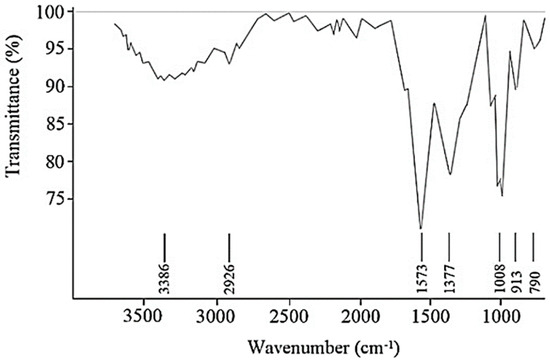
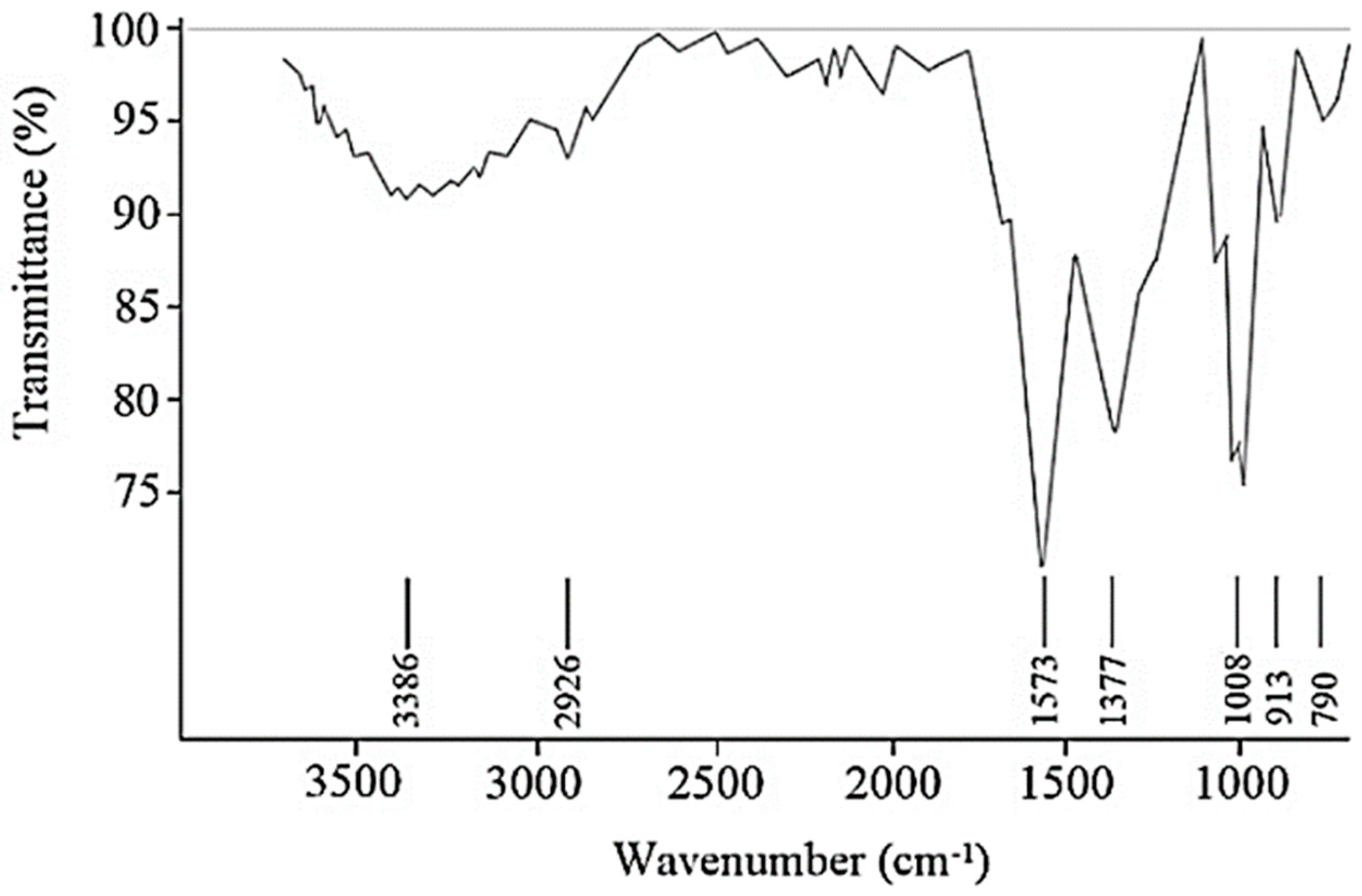
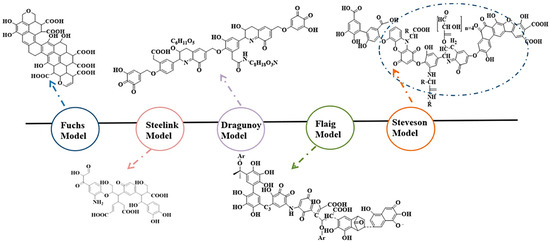
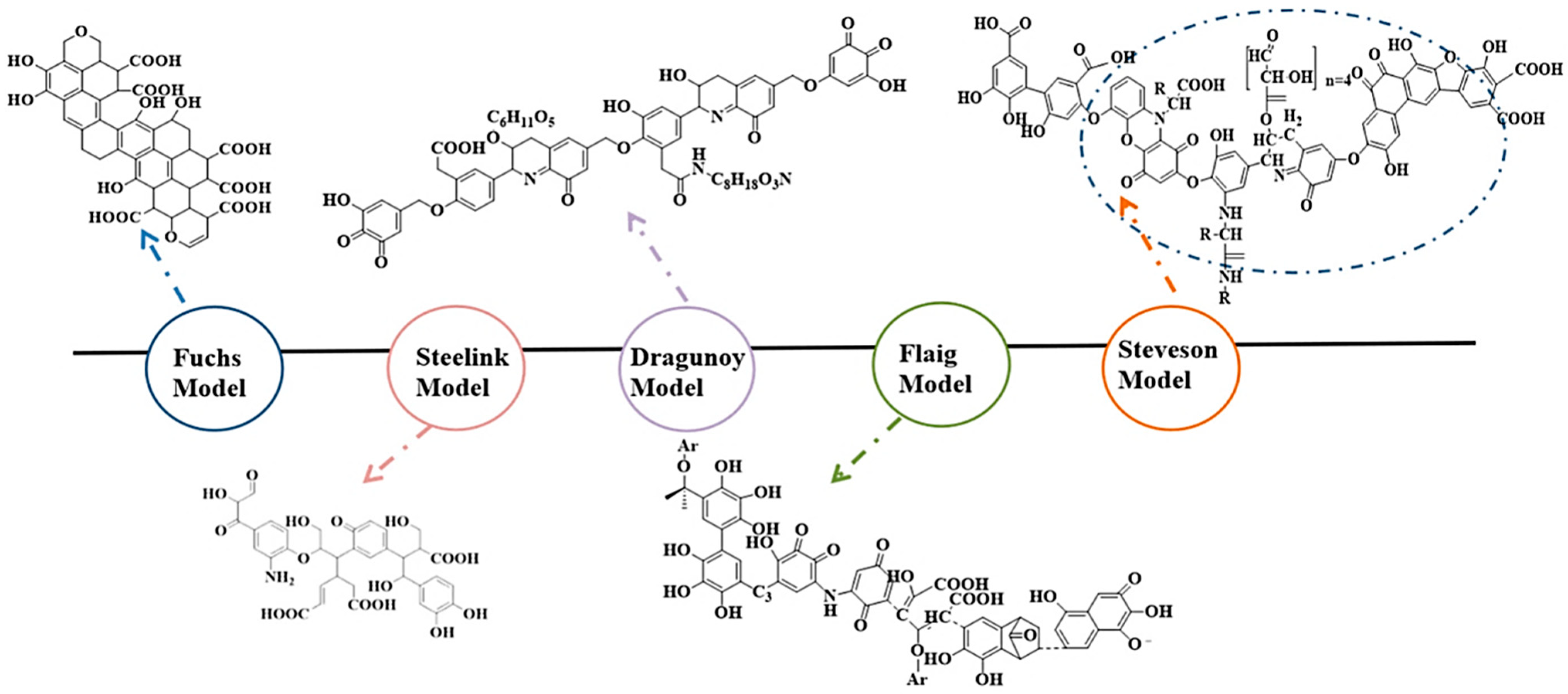
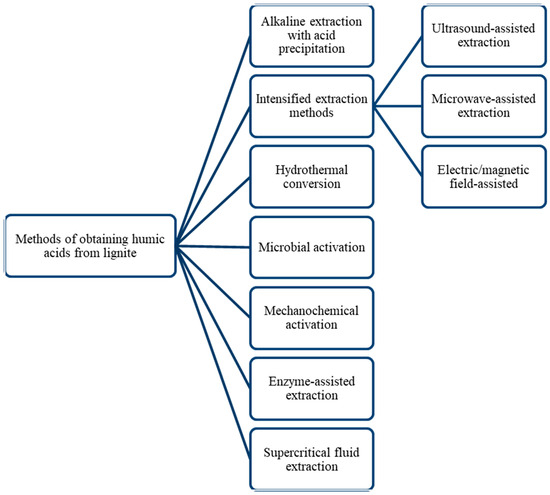
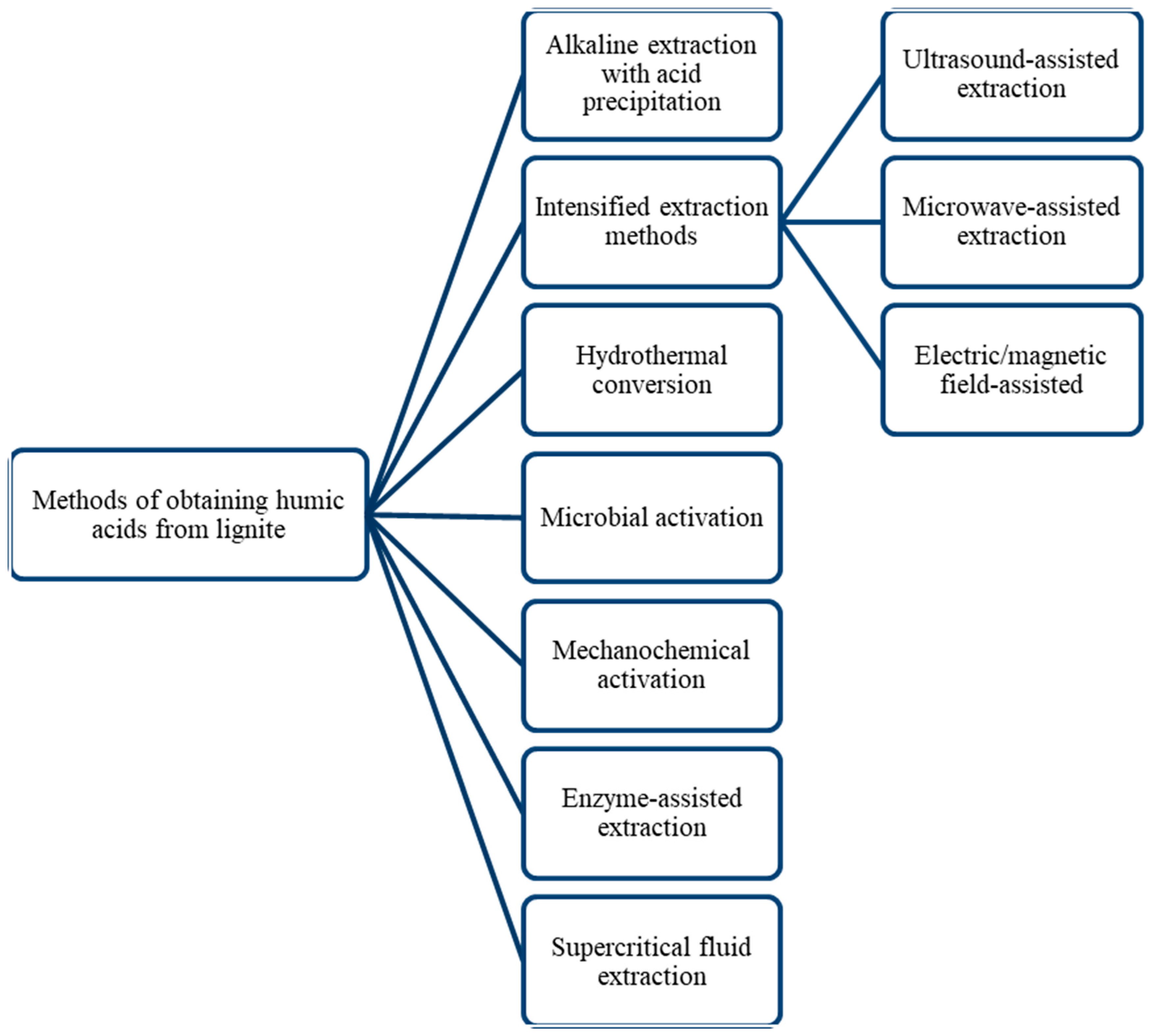

Disclaimer/Publisher’s Note: The statements, opinions and data contained in all publications are solely those of the individual author(s) and contributor(s) and not of MDPI and/or the editor(s). MDPI and/or the editor(s) disclaim responsibility for any injury to people or property resulting from any ideas, methods, instructions or products referred to in the content. |
© 2026 by the authors. Licensee MDPI, Basel, Switzerland. This article is an open access article distributed under the terms and conditions of the Creative Commons Attribution (CC BY) license.