


Abstract
This review analyzes the catalytic routes for the Power-to-X (PtX) conversion of hydrogen to methane, methanol, ammonia, formic acid, and synthetic hydrocarbon fuels. The key reactive synthesis technologies and catalysts for each vector are described. Recent studies and pilot projects summarizing the reaction pathways of each vector and the associated catalyst technologies are also discussed. The analysis indicates that catalyst selection critically influences the efficiency and selectivity of these reactive systems. Some catalyst synthesis routes rely on expensive critical minerals (e.g., Ru and Rh), which raise technical and economic challenges for their industrial application. Catalyst deactivation and scale-up limitations are also relevant issues to be resolved. Emerging catalysts (e.g., Fe–Co or Co–Ni bimetallics, core–shell materials, metal-organic frameworks (MOFs), electrides, covalent-organic frameworks (COFs), and perovskites) are being explored to enhance stability, selectivity, and deactivation. Europe leads PtX development to consolidate the industrial production of hydrogen-based vectors with strong policy support, while the industrial initiatives in Latin America are limited (for instance, Chile’s green methanol and ammonia projects are examples) despite its great potential to generate renewable energy. In summary, Power-to-X can store renewable energy and close the carbon loop; however, its industrial consolidation demands catalyst innovation and supportive regulatory frameworks to overcome the challenges highlighted in this review.
1. Introduction
Hydrogen (H2) is a key player in the transition to a low-carbon future [1]. Unlike other chemicals obtained from conventional fossil fuels, the production of green H2 does not generate greenhouse gas (GHG) emissions, making it a clean alternative for supporting energy systems [2]. It is a carrier that can store energy from renewable power systems (e.g., wind, solar or nuclear) and even fossil fuels via carbon capture. This versatility allows it to bridge the gaps between intermittent renewable power supply and variable energy demand, contributing to grid stability and the decarbonization of hard-to-electrify sectors, such as cement, chemical, and steel industries.
Green H2 can play a dual role in the operation of sustainable energy systems because it can be utilized directly as a fuel or as a precursor in the synthesis of value-added chemicals, including other fuels. However, it is convenient to note that its utilization as a fuel implies safety challenges, primarily because of its high flammability and explosive nature. The handling of liquefied H2 is particularly hazardous because it can lead to the formation of explosive mixtures when it encounters solidified air [3]. Consequently, the storage and transportation of green H2 are critical issues for consolidating its supply chain. Although various storage strategies have been developed (e.g., compressed gas, cryogenic liquid, absorption, and adsorption), they still have different drawbacks, including their costs, which range from €7 to €1000 per kgH2, limiting large-scale industrial applications [4,5]. Green H2 production using renewable electricity and its application in Power-to-X (PtX) technologies has been considered as a keystone in the context of energy transition.
PtX is based on the concept of power-to-gas (PtG), which was introduced to describe the transformation of renewable electricity to renewable gas by combining water electrolysis and CO2 methanation [6]. PtG is a replica of natural photosynthesis, where the resulting methane (CH4) can be injected into the existing gas network or stored for future use [6]. This fuel can then be used in the transport or heat sectors or converted into electricity. In this way, the carbon cycle is closed, and renewable electricity is stored. Since its introduction, the concept of PtG has gained popularity and evolved into power-to-hydrogen (PtH), which serves as the backbone of the PtX framework [1,6,7]. Sterner and Specht [6] first defined PtX technology in 2013 as “the conversion and storage of electrical energy into an energy carrier (gas, fuel or raw material) or a product (basic material, feedstock)”. This term has inspired the concepts of power-to-liquid, power-to-fuel, power-to-chemical, and power-to-product; Figure 1 illustrates PtX from its origin to its end uses.
In the context of PtX, green H2 is a feedstock for the synthesis of value-added industrial chemicals. The production of ammonia, methanol, and other compounds via PtX has been proposed as a reliable solution to address the challenges associated with the industrial management of green H2 and can play a pivotal role in the development of a sustainable green economy [3,8,9]. Hydrogen-based chemicals have improved volumetric energy densities and physicochemical properties compared with H2; see Table 1. They are safer, more energy-dense, and infrastructure-compatible alternatives for effective storage and transportation [3,9]. The current industrial infrastructure available worldwide can be easily adapted to handle hydrogen-derived compounds between major producers and consumers, facilitating the integration of green H2 into the global market [2]. Green H2 is a platform for obtaining compounds such as diesel, jet fuel, benzene, toluene and its derivatives, and gasoline that can replace fossil fuels [9]. However, the production of hydrogen-derived vectors via PtX still faces technical and economic drawbacks (e.g., energy-intensive processes and scalability challenges) that require continuous innovation to achieve widespread adoption. Addressing these challenges is critical for making hydrogen-derived chemicals viable for large-scale applications.
Catalytic processes are relevant to PtX technology [10,11,12]. Catalysts play a key role in the green H2 value chain, enabling the efficient and selective synthesis of value-added chemicals. They are used to drastically lower the activation energy and increase the reaction rates, allowing mass transformation to proceed under feasible conditions while steering the chemistry toward the desired product [10,13]. The improvement in the efficiency and selectivity of reactive systems directly impacts economic viability, and high product yields under milder conditions help to reduce energy input and downstream separation costs, making large-scale processes more practical.
Figure 1.
Illustration of (a) the concept of Power-to-X (PtX) and its end-uses; and (b) life cycle assessment (LCA) of Power-to-X process and system boundaries for catalyst synthesis. This figure was adapted from [14].
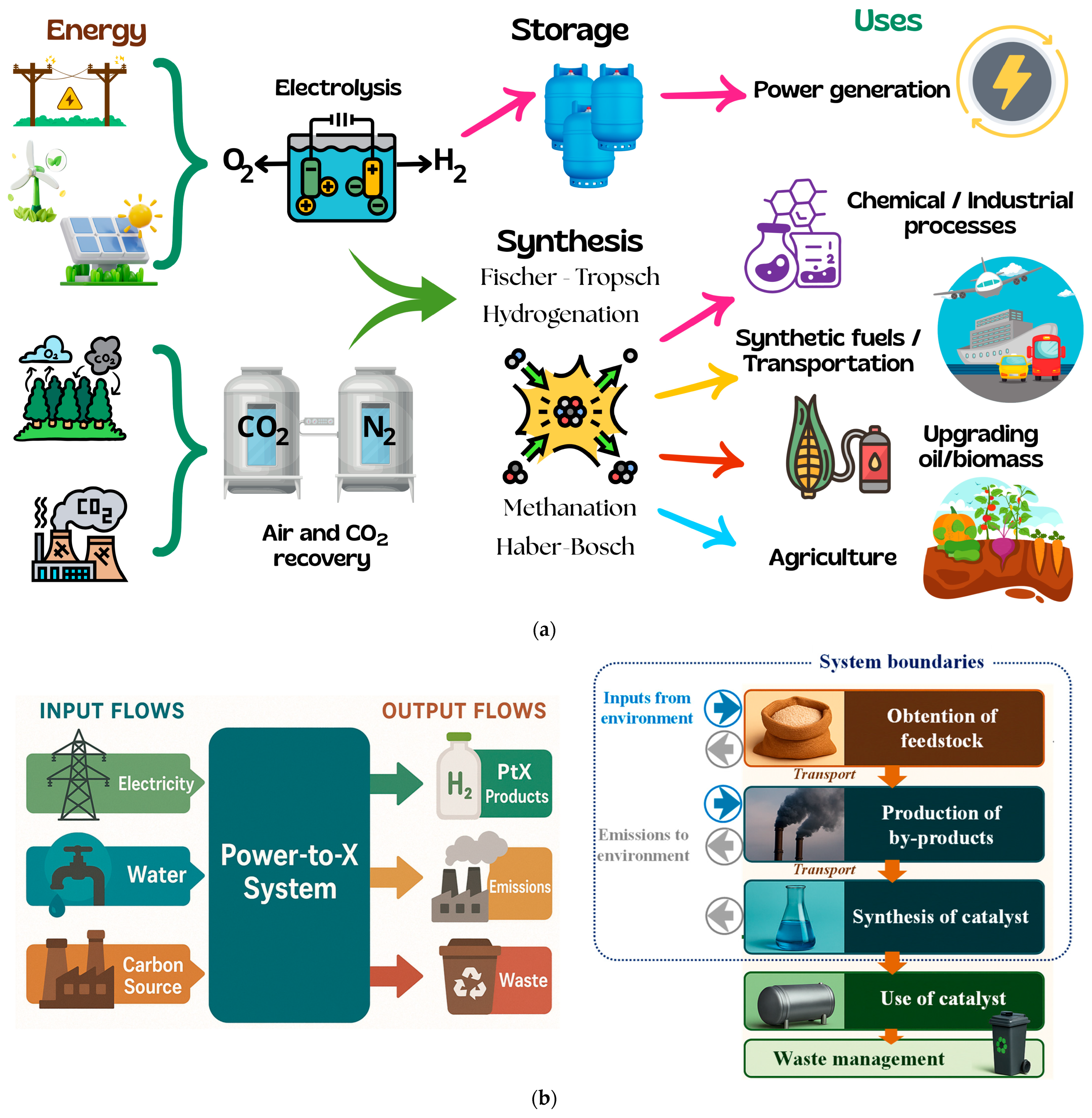
Table 1.
Relevant physicochemical properties of H2 and their derived chemicals.
Traditional catalysts have been used in PtX, and continuous improvements have been reported in terms of the preparation routes to intensify their performance [24,25,26]. Nevertheless, advanced catalysts with a better activity, selectivity, and long-term stability are required to meet the demands of industrial hydrogen-based synthesis processes [13,27,28,29]. Emerging catalysts such as metal–organic frameworks (MOFs), covalent organic frameworks (COFs), electrides, and perovskite oxides have attracted attention; but their supply chains are still under development and face different techno-economic challenges [13,28,29,30]. Research and innovation in catalyst engineering are required to optimize the main properties and performance of novel materials, for instance, to boost their activity and ensure the cost-effective scalability of the process. The proper choice of catalysts and the tailoring of their properties, whether traditional heterogeneous systems or newer operational schemes, are critical for achieving the required efficiency, selectivity, and economic feasibility of hydrogen-derived chemical production via PtX technology.
This manuscript reports an analysis of the key aspects of catalyst engineering involved in PtX technology to produce relevant green hydrogen-based chemicals, i.e., methanol, ammonia, formic acid, methane, and synthetic fuels. The discussion focuses on the reaction mechanisms, operating conditions, types of catalysts, and their efficiencies. Key catalytic systems (e.g., those using Fe-, Co-, and Cu-based catalysts, or Ru and Ir complexes) are described, including other emerging materials such as MOFs, COFs, electrides, and perovskites, and their relative advantages and drawbacks are compared. This review also provides a perspective on the advancements in academia and industry and the current challenges in PtX catalyst design to accelerate the exploitation of green H2 for the global transition toward a low-carbon economy.
2. Catalytic Routes to Produce Green Hydrogen-Derived Vectors
The chemical transformation of green H2 via PtX into organic compounds (i.e., vector X) includes the synthesis of methanol (CH3OH), formic acid (HCOOH), naphthalene, quinaldine, perhydro-dibenzyl, methylcyclohexane, toluene, benzene, N-ethylcarbazole, and 18H-dibenzyltoluene, among others [9,31,32]. The reactive systems used to obtain these chemicals have different operational characteristics, including kinetics, process reversibility, and energy consumption [9,31,32]. The production of these compounds via PtX can be carried out in the presence of a heterogeneous catalyst, whose performance is associated with three key components that play distinct roles: active sites, supports, and promoters (see Figure 2). The active site (typically a metal or alloy surface site) is where the reactants are adsorbed and chemically transformed. The support is usually a high-surface-area solid (e.g., oxide or carbonaceous material) that disperses and stabilizes the active phase and expands the accessible surface area, often influencing the electronic and geometric structures of the active sites [33]. A promoter is an additive (metallic or ionic) that, while often not active for the main reaction on its own, improves catalyst performance by modifying the active site’s properties, stability, or the reaction pathway (e.g., altering electron density, adsorption energies, acidic properties or creating new active intermediates) [27,34,35]. Effective promoter incorporation reduces activation energy, enhances reaction rates, and improves catalyst longevity [36]. These three components and their interplay determine the activity, selectivity, and stability of the heterogeneous catalysts used in PtX. However, it is important to highlight that not all catalysts contain these three components. Moreover, literature occasionally classifies certain compounds either as supports or as promoters (i.e., depending on their function in the catalyst), which may lead to inconsistencies in terminology and potential confusion for readers.
Figure 2.
Supports used to prepare catalysts for Power-to-X reactions. This image was adapted from [37,38,39].
Metal–support interactions dictate the rate-determining step (RDS) across PtX vectors by regulating CO2 activation pathways, adsorption/desorption, hydrogen spillover, intermediate stabilization, and the electronic structure of metal active sites; see Figure 3.
Figure 3.
Key properties and effects of active phase, supports and promoters on the catalytic activity of catalyst used in Power-to-X systems.
For instance, the results reported for Cu/ZnO/Al2O3 catalysts in CO2 hydrogenation to obtain CH3OH illustrate how the support and promoter enhance the properties of an active metal [40]. The intimate contact between Cu (active site) and ZnO (oxide promoter) via a strong metal–support interaction creates highly active Cu–Zn interfacial sites for CO2 conversion, while Al2O3 support functions as a structural spacer to increase the surface area and stabilize the catalyst without directly participating in the reaction. Similarly, Tarifa et al. [41] demonstrated that adding CeO2 and MgO as promoters to Ni catalysts derived from cellulose-based char significantly boosted their performance in CO2 methanation. CeO2 is a redox-active support/promoter that can supply oxygen vacancies that enhance CO2 adsorption and activation, and MgO (a basic promoter) can provide additional CO2-binding sites, together enabling ~54% CO2 conversion to CH4 at 175 °C with a nearly 100% CH4 selectivity. These promoters improve the low-temperature activity and stability of Ni by strengthening CO2 adsorption and mitigating coking. On the other hand, Cao et al. [42] reported that, beyond traditional alkali promoters, novel additives can further enhance ammonia (NH3) synthesis because electron-rich materials like electrides or certain magnetic oxides create strong electrostatic interactions with adsorbed N2 and even invoke spin polarization effects, leading to an unusually large reduction in the activation energy for N2 dissociation.
Figure 3 also shows key properties of supports and promoters used to synthesize catalysts applied to obtain vectors of PtX. The type and characteristics of the support/promoter used for catalyst preparation significantly affect catalytic activity [28]. For example, Ceria is a versatile support/promoter material with unique redox properties. Previous studies reveal that CO2 adsorption and activation are favored on oxygen vacancies of CeO2 [43]. MOFs have unique chemical modifiability and a high surface area where functionalized ligands provide anchoring sites for immobilizing metal complexes [28]. COFs show topologies changing from zero- to three-dimensional; they can be amorphous to crystalline, with a porosity from microporous to mesoporous [28]. Aluminum oxide (Al2O3) is one of the most extensively employed support materials in industrial catalysis, owing to its ability to promote high catalytic activity by facilitating an effective metal dispersion and accessibility to active sites [12]. Lanthanide oxides (La2O3, Nd2O3, Sm2O3, Eu2O3, Gd2O3) exhibit strong basicity, highly polarizable lattice oxygen, and an exceptional capacity to stabilize finely dispersed metal nanoparticles [36]. Surface O2− anions act as electron donors, increasing the electron density of active metal sites and thereby promoting molecule dissociation (e.g., N2 dissociation, the rate-limiting step in ammonia synthesis) [36]. In Ru-based systems, these lanthanide oxides markedly outperformed conventional supports (e.g., Al2O3 and MgO) by enhancing resistance to hydrogen poisoning and maintaining a high metal dispersion [36]. Carbon supports exhibit a high specific surface area, excellent thermal conductivity, hydrophobic properties, and notable hydrogen storage capacity, which favor CO2 reactions by promoting a uniform dispersion of the active phase, minimizing hotspot formation, facilitating water removal, and enhancing hydrogen availability at catalytic sites [41]. They can be sustainably derived from renewable and abundant resources such as biomass, urban residues, and industrial waste [41].
It is important to highlight that the reactions addressed in this review are intrinsically complex, as they involve different coordinating atoms in functional groups and the formation of multiple intermediate species and transition states, accompanied by side and parallel reaction pathways. Consequently, establishing a generalized description of the impact of supports and promoters on the rate-determining step (RDS) across different PtX vectors remains challenging. Even for a single target vector, the RDS may vary depending on the nature of the support, promoter, and active phase employed in catalyst design. The catalyst synthesis strategy, including the relative proportions of support, promoter, and active species, their mode of interaction, and their intrinsic physicochemical properties, also plays a decisive role in shaping the reaction mechanism. These findings highlight the importance of carefully engineered combinations of active metal sites, supports (e.g., providing oxygen vacancies or acid–base functionality), and promoters (electronic or structural modifiers) for optimizing catalyst performance in PtX reactive systems.
In the following subsections, the synthesis and performance of different catalysts and their advantages and drawbacks for producing green hydrogen-based vectors (i.e., CH4, CH3OH, NH3, synthetic fuels, and HCOOH) via PtX are discussed.
2.1. Power-to-Methane (CH4) via CO2 Hydrogenation
H2 can be converted into CH4, the main component of natural gas, via an exothermic reactive system known as the Sabatier reaction [2]. This conversion is achieved by hydrogenating CO2 through a process known as methanation [2].
CO2(g) + 4H2(g) ⇌ CH4(g) + 2H2O (g) ΔH298 K = −164 kJ/mol
In the context of green CH4 production, H2 is obtained from renewable sources, and CO2 is often captured from industrial emissions and the atmosphere. The resulting product is sometimes called synthetic natural gas, substitute natural gas, or e-Methane when produced using renewable inputs [2,16]. Methanation typically occurs in the presence of catalysts at elevated temperatures ranging from 300 to 400 °C. Elevated pressures (often 20–30 bar) are also used to favor CH4 production in the industry. Higher temperatures may enhance kinetics but also promote side reactions or catalyst degradation; therefore, temperature control is essential. In contrast, higher pressures increase CH4 yield because of a favorable equilibrium shift [16].
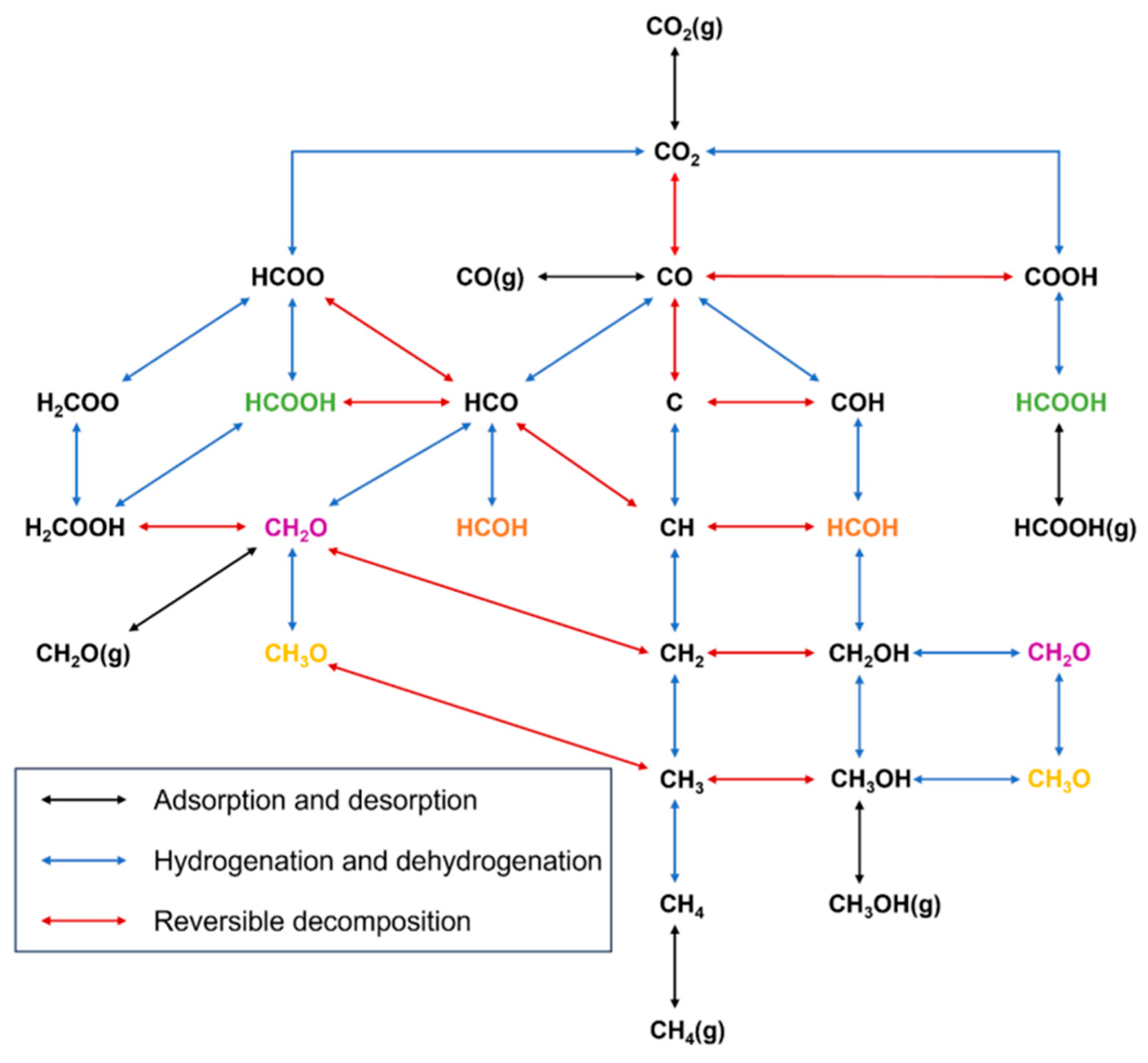
Catalysts play a crucial role in achieving high conversion rates and selectivity for CH4. In catalytic methanation, classic Sabatier catalysts are metals that facilitate the breaking of CO2 bonds and the formation of C–H bonds. It is interesting to note that the mechanism for producing CH4 is uncertain because the intermediate products and rate-determining steps are unclear [44]. Sun et al. [44] reported the reaction path for CO2 hydrogenation to produce CO, CH4, CH3OH, HCOOH, and formaldehyde. Figure 4 illustrates the complexity of this process. As summarized in Table 2, catalytic performance is governed not only by metal identity but also by synergistic metal–metal interactions that balance activity, stability, and economic feasibility.
Figure 4.
Reaction network for CO2 hydrogenation into C1 species, with possible products (i.e., gaseous CO, CH4, CH3OH, HCOOH, and CH2O). All species are adsorbed on the Rh(111) surface, except for those marked with (g), which indicates gaseous entities [45].
Nickel-based catalysts are the most widely used in industrial reactive systems because of their high activity for CO2/CO hydrogenation, affordability, and availability [45,46,47,48]. Iron, copper, and cobalt are other common metals utilized in catalysts for CO2 hydrogenation [10]. Supports such as alumina, silica, and zirconia are effective at ~350 °C and have remained the benchmark for decades, although they are susceptible to sintering and carbon deposition at higher temperatures or in the presence of impurities [10]. Ruthenium-based catalysts supported on oxides offer a higher activity and stability at elevated temperatures than Ni; however, their high cost may limit their use [10,11]. Other noble metals, such as rhodium and cobalt, have also been studied; but Ni and Ru remain the primary choices because of their balance of activity and economic viability [49]. Several commercial formulations disperse these metals on supports to increase the surface area and improve catalytic performance [50,51,52].
Emerging studies have focused on bimetallic catalysts that combine metals such as Ni–Fe or Ni–Cu to enhance selectivity, reduce deactivation, and improve sulfur tolerance [10,48,53]. Promoters such as cerium, potassium, and magnesium oxides are also added to modify basicity and prevent coking or sintering [10,11,48].
Table 2.
Catalysts used for the methane production via carbon dioxide hydrogenation.
Wang et al. [11] have indicated that the geometry and electronic structure at the interface of supported metal catalysts are key to the reactivity and metal–support interactions. These interactions involve electron transfer, the diffusion of compounds, and H2 and/or O2 overflow. Catalysts with strong metal–support interactions are more favorable for C–C formation than C–H formation [68]. These metal–support interactions can be modified by adjusting the morphological characteristics of metal nanoparticles or support and the support chemical composition. For example, CeO2 can store and release oxygen, which is attributed to the low redox potential of Ce4+/Ce3+ and the presence of oxygen vacancies [10,68]. Ceria-supported Ni catalysts can interact with more CO2 species than other materials, leading to a high activity for CO2 methanation [68]. Wang et al. [68] evaluated the effect of Ni salt concentration and the calcination conditions on Ni/CeO2 catalyst performance in methanation. They tested calcination temperatures from 300 to 800 °C. The results indicated that the catalyst with 5% (by mass) of Ni and calcined at 800 °C achieved the highest CO2 conversion (83.1%) and CH4 selectivity (98.0%) at 350 °C. This superior performance was attributed to the effective interaction between Ni and CeO2, higher concentration of oxygen vacancies, enhanced reducibility, and optimized distribution of the basic sites. In situ Fourier Transform Infrared Spectroscopy (FTIR) analysis provided insights into the reaction mechanism and highlighted the synergistic roles of CeO2 and Ni in CO2 methanation. A consistent trend emerging from Table 2 is the critical influence of support identity on catalytic efficiency through metal–support interactions. Reducible oxides such as CeO2-based materials yield a higher CO2 conversion and methane selectivity than conventional supports like Al2O3, primarily due to oxygen vacancy formation, enhanced CO2 adsorption, and improved interfacial hydrogenation pathways [10,68]. In contrast, alumina-supported catalysts rely mainly on metal surface kinetics and exhibit a greater susceptibility to sintering and carbon deposition under harsh operating conditions [10]. These comparisons indicate that supports capable of participating in redox processes shift the rate-determining step toward more efficient CO2 activation, thereby substantially improving methanation performance.
Beyond conventional oxide-supported systems, structurally engineered supports such as MOF-derived oxides and perovskite-type materials introduce additional performance advantages by strengthening metal–support interactions and improving nanoparticle confinement. Ru–Ni catalysts supported on MOF-derived alumina (MIL-53) exhibit an enhanced dispersion, superior thermal stability, and sustained activity without carbon deposition at high temperatures [29,30,69]. Ru was selected as the promoter to enhance catalytic performance and restrict catalyst deactivation. Similarly, perovskite-derived CaZrO3 matrices effectively anchor Ni nanoparticles, achieving a near-complete methane selectivity and long-term stability, even under severe reaction conditions [70]. The results reported in Table 2 highlight that catalyst architecture and interfacial engineering are as critical as metal composition in achieving high conversion, durability, and resistance to deactivation.
The performance of monometallic (Ru and Ni) and bimetallic (Ru-Ni) catalysts has also been evaluated. The catalysts were synthesized via an impregnation technique, and methanation was carried out in a packed bed downflow tubular reactor over a temperature range of 600–800 °C at 1 atm. The results showed that the bimetallic catalyst was more active than the monometallic catalyst. The 0.65RuNAlM-53 bimetallic catalyst demonstrated a high CO2 conversion (36.1%) and almost complete conversion of CH4 (99.9%) at 800 °C. This catalyst exhibited consistent activity, and its structure remained intact after operating for more than 125 h and did not exhibit carbon deposition. Perovskite-type oxides (PTOs) are complex oxides with versatile catalytic properties, tunable compositions, and thermal stability [70].
However, their limited specific surface areas decrease the number of active catalytic sites, resulting in a reduced CO2 conversion efficiency [70]. To overcome this challenge, strategic metal doping is essential, as it improves the structural properties, thereby enhancing the dispersion of active metallic sites and creating additional catalytic sites on the material. For example, a Ni–CaZrO3 catalyst (with a CaZrO3 perovskite phase) supported on ZrO2 was prepared via a citrate complexation/impregnation route, which formed CaZrO3 via a solid-state reaction of impregnated CaO with ZrO2 [70]. Catalyst characterization using X-Ray Diffraction (XRD), Raman spectroscopy, X-ray Photoelectron Spectroscopy (XPS), and Transmission Electron Microscopy (TEM) confirmed the formation of the CaZrO3 phase and showed that the CaZrO3 matrix strongly confined Ni species, yielding smaller and well-dispersed Ni nanoparticles. The Ni–CaZrO3/ZrO2 system exhibited an enhanced CO2 methanation performance, achieving ~85% CO2 conversion with ~100% CH4 selectivity at 300 °C and maintaining a high activity over prolonged testing (i.e., 100 h at 550 °C) with negligible deactivation. Its activity and stability are attributed to the strong metal–support interactions.
2.2. Power-to-Ammonia (NH3) via Haber–Bosch Process
NH3 can be easily stored as a liquid and subsequently used to produce power and/or heat through fuel cells or combustion technologies [8]. It can be liquefied at higher temperatures than H2, thereby reducing the complexity and cost of storage infrastructure. This chemical is also a key precursor for fertilizers and explosives and is used in the production of more than 75% of all nitrogen-containing products [71,72,73]. Conventional catalytic NH3 production accounts for nearly 2% of global energy use and is a major H2 consumer [72,73]. Consequently, advances in catalysis are crucial for intensifying this critical industrial process [74]. According to Al-Ghussain et al. [73], green NH3 could potentially reduce GHG emissions by up to 70% compared to conventional methods, which lead to emissions exceeding 420 MT of CO2 [75]. These attributes make green NH3 a promising energy carrier and potential carbon-free fuel for various applications, including agriculture and transportation [76]. However, its production via PtX faces several challenges that must be addressed and resolved.
NH3 is primarily produced via the Haber–Bosch process, which combines N2 (obtained from air via air separation) and H2 under high temperatures (400–500 °C) and pressures (150–300 atm) in the presence of a catalyst [77]. The corresponding chemical reaction is as follows:
N2(g) + 3H2(g) ⇌ 2NH3(g) ΔH298 K = −92.4 kJ/mol
In the Haber–Bosch process, traditional iron-based catalysts are used, which usually contain other elements such as potassium and aluminum to improve their activity and structural stability [8,72]. These catalysts require high temperatures and pressures, leading to substantial energy consumption. Despite the Haber–Bosch process being used for a century, only incremental improvements have been achieved to date, and it still operates in harsh conditions [71,78]. This is because the rate-determining step of NH3 synthesis reaction is the dissociation of the highly stable triple bond of N2 molecules [3]. In this sense, chemical looping ammonia synthesis is a cyclic process in which nitrogen is first fixed into a solid nitride (catalyst) and subsequently hydrogenated to release ammonia, thereby decoupling N2 activation from hydrogenation and enabling low-pressure, energy-efficient NH3 production [79]. Moreover, the synthesis of novel catalysts is fundamental for obtaining reactive systems that work effectively under milder temperature and pressure, aligning with sustainable energy goals [3].
Table 3 summarizes various studies that focus on catalyst performance for NH3 production from H2. Ruthenium-based catalysts supported on materials such as MgO or carbon nanotubes have attracted attention because of their higher activity at lower temperatures and pressures, offering a potential route for more energy-efficient NH3 synthesis [80,81,82]. Novel approaches using electrides and perovskites are being assessed to reduce the energy consumption and carbon footprint of green NH3 production due to their unique characteristics [13,72,82]. Electrocatalytic approaches have also gained attention, where nitrogen reduction reactions (NRRs) are driven by electricity, offering a pathway for the direct integration of renewable energy sources.
Table 3.
Catalysts used in ammonia production via Haber–Bosch reactions.
Recent studies have explored various electrocatalysts, including transition metal nitrides and single-atom catalysts, to enhance NRR efficiency and selectivity [90]. Ronduda et al. [3] investigated cobalt-based catalysts supported on MgO–Ln2O3 (Ln = La, Nd, Eu) mixed oxides for producing NH3. The Co/MgO–Nd2O3 catalyst exhibited the highest yield of 48 mmol NH3/gcat·h at 470 °C and 6.3 MPa. The enhanced performance of this material was attributed to the increased number of medium-strength basic sites and superior electron-donating capacity of the Nd-containing support. These findings highlight the importance of support basicity and composition in optimizing catalytic activity and stability for NH3 synthesis.
Single-atom Ru and Co catalysts, sub-nanometric clusters, and electrides such as C12A7:e− and La-TM-Si (TM: transition metal) alloys have also been explored for obtaining NH3 [13]. These materials enhance N2 activation and reduce the poisoning of Ru by H2, thereby enabling synthesis under milder conditions. Electrides are a relatively new class of catalyst supports, with the calcium–aluminum-based oxide C12A7:e− being the most studied [13]. Their role is not yet fully understood, but some authors suggest that they can donate cage electrons to transition metals, thereby reducing the activation energy and favoring the NH3 conversion rate [13].
Metal hydrides such as BaH2 and LiH are promising candidates for both chemical looping and direct synthesis pathways [13,79]. Perovskite-type oxides BaCe1-xYxO3−δ (x = 0–0.30) modified with yttrium have also been synthesized as supports for cobalt-based catalysts for NH3 production [82]. The Co/BaCe0.90Y0.10O3−δ catalyst exhibited a 15–20% increase in the NH3 production rate compared to an undoped system. This enhanced performance can be attributed to the highest surface basicity, ideal ratio of weakly to strongly hydrogen-binding sites, and favorable cobalt particle size (~60 nm). Structural analyses confirmed the homogeneous incorporation of Y3+ and the formation of oxygen vacancies, which promoted electron transfer to Co sites. The 10% (by mol) Y-doped system exhibited improved H2 adsorption properties, favoring the performance of the reactive system. These catalysts showed suitable thermal stability for over 240 h. This reactive system outperformed commercial Fe-based catalysts under similar conditions.
Electronic conductors are particularly promising for N2 activation because they facilitate electron transfer into antibonding orbitals to weaken the strong N≡N bond [88]. Materials with 2D dimensions, such as MXenes, especially when coupled with Ru nanoparticles as co-catalysts, have shown significant potential for NH3 production. MXenes follow the general formula Mn+1XnTx, comprising early transition metals (e.g., Ti, Cr, V, Mo, Nb), carbon or nitrogen (X), and surface terminations (T), grafted to the surface with n typically between 1 and 4. Croisé et al. [88] investigated the catalytic performance of Mo2C MXene-based materials, including Ru-promoted variants, for NH3 synthesis via the Haber–Bosch process. The Ru/Mo2C catalyst demonstrated remarkable activity, achieving a yield of 11.1 mmol NH3/gcat·h at 400 °C and 10 bar, outperforming conventional Fe-based catalysts tested under similar conditions. The enhanced performance was attributed to the strong metal–support interactions and high N2 activation capacity of MXene. The material exhibited a high stability and maintained its catalytic properties over an extended period.
Several systems reported in Table 3 demonstrate improved NH3 synthesis rates through enhanced electron donation and support engineering compared with conventional Fe-based Haber–Bosch catalysts. Ru- and Co-based catalysts supported on electron-rich materials enable operation at milder conditions. For example, Ru/CaFH allowed NH3 synthesis at 50 °C and 0.1–0.9 MPa [85], while Ru/Ba–Ca(NH2)2 achieved 11 mmol NH3/gcat·h at atmospheric pressure [87], confirming the importance of hydride and amide supports in facilitating N2 activation.
On the other hand, the support basicity emerges as a key performance variable. Co/MgO–Nd2O3 reached 48 mmol NH3/gcat·h at 470 °C and 6.3 MPa, outperforming analogous systems due to stronger electron donation from Nd-containing supports [3]. Similarly, Y-doped perovskite-supported Co catalysts exhibited a 15–20% increase in NH3 production compared to undoped materials, attributed to enhanced surface basicity and oxygen vacancy formation [82].
Electron-conducting supports further promote N2 activation. Ru/Mo2C MXene achieved 2.07 mmol NH3/gcat·h at 500 °C and 5 bar [88], while Ru/CeO2–Al2O3 showed ~35 mmol NH3/gcat·h at 350–400 °C and 10 bar due to strong metal–support interactions [12]. Additionally, proton-conducting oxides such as BaZr0.1Ce0.7Y0.2O3−δ enhanced Ni activity by approximately one order of magnitude [84].
Overall, Table 3 indicates that NH3 synthesis performance in PtX systems is primarily governed by support-driven electronic effects, surface basicity, and metal dispersion rather than metal identity alone. Catalysts incorporating electron-donating and conductive supports consistently lower the energy barrier for N2 dissociation and enable more sustainable operating conditions [3,12,82,85,86,87,88].
2.3. Power-to-Methanol (CH3OH) via CO2/CO Hydrogenation
CH3OH is a potential synthetic fuel and a liquid organic H2 carrier. It is also a key chemical feedstock in the industry for producing olefins, dimethyl ether (substitute diesel), other liquid fuels, formaldehyde, acetic acid, methyl methacrylate, methylamines, and plastics [2,91]. Its synthesis uses H2, CO, and CO2 (syngas) as reagents in the presence of a catalyst [8]. CH3OH can be produced in one single-step reaction [92] as follows:
where the following two parallel reactions can occur [85]:
CO2 + 3H2 ⇌ CH3OH + H2O ΔH298 K = −49 kJ/mol
CO2 + H2 → CO + H2O ΔH298 K = +41 kJ/mol
CO + 2H2 ⇌ CH3OH ΔH298 K = −91 kJ/mol
The two-step (indirect) process follows the reactions given by Equations (4) and (5), but the first step involves the production of CO with H2 in one reactor, and, subsequently, the final reaction is carried out in a second reactor. The reaction conditions range from 423 to 523 K and 1 to 100 bar [93]. It is important to note that methanol synthesis via CO2 hydrogenation follows a complicated pathway with intricate routes and is yet to be fully understood [92,94]. This synthesis has the drawback of generating byproducts such as dimethyl ether, higher alcohols, other oxygenated compounds, and minor amounts of acids and aldehydes [92,94]. Therefore, the control of reaction conditions is fundamental.
CH3OH synthesis relies on effective catalysts to activate stable CO2 and H2 molecules. The classic catalyst used in industrial CH3OH production from syngas is Cu/ZnO/Al2O3. This Cu-based catalyst, originally developed for CO + H2 feeds, is also effective (with some improvements) in CO2 hydrogenation [24]. Copper provides active sites for H2 dissociation, whereas ZnO and alumina promote CO2 adsorption and stabilize copper. However, the water produced via the undesired reverse water–gas shift reaction, when pure CO2 is fed, can inhibit the Cu/ZnO catalyst over time (e.g., via surface poisoning or sintering), reducing the product selectivity [24,95]. Therefore, emerging catalysts have been explored to improve their activity, selectivity, and tolerance to water. Table 4 lists the catalysts used to produce CH3OH from H2.
Various catalyst systems have shown promising results for this reaction, including modified Cu-based materials (e.g., Cu supported on ZrO2 or CeO2 and multi-metal formulations such as Cu/ZnO/ZrO2) and other alternatives to copper [92,94,96]. For instance, indium oxide (In2O3) catalysts have attracted attention because of their capacity to create oxygen vacancy sites that strongly adsorb and activate CO2, leading to high CH3OH selectivity [95]. The addition of promoters such as Zn, Zr, or noble metals to In2O3 can further enhance its performance by increasing the number of active vacancy sites for CO2 binding and stabilizing specific reaction intermediates [95]. Liu et al. [95] demonstrated that Al incorporation as a promoter significantly enhanced the catalytic performance of In2O3 catalysts in CO2 hydrogenation to produce CH3OH. An optimum promoter content of 5% Al (by mol) yielded the highest alcohol output and selectivity. At this loading, Al was doped into the In2O3 lattice (~1.2% by mol), generating additional oxygen vacancies that facilitated CO2 adsorption and alcohol synthesis. Excess Al was present on the surface as Al2O3, which blocked active sites and increased CO byproduct formation, thus lowering CH3OH selectivity. High-Al loadings (≥10%) produced smaller In2O3 crystallites stabilized by Al2O3, which were more easily reduced and sintered under the reaction conditions, undermining the catalyst stability. Other novel catalysts under investigation include Pd- or Ni-based alloys and oxide-supported bimetallic systems (such as Pd/CeO2 or Ni/Mo oxides) [96]. MOFs have also demonstrated excellent properties for obtaining well-dispersed catalytic components [96].
Table 4.
Catalysts used for the methanol production via carbon dioxide hydrogenation.
ZIF-8(Zn) and MIL-68(Al) have shown better results to disperse active components and enhance catalytic properties. Hybridized acid–base catalysts derived from these MOFs exhibited a CO2 conversion of 9% and CH3OH selectivity of 61.85% at 4 MPa and 523 K.
The catalysts already discussed are synthesized using precious metals; thus, their industrial applications are limited because of their high cost. Therefore, alternative supports have been explored to obtain low-cost, easily available, and effective catalysts [107]. Biomass-derived biochar and carbonaceous materials have attracted attention because of their excellent thermochemical stability, developed pore structure, large specific surface area and pore volume, adjustable surface electronic properties, controllable pore size distribution, and suitable reducibility [107]. For example, a carbon-doped Cu/Al2O3 catalyst (prepared using sucrose) showed an improved CO2-to-CH3OH hydrogenation performance compared with the undoped Cu/Al2O3 catalyst. At ~4.0 MPa and 200 °C, the carbon-doped catalyst achieved ~9–10% CO2 conversion with ~91% CH3OH selectivity (versus ~5% conversion and 80% selectivity for the undoped catalyst). The carbon-doped Cu catalyst also maintained stable activity over an extended reaction time (24 h) with minimal byproduct formation (e.g., intermediate ethyl formate < 2%). These performance gains were attributed to carbon doping, which enhanced Cu dispersion and metal–support interactions, introduced additional acidic –OH sites, and preferentially exposed the active Cu(111) crystal plane, which are features that collectively facilitated a more efficient CO2 hydrogenation to CH3OH [108]. Xu et al. [107] prepared a CuZn/biochar catalyst by introducing dispersed Cu-ZnO interfaces on the surface of coconut shell-derived biochar. The catalyst displayed a high space-time yield of CH3OH that reached 121.25 gCH3OH/kgcat·h with an outstanding stability for an operation longer than 50 h at 260 °C. On the other hand, the incorporation of chitosan nanoparticles as a support for a Cu-based catalyst has proved to enable effective CO2 hydrogenation to CH3OH under mild conditions [109]. The synthesis of this catalyst was optimized using a central composite design at pH 9.3, Cu concentration of 0.088 M, and chitosan concentration of 0.01 M, achieving a space-time yield (STY) of ~92.4 mg/gcat·h and CH3OH selectivity above 90%. The chitosan support enhanced copper dispersion and active site quality. The catalyst maintained a stable performance over 140 min (only ~18% STY loss) and was reused for three cycles, with a ~20% STY decrease after the third reuse. A hybrid zeolite–carbon-supported catalyst for CO2 hydrogenation to CH3OH has also exhibited a significantly enhanced performance compared with the single-support or unsupported catalysts [110]. Cu–Zn bimetallic nanocatalysts on these dual porous supports achieve a substantially higher CO2 conversion and CH3OH selectivity, yielding alcohol production up to four-fold higher than unsupported systems. The zeolite-supported catalyst delivered the highest CH3OH yield, with a ~77% increase in the STY over the unsupported counterpart. The structural synergy of the zeolite acidic microporosity and strong CO2 adsorption capacity combined with the large micro/mesoporous surface area of activated carbon facilitated a higher CO2 uptake and efficient reactant diffusion. The integrated support favored a superior metal dispersion and prevented nanoparticle agglomeration.
The catalytic systems summarized in Table 4 reveal that methanol productivity is strongly influenced by metal–support interface engineering and oxygen vacancy density rather than copper loading alone. Conventional Cu/ZnO/Al2O3 systems achieve a methanol selectivity up to 56% under optimized conditions, whereas Cu/ZnO/ZrO2 improves the selectivity to ~70% due to an enhanced CO2 activation and the stabilization of reaction intermediates [98]. Inverse oxide configurations such as Cu-supported nano-ZrZnOx significantly increase the space-time yield (STY up to 990 g/kgcat·h) through improved weak and medium CO2 adsorption sites and a higher oxygen vacancy concentration [104], outperforming traditional Cu-based formulations. Similarly, Cu/LTH catalysts reached a 23% CO2 conversion with 73.6% selectivity at 250 °C and 3 MPa, attributed to strong metal–support interactions [101]. MOF-derived systems demonstrate an improved dispersion and acid–base synergy, achieving ~8.9% CO2 conversion with 61.85% methanol selectivity [97]. The data indicate that structural confinement, optimized Cu+/Cu0 ratios, and tailored support basicity are decisive parameters governing methanol yield, confirming that catalyst architecture and interfacial properties play a more critical role than metal composition alone [97,101,104].
2.4. Power-to-Synthetic Hydrocarbons via Fischer–Tropsch Method
Synthetic hydrocarbons can also be produced from green H2 and CO2 or CO via Fischer–Tropsch (FT) synthesis, a cornerstone technology in power-to-liquid (PtL) pathways [111]. These products include naphtha (C5–C9), which serves as a key feedstock for ethylene and propylene production; gasoline (C5–C12); jet fuel, primarily composed of kerosene (C10–C14) and used as fuel for aircraft engines; diesel (C11–C18), widely employed as a transportation fuel; and lubricating oils (C18–C44). The general reaction in FT synthesis is as follows [26]:
nCO + (2n + 1)H2 → CnH(2n+2) + nH2O ΔH500 K = −39 kJ/mol
This process requires a high H2/CO ratio (typically >2) for an optimal hydrocarbon yield and proceeds over metal catalysts at elevated temperatures and pressures. When CO2 is used instead of CO, a reverse water–gas shift reaction is first employed to convert CO2 to CO:
CO2 + H2 → CO + H2O
FT synthesis is highly exothermic and typically carried out at 200–350 °C and 10–40 bar. The reaction products follow the Anderson–Schulz–Flory distribution, yielding a mixture of hydrocarbons from CH4 to waxes [112], as shown in Figure 5.
Figure 5.
Anderson–Schulz–Flory distribution; selectivity of Fischer–Tropsch synthesis [27].
FT is fundamentally a surface polymerization reaction in which CO (adsorbed on a metal catalyst surface) is hydrogenated and “polymerized” into a hydrocarbon chain. This mechanism involves three stages: chain initiation, propagation, and termination; see Figure 6. The product distribution can be tuned by adjusting the process conditions and catalyst selection [112]. For example, higher α values are generally associated with conditions that favor long-chain hydrocarbons (such as low-temperature Fischer–Tropsch conditions, often used with Co catalysts), whereas lower α values correspond to conditions that yield lighter hydrocarbons under higher temperatures (more common for Fe catalysts) [26,112,113,114,115].
Figure 6.
Schematic representation of the three main mechanisms in Fischer–Tropsch synthesis [27].
The increase in total pressure tends to promote heavier products up to an optimum value. The higher pressure increases the reactant adsorption and chain propagation rates, thereby increasing C5+ selectivity (and α) in several cases. Co/SiO2 catalysts can show a marked increase in C5+ (diesel-range) yield when the pressure is increased from ~0.5 to ~2 MPa [113,116]. Beyond the optimum value, very high pressure can promote secondary reactions (such as hydrocracking or wax isomerization on the catalyst) and may not further improve the target product yield. Several catalytic metals have different inherent chain-growth tendencies. Iron surfaces tend to favor olefin desorption and shorter chains, whereas cobalt surfaces favor hydrogenation and longer chains [113]. Nanoscale effects also play a role: for cobalt, intermediate particle sizes (~6–10 nm) maximize turnover rates and heavy product selectivity, whereas very small Co particles (<5 nm) can over-bind CO (forming carbides) or suffer H2 inhibition, lowering chain growth efficiency [113].
Table 5 contains a summary of various studies that have reported different catalysts to produce hydrocarbons from H2. Cobalt-based catalysts are preferred for FT diesel production [113,116]. Typical diesel-oriented FT catalysts are 15–25% Co supported on inert oxides (SiO2, Al2O3, and TiO2), while iron catalysts are associated with gasoline-range FT synthesis. Iron’s intrinsic selectivity leans toward lighter hydrocarbons and olefin production. Fe catalysts modified with K and Cu can achieve ~50% of C5+ products in the gasoline fraction (C5–C12). Ruthenium is even more active but is cost-prohibitive for large-scale deployment. Emerging systems under assessment include bimetallic catalysts (e.g., Fe–Co and Co–Ni), perovskite-supported catalysts, and core–shell structures that suppress carbon deposition and sintering [117]. As stated, catalyst supports (e.g., silica, alumina, titania, activated carbon, MOF) and promoters (e.g., Ca, Ce, Cs, Mn, Ni, Re, Ru, Zr) can modify the surface chemistry of these catalysts [113]. The support material plays a critical role in determining the catalyst performance in FT synthesis by influencing the surface area, porosity, metal dispersion, and interaction strength [112]. For example, Jeong et al. [118] prepared a hybrid catalyst using an H-ZSM-5 zeolite (Si/Al = 40) as a support, whose moderate acidity and pore structure provided a suitable cracking of FT waxes. This cobalt–zeolite catalyst achieved a high selectivity for C5+ hydrocarbons, with >79% of the products in the gasoline–diesel range (C5–C20). The acidic sites promoted isomerization and cracking, practically eliminating heavy C21+ wax with a 76% reduction compared to that of a conventional Co/Al2O3 catalyst. The zeolitic catalyst maintained a stable activity (~60% CO conversion) operating over 900 h with minimal deactivation, outperforming catalysts with both higher acidity (Si/Al = 15) and lower acidity (Si/Al = 140) supports.
Other carbon-derived materials, such as carbon nanotubes, spheres, nanofibers, nanocoils, nanowires, vitreous carbons, graphene, and activated carbon, have suitable surface areas with adjustable pore structures that can be applied in FT synthesis, thus favoring lower interactions with the active metallic catalyst owing to their inert characteristics [119,120]. These materials are valued by their stability, improved metal dispersion, and enhanced olefin selectivity, with morphology playing a key role in their physicochemical properties [119,120].
Hollow carbon spheres (HCSs) are considered nanoreactors that provide an effective isolation of catalytic species and subsequent metal stabilization, which in turn reduces metal sintering during the harsh reaction conditions of high temperatures and pressure in the FT reactive system [120]. Dlamini et al. [121] prepared HCSs functionalized via post-synthesis using melamine as a nitrogen precursor. XPS analysis confirmed variable nitrogen surface concentrations and demonstrated temperature-dependent bonding. Nitrogen doping significantly influenced the properties of cobalt-based FT catalysts (~10% by mass), particularly by hindering metal reduction due to enhanced metal–support interactions, as evidenced by H2-TPR (Hydrogen Temperature-Programmed Reduction) and XRD. These interactions led to an improved activity and stability of the catalyst. A TEM analysis of the spent catalysts also revealed that N doping suppressed cobalt sintering. The HCS catalyst achieved a CO conversion of 48% at 250 °C, in contrast to the non-modified catalyst (26%). The HCS-doped catalyst showed a higher selectivity for C5+ than for C1 (26%) and C2-C4 (21%).
Table 5.
Catalysts used in synthetic fuel production via Fischer–Tropsch reactions.
In contrast to conventional supported catalysts, MOF-derived catalysts maintain mesoporosity and ensure the effective dispersion of active sites, which are attractive characteristics for FT synthesis [25]. After pyrolysis, these materials typically exhibit an excellent metal dispersion within the resulting carbon matrix, reduced particle size, and elevated metal loading [25].
However, a significant limitation of MOFs in catalysis is their generally lower thermal and chemical stabilities compared to those of traditional inorganic porous materials. Fe-MIL-88, MIL-100 (Fe) and ZIF-67 have been tested in FT reactions [128,135,136]. For instance, the interface electron structure of the Zn5CoFe35@C catalyst was adjusted by introducing Fe into MOF (ZIF-67)-derived carbonized Co carriers to enhance the production of long-chain hydrocarbon products [135]. The optimized Zn5CoFe35@C catalyst achieved a high C5+ selectivity of 96.8% and a combined selectivity of less than 5% for unwanted C1 products at 350 °C and 1 atm. Table 5 lists different studies that used emerging catalysts, including MOFs, to produce synthetic fuels from H2 and CO2. Jiang et al. [137] tested K/Fe@C-MIL-100, which was derived from MOF MIL-100(Fe). This catalyst exhibited finely dispersed iron nanoparticles uniformly encapsulated in the carbon framework, yielding a specific mixture of magnetite (Fe3O4) and Hägg iron carbide (χ-Fe5C2) active phases, which synergistically facilitated FT synthesis. K/Fe@C-MIL-100 achieved ~48% CO2 conversion with ~59% selectivity for C5+ long-chain hydrocarbons (olefin-rich) and ~21% for light olefins, while suppressing CH4 to ~12%. This performance exceeded that of the MIL-101-derived counterpart (~19% conversion with only ~2% C5+ and ~70% CH4 selectivity).
The catalyst systems summarized in Table 5 indicate that the efficiency of CO2-derived liquid fuels and oxygenated e-fuels is primarily governed by reaction pathway control through bifunctional and multifunctional catalyst structures. Fischer–Tropsch-based formulations combined with acidic zeolites shift product distribution toward longer-chain hydrocarbons, enhancing liquid fuel selectivity beyond 60% by promoting secondary oligomerization and isomerization steps [114]. Catalyst supports with tailored acidity, such as HZSM-5 and SAPO frameworks, further increase the selectivity toward kerosene-range fuels by suppressing light hydrocarbon formation and stabilizing surface intermediates [112,119]. Additionally, promoted metal catalysts incorporating alkali or rare earth modifiers enhance CO chain growth probability, increasing chain length distribution and fuel-range productivity [27,114]. Collectively, the comparative data in Table 5 demonstrate that product selectivity in advanced PtX fuel synthesis is dictated less by active metal identity and more by the integration of hydrogenation, acidic/basic catalysis, and interfacial engineering, emphasizing the importance of catalyst design for scalable e-fuel production.
2.5. Power-to-Formic Acid (HCOOH) via CO2 Hydrogenation
HCOOH is a key organic chemical intermediate and precursor utilized in various industrial sectors, including food processing, pesticide synthesis, leather treatment, pharmaceuticals, rubber manufacturing, textiles, and printing [28,138]. It is also one of the most promising H2-based vectors [28,138]. This valuable compound can be produced via CO2 hydrogenation with a slow exothermic kinetic rate, and the use of a highly active catalyst is fundamental [28]. The corresponding reaction is given by
CO2 (g) + H2 (g) ⇌ HCOOH (l) ΔH298 K = −32 kJ/mol
The catalytic hydrogenation of CO2 to HCOOH using H2 is challenging because of the inherent stability of CO2 (ΔG° 298 = −394.4 kJ/mol). Note that this reaction is thermodynamically unfavorable (ΔG° 298 = +32.9 kJ/mol) [139]. A possible solution is to carry out the reaction in a liquid-phase medium by adding appropriate alkaline additives or homogeneous catalysts to the reactive system to shift the equilibrium toward the products [28]. In homogeneous catalytic systems, particularly those involving ruthenium or iridium complexes, reactions are typically conducted at mild temperatures between 25 and 100 °C and pressures ranging from 20 to 100 bar, often in the presence of organic or aqueous solvents and amine additives (e.g., triethylamine) to produce stable formates [140,141]. However, liquid catalysts are difficult to treat, separate, and recycle, restricting their industrial implementation [28]. In contrast, heterogeneous catalysts (e.g., Pd/C, Au/TiO2, and Cu/ZrO2) generally require higher operational temperatures (150–250 °C) and moderate pressures (20–50 bar) owing to their lower intrinsic activity compared to homogeneous systems [142]. The CO2/H2 molar ratio and residence time significantly influenced the product yield and catalyst stability in these systems [133]. The proper tuning of these parameters and the development of highly active and effective catalysts are essential for achieving industrially relevant efficiencies in CO2 valorization reactions.
A set of studies on the use of catalysts to produce HCOOH via CO2 hydrogenation is listed in Table 6. The immobilized systems, such as Ru-pincer complexes on N-doped supports [143] or Ir on solid phosphines [144], have demonstrated excellent turnover numbers (TONs >10,000) and reusability, partly due to engineered metal–ligand interactions and the presence of ionic liquids that facilitate CO2 solubility and stabilize active species. Hu et al. [144] achieved base-free CO2 hydrogenation using an Ir-triphenylphosphine catalyst immobilized on a solid support in an imidazolium ionic liquid solvent, obtaining HCOOH with >99% selectivity, with the catalyst and ionic liquid recycled over five runs. Other recent advances include single-atom catalysts supported on nitrogen-doped carbon derived from biomass, such as green algae, which combine sustainability with high dispersion and the stability of active Ru species [145]. This single-atom catalyst is a conceptual bridge that fills the existing gap between homogeneous and heterogeneous catalysts and refers to atomically dispersed metals on a support [146].
These materials offer an outstanding atom utilization efficiency, the absence of metal–metal interactions, and structurally tunable active sites, distinguishing them from conventional homogeneous organometallic complexes [146]. In single-atom catalysts, the stabilization of isolated metal sites is typically achieved by anchoring them to surface vacancies or functional groups present in the support matrix [146]. For example, Lee et al. [145] prepared a Ru single-atom catalyst on mesoporous N-doped TiO2 and performed ligand exchange (replacing Cl− with OH− at Ru sites) to improve stability, achieving enhanced durability. The OH-ligated Ru/TiO2 retained 100% of its activity after five cycles (whereas the Cl-ligated analog lost ~32% of its activity) owing to the stronger Ru–support binding. On the other hand, a stable single-site Ru catalyst anchored on a layered double hydroxide (LDH) surface in a basic medium showed a high selectivity toward formic acid under mild conditions (2.0 MPa, 100 °C) [147]. The activity was attributed to electron donation from specifically positioned basic hydroxyl ligand triads. Moreover, catalytic performance correlates with the tunable CO2 adsorption capacity near the Ru sites.
Perovskite-type oxides (e.g., LaFeO3, CeFeO3, YFeO3) have also emerged as novel catalyst supports, offering high oxygen mobility and tunable electronic properties that favor CO2 adsorption and hydrogenation [148]. Matveyeva and Omarov [148] studied the influence of the preparation method, type of support, and additives on CO2 hydrogenation, where lattice oxygen facilitates CO2 activation and transition metals serve as hydrogenation sites [148]. In this study, a variety of products, including formate species, with different selectivities were obtained.
Other heterogeneous systems include COFs and porous organic polymers (POPs) functionalized with electron-donating ligands, which enable coordination with single metal atoms and mimic homogeneous environments. These hybrid structures, particularly those bearing pyridinic-N or phosphine ligands, offer both tunable porosity and robust metal anchoring, yielding high turnover frequencies and an enhanced recyclability [28]. Similarly, mesoporous materials such as N-doped TiO2 not only act as supports for single atoms but also modulate the electronic properties of the active center through substitutional doping, improving both activity and stability [143]. In this direction, Fellenberg et al. [146] studied the synthesis of a COF-based Ru catalyst with a high density of isolated Ru single-atom sites dispersed in a porous COF matrix enriched with coordinating nitrogen sites. This structural design maximizes the number of active Ru centers (up to ~1.7 Ru/nm2 in some COFs) while preventing metal aggregation, which in turn leads to a high intrinsic activity and robust stability (single atoms resist reduction to metallic Ru). The catalyst achieved a HCOOH production rate of ~116 mg/gcat·h via CO2 hydrogenation at 120 °C and 40 bar, with a TOF of up to ~243 h−1. Even under milder conditions (e.g., 90 °C), significant HCOOH formation was observed (~16 mg/gcat·h) with no detectable CO or CH3OH byproducts. The catalyst also showed an outstanding stability by maintaining a constant activity over multiple reaction cycles with no loss in HCOOH yield, which was attributed to the strong COF–Ru interactions that kept Ru atoms practically dispersed and active.
Several studies have also emphasized the role of MOFs as supports for single-atom catalysts that can be applied in HCOOH production [139,149]. Kusonjariyakun et al. [139] showed, via Density Functional Theory (DFT) and microkinetic modeling, that Cu2+-MOF-808 outperformed Co analogs at moderate temperatures (e.g., <673 K) due to the better stabilization of intermediates. Kaishyop et al. [149] modified CuZn-MOF with Pt, Ru, Pd, and Ir, and a detailed material characterization (XRD, BET, SEM, XPS, and TEM) confirmed the presence of a high-surface-area porous framework. This catalyst (especially with the Ru promoter) achieved notable HCOOH production via CO2 hydrogenation, corresponding to a 12.91% CO2 conversion and TON of 11,435 for HCOOH. The catalyst also demonstrated an excellent stability, retaining ~95% of its initial HCOOH yield after five successive reaction cycles, with a minimal loss of activity. A post-reaction analysis of the spent catalyst showed negligible structural degradation, corroborating the robust performance of the catalyst. Different novel catalysts for HCOOH production from H2 and CO2 are summarized in Table 6. The available studies show a convergence of material design strategies (combining structural porosity, electronic modulation, and sustainable precursors) to overcome the kinetic and thermodynamic barriers of CO2 hydrogenation for obtaining HCOOH.
Table 6.
Catalysts used for formic acid production via carbon dioxide hydrogenation conversion.
The catalytic systems summarized in Table 6 demonstrate that CO2 hydrogenation toward formate is primarily controlled by the electronic structure of active metals and the nature of metal–support interactions rather than reaction temperature alone. Single-site and highly dispersed Ru-based catalysts consistently achieve the highest selectivity (>90%) under mild conditions (≤100 °C, ≤2 MPa), underscoring the importance of isolated active centers in suppressing CO formation and promoting the formate pathway [141,144]. Pd-based catalysts supported on functionalized carbons and metal oxides exhibit high activity but show increased by-product formation at elevated pressures, revealing a trade-off between productivity and selectivity [146,149]. Bimetallic systems such as Pd–Sn and Ru–In enhance catalyst stability and turnover frequency through electronic modulation and improved CO2 adsorption capacity, outperforming their monometallic counterparts in long-term operation [150,153]. In contrast, non-noble metal catalysts deliver lower conversion efficiencies but offer improved economic feasibility, highlighting the current performance gap between high-activity noble metal systems and scalable earth-abundant alternatives [155]. Overall, the comparative data in Table 6 indicate that the precise control of metal dispersion, electronic tuning, and interfacial chemistry is essential for maximizing liquid vector yield.
3. Power-to-X Leadership in the World
The literature review indicates that significant progress has been made in PtX across all five vectors analyzed in this manuscript (i.e., CH4, CH3OH, synthetic fuels, HCOOH, and NH3). These advances and developments have been driven by the impulse of energy transition policies, academia research agendas and private-sector investment. In Europe, PtG has rapidly expanded through national initiatives and pilots. In 2020, it hosted over 220 PtX demonstration projects, with Germany, France, and the Netherlands leading the way. The governments of Germany, France, and Denmark have explicitly funded PtG in their H2 valorization strategies, and the EU Green Deal targets support renewable CH4 (i.e., PtCH4) as grid-energy storage [158]. Major German demos (e.g., Exytron’s seven small-scale catalytic methanation units) have proven the commercial viability of PtCH4 [158]. It is convenient to indicate that industry pilots include catalysts (Ni- and Ru-based) and biological methanation plants. Other projects (e.g., STORE&GO, a Horizon 2020-funded initiative 2016–2020) inject e-Methane into gas grids as a backup [159]. European research centers are focused on developing PtCH4 catalysts and reactors [160,161]. For example, the agenda of the Delft University of Technology includes experimental studies on adsorption-enhanced methanation and Ni/zeolite catalyst systems to improve conversion and selectivity [161]. The RENOVAGAS project in Spain has performed reactor engineering, including 3D-printed microchannel methanators [160]. The MefCO2 project, funded by Horizon 2020, built a pilot plant at the RWE lignite power station in Germany to convert captured CO2 and green H2 into CH3OH using Cu/ZnO/Al2O3 catalysts [162]. Other efforts include the North-C-Methanol project in Belgium that produces CH3OH from industrial CO2 and 63 MW of electrolytic H2 [163]. Europe is also a global leader in the development of synthetic hydrocarbon fuels. The Sun-to-Liquid project, coordinated by the German Aerospace Center and ETH Zurich, demonstrated the full solar thermochemical conversion of CO2 into syngas, followed by the Fischer–Tropsch synthesis of liquid hydrocarbons [164]. Germany’s Ineratec has operated multiple Fischer–Tropsch pilot plants and is building a commercial-scale e-Kerosene plant in Frankfurt [165].
NH3 is one of the most mature PtX products due to its role in fertilizers and potential as H2 carrier. In this direction, the Fertiberia–Iberdrola green NH3 plant in Puertollano, Spain, is one of the first plants in the EU to use 100% renewable H2 [166]. Horizon 2020 research projects such as ORACLE and FLEX NH3 explored next-generation NH3 synthesis involving universities such as Aarhus University, Universiteit Twente, Politecnico Di Milano, and Institut Jozef Stefan [167]. In the Netherlands, the Power-to-Formic Acid project (TNO and Coval Energy) demonstrated CO2 conversion using Bi and Sn electrocatalysts [168].
In Latin America and the Caribbean, PtCH4 efforts are nascent. Chile’s energy ministry/IDB study has evaluated the production of synthetic fuels (including CH4) from green H2 in the Magallanes region [169]. Chile’s Haru Oni project is the most advanced PtMeOH initiative to date. It uses wind energy from Magallanes to convert CO2 into CH3OH, which can be upgraded to gasoline via methanol-to-gasoline (MTG) synthesis [170]. Brazil’s Petrobras is exploring bio-CO2 and green H2 conversion, while research groups from public universities in Mexico have developed Al/Cu-pillared catalysts for producing HCOOH and CH3OH from CO2 [171]. However, the production of synthetic fuels remains an exploratory process in Latin America except for Chile, which has included FT fuels in its national green H2 strategy [169]. Chile is leading the HNH Energy project, which aims to produce 850 kt/year of green NH3 in the Magallanes region [172]. In Mexico, Hy2gen and the government are developing a solar-based H2 project linked to NH3 export [173].
In Africa, PtX initiatives are in the early stages of development but show significant potential due to the continent’s abundant solar and wind resources. South Africa has included PtX in its national “Hydrogen Society Roadmap,” focusing on exporting e-fuels and e-Ammonia, leveraging its platinum group metal resources and renewable energy potential, as documented in the African Green Hydrogen Report 2025, co-produced- by GIZ, PtX-Hub, and the Africa Green Hydrogen Alliance [174]. Namibia is emerging as a green H2 and NH3 exporter through the Hyphen project and studies on a green H2 corridor connecting to South Africa [175]. Egypt has secured a €30 million grant from the PtX Development Fund to build a 70,000-ton-per-year e-NH3 plant in the Suez Canal Economic Zone, which is a major institutional milestone [176]. Despite this progress, large-scale demonstrations remain limited and require further investment in infrastructure and research.
In Asia, national roadmaps such as China’s Medium and Long-Term-Plan for the Development of Hydrogen Energy (2021–2035) [177] and India’s National Green Hydrogen Mission (2023) [178] lay out explicit targets for electrolyzer capacity, H2 production, and export infrastructure, positioning them as leaders in PtX industry development. Japan continues to cultivate regional collaborations through 70 MOUs under the Asia Zero Emission Community (AZEC), backed by USD 1 billion in funding from METI for H2 and NH3 projects with ASEAN partners [179].
4. Technoeconomic and Life Cycle Assessment of H2—Vectors and Catalysts
4.1. Power-to-X Vector Techno-Economic and Life Cycle Assessment
Techno-economic analysis (TEA) plays a pivotal role in the development of PtX vectors, as it associates laboratory-scale catalytic performance with industrial feasibility. Besides reporting conversion, selectivity, or stability, TEA identifies key cost drivers such as electricity price, equipment capital costs, CO2 capture and purification costs, and process integration requirements [180,181]. When combined with process simulation and life cycle assessment (LCA), TEA enables the evaluation of minimum selling prices, levelized production costs, and environmental trade-offs, thereby supporting informed decision-making for technology availability [181,182]. Recent systematic assessments emphasize that integrating catalytic optimization with techno-economic modeling is essential to ensure that emerging PtX routes are not only technically viable but also economically competitive and environmentally sustainable [183]. The quantitative comparison presented in Table 7 provides documented environmental damage reduction and cost metrics for the PtX vectors under analysis.
Methane derived from fossil fuels costs 0.09–0.22 USD/kg in the USA [184]. A techno-economic and environmental assessment of eight Power-to-Methane pathways showed methane production costs of 3.51–3.88 €/kg for renewable-based routes, which remain economically uncompetitive under the current market conditions [185]. However, substantial GHG reductions were achieved, particularly when liquid manure was used as a CO2 source, enabling up to 87% emission mitigation and net-negative emissions of −78.1 g CO2 eq/MJ CH4 compared to 70.4 g CO2 eq/MJ for fossil natural gas. On the other hand, Golvirdizadeh et al. [181] integrated machine learning-optimized catalytic performance with detailed process simulation, TEA, and LCA to quantify CH4 production costs under optimized operating conditions. ML-guided optimization identified the best catalyst performance, which was subsequently used in Aspen Plus process models for two configurations: pure CO2 feed and flue gas-derived CO2 utilization. The results indicated CH4 production costs of approximately 4.93 USD/kg for the pure CO2 scenario and 4.39 USD/kg for the flue gas scenario, suggesting that feedstock sourcing influences cost competitiveness. Capital costs are dominated by compression systems, accounting for over 80% of the total equipment costs, while the operating costs are primarily driven by the hydrogen price and energy demand for gas compression and separation. LCA revealed an up to 52% lower total environmental damage than fossil-derived CH4. Al-Breiki and Bicer [186] reported a methane cost of approximately 1.75 USD/kg under defined operating conditions.
Methanol produced from coal and fossil resources costs 0.10–0.25 USD/kg, with 1.5 kg CO2/kg MeOH [182]. Pakdel et al. [182] performed a techno-economic and environmental assessment of methanol production via CO2 and electrolytic H2. Under optimal conditions, the process achieved a 56% energy efficiency, with a CO2 utilization rate of 1.4 kg CO2/kg MeOH. The estimated production costs ranged 0.63–0.64 USD/kg, depending on the CO2 capture technology employed (membrane separation or amine absorption). On the other hand, Fasihi et al. [187] assessed the global potential of green methanol production using an optimization-based sizing model, estimating a MeOH cost of 0.7–1.7 EUR/kg, decreasing to 0.68–0.76 EUR/kg by 2030. Similarly, Schorn et al. [188] projected 2030 production costs of 1.35–2.0 EUR/kg H2 and 0.38–0.68 EUR/kg MeOH across selected trade routes from Chile, Saudi Arabia, and Australia, highlighting that the economic advantage of converting hydrogen to methanol strongly depends on local carbon pricing mechanisms. Adna & Kibria [189] demonstrate that electricity cost constitutes the dominant contribution to methanol production economics, frequently exceeding CO2 feedstock costs depending on the system configuration.
According to the Ammonia Price Index [190], the global fossil resource-derived ammonia price ranges from 0.27 to 0.64 USD/kg. The techno-economic assessment of ammonia synthesis routes reveals strong trade-offs between cost and sustainability [191]. Gray ammonia exhibited the lowest capital (1.05 USD/kg NH3) and operating costs (0.08 USD/kg NH3) but the highest CO2 emissions, while green ammonia achieved near-zero emissions at substantially higher costs (Capex 2.51 USD/kg NH3; Opex 0.70 USD/kg NH3). Blue NH3 provided an intermediate pathway, reducing emissions by approximately 90% with moderate economic penalties. Green NH3 offered long-term economic advantages due to zero carbon emissions despite its high capital and operating costs. Correlation-based sensitivity analysis further demonstrated that the reactor temperature, hydrogen flow rate, compression energy demand, and CO2 separation intensity exert the strongest influence on energy consumption and overall process economics.
Formic acid costs 0.33–0.83 USD/kg according to the Formic acid price index [192]. A pilot-scale CO2 hydrogenation process for producing formic acid was developed and evaluated for technical, economic, and environmental performance [193]. Continuous operation at 10 kg FA/day achieved an 82% CO2 conversion. TEA showed a 37% cost reduction relative to conventional FA production, with an estimated FA cost of 0.48–0.49 USD/kg. LCA indicated a 42% decrease in global warming impact compared with fossil-based routes. A sensitivity analysis identified the H2 price and steam demand as the primary cost drivers. Cuevas-Castillo [194] assessed the environmental and TEA of producing green formic acid by using green H2 and CO2 captured from direct air capture. The TEA identified that CO2 capture and the electrolyzer were the major contributors to the capital costs, while the catalyst (complex Ru/Ph) and electricity cost were the main contributors to the operating costs. The green formic acid cost (1.3 EUR/kg) is twice as high as the price of conventional formic acid. In addition, the LCA showed that the green process reduced CO2 emissions by 92%, used 94% less water, and consumed 92% less fossil resources. The primary drivers of carbon emissions are the reagents consumed in synthesis and electricity generation.
According to the Price Index [195], conventional kerosene costs 0.73 USD, naphta costs 0.53–1.01 USD, and diesel costs 0.84–2.03 USD per kilogram. Power-based kerosene production costs remain up to 10 times higher than those of conventional fossil kerosene [196]. Bube et al. [196] compared two plant concepts: an FT route with hydrotreatment and a methanol-based pathway involving dehydration and oligomerization. Using alternative cost allocation approaches, the FT route showed lower costs under total fuel allocation (diesel, kerosene, naphta) (3.63 €/kg) than the methanol route (4.24 €/kg), whereas under kerosene-only allocation the methanol pathway became less competitive (4660 €/t vs. 5070 €/t for FT). A sensitivity analysis reveals that the hydrogen and CO2 supply dominate production economics. Overall, feedstock pricing and conversion efficiency are the primary determinants of power-based kerosene viability.
He et al. [197] presented a comparative techno-economic assessment of four PtX pathways (i.e., H2, NH3, MeOH and CH4) using quantile-based cost models and a co-optimization framework to minimize the costs. Optimistic, average, and pessimistic scenarios account for the variability in efficiency, capital costs, and system lifetime. A case study in Ordos, China, reported costs of 2.2–7.1 EUR/kg H2, 0.5–1.8 EUR/kg NH3, 0.65–2.1 EUR/kg MeOH, and 1.8–5.5 EUR/kg CH4, with costs decreasing by up to 67% under optimistic assumptions. While hydrogen pathways show profitability under favorable market conditions, ammonia, methanol, and methane remain economically uncompetitive compared with current fossil-based prices.
Techno-economic performance across PtX vectors is largely governed by H2 demand and electricity price, CO2 capture/purification, product handling, plant scale and infrastructure compatibility and market value [187,198]. For green methane, the high costs over fossil-CH4 reflect the strong penalty of hydrogen supply and compression/purification energy [181], although the existent gas grids could offer a cost reduction. By contrast, methanol can be economically more attractive because it is a liquid-platform chemical and fuel that stoichiometrically requires less H2 than CH4 [182]. Formic acid is increasingly positioned as both a chemical and a hydrogen carrier. TEA/LCA studies highlighted that viability is again dominated by electricity/H2 costs and separation energy, while emphasizing the potential for deep emission reductions under low-carbon power [194]. For green ammonia, H2 and CO2 sources and compression energy demand exert the strongest influence on the energy consumption and overall process economics [191]. Finally, e-fuels (e.g., kerosene, diesel, jet fuel, propylene) are among the most energy- and capital-intensive, while electrolyzer performance, CO2 source, and heat integration drive the e-fuel cost and competitiveness [199]. The costs of PtX vectors reported in the literature vary widely, reflecting differences in techno-economic assumptions, resource availability, electricity prices, and temporal scenarios. Moreover, the economic analysis shows a clear conflict between cost-effectiveness and environmental sustainability.
Table 7.
Techno-economic and life cycle assessment for PtX vectors.
4.2. Catalyst Life Cycle Assessment
Catalyst synthesis plays a critical role in determining the environmental footprint of PtX processes, as preparation routes strongly influence the energy demand, material consumption, and overall sustainability. Table 8 displays the carbon footprint in terms of GWP (kg CO2-eq/kg catalyst produced) generated during the synthesis of a variety of catalysts. For example, an interesting LCA was performed by Sayyah et al. [210], which was conducted to quantify the environmental impacts of CO2 methanation over five catalyst systems: Ni/Al2O3, Ni/TiO2, Ni/ZSM-5, Rh@HZSM-5, and Rh@KZSM-5. The system boundary included catalyst synthesis, CO2 capture via amine absorption, hydrogen production by electrolysis, and methanation, with a functional unit of 1 m3 CH4. Catalyst synthesis was identified as the dominant contributor to environmental burdens across most impact categories, particularly for Rh-based systems. The production of 1 kg of Rh alone releases approximately 97,650 kg CO2, 2229 kg SO2, and trace chlorofluorocarbons, overwhelmingly driving freshwater ecotoxicity, human toxicity, and metal depletion impacts despite its low loading (0.014 kg) on catalysts. Among all cases, CO2 methanation using Ni/Al2O3 exhibited the lowest global warming potential (GWP) due to a reduced electricity consumption and simpler synthesis routes. The utilization of TiO2 as a support contributed to 32% of the total climate change impact affecting catalyst synthesis.
Frias et al. [211] evaluated the carbon footprint associated with the laboratory-scale synthesis of SrTiO3 photocatalysts through six different routes using LCA. Electricity consumption was identified as the dominant contributor to environmental impact across all synthesis methods. Among non-calcination routes, the molten salt (MS) method exhibited the highest GWP of 360,000 kg CO2-eq/kg catalyst, followed by hydrothermal (HT) and solvothermal (SV) processes. The MS route generated 6% more CO2 emissions than HT and 29% more than SV. Within calcination routes, the sol–gel (SG) method contributed approximately 7% to the total GWP, while solid-state reaction (SSR) and ultrasound-assisted (US) methods each contributed about 2% (7200 kg CO2-eq/kg catalyst). Marine aquatic ecotoxicity was the most impacted category overall, largely driven by electricity production. Drying (in MS and SV) and calcination (in SG) were identified as environmental hotspots. Carbon footprint results confirmed that the solid-state reaction and ultrasound-assisted methods are the most environmentally favorable synthesis pathways.
On the other hand, lantana camara tree leaves were used as a precursor to prepare an iron-supported catalyst to produce liquid fuel via the FT reaction of syngas [212]. The biomass waste was activated with K2CO3 and pyrolyzed, and K was added as a promoter. Then, the activated carbon was mixed with iron nitrate and calcined. The synthesis process of the Fe-supported catalyst achieved a GWP of 12,350 kg CO2/kg-eq, while activated carbon production contributed 52% to the overall GWP.
Lemecho et al. [213] proposed a sustainable synthesis strategy for producing industrially relevant zeolites from natural bentonite clay and evaluated its environmental performance through LCA. Compared to conventional chemical synthesis using synthetic silica and alumina precursors for producing zeolite-13X, the clay-based route achieved a high reduction in the carbon footprint, lowering the GWP from 24.25 to 2.48 kg CO2-eq per kg of zeolite, an improvement of nearly 90%. The environmental benefits are primarily driven by the elimination of energy-intensive precursor production, particularly sodium silicate and sodium aluminate, which dominate emissions in the conventional pathway. The analysis indicated that electricity consumption was the dominant contributor to the carbon footprint in both synthesis methods. In the clay-based zeolite synthesis route, electricity use was mainly associated with bentonite activation and hydrothermal crystallization. By contrast, in the chemical-based route, electricity consumption resulted from the combined energy demands of precursor production, material activation, and hydrothermal processing. However, the clay-based process exhibited an over 95% lower cumulative energy demand and substantially reduced toxicity indicators. Interestingly, the total cost for producing 1 kg of zeolite catalyst was 3.94 EUR (using clay bentonite), in contrast with 5.88 EUR for chemical-based synthesized zeolite.
These studies indicate that catalyst composition, raw sources and synthesis complexity were found to be decisive factors governing the sustainability of catalyst production. It is important to note that the disparity observed becomes increasingly relevant in large-scale H2 conversion systems where catalyst loading and replacement frequency amplify upstream emissions [214,215]. However, environmental intensity cannot be inferred solely from elemental composition, as synthesis route precursor selection and process configuration significantly influence cradle-to-gate impacts [216,217].
Table 8.
Life cycle assessment of synthesis routes for a variety of catalysts used in PtX systems.
5. Perspectives
Catalysis plays a pivotal role in PtX technologies, as it governs the efficiency, selectivity, and operational conditions of key processes and helps to minimize the environmental impact and carbon footprint of hydrogen-derived energy vectors. However, the literature review highlights that several challenges must be addressed to ensure their economic and environmental sustainability. One relevant issue that must be resolved is that high-performance catalysts are often formulated using rare and expensive metals such as gallium, gold, iridium, palladium, platinum, rhodium, silver, titanium, yttrium, and zirconium [8,225]. These elements significantly enhance the catalytic activity and boost the efficiency of CO2 conversion processes [225], but their high cost and limited availability raise serious concerns regarding their long-term industrial viability [8,225]. Catalytic processes such as methanation and CH3OH synthesis commonly employ transition metal-based catalysts, including nickel, cobalt, copper, iron, magnesium, and ruthenium [225,226]. These catalysts are well-known for their structure-sensitive behavior and, consequently, their catalytic activity can vary by several orders of magnitude depending on their morphology, particle size, and synthesis method [227]. Such sensitivity makes their performance highly dependent on both the preparation techniques and the operational conditions [226]. Beyond economic constraints, the extraction and processing of critical minerals in the catalyst industry for large-scale applications entails diverse environmental, social, economic, and geopolitical risks, ranging from moderate to critical [228]. Mining and metallurgical activities associated with critical metals have a significant environmental impact. The extraction and refining phases typically involve intensive fossil fuel use, leading to substantial GHG emissions that contribute to climate change [229]. Mining operations often cause severe ecosystem disruption, land degradation, and soil and water pollution [228]. For instance, the production of platinum-group metals (PGMs) is associated with high carbon emissions, estimated at approximately 3289 kg CO2 per kg of PGMs produced [228]. Nickel mining is a significant source of sulfur dioxide emissions, whereas the extraction of rare earth elements, which often involves chemically intensive methods, results in widespread air and water contamination [228]. Furthermore, the end-of-life recovery of these metals from spent catalysts remains a major challenge [227].
Current recycling technologies are often ineffective, expensive, and environmentally harmful, exacerbating the overall ecological footprint and costs associated with their use. These limitations underscore the urgent need for more sustainable catalytic materials and circular economy strategies to valorize alternative feedstock for catalyst synthesis and mitigate the environmental and economic drawbacks of critical metal dependency in catalytic-based operations [227]. In this direction, cost-effective and environmentally sustainable recycling strategies for recovering these metals from material streams have been proposed. Roasting pre-treatment has been shown to improve leaching efficiency, particularly for rhodium, which exhibits slow dissolution kinetics [230]. A microwave-assisted two-step process combining sulfation roasting and acidic leaching was developed for PGM recovery from spent automotive catalysts [231]. Optimized microwave roasting with NaHSO4·H2O/NaClO3 activated the catalyst matrix, followed by short HCl leaching, achieving high recoveries (Pd ~96%, Pt ~85%, Rh > 96%). On the other hand, hydrometallurgical processes require lower energy consumption due to milder process temperatures combined in comparison to pyrometallurgy [230]. Sandig-Predzymirska et al. [232] studied a hydrometallurgical route for Pt and Ru recovery from proton exchange membrane electrodes. The recovery route involved pre-treatment, leaching, volatilization, and precipitation steps. High recoveries (90% Pt, 82% Ru) were obtained in 4 M HCl at 75 °C. Separation was achieved via Ru volatilization (quantitative recovery) or selective Pt precipitation (up to 96%). The recovered salts were reused to prepare new PtRu electrocatalysts, demonstrating closed-loop recycling. Beyond chemical routes, biohydrometallurgy offers a more sustainable alternative, with reduced carbon emissions and reagent consumption [230]. For example, a green biohydrometallurgical approach was developed for treating spent automotive catalytic converters using oxalic acid produced by Aspergillus niger [233]. Process optimization enabled high oxalic acid yields (15.3 g/L), leading to efficient metal extraction (notably >60% Pt and >70% Pd) and a strong enrichment of rare earth elements in the residual solid. Structural analyses confirmed matrix dissolution and selective metal mobilization. Collectively, these technologies provide viable pathways to mitigate critical metal supply chain risks, but further R&D should be performed.
Catalyst stability also remains as a critical challenge because the deactivation mechanisms (including sintering, poisoning by trace contaminants, and carbon deposition) can progressively degrade catalyst performance [227]. Contaminants such as sulfur, chlorides, arsenic, and carbonyl-containing species can significantly impair catalytic performance [226,234]. For instance, sulfur compounds irreversibly poison copper-based catalysts by blocking their active sites, while chloride ions can promote the sintering of metal particles, leading to a reduced surface area and catalytic efficiency over time [226]. These impurities can lead to the formation of undesirable by-products that must be removed during downstream processing to purify the desired product. Such degradation generates frequent catalyst regeneration or replacement, which affects process reliability and economic viability [227]. Future efforts must focus not only on improving catalyst durability and resistance to deactivation but also on minimizing time-on-stream degradation, optimizing the control of intermediate reactions, and suppressing the formation of undesired byproducts [227,229]. These goals must be pursued within the framework of green chemistry and energy-efficient technologies to ensure the sustainability of PtX vectors. In this context, the choice of catalyst synthesis method plays a pivotal role, as it directly influences the activity, selectivity, stability, and broader environmental, societal, and economic footprints of the resulting material [229]. The end-of-life management strategies for catalysts have also gained attention. Given their limited-service lifespan and the presence of valuable or critical metals, effective recovery, recycling, and safe disposal methods are essential to mitigate resource depletion and reduce the environmental burden associated with catalyst use [228]. Catalyst regeneration, although essential for improving economic viability, raises additional environmental concerns. This process often involves high-temperature treatment or the use of chemical reagents, both of which can contribute to emissions and secondary pollution. Therefore, achieving a balance between catalyst performance, longevity, and environmental impact is crucial. The development of reliable, cost-effective, and earth-abundant catalytic materials has emerged as a research priority [227]. In this context, emerging catalyst platforms such as MOFs, COFs, perovskites, and electrides have attracted increasing attention due to their tunable active sites, high surface areas, and unique electronic properties [33,235,236,237]. However, despite their promising laboratory performance, their transition toward industrial deployment remains constrained by scale-up and manufacturing challenges [24,33,68,236,237]. The synthesis of these materials relies on long reaction times and expensive or hazardous solvents, resulting in low yields and high production costs [236,237]. The need for post-synthetic solvent exchange, activation, and shaping into mechanically robust pellets or monoliths for reactor integration introduces further economic and performance drawbacks, including pore blockage and reduced attrition resistance under reactor conditions [205]. Mechanical integrity remains particularly critical for fixed-bed and structured reactors, where powder-based frameworks often exhibit fouling/clogging, limited crush strength and long-term stability [46,50,83,160,236,238]. Emerging technologies such as high-gravity technology, spray drying, aerosol-assisted technology, microwave heating, and the solvo-jet method combined with continuous flow synthesis have also been applied to scale up the synthesis of various MOFs and related composites [236].
Electride application is its incipient stage [239]. These materials are typically obtained as microcrystalline solids with low surface areas, which hinder effective metal dispersion and stabilization and tend to a cluster formation and lattice mismatches [239,240]. These materials face additional barriers related to air/moisture sensitivity and catalytic/structural stability under real-life operating environments [45,154,239]. Consequently, the development of synthesis routes based on readily available, low-cost, and chemically stable precursors is essential for enabling industrial-scale production [240]. Despite this progress, the main challenges still are high energy consumption, solvent usage and waste management, low product consistency and quality control, and poor recyclability after use [236,237]. Addressing these limitations through greener continuous synthesis routes, higher-solids processing, and robust shaping strategies will be essential to translate these emerging materials from laboratory concepts into viable industrial catalysts.
Although hydrogen-derived energy carriers exhibit a significantly lower environmental footprint than conventional fossil-based vectors, they are not entirely free of environmental impact [241]. The synthesis of catalysts employed in PtX processes is a critical factor in LCA, as the associated environmental burdens depend heavily on both the material preparation conditions and the feedstock [241]. Common thermochemical synthesis methods for obtaining catalysts often require high-energy inputs and the use of chemical reagents, leading to the generation of gaseous emissions, liquid effluents, and solid waste byproducts [14]. Therefore, the integrated evaluation of novel catalysts for PtX technologies requires LCA, including critical considerations such as the feedstock and technology used in catalyst preparation, the origin and carbon intensity of the electricity used, the synthesis technology implemented, the carbon capture, the utilization/storage strategies, the downstream conversion routes, and the final application of the hydrogen-based product [242]; see Figure 1.
LCA will allow us to evaluate various environmental impact categories, and an emphasis should particularly be placed on the climate change indicator (also referred to as the carbon footprint or GWP), which quantifies GHG emissions associated with a given system [234]. Herein, it is convenient to remark that the accuracy and comparability of LCA results can be significantly influenced by the choice of system boundaries, underlying assumptions, data quality, and databases used for modeling; Figure 7 illustrates this scenario. Therefore, the use of high-quality, site-specific, and up-to-date data is essential for drawing reliable conclusions from such studies.
Figure 7.
Comparative environmental impact assessment of seasonal green methanol production versus conventional grid-powered methanol production using ReCiPe 2016 Endpoint (H) methodology. The analysis encompasses 22 impact categories across 3 damage categories (human health, ecosystem quality, and resources). Impact scores are normalized and expressed as percentages relative to the grid-powered methanol production (blue bars, set at 100%). GW, global warming; WC, water consumption [243].
Despite the importance of incorporating catalyst synthesis into a comprehensive LCA of PtX, the current research is limited. Most available studies only address narrow operational conditions. For instance, most CO2 methanation analyses focus on process simulations involving nickel-based catalysts for synthetic natural gas production via the Sabatier reaction, frequently neglecting aspects such as catalyst recycling or alternative synthesis routes [234].
To address these gaps and minimize the environmental impacts of PtX vectors, it is also necessary to establish regulatory frameworks that uphold stringent environmental standards, promote energy efficiency, and encourage circular economy principles focused on material recovery and recycling in the supply chain of hydrogen-derived vectors. Policy instruments should also incentivize innovation in catalytic systems and sustainable production pathways that minimize environmental impacts throughout the entire H2 supply chain. This can be achieved through a combination of financial incentives (i.e., investment grants, capital subsidies, and operating subsidies) and regulatory support for renewable integration, low-carbon technologies, and carbon pricing mechanisms that disincentivize emissions-intensive alternatives [244].
In this direction, process systems engineering plays a pivotal role in ensuring the techno-economic feasibility of PtX technologies. The inherent intermittency of renewable energy sources introduces a temporal variability in chemical production, posing challenges such as dynamic operation requirements and the potential oversizing of equipment to meet output targets, which leads to increased capital investments [8]. Strategic international partnerships and economic diplomacy with resource-abundant nations are vital for securing a stable and sustainable supply of critical raw materials, particularly those essential for catalyst production and broader energy transition infrastructure [8].
6. Conclusions
This review highlights that the catalytic production of hydrogen-derived vectors demands further research and innovation in heterogenous catalysts to resolve those gaps that limit their cost-effective large-scale applications. Catalytic systems determine both the conversion efficiency and product selectivity via PtX technology. Ni methanation catalysts achieve high methane yields but tend to sinter or form coke under harsh conditions. Cu catalysts in methanol synthesis are inhibited by water byproducts, while Fischer–Tropsch catalysts require promoter and support optimization to control chain growth. The application of advanced catalysts relies on scarce or expensive metals (e.g., Ru, Rh, Pd, and Ir), raising economic and supply concerns regarding their use. These materials are often structure-sensitive; therefore, their performance depends on a precise control of the particle size and dispersion, making their industrial production difficult. MOFs, COFs, electrides, and bimetallic oxides are novel catalysts that can overcome issues such as selectivity and stability, but their commercialization is still limited due to technoeconomic challenges. Life cycle assessments indicate that catalyst production and raw material mining are energy-intensive processes that add a significant carbon burden to the production of hydrogen-based vectors. Therefore, the need for further catalyst innovation (e.g., stable bimetallic or single-atom catalysts) and circular economy strategies for catalyst recycling are emphasized. Proper regulatory frameworks to promote renewable energy integration, low-carbon production, and carbon pricing are required to support the production of value-added chemicals via PtX. Together, these advances can close the carbon loop in PtX processes and enable the sustainable deployment of hydrogen-derived compounds. PtX is still in a formative phase characterized by high uncertainty due to its cross-sectoral and multipurpose nature, which induces a complex interplay between several value drivers and multiple user groups. Therefore, innovations and research in catalyst engineering are relevant for transitioning to a sustainable production of hydrogen-based vectors worldwide.
Author Contributions
Conceptualization, A.B.-P. and H.E.R.-Á.; investigation, M.L.M.-Q., H.E.R.-Á., G.S.-F., S.E. and D.I.M.-C.; resources, A.B.-P. and N.A.R.-V.; writing—original draft preparation, M.L.M.-Q. and H.E.R.-Á.; writing—review and editing, A.B.-P., D.I.M.-C. and N.A.R.-V.; supervision, H.E.R.-Á. and A.B.-P. All authors have read and agreed to the published version of the manuscript.
Funding
This manuscript has been funded by the European Union via the EULAC Energytran project. EULAC ENERGYTRAN-EULAC FOR ENERGY TRANSITION: RESEARCH INFRASTRUCTURES COOPERATION FOR ENERGY TRANSITION BETWEEN EUROPE AND LATINAMERICAN AND THE CARIBBEAN COUNTRIES (Funding number: 1011311725). The views and opinions expressed are solely those of the authors and do not necessarily reflect those of the European Union. Neither the European Union nor the funding authority can be held responsible for them.
Data Availability Statement
No new data were created or analyzed in this study.
Acknowledgments
Authors acknowledge the support provided by #MatPore.
Conflicts of Interest
The authors declare no conflicts of interest.
Abbreviations
| AA | Acetic acid |
| acac | Acetylacetone |
| AEM | Anion exchange membrane |
| BBTPFS | Biomass-based thermal power plant fly ash |
| BDC | 1,4-benzenedicarboxylic acid |
| CaFH | Calcium fluoride hydride |
| Capex | Capital expenditure |
| CNG | Compressed natural gas |
| CNs | Carbon nanosphere |
| CO | Carbon monoxide |
| COF | Covalent organic frameworks |
| CSTR | Continuous stirred tank reactor |
| DBD | Dielectric barrier Discharge |
| DAC | Direct air capture |
| DEE | Diethyl Ether |
| DFT | Density Functional Theory |
| DGC | Dry-gel conversion |
| DMF | N,N–Dimethylformamide |
| ER | Electrochemical efficiency |
| FE | Faradaic efficiency |
| FTS | Fischer–Tropsch synthesis |
| GC-MS | Gas chromatography–mass spectrometry |
| GDE | Gas diffusion electrode |
| GWP | Global warming potential |
| HCS | Hollow carbon spheres |
| GHG | Greenhouse gases |
| GHSV | Gas hourly space velocity |
| HDO | Hydrodeoxygenation |
| HEFA | Hydro-processed esters and fatty acids |
| HF | Hydrofluoric acid |
| HHV | Higher heating value |
| HI | Hydroisomerization |
| HPHT | High pressure–high temperature |
| HTL | Hydrothermal liquefaction |
| Hz | Hydrazine |
| iC | Interfacial carbon |
| LCA | Life cycle assessment |
| LDH | Layered double hydroxide |
| LNG | Liquefied natural gas |
| LTH | Layered triple hydroxide |
| MAX | Metal A-group element, X = carbon and/or nitrogen |
| MJ | Megajoule |
| MOF | Metal–organic framework |
| MS | Molten salt synthesis |
| MSR | Mass specific rate |
| MSW | Municipal solid waste |
| NG | Natural gas |
| Opex | Operational expenditure |
| PMWE | Proton exchange membrane water electrolysis |
| POP | Porous organic polymers |
| PSA | Pressure Swing Adsorption |
| PtX | Power-to-X |
| RWGS | Reverse water gas shift reaction |
| SAF | Sustainable aviation fuel |
| SOEC | Solid oxide electrolysis cells |
| SOPO-11 | Silicoaluminophosphate-11 |
| STY | Space-time yield |
| SV | Solvothermal synthesis |
| TEA | Triethylamine |
| TFB | Benzene-1,3,5-tricarboxaldehyde |
| THF | Tetrahydrofuran |
| TOF | Turnover frequency |
| TON | Turnover number |
| TOS | Time on stream |
| US | Ultrasonic synthesis |
| WACC | Weighted average cost of capital |
| WHSV | Weigh hourly space velocity |
| YSZ | Yttria-stabilized zirconia |
References
- Tasleem, S.; Alsharaeh, E. Role of green, yellow, blue, white and gold hydrogen in fuelling the path to net zero and sustainable future—A review. Energy Convers. Manag. 2025, 326, 119500. [Google Scholar] [CrossRef] [Scilit]
- Nady, S.; Fadil, H.; Koundi, M.; Hamed, A.; Giri, F. Power to X systems: State-of-the-art (PTX). IFAC-PapersOnLine 2022, 55, 300–305. [Google Scholar] [CrossRef] [Scilit]
- Ronduda, H.; Zybert, M.; Patkowski, W.; Ostrowski, A.; Jodlowski, P.; Szymanski, D.; Kepinski, L.; Rarog-Pilecka, W. Development of cobalt catalyst supported on MgO-Ln2O3 (Ln = La, Nd, Eu) mixed oxide systems for ammonia synthesis. Int. J. Hydrogen Energy 2022, 47, 6666–6678. [Google Scholar] [CrossRef] [Scilit]
- Moran, C.; Deane, P.; Yousefian, S.; Monaghan, R. The hydrogen storage challenge: Does storage method and size affect the cost and operational flexibility of hydrogen supply chains? Int. J. Hydrogen Energy 2024, 52, 1090–1100. [Google Scholar] [CrossRef] [Scilit]
- Lu, X.; Krutoff, A.; Wappler, M.; Fischer, A. Key influencing factors storage and transportation costs: A systematic literature review. Int. J. Hydrogen Energy 2025, 105, 308–325. [Google Scholar] [CrossRef] [Scilit]
- Sterner, M.; Specht, M. Power-to-Gas and Power-to-X—The history and results of developing a new storage concept. Energies 2021, 14, 6594. [Google Scholar] [CrossRef] [Scilit]
- Decourt, B. Weaknesses and drivers for power-to-X diffusion in Europe: Insights from technological innovation system analysis. Int. J. Hydrogen Energy 2019, 44, 17411–17430. [Google Scholar] [CrossRef] [Scilit]
- Palys, M.; Daoutidis, P. Power-to-X: A review and perspective. Comput. Chem. Eng. 2022, 165, 107948. [Google Scholar] [CrossRef] [Scilit]
- Zukowski, W.; Berkowicz-Platec, G.; Wencel, K.; Migas, P.; Wrona, J.; Reyna-Bowen, L. Hydrogen production from liquid organic hydrogen carriers in a fluidized-bed made out of Co3O4-cenosphere catalyst. Int. J. Hydrogen Energy 2025, 136, 358–370. [Google Scholar] [CrossRef] [Scilit]
- Frontera, P.; Macario, A.; Ferraro, M.; Antonucci, P.L. Supported catalysts for CO2 methanation: A review. Catalysts 2017, 7, 59. [Google Scholar] [CrossRef] [Scilit]
- Wang, W.; Wang, S.; Ma, X.; Gong, J. Recent advances in catalytic hydrogenation of carbon dioxide. Chem. Soc. Rev. 2011, 40, 3703–3727. [Google Scholar] [CrossRef] [Scilit] [PubMed]
- Arroyo-Caire, J.; Duran-Uribe, E.; Lara-Angulo, M.; Diaz-Perez, M.; Sepúlveda-Escribano, A.; Serrano-Ruiz, J. Efficient CeO2 and CeO2–Al2O3 supports for Ru as 3rd generation ammonia synthesis catalysts. Catal. Sci. Technol. 2025, 15, 2025–2037. [Google Scholar] [CrossRef] [Scilit]
- Verschoor, J.; Jongh, P.; Ngene, P. Recent advances in thermocatalytic ammonia synthesis and decomposition. Curr. Opin. Green Sustain. Chem. 2024, 50, 100965. [Google Scholar] [CrossRef] [Scilit]
- Agarski, B.; Nikolić, V.; Kamberović, Ž.; Anđić, Z.; Kosec, B.; Budak, I. Comparative life cycle assessment of Ni-based catalyst synthesis processes. J. Clean. Prod. 2017, 162, 7–15. [Google Scholar] [CrossRef] [Scilit]
- Dias, V.; Pochet, M.; Contino, F.; Jeanmart, H. Energy and economic costs of chemical storage. Front. Mech. Eng. 2020, 6, 21. [Google Scholar] [CrossRef] [Scilit]
- Molina, S.; Novella, R.; Gomez-Soriano, J.; Olcina-Girona, M. New combustion modelling approach for methane-hydrogen fueled engines using machine learning and engine virtualization. Energies 2021, 14, 6732. [Google Scholar] [CrossRef] [Scilit]
- Eppinger, J.; Huang, K. Formic acid as a hydrogen energy carrier. ACS Energy Lett. 2016, 1, 414–421. [Google Scholar] [CrossRef] [Scilit]
- NIST (National Institute of Standards and Technology). Acetic Acid, NIST Chemistry WebBook. 2023. Available online: https://webbook.nist.gov/cgi/cbook.cgi?ID=C64197 (accessed on 17 July 2025).
- NCBI (National Center for Biotechnology Information). NCBI. Acetic Acid. PubChem Compound Summary for CID 176. 2023. Available online: https://pubchem.ncbi.nlm.nih.gov/compound/Acetic-Acid (accessed on 17 July 2025).
- Smolec, R.; Idzior, N.; Karpiuk, W.; Kozak, M. Assessment of the potential of dimethyl ether as an alternative fuel for compression ignition engines. Combust. Engines 2017, 169, 181–186. [Google Scholar] [CrossRef] [Scilit]
- Kumar, V.; Sindhu, R.; Kumar, S. Comparative analysis of green diesel versus petro-diesel in compression ignition engine. Biosci. Biotechnol. Res. Commun. 2018, 11, 128–135. [Google Scholar] [CrossRef] [Scilit]
- Basu, P. Biomass Gasification, Pyrolysis and Torrefaction: Practical Design and Theory; Academic Press: Oxford, UK, 2013. [Google Scholar] [CrossRef] [Scilit]
- Adekitan, A.; Shomefun, T.; John, T.; Adetokun, B.; Aligbe, A. Dataset on statistical analysis of jet A-1 fuel laboratory properties for on-spec into-plane operations. Data Brief 2018, 19, 826–834. [Google Scholar] [CrossRef] [Scilit] [PubMed]
- Wang, L.; Etim, U.; Zhang, C.; Amirav, L.; Zhong, Z. CO2 activation and hydrogenation on Cu–ZnO/Al2O3 nanorod catalysts: An in situ FTIR study. Nanomaterials 2022, 12, 2527. [Google Scholar] [CrossRef] [Scilit]
- Ahmed, H.; Rashed, A.; El-Khouly, M.; Albolkany, M.; El-Moneim, A. Green approach for sustainable production of paraffin fuel from CO2 hydrogenation on Fe-MOF catalyst. J. Environ. Chem. Eng. 2023, 11, 111071. [Google Scholar] [CrossRef] [Scilit]
- Ayala-Cortés, A.; Stasi, C.; Torres, D.; Pinilla, J.; Sueles, I. Upgrading Fischer-Tropsch waxes to produce transport fuels by catalytic hydrocracking/isomerization: A review. Renew. Sustain. Energy Rev. 2025, 215, 115633. [Google Scholar] [CrossRef] [Scilit]
- Have, I.; Weckhuysen, B. The active phase in cobalt-based Fischer-Tropsch synthesis. Chem Catal. 2021, 1, 339–363. [Google Scholar] [CrossRef] [Scilit]
- Li, H.; Peng, B.; Lv, S.; Zhou, Q.; Yan, Z.; Lua, X.; Liu, X.; Niu, C.; Liu, Y.; Hou, J.; et al. Immobilized heterogeneous catalysts for CO2 hydrogenation to formic acid: A review. Carbon Capture Sci. Technol. 2024, 13, 100322. [Google Scholar] [CrossRef] [Scilit]
- Sharma, A.; Biswas, P. Methane tri-reforming over Ni, Ru monometallic and Ni–Ru bimetallic catalyst supported on MIL-53 metal–organic framework. Catal. Today 2025, 549, 115209. [Google Scholar] [CrossRef] [Scilit]
- Bai, S.; Smet, G.; Liao, Y.; Sun, R.; Zhou, C.; Beller, M.; Maes, B.; Sels, B.F. Homogeneous and heterogeneous catalysts for hydrogenation of CO2 to methanol under mild conditions. Chem. Soc. Rev. 2021, 50, 4259–4298. [Google Scholar] [CrossRef] [Scilit]
- Yasin, Q.; Hosseini, T.; Li, C.; Wang, F. Liquid organic hydrogen carriers for hydrogen storage: A review of chemistry, engineering design and economic feasibility. Energy Convers. Manag. X 2026, 29, 101493. [Google Scholar] [CrossRef] [Scilit]
- Gholami, S.; Aiouache, F.; Bagnato, G. Bio-derived liquid organic hydrogen carriers for reversible hydrogen storage. Int. J. Hydrogen Energy 2026, 204, 153063. [Google Scholar] [CrossRef] [Scilit]
- Li, L.; Liu, J.; Sun, X.; Ma, Y.; Li, K.J. A review of catalyst support for CO2 hydrogenation to methanol. Environ. Chem. Eng. 2026, 14, 121044. [Google Scholar] [CrossRef] [Scilit]
- Zu, H.; Wu, H.; Tian, J.; Li, A.; Wang, J. Unraveling the role of metal promoters (Zn, Cu, Co, Mn and Mg) in CO2 hydrogenation to light olefins over Fe-K catalysts. Mol. Catal. 2025, 580, 115104. [Google Scholar] [CrossRef] [Scilit]
- Su, Q.; Zou, W.; Zhao, D.; Feng, S. Nix(CayAlzOn) catalysts for the COx-free hydrogen production via ammonia decomposition: Synergistic enhancement effects of CaO and Al2O3 as promoters. Int. J. Hydrogen Energy 2026, 198, 152764. [Google Scholar] [CrossRef] [Scilit]
- Patkowski, W.; Zybert, M.; Ulkowska, U.; Ronduda, H.; Bulejak, W.; Lemanska, M.; Albrecht, A.; Moszynski, D.; Fidler, A.; Dluzewski, P.; et al. Influence of lanthanide oxide supports on the performance of barium-promoted cobalt catalysts for ammonia synthesis. Catal. Today 2026, 463, 115611. [Google Scholar] [CrossRef] [Scilit]
- Bartel, C.; Sutton, C.; Goldsmith, B.R.; Ouyang, R.; Musgrave, C.B.; Ghiringhelli, L.; Scheffler, M. New tolerance factor to predict the stability of perovskite oxides and halides. Sci. Adv. 2019, 5, eaav0693. [Google Scholar] [CrossRef] [Scilit] [PubMed]
- Ye, T.; Xiao, Z.; Li, J.; Gong, Y.; Abe, H.; Niwa, Y.; Sasase, M.; Kitano, M.; Hosono, H. Stable single platinum atoms trapped in sub-nanometer cavities in 12CaO·7Al2O3 for chemoselective hydrogenation of nitroarenes. Nat. Commun. 2020, 11, 1020. [Google Scholar] [CrossRef] [Scilit] [PubMed]
- Wood, R.; Masek, O.; Erastova, V. Developing a molecular-level understanding of biochar materials using public characterization data. Perspective 2024, 5, 102036. [Google Scholar] [CrossRef] [Scilit]
- Laudenschleger, D.; Holger, R.; Muhler, M. Identifying the nature of the active sites in methanol synthesis over Cu/ZnO/Al2O3 catalysts. Nat. Commun. 2020, 11, 3898. [Google Scholar] [CrossRef] [Scilit]
- Tarifa, P.; Megías-Sauago, C.; Cazaña, F.; González-Martín, M.; Latorre, N.; Romeo, E.; Delgado, J.J.; Monzón, A. Highly active Ce- and Mg-promoted Ni catalysts supported on cellulose-derived carbon for low-temperature CO2 methanation. Energy Fuels 2021, 35, 17212–17224. [Google Scholar] [CrossRef] [Scilit]
- Cao, A.; Bukas, V.; Shadravan, V.; Wang, Z.; Li, H.; Kibsgaard, J.; Chorkendorff, I.; Norskov, J. A spin promotion effect in catalytic ammonia synthesis. Nat. Commun. 2022, 13, 2382. [Google Scholar] [CrossRef] [Scilit] [PubMed]
- Pu, T.; Chen, J.; Tu, W.; Xu, J.; Han, Y.; Wachs, I.; Zhu, M. Dependency of CO2 methanation on strong metal-support interaction for supported Ni/CeO2 catalysts. J. Catal. 2022, 413, 821–828. [Google Scholar] [CrossRef] [Scilit]
- Sun, S.; Higham, M.D.; Zhang, X.; Catlow, C. Multiscale investigation of the mechanism and selectivity of CO2 hydrogenation over Rh(111). ACS Catal. 2024, 14, 5503–5519. [Google Scholar] [CrossRef] [Scilit] [PubMed]
- Götz, M.; Lefebvre, J.; Mörs, F.; Koch, A.; Graf, F.; Bajohr, S.; Reimert, R.; Kolb, T. Renewable Power-to-Gas: A technological and economic review. Renew. Energy 2016, 85, 1371–1390. [Google Scholar] [CrossRef] [Scilit]
- Tommasi, M.; Degerli, S.; Ramis, G.; Rossetti, I. Advancements in CO2 methanation: A comprehensive review of catalysis, reactor design and process optimization. Chem. Eng. Res. Des. 2024, 201, 457–482. [Google Scholar] [CrossRef] [Scilit]
- Rönsch, S.; Schneider, J.; Matthischke, S.; Schlüter, M.; Götz, M.; Lefebvre, J.; Prabhakaran, P.; Bajohr, S. Review on methanation —From fundamentals to current projects. Fuel 2016, 166, 276–296. [Google Scholar] [CrossRef] [Scilit]
- Fang, X.; Mao, L.; Xu, L.; Shen, J.; Xu, J.; Xu, X.; Wang, X. Ni-Fe/La2O3 bimetallic catalysts for the methane dry reforming: Elucidating the role of Fe for improving coke resistance. Fuel 2024, 357, 129950. [Google Scholar] [CrossRef] [Scilit]
- Tsiotsias, A.I.; Charisiou, N.D.; Yentekakis, I.V.; Goula, M.A. Bimetallic Ni-Based Catalysts for CO2 Methanation: A Review. Nanomaterials 2021, 11, 28. [Google Scholar] [CrossRef] [Scilit]
- Ducamp, J.; Bengaouer, A.; Baurens, P. Modelling and experimental validation of a CO2 methanation annular cooled fixed-bed reactor exchanger. Can. J. Chem. Eng. 2017, 95, 241–252. [Google Scholar] [CrossRef] [Scilit]
- Miguel, C.V.; Mendes, A.; Madeira, L.M. Intrinsic kinetics of CO2 methanation over an industrial nickel-based catalyst. J. CO2 Util. 2018, 25, 128–136. [Google Scholar] [CrossRef] [Scilit]
- Champon, I.; Bengaouer, A.; Chaise, A.; Thomas, S.; Roger, A.C. Carbon dioxide methanation kinetic model on a commercial Ni/Al2O3 catalyst. J. CO2 Util. 2019, 34, 256–265. [Google Scholar] [CrossRef] [Scilit]
- Feng, Y.; Shen, L.; Zhang, W.; Yuan, X.; Zhu, M.; Xu, J. Elucidating the structure-activity relationship of the bimetallic Ni-Cu catalysts for CO2 hydrogenation. J. CO2 Util. 2024, 80, 102683. [Google Scholar] [CrossRef] [Scilit]
- Mebrahtu, C.; Nohl, N.; Dittrich, L.; Foit, S.; Haart, L.; Eichel, R.; Palkovits, R. Integrated co-electrolysis and syngas methanation for the direct production of synthetic natural gas from CO2 and H2O. ChemSusChem 2021, 14, 2295–2302. [Google Scholar] [CrossRef] [Scilit]
- Lippi, R.; Lisi, L.; Palma, V.; Ruocco, C.; Sannino, F. CO2 Methanation over Ru/ZrO2 Catalysts Derived from Metal–Organic Framework Precursors. Catalysts 2017, 7, 235. [Google Scholar] [CrossRef] [Scilit]
- Romero-Sáez, M.; Dongil, A.B.; Benito, N.; Espinoza-González, R.; Escalona, N.; Gracia, F. CO2 Methanation over Nickel–ZrO2 Catalyst Supported on Carbon Nanotubes: A Comparison between Two Impregnation Strategies. Appl. Catal. B Environ. 2018, 242, 296–308. [Google Scholar] [CrossRef] [Scilit]
- Waldvogel, A.; Fasolini, A.; Basile, F.; Thomas, S.; Roger, A. Effect of the support synthetic method on the activity of Ni/CeZrPr mixed oxide in the co-methanation of CO2/CO mixtures for application in power-to-gas with co-electrolysis. Energy Fuels 2021, 35, 13304–13314. [Google Scholar] [CrossRef] [Scilit]
- Zhu, H.-L.; Huang, J.-R.; Zhang, X.-W.; Wang, C.; Li, Y.; Zhang, J.; Li, X.; Zhang, T.-B.; Liu, J.; Yang, X.; et al. Highly Efficient Electroconversion of CO2 into CH4 by a Metal–Organic Framework with Trigonal Pyramidal Cu(I)N3 Active Sites. ACS Catal. 2021, 11, 10792–10801. [Google Scholar] [CrossRef] [Scilit]
- Romeo, L.; Cavana, M.; Bailera, M.; Leone, P.; Peña, B.; Lisbona, P. Non-stoichiometric methanation as strategy to overcome the limitations of green hydrogen injection into the natural gas grid. Appl. Energy 2022, 309, 118462. [Google Scholar] [CrossRef] [Scilit]
- Shokrollahi, A.; Nematollahi, B.; Rezaei, M.; Meshkani, F. La0.9Sr0.1NiO3 Perovskite Catalyst for Efficient CO2 Methanation: Effect of A-Site Substitution on Catalytic Performance. J. Environ. Chem. Eng. 2024, 12, 112606. [Google Scholar] [CrossRef] [Scilit]
- Spataru, A.; García, A.; Sadovskaia, N.; Montané, D.; Farrusseng, D. CO2 methanation under more realistic conditions: Influence of O2 and H2O on Ni-based catalysts’ performance. Chem. Eng. J. 2024, 487, 149594. [Google Scholar] [CrossRef] [Scilit]
- Xie, Y.; Lips, S.; D’ooghe, L.; Sabbe, M.; Detavernier, C.; Poelman, H.; Galvita, V. Engineering the interfaces in MgO-modified Ni/Al2O3 for CO2 methanation. Appl. Catal. A Gen. 2024, 686, 119916. [Google Scholar] [CrossRef] [Scilit]
- Kuhaudomlap, S.; Srifa, A.; Koo-Amornpattana, W.; Fukuhara, C.; Ratchahat, S. Insight and comprehensive study of Ni-based catalysts supported on various metal oxides for CO2 methanation. Sci. Rep. 2024, 14, 23149. [Google Scholar] [CrossRef] [Scilit] [PubMed]
- Savvas, S.; Gangappa, R.; Johnson, M.; Patterson, T.; Esteves, S. Pressure-regulated mixed-culture methanation: A power-to-methane (PtM) system designed to dynamically accommodate fluctuating renewable hydrogen generation. Appl. Energy 2025, 393, 126056. [Google Scholar] [CrossRef] [Scilit]
- Liu, Z.; Li, Y.; Wang, K.; Li, Y.; He, Y.; Liang, J.; Gao, X. Carbon-embedded Ni catalysts for highly efficient CO2 methanation. Int. J. Hydrogen Energy 2025, 118, 170–178. [Google Scholar] [CrossRef] [Scilit]
- Ye, Q.; Su, Q.; Ding, X.; Liu, F.; He, Y.; Chen, J.; Xu, J.; Cui, X. Hydrotalcite derived Ru single atoms NiCeY nanocluster enhance charge transfer to CO2 for high performance methanation. J. Environ. Chem. Eng. 2025, 13, 117419. [Google Scholar] [CrossRef] [Scilit]
- Tan, Y.; Sun, C.; Han, G.; Qian, Z.; Gu, Y.; Luo, H.; Luo, M.; Guo, S. Neutral Electrosynthesis of Methane from Diluted CO2 on Dense Cu Sites Embedded Covalent Organic Frameworks. J. Am. Chem. Soc. 2026, 148, 3327–3335. [Google Scholar] [CrossRef] [Scilit] [PubMed]
- Wang, T.; Tang, R.; Li, Z. Enhanced CO2 methanation activity over Ni/CeO2 catalyst by adjusting metal–support interactions. Mol. Catal. 2024, 558, 114034. [Google Scholar] [CrossRef] [Scilit]
- Rocío-Bautista, P.; Taima-Mancera, I.; Pasán, J.; Pino, V. Metal-organic frameworks in green analytical chemistry. Separations 2019, 6, 33. [Google Scholar] [CrossRef] [Scilit]
- Memon, M.A.; Zhou, W.; Ajmal, M.; Afzal; Jiang, Y.; Zhang, C.; Zhang, J.; Liu, Y. Ni-CaZrO3 with perovskite phase loaded on ZrO2 for CO2 methanation. Int. J. Hydrogen Energy 2024, 92, 1202–1213. [Google Scholar] [CrossRef] [Scilit]
- Chehade, G.; Dincer, I. Progress in green ammonia production as potential carbon-free fuel. Fuel 2021, 299, 120845. [Google Scholar] [CrossRef] [Scilit]
- Salehabadi, A.; Perry, J.; Zanganeh, J.; Moghtaderi, B. Emerging perovskite-based catalysts for sustainable and green ammonia production: A promising hydrogen energy carrier. Int. J. Hydrogen Energy 2025, 106, 243–260. [Google Scholar] [CrossRef] [Scilit]
- Al-Ghussain, L.; Alrbai, M.; Al-Dahidi, S. Comprehensive techno-economic and life cycle greenhouse gases analysis of green ammonia production utilizing PV and wind energy: Jordan as a case study. Renew. Energy 2025, 269, 123249. [Google Scholar] [CrossRef] [Scilit]
- International Energy Agency (IEA). Ammonia Technology Roadmap; IEA: Paris, France, 2021; Available online: https://www.iea.org/reports/ammonia-technology-roadmap (accessed on 11 August 2025).
- Kumar, L.; Sleiti, A.; Al-Ammari, W. A techno-economic evaluation and SWOT analysis of various hydrogen energy carriers: Production to distribution. Int. J. Hydrogen Energy 2025, 142, 1153–1167. [Google Scholar] [CrossRef] [Scilit]
- Menefee, A.; Schwartz, B. Comparing green hydrogen and green ammonia as energy carriers in utility-scale transport and subsurface storage. Energy Clim. Change 2024, 5, 100163. [Google Scholar] [CrossRef] [Scilit]
- Faria, J.A. Renaissance of ammonia synthesis for sustainable production of energy and fertilizers. Nat. Rev. Chem. 2021, 5, 302–320. [Google Scholar] [CrossRef] [Scilit]
- Gu, T.; Hus, M.; Araya, S.; Likozar, B.; Gallucci, G.; Liso, V. Thermocatalytic ammonia synthesis beyond conventional Haber-Bosch: Principles, advances, challenges and opportunities. Prog. Energy Combust. Sci. 2026, 112, 101262. [Google Scholar] [CrossRef] [Scilit]
- Guan, F.; Liu, W.; Guo, T.; Wu, M.; Ren, G. Towards efficient and green ammonia production: A review of H2-driven chemical looping ammonia synthesis. Fuel 2026, 355, 137711. [Google Scholar] [CrossRef] [Scilit]
- Javaid, R.; Nanba, T. Stability of Cs/Ru/MgO catalyst for ammonia synthesis as a hydrogen and energy carrier. Energies 2022, 15, 3506. [Google Scholar] [CrossRef] [Scilit]
- Anello, G.; Luna, G.; Felice, G.; Saker, A.; Felice, L.; Gallucci, F. Development of ruthenium-based catalysts for ammonia synthesis via polyol reduction method. Int. J. Hydrogen Energy 2024, 86, 922–930. [Google Scholar] [CrossRef] [Scilit]
- Zybert, M.; Ronduda, H.; Patkowski, W.; Ostrowski, A.; Sobczak, K.; Raróg-Pilecka, W. Improving the catalytic performance of Co/BaCeO3 catalyst for ammonia synthesis by Y-modification of the perovskite-type support. RSC Adv. 2024, 14, 36281. [Google Scholar] [CrossRef] [Scilit] [PubMed]
- Gómez-Ramírez, A.; Cotrino, J.; González-Escolano, D.; Hueso, J.; Sáez, C. About the enhancement of chemical yield during the atmospheric plasma synthesis of ammonia in a ferroelectric packed bed reactor. Plasma Process. Polym. 2016, 13, 689–695. [Google Scholar] [CrossRef] [Scilit]
- Humphreys, J.; Lan, R.; Du, D.; Xu, W.; Tao, S. Promotion effect of proton-conducting oxide BaZr0.1Ce0.7Y0.2O3-δ on the catalytic activity of Ni towards ammonia synthesis from hydrogen and nitrogen. Int. J. Hydrogen Energy 2018, 43, 17726–17736. [Google Scholar] [CrossRef] [Scilit]
- Hattori, M.; Iijima, S.; Nakao, T.; Hosono, H.; Hara, M. Solid solution for catalytic ammonia synthesis from nitrogen and hydrogen gases at 50 °C. Nat. Commun. 2020, 11, 2001. [Google Scholar] [CrossRef] [Scilit]
- Pinzón, M.; Sánchez-Sánchez, A.; Sánchez, P.; de la Osa, A.R.; Romero, A. Ammonia as a carrier for hydrogen production by using lanthanum based perovskites. Energy Convers. Manag. 2021, 246, 114681. [Google Scholar] [CrossRef] [Scilit]
- Castillejos, E.; García-Bordejé, E. Innovative approaches to sustainable ammonia synthesis under mild conditions. ChemCatChem 2024, 16, e202301603. [Google Scholar] [CrossRef] [Scilit]
- Croisé, C.; Courtois, X.; Célérier, S.; Loupias, L.; Canaff, C.; Rousseau, J.; Bion, N.; Can, F. (Ru-)Mo2C(MXene) catalysts for ammonia synthesis: From Haber-Bosch to chemical looping processes. Mater. Today Catal. 2024, 7, 100066. [Google Scholar] [CrossRef] [Scilit]
- Adamski, P.; Zgrzebnicki, M.; Albrecht, A.; Jurkowski, A.; Wojciechowska, A.; Ekiert, E.; Sielicki, K.; Mijowska, E.; Smales, G.; Maximenko, A.; et al. Ammonia synthesis over γ-Al2O3 supported Co-Mo catalysts. Mol. Catal. 2025, 575, 114907. [Google Scholar] [CrossRef] [Scilit]
- Mahmood, S.; Iqbal, S.; Wang, Z.; Ammar, M.; Ibal, M.; Bahadur, A.; Awwad, N.; Ibrahium, H. Emerging electrocatalysts for green ammonia production: Recent progress and future outlook. Arab. J. Chem. 2024, 17, 105950. [Google Scholar] [CrossRef] [Scilit]
- Dalena, F.; Senatore, A.; Basile, M.; Knani, S.; Basile, A.; Iulianelli, A. Advances in methanol production and utilization, with particular emphasis toward hydrogen generation via membrane reactor technology. Membranes 2018, 8, 98. [Google Scholar] [CrossRef] [Scilit] [PubMed]
- Cui, G.; Lou, Y.; Zhou, M.; Li, Y.; Jiang, G.; Xu, C. Review of mechanism investigations and catalyst developments for CO2 hydrogenation to alcohols. Catalysts 2024, 14, 232. [Google Scholar] [CrossRef] [Scilit]
- Rivera-Tinoco, R.; Farran, M.; Bouallou, C.; Aupretre, F.; Valentin, S.; Millet, P.; Ngameni, J. Investigation of power-to-methanol processes coupling electrolytic hydrogen production and catalytic CO2 reduction. Int. J. Hydrogen Energy 2016, 41, 4546–4559. [Google Scholar] [CrossRef] [Scilit]
- Hong, F.; Qi, Y.; Yang, Z.; Yu, L.; Guan, X.; Diao, J.; Sun, B.; Liu, H. Recent advances of CO2 hydrogenation to methanol. DeCarbon 2025, 8, 100111. [Google Scholar] [CrossRef] [Scilit]
- Liu, L.; Mezari, B.; Kosinov, N.; Hensen, E. Al promotion of In2O3 for CO2 hydrogenation to methanol. ACS Catal. 2023, 13, 15730–15745. [Google Scholar] [CrossRef] [Scilit]
- Deka, T.; Osman, A.; Baruah, D.; Rooney, D. Methanol fuel production, utilization, and techno-economy: A review. Environ. Chem. Lett. 2022, 20, 3525–3554. [Google Scholar] [CrossRef] [Scilit]
- Ren, L.; Wang, B.; Wen, Y.; Fan, M.; Huang, Z.; Li, W.; Huang, W.; Li, J.; Guo, J. MOFs-derived acid–base regulation strategies of CuZnAl catalyst for boosting CO2 hydrogenation to methanol. Mol. Catal. 2025, 579, 115089. [Google Scholar] [CrossRef] [Scilit]
- Portha, J.; Parkhomenko, K.; Kobl, K.; Roger, A.; Arab, S.; Commenge, J.; Falk, L. Kinetics of methanol synthesis from carbon dioxide hydrogenation over copper–zinc oxide catalysts. Ind. Eng. Chem. Res. 2017, 56, 9907–9921. [Google Scholar] [CrossRef] [Scilit]
- Wu, C.; Lin, L.; Liu, J.; Zhang, J.; Zhang, F.; Zhou, T.; Rui, N.; Yao, S.; Deng, Y.; Yang, F.; et al. Inverse ZrO2/Cu as a highly efficient methanol synthesis catalyst from CO2 hydrogenation. Nat. Commun. 2020, 11, 5767. [Google Scholar] [CrossRef] [Scilit]
- Campos, L.; Stadler, B.; Markiewicz, A.; Dahmen, N.; Sauer, J. A detailed process and techno-economic analysis of methanol synthesis from H2 and CO2 with intermediate condensation steps. Processes 2022, 10, 1535. [Google Scholar] [CrossRef] [Scilit]
- Li, J.; Du, T.; Li, Y.; Jia, H.; Wang, Y.; Song, Y.; Fang, X. Novel layered triple hydroxide sphere CO2 adsorbent supported copper nanocluster catalyst for efficient methanol synthesis via CO2 hydrogenation. J. Catal. 2022, 409, 24–32. [Google Scholar] [CrossRef] [Scilit]
- Sollai, S.; Porcu, A.; Tola, V.; Ferrara, F.; Pettinau, A. Renewable methanol production from green hydrogen and captured CO2: A techno-economic assessment. J. CO2 Util. 2023, 68, 102345. [Google Scholar] [CrossRef] [Scilit]
- Jiménez, J.; Lustemberg, P.; Danielis, M.; Fernández-Villanueva, E.; Hwang, S.; Waluyo, I.; Hunt, A.; Wierzbicki, D.; Zhang, J.; Qi, L.; et al. From methane to methanol: Pd-iC-CeO2 catalysts engineered for high selectivity via mechanochemical synthesis. J. Am. Chem. Soc. 2024, 146, 25986–25999. [Google Scholar] [CrossRef] [Scilit]
- Xu, Y.; Gao, Z.; Xu, Y.; Qin, X.; Tang, X.; Xie, Z.; Zhang, J.; Song, C.; Yao, S.; Zhou, W.; et al. Cu-supported nano-ZrZnOx as a highly active inverse catalyst for low temperature methanol synthesis from CO2 hydrogenation. Appl. Catal. B Environ. Energy 2024, 344, 123656. [Google Scholar] [CrossRef] [Scilit]
- Wu, X.; Ding, Z.; Hou, R. MOF-derived Cu–ZnO–ZrO2 catalysts for CH3OH synthesis from CO2 hydrogenation. Mol. Catal. 2024, 556, 113942. [Google Scholar] [CrossRef] [Scilit]
- Quilis, C.; Mota, N.; Pawelec, B.; Navarro, R. Methanol synthesis from CO2 over ZnO-Pd/TiO2 catalysts: Effect of Pd precursors on the formation of ZnPd-ZnO active sites. Catalysts 2025, 15, 55. [Google Scholar] [CrossRef] [Scilit]
- Xu, J.; Sun, H.; Pan, X.; Wang, K.; Zhang, S.; Ma, M.; Tan, W.; Liao, H.; Wang, Y.; Yuan, H.; et al. One-step preparation of coconut shell derived mesoporous biochar supported CuZn catalysts for CO2 hydrogenation to methanol. Biomass Bioenergy 2025, 195, 107710. [Google Scholar] [CrossRef] [Scilit]
- Zhou, G.; Huang, H.; Yang, B.; Zhou, X.; Jiang, H.; Zhang, D.; Zhang, W.; Xie, S. Rational design of carbon-doped copper catalysts for efficient captured CO2 hydrogenation to methanol. Int. J. Hydrogen Energy 2025, 133, 337–349. [Google Scholar] [CrossRef] [Scilit]
- Vali, S.; Markeb, A.; Moral-Vico, J.; Font, X. A novel Cu-based catalyst supported in chitosan nanoparticles for the hydrogenation of carbon dioxide to methanol: From the optimization of the catalyst performance to the reaction mechanism. Catal. Commun. 2023, 182, 106747. [Google Scholar] [CrossRef] [Scilit]
- Carrasco, A.; Moral-Vico, J.; Markeb, A.; Sánchez, A. Conversion of carbon dioxide into methanol using Cu-Zn nanostructured materials as catalysts. Nanomaterials 2022, 12, 999. [Google Scholar] [CrossRef] [Scilit]
- Buthelezi, A.; Tucker, C.; Heeres, H.; Shozi, M.; Bovenkamp, H.; Ntola, P. Fischer-tropsch synthesis using promoted, unsupported, supported, bimetallic and spray-dried iron catalysts: A review. Results Chem. 2024, 9, 101623. [Google Scholar] [CrossRef] [Scilit]
- Thibanyane, N.; Gorimbo, J.; Yao, Y. Advances on catalyst support modification and their effect on Fischer–Tropsch synthesis: A review. Preprints 2024. [Google Scholar] [CrossRef] [Scilit]
- Mazurova, K.; Miyassarova, A.; Eliseev, O.; Stytsenko, V.; Glotov, A.; Stavitskaya, A. Fischer–Tropsch synthesis catalysts for selective production of diesel fraction. Catalysts 2023, 13, 1215. [Google Scholar] [CrossRef] [Scilit]
- Keunecke, A.; Dossow, M.; Dieterich, V.; Spliethoff, H.; Fendt, S. Insights into Fischer–Tropsch catalysis: Current perspectives, mechanisms, and emerging trends in energy research. Front. Energy Res. 2024, 12, 1344179. [Google Scholar] [CrossRef] [Scilit]
- Ganjkhanlou, Y.; Boymans, E.; Vreugdenhil, B. Minireview: Intensified low-temperature Fischer–Tropsch reactors for sustainable fuel production. Fuels 2025, 6, 24. [Google Scholar] [CrossRef] [Scilit]
- Van der Laan, G.P.; Beenackers, A.A. Kinetics and selectivity of the Fischer-Tropsch synthesis: A literature review. Catal. Rev. 1999, 41, 255–318. [Google Scholar] [CrossRef] [Scilit]
- Sun, Y.; Zhang, Y.; Yin, X.; Zhang, C.; Li, Y.; Bai, J. Recent advances in the design of high-performance cobalt-based catalysts for dry reforming of methane. Green Chem. 2024, 26, 5103–5126. [Google Scholar] [CrossRef] [Scilit]
- Jeong, S.; Lim, J.J.; Yoo, J.; Yun, Y.S.; Park, S.-J.; Lee, J.W.; Kim, K.; Chae, H.S.; Lee, Y.-J.; Han, S.J. Comprehensive study of cobalt-based hybrid catalysts for selective liquid fuel production via Fischer–Tropsch synthesis. Fuel 2026, 404, 136159. [Google Scholar] [CrossRef] [Scilit]
- Tavares, M.; Westphalen, G.; Araujo, J.; Romano, P.; Sousa-Aguilar, E. Modified Fischer–Tropsch synthesis: A review of highly selective catalysts for yielding olefins and higher hydrocarbons. Front. Nanotechnol. 2022, 4, 978358. [Google Scholar] [CrossRef] [Scilit]
- Molefe, T.; Jiang, Y.; Magubane, A.; Mguni, L.; Sikeyi, L.; Jiang, C.; Liu, X.; Yao, Y. Hollow carbon spheres as catalyst support for Fischer-Tropsch synthesis: Synthesis techniques, optimization strategies, and future research. Fuel Process. Technol. 2025, 276, 108285. [Google Scholar] [CrossRef] [Scilit]
- Dlamini, M.; Phaahlamohlaka, T.N.; Kumi, D.; Forbes, R.; Jewell, L.; Coville, N. Post doped nitrogen-decorated hollow carbon spheres as a support for Co Fischer-Tropsch catalysts. Catal. Today 2020, 342, 99–110. [Google Scholar] [CrossRef] [Scilit]
- Sanahuja-Parejo, O.; Sánchez-Bastardo, N.; Gea, G.; Arauzo, J.; Fuentes-Cano, D. Catalytic co-pyrolysis of grape seeds and waste tyres for the production of drop-in biofuels. Energy Policy 2018, 123, 27–36. [Google Scholar] [CrossRef] [Scilit]
- Singh, R.K.; Bordoloi, V.; Deka, D. Production of green diesel through hydroprocessing of waste cooking oil using new heterogeneous acid–base catalyst. Energy Sources Part A Recovery Util. Environ. Eff. 2018, 41, 1932–1942. [Google Scholar] [CrossRef] [Scilit]
- Scaldaferri, M.; Pasa, V. Green diesel production from upgrading of cashew nut shell liquid. Renew. Sustain. Energy Rev. 2019, 112, 212–223. [Google Scholar] [CrossRef] [Scilit]
- Alvarez-Galvan, M.C.; Campos-Martin, J.M.; Fierro, J.L.G. Transition metal phosphides for the catalytic hydrodeoxygenation of waste oils into green diesel. Catalysts 2019, 9, 293. [Google Scholar] [CrossRef] [Scilit]
- Ochoa-Hernández, C.; Barzana, E.; Santes, V.; Morales-Mendoza, J.; Belver, C. Hydrotreating of methyl esters to produce green diesel over Co- and Ni-containing Zr-SBA-15 catalysts. Catalysts 2020, 10, 186. [Google Scholar] [CrossRef] [Scilit]
- Benedetti, V.; Ail, S.S.; Patuzzi, F.; Cristofori, D.; Rauch, R.; Baratieri, M. Investigating the feasibility of valorizing residual char from biomass gasification as catalyst support in Fischer–Tropsch synthesis. Renew. Energy 2020, 147, 884–894. [Google Scholar] [CrossRef] [Scilit]
- Nisa, M.; Chen, Y.; Li, X.; Li, Z. Highly efficient iron based MOFs mediated catalysts for Fischer-Tropsch synthesis: Effect of reduction atmosphere. J. Taiwan Inst. Chem. Eng. 2020, 107, 44–53. [Google Scholar] [CrossRef] [Scilit]
- Forero, J.A.J.; Tran, T.H.; Tana, T.; Baker, A.; Beltramini, J.; Doherty, W.O.; Moghaddam, L. Hydrothermal liquefaction of sugarcane bagasse to bio-oils: Effect of liquefaction solvents on bio-oil stability. Fuel 2022, 312, 122793. [Google Scholar] [CrossRef] [Scilit]
- Główka, M.; Niemczyk, A.; Wrobel, R.; Grabowski, R.; Zawadzki, M. Sustainable aviation fuel—Comprehensive study on highly selective isomerization route towards HEFA based bioadditives. Renew. Energy 2024, 222, 120529. [Google Scholar] [CrossRef] [Scilit]
- Santos, M.; Souza, R.; Silva, A.; Ensinas, A. Energy assessment and heat integration of biofuel production from bio-oil produced through fast pyrolysis of sugarcane straw, and its upgrading via hydrotreatment. Renew. Energy 2024, 224, 120867. [Google Scholar] [CrossRef] [Scilit]
- da Silva, T.; Dutra, F.; Marques, S.; Gomes, M.; Gomes, A.M.; Costa, P.; Paradela, F.; Ferreira, F.; Faria, N.T.; Mugica, P.; et al. Production of sustainable aviation fuel precursors using the oleaginous yeast Rhodotorula toruloides PYCC 5615 cultivated on eucalyptus bark hydrolysate. Biomass Bioenergy 2025, 197, 107790. [Google Scholar] [CrossRef] [Scilit]
- Sihombing, J.L.; Pulungan, A.N.; Herlinawati, H.; Efiyanti, L.; Rahayu, R.; Wibowo, A.A. Optimization of catalytic hydrodeoxygenation processes for bio-oil derived from palm frond waste: A comprehensive analysis utilizing response surface methodology. React. Kinet. Mech. Catal. 2025, 135, 45–71. [Google Scholar] [CrossRef] [Scilit]
- Pitayachinchot, H.; Reubroycharoen, P.; Prasassarakich, P.; Yokoi, T.; Shen, Y.; Gao, M.; Ngamcharussrivichai, C. Enhancing CO2 hydrogenation to light olefins over Fe–Zr catalysts derived from MOF-808: Effect of thermal treatment conditions. Environ. Technol. Innov. 2025, 38, 104162. [Google Scholar] [CrossRef] [Scilit]
- Xie, Z.; Wang, X.; Xie, T. MOF-derived CoFe alloy carbon-supported catalysts with interfacial electron transfer for promoting Fischer–Tropsch synthesis. Int. J. Hydrogen Energy 2025, 99, 1055–1064. [Google Scholar] [CrossRef] [Scilit]
- Nisa, N.; Chen, Y.; Li, X.; Jiang, X.; Li, Z. Modulating C5+ selectivity for Fischer–Tropsch synthesis by tuning pyrolysis temperature of MOF-derived Fe-based catalyst. J. Taiwan Inst. Chem. Eng. 2022, 131, 104170. [Google Scholar] [CrossRef] [Scilit]
- Jiang, S.; Gong, X.; You, X.; Zhang, X.; Li, Y.; Chowdhury, A. Investigating the catalytic impact of iron-based metal-organic framework templates on the CO2-derived Fischer-Tropsch synthesis process. Chin. Chem. Lett. 2024, 6, 2908–2925. [Google Scholar] [CrossRef] [Scilit]
- Pérez-Fortes, M.; Schöneberger, J.; Boulamanti, A.; Tzimas, E. Formic acid synthesis using CO2 as raw material: Techno-economic and environmental evaluation and market potential. Int. J. Hydrogen Energy 2016, 41, 16444–16462. [Google Scholar] [CrossRef] [Scilit]
- Kusonjariyakun, N. Hydrogenation of CO2 to formic acid catalyzed by Co and Cu single-atom catalysts supported on MOF-808: A DFT investigation. Surf. Interfaces 2024, 55, 105379. [Google Scholar] [CrossRef] [Scilit]
- Sordakis, K.; Tang, C.; Vogt, L.; Junge, H.; Dyson, P.; Beller, M.; Laurenczy, G. Homogeneous catalysis for sustainable hydrogen storage in formic acid and alcohols. Chem. Rev. 2018, 118, 372–433. [Google Scholar] [CrossRef] [Scilit]
- Kushwaha, S.; Parhiban, J.; Kumar, S. Recent developments in reversible CO2 hydrogenation and formic acid dehydrogenation over molecular catalysts. ACS Omega 2023, 8, 38773–38793. [Google Scholar] [CrossRef] [Scilit]
- Liu, Q.; Wu, L.; Jackstell, R.; Beller, M. Using carbon dioxide as a building block in organic synthesis. Nat. Commun. 2015, 6, 5933. [Google Scholar] [CrossRef] [Scilit]
- Lee, K.; Masudi, A.; Park, K.; Ahnn, S.; Jung, K. Rational design of mesoporous N-doped TiO2 and ligand environment of Ru catalysts for CO2 hydrogenation to formic acid. Appl. Catal. B Environ. 2025, 376, 125444. [Google Scholar] [CrossRef] [Scilit]
- Hu, J.; Ma, W.; Liu, Q.; Geng, J.; Wu, Y.; Hu, X. Reaction and separation system for CO2 hydrogenation to formic acid catalyzed by iridium immobilized on solid phosphines under base-free condition. iScience 2023, 26, 106672. [Google Scholar] [CrossRef] [Scilit] [PubMed]
- Lee, K.; Masudi, A.; Park, K.; Ahn, S.; Lee, J.; Sim, S.; Jung, K. Sustainable approach for CO2 hydrogenation to formic acid with Ru single atom catalysts on nitrogen-doped carbon prepared from green algae. Chem. Eng. J. 2024, 494, 152922. [Google Scholar] [CrossRef] [Scilit]
- Fellenberg, A.; Addad, A.; Chernyak, S.; Zhou, Y.; Corda, M.; Oliveira, D.; Safanova, O.; Martin-Diaconescu, V.; Ordomsky, V.; Ji, G.; et al. Covalent organic frameworks for design of ruthenium catalysts with high single-atom site density for CO2 hydrogenation into formic acid. Cell Rep. Phys. Sci. 2024, 5, 101926. [Google Scholar] [CrossRef] [Scilit]
- Mori, K.; Taga, T.; Yamashita, H. Isolated single-atomic Ru catalyst bound on a layered double hydroxide for hydrogenation of CO2 to formic acid. ACS Catal. 2017, 7, 3147–3151. [Google Scholar] [CrossRef] [Scilit]
- Matveyeva, A.; Omarov, S. Comparison of perovskite systems based on AFeO3 (A = Ce, La, Y) in CO2 hydrogenation to CO. Trans. Tianjin Univ. 2024, 30, 337–358. [Google Scholar] [CrossRef] [Scilit]
- Kaishyop, J.; Gahtori, J.; Dalakoti, S.; Gazi, J.; Khan, T.; Bordoloi, A. Sorption enhanced CO2 hydrogenation to formic acid over CuZn-MOF derived catalyst. J. Mat. Chem. A 2024, 12, 8457–8473. [Google Scholar] [CrossRef] [Scilit]
- Rumayor, M.; Dominguez-Ramos, A.; Irabien, A. Formic acid manufacture: Carbon dioxide utilization alternatives. Appl. Sci. 2018, 8, 914. [Google Scholar] [CrossRef] [Scilit]
- Ramdin, M.; Morrison, A.; Groen, M.; Haperen, R.; Kler, R.; Irtem, E.; Laitinen, A.; Broeke, L.; Breugelmans, T.; Trusler, J.; et al. High-pressure electrochemical reduction of CO2 to formic acid/formate: Effect of pH on the downstream separation process and economics. Ind. Eng. Chem. Res. 2019, 58, 22718–22740. [Google Scholar] [CrossRef] [Scilit]
- Sk, M.; Barman, S.; Paul, S.; De, R.; Sreejith, S.S.; Reinsch, H.; Grzywa, M.; Stock, N.; Volkmer, D.; Biswas, S.; et al. An anthracene-based metal-organic framework for selective photo-reduction of carbon dioxide to formic acid coupled with water oxidation. Chem. Eur. J. 2020, 27, 4098–4107. [Google Scholar] [CrossRef] [Scilit]
- Ponce, S.; Streitwieser, D.; Eguiguren, M.; Richter, M. Valorization of secondary feedstocks from the agroindustry by selective catalytic oxidation to formic and acetic acid using the OxFA process. Biomass Convers. Biorefinery 2021, 13, 4751–4762. [Google Scholar] [CrossRef] [Scilit]
- Sun, R.; Liao, Y.; Bai, S.-T.; Zheng, M.; Zhou, C.; Zhang, T.; Sels, B.F. Heterogeneous catalysts for CO2 hydrogenation to formic acid/formate: From nanoscale to single atom. Energy Environ. Sci. 2021, 14, 1247–1285. [Google Scholar] [CrossRef] [Scilit]
- Eguiguren, M.; Larrea, N.; Proano, S.; Streitwieser, D.; Ponce, S. Techno-economic analysis for the production of formic acid via oxidation processing of residual biomass in Ecuador. In Congress on Research, Development, and Innovation in Renewable Energies; Espinoza-Andaluz, M., Melo Vargas, E., Santana Villamar, J., Encalada-Dávila, Á., Eds.; Springer: Cham, Switzerland, 2023; pp. 3–19. [Google Scholar] [CrossRef] [Scilit]
- Fernández-Caso, K.; Díaz-Sainz, G.; Alvarez-Guerra, M.; Irabien, A. Electroreduction of CO2: Advances in the continuous production of formic acid and formate. ACS Energy Lett. 2023, 8, 1992–2024. [Google Scholar] [CrossRef] [Scilit]
- de Leeuw den Bouter, A.W.N.; Meijer, L.M.P.; Brito, L.; Miquelot, A.; Olivier, P.; van der Schaaf, J. Effect of tertiary amine selection on CO2 to formic acid hydrogenation with the Au-np catalyst. Ind. Eng. Chem. Res. 2025, 64, 8109–8118. [Google Scholar] [CrossRef] [Scilit] [PubMed]
- Wulf, C.; Zapp, P.; Schreiber, A. Review of Power-to-X demonstration projects in Europe. Front. Energy Res. 2020, 8, 191. [Google Scholar] [CrossRef] [Scilit]
- European Commission. STORE&GO—Innovative Large-Scale Energy Storage Technologies and Power-to-Gas Concepts After Optimisation. CORDIS. 2016. Available online: https://cordis.europa.eu/project/id/691797 (accessed on 14 January 2026).
- Pérez, S.; Aragón, J.; Peciña, I.; García-Suárez, E. Enhanced CO2 methanation by new microstructured reactor concept and design. Top. Catal. 2019, 62, 518–523. [Google Scholar] [CrossRef] [Scilit]
- Wei, L.; Azad, H.; Haije, W.; Grenman, H.; Jong, W. Pure methane from CO2 hydrogenation using a sorption enhanced process with catalyst/zeolite bifunctional materials. Appl. Catal. B Environ. 2021, 297, 120399. [Google Scholar] [CrossRef] [Scilit]
- Carbon Recycling International. MefCO2 Project Summary. 2020. Available online: https://cordis.europa.eu/project/id/637016 (accessed on 19 May 2025).
- Sherrard, A. Belgian Stakeholders Launch North-C-Methanol Project. 2020. Available online: https://bioenergyinternational.com/belgian-stakeholders-launch-north-c-methanol-project/ (accessed on 19 May 2025).
- Synhelion. EU-Funded Project Sun-to-Liquid II Launches. 2025. Available online: https://synhelion.com/news/eu-funded-project-sun-to-liquid-ii-launches (accessed on 19 May 2025).
- Ineratec. INERATEC Scales up E-Fuel Production. 2023. Available online: https://www.ineratec.com (accessed on 19 May 2025).
- Iberdrola. Iberdrola and Fertiberia Commission Spain’s First Green Ammonia Plant. 2021. Available online: https://www.iberdrola.com/press-room/news (accessed on 11 August 2025).
- European Commision (CORDIS). EU Research Project 101022738. European Commission. 2025. Available online: https://cordis.europa.eu (accessed on 19 May 2025).
- VoltaChem. Driving on CO2: VoltaChem Scales Up Sustainable Production of Formic Acid. 2025. Available online: https://www.voltachem.com/fa (accessed on 19 May 2025).
- ImplementaSur. Prefeasibility Study for a Synthetic Fuel Project in the Magallanes Region; Inter-American Development Bank. 2022. Available online: https://energia.gob.cl/sites/default/files/ch-t1235-p003_final_report_28-03-2022_vf.pdf (accessed on 19 May 2025).
- Siemens Energy. Haru Oni Synthetic Fuel Pilot Project. 2022. Available online: https://www.siemens-energy.com/us/en/home/stories/haru-oni.html (accessed on 19 May 2025).
- Peña, R.; Romero, R.; Barrera, H.; Ramírez-Serrano, A.; Martín, E.; Natividad, R. Al/Cu-pillared clay catalyzes CO2 valorization driven by UV and Vis light. Catal. Today 2025, 457, 115357. [Google Scholar] [CrossRef] [Scilit]
- HNH Enegy. 2025. Available online: https://www.hnhenergy.com (accessed on 19 May 2025).
- Atchinson, J. Hy2gen Announces New Ammonia Project in Mexico. Ammonia Energy Association. 2023. Available online: https://ammoniaenergy.org (accessed on 19 May 2025).
- GIZ; PtX Hub; Africa Green Hydrogen Alliance. African Green Hydrogen Report; Deutsche Gesellschaft für Internationale Zusammenarbeit: Bonn, Germany, 2025. [Google Scholar]
- Altenburg, T.; Kantel, A. Green Hydrogen in Namibia: Opportunities and Risks; NewClimate Institute: Cologne, Germany, 2023. [Google Scholar]
- Nhede, N. Egypt. ASA Green Hydrogen Project Secures EUR 30M Grant. Available online: https://energycapitalpower.com/egypt-asa-green-hydrogen-project-secures-eur-30m-grant (accessed on 12 October 2025).
- National Energy Administration; National Development and Reform Commission. Medium and Long-Term Plan for the Development of the Hydrogen Energy Industry (2021–2035); China’s National Development and Reform Commission (NDRC): Beijing, China, 2022.
- Government of India (Ministry of New and Renewable Energy). National Green Hydrogen Mission: Making India a Global Hub for Green Hydrogen Production, Usage, and Export; New Delhi, India. 2023. Available online: https://nghm.mnre.gov.in/overviews.php (accessed on 11 August 2025).
- Reuters. Japan Signs 70 MOUs with Partners on Energy Transition. 2024. Available online: https://www.reuters.com/business/energy/japan-signs-70-mous-with-partners-energy-transition-2024-08-21/ (accessed on 11 August 2025).
- Lee, K.; Liu, X.; Vyawahare, P.; Sun, P.; Elgowainy, A.; Wang, M. Techno-Economic Performances and Life Cycle Greenhouse Gas Emissions of Various Ammonia Production Pathways Including Conventional, Carbon-Capturing, Nuclear-Powered, and Renewable Production. Green Chem. 2022, 24, 4830. [Google Scholar] [CrossRef] [Scilit]
- Golvirdizadeh, M.; Zhang, Y.; Wang, L.; Chen, X.; Liu, Y. Machine learning–guided CO2 methanation: From catalyst informatics to process simulation, techno-economic analysis, and life-cycle assessment. Energy 2026, 342, 139708. [Google Scholar] [CrossRef] [Scilit]
- Pakdel, A.; Eslamloueyan, R. Techno-economic and sustainability assessment of the power to MeOH processes: The present and future perspective. Heliyon 2024, 10, e39860. [Google Scholar] [CrossRef] [Scilit]
- Uddin, M.N.; Wang, F. Fuelling a clean future: A systematic review of techno-economic and life cycle assessments in e-fuel development. Appl. Sci. 2024, 14, 7321. [Google Scholar] [CrossRef] [Scilit]
- Johnson, B. Regional Natural Gas Breakevens as a Market Barometer. Available online: https://stanwichenergy.com/insights/regional-natural-gas-breakevens-as-a-market-barometer (accessed on 21 February 2026).
- Peters, R.; Baltruweit, M.; Grube, T.; Samsun, R.; Stolten, D. A techno economic analysis of the power to gas route. J. CO2 Util. 2019, 34, 616–634. [Google Scholar] [CrossRef] [Scilit]
- Al-Breiki, M.; Bicer, Y. Techno-Economic Evaluation of a Power-to-Methane Plant: Levelized Cost of Methane, Financial Performance Metrics, and Sensitivity Analysis. Chem. Eng. J. 2023, 471, 144725. [Google Scholar] [CrossRef] [Scilit]
- Fasihi, M.; Bogdanov, D.; Breyer, C. Global Production Potential of Green Methanol from Renewable Electricity and CO2. Energy Environ. Sci. 2024, 17, 3503–3522. [Google Scholar] [CrossRef] [Scilit]
- Schorn, F.; Breuer, J.; Samsun, R.; Schnorbus, T.; Heuser, B.; Peters, R.; Stolen, D. Methanol as a renewable energy carrier: An assessment of production and transportation costs for selected global locations. Adv. Appl. Energy 2021, 3, 100050. [Google Scholar] [CrossRef] [Scilit]
- Adnan, M.A.; Kibria, M.G. Comparative Techno-Economic and Life-Cycle Assessment of Power-to-Methanol Synthesis Pathways. Appl. Energy 2020, 278, 115614. [Google Scholar] [CrossRef] [Scilit]
- Ammonia Price Index. 2026. Available online: https://businessanalytiq.com/procurementanalytics/index/ammonia-price-index/ (accessed on 21 February 2026).
- Bahaj, M.; Harrak, A.; Naanani, H.; Bouchouk, H.; Faik, A. Techno-economic analysis and machine learning integration for enhanced ammonia production. Renew. Energy Focus 2026, 57, 100805. [Google Scholar] [CrossRef] [Scilit]
- Formic Acid Price Index. 2026. Available online: https://businessanalytiq.com/procurementanalytics/index/formic-acid-price-index/ (accessed on 21 February 2026).
- Kim, C.; Park, K.; Lee, H.; Im, J.; Usosky, D.; Tak, K.; Park, D.; Chung, W.; Han, D.; Yoon, J.; et al. Accelerating the net-zero economy with CO2-hyrogenated formic acid production: Process development and pilot plant demonstration. Joule 2024, 8, 693–713. [Google Scholar] [CrossRef] [Scilit]
- Cuevas-Castillo, G.A.; Michailos, S.; Hughes, K.J.; Ingham, D.; Pourkashanian, M. Techno-Economic and Life Cycle Assessment of Power-to-Formic Acid Production Using Direct Air Capture and Green Hydrogen. Clean. Eng. Technol. 2025, 11, 100929. [Google Scholar] [CrossRef] [Scilit]
- Price Index. 2026. Available online: https://businessanalytiq.com/procurementanalytics/index/ (accessed on 21 February 2026).
- Bube, S.; VoB, S.; Quante, G.; Kaltschitt, M. Cost analysis of kerosene production from power-based syngas via the Fischer-Tropsch and methanol pathway. Fuel 2025, 384, 133901. [Google Scholar] [CrossRef] [Scilit]
- He, Y.; Song, J.; Brynolf, S.; Grahn, M. Unlocking decarbonisation in hard-to-abate sectors: A quantile-based comparative techno-economic analysis of e-fuel pathways. Energy Convers. Manag. 2026, 351, 121035. [Google Scholar] [CrossRef] [Scilit]
- Novoa, M.P.; Rengifo, C.; Cobo, M.; Figueredo, M. Techno-economic assessment of the Synthetic Natural Gas production using different electrolysis technologies and product applications. Int. J. Hydrogen Energy 2024, 78, 889–900. [Google Scholar] [CrossRef] [Scilit]
- Rojas-Michaga, M.F.; Michailos, S.; Cardozo, E.; Akram, M.; Hughes, K.J.; Ingham, D.; Pourkashanian, M. Sustainable Aviation Fuel Production through Power-to-Liquid: A Combined Techno-Economic and Life Cycle Assessment. Energy Convers. Manag. 2023, 292, 117427. [Google Scholar] [CrossRef] [Scilit]
- Zang, G.; Sun, P.; Elgowainy, A.; Wang, M. Technoeconomic and Life Cycle Analysis of Synthetic Methanol Production from Hydrogen and Industrial Byproduct CO2. Environ. Sci. Technol. 2021, 55, 5248–5257. [Google Scholar] [CrossRef] [Scilit]
- Peng, S.; Tang, Y.; Tang, J.; Deng, J.; Wang, X.; Liang, X.; Huang, H.; Zheng, Z.; Ma, X. Techno-Economic Analysis and Life Cycle Assessment of Renewable Methanol Production from MSW Integrated with Oxy-Fuel Combustion and Solid Oxide Electrolysis Cell. Int. J. Hydrogen Energy 2025, 99, 872–887. [Google Scholar] [CrossRef] [Scilit]
- Liu, X.; Elgowainy, A.; Wang, M.; Benavides, P.T. Life cycle energy use and greenhouse gas emissions of ammonia production from conventional and alternative pathways. Green Chem. 2020, 22, 5751–5761. [Google Scholar] [CrossRef] [Scilit]
- Nayak-Luke, R.; Bañares-Alcántara, R. Green Ammonia: Impact of Renewable Energy on Production Economics. Energy Environ. Sci. 2020, 13, 2957–2966. [Google Scholar] [CrossRef] [Scilit]
- Liang, X.; Tang, Y.; Peng, S. Techno-Environmental-Economic Assessment of Green Ammonia Production Integrated with Offshore Wind Power. Int. J. Hydrogen Energy 2025, 184, 151902. [Google Scholar] [CrossRef] [Scilit]
- Chen, Y.; Zhao, H.; Wang, L.; Li, Q. Techno-Economic and Life Cycle Greenhouse Gas Assessment of Green Ammonia Produced by Low-Pressure Haber–Bosch Process. Energy Nexus 2025, 17, 100379. [Google Scholar] [CrossRef] [Scilit]
- Tzitzili, V.; Misailidis, N.; Parisis, V.; Petrides, D.; Georgiadis, M.C. Synthesis, design and technoeconomic evaluation of a formic acid production plant from carbon dioxide. Processes 2025, 13, 3626. [Google Scholar] [CrossRef] [Scilit]
- Vourliotakis, G.; Platsakis, O. Etionet Portal. ETC CM report 2023/03: Greenhouse Gas Intensities of Transport Fuels in the EU in 2021. 2023. Available online: https://www.eionet.europa.eu/etcs/etc-cm/products/greenhouse-gas-intensities-of-transport-fuels-in-the-eu-in-2021 (accessed on 21 February 2026).
- Colelli, L.; Segneri, V.; Bassano, C.; Vilardi, G. E-fuels, technical and economic analysis of the production of synthetic kerosene precursor as sustainable aviation fuel. Energy Convers. Manag. 2023, 288, 117165. [Google Scholar] [CrossRef] [Scilit]
- Huber, D.; Birkelbach, F.; Hofmann, R. Unlocking the Potential of Synthetic Fuel Production: Coupled Optimization of Heat Exchanger Network and Operating Parameters of a 1 MW Power-to-Liquid Plant. Chem. Eng. Sci. 2024, 284, 119506. [Google Scholar] [CrossRef] [Scilit]
- Sayyah, A.; Mahmoudi, E.; Farhoudi, S.; Behmenyar, G.; Turan, A.; Nabavi, S.; Niaei, A. Environmental assessment of carbon dioxide methanation process using mixed metal oxide and zeolite-supported catalysts by life cycle assessment methodology. J Clean. Prod. 2022, 362, 132529. [Google Scholar] [CrossRef] [Scilit]
- Frías-Ordoñez, M.; González-García, S.; Moreira, M.T.; Feijoo, G. Life Cycle Assessment of SrTiO3 Photocatalyst Production: Comparison of Alternative Synthesis Routes. J. Environ. Chem. Eng. 2024, 12, 112230. [Google Scholar] [CrossRef] [Scilit]
- Amin, M.; Shah, H.H.; Naveed, A.B.; Iqbal, A.; Gamil, Y.; Najeh, T. Life cycle assessment of iron-biomass supported catalyst for Fischer Tropsch synthesis. Front. Chem. 2024, 12, 1374739. [Google Scholar] [CrossRef] [Scilit] [PubMed]
- Lemecho, B.; Espín, J.; Rodlamul, P.; Kiefer, F.; Queen, W.; Subramanian, V. A sustainable multi-zeolite synthetic framework from a single natural clay: CO2/H2O adsorption performance and life cycle assessment benefits. Sustain. Energy Fuels 2026, 10, 1038. [Google Scholar] [CrossRef] [Scilit]
- Nuss, P.; Eckelman, M.J. Life Cycle Assessment of Metals: A Scientific Synthesis. PLoS ONE 2014, 9, e101298. [Google Scholar] [CrossRef] [Scilit]
- Snowden-Swan, L.J.; Spies, K.A.; Lee, G.J.; Zhu, Y. Life-Cycle Greenhouse Gas Emissions of Hydroprocessed Renewable Diesel and Jet Fuel Produced from Soybean Oil and Tallow. Biomass Bioenergy 2016, 92, 1–14. [Google Scholar] [CrossRef] [Scilit]
- Luo, H.; Cheng, F.; Huelsenbeck, L.; Smith, N. Life Cycle and Techno-Economic Assessment of UiO-66-NH2 Production via an Aqueous Route. J. Environ. Chem. Eng. 2021, 9, 105159. [Google Scholar] [CrossRef] [Scilit]
- Ntouros, V.; Kousis, I.; Papadaki, D.; Pisello, A.L.; Assimakopoulos, M.N. Life Cycle Assessment of ZIF-8 Synthesis: A Multi-Route Environmental Comparison. Energies 2021, 14, 4998. [Google Scholar] [CrossRef] [Scilit]
- Das, A.K.; SeshaVemuri, R.; Kutnyakov, I.; McGrail, B.P.; Motkuri, R.K. An Efficient Synthesis Strategy for Metal–Organic Frameworks: Dry-Gel Synthesis of MOF-74 Framework with High Yield and Improved Performance. Sci. Rep. 2016, 6, 28050. [Google Scholar] [CrossRef] [Scilit]
- Benavides, P.T.; Wang, M.; Dunn, J.B.; Han, J. Life Cycle Analysis of Catalysts for Hydroprocessing of Renewable Feedstocks. Catalysts 2017, 7, 237. [Google Scholar] [CrossRef] [Scilit]
- DeSantis, D.; Mason, J.A.; James, B.D.; Houchins, C.; Long, J.R.; Veenstra, M. Techno-Economic Analysis of Metal–Organic Frameworks for Hydrogen and Natural Gas Storage. Energy Fuels 2017, 31, 2024–2032. [Google Scholar] [CrossRef] [Scilit]
- Heidari, A.; Younesi, H. Synthesis, Characterization and Life Cycle Assessment of Carbon Nanospheres from Waste Tires Pyrolysis over Ferrocene Catalyst. J. Environ. Chem. Eng. 2020, 8, 103669. [Google Scholar] [CrossRef] [Scilit]
- Severino, M.I.; Gkaniatsou, E.; Nouar, F.; Pinto, M.L.; Serre, C. MOFs Industrialization: A Complete Assessment of Production Costs. Faraday Discuss. 2021, 231, 326–341. [Google Scholar] [CrossRef] [Scilit]
- Ferdous, S.; Gracida-Alvarez, U.R.; Ferrandon, M.; Delferro, M.; Benavides, P.T.; Urgun-Demirtas, M. Techno-Economic and Life Cycle Analyses of the Synthesis of a Platinum–Strontium Titanate Catalyst. Catal. Sci. Technol. 2025, 15, 4419–4429. [Google Scholar] [CrossRef] [Scilit]
- Severino, M.I.; Freitas, C.; Pimenta, V.; Nouar, F.; Pinto, M.L.; Serre, C. Cost Estimation of the Production of MIL-100(Fe) at Industrial Scale from Two Upscaled Sustainable Synthesis Routes. Ind. Eng. Chem. Res. 2025, 64, 2708–2718. [Google Scholar] [CrossRef] [Scilit]
- Dang, S.; Yang, H.; Gao, P.; Wang, H.; Li, X.; Wei, W.; Sun, Y. A review of research progress on heterogeneous catalysts for methanol synthesis from carbon dioxide hydrogenation. Catal. Today 2019, 330, 61–75. [Google Scholar] [CrossRef] [Scilit]
- Dieterich, V.; Buttler, A.; Hanel, A.; Spliethoff, H.; Fendt, S. Power-to-liquid via synthesis of methanol, DME or Fischer–Tropsch-fuels: A review. Energy Environ. Sci. 2020, 13, 3207–3252. [Google Scholar] [CrossRef] [Scilit]
- Guil-López, R.; Mota, N.; Llorente, J.; Millán, E.; Pawelec, B.; Fierro, J.L.; Navarro, R. Methanol synthesis from CO: A review of the latest developments in heterogeneous catalysis. Materials 2019, 12, 3902. [Google Scholar] [CrossRef] [Scilit] [PubMed]
- Sahu, A.; Rufford, T.; Ali, S.; Knibbe, R.; Smart, S.; Jiao, F.; Bell, A.; Zhang, X. Material needs for power-to-X systems for CO2 utilization require a life cycle approach. Chem. Sci. 2025, 16, 5819–5835. [Google Scholar] [CrossRef] [Scilit]
- Nnabuife, S.; Darko, C.; Obiako, P.; Kuang, B.; Sun, X.; Jenkins, K. A comparative analysis of different hydrogen production methods and their environmental impact. Clean Technol. 2023, 5, 1344–1380. [Google Scholar] [CrossRef] [Scilit]
- Xia, J.; Ghahreman, A. Platinum group metals recycling from spent automotive catalysts: Metallurgical extraction and recovery technologies. Sep. Purif. Technol. 2023, 311, 123357. [Google Scholar] [CrossRef] [Scilit]
- Spooren, J.; Abo Atia, T. Combined microwave assisted roasting and leaching to recover platinum group metals from spent automotive catalysts. Miner. Eng. 2020, 146, 106153. [Google Scholar] [CrossRef] [Scilit]
- Sandig-Predzymirska, L.; Barreiros, T.; Weigelt, A.; Pitscheider, S.; Pedersen, C.; Kallessoe, C. Recovery of platinum and ruthenium from PEM electrodes via hydrometallurgical approach. J. Sustain. Metall. 2025, 11, 145–159. [Google Scholar] [CrossRef] [Scilit]
- Bahaloo-Horeh, N.; Mousavi, S. A novel green strategy for biorecovery of valuable elements along with enrichment of rare earth elements from activated spent automotive catalysts using fungal metabolites. J. Hazard. Mat. 2022, 430, 128509. [Google Scholar] [CrossRef] [Scilit] [PubMed]
- Artz, J.; Müller, T.E.; Thenert, K. Sustainable conversion of carbon dioxide: An integrated review of catalysis and life cycle assessment. Chem. Rev. 2018, 118, 434–504. [Google Scholar] [CrossRef] [Scilit]
- Shah, A.; Meyer, E. Perovskite-based solar cells in photovoltaics for commercial scalability: Current progress, challenges, mitigations and future prospectus. Solar Enegy 2025, 286, 113172. [Google Scholar] [CrossRef] [Scilit]
- Li, Z.; Yang, X.; Ju, C.; Tian, T.; Hou, J.; Hu, Z.; Zou, J. Recent progress in the synthesis, scaling, processing and technoeconomic analysis of metal-organic frameworks towards industrial applications. Mater. Sci. Eng. R. 2026, 167, 10123. [Google Scholar] [CrossRef] [Scilit]
- Song, R.; Tan, B.; Gao, H. Progress in covalent organic frameworks based electrolytes: Synthesis, design and application in lithium metal batteries. Coord. Chem. Rev. 2026, 553, 217539. [Google Scholar] [CrossRef] [Scilit]
- Feng, D.; Wang, S.; Dong, H.; Wang, J.; Wang, F.; Shang, Q.; Zhao, Y.; Sun, S. Mechanism on CMD reaction regulated by supports and promoters of Fe-based catalysts. Energy 2024, 298, 131135. [Google Scholar] [CrossRef] [Scilit]
- Meng, W.; Bai, J.; Ma, F.; Jiao, Y.; Wang, S.; Jiang, J.; Zhang, X.; Cheng, Z.; Yang, T. Magnetic electrides: Recent advances in materials realization and application prospects. Appl. Phys. Rev. 2025, 12, 011320. [Google Scholar] [CrossRef] [Scilit]
- Addou, A.; Sfeir, A.; Marinova, M.; Vezin, H.; Dacquin, J.; Royer, S.; Laassiri, S. Simplified preparation of BaAl2O4-ye-y/C oxy-electrides using Pechini approach for ammonia synthesis. ChemSusChem 2025, 18, e20250068. [Google Scholar] [CrossRef] [Scilit]
- Cordero-Lanzac, T.; Ramirez, A.; Navajas, A.; Gevers, L.; Brunialti, S.; Gandía, L.; Aguayo, A.; Sarathy, S.; Gascon, J. A techno-economic and life cycle assessment for the production of green methanol from CO2: Catalyst and process bottlenecks. J. Energy Chem. 2022, 68, 255–266. [Google Scholar] [CrossRef] [Scilit]
- Yue, M.; Lambert, H.; Pahon, E.; Roche, R.; Jemei, S.; Hissel, D. Hydrogen energy systems: A critical review of technologies, applications, trends and challenges. Renew. Sustain. Energy Rev. 2021, 146, 111180. [Google Scholar] [CrossRef] [Scilit]
- Güleroğlu, H.; Yumurtacı, Z. Life Cycle Assessment of Green Methanol Production Based on Multi-Seasonal Modeling of Hybrid Renewable Energy and Storage Systems. Sustainability 2025, 17, 624. [Google Scholar] [CrossRef] [Scilit]
- Bram, M.; Liniger, J.; Majidabad, S.; Shabani, H.; Teles, M.; Cui, X. Challenges in power-to-X: A perspective of the configuration and control process for E-methanol production. Int. J. Hydrogen Energy 2024, 76, 315–325. [Google Scholar] [CrossRef] [Scilit]
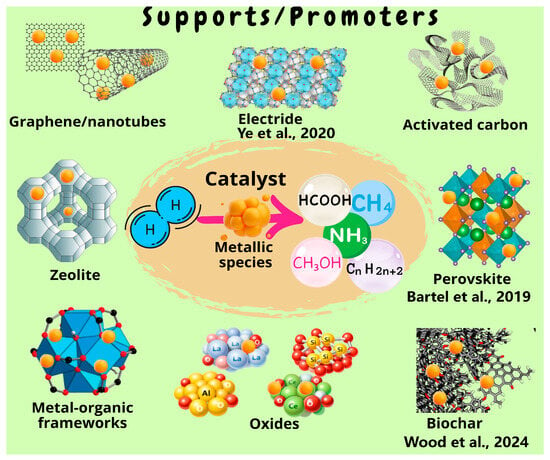
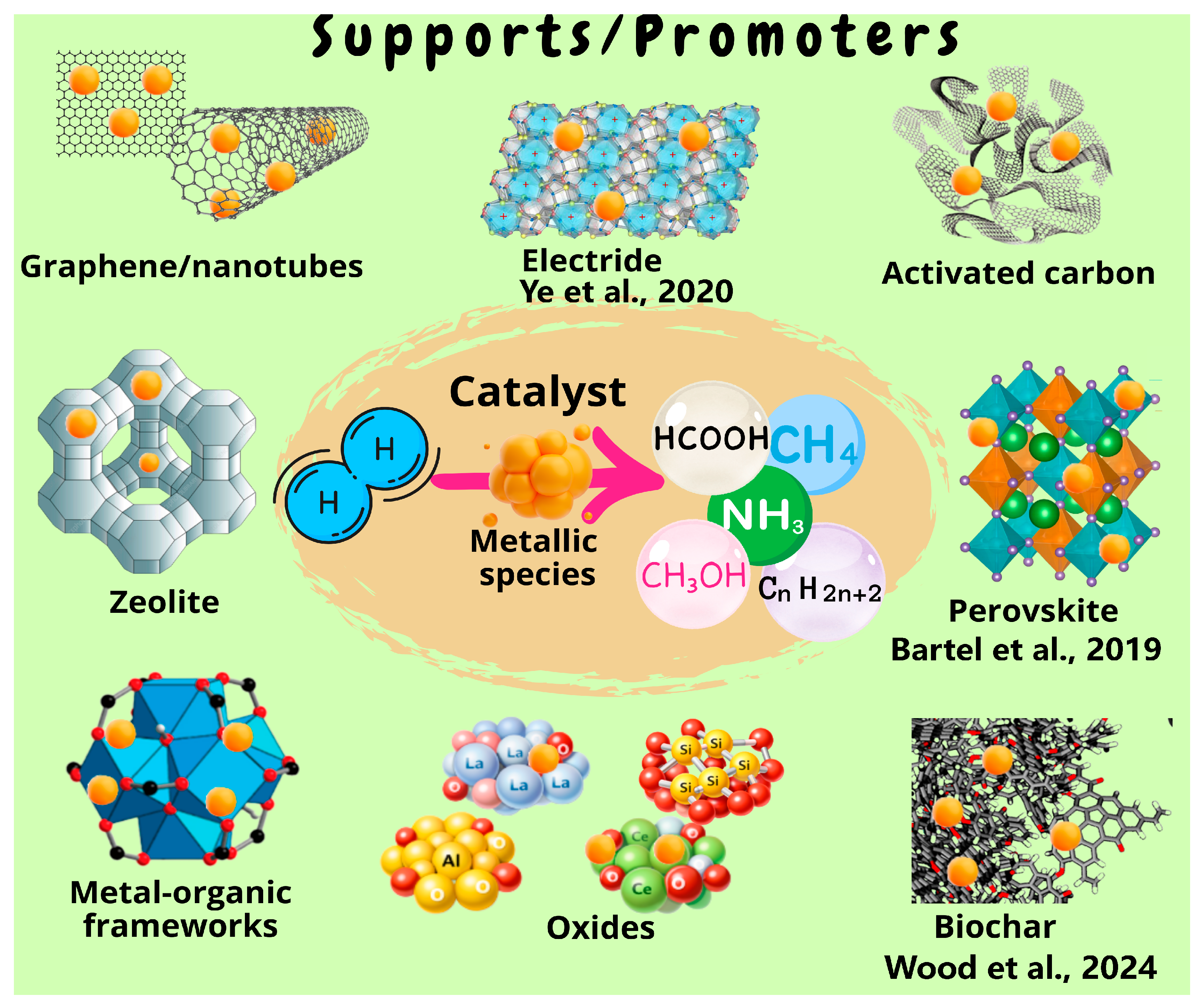
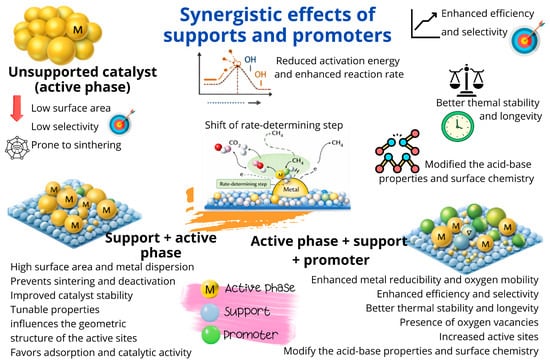
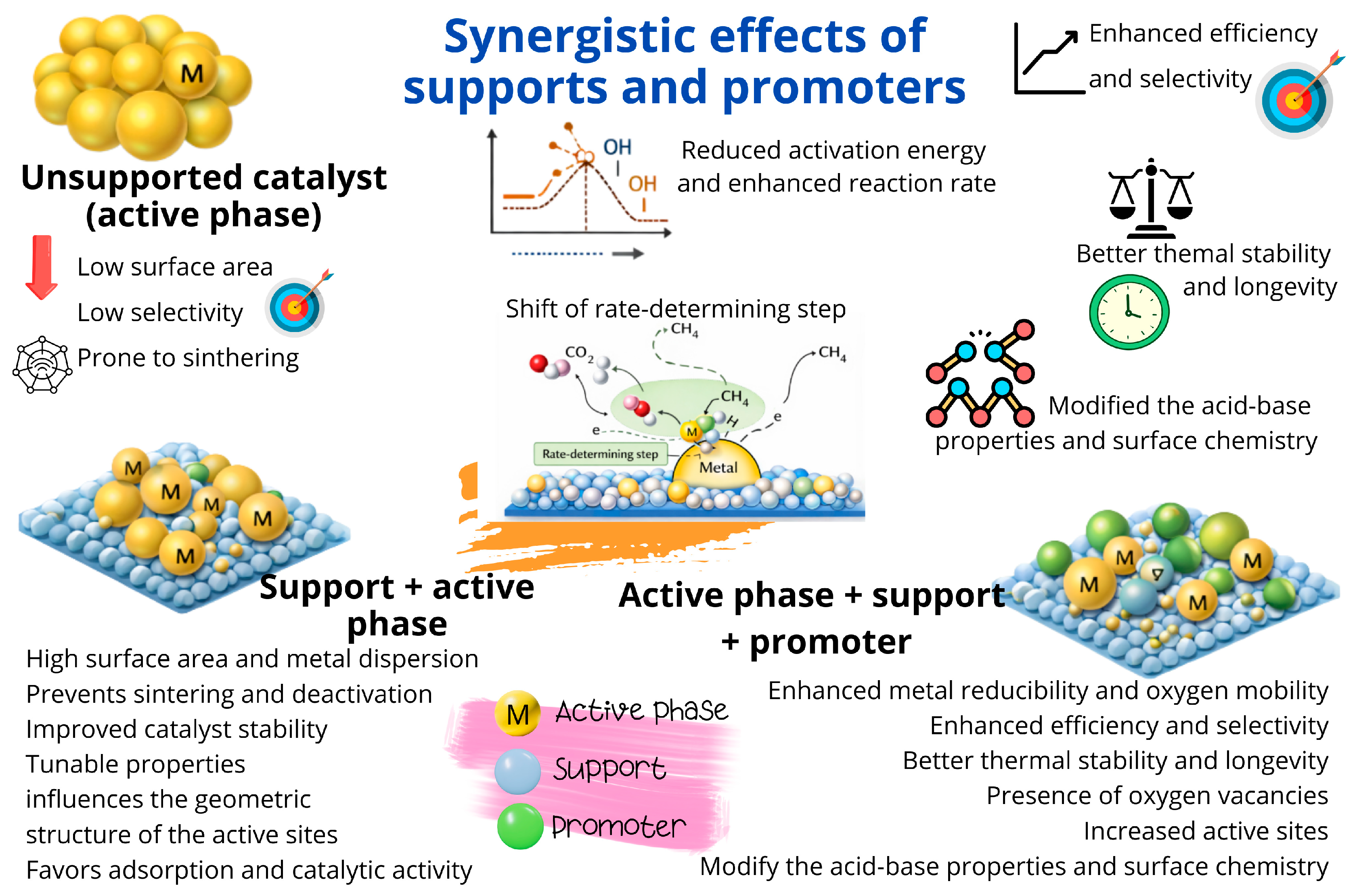
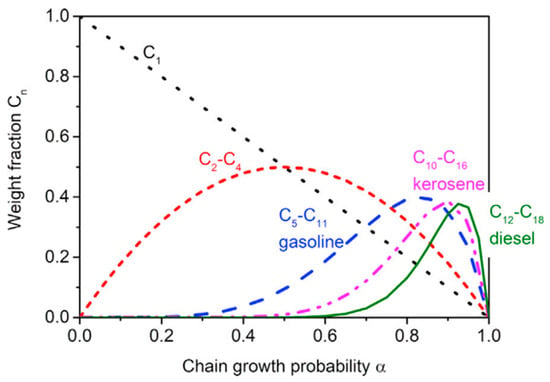
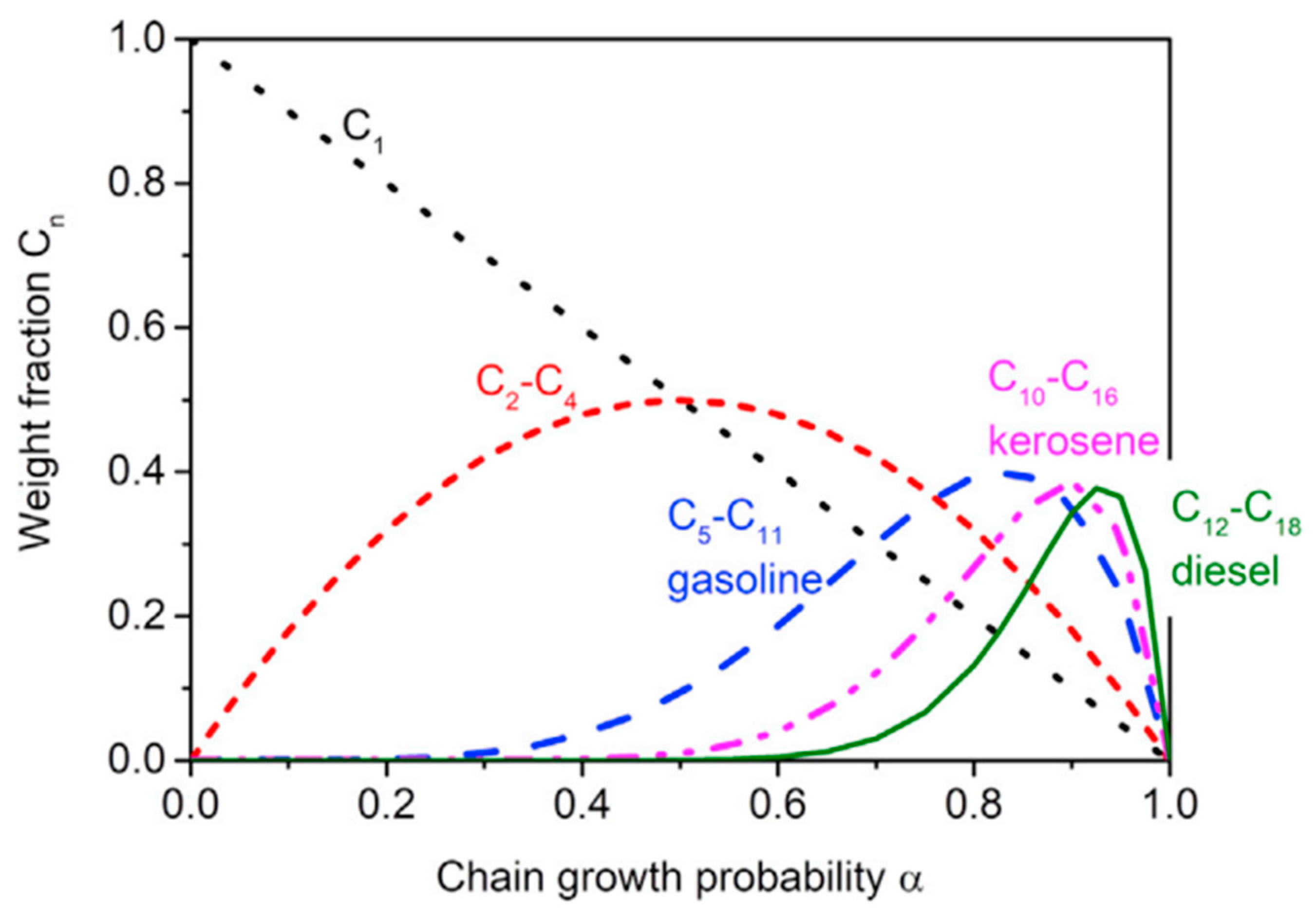
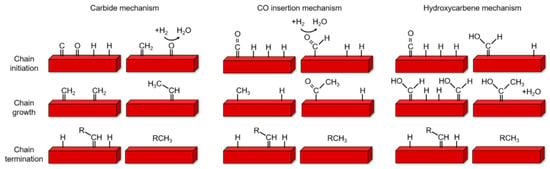
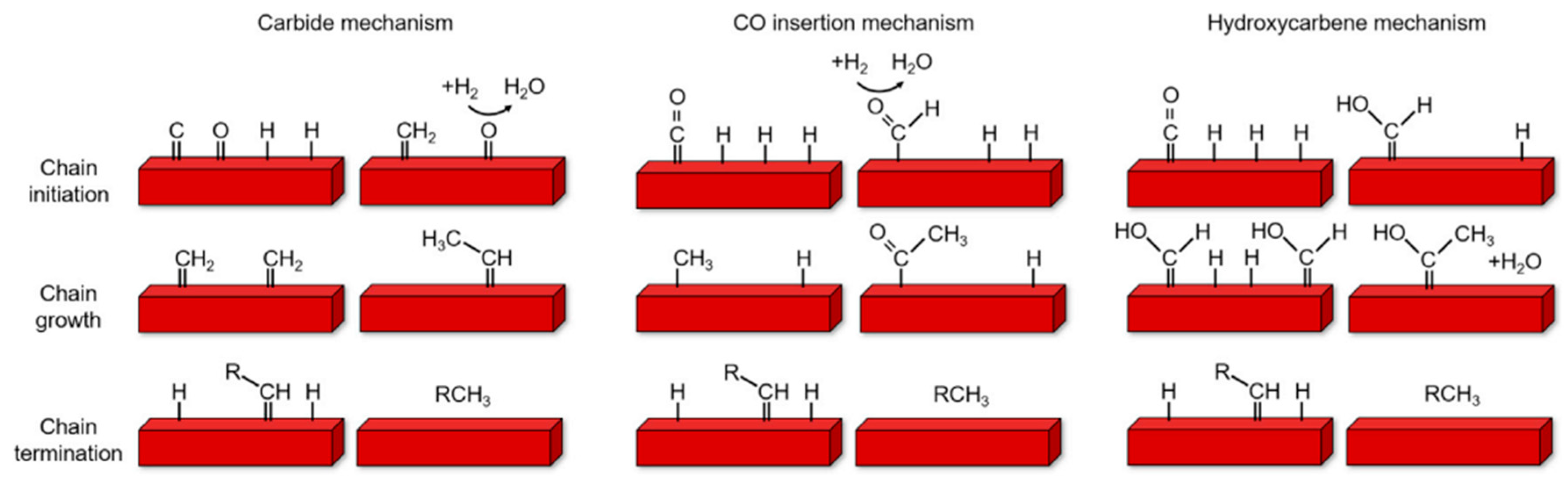
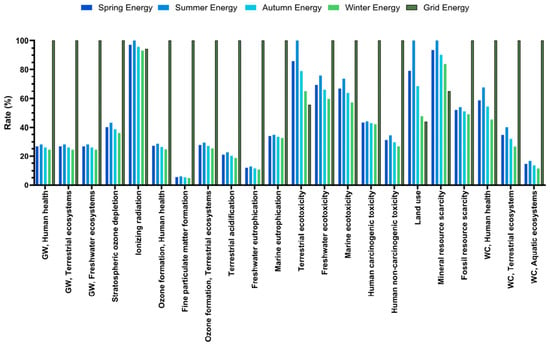
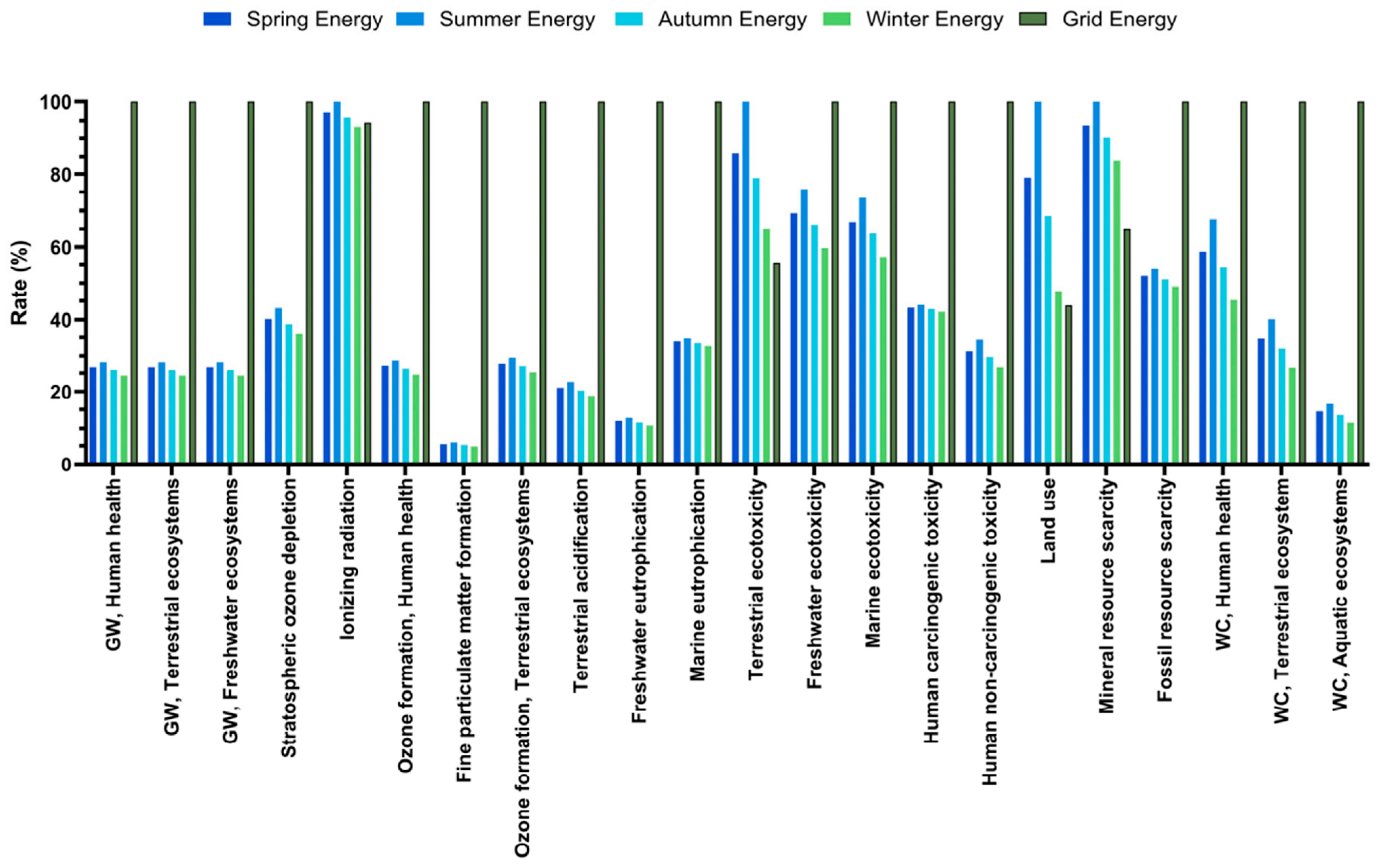

Disclaimer/Publisher’s Note: The statements, opinions and data contained in all publications are solely those of the individual author(s) and contributor(s) and not of MDPI and/or the editor(s). MDPI and/or the editor(s) disclaim responsibility for any injury to people or property resulting from any ideas, methods, instructions or products referred to in the content. |
© 2026 by the authors. Licensee MDPI, Basel, Switzerland. This article is an open access article distributed under the terms and conditions of the Creative Commons Attribution (CC BY) license.