Article

Interactions among Zinc, Iron, and Paraquat in the Physiological and Toxicological Responses of the Egyptian Cotton Leafworm Spodoptera littoralis


1
Institute of Entomology, Biology Centre, CAS, Branišovská 31, 370 05 České Budějovice, Czech Republic
2
Institut d’Ecologie et des Sciences de l’Environnement de Paris (iEES-Paris), Sorbonne Université, CNRS, INRAe, IRD, Université Paris Créteil, Université Paris cité, F-75005 Paris, France
3
IRRI South Asia Regional Center, Delhi 110054, India
*
Author to whom correspondence should be addressed.
Toxics 2025, 13(1), 38; https://doi.org/10.3390/toxics13010038

Submission received: 6 November 2024 / Revised: 27 December 2024 / Accepted: 30 December 2024 / Published: 5 January 2025
(This article belongs to the Section Metals and Radioactive Substances)

Abstract

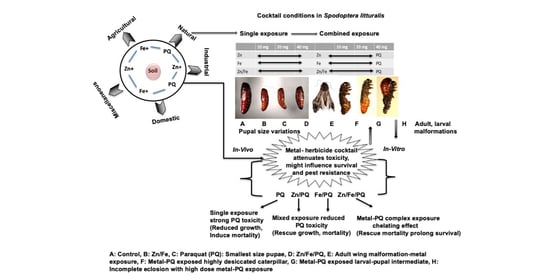
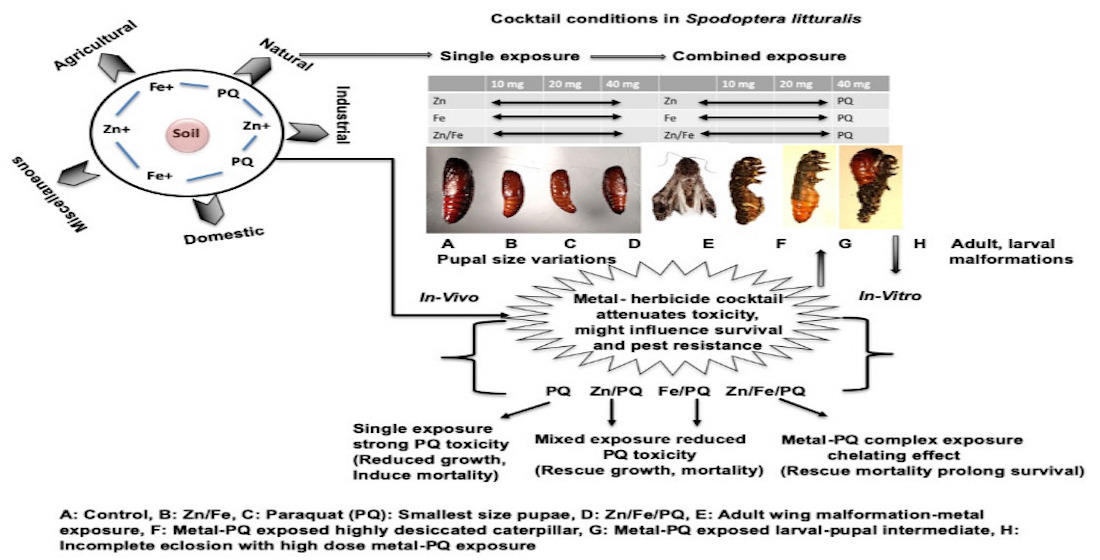
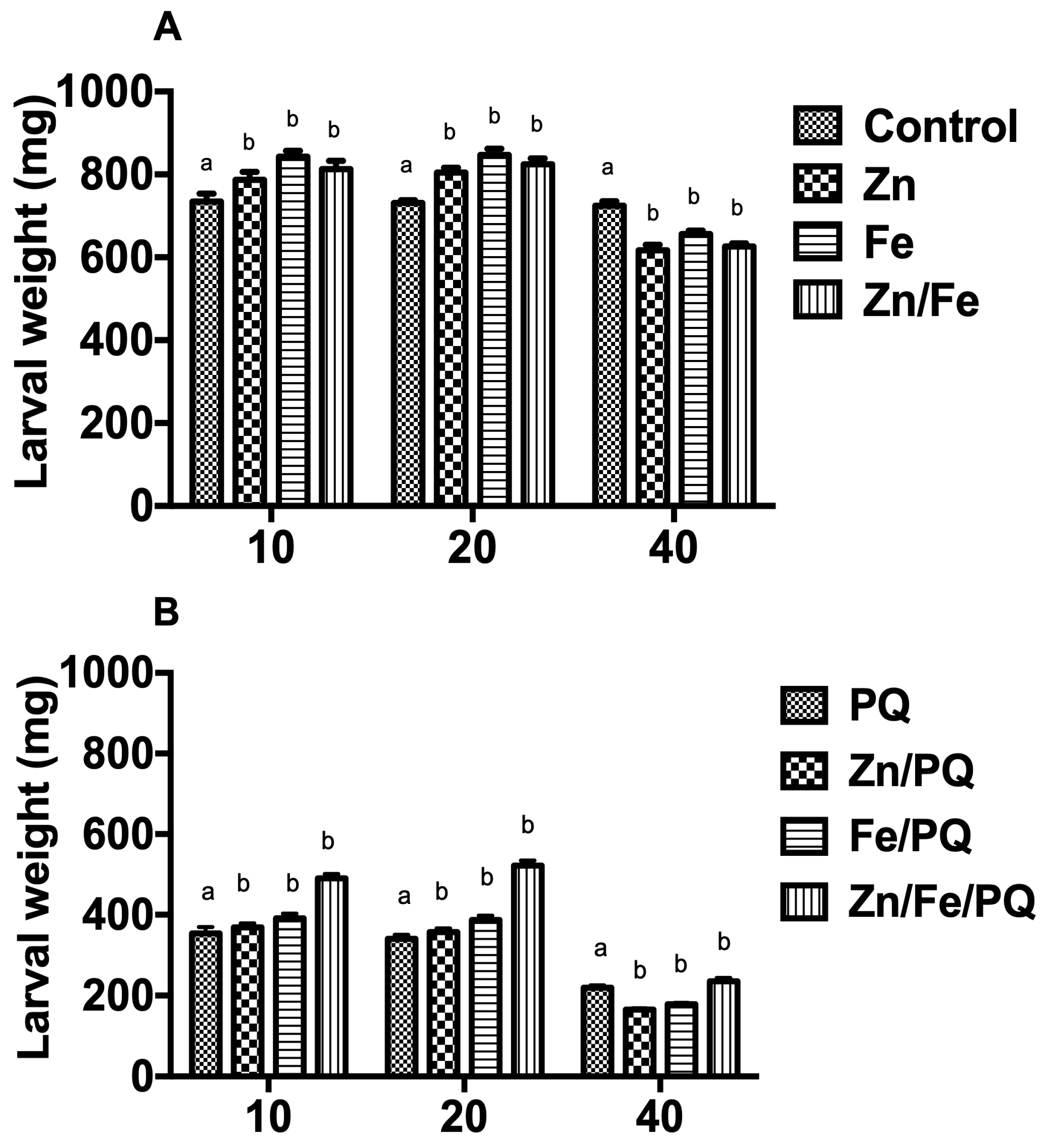
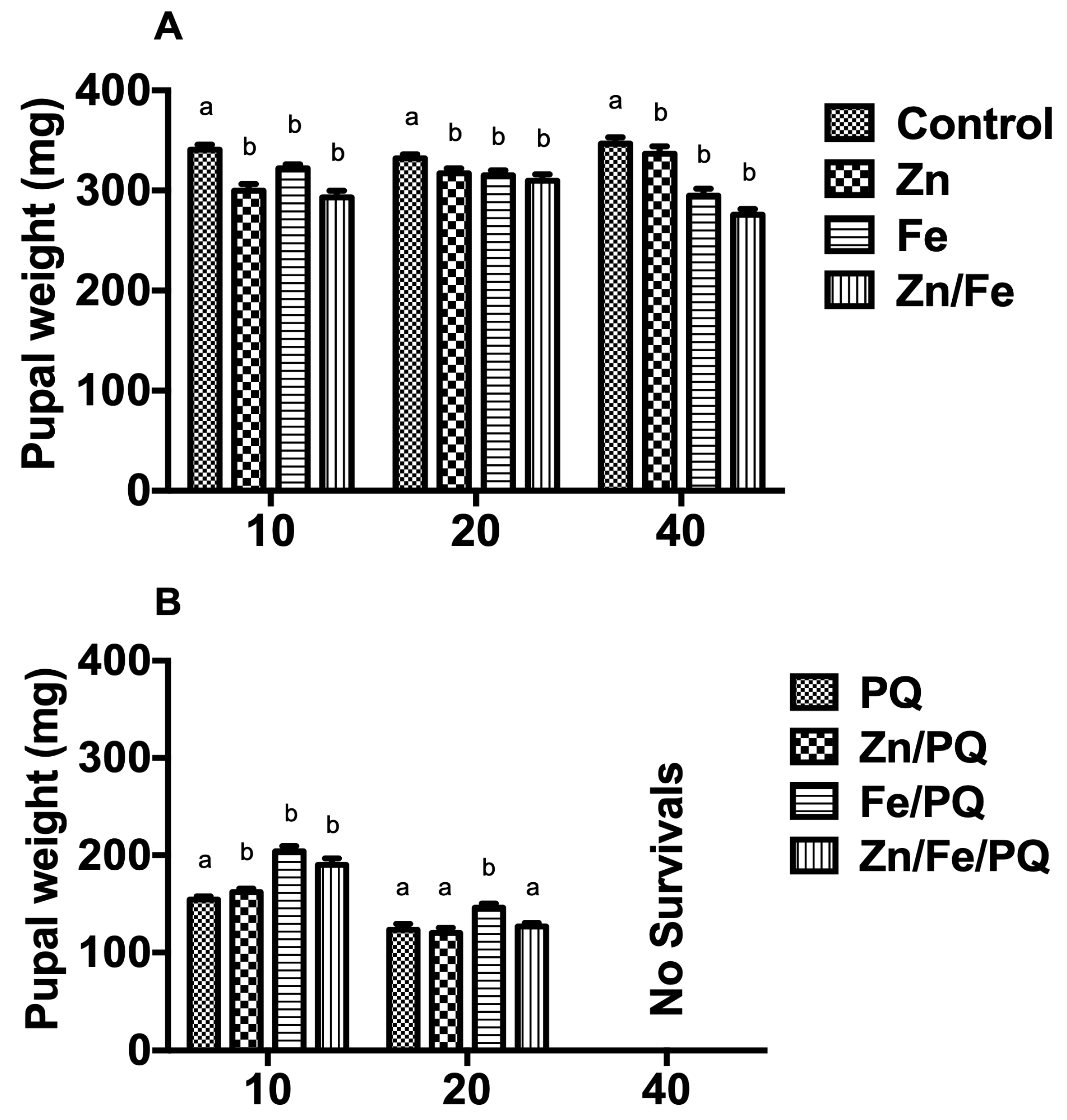
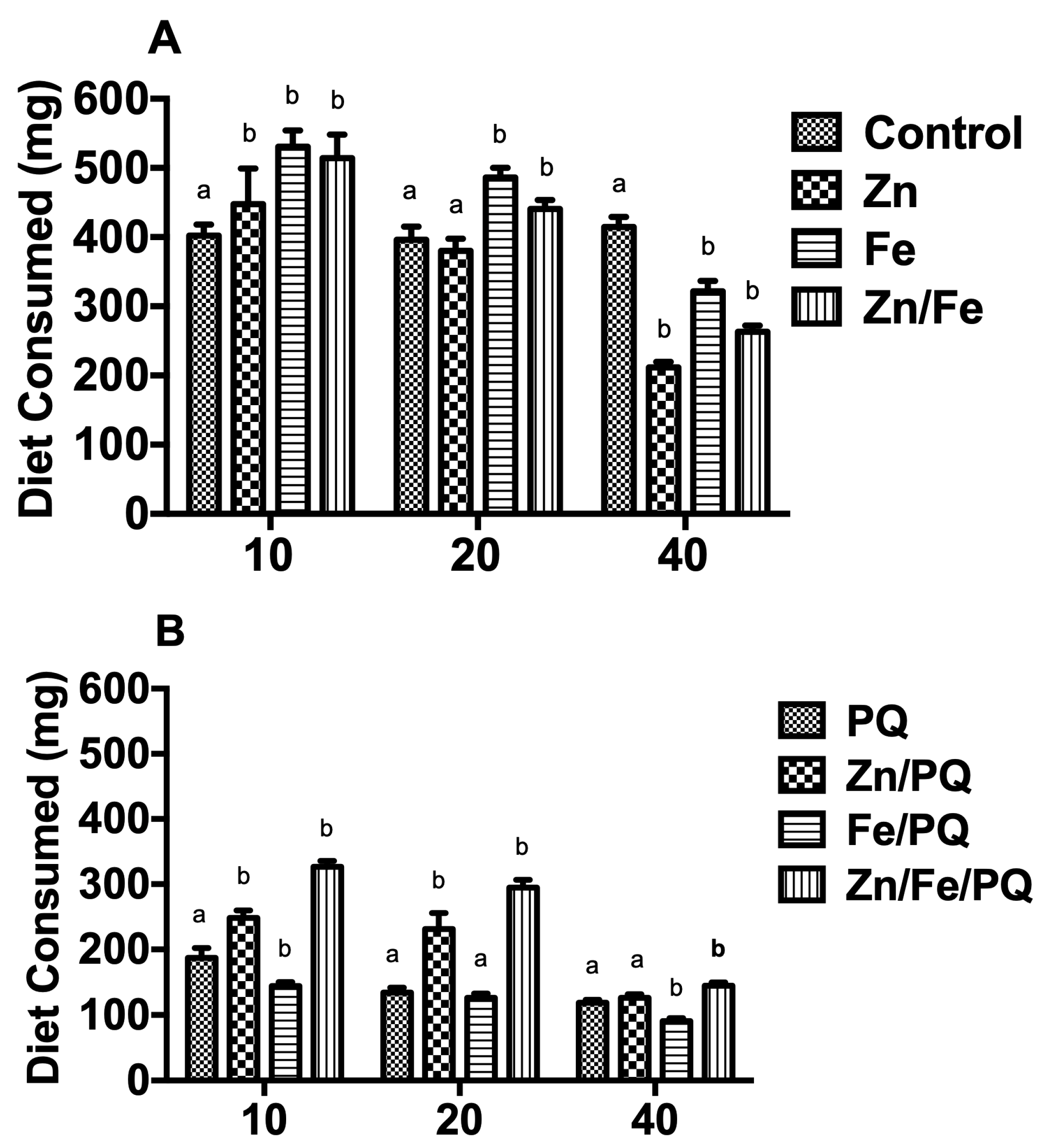
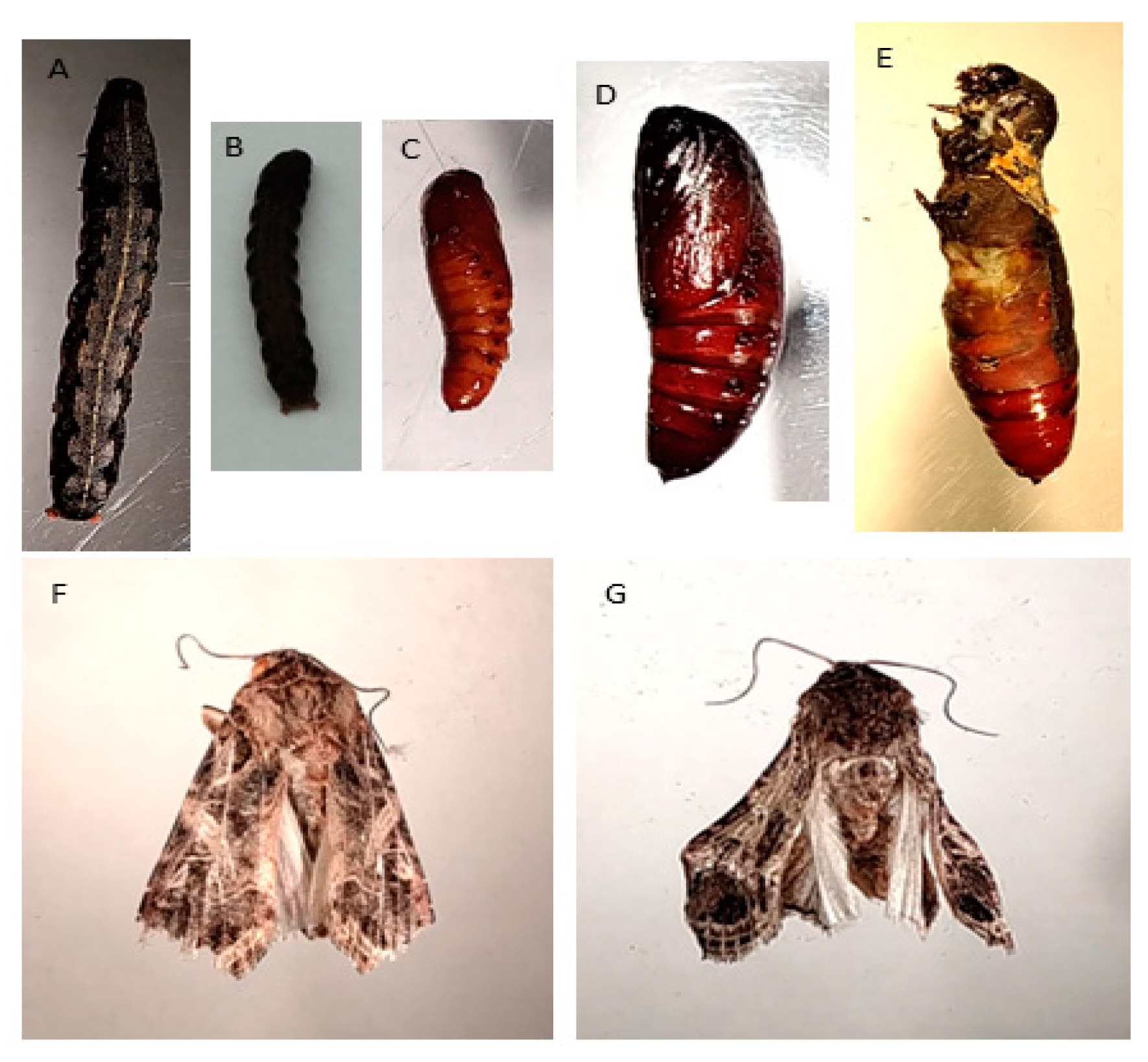
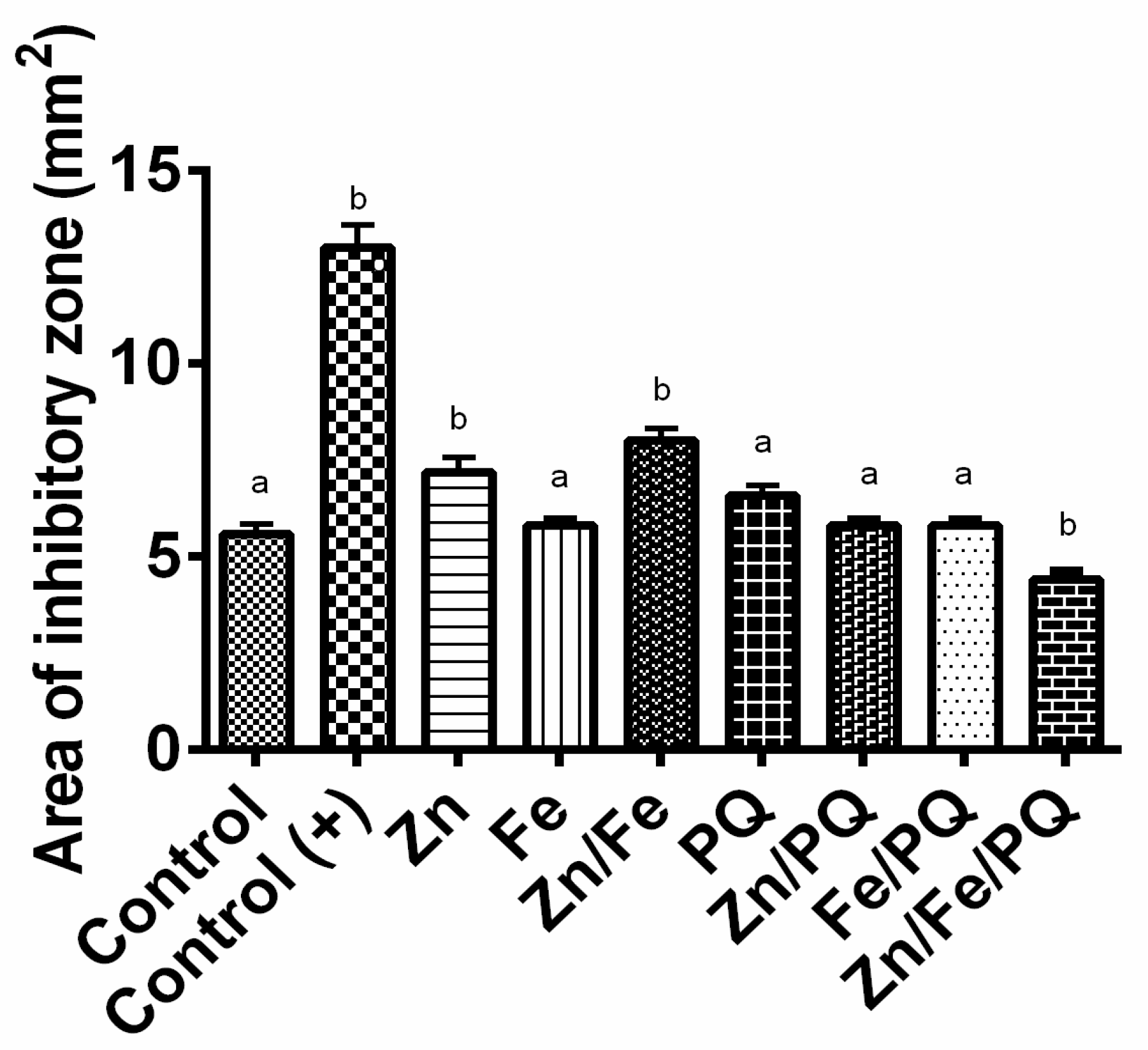
Agricultural pollutants co-interact and affect the vital functions, stress tolerance, resistance, immunity, and survival of insect pests. These metal–herbicide interactions have inevitable but remarkable effects on insects, which remain poorly understood. Here, we examined the effects of the interactions among zinc (Zn), iron (Fe), and paraquat (PQ) at a sublethal dose on the physiological response of the Egyptian cotton leafworm Spodoptera littoralis. Co-exposure to Zn and Fe improved leafworm survival (100% at 10–20 mg, 85% at 40 mg) compared to separate exposures. Low Zn/Fe/PQ toxicity likely stemmed from metal complexes having efficient chelating activity, enhancing resilience. Low exposure to Zn, Fe, and Zn/Fe increased food intake and larval weight and affected frass production. Interestingly, the combined application of Zn/Fe/PQ increased larval and pupal weight in surviving individuals. Zn/Fe was found to be crucial in the ecdysis of larvae into pupae, resulting in reduced larval mortality and a prolonged pupal ecdysis duration (% days). Providing important information regarding physiological responses and pest management, this study demonstrated the realistic conditions caused by the interactions of biological trace elements, such as Zn and Fe, with PQ. A disc diffusion susceptibility test in hemolymph bacteria revealed differences among Zn, Zn/Fe, and Zn/Fe/PQ, suggesting that their interaction might play an immunomodulatory role in S. littoralis.
Keywords: co-interaction; immunomodulation; pest management; physiological toxicity; pollutants; sublethal exposure co-interaction; immunomodulation; pest management; physiological toxicity; pollutants; sublethal exposure
Graphical Abstract