


Abstract
2,4-dichlorophenoxyacetic acid (2,4-D) is a widely used herbicide worldwide and is frequently found in water samples. This knowledge has prompted studies on its effects on non-target organisms, revealing significant alterations to liver structure and function. In this review, we evaluated the literature on the hepatotoxicity of 2,4-D, focusing on morphological damages, toxicity biomarkers and affected liver functions. Searches were conducted on PubMed, Web of Science and Scopus and 83 articles were selected after curation. Among these studies, 72% used in vivo models and 30% used in vitro models. Additionally, 48% used the active ingredient, and 35% used commercial formulations in exposure experiments. The most affected biomarkers were related to a decrease in antioxidant capacity through alterations in the activities of catalase, superoxide dismutase and the levels of malondialdehyde. Changes in energy metabolism, lipids, liver function, and xenobiotic metabolism were also identified. Furthermore, studies about the effects of 2,4-D in mixtures with other pesticides were found, as well as hepatoprotection trials. The reviewed data indicate the essential role of reduction in antioxidant capacity and oxidative stress in 2,4-D-induced hepatotoxicity. However, the mechanism of action of the herbicide is still not fully understood and further research in this area is necessary.
1. Introduction
2,4-Dichlorophenoxyacetic acid (2,4-D) is an herbicide derived from phenoxyacetic acid. It has been widely used in agriculture since 1946 for weed control [1,2]. This chlorinated aromatic hydrocarbon was one of the first synthetic herbicides to enter the market and is currently the main ingredient in over 1500 products available in the market, such as Weedestroy® AM40 and DMA® 4 IVM [3,4].
The 2,4-D herbicide mimics the effects of auxins, hormones that regulate plant growth [5]. Due to its high water solubility, the herbicide is able to reach conducting vessels through plants leaves and roots, thus spreading throughout the plant, causing abnormal tissue growth and other deleterious effects that ultimately lead to plant death [5,6,7,8]. Due to its high efficiency and low-cost, 2,4-D is globally used as a pre- and post-emergence herbicide in crops such as rice, coffee, sugarcane, corn, and soybeans [6,9,10].
Countries with greater agricultural activity exhibit a prominent use of this herbicide. According to the United States Department of Agriculture, the USA, South America, Europe, and Russia are the primary markets and producers of 2,4-D, with their consumption experiencing a significant 40% increase over the last decade [11,12]. In the United States, approximately 600 agricultural and residential products contain 2,4-D as the active ingredient. Furthermore, in 2012, it was the fifth most widely applied herbicide in the agricultural sector of the country [13,14,15]. In Argentina, over 2000 tons of 2,4-D are employed in various crop types, particularly in glyphosate-tolerant corn and soybean cultivation [11,16]. In Brazil, a total of 62,165.70 tons of 2,4-D were sold in 2021, making it the second best-selling agrochemical in the country, a prominent position maintained since 2013 [17]. 2,4-D is also highly consumed in Asian countries. In Thailand, 2,4-D emerged as the most imported herbicide in 2021, totaling 11,781 tons [18]. In China, the production of 2,4-D reached a significant milestone of 40,000 tons in 2010 [19].
Considering that products applied to crops undergo leaching and have access to water bodies, the high level of commercialization of 2,4-D is evident in its frequent detection in surface, groundwater, and drinking water samples [5]. Furthermore, 2,4-D is environmentally persistent, with a half-life in water ranging from 15 to 300 days depending on environmental parameters [20,21,22,23]. Concentrations of 2,4-D detected in aquatic environments usually range from 4 to 24 µg/L [3,24]. In surface water, 2,4-D has been detected at varying concentrations around the world. In Spain, the detection in drinking and surface water ranged from 62 to 207 ng/L, while in the United States it was found to be between 0.1–12 μg/L in urban surface water and sediments [25,26]. Likewise, in Australia, 2,4-D was identified in urban waterways at a concentration of 3.5 ng/L [27]. In northern Iran, 2,4-D was detected in river water at 16.6 μg/L [28]. In Greece, similarly in river water, the herbicide was detected at 1.16 μg/L [29]. Furthermore, values ranging from 359 to 656 µg/L have already been detected in surface water shortly after herbicide spraying in plantation settings [3,23].
In Brazil, according to data obtained by the Ministry of Health through the Water Quality Surveillance Information System for Human Consumption (SISAGUA), 2,4-D was detected in 92% of samples of water used to supply more than 2300 cities in Brazil between 2014 and 2017 [30]. Despite only two detections showing concentrations above the permissible limit in Brazil (30 µg/L), 4270 detections exhibited values exceeding the limit set by the European Union, which adopts a more conservative stance (0.1 µg/L) [30,31]. The concern about the presence of 2,4-D in water lies in its toxic effects on non-target organisms. In terms of these effects, there is a growing number of studies in the literature that highlight its hepatotoxicity in different biological models (e.g., rodents and fish). The effects include liver cellular and tissue damage, the inhibition of hepatic antioxidant enzymes, lipid peroxidation (LPO), and increased seric levels of transaminases [32,33,34].
The liver plays vital functions in vertebrates, including nutrient metabolism and detoxification processes [35]. Hepatic damage can have negative impacts on these processes and lead to the development of several diseases such as fibrosis, cirrhosis, steatosis, and hepatocellular carcinoma [35]. Therefore, the current study aimed to summarize and analyze, from a critical standpoint, the available literature on the hepatotoxicity induced by pure 2,4-D or commercial formulations containing it as the active ingredient. To do so, we addressed markers of toxicity and affected liver functions, as well as biological models, chemical compounds, effects in mixtures, and hepatoprotection assays. Research gaps and recommendations for future studies were also addressed.
2. Materials and Methods
The articles used in the literature review were obtained from the PubMed, Web of Science and Scopus databases, and the search covered all papers published until July 2023. Two keyword combinations were used: (i) “2,4-D” and “liver”; and (ii) “2,4-D” and “hepatotoxicity”. The decision to utilize the abbreviation 2,4-D rather than its full nomenclature in the database queries was motivated by the higher volume of located articles and the consistency in outcomes across various keyword combinations. The articles found were curated according to the following inclusion and exclusion criteria:
- (i)
- Inclusion criteria: articles written and published in English; original and experimental articles; articles that used pure 2,4-D or commercial formulations containing it as the active ingredient; articles that used vertebrates or derivatives (e.g., cells, organelles, enzymes) as biological models; and articles that used biological samples derived from hepatic tissue.
- (ii)
- Exclusion criteria: articles that were not written and published in English; articles that studied other chemical compounds but not 2,4-D; articles that did not use vertebrates or derivatives as biological models; review articles; clinical cases, efficacy studies, protocols, technical reports, and studies that did not meet the research aims.
Subsequently, the selected articles were examined for relevant information on the theme of the review. The extracted information included: DOI, year of publication, geographic location of the study identified by the corresponding author’s address, nature of the chemical compound (active ingredient or commercial formulation), biological model used, route of administration/exposure, exposure period, evaluated concentrations, morphological liver damages and toxicity biomarkers.
Overview
The searches in PubMed using the keyword combinations resulted in a total of 232 findings. After applying the inclusion and exclusion criteria, 64 articles remained. Using Web of Science, a total of 193 findings were identified, and 46 articles remained after applying the eligibility criteria. In Scopus, a total of 869 articles were identified, from which 62 were selected. At the end of the curation process and after the removal of duplicates, a total of 83 articles remained, with 31 of them being present in all three databases (Figure 1a,b). These articles are summarized in Table 1 (in vivo studies) and Table 2 (in vitro studies).
Figure 1.
(a) Methodological approach to the systematic review of 2,4-D herbicide-induced hepatotoxicity and (b) degree of overlap across the databases queried in this study.
Table 1.
Studies of the hepatotoxicity of 2,4-dichlorophenoxiacetic acid (2,4-D) in in vivo biological models.
Table 2.
Studies of the hepatotoxicity of 2,4-dichlorophenoxiacetic acid (2,4-D) in in vitro biological models.
The toxicity biomarkers identified were grouped based on their relationship to different aspects of liver physiology [115,116,117]. The categories were: antioxidant metabolism (AM), energetic metabolism (EM), lipid metabolism (LM), liver function (LF), and xenobiotic metabolism (XM). The biomarkers grouped in the LF category are utilized in both clinical diagnosis and research to investigate liver damage and function, including AST, ALT, and ALP [118]. Effects that were not directly related to any specific category were allocated to “not determined” (ND). Markers related to more than one category were placed in both groups (e.g., glutathione S-transferase and glutathione were allocated to both AM and XM). After this classification, it was possible to determine which categories were evaluated by each article in the review and identify the toxicity markers that appeared most frequently in the studies. Additionally, eight studies were identified as containing information on the hepatotoxic effects of 2,4-D in association with other agrochemicals, and eight studies focused on hepatoprotection against damage induced by the herbicide.
3. Results and Discussion
3.1. Historical Review and Geographical Distribution
The article published by Olson et al. (1974) was the oldest study on the hepatotoxicity of 2,4-D [112]. Since then, a significant number of studies have been published (Figure 2a). It is noteworthy that approximately 55% (n = 46) of the articles in this review were published prior to the year 2000. In part, the high number of older studies can be explained by the fact that 2,4-D was the first synthetic herbicide to be developed (in the 1940s) and it was used worldwide in agriculture, which sparked the interest of research groups in studying its effects on non-target organisms [1]. In addition to its use in agriculture, the fact that 2,4-D is one of the components of Agent Orange, a defoliant widely used during the Vietnam War, may have also contributed to the significant number of studies conducted during that period [3].
Figure 2.
Bibliometric data of articles on the 2,4-D herbicide induced hepatotoxicity. (a) Absolute and cumulative number of articles over the years. (b) Number of articles per country.
The studies identified in the review were conducted by research groups from 23 countries, most notably the USA (n = 17; 20%), Brazil (n = 11; 13%) and Turkey (n = 9; 11%) (Figure 2b). In both countries, agriculture plays a significant economic role, and 2,4-D is widely commercialized [14,17].
3.2. Chemical Compounds
In the toxicity assays of the selected studies, 2,4-D was used in either its pure form (n = 40; 48%) or via a commercial formulation containing it as the active ingredient (n = 29; 35%). Articles that did not specify the origin of the substance used in the exposure assays were classified as “not specified” (n = 14; 17%) (Figure 3a).
Figure 3.
(a) Types of 2,4-D formulation used in hepatotoxicity studies (b) across in vivo and in vitro models. (c) Types of in vivo models used and (d) types of in vitro models used.
Désormone Lourd (600 g/L), U46D-Fluid (868 g/L), Vesakontuho tasku (500 g/kg), and Tordon 75D® (300g/L 2,4-D + 75 g/L picloram) are examples of 2,4-D-based commercial formulations used in the studies of this review. Commercial formulations are cocktails containing one or more active ingredients and other substances known as inert or adjuvant ingredients (e.g., surfactants, solvents, and preservatives). These substances serve to improve the dissolution, stability, absorption, and pesticidal action of the active ingredient [119]. However, adjuvants can have biological activity and influence the toxicity of the active ingredient [120]. This makes it difficult to compare experimental data since different formulations vary with regard to the composition and concentration of these compounds [119]. Furthermore, among the analyzed studies, only one conducted a comparative analysis of the hepatotoxic effects of the active ingredients of the herbicide (Tordon 75D®) and its inert ingredients [103]. Comparative studies are essential for evaluating differences in toxicity among different 2,4-D formulations, including the pure herbicide, and identifying variations in toxic effects due to adjuvants [120]. This highlights the lack of such studies in the literature, which could provide important information for establishing safe limits for these compounds in the environment.
3.3. Biological Models
Approximately 72% (n = 60) of studies used in vivo biological models, while around 30% (n = 25) used in vitro models (Figure 3b). Only the study by Di Paolo et al. (2001) employed both approaches [56]. In vivo models have advantages in hepatotoxicity studies compared to in vitro models because they consider the interactions between different liver cell types, as well as the influence of systemic factors [121]. Revised results showed that further studies using organs-on-chips (OoCs) and body-on-a-chip (BoC) platforms are needed since these methodologies create the environments that recapitulate one or more tissue-specific functions [122].
Regarding the in vivo models, 68% (n = 41) used rodents, 27% (n = 16) used fish, and 5% (n = 3) used amphibians (Figure 3c). Among these, 18 different species were identified, with Rattus norvegicus and Mus musculus being the notable ones (Table 1). Rodents are widely used in hepatotoxicity studies due to their high morphophysiological, biochemical, and genetic homology with humans, including liver metabolism [123]. Fish, such as Poecilia vivipara, Cyprinus carpio and Rhandia quelen, are organisms with sensitivity to changes in environmental parameters and are directly affected by the presence of agrochemicals in aquatic bodies [124]. Figure 3d depicts in vitro biological models. Among them, the most commonly used were the inibithion assay of isolated hepatic glutathione S-transferase (GST) (n = 7, 28%). Isolated liver mitochondria from R. norvegicus were also used as a model (n = 6, 24%), along with hepatocyte cultures (n = 4, 16%) and HepG2 cells (n = 4, 16%). The remaining studies utilized liver and chicken embryo and were categorized as “other” (n = 2, 8%). More information about the in vitro biological models can be found in Table 2.
3.4. Morphological Markers
The liver is composed of different cell types, such as hepatocytes, Kupffer cells, stellate cells, and hepatic sinusoidal endothelial cells [125]. The composition and organization of these cells in the organ vary according to the species, but in general hepatocytes are more abundant and perform many of the hepatic functions [126].
Data collected in this review show that 2,4-D causes various impacts on liver tissue. Macroscopically, exposure to 2,4-D induces hepatomegaly in rodents. Male rats treated with 150 mg/kg of Désormone Lourd (600 g/L 2,4-D) for 4 weeks showed approximately a 43% increase in absolute organ weight compared to the negative control [63]. At the cellular and tissue level, histopathological analyses were predominant in identifying damages in the reviewed articles. Rats treated with 15 mg/kg of Désormone Lourd (600 g/L 2,4-D) for 4 weeks exhibited cellular death, which was indicated by the formation of pyknotic nuclei and focal necrosis [63]. Additionally, 5 mg/kg of the same commercial formulation induced perivascular inflammatory infiltration in the liver of rats, indicating the presence of immune system cells and other components involved in the inflammatory response [32]. In addition to inflammatory effects, dietary exposure to 2,4-D has been previously associated with a high incidence of hepatic steatosis in rats [72]. It is important to emphasize that the mentioned morphological changes are associated with a decrease in hepatic antioxidant function, indicated by the reduced activity of antioxidant enzymes such as superoxide dismutase (SOD), catalase (CAT), glutathione S-transferase (GST), glutathione peroxidase (GPx), and hepatic GSH levels [32,63]. Morphological damage can also contribute to hepatobiliary disorders. Tichati et al. (2020) showed an increase in alkaline phosphatase (ALP) activity and total bilirubin levels, which are used as indicators of biliary flow dysfunction [32]. Furthermore, obstruction of the bile ducts can lead to the accumulation of bile salts in the liver, exposing hepatocytes to toxic concentrations of bile acids and enhancing hepatic injuries [127].
Other histopathological changes frequently observed after exposure to 2,4-D include hepatocyte vacuolization and deterioration of the liver tissue structure. Cattaneo et al. (2008) identified these effects in the liver of R. quelen after exposure to 700 mg/L of U46D-Fluid (868 g/L 2,4-D) for 96 h [83]. Similar effects were found in the liver of zebrafish larvae at 120 h post-fertilization (hpf) when exposed to pure 2,4-D (>97%) at 2.5, 5, and 10 mg/L [4].
The morphological changes found by Cattaneo et al. (2008) were accompanied by an impairment in liver energetic function, as evidenced by blood glucose alterations and a decrease in hepatic glycogen level [83]. These effects are commonly associated with disruptions in gluconeogenesis and glycogenolysis pathways, which play crucial roles in maintaining blood glucose levels [63,128]. Moreover, an increase in hepatic lactate dehydrogenase (LDH) activity was observed, suggesting enhanced anaerobic glucose metabolism. This could possibly be attributed to tissue damage and reduced oxygen availability [83].
3.5. Toxicity Biomarkers
3.5.1. Antioxidant Metabolism
Toxicity biomarkers associated with antioxidant metabolism and oxidative stress were the most frequent, reported in 49% (n = 41) of the reviewed articles (Figure 4a). Free radicals, such as reactive oxygen species (ROS) and reactive nitrogen species (RNS), are natural byproducts of cellular aerobic metabolism [129]. However, when the production of free radicals exceeds the antioxidant capacity of the organism and reaches high concentrations, oxidative stress occurs, resulting in oxidative damage to cellular macromolecules, such as proteins, lipids, and nucleic acids [35,130].
Figure 4.
(a) Selected articles in the review (small black dots) and the hepatic functions that were affected: antioxidant metabolism (AM), energetic metabolism (EM), liver function (LF), lipid metabolism (LM), xenobiotic metabolism (XM) and not determined (ND). (b) The top seven disturbed biochemical markers for each hepatic function. Size circles correspond to the number of occurrences in the articles. Abbreviations: catalase (CAT), superoxide dismutase (SOD), glutathione S-transferase (GST), malondialdeíde (MDA), glutathione peroxidase (GPx), reduced glutathione (GSH), glutathione reductase (GR), lactate dehydrogenase (LDH), glucose 6 phosphate dehydrogenase (G6PD), alanine aminotransferase (ALT), aspartate aminotransferase (AST), alkaline phosphatase (ALP), multidrug resistance protein 2 gene (MDR2), glutathione S-transferase (GST), cytochrome p450 enzymes (CYP450), epoxide hydrolases (EH), amidopyrine N-demethylase (APND), carnitine acetyltransferase (CrAT).
The decrease in antioxidant capacity was mainly shown by the reduction in the activity of hepatic antioxidant enzymes, such as superoxide dismutase (SOD), catalase (CAT), glutathione S-transferase (GST), glutathione peroxidase (GPx), and glutathione reductase (GR) [62,64,75]. Among them, CAT (n = 19, 46%), GST (n = 16, 39%), and SOD (n = 13, 31%) were the most frequently reported in the articles that investigated markers related to the antioxidant response. (Figure 4b). SOD is responsible for converting the superoxide radical (O2−) into a less reactive form, hydrogen peroxide (H2O2), while CAT decomposes H2O2 into water and oxygen [131]. GST, GPx, and GR are involved in the regulation and metabolism of glutathione (GSH), a crucial non-enzymatic antioxidant involved in neutralizing free radicals and eliminating endogenous and exogenous toxic compounds from the body [132].
Exposure to 2,4-D also leads to the depletion of GSH levels in the liver, contributing to a decrease in antioxidant capacity [71,119]. This effect was observed in rats receiving doses of 5 mg/kg of Désormone Lourd (600 g/L 2,4-D) for 4 weeks, resulting in a decrease in hepatic GSH levels and the activity of SOD, CAT, GPx, and GST [33]. Toxicity studies conducted with the active ingredient in rats identified similar results, further supporting that this effect is attributed to the active ingredient [71,74].
The decrease in antioxidant response and induction of an oxidative stress state leads to cellular and tissue damage. This is evidenced by the increase in MDA levels, an effect frequently reported in the articles (n = 14, 34%) [34,60]. This alteration indicates the oxidative degradation of lipids (LPO) induced by 2,4-D. MDA is a product of lipid peroxidation, especially of polyunsaturated fatty acids, and is considered a common marker of oxidative stress and oxidative damage to lipids and cell membranes [34]. Hepatic cells are particularly vulnerable to oxidative stress from various toxic agents because the liver serves as the primary site for drug metabolism [35]. Furthermore, oxidative stress plays a crucial role in the progression of liver diseases induced by toxic chemical compounds, such as nonalcoholic fatty liver disease (NAFLD) [129]. These data suggest that oxidative stress plays an important role in the progression of 2,4-D-induced hepatotoxicity.
3.5.2. Energetic Metabolism
The analyzed articles demonstrate that markers associated with energetic metabolism are disrupted following exposure to 2,4-D, as was reported in 36% (n = 30) of the studies (Figure 4a). Among them, alterations associated with mitochondrial dysfunction were frequent (n = 9, 30%) (Figure 4b). 2,4-D can inhibit the activity of mitochondrial enzymes and cause a depletion in cellular ATP levels, compromising the availability of energy required for proper functioning of the hepatic cells [102,104]. Isolated liver mitochondria treated with 600 µM of 2,4-D showed inhibition of complex III (cytochrome c reductase) [104]. Additionally, complex I (NADH cytochrome c reductase) was also inhibited in liver mitochondria exposed to 13.2 nmol/mg of the herbicide Tordon 2,4-D 64/240 triethanolamine BR [102]. This compromised the proton gradient across the mitochondrial inner membrane and impaired electron transfer necessary for ATP production during oxidative phosphorylation [133]. Furthermore, various studies in the literature report that the uncoupling of oxidative phosphorylation is a common mechanism of toxicity for chlorophenols [134,135,136]. The mitochondrial respiratory chain represents the major source of intracellular ROS formation, with complexes I and III serving as the major sites of O2− production [137,138]. The inhibition of these complexes results in an accumulation of superoxide-generating electron transport intermediates, enhances electron transfer to oxygen, and triggers excessive O2− production [137,138]. This contributes to oxidative stress, depletion of antioxidant systems, and damage at cellular and tissue levels [137,138].
Lactate dehydrogenase (LDH) was a frequently disrupted biomarker (n = 9, 30%) in articles related to energy metabolism (Figure 4b). LDH participates in energy production through anaerobic metabolism, and the increase in its activity may be associated with low oxygen availability and/or tissue injury [139,140]. Although LDH is not a specific marker of hepatotoxicity, the increase in its levels is related to liver disorders. Rats treated with 126 mg/kg of 2,4-D for approximately 21 days exhibited histopathological damage in the liver and a significant increase in LDH activity [34]. Two days of treatment with 2.5 mg/L of 2,4-D also caused this effect in zebrafish larvae at 120 hpf [4]. Furthermore, different analyzed articles reported that the increase in LDH activity is accompanied by a reduction in antioxidant enzyme activity and hepatic tissue damage [4,32,33,34]. This reinforces the argument that oxidative stress plays a crucial role in the progression of 2,4-D-induced hepatotoxicity.
3.5.3. Lipid Metabolism
2,4-D also has negative impacts on lipid metabolism, as reported in 18% (n = 15) of the reviewed articles. The analyzed biomarkers indicate that 2,4-D induces an increase in fatty acid oxidation in the liver, as evidenced by the elevation in the activity of mitochondrial enzymes involved in the β-oxidation process [37,39,43]. Rats fed a diet containing 0.25% (w/w) of 2,4-D for seven days showed an increase in the activity of carnitine acetyltransferase (CrAT) and an elevation in the oxidation of palmitoyl-CoA [39]. CrAT catalyzes the reversible transfer of acetyl groups between acyl-coenzyme A and L-carnitine, a fundamental process for transporting short- and medium-chain fatty acids into the mitochondria, where they are oxidized to generate energy [115,141]. Carnitine palmitoyltransferase, fatty acyl-CoA dehydrogenase, and acyl-CoA hydrolase II are also crucial mitochondrial enzymes for fatty acid oxidation, and their activity is increased by herbicide exposure [41,49]. 2,4-D also enhances peroxisomal β-oxidation of fatty acids [42,49]. Peroxisomes are organelles that house vital enzymes for a range of metabolic process, including fatty acid oxidation, phospholipid synthesis, and the maintenance of cellular redox balance [142]. Fatty acid β-oxidation represents a pivotal peroxisomal function, being crucial for shortening the chains of very-long-chain fatty acids that cannot be oxidized in mitochondria [142].
Peroxisomes and mitochondria are significant sources of ROS generation and maintain a close relationship with redox balance [143]. Peroxisomes serve as a major source of H2O2, which is generated through the activities of various FAD-dependent oxidoreductases involved in peroxisomal metabolic processes, including β-oxidation [144]. Although peroxisomes contain antioxidant enzymes such as catalase, imbalances in H2O2 levels can compromise antioxidant systems and contribute to oxidative stress [143,144]. Furthermore, disruptions in antioxidant mechanisms and peroxisomal β-oxidation can lead to mitochondrial oxidative stress in different organs, including the liver [144]. This underscores that the increase in fatty acid oxidation may be a significant factor in the generation of oxidative damage induced by exposure to 2,4-D.
3.5.4. Liver Function
Liver markers are used to evaluate liver function and are particularly useful in detecting and monitoring injuries caused by various factors, including toxic chemical compounds. 2,4-D increased the levels of different liver markers, with aspartate aminotransferase (AST) and alanine aminotransferase (ALT) being the most recurrent among the analyzed articles (Figure 4b). The widespread usage of AST and ALT is due to the fact that the AST/ALT ratio is a well-established marker of liver damage [145]. The AST/ALT ratio is relevant because it is a parameter frequently used to assess liver health in both clinical diagnosis and research. Furthermore, its disturbance can indicate different hepatic conditions such as hepatitis, cirrhosis, or hepatic steatosis [118,146]. AST and ALT are enzymes involved in amino acid metabolism, catalyzing the conversion of aspartate and alanine into pyruvate, respectively [146]. Both enzymes are primarily found inside hepatocytes. When liver damage occurs, hepatocyte membranes are compromised, resulting in the release of these enzymes into the bloodstream [145,146]. This leads to an increase in AST and ALT activity and levels in the blood, making them sensitive markers of liver damage [145]. Shafeeq and Mahboob (2021) demonstrated that rats receiving 150 mg/kg/day of 2,4-D for 4 weeks showed increased levels of AST, ALT, and alkaline phosphatase (ALP) [74]. The increase in the enzymatic activity of these three markers was also observed in zebrafish larvae at 120 hpf when treated with 2.5 mg/L of 2,4-D for two days [4].
Alkaline phosphatase (ALP) was the third most mentioned marker of liver function in the analyzed studies. This enzyme is located in the membranes of the biliary canaliculi, structures responsible for bile transport in the liver. An increase in ALP levels indicates dysfunction or obstruction of the biliary flow, a condition that can be caused by liver damage and hepatobiliary disorders [145,147]. Additionally, an increase in total bilirubin levels was also induced by 2,4-D [32,62]. Bilirubin is metabolized by the liver and excreted in the bile, implying that any abnormality in this process can result in its accumulation in the blood [145].
3.5.5. Xenobiotic Metabolism
Exposure to 2,4-D alters the activity of enzymes related to xenobiotic metabolism (Figure 4a). The most frequently occurring markers of this process are GST and GSH. GST plays an important role in the conjugation of xenobiotics with GSH molecules, resulting in the formation of water-soluble conjugates, facilitating their excretion from the body [132]. Additionally, 2,4-D also affects enzymes related to cytochrome P450 (CYP450) [45,57]. CYP450 is a family of enzymes, primarily present in the liver, responsible for the metabolism of a wide range of substances, including xenobiotics [116]. Different isoforms of CYP450 are involved in the metabolism of 2,4-D. Badawi et al. (2000) demonstrated that rats treated with a single dose of 2,4-D (375 mg/L) showed an increase in the expression of CYP1A1, CYP1A2, and CYP1B1 isoforms in the liver [55]. Furthermore, rats receiving doses of 1.6 and 2.9 mg/kg/bw of 2,4-D exhibited changes in the activity of CYP450 and the enzymes ethylmorphine N-demethylase and ethoxyresorufin O-deethylase, which are also part of the cytochrome P450 family [52]. Furthermore, CYP-mediated metabolism can also produce ROS, in addition to bioactivated intermediates, leading to oxidative stress, particularly in the liver, and contributing to liver pathologies [148].
Exposure to 2,4-D also induces the proliferation of peroxisomes, organelles that contain a variety of oxidative enzymes important in xenobiotic metabolism [45,57]. Epoxide hydrolases are enzymes, present in peroxisomes, that see increased activity due to exposure to 2,4-D [38,45]. These enzymes function to convert epoxides, intermediates formed during oxidative metabolism by CYP450, into more stable and less reactive metabolites, contributing to the detoxification and elimination of the compound in the body [149]. Figure 5 depicts a schematic representation of the mechanisms underlying the 2,4-D-induced hepatotoxicity reported in Section 3.6 of this study.
Figure 5.
Summary of 2,4-D herbicide induced-hepatotoxicity mechanisms.
3.6. Hepatoprotective Assessments
Oxidative stress plays a significant role in the hepatotoxicity induced by 2,4-D [32,33,74]. Therefore, chemical compounds with antioxidant properties are being tested in hepatoprotection assays, aiming to reduce the damage caused by the herbicide (Table 3).
Table 3.
Hepatoprotection studies against 2,4-D herbicide induced-hepatotoxicity.
Studies in rats have demonstrated that supplementation with selenium (Se) attenuates the 2,4-D-induced hepatotoxicity. This protection is indicated by the reduction in markers of liver function (AST, ALT, ALP), levels of MDA, and histopathological liver damage, and also by the improvement in the activity of hepatic antioxidant enzymes (CAT, GR, SOD, and GPx) [32,74]. Similar results were also found in rats supplemented with magnesium (Mg) [71]. Se and Mg play essential roles as enzymatic cofactors in antioxidant systems (e.g., for GPx activation and activity), contributing to cell protection against oxidative damage [71,74].
Olive oil and its hydrophilic fraction have also shown promising results against oxidative damage in the livers of 2,4-D-induced rats. The promoted outcomes include the recovery of antioxidant enzyme activity, reduction in the AST/ALT ratio and MDA levels, and the preservation of hepatic histoarchitecture [62,64]. These benefits are attributed to the presence of phenolic compounds (e.g., flavonoids and terpenoids) known for their antioxidant properties, as they have the ability to donate electrons to neutralize free radicals and stimulate antioxidant enzyme activity [33]. The aqueous extract of Thymus munbyanus, a plant also rich in phenolic compounds, was also effective against herbicide-induced oxidative damage [33].
3.7. Pesticide Mixtures Containing 2,4-D
This review identified studies that evaluated the toxic effects of 2,4-D when combined with other pesticide products. This approach is important as it reflects a more realistic scenario of exposure for non-target organisms. After all, these products are often applied in combination in target crops [150]. Additionally, the mixtures can influence the absorption, distribution, and metabolism of pesticides in non-target organisms, resulting in potential alterations in the toxicity of the individual active ingredients [150,151].
Exposure to commercial formulations of 2,4-D (27 ppm) and azinphosmethyl (0.3 ppm), both individually and in combination for 96 h, produced different results in terms of altering the levels of hepatic antioxidant enzymes in Oreochromis niloticus [79]. A synergistic effect between the pesticides was observed regarding SOD activity, while an antagonistic effect was seen in GPx and GR activity [79]. Chaturvedi et al. (1991) tested the effects of 2,4-D alone and in combination with the insecticides toxaphene (TOX) and parathion (PA) in mice and observed different effects on hepatic xenobiotic metabolism enzymes [51]. When administered alone at 50 mg/kg, 2,4-D altered the activities of Amidopyrine N-demethylase and Benzo [a]pyrene hydroxylase. However, when combined with TOX (50 mg/kg) or TOX (50 mg/kg) + PA (5 mg/kg), it induced the activity of other enzymes such as aniline hydroxylase and phenacetin O-dealkylase and increased CYP450 activity [51].
2,4-D was also evaluated in combination with the herbicide picloram, both of which are components of the commercial herbicide formulation Tordon [77]. The mixture of 5.5 mg/L 2,4-D + 0.5 mg/L picloram increased the hepatic ethoxyresorufin 0-deethylase activity in Ictalurus punctatus and decreased the liver-to-body weight ratio. These effects were not observed in treatments with individual herbicides, indicating a synergistic effect [77]. These findings highlight the importance of conducting studies that investigate the toxicity of pesticide mixtures given the scarcity of research in this field of research.
3.8. Conclusions and Perspectives
In conclusion, 2,4-D has a negative impact on various hepatic biochemical parameters, particularly components of the antioxidant system. This indicates that oxidative damage may play a significant role in the progression of 2,4-D-induced hepatotoxicity. However, despite the advancements made in this field, the mechanism of action, targets, and molecular pathways involved in the herbicide’s hepatotoxicity are not yet fully understood. Comprehending the mechanism of action of herbicides is of paramount importance in the development of more efficient agricultural strategies that minimize risks to the environment and non-target organisms [152,153].
In this context, the use of in silico and in chemico tools has emerged as a viable and efficient alternative for predicting toxicity mechanisms of contaminants (Cotterill et al., 2019). Examples include network analyses (e.g., protein–protein interaction networks) that provide a comprehensive understanding of the interactions between molecular targets and the toxic substance of interest [154,155]. In chemico approaches, such as docking and molecular dynamics, can also be employed to assess the affinity between a chemical compound and different targets, thereby increasing the reliability of the obtained results [156]. Moreover, these approaches make use of toxicological data available in freely accessible databases, such as GeneCards (https://www.genecards.org/, accessed on 30 October 2023) and DisGeNET (https://www.disgenet.org/, accessed on 30 October 2023), and are aligned with the principles of the 3 Rs of animal experimentation (Replacement, Reduction, and Refinement) [157]. Therefore, the use of predictive methodologies in investigating the mechanism of action of 2,4-D offers a promising perspective for advancing our knowledge of its toxicity and contributes to the development of more effective strategies for environmental safety and public health.
Author Contributions
R.X.M.: Methodology, Data curation, Formal analysis, Writing—review & editing. M.C., M.E.M. and B.F.: Data curation, Methodology, Formal analysis. T.S., T.L.R. and L.M.F.: Methodology, Supervision, Writing—review & editing. D.F.: Conceptualization, Supervision, Writing—review & editing. All authors have read and agreed to the published version of the manuscript.
Funding
This research was funded by Public Call n. 03 Produtividade em Pesquisa PROPESQ/PRPG/UFPB, grant number PVA13245-2020, Public Call Demanda Universal FAPESQ, grant number 3045/2021, and CNPq Productivity Scholarship for T.L.R., grant number 306329/2020–4.
Institutional Review Board Statement
Not applicable.
Informed Consent Statement
Not applicable.
Data Availability Statement
Not applicable.
Acknowledgments
We thank the Universidade Federal do Ceará (UFC, Brazil), Universidade Federal da Paraíba (UFPB, Brazil), Fundação de Apoio à Pesquisa do Estado da Paraíba (FAPESQ, Brazil), Coordenação de Aperfeiçoamento de Pessoal de Nível Superior (CAPES, Brazil), and Conselho Nacional de Desenvolvimento Científco e Tecnológico (CNPq, Brazil) for supporting this research with grants and scholarships.
Conflicts of Interest
The authors declare that they have no known competing financial interests or personal relationships that could have appeared to influence the work reported in this paper.
References
- Li, K.; Wu, J.-Q.; Jiang, L.-L.; Shen, L.-Z.; Li, J.-Y.; He, Z.-H.; Wei, P.; Lv, Z.; He, M.-F. Developmental toxicity of 2,4-dichlorophenoxyacetic acid in zebrafish embryos. Chemosphere 2017, 171, 40–48. [Google Scholar] [CrossRef] [Scilit]
- Tomlin, C. The Pesticide Manual: A World Compendium; British Crop Protection Council: Alton, UK, 2009. [Google Scholar]
- Islam, F.; Wang, J.; Farooq, M.A.; Khan, M.S.S.; Xu, L.; Zhu, J.; Zhao, M.; Muños, S.; Li, Q.X.; Zhou, W. Potential impact of the herbicide 2,4-dichlorophenoxyacetic acid on human and ecosystems. Environ. Int. 2018, 111, 332–351. [Google Scholar] [CrossRef] [Scilit] [PubMed]
- Martins, R.X.; Vieira, L.; Souza, J.A.C.R.; Silva, M.G.F.; Muniz, M.S.; Souza, T.; Queiroga, F.R.; Machado, M.R.F.; da Silva, P.M.; Farias, D. Exposure to 2,4-D herbicide induces hepatotoxicity in zebrafish larvae. Comp. Biochem. Physiol. Part C Toxicol. Pharmacol. 2021, 248, 109110. [Google Scholar] [CrossRef] [Scilit] [PubMed]
- Da Silva, A.P.; Morais, E.R.; Oliveira, E.C.; Ghisi, N. de C. Does exposure to environmental 2,4-dichlorophenoxyacetic acid concentrations increase mortality rate in animals? A meta-analytic review. Environ. Pollut. 2022, 303, 119179. [Google Scholar] [CrossRef] [Scilit] [PubMed]
- Freitas, L.; Valadares, L.d.A.; Camozzi, M.; de Oliveira, P.; Ferreira Machado, M.; Lima, F. Animal models in the neurotoxicology of 2,4-D. Hum. Exp. Toxicol. 2019, 38, 1178–1182. [Google Scholar] [CrossRef] [Scilit] [PubMed]
- Grossmann, K. Auxin herbicides: Current status of mechanism and mode of action. Pest Manag. Sci. 2010, 66, 113–120. [Google Scholar] [CrossRef] [Scilit] [PubMed]
- Song, Y. Insight into the mode of action of 2,4-dichlorophenoxyacetic acid (2,4-D) as an herbicide. J. Integr. Plant Biol. 2014, 56, 106–113. [Google Scholar] [CrossRef] [Scilit]
- Akbulut, C.; Yön Ertuğ, N.D. Histopathological Evaluation of Zebrafish (Danio rerio) Intestinal Tissue After Imidacloprid Exposure. Acta Aquat. Turc. 2019, 16, 360–365. [Google Scholar] [CrossRef] [Scilit]
- ANVISA. Monografia D7—2,4-D [Internet]; Agência Nacional de Vigilância Sanitária: Porto Alegre, Brazil, 2018. Available online: http://portal.anvisa.gov.br/Freitasetal.118registros-e-autorizacoes/agrotoxicos (accessed on 18 December 2023).
- Magnoli, K.; Carranza, C.S.; Aluffi, M.E.; Magnoli, C.E.; Barberis, C.L. Herbicides based on 2,4-D: Its behavior in agricultural environments and microbial biodegradation aspects. A review. Environ. Sci. Pollut. Res. 2020, 27, 38501–38512. [Google Scholar] [CrossRef] [Scilit]
- United State Department of Agriculture (USDA). Foreign agricultural service. In Circular Series; World Agricultural Production: Washington, DC, USA, 2017. [Google Scholar]
- Agency for Toxic Substances and Disease Registry. Toxicological Profile for 2,4-Dichlorophenoxyacetic acid [Internet]. 2020. Available online: https://www.atsdr.cdc.gov/ToxProfiles/tp.asp?id=1481&tid=288 (accessed on 18 December 2023).
- Freisthler, M.S.; Robbins, C.R.; Benbrook, C.M.; Young, H.A.; Haas, D.M.; Winchester, P.D.; Perry, M.J. Association between increasing agricultural use of 2,4-D and population biomarkers of exposure: Findings from the National Health and Nutrition Examination Survey, 2001–2014. Environ. Health 2022, 21, 23. [Google Scholar] [CrossRef] [Scilit]
- Peterson, M.A.; McMaster, S.A.; Riechers, D.E.; Skelton, J.; Stahlman, P.W. 2,4-D Past, Present, and Future: A Review. Weed Technol. 2016, 30, 303–345. [Google Scholar] [CrossRef] [Scilit]
- Kennepohl, E.; Munro, I. Phenoxy herbicides (2,4-D). In Handbook of Pesticide Toxicology, 2nd ed.; Krieger, R., Ed.; Academic Press: San Diego, CA, USA, 2001; pp. 1623–1638. [Google Scholar]
- IBAMA. Pesticide Commercialization Reports. [Internet]; Ministry of the Environment: Brasilia, Brazil, 2022. Available online: https://www.gov.br/ibama/en-us/topics/chemicals-and-biology/pesticides/pesticide-commercialization-reports (accessed on 15 February 2023).
- Casimero, M.; Abit, M.J.; Ramirez, A.H.; Dimaano, N.G.; Mendoza, J. Herbicide use history and weed management in Southeast Asia. Adv. Weed Sci. 2022, 40, e020220054. [Google Scholar] [CrossRef] [Scilit] [PubMed]
- Liu, W.; Li, H.; Tao, F.; Li, S.; Tian, Z.; Xie, H. Formation and contamination of PCDD/Fs, PCBs, PeCBz, HxCBz and polychlorophenols in the production of 2,4-D products. Chemosphere 2013, 92, 304–308. [Google Scholar] [CrossRef] [Scilit] [PubMed]
- Dehnert, G.K.; Karasov, W.H.; Wolman, M.A. 2,4-Dichlorophenoxyacetic acid containing herbicide impairs essential visually guided behaviors of larval fish. Aquat. Toxicol. 2019, 209, 1–12. [Google Scholar] [CrossRef] [Scilit] [PubMed]
- Environmental Protection Agency (EPA). Reregistration Eligibility Decision for 2,4-D; Environmental Protection Agency (EPA): Washington, DC, USA, 2005. [Google Scholar]
- Gaaied, S.; Oliveira, M.; Le Bihanic, F.; Cachot, J.; Banni, M. Gene expression patterns and related enzymatic activities of detoxification and oxidative stress systems in zebrafish larvae exposed to the 2,4-dichlorophenoxyacetic acid herbicide. Chemosphere 2019, 224, 289–297. [Google Scholar] [CrossRef] [Scilit] [PubMed]
- Nault, M.E.; Netherland, M.D.; Mikulyuk, A.; Skogerboe, J.G.; Asplund, T.; Hauxwell, J.; Toshner, P. Efficacy, selectivity, and herbicide concentrations following a whole-lake 2,4-D application targeting Eurasian watermilfoil in two adjacent northern Wisconsin lakes. Lake Reserv. Manag. 2014, 30, 1–10. [Google Scholar] [CrossRef] [Scilit]
- Atamaniuk, T.M.; Kubrak, O.I.; Storey, K.B.; Lushchak, V.I. Oxidative stress as a mechanism for toxicity of 2,4-dichlorophenoxyacetic acid (2,4-D): Studies with goldfish gills. Ecotoxicology 2013, 22, 1498–1508. [Google Scholar] [CrossRef] [Scilit]
- Ensminger, M.P.; Budd, R.; Kelley, K.C.; Goh, K.S. Pesticide occurrence and aquatic benchmark exceedances in urban surface waters and sediments in three urban areas of California, USA, 2008–2011. Environ. Monit. Assess. 2013, 185, 3697–3710. [Google Scholar] [CrossRef] [Scilit]
- Rodil, R.; Quintana, J.B.; Concha-Graña, E.; López-Mahía, P.; Muniategui-Lorenzo, S.; Prada-Rodríguez, D. Emerging pollutants in sewage, surface and drinking water in Galicia (NW Spain). Chemosphere 2012, 86, 1040–1049. [Google Scholar] [CrossRef] [Scilit]
- Meftaul, I.M.; Venkateswarlu, K.; Dharmarajan, R.; Annamalai, P.; Megharaj, M. Movement and Fate of 2,4-D in Urban Soils: A Potential Environmental Health Concern. ACS Omega 2020, 5, 13287–13295. [Google Scholar] [CrossRef] [Scilit]
- Yamini, Y.; Saleh, A. Ultrasound-assisted emulsification microextraction combined with injection-port derivatization for the determination of some chlorophenoxyacetic acids in water samples: Sample Preparation. J. Sep. Sci. 2013, 36, 2330–2338. [Google Scholar] [CrossRef] [Scilit] [PubMed]
- Tsaboula, A.; Papadakis, E.-N.; Vryzas, Z.; Kotopoulou, A.; Kintzikoglou, K.; Papadopoulou-Mourkidou, E. Environmental and human risk hierarchy of pesticides: A prioritization method, based on monitoring, hazard assessment and environmental fate. Environ. Int. 2016, 91, 78–93. [Google Scholar] [CrossRef] [Scilit] [PubMed]
- SISAGUA. Detection and Concentration of Pesticides from 2014 to 2017 in Human Drinking Water. [Internet]; Ministry of Health: Brasilia, Brazil, 2018. Available online: http://www.vigilanciasanitaria.sc.gov.br/index.php/saude-ambiental/sisagua (accessed on 10 April 2023).
- Zuanazzi, N.R.; Ghisi, N.D.C.; Oliveira, E.C. Analysis of global trends and gaps for studies about 2,4-D herbicide toxicity: A scientometric review. Chemosphere 2020, 241, 125016. [Google Scholar] [CrossRef] [Scilit] [PubMed]
- Tichati, L.; Trea, F.; Ouali, K. Potential Role of Selenium Against Hepatotoxicity Induced by 2,4-Dichlorophenoxyacetic Acid in Albino Wistar Rats. Biol. Trace Elem. Res. 2020, 194, 228–236. [Google Scholar] [CrossRef] [Scilit] [PubMed]
- Tichati, L.; Trea, F.; Ouali, K. The antioxidant study proprieties of Thymus munbyanus aqueous extract and its beneficial effect on 2, 4-Dichlorophenoxyacetic acid -induced hepatic oxidative stress in albino Wistar rats. Toxicol. Mech. Methods 2021, 31, 212–223. [Google Scholar] [CrossRef] [Scilit] [PubMed]
- Troudi, A.; Ben Amara, I.; Samet, A.M.; Zeghal, N. Oxidative stress induced by 2,4-phenoxyacetic acid in liver of female rats and their progeny: Biochemical and histopathological studies. Environ. Toxicol. 2012, 27, 137–145. [Google Scholar] [CrossRef] [Scilit] [PubMed]
- Elufioye, T.O.; Habtemariam, S. Hepatoprotective effects of rosmarinic acid: Insight into its mechanisms of action. Biomed. Pharmacother. 2019, 112, 108600. [Google Scholar] [CrossRef] [Scilit] [PubMed]
- Vainio, H.; Nickels, J.; Linnainmaa, K. Phenoxy acid herbicides cause peroxisome proliferation in Chinese hamsters. Scand. J. Work Environ. Health 1982, 8, 70–73. [Google Scholar] [CrossRef] [Scilit]
- Vainio, H.; Linnainmaa, K.; Kähönen, M.; Nickels, J.; Hietanen, E.; Marniemi, J.; Peltonen, P. Hypolipidemia and peroxisome proliferation induced by phenoxyacetic acid herbicides in rats. Biochem. Pharmacol. 1983, 32, 2775–2779. [Google Scholar] [CrossRef] [Scilit]
- Hietanen, E.; Linnainmaa, K.; Vainio, H. Effects of Phenoxyherbicides and Glyphosate on the Hepatic and Intestinal Biotransformation Activities in the Rat. Acta Pharmacol. Toxicol. 1983, 53, 103–112. [Google Scholar] [CrossRef] [Scilit]
- Kawashima, Y.; Katoh, H.; Nakajima, S.; Kozuka, H.; Uchiyama, M. Effects of 2,4-dichlorophenoxyacetic acid and 2,4,5-trichlorophenoxyacetic acid on peroxisomal enzymes in rat liver. Biochem. Pharmacol. 1984, 33, 241–245. [Google Scholar] [CrossRef] [Scilit] [PubMed]
- Y Kawashima; N Hanioka; H Kozuka Induction of microsomal stearoyl-CoA desaturase by the administration of various phenoxyacetic acid derivatives. J. Pharmacobiodyn. 1984, 7, 286–293. [CrossRef] [Scilit] [PubMed]
- Katoh, H.; Nakajima, S.; Kawashima, Y.; Kozuka, H.; Uchiyama, M. Induction of rat hepatic long-chain acyl-CoA hydrolases by various peroxisome proliferators. Biochem. Pharmacol. 1984, 33, 1081–1085. [Google Scholar] [CrossRef] [Scilit] [PubMed]
- Hietanen, E.; Ahotupa, M.; Heinonen, T.; Hamalainen, H.; Kunnas, T.; Linnainmaa, K.; Mantyla, E.; Vainio, H. Enhanced peroxisomal-oxidation of fatty acids and glutathione metabolism in rats exposed to phenoxy-acetic acid. Toxicology 1985, 34, 103–111. [Google Scholar] [CrossRef] [Scilit] [PubMed]
- Lundgren, B.; Meijer, J.; DePIERRE, J.W. Examination of the structural requirements for proliferation of peroxisomes and mitochondria in mouse liver by hypolipidemic agents, with special emphasis on structural analogues of 2-ethylhexanoic acid. Eur. J. Biochem. 1987, 163, 423–431. [Google Scholar] [CrossRef] [Scilit] [PubMed]
- Gorzinski, S. Acute, pharmacokinetic, and subchronic toxicological studies of 2,4-dichlorophenoxyacetic acid*1, *2. Fundam. Appl. Toxicol. 1987, 9, 423–435. [Google Scholar] [CrossRef] [Scilit] [PubMed]
- Lundgren, B.; Meijer, J.; DePierre, J.W. Induction of cytosolic and microsomal epoxide hydrolases and proliferation of peroxisomes and mitochondria in mouse liver after dietary exposure to p-chlorophenoxyacetic acid, 2,4-dichlorophenoxyacetic acid and 2,4,5-trichlorophenoxyacetic acid. Biochem. Pharmacol. 1987, 36, 815–821. [Google Scholar] [CrossRef] [Scilit]
- Mustonen, R.; Elovaara, E.; Zitting, A.; Linnainmaa, K.; Vainio, H. Effects of commercial chlorophenolate, 2,3,7,8-TCDD, and pure phenoxyacetic acids on hepatic peroxisome proliferation, xenobiotic metabolism and sister chromatid exchange in the rat. Arch. Toxicol. 1989, 63, 203–208. [Google Scholar] [CrossRef] [Scilit]
- Abdellatif, A.G.; Préat, V.; Vamecq, J.; Nilsson, R.; Roberfroid, M. Peroxisome proliferation and modulation of rat liver carcinogenesis by 2,4-dichlorophenoxyacetic acid, 2,4,5-trichlorophenoxyacetic acid, perfluorooctanoic acid and nafenopin. Carcinogenesis 1990, 11, 1899–1902. [Google Scholar] [CrossRef] [Scilit]
- Kuntz, D.J.; Rao, N.G.S.; Berg, I.E.; Khattree, R.; Chaturvedi, A.K. Toxicity of mixtures of parathion, toxaphene and/or 2,4-D in mice. J. Appl. Toxicol. 1990, 10, 257–266. [Google Scholar] [CrossRef] [Scilit]
- Kozuka, H.; Yamada, J.; Horie, S.; Watanabe, T. Characteristics of induction of peroxisomal fatty acid oxidation-related enzymes in rat liver by drugs relationships between structure and inducing activity. Biochem. Pharmacol. 1991, 41, 617–623. [Google Scholar] [CrossRef] [Scilit] [PubMed]
- Inomata, N.; Yoshida, H.; Aoki, Y.; Tsunoda, M.; Yamamoto, M. Effects of MCPA and other phenoxyacid compounds on hepatic xenobiotic metabolism in rats. Tohoku J. Exp. Med. 1991, 165, 171–182. [Google Scholar] [CrossRef] [Scilit] [PubMed]
- Chaturvedi, A.K.; Kuntz, D.J.; Rao, N.G.S. Metabolic aspects of the toxicology of mixtures of parathion, toxaphene and/or 2,4-D in mice. J. Appl. Toxicol. 1991, 11, 245–251. [Google Scholar] [CrossRef] [Scilit] [PubMed]
- Knopp, D.; Schiller, F. Oral and dermal application of 2,4-dichlorophenoxyacetic acid sodium and dimethylamine salts to male rats: Investigations on absorption and excretion as well as induction of hepatic mixed-function oxidase activities. Arch. Toxicol. 1992, 66, 170–174. [Google Scholar] [CrossRef] [Scilit] [PubMed]
- Paulino, C.A.; Guerra, J.L.; Oliveira, G.H.; Palermo-Neto, J. Acute, subchronic and chronic 2,4-dichlorophenoxyacetic acid (2,4-D) intoxication in rats. Vet. Hum. Toxicol. 1996, 38, 348–352. [Google Scholar]
- Miranda, S.; Vollrath, V.; Wielandt, A.M.; Loyola, G.; Bronfman, M.; Chianale, J. Overexpression of mdr2 gene by peroxisome proliferations in the mouse liver. J. Hepatol. 1997, 26, 1331–1339. [Google Scholar] [CrossRef] [Scilit] [PubMed]
- Badawi, A.F.; Cavalieri, E.L.; Rogan, E.G. Effect of chlorinated hydrocarbons on expression of cytochrome P450 1A1, 1A2 and 1B1 and 2- and 4-hydroxylation of 17β-estradiol in female Sprague–Dawley rats. Carcinogenesis 2000, 21, 1593–1599. [Google Scholar] [CrossRef]
- Di Paolo, O.; de Duffard, A.M.E.; Duffard, R. In vivo and in vitro binding of 2,4-dichlorophenoxyacetic acid to a rat liver mitochondrial protein. Chem. Biol. Interact. 2001, 137, 229–241. [Google Scholar] [CrossRef] [Scilit]
- Ozaki, K.; Mahler, J.F.; Haseman, J.K.; Moomaw, C.R.; Nicolette, M.L.; Nyska, A. Unique Renal Tubule Changes Induced in Rats and Mice by the Peroxisome Proliferators 2,4-Dichlorophenoxyacetic Acid (2,4-D) and WY-14643. Toxicol. Pathol. 2001, 29, 440–450. [Google Scholar] [CrossRef] [Scilit]
- Ge, R.; Tao, L.; Kramer, P.M.; Cunningham, M.L.; Pereira, M.A. Effect of peroxisome proliferators on the methylation and protein level of the c-myc protooncogene in B6C3F1 mice liver. J. Biochem. Mol. Toxicol. 2002, 16, 41–47. [Google Scholar] [CrossRef] [Scilit]
- Yilmaz, H.R.; Yuksel, E. Effect of 2,4-dichlorophenoxyacetic acid on the activities of some metabolic enzymes for generating pyridine nucleotide pool of cells from mouse liver. Toxicol. Ind. Health 2005, 21, 231–237. [Google Scholar] [CrossRef] [Scilit] [PubMed]
- Celik, I.; Tuluce, Y.; Isik, I. Influence of subacute treatment of some plant growth regulators on serum marker enzymes and erythrocyte and tissue antioxidant defense and lipid peroxidation in rats. J. Biochem. Mol. Toxicol. 2006, 20, 174–182. [Google Scholar] [CrossRef] [Scilit] [PubMed]
- Aydýn, H.; Baran, A.; Demirel, G.; Yýldýrým, M. Effects of 2,4-Dichlorophenoxyacetic acid (2,4-D) treatment on the epididymal spermatozoa, blood serum transaminases and its accumulation in liver of rats. Med. Weter. 2006, 62, 1337–1464. [Google Scholar]
- Nakbi, A.; Tayeb, W.; Grissa, A.; Issaoui, M.; Dabbou, S.; Chargui, I.; Ellouz, M.; Miled, A.; Hammami, M. Effects of olive oil and its fractions on oxidative stress and the liver’s fatty acid composition in 2,4-Dichlorophenoxyacetic acid-treated rats. Nutr. Metab. 2010, 7, 80. [Google Scholar] [CrossRef] [Scilit] [PubMed]
- Tayeb, W.; Nakbi, A.; Trabelsi, M.; Attia, N.; Miled, A.; Hammami, M. Hepatotoxicity induced by sub-acute exposure of rats to 2,4-Dichlorophenoxyacetic acid based herbicide “Désormone lourd”. J. Hazard. Mater. 2010, 180, 225–233. [Google Scholar] [CrossRef] [Scilit] [PubMed]
- Nakbi, A.; Tayeb, W.; Dabbou, S.; Chargui, I.; Issaoui, M.; Zakhama, A.; Miled, A.; Hammami, M. Hypolipidimic and antioxidant activities of virgin olive oil and its fractions in 2,4-diclorophenoxyacetic acid–treated rats. Nutrition 2012, 28, 81–91. [Google Scholar] [CrossRef] [Scilit]
- Tayeb, W.; Nakbi, A.; Cheraief, I.; Miled, A.; Hammami, M. Alteration of lipid status and lipid metabolism, induction of oxidative stress and lipid peroxidation by 2,4-dichlorophenoxyacetic herbicide in rat liver. Toxicol. Mech. Methods 2013, 23, 449–458. [Google Scholar] [CrossRef] [Scilit] [PubMed]
- Kalipci, E.; Ozdemir, C.; Oztas, H. Assessing eco-toxicological effects of industrial 2,4-D acid iso-octylester herbicide on rat pancreas and liver. Biotech. Histochem. 2013, 88, 202–207. [Google Scholar] [CrossRef] [Scilit]
- Mazhar, F.M.; Moawad, K.M.; El-Dakdoky, M.H.; Amer, A.S. Fetotoxicity of 2,4-dichlorophenoxyacetic acid in rats and the protective role of vitamin E. Toxicol. Ind. Health 2014, 30, 480–488. [Google Scholar] [CrossRef] [Scilit]
- Al-Baroudi, D.A.; Arafat, R.; El-kholy, T. Hepatoprotective effect of chamomile capitula extract against 2,4-dichlorophenoxyacetic acid-induced hepatotoxicity in rats. Life Sci. J. 2014, 11, 34–40. [Google Scholar]
- Dakhakhni, T.H.; Raouf, G.A.; Qusti, S.Y. Evaluation of the toxic effect of the herbicide 2, 4-D on rat hepatocytes: An FT-IR spectroscopic study. Eur. Biophys. J. 2016, 45, 311–320. [Google Scholar] [CrossRef] [Scilit] [PubMed]
- Satapathy, A.; Rao, M. Protective effect of Curcumin on 2,4-Dichlorophenoxy acetic acid exerted Hepatotoxicity in Mice. Res. J. Pharm. Technol. 2018, 11, 637–642. [Google Scholar] [CrossRef] [Scilit]
- Shafeeq, S.; Mahboob, T. Magnesium supplementation ameliorates toxic effects of 2,4-dichlorophenoxyacetic acid in rat model. Hum. Exp. Toxicol. 2020, 39, 47–58. [Google Scholar] [CrossRef] [Scilit] [PubMed]
- Bonfim, D.J.P.; Magalhães, L.R.; Chagas, P.H.N.; Serra, F.D.M.; Benatti, L.A.T.; Nai, G.A. Hepatic, renal, and pancreatic damage associated with chronic exposure to oral and inhaled 2,4-dichlorophenoxy acetic acid (2,4-d): An environmental exposure model in rats. Comp. Clin. Pathol. 2020, 29, 1001–1010. [Google Scholar] [CrossRef] [Scilit]
- Bueno Franco Salla, G.; Bracht, L.; Valderrama Parizotto, A.; Comar, J.F.; Peralta, R.M.; Bracht, F.; Bracht, A. Kinetics of the metabolic effects, distribution spaces and lipid-bilayer affinities of the organo-chlorinated herbicides 2,4-D and picloram in the liver. Toxicol. Lett. 2019, 313, 137–149. [Google Scholar] [CrossRef] [Scilit]
- Shafeeq, S.; Mahboob, T. 2,4-Dichlorophenoxyacetic acid induced hepatic and renal toxicological perturbations in rat model: Attenuation by selenium supplementation. Toxicol. Ind. Health 2021, 37, 152–163. [Google Scholar] [CrossRef] [Scilit]
- Ince, S.; Demirel, H.H.; Zemheri-Navruz, F.; Arslan-Acaroz, D.; Kucukkurt, I.; Acaroz, U.; Tureyen, A.; Demirkapi, E.N. Synergistic toxicity of ethanol and 2,4-dichlorophenoxyacetic acid enhances oxidant status, DNA damage, inflammation, and apoptosis in rats. Environ. Sci. Pollut. Res. 2022, 30, 10710–10723. [Google Scholar] [CrossRef] [Scilit]
- Nechalioti, P.-M.; Karampatzakis, T.; Mesnage, R.; Antoniou, M.N.; Ibragim, M.; Tsatsakis, A.; Docea, A.O.; Nepka, C.; Kouretas, D. Evaluation of perinatal exposure of glyphosate and its mixture with 2,4-D and dicamba οn liver redox status in Wistar rats. Environ. Res. 2023, 228, 115906. [Google Scholar] [CrossRef] [Scilit]
- Gallagher, E.; Digiulio, R. Effects of 2,4-dichlorophenoxyacetic acid and picloram on biotransformation, peroxisomal and serum enzyme activities in channel catfish (Ictalurus punctatus). Toxicol. Lett. 1991, 57, 65–72. [Google Scholar] [CrossRef] [Scilit]
- Neskovid, N.; Karan, V.; Elezovic, I.; Poleksic, V.; Budimir, M. Toxic effects of 2,4-D herbicide on fish. J. Environ. Sci. Health Part B 1994, 29, 265–279. [Google Scholar] [CrossRef] [Scilit]
- Oruç, E.Ö.; Üner, N. Combined effects of 2,4-D and azinphosmethyl on antioxidant enzymes and lipid peroxidation in liver of Oreochromis niloticus. Comp. Biochem. Physiol. C Pharmacol. Toxicol. Endocrinol. 2000, 127, 291–296. [Google Scholar] [CrossRef] [Scilit] [PubMed]
- Ackers, J.T.; Johnston, M.F.; Haasch, M.L. Immunodetection of hepatic peroxisomal PMP70 as an indicator of peroxisomal proliferation in the mummichog, Fundulus heteroclitus. Mar. Environ. Res. 2000, 50, 361–365. [Google Scholar] [CrossRef] [Scilit] [PubMed]
- Özcan Oruç, E.; Üner, N. Marker enzyme assesment in the liver of Cyprinus carpio (L.) exposed to 2,4-D and azinphosmethyl: Marker Enzymes in Cyprinus carpio. J. Biochem. Mol. Toxicol. 2002, 16, 182–188. [Google Scholar] [CrossRef] [Scilit] [PubMed]
- da Fonseca, M.B.; Glusczak, L.; Silveira Moraes, B.; de Menezes, C.C.; Pretto, A.; Tierno, M.A.; Zanella, R.; Gonçalves, F.F.; Lúcia Loro, V. The 2,4-D herbicide effects on acetylcholinesterase activity and metabolic parameters of piava freshwater fish (Leporinus obtusidens). Ecotoxicol. Environ. Saf. 2008, 69, 416–420. [Google Scholar] [CrossRef] [Scilit] [PubMed]
- Cattaneo, R.; Loro, V.L.; Spanevello, R.; Silveira, F.A.; Luz, L.; Miron, D.S.; Fonseca, M.B.; Moraes, B.S.; Clasen, B. Metabolic and histological parameters of silver catfish (Rhamdia quelen) exposed to commercial formulation of 2,4-dichlorophenoxiacetic acid (2,4-D) herbicide. Pestic. Biochem. Physiol. 2008, 92, 133–137. [Google Scholar] [CrossRef] [Scilit]
- Matviishyn, T.M.; Kubrak, O.I.; Husak, V.V.; Storey, K.B.; Lushchak, V.I. Tissue-specific induction of oxidative stress in goldfish by 2,4-dichlorophenoxyacetic acid: Mild in brain and moderate in liver and kidney. Environ. Toxicol. Pharmacol. 2014, 37, 861–869. [Google Scholar] [CrossRef] [Scilit] [PubMed]
- Vigário, A.F.; Sabóia-Morais, S.M.T. Effects of the 2,4-D herbicide on gills epithelia and liver of the fish Poecilia vivipara. Pesqui. Veterinária Bras. 2014, 34, 523–528. [Google Scholar] [CrossRef] [Scilit]
- Menezes, C.; Fonseca, M.B.; Leitemperger, J.; Pretto, A.; Moraes, B.S.; Murussi, C.R.; Baldisserotto, B.; Loro, V.L. Commercial formulation containing 2,4-D affects biochemical parameters and morphological indices of silver catfish exposed for 90 days. Fish Physiol. Biochem. 2015, 41, 323–330. [Google Scholar] [CrossRef] [Scilit]
- Yakovenko, B.V.; Tretyak, O.P.; Mekhed, O.B.; Iskevych, O.V. Effect of herbicides and surfactants on enzymes of energy metabolism in European carp. Ukr. J. Ecol. 2018, 8, 948–952. [Google Scholar] [CrossRef] [Scilit]
- Kaya, İ.; Yılmaz, M.; Kaya, M.M.; Kükürt, B.; Karapehlivan, M. The Effects of Carbaryl and 2,4-Dichlorophenoxyacetic Acid on Oxidative Stress Index in Capoeta capoeta (Guldensteadt 1773). Pak. J. Zool. 2018, 51, 189–193. Available online: http://researcherslinks.com/current-issues/The-Effects-of-Carbaryl-and-Dichlorophenoxyacetic/20/1/1847/html (accessed on 14 July 2023). [CrossRef] [Scilit]
- Zaffaroni, N.P.; Zavanella, T.; Cattaneo, A.; Arias, E. The toxicity of 2,4-dichlorophenoxyacetic acid to the adult crested newt. Environ. Res. 1986, 41, 79–87. [Google Scholar] [CrossRef] [Scilit] [PubMed]
- Van Meter, R.J.; Glinski, D.A.; Purucker, S.T.; Henderson, W.M. Influence of exposure to pesticide mixtures on the metabolomic profile in post-metamorphic green frogs (Lithobates clamitans). Sci. Total Environ. 2018, 624, 1348–1359. [Google Scholar] [CrossRef] [Scilit] [PubMed]
- Curi, L.M.; Peltzer, P.M.; Sandoval, M.T.; Lajmanovich, R.C. Acute Toxicity and Sublethal Effects Caused by a Commercial Herbicide Formulated with 2,4-D on Physalaemus albonotatus Tadpoles. Water. Air. Soil Pollut. 2019, 230, 22. [Google Scholar] [CrossRef] [Scilit]
- Dierickx, P.J. Interaction of chlorophenoxyalkyl acid herbicides with rat-liver glutathione S-transferases. Food Chem. Toxicol. 1983, 21, 575–579. [Google Scholar] [CrossRef] [Scilit] [PubMed]
- Vessey, D.A.; Boyer, T.D. Differential activation and inhibition of different forms of rat liver glutathione S-transferase by the herbicides 2,4-dichlorophenoxyacetate (2,4-D) and 2,4,5-trichlorophenoxyacetate (2,4,5-T). Toxicol. Appl. Pharmacol. 1984, 73, 492–499. [Google Scholar] [CrossRef] [Scilit]
- Dierickx, P.J. Hepatic glutathione S-transferases in rainbow trout and their interaction with 2,4-dichlorophenoxyacetic acid and 1,4-benzoquinone. Comp. Biochem. Physiol. Part C Comp. Pharmacol. 1985, 82, 495–500. [Google Scholar] [CrossRef] [Scilit]
- Singh, S. Inhibition of human glutathione S-transferases by 2,4-dichlorophenoxyacetate (2,4-D) and 2,4,5-trichlorophenoxyacetate (2,4,5-T). Toxicol. Appl. Pharmacol. 1985, 81, 328–336. [Google Scholar] [CrossRef] [Scilit]
- Elia, A.C.; Mantilacci, L.; Natali, M.; Principato, G. Association of glutathione peroxidase activity with an acidic glutathione S-transferase in carp liver. Ital. J. Zool. 2000, 67, 39–43. [Google Scholar] [CrossRef] [Scilit]
- Dierickx, P.J. Interaction of 1,4-benzoquinone and 2,4-dichlorophenoxyacetic acid with microsomal glutathione transferase from rat liver. Arch. Int. Physiol. Biochim. 1988, 96, 1–5. [Google Scholar] [CrossRef] [Scilit]
- Özaslan, M.S.; Demir, Y.; Aksoy, M.; Küfrevioğlu, Ö.I.; Beydemir, Ş. Inhibition effects of pesticides on glutathione- S -transferase enzyme activity of Van Lake fish liver. J. Biochem. Mol. Toxicol. 2018, 32, e22196. [Google Scholar] [CrossRef] [Scilit]
- Dixon, A.; Osterloh, J.; Becker, C. Inhibition of Palmitoyl Co-enzyme A Hydrolase in Mitochondria and Microsomes by Pharmaceutical Organic Anions. J. Pharm. Sci. 1990, 79, 103–105. [Google Scholar] [CrossRef] [Scilit]
- Zychlinski, L.; Zolnierowicz, S. Comparison of uncoupling activities of chlorophenoxy herbicides in rat liver mitochondria. Toxicol. Lett. 1990, 52, 25–34. [Google Scholar] [CrossRef] [Scilit] [PubMed]
- Palmeira, C.M.; Moreno, A.J.; Madeira, V.M. Interactions of herbicides 2,4-D and dinoseb with liver mitochondrial bioenergetics. Toxicol. Appl. Pharmacol. 1994, 127, 50–57. [Google Scholar] [CrossRef] [Scilit] [PubMed]
- Pereira, L.F.; Campello, A.P.; Silveira, O. Effect of tordon 2,4-D 64/240 triethanolamine BR on the energy metabolism of rat liver mitochondria. J. Appl. Toxicol. 1994, 14, 21–26. [Google Scholar] [CrossRef] [Scilit]
- Oakes, D.J.; Pollak, J.K. Effects of a herbicide formulation, Tordon 75D®, and its individual components on the oxidative functions of mitochondria. Toxicology 1999, 136, 41–52. [Google Scholar] [CrossRef] [Scilit] [PubMed]
- Palmeira, C.M.; Moreno, A.J.; Madeira, V.M.C. Metabolic alterations in hepatocytes promoted by the herbicides paraquat, dinoseb and 2,4-D. Arch. Toxicol. 1994, 68, 24–31. [Google Scholar] [CrossRef] [Scilit] [PubMed]
- Palmeira, C.M.; Moreno, A.J.; Madeira, V.M.C. Thiols metabolism is altered by the herbicides paraquat, dinoseb and 2,4-D: A study in isolated hepatocytes. Toxicol. Lett. 1995, 81, 115–123. [Google Scholar] [CrossRef] [Scilit] [PubMed]
- Li, C.; Grillo, M.P.; Benet, L.Z. In vitro studies on the chemical reactivity of 2,4-dichlorophenoxyacetyl-S-acyl-CoA thioester. Toxicol. Appl. Pharmacol. 2003, 187, 101–109. [Google Scholar] [CrossRef] [Scilit]
- Salvo, L.M.; Malucelli, M.I.C.; da Silva, J.R.M.C.; Alberton, G.C.; Silva De Assis, H.C. Toxicity assessment of 2,4-D and MCPA herbicides in primary culture of fish hepatic cells. J. Environ. Sci. Health Part B 2015, 50, 449–455. [Google Scholar] [CrossRef] [Scilit]
- Tuschl, H.; Schwab, C. Cytotoxic effects of the herbicide 2,4-dichlorophenoxyacetic acid in HepG2 cells. Food Chem. Toxicol. 2003, 41, 385–393. [Google Scholar] [CrossRef] [Scilit]
- Tuschl, H.; Schwab, C.E. Flow cytometric methods used as screening tests for basal toxicity of chemicals. Toxicol. In Vitro 2004, 18, 483–491. [Google Scholar] [CrossRef] [Scilit] [PubMed]
- Bharadwaj, L.; Dhami, K.; Schneberger, D.; Stevens, M.; Renaud, C.; Ali, A. Altered gene expression in human hepatoma HepG2 cells exposed to low-level 2,4-dichlorophenoxyacetic acid and potassium nitrate. Toxicol. In Vitro 2005, 19, 603–619. [Google Scholar] [CrossRef] [Scilit] [PubMed]
- Barrón Cuenca, J.; De Oliveira Galvão, M.F.; Ünlü Endirlik, B.; Tirado, N.; Dreij, K. In vitro cytotoxicity and genotoxicity of single and combined pesticides used by Bolivian farmers. Environ. Mol. Mutagen. 2022, 63, 4–17. [Google Scholar] [CrossRef] [Scilit] [PubMed]
- Olson, R.J.; Trumble, T.E.; Gamble, W. Alterations in cholesterol and fatty acid biosynthesis in rat liver homogenates by aryloxy acids. Biochem. J. 1974, 142, 445–448. [Google Scholar] [CrossRef] [Scilit] [PubMed]
- Santagostino, A.; Leone, M.P.; Maci, R.; Casale, A.; Marabini, L. Effects of Phenoxyacetic Acid Herbicides on Chicken Embryo Liver Drug Metabolizing Enzymes. Pharmacol. Toxicol. 1991, 68, 110–114. [Google Scholar] [CrossRef] [Scilit] [PubMed]
- Evangelista de Duffard, A.; Fabra de Peretti, A.; Castro de Cantarini, S.; Duffard, R. Effects of 2,4-dichlorophenoxyacetic acid butyl ester on chick liver. Arch. Environ. Contam. Toxicol. 1993, 25, 204–211. Available online: http://link.springer.com/10.1007/BF00212131 (accessed on 14 July 2023). [CrossRef] [Scilit]
- Adeva-Andany, M.M.; Pérez-Felpete, N.; Fernández-Fernández, C.; Donapetry-García, C.; Pazos-García, C. Liver glucose metabolism in humans. Biosci. Rep. 2016, 36, e00416. [Google Scholar] [CrossRef] [Scilit]
- Almazroo, O.A.; Miah, M.K.; Venkataramanan, R. Drug Metabolism in the Liver. Clin. Liver Dis. 2017, 21, 1–20. [Google Scholar] [CrossRef] [Scilit]
- Ore, A.; Akinloye, O. Oxidative Stress and Antioxidant Biomarkers in Clinical and Experimental Models of Non-Alcoholic Fatty Liver Disease. Medicina 2019, 55, 26. [Google Scholar] [CrossRef] [Scilit]
- McGill, M.R. The Past and Present of Serum Aminotransferases and the Future of Liver Injury Biomarkers. EXCLI J 15Doc817 ISSN 1611-2156 [Internet]. 2016. Available online: https://www.excli.de/vol15/McGill_15122016_proof.pdf (accessed on 18 December 2023).
- Nagy, K.; Duca, R.C.; Lovas, S.; Creta, M.; Scheepers, P.T.J.; Godderis, L.; Ádám, B. Systematic review of comparative studies assessing the toxicity of pesticide active ingredients and their product formulations. Environ. Res. 2020, 181, 108926. [Google Scholar] [CrossRef] [Scilit]
- Mesnage, R.; Antoniou, M.N. Ignoring Adjuvant Toxicity Falsifies the Safety Profile of Commercial Pesticides. Front. Public Health 2018, 5, 361. [Google Scholar] [CrossRef] [Scilit] [PubMed]
- Bambino, K.; Morrison, J.; Chu, J. Hepatotoxicity in Zebrafish Larvae. In Developmental Toxicology [Internet]; Hansen, J.M., Winn, L.M., Eds.; Methods in Molecular Biology; Springer: New York, NY, USA, 2019; Volume 1965, pp. 129–138. Available online: http://link.springer.com/10.1007/978-1-4939-9182-2_9 (accessed on 24 November 2023)ISBN 978-1-4939-9181-5.
- Ingber, D.E. Human organs-on-chips for disease modelling, drug development and personalized medicine. Nat. Rev. Genet. 2022, 23, 467–491. [Google Scholar] [CrossRef] [Scilit] [PubMed]
- Lieschke, G.J.; Currie, P.D. Animal models of human disease: Zebrafish swim into view. Nat. Rev. Genet. 2007, 8, 353–367. [Google Scholar] [CrossRef] [Scilit] [PubMed]
- Ruiz de Arcaute, C.; Soloneski, S.; Larramendy, M.L. Toxic and genotoxic effects of the 2,4-dichlorophenoxyacetic acid (2,4-D)-based herbicide on the Neotropical fish Cnesterodon decemmaculatus. Ecotoxicol. Environ. Saf. 2016, 128, 222–229. [Google Scholar] [CrossRef] [Scilit] [PubMed]
- Wilkins, B.J.; Pack, M. Zebrafish Models of Human Liver Development and Disease. In Comprehensive Physiology [Internet], 1st ed.; Terjung, R., Ed.; Wiley: Hoboken, NJ, USA, 2013; pp. 1213–1230. Available online: https://onlinelibrary.wiley.com/doi/10.1002/cphy.c120021 (accessed on 17 June 2022).
- Trefts, E.; Gannon, M.; Wasserman, D.H. The liver. Curr. Biol. 2017, 27, R1147–R1151. [Google Scholar] [CrossRef] [Scilit] [PubMed]
- Malhi, H.; Guicciardi, M.E.; Gores, G.J. Hepatocyte Death: A Clear and Present Danger. Physiol. Rev. 2010, 90, 1165–1194. [Google Scholar] [CrossRef] [Scilit] [PubMed]
- Rui, L. Energy Metabolism in the Liver. In Comprehensive Physiology [Internet], 1st ed.; Terjung, R., Ed.; Wiley: Hoboken, NJ, USA, 2014; pp. 177–197. Available online: https://onlinelibrary.wiley.com/doi/10.1002/cphy.c130024 (accessed on 20 December 2023).
- Chen, Z.; Tian, R.; She, Z.; Cai, J.; Li, H. Role of oxidative stress in the pathogenesis of nonalcoholic fatty liver disease. Free Radic. Biol. Med. 2020, 152, 116–141. [Google Scholar] [CrossRef] [Scilit]
- Cichoż-Lach, H. Oxidative stress as a crucial factor in liver diseases. World J. Gastroenterol. 2014, 20, 8082. [Google Scholar] [CrossRef] [Scilit]
- Han, K.-H. Relationships among alcoholic liver disease, antioxidants, and antioxidant enzymes. World J. Gastroenterol. 2016, 22, 37. [Google Scholar] [CrossRef] [Scilit]
- Massarsky, A.; Kozal, J.S.; Di Giulio, R.T. Glutathione and zebrafish: Old assays to address a current issue. Chemosphere 2017, 168, 707–715. [Google Scholar] [CrossRef] [Scilit]
- Ramanathan, R.; Ali, A.H.; Ibdah, J.A. Mitochondrial Dysfunction Plays Central Role in Nonalcoholic Fatty Liver Disease. Int. J. Mol. Sci. 2022, 23, 7280. [Google Scholar] [CrossRef] [Scilit] [PubMed]
- Datta, S.; Sahdeo, S.; Gray, J.A.; Morriseau, C.; Hammock, B.D.; Cortopassi, G. A high-throughput screen for mitochondrial function reveals known and novel mitochondrial toxicants in a library of environmental agents. Mitochondrion 2016, 31, 79–83. [Google Scholar] [CrossRef] [Scilit] [PubMed]
- Igbinosa, E.O.; Odjadjare, E.E.; Chigor, V.N.; Igbinosa, I.H.; Emoghene, A.O.; Ekhaise, F.O.; Igiehon, N.O.; Idemudia, O.G. Toxicological Profile of Chlorophenols and Their Derivatives in the Environment: The Public Health Perspective. Sci. World J. 2013, 2013, 460215. [Google Scholar] [CrossRef] [Scilit] [PubMed]
- Shannon, R.D.; Boardman, G.D.; Dietrich, A.M.; Bevan, D.R. Mitochondrial response to chlorophenols as a short-term toxicity assay. Environ. Toxicol. Chem. 1991, 10, 57–66. [Google Scholar] [CrossRef]
- Mansouri, A.; Gattolliat, C.-H.; Asselah, T. Mitochondrial Dysfunction and Signaling in Chronic Liver Diseases. Gastroenterology 2018, 155, 629–647. [Google Scholar] [CrossRef] [Scilit] [PubMed]
- Paradies, G. Oxidative stress, cardiolipin and mitochondrial dysfunction in nonalcoholic fatty liver disease. World J. Gastroenterol. 2014, 20, 14205. [Google Scholar] [CrossRef] [Scilit] [PubMed]
- Arya, D.S.; Arora, S.; Malik, S.; Nepal, S.; Kumari, S.; Ojha, S. Effect of Piper betle on cardiac function, marker enzymes, and oxidative stress in isoproterenol-induced cardiotoxicity in rats. Toxicol. Mech. Methods 2010, 20, 564–571. [Google Scholar] [CrossRef] [Scilit]
- Maharajan, K.; Muthulakshmi, S.; Nataraj, B.; Ramesh, M.; Kadirvelu, K. Toxicity assessment of pyriproxyfen in vertebrate model zebrafish embryos (Danio rerio): A multi biomarker study. Aquat. Toxicol. 2018, 196, 132–145. [Google Scholar] [CrossRef] [Scilit]
- Song, M.J.; Park, C.; Kim, H.; Han, S.; Lee, S.H.; Lee, D.H.; Chung, J.H. Carnitine acetyltransferase deficiency mediates mitochondrial dysfunction-induced cellular senescence in dermal fibroblasts. Aging Cell 2023, 22, e14000. [Google Scholar] [CrossRef] [Scilit]
- Okumoto, K.; Tamura, S.; Honsho, M.; Fujiki, Y. Peroxisome: Metabolic Functions and Biogenesis. In Peroxisome Biology: Experimental Models, Peroxisomal Disorders and Neurological Diseases [Internet]; Lizard, G., Ed.; Springer International Publishing: Cham, Switzerland, 2020; pp. 3–17. [Google Scholar] [CrossRef] [Scilit]
- Fransen, M.; Lismont, C.; Walton, P. The Peroxisome-Mitochondria Connection: How and Why? Int. J. Mol. Sci. 2017, 18, 1126. [Google Scholar] [CrossRef] [Scilit]
- Kleiboeker, B.; Lodhi, I.J. Peroxisomal regulation of energy homeostasis: Effect on obesity and related metabolic disorders. Mol. Metab. 2022, 65, 101577. [Google Scholar] [CrossRef] [Scilit] [PubMed]
- Giannini, E.G. Liver enzyme alteration: A guide for clinicians. Can. Med. Assoc. J. 2005, 172, 367–379. [Google Scholar] [CrossRef] [Scilit] [PubMed]
- Sookoian, S.; Pirola, C.J. Liver enzymes, metabolomics and genome-wide association studies: From systems biology to the personalized medicine. World J. Gastroenterol. 2015, 21, 711. [Google Scholar] [CrossRef] [Scilit] [PubMed]
- Fernandes, M.d.S.; Iano, F.G.; Rocia, V.; Yanai, M.M.; Leite, A.d.L.; Furlani, T.A.; Buzalaf, M.A.R.; de Oliveira, R.C. Alkaline phosphatase activity in plasma and liver of rats submitted to chronic exposure to fluoride. Braz. Arch. Biol. Technol. 2011, 54, 1187–1192. [Google Scholar] [CrossRef] [Scilit]
- Veith, A.; Moorthy, B. Role of cytochrome P450s in the generation and metabolism of reactive oxygen species. Curr. Opin. Toxicol. 2018, 7, 44–51. [Google Scholar] [CrossRef] [Scilit] [PubMed]
- Warner, J.; Hardesty, J.; Zirnheld, K.; McClain, C.; Warner, D.; Kirpich, I. Soluble Epoxide Hydrolase Inhibition in Liver Diseases: A Review of Current Research and Knowledge Gaps. Biology 2020, 9, 124. [Google Scholar] [CrossRef] [Scilit]
- Monticelli Barizon, R.R.; Kummrow, F.; Fernandes De Albuquerque, A.; Assalin, M.R.; Rosa, M.A.; Cassoli De Souza Dutra, D.R.; Almeida Pazianotto, R.A. Surface water contamination from pesticide mixtures and risks to aquatic life in a high-input agricultural region of Brazil. Chemosphere 2022, 308, 136400. [Google Scholar] [CrossRef] [Scilit]
- Mansano, A.S.; Moreira, R.A.; Dornfeld, H.C.; Freitas, E.C.; Vieira, E.M.; Daam, M.A.; Rocha, O.; Seleghim, M.H.R. Individual and mixture toxicity of carbofuran and diuron to the protozoan Paramecium caudatum and the cladoceran Ceriodaphnia silvestrii. Ecotoxicol. Environ. Saf. 2020, 201, 110829. [Google Scholar] [CrossRef] [Scilit]
- Aparecida, M.; Campos Ventura-Camargo, B.D.; Miyuki, M. Toxicity of Herbicides: Impact on Aquatic and Soil Biota and Human Health. In Herbicides—Current Research and Case Studies in Use [Internet]; Price, A., Ed.; InTech: London, UK, 2013; Available online: http://www.intechopen.com/books/herbicides-current-research-and-case-studies-in-use/toxicity-of-herbicides-impact-on-aquatic-and-soil-biota-and-human-health (accessed on 18 July 2023).
- Lushchak, V.I.; Matviishyn, T.M.; Husak, V.V.; Storey, J.M.; Storey, K.B. Pesticide Toxicity: A Mechanistic Approach. EXCLI J 17Doc1101 ISSN 1611-2156 [Internet]. 2018. Available online: https://www.excli.de/vol17/Lushchak_08112018_proof.pdf (accessed on 18 July 2023).
- Zhang, C.; Wang, N.; Xu, Y.; Tan, H.-Y.; Li, S.; Feng, Y. Molecular Mechanisms Involved in Oxidative Stress-Associated Liver Injury Induced by Chinese Herbal Medicine: An Experimental Evidence-Based Literature Review and Network Pharmacology Study. Int. J. Mol. Sci. 2018, 19, 2745. [Google Scholar] [CrossRef] [Scilit]
- Zhao, S.; Iyengar, R. Systems Pharmacology: Network Analysis to Identify Multiscale Mechanisms of Drug Action. Annu. Rev. Pharmacol. Toxicol. 2012, 52, 505–521. [Google Scholar] [CrossRef] [Scilit]
- Cotterill, J.V.; Palazzolo, L.; Ridgway, C.; Price, N.; Rorije, E.; Moretto, A.; Peijnenburg, A.; Eberini, I. Predicting estrogen receptor binding of chemicals using a suite of in silico methods—Complementary approaches of (Q)SAR, molecular docking and molecular dynamics. Toxicol. Appl. Pharmacol. 2019, 378, 114630. [Google Scholar] [CrossRef] [Scilit] [PubMed]
- Liebsch, M.; Grune, B.; Seiler, A.; Butzke, D.; Oelgeschläger, M.; Pirow, R.; Adler, S.; Riebeling, C.; Luch, A. Alternatives to animal testing: Current status and future perspectives. Arch. Toxicol. 2011, 85, 841–858. [Google Scholar] [CrossRef] [Scilit] [PubMed]
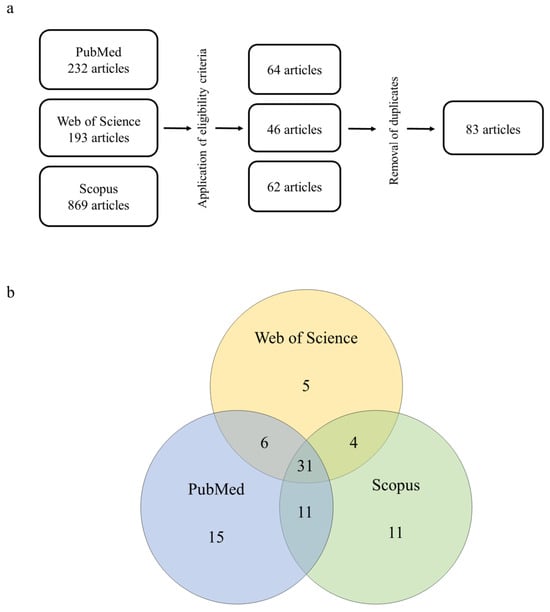
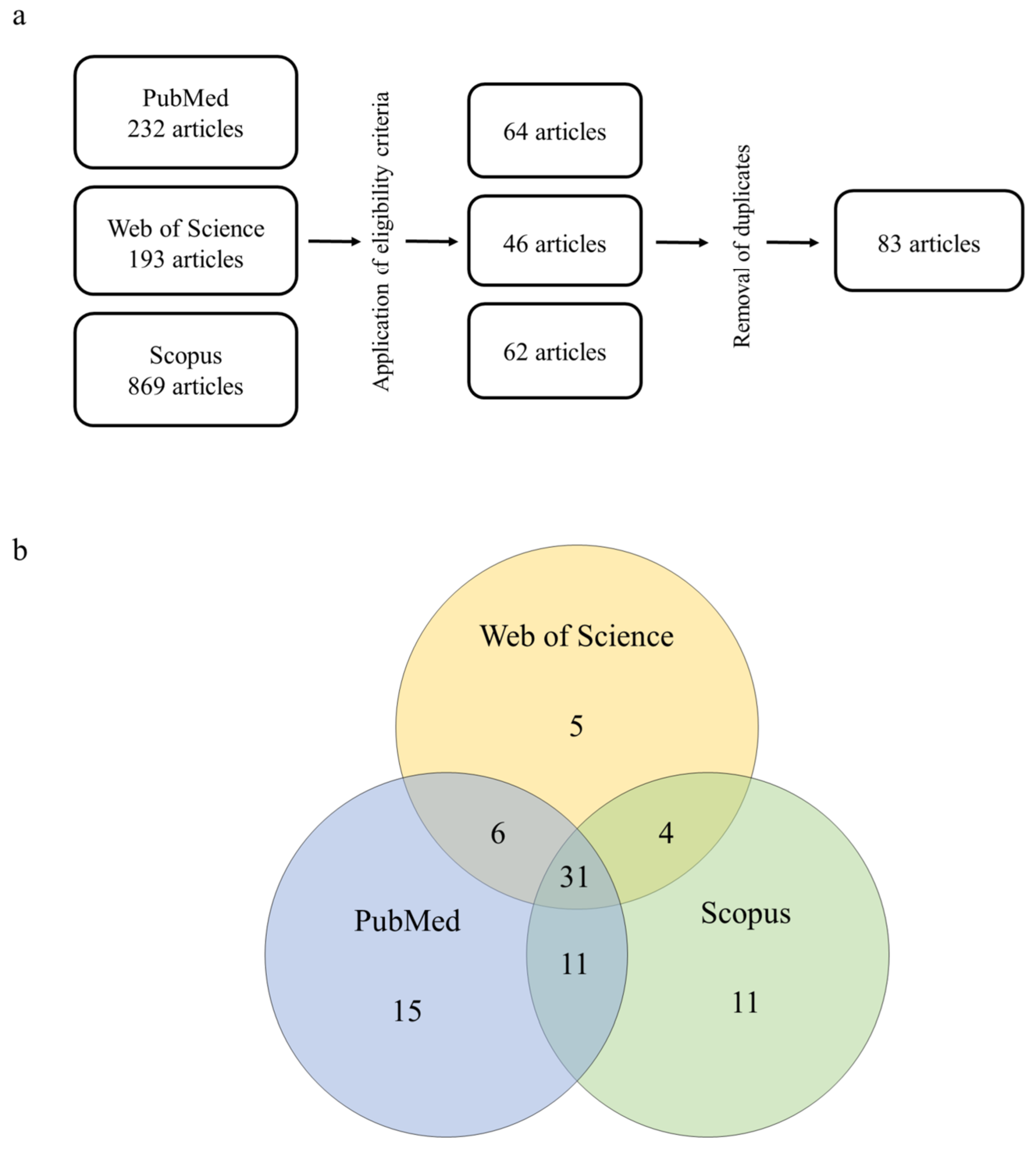
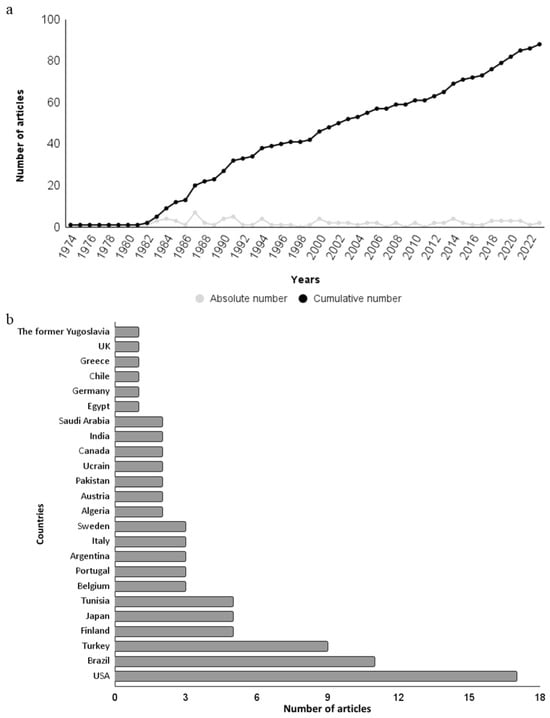
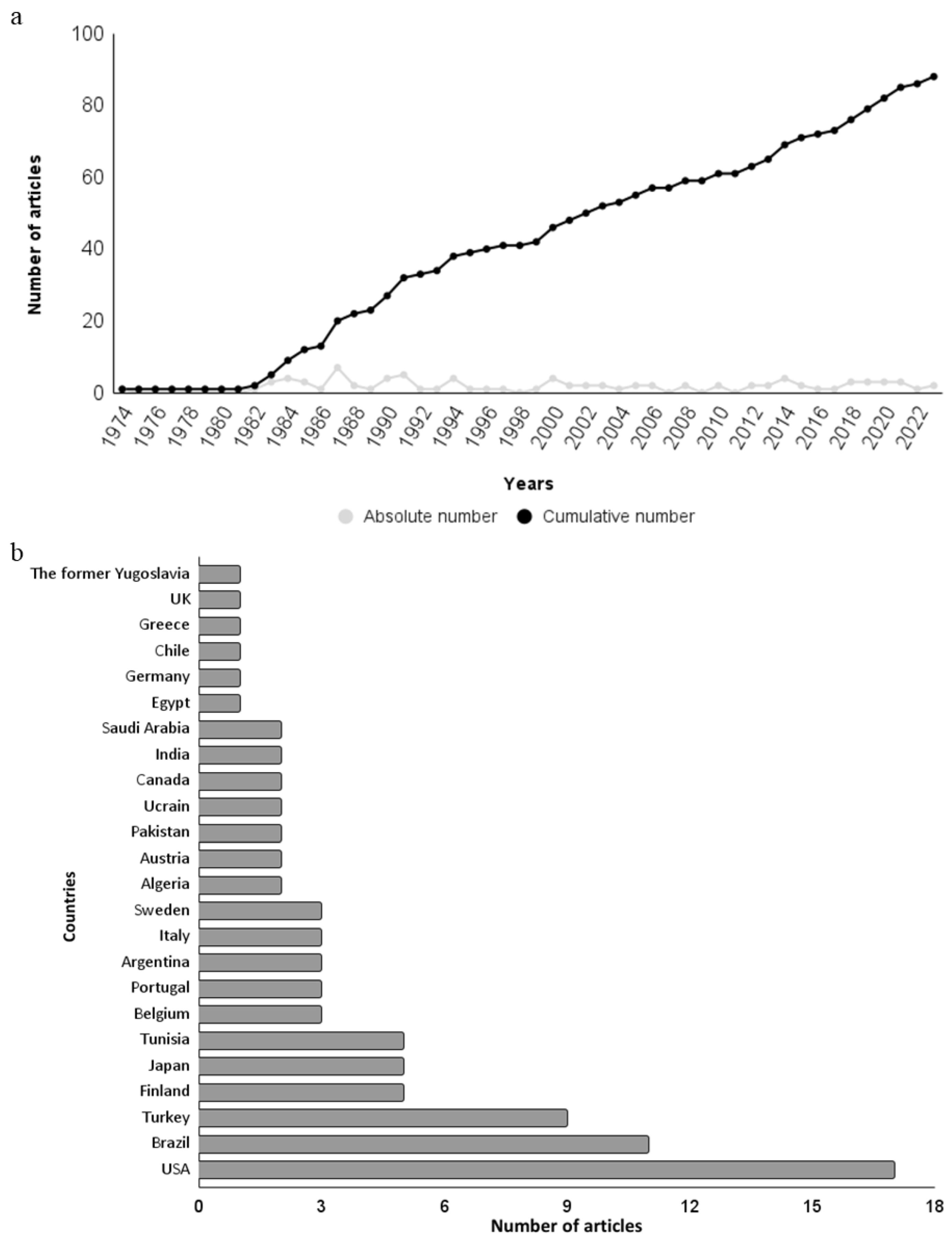
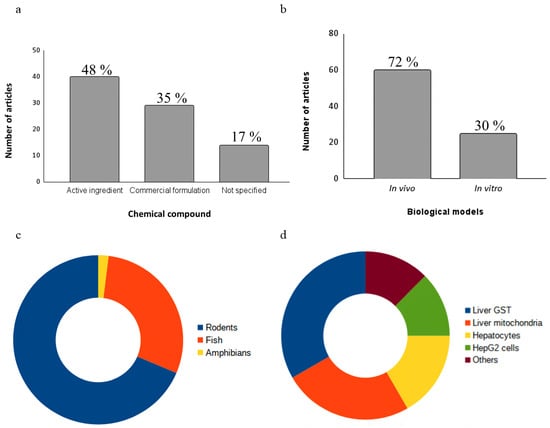
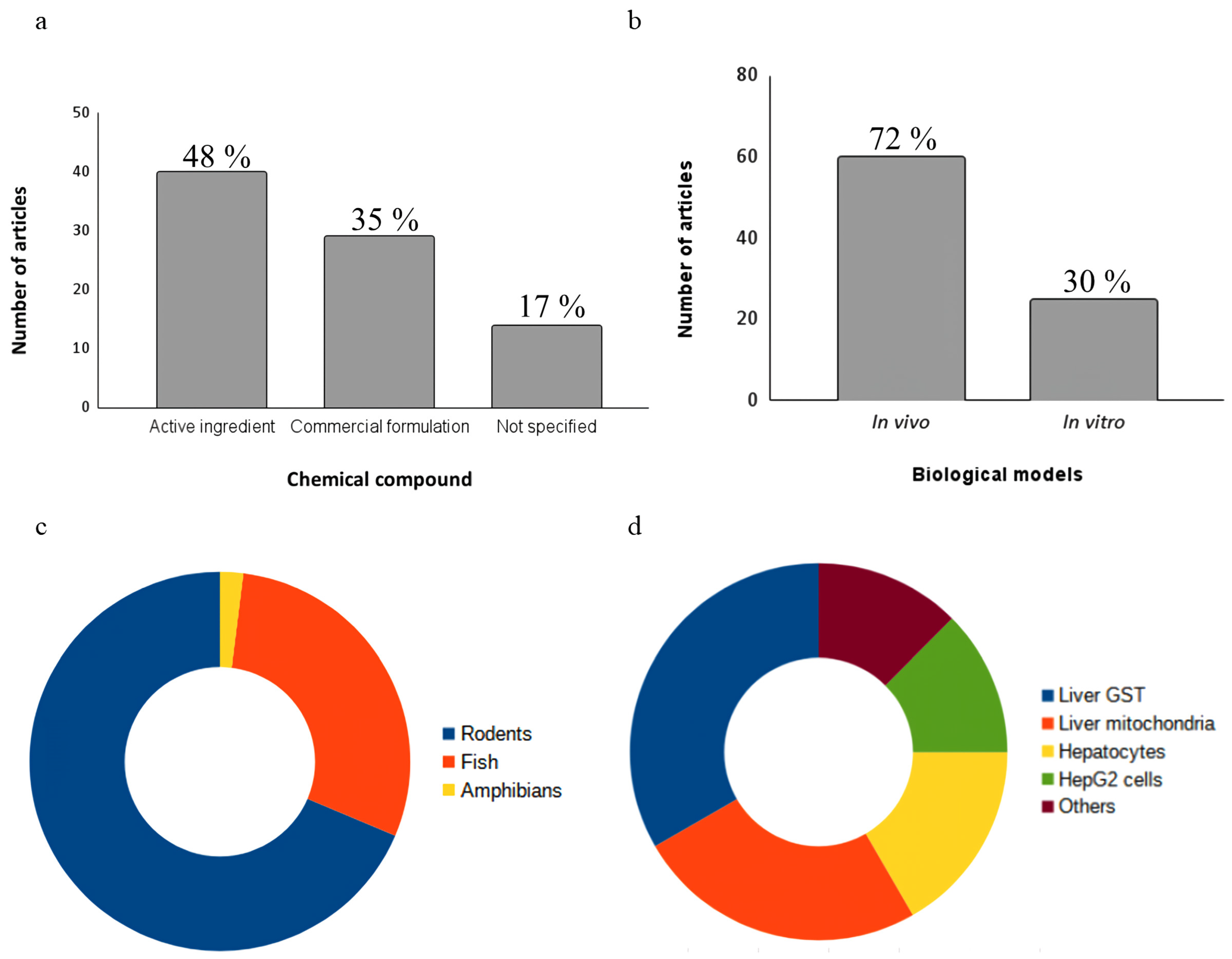
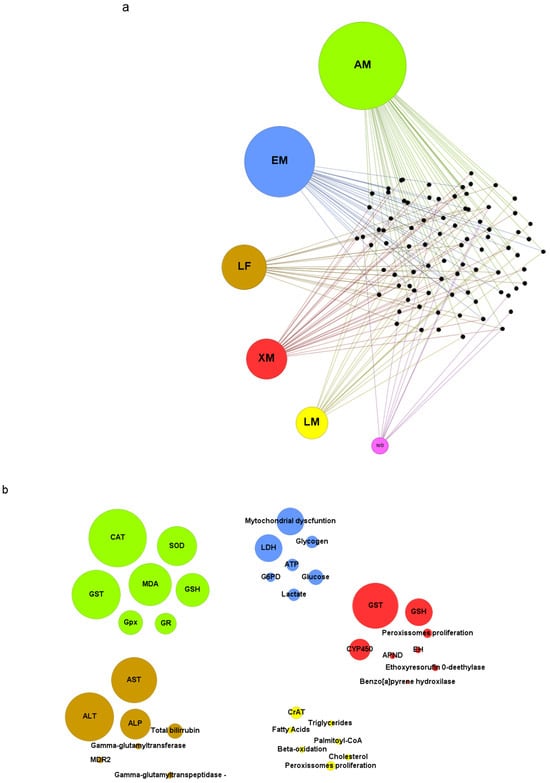
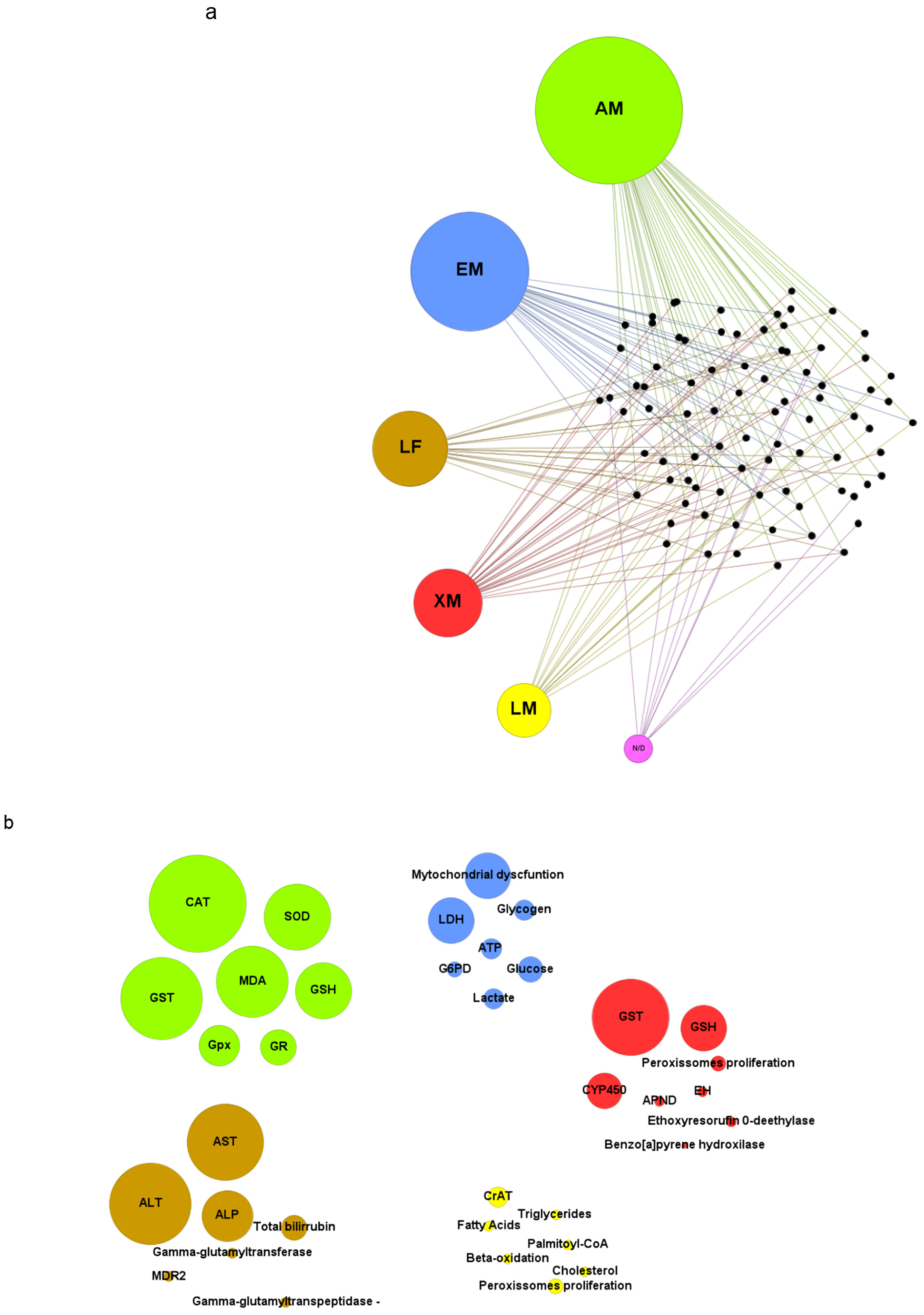
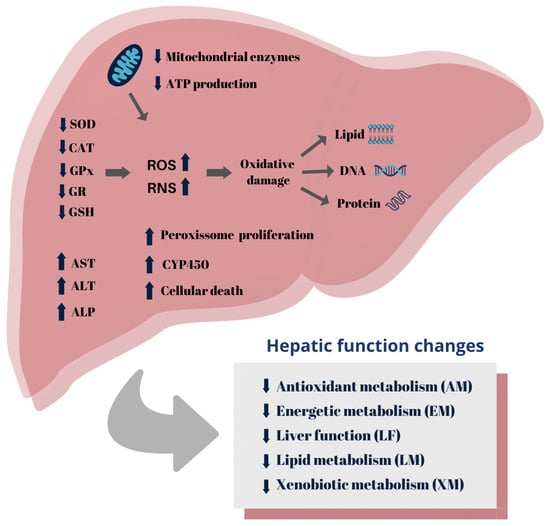
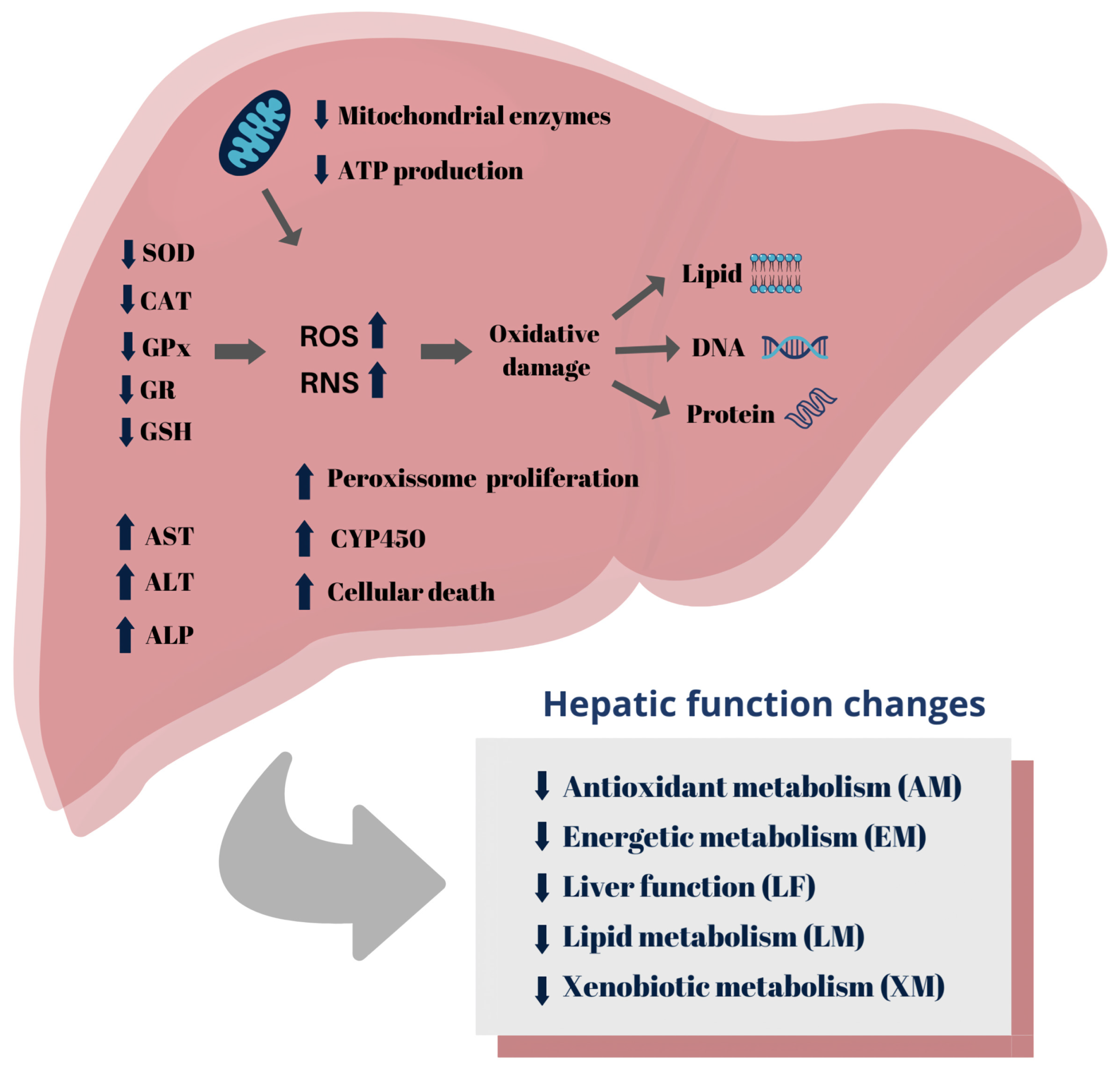

Disclaimer/Publisher’s Note: The statements, opinions and data contained in all publications are solely those of the individual author(s) and contributor(s) and not of MDPI and/or the editor(s). MDPI and/or the editor(s) disclaim responsibility for any injury to people or property resulting from any ideas, methods, instructions or products referred to in the content. |
© 2024 by the authors. Licensee MDPI, Basel, Switzerland. This article is an open access article distributed under the terms and conditions of the Creative Commons Attribution (CC BY) license (https://creativecommons.org/licenses/by/4.0/).