


Abstract
Background: Supply chains are becoming increasingly complex, interconnected, and stakeholder-intensive, making effective problem formulation as important as identifying optimal solutions. Although problem structuring methods (PSMs) have been widely applied in logistics and supply chain management (LSCM), the literature remains fragmented, providing limited guidance on selecting appropriate methodologies for different problem contexts. Methods: Following the PRISMA guidelines, this review analyzes 187 journal articles published between 1997 and 2026. Bibliometric analysis and qualitative synthesis were combined to examine the evolution of the field, compare the characteristics and applications of different PSMs, and identify emerging methodological trends. Results: PSM research has grown substantially since 2015, with System Dynamics, Cognitive Mapping, and Scenario Planning emerging as the dominant methodologies. The review also identifies a clear shift toward mixed-methodology approaches that integrate PSMs with optimization, simulation, and multi-criteria decision-making techniques. Stakeholder complexity, uncertainty, and system dynamics were identified as the primary factors influencing methodology selection. Conclusions: This study advances theory and practice by developing an integrated decision-support framework and methodological guidance for selecting appropriate PSMs in complex logistics and supply chain environments. The proposed framework provides a practical roadmap for diagnosing ill-structured problems and choosing suitable problem structuring approaches across diverse supply chain contexts.
1. Introduction
Recent methodological advances have strengthened the analytical foundations of logistics and supply chain management (LSCM) research; however, a persistent gap remains between theory and practice [1]. At the same time, supply chains are becoming increasingly complex due to sustainability pressures, digital transformation, global disruptions, and growing interdependencies among supply chain actors [2]. Evidence from LSCM research suggests that theoretical frameworks are not always effectively translated into practice [3]. One important reason for this gap is the limited integration of diverse stakeholder perspectives during decision-making, particularly in sustainability-oriented and inter-organisational supply chains that require coordination among multiple actors with potentially conflicting objectives [4,5]. Consequently, many supply chain challenges are not merely technical problems but also involve different interpretations of what constitutes the problem itself and how it should be addressed.
Under such conditions, the effectiveness of purely quantitative approaches may be reduced, while the exclusion of key stakeholders can lead to ineffective and inefficient supply chain systems [6]. Decisions that fail to capture relevant stakeholder perspectives often overlook important operational, social, environmental, and strategic considerations, thereby limiting their practical applicability. This highlights the importance of problem formulation as a critical stage of decision-making. Accordingly, there is a growing need for qualitative and behavioural approaches that can help decision-makers better understand, structure, and define complex problem situations before analytical solutions are developed [3]. By incorporating stakeholder perspectives and adopting a more holistic understanding of supply chain challenges, researchers and practitioners can improve the practical relevance of LSCM decision-making [5,7].
The need for such approaches is consistent with the historical development of operations research (OR). Following World War II, OR methods were successfully applied to a wide range of military, industrial, and business problems and became the dominant paradigm for decision support [8]. However, Churchman [9] challenged the assumption that all problems could be adequately represented through mathematical models and introduced the notion of “messy problems”—situations characterised by uncertainty, incomplete information, conflicting viewpoints, and ambiguous objectives. Building on these ideas, scholars such as Ackoff [10,11], Checkland [12], Eden et al. [13], and Friend [14] argued that many real-world organisational problems cannot be addressed effectively using conventional hard OR approaches alone [15]. Traditional OR methods generally assume that objectives are clearly defined, the path from the current situation to an improved state is known, and stakeholders largely agree on both the objectives and the means for achieving them. In practice, however, at least one of these assumptions is frequently violated [16].
These limitations contributed to the emergence of Problem Structuring Methods (PSMs), a family of methodologies designed to address ill-structured problems characterised by uncertainty, stakeholder diversity, and competing perspectives. Rather than focusing solely on identifying optimal solutions, PSMs emphasise stakeholder engagement, learning, knowledge elicitation, dialogue, and the exploration of alternative problem formulations. Over time, several influential PSMs have emerged, including Soft Systems Methodology (SSM), Cognitive Mapping (CM), Fuzzy Cognitive Mapping (FCM), Scenario Planning (SP), Strategic Options Development and Analysis (SODA), System Dynamics (SD), Viable System Model (VSM), Robustness Analysis (RA), and Drama Theory (DT). Collectively, these approaches provide mechanisms for understanding and structuring complex situations before formal analysis and intervention take place.
In recent years, the application of PSMs in LSCM has expanded considerably. Previous studies have successfully employed PSMs to address challenges in renewable energy supply chains [17], healthcare logistics [18], software development projects [19], smart logistics and supply chains [20], and numerous other sustainability, resilience, and digital transformation contexts [21]. Furthermore, researchers increasingly combine PSMs with optimisation models, simulation approaches, multi-criteria decision-making (MCDM) techniques, and other analytical methods, suggesting that problem structuring and quantitative modelling should be viewed as complementary rather than competing activities.
Despite this growing body of research, the literature remains fragmented across methodologies, industries, and application domains. Existing studies typically focus on individual methods or specific problem contexts, making it difficult for researchers and practitioners to understand how different PSMs compare, under what conditions they should be applied, and how they can be integrated with conventional analytical approaches. Consequently, supply chain managers often lack systematic guidance for selecting appropriate methodologies when confronted with ill-structured problems involving uncertainty, stakeholder diversity, conflicting objectives, and dynamic interactions. Furthermore, while individual studies demonstrate the value of PSMs, there remains a need for a comprehensive synthesis that maps the intellectual foundations of the field, identifies methodological trends, compares alternative approaches, and provides practical guidance for methodology selection.
To address this gap, this study conducts a systematic review of PSM applications in LSCM based on 187 journal articles published between 1997 and 2026. By combining bibliometric analysis with qualitative synthesis, the study examines the evolution of the field, identifies its intellectual foundations, evaluates methodological developments, and develops practical guidance for methodology selection. In particular, the study proposes an integrated decision-support framework that assists managers and practitioners in diagnosing problem situations and selecting appropriate methodologies based on stakeholder characteristics, uncertainty, and system complexity.
Accordingly, this study seeks to answer the following research questions:
- RQ1. What are the publication patterns, intellectual foundations, and methodological trends associated with the application of PSMs in LSCM?
- RQ2. Under what conditions are different PSMs applied in LSCM, and what are their respective strengths and limitations?
- RQ3. How can managers and practitioners systematically diagnose problem situations and select appropriate PSMs for addressing ill-structured LSCM challenges?
This study contributes to the literature in the following ways:
- It provides a comprehensive systematic review of PSM applications in LSCM based on 187 journal articles published between 1997 and 2026.
- It maps the intellectual structure and evolution of the field through bibliometric analyses, including citation, co-citation, keyword co-occurrence, and collaboration analyses.
- It synthesises the conditions, strengths, limitations, and application contexts associated with different PSMs.
- It develops an integrated decision-support framework that assists managers and practitioners in diagnosing problem situations and selecting appropriate methodologies.
- It provides practitioner-oriented methodological guidance and identifies promising avenues for future research, including methodological integration and emerging challenges associated with digital transformation and agentic AI.
The remainder of this paper is organised as follows. Section 2 presents the theoretical background of PSMs and their relevance to LSCM. Section 3 describes the review methodology and data collection procedures. Section 4 presents the bibliometric and qualitative findings, develops the proposed framework, and provides methodological guidance for practitioners. Section 5 discusses the limitations of the study. Finally, Section 6 concludes the paper and outlines future research directions.
2. Literature Review
Various problem structuring methods (PSMs) have been employed to address ill-structured problems in LSCM. In the following sections, we will explore these methods and introduce a framework for organising the discussion of different LSCM topics. This will help structure the analysis and provide a clear understanding of how PSMs can be effectively applied in LSCM contexts.
2.1. Problem Structuring Methods
Over the past 50 years, scientists have introduced various methods and methodologies to address and improve ill-structured, chaotic, and messy problems. Soft Systems Methodology (SSM), Cognitive Map (CM), Scenario Planning (SP), and System Dynamics (SD) have been applied across different fields to enhance problem situations. These methodologies are often referred to in the literature under terms such as Soft OR, Soft Systems, and PSMs [16,22]. Unlike Hard OR methods, which are typically based on mathematical techniques, soft system approaches focus on structuring and improving problem situations rather than solving them. Hard OR methods generally assume complete rationality, sufficient information about objective functions (subject to certain limitations), and a consensus among stakeholders on the problem and its resolution.
Despite significant advancements in Hard OR over the years, including fuzzy programming, single-stage and two-stage stochastic programming, robust programming, and data-driven programming, which are effective in addressing uncertainty in problem parameters, they remain inadequate for dealing with complex and chaotic situations. In these cases, not only are the objectives and variables of the problem unknown in advance, but the root cause of the problem itself is often unclear. Hard OR assumes that the objectives, variables, and parameters of the problem are already defined, which contrasts with the reality of many real-world problems that are far more complex, where factors influencing the situation are difficult to identify, and where setting a clear goal is not immediately possible. Additionally, Hard OR methods often overlook or underestimate the impact of human and social factors on problem situations.
To address these challenges, PSMs have been developed to structure and improve problem situations while considering the human and social values of the stakeholders involved. Today, many scholars in the Hard OR field are leveraging the power of PSMs to structure problem situations, engage a diverse range of stakeholders, and reach a consensus, even among those with conflicting viewpoints. The use of PSMs enhances the reliability and validity of the outputs from mathematical methods by improving the problem-structuring process and incorporating stakeholder participation.
As a result, supply chain (SC) managers must understand the potential of PSMs and their applications within LSCM. This study reviews the application of PSMs, including CM, Drama Theory (DT), Robustness Analysis (RA), SP, SSM, Strategic Options Development and Analysis (SODA), SD, and Viable System Model (VSM), in LSCM. It should be noted that certain PSMs, such as Interactive Planning, Strategic Choice Approach, and Stakeholder Analysis, were excluded from the study due to the lack of relevant research articles in the field of LSCM during initial searches. A brief definition of each PSM used in this study is provided in Table 1.
Table 1.
PSM description.
2.2. Logistics and Supply Chain Management
Logistics and supply chain management (LSCM) operates within increasingly complex, uncertain, and multi-stakeholder environments, where interdependencies, sustainability pressures, and dynamic disruptions shape decision-making processes [36]. Although logistics and supply chain management are distinct concepts, the boundaries between them have become increasingly intertwined in both research and practice. Logistics traditionally focuses on the management of material, information, and inventory flows, whereas supply chain management adopts a broader perspective encompassing the coordination of organisations, processes, and relationships across the supply network [37,38]. Nevertheless, logistics decisions are often influenced by strategic supply chain choices, while supply chain strategies are ultimately implemented through logistics activities, creating strong interdependencies between the two domains. While quantitative and optimisation-based approaches have significantly advanced supply chain design, routing, and network configuration, purely technical models often struggle to capture socio-technical dynamics, behavioural factors, and conflicting stakeholder interests embedded in real-world supply chains [39]. The limitations of hard operational research in addressing ill-structured and context-dependent problems have long been recognised in systems thinking literature [9,11,30]. These limitations are particularly salient in LSCM contexts, where decision problems are rarely purely computational but instead involve negotiation, interpretation, and coordination among diverse actors.
In response to such challenges, PSMs emerged within the soft OR tradition to address messy problem situations characterised by ambiguity, incomplete information, and multiple stakeholder perspectives [40,41]. Unlike hard OR methods that seek optimal solutions under predefined parameters, PSMs emphasise participatory engagement, shared understanding, and iterative problem framing. Methods such as Soft Systems Methodology [30], Strategic Options Development and Analysis [13], and other problem structuring approaches were developed to facilitate dialogue and consensus-building in complex organisational settings. Over time, these approaches have been increasingly applied in supply chain and logistics domains where stakeholder alignment and contextual adaptation are critical.
The growing importance of resilience, sustainability, and digital transformation has further increased the complexity of LSCM decision-making. Contemporary supply chains are increasingly shaped by digital technologies such as blockchain, cloud computing, the Internet of Things, digital platforms, artificial intelligence, digital twins, and advanced analytics, which enable unprecedented levels of connectivity, visibility, and information sharing across supply networks [42,43]. Although these technologies enhance operational capabilities and support more informed decision-making, they also create new challenges related to data governance, interoperability, cybersecurity, organisational readiness, technological adoption, and coordination among multiple actors. Consequently, digitalization has transformed many supply chain problems into highly interconnected socio-technical systems in which technical, organisational, and behavioural considerations must be addressed simultaneously.
Recent studies suggest that PSMs can play an important role in supporting decision-making within such digitalized supply chain environments. For instance, Yousefi and Tosarkani [44] and Kayikci et al. [45] employed FCM to examine blockchain-enabled sustainable supply chain performance and blockchain-based circular supply chains, respectively. Similarly, Shokouhyar et al. [46] utilised both FCM and SP to explore alternative development scenarios for smart and sustainable supply chains under conditions of technological uncertainty. Kochan et al. [47] applied SD to investigate the impact of cloud-based information sharing on hospital supply chain performance, while Schuh et al. [48] employed VSM to support high-resolution supply chain management based on real-time information and self-optimising control loops. Other studies have examined technology-enabled supply chain contexts involving RFID systems, additive manufacturing, e-commerce platforms, and digital port logistics through the application of PSMs such as FCM, SODA, and SSM [49,50,51,52]. Collectively, these studies suggest that digitalization does not eliminate the need for problem structuring; rather, it often increases the importance of methodologies capable of facilitating stakeholder engagement, clarifying problem boundaries, structuring causal relationships, and supporting the formulation of subsequent analytical models.
Although prior studies have demonstrated the applicability of PSMs across a variety of LSCM contexts, including sustainability, resilience, digitalization, healthcare, manufacturing, transportation, and circular supply chains, the existing evidence remains largely dispersed across industry-specific applications. Much of the literature documents individual implementations that emphasise contextual success without systematically comparing the suitability of different PSMs across alternative problem environments. As a result, despite growing recognition of the importance of stakeholder engagement, contextual adaptation, and digital transformation in modern supply chains, a structured synthesis linking specific PSMs to distinct LSCM problem situations remains limited. Addressing this gap is particularly important for practitioners seeking guidance on selecting appropriate methodologies in increasingly complex, digitalized, and multi-stakeholder supply chain environments.
3. Methodology
In this study, a systematic review of published research articles on the application of PSMs in LSCM was conducted to determine when and how scholars and practitioners utilised the power of PSMs in LSCM areas. The present study was written following the guidelines of PRISMA, one of the most widely used reporting checklists. PRISMA is a 27-item protocol developed to help write systematic review articles in a standardised form and structure. The PRISMA protocol is more comprehensive than existing protocols and has played a prominent role in standardising and increasing the accuracy and transparency of review articles in various fields [53]. Therefore, PRISMA was preferred to other protocols in this study.
First, related keywords and their alternatives were identified to achieve the study’s objectives. Two complementary sources were used for this purpose: the existing literature and expert judgement. Specifically, three highly cited review articles by Schaumann et al. [22], Mingers and Rosenhead [54], and Marttunen et al. [55] were examined to identify an initial list of problem structuring methods (PSMs) and associated keywords. The preliminary list was subsequently reviewed by 30 university professors with at least eight years of teaching and research experience in PSMs and logistics and supply chain management (LSCM). The experts were asked to indicate whether each methodology was relevant to LSCM applications and to suggest additional methodologies or keywords that should be considered. An open-ended question was included to allow participants to propose further methodologies that may have been overlooked during the literature review.
The results of the expert consultation are summarised in Figure 1, where the reported frequencies indicate the number of experts identifying each methodology as relevant to LSCM. For example, 23 experts supported the inclusion of the general term “problem structuring methods,” while 19 experts identified system dynamics, 18 experts identified cognitive maps, 17 experts identified soft systems methodology, and 16 experts supported robustness analysis. Experts also suggested several additional methodologies for consideration. However, methods such as the decision-making trial and evaluation laboratory (DEMATEL), interpretive structural modelling (ISM), and other analytical approaches received little or no support as PSMs and were therefore excluded from the final keyword list. The final search strategy was established by combining evidence from the literature review with expert feedback, and the resulting set of keywords is presented in Table 2.
Figure 1.
Frequency of expert support for PSM-related keywords in LSCM.
Table 2.
Keywords phrase and search results in WoS and Scopus.
Notably, the number of published articles on the application of SD in LSCM was very high (720 articles in WoS and 747 articles in Scopus). Therefore, SD-related articles are limited to articles published from 2015 to 2026 in the International Journal of Production Research, European Journal of Operational Research, Journal of Cleaner Production, and International Journal of Production Economics to make the review process manageable. The mentioned journals had published the most related articles, and according to the Australian Business Deans Council’s (ABDC) ranking system, they have been rated A* or A. Table 2 and Figure 2 reported that the search results were 258 articles in WoS and 232 in Scopus until 2026. In the next step, 128 duplicate articles indexed in both databases were removed using EndNote 20, and 61 duplicate articles were manually removed from the total number of articles. The next phase of the research began with the remaining 301 articles.
Figure 2.
PRISMA flow diagram for the bibliometric analysis on the application of PSMs in LSCM.
The title, abstract, keywords, authors’ names and affiliations, journal name, methodology, area of LSCM, and year of publication of the articles were saved in an MS Excel spreadsheet. One of the authors and an academic expert with knowledge and experience in PSMs and LSCM independently evaluated the articles based on the title, abstract, and keywords. The articles that both the author and the academic expert agreed could not satisfy the inclusion criteria were eliminated. A discussion was held regarding the articles on which the author and the academic expert had different opinions about removing or retaining them. Finally, from the total of 301 articles, 114 articles were removed, and the primary bibliographic information of the article was extracted based on the remaining 187 articles.
4. Results and Discussions
In Section 4.1, we first discuss the bibliometric analysis of 187 articles filtered by title and abstract. Then, in Section 4.2, we summarise the selected articles and analyse the applications of PSMs in different areas of the LSCM in more detail.
4.1. Bibliometric Analysis
This section addresses the first research question by examining how the application of PSMs in LSCM has evolved over time and across different research communities. Beyond describing publication patterns, the bibliometric analysis is used to uncover the methodological development, intellectual foundations, thematic evolution, and geographical distribution of the field. By combining publication trends, keyword co-occurrence, citation analysis, and co-citation networks, the analysis provides insights into how PSM research has progressed from early methodological experimentation toward contemporary applications in sustainability, resilience, risk management, and digital transformation. Collectively, these findings help explain not only where PSMs have been applied within LSCM, but also how the field has matured and which research streams have exerted the greatest influence on its development.
4.1.1. Publication Growth and Methodological Trends
This section examines the evolution of problem structuring methods (PSMs) within the logistics and supply chain management (LSCM) literature. The analysis is based on 187 journal articles that satisfied the inclusion criteria presented in Section 3. Figure 3 illustrates the annual publication trend from 1997 to 2026. Research on PSM applications in LSCM remained relatively limited until 2010, followed by a gradual increase after 2011 and a pronounced acceleration from 2015 onward. This growth coincides with increasing managerial attention to supply chain disruptions, sustainability challenges, stakeholder complexity, and decision-making under uncertainty, all of which represent problem contexts for which traditional optimisation approaches often provide only partial support. The apparent decline in 2025–2026 should be interpreted cautiously, as it reflects incomplete publication records at the time of data collection rather than a reduction in scholarly interest.
Figure 3.
Analysis of publication years in PSMs applications in LSCM areas from 1997 to 2026.
Table 3 summarises the distribution of publications across different PSMs. System Dynamics (SD) emerged as the most frequently applied methodology, accounting for 59 studies (31.55%), followed by Cognitive Mapping (CM) with 49 studies (26.20%). Scenario Planning (SP) and Soft Systems Methodology (SSM) were also widely adopted, representing 15.51% and 11.23% of the reviewed studies, respectively. In contrast, Drama Theory (DT) and Strategic Options Development and Analysis (SODA) received limited attention throughout the study period. Beyond their numerical dominance, the growth of SD and CM suggests a broader methodological shift within the field. While early studies primarily relied on qualitative problem exploration and scenario-based thinking, more recent research increasingly favours approaches capable of capturing feedback structures, causal interdependencies, stakeholder perceptions, and dynamic behaviour in complex supply chains. The continued expansion of SD and CM therefore reflects the growing need for methodologies that support learning, adaptation, and systems-level understanding in increasingly interconnected supply chain environments.
Table 3.
Distribution of PSM applications in LSCM (1997–2026).
Figure 4 illustrates the co-occurrence network of 51 high-frequency keywords (minimum four occurrences) associated with PSM applications in LSCM. Node size reflects keyword frequency, link thickness represents co-occurrence strength, and node colour indicates the average publication year of the documents in which each keyword appears. As expected, “supply chain management” occupies the central position in the network, while “cognitive maps”, “system dynamics”, and “scenario planning” emerge as the most prominent methodological themes. The strong connectivity among these keywords confirms their central role in structuring and analysing complex supply chain problems.
Figure 4.
Overlay visualisation of keyword co-occurrence in PSM applications in LSCM.
The overlay visualisation further reveals the temporal evolution of research themes. Earlier studies were primarily associated with methodological and modelling-oriented topics such as system dynamics, simulation, logistics, uncertainty, and viable system model. Representative examples include studies employing SD to examine supply chain dynamics, resilience, and policy interventions. More recent studies increasingly focus on sustainability and digitalization-related themes, including circular economy, circular supply chain, blockchain technology, risk management, and ripple effect. This transition is reflected in recent applications of FCM and hybrid PSM approaches to sustainable supplier selection, circular supply chains, blockchain-enabled sustainability assessment, and disruption management (e.g., [44,56,57]). Taken together, these patterns suggest that the role of PSMs in LSCM has evolved from supporting general system understanding and scenario exploration toward addressing interconnected sustainability, resilience, and digital transformation challenges. Despite this thematic expansion, cognitive mapping and system dynamics continue to serve as the principal methodological foundations upon which many contemporary applications are built.
Figure 5 presents the collaboration network among the top 20 countries contributing to research on the application of PSMs in LSCM. The density visualisation identifies the United Kingdom, China, and Iran as the most productive countries in the field, with 28, 23, and 20 publications, respectively. The coloured background highlights collaboration clusters among countries. Countries enclosed within the same coloured region belong to the same collaboration cluster, while the colour intensity gradually increases from blue to green, yellow, and red, indicating a higher concentration of collaborative publications within that cluster. Portugal forms a separate cluster, suggesting limited collaboration with the other leading countries. The United Kingdom occupies the most central position within the collaboration network and exhibits strong research linkages with several countries, particularly the United States, which ranks fourth in publication output. China demonstrates extensive collaboration with Germany, while Iranian researchers show the strongest connections with neighbouring Turkey. These patterns indicate that knowledge development in PSM applications is supported by both international and regional research partnerships.
Figure 5.
Country collaboration network in PSM applications in LSCM.
Beyond publication volume, the collaboration structure suggests that the field has evolved through multiple geographically distributed research communities rather than a single dominant research centre. The strong presence of the United Kingdom reflects the historical influence of systems thinking and problem structuring traditions, while the growing contributions from China and Iran indicate the increasing adoption of PSMs in emerging research environments. Collectively, the network highlights the internationalisation of PSM research in LSCM and suggests that methodological developments are increasingly being shaped through cross-country collaboration and the exchange of complementary research perspectives.
A closer examination of the distribution suggests that PSMs are most frequently applied in industries where decision-making extends beyond technical and operational considerations to encompass sustainability, resilience, regulatory requirements, and stakeholder coordination. For example, sustainability-oriented applications are evident in studies addressing green supplier selection, circular supply chains, and sustainable distribution networks [44,58], while resilience-related applications have become increasingly prominent in response to disruptions and uncertainty [59,60]. Similarly, stakeholder coordination and conflicting objectives frequently motivate the adoption of PSMs in multi-actor supply chain environments [61,62].
The food industry provides a representative example of these challenges. Studies by Tavella and Hjortsø [61], Reiner et al. [63], and Taghikhah et al. [64] demonstrate that food and agri-food supply chains often involve multiple stakeholders, sustainability pressures, quality and safety concerns, and significant uncertainty regarding supply and demand conditions. These characteristics make them particularly suitable for problem structuring approaches. Similar patterns can be observed in automotive supply chains, where researchers have employed PSMs to address climate-change risks, sustainable supplier selection, resilience, and Industry 4.0 transitions [46,57,65]. Collectively, the evidence suggests that the adoption of PSMs is driven less by industry type itself and more by the presence of complexity, uncertainty, and stakeholder diversity within the problem context, as illustrated in Figure 6.
Figure 6.
PSM applications in different industries.
4.1.2. Influential Publications and Citation Analysis
The citation analysis reveals that the most influential publications are concentrated around a limited number of methodological and application domains (Table 4). The highest-cited studies are not associated with traditional soft systems applications, but rather with research addressing sustainability, resilience, and digital transformation challenges. For example, Haeri and Rezaei [57] employed FCM to structure the complex causal relationships underlying green supplier selection, while Yousefi and Tosarkani [44] applied FCM to evaluate blockchain-enabled sustainable supply chains. Similarly, Klibi and Martel [66] used scenario planning to support supply chain risk management and network design under uncertainty. The prominence of these studies suggests that the scientific impact of PSMs has been greatest when they are used to structure decision environments characterised by uncertainty, interdependence, and competing objectives rather than routine operational problems.
Table 4.
Most influential studies in PSM applications in LSCM.
From an application perspective, sustainability-related problems constitute the most influential research stream, encompassing green supplier selection, environmental performance improvement, circular supply chains, and blockchain-enabled sustainability initiatives [44,45,57]. Risk and resilience management represent a second major stream, including supply chain vulnerability analysis, disruption propagation, climate-related risks, and network design under uncertainty [66,69,70]. Methodologically, FCM is the dominant approach among the highly cited studies, followed by SP and SD. This pattern indicates a growing preference for methodologies capable of representing causal relationships, exploring alternative futures, and supporting strategic learning in complex supply chain environments. Collectively, the citation structure suggests that the influence of PSMs in LSCM has been driven less by methodological innovation alone and more by their ability to address emerging sustainability, resilience, and digitalization challenges that conventional analytical approaches often struggle to capture.
4.1.3. Co-Citation Analysis and Intellectual Foundations
Co-citation analysis was conducted to identify the intellectual foundations underpinning the application of PSMs in LSCM. Using VOSviewer version 1.6.20, a co-citation network was generated based on a minimum threshold of seven citations per reference. From a total of 37,484 cited references, 133 met the threshold and were included in the analysis. The resulting network is presented in Figure 7, while the most influential co-cited references are summarised in Table 5.
Figure 7.
Co-citation network of referenced works in PSM applications in LSCM.
Table 5.
Most influential co-cited references.
Figure 7 reveals a highly concentrated co-citation structure centred on a small number of seminal references that have shaped the intellectual development of the field. Different node colours represent distinct co-citation clusters, with each cluster grouping references that are more frequently cited together and therefore reflect related research themes. The dense connections among the most influential references indicate the existence of a shared knowledge base linking systems thinking, cognitive mapping, fuzzy modelling, and supply chain decision-making. As shown in Table 5, Kosko [73] represents the most influential reference in the network, exhibiting substantially higher citation and total link strength values than any other study. Other highly connected references include Zadeh [75], Axelrod [76], Özesmi and Özesmi [78], Papageorgiou [79], and Bueno and Salmeron [81], all of which contributed to the development of cognitive mapping, fuzzy reasoning, and causal modelling approaches. The prominence of these references suggests that understanding causal relationships, feedback structures, and uncertainty has become a central concern in PSM applications within LSCM.
In addition to the methodological foundations associated with FCM and fuzzy systems theory, the network also incorporates influential contributions from the supply chain resilience and risk management literature. References such as Christopher and Peck [74] and Chopra and Sodhi [80] occupy important positions within the co-citation structure, reflecting the increasing use of PSMs to address disruption management, vulnerability assessment, and resilience building. Interestingly, classical PSM scholars such as Checkland, Beer, Eden, and Forrester remain visible within the network but exhibit considerably lower citation and link strength values than the dominant FCM-related references. This finding suggests that while systems thinking and soft OR traditions provided the conceptual foundations for addressing ill-structured problems, the contemporary intellectual structure of PSM applications in LSCM has been shaped more strongly by cognitive mapping, fuzzy systems theory, and resilience-oriented supply chain research.
4.2. Qualitative Analysis
This section addresses RQ2 and RQ3 by examining the conditions under which PSMs are appropriate for LSCM problems and by proposing a framework for selecting suitable methodologies. A recurring observation across the reviewed studies is that the choice of methodology is closely related to the nature of the problem being addressed. While conventional OR techniques are effective when objectives, constraints, and decision criteria are clearly defined, many contemporary supply chain challenges involve multiple stakeholders, conflicting objectives, uncertainty, and evolving system boundaries. In such situations, problem structuring becomes a prerequisite for meaningful analysis and decision-making.
The distinction between well-structured and ill-structured problems therefore provides an important starting point for methodological selection. Well-structured problems are characterised by clearly defined objectives, known solution procedures, and broad stakeholder agreement regarding both the problem and the desired outcomes. In contrast, ill-structured problems exhibit ambiguity regarding objectives, system boundaries, stakeholder preferences, or causal relationships [82]. The reviewed literature provides numerous examples of such conditions. Studies on sustainable supplier selection [57], blockchain-enabled sustainable supply chains [44], supply chain resilience [59], and agri-food systems [61] all demonstrate situations in which uncertainty, stakeholder diversity, and conflicting perspectives must first be structured before analytical evaluation becomes possible. Similarly, recent discussions on supply chain resilience and methodological selection emphasise that many contemporary LSCM problems evolve dynamically and cannot be treated as fully specified optimisation problems [83,84].
Based on these observations, Table 6 is proposed as a practical diagnostic tool for distinguishing between ill-structured and well-structured LSCM problems. The three questions were derived from the recurring characteristics of problem situations identified across the reviewed studies. If at least one question receives a “Yes” response, the problem exhibits characteristics commonly associated with ill-structured situations and may benefit from the application of PSMs. Conversely, when all responses are “No”, the problem is more likely to be well-structured and therefore suitable for conventional hard OR approaches. Rather than imposing a strict binary classification, the questionnaire should be viewed as a heuristic device that helps practitioners assess the extent to which problem structuring is required before selecting analytical methods.
Table 6.
A questionnaire to identify ill-structured problems.
The review further reveals that many contemporary LSCM problems cannot be adequately addressed using a single methodology. In numerous studies, PSMs were first employed to structure ill-defined problem situations before analytical techniques were used to evaluate alternatives or optimise decisions. For example, Roy et al. [88] combined CM with DEA, using cognitive mapping to identify and structure decision criteria before conducting quantitative performance evaluation. Similarly, Rezaei et al. [89] integrated SP with robust optimisation to support biodiesel supply chain network design under uncertainty, while Dula and Größler [90] combined SD with mathematical modelling to address supply chain justice issues. These studies demonstrate that PSMs often act as an upstream methodology that transforms ill-structured situations into forms that can subsequently be analysed using conventional quantitative techniques.
A second pattern observed in the literature involves the integration of multiple PSMs within the same intervention. Building on the concept of multimethodology proposed by Mingers and Brocklesby [91], several studies have shown that combining complementary PSMs can enhance problem-solving effectiveness. For example, Ghadge et al. [32], and Olivares-Aguila and Vital-Soto [34] reported that integrating multiple PSMs enabled them to address different dimensions of complexity, stakeholder concerns, and system interactions that could not be captured by a single methodology alone. Collectively, these findings suggest that methodological pluralism has become a common feature of PSM applications in LSCM.
The widespread use of mixed-methodology and multimethodology approaches highlights a fundamental challenge faced by managers and practitioners: selecting an appropriate methodology for a given problem situation. Before choosing a specific method, it is necessary to understand the nature of the problem itself. To support this process, the questionnaire presented in Table 6 can be used to distinguish between well-structured and ill-structured problems. If at least one question receives a positive response, the problem exhibits characteristics commonly associated with ill-structured situations and may benefit from the application of PSMs. Once the need for problem structuring has been established, the next step is to determine which methodology is most suitable for the specific problem context.
One of the most widely adopted frameworks for this purpose is the System of Systems Methodologies (SOSM) developed by Jackson [92] and subsequently refined by Jackson [93]. As illustrated in Figure 8, SOSM classifies problem situations according to two dimensions: system complexity and stakeholder relationships. The vertical axis distinguishes between simple, complicated, and complex systems, while the horizontal axis differentiates between unitary, pluralist, and coercive stakeholder contexts. The intersection of these dimensions generates nine distinct problem situations, providing a structured way to diagnose the nature of LSCM challenges. The dashed lines separating adjacent cells indicate that the boundaries between problem situations are not absolute and that many real-world problems may exhibit characteristics of more than one category. In Figure 8, bold text identifies each problem situation, whereas italic text provides a concise description of its key characteristics.
Figure 8.
SOSM framework for finding out the problem situation [93].
After identifying the problem situation, Figure 9 can be used to select an appropriate methodological response. Jackson [93] argues that different problem contexts require different systemic approaches. Hard systems thinking and conventional OR methods are most suitable for relatively simple unitary situations where objectives and stakeholder interests are largely aligned. As complexity increases, methodologies such as SD become more appropriate because they can represent feedback mechanisms and dynamic interactions. In pluralist contexts, where stakeholders hold different values and perspectives, methodologies such as SSM, interactive planning, and other soft systems approaches are better suited to facilitating learning, dialogue, and consensus building. As in Figure 8, the vertical arrow in Figure 9 represents increasing system complexity, while the dashed cell boundaries indicate that methodological recommendations should not be interpreted as rigid. Problems located near the boundaries may be addressed effectively using more than one methodology or a combination of complementary approaches. In Figure 9, bold text denotes the recommended systems methodology, whereas italic text provides representative examples of each approach. Consequently, Figure 8 and Figure 9 provide a complementary diagnostic and selection framework that links problem characteristics to methodological choice, thereby helping managers and practitioners select PSMs that are consistent with the nature of the challenges they face.
Figure 9.
SOSM framework for selecting the appropriate methodology [93].
Building on the diagnostic questionnaire (Table 6) and the SOSM framework (Figure 8 and Figure 9), Figure 10 presents an integrated decision-support framework to assist managers and practitioners in selecting appropriate methodologies for addressing LSCM problems. The framework synthesises the main findings of this review by linking problem diagnosis, stakeholder characteristics, system complexity, methodology selection, solution evaluation, and implementation within a single process. Rather than prescribing a universal methodology, the framework recognises that different problem situations require different methodological interventions.
Figure 10.
Integrated framework for diagnosing problem situations and selecting appropriate methodologies in LSCM.
The framework begins by assessing whether the problem exhibits characteristics commonly associated with ill-structured situations. Three diagnostic questions are used to determine whether existing mathematical methods are sufficient, whether multiple stakeholders hold different perspectives, and whether important factors and constraints remain uncertain or poorly understood. If all responses are negative, the problem can be considered sufficiently structured and conventional hard OR approaches may be applied directly. However, if at least one question receives a positive response, problem structuring becomes necessary before analytical modelling can be undertaken. This logic is consistent with the reviewed literature, where PSMs were frequently employed as a preliminary stage before the application of quantitative methods. For example, Roy et al. [88] employed CM before DEA, while Rezaei et al. [89] combined SP with robust optimisation to address biodiesel supply chain network design under uncertainty. In Figure 10, solid arrows indicate the main decision flow, whereas dashed arrows represent alternative decision paths based on Yes/No responses. Rectangles denote process or assessment steps, diamonds indicate decision points or methodological recommendations, and different background colours are used only to distinguish functional stages of the framework without implying any methodological hierarchy.
Once the need for problem structuring has been established, the framework applies the SOSM dimensions of stakeholder relationships and system complexity to identify an appropriate methodological pathway. Problems characterised by relatively structured relationships and shared objectives may be addressed through SD, whereas highly interconnected and evolving systems may require cybernetics and complexity-based approaches. In situations involving multiple stakeholders with different perspectives but where consensus remains achievable, soft systems approaches such as SSM and CM become appropriate. Conversely, when stakeholder conflict is substantial and consensus is unlikely, emancipatory or postmodern systems thinking approaches may provide more suitable interventions. In this way, Figure 10 operationalizes the SOSM principles presented in Figure 8 and Figure 9 by translating abstract problem categories into practical methodological choices for LSCM applications.
The logic underlying the framework is consistent with several complementary perspectives frequently associated with PSMs. Systems thinking views LSCM problems as interconnected socio-technical systems whose behaviour emerges from interactions among multiple actors, processes, and environmental conditions rather than from isolated components alone [30,93]. Complexity-oriented perspectives further suggest that increasing interdependencies, feedback mechanisms, uncertainty, and dynamic interactions reduce the effectiveness of purely reductionist approaches. Stakeholder-oriented perspectives emphasise that organisational problems are often shaped by actors holding different objectives, interests, and interpretations of the same situation [94], while decision-making research highlights that effective problem solving depends not only on selecting appropriate analytical tools but also on correctly framing and structuring the problem itself [82]. Collectively, these perspectives explain why different methodologies may be appropriate under different conditions of stakeholder diversity, system complexity, uncertainty, and problem structure.
The framework also recognises that methodology selection is rarely the end of the intervention process. Consistent with evidence from mixed-methodology and multimethodology studies, practitioners may need to combine multiple PSMs or integrate PSMs with quantitative techniques to address different dimensions of the same problem. The resulting interventions should therefore be evaluated in terms of their logical desirability, cultural feasibility, and stakeholder acceptance before implementation. Following implementation, the framework introduces an explicit feedback mechanism by asking whether the problem situation has been sufficiently structured and addressed. If the answer is positive, the intervention can be considered complete. If not, the framework recommends returning to the diagnostic stage and repeating the process. This iterative logic reflects the reality that many LSCM problems evolve over time and may reveal previously overlooked dimensions once an initial intervention has been completed.
The reviewed literature provides several examples of such iterative problem-solving processes. Pilevari and Shiva [59] employed SSM to structure stakeholder-rich problem situations before applying ISM and TOPSIS for subsequent analysis and prioritisation. Similarly, Haeri and Rezaei [57] used FCM to structure causal relationships among decision factors before applying BWM, while Sahebi et al. [56] and Rezaei et al. [89] employed SP to structure uncertainty and develop alternative future conditions prior to formulating optimisation models. Ghadge et al. [32] further demonstrated the integration of SSM and SD to simultaneously address stakeholder-related and dynamic aspects of supply chain risk management. These studies suggest that PSMs frequently serve as an intermediate stage in a broader problem-solving process rather than as a standalone intervention. Consequently, movement across different SOSM houses should not be viewed as a limitation of the framework but as a natural consequence of the evolving and multifaceted nature of ill-structured LSCM problems.
4.3. Illustrative Applications of the Proposed Framework
The literature review identified numerous examples illustrating how the proposed framework can support methodology selection in different LSCM contexts. Table 7 presents a representative sample of studies classified according to stakeholder diversity, uncertainty, the adequacy of hard OR methods, and their corresponding SOSM category. Across the reviewed studies, most problem situations were characterised by multiple stakeholders, conflicting objectives, high uncertainty, and ambiguous causal relationships. Consequently, the majority were classified within the Complex–Pluralist domain, indicating that effective intervention required problem structuring before formal quantitative analysis could be undertaken.
Table 7.
Illustrative applications of the proposed framework in LSCM.
Figure 10 and Table 7 jointly demonstrate that methodology selection is primarily driven by the characteristics of the problem situation rather than by the industry or decision context. Studies employing SSM, such as Pilevari and Shiva [59], addressed situations in which stakeholders held different perspectives regarding sustainability, resilience, and operational priorities. In these cases, the principal challenge was not the lack of analytical tools but the absence of a shared understanding of the problem. SSM therefore served as a mechanism for facilitating stakeholder dialogue and developing a common problem definition before subsequent analytical methods were applied.
A different pattern emerges in studies employing FCM. Rather than focusing on stakeholder consensus, FCM was typically selected when the primary challenge involved understanding complex causal relationships among interconnected factors. Studies such as Haeri and Rezaei [57], Kayikci et al. [45], and Yousefi and Tosarkani [44] used FCM to structure cause-and-effect relationships before applying decision-making techniques such as BWM, AHP, or other MCDM methods. These applications suggest that FCM is particularly appropriate for Complicated–Pluralist situations in which stakeholder disagreement exists but the dominant challenge concerns causal complexity rather than stakeholder conflict.
Scenario Planning was most frequently applied in situations where uncertainty about future conditions represented the central problem. For example, Sahebi et al. [56] and Rezaei et al. [89] used SP to develop alternative future scenarios before implementing optimisation models. In these studies, uncertainty could not be adequately represented through conventional modelling assumptions alone. SP therefore provided a structured mechanism for exploring plausible futures and improving the realism of subsequent analytical models.
System Dynamics was commonly employed when understanding feedback mechanisms, dynamic interactions, and long-term system behaviour was essential. Studies such as Orji and Liu [95], and Khakdaman et al. [96] demonstrate how SD can support the analysis of disruption propagation, sustainability transitions, and performance evolution in complex supply networks. These applications highlight the suitability of SD for situations in which system behaviour emerges from interactions among multiple interconnected components over time.
An important observation emerging from the literature is that PSMs rarely function as stand-alone methodologies. Instead, they are frequently used as a preliminary problem-structuring stage that creates the conditions necessary for subsequent quantitative analysis. Several studies combined PSMs with MCDM techniques, optimisation models, simulation approaches, or structural analysis methods. This finding provides empirical support for the iterative logic embedded in Figure 10, where problem structuring is viewed as part of a broader problem-solving process rather than as an end in itself. The reviewed evidence suggests that PSMs contribute most effectively when they help transform ill-structured situations into sufficiently structured problems that can subsequently be addressed using analytical methods.
To further assess the practical relevance of the framework, it was independently reviewed by two experts with experience in supply chain management and problem structuring methodologies. The experts evaluated the framework with respect to clarity, logical consistency, practical applicability, and methodological completeness. Their feedback confirmed that the framework provides a coherent and useful approach for diagnosing ill-structured LSCM problems and selecting appropriate methodologies. Minor refinements were subsequently incorporated to improve clarity and usability. Although the framework has not yet been validated through large-scale empirical implementation, the consistency between the framework logic, the reviewed case evidence, and expert feedback provides preliminary support for its practical applicability in LSCM contexts.
4.4. Advantages, Limitations, and Methodological Selection of PSMs in LSCM
The application of PSMs in LSCM provides organisations with structured approaches for addressing ambiguity, stakeholder diversity, uncertainty, and complexity. However, no single methodology is universally suitable for all problem situations. Each PSM possesses distinct strengths and limitations, making it more appropriate for certain types of challenges than others. Understanding these differences is essential for selecting methodologies that are aligned with the characteristics of the problem being addressed. Table 8 summarises the main advantages and limitations identified from the reviewed literature.
Table 8.
Advantages and limitations of PSM applications in LSCM.
While Table 8 highlights the strengths and weaknesses of individual methodologies, practitioners frequently face a more challenging decision in practice: selecting among several potentially suitable PSMs for the same problem situation. To address this issue, Table 9 compares the reviewed methodologies across a set of key decision criteria, including stakeholder engagement, consensus building, uncertainty management, dynamic complexity, ease of application, and suitability for different problem contexts. Rather than evaluating which methodology is superior, the comparison seeks to identify the types of situations for which each methodology is most appropriate.
Table 9.
Comparative guidance for selecting PSMs in similar LSCM contexts.
The reviewed studies suggest that PSM selection should be driven primarily by the dominant characteristics of the problem situation rather than by the industrial sector or supply chain function under investigation. For example, CM and FCM-based approaches are particularly suitable when the primary objective is to elicit, structure, and analyse stakeholder perceptions and causal relationships. Several studies employed FCM as a preliminary problem-structuring stage before implementing MCDM techniques such as BWM, AHP, and Fuzzy BWM [45,57,97]. These applications indicate that CM-based approaches are most valuable when decision-makers need to understand causal interdependencies before evaluating alternatives or prioritising actions.
In contrast, SSM is more appropriate when multiple stakeholders hold different perspectives and a shared understanding of the problem situation must first be developed. Applications in fisheries, healthcare, and risk management contexts demonstrate how SSM can facilitate stakeholder learning, participation, and consensus building before subsequent analytical methods are applied [59]. These studies suggest that SSM is particularly effective when stakeholder complexity rather than technical complexity represents the primary challenge.
The review also reveals important differences among methodologies used to address uncertainty and system complexity. SP and SD are both frequently employed in uncertain LSCM environments, yet they focus on different dimensions of the problem. SP is most suitable when decision-makers need to explore multiple plausible futures and assess the implications of alternative scenarios. Studies by Sahebi et al. [56] and Rezaei et al. [89] illustrate how SP can structure uncertainty before optimisation models are developed. In contrast, SD is more appropriate when the objective is to understand dynamic behaviour, feedback loops, and long-term system performance. Applications reported by Orji and Liu [95], Olivares-Aguila and Vital-Soto [34], and Khakdaman et al. [96] demonstrate the value of SD in analysing interactions among supply chain components and evaluating system behaviour over time. Consequently, SP is generally preferable when future uncertainty dominates decision-making, whereas SD is more appropriate when behavioural complexity and feedback effects are the primary concerns.
Other PSMs address more specialised problem contexts. SODA extends the mapping capabilities of CM by supporting the generation and evaluation of strategic alternatives among stakeholders. DT is particularly useful when tensions, dilemmas, and conflicting stakeholder objectives must be explicitly surfaced and examined. RA assists decision-makers in evaluating the robustness of decisions under uncertain future conditions, while VSM focuses on organisational design, governance structures, coordination mechanisms, and long-term system viability. Collectively, these methodologies demonstrate that different PSMs address different dimensions of complexity and should therefore be selected according to the dominant characteristics of the problem situation rather than methodological popularity or familiarity.
An important insight emerging from the review is that PSMs differ more in the type of complexity they address than in their application domain. CM and SSM primarily address stakeholder and knowledge complexity, SP focuses on future uncertainty, SD addresses dynamic complexity and feedback behaviour, while VSM, DT, and RA address more specialised organisational and strategic challenges. This distinction helps explain why studies increasingly combine multiple methodologies within the same intervention. When a problem simultaneously involves stakeholder conflict, uncertainty, and dynamic interactions, no single methodology is likely to capture all relevant dimensions effectively.
Taken together, Table 8 and Table 9 and Figure 11 complement the proposed framework by providing a second level of methodological guidance. While Figure 10 assists practitioners in determining whether a PSM is required and identifying the broad methodological family, Figure 11 supports the selection of the most appropriate PSM when multiple alternatives appear suitable. The combined use of these tools can improve methodological consistency and increase the likelihood of successfully structuring and addressing complex LSCM problems.
Figure 11.
Practitioner-oriented guidance for selecting PSMs in LSCM.
5. Limitations of the Study
Despite following PRISMA guidelines and conducting a comprehensive search using the Web of Science and Scopus databases, this study is subject to several limitations. First, the search strategy relied on keywords appearing in article titles, abstracts, and author- or index-provided keywords, while being restricted to English-language journal articles. Consequently, relevant studies may have been excluded if they did not explicitly mention the employed PSM in searchable fields or were published in other document types and languages. This challenge is particularly relevant in the PSM literature, where different authors frequently use alternative terminology for the same methodology (e.g., “operations research” versus “operational research”, “system dynamics” versus “SD”, or “cognitive mapping” versus “cognitive maps”). To mitigate this limitation, an extensive keyword development process was conducted using both prior literature and expert consultation, and Boolean operators were employed to capture alternative terminology. Nevertheless, the possibility of omitting relevant studies cannot be completely eliminated.
Second, the bibliometric findings should be interpreted within the scope of the selected databases and citation records. Although Web of Science and Scopus are widely recognised as the most comprehensive sources for high-quality academic publications, citation counts, co-citation structures, and collaboration networks may vary across databases and over time. Consequently, the bibliometric patterns identified in this study should be viewed as indicative of the current intellectual structure of the field rather than as definitive representations of all PSM-related research in LSCM.
Third, the classification of studies into different SOSM categories and problem contexts inevitably involves a degree of researcher judgement. Although the proposed classification framework was applied systematically and supported by explicit diagnostic criteria, some reviewed studies exhibited characteristics associated with multiple problem situations simultaneously. As a result, the assigned classifications should be interpreted as representing the dominant characteristics of each study rather than rigid categorizations.
Finally, while the proposed framework was reviewed by experts and supported through illustrative applications derived from the literature, its validation remains preliminary. The objective of this study was to develop a theoretically grounded and evidence-informed framework based on a comprehensive review of existing research. Future studies could strengthen its validation through Delphi studies, practitioner assessments, multiple case studies, or longitudinal implementations in real-world supply chain settings. Such investigations would provide additional evidence regarding the framework’s practical effectiveness and generalizability across different industrial contexts.
Notwithstanding these limitations, the final dataset of 187 studies represents one of the most comprehensive reviews of PSM applications in LSCM to date. The combination of systematic review procedures, bibliometric analysis, qualitative synthesis, and framework development provides a robust foundation for advancing both research and practice in the application of PSMs to complex supply chain challenges.
6. Conclusions and Future Research Directions
Over the past three decades, supply chains have evolved from relatively stable operational systems into highly interconnected socio-technical networks characterised by uncertainty, stakeholder diversity, sustainability pressures, digital transformation, and frequent disruptions. As these challenges have intensified, the limitations of relying exclusively on quantitative and optimisation-based approaches have become increasingly apparent. Against this backdrop, this study reviewed the application of PSMs in LSCM through a systematic analysis of 187 journal articles published between 1997 and 2026. By combining bibliometric analysis, qualitative synthesis, methodological comparison, and framework development, the study provides a comprehensive understanding of how PSMs have been used to structure, understand, and improve complex supply chain problem situations.
The findings reveal a clear evolution in the role of PSMs within LSCM. Initially applied in a limited number of studies, PSMs have gained significant momentum since 2015 as researchers increasingly recognised the importance of addressing uncertainty, stakeholder diversity, and system complexity before attempting formal analysis. SD, CM/FCM, and SP emerged as the most widely adopted methodologies, while recent research has increasingly focused on sustainability, resilience, circular economy, blockchain-enabled supply chains, and digital transformation. More importantly, the review demonstrates that PSMs are not merely alternative methodologies but complementary approaches that help decision-makers understand and structure problems before quantitative tools are applied.
The qualitative analysis further showed that different PSMs address different dimensions of complexity. While SSM is particularly effective for stakeholder engagement and consensus building, CM and FCM support causal exploration and knowledge elicitation, SP facilitates the exploration of uncertain futures, and SD enables the analysis of feedback structures and dynamic system behaviour. Building on these insights, this study proposed an integrated decision-support framework that assists managers and practitioners in diagnosing problem situations and selecting appropriate methodologies. The framework is complemented by comparative methodological guidance and a practitioner-oriented selection tool, thereby translating abstract systems concepts into practical decision-support mechanisms.
A further insight emerging from the review concerns the methodological flexibility of PSMs in addressing complex LSCM challenges. As illustrated in Figure 12, PSMs are not employed solely as standalone methodologies but are frequently used in combination with other PSMs and complementary analytical approaches. This pattern reflects the recognition that different problem situations often require different forms of intervention and that no single methodology is capable of addressing all dimensions of complexity simultaneously. Consequently, researchers increasingly adopt mixed-methodology and multimethodology designs that combine the strengths of stakeholder engagement, problem structuring, causal exploration, scenario development, optimisation, simulation, and decision analysis. These developments reinforce the view that the value of PSMs lies not only in their individual application but also in their ability to function as integrative platforms within broader decision-support processes, enabling more comprehensive and context-sensitive responses to complex supply chain problems.
Figure 12.
Use of PSMs in single, mixed, and multimethodology forms.
Looking forward, several opportunities exist for advancing both theory and practice. The proposed framework should be further validated through Delphi studies, practitioner assessments, multiple case studies, and longitudinal implementations across different industrial settings. Future research should also continue exploring how PSMs can be integrated with optimisation, simulation, MCDM, and data-driven approaches to address multiple dimensions of complexity simultaneously. Particular attention should be given to emerging contexts such as renewable energy supply chains, circular supply chains, healthcare systems, and disruption-prone logistics networks, where uncertainty and stakeholder diversity remain dominant challenges.
Perhaps the most promising research frontier lies in the emergence of agentic AI and autonomous decision-making systems. As supply chains increasingly adopt AI-enabled planning, forecasting, procurement, coordination, and operational decision-making technologies, new forms of complexity are beginning to emerge. The challenge is no longer limited to optimising supply chain decisions but also involves determining how AI should participate in those decisions, how responsibilities should be allocated between humans and intelligent systems, and how potentially conflicting stakeholder perspectives regarding transparency, governance, accountability, and trust can be reconciled. In this context, PSMs may play an increasingly important role by helping organisations structure AI-related problem situations, facilitate dialogue among diverse stakeholders, build consensus regarding implementation strategies, and support the responsible digital transformation of supply chains. Consequently, the intersection between PSMs, digital transformation, and agentic AI represents a particularly promising avenue for future research.
Overall, this review demonstrates that the value of PSMs extends far beyond problem formulation alone. By enabling organisations to understand complexity, reconcile diverse stakeholder perspectives, and structure uncertainty before action is taken, PSMs provide an essential complement to conventional analytical approaches. As supply chains continue to become more interconnected, dynamic, and technology-driven, the ability to structure problems effectively may become as important as the ability to solve them.
Author Contributions
Conceptualization, S.S.D., F.M.M., A.A., Y.C. and A.G.C.; methodology, S.S.D. and F.M.M.; formal analysis, S.S.D.; investigation, S.S.D. and F.M.M.; writing—original draft preparation, S.S.D. and F.M.M.; writing—review and editing, S.S.D., F.M.M., A.A., Y.C. and A.G.C.; supervision, A.A., Y.C. and A.G.C. All authors have read and agreed to the published version of the manuscript.
Funding
This research received no external funding.
Institutional Review Board Statement
Ethical review and approval were not required for this study in accordance with Article 17, Section I, of the Reglamento de la Ley General de Salud en Materia de Investigación para la Salud (Mexico), as the study was classified as research without risk. The research consisted solely of an anonymous, voluntary questionnaire administered to adult experts for the purpose of validating the literature search keywords and did not involve any intervention, participant identification, or collection of sensitive personal data.
Informed Consent Statement
Informed consent for participation was obtained from all subjects involved in the study.
Data Availability Statement
No new data were created or analyzed in this study. Data sharing is not applicable to this article.
Conflicts of Interest
The authors declare no conflicts of interest.
References
- Cowton, C.; Crisp, R. Philosophy of management in theory and practice: A dialogue between Chris Cowton and Roger Crisp facilitated by Nigel Laurie. Philos. Manag. 2024, 23, 319–333. [Google Scholar] [CrossRef] [Scilit]
- Jefimovaitė, L.; Vienažindienė, M. A conceptual framework for evaluating green logistics practices through multi-criteria decision-making methods. Logistics 2026, 10, 25. [Google Scholar] [CrossRef] [Scilit]
- Nikseresht, A.; Nikookar, E.; Gligor, D.; Shokouhyar, S. The evolution of supply chain disruption management: A comparative review of ex-ante and ex-post COVID-19 research. Int. J. Logist. Res. Appl. 2026, 1–40. [Google Scholar] [CrossRef] [Scilit]
- Bishara, S.; Harraz, N.; Elwany, H.; Fors, H. Optimizing resilient sustainable citrus supply chain design. Logistics 2025, 9, 66. [Google Scholar] [CrossRef] [Scilit]
- Phillips, R.A.; Schrempf-Stirling, J.; Van Buren, H.J., III. Stakeholder theory and human rights. Philos. Manag. 2026, 25, 1–20. [Google Scholar] [CrossRef] [Scilit]
- Tramarico, C.L.; da Silva, A.F.; Branco, J.E.H. Mapping decision-making structures in supply chain contexts: A fuzzy DEMATEL approach. Logistics 2025, 9, 76. [Google Scholar] [CrossRef] [Scilit]
- Mahroof, K.; Omar, A.; Vann Yaroson, E.; Tenebe, S.A.; Rana, N.P.; Sivarajah, U.; Weerakkody, V. Evaluating the intention to use Industry 5.0 drones for cleaner production in sustainable food supply chains: An emerging economy context. Supply Chain Manag. Int. J. 2024, 29, 468–496. [Google Scholar]
- Petropoulos, F.; Akkermans, H.; Aksin, O.Z.; Ali, I.; Babai, M.Z.; Barbosa-Povoa, A.; Zheng, T. Operations & supply chain management: Principles and practice. Int. J. Prod. Res. 2026, 64, 330–513. [Google Scholar]
- Churchman, C.W. Guest editorial: Wicked problems. Manag. Sci. 1967, 14, B141–B142. [Google Scholar]
- Ackoff, R.L. Optimization + objectivity = opt out. Eur. J. Oper. Res. 1977, 1, 1–7. [Google Scholar] [CrossRef] [Scilit]
- Ackoff, R.L. The future of operational research is past. J. Oper. Res. Soc. 1979, 30, 93–104. [Google Scholar] [CrossRef] [Scilit]
- Checkland, P.B. Towards a systems-based methodology for real-world problem solving. J. Syst. Eng. 1972, 3, 87–116. [Google Scholar]
- Eden, C.; Jones, S.; Sims, D. Messing About in Problems: An Informal Structured Approach to Their Identification and Management; Pergamon Press: Oxford, UK, 1983. [Google Scholar]
- Friend, J. Strategic choice and the evolution of problem structuring methods. J. Oper. Res. Soc. 2006, 57, 755–764. [Google Scholar] [CrossRef] [Scilit]
- Raaijmakers, J.; Bekius, F.A.; de Gooyert, V.; Rouwette, E.A.J.A. Inclusive and transparent strategizing with model-driven methods? A review connecting operational research and open strategizing. J. Oper. Res. Soc. 2025, 77, 1513–1538. [Google Scholar] [CrossRef] [Scilit]
- Mingers, J. Soft OR comes of age—But not everywhere! Omega 2011, 39, 729–741. [Google Scholar] [CrossRef] [Scilit]
- Prinz, R.; Mola-Yudego, B.; Erber, G. Transferring synchromodal principles to forest biomass supply: A holistic approach to supply chain design. Res. Transp. Bus. Manag. 2025, 61, 101389. [Google Scholar] [CrossRef] [Scilit]
- Lakhwani, T.S.; Sinjana, Y.; Kapoor, A.P. Queuing theory for efficient drone dispatch in healthcare logistics: An empirical analysis of system performance. Res. Transp. Bus. Manag. 2025, 61, 101404. [Google Scholar] [CrossRef] [Scilit]
- Khatun, M.T.; Hiekata, K.; Takahashi, Y.; Okada, I. Design and management of software development projects under rework uncertainty: A study using system dynamics. J. Decis. Syst. 2023, 32, 265–288. [Google Scholar]
- Aini, B.K.; Chen, M.C. Exploring barriers and developing strategies for implementing smart supply chain management with Delphi method and ISM-MICMAC. Res. Transp. Bus. Manag. 2025, 62, 101439. [Google Scholar] [CrossRef] [Scilit]
- de la Cruz Madrigal, V.H.; Avelar Sosa, L.; Mejía-Muñoz, J.M.; García Alcaraz, J.L.; Jiménez Macías, E. Dynamical System Modeling for Disruption in Supply Chain and Its Detection Using a Data-Driven Deep Learning-Based Architecture. Logistics 2025, 9, 51. [Google Scholar] [CrossRef] [Scilit]
- Schaumann, S.K.; Thakur-Weigold, B.; Van Wassenhove, L.N. Reconciling rigor versus relevance: Lessons from humanitarian fleet management. Prod. Oper. Manag. 2024, 33, 1306–1319. [Google Scholar] [CrossRef] [Scilit]
- Tolman, E.C. Cognitive maps in rats and men. Psychol. Rev. 1948, 55, 189–208. [Google Scholar] [CrossRef] [Scilit] [PubMed]
- Doukas, H.; Nikas, A. Decision support models in climate policy. Eur. J. Oper. Res. 2020, 280, 1–24. [Google Scholar] [CrossRef] [Scilit]
- Howard, N. Drama theory and its relation to game theory. Part 1: Dramatic resolution of dilemmas. Group Decis. Negot. 1994, 3, 187–206. [Google Scholar] [CrossRef] [Scilit]
- Bryant, J. Drama theory: Dispelling the myths. J. Oper. Res. Soc. 2007, 58, 602–613. [Google Scholar] [CrossRef] [Scilit]
- Rosenhead, J. Robustness analysis: Keeping your options open. In Rational Analysis for a Problematic World Revisited: Problem Structuring Methods for Complexity, Uncertainty and Conflict, 2nd ed.; Rosenhead, J., Mingers, J., Eds.; John Wiley & Sons: Hoboken, NJ, USA, 2001; pp. 181–207. [Google Scholar]
- Chermack, T.J. Scenario Planning in Organizations: How to Create, Use, and Assess Scenarios; Berrett-Koehler Publishers: Oakland, CA, USA, 2011. [Google Scholar]
- O’Brien, F.A. Scenario planning—Lessons for practice from teaching and learning. Eur. J. Oper. Res. 2004, 152, 709–722. [Google Scholar] [CrossRef] [Scilit]
- Checkland, P. Systems Thinking, Systems Practice; John Wiley & Sons: Hoboken, NJ, USA, 1981. [Google Scholar]
- Françozo, R.; Paucar-Caceres, A.; Belderrain, M.C.N. Combining value-focused thinking and soft systems methodology: A systemic framework to structure the planning process at a special educational needs school in Brazil. J. Oper. Res. Soc. 2022, 73, 994–1013. [Google Scholar]
- Ghadge, A.; Dani, S.; Chester, M.; Kalawsky, R. A systems approach for modelling supply chain risks. Supply Chain Manag. Int. J. 2013, 18, 523–538. [Google Scholar] [CrossRef] [Scilit]
- Bala, B.K.; Arshad, F.M.; Noh, K.M. System Dynamics: Modelling and Simulation; Springer: Berlin/Heidelberg, Germany, 2017. [Google Scholar]
- Olivares-Aguila, J.; Vital-Soto, A. Supply chain resilience roadmaps for major disruptions. Logistics 2021, 5, 78. [Google Scholar] [CrossRef] [Scilit]
- Beer, S. The viable system model: Its provenance, development, methodology and pathology. J. Oper. Res. Soc. 1984, 35, 7–25. [Google Scholar] [CrossRef] [Scilit]
- Ivanov, D. Supply chain viability and the COVID-19 pandemic: A conceptual and formal generalisation of four major adaptation strategies. Int. J. Prod. Res. 2021, 59, 3535–3552. [Google Scholar] [CrossRef] [Scilit]
- Mentzer, J.T.; DeWitt, W.; Keebler, J.S.; Min, S.; Nix, N.W.; Smith, C.D.; Zacharia, Z.G. Defining supply chain management. J. Bus. Logist. 2001, 22, 1–25. [Google Scholar] [CrossRef] [Scilit]
- Christopher, M. Logistics and Supply Chain Management, 5th ed.; Pearson: London, UK, 2016. [Google Scholar]
- Lanteri, A.; Esposito, M.; Cappuccio, M. Maximizing the economic, environmental, and social impact of the metaverse. Thunderbird Int. Bus. Rev. 2025, 1–14. [Google Scholar] [CrossRef] [Scilit]
- Rosenhead, J.; Mingers, J. (Eds.) Rational Analysis for a Problematic World Revisited: Problem Structuring Methods for Complexity, Uncertainty and Conflict, 2nd ed.; John Wiley & Sons: Hoboken, NJ, USA, 2001. [Google Scholar]
- Eden, C.; Ackermann, F. Making Strategy: The Journey of Strategic Management; Sage: Los Angeles, CA, USA, 1998. [Google Scholar]
- Ivanov, D.; Dolgui, A. Viability of intertwined supply networks: Extending the supply chain resilience angles towards survivability. Int. J. Prod. Res. 2020, 58, 2904–2915. [Google Scholar] [CrossRef] [Scilit]
- Bag, S.; Gupta, S.; Kumar, S. Industry 4.0 adoption and 10R advance manufacturing capabilities for sustainable development. Int. J. Prod. Econ. 2021, 231, 107844. [Google Scholar] [CrossRef] [Scilit]
- Yousefi, S.; Tosarkani, B.M. An analytical approach for evaluating the impact of blockchain technology on sustainable supply chain performance. Int. J. Prod. Econ. 2022, 246, 108429. [Google Scholar] [CrossRef] [Scilit]
- Kayikci, Y.; Gozacan-Chase, N.; Rejeb, A.; Mathiyazhagan, K. Critical success factors for implementing blockchain-based circular supply chain. Bus. Strategy Environ. 2022, 31, 3595–3615. [Google Scholar] [CrossRef] [Scilit]
- Shokouhyar, S.; Pahlevani, N.; Mir Mohammad Sadeghi, F. Scenario analysis of smart, sustainable supply chain on the basis of a fuzzy cognitive map. Manag. Res. Rev. 2020, 43, 463–496. [Google Scholar]
- Kochan, C.G.; Nowicki, D.R.; Sauser, B.; Randall, W.S. Impact of cloud-based information sharing on hospital supply chain performance: A system dynamics framework. Int. J. Prod. Econ. 2018, 195, 168–185. [Google Scholar] [CrossRef] [Scilit]
- Schuh, G.; Stich, V.; Brosze, T.; Fuchs, S.; Pulz, C.; Quick, J.; Schürmeyer, M.; Bauhoff, F. High resolution supply chain management: Optimized processes based on self-optimizing control loops and real time data. Prod. Eng. 2011, 5, 433–442. [Google Scholar] [CrossRef] [Scilit]
- Ustundag, A.; Tanyas, M. The impacts of radio frequency identification (RFID) technology on supply chain costs. Transp. Res. Part E Logist. Transp. Rev. 2009, 45, 29–38. [Google Scholar] [CrossRef] [Scilit]
- Elliman, T.; Orange, G. Electronic commerce to support construction design and supply-chain management: A research note. Int. J. Phys. Distrib. Logist. Manag. 2000, 30, 345–360. [Google Scholar] [CrossRef] [Scilit]
- Li, Y.; Kannan, D.; Garg, K.; Gupta, S.; Gandhi, K.; Jha, P.C. Business orientation policy and process analysis evaluation for establishing third-party providers of reverse logistics services. J. Clean. Prod. 2017, 162, 1033–1047. [Google Scholar]
- Almotairi, B.; Lumsden, K. Port logistics platform integration in supply chain management. Int. J. Shipp. Transp. Logist. 2009, 1, 194–210. [Google Scholar] [CrossRef] [Scilit]
- Pahlevan-Sharif, S.; Mura, P.; Wijesinghe, S.N.R. A systematic review of systematic reviews in tourism. J. Hosp. Tour. Manag. 2019, 39, 158–165. [Google Scholar] [CrossRef] [Scilit]
- Mingers, J.; Rosenhead, J. Problem structuring methods in action. Eur. J. Oper. Res. 2004, 152, 530–554. [Google Scholar] [CrossRef] [Scilit]
- Marttunen, M.; Lienert, J.; Belton, V. Structuring problems for multi-criteria decision analysis in practice: A literature review of method combinations. Eur. J. Oper. Res. 2017, 263, 1–17. [Google Scholar] [CrossRef] [Scilit]
- Saberi, S.; Kouhizadeh, M.; Sarkis, J.; Shen, L. Blockchain technology and its relationships to sustainable supply chain management. Int. J. Prod. Res. 2019, 57, 2117–2135. [Google Scholar]
- Haeri, S.A.S.; Rezaei, J. A grey-based green supplier selection model for uncertain environments. J. Clean. Prod. 2019, 221, 768–784. [Google Scholar] [CrossRef] [Scilit]
- Govindan, K.; Fattahi, M.; Keyvanshokooh, E. Supply chain network design under uncertainty: A comprehensive review and future research directions. Eur. J. Oper. Res. 2017, 263, 108–141. [Google Scholar] [CrossRef] [Scilit]
- Pilevari, N.; Shiva, M.V. Country-wide resilience model for the health system: A case study on Iran under coronavirus outbreak. Iran. J. Public Health 2021, 50, 806–815. [Google Scholar] [CrossRef] [Scilit] [PubMed]
- Marcucci, G.; Mazzuto, G.; Bevilacqua, M.; Ciarapica, F.E.; Urciuoli, L. Conceptual model for breaking ripple effect and cycles within supply chain resilience. Supply Chain Forum Int. J. 2022, 23, 252–271. [Google Scholar] [CrossRef] [Scilit]
- Tavella, E.; Hjortsø, C.N. Enhancing the design and management of a local organic food supply chain with soft systems methodology. Int. Food Agribus. Manag. Rev. 2012, 15, 47–68. [Google Scholar]
- Anggraeni, E.W.; Handayati, Y.; Novani, S. Improving local food systems through the coordination of agriculture supply chain actors. Sustainability 2022, 14, 3281. [Google Scholar] [CrossRef] [Scilit]
- Reiner, G.; Teller, C.; Kotzab, H. Analyzing the efficient execution of in-store logistics processes in grocery retailing: The case of dairy products. Prod. Oper. Manag. 2015, 24, 924–939. [Google Scholar]
- Taghikhah, F.; Voinov, A.; Shukla, N.; Filatova, T.; Anufriev, M. Integrated modeling of extended agro-food supply chains: A systems approach. Eur. J. Oper. Res. 2021, 288, 852–868. [Google Scholar] [CrossRef] [Scilit] [PubMed]
- Culot, G.; Nassimbeni, G.; Orzes, G.; Sartor, M. Behind the definition of Industry 4.0: Analysis and open questions. Int. J. Prod. Econ. 2020, 226, 107617. [Google Scholar] [CrossRef] [Scilit]
- Klibi, W.; Martel, A. Scenario-based supply chain network risk modeling. Eur. J. Oper. Res. 2012, 223, 644–658. [Google Scholar] [CrossRef] [Scilit]
- Behera, P.; Mohanty, R.P.; Prakash, A. Understanding construction supply chain management. Prod. Plan. Control 2015, 26, 1332–1350. [Google Scholar] [CrossRef] [Scilit]
- Liu, H.; Tian, Z.; Huang, A.; Yang, Z. Analysis of vulnerabilities in maritime supply chains. Reliab. Eng. Syst. Saf. 2018, 169, 475–484. [Google Scholar] [CrossRef] [Scilit]
- Kara, M.E.; Ghadge, A.; Bititci, U.S. Modelling the impact of climate change risk on supply chain performance. Int. J. Prod. Res. 2021, 59, 7317–7335. [Google Scholar]
- Pavlov, A.; Ivanov, D.; Werner, F.; Dolgui, A.; Sokolov, B. Integrated detection of disruption scenarios, the ripple effect dispersal and recovery paths in supply chains. Ann. Oper. Res. 2022, 319, 609–631. [Google Scholar]
- Guarnieri, P.; Silva, L.C.E.; Levino, N.A. Analysis of electronic waste reverse logistics decisions using Strategic Options Development Analysis methodology: A Brazilian case. J. Clean. Prod. 2016, 133, 1105–1117. [Google Scholar] [CrossRef] [Scilit]
- Mital, M.; Del Giudice, M.; Papa, A. Comparing supply chain risks for multiple product categories with cognitive mapping and Analytic Hierarchy Process. Technol. Forecast. Soc. Change 2018, 131, 159–170. [Google Scholar] [CrossRef] [Scilit]
- Kosko, B. Fuzzy cognitive maps. Int. J. Man.-Mach. Stud. 1986, 24, 65–75. [Google Scholar] [CrossRef] [Scilit]
- Christopher, M.; Peck, H. Building the resilient supply chain. Int. J. Logist. Manag. 2004, 15, 1–14. [Google Scholar] [CrossRef] [Scilit]
- Zadeh, L.A. Fuzzy sets. Inf. Control 1965, 8, 338–353. [Google Scholar] [CrossRef] [Scilit]
- Axelrod, R. Structure of Decision: The Cognitive Maps of Political Elites; Princeton University Press: Princeton, NJ, USA, 1976. [Google Scholar]
- Ponomarov, S.Y.; Holcomb, M.C. Understanding the concept of supply chain resilience. Int. J. Logist. Manag. 2009, 20, 124–143. [Google Scholar] [CrossRef] [Scilit]
- Özesmi, U.; Özesmi, S.L. Ecological models based on people’s knowledge: A multi-step fuzzy cognitive mapping approach. Ecol. Model. 2004, 176, 43–64. [Google Scholar] [CrossRef] [Scilit]
- Papageorgiou, E.I. Learning algorithms for fuzzy cognitive maps—A review study. IEEE Trans. Syst. Man. Cybern. Part C (Appl. Rev.) 2011, 42, 150–163. [Google Scholar] [CrossRef] [Scilit]
- Chopra, S.; Sodhi, M.S. Managing risk to avoid supply-chain breakdown. MIT Sloan Manag. Rev. 2004, 46, 53–61. [Google Scholar]
- Bueno, S.; Salmeron, J.L. Benchmarking main activation functions in fuzzy cognitive maps. Expert Syst. With Appl. 2009, 36, 5221–5229. [Google Scholar] [CrossRef] [Scilit]
- Simon, H.A. The structure of ill-structured problems. Artif. Intell. 1973, 4, 181–201. [Google Scholar] [CrossRef] [Scilit]
- Hosseini Shekarabi, S.A.; Mavi, R.K.; Mavi, N.K.; Macau, F.R.; Arisian, S.S. A novel robust optimization approach for supply chain resilience: The role of flexibility and collaboration. Int. J. Prod. Econ. 2025, 287, 109686. [Google Scholar] [CrossRef] [Scilit]
- Zhang, A.; Seuring, S. Digital product passport for sustainable and circular supply chain management: A structured review of use cases. Int. J. Logist. Res. Appl. 2024, 27, 2513–2540. [Google Scholar] [CrossRef] [Scilit]
- Munro, I.; Mingers, J. The use of multimethodology in practice—Results of a survey of practitioners. J. Oper. Res. Soc. 2002, 53, 369–378. [Google Scholar] [CrossRef] [Scilit]
- Checkland, P.; Poulter, J. Learning for Action: A Short Definitive Account of Soft Systems Methodology and Its Use for Practitioners, Teachers and Students; John Wiley & Sons: Hoboken, NJ, USA, 2006. [Google Scholar]
- Wilson, B. Soft Systems Methodology: Conceptual Model Building and Its Contribution; John Wiley & Sons: Hoboken, NJ, USA, 2001. [Google Scholar]
- Jackson, M.C. Systems Approaches to Management; Springer: Berlin/Heidelberg, Germany, 2000. [Google Scholar]
- Jackson, M.C. Critical Systems Thinking and the Management of Complexity; Wiley: Hoboken, NJ, USA, 2019. [Google Scholar]
- Rezaei, M.; Shirazi, M.A.; Karimi, B. Optimal design and planning of biodiesel supply chain network: A scenario-based robust optimization approach. Int. J. Environ. Sci. Technol. 2020, 17, 3681–3696. [Google Scholar]
- Roy, S.; Das, M.; Ali, S.M.; Raihan, A.S.; Paul, S.K.; Kabir, G. Evaluating strategies for environmental sustainability in a supply chain of an emerging economy. J. Clean. Prod. 2020, 262, 121389. [Google Scholar] [CrossRef] [Scilit]
- Dula, I.; Größler, A. Inequity aversion in a dynamically complex supply chain. Eur. J. Oper. Res. 2021, 291, 309–323. [Google Scholar] [CrossRef] [Scilit]
- Mingers, J.; Brocklesby, J. Multimethodology: Towards a framework for mixing methodologies. Omega 1997, 25, 489–509. [Google Scholar] [CrossRef] [Scilit]
- Orji, I.J.; Liu, S. A dynamic perspective on the key drivers of innovation-led lean approaches to achieve sustainability in manufacturing supply chain. Int. J. Prod. Res. 2020, 58, 1522–1541. [Google Scholar]
- Freeman, R.E. Strategic Management: A Stakeholder Approach; Pitman: Gloucester, NJ, USA, 1984. [Google Scholar]
- Khakdaman, M.; Dullaert, W.; Inghels, D.; van Keeken, M.; Wissink, P. A system dynamics supply chain analysis for the sustainability transition of European rolled aluminum products. Sustainability 2024, 16, 8892. [Google Scholar] [CrossRef] [Scilit]
- Zheng, R.; Huang, Z.; Wu, Z. Risk control simulation of the closed-loop supply chain of waste electrical and electronic equipment based on system dynamics. Front. Energy Res. 2022, 10, 963211. [Google Scholar] [CrossRef] [Scilit]
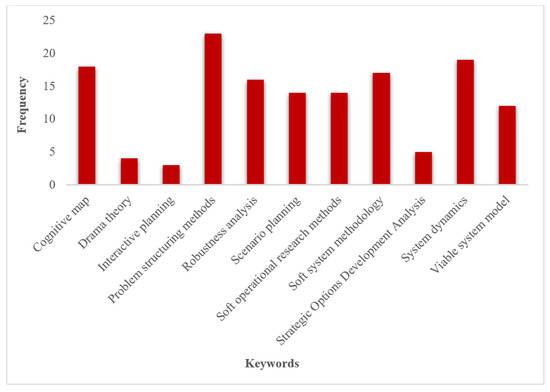
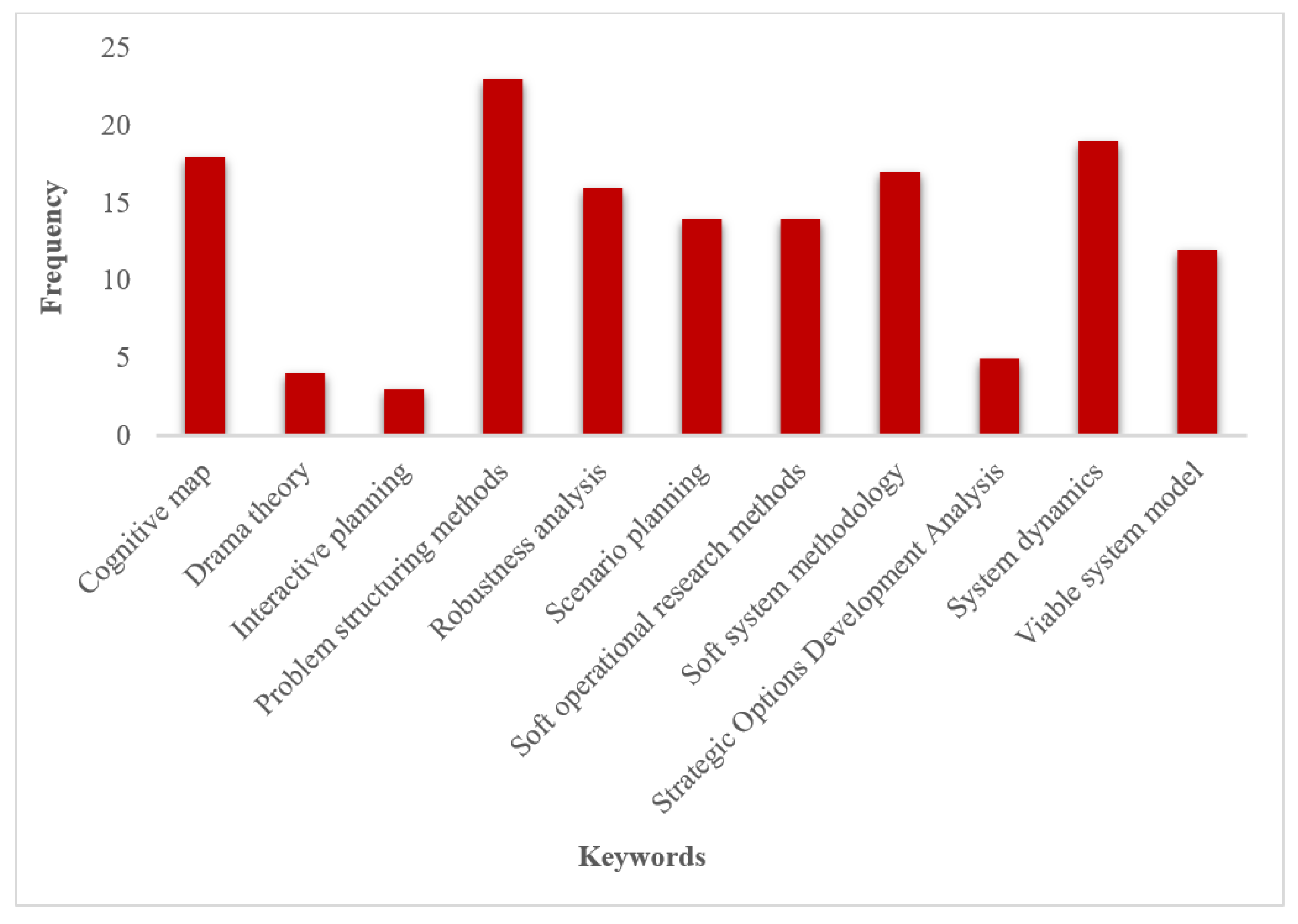
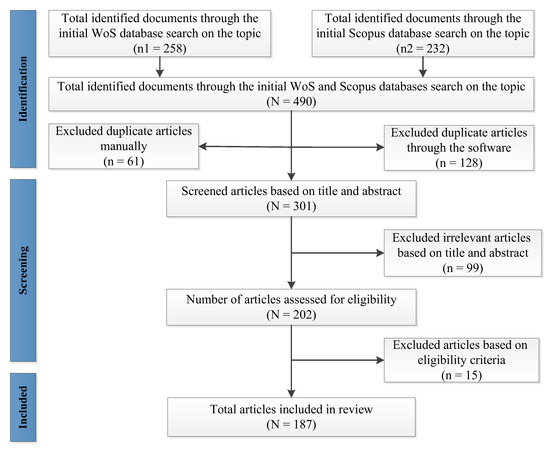
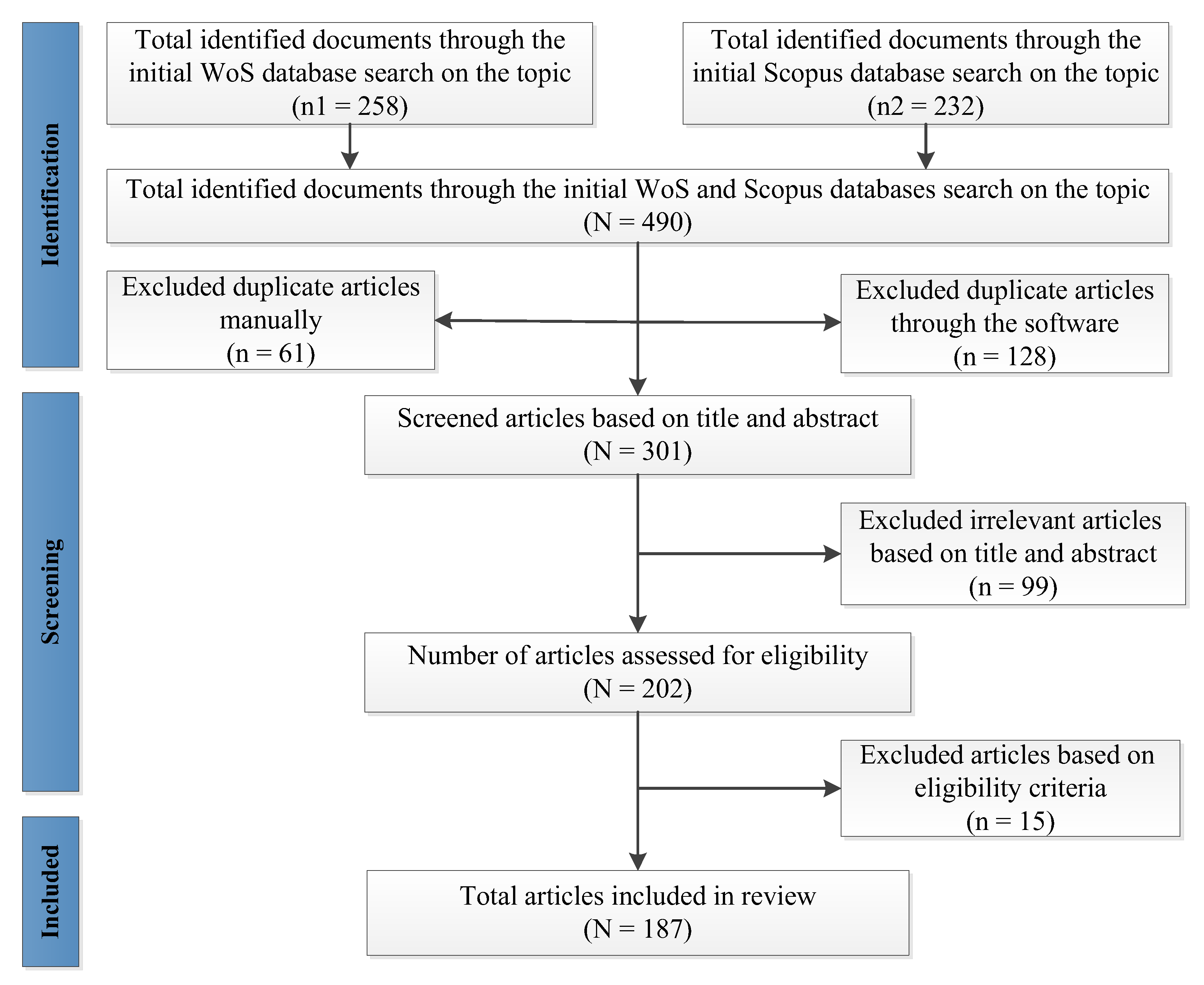
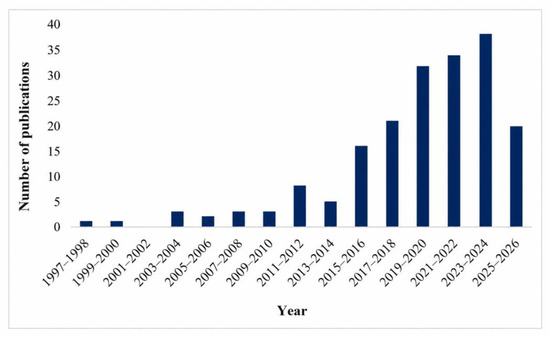
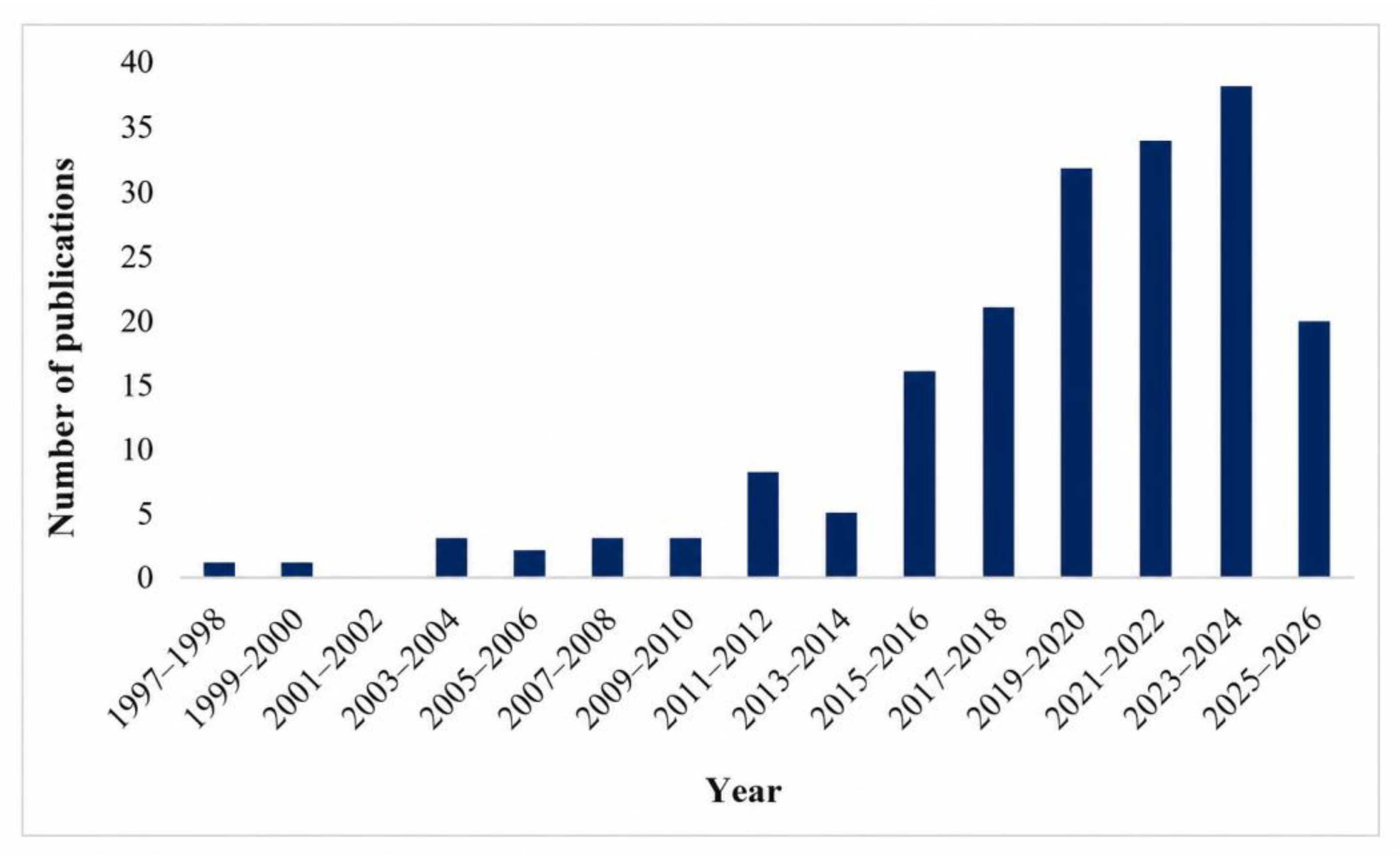
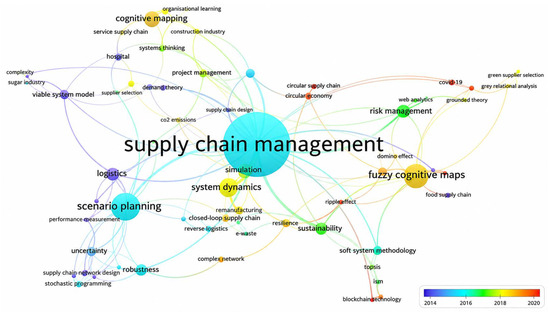
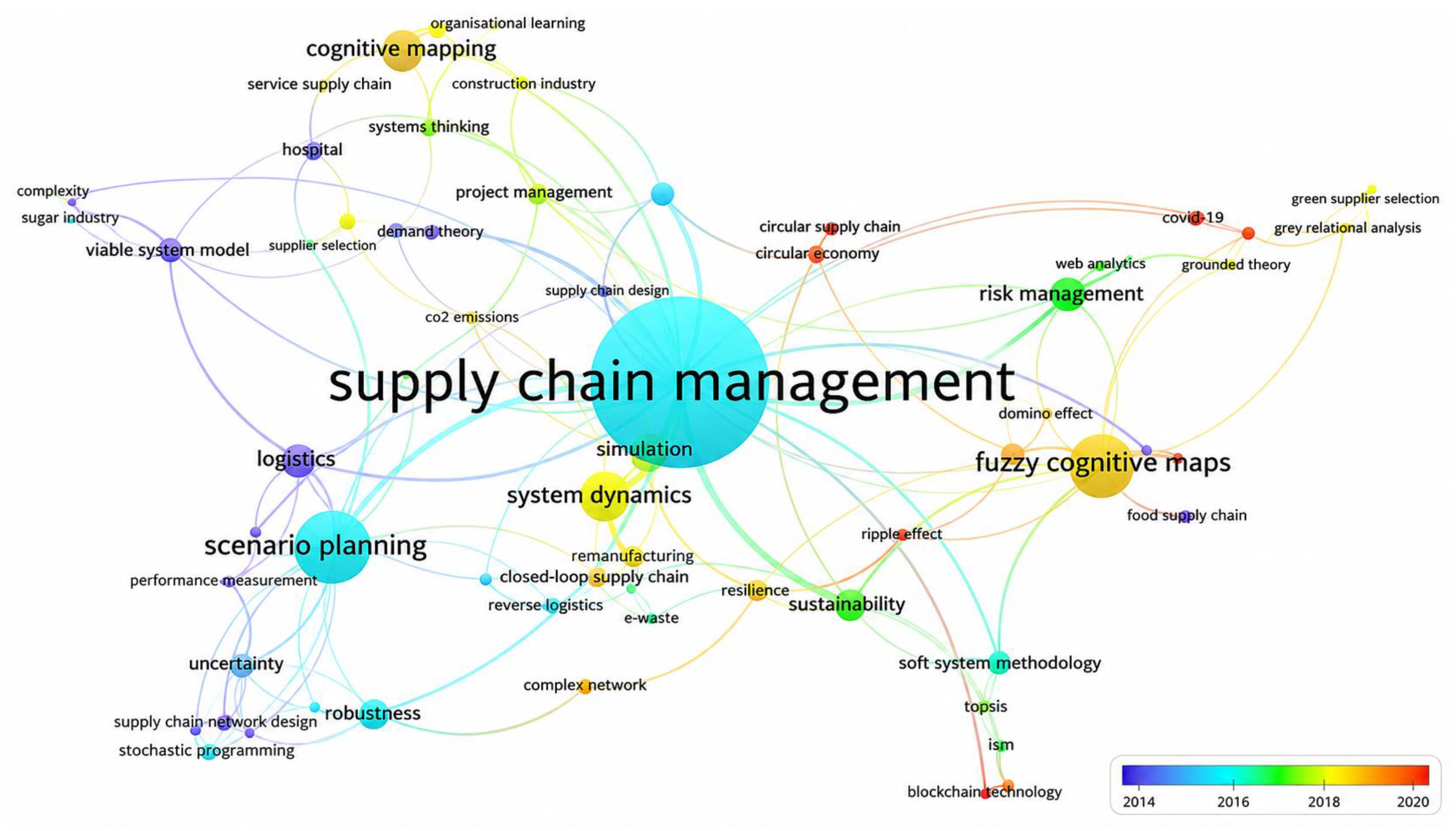
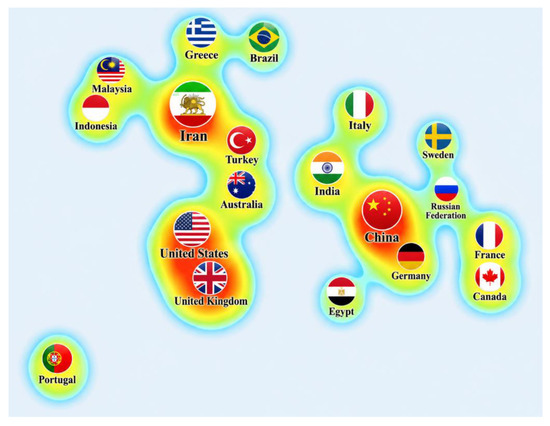
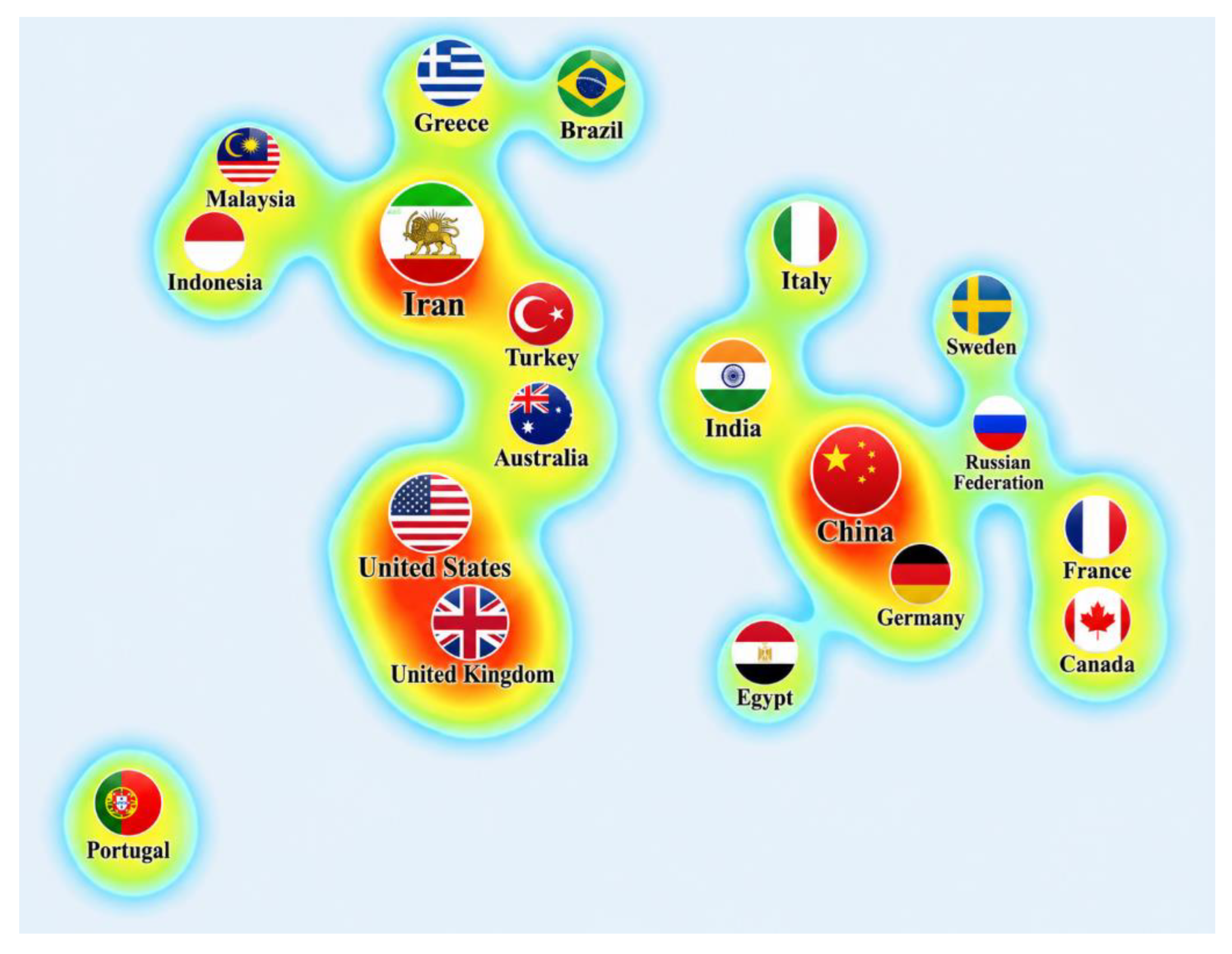
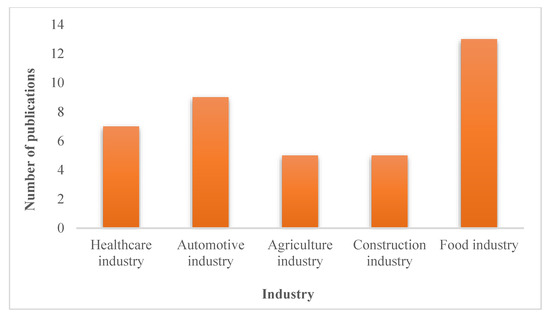
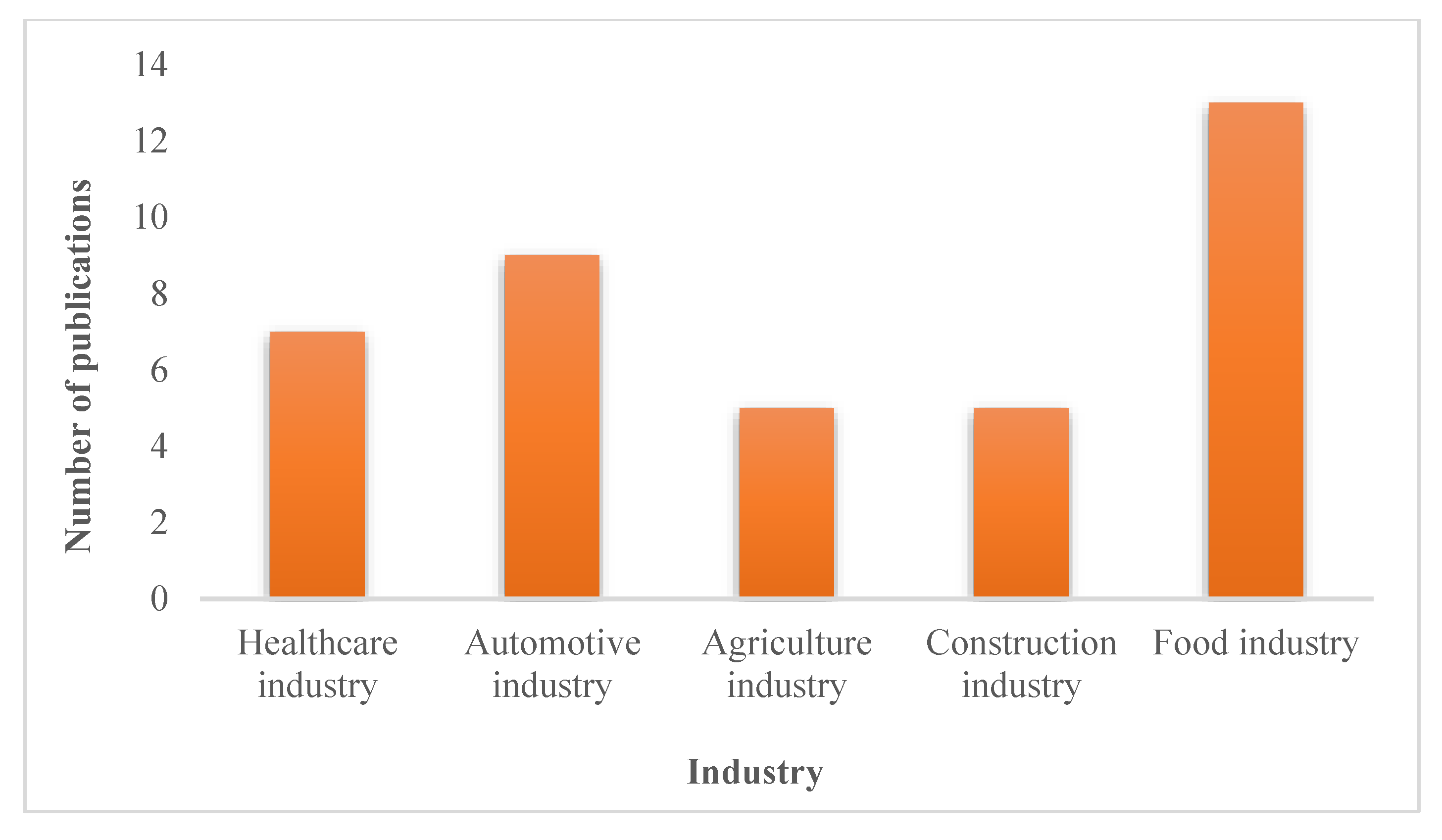
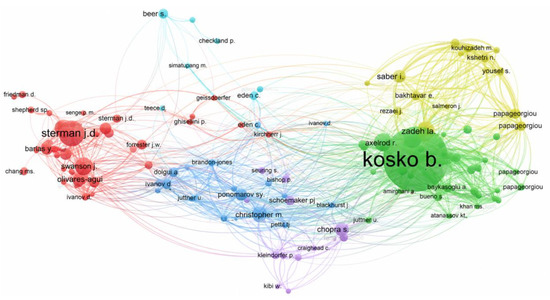
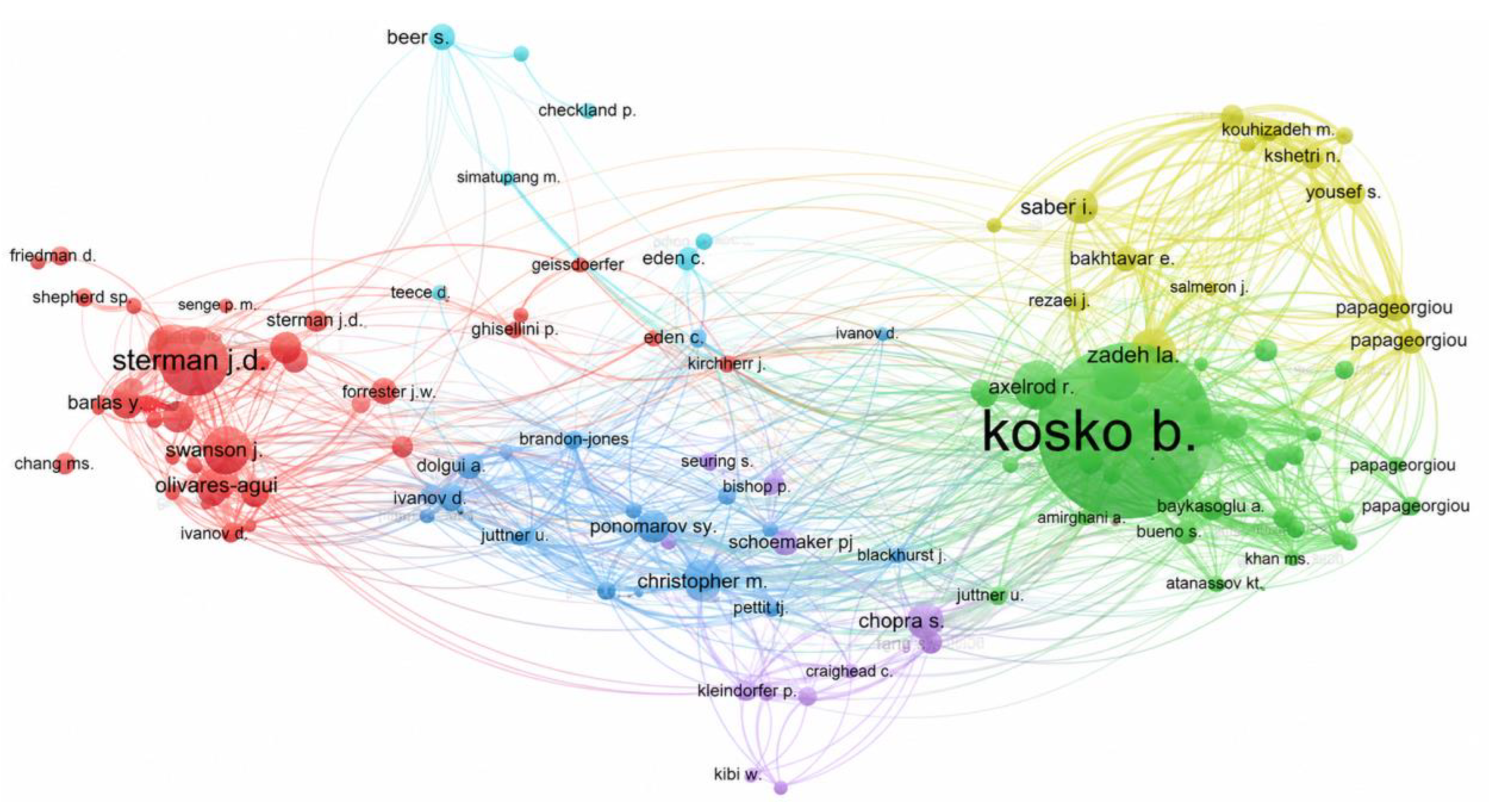
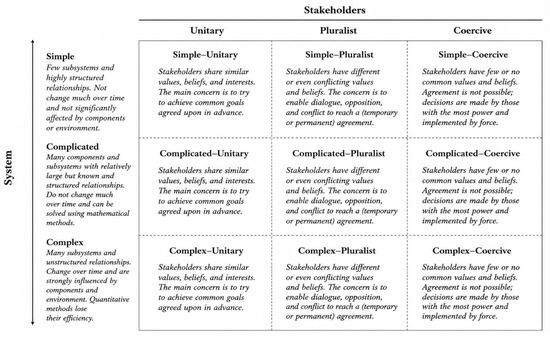
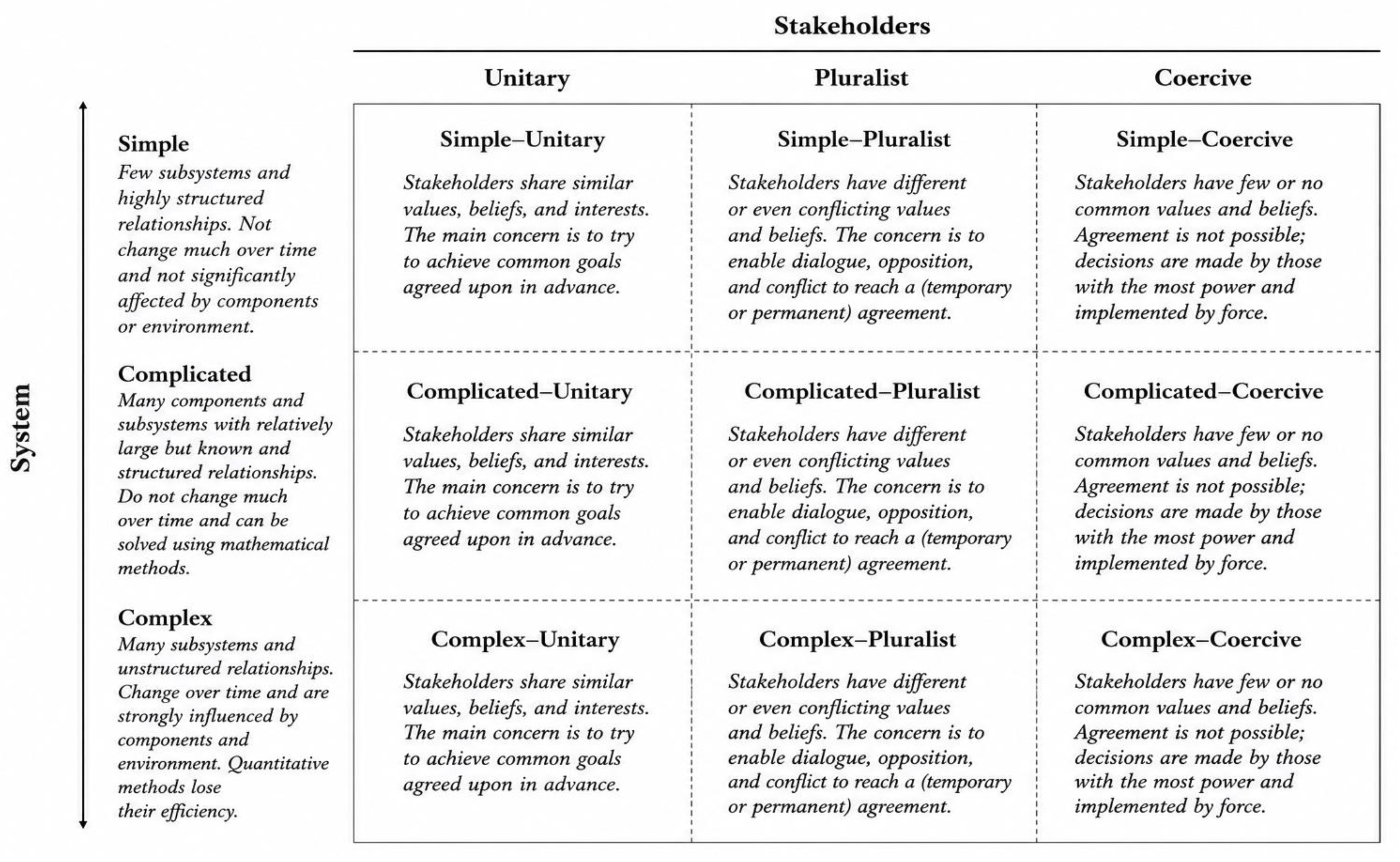
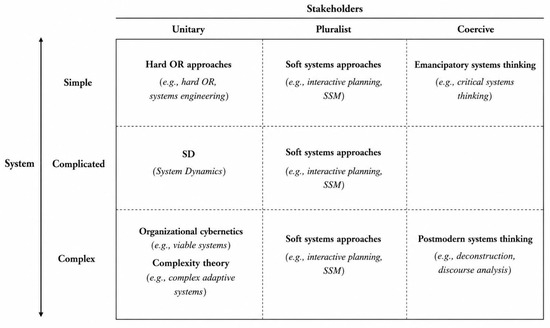
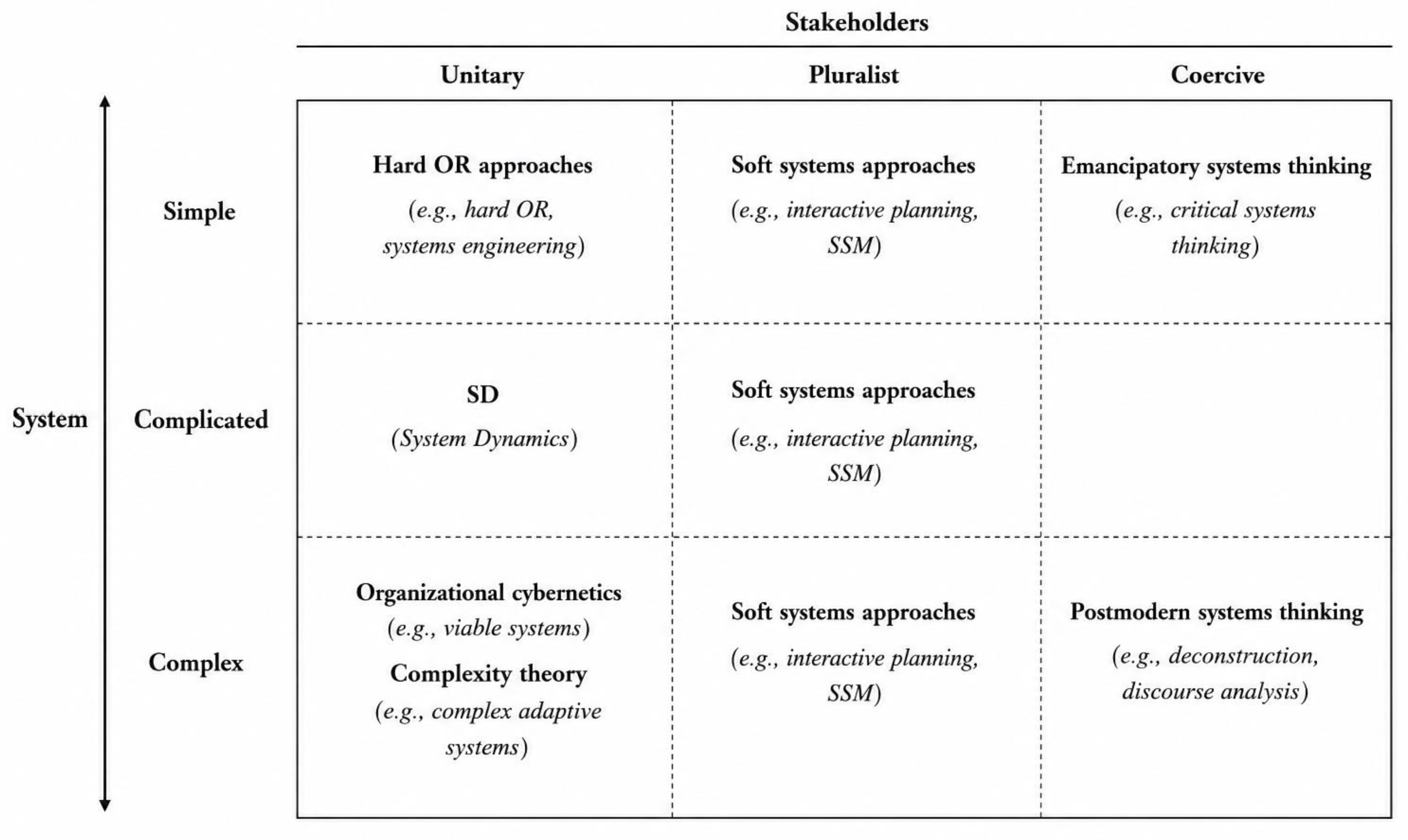
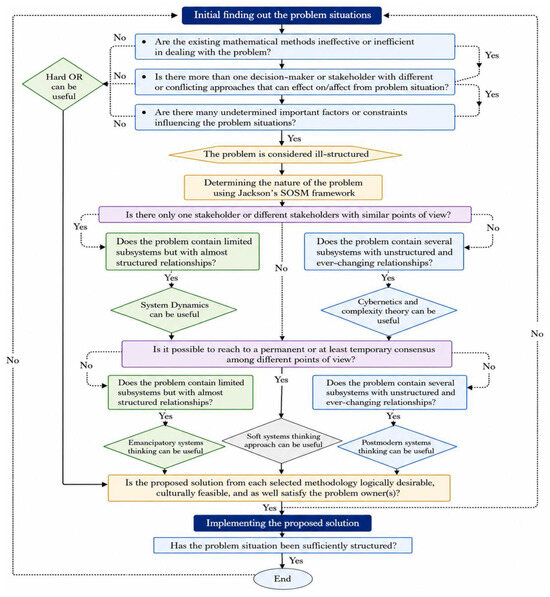
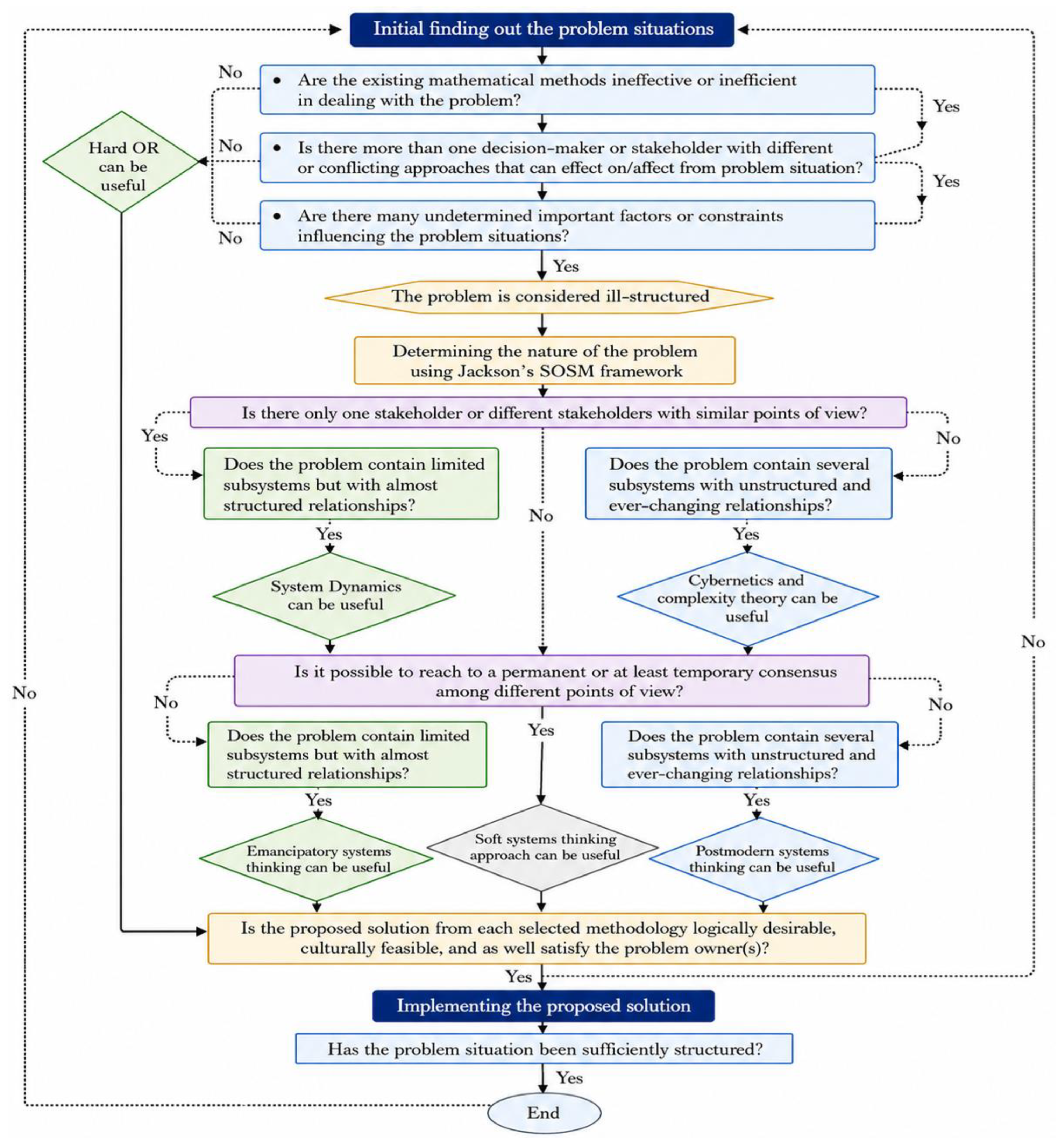
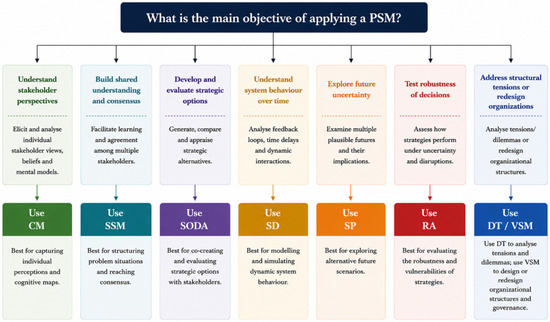
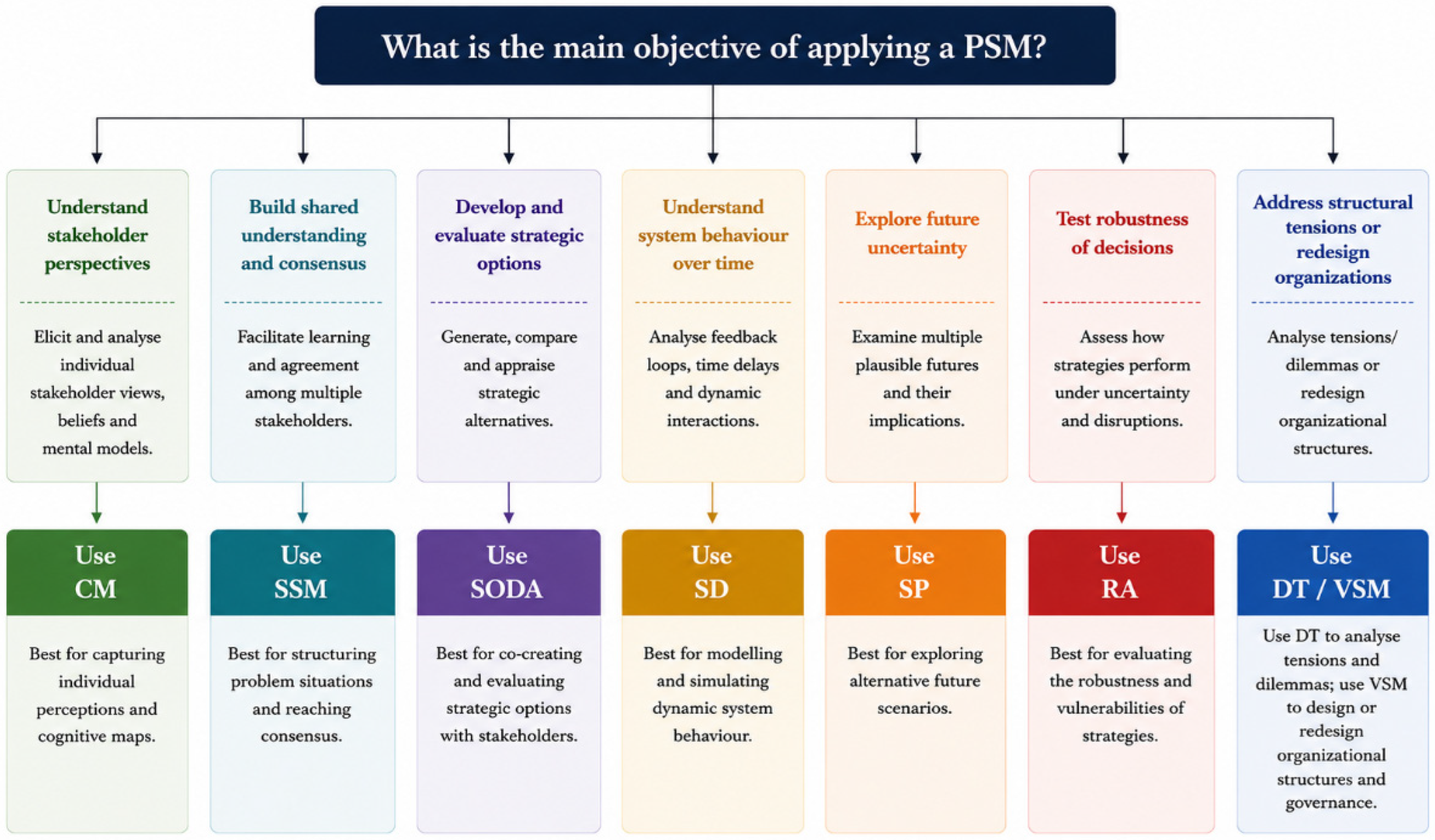
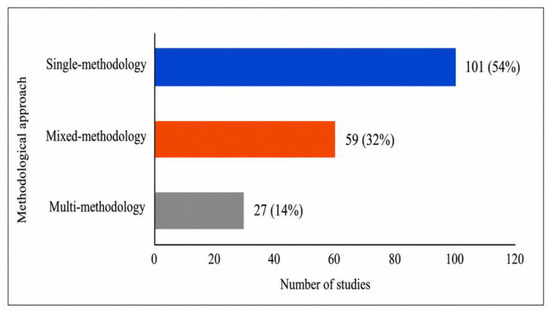
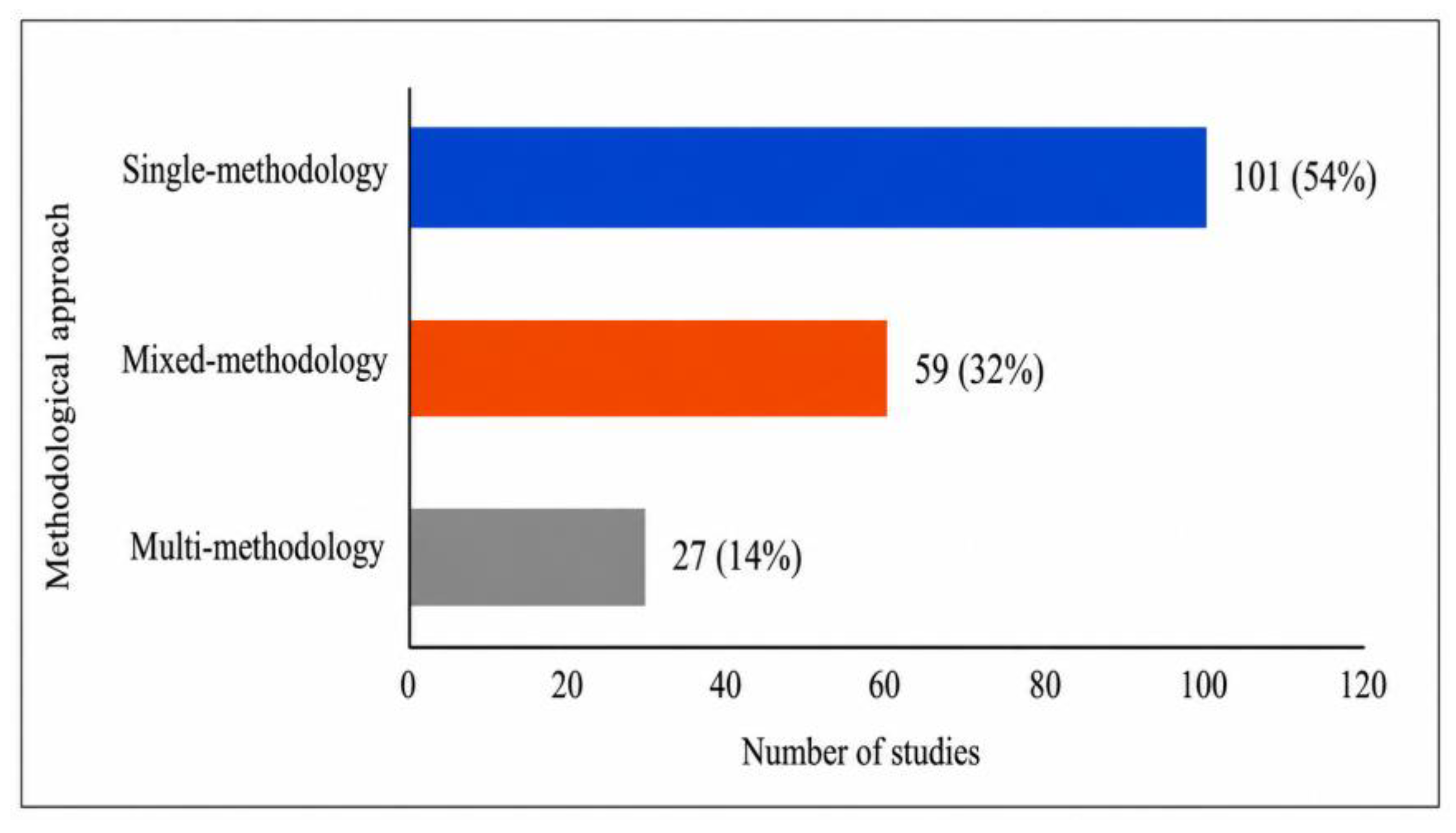

Disclaimer/Publisher’s Note: The statements, opinions and data contained in all publications are solely those of the individual author(s) and contributor(s) and not of MDPI and/or the editor(s). MDPI and/or the editor(s) disclaim responsibility for any injury to people or property resulting from any ideas, methods, instructions or products referred to in the content. |
© 2026 by the authors. Licensee MDPI, Basel, Switzerland. This article is an open access article distributed under the terms and conditions of the Creative Commons Attribution (CC BY) license.