


Abstract
Background: As supply chains undergo rapid transformation, the concept of supply chain viability (SCV) has gained increasing attention among scholars and industry practitioners. Despite this growing interest, the existing literature lacks a comprehensive and integrated understanding of readiness factors across SCV dimensions. Methods: To address this gap, this study conducted a systematic review of the literature. A total of 86 peer-reviewed articles published between 2015 and 2025 were included, synthesizing evidence across four SCV dimensions: agility, resilience, sustainability, and digitalization. Two-mode network representation was used to analyze cross-dimensional connections between readiness factors and SCV dimensions via degree centrality. Results: The analysis identified 36 readiness factors, 9 of which are cross-dimensional and connected to all four SCV dimensions: leadership and decision-making, stakeholder integration, customer relationship and engagement, partner collaboration and readiness, advanced analytics, technological/digital capabilities, real-time data visibility, information and communication technology infrastructure availability, and digital transformation/smart technologies in supply chain management. Conclusions: Readiness factors vary across SCV dimensions, with some spanning multiple dimensions and others remaining specific. SCV strategies should account for these differences rather than treating factors as uniform.
1. Introduction
Supply chain management (SCM) has evolved in response to increasing market complexity, technological advancements, and recurring disruptions. During the 1970s and 1980s, the primary focus was cost efficiency and process optimization, driven by lean and just-in-time strategies. While these approaches lowered costs, they often left supply chains (SCs) vulnerable to external shocks due to the lack of flexibility and redundancy [1].
1.1. Evolution of Supply Chain Management: Agility, Resilience, Digitalization, and Sustainability
The 1990s marked a shift toward agility as companies recognized the need to respond rapidly to fluctuations in demand and market uncertainties [2]. A substantial number of studies have addressed SC agility [3,4,5]. Agility has become a vital strategy for staying competitive in global markets, as it enables supply chains (SCs) to respond quickly to changes in demand and supply by adjusting production, logistics, and inventory in real time [6,7]. These adjustments reduce inefficiencies and maintain business continuity, as shown during the COVID-19 pandemic when flexible SCs adapted more rapidly to shifting consumer demands.
In the early 2000s, several global crises—including terrorist attacks, natural disasters, and the SARS outbreak—highlighted the importance of resilience [8]. Resilience has become a crucial part of the SC strategy [9,10], including the ability to absorb shocks and recover quickly [10,11,12]. By the mid-to-late 2010s, digital transformation had reshaped SCs, driven by the increasing adoption of advanced technologies such as the Internet of Things (IoT), Big Data analytics, blockchain, and artificial intelligence [13]. These technologies support agility, resilience, and sustainability, enabling SCs to predict and adapt to disruptions more effectively [14]. The COVID-19 pandemic accelerated the adoption of digital solutions, proving that technology-driven SCs are better equipped to handle disruptions and adapt to rapidly changing conditions. During this same period, sustainability emerged as a key focus, with practices such as eco-friendly sourcing, energy-efficient production, and waste reduction contributing to long-term viability while fulfilling corporate social responsibility and meeting consumer expectations [15,16].
1.2. Supply Chain Viability and Readiness
SCV refers to the long-term survival capability of a supply network in a dynamic environment. It is achieved through structural reconfiguration and performance planning that balance agility, resilience, sustainability, and digitalization [17,18]. Grounded in system–cybernetic principles and the Viable System Model [19,20]. SCV improves traditional resilience research by emphasizing dynamic reconfiguration and network structure orchestration under normal and disrupted conditions [21,22]. Unlike short-term robustness or recovery, SCV emphasizes maintaining continuity through adaptive, technology-driven, and sustainability-oriented supply chain designs, particularly across intertwined supply networks [23].
Recent advances in the SCV literature further emphasize that viability should be viewed as an emergent, system-level property rather than a static outcome of individual capabilities. Contemporary studies characterize SCV as arising from the continuous alignment of strategic intent, operational execution, and adaptive governance mechanisms that allow SCs to evolve alongside technological, environmental, and institutional changes over time [22,24]. From this perspective, long-term continuity requires ongoing reconfiguration, learning, and feedback control across interconnected supply networks. In isolation, improvements in agility, resilience, sustainability, and digitalization are insufficient to ensure survivability [25]. Instead, recent systematic reviews suggest that SCV supply chain viability is a higher-order, system-level ability that emerges from the integration of green practices, resilience mechanisms, and adaptive governance, rather than an extension of any single capability [26]. As a result, SCV readiness assessment must capture both the current configuration of the supply chain and its dynamic ability to transform over time, reinforcing the transition from short-term recovery logic to long-term system survivability and adaptability [22].
To operationalize SCV, companies should comprehensively assess their readiness. A clear and thorough understanding of the current state of operations is an essential first step toward successful transformation. As Chowdhury and Quaddus [27] note, a certain level of readiness must be achieved before the disruption phase begins to reduce the likelihood and impact of potential disturbances.
While disruption preparation is critical for SCV to ensure short-term recovery, viability extends beyond event-driven disruptions to ensure long-term survival in uncertain environments across four key dimensions: strategic adaptability, sustainability, digital transformation, and structural reconfiguration. A prerequisite for assessing readiness is identifying relevant factors across these dimensions [17]. Given the increasing role of digital technologies in enhancing visibility, coordination, and responsiveness across supply chains, digitalization is considered in this study as an enabling dimension that supports and integrates these core capabilities [18].
The term “readiness” refers not only to an organization’s pre-disruption preparedness but also to their ongoing ability to configure structures, information flows, and decision processes to achieve agility, resilience, sustainability, and digitalization in day-to-day operations.
1.3. Research Gap, Contributions, and Study Structure
Given the conceptual breadth and multidimensional nature of SCV readiness, a systematic literature review provides a structured and transparent approach for synthesizing existing knowledge. However, the current literature lacks systematic reviews that explicitly adopt a readiness-based perspective, either across all four SCV dimensions (agility, resilience, sustainability, and digitalization) or within their combined interactions. Existing studies tend to examine these dimensions in isolation or partial combinations, leading to fragmentation and limited integrative insight.
To address this gap, this study develops an integrated SCV readiness framework that consolidates and systematically organizes readiness factors across the four key dimensions. By mapping readiness factors to SCV dimensions, the study distinguishes between cross-dimensional and dimension-specific roles, offering deeper insight into how different factors contribute to an SCV framework. Specifically, this study makes the following contributions:
- Conceptual Contribution: Provides a framework of SCV readiness that is based on the incorporation of agility, resilience, sustainability, and digitalization.
- Analytical Contribution: Makes distinctions between cross-dimension factors of readiness and specific dimension factors of readiness and their relationship with one another.
- Synthesis Contribution: Systematically consolidates dispersed and fragmented findings into an interpretable and structured model, thereby enhancing conceptual clarity.
- Research Agenda Contribution: Offers insights into gaps and areas that need to be explored further in research.
From a practical perspective, the proposed framework provides a conceptual basis that may support future diagnostic and assessment applications related to SCV readiness across the four dimensions. It may assist organizations in identifying strengths, weaknesses, and capability gaps, while highlighting factors associated with multiple SCV dimensions. In addition, differentiation between cross-dimensional factors could facilitate a better understanding of resource allocation and capability development, subject to future empirical validation.
From a policy perspective, the results can be used to construct benchmarking frameworks for assessing and improving SCV preparedness across industries.
The remainder of this paper is structured as follows: Section 2 establishes the theoretical foundation of SCV. Section 3 describes the methodology for identifying readiness factors, and Section 4 discusses the findings of the systematic literature review. Section 5 provides a critical discussion of the results, highlighting their theoretical and practical implications and directions for future inquiry. Section 6 concludes by summarizing key insights and outlining contributions to both research and practice.
2. Theoretical Background
Taken together, the Viable System Model (VSM) and viability theory provide a theoretical framework for understanding how organizations and networks sustain performance in dynamic, uncertain contexts.
Beer [19,20] developed the VSM, which frames an organization as a recursive, adaptive system composed of subsystems that work together across operations, coordination, control, intelligence, and policy. The model largely attends to structural design, feedback loops, and regulatory mechanisms that keep a system stable internally while allowing it to adapt when external conditions change. The VSM is underpinned by the idea that system parts must balance independence and cooperation to survive in the long term while also adapting to the environment’s complexity.
Viability theory builds on this by viewing survival as a dynamic quality arising from the interaction between system structure and environmental disturbances. Aubin [21] broadened the idea of viability to include ecological and interorganizational systems, emphasizing their interconnectedness and complexity and the importance of adaptation over time. From this standpoint, viability includes not only stability but also the capacity of a system to evolve through structural alteration and behavioral adaptation.
Within the SC context, Ivanov and Dolgui [18] formalized the concept of SCV by defining viability as a behavior-driven property of a dynamic system characterized by balancing disruption and response in an open system environment. Subsequent developments [17,28] conceptualized the viable supply chain as a structurally adaptable and dynamically reconfigurable network capable of maintaining value under changing conditions. This perspective extends the VSM’s logic from single organizations to interconnected supply networks.
SCV therefore moves beyond traditional resilience, which primarily focuses on returning to normal after a disruption, to emphasize structural flexibility, adaptability, and long-term sustainability in supply chain design.
Differentiating between operational functionality, management coordination, and systemic viability is an effective way to conceptualize connected supply chain perspectives. A functional supply chain efficiently executes core operational activities, including sourcing, production, and distribution, under relatively stable conditions, with an emphasis on cost, responsiveness, and reliability [29]. SCM extends this functional perception by adopting a managerial and strategic perspective that integrates and coordinates these activities across organizational divides to improve overall performance and supply chains’ competitive advantage [30,31]. While both functional SCs and SCM focus on recovery and a return to equilibrium following disruptions, SCV represents a conceptual extension that emphasizes a supply chain’s long-term capacity to maintain continuity, adapt, and transform its structures and decision rules under continuous disruptions and uncertainty [32]. Accordingly, functionality and managerial integration are essential foundations for effective supply chains. However, they are insufficient to ensure viability [17].
A functional supply chain should be able to adjust how supply and demand are distributed; adapt its capacities; and leverage digital technologies to maintain performance amid political, environmental, and market changes. Thus, SCV can be defined as a systemic capability that integrates agility, resilience, sustainability, and digitalization as interconnected factors that enable long-term survival.
Conceptually, agility, resilience, sustainability, and digitalization are constitutive dimensions of SCV. Viability, as it is defined in systems and viability theory, requires an ability to maintain functional continuity and adaptive reconfiguration under uncertainty and long-term constraints. In the viable supply chain model, viability is theorized as an underlying supply chain property that covers agility, resilience, and sustainability. Agility allows for rapid structural and planning reconfiguration in response to demand–supply variability, while resilience is the ability to absorb disruptions and recover operational performance. Sustainability establishes the social, environmental, and economic limits within which long-term survival must remain feasible [17,18]. Extending this system’s logic to current supply networks, digitalization is constitutive rather than auxiliary, as viable reconfiguration depends on information visibility, sensing, and feedback control across interconnected supply chain actors. Consequently, recent developments in viability theory incorporate digital supply chains and digitally enabled ecosystems as core pillars of SCV [22].
Empirical construct validation and measurement studies strengthen this position by describing SCV as a multidimensional ability centered on dynamic structural reconfiguration, which is operationally facilitated via digitally supported coordination, analytics, and decision-making processes [33]. Recent reviews demonstrate that long-term supply chain viability emerges from the integration of resilience and sustainability, with digital capabilities playing a key role in sustaining these dimensions throughout disruptions and uncertainty [24,26]. Accordingly, agility, resilience, sustainability, and digitalization are complementary system capabilities that collectively operationalize the mechanisms necessary for long-term supply chain survival and adaptability.
Recent viability research has advanced beyond definitional work to four complementary theoretical streams that jointly clarify what “viability” means, how it operates, and how it might be measured. First, construct validation research conceptualizes supply chain viability as a distinct hierarchical capability with measurable dimensions and nomological validity, distinguishing it from resilience and emphasizing dynamic reconfiguration as the defining process [33]. Second, empirical integration studies define viability as a multidimensional extension of resilience, demonstrating how latent dimensions (e.g., network/product vs. technology/workforce) contribute differently to supply chain performance and offering practical implementation paths [10]. Third, operational reconfiguration theory suggests that viability is maintained through rapid supply chain adaptation and structural/process switching, using quantitative indices and digital-twin-supported evaluation to select viable reconfiguration options [34]. Fourth, digital survivability and ecosystem perspectives claim that long-term resilience to structural volatility is increasingly dependent on digital capabilities (e.g., analytics, sensing, and orchestration) and technological alignment with culture and governance, particularly in Industry 4.0 and SME contexts [35,36]. Finally, recent framework-building research extends viability toward assessment and benchmarking by providing structured SCV indicators and integrative syntheses that link viability to sustainability and resilience trade-offs [24,26].
3. Review Methodology
This systematic literature review (SLR) was conducted to gain insight into prior research on SCV and its readiness factors. SLRs allow for critical evaluation of eligible studies through a reproducible, comprehensive literature search to answer a specific research question. This study followed Denyer and Tranfield’s guidelines [37], which include the following five steps: (1) question formulation, (2) locating studies, (3) study selection and evaluation, (4) analysis and synthesis, and (5) reporting and applying the results.
3.1. Question Formulation
The research questions for this study were formulated as follows:
- Which readiness factors (agility, resilience, sustainability, and digitalization) are identified in the literature for each SCV dimension?
- Which readiness factors are common or shared across these dimensions?
- How can these readiness factors be structured to support supply chain viability readiness evaluation?
3.2. Locating Studies
Relevant journal articles were sought and assessed to build a list of fundamental contributions. The review protocol was designed to minimize selection bias and enhance transparency and reproducibility. The search was initially conducted in August 2024 and then repeated in June 2025 and December 2025. Four criteria were applied to identify pertinent studies: period, database selection, journal selection, and keyword definition.
3.2.1. Period
SCV is an emerging topic. According to Ivanov [17], SCV research has undergone significant transformations. The state of the art has advanced from focusing on lean, agile, sustainable, resilient, and digital supply chains to viability following the spread of COVID-19 in 2020. Resilience is now a central aspect of SCV. As such, the search window was set to 2015–2025 to capture developments in supply chain research both prior to and following the post-COVID-19 acceleration in viability-related studies.
The dramatic increase in publications observed after 2018–2019 peaked between 2022 and 2024 in response to large-scale shocks (e.g., pandemic-related failures, geopolitical disruptions, and climate-induced logistics constraints). During this period, studies increasingly focused on agility, resilience, and sustainability as interdependent capabilities that jointly enable SCs to maintain continuity and performance over extended periods of uncertainty. This approach directly led to the development of SCV as a concept [17,18]. As such, the selected timeframe captures the transition from efficiency and recovery-centric supply chain research to a viability-oriented paradigm [22,25,26].
3.2.2. Database Selection
A thorough review of the scientific literature was conducted using Scopus and Google Scholar. An automated database search was conducted in Scopus using a reproducible Boolean query applied to the Title, Abstract, and Keywords (TITLE–ABS–KEY) fields. The final search was conducted in December 2025 and limited to peer-reviewed journal articles published in English between 2015 and 2025. Scopus filters were applied to restrict results to journal articles, English language, and the 2015–2025 publication window. Duplicate records were removed prior to screening.
Scopus is a well-known database recognized for its comprehensive coverage of scientific journals, proceedings, and books, as well as its meticulously organized, high-quality records. Scopus can also conduct automated searches for peer-reviewed articles. Google Scholar was used as an additional database to manually collect peer-reviewed articles not found through automated searches and to locate articles identified by cross-referencing citations and bibliographies with full texts [38]. The manual Google Scholar search was performed using the same keyword logic. The results were sorted by relevance, and the first 50 records were screened by title and abstract. In addition, backward citation searching was employed using the reference lists of eligible full-text articles. All articles identified through Google Scholar were subjected to the same inclusion and exclusion criteria as those retrieved from Scopus.
3.2.3. Journal Selection
This review focused solely on peer-reviewed articles to ensure conceptual and methodological rigor.
An initial literature review was conducted to identify studies specifically addressing readiness factors across the four key dimensions of SCV: agility, resilience, sustainability, and digitalization. However, this search yielded only one relevant study [39], which focused on resilience and did not consider the broader scope of supply chain viability or integrate other dimensions. To overcome this limitation, the review’s scope was expanded to include related studies that identify readiness factors.
3.2.4. Keyword Identification
A structured keyword identification process guided the search for relevant literature within the fields of supply chain management and viability. Three keyword categories were created to define the search’s conceptual boundaries. Category I included terms such as “supply chain” and “supply chain management.” Category II focused on viability dimensions, including “agile,” “agility,” “resilience,” “resilient,” “resiliency,” “sustainability,” and “digitalisation”. Category III involved terms related to readiness and associated concepts, such as “drivers,” “prerequisite,” “antecedent,” “capability,” “measurement,” “assessment,” and “indices.” These keyword sets were used in both automated Scopus searches and manual Google Scholar searches, targeting the titles, abstracts, and keywords of peer-reviewed journal articles. Table 1 summarizes the keyword structure used and presents the structured Boolean search query applied in Scopus, thereby ensuring transparency and reproducibility of the literature search. Similar keyword combinations were used in Google Scholar for supplementary searches.
Table 1.
Keyword summary.
3.3. Study Selection and Evaluation
This review adheres to the PRISMA 2020 (Preferred Reporting Items for Systematic Reviews and Meta-Analyses) guidelines, employing a detailed, multi-stage search and screening process that clearly defines search, eligibility, and data analysis criteria [40]. In line with comprehensive evidence synthesis practices, alternative reporting frameworks, such as the Reporting Standards for Systematic Evidence Syntheses (ROSES), frequently employed in environmental and policy-oriented reviews, are also acknowledged [41]; however, PRISMA was used due to its widespread adoption within supply chain and management research [40].
PRISMA-based literature reviews differ fundamentally from bibliometric analyses, which employ quantitative publication and citation metadata to map the intellectual structure, research trends, and influential actors within a field but do not directly support construct-level or theoretical integration [42,43]. While altmetric analysis is useful for capturing immediate online visibility and interest in publications, it is not designed to assess methodological accuracy, conceptual development, or the quality of empirical evidence. Accordingly, it is not ideal for identifying or evaluating SCV readiness mechanisms [44]. In contrast, PRISMA-based reviews enable in-depth, reproducible syntheses of heterogeneous studies, supporting theory development and readiness factor classification. As such, the PRISMA framework is aligned with this study’s objective of consolidating and explaining SCV readiness factors. With that said, PRISMA-based reviews are more time-intensive and less scalable than automated bibliometric techniques [40,45].
To ensure methodological rigor, clear inclusion and relevance criteria were used. Eligible studies were peer-reviewed journal articles published in English from 2015 to 2025. The screening process involved three stages: (i) title screening, (ii) abstract screening, and (iii) full-text eligibility assessment. At the full-text stage, articles were excluded if they (i) were not related to SCV dimensions, (ii) did not address readiness-related constructs, (iii) were published outside of the stipulated timeline, or (iv) were not peer-reviewed. These findings were documented for traceability. Disagreements were resolved through discussion and consensus. Studies were included if they discussed or assessed readiness factors or examined one or more of the four key dimensions of SCV (agility, resilience, sustainability, and digitalization). Studies were also included if they addressed enablers, drivers, prerequisites, antecedents, or capabilities that could inform supply chain readiness development or assessment. Only articles from the fields of business, management, decision sciences, and engineering were included. Both empirical and conceptual papers, as well as systematic and narrative literature reviews, were included. Figure 1 shows the PRISMA-based review and selection process.
Figure 1.
PRISMA diagram of the identification and screening process.
The Scopus search yielded 185 articles. After removing duplicates and documents that did not meet eligibility criteria, 109 articles remained. Title and abstract screening excluded 22 irrelevant papers. A final full-text review, combined with snowball sampling, was conducted to ensure comprehensive coverage. Studies unrelated to the review’s objective were disregarded at this stage. Fifty-nine articles were included in the systematic review. To further enhance the coverage of relevant studies, a manual search of Google Scholar was conducted to identify peer-reviewed articles not captured by the initial Scopus search, potentially reducing database bias. This additional effort yielded 57 articles that met the inclusion and relevance criteria. A total of 86 peer-reviewed articles were included in the final systematic review, from which readiness factors were extracted and analyzed through structured data extraction and coding (see Section 3.4).
A network-based analytical technique was integrated to facilitate analysis of relationships among readiness factors. All factor interactions were examined using Gephi 0.10.1 202301172018, an open-source network visualization and analysis tool. Gephi was used to map co-occurrences, identify highly connected factors, and explore structural patterns within the viability dimensions.
3.4. Data Extraction and Coding
Structured data extraction and coding were conducted using a multi-stage approach to ensure consistency and transparency.
First, full-text articles were reviewed to identify enablers, capabilities, drivers, and prerequisites related to supply chain viability (SCV). Second, potential readiness factors were identified based on their relevance to at least one SCV dimension: agility, resilience, sustainability, or digitalization. Third, duplicate or similar readiness factors were grouped and standardized to ensure consistency in terminology. This consolidation was guided by semantic similarity, functional equivalence, and contextual consistency across studies. Concepts were merged when they referred to similar underlying capabilities, while distinct concepts were retained when they reflected different operational roles or levels of abstraction: In cases where different terms referred to the same concept, they were consolidated based on their meaning, function, and alignment with SCV dimensions. Terms were combined when they conveyed equivalent roles and could be used interchangeably. Terms that differed in meaning or functional purpose, despite apparent similarity, were retained as separate factors. Minimal modification of terminology was applied, limited to standardization and the avoidance of redundancy [46].
To illustrate this process, terms such as “Advanced data analytics” [47,48,49], “Big Data Management” [46,48,50,51,52,53], and “Information integration” [48,49,50,51] were initially coded as data-related capabilities. Based on semantic similarity and functional equivalence, these were consolidated into the factor “Big Data & Advanced Data Analytics”, as they collectively reflect the organization’s ability to process, integrate, and utilize data for decision-making. In contrast, closely related concepts such as “Sourcing Capability” [47,54] and “Strong supply base” [49,55,56,57] were retained as separate factors. Although related, they represent distinct functional roles, where sourcing capability reflects an internal organizational competence, while a strong supply base represents an external structural condition.
In cases of overlap, such as “Supply chain intelligence” [50,55] and “Real-time data visibility” [4,27,49,55], factors were retained separately despite overlap, as they represented different underlying mechanisms.
Importantly, each final readiness factor is traceable to its originating expressions and corresponding studies, ensuring transparency and reproducibility of the coding process.
Fourth, each identified factor was mapped to the appropriate SCV dimensions based on its conceptual alignment. Finally, the identified factors were refined to ensure conceptual clarity and consistency with the study’s objectives. This whole process of data extraction and coding is presented in Table 2.
Table 2.
Data Extraction and Coding Steps.
4. Analysis and Synthesis
The thematic synthesis approach was used to consolidate the results in a structured manner. The extracted readiness factors were categorized according to their conceptual relationships and mapped onto the four SCV dimensions (agility, resilience, sustainability, and digitalization). Accordingly, this section presents a structured analysis of the development and current state of the SCV literature, including publication trends, leading journals, country-wise distribution, and research methodologies. It then examines each SCV dimension and its associated readiness factors. Finally, an integrated analysis is provided to explore the relationships between the dimensions, their conceptual foundations, and the identified readiness factors.
4.1. Publication Trends
Figure 2 illustrates patterns in the number of published articles on SCV and its dimensions from 2015 to 2025. No significant publications appeared between 2015 and 2017, but the number of articles related to SCV grew significantly in 2020 after the COVID-19 pandemic began. The first published study introduced a conceptual and theoretical model of SCV [17,18]. This was followed by efforts to investigate how to further improve SC network design using technologies such as Blockchain [58,59] to measure SCV analytically. Few studies modeled SC viability [60,61] or applied optimization approaches to maintain SC viability [62]. Misbauddin et al. [63] examined the impact of SC integration, resilience, and risk control on viability to explore SCV antecedents. Several transformations have led to current advancements in SCM research. From being lean and responsive, SCs have learned to be resilient in the face of disruptions caused by severe disasters. They have also learned to recover, become sustainable, and use digital technologies [17].
Figure 2.
Trends in relevant research on readiness factors for supply chain viability (2015–2025).
Table 3 summarizes the total number of papers published. The 86 selected publications were published in 52 interdisciplinary academic journals. Among the leading publications, the International Journal of Production Research had the most published papers. The journals cover diverse issues and themes (such as manufacturing, sustainability, and technology), highlighting the multidisciplinary nature of these topics and indicating growing interest across multiple research communities.
Table 3.
Sources of the 86 articles included in the systematic review.
As shown in Table 4, the reviewed literature employed a variety of research methodologies to address supply chain viability and its dimensions, including case studies, conceptual discussions, literature reviews, mixed methods, and quantitative research. Approximately 59% of papers reported quantitative research, mostly on SCV dimensions, and 17% employed a mixed-methods approach. Meanwhile, 13% of papers featured conceptual discussions of SCV. Each study was categorized according to its primary research methodology.
Table 4.
Distribution of articles by research methodology.
4.2. Readiness Factors Derived from Studies on SCV
One only study focused specifically on readiness factors for SCV [39]. Given this gap, readiness-related constructs were extracted from full-text articles using a structured, minimally interpretative approach to maintain the integrity of the original terminology. Any term explicitly identified as a readiness factor, enabler, driver, antecedent, prerequisite, or capability related to agility, resilience, sustainability, or digitalization was documented verbatim in an extraction matrix, and duplicate terms identified across multiple studies were documented once, with their contextual details retained. In cases where different terms denoted the same concept with similar meanings, the terms were combined according to specific guidelines: semantic equivalence, functional equivalence, and SCV dimensions. Terms that had the same meaning and function and could be substituted were combined. Terms were only altered to prevent redundancy. The next sections present a review of selected related articles for each dimension, emphasizing the identified readiness factors and discussing them accordingly. A comprehensive summary of the characteristics, methodologies, and key findings of the included studies is presented in Supplementary Table S1.
4.2.1. Agility Readiness Factors
Agility was studied both empirically and theoretically. Wieland and Wallenburg [64] define agility as the supply chain’s (SC) ability to respond quickly, seamlessly, and cost-effectively to unexpected changes in supply or demand. According to Dubey et al. [65], SC agility describes its capacity to rapidly adapt the network structure and operational policies to meet customers’ dynamic and turbulent needs. Shashi et al. [66] provide a comprehensive review of SC agility to describe and analyze how technology is addressed in the literature, while Susanty et al. [67] suggest that greater technological capability significantly and positively influences organizational agility. One study examined operational agility within the context of Industry 4.0, focusing on the factors involved [68]. In relation to technology and manufacturing startups, Sreenivasan and Suresh [7] explored the concept of agile readiness for sustainable operations and identified its key influencing factors.
An organization’s capability and readiness level should be evaluated to determine its agility. Vaishnavi and Suresh [69] examined the healthcare sector’s readiness to support agility using fuzzy logic. In the same sector, Thomas and Suresh [70] suggest assessing agile sustainability readiness factors to ensure effective implementation. In a recent paper, Wang, Michael, and Wang [71] developed a model that integrates supply chain agility and sustainability to mitigate the effects of the COVID-19 pandemic.
Research has progressed in studying readiness to support agility and SC agility assessments. Boubaker et al. [72] propose a model to simulate physical and information flows within an SC, including production and logistics, to assess agility. Several studies have also developed agility evaluation frameworks tailored to specific industries; for example, Rahiminezhad Galankashi et al. [46] propose a framework for assessing agility in manufacturing companies, while Salama and Said [73] describe a framework focused on modular and off-site construction.
Table 5 summarizes readiness factors identified in the reviewed articles to support agility across sectors. Each sector highlights different aspects of readiness, reflecting its specific needs and challenges. The table organizes factors according to their functional emphasis and the empirical or conceptual contexts in which they are discussed, illustrating how agility-related readiness is operationalized across industries. One of the most frequently mentioned factors is adopting an innovative culture centered on technology and sustainability, which is crucial in healthcare and telecommunications. Agile sourcing capability is particularly important in the manufacturing sector, ensuring SC flexibility and adaptability. Collaboration and information sharing are common readiness factors across general SCs and the construction industry, highlighting the importance of seamless communication and coordination among stakeholders. Concurrent engineering, e-commerce, and vendor partnerships are essential for achieving agility in the construction sector, promoting efficiency and enhancing project outcomes.
Table 5.
Summary of identified readiness factors to support agility across sectors.
In the healthcare sector, leadership and decision-making, flexible organizational structures, and adequate resource availability are among the most critical readiness factors. Human capital readiness, encompassing the willingness to learn and workforce training, is emphasized in healthcare and technology, reflecting the importance of developing multi-skilled employees. In manufacturing, infrastructure development, inventory management systems, and IT applications, such as data communications and ERP systems, are essential for ensuring operational agility. Meanwhile, start-ups in technology and manufacturing focus on organizational adaptation, multi-skilled employees, and ongoing strategic change to remain agile and competitive. Sustainability policies, transparent communication, and cross-functional teams are also integral to the holistic approach needed to achieve agility across industries and SC contexts.
4.2.2. Digitalization Readiness Factors
Digitalization is a broad term that refers to the development of business processes through a range of transformations enabled by digital technology within an organization [74]. Digital supply chains (DSCs) are systems designed to rapidly and efficiently share information about products and services throughout the SC. The advent of digital transformation has driven significant changes across industries, affecting many aspects of the SC, including supplier selection, distribution, and other operations. Recently, the technological aspects of Industry 4.0, including their implications, have attracted research interest in SCM. Most studies focus on the impacts of digital technology on sustainability, resilience, and visibility.
SC digitalization enhances its viability and enables superior operational performance, helping an organization stay ahead of its competitors [75]. Yin and Ran [59] suggest that improving SCV should be a primary means of managing disruption risk. According to Yu et al. [75], digital technologies and DSC are essential resources within the SC, aiding the development of risk management and resilience capabilities. Mitigating ripple effects in SCM is possible, as shown in [33]. To build SC resilience during a pandemic, seven capabilities were identified: collaboration, agility, digital readiness, flexibility and redundancy, human resources management, planning, and visibility [34].
Companies use digital technologies, such as inventory tracking, RFID, blockchain, and Big Data, to effectively monitor operations and SC [74]. Ghaleb et al. [76] assessed healthcare organizations’ readiness to adopt Big Data using structural equation modeling. Among digital technologies, blockchain was regarded as essential to SC network design, making it more agile, resilient to demand fluctuations, and sustainable. [58]. Yin and Ran [59] found that incorporating blockchain technology into SC operations can improve SC viability. Integrating blockchain technology into vendor-managed inventory enhanced agility and SC viability [77]. According to Min [78], blockchain technology can strengthen supply chain resilience by creating local, agile, and digitalized supply chains.
The challenges of transitioning from a conventional to a digital supply chain remain largely unknown. Several papers have developed models for digital transformation and Industry 4.0 readiness assessments; however, not all frameworks have been empirically tested. Khan et al. [79] propose an integrated knowledge-based system based on Fuzzy-AHP to evaluate DSC readiness. Deepu and Ravi [53] present a detailed SC digitalization framework that connects data, information, knowledge, and wisdom to create an appropriate design for digitalization. Manavalan and Jayakrishna [80] conducted a comprehensive study to assess sustainable SCs’ readiness for Industry 4.0 transformation. Similarly, using online self-evaluation, Lassnig et al. [81] studied digital readiness in the SC. Nevertheless, preparedness to deploy Industry 4.0 and DSC practices to ensure SCV remains overlooked.
Table 6 summarizes readiness factors associated with digitalization, capturing technological, data, and organizational enablers. The table illustrates how digital readiness is framed not only in terms of technology adoption but also governance, skills, and integration mechanisms. Common factors across multiple industries indicate their broad relevance and importance for successful digitalization. For instance, availability of information and communication technology (ICT) infrastructure is foundational in manufacturing, textiles, and general supply chains. Adequate IT systems and tools are also crucial throughout the supply chain to ensure operational efficiency. Big Data management and analytics are essential in general SCs and the service industry, supporting data-driven decision-making. Cybersecurity, with a focus on information security management, is a key element across general SCs to safeguard digital assets. Leadership and decision-making in digital transformation are also recognized across various industries as vital for success. Awareness and understanding of digitalization among employees are crucial in textile and general supply chains, underscoring the importance of employee preparedness. Process efficiency and adaptability in SC operations are critical in service and textile sectors, promoting agile, flexible processes. Smart warehousing, which utilizes RFID and monitoring technologies, plays a crucial role in logistics and inventory management across service and manufacturing industries. Supplier collaboration is also vital in general supply chains, as it improves coordination and operational efficiency.
Table 6.
Summary of identified readiness factors supporting digitization across sectors.
Certain factors are also unique to specific sectors, reflecting their priorities and challenges. Additive manufacturing and 3D printing are unique to general SCs, indicating a focus on advanced manufacturing technologies. Building information modeling (BIM) is specific to general SCs and primarily concerns construction processes. Cloud-centric IoT for logistics and manufacturing systems is relevant only in general SCs and manufacturing, enhancing logistics operations. E-Supply Chain Management (Industry 4.0) is relevant only to general SCs and focuses on integrating advanced technologies. Digital capabilities and innovation are emphasized in textile and manufacturing sectors, highlighting their focus on digital platforms. Smart and digital technologies in procurement (Procurement 4.0) are unique to the service industry and the automotive sector and aim to streamline procurement processes. Product tracking and localization are relevant to general SCs for real-time monitoring.
The results show that digitalization readiness is dominated by enabling infrastructures (e.g., ICT capability, data analytics) and human-centric capabilities (e.g., digital skills and leadership). Unlike agility or resilience, digitalization factors frequently appear as enabling conditions for other dimensions rather than self-contained outcomes, reinforcing their role as cross-dimensional enablers.
4.2.3. Resilience Readiness Factors
Resilience is the primary element of SCV [17,22]. Since the 2000s, numerous studies have explored the concept of SC resilience, aiming to provide a comprehensive definition. Balezentis et al. [92] discuss nine definitions that have broadened over time, while Hosseini et al. [93] present thirteen definitions. Generally, SC resilience is defined as an organization’s ability to withstand disruptions, adapt, recover target performance, and sustain operations [94]. According to Chowdhury and Quaddus [27], a resilient system’s readiness refers to its ability to recognize potential threats, anticipate environmental changes, and implement protective measures before significant disruptions occur. Jiang et al. [95] identify readiness, responsiveness, flexibility, and adaptability as the most critical capabilities for ensuring supply chain resilience. SC resilience focuses on recovery, while disaster readiness centers on developing a pre-disaster supply chain [96].
SC resilience combines both internal and external resilience. Piprani et al. [97] identified and ranked factors related to resilience across SC disruptions in Pakistan’s textile industry and emphasized the importance of internal and external SC integration in building resilience. They also identified readiness for resilience as the most critical phase. Similarly, Mohammed et al. [98] assessed SC resilience in terms of internal capabilities and supplier resilience using multi-attribute decision-making algorithms and a multi-objective programming model.
Weak external resilience and internal resilience are the primary causes of non-viable manufacturing operations. Internal resilience includes readiness and interest in addressing SC disasters. SC disaster readiness is a pre-disaster capability [27], whereas SC robustness involves maintaining planned performance. Resilience primarily relates to recovery [17].
A key contribution to this discourse is the study by Yadav and Samuel [39], which is the only study in the reviewed literature that explicitly models resilient SC factors as part of readiness. The authors adopt the 3R framework (readiness, robustness, and recovery) and use Total Interpretive Structural Modeling (TISM) and MICMAC analysis to identify and structure 17 resilience-enabling factors. These include flexibility, collaboration, information sharing, visibility, redundancy, risk management culture, and adaptability. The study categorizes these factors based on their interrelationships and influence levels, providing valuable insights for prioritizing investments in resilience capabilities. Notably, readiness is treated as a distinct capability that underpins proactive risk anticipation and mitigation, directly aligning with SCV implementation goals.
Table 7 outlines resilience-oriented readiness factors extracted from studies on disruption preparedness, absorption, and recovery. Factors are presented across different industrial contexts, reflecting both proactive and reactive resilience strategies.
Table 7.
Summary of identified readiness factors to achieve resilience across sectors.
Certain factors form the core of SC resilience, including adaptability to ensure continuity, Big Data analytics to enhance decision-making, redundancy, and robustness, collaboration with stakeholders, and SC visibility for improved coordination. Risk management and contingency planning are also key factors in preparing for disruptions. However, risk management appears across multiple industries, including food, dairy, electronics, apparel, and textiles. Rapid response to changes in demand or SC disruption, agility, and sustainability are also key factors. In Ivanov’s SCV framework, the three pillars of agility, sustainability, and resilience are separate yet interdependent, with agility and sustainability facilitating the development and exercise of resilience.
Given their distinctive characteristics and operational constraints stemming from product nature, market conditions, and external dependencies, each industry has its own unique set of resilience factors. For example, inventory, transportation, and domestic and global value chain partners are critical factors for the food industry to ensure continuity. Electronics and vaccination industries depend on technology, while the vaccination industry also requires government policy support and local production, and the electronics industry requires component standardization. Food and dairy necessitate SC flexibility and infrastructural readiness. Apparel and textiles prioritize preparation for catastrophic events and social capital, while the wood and biofuel industries rely on crisis governance to manage resource shortages.
Table 7 reveals that resilience readiness spans structural, operational, and relational capabilities, with a particular emphasis on redundancy, risk management orientation, and collaboration. Several factors recur consistently across sectors, suggesting a more universal logic of resilience readiness compared to agility-specific or sustainability-specific factors.
4.2.4. Sustainability Readiness Factors
Over the last decade, connections between resilience and sustainability have been of significant research interest. Resilience is a key factor in sustainability [106], and both factors are incorporated into the SCV model [97]. Mohsin et al. [105] indicated that sustainability perspectives remain fragmented despite advancements in sustainable supply chain research, with no convergence toward integrated, system-level supply chain approaches. Organizations should recognize the importance of integrating lean and green practices into digital SCs to ensure sustainability, visibility, and efficiency [107]. Additionally, organizations should explore innovative strategies to sustain SCs and respond to the challenges of globalization and unexpected disruptions. Implementing Industry 4.0 technologies can help establish a sustainable SC and improve decision-making in its operation. From this viewpoint, Patil et al. [51] examined Industry 4.0, including Big Data readiness factors for sustainable SCs, using a fuzzy best–worst approach and identified 17 key factors. The most critical factors include information system infrastructure readiness, internet stability, circular processes, smart product and service adoption, and real-time data.
Demir et al. [85] studied the readiness and maturity of both Industry 4.0 and sustainable SCs by proposing a model that assesses smart and sustainable SC readiness and maturity, helping decision-makers evaluate an organization’s capabilities. McDaid et al. [107] measured the Irish dairy industry’s readiness to implement circular SC, identifying technology, infrastructure, and financial and economic factors as the most important measures of readiness. Kayikci et al. [52] identified dimensions of readiness and maturity in a smart circular SC. They assessed the readiness and maturity of SMEs in transitioning to Industry 4.0 and the circular economy. Sreenivasan and Suresh [108] focused on technological and service-based startups implementing lean sustainability. They investigated readiness factors using TIMS and MICMAC analyses. Key factors included leadership commitment, employee skills and engagement, and the organization’s financial position. In the context of lean sustainability in healthcare organizations, Thomas and Suresh [109] identified 10 readiness factors, including leadership and management commitment, operational flexibility, adaptability training, and motivational factors for sustainability.
Given that an effective organization’s operations should be both sustainable and adaptable, sustainability is also frequently analyzed alongside agility. This focus has become increasingly important following the COVID-19 pandemic. Thomas and Suresh [70] explored preparedness factors for integrating agile sustainability into healthcare organizations, highlighting the importance of leadership, employees’ skills and knowledge, and managerial independence in supporting effective agile–sustainable operations implementation. Similarly, Al-Zabidi et al. [110] investigated sustainable supply chain agility to identify capabilities, categorize drivers, and further define the level of agility. Some studies have examined sustainability indicators for SCs [111,112], their capabilities [113], and enablers [114]. Others have focused on assessing sustainability within the SC. Shayganmehr et al. [115] explored the factors influencing sustainability in multi-tier SCs by evaluating a textile organization’s readiness. Meanwhile, ref. [116] examined the role and preparedness of suppliers in a green SC. Sangwan et al. [117] propose two models for assessing sustainability: one for evaluating organizational readiness and the other for assessing manufacturing organizations.
Table 8 presents sustainability readiness factors derived from studies that address environmental, social, and economic dimensions of long-term supply chain performance. The table highlights how sustainability readiness extends beyond compliance to include strategic alignment, culture, and stakeholder engagement. Several human resources and organizational factors recur across multiple industries, underscoring their importance in overall SC sustainability. These factors include multi-skilled and knowledgeable employees, access to training, and opportunities for career development. Leadership and management commitment are universal factors across the food, textile, dairy, and healthcare industries. Other common factors include environmental compliance and waste and resource management. Each industry has different priorities based on operational, legal, and technological demands.
Table 8.
Summary of identified readiness factors for sustainability across sectors.
Digitalization and technology play crucial roles in driving data-driven sustainability across the dairy and healthcare sectors to enhance efficiency and sustainability. SC sustainability requires traceability, transparency, and collaboration, as demonstrated across the general supply chain and in industries such as textiles and dairy. The automotive sector emphasizes corporate social responsibility, ISO certifications, and renewable energy. The textile industry is primarily concerned with ethical standards, while the healthcare sector focuses on process sustainability and technological innovation. In the dairy industry, there is a strong focus on eco-friendly materials and transparency in information sharing. Meanwhile, the food industry relies on an agile, sustainable culture and leadership commitments to sustainability.
Government legislation, public–private partnerships, and advanced data analytics are crucial for the pharmaceutical industry. SMEs across industries also require financial support for infrastructure development and data security to sustain their operations. Generally, the pharmaceutical, textile, and automotive industries are heavily regulated, while resource-intensive industries like dairy, healthcare, and food processing focus on reducing waste.
Table 8 indicates that sustainability readiness is strongly anchored in governance and organizational culture rather than purely operational execution. Compared with other dimensions, sustainability factors exhibit fewer short-term operational drivers and more long-term structural and policy-oriented enablers.
4.2.5. Readiness Factors for SCV: A Multidimensional Perspective
The readiness factors identified for each of the four key dimensions presented in Table 5, Table 6, Table 7 and Table 8 were consolidated into a set of 36 factors, as shown in Table A1 in Appendix A. This consolidation provides a multidimensional perspective, enabling a comparative analysis of readiness factors across the four dimensions. Table A1 also provides a foundation for identifying cross-dimensional patterns and the subsequent network-based analysis. The analysis emphasizes areas of overlap, where certain factors contribute to more than one dimension, as well as areas of distinction, where specific factors are unique to a particular dimension.
As shown in Table A1, several common readiness factors have been identified. These include leadership and decision-making, as well as stakeholder readiness, which involves stakeholder integration, customer relationship management, and collaboration and preparedness among SC partners. Furthermore, technological readiness, demonstrated through advanced analytics, digital capabilities, real-time data visibility, and strong ICT infrastructure, is a key enabler. Successful digital transformation efforts and adopting smart technologies in SCM boosts organizational preparedness, increasing flexibility and long-term sustainability.
Leadership readiness, technology readiness, and stakeholder readiness are essential pillars of effective SCM, as they equip modern SCs with the qualities they need for success: agility, resilience, efficiency, and the ability to innovate digitally.
From the 36 factors identified in the literature, several are common across multiple dimensions, while others are uniquely associated with specific areas. In total, 27 factors enable sustainability, 26 contribute to resilience, 22 support agility, and 21 enable digitalization. Certain factors overlap across two or more dimensions, highlighting their cross-functional significance. Notably, agility and sustainability share three key factors: the development of a sustainable and agile organizational culture, continuous strategic change, and efficient transportation management.
Stakeholder awareness and commitment to sustainability are interconnected factors in both sustainability and digitalization. The reviewed literature emphasizes the importance of stakeholders’ collaboration and dedication in digitalization efforts to achieve sustainability goals. Successful Industry 4.0 technology deployment and smart SC development depend on how well stakeholders are informed, aligned, and engaged to support these initiatives.
Resource management and SC intelligence are vital for boosting SC agility and resilience, as efficient resource allocation ensures organizations have the necessary assets to enable quick responses to evolving conditions. Meanwhile, SC intelligence provides real-time, data-driven insights that support dynamic decision-making. Collectively, these factors ensure that SCs are able to handle disruptions, reduce risks, and maintain operational continuity and long-term sustainability.
Integration of Big Data management, security systems, and policies is essential for driving digital transformation and maintaining SC resilience. Companies can develop strong, intelligent, and secure digital systems by integrating AI-driven cybersecurity systems, utilizing Big Data analytics, and adopting regulatory-compliant digitalization strategies aligned with industry standards and cybersecurity regulations. This approach not only enhances real-time responsiveness and risk mitigation but also supports long-term operational continuity and adaptability amid increasing uncertainties and evolving threats [122].
Knowledge management is the only factor shared by both resilience and sustainability. Knowledge is an intangible asset that helps companies improve SCs’ social, economic, and environmental sustainability, enabling better decision-making. Incorporating knowledge management into a digital platform allows organizations to develop knowledge-driven SCs that are both sustainable and resilient.
This review integrates studies with diverse research designs, including conceptual, qualitative, and quantitative empirical approaches. To ensure comprehensive mapping of SCV readiness factors, no formal quality-based weighting was applied, and all extracted factors were treated equivalently during synthesis and network analysis. While this supports a holistic structural comparison across SCV dimensions, it also means that factor frequency or centrality should not be interpreted as evidence of relative importance or causal strength. The integrated mapping highlights that while many readiness factors remain dimension-specific, a subset spans multiple dimensions, indicating their role as cross-cutting enablers. These overlaps do not reflect unclear dimensional boundaries but rather the systemic nature of supply chain viability, as certain governance, coordination, and information-related capabilities support multiple viability mechanisms.
To provide an integrated view of how the 36 readiness factors align with the four dimensions of SCV, a bipartite (two-mode) network was constructed based on the factor dimension associations shown in Table A1. While Table A1 presents these relationships in a static tabular form, the network illustration models the structure of cross-dimensional alignment, enabling visualization of overlap between dimensions, identification of readiness factors covering multiple SCV dimensions, and comparison of how readiness factors are distributed across AG, DIG, RES, and SUS within a unified visual representation. Beyond replicating the information in Table A1, the network representation makes relational patterns and boundary proximity between factors and dimensions visible. These structural linkages support cross-dimensional synthesis but do not indicate empirical importance or performance impact of individual factors. Accordingly, the network is used as a complementary visualization tool to support interpretation of the SLR results rather than as a standalone analytical method.
In addition, visualizing the relationships among readiness factors through a graph consisting of nodes and links supports more intuitive interpretation of multidimensional information. Prior studies have shown that graphical feedback intuitive understanding compared to purely numerical representations, particularly in tasks involving the identification of patterns and relationships [123,124]. In this study, network visualization complements the tabular results by making relational patterns more accessible.
The network was developed and analyzed in Gephi to ensure consistent visualization and representation of the factor–dimension system.
Given that the network is based on direct factor–dimension associations, degree centrality was chosen as the primary metric because it indicates connectivity in this context. Degree centrality is defined as the number of direct ties a node has to other nodes in the network [125]. Degree centrality captures (i) the breadth with which each readiness factor contributes across SCV dimensions and (ii) the extent to which each SCV dimension is supported by the identified readiness factors. It is used solely as an indicator of structural connectivity, capturing the extent to which a readiness factor is linked to multiple SCV dimensions, rather than as a measure of empirical importance, effectiveness, or causal influence.
Figure 3 describes the resulting undirected network, with the 36 readiness factors represented as green nodes and the four SCV dimensions (AG, DIG, RES, and SUS) represented as blue nodes. Node size reflects degree centrality, indicating the number of direct associations. The network representation facilitates the identification of these connectivity patterns and supports the interpretation of how readiness factors are distributed across SCV dimensions. Among the SCV dimensions, RES exhibits the highest centrality, indicating that it is supported by the largest number of readiness factors, while SUS and AG also show significant connectedness. DG displays lower centrality, but it shares several characteristics with other dimensions, suggesting areas that could be integrated rather than isolated.
Figure 3.
Network of readiness factors and SCV dimensions.
Several readiness factors (green nodes) are connected to multiple SCV dimensions, indicating their cross-dimensional connectivity within the system structure and their strategic importance in SCV. In particular, leadership and decision-making (F8) is associated with all four dimensions, consistent with prior work emphasizing governance and strategic coordination in complex supply networks [27,50,101,104]. Similarly, a set of readiness factors shows high cross-dimensional connectivity by enabling data-driven coordination and system-wide responsiveness. These factors include F17 Stakeholder Integration, F18 Customer Relationship and Engagement, and F20 Supply Chain Partner Collaboration and Readiness, which jointly support alignment, information sharing, and coordinated decision-making across organizational boundaries. By facilitating prompt, evidence-based reactions to disturbances, F21 Big Data and Advanced Data Analytics, together with F24 Real-Time Data Visibility and Availability of ICT infrastructure, improve situational awareness. Furthermore, through digital enablement, F22 Technological and Digital Capabilities and F26 Digital Transformation and Smart Technologies are structurally connected across AG, RES, and SUS [126,127]. The dense connectivity of these factors reflects their structural alignment across multiple SCV dimensions. From an implementation perspective, these high-centrality factors represent priority leverage points for SCV development, as investments in cross-dimensional capabilities are more likely to generate compound benefits than those targeting isolated dimensions.
5. Discussion
This study developed an integrated framework of 36 readiness factors across four core dimensions of SCV, advancing the supply chain viability (SCV) literature in several ways. First, it reconceptualizes SCV from a reactive capability to a proactive state of preparedness, positioning readiness as a foundational antecedent of SCV rather than an implicit or assumed capability. Second, while existing SCV research is theoretically rich yet fragmented—with readiness-related concepts dispersed across multiple dimensions—this study enhances conceptual clarity by integrating fragmented evidence into a unified, readiness-based perspective. Third, much of the SCV literature has emerged through crisis-specific lenses (e.g., COVID-19, geopolitical shocks). This study advances SCV as a strategic, enduring capability rather than a crisis-driven phenomenon. Finally, by articulating readiness factors that operationalize viability, the study transforms SCV into an evaluative and decision support construct, closing the gap between theory and practice.
Compared with prior SCV studies, which mostly focus on conceptual definitions or post-disruption adaptation, this review reframes SCV as a readiness-oriented construct and consolidates readiness-related drivers dispersed across the four SCV dimensions. The findings further demonstrate how these drivers interact across dimensions rather than operating as isolated capabilities, thereby strengthening the connection between the SLR findings and the network analysis results. Contributions include (i) cross-dimensional mapping of readiness factors across the four SCV dimensions and (ii) a network-based representation that distinguishes cross-cutting factors from dimension-specific factors. While new factors are not introduced, existing ones are integrated into a unified SCV-oriented readiness framework.
Across Table 5, Table 6, Table 7 and Table 8, several patterns emerge, providing deeper insight into how readiness factors underpin SCV. Most factors are dimension-specific, confirming that agility, resilience, sustainability, and digitalization are distinct capability domains; however, a limited subset covers multiple dimensions, indicating cross-cutting enablers rather than unclear definitions. These overlapping factors are primarily governance- and information-centric (e.g., leadership, stakeholder integration, and data visibility), operating at a system level to facilitate alignment and reconfiguration. This distinction between dimension-specific and cross-dimensional factors provides a clearer interpretation of the unique and interconnected roles of the four SCV dimensions.
The findings affirm that SCV is inherently multidimensional [10], with each dimension offering unique value while simultaneously supporting the others through shared underlying capabilities. Building on previous interpretations, this study synthesizes how these readiness factors are operationalized in SCV, how they interact as an integrated system, and how the findings align with and extend the existing SCV literature. It also explains how analytical techniques (including network analysis) enhance interpretation by revealing the structural relationships among readiness factors and SCV dimensions.
While several factors appear cross-cutting across the network, their effective implementation is likely to depend on the supply chain’s position, industry, and institutional settings, especially when stakeholder pressure, infrastructure availability, and regulations vary significantly across sectors. Accordingly, the framework should be applied as a context-sensitive diagnostic, as, depending on the ecosystem’s complexity, demand volatility, and product criticality, the same factor may serve different functions or be subject to different restrictions.
Potential bottlenecks in maritime traffic pose an imminent threat to supply chain viability given the dependence of global SCs on a limited number of ports and maritime chokepoints. Disruptions such as port congestion, canal closures (e.g., the Suez Canal), geopolitical tensions, and climate-related constraints may trigger ripple effects that cause delays, inventory shortages, higher prices, and emissions across interconnected supply chains. Recent data show that rerouting vessels around major chokepoints not only prolongs transit times but also worsens downstream congestion and operational instability, compromising the long-term continuity and adaptability that define SCV [128,129]. From the standpoint of viability readiness, these disruptions emphasize the need for SCs to develop maritime-specific readiness enablers, such as digital coordination mechanisms, port and hinterland resilience, route diversification, and real-time visibility, to reduce the propagation of disruptions and sustain viable operations under extended uncertainty.
AG and SUS were identified as independent SCV dimensions, consistent with prior research highlighting their importance for adaptive, future-ready supply chains [17]. AG enables immediate sensing, reactivity, and operational flexibility, whereas SUS ensures long-term environmental, social, and governance stability [130,131]. The results further indicate that AG and SUS simultaneously serve as strategic SCV dimensions and operational readiness enablers, reflecting the system-level interdependence that characterizes modern viability frameworks. This interdependence is reflected in the configurational technique adopted by Cantele et al. [132]. Rather than treating AG and SUS as independent drivers with linear, additive consequences, they show that greater performance emerges from specific configurations that combine supply chain agility with sustainable SCM practices. However, organizations may face design tensions, such as resource and compliance requirements versus speed/flexibility, the advantages of DG versus cyber–physical exposure, and the fact that “viability” depends on balancing tensions through governance, visibility, and coordinated decision processes rather than maximizing any single dimension.
Recognizing these dual roles of AG and SUS enables more accurate and integrated SCV modeling, better strategic prioritization, and improved alignment between long-term viability targets and short-term disruption management requirements.
The interconnectedness of the four SCV dimensions is reinforced by the 36 readiness factors identified in this review. Although categorized under discrete dimensions, many factors, such as visibility, leadership, data-driven sensing, and collaboration, create enabling conditions that improve several dimensions concurrently. This interconnectivity provides a systemic understanding of SCV that is compatible with the established network model. Recognizing these interdependencies is critical for practitioners, as investments in one dimension often produce cascading benefits across others. This aligns with the network results, which indicate how readiness evolves from dimension-specific capabilities to more integrated cross-dimensional capability bundles. Investments in highly connected factors may accelerate this shift, as they enable coordination and information flows that benefit multiple dimensions simultaneously.
In this study, factor–dimension associations were derived from reviewed studies and represented as direct relationships; the proposed framework does not claim causal strength, and some factor identification involved interpretive consolidation. Future research should empirically validate these configurations across sectors, test trade-offs and complementarities, and use longitudinal designs to examine how readiness configurations evolve during digital transformation and disruption cycles.
6. Conclusions
Although previous studies have examined various aspects of the four SCV dimensions, to date, no unified perspective has systematically identified and organized readiness factors across all of them. This review makes a unique contribution to the growing discourse on SCV by compiling and analyzing 36 readiness factors distributed across the dimensions of AG, RES, SUS, and DEG. Drawing on 86 peer-reviewed articles published between 2015 and 2025, this study advances understanding of the emerging concept of SCV configurations.
By identifying and synthesizing 36 readiness factors, this study further establishes a foundational knowledge base for future research. It also addresses a key gap by offering a structured map of these factors across all four SCV dimensions. These relationships are visualized using a bipartite network representation, which facilitates interpretation by presenting the connections among factors and dimensions in a visual form that supports clearer understanding, particularly for decision-makers. The constructed network further distinguishes between factors associated with a single dimension, factors linked to multiple dimensions, and cross-dimensional factors.
The identified cross-dimensional factors are those connected to all four SCV dimensions (degree = 4), including leadership and decision-making (F8), stakeholder integration (F17), customer relationship and engagement (F18), partner collaboration and readiness (F20), advanced analytics (F21), technological/digital capabilities (F22), real-time data visibility (F24), ICT infrastructure availability (F25), and digital transformation/smart technologies in SCM (F26). Distinguishing between different types of factors may support coordination among technology, leadership, and stakeholders to drive viability-focused transformation. At the practical level, this may help organizations prioritize resource allocation and capability development across interconnected SCV dimensions. Implementation should also remain context-specific, ensuring that readiness strategies are aligned and adapted to each industry’s unique requirements.
Despite its contributions, this study is subject to several limitations. First, the literature review was limited to articles published between 2015 and 2025 and selected databases, which may have excluded relevant studies. Second, several readiness factors were identified through the synthesis of the reviewed literature, as many of the included studies did not explicitly conceptualize readiness as a primary focus. Third, only degree centrality was employed to visualize the relationships between readiness factors and SCV dimensions, as the use of additional network metrics was beyond the scope of this study.
In addition, it is important to note that the network analysis in this study captures structural connectivity among factors and does not provide evidence of their relative importance, priority, or causal influence. Therefore, further empirical investigation is needed to assess the importance and impact of the identified readiness factors.
These limitations suggest several directions for future research. Future studies should validate the identified readiness factors through qualitative research methods, such as expert interviews or case studies, to enhance robustness and reduce subjectivity in the synthesis process. In addition, future research should expand the scope of literature reviews by incorporating a wider range of databases and extending the publication period to ensure more comprehensive coverage of SCV research. Moreover, while degree centrality was used in this study, additional network metrics, particularly empirical network approaches, could be applied to provide deeper insight into the structural roles of readiness factors. Furthermore, future studies could examine the applicability of the SCV readiness framework across different industries and supply chain types, as sector-specific characteristics may influence the relevance and prioritization of readiness factors.
Supplementary Materials
The following supporting information can be downloaded at: https://www.mdpi.com/article/10.3390/logistics10070158/s1.
Author Contributions
Z.A.S.: Writing—review & editing, Writing—original draft, Software, Methodology, Investigation, Formal analysis, Conceptualization. H.B.: Writing—review & editing, Validation, Supervision, Methodology, Conceptualization. R.A.: Writing—review & editing, Validation, Supervision, Methodology, Conceptualization. All authors have read and agreed to the published version of the manuscript.
Funding
This research received no external funding.
Institutional Review Board Statement
Not applicable.
Informed Consent Statement
Not applicable.
Data Availability Statement
No new data were created or analyzed in this study. Data sharing is not applicable to this article.
Conflicts of Interest
The authors declare no conflicts of interest.
Abbreviations
The following abbreviations are used in this manuscript:
| SCV | Supply Chain Viability |
| SCM | Supply Chain Management |
| SCs | Supply Chains |
Appendix A
Table A1.
Comprehensive overview of readiness factors across SCV dimensions.
References
- Christopher, M. The agile supply chain: Competing in volatile markets. Ind. Mark. Manag. 2000, 29, 37–44. [Google Scholar] [CrossRef] [Scilit]
- Sharifi, H.; Zhang, Z. A methodology for achieving agility in manufacturing organisations: An introduction. Int. J. Prod. Econ. 1999, 62, 7–22. [Google Scholar] [CrossRef] [Scilit]
- Kalantari, T.; Khoshalhan, F. Readiness assessment of leagility supply chain based on fuzzy cognitive maps and interpretive structural modelling: A case study. J. Bus. Ind. Mark. 2018, 33, 442–456. [Google Scholar] [CrossRef] [Scilit]
- Hermanto, Y.B.; Dewi, D.R.S.; Sianto, M.E.; Mulyana, I.J.; Gunawan, I.; Trihastuti, D. The product-service systems supply chain agility readiness an exploratory analysis of a development of construct and instrument. Int. J. Ind. Eng. Prod. Res. 2024, 35, 1–13. [Google Scholar] [CrossRef]
- Patel, B.S.; Sambasivan, M. A systematic review of the literature on supply chain agility. Manag. Res. Rev. 2022, 45, 236–260. [Google Scholar] [CrossRef] [Scilit]
- Ivanov, D.; Tsipoulanidis, A.; Schönberger, J. Global Supply Chain and Operations Management: A Decision-Oriented Introduction to the Creation of Value, 3rd ed.; Springer International Publishing: Cham, Switzerland, 2021. [Google Scholar]
- Sreenivasan, A.; Suresh, M. Agile readiness for sustainable operations in start-ups. Int. J. Innov. Sci. 2024, 16, 166–192. [Google Scholar] [CrossRef] [Scilit]
- Gruchmann, T.; Stadtfeld, G.M.; Thürer, M.; Ivanov, D. Supply chain resilience as a system quality: Survey-based evidence from multiple industries. Int. J. Phys. Distrib. Logist. Manag. 2024, 54, 92–117. [Google Scholar] [CrossRef] [Scilit]
- Ivanov, D. Transformation of supply chain resilience research through the COVID-19 pandemic. Int. J. Prod. Res. 2024, 62, 8217–8238. [Google Scholar] [CrossRef] [Scilit]
- Padovano, A.; Ivanov, D. Towards resilient and viable supply chains: A multidimensional model and empirical analysis. Int. J. Prod. Res. 2025, 62, 6252–6290. [Google Scholar] [CrossRef] [Scilit]
- Ponomarov, S.Y.; Holcomb, M.C. Understanding the concept of supply chain resilience. Int. J. Logist. Manag. 2009, 20, 124–143. [Google Scholar] [CrossRef] [Scilit]
- Liu, M.; Liu, Z.; Chu, F.; Dolgui, A.; Chu, C.; Zheng, F. An optimization approach for multi-echelon supply chain viability with disruption risk minimization. Omega 2022, 112, 102683. [Google Scholar] [CrossRef] [Scilit]
- Kumar, M.; Raut, R.D.; Gunasekaran, A.; Venkateshwarlu, M.; Choubey, V.K. Developing supply chain capabilities through digitalization and viability for controlling the ripple effect. IEEE Trans. Eng. Manag. 2024, 71, 10341–10357. [Google Scholar] [CrossRef] [Scilit]
- Gupta, S.; Drave, V.A.; Bag, S.; Luo, Z. Leveraging smart supply chain and information system agility for supply chain flexibility. Inform. Syst. Front. 2019, 21, 547–564. [Google Scholar] [CrossRef] [Scilit]
- Dey, P.K.; Chowdhury, S.; Abadie, A.; Vann Yaroson, E.; Sarkar, S. Artificial intelligence-driven supply chain resilience in Vietnamese manufacturing small- and medium-sized enterprises. Int. J. Prod. Res. 2024, 62, 5417–5456. [Google Scholar] [CrossRef] [Scilit]
- Freidberg, S. Assembled but unrehearsed: Corporate food power and the ‘dance’ of supply chain sustainability. J. Peasant Stud. 2020, 47, 383–400. [Google Scholar] [CrossRef] [Scilit]
- Ivanov, D. Viable supply chain model: Integrating agility, resilience and sustainability perspectives—Lessons from and thinking beyond the COVID-19 pandemic. Ann. Oper. Res. 2022, 319, 1411–1431. [Google Scholar] [CrossRef] [Scilit] [PubMed]
- Ivanov, D.; Dolgui, A. Viability of intertwined supply networks: Extending the supply chain resilience angles towards survivability. A position paper motivated by COVID-19 outbreak. Int. J. Prod. Res. 2020, 58, 2904–2915. [Google Scholar] [CrossRef] [Scilit]
- Beer, S. Brain of the Firm, 2nd ed.; Wiley: Hoboken, NJ, USA, 1981. [Google Scholar]
- Beer, S. Diagnosing the System for Organizations, 1st ed.; Wiley: Hoboken, NJ, USA, 1985. [Google Scholar]
- Aubin, J. Viability Theory, 1st ed.; Birkhäuser: Boston, MA, USA, 1991. [Google Scholar]
- Ivanov, D.; Dolgui, A.; Blackhurst, J.V.; Choi, T.M. Toward supply chain viability theory: From lessons learned through COVID-19 pandemic to viable ecosystems. Int. J. Prod. Res. 2023, 61, 2402–2415. [Google Scholar] [CrossRef] [Scilit]
- Münch, C.; Hartmann, E. Transforming resilience in the context of a pandemic: Results from a cross-industry case study exploring supply chain viability. Int. J. Prod. Res. 2023, 61, 2544–2562. [Google Scholar] [CrossRef] [Scilit]
- Aljuneidi, T.; Badraoui, I.; Bhat, S.A.; Boulaksil, Y.; Bulgak, A.A. From resilience to viability: A systematic review and framework for a supply chain viability index. Environ. Syst. Decis. 2026, 46, 7. [Google Scholar] [CrossRef] [Scilit]
- Polo, A.; Morillo-Torres, D.; Escobar, J.W. Toward Adaptive and Immune-Inspired Viable Supply Chains: A PRISMA Systematic Review of Mathematical Modeling Trends. Mathematics 2025, 13, 2225. [Google Scholar] [CrossRef] [Scilit]
- Chajae, H.; El Oualidi, M.A.; Hebaz, A.; Mharzi, H. Exploring the Interplay Between Green Practices, Resilience, and Viability in Supply Chains: A Systematic Literature Review. Logistics 2026, 10, 23. [Google Scholar] [CrossRef] [Scilit]
- Chowdhury, M.M.H.; Quaddus, M. Supply chain readiness, response and recovery for resilience. Supply Chain Manag. Int. J. 2016, 21, 709–731. [Google Scholar] [CrossRef] [Scilit]
- Ivanov, D. Lean resilience: AURA (Active Usage of Resilience Assets) framework for post-COVID-19 supply chain management. Int. J. Logist. Manag. 2022, 33, 1196–1217. [Google Scholar] [CrossRef] [Scilit]
- Christopher, M. Logistics and Supply Chain Management: Logistics & Supply Chain Management; Pearson: London, UK, 2016. [Google Scholar]
- Lambert, D.M.; Cooper, M.C. Issues in supply chain management. Ind. Mark. Manag. 2000, 29, 65–83. [Google Scholar] [CrossRef] [Scilit]
- Mentzer, J.T.; DeWitt, W.; Keebler, J.S.; Min, S.; Nix, N.W.; Smith, C.D.; Zacharia, Z.G. Defining supply chain management. J. Bus. Logist. 2001, 22, 1–25. [Google Scholar] [CrossRef] [Scilit]
- Ivanov, D. The Industry 5.0 framework: Viability-based integration of the resilience, sustainability, and human-centricity perspectives. Int. J. Prod. Res. 2023, 61, 1683–1695. [Google Scholar] [CrossRef] [Scilit]
- Ruel, S.; El Baz, J.; Ivanov, D.; Das, A. Supply chain viability: Conceptualization, measurement, and nomological validation. Ann. Oper. Res. 2024, 335, 1107–1136. [Google Scholar] [CrossRef] [Scilit]
- Sardesai, S.; Klingebiel, K. Maintaining viability by rapid supply chain adaptation using a process capability index. Omega 2023, 115, 102778. [Google Scholar] [CrossRef] [Scilit]
- Sarkar, P.; Gunasekaran, A.; Patil, H.K. Survivability of Supply Chains in the Era of Industry 4.0. Glob. J. Flex. Syst. Manag. 2025, 26, 225–246. [Google Scholar] [CrossRef] [Scilit]
- Obiri-Yeboah, H.; Tetteh, F.K.; Amoako, D.K.; Kyeremeh, A. Navigating digital transformation: A practice-based view of supply chain resilience and viability in small and medium enterprises. J. Enterprising Communities People Places Glob. Econ. 2025; ahead-of-print. [CrossRef] [Scilit]
- Denyer, D.; Tranfield, D. Producing a systematic review. In The Sage Handbook of Organizational Research Methods; Buchanan, D.A., Bryman, A., Eds.; Sage Publications Ltd.: London, UK, 2009; pp. 671–689. Available online: http://www.econis.eu/PPNSET?PPN=624285359 (accessed on 22 August 2025).
- Fan, Y.; Stevenson, M. A review of supply chain risk management: Definition, theory, and research agenda. Int. J. Phys. Dristb. Logist. Manag. 2018, 48, 205–230. [Google Scholar] [CrossRef] [Scilit]
- Yadav, A.K.; Samuel, C. Modeling resilient factors of the supply chain. J. Model. Manag. 2022, 17, 456–485. [Google Scholar] [CrossRef] [Scilit]
- Page, M.J.; McKenzie, J.E.; Bossuyt, P.M.; Boutron, I.; Hoffmann, T.C.; Mulrow, C.D.; Shamseer, L.; Tetzlaff, J.M.; Akl, E.A.; Brennan, S.E.; et al. The PRISMA 2020 statement: An updated guideline for reporting systematic reviews. BMJ 2021, 372, n71. [Google Scholar] [CrossRef] [Scilit] [PubMed]
- Haddaway, N.R.; Macura, B.; Whaley, P.; Pullin, A.S. ROSES RepOrting standards for Systematic Evidence Syntheses: Pro forma, flow-diagram and descriptive summary of the plan and conduct of environmental systematic reviews and systematic maps. Environ. Evid. 2018, 7, 7. [Google Scholar] [CrossRef] [Scilit]
- Linnenluecke, M.K.; Marrone, M.; Singh, A.K. Conducting systematic literature reviews and bibliometric analyses. Aust. J. Manag. 2020, 45, 175–194. [Google Scholar] [CrossRef] [Scilit]
- Donthu, N.; Kumar, S.; Mukherjee, D.; Pandey, N.; Lim, W.M. How to conduct a bibliometric analysis: An overview and guidelines. J. Bus. Res. 2021, 133, 285–296. [Google Scholar] [CrossRef] [Scilit]
- Thelwall, M. Using Altmetrics to Support Research Evaluation. In Altmetrics for Research Outputs Measurement and Scholarly Information Management; Erdt, M., Sesagiri Raamkumar, A., Rasmussen, E., Theng, Y.L., Eds.; AROSIM 2018; Communications in Computer and Information Science; Springer: Singapore, 2018; Volume 856. [Google Scholar] [CrossRef] [Scilit]
- Tranfield, D.; Denyer, D.; Smart, P. Towards a Methodology for Developing Evidence-Informed Management Knowledge by Means of Systematic Review. Br. J. Manag. 2003, 14, 207–222. [Google Scholar] [CrossRef] [Scilit]
- Rahiminezhad Galankashi, M.; Helmi, S.A.; Abdul Rahim, A.R.; Rafiei, F.M. Agility assessment in manufacturing companies. Benchmarking 2019, 26, 2081–2104. [Google Scholar] [CrossRef] [Scilit]
- Gupta, H.; Kumar, S.; Kusi-Sarpong, S.; Jabbour, C.J.C.; Agyemang, M. Enablers to supply chain performance on the basis of digitization technologies. Ind. Manag. Data Syst. 2021, 121, 1915–1938. [Google Scholar] [CrossRef] [Scilit]
- Mahmud, P.; Ahmed, M.; Janan, F.; Xames, M.D.; Chowdhury, N.R. Strategies to develop a sustainable and resilient vaccine supply chain in the context of a developing economy. Socio-Econ. Plan. Sci. 2023, 87, 101616. [Google Scholar] [CrossRef] [Scilit]
- Alzarooni, A.M.; Khan, S.A.; Gunasekaran, A.; Mubarik, M.S. Enablers for digital supply chain transformation in the service industry. Ann. Oper. Res. 2025, 348, 1281–1305. [Google Scholar] [CrossRef] [Scilit]
- Yamin, M.A. Investigating the drivers of supply chain resilience in the wake of the COVID-19 pandemic: Empirical evidence from an emerging economy. Sustainability 2021, 13, 11939. [Google Scholar] [CrossRef] [Scilit]
- Patil, A.; Dwivedi, A.; Moktadir, M.A. Big data-Industry 4.0 readiness factors for sustainable supply chain management: Towards circularity. Comput. Ind. Eng. 2023, 178, 109109. [Google Scholar] [CrossRef] [Scilit]
- Kayikci, Y.; Kazancoglu, Y.; Gozacan-Chase, N.; Lafci, C.; Batista, L. Assessing smart circular supply chain readiness and maturity level of small and medium-sized enterprises. J. Bus. Res. 2022, 149, 375–392. [Google Scholar] [CrossRef] [Scilit]
- Deepu, T.S.; Ravi, V. A conceptual framework for supply chain digitalization using integrated systems model approach and DIKW hierarchy. Intell. Syst. Appl. 2021, 10, 200048. [Google Scholar] [CrossRef] [Scilit]
- Tripathi, S.; Gupta, M. Indian supply chain ecosystem readiness assessment for Industry 4.0. Int. J. Emerg. Mark. 2023, 18, 1917–1947. [Google Scholar] [CrossRef] [Scilit]
- Rajesh, R. A fuzzy approach to analyzing the level of resilience in manufacturing supply chains. Sustain. Prod. Consum. 2019, 18, 224–236. [Google Scholar] [CrossRef] [Scilit]
- Echefaj, K.; Charkaoui, A.; Cherrafi, A.; Kumar, A.; Luthra, S. Application of AHP and G-TOPSIS for prioritizing capabilities and related practices for a mature and resilient supply chain during disruption. J. Glob. Oper. Strateg. Sourc. 2024, 17, 156–185. [Google Scholar] [CrossRef] [Scilit]
- Jiang, Y.; Zhang, Y.; Yeganeh, A.; Zhao, D. Resilience of green building supply chain: Capabilities, risks and influence mechanism. J. Green Build. 2024, 19, 41–69. [Google Scholar] [CrossRef] [Scilit]
- Lotfi, R.; Safavi, S.; Gharehbaghi, A.; Ghaboulian Zare, S.; Hazrati, R.; Weber, G.W. Viable supply chain network design by considering blockchain technology and cryptocurrency. Math. Probl. Eng. 2021, 2021, 7347389. [Google Scholar] [CrossRef] [Scilit]
- Yin, W.; Ran, W. Theoretical exploration of supply chain viability utilizing blockchain technology. Sustainability 2021, 13, 8231. [Google Scholar] [CrossRef] [Scilit]
- Kumar, D.; Soni, G.; Joshi, R.; Jain, V.; Sohal, A. Modelling supply chain viability during COVID-19 disruption: A case of an Indian automobile manufacturing supply chain. Oper. Manag. Res. 2022, 15, 1224–1240. [Google Scholar] [CrossRef] [Scilit]
- Liu, H.; Han, Y.; Zhu, A. Modeling supply chain viability and adaptation against underload cascading failure during the COVID-19 pandemic. Nonlinear Dyn. 2022, 110, 2931–2947. [Google Scholar] [CrossRef] [Scilit] [PubMed]
- Sawik, T. A stochastic optimisation approach to maintain supply chain viability under the ripple effect. Int. J. Prod. Res. 2023, 61, 2452–2469. [Google Scholar] [CrossRef] [Scilit]
- Misbauddin, S.M.; Alam, M.J.; Karmaker, C.L.; Nabi, M.N.U.; Hasan, M.M. Exploring the antecedents of supply chain viability in a pandemic context: An empirical study on the commercial flower supply chain of an emerging economy. Sustainability 2023, 15, 2146. [Google Scholar] [CrossRef] [Scilit]
- Wieland, A.; Wallenburg, C.M. The influence of relational competencies on supply chain resilience: A relational view. Int. J. Phys. Distrib. Logist. Manag. 2013, 43, 300–320. [Google Scholar] [CrossRef] [Scilit]
- Dubey, R.; Altay, N.; Gunasekaran, A.; Blome, C.; Papadopoulos, T.; Childe, S.J. Supply chain agility, adaptability, and alignment: Empirical evidence from the Indian auto components industry. Int. J. Oper. Product. Manag. 2018, 38, 129–148. [Google Scholar] [CrossRef] [Scilit]
- Shashi; Centobelli, P.; Cerchione, R.; Ertz, M. Agile supply chain management: Where did it come from and where will it go in the era of digital transformation? Ind. Mark. Manag. 2020, 90, 324–345. [Google Scholar] [CrossRef] [Scilit]
- Susanty, A.I.; Budiharjo, E.; Winarto, W. Achieving an agile organisation in an Indonesian telecommunications company: Investigation on leadership impact and mediation variables. J. Sci. Technol. Policy Manag. 2024, 15, 6–30. [Google Scholar] [CrossRef] [Scilit]
- Sreenivasan, A.; Ma, S.; Rehman, A.U.; Muthuswamy, S. Assessment of factors influencing agility in start-ups industry 4.0. Sustainability 2023, 15, 7564. [Google Scholar] [CrossRef] [Scilit]
- Vaishnavi, V.; Suresh, M. Assessing the readiness level of healthcare for implementing agility using fuzzy logic approach. Glob. J. Flex. Syst. Manag. 2020, 21, 163–189. [Google Scholar] [CrossRef] [Scilit]
- Thomas, A.; Suresh, M. Readiness for agile-sustainability in health-care organizations. Int. J. Qual. Serv. Sci. 2023, 15, 148–167. [Google Scholar] [CrossRef] [Scilit]
- Wang, M.; Wang, B. Supply chain agility as the antecedent to firm sustainability in the post COVID-19. Int. J. Logist. Manag. 2024, 35, 281–303. [Google Scholar] [CrossRef] [Scilit]
- Boubaker, S.; Jemai, Z.; Sahin, E.; Dallery, Y. A supply chain flow model to assess agility in supply chains. Int. J. Prod. Res. 2023, 61, 485–502. [Google Scholar] [CrossRef] [Scilit]
- Salama, T.; Said, H. Agility assessment framework for modular and offsite construction. Constr. Innov. 2025, 25, 193–223. [Google Scholar] [CrossRef] [Scilit]
- Tiwari, S.; Sharma, P.; Jha, A.K. Digitalization & Covid-19: An institutional-contingency theoretic analysis of supply chain digitalization. Int. J. Product. Econ. 2024, 267, 109063. [Google Scholar] [CrossRef] [Scilit]
- Yu, W.; Chavez, R.; Liu, Q.; Cadden, T. Examining the Effects of Digital Supply Chain Practices on Supply Chain Viability and Operational Performance: A Practice-Based View. IEEE Trans. Eng. Manag. 2024, 71, 10413–10426. [Google Scholar] [CrossRef] [Scilit]
- Ghaleb, E.A.; Dominic, P.D.D.; Fati, S.M.; Muneer, A.; Ali, R.F. The assessment of big data adoption readiness with a technology–organization–environment framework: A perspective towards healthcare employees. Sustainability 2021, 13, 8379. [Google Scholar] [CrossRef] [Scilit]
- Lotfi, R.; Rajabzadeh, M.; Zamani, A.; Rajabi, M.S. Viable supply chain with vendor-managed inventory approach by considering blockchain, risk and robustness. Ann. Oper. Res. 2025, 344, 575–594. [Google Scholar] [CrossRef] [Scilit]
- Min, H. Blockchain technology for enhancing supply chain resilience. Bus. Horiz. 2019, 62, 35–45. [Google Scholar] [CrossRef] [Scilit]
- Khan, S.A.; Naim, I.; Kusi-Sarpong, S.; Gupta, H.; Idrisi, A.R. A knowledge-based experts’ system for evaluation of digital supply chain readiness. Knowl.-Based Syst. 2021, 228, 107262. [Google Scholar] [CrossRef] [Scilit]
- Manavalan, E.; Jayakrishna, K. A review of Internet of Things (IoT) embedded sustainable supply chain for Industry 4.0 requirements. Comput. Ind. Eng. 2019, 127, 925–953. [Google Scholar] [CrossRef] [Scilit]
- Lassnig, M.; Müller, J.M.; Klieber, K.; Zeisler, A.; Schirl, M. A digital readiness check for the evaluation of supply chain aspects and company size for Industry 4.0. J. Manuf. Technol. Manag. 2022, 33, 1–18. [Google Scholar] [CrossRef] [Scilit]
- Pulkkinen, J.; Suhonen, M.; Leinonen, J. Support factors and mechanisms for civil servants’ digitalization readiness. Scand. J. Public Adm. 2025, 29, 18–39. [Google Scholar] [CrossRef] [Scilit]
- Menhas, R.; McDermott, O.; Sony, M.; Antony, J. Assessing the readiness for Industry 4.0 in Pakistan’s aerospace sector: An empirical analysis. Int. J. Sustain. Eng. 2024, 17, 679–691. [Google Scholar] [CrossRef] [Scilit]
- Aamer, A.; Sahara, C.R.; Al-Awlaqi, M.A. Digitalization of the supply chain: Transformation factors. J. Sci. Technol. Policy Manag. 2023, 14, 713–733. [Google Scholar] [CrossRef] [Scilit]
- Demir, S.; Gunduz, M.A.; Kayikci, Y.; Paksoy, T. Readiness and maturity of smart and sustainable supply chains: A model proposal. Eng. Manag. J. 2023, 35, 181–206. [Google Scholar] [CrossRef] [Scilit]
- Omrani, N.; Rejeb, N.; Maalaoui, A.; Dabić, M.; Kraus, S. Drivers of digital transformation in SMEs. IEEE Trans. Eng. Manag. 2024, 71, 5030–5043. [Google Scholar] [CrossRef] [Scilit]
- Oraini, B.A. The moderating role of organizational readiness on the blockchain adoption in supply chain among Saudi SMEs. Uncertain Supply Chain Manag. 2024, 12, 2479–2488. [Google Scholar] [CrossRef] [Scilit]
- Rocha, C.F.; Quandt, C.; Deschamps, F.; Cruzara, G. Digital transformation readiness in large manufacturing firms: A building block model proposition. J. Manuf. Technol. Manag. 2025, 36, 45–68. [Google Scholar] [CrossRef] [Scilit]
- Masengu, R.; Ruzive, B.; Salah El Din, M.; Al Harrasi, N.H.; al Kalbani, A. E-readiness of the Sultanate of Oman’s ports in improving logistics and supply chain global competitiveness. Cogent Soc. Sci. 2024, 10, 2396953. [Google Scholar] [CrossRef] [Scilit]
- Yılmaz, Ö.F.; Guan, Y.; Yılmaz, B.G.; Yeni, F.B.; Özçelik, G. A comprehensive methodology combining machine learning and unified robust stochastic programming for medical supply chain viability. Omega 2025, 133, 103264. [Google Scholar] [CrossRef] [Scilit]
- Wang, K.; Xu, X.; Mao, P.; Deng, X.; Cao, D. Digital transformation and organizational readiness: Evidence from Chinese construction SMEs with a dynamic managerial capabilities lens. Eng. Constr. Archit. Manag. 2025, 33, 5783–5819. [Google Scholar] [CrossRef] [Scilit]
- Balezentis, T.; Zickiene, A.; Volkov, A.; Streimikiene, D.; Morkunas, M.; Dabkiene, V.; Ribasauskiene, E. Measures for the viable agri-food supply chains: A multi-criteria approach. J. Bus. Res. 2023, 155, 113417. [Google Scholar] [CrossRef] [Scilit]
- Hosseini, S.; Ivanov, D.; Dolgui, A. Review of quantitative methods for supply chain resilience analysis. Transp. Res. E Logist. Transp. Rev. 2019, 125, 285–307. [Google Scholar] [CrossRef] [Scilit]
- Hosseini, S.; Ivanov, D. A new resilience measure for supply networks with the ripple effect considerations: A Bayesian network approach. Ann. Oper. Res. 2022, 319, 581–607. [Google Scholar] [CrossRef] [Scilit]
- Jiang, S.; Hue, R.; Wu, J. Research on oil and gas ecological compensation mechanism. Chem. Technol. Fuels Oils 2019, 55, 85–92. [Google Scholar] [CrossRef] [Scilit]
- Ruel, S.; El Baz, J. Disaster readiness’ influence on the impact of supply chain resilience and robustness on firms’ financial performance: A COVID-19 empirical investigation. Int. J. Prod. Res. 2023, 61, 2594–2612. [Google Scholar] [CrossRef] [Scilit]
- Piprani, A.Z.; Jaafar, N.I.; Mohezar Ali, S. Prioritizing resilient capability factors of dealing with supply chain disruptions: An analytical hierarchy process (AHP) application in the textile industry. Benchmarking 2020, 27, 2537–2563. [Google Scholar] [CrossRef] [Scilit]
- Mohammed, A.; Jabbour, A.B.L.D.S.; Diabat, A. COVID-19 pandemic disruption: A matter of building companies’ internal and external resilience. Int. J. Prod. Res. 2023, 61, 2716–2737. [Google Scholar] [CrossRef] [Scilit]
- Kazancoglu, Y.; Sezer, M.D.; Ozbiltekin-Pala, M.; Lafçı, Ç.; Sarma, P.R.S. Evaluating resilience in food supply chains during COVID-19. Int. J. Logist. Res. Appl. 2024, 27, 688–704. [Google Scholar] [CrossRef] [Scilit]
- Asrol, M. Industry 4.0 adoption in supply chain operations: A systematic literature review. Int. J. Technol. 2024, 15, 544–560. [Google Scholar] [CrossRef] [Scilit]
- Adobor, H.; McMullen, R.S. Supply chain resilience: A dynamic and multidimensional approach. Int. J. Logist. Manag. 2018, 29, 1451–1471. [Google Scholar] [CrossRef] [Scilit]
- Habibi, F.; Chakrabortty, R.K.; Abbasi, A. Evaluating supply chain network resilience considering disruption propagation. Comput. Ind. Eng. 2023, 183, 109531. [Google Scholar] [CrossRef] [Scilit]
- El Korchi, A. Survivability, resilience and sustainability of supply chains: The COVID-19 pandemic. J. Clean. Prod. 2022, 377, 134363. [Google Scholar] [CrossRef] [Scilit] [PubMed]
- Han, Y.; Chong, W.K.; Li, D. A systematic literature review of the capabilities and performance metrics of supply chain resilience. Int. J. Prod. Res. 2020, 58, 4541–4566. [Google Scholar] [CrossRef] [Scilit]
- Mohsin, A.K.M.; Schmidt, V.; Aschauer, F.; Plasch, M.; Gerschberger, M. Examining the Evolution of Sustainable Supply Chain Management: A Systematic Review and Bibliometric Analysis. Sustain. Dev. 2025, 33, 8213–8238. [Google Scholar] [CrossRef] [Scilit]
- Raut, R.D.; Mangla, S.K.; Narwane, V.S.; Dora, M.; Liu, M. Big Data Analytics as a mediator in Lean, Agile, Resilient, and Green (LARG) practices effects on sustainable supply chains. Transp. Res. E Logist. Transp. Rev. 2021, 145, 102170. [Google Scholar] [CrossRef] [Scilit]
- McDaid, C.; Azadnia, A.H.; Onofrei, G.; Tirkolaee, E.B. Industry readiness measurement for circular supply chain implementation: An Irish dairy industry perspective. Ann. Oper. Res. 2024, 342, 477–522. [Google Scholar] [CrossRef] [Scilit]
- Sreenivasan, A.; Suresh, M. Readiness for lean-sustainability in start-ups during the COVID-19 era. Int. J. Organ. Anal. 2023, 31, 124–148. [Google Scholar] [CrossRef] [Scilit]
- Thomas, A.; Suresh, M. Readiness of lean sustainability in healthcare organizations. Int. J. Pharm. Healthc. Mark. 2024, 18, 1–26. [Google Scholar] [CrossRef] [Scilit]
- Al-Zabidi, A.; Rehman, A.U.; Alkahtani, M. An approach to assess sustainable supply chain agility for a manufacturing organization. Sustainability 2021, 13, 1752. [Google Scholar] [CrossRef] [Scilit]
- Hendiani, S.; Liao, H.; Jabbour, C.J.C. A new sustainability indicator for supply chains: Theoretical and practical contribution towards sustainable operations. Int. J. Logist. Res. Appl. 2022, 25, 384–409. [Google Scholar] [CrossRef] [Scilit]
- Kumar, D.; Garg, C.P. Evaluating sustainable supply chain indicators using fuzzy AHP. Benchmarking 2017, 24, 1742–1766. [Google Scholar] [CrossRef] [Scilit]
- Tseng, M.; Lim, M.K.; Wu, K.; Peng, W. Improving sustainable supply chain capabilities using social media in a decision-making model. J. Clean. Prod. 2019, 227, 700–711. [Google Scholar] [CrossRef] [Scilit]
- Menon, S.; Suresh, M. Modelling the enablers of sustainability in higher education institutions. J. Model. Manag. 2022, 17, 405–439. [Google Scholar] [CrossRef] [Scilit]
- Shayganmehr, M.; Kumar, A.; Luthra, S.; Garza-Reyes, J.A. A framework for assessing sustainability in multi-tier supply chains using empirical evidence and fuzzy expert system. J. Clean. Prod. 2021, 317, 128302. [Google Scholar] [CrossRef] [Scilit]
- Zahraee, S.M.; Mamizadeh, F.; Vafaei, S.A. Greening assessment of suppliers in automotive supply chain: An empirical survey of the automotive industry in Iran. Glob. J. Flex. Syst. Manag. 2018, 19, 225–238. [Google Scholar] [CrossRef] [Scilit]
- Sangwan, K.S.; Bhakar, V.; Digalwar, A.K. Sustainability assessment in manufacturing organizations. Benchmarking 2018, 25, 994–1027. [Google Scholar] [CrossRef] [Scilit]
- ISO 14001:2015; Environmental Management Systems—Requirements with Guidance for Use. International Organization for Standardization (ISO): Geneva, Switzerland, 2015.
- Tran, T.H.U.; Lau, K.H.; Ong, C.E. Adoption of social sustainability practices in an emerging economy: Insights from Vietnamese handicraft organizations. Sustain. Prod. Consum. 2021, 28, 1204–1215. [Google Scholar] [CrossRef] [Scilit]
- Ghosh, S.; Raut, R.D.; Mandal, M.C.; Ray, A. Are the small-and medium-sized enterprises in developing countries ready to implement circular economy practices? An empirical quest for key readiness factors. IEEE Trans. Eng. Manag. 2023, 71, 7467–7478. [Google Scholar] [CrossRef] [Scilit]
- Tseng, M.L.; Tran, T.P.T.; Fujii, M.; Lim, M.K.; Negash, Y.T. Modelling hierarchical circular supply chain management enablers in the seafood processing industry in Vietnam under uncertainties. Int. J. Logist. Res. Appl. 2024, 27, 30–58. [Google Scholar] [CrossRef] [Scilit]
- Zhan, S.; Ignatius, J.; Ng, C.T.; Chen, D. Supply chain network viability: Managing disruption risk via dynamic data and interaction models. Omega 2025, 134, 103303. [Google Scholar] [CrossRef] [Scilit]
- DeSanctis, G. Computer graphics as decision aids: Directions for research. Decis. Sci. 1984, 15, 463–487. [Google Scholar] [CrossRef] [Scilit]
- Dickson, G.W.; DeSanctis, G.; McBride, D.J. Understanding the effectiveness of computer graphics for decision support: A cumulative experimental approach. Commun. ACM 1986, 29, 40–47. [Google Scholar] [CrossRef] [Scilit]
- Wasserman, S.; Faust, K. Social Network Analysis, 1st ed.; Cambridge University Press: Cambridge, UK, 1994. [Google Scholar] [CrossRef] [Scilit]
- Zeng, B.; Chotia, V.; Ghosh, V.; Cheng, J. Digital antecedents and mechanisms towards sustainable digital innovation ecosystems: Examining the role of circular supply chain resilience. Technol. Forecast. Soc. Change 2025, 218, 124220. [Google Scholar] [CrossRef] [Scilit]
- Robertsone, G.; Lapiņa, I. Digital transformation as a catalyst for sustainability and open innovation. J. Open Innov. Technol. Mark. Complex. 2023, 9, 100017. [Google Scholar] [CrossRef] [Scilit]
- UN Trade and Development (UNCTAD). Suez and Panama Canal Disruptions Threaten Global Trade and Development. 2024. Available online: https://unctad.org/news/suez-and-panama-canal-disruptions-threaten-global-trade-and-development (accessed on 12 April 2026).
- Verschuur, J.; Lumma, J.; Hall, J.W. Systemic impacts of disruptions at maritime chokepoints. Nat. Commun. 2025, 16, 10421. [Google Scholar] [CrossRef] [Scilit]
- Arvis, J.F.; Rodrigue, J.P.; Ulybina, D.; Rastogi, C. A metric of global maritime supply chain disruptions: The global supply chain stress index-maritime (GSCSI-M). J. Transp. Geogr. 2026, 131, 104575. [Google Scholar] [CrossRef] [Scilit]
- Wieland, A.; Durach, C.F. Two perspectives on supply chain resilience. J. Bus. Logist. 2021, 42, 315–322. [Google Scholar] [CrossRef] [Scilit]
- Cantele, S.; Russo, I.; Kirchoff, J.F.; Valcozzena, S. Supply chain agility and sustainability performance: A configurational approach to sustainable supply chain management practices. J. Clean. Prod. 2023, 414, 137493. [Google Scholar] [CrossRef] [Scilit]
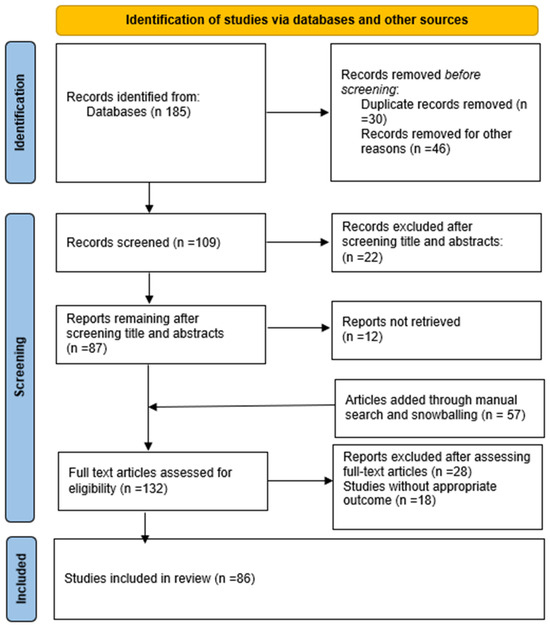
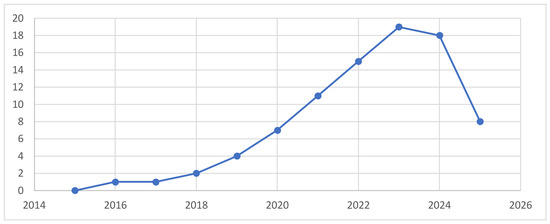
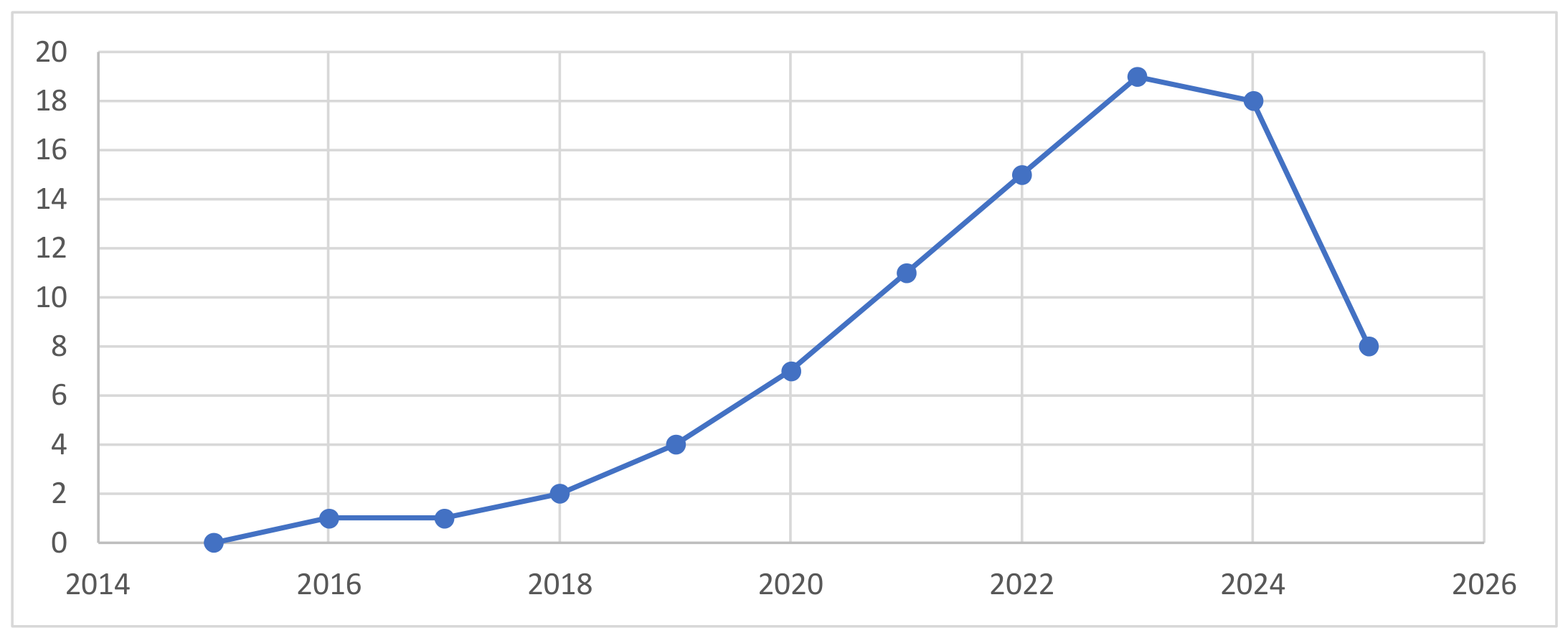
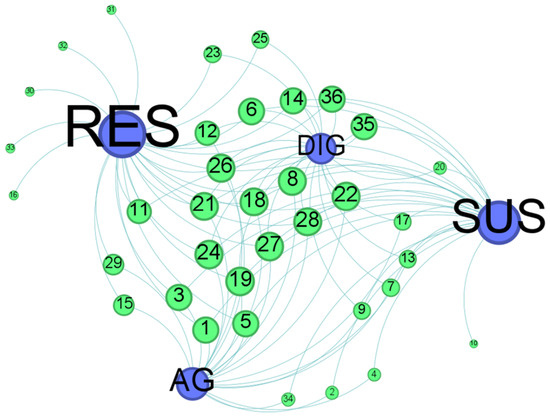
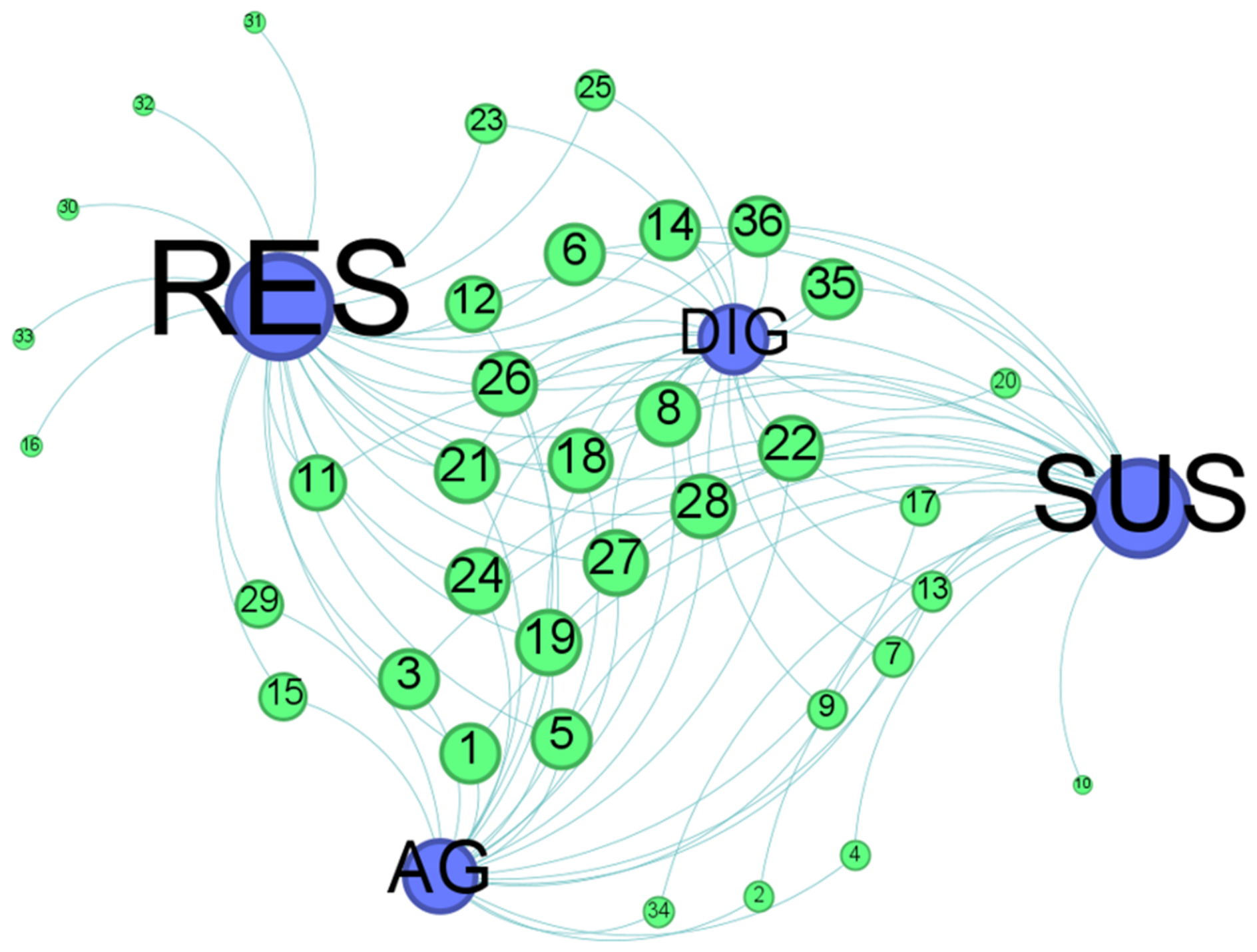

Disclaimer/Publisher’s Note: The statements, opinions and data contained in all publications are solely those of the individual author(s) and contributor(s) and not of MDPI and/or the editor(s). MDPI and/or the editor(s) disclaim responsibility for any injury to people or property resulting from any ideas, methods, instructions or products referred to in the content. |
© 2026 by the authors. Licensee MDPI, Basel, Switzerland. This article is an open access article distributed under the terms and conditions of the Creative Commons Attribution (CC BY) license.