


Abstract
Background: Blockchain is increasingly proposed to strengthen pharmaceutical traceability, anti-counterfeiting, and chain of custody in multi-actor supply chains, but the evidence base remains heterogeneous in technical rigor and operational clarity. Methods: We conducted a mapping review of Scopus and Web of Science to map publication patterns, identify dominant thematic configurations, and compare citation-salient studies across recurring solution profiles and operational design dimensions. The final corpus comprised 103 records. Results: The literature expanded rapidly from 2019 to 2025, with notable geographic concentration and dissemination mainly through technically focused outlets. Keyword analysis identified a core traceability theme, an implementation stream centered on smart contracts, Ethereum, and security, and additional streams involving vaccines and regulatory or credentialing concerns. Citation-salient studies clustered into implemented systems and prototypes, architecture or framework proposals, and contextual maturity or decision-layer evidence. Across these profiles, transferability depended less on platform choice than on governance and access-control assumptions, modular smart contract roles, and verifiable on-chain/off-chain data placement. Conclusions: Chain-of-custody semantics and evaluation methods remain inconsistently formalized, limiting cross-study comparability and the interpretability of operational claims. Benchmark-oriented assessments and minimal reporting standards specifying governance parameters, logistics scope and checkpoints, workload, measurement conditions, and concrete evidence artifacts are needed.
1. Introduction
Blockchain and distributed ledger technology have received sustained attention as infrastructures for multi-party record-keeping in contexts where participants must coordinate state changes without a central data owner. The foundational design of a cryptographically linked, append-only ledger and its associated consensus mechanisms has motivated extensive research and engineering efforts focused on tamper-evident event histories and verifiable transactions [1]. In supply chain research, this focus has led to application-driven discussions emphasizing transparency, traceability, and rule-executing logic, such as smart contract-mediated workflows, while also noting that blockchain suitability depends on the underlying trust and governance structures among participants [1,2,3].
Pharmaceutical supply chains represent a significant context for these discussions due to their complex coordination requirements and persistent safety and integrity concerns across manufacturing, distribution, and dispensing. Regulatory initiatives such as the Drug Supply Chain Security Act in the United States and the Falsified Medicines Directive framework in the European Union have therefore emphasized traceability, authentication, and response mechanisms to detect suspect products and support verification and removal actions within legitimate distribution channels [4,5,6,7]. In parallel, these frameworks articulate expectations for interoperable and electronic approaches to identify, trace, and verify prescription medicines across supply chain actors, with explicit attention to investigations and coordinated responses when risks are identified [4,5,6].
These expectations underscore the necessity of interoperable event exchange and standardized semantics for traceability records. Event-based data sharing approaches have been studied as a basis for cross-organizational visibility, enabling participants to represent and exchange what occurred, when it occurred, where it occurred, and why it occurred, which supports operational traceability and chain-of-custody continuity [8,9]. As a result, the pharmaceutical traceability challenge extends beyond identification and serialization to encompass governance, data exchange, and verification processes that must remain effective across diverse stakeholder roles and information boundaries [5,6,9].
In this context, blockchain has been proposed as a complementary layer for traceability and anti-counterfeiting by anchoring event histories, enhancing auditability, and coordinating multi-actor updates through programmable control logic. Systematic reviews of blockchain in the pharmaceutical industry and blockchain-enabled supply chain traceability systems identify tracking and tracing as recurring application objectives and document persistent challenges related to adoption, integration, and reporting heterogeneity [10,11].
Previous reviews have consolidated related domains; however, their focal points and units of analysis remain heterogeneous. Healthcare-oriented systematic reviews have mapped blockchain applications in medical data and service settings, emphasizing benefits, limitations, and implementation challenges [12]. In the pharmaceutical industry, systematic reviews have examined blockchain adoption for tracking, tracing, and counterfeit prevention, organizing evidence by technology, application area, and reported limitations [10]. Reviews on traceability systems and supply chain sustainability have synthesized technical implementation details and broader managerial relationships between blockchain and supply chain objectives, respectively [2,11]. Additional pharmaceutical-oriented syntheses have addressed operational dimensions such as global serialization efforts [13], counterfeit drug traceability under PRISMA guidelines [14], and cold chain applications, including challenges and future trends [15]. Furthermore, a Scopus-restricted systematic literature review has positioned blockchain alongside artificial intelligence and Pharma 4.0 mechanisms, such as intelligent digital twins, in pharmaceutical supply chains [16]. A cross-sector synthesis has also assessed artificial intelligence and blockchain for origin traceability and legal forensics across multiple industries, including pharmaceuticals [17]. Collectively, these studies demonstrate the breadth of research, but they also highlight an unresolved operational comparability problem: implemented systems, architectural proposals, and adoption or maturity evidence are often examined within the same review space even though they support different types of claims and depend on different levels of technical and logistical specification [10,11,14,17].
Consequently, an analysis that integrates structured literature mapping with evidence-based interpretation of blockchain-enabled traceability implementation in pharmaceutical supply chains is required not simply to extend coverage of the field but to address this comparability gap in a more explicit and operationally grounded way. Therefore, the present review seeks to characterize growth and thematic development, clarify comparability across heterogeneous evidence types, and establish criteria for operationally meaningful claims in logistics. Implementation reports, architectural proposals, and adoption or maturity evidence are frequently discussed together, but their results are only comparable when supported by explicit evidence artifacts and sufficient operational reporting. In this review, we define comparable evidence in terms of auditable traceability artifacts, such as well-defined event histories, identity and role assumptions, transfer attestation and verification checkpoints, and documented exception handling, rather than relying solely on platform labels. We also identify a minimal set of logistics-facing variables that should be reported to facilitate cross-study interpretation and benchmarking. These variables include governance and permissioning parameters, the logistics scope and checkpoints addressed by the workflow, workload characteristics such as transaction intensity and batch granularity, and the measurement conditions under which performance or feasibility claims are generated.
Compared with earlier review studies, the present review is structured around three distinguishing features. First, it combines bibliometric mapping with a targeted comparative analysis of citation-salient studies, thereby linking field-level structure to study-level technical interpretation. Second, it treats heterogeneous evidence types explicitly, distinguishing implemented systems, architectural proposals, and contextual adoption- or maturity-oriented studies rather than assuming direct equivalence among them. Third, it adopts a logistics-oriented comparative perspective in which transferability is examined through auditable traceability artifacts, governance assumptions, verification checkpoints, workload characteristics, and measurement conditions, rather than through platform labels alone.
This approach motivates three interconnected lines of inquiry: the distribution of research activity over time and geography, the structure of international collaboration, and the connections among contributing regions; the emergence of dominant themes from keyword structures and their relationships to platform and governance terminology, security and privacy considerations, and traceability and authentication objectives; and, within citation-salient contributions, the differences among solution profiles for implemented systems, architectural proposals, and contextual or maturity-oriented evidence, as well as the alignment of these profiles with recurring design dimensions such as smart contract roles and data placement strategies. To address these questions, we conduct a mapping review with a PRISMA-aligned record-screening workflow, supplemented by a targeted comparative analysis of citation-salient studies. The mapping component examines production patterns, collaboration structures, publication venues, and thematic organization based on keywords, while the targeted component enables focused comparison of key contributions within the defined scope. The remainder of this manuscript is structured as follows: Section 2 describes the review design and analysis workflow; Section 3 presents the mapping results and the set of salient studies; Section 4 interprets the mapped structures and explains how technical and operational evidence profiles correspond to the thematic organization of the field.
2. Methodology
2.1. Review Design, Scope, and Reporting Framework
This study was conducted as a mapping review with a PRISMA-aligned record-screening, filtering, and corpus-construction workflow, supplemented by a targeted comparative analysis of citation-salient studies. The mapping component characterized the literature according to production patterns, citation structure, and thematic organization based on keywords. The targeted analysis investigated the salient subset in greater methodological detail, while adhering to the scope established by the search strategy.
Record identification, deduplication, screening, filtering, and final corpus construction followed a PRISMA-aligned workflow [18]. Figure 1 documents this process for the bibliometric mapping corpus. The detailed interpretive comparison reported in the main text was subsequently restricted to the citation-salient subset. A minimally processed dataset supporting the systematic mapping analyses is available in the Supplementary Materials (File S1, CSV).
Figure 1.
Workflow for record identification, screening, filtering, and final construction of the bibliometric mapping corpus used in the review.
2.2. Data Sources and Search Strategy
The bibliographic search was conducted in Scopus and Web of Science, with the final search completed on 23 February 2026. These databases were selected to delimit a peer-reviewed corpus with stable bibliographic metadata, consistent document-type indexing, and reproducible screening boundaries for systematic mapping. Industry whitepapers, preprint servers, and other forms of grey literature were not included because they often vary in editorial control, metadata standardization, and long-term retrievability, which would reduce comparability across evidence types within the mapping design. The search equation used Boolean logic to combine four thematic groups: G1 (blockchain and distributed ledger technology terms), G2 (pharmaceutical domain terms), G3 (supply chain and logistics context terms), and G4 (function and outcome terms related to traceability, anti-counterfeiting, and chain-of-custody). In Scopus, the query was applied to the Title, Abstract, and Keywords fields, with G2 limited to the Title field to minimize irrelevant results. In Web of Science, the query was run in the Topic field (TS), also restricting G2 to the Title field. The resulting query was
( TITLE-ABS-KEY ( ( blockchain OR “block chain” OR “distributed ledger” OR “distributed ledger technolog*” OR ( DLT AND ( “distributed ledger” OR blockchain ) ) OR “smart contract*” OR “permissioned blockchain*” OR “consortium blockchain*” OR Hyperledger OR “Hyperledger Fabric” ) ) AND TITLE ( ( pharmaceutical* OR pharma* OR drug* OR vaccine* OR biologic* OR biosimilar* OR “medicinal product*” OR “prescription drug*” OR “prescription medicine*” OR “counterfeit drug*” OR “falsified medicine*” ) ) AND TITLE-ABS-KEY ( ( “supply chain*” OR logistics OR “supply network*” OR distribution OR transportation OR transport OR shipment* OR shipping OR warehous* OR inventory OR “inventory management” OR procurement OR sourcing OR “last mile” OR “last-mile” ) ) AND TITLE-ABS-KEY ( ( traceab* OR “track and trace” OR “track-and-trace” OR “product traceability” OR provenance OR “chain of custody” OR “chain-of-custody” OR “custody chain” OR “audit trail” OR auditab* OR “tamper-evident” OR “tamper proof” OR seriali?ation OR “unique identifier*” OR “product authentication” OR anti-counterfeit* OR counterfe?it* ) ) )
The search identified 281 records from Scopus and 108 from Web of Science, totaling 389. After removing 97 duplicates, 292 records remained for screening. No records were excluded by automation tools or for other reasons prior to screening. Language filtering excluded three records (Chinese: ; Persian: ), leaving 289 records retained for bibliometric processing. Document type and status filtering then excluded conference papers (), books and book chapters (), reviews (), proceeding papers (), retracted records (), editorial material (), and one short survey, yielding a final mapping corpus of 103 records. The final corpus comprised 100 articles and 3 early access articles, as presented in Figure 1. Records indexed as Review in Scopus or Web of Science were excluded. Synthesis-oriented papers were retained if indexed as Article, as document type filtering was based strictly on database classification rather than manuscript narrative structure.
The final set of 103 records constitutes the bibliometric mapping corpus used for metadata-level analyses. This study was not designed as a conventional full-text systematic review in which all included records are individually synthesized in the main text; instead, the detailed interpretive comparison was intentionally restricted to the citation-salient subset. File S1 provides the complete inventory of the 103 records included in the bibliometric mapping corpus.
2.3. Mapping Analysis Workflow
The mapping workflow aligned data extraction and coding with subsequent analyses. Bibliographic metadata enabled descriptive production profiling. Citation indicators, such as total citations, citations per year, and normalized total citations, identified citation-salient studies. Keyword data supported co-occurrence analysis and thematic mapping. Coding focused on functional evidence aligned with G4. Extraction and coding at the metadata level were applied consistently across the full mapping corpus. If a study lacked information for a specific field, that field was left unassigned rather than inferred.
The workflow included three modules: descriptive production mapping, citation-based identification of salient studies, and keyword processing with thematic mapping. Country collaboration and keyword co-occurrence networks used Louvain clustering with association normalization. Thematic mapping applied a community repulsion parameter of 0.5.
2.3.1. Descriptive Production Mapping
Descriptive production mapping summarized the corpus using production-oriented descriptors to provide a structured overview of the field. Geographic structure was analyzed using a country collaboration network, as specified in Section 2.3.
2.3.2. Citation-Based Identification of Salient Studies
Salient studies were identified using a citation-based union criterion to support targeted comparative analysis and ensure consistency with the mapping design. Three ranked lists were created: total citations (TC), citations per year (TC/year), and normalized total citations (NTC). Following the Bibliometrix/Biblioshiny workflow, TC is the total number of citations for each document in the dataset. TC/year is calculated as , where Y is the publication year and is the reference year. NTC is a year-normalized citation score, defined as , where is the expected citation rate for documents published in the same year. NTC is particularly informative in a rapidly expanding field because it reduces the structural advantage of older publications and helps identify studies whose citation impact is high relative to other documents from the same publication year. The salient subset comprised the union of the top ten studies from each list, with duplicates removed. This method reduces reliance on a single citation metric and highlights studies influential across different citation measures. Because TC/year and NTC depend on publication age and year-specific baselines, results for recent or partially covered publication years should be interpreted with caution, as small citation counts can produce large normalized scores.
2.3.3. Keyword Processing and Thematic Mapping
Keyword processing supported co-occurrence analysis and thematic mapping. The keyword co-occurrence structure was modeled as a network and clustered. Thematic mapping followed the configurations specified in Section 2.3.
Across the full mapping corpus, extraction relied on bibliographic metadata and database-exported descriptors. Full-text interpretive reporting was restricted to the citation-salient subset described in Section 2.4.
2.4. Targeted Comparative Analysis of Citation-Salient Studies
The targeted comparative analysis focused on the citation-derived salient subset defined in Section 2.3.2. It examined how blockchain-enabled approaches are applied to traceability, anti-counterfeiting, and chain-of-custody in pharmaceutical supply chain and logistics contexts. This comparison assessed studies within the salient subset to identify methodological similarities and differences. Reporting in the main text was limited to this subset, with recognition that citation-based selection can increase visibility effects.
2.5. Software Environment and Reproducibility Measures
Reproducibility was supported by explicit reporting of the full search equation and transparent workflow accounting of record identification, screening, filtering, and corpus construction (Figure 1). Fixed parameter settings for network and thematic analyses were defined and reported in Section 2.3. Together, these measures provide methodological traceability for the mapping pipeline and the construction of the citation-salient subset used in the targeted comparative analysis.
The next section presents the mapping outputs generated by this workflow and introduces the salient subset that structures the targeted comparative analysis.
3. Results
3.1. Annual Scientific Production
Figure 2 presents annual scientific production from 2019 to 2026. Output grows from 1 article in 2019 to 6 in 2020, 13 in 2021, 12 in 2022, 17 in 2023, 18 in 2024, and 33 in 2025. For 2026, only 3 articles are reported, and the year is marked as incomplete. The figure also shows cumulative publications and includes an exponential trend line with a dashed projection to 2026. This projection estimates 43 articles for 2026 if current growth continues. Building on this temporal profile, the next subsection examines the geographic distribution of this production across countries.
Figure 2.
Annual and cumulative scientific production (2019–2026), with an exponential fit (2019–2025) and dashed extrapolation to 2026; 2026 is an incomplete year.
3.2. Geographic Distribution and International Collaboration
This section outlines the geographic distribution of the corpus and examines international collaboration. Figure 3 provides a country-level overview of production intensity, highlighting significant imbalances among contributing countries. Figure 4 presents the country collaboration network, placing these production patterns within the context of international coauthorship.
Figure 3.
Global distribution of scientific production by country, estimated using an author-affiliation full-counting approach. Note: The scale bar is approximate and refers to equatorial distance; scale varies with latitude in the world projection.
Figure 4.
Country Collaboration Network. Node colors represent different collaboration clusters identified by the network-mapping algorithm; countries shown in the same color belong to the same cluster.
3.3. Leading Affiliations
3.3.1. Scientific Production by Countries
Country frequencies are calculated using affiliation-based counting in Biblioshiny. Each author affiliation adds to the total of the country, so a single article may contribute multiple counts to one country if several authors share that affiliation.
Asia has the highest scientific output, led by India (Freq = 118) and China (Freq = 65). Other contributors include Saudi Arabia (Freq = 14), Bangladesh (Freq = 7), Malaysia (Freq = 6), Iran (Freq = 4), Afghanistan (Freq = 2), Brunei (Freq = 2), Indonesia (Freq = 2), Pakistan (Freq = 2), South Korea (Freq = 2), Oman (Freq = 1), Singapore (Freq = 1), Thailand (Freq = 1), and the United Arab Emirates (Freq = 1), as shown in Figure 3.
Europe is the second largest contributor, led by Spain (Freq = 9) and Ukraine (Freq = 8), followed by France (Freq = 6) and Germany (Freq = 5). Additional contributions come from Italy (Freq = 3), Norway (Freq = 3), the United Kingdom (Freq = 3), Finland (Freq = 2), Romania (Freq = 2), Austria (Freq = 1), Ireland (Freq = 1), Portugal (Freq = 1), and Slovenia (Freq = 1).
In North America, the United States contributes 11 records (Freq = 11) and Mexico 1 record (Freq = 1). Africa is represented by Tunisia (Freq = 5), and in Oceania, Australia contributes 6 records (Freq = 6).
3.3.2. Country Collaboration Network
Expanding on the previous affiliation-based country production profile, the country collaboration network offers insight into how national contributions are linked through coauthorship, as displayed in Figure 4. The network is highly centralized, with India serving as the main hub and connecting to multiple regions through strong links. The most prominent connections extend from India to the United States and China, while thinner ties link India to other countries, highlighting its role as a bridge between less-connected groups.
Outside the central core, the network divides into several Louvain communities. The first groups India, the United States, and China, extending to nodes such as Afghanistan, Thailand, Finland, and Australia. The second links Saudi Arabia with primarily European and Middle Eastern countries, including the United Kingdom, Italy, France, Slovenia, Tunisia, Pakistan, and the United Arab Emirates, forming a cohesive subnetwork. The third centers on Spain and Norway, connecting to Mexico, Ireland, Portugal, and Austria. A smaller community links South Korea, Bangladesh, and Malaysia, with limited external connections.
Overall, the collaboration structure reflects the concentration seen in country production counts. A small group of hub countries, led by India, forms the backbone connecting otherwise localized clusters.
Building on the analysis of scientific production over time and by geography, this subsection examines the institutional landscape based on affiliation mentions. Table 1 lists the most frequently mentioned affiliations, using raw counts from the affiliations field. This method reflects how often each affiliation appears in the records, highlighting institutional visibility rather than unique article counts.
Table 1.
Most frequently mentioned affiliations in the corpus, based on raw mention counts in the affiliations field.
Table 1 shows that the highest mention count is associated with a combined entry that includes Khalifa University of Science & Technology and the National Institute of Technology (NIT System), with 7 mentions (each). The Indian Institute of Technology System (IIT System) follows with 5 mentions, while Kerala University of Digital Sciences – Innovation & Technology appears with 4 mentions. A further group of affiliations appears with 3 mentions, namely, Anna University, Xiamen University of Technology, Chaoyang University of Technology, and the Ministry of Education & Science of Ukraine. Taken together, these leading affiliations are consistent with the earlier country-level concentration patterns and provide an institutional layer for interpreting where the research activity is most visibly anchored.
The next subsection moves from institutional contributors to publication outlets, highlighting the leading sources for this literature.
3.4. Most Relevant Sources
This subsection examines how the included studies are disseminated, building on the temporal, geographic, and institutional patterns discussed earlier. Table 2 lists the most relevant publication sources in the corpus and their SCImago quartiles, as obtained from the SCImago journal ranking portal [19].
Table 2.
Most Relevant Sources.
IEEE Access (Q1) is the most frequent outlet, publishing 5 articles. Three sources each published 4 articles: Blockchain in Healthcare Today (Q3), Computers & Industrial Engineering (Q1), and Scientific Reports (Q1). Heliyon (Q1) and SN Computer Science (Q2) each contributed 3 articles. The remaining sources in Table 2 each contributed 2 articles and are mainly Q1 and Q2 journals, including Cluster Computing (Q1), International Journal of Logistics: Research and Applications (Q1), International Journal of Production Economics (Q1), PeerJ Computer Science (Q1), and Sensors (Q1), along with several Q2 and Q3 venues. The International Journal of Scientific and Technology Research is marked as N/A due to its discontinuation in Scopus and SCImago, as shown in the table.
The next subsection shifts the focus from publication sources to individual articles, highlighting influential studies identified by citation metrics.
3.5. Salient Studies
3.5.1. Top-Ranked Articles by Citation Indicators
To identify the most influential contributions in the corpus, this study created a citation-salient set by combining the top ten articles ranked by three indicators: total citations (TC), citations per year (TC/year), and normalized total citations (NTC), as detailed in the Methodology. Table 3 presents the salient set and shows and, for each study, the indicator lists under which it qualifies.
Table 3.
Most salient studies identified using citation-based salience criteria.
The top-ranked segment of the salient set is defined by studies that simultaneously appear among the leading positions by TC and TC/year, and in several cases also by NTC, reflecting consistent prominence across absolute, time-adjusted, and normalized perspectives [20,21,22,23,24]. In parallel, the salient set also includes a highly time-adjusted study that combines strong citation volume with the highest TC/year and NTC in the table [25], illustrating how recency-sensitive influence can emerge even within a comparatively young publication window. Beyond these dominant entries, the set retains additional studies that remain salient under multiple indicators [26,27,28,29], as well as studies that qualify primarily through NTC [30,31,32,33,34]. This combined design reduces dependence on a single citation metric and supports a balanced selection of studies that are influential under different citation perspectives.
The next subsubsection examines these citation-salient studies through a targeted comparative analysis to identify the main methodological patterns and evidentiary approaches in the literature.
3.5.2. Targeted Comparative Analysis of Citation-Salient Studies
This comparative analysis is based exclusively on the extracted descriptors reported in the 15 citation-salient studies presented in Table 3. The corpus is organized into three distinct contribution profiles, and subsequent paragraphs compare the studies across consistent technical and operational dimensions.
- Profile A: Implemented system, prototype, or simulation-backed scheme.These studies report an instantiated solution layer (smart contracts and workflow logic) and provide some form of empirical or experimental evidence (for example, gas or fee measurements, response time, mining time, security tool outputs, simulation metrics, or machine learning experiments): [20,22,23,25,28,29,30,33,34].
- Profile B: Architecture or framework proposal without deployment-grade outcome reporting.These studies primarily contribute architectural or framework design, platform comparison, or design rationale, while not reporting measured deployment results as the main evidentiary basis in the extracted descriptors: [21,24,27].
- Profile C: Contextual, maturity, or decision-layer evidence without a traceability implementation.These studies contribute adoption and barrier analysis, procurement optimization modeling, or systematic evidence synthesis, and they do not report an implemented traceability pipeline as their primary contribution [26,31,32]. Document-type exclusion was applied using database indexing, with records labeled as Review excluded; however, ref. [32] was indexed as an Article.
The following paragraphs are organized according to orthogonal axes that span all profiles, including pharmaceutical scope, network type, smart contract roles, on-chain versus off-chain data placement, and evaluation practices. Each axis may encompass studies from multiple profiles. For example, IPFS-based off-chain anchoring is present in both Profile A and Profile B. This structure enables a unified comparative synthesis rather than presenting three separate sections.
- Contribution profiles and how to interpret the comparison.
First, a subset of studies presents implemented systems or prototypes that operationalize blockchain-based traceability using smart contracts and application components, frequently providing deployment-oriented metrics such as gas usage, mining time, response time, or monitoring indicators [20,23,25,28,29,33,34]. Second, several studies propose architectures or frameworks, occasionally with security or scalability design rationales, but do not report experimental deployment metrics as measured outcomes [21,24,27]. Third, complementary evidence is offered by works that analyze adoption barriers, procurement optimization, or the evidence base through systematic review, thereby informing feasibility and maturity rather than implementing a traceability pipeline [26,31,32]. Building on these profiles, the subsequent comparison proceeds across recurring axes: pharmaceutical scope, network and platform design, smart contract roles, data placement, functional evidence, integrations, evaluation practices, and declared limitations.
- Pharmaceutical scope and operational emphasis.
The studies address both drugs and pharmaceutical products [20,21,23,24,25,27,29,31,34], as well as vaccines, including solutions specific to COVID-19 [22,26,28,30,33]. Drug-oriented implementations focus on lot or batch traceability across transfers [20,25,34], while vaccine-oriented systems expand the operational scope to include registration, vaccination events, and post-vaccination reporting [28,33]. VaCoChain, for example, targets vaccine distribution logistics from production warehouses to nodal centers, incorporating bulk registrations and request prioritization [30]. In contrast, the procurement optimization study emphasizes supplier selection and digital procurement costs for drugs and medical equipment, rather than event-level traceability implementation [31]. The systematic review further broadens the domain to encompass multiple pharmaceutical product classes, discussing dominant application intents and maturity levels across reported applications [32]. Therefore, direct comparability is enhanced when analyses explicitly distinguish supply chain execution traceability (lot or batch tracking) from public health workflows (registration, vaccination, reporting) and upstream planning (procurement optimization).
- Network type, platform choices, and governance assumptions.
Several studies explicitly describe permissioned and consortium settings, including a permissioned design with Raft consensus [21], consortium and permissioned deployment in Hyperledger Fabric with pBFT [23], private permissioned Fabric-oriented Medledger [24], and private permissioned architectures comparing Hyperledger Fabric and Hyperledger Besu [27]. VaCoChain utilizes a consortium blockchain and employs Hyperledger Besu in its simulation setup [30]. In contrast, other studies use Ethereum-based environments, including public test networks such as Kovan and Ropsten [25,28], and an Ethereum-based implementation described as public blockchain usage [33]. A distinct public permissioned mode is reported for a Polygon POS solution [34], and a publicly permissioned proof-of-authority approach is described for a VeChain Thor NFT-based prototype [29]. Some Ethereum-based studies do not explicitly specify the network type in the extracted descriptors [20,22]. This axis is substantive, as it determines privacy and access control assumptions, consensus suitability under varying participant scales [21], and the feasibility of multi-stakeholder governance and onboarding [23,34].
- Smart contracts as a shared control plane, with heterogeneous decomposition.
Smart contracts are featured in most technical contributions [20,21,22,23,24,25,27,28,29,30,33,34], though their roles vary. Some studies focus on provenance and ownership change events emitted by a lot contract [20,33]. Others implement modular separation for registration, batch creation, and transaction updates [25] or for stakeholder onboarding, product management, and supply chain management functions, including suspicion alerts and regulatory review [34]. Vaccine-oriented designs introduce contracts for registration, cold chain rule enforcement, and side effect reporting, with one prototype incorporating a multi-signature acknowledgement step for administration updates [28,33]. VaCoChain includes contract modules for entity registration, request classification, UAV delivery status, and request processing with payment-linked release [30]. In Fabric-based approaches, chaincode serves as the contract mechanism enabling quality regulation and alert logic [23], and governs interaction rules and state modifications in Medledger [24]. Functional comparisons are therefore clearer when contracts are categorized by cross-cutting roles: identity and onboarding, provenance and transfer events, compliance and rule enforcement, and alerting or exception handling.
- On chain versus off-chain data placement and integrity anchoring.
Several studies explicitly report off-chain storage anchored by on-chain hashes or logs, primarily utilizing IPFS [20,23,24,30,33,34]. For example, [20] uses IPFS for data files such as lot images and information leaflets, with on-chain resources recording logs and hashes and client access provided via an API service such as Infura. In [23], private data are stored in the cloud or IPFS, with only hashes stored on-chain. [24] discusses IPFS, Swarm, and Filecoin as decentralized file systems for large or sensitive artifacts, anchored on-chain by hashes and timestamps. VaCoChain stores vaccination records off-chain in IPFS with on-chain reference hashes [30], and [33] describes off-chain storage of large data bodies with on-chain hashes and an on-chain resource module for logs and events. The Polygon-based solution enables off-chain storage and uses IPFS for drug images and purchase bill images [34]. A different integrity mechanism is described in a framework proposal that discusses cloud storage and Merkle root anchoring on-chain for integrity verification [21]. Other studies do not report an explicit on-chain versus off-chain split in the extracted descriptors [22,25,28,29,31]. This divergence is closely linked to privacy and compliance constraints, which are frequently discussed as adoption conditions [20,27,28,32].
- Traceability unit, history representation, and retrieval pathways.
Traceability is implemented using various units and history encoding methods. Lot-level event emission on ownership changes is a common mechanism in Ethereum-oriented approaches [20,33]. Batch-level tracking and transfer history are central in a medical supply chain prototype that records chained transfer entries with sender and receiver addresses [25], as well as in the Polygon-based design, which provides a batch distribution history retrieval algorithm and consumer queries [34]. One vaccine system records traceability through three chains for production, inspection, and inoculation records [22]. The NFT-based approach represents traceability as an event list attached to NFTs minted for packaging units, accessed via QR scanning and a decentralized web application [29]. Vaccine-oriented prototypes also combine lot tracking with distribution condition monitoring [28]. In contrast, architecture-oriented works describe traceability at the level of time-stamped transactions and stakeholder event recording, rather than through specific implementation data structures [27]. These differences are complementary: the NFT approach can be interpreted as a serialization-aligned traceability representation [29], batch and lot models emphasize lifecycle ownership transitions [20,25,33,34], and record chain designs highlight process documentation across institutions [22].
- Chain of custody semantics and transfer assurance.
For the purposes of the results presented below, chain of custody is understood as the auditable representation of responsibility-preserving transfer history for a traceable unit across custody handoffs. In this review, its operational interpretation is based on four minimal evidence-chain elements: identity binding, documented transfer events, verification checkpoints, and auditable exception handling. This frame supports the distinction between explicit custody modeling and cases in which custody remains implicit within broader provenance or transfer records.
Explicit chain of custody semantics are inconsistently addressed. Some studies describe custody-relevant models, such as a tamper-proof log of ownership transfers [20], linked transfer records with current and previous hash values [25], and explicit chain of custody logs in Medledger [24]. In [28], transfer assurance includes a multi-signature acknowledgement requirement for administration updates. Several other studies record transfers and provenance without explicitly labeling a chain of custody model [22,23,27,29,33,34]. This indicates practical complementarity: implementations that formalize custody trails can inform designs where custody is implicit, while architecture and barrier studies clarify the governance and stakeholder prerequisites necessary for credible custody enforcement at scale [26,27].
- Anti-counterfeiting orientation and exception handling mechanisms.
Anti-counterfeiting is a common motivation, but the mechanisms reported vary. Some studies rely primarily on provenance verification and ledger-anchored traceability, with QR-based access to identifiers [20]. Others incorporate explicit alert and review workflows, including risk analytics and smart alert services [23], or suspicion alert mechanisms with regulatory review [34]. Medledger addresses counterfeit mitigation through unique product code concepts, packaging relationships, and immutable event recording, while highlighting standardization and interoperability challenges [24]. Architecture proposals emphasize compatibility with legacy authentication tools such as RFID, NFC, QR, and e-pedigree [27], and a framework proposal discusses QR security and integrity-oriented verification logic [21]. The NFT-based approach enables authentication via a unique QR identifier linked to an immutable event history for packaging units [29]. Vaccine-oriented systems focus on secure record maintenance and immutability, with one prototype framing verifiable lot history as supporting auditability and verification [28,33]. The systematic review confirms that product authentication is a frequent objective and that permissioned and consortium deployments predominate among surveyed applications [32]. Collectively, the studies provide both integrity-based verification and workflow-based exception handling, which are complementary rather than redundant.
- Technology integrations beyond blockchain.
Cold chain and IoT sensing are emphasized in a framework that integrates temperature sensors, QR or RFID, and lightweight cryptographic mechanisms for constrained devices [21], as well as in an implemented platform that incorporates QR and RFID for identity management and monitors parameters such as temperature and humidity [23]. An adoption study further identifies large-scale IoT infrastructure requirements and lack of technical expertise as significant barriers [26]. VaCoChain offers a different integration approach through UAV distribution and 5G tactile internet channels, in addition to using IPFS for record storage [30]. Machine learning is applied for demand prediction and review or credibility analysis in vaccine supply chain contexts [22,33], and is also used to derive an authenticity variable for procurement optimization in a blockchain-based setting [31]. Collectively, these studies span sensing, mobility, and analytics layers, which can be combined with traceability baselines according to operational objectives.
- Evaluation practices: metrics, tooling, and evidence types.
Evaluation evidence across the studies is heterogeneous. Contract and transaction cost analysis is prominent, including gas estimation and security tool analysis in [20] using SmartCheck and Oyente, contract deployment gas reporting in [25], mining time and gas-based capacity analysis with ledger validation via Etherscan in [28], and function-level fee estimates with real-time indicators such as response time and invalid request counts in [34]. System performance is also assessed via response time as a function of transaction size and stability considerations in [23]. In a framework proposal, evaluation includes cryptographic battery drain comparisons for IoT devices and scalability discussions linked to Raft and bloXroute-based propagation [21]. VaCoChain provides comparative evaluation, including logistics cost comparison and latency metrics, along with a detailed simulation environment description that includes Hyperledger Besu, IPFS, GPU resources, and operating system details [30]. Machine learning evaluations report forecasting errors and classification metrics [22], as well as RMSE and sentiment analysis accuracy alongside gas and cost reporting in [33]. Non-technical evaluation evidence includes Delphi and fuzzy DEMATEL-based barrier modeling [26], and taxonomy and TRL-oriented synthesis in a PRISMA-guided systematic review [32]. Therefore, rigorous cross-study comparison requires separating performance evidence (latency, response time, mining time), cost evidence (gas and fees), security evidence (tool outputs or requirement coverage), and organizational or maturity evidence (barriers, TRL).
- Declared limitations and validity conditions.
Reported limitations cluster around privacy and compliance [20,27,28,32], scalability and performance constraints [20,21,30,31,34], interoperability and standardization [20,24,27,34], and adoption readiness, including onboarding, training, and stakeholder alignment [23,26,34]. VaCoChain identifies operational challenges such as infrastructure cost, routing constraints, processing limitations, weather impact, interference risks, and difficulties in traceability searches for earlier records [30]. The procurement optimization model highlights computational complexity growth and time restrictions for large instances [31]. These limitations are complementary: prototype measurements demonstrate feasibility under reported conditions, while barrier and review evidence clarifies the circumstances under which these prototypes can plausibly scale to real supply chains [26,32].
- Complementarity oriented interpretation.
Taken together, the studies constitute a multi-layered evidence base. Implementations and prototypes detail event logging, storage anchoring, and verification workflows [20,23,25,28,29,33,34]. Architecture and framework proposals elucidate platform choice trade-offs, permissioning logic, and integration strategies that can generalize beyond individual prototypes [21,24,27]. Barrier and review studies contribute adoption constraints and maturity assessments, contextualizing why specific designs, such as IoT scaling or multi-stakeholder governance, are critical in practice [26,32]. The procurement optimization study adds a decision layer by integrating authenticity-informed supplier selection into procurement modeling [31]. This complementarity indicates that comparative analysis is most informative when operational traceability functions are explicitly distinguished from enabling infrastructure, analytics layers, and institutional adoption conditions.
3.6. Keyword Landscape
This subsection characterizes the keyword landscape of the corpus by analyzing frequency and visual prominence, followed by a relational perspective based on co-occurrence structure. The analysis prioritizes Author Keywords, with Keywords Plus serving as a complementary reference for evaluating overlap and divergence in indexing vocabulary.
3.6.1. Keyword Frequency and Word Cloud
Figure 5 presents the most frequent Author Keywords using a word cloud, where visual prominence corresponds to term frequency. For visualization clarity, the Keyword blockchain (74) was removed from the word cloud. The highest-frequency terms, supply chain (20), pharmaceutical supply chain (19), traceability (17), and smart contracts (16), define a thematic core focused on supply chain processes and traceability functions implemented through contract-based mechanisms. A secondary tier includes blockchain technology (11), drug traceability (11), ethereum (11), and security (11), highlighting platform selection and security considerations alongside traceability. Other prominent terms are healthcare (9), COVID-19 (8), hyperledger fabric (8), transparency (8), smart (8), as well as counterfeit drugs (7) and supply chains (7). The occurrence of vaccine and pandemic-related terms, such as vaccine supply chain (5), vaccines (4), vaccine (3), pandemics (3), COVID-19 vaccine (2), COVID-19 vaccines (2), and vaccine traceability (2), reveals a distinct research stream focused on vaccine distribution and integrity.
Figure 5.
Word Cloud of Author Keywords.
Beyond this thematic core, the Author Keywords encompass several functional and technical dimensions relevant to the review scope. Terms such as authentication (4), authenticity (2), privacy (4), and data integrity (3) emphasize integrity and verification concerns. Operational and managerial keywords, including supply chain management (4), optimization (3), scalability (3), stakeholders (3), sustainability (3), performance (2), and production (2), indicate a focus on deployment constraints and operational trade-offs. Platform and implementation aspects are represented by hyperledger fabric (8), hyperledger (5), hyperledger sawtooth (2), and ipfs (2), along with compliance and identification terms such as dscsa (2), serialization (2), verifiable credentials (2), access control (1), attribute-based access control (1), and certificate authority (1). Additionally, a long tail of specialized or context-specific terms, low-frequency terms, includes 5g (1), unmanned aerial vehicles (2), AI (1), artificial intelligence (1), machine learning (2), deep learning (2), elliptic curve cryptography (2), key generation (2), and anomaly detection (1), reflecting diverse extensions in sensing, mobility, analytics, and cryptographic support.
For comparison, Figure 6 shows the Keywords Plus word cloud. The most frequent terms are traceability (12) and management (11), followed by challenges (7) and technology (7), reflecting a managerial and challenge-focused indexing approach. Several terms overlap with Author Keywords, such as authentication (4), block-chain (4), supply chain (4), system (4), internet of things (3), security (2), supply chain management (2), supply chains (2), transparency (2), and COVID-19 (1). Keywords Plus also introduces operational and evaluation-oriented terms less common in Author Keywords, including logistics (2), delivery (2), cold chain (2), temperature (2), cost (2), analytics (2), benefits (2), opportunities (2), performance (2), information (2), and information management (2). This contrast suggests that Author Keywords emphasize platform and application-specific topics, while Keywords Plus highlights general management and operational descriptors.
Figure 6.
Word Cloud of Keywords Plus.
Based on these frequency patterns, the next subsubsection analyzes the co-occurrence network of Author Keywords to show how dominant concepts are linked and clustered within the corpus.
3.6.2. Keyword Co-Occurrence Network
Figure 7 shows the co-occurrence structure of Author Keywords, illustrating how the most frequent concepts are connected throughout the corpus. As seen in the frequency analysis, a few terms, including blockchain, supply chain, traceability, smart contracts, and security, hold central positions in the network. According to the Methodology, the network is divided into Louvain communities, resulting in three main clusters with distinct themes and several cross-cluster connections.
Figure 7.
Co-occurrence network of the Author Keywords. Node size reflects keyword frequency, edge thickness indicates co-occurrence strength, and colors denote Louvain communities.
- Cluster 1 (red): blockchain-centered supply chain traceability core.
The red cluster forms the primary core of the network, anchored by blockchain and its strong links to supply chain and traceability. This cluster combines domain and platform terms such as pharmaceutical supply chain, pharmaceutical, pharmaceuticals, hyperledger fabric, and the broader blockchain technology. It also includes operational and governance terms like supply chain management and sustainability, as well as anti-counterfeiting and integrity terms such as counterfeit, drug counterfeiting, authenticity, and data integrity. Additional nodes extend the core to implementation and compliance terms, including dscsa, drug supply chain, internet of things, and technical descriptors like deep learning. The cluster also contains related variants and supporting terms, such as block chain, chain, hyperledger, transparency, vaccine, COVID-19 vaccine, and smart contract, which is distinct from smart contracts.
- Cluster 2 (blue): smart contracts and Ethereum-oriented implementation vocabulary with pandemic and vaccine terms.
The blue cluster centers on smart contracts, which connects strongly to ethereum and contract-related terms (contracts and contract), as well as to application and health-related descriptors. This cluster includes drugs, medical services, stakeholders, and supply chains, and it incorporates pandemic and vaccine terms such as COVID-19, pandemics, vaccines, and COVID-19 vaccines. Additional nodes like smart and data are also present. The cluster is interconnected: smart contracts shows strong cross-cluster links to the red core, connecting contract implementation language to supply chain and traceability keywords.
- Cluster 3 (green): security, privacy, and enabling mechanisms with links to healthcare and traceability terms.
The green cluster is anchored by security and groups together terms that frame protection, access, and deployment constraints. It includes privacy, authentication, scalability, and blockchain architectures, as well as IoT. The cluster also contains application and decision-oriented terms, notably healthcare and optimization, and it connects to traceability-related vocabulary through drug traceability and counterfeit drugs. Similar to the blue cluster, this green community links outward to the red core via multiple connections, indicating that security and privacy considerations are interwoven with supply chain traceability concepts rather than forming a separate thematic island.
Overall, the co-occurrence network reveals a centralized structure, with a blockchain-centered traceability and supply chain core, complemented by a contract and Ethereum-focused implementation cluster and a security and privacy cluster. The next subsection builds on this by mapping Author Keyword themes to show their centrality and development within the corpus.
3.7. Thematic Map of Keywords
Expanding upon the frequency patterns and co-occurrence structure discussed previously, Figure 8 displays Author Keyword themes based on their relevance (centrality) and development (density). This map delineates a thematic space where a limited number of highly central concepts coexist with more specialized and peripheral groupings.
Figure 8.
Thematic map of the Author Keywords.
3.7.1. Motor Themes: Implementation and Security-Oriented Cluster
The upper-right quadrant features a well-developed, central theme that groups smart contracts, ethereum, security, and smart. This cluster also includes supply chains, COVID-19, drugs, IoT, and contract-related terms. This configuration reflects a mature, highly connected theme that links implementation and platform choice with security, pandemic, and drug-related applications.
3.7.2. Niche Themes: Specialized Smart Contract and Cryptography Cluster
The upper-left quadrant contains a specialized theme grouping smart contract, medical services, pharmaceuticals, elliptic curve cryptography, and industries. This theme shows strong internal cohesion but limited centrality within the broader keyword space.
3.7.3. Boundary Theme near the Centrality and Density Thresholds: Authentication and Drug Traceability Cluster
Near the central vertical threshold and horizontal density reference, a theme groups drug traceability, healthcare, counterfeit drugs, hyperledger, authentication, drug supply chain, and optimization. The term authenticity appears just below the horizontal reference, suggesting this theme bridges the development threshold and centrality boundary. This placement indicates a link between the central supply chain and blockchain core and more specific topics such as authentication, counterfeit risk, and decision support.
3.7.4. High-Centrality Theme Spanning the Density Boundary: Blockchain Supply Chain Traceability and Governance Cluster
On the right side of the map, a large theme is anchored by blockchain, supply chain, and traceability, and it includes hyperledger fabric, transparency, pharmaceutical, block chain, and chain. The terms internet of things and sustainability appear lower in the same theme. The position of this theme indicates high centrality, while its content spans the density reference line, with core terms placed close to the boundary and several associated descriptors extending into the lower-right region. This pattern aligns with a central backbone theme that links the conceptual core of the corpus to platform and governance descriptors.
3.7.5. Emerging or Declining Themes: Vaccine Stream and Regulatory Anti-Counterfeiting Stream
In the lower-left quadrant, two low-centrality themes are visible. One groups vaccine supply chain and vaccine traceability. The second groups pharmaceutical supply chain, blockchain technology, drug counterfeiting, dscsa, technology, and verifiable credentials. Their placement indicates comparatively weak centrality and density relative to the core themes, while still representing coherent streams that foreground vaccine-specific terminology and regulatory or credential-oriented anti-counterfeiting language.
4. Discussion
This mapping review, combined with a targeted comparative analysis of citation-salient studies, provides an integrated interpretation of the role of blockchain-enabled approaches for traceability, anti-counterfeiting, and chain-of-custody evidence within pharmaceutical supply chain and logistics contexts. The record-screening and filtering workflow yielded a final mapping corpus of 103 records (100 articles and 3 early access articles), enabling a structured mapping of production patterns, collaboration structures, publication outlets, citation salience, and keyword-based thematic organization. Compared to previous syntheses, this contribution should be viewed as complementary rather than as a substitute. For example, a systematic review in the pharmaceutical industry has primarily organized blockchain evidence around counterfeit drug prevention, drug distribution, tracking and tracing, and safety and security, while also highlighting emerging topics such as data governance, data quality, pharmaceutical turnover, and prescription drug monitoring [10]. A cold-chain-focused review narrows the unit of analysis to temperature-controlled logistics and structures, applying applications such as serialization and traceability, digital identity, data integrity, transparency, and waste management [15]. Cross-domain traceability surveys explicitly emphasize implementation maturity and advocate for validation through real-life pilots that address feasibility and cost considerations [11]. Within this context, the present study integrates a pharmaceutical traceability and logistics scope with structured mapping indicators and a salience-guided comparative analysis of technically influential implementations.
4.1. Temporal Growth and Interpretive Considerations
Annual publication output increased from 2019 to 2025, indicating sustained growth in research on blockchain-enabled traceability and integrity functions within pharmaceutical supply chains. This trend aligns with cross-domain evidence, which reports a marked increase in publication volumes from 2020 onward and identifies database listing and indexing delays as factors that may temporarily reduce counts for the most recent year in a given corpus [11]. In the pharmaceutical sector, adoption-oriented systematic reviews covering earlier periods, such as 2016 to 2021, also report an expanding evidence base and consolidate recurring challenges and future research directions. These reviews provide a baseline for interpreting the 2019 to 2025 profile as an extension into a subsequent growth phase [10].
The 2026 publication count remains incomplete, and any extrapolation to 2026 should be treated as a projection based on a partial-year dataset rather than a finalized total. This temporal context also affects citation-based indicators, as both total citations per year (TC/year) and normalized total citations (NTC) are influenced by publication age and year-specific baselines. Consequently, recent years may exhibit relatively high normalized values despite low absolute citation counts.
This growth pattern indicates increasing research attention rather than providing direct evidence of widespread operational adoption. Time-adjusted indicators are influenced by publication age and baseline effects; therefore, comparative claims regarding influence are most valid when made within consistent citation windows and supported by multiple types of evidence. Future evaluations should report results using standardized time horizons and explicitly distinguish between visibility effects and evidence of performance or feasibility.
4.2. Geographic Concentration and Collaboration Structure
The country profile, based on affiliation-based counting, demonstrates substantial geographic imbalances, with a limited number of countries accounting for the majority of affiliation mentions. The collaboration network adds relational context, revealing a highly centralized structure focused on India, which maintains strong connections with the United States and China, while several smaller Louvain communities remain only weakly connected to the core. This distribution suggests that knowledge production and coauthorship connectivity are unevenly allocated across the mapped corpus. Additionally, because country counts rely on full counting by affiliations, these figures represent author affiliation visibility rather than unique article counts, and should be interpreted as measures of participation intensity rather than direct publication totals.
Methodologically, this structural perspective complements previous syntheses that primarily organize evidence using functional and technical taxonomies rather than collaboration topology. For example, systematic reviews in the pharmaceutical industry typically classify blockchain evidence by application areas such as counterfeit drug prevention, tracking and tracing, and distribution, and then consolidate challenges and research directions, without considering coauthorship network structure [10]. Similarly, cross-domain traceability reviews emphasize domains, technical implementation aspects, and implementation maturity as the main organizing principles [11]. In this context, the affiliation-based country profile and collaboration network presented here offer an additional interpretive dimension that contextualizes where and how the mapped evidence base is produced and connected, supplementing the functional and technical classifications highlighted in earlier reviews.
The observed concentration and centralization indicate that external validity is likely to be uneven, as technical claims and reported constraints are influenced by the locations where collaborations and deployments are most prevalent in the mapped literature. Regarding adoption and regulatory operability, this pattern suggests that multi-stakeholder coordination and evidence generation may not generalize consistently across different jurisdictions. From a methodological perspective, incorporating complementary country indicators based on article-level counts or fractional attribution would enhance interpretive robustness and mitigate the risk of conflating affiliation visibility with actual production volume.
4.3. Institutional Visibility and Outlet Structure as Dissemination Signals
Affiliation and source analyses provide complementary perspectives on the anchoring and dissemination of this literature. The affiliation table, which is based on raw mention counts from the affiliations field, highlights institutional visibility within the indexed metadata. The source profile indicates that a small group of outlets publishes multiple articles, whereas a broader range of journals contributes only a few articles each. The presence of various quartile levels and a diverse mix of outlets suggests that blockchain-enabled pharmaceutical traceability research is disseminated across venues with differing editorial orientations. This pattern reflects the intersection of the topic with technical implementation, operational evidence, and health supply chain issues.
This outlet pattern aligns with prior reviews that have observed a tendency for blockchain-enabled traceability research to concentrate in technically oriented publication channels. For example, a cross-domain systematic review of blockchain-enabled supply chain traceability found that a substantial fraction of the retrieved literature appeared in IEEE Access and concluded that most papers were published in IT-oriented rather than managerial journals [11]. Similarly, a systematic review of blockchain technology in healthcare reported that selected papers were distributed across numerous publication channels, with IEEE Access among the leading outlets [12]. Collectively, these findings indicate that technical venues remain the primary dissemination pathway for blockchain implementations in safety-sensitive domains, although the mapped pharmaceutical traceability corpus also includes outlets that emphasize operational and health supply chain concerns.
The outlet profile indicates that the primary focus of evidence remains technical, which accounts for the predominance of implementation narratives and system design claims over deployment-grade validation. Regarding regulation and adoption, operational uptake is likely to depend on the translation of technical outputs into auditable compliance evidence, including clear articulation of governance assumptions, access control mechanisms, and exception handling procedures. For evaluation, this underscores the necessity for standardized reporting conventions that specify the network setting, workload conditions, and the concrete evidence artifacts supporting traceability and integrity claims, thereby facilitating cross-venue comparability.
4.4. Salience-Based Comparative Analysis as a Bridge Between Mapping and Technical Interpretation
The salient subset, constructed as the union of the top ten studies under TC, TC/year, and NTC, supports a targeted interpretive layer that remains consistent with the mapping design while reducing reliance on any single citation indicator. The three contribution profiles extracted from the 15 salient studies clarify that the evidence base is not monolithic. Implemented systems, prototypes, and simulation-backed schemes provide concrete operationalizations and measured outcomes across multiple forms of technical evidence [20,22,23,25,28,29,30,33,34]. Architecture and framework proposals contribute design rationales and platform comparisons without emphasizing deployment-grade outcome reporting [21,24,27]. Contextual, maturity, and decision-layer contributions contribute barrier analysis, procurement optimization modeling, or systematic evidence synthesis without presenting an implemented traceability pipeline as the primary output [26,31,32]. This distribution reinforces that interpretation benefits from separating evidence about feasibility and performance from evidence about adoption constraints and decision support.
In order to make the contribution profiling procedure more explicit, Table 4 summarizes the classification indicators used to distinguish implemented systems and prototypes, architecture or framework proposals, and contextual or maturity-oriented contributions within the salient subset.
Table 4.
Contribution profile classification indicators used in the targeted comparative analysis.
Previous systematic reviews in related fields have consistently identified a gap between conceptual proposals and operational evidence. In healthcare, the literature lacks sufficient prototype implementations and studies that assess the effectiveness of proposed use cases [12]. In the context of blockchain-enabled supply chain traceability, the evidence base has been criticized for unstructured experimentation and a lack of real-world traceability solutions that address feasibility and cost considerations [11]. Similarly, syntheses in food and pharmaceutical authentication characterize blockchain as an emerging technology with limited operational implementation [32]. In this context, the combination of citation-based salience and contribution profiling is analytically valuable, as it distinguishes studies providing feasibility or performance evidence from those focusing on adoption, maturity, or decision-making perspectives, thereby enhancing interpretive comparability across diverse contribution types.
4.5. Governance and Platform Choices as Operational Assumptions
In the present comparative analysis, network type and platform selection are treated as explicit governance assumptions rather than as interchangeable implementation details. Several studies employ permissioned and consortium settings, including Fabric-based deployments and consortium designs [21,23,24,27,30]. Other implementations utilize Ethereum-based environments and public test networks [25,28,33]. Further configurations, such as a public permissioned Polygon POS setting and a publicly permissioned proof-of-authority arrangement, illustrate additional variation in access control assumptions [29,34]. These choices directly affect privacy, onboarding, and feasibility constraints identified in the synthesis, and they determine the extent to which claims can be generalized across different operational contexts.
This variability in platform and governance choices aligns with previous syntheses that identify dominant technology selections and network preferences in related supply chain domains. For example, a review focused on food and pharmaceutical supply chains reports that permissioned and private networks are most frequently implemented, with Ethereum and Hyperledger Fabric as the leading platforms. It further contends that a permissioned consortium arrangement, combined with Hyperledger Fabric and a Proof-of-Authority-like consensus, constitutes a reasonable reference configuration for operational contexts [32]. Similarly, a cross-domain systematic review of blockchain-enabled supply chain traceability implementations identifies Ethereum as the most commonly used blockchain technology and highlights Hyperledger as a preferred enterprise-oriented alternative. This review also observes that implementation studies routinely report performance and cost metrics, such as transaction latency and smart contract operation costs, as part of their evaluation [11]. Collectively, this triangulation demonstrates that platform labels alone are insufficient for interpretation. The present synthesis contributes by linking platform choice to explicit governance assumptions, thereby clarifying which technical claims are transferable across network types, access-control regimes, and stakeholder onboarding scenarios.
The governance implications of these configurations are not equivalent. Permissioned environments, including private-permissioned configurations, are generally more compatible with controlled participation, restricted data access, and role-specific verification, which is especially relevant when traceability workflows involve commercially sensitive or regulated information. Consortium arrangements occupy an intermediate position, as they enable multi-stakeholder coordination without requiring fully open participation, but they also depend on explicit agreement over membership, validation authority, onboarding rules, and dispute resolution. By contrast, public-facing or publicly permissioned configurations may support broader transparency or interoperability goals, yet they require more careful justification when confidentiality, regulatory alignment, and role-bounded access are central operational requirements. In pharmaceutical settings, these distinctions indicate that governance design should be interpreted not simply as a technical deployment choice but as a control structure that shapes who may write, verify, access, and audit traceability data, as well as how regulatory oversight can be incorporated into the operational workflow. These same distinctions also affect the scaling potential of blockchain-enabled traceability in pharmaceutical distribution. Designs intended for national or multi-jurisdiction deployment must be interpreted in relation to their ability to sustain expected transaction intensity, checkpoint frequency, batch or unit granularity, and inter-organizational participation under governance conditions that preserve auditability, confidentiality, and regulatory oversight.
4.6. Smart Contracts as the Shared Control Plane, with Heterogeneous Decomposition
Smart contracts and chaincode recur as the control plane for enforcing traceability logic, but the decomposition of responsibilities varies. Some designs emphasize provenance and ownership transition events at lot or batch granularity [20,25,33,34], while vaccine-oriented designs extend control logic to registration, administration events, and post-vaccination reporting [28,33]. Other studies separate onboarding, product management, and alerting mechanisms, including regulatory review logic [23,34]. This heterogeneity implies that comparability improves when contract roles are interpreted as functional modules, such as identity and onboarding, provenance and transfer events, compliance and rule enforcement, and exception handling, rather than as a single undifferentiated smart contract component.
This modular interpretation is consistent with previous syntheses that identify smart contracts as the primary automation and control mechanism within supply chain contexts. In the domains of food and pharmaceutical authentication, smart contracts are described as essential for enabling automation in supply chain management [32]. Similarly, syntheses focused on cold chain logistics characterize smart contracts as blockchain-resident programs that facilitate, verify, and automatically enforce contractual rules. These control functions are positioned alongside monitoring and traceability requirements, which are often addressed through IoT-enabled cold chain instrumentation [15].
4.7. Data Placement Strategies as Integrity and Compliance Instruments
On-chain versus off-chain placement is a repeated design axis that links technical feasibility to privacy and compliance constraints. Several salient studies use IPFS for off-chain storage while anchoring integrity on-chain via hashes and logs [20,23,24,30,33,34]. Alternative integrity anchoring mechanisms, such as Merkle-root based anchoring for cloud-stored artifacts, further indicate that integrity claims are implemented through explicit data placement and verification pathways [21]. Since some studies do not report explicit splits in the extracted descriptors, the mapped evidence suggests that reporting practices can constrain cross-study synthesis even when underlying architectural intents are aligned.
Previous syntheses offer a pragmatic rationale for the recurring use of off-chain placement across various application domains. A review focused on food and pharmaceutical sectors finds that many applications store data off the blockchain and employ techniques to restrict access to confidential information, suggesting that hybrid storage decisions are often motivated by confidentiality constraints in addition to integrity anchoring [32]. In cold chain scenarios, storage capacity emerges as a structural limitation because transaction-based databases tend to expand rapidly, and increasing database size can slow record searching and access, which is especially problematic for time-critical operations [15]. These factors indicate that the choice between on-chain and off-chain storage should be viewed as a combined integrity and compliance decision, constrained by storage, performance, and confidentiality requirements. To make these recurring operational profiles more explicit, Figure 9 synthesizes the relationships among smart contract functional modules, hybrid data placement strategies, and the conditions for operationally interpretable traceability claims.
Figure 9.
Conceptual framework summarizing recurring operational profiles in blockchain-enabled pharmaceutical traceability. The figure integrates four cross-cutting smart contract functional modules, a hybrid on-chain/off-chain data placement strategy linked through integrity verification, and the minimum conditions for operationally interpretable traceability claims across heterogeneous evidence types.
4.8. Chain-of-Custody and Anti-Counterfeiting as Overlapping but Non-Identical Objectives
While traceability, anti-counterfeiting, and chain of custody are all addressed in this analysis, the analysis indicates that custody semantics remain inconsistently formalized. Some studies explicitly define tamper-proof transfer logs, chained transfer records, or custody logs [20,24,25], whereas others document transfers and provenance without specifying a chain of custody model [22,23,27,29,33,34]. Related syntheses provide complementary frameworks for strengthening custody semantics without conflating them with general provenance logging. A cross-sector review on origin traceability and forensics positions blockchain as an enabling technology for legal forensics, emphasizing secure documentation and lifecycle management of forensic evidence across multi-stage transfer processes and multi-stakeholder environments [17]. Similarly, pharmaceutical serialization literature formalizes electronic pedigree through unique package-level identifiers and operational verification steps, such as code scanning and authenticity confirmation, while also highlighting the importance of regulatory coordination and harmonization [13]. Collectively, these perspectives indicate that chain-of-custody modeling can be clarified by specifying minimal evidence-chain elements, including identity binding, transfer events, verification checkpoints, and auditable exception handling. Anti-counterfeiting strategies also differ, encompassing integrity-based provenance verification, identifier-based access, and explicit alerting and review workflows [20,23,34]. Considering these mechanisms as complementary suggests that anti-counterfeiting may be conceptualized as either provenance integrity verification or workflow-level exception handling. Additionally, custody modeling may be explicit or implicit, depending on how transfers and attestations are encoded.
The emphasis on anti-counterfeiting compared to traceability differs across previous syntheses. A systematic review in the pharmaceutical industry identifies counterfeit drug prevention as the most common application, indicating that the risk of falsification is often the primary motivation for blockchain adoption in this sector [10]. Reviews focused on counterfeiting further advocate for blockchain as a foundation for robust track and trace systems, highlighting the recording of ownership transfers among supply chain participants as a transaction-level event that enhances authenticity assurance [14]. This distinction underscores the importance of treating anti-counterfeiting mechanisms as either provenance verification or workflow-level exception handling, while maintaining analytical separation from custody semantics.
Design-oriented research further suggests that blockchain is not universally necessary for traceability. The selection between distributed ledgers and alternative shared databases should be guided by the trust model, write permissions, and accountability requirements relevant to each use case [1]. Within this framework, variations in governance assumptions, access control, and evidence reporting across the mapped corpus become analytically significant, as these factors determine whether blockchain-specific properties are essential or if similar objectives can be achieved using less complex shared data architectures.
4.9. Evaluation Heterogeneity and the Limits of Cross-Study Comparability
The salient synthesis demonstrates considerable heterogeneity in evaluation evidence and reporting practices. Some studies focus on gas and fee reporting, mining time, and response time metrics, while others present security tool outputs, simulation metrics, or machine learning evaluation results [20,23,25,28,30,33,34]. Concurrently, non-technical evidence includes barrier modeling and maturity-oriented synthesis [26,32], and decision-layer modeling addresses procurement optimization objectives [31]. This diversity suggests that interpretation should differentiate among performance evidence, cost evidence, security evidence, and organizational or maturity evidence, as these categories address distinct operational questions and are challenging to compare without standardized reporting conventions.
With the purpose of making this heterogeneity more explicit, Table 5 summarizes the principal evaluation dimensions and representative metrics reported across the salient studies.
Table 5.
Comparative summary of evaluation dimensions and representative metrics reported across the salient studies.
This interpretive separation aligns with broader review-level critiques concerning validation maturity. A cross-domain systematic review of blockchain-enabled supply chain traceability implementations identifies the absence of standardized benchmarks and explicitly advocates for cross-platform benchmarking to enhance comparability. The review also notes that real-life pilots have yet to demonstrate business value at scale and that full deployment remains limited, thereby constraining the external validity of many performance and cost claims [11]. Similarly, a healthcare-focused synthesis describes the literature as comprising a significant proportion of descriptive report-style contributions alongside technical studies and emphasizes a lack of adequate prototypes and effectiveness-oriented evaluations. This reinforces the necessity for more rigorous and standardized assessment practices [12]. Collectively, these perspectives suggest that evaluation heterogeneity in the mapped corpus reflects both metric diversity and uneven validation depth, underscoring the need for clearer benchmarking protocols and more operationally grounded studies.
4.10. Keyword Structures as a Semantic Cross-Check of the Salient Synthesis
The keyword landscape provides an independent semantic cross-check for the axes identified in the salient synthesis. Author Keywords show a thematic core dominated by supply chain, pharmaceutical supply chain, traceability, and smart contracts, which aligns with an implementation-focused emphasis on provenance, transfer logging, and contract-mediated enforcement. The presence of platform and security terms, including ethereum and security, coheres with the platform and governance axis observed in the salient synthesis. Keywords Plus places comparatively stronger emphasis on managerial and operational descriptors, including traceability, management, and challenges, which suggests that indexer-oriented vocabulary emphasizes operational framing and general descriptors, while Author Keywords emphasize application-specific and platform-specific terms. This divergence supports interpreting the corpus as spanning both implementation narratives and managerial problem framings.
This semantic division aligns with adoption-oriented syntheses in the pharmaceutical industry, which emphasize emerging topics such as data governance, data quality, pharmaceutical turnover, and prescription drug monitoring, alongside established traceability and anti-counterfeiting narratives [10]. Within the current thematic mapping, these topics correspond to the emergence of regulatory, compliance, and credential-focused streams, indicating alignment at the level of problem framing and terminology rather than direct correspondence of individual constructs. Consequently, the keyword structures indicate a gradual transition toward data stewardship and regulatory operability concerns that supplement the implementation-focused discourse.
The alignment between keyword structures and the main synthesis increases confidence that the identified technical axes are not limited to a few influential studies. However, this cross-check is descriptive and highlights dominant themes rather than providing a unified reference architecture. Therefore, design and evaluation claims should be based on clearly stated governance assumptions and transparent reporting of what is implemented, measured, and verified.
4.11. Network and Thematic Map Interpretation, Including Frequency Versus Centrality
The co-occurrence network identifies three clusters corresponding to the main interpretive dimensions: a blockchain-centered traceability and supply chain core, an Ethereum and smart contracts implementation vocabulary cluster with pandemic and vaccine terms, and a security and privacy cluster associated with healthcare and traceability descriptors. The thematic map further distinguishes well-developed motor themes—-grouping smart contracts, ethereum, security, and smart—-from niche themes focused on specialized smart contract and cryptography terminology, and from a boundary theme that connects authentication and drug traceability with healthcare and optimization. The emerging or declining quadrant features a vaccine stream and a regulatory or credential-oriented anti-counterfeiting stream. Interpreting these placements requires differentiating frequency from thematic positioning: a term may be frequent in the corpus but exhibit low centrality or density if it co-occurs with a limited subset of keywords rather than bridging multiple clusters. Accordingly, the placement of pharmaceutical supply chain in a low-centrality or low-density region is consistent with its high frequency in Author Keywords and suggests it functions as a recurrent, context-specific descriptor rather than a connector term structuring cross-topic linkages.
It is important to note that thematic prominence in keyword maps does not necessarily indicate convergence toward a single reference architecture. For instance, a synthesis focused on the food and pharmaceutical sectors proposes a permissioned consortium configuration based on Hyperledger Fabric and a Proof-of-Authority consensus as a pragmatic reference design, while also emphasizing that regulations, standardization, and infrastructure constraints remain decisive for operational adoption [32]. In contrast, the current thematic map positions smart contracts, ethereum, and security within the motor-theme space, which should be interpreted as reflecting a dominant implementation vocabulary and problem emphasis rather than prescribing a canonical network and platform configuration. Therefore, the thematic structure documents the concepts most frequently developed and connected within the corpus, whereas architectural recommendations require additional criteria related to governance requirements, deployment constraints, and regulatory operability.
The focus on smart contracts, ethereum, and security should be seen as a common implementation language, not as support for any specific platform. For adoption and regulation, operational transferability relies more on access-control systems, onboarding processes, and auditable exception handling than on platform names. For evaluation, this approach supports benchmarking protocols that account for network type and workload, allowing comparisons across different implementations.
4.12. Design Implications and Interpretation Informed by Limitations
The mapping results and salient synthesis together reveal a multi-layered evidence base. Implemented traceability systems, architectural proposals, and contextual adoption and maturity evidence each contribute distinct insights.
This layered structure corresponds with practical barriers identified in related syntheses. Cold chain-focused reviews address security and privacy concerns, including attack vectors such as 51% attacks, and highlight operational constraints related to storage capacity, uncertain costs, standardization requirements, and social or cultural resistance that may impede adoption [15]. Similarly, syntheses in food and pharmaceutical contexts emphasize that regulations, standardization, and infrastructure readiness are critical for operational uptake, even when platform-level feasibility is demonstrated [32]. Furthermore, cross-domain traceability implementation reviews observe that real-world deployments and evaluation practices are inconsistent. These reviews call for validation grounded in feasibility and cost, and highlight fragmented evaluation metrics and the absence of standardized benchmarking protocols [11]. Overall, these findings suggest that design implications should be evaluated through the combined perspectives of technical feasibility, governance constraints, and evaluation maturity.
External decision-support studies also reinforce the value of structured prioritization when implementation conditions are uncertain. In food supply chains, uncertainty-aware criteria-classification and prioritization frameworks emphasize the relevance of transparency and traceability, communication and collaboration, and regulation and standardization when defining operational priorities [35]. More broadly, benchmark-based multi-criteria prioritization approaches illustrate how structured ranking methods can inform implementation sequencing and decision support in complex sustainability settings [36]. Although these studies fall outside the mapped pharmaceutical blockchain corpus, they strengthen the argument that future deployment and benchmarking frameworks should incorporate more explicit prioritization logic when defining governance conditions, verification checkpoints, and implementation readiness.
These findings have significant implications for pharmaceutical logistics that extend beyond platform selection. In cold-chain environments, traceability architectures must enable time-sensitive monitoring of storage and transport conditions. This requirement highlights the importance of sensor integration, checkpoint frequency, and exception escalation when temperature or humidity deviations are detected. From a regulatory perspective, the evidence demonstrates that serialization-aligned identifier management, event continuity during custody transitions, and inter-organizational coordination are critical for compliance-oriented traceability workflows, especially when verification must remain auditable across diverse actors and jurisdictions. Effective counterfeit mitigation relies not only on immutable provenance records but also on robust authentication mechanisms, including QR, RFID, or NFC-enabled verification, suspicion alerts, and review procedures that can initiate quarantine, recall, or regulatory follow-up actions. Collectively, these operational considerations suggest that blockchain-enabled traceability should be viewed as an integral component of a comprehensive logistics control infrastructure that incorporates monitoring, verification, and compliance functions within real-world supply-chain contexts.
- Implications for Logistics Practice.
The salient evidence indicates that blockchain-enabled traceability is operationally meaningful when it enhances real-time visibility, tracking, and control at custody handoffs, rather than serving solely as a platform-level substitute for recordkeeping. In logistics, auditable traceability depends on explicit identity and role definitions, as handoff evidence is credible only when actors and permissions are clearly specified. Transfer attestation and verification checkpoints should be established as logistics control points to facilitate routine reconciliation, targeted audits, and expedited recall or quarantine actions in response to anomalies. Exception handling must be defined as an operational protocol, since investigations and coordinated inter-organizational responses require verifiable deviation records and clear allocation of responsibility. Minimal reporting that integrates governance parameters with workload and checkpoint coverage would further support benchmark-oriented procurement and deployment planning. To translate these implications into a more implementation-oriented managerial tool, Table 6 outlines a stepwise roadmap for logistics managers based on the recurring operational conditions identified in the salient evidence.
Table 6.
Stepwise roadmap for logistics managers implementing blockchain-enabled verification checkpoints in pharmaceutical supply chains.
Several design choices in the review workflow influence interpretation. The corpus is limited to Scopus and Web of Science coverage, restricted to English-language publications, and excludes certain document types, such as conference papers and proceedings. These criteria affect the representation of technical contributions in the mapped literature. This decision may have reduced the capture of early-stage industry pilots or implementation reports that circulate outside indexed academic outlets, particularly in rapidly evolving pharmaceutical traceability initiatives. The affiliation-based counting method indicates participation intensity but does not capture unique publication counts by country. Citation-based salience provides a structured approach for targeted comparative analysis, yet it may amplify visibility effects, particularly when time-adjusted and normalized indicators are sensitive to publication age and recent-year baselines. Within these limitations, interpretation is most reliable when technical claims are compared within consistent evidence types and when keyword-derived semantic structures are used to contextualize, rather than replace, study-level comparative interpretation of the salient subset. These considerations inform the research agenda outlined in the following section.
4.13. Future Perspectives and Research Agenda
Future research should prioritize advancements that enhance operational relevance while maintaining traceability and chain of custody for evidentiary purposes. First, evaluation practices would benefit from benchmark-oriented protocols and standardized reporting conventions. These measures would enable performance, cost, and security claims to be compared across diverse implementations, including cross-platform comparisons across the governance settings reported in the corpus. Examples include Ethereum-based environments, permissioned Fabric deployments, and publicly permissioned proof-of-authority configurations such as VeChain Thor NFT-based prototypes. This approach requires explicit specification of network governance, access control assumptions, and workload and measurement conditions. A minimal benchmark-oriented evaluation core should therefore report at least latency or response time, transaction-handling capacity under stated workload conditions, gas or transaction cost where applicable, confirmation or mining time, and the specific security or verification checks used to validate the traceability workflow. In parallel, a minimal reporting template should specify network type, governance and permissioning model, participating actor roles, custody checkpoints covered by the workflow, batch or unit granularity, on-chain and off-chain data partitioning, event and identifier semantics, and the exception-handling logic associated with verification failures, quarantines, or disputed transfers.
Second, design research should formalize the chain of custody semantics through reusable smart contract templates, multi-party verification procedures, and auditable exception handling, with explicit consideration of cross-jurisdiction legal applicability [17]. Third, as data placement and integrity anchoring are closely linked to privacy and compliance requirements, future implementations should explicitly report on-chain and off-chain partitioning and the corresponding verification pathways as primary design decisions. Fourth, because regulatory operability depends on cross-actor data exchange and verifiable compliance evidence, interoperability and standardization requirements should be treated as first-order design constraints. This includes the alignment of identifiers, event semantics, and credential models across jurisdictions and organizations.
Fifth, the emergence of vaccine- and regulatory- or credential-focused anti-counterfeiting initiatives necessitates targeted studies that connect traceability evidence to regulatory operability, including identity binding and verifiable credential-based assurance in multi-stakeholder environments. Sixth, integration pathways that combine blockchain with complementary technologies in Pharma 4.0, such as artificial intelligence and digital twin-based stress testing, should be evaluated with explicit attention to scalability, cost, and cybersecurity constraints [16].
Additionally, salient implementations frequently couple traceability backbones with enabling layers such as IoT-based cold chain monitoring, UAV- and 5G-assisted logistics, machine learning modules, package-level authentication mechanisms such as QR, RFID, and NFC, and tokenized traceability primitives such as NFT-based track-and-trace prototypes implemented on VeChain Thor. Future studies should evaluate these integrations under the same governance-explicit and workload-explicit benchmarking conditions used to compare baseline traceability designs. Collectively, these directions align with the existing evidence base and address the primary comparability and operability gaps identified in this review.
5. Conclusions
This study used a mapping review with a PRISMA-aligned record-screening and corpus-construction workflow, supplemented by a targeted comparative analysis of citation-salient studies to clarify how blockchain-enabled approaches are positioned as traceability, anti-counterfeiting, and chain-of-custody tools in pharmaceutical supply chain and logistics research. The mapping shows a steady increase in research activity, with work concentrated in specific regions and publications mainly focused on technical topics. This indicates that the field is growing in volume and visibility, but participation and dissemination remain uneven.
The evidence base in the key studies is multi-layered rather than focused on a single solution. Implemented systems and prototypes demonstrate feasibility and performance, while architecture proposals and context-driven contributions provide design rationales, governance assumptions, and adoption constraints. Platform labels alone do not determine transferability; network governance, access control, and stakeholder onboarding are critical for generalizing results. Smart contracts and chaincode serve as a shared control layer, but their roles in identity, provenance, compliance, and exception handling differ widely. This variation limits comparability unless responsibilities are clearly and modularly reported.
The review finds that integrity and compliance objectives are closely linked to data placement and verification methods, while chain-of-custody definitions are inconsistently formalized. Operational credibility relies less on general claims of immutability and more on explicit evidence-chain elements such as identity binding, transfer attestation, verification checkpoints, and auditable exception handling. Diverse evaluation practices and metrics limit cross-study synthesis, highlighting the need for benchmark-driven assessments and clear reporting standards. At a minimum, these standards should specify governance, workload, measurement conditions, key technical indicators such as latency, response time, gas or transaction cost, and mining or confirmation time, together with traceability descriptors covering actor roles, custody checkpoints, event semantics, data partitioning, and auditable exception-handling procedures.
Supplementary Materials
The following supporting information can be downloaded at https://www.mdpi.com/article/10.3390/logistics10040085/s1, File S1: Minimally processed CSV dataset containing bibliographic metadata for the corpus used in the mapping review analyses, including DOI, title, publication year, source, document type, keywords, and citation-based indicator values.
Author Contributions
Conceptualization, F.D.; methodology, F.D. and N.C.; software, F.D. and N.C.; validation, R.L., B.M. and S.R.-F.; formal analysis, F.D., R.L. and B.M.; investigation, F.D., R.L., N.C., B.M. and S.R.-F.; resources, N.C., B.M. and S.R.-F.; data curation, F.D., R.L. and S.R.-F.; writing—original draft preparation, F.D., N.C. and B.M.; writing—review and editing, F.D., R.L. and S.R.-F.; visualization, B.M. and S.R.-F.; supervision, F.D. and N.C.; project administration, F.D. All authors have read and agreed to the published version of the manuscript.
Funding
This research received no external funding.
Institutional Review Board Statement
Not applicable.
Informed Consent Statement
Not applicable.
Data Availability Statement
The raw bibliographic exports and extended metadata presented in this article are not readily available due to database access and licensing restrictions. A minimal processed dataset used to support the mapping analyses is provided in the Supplementary Materials (File S1, CSV). This file contains curated bibliographic descriptors and selected citation-based values derived from the merged and deduplicated corpus generated in RStudio (https://posit.co/products/open-source/rstudio) using bibliometrix from Scopus and Web of Science exports.
Conflicts of Interest
The authors declare no conflicts of interest.
References
- Wüst, K.; Gervais, A. Do you Need a Blockchain? In Proceedings of the 2018 Crypto Valley Conference on Blockchain Technology (CVCBT), Zug, Switzerland, 20–22 June 2018; pp. 45–54. [Google Scholar] [CrossRef] [Scilit]
- Saberi, S.; Kouhizadeh, M.; Sarkis, J.; Shen, L. Blockchain technology and its relationships to sustainable supply chain management. Int. J. Prod. Res. 2019, 57, 2117–2135. [Google Scholar] [CrossRef] [Scilit]
- Kshetri, N. 1 Blockchain’s roles in meeting key supply chain management objectives. Int. J. Inf. Manag. 2018, 39, 80–89. [Google Scholar] [CrossRef] [Scilit]
- Brechtelsbauer, E.D.; Pennell, B.; Durham, M.; Hertig, J.B.; Weber, R.J. Review of the 2015 Drug Supply Chain Security Act. Hosp. Pharm. 2016, 51, 493–500. [Google Scholar] [CrossRef] [Scilit] [PubMed]
- Kannarkat, J.T.; Denham, M.W.; Sarpatwari, A. Improving Drug Supply Chain Security. JAMA Health Forum 2024, 5, e234819. [Google Scholar] [CrossRef] [Scilit]
- Merks, P.; Religioni, U.; Pinto de Castro, N.; Augustynowicz, A.; Plagens-Rotman, K.; Brindley, D.; Kowalczuk, A.; Kaźmierczak, J.; Neumann-Podczaska, A.; Blicharska, E.; et al. Falsified Medicines Directive in a Secondary Care Environment—Impact on Supply Chain. Int. J. Environ. Res. Public Health 2022, 19, 3276. [Google Scholar] [CrossRef] [Scilit]
- Dalton, K.; Connery, C.; Murphy, K.D.; O’Neill, D. Pharmacists’ views on the impact of the Falsified Medicines Directive on community pharmacies: A cross-sectional survey. Explor. Res. Clin. Soc. Pharm. 2022, 5, 100127. [Google Scholar] [CrossRef] [Scilit]
- Främling, K.; Hinkka, V.; Parmar, S.; Tätilä, J. Assessment of Standards for Inter-organizational Tracking Information Exchange in the Supply Chain. IFAC Proc. Vol. 2012, 45, 661–666. [Google Scholar] [CrossRef] [Scilit]
- Byun, J.; Woo, S.; Kim, D. Efficient and privacy-enhanced object traceability based on unified and linked EPCIS events. Comput. Ind. 2017, 89, 35–49. [Google Scholar] [CrossRef] [Scilit]
- Zakari, N.; Al-Razgan, M.; Alsaadi, A.; Alshareef, H.; Al Saigh, H.; Alashaikh, L.; Alharbi, M.; Alomar, R.; Alotaibi, S. Blockchain technology in the pharmaceutical industry: A systematic review. PeerJ Comput. Sci. 2022, 8, e840. [Google Scholar] [CrossRef] [Scilit]
- Dasaklis, T.K.; Voutsinas, T.G.; Tsoulfas, G.T.; Casino, F. A Systematic Literature Review of Blockchain-Enabled Supply Chain Traceability Implementations. Sustainability 2022, 14, 2439. [Google Scholar] [CrossRef] [Scilit]
- Agbo, C.C.; Mahmoud, Q.H.; Eklund, J.M. Blockchain Technology in Healthcare: A Systematic Review. Healthcare 2019, 7, 56. [Google Scholar] [CrossRef] [Scilit]
- Pascu, G.A.; Hancu, G.; Rusu, A. Pharmaceutical Serialization, a Global Effort to Combat Counterfeit Medicines. Acta Marisiensis-Ser. Medica 2020, 66, 132–139. [Google Scholar] [CrossRef]
- Shetty, A.D.; Shenoy, S.S.; Sreedhar, D.; Shetty, A.; Rao, R.; D’Souza, K.J. Traceability of counterfeit drugs in pharma supply chain through Blockchain Technology—A Systematic Review of the Evidence. Res. J. Pharm. Technol. 2022, 15, 908–912. [Google Scholar] [CrossRef] [Scilit]
- Hosseini Bamakan, S.M.; Ghasemzadeh Moghaddam, S.; Dehghan Manshadi, S. Blockchain-enabled pharmaceutical cold chain: Applications, key challenges, and future trends. J. Clean. Prod. 2021, 302, 127021. [Google Scholar] [CrossRef] [Scilit]
- Alsakhen, I.F.; Buics, L.; Süle, E. Emerging Technologies in Pharmaceutical Supply Chains: A Comprehensive Analysis of Findings and Implications. Chem. Eng. Trans. 2024, 114, 811–816. [Google Scholar] [CrossRef]
- Han, H.C.; Huang, D.C.; Chen, C.L. Applications of AI and Blockchain in Origin Traceability and Forensics: A Review of ICs, Pharmaceuticals, EVs, UAVs, and Robotics. Comput. Model. Eng. Sci. 2025, 145, 67–126. [Google Scholar] [CrossRef] [Scilit]
- Page, M.J.; McKenzie, J.E.; Bossuyt, P.M.; Boutron, I.; Hoffmann, T.C.; Mulrow, C.D.; Shamseer, L.; Tetzlaff, J.M.; Akl, E.A.; Brennan, S.E.; et al. The PRISMA 2020 statement: An updated guideline for reporting systematic reviews. BMJ 2021, 372, n71. [Google Scholar] [CrossRef] [Scilit]
- SCImago Research Group. SCImago Journal & Country Rank. Available online: https://www.scimagojr.com/ (accessed on 26 February 2026).
- Musamih, A.; Salah, K.; Jayaraman, R.; Arshad, J.; Debe, M.; Al-Hammadi, Y.; Ellahham, S. A Blockchain-Based Approach for Drug Traceability in Healthcare Supply Chain. IEEE Access 2021, 9, 9728–9743. [Google Scholar] [CrossRef] [Scilit]
- Singh, R.; Dwivedi, A.D.; Srivastava, G. Internet of Things Based Blockchain for Temperature Monitoring and Counterfeit Pharmaceutical Prevention. Sensors 2020, 20, 3951. [Google Scholar] [CrossRef] [Scilit] [PubMed]
- Yong, B.; Shen, J.; Liu, X.; Li, F.; Chen, H.; Zhou, Q. An intelligent blockchain-based system for safe vaccine supply and supervision. Int. J. Inf. Manag. 2020, 52, 102024. [Google Scholar] [CrossRef] [Scilit]
- Liu, X.; Barenji, A.V.; Li, Z.; Montreuil, B.; Huang, G.Q. Blockchain-based smart tracking and tracing platform for drug supply chain. Comput. Ind. Eng. 2021, 161, 107669. [Google Scholar] [CrossRef] [Scilit]
- Uddin, M. Blockchain Medledger: Hyperledger fabric enabled drug traceability system for counterfeit drugs in pharmaceutical industry. Int. J. Pharm. 2021, 597, 120235. [Google Scholar] [CrossRef] [Scilit] [PubMed]
- Panda, S.K.; Satapathy, S.C. Drug traceability and transparency in medical supply chain using blockchain for easing the process and creating trust between stakeholders and consumers. Pers. Ubiquitous Comput. 2024, 28, 75–91. [Google Scholar] [CrossRef] [Scilit]
- Yadav, A.K.; Shweta; Kumar, D. Blockchain technology and vaccine supply chain: Exploration and analysis of the adoption barriers in the Indian context. Int. J. Prod. Econ. 2023, 255, 108716. [Google Scholar] [CrossRef] [Scilit]
- Uddin, M.; Salah, K.; Jayaraman, R.; Pesic, S.; Ellahham, S. Blockchain for drug traceability: Architectures and open challenges. Health Inform. J. 2021, 27, 14604582211011228. [Google Scholar] [CrossRef] [Scilit] [PubMed]
- Antal, C.; Cioara, T.; Antal, M.; Anghel, I. Blockchain Platform For COVID-19 Vaccine Supply Management. IEEE Open J. Comput. Soc. 2021, 2, 164–178. [Google Scholar] [CrossRef] [Scilit]
- Chiacchio, F.; D’Urso, D.; Oliveri, L.M.; Spitaleri, A.; Spampinato, C.; Giordano, D. A Non-Fungible Token Solution for the Track and Trace of Pharmaceutical Supply Chain. Appl. Sci. 2022, 12, 4019. [Google Scholar] [CrossRef] [Scilit]
- Verma, A.; Bhattacharya, P.; Zuhair, M.; Tanwar, S.; Kumar, N. VaCoChain: Blockchain-Based 5G-Assisted UAV Vaccine Distribution Scheme for Future Pandemics. IEEE J. Biomed. Health Inform. 2022, 26, 1997–2007. [Google Scholar] [CrossRef] [Scilit]
- Yadav, S.; Singh, S.P. Machine learning-based mathematical model for drugs and equipment resilient supply chain using blockchain. Ann. Oper. Res. 2025, 355, 1313–1387. [Google Scholar] [CrossRef] [Scilit]
- Henrichs, E.; Boller, M.L.; Stolz, J.; Krupitzer, C. Quantum of Trust: Overview of Blockchain Technology for Product Authentication in Food and Pharmaceutical Supply Chains. Trends Food Sci. Technol. 2025, 157, 104892. [Google Scholar] [CrossRef] [Scilit]
- Abdel-salam, M.; Elhoseny, M.; El-hasnony, I.M. Intelligent and Secure Evolved Framework for Vaccine Supply Chain Management Using Machine Learning and Blockchain. SN Comput. Sci. 2025, 6, 121. [Google Scholar] [CrossRef] [Scilit]
- Rajak, D.K.; Khanal, B.; Ansari, M.S.A. Scalable blockchain-based solution for drug tracking in pharmaceutical supply chain. Comput. Ind. Eng. 2026, 211, 111655. [Google Scholar] [CrossRef] [Scilit]
- Gupta, S.; Chatterjee, P.; Rastogi, R.; Gonzalez, E.D.S. A Delphi fuzzy analytic hierarchy process framework for criteria classification and prioritization in food supply chains under uncertainty. Decis. Anal. J. 2023, 7, 100217. [Google Scholar] [CrossRef] [Scilit]
- Gupta, N.; Gupta, S. Benchmark-based prioritizing sustainable consumption and production practices for achieving SDG 12 in India: A multi-criteria decision-making approach. BenchCouncil Trans. Benchmarks Stand. Eval. 2025, 5, 100253. [Google Scholar] [CrossRef] [Scilit]
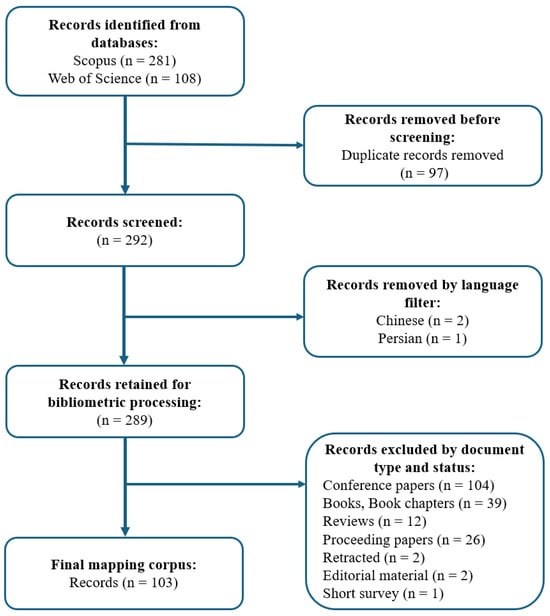
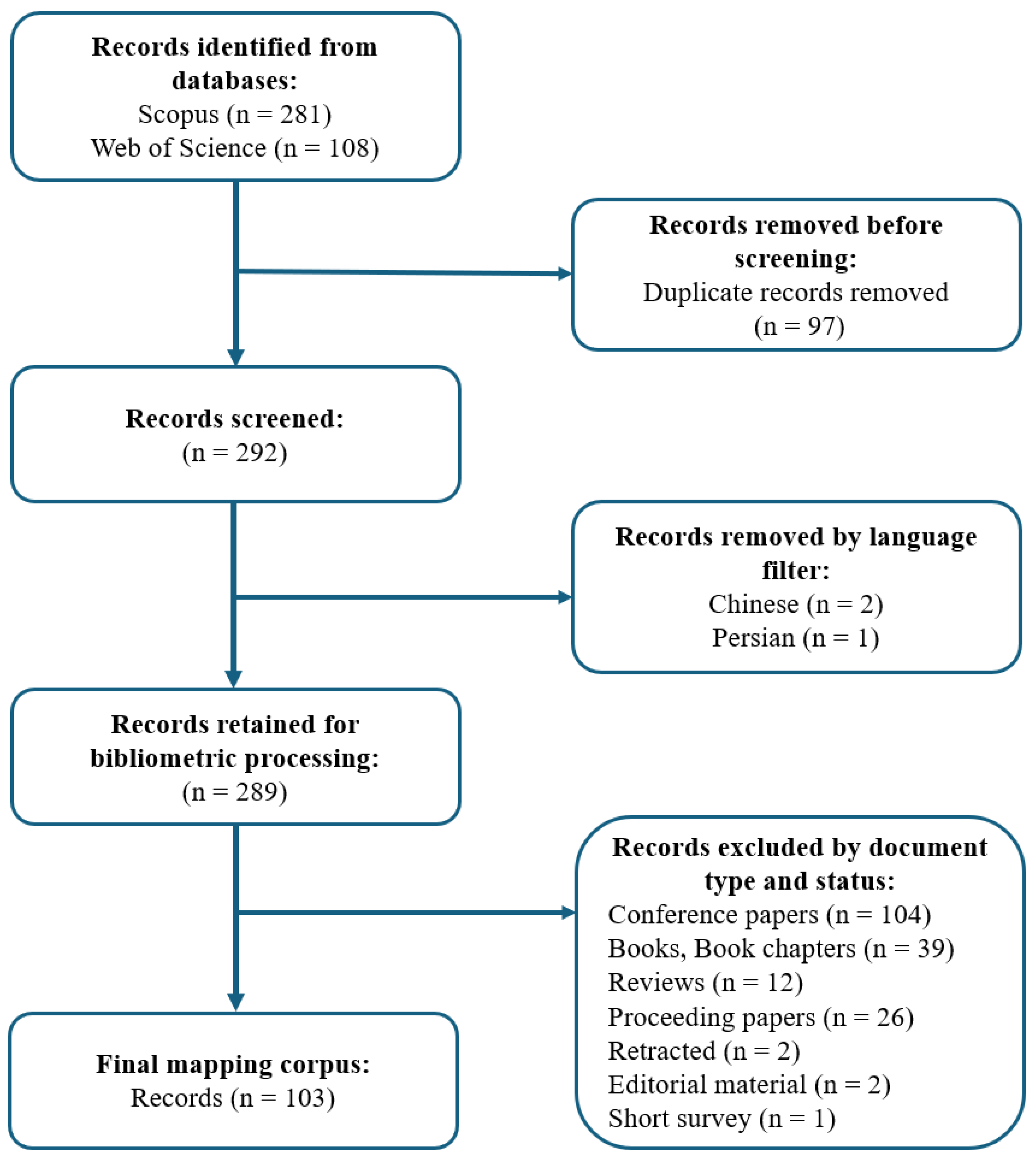
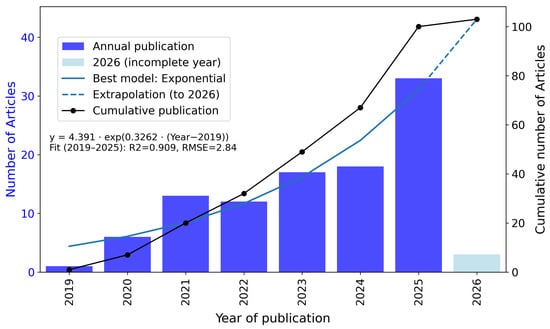
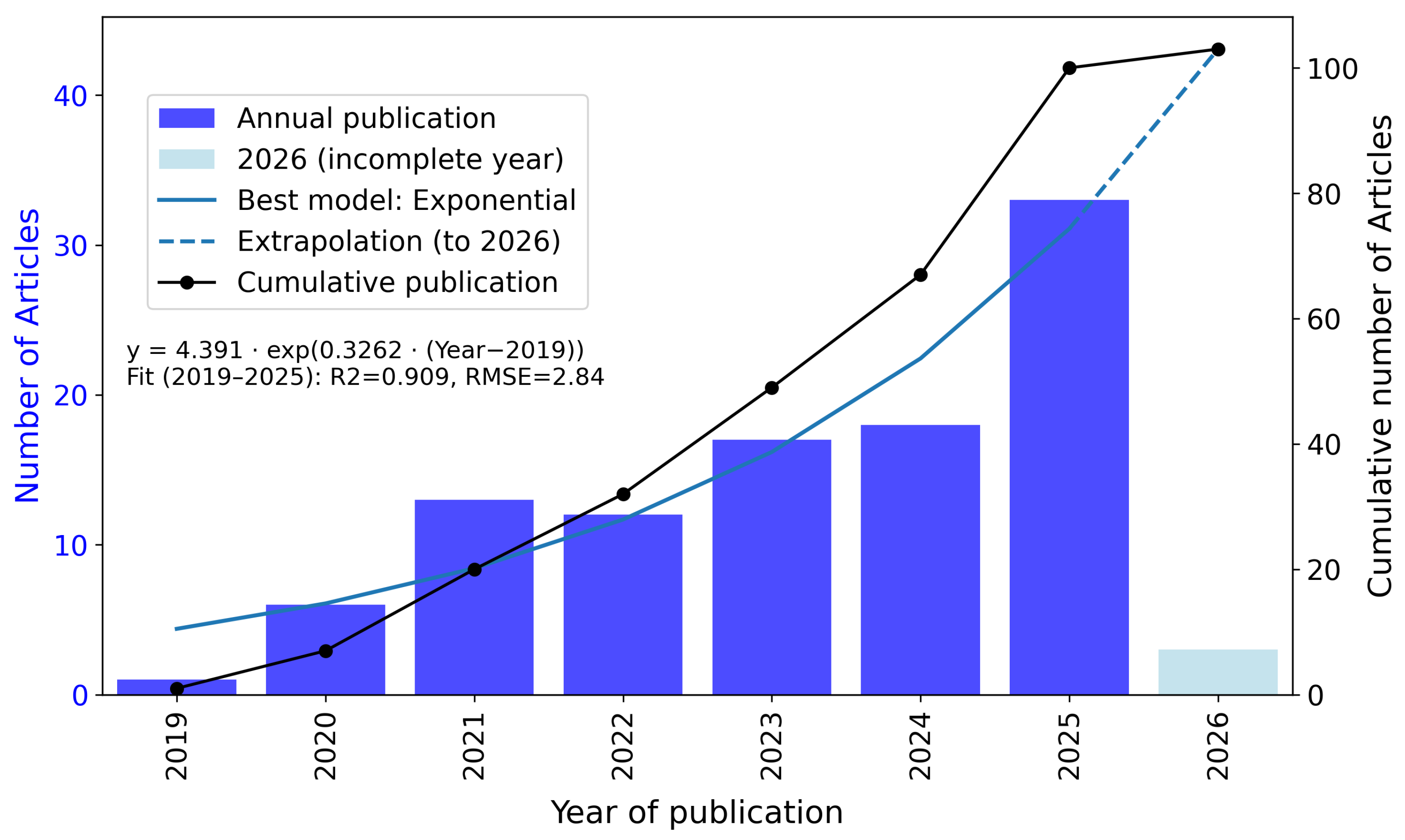
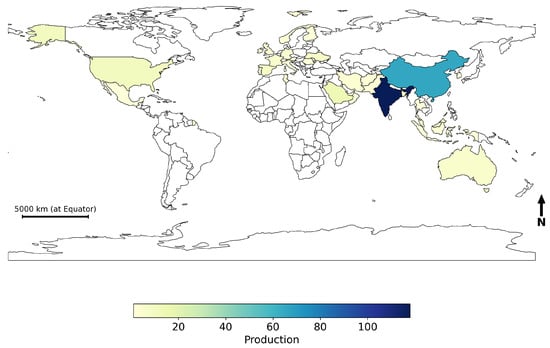
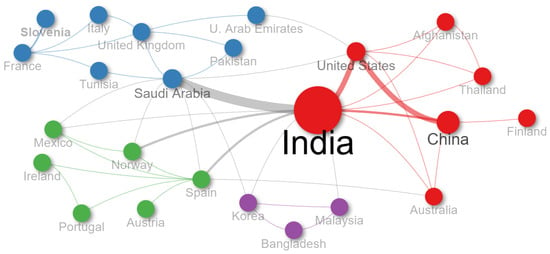
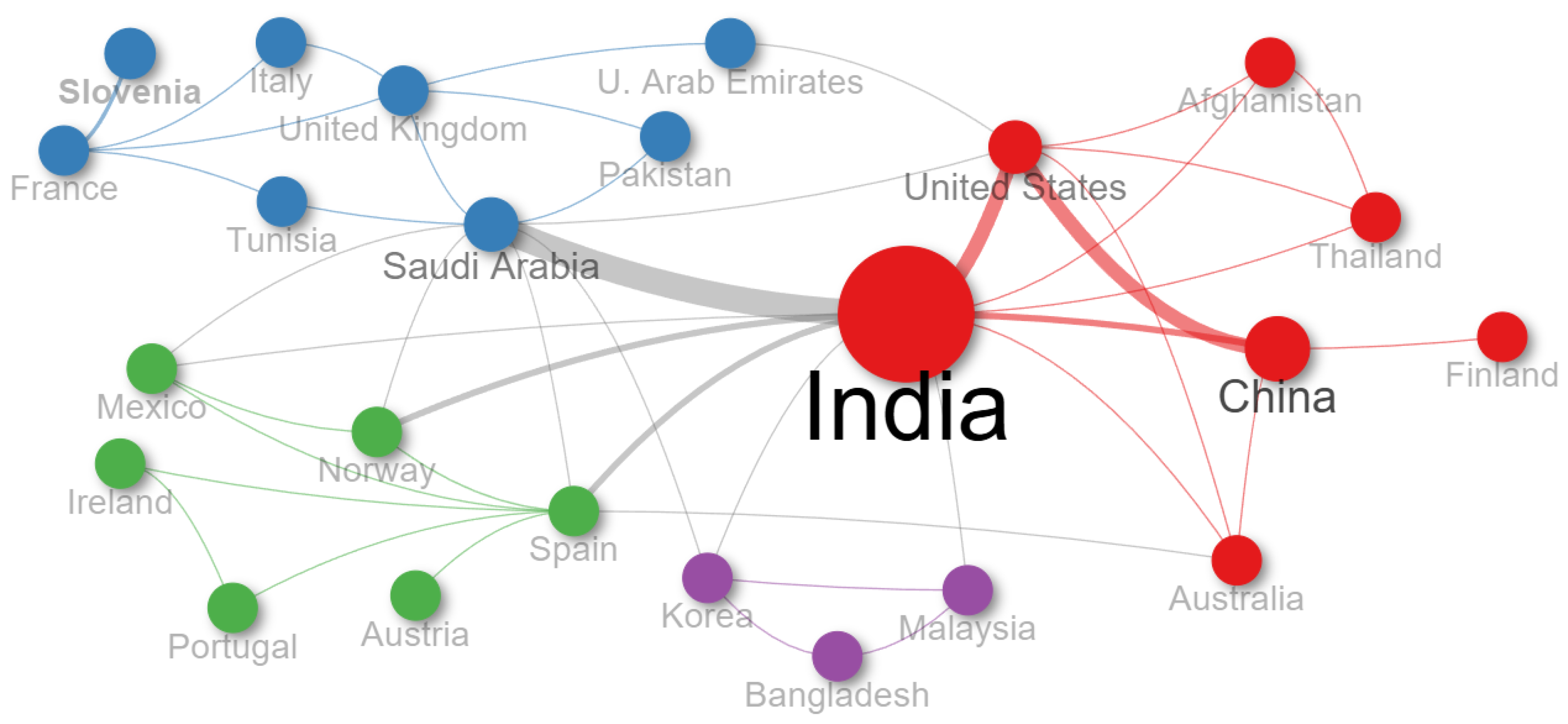
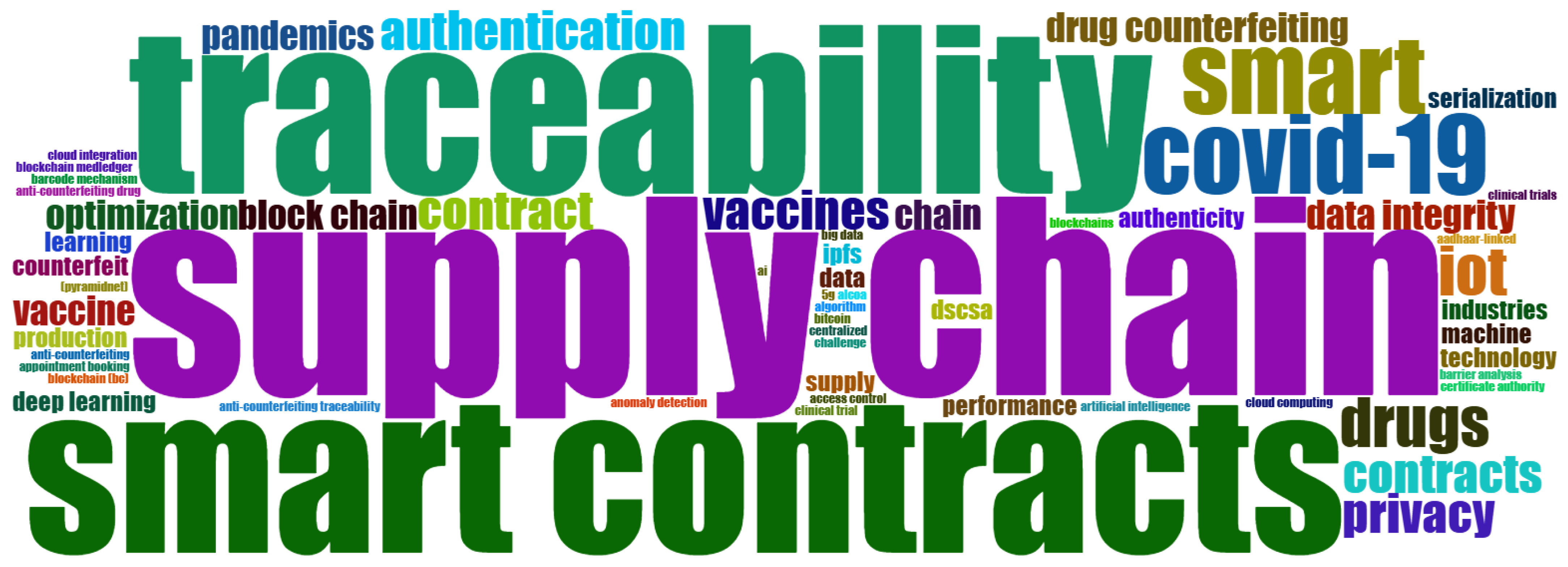
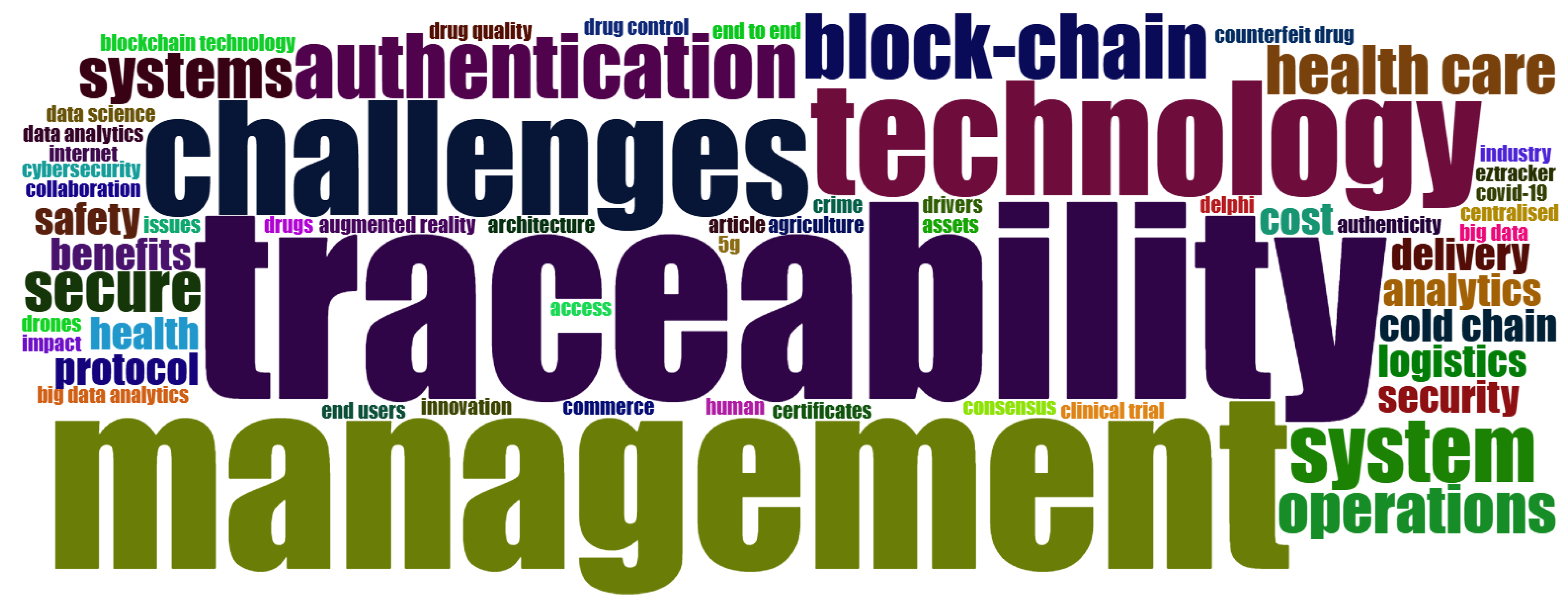
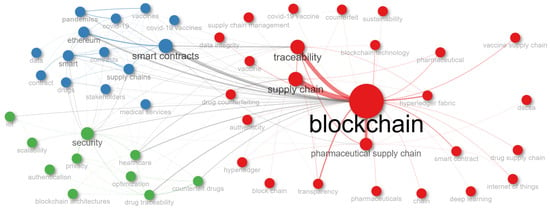
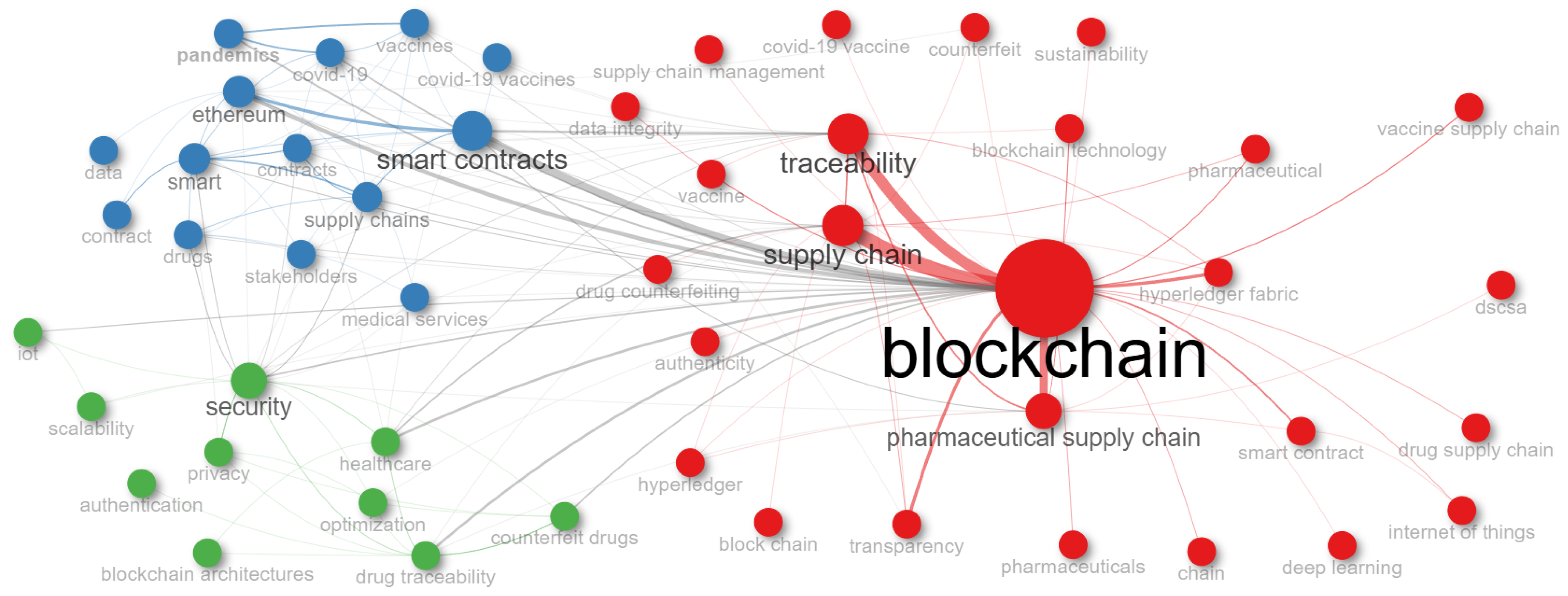
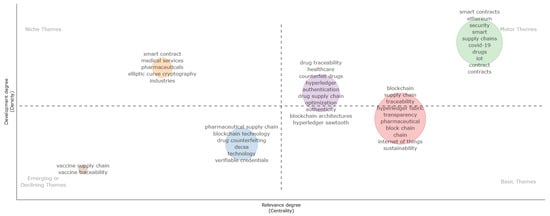
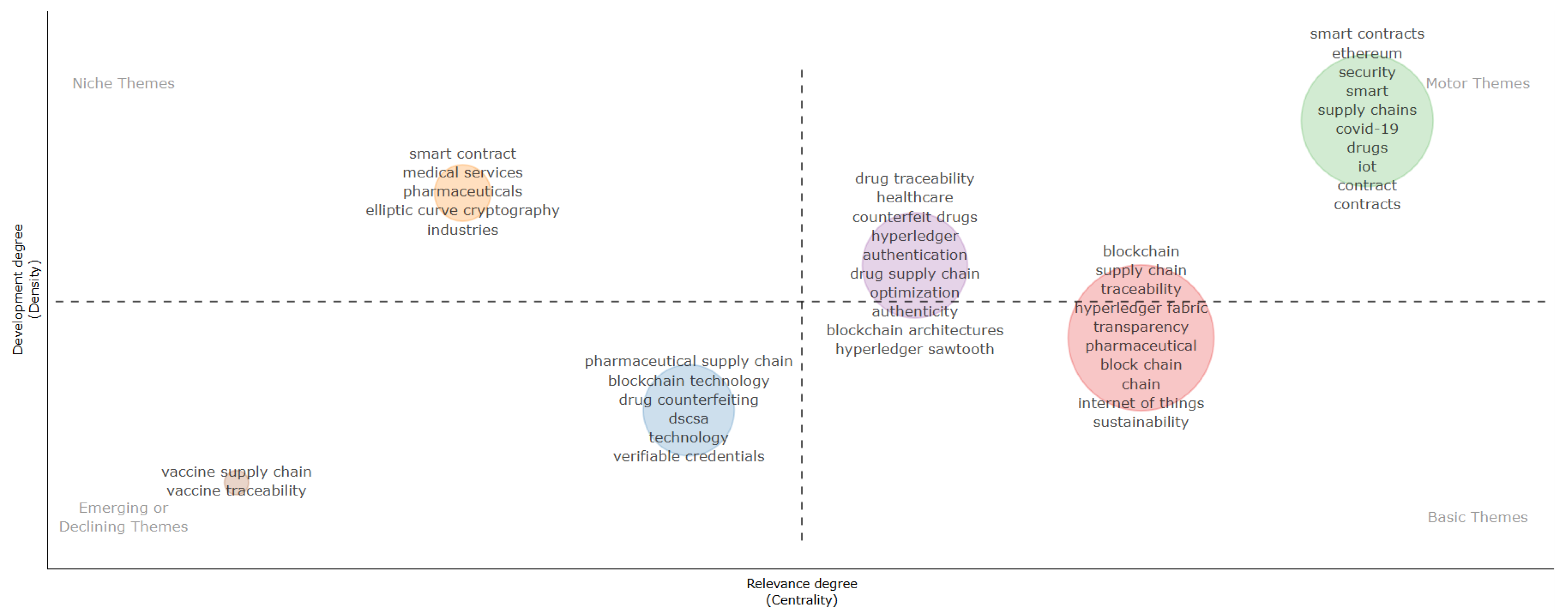
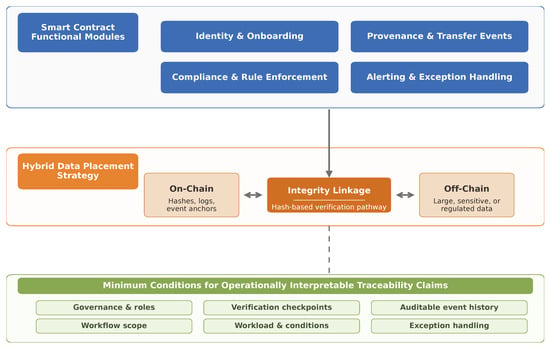
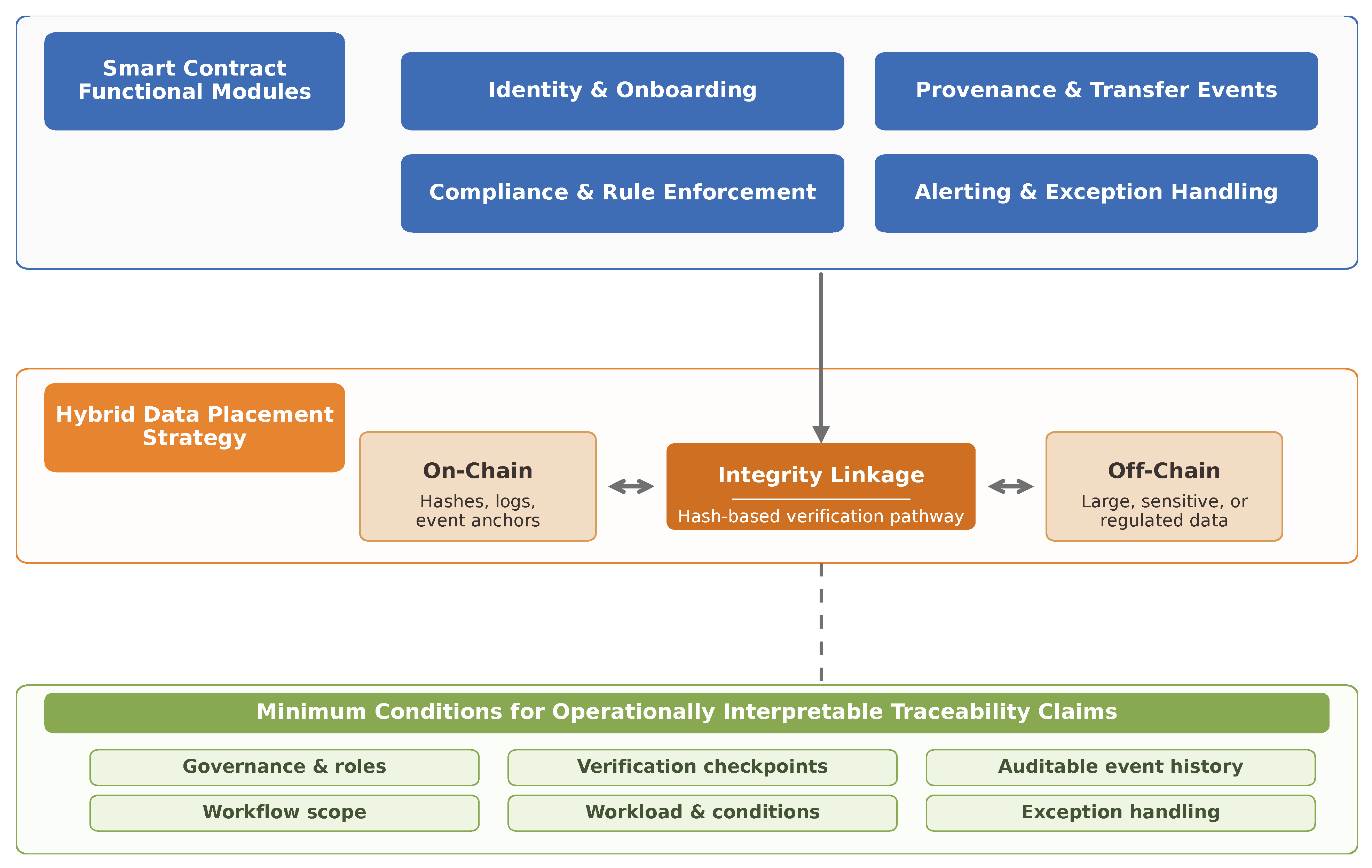

Disclaimer/Publisher’s Note: The statements, opinions and data contained in all publications are solely those of the individual author(s) and contributor(s) and not of MDPI and/or the editor(s). MDPI and/or the editor(s) disclaim responsibility for any injury to people or property resulting from any ideas, methods, instructions or products referred to in the content. |
© 2026 by the authors. Licensee MDPI, Basel, Switzerland. This article is an open access article distributed under the terms and conditions of the Creative Commons Attribution (CC BY) license.