


Abstract
Background: Sustainable operations and management are imperative in many sectors, including aquaculture, to adapt to the increasing complexity and unprecedented challenges across the supply chain. Although research in sustainable supply chain management (SSCM) has grown significantly, it remains inadequate for fully addressing the distinct challenges of the aquaculture supply chain (ASC). Therefore, this paper aims to introduce the concept of the sustainable management of the aquaculture supply chain (SMASC) and identify research gaps for future research directions. Methods: This study conducts a systematic literature review using the Web of Science and Scopus databases to retrieve peer-reviewed articles published between 2000 and 2025. A total of 116 articles were subjected to an in-depth content analysis, leading to the conceptualization of SMASC. Results: The findings indicate that ASC exhibits considerable heterogeneity in structure and performance measures, reflecting the inherent diversity of species and culture systems. The proposed conceptual framework provides a coherent understanding of SMASC by extending generic SSCM to incorporate distinctive characteristics of aquaculture, while systematically identifying the core pillars and their interrelationships. Conclusions: The SMASC framework establishes a unified theoretical foundation for the comprehensive management of ASCs, offering conceptual and practical insights for both researchers and practitioners.
1. Introduction
The increasing pressures of sustainability have driven many sectors to transform their operations and supply chain management, thereby adapting to continuously evolving challenges. Sustainability in the aquaculture sector has been an ongoing debate and has become a critical challenge, hindering the sector’s potential for expansion [1,2]. This sector encounters heightened scrutiny due to its negative environmental impacts (i.e., disease, mortality, emissions, etc.) and the inherent trade-offs involved in balancing economic objectives with equitable social benefits [1,2,3]. Addressing sustainability challenges in aquaculture requires integrated management approaches that extend beyond productivity-oriented strategies, because being sustainable should be associated with strong collaboration among all supply chain (SC) stakeholders toward achieving sustainability [4].
The contribution of the aquaculture sector to global food systems has been widely recognized, as it enhances food security by providing nutritious foods, generating employment opportunities, and fostering economic growth, particularly in rural and coastal areas [3,5,6]. Despite its significant contribution, this sector remains underrepresented and still receives insufficient attention from the SSCM discipline. Existing SSCM frameworks predominantly target generic sectors characterized by relatively stable process flows, such as manufacturing and generalized agri-food systems. Meanwhile, aquaculture is a complex sector owing to high variation in culture species, culture systems, meticulous biological processes, and special needs for handling live species [1,7,8]. Proactive management of biosecurity risks (e.g., diseases, pathogens), highly perishable logistics, and stringent certification standards collectively intensify the complexity of cross-functional decision-making in aquaculture. Furthermore, ASC exhibits heterogeneity due to a mix of diverse supply and market channels, which contributes to SC fragmentation [9,10,11].
Existing literature remains limited in offering a comprehensive understanding of SMASC, underscoring the need for further investigation. Denham et al. investigate cleaner production strategies of generic seafood SC across various stages, including aquaculture production, wild capture, transport, packaging and processing, storage, and retail [12]. Fox et al. identify potentially fraudulent activities along the ASC, highlighting the importance of SC integrity, transparency, and visibility [9]. Subramaniam et al. systematically examine the linkage between socio-ecological resilience and the sustainability of generic seafood SC and propose adaptation strategies to address various types of disruptions [11]. Bohnes et al. characterize the environmental impact of different culture systems, assess the contribution of various culture components, and discuss the relevance of life cycle assessment (LCA) in a decision-making context [13]. Meanwhile, Cooney et al. develop a circular framework to maximize seafood by-products valorization opportunities through improved process control and innovative waste recycling strategies [14].
Notwithstanding the valuable insights offered by previous reviews, the conceptualization of SMASC remains obscure. They often focus on either value chain analysis or LCA-based studies. The former emphasizes governance, whereas the latter narrowly focuses on environmental footprints. Consequently, these reviews lack formal integration of SC functional areas and decision levels into sustainability performance. Additionally, they often fail to capture the interrelation between aquaculture planning and supply chain planning, and some overlook the critical integrative aspect of sustainability. Considering the gaps identified above and the urgent need to accelerate sustainability transformation of the aquaculture sector, it is essential to consolidate insights from recent literature and establish a coherent foundation for SMASC.
Therefore, this study aims to shed light on SMASC by proposing a conceptual framework underpinned by constructs synthesized from existing literature. The framework is designed to operationalize sustainability principles and supply chain management (SCM) practices within an integrative structure tailored to the aquaculture sector. To establish an instrumental theoretical foundation, a systematic literature review is conducted, driven by the following research questions (RQs):
- What are the main characteristics of ASC?
- How can SMASC be conceptually defined?
- What are the critical research gaps and potential future research directions to advance SMASC?
In addition to this introduction, this study is structured as follows. Section 2 presents the theoretical background of the study. Section 3 outlines the methodology employed in this study. Section 4 presents a descriptive analysis of the reviewed articles. Section 5 discusses an in-depth content analysis of the results, including the conceptualization of the SMASC framework. Section 6 elucidates research gaps, potential future research directions, and the implications of the study. Section 7 presents the concluding remarks and suggestions for further research.
2. Theoretical Background
This section provides a brief overview of the theoretical foundations of the study. First, we discuss the principles of sustainable development and the blue transformation of aquaculture. Second, we elucidate the general aquaculture systems and their characteristics, followed by summarizing the existing definition of sustainable aquaculture. Finally, we expound on the basic principles and definitions of SSCM.
2.1. Sustainability Development and Blue Transformation
Sustainability development, first introduced in 1987, is commonly defined as a development of resource utilization to serve the needs of the present without compromising future generations’ ability to meet their own needs [15]. Since the establishment of the Sustainable Development Goals (SDGs) by the United Nations in 2015, a multitude of research has been aimed at reinforcing the attainment of sustainability goals. Despite diverse interpretations of “sustainability” terms, the main principles lie in the intersection of three pillars: environmental, economic, and social [16,17,18]. These components, widely known as the triple bottom lines (TBL), serve as key standpoints from which researchers and practitioners approach the operationalization of sustainability.
In alignment with the 2030 SDGs agenda, the Food and Agriculture Organization of the United Nations (FAO) proposed the Blue Transformation roadmap. This roadmap outlines global agendas and provides strategic guidance on maximizing the contribution of aquatic food systems through efficient, inclusive, resilient, and sustainable value chains that contribute to the SDGs [19]. To achieve the targets defined in the roadmap, FAO has published guidelines on sustainable aquaculture practices [20], highlighting the necessity of effective planning and management. The guidelines specifically emphasize important principles such as accountability, equity, and efficiency as a foundation for minimizing risks and ensuring optimal resource allocation [20].
Effective governance frameworks that situate aquaculture within a broader value chain perspective are essential for mitigating stressors across the chain and facilitating the adaptive adoption of innovations that foster sustainable aquaculture practices [2,21]. Hence, translating the broader roadmap objectives into actionable and contextual SC strategies tailored to diverse aquaculture systems is necessary to bridge the gap between the global policy vision and practical mechanisms. This alignment is not merely contextual but serves as a systematic decision framework, enabling the implementation of the roadmap at the operational level.
2.2. Aquaculture Systems
Aquaculture is generally conceived as the practice of raising aquatic organisms, including aquatic animals (i.e., fish, molluscs, crustaceans) and aquatic plants (i.e., algae, seaweed), with interventions in the rearing process to improve production [8,20]. Selecting suitable production systems is imperative for raising aquatic organisms. Despite the wide range of production systems, there are some commonalities that aquaculture systems share [8]. Figure 1 illustrates the classification of production systems according to farming intensity, water environment, farming method, and water systems.
Figure 1.
Overview of aquaculture systems.
The farming scale and intensity are typically associated with the inputs, including management inputs (e.g., investment, labor, maintenance) and material inputs (e.g., seeds, feeds, fertilizers, medicines, vaccines) [22]. The water environment distinguishes a variety of species that can be cultured, where freshwater mainly produces fish (e.g., carp, pangasius, tilapia), brackish aquaculture practiced in coastal areas typically produces molluscs and crustaceans, and marine aquaculture or mariculture practiced in seawater mainly cultivates high-value fish, such as salmon, seabass, and seabream [22,23].
The farming method distinguishes practices based on the grouping of culture species into mono, poly, or even integrated systems, such as rice–fish farming. Integrated multi-trophic aquaculture (IMTA) is another farming method that co-cultures species from different trophic levels into one culture system, offering product diversification and optimizing the exchange of nutrient discharges [23,24,25]. Water systems characterize the management of water exchange in aquaculture systems, which are divided into open, semi-closed, and closed. This classification is also associated with the degree of intervention or control given to the systems [26]. For example, closed systems are designed to isolate culture environments from external ecosystems, as commonly seen in recirculating aquaculture systems (RAS).
Following the elucidation of aquaculture systems and their characteristics, it is important to define sustainable aquaculture. Table 1 summarizes existing definitions of sustainable aquaculture, by which we can identify key elements that establish sustainable aquaculture practices. In general, sustainable aquaculture involves farming practices that produce safe and healthy aquatic products through responsible and efficient processes. It maintains balanced interactions among ecosystems, aquaculture practices, and communities to achieve economic viability, to minimize environmental impact, and to promote equitable social benefits.
Table 1.
List of sustainable aquaculture definitions from existing literature.
2.3. Sustainable Supply Chain Management
SCM is generally defined as the integrated planning and management of materials, financial, and information flows to create high-performing value and competitive advantage [31,32]. The focus of SCM has been evolving over time from primarily material flows to coordination and integration, risk and resilience, and sustainability [18,33]. Considering the research objective, we focus only on the sustainability aspects of SCM. To establish a theoretical foundation, we begin with the definitions of SSCM derived from three widely cited sources, as presented in Table 2.
Table 2.
List of widely known SSCM definitions.
Seuring and Müller consolidate SSCM into two key strategies, including supplier risk management and sustainable product management [17]. Their synthesis emphasizes the adoption of a well-defined LCA for successful SSCM implementation. Carter and Rogers conceptualize SSCM with supporting facets, including strategy, organizational culture, risk management, and transparency, situated at the intersection of the TBL [16]. Similar to Seuring and Müller [17], who recognized the benefits of inter-organizational coordination, Carter and Rogers explicitly highlight the critical role of long-term economic performance in managing uncertainty and resource dependence [16]. Ahi and Searcy systematically review different definitions of SSCM and compare them with green SCM [18]. Their synthesis underscores that SSCM definitions are fragmented and lack necessary attributes to address decision-relevant constructs. Thus, they propose a comprehensive SSCM definition that integrates the TBL, stakeholder, resilience, and long-term strategic focus.
The generic SSCM discussed above provides a shared TBL lens and emphasizes multi-actor coordination along the chain in achieving sustainability performance. The development of a clear and long-term strategy through vertical and horizontal integration can create long-term sustainability success [16]. The strength of SSCM can be derived to instrumentalize the management of sector-specific SCs. Nevertheless, generic SSCM exhibits several limitations and remains insufficient for addressing the unique challenges of ASC. First, as noted by Ahi and Searcy, SSCM definitions remain inconsistent [18] and often under-specify the social dimension. Second, SSCM overlooks state-dependent living and growing inventories, whose conditions are highly influenced by environmental factors. Finally, its operationalization fails to incorporate aquaculture-specific characteristics, such as biological processes and biosecurity measures, which are consequential mechanisms for ensuring sustainability along the chain.
3. Materials and Methods
To answer the RQs, we conducted a systematic literature review to identify research trends and pertinent constructs in a specific domain. This method enables a transparent and replicable [34] approach and has been widely adopted in the SCM field [17,35].
In this study, the review protocol for article selection followed the Preferred Reporting Items for Systematic Reviews and Meta-analyses (PRISMA) approach [36]. The complete PRISMA checklist can be found in the Supplementary Materials. The selection steps consist of four key phases: identification, screening, eligibility assessment, and inclusion of studies, as depicted in Figure 2. The material identification involved two main academic databases: Web of Science (WoS) and Scopus. Both databases were selected for their extensive coverage of high-quality peer-reviewed publications [37,38]. A two-step approach was utilized to identify relevant keywords stemming from the main search terms. The first step was an exploratory search by combining three main search terms with the Boolean AND operator: “sustainability” AND “aquaculture” AND “supply chain”. The results were used to identify relevant search keywords, as detailed in Table 3. Then, the second search was performed by incorporating those identified keywords.
Figure 2.
PRISMA flow diagram of the literature selection process. Adapted from [36].
Table 3.
Main search terms and related keywords.
In the second search, articles were limited to English-language literature published between 2000 and 2025. The truncation using asterisk marks was applied to identify morphological variations in the keywords. Additional filters were applied to the subject areas. For WoS, articles were limited to the following subject areas: fisheries; marine freshwater biology; engineering; business economics; computer science; operations research management science; mathematics; and transportation. For Scopus, the restrictions included the following: engineering; economics, econometrics, and finance; business, management, and accounting; computer science; multidisciplinary; and mathematics. The data collection was finally compiled on 21 May 2025. The screening process was performed to ensure the publication quality, excluding articles without a document object identifier (DOI), non-article document types, and journals with a low impact factor (IF < 2.0). The screening on IF was performed based on the 2024 Journal Citation Reports from Clarivate Analytics. Eligibility assessment was performed by screening the title, keywords, and abstract, and by reading the full text if necessary. Additional articles were identified through the snowball cross-reference technique. The final dataset, consisting of 116 articles, was retained for further in-depth analysis.
The analysis of selected articles involved descriptive and content analysis. In the descriptive analysis, the distribution of articles pertaining to the publication period, research areas, and contributing journals was presented. In the content analysis, we applied deductive and inductive coding to classify the articles and extract key information, thereby enabling a systematic synthesis to address the RQs. The inductive coding was conducted to derive relevant analytical themes directly from the reviewed materials without predefined categories. The initial coding was conducted independently by the first author, after which the second author reviewed and validated the coding structure and analytical categories to avoid bias and enhance methodological rigor. Any discrepancies were resolved iteratively through discussion until consensus was reached. The coding for article classification included the following dimensions:
- Research methodologies: Codification follows the framework suggested by [39].
- Sustainability pillars addressed: Environmental, economic, and social [4,16,17,40].
- SC functional areas: Planning, network design, pricing, sourcing, farming operation, processing, transportation, inventory, waste management, information and technology, and SC coordination [40,41].
- SC decision level: Strategic, tactical, and operational [4].
Each article was assigned to exactly one category within the research methodology dimension, while multiple labels could be applied to the remaining dimensions. In addition, the main research focus, key driving factors, and sustainability indicators of each article were analyzed. With this rigorous approach, the analysis aimed at establishing associations and relationships among different constructs to develop new knowledge [34].
4. Descriptive Analysis
Figure 3 illustrates the yearly frequency of publication, showing the trend of studies focused on SMASC from 2006 to 2025. The first published paper in 2006 focused on the economic analysis of different culture strategies [42]. Within the subsequent 10 years, the number of publications remained relatively low. In the next period of 2017, the number of publications increased, just two years after the introduction of SDGs. The importance of evaluating the environmental impacts of aquaculture systems has been recognized by researchers [43]. Thereafter, studies focusing on aquaculture sustainability have grown substantially, with a sharp increase in 2018. Although the number of published articles was erratic during the period 2017–2025, growth is expected to continue by the end of the year. The distribution of contributing countries reveals that the research on SMASC remains largely concentrated in developed nations and does not align with their production volumes, highlighting a lack of studies from major aquaculture-producing countries. The findings underscore the importance of bridging existing knowledge gaps and fostering research collaboration.
Figure 3.
Distribution of studies per year (left) and top 10 contributing countries (right).
The selected publications cover multidisciplinary research areas, encompassing environmental sciences, engineering, fisheries, marine freshwater biology, science technology, business economics, and many others. It is noteworthy that some articles may fall under multiple research areas. The distribution of these research areas is shown in Figure 4. Most papers are classified into environmental sciences, accounting for 45 papers or approximately 40%. An equal distribution of research areas is observed in the fields of engineering and fisheries, with each field contributing 36 papers (31%). Some research areas that often focus on SCM topics, such as business economics and operation research management science, share a relatively small number of publications, with 14 and 8 papers, respectively. This finding emphasizes that there are discernible research opportunities to advance sustainable aquaculture practices from wider SCM perspectives.
Figure 4.
Distribution of studies per research area. Data gathered from WoS.
When considering the distribution of journals, a total of 51 journals were identified. The wide range of journals indicates that studies related to SMASC are more multidisciplinary than specific to a particular discipline. Approximately 75% of the journals had only one article published, while 16% published two to three articles. Table 4 presents the remaining most productive journals, with Aquaculture emerging as the most productive journal with 27 published articles. This journal covers interdisciplinary research related to the science of aquaculture.
Table 4.
Top five productive journals.
Figure 5 shows the findings with respect to research methodologies identified from the selected articles. It is clearly shown that analytical studies are predominantly employed over empirical studies, with a total of 65%. Among these studies, 56% mainly adopt mathematical modeling, followed by statistical (6%) and conceptual building (3%). When analyzing mathematical modeling further, we found that most studies focused on assessing environmental impacts using LCA methods (33 papers). On the other hand, empirical studies mainly employed statistical sampling or survey methods, accounting for 23% of the total reviewed materials. The focus of such studies is often to characterize the value chain structures or identify SC dynamics among actors. Action research and the Delphi study are relatively less employed by scholars, each with only 2%. A plausible reason why such methods are not sufficiently used is that those methods often require intensive time and resources, with iterative processes to obtain consensus among participants.
Figure 5.
Classification of research methodologies employed. CT: Conceptual, MM: Mathematical Model, ST: Statistical, AR: Action Research, CS: Case Studies, SS: Statistical Sampling/Survey, DS: Delphi Studies.
5. Content Analysis
This section presents an in-depth analysis of extracted information from the reviewed materials. First, key characteristics of the ASC are presented to understand its generic structure and interrelated processes. Second, a synthesis of the relationships between SC decisions and functions in supporting the sustainability pillars is presented. Third, the sustainability indicators identified in the literature are analyzed and discussed. Finally, a conceptual framework is developed and discussed to illustrate the relationships among the identified key constructs and to delineate the core elements of SMASC.
5.1. Key Characteristics of ASC
In the reviewed materials, 66% of the studies explicitly elucidate the SC structure of aquaculture. Among these studies, seventy papers consider a forward SC structure, while the remaining seven papers specifically examine a closed-loop structure. To build a generic structure that accommodates a comprehensive view of the ASC, despite potential variations in terms of cultured species and region, we adopt a forward SC structure, as illustrated in Figure 6. In general, the SC is structured into three main stages, consisting of sourcing, production, and market. The production stage involves two key activities: farming operations and processing, both of which may differ according to the species and purpose. The prevalent sequence of activities in the production stage is highlighted below, encompassing breeding and hatchery, grow-out farming, harvesting, primary processing, and secondary processing. In the developing regions, it is common to have intermediaries that link smallholder farmers and processors, as they often operate in different organizations. The distribution of aquatic products can proceed directly from farmers or intermediaries to local consumers. Meanwhile, the distribution to general consumers goes through wholesalers, exporters, and retailers.
Figure 6.
Generic aquaculture supply chain.
5.1.1. Sourcing
The sourcing activities involve supplier selection, purchasing, and ordering of raw materials (e.g., seeds, feeds, farming equipment) [9,10,44]. Seeds are produced from broodstocks that originate either from the wild or from culture collection [9,10,12]. Aquaculture heavily relies on high-quality inputs and reliable supply. When the quality of seeds is dubious, it increases the mortality rate of species during subsequent farming operations. An equally important input is feed, contributing to more than 50% of operational costs [45,46] and generating the largest environmental impacts (e.g., emissions, waste, land use) [2,47,48,49,50,51]. Hence, it is necessary to select feed supplies made from more eco-friendly ingredients, containing fewer harmful substances, and with an efficient feed conversion ratio (FCR) [2,47,52]. Both the cost and the quality of input are essential factors that contribute significantly to achieving sustainable aquaculture.
5.1.2. Production
Farming Operations
Breeding and hatchery often take place in special facilities separated from the grow-out farming. The operations commence with egg fertilization to produce post-larvae or juveniles. It is followed by nursery operations, aimed at preparing the species to reach an adequate size and to be adaptable for surviving in the subsequent farming processes [9]. The environmental conditions of hatchery facilities are regulated and controlled to mimic the natural habitats of species. The juveniles are then transferred to grow-out farming facilities where they will be reared to a marketable size [9,10]. This transfer activity plays a crucial role in the success of aquaculture as it requires specialized handling of live specimens to prevent immediate mortality during and after movement. Moreover, some species may encounter different ecological conditions than those in the hatchery facilities, which can expose them to diseases and other stressors [26,53]. Thus, maintaining health and welfare is a crucial operation during the grow-out. Continuous monitoring and control of environmental and ecological conditions using sensors and digital technologies can facilitate data-driven decision-making to improve the efficiency of farming operations [54,55,56,57]. Once the species reach a marketable size, they are harvested. The decision to harvest is often influenced by market conditions (e.g., demand, price), biological factors (e.g., mortality rate, growth rate), and economic factors (e.g., production cost, discount rate) [58,59,60,61].
Postharvest and Processing
In this stage, harvested species may undergo various processing steps depending on the species and their intended purposes. Those for human consumption purposes will generally go through a complex process, ensuring that the quality grade meets the food safety standards [53]. The fish species are usually slaughtered, washed, graded, and packaged on ice. The shellfish undergo different primary processing before packaging, including grading, washing, and shell opening (if required) [9,10]. Other species, like crustaceans, can be delivered as live products directly to consumers with minimal processing. Improper postharvest handling contributes to physical loss, often arising from inadvertent discarding after harvest, and quality deterioration, commonly caused by spoilage or physical injury [62,63,64]. These issues collectively diminish overall product quality. Efficient operations equipped with adequate chilling technologies are necessary to reduce loss and maintain freshness during postharvest.
The processed products are sold in auction markets, collectors, or wholesalers, before being delivered to customers (i.e., hotels, restaurants, local consumers). When the products are sent to secondary processors, further processing produces value-added products using certain preservation techniques and stores them in frozen form to maintain quality [59,65]. Postharvest processing generates waste from non-edible parts of aquatic products, such as internal organs, blood, and shells [14,66]. Hence, recycling and waste management are imperative to extend the product life cycle and improve sustainable production [67,68,69,70].
5.1.3. Market
Auction markets have become a common place for purchasing first-hand sales of aquatic products, which are often mixed with the supply from wild catch. Meanwhile, wholesale markets are supplied in bulk by processors before proceeding to exporters for the international market and to retailers for the regional market [66,71]. Effective distribution with minimal lead time will be crucial to meet the demand for high-quality products. High-value products, such as salmon, have a shorter life cycle as they are sold fresh [72,73]. Retailers need to store the products in temperature-controlled display outlets until sale. Optimal inventory management and proper storage are essential to maintain quality and extend product shelf life [72,74]. To promote sustainable products, aquaculture producers use eco-labeling and food safety labels to enhance consumer awareness and build product differentiation strategies [72,73,75]. Product development and innovation will drive competitiveness in meeting changing consumer preferences and expand market access [73,76]. Therefore, understanding market orientation, demand dynamics, and standards requirements can provide critical insights for aquaculture producers, facilitating more effective production planning [76,77].
5.1.4. Transport and Distribution
Transport plays a vital role in transferring aquatic species between stages in the ASC. The choice of transport methods will directly influence the species’ conditions. Meticulous logistics handling is required to minimize vulnerability to stress during the sourcing and farming operations [78,79]. Transport methods can also affect product quality and product lifetime [74]. Therefore, efficient transport and distribution planning are required to maintain product quality and minimize environmental impacts.
A variety of distribution channels distinguish ASC from other sectors, posing challenges for comprehensive analysis and evaluation across the entire SC. Main distribution channels include direct sales, wholesalers and distributors, export channels, and retail channels [10,71,80,81,82]. Intermediaries and agents often act as a link between these channels [81,83,84,85]. As most aquatic products have a short shelf life and are susceptible to deterioration, the product value diminishes as quality degrades [62]. Hence, cold chain logistics infrastructures (e.g., cold storage, refrigerated shipping) are essential for maintaining product quality and safety during transport and distribution [74,86]. In addition, product traceability has emerged as an important mechanism to safeguard quality control, transparency, and compliance with standards, thereby helping to mitigate fraudulent practices [87,88,89]. Moreover, stable relationships among actors in the distribution channels enable strengthened coordination to respond to market signals and determine optimal stocking policies, which ultimately enhances overall SC efficiency [82,90,91].
5.2. Supply Chain Functional Areas and Decisions
By understanding supply chain decision levels and their link to functional areas, we will be able to obtain a comprehensive view of how decisions may affect sustainability performance. Figure 7 illustrates the relationships, with most researchers focusing primarily on strategic aspects. Tactical and operational decisions exhibit relatively medium and small proportions, respectively. We can see that strategic decisions have a significant impact on all sustainability aspects, indicated by a higher proportion compared to other decisions. This decision involves several important functional areas in the ASC, including farm operations, sourcing, planning, processing, and transportation.
Figure 7.
Links of supply chain decision levels and functions.
Decisions made in these areas often address long-term planning horizons. For example, the selection of culture systems, feed options, and technologies determines sourcing pathways and significantly impacts overall sustainability performance [47,51,92,93,94]. Other strategic decisions that profoundly impact long-term sustainability performance include SC network design [69,70,95,96,97,98,99,100,101], risk management [53,102], supplier selection [44], sustainable business models [67,103,104], collaboration and integration [81,105,106], and innovation and technology integration [55,107,108,109].
Tactical decisions deal with medium planning horizons, such as production planning, harvesting decisions, logistics and inventory planning, selling decisions, and demand forecasting. In the case of production planning, Bravo et al. [58] develop mathematical models for salmon farming in a pull manner, integrating freshwater and seawater operations to maximize harvest biomass while considering processing plant’s demand. By considering biological conditions (i.e., fish growth and mortality), their models capture the interaction between the two phases of operations while at the same time satisfying multi-period demand. Abedi and Zhu [60] propose production models that incorporate warm chain and cold chain logistics processes in trout fish farming. They employ mixed-integer linear programming to optimize decision-making in farming, including the quantity of spawn purchase, harvest time, and farming periods, thereby increasing total profit. While both studies consider only economic criteria, Luna et al. [61] incorporate environmental factors and address uncertainties related to climate change and market price into their decision models.
Meanwhile, operational decisions often address short-term planning, focusing on daily operations, and are commonly combined with tactical decisions. As seen in Figure 7, operational decisions have a comparable influence on both economic and environmental performance, but their contribution to social sustainability remains negligible. At the operational level, prior studies address different issues, such as optimizing feeding strategies [45,46] and improving line balancing within fish processors [110].
Our analysis indicates that decision-making in the ASC is a complex process which involves interdisciplinary knowledge acquisition and, in many cases, relies on expert assessments. The dominance of studies at the strategic level suggests a strong emphasis on long-term and high-level planning. This imbalance in studies at the tactical and operational level may lead to misalignment between policy objectives and practical implementation. Moreover, the translation of sustainability objectives into operational processes—such as disease outbreak management, feed inventory control, pricing strategy, and SC coordination—still receives limited attention. This gap highlights opportunities for future research to develop integrative models that provide actionable insights into achieving sustainability in the ASC.
5.3. Sustainability Performance Indicators
To obtain a comprehensive understanding of how sustainability has been addressed, this section presents an analysis of sustainability pillars and their indicators identified in the literature. Figure 8 illustrates the distribution of sustainability pillars addressed in the literature. It is possible to confirm that the proportion of the economic aspect remains the most discussed issue, followed closely by the environmental aspect. The pursuit of economic objectives persists in driving aquaculture productivity, while growing emphasis on mitigating negative environmental impacts reflects efforts to sustain the sector over the long term.
Figure 8.
Sustainability pillars addressed in the reviewed materials.
On the other hand, the social sustainability aspect appears to be the least-addressed pillar in the studies. Insufficient attention to social aspects has been consistently highlighted in the generic SSCM literature [4,40]. This finding reflects inherent challenges of incorporating social aspects into quantitative analytical models. Unlike other sustainability pillars, translating social variables into objective functions and constraints remains challenging and often conflicts with other goals. Nevertheless, this neglect may hinder the adoption of eco-certification and sustainability practices, particularly among smallholder aquaculture producers. Our review indicates that only 20% of the studies address all three sustainability dimensions, highlighting potential research opportunities for developing multi-objective quantitative models that account for comprehensive performance measures.
For further analysis, indicators for each sustainability dimension were linked to the corresponding SC functional areas, as depicted in Figure 9. We can see that farming operations and sourcing have become two critical functions that contribute significantly to sustainability performance. Other functions share relatively equal importance, including planning, processing, and transportation. The small contribution of functional areas to sustainability performance is shown in indirect functions, such as pricing and inventory. From the sustainability indicators, we can observe that a wide range of indicators has been used to assess the performance of the ASC as indicated in the proportion of others. This wide variance in sustainability performance indicators is driven by the diversity of species, aquaculture systems, and regions, which ultimately makes it difficult to reach consensus on consistent and comparable measures of ASC sustainability. In a recent study, Garlock et al. propose a comprehensive set of aquaculture performance indicators [111]. However, the absence of a holistic SC perspective limits their ability to account for critical upstream and downstream impacts.
Figure 9.
Distribution of sustainability indicators linked to supply chain functional areas.
In the economic aspect, cost is identified as the most concerning issue. This is closely related to FCR efficiency, which appears to be the second-most-used indicator. Improved FCR efficiency and optimized feeding strategies significantly contribute to lowering operational costs while also accounting for the environmental burden due to the choice of feed ingredients and digestibility [45,52,112]. Environmental indicators used in the literature predominantly assess non-toxic parameters through LCA. Energy and waste appear to have similar proportions as frequently used indicators by scholars. Environmental impact assessment is identified in 35 papers, accounting for 30% of the total studies. A detailed description of these articles is provided in Table A1 (Appendix A). They are classified according to system boundaries, functional units, and impact indicators, following the framework suggested by Bohnes and Laurent [113]. LCA serves as a pivotal tool for evaluating environmental impacts, yet challenges such as data limitation, system boundary definitions, methodological complexity, and uncertainty hinder its effective integration with SC analysis when considering the other TBL dimensions [12,113,114].
Meanwhile, in the social aspect, researchers place more emphasis on quality as an important indicator to be assessed. Quality indicators reflect the consumer acceptance of safe aquatic products [53,88]. This indicator can be maintained by shortening the lead time or distribution time window [77,95], supported by reliable cold chain infrastructure [63,64,72,74]. Other social indicators are job creation and collaboration, both of which contribute to socio-economic development and strengthen inclusive community engagement [6,96,97,115,116]. To achieve broader sustainability goals, it is important to involve relevant stakeholders and integrate local contextual factors into effective policy design.
5.4. Towards SMASC Conceptualization Framework
In pursuit of answering the second research question, a conceptual framework that creates a novel perspective of SMASC is constructed from the findings of our analysis. Prior to the conceptualization, it is noteworthy that the focus of studies identified from the review materials can be distinguished into five themes, including value chain analysis, management and production, risk and resilience management, market and consumer, policy, regulatory framework, and certification schemes. The details of categorization and key driving factors are described in Table A2 (Appendix A). The studies predominantly address management and production issues, accounting for 48 papers. In contrast, market- and consumer-related issues are comparatively underrepresented. This pattern indicates that the sector continues to prioritize productivity-oriented objectives and generalized governance approaches, while market dynamics and consumer engagement remain underexplored.
Drawing from the key findings identified in the reviewed materials and grounded in the theoretical foundations elucidated in Section 2, SMASC is defined as:
Integrated management of aquatic organism cultivation and the associated flows of products, finance, and information aims to deliver safe aquatic products while enhancing resource efficiency, environmental stewardship, economic viability, and social benefits.
Based on this definition and building on the earlier discussions, we propose a conceptual framework of SMASC, as illustrated in Figure 10. Key pillars of SMASC include sustainable sourcing, sustainable farming operations, sustainable processing, and sustainable distribution, representing an abstraction of core activities in the ASC. Each pillar is further broken down into detailed factors, as illustrated in their respective outer rings. These detailed factors play critical roles in sustaining operations and securing effective management within their respective pillars. Effective coordination enhances synergies among the core pillars, thereby facilitating the provision of high-quality aquatic products through traceable and responsible inputs, efficient farm operations and processing, and streamlined distribution systems. Aquatic organisms are treated as living and growing inventories in aquaculture systems, whereby their welfare is meticulously monitored, and their development is significantly influenced by controlled ambient environments. Ultimately, the SMASC framework is aimed at generating sustainable outcomes, encompassing viable economic values, low environmental impacts, and equitable social benefits.
Figure 10.
Conceptual framework of SMASC.
To sustain the operation of these elements against external pressures (i.e., sustainability pressures, external stressors, uncertainties, and market and supply disruptions), governance and regulatory frameworks play a key role in promoting sustainable practices through the adoption of standardization and eco-certification. LCA should be seen as a proactive environmental tool to be incorporated in the course of the SC; thereby effective risk management can be established to minimize negative environmental impacts and enhance the resiliency of the ASC. In addition, traceability should be considered an integral part of biosecurity planning, given its critical role in safeguarding product quality and enhancing trustworthiness.
The enablers for successful SMASC implementation include research and innovation, incentives from both government and markets, access to investment, and green logistics infrastructure. SC integration—both vertical and horizontal—is necessary for streamlining the SC and fostering active collaboration among stakeholders through seamless coordination. Cluster-based approaches offer a practical means of achieving this integration, particularly for smallholder farmers [81,108,117]. Industry 4.0 technologies constitute a key enabler for improving efficiency, ensuring transparency, and fostering adaptability throughout the SC [55,57,107,116]. While the disproportionate distribution of burden and benefits across SC stages may discourage technological innovations [29], strategic alignment of the core pillars with relevant stakeholders, supported by effective policy design, can foster sustainable aquaculture operations. Fragmentation in the ASC can be addressed through collaborative learning, knowledge and resource sharing, and mutual risk sharing among actors across the core pillars. Accordingly, the potential of opportunistic behavior and unethical or even illegal practices can be curbed. Education and training play a crucial role in upskilling individuals and communities engaged in this sector, particularly smallholder farmers who need assistance in transforming their aquaculture practices toward sustainability [85,118,119,120].
6. Discussion
This section discusses the findings by analyzing research gaps of each element of SMASC, followed by suggestions on future research directions. In addition, the implications of this study from both theoretical and practical viewpoints are elaborated in the subsequent section.
6.1. Research Gaps and Future Research Avenues
Despite significant research efforts to improve the management of the ASC in a sustainable manner, several shortcomings persist. Accordingly, we identify research gaps and future research opportunities derived from the content analysis presented in Section 5, the synthesis of research focuses from the reviewed materials (see Table A2 in Appendix A), and the conceptualization of the SMASC framework. Table 5 summarizes research gaps and potential future research directions structured based on the core pillars of the SMASC framework. These gaps should be prioritized according to their potential impact and practical feasibility. Additional research gaps and corresponding future research questions are detailed in Table A3 (Appendix A).
Table 5.
Prioritized research gaps and future research directions.
6.2. Theoretical and Practical Implications
The present study contributes to the body of knowledge in SCM, with a particular focus on the aquaculture industry, which exhibits distinctive characteristics compared to other sectors. The study offers a comprehensive analysis of the ASC by identifying its key characteristics, investigating relationships between functional areas and decision levels, and examining diverse sustainability performance indicators. Our analysis reveals that the diversity of existing species and culture systems leads to significant variations in ASC structures and sustainability measures. Most studies only emphasize one- or two-dimensional sustainability perspectives and address decision-making at the strategic level, thereby hindering the development of comprehensive and holistic management of the ASC.
Building on theoretical underpinnings and analysis from key findings, this study establishes the definition of SMASC and introduces a novel conceptual framework. The framework advances SSCM theory in several ways: (i) constructing key management concepts of environmentally state-dependent living and growing inventories, (ii) structurally defining the core pillars of sustainable aquaculture operations for producing safe aquatic products, (iii) formalizing critical supporting elements for long-term sustainability, and (iv) identifying key stressors and enablers of SMASC that influence sustainable outcomes. These contributions provide distinctive mechanisms and methodological pathways that extend generic SSCM by capturing unique characteristics of the sector involving biologically raised organisms.
This framework serves as a foundation for advancing the understanding and application of SMASC. Researchers could gain deeper insights into the interrelationships between the SMASC pillars and examine the influence of surrounding contextual factors. The framework provides a common theoretical basis for developing testable propositions on how cross-functional coordination within aquaculture organizations and the alignment of interorganizational business processes jointly enhance long-term sustainability performance. In underrepresented regions with limited development of sustainable aquaculture practices, the proposed framework could guide the design and implementation of sustainability efforts through adaptations tailored to local contexts. Furthermore, the framework should be subjected to further refinement through empirical research both quantitatively and qualitatively, such as case studies, surveys, and triangulation.
From a practical viewpoint, our framework provides a cornerstone for common understanding of SMASC among practitioners and policymakers. Our analysis posits that achieving long-term sustainability performance will only be plausible when stages in the ASC align and collaborate effectively with common goals. Establishing integrated partnerships with relevant stakeholders is essential for ensuring compliance with sustainability standards and extending the product life cycle through the adoption of circular economy principles. At the tactical level, the SMASC framework reinforces structured cross-functional decision-making, whereby real-time monitoring and analytics systems facilitate risk-based inspections and the implementation of targeted mitigation strategies. At the operational level, continuous monitoring and feedback from daily operations can inform tactical adjustments and strategic reviews, thereby reducing waste and losses across the chain. The SMASC framework enables managers to shift beyond traditional silo-based performance paradigms toward an integrated, biologically informed, and state-aware decision-making approach throughout the entire ASC.
The SMASC framework complements the Blue Transformation roadmap by translating its principles and broad objectives into actionable mechanisms for managing sustainable ASC. It offers policymakers comprehensive guidance for identifying critical factors that underpin the development of effective governance and regulatory frameworks. Such governance frameworks should recognize the linkages between SMASC elements and account for the intersection of TBL dimensions to establish transparent and impartial evaluation measures. Strengthening policy and governance will require aquaculture to be put into an integral part of terrestrial food systems and to acknowledge regional diversity and characteristics. Our analysis suggests that the alignment of fair incentives among actors within the core pillars is critical for enabling proactive technological innovations and accelerating the adoption of sustainable aquaculture practices. In addition, fostering inclusive community-based development—anchored in knowledge and technology transfer—can substantially propel the transition towards SMASC, particularly in developing regions.
7. Conclusions
Aquaculture, as one of the crucial sectors in meeting the increasing demand for nutritious aquatic foods, encounters complex sustainability challenges. While this sector strives to transform its operations and management towards sustainable practices, a coherent understanding of SMASC remains underexplored in the literature. To address three research questions, this study reviews 25 years (2000–2025) of literature focusing on SMASC, resulting in a total of 116 selected papers subjected to in-depth systematic synthesis. The fragmentation of ASC structures and the variation in their performance metrics present substantial challenges to developing an integrative framework for sustainable management.
This study contributes to the establishment of a comprehensive and theoretically grounded definition of SMASC, which consolidates disparate strands of prior research and provides a common foundation for future studies. Additionally, we propose a conceptual framework for SMASC, designed to offer a blueprint for the comprehensive management of ASC. The framework identifies four core pillars of sustainability in managing ASC: sustainable sourcing, sustainable farming operations, sustainable processing, and sustainable distribution. It extends existing SSCM theory by incorporating aquaculture-specific characteristics, including biologically driven production processes and the treatment of aquatic organisms as living and growing inventories. In addition, the framework delineates supporting factors required to sustain effective operations and long-term management of ASC. To further guide future research, we identify key research gaps and propose potential research questions.
Notwithstanding the rigorous methodological approach adopted in this study, some limitations remain. These limitations arise from the literature search methodology, including the choice of bibliographic databases, keyword selection, and screening criteria. Additionally, the categorization of papers was restricted to specific dimensions, limiting the scope of analysis from different perspectives. Furthermore, this study did not explicitly delve into the methodological approaches and analytical models employed. These limitations present valuable opportunities for future research for advancing SMASC.
Supplementary Materials
The following supporting information can be downloaded at: https://www.mdpi.com/article/10.3390/logistics10010021/s1, Table S1: PRISMA 2020 Checklist.
Author Contributions
Conceptualization, W.A.P. and W.D.S.; methodology, W.A.P.; validation, W.D.S.; formal analysis, W.A.P.; investigation, W.A.P.; resources, W.D.S.; data curation, W.A.P.; writing—original draft preparation, W.A.P.; writing—review and editing, W.D.S.; visualization, W.A.P.; supervision, W.D.S.; project administration, W.D.S. All authors have read and agreed to the published version of the manuscript.
Funding
This research was partially supported by the UiT Aurora project MASCOT.
Institutional Review Board Statement
Not applicable.
Informed Consent Statement
Not applicable.
Data Availability Statement
The original contributions presented in this study are included in the article/Supplementary Material. Further inquiries can be directed to the corresponding author.
Conflicts of Interest
The authors declare no conflicts of interest.
Abbreviations
The following abbreviations are used in this manuscript:
| SC | Supply chain |
| SCM | Supply chain management |
| SSCM | Sustainable supply chain management |
| ASC | Aquaculture supply chain |
| SMASC | Sustainable management of the aquaculture supply chain |
| LCA | Life cycle assessment |
| FCR | Feed conversion ratio |
Appendix A
Table A1.
Environmental impact assessment boundaries and indicators.
Table A2.
Overview of SCM-focused studies, excluding environmental impact assessment.
Table A3.
Additional list of identified research gaps and future research questions.
References
- Naylor, R.L.; Hardy, R.W.; Buschmann, A.H.; Bush, S.R.; Cao, L.; Klinger, D.H.; Little, D.C.; Lubchenco, J.; Shumway, S.E.; Troell, M. A 20-Year Retrospective Review of Global Aquaculture. Nature 2021, 591, 551–563. [Google Scholar] [CrossRef] [Scilit]
- Gephart, J.A.; Henriksson, P.J.G.; Parker, R.W.R.; Shepon, A.; Gorospe, K.D.; Bergman, K.; Eshel, G.; Golden, C.D.; Halpern, B.S.; Hornborg, S.; et al. Environmental Performance of Blue Foods. Nature 2021, 597, 360–365. [Google Scholar] [CrossRef] [Scilit]
- Troell, M.; Costa-Pierce, B.; Stead, S.; Cottrell, R.S.; Brugere, C.; Farmery, A.K.; Little, D.C.; Strand, Å.; Pullin, R.; Soto, D.; et al. Perspectives on Aquaculture’s Contribution to the Sustainable Development Goals for Improved Human and Planetary Health. J. World Aquac. Soc. 2023, 54, 251–342. [Google Scholar] [CrossRef] [Scilit]
- Barbosa-Póvoa, A.P.; da Silva, C.; Carvalho, A. Opportunities and Challenges in Sustainable Supply Chain: An Operations Research Perspective. Eur. J. Oper. Res. 2018, 268, 399–431. [Google Scholar] [CrossRef] [Scilit]
- Boyd, C.E.; McNevin, A.A.; Davis, R.P. The Contribution of Fisheries and Aquaculture to the Global Protein Supply. Food Sec. 2022, 14, 805–827. [Google Scholar] [CrossRef] [Scilit]
- Nasr-Allah, A.; Gasparatos, A.; Karanja, A.; Dompreh, E.B.; Murphy, S.; Rossignoli, C.M.; Phillips, M.; Charo-Karisa, H. Employment Generation in the Egyptian Aquaculture Value Chain: Implications for Meeting the Sustainable Development Goals (SDGs). Aquaculture 2020, 520, 734940. [Google Scholar] [CrossRef] [Scilit]
- Cai, J.; Chan, H.L.; Yan, X.; Leung, P. A Global Assessment of Species Diversification in Aquaculture. Aquaculture 2023, 576, 739837. [Google Scholar] [CrossRef] [Scilit]
- Tidwell, J.H. Functions and Characteristics of All Aquaculture Systems. In Aquaculture Production Systems; John Wiley & Sons, Ltd.: Hoboken, NJ, USA, 2012; pp. 51–63. ISBN 978-1-118-25010-5. [Google Scholar]
- Fox, M.; Mitchell, M.; Dean, M.; Elliott, C.; Campbell, K. The Seafood Supply Chain from a Fraudulent Perspective. Food Sec. 2018, 10, 939–963. [Google Scholar] [CrossRef] [Scilit]
- Schrobback, P.; Rolfe, J.; Rust, S.; Ugalde, S. Challenges and Opportunities of Aquaculture Supply Chains: Case Study of Oysters in Australia. Ocean Coast. Manag. 2021, 215, 105966. [Google Scholar] [CrossRef] [Scilit]
- Subramaniam, R.C.; Ruwet, M.; Boschetti, F.; Fielke, S.; Fleming, A.; Dominguez-Martinez, R.M.; Plagányi, É.; Schrobback, P.; Melbourne-Thomas, J. The Socio-Ecological Resilience and Sustainability Implications of Seafood Supply Chain Disruption. Rev. Fish Biol. Fish. 2023, 33, 1129–1154. [Google Scholar] [CrossRef] [Scilit]
- Denham, F.C.; Howieson, J.R.; Solah, V.A.; Biswas, W.K. Environmental Supply Chain Management in the Seafood Industry: Past, Present and Future Approaches. J. Clean. Prod. 2015, 90, 82–90. [Google Scholar] [CrossRef] [Scilit]
- Bohnes, F.A.; Hauschild, M.Z.; Schlundt, J.; Laurent, A. Life Cycle Assessments of Aquaculture Systems: A Critical Review of Reported Findings with Recommendations for Policy and System Development. Rev. Aquac. 2019, 11, 1061–1079. [Google Scholar] [CrossRef] [Scilit]
- Cooney, R.; De Sousa, D.B.; Fernández-Ríos, A.; Mellett, S.; Rowan, N.; Morse, A.P.; Hayes, M.; Laso, J.; Regueiro, L.; Wan, A.H.; et al. A Circular Economy Framework for Seafood Waste Valorisation to Meet Challenges and Opportunities for Intensive Production and Sustainability. J. Clean. Prod. 2023, 392, 136283. [Google Scholar] [CrossRef] [Scilit]
- World Commission on Environment and Development. Our Common Future; Oxford University Press: Oxford, UK, 1987. [Google Scholar]
- Carter, C.R.; Rogers, D.S. A Framework of Sustainable Supply Chain Management: Moving toward New Theory. Int. J. Phys. Distrib. Logist. Manag. 2008, 38, 360–387. [Google Scholar] [CrossRef] [Scilit]
- Seuring, S.; Müller, M. From a Literature Review to a Conceptual Framework for Sustainable Supply Chain Management. J. Clean. Prod. 2008, 16, 1699–1710. [Google Scholar] [CrossRef] [Scilit]
- Ahi, P.; Searcy, C. A Comparative Literature Analysis of Definitions for Green and Sustainable Supply Chain Management. J. Clean. Prod. 2013, 52, 329–341. [Google Scholar] [CrossRef] [Scilit]
- FAO. Blue Transformation—Roadmap 2022–2030: A Vision for FAO’s Work on Aquatic Food Systems; FAO: Rome, Italy, 2022; ISBN 978-92-5-136362-1.
- FAO. Guidelines for Sustainable Aquaculture; FAO: Rome, Italy, 2025; ISBN 978-92-5-139497-7.
- Gudbrandsdottir, I.Y.; Saviolidis, N.M.; Olafsdottir, G.; Oddsson, G.V.; Stefansson, H.; Bogason, S.G. Transition Pathways for the Farmed Salmon Value Chain: Industry Perspectives and Sustainability Implications. Sustainability 2021, 13, 12106. [Google Scholar] [CrossRef] [Scilit]
- Ahmed, N.; Ward, J.D.; Thompson, S.; Saint, C.P.; Diana, J.S. Blue-Green Water Nexus in Aquaculture for Resilience to Climate Change. Rev. Fish. Sci. Aquac. 2018, 26, 139–154. [Google Scholar] [CrossRef] [Scilit]
- Strand, Å.; Bailey, J.; Rydstedt, A.; James, P.; Legat, J.; Sühnel, S. Overview of Culture Systems for Low Trophic Species; AquaVitae: Tromsø, Norway, 2022. [Google Scholar]
- Chary, K.; Aubin, J.; Sadoul, B.; Fiandrino, A.; Covès, D.; Callier, M.D. Integrated Multi-Trophic Aquaculture of Red Drum (Sciaenops ocellatus) and Sea Cucumber (Holothuria scabra): Assessing Bioremediation and Life-Cycle Impacts. Aquaculture 2020, 516, 734621. [Google Scholar] [CrossRef] [Scilit]
- Mendoza Beltran, A.; Chiantore, M.; Pecorino, D.; Corner, R.A.; Ferreira, J.G.; Cò, R.; Fanciulli, L.; Guinée, J.B. Accounting for Inventory Data and Methodological Choice Uncertainty in a Comparative Life Cycle Assessment: The Case of Integrated Multi-Trophic Aquaculture in an Offshore Mediterranean Enterprise. Int. J. Life Cycle Assess. 2018, 23, 1063–1077. [Google Scholar] [CrossRef] [Scilit]
- Tidwell, J.H. Characterization and Categories of Aquaculture Production Systems. In Aquaculture Production Systems; John Wiley & Sons, Ltd.: Hoboken, NJ, USA, 2012; pp. 64–78. ISBN 978-1-118-25010-5. [Google Scholar]
- Valenti, W.C.; Kimpara, J.M.; Preto, B.d.L.; Moraes-Valenti, P. Indicators of Sustainability to Assess Aquaculture Systems. Ecol. Indic. 2018, 88, 402–413. [Google Scholar] [CrossRef] [Scilit]
- Frankic, A.; Hershner, C. Sustainable Aquaculture: Developing the Promise of Aquaculture. Aquac. Int. 2003, 11, 517–530. [Google Scholar] [CrossRef] [Scilit]
- Stentiford, G.D.; Bateman, I.J.; Hinchliffe, S.J.; Bass, D.; Hartnell, R.; Santos, E.M.; Devlin, M.J.; Feist, S.W.; Taylor, N.G.H.; Verner-Jeffreys, D.W.; et al. Sustainable Aquaculture through the One Health Lens. Nat. Food 2020, 1, 468–474. [Google Scholar] [CrossRef] [Scilit] [PubMed]
- Boyd, C.E.; D’Abramo, L.R.; Glencross, B.D.; Huyben, D.C.; Juarez, L.M.; Lockwood, G.S.; McNevin, A.A.; Tacon, A.G.J.; Teletchea, F.; Tomasso, J.R.; et al. Achieving Sustainable Aquaculture: Historical and Current Perspectives and Future Needs and Challenges. J. World Aquacult. Soc. 2020, 51, 578–633. [Google Scholar] [CrossRef] [Scilit]
- Chopra, S.; Meindl, P. Supply Chain Management: Strategy, Planning, and Operation, 6th ed.; Pearson: Boston, MA, USA, 2016; ISBN 978-0-13-380020-3. [Google Scholar]
- Cooper, M.C.; Lambert, D.M.; Pagh, J.D. Supply Chain Management: More Than a New Name for Logistics. Int. J. Logist. Manag. 1997, 8, 1–14. [Google Scholar] [CrossRef] [Scilit]
- Rajeev, A.; Pati, R.K.; Padhi, S.S.; Govindan, K. Evolution of Sustainability in Supply Chain Management: A Literature Review. J. Clean. Prod. 2017, 162, 299–314. [Google Scholar] [CrossRef] [Scilit]
- Seuring, S.; Gold, S. Conducting Content-Analysis Based Literature Reviews in Supply Chain Management. Supply Chain Manag. Int. J. 2012, 17, 544–555. [Google Scholar] [CrossRef] [Scilit]
- Durach, C.F.; Kembro, J.; Wieland, A. A New Paradigm for Systematic Literature Reviews in Supply Chain Management. J. Supply Chain Manag. 2017, 53, 67–85. [Google Scholar] [CrossRef] [Scilit]
- Page, M.J.; McKenzie, J.E.; Bossuyt, P.M.; Boutron, I.; Hoffmann, T.C.; Mulrow, C.D.; Shamseer, L.; Tetzlaff, J.M.; Akl, E.A.; Brennan, S.E.; et al. The PRISMA 2020 Statement: An Updated Guideline for Reporting Systematic Reviews. BMJ 2021, 372, n71. [Google Scholar] [CrossRef] [Scilit]
- Chadegani, A.A.; Salehi, H.; Yunus, M.M.; Farhadi, H.; Fooladi, M.; Farhadi, M.; Ebrahim, N.A. A Comparison between Two Main Academic Literature Collections: Web of Science and Scopus Databases. Asian Soc. Sci. 2013, 9, 18–26. [Google Scholar] [CrossRef] [Scilit]
- Singh, V.K.; Singh, P.; Karmakar, M.; Leta, J.; Mayr, P. The Journal Coverage of Web of Science, Scopus and Dimensions: A Comparative Analysis. Scientometrics 2021, 126, 5113–5142. [Google Scholar] [CrossRef] [Scilit]
- Taticchi, P.; Garengo, P.; Nudurupati, S.S.; Tonelli, F.; Pasqualino, R. A Review of Decision-Support Tools and Performance Measurement and Sustainable Supply Chain Management. Int. J. Prod. Res. 2015, 53, 6473–6494. [Google Scholar] [CrossRef] [Scilit]
- Brandenburg, M.; Govindan, K.; Sarkis, J.; Seuring, S. Quantitative Models for Sustainable Supply Chain Management: Developments and Directions. Eur. J. Oper. Res. 2014, 233, 299–312. [Google Scholar] [CrossRef] [Scilit]
- Nematollahi, M.; Tajbakhsh, A. Past, Present, and Prospective Themes of Sustainable Agricultural Supply Chains: A Content Analysis. J. Clean. Prod. 2020, 271, 122201. [Google Scholar] [CrossRef] [Scilit]
- Kaliba, A.R.; Osewe, K.O.; Senkondo, E.M.; Mnembuka, B.V.; Quagrainie, K.K. Economic Analysis of Nile Tilapia (Oreochromis niloticus) Production in Tanzania. J. World Aquac. Soc. 2006, 37, 464–473. [Google Scholar] [CrossRef] [Scilit]
- Chang, C.-C.; Chang, K.-C.; Lin, W.-C.; Wu, M.-H. Carbon Footprint Analysis in the Aquaculture Industry: Assessment of an Ecological Shrimp Farm. J. Clean. Prod. 2017, 168, 1101–1107. [Google Scholar] [CrossRef] [Scilit]
- Ren, A.; Zhao, X.; Liu, Q.; Yu, L.; Han, F.; Jia, F.; Hou, H.; Liu, Y. Green Supplier Assessment and Selection for Sea Cucumber (Apostichopus japonicus) Processing Enterprise: Case Study in China. Sustainability 2023, 15, 15368. [Google Scholar] [CrossRef] [Scilit]
- Luna, M.; Llorente, I.; Cobo, Á. Integration of Environmental Sustainability and Product Quality Criteria in the Decision-Making Process for Feeding Strategies in Seabream Aquaculture Companies. J. Clean. Prod. 2019, 217, 691–701. [Google Scholar] [CrossRef] [Scilit]
- Luna, M.; Llorente, I.; Cobo, A. Determination of Feeding Strategies in Aquaculture Farms Using a Multiple-Criteria Approach and Genetic Algorithms. Ann. Oper. Res. 2022, 314, 551–576. [Google Scholar] [CrossRef] [Scilit]
- Bohnes, F.A.; Laurent, A. Environmental Impacts of Existing and Future Aquaculture Production: Comparison of Technologies and Feed Options in Singapore. Aquaculture 2021, 532, 736001. [Google Scholar] [CrossRef] [Scilit]
- Ziegler, F.; Winther, U.; Hognes, E.S.; Emanuelsson, A.; Sund, V.; Ellingsen, H. The Carbon Footprint of Norwegian Seafood Products on the Global Seafood Market. J. Ind. Ecol. 2013, 17, 103–116. [Google Scholar] [CrossRef] [Scilit]
- Ziegler, F.; Nistad, A.A.; Langeland, M.; Wocken, Y.; Hognes, E.S.; Mehta, S. Greenhouse Gas Emission Reduction Opportunities for the Norwegian Salmon Farming Sector—Can They Outweigh Growth? Aquaculture 2024, 581, 740431. [Google Scholar] [CrossRef] [Scilit]
- Petroski, L.P.S.; Medeiros, D.L.; Vidal, L.V.O. The Fish Weight at Slaughter Influences Energy and Environmental Performance of Fish Farming: The Case of Nile Tilapia Production in Cages. Aquaculture 2024, 586, 740757. [Google Scholar] [CrossRef] [Scilit]
- Avadí, A.; Pelletier, N.; Aubin, J.; Ralite, S.; Núñez, J.; Fréon, P. Comparative Environmental Performance of Artisanal and Commercial Feed Use in Peruvian Freshwater Aquaculture. Aquaculture 2015, 435, 52–66. [Google Scholar] [CrossRef] [Scilit]
- Al Eissa, A.; Chen, P.; Brown, P.B.; Huang, J. Effects of Feed Formula and Farming System on the Environmental Performance of Shrimp Production Chain from a Life Cycle Perspective. J. Ind. Ecol. 2022, 26, 2006–2019. [Google Scholar] [CrossRef] [Scilit]
- Marvin, H.J.P.; van Asselt, E.; Kleter, G.; Meijer, N.; Lorentzen, G.; Johansen, L.-H.; Hannisdal, R.; Sele, V.; Bouzembrak, Y. Expert-Driven Methodology to Assess and Predict the Effects of Drivers of Change on Vulnerabilities in a Food Supply Chain: Aquaculture of Atlantic Salmon in Norway as a Showcase. Trends Food Sci. Technol. 2020, 103, 49–56. [Google Scholar] [CrossRef] [Scilit]
- Føre, M.; Frank, K.; Norton, T.; Svendsen, E.; Alfredsen, J.A.; Dempster, T.; Eguiraun, H.; Watson, W.; Stahl, A.; Sunde, L.M.; et al. Precision Fish Farming: A New Framework to Improve Production in Aquaculture. Biosyst. Eng. 2018, 173, 176–193. [Google Scholar] [CrossRef] [Scilit]
- Izharuddin, M. Institutionalized Digital Sustainability in Aquaculture: End-to-End Digitally Enabled Innovation. Int. J. Innov. Sci. 2025, 17, 999–1022. [Google Scholar] [CrossRef] [Scilit]
- Føre, M.; Alver, M.O.; Alfredsen, J.A.; Rasheed, A.; Hukkelås, T.; Bjelland, H.V.; Su, B.; Ohrem, S.J.; Kelasidi, E.; Norton, T.; et al. Digital Twins in Intensive Aquaculture—Challenges, Opportunities and Future Prospects. Comput. Electron. Agric. 2024, 218, 108676. [Google Scholar] [CrossRef] [Scilit]
- Rowan, N.J. The Role of Digital Technologies in Supporting and Improving Fishery and Aquaculture across the Supply Chain—Quo Vadis? Aquac. Fish. 2023, 8, 365–374. [Google Scholar] [CrossRef] [Scilit]
- Bravo, F.; Durán, G.; Lucena, A.; Marenco, J.; Morán, D.; Weintraub, A. Mathematical Models for Optimizing Production Chain Planning in Salmon Farming. Int. Trans. Oper. Res. 2013, 20, 731–766. [Google Scholar] [CrossRef] [Scilit]
- Vempiliyath, T.; Thakur, M.; Hargaden, V. Development of a Hybrid Simulation Framework for the Production Planning Process in the Atlantic Salmon Supply Chain. Agriculture 2021, 11, 907. [Google Scholar] [CrossRef] [Scilit]
- Abedi, A.; Zhu, W. An Optimisation Model for Purchase, Production and Distribution in Fish Supply Chain—A Case Study. Int. J. Prod. Res. 2017, 55, 3451–3464. [Google Scholar] [CrossRef] [Scilit]
- Luna, M.; Llorente, I.; Cobo, A. A Fuzzy Approach to Decision-Making in Sea-Cage Aquaculture Production. Int. Trans. Oper. Res. 2023, 30, 2000–2024. [Google Scholar] [CrossRef] [Scilit]
- Love, D.C.; Asche, F.; Fry, J.; Nguyen, L.; Gephart, J.; Garlock, T.M.; Jenkins, L.D.; Anderson, J.L.; Brown, M.; Viglia, S.; et al. Aquatic Food Loss and Waste Rate in the United States Is Half of Earlier Estimates. Nat. Food 2023, 4, 1058–1069. [Google Scholar] [CrossRef] [Scilit] [PubMed]
- Abbas, H.; Zhao, L.; Gong, X.; Jiang, M.; Faiz, T. Environmental and Economic Influences of Postharvest Losses across the Fish-Food Products Supply Chain in the Developing Regions. Environ. Dev. Sustain. 2023, 26, 28335–28366. [Google Scholar] [CrossRef] [Scilit]
- Acharjee, D.C.; Begum, S.; Chowdhury, S.R.; Amin, M.R.; Gosh, K.; Alam, G.M.M. Post-Harvest Fish Losses by the Fish Farmers in Haor Areas of Bangladesh. Mar. Policy 2025, 176, 106638. [Google Scholar] [CrossRef] [Scilit]
- Hsu, H.-P.; Wang, C.-N.; Vo, T.T.B.C.; Nguyen, N.T. Enhancing Productivity and Inventory Management in Aquatic Processing through a Comprehensive Lean Manufacturing Framework. Int. J. Qual. Reliab. Manag. 2025, 42, 2675–2713. [Google Scholar] [CrossRef] [Scilit]
- Ugalde, S.C.; Vu, S.V.; Giang, C.T.; Ngoc, N.T.H.; Tran, T.K.A.; Mullen, J.D.; Van In, V.; O’Connor, W. Status, Supply Chain, Challenges, and Opportunities to Advance Oyster Aquaculture in Northern Vietnam. Aquaculture 2023, 572, 739548. [Google Scholar] [CrossRef] [Scilit]
- Tseng, M.-L.; Tran, T.P.T.; Ha, H.M.; Bui, T.-D.; Lim, M.K. Causality of Circular Business Strategy under Uncertainty: A Zero-Waste Practices Approach in Seafood Processing Industry in Vietnam. Resour. Conserv. Recycl. 2022, 181, 106263. [Google Scholar] [CrossRef] [Scilit]
- John, E.P.; Mishra, U. Integrated Multitrophic Aquaculture Supply Chain Fish Traceability with Blockchain Technology, Valorisation of Fish Waste and Plastic Pollution Reduction by Seaweed Bioplastic: A Study in Tuna Fish Aquaculture Industry. J. Clean. Prod. 2024, 434, 140056. [Google Scholar] [CrossRef] [Scilit]
- Mosallanezhad, B.; Ali Arjomandi, M.; Hashemi-Amiri, O.; Gholian-Jouybari, F.; Dibaj, M.; Akrami, M.; Hajiaghaei-Keshteli, M. Metaheuristic Optimizers to Solve Multi-Echelon Sustainable Fresh Seafood Supply Chain Network Design Problem: A Case of Shrimp Products. Alex. Eng. J. 2023, 68, 491–515. [Google Scholar] [CrossRef] [Scilit]
- Mosallanezhad, B.; Hajiaghaei-Keshteli, M.; Triki, C. Shrimp Closed-Loop Supply Chain Network Design. Soft Comput. 2021, 25, 7399–7422. [Google Scholar] [CrossRef] [Scilit]
- Jespersen, K.S.; Kelling, I.; Ponte, S.; Kruijssen, F. What Shapes Food Value Chains? Lessons from Aquaculture in Asia. Food Policy 2014, 49, 228–240. [Google Scholar] [CrossRef] [Scilit]
- Asche, F.; Sogn-Grundvåg, G.; Zhang, D.; Cojocaru, A.L.; Young, J.A. Brands, Labels, and Product Longevity: The Case of Salmon in UK Grocery Retailing. J. Int. Food Agribus. Mark. 2021, 33, 53–68. [Google Scholar] [CrossRef] [Scilit]
- Voldnes, G.; Sogn-Grundvåg, G.; Young, J.A. Norwegian Farmed Salmon: A Commodity in Need of Differentiation? J. Int. Food Agribus. Mark. 2024, 36, 839–869. [Google Scholar] [CrossRef] [Scilit]
- Redo, M.A.; Che, M.; Tolstorebrov, I.; Watanabe, M. CO2-Equivalent Emissions and Quality Evaluation of Chilled and Frozen Atlantic Salmon Transported from Norway to Japan. Int. J. Refrig. 2024, 165, 315–324. [Google Scholar] [CrossRef] [Scilit]
- Weitzman, J.; Bailey, M. Perceptions of Aquaculture Ecolabels: A Multi-Stakeholder Approach in Nova Scotia, Canada. Mar. Policy 2018, 87, 12–22. [Google Scholar] [CrossRef] [Scilit]
- Wagner, B.A.; Young, J.A. Seabass and Seabream Farmed in the Mediterranean: Swimming against the Tide of Market Orientation. Supply Chain Manag. Int. J. 2009, 14, 435–446. [Google Scholar] [CrossRef] [Scilit]
- Glavee-Geo, R.; Engelseth, P. Seafood Export as a Relationship-Oriented Supply Network: Evidence from Norwegian Seafood Exporters. Br. Food J. 2018, 120, 914–929. [Google Scholar] [CrossRef] [Scilit]
- Reis, G.G.; Molento, C.F.M.; Souza, A.P.O. Governance and Standardization in Fish Value Chains: Do They Take Care of Key Animal Welfare Issues? J. Agric. Environ. Ethics 2021, 34, 30. [Google Scholar] [CrossRef] [Scilit]
- Harmon, T.S. Methods for Reducing Stressors and Maintaining Water Quality Associated with Live Fish Transport in Tanks: A Review of the Basics. Rev. Aquac. 2009, 1, 58–66. [Google Scholar] [CrossRef] [Scilit]
- Raftowicz, M.; Kalisiak-Mędelska, M.; Struś, M. Redefining the Supply Chain Model on the Milicz Carp Market. Sustainability 2020, 12, 2934. [Google Scholar] [CrossRef] [Scilit]
- Phung, H.G.; Pham, D.B. Effects of Integrated Shrimp Farming in Vietnam. J. World Aquac. Soc. 2018, 49, 664–675. [Google Scholar] [CrossRef] [Scilit]
- Pham, T.A.N.; Meuwissen, M.P.M.; Le, T.C.; Bosma, R.H.; Verreth, J.; Lansink, A.O. Price Transmission along the Vietnamese Pangasius Export Chain. Aquaculture 2018, 493, 416–423. [Google Scholar] [CrossRef] [Scilit]
- Nguyen, T.-T.; Pham, C.M.; Thai, V.V.; Tan, J.Y.; Pham, H.-V.; Thi, T.H.T. How Has the Aquaculture Supply Chain’s Competitiveness Changed After the COVID-19 Pandemic in Emerging Countries? The Case of Vietnam. Sustainability 2025, 17, 1451. [Google Scholar] [CrossRef] [Scilit]
- Saguin, K. Mapping Access to Urban Value Chains of Aquaculture in Laguna Lake, Philippines. Aquaculture 2018, 493, 424–435. [Google Scholar] [CrossRef] [Scilit]
- Avadí, A.; Cole, S.M.; Kruijssen, F.; Dabat, M.-H.; Mungule, C.M. How to Enhance the Sustainability and Inclusiveness of Smallholder Aquaculture Production Systems in Zambia? Aquaculture 2022, 547, 737494. [Google Scholar] [CrossRef] [Scilit]
- Yue, J.; Liu, L.; Li, Z.; Li, D.; Fu, Z. Improved Quality Analytical Models for Aquatic Products at the Transportation in the Cold Chain. Math. Comput. Model. 2013, 58, 474–479. [Google Scholar] [CrossRef] [Scilit]
- Parreño-Marchante, A.; Alvarez-Melcon, A.; Trebar, M.; Filippin, P. Advanced Traceability System in Aquaculture Supply Chain. J. Food Eng. 2014, 122, 99–109. [Google Scholar] [CrossRef] [Scilit]
- Oliveira, J.; Lima, J.E.; da Silva, D.; Kuprych, V.; Faria, P.M.; Teixeira, C.; Ferreira Cruz, E.; Rosado da Cruz, A.M. Traceability System for Quality Monitoring in the Fishery and Aquaculture Value Chain. J. Agric. Food Res. 2021, 5, 100169. [Google Scholar] [CrossRef] [Scilit]
- Luna, M.; Fernandez-Vazquez, S.; Tereñes Castelao, E.; Arias Fernández, Á. A Blockchain-Based Approach to the Challenges of EU’s Environmental Policy Compliance in Aquaculture: From Traceability to Fraud Prevention. Mar. Policy 2024, 159, 105892. [Google Scholar] [CrossRef] [Scilit]
- Hsiao, Y.-J.; Chen, S.-C.; Nan, F.-H. Price Transmission Relationships in Taiwan Seafood Supply Chain: Tilapia (Oreochromis niloticus) and Milkfish (Chanos chanos). Aquaculture 2025, 595, 741671. [Google Scholar] [CrossRef] [Scilit]
- Tabrizi, S.; Ghodsypour, S.H.; Ahmadi, A. Modelling Three-Echelon Warm-Water Fish Supply Chain: A Bi-Level Optimization Approach under Nash–Cournot Equilibrium. Appl. Soft Comput. 2018, 71, 1035–1053. [Google Scholar] [CrossRef] [Scilit]
- Sun, Y.; Hou, H.; Dong, D.; Zhang, J.; Yang, X.; Li, X.; Song, X. Comparative Life Cycle Assessment of Whiteleg Shrimp (Penaeus vannamei) Cultured in Recirculating Aquaculture Systems (RAS), Biofloc Technology (BFT) and Higher-Place Ponds (HPP) Farming Systems in China. Aquaculture 2023, 574, 739625. [Google Scholar] [CrossRef] [Scilit]
- Yacout, D.M.M.; Soliman, N.F.; Yacout, M.M. Comparative Life Cycle Assessment (LCA) of Tilapia in Two Production Systems: Semi-Intensive and Intensive. Int. J. Life Cycle Assess. 2016, 21, 806–819. [Google Scholar] [CrossRef] [Scilit]
- Medeiros, M.V.; Aubin, J.; Camargo, A.F.M. Life Cycle Assessment of Fish and Prawn Production: Comparison of Monoculture and Polyculture Freshwater Systems in Brazil. J. Clean. Prod. 2017, 156, 528–537. [Google Scholar] [CrossRef] [Scilit]
- Vlachos, I.; Malindretos, G. Supply Chain Redesign in the Aquaculture Supply Chain: A Longitudinal Case Study. Prod. Plan. Control 2023, 34, 748–764. [Google Scholar] [CrossRef] [Scilit]
- Sojoudi, P.; Paydar, M.M.; Nayeri, S. Designing a Circular Dual Channel Fish Supply Chain Network Considering Sustainability: A Case Study. Comput. Ind. Eng. 2025, 203, 111017. [Google Scholar] [CrossRef] [Scilit]
- Vanany, I.; Wangsa, I.D.; Savitri, N.A.; Putera, R.R.; Cholili, M.; Wibawa, B.M.; Atmaja, L.; Tseng, M.-L. Social-Economic and Environment Impacts for a Fish Reverse Supply Chain: A Mixed Integer Linear Optimization Approach. Clean. Logist. Supply Chain 2024, 13, 100189. [Google Scholar] [CrossRef] [Scilit]
- Purnomo, M.R.A.; Wangsa, I.D.; Rizky, N.; Jauhari, W.A.; Zahria, I. A Multi-Echelon Fish Closed-Loop Supply Chain Network Problem with Carbon Emission and Traceability. Expert Syst. Appl. 2022, 210, 118416. [Google Scholar] [CrossRef] [Scilit]
- De, A.; Gorton, M.; Hubbard, C.; Aditjandra, P. Optimization Model for Sustainable Food Supply Chains: An Application to Norwegian Salmon. Transp. Res. Part E Logist. Transp. Rev. 2022, 161, 102723. [Google Scholar] [CrossRef] [Scilit]
- De, A.; Kalavagunta, A.; Gorton, M.; Goswami, M. Beyond Profit Margins: Orchestrating Social, Economic, and Environmental Sustainability within the Norwegian Salmon Food Supply Chain. J. Environ. Manag. 2024, 366, 121914. [Google Scholar] [CrossRef] [Scilit]
- Fasihi, M.; Tavakkoli-Moghaddam, R.; Hajiaghaei-Keshteli, M.; Najafi, S.E. Designing a Sustainable Fish Closed-Loop Supply Chain Network under Uncertainty. Environ. Sci. Pollut. Res. 2023, 30, 90050–90087. [Google Scholar] [CrossRef] [Scilit]
- Yeni, F.B.; Yılmaz, B.G.; Özçelik, G.; Yılmaz, Ö.F.; Kalaycıoğlu, O. Revealing Risk Mitigation Strategies for Supply Chain Resilience in Aquaculture Industry through a Methodology Equipped with Lean Tools and Stochastic Programming. Comput. Ind. Eng. 2025, 205, 111157. [Google Scholar] [CrossRef] [Scilit]
- Coffay, M.; Tveterås, R.; Bocken, N.; Bogers, M.L.A.M. Sustainable Business Model Innovation, Dynamic Capabilities, and Organizational Design: Insights from Norwegian Aquaculture. Bus. Strat. Environ. 2024, 33, 5386–5404. [Google Scholar] [CrossRef] [Scilit]
- Tseng, M.-L.; Tran, T.P.T.; Fujii, M.; Lim, M.K.; Negash, Y.T. Modelling Hierarchical Circular Supply Chain Management Enablers in the Seafood Processing Industry in Vietnam under Uncertainties. Int. J. Logist. Res. Appl. 2021, 27, 30–58. [Google Scholar] [CrossRef] [Scilit]
- Amelia, P.; Wirjodirdjo, B.; Dewi, R.S. The Dynamics of Supply Chain Collaboration: Intellectual and Social Capital Perspectives with the Moderating Role of Information Sharing. Cogent Bus. Manag. 2024, 11, 2418423. [Google Scholar] [CrossRef] [Scilit]
- Galappaththi, E.K.; Kodithuwakku, S.S.; Galappaththi, I.M. Can Environment Management Integrate into Supply Chain Management? Information Sharing via Shrimp Aquaculture Cooperatives in Northwestern Sri Lanka. Mar. Policy 2016, 68, 187–194. [Google Scholar] [CrossRef] [Scilit]
- Joffre, O.M.; Klerkx, L.; Khoa, T.N.D. Aquaculture Innovation System Analysis of Transition to Sustainable Intensification in Shrimp Farming. Agron. Sustain. Dev. 2018, 38, 34. [Google Scholar] [CrossRef] [Scilit]
- Joffre, O.M.; De Vries, J.R.; Klerkx, L.; Poortvliet, P.M. Why Are Cluster Farmers Adopting More Aquaculture Technologies and Practices? The Role of Trust and Interaction within Shrimp Farmers’ Networks in the Mekong Delta, Vietnam. Aquaculture 2020, 523, 735181. [Google Scholar] [CrossRef] [Scilit]
- Bergesen, O.; Tveterås, R. Innovation in Seafood Value Chains: The Case of Norway. Aquac. Econ. Manag. 2019, 23, 292–320. [Google Scholar] [CrossRef] [Scilit]
- Romero-Ayala, O.; Chelech, A.; Cannella, S.; Miranda-Gonzalez, P.A. An Empirical Simulation Study of a Salmon Production Line in Southern Chile. Aquac. Eng. 2021, 94, 102173. [Google Scholar] [CrossRef] [Scilit]
- Garlock, T.M.; Asche, F.; Anderson, J.L.; Eggert, H.; Anderson, T.M.; Che, B.; Chávez, C.A.; Chu, J.; Chukwuone, N.; Dey, M.M.; et al. Environmental, Economic, and Social Sustainability in Aquaculture: The Aquaculture Performance Indicators. Nat. Commun. 2024, 15, 5274. [Google Scholar] [CrossRef] [Scilit]
- Parker, R. Implications of High Animal By-Product Feed Inputs in Life Cycle Assessments of Farmed Atlantic Salmon. Int. J. Life Cycle Assess. 2018, 23, 982–994. [Google Scholar] [CrossRef] [Scilit]
- Bohnes, F.A.; Laurent, A. LCA of Aquaculture Systems: Methodological Issues and Potential Improvements. Int. J. Life Cycle Assess. 2019, 24, 324–337. [Google Scholar] [CrossRef] [Scilit]
- Little, D.C.; Young, J.A.; Zhang, W.; Newton, R.W.; Al Mamun, A.; Murray, F.J. Sustainable Intensification of Aquaculture Value Chains between Asia and Europe: A Framework for Understanding Impacts and Challenges. Aquaculture 2018, 493, 338–354. [Google Scholar] [CrossRef] [Scilit]
- Larson, S.; Rimmer, M.A.; Hoy, S.; Thay, S. Is the Marine Finfish Cage Farming Value Chain in Cambodia Inclusive? Aquaculture 2022, 549, 737782. [Google Scholar] [CrossRef] [Scilit]
- Ali, H.; Haque, M.M.; Murshed-e-Jahan, K. Transformation of the Farm Segment of the Aquaculture Value Chain in Southern Bangladesh. Aquaculture 2025, 596, 741730. [Google Scholar] [CrossRef] [Scilit]
- Ha, T.T.T.; Bush, S.R.; Van Dijk, H. The Cluster Panacea?: Questioning the Role of Cooperative Shrimp Aquaculture in Vietnam. Aquaculture 2013, 388–391, 89–98. [Google Scholar] [CrossRef] [Scilit]
- Anugrah, R.; Situmorang, M.L.; Suantika, G. Development of a Green Supply Chain Management Strategy for the Aquaculture Industry: The Case of the Common Carp (Cyprinus carpio L.) Hatchery Industry in Ciparay District, West Java, Indonesia. J. Clean. Prod. 2024, 453, 142160. [Google Scholar] [CrossRef] [Scilit]
- Henriksson, P.J.G.; Dickson, M.; Allah, A.N.; Al-Kenawy, D.; Phillips, M. Benchmarking the Environmental Performance of Best Management Practice and Genetic Improvements in Egyptian Aquaculture Using Life Cycle Assessment. Aquaculture 2017, 468, 53–59. [Google Scholar] [CrossRef] [Scilit]
- Larson, S.; Hoy, S.; Thay, S.; Rimmer, M.A. Sustainable and Inclusive Development of Finfish Mariculture in Cambodia: Perceived Barriers to Engagement and Expansion. Mar. Policy 2023, 148, 105439. [Google Scholar] [CrossRef] [Scilit]
- Hou, H.; Ren, A.; Yu, L.; Ma, Z.; Zhang, Y.; Liu, Y. An Environmental Impact Assessment of Largemouth Bass (Micropterus salmoides) Aquaculture in Hangzhou, China. Sustainability 2023, 15, 12368. [Google Scholar] [CrossRef] [Scilit]
- Bosma, R.; Anh, P.T.; Potting, J. Life Cycle Assessment of Intensive Striped Catfish Farming in the Mekong Delta for Screening Hotspots as Input to Environmental Policy and Research Agenda. Int. J. Life Cycle Assess. 2011, 16, 903. [Google Scholar] [CrossRef] [Scilit]
- Biermann, G.; Geist, J. Life Cycle Assessment of Common Carp (Cyprinus carpio L.)—A Comparison of the Environmental Impacts of Conventional and Organic Carp Aquaculture in Germany. Aquaculture 2019, 501, 404–415. [Google Scholar] [CrossRef] [Scilit]
- Martini, A.; Napolitano, R.; Capoccioni, F.; Martinoli, M.; Tonachella, N.; Aguiari, L.; Piva, P.; Rossetti, E.; Pulcini, D. Prefacing the Challenge—Assessment of the Environmental Efficiency of Manila Clam (Ruditapes philippinarum) Production Based on Hatchery-Produced and Wild Seed. Aquaculture 2025, 595, 741474. [Google Scholar] [CrossRef] [Scilit]
- Chen, X.; Samson, E.; Tocqueville, A.; Aubin, J. Environmental Assessment of Trout Farming in France by Life Cycle Assessment: Using Bootstrapped Principal Component Analysis to Better Define System Classification. J. Clean. Prod. 2015, 87, 87–95. [Google Scholar] [CrossRef] [Scilit]
- Cao, L.; Diana, J.S.; Keoleian, G.A.; Lai, Q. Life Cycle Assessment of Chinese Shrimp Farming Systems Targeted for Export and Domestic Sales. Environ. Sci. Technol. 2011, 45, 6531–6538. [Google Scholar] [CrossRef] [Scilit] [PubMed]
- Samuel-Fitwi, B.; Schroeder, J.P.; Schulz, C. System Delimitation in Life Cycle Assessment (LCA) of Aquaculture: Striving for Valid and Comprehensive Environmental Assessment Using Rainbow Trout Farming as a Case Study. Int. J. Life Cycle Assess. 2013, 18, 577–589. [Google Scholar] [CrossRef] [Scilit]
- Dias, A.C.; Almeida, C.; Da Costa, T.P.; Nunes, M.L.; Marques, A.; Quinteiro, P. Environmental Assessment of Oyster Farming from a Life Cycle Perspective. Sustain. Prod. Consum. 2025, 54, 102–114. [Google Scholar] [CrossRef] [Scilit]
- Cozzolino, M.; Salomone, R.; Gulotta, T.M. Life Cycle Assessment of Circular Economy Practices in Rainbow Trout Farming: An Italian Case Study. Aquacult. Int. 2025, 33, 192. [Google Scholar] [CrossRef] [Scilit]
- Huysveld, S.; Schaubroeck, T.; De Meester, S.; Sorgeloos, P.; Van Langenhove, H.; Van Linden, V.; Dewulf, J. Resource Use Analysis of Pangasius Aquaculture in the Mekong Delta in Vietnam Using Exergetic Life Cycle Assessment. J. Clean. Prod. 2013, 51, 225–233. [Google Scholar] [CrossRef] [Scilit]
- Kallitsis, E.; Avramidis, P. Life Cycle Assessment of Aquaculture Production in Greece. Clean. Environ. Syst. 2025, 16, 100261. [Google Scholar] [CrossRef] [Scilit]
- Guzmán-Luna, P.; Gerbens-Leenes, P.W.; Vaca-Jiménez, S.D. The Water, Energy, and Land Footprint of Tilapia Aquaculture in Mexico, a Comparison of the Footprints of Fish and Meat. Resour. Conserv. Recycl. 2021, 165, 105224. [Google Scholar] [CrossRef] [Scilit]
- Badiola, M.; Basurko, O.C.; Gabiña, G.; Mendiola, D. Integration of Energy Audits in the Life Cycle Assessment Methodology to Improve the Environmental Performance Assessment of Recirculating Aquaculture Systems. J. Clean. Prod. 2017, 157, 155–166. [Google Scholar] [CrossRef] [Scilit]
- Kotyza, P.; Bajan, B.; Ponsioen, T.; Smutka, L.; Shubitidze, G.; Chobaniani, N.; Andres, L. The Emission Intensity of the Freshwater Aquaculture Production Value Chain in Georgia. Aquaculture 2024, 586, 740844. [Google Scholar] [CrossRef] [Scilit]
- Newton, R.W.; Little, D.C. Mapping the Impacts of Farmed Scottish Salmon from a Life Cycle Perspective. Int. J. Life Cycle Assess. 2018, 23, 1018–1029. [Google Scholar] [CrossRef] [Scilit]
- Aubin, J.; Fontaine, C.; Callier, M.; Roque D’Orbcastel, E. Blue Mussel (Mytilus edulis) Bouchot Culture in Mont-St Michel Bay: Potential Mitigation Effects on Climate Change and Eutrophication. Int. J. Life Cycle Assess. 2018, 23, 1030–1041. [Google Scholar] [CrossRef] [Scilit]
- Iribarren, D.; Moreira, M.T.; Feijoo, G. Life Cycle Assessment of Fresh and Canned Mussel Processing and Consumption in Galicia (NW Spain). Resour. Conserv. Recycl. 2010, 55, 106–117. [Google Scholar] [CrossRef] [Scilit]
- Maiolo, S.; Forchino, A.A.; Faccenda, F.; Pastres, R. From Feed to Fork—Life Cycle Assessment on an Italian Rainbow Trout (Oncorhynchus mykiss) Supply Chain. J. Clean. Prod. 2021, 289, 125155. [Google Scholar] [CrossRef] [Scilit]
- Pelletier, N.; Tyedmers, P. Life Cycle Assessment of Frozen Tilapia Fillets From Indonesian Lake-Based and Pond-Based Intensive Aquaculture Systems. J. Ind. Ecol. 2010, 14, 467–481. [Google Scholar] [CrossRef] [Scilit]
- Liu, G.; Arthur, M.; Viglia, S.; Xue, J.; Meng, F.; Lombardi, G.V. Seafood-Energy-Water Nexus: A Study on Resource Use Efficiency and the Environmental Impact of Seafood Consumption in China. J. Clean. Prod. 2020, 277, 124088. [Google Scholar] [CrossRef] [Scilit]
- Tsakiridis, A.; O’Donoghue, C.; Hynes, S.; Kilcline, K. A Comparison of Environmental and Economic Sustainability across Seafood and Livestock Product Value Chains. Mar. Policy 2020, 117, 103968. [Google Scholar] [CrossRef] [Scilit]
- Roriz, G.D.; Delphino, M.K.D.V.C.; Gardner, I.A.; Gonçalves, V.S.P. Characterization of Tilapia Farming in Net Cages at a Tropical Reservoir in Brazil. Aquac. Rep. 2017, 6, 43–48. [Google Scholar] [CrossRef] [Scilit]
- Eltholth, M.; Fornace, K.; Grace, D.; Rushton, J.; Häsler, B. Characterisation of Production, Marketing and Consumption Patterns of Farmed Tilapia in the Nile Delta of Egypt. Food Policy 2015, 51, 131–143. [Google Scholar] [CrossRef] [Scilit]
- Le Bihan, V.; Catalo, M.; Bihan, J.L. Reorganization of the Value Chain Activities of Oyster Companies on the Atlantic Coast Following Health Crises in France (2006–2013). Mar. Policy 2020, 117, S0308597X16306868. [Google Scholar] [CrossRef] [Scilit]
- Joffre, O.M.; Freed, S.; Bernhardt, J.; Teoh, S.J.; Sambath, S.; Belton, B. Assessing the Potential for Sustainable Aquaculture Development in Cambodia. Front. Sustain. Food Syst. 2021, 5, 704320. [Google Scholar] [CrossRef] [Scilit]
- Islam, I.; Nielsen, M.; Bosselmann, A.S. Badiuzzaman Drivers of Captive Relationships in the Pangasius and Tilapia Value Chains in Bangladesh. Aquaculture 2023, 574, 739721. [Google Scholar] [CrossRef] [Scilit]
- Ribeiro, V.S.; Pedroza Filho, M.X. Regional Analysis of Aquaculture Value Chain: Study of Tilapia Production Zones in Brazil. Aquaculture 2022, 551, 737948. [Google Scholar] [CrossRef] [Scilit]
- Macusi, E.D.; Geronimo, R.C.; Santos, M.D. Vulnerability Drivers for Small Pelagics and Milkfish Aquaculture Value Chain Determined through Online Participatory Approach. Mar. Policy 2021, 133, 104710. [Google Scholar] [CrossRef] [Scilit]
- Murray, A.G.; Munro, L.A. The Growth of Scottish Salmon (Salmo salar) Aquaculture 1979–2016 Fits a Simple Two-Phase Logistic Population Model. Aquaculture 2018, 496, 146–152. [Google Scholar] [CrossRef] [Scilit]
- Asadikia, H.; Mosavi, S.H.; Reed, M.R.; Khalilian, S.; Alamdarlo, H.N. The Dilemma between Imported versus Domestic Trout Egg: Roles of Vertical Integration and Input Prices. Aquaculture 2022, 554, 738131. [Google Scholar] [CrossRef] [Scilit]
- Vivanco-Aranda, M.; Mojica, F.J.; Martínez-Cordero, F.J. Foresight Analysis of Tilapia Supply Chains (Sistema producto) in Four States in Mexico: Scenarios and Strategies for 2018. Technol. Forecast. Soc. Change 2011, 78, 481–497. [Google Scholar] [CrossRef] [Scilit]
- Kankainen, M.; Setälä, J.; Berrill, I.K.; Ruohonen, K.; Noble, C.; Schneider, O. How to measure the economic impacts of changes in growth, feed efficiency and survival in aquaculture. Aquac. Econ. Manag. 2012, 16, 341–364. [Google Scholar] [CrossRef] [Scilit]
- Sivaraman, I.; Krishnan, M.; Radhakrishnan, K. Better Management Practices for Sustainable Small-Scale Shrimp Farming. J. Clean. Prod. 2019, 214, 559–572. [Google Scholar] [CrossRef] [Scilit]
- Malekitabar, M.; Yaghoubi, S.; Gholamian, M.R. A Novel Mathematical Inventory Model for Growing-Mortal Items (Case Study: Rainbow Trout). Appl. Math. Model. 2019, 71, 96–117. [Google Scholar] [CrossRef] [Scilit]
- Kumaran, M.; Geetha, R.; Antony, J.; Vasagam, K.P.K.; Anand, P.R.; Ravisankar, T.; Angel, J.R.J.; De, D.; Muralidhar, M.; Patil, P.K.; et al. Prospective Impact of Corona Virus Disease (COVID-19) Related Lockdown on Shrimp Aquaculture Sector in India—A Sectoral Assessment. Aquaculture 2021, 531, 735922. [Google Scholar] [CrossRef] [Scilit] [PubMed]
- Sarà, G.; Mangano, M.C.; Berlino, M.; Corbari, L.; Lucchese, M.; Milisenda, G.; Terzo, S.; Azaza, M.S.; Babarro, J.M.F.; Bakiu, R.; et al. The Synergistic Impacts of Anthropogenic Stressors and COVID-19 on Aquaculture: A Current Global Perspective. Rev. Fish. Sci. Aquac. 2022, 30, 123–135. [Google Scholar] [CrossRef] [Scilit]
- Veylit, L.; Myhre, M.S.; Jafarzadeh, S. Sustainability Implications of COVID-19 Related Seafood Supply Chain Disruptions in Norway. Mar. Policy 2025, 172, 106488. [Google Scholar] [CrossRef] [Scilit]
- Belton, B.; Rosen, L.; Middleton, L.; Ghazali, S.; Mamun, A.-A.; Shieh, J.; Noronha, H.S.; Dhar, G.; Ilyas, M.; Price, C.; et al. COVID-19 Impacts and Adaptations in Asia and Africa’s Aquatic Food Value Chains. Mar. Policy 2021, 129, 104523. [Google Scholar] [CrossRef] [Scilit] [PubMed]
- Chen, W.-C.; Wu, C.-H. A Trading Decision Support Model to Maximize the Sustainability of a Self-Financed Guaranteed Farmgate Price Program. Comput. Electron. Agric. 2019, 158, 303–312. [Google Scholar] [CrossRef] [Scilit]
- Abdel-Hady, M.M.; El-karashily, A.F.; Salem, A.M.; Haggag, S.M. Sustainable Fish Production in Egypt: Towards Strategic Management for Capture-Based Aquaculture. Aquacult. Int. 2024, 32, 6381–6406. [Google Scholar] [CrossRef] [Scilit]
- Islam, M.S. From Pond to Plate: Towards a Twin-Driven Commodity Chain in Bangladesh Shrimp Aquaculture. Food Policy 2008, 33, 209–223. [Google Scholar] [CrossRef] [Scilit]
- Bush, S.R. Understanding the Potential of Eco-Certification in Salmon and Shrimp Aquaculture Value Chains. Aquaculture 2018, 493, 376–383. [Google Scholar] [CrossRef] [Scilit]
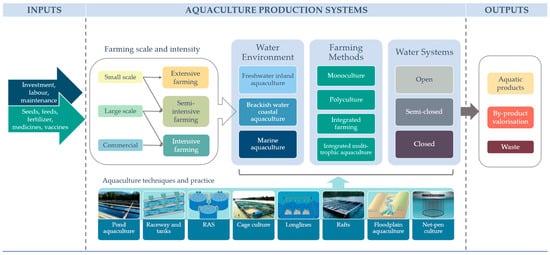
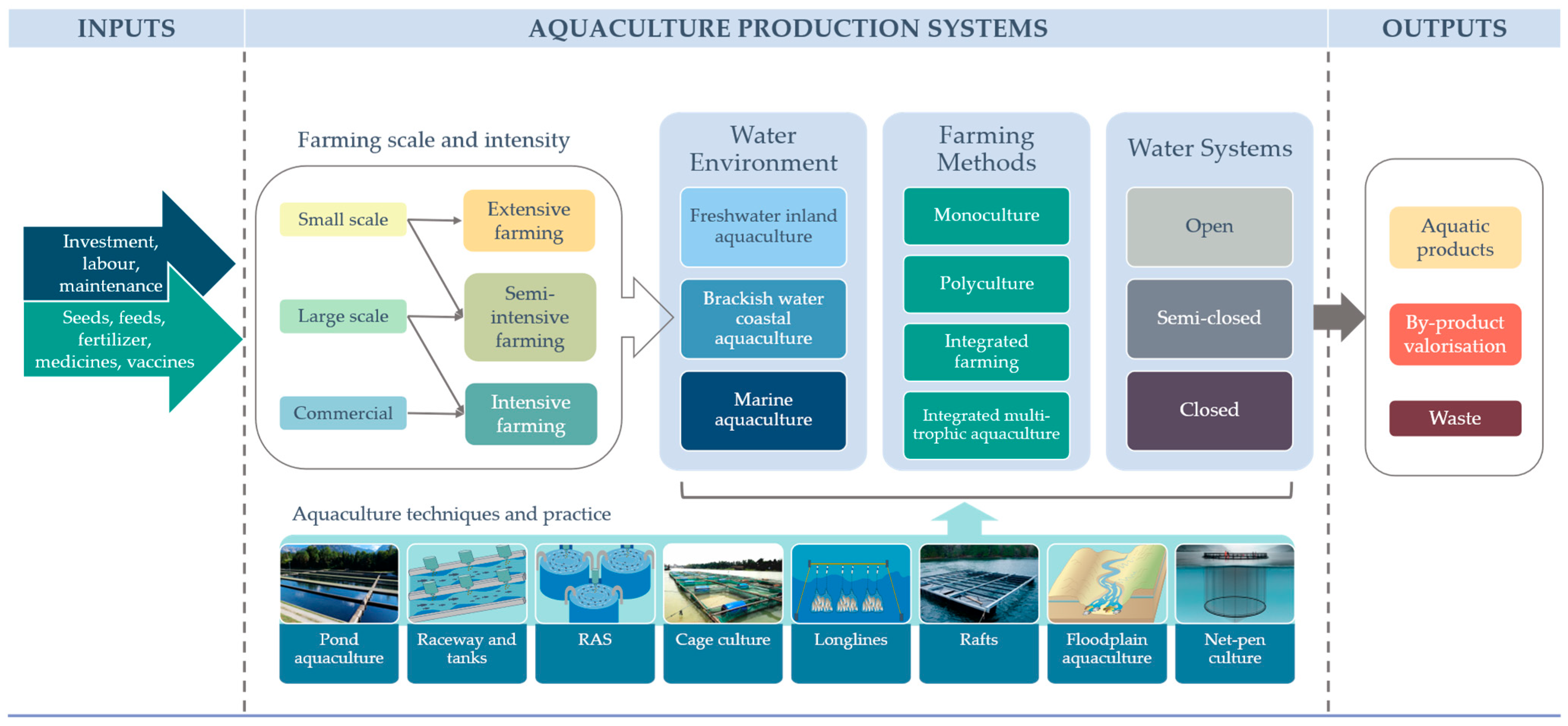
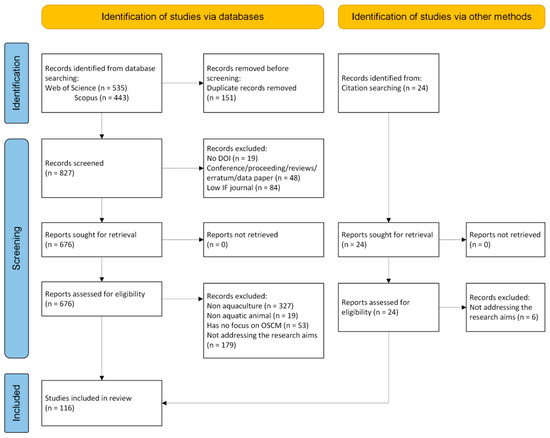
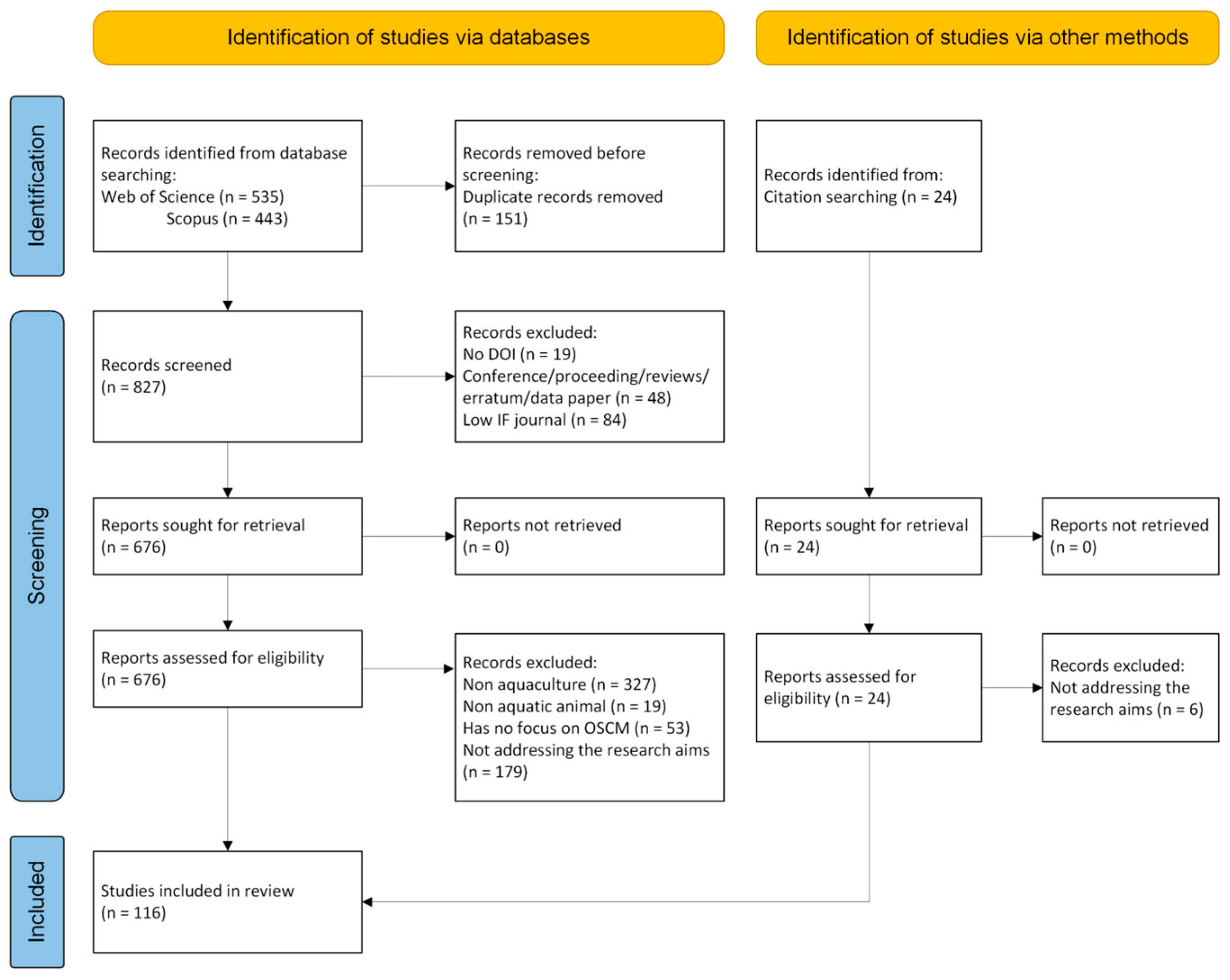
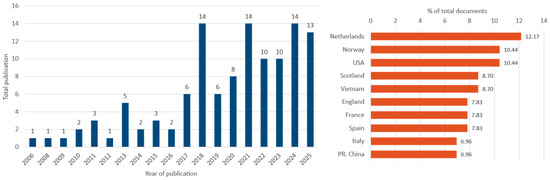
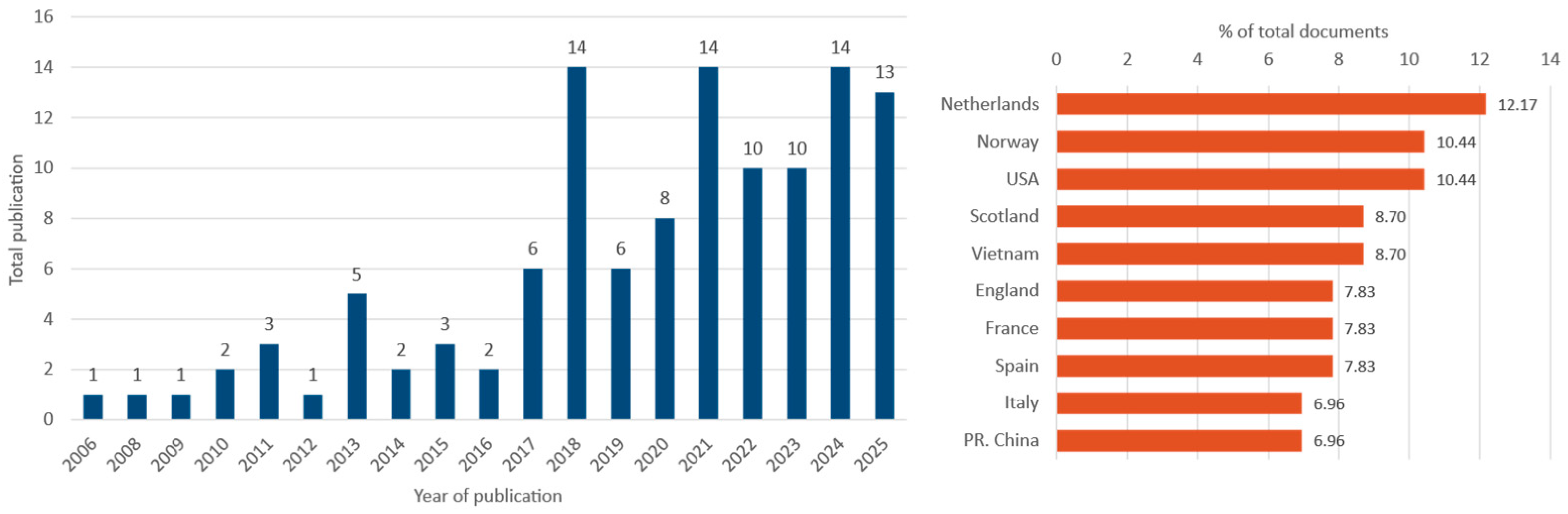
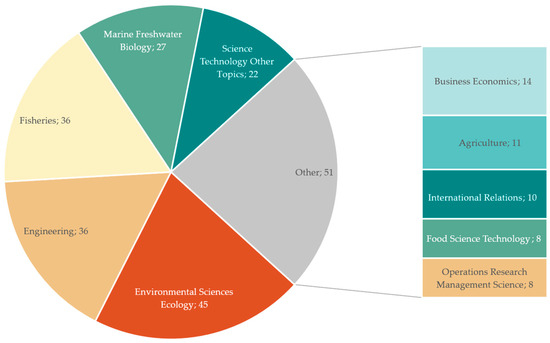
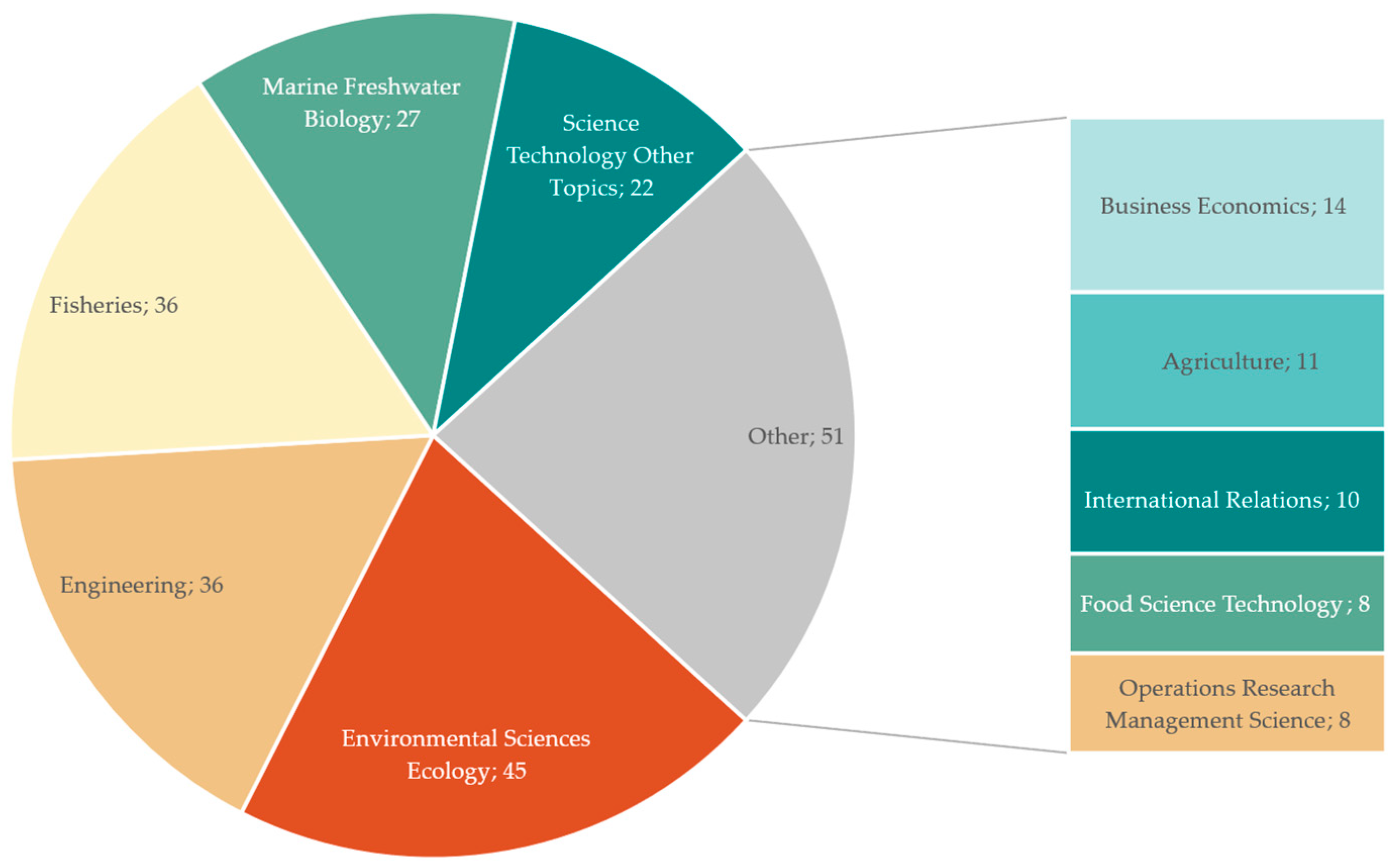
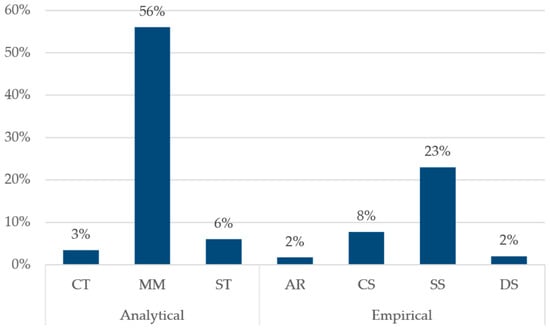
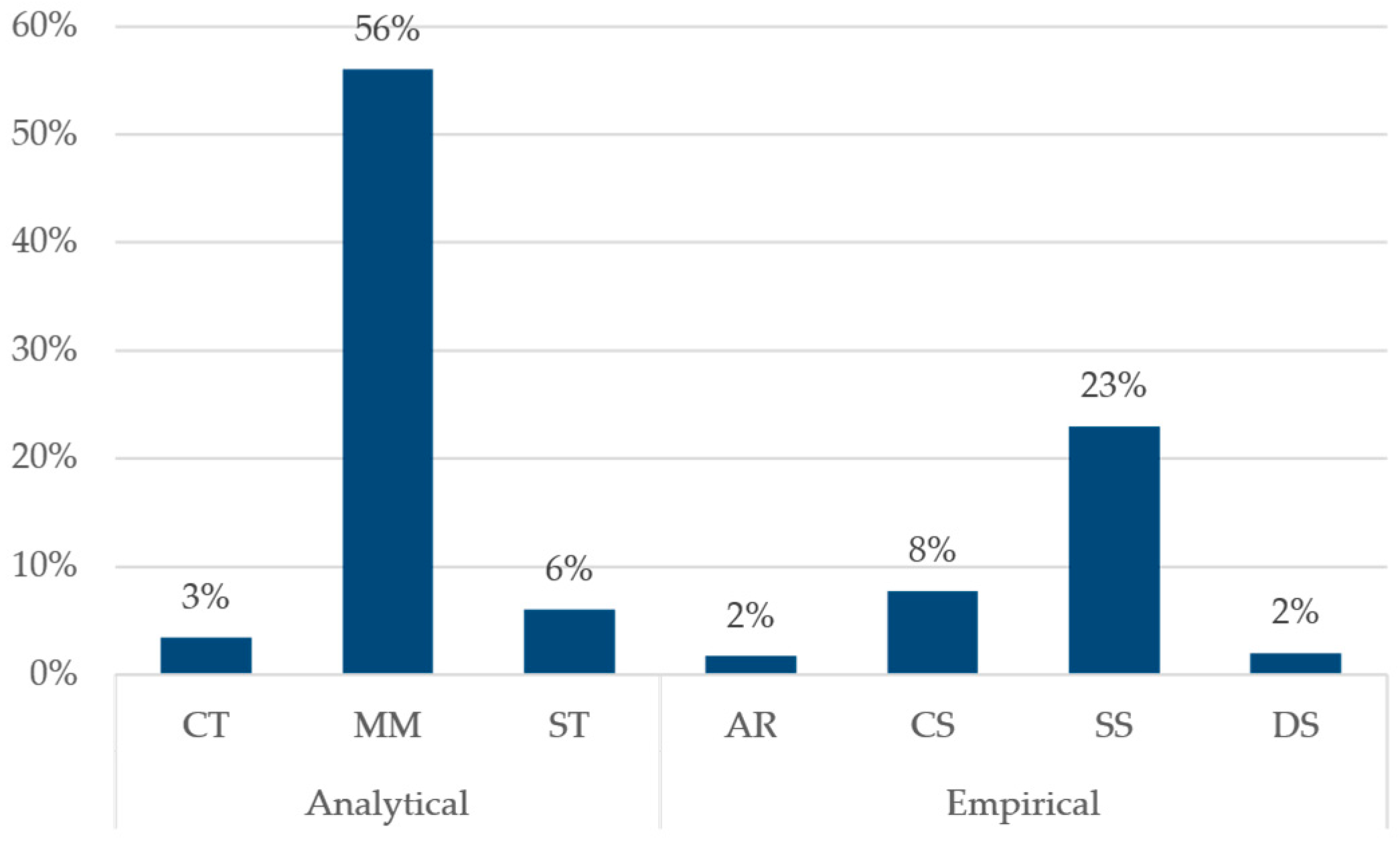
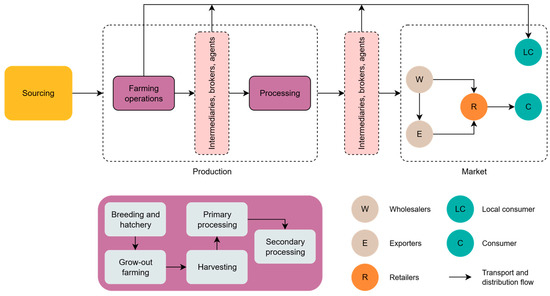
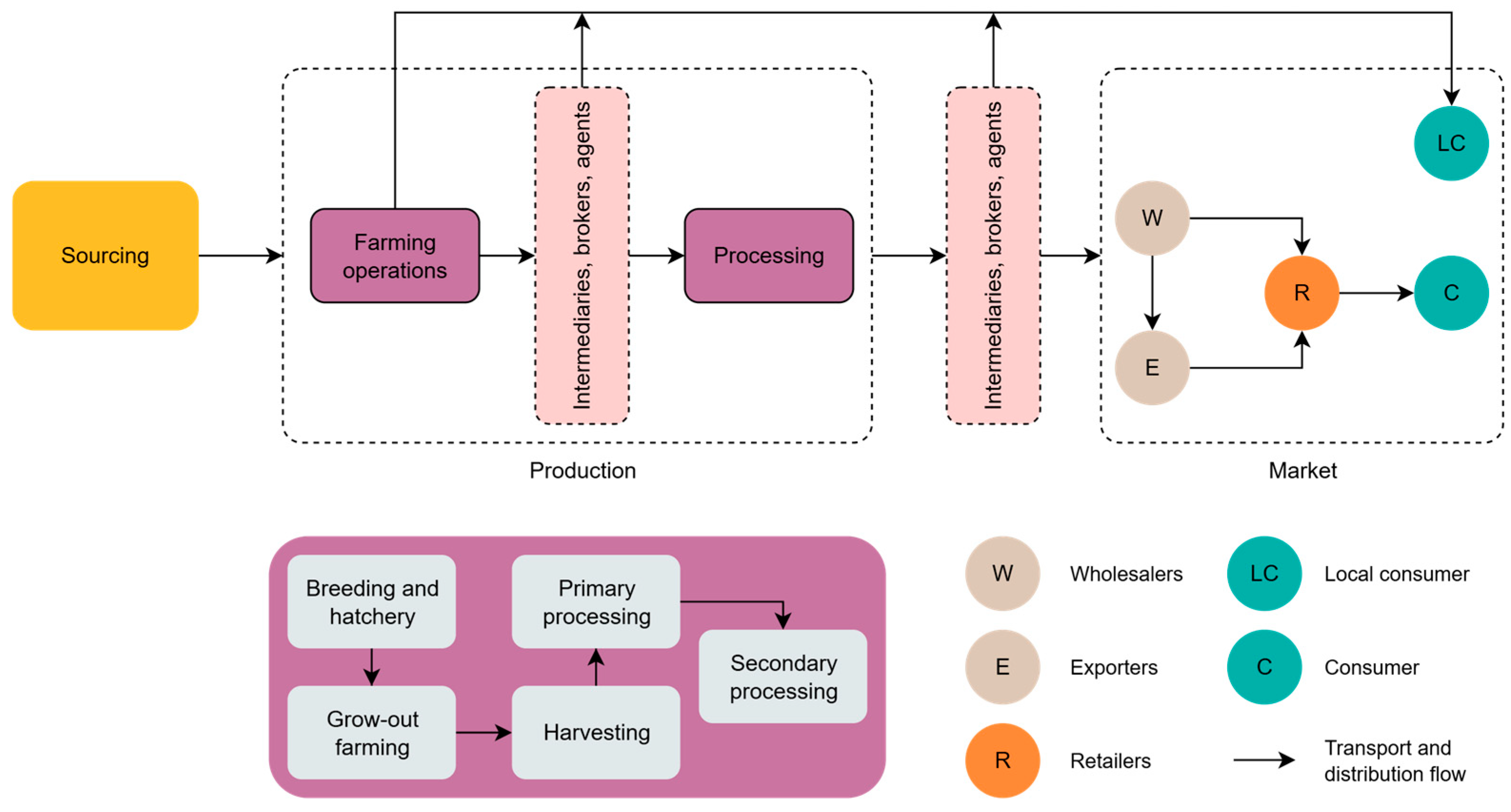
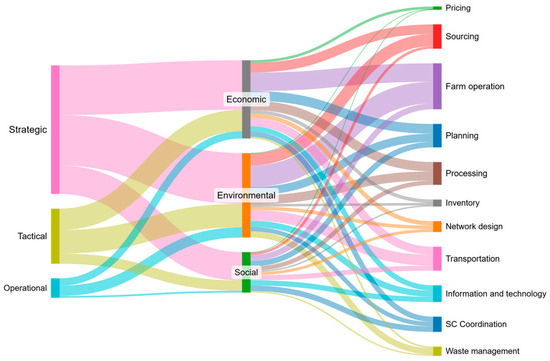
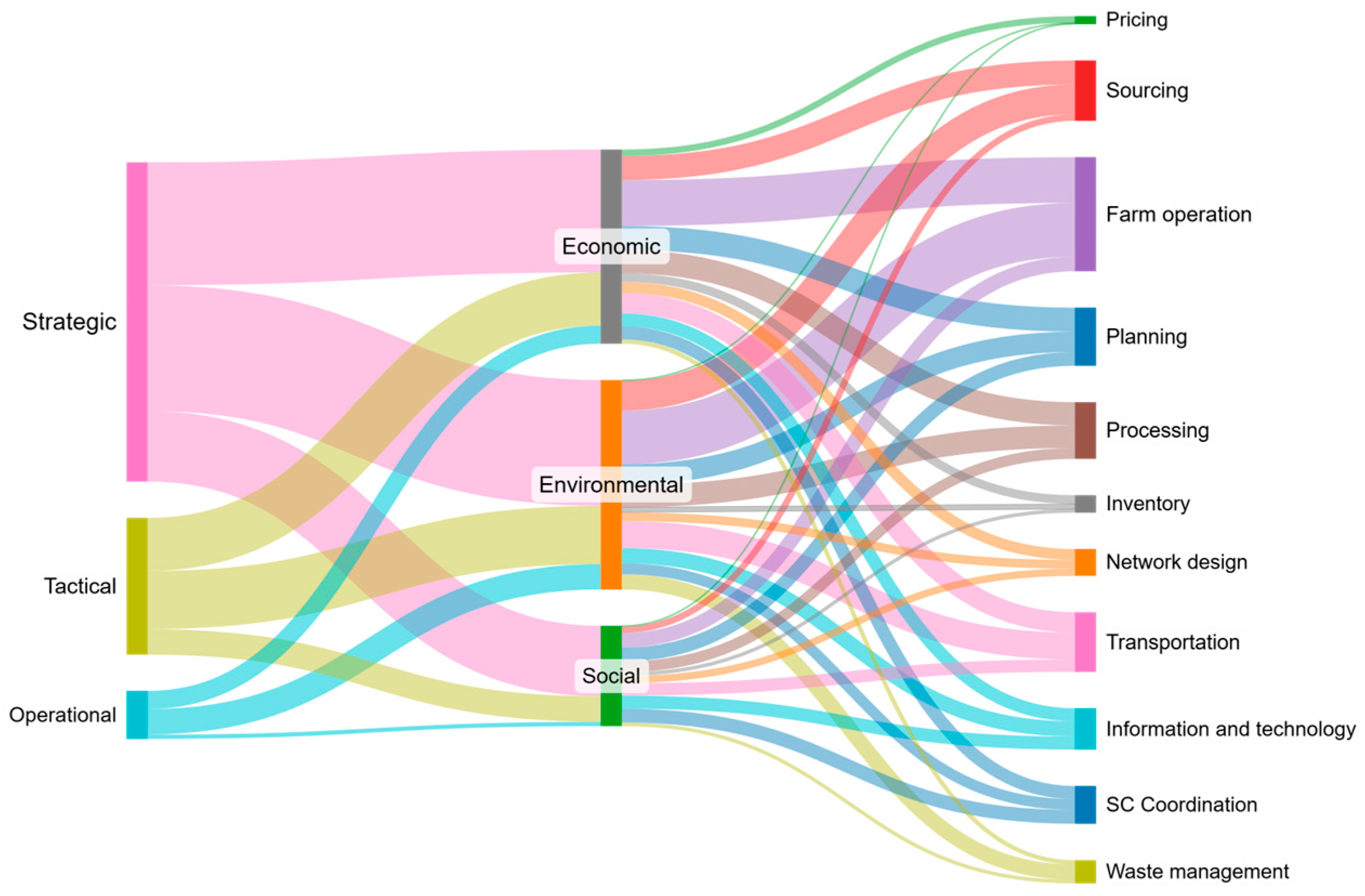
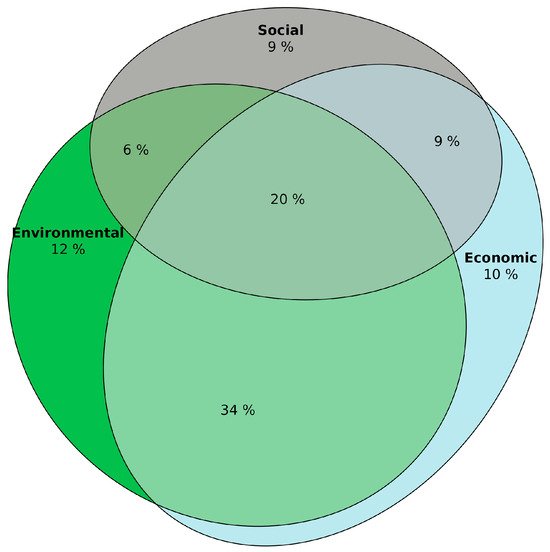
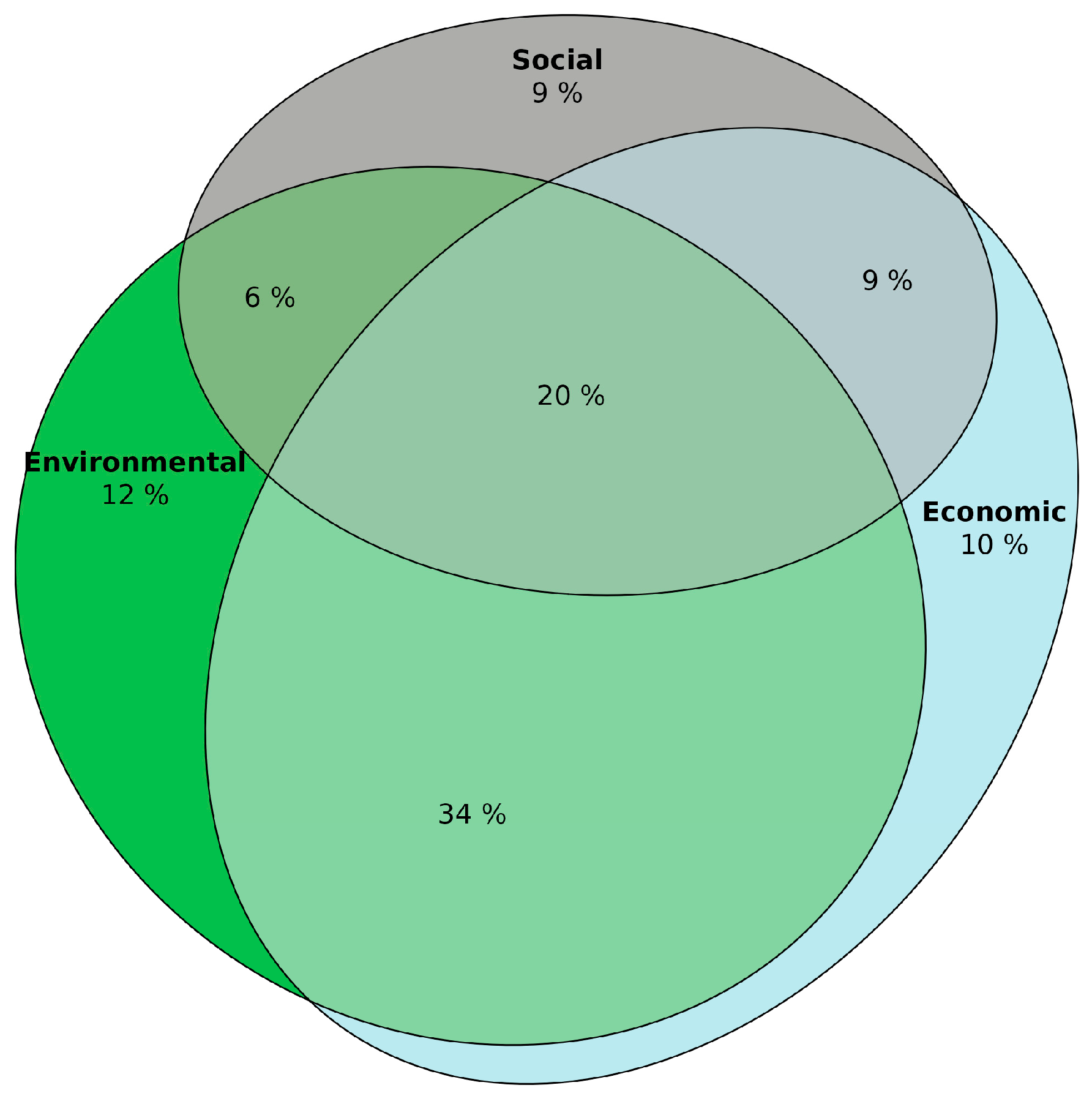
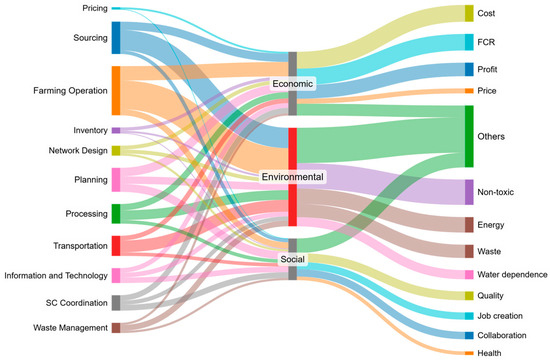
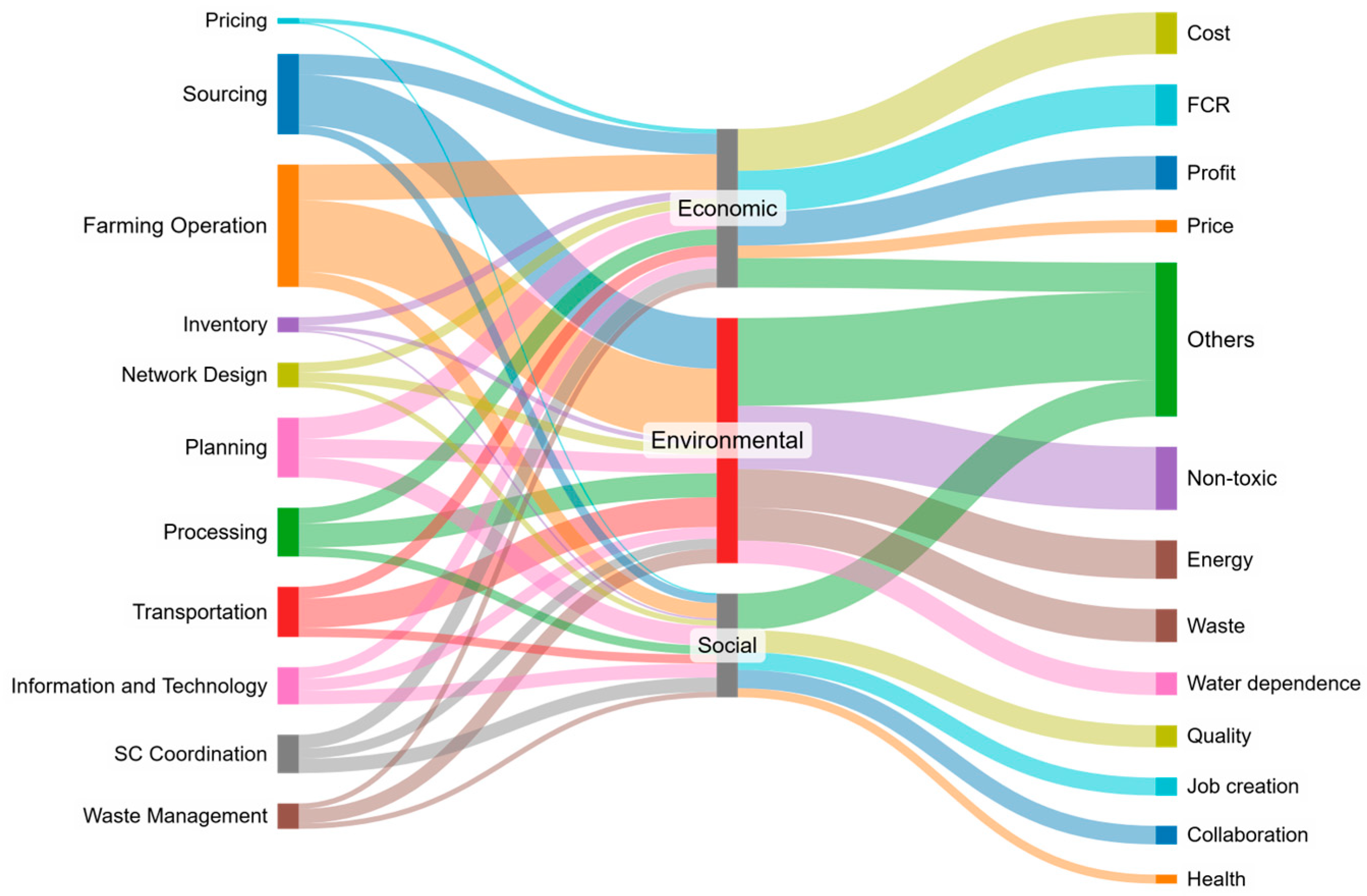
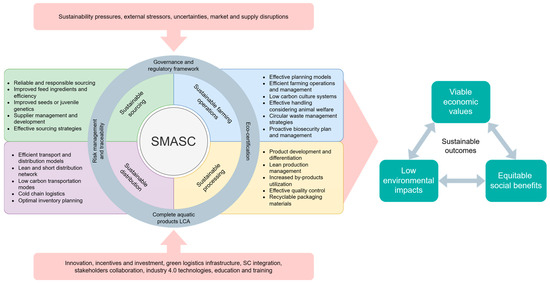
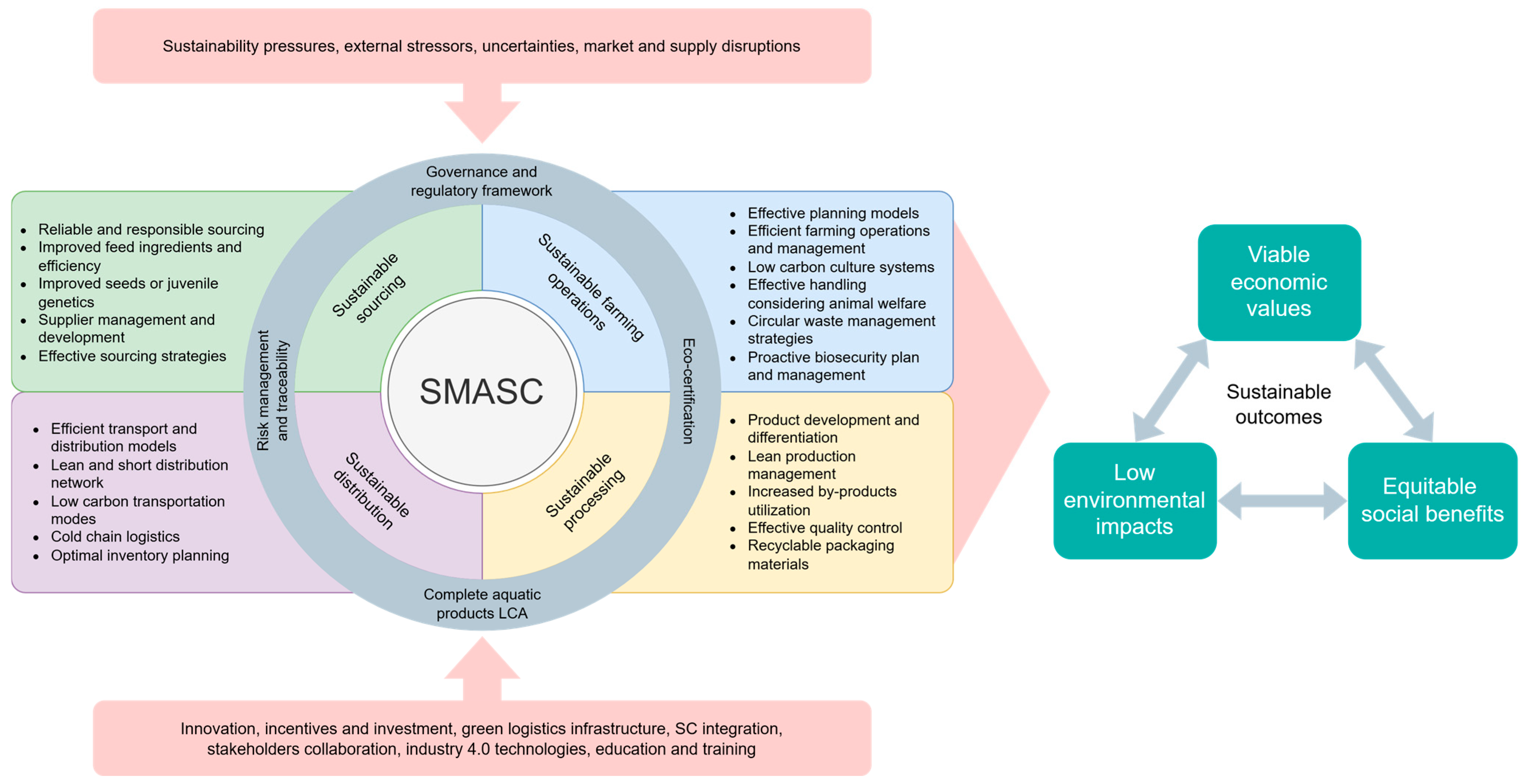

Disclaimer/Publisher’s Note: The statements, opinions and data contained in all publications are solely those of the individual author(s) and contributor(s) and not of MDPI and/or the editor(s). MDPI and/or the editor(s) disclaim responsibility for any injury to people or property resulting from any ideas, methods, instructions or products referred to in the content. |
© 2026 by the authors. Licensee MDPI, Basel, Switzerland. This article is an open access article distributed under the terms and conditions of the Creative Commons Attribution (CC BY) license.