


Abstract
The accumulation of packaging waste from synthetic polymers has increased interest in biodegradable materials for food packaging. However, their application is often limited by inadequate moisture-barrier and mechanical properties. This study compared films based on sodium carboxymethyl cellulose/gelatin/PVA (NAK), gelatin/agar/PVA (GA), and starch/sodium caseinate/palm oil (KN), using polyethylene (K) as the control, and evaluated their effects on the quality and microbiological stability of vanilla buns. Buns from three independent baking batches were packaged at crumb temperatures of 25, 30, or 35 °C and analysed on Days 1, 3, and 5. Among the biopolymer films, KN showed the lowest WVTR (21.0069 g/(h·m2)) and WVP (2.5974 g·mm/(h·m2·kPa)), and provided the highest moisture retention and water activity on Day 5. Microbial counts increased during storage in all treatments. On Day 5, polyethylene showed TMAFAM, mould, and yeast counts of 6.25–6.38, 5.18–5.32, and 5.13–5.27 log10 CFU/g, respectively. NAK showed the lowest corresponding counts among the biopolymer treatments, at 4.96–5.06, 4.21–4.30, and 4.17–4.26 log10 CFU/g. These findings demonstrate a trade-off between moisture retention and microbiological stability. Among the films studied, those based on a blend of starch, sodium caseinate, and palm oil demonstrate potential for future use as short-term packaging for baked goods, although further optimization of their mechanical properties and moisture barrier characteristics, as well as additional in-depth research, is required.
1. Introduction
The implementation of circular economy solutions aimed at reducing food waste and fostering sustainable consumer habits can help to achieve Sustainable Development Goals 2 and 12 more quickly [1]. Food loss and waste have become critical global problems, driving both food insecurity and environmental damage across the supply chain [2]. From farm production to final disposal, modern food systems consume vast resources and generate heavy greenhouse gas emissions, making efficient preservation and smart distribution essential [2]. One of the most pressing global environmental issues is pollution caused by plastic waste [3]; approximately 35–40% of all synthetic plastics produced globally are dedicated to single-use food packaging, generating more than 140 million tonnes of short-lived packaging waste annually, with less than 10% being recycled. Traditional packaging materials based on synthetic polymers are widely used in the food industry due to their high mechanical and barrier properties. However, their low biodegradability leads to the accumulation of significant volumes of waste and has a negative impact on the environment. In this regard, the development of biodegradable packaging materials from renewable raw materials is regarded as one of the priority areas for the development of sustainable food production and packaging technologies [4].
At present, approximately one-third of all food produced for human consumption is lost or discarded each year—that is around 1.3 billion tonnes. In total, this amounts to approximately US$680 billion in developed countries and US$310 billion in developing countries [5]. The associated ‘carbon footprint’ amounts to around 3.3 billion tonnes of CO2 which is equivalent to 8 percent of global greenhouse gas emissions. Reducing food waste is one of the most effective ways of mitigating climate change [6].
The growing interest in environmentally friendly packaging solutions is also driven by changing consumer preferences. Modern consumers are increasingly favouring food products packaged in materials that minimise negative environmental impact without compromising product quality or safety. As a result, biodegradable polymers of plant and animal origin are seen as a promising alternative to traditional synthetic packaging materials [4].
Among the various natural polymers, protein- and polysaccharide-based materials, including gelatin, agar, starch and cellulose derivatives, are of particular interest. Gelatin is a product of the partial hydrolysis of collagen and possesses high film-forming ability, transparency and good oxygen barrier properties. Due to the presence of a large number of functional groups, gelatin is capable of forming a continuous polymer matrix, making it a promising material for food packaging. Biopolymer films exhibit a wide spectrum of mechanical characteristics: tensile strength typically ranges from 1 to 20 MPa, while elongation at break varies from 10% to 60%, depending on the ratio of plasticizers, hydrocolloids, and fillers [7,8]. However, films based on pure gelatin are characterised by high sensitivity to moisture, insufficient mechanical strength and limited stability in environments with high humidity. Materials based on biopolymers, such as starch and cellulose, have poor barrier properties against water vapour due to their hydrophilic nature. These properties lead to a reduction in the mechanical strength of biopolymer films and hinder their long-term stability, making them susceptible to moisture content.
To improve the functional characteristics of gelatin films, they are often combined with other biopolymers such as agar and by incorporating polyvinyl alcohol (PVA) [9,10]. Alongside gelatin-containing systems, the development of biodegradable packaging based on starch, protein and lipid components is a promising area of research [11]. Starch is one of the most readily available and widespread natural polymers due to its low cost, renewability, biodegradability and ability to form films. However, the high hydrophilicity of starch limits its use in the packaging industry, as it leads to increased water vapour permeability and a reduction in the mechanical strength of the materials [12]. Palm oil is used as a hydrophobic additive capable of reducing water vapour permeability and improving the barrier properties of packaging films [13]. Improving barrier properties is of great importance in the food packaging sector, as maintaining the quality and safety of the contents is the primary function of any packaging system [14]. The testing of biodegradable packaging materials based on gelatin and natural polysaccharides on food products is of considerable importance for investigating biocompatibility, i.e., to assess how the constituent components affect the physicochemical, microbiological and organoleptic parameters. Particular attention must be paid to microbiological control, i.e., monitoring storage dynamics in relation to the rate of bacterial growth. For example, gelatin is highly water-soluble and viscous, which makes it extremely sensitive to changes in air humidity and weather conditions. Under conditions of high humidity, gelatin’s hydrophilic structure absorbs moisture, leading to a decline in mechanical strength, a deterioration of the film’s barrier properties, and its premature degradation. Due to the instability of these performance characteristics, the use of pure gelatin in the production of biodegradable food packaging is currently limited [15].
Bread and bakery products are prone to rapid deterioration in quality due to moisture loss, staling and microbiological spoilage [16]; however, given their limited shelf life, there is great potential for the use of biodegradable packaging solutions. Recent studies have focused on biopolymer packaging to prevent moisture loss, retrogradation, and fungal spoilage in bakery goods. For instance, protein- and polysaccharide-based films and coatings have been investigated as sustainable packaging solutions capable of extending the shelf life of bread by modulating water vapor migration and staling kinetics [17].
The potential for microbial contamination, as well as the oxidation of lipids and proteins in bakery products, also poses a significant health risk [18]. Therefore, maintaining the quality and safety of these products is of paramount importance, and this depends to a large extent on the selection of appropriate packaging materials and technologies [19]. In this regard, packaging material must provide effective protection for the product against external influences, regulate moisture transfer processes and help to preserve the product’s consumer properties throughout the entire storage period.
The effectiveness of packaging materials for bakery products is largely determined by their barrier, mechanical and microbiological properties. Water vapour permeability has a direct impact on the preservation of the product’s moisture content and textural properties; mechanical strength ensures the packaging’s resistance to damage during transport and storage; and the microbiological safety of the packaging material is a key factor in maintaining the quality and safety of food products [20].
The three most common factors causing spoilage of bakery products during storage are: packaging technology (the temperature at the centre of the crumb before packaging), the packaging material, and the production process itself [21]. Packaging is a technical process used to protect finished food products in order to preserve their freshness and safety during transport. The main aim of packaging is to ensure the preservation of food products and to maintain their organoleptic properties by protecting them from microbial spoilage and staling. During the cooling process, starch crystallises and aggregates, causing bread to go stale, which is a significant source of economic losses [22]. The temperature at the centre of the crumb of bakery products prior to packaging is of great importance during storage. In the study, the main focus was on assessing the effect of crumb temperature at the time of packaging (30, 40 and 45 °C) on acrylamide content and microbiological spoilage during storage [23]. The study presents a theoretical calculation of the baking process (95.2–99.1 °C at the centre of the crumb) using a mathematical model, as well as the critical cooling limit of the finished product to a temperature of 22.84 °C at the centre of the crumb for safe packaging; by controlling these processes, the manufacturer manages the biological hazard factor [24]. Other important reasons for the reduction in shelf life include high water activity and post-baking issues leading to mould growth, which in turn causes the formation of mycotoxins [25]. A study investigated the effect of packaging materials and storage conditions on the microbiological quality of millet-leavened bread [26]. Bread samples were packaged in low-density polyethylene and aluminium foil and stored at temperatures of −5, 4, 6, 28 and 37 °C. The total bacterial count (log CFU/g) and total fungal count (spores/g) increased with rising storage temperature and the number of days stored.
Natural biopolymer-based films inherently present practical constraints, notably limited mechanical extensibility, reduced tensile resistance, and moderate moisture barrier longevity compared to petroleum-derived polyolefins [8]. Consequently, when investigating biodegradable packaging, selecting a food matrix with an intrinsically short shelf life—such as fresh, fast-turnover baked goods—provides an appropriate target model aligned with the functional operating window of biopolymer materials. Furthermore, post-baking cooling represents a critical step in industrial bakery operations. In commercial settings, bringing the core crumb temperature down to ambient levels requires prolonged holding times, creating manufacturing bottlenecks and reducing throughput [23,24]. Therefore, evaluating packaging performance across a temperature gradient of 25, 30, and 35 °C directly addresses operational efficiency, allowing an assessment of whether pre-packaging cooling intervals can be shortened without compromising product freshness or accelerating condensation-induced microbial spoilage.
The aim of this study was to compare the properties of three biodegradable films based on sodium carboxymethyl cellulose/gelatin/PVA (NAK), gelatin/agar/PVA (GA) and starch/sodium caseinate/palm oil (KN), and to evaluate their effectiveness for packaging bakery products in comparison with polyethylene film. For this purpose, the water vapour transmission rate (WVTR), water vapour permeability (WVP) and mechanical properties of the materials were determined. Vanilla buns were packaged after cooling to crumb temperatures of 25, 30 or 35 °C, and their moisture content, water activity, total mesophilic aerobic and facultative anaerobic microorganisms (TMAFAMs), and yeast and mould counts were assessed on Days 1, 3 and 5 of storage.
The scientific contribution of this study lies in the comprehensive comparison of the water vapour barrier properties of the investigated films with changes in the moisture content, water activity and microbiological parameters of packaged bakery products at different crumb temperatures before packaging. Particular attention was given to the starch/sodium caseinate/palm oil formulation, which combines a protein–polysaccharide matrix with a hydrophobic lipid component. This approach allows the advantages and limitations of each material to be assessed in terms of moisture retention and microbial growth during storage, while identifying directions for further improvement of biodegradable packaging and material-specific pre-packaging cooling conditions.
2. Materials and Methods
2.1. Materials
To prepare the vanilla bun samples, the following ingredients were used: ‘Dani-Nan’ enriched premium-grade wheat bread-making flour (Dani-Nan LLP, Shymkent, Kazakhstan), ‘Almaty Yeast’ compressed baker’s yeast (Almaty Yeast Factory JSC, Almaty, Kazakhstan), ‘Nagyz’ margarine with a fat content of 72.5% (Ais Plus LLP, Aktobe, Kazakhstan), ‘Vse v Dom’ granulated sugar (KaIs Invest LLP, Almaty, Kazakhstan), chicken eggs, Dr. Bakers vanillin (Dr. ‘Bakers’ LLC, Belgorod, Russia), ‘Araltoz’ table salt (Araltoz JSC, Kyzylorda, Kazakhstan) and drinking water.
The experimental part of the study aimed to assess the effect of biodegradable packaging films on the quality of vanilla bun samples. The study utilised biodegradable packaging films, as well as polyethylene film as a control sample. To systematise the results, the packaging materials under investigation were designated by the codes K, NAK, GA and KN. The names and compositions of the packaging materials are presented in Table 1. Biodegradable packaging films coded NAK and GA were obtained from Al-Farabi Kazakh National University (Almaty, Kazakhstan); KN was prepared at Akdeniz University, Faculty of Engineering, Department of Food Engineering (Antalya, Türkiye). The biodegradable packaging films were prepared by the casting method.
Table 1.
Composition and codes of the packaging materials under investigation.
Preparation of NAK and GA Biodegradable Films. Films based on modified gelatin were developed with [Na-CMC–gelatin–PVA]:[glycerol] = 70:30 wt.% and [gelatin–agar–PVA]:[glycerol] = 80:20 wt.%. The polymer ratios were [Na-CMC:gelatin:PVA] = 50:30:20 wt.% and [gelatin:agar:PVA] = 50:30:20 wt.%. For the NAK film, 17.5 g of Na-CMC, 10.5 g of gelatin, 7 g of PVA, and 11.9 mL of glycerol were used. For the GA film, 21.05 g of gelatin, 12.63 g of agar, 8.42 g of PVA, and 7.9 mL of glycerol were used.
Each component was dissolved separately according to its characteristic physicochemical properties. The required amount of Na-CMC was dissolved in 350 mL of distilled water at 60 °C for 2 h using a magnetic stirrer. Gelatin was dissolved in 300 mL of distilled water at 50–60 °C for 30 min using a magnetic stirrer. Agar was dissolved in 350 mL of distilled water at 80–85 °C for 50–60 min using a magnetic stirrer. PVA was completely dissolved in 150 mL of distilled water at 75–85 °C for 45–60 min. These temperature and solvent conditions were selected to preserve the structural integrity of each polymer and increase its solubility. After all components were dissolved, they were mixed together to obtain a homogeneous solution. Finally, glycerol was added to the mixture as a plasticizer. Glycerol increases the flexibility of the film and ensures the mechanical strength of its structure. The obtained mixtures were continuously stirred in a thermomixer at 50–60 °C for 3 h until a homogeneous mass was obtained. The homogeneous solution was poured into special molds with an area of 2400 cm2 and then dried at 25 °C for 40–48 h. The drying process was carried out slowly at room temperature, ensuring uniform formation of the polymer network and achieving film homogeneity.
Preparation of KN Biodegradable Film. The film formulation consisted of starch, sodium caseinate, and palm oil at a mass ratio of 33.3:33.3:33.3 (w/w, on a dry basis), as specified in Table 1. Specifically, 10.5 g of starch, 10.5 g of sodium caseinate, and 10.5 g of palm oil were used. The polymer components were dispersed in 279 mL of pure water at 70 °C under continuous magnetic stirring until a homogeneous mixture was obtained. Glycerol was added as a plasticizer at 25% (w/w) of the total dry polymer content, while soy lecithin was incorporated as an emulsifier at a concentration of 0.25% (w/w) to facilitate the emulsification of palm oil. The resulting film-forming mixture was homogenized at 20,000 rpm for 5 min using an Ultra-Turrax T25 homogenizer (IKA, Staufen, Germany). Subsequently, the mixture was heated in a water bath (Memmert, Schwabach, Germany) at 90 °C for 30 min. The mixture was then degassed in an ultrasonic water bath (Bandelin Sonorex, Berlin, Germany) for 10 min to remove entrapped air bubbles. A 150 mL portion of the prepared film-forming mixture was cast onto polyvinyl chloride (PVC) films and subjected to conductive hydro-drying at 70 °C for 1 h, as described in [27].
An assessment of the impact of packaging materials on the moisture content, water activity and microbiological safety parameters of vanilla buns was carried out under laboratory conditions at Almaty Technological University. All studies were carried out in accordance with the methods specified in the relevant subsections. The appearance of the biodegradable packaging materials is shown in Figure 1.
Figure 1.
Appearance of the biodegradable packaging films used in the study: (a) NAK, sodium carboxymethyl cellulose/gelatin/PVA film; (b) GA, gelatin/agar/PVA film; and (c) KN, starch/sodium caseinate/palm oil film. Scale bars represent 1 cm.
2.2. Characterisation of Packaging Films
2.2.1. Determination of Thickness and Mechanical Properties of Packaging Films
The thickness of each film sample was measured at five randomly selected locations using a digital micrometer (Xtra-Value II Electronic Micrometer, Fowler High Precision, Newton, MA, USA) and the mean value was calculated.
The mechanical properties of the packaging films were determined by tensile testing in accordance with ASTM D 882-91 using a TA.XTplus Texture Analyser (Stable Micro Systems, Surrey, UK). The films were cut into 100 × 25 mm specimens and conditioned for 5 days at 25 °C and 50 ± 3% relative humidity prior to testing. The specimens were fixed between two grips with an initial separation of 50 mm and tested at a speed of 1 mm/s. Tensile strength and elongation at break were determined.
2.2.2. Determination of Water Vapour Transmission Rate (WVTR) and Water Vapour Permeability (WVP) of Packaging Films
The water vapour transmission rate (WVTR) and water vapour permeability (WVP) of the packaging films were determined gravimetrically using a modified ASTM E 96-95 method [28]. Glass Petri dishes (90 mm in diameter and 17 mm in height) were filled with 25 mL of distilled water and hermetically sealed with film samples 100 mm in diameter. The prepared dishes were placed in a climatic chamber at 25 °C, 50 ± 3% relative humidity and an air velocity of 150 m/min. After equilibration for approximately 15 h, the dishes were weighed at 2 h intervals for a total of five measurements. The slope (k) of the linear relationship between mass change and time was used to calculate WVTR:
where k is the slope of mass change over time (g/h) and A is the exposed film area (m2). WVP was calculated as
where L is the film thickness (mm) and ΔP is the water vapour partial pressure difference across the film (kPa). At 25 °C and 50% relative humidity, the saturated water vapour pressure (P2) was 3.169 kPa, while the external partial pressure (P1) was 1.5845 kPa; therefore, ΔP was 1.5845 kPa.
WVTR = k/A
WVP = WVTR × L/ΔP
2.3. Method for Preparing Vanilla Bun Samples
The vanilla bun samples were prepared using the traditional yeast dough method in accordance with recipe No. 107 ‘Vanilla Bun’, as set out in the collection of recipes for flour-based confectionery and bakery products for catering establishments [29]. According to the recipe, the product was prepared from yeast dough with a moisture content of 37%. The measured mass of each dough piece before baking was 58.50 ± 0.0138 g, excluding flour for dusting and egg wash for glazing, which were accounted for separately. The measured finished product mass was 50.00 ± 0.81 g. The ingredient and product masses are presented in Table 2.
Table 2.
Calculated ingredient quantities for one vanilla bun (g).
Samples of vanilla buns were prepared in the laboratory facilities of Almaty Technological University. The preparation was carried out according to a standard recipe and a standardised production process. Before preparing the dough, all ingredients were weighed out in accordance with the calculated quantities of raw materials. The weighed ingredients were placed in the bowl of a FAMA KM262 planetary mixer (FAMA Industrie, Rimini, Italy). The dough was kneaded using a dough hook until a homogeneous yeast dough was obtained. The finished dough was divided into 58.5 g portions and shaped into round dough pieces. The dough pieces were placed on greased baking trays. They were then left to prove in a UNOXXL413 proving cabinet (UNOXS.p.A., Cadoneghe, PD, Italy) at 40 °C for 30 min. After proving, the surface of the dough pieces was brushed with egg wash. Baking was carried out in an LMO-E8 oven (LBC Bakery Equipment, Inc., Tulalip, WA, USA) at 230 °C for 15 min.
After baking, the samples were cooled until crumb temperature reached 25, 30 and 35 °C before packaging. The crumb temperature was measured using a temperature probe TA278 (SINOTIMER, Hangzhou, China) by inserting the probe into the geometric centre of each bun. Packaging was performed immediately after the target crumb temperature was reached. A total of 108 buns were produced in three independent baking batches, with 36 buns prepared in each batch using the same formulation and processing conditions. Within each batch, buns were allocated according to a predetermined balanced factorial design comprising four packaging types, three crumb temperatures before packaging, and three storage periods. Each packaging type × crumb temperature × storage time combination included one individually packaged bun from each baking batch, resulting in three independent experimental replicates (n = 3). No formal randomisation procedure was used. The buns, approximately 7 cm in diameter and 3–4 cm in height, were individually placed in pouches measuring 16 cm in width and 18 cm in length. The packages were sealed using a PFS-300 impulse heat sealer (Zhejiang Tianyu Industry Co., Ltd., Yongkang, China). After heating, the sealing arm was kept closed for an additional 1–2 s to allow the seam to cool under pressure. Following heat sealing, the integrity of the packaging seams was assessed by visual inspection. The packaged buns were stored at 22 ± 2 °C and 64 ± 2% relative humidity until their assigned sampling day.
For each experimental combination, one separately packaged bun from each of the three independent baking batches was analysed, with the individual bun considered the experimental unit. Separate packages were opened and destructively sampled on Days 1, 3, and 5. Each indicator was measured once per bun.
2.4. Moisture Content of Bakery Products
The moisture content of the vanilla bun samples was determined in accordance with GOST 21094-2022 [30] using a YB-100MW halogen moisture analyser (YBOTECH, Hefei, China). For the analysis, 5 g of sample was taken and evenly distributed on the instrument’s measuring cup. The drying temperature was set at 110 °C. During the measurement, the instrument recorded the decrease in sample mass associated with moisture evaporation. The moisture content was displayed on the instrument’s screen as a percentage (%). For each sample, the analysis was carried out once, after which the mean value was calculated from three independent samples. Moisture loss between Days 0 and 5 was calculated as M0–M5 and expressed in percentage points. Moisture retention on Day 5 was calculated as (M5/M0) × 100, where M0 and M5 represent the mean moisture contents before packaging and on Day 5, respectively.
2.5. Water Activity (aw)
The water activity of the vanilla bun samples was determined using a BWA-3A water activity meter (BIOBASE, Jinan, China) at 25 ± 0.5 °C. Before each series of measurements, the instrument was calibrated using a saturated NaCl solution (aw = 0.753) and subsequently verified using a saturated KNO3 solution (aw = 0.936) at 25 °C, following ISO 18787:2017 [31]. The reference values of the saturated salt solutions were obtained from Greenspan [32]. Crumb was collected from the central portion of each bun, cut into small pieces, placed in the sample cup without compression, and equilibrated in the closed measurement chamber until a stable reading was obtained. Water activity was measured once per experimental unit using the three separately packaged buns described in Section 2.3, and the results are reported as mean ± standard deviation. The decrease in water activity between Days 0 and 5 was calculated as aw,0 − aw,5, where aw,0 and aw,5 represent the mean water activity values before packaging and on Day 5, respectively.
2.6. Microbiological Analysis of Finished Products and Packaging Materials
The initial microbiological purity of the packaging materials K, NAK, GA and KN was assessed prior to their contact with the product. The microbiological parameters of freshly baked vanilla buns were also determined on Day 0 before packaging. Packaged buns were analysed on Days 1, 3, and 5 of storage according to the experimental design described in Section 2.3. The microbiological analysis included total mesophilic aerobic and facultative anaerobic microorganisms (TMAFAMs), yeasts and moulds.
The initial microbiological status of the packaging materials was assessed using a surface swabbing method adapted from ISO 18593:2018 [33]. For each packaging material, three independent film samples, each measuring 10 × 10 cm, were examined. Samples were collected aseptically from the side intended for direct contact with the food product. Surface sampling was performed using sterile cotton swabs pre-moistened with sterile peptone–saline solution. The surface of each film was swabbed sequentially in horizontal and vertical directions while rotating the swab to ensure contact with the entire sampling area.
After sampling, each swab was transferred into a separate sterile tube containing 10 mL of peptone–saline solution. The tubes were vortex-mixed to facilitate the release of microorganisms from the swabs into the diluent. Serial tenfold dilutions up to 10−4 were prepared from each swab suspension.
To assess the microbiological status of vanilla buns, 10 g of crumb was aseptically collected from each bun and transferred into 90 mL of sterile peptone–saline diluent to obtain the initial 10−1 dilution. The samples were homogenised for 2 min, and serial decimal dilutions up to 10−4 were prepared. For both packaging film and bakery product samples, 1 mL of each prepared dilution was inoculated onto a separate Petri dish. One plate per dilution was used for each independently analysed sample.
The total mesophilic aerobic and facultative anaerobic microorganisms (TMAFAMs) were enumerated in accordance with GOST 10444.15-94 [34] using meat–peptone agar (Guangdong Huankai Microbial Sci. & Tech. Co., Ltd., Guangzhou, China). The inoculated Petri dishes were incubated under aerobic conditions at 30 ± 1 °C for 72 ± 3 h, followed by colony counting. Yeasts and moulds were determined in accordance with GOST 10444.12-2013 [35] using Sabouraud agar (Qingdao Hope Bio-Technology Co., Ltd., Qingdao, China). The inoculated Petri dishes were incubated under aerobic conditions at 24 ± 1 °C for 5 days. Preliminary colony counting was performed after 3 days, followed by final counting after 5 days. Yeast and mould colonies were differentiated and enumerated separately.
Microbial counts were calculated considering the number of colonies, dilution factor, and inoculated volume. For bakery products, the results were expressed as log10 CFU/g. The detection limit was 1 log10 CFU/g, based on inoculation of 1 mL of the initial 10−1 dilution. Results with no colonies detected were reported as <1 log10 CFU/g. Based on the highest dilution examined (10−4) and the upper countable limits of 300 colonies for TMAFAMs, 150 colonies for yeasts, and 50 colonies for moulds, the upper limits of quantification were 6.48, 6.18, and 5.70 log10 CFU/g, respectively. Results exceeding the corresponding upper limit were to be reported as >ULOQ.
For packaging films, microbial counts were calculated taking into account the recovery solution volume (10 mL), dilution factor, inoculated volume (1 mL), and sampled surface area (100 cm2). The results were expressed as log10 CFU/cm2. Based on inoculation of 1 mL of the 10−1 dilution, the theoretical detection limit was 1 CFU/cm2, corresponding to 0 log10 CFU/cm2. Samples with no detectable colonies were reported as not detected (ND; <1 CFU/cm2).
For each packaging type × crumb temperature × storage time combination, three separately packaged buns were analysed (n = 3). One plate per dilution was used for each bun.
2.7. Statistical Analysis
The values are presented as mean ± standard deviation (SD). The mechanical and barrier properties of the packaging films were evaluated using one-way analysis of variance (ANOVA), followed by Tukey’s honestly significant difference (HSD) post hoc test when statistically significant differences were detected.
To evaluate the effects of packaging type, crumb temperature before packaging, and their interaction on the moisture content and water activity of the bakery products, three separate buns were analysed for each experimental combination at each storage time (n = 3), with the individual bun considered the experimental unit. Data were analysed separately for each storage day using two-way factorial ANOVA, with packaging type and crumb temperature before packaging as fixed factors, including their interaction (packaging type × temperature). Model residuals were assessed for normality using Q–Q plots and the Shapiro–Wilk test, while homogeneity of variance was evaluated using Levene’s test. When a significant packaging type × temperature interaction was detected, simple-effect analyses were performed using one-way ANOVA. The effect of packaging type was examined separately at each temperature, and the effect of temperature was examined separately within each packaging type. Following significant main or simple effects, pairwise comparisons were performed using Tukey’s HSD test. Statistical significance was set at p < 0.05. One-way and two-way ANOVA, assumption checks, simple-effect analyses and Tukey’s HSD post hoc comparisons were performed using SPSS for Windows statistical package (Ver. 27.0, IBM Corp., Armonk, NY, USA). Graphical visualizations were performed using Python (version 3.14.2, Python Software Foundation). Python scripts were developed and executed in the PyCharm integrated development environment (version 2025.3.1.1, JetBrains, Amsterdam, The Netherlands).
3. Results and Discussion
3.1. Physical, Mechanical and Barrier Properties of Packaging Films
3.1.1. Evaluation of Film Thickness and Mechanical Properties
The thickness and mechanical properties of the packaging films are presented in Table 3. One-way analysis of variance showed that the type of packaging material had a statistically significant effect on investigated mechanical parameters (p < 0.01). The highest mean thickness values were observed for GA and NAK; KN was thinner than the other experimental films, while the lowest thickness was recorded for the control film K. The low standard deviations for GA, NAK and KN indicate relatively consistent thicknesses of the prepared packaging materials. These differences are consistent with literature reports showing that the thickness of biodegradable films depends on the composition of the film-forming system, the total solids content and the proportions of the components [36]. In similar studies, film thicknesses typically range from a few hundredths of a millimetre, although they may increase substantially following the incorporation of additional polymers and functional components [37,38].
Table 3.
Thickness and mechanical properties of the packaging films.
A comparative evaluation revealed that the GA film (tensile strength of 4.76 MPa, elongation at break of 18.88%) aligns with typical values for modified gelatin films; the synergistic interaction between gelatin and agar increases the matrix stiffness, albeit restricting its stretchability [9,37,39]. Conversely, the NAK formulation (tensile strength of 1.39 MPa, elongation at break of 42.57%) demonstrates high flexibility owing to the combined plasticizing effect of glycerol, PVA, and Na-CMC, which is characteristic of plasticized polymer compositions derived from cellulose derivatives [36,40].
The highest maximum force at break was recorded for GA and was statistically significantly greater than those of the other films, indicating its high resistance to mechanical loading. The lowest value was observed for KN, whereas NAK exhibited greater variability, as reflected in its higher standard deviation. In a study of gelatine/agar films, the addition of agar also increased resistance to fracture [37]. The mechanical properties reported numerically in Table 3 are presented graphically in Figure 2.
Figure 2.
Distribution of the mechanical properties of the packaging materials based on individual replicate measurements. The line within each box indicates the median, the green triangle represents the mean, the box denotes the interquartile range, the whiskers indicate the range of values, and the open circles represent potential outliers.
The highest tensile strength was recorded for the control polyethylene film K, indicating its high resistance to tensile loading. This result may be attributed to the mechanical properties of conventional polyethylene, which generally exhibits higher tensile strength than the biodegradable film formulations investigated in this study. The tensile strength obtained for GA falls within the range reported for gelatine-based film-forming systems, although it is closer to the lower end of this range. In particular, Nur Hanani et al. showed that increasing the glycerine content in gelatine composite films significantly increased elongation at break while reducing tensile strength. The authors attributed this behaviour to the plasticising effect of glycerine and changes in the mobility of the polymer matrix [39].
Elongation at break, which characterises the flexibility of the material, was highest for NAK, indicating a greater capacity to deform before failure. GA and KN had similar elongation values, with relatively high standard deviations that may indicate heterogeneity in their deformation behaviour. The lowest elongation at break was recorded for the control film K, indicating its lower capacity for deformation. Similar trends have been reported for gelatine/PVA composite films, where the polymer blend composition and plasticiser content can substantially affect elongation at break. However, excessive plasticisation may reduce stiffness and resistance to tensile loading [40,41]. The mechanical properties of biodegradable films may also vary depending on their composition, as reported for pectin/starch-based films [42].
3.1.2. Evaluation of Water Vapour Barrier Properties of Packaging Films
The WVTR and WVP results are presented in Table 4. The highest WVTR and WVP values were recorded for NAK, at 27.4819 g/(h·m2) and 4.5461 g·mm/(h·m2·kPa), respectively, whereas the lowest values were observed for the control polyethylene film K, at 0.7270 g/(h·m2) and 0.0119 g·mm/(h·m2·kPa), respectively. GA and KN showed intermediate values. The results indicate that K had the highest resistance to water vapour transmission among the investigated packaging materials.
Table 4.
Water vapour transmission rate (WVTR) and water vapour permeability (WVP) of the packaging films.
In the study by Mohajer et al., the incorporation of agar into gelatine films reduced WVP, confirming that the proportions of the components substantially influence the moisture-barrier properties of gelatine-based materials [37]. However, differences in formulations and measurement conditions preclude direct comparison of absolute values. The lower WVTR value of KN may be attributed to the combined use of starch, sodium caseinate, and a lipid component, together with the incorporation of lecithin as an emulsifier. The addition of lecithin likely reduced the interfacial tension between the hydrophilic polymer matrix and the hydrophobic lipid phase, promoting the homogeneous dispersion of palm oil as small droplets throughout the matrix. Consequently, the lipid molecules embedded within the polymer network may have acted as physical barriers to water vapour molecules, increasing the tortuous diffusion pathway and thereby reducing water vapour permeability (WVP). While increasing palm oil content has been reported to decrease WVP in gelatin-based films [43], the incorporation of lipids into starch/sodium caseinate films did not significantly reduce WVP in another study [44]. These contrasting findings may be related to the degree of lipid dispersion homogeneity and the resulting phase morphology within the polymer matrix. Results of one-way ANOVA for the WVTR and WVP are presented in Table 5.
Table 5.
One-way ANOVA results for the WVTR and WVP of the packaging films.
Differences in WVTR have practical implications for the storage of bakery products. The present findings are generally consistent with those of similar studies on bun storage, which reported a relationship between the water vapour permeability of packaging films and increasing crumb hardness during storage: polyethylene packaging provided better moisture retention, whereas moisture loss was more pronounced in biodegradable films [45]. However, product quality also depends on the integrity of the packaging seal and storage conditions. WVTR should therefore be considered one of the contributing factors rather than the sole established cause of the observed differences.
3.2. Moisture Content of Bakery Products During Storage
The common pre-packaging baseline, determined using three separate buns from the same baking batch, was 32.41 ± 0.35%. Compared with this initial value, moisture content had already decreased by Day 1, particularly in the biodegradable packaging treatments, and generally decreased further by Day 5. Because moisture determination was destructive, the Day 0 value represents the common batch baseline rather than separate treatment-specific measurements. The results showing changes in the moisture content of bakery products depending on the type of packaging, packaging temperature and storage duration are presented in Table 6.
Table 6.
Changes in the moisture content of bakery products during storage depending on the type of packaging and packaging temperature.
For the day-specific two-way ANOVA models of moisture content, Q–Q plots showed no major deviations from normality. The Shapiro–Wilk tests of model residuals were non-significant on Days 1, 3, and 5 (p = 0.267, 0.178 and 0.074 respectively), as were Levene’s tests for homogeneity of variance (p = 0.497, 0.790, and 0.444, respectively). The results of a two-way analysis of variance showed that the packaging type was the predominant factor: F(3, 24) = 1048.988 on Day 1, 1520.024 on Day 3, and 3957.741 on Day 5. The effect of temperature was also significant but less pronounced, with F(2, 24) = 303.531, 233.332, and 62.586 on Days 1, 3, and 5, respectively. The packaging type × temperature interaction was significant on Day 1 (F(6, 24) = 19.684, p < 0.001), Day 3 (F(6, 24) = 6.781, p < 0.001), and Day 5 (F(6, 24) = 3.600, p = 0.011). These results show that the nature of the moisture decline varied across different types of packaging and packaging temperature, suggesting that packaging materials have varying abilities to preserve the initial properties of bakery products depending on temperature [25]. A similar trend was observed in studies of gelatin-based biocomposite films incorporating microcrystalline cellulose as a reinforcing material [46].
The results of the simple-effect analysis at each temperature showed that packaging type significantly affected the moisture content of the buns on all storage days. On Day 1, the corresponding values at 25, 30, and 35 °C were F(3, 8) = 473.224, 402.686, and 217.141, respectively. The respective values were F(3, 8) = 548.998, 431.065, and 574.123 on Day 3 and F(3, 8) = 669.057, 2233.054, and 2307.540 on Day 5 (all p < 0.001). The control packaging provided the highest moisture retention throughout the storage period. Despite a decrease by the 5th day, the values in this group remained higher than in the variants with biodegradable packaging. Among the biopolymer materials, KN generally retained more moisture, particularly on Days 3 and 5. Higher crumb temperature before packaging was also associated with improved moisture retention, with the highest values generally observed at 35 °C. In the NAK and GA packaging, the decrease was more pronounced, particularly by the 5th day. According to the authors, the high water and air permeability of the packaging significantly affects the moisture loss of bakery products [47], a characteristic typical of biodegradable packaging. Figure 3 presents a heat map showing the moisture content of bakery products as a function of packaging type, packaging temperature, and storage duration.
Figure 3.
Heat map of moisture content (%) in bakery products as a function of packaging type (K, NAK, GA, and KN), packaging temperature (25, 30, and 35 °C), and storage duration (1, 3, and 5 days). The color scale ranges from 8% to 32%, with lighter shades indicating lower moisture content and darker blue shades indicating higher moisture content. Numerical values within the cells represent mean moisture content (%) based on three replicates (n = 3). The corresponding mean ± SD values are presented in Table 6.
Crumb temperature before packaging also significantly affected moisture content, although its effect was less pronounced than that of packaging type. The results of the simple-effect analyses within each packaging type showed significant temperature effects on all storage days. On Day 1, the corresponding values for K, NAK, GA, and KN were F(2, 6) = 8.057, 75.466, 82.770, and 285.448, respectively (p = 0.020 for K; all other p < 0.001). The respective values were F(2, 6) = 94.625, 35.621, 30.948, and 136.739 on Day 3 (all p ≤ 0.001) and F(2, 6) = 16.146, 31.456, 10.375, and 19.759 on Day 5 (all p ≤ 0.011). Results show that higher crumb temperature before packaging was associated with improved moisture retention, with the highest values generally observed at 35 °C. Overall, the data suggest that moisture retention is determined not only by the duration of storage but also by the combined effect of the packaging material and the packaging temperature [48].
3.3. Water Activity of Bakery Products During Storage
Water activity is an important indicator of bakery product stability because it is associated with both textural freshness and the potential for microbial growth during storage. The initial water activity (aw) value after baking was 0.974 ± 0.010, indicating high moisture availability in freshly baked products. Because water activity determination was destructive, this value represents the common batch baseline rather than separate treatment-specific Day 0 measurements. Water activity subsequently decreased during storage, with a substantially greater reduction observed in the biodegradable packaging treatments than in the control. This decrease was consistent with the observed moisture loss and the higher water vapor permeability of the biodegradable films. Subsequent changes in this parameter during storage are presented in Table 7.
Table 7.
Changes in aw of bakery products depending on the type of packaging, packaging temperature and storage duration.
For the day-specific two-way ANOVA models of water activity, Q–Q plots showed no major deviations from normality. The Shapiro–Wilk tests of model residuals were non-significant on Days 1, 3, and 5 (p = 0.160, 0.826 and 0.789, respectively), as were Levene’s tests for homogeneity of variance (p = 0.824, 0.367, and 0.149, respectively). The results of the analysis of variance showed packaging type was the predominant factor affecting aw on Day 1 (F(3, 24) = 75.916, p < 0.001), Day 3 (F(3, 24) = 455.316, p < 0.001), and Day 5 (F(3, 24) = 3702.879, p < 0.001). Crumb temperature also had a significant effect on Day 1 (F(2, 24) = 5.420, p = 0.011), Day 3 (F(2, 24) = 9.400, p = 0.001), and Day 5 (F(2, 24) = 14.752, p < 0.001). The packaging type × temperature interaction was significant on all storage days, with F(6, 24) = 7.140, 9.127, and 51.607 on Days 1, 3, and 5, respectively (all p < 0.001), indicating that the packaging materials under investigation have varying abilities to preserve water activity during storage. Similar conclusions are presented in the study by Chen et al., which shows that the creation of a moisture barrier on the surface of bread helps to reduce moisture loss and slow down staling; consequently, the differences between the K, NAK, GA and KN packaging types may be linked to their varying moisture barrier properties [49].
Packaging type was the predominant factor affecting water activity. The results of the simple-effect analysis at each temperature showed that packaging type had a significant effect on all storage days. At 25, 30, and 35 °C, the corresponding values were F(3, 8) = 18.761, 31.033, and 35.782 on Day 1; F(3, 8) = 103.790, 184.844, and 219.062 on Day 3; and F(3, 8) = 1365.154, 1468.201, and 1063.098 on Day 5, respectively (all p ≤ 0.001). The K packaging generally maintained the highest water activity throughout storage. Among the biopolymer materials, KN retained the highest water activity by Day 5 at all investigated temperatures, indicating better moisture preservation than NAK and GA. A heat map of aw in bakery products during storage is presented in Figure 4.
Figure 4.
Heat map of the absolute mean aw values of buns during storage as affected by packaging type (K, NAK, GA, and KN), crumb temperature before packaging (25, 30, and 35 °C), and storage duration (1, 3, and 5 days). The color scale ranges from 0.4 to 1.0, with lighter shades indicating lower aw values and darker blue shades indicating higher values. Each cell represents the mean obtained from three separately packaged buns (n = 3). The corresponding mean ± SD and Δaw values are presented in Table 7.
Crumb temperature before packaging also affected water activity, although its effect was less pronounced than that of packaging type and depended on the packaging material. On Day 1, the corresponding values for K, NAK, GA, and KN were F(2, 6) = 7.114, 6.347, 7.334, and 6.008, respectively (all p < 0.05). The respective values were F(2, 6) = 10.554, 9.928, 10.808, and 7.280 on Day 3 (all p ≤ 0.025). On Day 5, temperature significantly affected water activity in NAK, GA, and KN, with F(2, 6) = 50.782, 22.930, and 110.880, respectively (all p ≤ 0.002), whereas its effect was not significant in K (F(2, 6) = 2.962, p = 0.127). The direction of the temperature effect varied among the packaging materials, consistent with the significant packaging type × temperature interaction, indicating that the influence of product temperature should be considered together with the barrier properties of the selected packaging system. For manufacturers, this means that the cooling conditions before packaging should be optimised in combination with the packaging material, considering moisture retention, changes in aw, and the microbiological stability of the product throughout its intended storage period. These results are consistent with the findings of Alpers et al., who demonstrated that changes in bread quality during storage are associated with storage conditions, staling, moisture redistribution and microbiological spoilage [50]; the study by San et al. also noted that functional polymer packaging for bakery products should ensure the preservation of product quality and safety by regulating moisture transfer and the barrier properties of the packaging material [20].
From a microbiological perspective, aw has a dual significance. Higher aw values may contribute to maintaining product softness and freshness but can also create favorable conditions for microbial growth during prolonged storage. Hayat et al. demonstrated that water activity, pH, and modified atmosphere conditions are important factors influencing mould growth in bakery products [51]. Overall, the relatively stable and high aw values observed in the control packaging may be favorable for preserving product freshness; however, microbiological safety should also be assessed during storage. Conversely, the lower aw values observed in biodegradable packaging may restrict microbial growth. In particular, the aw of the KN-packaged samples at 25 °C decreased from 0.918 on Day 1 and 0.875 on Day 3 to 0.678 ± 0.004 on Day 5. Nevertheless, this final value does not ensure complete microbial stability, as it may still permit the growth of some xerophilic molds and osmophilic yeasts. Moreover, the Day 5 value does not reflect the more favorable conditions for microbial growth present earlier during storage. These findings indicate that water activity should be interpreted together with the microbiological results, which are discussed in detail in the following section.
3.4. Effect of Packaging Conditions on the Microbiological Spoilage of Bakery Products During Storage
Before the storage experiment, the baseline microbiological status of the packaging materials and unpackaged buns was evaluated (Table 8). TMAFAMs, moulds, and yeasts were not detected in K, NAK, GA, or KN before contact with the product, which indicates that no detectable contamination with the investigated microbial groups was identified in the packaging materials.
Table 8.
Baseline microbiological status of the packaging materials and unpackaged buns before the storage experiment.
The presence of microorganisms in the buns at Day 0, together with their levels below the detection limit in the packaging materials, indicates that the packaging materials were not a detectable initial source of contamination under the conditions of the applied methods.
The TMAFAM counts of the packaged buns are presented in Table 9. During storage, TMAFAM counts increased in all packaging treatments, although the magnitude of the increase differed among the packaging materials. The control packaging generally showed the highest microbial counts, particularly on Days 3 and 5. NAK showed the lowest counts among the biodegradable packaging materials, regardless of the duration of storage or the crumb temperature at the time of packaging.
Table 9.
Changes in the total mesophilic aerobic and facultative anaerobic microorganisms in vanilla buns during storage.
For the day-specific two-way ANOVA models, Q–Q plots showed no major deviations from normality. The Shapiro–Wilk tests of model residuals were non-significant on Days 1, 3, and 5 (p = 0.166, 0.704 and 0.622, respectively), as were Levene’s tests for homogeneity of variance (p = 0.189, 0.827, and 0.547, respectively). The results of the day-specific two-way ANOVA for the effects on TMAFAM counts are presented in Table 10.
Table 10.
Results of the day-specific two-way ANOVA for the effects of packaging type and crumb temperature before packaging on TMAFAM counts.
According to the results of the simple-effect analysis, packaging type significantly affected TMAFAM counts at each temperature on all storage days. On Day 1, the corresponding values at 25, 30, and 35 °C were F(3,8) = 12.644, 75.419 and 134.612, respectively. The respective values were F(3,8) = 673.744, 660.361 and 1305.415 on Day 3 and F(3,8) = 2558.699, 1273.233 and 2743.269 on Day 5 (all p < 0.001, except p = 0.002) at 25 °C on Day 1.
Overall, during the first three days of storage, the effect of crumb temperature on microbial counts depended partly on the packaging material. Higher temperatures were generally associated with higher microbial counts. On Day 1, the temperature effect was significant in K (F = 65.908; p < 0.001), GA (F = 22.713; p = 0.002), and KN (F = 28.487; p = 0.001), but not in NAK (F = 3.869; p = 0.083). On Days 3 and 5, significant temperature effects were observed within all packaging types (p < 0.05). The highest counts were generally recorded in samples packaged when the crumb temperature was 35 °C, indicating that insufficient cooling before packaging may contribute to conditions favourable for microbial development. The interaction of factors was significant on Day 1 and Day 3, but not on Day 5, where the temperature response was more consistent among the packaging types.
The lower TMAFAM counts observed in NAK, GA, and KN were associated with their higher water-vapour permeability, greater product moisture loss, and lower water activity, rather than as evidence of intrinsic antimicrobial activity [52]. The magnitude of these changes was generally consistent with previous studies on packaged bread. The authors associated the higher microbial counts in polyethylene-packaged bread with its greater moisture retention, which created more favourable conditions for microbial development [53].
Pearson’s correlation analysis, based on paired water activity and TMAFAM measurements obtained from the same individual buns, showed strong positive associations on all days of storage (r = 0.797, r = 0.878 and r = 0.928; p < 0.001 for all days). The strengthening of this relationship during storage indicates that samples maintaining higher water activity generally also supported higher TMAFAM counts. Similar results were observed from samples in starch-based biodegradable packaging derived from banana peel [54]. Other studies using active chitosan-based packaging have demonstrated greater suppression of microbial growth and longer bread shelf life; however, those films contained carbon dots, silver nanoparticles, essential oils, or other directly antimicrobial components [55,56].
The mould counts in the packaged buns are presented in Table 11. During storage, mould counts increased in all packaging treatments, although the magnitude of the increase differed among the packaging materials. On Day 1, NAK showed the lowest mould counts, whereas KN generally showed the highest values. On Days 3 and 5, the control packaging demonstrated the highest mould counts at all crumb temperatures. Among the biodegradable packaging treatments, NAK maintained the lowest counts, while KN generally showed the highest values.
Table 11.
Changes in mould counts in vanilla buns during storage.
For the day-specific two-way ANOVA models, Q–Q plots showed no major deviations from normality. The Shapiro–Wilk tests of model residuals were non-significant on Days 1, 3, and 5 (p = 0.300, 0.524, and 0.805, respectively), as were Levene’s tests for homogeneity of variance (p = 0.104, 0.405, and 0.429, respectively). The results of the day-specific two-way ANOVA on mould counts are presented in Table 12. Packaging type and crumb temperature before packaging significantly affected mould counts on all storage days (p < 0.001). The interaction between packaging type and crumb temperature was significant on Day 1 (p = 0.032), but not on Days 3 and 5 (p > 0.05).
Table 12.
Results of the day-specific two-way ANOVA for the effects of packaging type and crumb temperature before packaging on mould counts.
According to the results of the simple-effect analysis, packaging type significantly affected mould counts at each crumb temperature on all storage days. On Day 1, the corresponding values at 25, 30, and 35 °C were F(3, 8) = 11.409 (p = 0.003), 42.546 (p < 0.001), and 113.926 (p < 0.001), respectively. The respective values were F(3, 8) = 367.478, 511.634, and 718.926 on Day 3 and F(3, 8) = 663.335, 653.287, and 1518.850 on Day 5 (all p < 0.001).
The effect of crumb temperature before packaging depended partly on the packaging material. On Day 1, temperature significantly affected mould counts in K, GA, and KN (p < 0.05), but not in NAK (p = 0.084). On Days 3 and 5, significant temperature effects were detected within all packaging types (p < 0.05). In general, the highest mould counts were recorded in buns packaged at a crumb temperature of 35 °C, indicating that higher product temperature at the time of packaging may have created more favourable initial conditions for mould development.
The comparatively lower mould counts observed in NAK were accompanied by greater moisture loss and lower water activity. Similar works reported that the water-vapour permeability of bio-based polymer blend films was one of the principal packaging properties affecting mould development and crumb hardening in packaged bread [45,57]. These findings are supported by a moderate positive association on Day 1 (r = 0.539, p = 0.001) and strong positive associations on Days 3 and 5 (r = 0.903 and 0.915, respectively; p < 0.001) between water activity and mould measurements.
The yeast counts in the packaged buns are presented in Table 13. Yeast counts increased during storage in all packaging treatments, although the magnitude of the increase differed considerably among the packaging materials. The control packaging generally showed the highest yeast counts on all storage days. Among the biodegradable packaging treatments, NAK maintained the lowest counts, whereas KN generally showed the highest values.
Table 13.
Changes in yeast counts in vanilla buns during storage.
For the day-specific two-way ANOVA models, Q–Q plots showed no major deviations from normality. The Shapiro–Wilk tests of model residuals were non-significant on Days 1, 3, and 5 (p = 0.585, 0.717, and 0.703, respectively), as were Levene’s tests for homogeneity of variance (p = 0.311, 0.435, and 0.524, respectively). The results of the day-specific two-way ANOVA on yeast counts are presented in Table 14. Packaging type and crumb temperature before packaging significantly affected yeast counts on all storage days (p < 0.001). The interaction between packaging type and crumb temperature was significant on Day 1 (p = 0.002), but not on Days 3 and 5 (p > 0.05).
Table 14.
Results of the day-specific two-way ANOVA for the effects of packaging type and crumb temperature before packaging on yeast counts.
According to the results of the simple-effect analysis, packaging type significantly affected yeast counts at each crumb temperature on all storage days. On Day 1, the corresponding values at 25, 30, and 35 °C were F(3, 8) = 27.479, 97.807, and 199.594, respectively. The respective values were F(3, 8) = 315.476, 347.680, and 612.494 on Day 3 and F(3, 8) = 691.331, 572.725, and 1250.150 on Day 5 (all p < 0.001).
The effect of crumb temperature before packaging partly depended on the packaging material. On Day 1, temperature significantly affected yeast counts in K, GA, and KN (p < 0.05), but not in NAK (p = 0.086). On Day 3, significant temperature effects were detected in NAK, GA, and KN (p < 0.05), but not in the control packaging (p = 0.255). On Day 5, temperature significantly affected yeast counts in all packaging treatments (p < 0.05). In general, higher yeast counts were observed when the buns were packaged at a crumb temperature of 35 °C.
Correlation analysis between water activity and yeast measurements showed strong positive associations on all storage days (r = 0.835, 0.909, and 0.918, respectively; p < 0.001 for all storage days). The progressively stronger correlations indicated that the relationship between water availability and yeast counts became more pronounced during storage, especially in NAK packaging. In contrast, polyethylene packaging maintained higher moisture content and water activity and generally supported greater yeast development.
Although the buns in NAK and GA exhibited relatively low aw values on Day 5, considerable numbers of culturable microorganisms were still detected. This apparent discrepancy may be explained by distinguishing microbial growth from microbial survival. Previous studies have demonstrated that reduced water activity can inhibit microbial proliferation without necessarily causing microbial inactivation, as microorganisms may remain viable in low-moisture food matrices [58]. The observations described above are consistent with the possibility that microbial proliferation occurred during earlier storage stages, when water availability was higher, while a proportion of the microorganisms remained culturable following subsequent moisture loss.
Recent studies have reported that biodegradable films based on gelatin, chitosan, starch, cellulose, and other natural biopolymers exhibit considerable potential for inhibiting fungal growth when optimal barrier properties are combined with natural antimicrobial agents [59,60,61]. However, the observed differences reflected the combined effects of packaging composition, moisture transfer, and storage duration, because the films were not separately tested for direct antimicrobial activity.
4. Conclusions
The study compared the mechanical and water vapour barrier properties of three biodegradable films and their performance in packaging bakery products at crumb temperatures of 25, 30, and 35 °C. Among the experimental materials, the starch/sodium caseinate/palm oil film (KN) exhibited the lowest WVTR and WVP values, at 21.0069 g/(h·m2) and 2.5974 g·mm/(h·m2·kPa), respectively. Other formulations showed advantages in mechanical performance: GA demonstrated the highest maximum force at break (31.92 N), whereas NAK exhibited the greatest elongation at break (42.57%).
Moisture content and water activity decreased during storage in all packaging treatments. On Day 5, polyethylene-packaged buns retained a moisture content of 24.73–27.40% and showed aw values of 0.836–0.859. Among the biopolymer treatments, KN provided the highest final moisture content, at 10.35–11.72%, and generally maintained higher aw values, at 0.564–0.678, than NAK and GA. These results were consistent with the comparatively lower WVTR and WVP of KN. Packaging type was the predominant factor affecting moisture content and water activity, while the effect of crumb temperature depended partly on the packaging material.
The microbiological investigation of vanilla buns showed that TMAFAM, mould, and yeast counts increased during storage in all packaging treatments. On Day 5, polyethylene generally showed the highest counts, with TMAFAMs of 6.25–6.38, moulds of 5.18–5.32, and yeasts of 5.13–5.27 log10 CFU/g. Among the biopolymer treatments, NAK maintained the lowest corresponding counts, at 4.96–5.06, 4.21–4.30, and 4.17–4.26 log10 CFU/g, respectively. KN retained more moisture than NAK and GA but generally showed higher microbial counts than NAK, demonstrating a trade-off between moisture retention and microbiological stability. Because direct antimicrobial activity was not tested, the lower counts observed in some biopolymer treatments should be attributed cautiously to their greater moisture loss and lower water activity rather than to intrinsic antimicrobial properties. Manufacturers should therefore optimise crumb cooling conditions together with the selected packaging material.
Among the biopolymer formulations, KN may be considered for further development as individual packaging for fresh, fast-turnover bakery products intended for short-term distribution. However, its low tensile strength, substantial moisture loss relative to polyethylene, and higher microbial counts than NAK prevent its current use in heavy-duty or long-term packaging.
While this study provides insights into biodegradable packaging for bakery products, several limitations remain: Short storage duration: The short storage period (5 days) limits conclusions about long-term safety, retrogradation, stability, and shelf-life extension. Single-product scope: Tests were limited to vanilla bread rolls; findings cannot be directly extrapolated to other bakery categories without validation. Lack of direct in vitro antimicrobial assays: Microbiological testing assessed culturable microbial counts on the food matrix rather than direct film inhibition. Absence of sensory evaluation: Key consumer metrics—taste, odor transfer, crumb perception, and visual appeal—were not assessed by sensory panels. The investigated films may have potential relevance to SDG 2 and SDG 12 through food preservation and the development of alternatives to conventional plastic packaging; however, biodegradation kinetics, compostability, and Life Cycle Assessment (LCA) were not evaluated to confirm environmental advantages over synthetic polyolefins. Addressing these aspects through prolonged storage trials, active antimicrobial loading, sensory profiling, and LCA remains the objective of ongoing research.
Author Contributions
Conceptualization: U.T., Z.I. and A.Z.; methodology: M.K.U., A.Z., S.A. and A.T.; software: A.Z., M.S., M.K.U. and S.A.; validation: A.Z., S.I., S.A., M.S. and A.T.; formal analysis: U.T., A.Z., M.S. and A.T.; investigation: A.Z., S.A., M.Y., S.I. and A.T.; resources: B.M., U.T., M.Y., A.Z. and A.T.; data curation: U.T., A.Z. and Z.I.; writing—preparation of the initial draft: U.T., A.Z., S.I. and Z.I.; reviewing and editing: U.T., A.Z. and Z.I.; visualization: U.T., A.Z. and M.S.; supervision: U.T., Z.I. and M.K.U.; project administration: U.T., M.Y. and B.M.; obtaining funding: U.T., B.M., S.I. and M.Y. All authors have read and agreed to the published version of the manuscript.
Funding
This research was funded by the Science Committee of the Ministry of Science and Higher Education of the Republic of Kazakhstan (Grant No. AP26198637). The funder provided financial support for the research and had no involvement in the study design, experimental data collection, data analysis and interpretation, manuscript preparation, or the decision to publish.
Institutional Review Board Statement
Not applicable.
Informed Consent Statement
Not applicable.
Data Availability Statement
The original contributions presented in this study are included in the article. Further inquiries can be directed to the corresponding authors.
Conflicts of Interest
The study was conducted in the absence of any commercial or financial relationships that could be regarded as a potential conflict of interest.
Abbreviations
| ANOVA | Analysis of variance |
| ASTM | ASTM International (formerly the American Society for Testing and Materials) |
| aw | Water activity |
| CFU | Colony-forming units |
| GA | Gelatin/agar/polyvinyl alcohol film |
| GOST | Gosudarstvennyy standart (state standard) |
| HSD | Honestly significant difference |
| ISO | International Organization for Standardization |
| K | Polyethylene film (control) |
| KN | Starch/sodium caseinate/palm oil film |
| LCA | Life cycle assessment |
| Na-CMC | Sodium carboxymethyl cellulose |
| NAK | Sodium carboxymethyl cellulose/gelatin/polyvinyl alcohol film |
| PVA | Polyvinyl alcohol |
| PVC | Polyvinyl chloride |
| Q–Q | Quantile–quantile plot |
| SD | Standard deviation |
| SDG | Sustainable Development Goal |
| SPSS | Statistical Package for the Social Sciences |
| spp. | Species (plural designation) |
| TMAFAMs | Total mesophilic aerobic and facultative anaerobic microorganisms |
| ULOQ | Upper limit of quantification |
| WVP | Water vapour permeability |
| WVTR | Water vapour transmission rate |
References
- Mokrane, S.; Buonocore, E.; Capone, R.; Franzese, P.P. Exploring the Global Scientific Literature on Food Waste and Loss. Sustainability 2023, 15, 4757. [Google Scholar] [CrossRef] [Scilit]
- Manzoor, S.; Fayaz, U.; Dar, A.H.; Dash, K.K.; Shams, R.; Bashir, I.; Pandey, V.K.; Abdi, G. Sustainable Development Goals through Reducing Food Loss and Food Waste: A Comprehensive Review. Future Foods 2024, 9, 100362. [Google Scholar] [CrossRef] [Scilit]
- Shaikh, S.; Yaqoob, M.; Aggarwal, P. An Overview of Biodegradable Packaging in Food Industry. Curr. Res. Food Sci. 2021, 4, 503–520. [Google Scholar] [CrossRef] [Scilit] [PubMed]
- Stoica, M.; Bichescu, C.I.; Crețu, C.-M.; Dragomir, M.; Ivan, A.S.; Podaru, G.M.; Stoica, D.; Stuparu-Crețu, M. Review of Bio-Based Biodegradable Polymers: Smart Solutions for Sustainable Food Packaging. Foods 2024, 13, 3027. [Google Scholar] [CrossRef] [Scilit] [PubMed]
- Sustainable Development Goals. Goal 12: Ensuring the Transition to Sustainable Consumption and Production Patterns. Available online: https://www.un.org/sustainabledevelopment/ru/sustainable-consumption-production/ (accessed on 10 June 2026).
- United Nations Environment Programme (UNEP). Without Wasting Any Time: Use Statistical Data to Reduce Food Waste. Available online: https://www.unep.org/ru/novosti-i-istorii/istoriya/ne-teryaya-vremeni-dlya-sokrashcheniya-pishchevykh-otkhodov-ispolzovat (accessed on 22 June 2026).
- Khan, A.; Riahi, Z.; Kim, J.T.; Rhim, J.-W. Chitosan/Gelatin-Based Multifunctional Films Integrated with Sulfur-Functionalized Chitin for Active Packaging Applications. Food Hydrocoll. 2024, 149, 109537. [Google Scholar] [CrossRef] [Scilit]
- Dirpan, A.; Ainani, A.F.; Djalal, M. A Review on Biopolymer-Based Biodegradable Film for Food Packaging: Trends over the Last Decade and Future Research. Polymers 2023, 15, 2781. [Google Scholar] [CrossRef] [Scilit] [PubMed]
- Bhaskar, R.; Zo, S.M.; Narayanan, K.B.; Purohit, S.D.; Gupta, M.K.; Han, S.S. Recent Development of Protein-Based Biopolymers in Food Packaging Applications: A Review. Polym. Test. 2023, 124, 108097. [Google Scholar] [CrossRef] [Scilit]
- Rahman Khan, M.M.; Rumon, M.M.H.; Islam, M. Synthesis, Rheology, Morphology, and Mechanical Properties of Biodegradable PVA-Based Composite Films: A Review on Recent Progress. Processes 2024, 12, 2880. [Google Scholar] [CrossRef] [Scilit]
- Adak, B.; Baidya, S.; Teramoto, Y. Biopolymers and Their Nanocomposites Coated Paper-Based High Barrier and Sustainable Food Packaging Materials. Carbohydr. Polym. 2025, 367, 123966. [Google Scholar] [CrossRef] [Scilit] [PubMed]
- Muller, J.; González-Martínez, C.; Chiralt, A. Combination of Poly(Lactic) Acid and Starch for Biodegradable Food Packaging. Materials 2017, 10, 952. [Google Scholar] [CrossRef] [Scilit] [PubMed]
- Jiménez, A.; Fabra, M.J.; Talens, P.; Chiralt, A. Edible and Biodegradable Starch Films: A Review. Food Bioprocess Technol. 2012, 5, 2058–2076. [Google Scholar] [CrossRef] [Scilit]
- Alibekov, R.S.; Urazbayeva, K.U.; Azimov, A.M.; Rozman, A.S.; Hashim, N.; Maringgal, B. Advances in Biodegradable Food Packaging Using Wheat-Based Materials: Fabrications and Innovations, Applications, Potentials, and Challenges. Foods 2024, 13, 2964. [Google Scholar] [CrossRef] [Scilit] [PubMed]
- Lu, Y.; Luo, Q.; Chu, Y.; Tao, N.; Deng, S.; Wang, L.; Li, L. Application of Gelatin in Food Packaging: A Review. Polymers 2022, 14, 436. [Google Scholar] [CrossRef] [Scilit] [PubMed]
- Noshirvani, N.; Abolghasemi Fakhri, L. Advances in Extending the Microbial Shelf-Life of Bread and Bakery Products Using Different Technologies: A Review. Food Rev. Int. 2025, 41, 87–112. [Google Scholar] [CrossRef] [Scilit]
- Gigante, V.; Aliotta, L.; Ascrizzi, R.; Pistelli, L.; Zinnai, A.; Batoni, G.; Coltelli, M.-B.; Lazzeri, A. Innovative Biobased and Sustainable Polymer Packaging Solutions for Extending Bread Shelf Life: A Review. Polymers 2023, 15, 4700. [Google Scholar] [CrossRef] [Scilit] [PubMed]
- Toldrá, F. (Ed.) Advances in Food and Nutrition Research; Academic Press: Cambridge, MA, USA, 2019; Volume 87. [Google Scholar]
- Pascall, M.A.; DeAngelo, K.; Richards, J.; Arensberg, M.B. Role and Importance of Functional Food Packaging in Specialized Products for Vulnerable Populations: Implications for Innovation and Policy Development for Sustainability. Foods 2022, 11, 3043. [Google Scholar] [CrossRef] [Scilit] [PubMed]
- San, H.; Laorenza, Y.; Behzadfar, E.; Sonchaeng, U.; Wadaugsorn, K.; Sodsai, J.; Kaewpetch, T.; Promhuad, K.; Srisa, A.; Wongphan, P.; et al. Functional Polymer and Packaging Technology for Bakery Products. Polymers 2022, 14, 3793. [Google Scholar] [CrossRef] [Scilit] [PubMed]
- Uazhanova, R.; Mannino, S.; Tungyshbaeva, U.; Kazhymurat, A. Evaluation of the Effectiveness of Internal Training of Personnel in the HACCP System at the Bakery Enterprise. Acta Tech. 2018, 63, 1–8. [Google Scholar]
- Fadda, C.; Sanguinetti, A.M.; Del Caro, A.; Collar, C.; Piga, A. Bread Staling: Updating the View. Compr. Rev. Food Sci. Food Saf. 2014, 13, 473–492. [Google Scholar] [CrossRef] [Scilit] [PubMed]
- Zhanbolat, A.; Tungyshbayeva, U.; Iskakova, Z.; Mardar, M.; Uazhanova, R.; Iztileuov, M.; Amanova, S.; Assenova, B.; Izteliyeva, R.; Aman, S.; et al. Fermentation of Wheat Bread with Lactiplantibacillus plantarum: Study of Changes in Acrylamide and Microbiological Spoilage During Packaging at Different Temperatures. Fermentation 2025, 11, 686. [Google Scholar] [CrossRef] [Scilit]
- Tungyshbayeva, U.; Mannino, S.; Uazhanova, R.; Adilbekov, M.A.; Yakiyayeva, M.A.; Kazhymurat, A. Development of a Methodology for Determining the Critical Limits of the Critical Control Points of the Production of Bakery Products in the Republic of Kazakhstan. East.-Eur. J. Enterp. Technol. 2021, 3, 57–69. [Google Scholar] [CrossRef] [Scilit]
- Aravindan, M.S.; Selvam, P.S.; Subramaniyan, V.; Subramanian, S.; Sathiavelu, M. Bread Packaging Techniques and Trends. Ital. J. Food Saf. 2022, 11, 10771. [Google Scholar] [CrossRef] [Scilit] [PubMed]
- Martins, I.E.; Shittu, T.A.; Onabanjo, O.O.; Adesina, A.D.; Soares, A.G.; Okolie, P.I.; Kupoluyi, A.O.; Ojo, O.A.; Obadina, A.O. Effect of Packaging Materials and Storage Conditions on the Microbial Quality of Pearl Millet Sourdough Bread. J. Food Sci. Technol. 2021, 58, 52–61. [Google Scholar] [CrossRef] [Scilit] [PubMed]
- Küçüközet, A.O.; Yanat, M.; Uslu, M.K. Investigation of Conductive Hydro-dried Active Packaging, For Antioxidant Preservation in Food-Grade Multilayer Films. Food Bioprocess Technol. 2026, 19, 9. [Google Scholar] [CrossRef] [Scilit]
- ASTM E96-95; Standard Test Method for Water Vapor Transmission of Materials. ASTM International: West Conshohocken, PA, USA, 1995.
- Pavlov, A.V. Sbornik Retseptur Muchnykh Konditerskikh i Bulochnykh Izdelii Dlya Predpriyatii Obshchestvennogo Pitaniya; Gidrometeoizdat: Saint Petersburg, Russia, 1998. [Google Scholar]
- GOST 21094-2022; Bakery Products. Methods for Determining Moisture Content. Russian Institute for Standardization: Moscow, Russia, 2022. Available online: https://protect.gost.ru/gost/details/bff354bd-9643-4af2-b899-4ad8d555438a (accessed on 26 October 2026).
- ISO 18787:2017; Foodstuffs—Determination of Water Activity. International Organization for Standardization: Geneva, Switzerland, 2017.
- Greenspan, L. Humidity Fixed Points of Binary Saturated Aqueous Solutions. J. Res. Natl. Bur. Stand. Sect. A Phys. Chem. 1977, 81A, 89–96. [Google Scholar] [CrossRef] [Scilit]
- ISO 18593:2018; Microbiology of the Food Chain—Horizontal Methods for Surface Sampling. International Organization for Standardization: Geneva, Switzerland, 2018.
- GOST 10444.15-94; Food Products. Methods for Determination of Quantity of Mesophilic Aerobes and Facultative Anaerobes. IPK Publishing House of Standards: Moscow, Russia, 1994.
- GOST 10444.12-2013; Microbiology of Food and Animal Feeding Stuffs. Methods for the Detection and Colony Count of Yeasts and Moulds. Standartinform: Moscow, Russia, 2013.
- Said, N.S.; Sarbon, N.M. Physical and Mechanical Characteristics of Gelatin-Based Films as a Potential Food Packaging Material: A Review. Membranes 2022, 12, 442. [Google Scholar] [CrossRef] [Scilit] [PubMed]
- Mohajer, S.; Rezaei, M.; Hosseini, S.F. Physico-Chemical and Microstructural Properties of Fish Gelatin/Agar Bio-Based Blend Films. Carbohydr. Polym. 2017, 157, 784–793. [Google Scholar] [CrossRef] [Scilit] [PubMed]
- Taha, R.H.; Taha, T.H.; Elnouby, M.; Desouky, E.A.E.; Alhudhaibi, A.M.; Moustafa, M.; Elsherif, M.A.; Yahia, M.; Abu-Saied, M.A. Environmentally Green Film Blends: Polyvinyl Alcohol (PVA)/Cellulose Acetate (CA)/Potato Peel Starch as an Alternative to Petroleum Plastics. Cellulose 2024, 31, 6155–6172. [Google Scholar] [CrossRef] [Scilit]
- Nur Hanani, Z.A.; McNamara, J.; Roos, Y.H.; Kerry, J.P. Effect of Plasticizer Content on the Functional Properties of Extruded Gelatin-Based Composite Films. Food Hydrocoll. 2013, 31, 264–269. [Google Scholar] [CrossRef] [Scilit]
- Suderman, N.M.S.N.; Isa, M.I.N.; Sarbon, N.M. The Effect of Plasticizers on the Functional Properties of Biodegradable Gelatin-Based Film: A Review. Food Biosci. 2018, 24, 111–119. [Google Scholar] [CrossRef] [Scilit]
- Fernandes, G.J.C.; Campelo, P.H.; de Abreu Figueiredo, J.; Barbosa de Souza, H.J.; Peixoto Joele, M.R.S.; Yoshida, M.I.; Henriques Lourenço, L.F. Effect of Polyvinyl Alcohol and Carboxymethylcellulose on the Technological Properties of Fish Gelatin Films. Sci. Rep. 2022, 12, 10497. [Google Scholar] [CrossRef] [Scilit] [PubMed]
- Chaves, M.L.C.; Jesus, G.A.M.; Castro, M.C.; Bruni, A.R.S.; Monteiro, J.P.; Santos-Júnior, O.O.; Martins, A.F.; Bonafé, E. Biodegradable Pectin/Starch-Based Films Applied on Fresh Pears. ACS Omega 2025, 10, 24050–24062. [Google Scholar] [CrossRef] [Scilit] [PubMed]
- Nilsuwan, K.; Benjakul, S.; Prodpran, T. Emulsion Stability and Properties of Fish Gelatin-Based Films as Affected by Palm Oil and Surfactants. J. Sci. Food Agric. 2016, 96, 2504–2513. [Google Scholar] [CrossRef] [Scilit] [PubMed]
- Jiménez, A.; Fabra, M.J.; Talens, P.; Chiralt, A. Physical Properties and Antioxidant Capacity of Starch–Sodium Caseinate Films Containing Lipids. J. Food Eng. 2013, 116, 695–702. [Google Scholar] [CrossRef] [Scilit]
- Bumbudsanpharoke, N.; Wongphan, P.; Promhuad, K.; Leelaphiwat, P.; Harnkarnsujarit, N. Morphology and Permeability of Bio-Based Poly(Butylene Adipate-Co-Terephthalate) (PBAT), Poly(Butylene Succinate) (PBS) and Linear Low-Density Polyethylene (LLDPE) Blend Films Control Shelf-Life of Packaged Bread. Food Control 2022, 132, 108541. [Google Scholar] [CrossRef] [Scilit]
- Figueroa-Lopez, K.; Andrade-Mahecha, M.; Torres-Vargas, O. Development of Antimicrobial Biocomposite Films to Preserve the Quality of Bread. Molecules 2018, 23, 212. [Google Scholar] [CrossRef] [Scilit] [PubMed]
- Nasirpour, A.; Bennacef, C.; Jeandel, C.; Khanji, A.; Desobry-Banon, S.; Eymas, M.; Rollin, F.; Desobry, S. Effect of Packaging Permeability on Textural and Sensory Properties of Sliced Bread. Int. J. Food Prop. 2026, 29, 2663644. [Google Scholar] [CrossRef] [Scilit]
- Offei, C.A.; Marianelli, A.; Macaluso, M.; Mercanti, N.; Pereira De Sousa, B.A.C.; Rondanini, M.A.; Borsani, S.; Zinnai, A. Technological Strategies to Enhance the Shelf Life of PDO Tuscan Bread in a Compostable Bag-in-Bag System. Foods 2026, 15, 65. [Google Scholar] [CrossRef] [Scilit] [PubMed]
- Chen, Y.; Gavaliatsis, T.; Kuster, S.; Städeli, C.; Fischer, P.; Windhab, E.J. Crust Treatments to Reduce Bread Staling. Curr. Res. Food Sci. 2021, 4, 182–190. [Google Scholar] [CrossRef] [Scilit] [PubMed]
- Alpers, T.; Kerpes, R.; Frioli, M.; Nobis, A.; Hoi, K.I.; Bach, A.; Jekle, M.; Becker, T. Impact of Storing Condition on Staling and Microbial Spoilage Behavior of Bread and Their Contribution to Prevent Food Waste. Foods 2021, 10, 76. [Google Scholar] [CrossRef] [Scilit] [PubMed]
- Hayat, S.; Ullah, W.; Tariq, S.; Razzaq, I.; Alisha. Shelf Life Extension Strategies for Bakery Products: Formulation, Processing, and Packaging Approaches. Sci. Soc. Insights 2026, 5, 1–18. [Google Scholar] [CrossRef] [Scilit] [PubMed]
- Bakouei, M.; Sadeghizadeh Yazdi, J.; Ehrampoush, M.H.; Salari, M.; Madadizadeh, F. The Effect of Active Chitosan Films Containing Bacterial Cellulose Nanofiber and ZnO Nanoparticles on the Shelf Life of Loaf Bread. J. Food Qual. 2023, 2023, 7470296. [Google Scholar] [CrossRef] [Scilit]
- Zheng, H.; Chen, X.; Li, L.; Qi, D.; Wang, J.; Lou, J.; Wang, W. Development of Gelatin-Based Active Packaging and Its Application in Bread Preservation. J. Renew. Mater. 2023, 11, 3693–3709. [Google Scholar] [CrossRef] [Scilit]
- Chandrasekar, C.M.; Krishnamachari, H.; Farris, S.; Romano, D. Development and Characterization of Starch-Based Bioactive Thermoplastic Packaging Films Derived from Banana Peels. Carbohydr. Polym. Technol. Appl. 2023, 5, 100328. [Google Scholar] [CrossRef] [Scilit]
- Sul, Y.; Khan, A.; Kim, J.T.; Rhim, J.-W. Tangerine Peel-Derived Nitrogen-Doped Carbon Dots Incorporated Chitosan/Pullulan-Based Active Packaging Film for Bread Packaging. Colloids Surf. B Biointerfaces 2025, 245, 114339. [Google Scholar] [CrossRef] [Scilit] [PubMed]
- Jideani, V.A.; Vogt, K. Antimicrobial Packaging for Extending the Shelf Life of Bread—A Review. Crit. Rev. Food Sci. Nutr. 2016, 56, 1313–1324. [Google Scholar] [CrossRef] [Scilit] [PubMed]
- Kechichian, V.; Ditchfield, C.; Veiga-Santos, P.; Tadini, C.C. Natural Antimicrobial Ingredients Incorporated in Biodegradable Films Based on Cassava Starch. LWT-Food Sci. Technol. 2010, 43, 1088–1094. [Google Scholar] [CrossRef] [Scilit]
- Ceylan, E.; Amezquita, A.; Anderson, N.; Betts, R.; Blayo, L.; Garces-Vega, F.; Gkogka, E.; Harris, L.J.; McClure, P.; Winkler, A.; et al. Guidance on Validation of Lethal Control Measures for Foodborne Pathogens in Foods. Compr. Rev. Food Sci. Food Saf. 2021, 20, 2825–2881. [Google Scholar] [CrossRef] [Scilit] [PubMed]
- Baghi, F.; Gharsallaoui, A.; Dumas, E.; Ghnimi, S. Advancements in Biodegradable Active Films for Food Packaging: Effects of Nano/Microcapsule Incorporation. Foods 2022, 11, 760. [Google Scholar] [CrossRef] [Scilit] [PubMed]
- Safakas, K.; Lainioti, G.C.; Tsiamis, G.; Stathopoulou, P.; Ladavos, A. Utilizing Essential Oil Components as Natural Antifungal Preservatives in the Active Packaging of Bread. Polymers 2025, 17, 697. [Google Scholar] [CrossRef] [Scilit] [PubMed]
- Qian, M.; Liu, D.; Zhang, X.; Yin, Z.; Ismail, B.B.; Ye, X.; Guo, M. A Review of Active Packaging in Bakery Products: Applications and Future Trends. Trends Food Sci. Technol. 2021, 114, 459–471. [Google Scholar] [CrossRef] [Scilit]
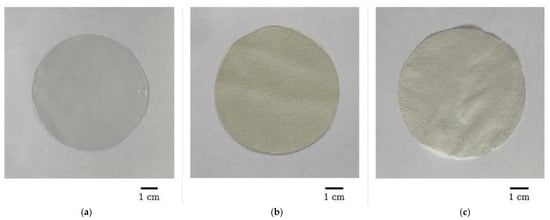
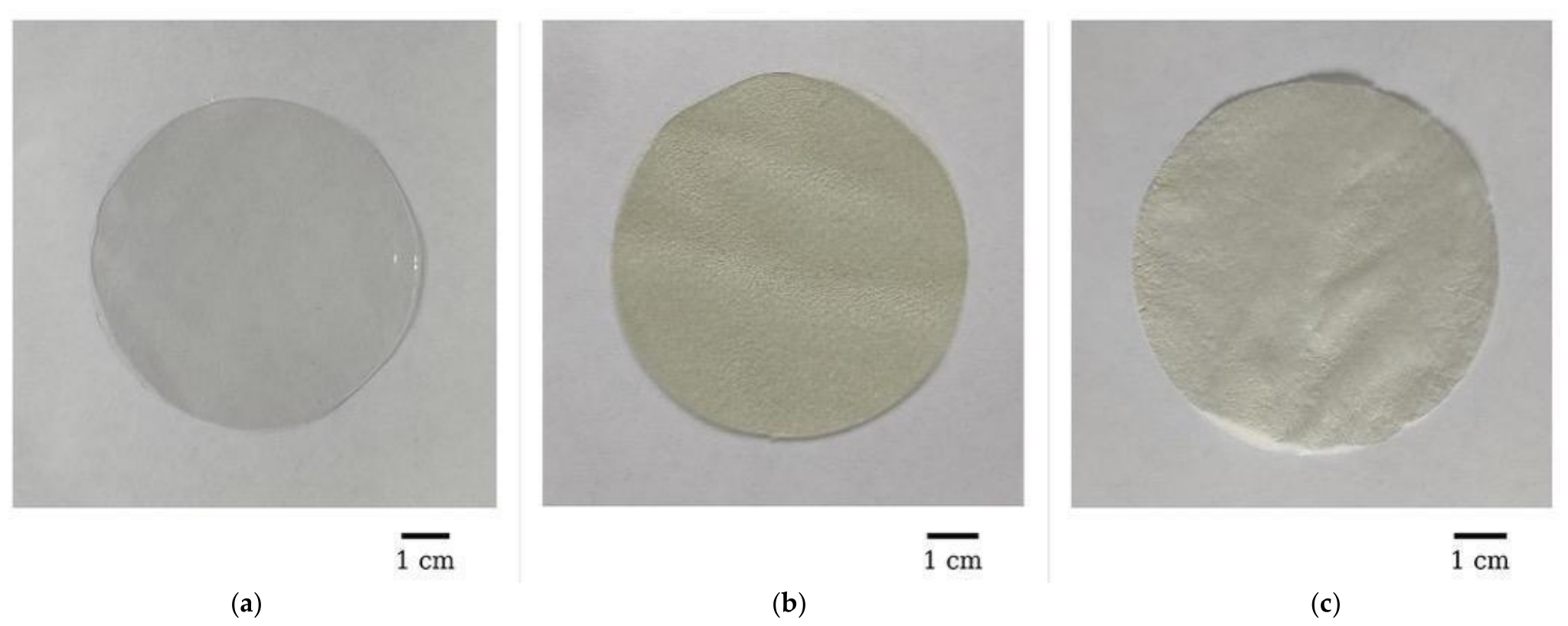
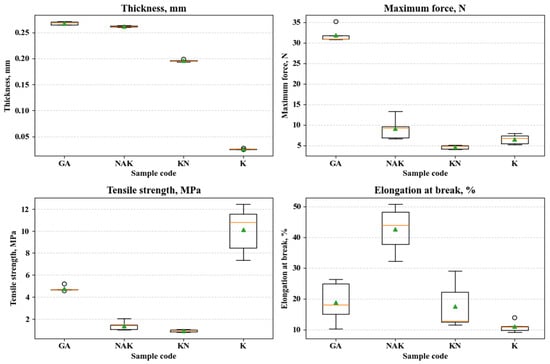
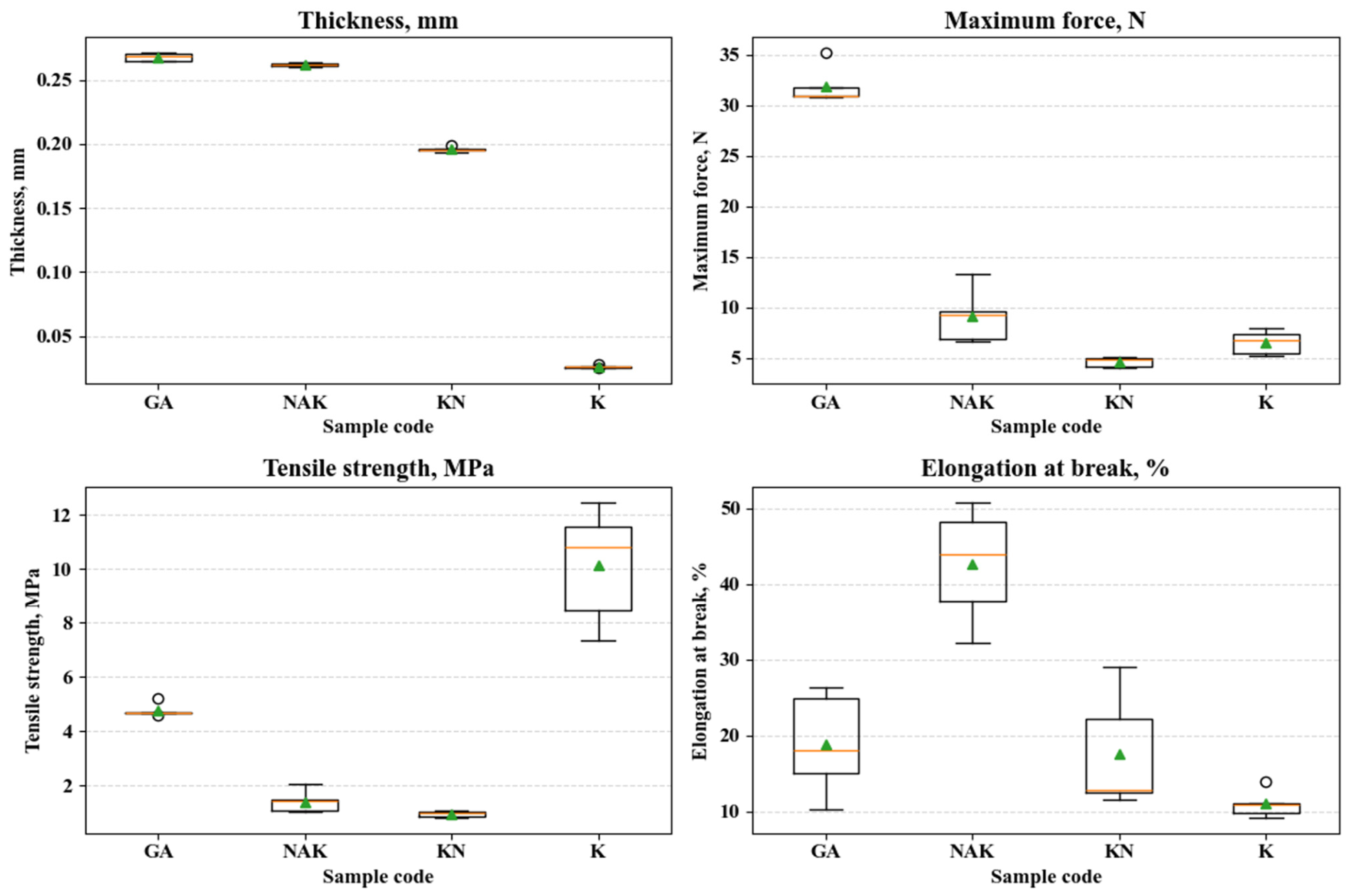
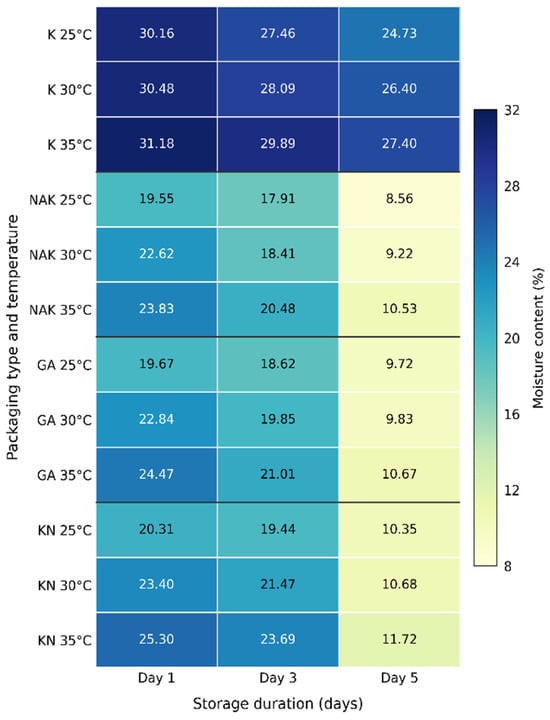
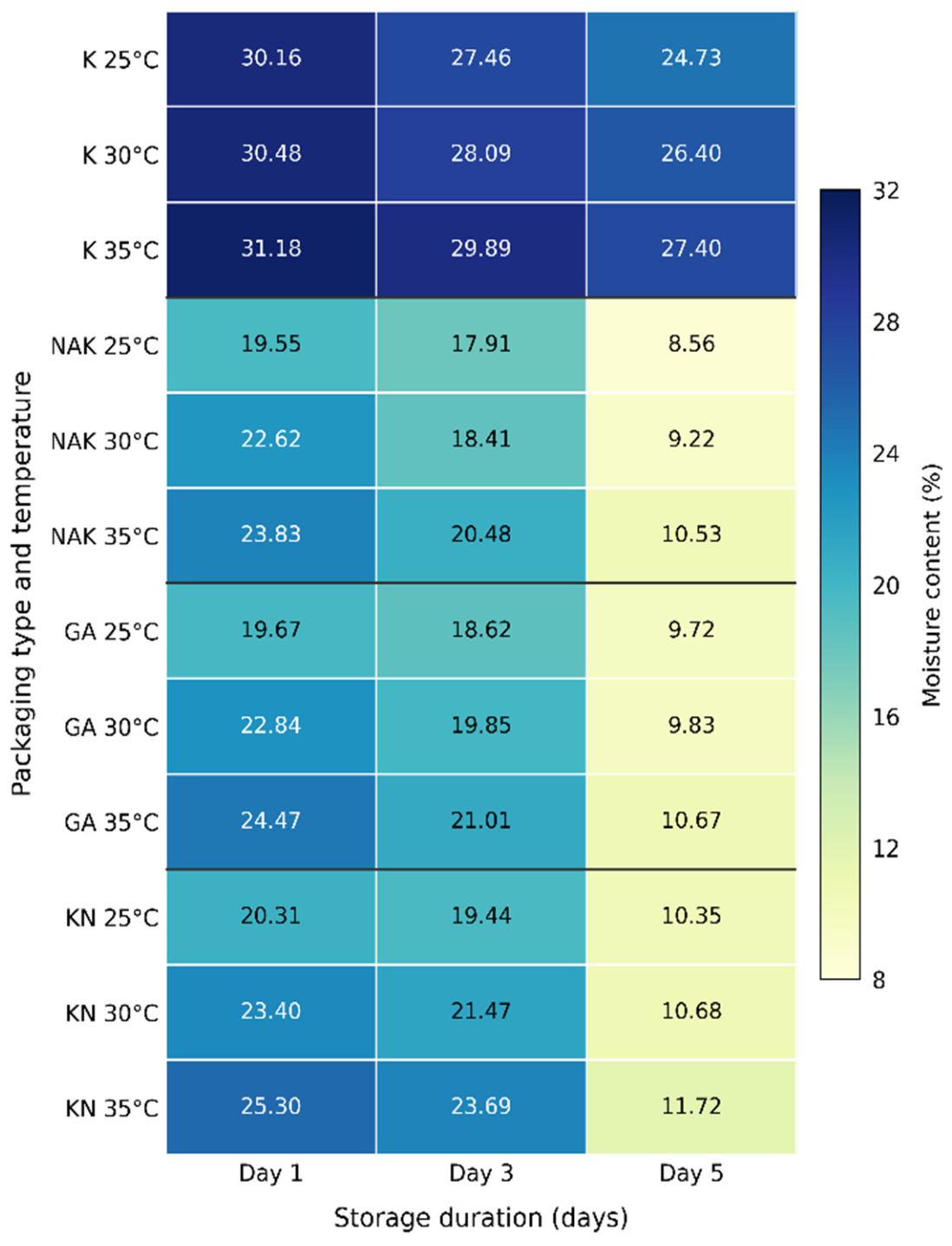
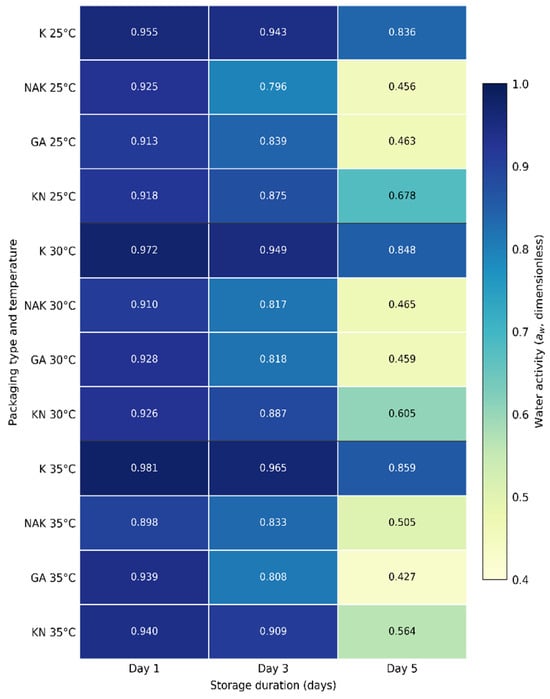
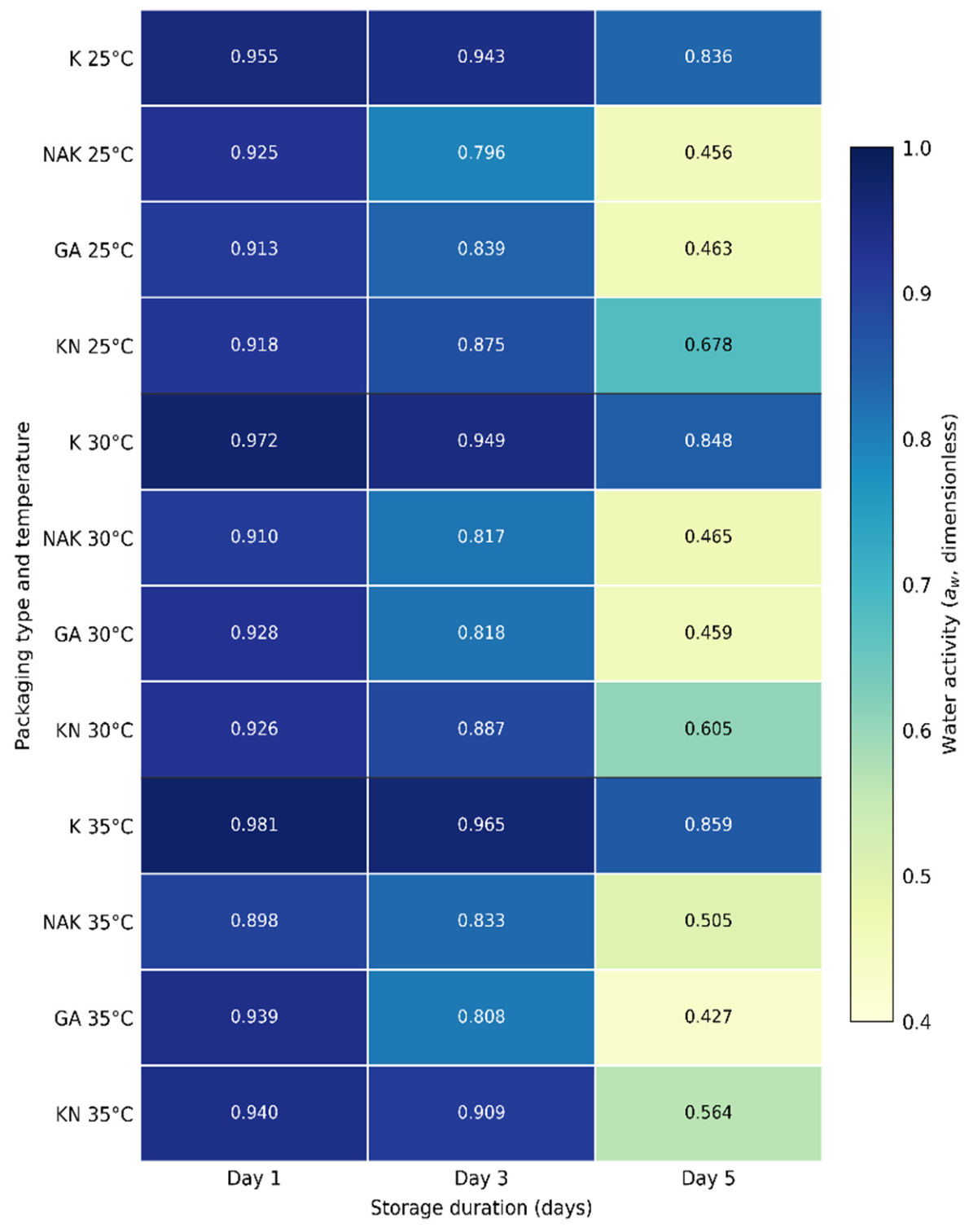

Disclaimer/Publisher’s Note: The statements, opinions and data contained in all publications are solely those of the individual author(s) and contributor(s) and not of MDPI and/or the editor(s). MDPI and/or the editor(s) disclaim responsibility for any injury to people or property resulting from any ideas, methods, instructions or products referred to in the content. |
© 2026 by the authors. Licensee MDPI, Basel, Switzerland. This article is an open access article distributed under the terms and conditions of the Creative Commons Attribution (CC BY) license.