


Abstract
High-salt, high-sugar, and high-fat foods are popular among consumers because of their distinctive sensory qualities and extended shelf stability. Although these matrices have long been regarded as inhospitable to microbial proliferation, numerous outbreaks linked to salted meats and fish, chocolate, tahini, peanut butter, and cheese demonstrate that such environments can nevertheless support prolonged pathogen survival and complicate inactivation efforts. This review compiles reported outbreaks and recalls associated with these products and shows that Salmonella spp., Listeria monocytogenes (L. monocytogenes), Escherichia coli (E. coli), Staphylococcus aureus (S. aureus), and Vibrio parahaemolyticus (V. parahaemolyticus) are the principal pathogens involved. It further examines key factors shaping survival and the mechanisms underlying pathogen persistence in these extreme matrices. Growing evidence also indicates that elevated levels of salt, sugar, and fat can modulate the effectiveness of inactivation technologies: salt may exert both inhibitory and sensitizing effects, whereas sugar and fat generally provide protective advantages during treatment. Clarifying these matrix-dependent interactions is critical for designing optimized multi-hurdle preservation approaches that ensure microbial safety while maintaining product quality in extreme foods.
1. Introduction
Foodborne pathogens remain a major global threat to public health and food safety, causing millions of illnesses, hundreds of thousands of deaths, and substantial economic losses worldwide each year [1]. Despite advances in food processing and preservation technologies, pathogen contamination still continues to occur in a wide range of products. Foods with high levels of salt, sugar, or fat, such as salted fish and cured meat, chocolate, peanut butter, and cheese, have been repeatedly associated with microbial contamination and foodborne outbreaks [2]. While these foods are favored by consumers for their distinctive flavors, appealing textures, and extended shelf life, their unique physicochemical properties create special microenvironments that influence microbial survival and inactivation.
Traditionally, the extreme conditions characteristic of these foods, including low water activity (aw), high osmotic pressure and limited nutrient diffusion, have been considered unfavorable for microbial growth [3,4,5]. However, increasing evidence from experimental studies and outbreak investigations indicates that certain foodborne pathogens can persist, and even adapt, within these extreme matrices [6]. For example, low aw induced by high levels of salt or sugar can increase microbial resistance to thermal inactivation, while lipid-rich matrices may form a protective layer that shields cells from physical or chemical treatments [7,8]. Conversely, elevated salt or fat levels can sensitize cells to inactivation approaches under certain conditions, highlighting the complex and context-dependent nature of these interactions [9,10].
Given the paradoxical effects of salt, sugar, and fat on both suppressing and protecting foodborne pathogens, a systematic understanding of microbial survival, adaptation mechanisms and inactivation in these extreme food matrices is essential. Such knowledge underpins effective intervention strategies, optimization of multi-hurdle technologies, and improved risk assessment in the food industry. In contrast to existing reviews that predominantly focus on a single stress factor (e.g., low aw) or a specific food category [2,11], this review provides an integrated, matrix-oriented perspective on pathogen persistence and inactivation in high-salt, high-sugar, and high-fat foods. By systematically comparing these extreme matrices, this review highlights both shared and distinct survival mechanisms, clarifies how matrix composition modulates the efficacy of thermal and non-thermal inactivation strategies, and identifies key knowledge gaps to guide future research and the development of matrix-tailored control approaches.
In preparing this review, we focused on studies that provide mechanistic insights, outbreak evidence, and implications for microbial inactivation in high-salt, high-sugar, and high-fat foods. Relevant publications were identified through targeted searches of major databases (e.g., Web of Science and Google Scholar) using combinations of keywords related to foodborne pathogens, extreme food matrices, stress adaptation mechanisms and inactivation technologies. Priority was given to recent and highly cited studies, as well as research that offered clear mechanistic or technological perspectives. Significant earlier works were also retained when they contributed fundamental concepts that could not be replaced by newer studies.
2. Bacterial Contamination and Survival Characteristics in Extreme Food Matrices
The term “extreme food matrices” refers to food matrices whose physicochemical conditions differ markedly from conventional growth media, thereby imposing substantial stress on microbial cells. In this review, the term specifically refers to high-salt, high-sugar, and high-fat foods. Owing to these distinct physicochemical characteristics, extreme food matrices can differentially influence the persistence of foodborne pathogens. The following section therefore summarizes reported bacterial contamination and survival behavior associated with high-salt, high-sugar, and high-fat foods.
2.1. Bacterial Contamination and Survival Characteristics in High-Salt Foods
2.1.1. Bacterial Contamination of High-Salt Foods
High-salt foods encompass a broad range of moisture conditions and can be broadly categorized into high-salt, high-moisture and high-salt, low-moisture products. High-salt, high-moisture foods, such as pickled vegetables, no-dried salted meats or fish, and miso, retain substantial amounts of water, with salt predominantly present in dissolved form, also resulting in relatively high aw, typically above 0.85 [12]. Notably, soy sauce represents an exception, as its aw is often below 0.85 despite its high moisture content, owing to the high concentration of dissolved solutes that strongly bind available water [13]. In these systems, microbial inhibition is primarily driven by elevated osmotic pressure and ionic imbalance. In contrast, high-salt, low-moisture foods, including salted dried fish, dried cured meats, dried seafood, and salt-roasted nuts, are produced through the combined application of salting and dehydration. These products are characterized by markedly reduced aw (often <0.85), high osmotic pressure, ionic imbalance and restricted mass transfer, which together impose more severe constraints on microbial survival and growth [6,14,15]. Although high salt levels were effective at inhibiting microbial proliferation, outbreaks associated with salted products have demonstrated that salting alone cannot ensure food safety. Several foodborne pathogens are able to persist under high-salt conditions, posing significant risks (Table 1).
Table 1.
Cases of bacterial contamination in high-salt foods.
L. monocytogenes exhibits notable tolerance to low temperatures and moderate salinity (up to 10% NaCl), allowing it to survive in cold-smoked fish. It has repeatedly been implicated in outbreaks involving salmon and trout across Europe and the UK [29]. S. aureus can grow in environments containing up to 15% NaCl and produce enterotoxins under favorable conditions. In 2019, the Centre for Food Safety of Hong Kong also reported high levels (~150,000 CFU/g) of S. aureus in bottled salted egg paste, leading to a large-scale recall [6,19]. Although less halotolerant than L. monocytogenes or S. aureus, Salmonella has been isolated from cold-smoked salmon and salt-cured meats, such as salami and antipasto, particularly in cases of inadequate salting or post-processing contamination. In one study, Salmonella survived for up to 60 days in 80% salted horse mackerel fillets [30]. Similarly, Shiga toxin-producing E. coli (STEC) has also been linked to moderately salted fermented vegetables, such as kimchi, with a recent outbreak in Canada (2022) caused by STEC O157:H7 from salted Napa cabbage kimchi, resulting in multiple confirmed cases [25]. V. parahaemolyticus, a halotolerant species, has also been associated with salted or fermented seafood, notably soy sauce–marinated crabs in Korea [28]. Collectively, these findings highlight that salting alone cannot guarantee food safety. Effective control requires complementary preservation strategies together with stringent hygiene and monitoring practices throughout production and distribution.
2.1.2. Microbial Survival in High-Salt Foods
Salt generally inhibits the growth of many microorganisms. For example, Busnello et al. reported that an 8 log CFU/g inoculum of Salmonella in pork feet containing 25% salt became undetectable after 26 days at 10 °C [31]. However, contamination cases indicate that various pathogens can still persist in high-salt foods [16]. Studies have illustrated that a combination of physicochemical factors influences pathogens survival in high-salt environments, including salt concentration, aw, microbial species, storage temperature, and prior environmental adaptation.
While increasing salt concentrations generally exert stronger inhibitory effects on microbial growth, Shrestha et al. found that the survival of Salmonella in low-aw chicken paste and powder stored at 21 °C for extended periods was not significantly affected by elevated salt levels (33%) [32]. This may be because aw is the primary factor governing microbial survival, and the increase in salt concentration only slightly affects the aw of chicken powder. Microbial species exhibit different levels of salt tolerance. Cho et al. reported that S. aureus survived for 28 days at both 5 and 22 °C in seafood containing high-salinity soy sauce, showing greater salt tolerance than Gram-negative bacteria. They also observed that foodborne pathogens survived longer in high salt food matrix at lower storage temperature (5 °C) [33].
Pre-adaptation or cross-protection also plays a significant role. Pittman et al. demonstrated that L. monocytogenes exposed to cold temperatures prior to salt treatment exhibited enhanced survival in NaCl [34]. Similarly, acid-adapted V. parahaemolyticus [35], E. coli [36] and S. Typhimurium [37] showed significantly higher salt tolerance than non-adapted cells, while desiccated S. Typhimurium displayed greater salt resistance than non-desiccated counterparts [38], suggesting environmental stresses encountered during food processing can induce cross-protection, enhancing microbial survival under salt stress.
Collectively, these studies indicate that microbial survival in high-salt foods is influenced by multiple interrelated factors. Effective control therefore requires consideration of salt concentration, microbial species, storage conditions, and potential pre-adaptation, often necessitating combined preservation strategies to ensure food safety.
2.2. Bacterial Contamination and Survival Characteristics in High-Sugar Foods
2.2.1. Bacterial Contamination of High-Sugar Foods
Sugars in high sugar products may be naturally present or added during processing. According to aw, high sugar foods can be divided into high-sugar, high-moisture and high-sugar, low-moisture foods. High-sugar, high-moisture foods with relatively high aw (often >0.85), include sugar-sweetened beverages (e.g., fruit juices, fresh fruit products, energy drinks) and fruit fillings, sweetened dairy products (e.g., sweetened yogurt, and ice cream), and moist bakery items (e.g., moist pastries, sweet rolls, and muffins). Although the osmotic pressure imposed by dissolved sugars partially inhibits microbial growth, the high free water availability still allows many bacteria to survive or grow [39,40]. In contrast, high-sugar, low-moisture products, characterized by markedly reduced aw (often <0.85), include dried fruits, jams, candies, chocolate, tahini halva, cookies, and honey. In these matrices, the proliferation of most microorganisms is restricted by high osmotic and desiccation stresses, while in some cases, high viscosity (e.g., in honey) further limits microbial movement and nutrient diffusion [41,42,43]. Despite the strict conditions produced by high sugar, osmotolerant microorganisms are capable of surviving under such conditions by entering stress-adapted physiological states, thereby enabling their persistence during extended storage [44] (Table 2).
Salmonella can persist in chocolate for prolonged periods and even withstand thermal processing, posing significant safety risks, as demonstrated by the S. Typhimurium outbreak linked to Kinder products across multiple countries in 2022 [45,46]. Similarly, an outbreak of S. Agbeni infections in Norway during 2018–2019, linked to dried fruits, resulted in 56 confirmed cases [47]. Moreover, high-sugar confections like tahini halva have also been subject to recalls due to Salmonella contamination, often originating from raw sesame seeds or post-processing contamination [48]. In addition to Salmonella, S. aureus has also been isolated from sucrose-rich products such as raisins, tahini halva, and handmade sweets [49].
In contrast, high-moisture, high-sugar foods, such as sweetened beverages, fresh fruits, and ice cream provide favorable conditions for pathogen growth. L. monocytogenes has been detected in ice cream and frozen dessert products, leading to illnesses and a nationwide recall [50]. Furthermore, 13 confirmed cases of E. coli O111 infection in California were linked to unpasteurized apple juice in 2015 [51]. Collectively, these cases highlight that both low-moisture and high-moisture high-sugar foods pose microbiological risks. Thus, increasing sugar content alone cannot ensure microbiological safety, underscoring the need for integrated inactivation treatments and strict processing hygiene.
Table 2.
Cases of microbial contamination in high-sugar foods.
2.2.2. Microbial Survival in High-Sugar Foods
The contamination cases above clearly indicate that microorganisms can survive for prolonged periods in high-sugar matrices. Among them, Salmonella spp. are the most frequently reported pathogens associated with high-sugar foods, particularly low-moisture products such as chocolate, dried fruits, jams, and tahini halva. Their remarkable desiccation resistance enables survival for months to years in low aw environments [54]. The survival of pathogens in high-sugar foods is influenced by several factors, including the sugar type, aw, and storage conditions. For example, Maniscalco et al. demonstrated that different sugar types exert distinct inhibitory effects on bacteria such as S. aureus, E. coli, and Salmonella enterica, even at the same concentrations [55]. Storage temperature also plays a critical role in long-term persistence. Beuchat et al. reported that Salmonella survived in sucrose for at least 52 weeks, showing higher viability at 5 °C than at 25 °C [49]. Similarly, Salmonella persisted longer in aqueous homogenates of dried fruits at 4 °C than 5 °C [56]. In addition, L. monocytogenes has been shown to survive on raisins and dried strawberries for up to 336 days at 4 °C [57]. These findings suggest that refrigeration, rather than reducing microbial risk, may actually prolong pathogen survival in high-sugar foods. Furthermore, Beuchat et al. also found the tolerance of Salmonella to high sugar and low aw increased when habituation to low aw preceded exposure to osmotic shock, indicating that pre-exposure to a dry environment induces cross-resistance [49]. Overall, microbial survival in high-sugar foods is influenced by a combination of factors; therefore, effective risk control requires consideration of these interacting factors rather than reliance on reduced aw alone.
2.3. Bacterial Contamination and Survival Characteristics in High-Fat Foods
2.3.1. Bacterial Contamination of High-Fat Foods
High-fat foods are generally defined as food products in which fat accounts for more than 20–30% of the total caloric content or weight. Based on aw, these foods can be classified into two groups. The first group, high-moisture, high-fat foods, includes processed meats, cheeses, creams, shakes, diluted tahini and high-fat dairy spreads, typically providing favorable conditions for the growth of pathogenic microorganisms, such as L. monocytogenes and S. aureus. In contrast, low-moisture, high-fat foods, such as dried nuts, chocolate, peanut butter, tahini, and fat-based powders, generally have aw values below 0.70. In some systems (e.g., tahini and peanut butter), the hydrophobic and high viscous nature of the lipid-continuous matrix physically restricts microbial mobility as well as access to free water and nutrients [58,59]. Therefore, microbial growth is limited in these matrices. However, the high lipid content presents unique challenges for food preservation and pathogen inactivation, as lipid-rich matrices can shield microbial cells from environmental stress. Consequently, high-fat foods have frequently been associated with microbial contamination and foodborne outbreaks across various product categories [2,46,60] (Table 3).
In particular, multiple outbreaks and product recalls in recent years highlight Salmonella as the primary microbiological hazard in high-fat, low-moisture foods, including peanut butter, tahini, and chocolate products [61]. Moreover, recent recalls have highlighted that the presence of L. monocytogenes, which is less common than Salmonella, continues to pose a safety risk in high-fat products, including peanut butter, nut spreads, cheese, and supplemental shakes [62,63]. S. aureus has also occasionally been detected in cheese and cream-based desserts, where its enterotoxins can remain active even after bacteria are inactivated, posing significant health risks to consumers [64,65]. Overall, the contamination of high-fat foods with pathogenic microorganisms remains an urgent public health concern, underscoring the need for enhanced preventive measures and greater public awareness.
Table 3.
Cases of microbial contamination in high-fat foods.
2.3.2. Microbial Survival in High-Fat Foods
The survival strategies of foodborne pathogens differ markedly between high-moisture and low-moisture, high-fat foods. In high-moisture, high-fat products, the relatively high aw enables active growth of pathogens such as L. monocytogenes, S. aureus, and Salmonella spp. When temperature control or hygiene measures are inadequate, these foods present a particularly high risk because they not only protect microbial cells but also provide sufficient moisture to support bacterial proliferation [73]. In contrast, high-fat, low-moisture foods impose unique stresses on microbial cells due to the combined effects of low aw and limited nutrient diffusion. Despite these harsh conditions, several foodborne pathogens, including S. enterica, L. monocytogenes, and S. aureus, can persist for prolonged periods in such matrices. For instance, a cocktail of Salmonella serotypes (S. Cubana, S. Aberdeen, S. Typhimurium, and S. Paratyphi) survived in tahini samples with aw values of 0.17, 0.35, and 0.50 for up to 12 months at 10 °C and 9 months at 25 °C, respectively. These findings indicate that lower storage temperatures favor the long-term survival of foodborne pathogens in high-fat, low-moisture foods [74].
In addition to storage temperatures, aw also plays a particularly crucial role in pathogen survival in high-fat, low-moisture foods. Kataoka et al. reported that Salmonella survived better in peanut paste at an aw of 0.3 than at 0.6 [75]. In addition, the relative proportions of fat and carbohydrate influence pathogen survival. He et al. demonstrated that Salmonella persisted longer in peanut butter formulations with lower fat and higher carbohydrate contents [76]. Consistently, peanut butter containing 33.33% fat and 41.67% carbohydrate supported greater S. enterica survival than formulations with 50% fat and 21.9% carbohydrate during a four-week storage period, suggesting that carbohydrates exert a protective effect for foodborne pathogens in these foods [77].
Collectively, these findings underscore the multifactorial nature of pathogen survival in high-fat, low-moisture foods and highlight the complex interplay among storage temperature, aw, and nutrient composition that governs microbial persistence.
3. Survival Adaptive Mechanisms in Extreme Foods
High-salt, high-sugar, and high-fat foods impose distinct environmental pressures that critically shape the survival of foodborne pathogens. In response, microorganisms employ a combination of shared and stress-specific adaptive mechanisms to cope with reduced aw, osmotic stress, ionic imbalance, and physical constraints imposed by different food matrices. While certain strategies, such as osmoadaptation, stress-responsive gene regulation, and entry into low-metabolic or dormant states, are conserved across multiple extreme environments, other responses are tailored to specific stresses, including ionic toxicity in high-salt foods or hydrophobic isolation in high-fat matrices. The following sections systematically describe these common and distinct adaptive mechanisms that enable pathogens to persist in high-salt, high-sugar, and high-fat foods (Figure 1).
Figure 1.
Environmental pressures and survival mechanisms of food pathogens in extreme foods [3,6,78,79,80,81,82,83,84,85,86,87,88,89,90,91,92,93,94,95,96,97,98].
3.1. Survival Adaptive Mechanisms in High-Salt Foods
3.1.1. Osmoprotectants Accumulation
While survival behaviors of foodborne pathogens in high-salt foods are well documented, their adaptive mechanisms are crucial to understanding halotolerance. The primary strategy is the intracellular accumulation of osmoprotectants, such as glycine betaine, proline, glutamate, and trehalose [78]. These molecules do not interfere with cellular metabolism but help maintain a counterbalance external osmotic pressure and preserve enzyme function under osmotic stress. For example, Salmonella exhibited significantly higher intracellular levels of trehalose, proline, and betaine to adapt to high-salt environments, accompanied by the upregulation of the related key genes including proU, proV, kdpC, kuP, and rpoS [3,79]. In S. aureus, the level of L-proline increased under 10% NaCl environments, and genes such as betA and betB, involved in the betaine biosynthesis pathway, were activated to promote betaine synthesis and transport [6,80]. Similarly, a recent study showed that the transcriptional factor MntR mediates hyperosmotic stress resistance of L. monocytogenes in high-salt condition by positively regulating the glycine betaine uptake system Gbu [81]. V. parahaemolyticus survives in high-salt environments by employing multiple compatible solute uptake systems, including ABC-family transporters (ProU1 and ProU2) and BCCT-family transporters, as well as the biosynthesis of betaine and ectoine, thereby maintaining osmotic balance in marinated crabs [82].
Overall, these findings indicate that the ability of foodborne pathogens to accumulate or synthesize compatible solutes, coupled with the activation of multiple osmoprotective transport and metabolic pathways, represents a conserved and critical strategy for survival under high-salt stress.
3.1.2. Ion Homeostasis Maintenance
In response to stress imposed by high-salt food environments, foodborne pathogens employ a combination of Na+/H+ antiporters and K+ uptake systems to maintain intracellular ionic balance, membrane potential, and proton motive force (PMF), all of which are essential for survival. In halotolerant bacteria, finely regulated Na+/H+ antiporters such as NhaA, NhaB, NhaC, MnhF, and NhaD expel excess cytoplasmic Na+ in exchange for protons, thereby preventing sodium toxicity and cytoplasmic alkalinization. For example, V. parahaemolyticus mutants lacking nhaA or nhaD exhibit markedly impaired growth under high-salt conditions [83]. Similarly, in Vibrio cholerae, genes encoding the symporters gltP and gltS, responsible for co-transporting one glutamate molecule along with H+/Na+, were significantly downregulated under salt stress, whereas the trkH system responsible for K+ uptake was consistently upregulated in salt-tolerant strains [84]. In L. monocytogenes, osmotic upshift triggers a rapid accumulation of intracellular K+, followed by compatible solute uptake to restore turgor pressure [85]. Likewise, S. aureus utilizes multiple systems to maintain Na+/K+ homeostasis: under elevated NaCl, the Ktr (K+ transporter system) and Kdp (K+-dependent ATPase system), together with Mnh1/Mnh2 Na+/H+ antiporters, act in coordination to stabilize intracellular ion levels and sustain PMF [86]. Overall, these findings highlight that foodborne pathogens rely on a synergistic network of Na+/H+ antiporters and K+ transport systems as a frontline strategy to maintain ion homeostasis and ensure survival under high-salt stress.
3.1.3. Cell Membrane Adjustment
Bacterial cell membranes can adapt to extreme environments by modulating their lipid composition to sustain normal growth and physiological functions [87]. Under osmotic stress, many salt-tolerant pathogens remodel their membrane lipid profiles to preserve stability and functionality. For instance, L. monocytogenes increases the ratio of diphosphatidylglycerol (DPG) to phatidylglycerol (PG), which stabilizes membrane bilayer structures and prevents the formation of disruptive non-bilayer phases [88]. Similarly, the fatty acid composition of S. aureus and E. coli shifts under high-salt conditions, with an increased ratio of unsaturated to saturated fatty acids (UFA/SFA) observed at 3% NaCl compared to 0% NaCl [89]. Furthermore, salt-tolerant Salmonella strains can maintain elevated membrane potential in hyperosmotic environments, facilitating ionic channel activity and transport system expression, thereby preserving cellular integrity and viability [79]. Collectively, these observations suggest that halotolerant bacteria enhance their survival in high-salt environments through dynamic remodeling of membrane lipids and fatty acids, which maintains membrane stability, fluidity, and essential physiological functions. Nevertheless, current understanding of the molecular mechanisms governing membrane adaptation to high-salt stress remains limited, warranting further investigation.
3.1.4. Biofilm Formation
In high-salt food matrices, the ability of foodborne pathogens to form biofilms represents a crucial survival strategy that complements their cellular osmotic adaptation mechanisms. Under hyperosmotic conditions caused by high salinity (e.g., 10% NaCl), Salmonella strains retain the capacity to form biofilms, which stabilize their local microenvironment by retaining moisture, maintaining membrane integrity, and accumulating osmoprotectants [91]. Similarly, under salt stress, S. aureus enhances biofilm development through increased production of extracellular polysaccharides (EPS). Transcriptome analyses have revealed that genes such as cap5A, cap5B, and cap8C, which are involved in the biosynthesis of capsular polysaccharide (CPS), which is the primary protective component of EPS, are upregulated in response to high salinity, directly promoting biofilm formation [92]. Furthermore, proteomic studies have shown that S. aureus exhibits elevated levels of IsaA, a key protein associated with biofilm stability, under high NaCl conditions [93]. Overall, biofilm formation provides an additional layer of protection that enables pathogens to withstand osmotic stress, thereby enhancing their persistence in salted foods and increasing potential risks to food safety.
3.1.5. Induction of the VBNC State
Exposure to high-salt environments can induce foodborne pathogens to enter the viable but non-culturable (VBNC) state, which is generally regarded as a reversible, low-metabolic and dormancy-like survival strategy rather than a true dormant state. In the VBNC state, cells exhibit reduced size while maintaining metabolic activity, intact membranes, and the genetic potential for resuscitation under favorable conditions, yet they lose the ability to grow on conventional culture media [94]. The emergence of VBNC pathogens in salted foods poses a significant threat to public health and food safety. For instance, V. parahaemolyticus can transition into the VBNC state under extreme salt stress when exposed to 30% NaCl condition combined with low temperature (4 °C), accompanied by an increased proportion of saturated fatty acids, reduced membrane potential, and morphological transformation into coccoid forms [95]. Similarly, E. coli O157:H7 can enter the VBNC state under high salinity conditions during salted fish processing, while still expressing pathogenic genes (stx1, stx2, eae, hly), thereby maintaining its pathogenic potential [96]. In addition, Salmonella has been reported to enter the VBNC state when exposed to 7% Nl, with decreased intracellular RpoS levels observed during VBNC induction [97,98].
In summary, foodborne pathogens adapt to high-salt environments through multiple survival strategies, including the accumulation of osmoprotectants, maintenance of ion homeostasis, membrane lipid remodeling, biofilm formation, and transition to the VBNC state. These mechanisms not only enable pathogens to endure osmotic stress but also help preserve their virulence, posing hidden and persistent risks to food safety.
3.2. Survival Adaptive Mechanisms in High-Sugar Foods
Despite increasing concern over foodborne pathogen contamination in high-sugar foods, mechanistic studies on microbial adaptation in such environments remain limited. In contrast, pathogen survival under high-salt conditions has been extensively investigated, as reviewed in Section 3.1. Both high-sugar and high-salt environments impose osmotic stress resulting from reduced aw, and it is generally recognized that foodborne pathogens employ similar adaptive strategies under these conditions, including the accumulation of compatible solutes, biofilm formation, and transition into the VBNC state. For instance, genes related to trehalose synthesis, such as otsA and otsB in Salmonella enterica were significantly upregulated in chocolate powder during 12 weeks of storage [99]. Zheng et al. demonstrated that Salmonella Typhimurium adapts to high-glucose conditions by modulating its glucose transport and metabolic pathways and enhances biofilm formation through the upregulation of genes associated with the two-component regulatory system [100]. Likewise, Jayeola et al. found that Salmonella in dried apples or apple juice supplemented with 30% fructose entered the VBNC state after five days of storage at 25 °C, whereas no VBNC cells were detected in unsupplemented apple juice [101]. Collectively, these results highlight the need for further mechanistic investigations into pathogen adaptation to high-sugar stress to better inform microbial risk assessment and control strategies.
3.3. Survival Adaptive Mechanisms in High-Fat Foods
Despite increasing awareness of foodborne outbreaks associated with high-fat, low-moisture foods, mechanistic studies on pathogen survival in these matrices remain limited. It is well established that lipid matrices can form a protective barrier, mitigating oxidative damage, desiccation stress, and direct exposure to environmental stresses, thereby promoting the survival of foodborne pathogens in high-fat, low-moisture foods [102]. However, few studies have systematically examined how exposure to the combined stressors of low aw and high fat affects bacterial morphology, physiology, and gene expression.
These general protective mechanisms of lipid matrices have been supported by limited experimental observations, revealing how pathogens adapt at the cellular and molecular levels when exposed to high-fat environments. Zhao et al. reported that Salmonella enterica Enteritidis PT 30 maintained its characteristic rod-shaped morphology during prolonged storage in peanut oil but displayed dense aggregation and irregular clustering [103]. The cells remained motile within intact vacuoles, indicating residual metabolic activity. This report further showed that exposure to the oil environment also caused a marked suppression of ribosomal biogenesis and oxidative phosphorylation, driving the cells into a metabolically dormant state. Furthermore, KEGG pathway enrichment analysis revealed significant upregulation of genes related to flagellar assembly and bacterial chemotaxis, suggesting the presence of active motility mechanisms despite metabolic dormancy. Similarly, Deng et al. reported that Salmonella cells in peanut oil entered a physiologically dormant state, with less than 5% of the genome being transcribed, accompanied by accelerated RNA degradation as a strategy to acquire nutrients and sustain survival in the oil matrix [104]. Fong and Wang also observed that incubation in peanut oil upregulated genes related to trehalose synthesis (otsB) and catabolism of long-chain fatty acids (fadA), thereby enhancing the survival of strains in these foods [105]. Overall, foodborne pathogens adapt to lipid-rich and low aw environments by entering a metabolically dormant state, suppressing energy-intensive processes while selectively maintaining stress resistance and motility through targeted gene regulation. In addition, the accumulation of compatible solutes, such as trehalose, further enhances microbial adaptation to high-fat environments. Nevertheless, the precise regulatory networks remain to be fully elucidated.
4. Impact of High-Salt, High-Sugar, and High-Fat Matrices on Inactivation Efficiency
4.1. Impact of High-Salt Matrices on Inactivation Efficiency
High-salt environments exert complex effects on the efficacy of foodborne pathogen inactivation technologies (Figure 2). On the one hand, elevated salt levels can enhance the effectiveness of certain treatments by inducing sublethal injury, increasing cell permeability, and disrupting membrane integrity, thereby rendering pathogens more susceptible to organic acids, oxidants, and hurdle-based approaches. For instance, NaCl was reported to enhance the bactericidal actions of carvacrol, thymol, and acetic acid against halotolerant species such as E. coli O157:H7, L. monocytogenes, and S. aureus [106,107]. Likewise, Huang et al. demonstrated that combining high-pressure processing (HPP) with 3% NaCl immersion significantly enhanced microbial inactivation and concurrently improved texture stability, reducing lipid oxidation, and preserving color and sensory quality [9]. Seok and Ha further observed that pretreatment with 15% NaCl increased the susceptibility of L. monocytogenes and S. aureus to X-ray irradiation by elevating reactive oxygen species (ROS) generation and interrupting peptidoglycan synthesis, thereby improving bactericidal efficiency [108]. Additionally, Bacillus cereus endospores formed under 7% NaCl exhibited reduced heat resistance due to decreased hydrophobicity, membrane fluidity, and spore density [109].
Figure 2.
Impact of high-salt matrices on inactivation efficiency [9,106,107,108,109,110,111,112,113,114].
Conversely, salt-induced reduction of aw can protect pathogens by enhancing their thermal resistance and diminishing the efficacy of heat-based treatments [110]. Moreover, prior exposure to elevated salt levels may confer cross-protection against other stresses. For example, L. monocytogenes in meat and fish products showed increased resistance to nisin and heat following high-salt adaptation [111,112]. Similarly, L. monocytogenes pre-exposed to BHI supplemented with 6% NaCl at 7 °C showed enhanced nisin resistance through LiaR-dependent transcriptional regulation [113]. Furthermore, 3% salt has also increased the resistance of E. coli O157:H7 to acetic, propionic, and lactic acid; however, when combined with malic, tartaric, citric, or phosphoric acid, it enhanced the reduction of E. coli O157:H7 and S. Typhimurium compared with acid treatment alone, indicating that synergistic inactivation depends on the acid type [114]. Overall, the dual role of salt in microbial inactivation, as both an enhancer and a protector, underscores the need to optimize salting conditions and integrate multiple preservation strategies to ensure microbial safety in high-salt foods.
4.2. Impact of High-Sugar Matrices on Inactivation Efficiency
High-sugar environments exert a pronounced impact on the efficacy of microbial inactivation treatments (Figure 3). Elevated sugar concentrations decrease aw and often reduce the dielectric loss factor of foods, thereby diminishing the effectiveness of emerging thermal processes, such as ohmic heating (OH) and microwave (MW) treatments. For example, Kim et al. reported that chili sauce containing 40% sugar exhibited lower inactivation efficiency under 915 MHz MW treatment than sauce with 10% sugar, as the latter showed a faster heating rate due to its higher dielectric loss factor [115]. Similarly, Park et al. demonstrated that apple juice with up to 36 °Brix (°Brix, an indicator of sugar concentration) achieved the highest inactivation efficiency owing to rapid heating during OH treatment, whereas juice with 72 °Brix showed the lowest reduction because excessive sugar suppressed electrical conductivity [116]. High sugar concentration can also enhance bacterial thermotolerance under conventional heating. Guo et al. found that supplementing tryptic soy broth with 35% sucrose increased the heat resistance of S. Typhimurium by upregulating the pocR gene involved in cobalamin biosynthesis [117]. Likewise, Alshammari et al. observed that S. Enteritidis PT30 exhibited higher thermal resistance in fructose, glucose and honey powder at low aw levels, with glucose conferring the greatest protection, indicating that both sugar type and matrix properties modulate bacterial tolerance [118].
Figure 3.
Impact of high-sugar matrices on inactivation efficiency [115,116,117,118,119,120,121,122,123,124,125].
Non-thermal technologies such as HPP are also impeded by high sugar concentrations, likely due to reduced aw and compressibility [119]. Scepankova et al. reported that Bacillus subtilis spores in undiluted honey survived after HPP treatment but were inactivated in diluted honey [120]. Similarly, Gouvea et al. observed smaller Salmonella reductions in açaí juice with higher sugar levels [121], while Li et al. found that D-fructose exerted a protective effect on B. subtilis spores during high-pressure thermal sterilization (HPTS) [122]. Other non-thermal treatments, including ultrasound (US) and pulsed light (PL), also showed decreased efficiency in high-sugar matrices [123,124], reinforcing the protective role of sugars during processing.
Conversely, only a few studies have reported sugar-enhanced microbial inactivation. Siemer et al. demonstrated that sugar-induced alterations in spore composition increased the sensitivity of B. subtilis spores to pulsed electric field (PEF) treatment, resulting in higher inactivation at equivalent energy levels [125].
Overall, high-sugar foods mainly pose distinctive challenges for microbial control. Their low aw and modified physicochemical characteristics often shield microorganisms from both thermal and non-thermal inactivation. Therefore, effective control strategies for high-sugar foods should account for these protective effects, employing hurdle combinations or optimized processing parameters to ensure microbial safety.
4.3. Impact of High-Fat Matrices on Inactivation Efficiency
The role of fat in microbial inactivation within food systems is highly complex, as it may either protect microorganisms or enhance inactivation efficiency depending on the processing method and the physicochemical nature of the food matrix (Figure 4). In most cases, high-fat environments reduce the effectiveness of both thermal and non-thermal interventions. This attenuation is primarily attributed to the physical shielding effect of fat, decreased heat transfer, lower aw during heating, and the inherently poor electrical conductivity of lipid-rich matrices. Fat can encapsulate microbial cells, forming hydrophobic barriers that hinder the diffusion of antimicrobial agents and limit the penetration of UVC radiation [8,126]. Because lipids possess lower thermal conductivity than water, they slow the rate and uniformity of heat transfer, thereby increasing the thermal resistance of pathogens such as Salmonella in high-fat foods [127,128,129]. In addition, the aw of high-fat foods further decreases during heating, which in turn increases the heat resistance of microorganisms [130,131]. In pork batter, high fat content impaired the efficiency of ohmic heating due to poor electrical conductivity, resulting in lower microbial inactivation efficacy [132,133]. In milk, fat also diminished bacterial inactivation by ultrasound (US)-assisted pulsed ohmic heating (POH), reflecting its combined shielding and low-conductivity effects [134].
Figure 4.
Impact of high-sugar matrices on inactivation efficiency [10,126,127,128,129,130,131,132,133,134,135,136,137,138].
In contrast, the role of fat in HPP remains controversial and appears to depend on both the microorganisms and the food matrix. Rasanayagam et al. reported that higher fat levels in ground beef decreased the pressure resistance of E. coli strains, possibly because the compression heating of fat (approximately 8 °C/100 MPa) was higher than that of water (3 °C/100 MPa) [10,135]. Similarly, Roig-Sagués et al. found the higher fat content in milk resulted in greater lethality of L. monocytogenes for the same treatment conditions because milk fat alters the bacterial membrane composition and permeability [136]. Conversely, other studies indicated that fat in dry-cured ham or milk did not influence the HPP inactivation of Salmonella or Bacillus spores [137,138].
Overall, fat-rich foods often create protective microenvironments that hinder microbial inactivation. Therefore, developing effective control measures for high-fat matrices requires intensified treatments or the application of hurdle technologies to achieve reliable microbial safety.
5. Conclusions and Future Trends
The evidence consistently demonstrates that foodborne pathogens adopt diverse adaptive strategies to withstand the harsh stresses imposed by extreme food matrices. High-salt and high-sugar environments generally generate high osmotic pressure and low aw, prompting similar survival mechanisms such as the accumulation of osmoprotectants, modification of membrane composition, maintenance of ion homeostasis, biofilm formation, and entry into the VBNC state [139]. Under oil-rich and low-aw conditions, pathogens tend to enter a metabolically dormant state or upregulate desiccation stress-related genes to sustain long-term survival. These adaptations account for the remarkable persistence and virulence retention of pathogens in actual food matrices. Consequently, outbreaks associated with products such as chocolate, peanut butter, tahini, dried meats, and cheese remain common. Epidemiological evidence further confirms that pathogens can survive and remain infectious in these matrices for extended periods, underscoring persistent safety challenges and the urgent need for more effective inactivation strategies tailored to such extreme food systems.
In addition to affecting survival, salt, sugar, and fat profoundly influence microbial inactivation efficiency. Salt acts as a double-edged sword: while sublethal injury can increase susceptibility to subsequent hurdles such as acids or irradiation treatments, reduced aw and elevated osmotic pressure can enhance thermal tolerance and induce cross-protection. High sugar levels generally exert protective effects, decreasing the efficiency of both thermal and non-thermal treatments—including ohmic heating (OH), microwave (MW), high-pressure processing (HPP), pulsed light (PL), and ultrasound (US)—due to the reduced aw, dielectric loss factor and compressibility. Likewise, fat tends to hinder microbial inactivation by impeding heat transfer and forming protective layers. However, under HPP conditions, high fat content may instead enhance microbial lethality as a result of greater compression heating of fat- and lipid-facilitated increases in cell membrane permeability. These findings underline the importance of considering matrix-specific interactions when designing food safety interventions.
This review provides valuable insights for ensuring the microbiological safety of extreme food matrices. However, further advancements are needed to enhance the inactivation efficiency of foodborne pathogens in such challenging environments.
5.1. Systematic Mechanistic Studies of Microbial Survival in Real Foods
A substantial proportion of the current work studies stress adaptive mechanisms using simple systems, which poorly capture the complexity of real foods. In practice, products such as chocolate, jams, honey, syrups, and confectionery fillings simultaneously exhibit low aw, high viscosity, pH fluctuations, processing-induced changes, and interactions with multiple additives. These combined factors create heterogeneous microenvironments that can markedly alter pathogen survival and adaptation. Consequently, mechanisms inferred from simplified model systems are often difficult to extrapolate reliably to real food matrices. In addition, mechanistic studies remain fragmented. Current research often focuses on individual responses, such as compatible solute accumulation or RpoS-mediated stress regulation, without integrating the full adaptive cascade. Critical links—from osmotic stress to oxidative stress, metabolic reprogramming, entry into the VBNC or dormant state, and eventual resuscitation—are rarely examined as a connected process. Moreover, few studies combine transcriptomic, metabolomic, lipidomic and proteomic data to establish causal relationships, leaving many conclusions based on inference rather than complete mechanistic evidence. These limitations highlight the urgent need for systematic mechanistic studies in real food matrices.
5.2. Development of Matrix-Specific Inactivation Strategies
Salt, sugar, and fat exert profound effects on microbial inactivation behavior. Among them, salt exhibits dual effects—it can either enhance or decrease microbial inactivation depending on the environmental context and the applied inactivation treatment. These contrasting outcomes provide valuable insights for designing more targeted and efficient preservation technologies. Therefore, a comprehensive understanding of how salt influences the efficacy of different inactivation methods, which should be supported by predictive microbiology and mechanistic modeling, will be essential for achieving reliable microbial control while preserving food quality.
In contrast, high-sugar and high-fat matrices primarily pose obstacles to microbial inactivation because of their strong protective effects. Their inherent characteristics—low aw, high viscosity, and high lipid content—impair heat and mass transfer, reduce dielectric loss, and shield cells from chemical or physical stresses. Consequently, conventional treatments often fail to achieve sufficient lethality, especially in low-moisture, fat-rich products such as tahini, peanut butter, and chocolate [140]. To overcome these limitations, matrix-specific multi-hurdle strategies are required, integrating optimized combinations of technologies—for instance, high-pressure processing coupled with natural antimicrobials, ultrasound-assisted heating, or pulsed electric fields combined with mild acidification.
Future studies should focus on linking matrix composition with microbial physiology to explain differences in inactivation kinetics across food systems. Integrating these mechanistic insights into process design will enable the development of energy-efficient, matrix-tailored preservation technologies. Ultimately, a mechanism-based, model-driven framework will support the next generation of precision food preservation and help ensure the microbiological safety of high-salt, high-sugar, and high-fat foods.
Author Contributions
Conceptualization, Y.X. and Z.L.; Methodology, B.J. and Z.Z.; Investigation, B.J. and Z.Z.; Writing—original draft preparation, Y.X. and Z.L.; Writing—review and editing, N.G. and W.Y.; Supervision, L.W. All authors have read and agreed to the published version of the manuscript.
Funding
This research was supported by the Natural Science Research Project of Jiangsu Higher Education Institutions of China (Grant No. 24KJB550001), the Natural Science Research Project of Jiangsu Higher Education Institutions (Grant No. 24KJB210001) and Changshu Science and Technology Project (Grant No. CN202411).
Institutional Review Board Statement
Not applicable.
Informed Consent Statement
Not applicable.
Data Availability Statement
No new data were created or analyzed in this study.
Conflicts of Interest
The authors declare no conflicts of interest.
References
- Kim, J.; Liao, X.; Zhang, S.; Ding, T.; Ahn, J. Application of phage-derived enzymes for enhancing food safety. Food Res. Int. 2025, 209, 116318. [Google Scholar] [CrossRef] [Scilit]
- Olaimat, A.N.; Osaili, T.M.; Al-Holy, M.A.; Al-Nabulsi, A.A.; Obaid, R.S.; Alaboudi, A.R.; Holley, R. Microbial safety of oily, low water activity food products: A review. Food Microbiol. 2020, 92, 103571. [Google Scholar] [CrossRef] [Scilit]
- Gong, Y.; Li, X.; Wang, J.; Zhao, Y.; Meng, J.; Zhai, L. Unveiling Salmonella Derby survival: Stress responses to prolonged hyperosmotic stress. Foods 2025, 14, 1440. [Google Scholar] [CrossRef] [Scilit]
- Yehuda, N.; Ganz, M.; Machluf, O.; Beer-Davidson, G.; Nistor, E.; Shachar, D.; Yaron, S. Evaluating palm olein oil for Salmonella control in low-aw, high-fat food processing environments. Food Res. Int. 2025, 221, 117258. [Google Scholar] [CrossRef] [Scilit]
- Tong, T.A.N.; Cao, T.L.; Pham, B.N. Antimicrobial strategies in food processing and post-processing. In Antimicrobial Strategies in the Food System: Updates, Opportunities, Challenges; Li, D., Ed.; Springer: Cham, Switzerland, 2025; pp. 365–447. [Google Scholar]
- Feng, Y.; Ming, T.H.; Zhou, J.; Lu, C.Y.; Wang, R.X.; Su, X.R. The response and survival mechanisms of Staphylococcus aureus under high salinity stress in salted foods. Foods 2022, 11, 1503. [Google Scholar] [CrossRef] [Scilit] [PubMed]
- Sun, S.; Xie, Y.; Yang, R.; Zhu, M.-J.; Sablani, S.; Tang, J. The influence of temperature and water activity on thermal resistance of Salmonella in milk chocolate. Food Control. 2023, 143, 109292. [Google Scholar] [CrossRef] [Scilit]
- Guamán-Lozada, D.F.; Chuquin Vasco, D.; Parada Rivera, M.; Pilco Bonilla, G. Effect of milk film thickness on the efficiency of UVC radiated sterilization of raw cow’s milk. Int. J. Food Prop. 2023, 26, 1497–1505. [Google Scholar] [CrossRef] [Scilit]
- Huang, C.H.; Lin, C.S.; Lee, Y.C.; Ciou, J.W.; Kuo, C.H.; Huang, C.Y.; Tsai, Y.H. Quality improvement in mackerel fillets caused by brine salting combined with high-pressure processing. Biology 2022, 11, 1307. [Google Scholar] [CrossRef] [Scilit]
- Van de Merwe, C.; Gänzle, M.G.; McMullen, L.M. The fat content and adiabatic heating impact the lethality of high pressure processing towards Escherichia coli. Eur. Food Res. Technol. 2024, 250, 573–580. [Google Scholar] [CrossRef] [Scilit]
- Morasi, R.M.; Rall, V.L.M.; Dantas, S.T.A.; Alonso, V.P.P.; Silva, N.C.C. Salmonella spp. in low water activity food: Occurrence, survival mechanisms, and thermoresistance. J. Food Sci. 2022, 87, 2310–2323. [Google Scholar] [CrossRef]
- Tang, Y.; Chen, G.; Wang, D.; Hu, R.; Li, H.; Liu, S.; Zhang, Q.; Ming, J.; Chi, Y. Effects of dry-salting and brine-pickling processes on the physicochemical properties, nonvolatile flavour profiles and bacterial community during the fermentation of Chinese salted radishes. LWT-Food Sci. Technol. 2022, 157, 113084. [Google Scholar] [CrossRef] [Scilit]
- U.S. Food and Drug Administration (FAD). Water Activity (aw) in Foods (Inspection Technical Guide No. 39). Department of Health, Education, and Welfare, U.S. Food and Drug Administration, 1984. Available online: https://www.fda.gov/inspections-compliance-enforcement-and-criminal-investigations/inspection-technical-guides/water-activity-aw-foods (accessed on 25 December 2025).
- Fitri, N.; Chan, S.X.Y.; Che Lah, N.H.; Jam, F.A.; Misnan, N.M.; Kamal, N.; Sarian, M.N.; Mohd Lazaldin, M.A.; Low, C.F.; Hamezah, H.S.; et al. A comprehensive review on the processing of dried fish and the associated chemical and nutritional changes. Foods 2022, 11, 2938. [Google Scholar] [CrossRef] [Scilit]
- Mediani, A.; Hamezah, H.S.; Jam, F.A.; Mahadi, N.F.; Chan, S.X.Y.; Rohani, E.R.; Che Lah, N.H.; Azlan, U.K.; Khairul Annuar, N.A.; Azman, N.A.F.; et al. A comprehensive review of drying meat products and the associated effects and changes. Front. Nutr. 2022, 9, 1057366. [Google Scholar] [CrossRef] [Scilit]
- Food Safety News (FSN). Reminder About Smoked Fish Risk as Listeria Outbreak Continues. 2024. Available online: https://www.foodsafetynews.com/2024/12/reminder-about-smoked-fish-risk-as-listeria-outbreak-continues/?utm_source=chatgpt.com (accessed on 22 October 2025).
- Europena Food Safety Authority (EFSA). Multi-Country Outbreak of Listeria monocytogenes Linked to Cold-Smoked Fish. 2019. Available online: https://www.efsa.europa.eu/en/press/news/190604?utm_source=chatgpt.com (accessed on 22 October 2025).
- Gillesberg Lassen, S.; Ethelberg, S.; Björkman, J.T.; Jensen, T.; Sørensen, G.; Kvistholm Jensen, A.; Müller, L.; Nielsen, E.M.; Mølbak, K. Two Listeria outbreaks caused by smoked fish consumption-using whole-genome sequencing for outbreak investigations. Clin. Microbiol. Infect. 2016, 22, 620–624. [Google Scholar] [CrossRef] [Scilit] [PubMed]
- Centre for Food Safety (CFS). CFS Urges Public Not to Consume a Batch of Bottled Salted Egg Paste Suspected to Contain Excessive Staphylococcus aureus. 2019. Available online: https://www.cfs.gov.hk/english/press/20190221_7346.html?utm_source=chatgpt.com (accessed on 22 October 2025).
- Centers for Disease Control and Prevention (CDC). Salmonella Outbreak Linked to Charcuterie Meats. 2024. Available online: https://www.cdc.gov/Salmonella/outbreaks/meats-01-24/ (accessed on 22 October 2025).
- U.S. Department of Agriculture, Food Safety and Inspection Service (FSIS). Voluntary Labeling of FSIS-Regulated Products with U.S.-Origin Claims. 2023. Available online: https://www.fsis.usda.gov/policy/fsis-notice/19-23 (accessed on 22 October 2025).
- Pardos de la Gandara, M.; Fournet, N.; Bonifait, L.; Lefèvre, S.; Chemaly, M.; Grastilleur, C.; Cadel-Six, S.; Fach, P.; Pignault, A.; Brisabois, A.; et al. Countrywide multi-serotype outbreak of Salmonella Bovismorbificans ST142 and monophasic Salmonella Typhimurium ST34 associated with dried pork sausages in France, September 2020 to January 2021. Eurosurveillance 2023, 28, 2200123. [Google Scholar] [CrossRef] [Scilit] [PubMed]
- Centers for Disease Control and Prevention (CDC). Salmonella Outbreak Linked to Italian-Style Meats-Investigation Details. 2021. Available online: https://archive.cdc.gov/www_cdc_gov/Salmonella/italian-style-meat-08-21/details.html (accessed on 22 October 2025).
- Centers for Disease Control and Prevention (CDC). Salmonella Montevideo Infections Associated with Salami Products Made with Contaminated Imported Black and Red Pepper—United States, July 2009–April 2010. 2010. Available online: https://www.cdc.gov/mmwr/preview/mmwrhtml/mm5950a3.htm (accessed on 22 October 2025).
- Smith, C.R.; Bond, H.; Kearney, A.; Chau, K.; Chui, L.; Gerrie, M.; Honish, L.; Oukouomi Lowé, Y.; Mah, V.; Manore, A.J.W. Fermenting a place in history: The first outbreak of Escherichia coli O157 associated with kimchi in Canada. Epidemiol. Infect. 2023, 151, e106. [Google Scholar] [CrossRef] [Scilit]
- Kim, H.W.; Jang, J.J.; Kim, N.H.; Lee, N.Y.; Cho, T.J.; Kim, S.H.; Rhee, M.S. Factors that determine the microbiological quality of ready-to-use salted napa cabbage (Brassica pekinensis): Season and distribution temperature. Food Control 2018, 87, 1–8. [Google Scholar] [CrossRef] [Scilit]
- Cho, S.H.; Kim, J.; Oh, K.H.; Hu, J.K.; Seo, J.; Oh, S.S.; Hur, M.J.; Choi, Y.H.; Youn, S.K.; Chung, G.T.; et al. Outbreak of enterotoxigenic Escherichia coli O169 enteritis in schoolchildren associated with consumption of kimchi, Republic of Korea, 2012. Epidemiol. Infect. 2014, 142, 616–623. [Google Scholar] [CrossRef] [Scilit]
- Chung, H.Y.; Lee, B.; Na, E.J.; Lee, K.H.; Ryu, S.; Yoon, H.; Lee, J.H.; Kim, H.B.; Kim, H.; Jeong, H.G.; et al. Potential survival and pathogenesis of a novel strain, Vibrio parahaemolyticus FORC_022, isolated from a soy sauce marinated crab by genome and transcriptome analyses. Front. Microbiol. 2018, 9, 01504. [Google Scholar] [CrossRef] [Scilit]
- Verdos, G.I.; Makrigiannis, A.; Tsigaras, E.; Boziaris, I.S. Survival of food-borne bacterial pathogens in traditional mediterranean anchovy products. J. Food Saf. 2019, 39, 12576. [Google Scholar] [CrossRef] [Scilit]
- Mol, S.; Cosansu, S.; Ucok Alakavuk, D.; Ozturan, S. Survival of Salmonella Enteritidis during salting and drying of horse mackerel (Trachurus trachurus) fillets. Int. J. Food Microbiol. 2010, 139, 36–40. [Google Scholar] [CrossRef] [Scilit]
- Busnello, R.; Gené, L.A.; Silva, M.F.; Ayres Cacciatore, F.; Martins de Aquino, N.S.; Cesar Tondo, E. Survival of Salmonella during dry salting process of pork feet. FEMS Microbiol. Lett. 2025, 372, fnaf034. [Google Scholar] [CrossRef] [Scilit]
- Shrestha, S.; Nummer, B. Survival of Salmonella spp. in low water activity chicken base paste and powder formulated at different salt levels. Food Control 2016, 59, 663–668. [Google Scholar] [CrossRef] [Scilit]
- Cho, T.J.; Kim, N.H.; Kim, S.A.; Song, J.H.; Rhee, M.S. Survival of foodborne pathogens (Escherichia coli O157:H7, Salmonella Typhimurium, Staphylococcus aureus, Listeria monocytogenes, and Vibrio parahaemolyticus) in raw ready-to-eat crab marinated in soy sauce. Int. J. Food Microbiol. 2016, 238, 50–55. [Google Scholar] [CrossRef] [Scilit]
- Pittman, J.R.; Buntyn, J.O.; Posadas, G.; Nanduri, B.; Pendarvis, K.; Donaldson, J.R. Proteomic analysis of cross protection provided between cold and osmotic stress in Listeria monocytogenes. J. Proteome Res. 2014, 13, 1896–1904. [Google Scholar] [CrossRef] [Scilit] [PubMed]
- Chiang, M.L.; Chen, H.C.; Wu, C.; Chen, M.J. Effect of acid adaptation on the environmental stress tolerance of three strains of Vibrio parahaemolyticus. Foodborne Pathog. Dis. 2014, 11, 287–294. [Google Scholar] [CrossRef] [Scilit]
- Zorraquino, V.; Kim, M.; Rai, N.; Tagkopoulos, I. The genetic and transcriptional basis of short and long term adaptation across multiple stresses in Escherichia coli. Mol. Biol. Evol. 2016, 34, 707–717. [Google Scholar] [CrossRef] [Scilit] [PubMed]
- Leyer, G.J.; Johnson, E.A. Acid adaptation induces cross-protection against environmental stresses in Salmonella typhimurium. Appl. Environ. Microbiol. 1993, 59, 1842–1847. [Google Scholar] [CrossRef] [Scilit]
- Gruzdev, N.; Pinto, R.; Sela, S. Effect of desiccation on tolerance of Salmonella enterica to multiple stresses. Appl. Environ. Microbiol. 2011, 77, 1667–1673. [Google Scholar]
- Jeevarathinam, G.; Sachithanandhan, V.K.; Deepa, J.; Arun Prasath, V.; Ganga Kishore, S.; Singh, P.; Rustagi, S.; Asdaq, S.M.B. Emerging technologies in watermelon juice processing: Innovations in preservation and quality enhancement. Food Control 2026, 181, 111716. [Google Scholar] [CrossRef] [Scilit]
- Tomczyńska-Mleko, M.; Mykhalevych, A.; Sapiga, V.; Polishchuk, G.; Terpiłowski, K.; Mleko, S.; Sołowiej, B.G.; Pérez-Huertas, S. Influence of plant-based structuring ingredients on physicochemical properties of whey ice creams. Appl. Sci. 2024, 14, 2465. [Google Scholar] [CrossRef] [Scilit]
- Efe, N.; Dawson, P. A Review: Sugar-based confectionery and the importance of ingredients. Eur. J. Agric. Food Sci. 2022, 4, 1–8. [Google Scholar] [CrossRef] [Scilit]
- van Boekel, M.A.J.S. Moisture content and water activity relations in honey: A Bayesian multilevel meta-analysis. J. Food Compos. Anal. 2023, 123, 105595. [Google Scholar] [CrossRef] [Scilit]
- Bakerpedia. Baking Shelf-Stable Products Guide; Retrieved December 21, 2025. Available online: https://bakerpedia.com/wp-content/uploads/simple-file-list/BAKERguide-Baking-Shelf-Stable-Products.pdf?utm_source=chatgpt.com (accessed on 22 October 2025).
- William, H.S.; Michael, P.D. Microbiological spoilage of high-sugar products. In Compendium of the Microbiological Spoilage of Foods and Beverages; Springer: Cham, Switzerland, 2009; pp. 301–324. [Google Scholar]
- Prattay, K.M.R.; Chowdhury, M.T.A.; Sarkar, M.R.; Rahman, T.; Emon, S.Z.; Hossain, A.; Rajib, H.G.; Abdurrahim, M. Microbiological analysis and content of heavy metals in different candies, chocolates, and their wrappers in bangladesh. Int. J. Food Sci. 2024, 2024, 4536475. [Google Scholar] [CrossRef] [Scilit] [PubMed]
- Lund, S.; Tahir, M.; Vohra, L.I.; Hamdana, A.H.; Ahmad, S. Outbreak of monophasic Salmonella Typhimurium sequence type 34 linked to chocolate products. Ann. West. Med. Surg. 2022, 82, 104597. [Google Scholar] [CrossRef] [Scilit] [PubMed]
- Johansen, T.B.; Brandal, L.T.; MacDonald, E.; Naseer, U.; Stefanoff, P.; Røed, M.H.; Berglund, T.M.; Johannessen, G.S.; Bergsjø, B.; Vold, L. Exotic dried fruits caused Salmonella Agbeni outbreak with severe clinical presentation, Norway, December 2018 to March 2019. Eurosurveillance 2021, 26, 2000221. [Google Scholar] [CrossRef] [Scilit]
- Canadian Food Inspection Agency. AlBurj Brand and Algotta Brand Tahina/Tahini and Halawa/Halvah Recalled due to Salmonella. Government of Canada. 2021. Available online: https://recalls-rappels.canada.ca/en/alert-recall/alburj-brand-and-algota-brand-tahinatahini-and-halawahalvah-recalled-due-Salmonella?utm_source=chatgpt.com (accessed on 22 October 2025).
- Beuchat, L.R.; Mann, D.A.; Kelly, C.A.; Ortega, Y.R. Retention of viability of Salmonella in sucrose as affected by type of inoculum, water activity, and storage temperature. J. Food Prot. 2017, 80, 1408–1414. [Google Scholar] [CrossRef] [Scilit]
- Centers for Disease Control and Prevention (CDC). Listeria Outbreak Linked to Ice Cream—August 2023. 2023. Available online: https://www.cdc.gov/listeria/outbreaks/ice-cream-08-23/index.html (accessed on 22 October 2025).
- Food Safety News (FSN). 13 E. coli Illnesses in California Linked to Recalled Unpasteurized Apple Juice. Food Safety News. 2015. Available online: https://www.foodsafetynews.com/2015/11/update-13-e-coli-illnesses-in-california-linked-to-recalled-unpasteurized-apple-juice/ (accessed on 22 October 2025).
- European Food Safety Authority (EFSA). Multi-country outbreak of monophasic Salmonella Typhimurium sequence type 34 linked to chocolate products–first update–18 May 2022. EFSA Support. Publ. 2022, 19, 7352E. [Google Scholar]
- Centers for Disease Control and Prevention (CDC). Salmonella Mbandaka Infections Linked to Kellogg’s Honey Smacks Cereal (Final Update). 2018. Available online: https://archive.cdc.gov/#/details?url=https://www.cdc.gov/Salmonella/mbandaka-06-18/index.html (accessed on 22 October 2025).
- Nummer, B.; Shrestha, S.; Smith, J. Survival of Salmonella in a high sugar, low water-activity, peanut butter flavored candy fondant. Food Control 2012, 27, 184–187. [Google Scholar] [CrossRef] [Scilit]
- Mizzi, L.; Maniscalco, D.; Gaspari, S.; Chatzitzika, C.; Gatt, R.; Valdramidis, V. Assessing the individual microbial inhibitory capacity of different sugars against pathogens commonly found in food systems. Lett. Appl. Microbiol. 2020, 71, 251–258. [Google Scholar] [CrossRef] [Scilit]
- Beuchat, L.R.; Mann, D.A. Survival of Salmonella on dried fruits and in aqueous dried fruit homogenates as affected by temperature. J. Food Prot. 2014, 77, 1102–1109. [Google Scholar] [CrossRef] [Scilit]
- Cuzzi, R.; Ly, V.; Parreira, V.R.; Sanchez-Maldonado, A.F.; Farber, J.M. Survival of Listeria monocytogenes during storage on dried apples, strawberries, and raisins at 4 °C and 23 °C. Int. J. Food Microbiol. 2021, 339, 108991. [Google Scholar] [CrossRef] [Scilit]
- Sun, S.; Yang, R.; Xie, Y.; Zhu, M.-J.; Sablani, S.; Tang, J. The effect of water activity on thermal resistance of Salmonella in chocolate products with different fat contents. Food Control 2024, 162, 110443. [Google Scholar] [CrossRef] [Scilit]
- Sharma, R.; Singh, A.; Yemmireddy, V. Effect of storage relative humidity on the survival kinetics of Salmonella spp., in different tree nut flours. LWT-Food Sci. Technol. 2021, 152, 112365. [Google Scholar] [CrossRef] [Scilit]
- Fay, M.L.; Salazar, J.K.; Zhang, X.Y.; Zhou, X.Y.; Stewart, D.S. Long-term survival of Listeria monocytogenes in nut, seed, and legume butters. J. Food Prot. 2023, 86, 100094. [Google Scholar] [CrossRef] [Scilit] [PubMed]
- Coulombe, G.; Tamber, S. Salmonella enterica outbreaks linked to the consumption of tahini and tahini-based products. Microorganisms 2022, 10, 2299. [Google Scholar] [CrossRef] [Scilit]
- Palacios, A.; Otto, M.; Flaherty, E.; Boyle, M.M.; Malec, L.; Holloman, K.; Low, M.; Wellman, A.; Newhart, C.; Gollarza, L.; et al. Multistate outbreak of Listeria monocytogenes infections linked to fresh, soft hispanic-style cheese—United States, 2021. MMWR Morb. Mortal. Wkly. Rep. 2022, 71, 709–712. [Google Scholar] [CrossRef] [Scilit]
- Marler Clark, Inc. Peanut Butter Recalled over Positive Listeria Test. Available online: https://marlerclark.com/news_events/peanut-butter-recalled-over-positive-listeria-test (accessed on 22 October 2025).
- Filipello, V.; Bonometti, E.; Campagnani, M.; Bertoletti, I.; Romano, A.; Zuccon, F.; Campanella, C.; Losio, M.N.; Finazzi, G. Investigation and follow-up of a Staphylococcal food poisoning outbreak linked to the consumption of traditional hand-crafted alm cheese. Pathogens 2020, 9, 1064. [Google Scholar] [CrossRef] [Scilit]
- Ercoli, L.; Gallina, S.; Nia, Y.; Auvray, F.; Primavilla, S.; Guidi, F.; Pierucci, B.; Graziotti, C.; Decastelli, L.; Scuota, S. Investigation of a Staphylococcal food poisoning outbreak from a chantilly cream dessert, in Umbria (Italy). Foodborne Pathog. Dis. 2017, 14, 407–413. [Google Scholar] [CrossRef] [Scilit]
- Centers for Disease Control and Prevention (CDC). Salmonella Outbreak Linked to Pistachio Cream. 2025. Available online: https://www.cdc.gov/Salmonella/outbreaks/pistachiocream-06-25/index.html (accessed on 22 October 2025).
- Whitney, B.M.; Palacios, A.; Warren, B.; Kautter, D.; Grant, E.A.; Crosby, A.; Seelman, S.; Walerstein, L.; Mangia, J.; Pightling, A.; et al. An investigation of Salmonella Senftenberg illnesses in the United States linked to peanut butter—2022. Foodborne Pathog. Dis. 2024, 22, 635–642. [Google Scholar] [CrossRef] [Scilit]
- Authority, E.F.S. Multi-country outbreak of multiple Salmonella enterica serotypes linked to imported sesame-based products. EFSA Support. Publ. 2021, 18, 6922. [Google Scholar]
- Lambton Public Health. Salmonellosis Outbreak Investigation Closed Locally. 2020. Available online: https://lambtonpublichealth.ca/salmonellosis-outbreak-investigation-closed-locally/ (accessed on 22 October 2025).
- Centers for Disease Control and Prevention (CDC). Salmonella Infections Linked to Tahini from Achdut Ltd. 2018. Available online: https://archive.cdc.gov/#/details?url=https://www.cdc.gov/Salmonella/concord-11-18/index.htm (accessed on 22 October 2025).
- Centers for Disease Control and Prevention (CDC). Salmonella Typhimurium Infections Linked to Dried Coconut (Final Update). 2018. Available online: https://archive.cdc.gov/#/details?url=https://www.cdc.gov/Salmonella/typhimurium-03-18/index.html (accessed on 22 October 2025).
- Centers for Disease Control and Prevention (CDC). Listeria Outbreak Linked to Supplement Shakes. 2025. Available online: https://www.cdc.gov/listeria/outbreaks/shakes-022025/index.html (accessed on 22 October 2025).
- Xu, Y.; Guan, X.; Lin, B.; Li, R.; Wang, S. Oregano oil, epsilon-polylysine and citric acid assisted inactivation of Salmonella in two kinds of tahini during thermal treatment and storage. Foods 2021, 10, 1272. [Google Scholar] [CrossRef] [Scilit] [PubMed]
- Osaili, T.; Al-Nabulsi, A.; Nazzal, D.; Al-Holy, M.; Olaimat, A.; Obaid, R.; Holley, R. Effect of water activity and storage of tahini on the viability of stressed Salmonella serovars. Food Sci. Technol. Bull. 2021, 41, 39219. [Google Scholar] [CrossRef] [Scilit]
- Kataoka, A.I.; Enache, E.; Black, D.G.; Elliott, P.H.; Napier, C.D.; Podolak, R.; Hayman, M.M. Survival of Salmonella Tennessee, Salmonella Typhimurium DT104, and Enterococcus faecium in peanut paste formulations at two different levels of water activity and fat. J. Food Prot. 2014, 77, 1252–1259. [Google Scholar] [CrossRef] [Scilit]
- He, Y.S.; Li, Y.; Salazar, J.K.; Yang, J.Y.; Tortorello, M.L.; Zhang, W. Increased water activity reduces the thermal resistance of Salmonella enterica in peanut butter. Appl. Environ. Microbiol. 2013, 79, 4763–4767. [Google Scholar] [CrossRef] [Scilit]
- He, Y.S.; Guo, D.J.; Yang, J.Y.; Tortorello, M.L.; Zhang, W. Survival and heat resistance of Salmonella enterica and Escherichia coli O157:H7 in peanut Butter. Appl. Environ. Microbiol. 2011, 77, 8434–8438. [Google Scholar] [CrossRef] [Scilit]
- Ahn, M.-K.; Kim, S.-S. Transcriptomic and phenotypic adaptations of foodborne pathogens to environmental and bactericidal stresses: A comprehensive review. Food Biosci. 2026, 75, 108146. [Google Scholar] [CrossRef] [Scilit]
- Zhang, Y.; Liao, X.; Ding, T.; Feng, J. Tolerance variations and mechanisms of Salmonella enterica serovar Newport in response to long-term hypertonic stress. Food Qual. Saf. 2024, 8, fyad068. [Google Scholar] [CrossRef] [Scilit]
- Ming, T.; Geng, L.; Feng, Y.; Lu, C.; Zhou, J.; Li, Y.; Zhang, D.; He, S.; Li, Y.; Cheong, L.; et al. iTRAQ-based quantitative proteomic profiling of Staphylococcus aureus under different osmotic stress conditions. Front. Microbiol. 2019, 10, 01082. [Google Scholar] [CrossRef] [Scilit] [PubMed]
- Yang, Y.; Qin, Y.; Tian, L.; Zheng, M.; Xiao, J.; Han, X.; Fang, X.; Fang, C. The transcriptional factor MntR mediates hyperosmotic stress resistance by positively regulating the glycine betaine uptake system Gbu in Listeria monocytogenes. Food Biosci. 2025, 68, 106694. [Google Scholar] [CrossRef] [Scilit]
- Gregory. Regulation and Evolutionary Adaptations of the Osmotic Stress Response in Vibrio Parahaemolyticus. Ph.D. Thesis, University of Delaware, Newark, NJ, USA, 2020. [Google Scholar]
- Kuroda, T.; Mizushima, T.; Tsuchiya, T. Physiological roles of three Na+/H+ antiporters in the halophilic bacterium Vibrio parahaemolyticus. Microbiol. Immunol. 2005, 49, 711–719. [Google Scholar] [CrossRef] [Scilit] [PubMed]
- Fu, X.; Liang, W.; Du, P.; Yan, M.; Kan, B. Transcript changes in Vibrio cholerae in response to salt stress. Gut Pathog. 2014, 6, 47. [Google Scholar] [CrossRef] [Scilit]
- Wiktorczyk-Kapischke, N.; Skowron, K.; Grudlewska-Buda, K.; Wałecka-Zacharska, E.; Korkus, J.; Gospodarek-Komkowska, E. Adaptive response of Listeria monocytogenes to the stress factors in the food processing environment. Front. Microbiol. 2021, 12, 710085. [Google Scholar] [CrossRef] [Scilit]
- Hilliard, J.K.; Gries, C.M. Temporal control of Staphylococcus aureus intracellular pH by sodium and potassium. FEMS Microbiol. Lett. 2024, 371, fnae100. [Google Scholar] [CrossRef] [Scilit] [PubMed]
- Zhang, Y.; Qiu, F.; Li, W.; Zhao, R.; Li, X.; Sun, B. Bidirectional regulation strategies of food microorganisms based on mechanistic insights into temperature, osmotic, and acid stresses. Food Res. Int. 2025, 226, 118045. [Google Scholar] [CrossRef] [Scilit]
- Beales, N. Adaptation of microorganisms to cold temperatures, weak acid preservatives, low pH, and osmotic stress: A review. Compr. Rev. Food Sci. Food Saf. 2004, 3, 1–20. [Google Scholar] [CrossRef] [Scilit] [PubMed]
- Victor, O.O.; Morakinyo, S.D.; Theophilus, O. Modulation in membrane lipids of Escherichia coli and Staphylococcus aureus in response to varying NaCl concentrations. Afr. J. Biochem. Res. 2016, 10, 7–11. [Google Scholar] [CrossRef] [Scilit]
- Byun, K.-H.; Kim, H.J. Survival strategies of Listeria monocytogenes to environmental hostile stress: Biofilm formation and stress responses. Food Sci. Biotechnol. 2023, 32, 1631–1651. [Google Scholar] [CrossRef] [Scilit]
- Petrin, S.; Mancin, M.; Losasso, C.; Deotto, S.; Olsen, J.E.; Barco, L. Effect of pH and salinity on the ability of Salmonella Serotypes to form biofilm. Front. Microbiol. 2022, 13, 821679. [Google Scholar] [CrossRef] [Scilit]
- Feng, Y.; Gu, D.; Wang, Z.; Lu, C.; Fan, J.; Zhou, J.; Wang, R.; Su, X. Comprehensive evaluation and analysis of the salinity stress response mechanisms based on transcriptome and metabolome of Staphylococcus aureus. Arch. Microbiol. 2021, 204, 28. [Google Scholar] [CrossRef] [Scilit]
- Islam, N.; Ross, J.M.; Marten, M.R. Proteome analyses of Staphylococcus aureus biofilm at elevated levels of NaCl. Clin. Microbiol. 2015, 4, 219. [Google Scholar]
- Li, L.; Mendis, N.; Trigui, H.; Oliver, J.D.; Faucher, S.P. The importance of the viable but non-culturable state in human bacterial pathogens. Front. Microbiol. 2014, 5, 00258. [Google Scholar] [CrossRef] [Scilit] [PubMed]
- Yoon, J.-H.; Woo, Y.-J.; Lee, S.-Y. Induction of a viable but nonculturable state in Vibrio parahaemolyticus by a high concentration of salt and its impact on fatty acid composition profile and membrane potential. LWT-Food Sci. Technol. 2025, 216, 117329. [Google Scholar] [CrossRef] [Scilit]
- Khezri, M.; Rezaei, M.; Mohabbati Mobarez, A.; Zolfaghari, M. Viable but non culturable state and expression of pathogenic genes of Escherichia coli O157:H7 in salted silver carp. J. Food Saf. 2020, 40, e12843. [Google Scholar] [CrossRef] [Scilit]
- Kusumoto, A.; Asakura, H.; Kawamoto, K. General stress sigma factor RpoS influences time required to enter the viable but non-culturable state in Salmonella enterica. Microbiol. Immunol. 2012, 56, 228–237. [Google Scholar] [CrossRef] [Scilit] [PubMed]
- Ma, Z.; Xu, W.; Li, S.; Chen, S.; Yang, Y.; Li, Z.; Xing, T.; Zhao, Z.; Hou, D.; Li, Q.; et al. Effect of RpoS on the survival, induction, resuscitation, morphology, and gene expression of viable but non-culturable Salmonella Enteritidis in powdered infant formula. Int. J. Food Microbiol. 2024, 410, 110463. [Google Scholar] [CrossRef] [Scilit]
- Li, S.; Xu, W.; Lin, M.; Lu, Z.; Ma, Z.; Chen, S.; Yang, Y.; Zhang, H. Heat resistance, virulence, and gene expression of desiccation-adapted Salmonella Enteritidis during long-term storage in low-water activity foods. Foodborne Pathog. Dis. 2024, 21, 119–126. [Google Scholar] [CrossRef] [Scilit] [PubMed]
- Zheng, L.; Shi, C.; Ma, W.; Lu, Z.; Zhou, L.; Zhang, P.; Bie, X. Mechanism of biofilm formation by Salmonella typhimurium ST19 in a high-glucose environment revealed by transcriptomics. Food Biosci. 2022, 50, 102074. [Google Scholar] [CrossRef] [Scilit]
- Jayeola, V.; Farber, J.M.; Kathariou, S. Induction of the viable-but-nonculturable state in Salmonella contaminating dried fruit. Appl. Environ. Microbiol. 2022, 88, e01733-21. [Google Scholar] [CrossRef] [Scilit]
- Fong, K.; Wang, S. Strain-specific survival of Salmonella enterica in peanut oil, peanut shell, and chia seeds. J. Food Prot. 2016, 79, 361–369. [Google Scholar] [CrossRef] [Scilit]
- Zhao, H.; Sun, R.; Cao, S.; Ozturk, S.; Erdogdu, F.; Liu, X.; Liu, S. An insight of oil protection theory: Survival, structural and metabolic adaptation of Salmonella enterica Enteritidis PT 30 in three triglycerides. Food Microbiol. 2026, 133, 104848. [Google Scholar] [CrossRef] [Scilit] [PubMed]
- Deng, X.; Li, Z.; Zhang, W. Transcriptome sequencing of Salmonella enterica serovar Enteritidis under desiccation and starvation stress in peanut oil. Food Microbiol. 2012, 30, 311–315. [Google Scholar] [CrossRef] [Scilit] [PubMed]
- Fong, K.; Wang, S. Heat resistance of Salmonella enterica is increased by pre-adaptation to peanut oil or sub-lethal heat exposure. Food Microbiol. 2016, 58, 139–147. [Google Scholar] [CrossRef] [Scilit]
- Kim, N.H.; Kim, H.W.; Moon, H.; Rhee, M.S. Sodium chloride significantly enhances the bactericidal actions of carvacrol and thymol against the halotolerant species Escherichia coli O157:H7, Listeria monocytogenes, and Staphylococcus aureus. LWT–Food Sci. Technol. 2020, 122, 109015. [Google Scholar]
- Treesuwan, K.; Jirapakkul, W.; Tongchitpakdee, S.; Chonhenchob, V.; Mahakarnchanakul, W.; Tongkhao, K. Antimicrobial mechanism of salt/acid solution on microorganisms isolated from trimmed young coconut. Microorganisms 2023, 11, 873. [Google Scholar] [CrossRef] [Scilit]
- Seok, J.H.; Ha, J.W. Susceptibility of Listeria monocytogenes and Staphylococcus aureus grown under high salt conditions to X-ray irradiation. Food Bioprocess Technol. 2023, 16, 2800–2812. [Google Scholar] [CrossRef] [Scilit]
- Kim, S.H.; Lee, J.I.; Kang, D.H. Effects of Na+ adaptation on Bacillus cereus endospores inactivation and transcriptome changes. Food Res. Int. 2024, 195, 114975. [Google Scholar] [CrossRef] [Scilit] [PubMed]
- Xie, Y.; Zhu, M.-J.; Sablani, S.; Tang, J. Comparing thermal resistance of Salmonella in chili (Capsicum), cinnamon (Cinnamomum cassia), and black pepper (Piper nigrum) powders. Food Microbiol. 2025, 132, 104820. [Google Scholar] [CrossRef] [Scilit]
- Hansen, T.B.; Abdalas, S.; Al-Hilali, I.; Hansen, L.T. Predicting the effect of salt on heat tolerance of Listeria monocytogenes in meat and fish products. Int. J. Food Microbiol. 2021, 352, 09265. [Google Scholar] [CrossRef] [Scilit]
- Chen, R.X.; Skeens, J.; Orsi, R.H.; Wiedmann, M.; Guariglia-Oropeza, V. Pre-growth conditions and strain diversity affect nisin treatment efficacy against Listeria monocytogenes on cold-smoked salmon. Int. J. Food Microbiol. 2020, 333, 108793. [Google Scholar] [CrossRef] [Scilit]
- Bergholz Teresa, M.; Tang, S.; Wiedmann, M.; Boor Kathryn, J. Nisin resistance of Listeria monocytogenes is increased by exposure to salt stress and is mediated via LiaR. Appl. Environ. Microbiol. 2013, 79, 5682–5688. [Google Scholar] [CrossRef] [Scilit]
- Bae, Y.M.; Lee, S.Y. Combined effects of organic acids and salt depending on type of acids and pathogens in laboratory media and acidified pickle. J. Appl. Microbiol. 2015, 119, 455–464. [Google Scholar] [CrossRef] [Scilit]
- Kim, W.J.; Park, S.H.; Kang, D.H. Inactivation of foodborne pathogens influenced by dielectric properties, relevant to sugar contents, in chili sauce by 915 MHz microwaves. LWT-Food Sci. Technol. 2018, 96, 111–118. [Google Scholar] [CrossRef] [Scilit]
- Park, I.K.; Ha, J.W.; Kang, D.H. Investigation of optimum ohmic heating conditions for inactivation of Escherichia coli O157:H7, Salmonella enterica serovar Typhimurium, and Listeria monocytogenes in apple juice. BMC Microbiol. 2017, 17, 117. [Google Scholar] [CrossRef] [Scilit]
- Guo, Y.; Cui, X.; Ou, L.; Isowaki, C.; Masuda, Y.; Honjoh, K.-i.; Miyamoto, T. Effects of sucrose on heat resistance and gene expression in Salmonella Typhimurium. Food Sci. Technol. Res. 2019, 25, 903–913. [Google Scholar] [CrossRef] [Scilit]
- Alshammari, J.; Xu, J.; Tang, J.; Sablani, S.; Zhu, M.-J. Thermal resistance of Salmonella in low-moisture high-sugar products. Food Control 2020, 114, 107255. [Google Scholar] [CrossRef] [Scilit]
- Podolak, R.; Whitman, D.; Black, D.G. Factors affecting microbial inactivation during high pressure processing in juices and beverages: A Review. J. Food Prot. 2020, 83, 1561–1575. [Google Scholar] [CrossRef] [Scilit]
- Scepankova, H.; Pinto, C.A.; Estevinho, L.M.; Saraiva, J.A. High-pressure-based strategies for the inactivation of Bacillus subtilis endospores in honey. Molecules 2022, 27, 5918. [Google Scholar] [CrossRef] [Scilit]
- Gouvea, F.S.; Padilla-Zakour, O.I.; Worobo, R.W.; Xavier, B.M.; Walter, E.H.; Rosenthal, A. Effect of high-pressure processing on bacterial inactivation in açaí juices with varying pH and soluble solids content. Innov. Food Sci. Emerg. Technol. 2020, 66, 102490. [Google Scholar] [CrossRef] [Scilit]
- Li, Q.; Xin, W.; Li, J.; Liu, Y.; Liu, Y.; Zhang, Z. Inhibitory mechanism of D-fructose on inactivation of Bacillus subtilis spores during high-pressure thermal sterilization treatment. J. Food Sci. Technol. 2024, 42, 145–155. [Google Scholar]
- Gera, N.; Doores, S. Kinetics and mechanism of bacterial inactivation by ultrasound waves and sonoprotective effect of milk components. J. Food Sci. 2011, 76, M111–M119. [Google Scholar] [CrossRef] [Scilit]
- Chaine, A.; Levy, C.; Lacour, B.; Riedel, C.; Carlin, F. Decontamination of sugar syrup by pulsed light. J. Food Prot. 2012, 75, 913–917. [Google Scholar] [CrossRef] [Scilit]
- Siemer, C.; Toepfl, S.; Heinz, V. Inactivation of Bacillus subtilis spores by pulsed electric fields (PEF) in combination with thermal energy—I. Influence of process- and product parameters. Food Control 2014, 39, 163–171. [Google Scholar] [CrossRef] [Scilit]
- García-Díez, J.; Alheiro, J.; Pinto, A.L.; Soares, L.; Falco, V.; Fraqueza, M.J.; Patarata, L. Influence of food characteristics and food additives on the antimicrobial effect of garlic and oregano essential oils. Foods 2017, 6, 44. [Google Scholar] [CrossRef] [Scilit] [PubMed]
- Ozturk, S.; Huang, L.; Hwang, C.-A.; Sheen, S. Thermal resistance of Listeria monocytogenes, Escherichia coli O157:H7 and Salmonella in animal fat–kinetic analysis and mathematical modeling. Food Res. Int. 2024, 190, 114652. [Google Scholar] [CrossRef] [Scilit] [PubMed]
- Syamaladevi, R.M.; Tadapaneni, R.K.; Xu, J.; Villa-Rojas, R.; Tang, J.; Carter, B.; Sablani, S.; Marks, B. Water activity change at elevated temperatures and thermal resistance of Salmonella in all purpose wheat flour and peanut butter. Food Res. Int. 2016, 81, 163–170. [Google Scholar] [CrossRef] [Scilit]
- Verheyen, D.; Govaert, M.; Seow, T.K.; Ruvina, J.; Mukherjee, V.; Baka, M.; Skåra, T.; Van Impe, J.F.M. The Complex effect of food matrix fat content on thermal inactivation of Listeria monocytogenes: Case study in emulsion and gelled emulsion model systems. Front. Microbiol. 2019, 10, 3149. [Google Scholar] [CrossRef] [Scilit]
- Yang, R.; Guan, J.; Sun, S.; Sablani, S.S.; Tang, J. Understanding water activity change in oil with temperature. Curr. Res. Food Sci. 2020, 3, 158–165. [Google Scholar] [CrossRef] [Scilit]
- Yang, R.; Xu, J.; Lombardo, S.P.; Ganjyal, G.M.; Tang, J. Desiccation in oil protects bacteria in thermal processing. Food Res. Int. 2020, 137, 109519. [Google Scholar] [CrossRef] [Scilit]
- Tian, X.; Shao, L.; Yu, Q.; Li, X.; Dai, R. Comparative analysis of quality and microbial safety of ohmic and water bath cooked pork batter during refrigerated storage. J. Food Sci. Technol. 2020, 57, 2461–2471. [Google Scholar] [CrossRef] [Scilit]
- Müller, W.A.; Marczak, L.D.F.; Sarkis, J.R. Microbial inactivation by ohmic heating: Literature review and influence of different process variables. Trends Food Sci. Technol. 2020, 99, 650–659. [Google Scholar] [CrossRef] [Scilit]
- Cho, E.R.; Kang, D.H. Development and investigation of ultrasound-assisted pulsed ohmic heating for inactivation of foodborne pathogens in milk with different fat content. Food Res. Int. 2024, 179, 113978. [Google Scholar] [CrossRef] [Scilit] [PubMed]
- Rasanayagam, V.; Balasubramaniam, V.; Ting, E.; Sizer, C.; Bush, C.; Anderson, C. Compression heating of selected fatty food materials during high-pressure processing. J. Food Sci. 2003, 68, 254–259. [Google Scholar] [CrossRef] [Scilit]
- Roig-Sagués, A.X.; Velázquez, R.M.; Montealegre-Agramont, P.; López-Pedemonte, T.J.; Briñez-Zambrano, W.J.; Guamis-López, B.; Hernandez-Herrero, M.M. Fat content increases the lethality of ultra-high-pressure homogenization on Listeria monocytogenes in milk. J. Dairy Sci. 2009, 92, 5396–5402. [Google Scholar] [CrossRef] [Scilit]
- Bover-Cid, S.; Belletti, N.; Aymerich, T.; Garriga, M. Modelling the impact of water activity and fat content of dry-cured ham on the reduction of Salmonella enterica by high pressure processing. Meat Sci. 2017, 123, 120–125. [Google Scholar] [CrossRef] [Scilit]
- Antony, A.; Soni, A.; Samuelsson, L.M.; Weeks, M.; Woo, M.W.; Quek, S.Y.; Farid, M.; Gupta, T. Impact of ultra-high-pressure homogenisation on the inactivation of Bacillus pumilus and Bacillus subtilis spores in sheep and cow milk. Foods 2024, 13, 3452. [Google Scholar] [CrossRef] [Scilit]
- Rifna, E.J.; Dwivedi, M.; Chauhan, O.P. Role of water activity in food preservation. In Advances in Food Chemistry: Food Components, Processing and Preservation; Chauhan, O.P., Ed.; Springer Nature: Singapore, 2022; pp. 39–64. [Google Scholar]
- Salazar, J.K.; Natarajan, V.; Stewart, D.; Warren, J.; Gonsalves, L.J.; Mhetras, T.; Tortorello, M.L. Fate of Listeria monocytogenes in ready-to-eat refrigerated dips treated with high pressure processing. J. Food Prot. 2019, 82, 1320–1325. [Google Scholar] [CrossRef] [Scilit] [PubMed]
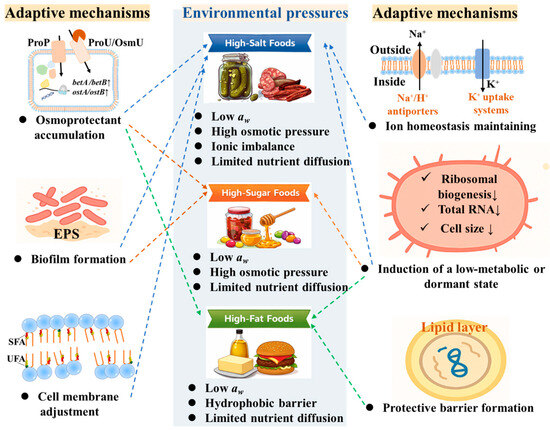
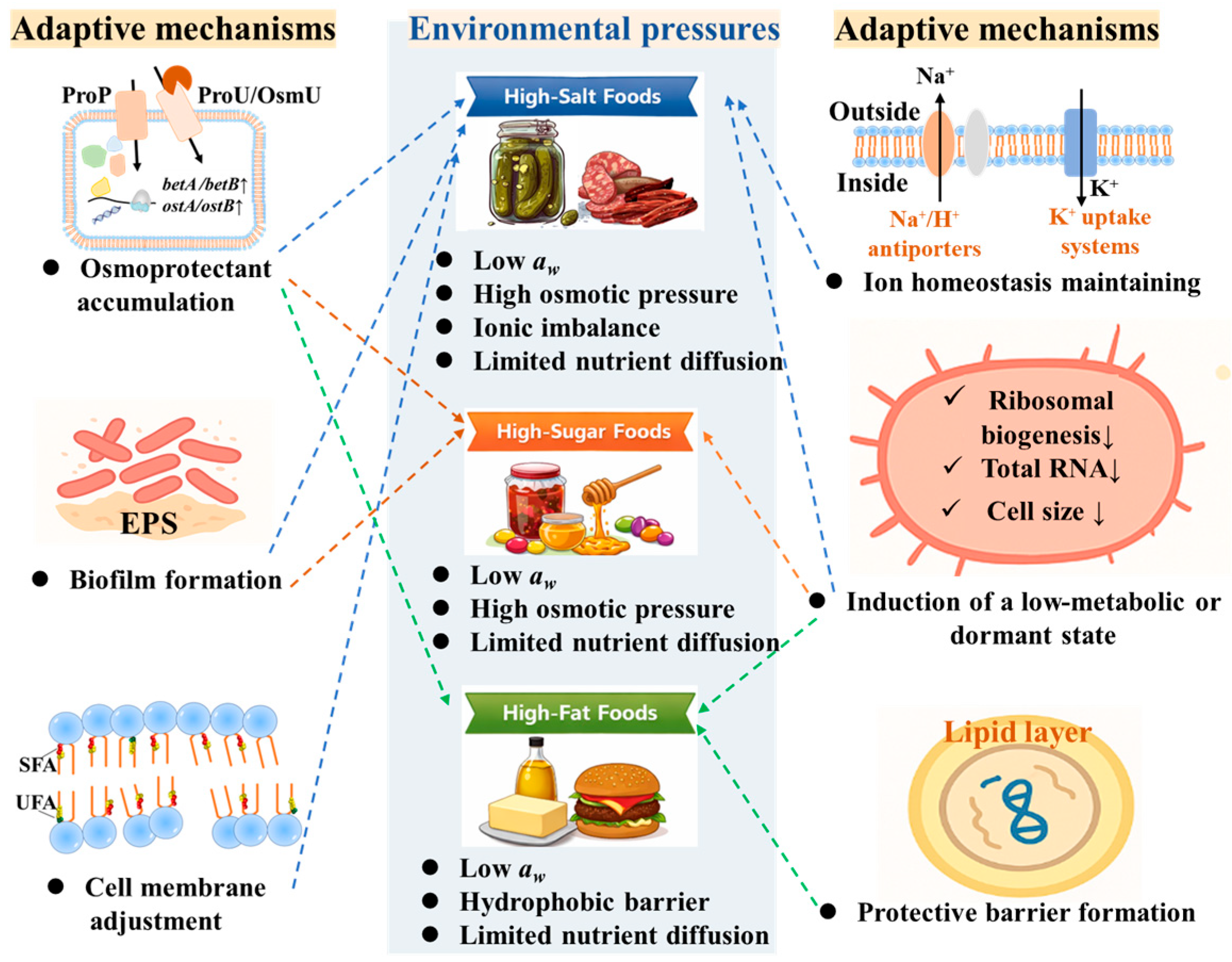
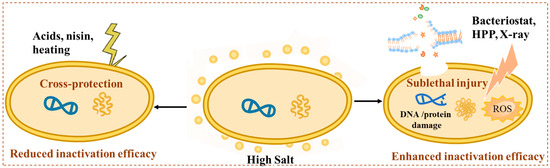
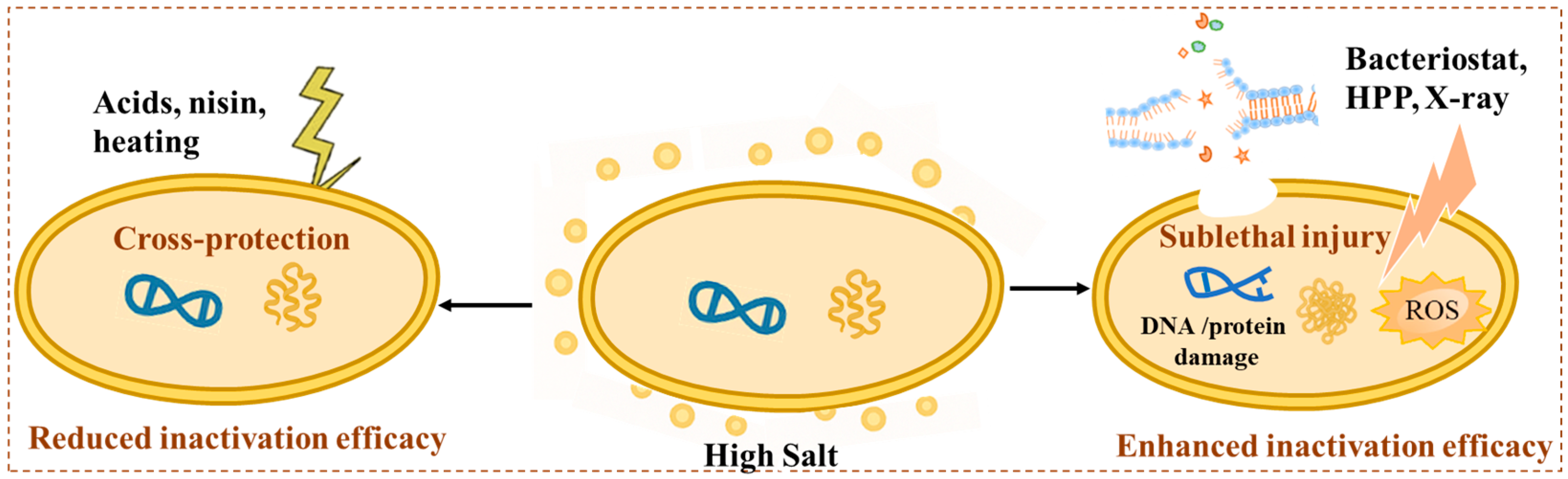
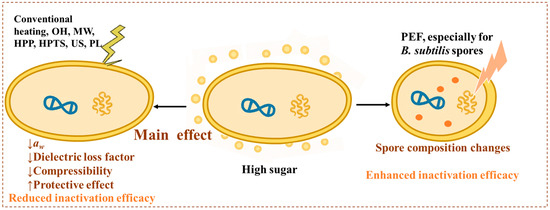
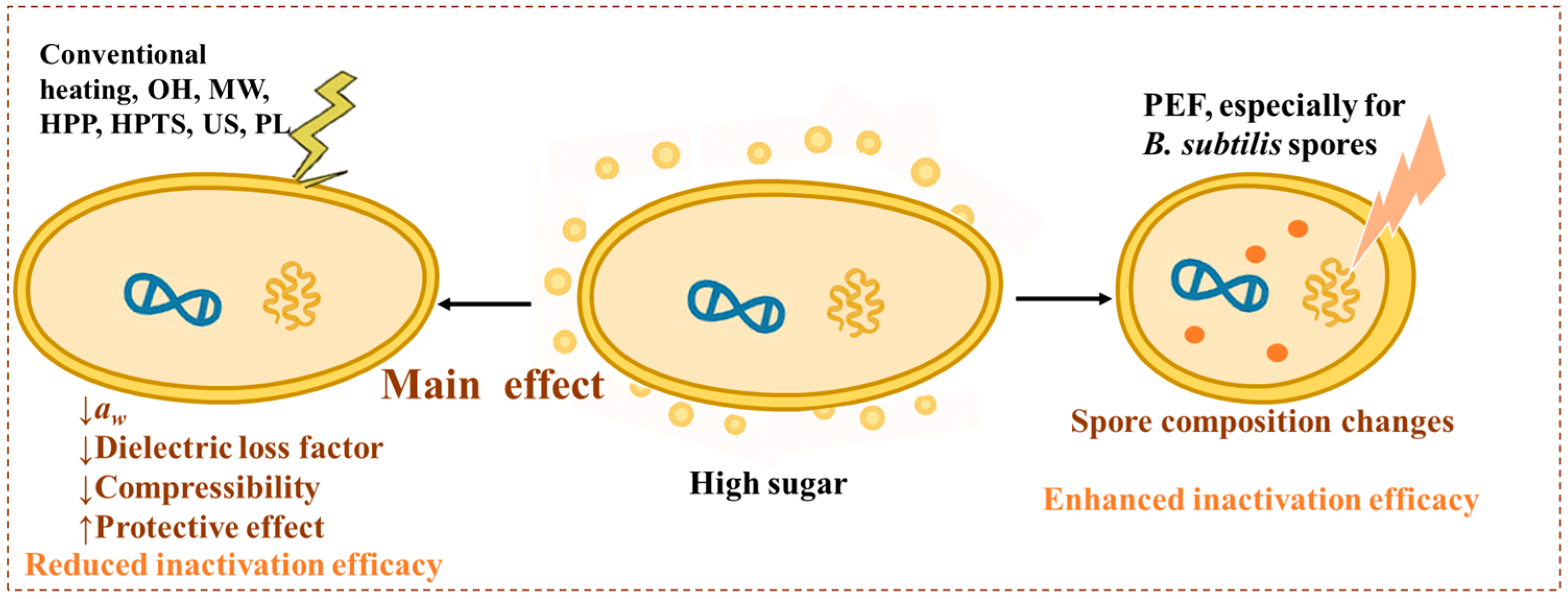
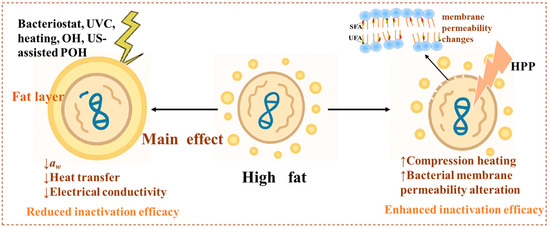
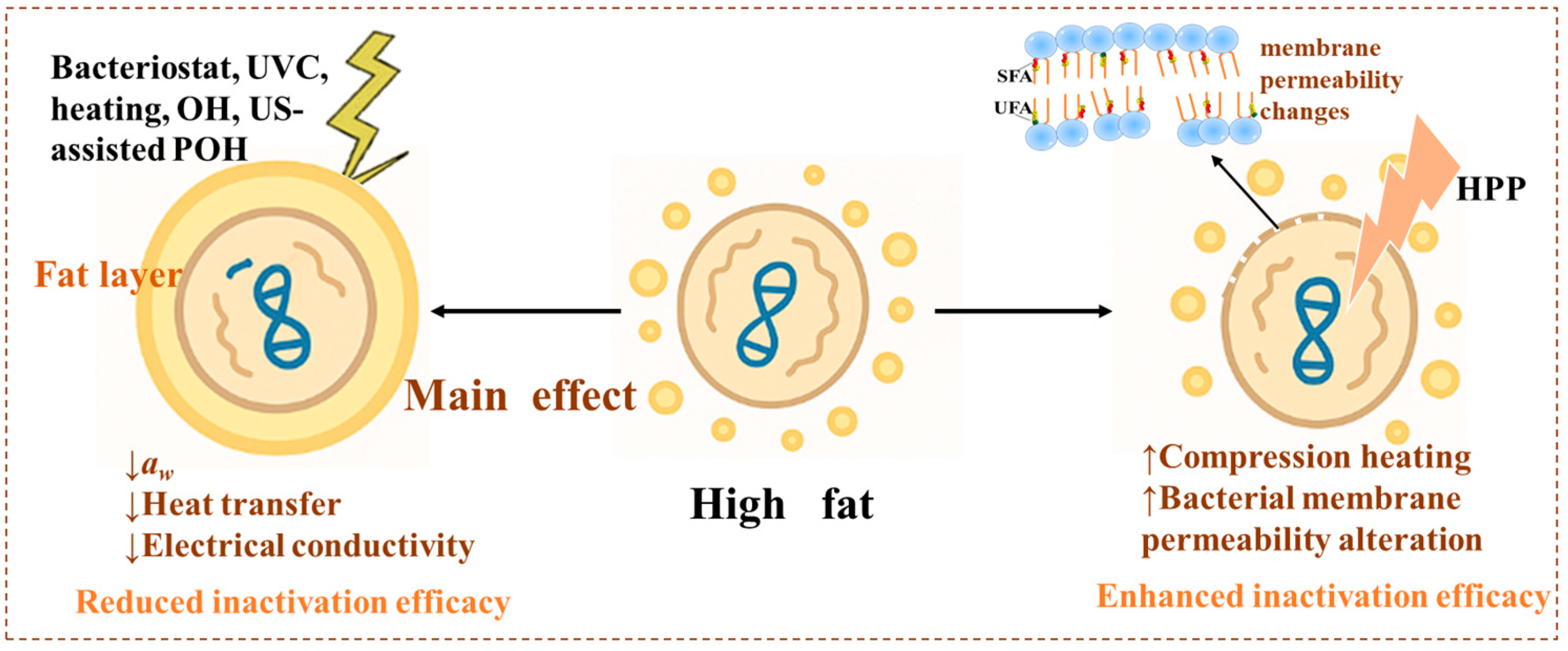

Disclaimer/Publisher’s Note: The statements, opinions and data contained in all publications are solely those of the individual author(s) and contributor(s) and not of MDPI and/or the editor(s). MDPI and/or the editor(s) disclaim responsibility for any injury to people or property resulting from any ideas, methods, instructions or products referred to in the content. |
© 2026 by the authors. Licensee MDPI, Basel, Switzerland. This article is an open access article distributed under the terms and conditions of the Creative Commons Attribution (CC BY) license.