


Abstract
With extremely low odor thresholds and potent flavor activity, sulfur-containing aroma compounds (SACs) constitute the molecular cornerstone of characteristic flavors in meat, coffee, and fermented foods. Research has advanced from early component identification to the elucidation of structure–activity relationships, olfactory receptor recognition mechanisms, and food-flavor improvement. This review first summarizes the detection and quantification methods for SACs, their distribution in foods, key odor contributions, and major formation pathways. It then highlights progress in understanding molecular structural parameters, olfactory receptor recognition, and computational simulations that decode flavor perception mechanisms. From a translational perspective, we further discuss flavor retention in real food matrices, off-flavor regulation, cross-modal perceptual enhancement, and functional applications. Current challenges include food matrix complexity, high compound reactivity, and nonlinear olfactory combinatorial coding. Future directions involve constructing a multiscale predictive framework integrating neuroscience, developing explainable artificial intelligence to decode olfactory coding, and advancing closed-loop green biomanufacturing for the precise design and sustainable production of SACs.
1. Introduction
Flavor is the core attribute determining food quality and consumer acceptance, and its essence is the integrated olfactory perception formed when groups of volatile compounds stimulate olfactory receptors [1]. Among the tens of thousands of food volatiles identified, fewer than 3% are recognized as key food odorants (KFOs) because their concentrations exceed their sensory thresholds, thus dominating the characteristic aroma of foods [2]. Among KFOs, sulfur-containing aroma compounds (SACs) occupy a special position due to their exceptionally high flavor impact: although they account for only about 10% of total volatile substances, they represent up to 16% of the 226 established KFOs, making them one of the most representative categories [3]. This prominent status stems from their universally extremely low odor thresholds (often down to ng/L or µg/L levels) and their intense, distinctive sensory characteristics (e.g., meaty, garlic-like, fruity notes), rendering them key contributors that shape the characteristic flavor profiles of numerous food systems ranging from fruits and vegetables to meats and fermented products [4].
SACs have long been a hot topic in food flavor chemistry [5], and with the advancement of research techniques, the SACs research paradigm has undergone a profound shift from macro-level phenomenon description to micro-level mechanism elucidation. Early studies achieved a breakthrough from observing aroma generation upon heating to pinpointing key SACs, relying on gas chromatography-mass spectrometry (GC-MS) to identify landmark compounds such as 2-methyl-3-furanthiol and its disulfide [6]. Entering the 21st century, the research focus shifted from discovering what they are to understanding why they are. Baoguo Sun’s team proposed a structural model for meaty aroma molecules (e.g., 1,2-oxo/thio functional groups) [7], preliminarily establishing a qualitative relationship between molecular structure and sensory attributes. Subsequently, studies by Schieberle and coworkers [8,9,10,11,12] entered the quantitative structure–activity relationship (QSAR) phase, systematically revealing for the first time the precise influence of structural parameters on odor thresholds, thereby driving the research deeper from “macroscopic rule summarization” toward “molecular-level structure–activity relationship elucidation and olfactory recognition mechanism analysis”.
Building on these molecular-level insights, a series of specialized reviews have systematically catalogued the occurrence, formation, analysis, and sensory roles of volatile sulfur compounds across diverse food systems: baijiu [4,13], beverages (with a focus on 2-furfurylthiol) [14], vegetables and mushrooms [15], Allium plants [16], garlic [17], fermented products (cheese, wine, beer) [18], cooked meat [19], seafood [20], and thiols as key food odorants [21]. These works collectively establish a solid knowledge base on precursor chemistry, enzymatic and thermal generation pathways, and extraction/detection methodologies.
However, SACs research still faces a fundamental bottleneck: existing studies largely elucidate molecular mechanisms in simplified systems (pure compounds or model solutions), whereas the flavor performance of SACs in real foods results from the coupling of multiscale processes—molecular structure, receptor recognition, food matrix interactions, and neural coding. Proteins, lipids, and carbohydrates in food matrices can alter the release kinetics and olfactory accessibility of SACs through non-covalent or covalent interactions. Meanwhile, SACs not only directly activate olfactory receptors but can also allosterically modulate taste receptors (e.g., T1R1/T1R3) or trigger cross-modal enhancement effects (such as odor-induced saltiness enhancement, OISE) [22,23,24], reshaping overall flavor perception at the receptor level. This complexity, spanning from molecules to systems, demands that the research paradigm shift from isolated structural elucidation toward integrative multiscale prediction.
Unlike previous matrix-specific or compound-specific reviews, this review takes key odorant mapping, mechanism decoding, and flavor design as the main thread to summarize recent advances in SACs research. It begins with a systematic mapping of 54 key SACs across 221 food samples, providing an integrated view of their distribution patterns and odor contributions in diverse food systems. It then decodes the structure–odor mechanisms of SACs by tracing the progression from empirical associations between molecular structure and odor quality, to quantitative structure–threshold relationships, olfactory receptor recognition, and computational chemistry. On this basis, the review further discusses how these molecular mechanisms can be translated into flavor modulation and design in real food matrices, including flavor retention, off-flavor masking, cross-modal sensory enhancement, and functional applications. Finally, it highlights future directions involving multiscale prediction, explainable artificial intelligence, and green biomanufacturing, providing a theoretical framework for developing predictable and designable SACs-based food flavor systems.
2. Key SACs in Foods
SACs are bioactive volatiles that fundamentally define the flavor identity of diverse food systems. However, their high chemical reactivity, thermal lability, and matrix-dependent release behavior pose substantial challenges to accurate qualitative and quantitative analysis, key odorant identification, and formation pathway elucidation. This section systematically reviews research progress on foodborne SACs across three progressive dimensions: first, the technical evolution from accurate detection to ultra-trace quantification; second, the distribution patterns and key flavor contributions of SACs across major food categories; and third, the biosynthetic and chemical formation mechanisms governing SAC generation via the Maillard reaction, thiamine degradation, and enzymatic/microbial pathways. Together, these aspects establish the chemical foundation for targeted flavor modulation in real food systems.
2.1. Detection Technologies for SACs
Current analytical approaches for SACs have evolved into a multi-tier technical system centered on conventional chromatographic analysis and complemented by emerging rapid detection and intelligent sensing technologies, providing essential support for food flavor profiling and key odorant identification [25,26]. The differences among these techniques in terms of information depth, analysis speed, and technical maturity are illustrated in Figure 1.
Figure 1.
Differences in various technologies in terms of information depth, analysis speed and technical maturity for the detection of SACs.
Among traditional detection methods, gas chromatography (GC) remains the core platform for the analysis of volatile SACs. When combined with appropriate pretreatment and enrichment techniques—such as liquid–liquid extraction (LLE), headspace solid-phase microextraction (HS-SPME), dynamic headspace sampling (DHS), and stir bar sorptive extraction (SBSE)—the enrichment efficiency and detection sensitivity for target compounds can be significantly improved [27]. Among these, HS-SPME is widely applied in the separation and enrichment of SACs due to its simple operation, solvent-free nature, and suitability for complex matrices. Meanwhile, sulfur-specific detectors, such as the flame photometric detector (FPD), pulsed flame photometric detector (PFPD), and sulfur chemiluminescence detector (SCD), can further enhance the selective detection capability for SACs. In particular, SCD demonstrates strong advantages in the analysis of trace SACs owing to its high selectivity for sulfur and low detection limit [28].
For thiol compounds, derivatization strategies are particularly important due to their susceptibility to oxidation, poor stability, and insufficient detection sensitivity by direct analysis [29]. Converting thiols into more stable and more responsive derivatives can effectively improve their chromatographic behavior and enhance detection performance. Common derivatization reagents include DTDP (2,2′-dithiodipyridine), PFBBr (pentafluorobenzyl bromide), pHMB (p-hydroxymercuribenzoic acid), and ETP (N-ethylthiophthalimide). Among them, DTDP is frequently coupled with ultra-performance liquid chromatography–tandem mass spectrometry (UPLC-MS/MS) for the highly sensitive quantification of thiols in acidic food matrices, serving as one of the important methods for detecting such compounds [30].
Beyond traditional techniques, emerging detection technologies are also demonstrating promising application prospects in SACs analysis. For instance, online rapid detection techniques such as proton transfer reaction mass spectrometry (PTR-MS) and gas chromatography–ion mobility spectrometry (GC-IMS) can be used for real-time monitoring of volatile components and flavor pattern recognition during processing and fermentation [31,32,33], while intelligent sensing technologies such as electronic noses (E-nose) can be applied to aroma fingerprinting and quality discrimination [34,35]. By recording the electrophysiological signal changes in the human brain under different SACs, electroencephalography (EEG) enables objective quantification of consumers’ perceptual preferences and emotional responses to different flavor characteristics, compensating for the strong subjectivity and poor reproducibility of traditional sensory evaluation [36,37]. Furthermore, integrated omics approaches, particularly the combination of sensomics and metabolomics, allow the elucidation of key SACs and their formation mechanisms from multiple dimensions: chemical composition, sensory response, and metabolic origin [38,39].
Overall, the detection technologies for SACs are advancing from single-target analysis toward highly sensitive, high-throughput, and multidimensional integrated analysis. In the future, with the further integration of chromatographic separation, mass spectrometric detection, intelligent sensing, and data mining technologies, the capabilities for accurate identification, real-time monitoring, and mechanistic elucidation of SACs will be continuously enhanced.
2.2. Quantitative Methods for Key SACs
Accurate quantification is essential for evaluating the odor contribution of SACs and for constructing reliable key odorant maps. Because SACs generally occur at trace or ultra-trace levels and are highly volatile, reactive, and matrix-sensitive, their concentrations can be easily underestimated during extraction, enrichment, or instrumental analysis [40,41]. Such quantitative bias directly affects the calculation of odor activity values (OAV, the ratio of the concentration of a target flavor compound to its odor threshold) and may lead to misclassification of key food odorants [42].
Current quantitative strategies for SACs mainly include stable isotope dilution assay (SIDA), internal standard method (ISM), external standard method (ESM), and area normalization method (ANM). Among them, SIDA is generally regarded as the most reliable approach for aroma quantification. Furthermore, the matrix effect on odor thresholds is a critical factor that must be taken into account, and the odor threshold values of target compounds should ideally be determined in real sample matrices [43,44]. This advantage is particularly important for SACs, which are prone to volatilization, oxidation, adsorption, and chemical transformation in complex food matrices. Given the importance of SIDA in food flavor analysis, this review lists the preparation methods of stable isotope-labeled internal standards for some important SACs in the Supporting Information (SI).
Nevertheless, SIDA also has practical limitations. The synthesis or commercial availability of isotope-labeled SAC standards remains limited, especially for rare or newly identified sulfur odorants. In addition, deuterated analogues may show slightly different chromatographic behavior from the target compounds because of isotope effects, potentially affecting quantification accuracy [45,46]. Therefore, although SIDA provides the most robust basis for OAV calculation and key odorant screening, cross-study comparisons should consider differences in extraction methods, calibration strategies, isotope standards, and threshold media [47]. Future quantitative studies should develop more accessible isotope-labeled standards, pseudo-SIDA strategies based on high-resolution mass spectrometry, and standardized workflows to improve the comparability of SACs datasets across food systems [48].
In this review, the reported quantitative data and OAV derived from the literature serve as the methodological basis for the subsequent mapping of key SACs across food systems.
2.3. Key Odorant Mapping of SACs Across Food Systems
SACs are widely distributed across various food systems, and their unique aroma characteristics and extremely low perception thresholds play an indispensable role in shaping the characteristic flavor profiles of foods [49].
2.3.1. Food-Category Distribution and Sensory Relevance of SACs
SACs are widely distributed, but their formation pathways and sensory roles show clear food-category specificity. In fruits and vegetables, sulfur compounds such as diethyl disulfide in durian, sulfides in Allium plants, and isothiocyanates in Brassica vegetables contribute tropical, alliaceous, pungent, or roasted notes [50,51,52]. In thermally processed foods, especially meat products, Maillard reaction- and lipid degradation-derived furan thiols and disulfides, such as 2-methyl-3-furanthiol, are indispensable contributors to meaty and roasted aromas [53,54]. In aquatic products and fermented foods, SACs such as dimethyl sulfide, thiazoles, and furfurylthiol shape marine, sulfurous, fermented, roasted, or sesame-like aroma profiles [55,56,57]. SACs are also key contributors to the roasted and nutty notes of coffee, whereas excessive or imbalanced SACs may generate undesirable off-flavors, such as grassy notes in rapeseed oil [14,58].
These examples indicate that SACs act as both flavor-defining molecules and potential sources of aroma defects. Their high potency and broad distribution make them important not only for explaining characteristic food aromas, but also for developing predictive models of flavor quality across food matrices.
2.3.2. OAV-Based Mapping of Key SACs
To move beyond isolated food-specific observations, this review further constructed an OAV-based key odorant map of SACs across food systems. OAV, defined as the ratio of the concentration of an odorant in a food matrix to its odor threshold in an appropriate medium, is commonly used to estimate the contribution of individual odorants to overall aroma [59]. Compounds with OAV ≥ 1 are generally considered key food odorants in the corresponding food product [60].
Given that SACs are typically present at extremely low levels in foods and exhibit high reactivity, ease of oxidation, and volatility, accurate quantification using SIDA is essential; and in line with the definition of key food odorants proposed by Hofmann et al. [2], the inclusion was limited exclusively to studies that utilized SIDA. SIDA uses isotopically labeled internal standards that behave identically to the target analytes throughout extraction, purification, and instrumental analysis, and is currently the only technique capable of providing accurate and robust quantitation for these labile trace compounds. Non-SIDA methods cannot adequately correct for recovery losses or matrix suppression, leading to potentially erroneous concentration data and unreliable OAV, thereby compromising the identification of key odorants. Therefore, SIDA exclusivity is a scientifically necessary prerequisite to ensure the highest level of data reliability for the systematic evaluation of sulfur-containing key odorants across diverse food matrices.
The literature collection comprised two sources. (i) The dataset focused on quality was established by Hofmann and colleagues from 1980–2013 [2]. This dataset employed the following inclusion criteria specified in advance for filtering key odorants: localization of the most intense odorants directed by bioactivity using gas chromatography olfactometry analysis; identification of key odorants by comparing chromatographic retention times, mass spectrometric data, and sensory data with those of reference compounds synthesized independently; and comprehensive quantitation of the entire set of key odorants using accurate and robust techniques such as stable isotope dilution analyses. From this dataset, 42 publications reporting key odorants that contain sulfur were retained. (ii) A systematic update from 2013 to 2026 retrieved from ScienceDirect, Pubmed and Web of Science on 1 May 2026, using the same criteria, yielded 163 records, of which 59 met the inclusion criteria for sulfur-containing compounds. In total, 101 publications covering 221 food samples were included. The detailed search strategy and screening protocol are provided in Supplementary Materials.
Based on these data, 54 SACs with significant odor contributions were identified as key SACs. Figure 2 summarizes their structural classification and occurrence frequency, showing that thiols and thioethers are the dominant categories, followed by isothiocyanates, sulfur-containing heterocycles, and inorganic sulfides. This distribution reflects the prevalence of sulfur-containing amino acid degradation, microbial metabolism, and Maillard-type reactions across food matrices.
Figure 2.
Structural classification and occurrence frequency distribution of the 54 key SACs.
Figure 3A shows the structures, numbers, and names of the 54 key SACs; meanwhile, the OAV heatmap in Figure 3B further reveals two major patterns of how SACs contribute to odor. First, some SACs, including methional, furfuryl mercaptan, dimethyl sulfide, methanethiol, and 2-methyl-3-furanthiol, occur frequently and exhibit high OAV across diverse matrices such as coffee [61], dairy products [62], baked foods [63], meat products [53], and fruits [64]. These compounds can be regarded as broadly distributed sulfur-containing key odorants that contribute to common sensory dimensions such as cooked, roasted, savory, and sulfurous notes [65]. Second, certain SACs show extremely high OAV but narrow food distribution. For example, ethanethiol, ethane-1,1-dithiol, and propane-1-thiol are mainly reported in durian and are closely associated with its distinctive aroma identity [50]. Therefore, SACs contribute to food aroma through both cross-matrix commonality and food-specific signature effects.
Figure 3.
(A) Structures, serial numbers, and names of 54 key SACs. (B) Heatmap displaying the OAV and the assignment of the 54 key SACs characterized in 221 food samples.
However, the interpretation of OAV-based mapping requires caution. Odor thresholds may be determined in different media, including water, oil, air, or model matrices, and may vary depending on whether GC-O, sensory threshold testing, or sensomics-based approaches are used [66]. Moreover, OAV does not fully account for retronasal release, matrix binding, mixture interactions, or nonlinear olfactory coding [67,68]. Therefore, Figure 3 should be interpreted as a reported key odorant contribution map rather than a direct quantitative comparison of odor intensity across all foods.
2.4. Formation Pathways Underlying SACs Distribution Patterns
The formation of SACs in foods is governed by a pathway-coupled network involving thermal reactions, thiamine degradation, and enzymatic/microbial metabolism [69,70]. These pathways explain why certain SACs repeatedly appear as key odorants across different food matrices, while others remain highly food-specific [71].
In thermally processed foods, the Maillard reaction and Strecker degradation convert sulfur-containing amino acids and reducing sugars into thiophenes, thiazoles, and thiols, thereby generating important roasted, cooked, savory, and meaty odorants (Figure 4A) [69]. Cysteine serves as a key precursor for hydrogen sulfide (H2S), ammonia, and acetaldehyde via pyrolysis and Strecker degradation, which subsequently react with sugar-derived carbonyl intermediates to form thiophenes, thiazoles, and thiols such as 2-furanmethanethiol [72]. Methionine undergoes Strecker degradation to produce methional, a potent cooked-savory odorant that can be further converted to methanethiol and dimethyl sulfide [73]. The sulfur intermediates generated from both amino acids have low odor thresholds and are indispensable for meaty and roasted aromas. Representative products include furfuryl mercaptan, a key contributor to the roasty aroma of coffee, and methional, which is widely associated with cooked and savory notes in heated or fermented foods [14,74]. Thiamine degradation provides another route to potent meaty odorants, such as 2-methyl-3-furanthiol and bis(2-methyl-3-furyl) disulfide, particularly in meat systems (Figure 4B) [75].
Figure 4.
Metabolic synthesis pathways of SACs. (A) Maillard reaction. (B) Thiamine degradation. (C) Enzymatic reaction. (D) Effects of pH on the formation of SACs.
In fresh and fermented foods, enzymatic or microbial reactions dominate SACs formation [76,77,78]. Typical examples include alliinase-mediated conversion of S-alk(en)yl cysteine sulfoxides in Allium plants and microbial C-S lyase-mediated conversion of methionine to methanethiol in fermented dairy products (Figure 4C). These reactions generate matrix-specific SAC profiles and explain the characteristic alliaceous, fermented, sulfurous, or cheese-like aroma attributes of corresponding foods [70].
Processing conditions further redirect SACs formation [79,80]. pH affects the balance between H2S generation, thiol accumulation, and sulfur-containing heterocycle formation, while temperature influences Maillard reaction progression, lipid–Maillard interactions, and thiol oxidation (Figure 4D) [19]. Thus, precursor composition and processing control determine whether SACs contribute desirable characteristic aromas or undesirable off-flavors [71].
Overall, formation pathways provide the chemical basis for the SACs distribution patterns described above and establish a mechanistic bridge from key odorant mapping to subsequent structure–odor relationship analysis.
3. Advances and Limitations in Deciphering the Structure–Odor Relationship of SACs
SACs are important components that determine aroma characteristics in foods, spices, and related flavor systems. Structure–odor relationship (SOR) studies aim to elucidate the association between molecular structural features (e.g., functional group types, carbon chain length, substitution patterns, and spatial configuration) and sensory attributes (e.g., odor quality, intensity, and olfactory threshold), thereby establishing predictive relationships between molecular structure and sensory outcomes [8,81]. This constitutes the cornerstone for a deeper understanding of olfactory perception mechanisms and the rational design of novel flavor molecules. Centered on this direction, SOR research on SACs has completed the leap from “macro-level rule summarization” to “quantitative analysis at the molecular level”, and is progressively extending toward olfactory receptor recognition and binding mechanisms at the atomic level.
3.1. Research Approaches for SOR of SACs
Current research approaches for the SOR of SACs have formed a multi-level complementary system consisting of sensory evaluation, chromatographic analysis, receptor-level characterization, and computational simulation, primarily encompassing the following categories of methods (Figure 5).
Figure 5.
Four research methods for SACs. (A) Three-Alternative Forced-Choice Method (3-AFC). (B) Gas Chromatography-Olfactometry (GC-O). (C) Olfactory receptor cell-based assay. (D) Molecular docking and molecular dynamics simulation, and Quantitative Structure–Activity Relationship (QSAR).
3.1.1. Three-Alternative Forced-Choice Method (3-AFC)
The 3-AFC method is a commonly used standard method for determining the olfactory thresholds of SACs (Figure 5A). Based on the principle of statistical discrimination, this method presents assessors with two identical samples and one different sample, requiring them to identify the odd one. The group olfactory threshold is then estimated by combining gradient dilution with probit analysis [82].
This method serves as an important basis for calculating OAV and can be used to systematically analyze the influence of molecular structural changes on odor intensity. Its advantage lies in its ability to measure thresholds across different food matrix systems. Its main drawbacks are the high purity requirements for standards, particularly with regard to odor purity, and a relatively cumbersome and time-consuming experimental procedure. The preparation, stability control, and storage of SACs at low concentrations all present considerable difficulty [83].
3.1.2. Gas Chromatography-Olfactometry (GC-O)
GC-O combines the high separation capacity of gas chromatography with the high sensitivity of human olfactory perception, serving as the core technique for identifying key SACs in complex samples (Figure 5B). After chromatographic separation, the effluent is split proportionally between a chemical detector and an olfactory detection port, where trained assessors simultaneously record the odor characteristics, intensity, and retention time of each peak, thereby establishing a correspondence between chemical signals and sensory responses. Common data acquisition methods include the detection frequency method, aroma extract dilution analysis (AEDA), and direct intensity method [84].
In AEDA, the aroma extract is stepwise diluted at a fixed ratio, and the highest dilution at which a compound can still be detected is recorded as its flavor dilution (FD) factor, with a higher FD factor indicating stronger aroma activity. By combining AEDA with quantitative measurements (e.g., using SIDA or external calibration), FD factors can be related to concentrations, allowing the estimation of matrix-corrected odor thresholds and effectively overcoming the challenges of preparing pure standards and interference from matrix effects [8,9,10,11,12]. GC-O enables the identification of SACs at the ng/L level. By combining quantitative results with matrix-corrected thresholds, the OAV can be calculated, and the flavor contribution of individual compounds can be further verified through aroma recombination and omission experiments [85,86]. Its limitations include high instrumental cost, stringent requirements for assessors, and the potential degradation or transformation of thermally labile SACs during the chromatographic process [83].
3.1.3. Olfactory Receptor Heterologous Expression Cell Technology
Olfactory receptor heterologous expression cell technology enables the direct investigation of interactions between SACs and specific olfactory receptors (ORs) by expressing these receptors in vitro, thereby revealing olfactory recognition mechanisms at the molecular level (Figure 5C). This technique is based on the signal transduction principles of G protein-coupled receptors (GPCRs) and typically evaluates the activation capacity of compounds by monitoring changes in intracellular second messengers (e.g., cyclic adenosine monophosphate (cAMP) or Ca2+) levels, with further calculation of the half-maximal effective concentration (EC50) [87].
This technology facilitates high-throughput screening and helps explain individual olfactory differences, but its limitations include the complexity of constructing the experimental system and the fact that in vitro receptor responses may not fully reflect the actual in vivo perceptual process [88,89].
3.1.4. Computational Chemistry Methods
Computational chemistry methods are grounded in the principles of quantum chemistry and molecular simulation (Figure 5D). By calculating molecular electronic structures, physicochemical properties, and intermolecular interactions, these approaches predict the sensory attributes of compounds and elucidate their underlying mechanisms of action. Commonly employed strategies include QSAR, molecular docking, and molecular dynamics simulations [8,10,90].
Such methods can rapidly predict olfactory-related properties of unknown SACs and theoretically reveal possible interaction modes between molecules and receptors—such as hydrogen bonding, hydrophobic interactions, and metal coordination—thereby providing guidance for the rational design of novel flavor molecules [91]. However, their predictive accuracy is highly dependent on model construction, parameter selection, and the quality of training data, and the actual interaction processes in complex biological systems still require experimental validation [92].
3.2. Structural Motifs Governing the Odor Quality of SACs
While a complete theoretical model for smell remains elusive, decades of research have successfully associated specific molecular frameworks with distinct aroma qualities, providing an invaluable, if incomplete, empirical guide (Table S2). For meaty aromas, foundational work identified key structural prerequisites. Early models emphasized geometric features like a free-rotating methyl group and specific distances between heteroatoms in furan- or thiophene-based sulfides (Figure 6(Aa)) [93]. This was later synthesized into the recognition of a 1,2-oxygen/sulfur or 1,2-sulfur/sulfur skeleton as a core “meaty olfactophore”, explaining the sensory properties of seminal compounds like 2-methyl-3-furanthiol and bis(2-methyl-3-furyl) disulfide (Figure 6(Ab)) [7]. Tropical and fruity notes, in contrast, are strongly linked to polyfunctional thiols featuring a 1,3-oxygen-sulfur arrangement. This “tropical olfactophore” is exemplified by compounds such as 4-mercapto-2-heptanone and its corresponding alcohol, where the specific spatial arrangement of sulfur and oxygen is critical (Figure 6(Ac)) [94,95]. Similarly, the pungent alliaceous character of garlic and onion is reliably associated with allylthio or propylthio groups, with subtle structural differences dictating the specific garlic- or onion-like nuance (Figure 6(Ad)) [96]. Finally, the roasted coffee character is dominantly imparted by the furfurylthio moiety, as seen in furfurylthiol and its derivatives (Figure 6(Ae)) [96].
Figure 6.
SOR of key SACs. (A) Characteristic structures from: (a) meat (Type 1); (b) meat (Type 2). X is O or S; p is a group coplanar with the α-carbon atom and the methyl carbon atom (such as C=O), or an atom different from O (such as S); (c) tropical fruits & vegetables; (d) garlic/onion; (e) coffee. (B) Odor thresholds and sensory characteristics governed by chain length, functional groups, stereochemistry and steric effects. Adapted from [8,12,95].
3.3. Molecular Parameters Determining the Odor Thresholds of SACs in Air
Beyond identifying broad structural motifs, detailed studies [8,9,10,11,12,94,95,97,98,99] have quantified how finer parameters, including functional groups, chain length, stereochemistry, and steric environment, precisely tune odor activity (Figure 6B). Notably, the odor thresholds and sensory characteristics of these SACs were both measured by GC-O in the airborne phase.
The thiol (-SH) group is paramount, often conferring odor intensities orders of magnitude greater than its alcohol (-OH) analogue, fundamentally altering odor character [97]. Systematic work by Schieberle’s team revealed nuanced dependencies: in homologous series of aliphatic thiols and mercaptoalkanols, odor thresholds exhibit a parabolic relationship with chain length, reaching an optimum (e.g., C6 for 1-hexanethiol at 0.010 ng/L) [8,10]. Crucially, replacing the thiol with other groups drastically reduces potency, underscoring its unique role.
Stereochemistry (i.e., the three-dimensional arrangement of atoms in a molecule) is a key determinant of odor quality and potency. For the “tropical olfactophore”, the (S)-configured 4-mercapto-2-alkanones possess lower thresholds and more desirable fruity notes than their (R)-counterparts, while for 4-mercapto-2-alkanols, the (2R,4R)-diastereomer is most potent [98,99]. This chiral recognition implies highly specific interactions with olfactory receptors. However, such clear correlations can vanish with minor structural shifts; 2-mercapto-4-alkanones lack the strong tropical character and show weaker stereochemical differentiation [94,95].
Steric accessibility (i.e., the spatial availability of the thiol group for receptor binding) is equally critical. Studies on aromatic and cyclic thiols demonstrate that shielding the thiol group by bulky substituents or incorporating it into a constrained ring system significantly increases odor thresholds, whereas exposed primary thiols maintain ultra-low detection levels [8,9,10,11,12]. This highlights the importance of the molecule’s three-dimensional shape for receptor binding.
Further exploration of SOR reveals that heteroatom substitution within the ring skeleton is not a simple superposition of functional groups. For example, replacing the oxygen atom in damascenolide with sulfur yields the 2,5-dihydrothiophen-2-one analogue, which does not produce the expected sulfurous odor but instead exhibits waxy, fatty, and lactone-like characteristics, indicating that the odor of SACs is an emergent property of the molecule’s entire electronic system [100]. At the other end of the molecular-size spectrum, high-molecular-weight thioesters (>260 Da) synthesized from 4-ethyloctanoyl chloride, despite their low volatility, can continuously release distinct meaty, roasted, and sulfurous notes over an extended period, demonstrating that increasing molecular weight can shift functionality from immediate perception toward aroma persistence, which is crucial for flavor retention in complex food matrices [101].
These findings collectively illustrate a sophisticated, multi-parameter SOR where odor is an emergent property of the entire molecular structure. While quantitative trends within homologous series are well-established, a critical predictive gap persists: the current empirical and QSAR models struggle to extrapolate accurately across different SAC classes (e.g., from thiols to sulfides) or to account for the non-linear, combinatorial nature of odor perception in mixtures [102]. Furthermore, these structure–activity correlations, often derived in isolation, frequently fail to predict odor in real food contexts, highlighting the need to move beyond static molecular structures toward a systems-level perspective that integrates receptor biology, perceptual neurobiology, and food matrix physics [103]. This gap will be further elaborated in the context of computational and matrix-related limitations in Section 3.4 and Section 5.
3.4. Olfactory Receptor Recognition of SACs
The study of SOR in SACs has identified ORs as crucial determinants of their high potency and specificity. KFOs among SACs, particularly thiols with extremely low odor thresholds, are often detected by highly specialized ORs. For instance, the human receptor OR2M3 responds exclusively to the onion KFOs 3-mercapto-2-methylpentan-1-ol (Figure 7A). Strikingly, its in vitro EC50 values for a homologous series mirror the in vivo odor threshold trend: both exhibit a pronounced V-shape across C4 to C6 chain lengths, with the highest potency (lowest EC50 and threshold) at the C5 homologue. This high selectivity is underscored by its complete lack of response to analogues with chains shorter than C4 or longer than C6, revealing its narrowly tuned nature (Figure 7B) [104]. This function is not found in its archaic hominin orthologs, suggesting a modern human-specific dietary adaptation. In contrast, broadly tuned receptors like OR2W1 recognize a wide spectrum of structurally diverse KFOs, including various SACs, highlighting its role in combinatorial odor coding [87]. This dual strategy of “specialist” and “generalist” receptors enables a multi-layered perceptual encoding. Moreover, single nucleotide polymorphisms (SNPs) in OR genes can alter ligand sensitivity, underpinning individual differences in sulfurous odor perception.
Figure 7.
(A) 3-mercapto-2-methylpentan-1-ol is the core optimal ligand of OR2M3 with an EC50 lower than 1 μmol/L. (B) Comparative analysis of in vivo odor thresholds and in vitro EC50 values for the homologous series of 3-mercapto-2-methylalkan-1-ols activating OR2M3 receptor. Adapted with permission from Ref. [104]. Copyright 2016 Oxford University Press.
A major breakthrough in understanding the structural basis of how ORs recognize ligands came with the first experimentally determined cryogenic electron microscopy structure of a human odorant receptor, OR51E2, bound to propionate, a fatty acid with a short chain (PDB ID: 8F76) [105]. This structure revealed that propionate binds within a fully occluded pocket enclosed by transmembrane helices 3–6 (TM3-TM6), forming specific ionic and hydrogen bonds with the carboxylic acid moiety (notably via R2626×59) and van der Waals interactions with the aliphatic chain. Crucially, mutagenesis and computational modeling demonstrated that the geometric volume of this occluded pocket acts as a selectivity filter: expanding the pocket by mutating F1554×57 or L1584×60 to alanine enabled the receptor to accommodate and respond to fatty acids with longer chains (up to C8 and C6, respectively), while reducing potency for the native ligands with short chains. Although OR51E2 recognizes fatty acids rather than odorants containing sulfur, this work establishes fundamental principles directly relevant to the recognition of SACs: (i) odorant selectivity is governed by tight shape complementarity within an occluded pocket; (ii) extracellular loop 3 (ECL3) functions as a critical dynamic gate, with inward movement of TM6 and ECL3 upon ligand binding driving receptor activation; and (iii) the FYGx6×50 motif specific to ORs in TM6 serves as a structural pivot distinct from the CWxP motif of class A GPCRs that are not olfactory. These insights provide a critical structural framework for interpreting the narrow tuning of receptors such as OR2M3, where precise pocket geometry likely enforces strict specificity for chain length in thiols, and suggest that future cryogenic electron microscopy structures of ORs specific for SACs will reveal analogous, chemically tailored recognition logic.
A central challenge in advancing this field lies in deciphering the intricate combinatorial coding rules that govern OR-ligand interactions, where a single odorant can activate multiple receptors and a single receptor can respond to diverse ligands. Recently, two studies have provided important references from different perspectives: Bintu et al. [106] established a spatial molecular atlas of all olfactory receptors in the mouse, revealing the topological principle that natural social odors are encoded by independent spatial domains; Zhang et al. [107] developed enzyme/quantum dot composite gas-selective electrodes mimicking human olfactory receptor cells, achieving specific recognition of hydrogen sulfide, phenol, and other molecules in complex gas mixtures, offering a biomimetic strategy for artificial olfactory sensing. Future systematic receptor screening and structural modeling are poised to further elucidate these precise structure–activity relationships, providing a molecular foundation for sensory design.
3.5. Computational Elucidation of the SOR of SACs
The receptor screening and functional assays reviewed in Section 3.4 have unveiled recognition patterns at the receptor level, while molecular docking and molecular dynamics (MD) simulations have further elucidated the binding mechanisms between SACs and ORs at atomic resolution, bridging receptor-level screening with atomic-level mechanisms and providing a powerful theoretical framework for understanding the interactions between SACs and ORs.
Early computational studies of interactions between ORs and ligands relied heavily on homology models built from distantly related class A GPCRs, which suffered from low sequence identity and limited structural accuracy. However, the determination of the experimentally resolved structure of human OR51E2 by cryogenic electron microscopy (PDB ID: 8F76) [105] has fundamentally transformed this landscape. The OR51E2 structure confirms the canonical architecture of seven transmembrane helices but reveals features specific to ORs and not captured by previous homology models, most notably the occluded ligand-binding pocket, the FYGx6×50 connector motif, and the critical role of ECL3 dynamics in activation. For interactions between SACs and ORs, this breakthrough means that future docking and MD studies can now leverage experimentally validated structural templates and interaction fingerprints, such as persistent contacts involving ionic interactions or hydrogen bonds with conserved pocket residues and metrics of shape complementarity, rather than speculative models with low homology.
At the level of olfactory perception, the binding modes of SACs with ORs exhibit remarkable specificity and diversity. For instance, Xiao et al. [108] found that dimethyl sulfide in Longjing tea binds to the olfactory receptor OR1A1 primarily through hydrophobic interactions (involving residues such as Leu162 and Ile181), which explains the diffusivity and rapid perception characteristics of low-molecular-weight thioethers. Meanwhile, Haag et al. [109], in their study of the broadly tuned receptor OR2W1, revealed that sulfur-containing thiol esters (e.g., 3-mercaptohexyl acetate) preferentially form strong and persistent hydrogen bonds with the key residue Tyr2596.51 (MD simulations showed a hydrogen bond occupancy of up to 64.33%), and the calculated highly negative binding free energy (−22.67 ± 2.02 kcal/mol) supports the stability of this interaction. Liu et al. [90] discovered that SACs in rapeseed oil (3-butenyl isothiocyanate, dimethyl/trisulfide) primarily rely on hydrogen bonding for receptor binding, whereas the non-sulfur compound phenylacetonitrile is recognized through π-interactions. Such fundamental differences in binding modes may lead to significant distinctions in the dynamics of olfactory perception (e.g., saturation kinetics) between the two, highlighting the key role of the sulfur atom in molecular recognition.
The OR51E2 structure further validates the utility of MD simulation methodologies applied to systems involving SACs and ORs. In OR51E2, five independent MD simulations of one microsecond each quantified contact frequencies between propionate and pocket residues, tracked ECL3 conformational flexibility, and demonstrated that ligand binding stabilizes the connector region by restraining F2506×47 rotamers and maintaining the hydrogen bond between S1113×40 and Y2516×48. These same analytical approaches, including heatmaps of contact frequencies, monitoring of distance trajectories, and calculations of pocket volume, are directly transferable to receptors specific for SACs. For example, the observation that an occluded pocket enforces strict ligand length selectivity in OR51E2 supports the hypothesis that the narrow tuning of OR2M3 for the C5 compound 3-mercapto-2-methylpentan-1-ol arises from similarly constrained pocket architecture. Likewise, the finding that R2626×59 in ECL3 acts as an activation trigger by coordinating the polar headgroup of the ligand suggests that ORs specific for thiols may employ analogous conserved arginine or tyrosine residues to anchor the sulfhydryl group.
Nevertheless, it is important to note that experimentally determined structures of ORs specific for SACs, such as OR2M3, OR2W1, or OR1A1, remain to be solved. Until such structures become available, the OR51E2 framework offers the most reliable structural foundation for computational studies of the recognition of SACs. Future integration of cryogenic electron microscopy structures for ORs tuned for sulfur compounds, combined with systematic MD simulations and docking against the validated OR51E2 template, will enable precise mapping of how diverse sulfur functionalities (thiols, thioethers, isothiocyanates, and thiol esters) are geometrically and energetically accommodated within the binding pockets of distinct ORs, ultimately delivering an understanding of sulfurous odor perception at the atomic level.
Nevertheless, the limitations of computational analysis must be acknowledged: the structural accuracy of current OR homology models remains limited, and the timescale of MD simulations is still insufficient relative to the real ligand-receptor association–dissociation kinetics; a gap persists between in vitro single-receptor responses and the perceptual outcomes of multi-receptor combinatorial coding in vivo. Furthermore, current molecular force fields often lack the necessary precision for describing interactions involving sulfur atoms, and most simulation systems employ simplified aqueous environments that do not capture the multi-phase complexity of real foods. Future efforts should integrate cryo-electron microscopy structural determination with enhanced sampling algorithms, develop force field parameters tailored for sulfur-involved interactions, and progressively improve the physiological relevance of simulations by incorporating multi-component food matrices.
4. Flavor Modulation and Application of SACs in Food Matrices
With deepening research into the flavor mechanisms of SACs, their extremely low olfactory thresholds and distinctive meaty, roasted, and burnt aroma characteristics have demonstrated multidimensional application potential in plant-based meat products, flavor bases, and salt-reduced foods. However, the efficacy of SACs highly depends on their interaction modes with food matrices, dosage, and processing conditions [24,110]. In real food systems, SACs application can be regarded as a matrix-mediated flavor design process: molecular binding first regulates SACs retention, volatility, and release; release behavior then determines olfactory accessibility and sensory perception; and these perceptual effects can be exploited for aroma enhancement, off-flavor masking, and cross-modal taste modulation [111]. Nevertheless, successful translation from simplified model systems to real foods requires consideration of multiphase structures, competitive interactions, dosage effects, and processing conditions [112]. Therefore, this section evaluates SAC applications from the perspectives of molecular binding and release mechanisms, sensory modulation, system stabilization, functional applications, and the remaining gap between model systems and real food matrices.
4.1. Interactions of SACs with Food Proteins and Flavor Retention Mechanisms
Beyond their application in elucidating the binding mechanisms between SACs and olfactory receptor proteins, computational methods have also shed light, at the level of food matrix–flavor regulation, on how SACs influence their volatility and sensory performance through interactions with food components, particularly proteins (Figure 8A). Studies by Zhu et al. [113] and Wei et al. [114] demonstrated that both kafirin and beef myofibrillar proteins can bind to sulfur-containing or heterocyclic flavor compounds through hydrogen bonding and hydrophobic interactions. This encapsulation effect suppresses their volatilization, thereby increasing their odor threshold or altering their release profiles.
Figure 8.
Flavor regulation and applications of SACs in food matrices. (A) Flavor retention mechanism between SACs and pea protein, as well as their effects on stability improvement and flavor modification of soy protein emulsion systems. Adapted from [110,115]. (B) Enhancement of saltiness perception by SACs. (C) Selective regulatory effects of sulfur-containing precursors on the generation of Maillard reaction-derived flavors.
Systematic investigations by Sun et al. [110,115] further revealed how differences in the molecular structure of SACs precisely modulate their binding behavior with plant proteins (e.g., pea protein, soy protein isolate): linear thioethers (such as dimethyl disulfide and dimethyl trisulfide) primarily rely on hydrogen bonding, whereas cyclic polysulfides (such as lenthionine), by virtue of their larger hydrophobic surface area, higher hydrophobicity constants, and electronic systems, exhibit stronger binding affinity through hydrophobic interactions, π-sulfur bonds, and van der Waals forces. This structure–affinity relationship has clear sensory consequences: linear thioethers, which bind more weakly to proteins, are more readily released, contributing to enhanced meaty aroma, whereas cyclic compounds with high affinity can effectively mask beany off-flavors through encapsulation. Moreover, although such non-covalent interactions facilitate flavor retention, they can induce a transition in protein secondary structure from α-helix to β-sheet and lead to protein aggregation and increased particle size [110,115].
Notably, in addition to non-covalent binding, SACs (particularly thiols and disulfides) can also undergo disulfide bond exchange or covalent adduction with cysteine-rich proteins such as β-lactoglobulin. While this enhances binding stability, it may also cause irreversible loss of flavor compounds, thereby affecting product shelf life.
A limitation of computational studies is that current molecular force fields still require improved accuracy in describing the interactions between sulfur atoms and protein residues, and most simulation systems involve simplified aqueous environments, which differ from the multi-phase complexity of real foods [116,117]. Future efforts should develop force field parameters specifically tailored for sulfur-involved interactions and construct multi-component simulation systems incorporating lipids and polysaccharides.
4.2. Flavor Construction and Off-Flavor Masking
SACs exhibit multiple mechanisms in the flavor regulation of plant-based foods, with their roles extending from traditional off-flavor masking and meaty aroma construction to the direct modulation of basic taste perception (Figure 8B). Recent studies [110,118,119] have shown that in a high-moisture extrusion system for textured soybean protein, the D-xylose-cysteine precursor system generates 2-methyl-3-furanthiol and furfuryl mercaptan in situ, significantly masking the hexanal-derived beany off-flavor. Molecular dynamics simulations further reveal that these thiols can competitively bind to the olfactory receptor OR51E2 through hydrogen bonding and π-π stacking, thereby blocking off-flavor signal transduction [118]. Similarly, in pea protein and sesame meal systems, electronic nose and sensory analyses have confirmed that the addition of SACs amplifies meaty sulfur notes while suppressing the release of alcohol and aldehyde volatiles associated with beany or burnt flavors [110,119].
Building on this, the application of SACs has also demonstrated capabilities in cross-modal perceptual enhancement and receptor-level modulation. In salt reduction strategies, volatile thiophenes (e.g., 2,3-dimethylthiophene, 2-pentylthiophene) and thiols (e.g., 2-methyl-3-furanthiol) can generate cross-modal synergy with NaCl through the OISE effect, significantly boosting perceived saltiness intensity in low-sodium systems [23,24]. A distinct, receptor-level mechanism has also been reported: certain SACs (e.g., methanethiol, dimethyl sulfide, dimethyl trisulfide) can act directly as positive allosteric modulators of the taste receptor type 1 member 1/member 3 (T1R1/T1R3) umami receptor. By reshaping the receptor binding pocket and strengthening the hydrogen bond network between monosodium glutamate (MSG) and the receptor, they enhance umami perception independently of olfactory cross-modal interactions [22]. This direct regulatory mechanism at the receptor level provides a theoretical basis for developing novel umami enhancers; however, attention must be paid to its dose effect—excessively high concentrations of SACs may produce unpleasant sulfurous or putrid odors that disrupt the overall flavor balance.
4.3. System Stability and Functional Applications
SACs exhibit a dual functionality as both flavor modulators and physical stabilizers in functional food systems (Figure 8A), while different sulfur-containing precursors exert markedly selective regulatory effects on the targeted generation of Maillard reaction flavors (Figure 8C).
Regarding colloidal system stability, hydrophobic SACs (e.g., lenthionine) can embed themselves into the oil–water interface stabilized by soy protein through hydrophobic interactions, enhancing the compactness of the interfacial protein film and thereby improving the emulsifying activity index (EAI) and emulsion stability index (ESI); concurrently, they can suppress the release of undesirable volatiles such as hexanal and 1-octen-3-one, while promoting the formation of pleasant esters like ethyl acetate [115].
With respect to the differential regulation of Maillard reaction flavors by sulfur-containing precursors, different precursors direct the formation of characteristic flavor compounds through selective reaction pathways. In Pleurotus citrinopileatus hydrolysate systems, L-cysteine (Cys) tends to promote the generation of sulfur-containing heterocyclic compounds (e.g., thiophenes, thiols), imparting strong meaty, kokumi, and umami notes to Maillard reaction products (MRPs), while significantly enhancing 2,2-diphenyl-1-picrylhydrazyl (DPPH) radical scavenging capacity, 2,2′-azino-bis(3-ethylbenzothiazoline-6-sulfonic acid) (ABTS) radical scavenging activity, and reducing power; in contrast, L-methionine (Met) primarily drives the formation of furan compounds, endowing MRPs with caramel-like aroma characteristics [120]. Although thiamine (Thi) lowers the system pH and inhibits browning, its degradation products (e.g., 4-methyl-5-thiazoleethanol) also make important contributions to meaty aroma. This study further demonstrated that the introduction of sulfur-containing precursors not only altered the molecular weight distribution and free amino acid composition of MRPs (e.g., reducing bitter amino acid content), but Partial Least Squares Regression (PLSR) analysis also revealed that thiols and Maillard peptides are the primary contributors to meaty and kokumi notes, while furans are highly correlated with caramel-like notes. These findings corroborate results obtained from sesame meal [119] and chicken skeleton [121] systems, namely that cysteine is the core precursor for constructing meaty-aroma MRPs, whereas methionine is more favorable for the formation of caramel-sweet aroma profiles.
However, the application of sulfur-containing precursors exhibits a clear dose effect: excessive cysteine can disrupt the fibrous protein structure during extrusion, whereas excessive methionine may lead to the accumulation of thioethers such as dimethyl disulfide, generating undesirable onion- or garlic-like off-flavors [118].
4.4. The Application Gap from Model Systems to Real Foods
Overall, the application of SACs in foods exhibits a pronounced structure–dose–function dependence. Their advantages lie in their multi-target, high-efficiency flavor modulation capabilities (encompassing flavor retention, off-flavor masking, cross-modal flavor enhancement, antioxidant activity enhancement, and functional stabilization), whereas the challenges include potential perturbation of protein structures, irreversible flavor loss due to covalent binding, and off-flavor risks at high concentrations. The most fundamental challenge is that most current mechanistic studies are based on model systems (such as pure protein solutions or simplified Maillard systems), whereas the multi-component, multi-phase characteristics of real foods (e.g., fat globules, starch granules, fiber networks) exert non-negligible modulating effects on the release and perception of SACs. Future research should further integrate sensomics with neuroscience techniques to elucidate the regulatory patterns of SACs on central flavor coding at the holistic level, and optimize their targeted delivery and controlled release strategies in complex food matrices, so as to achieve synergistic enhancement of both flavor quality and nutritional function.
5. Conclusions and Future Perspectives
Research on the SOR of SACs is in a critical transition from empirical induction to molecular mechanism elucidation. This review summarizes the detection and quantification methods, distribution characteristics, key odor contributions, and biosynthetic/metabolic pathways of SACs in foods, clarifying how molecular skeleton, stereochemistry, chain length, and steric hindrance regulate odor activity. Olfactory receptor recognition and molecular simulations have revealed the perceptual basis of their potent flavors at receptor and atomic levels. However, a predictive gap from microscopic molecular mechanisms to macroscopic sensory manifestation persists: the complexity of food matrices, dynamic transformation of SACs during processing and storage, and nonlinear olfactory combinatorial coding together constitute the major bottleneck for rational design.
To overcome these limitations, the research paradigm in this field needs to evolve toward deep data integration and mechanism-driven model construction, with breakthroughs focusing on the following three directions:
Developing a multiscale predictive framework integrating neuroscience. Constructing a cross-scale model that traverses “molecular structure–receptor activation–neural response–sensory perception” requires integrating computational chemistry and molecular dynamics simulations with psychophysics and neuroimaging techniques. For instance, EEG, as a non-invasive neurosensory analysis technique, has recently been introduced to objectively quantify consumers’ perceptual preferences and emotional responses to different SACs, thereby compensating for the subjectivity of traditional sensory evaluation [36,122]. By establishing quantitative correlations between structural parameters of SACs and specific EEG response patterns (e.g., power changes in specific frequency bands), it may be possible to bypass the complex olfactory coding step and directly establish a predictive mapping from chemical structure to neural activity, offering a new perspective for understanding the nonlinear characteristics of perception.
Advancing artificial intelligence to decode olfactory perceptual coding. Machine learning and deep learning are powerful tools for tackling the challenge of complex olfactory coding. Using graph neural networks and large-scale olfactory databases, it is possible not only to predict the sensory attributes of molecules but also to decipher their potential receptor activation profiles. Such AI-derived “odor fingerprints”—high-dimensional vectors representing the predicted activation pattern across a repertoire of olfactory receptors—can serve as an intermediate phenotype linking chemical structure to perceptual output [123]. By training models to learn the complex mapping relationships among “structure–fingerprint–perception”, AI holds the potential to reversely deduce certain rules of olfactory coding and even generate novel molecules capable of specifically activating target receptor combinations to elicit desired aroma perceptions.
Constructing a closed-loop green biomanufacturing system. A deep understanding of SOR should ultimately serve sustainable production practices. The bioconversion of natural substrates into SACs via enzymatic or microbial methods—such as the reaction of Goji berry peptides with cysteine to generate meaty flavorings [72], fungal fermentation to produce natural meaty flavors [124], and yeast metabolic engineering [125]—has become an important direction. With the rise in plant-based and cultured meat, rationally designed SACs will play a crucial role in masking off-flavors and imparting meaty aroma.
In summary, the future of SACs and SOR research lies in a transition from a descriptive discipline, which relies on empirical knowledge and isolated data, toward an integrative science that not only incorporates neural perception mechanisms but is also co-driven by theory and data, ultimately enabling green and precision manufacturing. By integrating key odorant mapping, structure–odor decoding, and matrix-based applications, this review provides a conceptual framework for transforming SACs research from descriptive flavor chemistry toward predictable and designable food aroma systems.
Supplementary Materials
The following supporting information can be downloaded at: https://www.mdpi.com/article/10.3390/foods15173003/s1. The following files are available free of charge. Figure S1. Flow Chart for the Synthesis of [2H3]-methional; Figure S2. Flow Chart for the Synthesis of [2H3]-2-methyl-3-furanthiol or [2H3]-Bis(2-methyl-3-furyl)disulfide; Figure S3. Flow Chart for the Synthesis of R-S-S-CD3; Figure S4. Flow Chart for the Synthesis of [2H6]-3-mercapto-3-methylbutyl; Figure S5. Flow Chart for the Synthesis of [2H3]-4-mercapto-3-hexanone; Figure S6. Flow Chart for the Synthesis of [2H4]-2-acetyl-2-thiazoline. Synthetic methods for stable isotopes, along with Table S1 (listing 54 SACs identified as decisive KFOs across 221 food samples), Table S2 (showcasing SACs with characteristic molecular scaffolds), and their associated references. References [126,127,128,129,130,131,132,133,134,135,136,137,138,139,140,141,142,143,144,145,146,147,148,149,150,151,152,153,154,155,156,157,158,159,160,161,162,163,164,165,166,167,168,169,170,171,172,173,174,175,176,177,178,179,180,181,182,183,184,185,186,187,188,189,190,191,192,193,194,195,196,197,198,199,200,201,202,203,204,205,206,207,208,209,210,211,212,213,214,215,216,217,218,219,220,221,222,223,224,225,226,227,228,229,230,231] are cited in Supporting Information.
Author Contributions
J.H. (Jinpeng Hu): conceptualization, data curation, visualization, writing—original draft, writing—review and editing. L.M.: conceptualization, resources, supervision, writing—review and editing. J.H. (Jiaying Huo): conceptualization, resources, supervision, writing—review and editing. J.S.: conceptualization, funding acquisition, project administration, supervision, writing—review and editing. S.L.: conceptualization, project administration, supervision, writing—review and editing. H.W.: conceptualization, funding acquisition, project administration, supervision, writing—review and editing. All authors have read and agreed to the published version of the manuscript.
Funding
This research was funded by the National Natural Science Foundation of China (32402286) and the Cross-Innovation Open Project of Food Flavor and Health, Beijing Technology & Business University (FFHCI-2026037).
Institutional Review Board Statement
Not applicable.
Informed Consent Statement
Not applicable.
Data Availability Statement
No new data were created or analyzed in this study. Data sharing is not applicable to this article.
Conflicts of Interest
The authors declare that they have no known competing financial interests or personal relationships that could appear to have influenced the work reported in this paper.
References
- Aprea, E. Special Issue “Volatile Compounds and Smell Chemicals (Odor and Aroma) of Food”. Molecules 2020, 25, 3811. [Google Scholar] [CrossRef] [Scilit]
- Dunkel, A.; Steinhaus, M.; Kotthoff, M.; Nowak, B.; Krautwurst, D.; Schieberle, P.; Hofmann, T. Nature’s Chemical Signatures in Human Olfaction: A Foodborne Perspective for Future Biotechnology. Angew. Chem. Int. Ed. 2014, 53, 7124–7143. [Google Scholar] [CrossRef] [Scilit]
- Yang, S.; Liu, Y.; Liang, S.; Tian, H.; Sun, B. Trends and Challenges of Development of Food Flavors. Fine Chem. 2016, 33, 481–490+556. [Google Scholar]
- Sun, J.; Wang, Z.; Sun, B. Low Quantity but Critical Contribution to Flavor: Review of The Current Understanding of Volatile Sulfur-containing Compounds in Baijiu. J. Food Compos. Anal. 2021, 103, 104079. [Google Scholar] [CrossRef] [Scilit]
- Chen, C.; Sheng, M.; Yuan, H.; Pan, X.; Tian, H.; Lou, X. Perceptual interaction of aroma compounds and their effects on the enhancement of flavor quality in foods: A review. Trends Food Sci. Technol. 2025, 165, 105315. [Google Scholar] [CrossRef] [Scilit]
- Gasser, U. Identification of volatile flavor compounds with high aroma values from cooked beef. Z. Lebensm. Unters. Forsch. 1988, 1866, 489–494. [Google Scholar]
- Sun, B.; Ding, F.; Zheng, F.; Liu, Y. Relationship of Molecular Structure of Sulfur-containing Flavoring Compounds to Meat Flavors. Fine Chem. 2001, 18, 456–460. [Google Scholar]
- Polster, J.; Schieberle, P. Structure-Odor Correlations in Homologous Series of Alkanethiols and Attempts to Predict Odor Thresholds by 3D-QSAR Studies. J. Agric. Food Chem. 2015, 63, 1419–1432. [Google Scholar] [CrossRef] [Scilit]
- Schoenauer, S.; Schieberle, P. Structure-Odor Activity Studies on Monoterpenoid Mercaptans Synthesized by Changing the Structural Motifs of the Key Food Odorant 1-p-Menthene-8-thiol. J. Agric. Food Chem. 2016, 64, 3849–3861. [Google Scholar] [CrossRef] [Scilit]
- Polster, J.; Schieberle, P. Structure Odor Correlations in Homologous Series of Mercaptoalkanols. J. Agric. Food Chem. 2017, 65, 4329–4340. [Google Scholar] [CrossRef] [Scilit]
- Schoenauer, S.; Schieberle, P. Structure Odor Correlations in Homologous Series of Mercapto Furans and Mercapto Thiophenes Synthesized by Changing the Structural Motifs of the Key Coffee Odorant Furan-2-ylmethanethiol. J. Agric. Food Chem. 2018, 66, 4189–4199. [Google Scholar] [CrossRef] [Scilit]
- Schoenauer, S.; Buergy, A.; Kreissl, J.; Schieberle, P. Structure/Odor Activity Studies on Aromatic Mercaptans and Their Cyclohexane Analogues Synthesized by Changing the Structural Motifs of Naturally Occurring Phenyl Alkanethiols. J. Agric. Food Chem. 2019, 67, 2598–2606. [Google Scholar] [CrossRef] [Scilit]
- Li, T.; Lang, Y.; Huo, Y.; Ren, X.; Cao, T.; Long, Y.; Wu, B.; Huang, M.; Sun, B.; Wu, J.; et al. Relationship between sulfur compounds and Baijiu flavor: Composition, flavor characteristics, and modulation. Food Chem. 2026, 508, 148423. [Google Scholar] [CrossRef] [Scilit]
- Zhang, G.; Xiao, P.; Yuan, M.; Li, Y.; Xu, Y.; Li, H.; Sun, J.; Sun, B. Roles of sulfur-containing compounds in fermented beverages with 2-furfurylthiol as a case example. Front. Nutr. 2023, 10, 1196816. [Google Scholar] [CrossRef] [Scilit]
- Marcinkowska, M.A.; Jeleń, H.H. Role of Sulfur Compounds in Vegetable and Mushroom Aroma. Molecules 2022, 27, 6116. [Google Scholar] [CrossRef] [Scilit]
- Yoshimoto, N.; Saito, K. S-Alk (en) ylcysteine sulfoxides in the genus Allium: Proposed biosynthesis, chemical conversion, and bioactivities. J. Exp. Bot. 2019, 70, 4123–4137. [Google Scholar] [CrossRef] [Scilit]
- Wu, P.; Dong, T.; Sun, J.; Chen, H. Recent advances in sulfur-containing flavors of garlic (Allium sativum L.): Formation mechanisms, controlling factors and innovative processing technologies. Food Chem. X 2026, 36, 103886. [Google Scholar] [CrossRef] [Scilit]
- Landaud, S.; Helinck, S.; Bonnarme, P. Formation of volatile sulfur compounds and metabolism of methionine and other sulfur compounds in fermented food. Appl. Microbiol. Biotechnol. 2008, 77, 1191–1205. [Google Scholar] [CrossRef] [Scilit]
- Zhang, Z.; Zhang, C.; Wang, Z.; Zhang, D. Volatile sulfur compounds in cooked meat flavor: Formation, odor effects, and modulation strategies. J. Food Meas. Charact. 2026, 20, 6907–6924. [Google Scholar] [CrossRef] [Scilit]
- Varlet, V.; Fernandez, X. Review. Sulfur-containing Volatile Compounds in Seafood: Occurrence, Odorant Properties and Mechanisms of Formation. Food Sci. Technol. Int. 2010, 16, 463–503. [Google Scholar] [CrossRef] [Scilit]
- Vermeulen, C.; Gijs, L.; Collin, S. Sensorial contribution and formation pathways of thiols in foods: A review. Food Rev. Int. 2005, 21, 69–137. [Google Scholar] [CrossRef] [Scilit]
- Zhao, Y.; Zhang, J.; Zhao, M.; Zhao, X.; Su, G. Meaty Aroma Compounds Enhance MSG Umami Perception Through Allosteric Modulation of T1R1/T1R3 Receptor: Evidence from Nasal Clip Sensory Evaluation and Molecular Dynamics Simulation. Foods 2025, 14, 3041. [Google Scholar] [CrossRef] [Scilit]
- Pu, D.; Cao, B.; Xu, Z.; Zhang, L.; Meng, R.; Chen, J.; Sun, B.; Zhang, Y. Decoding of the enhancement of saltiness perception by aroma-active compounds during Hunan Larou (smoke-cured bacon) oral processing. Food Chem. 2025, 463, 141029. [Google Scholar] [CrossRef] [Scilit]
- Chen, S.; Li, Z.; Fan, X.; Gu, Z.; Lan, W.; Zhao, L.; Chen, X. Cross-modal saltiness perception in MRPs derived from hydrolyzed Coprinus comatus protein: Linking sulfur-containing volatiles to saltiness-enhancing capacities. Food Chem. 2026, 498, 147131. [Google Scholar] [CrossRef] [Scilit]
- Zhang, B.; Wang, Y.; Wang, J.; Zhang, Y.; Wang, W.; Cao, J.; Kong, B.; Teng, W. The establishment of ham grade, sensory scores and key flavor substances prediction models for Jinhua ham via E-nose combined with machine learning. Food Chem. 2025, 472, 142847. [Google Scholar] [CrossRef] [Scilit]
- Leong, Y.X.; Lee, Y.H.; Koh, C.S.L.; Phan-Quang, G.C.; Han, X.; Phang, I.Y.; Ling, X.Y. Surface-Enhanced Raman Scattering (SERS) Taster: A Machine-Learning-Driven Multireceptor Platform for Multiplex Profiling of Wine Flavors. Nano Lett. 2021, 21, 2642–2649. [Google Scholar] [CrossRef] [Scilit]
- Qiao, L.; Wang, J.; Wang, R.; Zhang, N.; Zheng, F. A review on flavor of Baijiu and other world-renowned distilled liquors. Food Chem. X 2023, 20, 100870. [Google Scholar] [CrossRef] [Scilit] [PubMed]
- Song, X.; Zhu, L.; Wang, X.; Zheng, F.; Zhao, M.; Liu, Y.; Li, H.; Zhang, F.; Zhang, Y.; Chen, F. Characterization of key aroma-active sulfur-containing compounds in Chinese Laobaigan Baijiu by gas chromatography-olfactometry and comprehensive two-dimensional gas chromatography coupled with sulfur chemiluminescence detection. Food Chem. 2019, 297, 124959. [Google Scholar] [CrossRef] [Scilit]
- Xiang, D.; Li, P.; Gong, R.; Sun, Y.; Chen, X.; Wei, H.; Xu, Y. Quantification and Distribution of Thiols in Fermented Grains of Sauce-Aroma Baijiu Production Process. Foods 2023, 12, 2658. [Google Scholar] [CrossRef] [Scilit]
- Yan, Y.; Lu, J.; Nie, Y.; Li, C.; Chen, S.; Xu, Y. Characterization of volatile thiols in Chinese liquor (Baijiu) by ultraperformance liquid chromatography–mass spectrometry and ultraperformance liquid chromatography–quadrupole-time-of-flight mass spectrometry. Front. Nutr. 2022, 9, 1022600. [Google Scholar] [CrossRef] [Scilit]
- Khomenko, I.; Stefanini, I.; Cappellin, L.; Cappelletti, V.; Franceschi, P.; Cavalieri, D.; Märk, T.D.; Biasioli, F. Non-invasive real time monitoring of yeast volatilome by PTR-ToF-MS. Metabolomics 2017, 13, 118. [Google Scholar] [CrossRef] [Scilit]
- Huang, Y.; Wang, L.; Li, Y.; Chen, Y.; Chen, G.; Jia, L.; Ge, Y. Comparative analysis of key flavor compounds in various baijiu types using E- nose, HS-SPME-GC-MS/MS, and HS-GC-IMS technologies. Food Chem. X 2025, 29, 102689. [Google Scholar] [CrossRef] [Scilit]
- Chen, L.; Yan, R.; Zhao, Y.; Sun, J.; Zhang, Y.; Li, H.; Zhao, D.; Wang, B.; Ye, X.; Sun, B. Characterization of the aroma release from retronasal cavity and flavor perception during baijiu consumption by Vocus-PTR-MS, GC×GC-MS, and TCATA analysis. LWT 2023, 174, 114430. [Google Scholar] [CrossRef] [Scilit]
- Jia, X.; Zhou, Q.; Wang, J.; Liu, C.; Huang, F.; Huang, Y. Identification of key aroma-active compounds in sesame oil from microwaved seeds using E-nose and HS-SPME-GCxGC-TOF/MS. J. Food Biochem. 2019, 43, e12786. [Google Scholar] [CrossRef] [Scilit]
- Zhu, J.; Chen, F.; Wang, L.; Niu, Y.; Xiao, Z. Evaluation of the synergism among volatile compounds in Oolong tea infusion by odour threshold with sensory analysis and E-nose. Food Chem. 2017, 221, 1484–1490. [Google Scholar] [CrossRef] [Scilit]
- Wang, Q.; Bie, Y.; Xia, X.; Liu, Y.; Blank, I.; Shi, Y.; Men, H.; Chen, Y.P. Mechanistic study of saltiness enhancement induced by three characteristic volatiles identified in Jinhua dry-cured ham using electroencephalography (EEG). Food Chem. 2025, 482, 144180. [Google Scholar] [CrossRef] [Scilit]
- Sattayakhom, A.; Songsamoe, S.; Yusakul, G.; Kalarat, K.; Matan, N.; Koomhin, P. Effects of Thai Local Ingredient Odorants, Litsea cubeba and Garlic Essential Oils, on Brainwaves and Moods. Molecules 2021, 26, 2939. [Google Scholar] [CrossRef] [Scilit]
- Li, H.; Qin, D.; Wu, Z.; Sun, B.; Sun, X.; Huang, M.; Sun, J.; Zheng, F. Characterization of key aroma compounds in Chinese Guojing sesame-flavor Baijiu by means of molecular sensory science. Food Chem. 2019, 284, 100–107. [Google Scholar] [CrossRef] [Scilit]
- Zhang, Z.; Kuang, H.; Wang, B.; Cao, Y. Metabolomics reveals factors affecting the radical reaction of sulfides during thermal processing for meaty aroma. Food Res. Int. 2024, 182, 114149. [Google Scholar] [CrossRef] [Scilit]
- Pu, D.; Xu, Z.; Sun, B.; Wang, Y.; Xu, J.; Zhang, Y. Advances in Food Aroma Analysis: Extraction, Separation, and Quantification Techniques. Foods 2025, 14, 1302. [Google Scholar] [CrossRef] [Scilit]
- Bosl, M.; Dunkel, A.; Hartl, D.; Dollinger, A.; Spaccasassi, A.; Stark, T.D.; Dawid, C.; Hofmann, T.F. Toward High-Throughput Analysis of Aroma Compounds Using Ultrahigh-Performance Liquid Chromatography-Tandem Mass Spectrometry: Screening of Key Food Odorants in Various Foods. J. Agric. Food Chem. 2023, 71, 8622–8632. [Google Scholar] [CrossRef] [Scilit]
- Grosch, W. Evaluation of the key odorants of foods by dilution experiments, aroma models and omission. Chem. Senses 2001, 26, 533–545. [Google Scholar] [CrossRef] [Scilit]
- Schieberle, P.; Grosch, W. Quantitative analysis of aroma compounds in wheat and rye bread crusts using a stable isotope dilution assay. J. Agric. Food Chem. 1987, 35, 252–257. [Google Scholar] [CrossRef] [Scilit]
- Zhao, X.; Wang, H.; Yin, S.; Peng, S.; Li, F.; Zhang, Q.; Liu, Y.; Sun, B.; Tian, H.; Liang, S. Methanesulfenylation of mercaptans and β-dicarbonyls with DMSO. J. Sulfur Chem. 2024, 45, 330–345. [Google Scholar] [CrossRef] [Scilit]
- Gasior, R.; Wojtycza, K.; Majcher, M.; Bielińska, H.; Odrzywolska, A.; Bączkowicz, M.; Migdał, W. Key Aroma Compounds in Roasted White Koluda Goose. J. Agric. Food Chem. 2021, 69, 5986–5996. [Google Scholar] [CrossRef] [Scilit]
- Sen, A.; Grosch, W. Synthesis of six deuterated sulfur containing odorants to be used as internal standards in quantification assays. Z. Lebensm. Unters. Forsch. 1991, 192, 541–547. [Google Scholar] [CrossRef] [Scilit]
- Fang, M.; Cadwallader, K.R. Convenient synthesis of stable deuterium-labeled alkylpyrazines for use in stable isotope dilution assays. J. Agric. Food Chem. 2013, 61, 3580–3588. [Google Scholar] [CrossRef] [Scilit]
- Wang, J.; Liu, N.; Yang, S.; Qiu, G.; Tian, H.; Sun, B. Research progress in the synthesis of stable isotopes of food flavour compounds. Food Chem. 2024, 435, 137635. [Google Scholar] [CrossRef] [Scilit]
- Wang, B.; Han, Z.S.; Yang, Z.J.; Yu, P.; Wang, Y.D.; Zhou, Q.; Chen, F. Research Progress on Flavor Characteristics and Formation Mechanism of Sulfur Compounds in Six Common Foods. J. Food Sci. Technol. 2022, 40, 13–25. [Google Scholar]
- Li, J.-X.; Schieberle, P.; Steinhaus, M. Development of stable isotope dilution assays for the quantitation of the food odorants hydrogen sulphide, methanethiol, ethanethiol, and propane-1-thiol and application to durian (Durio zibethinus L.) pulp. Eur. Food Res. Technol. 2017, 243, 69–79. [Google Scholar] [CrossRef] [Scilit]
- Bi, J.; Yang, Z.; Li, Y.; Li, B.; Gao, Y.; Ping, C.; Chen, Z.; Li, C. Effects of different cooking methods on volatile flavor compounds in garlic. Int. J. Gastron. Food Sci. 2023, 31, 100642. [Google Scholar] [CrossRef] [Scilit]
- Wieczorek, M.; Majcher, M.; Jelén, H. Identification of aroma compounds in raw and cooked broccoli. Flavour Fragr. J. 2021, 36, 576–583. [Google Scholar] [CrossRef] [Scilit]
- Shakoor, A.; Pei, Z.; Al-Dalali, S.; Wang, X.; Xie, J.; Yang, X. Unveiling improval changes in fried chicken flavor by glucose-curing treatment based on molecular sensory science. J. Food Compos. Anal. 2023, 124, 105697. [Google Scholar] [CrossRef] [Scilit]
- Yang, X.; Pei, Z.; Du, W.; Xie, J. Characterization of Volatile Flavor Compounds in Dry-Rendered Beef Fat by Different Solvent-Assisted Flavor Evaporation (SAFE) Combined with GC-MS, GC-O, and OAV. Foods 2023, 12, 3162. [Google Scholar] [CrossRef] [Scilit]
- Canonico, L.; Agarbati, A.; Galli, E.; Comitini, F.; Ciani, M. Metschnikowia pulcherrima as biocontrol agent and wine aroma enhancer in combination with a native Saccharomyces cerevisiae. LWT 2023, 181, 114758. [Google Scholar] [CrossRef] [Scilit]
- Duan, J.; Cheng, W.; Lv, S.; Deng, W.; Hu, X.; Li, H.; Sun, J.; Zheng, F.; Sun, B. Characterization of key aroma compounds in soy sauce flavor baijiu by molecular sensory science combined with aroma active compounds reverse verification method. Food Chem. 2024, 443, 138487. [Google Scholar] [CrossRef] [Scilit]
- Zhang, D.; Cui, S.; Yang, F.; Ji, H.; Liu, S.; Song, W. Characterisation of Key Aroma Compounds in Hot-Air-Dried Shrimp (Penaeus vannamei) by Application of the Sensomics Approach. Flavour Fragr. J. 2025, 40, 804–819. [Google Scholar] [CrossRef] [Scilit]
- Yu, P.; Yang, Y.; Sun, J.; Jia, X.; Zheng, C.; Zhou, Q.; Huang, F. Identification of volatile sulfur-containing compounds and the precursor of dimethyl sulfide in cold-pressed rapeseed oil by GC-SCD and UPLC-MS/MS. Food Chem. 2022, 367, 130741. [Google Scholar] [CrossRef] [Scilit]
- Wang, H.; Yang, P.; Liu, C.; Song, H.; Pan, W.; Gong, L. Characterization of key odor-active compounds in thermal reaction beef flavoring by SGC× GC-O-MS, AEDA, DHDA, OAV and quantitative measurements. J. Food Compos. Anal. 2022, 114, 104805. [Google Scholar] [CrossRef] [Scilit]
- Wang, R.; Wu, L.; Guo, B.; Zhao, P.-H.; Yin, W.-T.; Liu, H.-M.; Mei, H.-X.; Duan, Y.-H. Characterization of aroma-active compounds in sesame hulls at different roasting temperatures by SAFE and GC-O-MS. Food Chem. X 2024, 21, 101203. [Google Scholar] [CrossRef] [Scilit]
- Zhou, X.; Diao, Y.; Zhang, J.; Yu, X.; Wang, G.; Gu, Y.; Ren, D.; Li, S.; Dong, W.; Yi, L. Sulfury/roasty fading indicators in roasted coffees: Their contribution and applicability in coffee freshness perception and prediction. LWT 2025, 218, 117469. [Google Scholar] [CrossRef] [Scilit]
- Wang, J.; Yang, Z.; Xu, L.; Wang, B.; Zhang, J.; Li, B.; Cao, Y.; Tan, L. Key aroma compounds identified in Cheddar cheese with different ripening times by aroma extract dilution analysis, odor activity value, aroma recombination, and omission. J. Dairy Sci. 2021, 104, 1576–1590. [Google Scholar] [CrossRef] [Scilit]
- Song, X.; Wang, G.; Zhu, L.; Zheng, F.; Ji, J.; Sun, J.; Li, H.; Huang, M.; Zhao, Q.; Zhao, M.; et al. Comparison of two cooked vegetable aroma compounds, dimethyl disulfide and methional, in Chinese Baijiu by a sensory-guided approach and chemometrics. LWT 2021, 146, 111427. [Google Scholar] [CrossRef] [Scilit]
- Xiao, Z.; Xie, Y.; Niu, Y.; Zhu, J. Identification of key aromas of Chinese muskmelon and study of their formation mechanisms. Eur. Food Res. Technol. 2021, 247, 777–795. [Google Scholar] [CrossRef] [Scilit]
- Yeo, H.; Balagiannis, D.; Koek, J.; Parker, J.K. Comparison of Odorants in Beef and Chicken Broth-Focus on Thiazoles and Thiazolines. Molecules 2022, 27, 6712. [Google Scholar] [CrossRef] [Scilit]
- Cheng, Y.; Han, L.; Huang, L.; Tan, X.; Wu, H.; Li, G. Association between flavor composition and sensory profile in thermally processed mandarin juices by multidimensional gas chromatography and multivariate statistical analysis. Food Chem. 2023, 419, 136026. [Google Scholar] [CrossRef] [Scilit] [PubMed]
- Zak, J.; Reddy, G.; Vergassola, M.; Murthy, V.N. Antagonistic odor interactions in olfactory sensory neurons are widespread in freely breathing mice. Nat. Commun. 2020, 11, 3350. [Google Scholar] [CrossRef] [Scilit]
- Niu, Y.; Ma, Y.; Xiao, Z.; Zhu, J.; Xiong, W.; Chen, F. Characterization of the key aroma compounds of three kinds of Chinese representative black tea and elucidation of the perceptual interactions of methyl salicylate and floral odorants. Molecules 2022, 27, 1631. [Google Scholar] [CrossRef] [Scilit]
- Parr, H.; Bolat, I.; Cook, D. Identification and Categorization of Volatile Sulfur Flavor Compounds in Roasted Malts and Barley. J. Am. Soc. Brew. Chem. 2023, 81, 76–87. [Google Scholar] [CrossRef] [Scilit]
- Schwartz, M.; Poirier, N.; Moreno, J.; Proskura, A.; Lelièvre, M.; Heydel, J.-M.; Neiers, F. Microbial β C-S Lyases: Enzymes with Multifaceted Roles in Flavor Generation. Int. J. Mol. Sci. 2024, 25, 6412. [Google Scholar] [CrossRef] [Scilit]
- Yu, A.-N.; Tan, Z.-W.; Wang, F.-S. Mechanism of formation of sulphur aroma compounds from L-ascorbic acid and L-cysteine during the Maillard reaction. Food Chem. 2012, 132, 1316–1323. [Google Scholar] [CrossRef] [Scilit]
- Shang, Y.-F.; Ding, B.-M.; Ni, Z.-J.; Thakur, K.; Zhang, J.-G.; Wei, Z.-J. The flavour substances and key precursor peptides of meaty flavour prepared from Maillard reaction products of Lycium barbarum seed meal. Food Chem. 2025, 487, 144734. [Google Scholar] [CrossRef] [Scilit]
- Resconi, V.C.; Escudero, A.; Campo, M.M. The development of aromas in ruminant meat. Molecules 2013, 18, 6748–6781. [Google Scholar] [CrossRef] [Scilit]
- Ponnampalam, E.N.; Jairath, G.; Gadzama, I.U.; Li, L.; Santhiravel, S.; Ma, C.; Flores, M.; Priyashantha, H. Production Systems and Feeding Strategies in the Aromatic Fingerprinting of Animal-Derived Foods: Invited Review. Foods 2025, 14, 3400. [Google Scholar] [CrossRef] [Scilit]
- Tang, W.; Jiang, D.; Yuan, P.; Ho, C.-T. Flavor chemistry of 2-methyl-3-furanthiol, an intense meaty aroma compound. J. Sulfur Chem. 2013, 34, 38–47. [Google Scholar] [CrossRef] [Scilit]
- Corona-España, A.M.; García-Ramírez, M.A.; Rodríguez-Buenfil, I.M.; Delgado-Saucedo, J.I.; González-Reynoso, O. Synthesis Mechanism and Therapeutic Effects of Thiosulfinates and Polysulfides of Different Species of Garlic from the Allium Genus. Pharmaceutics 2025, 17, 437. [Google Scholar] [CrossRef] [Scilit]
- Martínez-Cuesta, M.C.; Peláez, C.; Eagles, J.; Gasson, M.J.; Requena, T.; Hanniffy, S.B. YtjE from Lactococcus lactis IL1403 Is a C-S lyase with alpha, gamma-elimination activity toward methionine. Appl. Environ. Microbiol. 2006, 72, 4878–4884. [Google Scholar] [CrossRef] [Scilit]
- Liu, S.Q.; Crow, V.L. Production of Dairy-Based, Natural Sulphur Flavor Concentrate by Yeast Fermentation. Food Biotechnol. 2010, 24, 62–77. [Google Scholar] [CrossRef] [Scilit]
- Zhou, T.; Xia, X.; Cui, H.; Zhai, Y.; Zhang, F.; Hayat, K.; Zhang, X.; Ho, C.-T. Cysteine-Induced pH-Dependent Formation of Thiols and Sulfides or 2-Acetylthiazole and Pyrazines during Thermal Treatment of N-(1-Deoxy-d-xylulos-1-yl)-alanine. J. Agric. Food Chem. 2023, 71, 2472–2481. [Google Scholar] [CrossRef] [Scilit]
- Wang, Y.; Xie, J.; Zhang, C.; Xu, Y.; Yang, X. Effect of lipid on formation of Maillard and lipid-Maillard meaty flavour compounds in heated cysteine-xylose-methyl linoleate system. Flavour Fragr. J. 2022, 37, 274–284. [Google Scholar] [CrossRef] [Scilit]
- Rossiter, K.J. Structure−Odor Relationships. Chem. Rev. 1996, 96, 3201–3240. [Google Scholar] [CrossRef] [Scilit]
- Peng, M.; Jaeger, S.R.; Hautus, M.J. Determining odour detection thresholds: Incorporating a method-independent definition into the implementation of ASTM E679. Food Qual. Prefer. 2012, 25, 95–104. [Google Scholar] [CrossRef] [Scilit]
- Chen, L.; Capone, D.L.; Jeffery, D.W. Analysis of Potent Odour-Active Volatile Thiols in Foods and Beverages with a Focus on Wine. Molecules 2019, 24, 2472. [Google Scholar] [CrossRef] [Scilit]
- Park, M.K.; Choi, Y.-S. Effective Strategies for Understanding Meat Flavor: A Review. Food Sci. Anim. Resour. 2025, 45, 165–184. [Google Scholar] [CrossRef] [Scilit]
- Nie, R.; Zhang, C.; Liu, H.; Wei, X.; Gao, R.; Shi, H.; Zhang, D.; Wang, Z. Characterization of key aroma compounds in roasted chicken using SPME, SAFE, GC-O, GC-MS, AEDA, OAV, recombination-omission tests, and sensory evaluation. Food Chem. X 2024, 21, 101167. [Google Scholar] [CrossRef] [Scilit]
- Xu, M.; Kang, Y.; Wang, Y.; Li, L.; Liu, Y.; Xiang, Q.; Lin, H.; Liu, P.; Tang, J. Characterization of Key Aroma Compounds in Dongpo Pork Dish and Their Dynamic Changes During Storage. Foods 2025, 14, 1084. [Google Scholar] [CrossRef] [Scilit]
- Haag, F.; Di Pizio, A.; Krautwurst, D. The key food odorant receptive range of broadly tuned receptor OR2W1. Food Chem. 2022, 375, 131680. [Google Scholar] [CrossRef] [Scilit] [PubMed]
- Bushdid, C.; de March, C.A.; Matsunami, H.; Golebiowski, J. Numerical Models and In Vitro Assays to Study Odorant Receptors. In Olfactory Receptors: Methods and Protocols; de Souza, F.M.S., Antunes, G., Eds.; Springer: New York, NY, USA, 2018; pp. 77–93. [Google Scholar]
- Zhang, Y.; Pan, Y.; Matsunami, H.; Zhuang, H. Live-cell Measurement of Odorant Receptor Activation Using a Real-time cAMP Assay. J. Vis. Exp. 2017, 128, e55831. [Google Scholar] [CrossRef] [Scilit]
- Liu, J.; Gu, P.; Chu, B.; Hu, B.; Zhang, Y.; Li, P.; Zhu, B.; Wang, X. Decoding pickle aroma in rapeseed oil by sensomics, gas chromatography-olfactometry, quantitation, addition studies and molecular docking. Food Chem. 2025, 489, 145008. [Google Scholar] [CrossRef] [Scilit]
- Wang, J.; Zhang, Q.; Fan, W.; Shi, Q.; Mao, J.; Xie, J.; Chai, G.; Zhang, C. Deciphering olfactory receptor binding mechanisms: A structural and dynamic perspective on olfactory receptors. Front. Mol. Biosci. 2025, 11, 1498796. [Google Scholar] [CrossRef] [Scilit]
- Alfonso-Prieto, M.; Capelli, R. Machine learning-based modeling of olfactory receptors in their inactive state: Human OR51E2 as a case study. J. Chem. Inf. Model. 2023, 63, 2911. [Google Scholar] [CrossRef] [Scilit]
- Dimoglo, A.S.; Gorbachov, M.; Bersuker, I.B.; Greni, A.I.; Vysotskaya, L.E.; Stepanova, O.V.; Lukash, E.Y. Structural and electronic origin of meat odour of organic hetero-atomic compounds. Nahrung 1988, 32, 461–473. [Google Scholar] [CrossRef] [Scilit]
- Riegel, A.D.; Kiske, C.; Dudko, V.; Poplacean, I.; Eisenreich, W.; Engel, K.-H. Absolute Configurations and Sensory Properties of the Stereoisomers of a Homologous Series (C6-C10) of 2-Mercapto-4-alkanols. J. Agric. Food Chem. 2020, 68, 2738–2746. [Google Scholar] [CrossRef] [Scilit]
- Kiske, C.; Riegel, A.D.; Hopf, R.; Kvindt, A.; Poplacean, I.; Taniguchi, T.; Swamy, M.M.M.; Monde, K.; Eisenreich, W.; Engel, K.-H. Determination of the Absolute Configurations and Sensory Properties of the Enantiomers of a Homologous Series (C6-C10) of 2-Mercapto-4-alkanones. J. Agric. Food Chem. 2019, 67, 1187–1196. [Google Scholar] [CrossRef] [Scilit]
- Sun, B. Chemistry of Sulfur-Containing Flavor Compounds; Ke Xue Chu Ban She: Beijing, China, 2007. [Google Scholar]
- Wannagat, U.; Damrath, V.; Schliephake, A.; Harder, U. Sila-Riechstoffe und Riechstoffe-Isostere. 11. Mitt. Vergleich von Carbinolen und Silanolen mit Thiocarbinolen und Silanthiolen. Monatsh. Chem. 1987, 118, 779–788. [Google Scholar] [CrossRef] [Scilit]
- Wakabayashi, M.; Wakabayashi, H.; Noerenberg, S.; Kubota, K.; Engel, K. Comparison of odour thresholds and odour qualities of the enantiomers of 4-mercapto-2-alkanones and 4-acetylthio-2-alkanones. Flavour Fragr. J. 2015, 30, 171–178. [Google Scholar] [CrossRef] [Scilit]
- Noerenberg, S.; Kiske, C.; Reichardt, B.; Andelfinger, V.; Pfeiffer, A.; Schmidts, F.; Eisenreich, W.; Engel, K.-H. Analysis and Sensory Evaluation of the Stereoisomers of a Homologous Series (C5-C10) of 4-Mercapto-2-alkanols. J. Agric. Food Chem. 2017, 65, 8913–8922. [Google Scholar] [CrossRef] [Scilit]
- Miyazawa, Y.; Kawaguchi, K.; Katsuta, R.; Nukada, T.; Ishigami, K. Studies on analogs of DAMASCENOLIDETM: Part 4. Synthesis and odor evaluation of sulfur-containing analogs of DAMASCENOLIDETM. Biosci. Biotechnol. Biochem. 2021, 85, 1357–1363. [Google Scholar] [CrossRef] [Scilit]
- Liu, Y.; Chen, H.; Yin, D.; Sun, B. Synthesis and Odor Evaluation of Five New Sulfur-Containing Ester Flavor Compounds from 4-Ethyloctanoic Acid. Molecules 2010, 15, 5104–5111. [Google Scholar] [CrossRef] [Scilit]
- Fukutani, Y.; Abe, M.; Saito, H.; Eguchi, R.; Tazawa, T.; de March, C.A.; Yohda, M.; Matsunami, H. Antagonistic interactions between odorants alter human odor perception. Curr. Biol. 2023, 33, 2235–2245.e4. [Google Scholar] [CrossRef] [Scilit]
- Wang, D.; Wang, J.; Lang, Y.; Huang, M.; Hu, S.; Liu, H.; Sun, B.; Long, Y.; Wu, J.; Dong, W. Interactions between food matrices and odorants: A review. Food Chem. 2025, 466, 142086. [Google Scholar] [CrossRef] [Scilit]
- Noe, F.; Polster, J.; Geithe, C.; Kotthoff, M.; Schieberle, P.; Krautwurst, D. OR2M3: A Highly Specific and Narrowly Tuned Human Odorant Receptor for the Sensitive Detection of Onion Key Food Odorant 3-Mercapto-2-methylpentan-1-ol. Chem. Senses 2017, 42, 195–210. [Google Scholar] [CrossRef] [Scilit]
- Billesbølle, C.B.; de March, C.A.; van der Velden, W.J.C.; Ma, N.; Tewari, J.; Del Torrent, C.L.; Li, L.; Faust, B.; Vaidehi, N.; Matsunami, H.; et al. Structural basis of odorant recognition by a human odorant receptor. Nature 2023, 615, 742–749. [Google Scholar] [CrossRef] [Scilit]
- Bintu, B.; Isogai, Y.; Jenie, I.; Zhuang, X.; Dulac, C. Spatial organization and detection of social odors in mouse primary olfactory system. Cell 2026, 189, 3380–3397.e18. [Google Scholar] [CrossRef] [Scilit]
- Zhang, W.; Li, H.; Guo, L.; Chen, X.; Chen, J.; Mao, R.; Chen, B.; Li, H.-Y.; You, R.; Wei, X.; et al. Gas selective electrodes mimicking human olfactory receptor cells. Mater. Today 2026, 98, 103416. [Google Scholar] [CrossRef] [Scilit]
- Xiao, Z.; Shen, T.; Ke, Q.; Shen, X.; Yang, E.; Sun, Z.; Niu, Y.; Zhu, J. Identification of characteristic aroma compounds of Longjing tea and their molecular mechanisms of interaction with olfactory receptors using molecular docking. Eur. Food Res. Technol. 2024, 250, 1363–1378. [Google Scholar] [CrossRef] [Scilit]
- Haag, F.; Ahmed, L.; Reiss, K.; Block, E.; Batista, V.S.; Krautwurst, D. Copper-mediated thiol potentiation and mutagenesis-guided modeling suggest a highly conserved copper-binding motif in human OR2M3. Cell. Mol. Life Sci. 2020, 77, 2157–2179. [Google Scholar] [CrossRef] [Scilit]
- Sun, H.; Liang, J.; Qian, Y.; Chen, X.; Zhao, L. Interactions of pea protein with three sulfur-containing flavor compounds: Insights into molecule structural, non-covalent, and binding mechanisms. Food Hydrocoll. 2025, 166, 111326. [Google Scholar] [CrossRef] [Scilit]
- Jin, H.; Zhang, Y.; Abker, A.M.; Liu, Y.; Xiao, Z.; Wang, Z. Interactions of food proteins with sulfur-containing flavor compounds: Molecular mechanism, processing effect and aroma release. Trends Food Sci. Technol. 2026, 176, 105960. [Google Scholar] [CrossRef] [Scilit]
- Yuan, H.; Tang, C.; Chen, C.; Yu, H.; Tian, H. Interactions between dairy proteins and aroma compounds: A comprehensive review of mechanisms, processing effects, and analytical methods. Food Hydrocoll. 2026, 177, 112610. [Google Scholar] [CrossRef] [Scilit]
- Zhu, L.; Song, X.; Li, X.; Geng, X.; Zheng, F.; Li, H.; Sun, J.; Huang, M.; Sun, B. Interactions between kafirin and pickle-like odorants in soy sauce flavor Baijiu: Aroma profile change and binding mechanism. Food Chem. 2023, 400, 133854. [Google Scholar] [CrossRef] [Scilit]
- Wei, M.; Liu, X.; Xie, P.; Han, A.; Lei, Y.; Yang, X.; Liu, Y.; Zhang, S.; Sun, B. Investigating the interactions between selected heterocyclic flavor compounds and beef myofibrillar proteins using SPME-GC-MS, spectroscopic, and molecular docking approaches. J. Mol. Liq. 2024, 403, 124878. [Google Scholar] [CrossRef] [Scilit]
- Sun, H.; Qiu, Y.; Qian, Y.; Liang, J.; Yu, Z.; Chen, X.; Zhao, L. How volatile sulfur compounds reshape soybean protein: From multiscale molecular binding mechanism study to emulsion system design. Food Hydrocoll. 2026, 175, 112497. [Google Scholar] [CrossRef] [Scilit]
- Martínez-Senra, T.; Losada-Barreiro, S.; Hermida-Ramón, J.M.; Graña, A.M.; Bravo-Díaz, C. Molecular Design of Interfaces of Model Food Nanoemulsions: A Combined Experimental and Theoretical Approach. Antioxidants 2023, 12, 484. [Google Scholar] [CrossRef] [Scilit]
- Yan, X.C.; Robertson, M.J.; Tirado-Rives, J.; Jorgensen, W.L. Improved Description of Sulfur Charge Anisotropy in OPLS Force Fields. Model Development and Parameterization. J. Phys. Chem. B 2017, 121, 6626. [Google Scholar] [CrossRef] [Scilit]
- Ma, J.; Cao, R.; Li, X.; Zhang, W.; Guo, Z.; Li, J. Mechanistic insights into off-flavor masking of textured soy protein using a Maillard reaction system with D-xylose and sulfur-containing amino acids. Food Res. Int. 2026, 233, 119042. [Google Scholar] [CrossRef] [Scilit]
- Shen, Y.; Hu, L.-T.; Xia, B.; Ni, Z.-J.; Elam, E.; Thakur, K.; Zhang, J.-G.; Wei, Z.-J. Effects of different sulfur-containing substances on the structural and flavor properties of defatted sesame seed meal derived Maillard reaction products. Food Chem. 2021, 365, 130463. [Google Scholar] [CrossRef] [Scilit]
- Zhang, W.; Han, Y.; Shi, K.; Wang, J.; Yang, C.; Xu, X. Effect of different sulfur-containing compounds on the structure, sensory properties and antioxidant activities of Maillard reaction products obtained from Pleurotus citrinopileatus hydrolysates. LWT 2022, 171, 114144. [Google Scholar] [CrossRef] [Scilit]
- Zhang, X.; Ma, S.; Liu, S.-Q. Sulfur Supplementation Potentiates the Formation of Meat Aroma Compounds in Thermally Treated Chicken Carcass Hydrolysate. J. Food Sci. 2025, 90, e70564. [Google Scholar] [CrossRef] [Scilit]
- Wu, B.; Blank, I.; Zhang, Y.; Liu, Y. Investigating the Influence of Different Umami Tastants on Brain Perception via Scalp Electroencephalogram. J. Agric. Food Chem. 2022, 70, 11344–11352. [Google Scholar] [CrossRef] [Scilit]
- Lee, B.; Mayhew, E.; Sanchez-Lengeling, B.; Wei, J.N.; Qian, W.W.; Little, K.A.; Andres, M.; Nguyen, B.B.; Moloy, T.; Yasonik, J.; et al. A principal odor map unifies diverse tasks in olfactory perception. Science 2023, 381, 999–1006. [Google Scholar] [CrossRef] [Scilit]
- Yalman, S.; Trapp, T.; Vetter, C.; Popa, F.; Fraatz, M.A.; Zorn, H. Formation of a Meat-Like Flavor by Submerged Cultivated Laetiporus montanus. J. Agric. Food Chem. 2023, 71, 8083–8092. [Google Scholar] [CrossRef] [Scilit]
- Zhang, Y.; Sun, Q.; Liu, X.; Basit, R.A.; Ma, J.; Fu, Z.; Cheng, L.; Fan, G.; Teng, C. Screening, Identification, and Fermentation Condition Optimization of a High-Yield 3-Methylthiopropanol Yeast and Its Aroma-Producing Characteristics. Foods 2024, 13, 418. [Google Scholar] [CrossRef] [Scilit]
- Tamura, H.; Fujita, A.; Steinhaus, M.; Takahisa, E.; Watanabe, H.; Schieberle, P. Assessment of the Aroma Impact of Major Odor-Active Thiols in Pan-Roasted White Sesame Seeds by Calculation of Odor Activity Values. J. Agric. Food Chem. 2011, 59, 10211–10218. [Google Scholar] [CrossRef] [Scilit]
- Cerny, C.; Grosch, W. Quantification of character-impact odour compounds of roasted beef. Z. Lebensm. Unters. Forsch. 1993, 196, 417–422. [Google Scholar] [CrossRef] [Scilit]
- Flaig, M.; Qi, S.C.; Wei, G.; Yang, X.; Schieberle, P. Characterisation of the key aroma compounds in a Longjing green tea infusion (Camellia sinensis) by the sensomics approach and their quantitative changes during processing of the tea leaves. Eur. Food Res. Technol. 2020, 246, 2411–2425. [Google Scholar] [CrossRef] [Scilit]
- Fricke, K.; Schieberle, P. Characterization of the Key Aroma Compounds in a Commercial Milk Chocolate by Application of the Sensomics Approach. J. Agric. Food Chem. 2020, 68, 12086–12095. [Google Scholar] [CrossRef] [Scilit]
- Tran, T.K.L.; Gillich, E.; André, A.; Cezanne, M.-L.; Gläser, P.; Blank, I.; Chetschik, I. Decoding the Aroma Gap: Sensomics-Based Characterization of Key Odorants in the Plant-Based Egg and Chicken Egg. J. Agric. Food Chem. 2025, 73, 13832–13842. [Google Scholar] [CrossRef] [Scilit]
- Ortner, E.; Granvogl, M.; Schieberle, P. Elucidation of Thermally Induced Changes in Key Odorants of White Mustard Seeds (Sinapis alba L.) and Rapeseeds (Brassica napus L.) Using Molecular Sensory Science. J. Agric. Food Chem. 2016, 64, 8179–8190. [Google Scholar] [CrossRef] [Scilit]
- Lapsongphon, N.; Yongsawatdigul, J.; Cadwallader, K.R. Identification and Characterization of the Aroma-Impact Components of Thai Fish Sauce. J. Agric. Food Chem. 2015, 63, 2628–2638. [Google Scholar] [CrossRef] [Scilit]
- Dach, A.; Schieberle, P. Characterization of the Key Aroma Compounds in a Freshly Prepared Oat (Avena sativa L.) Pastry by Application of the Sensomics Approach. J. Agric. Food Chem. 2021, 69, 1578–1588. [Google Scholar] [CrossRef] [Scilit]
- Poehlmann, S.; Schieberle, P. Characterization of the aroma signature of styrian pumpkin seed oil (Cucurbita pepo subsp. pepo var. Styriaca) by molecular sensory science. J. Agric. Food Chem. 2013, 61, 2933–2942. [Google Scholar] [CrossRef] [Scilit]
- Rychlik, M.; Bosset, J.O. Flavour and off-flavour compounds of Swiss Gruyère cheese. Identification of key odorants by quantitative instrumental and sensory studies. Int. Dairy J. 2001, 11, 903–910. [Google Scholar] [CrossRef] [Scilit]
- Kubícková, J.; Grosch, W. Quantification of potent odorants in camembert cheese and calculation of their odour activity values. Int. Dairy J. 1998, 8, 17–23. [Google Scholar] [CrossRef] [Scilit]
- Masanetz, C.; Guth, H.; Grosch, W. Fishy and hay-like off-flavours of dry spinach. Z. Lebensm. Unters. Forsch. A 1998, 206, 108–113. [Google Scholar] [CrossRef] [Scilit]
- Chetschik, I.; Granvogl, M.; Schieberle, P. Quantitation of Key Peanut Aroma Compounds in Raw Peanuts and Pan-Roasted Peanut Meal. Aroma Reconstitution and Comparison with Commercial Peanut Products. J. Agric. Food Chem. 2010, 58, 11018–11026. [Google Scholar] [CrossRef] [Scilit]
- Milo, C.; Grosch, W. Changes in the Odorants of Boiled Salmon and Cod as Affected by the Storage of the Raw Material. J. Agric. Food Chem. 1996, 44, 2366–2371. [Google Scholar] [CrossRef] [Scilit]
- Masanetz, C.; Grosch, W. Key odorants of parsley leaves (Petroselinum crispum [Mill.] Nym. ssp. crispum) by Odour–activity values. Flavour Fragr. J. 1998, 13, 115–124. [Google Scholar] [CrossRef] [Scilit]
- Masanetz, C.; Grosch, W. Hay-like off-flavour of dry parsley. Z. Lebensm. Unters. Forsch. A 1998, 206, 114–120. [Google Scholar] [CrossRef] [Scilit]
- Semmelroch, P.; Grosch, W. Studies on Character Impact Odorants of Coffee Brews. J. Agric. Food Chem. 1996, 44, 537–543. [Google Scholar] [CrossRef] [Scilit]
- Kerler, J.; Grosch, W. Character impact odorants of boiled chicken: Changes during refrigerated storage and reheating. Z. Lebensm. Unters. Forsch. A 1997, 205, 232–238. [Google Scholar] [CrossRef] [Scilit]
- Milo, C.; Grosch, W. Potent odorants in boiled cod as affected by the storage of raw material. In Flavor and Lipid Chemistry of Seafoods; ACS Publications: Washington, DC, USA, 1998. [Google Scholar]
- Mall, V.; Schieberle, P. Evaluation of Key Aroma Compounds in Processed Prawns (Whiteleg shrimp) by Quantitation and Aroma Recombination Experiments. J. Agric. Food Chem. 2017, 65, 2776–2783. [Google Scholar] [CrossRef] [Scilit]
- Flaig, M.; Qi, S.; Wei, G.; Yang, X.; Schieberle, P. Characterization of the Key Odorants in a High-Grade Chinese Green Tea Beverage (Camellia sinensis; Jingshan cha) by Means of the Sensomics Approach and Elucidation of Odorant Changes in Tea Leaves Caused by the Tea Manufacturing Process. J. Agric. Food Chem. 2020, 68, 5168–5179. [Google Scholar] [CrossRef] [Scilit]
- Li, J.-X.; Schieberle, P.; Steinhaus, M. Insights into the Key Compounds of Durian (Durio zibethinus L. ‘Monthong’) Pulp Odor by Odorant Quantitation and Aroma Simulation Experiments. J. Agric. Food Chem. 2017, 65, 639–647. [Google Scholar] [CrossRef] [Scilit]
- Matheis, K.; Granvogl, M. Characterisation of the key aroma compounds in commercial native cold-pressed rapeseed oil by means of the Sensomics approach. Eur. Food Res. Technol. 2016, 242, 1565–1575. [Google Scholar] [CrossRef] [Scilit]
- Zhai, X.; Granvogl, M. Characterization of the Key Aroma Compounds in Two Differently Dried Toona sinensis (A. Juss.) Roem. by Means of the Molecular Sensory Science Concept. J. Agric. Food Chem. 2019, 67, 9885–9894. [Google Scholar] [CrossRef] [Scilit]
- Majcher, M.A.; Olszak-Ossowska, D.; Szudera-Kończal, K.; Jeleń, H.H. Formation of Key Aroma Compounds during Preparation of Pumpernickel Bread. J. Agric. Food Chem. 2020, 68, 10352–10360. [Google Scholar] [CrossRef] [Scilit]
- Kelley, L.E.; Cadwallader, K.R. Identification and Quantitation of Potent Odorants in Spearmint Oils. J. Agric. Food Chem. 2018, 66, 2414–2421. [Google Scholar] [CrossRef] [Scilit]
- Wu, T.; Cadwallader, K.R. Identification of Characterizing Aroma Components of Roasted Chicory “Coffee” Brews. J. Agric. Food Chem. 2019, 67, 13848–13859. [Google Scholar] [CrossRef] [Scilit]
- Jeleń, H.; Majcher, M.; Ginja, A.; Kuligowski, M. Determination of compounds responsible for tempeh aroma. Food Chem. 2013, 141, 459–465. [Google Scholar] [CrossRef] [Scilit]
- Averbeck, M.; Schieberle, P. Influence of different storage conditions on changes in the key aroma compounds of orange juice reconstituted from concentrate. Eur. Food Res. Technol. 2011, 232, 129–142. [Google Scholar] [CrossRef] [Scilit]
- Fritsch, H.T.; Schieberle, P. Identification Based on Quantitative Measurements and Aroma Recombination of the Character Impact Odorants in a Bavarian Pilsner-type Beer. J. Agric. Food Chem. 2005, 53, 7544–7551. [Google Scholar] [CrossRef] [Scilit]
- Guth, H. Quantitation and Sensory Studies of Character Impact Odorants of Different White Wine Varieties. J. Agric. Food Chem. 1997, 45, 3027–3032. [Google Scholar] [CrossRef] [Scilit]
- Wang, J.; Hu, Y.; Guan, Z.; Zhai, R.; Yu, J.; Rigling, M.; Zhang, Y.; Wan, X.; Zhai, X. Dynamic changes in aroma of large-leaf yellow tea during the whole processing at an industrial scale: From fresh leaf to finished tea. Food Chem. X 2025, 28, 102628. [Google Scholar] [CrossRef] [Scilit]
- Zhang, Z.; Liang, M.; Liu, B.; Wu, Y.; Wang, R.; Liu, Y. Characterization of the key odorants of ripe Capparis spinosa L. fruit and changes in concentrations after storage by means of molecular sensory science. Food Chem. 2023, 403, 134383. [Google Scholar] [CrossRef] [Scilit]
- Matheis, K.; Granvogl, M. Characterization of Key Odorants Causing a Fusty/Musty Off-Flavor in Native Cold-Pressed Rapeseed Oil by Means of the Sensomics Approach. J. Agric. Food Chem. 2016, 64, 8168–8178. [Google Scholar] [CrossRef] [Scilit]
- Schmidberger, P.C.; Schieberle, P. Characterization of the Key Aroma Compounds in White Alba Truffle (Tuber magnatum pico) and Burgundy Truffle (Tuber uncinatum) by Means of the Sensomics Approach. J. Agric. Food Chem. 2017, 65, 9287–9296. [Google Scholar] [CrossRef] [Scilit]
- Zhou, J.; He, C.; Qin, M.; Luo, Q.; Jiang, X.; Zhu, J.; Qiu, L.; Yu, Z.; Zhang, D.; Chen, Y.; et al. Characterizing and Decoding the Effects of Different Fermentation Levels on Key Aroma Substances of Congou Black Tea by Sensomics. J. Agric. Food Chem. 2023, 71, 14706–14719. [Google Scholar] [CrossRef] [Scilit]
- Zhai, X.; Granvogl, M. Elucidation of the Impact of Different Drying Methods on the Key Odorants of Toona sinensis (A. Juss.) Roem. Using the Sensomics Approach. J. Agric. Food Chem. 2020, 68, 7697–7709. [Google Scholar] [CrossRef] [Scilit]
- Wang, H.; Bi, H.; Wang, J.; Li, M.; Yao, X.; Zhang, X.; Rigling, M.; Wang, N.; Wan, X.; Zhang, Y.; et al. Key odorants of ‘Keemun Aroma’ and their changes during the preliminary processing of Keemun BLack Tea (Camellia sinensis). J. Food Compos. Anal. 2024, 132, 106254. [Google Scholar] [CrossRef] [Scilit]
- Majcher, M.A.; Myszka, K.; Kubiak, J.; Jeleń, H.H. Identification of key odorants of fried cottage cheese and contribution of Galactomyces geotrichum MK017 to the formation of 2-phenylethanol and related rose-like aroma compounds. Int. Dairy J. 2014, 39, 324–329. [Google Scholar] [CrossRef] [Scilit]
- Burdack-Freitag, A.; Schieberle, P. Characterization of the key odorants in raw Italian hazelnuts (Corylus avellana L. var. Tonda Romana) and roasted hazelnut paste by means of molecular sensory science. J. Agric. Food Chem. 2012, 60, 5057–5064. [Google Scholar] [CrossRef] [Scilit]
- Kiefl, J.; Pollner, G.; Schieberle, P. Sensomics Analysis of Key Hazelnut Odorants (Corylus avellana L. ‘Tonda Gentile’) Using Comprehensive Two-Dimensional Gas Chromatography in Combination with Time-of-Flight Mass Spectrometry (GC×GC-TOF-MS). J. Agric. Food Chem. 2013, 61, 5226–5235. [Google Scholar] [CrossRef] [Scilit]
- Schieberle, P. Odour-active compounds in moderately roasted sesame. Food Chem. 1996, 55, 145–152. [Google Scholar] [CrossRef] [Scilit]
- Münch, P.; Schieberle, P. Quantitative Studies on the Formation of Key Odorants in Thermally Treated Yeast Extracts Using Stable Isotope Dilution Assays. J. Agric. Food Chem. 1998, 46, 4695–4701. [Google Scholar] [CrossRef] [Scilit]
- Semmelroch, P.; Laskawy, G.; Blank, I.; Grosch, W. Determination of potent odourants in roasted coffee by stable isotope dilution assays. Flavour Fragr. J. 1995, 10, 1–7. [Google Scholar] [CrossRef] [Scilit]
- Söllner, K.; Schieberle, P. Decoding the Key Aroma Compounds of a Hungarian-Type Salami by Molecular Sensory Science Approaches. J. Agric. Food Chem. 2009, 57, 4319–4327. [Google Scholar] [CrossRef] [Scilit]
- Schieberle, P. Important Odorants in Roasted White and Black Sesame Seeds. In Olfaction and Taste XI; Kurihara, K., Suzuki, N., Ogawa, H., Eds.; Springer: Tokyo, Japan, 1994; pp. 263–267. [Google Scholar]
- Pavez, C.; Agosin, E.; Steinhaus, M. Odorant Screening and Quantitation of Thiols in Carmenere Red Wine by Gas Chromatography–Olfactometry and Stable Isotope Dilution Assays. J. Agric. Food Chem. 2016, 64, 3417–3421. [Google Scholar] [CrossRef] [Scilit]
- Lopez, J.; Kerley, T.; Jenkinson, L.; Luckett, C.R.; Munafo, J.J.P. Odorants from the Thermal Treatment of Hydrolyzed Mushroom Protein and Cysteine Enhance Saltiness Perception. J. Agric. Food Chem. 2019, 67, 11444–11453. [Google Scholar] [CrossRef] [Scilit]
- Schmidberger, P.C.; Schieberle, P. Changes in the Key Aroma Compounds of Raw Shiitake Mushrooms (Lentinula edodes) Induced by Pan-Frying As Well As by Rehydration of Dry Mushrooms. J. Agric. Food Chem. 2020, 68, 4493–4506. [Google Scholar] [CrossRef] [Scilit]
- Kreissl, J.; Schieberle, P. Characterization of Aroma-Active Compounds in Italian Tomatoes with Emphasis on New Odorants. J. Agric. Food Chem. 2017, 65, 5198–5208. [Google Scholar] [CrossRef] [Scilit]
- Marcinkowska, M.; Frank, S.; Steinhaus, M.; Jeleń, H.H. Key Odorants of Raw and Cooked Green Kohlrabi (Brassica oleracea var. gongylodes L.). J. Agric. Food Chem. 2021, 69, 12270–12277. [Google Scholar] [CrossRef] [Scilit]
- Szudera-Kończal, K.; Myszka, K.; Kubiak, P.; Majcher, M.A. Analysis of the Ability to Produce Pleasant Aromas on Sour Whey and Buttermilk By-Products by Mold Galactomyces geotrichum: Identification of Key Odorants. Molecules 2021, 26, 6239. [Google Scholar] [CrossRef] [Scilit]
- Nguyen, T.H.; Munafo, J.P., Jr. Characterization of Important Odorants in Dried Lobster Mushrooms. J. Agric. Food Chem. 2024, 72, 25251–25260. [Google Scholar] [CrossRef] [Scilit]
- Wagner, J.; Granvogl, M.; Schieberle, P. Characterization of the Key Aroma Compounds in Raw Licorice (Glycyrrhiza glabra L.) by Means of Molecular Sensory Science. J. Agric. Food Chem. 2016, 64, 8388–8396. [Google Scholar] [CrossRef] [Scilit]
- Schoenauer, S.; Schieberle, P. Characterization of the Key Aroma Compounds in the Crust of Soft Pretzels by Application of the Sensomics Concept. J. Agric. Food Chem. 2019, 67, 7110–7119. [Google Scholar] [CrossRef] [Scilit]
- Lasekan, O.; Dabaj, F.; Muniandy, M.; Juhari, N.H.; Lasekan, A. Characterization of the key aroma compounds in three types of bagels by means of the sensomics approach. BMC Chem. 2021, 15, 16. [Google Scholar] [CrossRef] [Scilit]
- Sahin, B.; Schieberle, P. Characterization of the Key Aroma Compounds in Yeast Dumplings by Means of the Sensomics Concept. J. Agric. Food Chem. 2019, 67, 2973–2979. [Google Scholar] [CrossRef] [Scilit]
- Schmitt, R.; Cappi, M.; Pollner, G.; Greger, V. Key Aroma Compounds in Lippia dulcis (Dushi Button). J. Agric. Food Chem. 2018, 66, 2410–2413. [Google Scholar] [CrossRef] [Scilit]
- Moore, A.J.; Wickramasinghe, P.C.K.; Munafo, J.P., Jr. Key Odorants from Daldinia childiae. Flavour Fragr. J. 2020, 35, 722–733. [Google Scholar] [CrossRef] [Scilit]
- Amann, L.S.; Frank, O.; Dawid, C.; Hofmann, T.F. The Sensory-Directed Elucidation of the Key Tastants and Odorants in Sourdough Bread Crumb. Foods 2022, 11, 2325. [Google Scholar] [CrossRef] [Scilit]
- Nicolotti, L.; Mall, V.; Schieberle, P. Characterization of Key Aroma Compounds in a Commercial Rum and an Australian Red Wine by Means of a New Sensomics-Based Expert System (SEBES)—An Approach To Use Artificial Intelligence in Determining Food Odor Codes. J. Agric. Food Chem. 2019, 67, 4011–4022. [Google Scholar] [CrossRef] [Scilit]
- Majcher, M.A.; Jeleń, H.H. Key Odorants of Oscypek, a Traditional Polish Ewe’s Milk Cheese. J. Agric. Food Chem. 2011, 59, 4932–4937. [Google Scholar] [CrossRef] [Scilit]
- Steinhaus, P.; Schieberle, P. Characterization of the Key Aroma Compounds in Soy Sauce Using Approaches of Molecular Sensory Science. J. Agric. Food Chem. 2007, 55, 6262–6269. [Google Scholar] [CrossRef] [Scilit]
- Steinhaus, M.; Sinuco, D.; Polster, J.; Osorio, C.; Schieberle, P. Characterization of the Key Aroma Compounds in Pink Guava (Psidium guajava L.) by Means of Aroma Re-engineering Experiments and Omission Tests. J. Agric. Food Chem. 2009, 57, 2882–2888. [Google Scholar] [CrossRef] [Scilit]
- Kirchhoff, E.; Schieberle, P. Determination of Key Aroma Compounds in the Crumb of a Three-Stage Sourdough Rye Bread by Stable Isotope Dilution Assays and Sensory Studies. J. Agric. Food Chem. 2001, 49, 4304–4311. [Google Scholar] [CrossRef] [Scilit]
- Kirchhoff, E.; Schieberle, P. Quantitation of Odor-Active Compounds in Rye Flour and Rye Sourdough Using Stable Isotope Dilution Assays. J. Agric. Food Chem. 2002, 50, 5378–5385. [Google Scholar] [CrossRef] [Scilit]
- Buettner, A.; Schieberle, P. Evaluation of Key Aroma Compounds in Hand-Squeezed Grapefruit Juice (Citrus paradisi Macfayden) by Quantitation and Flavor Reconstitution Experiments. J. Agric. Food Chem. 2001, 49, 1358–1363. [Google Scholar] [CrossRef] [Scilit]
- Buettner, A.; Schieberle, P. Evaluation of Aroma Differences between Hand-Squeezed Juices from Valencia Late and Navel Oranges by Quantitation of Key Odorants and Flavor Reconstitution Experiments. J. Agric. Food Chem. 2001, 49, 2387–2394. [Google Scholar] [CrossRef] [Scilit]
- Zehentbauer, G.; Grosch, W. Crust Aroma of Baguettes I. Key Odorants of Baguettes Prepared in Two Different Ways. J. Cereal Sci. 1998, 28, 81–92. [Google Scholar] [CrossRef] [Scilit]
- Milo, C.; Grosch, W. Changes in the odorants of boiled trout (Salmo fario) as affected by the storage of the raw material. J. Agric. Food Chem. 1993, 41, 2076–2081. [Google Scholar] [CrossRef] [Scilit]
- Rychlik, M.; Grosch, W. Identification and Quantification of Potent Odorants Formed by Toasting of Wheat Bread. LWT 1996, 29, 515–525. [Google Scholar] [CrossRef] [Scilit]
- Kerler, J.; Grosch, W. Odorants Contributing to Warmed-Over Flavor (WOF) of Refrigerated Cooked Beef. J. Food Sci. 1996, 61, 1271–1275. [Google Scholar] [CrossRef] [Scilit]
- Fuhrmann, E.; Grosch, W. Character impact odorants of the apple cultivars Elstar and Cox Orange. Nahrung 2002, 46, 187–193. [Google Scholar] [CrossRef] [Scilit]
- Frank, S.; Wollmann, N.; Schieberle, P.; Hofmann, T. Reconstitution of the Flavor Signature of Dornfelder Red Wine on the Basis of the Natural Concentrations of Its Key Aroma and Taste Compounds. J. Agric. Food Chem. 2011, 59, 8866–8874. [Google Scholar] [CrossRef] [Scilit]
- Preininger, M.; Grosch, W. Evaluation of Key Odorants of the Neutral Volatiles of Emmentaler Cheese by the Calculation of Odour Activity Values. LWT 1994, 27, 237–244. [Google Scholar] [CrossRef] [Scilit]
- Schaller, T.; Schieberle, P. Quantitation of Key Aroma Compounds in Fresh, Raw Ginger (Zingiber officinale Roscoe) from China and Roasted Ginger by Stable Isotope Dilution Assays and Aroma Profiling by Recombination Experiments. J. Agric. Food Chem. 2020, 68, 15284–15291. [Google Scholar] [CrossRef] [Scilit]
- Schlegel, K.; Ortner, E.; Buettner, A.; Schweiggert-Weisz, U. Contribution of S. xylosus and L. sakei ssp. carnosus Fermentation to the Aroma of Lupin Protein Isolates. Foods 2021, 10, 1257. [Google Scholar] [CrossRef] [Scilit]
- Marcq, P.; Schieberle, P. Characterization of the Key Aroma Compounds in a Commercial Amontillado Sherry Wine by Means of the Sensomics Approach. J. Agric. Food Chem. 2015, 63, 4761–4770. [Google Scholar] [CrossRef] [Scilit]
- Dein, M.; Moore, A.; Ricketts, C.; Huynh, C.; Munafo, J.P. Characterization of Odorants in Chardonnay Marc Skins. J. Agric. Food Chem. 2021, 69, 12262–12269. [Google Scholar] [CrossRef] [Scilit]
- Dein, M.; Kerley, T.; Munafo, J.P., Jr. Characterization of Odorants in a 10-Year-Old Riesling Wine. J. Agric. Food Chem. 2021, 69, 11372–11381. [Google Scholar] [CrossRef] [Scilit]
- Christlbauer, M.; Schieberle, P. Evaluation of the Key Aroma Compounds in Beef and Pork Vegetable Gravies a la Chef by Stable Isotope Dilution Assays and Aroma Recombination Experiments. J. Agric. Food Chem. 2011, 59, 13122–13130. [Google Scholar] [CrossRef] [Scilit]
- Yang, Y.; Cadwallader, K.R. Comparison of Key Odorants and Sensory Properties of Peanut Butter and Sunflower Seed Butter. J. Agric. Food Chem. 2025, 73, 11235–11247. [Google Scholar] [CrossRef] [Scilit]
- Lasekan, O.; Dabaj, F. Characterization of the Key Aroma Constituents in Fry Breads by Means of the Sensomics Concept. Foods 2020, 9, 1129. [Google Scholar] [CrossRef] [Scilit]
- Buttara, M.; Intarapichet, K.-O.; Cadwallader, K.R. Characterization of potent odorants in Thai chempedak fruit (Artocarpus integer Merr.), an exotic fruit of Southeast Asia. Food Res. Int. 2014, 66, 388–395. [Google Scholar] [CrossRef] [Scilit]
- Seyfried, C.; Granvogl, M. Characterization of the Key Aroma Compounds in Two Commercial Dark Chocolates with High Cocoa Contents by Means of the Sensomics Approach. J. Agric. Food Chem. 2019, 67, 5827–5837. [Google Scholar] [CrossRef] [Scilit]
- Ac-Pangan, M.F.; Engeseth, N.J.; Cadwallader, K.R. Identification of Important Aroma Components and Sensory Profiles of Minimally Processed (Unroasted) and Conventionally Roasted Dark Chocolates. J. Agric. Food Chem. 2023, 71, 9856–9867. [Google Scholar] [CrossRef] [Scilit]
- Munafo, J.P., Jr.; Didzbalis, J.; Schnell, R.J.; Steinhaus, M. Insights into the Key Aroma Compounds in Mango (Mangifera indica L. ‘Haden’) Fruits by Stable Isotope Dilution Quantitation and Aroma Simulation Experiments. J. Agric. Food Chem. 2016, 64, 4312–4318. [Google Scholar] [CrossRef] [Scilit]
- Matheis, K.; Granvogl, M. Unraveling of the Fishy Off-Flavor in Steam-Treated Rapeseed Oil Using the Sensomics Concept. J. Agric. Food Chem. 2019, 67, 1484–1494. [Google Scholar] [CrossRef] [Scilit]
- Ruisinger, B.; Schieberle, P. Characterization of the Key Aroma Compounds in Rape Honey by Means of the Molecular Sensory Science Concept. J. Agric. Food Chem. 2012, 60, 4186–4194. [Google Scholar] [CrossRef] [Scilit]
- Frauendorfer, F.; Schieberle, P. Changes in Key Aroma Compounds of Criollo Cocoa Beans During Roasting. J. Agric. Food Chem. 2008, 56, 10244–10251. [Google Scholar] [CrossRef] [Scilit]
- Frauendorfer, F.; Schieberle, P. Identification of the Key Aroma Compounds in Cocoa Powder Based on Molecular Sensory Correlations. J. Agric. Food Chem. 2006, 54, 5521–5529. [Google Scholar] [CrossRef] [Scilit]
- Brendel, S.; Hofmann, T.; Granvogl, M. Characterization of Key Aroma Compounds in Pellets of Different Hop Varieties (Humulus lupulus L.) by Means of the Sensomics Approach. J. Agric. Food Chem. 2019, 67, 12044–12053. [Google Scholar] [CrossRef] [Scilit]
- André, A.; Tran, T.K.L.; Gillich, E.; Katsir, L.; Chetschik, I. First Quantitation of Key Odor-Active Thiols in Flowers of Different Hemp Cultivars Using HPLC-MS/MS. J. Agric. Food Chem. 2026, 74, 1379–1387. [Google Scholar] [CrossRef] [Scilit]
- George, J.; Nguyen, T.T.; Sanewski, G.; Hardner, C.; Smyth, H.E. Stable isotope dilution assay and HS-SPME-GCMS quantification of key aroma volatiles of Australian pineapple (Ananas comosus) cultivars. Food Chem. 2024, 455, 139956. [Google Scholar] [CrossRef] [Scilit]
- Neiens, S.D.; Steinhaus, M. Odor-Active Compounds in the Special Flavor Hops Huell Melon and Polaris. J. Agric. Food Chem. 2018, 66, 1452–1460. [Google Scholar] [CrossRef] [Scilit]
- Rigou, P.; Triay, A.; Razungles, A. Influence of volatile thiols in the development of blackcurrant aroma in red wine. Food Chem. 2014, 142, 242–248. [Google Scholar] [CrossRef] [Scilit]
- Kerley, T.; Munafo, J.P., Jr. Changes in Tennessee whiskey odorants by the Lincoln county process. J. Agric. Food Chem. 2020, 68, 9759–9767. [Google Scholar] [CrossRef] [Scilit]
- Sinuco, D.C.; Steinhaus, M.; Schieberle, P.; Osorio, C. Changes in odour-active compounds of two varieties of Colombian guava (Psidium guajava L.) during ripening. Eur. Food Res. Technol. 2010, 230, 859–864. [Google Scholar] [CrossRef] [Scilit]
- Tran, T.K.L.; Salvatore, I.; Geller, J.; Theodoracakis, E.; Ullrich, L.; Chetschik, I. Molecular Aroma Composition of Vanilla Beans from Different Origins. J. Agric. Food Chem. 2024, 72, 19120–19130. [Google Scholar] [CrossRef] [Scilit]
- Reiners, J.; Grosch, W. Odorants of Virgin Olive Oils with Different Flavor Profiles. J. Agric. Food Chem. 1998, 46, 2754–2763. [Google Scholar] [CrossRef] [Scilit]
- Niu, Y.; Deng, J.; Xiao, Z.; Zhu, J. Characterization of the major aroma-active compounds in peach (Prunus persica L. Batsch) by gas chromatography-olfactometry, flame photometric detection and molecular sensory science approaches. Food Res. Int. 2021, 147, 110457. [Google Scholar] [CrossRef] [Scilit]
- Liu, B.; Xu, S.; Dong, Z.; Liu, Y.; Wei, X.; Shao, D. Characterization of Key Odorants in Scallion Pancake and Investigation on Their Changes during Storage. Molecules 2021, 26, 7647. [Google Scholar] [CrossRef] [Scilit]
- Zhang, Y.; Sun, Y.; Song, H. Variation in Volatile Flavor Compounds of Cooked Mutton Meatballs during Storage. Foods 2021, 10, 2430. [Google Scholar] [CrossRef] [Scilit]
- Jiménez-Amezcua, I.; Sanz, M.; Díez-Municio, M.; Parker, J.K.; Oruna-Concha, M.J.; Soria, A.C. Changes in the bioactive content and aroma profile of aged garlic with processing conditions. LWT 2025, 227, 118003. [Google Scholar] [CrossRef] [Scilit]
- Yang, P.; Song, H.; Wang, L.; Jing, H. Characterization of Key Aroma-Active Compounds in Black Garlic by Sensory-Directed Flavor Analysis. J. Agric. Food Chem. 2019, 67, 7926–7934. [Google Scholar] [CrossRef] [Scilit]
- Sun, B. Handbook of Food Flavors; China Petrochemical Press: Beijing, China, 2004. [Google Scholar]
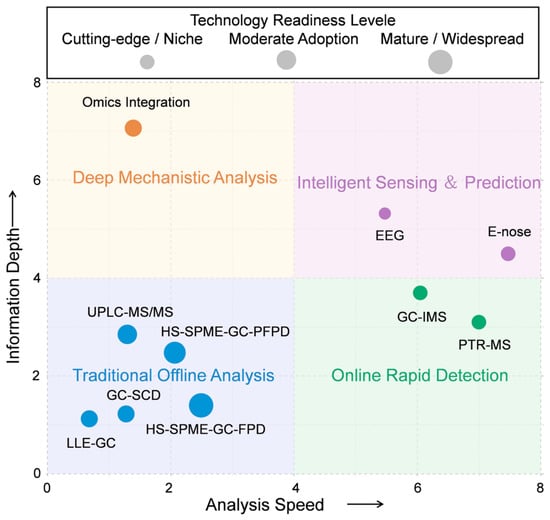
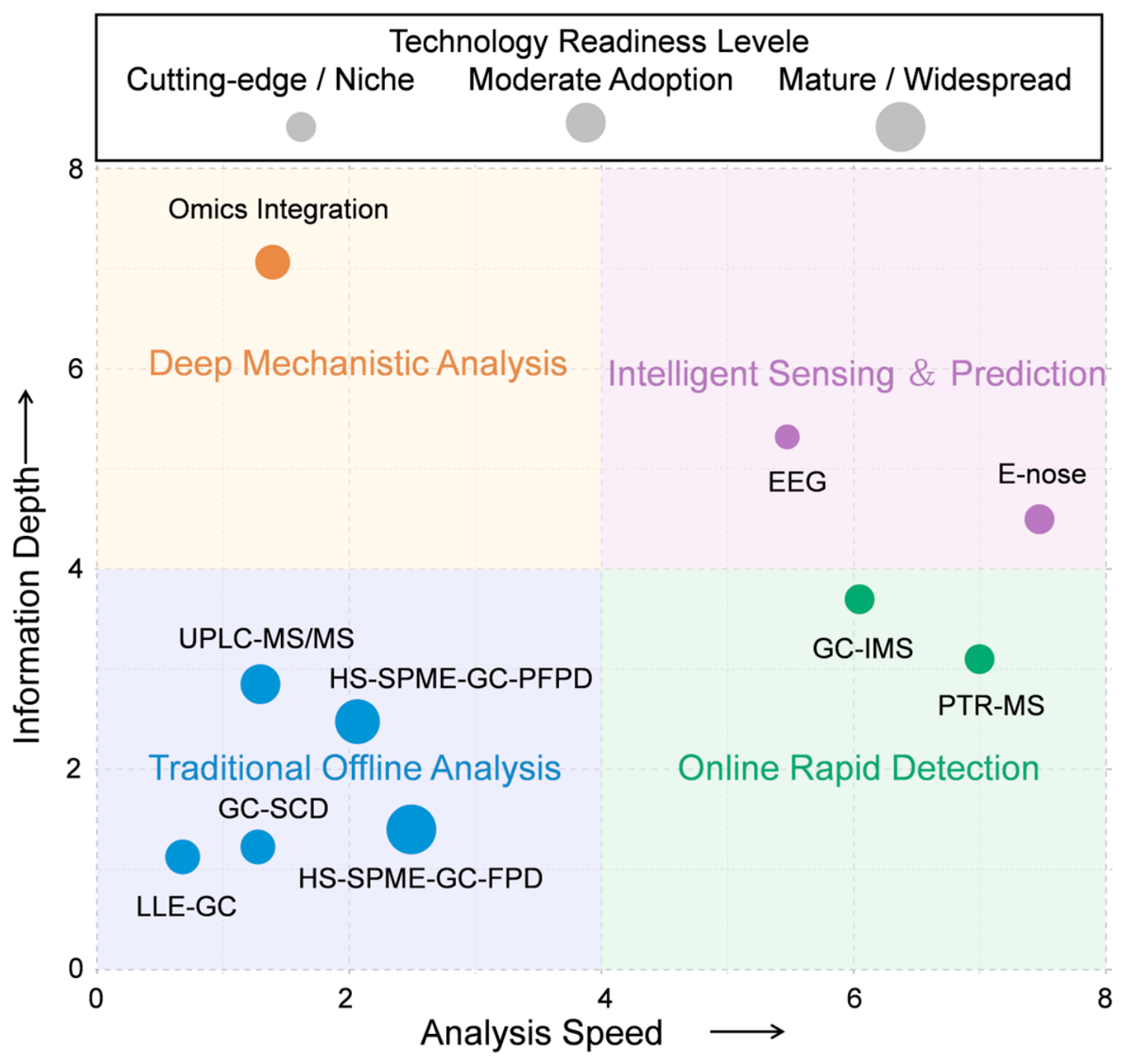
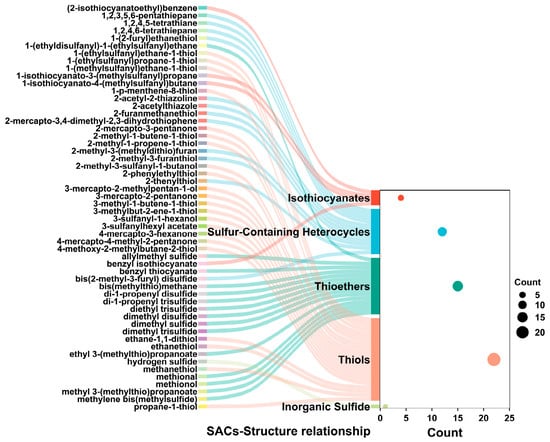
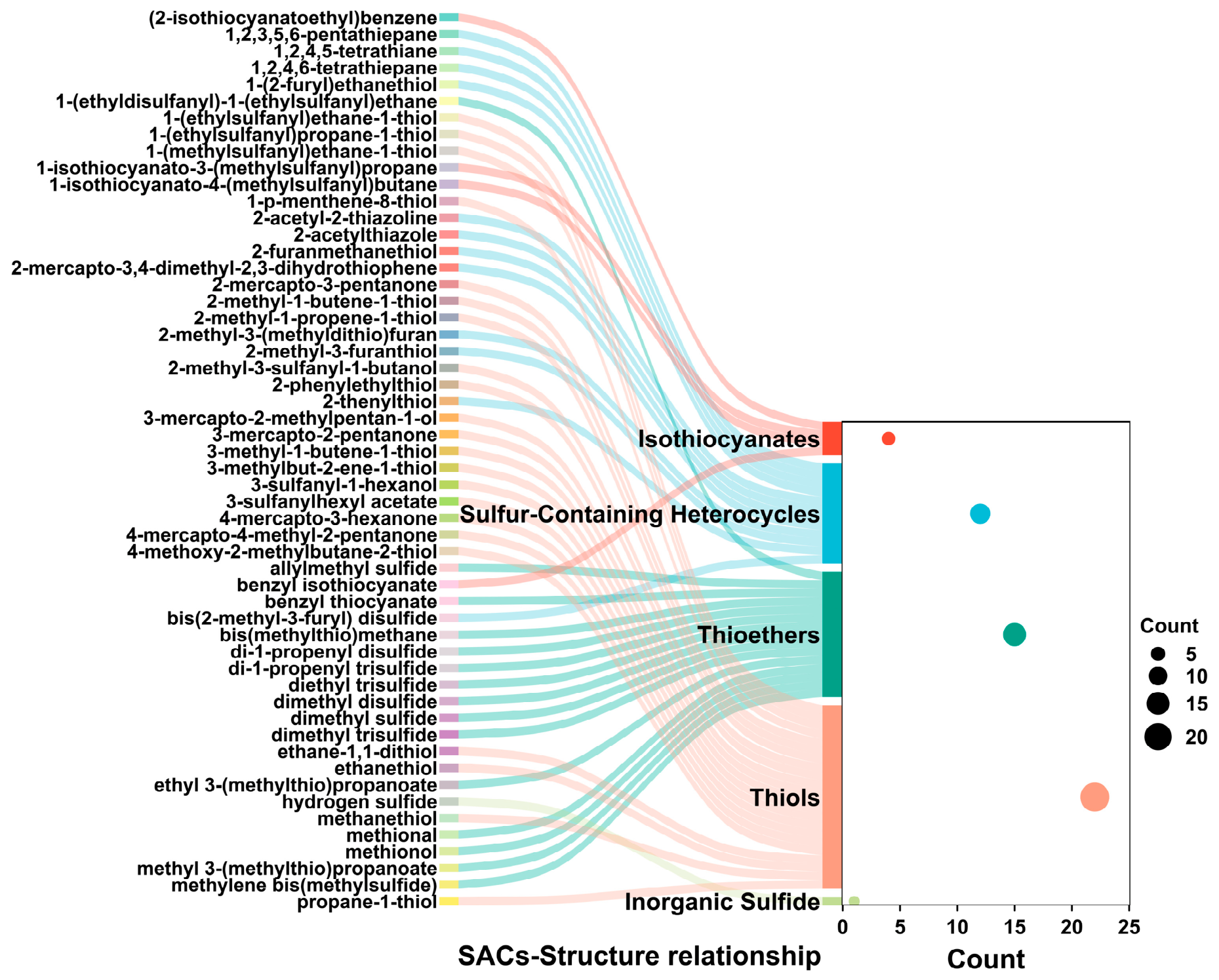
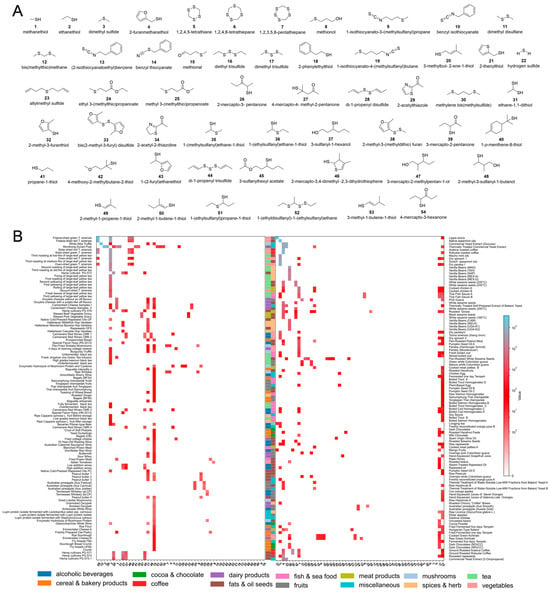
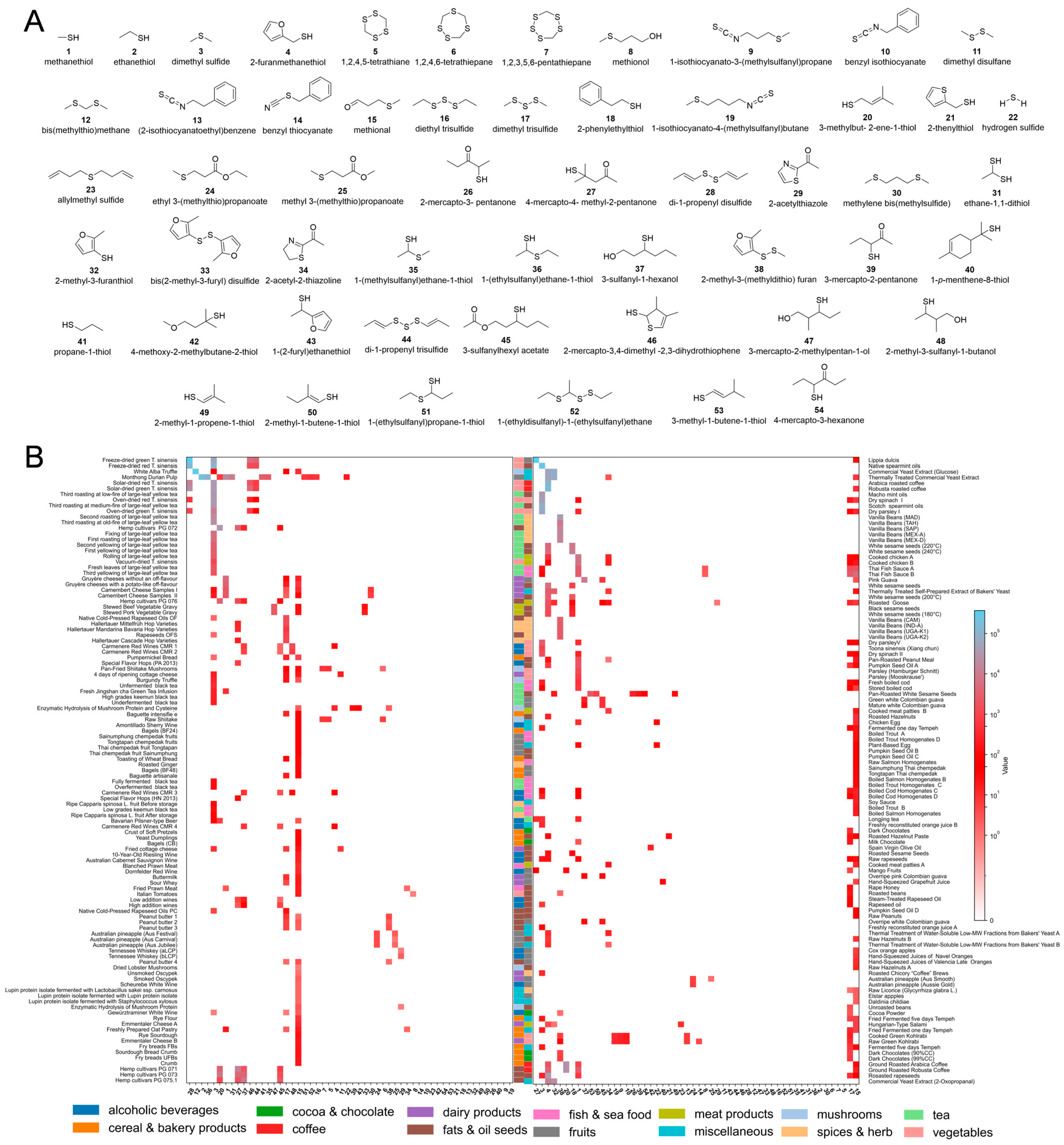
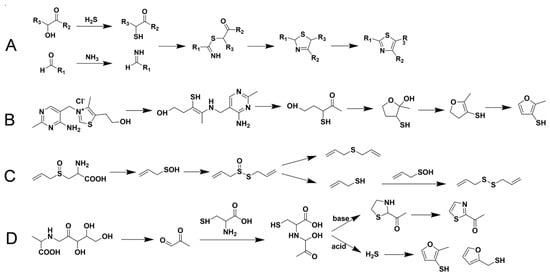
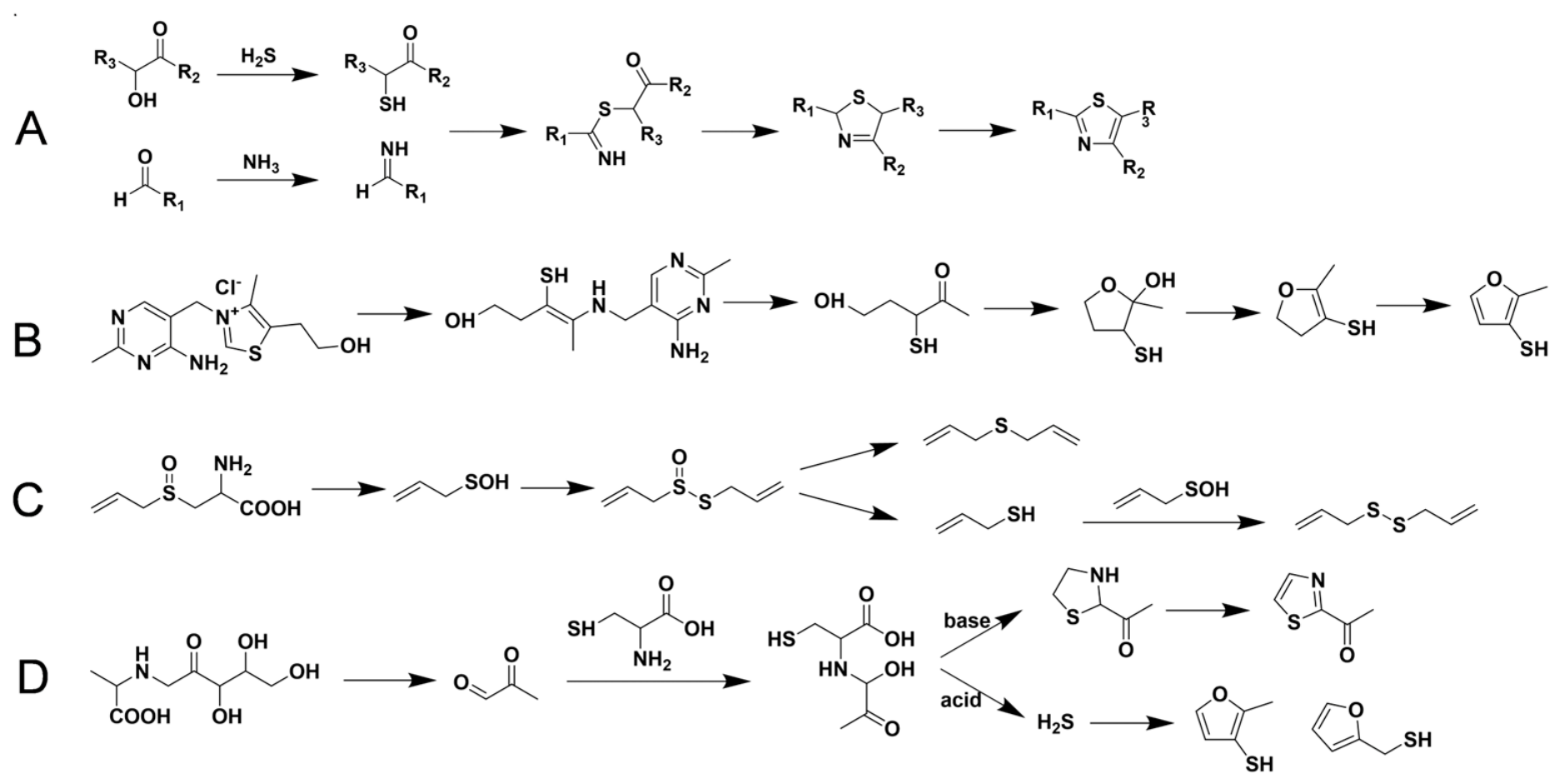
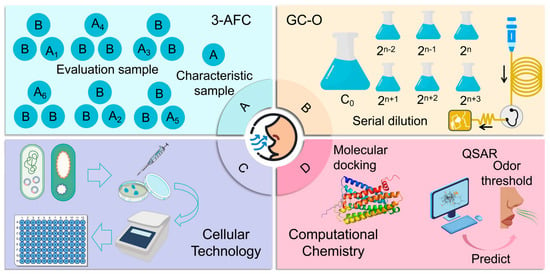
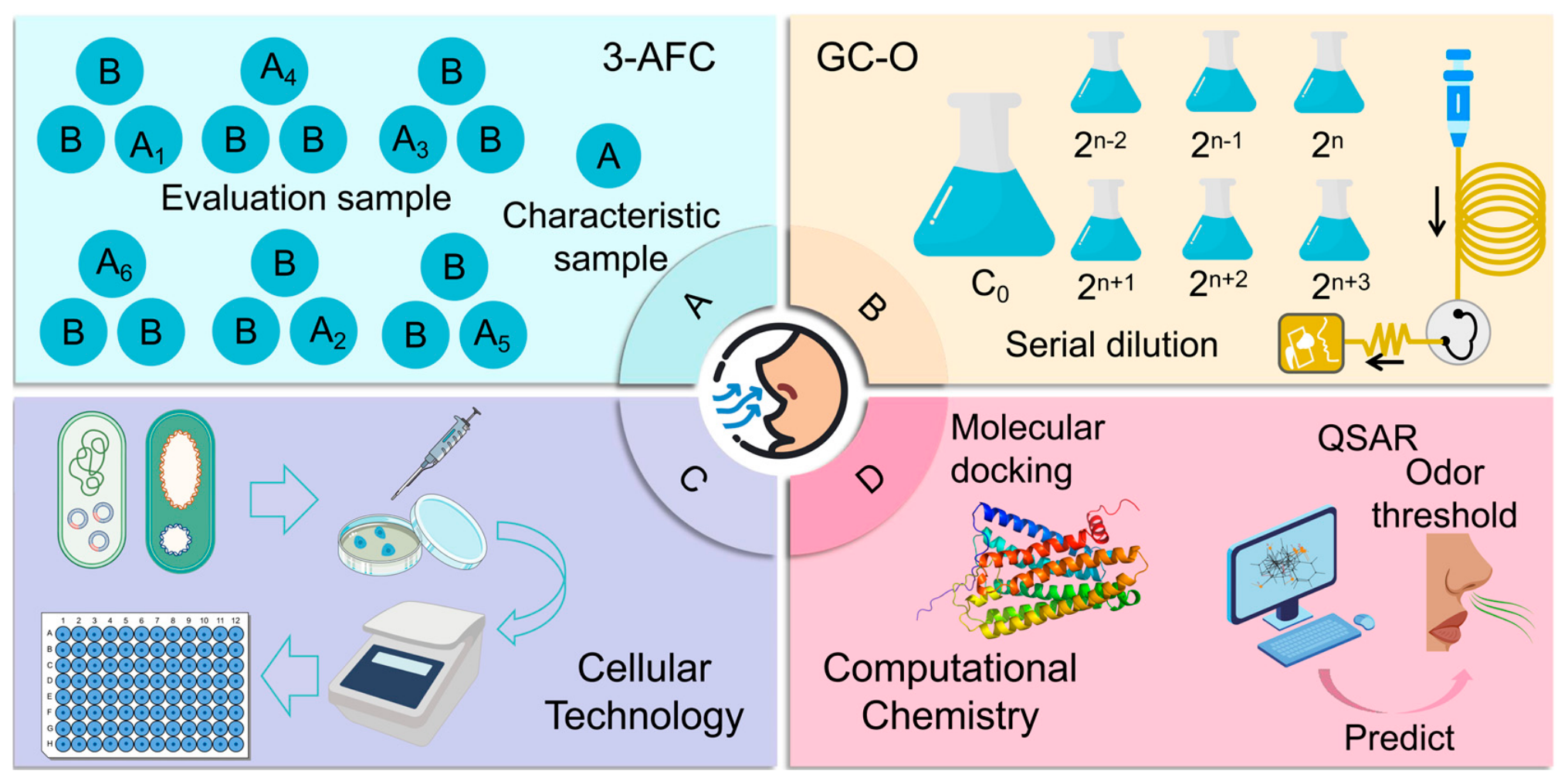
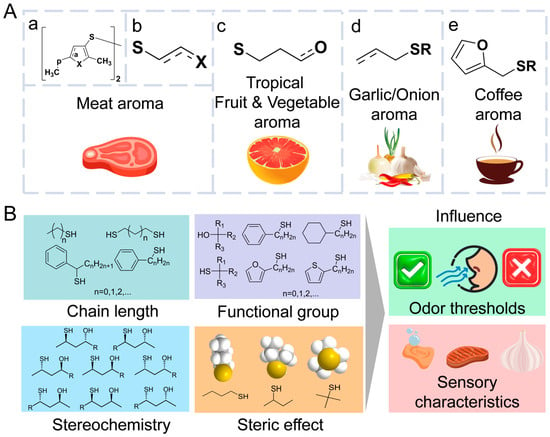
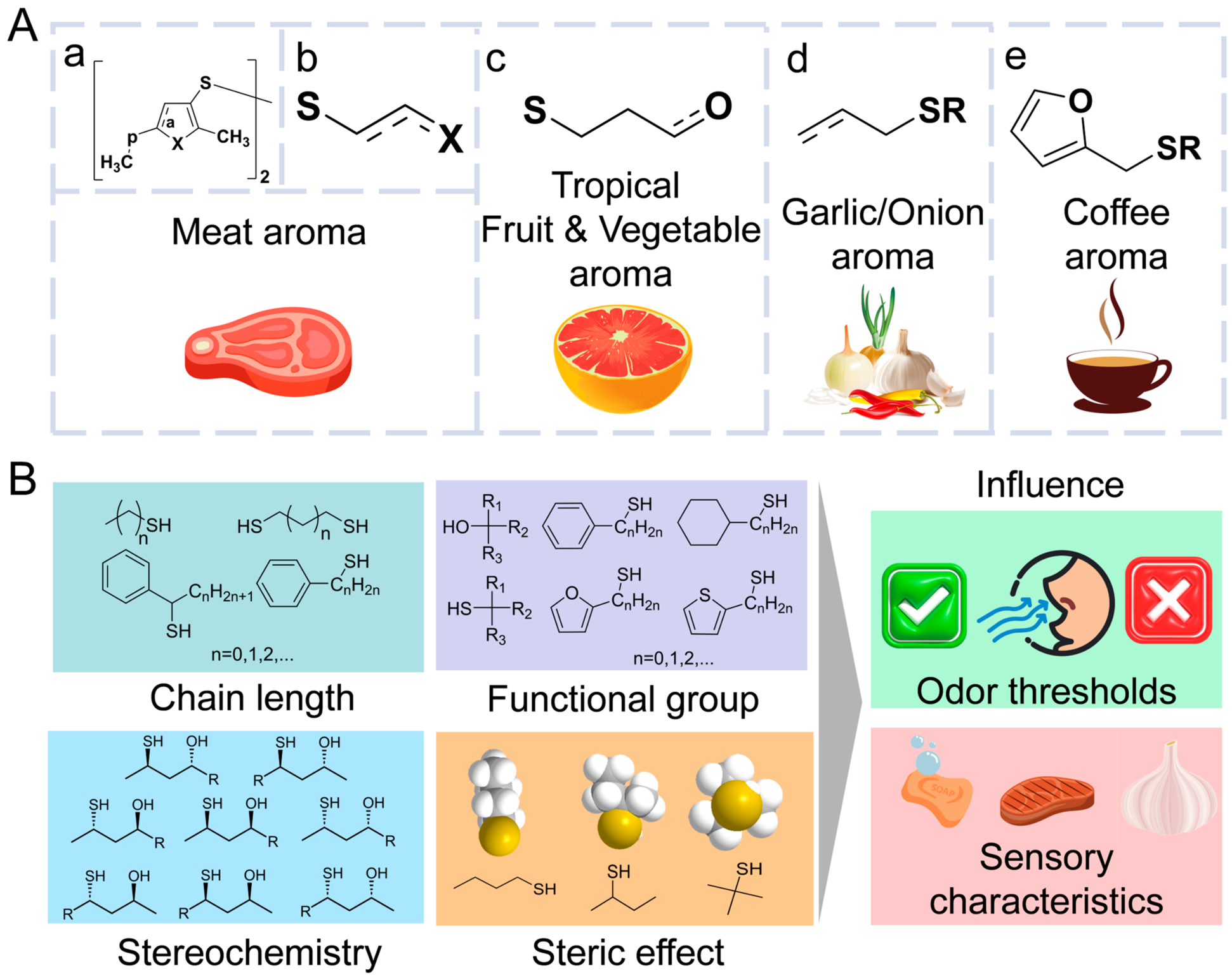
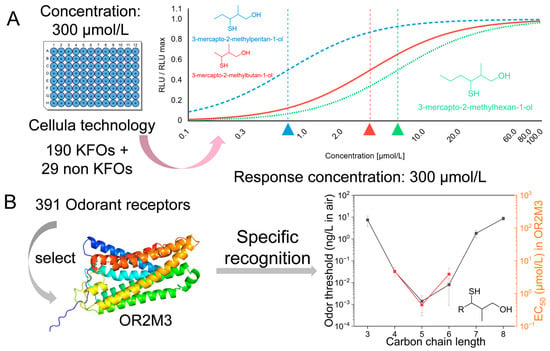
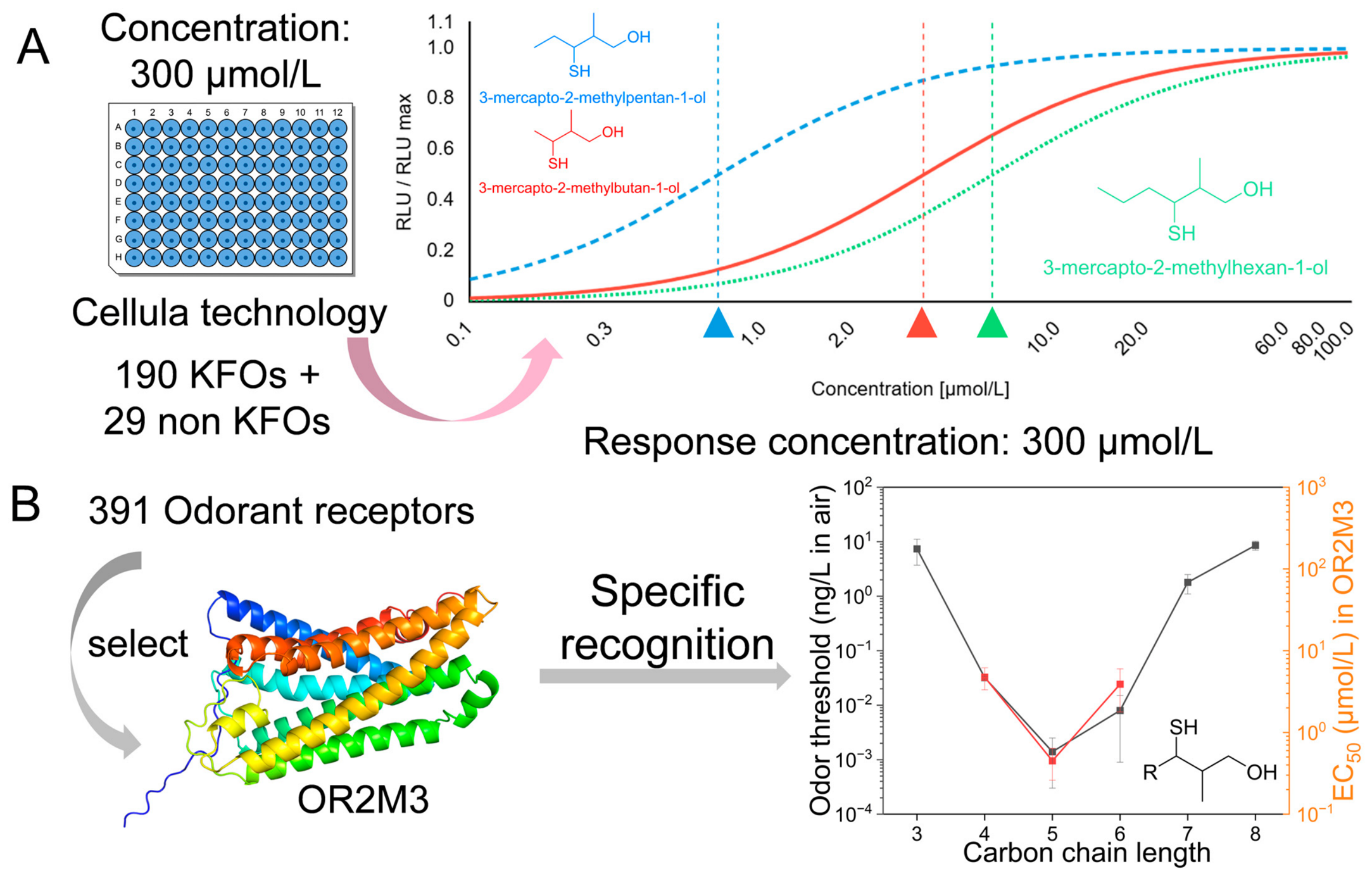
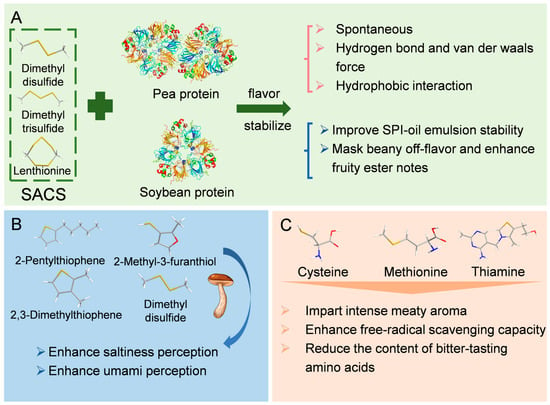
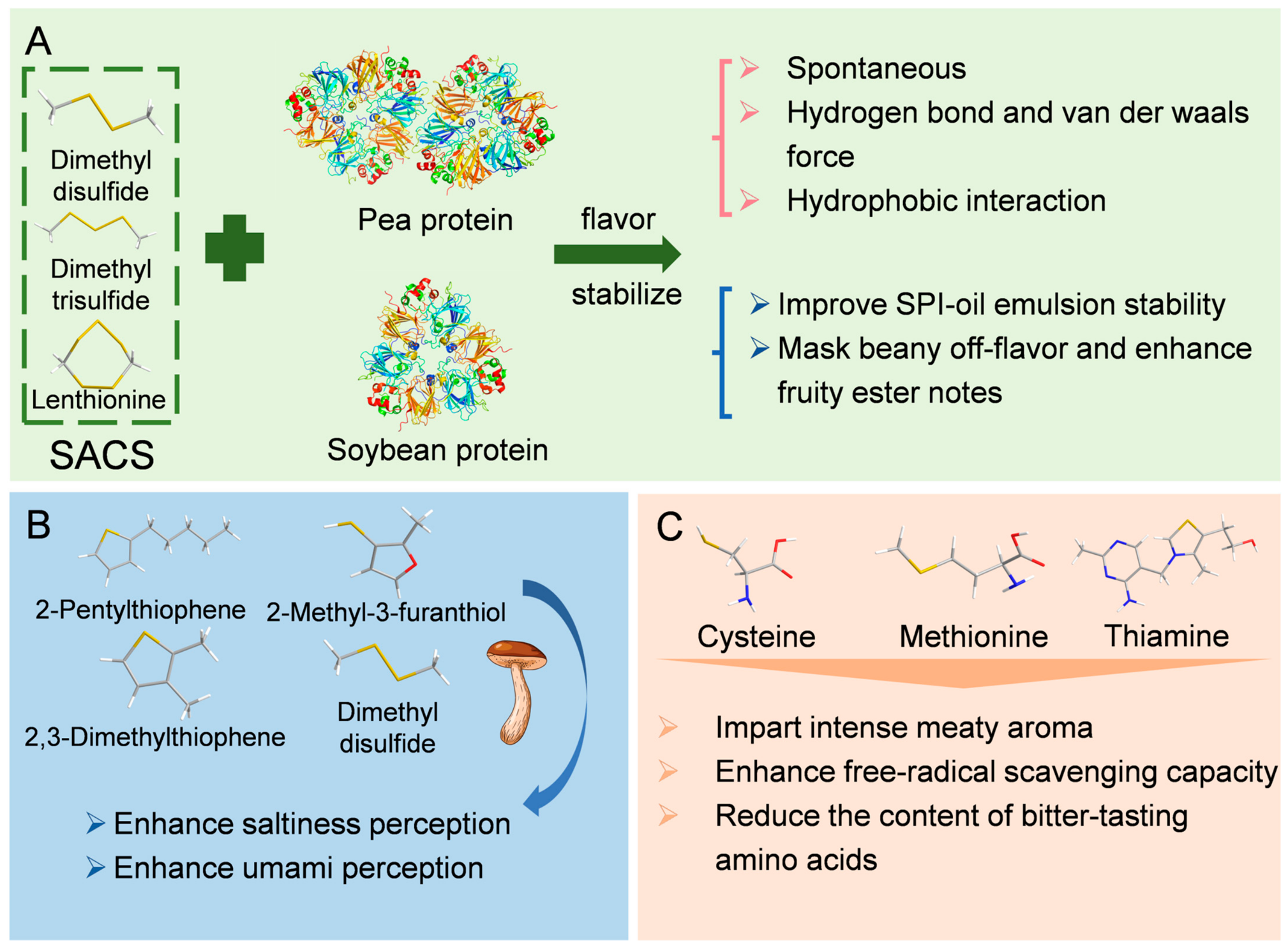
Disclaimer/Publisher’s Note: The statements, opinions and data contained in all publications are solely those of the individual author(s) and contributor(s) and not of MDPI and/or the editor(s). MDPI and/or the editor(s) disclaim responsibility for any injury to people or property resulting from any ideas, methods, instructions or products referred to in the content. |
© 2026 by the authors. Licensee MDPI, Basel, Switzerland. This article is an open access article distributed under the terms and conditions of the Creative Commons Attribution (CC BY) license.