


Abstract
With the improvement in people’s quality of life, issues related to food health and nutritional supplementation have attracted widespread attention. Polyphenols have been established as bioactive compounds that exert multiple beneficial effects on human health. However, due to their chemical instability and susceptibility to environmental factors, polyphenols face restrictions during food processing and exhibit decreased absorption rates in the human body. This review critically investigates the encapsulation of polyphenols via nanoparticle technology, with emphasis on preparation methodologies, mechanistic pathways, and application performance, particularly with respect to oxidative stability in oil-based systems. The present review provides a comprehensive discussion on the influence of nanoparticle encapsulation on the bioaccessibility of polyphenols, with the goal of enhancing their bioaccessibility and broadening their applicability across the food, cosmetic, and pharmaceutical sectors. These findings offer significant reference value for the future incorporation of polyphenols into food matrices.
1. Introduction
Polyphenols are recognized as crucial secondary metabolites abundantly distributed in plant-based foods, including fruits, cereals, and vegetables, and are conventionally classified into flavonoids and non-flavonoids [1]. These compounds exhibit antioxidant, anticancer, gastrointestinal regulation, and hypoglycemic activities, thereby exerting promising health-promoting effects on humans. However, certain polyphenolic compounds suffer from poor solubility and limited stability, and others demonstrate low digestive and absorptive efficiency in the human gastrointestinal tract, which collectively constrains their application in food processing.
Currently, nanoparticle technology has been increasingly employed to improve the stability, bioavailability, and oral uptake of polyphenolic compounds. Nanoparticles, typically ranging from 10 to 1000 nm in diameter, serve as delivery carriers; smaller-sized nanoparticles are capable of effectively penetrating cell walls and manifest high structural stability. Furthermore, nanoparticle technology can modulate the migration rate, diffusion capacity, thermal stability, and specific surface area of particles, consequently regulating the bioavailability of low-molecular-weight substances [2].
Polyphenol-based nanoparticles, owing to their intrinsic antioxidant and antimicrobial properties, have emerged as a promising platform for food preservation applications. The incorporation of these nanoparticles into oil systems not only improves the bioavailability of polyphenols but also potentiates their biological activities. The present work offers novel perspectives on the potential utilization of polyphenols. This review critically summarizes the preparation strategies and underlying mechanisms of polyphenol nanoparticles, along with their applications in the food, pharmaceutical, and cosmetic sectors, and delineates the theoretical and practical significance of the available literature.
The relevant literature was identified through systematic searches of the Web of Science, Scopus, and PubMed databases using keywords such as ‘polyphenol nanoparticles’, ‘protein-polyphenol’, ‘polysaccharide-polyphenol’, ‘lipid nanocarriers’, and ‘encapsulation’. Additional references were obtained by manually screening the bibliographies of retrieved articles. We included peer-reviewed original research and review articles published in English that addressed the preparation, interactions, stability, or applications of bio-based polyphenol nanocarriers. Studies focusing exclusively on synthetic polymer carriers or non-food applications were excluded.
2. Classification of Polyphenol Nanocarriers by Matrix Material
Nanodelivery systems have demonstrated considerable potential in addressing the poor bioavailability of polyphenols, which are otherwise constrained by low aqueous solubility, chemical instability, and inadequate intestinal permeability. Following oral administration, nanoparticle-encapsulated polyphenols are primarily absorbed via endocytosis, passive transcellular transport, and paracellular routes [3]. Notably, nanoparticles with a diameter of less than 500 nm are not removed by the macrophage system, thereby prolonging the circulation time of the encapsulated bioactive compounds in vivo [4].
According to the origin of the matrix materials, conventional delivery systems can be broadly categorized into two major classes: biopolymer-based nanocarriers and synthetic polymer-based nanocarriers. In comparison with traditional synthetic carriers, bio-based nanocarriers are distinguished by their small dimensions (typically below 100 nm), high specific surface areas, and favorable biocompatibility, which collectively promote the efficient absorption and controlled release of polyphenols [5,6]. The molecular interactions that govern the assembly of these biopolymer-based carriers with polyphenols are illustrated in Figure 1, and the distinct characteristics of each carrier type are elaborated in Section 2.1, Section 2.2 and Section 2.3. The prospective advantages of this technology encompass enhanced drug targeting efficacy and diminished adverse effects [7]. Notably, substantial progress has also been achieved in the domains of food preservation and nutrient delivery [8].
Figure 1.
Schematic illustration of molecular interactions and hierarchical assembly in bio-based polyphenol complex formation.
2.1. Protein–Polyphenol Interactions
Proteins derived from plant and animal sources serve as the principal dietary reservoirs of amino acids and biofunctional constituents in foods. These bioactive entities have been increasingly recognized for their multifaceted physiological roles, encompassing weight regulation, hypotensive effects, enhanced thermogenesis and satiety, alongside favorable modulations of cardiovascular metabolic biomarkers [9]. Proteins and polyphenols not only serve as reservoirs of bioactive substances that are beneficial to human health and nutrient absorption, but their physicochemical interactions also critically influence food quality and stability [10]. One strategy to expand the functional applications of proteins involves assembling them into functional complexes or particulate structures [11]. Proteins and polyphenols are capable of forming complexes via both non-covalent interactions and covalent conjugation [12]. The molecular interactions between polyphenols and biopolymer matrices have been characterized using a variety of analytical techniques. Spectroscopic methods, including Fourier-transform infrared (FTIR) spectroscopy and fluorescence spectroscopy, are routinely employed to detect hydrogen bonding and polyphenol-induced conformational changes in protein hydrogen bonding and conformational changes in proteins upon polyphenol binding [13,14]. Zeta potential measurements provide evidence of electrostatic interactions by monitoring surface charge alterations [15]. Specifically, the phenolic hydroxyl groups (-OH) and catechol moieties of polyphenols can serve as hydrogen donors or acceptors, forming hydrogen bonds with the peptide carbonyl groups (-C=O) and amino side chains (-NH2, -COOH) of proteins [13,16]. Covalent conjugation between proteins and polyphenols may proceed via multiple mechanisms, including oxidative coupling and enzymatic crosslinking, depending on the specific phenolic and protein species involved [17,18]. These particles can serve as functional ingredients to improve food functionality and deliver polyphenol-associated health benefits [19]. For instance, composite nanofiber films based on corn protein/gelatin-proanthocyanidin-zinc oxide nanoparticles have been developed to prolong the shelf life of sweet cherries [20]. Protein molecules are typically composed of amino acid residues, and the diversity of their residue composition and sequential arrangement underlies the distinct identity of different proteins. The interaction between proteins and phenolic compounds is governed by the specific types of both proteins and phenolic compounds involved [13]. Such interactions can be directed toward hydrophobic or hydrophilic binding, depending on the available binding sites on the protein. Certain proteins, such as zein, exhibit a strong affinity for hydrophobic molecules and can therefore be utilized to fabricate nanoparticles for hydrophobic cargo [21]. Polyphenolic substances can be protected by protein carriers and retain their functionality prior to gastrointestinal transit, where they undergo decomposition before digestion—a phenomenon that has been confirmed for tea catechins in combination with animal- and plant-derived proteins [16]. Some protein–polyphenol particles are formed by adsorbing moderately polar polyphenolic substances onto proteins under pH conditions near the isoelectric point of the interacting protein, followed by mixing. The resulting particles are primarily held together via non-covalent bonds and are reversible upon post-digestion processing [22,23]. A recent clinical study concluded that, when polyphenols are consumed in the form of protein-rich legumes or dairy beverages rather than as capsules, no significant differences are observed in their bioavailability or in the excretory volume of their phenolic metabolites [24]. To date, a wide variety of protein–polyphenol complexes have been fabricated from diverse protein sources and phenolic compounds, demonstrating a broad spectrum of functional enhancements. Table 1 summarizes five representative systems that have been selected to encompass the major interaction types discussed above: covalent glycosylation (pea protein–curcumin), covalent conjugation (soy protein–catechin), non-covalent electrostatic/hydrophobic assembly (soy protein fiber–EGCG/curcumin), and non-covalent association (plant protein–apple polyphenols; serum albumin–catechin). For instance, pea protein isolate has been reported to form covalent complexes with curcumin, improving emulsification and controlled release properties [17]; soy protein isolate binds covalently with catechin to enhance its bioavailability [18]; and non-covalent interactions between soy protein fiber and polyphenols, including curcumin and epigallocatechin gallate, have been demonstrated to improve ultraviolet stability [25]. Similarly, plant proteins and serum albumin have been shown to effectively complex with apple polyphenols and catechin, respectively, via non-covalent forces [14,26]. These representative examples, encompassing both covalent and non-covalent interaction types, are systematically summarized in Table 1. With regard to quantitative performance, sodium caseinate nanoparticles—which contain abundant proline residues capable of binding polyphenols—have been shown to increase the aqueous solubility of quercetin by 3034-fold and to significantly enhance the bioaccessibility of caffeic acid to 57.13% [27,28]. Whey protein isolates also serve as effective carriers for lipophilic polyphenols [29]. The reported functional outcomes primarily reflect enhanced bioaccessibility.
Table 1.
Representative protein–polyphenol complexes: interaction mechanisms and functional outcomes.
2.2. Polysaccharide–Polyphenol Interactions
Polyphenols are characterized by low aqueous solubility and poor chemical stability, which limits their full functional efficacy in the body. Consequently, a growing number of studies have focused on enhancing the water solubility and stability of polyphenols through polysaccharide-based encapsulation. The incorporation of polysaccharide chains into polyphenol–polysaccharide complexes can increase the hydrophilicity of the hydroxyl groups, thereby contributing to improved overall molecular solubility [30]. The water solubility and stability of quercetin, resveratrol, ferulic acid, and other polyphenolic compounds have been significantly improved owing to the introduction of polysaccharide substances, thereby enhancing their hydrophilicity [31,32]. Polyphenols and polysaccharides are primarily associated via both covalent and non-covalent interactions [33,34]. The main non-covalent binding forces between polyphenols and polysaccharides are hydrogen bonds and ionic and hydrophobic interactions [35]. The abundant hydroxyl (-OH), carboxyl (-COOH), and amino (-NH2) groups on polysaccharides provide multiple sites for hydrogen bonding and electrostatic interactions with the phenolic hydroxyl groups of polyphenols [30,33]. For instance, the amino groups of chitosan can be protonated to -NH3+ under acidic conditions, thereby facilitating electrostatic attraction with the negatively charged phenolate groups of polyphenols [15]. The covalent binding forces between polyphenols and polysaccharides mainly include oxidative bonding and free radical grafting [36]. These covalent interactions can occur spontaneously or be catalyzed by enzymes, acids, bases, or metal ions and can also be induced by free radicals to form polymeric structures [37,38]. Accumulating evidence has demonstrated that the interactions between polyphenols and polysaccharides predominantly involve the modification of functional groups, leading to structural alterations that enhance the stability of polyphenolic compounds, improve their biological activity and bioavailability, and expand their applicability in the biomedical, functional food, and chemical engineering sectors [34,39,40]. Compared to their monomer components, polyphenol–polysaccharide aggregates exhibit significantly enhanced antioxidant, antibacterial, and rheological properties. For example, standardized free radical quenching assays and electron paramagnetic resonance spectroscopy have confirmed that chitosan–sulfite copolymers significantly improved the scavenging capacity against reactive oxygen species [41]. Such polysaccharide–polyphenol polymers can serve as hydrogel additives for wound-healing applications. In particular, the prepared polyphenol–chitosan complex exhibits higher solubility, enhanced antioxidant activity, and superior rheological behavior, rendering it an ideal candidate for advanced wound-dressing materials [42]. Several studies have further explored the use of pectin and chitosan as raw materials to fabricate distinct nanocarriers for polyphenol delivery, thereby improving their stability and bioavailability [30]. By employing an electrostatic self-assembly method with chitosan and pectin to construct nanocarriers for blueberry anthocyanins, it was demonstrated that these nanocarriers effectively protect anthocyanins from degradation induced by oxidative reactions, thermal stress, and ultraviolet irradiation [30]. Moreover, Caenorhabditis elegans treated with these nanocarriers exhibited extended lifespan, enhanced reproductive capacity, improved locomotory activity, and reduced autofluorescent lipofuscin accumulation, further substantiating that chitosan–pectin nanoparticles can function as delivery vehicles to improve the stability and bioavailability of anthocyanins [15]. It has also been reported that polysaccharides can associate with polyphenols, thereby attenuating their degradation in the small intestine and increasing their metabolite levels in the colon, which consequently improves the bioavailability of polyphenols [43]. Furthermore, the encapsulation of polyphenols by polysaccharides can effectively shield them from adverse environmental factors. For example, curcumin encapsulated by gum nanoparticles was investigated for its stability in saline food systems; the results indicated that the curcumin content remained above 80% under high-concentration sodium chloride conditions, further confirming that gum nanoparticles can enhance the utilization efficiency of curcumin in high-salt food matrices [44].
2.3. Lipid–Polyphenol Interactions
Polyphenolic compounds suffer from low bioavailability and limited applicability, primarily owing to their poor solubility in both aqueous and lipophilic media, as well as their bulky polycyclic structures. These intrinsic physicochemical properties impede their absorption via non-active or passive diffusion pathways [45]. To address these limitations, a variety of strategies have been proposed, including the formulation of emulsions, liposomes, and nanoparticles [46,47]. Among these, phospholipid complexes have garnered attention as promising therapeutic agents. Phospholipids are amphiphilic molecules comprising both hydrophobic and hydrophilic domains, and their unique interfacial properties and favorable biocompatibility have rendered them highly attractive as pharmaceutical excipients or delivery carriers [48]. Phospholipids exhibit an innate affinity for polyphenols and are capable of forming non-covalent complexes, thereby enhancing the solubility and bioavailability of the latter. For instance, short-chain alkyl gallate–phospholipid complexes have been synthesized via ethanol evaporation, and these complexes have been shown to prolong the systemic retention time of short-chain alkyl gallates [49]. Similarly, phospholipid complexes have been reported to improve the bioavailability of resveratrol by inhibiting its glucuronidation and increasing its aqueous solubility [50]. With respect to quantitative delivery performance, lipid-based nanocarriers have also been extensively utilized for the delivery of polyphenolic compounds. For example, one study reported that the oral bioavailability of quercetin encapsulated in solid lipid nanoparticles was significantly greater than that of free quercetin. Nevertheless, it should be emphasized that this finding was obtained in a rodent model, and the quantitative extrapolation of these results to human subjects requires further validation, as interspecies differences in gastrointestinal physiology and metabolic enzyme profiles may influence the actual absorption efficiency [51]. Furthermore, Zhou et al. demonstrated that the gastrointestinal stability of lipophilic polyphenols (curcumin, resveratrol, and quercetin) in emulsion systems is highly dependent on their oil–water partitioning behavior, with higher oil-phase retention correlating with improved bioaccessibility [52]. More generally, while numerous studies report enhanced bioavailability of polyphenols via nanocarriers, most of these findings are derived from in vitro digestion models or animal studies. Accordingly, caution should be exercised when extrapolating these quantitative results to human applications, and further clinical investigations are warranted.
3. The Formation Mechanism and Influencing Factors of Polyphenol Nanoparticles
3.1. Preparation of Polyphenol Nanoparticles
Nanodelivery systems based on proteins, lipids, and polysaccharides have been developed for the targeted delivery of bioactive compounds [53]. These systems are designed to improve aqueous solubility, chemical stability, biological activity, and gastrointestinal absorption [54,55]. A range of preparation techniques have been employed, including phosphorylation, ultrasound technology, high-pressure homogenization, antisolvent precipitation, and pH-driven methods (Table 2). These techniques can be broadly classified into two general approaches for nanostructure fabrication. The top-down approach aims to reduce the size of structural materials to the nanoscale using precise tools or equipment and by applying external destructive mechanical forces. Common methods include thermal decomposition, ultrasonication and homogenizationFor example, high-pressure homogenization has been utilized to prepare soy protein isolate–resveratrol nanoparticles [54]. In contrast, the bottom-up method involves the use of self-organization/self-assembly of molecules and the formation of nanoparticles through nanoscale sedimentation. Representative examples include antisolvent precipitation for quercetin in corn protein/shellac/agar matrices [55], pH-driven assembly for curcumin in corn protein/shellac/phytic acid complexes [56], electrostatic deposition combined with antisolvent precipitation for anthocyanin in corn protein/polysaccharide carriers [57] and antisolvent precipitation for ferulic acid in quinoa protein [58]. Additionally, phosphorylation combined with ultrasound has been employed to prepare sunflower seed protein–quercetin nanoparticles [53], and cold plasma treatment of corn protein has been applied to encapsulate curcumin. Compared with untreated zein nanoparticles (encapsulation efficiency: 52.83%), the cold plasma-treated zein nanoparticles (85 W, 2 min) exhibited a substantially higher encapsulation efficiency of 76.31%, corresponding to a relative improvement of approximately 44.4%. In addition to improved encapsulation efficiency, the cold plasma-treated zein nanoparticles also displayed a smaller particle size (100.03 nm vs. 145.33 nm) and a higher ζ-potential (41.07 mV vs. 28.94 mV), indicating enhanced colloidal stability [59]. Additionally, ultrasound processing has been applied to soy protein isolate for the co-delivery of catechin and curcumin [60]. These fabrication strategies are broadly classified into top-down and bottom-up approaches [61,62]. Regardless of the method, strict control of compound ratio, concentration, temperature, and pH is required for optimal particle formation [63].
Table 2.
Representative bio-based polyphenol nanoparticles: preparation technologies, material systems, and targeted applications.
3.2. Factors Affecting the Stability of Polyphenol Nanoparticles
Owing to the poor stability of polyphenols under gastrointestinal conditions, the integrity of their molecular structure is difficult to preserve, which not only restricts their practical applications but also substantially compromises the efficacy of target tissues in executing their biological functions [64]. Consequently, recent studies have suggested that nanoencapsulation may represent an effective strategy to protect polyphenolic compounds from adverse environmental factors, thereby ensuring their stability and facilitating the broader implementation of this technology [65]. However, the formation and stability of polyphenol nanoparticles are influenced by multiple factors, which are schematically summarized in Figure 2 and discussed in the following subsections.
Figure 2.
The multi-scale factors influencing the formation and storage stability of polyphenol nanoparticles and the control measures. Data sources: [66,67,68,69,70,71,72,73].
3.2.1. Influencing Factors in the Process of Preparing Polyphenol Nanoparticles
Several critical parameters are involved in the preparation of polyphenol nanoparticles, which can influence both the efficiency and effectiveness of the fabrication process, as well as the stability of the resulting nanoparticles [74]. Particle size encompasses two interrelated aspects: dimensional scale and specific surface area. Smaller particles possess a larger specific surface area, which can enhance solubility and dispersion stability, thereby promoting faster absorption and ultimately improving bioavailability. However, smaller particles also exhibit higher surface energy and are more susceptible to aggregation, which may compromise their structural stability. Furthermore, very small particles are subject to rapid clearance from the body, thereby shortening their systemic retention time [66]. With regard to encapsulation efficiency, a high encapsulation efficiency not only serves as a critical indicator of preparation performance but also directly affects the storage stability of the final product. Unencapsulated polyphenols are more susceptible to degradation when exposed to light and oxygen, whereas effective encapsulation provides a physical barrier that retards the detrimental effects of external factors [67]. In the context of polyphenol nanoparticles, the carrier materials function as a protective shield for polyphenols, impeding the penetration of light, oxygen, water molecules, and other external agents, thereby delaying oxidative degradation and improving overall stability [66,67].
3.2.2. The Influence of Matrix Material Properties on Polyphenol Nanoparticles
The physicochemical properties of matrix materials critically determine the stability and performance of polyphenol nanocarriers. As detailed in Section 2.1, Section 2.2 and Section 2.3, biopolymer matrices—including proteins, polysaccharides, and lipids—each offer distinct advantages with respect to encapsulation capacity, binding affinity, and controlled release behavior. Beyond these well-established attributes, each matrix type also possesses inherent limitations that must be taken into consideration during carrier design: proteins are sensitive to pH and thermal stress, which may induce denaturation and functional loss under certain processing conditions; polysaccharides, although conferring pH-responsive adhesion, may exhibit limited encapsulation capacity for highly hydrophobic polyphenols; and lipids, despite their excellent bioavailability-enhancing properties, are susceptible to oxidative degradation over prolonged storage [68,69,75,76]. Furthermore, polysaccharides can function as prebiotics, synergizing with polyphenols during gut microbiota fermentation to produce short-chain fatty acid metabolites, an advantage not shared by protein or lipid carriers [77]. To overcome the limitations of single-component systems, protein–polysaccharide complexes have been developed through covalent conjugation via Maillard reaction, enzyme catalysis, or alkaline treatment, yielding carriers with improved emulsifying properties, thermal stability, and antioxidant activity [70]. In therapeutic contexts, lipid-based nanocarriers have demonstrated additional benefits beyond bioavailability enhancement, such as improving diabetes treatment by facilitating glucose uptake and reducing oxidative stress [76]. Collectively, the selection of an appropriate matrix material—or combination of materials—should be guided by the specific application requirements, with composite systems often providing synergistic benefits that overcome the inherent constraints of single-component carriers.
3.2.3. The Influence of Food Processing and Environmental Conditions on Polyphenol Nanocarrier Stability
In food processing applications, polyphenol nanocarriers are exposed to various environmental stressors, including storage duration, temperature fluctuations, and changes in ionic strength. It is important to distinguish between two related but structurally different colloidal systems discussed in the literature: (i) polyphenol nanoparticles, which are solid or semi-solid particulate carriers (10–1000 nm) composed of proteins, polysaccharides, or lipids; and (ii) polyphenol-loaded nanoemulsions, which are submicron liquid droplets dispersed in an immiscible continuous phase. Although these systems differ in architectural composition, their stability during processing and storage is governed by common environmental parameters, as summarized below.
The stability of polyphenol nanocarriers during food processing and storage is influenced by three major environmental parameters: storage duration, thermal treatment, and ionic strength. For nanoemulsion systems, droplet size increases over time due to flocculation and coalescence, whereas solid nanoparticles fabricated from protein-polysaccharide composites exhibit superior stability owing to enhanced interfacial and steric stabilization [71,78]. Thermal stability is improved by polyphenol incorporation, as demonstrated by flaxseed polyphenols in nanoemulsions and catechin–rice bran protein complexes, which reduce droplet aggregation and improve heat tolerance [71,72]. Ionic strength promotes particle aggregation through the weakening of electrostatic interactions, a challenge that can be mitigated by ultrasonic treatment or pH-regulated assembly to form more compact supramolecular structures [73,79,80]. The mechanisms underlying pH-responsive stability and controlled release are discussed in detail in Section 4.3.1.
The factors discussed above—including the inherent properties of polyphenols, the nature of the matrix materials, processing and storage conditions, as well as environmental parameters such as temperature, pH, and ionic strength—are systematically summarized in Figure 2. Understanding these influencing factors is crucial for the effective preservation of bioactive compounds and the improvement of taste and flavor characteristics in food applications.
4. Formation, Protection, and Sustained Release Mechanism of Polyphenol Nanoparticles
Nanoencapsulation technology stabilizes these compounds at the physicochemical level, promotes their absorption and utilization in intact form, and enhances their bioavailability [81,82,83,84]. The functional efficacy of polyphenol nanoparticles arises from a sequential three-step process: first, dynamic self-assembly creates stable nanocarriers via non-covalent interactions; second, the matrix confers multi-dimensional protection against oxidation, pH extremes, and sensory defects; third, stimuli-responsive structures enable controlled release at target sites via pH or temperature triggers. The molecular interactions, environmental responsiveness (pH and temperature), and protection mechanisms underlying these systems are summarized in Figure 3.
Figure 3.
Integrated mechanism of polyphenol nanoparticles: formation, protection, and stimuli-responsive release.
4.1. Formation Mechanism and Interaction Between Polyphenol Nanoparticle Molecules
Polyphenolic compounds, as naturally derived bioactive molecules, not only exhibit therapeutic functions (e.g., antioxidant and anti-inflammatory effects) but also demonstrate robust non-covalent assembly capabilities mediated by their abundant phenolic hydroxyl and catechol groups [85]. These compounds can self-assemble into pH/enzyme/reduction–oxidation-responsive intelligent nanocarriers through weak intermolecular interactions (such as hydrogen bonds, hydrophobic interactions, and metal–ligand coordination) [86,87]. The polyphenolic self-assembly system offers three major advantages: (I) dynamic reversibility, which enables spatiotemporal control of drug release via pH, enzymatic, or redox reaction mechanisms; (II) functional integration, allowing the system to serve dual roles as both a therapeutic agent and a delivery carrier; and (III) excellent biocompatibility. Collectively, these synergistic characteristics have established a new paradigm for the development of efficient and safe drug delivery platforms [88].
The self-assembly of polyphenols refers to the spontaneous organization of molecules into ordered structures via non-covalent interactions. This process can occur either among polyphenols and their derivatives or between polyphenols and other molecules (including metals, proteins, and nucleic acids) [88]. The self-assembly interactions between polyphenols mainly rely on hydrogen bonding. In natural polyphenol complexes, the triad system of ellagic acid (EA), gallic acid (GA), and catechin (C) achieves a hierarchical assembly through an inherent molecular structure. Specifically, EA and GA initially formed two-dimensional structures through π-π stacking and hydrogen bonding. C promotes the final assembly of the “core–shell” lamellar configuration through a three-dimensional hydrogen-bonding network and hydrophobic interactions [89].
In addition to self-assembly among polyphenols, these compounds can also interact with proteins via hydrogen bonds and hydrophobic interactions, as detailed in Section 2.1 [88,90]. Furthermore, polyphenols can interact with modified proteins. For instance, modified butyl glycoside ether (BGE) side chains have been synthesized to generate water-soluble modified silk fibroin–BGE (SF-BGE), in which the phenolic hydroxyl groups of tannic acid (TA) form multiple hydrogen-bonding interactions. In addition, a coordination complex between zinc oxide nanoparticles and the catechol groups of tannic acid has been synthesized, resulting in a nanocomposite with multiple crosslinking networks [91].
The interaction between polyphenols and polymers, including polyethylene glycol (PEG) and polyvinylpyrrolidone, primarily occurs through hydrogen bonding. These polymers typically interact with the phenolic hydroxyl and galloyl groups of polyphenols [88]. The interaction between polyphenols and polymers, including polyethylene glycol (PEG) and polyvinylpyrrolidone, primarily occurs through hydrogen bonding. These polymers typically interact with the phenolic hydroxyl and galloyl groups of polyphenols [92]. The galloyl and catechol groups of TA form pH-dependent nanoparticles with the hydroxyl groups of PEG through hydrogen bonds in an aqueous solution. Specifically, as the pH increased from 6.6 to 8.3, the number of nanoparticles decreased, which may be due to the deprotonation of the phenolic groups in TA during the pH change [93].
4.2. The Protective Mechanism of Nanoparticles on Polyphenols
Polyphenol nanoparticles can confer multi-dimensional environmental stress resistance to polyphenols, which effectively isolates them from various external stressors, thereby maintaining chemical stability and biological activity during the product’s shelf life. With respect to antioxidative protection, biogenic nanoparticles play a critical role in physical separation by significantly reducing the permeability of oxygen, free radicals, and catalytically active metal ions into the core region, thus effectively inhibiting oxidative degradation [94]. Regarding pH stability, biogenic nanoparticles provide a relatively independent microenvironment for the encapsulated polyphenols, buffering against extreme pH values in the external food matrix. This physical isolation effectively prevents the core substances from undergoing hydrolysis, ionization state alterations, or precipitation induced by drastic pH fluctuations, whether in acidic beverages or in certain neutral or slightly alkaline food systems [95].
Nanopackaging can effectively shield bioactive polyphenols from adverse environmental reactions, protect labile polyphenols against oxidative and other chemical degradation, mask undesirable tastes and odors, reduce volatilization, modify physicochemical properties, alter the release profile from the wall material to prolong their duration, overcome solubility limitations, achieve controlled release, and ultimately enhance their bioavailability [29]. In addition, certain nanoparticles possess intrinsic antioxidative properties. For instance, although green tea extract is rich in polyphenols, it can induce various irritant skin reactions; however, when encapsulated with chitosan, the resulting nanoparticles exhibit protective antioxidant activity by enhancing polyphenol retention and scavenging reactive oxygen species [96].
4.3. The Sustained Release Mechanism of Nanoparticles on Polyphenols
4.3.1. PH Response
A clear pH gradient is typically encountered during food processing, storage, and gastrointestinal digestion; consequently, pH-responsive release strategies have been widely adopted. This approach involves the integration of bioactive compounds with pH-sensitive carriers to achieve controlled release [97]. The application of this technology in food science contributes to extended shelf life, improved sensory quality, and enhanced food safety and public health outcomes. For example, in food preservation, a gelatin film containing eugenol-loaded nanoparticles exhibited acid-responsive release characteristics and effectively prolonged the shelf life of food products without compromising their quality [98].
In pH-responsive drug delivery systems, the release of active substances is controlled by physical mass transfer processes, chemical triggers, and biological activation mechanisms [99]. Among these, the fundamental release mechanisms dominated by physical processes can be categorized into three types: (I) diffusion-induced release, in which the active agent diffuses through the microporous or macroporous structure of the polymer and is transported from the film surface to the food matrix; the initial release of certain hydrophobic components is primarily controlled by a diffusion-mediated mechanism [100]. (II) Swelling-induced release occurs when a polymer is placed in a compatible liquid medium, allowing the liquid to penetrate the polymer matrix and cause expansion. In the swollen state, the diffusion coefficient of the active agent increases, thereby accelerating its release rate. This type of release is frequently observed in moisture-sensitive packaging materials, such as protein- and polysaccharide-based films [100]. (III) Decomposition-induced release arises primarily from polymer degradation, cleavage, or deformation, which results from changes in the physicochemical properties of the polymer matrix [100].
Chemical triggering and biological activation release can be classified into three types: (I) protonation of ionizable groups regulates electrostatic interactions, leading to swelling or contraction of the polyelectrolytes, which in turn can accelerate or decelerate the release rates. Specifically, carboxyl groups (-COOH) are protonated under acidic conditions, promoting contraction, whereas under alkaline conditions they undergo deprotonation to form hydrophilic -COO− groups, resulting in swelling and subsequent release. In contrast, amino groups (-NH2) are protonated to -NH3+ under acidic conditions, facilitating their release, while at higher pH values, deprotonation leads to contraction and restricted diffusion [101]. (II) pH-dependent antioxidant activation and release: many potent phenolic antioxidants (such as ferulic acid and quercetin) have free radical scavenging activity that is pH-dependent and controlled by the acid dissociation constant (pKa) of their phenolic hydroxyl groups. In acidic solutions, the molecular form predominates, whereas in alkaline media (pH > pKa), the anionic form is the main species [102]. (III) Free radical-induced degradation as a release-triggering mechanism: in this process, the packaging system is designed to detect and counteract free radicals produced during food spoilage [99]. When the packaging system is exposed to oxidation-promoting conditions (such as light, temperature, and metal ions), a free radical chain reaction is triggered in the food, generating lipid peroxide free radicals (LOO) [103]. These LOO· free radicals act as key chain carriers, propagating the cycle by seizing hydrogen from lipids, thereby forming lipid peroxides hydrogen (LOOH), which then decompose into volatile odor substances and more free radicals [99]. For example, under acidic to neutral conditions, the formation rate of hydroxyl free radicals (·OH) is typically higher than that in alkaline conditions. At higher pH values, hydrogen peroxide (H2O2) is more prone to decomposition, thereby reducing its availability for the production of reactive oxygen species. Additionally, the overall reaction kinetics are impeded at higher pH levels [104].
4.3.2. Temperature Response
Polyphenol nanoparticles that release their cargo in response to temperature control are referred to as thermosensitive polymer nanoparticles. These nanosystems are composed of amphiphilic copolymers, in which the hydrophobic core serves as a reservoir for polyphenolic compounds, while the hydrophilic shell provides colloidal stability [105]. Their temperature sensitivity enables them to undergo conformational or phase transitions upon mild temperature increases, thereby allowing the release of encapsulated cargo at target sites. When considering thermosensitive polymer nanoparticles, two fundamental parameters must be defined: the lower critical solution temperature (LCST) and the upper critical solution temperature (UCST) [106]. The LCST is defined as the temperature below which the polymer is soluble and above which it becomes insoluble, whereas the UCST is defined as the temperature above which the polymer becomes soluble and phase separation occurs. These critical temperatures are of paramount importance for the design and application of thermosensitive polymer nanoparticles, as they govern the conditions under which polymer solubility transitions occur, thereby modulating their structural behavior [106]. When the ambient temperature exceeds the LCST, the thermosensitive shell undergoes collapse around the core, thereby triggering the release of the encapsulated polyphenols [106].
5. Application of Polyphenol Nanoparticles
Bio-based polyphenol nanoparticles have demonstrated broad application potential across food, cosmetic, and pharmaceutical systems. The applications of these nanoparticles in these three sectors are illustrated in Figure 4. The following subsections provide detailed discussions of these applications in food, cosmetic, and pharmaceutical products.
Figure 4.
Radial schematic of bio-based polyphenol nanoparticle applications across food, cosmetic, and pharmaceutical sectors.
5.1. Applications in Food
Edible oils, particularly those rich in unsaturated fatty acids, are highly susceptible to oxidative deterioration during processing and storage. This auto-oxidation process is initiated by metal-catalyzed free radical generation, followed by a chain reaction in which unsaturated fatty acids react with molecular oxygen to form hydroperoxides. These primary oxidation products subsequently decompose into secondary volatile compounds—including aldehydes, ketones, and short-chain acids—which are directly responsible for increased peroxide value (PV), p-anisidine value (p-AnV), and acid value (AV), as well as the development of off-flavors [107]. Concurrently, oils may undergo hydrolysis due to acids, bases, and high temperatures, generating free fatty acids (FFAs). Excessive FFAs can compromise oil quality, manifesting as unpleasant odors and poor taste. Notably, these oxidative and hydrolytic pathways are not independent; rather, they exert synergistic effects that accelerate oil deterioration during processing and storage [108].
The addition of antioxidants to scavenge free radicals is an effective strategy for preventing oil oxidation. Currently, the edible oil industry primarily relies on synthetic antioxidants for this purpose. However, accumulating evidence has raised concerns regarding their potential hepatotoxicity and endocrine-disrupting effects at certain dosage levels [109]. To mitigate the risks associated with synthetic antioxidants, regulatory agencies—including the U.S. FDA and the European Food Safety Authority—have imposed strict restrictions on their scope of use and maximum permitted levels in food products. Over the past few decades, natural antioxidants have garnered increasing attention owing to their high safety profile and potent antioxidant capacity. Polyphenols represent excellent natural antioxidants, exhibiting strong radical-scavenging activity and offering additional health benefits, such as cardiovascular protection, immune enhancement, and anti-aging and anticancer properties [110]. Nevertheless, the direct application of free polyphenols in oil systems faces substantial practical obstacles, including their hydrophilic nature—which limits solubility in lipophilic matrices—and their susceptibility to thermal degradation during processing. In food processing, nanoencapsulation technologies utilizing lipid-based or biopolymeric natural particles serve to protect labile bioactive compounds, such as polyphenols, from degradation induced by environmental factors including oxidation, light exposure, and pH fluctuations. These systems are designed to release their payloads in response to specific environmental or physiological stimuli, thereby enhancing the bioavailability and efficacy of encapsulated polyphenols [111]. In food systems, particularly in oils rich in unsaturated fatty acids, polyphenol nanoparticles function through three primary mechanisms: (i) free-radical scavenging to interrupt auto-oxidation chain reactions; (ii) physical barrier effects exerted by the nanoparticle matrix to retard polyphenol degradation; and (iii) controlled release under acidic or high-temperature conditions to sustain antioxidant activity during processing and storage. Collectively, these mechanisms contribute to reductions in peroxide value (PV), p-anisidine value (p-AnV), and acid value (AV), thereby extending shelf life. Despite these promising mechanisms, several critical challenges remain unresolved. First, the dispersion stability of polyphenol nanoparticles in high-fat environments is often inadequate, leading to aggregation and diminished efficacy. Second, the scalability of nanoencapsulation processes from laboratory to industrial production remains technically and economically constrained, with high energy costs and batch-to-batch variability serving as major bottlenecks. Third, the long-term safety and gastrointestinal fate of ingested nanoparticles have not been systematically evaluated, particularly with regard to their potential interactions with gut microbiota and intestinal epithelial barriers. Addressing these challenges will require interdisciplinary efforts that integrate materials science, food engineering, and toxicology to translate bench-scale innovations into practical food applications.
5.2. Applications in Cosmetic Products
Anti-aging, brightening, and whitening represent the most sought-after cosmetic benefits. Abnormal pigmentation is currently recognized as a primary contributor to skin aging and associated dermatological concerns [112]. Bioactive compounds, particularly polyphenolic compounds, have been extensively investigated in this context. Accumulating evidence indicates that these compounds can ameliorate both exogenous and endogenous aging processes, thereby preventing skin aging. Early studies reported that when resveratrol was encapsulated in solid lipid nanoparticles, its skin penetration efficiency was significantly enhanced, along with improved retention and cellular uptake of the encapsulated resveratrol. The encapsulated resveratrol exhibited enhanced antioxidant activity and stimulated collagen production while concurrently inhibiting tyrosinase activity and melanin synthesis, thus demonstrating notable skin-care effects [113]. Similarly, rutin and polyphenol-rich walnut oil extract have been encapsulated in solid lipid nanoparticles to prevent skin aging and pigmentation induced by solar ultraviolet radiation [114]. In cosmetic applications, polyphenol nanoparticles can address three major skin concerns: (i) anti-aging, by enhancing skin permeability and promoting collagen synthesis; (ii) brightening, by inhibiting tyrosinase activity and reducing melanin production; and (iii) photoprotection, by preventing pigmentation and oxidative damage elicited by ultraviolet exposure. Collectively, polyphenol nanoparticles represent a promising platform for cosmetic applications, as they enhance skin permeability, improve photostability, and enable targeted delivery of active compounds to the epidermal and dermal layers, thereby addressing key dermatological issues including aging, hyperpigmentation, and UV-induced damage.
5.3. Applications in Medicine
Nanoencapsulation can significantly enhance the bioavailability of encapsulated bioactive compounds, and adequate polyphenol doses are essential for the effective treatment of intestinal inflammation [75]. In the dextran sulfate sodium-induced mouse model of colitis, cellulose-based protein nanoparticles loaded with quercetin have emerged as an innovative therapeutic strategy for inflammatory bowel disease, leading to the upregulation of various pro-inflammatory cytokines. Chitosan-based nanoparticles containing quercetin have demonstrated comparable effects [75]. Relative to control colitis groups, treated mice exhibited significant downregulation of CD4 and CD8 gene expression, along with decreased pro-inflammatory cytokine levels and increased anti-inflammatory cytokine levels, indicating beneficial effects on the amelioration of colonic epithelial damage [115]. Furthermore, these polyphenol nanoparticles improved the species composition and relative abundance of the intestinal microbiota in mice with ulcerative colitis, suppressing the overgrowth of Bacteroides and Akkermansia genera and inhibiting the proliferation of pathogenic bacteria including Clostridium and Shigella, while promoting the growth of beneficial genera such as Lactobacillus, Propionibacterium, and Bifidobacterium [31]. In pharmaceutical applications, polyphenol nanoparticles exert therapeutic efficacy through two primary pathways: (i) anti-inflammatory regulation, achieved by downregulating pro-inflammatory cytokines and upregulating anti-inflammatory cytokines in colitis models; and (ii) microbiota modulation, accomplished by inhibiting the overgrowth of harmful genera (e.g., Clostridium and Shigella) while promoting beneficial bacteria (e.g., Lactobacillus, Propionibacterium, and Bifidobacterium). These dual actions collectively improve colonic epithelial integrity and restore intestinal homeostasis. In summary, polyphenol nanoparticles represent a versatile therapeutic platform for inflammatory bowel disease and other intestinal disorders, functioning through synergistic anti-inflammatory and microbiota-modulating mechanisms that collectively restore intestinal barrier integrity and immune homeostasis.
6. Conclusions and Future Prospects
This review systematically examines the preparation techniques, mechanisms of action, and broad applications of polyphenol nanoparticles across the food, pharmaceutical, and cosmetic industries. Nanoparticle encapsulation technology effectively addresses the inherent stability limitations of polyphenols by encapsulating them within carriers of 10–1000 nm, significantly enhancing their water solubility, chemical stability, and bioavailability. Different carrier materials offer distinct advantages: protein-based nanoparticles exhibit good emulsifying properties and biocompatibility; polysaccharide-based nanoparticles provide effective protection in the gastrointestinal tract due to their pH responsiveness; and lipid-based nanoparticles demonstrate higher encapsulation efficiency for lipophilic polyphenols. In food applications, particularly in oil systems, polyphenol nanoparticles improve stability by providing a physical barrier that delays polyphenol degradation and enabling controlled release under specific conditions to continuously scavenge free radicals, thereby reducing peroxide value (PV), p-anisidine value (p-AnV), and acid value (AV) and extending shelf life. In pharmaceutical applications, these nanoparticles enhance the bioavailability and targeted delivery of polyphenol-based therapeutics, offering improved treatment efficacy for various diseases. In cosmetic applications, they protect polyphenols from oxidation and photodegradation, enabling long-lasting antioxidant, anti-aging, and skin-protective effects in topical formulations.
In summary, polyphenol nanoparticle technology overcomes key application bottlenecks of polyphenols across multiple industries. Despite considerable progress, further efforts are needed to translate these advances into practical applications. Future research should prioritize comprehensive safety evaluations, including bioaccumulation, metabolic pathways, and long-term toxicity, as well as the expansion into personalized nutrition and precision medicine to meet the needs of diverse populations. With continued innovation in nanotechnology, polyphenol nanoparticles are expected to play an increasingly important role in the health food, pharmaceutical, and cosmetic sectors, contributing positively to human health and well-being.
Author Contributions
Y.M.: writing—original draft, visualization, data curation; W.D.: writing—review and editing, formal analysis; M.S.: supervision; X.J.: project administration, formal analysis; J.H.: writing—review and editing, supervision. All authors have read and agreed to the published version of the manuscript.
Funding
This work was financially supported by the Key Research and Development Xinjiang Program of the Uygur Region Autonomous (2025B04026-003, 2024B04019-2 and 2026LQ02003).
Institutional Review Board Statement
Not applicable.
Informed Consent Statement
Not applicable.
Data Availability Statement
No new data were created or analyzed in this study. Data sharing is not applicable to this article.
Acknowledgments
We are very grateful to the Autonomous Region Natural Science Foundation, the “Tianchi Talent” introduction plan in the Xinjiang Uygur Autonomous Region for providing financial support for this study. In addition, thank you to the National High-Level Overseas Talent Introduction Program. We thank Xinjiang University for its support of this study.
Conflicts of Interest
The authors declare that they have no conflicts of interest.
References
- Li, Y.; Peng, Y.; Shen, Y.; Zhang, Y.; Liu, L.; Yang, X. Dietary polyphenols: Regulate the advanced glycation end products-RAGE axis and the microbiota-gut-brain axis to prevent neurodegenerative diseases. Crit. Rev. Food Sci. Nutr. 2022, 63, 9816–9842. [Google Scholar] [CrossRef] [Scilit] [PubMed]
- Zhou, G.; Fung, K.K.; Wong, L.W.; Chen, Y.; Renneberg, R.; Yang, S. Immobilization of glucose oxidase on rod-like and vesicle-like mesoporous silica for enhancing current responses of glucose biosensors. Talanta 2011, 84, 659–665. [Google Scholar] [CrossRef] [Scilit] [PubMed]
- Chen, M.C.; Mi, F.L.; Liao, Z.X.; Hsiao, C.W.; Sonaje, K.; Chung, M.F. Recent advances in chitosan-based nanoparticles for oral delivery of macromolecules. Adv. Drug Deliv. Rev. 2013, 65, 865–879. [Google Scholar] [CrossRef] [Scilit] [PubMed]
- Hirota, K.; Terada, H. Endocytosis of particle formulations by macrophages and its application to clinical treatment//CERESA B. In Molecular Regulation of Endocytosis; InTech: Rijeka, Croatia, 2012; pp. 413–428. [Google Scholar]
- Qiu, C.; Wang, C.; Gong, C.; McClements, D.J.; Jin, Z.; Wang, J. Advances in research on preparation, characterization, interaction with proteins, digestion and delivery systems of starch-based nanoparticles. Int. J. Biol. Macromol. 2020, 152, 117–125. [Google Scholar] [CrossRef] [Scilit] [PubMed]
- Fathi, M.; Mozafari, M.R.; Mohebbi, M. ChemInform abstract: Nanoencapsulation of food ingredients using lipid-based delivery systems. ChemInform 2012, 43, 13–27. [Google Scholar] [CrossRef] [Scilit]
- Khan, M.M.; Madni, A.; Filipczak, N.; Pan, J.; Rehman, M.; Rai, N.; Attia, S.A.; Torchilin, V.P. Folate targeted lipid chitosan hybrid nanoparticles for enhanced anti-tumor efficacy. Nanomed. Nanotechnol. Biol. Med. 2020, 28, 102228. [Google Scholar] [CrossRef] [Scilit] [PubMed]
- Zhang, W.; Roy, S.; Rhim, J.W. Copper-based nanoparticles for biopolymer-based functional films in food packaging applications. Compr. Rev. Food Sci. Food Saf. 2023, 22, 1933–1952. [Google Scholar] [CrossRef] [Scilit] [PubMed]
- West, D.W.D.; Abou Sawan, S.; Mazzulla, M.; Williamson, E.; Moore, D.R. Whey protein supplementation enhances whole body protein metabolism and performance recovery after resistance exercise: A double-blind crossover study. Nutrients 2017, 9, 735. [Google Scholar] [CrossRef] [Scilit] [PubMed]
- Dickinson, E. Biopolymer-based particles as stabilizing agents for emulsions and foams. Food Hydrocoll. 2017, 68, 219–231. [Google Scholar] [CrossRef] [Scilit]
- Nicolai, T.; Durand, D. Controlled food protein aggregation for new functionality. Curr. Opin. Colloid Interface Sci. 2013, 18, 249–256. [Google Scholar] [CrossRef] [Scilit]
- Poncet-Legrand, C.; Edelmann, A.; Putaux, J.L.; Cartalade, D.; Sarni-Manchado, P.; Vernhet, A. Poly(L-proline) interactions with flavan-3-ols units: Influence of the molecular structure and the polyphenol/protein ratio. Food Hydrocoll. 2006, 20, 687–697. [Google Scholar] [CrossRef] [Scilit]
- Prigent, S.V.E.; Gruppen, H.; Visser, A.J.W.G.; Koningsveld, V.; Alfons, G.J.V. Effects of non-covalent interactions with 5-O-caffeoylquinic acid (CGA) on the heat denaturation and solubility of globular proteins. J. Agric. Food Chem. 2003, 51, 5088–5095. [Google Scholar] [CrossRef] [Scilit] [PubMed]
- Chanphai, P.; Tajmir-Riahi, H.A. Tea polyphenols bind serum albumins: A potential application for polyphenol delivery. Food Hydrocoll. 2019, 89, 461–467. [Google Scholar] [CrossRef] [Scilit]
- Zhao, X.; Zhang, X.D.; Tie, S.S.; Hou, S.; Wang, H.T.; Song, Y.K.; Rai, R.; Tan, M.Q. Facile synthesis of nano-nanocarriers from chitosan and pectin with improved stability and biocompatibility for anthocyanins delivery: An in vitro and in vivo study. Food Hydrocoll. 2020, 109, 106114. [Google Scholar] [CrossRef] [Scilit]
- Lamonthe, S.; Azimy, N.; Bazinet, L.; Couillard, C.; Britten, M. Interaction of green tea polyphenols with dairy matrices in a simulated gastrointestinal environment. Food Funct. 2014, 5, 2621–2631. [Google Scholar] [CrossRef] [Scilit] [PubMed]
- Chen, H.H.; Jiang, H.; Chen, Y.; Qu, Y.P.; Wang, Y.S. A pH-controlled curcumin-loaded emulsion stabilized by pea protein isolate-maltodextrin-epigallocatechin-3-gallate: Physicochemical properties and in vitro release properties. Colloids Surf. A Physicochem. Eng. Asp. 2022, 646, 129003. [Google Scholar] [CrossRef] [Scilit]
- Dai, S.C.; Liao, P.L.; Wang, Y.L.; Tian, T.; Tong, X.H.; Lyu, B.; Cheng, L.; Miao, L.M.; Qi, W.J.; Jiang, L.Z.; et al. Soy protein isolate-catechin non-covalent and covalent complexes: Focus on structure, aggregation, stability and in vitro digestion characteristics. Food Hydrocoll. 2023, 135, 108108. [Google Scholar] [CrossRef] [Scilit]
- Diaz, J.T.; Foegeding, E.A.; Stapleton, L.; Kay, C.; Iorizzo, M.; Ferruzzi, M.G.; Lila, M.A. Foaming and sensory characteristics of protein-polyphenol particles in a food matrix. Food Hydrocoll. 2022, 123, 107148. [Google Scholar] [CrossRef] [Scilit]
- Yuan, Y.; Tian, H.F.; Huang, R.R.; Liu, H.T.; Wu, H.; Guo, G.P.; Xiao, J.S. Fabrication and characterization of natural polyphenol and ZnO nanoparticles loaded protein-based biopolymer multifunction electrospun nanofiber films, and application in fruit preservation. Food Chem. 2023, 418, 135851. [Google Scholar] [CrossRef] [Scilit] [PubMed]
- Zou, T.; Li, Z.; Percival, S.S.; Bonard, S.; Gu, L. Fabrication, characterization, and cytotoxicity evaluation of cranberry procyanidins-zein nanoparticles. Food Hydrocoll. 2012, 27, 293–300. [Google Scholar] [CrossRef] [Scilit]
- Cheng, D.M.; Kuhn, P.; Poulev, A.; Rojo, L.E.; Lila, M.A.; Raskin, I. In vivo and in vitro antidiabetic effects of aqueous cinnamon extract and cinnamon polyphenol-enhanced food matrix. Food Chem. 2012, 135, 2994–3002. [Google Scholar] [CrossRef] [Scilit] [PubMed]
- Roopchand, D.E.; Grace, M.H.; Kuhn, P.; Cheng, D.M.; Plundrich, N.; Poulev, A.; Howell, A.; Fridlender, B.; Lila, M.A.; Raskin, I. Efficient sorption of polyphenols to soybean flour enables natural fortification of foods. Food Chem. 2012, 131, 1193–1200. [Google Scholar] [CrossRef] [Scilit] [PubMed]
- Draijer, R.; Van Dorsten, F.A.; Zebregs, Y.E.; Hollebrands, B.; Peters, S.; Duchateau, G.S.; Grün, C.H. Impact of proteins on the uptake, distribution, and excretion of phenolics in the human body. Nutrients 2016, 8, 814. [Google Scholar] [CrossRef] [Scilit] [PubMed]
- Ji, F.Y.; Liu, H.H.; Wang, C.Y.; Guo, N.; Shen, Y.Z.; Luo, S.Z.; Jiang, S.T.; Zheng, Z. Remodeling the structure of soy protein fibrils to hydrogels for co-encapsulation of (−)-epigallocatechin gallate (EGCG) and curcumin: Role of EGCG. Food Hydrocoll. 2024, 147, 109439. [Google Scholar] [CrossRef] [Scilit]
- Yin, B.F.; Wu, Q.M.; Zheng, Z.J.; Wang, R.Q.; Zhao, Y.Y.; Zhao, W.T.; Wang, D.; Qin, P.Y.; Zhao, S.; Kan, J.T.; et al. Effects of non-covalent binding of different proteins and apple polyphenols on structure and functional properties. Food Hydrocoll. 2025, 166, 111333. [Google Scholar] [CrossRef] [Scilit]
- Chen, C.; Wang, X.; Chen, W.; Wang, L. Encapsulation of caffeic acid into sodium caseinate using ph-driven method: Fabrication, characterization, and bioavailability. Food Bioprocess Technol. 2024, 17, 544–553. [Google Scholar] [CrossRef] [Scilit]
- Wang, L.; Jia, W.; Yang, Q.; Cai, H.; Zhao, X. Casein nanoparticles as oral delivery carriers for improved bioavailability and hypoglycemic activity of apigenin. Food Hydrocoll. 2024, 146, 109194. [Google Scholar] [CrossRef] [Scilit]
- Pimentel-Moral, S.; Teixeira, M.C.; Fernandes, A.R.; Arráez-Román, D.; Martínez-Férez, A.; Segura-Carretero, A.; Souto, E.B. Lipid nanocarriers for the loading of polyphenols—A comprehensive review. Adv. Colloid Interface Sci. 2018, 260, 85–94. [Google Scholar] [CrossRef] [Scilit] [PubMed]
- Xue, H.K.; Du, X.P.; Fang, S.S.; Gao, H.Y.; Xie, K.F.; Wang, Y.; Tan, J.Q. The interaction of polyphenols-polysaccharides and their applications: A review. Int. J. Biol. Macromol. 2024, 278, 134594. [Google Scholar] [CrossRef] [Scilit] [PubMed]
- Yang, J.; Lin, J.Q.; Zhang, W.D.; Shen, M.Y.; Wang, Y.X.; Xie, J.H. Resveratrol-loaded pH-responsive Mesona chinensis polysaccharides-zein nanoparticles for effective treatment of ulcerative colitis. J. Sci. Food Agric. 2024, 104, 3992–4003. [Google Scholar] [CrossRef] [Scilit] [PubMed]
- Hu, J.X.; Bi, J.F.; Li, X.; Wu, X.Y.; Wang, W.Y.; Yu, Q.T. Understanding the impact of pectin on browning of polyphenol oxidation system in thermal and storage processing. Carbohydr. Polym. 2023, 307, 120641. [Google Scholar] [CrossRef] [Scilit] [PubMed]
- Zhu, F. Interactions between cell wall polysaccharides and polyphenols. Crit. Rev. Food Sci. Nutr. 2018, 58, 1808–1831. [Google Scholar] [CrossRef] [Scilit] [PubMed]
- Liu, X.W.; Bourvellec, C.L.; Renard, C.M.G.C. Interactions between cell wall polysaccharides and polyphenols: Effect of molecular internal structure. Compr. Rev. Food Sci. Food Saf. 2020, 19, 3574–3617. [Google Scholar] [CrossRef] [Scilit] [PubMed]
- Sieminska-Kuczer, A.; Szymanska-Chargot, M.; Zdunek, A. Recent advances in interactions between polyphenols and plant cell wall polysaccharides as studied using an adsorption technique. Food Chem. 2022, 373, 131487. [Google Scholar] [CrossRef] [Scilit] [PubMed]
- Ke, Y.Y.; Deng, L.Z.; Dai, T.T.; Xiao, M.; Chen, M.S.; Liang, R.H.; Liu, W.; Liu, C.M.; Chen, J. Effects of cell wall polysaccharides on the bioaccessibility of carotenoids, polyphenols, and minerals: An overview. Crit. Rev. Food Sci. Nutr. 2023, 63, 11385–11398. [Google Scholar] [CrossRef] [Scilit] [PubMed]
- Guo, Q.; Xiao, X.; Lu, L.; Ai, L.; Xu, M.; Liu, Y.; Goff, H.D. Polyphenol-polysaccharide complex: Preparation, characterization, and potential utilization in food and health. Annu. Rev. Food Sci. Technol. 2022, 13, 59–87. [Google Scholar] [CrossRef] [Scilit] [PubMed]
- Zhang, Y.F.; Tian, X.J.; Teng, A.G.; Li, Y.; Jiao, Y.Z.; Zhao, K.X.; Wang, Y.; Li, R.N.; Yang, N.; Wang, W.H. Polyphenols and polyphenols-based biopolymer materials: Regulating iron absorption and availability from spontaneous to controllable. Crit. Rev. Food Sci. Nutr. 2023, 63, 12341–12359. [Google Scholar] [CrossRef] [Scilit] [PubMed]
- Dingeo, G.; Brito, A.; Samouda, H.; Iddir, M.; La Frano, M.R.; Bohn, T. Phytochemicals as modifiers of gut microbial communities. Food Funct. 2020, 11, 8444–8471. [Google Scholar] [CrossRef] [Scilit] [PubMed]
- Chen, P.; Huang, Z.Y.; Yu, W.J.; Wang, J.; Muhammad, A.H.; Xia, Z.C.; Bu, T.T.; Yang, K.; Cai, M. Advanced synthesis of polyphenol-polysaccharide copolymers: Molecular design, grafting technologies, and future perspectives. Carbohydr. Polym. 2026, 371, 124491. [Google Scholar] [CrossRef] [Scilit] [PubMed]
- Feng, M.; Zeng, X.; Lin, Q.; Wang, Y.; Wei, H.; Yang, S.; Zhao, Y. Characterization of chitosan-gallic acid graft copolymer for periodontal dressing hydrogel application. Adv. Healthc. Mater. 2024, 13, 2302877. [Google Scholar] [CrossRef] [Scilit] [PubMed]
- Shivakumar, P.; Gupta, M.S.; Jayakumar, R.; Gowda, D.V. Prospection of chitosan and its derivatives in wound healing: Proof of patent analysis (2010−2020). Int. J. Biol. Macromol. 2021, 184, 701–712. [Google Scholar] [CrossRef] [Scilit] [PubMed]
- Renard, C.M.G.C.; Watrelot, A.A.; Bourvellec, C.L. Interactions between polyphenols and polysaccharides: Mechanisms and consequences in food processing and digestion. Trends Food Sci. Technol. 2016, 60, 43–51. [Google Scholar] [CrossRef] [Scilit]
- Ai, C.; Zhao, C.G.; Xiang, C.H.; Zheng, Y.M.; Zhong, S.Y.; Teng, H.; Chen, L. Gum arabic as a sole wall material for constructing nanoparticle to enhance the stability and bioavailability of curcumin. Food Chem. X 2023, 18, 100724. [Google Scholar] [CrossRef] [Scilit] [PubMed]
- Xiang, Y.; Xiang, M.; Mao, Y.Y.; Huang, L.J.; He, Q.; Dong, Y. Insights into structure-antioxidant activity relationships of polyphenol-phospholipid complexes: The effect of hydrogen bonds formed by phenolic hydroxyl groups. Food Chem. 2025, 485, 144471. [Google Scholar] [CrossRef] [Scilit] [PubMed]
- Gu, W.; Kong, R.L.; Qi, S.Y.; Cheng, X.X.; Cai, X.Y.; Zhou, Z.Y.; Zhang, S.N.; Zhao, H.Y.; Song, J.Y.; Hu, Q.L.; et al. Sono-assembly of ellagic acid into nanostructures significantly enhances aqueous solubility and bioavailability. Food Chem. 2024, 442, 138485. [Google Scholar] [CrossRef] [Scilit] [PubMed]
- Hu, S.M.; Zhao, R.N.; Chen, T.; Chi, X.S.; Li, Y.J.; Wu, D.; Zhu, B.W.; Hu, J.N. Construction of chlorogenic acid nanoparticles for effective alleviation of ulcerative colitis. Food Funct. 2024, 15, 9085–9099. [Google Scholar] [CrossRef] [Scilit] [PubMed]
- Gupta, M.K.; Sansare, V.; Shrivastava, B.; Jadhav, S.; Gurav, P. Comprehensive review on use of phospholipid based vesicles for phytoactive delivery. J. Liposome Res. 2022, 32, 211–223. [Google Scholar] [CrossRef] [Scilit] [PubMed]
- Wang, Q.; Niu, W.Y.; Wang, X.M.; Yu, J.H.; Chen, X.; Cai, D.; Yin, F.W.; Liu, X.Y.; Zhou, D.Y. Controlled dual release of phenol compounds from phospholipid complexes of short-chain lipophenols. Food Chem. 2024, 454, 139789. [Google Scholar] [CrossRef] [Scilit] [PubMed]
- Li, Y.C.; Zhang, R.; Zhang, Q.; Luo, M.L.; Lu, F.R.; He, Z.G.; Jiang, Q.K.; Zhang, T.H. Dual strategy for improving the oral bioavailability of resveratrol: Enhancing water solubility and inhibiting glucuronidation. J. Agric. Food Chem. 2021, 69, 9249–9258. [Google Scholar] [CrossRef] [Scilit] [PubMed]
- Dhawan, S.; Kapil, R.; Singh, B. Formulation development and systematic optimization of solid lipid nanoparticles of quercetin for improved brain delivery. J. Pharm. Pharmacol. 2011, 63, 342–351. [Google Scholar] [CrossRef] [Scilit] [PubMed]
- Zhou, H.L.; Zheng, B.J.; McClements, D.J. In vitro gastrointestinal stability of lipophilic polyphenols is dependent on their oil-water partitioning in emulsions: Studies on curcumin, resveratrol, and quercetin. J. Agric. Food Chem. 2021, 69, 3340–3350. [Google Scholar] [CrossRef] [Scilit] [PubMed]
- He, J.S.; Jin, J.X.; Chen, H.J.; Qi, Z.L.; Wang, J.L.; Wei, X.M.; Yang, Y.; Lu, S.L.; Dong, J.; Wang, Q.L. Preparation and characterization of modified sunflower meal protein–quercetin nanoparticles: Shelf-life study of seasoned lamb kebabs. Food Chem. 2026, 501, 147656. [Google Scholar] [CrossRef] [Scilit] [PubMed]
- Liu, J.N.; Hao, H.S.; Bi, J.R.; Hou, H.M.; Zhang, G.L. Physical and antibacterial properties of soybean isolate protein nanoparticles co-encapsulated with benzyl isothiocyanate and resveratrol. Food Biosci. 2025, 63, 105719. [Google Scholar] [CrossRef] [Scilit]
- Liu, J.W.; Yu, H.R.; Kong, J.L.; Ge, X.H.; Sun, Y.T.; Mao, M.R.; Wang, D.Y.; Wang, Y. Preparation, characterization, stability, and controlled release of chitosan-coated zein/shellac nanoparticles for the delivery of quercetin. Food Chem. 2024, 444, 138634. [Google Scholar] [CrossRef] [Scilit] [PubMed]
- Lv, X.Y.; Wu, Z.J.; Wang, L.M.; Guo, P.B.; Qu, A.; Liang, W.J.; Zheng, P.B.; Li, Y.; Zheng, W. The curcumin-loaded zein-shellac nanoparticles using pH-driven method: Fabrication, characterization, and anti-inflammatory effect. J. Funct. Foods 2025, 125, 106692. [Google Scholar] [CrossRef] [Scilit]
- Tao, W.; Ferreira, I.M.P.L.V.O.; He, J.R.; Freitas, V.D.; Mateus, N.; Oliveira, H.; Fernandes, A. Tailored zein-polysaccharide nanoparticles for anthocyanin encapsulation: Insights into preparation and characterization. Food Hydrocoll. 2025, 166, 111365. [Google Scholar] [CrossRef] [Scilit]
- Sun, N.; Chen, C.J.; Zhu, F. Encapsulation of ferulic acid in quinoa protein and zein nanoparticles prepared through antisolvent precipitation: Structure, stability and gastrointestinal digestion. Food Biosci. 2025, 68, 106760. [Google Scholar] [CrossRef] [Scilit]
- Zhou, J.J.; Bian, Y.Q.; Yang, T.L.; Wang, J.K.; Kong, T.; Zhang, Y.F.; Chen, Y.; Li, S.H. A non-thermal modification method to enhance the encapsulation efficiency, stability, and slow-release performance of zein-based delivery systems—Cold plasma. J. Food Eng. 2023, 345, 111415. [Google Scholar] [CrossRef] [Scilit]
- Wang, H.P.; Li, Z.H.; Meng, Y.; Lv, G.H.; Wang, J.P.; Zhang, D.; Shi, J.Y.; Zhai, X.D.; Meng, X.G.; Zou, X.B. Co-delivery mechanism of curcumin/catechin complex by modified soy protein isolate: Emphasizing structure, functionality, and intermolecular interaction. Food Hydrocoll. 2024, 152, 109958. [Google Scholar] [CrossRef] [Scilit]
- Zhang, Q.; Zhou, Y.; Yue, W.; Qin, W.; Dong, H.; Vasanthan, T. Nanostructures of protein-polysaccharide complexes or conjugates for encapsulation of bioactive compounds. Trends Food Sci. Technol. 2021, 109, 169–196. [Google Scholar] [CrossRef] [Scilit]
- Dogan Erhin, A.; Bayindie, Z.S.; Ozcelikay, A.T.; Yuksel, N. A novel delivery system for enhancing bioavailability of S-adenosyl-L-methionine: Pectin nanoparticles-in-microparticles and their in vitro-in vivo evaluation. J. Drug Deliv. Sci. Technol. 2021, 61, 102096. [Google Scholar] [CrossRef] [Scilit]
- Aatonov, Y.A.; Zhuravleva, I.L.; Celus, M.; Kyomugasho, C.; Hendrickx, M.; Moldenaers, P.; Cardinaels, R. Effect of overall charge and local charge density of pectin on the structure and thermal stability of lysozyme. J. Therm. Anal. Calorim. 2021, 147, 6271–6286. [Google Scholar] [CrossRef] [Scilit]
- Grgić, J.; Šelo, G.; Planinić, M.; Tišma, M.; Bucić-Kojić, A. Role of the encapsulation in bioavailability of phenolic compounds. Antioxidants 2020, 9, 923. [Google Scholar] [CrossRef] [Scilit] [PubMed]
- Rashwan, A.K.; Younes, H.; Karim, N.; Taha, E.; Mozafari, M.R.; Tawfeuk, H.Z.; Chen, W. Health properties of bioactive food compounds-loaded micro and nano-encapsulation systems: A review. SVU Int. J. Agric. Sci. 2022, 4, 178–203. [Google Scholar] [CrossRef] [Scilit]
- Samimi, S.; Maghsoudnia, N.; Eftekhari, R.B.; Dorkoosh, F. Lipid-based nanoparticles for drug delivery systems. In Characterization and Biology of Nanomaterials for Drug Delivery; Elsevier: Amsterdam, The Netherlands, 2019; pp. 47–76. [Google Scholar]
- Maleki, G.; Woltering, E.J.; Mozagari, M.R. Applications of chitosan-based carrier as an encapsulating agent in food industry. Trends Food Sci. Technol. 2022, 120, 88–99. [Google Scholar] [CrossRef] [Scilit]
- Abbasi, A.; Hashemi, M.; Kafil, H.S.; Astamal, M.A.; Lahouty, M.; Tajani, A.G.; Nasirifar, S.Z. A critical review on the bioavailability promotion of the food bioactive compounds: Nano lipid carriers perspective. Pharm. Sci. 2024, 30, 282–303. [Google Scholar] [CrossRef] [Scilit]
- Mehanna, M.M.; Mneimneh, A.T. Formulation and applications of lipid-based nanovehicles: Spotlight on self-emulsifying systems. Adv. Pharm. Bull. 2021, 11, 56. [Google Scholar] [CrossRef] [Scilit] [PubMed]
- Liu, F.; Ma, C.; Gao, Y.; McClements, D.J. Food-grade covalent complexes and their application as nutraceutical delivery systems: A review. Compr. Rev. Food Sci. Food Saf. 2017, 16, 76–95. [Google Scholar] [CrossRef] [Scilit] [PubMed]
- Ma, Y.; Wang, N.; Liu, X.Y.; Ma, X.J.; Meng, S.H.; Zhao, J.S.; Chen, J.J.; Song, L.J.; Qiao, M.W.; Huang, X.Q. Construction of flaxseed polyphenol nanolipid emulsions as edible coatings and their application in shelf life extension of spiced beef. Food Chem. X 2025, 27, 102502. [Google Scholar] [CrossRef] [Scilit] [PubMed]
- Li, D.; Zhao, Y.; Wang, X.; Tang, H.; Wu, N.; Wu, F.; Elfalleh, W. Effects of (+)-catechin on a rice bran protein oil-in-water emulsion: Droplet size, zeta-potential, emulsifying properties, and rheological behavior. Food Hydrocoll. 2020, 98, 105306. [Google Scholar] [CrossRef] [Scilit]
- Jin, F.; Cao, M.; Zhang, H.; Qin, S.; Tian, B.; Zhang, J. Preparation of zein-rutin supramolecular nanoparticles using pH-ultrasound-shifting: Binding mechanism, functional properties, and in vitro release kinetics. Food Chem. 2025, 483, 144087. [Google Scholar] [CrossRef] [Scilit] [PubMed]
- Adefegha, S.A.; Ogundare, P.O.; Oboh, G.; Esatbeyoglu, T.; Papenbrock, J. An overview on the mechanisms of encapsulation of polyphenols used to help fight diabetes mellitus. Discov. Food 2025, 5, 185. [Google Scholar] [CrossRef] [Scilit]
- Guo, X.; Liu, H.Y.; Hou, R.Y.; Chen, G.J.; Xiao, H.; Liu, L.Y.; Ciftic, O.N.; Liu, L.L. Design strategies of polysaccharide, protein and lipid-based nano-delivery systems in improving the bioavailability of polyphenols and regulating gut homeostasis. Int. J. Biol. Macromol. 2024, 283, 137463. [Google Scholar] [CrossRef] [Scilit] [PubMed]
- Li, C.C.; Chen, L.; McClements, D.J.; Peng, X.W.; Xu, Z.L.; Meng, M.; Ji, H.Y.; Qiu, C.; Long, J.; Jin, Z.Y. Encapsulation of polyphenols in protein-based nanoparticles: Preparation, properties, and applications. Crit. Rev. Food Sci. Nutr. 2024, 64, 11341–11355. [Google Scholar] [CrossRef] [Scilit] [PubMed]
- Sahraeian, S.; Rashidinejad, A.; Golmakani, M.T. Recent advances in the conjugation approaches for enhancing the bioavailability of polyphenols. Food Hydrocoll. 2024, 146, 109221. [Google Scholar] [CrossRef] [Scilit]
- Akhoond Zardini, A.; Mohebbi, M.; Farhoosh, R.; Bolurian, S. Production and characterization of nanostructured lipid carriers and solid lipid nanoparticles containing lycopene for food fortification. J. Food Sci. Technol. 2018, 55, 287–298. [Google Scholar] [CrossRef] [Scilit] [PubMed]
- Jin, F.R.; Xie, Z.X.; Zhang, H.J.; Pang, M.Y.; Liu, S.Y.; Tian, B.; Feng, Z.B. Development of zein-soy protein isolate-rutin supramolecular nanoparticles via pH-ultrasound-shifting method: Structural characterization, stability, and gastrointestinal bioaccessibility. Food Chem. 2026, 506, 148194. [Google Scholar] [CrossRef] [Scilit] [PubMed]
- Huang, X.; Liu, Y.; Zou, Y.; Liang, X.; Peng, Y.; McClements, D.J.; Hu, K. Encapsulation of resveratrol in zein/pectin core-shell nanoparticles: Stability, bioaccessibility, and antioxidant capacity after simulated gastrointestinal digestion. Food Hydrocoll. 2019, 93, 261–269. [Google Scholar] [CrossRef] [Scilit]
- Tahir, A.; Shabir Ahmad, R.; Imran, M.; Ahmad, M.H.; Kamran Khan, M.; Muhammad, N.; Nisa, M.U.; Nadeem, M.T.; Yasmin, A.; Tahir, H.S.; et al. Recent approaches for utilization of food components as nano-encapsulation: A review. Int. J. Food Prop. 2021, 24, 1074–1096. [Google Scholar] [CrossRef] [Scilit]
- Akbari-Alavijeh, S.; Shaddel, R.; Jafari, S.M. Encapsulation of food bioactives and nutraceuticals by various chitosan-based nanocarriers. Food Hydrocoll. 2020, 105, 105774. [Google Scholar] [CrossRef] [Scilit]
- Sharif, N.; Khoshnoudi-Nia, S.; Jafari, S.M. Nano/microencapsulation of anthocyanins; a systematic review and meta-analysis. Food Res. Int. 2020, 132, 109077. [Google Scholar] [CrossRef] [Scilit] [PubMed]
- Mohammadi, A.; Jafari, S.M.; Assadpour, E.; Faridi, E.A. Nano-encapsulation of olive leaf phenolic compounds through WPC-pectin complexes and evaluating their release rate. Int. J. Biol. Macromol. 2016, 82, 816–822. [Google Scholar] [CrossRef] [Scilit] [PubMed]
- Chen, Z.J.; Farag, M.A.; Zhong, Z.F.; Zhang, C.; Yang, Y.; Wang, S.P.; Wang, Y.T. Multifaceted role of phyto-derived polyphenols in nanodrug delivery systems. Adv. Drug Deliv. Rev. 2021, 176, 113870. [Google Scholar] [CrossRef] [Scilit] [PubMed]
- Yang, L.L.; Tan, X.X.; Wang, Z.Q.; Zhang, X. Supramolecular polymers: Historical development, preparation, characterization, and functions. Chem. Rev. 2015, 115, 7196–7239. [Google Scholar] [CrossRef] [Scilit] [PubMed]
- Kim, J.; Lee, S.; Kim, Y.; Choi, M.; Lee, I.; Kim, E.; Yoon, C.G.; Pu, K.T.; Kang, H.; Kim, J.S. In situ self-assembly for cancer therapy and imaging. Nat. Rev. Mater. 2023, 8, 710–725. [Google Scholar] [CrossRef] [Scilit]
- Feng, J.; Wei, X.; Huang, Q.; Li, M.; He, H.; Han, L.; Fan, S.; Mo, T.; Lin, J.; Huang, H.; et al. Polyphenol functional self-assembled drug delivery systems: Mechanism, application, and future intelligent precision assembly mode. Nano Res. 2025, 18, 94907608. [Google Scholar] [CrossRef] [Scilit]
- Ge, C.L.; Wei, X.R.; Xu, Y.B.; Jiang, Y.R.; Yang, X.; Lin, J.Z.; Li, M.Q.; Tian, Y.; Fan, S.H.; Ye, T.; et al. Natural ellagic acid-polyphenol “sandwich biscuit” self-assembled solubilizing system for formation mechanism and antibacterial synergia. ACS Appl. Mater. Interfaces 2025, 17, 27772–27787. [Google Scholar] [CrossRef] [Scilit] [PubMed]
- Dhawale, P.V.; Vineeth, S.K.; Gadhave, R.V.; Fatima, M.J.; Supekar, M.V.; Thakur, V.K.; Raghavan, P. Tannin as a renewable raw material for adhesive applications: A review. Mater. Adv. 2022, 3, 3365–3388. [Google Scholar] [CrossRef] [Scilit]
- Yang, C.M.; Lee, J.; Lee, S.Y.; Lee, H.; Chathuranga, K.; Lee, J.; Park, W. Silk fibroin/tannin/ZnO nanocomposite hydrogel with hemostatic activities. Gels 2022, 8, 650. [Google Scholar] [CrossRef] [Scilit] [PubMed]
- Le, Z.C.; Liu, Z.J.; Sun, L.L.; Liu, L.X.; Chen, Y.M. Augmenting therapeutic potential of polyphenols by hydrogen-bonding complexation for the treatment of acute lung inflammation. ACS Appl. Bio Mater. 2020, 3, 5202–5212. [Google Scholar] [CrossRef] [Scilit] [PubMed]
- Wang, X.Y.; Yan, J.J.; Wang, L.Z.; Pan, D.H.; Xu, Y.P.; Wang, F.; Sheng, J.; Li, X.X.; Yang, M. Oral delivery of anti-TNF antibody shielded by natural polyphenol-mediated supramolecular assembly for inflammatory bowel disease therapy. Theranostics 2020, 10, 10808–10822. [Google Scholar] [CrossRef] [Scilit] [PubMed]
- Martelli, A.; Mohamed, Y.; Gallego-Ferrer, G.; Gentile, P.; Giron-Hernandez, J. Revolutionizing gut health: Advances in encapsulation strategies for probiotics and bioactive molecules. Biotechnol. Adv. 2025, 83, 108630. [Google Scholar] [CrossRef] [Scilit] [PubMed]
- Li, H.; Wu, X.; Lin, L.; Zhou, X.; Wu, W. Effect of epigallocatechin-3-gallate modification on the structure, hydrophilicity and Pickering emulsion stability of rice bran protein-polysaccharide-phenol natural complex. Food Chem. 2025, 482, 144175. [Google Scholar] [CrossRef] [Scilit] [PubMed]
- Piran, F.; Khoshkhoo, Z.; Hosseini, S.E.; Azizi, M.H. Controlling the antioxidant activity of green tea extract through encapsulation in chitosan-citrate nanogel. J. Food Qual. 2020, 2020, 7935420. [Google Scholar] [CrossRef] [Scilit]
- Guo, J.; Qiu, Y.; Zhang, J.; Xue, C.; Zhu, J. A review on polysaccharide-based delivery systems for edible bioactives: pH responsive, controlled release, and emerging applications. Int. J. Biol. Macromol. 2025, 291, 139178. [Google Scholar] [CrossRef] [Scilit] [PubMed]
- Lin, L.; Mei, C.; Shi, C.; Li, C.; Abdel-Samie, M.A.; Cui, H. Preparation and characterization of gelatin active packaging film loaded with eugenol nanoparticles and its application in chicken preservation. Food Biosci. 2023, 53, 102778. [Google Scholar] [CrossRef] [Scilit]
- Zhang, L.; Zhang, J.; Zhang, J.; Huang, X.; Shi, J. Advances in pH-Responsive Release Technologies in Food System: Mechanisms, Strategies, Application Forms and Future Directions. Foods 2025, 14, 3896. [Google Scholar] [CrossRef] [Scilit] [PubMed]
- Mastromatteo, M.; Conte, A.; Del Nobile, M.A. Advances in controlled release devices for food packaging applications. Trends Food Sci. Technol. 2010, 21, 591–598. [Google Scholar] [CrossRef] [Scilit]
- Cheng, M.; Cui, Y.; Guo, Y.; Zhao, P.; Wang, J.; Zhang, R.; Wang, X. Design of carboxymethyl chitosan-reinforced pH-responsive hydrogels for on-demand release of carvacrol and simulation of release kinetics. Food Chem. 2023, 405, 134856. [Google Scholar] [CrossRef] [Scilit] [PubMed]
- Gholizadeh, A.; Kermani, M.; Gholami, M.; Farzadkia, M. Kinetic and isotherm studies of adsorption and biosorption processes in the removal of phenolic compounds from aqueous solutions: Comparative study. J. Environ. Health Sci. Eng. 2013, 11, 29. [Google Scholar] [CrossRef] [Scilit] [PubMed]
- Moorthy, K.; Chang, K.C.; Wu, W.J.; Hsu, J.Y.; Yu, P.J.; Chiang, C.K. Systematic Evaluation of Antioxidant Efficiency and Antibacterial Mechanism of Bitter Gourd Extract Stabilized Silver Nanoparticles. Nanomaterials 2021, 11, 2278. [Google Scholar] [CrossRef] [Scilit] [PubMed]
- Imohiosen, F.A.; Ofudje, E.A.; Al-Ahmary, K.M.; Al-Mhyawi, S.R.; Alshdoukhi, I.F.; Alrahili, M.R.; Alsaiari, A.A.; Din, S.U. Pharmaceutical effluent degradation using hydrogen peroxide-supported zerovalent iron nanoparticles catalyst. Sci. Rep. 2024, 14, 23957. [Google Scholar] [CrossRef] [Scilit] [PubMed]
- Teotia, A.; Sami, H.; Kumar, A. Switchable and Responsive Surfaces and Materials for Biomedical Applications; Elsevier: Amsterdam, The Netherlands; New York, NY, USA, 2015; pp. 3–43. [Google Scholar]
- Nunziata, G.; Nava, M.; Lacroce, E.; Pizzetti, F.; Rossi, F. Thermo-responsive polymer-based nanoparticles: From chemical design to advanced applications. Macromol. Rapid Commun. 2025, 46, e2401127. [Google Scholar] [CrossRef] [Scilit] [PubMed]
- Wang, Y.J.; Su, Y.J.; Shehzad, Q.; Yu, L.; Tian, A.L.; Wang, S.H.; Xu, L.R. Comparative study on quality characteristics of Bischofia polycarpa seed oil by different solvents: Lipid composition, phytochemicals, and antioxidant activity. Food Chem. X 2023, 17, 100588. [Google Scholar] [CrossRef] [Scilit] [PubMed]
- Chu, M.G.; Noh, E.; Lee, K.G. Analysis of oxidation products and toxic compounds in edible and blended oil during the deep-frying of french fries. Food Sci. Biotechnol. 2024, 33, 2275–2287. [Google Scholar] [CrossRef] [Scilit] [PubMed]
- Xu, X.Q.; Liu, A.M.; Hu, S.Y.; Ares, I.; Martínez-Larrañaga, M.R.; Wang, X.; Martínez, M.A. Synthetic phenolic antioxidants: Metabolism, hazards and mechanism of action. Food Chem. 2021, 353, 129488. [Google Scholar] [CrossRef] [Scilit] [PubMed]
- Rudrapal, M.; Rakshit, G.; Singh, R.P.; Garse, S.; Khan, J.; Chakrabort, S. Dietary polyphenols: Review on chemistry/sources, bioavailability/metabolism, antioxidant effects, and their role in disease management. Antioxidants 2024, 13, 429. [Google Scholar] [CrossRef] [Scilit] [PubMed]
- Raut, S.S.; Sharma, A.; Yadav, R.; Kumar, S.; Shukla, A.; Singh, A.; Mishra, A. Biological green synthesis of nanoparticles: A sustainable platform for agricultural, environmental, food, and cosmetic applications. J. Environ. Chem. Eng. 2026, 14, 121102. [Google Scholar] [CrossRef] [Scilit]
- Kalita, P.; Chakrabarti, S.; Bhattacharjee, B.; Paul, S.; Dutta, P.P.; Pachuau, L. Recent progress in improving delivery, bioavailability and bioactivity of polyphenolic compounds through encapsulation: A comprehensive review. Food Chem. 2025, 490, 145087. [Google Scholar] [CrossRef] [Scilit] [PubMed]
- Zhang, X.; Chen, S.; Luo, D.; Chen, D.; Zhou, H.; Zhang, S. Systematic study of resveratrol nanoliposomes transdermal delivery system for enhancing anti-aging and skin-brightening efficacy. Molecules 2023, 28, 2738. [Google Scholar] [CrossRef] [Scilit] [PubMed]
- Mostafa, E.S.; Maher, A.; Mostafa, D.A.; Gad, S.S.; Nawwar, M.A.M.; Swilam, N. A Unique Acylated Flavonol Glycoside from Prunus persica (L.) var. Florid Prince: A New Solid Lipid Nanoparticle Cosmeceutical Formulation for Skincare. Antioxidants 2021, 10, 436. [Google Scholar] [CrossRef] [Scilit] [PubMed]
- Khater, S.I.; Lotfy, M.M.; Alandiyjany, M.N.; Alqahtani, L.S.; Zaglool, A.W.; Althobaiti, F.; Ismail, T.A.; Soliman, M.M.; Saad, S.; Ibrahim, D. Therapeutic potential of quercetin loaded nanoparticles: Novel insights in alleviating colitis in an experimental dss induced colitis model. Biomedicines 2022, 10, 1654. [Google Scholar] [CrossRef] [Scilit] [PubMed]
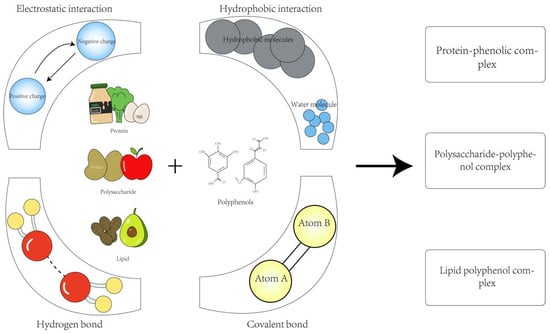
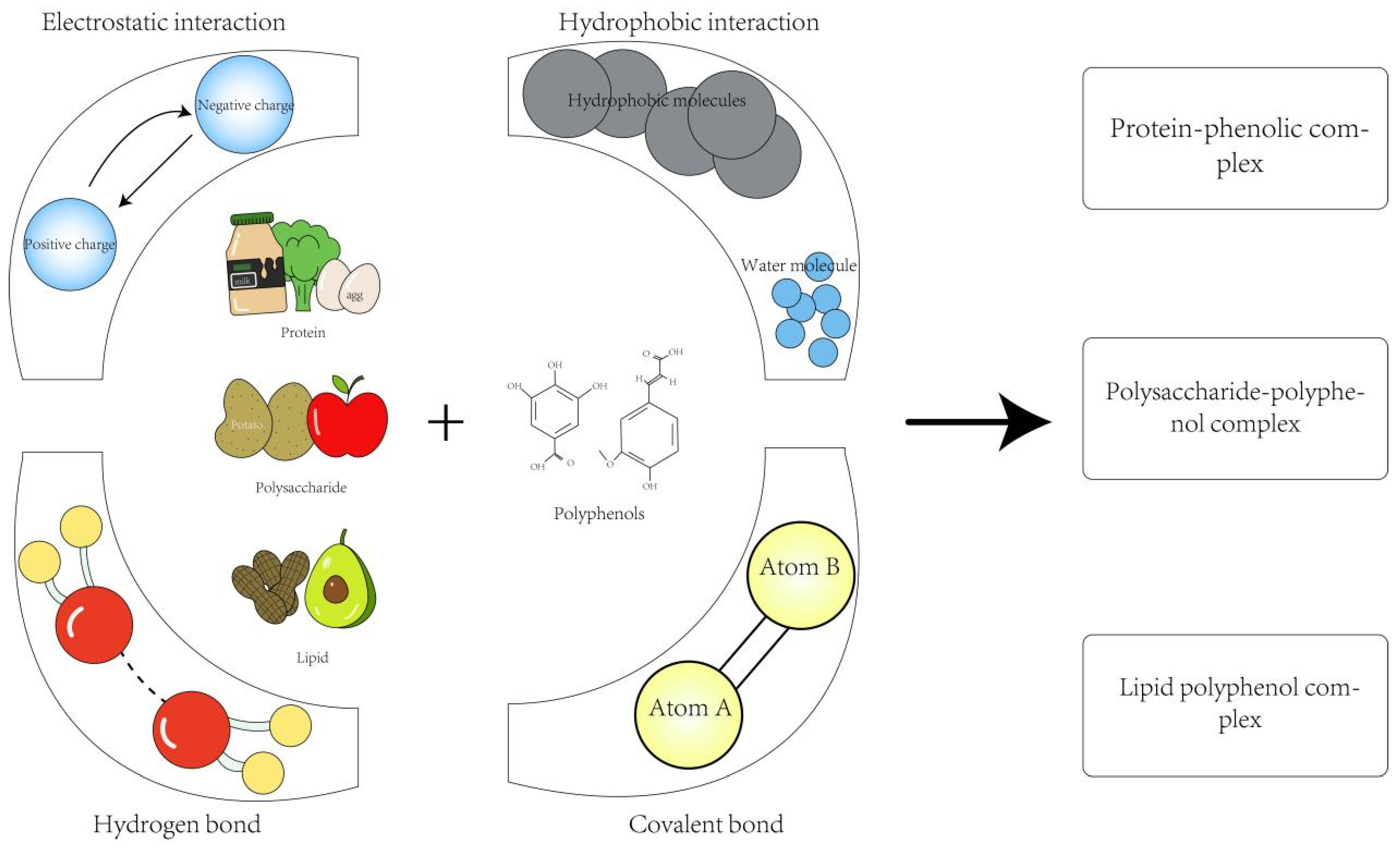
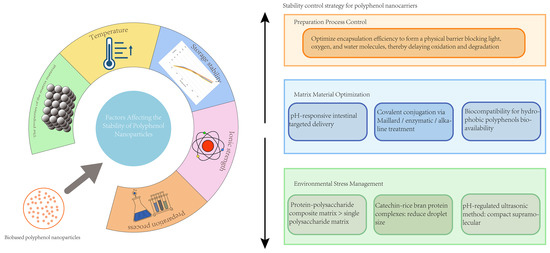
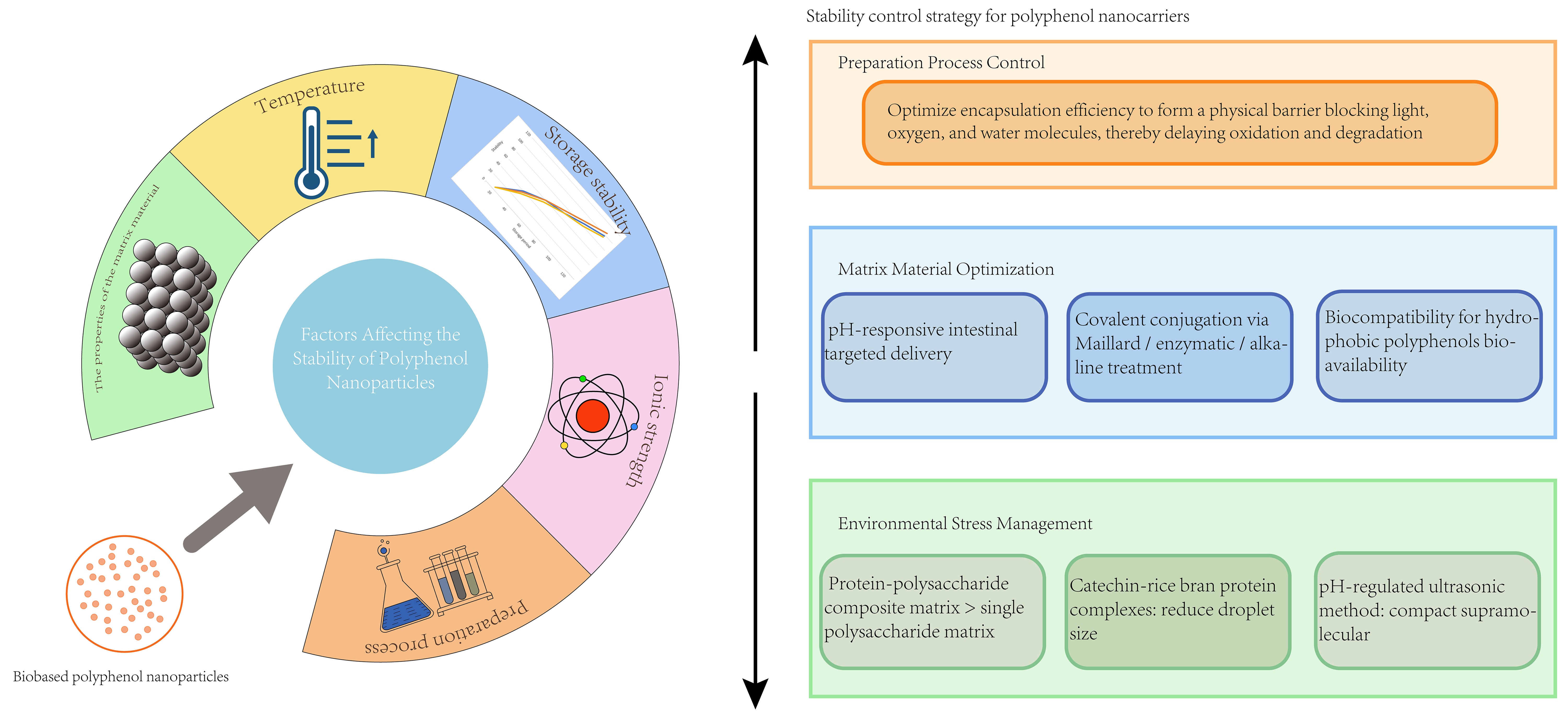
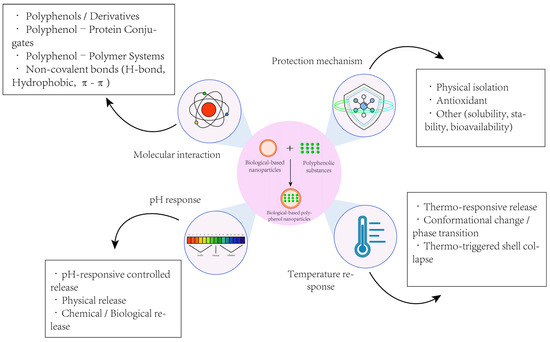
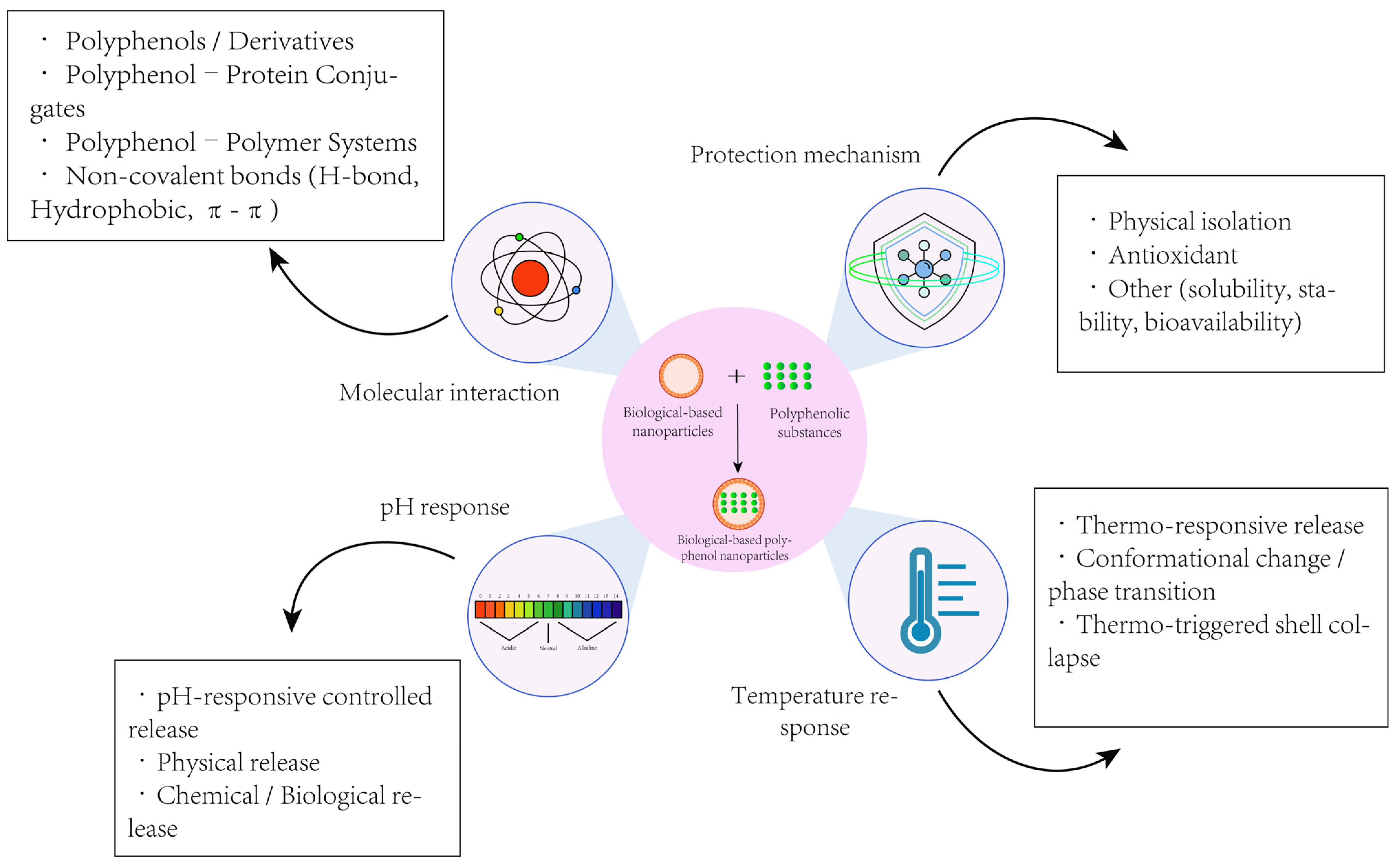
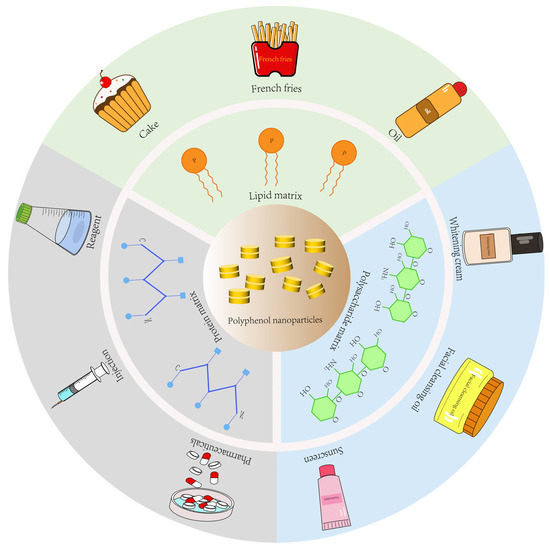
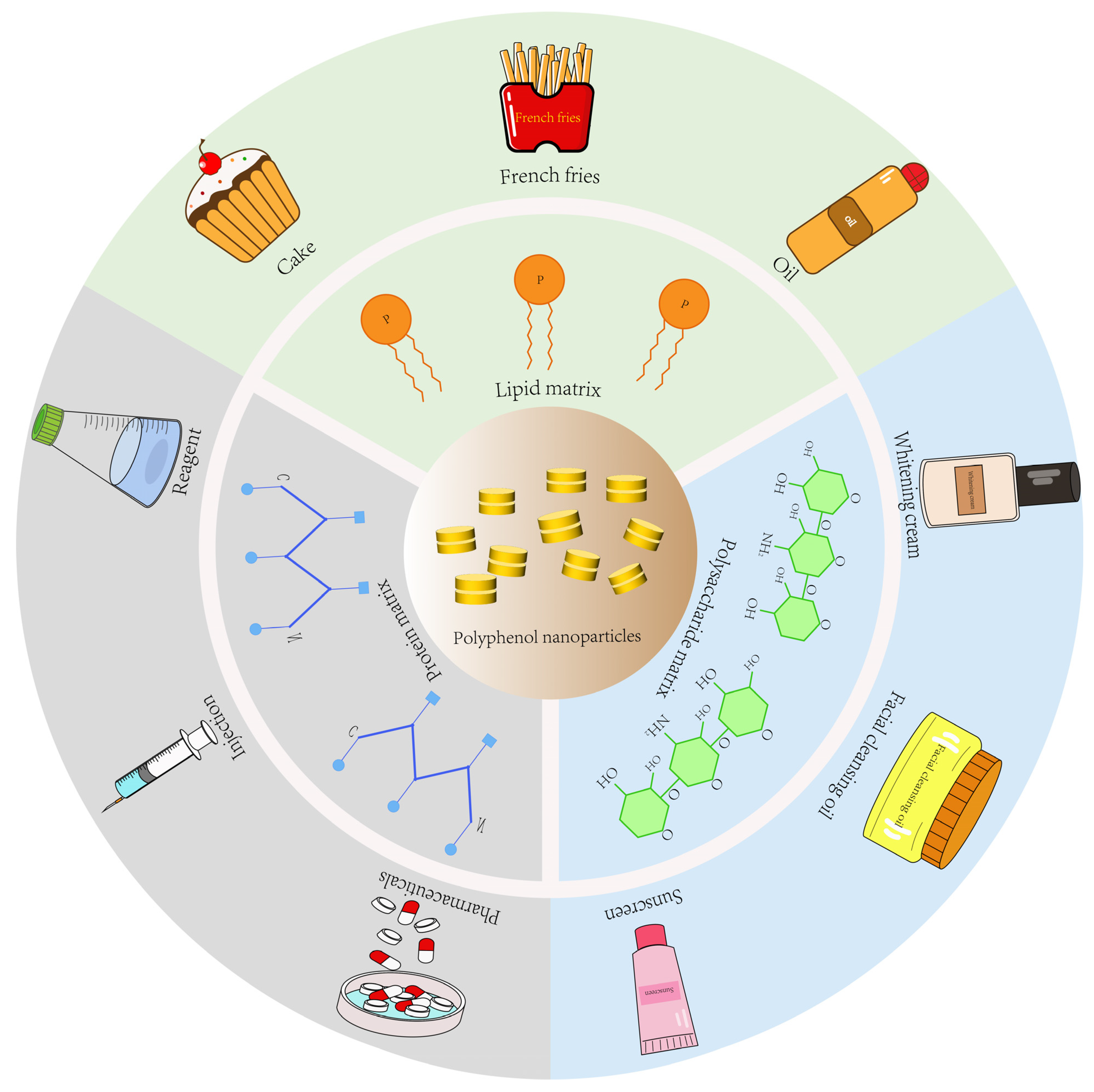

Disclaimer/Publisher’s Note: The statements, opinions and data contained in all publications are solely those of the individual author(s) and contributor(s) and not of MDPI and/or the editor(s). MDPI and/or the editor(s) disclaim responsibility for any injury to people or property resulting from any ideas, methods, instructions or products referred to in the content. |
© 2026 by the authors. Licensee MDPI, Basel, Switzerland. This article is an open access article distributed under the terms and conditions of the Creative Commons Attribution (CC BY) license.