


Abstract
The rapid growth of scientific publications in sport science has intensified competition for publication and increased the importance of methodological rigor, transparent reporting, and effective scientific communication. Despite the availability of general guidance on scientific writing, recommendations specifically tailored to the context of sport science publishing remain fragmented. The aim of this narrative review was to synthesize methodological, conceptual, and editorial perspectives in order to identify the key factors that influence the quality and publishability of sport science research. The review examines major dimensions of research quality, including theoretical grounding, methodological rigor, statistical inference, open science practices, and the structure of scientific manuscripts. In addition, common weaknesses that frequently lead to manuscript rejection, such as limited scientific contribution, methodological flaws, statistical misinterpretation, and inadequate scientific writing, are discussed. Building on this synthesis, the article proposes an integrated conceptual framework that conceptualizes publishable sport science research as a progressive process moving from conceptual foundations to methodological and analytical rigor, research transparency, and effective scientific communication. The framework, presented as a funnel, illustrates how these interconnected dimensions ultimately contribute to two complementary outcomes: the advancement of scientific knowledge and the practical application of research findings in sport contexts. By providing a structured overview of these elements, the proposed framework aims to support researchers in designing more rigorous studies, improving manuscript quality, and strengthening the impact of sport science research.
1. Introduction
The dissemination of scientific knowledge through peer-reviewed publications is a fundamental component of academic research (Kelly et al., 2014; Meo, 2018). Scientific writing enables researchers to communicate findings, contribute to the advancement of knowledge, and influence professional practice across disciplines, including sport and exercise science (Agathokleous & Yu, 2022; Hoogenboom & Manske, 2012; Martin, 2025). The publication of research articles is therefore not only a mechanism for sharing scientific discoveries but also a key determinant of academic progression, research funding, and institutional reputation (Lippi, 2017).
In recent decades, as many bibliometric analyses show, the volume of scientific publications has increased substantially across many disciplines, including sport science (Demir et al., 2024; Goodell et al., 2023; Martínez-Benítez & Becerra-Patiño, 2023; Pamboris et al., 2024). Technological advancements in data collection systems, wearable technologies, and performance monitoring tools have facilitated the generation of large datasets related to athlete performance, training load, and match dynamics (Rein & Memmert, 2016; Torres-Ronda et al., 2022). These developments have contributed to the rapid expansion of sports performance analysis research as a prominent research area within sport science (Plakias, 2025). This was also shown by the fact that submissions to the Sports Performance section of the Journal of Sports Sciences increased by approximately 34% between 2017 and 2020, highlighting the growing research activity in this field (Abt et al., 2022).
The rapid increase in manuscript submissions has intensified competition for publication in scientific journals (Abt et al., 2022). Editors and reviewers must evaluate an increasing number of manuscripts while maintaining high standards for methodological rigor and scientific contribution (Arthur, 2020; Drozdz & Ladomery, 2024). Consequently, journals increasingly prioritize manuscripts that demonstrate sound study design, transparent reporting practices, and clear scientific writing (Abt et al., 2022; Prager et al., 2019). Manuscripts that lack methodological clarity, theoretical justification, or effective communication are more likely to be rejected during the editorial screening process or peer review (Abt et al., 2022; Arthur, 2020; Hoogenboom & Manske, 2012; Karlsson et al., 2020; LaPlaca et al., 2018).
Before proceeding, it is important to clarify the concept of publishability, which represents a central focus of the present study. Publishability should not be equated with the intrinsic scientific quality of a research article, but rather understood as the likelihood that a manuscript successfully passes editorial screening and peer review within a specific journal context. As highlighted in prior work, journal evaluation processes are inherently selective and cannot guarantee that only the highest-quality studies are accepted or that all lower-quality manuscripts are rejected (Sigelman, 2009). In addition, publication outcomes are influenced not only by scientific rigor but also by factors such as alignment with journal scope, disciplinary positioning, and the clarity and completeness of manuscript presentation (Malacapay, 2025). Consequently, publishability is best conceptualized as a context-dependent and multi-dimensional construct, shaped by both research quality and the practical realities of the publication process.
Beyond these considerations,, several authors have highlighted persistent challenges related to the practical relevance of research in this field, emphasizing the gap between scientific research and applied coaching practice. A critical review of performance analysis research suggested that many studies provide descriptive analyses without clear evidence of how findings are systematically applied in real coaching environments (Mackenzie & Cushion, 2013). McLean et al. (2021) argue that articles in sports science suffer from low ecological validity, poor translation to practice and conclusions not supported by data, while Plakias questions whether research in performance analysis is done to provide useful information to practitioners or to produce articles (Plakias, 2026; Plakias et al., 2025). This research–practice gap highlights the need for studies that not only demonstrate methodological rigor but also provide meaningful insights that can inform decision-making in sport settings. Clear and well-structured scientific communication is therefore essential to ensure that research findings are accessible to both researchers and practitioners.
Another challenge faced by researchers is the limited formal training in scientific writing. Although research methods are commonly taught in academic programs, the ability to effectively communicate research findings in the format required by peer-reviewed journals is often developed informally through experience (Busse & August, 2021; Jha, 2014; Sun & Linton, 2014). As a result, many researchers, particularly early-career scholars, struggle with manuscript organization, academic writing style, and understanding the expectations of journal editors and reviewers. Common issues include unclear research questions, poorly structured manuscripts, inappropriate statistical reporting, and failure to follow journal guidelines (Agathokleous & Yu, 2022; Bajwa & Sawhney, 2016; Hoogenboom & Manske, 2012; L. D. Thompson, 2024).
Scientific manuscripts typically follow a standardized structure known as IMRaD (Introduction, Methods, Results, and Discussion), which provides a logical framework for presenting research findings (Busse & August, 2021; Meo, 2018; Sollaci & Pereira, 2004). Each section of the manuscript serves a specific purpose: the introduction defines the research context and knowledge gap, the methods describe the study design and procedures, the results present the empirical findings, and the discussion interprets those findings within the broader scientific literature. Adhering to this structure facilitates clarity, transparency, and reproducibility, which are essential characteristics of high-quality scientific research (Hoogenboom & Manske, 2012; Moskovitz et al., 2024; Simon et al., 2020; Taylor & Francis, 2021).
In addition to effective manuscript structure, methodological rigor has become increasingly important in contemporary sport science research (Abt et al., 2022; McLean et al., 2021). Editors have emphasized the need for improved study design, transparent reporting practices, and stronger theoretical frameworks in sports performance research (Abt et al., 2022; Memmert, 2025). The adoption of open science practices, such as preregistration and data sharing, has also been encouraged to improve the transparency and reproducibility of scientific studies (Abt et al., 2022; Memmert, 2025).
Despite the growing body of literature addressing scientific writing and research methodology, guidance tailored specifically to the context of sport science publishing remains relatively limited and often fragmented. Existing publications typically provide general recommendations for scientific writing or focus on isolated aspects of the research process, such as manuscript structure, statistical reporting, or editorial expectations (Bajwa & Sawhney, 2016; Busse & August, 2021; Hoogenboom & Manske, 2012). While these contributions offer valuable insights, they rarely present a coherent perspective on how the various elements of research quality and scientific communication interact to influence publication outcomes. At the same time, sport science research presents several unique methodological and applied challenges, including the use of complex performance indicators, the analysis of large and multidimensional datasets, and the persistent need to bridge the gap between scientific research and coaching practice (Hughes & Bartlett, 2002; Mackenzie & Cushion, 2013; Rein & Memmert, 2016). Recent editorial perspectives have further emphasized the need to raise methodological standards and improve the quality and transparency of reporting in sports performance research (Abt et al., 2022; Memmert, 2025). These developments highlight the importance of understanding not only the individual components of scientific research but also the broader structure that underpins publishable work in sport science.
To address these challenges, the present narrative review provides a structured overview of the key principles that underpin publishable research in sport science by integrating insights from methodological literature, editorial perspectives, and meta-research on scientific publishing. Specifically, the article seeks to address the following research questions: (1) What are the main methodological and conceptual factors that determine the quality and publishability of sport science research? (2) What common weaknesses in study design, analysis, and scientific writing frequently undermine the publication potential of manuscripts? and (3) How do editorial expectations and the peer-review process shape the evaluation of submitted research in sport science journals?
Building on the synthesis of these perspectives, the aim of this paper is to provide a structured overview of the key principles that underpin publishable research in sport science and to propose an integrated conceptual framework that organizes the core dimensions of high-quality sport science research into a coherent structure. Rather than treating methodological rigor, analytical validity, transparency, and scientific communication as isolated components, the framework conceptualizes them as interconnected stages in the development and dissemination of scientific knowledge. By providing a structured perspective on how these dimensions interact within the research and publication process, the proposed framework aims to support researchers in designing more rigorous studies, improving the clarity and transparency of their manuscripts, and ultimately strengthening the contribution of sport science research to both scientific knowledge and applied sport practice. Unlike general guidance on scientific publishing, the present framework explicitly incorporates domain-specific constraints of sport science, including the complexity of performance data, ecological validity considerations, restricted access to elite populations, and the persistent research–practice gap.
2. Methodological Approach of the Narrative Review
This study adopts a narrative review approach aiming to synthesize methodological, conceptual, and editorial perspectives related to publishable sport science research. Given the broad and integrative nature of the topic, the literature search prioritized conceptual relevance and diversity of perspectives rather than strict inclusion based on journal ranking or study design.
The primary search was conducted using Google Scholar, due to its wide coverage of both peer-reviewed and non-indexed sources, including editorials, methodological papers, and gray literature. This approach was considered appropriate for capturing a broad spectrum of viewpoints relevant to scientific publishing and research quality.
The literature search was conducted in three stages. In the first stage, emphasis was placed on identifying editorials and perspective articles within sport science journals, including targeted searches in journals such as the Journal of Sports Sciences and the International Journal of Performance Analysis in Sport. In the second stage, the search focused on methodological contributions related to statistics, qualitative methods, and research design within the sport science domain. In the third stage, the search was expanded beyond sport science to include general scientific literature on academic publishing, scientific writing, peer review, and common causes of manuscript rejection, using keywords such as “scientific writing”, “how to write”, “publication”, and “manuscript rejection”.
The selection of sources was based on their relevance to the aims of the review and their contribution to understanding research quality, publication processes, and methodological rigor. The synthesis followed a thematic and integrative approach, aiming to identify recurring principles and challenges that influence the publishability of research in sport science.
3. Research Quality and Methodological Rigor in Sports Science
Ensuring methodological rigor is a fundamental requirement for producing reliable and meaningful scientific evidence in various fields (Ramirez et al., 2017; Sells et al., 2018). In recent years, the rapid expansion of research output in sports science has led editors and reviewers to emphasize the importance of improving research quality and transparency across the discipline (Memmert, 2025). Editorial perspectives have highlighted the need to “raise the bar” in sports performance research by prioritizing robust study designs, transparent reporting practices, and open science principles (Abt et al., 2022). These developments reflect a broader movement within scientific publishing toward greater reproducibility and evidence-based practice (Dudda et al., 2025; Munafò et al., 2017).
3.1. Theoretical Grounding and Epistemology
High-quality research in sports science requires clear theoretical grounding and explicit epistemological alignment between the research problem, conceptual framework, methodology, and interpretation of findings. Epistemology defines what counts as valid knowledge, what constitutes acceptable evidence, and how empirical observations can support scientific claims (Lara-Haro et al., 2026). When these assumptions remain implicit, studies may appear methodologically rigorous but lack conceptual coherence, weakening the link between research questions, study design, and conclusions. In recent years, editorial perspectives in sport science have increasingly emphasized that theoretical clarity and conceptual contribution are essential elements of high-quality research, alongside methodological rigor (Abt et al., 2022; Memmert, 2025).
A recurring critique in the literature is that sport science research has sometimes prioritized data collection and analytical techniques over theoretical development, which can lead to fragmented research agendas and limited explanatory power (McLean et al., 2021). This issue is particularly evident in performance analysis research, where studies have frequently focused on isolated performance indicators while overlooking the complex and contextual nature of sport performance systems (Mackenzie & Cushion, 2013; Plakias, 2026; Plakias et al., 2025). Such reductionist approaches may limit the interpretability and practical relevance of findings, reinforcing the well-documented research–practice gap within the discipline (Halperin, 2018; Halperin et al., 2018; McLean et al., 2021; Mujika et al., 2025).
Strengthening theoretical grounding also requires transparency regarding the distinction between exploratory and confirmatory research and openness to diverse epistemological approaches. Exploratory analyses play an important role in identifying patterns and generating hypotheses, but treating exploratory findings as confirmatory evidence can undermine inferential validity (Ditroilo et al., 2025). On the other hand, methodological pluralism, including qualitative and mixed methods research, can provide valuable insights into complex phenomena that cannot be fully captured through purely positivist frameworks (Slade et al., 2018; Smith & McGannon, 2018). Integrating such perspectives may help advance both theoretical development and the practical impact of sports science research.
Within the proposed framework, theoretical grounding is not treated as a purely conceptual prerequisite, but as a foundational component that shapes the coherence of the entire research process. In particular, weak or implicit theoretical alignment may undermine the clarity of the research question and reduce the perceived contribution of the study, increasing the likelihood of desk rejection during the initial editorial screening (Abt et al., 2022; Jackson et al., 2022; Lara-Haro et al., 2026; Von Nordenflycht, 2023).
3.2. Statistical Rigor and Inference
Statistical rigor is central to research quality in sports science, yet persistent weaknesses in analytical practice continue to compromise inferential validity. Common problems include inadequate sample-size justification, overreliance on null hypothesis significance testing, selective reporting of p-values, and misinterpretation of non-significant results as evidence of no effect (Abt et al., 2022, 2025; Batterham & Hopkins, 2006; Hopkins et al., 2009; Impellizzeri et al., 2019; Memmert, 2025). Recent calls within the field emphasize that statistical decisions should be aligned with clearly specified research questions and design logic, rather than applied as routine procedural steps (Abt et al., 2022; Impellizzeri et al., 2019). In particular, renewed attention has been drawn to the importance of transparent and theoretically justified sample-size estimation, moving beyond arbitrary conventions and toward context-sensitive power analysis that reflects plausible effect sizes and study objectives (Abt et al., 2025).
Beyond statistical significance, high-quality inference requires estimation-based thinking and explicit attention to uncertainty. Effect sizes, confidence intervals, and compatibility intervals provide more informative insights than dichotomous “significant/non-significant” interpretations, especially in applied performance contexts where small effects may still have meaningful practical implications (Batterham & Hopkins, 2006; Hopkins et al., 2009). Moreover, in many sport science contexts where large datasets are available (e.g., hundreds of matches within a single competition), p-values may become trivial and provide limited practical insight, reinforcing the need to report and interpret effect sizes to assess the real-world relevance of findings (Lantz, 2013; Tomczak & Tomczak, 2014). At the same time, researchers must avoid analytical flexibility that inflates Type I error rates or capitalizes on chance findings (Ditroilo et al., 2025). Greater emphasis on model assumptions, transparency in data processing, and full reporting of analytical decisions have been proposed to improve statistical practice in sport science (Cortés et al., 2025; Sainani & Chamari, 2022). Therefore, from a reviewer’s perspective, common expectations include the explicit reporting of effect sizes, confidence intervals, model assumptions, and a clear justification of statistical choices.
Statistical rigor also entails selecting analytical techniques that appropriately reflect the structure and complexity of sport data. In team-sport research, for example, multivariate approaches such as principal component analysis are frequently used but often poorly justified or insufficiently reported, leading to unstable or non-replicable solutions (Rojas-Valverde et al., 2020). Similarly, advanced models such as time-to-event and survival analyses require careful handling of censoring, assumptions, and model diagnostics to ensure valid conclusions in injury and performance studies (Cortés et al., 2025). Collectively, these perspectives underscore that improving statistical literacy, prioritizing estimation and model validity over ritualized significance testing, and embedding inference within sound design principles are essential for advancing methodological rigor in sports science.
Within the proposed framework, statistical rigor is not treated as an isolated technical requirement, but as a core component of analytical validity that directly influences the evaluation of manuscripts during peer review. In particular, inadequate statistical reasoning may compromise inferential credibility and increase the likelihood of rejection during the review process (Agathokleous & Yu, 2022; Hoogenboom & Manske, 2012; Impellizzeri et al., 2019).
3.3. Open Science, Reproducibility and Editorial Accountability
Open Science has become a central mechanism for strengthening methodological rigor in sports science by promoting transparency, reproducibility, and accountability (Abt et al., 2021, 2022; Memmert, 2025). Practices such as preregistration and Registered Reports allow research protocols to be peer-reviewed before data collection, reducing publication bias, selective reporting, and questionable research practices such as p-hacking (Beauchamp, 2023; Ditroilo et al., 2025). By requiring hypotheses and analytical strategies to be specified a priori, these approaches clarify the distinction between exploratory and confirmatory research and protect the inferential integrity of published findings (Abt et al., 2025; Ditroilo et al., 2025).
Transparency extends beyond design registration to include the public sharing of depersonalized raw data, analysis code, and full documentation of statistical decisions (Abt et al., 2022; Ditroilo et al., 2025; Hopkins et al., 2009; Sainani & Chamari, 2022). Platforms such as the Open Science Framework and GitHub facilitate independent verification, meta-research, and collaborative multi-lab initiatives, which are essential for cumulative science (Cortés et al., 2025; Ditroilo et al., 2025; Memmert, 2025). In applied domains such as match analysis and sports medicine, where predictive models and injury risk profiling are increasingly used, open data practices enhance benchmarking and model validation (Abt et al., 2022; Cortés et al., 2025; Memmert, 2025; Richter et al., 2024). However, it is worth noting that in elite sport environments, data is often considered highly sensitive due to competitive nature of the field. As a result, full data sharing may not always be feasible.
Closely related is the distinction between reproducibility (obtaining the same results using the same data and analysis) and replication (testing the same claim using new data) (Abt et al., 2025; Ditroilo et al., 2025). Although large-scale replication efforts have exposed vulnerabilities in neighboring disciplines, sport science has only recently begun systematic self-examination (Kowalski, 2026; Murphy et al., 2023). Preliminary evidence suggests that replicability rates may be modest, partly due to low statistical power, publication bias, and analytic flexibility (Abt et al., 2025; Ditroilo et al., 2025). To address this, replication should be viewed as a continuum of evidential robustness, encompassing operational, conceptual, and practical replication, particularly the latter, which evaluates whether interventions retain effectiveness under real-world performance constraints (Kowalski, 2026; Memmert, 2025; Praça, 2025). Journals and editors therefore play a critical role in fostering accountability by incentivizing replication studies, enforcing reporting standards, and supporting Registered Reports as a structural safeguard against biased dissemination (Abt et al., 2022, 2025; Bustin, 2025; Memmert, 2025).
Another important dimension of research transparency concerns adherence to established reporting guidelines (Abt et al., 2022; Beauchamp, 2023; Slade et al., 2018). Frameworks such as CONSORT for randomized trials, STROBE for observational studies, and TIDieR for intervention reporting have been developed to improve completeness, clarity, and reproducibility of scientific publications (Abt et al., 2022; Beauchamp, 2023; Conrado et al., 2024). However, despite the availability of these guidelines, several evaluations have shown that compliance in sports science journals remains inconsistent and often suboptimal (Abt et al., 2022; Conrado et al., 2024; Cortés et al., 2025). Incomplete reporting of methodological details, intervention protocols, and statistical procedures can hinder reproducibility, limit critical appraisal, and reduce the cumulative value of published research (Conrado et al., 2024; Cortés et al., 2025). From a practical standpoint, adherence to these guidelines implies that authors should explicitly report key elements such as participant flow, inclusion/exclusion criteria, detailed intervention protocols, and complete statistical reporting, allowing reviewers and readers to fully assess the validity and reproducibility of the study. Consequently, stronger enforcement of reporting guidelines by journals and reviewers has been recommended as an essential step toward improving the transparency and methodological rigor of sport science research.
Within the proposed framework, transparency and open science practices are not viewed as optional enhancements, but as critical components that support the credibility and evaluability of research. Inadequate reporting, lack of data transparency, or unclear analytical procedures may limit reproducibility and raise concerns during peer review, thereby negatively influencing editorial decisions (Begley & Ioannidis, 2015; Cortés et al., 2025; Memmert, 2025).
3.4. Rigor Across Designs and Populations
Methodological rigor in sports science must be principle-driven rather than method-specific. In qualitative and mixed-methods research, rigor depends not on mechanical adherence to checklists but on epistemological coherence, reflexivity, and transparent justification of analytical decisions (Lara-Haro et al., 2026; Smith & McGannon, 2018). Rather than relying solely on traditional markers such as member checking or inter-rater reliability, contemporary perspectives advocate reflexive practices, the use of “critical friends,” and systematic observation frameworks to enhance analytical credibility and theoretical depth (Anguera et al., 2017; Hopkins et al., 2009; Lara-Haro et al., 2026; Smith & McGannon, 2018). Adherence to reporting frameworks such as COREQ and JARS further strengthens transparency and evaluability (Abt et al., 2022; Beauchamp, 2023; Cortés et al., 2025; Slade et al., 2018).
High-quality case studies represent another specialized yet powerful design, particularly in elite performance contexts where phenomena are rare or difficult to capture experimentally (Halperin, 2018; Mujika et al., 2025). Rigor in such studies requires careful case selection, triangulation of multiple data sources, and explicit consideration of situational constraints (Hopkins et al., 2009; Mujika et al., 2025). Hybrid designs that integrate group-level analyses with single-subject investigation may provide both statistical breadth and ecological depth, enhancing translational value (Halperin, 2018; Mujika et al., 2025).
In quantitative performance research, rigor requires contextualization and appropriate modeling of complex, hierarchical data structures (Memmert, 2025; Praça, 2025). Studies must move beyond isolated performance indicators and incorporate situational variables such as opposition strength, match status, and contextual constraints to avoid confounder bias (Mackenzie & Cushion, 2013; Memmert, 2025; Praça, 2025). Advanced techniques such as principal component analysis and survival modeling demand strict adherence to reporting standards, transparent justification of extraction or modeling decisions, and explicit testing of assumptions to ensure replicability (Cortés et al., 2025; Rojas-Valverde et al., 2020). Finally, diversity in sampling and comprehensive reporting of participant characteristics are essential for external validity and ethical responsibility (Abt et al., 2022). Overreliance on WEIRD or exclusively male elite samples limits generalizability and undermines cumulative knowledge (Abt et al., 2022; Beauchamp, 2023; Memmert, 2025). By ensuring transparent reporting, contextual sensitivity, and inclusive sampling practices, sport science can produce findings that are both methodologically robust and practically meaningful (Cortés et al., 2025; Mujika et al., 2025; Praça, 2025).
Finally, a further critical consideration concerns the trade-off between ecological validity and experimental control. While tightly controlled experimental designs enhance internal validity, they may fail to capture the complexity and contextual dynamics of real-world sport performance. Conversely, applied and observational studies offer greater ecological validity but introduce challenges related to confounding variables and causal inference (Andrade, 2018; Holleman et al., 2020). Balancing these competing demands remains a central methodological challenge in sport science research.
It is important to acknowledge that sport science is not a homogeneous field, but rather a multidisciplinary domain encompassing areas such as physiology, biomechanics, psychology, and performance analysis, each with distinct methodological characteristics (Balagué et al., 2017; Burwitz et al., 1994). Consequently, the definition and application of methodological rigor may vary across subfields. For example, biomechanical and physiological studies often rely on small sample sizes due to the constraints of elite populations and the complexity of data collection (Knudson, 2017; Mazzolari et al., 2022; Skorski & Hecksteden, 2021). In contrast, performance analysis research, particularly studies based on technical-tactical variables, may involve large-scale datasets derived from major competitions (e.g., top European leagues), which are easily accessible on analysis platforms such as Opta and Wyscout or even on free sites such as Whoscored (Cefis et al., 2025; Gama et al., 2026). Similarly, while running performance and positional data were historically limited due to restricted access to GPS technology, the widespread adoption of optical tracking systems has substantially increased data availability in recent years (Goes et al., 2021; Torres-Ronda et al., 2022). On the other hand, questionnaire-based studies may face practical difficulties in accessing large samples within elite sport environments compared to sub-elite or amateur environments. These differences highlight the need for context-sensitive methodological standards that reflect the specific constraints and opportunities of each sub-discipline.
Within the proposed framework, methodological rigor across different research designs is conceptualized as a key determinant of both internal and external validity. Misalignment between research design, data structure, and analytical approach may compromise the interpretability and applicability of findings, increasing the likelihood of critical reviewer feedback and potential rejection (Hoadley, 2004; Jha, 2014; Mackenzie & Cushion, 2013; Memmert, 2025).
4. The Structure of a Publishable Sports Science Manuscript
The ability to communicate scientific findings clearly and effectively is a fundamental requirement for successful publication. Even when a study is methodologically sound, poor organization and unclear presentation can significantly reduce the likelihood of acceptance by peer-reviewed journals (Chew et al., 2025; Lake, 2020; Oshiro et al., 2020). Editors and reviewers consistently emphasize that manuscripts must present a coherent narrative supported by a logical structure, robust evidence, and clear writing (Edmans, 2025; Forero et al., 2020; Hoogenboom & Manske, 2012; Pickett & McDonnell, 2017). For this reason, understanding the typical structural organization of scientific articles is essential for researchers aiming to publish in sport science journals.
4.1. The Standard Structure of Scientific Articles
Most empirical research papers follow a standardized format known as IMRaD (Introduction, Methods, Results, and Discussion), which provides a logical framework for presenting scientific research (Bajwa & Sawhney, 2016; Meo, 2018). The widespread adoption of this structure reflects the need for a consistent and easily navigable format that allows readers and reviewers to quickly locate key information within a manuscript (Hoogenboom & Manske, 2012; Sun & Linton, 2014). Historically, the IMRaD format became dominant in scientific publishing during the twentieth century as the volume of scientific literature expanded and journals required standardized structures to improve readability and efficiency (Moskovitz et al., 2024).
Although variations in this format exist, particularly across disciplines and study types, the core components remain largely consistent across most scientific journals (Jha, 2014; Moskovitz et al., 2024). These typically include the Title, Abstract, Introduction, Methods, Results, Discussion, Conclusions, Acknowledgements, And References, each serving a specific communicative function within the manuscript (Arthur, 2020; Meo, 2018). Understanding the purpose and content of each section helps authors structure their manuscripts effectively and present their findings in a manner consistent with editorial expectations.
4.2. Title and Abstract: The Front Door of the Article
The title and abstract represent the most visible components of a scientific manuscript (Arthur, 2020; Maiorana & Mayer, 2018; Simon et al., 2020). These elements often determine whether readers, reviewers, or editors choose to examine the full article (Lake, 2020; LaPlaca et al., 2018).
The title must be concise and informative, ideally restricted to one or two lines (around 16 words or 150 characters) to ensure higher searchability and citation rates (Arthur, 2020; Iskander et al., 2018; Karlsson et al., 2020; Maiorana & Mayer, 2018). A strong title should include primary keywords, the study design, and specific details about the population and setting (Busse & August, 2021; Iskander et al., 2018; Meo, 2018; Simon et al., 2020). Many experts suggest that the title should be a statement of the main finding rather than a question, and it should avoid abbreviations, humor, and redundant filler phrases like “A study of” or “Investigation of” (Arthur, 2020; Karlsson et al., 2020; Maiorana & Mayer, 2018; Simon et al., 2020). Because the focus of a manuscript can evolve during the writing process, it is highly recommended to compose the final title only after the entire paper is finished to ensure it perfectly reflects the completed work (Busse & August, 2021; LaPlaca et al., 2018; Simon et al., 2020).
The abstract acts as a standalone “advertisement” or “movie trailer” for the research, often serving as the only section that editors, reviewers, and readers will access to determine the study’s relevance (Chew et al., 2025; Iskander et al., 2018; LaPlaca et al., 2018; Meo, 2018). It should be a concise distillation of the entire paper, typically following a structured or unstructured IMRaD format (Introduction, Methods, Results, and Discussion) to explain why the study was started, what was done, what was found, and what the findings mean (Iskander et al., 2018; Jha, 2014; LaPlaca et al., 2018; Meo, 2018; Simon et al., 2020). Experts emphasize that an abstract must be succinct, typically restricted to 150–300 words, and must remain free of citations, technical jargon, and unnecessary abbreviations (Bajwa & Sawhney, 2016; Jha, 2014; LaPlaca et al., 2018; Maiorana & Mayer, 2018; Simon et al., 2020). Because it must accurately reflect the final content and emphasize actual results rather than general statements, it is highly recommended to compose the abstract last (Chew et al., 2025; Hoogenboom & Manske, 2012; Simon et al., 2020). Ultimately, a successful abstract highlights the study’s originality and implications, providing enough information to ensure the work is discoverable and citable (Bajwa & Sawhney, 2016; Meo, 2018; Pickett & McDonnell, 2017). It should not be forgotten that the abstract is followed by 5–6 keywords, which reveal the main topic of the study, help the editor select appropriate reviewers and also assist in archiving and searching the article in databases (Bajwa & Sawhney, 2016; LaPlaca et al., 2018; Maiorana & Mayer, 2018; Pickett & McDonnell, 2017).
4.3. Introduction: Establishing the Research Context
The introduction provides the conceptual foundation for the research by situating the study within the existing scientific literature and identifying the specific knowledge gap that the research aims to address (Bajwa & Sawhney, 2016; Busse & August, 2021; Sun & Linton, 2014). A well-structured introduction typically follows a logical progression from general background information to the specific research question or hypothesis (Busse & August, 2021; Chew et al., 2025; Meo, 2018). In particular, it should start by defining the scope and magnitude of the problem, establishing its significance early, ideally within the first two paragraphs, to capture the interest of editors and reviewers (Busse & August, 2021; Iskander et al., 2018; Pickett & McDonnell, 2017; Simon et al., 2020). Additionally, this section has to summarize existing knowledge while explicitly identifying knowledge gaps, controversies, or limitations in previous studies that the current work intends to fill (Bajwa & Sawhney, 2016; Hoogenboom & Manske, 2012; LaPlaca et al., 2018). The section must culminate in a clear, solid statement of the research aims, objectives, and research questions or hypotheses (Busse & August, 2021; Chew et al., 2025; Meo, 2018). This concluding statement serves as a “roadmap” for the reader, ensuring a logical flow from the identified gap in knowledge to the methodology and results that follow (Busse & August, 2021; Pickett & McDonnell, 2017; Simon et al., 2020). This structure helps readers understand why the study was conducted and how it contributes to the broader field.
Effective introductions also demonstrate familiarity with relevant literature and highlight the significance of the research problem (Bajwa & Sawhney, 2016; Taylor & Francis, 2021). According to Hoogenboom and Manske (2012), reviewers often evaluate manuscripts based on the relevance of the research question, the clarity of the literature review, and the importance of the problem being addressed. Therefore, authors should ensure that the introduction clearly articulates the rationale for the study and concludes with a precise statement of the research objectives.
4.4. Methods: Transparency and Reproducibility
The methods section describes how the study was conducted and provides sufficient detail to allow other researchers to replicate the research procedures (Bajwa & Sawhney, 2016; Busse & August, 2021; Kallet, 2004). Transparent reporting of methodology is essential for ensuring the reproducibility and credibility of scientific findings (Abt et al., 2022; Cortés et al., 2025; Hoogenboom & Manske, 2012). Typically, this section includes descriptions of participants or subjects, study design, data collection procedures, measurement instruments, and statistical analyses (Ditroilo et al., 2025; Jha, 2014; Meo, 2018).
Clarity and precision are particularly important in this section because reviewers often assess the validity of a study based on the appropriateness of its methodological design (Kallet, 2004; Karlsson et al., 2020). Inadequate methodological descriptions or missing details regarding statistical procedures are common reasons for manuscript rejection (Edmans, 2025; Hoogenboom & Manske, 2012). Consequently, authors should ensure that all relevant procedures are clearly documented and that methodological decisions are justified when necessary.
4.5. Results: Objective Presentation of Findings
The results section presents the empirical findings of the study without interpretation (Bajwa & Sawhney, 2016; Busse & August, 2021; Iskander et al., 2018). Its primary purpose is to report the outcomes of statistical analyses and summarize the collected data using tables, figures, and descriptive text (Iskander et al., 2018; Karlsson et al., 2020; Meo, 2018). Visual elements such as tables and graphs are particularly valuable for presenting complex datasets in a clear and concise manner (Hoogenboom & Manske, 2012; Karlsson et al., 2020; Meo, 2018; Taylor & Francis, 2021; L. D. Thompson, 2024; Torres-Valladares et al., 2022).
Authors should avoid including interpretations or extensive discussion of results in this section, as such commentary belongs in the discussion section. Instead, the results should focus on clearly reporting the outcomes of the analyses that address the research questions or hypotheses (Busse & August, 2021; Chew et al., 2025).
4.6. Discussion: Interpreting the Findings
The discussion section interprets the results of the study and places them within the context of the existing scientific literature (Arthur, 2020; Busse & August, 2021; Hoogenboom & Manske, 2012; Iskander et al., 2018). This section allows authors to explain the implications of their findings, compare their results with previous studies, and highlight the contributions of their research to the field (Arthur, 2020; Chew et al., 2025; Simon et al., 2020). A strong discussion also includes consideration of methodological limitations and suggestions for future research (Bajwa & Sawhney, 2016; Busse & August, 2021). However, authors should avoid overstating their conclusions and ensure that interpretations remain consistent with the evidence presented in the results section (Arthur, 2020; Bajwa & Sawhney, 2016; Simon et al., 2020).
4.7. Additional Components of the Manuscript
Beyond the core IMRaD structure, scientific manuscripts include the sections Conclusions and References. The conclusion section serves to provide a definitive “take-home message” that summarizes the principal findings and their significance without merely repeating the results or the abstract (Arthur, 2020; LaPlaca et al., 2018; Meo, 2018). It should explicitly answer the initial research question, detailing the theoretical and practical implications of the study while demonstrating the work’s contribution to the existing knowledge base (LaPlaca et al., 2018; Maiorana & Mayer, 2018; Sun & Linton, 2014). Finally, a strong conclusion identifies specific directions for future research or necessary changes in policy and practice, ensuring the ending is factual and avoids unwarranted speculation (Busse & August, 2021; Hoogenboom & Manske, 2012; Iskander et al., 2018; Meo, 2018). On the other hand, the reference list documents the sources that informed the research and allows readers to locate the original literature. Accurate referencing is essential not only for acknowledging prior work but also for situating the study within the broader scientific conversation (Hoogenboom & Manske, 2012; Meo, 2018; L. D. Thompson, 2024). Lastly, a scientific article may include the sections Acknowledgements, Author Contributions, Conflict of Interest/Disclosures, Funding, Ethics Statements, Supplementary Material, Data Availability, and Appendix (Arthur, 2020; Busse & August, 2021; Chew et al., 2025; Lippi, 2017; Simon et al., 2020).
5. Common Writing Errors and Technical Barriers
Despite the rapid growth in scientific publications, a substantial proportion of submitted manuscripts are rejected either at the desk review stage or after peer review (Kelly et al., 2014; Menon et al., 2022). The literature on scientific writing suggests that manuscript rejection rarely results from a single issue but typically stems from a combination of conceptual, methodological, statistical, and linguistic weaknesses (Bajwa & Sawhney, 2016; Chew et al., 2025; Hoogenboom & Manske, 2012). Many of these issues can be avoided through a better understanding of the publication process and the expectations of journal editors and reviewers.
5.1. Limited Scientific Contribution
One of the most common reasons for manuscript rejection is an insufficient scientific contribution (Edmans, 2025). High-quality journals typically publish studies that provide a meaningful advancement in knowledge, either by presenting novel findings or by offering improved methodological approaches (Bajwa & Sawhney, 2016). According to Edmans (2025), manuscripts are frequently rejected when the research question is considered insufficiently important or when the findings merely confirm previously established relationships without offering new insights.
Similarly, leading journals reject studies when they represent minor extensions of previous research, such as applying the same analytical framework to a different geographical context or population without providing a clear theoretical or practical contribution. In such cases, even rigorous methodology may not compensate for a limited level of originality (Edmans, 2025; Jackson et al., 2022).
5.2. Methodological Weaknesses in Study Design
The quality of the research design plays a crucial role in the evaluation of a scientific manuscript. Studies with inadequate design or poorly justified measurement tools face considerable challenges during the publication process. Common methodological issues leading to rejection include insufficient description of the research methodology, inappropriate selection of the study population, small or biased samples, inadequate description of instruments or measurement procedures (Arthur, 2020; Bajwa & Sawhney, 2016; Hoogenboom & Manske, 2012; Jha, 2014; Lake, 2020). All these methodological weaknesses detailed in Section 3 are frequently identified by reviewers as major limitations that undermine the credibility of research findings (Arthur, 2020; Lake, 2020).
5.3. Statistical Errors and Misinterpretation of Results
Statistical problems represent another major reason for manuscript rejection (Agathokleous & Yu, 2022; Hopkins et al., 2009; Impellizzeri et al., 2019). Frequent issues include inappropriate statistical tests, misinterpretation of results, and incorrect inference from statistical findings (Abt et al., 2025; Agathokleous & Yu, 2022; Impellizzeri et al., 2019). In Section 3.2 there is a detailed report on issues related to statistical rigor. Such statistical weaknesses can undermine the reliability and validity of the study’s conclusions and are therefore frequently highlighted during peer review (Hoogenboom & Manske, 2012; Maiorana & Mayer, 2018).
5.4. Inadequate or Superficial Literature Review
The literature review is a fundamental component of a scientific manuscript because it situates the study within the broader research context (Chew et al., 2025; Sun & Linton, 2014). However, many manuscripts suffer from weaknesses in this section. Common problems include merely listing previous studies without critical synthesis, citing an excessive number of references without explaining their relevance, and failing to include recent research findings (Caon, 2015; Edmans, 2025; Taylor & Francis, 2021). Caon (2015) notes that a literature review should not simply paraphrase previous studies but should clearly explain their significance and how they relate to the research question addressed by the manuscript.
5.5. Language and Scientific Writing Issues
Clarity, precision, and coherence are essential characteristics of effective scientific writing (Chew et al., 2025; Tanaka & Seals, 2024). Poor language quality, grammatical errors, or the misuse of scientific terminology may negatively influence the evaluation of a manuscript (Arthur, 2020; Lake, 2020). For authors whose native language is not English, writing in a clear and concise scientific style can be particularly challenging, although the increasing use of artificial intelligence tools such as ChatGPT and similar language-assistance applications can help improve grammar, clarity, and overall readability of the manuscript. (Cortés et al., 2025; Maiorana & Mayer, 2018; Subedi & Nyamasvisva, 2024). Poorly written manuscripts may raise doubts about the validity of the research and increase the likelihood of rejection (Edmans, 2025; Hoogenboom & Manske, 2012). Furthermore, the misuse of terms and ambiguous phrasing may lead to conceptual confusion or misinterpretation of research findings, highlighting the importance of careful word selection and precise terminology in scientific writing (Lippi, 2017; Tanaka & Seals, 2024).
5.6. Failure to Follow Journal Guidelines
Another common technical barrier involves failing to comply with the submission guidelines of the target journal (Chew et al., 2025; Taylor & Francis, 2021; L. D. Thompson, 2024). Authors must carefully follow the journal’s requirements regarding manuscript structure, formatting and style, word limits, reference style, ethical and reporting standards (Hoogenboom & Manske, 2012; Taylor & Francis, 2021). Failure to follow these instructions may create a negative impression during the editorial screening process and can lead to immediate rejection before peer review (Jha, 2014; Pickett & McDonnell, 2017; L. D. Thompson, 2024).
5.7. Structural Problems in Manuscript Presentation
Finally, many manuscripts are rejected due to weaknesses in the organization and presentation of research findings (Bajwa & Sawhney, 2016; LaPlaca et al., 2018; Maiorana & Mayer, 2018). Scientific manuscripts typically follow the IMRaD structure (Introduction, Methods, Results, and Discussion), which ensures logical flow and clarity for readers (Meo, 2018; Moskovitz et al., 2024). Poor organization, lack of coherence between sections, and excessive repetition can significantly reduce the readability and impact of a manuscript (Bajwa & Sawhney, 2016; Busse & August, 2021; Chew et al., 2025).
6. Editorial Standards and Peer Review Process
Scientific journals play a crucial role in maintaining the integrity, credibility, and dissemination of scientific knowledge (Hoogenboom & Manske, 2012; Kadam, 2025; Pollock, 2020a). Editorial standards and the peer review process function as the primary mechanisms through which submitted research is evaluated, filtered, and ultimately communicated to the scientific community (Hoogenboom & Manske, 2012; Kadam, 2025; Lippi, 2017). Through this process, editors and reviewers collaborate to ensure that only studies meeting appropriate methodological, ethical, and scientific standards are published (Bustin, 2025; Kadam, 2025; Pollock, 2020b).
6.1. The Role of Journal Editors
Journal editors serve as the gatekeepers of scientific publishing (Lake, 2020). Their primary responsibility is to evaluate submitted manuscripts and determine whether they meet the journal’s scope, quality standards, and ethical requirements before they proceed to peer review (Arthur, 2020; Chew et al., 2025). This initial editorial screening often results in desk rejection, where manuscripts are declined without external review when they do not meet the journal’s standards or priorities (Agathokleous & Yu, 2022; Jackson et al., 2022; Lake, 2020).
Editors are responsible for several key tasks, including assessing the originality and relevance of submitted research, ensuring adherence to ethical and reporting standards, selecting appropriate peer reviewers, and interpreting reviewer feedback and making final publication decisions (Abt et al., 2022; Kadam, 2025; LaPlaca et al., 2018). Importantly, the editor’s decision is not purely mechanical but involves professional judgment regarding the scientific merit, relevance, and contribution of a manuscript (Bustin, 2025; Edmans, 2025; Lake, 2020). Even when peer reviewers provide recommendations, the final responsibility for acceptance or rejection ultimately lies with the editor (Kadam, 2025).
Beyond managing the review process, editors have an important responsibility to uphold ethical standards and professional conduct within scientific publishing (Bustin, 2025; Kadam, 2025). Editorial oversight ensures that the peer review process remains fair, transparent, and constructive, avoiding personal, ironic or dismissive comments (Bustin, 2025; L. D. Thompson, 2024). Peer review should ideally function as a mechanism of scientific quality control and error correction. However, studies have shown that inappropriate or hostile reviews occasionally occur, highlighting the need for strong editorial supervision and professional guidelines (Bustin, 2025). Therefore, editors must intervene when reviewer behavior violates professional standards, ensuring that feedback remains constructive and respectful (Bustin, 2025).
6.2. The Desk-Rejection Stage
Desk rejection represents the first major filter in the editorial process (Lake, 2020). Because journals receive far more submissions than they can publish, editors must rapidly identify manuscripts that are unlikely to meet the journal’s publication standards (Abt et al., 2022; Lake, 2020). Studies suggest that a substantial proportion of manuscripts, often more than half, are rejected at this stage (Lake, 2020). Especially in leading journals, this percentage can be much higher (Edmans, 2025).
Several factors commonly lead to desk rejection, including poor alignment with the journal’s aims and scope, insufficient novelty or scientific contribution, weak methodological design, major statistical or conceptual flaws, and failure to follow submission guidelines (Agathokleous & Yu, 2022; Arthur, 2020; Edmans, 2025; Lake, 2020). According to editorial experience summarized in the literature, many desk rejections could be avoided if authors carefully evaluated the suitability of their manuscript for the target journal and followed submission guidelines closely (Arthur, 2020; L. D. Thompson, 2024).
6.3. The Peer Review Process
When a manuscript passes the initial editorial screening, it is typically sent to independent experts for peer review (Arthur, 2020; Hoogenboom & Manske, 2012). Peer review aims to evaluate the scientific quality, methodological rigor, and contribution of the submitted work (Arthur, 2020; Bustin, 2025). Reviewers provide detailed feedback and recommendations that help editors decide whether the manuscript should be accepted, revised, or rejected (Chew et al., 2025; Edmans, 2025). Traditionally, peer review is conducted by volunteer researchers with relevant expertise (Arthur, 2020; Bustin, 2025; Chew et al., 2025). Their role is to critically assess the manuscript and provide constructive suggestions that may improve its clarity, methodology, and interpretation (Arthur, 2020; Bustin, 2025; Chew et al., 2025).
Although peer review is widely considered the cornerstone of scientific publishing, it also faces practical challenges. Editors frequently encounter difficulties in identifying qualified reviewers willing to review manuscripts within the required time frame (Abt et al., 2022; Arthur, 2020; Kadam, 2025). In addition, the growing number of submissions to scientific journals has increased the workload for both editors and reviewers (Abt et al., 2022; Kadam, 2025)
6.4. Increasing Standards in Scientific Publishing
The rapid growth in scientific submissions across sport science journals has substantially raised the threshold for publication (Abt et al., 2022; Jackson et al., 2022; Memmert, 2025). As manuscript volume increases, editorial decisions must rely on increasingly stringent criteria to identify studies that are not only methodologically sound but also theoretically meaningful and practically relevant (Abt et al., 2022; Jackson et al., 2022). In this competitive landscape, technical adequacy alone is no longer sufficient; manuscripts are expected to demonstrate conceptual clarity, robust design, transparent reporting, and clear contribution to the field (Abt et al., 2022; Memmert, 2025).
In response to these pressures, many journals have embraced higher standards associated with Open Science, including study preregistration, data sharing, transparency in statistical procedures, and adherence to established reporting guidelines (Abt et al., 2022; Memmert, 2025). These practices aim to enhance reproducibility, reduce questionable research practices, and strengthen confidence in published findings (Abt et al., 2022; Memmert, 2025). Importantly, increasing standards do not simply reflect stricter gatekeeping, but rather a broader shift toward accountability, methodological transparency, and cumulative knowledge building (Abt et al., 2022; Agathokleous & Yu, 2022).
At the same time, peer review has expanded beyond technical evaluation to include scrutiny of epistemological coherence (Lara-Haro et al., 2026). Reviewers increasingly assess whether research questions, theoretical frameworks, methodological choices, and interpretations are logically aligned. When this problem–theory–method relationship is poorly articulated, the inferential structure of the study weakens, making it difficult to evaluate the validity and contribution of its conclusions (Lara-Haro et al., 2026). Ensuring such coherence is essential not only for individual manuscript acceptance but also for maintaining the credibility, integrity, and cumulative development of scientific knowledge within sport science (Lara-Haro et al., 2026; McLean et al., 2021).
7. Emerging Trends in Sports Science Publishing
Scientific publishing in sports science is undergoing rapid transformation driven by technological advances, methodological innovation, and evolving expectations regarding transparency and research impact. Recent literature highlights several emerging trends shaping the future of research dissemination and evaluation in the field.
7.1. The Growth of Data-Driven and Computational Approaches
One of the most significant developments in sports science research is the increasing integration of computational methods, particularly machine learning and artificial intelligence (Memmert, 2025; Richter et al., 2024). These approaches enable the analysis of complex, multidimensional, and large-scale datasets derived from sources (Memmert, 2025; Richter et al., 2024). Machine learning techniques can identify hidden patterns in performance, injury risk, and training adaptation that may not be detectable using traditional statistical approaches (Memmert, 2025; Richter et al., 2024).
However, these innovations also introduce new challenges related to model validation, interpretability, and methodological transparency (Memmert, 2025; Richter et al., 2024). Researchers must ensure that predictive models are not only statistically accurate but also meaningful and interpretable for practitioners and coaches (Memmert, 2025; Praça, 2025). Similarly, recent editorials emphasize that the integration of computer science methods into sports performance research requires the adoption of rigorous computational standards, including benchmarking procedures, open code sharing, and reproducible analytical pipelines (Memmert, 2025).
7.2. The Rise in Open Science Practices
Another major trend in scientific publishing is the increasing emphasis on Open Science principles (Abt et al., 2022; Memmert, 2025). These practices aim to enhance transparency, reproducibility, and accessibility in research by encouraging preregistration of studies, open data sharing, and the use of standardized reporting guidelines (Abt et al., 2022; Cortés et al., 2025; Memmert, 2025).
The Open Science movement has gained momentum in sports science journals as editors seek to improve methodological rigor and reduce questionable research practices (Abt et al., 2022; Jackson et al., 2022; Memmert, 2025). Practices such as study preregistration, data sharing, and the submission of Registered Reports are increasingly encouraged as mechanisms to strengthen the credibility of research findings (Abt et al., 2022; McLean et al., 2021; Memmert, 2025). These developments reflect broader efforts across scientific disciplines to address issues related to reproducibility and research transparency (Abt et al., 2022; Cortés et al., 2025; Ditroilo et al., 2025).
7.3. Artificial Intelligence in Academic Writing
Artificial intelligence is also transforming the process of academic writing and manuscript preparation (Subedi & Nyamasvisva, 2024). AI-powered tools can assist researchers with language editing, summarization, literature synthesis, and data analysis, potentially improving productivity and efficiency in scientific communication (Memmert, 2025; Subedi & Nyamasvisva, 2024). Despite these advantages, the integration of AI in academic writing raises important ethical and methodological concerns (Subedi & Nyamasvisva, 2024). Issues related to authorship, plagiarism, intellectual ownership, and transparency must be carefully addressed when AI tools are used during manuscript preparation (Cortés et al., 2025; Subedi & Nyamasvisva, 2024). As a result, the scientific community and publishers are in the process of formulating a framework for the use of these technologies (Kadam, 2025). Many journals have already begun to introduce specific policies regulating the acceptable use of AI tools, with some explicitly prohibiting the use of AI-generated text (Subedi & Nyamasvisva, 2024), while others require full disclosure of their use and place sole responsibility for the accuracy of the content on human authors (Cortés et al., 2025; Subedi & Nyamasvisva, 2024).
7.4. Increasing Importance of Exploratory and Data-Driven Research
The distinction between exploratory and confirmatory research has gained renewed attention in sports science (Abt et al., 2025; Ditroilo et al., 2025). Exploratory analyses play a crucial role in identifying patterns and generating hypotheses, particularly when large datasets are available (Ditroilo et al., 2025; Memmert, 2025; Praça, 2025). However, exploratory research must be clearly distinguished from confirmatory studies to avoid misinterpretation of results (Ditroilo et al., 2025; Memmert, 2025). Transparent reporting of exploratory analyses and clear differentiation between hypothesis-generating and hypothesis-testing research are increasingly recognized as essential components of scientific integrity (Abt et al., 2025; Ditroilo et al., 2025; Memmert, 2025).
7.5. Improving Methodological Transparency and Reporting Standards
Recent meta-research in sports science highlights persistent deficiencies in methodological reporting (Cortés et al., 2025). For example, reviews examining time-to-event analyses in sports medicine reveal that many studies fail to report key statistical assumptions or provide sufficient information about model specification and censoring procedures (Cortés et al., 2025). Such findings underline the importance of improved statistical training, stricter adherence to reporting guidelines, and more rigorous peer review practices to ensure the interpretability and reproducibility of scientific findings (Abt et al., 2025; Cortés et al., 2025).
7.6. Bridging the Gap Between Research and Practice
Another emerging priority in sports science publishing is the need to bridge the science–practice gap (Eisenmann, 2017; S. W. Thompson, 2020). Researchers are increasingly encouraged to produce work that has both theoretical relevance and practical applicability for coaches, practitioners, and athletes (Abt et al., 2022; Bustamante-Sánchez et al., 2022; Gomez-Ruano et al., 2020; Memmert, 2025). In this context, case-study research designs have gained renewed interest because they provide detailed insights into real-world sport environments and elite performance. For example, Plakias et al. (2026) conducted a case study to investigate how an underdog can beat a favorite. When conducted rigorously, case studies can offer valuable applied knowledge and generate new research questions relevant to high-performance sport (Halperin, 2018; Mujika et al., 2025).
8. An Integrated Framework for Publishable Sport Science Research
Building on the synthesis of the methodological, conceptual, and editorial perspectives discussed in the previous sections, the present article proposes an integrated framework that conceptualizes the key elements of publishable sport science research as a structured and interconnected process. The dimensions described in the preceding sections (e.g., theoretical grounding, methodological rigor, statistical inference, and transparency) should not be interpreted as independent recommendations, but as interrelated components that collectively shape the development and evaluation of scientific work. As illustrated in Figure 1, the framework is represented as a funnel, reflecting the progressive refinement of research from its conceptual origins to its ultimate scientific and practical outcomes. Importantly, this progression also corresponds to the stages of the editorial and peer-review process, where different dimensions are emphasized and evaluated. In this sense, the framework provides not only a structural representation of research quality but also an implicit evaluative logic that reflects how manuscripts are assessed in practice.
Figure 1.
Funnel framework of publishable sport science research.
At the upper and widest level of the funnel lies the conceptual foundation, which represents the theoretical and epistemological basis of the research. This stage involves identifying a clear research problem, establishing the knowledge gap, and ensuring alignment between research questions, theoretical perspectives, and methodological approaches. Building on this conceptual grounding, methodological rigor concerns the appropriateness and quality of the research design, including study design selection, sampling strategies, measurement validity, and data collection procedures.
The next stage of the funnel involves analytical rigor, which refers to the validity and appropriateness of the analytical procedures used to interpret research data. Depending on the research paradigm, this may include statistical modeling and uncertainty estimation in quantitative studies, or credibility, reflexivity, and interpretative transparency in qualitative research. Following this stage, research transparency emphasizes openness and reproducibility in the research process through clear methodological reporting, adherence to reporting guidelines, and the avoidance of questionable research practices.
As research progresses toward dissemination, the funnel narrows to scientific communication, which concerns the effective presentation and dissemination of scientific knowledge through clear manuscript structure, precise academic language, and coherent presentation of results and interpretations. Effective communication ensures that rigorous research can be properly evaluated, integrated into the scientific literature, and accessed by both researchers and practitioners.
Finally, the framework highlights the dual outcomes of high-quality sport science research. As shown in Figure 1, rigorous studies may contribute both to scientific knowledge advancement, by expanding theoretical understanding and methodological development, and to practical impact in sport, by informing coaching practice, performance analysis, and athlete development. In this way, the funnel framework illustrates how the integration of conceptual clarity, methodological rigor, analytical validity, transparency, and effective communication ultimately supports the broader goals of sport science: the advancement of scientific knowledge and the improvement of sport practice.
Importantly, the dimensions of the framework should not be interpreted as independent or equivalent criteria. Rather, they form a hierarchical and interdependent structure, in which earlier stages condition the effectiveness of subsequent ones. For example, insufficient conceptual grounding may limit the relevance of methodological choices, while methodological weaknesses constrain the validity of analytical outcomes. Similarly, even methodologically robust studies may fail to achieve publication if transparency and communication are inadequate. This interdependence reflects the way manuscripts are evaluated in practice, where different types of weaknesses may lead to rejection at different stages of the editorial and peer-review process.
These dimensions operate in practice within the editorial and peer-review process, where manuscripts are progressively evaluated, with early-stage weaknesses (e.g., conceptual flaws, matching the journal scope or general quality, plagiarism checks, and other ethical concerns) often leading to desk rejection, while issues related to methodology, analysis, reporting, or communication are more likely to emerge during peer review (Drozdz & Ladomery, 2024; Rowland, 2002). However, it should be noted that severe deficiencies in methodology, analysis, reporting, or scientific communication may also be identified during the initial editorial screening and can lead to immediate desk rejection (Edmans, 2025; Wu et al., 2024).
The proposed framework builds upon broader research lifecycle and translational science models, which conceptualize research as a progressive process from knowledge generation to real-world impact (Colusso et al., 2019; Luke et al., 2018; Vaughan et al., 2013). However, unlike these models, the present framework is specifically tailored to the characteristics of sport science, where research is closely intertwined with applied performance environments. In this context, the model emphasizes not only the progression of scientific knowledge but also its practical usability, contextual sensitivity, and direct relevance to coaching and performance analysis. Therefore, the framework offers a domain-specific perspective that integrates methodological rigor with applied impact in sport settings.
To illustrate the practical application of the framework, consider a study examining the effect of high-intensity training on match performance in soccer. The process begins with the identification of a clear research problem and theoretical grounding (e.g., physiological adaptation and performance models proposed by Noakes (2000)). This is followed by the design of a methodologically sound study, including appropriate sampling, measurement tools, and data collection procedures. The analytical stage involves the application of suitable statistical or mixed-methods approaches, with emphasis on estimation and contextual interpretation. Transparency is ensured through clear reporting and, where feasible, data sharing or preregistration. Finally, the findings are communicated through a well-structured manuscript, with implications translated into practical recommendations for coaches and practitioners. This example demonstrates how the different components of the framework interact as a coherent process from conceptualization to application, while also illustrating how the framework operates within the specific constraints of sport science research.
To enhance the practical applicability of the proposed framework, the following checklist summarizes key considerations for authors aiming to produce high-quality and publishable sport science research:
- Ensure alignment between the manuscript’s topic and the aims and scope of the target journal;
- Clearly define the research problem and ensure strong theoretical grounding;
- Align study design with the research question and contextual constraints;
- Justify sample selection and acknowledge limitations related to population access;
- Use appropriate statistical or qualitative methods, emphasizing estimation and transparency;
- Report effect sizes, confidence intervals, and key analytical decisions;
- Follow relevant reporting guidelines (e.g., CONSORT, STROBE, TIDieR);
- Ensure clarity, structure, and logical flow in scientific writing;
- Explicitly translate findings into practical implications for sport practitioners.
9. Conclusions
This narrative review synthesized methodological, conceptual, and editorial perspectives to identify the key factors that determine the quality and publishability of sport science research. The analysis highlighted that successful scientific publications depend not only on robust study design but also on the coherent integration of theoretical grounding, methodological rigor, analytical validity, research transparency, and effective scientific communication. Weaknesses in any of these components can substantially undermine the credibility and publication potential of research.
Building on this synthesis, the proposed funnel framework provides a structured perspective on how these elements interact throughout the research process, from conceptualization to dissemination. By emphasizing the progressive refinement of research, the framework highlights the interconnected nature of high-quality scientific work.
Ultimately, strengthening these dimensions is essential not only for improving publication success but also for enhancing the reliability, reproducibility, and practical relevance of sport science research. By adopting rigorous methodological practices, transparent reporting, and clear scientific communication, researchers can contribute more effectively to both the advancement of scientific knowledge and the translation of research findings into applied sport practice.
Funding
This research received no external funding.
Data Availability Statement
No new data were created or analyzed in this study. Data sharing is not applicable to this article.
Acknowledgments
The author would like to thank all the researchers whose work contributed to the literature used in this review. During the preparation of this manuscript, ChatGPT (OpenAI, GPT-5.3) was used as a language-assistance tool to improve the clarity and quality of the English language. The author reviewed and edited the generated text and takes full responsibility for the final content of the manuscript.
Conflicts of Interest
The author declares no conflicts of interest.
References
- Abt, G., Boreham, C., Davison, G., Jackson, R., Jobson, S., Wallace, E., & Williams, M. (2025). Sample size estimation revisited. Journal of Sports Sciences, 43(21), 2511–2516. [Google Scholar] [CrossRef] [Scilit]
- Abt, G., Boreham, C., Davison, G., Jackson, R., Wallace, E., & Williams, A. M. (2021). Registered reports in the journal of sports sciences. Journal of Sports Sciences, 39(16), 1789–1790. [Google Scholar] [CrossRef] [Scilit] [PubMed]
- Abt, G., Jobson, S., Morin, J.-B., Passfield, L., Sampaio, J., Sunderland, C., & Twist, C. (2022). Raising the bar in sports performance research. Journal of Sports Sciences, 40(2), 125–129. [Google Scholar] [CrossRef] [Scilit] [PubMed]
- Agathokleous, E., & Yu, L. (2022). Six statistical issues in scientific writing that might lead to rejection of a manuscript. Journal of Forestry Research, 33(3), 731–739. [Google Scholar] [CrossRef] [Scilit]
- Andrade, C. (2018). Internal, external, and ecological validity in research design, conduct, and evaluation. Indian Journal of Psychological Medicine, 40(5), 498–499. [Google Scholar] [CrossRef] [Scilit] [PubMed]
- Anguera, M. T., Camerino, O., Castañer, M., Sánchez-Algarra, P., & Onwuegbuzie, A. J. (2017). The specificity of observational studies in physical activity and sports sciences: Moving forward in mixed methods research and proposals for achieving quantitative and qualitative symmetry. Frontiers in Psychology, 8, 2196. [Google Scholar] [CrossRef] [Scilit]
- Arthur, F. H. (2020). Scientific manuscripts and the peer-review process. American Entomologist, 66(4), 36–40. [Google Scholar] [CrossRef] [Scilit]
- Bajwa, S. J. S., & Sawhney, C. (2016). Preparing manuscript: Scientific writing for publication. Indian Journal of Anaesthesia, 60(9), 674–678. [Google Scholar] [CrossRef] [Scilit]
- Balagué, N., Torrents, C., Hristovski, R., & Kelso, J. (2017). Sport science integration: An evolutionary synthesis. European Journal of Sport Science, 17(1), 51–62. [Google Scholar] [CrossRef] [Scilit]
- Batterham, A. M., & Hopkins, W. G. (2006). Making meaningful inferences about magnitudes. International Journal of Sports Physiology and Performance, 1(1), 50–57. [Google Scholar] [CrossRef] [Scilit]
- Beauchamp, M. R. (2023). Advancing open science and methodological rigor in sport, exercise, and performance psychology. Sport, Exercise, and Performance Psychology, 12(1), 1–8. [Google Scholar] [CrossRef] [Scilit]
- Begley, C. G., & Ioannidis, J. P. (2015). Reproducibility in science: Improving the standard for basic and preclinical research. Circulation Research, 116(1), 116–126. [Google Scholar] [CrossRef] [Scilit]
- Burwitz, L., Moore, P. M., & Wilkinson, D. M. (1994). Future directions for performance-related sports science research: An interdisciplinary approach. Journal of Sports Sciences, 12(1), 93–109. [Google Scholar] [CrossRef] [Scilit]
- Busse, C., & August, E. (2021). How to write and publish a research paper for a peer-reviewed journal. Journal of Cancer Education, 36(5), 909–913. [Google Scholar] [CrossRef] [Scilit] [PubMed]
- Bustamante-Sánchez, A., Gomez-Ruano, M.-A., Clemente-Suárez, V. J., & Jiménez-Sáiz, S. L. (2022). Pre-shot combinations and game-related statistics discriminating between winners and losers depending on the game location during the NBA COVID-19 season. Frontiers in Physiology, 13, 1638. [Google Scholar] [CrossRef] [Scilit]
- Bustin, S. A. (2025). Beyond the review: The editorial duty to uphold professional conduct. Publications, 13(4), 48. [Google Scholar] [CrossRef] [Scilit]
- Caon, M. (2015). What should not be in a manuscript submitted to a scientific journal. Australasian Physical & Engineering Sciences in Medicine, 38(2), 203–204. [Google Scholar] [CrossRef] [Scilit]
- Cefis, M., Metulini, R., & Carpita, M. (2025). A new dataset for exploring actions of italian football matches. In Statistics and data science for evaluation and quality (pp. 624–630). Firenze University Press. Available online: https://iris.unibs.it/handle/11379/633925 (accessed on 20 February 2026).
- Chew, J. A., Emmert, J. L., Klasing, K. C., Kogut, M., Fairchild, B., & Ali, M. (2025). Symposium: Essentials of scientific writing for publications. Poultry Science, 104(5), 104989. [Google Scholar] [CrossRef] [Scilit]
- Colusso, L., Jones, R., Munson, S. A., & Hsieh, G. (2019). A translational science model for HCI. In Proceedings of the 2019 CHI conference on human factors in computing systems. Association for Computing Machinery. [Google Scholar] [CrossRef] [Scilit]
- Conrado, I. A., Oliveira, N. L., Xavier Neves da Silva, L., Feter, J., De Nardi, A. T., Helal, L., Rodrigues dos Santos, M., Soares, D. d. S., Morgana Galliano, L., & Alano, T. S. (2024). Methodological rigor and quality of reporting of clinical trials published with physical activity interventions: A report from the strengthening the evidence in exercise sciences initiative (SEES initiative). PLoS ONE, 19(8), e0309087. [Google Scholar] [CrossRef] [Scilit]
- Cortés, J., Nielsen, R. O., & Casals, M. (2025). Methodological quality and reporting using time-to-event data in sports science and medicine: A scoping review. BMJ Open Sport & Exercise Medicine, 11(4), e002800. [Google Scholar] [CrossRef] [Scilit]
- Demir, G., Chatterjee, P., & Pamucar, D. (2024). Sensitivity analysis in multi-criteria decision making: A state-of-the-art research perspective using bibliometric analysis. Expert Systems with Applications, 237, 121660. [Google Scholar] [CrossRef] [Scilit]
- Ditroilo, M., Mesquida, C., Abt, G., & Lakens, D. (2025). Exploratory research in sport and exercise science: Perceptions, challenges, and recommendations. Journal of Sports Sciences, 43(12), 1108–1120. [Google Scholar] [CrossRef] [Scilit] [PubMed]
- Drozdz, J. A., & Ladomery, M. R. (2024). The peer review process: Past, present, and future. British Journal of Biomedical Science, 81, 12054. [Google Scholar] [CrossRef] [Scilit]
- Dudda, L., Kormann, E., Kozula, M., DeVito, N. J., Klebel, T., Dewi, A. P., Spijker, R., Stegeman, I., Van den Eynden, V., & Ross-Hellauer, T. (2025). Open science interventions to improve reproducibility and replicability of research: A scoping review. Royal Society Open Science, 12(4), 242057. [Google Scholar] [CrossRef] [Scilit]
- Edmans, A. (2025). Learnings from 1000 rejections. Financial Management, 54(2), 419–444. [Google Scholar] [CrossRef] [Scilit]
- Eisenmann, J. (2017). Translational gap between laboratory and playing field: New era to solve old problems in sports science. Translational Journal of the American College of Sports Medicine, 2(8), 37–43. [Google Scholar] [CrossRef] [Scilit]
- Forero, D. A., Lopez-Leon, S., & Perry, G. (2020). A brief guide to the science and art of writing manuscripts in biomedicine. Journal of Translational Medicine, 18(1), 425. [Google Scholar] [CrossRef] [Scilit] [PubMed]
- Gama, J., Dias, G., Pereira, M., Mendes, R., Mendes, R. S., Sarmento, H., & Vaz, V. (2026). Network analysis to understand variability and patterns of individual and collective behaviour in professional football: A systematic review. International Journal of Performance Analysis in Sport, 1–62. [Google Scholar] [CrossRef] [Scilit]
- Goes, F., Meerhoff, L., Bueno, M., Rodrigues, D., Moura, F., Brink, M., Elferink-Gemser, M., Knobbe, A., Cunha, S., & Torres, R. (2021). Unlocking the potential of big data to support tactical performance analysis in professional soccer: A systematic review. European Journal of Sport Science, 21(4), 481–496. [Google Scholar] [CrossRef] [Scilit]
- Gomez-Ruano, M.-A., Ibáñez, S. J., & Leicht, A. S. (2020). Performance analysis in sport. Frontiers in Psychology, 11, 611634. [Google Scholar] [CrossRef] [Scilit] [PubMed]
- Goodell, J. W., Kumar, S., Lahmar, O., & Pandey, N. (2023). A bibliometric analysis of cultural finance. International Review of Financial Analysis, 85, 102442. [Google Scholar] [CrossRef] [Scilit]
- Halperin, I. (2018). Case studies in exercise and sport sciences: A powerful tool to bridge the science–practice gap. International Journal of Sports Physiology and Performance, 13(6), 824–825. [Google Scholar] [CrossRef] [Scilit]
- Halperin, I., Vigotsky, A. D., Foster, C., & Pyne, D. B. (2018). Strengthening the practice of exercise and sport-science research. International Journal of Sports Physiology and Performance, 13(2), 127–134. [Google Scholar] [CrossRef] [Scilit]
- Hoadley, C. M. (2004). Methodological alignment in design-based research. Educational Psychologist, 39(4), 203–212. [Google Scholar] [CrossRef] [Scilit]
- Holleman, G. A., Hooge, I. T., Kemner, C., & Hessels, R. S. (2020). The ‘real-world approach’ and its problems: A critique of the term ecological validity. Frontiers in Psychology, 11, 721. [Google Scholar] [CrossRef] [Scilit] [PubMed]
- Hoogenboom, B. J., & Manske, R. C. (2012). How to write a scientific article. International Journal of Sports Physical Therapy, 7(5), 512. [Google Scholar]
- Hopkins, W. G., Marshall, S. W., Batterham, A. M., & Hanin, J. (2009). Progressive statistics for studies in sports medicine and exercise science. Medicine & Science in Sports & Exercise, 41(1), 3–12. [Google Scholar] [CrossRef] [Scilit]
- Hughes, M. D., & Bartlett, R. M. (2002). The use of performance indicators in performance analysis. Journal of Sports Sciences, 20(10), 739–754. [Google Scholar] [CrossRef] [Scilit] [PubMed]
- Impellizzeri, F. M., Meyer, T., & Wagenpfeil, S. (2019). Statistical considerations (or recommendations) for publishing in science and medicine in football. Science and Medicine in Football, 3(1), 1–2. [Google Scholar] [CrossRef] [Scilit]
- Iskander, J. K., Wolicki, S. B., Leeb, R. T., & Siegel, P. Z. (2018). Successful scientific writing and publishing: A step-by-step approach. Preventing Chronic Disease, 15, E79. [Google Scholar] [CrossRef] [Scilit]
- Jackson, R. C., Appleton, P., Fletcher, D., & North, J. (2022). Sport and exercise psychology. Journal of Sports Sciences, 40(1), 1–2. [Google Scholar] [CrossRef] [Scilit]
- Jha, K. N. (2014). How to write articles that get published. Journal of Clinical and Diagnostic Research: JCDR, 8(9), XG01. [Google Scholar] [CrossRef] [Scilit]
- Kadam, S. D. (2025). Challenges in scientific writing: Editor’s perspective. Journal of Ayurveda Case Reports, 8(1), 1–4. [Google Scholar] [CrossRef] [Scilit]
- Kallet, R. H. (2004). How to write the methods section of a research paper. Respiratory Care, 49(10), 1229–1232. [Google Scholar] [CrossRef] [Scilit]
- Karlsson, J., Reider, B., Wojtys, E. M., & Zaffagnini, S. (2020). Tips and tricks for building a good paper: What editors want. Journal of Experimental Orthopaedics, 7(1), 57. [Google Scholar] [CrossRef] [Scilit]
- Kelly, J., Sadeghieh, T., & Adeli, K. (2014). Peer review in scientific publications: Benefits, critiques, & a survival guide. Ejifcc, 25(3), 227. [Google Scholar] [PubMed]
- Knudson, D. (2017). Confidence crisis of results in biomechanics research. Sports Biomechanics, 16(4), 425–433. [Google Scholar] [CrossRef] [Scilit]
- Kowalski, T. (2026). From replication crisis to research rigor: What applied sports science can learn from psychology. Journal of Science and Medicine in Sport. in press. [Google Scholar] [CrossRef] [Scilit] [PubMed]
- Lake, E. T. (2020). Why and how to avoid a desk-rejection. Research in Nursing & Health, 43(2), 141–142. [Google Scholar] [CrossRef] [Scilit]
- Lantz, B. (2013). The large sample size fallacy. Scandinavian Journal of Caring Sciences, 27(2), 487–492. [Google Scholar] [CrossRef] [Scilit] [PubMed]
- LaPlaca, P., Lindgreen, A., & Vanhamme, J. (2018). How to write really good articles for premier academic journals. Industrial Marketing Management, 68, 202–209. [Google Scholar] [CrossRef] [Scilit]
- Lara-Haro, D., Haro-Sarango, A., López-Fraga, P., & Esquivel-Valverde, A. (2026). Research with epistemology: Are we really following the scientific method? Publications, 14(1), 18. [Google Scholar] [CrossRef] [Scilit]
- Lippi, G. (2017). How do I write a scientific article?—A personal perspective. Annals of Translational Medicine, 5(20), 416. [Google Scholar] [CrossRef] [Scilit]
- Luke, D. A., Sarli, C. C., Suiter, A. M., Carothers, B. J., Combs, T. B., Allen, J. L., Beers, C. E., & Evanoff, B. A. (2018). The translational science benefits model: A new framework for assessing the health and societal benefits of clinical and translational sciences. Clinical and Translational Science, 11(1), 77–84. [Google Scholar] [CrossRef] [Scilit] [PubMed]
- Mackenzie, R., & Cushion, C. (2013). Performance analysis in football: A critical review and implications for future research. Journal of Sports Sciences, 31(6), 639–676. [Google Scholar] [CrossRef] [Scilit] [PubMed]
- Maiorana, F. A., & Mayer, H. F. (2018). How to avoid common errors in writing scientific manuscripts. European Journal of Plastic Surgery, 41(5), 489–494. [Google Scholar] [CrossRef] [Scilit]
- Malacapay, M. (2025). Publishable or not? Analysis of technical issues among manuscripts of faculty researchers. International Journal of New Trends in Social Sciences, 9(1), 31–40. [Google Scholar] [CrossRef] [Scilit]
- Martin, J. J. (2025). Advancing the science of disability research in sport and exercise. Kinesiology Review, 15(1), 55–65. [Google Scholar] [CrossRef] [Scilit]
- Martínez-Benítez, C. F., & Becerra-Patiño, B. (2023). A comprehensive bibliometric analysis of small-sided games in soccer: 20 years (2003–2023) of scientific exploration. Journal of Physical Education and Sport, 23(10), 2620–2631. [Google Scholar] [CrossRef]
- Mazzolari, R., Porcelli, S., Bishop, D. J., & Lakens, D. (2022). Myths and methodologies: The use of equivalence and non-inferiority tests for interventional studies in exercise physiology and sport science. Experimental Physiology, 107(3), 201–212. [Google Scholar] [CrossRef] [Scilit]
- McLean, S., Kerhervé, H. A., Stevens, N., & Salmon, P. M. (2021). A systems analysis critique of sport-science research. International Journal of Sports Physiology and Performance, 16(10), 1385–1392. [Google Scholar] [CrossRef] [Scilit] [PubMed]
- Memmert, D. (2025). Editorial for sports performance section of journal of sports sciences: Moving match analysis forward—Guidelines and perspectives. Journal of Sports Sciences, 43(18), 1899–1906. [Google Scholar] [CrossRef] [Scilit] [PubMed]
- Menon, V., Varadharajan, N., Praharaj, S. K., & Ameen, S. (2022). Why do manuscripts get rejected? A content analysis of rejection reports from the indian journal of psychological medicine. Indian Journal of Psychological Medicine, 44(1), 59–65. [Google Scholar] [CrossRef] [Scilit] [PubMed]
- Meo, S. A. (2018). Anatomy and physiology of a scientific paper. Saudi Journal of Biological Sciences, 25(7), 1278–1283. [Google Scholar] [CrossRef] [Scilit]
- Moskovitz, C., Harmon, B., & Saha, S. (2024). The structure of scientific writing: An empirical analysis of recent research articles in STEM. Journal of Technical Writing and Communication, 54(3), 265–281. [Google Scholar] [CrossRef] [Scilit]
- Mujika, I., Yamashita, D., & Solli, G. S. (2025). Writing high-quality case studies in sport science. International Journal of Sports Physiology and Performance, 20(12), 1768–1771. [Google Scholar] [CrossRef] [Scilit]
- Munafò, M. R., Nosek, B. A., Bishop, D. V., Button, K. S., Chambers, C. D., Percie du Sert, N., Simonsohn, U., Wagenmakers, E.-J., Ware, J. J., & Ioannidis, J. P. (2017). A manifesto for reproducible science. Nature Human Behaviour, 1(1), 0021. [Google Scholar] [CrossRef] [Scilit]
- Murphy, J., Mesquida, C., Caldwell, A. R., Earp, B. D., & Warne, J. P. (2023). Proposal of a selection protocol for replication of studies in sports and exercise science. Sports Medicine, 53(1), 281–291. [Google Scholar] [CrossRef] [Scilit]
- Noakes, T. D. (2000). Physiological models to understand exercise fatigue and the adaptations that predict or enhance athletic performance. Scandinavian Journal of Medicine & Science in Sports: Review Article, 10(3), 123–145. [Google Scholar] [CrossRef] [Scilit]
- Oshiro, J., Caubet, S. L., Viola, K. E., & Huber, J. M. (2020). Going beyond “not enough time”: Barriers to preparing manuscripts for academic medical journals. Teaching and Learning in Medicine, 32(1), 71–81. [Google Scholar] [CrossRef] [Scilit]
- Pamboris, G. M., Plakias, S., Tsiakiri, A., Karakitsiou, G., Bebeletsi, P., Vadikolias, K., Aggelousis, N., Tsiptsios, D., & Christidi, F. (2024). Physical therapy in neurorehabilitation with an emphasis on sports: A bibliometric analysis and narrative review. Sports, 12(10), 276. [Google Scholar] [CrossRef] [Scilit] [PubMed]
- Pickett, S. T., & McDonnell, M. J. (2017). The art and science of writing a publishable article. Journal of Urban Ecology, 3(1), jux018. [Google Scholar] [CrossRef] [Scilit]
- Plakias, S. (2025). Review articles on soccer performance analysis: A bibliometric analysis of current trends and emerging themes. Sports, 13(5), 131. [Google Scholar] [CrossRef] [Scilit] [PubMed]
- Plakias, S. (2026). Reclaiming the value of qualitative analysis in sports performance research. Physical Education and Sports: Studies and Research, 5(1), 1–6. [Google Scholar] [CrossRef] [Scilit]
- Plakias, S., Armatas, V., Betsios, X., & Tsiakiri, A. (2026). Integrating tactical and psychosocial analysis to explore underdog success in soccer: A holistic case study. Studia Sportiva, 20(1), 53–74. [Google Scholar] [CrossRef] [Scilit]
- Plakias, S., Tsatalas, T., Betsios, X., & Giakas, G. (2025). A new era in soccer performance analysis research? Insight-Sports Science, 7(1), 741. [Google Scholar] [CrossRef] [Scilit]
- Pollock, N. W. (2020a). Retraction of scientific writing. Wilderness & Environmental Medicine, 31(3), 257–258. [Google Scholar] [CrossRef] [Scilit]
- Pollock, N. W. (2020b). The responsibility of scientific writing. Wilderness & Environmental Medicine, 31(2), 129–130. [Google Scholar] [CrossRef] [Scilit]
- Praça, G. M. (2025). Observational research in football: Foundations, performance analysis, and purposeful use of AI. Football Studies, 1(1), 100004. [Google Scholar] [CrossRef] [Scilit]
- Prager, E. M., Chambers, K. E., Plotkin, J. L., McArthur, D. L., Bandrowski, A. E., Bansal, N., Martone, M. E., Bergstrom, H. C., Bespalov, A., & Graf, C. (2019). Improving transparency and scientific rigor in academic publishing. Journal of Neuroscience Research, 97(4), 377–390. [Google Scholar] [CrossRef] [Scilit]
- Ramirez, F. D., Motazedian, P., Jung, R. G., Di Santo, P., MacDonald, Z. D., Moreland, R., Simard, T., Clancy, A. A., Russo, J. J., & Welch, V. A. (2017). Methodological rigor in preclinical cardiovascular studies: Targets to enhance reproducibility and promote research translation. Circulation Research, 120(12), 1916–1926. [Google Scholar] [CrossRef] [Scilit] [PubMed]
- Rein, R., & Memmert, D. (2016). Big data and tactical analysis in elite soccer: Future challenges and opportunities for sports science. SpringerPlus, 5(1), 1410. [Google Scholar] [CrossRef] [Scilit]
- Richter, C., O’Reilly, M., & Delahunt, E. (2024). Machine learning in sports science: Challenges and opportunities. Sports Biomechanics, 23(8), 961–967. [Google Scholar] [CrossRef] [Scilit]
- Rojas-Valverde, D., Pino-Ortega, J., Gómez-Carmona, C. D., & Rico-González, M. (2020). A systematic review of methods and criteria standard proposal for the use of principal component analysis in team’s sports science. International Journal of Environmental Research and Public Health, 17(23), 8712. [Google Scholar] [CrossRef] [Scilit]
- Rowland, F. (2002). The peer-review process. Learned Publishing, 15(4), 247–258. [Google Scholar] [CrossRef] [Scilit]
- Sainani, K., & Chamari, K. (2022). Wish list for improving the quality of statistics in sport science. International Journal of Sports Physiology and Performance, 17(5), 673–674. [Google Scholar] [CrossRef] [Scilit]
- Sells, S. N., Bassing, S. B., Barker, K. J., Forshee, S. C., Keever, A. C., Goerz, J. W., & Mitchell, M. S. (2018). Increased scientific rigor will improve reliability of research and effectiveness of management. The Journal of Wildlife Management, 82(3), 485–494. [Google Scholar] [CrossRef] [Scilit]
- Sigelman, L. (2009). Are two (or three or four… or nine) heads better than one? Collaboration, multidisciplinarity, and publishability. PS: Political Science & Politics, 42(3), 507–512. [Google Scholar] [CrossRef] [Scilit]
- Simon, E. L., Osei-Ampofo, M., Wachira, B. W., & Kwan, J. (2020). Getting accepted–Successful writing for scientific publication: A research primer for low-and middle-income countries. African Journal of Emergency Medicine, 10, S154–S157. [Google Scholar] [CrossRef] [Scilit]
- Skorski, S., & Hecksteden, A. (2021). Coping with the “small sample–small relevant effects” dilemma in elite sport research. International Journal of Sports Physiology and Performance, 16(11), 1559–1560. [Google Scholar] [CrossRef] [Scilit] [PubMed]
- Slade, S. C., Patel, S., Underwood, M., & Keating, J. L. (2018). Rigorous qualitative research in sports, exercise and musculoskeletal medicine journals is important and relevant. British Journal of Sports Medicine, 52(22), 1409–1410. [Google Scholar] [CrossRef] [Scilit] [PubMed]
- Smith, B., & McGannon, K. R. (2018). Developing rigor in qualitative research: Problems and opportunities within sport and exercise psychology. International Review of Sport and Exercise Psychology, 11(1), 101–121. [Google Scholar] [CrossRef] [Scilit]
- Sollaci, L. B., & Pereira, M. G. (2004). The introduction, methods, results, and discussion (IMRAD) structure: A fifty-year survey. Journal of the Medical Library Association, 92(3), 364. [Google Scholar] [PubMed]
- Subedi, R., & Nyamasvisva, T. E. (2024). A review of the influence of artificial intelligence in academic writing. Journal of Computer Science and Information Technology, 2(1), 71–80. [Google Scholar] [CrossRef] [Scilit]
- Sun, H., & Linton, J. D. (2014). Structuring papers for success: Making your paper more like a high impact publication than a desk reject. Technovation, 34(10), 571–573. [Google Scholar] [CrossRef] [Scilit]
- Tanaka, H., & Seals, D. R. (2024). Scientific writing in physiology: Confused/misused terms and phrases. Journal of Applied Physiology, 136(2), 401–407. [Google Scholar] [CrossRef] [Scilit]
- Taylor & Francis. (2021). Writing your paper: Everything you need to know to prepare and write an effective research paper. Available online: https://authorservices.taylorandfrancis.com/resources/writing-your-paper-free-guide-2/ (accessed on 20 February 2026).
- Thompson, L. D. (2024). Ten ways to improve getting a scientific manuscript accepted. Head and Neck Pathology, 18(1), 22. [Google Scholar] [CrossRef] [Scilit]
- Thompson, S. W. (2020). The challenges of collaborative working: Bridging the gap between research and practice. International Journal of Strength and Conditioning, 1(1), 1–7. [Google Scholar] [CrossRef] [Scilit]
- Tomczak, M., & Tomczak, E. (2014). The need to report effect size estimates revisited. An overview of some recommended measures of effect size. Trends in Sport Sciences, 1(21), 19–25. [Google Scholar]
- Torres-Ronda, L., Beanland, E., Whitehead, S., Sweeting, A., & Clubb, J. (2022). Tracking systems in team sports: A narrative review of applications of the data and sport specific analysis. Sports Medicine-Open, 8(1), 15. [Google Scholar] [CrossRef] [Scilit]
- Torres-Valladares, D., Ballinas-García, E., Villarreal-Reyes, J., Morales-Álvarez, V., & Ortiz-del-Ánge, C. (2022). Research papers 101: The do’s and don’ts of scientific writing. Materials Today: Proceedings, 48, 107–114. [Google Scholar] [CrossRef] [Scilit]
- Vaughan, K., Hayes, B. E., Lerner, R. C., McElfresh, K. R., Pavlech, L., Romito, D., Reeves, L. H., & Morris, E. N. (2013). Development of the research lifecycle model for library services. Journal of the Medical Library Association: JMLA, 101(4), 310. [Google Scholar] [CrossRef] [Scilit] [PubMed]
- Von Nordenflycht, A. (2023). Clean up your theory! Invest in theoretical clarity and consistency for higher-impact research. Organization Science, 34(5), 1981–1996. [Google Scholar] [CrossRef] [Scilit]
- Wu, J., Sanchez-Diaz, I., Yang, Y., & Qu, X. (2024). Why is your paper rejected? Lessons learned from over 5000 rejected transportation papers. Communications in Transportation Research, 4, 100129. [Google Scholar] [CrossRef] [Scilit]
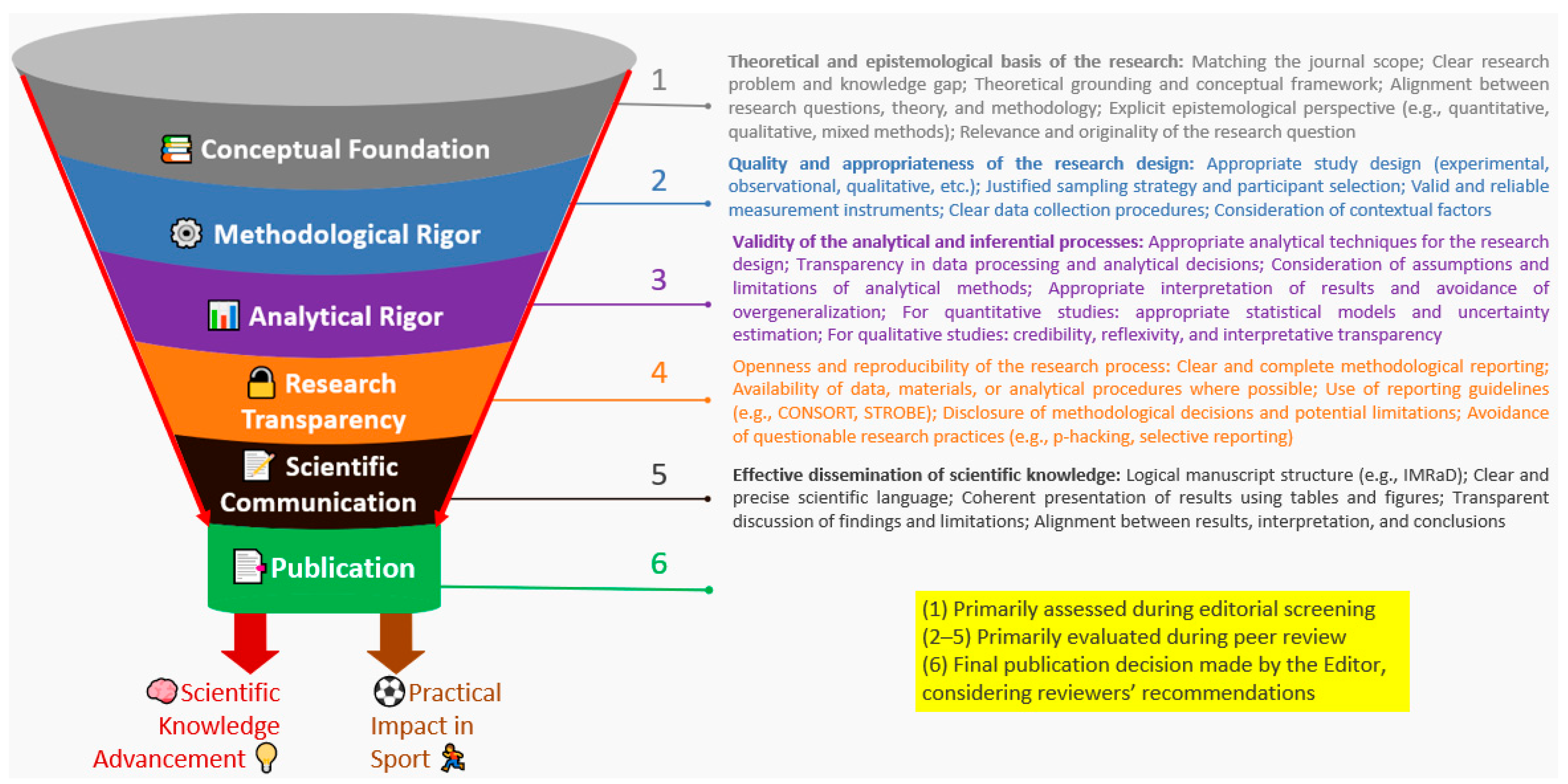
Disclaimer/Publisher’s Note: The statements, opinions and data contained in all publications are solely those of the individual author(s) and contributor(s) and not of MDPI and/or the editor(s). MDPI and/or the editor(s) disclaim responsibility for any injury to people or property resulting from any ideas, methods, instructions or products referred to in the content. |
© 2026 by the author. Licensee MDPI, Basel, Switzerland. This article is an open access article distributed under the terms and conditions of the Creative Commons Attribution (CC BY) license.