


Abstract
To address the efficiency and cost limitations of traditional manual cataloging, this study proposes a large language model-driven automated cataloging workflow in which the Metadata Extraction Agent (MEA), Description Cataloging Agent (DCA), Subject Analysis & Indexing Agent (SAIA), and Quality Control Agent (QCA) collaborate to perform cataloging tasks. Experiments are conducted using a dataset of over 33,000 CNMARC bibliographic records from a University Library, together with data from the Chinese Library Classification (5th edition). Meanwhile, the agent-based workflow framework directly employs large language models without additional enhancement techniques, thereby providing a useful experimental benchmark for evaluating future AI-assisted cataloging systems. The results show that the framework performs well in metadata recognition, bibliographic description, and macro-level classification tasks, and can relatively stably generate standardized records. However, limitations remain in fine-grained semantic indexing and the interpretation of complex contexts. Therefore, in light of the capability limitations revealed by the experimental results, the study argues that fully automated end-to-end cataloging relying solely on generative AI is not yet entirely feasible. Future improvements should integrate techniques such as retrieval-augmented generation, supervised fine-tuning, and structured reasoning prompts, while establishing traceable mechanisms to enhance the reliability of intelligent cataloging.
1. Introduction
In the digital information era, the types, volume, and carrier forms of information resources have undergone exponential growth and increasing diversification. As key institutions for knowledge preservation and information services, libraries and archives serve as essential repositories of social memory, and one of their core functions is to enable effective knowledge organization and knowledge discovery across massive, heterogeneous, and dynamic information resources. Within this process, cataloging plays a critical role: it not only facilitates in-depth disclosure of the intellectual content of information resources, but also generates systematic and networked access points, allowing users to transcend the physical constraints of resources and achieve rapid retrieval, precise identification, effective linking, and even knowledge discovery.
However, the profound transformation of the information environment has posed unprecedented challenges to traditional cataloging models. On the one hand, the continuous emergence of born-digital resources and multimodal resources places higher demands on the professionalism, flexibility, and extensibility of cataloging rules. On the other hand, the production of high-quality metadata still fundamentally relies on catalogers’ deep understanding of resource content and professional judgment, making cataloging an inherently knowledge-intensive activity.
This tension is particularly pronounced in specialized domains, especially those involving less-resourced languages, interdisciplinary fields, or niche research areas. Professionals capable of accurately interpreting such materials and producing high-quality cataloging are scarce, require lengthy training cycles, and incur substantial costs. Consequently, the human, temporal, and knowledge costs associated with cataloging these resources far exceed those of conventional materials, giving rise to a significant cost–benefit dilemma. When confronted with such resources, many institutions are compelled to adopt simplified cataloging practices, postpone processing, or even abandon it altogether. At a macro level, this results in the phenomenon of “metadata silence”, whereby valuable specialized resources remain difficult to discover, connect, and effectively reuse.
Against this backdrop, exploring a new cataloging paradigm that integrates human professional expertise with the efficiency of machine intelligence has become an urgent and theoretically as well as practically significant issue in library and information science (LIS). In recent years, the rapid advancement of artificial intelligence (AI)—particularly breakthroughs in natural language processing (NLP), machine learning, and knowledge graphs—has offered new perspectives for addressing this challenge. The document cataloging intelligent agent proposed in this study aims to construct an AI-driven intelligent support system endowed with a certain degree of domain knowledge understanding and automatic metadata generation capability. Within a human–machine collaborative framework, the system seeks to free catalogers from large volumes of procedural and highly repetitive tasks such as information extraction and descriptive cataloging, allowing them to focus instead on core activities requiring advanced intellectual judgment and quality control.
At present, although a growing body of research has addressed topics such as automatic metadata generation, bibliographic record matching, and automated subject indexing, most existing studies concentrate on general domains, English-language resources, or the optimization of isolated technical components. Several limitations, therefore, remain. First, there is a lack of systematic integration, as many studies focus on a single task within the cataloging workflow and fail to provide an intelligent process architecture spanning resource analysis, field recognition, authority control, and record generation. Second, domain adaptability remains limited, with insufficient mechanisms for domain knowledge injection and transfer learning. Third, existing evaluation frameworks are underdeveloped: assessments of cataloging intelligent agents are often restricted to algorithm-level metrics such as precision and recall, lacking multidimensional and comprehensive evaluation approaches.
In light of these limitations, this study aims to systematically explore and construct a theoretical and methodological framework for document cataloging intelligent agents, thereby addressing gaps in existing research. The significance of this work lies in enriching and advancing the theoretical foundations of knowledge organization and intelligent information processing in digital environments, as well as in exploring new paradigms of human–machine collaborative knowledge construction. Moreover, it seeks to provide practical and implementable intelligent solutions to the challenges of high cost and low efficiency faced by libraries and related institutions in organizing scarce specialized resources, thereby establishing a more robust data foundation to support scholarly research and knowledge innovation.
The core contributions of this paper are manifested in the following three aspects:
First, it establishes a systematic cataloging framework based on multi-agent workflow. The research innovatively introduces an agent-based architectural perspective into the field of bibliographic cataloging. A collaborative system comprising descriptive cataloging, indexing, and quality control agents has been designed, achieving a complete workflow from resource recognition to quality verification. This framework provides an extensible architectural blueprint for intelligent cataloging systems.
Second, it offers refined evaluation and practical guidance for the application of large models in specialized domains. Through quantitative assessment of multiple advanced large models on professional tasks such as metadata recognition and structured cataloging, the research reveals the performance differences and capability boundaries of these models in vertical scenarios. This provides a foundation for the scientific selection of AI tools in the library domain.
Third, it demonstrates a practical and feasible new model of human–computer collaborative cataloging. Through experimental investigation, the research clarifies the rational division of labor between human and machine capabilities under current technological conditions: intelligent agents handle standardized and repetitive tasks, while human experts focus on semantic disambiguation and quality optimization. This model provides clear operational guidance for libraries to design intelligent transformation pathways and optimize human resource allocation.
2. Literature Review
Cataloging constitutes a core component of a library’s knowledge organization system, and its quality directly affects resource discovery, retrieval efficiency, and the overall capacity of knowledge services. Traditional cataloging practices rely heavily on catalogers’ professional expertise and their interpretation of cataloging rules. In the context of increasing diversity of resource types, rapid expansion of information scale, and the continuous growth of cross-lingual and interdisciplinary literature, manual cataloging has gradually revealed limitations in terms of efficiency and consistency. Against this backdrop, artificial intelligence (AI) technologies have been introduced into the field of library cataloging, with the aim of alleviating human labor pressures, improving cataloging efficiency, and enhancing metadata quality.
Scholars both in China and internationally have engaged in sustained discussions on the feasibility and application scenarios of AI in cataloging workflows. Existing studies primarily focus on areas such as metadata extraction, subject indexing, and authority control.
- (1)
- Metadata extraction
At present, a number of relatively mature tools are available to support the extraction of textual information and the identification and output of bibliographic data from non-machine-readable documents. For example, PyMuPDF (PyMuPDF, 2018) and Tesseract (Kay, 2007) OCR can be used to perform basic tasks such as document parsing and text acquisition: the former is suitable for searchable PDF documents, while the latter is designed for optical character recognition of scanned materials. Building upon these tools, document analysis systems such as GROBID (Lopez, 2009) and CERMINE (Tkaczyk et al., 2015) further integrate layout features with rule-based approaches or traditional machine learning methods to enable the automatic recognition and output of document structures and bibliographic metadata. However, these tools primarily rely on rules and conventional machine learning techniques for document decomposition and metadata extraction. As a result, they are unable to perform metadata extraction at the semantic level and lack sufficient flexibility to accommodate the wide variety of document formats encountered in practice (Yang & Hsu, 2021).
To accommodate the increasing diversity of formats of cataloging objects, pre- trained models have been introduced to automatically parse cataloging resources and perform field recognition by jointly modeling textual content and visual layout features across documents with heterogeneous layouts, thereby enabling the automatic extraction of bibliographic metadata. Recent studies demonstrate that incorporating pre-trained language models into metadata extraction and reference parsing tasks can substantially improve performance. In large-scale experiments on the construction of multilingual citation metadata, a fine-tuned BERT-based model (BERT REF1) achieved very high F1 scores and significantly outperformed the traditional GROBID system on non-English citations (Joshi et al., 2023). Moreover, in structured citation tasks such as patent citation mining, BERT-based approaches exhibit markedly higher recall than parsing methods primarily based on traditional models such as conditional random fields (CRF) (Voskuil & Verberne, 2021). Collectively, these results indicate that pre-trained language models hold strong potential for applications in the structuring of bibliographic metadata.
With the advancement and maturation of vision-language large models (VLLMs), an increasing number of studies have begun to explore the application of general-purpose VLLMs to bibliographic metadata extraction tasks. Through fine-tuning or prompt engineering, these models are endowed with field recognition capabilities that generalize across different resource types. Some empirical results indicate that, when compared with gold standard annotations produced through multiple rounds of manual labeling, GPT 4o achieves a level of annotation accuracy comparable to that of human catalogers (Turner, 2025). In more recent work, Zaid Alyafeai (Alyafeai et al., 2025) and colleagues proposed MOLE, a cross-lingual metadata extraction framework based on large language models that integrates structured schemas with strict validation mechanisms, enabling large-scale, cross-lingual extraction of metadata from datasets. In addition, Kohút et al. introduced the BiblioPage dataset to evaluate the performance of various models, including vision-enabled large language models(LLMs) such as LLaMA 3.2 Vision and GPT 4o Vision, on metadata extraction from scanned title pages (Kohút et al., 2025). The results show that these general-purpose vision models outperform traditional visual detection plus OCR baselines in terms of the F1 metric, thereby demonstrating the potential of vision-enabled LLMs for complex layout understanding and structured metadata generation.
- (2)
- Subject classification and indexing
Automatic classification and subject indexing represent one of the earliest and most intensively studied areas of artificial intelligence applications in library cataloging. Early research predominantly relied on rule-based matching and statistical models, employing techniques such as keyword extraction and term frequency analysis to achieve preliminary assignment of subject categories. The Online Computer Library Center (OCLC) developed assignFAST, a web service tool based on autosuggest technology, to support the selection and assignment of FAST (Faceted Application of Subject Terminology) subject headings (Bennett, 2014). The JEX system (JRC EuroVoc Indexer), developed by the Joint Research Centre of the European Commission, is a multi-label text classification tool that learns classification models from manually annotated data to enable the automatic assignment and ranking of EuroVoc subject descriptors (Steinberger et al., 2012). It supports multilingual automatic or interactive indexing and allows for model retraining and customization.
With the development of deep learning techniques, research has gradually shifted toward approaches based on supervised learning and pre-trained language models, which leverage large-scale annotated corpora to learn the mapping between document content and classification or subject indexing systems. The National Library of Finland has developed Annif, an open-source automated subject indexing tool that integrates multiple natural language processing and machine learning algorithms to support the automation of subject indexing and has evolved into a reusable and open framework (Suominen, 2022). In addition, the National Library of Estonia, in collaboration with Texta OÜ, developed Kratt, an automatic subject indexing tool that utilizes local corpora and machine learning techniques to enable rapid subject assignment for documents (Asula, 2021).
Since 2020, the emergence of generative LLMs, represented by the GPT series and LLaMA, has propelled subject indexing into a phase characterized by semantic generation. Under zero-shot or few-shot conditions, these models are able to comprehend document content and generate subject terms that conform to controlled vocabularies through prompt engineering. Nevertheless, despite having internalized controlled vocabularies and cataloging rules to some extent (Chow, 2024), current general-purpose generative LLMs still exhibit limitations in producing compound subject strings that comply with complex subdivision rules. The Leibniz Information Centre for Science and Technology (TIB) organized LLMs4Subjects, a shared task focused on the automatic subject classification and indexing of English and German scientific and technical literature using LLMs based on the Integrated Authority File (GND) (D’Souza et al., 2025). An analysis of the generation strategies and results of the twelve participating teams indicates that improvements in model performance do not rely solely on increases in parameter scale. The use of multilingual and multi domain training data, the integration of synthetic data with retrieval augmented pipelines, and the careful fine-tuning and selection of smaller models all represent important directions for enhancing the performance of generative models. Comprehensive evaluations of generative artificial intelligence in performing basic subject indexing and classification number assignment have revealed several recurring issues through empirical studies. Common errors include assigning overly broad or incorrect subject headings or class numbers, producing inconsistent outputs across iterations, and exhibiting fluctuations in output quality (Dobreski & Hastings, 2025; Sun, 2025). Overall, the application of generative AI to assist subject cataloging still requires further systematic investigation, particularly with regard to reliability, consistency, and adherence to established knowledge organization standards. Some scholars have explored the use of large language model fine-tuning to enhance automated document classification. By adopting a fine-tuning approach based on generative large models, researchers conducted experiments on hierarchical document classification and subject indexing, demonstrating that fine-tuned models can significantly improve performance in multi-level classification tasks(Feng, 2025; Luo & Liu, 2025; Z. Hu et al., 2025). These findings provide empirical support for model optimization strategies in library knowledge organization and automated cataloging workflows.
- (3)
- Generate bibliographic records
With the maturation of deep learning and machine learning models, as well as the emergence of LLMs such as the GPT series and LLaMA, the advantages of using artificial intelligence tools to automatically generate bibliographic records in MARC and BIBFRAME formats have become increasingly evident. Existing studies indicate that AI-generated MARC records generally conform to formal requirements (Taniguchi, 2024). However, the accuracy varies considerably across different fields. Experiments conducted under the Library of Congress’s Exploring Computational Description (ECD) initiative show that machine learning models achieve an accuracy of approximately 85% in generating fields such as identifiers (e.g., LCCN and ISBN), authors, and titles, whereas the accuracy for other fields, including subject headings, genre, form terms, and dates, remains at or below 50% (Isabel, 2024).
With regard to the use of large language models for bibliographic record generation, some scholars have expressed reservations about the reliability of bibliographic records produced by ChatGPT (Free Research Preview Version released on 13 February 2023) (Miller-Nesbitt, 2024). Nevertheless, the application of generative LLMs to bibliographic record creation remains a highly promising research direction. Studies have shown that ChatGPT’s performance in generating DDC numbers and LCSH subject headings became noticeably more transparent and complete within a short period of four months (Bodenhamer, 2023). After exploring the use of a multimodal large language model, Northeastern University Library (Facklam et al., 2025) found that employing Google’s Gemini 1.5 to automatically generate descriptive metadata for archival photographs can substantially accelerate metadata creation. However, their study also emphasizes the necessity of systematic quality control mechanisms, bias detection procedures, and ongoing human oversight to ensure the accuracy, neutrality, and professional adequacy of the generated metadata. Building on the ChatGPT platform, Glen A. Greenly (Greenly, 2023) incorporated retrieval augmented generation (RAG) techniques to develop an intelligent cataloging dialogue system, CatalogerGPT. After users input bibliographic information, such as book cover images, copyright page images, or PDF text, the model is able to generate cataloging records in MARC21 format, including bibliographic fields, subject indexing, and classification numbers.
Overall, the automatic generation of bibliographic records using large language models still exhibits significant limitations. In particular, the content generated by such models lacks built-in mechanisms for self-review and self-correction. Once omissions of fields, semantic misinterpretations, or formatting deviations occur during the generation process, they are often difficult to detect and rectify in a timely manner, thereby posing potential risks to the accuracy and consistency of bibliographic records.
In summary, existing research on the application of artificial intelligence in cataloging generally lacks a systematic cataloging workflow, with most studies concentrating on isolated stages within the cataloging process. In response, this study develops a cataloging agent equipped with goal management, memory, tool invocation, and process-control capabilities, and integrates mechanisms of task allocation and feedback loops. Compared with one-off invocations of large language models, the agent introduces task decomposition, tool invocation, and feedback control, enabling the AI system to sustain the execution of complex knowledge-organization workflows. In this way, it helps to address, to some extent, the current limitations of automated cataloging systems in authority control, self-auditing, and explainability.
3. Research Methodology and Approach
Bibliographic cataloging, as a foundational task in knowledge organization, aims to construct structured, standardized, and semantically rich metadata records to enable effective description, retrieval, and management of bibliographic resources. While traditional cataloging workflows are logically clear, their efficiency and consistency are often constrained by the bottlenecks of manual operations. This study explores an intelligent cataloging framework based on a Cataloging Agent System (CAS), deconstructing the core tasks of cataloging work into multiple specialized and collaborative Agents.
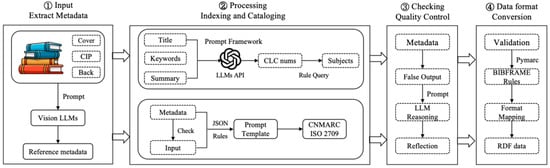
Specifically, cataloging primarily involves descriptive cataloging, indexing, and quality control. Correspondingly, the core functionalities of the cataloging intelligent agent in this study are divided into the Descriptive Cataloging Agent (DCA), the Subject Analysis & Indexing Agent (SAIA), and the Quality Control Agent (QCA). The study investigates achieving automation, intelligence, and quality optimization of the cataloging process through distributed cognition, task division, and collaborative communication among these agents. As illustrated in Figure 1, the framework decomposes cataloging into several functionally distinct yet sequentially coordinated components, each responsible for a specific subtask within the overall workflow.
Figure 1.
Architecture of the Agent-Based Bibliographic cataloging Workflow.
(1) Metadata Extraction Agent(MEA): The metadata extraction agent constitutes the perceptual foundation of the entire framework, primarily responsible for capturing and integrating fragmented cataloging elements from raw images of physical resources. Leveraging the dual advantages of vision large language models in layout understanding and semantic reasoning, this agent overcomes the limitations of traditional optical character recognition (OCR) techniques. When processing complex visual scenes such as book covers, title pages, and copyright pages, it simultaneously parses textual content and its spatial positional relationships. Through an in-depth perception of artistic fonts, icons, and multi-column layout information, the agent can automatically identify and extract key fields, including title, author/creator, publication information, and ISBN, then convert them into structured intermediate representations. This process achieves the initial mapping from unstructured visual input to standardized metadata, providing a reliable data source for the subsequent descriptive cataloging agent to generate standard machine-readable cataloging records.
(2) Descriptive Cataloging Agent(DCA): Identifies, transcribes, and provides standardized descriptions of the physical or digital carrier characteristics, title, creator(s), edition, publication/distribution, physical description, series information, etc., of a resource according to international standards (e.g., RDA, ISBD) and local policies. It guides the structured organization of metadata, terminology normalization (e.g., matching against name authority files), and format conversion using cataloging rules and local knowledge bases. As the starting point of the cataloging process, this agent provides the foundational framework for subsequent indexing and quality control.
(3) Subject Analysis & Indexing Agent(SAIA): Focuses on analyzing the subject content of the resource and performing subject indexing and classification based on the analysis results. Its core task is to reveal the intellectual content of the resource by assigning controlled vocabulary and classification numbers, thereby establishing structured connections between the resource and the knowledge system to support precise subject-based retrieval and knowledge navigation. The list of subject headings and classification numbers generated by this agent is added as subject metadata to the descriptive record.
(4) Quality Control Agent(QCA): Acts as the quality supervisor and guarantor for the entire cataloging process. Its core tasks involve performing syntactic validation, consistency checks, completeness assessment, and logical conflict detection on the descriptive metadata and indexing results generated by the first two agents. It checks whether the metadata conforms to predefined formats, the completeness of mandatory metadata, the content relevance and hierarchical appropriateness of indexing results, and identifies potential contradictory information. Positioned at the end of the workflow, this agent provides feedback in the form of error reports.
4. Research Implementation
4.1. Dataset
Approximately 33,000 CNMARC bibliographic records in ISO 2709 (ISO, 2008) format were obtained from a University Library, fully covering all 22 top-level categories of the Chinese Library Classification (CLC). These records are used to validate and evaluate the performance of LLMs in descriptive cataloging. Each record consists of a Leader area, a Directory area, and Data Fields. In addition to this core data, the complete dataset of the “Chinese Library Classification (Fifth Edition)” was also collected, containing over 55,000 class numbers and their corresponding class names, used for validating and evaluating LLM indexing performance.
4.2. Experimental Configuration
In the process of constructing the bibliographic cataloging agent and validating its effectiveness, this study standardized the configuration of model invocation methods, prompt engineering strategies, and hyperparameter settings involved in each agent. The goal was to ensure the reproducibility and fairness of the experimental results.
- (1)
- Model API Invocation
All models used in this study—including multimodal vision models, text generation models, and deep reasoning models—were accessed via the official API interfaces provided by their respective developers. To maintain consistency among models from different vendors within the integrated system architecture, program development followed the OpenAI API specification as a unified standard. This ensured seamless coordination and data flow across various cataloging subtasks within the agent framework.
- (2)
- Prompt Design
Given the highly specialized nature of bibliographic cataloging and its stringent formatting requirements, this study adopts the CRISPE framework to construct refined prompts, with the aim of guiding the model into a professional operational context through structured instructions. The model is defined as a library cataloging expert proficient in the CNMARC format (Chinese MARC) and the rules of the Chinese Library Classification. The task scenario is explicitly set within the domain of professional bibliographic organization in libraries, involving the ISO 2709 international standard as well as localized cataloging rules. According to the functional roles of different agents, the prompts explicitly require the execution of specific tasks such as metadata extraction, subject classification and indexing, or MARC record generation. A step-wise processing logic is embedded in the prompts—for example, in subject indexing tasks, the workflow is defined as: (1) semantic analysis of the abstract, (2) matching to appropriate classification categories, and (3) reflective verification. From the perspective of evaluation and control, strict output-format constraints are imposed, requiring the model to return only pure JSON structures or MARC record data, thereby eliminating redundant explanatory text. In addition, considering the few-shot learning characteristics of large language models, each experimental prompt includes three high-quality exemplars, covering representative cases such as serial publications and modern monographs. These exemplars help the model learn domain-specific indexing patterns and enhance its generalization capability in vertical cataloging contexts1.
- (3)
- Core Parameter Settings
To balance the stability of cataloging outputs and the accuracy of professional metadata representation, this study optimizes the configuration of the model’s generation parameters. The temperature coefficient (Temperature) is uniformly set to 0.2. The low-temperature strategy ensures a high level of determinism and regularity in classification number selection and MARC field mapping, while retaining a necessary degree of semantic processing flexibility. The Top-P (nucleus sampling) parameter is kept at its default value of 1.0, without applying additional truncation to cumulative probability. This configuration ensures that, in fine-grained classification and indexing tasks, long-tail categories and sparsely distributed classification numbers can still be sampled when appropriate. Given that cataloging data constitutes a highly deterministic and symbolic form of output, the penalty coefficients (Penalty)—including the presence penalty and frequency penalty—are both set to 0. This avoids inducing unnecessary lexical variation or creative deviations, since diversity of wording is neither required nor desirable in structured bibliographic representation.
4.3. Evaluation Protocol
In addition to quantitative evaluation using precision, recall, and F1-score, a qualitative expert review was conducted for the case study presented in Section 5. One senior cataloger with over ten years of professional experience in CNMARC cataloging reviewed the generated record. The review focused on structural compliance, field accuracy, and semantic appropriateness. This expert assessment was intended as a professional validation of practical usability rather than a statistical reliability experiment.
Unlike objective descriptive metadata, subject classification inherently involves interpretive judgment. Therefore, accuracy in this study reflects consistency with existing expert cataloging records rather than absolute semantic correctness.
5. Design and Implementation of Cataloging Intelligent Agents
As discussed in the literature review section, since the advent of artificial intelligence, the library and information science community has proposed a series of semi-automatic and automatic methods for bibliographic cataloging, broadly including expert-system-driven, machine-learning-driven, deep-learning-driven, and generative-AI-driven approaches. Although generative AI, represented by LLMs, offers new possibilities for automatic cataloging with its capabilities in generalization and deep semantic understanding, an increasing number of studies indicate that it is not omnipotent in vertical task domains, nor does it necessarily far surpass other traditional models or solutions. Therefore, the introduction of LLMs into intelligent agents should be based on evaluation.
Furthermore, this research involves several distinct cataloging subtasks, including metadata extraction, descriptive cataloging, subject indexing, and quality control. Based on the characteristics of each subtask, different models were selected, including visual understanding models, text generation models, and deep reasoning models. Specific sample models are detailed in the following sections.
Although existing tools such as GROBID and Annif were reviewed, they were not adopted as experimental baselines in this study. These tools are primarily designed for specific subtasks (e.g., metadata parsing or subject indexing), whereas the present framework focuses on end-to-end multimodal CNMARC generation with integrated quality control. Given this difference in task scope, system performance was evaluated against expert-curated ground-truth records to assess practical alignment with real-world cataloging standards.
5.1. Design of the Metadata Extraction Agent
Whether in expert manual cataloging or automated cataloging, metadata extraction and recognition form the foundational step of cataloging work. By reading metadata information such as title, author, publisher, and ISBN from book covers, back covers, title pages, and copyright pages, it provides the data source for descriptive cataloging, supports the creation of access points in bibliographic systems, and enables resource description and retrieval functions. Previous metadata extraction primarily relied on OCR or machine vision, with the main challenge lying in distinguishing bibliographic data from non-bibliographic data. Accordingly, this study introduces a multimodal large model, which combines semantic understanding with machine vision, maintaining high recognition accuracy while enabling standardized extraction of bibliographic metadata. Typically, bibliographic metadata is concentrated on the cover, title page, copyright page, and back cover. Images of these four pages were used as input. Several models with good visual understanding capabilities were selected: qwen3-VL-max, Kimi-K2-Instruct-0905, Doubao-Seed-1.6-vision, and GLM-4.5V, to extract metadata from the images. The accuracy, comprehensiveness, and overall capability of the visual models in metadata extraction are shown in Table 1.
Table 1.
Bibliographic Metadata Recognition Performance of Visual Large Language Models.
As shown in Table 1, qwen3-VL-max significantly outperforms the other three models across all three metrics, achieving an F1 score of 0.8896, which is 3.43, 10.62, and 11.2 percentage points higher than GLM-4.5V, Doubao-Seed-1.6-vision, and Kimi-K2-Instruct-0905, respectively. Further analysis reveals that qwen3-VL-max demonstrates high recognition capability for most core bibliographic fields. The recall rates for the summary, ISBN, and publisher fields all reached above 0.93. The recall rate for the contributors field was as high as 0.9074; the model could accurately distinguish and completely parse complex contributor sequences and roles such as “author”, “editor”, “translator”, and “proofreader”. The recall rates for key descriptive fields like place of publication, publication date, edition statement, printing date, print run, and price all fell within the 0.8–0.9 range, significantly outperforming traditional OCR and regular expression matching solutions. It also maintained high robustness against complex layouts and artistic fonts in images. This indicates that the model possesses clear advantages in image layout understanding, recognition of bibliographic-specific entities, and handling mixed Chinese–English text scenarios. However, visual models generally showed lower recall rates for series information, subtitles, page numbers, and subject headings, primarily because most samples did not contain such information, which has a limited impact on overall cataloging. Considering accuracy, comprehensiveness, and practical usability, this study ultimately selected qwen3-VL-max as the core visual understanding module for the metadata recognition agent, laying a solid foundation for providing high-quality, structured bibliographic information input to the subsequent descriptive cataloging agent.
Although the prompt employs visual-text mapping instructions to strictly ground the extraction process within the detected visual coordinates—thereby minimizing technological hallucinations and ensuring high recognition accuracy—a minimal margin of residual error may still persist. In practical cataloging workflows, the Metadata Recognition Agent (MRA) further mitigates these risks by automatically cross-referencing extracted data with metadata provided by book vendors. For fields where discrepancies occur, the system triggers an inconsistency alert for further review. In cases where no pre-existing metadata is available, the agent generates the records autonomously, supplemented by a librarian-led spot-check mechanism. This closed-loop approach, which integrates automated verification and manual audit, effectively suppresses hallucinations and ensures the high quality and reliability of the bibliographic data.
5.2. Design and Implementation of the Description Cataloging Agent
The bibliographic description task is essentially a text generation task, and the experimental data used in this study are in Chinese. Accordingly, this section selects several high-performing text generation models, including DeepSeek Exp 3.2, Kimi-K2-Instruct, Doubao-Seed-1.6, and Qwen3-Max. Model APIs are configured for the agent, and prompt engineering is employed to define the agent’s role as an expert cataloger familiar with the CNMARC format. Through the use of technical constraints, content grounding, and output examples, the agent is guided to generate bibliographic data compliant with the ISO 2709 format. The specific design principles are outlined as follows.
(1) Technical specification layer. At this layer, prompts explicitly require the model to strictly adhere to the ISO 2709 international format and CNMARC content rules. The prompts specify that each record must consist of three components: a 24-byte leader, a directory, and a variable data field area. They further define the correct use of ASCII field terminators, field delimiters, and record terminators, and require that all fields be encoded using three-digit numeric tags.
(2) Content generation layer. This layer follows a data-driven principle. Prompts instruct the model to generate each field strictly based on the actual content provided in the input JSON metadata, prohibiting any fabrication or hallucinated information. To ensure accuracy and fidelity, commonly used field tags are explicitly listed, providing the model with clear guidance for field mapping.
(3) Output and control layer. At this layer, prompts supply multiple complete and detailed positive examples, covering different resource types such as serials, ancient books, and modern monographs, thereby offering structural patterns for the model to follow. The model is strictly required to return only pure MARC record data, without any explanatory text. By enforcing exact conformity to the example formats, output randomness and uncertainty are minimized to the greatest extent possible.
Because bibliographic description integrates both formal conformity and content accuracy, this section evaluates the agent’s performance from two dimensions: format and content. However, since the experimental inputs consist of pre-existing bibliographic metadata, content accuracy and completeness are largely dependent on the quality of the provided metadata. Therefore, the evaluation in this section primarily focuses on the agent’s formal performance. Three metrics are employed: field recall, field precision, and field-level F1-score. These metrics respectively assess (1) the proportion of required field tags from the original data that are correctly included in the AI-generated records, (2) the proportion of correctly generated field tags among all generated tags, and (3) the degree of structural consistency—such as indicators and subfields—between the generated fields and the original data. The results of these evaluations are presented in Table 2.
Table 2.
Formal Performance of the Description Cataloging Agent.
In evaluating the formal performance of the cataloging agent, the experimental data clearly reveal differences in the effectiveness of various models in complying with the ISO 2709 standard and CNMARC rules (China MARC, the Chinese implementation of MARC). Overall, DeepSeek-V3.2 Exp demonstrates outstanding performance in this task, achieving a precision of 0.9804 and a recall of 0.9796, with a final F1 score of 0.9797, the highest among all evaluated models. These results indicate that the model is capable of accurately executing the technical constraints specified at the normative level, including requirements related to the 24-byte leader, the directory, and field codes, and is therefore able to achieve an almost perfect logical transformation from metadata to standardized bibliographic records.
By contrast, the remaining models exhibit a stepwise decline in terms of formal compliance. The Qwen3-Max model attains an F1 score of 0.8444, reflecting generally robust performance and the ability to handle most field mappings in a stable manner; however, there remains room for improvement in the strictness of instruction adherence. Although Doubao-Seed-1.6 achieves a recall of 0.7072, its precision is relatively low at 0.6313, resulting in an F1 score of 0.6671. This suggests that the model tends to generate a larger number of fields to improve coverage, but at the cost of accuracy, as evidenced by the misuse or misassignment of field identifiers, tags, and control fields. The performance of Kimi-K2-Instruct is more limited, with an F1 score of only 0.5212. Its low recall indicates that nearly half of the required fields are omitted during the cataloging process, suggesting insufficient parsing of the input JSON metadata.
Taken together, these results demonstrate that current high-performance LLMs are generally capable of performing cataloging tasks, particularly with respect to formal structure, where they can effectively automate the identification and arrangement of field tags. Nevertheless, substantial performance differences remain across models due to variations in parameter scale and instruction-following capability. Moreover, as the present experiment focuses primarily on evaluating the agent’s ability to construct the formal representation of bibliographic data, the deeper semantic accuracy of cataloging content has not yet been systematically examined. Consequently, within current intelligent cataloging workflows, the introduction of expert intervention and manual review, along with fine-grained control and optimization of input data, remains necessary.
5.3. Design and Implementation of the Subject Analysis and Indexing Agent
The core task of an indexing agent is to automate the classification and subject heading of document resources. This requires the agent to not only possess massive knowledge storage capabilities but also a deep understanding and flexible application of the semantics of the Chinese Library Classification. In this study, the agent is designed as a semantic reasoning engine based on a LLM, whose decision-making process relies on the internal memory of the classification system and the logical matching of external texts. To compare the performance of different models as virtual experts, this section benchmarks the models from two dimensions: knowledge memory interpretation and application analysis, to evaluate their reliability as the brain of the indexing agent.
(1) Large language models’ capability for memorization and interpretive understanding of the Classification Scheme: To assess large language models’ memorization and interpretive understanding of the Chinese Library Classification, a total of 8163 unique classification numbers were extracted from the bibliographic dataset. The models were then prompted to interpret these classification numbers hierarchically, that is, to generate corresponding class names based on the notation. To avoid misjudgment caused by minor differences in wording despite semantic equivalence, the study employs FAISS, a vector database developed by Meta, in combination with a Transformer-based multilingual semantic similarity model, paraphrase-multilingual-MiniLM-L12-v2, to compute semantic similarity between generated and standard class names. This model exhibits strong zero-shot transfer capability in short-text scenarios such as classification notation interpretation. The detailed results are presented in Table 3.
Table 3.
Results of Classification Number Interpretation by Large Language Models.
Overall, large language models demonstrate strong capabilities in both memorization and interpretation of the Chinese Library Classification. At the memorization level, the DeepSeek-R1 model achieves high coverage in mapping 8163 CLC class numbers to their corresponding class names, maintaining a recall rate of no less than 0.80, which indicates that the model has effectively encoded the structured knowledge base of the classification system. In addition, some classification numbers in the original bibliographic data include shelf arrangement information (shelf marks), and inconsistencies exist within the CLC notations themselves. During the output process, the model correctly identified 0.67 of non-existent classification numbers, without misclassifying any valid CLC numbers as non-existent. The overall accuracy of classification number interpretation by the large language model exceeds 0.76, suggesting that, beyond memorization, the model is capable of capturing the core semantic meaning of the corresponding subject categories.
(2) Large language models’ capability for the application and analytical use of classification schemes: This part of the study evaluates the performance of large language models in automatic document classification based on a corpus of 26,355 scholarly articles with complete titles and abstracts. The input data consist of bibliographic titles and abstract metadata, allowing the models to fully leverage textual semantic features for classification. The detailed results are presented in Table 4.
Table 4.
Results of Classification Scheme Application and Analysis by DeepSeek-R1.
Overall, large language models exhibit clear hierarchical differences in their ability to apply classification numbers (classification notations). Top-level class matching (main class matching) achieves an F1 score of 0.8393, demonstrating strong disciplinary domain recognition at the macro level. All evaluation metrics for main class matching consistently remain above 0.85, indicating that large language models are able to accurately grasp the core disciplinary affiliation of documents. This performance can be largely attributed to the rich semantic features provided by titles and abstracts, which enable the models to capture key disciplinary concepts and terminologies.
However, as the classification granularity (classification granularity) extends toward the meso- and micro-levels, model performance deteriorates significantly. The leaf-level class matching (lowest-level/leaf-node matching) yields an F1 score of only around 0.4, revealing clear limitations in subclass identification. In other words, the model’s ability to distinguish disciplinary subfields is substantially weaker than its performance in the main class assignment.
Taken together, these results indicate that the DeepSeek-R1 model possesses a strong memorization capability with respect to CLC numbers, being able in most cases to correctly recognize classification notations and understand their corresponding meanings. The model also demonstrates a certain degree of reflective reasoning ability, as it can identify non-existent or invalid classification numbers. In addition, DeepSeek-R1 shows a measurable capacity for the analytical application of the CLC classification scheme. These findings provide sufficient evidence that the model has effectively “learned” the Chinese Library Classification system during its pre-training or task-specific training stages, and can therefore be regarded as a model that genuinely understands the CLC. Accordingly, this study directly incorporates the DeepSeek R1-0528 model as the core component of the subject analysis & indexing agent.
5.4. Design and Implementation of the Quality Control Agent
Results from the preceding experiments indicate that single-agent workflows based on large language models perform well in metadata extraction and bibliographic description tasks. However, in subject indexing tasks that require deeper semantic understanding and complex knowledge-base mapping, the accuracy declines markedly as the classification hierarchy becomes more fine-grained. This limitation primarily stems from two factors: (1) the occurrence of hallucinations when the model processes long-tail class numbers, and (2) deviations in the model’s understanding of the fine-grained subdivision rules of the Chinese Library Classification.
To address these issues, this study designs a Quality Control Agent with the aim of constructing a closed-loop mechanism of “Detection—Reflection—Correction”. The core logic of the QCA consists of:
- (1)
- Detection: The agent scans the indexing outputs and identifies all class numbers that do not exist in the official CLC authority database. These invalid entries are defined as “formal errors”.
- (2)
- Reflection: The document title, abstract, erroneous class number, and error prompts are re-fed into the model. The model’s reasoning capability is then leveraged to perform logical back-tracking on the indexing decision process.
- (3)
- Correction: Based on the reflective reasoning process, the model is required to generate an alternative class number that is more scientifically grounded, semantically appropriate, and norm-compliant with CLC rules.
By structuring the quality control process into detection, reflection, and correction stages, the QCA enhances traceability within the subject indexing task. Each correction can be logically reconstructed, thereby improving the reliability and auditability of classification decisions.
During the experimental phase, the QCA does not simply repeat the original task prompts. Instead, it enhances logical rigor by either switching to a more powerful reasoning-oriented model or activating the model’s reasoning mode. In doing so, the agent shifts the processing mode from mere probabilistic prediction toward rule-based logical inference of classification principles, thereby helping to suppress knowledge hallucinations. The results of the relevant quality evaluation metrics are shown in Table 5.
Table 5.
Evaluation Metrics of the Quality Control Agent (QCA).
Experimental results indicate that, for samples in which the initial subject classification was entirely incorrect, the corrective capacity of the Quality Control Agent (QCA) remains relatively limited. After the reflection process, the Formal Precision of all models is still at a low level, ranging from 0.114 to 0.189, while the corresponding Formal Wrong Rate remains generally above 0.8. In terms of Strict Precision, the models likewise perform weakly, with values distributed between 0.09 and 0.153. These findings suggest that, although the intervention of the QCA leads to a modest improvement in output quality, it is insufficient to fundamentally resolve the problem of low accuracy in deep subject indexing tasks. In the absence of external knowledge-base constraints, internal model reflection alone is still unable to substantially mitigate hallucination-induced non-compliance in subject classification. Nevertheless, despite the overall low correction rate, the Reflection Success Rate (for samples whose initial classifications are formally valid but semantically biased) remains comparatively high, exceeding 0.78 for all models, with DeepSeek 3.2 reaching 0.831. This implies that once the QCA is able to generate a formally valid classification number through reflective reasoning, the probability that this number is consistent with expert-assigned indexing is relatively high.
It should be noted that the end-to-end correction success rate (Strict Precision) of 0.114–0.189 reflects the inherent complexity of fine-grained subject indexing within the CLC system. While these figures may appear modest, the Quality Control Agent (QCA) is positioned as an incremental optimization layer rather than a standalone classifier. In practical cataloging workflows, the QCA’s core value lies in its ability to automatically rectify high-difficulty errors—such as formal hallucinations—that are typically beyond the reach of single-agent systems. By integrating the initial indexing results with the QCA’s corrective gains, the final cumulative accuracy of the models reaches an operationally viable range: 0.5563 for DeepSeek 3.2, 0.6394 for Doubao 1.6, 0.6501 for KIMI2, and 0.6708 for Qwen3-max. This net error reduction of 0.11–0.19 significantly lowers the threshold for manual intervention, transforming total failures into highly relevant indexing suggestions. Thus, the QCA provides essential performance compensation, enhancing the overall robustness of the Cataloging Agent System framework.
6. Case Study
To further examine the cross-linguistic adaptability of the proposed Cataloging Agent System, an English-language monograph was selected as an additional case.
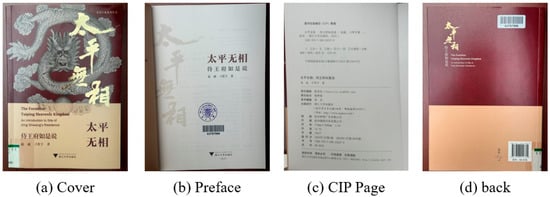
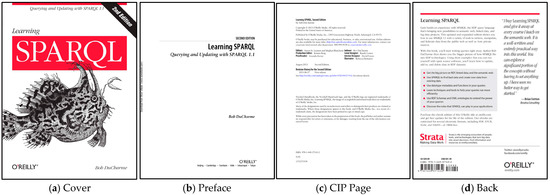
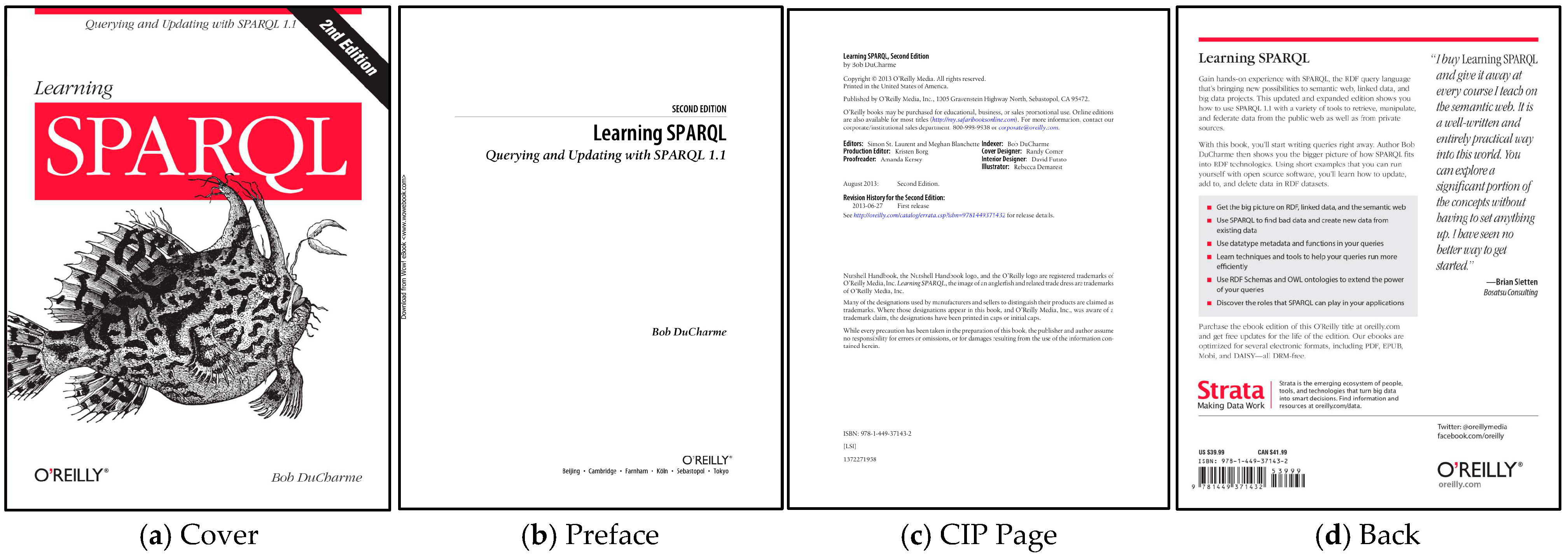
This section conducts a case analysis of the book Taiping Wuxiang: As Told by the Prince’s Mansion and Learning SPARQL to verify the processing workflow of the agent system in a real-world scenario, reusing the prompts introduced in Section 4. The Metadata Extraction Agent (MEA) was employed to perform the bibliographic data extraction task, with the source image of the book metadata shown in Figure 2 and Figure 3. The MEA successfully identified fields such as the main title, statement of responsibility, publication information, ISBN, and price. These objective physical-feature fields were extracted with relatively high accuracy, demonstrating the advantages of vision-language models in image understanding and bibliographic metadata extraction. However, the recognized subtitle was incorrect, the subject headings were only partially identified, and the CIP agency code was misrecognized. These issues were mainly caused by artistic layout design, incomplete semantic cues, and hallucinations at the knowledge level.
Figure 2.
Source pages of Taiping Wuxiang: As Told by the Prince’s Mansion for metadata extraction.
Figure 3.
Source pages of Learning SPARQL for metadata extraction.
For the Chinese-language case, the descriptive cataloging agent generated CNMARC bibliographic data in ISO 2709 format, as shown in Table 6 and Table 7. The agent successfully extracted the classification number TU-87 from the copyright page (CIP), which provides a certain degree of reference value. Within the framework of the Chinese Library Classification system, “TU” denotes Architecture, “TU-8” refers to Architectural Art, and “TU-87” corresponds to the protection, restoration, and reproduction of architectural artworks. This classification reflects the disciplinary attribution of the book as a study of ancient architecture. As “TU-87” belongs to a lower-level, more specific subclass, the Cataloging Agent was further invoked to recommend an alternative classification number, “TU-092.” Upon verification, “TU-092” was found to conform to the formal requirements of the CLC in terms of coding structure and number-building rules. However, at the level of semantic orientation, its alignment with the core subject of the book remained partially inadequate, failing to fully capture the thematic focus of the work. This outcome indicates that the agent is capable of adhering to classification rules and encoding logic in the process of class number generation, yet still exhibits limitations in fine-grained subject determination and precise disciplinary positioning. Therefore, a Quality Control Agent was subsequently introduced to conduct both formal validation and semantic reassessment of the recommended class number, providing corrective suggestions where necessary. Through this mechanism, the classification number was further optimized to enhance its thematic accuracy and professional appropriateness. The descriptive cataloging agent was used to generate CNMARC bibliographic data in ISO 2709 format, which was subsequently evaluated by experts. The agent demonstrated precise adherence to the ISO 2709 international standard, automatically mapping the heterogeneous metadata identified in previous stages into standardized CNMARC fields. In the English-language case (Learning SPARQL 2.0), as shown in Table 8, the agent correctly generated core CNMARC fields including 010 (ISBN), 200 (Title and Statement of Responsibility), 205 (Edition Statement), 210 (Publication Information), and 215 (Physical Description). The language code in field 101 and the author entry in field 701 were also properly structured. The system demonstrated stable handling of nested subfield identifiers and cross-linguistic metadata mapping. However, minor normalization issues were observed in subject term granularity within field 606, indicating that fine-grained subject refinement still benefits from professional oversight.
Table 6.
CNMARC Records in ISO 2709 Format Generated by the Cataloging Agent.
Table 7.
CNMARC data generated by the cataloging agent.
Table 8.
CNMARC data for Learning SPARQL.
Across both the Chinese- and English-language cases, the agent accurately generated core CNMARC fields, including the Record Identifier (001), ISBN (010), Title and Statement of Responsibility (200), and Publication Information (210). The system demonstrated structural stability in the construction of physical description data (215) and in the handling of nested subfield identifiers such as $a, $c, and $d. Leveraging the semantic capabilities of the large language model, the content summary in field 330 was concise and effectively reflected the central theme of each work.
However, certain limitations remain in the detailed processing of complex semantic fields. In particular, the generation of the 606 subject term field occasionally exhibited generalized or insufficiently granular expressions, especially when relying on externally provided classification cues, indicating that fine-grained subject refinement may still benefit from professional oversight.
Using the Quality Control Agent (QCA) to review and revise the classification number, it was found that the classification number recommended by the Description Agent (DCA) was already relatively accurate, and therefore, the DeepSeek 3.2 model did not make further modifications. To facilitate the reuse of bibliographic data, this study also attempted to convert the CNMARC data into BIBFRAME-based RDF data, thereby promoting the “data-oriented” transformation of bibliographic records (X. Hu, 2019), as shown in Table 9. This enables bibliographic records to move beyond a closed record environment and become integrated into the linked data network of the semantic web. In addition, as a standard and reusable metadata format, RDF provides fundamental support for the open sharing of bibliographic data and for knowledge discovery. In terms of implementation, this step draws on the existing semantic mapping models for the conversion from CNMARC to BIBFRAME 2.0 (Chen et al., 2022).
Table 9.
Bibliographic Data in TTL Triple Format.
The conversion results assign each resource a globally unique identifier via URIs and present a clear semantic hierarchy of works and instances in Turtle format. When this transformation logic is integrated into the cataloging agent, the system is able not only to automate labor-intensive descriptive cataloging tasks such as field population, but also to directly generate structured data with semantic linkage capabilities during the record-creation stage—that is, knowledge-oriented cataloging. This substantially enhances the interoperability of metadata, enabling the bibliographic information generated by the agent to be seamlessly incorporated into library knowledge graphs and supporting a shift from data-centric production to semantic-driven organization. Overall, the describing agent preliminarily achieves the transformation from unstructured visual information to standardized machine-readable cataloging records, improving the level of cataloging automation; however, fields involving deep knowledge-based subject analysis still require final review and completion with the support of the quality-control agent.
7. Discussion
7.1. Interpretation of Experimental Findings
By constructing a collaborative workflow involving the MEA, SAIA, DCA and the QCA, this study explores a prototype framework for LLM-driven automated cataloging. The experimental results suggest that the proposed multi-agent architecture can effectively support key cataloging tasks, particularly in metadata extraction and the generation of standardized CNMARC records, demonstrating promising efficiency and initial accuracy.
However, the empirical findings also reveal a clear performance bottleneck in deep hierarchical classification tasks. For samples with completely invalid initial classifications, the QCA exhibits limited capability to repair errors through the model’s internal reflection mechanism. This suggests that reflection-based self-correction alone is insufficient to suppress hallucinations when outputs violate strict classification rules or structural constraints. In contrast, for samples whose initial classifications are formally valid but semantically biased, the reflection success rate exceeds 0.78, indicating that LLMs possess strong capabilities for semantic optimization and refinement when a reasonable initial semantic foundation is present.
Furthermore, the F1 score for terminal-level subclass matching is approximately 0.4, indicating that the model’s ability to distinguish among fine-grained subdomains remains significantly weaker than its performance at the main class level. As the classification hierarchy deepens, semantic granularity increases and long-tail distributions intensify, making probabilistic predictions more susceptible to hierarchical ambiguity and semantic overlap. These findings highlight an important capability boundary of large language models in knowledge organization tasks: while they perform effectively in macro-level semantic recognition and standardized data generation, their reliability decreases in complex deep indexing scenarios.
7.2. Optimization Strategies for AI Intelligent Cataloging
To address the typical issues revealed in the experiments, such as legitimacy-related hallucinations and semantic boundary ambiguity, multi-dimensional technical strategies can be adopted to enhance the adaptability of large models. First, to tackle classification number format errors, a Retrieval-Augmented Generation (RAG) or rule-based constraint mechanism should be prioritized. This involves embedding the Chinese Library Classification and its subdivision rules as an external knowledge base through vectorization, enforcing compliance validation during the model’s output phase to mitigate the forgetting of strict specifications during the “memory interpretation” stage. Second, for low accuracy in deep-level indexing, Supervised Fine-Tuning (SFT) can be employed. This involves incorporating expert-annotated data and using lightweight methods such as LoRA to systematically fine-tune the base model parameters, thereby deeply internalizing the knowledge system of classification indexing. Additionally, combining Chain-of-Thought (CoT) prompting with in-context learning techniques can effectively strengthen the logical rigor of intelligent agents in complex multi-step reasoning tasks. By injecting top-level classification information into prompts to anchor the starting point of reasoning, the success rate of classification number recognition and self-correction can be improved.
7.3. Restructuring the Human-AI Collaborative Cataloging System
Given the high efficiency of large models in macro-level semantic recognition and standard format conversion, as well as their limitations in deep indexing and normative control, a “hybrid intelligence-driven” human–computer collaborative model should be constructed to achieve a structured restructuring of the cataloging workflow. In this system, intelligent agents are positioned as “assistive technical tools,” responsible for repetitive and foundational tasks such as information extraction, preliminary classification recommendations, content summary drafting, and automated generation of ISO 2709 format data. The role of catalogers, therefore, shifts from routine manual operations to higher-level knowledge auditing, focusing on normative control, the selection of appropriate subdivision numbers, deep indexing, and final quality review. By establishing a cyclical mechanism of “model recommendation–expert revision–data feedback–model iteration,” not only can the training costs and labor intensity for professionals be significantly reduced, but cataloging work can also transition smoothly toward automation and intelligence while preserving expert judgment and institutional trust.
7.4. Accountability Traceability Mechanism in Intelligent Cataloging
The application of large models in cataloging faces the “black box” challenge of insufficient interpretability. As generative AI lacks legal subjecthood under current frameworks, errors in generated descriptions or classification biases are difficult to attribute directly. Therefore, an “anthropocentric” auxiliary principle must be upheld in institutional design. On one hand, procedural safeguards should ensure that all AI-generated results undergo review and confirmation by cataloging experts, anchoring accountability with human experts who maintain the authority and reliability of cataloging outcomes. On the other hand, a “traceable production chain” should be established, incorporating records of prompts, model versions, and reviewer information to form a transparent and accountable cataloging responsibility mechanism. This prevents accountability voids caused by technological opacity and ensures that the library’s knowledge organization system retains a high degree of professional credibility under AI involvement.
8. Conclusions
This study developed a prototype workflow for automated cataloging driven by large models, in which the Metadata Extraction Agent (MEA), the Description Cataloging Agent (DCA), Subject Analysis & Indexing Agent (SAIA), and the Quality Control Agent (QCA) operate collaboratively to complete the processes of metadata extraction, record generation, and quality validation. The experimental results indicate that vision-based large models demonstrate strong capability in metadata perception, while text-based large models can effectively generate standardized CNMARC records, showing promising efficiency and initial accuracy in automated cataloging tasks.
However, the results also reveal clear capability boundaries. In particular, deep hierarchical classification remains a major challenge, as the model exhibits limited ability to repair completely invalid initial classifications and relatively low accuracy in fine-grained subclass distinctions. These findings suggest that while large language models perform well in macro-level semantic recognition and standardized data generation, their probabilistic reasoning mechanisms remain vulnerable to semantic ambiguity and hierarchical confusion in complex indexing tasks. At the same time, the agent framework developed in this study, which directly leverages large models without additional enhancement techniques, provides a useful experimental baseline for evaluating future AI-assisted cataloging systems. By systematically exposing the error patterns and performance limitations of the current approach, this study offers empirical evidence supporting the necessity of integrating techniques such as retrieval-augmented generation, supervised fine-tuning, and structured reasoning prompts to improve the reliability of intelligent cataloging.
Therefore, in light of the capability boundaries and error-type characteristics identified in this study, the application of large language models in cataloging should: (1) incorporate external knowledge base constraints and rule-control mechanisms based on Retrieval-Augmented Generation (RAG) to mitigate “legitimacy hallucinations”; (2) restructure cataloging workflows within a human–AI collaborative framework of model recommendation, expert review, data feedback and model iteration; (3) establish traceable and auditable accountability mechanisms to ensure reliability and professional integrity.
Author Contributions
Methodology, T.C.; Writing—original draft, Z.T., X.Y. and Q.C.; Writing—review & editing, Z.T., X.Y., Q.C. and T.C. All authors have read and agreed to the published version of the manuscript.
Funding
This research was funded by Research on Knowledge Representation Model and Smart System Construction of Multimodal Data of Cultural Heritage, grant number 23BTQ088.
Data Availability Statement
The data presented in this study are available on request from the corresponding author.
Acknowledgments
The author would like to express sincere gratitude to Qian Zhiyong of Nantong University for his valuable data support and professional guidance provided during the course of this study. We also extend our deep appreciation to Haiqing Lin from the East Asian Library, University of California, Berkeley, for his insightful methodological guidance and expertise in the bibliographic cataloging workflows throughout the study.
Conflicts of Interest
The authors declare no conflict of interest.
Correction Statement
This article has been republished with a minor correction to resolve spelling and grammatical errors. This change does not affect the scientific content of the article.
Note
| 1 | Research findings from the National Social Science Fund project “Research on Knowledge Representation Model and Smart System Construction of Multimodal Data of Cultural Heritage” (Project No.: 23BTQ088). The complete prompt sets used in all experiments are available from the corresponding author upon request. |
References
- Alyafeai, Z., Al-Shaibani, M. S., & Ghanem, B. (2025). MOLE: Metadata extraction and validation in scientific papers using LLMs. arXiv. [Google Scholar] [CrossRef] [Scilit]
- Asula, M. (2021). Kratt: Developing an automatic subject indexing tool for the national library of estonia. Cataloging & Classification Quarterly, 59(8), 775–793. [Google Scholar] [CrossRef] [Scilit]
- Bennett, R. (2014). assignFAST: An autosuggest-based tool for FAST subject assignment. Information Technology and Libraries, 33(1), 34–43. [Google Scholar] [CrossRef] [Scilit]
- Bodenhamer, J. (2023). Reliability and usability of ChatGPT for library metadata. Available online: https://openresearch.okstate.edu/entities/publication/98b121d2-1f87-4824-b5c9-d204dfe87ced (accessed on 27 February 2026).
- Chen, T., Zhang, J., Zhao, Y. X., & Gao, H. (2022). Exploration on the realization mechanism of linked data of special collections in digital humanities practice: Case study of local chronicles. Information Studies: Theory & Application, 45(7), 147+180–187. [Google Scholar] [CrossRef]
- Chow, E. H. C. (2024). An experiment with the use of chatgpt for lcsh subject assignment on electronic theses and dissertations. Cataloging & Classification Quarterly, 62(5), 574–588. [Google Scholar] [CrossRef] [Scilit]
- Dobreski, B., & Hastings, C. (2025). AI chatbots and subject cataloging: A performance test. Library Resources & Technical Services, 69(2), 1–14. [Google Scholar] [CrossRef] [Scilit]
- D’Souza, J., Sadruddin, S., & Israel, H. (2025). SemEval-2025 task 5: LLMs4Subjects—LLM-based automated subject tagging for a national technical library’s open-access catalog. arXiv. [Google Scholar] [CrossRef] [Scilit]
- Facklam, D., Sweeney, S. J., Majumdar, S., & Dmello, K. R. N. (2025). Describing archival photographs using multimodal LLMs: A case study on evaluating vision-language model performance for creating descriptive metadata. The Electronic Library. Advance online publication. [Google Scholar] [CrossRef] [Scilit]
- Feng, N. (2025). AI-powered knowledge organization: A next-generation approach to library classification using DeepSeek-R1. Scientific Reports, 15(1), 38394. [Google Scholar] [CrossRef] [Scilit] [PubMed]
- Greenly, G. A. (2023). CatalogerGPT. Available online: https://glengreenly.wixsite.com/catalogergpt (accessed on 31 December 2025).
- Hu, X. (2019). Cataloging: From digitization to datafication. Journal of Library Science in China, 45(3), 49–61. [Google Scholar] [CrossRef]
- Hu, Z., Shui, D., & Wu, J. (2025). Generative and hierarchical classification of literature based on fine-tuned large language models. Journal of the China Society for Scientific and Technical Information, 44(4), 425–437. [Google Scholar]
- Isabel, B. (2024, November 19). Could artificial intelligence help catalog thousands of digital library books? An interview with Abigail Potter and Caroline Saccucci. Library of Congress Blogs. Available online: https://labs.loc.gov/work/experiments/ECD/?loclr=blogsig (accessed on 31 December 2025).
- ISO. (2008). Information and documentation—Format for information exchange (ISO Standard No. ISO 2709:2008). International Organization for Standardization.
- Joshi, B., Symeonidou, A., & Danish, S. M. (2023, November 1). An end-to-end pipeline for bibliography extraction from scientific articles [Conference paper]. 2nd Workshop on Information Extraction from Scientific Publications, Bali, Indonesia. [Google Scholar]
- Kay, A. (2007). Tesseract: An open-source optical character recognition engine. Linux Journal, 2007(159), 2. Available online: https://www.linuxjournal.com/article/9676 (accessed on 10 March 2026).
- Kohút, J., Dočekal, M., Hradiš, M., & Vaško, M. (2025). BiblioPage: A dataset of scanned title pages for bibliographic metadata extraction. arXiv. [Google Scholar] [CrossRef] [Scilit]
- Lopez, P. (2009, September 27–October 2). GROBID: Combining automatic bibliographic data recognition and term extraction for scholarship publications [Conference paper]. 13th European Conference on Research and Advanced Technology for Digital Libraries, Corfu, Greece. [Google Scholar]
- Luo, P., & Liu, Z. (2025). Automatic subject indexing with large language model fine-tuning and controlled vocabulary retrieval. ASLIB Journal of Information Management. Advance online publication. [Google Scholar] [CrossRef] [Scilit]
- Miller-Nesbitt, A. (2024). ChatGPT not useful as a tool to streamline library cataloguing processes [Open peer review commentary]. Evidence Based Library and Information Practice. Available online: https://journals.library.ualberta.ca/eblip/index.php/EBLIP/article/view/30524 (accessed on 27 February 2026).
- PyMuPDF. (2018). PyMuPDF documentation. Available online: https://pymupdf.readthedocs.io/en/latest/ (accessed on 10 March 2026).
- Steinberger, R., Ebrahim, M., & Turchi, M. (2012, May 21–27). JRC EuroVoc Indexer JEX—A freely available multi-label categorisation tool [Conference paper]. Eighth International Conference on Language Resources and Evaluation (LREC 2012), Istanbul, Turkey. [Google Scholar]
- Sun, L. (2025). Enhancing cataloging with generative AI: Converting wade-giles to Pinyin. Cataloging & Classification Quarterly, 63(4), 267–283. [Google Scholar] [CrossRef] [Scilit]
- Suominen, O. (2022). Annif and Finto AI: Developing and implementing automated subject indexing. JLIS.it, 13(1), 265–282. [Google Scholar] [CrossRef]
- Taniguchi, S. (2024). Creating and evaluating MARC 21 bibliographic records using ChatGPT. Cataloging & Classification Quarterly, 62(5), 527–546. [Google Scholar] [CrossRef] [Scilit]
- Tkaczyk, D., Szostek, P., & Fedoryszak, M. (2015). CERMINE: Automatic extraction of structured metadata from scientific literature. International Journal on Document Analysis and Recognition (IJDAR), 18(4), 317–335. [Google Scholar] [CrossRef] [Scilit]
- Turner, M. D. (2025). Large language models can extract metadata for annotation of human neuroimaging publications. Frontiers in Neuroinformatics, 19, 1609077. [Google Scholar] [CrossRef] [Scilit] [PubMed]
- Voskuil, K., & Verberne, S. (2021). Improving reference mining in patents with BERT. arXiv. [Google Scholar] [CrossRef] [Scilit]
- Yang, H., & Hsu, W. (2021, November 8–12). Automatic metadata information extraction from scientific literature using deep neural networks [Conference paper]. Fourteenth International Conference on Machine Vision (ICMV 2021), Rome, Italy. [Google Scholar]

Disclaimer/Publisher’s Note: The statements, opinions and data contained in all publications are solely those of the individual author(s) and contributor(s) and not of MDPI and/or the editor(s). MDPI and/or the editor(s) disclaim responsibility for any injury to people or property resulting from any ideas, methods, instructions or products referred to in the content. |
© 2026 by the authors. Licensee MDPI, Basel, Switzerland. This article is an open access article distributed under the terms and conditions of the Creative Commons Attribution (CC BY) license.