


Abstract
Anode materials play a pivotal role in a wide range of electrochemical applications, including electrolysis, energy storage, corrosion protection, and industrial oxidation processes. This review provides a comprehensive analysis of recent advances in anode materials, with particular emphasis on their structural characteristics and major preparation methods, including thermal decomposition, electrochemical deposition, sol–gel processing, and magnetron sputtering. The degradation behaviour of anodes under electrochemical operating conditions is also critically discussed, together with strategies for improving their durability and overall performance. Particular attention is given to metal oxide-coated anodes, especially those based on ruthenium oxide (RuO2) and iridium oxide (IrO2), which remain the most representative systems in dimensionally stable anode (DSA) research and industrial applications. Emerging coating materials, including Co3O4- and carbon-based catalysts, are also reviewed as promising alternatives for reducing noble metal usage while maintaining acceptable electrochemical performance. In addition, the role of intermediate layers in titanium-based anodes is examined, with emphasis on their contribution to coating adhesion, conductivity, interfacial stability, and long-term electrode performance. This review further discusses the applications of anode materials in chlorine- and oxygen-related electrochemical industries and evaluates the performance of DSAs in relation to substrate selection, coating composition, and operational requirements. Alternative furnace technologies for anode baking are also reviewed, including conventional furnace heating, laser heating, and microwave heating, together with representative industrial furnace systems such as muffle, continuous, and vacuum furnaces. Overall, this review provides an integrated overview of the current progress in anode material research and development, while highlighting the key challenges and future directions for improving anode efficiency, durability, and sustainability in industrial electrochemical applications.
1. Introduction
In electrochemical industries, anodes are critical components that govern reaction efficiency, product selectivity, energy consumption, and long-term operational stability. Metal oxide-coated anodes have attracted particular attention because they offer a favourable combination of electrocatalytic activity, corrosion resistance, and structural durability under demanding operating conditions. More broadly, anode materials can be classified into several categories according to their composition and functional characteristics, including carbon-based anodes, metallic anodes, metal oxide-coated anodes, mixed metal oxide anodes, and emerging composite or nanostructured anodes. Traditional materials such as graphite, platinum, magnetite, and lead dioxide have long been used in electrochemical systems because of their conductivity, chemical stability, or specific catalytic properties. However, these conventional anodes often suffer from limitations such as insufficient corrosion resistance, high cost, poor selectivity, or inadequate long-term durability under harsh operating conditions. Among these systems, increasing attention has been directed toward titanium-supported dimensionally stable anodes (DSAs), particularly those based on noble metal oxides, which provide a more favourable balance among catalytic activity, stability, and industrial applicability.
The importance of metal oxide-coated DSAs is particularly evident in chlorine-related processes, in which they have been extensively adopted because of their superior electrocatalytic performance and corrosion resistance compared with conventional anode materials. Among the various DSA systems, titanium-supported noble metal oxide coatings, especially those based on ruthenium oxide (RuO2) and iridium oxide (IrO2), have become the most representative materials for industrial anode applications owing to their excellent electrocatalytic activity, chemical stability, and technological maturity. In addition to these benchmark systems, other oxide components, stabilizing phases, and interlayer materials have also been investigated to improve coating adhesion, electrical conductivity, structural stability, and long-term service life.
However, the practical performance of these anodes is determined not only by the catalytic coating itself, but also by the properties of the substrate, the design of intermediate layers, the preparation method, degradation behaviour, and thermal treatment conditions. In addition, the increasing demand for cost-effective, durable, and scalable electrode manufacturing has stimulated the development of new coating materials and alternative furnace technologies. Recent review articles have discussed anode materials from several important perspectives, including broad material classification, application-oriented electrochemical performance, and mixed metal oxide or dimensionally stable anode systems [1,2,3]. However, these studies have generally emphasized either broad anode families without specifically focusing on RuO2- and IrO2-based coated anodes, or application-oriented performance without systematically linking material composition, coating design, degradation behaviour, and fabrication strategy. As a result, a focused review that critically integrates RuO2- and IrO2-based anode materials from the combined viewpoints of structure, preparation method, electronic and interfacial effects, failure mechanism, and industrial scalability remains limited. Because these factors jointly determine electrocatalytic activity, durability, and practical applicability, such an integrated perspective is particularly important for understanding the development of high-performance coated anodes. The distinctive perspective of this review lies in its integrated analysis of the complete design and manufacturing pathway of metal oxide-coated anodes. Whereas previous reviews have generally focused on broad classifications of anode materials, application-specific electrochemical performance, or mixed metal oxide and dimensionally stable anode systems, the present review places particular emphasis on industrially relevant RuO2- and IrO2-based coatings. It systematically links coating composition, crystal and electronic structure, preparation methods, intermediate-layer engineering, interfacial behaviour, degradation mechanisms, service-life improvement, and heat-treatment technologies. This structure–processing–degradation–application framework provides a direct connection between fundamental material characteristics and the practical requirements of scalable anode fabrication and long-term industrial operation. Therefore, this review aims to provide a comprehensive overview of recent advances in metal oxide-coated anodes, with particular emphasis on RuO2- and IrO2-based systems as representative industrial materials, while also considering coating technologies, degradation pathways, and future directions for stable and scalable electrochemical applications.
Accordingly, this section provides a comprehensive review of metal oxide-coated anodes, including their structural design, coating composition, preparation methods, durability-related failure behaviour, intermediate-layer engineering, and industrial evaluation, with particular attention to RuO2- and IrO2-based systems. The section begins with an overview of the basic structure and composition of anodes.
1.1. Anode Structure and Composition
Anodes have been widely used in electrochemical processes, including electrodeposition and electrolysis, for more than a century. Representative examples include platinum anodes, natural carbon anodes, natural graphite anodes, magnetic iron oxide anodes, and lead dioxide anodes [4,5,6,7,8]. A major milestone in industrial anode development was the invention of titanium-based dimensionally stable anodes by H. B. Beer in 1969 [9]. In general, an anode consists of two essential parts, namely the substrate and the coating layer. The substrate provides mechanical support and structural stability, whereas the coating layer is primarily responsible for electrocatalytic activity, electrical conductivity, and long-term durability. Therefore, the overall performance of an anode depends on the combined contribution of both structural components.
During anodic polarization, the substrate is required to remain stable in the electrolyte and resist dissolution. Valve metals such as titanium (Ti), tantalum (Ta), niobium (Nb), zirconium (Zr), and tungsten (W) are commonly used as substrate materials because they can form passive oxide films that protect the underlying metal [10]. However, under high polarization potentials or prolonged electrochemical operation, this thin oxide film may become unstable or damaged, thereby affecting the service life of the electrode. For this reason, the coating layer is essential not only for catalytic activity but also for protecting the substrate and maintaining overall electrode stability. Among the available substrate materials, titanium has become one of the most widely used supports for composite anodes because of its good mechanical strength, excellent chemical stability, relatively low cost, and suitability for electrochemical applications [11].
The coating layer is the functional region of the anode and generally consists of several components with distinct roles. The electrocatalyst promotes the desired electrochemical reaction and directly affects the reaction kinetics, selectivity, and efficiency. Stabilizers enhance the structural and electrochemical stability of the coating, thereby improving the durability of the anode during long-term redox operation [12]. In addition, binders help maintain coating integrity, preserve internal electrical contact, and support long-term electrochemical performance [13]. Conductive components also facilitate electron transfer within the electrode system and between the electrode and the external circuit, which is essential for efficient current transport during operation [14]. Overall, an effective metal oxide-based anode should possess excellent physical and chemical properties, while the thin coating layer should exhibit strong adhesion to the substrate. A proper combination of substrate material and coating composition is therefore critical for achieving high electrocatalytic activity, good stability, and long service life in industrial electrochemical systems.
1.2. Major Metal Oxide Anode Coating Materials
To date, numerous studies have demonstrated that precious metal-based materials and their oxides exhibit excellent performance toward the oxygen evolution reaction (OER) [15,16,17]. Among the various oxide systems used in coated anodes, RuO2 and IrO2 have emerged as the most important benchmark materials because they provide a rare combination of high electrocatalytic activity, relatively fast charge-transfer kinetics, and practical relevance in industrial electrochemical processes. Both RuO2 and IrO2 possess a rutile-type tetragonal crystal structure, in which the metal cations occupy the centre of the octahedral units and the oxygen atoms are located at the surrounding coordination sites [18,19]. Within the octahedral coordination environment of the rutile structure, the metal d orbitals are split into lower-energy t2g and higher-energy eg states. The partially occupied Ru 4d and Ir 5d states near the Fermi level hybridize with O 2p orbitals, producing broad electronic bands that contribute to the metallic conductivity of RuO2 and IrO2 and facilitate electron transfer during electrochemical reactions. The energy and occupancy of these d states also regulate the population of metal–oxygen antibonding states and consequently influence the adsorption strengths of oxygen-containing intermediates, including OH*, O*, and OOH*. Therefore, changes in the d-band position, orbital occupancy, and degree of metal d–O 2p hybridization can significantly affect OER kinetics. In RuO2, modulation of Ru 4d–O 2p covalency can improve intermediate adsorption and catalytic activity; however, excessive covalency and the formation of highly oxidised Ru species may promote lattice-oxygen participation and Ru dissolution. In IrO2, the more spatially extended Ir 5d orbitals form broad and delocalised bands with substantial O 2p hybridization, supporting high electrical conductivity and electrochemical stability. Thus, the different electronic characteristics of the Ru 4d and Ir 5d orbitals contribute to the characteristic activity–stability trade-off between RuO2- and IrO2-based anodes. Despite these structural similarities, their electrochemical roles are not identical. RuO2 is generally regarded as one of the most active oxide materials for anodic reactions, particularly for oxygen evolution, whereas IrO2 is more often valued for its superior electrochemical stability, especially under harsh oxidative conditions. This activity–stability trade-off is one of the key reasons why mixed RuO2–IrO2 or RuO2/IrO2-containing multicomponent oxide coatings have been extensively developed. In addition to these active oxides, other metal oxides are commonly introduced to enhance the structural stability of ruthenium- and iridium-based systems and to provide semiconductor or insulating characteristics. Typical examples include titanium dioxide (TiO2), zirconium dioxide (ZrO2), tin(IV) oxide (SnO2), tantalum pentoxide (Ta2O5), and niobium pentoxide (Nb2O5) [20,21,22,23,24,25,26,27,28]. These auxiliary oxides do not merely dilute the noble metal content; more importantly, they influence coating microstructure, defect density, electrical behaviour, corrosion resistance, and interfacial adhesion to the substrate. Therefore, the performance of coated anodes is not determined solely by the intrinsic activity of RuO2 or IrO2, but by the synergistic interaction between active oxides and stabilizing phases within the overall coating architecture.
Among these materials, RuO2 is generally regarded as one of the most active anode materials for the OER; however, its stability tends to decrease in acidic electrolytes [29]. It has been reported that an Ru content of approximately 30 mol% in DSAs provides a favourable balance between electrocatalytic activity, stability, selectivity, and cost. By contrast, when the Ru content exceeds 50%, current efficiency and chlorine purity may decline because the competing oxygen evolution reaction becomes more pronounced (2H2O → O2 + 4H+ + 4e−, Eo = 1.23 V vs. SHE). In addition, RuO2 prepared by electrochemical deposition has been reported to exhibit better OER performance than RuO2 synthesised by conventional chemical methods, although its long-term stability remains unsatisfactory [30]. From a theoretical perspective, IrO2 is currently considered one of the most suitable OER anode materials because stable reaction intermediates can be formed during the oxygen evolution process [31]. This behaviour is particularly advantageous in mixed metal oxide systems, where the formation of stable intermediates can be further promoted. Pittkowski et al. reported that, in acidic electrolytes, the OER activities of metallic elements follow the order Ru ≈ Ir > Pd > Rh > Pt > Au > Nb > Zr ≈ Ti ~ Ta [32]. Based on electrochemical band structure theory, oxygen evolution occurs when the oxygen evolution potential is lower than the potential of the anode material itself [33]. In addition to the widely studied RuO2- and IrO2-based coating systems, lead-based and lead–cobalt metal- and metal oxide-coated anodes have also represented an important line of development in anode-coating research, particularly for oxygen-evolving electrochemical processes such as copper electrowinning. Early reviews by Nikoloski and Nicol showed that cobalt, either present in the electrolyte or incorporated into lead-based anodes, can reduce oxygen evolution overpotential, suppress anode corrosion, and decrease lead contamination during operation. Subsequent studies by Barmi and Nikoloski further extended this concept through the electrodeposition of Pb–Co and Pb–Co3O4 composite coatings, which exhibited lower oxygen evolution potentials and improved electrochemical behaviour compared with conventional PbCaSn anodes. Later work on novel lead–cobalt composite anodes, including PbO2–CoOx and PbO2–Co3O4 coatings on titanium-based substrates, further demonstrated the relevance of alternative coating architectures for improving electrocatalytic performance and service life. Collectively, these studies broaden the scope of major metal oxide anode coating materials beyond conventional noble metal oxide systems and highlight the importance of lead–cobalt coating architectures in oxygen-evolving electrochemical applications [34,35,36,37]. Because of these unique physical and chemical properties, anodes with oxygen evolution capability have been widely applied in persulfate electrolysis, electrolytic organic synthesis, electrolytic metal extraction, water electrolysis, industrial wastewater treatment, and cathodic protection [38,39,40,41,42,43].
2. Preparation Methods for Anode Materials
The fabrication of coated anodes generally involves three closely related aspects: deposition of the active coating, thermal treatment during or after coating formation, and the introduction of intermediate layers between the substrate and the catalytic layer. These processing steps collectively determine coating thickness, morphology, defect distribution, interfacial adhesion, electrical conductivity, and ultimately the electrochemical performance and service lifetime of the anode. Therefore, the preparation of anodes should not be understood solely as a coating process, but rather as an integrated fabrication strategy involving coating formation, heat treatment, and interface engineering. In practice, the major preparation routes for anodes include thermal decomposition, electrochemical deposition, sol–gel processing, and physical vapour deposition (PVD), each of which offers distinct advantages and limitations in terms of coating structure, compositional control, adhesion strength, production cost, and scalability. The following subsections provide a brief overview of these preparation aspects, while detailed discussions are presented in later sections.
3. Failure Mechanisms of Anodes
Anode failure is a critical issue in electrochemical systems because it directly affects catalytic activity, current efficiency, product selectivity, and service lifetime. The degradation behaviour of anodes is governed by multiple factors, including coating composition, substrate properties, operating conditions, and interfacial stability. More importantly, understanding the principal failure mechanisms of anodes provides the basis for identifying which fabrication strategies, coating architectures, and interfacial designs may reduce or suppress degradation during operation. Therefore, this section reviews the major types of anode failure, the key factors influencing degradation, and the principal strategies used to enhance anode lifetime and stability.
3.1. Types of Failure and Influencing Factors
For anodes operating under strongly acidic conditions for oxygen evolution, several essential requirements must be satisfied, including high electrocatalytic activity, good electrical conductivity, and strong corrosion resistance. However, the degradation behaviour of anodes is highly complex and is influenced by both material-related and operational factors. In general, the principal failure mechanisms of coated anodes involve coating dissolution, coating delamination or peeling, and eventual substrate passivation. These processes may occur simultaneously or successively during electrochemical operation and together lead to progressive deterioration in conductivity, catalytic activity, and structural integrity.
A failure mechanism was proposed by Yao et al., who suggested that the active coating layer gradually dissolves during the electrochemical reaction, while mud-crack structures are generated and promote substrate passivation [44]. As the reaction proceeds, the active coating becomes increasingly fragmented and eventually detaches from the substrate due to the continued growth of passivation products beneath the coating. This progressive degradation ultimately results in complete coating failure. A similar description of anode failure was reported by Xu and Scantlebury, who divided the failure process into three main stages [45]. In the initial stage of electrolysis, the loose and protruding parts of the coating layer tend to fall off under the influence of gas evolution. In the intermediate stage, the coating continues to dissolve, while the conductivity of the anode gradually deteriorates. In the final stage, the coating peels away from the substrate, and the anode becomes non-conductive because titanium dioxide forms on the titanium-based substrate.
A more detailed corrosion mechanism for oxygen-evolving anodes in sulfuric acid solution was described by Liu et al. [46]. As shown in Figure 1, the corrosion and deactivation process can be divided into four stages: penetration, stable operation, deactivation, and complete deactivation. According to this mechanism, anode failure is mainly associated with the large-scale loss of active components from the coating layer and the transformation of the titanium substrate surface into titanium dioxide. These observations are consistent with earlier reports. Similar conclusions were also presented by Xu et al., who identified substrate passivation, coating dissolution, and coating delamination as the principal causes of anode failure [47].
Figure 1.
Schematic illustration of degradation pathways of metal oxide-coated titanium anodes, crack and pore development, substrate oxidation and passivation, interfacial deterioration, and eventual anode deactivation.
The principal degradation routes discussed above are summarised schematically in Figure 1. As shown, degradation does not usually proceed through a single isolated pathway. Instead, crack formation, electrolyte penetration, coating dissolution, substrate passivation, and interfacial delamination may occur in a coupled manner and progressively lead to the loss of active sites, deterioration of electrical contact, and eventual anode failure.
3.2. Strategies to Enhance Anode Lifetime and Stability
The lifetime and stability of anodes can be improved through several complementary strategies involving coating composition, microstructural design, fabrication conditions, and operating parameters. Among these approaches, optimization of the coating composition is one of the most effective. In addition to coating composition, the electrochemical efficiency and long-term durability of dimensionally stable anodes are strongly governed by their physical, chemical, and structural characteristics. Important physical parameters include coating thickness, surface roughness, porosity, crack density, adhesion strength, and mechanical integrity. These parameters determine the electrochemically accessible surface area, gas-bubble release behaviour, electrolyte penetration, and resistance to coating delamination [47,48,49]. Controlled surface roughness and porosity may increase the number of accessible catalytic sites and facilitate mass transport. However, excessive porosity or interconnected mud-crack structures can promote electrolyte penetration towards the titanium substrate, accelerate the formation of an electrically resistive TiO2 layer, and eventually cause coating delamination and electrode deactivation [44,46,47]. Therefore, an effective DSA coating should provide sufficient electrochemically active surface area while maintaining appropriate compactness, uniformity, and strong adhesion to the substrate. The chemical, electronic, and structural characteristics of the coating are equally important. Elemental composition, the relative proportions and spatial distribution of active and stabilising oxides, metal oxidation states, metal–oxygen bonding, and electrical conductivity directly affect reaction kinetics, selectivity, charge transfer, and corrosion resistance. Meanwhile, crystalline phase, crystallinity, grain size, lattice strain, defect density, oxygen vacancies, and the substrate–interlayer–coating architecture influence active-site accessibility, electronic transport, internal stress, and resistance to substrate passivation [18,20,50]. These characteristics are commonly evaluated using complementary physical, chemical, structural, and electrochemical techniques. SEM and EDX are used to examine coating morphology, crack distribution, thickness, and elemental distribution; XRD, Raman spectroscopy, and XPS provide information on crystalline phases, structural defects, chemical bonding, and oxidation states; and cyclic voltammetry, electrochemical impedance spectroscopy, adhesion testing, and accelerated lifetime testing are used to evaluate electrochemical activity, interfacial resistance, coating integrity, and operational durability [46,50,51]. In DSAs, the balance between electrocatalytic activity and long-term durability strongly depends on the relative proportions of active and stabilizing oxides. For example, RuO2 provides high electrocatalytic activity, but an excessive RuO2 content may accelerate coating degradation, whereas the incorporation of IrO2, TiO2, or Ta2O5 can improve structural stability and reduce deactivation during prolonged operation [52].
Another important strategy is to improve the microstructure and adhesion of the coating layer. Many anode failure processes are closely associated with crack propagation, pore formation, coating delamination, and local exposure of the substrate. Therefore, achieving a uniform and compact coating with an appropriate thickness is essential for extending service life. Optimized fabrication parameters can reduce structural defects, strengthen the bonding between the coating and the substrate, and enhance resistance to electrochemical corrosion [53].
The introduction of intermediate layers or nanostructured supports has also been shown to be beneficial for improving anode stability. Intermediate layers can suppress substrate passivation, enhance interfacial adhesion, and facilitate charge transfer between the substrate and the active coating. In addition, nanostructured architectures, such as TiO2 nanotube arrays or conductive interfacial layers, can provide improved mechanical integrity and more stable catalytic performance during long-term electrolysis [54].
Fabrication and heat-treatment conditions also play a critical role in determining anode lifetime. Parameters such as precursor concentration, metal loading, calcination temperature, calcination time, and multistep coating procedures directly influence coating crystallinity, internal stress, and structural integrity. Previous studies have shown that the durability of RuOx–TiO2 composite anodes can be significantly improved through optimization of the fabrication conditions, particularly the Ru fraction and calcination process [53].
Finally, the operational stability of anodes can be further enhanced by carefully controlling the electrochemical conditions during service. Excessively high current density, aggressive electrolyte composition, temperature fluctuations, and pollutant-induced surface fouling may all accelerate anode degradation. Therefore, appropriate control of operating parameters, together with accelerated lifetime testing and post-operation characterization techniques such as scanning electron microscopy (SEM), energy-dispersive X-ray spectroscopy (EDX), and electrochemical impedance spectroscopy (EIS), is essential for evaluating degradation behaviour and extending electrode lifetime [51]. Taken together, these observations indicate that the mitigation of anode degradation depends not only on material selection, but also on how preparation methods, interlayer design, and heat-treatment conditions are controlled. For this reason, the following section discusses the principal coating deposition methods in relation to their ability to regulate coating structure, interfacial stability, and long-term anode durability.
4. Metal Oxide Coating Deposition Methods
4.1. Thermal Decomposition
Thermal decomposition is one of the most traditional and widely used coating techniques for anode preparation. In this method, precursor solutions containing metal salts are typically applied onto titanium substrates, followed by thermal treatment to decompose the precursors and form the final oxide coating layer [55,56,57,58]. This method remains attractive not only because of its relatively low cost, small sample requirement, and suitability for rapid material screening, but also because it is compatible with large-area substrate coating and industrial-scale fabrication [59,60]. Recent studies have further confirmed that thermal decomposition remains highly relevant for the fabrication of Ti-supported mixed metal oxide anodes, particularly in systems where catalyst utilization, operational loss, and interfacial durability are being optimized for industrial electrochemical applications [61]. However, its practical performance is highly dependent on how the thermal process controls oxide formation, coating adhesion, crack evolution, and the distribution of catalytically active species. In other words, the electrochemical behaviour of thermally decomposed anodes is governed not solely by coating composition, but also by the interplay among precursor chemistry, substrate pretreatment, calcination temperature, and repeated thermal stress during heating and cooling cycles. These observations indicate that crack formation is not merely a morphological feature, but a key performance-controlling factor in thermally decomposed anodes, because it directly affects electrolyte penetration, coating integrity, and the exposure of the substrate to corrosive environments. From a broader development perspective, early studies on thermal decomposition mainly established this method as a simple and scalable route for forming catalytically active oxide coatings on titanium substrates. As the field progressed, increasing attention was directed toward understanding how processing parameters influence crack evolution, catalyst distribution, and long-term electrode durability rather than coating formation alone.
Several studies have demonstrated that the properties of anodes prepared by thermal decomposition are highly sensitive to the processing conditions. For example, Yan et al. reported the preparation of IrO2–Ta2O5-coated titanium anodes on pretreated titanium substrates using a conventional thermal decomposition route with H2IrCl6·6H2O and TaCl5, where the molar ratio of Ir to Ta was 7:6 [62]. Their study showed that a typical mud-crack morphology was observed in all samples, including those treated by oxalic acid etching, nitrogen treatment, and hydrogen treatment, with the most pronounced crack structure appearing in the oxalic acid-etched samples. This crack formation was mainly attributed to the mismatch in thermal expansion coefficients between the titanium substrate and the oxide coating, as well as the thermal shock generated during repeated heating and cooling cycles. These findings reflect a common limitation of conventional thermally decomposed coatings, namely that a process which is simple and scalable may still suffer from structural defects that ultimately limit electrode lifetime.
A similar phenomenon was also reported by Xu et al., who prepared IrO2–Ta2O5-coated titanium anodes by thermal decomposition while varying several key parameters, including substrate pretreatment, coating method, iridium loading, and calcination temperature [47]. Their results indicated that the OER activity of the anodes could be improved by replacing the conventional brush coating method with a spray-coating approach and by lowering the calcination temperature from 550 °C to 350 °C. This improvement was likely associated with a more uniform coating distribution and a reduction in excessive oxide sintering, which may help preserve a more accessible active surface. In addition, the anode lifetime was found to be strongly affected by the substrate pretreatment, iridium loading, and calcination conditions, particularly with respect to electrode stability and the suppression of iridium dissolution. This suggests that the main challenge in thermal decomposition is not simply to form an oxide coating, but to optimize the balance between catalytic activity and long-term structural stability. More recent work has increasingly addressed this activity–stability trade-off through interfacial engineering strategies, such as introducing Ta-containing interlayers, which can improve coating adhesion, reduce operational loss, and enhance long-term durability without sacrificing electrocatalytic performance [63,64]. Lower calcination temperatures may improve activity, but they may also influence oxide crystallinity, coating compactness, and long-term adhesion. Compared with earlier studies that mainly identified crack formation as a recurring defect, this later work illustrates a shift toward process optimization, in which researchers attempted to improve activity and durability by regulating coating mode, calcination history, and catalyst loading. In this sense, the development of thermal decomposition has gradually moved from simple coating fabrication toward more deliberate control of defect formation and interfacial stability. Nevertheless, the mud-crack morphology remained evident in the prepared samples. As shown in Figure 2 and Figure 3, the mud-crack structure is one of the major surface defects observed in thermally decomposed anodes, and it is closely associated with electrode failure due to electrolyte penetration and subsequent corrosion of the underlying substrate [65]. Overall, thermal decomposition remains one of the most industrially relevant preparation routes because of its simplicity, scalability, and relatively low processing cost. Nevertheless, its performance is strongly controlled by crack evolution, calcination history, substrate pretreatment, and noble metal loading. Therefore, future improvements in thermally decomposed anodes should focus not only on catalyst composition, but also on defect suppression and interfacial stabilization. This trend is also consistent with recent studies that increasingly evaluate not only initial catalytic activity, but also operational loss, interfacial degradation, and the long-term retention of performance under realistic anodic conditions [61].
Figure 2.
Generalized degradation mechanism of metal oxide-coated titanium anodes under electrochemical operating conditions.
Figure 3.
Schematic illustration of deactivation mechanisms of conventional electrodes.
4.2. Electrochemical Deposition
Electrochemical deposition refers to a process in which metal ions in the electrolyte are reduced or oxidised under an applied voltage or current, leading to the formation of a metal or metal oxide film on the substrate surface during the electrochemical reaction. Compared with conventional thermal coating methods, electrochemical deposition offers advantages in film compactness, morphology control, and deposition uniformity, and has therefore attracted considerable interest for the preparation of anode materials. More importantly, this method allows the coating structure to be regulated through electrochemical parameters such as deposition potential, current density, electrolyte composition, and deposition time. As a result, the performance of electrochemically deposited anodes is controlled not only by composition, but also by nucleation and growth behaviour, film compactness, interfacial contact, and coating adhesion to the substrate. From a broader development perspective, electrochemical deposition has been increasingly explored as an alternative to conventional thermal coating routes, particularly when improved film compactness and microstructural uniformity are required. As research progressed, the focus gradually shifted from simply forming oxide films on conductive substrates to understanding how electrochemical growth conditions influence interfacial resistance, coating continuity, and long-term electrode stability. More recent studies have further shown that the development of electrochemically deposited anodes is no longer evaluated solely in terms of coating formation, but increasingly in terms of interface engineering, charge-transfer resistance, reactive species generation, and long-term operational stability. Recent reviews have emphasised that future progress in titanium-based and SnO2–Sb-based anodes depends strongly on rational interlayer design, scalable coating architectures, and the coupling between microstructural compactness and interfacial robustness [66,67]. In addition to Ti-supported noble metal oxide systems, electrodeposition has also been applied to the development of lead-based and lead–cobalt composite anodes for oxygen-evolving electrowinning processes. Barmi and Nikoloski reported the electrodeposition of Pb–Co and Pb–Co3O4 composite coatings on conventional PbCaSn anodes, showing that cobalt-containing surface layers could reduce the operating anode potential and improve short-term stability relative to conventional anodes. Subsequent work by Nikoloski and Barmi further demonstrated that PbO2–CoOx and PbO2–Co3O4 composite-coated anodes on titanium could reduce the oxygen evolution potential by approximately 300–400 mV compared with conventional lead-based anodes. These studies indicate that electrochemical deposition is not only a versatile route for fabricating compact oxide coatings on titanium substrates, but also an effective strategy for designing alternative composite anodes with improved electrocatalytic behaviour for oxygen-evolving applications [36,37].
Ding et al. reported that SnO2–Sb2O5 films, prepared from a precursor system with a molar ratio of SnCl4 to SbCl3 of 94:6, were deposited on titanium plates by both dip-coating and electrochemical deposition methods [49]. As shown in Figure 4, the SnO2–Sb2O5 films prepared by dip-coating exhibited a typical cracked morphology, whereas those synthesised by electrochemical deposition showed a much more compact surface structure. This difference in microstructure is highly significant because compact oxide films generally provide lower resistance and more stable electrical contact with the titanium substrate. By contrast, cracked coatings are more likely to increase resistance and reduce electrochemical performance, partly owing to the formation of titanium dioxide at the interface. These observations suggest that the advantage of electrochemical deposition does not simply arise from forming an oxide layer, but from its ability to produce a denser and more continuous film, thereby suppressing interfacial resistance and improving current distribution across the electrode surface. In this sense, microstructural compactness should be regarded as one of the key performance-controlling factors in electrochemically deposited anodes. Compared with earlier coating approaches that were often limited by crack formation and poor structural continuity, this type of study highlights an important transition in the field: the improvement of anode performance increasingly depended on engineering coating compactness and electrical contact rather than merely depositing catalytically active material. This structure–performance relationship has also been confirmed in more recent studies. For example, porous Ti foam combined with reduced TiO2 nanotube arrays and SnO2–Sb coating was reported to reduce electrical resistance, facilitate charge transport, and markedly prolong anode service life. Likewise, TiO2 nanotube intermediate layers in La-doped Ti/SnO2–Sb2O4 systems were shown to enhance coating binding, provide more active sites, and extend electrode lifetime, indicating that coating compactness and interfacial design must be optimised simultaneously rather than considered independently [68,69].
Figure 4.
Influence of fabrication methods on the coating morphology and structural characteristics of metal oxide-coated titanium anodes.
In addition, the adhesion strength between the oxide film and the titanium substrate remains a critical factor influencing anode durability. More recent theoretical and experimental studies have provided a clearer explanation for this behaviour. First-principles calculations showed that the Ti/SnO2 interface is intrinsically unstable because oxygen migration from SnO2 to Ti weakens interfacial adhesion, whereas Pt or IrO2 interlayers can form more stable interfaces and improve bonding. In parallel, functional interlayers such as TiN, Ag, and SiO2 have been reported to refine coating growth, lower charge-transfer resistance, and significantly extend the service lifetime of Ti-based oxide anodes, confirming that interfacial stability rather than surface morphology alone is a decisive factor governing long-term durability [47,68,70,71,72,73]. As illustrated in Figure 5, the service lifetime of the anode can be significantly shortened by failure associated with the peeling or delamination of the oxide film from the substrate surface. This indicates that, although electrochemical deposition can improve film compactness and surface uniformity, these advantages do not automatically guarantee long-term stability. If the coating–substrate interaction is weak, delamination may still become the dominant failure mode during operation. Therefore, the practical success of electrochemical deposition depends on achieving both microstructural uniformity and strong interfacial adhesion. This also reflects a broader evolution in the evaluation of electrochemically deposited anodes: more recent studies no longer judge success solely by surface morphology or initial activity, but increasingly by whether compact coatings can maintain adhesion and interfacial stability during prolonged operation. Furthermore, recent fabrication strategies such as plasma electrolytic oxidation have also demonstrated that the preparation route itself can strongly influence coating adhesion, oxide resistance, and practical lifetime, further supporting the need to co-engineer both film microstructure and interface robustness [73]. In this sense, the key challenge has shifted from film formation to durable interface engineering. Overall, electrochemical deposition is a promising route for preparing compact and compositionally controlled anode coatings, but its long-term durability is still strongly governed by adhesion strength, interfacial stability, and the resistance of the deposited film to mechanical and electrochemical degradation.
Figure 5.
Schematic illustration of failure mechanisms and mitigation strategies for metal oxide-coated titanium anodes.
4.3. Sol–Gel Technology
In the sol–gel approach, metal salts are first dissolved in aqueous or alcoholic solutions to form precursor sols, which are subsequently converted into gel-like coatings on titanium-based substrates. After heat treatment, the precursor layer is transformed into the final metal oxide coating. Compared with conventional thermal decomposition, the sol–gel method offers improved control over particle size, coating uniformity, and surface morphology, and has therefore been widely investigated for the preparation of high-performance anodes. A major advantage of this method is that mixing occurs at the precursor level, which can promote more homogeneous distribution of metal species and finer control over oxide formation during subsequent heat treatment. As a result, the performance of sol–gel-derived anodes is strongly influenced by sol stability, hydrolysis and condensation behaviour, drying shrinkage, dopant concentration, and the final thermal treatment conditions. From a broader development perspective, sol–gel technology has attracted interest as a route to overcome some of the structural limitations of conventional thermal decomposition, particularly large crack formation, insufficient coating uniformity, and poor control over oxide distribution. As research in this area has progressed, the emphasis has gradually shifted from simple morphology improvement to more deliberate control of precursor chemistry, dopant effects, and microstructure-regulated electrochemical performance. Recent reviews have further confirmed that sol–gel remains an important preparation route for titanium-based anodes because it enables finer regulation of oxide distribution, interfacial structure, and catalytic stability than many conventional coating approaches, especially when activity and durability must be balanced simultaneously [66].
Terezo and Pereira reported that the typical mud-crack structure observed in RuO2 anodes on titanium plates could be alleviated by replacing the conventional thermal decomposition route with the sol–gel method [48]. As shown in Figure 6, RuO2 anodes prepared by these two methods exhibited distinctly different surface morphologies. The RuO2 anodes fabricated by the sol–gel method showed a rougher and more wrinkled surface than those prepared by thermal decomposition. At the same time, the mud-crack features were fewer and smaller, indicating that the sol–gel-derived coatings possessed a denser structure and a higher effective surface area. These characteristics are beneficial for enhancing both the electrochemical activity and the service lifetime of the anodes. These results suggest that the advantage of the sol–gel route lies not only in reducing visible crack formation, but also in producing a more uniformly distributed oxide network with a larger electrochemically accessible surface. In this respect, the improvement in anode performance is closely related to morphology control at the micro- and nanoscale, rather than to composition alone. Compared with earlier coating strategies that mainly focused on oxide formation and catalyst loading, this type of study highlights an important transition in the field: the quality of the oxide network itself became recognized as a decisive factor governing both catalytic accessibility and long-term durability. More recent work on polymeric sol–gel Ti/RuO2–IrO2–TiO2 anodes has shown that coating architecture, particularly the number of coating layers, strongly affects crack fraction, coating porosity, electrochemically active surface area, and accelerated lifetime. This indicates that the performance of sol–gel-derived anodes is governed not only by visible crack suppression, but also by the optimisation of active-layer utilisation and multilayer microstructure [74].
Figure 6.
Schematic illustration of fabrication-dependent surface structures of RuO2-coated titanium anodes.
In addition, Mao-Jin Bai investigated the physical and chemical properties of Ce-doped IrO2 and MnO2 anodes prepared by the sol–gel method [75]. The results showed that the surface roughness, coating uniformity, and mud-crack morphology of the anodes were significantly influenced by the cerium concentration in the precursor solution. Notably, when the molar ratio of cerium reached 30%, the polarization potential of the IrO2 and MnO2 anodes decreased by approximately 130 mV, indicating a substantial improvement in electrochemical performance. This finding implies that the performance of sol–gel-derived coatings can be further tuned through compositional modification, and that dopant concentration acts as an important structure-regulating parameter. It is likely that cerium influences coating formation, defect distribution, and local electronic environment, thereby affecting both catalytic behaviour and coating stability. These findings suggest that the sol–gel method can provide a more uniform coating layer through better control of particle formation and distribution, thereby improving both electrode durability and electrochemical properties. This later stage of development also shows that sol–gel processing is no longer used merely to reduce crack size or improve surface appearance, but increasingly as a platform for compositional tuning and microstructure engineering. In this sense, the evolution of sol–gel technology reflects a shift from morphology correction to more purposeful regulation of electrochemical behaviour through precursor-level design. Recent studies have also demonstrated that precursor-level compositional regulation can translate into practical stability improvements. For example, an iridium-free Ru0.3Sn0.6Nb0.1O2/Ti electrode prepared by a simple sol–gel method was reported to exhibit low overpotential, high Cl2 selectivity, and stable operation for more than 500 h at 100 mA cm−2, further suggesting that sol–gel processing is a viable platform not only for morphology control but also for durable multi-component anode design [76].
Despite these advantages, the sol–gel method still has several limitations. These include relatively high chemical costs, long processing times, and stricter operational requirements compared with more conventional preparation routes. In addition, although sol–gel processing can reduce large crack formation, it does not automatically eliminate internal stress, shrinkage effects, or possible delamination during drying and calcination. Therefore, the superior morphology control offered by this method must still be balanced against process complexity and cost. Nevertheless, owing to its ability to produce uniform coatings with improved surface characteristics, the sol–gel method remains a promising approach for the fabrication of advanced anode materials. Overall, the main strength of sol–gel technology lies in its ability to regulate coating homogeneity, effective surface area, and compositional distribution more precisely than many conventional methods. However, its practical value ultimately depends on whether these structural advantages can be translated into durable performance under realistic electrochemical operating conditions.
4.4. Magnetron Sputtering Deposition
Magnetron sputtering deposition has recently emerged as an advanced technique for preparing anode coatings. In this process, metal atoms are ejected from a target by bombardment with argon ions and subsequently deposited onto an electrically conductive substrate under the combined effects of electric and magnetic fields in a vacuum environment. Compared with conventional coating methods, magnetron sputtering offers better control over film thickness, composition, compactness, and interfacial adhesion, making it a promising route for the fabrication of high-performance anodes. A key advantage of this method is that film growth can be regulated at the atomic or near-atomic scale, which enables more precise control over coating density, compositional uniformity, and interfacial structure. Consequently, the electrochemical performance of sputtered anodes is governed not only by catalyst composition, but also by film compactness, oxygen content, defect distribution, coating thickness, and the quality of coating–substrate adhesion. From a broader development perspective, magnetron sputtering represents a more advanced stage in the evolution of anode coating technologies, in which the objective is no longer merely to deposit catalytically active oxides on a conductive substrate, but to achieve precise control over film architecture, interfacial structure, and defect distribution. As research in this area progressed, increasing emphasis was placed on microstructure-engineered durability and catalyst utilization rather than simple coating formation. More recent studies have further shown that the value of magnetron sputtering lies not only in producing compact coatings, but also in enabling deliberate regulation of surface electronic structure, oxygen-related defects, and coating–support integration, all of which can directly influence chlorine evolution activity, selectivity, and long-term stability [77,78].
Page et al. reported that IrO2 coatings deposited on titanium substrates by magnetron sputtering exhibited greater compactness than those prepared by conventional methods [50]. This denser coating structure suggests that the oxide phases were more uniformly dispersed across the substrate surface. As shown in Figure 7, the IrO2 coating prepared by magnetron sputtering displayed a highly compact surface morphology. Such a dense and continuous structure is important because it can reduce coating defects, limit electrolyte penetration, and provide more stable interfacial contact with the substrate during electrochemical operation. In addition, the richer oxygen concentration within the coating structure was associated with stronger chemisorption behaviour on the IrO2 surface, suggesting a possible contribution to improved catalytic behaviour and durability during electrochemical reactions, although the exact relationship between oxygen enrichment and long-term stability may still require further clarification. Compared with earlier preparation routes that were often constrained by crack formation, non-uniform thickness, or weaker coating adhesion, this type of study highlights a clear transition in the field toward dense-film engineering and interface-controlled performance enhancement. This interpretation is supported by a recent co-sputtering study in which a self-supporting Ti/RuO2@TiO2 nanotube electrode exhibited an overpotential of only about 58 mV at 10 mA cm−2, a mass activity 4.3 times that of a commercial DSA, and stable operation for approximately 150 h at 100 mA cm−2. These results suggest that dense-film engineering must be coupled with favourable electronic regulation and robust support–coating integration in order to achieve practical durability [77].
Figure 7.
SEM morphologies and EDS elemental mappings of IrO2–Ta2O5-coated titanium anodes with and without interfacial modification: (A) low-magnification SEM image of the anode without interfacial modification; (B) low-magnification SEM image of the anode with interfacial modification; (C) high-magnification SEM image of the anode without interfacial modification; (D) high-magnification SEM image of the anode with interfacial modification; (E) corresponding EDS elemental mappings of O, Ti, Ir, and Ta for the anode without interfacial modification; and (F) corresponding EDS elemental mappings of O, Ti, Ir, and Ta for the anode with interfacial modification [63].
Furthermore, IrO2–Ta2O5 coating layers have been prepared by several different techniques, including plating and brush coating, electroplating, and magnetron sputtering [79]. The corresponding microstructures of IrO2–Ta2O5 coatings prepared by these different methods are shown in Figure 8. Among all the preparation routes, the coatings fabricated by magnetron sputtering exhibited the most compact surface morphology, the highest density of active sites, and the strongest adhesion to the substrate. As illustrated in Figure 9, the lifetime of IrO2–Ta2O5 anodes prepared by magnetron sputtering was approximately 30 h longer than that of anodes produced by the plating-and-brush method. These findings indicate that the superior performance of magnetron sputtering is closely related to the simultaneous improvement of coating density and interfacial adhesion, rather than to morphology alone. In other words, the longer lifetime is likely the result of reduced defect-assisted degradation, improved catalyst utilization, and slower delamination during operation. These findings indicate that magnetron sputtering is an effective technique for improving anode lifetime in electrolysis systems and therefore has strong potential for industrial applications. More recently, reactive sputtering has also been used as a surface-modification strategy for IrO2–Ta2O5 electrodes. MoOx modification was reported to alter the lattice and electronic structure of the parent coating and to improve CER activity and selectivity, further demonstrating that sputtering can serve not only as a deposition route for dense coatings but also as a versatile platform for post-deposition functionalisation and performance tuning [78]. However, compared with traditional methods, magnetron sputtering also has several limitations, including greater operational complexity and higher equipment requirements. In addition, its practical deployment may be constrained by vacuum system requirements, equipment cost, and scalability challenges for large-area electrode fabrication. This later stage of development also shows that the value of magnetron sputtering lies not only in producing compact coatings, but in enabling deliberate control of thickness, density, and interface quality as integrated design parameters. In this sense, the evolution of sputtering-based anode preparation reflects a shift from conventional coating fabrication toward precision-engineered oxide architectures for enhanced durability and electrochemical reliability. Overall, magnetron sputtering offers clear advantages in thickness control, coating compactness, and interfacial stability, but its industrial value depends on whether these structural benefits can justify the higher processing complexity and cost relative to simpler coating routes.
Figure 8.
Schematic comparison of coating morphologies obtained using different deposition methods.
Figure 9.
Comparison of the service lifetime of IrO2–Ta2O5-coated titanium anodes prepared by different deposition methods.
In summary, each preparation method offers distinct advantages and limitations. More importantly, the performance of coated anodes is not determined by the preparation route itself, but by how each method regulates coating microstructure, defect formation, interfacial adhesion, catalyst distribution, and long-term structural stability. From a broader perspective, the evolution of preparation methods for coated anodes reflects a gradual shift in research priorities. Early studies mainly focused on establishing simple and scalable coating routes, such as thermal decomposition, for forming catalytically active oxide layers on titanium substrates. As the field progressed, increasing attention was directed toward controlling crack formation, coating compactness, and interfacial adhesion, which led to the wider investigation of electrochemical deposition and sol–gel approaches. More recently, advanced techniques such as magnetron sputtering have been explored to achieve finer control over film thickness, density, and defect distribution, with the ultimate goal of improving long-term durability and industrial reliability. Thermal decomposition is attractive because of its simple operation, short processing time, and low equipment requirements; however, the mud-crack structures commonly formed on the anode surface can facilitate electrolyte penetration and accelerate substrate passivation. This indicates that the main challenge of thermal decomposition lies in defect suppression rather than coating formation itself. By contrast, the sol–gel method allows improved control over particle size and coating compactness, which is beneficial for enhancing anode durability, although it generally requires higher chemical costs and longer preparation times. Its main advantage lies in precursor-level mixing and morphology regulation, but these benefits must be balanced against process complexity and shrinkage-related stress during drying and calcination.
Electrochemical deposition can also provide effective control of particle size and increase the density of active sites on the anode surface, but the adhesion between the coating layer and the substrate is often relatively weak, and the equipment cost is higher than that of conventional methods. Therefore, although electrochemical deposition can improve coating compactness and surface uniformity, its practical durability still depends strongly on interfacial stability and resistance to delamination. Among these approaches, magnetron sputtering offers the advantages of precise catalyst loading control and stronger coating–substrate adhesion, thereby providing significant potential for improving anode lifetime. Compared with the other methods, magnetron sputtering generally provides the best control over film density, thickness, and interfacial structure, but its wider industrial adoption may be limited by higher equipment cost, vacuum requirements, and scale-up challenges. Overall, no single preparation method is universally optimal. Rather, the most suitable route depends on the specific criterion used for evaluation. From a practical and industrial perspective, conventional scalable methods remain highly attractive because of their operational simplicity, relatively low equipment demands, and easier adaptation to large-area fabrication, whereas more advanced methods are generally adopted when finer regulation of coating architecture and interface quality is required. In this respect, thermal decomposition remains highly competitive for its simplicity and scalability, sol–gel processing is advantageous for precursor-level mixing and compositional homogeneity, electrochemical deposition is beneficial for compact film formation and active-site regulation, and magnetron sputtering provides the greatest degree of control over film thickness, density, and coating–substrate integration. In addition, the development of lead–cobalt composite-coated anodes by Barmi and Nikoloski further demonstrates that electrodeposition-based fabrication can be extended beyond conventional Ti-supported noble metal oxide systems to alternative oxygen-evolving anode architectures [36,37]. Therefore, the question of which method is most effective cannot be answered in absolute terms, because the answer depends on whether priority is given to catalytic activity, selectivity, durability, process cost, or industrial scalability. Taken together, the preparation route affects electrode performance primarily through the coating structure and interfacial properties that it produces. Coating compactness, crack density, porosity, defect distribution, active-site accessibility, and coating–substrate adhesion jointly regulate charge-transfer behaviour, electrolyte penetration, substrate passivation, coating delamination, electrocatalytic activity, and service lifetime.
More importantly, recent studies increasingly suggest that the performance of coated anodes is governed not only by coating morphology, defect density, and interfacial adhesion, but also by the electronic structure of the active layer. Electronic-structure regulation can influence charge-transfer behaviour, conductivity, adsorption strength toward reaction intermediates, and the energy barrier of chlorine evolution or competing oxygen evolution, thereby directly affecting catalytic activity, selectivity, and long-term stability. For example, recent work has shown that tailored Ru-based coated structures can reduce the reaction energy barrier and improve chlorine selectivity through favourable electronic-structure modulation, while orbital contributions near the Fermi level and metal–support interactions have also been reported to regulate the adsorption behaviour of Cl− and OH− species. In this sense, future development of coated anodes should be understood not simply as a matter of choosing a preparation route, but as an integrated strategy that combines preparation method, interfacial engineering, and electronic-structure design. The main relationships among preparation methods, resulting coating structures, electrode performance, and practical limitations are summarised in Table 1.
Table 1.
Comparison of the principal coating preparation methods for metal oxide-coated anodes.
5. Metal Oxide Coating Compositions
Metal oxide coating composition is one of the most important factors governing the electrocatalytic activity, structural stability, and service lifetime of coated anodes. Among the various coating systems investigated, ruthenium oxide- and iridium oxide-based materials remain the most important benchmark compositions because of their high catalytic activity and broad applicability in electrochemical processes. In addition to these noble metal oxide systems, increasing attention has also been paid to transition metal-based and carbon-based coating materials as potential alternatives for improving cost–performance balance and long-term durability.
5.1. Ruthenium Oxide (RuO2)-Coated Anodes
Table 2 summarizes the recent development of ruthenium oxide-based anodes for the oxygen evolution reaction. As shown in Table 2, thermal decomposition, electrodeposition, and other methods, including hydrothermal synthesis, scraper coating, and drop-casting, account for approximately 40%, 30%, and 30% of the reported preparation routes, respectively [80,81,82,83,84,85,86,87,88,89]. Among these methods, electrodeposition has received increasing attention because of its relatively low cost and its flexibility in controlling key deposition parameters. In parallel with the evolution of preparation methods, the surface architecture of RuO2-based anodes has gradually shifted from conventional three-dimensional microstructures to one-dimensional (1D) nanostructures [81,82,83,84,85,87,88,89,90,91]. This structural transition is important because one-dimensional nanostructures can enhance electron transfer, increase the active surface area, and partially mitigate the adverse effects of insulating titanium dioxide interlayers, thereby improving both electrocatalytic activity and stability. In some reported cases, the current density of RuO2-based anodes was increased by approximately four times when the morphology was changed from a three-dimensional microstructure to a one-dimensional nanostructure.
Table 2.
Recent developments of ruthenium oxide anodes for the oxygen evolution reaction (OER).
5.2. Iridium Oxide (IrO2)-Coated Anodes
In recent years, increasing attention has been paid to the degradation behaviour and structural design of iridium oxide-coated anodes. Kariman et al. and Hosseini et al. reported that the lifetime of IrO2-based anodes could be improved by incorporating titanium dioxide (TiO2) and silicon dioxide (SiO2) nanoparticles into the iridium oxide coating [92,93]. This improvement was mainly attributed to the suppression of electrolyte transport toward the titanium substrate and the enhancement of the mechanical strength of the coating layer. Amano et al. employed prismatic microfibers as the substrate to increase the effective contact area because of their high specific surface area of 444 cm2 g−1 [94]. Owing to the large surface area of the titanium felt substrate, IrO2–Ta2O5 anodes with a crack-free surface structure were obtained, and a current density of 10 mA cm−2 was achieved at 0.27 V.
Another important trend in the development of IrO2-coated anodes is the gradual shift in preparation strategy. In earlier studies, thermal decomposition and sol–gel processing were the dominant methods [93,94,95,96,97]. More recently, however, electrodeposition has become increasingly important [98,99,100]. For example, Holde et al. deposited IrO2–Co–Ni films on a gold substrate by electrodeposition for the oxygen evolution reaction, and the resulting anode exhibited a current density of 265 A g−1 at 1.55 V versus RHE [100]. These results suggest that recent developments in IrO2-coated anodes are moving toward more controllable preparation methods, improved interfacial structures, and enhanced catalytic efficiency. A comparison of recently reported iridium oxide-based anodes for the OER is presented in Table 3.
Table 3.
Comparison of recently reported iridium oxide-based anodes and their electrochemical testing conditions for the OER.
5.3. Novel Coating Materials
In recent years, clean and efficient energy technologies have attracted considerable attention worldwide. Among the available approaches, electrochemical energy conversion and storage systems are regarded as particularly promising because of their broad compatibility with diverse applications. However, the practical development of these systems relies heavily on the availability of electrocatalysts with both high catalytic activity and long-term stability. At present, many high-performance anode materials still depend on precious metals, such as platinum and iridium, as active electrocatalysts. This reliance on noble metals is one of the limitations on the large-scale development of electrochemical energy technologies because of their high cost and limited availability. Consequently, transition metals and their oxides have gradually emerged as promising alternatives owing to their favourable electrochemical activity, good stability, and lower cost.
Table 4 summarizes recent developments in transition metals and their oxides as coating materials for the oxygen evolution reaction (OER). As shown in Table 4, cobalt (Co), manganese (Mn), nickel (Ni), and iron (Fe) have been widely investigated as bifunctional catalytic materials because of their excellent performance in both the oxygen reduction reaction (ORR) and the OER. These transition metal-based materials not only exhibit structural diversity but also possess attractive electrochemical properties. In addition, their good compositional compatibility allows them to be combined with other functional materials, such as graphene, through strategies including mixing, doping, and composite design. For example, Abd-Elrahim and Chun reported that Mn3O4 films combined with two-dimensional materials, including graphene and MoS2, could be prepared by vacuum kinetic spraying and exhibited excellent electrochemical performance, achieving 10 mA g−1 at 289 mV versus RHE [103].
Nevertheless, the electrochemical performance of these novel coating materials is strongly dependent on the synthesis method, structural characteristics, and elemental composition. It can also be observed that many recently developed anode materials for the OER are associated with p-type structures, such as Mn–Co3O4, Mn3O4, Co3O4, and P–Cu–Carbon [103,104,105,106]. These findings indicate that the development of novel coating materials is moving toward transition metal-based systems with tuneable compositions and multifunctional structures, offering significant potential for replacing or reducing the use of precious metals in future anode design. Recent studies have further extended this trend through heterostructure and defect engineering of transition-metal oxides. For example, a Co3O4/MnO2 heterostructure was reported to suppress catalyst reconstruction and metal leaching during acidic OER, maintaining stable operation under varying current densities of up to 200 mA cm−2 for 100 h. In addition, oxygen-vacancy-rich amorphous FeNiCoOx/CoOx delivered a current density of 100 mA cm−2 at an overpotential of 221 mV, with negligible performance degradation over 240 h. These findings demonstrate that interfacial coupling, multi-metal interactions, and defect-rich amorphous structures can improve OER kinetics and operational stability at elevated current densities [107,108].
Table 4.
Summary of recent developments in novel coating materials for the oxygen evolution reaction (OER).
5.3.1. Co3O4 Catalyst Coatings
Cobalt oxide (Co3O4) catalysts have attracted considerable attention in a wide range of applications, including seawater chlorine production, carbon monoxide and volatile organic compound oxidation, and wastewater treatment, owing to their favourable properties such as low cost, natural abundance, and excellent catalytic activity [124,125,126,127]. These advantages make Co3O4 a promising alternative to more expensive catalytic materials for electrochemical and environmental applications.
According to the literature, Co3O4 catalysts can exhibit a wide variety of microstructures, including nanosheets, belts, cubes, plates, and rods, and these structural features are strongly influenced by defect engineering strategies [128,129,130,131]. For example, Wang et al. synthesised two-dimensional flower-like Co3O4 nanosheets that exhibited stable performance under low chloride ion concentrations [132]. Similarly, Zhang et al. developed porous three-dimensional nanoscale Co3O4 particles that achieved a high current density of 80 mA cm−2 at 1.5 V versus Ag/AgCl in 0.6 M NaCl solution [133]. These results suggest that the electrochemical performance of Co3O4 is closely related to its microstructural characteristics, which affect active site exposure, mass transfer behaviour, and interfacial reaction kinetics.
Co3O4 catalyst films can be prepared by various deposition techniques, including sol–gel processing, chemical vapor deposition, sputtering deposition, and electrochemical deposition [134,135,136,137]. Among these methods, electrochemical deposition offers notable advantages, such as operational simplicity, rapid processing, and precise control over film thickness and microstructure, making it an attractive approach for catalyst coating in a wide range of applications [138]. In addition, controlling the molar ratios of constituent elements during film fabrication is a critical factor in achieving optimal catalytic performance across different technological systems.
Table 5 summarises recent developments in Co3O4 catalyst anodes. Although titanium is one of the most commonly used substrates, it is susceptible to corrosion in sodium chloride (NaCl) environments [139]. By contrast, Co3O4 exhibits superior corrosion resistance compared with many other catalytic materials [140], and current efficiencies as high as 99% have been reported [141]. To minimise the corrosion issues associated with titanium, recent studies have increasingly explored alternative substrates, such as conductive glass and carbon-based materials, for the fabrication of Co3O4-based catalyst coatings.
Table 5.
Summary of recent developments in Co3O4 catalyst anodes.
5.3.2. Carbon-Based Catalyst Coatings
Over the past two decades, carbon-based catalysts have attracted considerable attention because of their excellent corrosion resistance and promising electrochemical properties. Table 6 summarizes recent developments in carbon-based catalyst anodes. In the early stage of development, boron doping was commonly introduced to improve the electrochemical performance of these materials. More recently, Lim and Ni reported that nearly 100% selectivity toward the chlorine evolution reaction (CER) could be achieved using platinum catalysts dispersed on acid-treated carbon nanotubes (CNTs) [145]. In addition, carbon-based catalysts have demonstrated impressive chlorine generation rates, ranging from 0.007 mM min−1 to 13.7 mmol min−1, under both acidic and alkaline conditions [145,146]. These findings indicate that carbon-based catalyst coatings have strong potential for chlorine-related electrochemical applications, particularly where corrosion resistance and reaction selectivity are critical.
Table 6.
Summary of recent developments in carbon-based catalyst anodes.
5.4. RuO2, IrO2, and Transition Metal-Based Coatings for OER
Significant progress has been made in the development of RuO2-, IrO2-, and transition metal-based anodes for the OER, with each category showing distinct advantages and research directions. Among these systems, RuO2-coated anodes remain one of the most important materials because of their high electrocatalytic activity. In recent years, the preparation of RuO2-based anodes has gradually shifted from conventional thermal decomposition to electrodeposition, while other methods have also been explored for structural design and performance improvement [81,82,83,84,85,87,88,89,90,91]. In addition, the morphology of RuO2 coatings has evolved from conventional three-dimensional microstructures to one-dimensional nanostructures, which has contributed to improved electron transfer, increased active surface area, and enhanced electrochemical performance [81,82,83,84,85,87,88,89,90,91].
IrO2-coated anodes have also attracted considerable attention because of their excellent OER performance and their improved structural stability. Recent studies have shown that the incorporation of TiO2 or SiO2 nanoparticles into IrO2 coatings can improve mechanical strength and suppress electrolyte penetration toward the titanium substrate, while the use of high-surface-area substrates can further enhance coating quality and electrochemical performance [92,93,94]. In addition, the preparation of IrO2-based anodes has gradually moved from conventional thermal decomposition and sol–gel processing toward electrodeposition, which provides better control over coating composition and nanostructure [93,94,95,96,97,98,99,100]. For example, IrO2–Co–Ni films prepared by electrodeposition have exhibited very high current density, indicating strong potential for high-performance OER applications [100].
To reduce dependence on precious metals, transition metal-based coatings have emerged as promising alternatives in recent years. Materials such as Co3O4, Mn3O4, and related composites have demonstrated good OER performance, structural tunability, and compatibility with carbon-based or two-dimensional materials [103,104,105,106]. In particular, transition metal oxides combined with graphene, MoS2, or other functional materials have shown enhanced electrochemical properties and improved stability, indicating strong potential for the development of cost-effective and high-performance OER anodes [103,104,105,106].
Overall, the development of OER anodes is moving toward the integration of nanostructuring, compositional tuning, and substrate engineering. Achieving a balance among catalytic performance, structural stability, and economic feasibility will be essential for the future design of advanced anode materials.
6. Intermediate Layers for Metal Oxide Coated Anodes
Mixed metal oxide (MMO) interlayers have attracted increasing attention in metal oxide-coated anodes because they play a crucial role in determining coating adhesion, acid resistance, electrical conductivity, interfacial stability, and overall electrochemical performance. Positioned between the titanium substrate and the active catalytic coating, these interlayers act as both conductive bridges and structural buffers, thereby improving interfacial bonding and suppressing substrate passivation [149]. The beneficial effect of an intermediate layer is not limited to a single function. First, it can promote more uniform nucleation and growth of the active coating and provide improved structural compatibility between the titanium substrate and the catalytic oxide layer. This improved compatibility helps reduce local stress concentration and strengthens the mechanical and chemical bonding across the interface. Second, the intermediate layer can act as a protective barrier that limits electrolyte penetration and oxygen migration toward the titanium substrate, thereby suppressing the formation of an electrically insulating TiO2 passivation layer. Third, a conductive intermediate layer can maintain electrical continuity between the substrate and the active coating, reduce interfacial and charge-transfer resistance, and delay coating debonding and delamination during prolonged electrochemical operation. For example, Pt and IrO2 interlayers have been reported to form more stable interfaces with Ti-based substrates, while TiN, Ag, SiO2, and TiO2 nanotube intermediate layers can refine coating growth, enhance coating binding, improve charge transport, and extend electrode service lifetime [47,68,69,70,71,72,73]. Recent studies on Ir–Ta-containing interlayers, porous TiOₓHᵧ nanotube interfaces, and Ag-mediated interfacial modification further demonstrate that rational interlayer design can enhance coating bonding, maintain electrical continuity, reduce interfacial degradation, and extend electrode service lifetime [64,69,71]. In general, the formation of such interlayers involves substrate pretreatment, followed by deposition and high-temperature treatment prior to the application of the active coating. At the crystallographic level, several formation mechanisms have been identified, including cation substitution, interstitial diffusion, and point defect generation. These mechanisms influence lattice distortion, vacancy formation, charge transport, and structural compatibility, and therefore directly affect the long-term performance of coated anodes. Figure 10 schematically summarises the principal formation modes and corresponding mechanisms of mixed metal oxide interlayers discussed in this section.
Figure 10.
Schematic illustration of defect engineering mechanisms in mixed metal oxide intermediate layers for titanium anodes.
In this context, doping and substitution should not be regarded as equivalent terms. Doping broadly refers to the intentional introduction of a foreign element into a host oxide, whereas substitution describes a specific lattice-incorporation mechanism in which the introduced cation replaces a host cation at a regular crystallographic site. Depending on the ionic radius, oxidation state, crystal structure, composition, and thermal-treatment conditions, the introduced species may instead occupy an interstitial site, generate point defects or oxygen vacancies, or form a separate secondary phase. Same-valence substitution generally produces less charge imbalance, whereas aliovalent substitution requires charge compensation through electronic defects, cation vacancies, or oxygen vacancies. Therefore, the incorporation of an additional transition-metal element does not necessarily confirm the formation of a substitutional solid solution. The mechanisms shown in Figure 10 represent possible formation modes of mixed metal oxides rather than a single mechanism applicable to all systems.
6.1. Substitutional Mixed Metal Oxides Formed by Variable-Valence Substitution
In the Ti/SbOₓ–SnO2/MnO2 electrode architecture, Ti, Sb-doped SnO2, and MnO2 serve as the substrate, conductive intermediate layer, and active coating, respectively. Therefore, these components should not be interpreted as a single homogeneous substitutional oxide system. In the Sb-doped SnO2 intermediate layer, Sb5+ can substitute for Sn4+ at regular cation sites, producing the donor defect . Under electronic compensation, the corresponding defect reaction can be expressed as follows [150]:
The released electrons can increase the carrier concentration and electrical conductivity of the SnO2-based intermediate layer. The formation of or is not included here because substitution of Sb into the TiO2 or MnO2 lattice was not conclusively demonstrated for the electrode system under discussion.
6.2. Substitutional Mixed Metal Oxides Formed by Same-Valence Substitution
Same-valence substitution occurs when cations with similar valence states replace one another within the oxide lattice without causing significant charge imbalance. TiO2, SnO2, CeO2, and MnO2 possess similar valence states, ionic radii, chemical properties, and crystal structures. As a result, continuous mixed metal oxide phases can be formed among these oxides, as shown in the following equations [151,152,153].
6.3. Substitutional–Vacancy Mixed Metal Oxides Formed by Variable-Valence Substitution
In variable-valence substitutional–vacancy systems, high-valence ions in the host crystal structure are replaced by lower-valence ions, resulting in charge imbalance that is compensated by oxygen vacancy formation. Because the number of introduced oxygen ions becomes insufficient relative to the cation population in the lattice, the oxygen-to-metal ratio decreases, and oxygen vacancies are generated. This defect structure can enhance the conductivity of the mixed metal oxide interlayer [154,155].
6.4. Substitutional–Vacancy Mixed Metal Oxides Formed by Same-Valence Substitution
This type of substitutional–vacancy mixed metal oxide is formed through the simultaneous introduction of donor and acceptor species with similar valence states. Under these conditions, oxygen vacancy migration within the crystal lattice can also contribute to enhanced conductivity and improved charge transport in the mixed metal oxide interlayer [117].
Overall, the formation mode of the mixed metal oxide interlayer strongly influences defect chemistry, lattice compatibility, electrical conductivity, and interfacial transport behaviour. Strong interfacial bonding among the mixed metal oxide interlayer, titanium substrate, and active coating can significantly improve anode performance by maintaining electrical continuity, reducing interfacial resistance, limiting substrate passivation, and suppressing coating debonding and delamination. Therefore, the design of the intermediate layer should consider not only its conductivity and defect chemistry, but also its structural compatibility and bonding characteristics with both adjacent layers.
7. Anode Baking Technologies
The heat treatment step is one of the most critical stages in the fabrication of metal oxide-coated anodes because it strongly influences coating structure, adhesion, crystallinity, and long-term electrochemical performance. In particular, Ti/RuO2–TiO2 binary oxide coatings have been extensively investigated owing to their importance in dimensionally stable anode systems [156,157]. The physicochemical properties of Ti/RuO2–TiO2 coatings are affected by multiple parameters, including solvent type, precursor composition, calcination temperature, coating deposition method, and annealing atmosphere [1,158,159]. Among these variables, the calcination or heating step is one of the most energy-intensive and costly stages in anode manufacturing, and it can strongly affect the final coating quality. Therefore, a thorough understanding and optimisation of anode baking technologies are essential for improving coating performance while reducing energy consumption, greenhouse gas emissions, and overall operating cost.
7.1. Introduction to Anode Baking Technologies
Although a wide range of coating preparation methods has been reported, including sol–gel, hydrothermal synthesis, electrochemical deposition, and atomic layer deposition, these routes generally still require a subsequent thermal decomposition step in a furnace [21,156,157,160,161]. This heating stage is inherently time-consuming and costly. In some cases, oxide layer formation may require heating for up to 10 h, and the procedure may need to be repeated as many as 20 times depending on the selected synthesis route and the target film thickness [162]. In addition, conventional furnace systems often suffer from large temperature gradients within the heating chamber [163,164]. Such non-uniform temperature distribution can adversely affect coating quality and contribute to poor heat transfer and elevated thermal stress in the sample [164,165]. Conventional external heating may generate non-uniform heat transfer between the outer surface and the interior of the sample. Such spatial thermal gradients can produce localised thermal stress and may consequently compromise coating uniformity and interfacial integrity [164].
7.2. Heat Treatment Methods
Several alternative heat-treatment methods have been investigated for the fabrication of Ti/RuO2–TiO2 anodes. In this context, physical structure refers primarily to coating morphology, compactness, crack depth and distribution, pore area and pore-size distribution, and crystallite size, whereas electrochemical performance includes electrocatalytic activity, operational stability, and service lifetime. Conventional furnace-heated anodes generally exhibit a pronounced mud-cracked surface with relatively deep cracks and a reported pore area of approximately 240 μm2. By comparison, laser-heated and microwave-heated anodes exhibit more compact coating surfaces with shallower cracks and reported pore areas of approximately 20 and 70 μm2, respectively [166]. Laser heating has been reported to be approximately 20 times faster than conventional furnace heating and to improve the electrocatalytic activity and stability of the resulting anodes by approximately 60–90% [162]. Microwave-heated anodes exhibit a narrower pore-size distribution, smaller pores, and relatively shallow surface cracks, together with a service lifetime approximately 3.8 times longer than that of conventionally furnace-heated anodes [164,166]. These findings demonstrate that shorter and more controlled heating can reduce thermally induced cracking and improve coating integrity and long-term electrochemical durability. In addition to conventional furnace heating, laser heating and microwave heating have emerged as promising alternatives in the literature. A comparison of the main advantages and limitations of conventional furnace, laser, and microwave heat-treatment methods is summarized in Table 7. These methods have attracted interest because the heat treatment route can substantially affect the morphology, crack structure, and service life of the resulting anodes.
Table 7.
Comparison of conventional furnace, laser, and microwave heat-treatment methods for metal oxide-coated anode fabrication.
It is particularly noteworthy that the choice of heat treatment method has a strong influence on coating microstructure. Previous studies have reported that furnace-heated anodes commonly exhibit a pronounced mud-cracked texture with deep cracks, whereas anodes prepared by laser heating or microwave irradiation tend to show more compact surfaces with shallower cracks [166]. In addition, the pore area of furnace-heated anodes has been reported to be around 240 µm2, compared with approximately 20 µm2 and 70 µm2 for laser-heated and microwave-heated anodes, respectively [166]. Prolonged heating is also known to induce greater mechanical stress between the substrate and the coating, thereby increasing both the number and size of cracks formed on the coating surface. By contrast, laser processing and microwave irradiation require shorter heating times and can therefore reduce thermally induced stress during fabrication. As illustrated in Figure 11, the electrochemical properties of anodes prepared by laser or microwave heating were an improvement on furnace heated anode properties, which was attributed to the formation of a more porous structure and smaller crystallite size under these alternative heating conditions [166]. At present, laser heating and microwave heating have not yet been widely adopted in industrial applications.
Figure 11.
Schematic illustration of the influence of thermal treatment strategies on coating structure and durability of metal oxide-coated titanium anodes.
7.2.1. Conventional Furnace Heating
Muffle furnaces, also referred to as box furnaces, are commonly used during the heating stage of anode fabrication because of their simple operation and relatively low capital cost. Nevertheless, their heating efficiency is generally limited, and the associated energy consumption is relatively high [90,166,167,173,174]. In addition, because heat transfer in a conventional furnace mainly occurs through conduction and convection, temperature distribution within the furnace chamber is often non-uniform, as illustrated in Figure 12 [175].
Figure 12.
Schematic illustration of heat distribution and thermal stress during furnace treatment of metal oxide-coated titanium anodes.
It has also been reported that anodes heated in a muffle furnace frequently exhibit visible cracks on the coating or oxide film surface [162,169]. This phenomenon is mainly attributed to the mismatch in thermal expansion coefficients and contraction behaviour between the substrate and the coated layers [168]. Prolonged furnace heating can further increase both the number and size of surface cracks because of the gradual accumulation of mechanical stress at the coating–substrate interface [166]. As illustrated in Figure 13, excessive thermal treatment can promote crack formation and deterioration of the coating structure.
Figure 13.
Schematic illustration of thermal treatment-induced morphological evolution of metal oxide coatings on titanium anodes [167,169,176].
Although conventional muffle furnace heating remains a straightforward and relatively low-cost approach, it generally requires repetitive processing together with substantial heating and cooling time between coating cycles. As a result, the total manufacturing time and operational cost can increase significantly [163,176].
7.2.2. Laser Heating
Laser heating has recently been introduced as an alternative heat treatment method for anode synthesis, as shown in Figure 14 [162,169]. This method offers several advantages, including rapid processing, high heating rates, and operational flexibility. Its principal advantage, however, lies in its ability to provide highly localised heating over a short treatment time. It should be noted that the processing parameters must be carefully controlled to ensure an appropriate laser beam shape, size, and intensity, as illustrated in Figure 15.
Figure 14.
Schematic illustration of laser-assisted thermal treatment for metal oxide-coated titanium anodes.
Figure 15.
Schematic illustration of laser beam intensity distribution and its effect on local heating.
It has been reported that laser heating is approximately 20 times faster than conventional furnace heating [162]. In addition, the stability and electrocatalytic activity of the resulting anodes were improved by between 60% and 90% [162]. The surface coating of laser-heated anodes also exhibited a mud-cracked-like morphology with relatively shallow cracks, as shown in Figure 16, indicating that the coating was more compact and uniformly formed than that produced by conventional furnace heating, which is beneficial for extending anode service life [166].
Figure 16.
Surface morphology of the anode coating after laser heating, showing a compact mud-cracked-like structure with shallow cracks [164].
7.2.3. Microwave Heating
Microwave heating has emerged as a promising alternative method for anode synthesis [170]. Its major advantages include extremely high heating rates compared with conventional heating methods, volumetric heating throughout the material, and substantial penetration depth, which can typically reach several centimetres [172]. Recent advances in microwave heating have also demonstrated stable heating behaviour without the formation of significant hot spots, together with high overall heating efficiency [171].
A hybrid microwave heating configuration has been developed, as illustrated in Figure 17. In this system, heat is supplied through both the thermal flux generated by a susceptor, which is a microwave-absorbing material used to initiate heating, and the direct conversion of microwave energy within the material itself. Figure 18 shows the thermal simulation results for a microwave-heated anode. In contrast to direct microwave heating, which often suffers from thermal instabilities such as localised hot spots, the hybrid configuration exhibits stable and more uniform heating behaviour, comparable to that of conventional sintering methods. In addition, three-dimensional modelling results have shown that the temperature difference between the susceptor and the sample can be reduced to only a few degrees within a short period of time.
Figure 17.
Schematic illustration of microwave-assisted heating using a SiC susceptor for metal oxide-coated titanium anodes.
Figure 18.
Schematic illustration of temperature distribution during microwave-assisted heating of metal oxide-coated titanium anodes.
It has been reported that microwave-heated anodes exhibit a service lifetime approximately 3.8 times longer than that of anodes prepared by conventional furnace heating [164]. As shown in Figure 19, microwave-heated anodes display a mud-crack-like surface morphology with relatively shallow cracks. In addition, they exhibit a narrower pore size distribution and smaller pore sizes than anodes produced by conventional furnace heating [166]. These structural characteristics are beneficial for improving coating compactness and extending anode service life.
Figure 19.
Schematic illustration of microwave-induced coating morphology and shallow crack formation [177,178].
7.3. Industrial Furnace Selection
Furnaces commonly used in industrial applications can generally be classified into three main types: box furnaces, continuous furnaces (e.g., tunnel furnaces and ring furnaces), and vacuum furnaces. Among these, box furnaces and vacuum furnaces are typically operated in a batch or intermittent mode, whereas continuous furnaces are designed for uninterrupted processing. Each furnace type has its own advantages and limitations with respect to temperature uniformity, production capacity, energy efficiency, operational flexibility, and cost. Table 8 summarizes the main advantages and disadvantages of each furnace type.
Table 8.
Comparison of the advantages and disadvantages of different industrial furnace types.
7.3.1. Muffle Furnace
A muffle furnace, also referred to here as a box furnace, consists of an inner chamber equipped with heating elements that provide a controlled thermal environment. The dimensions of the chamber vary depending on the furnace design and intended application. Owing to this flexibility, box furnaces can accommodate anodes of different sizes and shapes, making them suitable for the heat treatment of electrodes with customised geometries. In addition, this type of furnace offers practical advantages such as simple operation and relatively low maintenance requirements. Figure 20 shows an industrial box furnace together with a block diagram illustrating its overall energy balance.
Figure 20.
Schematic illustration of heat transfer and energy balance in an industrial box furnace [179].
Despite these advantages, box furnaces generally require relatively long heating and cooling times. In addition, significant temperature gradients may develop within the chamber, leading to non-uniform heating of the anodes. As shown in Figure 21, computational fluid dynamics (CFD) simulation has revealed a non-uniform temperature profile inside a box furnace. Furthermore, compared with continuous furnace systems, box furnaces typically offer more limited automation capability.
Figure 21.
Schematic illustration of CFD-based temperature distribution in an industrial box furnace.
7.3.2. Continuous Furnace
A continuous furnace is designed to process a steady flow of anode workpieces in a continuous and uninterrupted manner. It is therefore widely adopted for high-volume production. A typical continuous furnace, as shown in Figure 22, generally consists of (i) a conveyor or roller system that transports the workpieces through the heating chamber and (ii) heating elements that provide the required thermal input.
Figure 22.
Schematic illustration of continuous thermal processing using a multi-zone furnace.
In addition to its high production rate, continuous furnace technology has been reported to offer high production efficiency [179,180]. It also provides more uniform heating throughout the process, thereby contributing to more consistent anode quality. Because the furnace operates continuously, the anodes are not exposed to unnecessarily prolonged heating, which can help reduce mechanical stress at the substrate–coating interface and minimise the severity of surface cracking. Furthermore, continuous furnaces can be more readily automated, thereby reducing manual intervention and minimising human error.
Nevertheless, continuous furnaces may be less economical for small-batch production and may be limited when processing anodes with non-standard or complex geometries. In addition, they have been reported to involve higher energy consumption and greater maintenance requirements than conventional box furnaces.
7.3.3. Vacuum Furnace
A vacuum furnace is known for providing a clean and contamination-free environment, as it operates under vacuum or low-pressure conditions. Under such conditions, anode heat treatment takes place in the absence of air or other reactive gases, thereby minimising undesirable oxidation and contamination during the baking process. Under atmospheric heating conditions at approximately 300 °C, oxygen can react with the anode surface to form oxide layers, which may initially reduce porosity and improve corrosion resistance [181]. However, with further temperature increase to 400–600 °C, excessive oxide formation may produce the opposite effect, leading to increased porosity and reduced corrosion resistance [80]. The use of a vacuum furnace can effectively suppress these undesirable reactions. As shown in Figure 23, coatings treated under vacuum conditions exhibit a relatively lower number of surface pores and cracks than those treated under atmospheric conditions. In addition, the vacuum or low-pressure operating condition of this furnace allows more precise control of the heating environment. Heat transfer is primarily achieved by thermal radiation, which can contribute to more uniform and efficient heating of the anodes. As illustrated in Figure 24, the schematic temperature distribution indicates that heat can be more evenly distributed within the central region of the vacuum furnace chamber. Owing to these advantages, vacuum furnaces offer strong potential for producing high-quality anode coatings with reduced structural defects and improved surface integrity.
Figure 23.
Surface morphology of the coating after vacuum heat treatment, showing changes in surface pores and cracks [182].
Figure 24.
Schematic illustration of heat transfer and temperature distribution in a vacuum furnace based on previous studies [174,183].
7.4. Summary of Heat Treatment Technologies
A review of the available literature has identified several heat treatment methods that are suitable, or potentially suitable, for anode manufacturing, including conventional furnace heating, laser heating, and microwave heating. Conventional furnace heating has the advantages of simple equipment operation, relatively low cost, and established industrial use. However, significant temperature gradients often develop within the furnace chamber, resulting in non-uniform heating. As a consequence, furnace-heated anodes commonly exhibit poor coating quality, characterised by an apparent mud-cracked texture with deep surface cracks.
By contrast, laser heating and microwave heating have been shown to provide more localised or more uniform heating conditions with substantially shorter treatment times. As a result, the anodes produced by these alternative methods generally exhibit more compact coating surfaces with shallower cracks, which is beneficial for improving service life and electrochemical performance. Nevertheless, these technologies have not yet been widely adopted in industrial anode manufacturing.
At present, conventional furnace heating remains the dominant industrial method for anode baking, and the box furnace is the most commonly used industrial furnace type. Other furnace systems, such as vacuum furnaces, allow more precise control of the heating environment, although their relatively slow heating rate may limit production throughput. Continuous furnaces, on the other hand, are capable of providing more uniform heating and are designed for high production rates while maintaining consistent anode quality. Although continuous furnaces may involve higher operating costs, they represent a potentially suitable alternative technology for large-scale anode heat treatment.
8. Future Perspectives and Recommendations for Industrial Translation
Metal oxide-coated anodes, particularly DSAs, will continue to play a critical role in electrochemical industries owing to their high catalytic activity, corrosion resistance, and long service lifetime. However, future progress in this field will depend less on the continued use of conventional formulations alone and more on whether anode systems can be designed to achieve improved durability, lower noble-metal consumption, and greater industrial scalability at the same time.
One of the most important future directions is the rational design of coating compositions with enhanced intrinsic activity and stability. Although RuO2- and IrO2-based systems remain the benchmark materials for many anodic processes, their high cost and limited resource availability continue to motivate the development of mixed-oxide and low-noble-metal alternatives. In this context, future studies should focus not only on compositional screening, but also on how catalyst design regulates the electronic structure of active sites, adsorption behaviour toward key intermediates, charge-transfer characteristics, and the competition between target anodic reactions and side reactions. A deeper understanding of how electronic structure governs catalytic activity, selectivity, and long-term stability will be essential for the next generation of high-performance anodes.
At the same time, improving anode lifetime requires more systematic control of degradation behaviour. Future work should place greater emphasis on identifying and suppressing the major degradation pathways, including coating dissolution, crack propagation, defect-assisted electrolyte penetration, interfacial delamination, and substrate passivation. In particular, the coating/substrate interface should be regarded as a central design target rather than a secondary structural feature. Advanced intermediate-layer engineering, gradient interfaces, and defect-tolerant oxide architectures may provide effective strategies for improving adhesion, suppressing TiO2 passivation, and maintaining coating integrity during prolonged operation.
From a manufacturing perspective, the long-term industrial value of coated anodes will depend strongly on scalability and process stability. Although advanced techniques such as sol–gel processing, electrochemical deposition, and magnetron sputtering offer important advantages in microstructure control, their wider adoption will require better reproducibility, lower processing cost, and compatibility with large-area fabrication. Therefore, future research should give greater attention to scalable coating technologies, process simplification, and continuous or semi-continuous manufacturing strategies. In addition, thermal treatment should be further optimised not only for phase formation, but also for energy efficiency, coating stress control, and large-scale production consistency. Emerging heating strategies, including laser-assisted and microwave-assisted processing, may offer opportunities to improve both manufacturing speed and coating quality, but their industrial feasibility still requires careful validation.
Another important priority is the establishment of more practical evaluation criteria for industrial translation. Many laboratory studies still focus primarily on initial electrochemical activity, whereas industrial applications require a more balanced assessment of catalytic performance, selectivity, accelerated lifetime, coating adhesion, energy consumption, and economic feasibility. Future studies should therefore incorporate more standardised testing protocols, long-duration stability assessment, and pilot-scale validation under realistic operating conditions. Bridging the gap between laboratory optimisation and industrial implementation will be essential for the successful deployment of next-generation anodes.
Overall, the future of metal oxide-coated anodes lies not in a single “best” material or preparation route, but in the integrated optimisation of catalyst composition, electronic structure, interface engineering, degradation resistance, and scalable manufacturing. Progress along these directions will be crucial for enabling more stable, cost-effective, and industrially reliable anode systems for chlorine-related electrochemistry, wastewater treatment, and broader sustainable electrochemical manufacturing.
Funding
This research received no external funding.
Data Availability Statement
No new data were created or analyzed in this study. Data sharing is not applicable to this article.
Conflicts of Interest
The authors declare no conflicts of interest.
References
- Krstić, V.; Pešovski, B. Reviews the research on some dimensionally stable anodes (DSA) based on titanium. Hydrometallurgy 2019, 185, 71–75. [Google Scholar] [CrossRef] [Scilit]
- Malpass, G.R.P.; de Jesus Motheo, A. Recent advances on the use of active anodes in environmental electrochemistry. Curr. Opin. Electrochem. 2021, 27, 100689–100701. [Google Scholar] [CrossRef] [Scilit]
- Long, F.; Ghani, D.; Huang, R.; Zhao, C. Versatile electrode materials applied in the electrochemical advanced oxidation processes for wastewater treatment: A systematic review. Sep. Purif. Technol. 2025, 354, 128725–128745. [Google Scholar] [CrossRef] [Scilit]
- Reddy, A.; Genshaw, M.A.; Bockris, J.O. Ellipsometric study of oxygen-containing films on platinum anodes. J. Chem. Phys. 1968, 48, 671–675. [Google Scholar] [CrossRef] [Scilit]
- Mohamed, R.; Cheng, X.; Fabbri, E.; Levecque, P.; Kötz, R.; Conrad, O.; Schmidt, T.J. Electrocatalysis of perovskites: The influence of carbon on the oxygen evolution activity. J. Electrochem. Soc. 2015, 162, F579. [Google Scholar] [CrossRef] [Scilit]
- Cassayre, L.; Utigard, T.A.; Bouvet, S. Visualizing gas evolution on graphite and oxygen-evolving anodes. J. Miner. Met. Mater. Soc. 2002, 54, 41–45. [Google Scholar] [CrossRef] [Scilit]
- Budiyanto, E.; Salamon, S.; Wang, Y.; Wende, H.; Tüysüz, H. Phase segregation in cobalt iron oxide nanowires toward enhanced oxygen evolution reaction activity. JACS Au 2022, 2, 697–710. [Google Scholar] [CrossRef] [Scilit]
- Zhao, G.; Zhang, Y.; Lei, Y.; Lv, B.; Gao, J.; Zhang, Y.; Li, D. Fabrication and electrochemical treatment application of a novel lead dioxide anode with superhydrophobic surfaces, high oxygen evolution potential, and oxidation capability. Environ. Sci. Technol. 2010, 44, 1754–1759. [Google Scholar] [CrossRef] [Scilit]
- Beer, H.B. Improvements in or Relating to Electrodes for Electrolysis. Google Patents GB20133/65A, 12 May 1965. [Google Scholar]
- Wang, T.-Y.; Xu, L.-K.; Chen, G.-Z. Electrochemical properties of mixed metal oxide coated titanium anodes in seawater. J. Electrochem. 2002, 8, 6. [Google Scholar] [CrossRef] [Scilit]
- Chen, Z.; Belharouak, I.; Sun, Y.; Amine, K. Titanium-based anode materials for safe lithium-ion batteries. Adv. Funct. Mater. 2013, 23, 959–969. [Google Scholar] [CrossRef] [Scilit]
- Skurtveit, A.; Brennhagen, A.; Park, H.; Cavallo, C.; Koposov, A.Y. Benefits and Development Challenges for Conversion-Alloying Anode Materials in Na-Ion Batteries. Front. Energy Res. 2022, 10, 897755. [Google Scholar] [CrossRef] [Scilit]
- Zhu, W.; Zhou, J.; Xiang, S.; Bian, X.; Yin, J.; Jiang, J.; Yang, L. Progress of binder structures in silicon-based anodes for advanced lithium-ion batteries: A mini review. Front. Chem. 2021, 9, 712225. [Google Scholar] [CrossRef] [Scilit]
- Tsai, H.-W.; Pei, Z.; Chan, Y.-J. A conductor/insulator/conductor complex layer at anode for current enhancement in a polymer solar cell. Appl. Phys. Lett. 2008, 93, 073310. [Google Scholar] [CrossRef] [Scilit]
- Bizzotto, F.; Quinson, J.; Zana, A.; Kirkensgaard, J.J.K.; Dworzak, A.; Oezaslan, M.; Arenz, M. Ir nanoparticles with ultrahigh dispersion as oxygen evolution reaction (OER) catalysts: Synthesis and activity benchmarking. Catal. Sci. Technol. 2019, 9, 6345–6356. [Google Scholar] [CrossRef] [Scilit]
- Bharadwaj, N.; Das, S.; Pathak, B. Role of Morphology of Platinum-Based Nanoclusters in ORR/OER Activity for Nonaqueous Li–Air Battery Applications. ACS Appl. Energy Mater. 2022, 5, 12561–12570. [Google Scholar] [CrossRef] [Scilit]
- Zhang, J.; Lian, J.; Jiang, Q.; Wang, G. Boosting the OER/ORR/HER activity of Ru-doped Ni/Co oxides heterostructure. Chem. Eng. J. 2022, 439, 135634. [Google Scholar] [CrossRef] [Scilit]
- Ping, Y.; Galli, G.; Goddard, W.A. Electronic structure of IrO2: The role of the metal d orbitals. J. Phys. Chem. C 2015, 119, 11570–11577. [Google Scholar] [CrossRef] [Scilit]
- Qin, Y.; Yu, T.; Deng, S.; Zhou, X.-Y.; Lin, D.; Zhang, Q.; Jin, Z.; Zhang, D.; He, Y.-B.; Qiu, H.-J.; et al. RuO2 electronic structure and lattice strain dual engineering for enhanced acidic oxygen evolution reaction performance. Nat. Commun. 2022, 13, 3784. [Google Scholar] [CrossRef] [Scilit]
- Oakton, E.; Lebedev, D.; Povia, M.; Abbott, D.F.; Fabbri, E.; Fedorov, A.; Nachtegaal, M.; Copéret, C.; Schmidt, T.J. IrO2-TiO2: A high-surface-area, active, and stable electrocatalyst for the oxygen evolution reaction. ACS Catal. 2017, 7, 2346–2352. [Google Scholar] [CrossRef] [Scilit]
- Morais, E.; O’Modhrain, C.; Thampi, K.R.; A Sullivan, J. RuO2/TiO2 photocatalysts prepared via a hydrothermal route: Influence of the presence of TiO2 on the reactivity of RuO2 in the artificial photosynthesis reaction. J. Catal. 2021, 401, 288–296. [Google Scholar] [CrossRef] [Scilit]
- Xu, L.; Scantlebury, J. Microstructure and Electrochemical Properties of IrO2 Ta2O5-Coated Titanium Anodes. J. Electrochem. Soc. 2003, 150, B254. [Google Scholar] [CrossRef] [Scilit]
- Ferro, S.; Rosestolato, D.; Martínez-Huitle, C.A.; De Battisti, A. On the oxygen evolution reaction at IrO2-SnO2 mixed-oxide electrodes. Electrochim. Acta 2014, 146, 257–261. [Google Scholar] [CrossRef] [Scilit]
- Lim, J.Y.; Rahman, G.; Chae, S.Y.; Lee, K.-Y.; Kim, C.-S.; Joo, O.-S. Highly stable RuO2/SnO2 nanocomposites as anode electrocatalysts in a PEM water electrolysis cell. Int. J. Energy Res. 2014, 38, 875–883. [Google Scholar] [CrossRef] [Scilit]
- Natarajan, V.; Basu, S. Performance and degradation studies of RuO2–Ta2O5 anode electrocatalyst for high temperature PBI based proton exchange membrane water electrolyser. Int. J. Hydrogen Energy 2015, 40, 16702–16713. [Google Scholar] [CrossRef] [Scilit]
- Amano, F.; Furusho, Y.; Yamazoe, S.; Yamamoto, M. Structure–stability relationship of amorphous IrO2–Ta2O5 electrocatalysts on Ti felt for oxygen evolution in sulfuric acid. J. Phys. Chem. C 2022, 126, 1817–1827. [Google Scholar] [CrossRef] [Scilit]
- Santana, M.H.; De Faria, L.A.; Boodts, J.F. Effect of preparation procedure of IrO2–Nb2O5 anodes on surface and electrocatalytic properties. J. Appl. Electrochem. 2005, 35, 915–924. [Google Scholar] [CrossRef] [Scilit]
- Scott, K.; Pasupathi, S.; Basu, S.; Wu, X.; Su, H.; Varagunapandiyan, N.; Pollet, B.; Scott, K. RuxNb1−xO2 catalyst for the oxygen evolution reaction in proton exchange membrane water electrolyser. Int. J. Hydrogen Energy 2013, 38, 8605–8616. [Google Scholar] [CrossRef] [Scilit]
- Ge, R.; Li, L.; Su, J.; Lin, Y.; Tian, Z.; Chen, L. Ultrafine defective RuO2 electrocatayst integrated on carbon cloth for robust water oxidation in acidic media. Adv. Energy Mater. 2019, 9, 1901313. [Google Scholar] [CrossRef] [Scilit]
- Yousefpour, M. Electrodeposition of TiO2–RuO2–IrO2 coating on titanium substrate. Superlattices Microstruct. 2012, 51, 842–853. [Google Scholar] [CrossRef] [Scilit]
- Soriano-López, J.; Schmitt, W.; García-Melchor, M. Computational modelling of water oxidation catalysts. Curr. Opin. Electrochem. 2018, 7, 22–30. [Google Scholar] [CrossRef] [Scilit]
- Pittkowski, R.; Krtil, P.; Rossmeisl, J. Rationality in the new oxygen evolution catalyst development. Curr. Opin. Electrochem. 2018, 12, 218–224. [Google Scholar] [CrossRef] [Scilit]
- Yaqiong, W. Effects of SnO2+Sb2O3 interlayer on charactefisfic of Ti/SnO2+Sb2O3/PbO2 anodes. In Proceedings of the First International Symposium on Sustainable Chemical Product and Engineering, Guangzhou, China, 25–28 September 2007. [Google Scholar]
- Nikoloski, N. Effect of cobalt ions on the performance of lead anodes used for the electrowinning of copper—A literature review. Miner. Process. Extr. Metall. Rev. 2007, 29, 143–172. [Google Scholar] [CrossRef] [Scilit]
- Nikoloski, A.N. Addition of Cobalt to Lead Anodes Used for Oxygen Evolution—A Literature Review. Miner. Process. Extr. Metall. Rev. 2009, 31, 30–57. [Google Scholar] [CrossRef] [Scilit]
- Barmi, M.J. Electrodeposition of lead–cobalt composite coatings electrocatalytic for oxygen evolution and the properties of composite coated anodes for copper electrowinning. Hydrometallurgy 2012, 129–130, 59–66. [Google Scholar] [CrossRef] [Scilit]
- Nikoloski, N. Novel lead–cobalt composite anodes for copper electrowinning. Hydrometallurgy 2013, 137, 45–52. [Google Scholar] [CrossRef] [Scilit]
- Yang, S.-Q.; Cui, Y.-H.; Liu, Y.-Y.; Liu, Z.-Q.; Li, X.-Y. Electrochemical generation of persulfate and its performance on 4-bromophenol treatment. Sep. Purif. Technol. 2018, 207, 461–469. [Google Scholar] [CrossRef] [Scilit]
- Li, Y.; Wen, L.; Guo, W. A guide to organic electroreduction using sacrificial anodes. Chem. Soc. Rev. 2023, 52, 1168–1188. [Google Scholar] [CrossRef] [Scilit]
- Ramachandran, P.; Venkateswaran, K.V.; Nandakumar, V. Activated lead electrode for electrowinning of metals. Bull. Electrochem. 1996, 12, 346–348. [Google Scholar]
- Wu, Q.; Wang, Y.; Zhang, K.; Xie, Z.; Sun, K.; An, W.; Liang, X.; Zou, X. Advances and status of anode catalysts for proton exchange membrane water electrolysis technology. Mater. Chem. Front. 2023, 7, 1025–1045. [Google Scholar] [CrossRef] [Scilit]
- Stucki, S.; Kötz, R.; Carcer, B.; Suter, W. Electrochemical waste water treatment using high overvoltage anodes Part II: Anode performance and applications. J. Appl. Electrochem. 1991, 21, 99–104. [Google Scholar] [CrossRef] [Scilit]
- Bertolini, L.; Bolzoni, F.; Pastore, T.; Pedeferri, P. Effectiveness of a conductive cementitious mortar anode for cathodic protection of steel in concrete. Cem. Concr. Res. 2004, 34, 681–694. [Google Scholar] [CrossRef] [Scilit]
- Yao, S. Surface modifications and failure mechanism for IrO2+ Ta2O5 coated titanium anodes. Rare Met. Mater. Eng. 2006, 35, 1916–1919. [Google Scholar]
- Xu, L.; Scantlebury, J. A study on the deactivation of an IrO2–Ta2O5 coated titanium anode. Corros. Sci. 2003, 45, 2729–2740. [Google Scholar] [CrossRef] [Scilit]
- Liu, B.; Ma, B.; Chen, Y.; Wang, C. Corrosion mechanism of Ti/IrO2-RuO2-SiO2 anode for oxygen evolution in sulfuric acid solution. Corros. Sci. 2020, 170, 108662. [Google Scholar] [CrossRef] [Scilit]
- Xu, W.; Haarberg, G.M.; Seland, F.; Sunde, S.; Ratvik, A.P.; Holmin, S.; Gustavsson, J.; Afvander, Å.; Zimmerman, E.; Åkre, T. The durability of the thermally decomposed IrO2-Ta2O5 coated titanium anode in a sulfate solution. Corros. Sci. 2019, 150, 76–90. [Google Scholar] [CrossRef] [Scilit]
- Terezo, A.J.; Pereira, E.C. Preparation and characterisation of Ti/RuO2 anodes obtained by sol–gel and conventional routes. Mater. Lett. 2002, 53, 339–345. [Google Scholar] [CrossRef] [Scilit]
- Ding, H.-Y.; Feng, Y.-J.; Liu, J.-F. Preparation and properties of Ti/SnO2–Sb2O5 electrodes by electrodeposition. Mater. Lett. 2007, 61, 4920–4923. [Google Scholar] [CrossRef] [Scilit]
- Page, N.; Lucchi, J.; Buchan, J.; Fones, A.; Hamilton, H.; Scabarozi, T.; Yu, L.; Amini, S.; Hettinger, J. The effect of deposition parameters on microstructure and electrochemical performance of reactively sputtered iridium oxide coatings. Mater. Today Commun. 2021, 29, 102967. [Google Scholar] [CrossRef] [Scilit]
- Lemos, F.D.A.; Brigido, C.R.d.S.; Santos, I.D.D.; Dutra, A.J.B.; Braga, P.F.A. Accelerated lifetime of Ti/RuO2 electrodes in environments with high concentrations of ammonia, chloride and organic matter. Discov. Chem. Eng. 2025, 5, 22–36. [Google Scholar] [CrossRef] [Scilit]
- Abbasi, H.M.; Jafarzadeh, K.; Mirali, S. An investigation of the effect of RuO2 on the deactivation and corrosion mechanism of a Ti/IrO2+Ta2O5 coating in an OER application. J. Electroanal. Chem. 2016, 777, 67–74. [Google Scholar] [CrossRef] [Scilit]
- Park, H.; Mameda, N.; Li, C.-W.; Jeong, H.W.; Park, H.; Choo, K.-H. Optimizing RuOx−TiO2 composite anodes for enhanced durability in electrochemical water treatments. Chemosphere 2021, 265, 129166. [Google Scholar] [CrossRef] [Scilit]
- Cheng, W.; Liu, Y.; Wu, L.; Chen, R.; Wang, J.; Chang, S.; Ma, F.; Li, Y.; Ni, H. RuO2/IrO2 nanoparticles decorated TiO2 nanotube arrays for improved activity towards chlorine evolution reaction. Catal. Today 2022, 400–401, 26–34. [Google Scholar] [CrossRef] [Scilit]
- Gajić-Krstajić, L.M.; Trišović, T.L.; Krstajić, N.V. Spectrophotometric study of the anodic corrosion of Ti/RuO2 electrode in acid sulfate solution. Corros. Sci. 2004, 46, 65–74. [Google Scholar] [CrossRef] [Scilit]
- Yang, L.X.; Allen, R.G.; Scott, K.; Christensen, P.; Roy, S. A new PtRu anode formed by thermal decomposition for the direct methanol fuel cell. J. Fuel Cell Sci. Technol. 2005, 2, 104–110. [Google Scholar] [CrossRef] [Scilit]
- Huang, C.A.; Yang, S.W.; Lai, P.L. Effect of precursor baking on the electrochemical properties of IrO2–Ta2O5/Ti anodes. Surf. Coat. Technol. 2018, 350, 896–903. [Google Scholar] [CrossRef] [Scilit]
- Zhang, G.; Huang, X.; Ma, J.; Wu, F.; Zhou, T. Ti/RuO2-IrO2-SnO2 Anode for Electrochemical Degradation of Pollutants in Pharmaceutical Wastewater: Optimization and Degradation Performances. Sustainability 2021, 13, 126. [Google Scholar] [CrossRef] [Scilit]
- Yao, E.; Zhao, N.; Qin, Z.; Ma, H.; Li, H.; Xu, S.; An, T.; Yi, J.; Zhao, F. Thermal decomposition behavior and thermal safety of nitrocellulose with different shape CuO and Al/CuO nanothermites. Nanomaterials 2020, 10, 725. [Google Scholar] [CrossRef] [Scilit]
- Lyu, K.; Zhang, W.; Chen, Y.; Wang, C. A Novel Titanium-Based Dimensionally Stable Anode toward Energy-Efficient and Clean Electrowinning of Metallic Manganese. ACS Sustain. Chem. Eng. 2024, 12, 10593–10603. [Google Scholar] [CrossRef] [Scilit]
- Bošnjaković, J.; Stevanović, M.; Mihailović, M.; Tadić, V.M.; Stevanović, J.; Panić, V.; Šekularac, G. Activity and Operational Loss of IrO2-Ta2O5/Ti Anodes During Oxygen Evolution in Acidic Solutions. Metals 2025, 15, 721. [Google Scholar] [CrossRef] [Scilit]
- Yan, Z.; Li, G.; Wang, J.; Zhang, Z.; Feng, Z.; Tang, M.; Zhang, R. Electro-catalytic study of IrO2Ta2O5 coated anodes with pretreated titanium substrates. J. Alloys Compd. 2016, 680, 60–66. [Google Scholar] [CrossRef] [Scilit]
- Guo, M.; Liu, Y.; Xin, Y.; Xu, L.; Xue, L.; Duan, T.; Zhao, R.; Xuan, J.; Li, L. Performance Enhancement of Ti/IrO2-Ta2O5 Anode through Introduction of Tantalum–Titanium Interlayer via Double-Glow Plasma Surface Alloying Technology. Nanomaterials 2024, 14, 1219. [Google Scholar] [CrossRef] [Scilit]
- Wang, M.; Ma, X.; Xue, L.; Xin, Y.; Ding, F.; Wang, L. Influence of iridium-tantalum interlayers on the properties of thermally decomposed ruthenium–iridium–tin metal oxide anodes. J. Electroanal. Chem. 2024, 968, 118498–118506. [Google Scholar] [CrossRef] [Scilit]
- Shao, D.; Li, X.; Xu, H.; Yan, W. An improved stable Ti/Sb–SnO2 electrode with high performance in electrochemical oxidation processes. RSC Adv. 2014, 4, 21230–21237. [Google Scholar] [CrossRef] [Scilit]
- Zhu, H.; Liu, H.; Ji, Y.; Gao, Y.; Ni, S.; Huang, Y.; Han, W.; Wei, K. Electrocatalytic mechanism of titanium-based anodes and research progress of chemical saline wastewater treatment: A short review. Water Resour. Ind. 2024, 31, 100242–100253. [Google Scholar] [CrossRef] [Scilit]
- Guo, T.; Chen, X.; Yin, L. Recent advancements in modified SnO2–Sb electrodes for electrochemical treatment of wastewater. J. Mater. Chem. A 2024, 12, 4397–4420. [Google Scholar] [CrossRef] [Scilit]
- He, Y.; Zhong, D.; Xu, Y.; Jiang, R.; Zhang, J.; Liao, P. Preparation of Ti/SnO2-Sb2O4-La Electrode with TiO2 Nanotubes Intermediate Layer and the Electrochemical Oxidation Performance of Rhodamine B. Langmuir 2023, 40, 7569–7580. [Google Scholar] [CrossRef] [Scilit]
- Zhang, H.; Shen, R.; Wang, Q.; Hu, Y.; Niu, L.; Huang, Z.; Shao, Y.; Wang, Z. Superior long service life of a porous Ti-foam/TiOxHy-NTs/SnO2-Sb anode for highly efficient degradation of the pretreatment polyacrylamide-containing fracturing flowback fluid. J. Environ. Chem. Eng. 2024, 12, 113230–113242. [Google Scholar] [CrossRef] [Scilit]
- Tang, Z.L.; Cui, D.; Yu, L.; Xue, J.; Yin, X. Enhancing the stability and electrocatalytic activity of Ti-based PbO2 anodes by introduction of an arc-sprayed TiN interlayer. Electrochim. Acta 2021, 399, 139398–139412. [Google Scholar] [CrossRef] [Scilit]
- Ergu, J.Y.; Jiang, X. Interfacial engineering via silver mirror reaction: Boosting electrocatalytic activity and stability of the Ti/PbO2 electrode. Sep. Purif. Technol. 2025, 377, 134379–134395. [Google Scholar] [CrossRef] [Scilit]
- Mahmoudian, F.; Chianeh, F.N. Enhancing Ti/SnO2 electrodes for electrocatalytic performance: New insights for modifications. Electrochim. Acta 2025, 515, 145702–145713. [Google Scholar] [CrossRef] [Scilit]
- Khalaghi, M.; Raeissi, K.; Nahvi, S.M. Fabrication of stable and durable F and Sb doped Ti/SnO2 electrodes for electrocatalytic phenol oxidation. J. Water Process Eng. 2025, 79, 108934–108946. [Google Scholar] [CrossRef] [Scilit]
- Zhou, S.; Xu, L.; Xin, Y.; Lu, Y.; Guo, M.; Liu, P.; Xu, H.; Duan, T. Effect of coating layers on microstructure and electrochemical properties of Ti/RuO2–IrO2–TiO2 anode prepared by polymeric sol–gel method. Int. J. Electrochem. Sci. 2025, 20, 100957–100967. [Google Scholar] [CrossRef] [Scilit]
- Mao-Jin, B. Effects of Sintering Temperatures on Structure and Properties of Ti/IrO2+MnO2+CeO2 Anodes. Mater. Prot. 2018, 11, 15. [Google Scholar]
- Guo, Y.; Cao, A.; Zhang, L.; Sendeku, M.G.; Li, Y.; Kuang, Y.; Wang, F.; Sun, X. Ir-free polymetal oxide electrode for efficient chlorine evolution reaction in acidic media. Appl. Catal. B Environ. Energy 2025, 378, 125603–125611. [Google Scholar] [CrossRef] [Scilit]
- Xu, J.; Song, J.; Li, H.; Song, H.; Yang, Z.; Chang, Y.; Zhou, W.; Wang, J.; Li, H. Rational surface Design and electron Regulation of co-deposition Ru and Ti on TiO2 nanotubes as self-supporting electrode for high-performance chlorine evolution reaction. J. Colloid Interface Sci. 2025, 680, 632–639. [Google Scholar] [CrossRef] [Scilit]
- Zhan, Y.; Xiong, S.; Luo, Y.; Zhao, Y.; Lin, S.; Weng, X.; Zhu, Y.; Fang, H.; Ren, Z. Efficient electrocatalytic chlorine evolution of MoOx modified IrO2-Ta2O5 and its application in the seawater electrolysis. J. Electroanal. Chem. 2025, 992, 119283–119292. [Google Scholar] [CrossRef] [Scilit]
- Zi-Chun, T. Study on preparations of Pt inter-media and effect of the inter-media on the performances of Ti-substrate IrO2-Ta2O5 coating anodes. J. Mater. Sci. Eng. 2003, 22, 240. [Google Scholar]
- Liu, B.; Wang, C.; Chen, Y.; Ma, B. Electrochemical behavior and corrosion mechanism of Ti/IrO2-RuO2 anodes in sulphuric acid solution. J. Electroanal. Chem. 2019, 837, 175–183. [Google Scholar] [CrossRef] [Scilit]
- Lindberg, A.; Diaz-Morales, O.; Holmin, S.; Cornell, A. Sources of Oxygen Produced in the Chlorate Process Utilizing Dimensionally Stable Anode (DSA) Electrodes Doped by Sn and Sb. Ind. Eng. Chem. Res. 2021, 60, 13505–13514. [Google Scholar] [CrossRef] [Scilit]
- Wang, J.; Ba, X.; Zhao, Z.; Wang, J.; Yang, Q.; Liu, Y.; Bo, J. Environmentally friendly fabrication of Ti/RuO2-IrO2-SnO2-Sb2O5 anode with in situ incorporation of reduced TiO2 interlayer. J. Electrochem. Soc. 2021, 168, 053502. [Google Scholar] [CrossRef] [Scilit]
- Zhou, W.; Ma, L.; Duan, T.; Xin, Y.; Gao, X.; Xu, L. Hierarchical TiO2@ Ru0.9Ir0.1O2 as Highly-durable Electro-catalyst for Oxygen Evolution Reaction. Int. J. Electrochem. Sci. 2022, 17, 220830. [Google Scholar] [CrossRef] [Scilit]
- Park, J.E.; Lee, H.; Oh, S.-H.; Kang, S.Y.; Choi, I.; Cho, Y.-H.; Sung, Y.-E. Electrodeposited mesh-type dimensionally stable anode for oxygen evolution reaction in acidic and alkaline media. Chem. Eng. Sci. 2019, 206, 424–431. [Google Scholar] [CrossRef] [Scilit]
- Chen, T.-J.; Yeh, T.-K.; Wang, M.-Y. Preparation of ruthenium oxide catalyst for oxygen evolution reaction in HT-PAWE by pulsed electrodeposition. Int. J. Hydrogen Energy 2023, 52, 917–927. [Google Scholar] [CrossRef] [Scilit]
- Liu, Y.; Xu, L.; Xuan, J.; Xin, Y.; Li, Y.; Duan, T.; Liu, F. A comparative study on Ti/IrO2–Ta2O5 anodes prepared by microwave plasma-assisted sintering and conventional thermal decomposition methods. J. Mater. Res. Technol. 2023, 23, 1447–1457. [Google Scholar] [CrossRef] [Scilit]
- Tariq, M.; Wu, Y.; Ma, C.; Ali, M.; Zaman, W.Q.; Abbas, Z.; Ayub, K.S.; Zhou, J.; Wang, G.; Cao, L.-M.; et al. Boosted up stability and activity of oxygen vacancy enriched RuO2/MoO3 mixed oxide composite for oxygen evolution reaction. Int. J. Hydrogen Energy 2020, 45, 17287–17298. [Google Scholar] [CrossRef] [Scilit]
- Ahmed, J.; Faisal, M.; Harraz, F.A.; Jalalah, M.; Alsareii, S. Porous silicon-mesoporous carbon nanocomposite based electrochemical sensor for sensitive and selective detection of ascorbic acid in real samples. J. Taiwan Inst. Chem. Eng. 2021, 125, 360–371. [Google Scholar] [CrossRef] [Scilit]
- Jovic, V.; Sullivan, M.; Keßler, P.; Gupta, P.; Fiedler, H.; Spencer, S.; Moser, S.; Marshall, A.T.; Kennedy, J.V. Dimensionally stable anodes for the oxygen evolution reaction: Ruthenium dioxide on a nickel metal substrate. Int. J. Hydrogen Energy 2022, 47, 33374–33381. [Google Scholar] [CrossRef] [Scilit]
- Liu, Y.; Duan, T.; Xu, L.; Gao, X.; Xue, L.; Xin, Y.; Ma, L.; Huang, G.; Liu, T. Electrocatalyst of RuO2 decorating TiO2 nanowire arrays for acidic oxygen evolution. Int. J. Hydrogen Energy 2023, 48, 10737–10754. [Google Scholar] [CrossRef] [Scilit]
- Liu, S.; Zhu, Y.; Lai, X.; Zheng, X.; Jia, R.; Yuan, X. Influence of different heat treatment temperatures on the microstructure, corrosion, and mechanical properties behavior of Fe-based amorphous/nanocrystalline coatings. Coatings 2019, 9, 858. [Google Scholar] [CrossRef] [Scilit]
- Kariman, A.; Marshall, A.T. Improving the stability of DSA electrodes by the addition of TiO2 nanoparticles. J. Electrochem. Soc. 2019, 166, E248. [Google Scholar] [CrossRef] [Scilit]
- Hosseini, M.G.; Hosseini, M.M.; Ahadzade, I. The use of silica in IrO2-based DSA type electrode: An efficient approach to construct cost-effective, potent electrodes for oxygen evolution reaction. Mater. Chem. Phys. 2022, 285, 126086. [Google Scholar] [CrossRef] [Scilit]
- Amano, F.; Furusho, Y.; Hwang, Y.-M. Amorphous iridium and tantalum oxide layers coated on titanium felt for electrocatalytic oxygen evolution reaction. ACS Appl. Energy Mater. 2020, 3, 4531–4538. [Google Scholar] [CrossRef] [Scilit]
- Nwanebu, E.O.; Yao, Y.; Omanovic, S. The influence of Ir content in (Ni0.4Co0.6) 1-xIrx-oxide anodes on their electrocatalytic activity in oxygen evolution by acidic and alkaline water electrolysis. J. Electroanal. Chem. 2020, 865, 114122. [Google Scholar] [CrossRef] [Scilit]
- Liu, Y.; Xu, L.; Xin, Y.; Liu, F.; Xuan, J.; Guo, M.; Duan, T. IrO2-Ta2O5 anode for oxygen evolution with TaOx interlayer prepared by thermal decomposition in inert atmosphere. J. Electrochem. Soc. 2022, 169, 046516. [Google Scholar] [CrossRef] [Scilit]
- Pascuzzi, M.E.C.; Hofmann, J.P.; Hensen, E.J. Promoting oxygen evolution of IrO2 in acid electrolyte by Mn. Electrochim. Acta 2021, 366, 137448. [Google Scholar] [CrossRef] [Scilit]
- Touni, A. Oxygen evolution at IrO2-modified Ti anodes prepared by a simple galvanic deposition method. J. Electroanal. Chem. 2019, 855, 113485. [Google Scholar] [CrossRef] [Scilit]
- Touni, A.; Grammenos, O.-A.; Banti, A.; Karfaridis, D.; Prochaska, C.; Lambropoulou, D.; Pavlidou, E.; Sotiropoulos, S. Iridium oxide-nickel-coated titanium anodes for the oxygen evolution reaction. Electrochim. Acta 2021, 390, 138866. [Google Scholar] [CrossRef] [Scilit]
- Holde, F.B.; Sebastián-Pascual, P.; Dalby, K.N.; Gómez, E.; Escudero-Escribano, M. Nanostructured Ir-based electrocatalysts for oxygen evolution prepared by galvanic displacement of Co and Ni. Electrochim. Acta 2023, 467, 143058. [Google Scholar] [CrossRef] [Scilit]
- Deng, Q.; Li, B.; Wang, J. IrO2-Based Monolithic Electrodes for Efficient and Stable Oxygen Evolution Reaction in Acid. Key Eng. Mater. 2020, 861, 401–406. [Google Scholar] [CrossRef] [Scilit]
- Hartig-Weiss, A.; Miller, M.; Beyer, H.; Schmitt, A.; Siebel, A.; Freiberg, A.T.S.; Gasteiger, H.A.; El-Sayed, H.A. Iridium oxide catalyst supported on antimony-doped tin oxide for high oxygen evolution reaction activity in acidic media. ACS Appl. Nano Mater. 2020, 3, 2185–2196. [Google Scholar] [CrossRef] [Scilit]
- Abd-Elrahim, A.; Chun, D.-M. Room-temperature coating of Mn3O4–2D material (graphene and MoS2) nanocomposites for improving oxygen evolution reaction kinetics. Mater. Res. Bull. 2023, 166, 112348. [Google Scholar] [CrossRef] [Scilit]
- Huang, Y.; Li, M.; Pan, F.; Zhu, Z.; Sun, H.; Tang, Y.; Fu, G. Plasma-induced Mo-doped Co3O4 with enriched oxygen vacancies for electrocatalytic oxygen evolution in water splitting. Carbon Energy 2023, 5, e279. [Google Scholar] [CrossRef] [Scilit]
- Zhang, R.; Pan, L.; Guo, B.; Huang, Z.-F.; Chen, Z.; Wang, L.; Zhang, X.; Guo, Z.; Xu, W.; Loh, K.P.; et al. Tracking the role of defect types in Co3O4 structural evolution and active motifs during oxygen evolution reaction. J. Am. Chem. Soc. 2023, 145, 2271–2281. [Google Scholar] [CrossRef] [Scilit]
- Hamze, M.; Rezaei, M.; Tabaian, S.H. Galvanic replacement of Pt by Cu to synthesize highly active and durable Pt@ Cu/C anode as oxygen evolution reaction catalyst. Colloids Surf. A Physicochem. Eng. Asp. 2023, 656, 130422. [Google Scholar] [CrossRef] [Scilit]
- Wang, J.; Zhang, Y.; Wang, Y.; Cho, J.; Chan, T.-S.; Ha, Y.; Haw, S.-C.; Kao, C.-W.; Wang, Z.; Lei, J.; et al. Heterostructure boosts a noble-metal-free oxygen-evolving electrocatalyst in acid. Energy Environ. Sci. 2024, 17, 5972–5983. [Google Scholar] [CrossRef] [Scilit]
- Bai, Q.; Liu, D.; Yan, X.; Guo, P.; Ding, X.; Xiang, K.; Tu, X.; Guo, Y.; Wu, R. Oxygen Vacancy-Enriched Amorphous Transition Metal Ternary Oxides toward Highly Efficient Oxygen Evolution Reaction. ACS Mater. Lett. 2024, 6, 2948–2956. [Google Scholar] [CrossRef] [Scilit]
- Hu, C.; Zhang, L.; Huang, Z.; Zhu, W.; Zhao, Z.-J.; Gong, J. Facet-evolution growth of Mn3O4@ CoxMn3-xO4 electrocatalysts on Ni foam towards efficient oxygen evolution reaction. J. Catal. 2019, 369, 105–110. [Google Scholar] [CrossRef] [Scilit]
- Yang, S.; Du, R.; Yu, Y.; Zhang, Z.; Wang, F. One-step electrodeposition of carbon quantum dots and transition metal ions for N-doped carbon coupled with NiFe oxide clusters: A high-performance electrocatalyst for oxygen evolution. Nano Energy 2020, 77, 105057. [Google Scholar] [CrossRef] [Scilit]
- Xiao, Z.; Huang, Y.-C.; Dong, C.-L.; Xie, C.; Liu, Z.; Du, S.; Chen, W.; Yan, D.; Tao, L.; Shu, Z.; et al. Operando identification of the dynamic behavior of oxygen vacancy-rich Co3O4 for oxygen evolution reaction. J. Am. Chem. Soc. 2020, 142, 12087–12095. [Google Scholar] [CrossRef] [Scilit]
- Zhang, S.L.; Guan, B.Y.; Lu, X.F.; Xi, S.; Du, Y.; Lou, X.W. Metal atom-doped Co3O4 hierarchical nanoplates for electrocatalytic oxygen evolution. Adv. Mater. 2020, 32, 2002235. [Google Scholar] [CrossRef] [Scilit]
- Zhang, J.; Qian, J.; Ran, J.; Xi, P.; Yang, L.; Gao, D. Engineering lower coordination atoms onto NiO/Co3O4 heterointerfaces for boosting oxygen evolution reactions. ACS Catal. 2020, 10, 12376–12384. [Google Scholar] [CrossRef] [Scilit]
- Rani, B.J.; Ravi, G.; Yuvakkumar, R.; Hong, S.; Velauthapillai, D.; Thambidurai, M.; Dang, C.; Saravanakumar, B. Neutral and alkaline chemical environment dependent synthesis of Mn3O4 for oxygen evolution reaction (OER). Mater. Chem. Phys. 2020, 247, 122864. [Google Scholar] [CrossRef] [Scilit]
- Zou, N.; Wei, X.; Zong, Z.; Li, X.; Meng, F.; Wang, Z. Preparation of manganese dioxide nanozyme as catalyst for electrochemical sensing of hydrogen peroxide. Int. J. Electrochem. Sci. 2021, 16, 210324. [Google Scholar] [CrossRef] [Scilit]
- Xie, J.-Y.; Fan, R.-Y.; Fu, J.-Y.; Zhen, Y.-N.; Li, M.-X.; Liu, H.-J.; Ma, Y.; Wang, F.-L.; Chai, Y.-M.; Dong, B. Double doping of V and F on Co3O4 nanoneedles as efficient electrocatalyst for oxygen evolution. Int. J. Hydrogen Energy 2021, 46, 19962–19970. [Google Scholar] [CrossRef] [Scilit]
- Du, B.-Y.; Wang, S.-F.; Yu, S.-S. Study on the effect of tin and antimony oxide interlayer on the performance of titanium-based manganese dioxide anode. Mater. Res. Express 2021, 8, 116514. [Google Scholar] [CrossRef] [Scilit]
- Abe, H.; Murakami, A.; Tsunekawa, S.; Okada, T.; Wakabayashi, T.; Yoshida, M.; Nakayama, M. Selective catalyst for oxygen evolution in neutral brine electrolysis: An oxygen-deficient manganese oxide film. ACS Catal. 2021, 11, 6390–6397. [Google Scholar] [CrossRef] [Scilit]
- Huang, J.; Sheng, H.; Ross, R.D.; Han, J.; Wang, X.; Song, B.; Jin, S. Modifying redox properties and local bonding of Co3O4 by CeO2 enhances oxygen evolution catalysis in acid. Nat. Commun. 2021, 12, 3036. [Google Scholar] [CrossRef] [Scilit]
- Zhu, X.; Li, J.; Liu, M.; Zhang, S.-Y.; Li, X.-S.; Shi, C.; Zhu, A.-M. Mesoporous TiO2 electrocatalysts synthesized by gliding arc plasma for oxygen evolution reaction. J. Phys. D Appl. Phys. 2021, 54, 484003. [Google Scholar] [CrossRef] [Scilit]
- Gao, H.; Sun, W.; Tian, X.; Liao, J.; Ma, C.; Hu, Y.; Du, G.; Yang, J.; Ge, C. Amorphous–amorphous coupling enhancing the oxygen evolution reaction activity and stability of the NiFe-based catalyst. ACS Appl. Mater. Interfaces 2022, 14, 15205–15213. [Google Scholar] [CrossRef] [Scilit]
- Yoon, S.; Seo, H.; Jin, K.; Kim, H.G.; Lee, S.-Y.; Jo, J.; Cho, K.H.; Ryu, J.; Yoon, A.; Kim, Y.-W.; et al. Atomic Reconstruction and Oxygen Evolution Reaction of Mn3O4 Nanoparticles. J. Phys. Chem. Lett. 2022, 13, 8336–8343. [Google Scholar] [CrossRef] [Scilit]
- He, G.-Y.; Wang, Y.-T.; Chen, X.-M.; Zhou, Y.; Meng, C.; Li, F.-T. Laser in situ synthesis of NiFe2O4 nanoparticle-anchored NiFe (OH)x nanosheets as advanced electrocatalysts for the oxygen evolution and urea oxidation reactions. Electrochim. Acta 2022, 411, 140074. [Google Scholar] [CrossRef] [Scilit]
- Jiang, S.; Suo, H.; Zhang, T.; Liao, C.; Wang, Y.; Zhao, Q.; Lai, W. Recent advances in seawater electrolysis. Catalysts 2022, 12, 123. [Google Scholar] [CrossRef] [Scilit]
- Bae, J.; Shin, D.; Jeong, H.; Kim, B.-S.; Han, J.W.; Lee, H. Highly water-resistant La-doped Co3O4 catalyst for CO oxidation. ACS Catal. 2019, 9, 10093–10100. [Google Scholar] [CrossRef] [Scilit]
- Dissanayake, S.; Wasalathanthri, N.; Amin, A.S.; He, J.; Poges, S.; Rathnayake, D.; Suib, S.L. Mesoporous Co3O4 catalysts for VOC elimination: Oxidation of 2-propanol. Appl. Catal. A Gen. 2020, 590, 117366. [Google Scholar] [CrossRef] [Scilit]
- Anele, A.; Obare, S.; Wei, J. Recent trends and advances of Co3O4 nanoparticles in environmental remediation of bacteria in wastewater. Nanomaterials 2022, 12, 1129. [Google Scholar] [CrossRef] [Scilit]
- Yang, G.; Cheng, Q.; Liao, F.; Mao, L.; Zhao, X.; Chen, L. Two-dimensional porous CeO2@ Co3O4 sheet-like heterostructures for high-performance aqueous hybrid supercapacitors. Dalton Trans. 2022, 51, 18296–18307. [Google Scholar] [CrossRef] [Scilit]
- Zhu, X.; Wang, P.; Wang, Z.; Liu, Y.; Zheng, Z.; Zhang, Q.; Zhang, X.; Dai, Y.; Whangbo, M.-H.; Huang, B. Co3O4 nanobelt arrays assembled with ultrathin nanosheets as highly efficient and stable electrocatalysts for the chlorine evolution reaction. J. Mater. Chem. A 2018, 6, 12718–12723. [Google Scholar] [CrossRef] [Scilit]
- Han, J.-L.; Meng, Q.-F.; Gao, S.-L. Facile synthesis of Co3O4 hexagonal plates by flux method. J. Cryst. Growth 2018, 482, 23–29. [Google Scholar] [CrossRef] [Scilit]
- Li, K.; Chen, C.; Bian, X.; Sun, T.; Jia, J. Electrolytic nitrate reduction using Co3O4 rod-like and sheet-like cathodes with the control of (220) facet exposure and Co2+/Co3+ ratio. Electrochim. Acta 2020, 362, 137121. [Google Scholar] [CrossRef] [Scilit]
- Wang, Z.; Yuan, Q.; Li, Y.; Zhou, X.; Liu, X.; Yang, H.; Zhang, Z.; Duan, D.; Liu, S. 3D-Graphite Felt Self-loaded Rich Co3O4 Nanoparticle Electrodes for Chlorine Evolution Reaction at Low Concentration Chloride Ion. Catal. Lett. 2023, 154, 886–898. [Google Scholar] [CrossRef] [Scilit]
- Zhang, X.; Wu, D.; Liu, X.; Qiu, Y.; Liu, Z.; Xie, H.; Duan, J.; Hou, B. Efficient electrocatalytic chlorine evolution under neutral seawater conditions enabled by highly dispersed Co3O4 catalysts on porous carbon. Appl. Catal. B Environ. 2023, 330, 122594. [Google Scholar] [CrossRef] [Scilit]
- He, Y.; Tao, X.; Li, Z.; Gao, G.; Zhuang, J.; He, L.; Li, Y.; Wang, Y.; Sun, D.; Xie, A. The Mg-Co3O4 coating on indium tin oxide film with improved electrochromic and energy storage properties by sol-gel spin coating. Ceram. Int. 2023, 49, 32237–32245. [Google Scholar] [CrossRef] [Scilit]
- Roniboss, A.; Sindhu, S.; Kennedy, L.J.; Arockiasamy, S. Synthesis and thermal properties of two novel cobalt (II) Schiff’s base complexes as precursors for coating cobalt oxide (Co3O4) thin film by a Plasma Enhanced Metallo-Organic Chemical Vapour Deposition. J. Mol. Struct. 2023, 1272, 134189. [Google Scholar] [CrossRef] [Scilit]
- Azevedo Neto, N.F.; Angelico, J.C.; da Silva Pelissari, M.R.; Camargo, L.P.; Simoes, R.P.; Dall’Antonia, L.H.; Dias da Silva, J.H. Reactive sputtering deposition of Co3O4 films and an evaluation of its use as an electrochemical sensor for ascorbic acid. J. Mater. Sci. Mater. Electron. 2022, 33, 19678–19692. [Google Scholar] [CrossRef] [Scilit]
- Yuan, C.; Li, M.; Wang, M.; Dan, Y.; Lin, T.; Cao, H.; Zhang, M.; Zhao, P.; Yang, H. Electrochemical development and enhancement of latent fingerprints on stainless steel via electrochromic effect of electrodeposited Co3O4 films. Electrochim. Acta 2021, 370, 137771. [Google Scholar] [CrossRef] [Scilit]
- Chen, D.; Kang, Z.; Li, W. One-step electrodeposition to fabricate superhydrophobic coating and its reversible wettability transformation. Mater. Res. Express 2019, 7, 016404. [Google Scholar] [CrossRef] [Scilit]
- Batrakov, V.; Pivovarova, L.N.; Zakharova, L.V. Salt corrosion of titanium alloys. Metal Sci. Heat Treat. 1974, 16, 418–419. [Google Scholar] [CrossRef] [Scilit]
- Kumar, H.; Luthra, M.; Punia, M.; Singh, R.M. Co3O4/PANI nanocomposites as a photocatalytic, antibacterial and anticorrosive agent: Experimental and theoretical approach. Colloid Interface Sci. Commun. 2021, 45, 100512. [Google Scholar] [CrossRef] [Scilit]
- Han, S.; Kim, S.; Kwak, S.; Lee, C.; Jeong, D.H.; Kim, C.; Yoon, J. Iridium-cobalt mixed oxide electrode for efficient chlorine evolution in dilute chloride solutions. J. Ind. Eng. Chem. 2022, 108, 514–521. [Google Scholar] [CrossRef] [Scilit]
- Boggio, R.; Carugati, A.; Lodi, G.; Trasatti, S. Mechanistic study of C12 evolution at Ti-supported Co3O4 anodes. J. Appl. Electrochem. 1985, 15, 335–349. [Google Scholar] [CrossRef] [Scilit]
- Ha, H.; Jin, K.; Park, S.; Lee, K.-G.; Cho, K.H.; Seo, H.; Ahn, H.-Y.; Lee, Y.H.; Nam, K.T. Highly selective active chlorine generation electrocatalyzed by Co3O4 nanoparticles: Mechanistic investigation through in situ electrokinetic and spectroscopic analyses. J. Phys. Chem. Lett. 2019, 10, 1226–1233. [Google Scholar] [CrossRef] [Scilit]
- Moreno-Hernandez, I.A.; Brunschwig, B.S.; Lewis, N.S. Crystalline nickel, cobalt, and manganese antimonates as electrocatalysts for the chlorine evolution reaction. Energy Environ. Sci. 2019, 12, 1241–1248. [Google Scholar] [CrossRef] [Scilit]
- Li, H.; Ni, J. Electrogeneration of disinfection byproducts at a boron-doped diamond anode with resorcinol as a model substance. Electrochim. Acta 2012, 69, 268–274. [Google Scholar] [CrossRef] [Scilit]
- Ferro, S.; De Battisti, A.; Duo, I.; Comninellis, C.; Haenni, W.; Perret, A. Chlorine evolution at highly boron-doped diamond electrodes. J. Electrochem. Soc. 2000, 147, 2614. [Google Scholar] [CrossRef] [Scilit]
- Ferro, S.; De Battisti, A. Electrocatalysis and chlorine evolution reaction at ruthenium dioxide deposited on conductive diamond. J. Phys. Chem. B 2002, 106, 2249–2254. [Google Scholar] [CrossRef] [Scilit]
- Lim, T.; Jung, G.Y.; Kim, J.H.; O Park, S.; Park, J.; Kim, Y.-T.; Kang, S.J.; Jeong, H.Y.; Kwak, S.K.; Joo, S.H. Atomically dispersed Pt–N4 sites as efficient and selective electrocatalysts for the chlorine evolution reaction. Nat. Commun. 2020, 11, 412. [Google Scholar] [CrossRef] [Scilit]
- Song, W.; Tian, M.; Chen, F.; Tian, Y.; Wan, C.; Yu, X. The study on the degradation and mineralization mechanism of ion-doped calcium polyphosphate in vitro. J. Biomed. Mater. Res. Part B Appl. Biomater. Off. J. Soc. Biomater. 2009, 89, 430–438. [Google Scholar] [CrossRef] [Scilit]
- Shi, Y.-H.; Meng, H.-M.; Sun, D.-B.; Ni, Y.-L.; Chen, D. Effect of SbOx+ SnO2 intermediate layer on the properties of Ti-based MnO2 anode. Acta Phys. Chim. Sin. 2007, 23, 1553. [Google Scholar] [CrossRef] [Scilit]
- Bae, G.; Song, Y.; Jung, D.; Roh, Y. Significant reduction of leakage current in the TIO2/Si structure by the insertion of the CeO2 intermediate layer. Appl. Phys. Lett. 2000, 77, 729–731. [Google Scholar] [CrossRef] [Scilit]
- Liu, Y.; Li, Z.; Li, J. IrO2/SnO2 electrodes: Prepared by sol–gel process and their electrocatalytic for pyrocatechol. Acta Mater. 2004, 52, 721–727. [Google Scholar] [CrossRef] [Scilit]
- Liu, J.; Feng, Y.; Lv, J.; Ding, H.-y. Enhancing service life of SnO2 electrode by introducing an interlayer containing Mn element. Chin. J. Mater. Res. 2008, 22, 593–598. [Google Scholar]
- Chu, Q.; Sun, L.Z.; Wang, Y.; Fan, R. Study of Electrochemical Properties of Ti/SnO2+MnOx/PbO2 Electrode Doped with Rare Earth Y. Rare Metal. Mater. Eng. 2009, 38, 821–825. [Google Scholar]
- An, H.; Li, Q.; Tao, D.; Cui, H.; Xu, X.; Ding, L.; Sun, L.; Zhai, J. The synthesis and characterization of Ti/SnO2–Sb2O3/PbO2 electrodes: The influence of morphology caused by different electrochemical deposition time. Appl. Surf. Sci. 2011, 258, 218–224. [Google Scholar] [CrossRef] [Scilit]
- Panić, V.; Dekanski, A.; Milonjić, S.; Atanasoski, R.; Nikolić, B. RuO2–TiO2 coated titanium anodes obtained by the sol–gel procedure and their electrochemical behaviour in the chlorine evolution reaction. Colloids Surf. A Physicochem. Eng. Asp. 1999, 157, 269–274. [Google Scholar] [CrossRef] [Scilit]
- Panić, V.; Dekanski, A.; Milonjic, S.; Mišković-Stanković, V.B.; Nikolic, B. Activity and stability of RuO2-coated titanium anodes prepared via the alkoxide route. J. Serbian Chem. Soc. 2006, 71, 1173–1186. [Google Scholar] [CrossRef] [Scilit]
- Moradi, F.; Dehghanian, C. Influence of heat treatment temperature on the electrochemical properties and corrosion behavior of RuO2-TiO2 coating in acidic chloride solution. Prot. Met. Phys. Chem. Surf. 2013, 49, 699–704. [Google Scholar] [CrossRef] [Scilit]
- dos Anjos Bezerra, C.W.; Santos, G.d.O.S.; Pupo, M.M.d.S.; Gomes, M.d.A.; da Silva, R.S.; Eguiluz, K.I.B.; Salazar-Banda, G.R. Novel eco-friendly method to prepare Ti/RuO2–IrO2 anodes by using polyvinyl alcohol as the solvent. J. Electroanal. Chem. 2020, 859, 113822. [Google Scholar] [CrossRef] [Scilit]
- Xie, Y.; Yao, C. Electrochemical performance of RuO2-TiO2 nanotube hybrid electrode material. Mater. Res. Express 2020, 6, 125550. [Google Scholar] [CrossRef] [Scilit]
- Jeon, J.; Kim, T.; Jang, M.; Chung, H.K.; Kim, S.-C.; Won, S.O.; Park, Y.; Choi, B.J.; Chung, Y.J.; Kim, S.K. High-Temperature Atomic Layer Deposition of Rutile TiO2 Films on RuO2 Substrates: Interfacial Reactions and Dielectric Performance. Chem. Mater. 2024, 36, 3326–3333. [Google Scholar] [CrossRef] [Scilit]
- Santos, G.; Silva, L.; Alves, Y.; Silva, R.; Eguiluz, K.; Salazar-Banda, G. Enhanced stability and electrocatalytic properties of Ti/RuxIr1−xO2 anodes produced by a new laser process. Chem. Eng. J. 2019, 355, 439–447. [Google Scholar] [CrossRef] [Scilit]
- Zhang, Q.; Liu, Y.; Zeng, D.; Lin, J.; Liu, W. The effect of Ce doped in Ti/SnO2-Sb2O3/SnO2-Sb2O3-CeO2 electrode and its electro-catalytic performance in caprolactam wastewater. Water Sci. Technol. 2011, 64, 2023–2028. [Google Scholar] [CrossRef] [Scilit]
- Gonzaga, I.M.; Dória, A.R.; Vasconcelos, V.M.; Souza, F.M.; dos Santos, M.C.; Hammer, P.; Rodrigo, M.A.; Eguiluz, K.I.; Salazar-Banda, G.R. Microwave synthesis of Ti/(RuO2)0.5(IrO2)0.5 anodes: Improved electrochemical properties and stability. J. Electroanal. Chem. 2020, 874, 114460. [Google Scholar] [CrossRef] [Scilit]
- Sibila, F.Z.A. Temperature distribution in an anode baking furnace and its influence on the properties of carbon anodes. Metall 2000, 54, 494–499. [Google Scholar]
- Dória, A.R.; Gonzaga, I.M.; Santos, G.O.; Almeida, C.V.; Silva, D.C.; Silva, R.S.; Romão, L.P.; Sáez, C.; Salazar-Banda, G.R.; Eguiluz, K.I. Strong influence of the heating method on Ti/RuO2-TiO2 anode electrochemical and photoassisted electrochemical performance. Appl. Catal. B Environ. 2023, 339, 123092. [Google Scholar] [CrossRef] [Scilit]
- Debecker, D.P.; Farin, B.; Gaigneaux, E.M.; Sanchez, C.; Sassoye, C. Total oxidation of propane with a nano-RuO2/TiO2 catalyst. Appl. Catal. A General. 2014, 481, 11–18. [Google Scholar] [CrossRef] [Scilit]
- Santos, M.O.; Santos, G.d.O.S.; Mattedi, S.; Griza, S.; Eguiluz, K.I.B.; Salazar-Banda, G.R. Influence of the calcination temperature and ionic liquid used during synthesis procedure on the physical and electrochemical properties of Ti/(RuO2)0.8–(Sb2O4)0.2 anodes. J. Electroanal. Chem. 2018, 829, 116–128. [Google Scholar] [CrossRef] [Scilit]
- Dória, A.R.; Gonzaga, I.M.; Santos, G.O.; Pupo, M.; Silva, D.C.; Silva, R.S.; Rodrigo, M.A.; Eguiluz, K.I.; Salazar-Banda, G.R. Ultra-fast synthesis of Ti/Ru0.3Ti0.7O2 anodes with superior electrochemical properties using an ionic liquid and laser calcination. Chem. Eng. J. 2021, 416, 129011. [Google Scholar] [CrossRef] [Scilit]
- Agrawal, D. Microwave sintering of ceramics, composites and metallic materials, and melting of glasses. Trans. Indian Ceram. Soc. 2006, 65, 129–144. [Google Scholar] [CrossRef] [Scilit]
- Marinel, S.; Manière, C.; Bilot, A.; Bilot, C.; Harnois, C.; Riquet, G.; Valdivieso, F.; Meunier, C.; Coureau, C.; Barthélemy, F. Microwave sintering of alumina at 915 MHz: Modeling, process control, and microstructure distribution. Materials 2019, 12, 2544. [Google Scholar] [CrossRef] [Scilit]
- Kustov, L.; Vikanova, K. Synthesis of Metal Nanoparticles under Microwave Irradiation: Get Much with Less Energy. Metals 2023, 13, 1714. [Google Scholar] [CrossRef] [Scilit]
- Huang, J.; Hou, M.; Wang, J.; Teng, X.; Niu, Y.; Xu, M.; Chen, Z. RuO2 nanoparticles decorate belt-like anatase TiO2 for highly efficient chlorine evolution. Electrochim. Acta 2020, 339, 135878. [Google Scholar] [CrossRef] [Scilit]
- Li, M.; Huang, J.; Hu, T.; Cheng, B.; Li, H. Numerical simulation of the heating process in a vacuum sintering electric furnace and structural optimization. Sci. Rep. 2024, 14, 30905–30924. [Google Scholar] [CrossRef] [Scilit]
- Manière, C.; Zahrah, T.; Olevsky, E.A. Fluid dynamics thermo-mechanical simulation of sintering: Uniformity of temperature and density distributions. Appl. Therm. Eng. 2017, 123, 603–613. [Google Scholar] [CrossRef] [Scilit]
- Dória, A.R.; Santos, G.O.S.; Pelegrinelli, M.M.S.; Silva, D.C.; de Matos, D.B.; Cavalcanti, E.B.; Silva, R.S.; Salazar-Banda, G.R.; Eguiluz, K.I.B. Improved 4-nitrophenol removal at Ti/RuO2–Sb2O4–TiO2 laser-made anodes. Environ. Sci. Pollut. Res. 2021, 28, 23634–23646. [Google Scholar] [CrossRef] [Scilit]
- Ribeiro, J.Y.C.; Santos, G.O.S.; Dória, A.R.; Requena, I.; Lanza, M.R.V.; Salazar-Banda, G.R.; Eguiluz, K.I.B.; Lobato, J.; Rodrigo, M.A. Improved Operation of Chloralkaline Reversible Cells with Mixed Metal Oxide Electrodes Made Using Microwaves. Nanomaterials 2024, 14, 693. [Google Scholar] [CrossRef] [Scilit]
- Tudon-Martinez, J.C.; Cantu-Perez, A.; Cardenas-Romero, A.; Lozoya-Santos, J.d.J. Mathematical model-based design of an industrial box furnace. Appl. Therm. Eng. 2019, 161, 114153. [Google Scholar] [CrossRef] [Scilit]
- Jabari, F.; Mohammadi-Ivatloo, B.; Sharifian, M.B.B.; Nojavan, S. Design and robust optimization of a novel industrial continuous heat treatment furnace. Energy 2018, 142, 896–910. [Google Scholar] [CrossRef] [Scilit]
- Cho, H.; Kim, J.H.; Lee, C.; Park, D.Y.; Rho, J.; Park, S.J. Mass production of superhydrophilic micropatterned copper surfaces using powder injection molding process. Powder Technol. 2022, 411, 117779–117788. [Google Scholar] [CrossRef] [Scilit]
- Zhang, Y.; Wang, Z.; Shi, Y.; Shao, Y.; Gu, C. Combined effect of heat treatment and sealing on the corrosion resistance of reactive plasma sprayed TiNx/TiOy coatings. Ceram. Int. 2019, 45, 24545–24553. [Google Scholar] [CrossRef] [Scilit]
- Ma, Y.; Liu, G.; Wang, X.; Zhang, X.; Zhang, J.; Cheng, J. Effect of Vacuum Heat Treatment on the Element Diffusion Behavior and Corrosion Resistance of Al2O3-3wt.% TiO2 Coating of Q235 Steel. Materials 2022, 15, 848. [Google Scholar] [CrossRef] [Scilit]
- Badshah, S.; Atif, M.; Haq, I.U.; Malik, S.A.; Badshah, M.; Jan, S. Thermal Analysis of Vacuum Resistance Furnace. Processes 2019, 7, 907. [Google Scholar] [CrossRef] [Scilit]
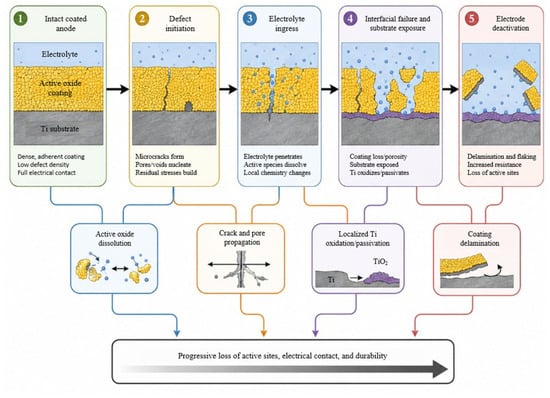
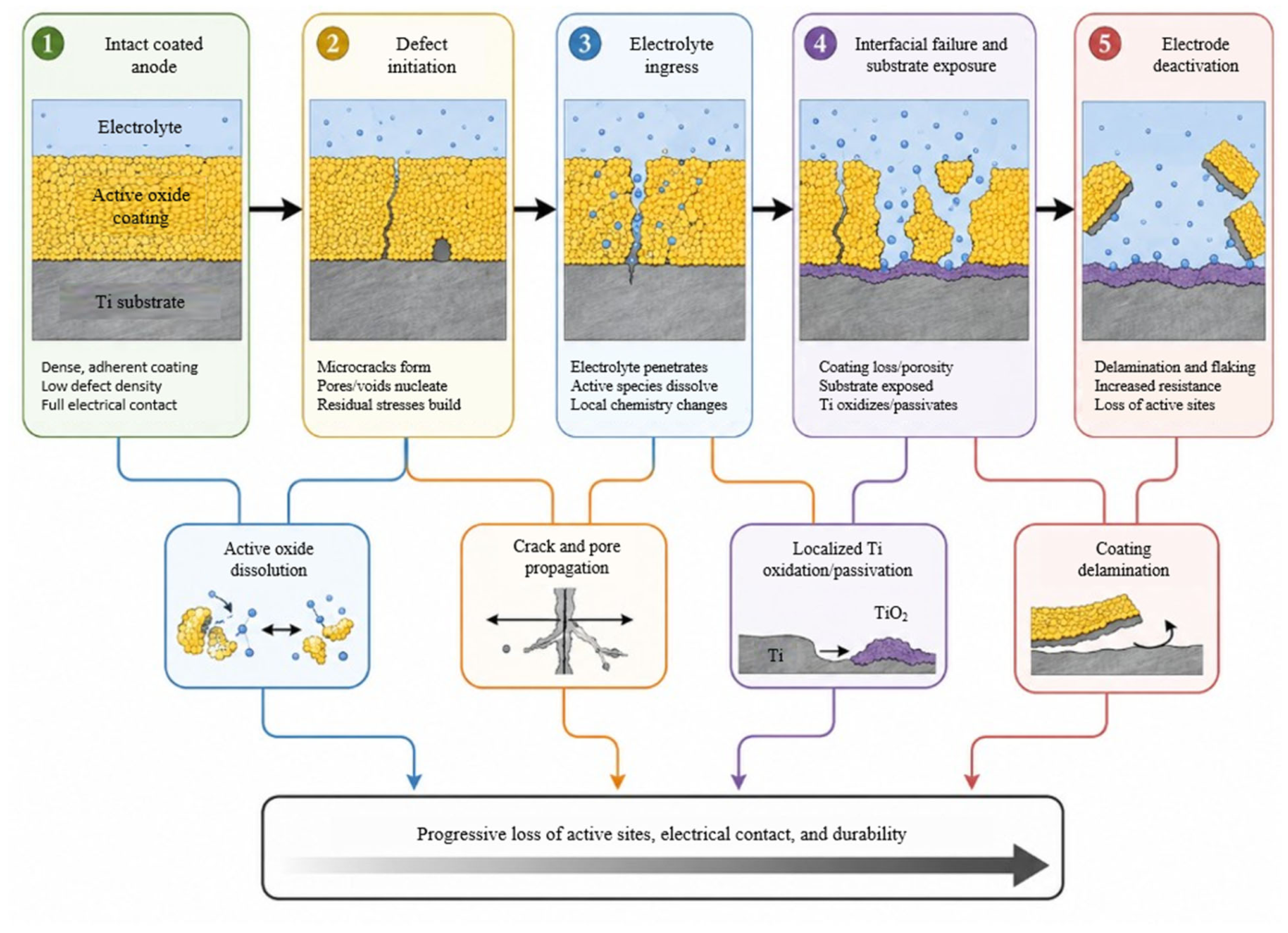
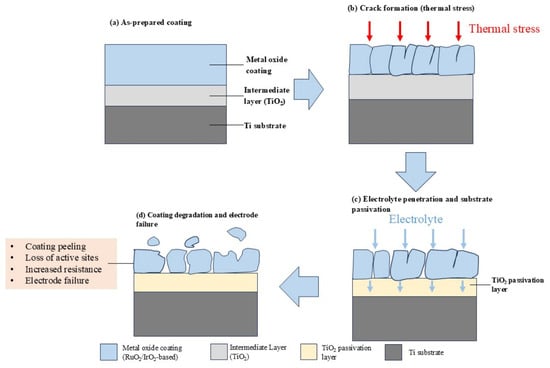
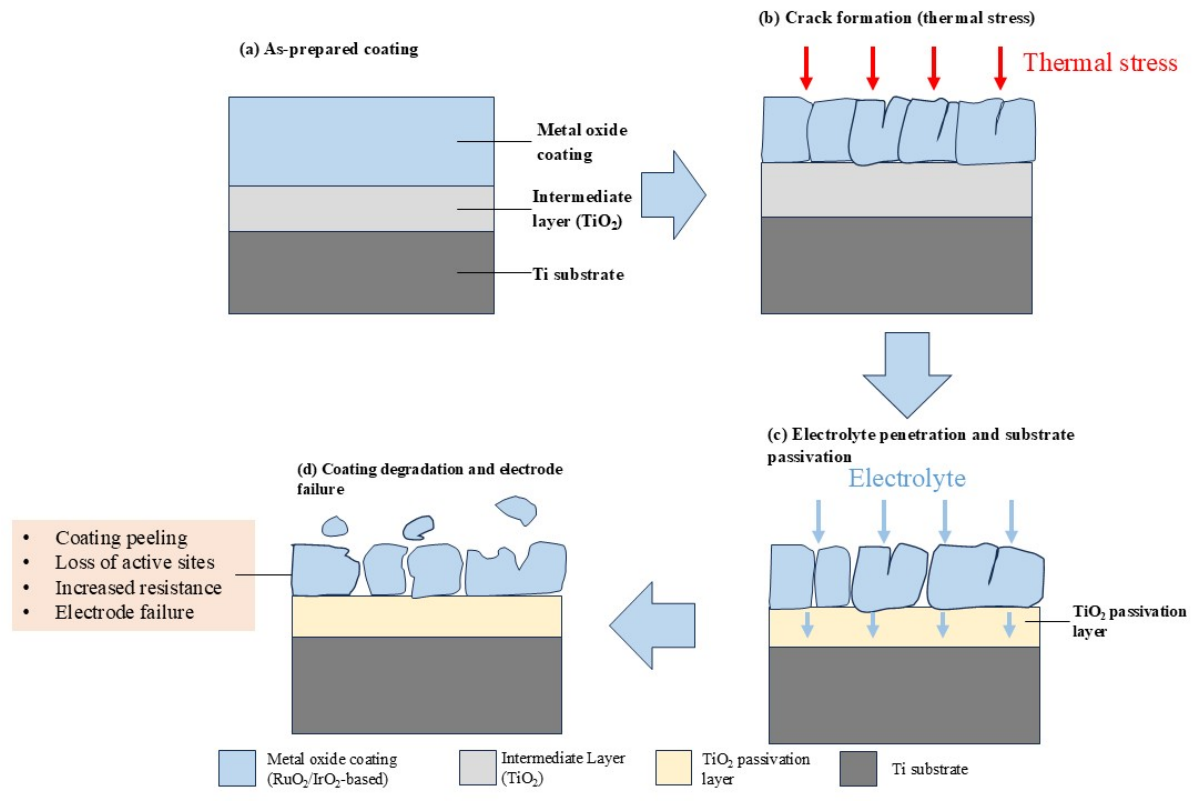
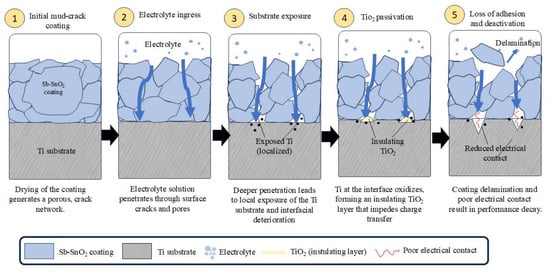
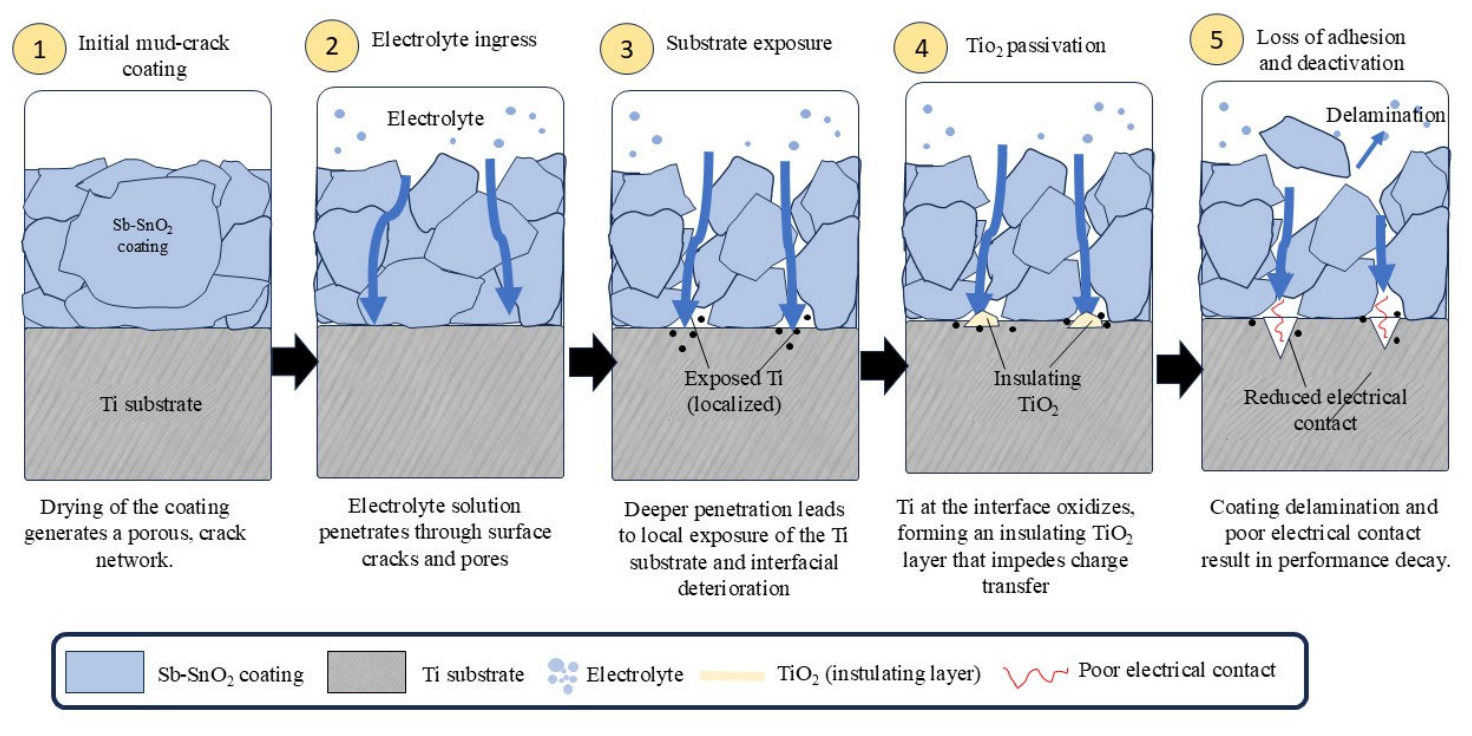
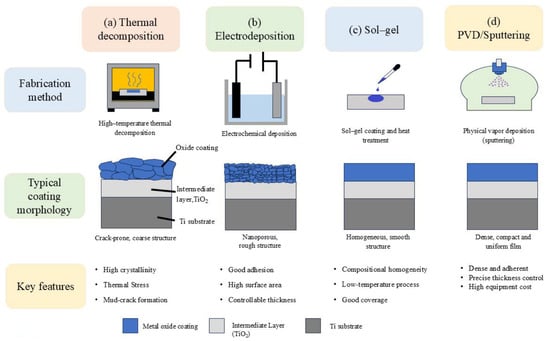
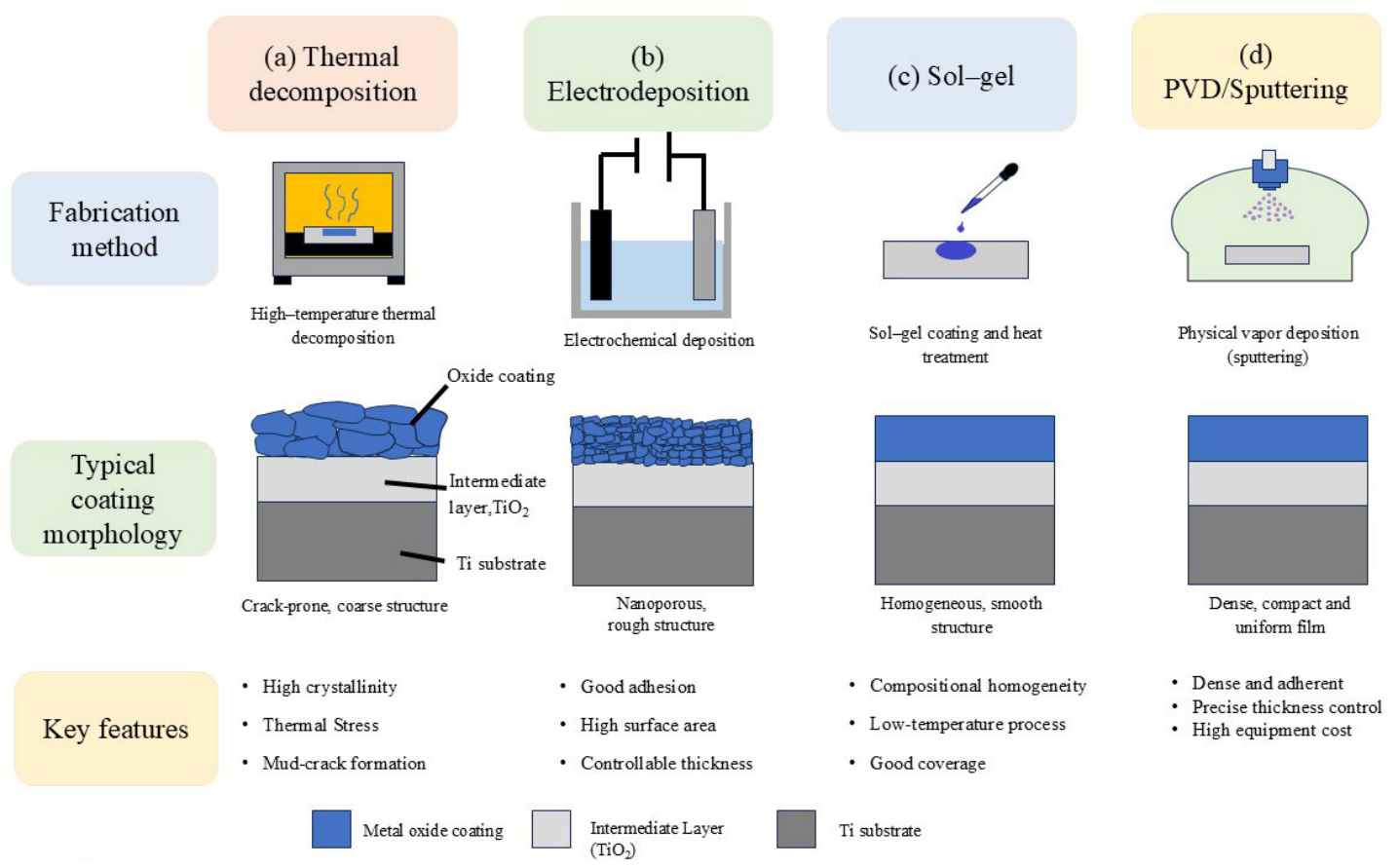
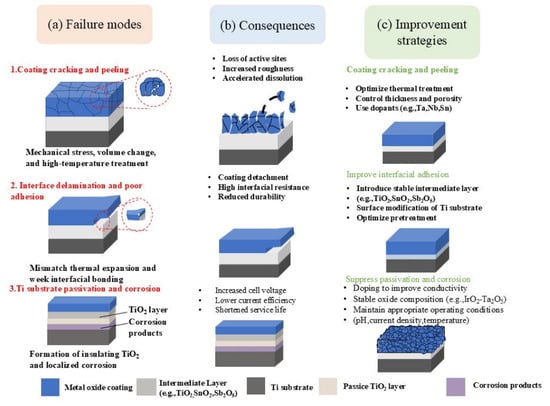
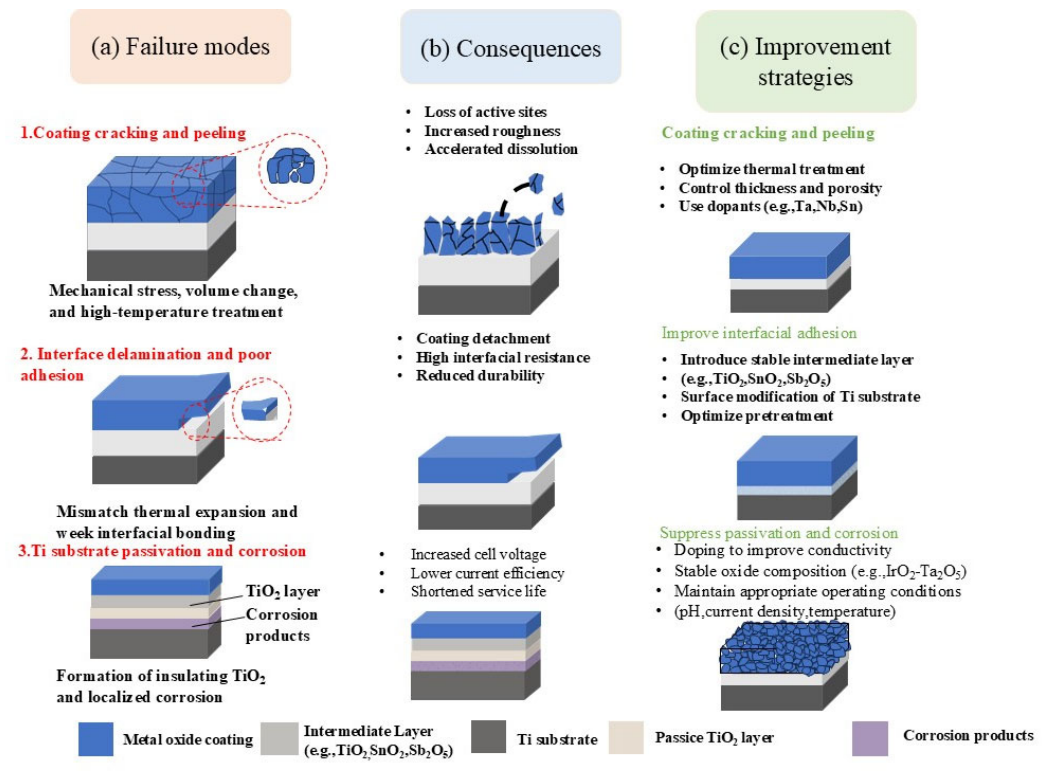
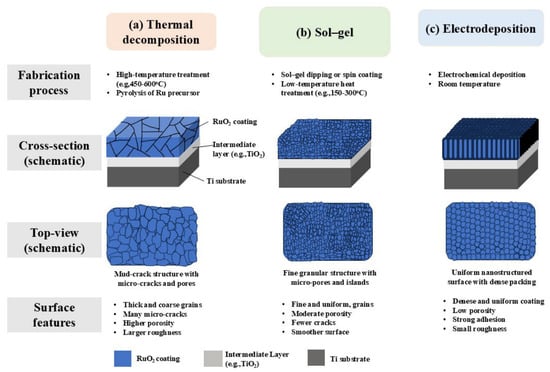
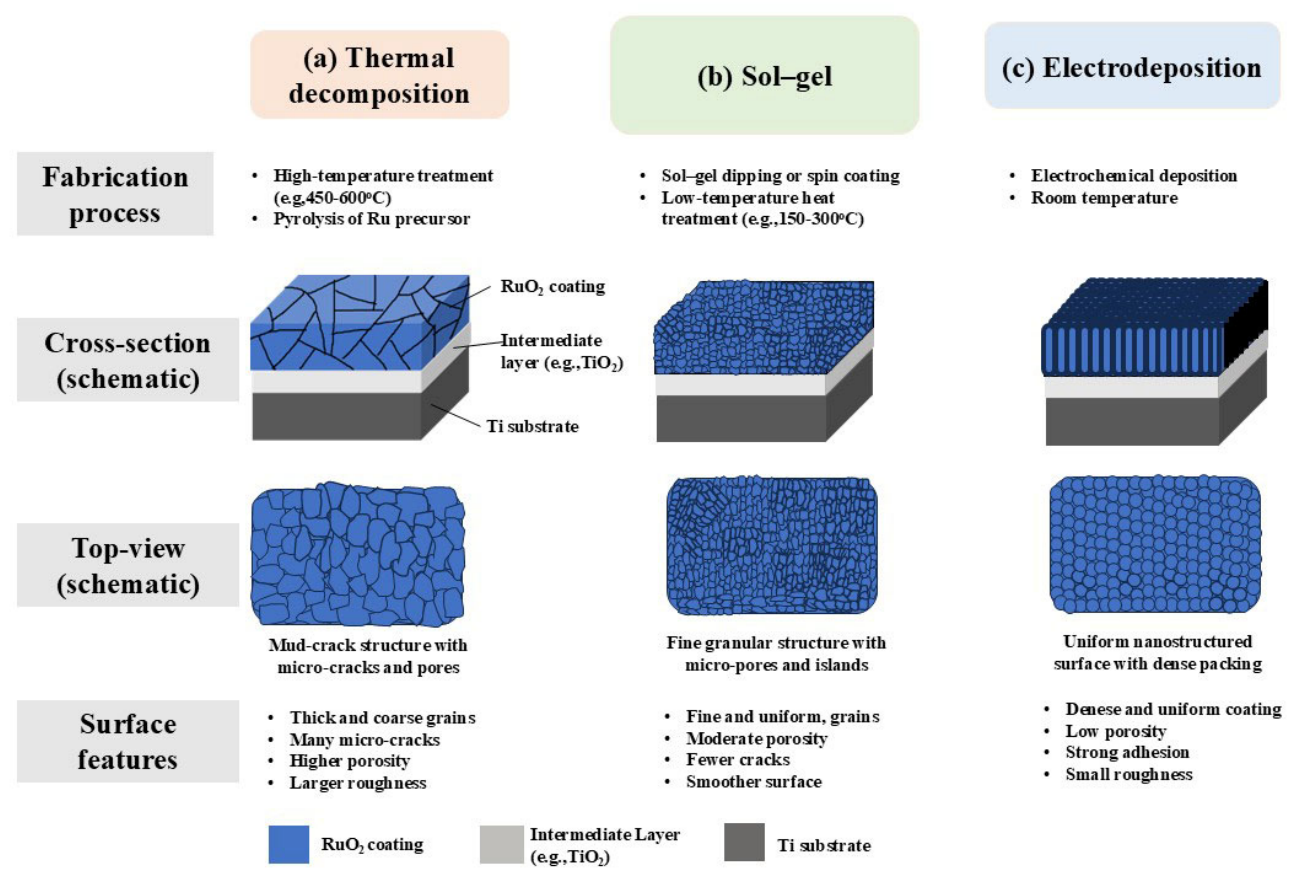
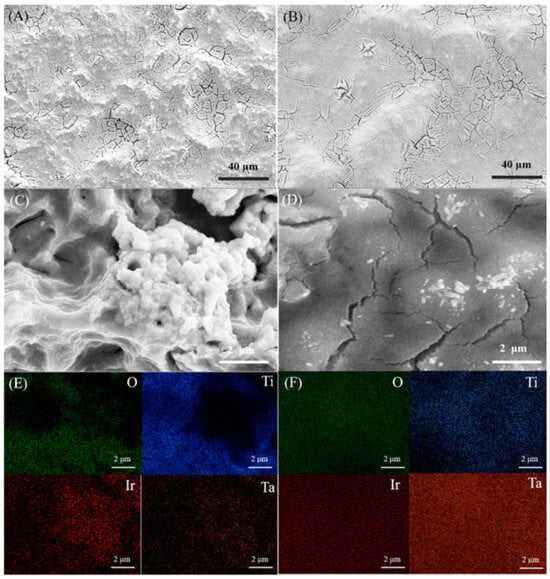
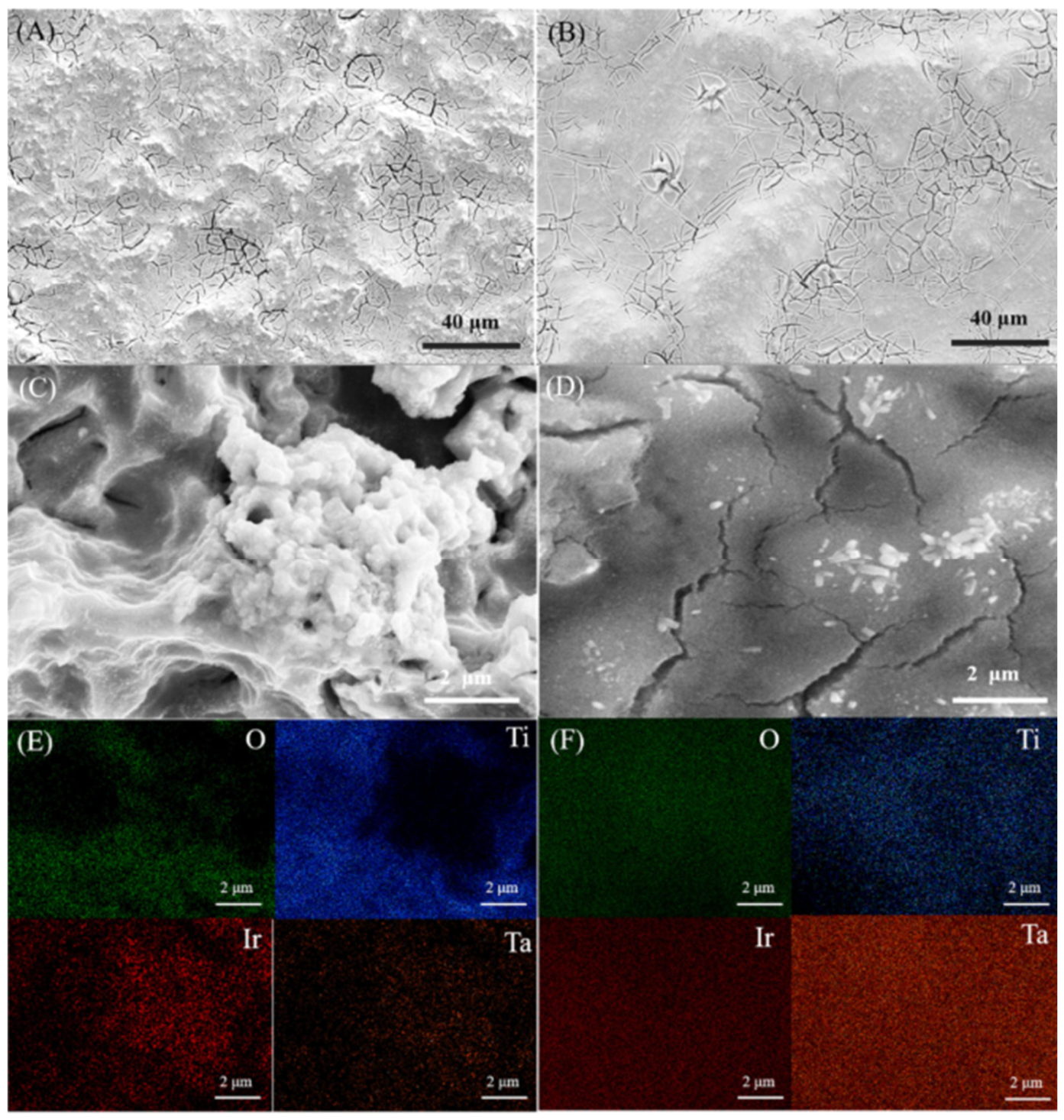
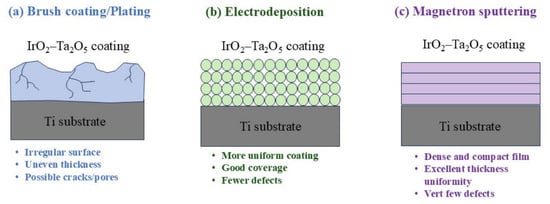
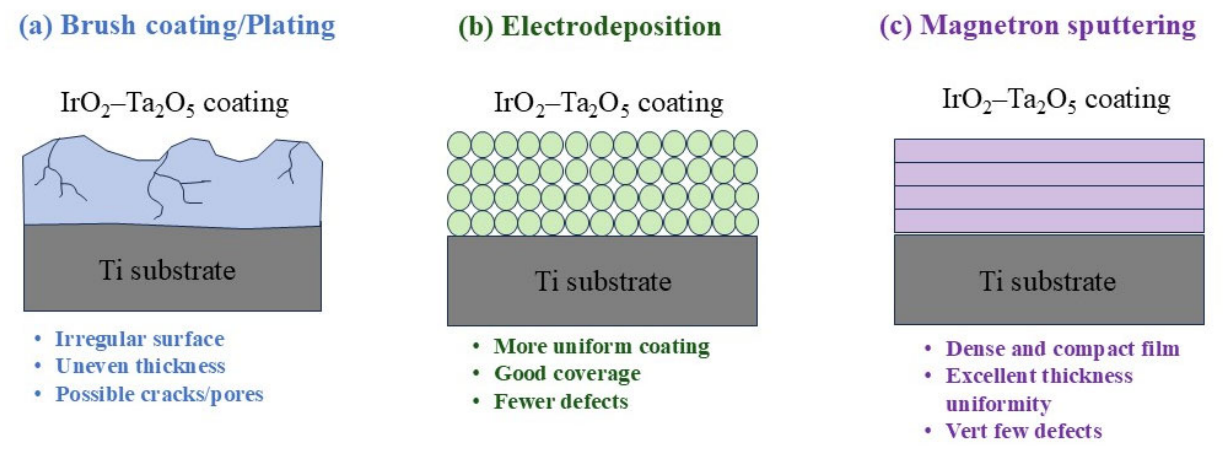
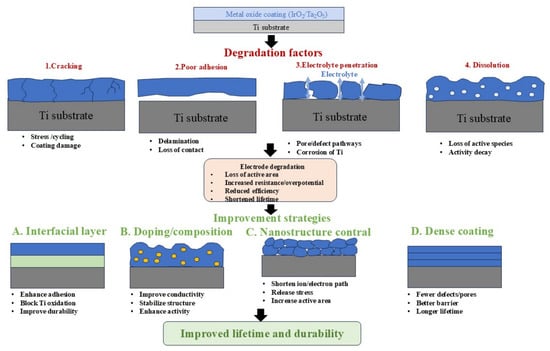
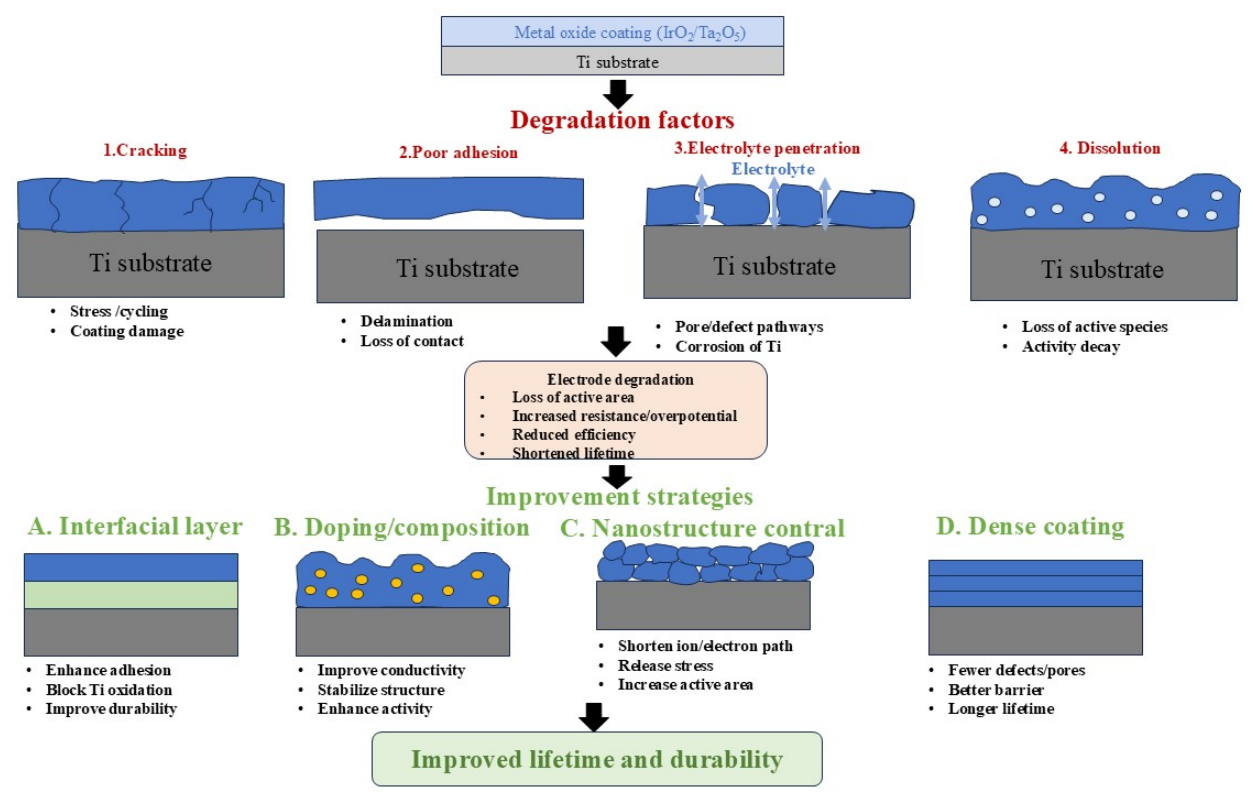
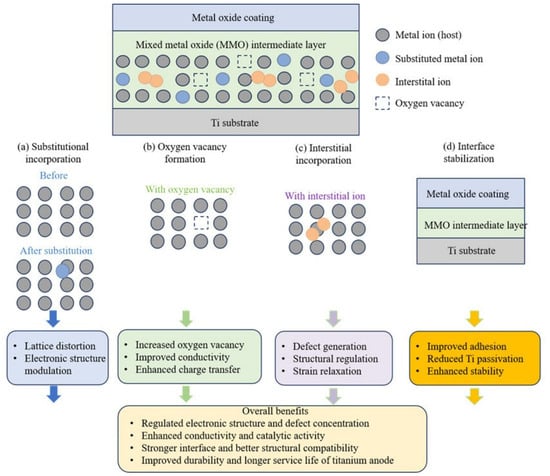
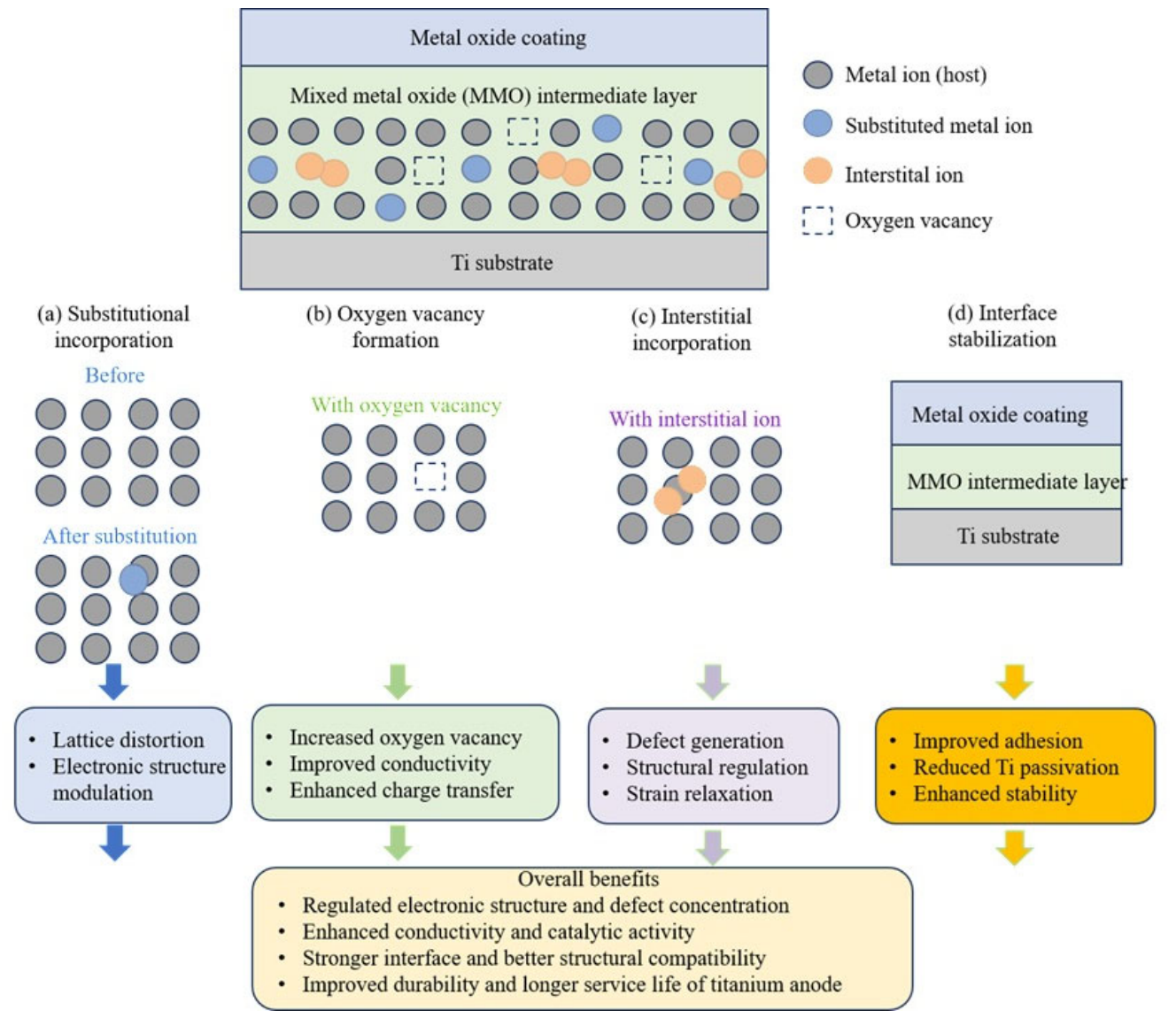
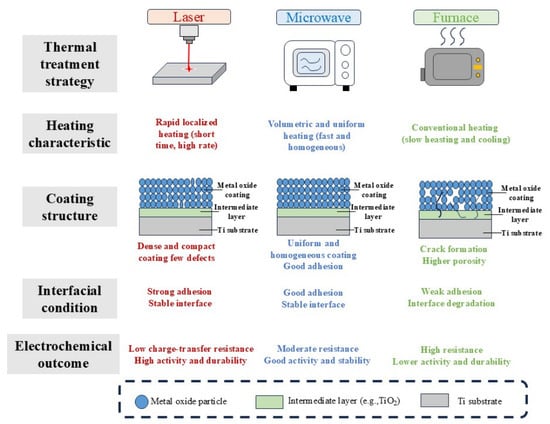
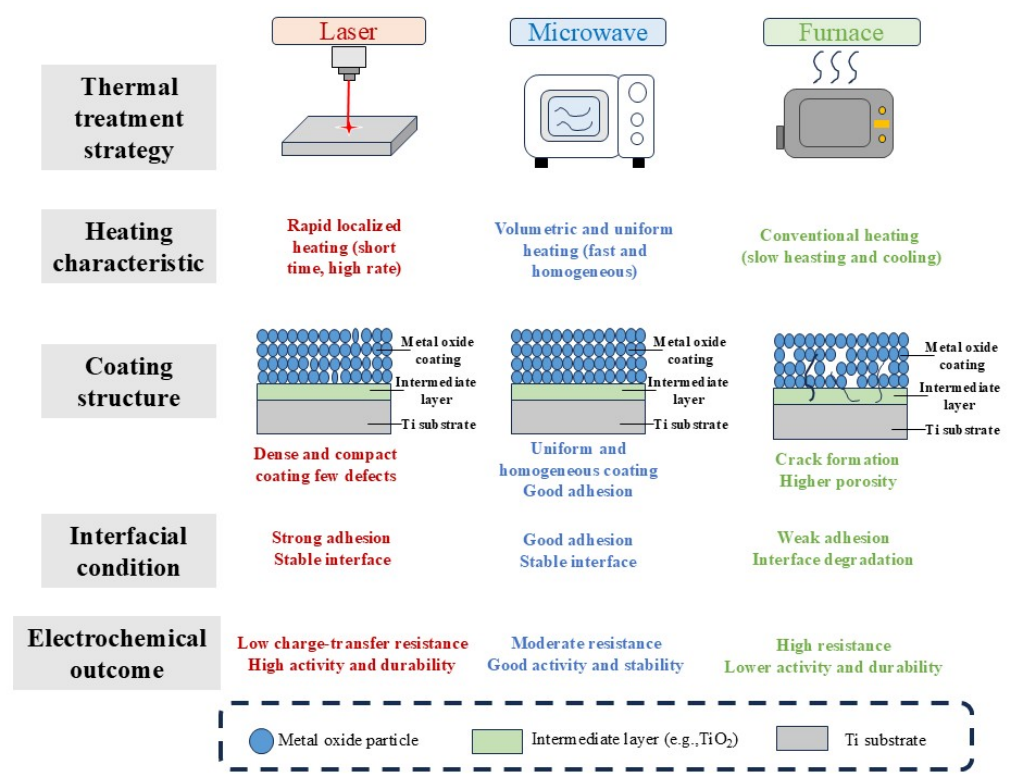
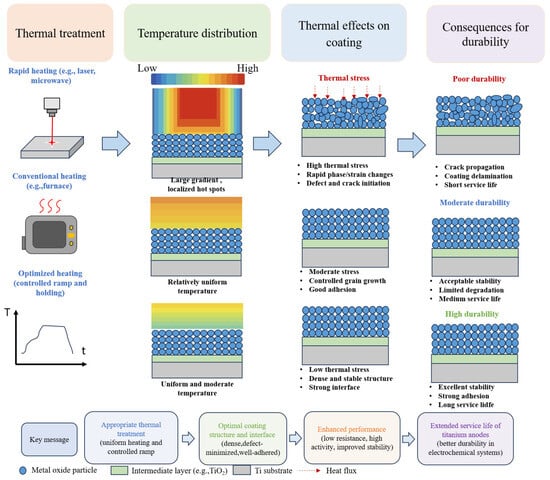
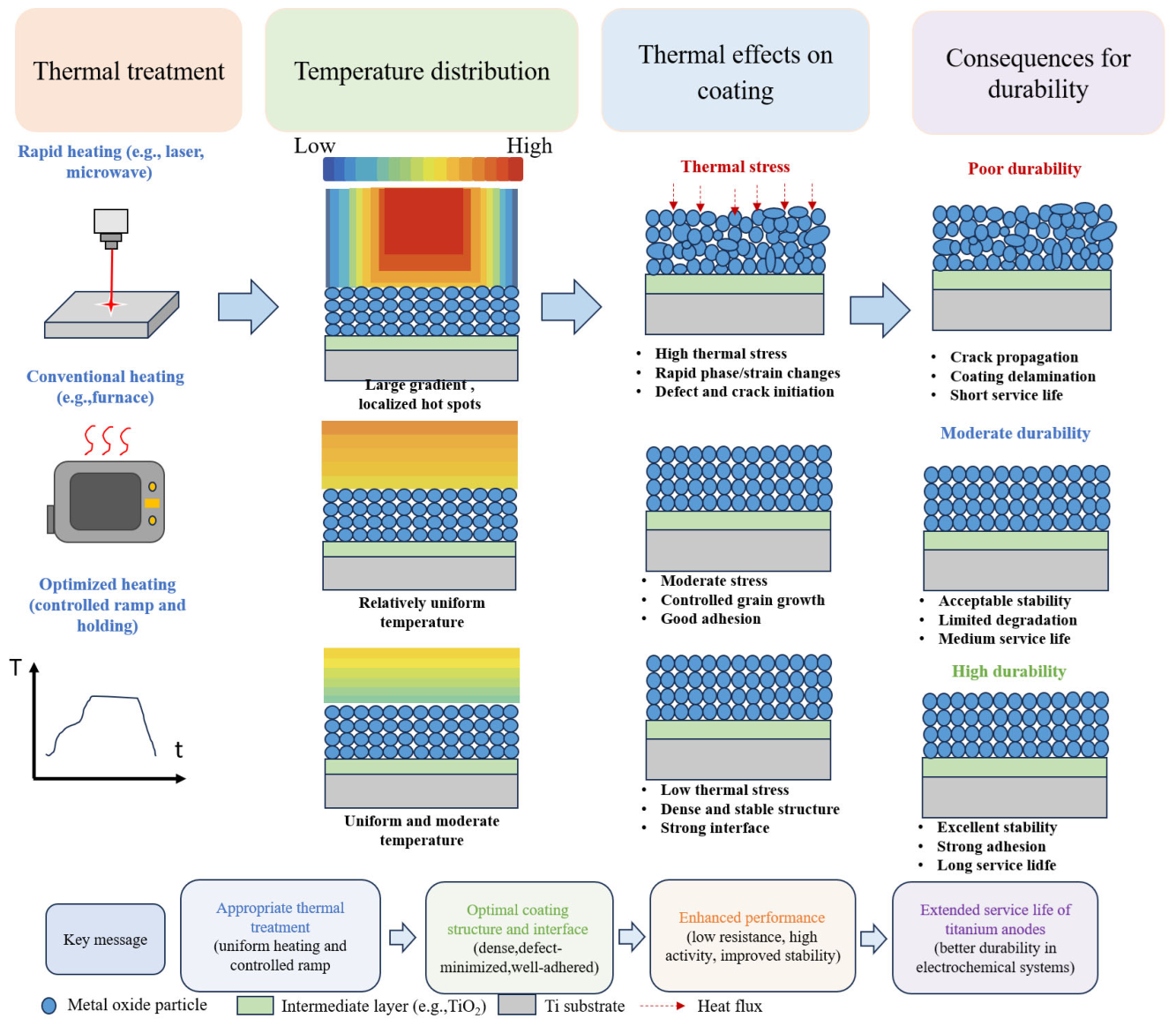
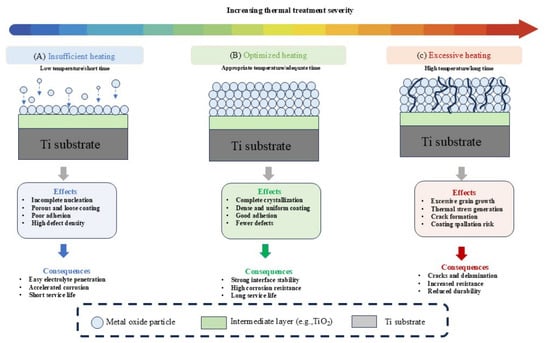
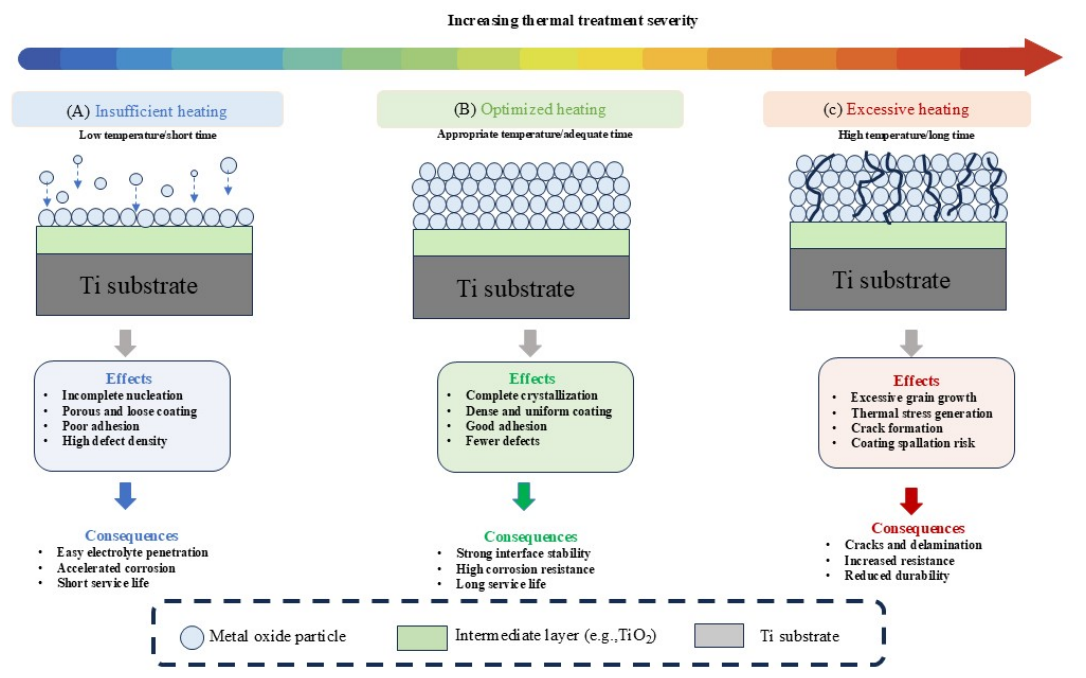
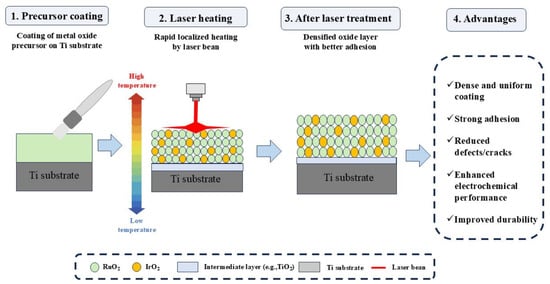
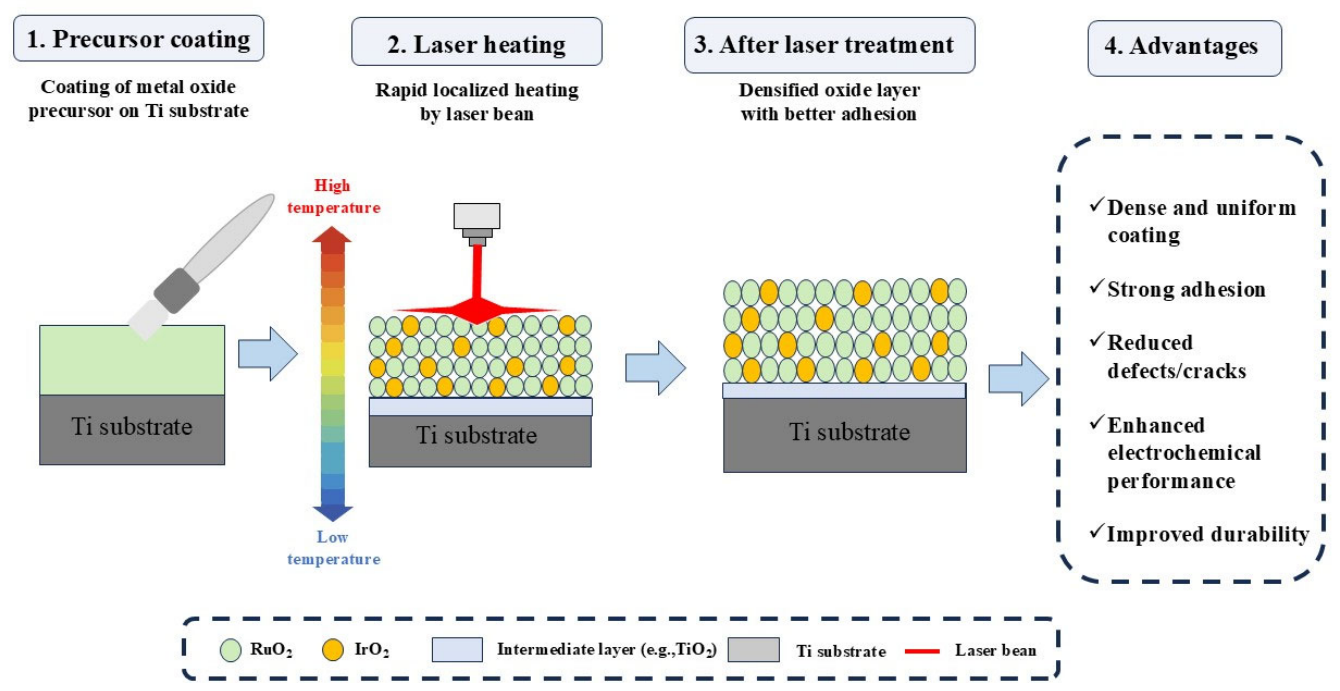
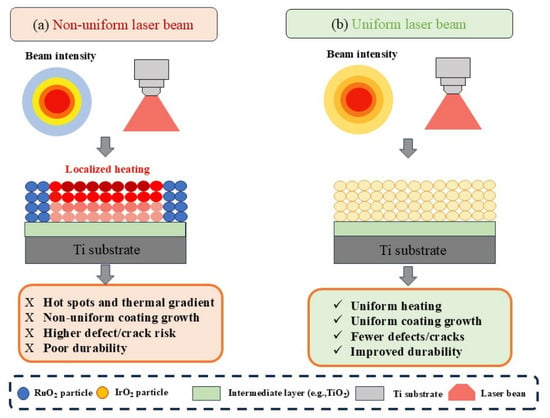
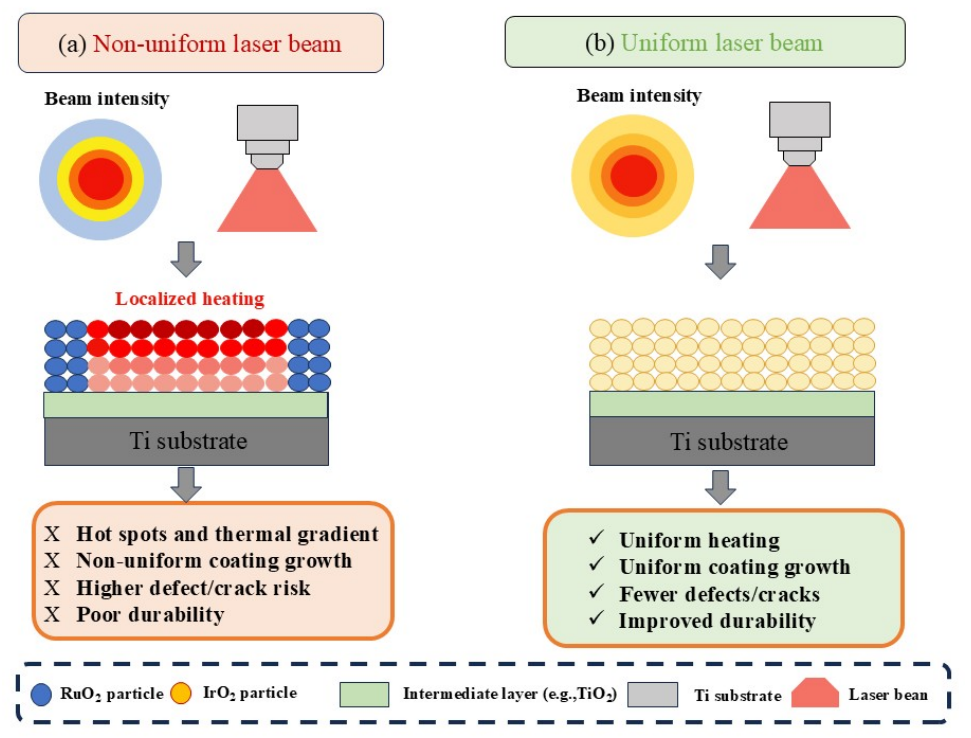
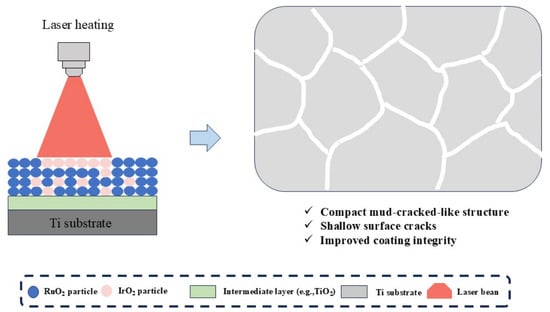
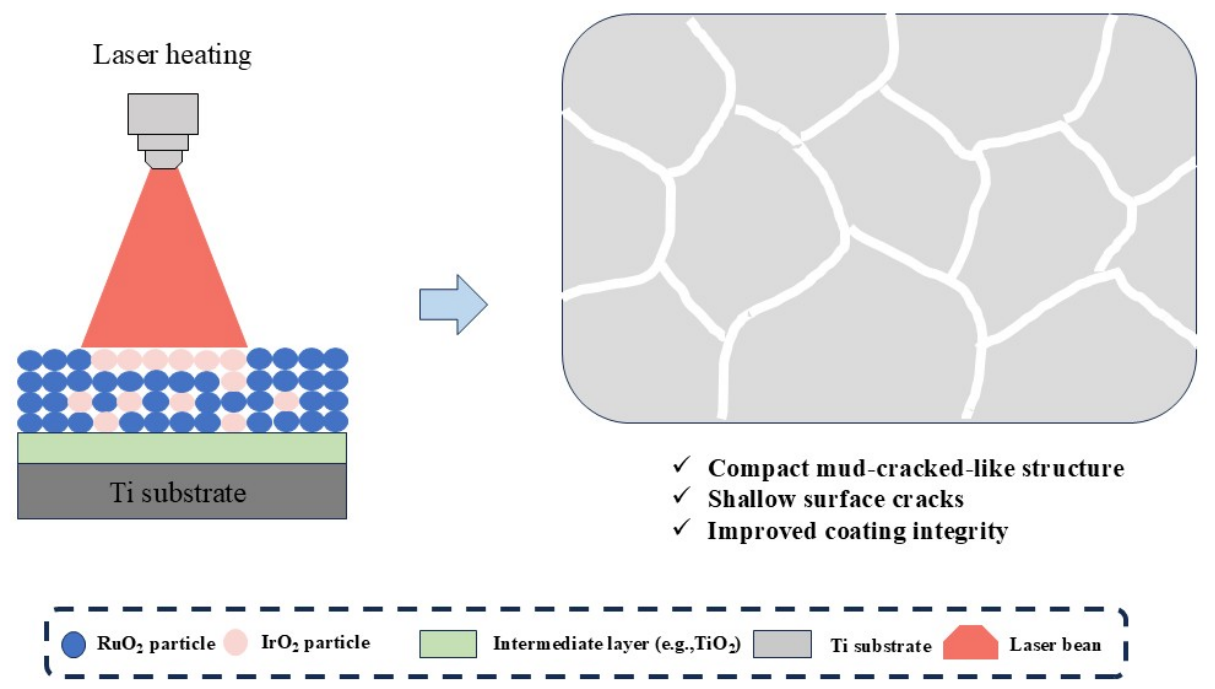
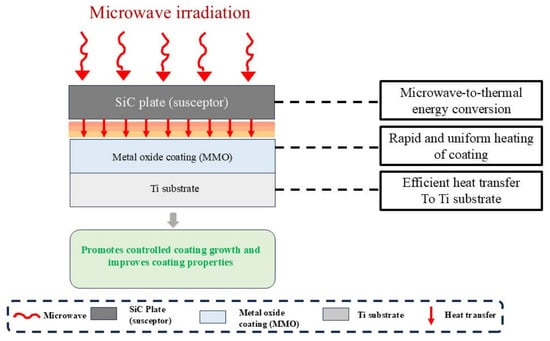
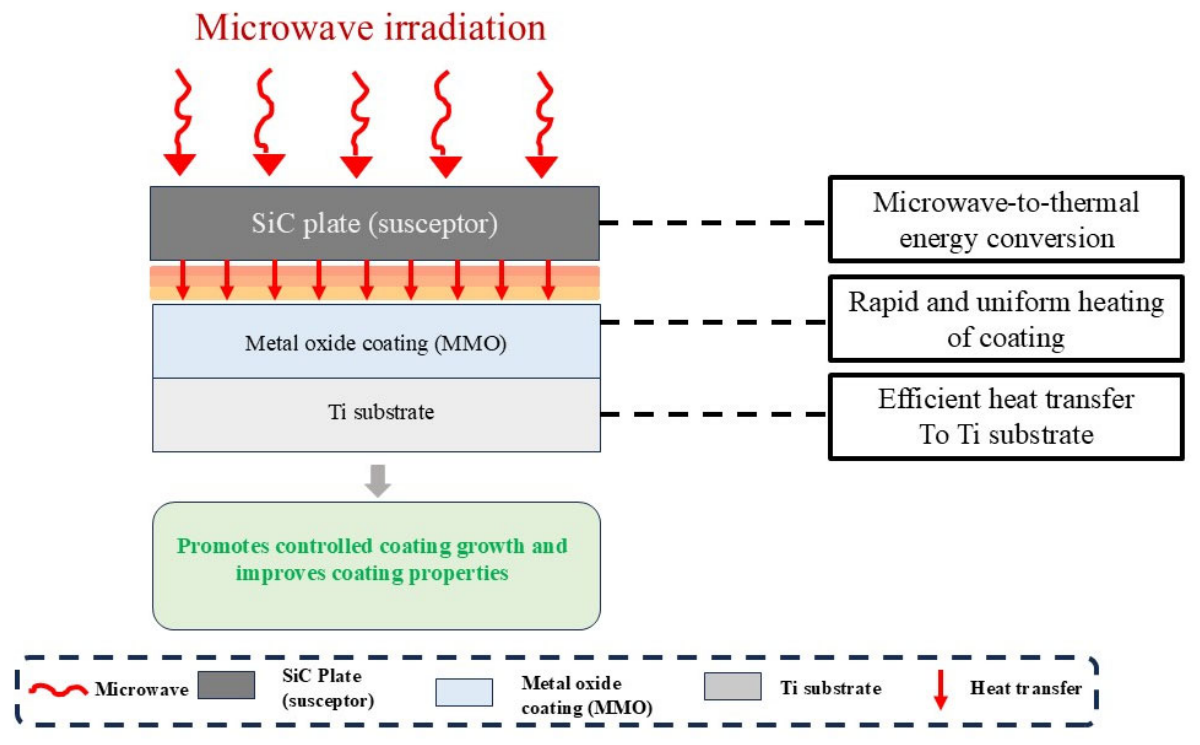
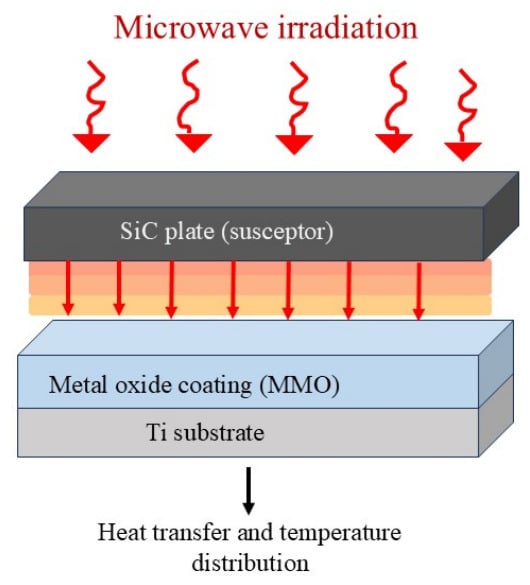
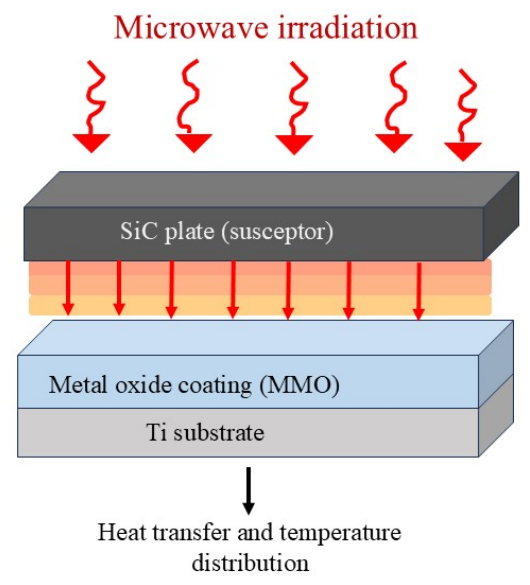
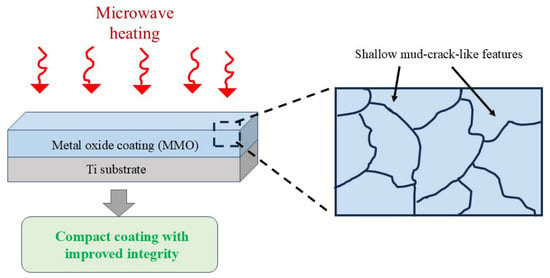
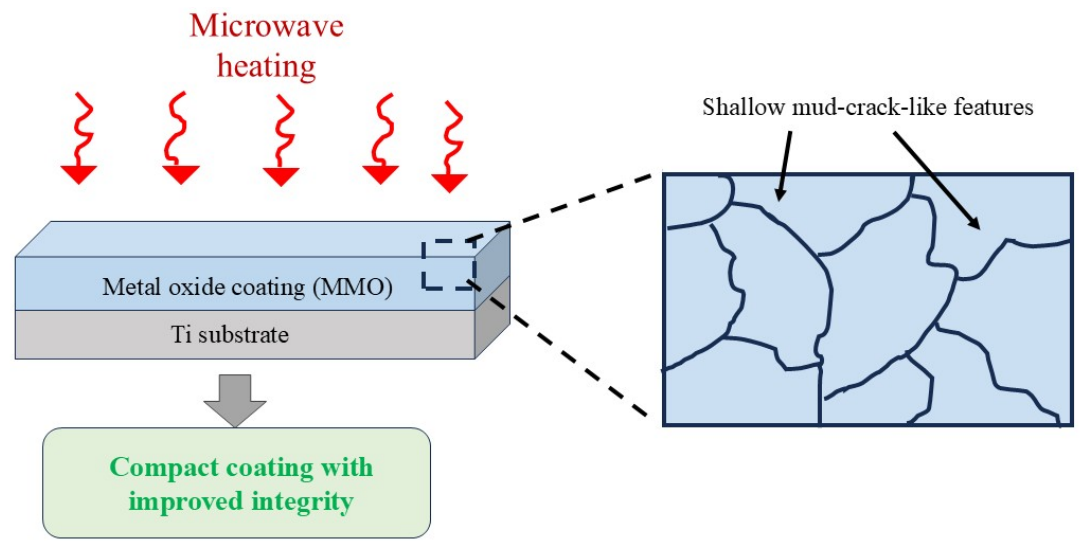
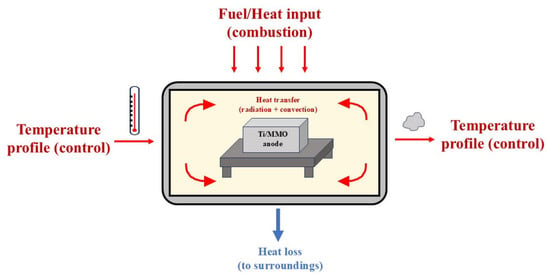
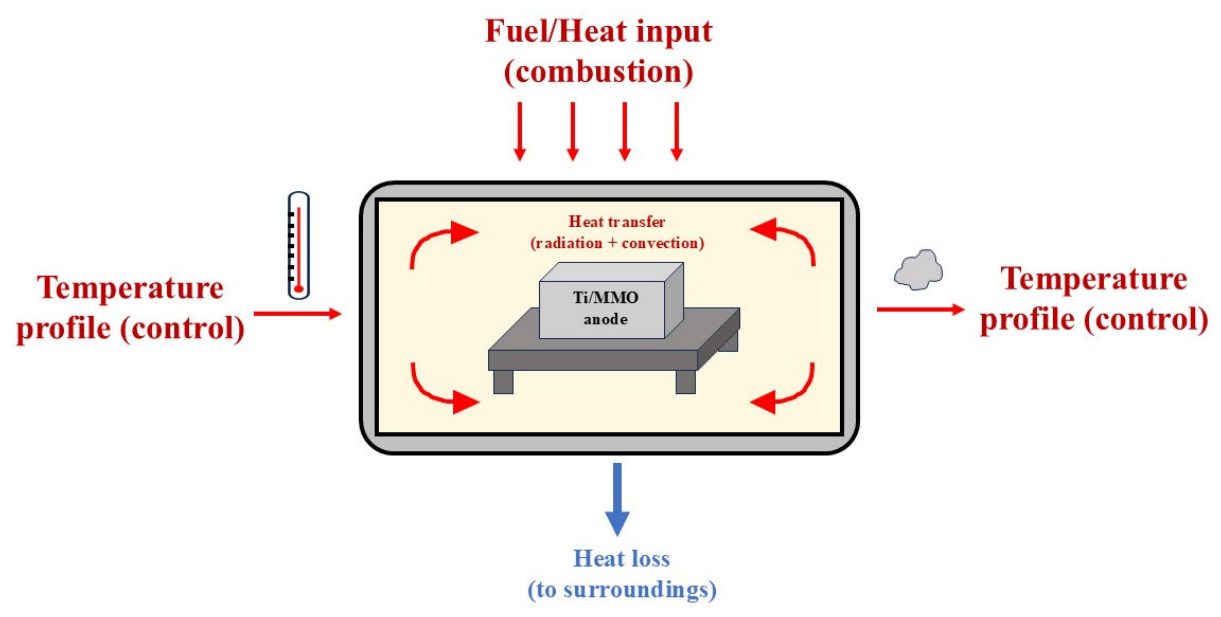
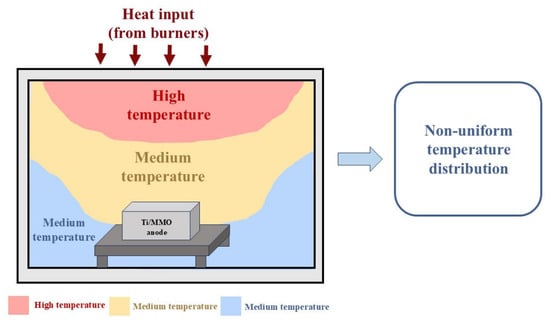
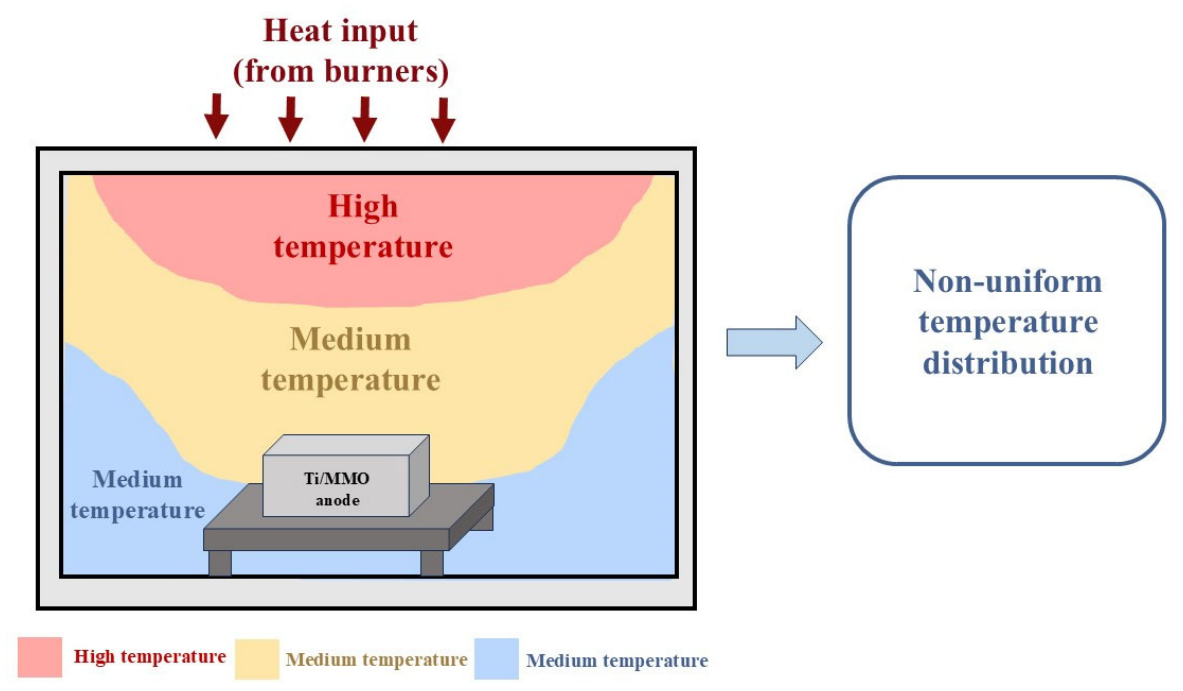
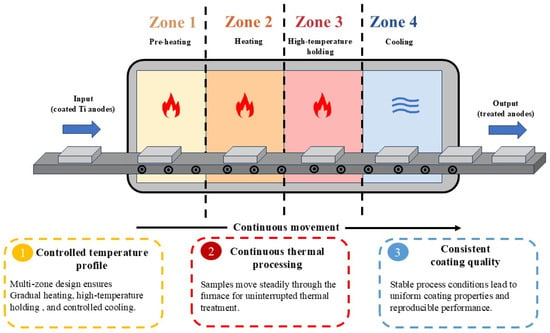
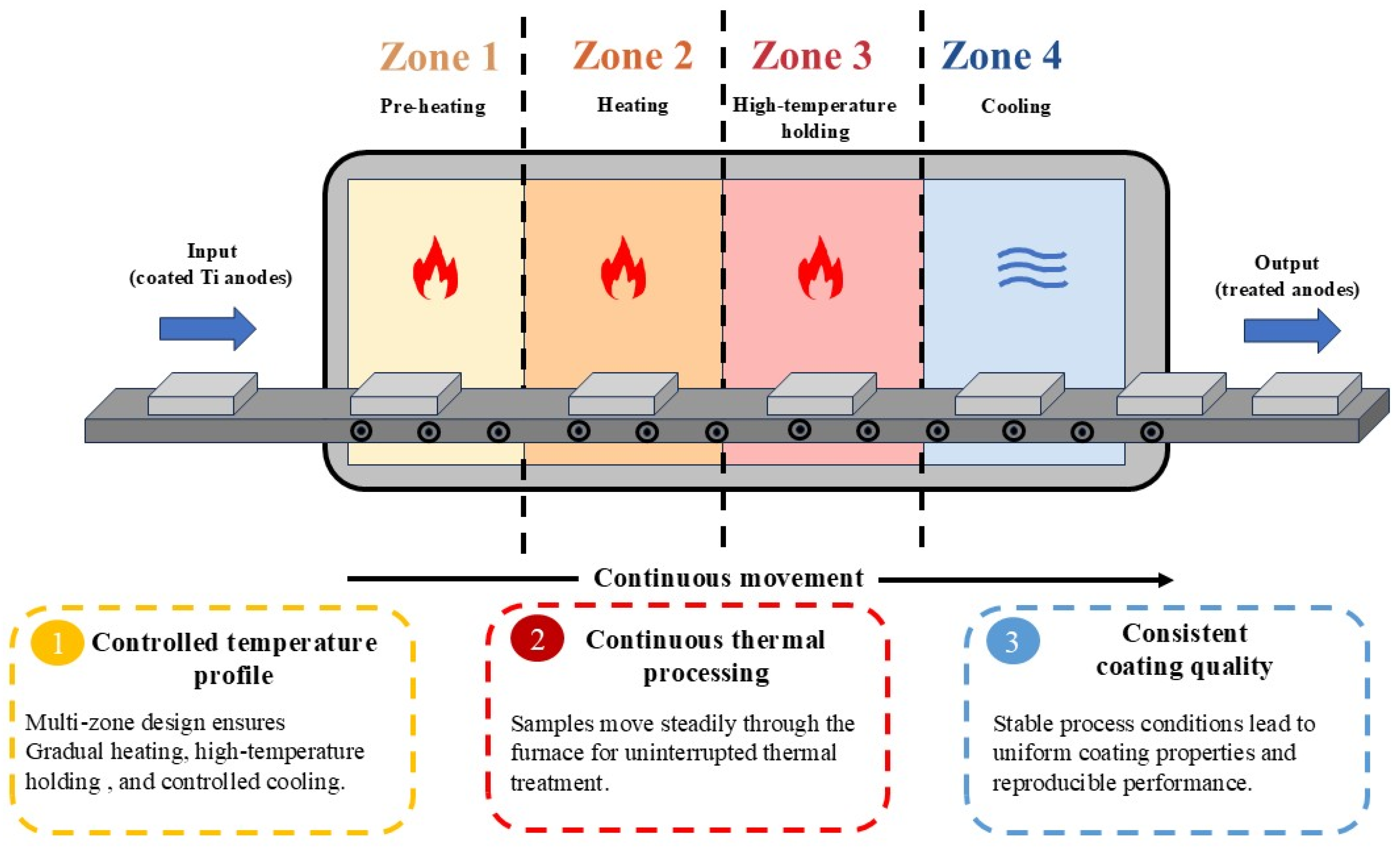
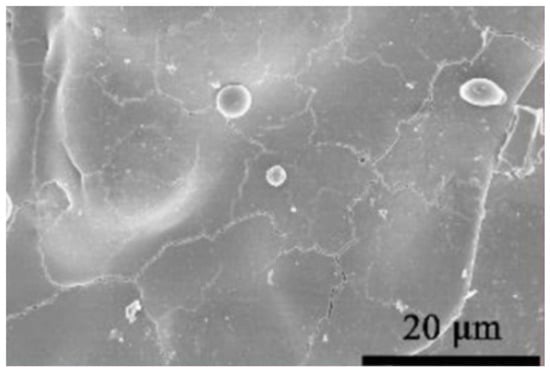
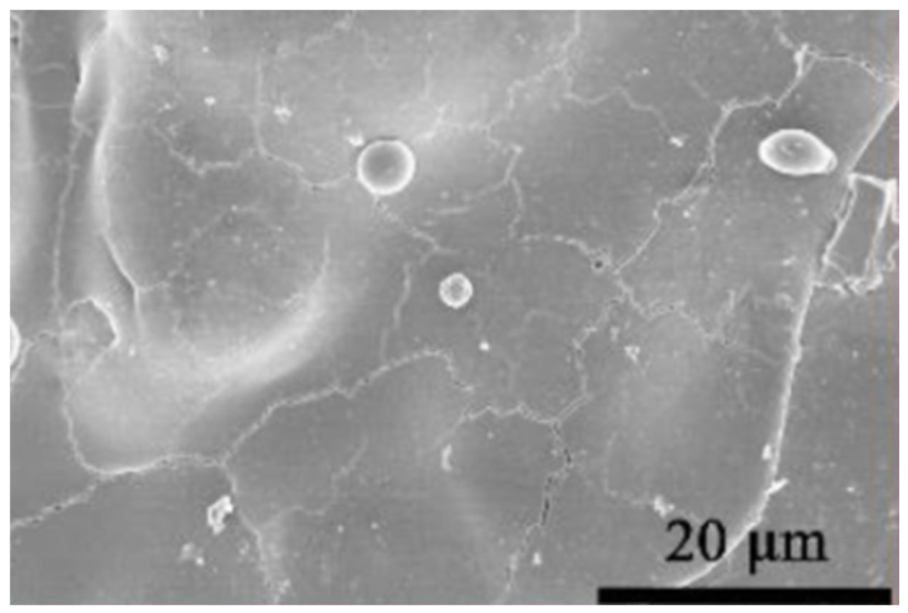
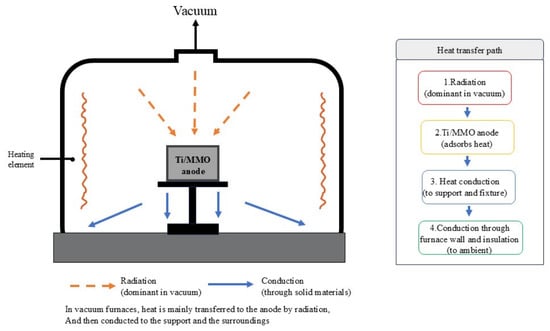
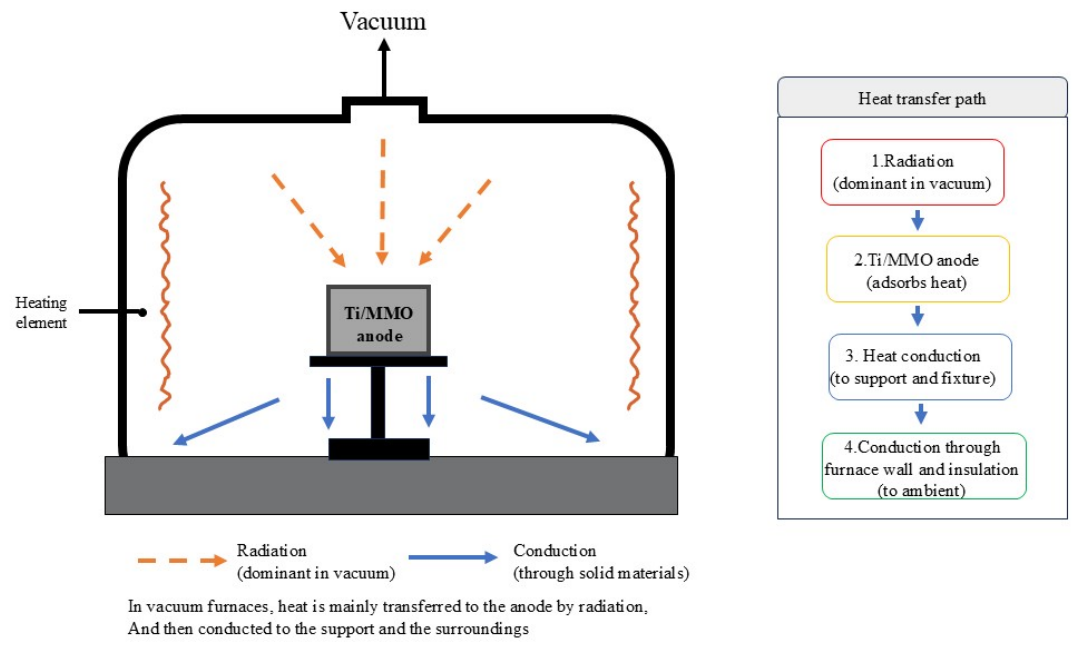

Disclaimer/Publisher’s Note: The statements, opinions and data contained in all publications are solely those of the individual author(s) and contributor(s) and not of MDPI and/or the editor(s). MDPI and/or the editor(s) disclaim responsibility for any injury to people or property resulting from any ideas, methods, instructions or products referred to in the content. |
© 2026 by the authors. Licensee MDPI, Basel, Switzerland. This article is an open access article distributed under the terms and conditions of the Creative Commons Attribution (CC BY) license.