


Abstract
With the rapid deployment of Internet of Things appliances in smart homes, making efficient energy scheduling is a critical necessity to satisfy their exponentially increased residential energy demand. The problem of optimizing appliance operational times in smart homes is known as the Appliance Energy Scheduling Problem, which is a complex, NP-hard multi- objective challenge. Various metaheuristic algorithms have been utilized by researchers to address this problem; existing methods often struggle with slow convergence rates and are trapped in local optima. To overcome these limitations and produce a superior solution, this study proposes a new hybrid framework that integrates the Coronavirus Herd Immunity Optimizer (CHIO) with Lévy Flight (LF). By strategically embedding LF into the CHIO framework, the proposed method effectively balances exploration and exploitation search capabilities to achieve true global optimization. In the evaluation stage, three structural variations in hybrid CHIO models are evaluated against the standard appliance energy scheduling problem to determine the robust model and compare its performance with prominent existing methods in the literature. The experimental results demonstrate the superiority of the optimized CHIOLF-2 approach among other hybrid CHIO models. The CHIOLF-2 successfully navigates the trade-off between grid efficiency and user experience by achieving a reduction in electricity bills and the Peak-to-Average Ratio while maximizing user comfort through minimized appliance waiting times. Eventually, this research produces a highly efficient scheduling framework for modern smart homes and offers a versatile algorithmic design that can be readily adapted to address other complex real-world optimization problems.
1. Introduction
The transition of traditional power grids to the Smart Grid (SG) provides an intelligence-driven environment by managing the increasing energy demand actively and peak-load pressures through Internet of Things (IoT) smart homes [1,2,3]. Central to this ecosystem is the Energy Management Controller (EMC), which facilitates bidirectional communication between Energy Supplier Companies (ESCs) and households, enabling dynamic pricing schemes like Real-Time Pricing (RTP) and Inclining Block Rate (IBR) [4,5,6].
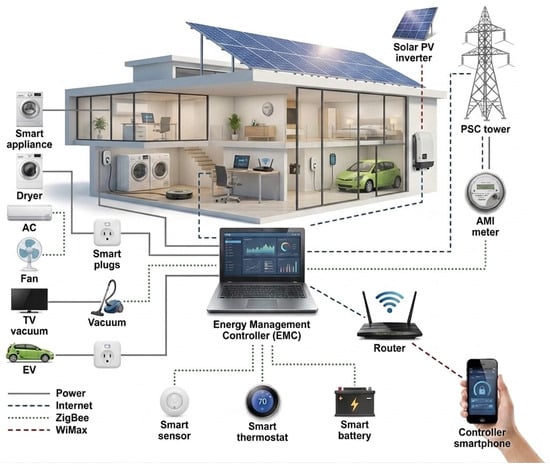
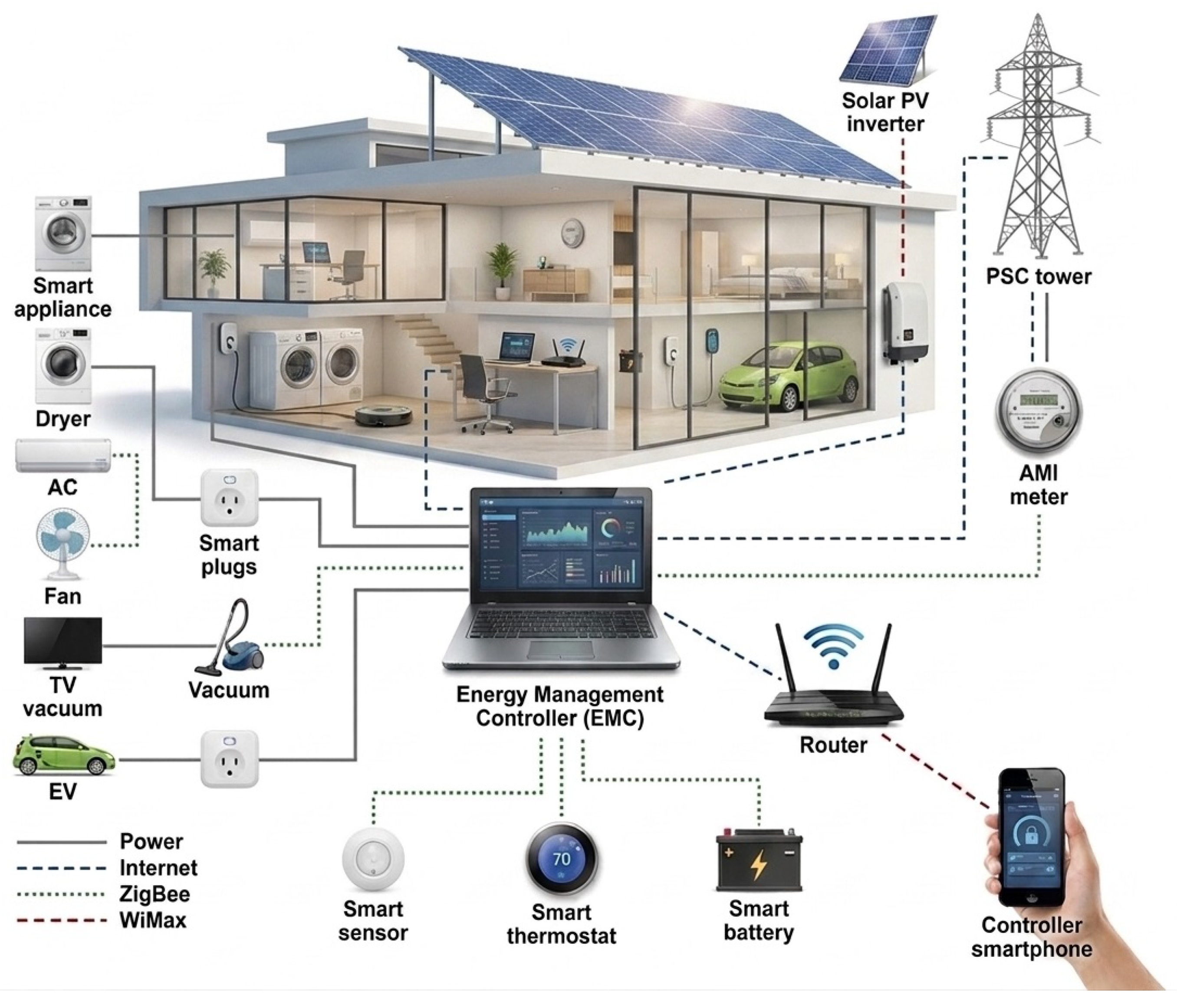
Figure 1 summarizes a Smart Home architecture based on IoT appliances. While this figure demonstrates the physical and communicational infrastructure, the specific intent of this manuscript is to address the underlying algorithmic orchestration required to make this architecture efficient. Coordinating the operational times of these appliances, called the Appliance Energy Scheduling Problem in Smart IoT Home (AESPSH), is mathematically classified as a highly complex, NP-hard multi-objective problem [7,8].
Figure 1.
Architecture of Smart Home Based on Internet of Things Appliances.
IoT is used to improve general quality of life and comfort in urban areas by linking with smart homes, allowing users to check and run their appliance equipment simply [9,10,11]. A smart home-based IoT system has six core components: smart plugs, an energy management controller, a controller application, smart appliances, communication technologies, and advanced metering (as seen in Figure 1) [6,12,13].
When dealing with Power Supply Planning (PSP), user comfort is a crucial factor [14]. Two main things affect this comfort level: the Waiting Time Rate (WTR) and the Consumed Power Rate (CPR) [15]. The effect of WTR is straightforward: if the delay or waiting time for an appliance increases, user comfort goes down [16]. Regarding CPR, user comfort increases when there is more available power to operate Non-Shiftable Appliances (NSAs) those devices that need to run immediately [17,18].
Various influencing factors are pose complexity to optimization, such as stochastic user behavior, fluctuating tariffs, rigid comfort demands, and IoT network limitations [19,20,21]. Therefore, traditional methods like linear programming and standard metaheuristics frequently suffer from slow convergence and entrapment in local optima and consistently suffer from this variable landscape [22,23].
The primary goal in this study is to address the limitations of the existing scheduling methods based on metaheuristic algorithms by designing a superior hybrid optimization framework that is capable of escaping local optima and attaining a truer global solution for the problem of AESPSH [24]. To achieve this aim, the research produces the scientific question: How can the herd-based metaheuristic algorithm be structurally optimized and mathematically trade off between global exploration and local exploitation to prevent premature convergence in NP-hard scheduling environments?
Thus, the research provides the following specific research questions:
1. How does the combination of a Lévy Flight (LF) optimizer into diverse multi-subpopulations of the CHIO inspire convergence speed and solution accuracy?
2. Which hybridization model achieves the optimal trade-off between grid efficiency, such as EB and PAR minimization, and user comfort parameters like WR and ELR measurements in a smart IoT home?
This study aims mainly to design, implement, and thoroughly evaluate three different hybrid models of the CHIO optimizer that use Lévy Flights (CHIOLF) to optimally schedule smart IoT appliances, thereby minimizing operational costs and peak demand while strictly adhering to user comfort constraints.
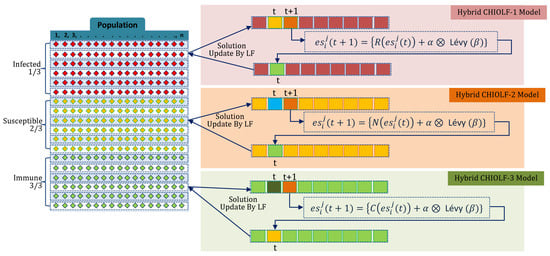
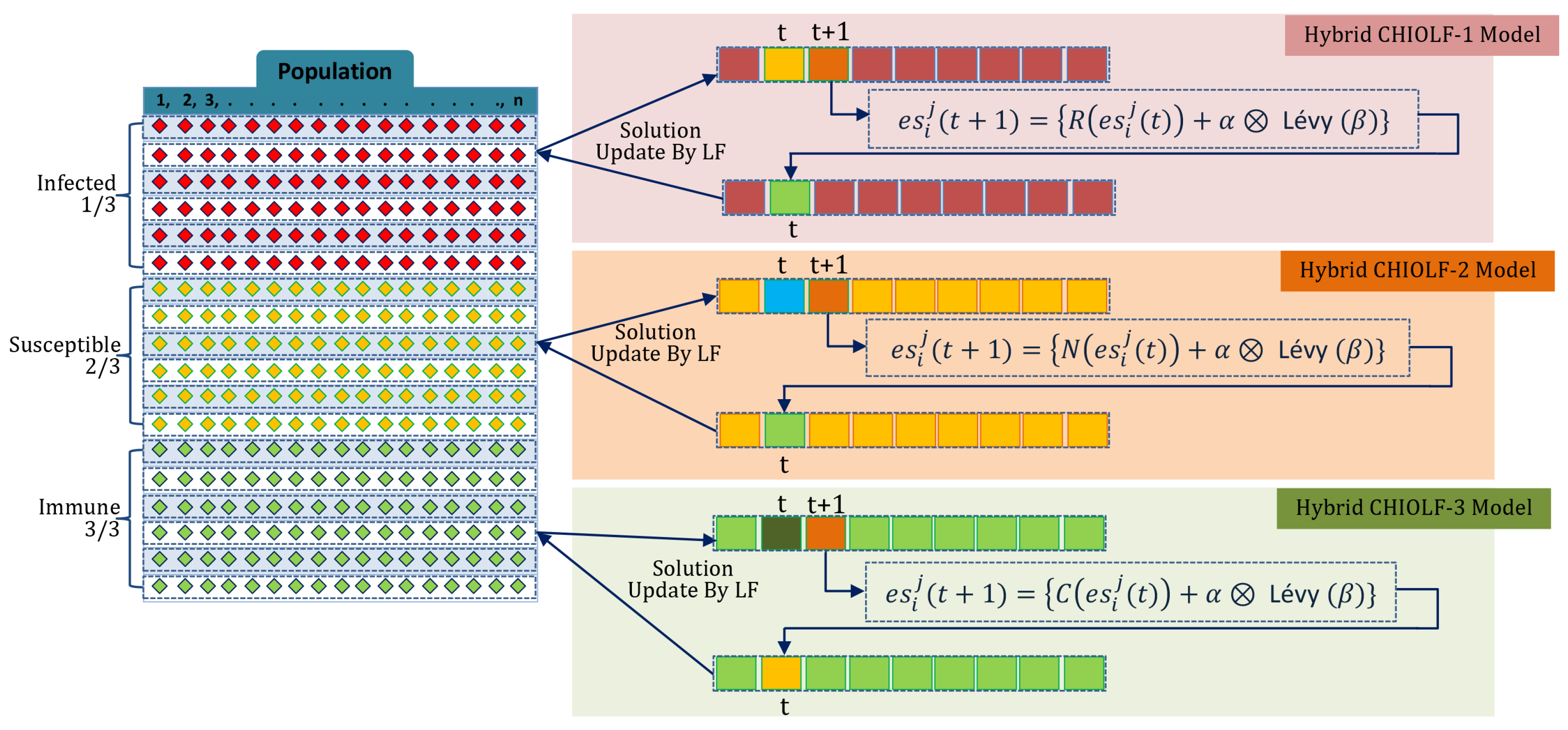
Strategically, this study integrates the herd immunity concept of CHIO with Lévy-based exploration. We conduct three structural variations: the LF operator combined with the infected, susceptible, and immune subpopulations of the CHIO algorithm, respectively. The AESPSH optimization framework was utilized as a design tool and integrated evaluation criteria such as economic variables (WR and ELR) and operational criteria (EB, PAR).
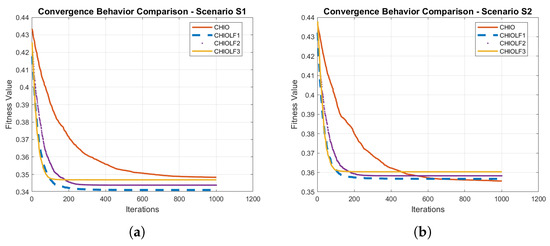
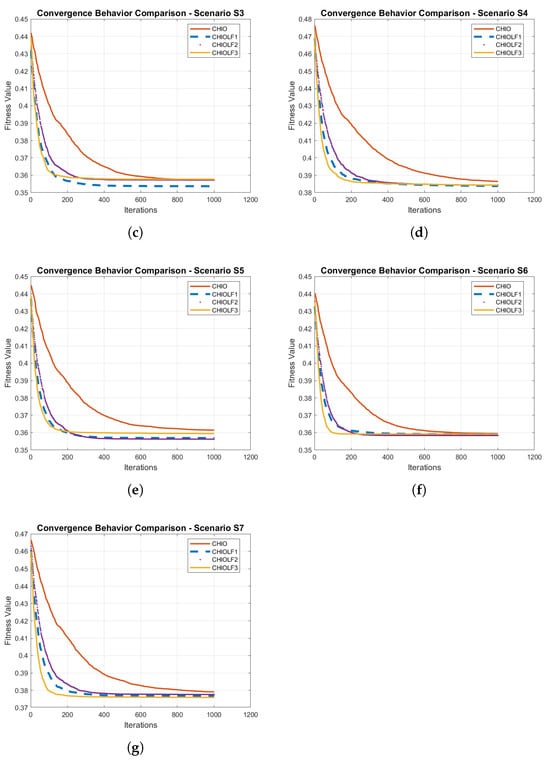
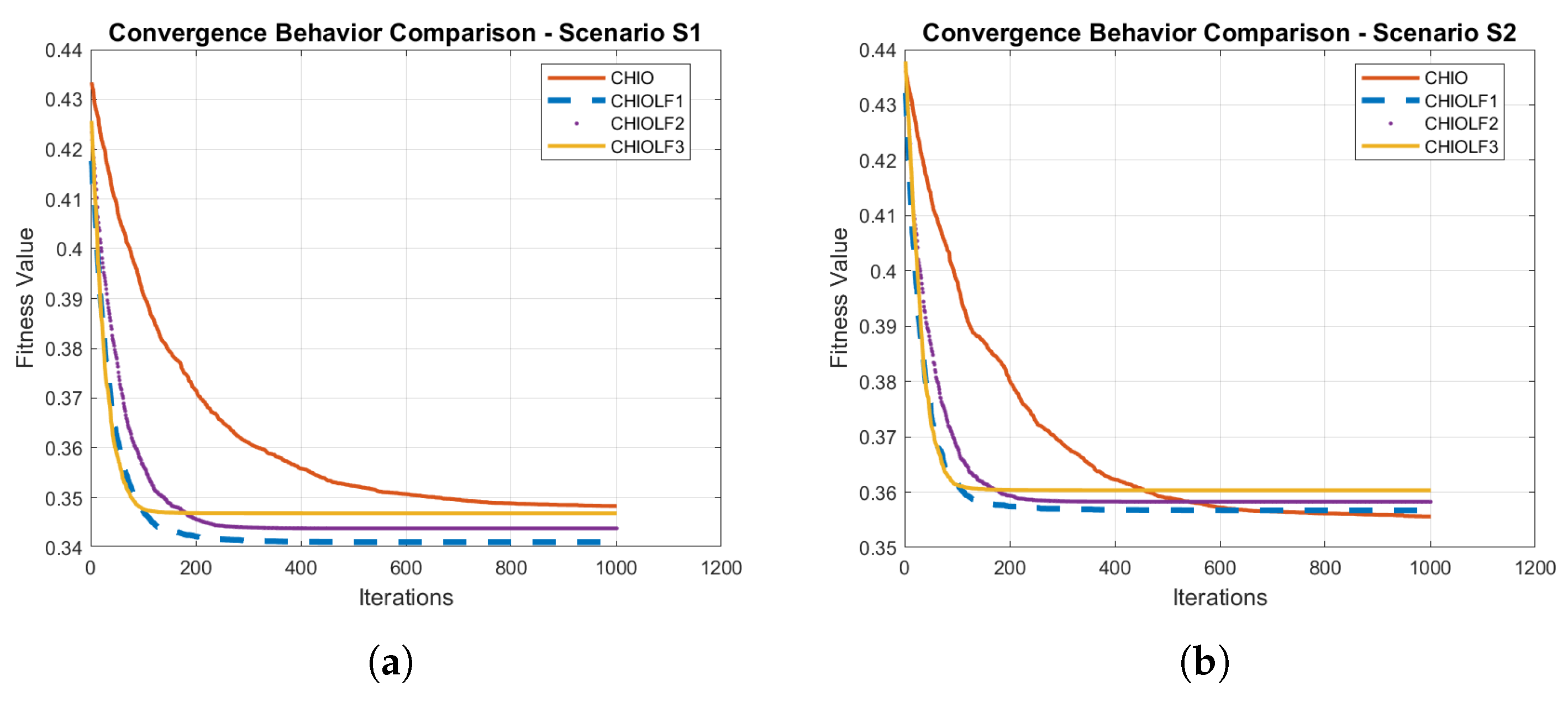
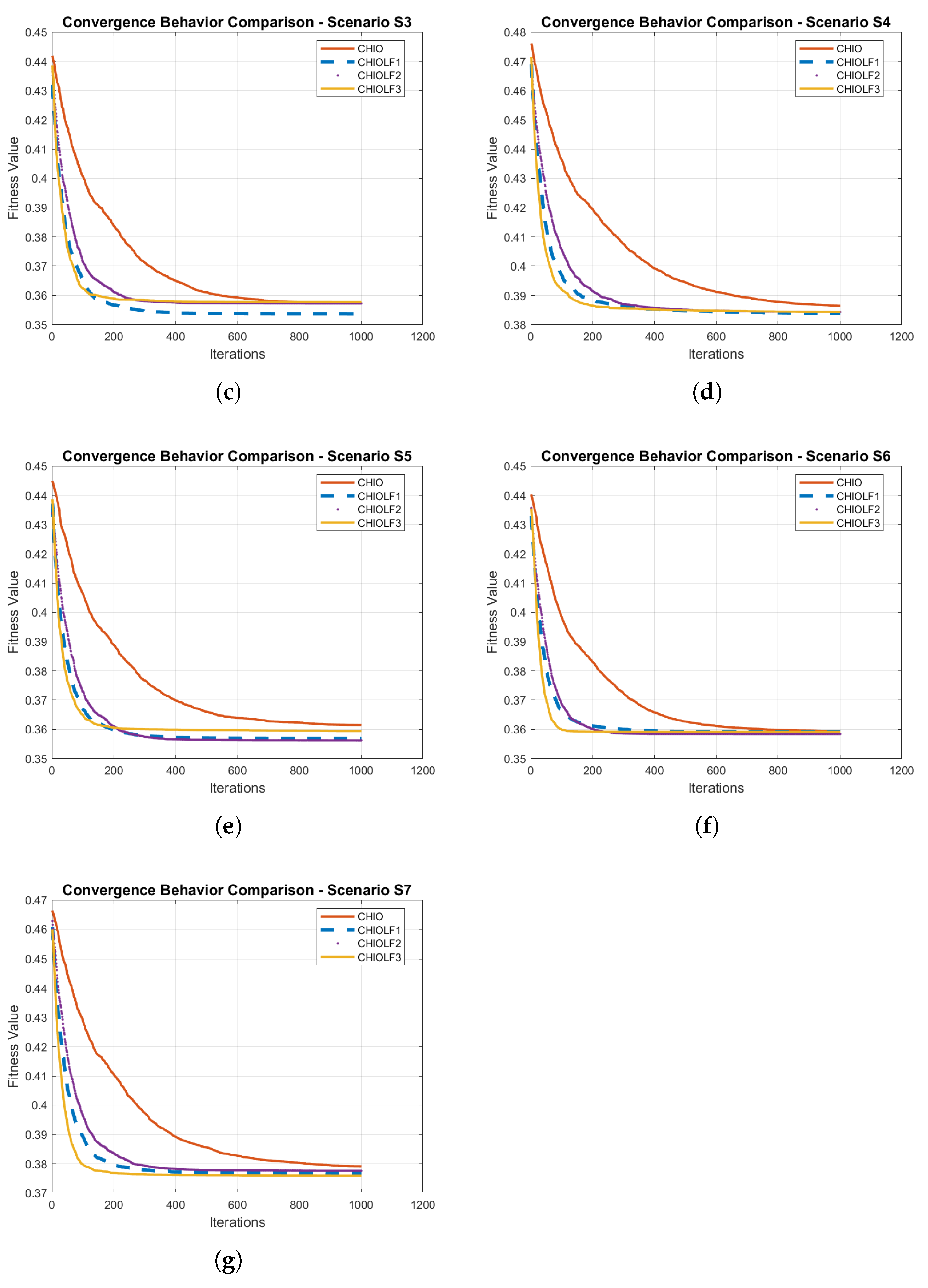
To answer the study research question, the experimental results definitively identify the CHIOLF-2 model (where LF is injected into the susceptible subpopulation) as the superior architecture, whereas the CHIOLF-2 hybridized model balances global exploration and local exploitation successfully, with results that show its fastest convergence speed, maximum cost reduction, optimal peak load clipping, and highest user comfort satisfaction against competitor metaheuristic methods in the literature.
To immediately address the recognized energy scheduling problems, this study produces the following contributions:
1. We integrate Lévy Flight to power broader state-space exploration and avoid the CHIO stagnation issue by engineering the CHIOLF algorithm, guaranteeing high solution precision and preventing entrapment in local optima to enhance algorithmic performance and prevent premature convergence. 2. We design and evaluate multi-hybrid models that manipulate different mathematical phases of the CHIO algorithm. This produces a typical approach capable of obtaining an accurate trade-off between conflicting smart home objectives based on variation in grid conditions in targeting subpopulation optimization strategies. 3. We conduct a comprehensive tested scheduling framework (using the superior CHIOLF-2 model) which directly addresses the AESPSH problem conflict by minimizing WR and ELR alongside EB and PAR without violating underlying device health or user comfort constraints by attaining a resolution of conflicting scheduling constraints.
The remaining sections of this article are structured as follows: Section 2 critically reviews the existing metaheuristic methods to AESPSH. This section sets the baseline constraints (slow convergence, local optima) that the study’s question addresses and presents a hybrid approach. Section 3 presents the mathematical framework of the three hybrid methods discussed. It immediately answers the paper’s question concerning how Lévy Flight combination influences subpopulation phases, supporting the theoretical mechanics of our solution. Section 4 summarizes the enforcement of the hybrid models to the real-world engineering problem. Hence, it determines the design tools, operational constraints, and objective functions (EB, PAR, WR, ELR) required to test the stated objectives.
2. Related Works
The Appliance Energy Scheduling Problem in Smart IoT Homes (AESPSH) is no longer a traditional, isolated mathematical problem [25,26]. As modern smart grids evolve, developing an optimal scheduler requires a multidisciplinary approach [5,27,28,29]. Consequently, this section reviews the research in the literature by synthesizing the four major scientific fields that underpin this research: Artificial Intelligence and Computational Optimization, Internet of Things (IoT) management, Energy Systems, and Cybersecurity [30,31].
Metaheuristic algorithms are flexibly permit exploration of problem spaces, exploitation of promising regions, and escape from local optima, whereas these advantages attract the research community to use them for solving the AESPSH problem [32,33,34,35]. Standards optimization methods were deployed in early approaches, such as a study conducted by Rahim et al., which implemented a Genetic Algorithm (GA), Ant Colony Optimization (ACO), and Particle Swarm Optimization (PSO) to solve the multi-objective AESPSH scheduling problem. The experimental results demonstrate that GA yielded the most favorable trade-off between cost and user comfort [34,36,37]. Additionally, the work presented by Ullah et al. [38] deployed a hybrid approach for industrial appliance scheduling. This approach combines the Grasshopper Optimization Algorithm (GOA) with the Cuckoo Search Algorithm (CSA) to demonstrate its hybridized efficiency in addressing the AESPSH.
Subsequently, modern studies have switched toward improved, modified, and hybrid algorithms to avoid the premature convergence and stagnation often seen in standard algorithms. For instance, Manoharan et al. [39] introduce an (IHTBZOA)framework to achieve superior continuous-to-binary mapping for demand response programs by integrating an Inverse Hyperbolic Tangent (ArcTanh) transfer function over the modified Zebra Optimization Algorithm, which has proven exceptionally effective. On the other hand, the study produced by Hafeez et al. [40] outperformed independent GA, PSO, and WDO methods, which depend on the Genetic Wind-Driven Optimization (GWDO) framework. Moreover, a superior Peak-to-Average Ratio (PAR) reduction is achieved by hybridizing the GWD algorithm by Javaid et al. [41]. Meanwhile, a study by Ahmad et al. [42] significantly reduced electricity bills (EB) based on integrating GA with PSO (HGPO) model. Furthermore, attaining superior EB and PAR reductions, albeit with minor compromises to user comfort compared with standard GA, was achieved by the work produced by Qureshi et al. [43], which combined WDO, the Harmony Search Algorithm (HSA), and Evolutionary Differential Equations into EDHWDO. These advancements in hybridization strongly justify the development of the Coronavirus Herd Immunity Optimizer–Lévy Flight (CHIOLF) algorithm proposed in this study.
The implementation of AI-driven scheduling decisions that relies on robust IoT infrastructure advances the connection, management, and orchestration of various smart home appliances. Several kinds of IoT ecosystems are modeled in the literature, with growing complexity. For example, single and multiple interconnected smart homes are distributed and implemented by Javaid et al. [41] to test their optimization models on complex datasets encompassing up to 12 appliances. Recently, the next trend of research has focused heavily on the dynamic management of residential microgrids via IoT ecosystems. According to Ren et al. [44], it jointly manages residential appliance scheduling alongside Battery Energy Storage System (BESS) capacity within photovoltaic networks to overcome the AESPSH using a two-stage optimization approach. Likewise, a study that optimizes cost efficiency and user satisfaction while maintaining the physical durability of storage devices for Smart Home Energy Management Systems (SHEMS) depends on developed comprehensive static and dynamic models. Their framework specifically leverages IoT data to incorporate uncertainty via scenario analysis [45].
A dynamic pricing scheme is a critical facet of AESPSH; it involves seamless integration with macro-level Energy Systems, while ensuring the scheduling algorithms simultaneously minimize user costs, overall consumption, and grid peak loads. Work conducted by Zhao et al. [46] utilizes GA with constraints to merge Real-Time Pricing (RTP) and Inclining Block Rate (IBR) schemes, aiming to balance energy consumption over a specified horizon. Other studies [47] successfully utilized Time-of-Use (TOU) pricing to minimize costs.
Complex renewable energy trading and strict environmental constraints are increasingly integrated into the scheduling matrix in contemporary research. A multi-objective framework that deployed a Marine Predators Algorithm (MPA) for renewable energy trading is proposed by Kumar et al. [48]. This study moved beyond conventional revenue-only strategies to integrate photovoltaic systems, wind turbines, EVs, and BESS with carbon awareness under day-ahead RTP. Extending the scope of objective criteria, a study introduced by Firouzabad et al. [49] plays a vital role in residential scheduling by optimizing global energy consumption when it utilizes the NSGA-II method to manage six distinct objectives—including electricity cost, total energy consumption, peak demand, thermal indices, and CO2 emissions, respectively.
In conclusion, while diverse methods have enhanced the singular fields of optimization, IoT management, and energy grid integration, there remains a crucial requirement for highly robust hybrid algorithms capable of navigating this multidisciplinary complexity. These works have highlighted a gap for scheduling models that can definitively prevent premature algorithmic convergence while strictly adhering to grid constraints, economic variables, and user comfort. The proposed hybrid CHIOLF addresses this specific gap.
5. Conclusions and Future Works
In IoT appliances enabled modern smart homes for energy management, the escalating residential energy demand and grid instability remain a challenge. To overcome this, the current study tries to establish an optimal balance between state-space exploration and exploitation by introducing an integration of the CHIO algorithm with the LF optimizer. This study produced a structural integration of LF into targeted subpopulation phases of CHIO to avoid the algorithm’s tendency for premature convergence by establishing an optimal balance between state-space exploration and exploitation. Alongside, three structural hybridization models (independent variables) were evaluated against high-resolution economic and operational metrics: Electricity Bill (EB) cost, Peak-to-Average Ratio (PAR), Waiting Rate (WR), and Energy Limit Rate (ELR) (dependent variables). The mechanism used was that the heavy-tailed, adaptive randomization of LF would induce necessary population diversity, thereby allowing search agents to consistently escape local optima. Finally, this framework was tested by deploying the hybrid algorithms within a simulated Appliance Energy Scheduling Problem in Smart Home (AESPSH) environment, dynamically comparing their performance against the native CHIO algorithm and three state-of-the-art baselines (WDO, GWO, and DE).
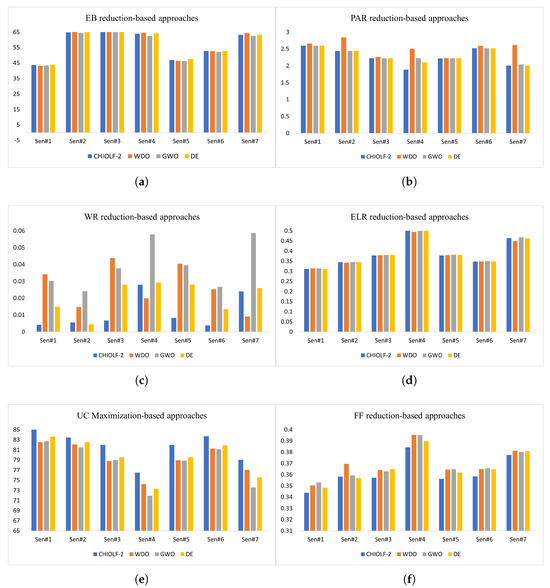
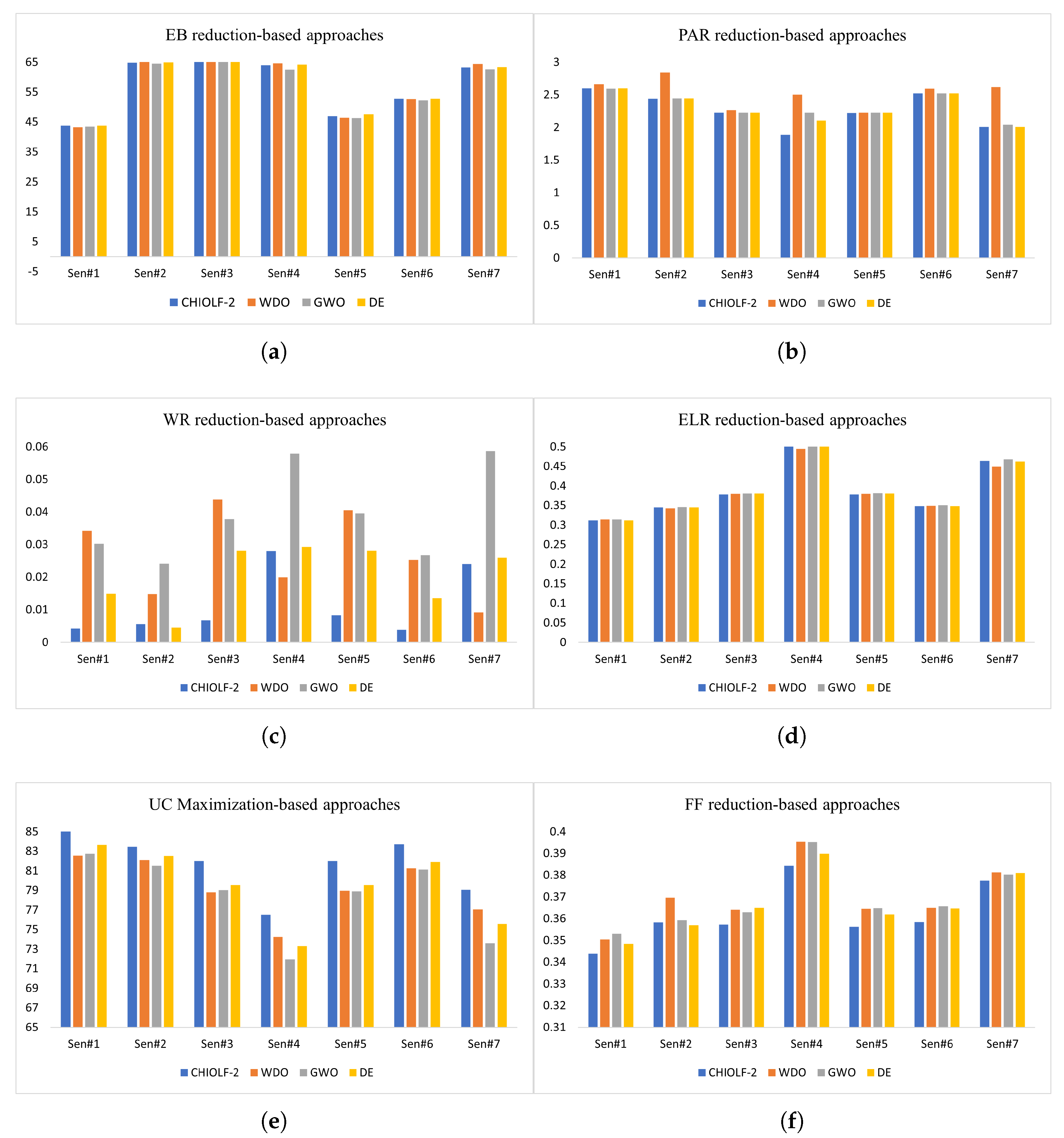
This study answers the core scientific question posed in the introduction by evaluating the proposed CHIO-LFs comprehensive framework. The LF was integrated into three variant subpopulation phases, yielding three distinct models: the first CHIOLF-1 model, which was engineered to accelerate convergence and avoid CHIO stagnation; the second CHIOLF-2 model, designed to balance the exploration and exploitation of the evolutionary search space; and finally, the third hybridized CHIOLF-3 model, tailored to inject CHIO with the LF optimizer to increase the accuracy of finding promising solutions. The experimental findings demonstrate that the second hybridized CHIOLF-2 model attained an optimal architectural solution. By integrating LF to introduce adaptive randomization behavior, CHIOLF-2 effectively reduced the stagnation probability, achieving the highest performance in terms of User Comfort (UC) levels and Fitness Function (FF) values among all proposed models.
This research introduces an extended value significantly beyond a standard algorithmic comparison. The robustness and superiority of the CHIOLF-2 model demonstrate its capability to master the complex, nonlinear trade-offs inherent in modern smart grids. While state-of-the-art algorithms struggled with multidimensional conflicts, the CHIOLF-2 managed to strike the best possible balance between competing objectives, minimizing grid-level strain (EB cost and PAR) without compromising the end-user experience (maximizing comfort through optimized WR and ELR metrics). Thus, this study provides a highly efficient, grid-interactive scheduling method that successfully balances aggressive interaction goals, such as appliance automation and visual comfort, with stringent smart-grid requirements, all while effectively managing stochastic uncertainty and scheduling complexity.
For future work, the proposed CHIOLF-2 approach are highly recommended for solving NP-hard and real-world problems, such as feature and gene selection in medical applications. Furthermore, additional local search techniques are recommended to be hybridized with the CHIO algorithm for further investigation and to obtain improved results.
Author Contributions
H.J.M., methodology, writing—review and editing, conceptualization; N.S.A., writing—original draft, review and editing, validation, methodology, visualization; S.N.M., methodology, software, data curation, implementation, resources, review and editing; Z.A.A.A., software, project administration, formal analysis, supervision, review and editing; R.R.N.A.O., review and editing, conceptualization; Z.A.A., resources, validation, funding acquisition, review and editing. The authors have contributed equally to this manuscript. All authors have read and agreed to the published version of the manuscript.
Funding
This work was supported by the Faculty of Artificial Intelligence and Cyber Security (FAIX) and the Center for Research and Innovation Management (CRIM), Universiti Teknikal Malaysia Melaka (UTeM).
Data Availability Statement
No new data were created or analyzed in this study. Data sharing does not apply to this article.
Conflicts of Interest
The authors declare no conflicts of interest.
References
- Makhadmeh, S.N.; Khader, A.T.; Al-Betar, M.A.; Naim, S. An optimal power scheduling for smart home appliances with smart battery using grey wolf optimizer. In Proceedings of the 2018 8th IEEE International Conference on Control System, Computing and Engineering (ICCSCE), Penang, Malaysia, 23–25 November 2018; IEEE: New York, NY, USA, 2018; pp. 76–81. [Google Scholar]
- Khalid, A.; Javaid, N.; Guizani, M.; Alhussein, M.; Aurangzeb, K.; Ilahi, M. Towards dynamic coordination among home appliances using multi-objective energy optimization for demand side management in smart buildings. IEEE Access 2018, 6, 19509–19529. [Google Scholar] [CrossRef] [Scilit]
- Al-Odat, Z.A.; Srinivasan, S.K.; Al-qtiemat, E.; Dubasi, M.A.L.; Shuja, S. Iot-based secure embedded scheme for insulin pump data acquisition and monitoring. arXiv 2018, arXiv:1812.02357. [Google Scholar]
- Khan, M.A.; Salah, K. IoT security: Review, blockchain solutions, and open challenges. Future Gener. Comput. Syst. 2018, 82, 395–411. [Google Scholar] [CrossRef] [Scilit]
- Yan, Y.; Qian, Y.; Sharif, H.; Tipper, D. A survey on smart grid communication infrastructures: Motivations, requirements and challenges. IEEE Commun. Surv. Tutor. 2012, 15, 5–20. [Google Scholar]
- Sharda, S.; Singh, M.; Sharma, K. Demand side management through load shifting in IoT based HEMS: Overview, challenges and opportunities. Sustain. Cities Soc. 2021, 65, 102517. [Google Scholar] [CrossRef] [Scilit]
- Dehghani, M.; Bornapour, S.M. Smart homes energy management: Optimal multi-objective appliance scheduling model considering electrical energy storage and renewable energy resources. Heliyon 2025, 11, e42417. [Google Scholar] [CrossRef] [Scilit] [PubMed]
- Aslam, S.; Herodotou, H.; Mohsin, S.M.; Javaid, N.; Ashraf, N.; Aslam, S. A survey on deep learning methods for power load and renewable energy forecasting in smart microgrids. Renew. Sustain. Energy Rev. 2021, 144, 110992. [Google Scholar] [CrossRef] [Scilit]
- Taryudi; Adriano, D.B.; Ciptoning Budi, W.A. Iot-based integrated home security and monitoring system. J. Phys. Conf. Ser. 2018, 1140, 012006. [Google Scholar] [CrossRef] [Scilit]
- Feng, C.; Jumaah Al-Nussairi, A.K.; Chyad, M.H.; Sawaran Singh, N.S.; Yu, J.; Farhadi, A. AI powered blockchain framework for predictive temperature control in smart homes using wireless sensor networks and time shifted analysis. Sci. Rep. 2025, 15, 18168. [Google Scholar] [CrossRef] [Scilit] [PubMed]
- Lakhan, A.; Alyasseri, Z.A.A.; Mohammed, M.A.; Al-Attar, B.; Nedoma, J.; Alubady, R.; Memon, S.; Martinek, R. Sustainable secure blockchain assisted AIoT and green multi-constraints supply chain system. IEEE Internet Things J. 2025, 21, 39392–39406. [Google Scholar] [CrossRef] [Scilit]
- Wang, X.; Mao, X.; Khodaei, H. A multi-objective home energy management system based on internet of things and optimization algorithms. J. Build. Eng. 2021, 33, 101603. [Google Scholar] [CrossRef] [Scilit]
- AL-Shammri, F.K.; Noman Obeid, H.; Abbas, M.S.; Mohammed, A.S.; Alzamili, Z.; Aleigailly, M.A.; Ali Hasan, K.; Çelebi, F.V. Developing healthcare using Internet of Things (IoT): A survey of applications, challenges and future directions. Proc. BIO Web Conf. 2024, 97, 00004. [Google Scholar] [CrossRef] [Scilit]
- Teng, M.; Al-Hamdawee, Z.M.A.; Ali, A.B.; Jin, K.; Ahmadi, M. Integrating digital twins and neural networks for real-time temperature management in smart homes: An innovative approach using ZigBee networks. Energy Rep. 2025, 13, 6201–6218. [Google Scholar] [CrossRef] [Scilit]
- Arasteh, H.; Hosseinnezhad, V.; Loia, V.; Tommasetti, A.; Troisi, O.; Shafie-Khah, M.; Siano, P. Iot-based smart cities: A survey. In Proceedings of the 2016 IEEE 16th International Conference on Environment and Electrical Engineering (EEEIC), Florence, Italy, 7–10 June 2016; IEEE: New York, NY, USA, 2016; pp. 1–6. [Google Scholar]
- Hosseini, S.M.; Carli, R.; Dotoli, M. Robust optimal energy management of a residential microgrid under uncertainties on demand and renewable power generation. IEEE Trans. Autom. Sci. Eng. 2020, 18, 618–637. [Google Scholar]
- Duman, A.C.; Erden, H.S.; Gönül, Ö.; Güler, Ö. A home energy management system with an integrated smart thermostat for demand response in smart grids. Sustain. Cities Soc. 2021, 65, 102639. [Google Scholar] [CrossRef] [Scilit]
- Makhadmeh, S.N.; Khader, A.T.; Al-Betar, M.A.; Naim, S.; Abasi, A.K.; Alyasseri, Z.A.A. Optimization methods for power scheduling problems in smart home: Survey. Renew. Sustain. Energy Rev. 2019, 115, 109362. [Google Scholar] [CrossRef] [Scilit]
- Yang, Q.; Wang, H. Privacy-preserving transactive energy management for IoT-aided smart homes via blockchain. IEEE Internet Things J. 2021, 8, 11463–11475. [Google Scholar] [CrossRef] [Scilit]
- Rehman, A.U.; Wadud, Z.; Elavarasan, R.M.; Hafeez, G.; Khan, I.; Shafiq, Z.; Alhelou, H.H. An optimal power usage scheduling in smart grid integrated with renewable energy sources for energy management. IEEE Access 2021, 9, 84619–84638. [Google Scholar] [CrossRef] [Scilit]
- Bakare, M.S.; Abdulkarim, A.; Zeeshan, M.; Shuaibu, A.N. A comprehensive overview on demand side energy management towards smart grids: Challenges, solutions, and future direction. Energy Inform. 2023, 6, 4. [Google Scholar] [CrossRef] [Scilit]
- Usman, A.; Shami, S.H. Evolution of communication technologies for smart grid applications. Renew. Sustain. Energy Rev. 2013, 19, 191–199. [Google Scholar] [CrossRef] [Scilit]
- Elsayed, S.M.; Sarker, R.A.; Essam, D.L. A novel evolutionary algorithm for solving constrained optimization problems in engineering. Comput. Ind. Eng. 2011, 60, 74–85. [Google Scholar]
- Al-Betar, M.A.; Alyasseri, Z.A.A.; Awadallah, M.A.; Abu Doush, I. Coronavirus Herd Immunity Optimizer (CHIO). Neural Comput. Appl. 2021, 33, 5011–5042. [Google Scholar] [CrossRef] [Scilit] [PubMed]
- Makhadmeh, S.N.; Khader, A.T.; Al-Betar, M.A.; Naim, S.; Alyasseri, Z.A.A.; Abasi, A.K. Particle Swarm optimization Algorithm for Power Scheduling Problem Using Smart Battery. In Proceedings of the 2019 IEEE Jordan International Joint Conference on Electrical Engineering and Information Technology (JEEIT), Amman, Jordan, 9–11 April 2019; IEEE: New York, NY, USA, 2019; pp. 672–677. [Google Scholar]
- Makhadmeh, S.N.; Abasi, A.K.; Al-Betar, M.A.; Awadallah, M.A.; Doush, I.A.; Alyasseri, Z.A.A.; Alomari, O.A. A novel link-based multi-objective grey wolf optimizer for appliances energy scheduling problem. Clust. Comput. 2022, 25, 4355–4382. [Google Scholar] [CrossRef] [Scilit]
- Emary, E.; Zawbaa, H.M. Metaheuristic algorithms for optimization problems: A review. Appl. Soft Comput. 2020, 87, 105993. [Google Scholar]
- Fei, Z.; Li, B.; Yang, S.; Xing, C.; Chen, H.; Hanzo, L. A survey of multi-objective optimization in wireless sensor networks: Metrics, algorithms, and open problems. IEEE Commun. Surv. Tutor. 2017, 19, 550–586. [Google Scholar] [CrossRef] [Scilit]
- Cho, J.H.; Wang, Y.; Chen, R.; Chan, K.S.; Swami, A. A Survey on Modeling and Optimizing Multi-Objective Systems. IEEE Commun. Surv. Tutor. 2017, 19, 1867–1901. [Google Scholar] [CrossRef] [Scilit]
- Marler, R.T.; Arora, J.S. Survey of multi-objective optimization methods for engineering. Struct. Multidiscip. Optim. 2004, 26, 369–395. [Google Scholar] [CrossRef] [Scilit]
- Roy, S.; Chaudhuri, S.S. Cuckoo search algorithm using Lévy flight: A review. Int. J. Mod. Educ. Comput. Sci. 2013, 5, 10. [Google Scholar] [CrossRef] [Scilit]
- Simon, D. Evolutionary Optimization Algorithms: Biologically-Inspired and Population-Based Approaches to Computer Intelligence; Wiley: Hoboken, NJ, USA, 2013. [Google Scholar]
- Gunantara, N. A review of multi-objective optimization: Methods and its applications. Cogent Eng. 2018, 5, 1502242. [Google Scholar] [CrossRef] [Scilit]
- Farina, M.; Amato, P. Fuzzy optimality and evolutionary multiobjective optimization. In Proceedings of the International Conference on Evolutionary Multi-Criterion Optimization, Faro, Portugal, 8–11 April 2003; pp. 58–72. [Google Scholar]
- Makhadmeh, S.N.; Khader, A.T.; Al-Betar, M.A.; Naim, S. Multi-objective power scheduling problem in smart homes using grey wolf optimiser. J. Ambient Intell. Humaniz. Comput. 2019, 3643–3667. [Google Scholar] [CrossRef] [Scilit]
- López Jaimes, A.; Coello Coello, C.A. Some techniques to deal with many-objective problems. In Proceedings of the 11th Annual Conference Companion on Genetic and Evolutionary Computation Conference: Late Breaking Papers, Montréal, QC, Canada, 8–12 July2009; Association for Computing Machinery: New York, NY, USA, 2009; pp. 2693–2696. [Google Scholar]
- Rasheed, M.; Javaid, N.; Ahmad, A.; Khan, Z.; Qasim, U.; Alrajeh, N. An efficient power scheduling scheme for residential load management in smart homes. Appl. Sci. 2015, 5, 1134–1163. [Google Scholar] [CrossRef] [Scilit]
- Ullah, I.; Hussain, I.; Singh, M. Exploiting Grasshopper and Cuckoo Search Bio-Inspired Optimization Algorithms for Industrial Energy Management System: Smart Industries. Electronics 2020, 9, 105. [Google Scholar] [CrossRef] [Scilit]
- Manoharan, P.; Sinha, G.; Ravichandran, S.; Sin, T.C.; Hourani, A.O.; Hashim, T.J.T. Optimal appliance scheduling in a residential building using an improved binary algorithm with an inverse hyperbolic tangent function. Int. J. Electr. Power Energy Syst. 2026, 174, 111489. [Google Scholar] [CrossRef] [Scilit]
- Hafeez, G.; Javaid, N.; Iqbal, S.; Khan, F.A. Optimal residential load scheduling under utility and rooftop photovoltaic units. Energies 2018, 11, 611. [Google Scholar] [CrossRef] [Scilit]
- Javaid, N.; Javaid, S.; Abdul, W.; Ahmed, I.; Almogren, A.; Alamri, A.; Niaz, I. A hybrid genetic wind driven heuristic optimization algorithm for demand side management in smart grid. Energies 2017, 10, 319. [Google Scholar] [CrossRef] [Scilit]
- Ahmad, A.; Khan, A.; Javaid, N.; Hussain, H.M.; Abdul, W.; Almogren, A.; Alamri, A.; Azim Niaz, I. An optimized home energy management system with integrated renewable energy and storage resources. Energies 2017, 10, 549. [Google Scholar] [CrossRef] [Scilit]
- Qureshi, T.N.; Javaid, N.; Naz, A.; Ahmad, W.; Imran, M.; Khan, Z.A. A novel meta-heuristic hybrid enhanced differential harmony wind driven (EDHWDO) optimization technique for demand side management in smart grid. In Proceedings of the 2018 32nd International Conference on Advanced Information Networking and Applications Workshops (WAINA), Kraków, Poland, 16–18 May 2018; IEEE: New York, NY, USA, 2018; pp. 454–461. [Google Scholar]
- Ren, Z.; Chen, X.; Dong, Y. Two-stage optimization of appliance scheduling and BESS capacity with comfort level. Electr. Power Syst. Res. 2026, 255, 112771. [Google Scholar] [CrossRef] [Scilit]
- Sasanmoghadam, S.; Sabri-Laghaie, K. Adaptive scheduling and storage system preservation in smart home energy management systems: Considering cost efficiency, user satisfaction and storage systems durability. J. Energy Storage 2026, 142, 119521. [Google Scholar] [CrossRef] [Scilit]
- Zhao, Z.; Lee, W.C.; Shin, Y.; Song, K.B. An optimal power scheduling method for demand response in home energy management system. IEEE Trans. Smart Grid 2013, 4, 1391–1400. [Google Scholar] [CrossRef] [Scilit]
- Rahim, S.; Javaid, N.; Ahmad, A.; Khan, S.A.; Khan, Z.A.; Alrajeh, N.; Qasim, U. Exploiting heuristic algorithms to efficiently utilize energy management controllers with renewable energy sources. Energy Build. 2016, 129, 452–470. [Google Scholar] [CrossRef] [Scilit]
- Kumar, V.S.; Chatterjee, S. Optimized energy scheduling and trading in residential smart grids via renewable integration and Marine Predators Algorithm. Util. Policy 2026, 102, 102255. [Google Scholar] [CrossRef] [Scilit]
- Firouzabad, M.R.; Jahangir, M.H. Multi-objective optimization of residential energy scheduling using NSGA-II: A scenario-based weighted evaluation of thermal comfort, cost and environmental performance. Energy Rep. 2026, 16, 109528. [Google Scholar] [CrossRef] [Scilit]
- Yang, X.S.; Deb, S. Cuckoo search via Lévy flights. In Proceedings of the 2009 World Congress on Nature & Biologically Inspired Computing (NaBIC), Coimbatore, India, 9–11 December 2009; IEEE: New York, NY, USA, 2009; pp. 210–214. [Google Scholar]
- Farina, M.; Amato, P. A fuzzy definition of “optimality” for many-criteria optimization problems. IEEE Trans. Syst. Man. Cybern.—Part A Syst. Hum. 2004, 34, 315–326. [Google Scholar] [CrossRef] [Scilit]
- Makhadmeh, S.N.; Al-Betar, M.A.; Abasi, A.K.; Al-Redhaei, A.; Alomari, O.A.; Kouka, S. A hybrid marine predators algorithm with particle swarm optimization using renewable energy sources for energy scheduling problem-based IoT. Arab. J. Sci. Eng. 2024, 49, 12655–12678. [Google Scholar] [CrossRef] [Scilit]
- Central Maine Diesel, Wattage Calculator, 2017. Available online: http://www.centralmainediesel.com/wattage-calculator.asp (accessed on 28 July 2026).
- Ogwumike, C.; Short, M.; Abugchem, F. Heuristic optimization of consumer electricity costs using a generic cost model. Energies 2015, 9, 6. [Google Scholar] [CrossRef] [Scilit]
- Forsati, R.; Mahdavi, M.; Shamsfard, M.; Meybodi, M.R. Efficient stochastic algorithms for document clustering. Inf. Sci. 2013, 220, 269–291. [Google Scholar] [CrossRef] [Scilit]

Disclaimer/Publisher’s Note: The statements, opinions and data contained in all publications are solely those of the individual author(s) and contributor(s) and not of MDPI and/or the editor(s). MDPI and/or the editor(s) disclaim responsibility for any injury to people or property resulting from any ideas, methods, instructions or products referred to in the content. |
© 2026 by the authors. Licensee MDPI, Basel, Switzerland. This article is an open access article distributed under the terms and conditions of the Creative Commons Attribution (CC BY) license.