3. Chromatography Groups and Main Contributors
The main chromatography groups and most influential scholars with high scientific impact will be discussed below. The list is not comprehensive, and though the author made great effort to ensure that the report is not biased, apologies are expressed for any unintentional omissions and oversights.
The groups will be presented according to their institutes/universities, and the order of citing in text does not necessarily signify ranking according to impact. The bibliometric data are presented in
Table 1 for active researchers according to Scopus in April 2026 (
https://www.scopus.com/pages/home#author (accessed on 6 May 2026)).
Aristotle University of Thessaloniki (AUTh)
The first publications are derived from the Laboratory of Analytical Chemistry of the School of Chemistry in the Faculty of Sciences of Aristotle University of Thessaloniki. Early works were in the field of Thin-Layer Chromatography but progressively expanded to other techniques, and thus, Liquid and Gas Chromatography prevailed in research.
In 1986, Professor Papadoyannis (currently Emeritus Professor) published a method developed for the rapid analysis for codeine by reversed-phase high-performance liquid chromatography [
2]. This sparked the emergence of chromatography evolution in Greece.
Thus, the Laboratory of Analytical Chemistry was the pioneer in chromatographic research, and today, still, its staff members continue to develop advanced chromatographic methods: Victoria Samanidou, George Theodoridis, Anastasia Zotou, George Zachariadis†, Paraskevas Tzanavaras, and recently, Natasa Kalogiouri have contributed in the majority of publications focusing on the advancement in chromatography for analysis and sample preparation.
By now, a plethora of publications have come from the Laboratory of Analytical Chemistry, and PhD students that graduated from the lab have created their own groups all over Greece, either in chemical departments or others, like medicine school, chemical engineering, pharmacy, agricultural departments, etc.
Moreover, other laboratories in AUTh also contribute to chromatographic research, e.g., environmental analysis, pharmaceutical analysis, medicine, toxicology etc.
The recognition of Greek researchers’ contributions is clearly shown by the acceptance of Greece as a member of Central Europe Group of Separation Sciences (
https://cegss.ptchem.pl (accessed on 6 May 2026)) in the General Assembly of the CEGSS Steering Committee in September 2025 in Belgrade, during the 29th International Symposium on Separation Sciences (ISSS 2025). Through the CEGSS invitation, Professor Victoria Samanidou became the first national representative, as nominated by the Association of Greek Chemists (
https://www.eex.gr/ (accessed on 6 May 2026)).
Dr. Victoria Samanidou is a highly ranked scholar in chromatography (#23 according to GPS database) (
https://scholargps.com (accessed on 6 May 2026)). She is a Full Professor, Director of the Laboratory of Analytical Chemistry and the Vice-President of the School of Chemistry of Aristotle University of Thessaloniki, Greece.
Her research interests focus on the development of sample preparation methods using sorptive (micro)extraction prior to chromatographic analysis using HPLC, GC, LC-MS/MS, and GC-MS/MS techniques for environmental, food, and bioanalytical samples, following the principles of green analytical chemistry. She has focused on green sample preparation techniques and was a pioneer in the application of fabric phase sorptive extraction, capsule phase microextraction, porous tube sorptive extraction and novel microextraction sorptive materials, in collaboration with Professors Kenneth Furton and Abuzar Kabir from the International Forensic Research Institute in the Department of Chemistry and Biochemistry, Florida International University, Miami, FL, USA. She has co-authored almost 350 articles in peer reviewed journals, original research and reviews, 100 editorials/in view/opinions/commentaries and 65 chapters in scientific books or tutorials (h-index 53, more than 10,700 citations, April 2026). She has been a section editor for chromatography sections in international analytical journals, an editorial board member of more than 35 scientific journals and a guest editor in more than 40 special issues. She has acted as a reviewer for more than 1200 manuscripts submitted to various scientific journals.
Her educational activities focus on instrumental chemical analysis and separation science. Throughout her career, she has trained a high number of analytical scientists, having supervised postdoctoral fellows, PhD students, MSc students, and undergraduate students.
She has participated in numerous scientific conferences, both as a member of organizing and/or scientific committee, and she has organized several scientific events.
Her contribution in research is globally recognized as she has been invited as a Fellow member of The Royal Society of Chemistry since 2024. She has also been included many times in Power Lists of “The Analytical Scientist”/Texere Publishers: the top 50 Power List of women in analytical science (2016), the Power List of top 100 influential people in analytical science (2021), the Power List (2023) created for the journal’s 10-year anniversary including 100 scientists where she was listed in the category Mentors and Educators, and the Power List of 30 analytical scientists in the category Leading Voices Edition (2025). (
https://theanalyticalscientist.com/power-list (accessed on 6 May 2026)).
Since 2020, she has continuously been included in the top 2% of world scientists in the field of analytical chemistry (career and single year) published in PLOS Biology based on citations from SCOPUS, based on the science-wide author databases of standardized citation indicators by Elsevier and Stanford University [
1].
She has served as the Leader of Working Group 1 Science and Fundamentals of EuChemS-DAC Sample Preparation Study Group and Network, in the period 2021–2025 (
https://www.sampleprep.tuc.gr/en/home (accessed on 6 May 2026)).
Among her distinctions, she has been awarded the Social Service Award by the Faculty of Sciences of Aristotle University of Thessaloniki (2023) and the Antoine LAVOISIER Award, an honorary award given to a scientist for their contribution to research and application in the field of chemistry, biology and food science, from cibum.gr (2024). She has also been honored with a Leader Award by the European Public Law Organization (EPLO,
https://eplo.int/en/home (accessed on 6 May 2026)) at the 2nd Hellenism Vision 2050—Leaders Awards event in the context of the 34th Money Show Thessaloniki (
https://www.moneyshow.org/gr/en/articles/money-show-thessalonikis (accessed on 6 May 2026)).
In 2018, Professor Victoria Samanidou, together with Assistant Professor Natasa Kalogiouri, officially established the research group SepLab AUTh (
https://seplab.gr (accessed on 6 May 2026)), a vision that was finally implemented putting previous experience into practice. The mission of SepLab is to develop and validate modern analytical methods using separation and hyphenated analytical techniques: high-pressure liquid chromatography (HPLC), gas chromatography (GC), ion chromatography (HPΙC), LC-MS, GC-FID, GC-MS, GC-MS/MS, two-dimensional gas and liquid chromatography, etc., to solve any analytical problem. The group can provide protocols to be used in bioanalysis, pharmaceutical analysis, environmental and food analysis, forensics, dentistry, etc.
Novel materials, such as nanomaterials, polymers, graphite, sol–gel fabric phase media, magnetic sorbents, etc., are used to comply with green chemistry, green analytical chemistry, and green sample preparation, without compromising the analytical performance of figures of merit. Metric tools to evaluate the performance of analytical methods have also been developed, while chemometrics is applied to solve authenticity/adulteration issues in various fields. SepLab, as part of the Laboratory of Analytical Chemistry, has been accredited according to ISO 17025 (Accreditation Certificate No. 1454) and combines fundamental research with practical applications, supporting projects, scientific publications, and collaborations with academic and industrial partners [
3]. Through its expertise and modern instrumentation, the group strives to deliver reliable analytical results and contribute to progress in separation sciences.
Dr. Georgios Theodoridis, also a Professor at the Laboratory of Analytical Chemistry in the School of Chemistry (AUTh), is a highly ranked scholar according to Scholar GPS (#13 in liquid chromatography–mass spectrometry and #44 in metabolomics) (
https://scholargps.com/ (accessed on 6 May 2026)). He is the leader of the bioanalytical separations team in the Aristotle University of Thessaloniki, with sustained contributions to the advancement of chromatographic and bioanalytical sciences, particularly in the fields of mass spectrometry-based metabolomics, biomarker discovery, and health-related bioanalysis. Over more than 35 years of research activity, the group has developed innovative analytical methodologies and interdisciplinary applications that have strengthened the role of advanced chromatography and mass spectrometry in biomedical, nutritional, and food research.
Key activities include the development of multianalyte dynamic LC-MS and GC-MS methodologies for metabolite profiling and bioanalysis, with particular emphasis on applications related to health, wellness, and systems biology. Τhe team’s work contributes to the establishment of robust analytical pipelines for metabolomics-driven biomarker discovery, enabling the identification and quantification of endogenous metabolites and bioactive compounds in complex biological matrices. These efforts have improved the analytical performance, sensitivity, and reliability of chromatographic–mass spectrometric platforms used in translational bioanalysis.
A central component of this contribution is the establishment of BIOMIC (
https://biomic.web.auth.gr/ (accessed on 6 May 2026)), an interdepartmental interdisciplinary laboratory at the Center for Interdisciplinary Research and Innovation, Aristotle University of Thessaloniki. The team brings together approximately 20 researchers integrating expertise in analytical chemistry, metabolomics, nutrition science, clinical chemistry, and systems biology, with the aim to develop advanced analytical solutions for complex biological questions.
BIOMIC’s academic staff includes staff from the analytical laboratories of three AUTh departments, namely, chemistry (Georgios Theodoridis, Medicine (Assoc. Professor Helen Gika), and chemical engineering (Assistant Professor Christina Virgiliou). These researchers have collectively co-authored approximately 500 peer-reviewed publications, which together have received over 22,000 citations. These publications focus on the development and validation of chromatographic and mass spectrometric methods for metabolomics and bioanalytical applications for the determination of endogenous metabolites such as aminoacids, organic acids, ceramides, and acylcarnitines and exogenous substances such as drugs, plastic oligomers or natural products. The research output also includes novel approaches for sample preparation, HILIC analysis of polar metabolites, high-resolution mass spectrometry workflows, and data processing strategies.
The team has built a collaborative network with European and international partners contributing to more than 28 research projects focusing on metabolomics technologies, food quality, nutrition, and personalized health. They have also coordinated more than seven EU projects, such as 1. Patient-Centric blOod saMpling FOr impRoved healThcare (Project-COMFORT); 2. Harmonising and Unifying Blood Metabolomic Analysis Networks MSCA DN; and 3. Biomic_AUTh Center of Excellence in Metabolomics Research (twinning grant), and participated in several funded EU projects such as 4. FARM2FORK, “Combatting Diet Related Non-Communicable Disease Through Enhanced Surveillance”; 5. ENVHLTH, Novel Effect biomarkers for MEtabolic disruptorS: evidence on health impacts to answer science and policy needS; 6. Functionalized Tomato Products, Prima Foundation; and 7. Exploration and Implementation of Products with Alternative Proteins in Mediterranean Region, Prima Foundation.
The BIOMIC team contributes to training the next generation of analytical scientists who have supervised several postdoctoral fellows, PhD students, MSc students, and undergraduate researchers. The Biomic laboratory hosts visits from researchers from around the globe (more than 28 countries) and provides a base for the realization of research from collaborators from different academic laboratories from AUTh and other universities. Through this mentoring activity, the group has contributed to the development of new expertise in analytical chemistry, metabolomics, and advanced bioanalytical technologies in Greece.
The staff of the group have held research positions in academia and industry and contribute to the international analytical chemistry community, serving as editors of the Journal of Chromatography B, and on the editorial boards of the journals Metabolites, Separations, Exploration of Foods and Foodomics, and Frontiers in Molecular Biosciences. All three staff members have roles within EURACHEM as national representatives and in work groups for training and validation. Dr. Theodoridis is a panelist for the European Food Safety Authority, and co-chair of the mQACC (metabolomics Quality Assurance and Quality Control) workgroup on literature survey.
These contributions have been recognized through international distinctions, including inclusion in The Analytical Scientist Power List (2023 and 2025), top 40 under 40 list, and other such lists (inclusion in the Stanford-Elsevier) (
https://theanalyticalscientist.com/power-list (accessed on 6 May 2026)).
Moreover, Professor Theodoridis is the founder of ThetaBiomarkers, a newly founded Aristotle University spinoff (2022) specialized in bioanalysis and metabolomics of biological samples, such as fluids and tissue (
https://thetabiomarkers.com/ (accessed on 6 May 2026)).
Overall, the work of the AUTh Bioanalytical team advances the integration of chromatographic separation science with mass spectrometry, with applications in bioanalysis and metabolomics, with an emphasis on quality control, validation, and harmonization, contributing to improved analytical methodologies and their application in biomedicine, nutrition, and health sciences.
Dr. Anastasia Stella Zotou has played an important role in advancing chromatographic research focusing on developing sensitive chromatographic methods for the determination of pharmaceuticals, food components, and contaminants in complex matrices. Through her scientific publications and her teaching at Aristotle University of Thessaloniki, she contributed significantly to the training of new analytical chemists.
The late Professor Georgios Zachariadis† contributed to the development, optimization and application of chromatographic techniques, especially gas chromatography (GC), liquid chromatography (LC), and combined techniques like GC-MS and LC-MS—for the analysis of chemical compounds in complex matrices. His research interests included the development and evaluation of hyphenated analytical methods using spectrometric detectors; gas chromatography with microwave-induced plasma atomic emission spectrometry (GC-AED) or with mass spectrometry (GC-MS); Metallomics research for bioanalysis, using modern hyphenated techniques like liquid chromatography–mass spectrometry (LC-MS) or liquid chromatography plasma emission spectrometry; development of analytical methods for speciation analysis of organometallic species in biological matrices using separation techniques and atomic or mass spectrometric detectors; methods for the analysis of archaeometric specimens, pharmaceutical matrices, soils and sediments, plant and animal tissues and organisms, biological fluids, food and food supplements, natural waters, silicates, alloys, standards, etc.; and development of wet-acid digestion methods, microwave assisted digestion, liquid–liquid extraction, solid phase extraction, headspace solid phase microextraction, modern microextraction techniques, nanomaterials, etc.
His work has advanced analytical method development in areas ranging from environmental and food analysis to pharmaceutical and archeological samples. He led or participated in projects applying GC-MS and other chromatographic methods to real-world analytical problems, including pesticide determination in environmental water samples.
Dr. Zachariadis has also contributed to interdisciplinary applications of chromatography, such as in archaeometry (e.g., analysis of organic residues in archeological ceramics), where chromatographic separation is combined with mass spectrometry to characterize ancient materials. He established a powerful collaboration with Professor Egon-Erwin Rosenberg from the Institute of Chemical Technologies and Analytics of TU Wien, Vienna, Austria, with continuing student exchange and training of students and academic staff.
Dr. Paraskevas D. Tzanavaras has significantly contributed to derivatization techniques coupled with chromatographic separations. He is an Associate Professor of Analytical Chemistry at the Aristotle University of Thessaloniki, Greece. He has co-authored approximately 100 research and review articles on topics related to liquid chromatography. His research on chromatography is mainly focused on (i) new stationary phases for fast separations and (ii) the coupling of LC with automated flow chemical derivatization reactions either in pre- or post-column configurations. His latest research involves the development of analytical HPLC-PCD methods for the determination of polar amines and thiols using either ion exchange of reversed phase mechanisms with aqueous mobile phases. He serves as Editor-in-Chief of the section “Phytochemical and Pharmaceutical Analysis” of the international journal Separations (MDPI), and he has co-edited Special Issues on monolithic stationary phases (J Chromatographic Science), fast-LC in bioanalysis (J Chromatography B) and analytical derivatization (Molecules).
Dr. Natasa Kalogiouri is an Assistant Professor of Analytical Chemistry in the Laboratory of Analytical Chemistry. Her research interests focus on the development of analytical methods using liquid or gas chromatographic analysis, including multidimensional chromatographic systems coupled to high-resolution mass spectrometric detectors. She specializes in omics analysis and the identification of unknown metabolites and has developed in-house chemometric tools for data mining (data analysis, modeling, classification, and forecasting). Furthermore, she is a specialist in green sample preparation for the selective extraction of analytes (natural compounds, organic contaminants pharmaceuticals, etc.), from food, biological, and environmental matrices. She has produced more than 80 scientific papers in peer-reviewed journals with an h-index of 20 (Scopus, 3/2026), and more than 60 conference presentations. She is a member of METROFOD-RI and Interdisciplinary Agrifood Center of the Aristotle University of Thessaloniki (
https://metrofood.gr/en/ (accessed on 6 May 2026)).
Among the young generation of scientists, Dr. Natalia Manousi is currently a postdoctoral researcher at the Institute of Chemical Technologies and Analytics of TU Wien, Vienna, Austria, under the framework of Marie Skłodowska-Curie Actions (MSCA. She received her Ph.D. in 2022 from the Laboratory of Analytical Chemistry at the School of Chemistry of the Aristotle University of Thessaloniki in Thessaloniki. Her Ph.D. topic, supervised by Professor George Zachariadis, was on the development of green sample preparation techniques based on novel materials for the determination of environmental pollutants in food and in environmental samples. Currently, her research interests focus on the development of green and sustainable microextraction methodologies combined with chromatographic and spectrometric techniques. Additionally, she has extensive experience in the development of on-line automated methods, a strong field of the Laboratory of Analytical Chemistry (AUTh) pioneered by Emeritus Professor Aristidis Anthemidis, and metric tolls for method evaluation. Until now, she has been a member of the organizing and scientific committee of more than 10 scientific conferences, and she has authored over 110 peer-reviewed contributions, including articles and book chapters, and has more than 3300 citations. She is also among the leaders of the task force “Green Metrics” of the Sample Preparation Study Group and Network of the European Chemical Society—Division of Analytical Chemistry. She has also been invited to and joined the editorial board of scientific journals, e.g., the Early Career Editorial Board of the journal Advances in Sample Preparation, Elsevier, and the Editorial Board of the journal Green Analytical Chemistry, Elsevier.
Other Groups in the School of Chemistry
Another group with significant impact in chromatography, led by Professor Dimitra Lambropoulou, is the Environmental Mass Spectrometry Group (ENVMS Group) (
https://envms.chem.auth.gr/ (accessed on 6 May 2026)). The Environmental Mass Spectrometry Group (ENVMS Group) is part of the Environmental Pollution Control Laboratory (EPCL) in the School of Chemistry at the Aristotle University of Thessaloniki, where it conducts research at the intersection of environmental analytical chemistry and advanced separation science. The group is also affiliated with the ENVIGREEN Group of the Center for Interdisciplinary Research and Innovation (CIRI) of AUTh, contributing to interdisciplinary research initiatives focused on environmental sustainability and innovation.
The ENVMS Group has extensive expertise in sample preparation and microextraction techniques for environmental analysis. The group has long-standing experience in solid-phase microextraction (SPME) and the development and application of advanced microextraction methodologies for the determination of trace contaminants in complex environmental matrices. Current research also focuses on the development of novel dispersive solid-phase extraction (DSPE) methodologies employing advanced sorbent materials, including metal–organic frameworks (MOFs), hydrogels, graphene oxide-based sorbents, advanced polymeric materials such as biobased polymers, and other nanostructured materials, enabling high extraction efficiency and greener analytical workflows.
Research activities further emphasize the application of advanced chromatographic separation techniques coupled with high-resolution mass spectrometry (LC-HRMS) for targeted analysis as well as suspect and non-target screening of contaminants. Particular emphasis is placed on both conventional contaminants such as pesticides and contaminants of emerging concern, including pharmaceuticals, personal care products, and per- and polyfluoroalkyl substances (PFAS). A major research focus of the group is the identification and characterization of transformation products and transformation pathways of contaminants in aquatic environments, contributing to a better understanding of contaminant fate and environmental risk.
The EPCL testing laboratory operates under ISO/IEC 17025:2017 accreditation [
3], granted by the Hellenic Accreditation System (ESYD), for the determination of pesticides and emerging contaminants in environmental matrices, such as water, soils, and sediments using advanced LC-HRMS methodologies. The laboratory also holds accreditation for the determination of PFAS in drinking and surface water, supporting reliable monitoring of these persistent pollutants in accordance with European regulatory requirements.
The group actively participates in international collaborations and scientific networks. Current research includes collaboration with the Reference Materials Unit of the Joint Research Centre (JRC) of the European Commission and participation in the Horizon Europe Twinning project SPECTRA, aimed at strengthening research capacity and promoting scientific excellence through international collaboration and knowledge exchange. The group also contributes to international initiatives on emerging contaminants through participation in the NORMAN Network (
https://www.norman-network.net (accessed on 6 May 2026)).
Professor Dimitra Lambropoulou has coordinated more than 37 national research projects, contributing significantly to the development of environmental analytical chemistry and separation science research in Greece. The ENVMS Group maintains a strong presence in the international scientific community, participating in major scientific conferences and contributing extensively to the scientific literature with numerous peer-reviewed publications in leading international journals in environmental analytical chemistry, mass spectrometry, and separation science.
Research groups in the Food Chemistry and Technology Laboratory have a notable impact on chromatography in Greece. Maria Z. Tsimidou, Emerita Professor, is one of the most influential Greek scientists in the field of food chemistry and chromatographic analysis of foods, particularly olive oil and plant products. She has contributed to establishing advanced chromatographic methods in Greece for food quality, authenticity, and safety research.
Other AUTh Schools
Emmanouil Georgarakis† (Late), Emeritus Professor in the School of Pharmacy, was a pioneer Greek researcher who contributed to the development and application of chromatographic techniques in pharmaceutical and biomedical analysis in Greece, mainly through research conducted at Aristotle University of Thessaloniki. Ioannis Kountourellis focused on chromatographic method development for the quantitative determination of active ingredients and their metabolites in pharmaceutical drugs and biological fluids.
Their legacy in the pharmacy school was continued by Catherine Markopoulou and Constantinos Zacharis. Dr. Markopoulou is a Professor of Pharmaceutical Analysis in the School of Pharmacy (AUTh). Her research is focused on HPLC with UV-diode array detector, HPLC with fluorimetric detector, HPLC with evaporative light scattering detector—GC-MS for determination of drugs and toxic compounds—and the design and development of multivariate systems of partition for the study of the retention mechanism of analytes with RP-HPLC and application in molecules with pharmacological activity.
Dr. Constantinos K. Zacharis is currently an Associate Professor of Pharmaceutical Analysis at the Department of Pharmacy, Aristotle University of Thessaloniki. His research focuses on two main areas: the development of analytical methods (primarily using chromatographic techniques) for the quality control of pharmaceutical substances and products in accordance with Analytical Quality by Design (AQbD) principles, and the development of sample preparation techniques based on microextraction for the determination of bioactive and pharmaceutical compounds in biological samples. His published work includes 95 research papers and review articles involving liquid or gas chromatography, where a variety of separation mechanisms have been explored, including reversed-phase, normal-phase, ion-exchange, mixed-mode (trimodal), and chiral ones. He serves as a member of the Advisory Board of several international journals. He has also guest-edited several chromatography-related Special Issues. Among other contributions, he authored a book chapter titled “Smart Materials as Stationary Phases in Chromatography”.
National and Kapodistrian University of Athens (NKUA)
In NKUA, Michael A. Koupparis, Emeritus Professor of Analytical Chemistry, was the pioneer in chromatographic techniques. He is a well-established scientist in Greek analytical chemistry, particularly in areas where chromatography intersects with pharmaceutical, quality control, and forensic applications. His work in chromatographic method development has a significant impact on separation science.
This pioneering work has been worthily taken on by Professor Nikolaos Thomaidis.
Dr. Nikolaos S. Thomaidis is a Professor at the Laboratory of Analytical Chemistry at the National and Kapodistrian University of Athens. This laboratory has had extensive expertise in the development of analytical instrumentation and methodologies since 1968, particularly in the field of separation techniques for a wide variety of applications, including environmental, food, pharmaceutical, and clinical analysis. Prof. Thomaidis established the Trace Analysis and Mass Spectrometry (TrAMS) research group in 2003 (
http://trams.chem.uoa.gr/ (accessed on 6 May 2026)), whose activities focus on developing analytical workflows to comprehensively characterize the molecular “fingerprint” of environmental, biological, and food samples, using hyphenated techniques, developing both chromatographic methodologies and mass spectrometric workflows.
Since 2003, his research has focused on the development and optimization of advanced chromatographic separations to achieve high selectivity and sensitivity in complex matrices. This has been accomplished through systematic studies of different stationary phases, mobile phase compositions, and gradient programs to improve overall analytical performance for a wide range of polar and non-polar analytes. Furthermore, the TrAMS group has also developed and studied a mechanistic understanding of hydrophilic interaction liquid chromatography (HILIC), particularly for the determination of highly polar emerging contaminants and biomarkers in environmental and food matrices. For that reason, HILIC was used as an orthogonal chromatographic approach to reversed-phase liquid chromatography. This approach enabled comprehensive identification of polar and non-polar chemicals as well as their transformation products into complex matrices, such as wastewater, olive oil, and biota.
Beyond chromatographic optimization, substantial efforts have been directed toward mass spectrometric techniques. Different ionization techniques, including electrospray ionization (ESI), atmospheric pressure chemical ionization (APCI), and atmospheric pressure photoionization (APPI), were evaluated under both positive and negative ionization modes. Notable applications include the determination of biocides and their degradation products, flame retardants, PCBs, polychlorinated naphthalenes, PFAS, several synthetic phenolic endocrine disrupting compounds, benzotriazoles, benzothiazoles, benzosulphonamides, and complex pharmaceutical and illicit drugs mixtures with their metabolites in environmental and human samples.
Over the last 12 years, substantial efforts have been invested in the development of wide-scope target screening methodologies using high-resolution mass spectrometric techniques, capable of identifying thousands of chemicals, developing a comprehensive LC-HRMS-based wide-scope target screening workflow for the quantitative analysis of more than 2200 emerging contaminants (including pharmaceuticals, pesticides, drugs of abuse, surfactants, industrial chemicals, and transformation products), using data acquired in data-independent acquisition mode. The overall performance of the analytical methodology was evaluated through a “smart validation” strategy. To further communicate at the compound identification level, a novel identification point (IP) scoring system was proposed, based on the Decision 2002/657/EC [
4], and specifically designed to exploit the capabilities of HRMS instrumentation. The proposed IP scoring system integrates multiple orthogonal identification criteria, including retention time shift, mass error, isotopic pattern fit, and MS/MS fragmentation, thereby enabling the assignment of confidence levels for detected compounds. These developments represent an important step toward standardized HRMS-based wide-scope screening strategies and illustrate how advanced chromatographic separation, comprehensive validation schemes, and systematic identification scoring can significantly enhance the reliability of large-scale environmental monitoring.
In addition to wide-scope target screening, considerable efforts have been devoted to the development of wide-scope suspect screening and non-target screening (NTS) workflows, enabling the identification of previously unknown chemicals in complex matrices. Central to these developments has been the creation of large curated suspect databases and collaborative data-sharing infrastructures that support large-scale HRMS screening studies. In this context, extensive matrix-specific databases have been developed for food authenticity investigations of emblematic products of national importance and have been successfully applied in several studies. In parallel, an extensive suspect list comprising more than 100,000 chemical substances, including compounds regulated under REACH legislation, has been developed, compiled, and incorporated into the NORMAN network, enabling its application in numerous environmental monitoring studies. To further increase the confidence of compound annotation in suspect and non-target workflows, several in silico tools integrating chromatographic and ionization information have been developed. Quantitative structure–retention relationship (QSRR) models and machine learning approaches have been successfully applied to predict chromatographic retention times (RT) in both RPLC- and HILIC-HRMS, providing an additional filtering criterion during suspect annotation and significantly reducing false identifications. These approaches employ Quantitative Structure–Property Relationships (QSPR) or machine learning models trained on large experimental datasets to estimate electrospray ionization responses in LC-(H)ESI-HRMS, as well as atmospheric pressure chemical ionization responses in GC-APCI-HRMS, thereby enabling the estimation of concentration for hundreds of tentatively identified chemicals in environmental and food samples.
Besides methodological advances in HRMS-based screening workflows, many chemometric tools have been developed to extract meaningful information from complex HRMS data. Novel in silico prioritization tools for non-target screening were developed, enabling the identification of relevant unknown features among thousands of signals. Substantial efforts have also been invested in the development of novel chemoinformatic tools for elucidating the environmental fate and transformation pathways of emerging contaminants. Thomaidis’ group also led the effort for the development of a new NTS identification confidence scheme using a machine learning approach. The model was trained using data generated by four laboratories equipped with different instrumentation, and it discarded substances with insufficient identification evidence efficiently, while revealing the relevance of different parameters for identification. Based on these results, a harmonized IP-based system is proposed.
Beyond environmental monitoring, chemometric tools have also been developed for food authenticity studies. Specifically, the metabolomic profile of 51 Greek monovarietal extra virgin olive oils (EVOOs) was evaluated through an optimized LC-HRMS untargeted workflow, examined the distribution of EVOOs toward their cultivars by Principal Component Analysis (PCA), and prioritized the features using an Ant Colony Optimization-Random Forest (ACO-RF). Moreover, the authentication of Greek PDO Kalamata table olives was achieved with a novel non-target HRMS approach, and new methods against fraud were developed. Direct Analysis in Real Time (DART) coupled to QTOF-MS methods were developed for the rapid authentication and fraud detection of EVOOs. In addition, an integrated MALDI-TOF-MS untargeted protein-based approach was proposed for the rapid detection of protected designation of origin (PDO) feta cheese adulteration. Overall, the integration of advanced chemometrics, machine learning, and HRMS data processing strategies has significantly enhanced the interpretation of large analytical datasets and improved the efficiency of suspect and non-target HRMS screening workflows in bioanalytical (human samples), environmental, and food analytical chemistry.
Prof. Thomaidis has extensive experience in supervising and coordinating research projects with both national and European funding. He is currently leading, along with Prof. V. Vasiliou (Yale University), the development of a dual MSc degree in Environmental Sciences and Global Public Health.
His constant research activity over the last 25 years in environmental and food analysis is summarized in 500 articles and 25 book chapters, receiving >20,000 citations and an 81 h index. Overall, Prof. Thomaidis has supervised many post-doctoral researchers, PhD candidates, master’s students, and undergraduate students. Prof. Thomaidis is also president of the Hellenic Mass Spectrometry Society (HMSS), a non-profit scientific organization dedicated to promoting the development, application, and dissemination of mass spectrometry in research areas such as analytical chemistry, environmental science, food chemistry, biotechnology, and biomedical sciences.
Through these efforts, his work has significantly advanced the capabilities of modern analytical chemistry and has contributed to positioning LAC among the leading European laboratories in the field, inspiring new generations of researchers while strengthening Greece’s international presence in analytical chemistry.
Professor Irene Panderi, Professor of Pharmaceutical Analysis at the National and Kapodistrian University of Athens (NKUA), has made a sustained and important contribution to the development of chromatography in Greece through more than 25 years of research in pharmaceutical analysis and analytical chemistry. Her work has centered on the development, optimization, and validation of chromatographic and hyphenated analytical methodologies for the determination of active pharmaceutical ingredients, impurities, metabolites, and other bioactive compounds in complex matrices, including pharmaceutical formulations, fixed-dose combination tablets, biological fluids, cosmetics, human tissues, and human breast milk. Her research encompasses a broad range of modern analytical approaches, including reversed-phase HPLC, ion-pair RP-HPLC, porous graphitized carbon LC, HILIC, and LC–MS/MS, with applications in bioanalysis, therapeutic drug monitoring, toxicology, anti-doping control, stability studies, and pharmaceutical quality assurance. Particularly noteworthy is her contribution to HILIC-based separations, both at methodological and mechanistic levels, as well as her integration of advanced sample-preparation strategies with chromatographic analysis, including solid-phase extraction, protein precipitation, direct-injection methodologies, and fabric phase sorptive extraction (FPSE) for challenging biofluids such as plasma, urine, and breast milk. Her publications also demonstrate the extension of chromatographic science into cosmetic and cosmeceutical analysis, as well as into clinically relevant and regulatory applications. Overall, her scholarly output reflects the breadth, rigor, and translational relevance of Greek chromatographic research, highlighting its strong contribution to modern pharmaceutical, biomedical, and applied analytical science.
Technical University of Crete
A more recent but highly influential group leader in Greek chromatographic research comes from the Technical University of Crete, represented by Dr. Psillakis. Elia (Elefteria) Psillakis is a Full Professor of Water Chemistry at the School of Chemical and Environmental Engineering, Technical University of Crete. She obtained her degree in Chemistry from Université Montpellier II, France (Summa Cum Laude), in 1994, and her PhD from the University of Bristol, U.K, in 1997. Her research focuses on (i) green and sustainable analytical chemistry, (ii) emerging organic pollutants and their photolytic fate in natural and engineered systems, and (iii) the fundamentals and development of novel sample preparation methods. In 2007, she was awarded a Fulbright Fellowship at Caltech, USA. In 2025, she received both the Robert Kellner Lecture Award from the European Chemical Society–Division of Analytical Chemistry (EuChemS-DAC) and the Silver Jubilee Medal from The Chromatographic Society (UK). Professor Psillakis has authored over 100 publications in ISI journals and six book chapters, and received six “Top Cited Article” awards, with her work attracting ~11,600 citations (H-index = 52) (Google Scholar,
https://scholar.google.com/ (accessed on 6 May 2026)). She serves as Editor-in-Chief of
Advances in Sample Preparation (Elsevier, Q1, IF 6.5) and as Specialty Chief Editor of
Environmental Analysis (Frontiers in Analytical Science). She was previously Associate Editor of the
Journal of Separation Science (Wiley). Professor Psillakis is Head of the Sample Preparation Study Group and Network of EuChemS-DAC, and an elected member of both the EuChemS-DAC (
https://www.sampleprep.tuc.gr/en/home (accessed on 6 May 2026)) and the IUPAC Analytical Chemistry Division Committee (
https://iupac.org/body/500/ (accessed on 6 May 2026)). Psillakis has given more than 50 invited, keynote, and plenary talks at international conferences and has been a principal investigator or research collaborator for several funded projects. She is also the founder and director of ExtraTECH Analytical Solutions (
https://extratech.gr/ (accessed on 6 May 2026)), a spinoff company of the Technical University of Crete. She has served as an expert evaluator for national and European panels, including acting as Vice-Chair of the EU Marie-Curie Chemistry Evaluation Panel (2012–2013). From 2014 to 2016, she was Deputy Rector for Academic Affairs and Research at the Technical University of Crete and has served twice as Director of Postgraduate Studies.
She has introduced and studied the fundamentals of the following techniques:
Vortex-assisted Liquid–Liquid microextraction (VALLME).
Vacuum-assisted headspace SPME (Vac-HS-SPME).
She has introduced and studied the fundamentals of the following concepts:
Green sample preparation.
Circular analytical chemistry.
Also connected greenness with sustainability in analytical chemistry.
Conceptualization and one of the corresponding authors of AGREEprep.
University of Ioannina
The Laboratory of Analytical Chemistry of the Department of Chemistry at the University of Ioannina has established a strong and internationally recognized presence in modern separation sciences through the complementary and synergistic research activities of its faculty members.
Prof. Dimosthenis L. Giokas has developed coherent and strategically structured research focused on phase-engineered and supramolecular systems for advanced sample preparation and separation science using advanced nanomaterials. His work has contributed to the transition from classical solvent-intensive extraction techniques to miniaturized, sustainable, and automation-compatible microextraction methodologies, aligned with the principles of green analytical chemistry.
His research has systematically exploited organized molecular assemblies (micelles, vesicles, and supramolecular aggregates), magnetic nanomaterials, and hybrid extraction systems to enhance selectivity, enrichment efficiency, and matrix tolerance. Through the development of cloud point extraction (CPE), dispersive microextraction approaches, magnetic-nanoparticle-assisted systems, and hybrid methodologies such as CPE–D-μ-SPE, stir bar sorptive dispersive microextraction, fabric phase microextraction and passive sampling, paper-based SPE, controlled-release layered effervescent tablets, etc., he has introduced phase-controlled strategies that combine novel insights with practical analytical performance.
Prof. Giokas has further contributed to the integration of sample preparation with separation science through on-line extraction–chromatography configurations and hyphenated techniques, including coupling with LC-FIA/chemiluminescence and size-based fractionation methods. A significant component of his recent work concerns the extraction, separation, speciation, and passive sampling of noble metal nanoparticles, addressing critical challenges related to matrix interferences and ionic/nanoparticulate differentiation.
Overall, his contributions have advanced sustainable microextraction, nanoparticle analytical chemistry, and supramolecular separation systems, demonstrating methodological innovation, mechanistic depth, and applicability to real-world analytical problems.
Prof. Vasilios A. Sakkas has developed a coherent and impactful research activity in extraction science, chromatographic analysis, and hyphenated mass spectrometry, with applications spanning environmental, food, and bioanalytical chemistry.
A core component is the development, optimization, and greenness assessment of modern sample preparation techniques. His group has worked extensively on SPE, SPME, DLLME, MSPD, and FPSE, among others. Emphasis has been placed on the development of magnetic and graphene-based sorbent materials to improve selectivity, enrichment factors, and matrix compatibility for the determination of emerging contaminants. Method optimization is routinely performed using chemometric tools, ensuring robust performance with reduced solvent use and analysis time.
These extraction strategies are systematically integrated with chromatographic and mass spectrometric platforms, including GC–MS, and LC–HRMS, addressing both targeted quantification and identification of transformation products. His research activities have expanded into biofluid analysis and metabolomics, where separation science is coupled with multivariate analysis for metabolic profiling and biomarker exploration.
Professor Sakkas has participated as a principal investigator in major European research projects under the Framework Programmes and Horizon initiatives, primarily in the field of analytical technologies and water treatment, establishing a strong presence within European research networks. He has also participated in the organization of the European Conference on Pesticides and Related Organic Micropollutants in the Environment, as well as international advanced schools on chemometrics and separation science, contributing to scientific dissemination and training.
With more than 100 publications in peer-reviewed journals and editorial responsibilities, Professor Sakkas’s work reflects a sustained and internationally visible contribution to modern extraction science and chromatographic analysis.
The research of Prof. C.D. Stalikas in separation sciences in the last 15 years is driven by a clear vision: transforming sample preparation from a routine preliminary step into a powerful, selective, and designable separation process.
By integrating graphene, graphene oxide, carbon dots, layered double hydroxides, magnetic ferrites, zero-valent iron, and silica-modified nanoparticles, Prof. Stalikas’ group developed highly selective and high-surface-area sorbents tailored for dispersive solid-phase microextraction, magnetic solid-phase extraction, and matrix solid-phase dispersion. These materials enabled ultra-trace analysis of complex environmental, food, and biological matrices and streamlined workflows, reduced solvent consumption, and improved analytical sensitivity.
Through systematic studies and forward-looking reviews on magnetic ionic liquids, his group contributed to establishing them as tunable, multifunctional extraction solvents. Their integration into dispersive liquid–liquid microextraction and drop-breakup microextraction platforms demonstrated greener, highly efficient, and customizable alternatives to conventional organic solvents.
By functionalizing melamine sponges and cotton fibers with graphene, carbon nanodots, copper sheets, and polymeric coatings, they introduced low-cost, reusable, and mechanically robust extraction devices. These flexible platforms combine simplicity with outstanding extraction efficiency, opening pathways toward field-deployable and scalable analytical solutions.
Beyond material innovation, his work revisited fundamental retention mechanisms in HILIC, advanced derivatization in chromatography via phase-transfer catalysis, and integrated chemometric tools for microextraction optimization. These contributions strengthen the theoretical backbone of modern separation processes.
Overall, the research input of the Laboratory of Analytical Chemistry in separations advances greener, faster, and more selective analytical methodologies, reinforcing sample preparation and chromatography as creative and transformative cores of contemporary separation sciences.
However, besides the Laboratory of Analytical Chemistry, research groups in other laboratories have significantly contributed to the field of chromatography; for example, Dr. Triantafyllos Albanis has focused on the environmental chemistry of pesticides and related organic micropollutants, and on the transportation of pesticides in environmental ecosystems, as well as on the development of analytical methods for pesticide and related organic micropollutant determination in environmental compartments.
University of Patras—University of Crete
Nikolaos K. Karamanos, Professor at the University of Patras, is a Greek biochemist internationally recognized for applying advanced chromatographic techniques in his research in biochemistry and biochemical analysis, with more focus given to proteoglycans, glycosaminoglycans, metalloproteinases, and epigenetic regulation, in tissue organization, development and progression of various disorders, such as cancer.
Professor Spiros Pergantis and his group work for the Department of Chemistry at the University of Crete. His research focuses on the development of advanced analytical chemistry techniques for determining metal species (As, Hg, Se, Sb, Sn, Cr), including metal-containing nanoparticles (Ag, Au) in environmental and biological matrices, and for investigating their interaction with biomolecules. To achieve this, a wide range of separation techniques (HPLC, nanoHPLC, ion mobility spectrometry, and affinity chromatography), coupled on-line with mass spectrometry (electrospray, sonic-spray ionization, nanoelectrospray, atmospheric pressure chemical ionization, inductively coupled plasma mass spectrometry, and ICP-MS), are being developed and used. HPLC methods, coupled online with ICP-MS and electrospray tandem mass spectrometry and high-resolution mass spectrometry, are developed and applied for elemental speciation analysis in marine samples, foods, and biological materials.
National Technical University of Athens-Agricultural University of Athens-University of West Attica
Fotios Tsopelas, Associate Professor in the Department of Chemical Sciences Section of the National Technical University of Athens (NTUA), has also made a significant contribution in liquid chromatography, separation methods/sample pretreatment methods, and chemometrics. His research focuses on biomimetic chromatographic techniques for the evaluation of pharmacokinetic properties (e.g., human oral absorption, protein binding, and volume of distribution) and the toxicological profile of candidate drugs, as well as the ecotoxicological profile of environmental pollutants (e.g., pesticides) and the development of analytical methods for the detection and quantification of adulteration of foodstuffs (e.g., honey, olive oil) and the identification of their geographical origin.
Petros Tarantilis is a Professor with a specialization in instrumental chemical analysis of natural products in the Agricultural University of Athens in the Department of Food Science & Human Nutrition, with research interests in the analysis of natural plant products, medicinal and aromatic plants, foods, and microorganisms using chromatographic methods (GC-MS/MS, LC-UV/Vis-MS/MS), the identification of their components using spectroscopic methods (UV-Vis, FT-IR, FT-Raman, NMR), the study of their bioactivity, and the development of methods for determining the quality, adulteration, and authenticity of products.
Maragou Niki represents the University of West Attica, and her research interests include the development, validation, and application of analytical methods (chromatography, mass spectrometry, etc) for the determination of contaminants and naturally occurring compounds in food, environmental, and biological samples by targeted, wide-scope targeted, and suspect analysis for the evaluation of food quality and chemical safety, dietary exposure, and environmental risk assessment.
Democritus University of Thrace—University of Thessaly
The most recently established Department of Chemistry, in Democritus University of Thrace, is located in Kavala. Christina Nannou is an Assistant Professor of Analytical Chemistry. Her research focuses on advanced mass spectrometry techniques combined with novel materials for the target and non-target analysis of emerging contaminants. Her main research interests include the implementation of analytical tools for the assessment of the environmental impact of emerging contaminants of anthropogenic origin, the elucidation of TPs, chemometrics, and advanced oxidation processes (AOPs). She has more than 10 years of experience in HRMS, specializing in the Orbitrap mass analyzer. She has participated in >10 research projects as a research associate. Her publication record includes 41 publications in international, high-impact peer-reviewed journals, as well as >80 oral/poster presentations in scientific conferences and workshops. She is currently a reviewer for more than 30 peer-reviewed journals. She is also a member of the NORMAN network.
Dr. Andreas K. Tsakalof from the Faculty of Medicine in the University of Thessaly focused his research activities on the fabrication of molecularly imprinted polymers and their application for the identification and isolation of bioactive molecules for the regulation of Hypoxia-Inducible Factors (HIFs) and biomolecules involved in HIF activation pathways.
His research experience covers the fields of separation sciences (chromatography and mass spectrometry), biochemistry, analytical clinical chemistry and analytical toxicology, polymer chemistry, and magnetic resonance (EPR).
Other Organizations and Institutes
At the National Centre for Scientific Research, in Greece, Demokritos has also played an important role in chromatography, particularly in environmental analysis and biosciences, as well as gas chromatography and liquid chromatography coupled with mass spectrometry (GC-MS and LC-MS/MS) for the detection of pollutants, toxins, and trace organic compounds in environmental and biological samples, through sophisticated instrumentation and participation in national and European research programs.
Moreover, many distinguished scientists are in several application fields in state laboratories, such as the General Chemical State Laboratory, or the Water Quality Control Laboratories.
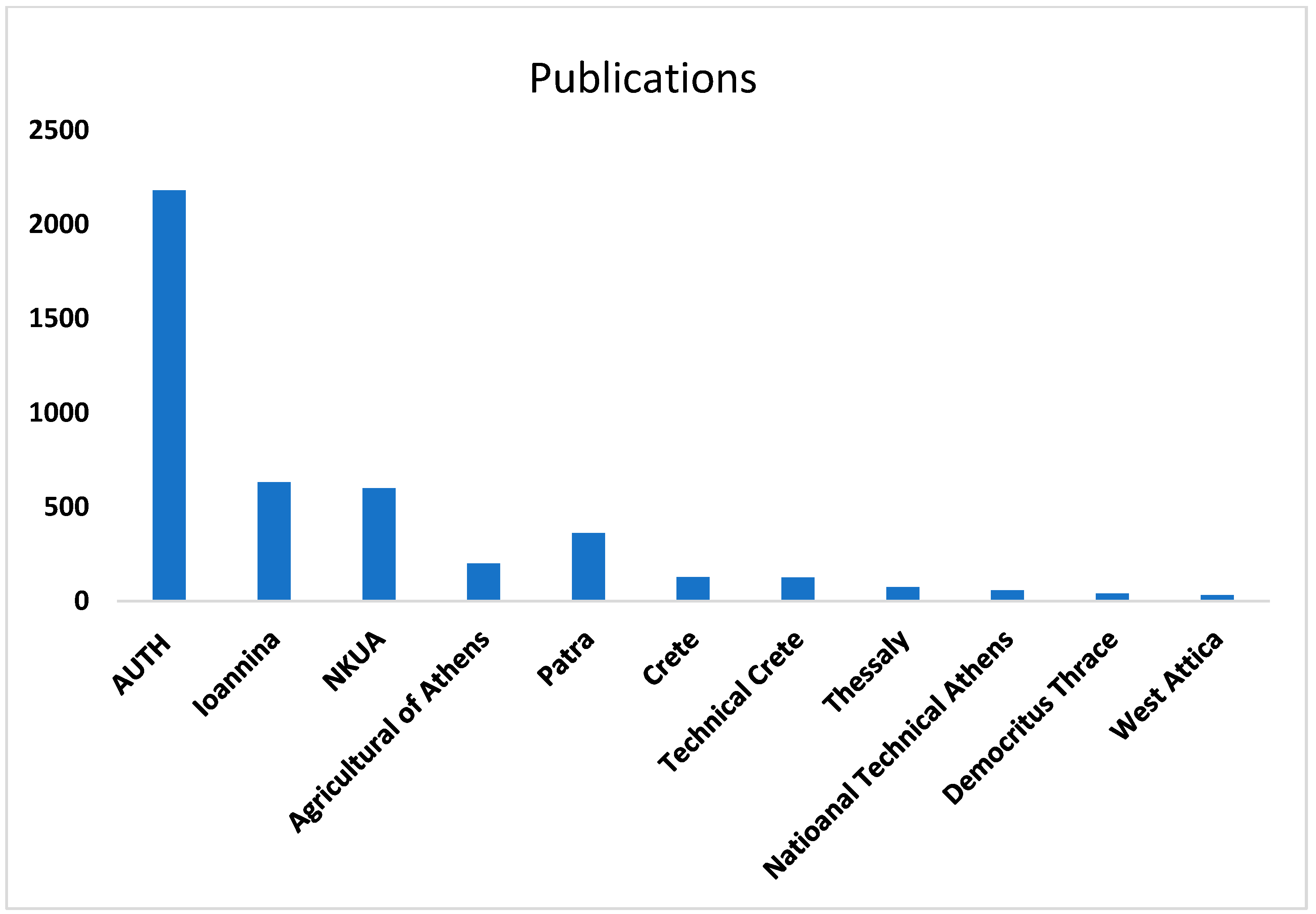
Figure 2 shows the productivity in various Greek Universities in terms of number of publications, according to Scopus in April 2026, while
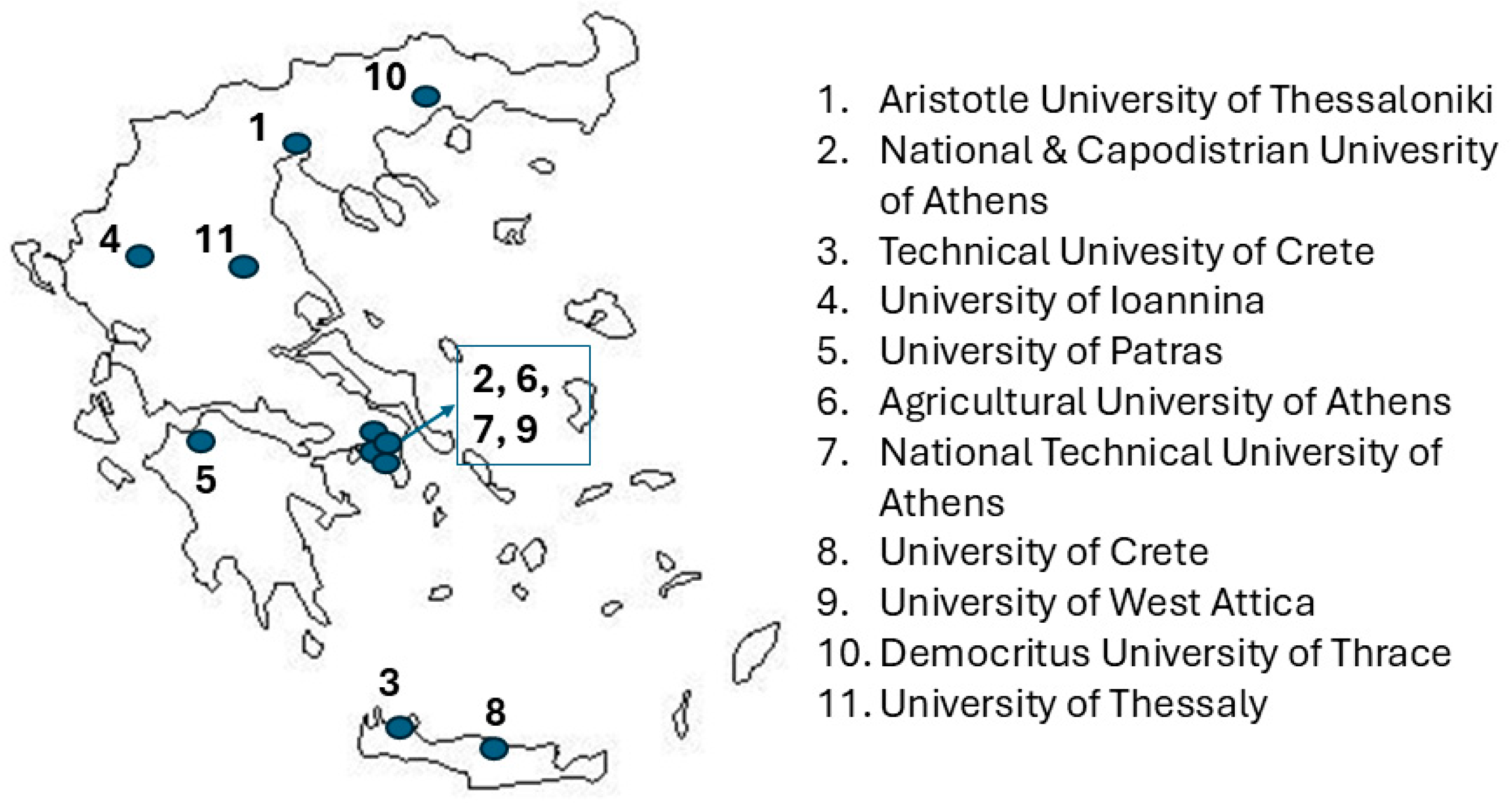
Figure 3 shows the geographical location of each university.