


Abstract
Metal–Organic Frameworks (MOFs) have emerged as promising materials for the removal of pharmaceutical contaminants, including antibiotics and endocrine-disrupting compounds (EDCs), from contaminated water due to their high surface areas, tunable porosity, and versatile chemical functionalities. This review provides a comprehensive and critical assessment of MOF-based approaches for the adsorptive removal of pharmaceutical contaminants, including tetracyclines, sulfonamides, fluoroquinolones, non-steroidal anti-inflammatory drugs (NSAIDs), antidepressants, and EDCs. Particular emphasis is placed on the relationship between MOF characteristics and adsorption performance, including adsorption capacity and specific surface area, as well as on the adsorption isotherm, kinetic, and thermodynamic models used to elucidate adsorption behavior and mechanisms. A distinctive aspect of this review is the integrated evaluation of regeneration and reusability, including regeneration strategies, agents, adsorption–desorption cycles, and their effects on adsorption performance and material stability. Furthermore, FTIR-based evidence is critically examined to identify possible MOF–pharmaceutical interactions by comparing pristine and contaminant-loaded materials. The role of MOF composites and selected catalytic processes as complementary approaches to pharmaceutical removal is also discussed. Finally, challenges related to MOF production cost, metal toxicity, structural stability, scalability, regeneration efficiency, and application under realistic wastewater conditions are evaluated. By integrating adsorption performance, modeling, thermodynamics, regeneration, reusability, and spectroscopic evidence, this review provides a comprehensive and practically oriented perspective on the development of MOF-based technologies for pharmaceutical-contaminated water treatment.
1. Introduction
Among the most important natural resources for the survival of humans, animals, and plants worldwide is the availability of clean water. However, one of the primary developing contaminants, especially during the past few decades, has been the release of residual medications, particularly of antibiotics, into the water bodies. Antibiotics are chemo-therapeutic drugs widely used to treat or prevent mainly the bacterial infections. However, the majority of residual antibiotics’ concentrations can accumulate in the water environment, because they are usually hardly biodegradable substances. Thus, even in trace amounts, their presence in surface waters, aquatic marine ecosystems and ground waters can provoke gradually major environmental contamination issues [1].
Municipal and industrial wastewaters are considered the main sources of antibiotics in the aquatic environment. As these organic substances are not entirely metabolized by humans or animals, antibiotics can subsequently enter the wastewater streams through the physiological excretions from people or from domestic animals. The presence of antibiotics in the aquatic environment can also be caused by the pharmaceutical industry’s non-compliance with strict waste management standards, as well as by the inappropriate or illegal disposal of unwanted (or expired) medications [2].
Hence, these substances, also considered micro-pollutants, can eventually be released into rivers, lakes, and ground waters, because most wastewater treatment facilities lack the advanced technological capacity to treat them effectively. Subsequently, due to the precipitation runoff, the residual (not-utilized) refractory and toxic organic pollutants may be transported into the surface waters, where they may persist and negatively affect the health of receiving aquatic ecosystems [2]. Figure 1 shows how the agriculture activities can also contribute synergistically to antibiotic-induced water contamination.
Figure 1.
Primary ways by which the antibiotics and other micro-pollutants can enter the environmental compartments and how they can eventually contribute to antimicrobial resistance. Reprinted with permission from [3].
Antibiotics may also be widely used in several larger-scale applications, such as in the pharmaceutical industry, in hospitals, in concentrated animal farming operations (CAFOs) and husbandry, and in aquaculture, impacting the produced wastewaters and are acknowledged as rather modern, but important micro-pollutants [4]. In Figure 2, the most commonly used antibiotics are depicted, such as tetracycline (TCN), amoxicillin (AMX), ciprofloxacin (CIP), norfloxacin (NOR), metronidazole (MNZ), and sulfamethoxazole (SMX). Aquaculture wastewater is considered a common source of combined pharmaceutical pollution, since most of these organic substances are not completely absorbed or utilized/digested by the breeding fishes, allowing them to reach the water environment through secondary feces and urine [1].
Figure 2.
Most common examples of antibiotics [5].
In addition to the contribution to the development of antibiotic-resistant genes in bacteria, antibiotics can also harm aquatic life by interfering with its growth, reproduction, metabolism, and microbial community balance, leading to disturbances in aquatic complex ecosystems (e.g., fish, algae, and bacteria). As a result, water contamination by antibiotics can potentially present public health and environmental hazards by promoting the emergence of “superbugs”, which possess antibiotic-resistant genes and which are being capable of affecting human health in the long term, e.g., through the progressive food chain accumulation [6].
Rather recently, pharmaceutical contaminants have been removed from polluted waters by using/examining a variety of advanced treatment methods, including ozonation [7], membrane separation [8], coagulation [9], ion exchange [10], electrochemical oxidation [11], adsorption [12], and photo-catalytic treatment [13]. Specifically considering the adsorption technique, this is considered one of the most promising treatment methods among the available ones because of its superior performance, as well as the relatively lower cost, the simplicity, the ease of regenerative used materials, and the ability to remove / be applied to a wide variety of organic and inorganic pollutants [14].
Several adsorbent materials have been developed, aiming to also remove pharmaceuticals from contaminated aqueous solutions. The saturation of adsorbents, regeneration costs, decreased selectivity in complex systems, and the fact that the contaminants are frequently transferred from one phase (water) to another (solid) rather than being entirely eliminated or destroyed are some of the major drawbacks of adsorption, despite its efficacy and high applicability. Additionally, several operational factors, such as temperature and pH, can have a significant impact on the overall adsorption efficiency, regarding the specific applications of this widely applied treatment method [15].
Certain recent treatment studies have also shown that the aforementioned treatment methods can be combined effectively with the MOF materials, leading to even more efficient antibiotic removal from the contaminated water sources [16,17]. The increasing popularity of MOFs is mainly due to the specific inorganic metal cations’ content, the presence of diverse organic linkers, the tunable porosity, and the high surface area (among other specific properties), leading to numerous potential applications. One-dimensional MOFs consist of chains or rods, composed of moieties linked by coordination bonds and arranged unidirectionally along the length of an appropriate polymer. The porous and hollow nano-fibrillar structure of MOFs allows the presence of several active sites, but with significantly lower mass and charge transport pathways; therefore, they are also suitable for use in energy storage and relevant conversion devices [18].
This review presents the main approaches for the removal of pharmaceutical contaminants, particularly antibiotics, from polluted water using MOF-based materials, with adsorption as the primary focus. The review critically evaluates the adsorption performance of MOFs, including adsorption capacity and specific surface area, as well as the isotherm, kinetic, and thermodynamic models used to describe adsorption behavior. Particular attention is also given to the regeneration and reusability of MOF-based adsorbents, including regeneration strategies, adsorption–desorption cycles, and their influence on material performance and stability.
Recent reviews have also examined the application of MOF-based materials for the removal of pharmaceutical contaminants from water, particularly antibiotics, and have discussed their adsorption performance, mechanisms, and potential applications [19]. However, a comprehensive and integrated assessment that combines adsorption performance and mechanisms with regeneration and reusability, spectroscopic evidence, and the sustainability and scalability of MOF synthesis and application remains limited.
The novelty of this review lies in providing an integrated and comparative assessment of these aspects, together with the sustainability and scalability of MOF synthesis and application. Although MOFs may offer advantages such as high adsorption efficiency, tunable selectivity, and potential reusability, their overall sustainability depends strongly on synthesis conditions, solvent and energy requirements, production cost, material recovery, structural stability, and scalability.
In this context, adsorption and catalytic degradation are considered distinct removal processes. Adsorption involves the retention of pharmaceutical molecules on or within the MOF through physicochemical interactions, whereas Fenton-like and other catalytic degradation processes involve the chemical transformation of pharmaceutical molecules into other products. Fenton-like degradation processes and MOF-derived materials are therefore discussed only as complementary approaches when they are directly relevant to pharmaceutical removal or the enhancement of MOF-based treatment performance. Their inclusion provides a broader perspective on the multifunctionality and practical development of MOF-based treatment systems, while adsorption remains the central focus of this review.
1.1. Literature Search Methodology
A structured literature search was conducted to identify published studies investigating the application of metal–organic frameworks (MOFs) and MOF-based materials for the removal of pharmaceutical contaminants from aqueous environments. The literature search was performed using the databases ScienceDirect and Scopus, covering publications from 2020 to 2026. The search strategy was based on combinations of keywords related to MOFs, pharmaceutical contaminants, adsorption, and water treatment. The main search terms included “metal–organic frameworks”, “MOF”, “pharmaceutical contaminants”, “pharmaceutical removal”, “antibiotics”, “adsorption”, “water treatment”, and related terms. Boolean operators (AND/OR) were used to combine the search terms and identify relevant studies.
The initial search identified 794 records. After removal of 215 duplicate records, 579 unique records remained for title and abstract screening. Studies were considered eligible when they (i) investigated MOF-based materials or MOF-derived/composite materials, (ii) addressed the removal of pharmaceutical contaminants from aqueous systems, and (iii) reported experimental information on removal performance and/or adsorption behavior. Studies were excluded when they did not concern pharmaceutical contaminants, did not involve aqueous systems, were unrelated to MOF-based materials, or did not provide sufficient information relevant to the objectives of the present review. Following title and abstract screening, 315 articles were selected for full-text assessment, of which 179 were excluded based on the predefined eligibility criteria. A total of 136 studies were finally included in the selected dataset used for the comparative analysis.
For the purposes of the present review, pharmaceutical contaminants were classified according to their chemical or therapeutic categories, including tetracyclines, sulfonamides, fluoroquinolones, non-steroidal anti-inflammatory drugs (NSAIDs), antidepressants, and endocrine-disrupting compounds (EDCs). MOF-based materials were classified according to their framework type, metal node, composite or functionalized structure, and, where relevant, MOF-derived materials. Synthesis approaches were classified according to the reported preparation method, including solvothermal, hydrothermal, microwave-assisted, mechanochemical, and other relevant synthesis routes.
The overall literature identification and selection process is summarized in a PRISMA-style flow diagram (Figure 3), showing the number of records identified, duplicates removed, records screened, full-text articles assessed for eligibility, excluded studies, and studies included in the final dataset.
Figure 3.
PRISMA-style flow diagram illustrating the literature identification, screening, eligibility assessment, and study selection process.
The quantitative analyses presented in the following sections were performed using the selected dataset of studies included in the present review. For each analysis, the percentage was calculated using the number of studies belonging to a specific category divided by the total number of studies for which the corresponding information was available. Therefore, the reported percentages represent the distribution of the selected literature dataset and should not be interpreted as representative of the overall published literature. This approach was adopted to provide a transparent and reproducible basis for comparing the pharmaceutical contaminants, MOF materials, and synthesis approaches reported in the selected studies.
1.2. Traditional Methods for Pharmaceuticals (And Certain Micro-Pollutants) Removal
Recently, the application of advanced oxidation processes, such as photo-catalysis [20] and Fenton-like chemistry [21], has demonstrated high efficiency for the degradation of a broad spectrum of micro-pollutants, including pharmaceuticals and antibiotics, non-steroidal anti-inflammatory drugs (NSAIDs), antidepressants, and endocrine-disrupting compounds (EDCs). Several compounds, such as diclofenac, ibuprofen, naproxen, carbamazepine, fluoxetine, and other endocrine-active chemicals, including bisphenol A and steroid hormones, are frequently detected in aquatic environments even in minor concentrations, due to their incomplete removal during the application of conventional wastewater treatment processes and the continuous environmental discharge [22].
As an example, the peroxy-mono-sulfate activation can generate very reactive oxygen species that can break down these harmful contaminants, even towards CO2 and H2O (i.e., the final oxidation products), also prompting the development and application of improved catalysts, such as single-atom, metal oxides, carbon-based materials, and MOFs [4]. Nano-filtration membranes (with Molecular Weight Cut-Off/MWCO 100–1000 Da) can also efficiently remove several trace pharmaceuticals, antibiotics, NSAIDs, antidepressants, and EDCs, presenting advantages in modularity, energy efficiency, and removal performance [23,24,25], while the combined nano-filtration/reverse osmosis (NF/RO) system has shown high selectivity, although the major rejection mechanisms still remain rather unclear [26]. Activated carbon remains a widely used sorbent material, due to high surface area, stability, and adsorption capacity, with the removal of pharmaceuticals mainly governed by physic-sorption and influenced by the specific adsorbent properties, molecular characteristics, and pH value [27,28,29]. Iron-based materials and zeolites can also act as low-cost heterogeneous Fenton catalysts and adsorbents for the removal of pharmaceuticals and EDCs, noting that the synthetic zeolites offer larger pores and higher stability, whereas the application of natural zeolites require appropriate pre-treatment to remove impurities and improve efficiency [30,31].
On the other hand, the application of biological-based treatment is generally considered more cost-effective and environmentally friendly but represents variable pharmaceuticals’ removal rates and may even promote the presence of specific resistant genes in bacteria, as well as occasionally unwanted residuals. In this case, the most common approaches may include the use of anaerobic reactors and membrane bioreactors, but also the application of conventional activated sludge, where the adsorption and biodegradation mechanisms have found to dominate, although the obtained removal efficiencies can range widely, being highly compound-specific [32].
The more persistent compounds, including carbamazepine and certain antidepressants, may frequently exhibit resistance to biodegradation, while the EDCs may be refractory, even after the application of secondary treatment. Certain microorganisms, especially nitrifying bacteria, have been found to drive the bio/degradation, often during the respective co-metabolic stages [33]. The presence of residual pharmaceuticals can generally inhibit the removal efficiency of common biological treatment systems, forming resistant by-products and limiting the conventional treatment targets. In particular, the application of biological aerated filters has been found to occasionally improve the removal efficiencies for pharmaceuticals and endocrine disruptors but often requires increased complexity and the application of hybrid processes to enhance overall performance [34].
1.3. MOFs (Metal–Organic Frameworks)
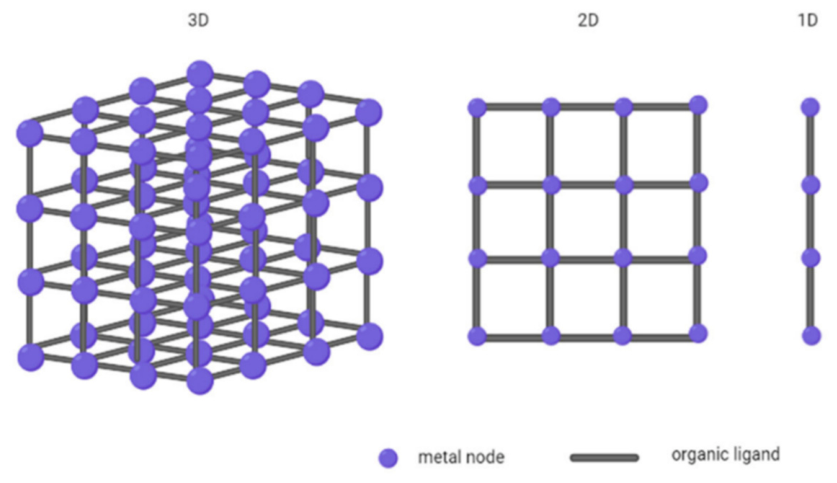
The Metal–Organic Frameworks (MOFs) are highly porous materials, designed at molecular level. They are made up of organic molecules (linkers), connected with metal ions or clusters (nodes) to create one-, two-, or three-dimensional structures (usually 3D), as illustrated in Figure 4. Over the past ten years, metal–organic frameworks (MOFs) have drawn ever-increasing interest as potential materials for diverse applications, e.g., in photocatalytic water disinfection. These materials present large surface areas and adjustable chemical characteristics that can facilitate effective pollutant breakdown, as well as microbial inactivation [35].
Generally, MOFs are considered crystal-coordinated molecules (polymers) that are difficult to engineer and rather hard to prepare. Most importantly, however, MOF structures can be specifically designed to form particular pores that may vary in size, shape, and function and present very high specific surface area. Therefore, because of these extra-ordinary properties and especially due to programmable surface chemistry, MOFs are considered ideal candidate materials that are also suited for use in environmental applications, performing exceptionally well during the catalytic degradation and adsorption of different pollutants [36].
Figure 4.
Organic binder configurations and complex coordinated metal ion structures of MOFs are displayed in different dimensions (up to three). Reprinted with permission from [37].
The research towards this discipline has greatly expanded over the past few years, and several studies have demonstrated that MOFs can possess superior uptake/capture ability of different pollutants in comparison with other, more conventional adsorbents [38,39,40]. Due to a specifically structured nano-scale pore system, large surface area, and improved functionality that can also be accordingly altered, MOFs have shown their ability for the selective adsorption of antibiotics, such as tetracycline (TCN), via the application of several mechanisms. A variety of MOF structures have been utilized effectively for TCN removal, often achieving superior uptake abilities when compared with other more traditional sorbents [36].
MOFs have been shown in previous studies to be excellent materials for the removal of different contaminants from polluted environments due to their ability to adsorb the target molecules mainly via the mechanisms of π–π interaction, hydrophobic forces, metal complexation, and electrostatic forces, as, for example, the case of MOF-801, created from Zr4+ and fumaric acid (C4H4O4) coordination. The presence of Zr4+ centers in this structure can provide several sites for interaction with other organic ligands, giving rise to high densities of functional groups. Hence, MOF-801 possesses the common advantages of MOFs; however, it has yet to be used as an adsorbent for the removal of antibiotics from water sources [41].
The ZIF-8-derived porous carbon material, containing cobalt (Co@PC), has shown specific peroxy-mono-carbonate (PMC) activation during the removal of norfloxacin (common antibiotic, used for the treatment of bacterial infections). The removal efficiency was up to 95.8% in different real water matrices [42].
It was also recently found that a solvo-thermal method of preparing iron-doped UiO-66 MOF material through a modulator-free synthesis route, by using Fe and Zr as core metals, yielded acceptable performance through the control of Fe doping levels in the modulator-free UiO-66. This provides efficient defect site-driven performance and a durable platform for the rapid removal of antibiotics from water systems; the removal capacity in this case was over 90% [43].
A new hierarchical magnetic organic framework was synthesized, Fe3O4@NH2-MIL-88(Fe)@TpBD (or Fe3O4@MOF@COFs), consisting of covalent organic framework–metal–organic framework (MOF@COF) composite material. This used to advance food safety issues by minimizing the trace contaminants of certain common antibiotics (norfloxacin, ciprofloxacin, norfloxacin) found in complex environmental matrices; the goal of this study was the development of test methods for removing the examined three types of antibiotics mainly from food products, but also from environmental matrices, and an 85.8% efficiency rate for eliminating them was observed [24].
In another study, the use of HKUST-1 (being a copper metal–organic framework) was assessed for the selective adsorption of ciprofloxacin (CIP) from synthetic solutions but also from the actual wastewater matrix, pointing out that this material exhibits excellent selectivity, making it a promising sorbent to also remove the relatively newer types of pharma contaminants, such as CIP, from wastewaters [44].
It has also been reported that the presence of glycine can control the production of magnetic porous carbon material (Fe-MPC-gly) when using the MOF MIL-101. This composite material (Fe-MPC-gly-2) presents the best adsorption efficiency regarding the case of sulfonamides (SAs) antibiotic removal; according to the results of respective adsorption studies, the obtained removal efficiency was up to 99% [45].
These findings highlight the MOFs’ specific potential for treating antibiotic-contaminated water sources. In order to optimize the interactions with TCN compounds, researchers have customized the MOF adsorbents by utilizing various metal centers (such as Fe, Cu, and Zr) and functional organic linkers. Aluminum-based frameworks are especially intriguing among the various metal centers used in MOFs because of their affordability, relatively lower toxicity (in comparison with other metals), and improved hydrolytic stability [36].
The environmental implications of MOF-based adsorbents are strongly influenced by the nature of the metal nodes and their stability under aqueous treatment conditions [46]. Cu-, Co-, Zn-, and Ni-based MOFs require particular attention because the release of metal ions through framework degradation or metal leaching may introduce additional environmental concerns [47]. The potential release of Cu2+ and Zn2+ should be evaluated in relation to their concentration and the receiving environment, while Co- and Ni-containing MOFs may require more stringent consideration because of the potential toxicity associated with these metals. Fe-based MOFs are generally considered attractive from an environmental perspective because iron is relatively abundant and widely used in water-treatment applications; nevertheless, Fe release and structural stability should also be assessed. Zr- and Al-based MOFs are of particular interest because of their generally high structural stability and potential suitability for aqueous applications, although their environmental performance cannot be assessed solely on the basis of the metal identity [48]. Overall, metal leaching should be systematically evaluated under relevant operating conditions, including pH, ionic strength, contact time, and water matrix, and should be considered together with MOF stability, regeneration, and reuse. Therefore, the environmental suitability of an MOF should be assessed not only according to its adsorption performance but also according to its potential contribution to secondary metal contamination [49].
In Table 1, the environmental suitability of MOF-based adsorbents is closely related to the nature and stability of their metal nodes. Cu-, Co-, Zn-, and Ni-based MOFs require careful assessment because metal leaching may result in secondary contamination, particularly when potentially toxic metal ions are released. Fe-, Zr-, and Al-based MOFs may offer comparatively favorable environmental profiles, although their stability and metal release should still be evaluated under realistic aqueous treatment and regeneration conditions. Thus, metal leaching should be considered alongside adsorption performance, structural stability, and reusability when assessing the environmental suitability of MOFs.
Table 1.
Environmental implications and metal leaching of MOF-based adsorbents.
1.4. Synthesis of MOF Materials
Numerous factors, including temperature and reaction time, as well as the specific metal ions and organic ligands used in the respective synthesis routes, the size and structural features of the nodes, the presence of counter-ions, and the kinetics of crystallization, resulting in nucleation and crystal growth, may highly influence the applied procedures for the production of MOFs [57]. The synthesis of MOFs is typically carried out in the liquid phase by combining organic ligands and metal salt solutions. The solvent is selected according to its redox potential, solubility, and reactivity, noting that the thermodynamics and activation energy of each reaction taking place are also significantly influenced by the presence of a specific solvent.
Solid state synthetic techniques have also been employed in certain instances despite the challenges observed with the single crystal development. Crystals of MOFs have frequently been grown by the slow evaporation of the reaction solution. MOFs are often produced in sealed reactors (autoclaves) by using solvo-thermal or hydrothermal conditions at rather high temperatures (50–260 °C) and under autogenous pressure. This is the “traditional” approach for the preparation of MOFs. During recent years, the development of other alternative synthetic techniques has been suggested, including the application of mechano-chemical, electrochemical, microwave, and sono-chemical techniques. These techniques are generally considered quicker and less expensive, providing cleaner products, and will be presented with more detail in the following sections [58].
MOFs can be synthesized through several approaches, with the most widely applied being solvo-thermal synthesis. This is due to the effectiveness of this method, promoting better crystal formation and structural control. In this process, the metal salts and the organic ligands are dissolved in suitable solvents and heated in sealed Teflon-lined autoclaves, usually at elevated temperatures (>100 °C) under autogenous pressure, facilitating the solubility of reactants and the crystal growth/product [59].
Microwave-assisted is another attractive alternative production method of MOFs, reducing reaction times from days to minutes through the application of dielectric heating. In this synthetic approach, microwaves interact with the polar molecules and other ionic species, accelerating nucleation and improving the product purity [60].
Similarly, the application of sono-chemical synthesis utilizes ultrasonic irradiation, so as to generate cavitation-induced localized high temperatures and pressures. It is considered a greener method because it enables rapid crystal formation with reduced energy consumption and reaction times, generally ranging from 30 to 180 min [61].
Electrochemical synthesis takes place under mild operating conditions, at room temperature and ambient pressure. However, the main disadvantage of this method is that it may occasionally create pore blockage and therefore reduce pore volume. In this process, the mechanisms are anodic dissolution or cathodic deposition, so the electric current facilitates the MOF formation [62,63].
Mechanochemical synthesis has also attracted increasing interest because it is another sustainable and solvent-minimized approach. The method relies on grinding processes to induce chemical transformations between inorganic salts and organic linkers, showing reduced energy requirements and duration of synthesis when compared to thermal methods [55,56,57,58,59,60,61,62,63,64].
Finally, the hydrothermal synthesis remains particularly valuable because it produces high-quality MOFs with improved crystallinity, phase purity, and controlled crystal size, while it also enables the simultaneous incorporation of metal nano-particles during the framework formation [65,66].
In Table 2, the choice of MOF synthesis method strongly influences the energy demand, cost, solvent consumption, scalability, and overall sustainability of the resulting materials. Conventional solvothermal and hydrothermal routes may require relatively high temperatures, prolonged reaction times, and considerable energy input, whereas microwave-assisted, mechanochemical, ultrasound-assisted, and electrochemical approaches can offer shorter processing times and, in some cases, reduced solvent or energy requirements. Nevertheless, the environmental and economic advantages of alternative synthesis routes depend on process conditions, energy sources, solvent selection, and the feasibility of scale-up. Therefore, MOF synthesis should be evaluated not only in terms of material properties and yield but also with respect to energy efficiency, resource consumption, cost, and industrial scalability.
Table 2.
Comparative assessment of MOF synthesis methods in terms of sustainability and scalability.
1.5. Types of MOFs Materials
Among the several MOF materials produced by the Institute Lavoisier (MIL) relevant group [71], several frameworks are included, such as MIL-53 and MIL-101, which generally contain iron or aluminum metal centers. Another important class is the zirconium-based University of Oslo (UiO) series [72], including UiO-66, which has been widely studied due to its high chemical and thermal stability. Zeolitic imidazolate frameworks (ZIFs) have also been produced, consisting of tetrahedral metal ions (e.g., Zn2+ or Co2+) and linked by imidazolate linkers, presenting structures similar to zeolites.
The first developed MOF-type structures were MOF-5 and IRMOFS (Isoreticular Metal–Organic Frameworks) [73], both based on zinc oxide cluster pairs with high porosity and customizable designs; these materials have been fully characterized and utilized mostly for gas adsorption and separation applications [74]. HKUST-1, a MOF composed of copper ions and benzene-1,3,5-tricarboxylic acid, has received particular attention. It is renowned for its remarkable porosity, specifically high surface area and three-dimensional porous structure. In addition, Porous Coordination Networks (PCNs), which have several different types of geometry, are considered a class with very stable porous backbone.
Metal–organic frameworks have structures generally composed of organic linkers (e.g., polydentate, carbon-based ligands, etc.) that connect metal centers to form an extended porous matrix and secondary building blocks (SBUs), which are the metal ions or clusters that are used to connect the organic linkers to one another (e.g., Fe, Al, Zr, Cu, or Zn) [74].
The selection of the metal nodes and organic linkers, together with the resulting pore structure, surface chemistry, and framework stability, strongly influences the adsorption performance of MOF-based materials toward pharmaceutical contaminants. These structural characteristics determine the available active sites and govern interactions such as electrostatic attraction, hydrogen bonding, π–π interactions, hydrophobic interactions, and pore filling. Consequently, different MOF structures can exhibit substantial differences in adsorption capacity, selectivity, regeneration performance, and stability under aqueous conditions. A comparison of recent studies is therefore useful to evaluate not only the removal efficiency of MOF-based materials but also the adsorption mechanisms, modeling approaches, reusability, practical applicability, sustainability, and potential for scale-up, as summarized in Table 3.
Table 3.
Comparative overview of MOF-based materials for pharmaceutical removal and environmental applications.
2. Pharmaceuticals Removal by MOFs
2.1. Non-Steroidal Anti-Inflammatory Drugs Removal (NSAIDS)
The non-steroidal anti-inflammatory medicines (NSAIDS), commonly functioning as analgesic and anti-inflammatory drugs for pain relief, are the most widely used pharmacological substances. As a result, NSAIDs are frequently found in aquatic habitats due to their accessibility, availability, and obvious water solubility. Despite their anti-inflammatory and pain-relieving properties, diclofenac (DCF) (i.e., sodium 2-[2-(2,6-dichloroanilino) phenyl] acetate) and salicylic acid (SA) (i.e., 2-hydroxybenzoic acid) are commonly described as over-the-counter medications that can pose a relatively high risk to water sources, because of their toxicity, when found at concentrations above their allowable limits [82].
The majority of NSAIDs are rather stable polar anionic aromatic molecules, making it challenging to remove them in water treatment facilities by using the traditional techniques [83]. Nevertheless, NSAIDs have been effectively eliminated (usually at laboratory scale) by using a variety of alternative treatment techniques, including membrane separation [84], coagulation and flocculation [85], ionizing radiation [86], electrochemical separation [87], photo-degradation [88], and oxidative processes [89]. Nevertheless, these techniques also present certain disadvantages, including the creation of secondary toxic effluents, higher capital and operating expenses, and, occasionally, poorer removal efficiency.
The adsorption process is thought to be a promising substitute among the extensively researched methods for removing NSAIDs from wastewaters and/or drinking water [90]. Because of their enormous surface area, porosity, and adaptable chemical structure, MOFs are examined as potential adsorbents for the removal of NSAIDs [82].
2.2. Antidepressants
The fast-paced lifestyle and increased daily problems have led to the increase of modern life psychological/psychiatric disorders, such as stress, depression, and anxiety. Thus, the use of respective drugs has increased dramatically. Among the most often prescribed drugs of this category are antidepressants (ATDs), commonly classified as selective serotonin or norepinephrine re-uptake inhibitors (SSRIs or SNRIs, respectively), such as citalopram (CIT), paroxetine (PAR), sertraline (SER), and fluoxetine (FLX) [91]. These drugs present a relatively novel class of pollutants (also considered emerging pollutants) that can already be found in wastewater effluents, surface waters, and marine environments at diverse concentrations, ranging between ng/L and μg/L, due to their extensive use [92].
Venlafaxine (VEN) belongs to this class of antidepressants, being a derivative of phenylethylamine, and is frequently used to treat depressive mental disorders. VEN is one of the most often prescribed drugs for treating depression, anxiety disorders, eating and sleep disorders, panic attacks, chronic pain, migraines, snoring, and even sleeplessness. Because VEN can be readily absorbed and digested by humans (or animals), and it cannot be eliminated entirely by the sewage treatment facilities, its concentrations in ambient water bodies may occasionally reach several hundreds of ng/L [93].
In a relevant removal study, the synergistic application of TiO2s (a commonly used photo-catalyst) makes the use of MOFs, such as ZIF-67, change its nano-structured surface, optimizing the charge transport at the electrode interface and increasing the VEN adsorption and destruction on the semiconductor surface [94].
2.3. Removal of Endocrine-Disrupting Compounds (EDCs)
An important worldwide environmental and public health problem is the existence of minute concentrations of endocrine-disrupting chemicals (EDCs) in drinking waters, wastewaters, and aquatic ecosystems. Because EDCs are linked to several major health problems, they have been rather thoroughly investigated. Numerous studies have shown that EDCs disrupt various physiological systems, such as the thyroid, reproductive, cardiovascular, and neuro-endocrine pathways, and that exposure levels as low as 0.20–1.00 ng/L can even cause neurological and immunological diseases [95].
Bisphenol A (BPA), whose quantities above 1 mg/L are considered lethal for humans, is a prominent example of high EDC toxicity [96]. Similarly, even at low doses (ng/L), the hydrophobic EDC 17α-ethynylestradiol (ΕE2) is hazardous due to its strong endocrine-disrupting actions and resistance to biodegradation. The creation and assessment of calcium-based carboxylate metal–organic frameworks (Ca-MOFs) for the adsorption and elimination of endocrine-disrupting chemicals (EDCs) from aquatic environments has been examined. Due to its affordability, simplicity of use, and wide range of applications, the adsorption process has become a promising method for the efficient removal of organic and inorganic contaminants, including EDCs [97]. The United States Environmental Protection Agency’s (US EPA) Drinking Water Contaminant Candidate List 3 highlights the significance of 17β-estradiol (Ε2), which has very high endocrine activity among the relevant substances. As a result, the efficient cleaning and decontamination of water polluted with E2 has become a major worldwide concern.
Adsorption isotherm models are commonly used to describe the equilibrium relationship between the concentration of a pharmaceutical contaminant in the aqueous phase and the amount adsorbed onto a MOF surface. The Langmuir model assumes adsorption onto a relatively homogeneous surface with a finite number of equivalent adsorption sites and is generally associated with monolayer adsorption [98]. In contrast, the Freundlich model describes adsorption on heterogeneous surfaces with sites of different adsorption energies and may be more appropriate for systems involving multiple types of adsorption sites [99]. The Temkin model considers interactions between the adsorbed molecules and assumes a gradual decrease in adsorption energy with increasing surface coverage [100]. The Dubinin–Radushkevich model can provide information about the adsorption mechanism and the mean adsorption energy [101], while the Sips [102] and Redlich–Peterson [103] models combine characteristics of the Langmuir and Freundlich approaches and can be applied to systems exhibiting heterogeneous adsorption behavior. The suitability of each model depends on the characteristics of the MOF, the pharmaceutical contaminant, and the experimental conditions; therefore, the best-fitting model should be interpreted together with the physicochemical and spectroscopic evidence rather than solely on the basis of correlation coefficients [104].
Furthermore, adsorption kinetic models are used to describe the rate of pharmaceutical uptake by MOF-based adsorbents and to investigate the factors controlling the adsorption process. The pseudo-first-order (PFO) [105] model is commonly applied to describe adsorption rates associated with the availability of adsorption sites, whereas the pseudo-second-order (PSO) [105] model relates the adsorption rate to the adsorption capacity and has frequently been used for MOF–pharmaceutical systems. However, a good fit to the PSO model alone does not necessarily prove chemisorption. The Elovich model [106] is generally associated with adsorption on heterogeneous surfaces and processes involving a distribution of adsorption energies. In addition, the intraparticle diffusion model is used to assess whether diffusion of pharmaceutical molecules within the pores of the MOF contributes to the overall adsorption rate. The applicability of these kinetic models depends on the characteristics of the adsorbent, contaminant, and solution conditions, and their interpretation should therefore be supported by complementary experimental and spectroscopic evidence [107].
Beyond equilibrium and kinetic behavior, the practical applicability of MOF-based adsorbents also depends strongly on their regeneration and reusability after adsorption. Although adsorption isotherms and kinetic models provide valuable information on the adsorption performance and rate of pharmaceutical uptake, the possibility of efficiently regenerating the adsorbent is essential for reducing material consumption, treatment costs, and secondary waste generation. Various regeneration strategies have therefore been investigated for MOF-based adsorbents, including solvent washing, chemical regeneration, and photo regeneration. The effectiveness of these approaches depends on the nature of the pharmaceutical–MOF interactions, the stability of the MOF structure, and the regeneration conditions employed [108].
The adsorption behavior of pharmaceuticals on MOF-based materials varies considerably depending on the framework structure, surface chemistry, and nature of the pharmaceutical contaminant. As summarized in Table 4, Langmuir and Freundlich models are frequently used to describe equilibrium adsorption, while PSO kinetics are commonly reported. The thermodynamic parameters further indicate differences in the energetic nature and spontaneity of adsorption, with both endothermic and exothermic processes reported. Overall, multiple interactions, including electrostatic attraction, hydrogen bonding, π–π interactions, and pore filling, may contribute simultaneously to pharmaceutical uptake.
Table 4.
Comparative adsorption performance, thermodynamic parameters, kinetic and isotherm models, and adsorption mechanisms of MOF-based materials for pharmaceutical removal.
Regeneration of used MOF-based adsorbents can be achieved through different approaches, depending on the nature of the pharmaceutical–MOF interactions and the chemical stability of the MOF structure. Solvent washing is one of the most commonly reported methods and involves contacting the pharmaceutical-loaded MOF with suitable organic solvents, such as methanol, ethanol, or acetone, which facilitate desorption of the adsorbed molecules. Chemical regeneration can also be performed using acidic or alkaline solutions, such as HCl or NaOH, which modify the surface charge or disrupt specific interactions between the pharmaceutical molecules and the MOF. In some cases, ultrasonication is combined with solvent or chemical treatment to enhance mass transfer and promote desorption. Photoregeneration has additionally been investigated for photoactive MOF-based materials, where irradiation can promote the degradation of the adsorbed pharmaceutical and restore the adsorption sites. The efficiency of regeneration depends strongly on the regeneration conditions and should be evaluated together with the retention of adsorption capacity, structural stability, and possible metal or linker leaching. Therefore, the selection of an appropriate regeneration strategy is essential for achieving effective reusability while minimizing material degradation and secondary waste generation [114].
In Table 5, the reusability of MOF-based adsorbents is an important factor for their practical application in pharmaceutical-contaminated water treatment. Several studies have demonstrated that MOFs can be regenerated and reused over multiple adsorption–desorption cycles, although a gradual decrease in adsorption performance may occur depending on the MOF structure, pharmaceutical contaminant, and regeneration conditions. For example, NH2-MIL-101(Fe) and MIL-101(Fe) have been successfully reused for three and four cycles, respectively, while other MOF-based adsorbents have maintained substantial adsorption performance over five or more cycles. In particular, K-CIA@MOF-808, Pd-MOF/chitosan-cellulose, and magnetic Sn-MOF retained approximately 85%, 83%, and 92% of their initial adsorption capacity after five, five, and six cycles, respectively. These findings demonstrate the potential of MOF-based materials for repeated use and highlight the importance of regeneration efficiency and long-term stability for their practical and sustainable application.
Table 5.
Regeneration and reusability performance of MOF-based adsorbents for pharmaceutical contaminant removal.
Moreover, FTIR spectroscopy is an important complementary technique for investigating the interactions between MOF-based adsorbents and pharmaceutical contaminants. Comparison of the FTIR spectra before and after adsorption can provide evidence of changes in the chemical environment of functional groups involved in the adsorption process. For example, shifts or changes in the intensity of characteristic bands associated with carboxylate groups, hydroxyl groups, amino groups, carbonyl groups, and aromatic C=C bonds after pharmaceutical adsorption may indicate their involvement in the adsorption process. In addition, the appearance of new bands or changes in existing bands corresponding to functional groups of the adsorbed pharmaceutical can provide further evidence of its interaction with the MOF surface. Depending on the MOF structure and the pharmaceutical molecule, these spectral changes may be associated with hydrogen bonding, electrostatic interactions, π–π interactions, pore-filling effects, or coordination interactions between functional groups of the pharmaceutical and metal sites. Therefore, comparison of the FTIR spectra of the pristine MOF and the pharmaceutical-loaded MOF, preferably together with other characterization techniques, provides useful evidence for elucidating the possible adsorption mechanism [118]. Table 6 summarizes the interactions between MOF-based adsorbents and pharmaceutical contaminants.
Table 6.
FTIR-based evidence of interactions between MOF-based adsorbents and pharmaceutical contaminants.
Several recent reviews have discussed the application of MOFs for pharmaceutical removal from water, with emphasis on specific aspects such as adsorption mechanisms, particular MOF families, regeneration, thermodynamics, or combined adsorption–degradation processes. However, these studies generally address these aspects separately or focus on specific classes of pharmaceuticals or MOF materials. The present review provides an integrated assessment of MOF-based adsorption for pharmaceutical contaminants, combining pollutant scope and adsorption performance with a detailed evaluation of adsorption isotherms, kinetic and thermodynamic models, and FTIR-based evidence for MOF–pharmaceutical interactions. In addition, regeneration and reusability are critically discussed using reported sorption/desorption cycles and retained adsorption performance. Beyond laboratory-scale adsorption performance, the present review also considers practical aspects, including MOF stability, potential metal or linker leaching, synthesis conditions, regeneration, scalability, and sustainability. An overview of the reported adsorption performance of different MOF-based adsorbents under varying experimental conditions is provided in Table 7, enabling comparison of the target pharmaceuticals, adsorption capacities, operating conditions, and modeling approaches across different studies. This integrated perspective aims to bridge the gap between fundamental understanding of adsorption mechanisms and the practical implementation of MOF-based materials for pharmaceutical-contaminated water treatment.
Table 7.
Comparative adsorption performance of MOF-based adsorbents for pharmaceutical contaminant removal under different experimental conditions.
Table 8 summarizes the reported performance of different MOF-based adsorbents toward pharmaceuticals and other emerging organic contaminants under varying experimental conditions. The results demonstrate the broad applicability of MOF-based materials, including pristine MOFs, MOF composites, and MOF-based membranes, for the removal of NSAIDs, antidepressants, and endocrine-disrupting compounds. Removal efficiencies vary substantially depending on the MOF structure, synthesis route, pharmaceutical properties, pH, and surface characteristics, with several materials achieving removal rates above 90%. The comparison also highlights the importance of combining high adsorption performance with favorable surface properties, appropriate synthesis strategies, and stable operation under environmentally relevant conditions when assessing the practical potential of MOF-based materials for water treatment.
Table 8.
Examples of pharmaceuticals (NSAIDs and antidepressants), as well as of EDCs, removed by the application of adsorption process with MOFs, as appearing in the recent literature.
The percentages presented in Figure 5, Figure 6 and Figure 7 are calculated based on the studies included in the selected dataset of the present review and should not be interpreted as representative of the entire published literature. These figures are intended to illustrate the distribution of the selected studies according to pharmaceutical contaminants, MOF materials, and synthesis approaches. Accordingly, the reported percentages reflect the characteristics of the analyzed dataset rather than the overall prevalence of a given material, pharmaceutical, or synthesis method in the broader research field.
Figure 5.
Comprehensive overview of the trends in the recent literature, regarding (a) the most frequently investigated NSAIDs contaminants, (b) the synthesis methods used for the examined MOFs, and (c) the specific types of MOFs used for NSAIDs removal. Values shown in red indicate the highest percentage in each case.
Figure 6.
Comprehensive overview of the trends in the recent literature regarding (a) the most frequently investigated antidepressant contaminants, (b) the synthesis methods used for the examined MOFs, and (c) the specific types of MOFs used for the antidepressant removal by adsorption. Values shown in red indicate the highest percentage in each case.
Figure 7.
Comprehensive overview of the trends in the recent literature regarding (a) the most frequently investigated EDCs contaminants, (b) the main synthesis methods used for MOFs, and (c) the specific types of MOFs used for the removal of EDCs. Values shown in red indicate the highest percentage in each case.
Figure 5 presents a comprehensive overview of the trends in the recent literature, regarding Figure 5a the most frequently investigated pharmaceuticals contaminants, Figure 5b the synthesis methods used for the examined MOFs, and Figure 5c the types of MOFs used especially for NSAIDs removal. In particular, Figure 5a shows the distribution of different NSAIDs studied, with diclofenac (DCF) representing the highest proportion (30%). This indicates that DCF is the most frequently investigated NSAID compound in the relevant studies, possibly because of its widespread pharmaceutical use and frequent detection as an environmental contaminant. The remaining NSAIDs each account for around 10%, suggesting that while multiple NSAIDs are considered, DCF receives greater research attention due to its environmental persistence and potential ecological risks. Furthermore, Figure 5b illustrates the respective synthesis methods used for preparing the examined MOF materials regarding NSAIDs adsorption. The solvo-thermal synthesis route dominates with 80%, showing it is the preferred and most effective preparation method for this category of pollutants due to its ability to produce stable and highly porous materials. In comparison, water-based hydrothermal synthesis (10%) and wet chemical precipitation solution (under room temperature) synthesis (10%) are less commonly applied.
Furthermore, in Figure 5c, the distribution of different MOFs is presented, as used for NSAID removal. MOF-808 is the mostly widely used material (30%) of the relevant examined cases, suggesting specific favorable properties and obtaining increased adsorption performance. The MXene/Zr-Fe-MOF and DUT-67 materials each contribute 20%, indicating moderate use, while the rest (MOF-303, NU-1000, and ZIF-8) each account for around 10%, reflecting more limited, but still important applications regarding the NSAIDs treatment studies. Overall, Figure 5 demonstrates that diclofenac (DCF) is the most studied NSAID, with the solvo-thermal synthesis route being the dominant preparation method and the MOF-808 material the most commonly used adsorbent material for NSAIDs removal applications.
Figure 6 presents a comprehensive overview of the trends in the recent literature, regarding Figure 6a the most frequently investigated antidepressant drugs/contaminants, Figure 6b the synthesis methods used for the applied MOFs, and Figure 6c the specific types of MOFs used for antidepressant removal by adsorption. Particularly, in Figure 6a, the distribution of antidepressant-related components is dominated by venlafaxine (VEN), which accounts for 50% of the respective dataset, indicating its primary role or prevalence in the relevant studies. In contrast, the selective serotonin re-uptake inhibitors, such as citalopram (CELEXA, CIT), fluoxetine (FLX), amitriptyline (AMT), and sertraline (SER), each contribute around 10%, suggesting a more uniform, but secondary representation of these compounds. This imbalance highlights a strong bias toward VEN-centered applications or data prevalence, as compared to other antidepressants.
Furthermore, Figure 6b illustrates the synthesis methods used in preparing the MOF materials examined for the adsorption of antidepressants. The synthesis methods are primarily governed by the application of solvo-thermal and hydrothermal methods, each one representing 30% of the total distribution. This indicates that the higher temperature solvent-based techniques dominate the fabrication processes in this category. In comparison, the microwave-assisted synthesis, or the green and wet chemical deposition methods, each account for around 10%, reflecting emerging or alternative routes that are less frequently employed, but they are still considered relevant for environmentally friendly or rapid synthesis strategies.
Furthermore, in Figure 6c, the distribution of different MOF types used for antidepressant removal by adsorption is illustrated. The material composition is largely centered on the ZIF-67 material, contributing 30% of total studies, highlighting its importance as a primary framework MOF material for this category. The composite ZIF-67/MIL-100(Fe)/g-C3N4 material accounts for another 20%, indicating significant interest in the hybrid hetero-structures and aiming to enhance adsorption performance. The remaining 10% suggest a diversified set of additional materials or MOF modifications, emphasizing exploratory or supplementary studies beyond the main ZIF-based systems. Overall, Figure 6 shows a clear dominance of the VEN drug among the examined antidepressants, as well as the application of solvo-thermal and hydrothermal methods among synthesis approaches and the ZIF-based materials (especially ZIF-67 and its composites) among the studied MOF frameworks. Other drugs, synthesis routes, and MOF materials each contribute by smaller, evenly distributed proportions, indicating secondary or emerging interest.
Figure 7 represents a comprehensive overview of the trends in the recent literature regarding Figure 7a the most frequently investigated EDCs contaminants, Figure 7b the synthesis methods used for the examined MOFs, and Figure 7c the specific types of MOFs used for EDC removal. In particular, in Figure 7a, the distribution of the studied EDCs is dominated by the case of BPA (30%), while the other examined relevant contaminants (i.e., E2, BPS, BPAF, BP-1, BP-3, BP-8, and 4-OH-BP) each contribute around 10%, indicating a broad, but lower-level representation of multiple bisphenol and related analogs as compared to the more prominent BPA-related exposure.
Furthermore, in Figure 7b, the synthesis methodology of applied MOFs is presented, which is overwhelmingly governed by the application of the solvo-thermal method (90%), with only minor contributions (around 10%) from other alternative approaches (e.g., wet chemical co-precipitation and room-temperature solution self-assembly), highlighting a strong preference for the solvo-thermal routes in MOF material preparation.
Additionally, Figure 7c shows that the MOF material composition is primarily dominated by ZIF-67@ZIF-8 (70%), while the others (ZIF-8, Zn/Ni MOF@κ-car/NH4A, and MOF-74) each account for around 10%, indicating a strong focus on core–shell ZIF hetero-structures with comparatively limited exploration of alternative MOFs. Overall, Figure 7 demonstrates a clear dominance of BPA-related compounds, the application of the solvo-thermal synthesis route, and the use of ZIF-based composite materials, with the other MOF species, methods, and frameworks, playing secondary, but specific supporting roles.
3. Antibiotic Removal by MOFs
3.1. Mechanisms of Antibiotic Removal by MOFs
MOFs typically operate via π–π interactions, ion exchange, hydrogen bonding, acid–base interactions, and electrostatic interaction mechanisms when applied to the removal of hazardous compounds [148]. These mechanisms are illustrated with details in Figure 8. Electrostatic interactions are crucial in adsorptive processes, when oppositely charged molecules are present and the pollutants carry surface charges. Net surface charges can cause both protonation and deprotonation to take place, which facilitates the electrostatic attraction between MOFs and contaminants. In addition, the acid/base interactions can also facilitate the adsorptive removal of contaminants. The high surface area of MOFs gives them a higher capacity for the adsorption of pollutants, which would otherwise be rather limited. Therefore, in this case, the adsorptive capacity of MOFs depends on both the specific pollutant and MOF characteristics, while the prevailing mechanism governing the interaction of MOFs with the pollutants can influence the overall adsorption capacity of used MOFs. Nevertheless, more thorough testing is usually needed in order to gain better/clear insight into the actual adsorptive mechanism(s), due to the high complexity of these systems [149].
Figure 8.
Comprehensive example of how MOFs and adsorbates (contaminants) can interact by the application of different mechanisms. Reprinted with permission from [149].
The adsorption mechanism(s) can help gain a better understanding of the adsorption process. There is an interaction between the physical and chemical properties of antibiotics and MOFs, regarding the effective adsorption process [62]. Therefore, it is possible to categorize an adsorption mechanism either as chemical or physical.
The forces between the adsorbent material and the adsorbate/contaminant in the physical adsorption are composed mainly of Van der Waals forces (which include electrostatic forces as well as the weak dispersion ones), whereas the chemical adsorption is defined as the adsorption process that results from the chemical interaction (bonding) between the adsorbent and the adsorbate, including mainly forces of attraction, as well as the force of the chemical bond during the adsorption process. Adsorption is considered the major process that takes place, when MOFs are used to remove antibiotics from contaminated waters. Due to the fact that MOFs have very large surface areas and porous structures, they can provide several active sites for the antibiotic molecules to adhere to [150].
Electrostatic interactions are considered an important mechanism contributing to the adsorption of antibiotics onto MOFs; however, the dominant adsorption mechanism may vary depending on the properties of both the antibiotic and the MOF, as well as the solution conditions. Because antibiotics exist mostly as ions in aqueous solutions, they can interact with the charged MOF’s surface. The pH of the solution affects the charge of the antibiotics, as well as the charge of the MOF’s surface. This allows the formation of attractive electrostatic forces between the oppositely charged functional groups on the surface of MOFs and the ionized antibiotics at certain pH levels. Thus, the electrostatic attraction is an important mechanism in enhancing the adsorption of antibiotics, such as ciprofloxacin and tetracycline, from contaminated waters [151].
Furthermore, the π–π interactions represent another major mechanism through which the antibiotic molecules can be adsorbed onto the MOF materials. Many of the molecular structures of antibiotics contain aromatic rings that can effectively interact with the aromatic rings of organic linkers in the MOF materials. The π-electron systems of the adsorbent (MOF) and the adsorbate (e.g., antibiotic) can overlap through these π–π interactions, which are considered non-covalent interactions. As far as the MOF structure has benzene-based ligands (e.g., derivatives of terephthalic acid), efficient π-stacking interactions can occur between the MOF and the antibiotic molecules, thereby increasing the total adsorption capacity of MOF material, as well as enhancing the stability of antibiotic molecules after they have been adsorbed within the porous structure of MOFs [152]. However, it is important to assess whether the adsorbed antibiotics remain chemically stable or undergo degradation or transformation. This is particularly important because interactions with metal centers and functional groups can generate transformation products with different toxicity, durability, or antimicrobial activity, which should be taken into account when assessing the environmental safety of MOFs for antibiotic removal [153]. As an example, electrostatic forces, π–π stacking interactions, and hydrogen bonds are considered the major driving forces for the adsorption of sulfamethoxazole and tetracycline from solutions by using an iron-based metal–organic framework (i.e., Fe-BTB) as the adsorbent material [154].
Furthermore, the antibiotic molecules can form coordination interactions with the metal cations’ centers in the structure of MOFs when they come into direct contact with them [155]. Antibiotics contain atoms (such as nitrogen and/or oxygen) capable of donating (electrons) to unsaturated metal cations’ sites in an MOF, where no other coordination bonds have formed. Coordination bonds are then formed between the metal cations and the antibiotic molecule, due to this type of interaction, which becomes highly significant, when MOFs contain specific metals, such as copper, iron, or zirconium. Additionally, to enhance the strength of adsorption, coordination bonding is beneficial for the targeted removal of specific antibiotic compounds from waters through an improved bonding force. Strong coordination links enable MOFs to withstand and shield their crystallinity against deterioration, because MOFs can deteriorate from being stable when the metal–ligand linkages break. The creation of MOFs with improved pH stability, which makes them resistant and stable even in hazardous environments, has advanced through the strategic adoption of metal node selection and the design of appropriate organic linkers [152].
Pore filling is the technique of physically adsorbing antibiotic compounds into the porous structure of MOFs. There are many pores and channels in MOFs’ structures due to the existence of very large surface areas and high porosities. When the size of the antibiotic molecule is smaller than the size of the MOF pore, then the antibiotic molecule can diffuse into the pores and become physically trapped in the framework. This size-selective adsorption mechanism is responsible for the high adsorption capacity of MOF-based materials, which helps to efficiently retain antibiotics within their framework [156].
The separation of molecules from one another based on their size is commonly called size exclusion and is performed because of the fact that the size of a molecule (i.e., an antibiotic) will be larger or smaller than the other molecules being separated (e.g., by the application of MOF material). Due to their unique and flexible pore structure, these materials can selectively retain or exclude individual molecules and determine when they can enter (or not) into the MOF’s pores. If an antibiotic molecule is smaller than the diameter of MOF’s pores, the antibiotic will enter and become trapped within the MOF’s porous structure. If the antibiotic molecule is larger than the diameter of MOF’s pores, then the antibiotic molecule cannot enter the MOF’s structural framework. This selectivity in the separation of molecules, according to their size, is critical to enhancing the performance of MOFs for the purification of water and the removal of antibiotics, as well as to targeting specific contaminants with greater specificity [157].
Certain types of MOFs also possess photo-catalytic activity [158], which enables them to engage in complementary degradation processes of the captured antibiotics through oxidation means additionally to adsorption. MOFs, when illuminated with UV or visible light, can create strong reactive oxygen species (ROS) that can attack the trapped antibiotic molecules, causing them to be broken down into smaller, less harmful compounds. The oxidants are usually superoxide radicals (O2−) and/or hydroxyl radicals (•OH), depending on the applied conditions. Except for the photo-catalytic degradation, the antibiotic resistance can be also reduced, and the gradual accumulation of drugs in the environment is expected to be eliminated [159].
3.2. Main Factors Affecting Antibiotic Removal
The application of adsorption for the removal of antibiotics has been shown to be impacted by several critical factors, such as temperature, initial antibiotic concentration, mass of the adsorbent, contact time, and pH value of the solution [154]. Other factors, such as environmental aspects, water quality conditions, and process parameters, can also have an important effect on the removal of antibiotics by the application of common biological treatment and have to be carefully considered when making this selection.
Conversely, the application of AOPs (advanced oxidation processes) and relevant combination treatment schemes have proven to be highly effective methods for removing antibiotics and can offer significant potential for further development and applications in wastewater treatment. Regarding the effectiveness of membrane technologies for the removal of refractory antibiotics from wastewaters, it is mentioned that membranes are not currently a common treatment option in today’s wastewater treatment, although thye are generally considered a viable alternative possibility [160].
Additionally, while synthesizing MOFs, various additional factors, such as temperature, pressure, reaction time, pH, and solvent selection, should be carefully considered. As an example, the application of MOF-based adsorbents has definitely emerged as a relatively novel approach for the removal of TCN antibiotic from food and water samples by examining the influence of several factors, such as the type and physico-chemical properties of MOFs (e.g., porosity), together with the present environmental conditions, such as pH, ionic strength, temperature, dosage of adsorbent, contact time, concentration of TCN, kinetic studies, and the design of relevant isotherm, on the effectiveness of MOFs for this treatment/adsorption study [161].
The pH level of the solution affects the ionization of TCN, the charge of MOFs, and the possible interactions between adsorbent and adsorbate. Due to the difference in charges, based on whether or not they react, according to the pH of the solution, by gaining or losing protons, the respective functional groups may interact differently. If there is an acidic environment, where the pH value is less than 3.3, MOFs and TCN might be protonated. As a result of ionization, the optimal conditions for adsorption will occur under circum-neutral pH conditions (i.e., at pH 3.3–7.7). However, in alkaline conditions (i.e., for pH values > 7.7), MOFs might deprotonate, hence becoming negatively charged, improving their interactions with TCN. In order to investigate the impact of pH on TCN adsorption, by utilizing the MnUiO-66 MOF, the removal effectiveness for the pH range 4–12 has been examined, as well as the zeta potential of this material. The dosage concentration of TCN and MOFs is another important key factor, highly impacting the adsorption capacity. Initially, the adsorption of TCN will be enhanced by increasing the dose of MOFs. On the other hand, the higher concentrations of TCN may initially promote efficient mass transport; however, beyond the saturation stage, the higher concentrations generally do not positively affect the adsorption process and may even lead to desorption of TCN [161].
It is also expected that the removal process of TCN by MOF-based adsorbents could be highly affected by the temperature. An increased diffusion process of TCN molecules within the MOF-based framework would be achieved when the temperature is increased, hence increasing the adsorption efficiency. However, the adsorbed TCN molecule is able to be subsequently thermally desorbed after the application of higher temperatures, thus negatively affecting the removal efficiency [161].
The ionic strength also plays an important role in determining the adsorption efficiency of MOFs for the removal of TCN from water solutions. With a lower concentration of ionic strength in the solution to be treated, the adsorption efficiency of MOFs increases, since there will be fewer competitive ions. In contrast, with higher ionic strength, the electrostatic interactions are hindered by the presence of other counter-ions, and the affinity between MOFs and TCN becomes less effective, potentially decreasing the adsorption capacity. Besides, the presence of high ionic strength may induce also the MOFs’ aggregation, thus decreasing their available surface area and consequently lowering the adsorption capacity.
The contact time between the MOF-based adsorbent and the contaminant (e.g., TCN) is expected to greatly influence the effectiveness of target removal. From various studies, the removal efficiency increases with the contact time until reaching an optimal limit; then, the further increase of this parameter may yield no additional improvement in the removal efficiency [161].
In Table 9, several recent studies are summarized regarding the removal of antibiotics by adsorption using MOFs, as found in the relevant current literature. The respective synthesis method of applied MOFs, the type of examined antibiotic, and the removal capacity of each MOF under specific conditions are also recorded.
Table 9.
Examples of antibiotics removal by the application of MOFs through adsorption as appearing in recent literature studies.
Figure 9 presents a comprehensive overview of the trends in recent literature regarding the most frequently investigated antibiotic contaminants, the respective synthesis methods used for MOFs, and the specific types of MOFs used for antibiotic removal. In particular, in Figure 9a, the distribution of target antibiotics shows that tetracyclines (TCNs) are the most extensively studied category, representing around 20% of the total examined cases, followed by ciprofloxacin (CIP, 10%) and norfloxacin (NOR, 8%). Other antibiotics, including sulfamethoxazole (SMZ), metronidazole (MNZ), and oxytetracycline (OTC), appear with moderate representation (about 4%), while several others are less frequently investigated (≈2%). This suggests a strong research focus on widely used and refractory/persistent (for treated) antibiotics.
Figure 9.
Comprehensive overview of the trends in the recent literature regarding (a) the most frequently investigated antibiotic contaminants, (b) the synthesis methods used for examined MOFs, and (c) the specific types of MOFs used for antibiotics’ removal. Values shown in red indicate the highest percentage in each case.
Furthermore, Figure 9b compares the different synthesis strategies used to prepare MOFs. The application of the solvo-thermal synthesis route clearly dominates (28%), followed by thermally driven polymerization (12%) and hydrothermal methods (10%). Other approaches—such as electrochemical synthesis, mechanochemical methods, sol-gel fabrication, and green synthesis routes—contribute with smaller shares (typically 2–8%). This distribution highlights the continued reliance on conventional solvo-thermal techniques while also reflecting a growing interest in greener and energy-efficient alternative approaches. Furthermore, in Figure 9c, the relative use of different types of MOFs is illustrated; materials, such as MIL (16%), ZIF (12%), and MOF-801 (12%), are among the most frequently applied, indicating their strong suitability for antibiotic adsorption and/or subsequent degradation of them. Other MOF frameworks, including UiO2, HKUST, MOF-525, and various composites or modified materials, contribute modestly (around 4–6%), while many specialized or newly developed specific structures appear less frequently (≈2%). This suggests that while a few established MOFs dominate the field, there is a continuous diversification towards novel and hybrid materials. Overall, Figure 9 demonstrates that the current research focuses on a limited group of widely used antibiotics, mainly uses the solvo-thermal synthesis method, and favors a core set of known MOF structures, with emerging efforts to explore alternative synthesis routes and advanced MOF designs/structures.
4. Limitations and Challenges
There are many advantages associated with the use of MOFs for the removal of pharmaceuticals from contaminated waters based on adsorption. However, several limitations may limit their wider application. A major concern is the potential environmental impacts associated with the toxicity of some organic substituents, metal ions, and solvents used during MOF synthesis. This issue is particularly important for water treatment applications, as the potential release of metal ions or organic components from unstable MOFs may introduce secondary contamination into the treated water. Another major limitation is the instability of some MOFs under relatively harsh chemical, mechanical, and thermal conditions, including pH fluctuations commonly encountered during the treatment of pharmaceutical wastewater. In addition, the relatively high cost and complexity of MOF synthesis may limit their large-scale application. Several synthesis strategies are being developed to overcome these limitations and fully exploit the potential of MOFs for drug removal. Improving water and chemical stability, reducing the environmental impact associated with synthesis, and simplifying the manufacturing process will be essential to transition MOF-based drug adsorption from controlled laboratory experiments to real-world applications [182]. Despite ongoing research on new MOF synthesis strategies, specific functionalization approaches, and their application to drug removal, the practical performance of MOFs can be affected by several factors, such as the complexity of synthesis and characterization, water instability, and relatively high manufacturing costs. These limitations become particularly important when MOFs are applied to the adsorption of pharmaceuticals, as their adsorption performance is highly dependent on the chemical structure and physicochemical properties of both the MOF and the target pharmaceutical. Therefore, the development of MOFs with tailored pore sizes, surface functionalities, and chemical stability is essential to achieve high adsorption capacity and selectivity towards different pharmaceutical classes. Several strategies can be used to overcome these difficulties and improve the adsorption properties and practical application of MOFs. These include the incorporation of biomolecules, graphene, carbon nanotubes, additional metal nodes, guest molecules, and specific redox or catalytic sites, resulting in multifunctional MOF-based nanocomposites. Such modifications can improve the affinity of MOFs for drug molecules and enhance their stability in aqueous environments. However, controlling particle size, preventing aggregation during adsorption, and modifying the surface with specific reactive functional groups remain significant challenges. These factors can directly affect the accessibility of adsorption sites, mass transfer kinetics, and overall removal efficiency of pharmaceuticals. Furthermore, the composition and stability of MOF-based materials should be carefully evaluated to ensure that their modification does not lead to increased leaching of metals or ligands during water treatment. Due to their unique characteristics, MOFs and MOF-based composites can also be integrated with other processing technologies to improve drug removal [18]. However, several obstacles still need to be overcome to ensure the successful application of MOFs for the removal of pharmaceuticals from real polluted waters. These include the lack of standardized protocols for evaluating important adsorption and process performance indices, the need to reduce production costs, insufficient hydrothermal and chemical stability, and uncertainties regarding the regeneration, recycling, and disposal of used MOF materials. In particular, most reported studies are conducted using single pharmaceutical compounds in synthetic aqueous solutions, while real wastewater contains multiple pharmaceuticals, inorganic ions, natural organic matter, and other emerging contaminants that may compete for adsorption sites or affect drug–MOF interactions. Therefore, greater adoption of MOFs for drug removal requires systematic evaluation of competitive adsorption, matrix effects, long-term stability, regeneration efficiency.
5. Future Perspectives
Despite the significant progress achieved in the application of MOF-based materials for the removal of pharmaceutical contaminants from water, several research gaps still need to be addressed before these materials can be translated into reliable and scalable water-treatment technologies. The main challenges and future research directions can be systematically organized into seven interconnected aspects: material design, adsorption mechanisms, treatment processes, regeneration, safety, scale-up, and sustainability.
Material: A major challenge in the development of MOFs for aqueous applications is achieving an appropriate balance between adsorption activity and water stability [182]. Water-stable MOFs can be designed through the appropriate selection of metal ions and organic ligands; however, the introduction of specific Lewis acidic or basic sites to enhance adsorption may affect the structural stability and pore environment of the material. Therefore, future studies should focus on the rational design of MOFs with optimized pore structures, surface functionalities, hydrophilicity/hydrophobicity, and structural stability while maintaining high adsorption capacity and selectivity. The development of MOF composites with polymers, carbonaceous materials, or membranes may also provide promising strategies for improving structural and operational stability under aqueous conditions [183].
Adsorption mechanism: Although high adsorption capacities have been reported for numerous MOF–pharmaceutical systems, the underlying adsorption mechanisms are not always sufficiently established. Future research should combine adsorption experiments with spectroscopic and complementary characterization techniques to provide stronger evidence for the interactions between MOFs and pharmaceutical contaminants. Particular attention should be given to distinguishing the contributions of electrostatic interactions, hydrogen bonding, π–π interactions, pore filling, hydrophobic interactions, and coordination effects. A more systematic integration of adsorption isotherms and kinetic and thermodynamic analyses with spectroscopic evidence would improve the mechanistic understanding and facilitate the rational design of MOFs for specific pharmaceutical contaminants.
Process: Most reported studies have been conducted under controlled laboratory conditions, whereas practical water-treatment systems involve more complex matrices. Future studies should therefore evaluate MOF-based adsorbents in realistic wastewater containing competing ions, natural organic matter, and mixtures of pharmaceutical contaminants. The influence of pH, ionic strength, contaminant concentration, and coexisting pollutants should be systematically investigated. Furthermore, greater attention should be given to continuous-flow operation and fixed-bed systems rather than relying predominantly on batch experiments. Such studies are essential for assessing mass-transfer limitations, breakthrough behavior, and long-term operational performance [184].
Regeneration: Regeneration and reusability remain critical factors for determining the practical applicability of MOF-based adsorbents. Future research should establish standardized regeneration protocols and systematically compare regeneration agents, regeneration conditions, adsorption–desorption cycles, and the associated loss of adsorption capacity. Importantly, regeneration studies should assess not only the retention of adsorption performance but also potential changes in MOF structure, pore characteristics, and chemical stability after repeated use. The recovery and possible reuse of the adsorbed pharmaceuticals and regeneration media should also be considered where appropriate.
Safety: The potential release of metal ions, organic linkers, nanoparticles, or other degradation products from MOFs during operation requires further investigation. Future studies should therefore assess MOF stability and metal/linker leaching under realistic aqueous conditions and over multiple adsorption–regeneration cycles. Toxicity and ecotoxicity assessments should be incorporated to determine whether MOF-based treatment may introduce secondary environmental risks. These aspects are particularly important for water-treatment applications, where the absence of secondary contamination is essential.
Scale-up: The translation of MOF-based adsorbents from laboratory-scale studies to industrial applications remains challenging. In addition to adsorption performance, future research should address reproducible large-scale synthesis, control of particle size and morphology, material shaping, and integration into practical devices such as fixed beds, membranes, and other continuous-flow configurations. Different synthesis approaches, including microwave-assisted, ultrasonic, electrochemical, mechanochemical, room-temperature, and green-solvent methods, should be evaluated not only according to their frequency of application but also according to their suitability for large-scale production [185].
Sustainability: Finally, the economic and environmental sustainability of MOF-based water-treatment systems require more comprehensive evaluation. The selection of low-cost metal salts and organic ligands, together with safer and less energy-intensive reaction media such as water or ethanol, may contribute to reducing production costs and environmental impacts. Recovery and reuse of unreacted reagents and solvents should also be considered. Future studies should incorporate energy consumption, solvent use, production cost, material recovery, regeneration requirements, waste generation, and life-cycle considerations into the assessment of MOF-based systems. A comprehensive evaluation of these parameters is necessary to determine whether the excellent adsorption properties reported at laboratory scale can be translated into economically viable and environmentally sustainable technologies for pharmaceutical-contaminated water treatment [126,127,128,129].
6. Conclusions
MOFs have emerged as highly promising materials for environmental remediation purposes, including the removal of antibiotics and other pharmaceuticals (mainly non-steroidal anti-inflammatory drugs (NSAIDs) and antidepressants), as well as endocrine-disrupting compounds (EDCs), from contaminated waters, due to their remarkable surface area, adjustable porosity, and flexible chemical functionality, which enable the efficient adsorption and possible subsequent degradation of a wide variety of toxic contaminants. Composites made with MOFs along with structures that are stable in water offer research and commercialization opportunities for their use in water treatment and decontamination.
However, several important issues still persist, especially with the water stability of these materials, their ability to be produced in larger quantities, their rather high cost, and the risk of toxicity associated with some of the metal ions that are used for their production. Therefore, additional research is necessary to improve MOF structures, to create high-quality composite materials, and to assess the safety, the environmental risk, and the effectiveness of these materials over time.
Continued advancements in this field emphasize the importance of MOFs becoming an essential component in solving the increasing problem of pharmaceutical and other refractory compounds pollution in water resources. The novelty of this review lies in its focused evaluation of MOF-based materials specifically for the removal of antibiotics, NSAIDs, antidepressants, and EDCs from waters by the application of the adsorption process, integrating recent advances while critically addressing the current limitations and outlining the future directions for the rational design, optimization, and practical application of these materials in general environmental remediation options.
Author Contributions
Conceptualization, A.I.Z. and A.K.T.; methodology, N.A.K., A.I.Z. and A.K.T.; investigation, N.A.K., A.I.Z. and A.K.T.; writing—original draft preparation, N.A.K., A.I.Z. and A.K.T.; writing—review and editing, N.A.K., A.I.Z. and A.K.T.; visualization, N.A.K. and A.K.T.; supervision, A.I.Z. and A.K.T. All authors have read and agreed to the published version of the manuscript.
Funding
This research received no external funding.
Data Availability Statement
No new data were created or analyzed in this study. Data sharing is not applicable to this article.
Conflicts of Interest
The authors declare no conflicts of interest.
References
- Chen, B.; Zhang, L.; Gao, J.; Gao, X.; Huang, J.; Ou, Y.; Wang, H. Multiple Active Sites Driven Synergistic Removal of Typical Antibiotics and Heavy Metals from Wastewater by Calcium Alginate Immobilized Fe-Based MOF. Sep. Purif. Technol. 2026, 382, 135944. [Google Scholar] [CrossRef] [Scilit]
- Mazurek, K.; Ciesielczyk, F.; Siwińska-Ciesielczyk, K. Adsorptive Elimination of Antibiotics from Contaminated Water Utilising Customised Zirconia: Material Synthesis, Characterisation, and Efficiency in Tetracycline and Ampicillin Removal. J. Environ. Manag. 2026, 401, 128795. [Google Scholar] [CrossRef] [Scilit] [PubMed]
- Sassi, A.; Basher, N.S.; Kirat, H.; Meradji, S.; Ibrahim, N.A.; Idres, T.; Touati, A. The Role of the Environment (Water, Air, Soil) in the Emergence and Dissemination of Antimicrobial Resistance: A One Health Perspective. Antibiotics 2025, 14, 764. [Google Scholar] [CrossRef] [Scilit] [PubMed]
- He, H.; Xin, M.; Wang, J.; Chen, X.; Wei, F.; Yang, Q.; Yu, C.; Zeng, G.; Wang, C.-C. Waste PET-Derived Co-MOF Catalytic Membrane: Achieving High-Efficiency and Sustainable Antibiotics Removal from Water through Visible-Light-Activated Peroxymonosulfate. Desalination 2026, 623, 119848. [Google Scholar] [CrossRef] [Scilit]
- Amoxicillin (Amoxycillin)|Antibiotic|MedChemExpress. Available online: https://www.medchemexpress.com/amoxicillin.html (accessed on 3 April 2026).
- Gu, Z.; Li, Z.; Yu, Y.; Hu, Y.; Chen, L.; Zhang, S. Enhanced Removal of Antibiotics and Turbidity from Water Using CS-CMC Complex Coacervate Flocculant: Mechanisms and Performance. J. Environ. Chem. Eng. 2025, 13, 119775. [Google Scholar] [CrossRef] [Scilit]
- Macsek, T.; Krzeminski, P.; Umar, M.; Halešová, T.; Tomešová, D.; Novotný, M.; Hlavínek, P. Long-Term Application of Ozonation for Removal of Pharmaceuticals from Wastewater Treatment Plant Effluent: Effectiveness, Control Strategies, Ecotoxicity. J. Hazard. Mater. 2025, 489, 137703. [Google Scholar] [CrossRef] [Scilit] [PubMed]
- Anike, O.; Cuhorka, J.; Mikulášek, P. Separation of Selected Pharmaceuticals Using Commercially Available Nanofiltration Membranes—Analysis of the Influence of Process Parameters. J. Water Process Eng. 2026, 83, 109488. [Google Scholar] [CrossRef] [Scilit]
- Zhang, S.; Zhang, Y.; Zhang, J.; Tang, X.; Zheng, H.; Qin, Y. A Comprehensive and Critical Review on the Removal of Pharmaceutical Contaminants by Coagulation/Flocculation: Mechanisms, Applications and Prospects. J. Water Process Eng. 2026, 82, 109384. [Google Scholar] [CrossRef] [Scilit]
- Han, L.; Shan, C.; Shuang, C.; Xu, S.; Zhou, Q.; Ji, R.; Li, A.; Pan, Y. Resistance of Biological Magnetic Ion Exchange Resin to Norfloxacin on the Advanced Treatment of Wastewater. Chem. Eng. J. 2024, 486, 150881. [Google Scholar] [CrossRef] [Scilit]
- Wu, C.; Ge, J.; Gu, F.; Bai, L. Electrochemical Oxidation Technique to Pharmaceutical Pollutants Removal. Chemosphere 2023, 337, 139373. [Google Scholar] [CrossRef] [Scilit] [PubMed]
- Mahdavi, P.; Siol, A.; Thöming, J. Adsorption-Based Removal of Pharmaceutical from Water: A Critical Review on Adsorbent Performance. J. Environ. Chem. Eng. 2025, 13, 117520. [Google Scholar] [CrossRef] [Scilit]
- Xu, Y.; Yang, X.; Liang, C.; Peng, L. Efficient Adsorption and Photocatalytic Degradation of Pharmaceutical Compounds by Bi24O31Br10: Mechanism, Toxicity Assessment, and Degradation Pathways. J. Water Process Eng. 2025, 71, 107233. [Google Scholar] [CrossRef] [Scilit]
- Hu, Q.; Hao, L. Adsorption Technologies in Wastewater Treatment Processes. Water 2025, 17, 2335. [Google Scholar] [CrossRef] [Scilit]
- Pooresmaeil, M.; Namazi, H. Fabrication of Bio-Based Magnetic and Porous MOF(Ce)@Alg/MG for the Efficient Antibiotic Removal from Aqueous Solution. Colloids Surf. A Physicochem. Eng. Asp. 2026, 739, 140120. [Google Scholar] [CrossRef] [Scilit]
- Negro, C.; Martínez Pérez-Cejuela, H.; Simó-Alfonso, E.F.; Iqbal, W.; Herrero-Martínez, J.M.; Armentano, D.; Ferrando-Soria, J.; Pardo, E. (Multivariate)-Metal–Organic Framework for Highly Efficient Antibiotic Capture from Aquatic Environmental Matrices. ACS Appl. Mater. Interfaces 2023, 15, 3069–3076. [Google Scholar] [CrossRef] [Scilit] [PubMed]
- Yao, B.; Yuan, J.; Yue, T.; Yu, S.; Xiao, S. Mechanism Optimization and Research Progress of MOFs-Based Photocatalysts in Antibiotic Degradation. J. Alloys Compd. 2025, 1039, 182955. [Google Scholar] [CrossRef] [Scilit]
- Singh, S.; Sivaram, N.; Nath, B.; Khan, N.A.; Singh, J.; Ramamurthy, P.C. Metal Organic Frameworks for Wastewater Treatment, Renewable Energy and Circular Economy Contributions. npj Clean Water 2024, 7, 124. [Google Scholar] [CrossRef] [Scilit]
- Hama Aziz, K.H.; Mustafa, F.S.; Hassan, M.A.; Omer, K.M.; Hama, S. Biochar as Green Adsorbents for Pharmaceutical Pollution in Aquatic Environments: A Review. Desalination 2024, 583, 117725. [Google Scholar] [CrossRef] [Scilit]
- Khader, E.H.; Muslim, S.A.; Saady, N.M.C.; Ali, N.S.; Salih, I.K.; Mohammed, T.J.; Albayati, T.M.; Zendehboudi, S. Recent Advances in Photocatalytic Advanced Oxidation Processes for Organic Compound Degradation: A Review. Desalin. Water Treat. 2024, 318, 100384. [Google Scholar] [CrossRef] [Scilit]
- Rashid Ahmed, H.; Kayani, K.F. A Comparative Review of Fenton-like Processes and Advanced Oxidation Processes for Methylene Blue Degradation. Inorg. Chem. Commun. 2024, 170, 113467. [Google Scholar] [CrossRef] [Scilit]
- Pires, P.; Pereira, A.M.P.T.; Pena, A.; Silva, L.J.G. Non-Steroidal Anti-Inflammatory Drugs in the Aquatic Environment and Bivalves: The State of the Art. Toxics 2024, 12, 415. [Google Scholar] [CrossRef] [Scilit] [PubMed]
- Ding, Y.; Li, S.; Jiao, Y.; Shen, L.; Lin, H.; Xu, Y. Magnetism-Driven Fabrication of Polyamide Nanofiltration Membranes with Enhanced Antibiotic Removal and Photocatalytic Properties. J. Membr. Sci. 2025, 723, 123934. [Google Scholar] [CrossRef] [Scilit]
- Yang, Y.; Yang, B.; Gao, X.; Dang, X.; Jin, Z.; Zhang, X. MOF-on-MOF Composite Material Derived from ZIF-67 Precursor Activated by Peroxymonosulfate for the Removal of Metronidazole. J. Water Process Eng. 2025, 72, 107467. [Google Scholar] [CrossRef] [Scilit]
- Yu, Q.; Yang, L.; Li, Y.; Chen, X.; Cao, G.; Meng, S.; Bai, L.; Wang, Z. Effect of Water Matrix on the Removal of Antibiotics and Estrogens by Nanofiltration Membranes. Sep. Purif. Technol. 2025, 364, 132376. [Google Scholar] [CrossRef] [Scilit]
- Yang, L.; Xia, C.; Jiang, J.; Chen, X.; Zhou, Y.; Yuan, C.; Bai, L.; Meng, S.; Cao, G. Removal of Antibiotics and Estrogens by Nanofiltration and Reverse Osmosis Membranes. J. Hazard. Mater. 2024, 461, 132628, Erratum in J. Hazard. Mater. 2026, 501, 140806. https://doi.org/10.1016/j.jhazmat.2025.140806. [Google Scholar] [CrossRef] [Scilit] [PubMed]
- Mechnou, I.; Benabdallah, A.; Chham, A.-I.; Rachdi, Y.; Hlaibi, M.; El Kartouti, A.; Saleh, N. Activated Carbons for Effective Pharmaceutical Adsorption: Impact of Feedstock Origin, Activation Agents, Adsorption Conditions, and Cost Analysis. Results Eng. 2025, 27, 105966. [Google Scholar] [CrossRef] [Scilit]
- Njewa, J.B.; Shikuku, V.O. Recent Advances and Issues in the Application of Activated Carbon for Water Treatment in Africa: A Systematic Review (2007–2022). Appl. Surf. Sci. Adv. 2023, 18, 100501. [Google Scholar] [CrossRef] [Scilit]
- Rasouli Sadabad, H.; Coleman, H.M.; Dooley, J.S.G.; Snelling, W.J.; O’Hagan, B.; Ganin, A.Y.; Arnscheidt, J. Desorption of Antibiotics from Granular Activated Carbon during Water Treatment by Adsorption. Environ. Process. 2024, 11, 64. [Google Scholar] [CrossRef] [Scilit]
- Changduang, A.; Thayanukul, P.; Punyapalakul, P.; Limpiyakorn, T. Application of Heterogeneous Fenton-like Reaction with Modified Zeolite for Removal of Antibiotics, Antibiotic-Resistant Bacteria, and Antibiotic-Resistant Genes from Swine Farm Wastewater. J. Environ. Manag. 2025, 384, 125486. [Google Scholar] [CrossRef] [Scilit] [PubMed]
- Serna-Galvis, E.A.; Arboleda-Echavarría, J.; Echavarría-Isaza, A.; Torres-Palma, R.A. Removal and Elimination of Pharmaceuticals in Water Using Zeolites in Diverse Adsorption Processes and Catalytic Advanced Oxidation Technologies—A Critical Review. Environ. Sci. Pollut. Res. 2024, 31, 63427–63457. [Google Scholar] [CrossRef] [Scilit] [PubMed]
- Lu, Z.; Liu, G.; Xie, H.; Zhai, Y.; Li, X. Advances and Solutions in Biological Treatment for Antibiotic Wastewater with Resistance Genes: A Review. J. Environ. Manag. 2024, 368, 122115. [Google Scholar] [CrossRef] [Scilit] [PubMed]
- Zhu, L.; Lin, X.; Di, Z.; Cheng, F.; Xu, J. Occurrence, Risks, and Removal Methods of Antibiotics in Urban Wastewater Treatment Systems: A Review. Water 2024, 16, 3428. [Google Scholar] [CrossRef] [Scilit]
- Li, X.; Lu, Z.; Wu, B.; Xie, H.; Liu, G. Antibiotics and Antibiotic Resistance Genes Removal in Biological Aerated Filter. Bioresour. Technol. 2024, 395, 130392. [Google Scholar] [CrossRef] [Scilit] [PubMed]
- Rodríguez-Sánchez, N.; Domínguez-Santos, J.E.; Bhattacharya, B.; Prinz, C.; Canosa, I.; Flores, A.; Jiménez-Rodríguez, A.; Ruiz-Salvador, A.R.; Emmerling, F.; Ballesteros, M. Mechanochemical Synthesis of Multivariate UPO-3 (Cu-ZIF-9-Ica) MOF for Inactivation of Antibiotic-Resistant Bacteria and Irrigation-Quality Water Production via Heterogeneous Photo-Fenton Catalysis. Chemosphere 2025, 386, 144610. [Google Scholar] [CrossRef] [Scilit] [PubMed]
- Shazadi, B.; Bazmi, A.A.; Yasin, M.; Gilani, M.A.; Khan, A.L. Upcycling Waste Polyethylene Terephthalate (PET) Bottles into High-Performance Aluminum Based Metal Organic Frameworks (MOFs) for Sustainable Antibiotic Removal from Water. Results Eng. 2026, 29, 108619. [Google Scholar] [CrossRef] [Scilit]
- Souza, J.E.d.S.; de Oliveira, G.P.; Alexandre, J.Y.N.H.; Neto, J.G.L.; Sales, M.B.; Junior, P.G.d.S.; de Oliveira, A.L.B.; de Souza, M.C.M.; dos Santos, J.C.S. A Comprehensive Review on the Use of Metal–Organic Frameworks (MOFs) Coupled with Enzymes as Biosensors. Electrochem 2022, 3, 89–113. [Google Scholar] [CrossRef] [Scilit]
- Tolkou, A.K.; Zouboulis, A.I. Fluoride Removal from Water Sources by Adsorption on MOFs. Separations 2023, 10, 467. [Google Scholar] [CrossRef] [Scilit]
- Zeggai, F.Z.; Ait-Touchente, Z.; Bachari, K.; Elaissari, A. Investigation of Metal-Organic Frameworks (MOFs): Synthesis, Properties, and Applications—An In-Depth Review. Chem. Phys. Impact 2025, 10, 100864. [Google Scholar] [CrossRef] [Scilit]
- Zhang, X.; Zhai, Z.; Feng, X.; Hou, H.; Zhang, Y. Recent Advances of Metal–Organic Framework for Heavy Metal Ions Adsorption. Langmuir 2024, 40, 17868–17888. [Google Scholar] [CrossRef] [Scilit] [PubMed]
- Nian, Q.; Zhang, H.; Wang, K.; Wang, C.; Zhang, Q.; Xu, Q. MOF-801 and Polydopamine Dual-Modified PAN Nanofiber Membranes for Simultaneous Removal of Multiple Antibiotic Classes from Environmental Water. J. Environ. Manag. 2025, 395, 127706. [Google Scholar] [CrossRef] [Scilit]
- Liu, Y.; Liu, J.; Zhang, B.-T.; Yang, H.; Zhao, J.; Chen, Z.; Fan, M.; Du, W. Effective Antibiotic Removal from Actual Water Matrices by Co in ZIF-8-Derived Porous Carbon Activated Peroxymonocarbonate: Role of Electron Donor Properties and Selective Reactive Species. Sep. Purif. Technol. 2025, 361, 131560. [Google Scholar] [CrossRef] [Scilit]
- Jalloul, G.; Hachem, A.; Hammoud, M.; Balaa, F.; Kwapiński, W.; Hmadeh, M.; Ahmad, M.N. Iron-Doped UiO-66 for Rapid Removal of Tetracycline Antibiotic from Water. Mater. Today Commun. 2026, 52, 114944. [Google Scholar] [CrossRef] [Scilit]
- Dixit, D.; Choudhary, S.; Sarkar, S.; Banerjee, S.; Boving, T. Experimental and Computational Investigation of Selective Removal of Ciprofloxacin by HKUST-1. J. Water Process Eng. 2026, 86, 109802. [Google Scholar] [CrossRef] [Scilit]
- Xue, Y.; Guo, C.; Wang, J.; Yang, X.; Wang, M.; Wang, J. A Novel Magnetic Carbon Material Derived from MIL-101 Regulated by Glycine for the Highly Efficient Enrichment of Sulfonamide Antibiotics in Water. J. Environ. Chem. Eng. 2025, 13, 119058. [Google Scholar] [CrossRef] [Scilit]
- Tang, S.; Wang, Y.; He, P.; Wang, Y.; Wei, G. Recent Advances in Metal–Organic Framework (MOF)-Based Composites for Organic Effluent Remediation. Materials 2024, 17, 2660. [Google Scholar] [CrossRef] [Scilit] [PubMed]
- Wu, Z.; Yu, Y.; Chen, J.; Liu, Y.; Zou, C. The Impact of Metal Leaching in MOF Materials on the Evaluation of Photocatalytic CO2 Reduction Activity—A Case Study. Next Energy 2025, 7, 100296. [Google Scholar] [CrossRef] [Scilit]
- Wibowo, A.; Marsudi, M.A.; Pramono, E.; Belva, J.; Parmita, A.W.Y.P.; Patah, A.; Eddy, D.R.; Aimon, A.H.; Ramelan, A. Recent Improvement Strategies on Metal-Organic Frameworks as Adsorbent, Catalyst, and Membrane for Wastewater Treatment. Molecules 2021, 26, 5261. [Google Scholar] [CrossRef] [Scilit] [PubMed]
- Zadehahmadi, F.; Eden, N.T.; Mahdavi, H.; Konstas, K.; Mardel, J.I.; Shaibani, M.; Banerjee, P.C.; Hill, M.R. Removal of Metals from Water Using MOF-Based Composite Adsorbents. Environ. Sci. Water Res. Technol. 2023, 9, 1305–1330. [Google Scholar] [CrossRef] [Scilit]
- Abramenko, N.; Deyko, G.; Abkhalimov, E.; Isaeva, V.; Pelgunova, L.; Krysanov, E.; Kustov, L. Acute Toxicity of Cu-MOF Nanoparticles (nanoHKUST-1) towards Embryos and Adult Zebrafish. Int. J. Mol. Sci. 2021, 22, 5568. [Google Scholar] [CrossRef] [Scilit] [PubMed]
- Wang, D.; Bai, L.; Huang, X.; Yan, W.; Li, S. Size-Dependent Acute Toxicity and Oxidative Damage Caused by Cobalt-Based Framework (ZIF-67) to Photobacterium phosphoreum. Sci. Total Environ. 2022, 851, 158317. [Google Scholar] [CrossRef] [Scilit] [PubMed]
- Nikzad, M.S.; Qiu, J.; Wang, G.; Wang, X.; Demo, N.S.; Li, A. Safety Assessment of Copper- and Zinc-Based Metal-Organic Frameworks (MOFs) for Embryonic Development and Adult Fish of Oryzias melastigma. Aquat. Toxicol. 2025, 287, 107529. [Google Scholar] [CrossRef] [Scilit] [PubMed]
- Li, Y.; Shang, S.; Shang, J.; Wang, W.-X. Toxicity Assessment and Underlying Mechanisms of Multiple Metal Organic Frameworks Using the Green Algae Chlamydomonas reinhardtii Model. Environ. Pollut. 2021, 291, 118199. [Google Scholar] [CrossRef] [Scilit] [PubMed]
- Lata, S.; Ansari, N.G. Iron-Based Metal–Organic Frameworks as Efficient Adsorbents for Wastewater Remediation: Insight into Mechanistic, Ecotoxicological and Disposal Concerns. Microporous Mesoporous Mater. 2026, 402, 113945. [Google Scholar] [CrossRef] [Scilit]
- Gul, S.; Gomaa, H.; Batool, M.; Kong, D.-M.; Zhu, L.-N. A Comprehensive Review on Advanced Zirconium-Based Metal-Organic Frameworks: Rational Design, Critical Properties, and Versatile Adsorptive Applications in Wastewater Remediation. J. Environ. Chem. Eng. 2026, 14, 122352. [Google Scholar] [CrossRef] [Scilit]
- Yoon, S.; Park, J.; Police, A.K.R.; Choe, J.K.; Bae, S. Enhanced Removal of Perfluorooctanoic Acid by Aluminum-Based Metal–Organic Frameworks Prepared by Bauxite Residue. J. Hazard. Mater. 2025, 483, 136687. [Google Scholar] [CrossRef] [Scilit] [PubMed]
- Saif, M.S.; Batool, S.; Majeed, Y.; Ullah, A.; Tariq, T.; Haitao, L.; Duan, Y.; Mustafa, G.; Hasan, M. Metal Organic Frameworks (MOFs) Synthesis and Their Use as a Loading Agent in Oxidative Stress-Based Diseases. J. Environ. Chem. Eng. 2025, 13, 118725. [Google Scholar] [CrossRef] [Scilit]
- Abaszadeh, N.; Afzali, D.; Sargazi, G.; Golpayegani, A. Sonochemical-Assisted Method for Efficient Synthesis of Cu-MOF and Evaluating Its Antibacterial Properties. Heliyon 2024, 10, e31024. [Google Scholar] [CrossRef] [Scilit] [PubMed]
- Pachfule, P.; Das, R.; Poddar, P.; Banerjee, R. Solvothermal Synthesis, Structure, and Properties of Metal Organic Framework Isomers Derived from a Partially Fluorinated Link. Cryst. Growth Des. 2011, 11, 1215–1222. [Google Scholar] [CrossRef] [Scilit]
- Yahia, M.; Lozano, L.A.; Zamaro, J.M.; Téllez, C.; Coronas, J. Microwave-Assisted Synthesis of Metal–Organic Frameworks UiO-66 and MOF-808 for Enhanced CO2/CH4 Separation in PIM-1 Mixed Matrix Membranes. Sep. Purif. Technol. 2024, 330, 125558. [Google Scholar] [CrossRef] [Scilit]
- Shammiry, F.; Montesinos-Castellanos, A. Sonochemical Synthesis of MOF-235 and Polyvinylpyrrolidone (PVP)-Assisted Phase Transformation to MIL-53(Fe). Mater. Adv. 2025, 6, 7958–7968. [Google Scholar] [CrossRef] [Scilit]
- Zheng, M.; Shao, Y.; Ma, F.; Li, W.; Guo, M. Adsorption of Antibiotics in Medical Wastewater by MOF-Based Hydrogel Composites: A Comprehensive Review. J. Water Process Eng. 2025, 76, 108268. [Google Scholar] [CrossRef] [Scilit]
- Asghar, A.; Iqbal, N.; Noor, T.; Kariuki, B.M.; Kidwell, L.; Easun, T.L. Efficient Electrochemical Synthesis of a Manganese-Based Metal–Organic Framework for H2 and CO2 Uptake. Green Chem. 2021, 23, 1220–1227. [Google Scholar] [CrossRef] [Scilit]
- Sala, A.; Faye Diouf, M.D.; Marchetti, D.; Pasquale, L.; Gemmi, M. Mechanochemical Synthesis and Three-Dimensional Electron Diffraction Structure Solution of a Novel Cu-Based Protocatechuate Metal–Organic Framework. Cryst. Growth Des. 2024, 24, 3246–3255. [Google Scholar] [CrossRef] [Scilit] [PubMed]
- Eldin, A.G.; Mohamed, E.H.; El-Sheikh, S.M.; Sheta, S.M.; Youssef, A.O.; Elshahat, E.; Attia, M.S.; Abou-Omar, M.N. Hydrothermal Synthesis of Ag@Zn-Salen MOF Nanocomposite via a Two-Step Method for Ultrasensitive CA15-3 Biosensing in Breast Cancer Diagnostics. RSC Adv. 2025, 15, 34149–34159. [Google Scholar] [CrossRef] [Scilit] [PubMed]
- Sue, K. Continuous Solvothermal Synthesis of Metal-Organic Framework (Cu-BTC) Nanoparticles Using a Microstructured Mixer Equipped with Double-Tube, Swirl, and Contraction Flow Channels. J. Chem. Eng. Jpn. 2024, 57, 2362797. [Google Scholar] [CrossRef] [Scilit]
- Wang, P.; Yang, C.; Yao, J.; Li, H.; Hu, Z.; Li, Z. Two-Dimensional Metal Organic Framework Nanosheets in Electrocatalysis. Chem. Sci. 2025, 16, 6583–6597. [Google Scholar] [CrossRef] [Scilit] [PubMed]
- Meng, S.; Li, G.; Wang, P.; He, M.; Sun, X.; Li, Z. Rare Earth-Based MOFs for Photo/Electrocatalysis. Mater. Chem. Front. 2023, 7, 806–827. [Google Scholar] [CrossRef] [Scilit]
- Głowniak, S.; Szczęśniak, B.; Choma, J.; Jaroniec, M. Mechanochemistry: Toward Green Synthesis of Metal–Organic Frameworks. Mater. Today 2021, 46, 109–124. [Google Scholar] [CrossRef] [Scilit]
- Li, T.; Wang, P.; He, M.; Zhang, T.; Yang, C.; Li, Z. Metal-Organic Frameworks for Photocatalytical Carbon Dioxide Reduction Reaction. Coord. Chem. Rev. 2024, 521, 216179. [Google Scholar] [CrossRef] [Scilit]
- Yang, S.; Li, X.; Zeng, G.; Cheng, M.; Huang, D.; Liu, Y.; Zhou, C.; Xiong, W.; Yang, Y.; Wang, W.; et al. Materials Institute Lavoisier (MIL) Based Materials for Photocatalytic Applications. Coord. Chem. Rev. 2021, 438, 213874. [Google Scholar] [CrossRef] [Scilit]
- Yan, X.; Lin, W. UiO-68 Metal-Organic Frameworks: A Comprehensive Review of Synthesis, Structure, and Applications. Coord. Chem. Rev. 2025, 545, 217034. [Google Scholar] [CrossRef] [Scilit]
- Mai, Z.; Liu, D. Synthesis and Applications of Isoreticular Metal–Organic Frameworks IRMOFs-n (n = 1, 3, 6, 8). Cryst. Growth Des. 2019, 19, 7439–7462. [Google Scholar] [CrossRef] [Scilit]
- Kabir, M.; Rahman, M.; Islam, T.; Meng, Q.; Liu, H.; Li, M.; Wu, S. Recent Advances of HKUST-1 Metal–Organic Frameworks in the Biomedical Applications: A Comprehensive Review. Chem. Eng. J. 2025, 513, 162753. [Google Scholar] [CrossRef] [Scilit]
- Esmaeili Nasrabadi, A.; Ramavandi, B.; Bonyadi, Z. Review on the Utilization of Metal Organic Frameworks (MOFs) for Eliminating Ibuprofen and Naproxen from Water Sources. Environ. Sci. Pollut. Res. Int. 2026, 33, 5795–5817. [Google Scholar] [CrossRef] [Scilit] [PubMed]
- Udourioh, G.A.; Alikali, I.I.; Solomon, M.M.; Matthews-Amune, C.O. Environmental Remediation Using Metal-Organic Frameworks: Recent Progress in Adsorption Capacities, Mechanisms, and Practical Applications. J. Mol. Struct. 2026, 1351, 144167. [Google Scholar] [CrossRef] [Scilit]
- Raptopoulou, C.P. Metal-Organic Frameworks: Synthetic Methods and Potential Applications. Materials 2021, 14, 310. [Google Scholar] [CrossRef] [Scilit] [PubMed]
- Ghaedi, S.; Rajabi, H.; Hadi Mosleh, M.; Sedighi, M. MOF Biochar Composites for Environmental Protection and Pollution Control. Bioresour. Technol. 2025, 418, 131982. [Google Scholar] [CrossRef] [Scilit] [PubMed]
- Mukherjee, S.; Borah, P.P.; Bhattacharyya, K.; Biswas, S. Postsynthetically Modified Cationic, Robust MOF Featuring Selective Separation of Carboxylate-Containing Pharmaceutical Drugs from Water at Neutral pH: Elucidation of the Adsorption Mechanism by Theory and Experiments. Inorg. Chem. 2024, 63, 15421–15432. [Google Scholar] [CrossRef] [Scilit] [PubMed]
- Sarwar, A.; Sajjad, B.; Waqas, M.; Shakeel, F.; Jabir, H.; Din, M.I.; Intisar, A.; Afzal, A. Metal-Organic Framework-Based Robust and Advanced Materials for the Absorptive and Photocatalytic Mitigation of Non-Steroidal Anti-Inflammatory Drugs from Water. Mater. Today Sustain. 2025, 31, 101164. [Google Scholar] [CrossRef] [Scilit]
- Li, M.; Tuo, Y.; Zeng, T.; Huang, D.; Tan, J.; Ge, Y.; Li, Z. Boosting Open Metal Site Density in MOFs via Green Mechanochemistry-Assisted Exchange of Nitrogen-Rich Subligands for Superior Broad-Spectrum Adsorption. Sep. Purif. Technol. 2026, 408, 139182. [Google Scholar] [CrossRef] [Scilit]
- Morcos, G.S.; Farghal, H.H.; Guirguis, H.A.; El-Sayed, M.M.H. DUT-67 Superadsorbent for the Efficient and Rapid Removal of Nonsteroidal Anti-Inflammatory Drugs (NSAIDs) from Water. Appl. Surf. Sci. Adv. 2026, 32, 100943. [Google Scholar] [CrossRef] [Scilit]
- Zhou, Y.; Lin, J.; Bian, Y.; Ren, C.; Ni, X.-L.; Yang, C.; Xu, X.-X.; Feng, X. Non-Steroidal Anti-Inflammatory Drugs (NSAIDs) in the Environment: Updates on Pretreatment and Determination Methods. Ecotoxicol. Environ. Saf. 2023, 267, 115624. [Google Scholar] [CrossRef] [Scilit] [PubMed]
- Asokan, A.; Mathew, M.L.; Ambili, K.S.; Nazim, A.; Aravind, U.K.; Aravindakumar, C.T. Development of a Surface Interactive Membrane via Layer-by-Layer Assembly and Its Application towards the Removal of Non-Steroidal Anti-Inflammatory Drugs from Water. Surf. Interfaces 2025, 76, 107971. [Google Scholar] [CrossRef] [Scilit]
- Vieno, N.; Tuhkanen, T.; Kronberg, L. Removal of Pharmaceuticals in Drinking Water Treatment: Effect of Chemical Coagulation. Environ. Technol. 2006, 27, 183–192. [Google Scholar] [CrossRef] [Scilit] [PubMed]
- Almeida, H.F.D.; Marrucho, I.M.; Freire, M.G. Removal of Nonsteroidal Anti-Inflammatory Drugs from Aqueous Environments with Reusable Ionic-Liquid-Based Systems. ACS Sustain. Chem. Eng. 2017, 5, 2428–2436. [Google Scholar] [CrossRef] [Scilit] [PubMed]
- Stojanović, K.D.; Aćimović, D.D.; Brdarić, T.P. Electrochemical-Based Technologies for Removing NSAIDs from Wastewater: Systematic Review with Bibliometric Analysis. Processes 2025, 13, 1272. [Google Scholar] [CrossRef] [Scilit]
- Papamichail, P.; Nannou, C.; Giannakoudakis, D.A.; Bikiaris, N.; Papoulia, C.; Pavlidou, E.; Lambropoulou, D.; Samanidou, V.; Deliyanni, E. Maximization of the Photocatalytic Degradation of Diclofenac Using Polymeric G-C3N4 by Tuning the Precursor and the Synthetic Protocol. Catal. Today 2023, 418, 114075. [Google Scholar] [CrossRef] [Scilit]
- Silva, T.L.D.; Costa, C.S.D.; Silva, M.G.C.D.; Vieira, M.G.A. Overview of Non-Steroidal Anti-Inflammatory Drugs Degradation by Advanced Oxidation Processes. J. Clean. Prod. 2022, 346, 131226. [Google Scholar] [CrossRef] [Scilit]
- Sigonya, S.; Mokhothu, T.H.; Mokhena, T.C.; Makhanya, T.R. Mitigation of Non-Steroidal Anti-Inflammatory and Antiretroviral Drugs as Environmental Pollutants by Adsorption Using Nanomaterials as Viable Solution—A Critical Review. Appl. Sci. 2023, 13, 772. [Google Scholar] [CrossRef] [Scilit]
- Chinehvari, A.; Shariati, S.; Sohrabi, M.; Mansour, N.D. Synthesis of Nanomesoporous Magnetic Metal–Organic Framework of Fe3O4@SiO2-SBA-3-MIL-100(Fe)/SO3H for Citalopram Adsorption from Aqueous Phase: Experimental and DFT Studies. J. Mol. Liq. 2026, 442, 129062. [Google Scholar] [CrossRef] [Scilit]
- Moreira, D.G.; Aires, A.; De Lourdes Pereira, M.; Oliveira, M. Levels and Effects of Antidepressant Drugs to Aquatic Organisms. Comp. Biochem. Physiol. Part C Toxicol. Pharmacol. 2022, 256, 109322. [Google Scholar] [CrossRef] [Scilit] [PubMed]
- Luo, J.; Dai, Y.; Xu, X.; Liu, Y.; Yang, S.; He, H.; Sun, C.; Xian, Q. Green and Efficient Synthesis of Co-MOF-Based/g-C3N4 Composite Catalysts to Activate Peroxymonosulfate for Degradation of the Antidepressant Venlafaxine. J. Colloid Interface Sci. 2022, 610, 280–294. [Google Scholar] [CrossRef] [Scilit] [PubMed]
- Irikura, K.; Rojas-Mantilla, H.D.; Ayala-Durán, S.C.; de Souza, J.C.; Rossini, E.L.; Salazar-González, R.; Zanoni, M.V.B. Performance of Ti/TiO2-ZIF-67 Photoanode under LED Irradiation Applied to the Photoelectrodegradation of the Antidepressant Venlafaxine (VEN) in Municipal Wastewater Effluent. J. Environ. Manag. 2025, 373, 123460. [Google Scholar] [CrossRef] [Scilit] [PubMed]
- Afaq, A.; Chandratre, K.; Moirangthem, M.; Sharma, V.; Meena, S.K.; Gumfekar, S.P. From Crystallites to Columns: Hierarchical Zn/Ni Bimetallic MOF-Biopolymer Composite Beads as High-Capacity Adsorbents for 17β-Estradiol in Water. Chem. Eng. J. Adv. 2026, 26, 101236. [Google Scholar] [CrossRef] [Scilit]
- Marchiandi, J.; Alghamdi, W.; Dagnino, S.; Green, M.P.; Clarke, B.O. Exposure to Endocrine Disrupting Chemicals from Beverage Packaging Materials and Risk Assessment for Consumers. J. Hazard. Mater. 2024, 465, 133314. [Google Scholar] [CrossRef] [Scilit] [PubMed]
- Roslan, M.Q.J.; Aris, A.Z.; Sukatis, F.F.; Zainuddin, A.H.; Mohd Basyaruddin, A.R.; Lim, H.N.; Isa, N.M. Evaluation of Calcium-Carboxylate MOFs (Ca-MOFs) as Promising Adsorbents for Simultaneous Adsorption of Endocrine Disruptors Compounds (EDCs) from Aqueous Solutions. J. Environ. Manag. 2025, 394, 127270. [Google Scholar] [CrossRef] [Scilit] [PubMed]
- Langmuir, I. The Evaporation, Condensation and Reflection of Molecules and the Mechanism of Adsorption. Phys. Rev. 1916, 8, 149–176. [Google Scholar] [CrossRef] [Scilit]
- Freundlich, H. Über Die Adsorption in Lösungen. Z. Phys. Chem. 1907, 57, 385–470. [Google Scholar] [CrossRef] [Scilit]
- Tempkin, M.J.; Pyzhev, V. Kinetics of Ammonia Synthesis on Promoted Iron Catalysts. Acta Physiochim. URSS 1940, 12, 217–222. [Google Scholar]
- Dubinin, M.M. The Equation of the Characteristic Curve of Activated Charcoal. Proc. USSR Acad. Sci. 1947, 55, 327–329. [Google Scholar]
- Sips, R. On the Structure of a Catalyst Surface. J. Chem. Phys. 1948, 16, 490–495. [Google Scholar] [CrossRef] [Scilit]
- Redlich, O.; Peterson, D.L. A Useful Adsorption Isotherm. J. Phys. Chem. 1959, 63, 1024. [Google Scholar] [CrossRef] [Scilit]
- Wang, J.; Guo, X. Adsorption Isotherm Models: Classification, Physical Meaning, Application and Solving Method. Chemosphere 2020, 258, 127279. [Google Scholar] [CrossRef] [Scilit] [PubMed]
- Ho, Y.S.; Ng, J.C.Y.; McKay, G. Kinetics of Pollutant Sorption by Biosorbents: Review. Sep. Purif. Methods 2000, 29, 189–232. [Google Scholar] [CrossRef] [Scilit]
- Dusart, O.; Bouabane, H.; Mazet, M. Adsorption Sur Charbon Actif d’acides Aminés Dans l’eau: Détermination de Paramètres d’équilibre Par Différentes Équations. J. Chim. Phys. 1991, 88, 259–270. [Google Scholar] [CrossRef] [Scilit]
- Revellame, E.D.; Fortela, D.L.; Sharp, W.; Hernandez, R.; Zappi, M.E. Adsorption Kinetic Modeling Using Pseudo-First Order and Pseudo-Second Order Rate Laws: A Review. Clean. Eng. Technol. 2020, 1, 100032. [Google Scholar] [CrossRef] [Scilit]
- Huang, L.; Shen, R.; Shuai, Q. Adsorptive Removal of Pharmaceuticals from Water Using Metal-Organic Frameworks: A Review. J. Environ. Manag. 2021, 277, 111389. [Google Scholar] [CrossRef] [Scilit] [PubMed]
- Dehghan, A.; Mohammadi, A.A.; Yousefi, M.; Najafpoor, A.A.; Shams, M.; Rezania, S. Enhanced Kinetic Removal of Ciprofloxacin onto Metal-Organic Frameworks by Sonication, Process Optimization and Metal Leaching Study. Nanomaterials 2019, 9, 1422. [Google Scholar] [CrossRef] [Scilit] [PubMed]
- Nguyen, T.T.; Nguyen, M.K.; Kumar, V.; Huu Do, H.; Thi Kim Le, A.; Van Nguyen, A.; Gwag, J.S.; Nam, P.C.; Trung, L.G. Optimal Adsorption of Pefloxacin Antibiotics from Aqueous Solutions: Improved Performance with Metal-Organic Framework MIL-101(Cr). Colloids Surf. A Physicochem. Eng. Asp. 2024, 689, 133642. [Google Scholar] [CrossRef] [Scilit]
- Yanardag, D.; Kaya, G.G.; Edebali, S. Ciprofloxacin Adsorption Performance of Co-Doped UiO-66. Appl. Organomet. Chem. 2024, 38, e7311. [Google Scholar] [CrossRef] [Scilit]
- Wei, F.; Wang, K.; Li, W.; Ren, Q.; Qin, L.; Yu, M.; Liang, Z.; Nie, M.; Wang, S. Preparation of Fe/Ni-MOFs for the Adsorption of Ciprofloxacin from Wastewater. Molecules 2023, 28, 4411. [Google Scholar] [CrossRef] [Scilit] [PubMed]
- Alsaedi, M.K.; Alothman, G.K.; Alnajrani, M.N.; Alsager, O.A.; Alshmimri, S.A.; Alharbi, M.A.; Alawad, M.O.; Alhadlaq, S.; Alharbi, S. Antibiotic Adsorption by Metal-Organic Framework (UiO-66): A Comprehensive Kinetic, Thermodynamic, and Mechanistic Study. Antibiotics 2020, 9, 722. [Google Scholar] [CrossRef] [Scilit] [PubMed]
- Hashemi, L.; Masoomi, M.Y.; Garcia, H. Regeneration and Reconstruction of Metal-Organic Frameworks: Opportunities for Industrial Usage. Coord. Chem. Rev. 2022, 472, 214776. [Google Scholar] [CrossRef] [Scilit]
- Sutherland, C. Exploring the State-of-the-Art in Metal-Organic Frameworks for Antibiotic Adsorption: A Review of Performance, Mechanisms, and Regeneration. Environ. Toxicol. Chem. 2025, 44, 880–894. [Google Scholar] [CrossRef] [Scilit] [PubMed]
- Aziz, H.; Hikmat, K. Metal-Organic Frameworks (MOFs) Based Adsorbents for Efficient Removal of Antibiotic Pollutants from Water. Front. Mater. 2026, 13, 1865413. [Google Scholar] [CrossRef] [Scilit]
- Zhao, B.; Wang, H.; Xu, S.; Qian, L.; Li, H.; Gao, J.; Zhao, G.; Ray, M.B.; Xu, C.C. Influence of Extraction Solvents on the Recovery Yields and Properties of Bio-Oils from Woody Biomass Liquefaction in Sub-Critical Water, Ethanol or Water–Ethanol Mixed Solvent. Fuel 2021, 307, 121930. [Google Scholar] [CrossRef] [Scilit]
- Prasetya, N.; Wöll, C. Removal of Diclofenac by Adsorption Process Studied in Free-Base Porphyrin Zr-Metal Organic Frameworks (Zr-MOFs). RSC Adv. 2023, 13, 22998–23009. [Google Scholar] [CrossRef] [Scilit] [PubMed]
- Zheng, S.; Xu, Y.; Yao, X.; Wang, C.; Liu, P.; Zhao, H.; Lu, J.; Ju, J. Efficient Removal of Tetracycline by Metal–Organic Framework ZIF-67 and Its Mechanism. Separations 2024, 11, 63. [Google Scholar] [CrossRef] [Scilit]
- Alshammari, B.H.; Alanazi, K.D.; Ahmad, O.A.S.; Sallam, S.; Al-Bagawi, A.H.; Alsehli, A.H.; Alshammari, B.M.; El-Metwaly, N.M. Tailoring Magnetic Sn-MOFs for Efficient Amoxicillin Antibiotic Removal through Process Optimization. RSC Adv. 2024, 14, 5875–5892. [Google Scholar] [CrossRef] [Scilit] [PubMed]
- Adeleke, B.K.; Olalekan, O.A.; Adewuyi, A.; Lau, W.J.; Adeyemi, O.G. Preparation of MOF-5 Imprinted Chromium Ferrite and Its Application in Decontaminating Metronidazole and Penicillin G Contaminated Water System. Sci. Rep. 2025, 15, 15972. [Google Scholar] [CrossRef] [Scilit] [PubMed]
- dos Santos Ferreira da Silva, J.; López Malo, D.; Anceski Bataglion, G.; Nogueira Eberlin, M.; Machado Ronconi, C.; Alves Júnior, S.; de Sá, G.F. Adsorption in a Fixed-Bed Column and Stability of the Antibiotic Oxytetracycline Supported on Zn(II)-[2-Methylimidazolate] Frameworks in Aqueous Media. PLoS ONE 2015, 10, e0128436. [Google Scholar] [CrossRef] [Scilit] [PubMed]
- Abumelha, H.M.; Alzahrani, S.O.; Alrefaee, S.H.; Al-Bonayan, A.M.; Alkhatib, F.; Saad, F.A.; El-Metwaly, N.M. Evaluation of Tetracycline Removal by Magnetic Metal Organic Framework from Aqueous Solutions: Adsorption Isotherm, Kinetics, Thermodynamics, and Box-Behnken Design Optimization. J. Saudi Chem. Soc. 2023, 27, 101706. [Google Scholar] [CrossRef] [Scilit]
- Polak, D.; Kogut, I.; Lorek, A.; Oszajca, E.; Szwast, M. Hybrid MOF+COF Modified PVDF Membranes for Enhanced Microfiltration of Pharmaceutical Contaminants. Water Resour. Ind. 2025, 34, 100325. [Google Scholar] [CrossRef] [Scilit]
- Luo, Z.; Fan, S.; Liu, J.; Liu, W.; Shen, X.; Wu, C.; Huang, Y.; Huang, G.; Huang, H.; Zheng, M. A 3D Stable Metal–Organic Framework for Highly Efficient Adsorption and Removal of Drug Contaminants from Water. Polymers 2018, 10, 209. [Google Scholar] [CrossRef] [Scilit] [PubMed]
- Castañeda Ramírez, A.A.; Rojas García, E.; López Medina, R.; Contreras Larios, J.L.; Suárez Parra, R.; Maubert Franco, A.M. Selective Adsorption of Aqueous Diclofenac Sodium, Naproxen Sodium, and Ibuprofen Using a Stable Fe3O4–FeBTC Metal–Organic Framework. Materials 2021, 14, 2293. [Google Scholar] [CrossRef] [Scilit] [PubMed]
- Zhao, F.; Fang, S.; Gao, Y.; Bi, J. Removal of Aqueous Pharmaceuticals by Magnetically Functionalized Zr-MOFs: Adsorption Kinetics, Isotherms, and Regeneration. J. Colloid Interface Sci. 2022, 615, 876–886. [Google Scholar] [CrossRef] [Scilit] [PubMed]
- Bhadra, B.N.; Ahmed, I.; Kim, S.; Jhung, S.H. Adsorptive Removal of Ibuprofen and Diclofenac from Water Using Metal-Organic Framework-Derived Porous Carbon. Chem. Eng. J. 2017, 314, 50–58. [Google Scholar] [CrossRef] [Scilit]
- Ariesta, A.S.; Handayani, N.; Maniar, D.; Zulfikar, M.A.; Patah, A. Ketoprofen Adsorption on the Microporous Metal–Organic Framework MOF-303 for Water Decontamination. Microporous Mesoporous Mater. 2026, 408, 114142. [Google Scholar] [CrossRef] [Scilit]
- Li, K.; Chen, M.; Chen, L.; Zhao, S.; Pan, W.; Li, P. Efficient Removal of Chlortetracycline Hydrochloride and Doxycycline Hydrochloride from Aqueous Solution by ZIF-67. Heliyon 2024, 10, e36848. [Google Scholar] [CrossRef] [Scilit] [PubMed]
- Dehghan, A.; Zarei, A.; Jaafari, J.; Shams, M.; Mousavi Khaneghah, A. Tetracycline Removal from Aqueous Solutions Using Zeolitic Imidazolate Frameworks with Different Morphologies: A Mathematical Modeling. Chemosphere 2019, 217, 250–260. [Google Scholar] [CrossRef] [Scilit] [PubMed]
- Huang, X.; Hu, Q.; Gao, L.; Hao, Q.; Wang, P.; Qin, D. Adsorption Characteristics of Metal–Organic Framework MIL-101(Cr) towards Sulfamethoxazole and Its Persulfate Oxidation Regeneration. RSC Adv. 2018, 8, 27623–27630. [Google Scholar] [CrossRef] [Scilit] [PubMed]
- Sakhaei Niroumand, J.; Peighambardoust, S.J.; Mohammadi, R. Tetracycline Decontamination from Aqueous Media Using Nanocomposite Adsorbent Based on Starch-Containing Magnetic Montmorillonite Modified by ZIF-67. Int. J. Biol. Macromol. 2024, 259, 129263. [Google Scholar] [CrossRef] [Scilit] [PubMed]
- Babaei, F.; Foroutan, R.; Tutunchi, A.; Ahmadi, M.; Ramavandi, B. Efficient Removal of Tetracycline from Wastewater Using Chitosan-Based Aerogels Functionalized with Natural Zeolite, Fe3O4, and MOF-808. Carbohydr. Polym. Technol. Appl. 2025, 11, 100961. [Google Scholar] [CrossRef] [Scilit]
- Duo, H.; Hao, Y.; Yue, J.; Lu, Q.; Dong, Y.; Chen, K.; Kong, Y.; Ding, S.; Zhu, Q.; Li, J. Constructing Zr/Fe-MOF-Derived Carbon Intercalated MXene/Zr-Fe@C Heterostructure for NSAIDs Removal: Synergistic Adsorption Performance and Mechanism Studies in Single and Binary Systems. Surf. Interfaces 2026, 80, 108216. [Google Scholar] [CrossRef] [Scilit]
- Abdi, S.; Nasiri, M. Enhanced Performance of Thin Film Nanocomposite (TFN) Membranes by Incorporating Hydrophilic MOF-808 into the Organic Phase: Towards Eliminating Non-Steroidal Anti-Inflammatory Drugs (NSAIDs) from Aqueous Solutions. Desalination 2025, 601, 118590. [Google Scholar] [CrossRef] [Scilit]
- Chen, J.; Ouyang, J.; Chen, W.; Zheng, Z.; Yang, Z.; Liu, Z.; Zhou, L. Fabrication and Adsorption Mechanism of Chitosan/Zr-MOF (UiO-66) Composite Foams for Efficient Removal of Ketoprofen from Aqueous Solution. Chem. Eng. J. 2022, 431, 134045. [Google Scholar] [CrossRef] [Scilit]
- Fayad, E.; Hemdan, M.; El-Mekkawy, H.I.; Binjawhar, D.N.; Mubarak, M.F.; Basiouny, M.S. High-Performance Thiourea-Functionalized Nanocellulose–NU-1000 MOF Composite for Rapid and Selective Diclofenac Removal from Water. Inorg. Chem. Commun. 2026, 183, 115692. [Google Scholar] [CrossRef] [Scilit]
- Mohammadi, R.M.; Baniyaghoob, S.; Manoochehri, M.; Panahi, H.A. A Meteorite-like ZIF-8/PAC Nanocomposite for the Efficient Removal of Celecoxib from Wastewater. Inorg. Chem. Commun. 2026, 186, 116165. [Google Scholar] [CrossRef] [Scilit]
- Sharma, S.K.; Kumar, A.; Dhiman, P.; Sharma, G.; Stadler, F.J. ZIF-67/Ag3VO4 Based S-Scheme Heterojunction for Visible Light Driven Rapid Photocatalytic Removal of Venlafaxine. Opt. Mater. 2023, 146, 114541. [Google Scholar] [CrossRef] [Scilit]
- Idrees, S.; Batool, I.; Hussain, S.; Alsafari, I.A.; Khan, F.A.; Imran, M. Efficient Mitigation of Citalopram from Wastewater by Enzyme Immobilized Ni-Gallic Acid Metal-Organic Framework. Inorg. Chem. Commun. 2025, 181, 115332. [Google Scholar] [CrossRef] [Scilit]
- Rad, L.R.; Irani, M.; Anbia, M. Membrane Filtration and Adsorption of Doxorubicin Hydrochloride and Fluoxetine Hydrochloride from Water Using Polysulfone/MIL-125-NH2 (Ti) Nanofibrous Membranes. J. Mol. Liq. 2024, 408, 125429. [Google Scholar] [CrossRef] [Scilit]
- Stelle, Y.; Costa Junior, O.; Silva, T.F.; Barros, W.R.P.; Lanza, M.R.V.; Alves, S.A. Exploring UV-Light-Driven Photocatalytic Activity of BiOBr Supported on ZIF-67 as Catalyst for Amitriptyline Degradation. Catal. Today 2026, 472, 115808. [Google Scholar] [CrossRef] [Scilit]
- Luo, J.; Ding, C.; Gan, Y.; Guo, Y.; Cui, Y.; Sun, C. A Dual-MOFs (Fe and Co)/g-C3N4 Heterostructure Composite for High-Efficiently Activating Peroxymonosulfate in Degradation of Sertraline in Water. Sep. Purif. Technol. 2023, 307, 122701. [Google Scholar] [CrossRef] [Scilit]
- Febrian, R.; Meirinawati, H.; Septiani, N.L.W.; Wulan, D.R.; Rosmalina, R.T.; Nugraha, W.C.; Yudasari, N.; Yuliarto, B.; Qadafi, M. Degradation of Bisphenol A in Water by Ambient/UVC Light-Assisted ZnO/C and ZnO/TiO2/C Photocatalysts Derived from PVP/ZIF-8 and PVP/ZIF-8/Ti MOFs. Chem. Eng. Res. Des. 2026, 227, 894–907. [Google Scholar] [CrossRef] [Scilit]
- Hu, X.; Tian, Y.; Liu, J.; Xu, W.; Niu, Y.; Zhang, B.; Sun, C.; Sun, X. Efficient Degradation of Bisphenol A and Amino Black 10B by Magnetic Composite Fe3O4@MOF-74 as Catalyst. Ecotoxicol. Environ. Saf. 2024, 284, 116926. [Google Scholar] [CrossRef] [Scilit] [PubMed]
- Gao, J.; Zhang, H.; Zhou, C.; Tao, L.; Liu, S.; Liao, C.; Jiang, G. Hollow Multi-Shelled MOF Derivative Adsorbent for Efficient Magnetic Solid-Phase Extraction of Several Typical Endocrine Disrupting Compounds from Water. Talanta 2024, 277, 126339. [Google Scholar] [CrossRef] [Scilit] [PubMed]
- Liu, K.-G.; Bigdeli, F.; Sharifzadeh, Z.; Gholizadeh, S.; Morsali, A. Role of Metal-Organic Framework Composites in Removal of Inorganic Toxic Contaminants. J. Clean. Prod. 2023, 404, 136709. [Google Scholar] [CrossRef] [Scilit]
- Kaur, H.; Devi, N.; Siwal, S.S.; Alsanie, W.F.; Thakur, M.K.; Thakur, V.K. Metal–Organic Framework-Based Materials for Wastewater Treatment: Superior Adsorbent Materials for the Removal of Hazardous Pollutants. ACS Omega 2023, 8, 9004–9030. [Google Scholar] [CrossRef] [Scilit] [PubMed]
- Du, C.; Zhang, Z.; Yu, G.; Wu, H.; Chen, H.; Zhou, L.; Zhang, Y.; Su, Y.; Tan, S.; Yang, L.; et al. A Review of Metal Organic Framework (MOFs)-Based Materials for Antibiotics Removal via Adsorption and Photocatalysis. Chemosphere 2021, 272, 129501. [Google Scholar] [CrossRef] [Scilit] [PubMed]
- Bathula, S.; Thottathil, S.; Puttaiahgowda, Y.M. MOFs and MOF-Based Composites for the Adsorptive Removal of Ciprofloxacin. Macromol. Mater. Eng. 2025, 310, 2400238. [Google Scholar] [CrossRef] [Scilit]
- Hubab, M.; Al-Ghouti, M.A. Recent Advances and Potential Applications for Metal-Organic Framework (MOFs) and MOFs-Derived Materials: Characterizations and Antimicrobial Activities. Biotechnol. Rep. 2024, 42, e00837. [Google Scholar] [CrossRef] [Scilit] [PubMed]
- Wu, J.; Zhou, X.; Jiang, Y.; Zhang, J.; Hui, K.; Wang, L.; Yuan, Y.; Zhao, Y.; Wang, H.; Li, Y. Analysis and Prospects of Strategies for the Degradation of Antibiotics and Resistance Genes in Soil. Emerg. Contam. 2026, 12, 100678. [Google Scholar] [CrossRef] [Scilit]
- Viltres, H.; Phung, V.; Gupta, N.; Morera-Boado, C.; Mohammadi Sheikhlar, A.; Reza Rajabzadeh, A.; Srinivasan, S. Rapid and Effective Antibiotics Elimination from Water by Fe-BTB MOF: An Insight into Adsorption Mechanism. J. Mol. Liq. 2024, 397, 124105. [Google Scholar] [CrossRef] [Scilit]
- Wang, J.; Zhang, Y.; Li, T.; Wang, K.; Wang, R.; He, Y.; Song, P. Coordinative Interlocking Stabilizes MOFs for Enhanced Structural and Antibacterial Performance. Chem. Eng. J. 2026, 536, 175900. [Google Scholar] [CrossRef] [Scilit]
- Wang, L.; Wang, S.; Pang, Y.; Guo, L.; Huang, J.; Xue, P.; Kong, L. Insights into the Enhanced Tetracycline Adsorption by Two-Dimensional Cu-Based Metal–Organic Framework. Molecules 2026, 31, 911. [Google Scholar] [CrossRef] [Scilit] [PubMed]
- Barati, M.; Raissi, H.; Ghahari, A. Selectivity and Morphological Engineering of a Unique Gallium−organic Framework for Antibiotics Exclusion in Water. npj Clean Water 2024, 7, 120. [Google Scholar] [CrossRef] [Scilit]
- Charisiadis, A.; Nikolaou, V.; Nikoloudakis, E.; Ladomenou, K.; Charalambidis, G.; Coutsolelos, A.G. Metalloporphyrins in Bio-Inspired Photocatalytic Conversions. Chem. Commun. 2025, 61, 4630–4646. [Google Scholar] [CrossRef] [Scilit] [PubMed]
- Zhang, J.; Xiang, S.; Wu, P.; Wang, D.; Lu, S.; Wang, S.; Gong, F.; Wei, X.; Ye, X.; Ding, P. Recent Advances in Performance Improvement of Metal-Organic Frameworks to Remove Antibiotics: Mechanism and Evaluation. Sci. Total Environ. 2022, 811, 152351. [Google Scholar] [CrossRef] [Scilit] [PubMed]
- de Ilurdoz, M.S.; Sadhwani, J.J.; Reboso, J.V. Antibiotic Removal Processes from Water & Wastewater for the Protection of the Aquatic Environment—A Review. J. Water Process Eng. 2022, 45, 102474. [Google Scholar] [CrossRef] [Scilit]
- Khezerlou, A.; Tavassoli, M.; Abedi-Firoozjah, R.; Alizadeh Sani, M.; Ehsani, A.; Varma, R.S. MOFs-Based Adsorbents for the Removal of Tetracycline from Water and Food Samples. Sci. Rep. 2025, 15, 502. [Google Scholar] [CrossRef] [Scilit] [PubMed]
- Yang, X.; Zhou, X.; Wang, Q.; Yang, Q.; Wang, J.; Chen, L. Sensitive Detection of Fluoroquinolone Antibiotics Using Fe3O4@MOF@COFs-Based Magnetic Solid-Phase Extraction Coupled with HPLC. J. Chromatogr. A 2025, 1762, 466341. [Google Scholar] [CrossRef] [Scilit] [PubMed]
- Li, Z.; Liu, M.; Fang, C.; Zhang, H.; Liu, T.; Liu, Y.; Tian, H.; Han, J.; Zhang, Z. Aluminium-Based MOF CAU-1 Facilitates Effective Removal of Florfenicol via Hydrogen Bonding. J. Saudi Chem. Soc. 2024, 28, 101879. [Google Scholar] [CrossRef] [Scilit]
- Weng, Z.; Mei, K.; Sun, B.; Gou, C.; Liu, J.; Dai, X.; Liu, X.; Liu, J.; Qiu, N. Citric Acid and Polyethylene Glycol Modified Na-Cyclodextrin MOFs for Efficient Antibiotic Removal and in-Depth Investigation of Adsorption Mechanisms. Environ. Res. 2025, 286, 122726. [Google Scholar] [CrossRef] [Scilit] [PubMed]
- Li, J.; Wang, H.; Wang, X.; Ye, J.; Wang, X.; Xue, B. Nickel-Doped Zn-MOF for Efficient Adsorption of Norfloxacin Antibiotic: Adsorption Behaviors and Mechanisms. Mater. Chem. Phys. 2025, 343, 131005. [Google Scholar] [CrossRef] [Scilit]
- Xia, J.; Gao, Y.; Yu, G. Tetracycline Removal from Aqueous Solution Using Zirconium-Based Metal-Organic Frameworks (Zr-MOFs) with Different Pore Size and Topology: Adsorption Isotherm, Kinetic and Mechanism Studies. J. Colloid Interface Sci. 2021, 590, 495–505. [Google Scholar] [CrossRef] [Scilit] [PubMed]
- Luo, Q.; Liu, P.; Bi, L.; Shi, L.; Zhou, J.; Fang, F.; Lv, Q.; Fu, H.; Li, X.; Li, J. Selective and Efficient Removal of Ciprofloxacin from Water by Bimetallic MOF Beads: Mechanism Quantitative Analysis and Dynamic Adsorption. Sep. Purif. Technol. 2024, 332, 125832. [Google Scholar] [CrossRef] [Scilit]
- Polak, D.; Kamocki, S.; Szwast, M. Evaluation of the Potential of Metal–Organic Compounds ZIF-8 and F300 in a Membrane Filtration–Adsorption Process for the Removal of Antibiotics from Water. Antibiotics 2025, 14, 619. [Google Scholar] [CrossRef] [Scilit] [PubMed]
- Sun, B.; Shi, Y.; Zhou, H.; Ye, C.; Guo, Y.; Wang, Y.; Bao, L.; Wang, X.; Yi, M.; Zhu, S. Bi2MoO6/Fe-MOF Nanocomposites: An Efficient Adsorbent for Chlortetracycline, Oxytetracycline, and Doxycycline in Water. Desalin. Water Treat. 2025, 322, 101089. [Google Scholar] [CrossRef] [Scilit]
- Li, C.; Xu, X.; Mo, H.; Liu, M. Metal-Organic-Framework (MOF)-Derived Mn3O4/LaFeO3 as a Fenton-like Catalyst for Antibiotic Wastewater Treatment: Adsorption-Assisted Oxidation Reaction Mechanism Enhances the Peroxymonosulfate Utilization and Trace Tetracycline Removal. J. Alloys Compd. 2025, 1036, 182124. [Google Scholar] [CrossRef] [Scilit]
- Wei, F.; Xin, M.; Kang, Z.; Chen, X.; He, H.; Ren, K.; Song, R.; Wang, H.; Zeng, G. Highly Efficient and Stable Photo-Fenton-Like Catalytic Membrane Based on Yolk-Shell MOF-on-MOF Nanostructures for Broad-Spectrum Antibiotic Removal. Sep. Purif. Technol. 2025, 378, 134743. [Google Scholar] [CrossRef] [Scilit]
- Wu, M.; Li, X.; He, Y.; Li, K.; Yang, S.; Zhu, M.; Sun, N. Pyrolysis of Confined MOFs in Mesoporous SiO2 Nanoreactors for Removal of Antibiotic from Water. Inorg. Chem. Commun. 2025, 173, 113899. [Google Scholar] [CrossRef] [Scilit]
- Iqbal, D.; Sarwar, M.I.; Wu, Q.; Hussain, A.; Peng, F.; Yue, W. Dual-Functional Cellulose-MOF Hybrid Membranes: Synergistic Removal and Disinfection for Tackling Antibiotic Pollution. Chem. Eng. J. 2025, 524, 169644. [Google Scholar] [CrossRef] [Scilit]
- He, S.; Zhang, J.; He, J.; Luo, Z.; Chen, W.; Tang, H.; Long, J.; Wang, J.; Wei, H.; Yu, C.-Y. A Machine Learning-Assisted Electrochemical Nanosensor Based on Bimetal-Codoped MOF Composites for Simultaneous Detection and Removal of Multiple Fluoroquinolone Antibiotics. J. Clean. Prod. 2025, 519, 146068. [Google Scholar] [CrossRef] [Scilit]
- Shi, K.; Su, H.; Liu, K.; Zhang, Y.; Zhu, J. Green Room-Temperature Fabrication of Phosphotungstic Acid Functionalized MOF-808 for Efficient Removal of Cationic Antibiotics. Sep. Purif. Technol. 2025, 357, 130155. [Google Scholar] [CrossRef] [Scilit]
- Liu, J.; Du, H.; Du, X.; Jiang, Y. Construction of Highly Dispersive Fe-MOFs-Induced Fe Doped C3N5 Photocatalyst for Simultaneous Efficient Photocatalytic Degradation of Co-Existing Multiple Antibiotics in Water. J. Environ. Chem. Eng. 2025, 13, 116152. [Google Scholar] [CrossRef] [Scilit]
- Gou, C.; Weng, Z.; Dai, X.; Liu, J.; Mei, K.; Sun, B.; Qiu, N. Water-Stable PEG2000-Modified Citric Acid Crosslinked β-CD MOF for Efficient Removal of Tetracycline Hydrochloride: Synthesis, Adsorption Behavior, and Mechanism. Carbohydr. Res. 2025, 557, 109631. [Google Scholar] [CrossRef] [Scilit] [PubMed]
- Abdi, J.; Latifian, B.; Firozjaee, T.T.; Hayati, B. Synthesis of Magnetic PPAC@Fe3O4@MOF S-Scheme Heterojunction Catalyst with Enhanced Removal of Metronidazole Antibiotic under Visible Light. J. Water Process Eng. 2025, 72, 107540. [Google Scholar] [CrossRef] [Scilit]
- Zhang, L.; Ai, T.; Zhang, N. Modulation of Polymorphic Structure of Ag/Ce–MOFs Materials and Its Adsorption Mechanism of Minocycline in Water. Sep. Purif. Technol. 2025, 366, 132832. [Google Scholar] [CrossRef] [Scilit]
- Pan, J.; Li, X.; Al-Dhabi, N.A.; Yao, Z.; Fan, S.; Xing, C.; Liu, Y.; Zhu, H.; Tang, W.; Hou, Y. Performance and Mechanism of Co-MOF@BiVO4 Sol-Gel/Graphite Felt Cathode for Antibiotic Degradation in Heterogeneous Electro-Fenton System. J. Environ. Chem. Eng. 2025, 13, 119425. [Google Scholar] [CrossRef] [Scilit]
- Ren, X.; Zhang, C.; Zhang, X.; Zhang, Y.; Zhou, M. MOF-Derived Fe-Cu Doped Biochar Composites for Synchronous Adsorption, Electro-Fenton Oxidation and in-Situ Regeneration for Efficient Antibiotic Removal. Water Res. 2025, 287, 124408. [Google Scholar] [CrossRef] [Scilit] [PubMed]
- Ha, H.Q.; Nguyen, N.P.T.; Nguyen, T.T.T.; Tran, T.V. Removal of Selected Antibiotics and Anti-Inflammatory Drugs Using Metal–Organic Framework-Based Adsorbents. J. Ind. Eng. Chem. 2026, 156, 60–77. [Google Scholar] [CrossRef] [Scilit]
- Thakur, S.; Bharti, S. Recent Progress in Metal–Organic Frameworks Based Nanocomposites for Antibiotic Removal from Water: An in-Depth Review. Environ. Sci. Pollut. Res. Int. 2026, 33, 5211–5241. [Google Scholar] [CrossRef] [Scilit] [PubMed]
- Xiao, C.; Tian, J.; Chen, Q.; Hong, M. Water-Stable Metal–Organic Frameworks (MOFs): Rational Construction and Carbon Dioxide Capture. Chem. Sci. 2024, 15, 1570–1610. [Google Scholar] [CrossRef] [Scilit] [PubMed]
- Garg, R.; Sabouni, R.; Alaamer, A.; Alali, A.; Al-Muqbel, D.; Alqassem, H.; Almazrooei, K. Recent Development in Metal-Organic Framework-Based Hybrid Nanocomposites for Pollutants Remediation from Wastewater: Challenges and Opportunities. Environ. Technol. Innov. 2023, 32, 103446. [Google Scholar] [CrossRef] [Scilit]
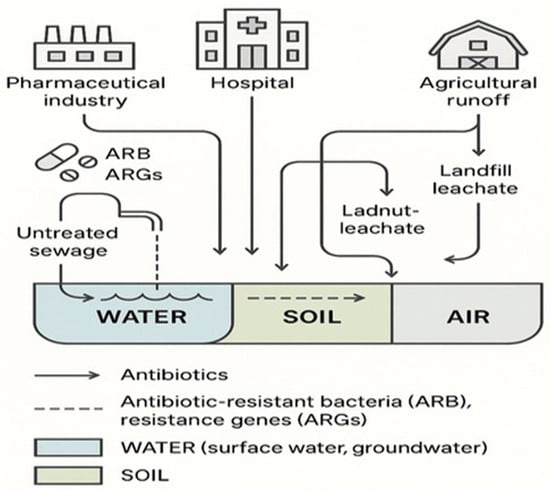
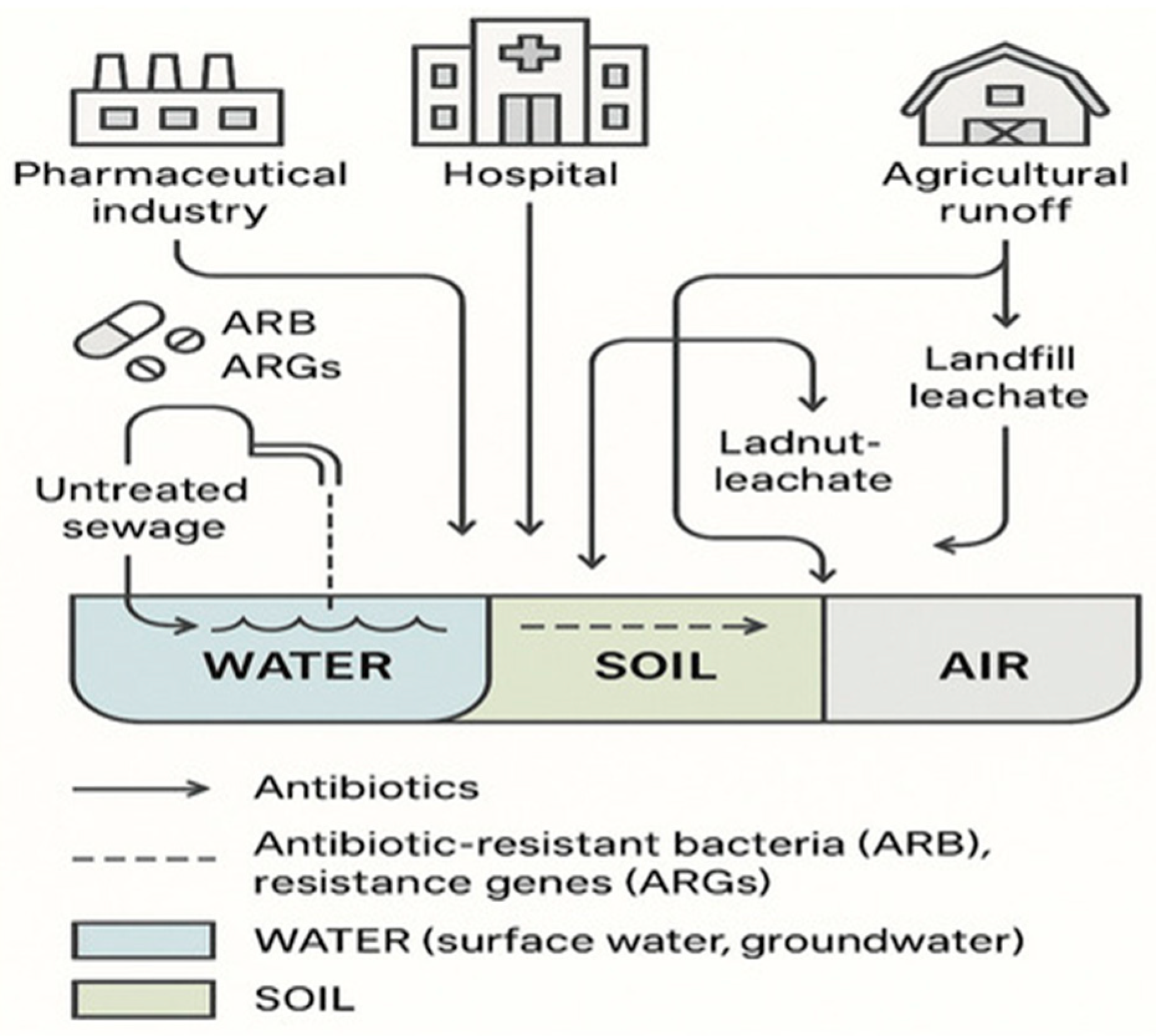
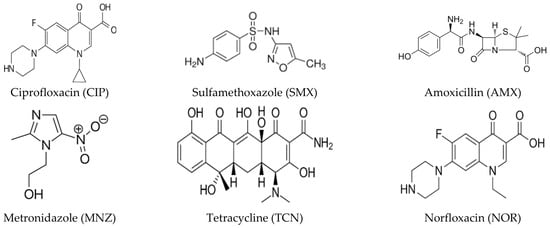
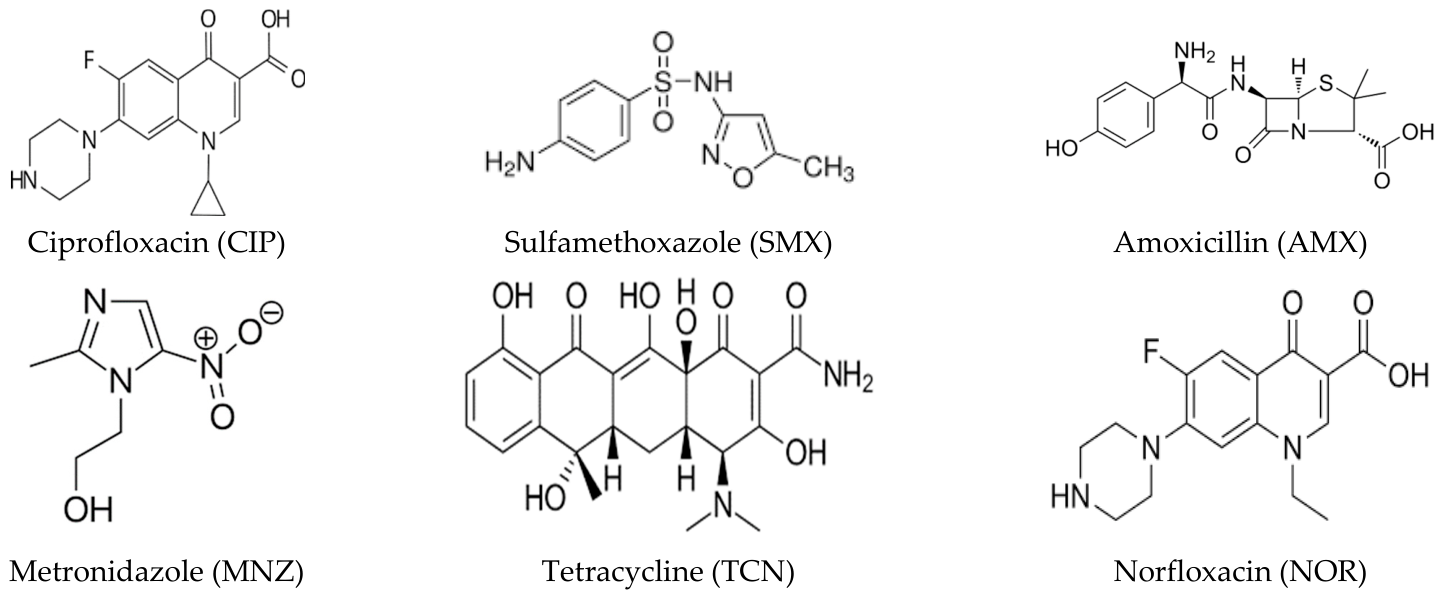
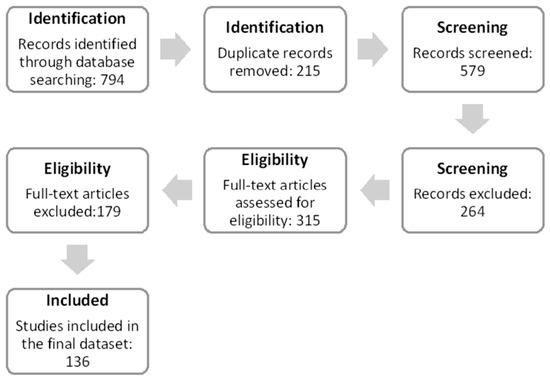
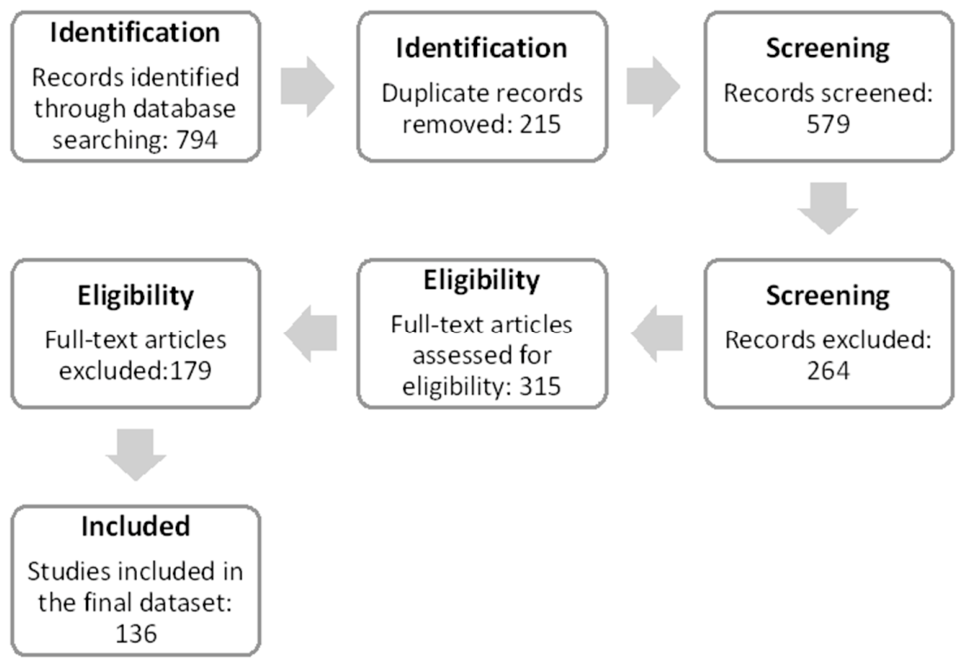
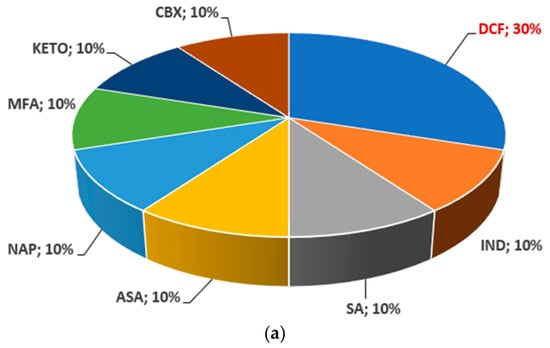
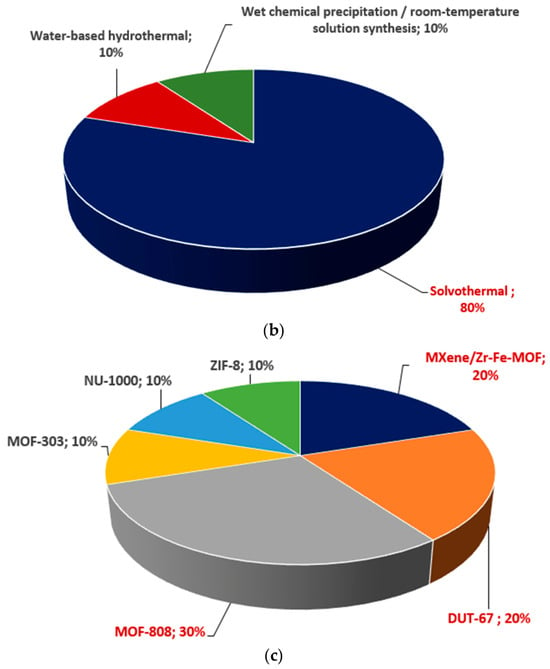
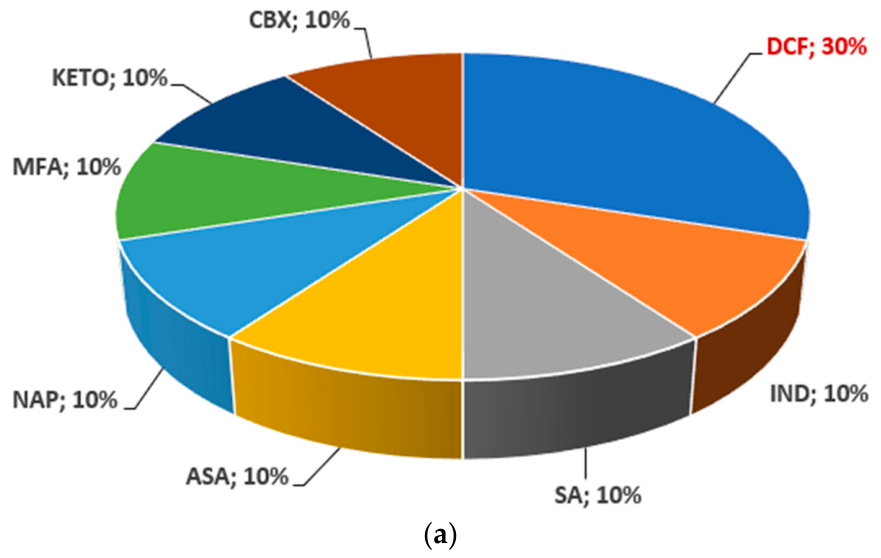
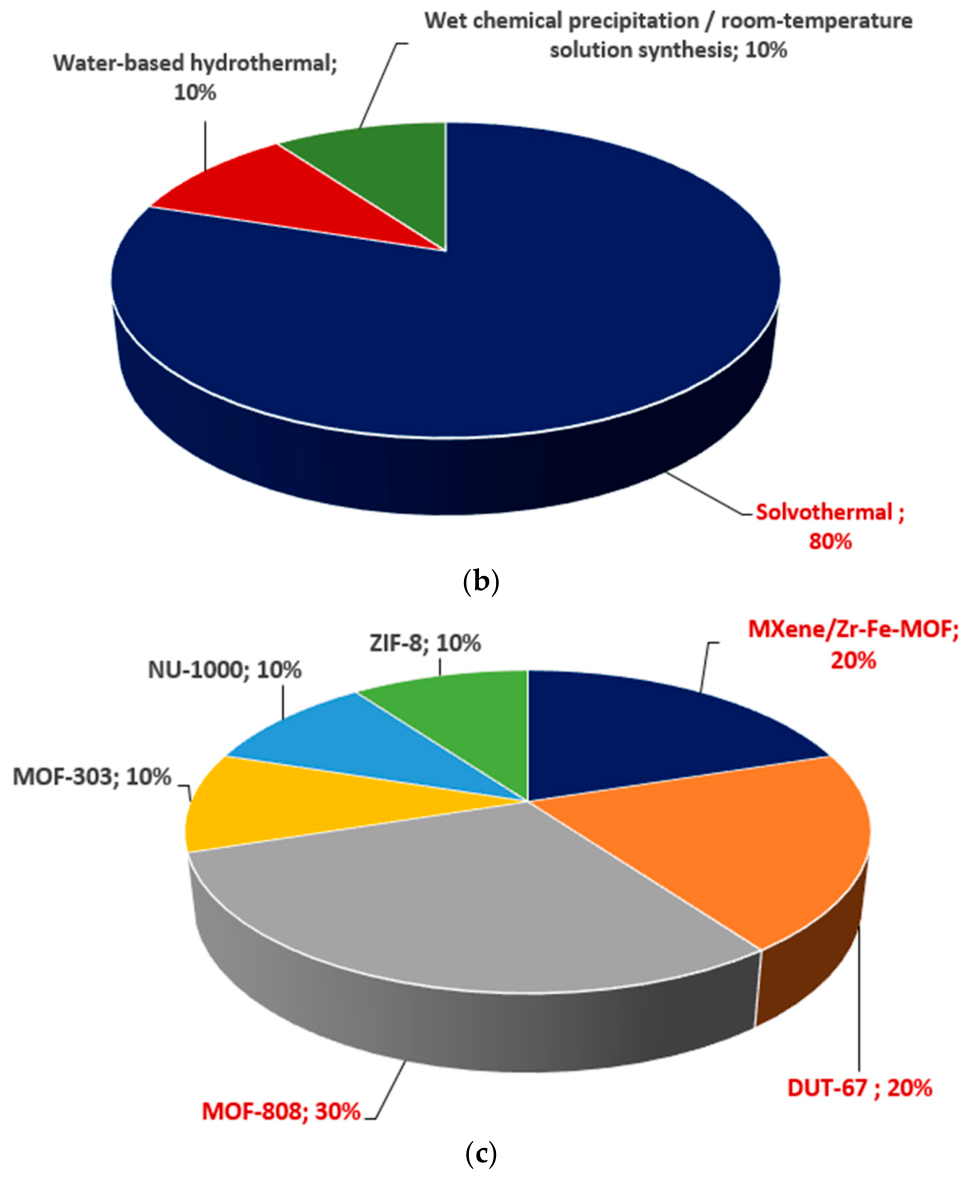
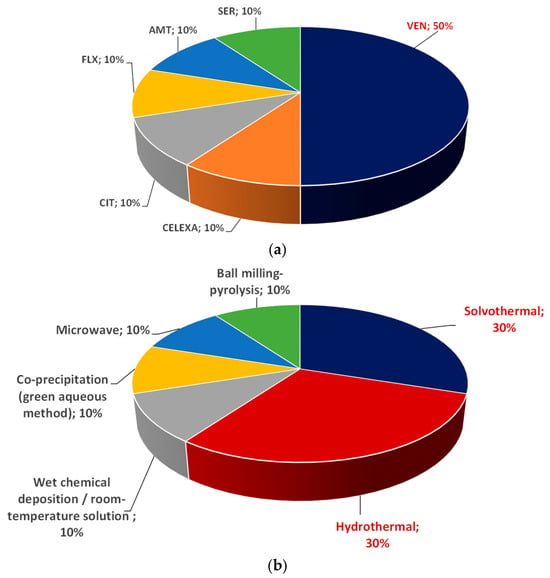
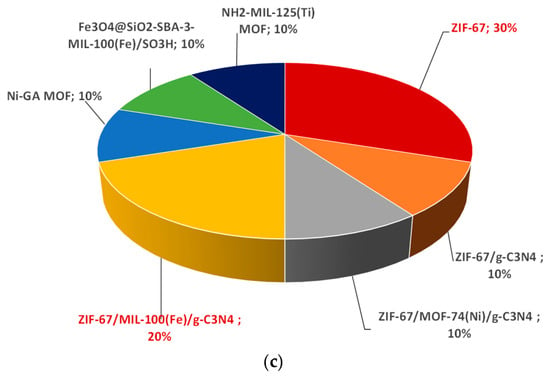
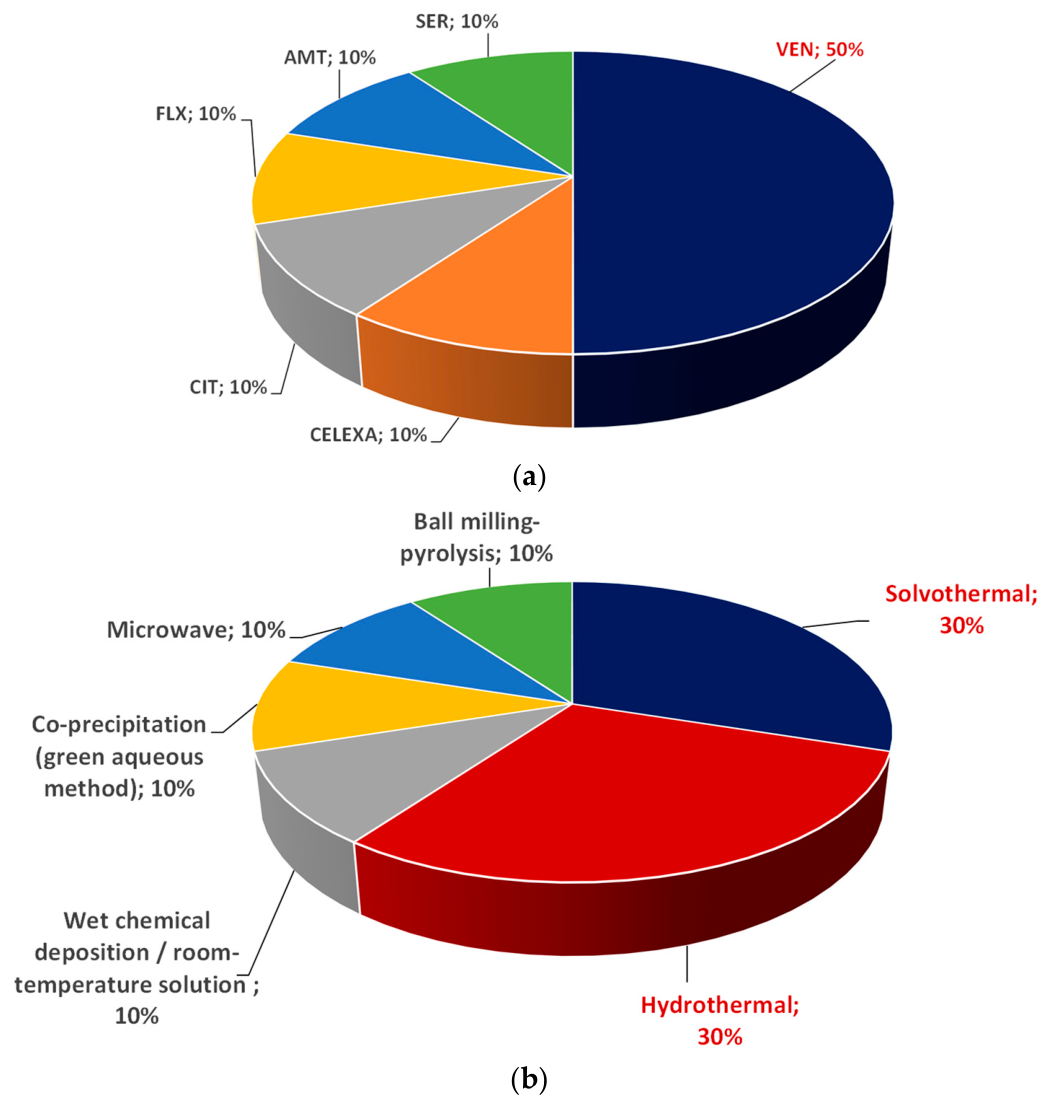
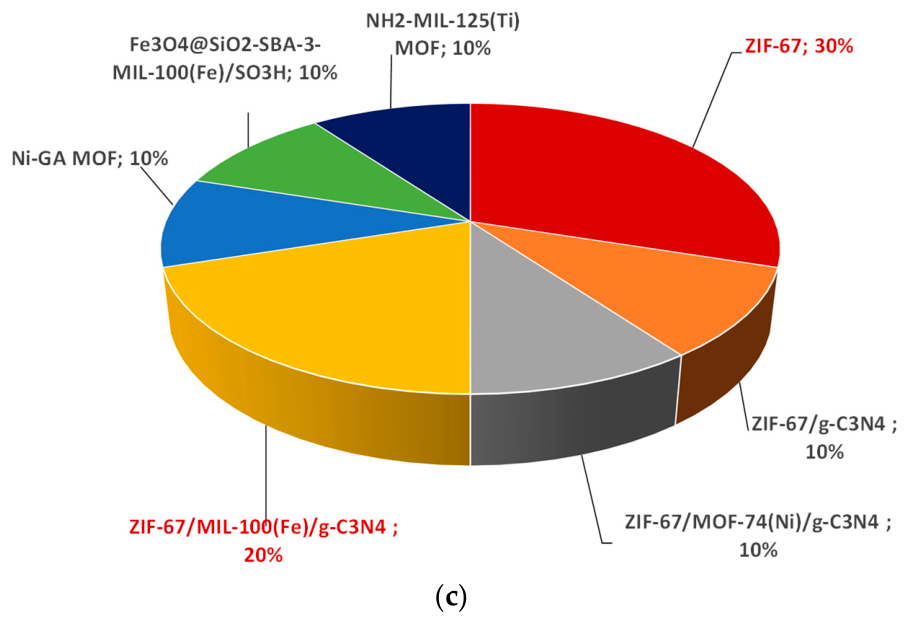
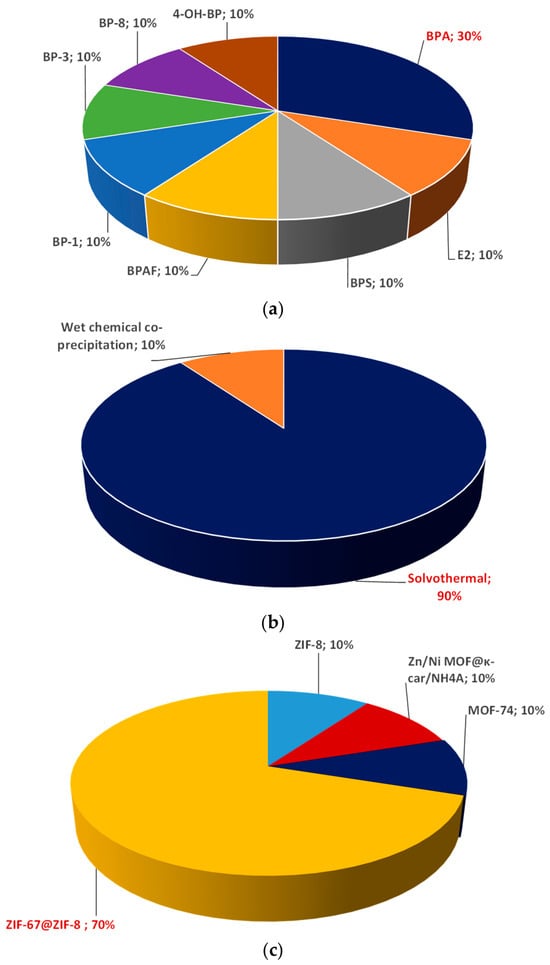
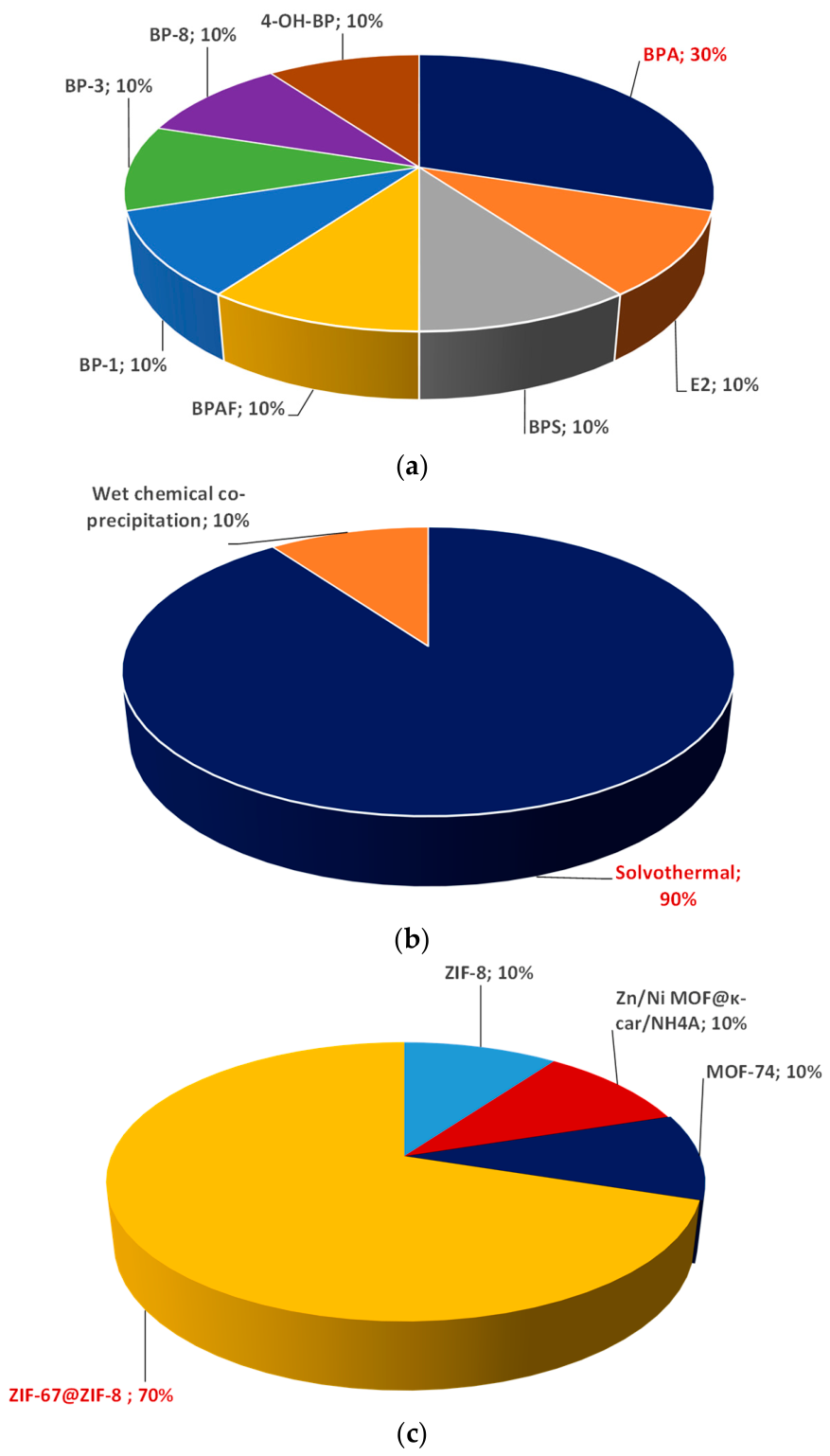
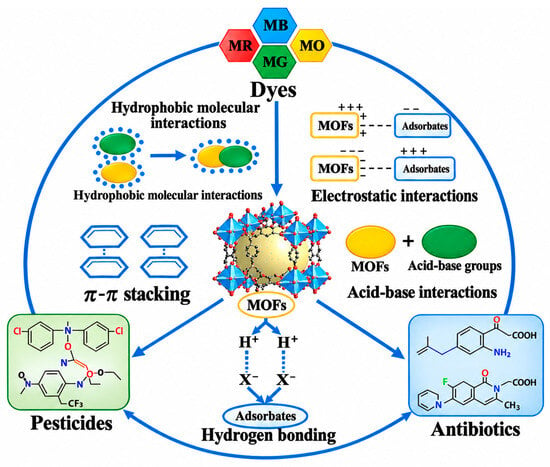
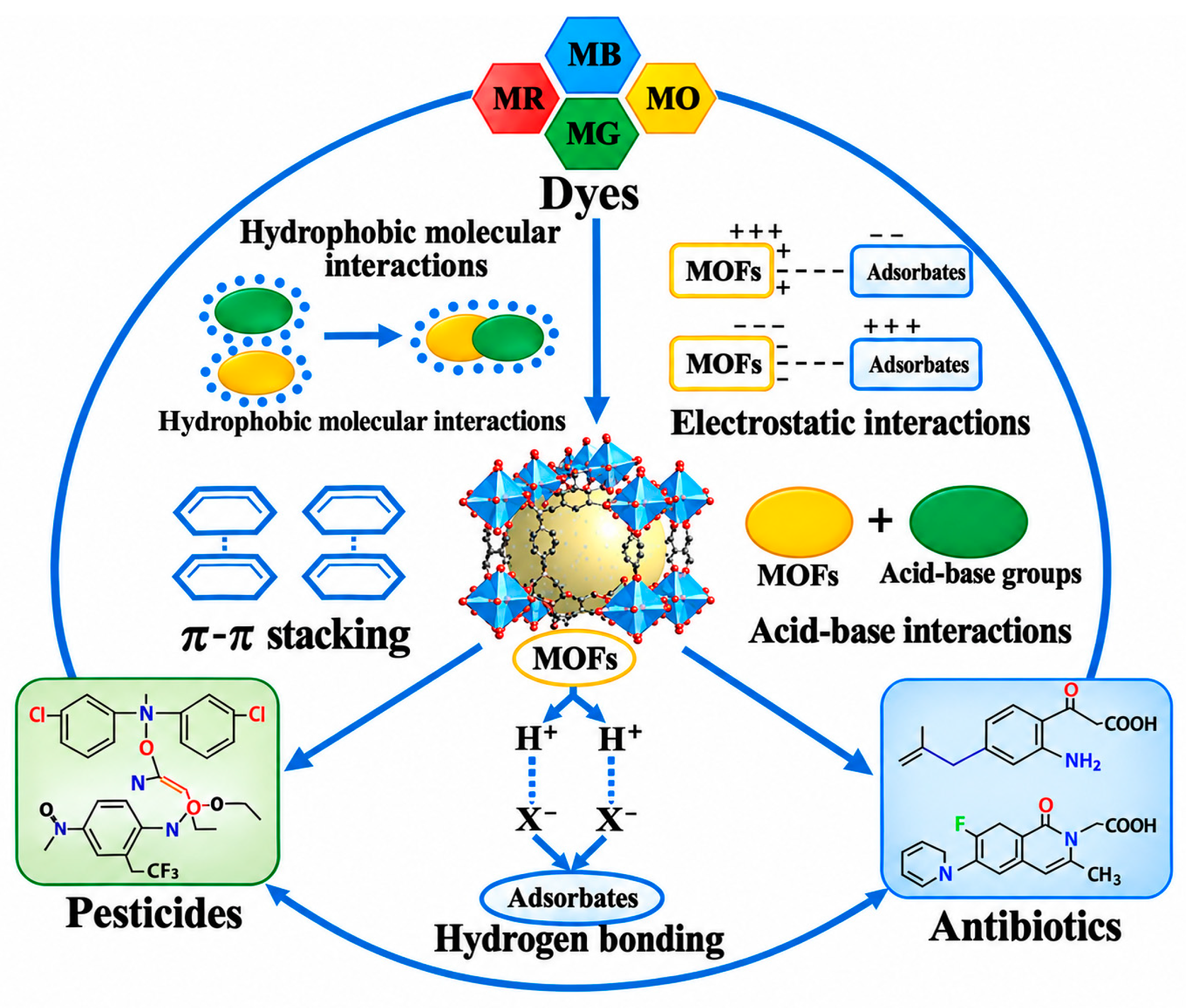
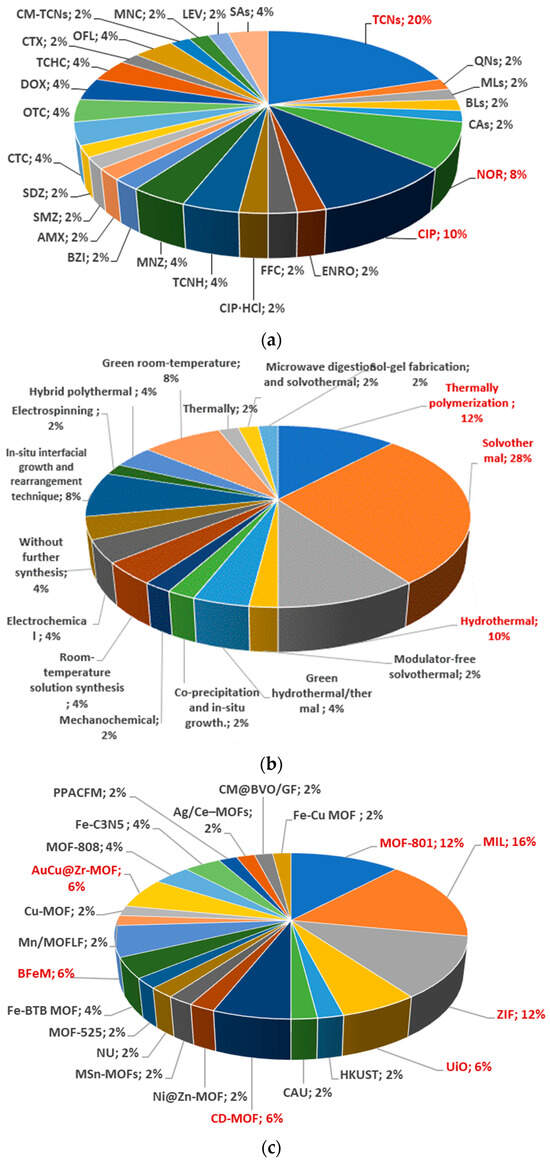
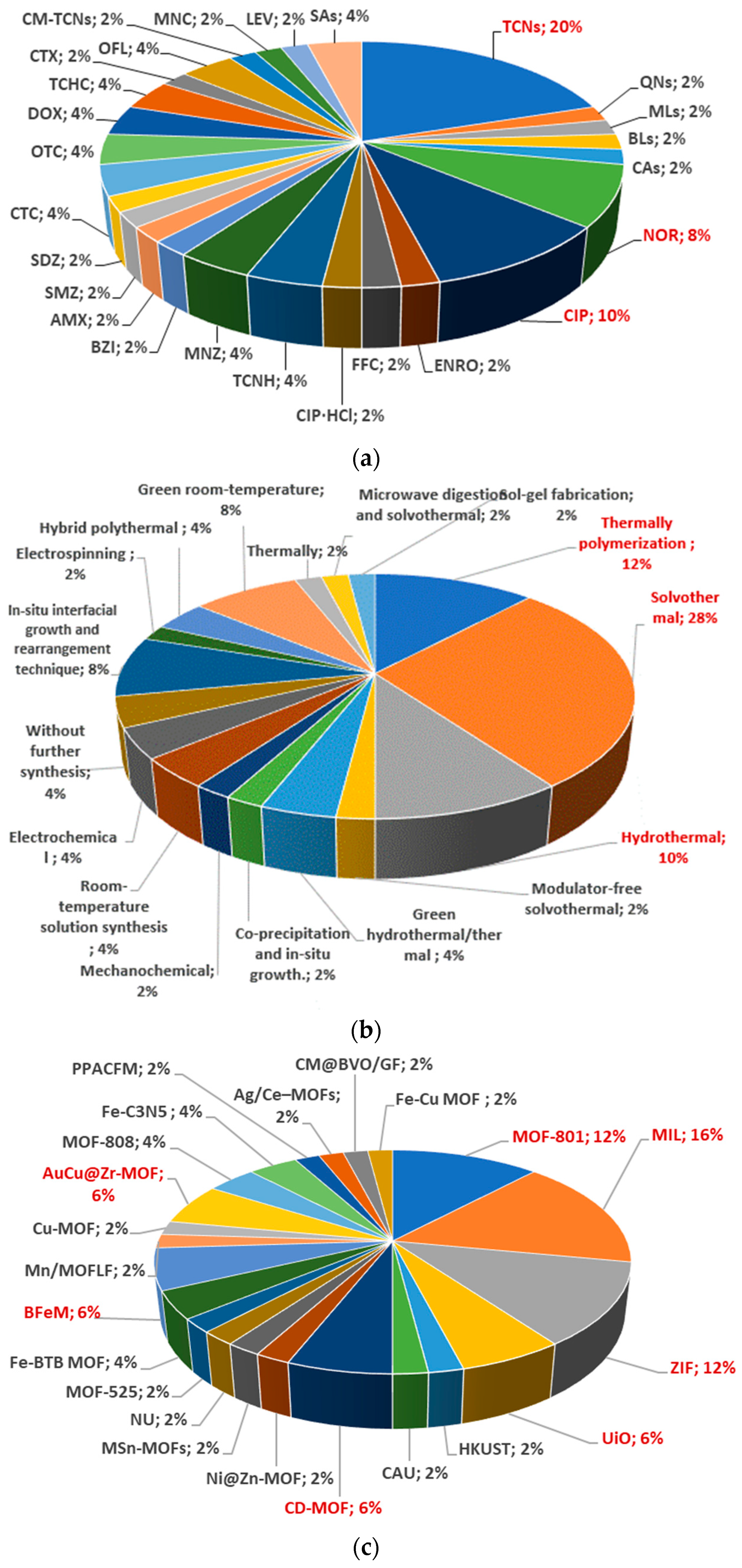

Disclaimer/Publisher’s Note: The statements, opinions and data contained in all publications are solely those of the individual author(s) and contributor(s) and not of MDPI and/or the editor(s). MDPI and/or the editor(s) disclaim responsibility for any injury to people or property resulting from any ideas, methods, instructions or products referred to in the content. |
© 2026 by the authors. Licensee MDPI, Basel, Switzerland. This article is an open access article distributed under the terms and conditions of the Creative Commons Attribution (CC BY) license.