


Neurosciences and neurology in Switzerland before 1908
Long before the founding of the Swiss Neurological Society (SNS) in 1908, Switzerland had made important contributions to the clinical and experimental neurosciences [1,2].
Worthy of mention are the neuroanatomical studies of Johann Heinrich Glaser (1629–1675), Johann Jakob Huber (1733–1798), Wilhelm His (Basel, 1831–1904, the first to describe nerve cell and nerve fibre as an independent unit) and Emil Villiger (1870–1931) in Basel; Gabriel Gustav Valentin (Breslau, 1810–1883, a student of Purkinje’s and first Jewish professor at a Germanlanguage university, described the soma of nerve cells as early as 1836) and Ernst Grünthal (1894– 1972) in Berne; Jean Louis Prévost I (1790–1850, who worked on nerve regeneration) in Geneva; Friedrich Arnold (1803–1890), Friedrich Goll (Zurich, 1829–1903, as student of Claude Bernard and Brown-Séquard the first to describe the fasciculus gracilis), Albert Kölliker (Zurich, 1817–1905, who introduced the term axon and later, in Würzburg, became Germany’s leading anatomist) and the psychiatrists Bernhard von Gudden (Kleve, 1824–1886, inventor of the microtome, who published important work on fibre connections in the central nervous system and was consultant to Ludwig II of Bavaria, resulting in the king’s deposition and possibly costing him his life), Gustav Huguenin (1840–1920) and Auguste Forel (Neuchâtel, 1848–1931, who [with von Gudden] prepared the first systematic set of sections of the whole brain, made essential contributions to neuron theory and also acquired world fame for his ethological research on ants [3,4]) in Zurich.
Neurophysiological and experimental work had already been done by the all-round genius Albrecht von Haller (Berne, 1708–1777) in Berne, Daniel Bernoulli (Groningen, 1700–1782) in Basel and Charles-Gasparddela Rive (1770–1834) in Geneva. Von Haller is regarded as the pioneer of bioelectricity theory and introduced the terms stimulus, irritability, sensibility and contractility. Essential contributions were forthcoming in the 19th century from the psychiatrist Eduard Hitzig (Berlin, 1838– 1907, who in 1870 with Gustav Theodor Fritsch [1838–1927] offered the first ever proof in the dog of the excitability of the cerebral cortex and in the process discovered the motor cortex) in Zurich, from Jean-Louis Prévost II (1838–1927) and Moritz Schiff (Frankfurt, 1823–1896; student of Johannes Müller, his postdoctoral thesis in Göttingen was rejected in 1855 on political grounds but in the same year he answered a call to Berne University) in Geneva and from the Russian Alexander Herzen (1838–1906) in Lausanne [2].
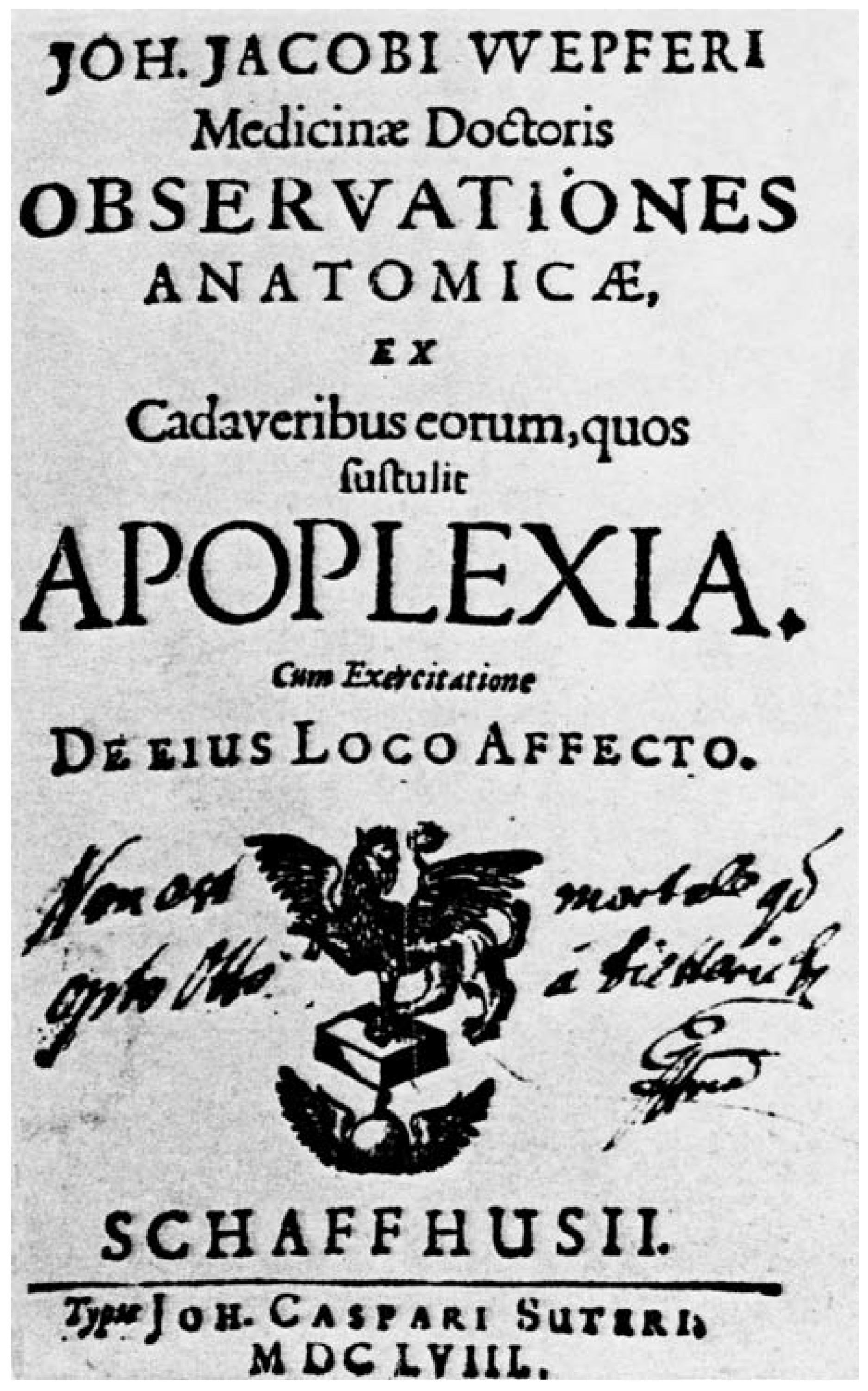
In clinical neurology the book “Apoplexia” (1658) by the Schaffhausen civic physician and anatomist Johann Jakob Wepfer (1620–1695, fig. 1) is considered a milestone in modern cerebrovascular research. Wepfer was the first to interpret stroke as the result of cerebrovascular disease and made a decisive contribution with anatomical (vascular anatomy), methodological (organ section, vascular injection of dyes, animal experiments, comparison of clinical and autopsy findings) and clinical studies (first references to the cross-relationship between lesion and paralysis) [5,6]. As professor of medicine in Lausanne André David Tissot (Grancy/Vaud, 1728–1797) wrote a comprehensive three-volume neurological handbook (“Traité des nerfs et de leurs maladies”, 1778–1780) and a “Traité de l’Epilepsie” (1770) which contains clinical observations on epilepsy that are still valid today [7].
Up to the early 20th century neurological patients were as a rule treated by internists and psychiatrists in Switzerland. In Geneva these were the internists Léon Révilliod (1835–1918), his successors Louis Bard (1857–1930) and Maurice Roch (1878–1967) and in particular the psychiatrist Paul-Louis Ladame (Neuchâtel, 1842–1919, v. infra) and the neurologist Edouard Long (1868– 1929) who obtained a postdoctoral qualification for neuropathology in 1900 [8]; in Berne the internists Heinrich Irenäus Quincke (Frankfurt, 1842–1922, Professor of Internal Medicine in Berne from 1873 to 1878, who introduced lumbar puncture in Kiel in 1891), Ludwig Lichtheim (Breslau, 1845–1928, Quincke’s successor, who conducted research on aphasia and was the first to describe funicular myelosis), Hermann Sahli (1856–1933, Lichtheim’s successor and chairholder for over 41 years until 1929) and the psychiatrist Paul Dubois (La Chaux-de-Fonds, 1848–1918, v. infra); in Zurich the internist Wilhelm Griesinger (1817–1868, founder of Burghölzli and the Zurich school of “brain psychiatry”) and the first three chairholders for psychiatry and directors of Burghölzli sanatorium von Gudden, Huguenin and Hitzig (v. supra); in Basel the internist Fritz Egger (1863–1938) and the psychiatrist Gottlieb Burckhardt (Basel, 1836–1907), who in Basel as early as 1863 was the first to obtain a postdoctoral qualification in neurology (specialising in nervous diseases, internal medicine and syphilis) and as founder of psychosurgery reported as early as 1891 on the favourable effect of cortical topectomies [9,10].
Figure 1.
Johann Jakob Wepfer’s book “Apoplexia” published in 1658.
Constantin von Monakow (1853–1928): pioneer of Swiss neurology
Constantin von Monakow was born in northern Russia in 1853 and moved to Switzerland in 1866 [11,12]. He received his training from Europe’s then leading internists, psychiatrists, neuroanatomists and neurologists (among others Griesinger, Hitzig, von Gudden, Dejerine). After a failed attempt to start a private practice in Zurich in 1877, he was appointed intern at St Gall’s St Pirminsberg mental asylum in Pfäfers. There he did important work on brain anatomy (first in cats and rabbits, then in humans) which formed the basis for his postdoctoral thesis (on the central visual pathway) at Zurich in 1885 [13]. In the same year von Monakow moved back to Zurich to open a private practice (this time successfully). With his monumental works “Gehirnpathologie” (1897) and “Die Lokalisation im Grosshirn und Abbau der Funktionen durch kortikale Herde” (1914) von Monakow epitomised the “Zurich neurobiological school” and ranked as one of the internationally leading neuroscientists of his time [12,14].
Von Monakow can be considered the pioneer of Swiss neurology for a number of reasons. First, in 1886 he founded a private laboratory of brain anatomy, which ranked as the first scientific institution for neuroscience in Switzerland (In 1882 Heinrich Obersteiner (1847–1922) had founded the world’s first neuroscientific institute in Vienna, which was renamed Neurological Institute in 1900. In Germany Oskar Vogt (1870–1959) founded the first research institute in 1898 (originally “Central Neurological Department”, from 1902 “Neurobiological Laboratory”).) and became a cantonal university institute in 1910.
Second, in 1887 von Monakow founded, at his own expense, the first neurological outpatient clinic (The second neurological outpatient clinic in Switzerland was opened by Bing and Villiger in Basel in 1908, initially on a private basis and from 1916 officially attached to the Medical Policlinic. In Germany also the first neurological outpatient clinics were established in the late nineteenth century in private practices and not at universities.) in Switzerland. Veraguth (1897–1900, v. infra) and from 1905, for the first time, also a private assistant worked in this outpatient clinic, which in 1913 was nationalised under the title “University Policlinic for Nervous Diseases”. In 1928 Mieczyslaw Minkowski (Warsaw, 1884–1972) took over the direction of the institute and policlinic and was appointed ad personam associate professor of neurology, a post he occupied until 1955 [15].
Third, in 1894 von Monakow was appointed associate professor for brain anatomy disciplines and the neurological policlinic (extraordinarius ad personam) and thus became incumbent of the first chair of neurology in Switzerland (The first chairs of neurology worldwide were created in Russia (Moscow, 1869, Kozhevnikov) and France (Paris, 1882, Charcot). In Switzerland the next chairs of neurology were established in Basel (1937, Bing, who had become associate professor in 1918 and full professor ad personam for neurology in 1934) and Geneva (1941, de Morsier, who had been appointed to a teaching post for neurology and neuropathology in 1934).).
There were many obstacles to be overcome along the way. Zurich medical faculty fought a long battle against a professorship for von Monakow and only yielded when he threatened to follow a call to the chair of psychiatry and neurology at the University of Innsbruck. Even in subsequent years he was regarded by several faculty members as an “undesirable intruder”.
Fourth, von Monakow played a central role in the founding of the Swiss Neurological Society (SNS) and was its first president (v. infra). At the founding of the SNS he again met with fierce resistance, chiefly from his great adversary the psychiatrist Auguste Forel, who called the SNS “a totally superfluous competitor with our Swiss Psychiatric Society”.
Fifth, in 1917 von Monakow founded the Swiss Archives of Neurology and Psychiatry [16]. Publication of its own autonomous specialist neurological journal as a mouthpiece for the SNS marked an important stage in the fight for recognition as an independent and officially recognised specialist field.
Founding of the Swiss Neurological Society (1908)
The founding date of the SNS is considered to be 15th November 1908 [17]. On that date 10 men met at Olten railway station restaurant in a preliminary consultative session. The members of this action committee were Robert Bing, Paul Dubois, Paul-Louis Ladame, Constantin von Monakow, Louis Schnyder, Schumann, Alfred Ulrich, Otto Veraguth, Emil Villiger and Gustav Wolff. The Olten meeting discussed, inter alia, the name of the new society, one designation that was considered being “Neuropsychological Society”, but in the end it gave preference to “Swiss Neurological Society”. The SNS was officially constituted on 13th March 1909 in Berne.
The ten named participants included specialists from various fields. Otto Veraguth (Chur, 1870–1944) was a von Monakow co-worker at the Institute for Brain Anatomy and also worked on clinical and electrophysiological questions. Alfred Ulrich (Winterthur, 1869–1944) initially practised as a psychiatrist but afterwards worked chiefly on epileptology and became director of the Zurich Epilepsy Institute. Paul Dubois (La Chauxde-Fonds, 1848–1918) practised in Berne and was a close friend of Jules Dejerine [18]. He gained a postdoctoral qualification for physical diagnosis in Berne in 1876 and was appointed associate professor of neuropathology in 1902. Dubois coined the term “psychoneurosis” and was among the founders of psychotherapy and psychosomatic medicine. His many foreign patients also included the author Marcel Proust. Paul-Louis Ladame (Neuchâtel, 1842–1919), won a postdoctoral qualification in Geneva and published studies on the clinical features of brain tumours and on aphasia, before dedicating himself primarily to psychiatry, social medicine and forensic medicine [8]. He held the first chair of psychiatry in Geneva medical faculty. Louis Schnyder (Neuveville on the Lake of Bienne, 1868–1927) gained his postdoctoral qualification in Berne in 1912, lectured on electrodiagnosis and electrotherapy, and practised as a psychotherapist. Emil Villiger (1870–1931) practised as a neuroanatomist, but also partly clinically in Bing’s outpatient clinic in Basel, and wrote several books (on the anatomy of the peripheral nervous system, of the spinal cord and the brain) which were translated into several languages. Gustav Wolff’s main field was psychiatry and Schumann’s psychology (The present authors were unable to find any further information on the founders of the SNS, not even in Prof. Minkowski’s detailed report for the society’s 50th birthday [17].).
The actual instigator of the whole movement was, however, the then 30-year-old Robert Bing (Strasbourg, 1878–1956) [17]. In 1908 he obtained a postdoctoral qualification at Basel University with a study of spinocerebellar pathways and in the same year officially took up, in the Medical Policlinic building, the direction of a neurological outpatient clinic opened on his own initiative. He was successful in convincing Dubois and von Monakow of the need for a specialised society of its own. However, Bing’s pioneering role became known only 25 years later. At the 31st general meeting of the SNS on 18th November 1933 Paul Dubois’ son (Charles Dubois, then SNS president) recalled that one evening in autumn 1908 Bing had called on his father with this project in mind. However, Bing left the subsequent steps towards foundation of the SNS to his older colleagues, and thus in after years his own merits in the matter gradually faded from memory.
Founding of the SNS in the historical international context
The importance of founding a specialist society for its own field can be illustrated in the light of the protracted and arduous process of disengaging neurology from the toils of psychiatry and internal medicine. The giant strides made by neuroanatomy and clinical neurology in the second half of the 19th century resulted, in Europe and the USA, in growing calls for independence. The turn of the century saw the foundation of autonomous specialist societies in numerous countries.
The world’s first specialist neurological society was founded in 1875, by William A. Hammond in America (“American Neurological Association”) [19].
Great Britain, where 1878 saw the first number of the journal “Brain”, was also ahead of the continental Europeans in this respect: the “Neurological Society of London” had existed since 1885; in 1907 it was renamed the “Neurological Society of the United Kingdom”.
In 1899 Jules Dejerine and a large number of Charcot followers (including Joffroy, Raymond, Marie, Meige and Babinski) founded the “Société de Neurologie de Paris” (in 1949 this specialist association was renamed “Société Française de Neurologie”). At the time of its founding, the “Société de Neurologie de Paris” already had its own journal, the “Revue Neurologique” started by Charcot in 1893, in which the statutes of the newly founded society were published even before its first meeting [20].
At the same time, in 1907, the “Gesellschaft deutscher Nervenärzte” and the “Società Italiana di Neurologia” (SIN) were founded. The initiators and first members of the SIN included Rossi, Tanzi, the Nobel Prize winner Golgi, Bianchi and Mingazzini (who inter alia had also received his training from von Monakow) [21]. The appeal which led to the setting up of the “Gesellschaft deutscher Nervenärzte” was co-signed, inter alia, by Erb, Oppenheim, Nonne, Bruns, but also by von Monakow. Afterwards von Monakow likewise served as member on the first management board of the society, founded in Dresden.
The first five years of the SNS (1908–1913)
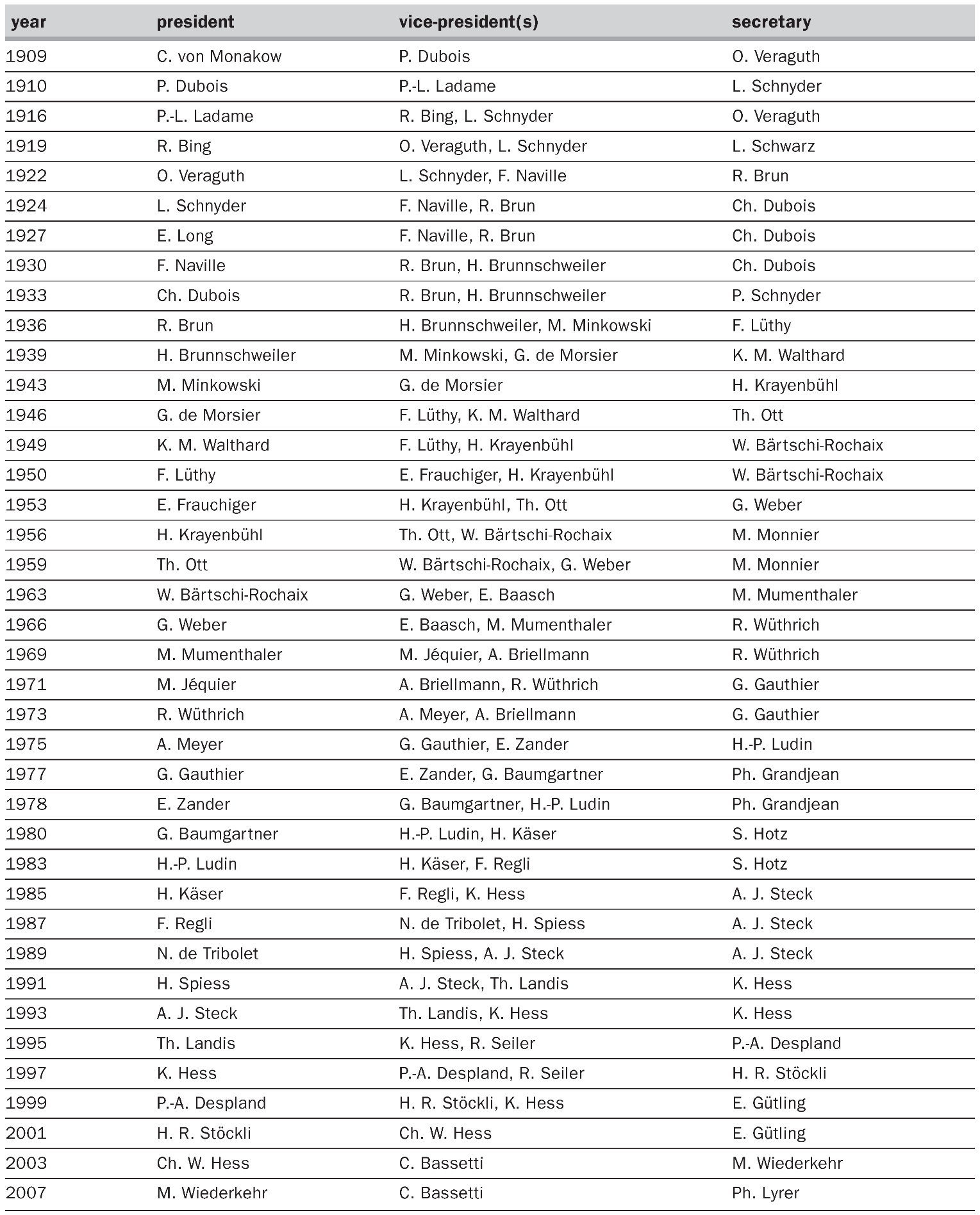
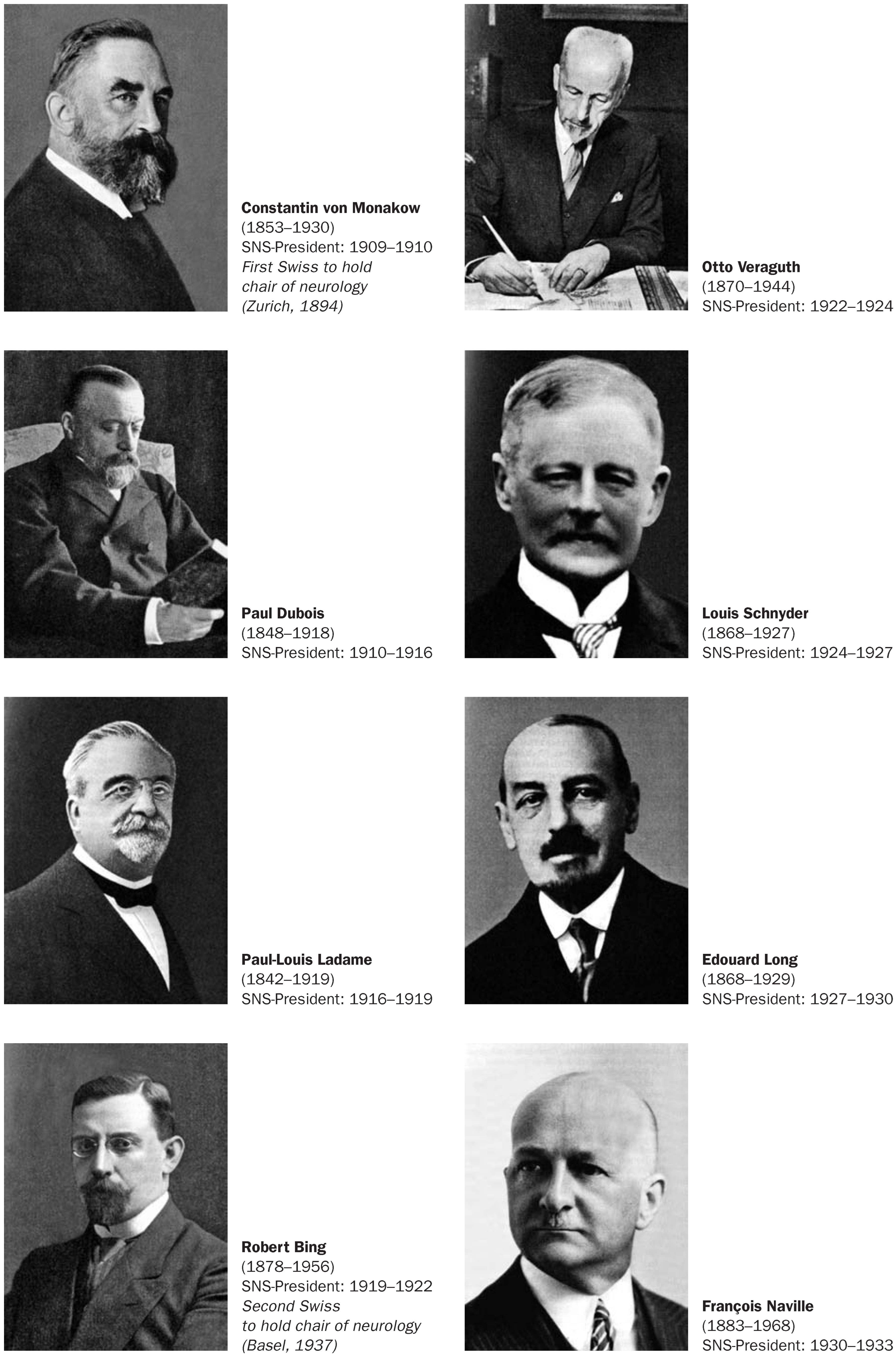
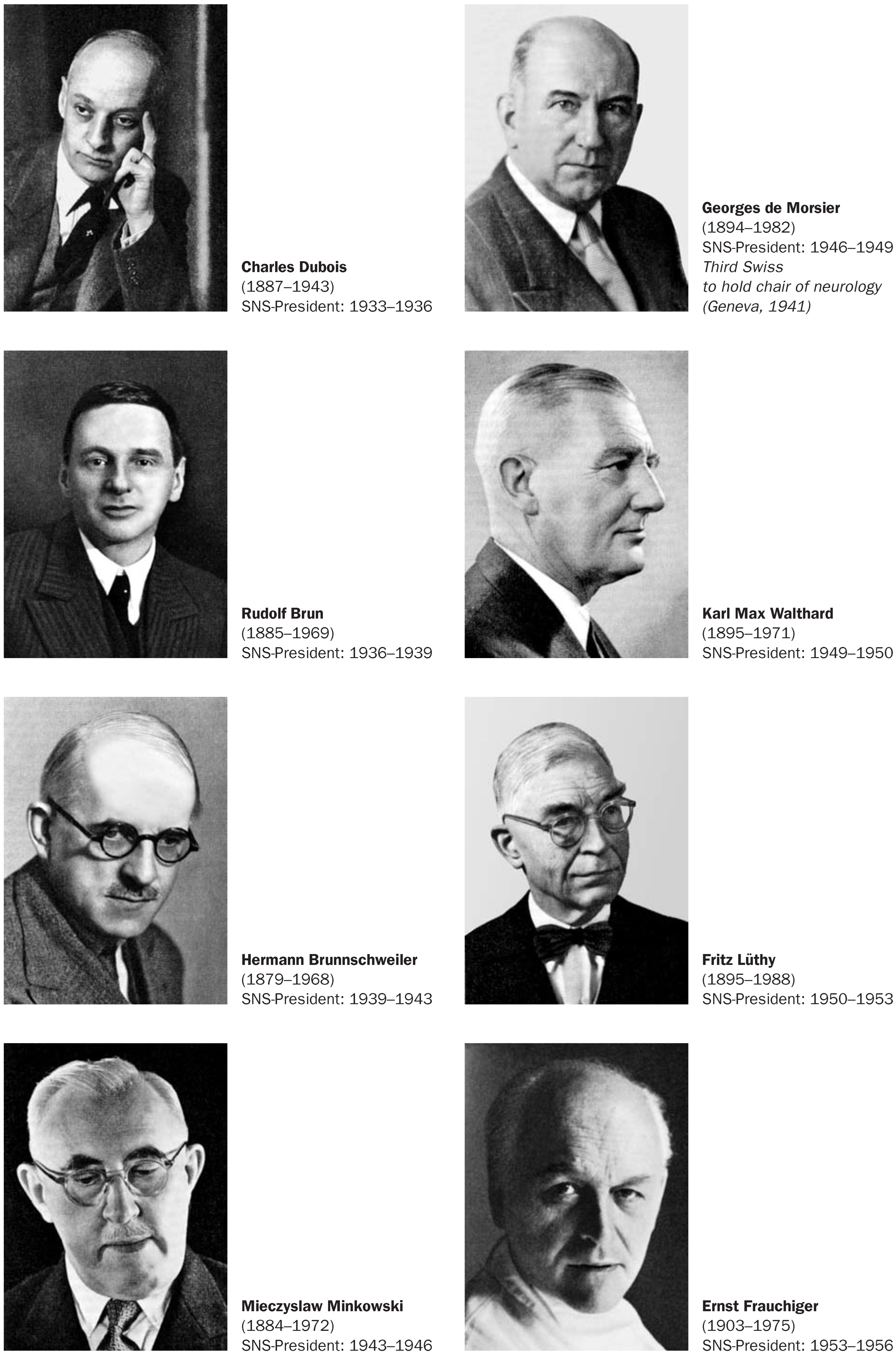
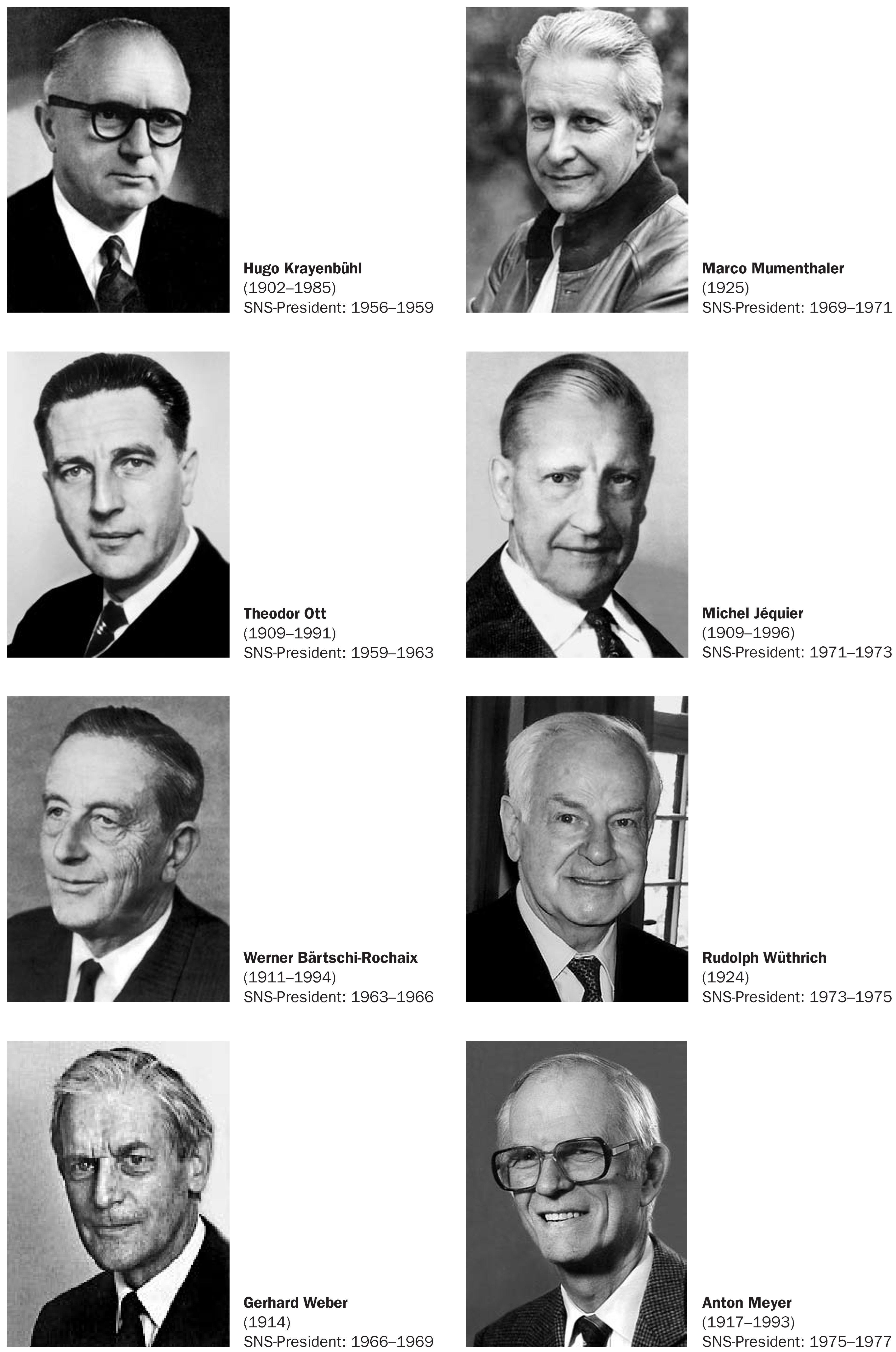
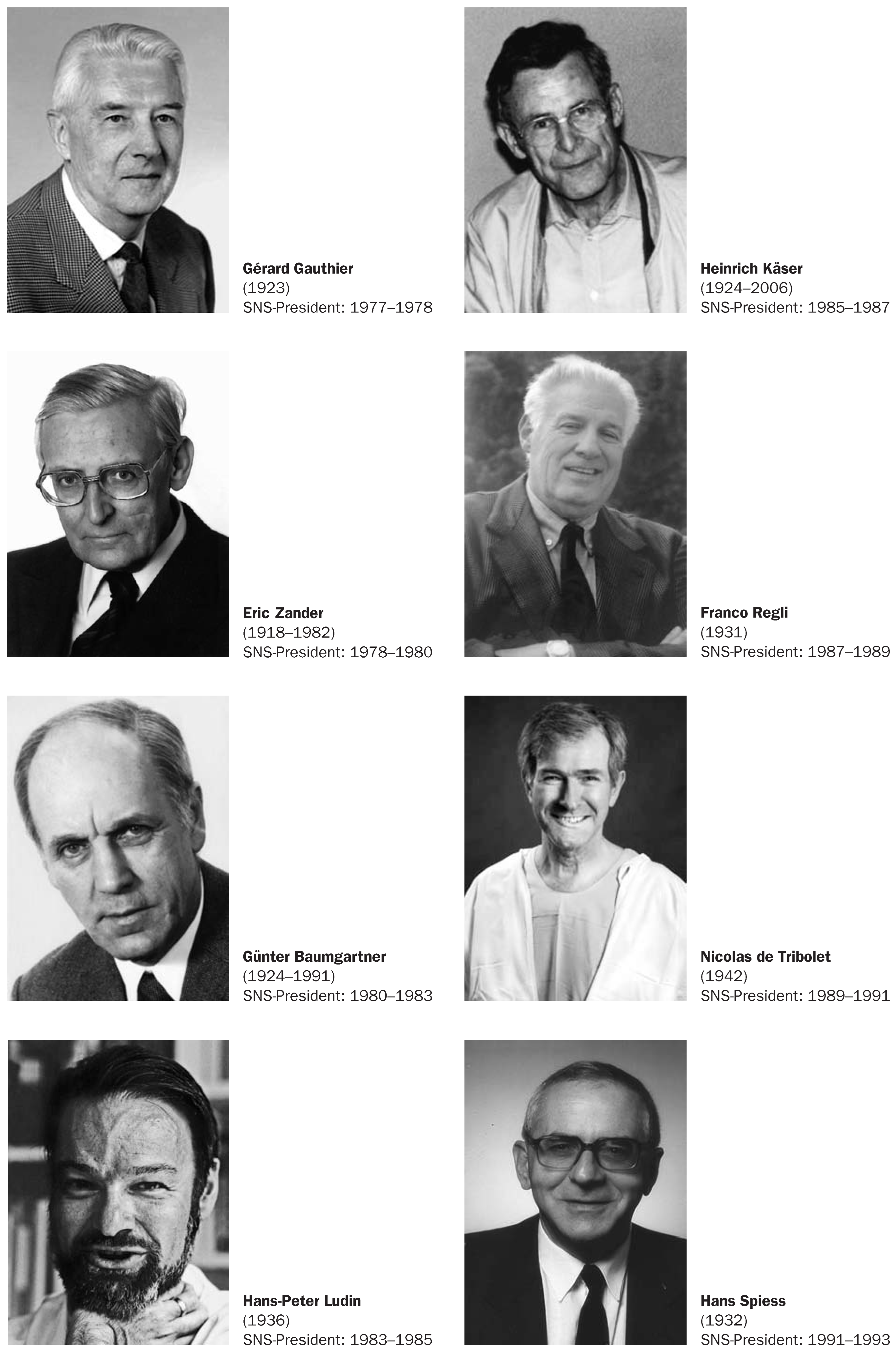
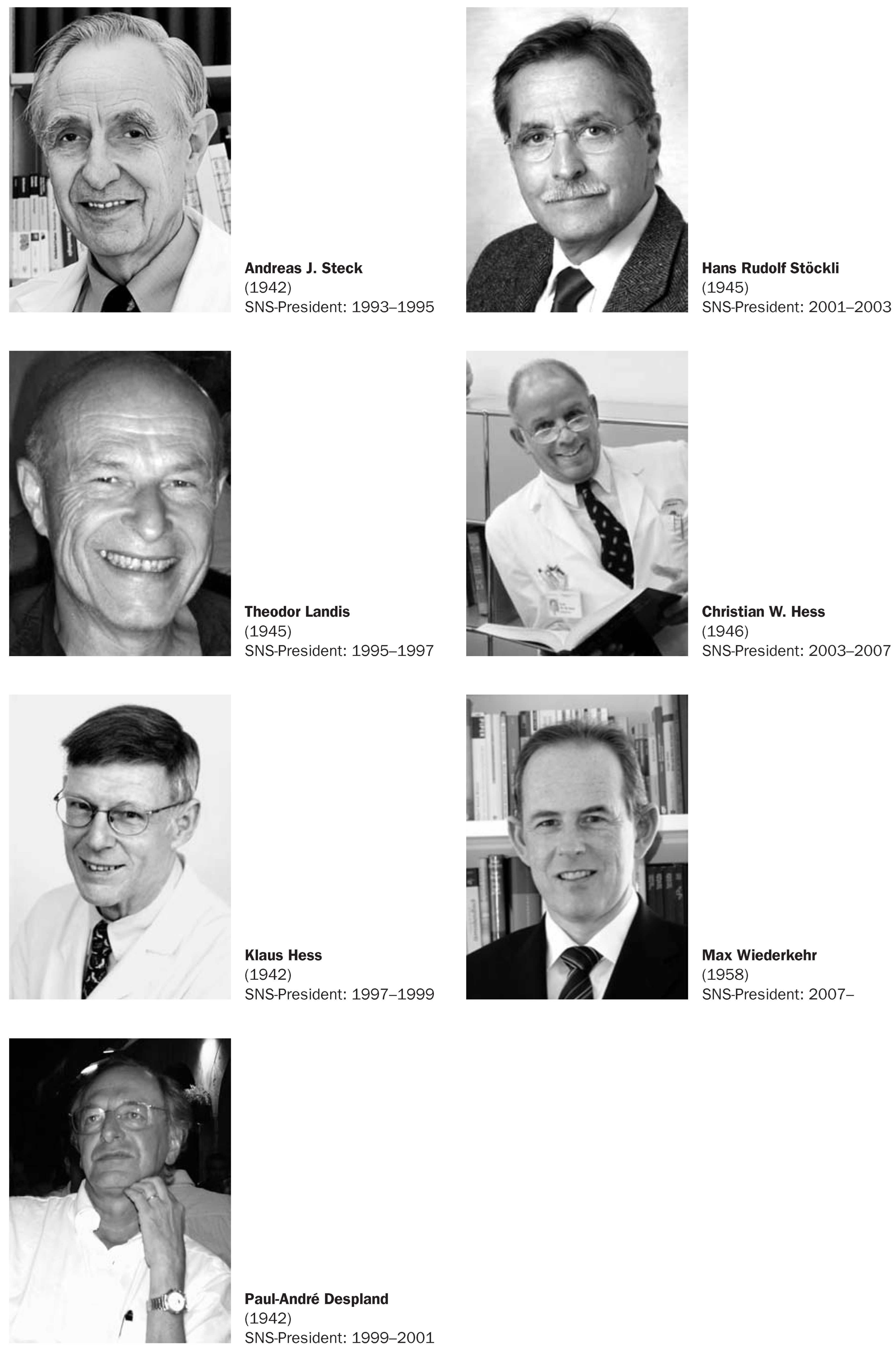
The first meeting of the SNS was held on 13th and 14th March 1909 in Berne. Sixty-four of the 108 enrolled members were present. The first main paper in the SNS’s history was delivered by the biology-oriented Geneva psychologist Edouard Claparède, on “Biological interpretation in psychopathology”. The second main paper was by von Monakow, on “New views on the question of localisation in the cerebrum”. Further papers were read by, among others, Tschudy (Zurich) on the surgery of brain tumours, P.-L. Ladame (Geneva) on posttraumatic spinal amyotrophy and P. Dubois (Berne) on a case of physical contact phobia. Von Monakow was also elected first president of the SNS (fig. 2, see portraits of all SNS presidents to date at the end of this article). Ladame and Dubois were elected vice-presidents, Veraguth secretary general and Bing committee member (table 1). The meeting discussed and finally adopted the statutes of the new-found society. Paragraph 1 sets as the society’s main goals:
- –
- promotion of neurology as a science and maintenance of close ties between it and neighbouring fields (anatomy, physiology, internal medicine, surgery of the nervous system, psychology, psychiatry, etc.);
- –
- cultivation of personal relations between the society’s members;
- –
- promotion and representation of the practical interests of neurology, development of neurological training, etc.
Paragraph 4 specifies that the society shall be headed by a five-member committee of management consisting of a president, two vice-presidents, a secretary/treasurer and a member, to be elected annually by the general meeting.
The second SNS general meeting was held in Zurich in November 1909, the main papers being given by L. Asher, P. Dubois (both of Berne) and C. Ladame (Geneva).
Subsequently the SNS held general meetings, with a few exceptions, twice yearly. Those prior to the First World War took place in Geneva (3rd general meeting), Basel (4th, with neurosurgery as main theme and the election of P. Dubois as second SNS president), Aarau (5th), Berne (6th), Lausanne (7th), Lucerne (8th), Fribourg (9th) and Zurich (10th). At these meetings main papers were read by the following prominent representatives of other specialist societies: J. Jadassohn (Berne, dermatology, paper on syphilis), O. Naegeli (Zurich, haematology, paper on the importance of haematology in neurology) and L. von Muralt (Davos, paper on neuropsychiatric symptoms in pulmonary tuberculosis).
The SNS during the First World War (1914–1918)
No further SNS general meetings were held until May 1916. The first meeting during the First World War and the 11th in the SNS’s history took place in Berne from 13th to 14th May 1916. At this meeting von Monakow and Dubois resigned from the management committee (both were elected honorary presidents) and P.-L. Ladame was elected the third president. This was the last SNS general meeting to have its minutes published in the Correspondenzblatt für Schweizer Aerzte.
The 12th general meeting was held jointly with the psychiatrists (Verein Schweizerischer Irrenaerzte, VSI) in Neuchâtel. As touched on above, relations between the two specialities had for some time been soured by tensions and misunderstandings. This first joint meeting of SNS and VSI was marked by a certain newfound rapprochement.
Table 1.
Presidents of the SNS from its foundation to the present.
The fact that the two then presidents of SNS and VSI were from the same family set a symbolic stamp on this 12th assembly. In his address Paul-Louis Ladame reminded the meeting of his mentor Griesinger (v. supra), who had been a proponent of the union of neurology and psychiatry. His son Charles Ladame, president of the VSI, also took up the cudgels in his address on behalf of fruitful cooperation between the two fundamentally independent specialist societies. The meeting report on this 12th assembly was for the first time published in the Swiss Archives of Neurology and Psychiatry, the introductory number of which appeared in 1917 (a contribution from Valko, Mumenthaler and Bassetti to the present festschrift chronicles the journal’s foundation and history; cf. Schweiz Arch Neurol Psychiatr. 2008;159[4]: 157–70).
The 13th general meeting took place at Lucerne in the building of the SUVA, the Swiss national accident insurance scheme, on the theme of war neurology. The 14th was again held jointly with the psychiatrists (VSI), this time in Lausanne.
History of the SNS between the First and Second World Wars
The first general meeting after the war, the 15th in the SNS’s history, took place in Zurich. On this occasion the participants were informed that Jules Dejerine (Paris) had set up a fund to support Swiss researchers. Robert Bing was elected 4th president of the SNS.
The themes chosen for SNS assemblies were often grouped round a main topic, e.g. psychotherapy (1920), endocrinology (1920), encephalitis lethargica (1921), epilepsy (1922), autonomic nervous system (1923, with a paper from the later Zurich Nobel Prize winner W. R. Hess), reflexes (1924), cerebellum (1924), basal ganglia (1925), pituitary (1928), encephalitis lethargica again (1930, with papers from H. Steck, G. de Morsier and H. Brunnschweiler), late sequelae of craniocerebral traumata (1932) and aphasia (1934).
The 24th general meeting, in Zurich, is especially worthy of mention, being held in celebration of Constantin von Monakow’s 70th birthday. The invitees included Profs W. R. Hess, M. Bleuler, K. Goldstein (France), J. Piltz (Krakau) and R. von Valkenburg (Amsterdam). The 5th president of the SNS, Otto Veraguth, presented von Monakow with a special volume of the Swiss Archives edited by O. Veraguth, M. Minkowski and R. Brun and containing 55 contributions from, among others, E. Bleuler; W. M. Bechterew and W. Pavlov (Russia); Ramon y Cajal (Spain); E. Flatau and S. Goldflam (Poland); G. Fuse (Japan); K. Goldstein (Germany); H. Head (Great Britain); C. Winkler and G. G. J. Rademaker (Netherlands); O. Marburg (Austria); P. Marie and A. Thomas (France), and Mingazzini (Italy).
Since then, in accordance with a decision taken in 1926, autumn meetings have been devoted to free contributions and main papers have been dispensed with.
The SNS’s membership grew relatively slowly and numbered 144 in 1930. Up to that year 45 members of the society had died.
A special event in the SNS’s history was the staging of the 1st International Neurological Congress (INC) (This congress is also regarded as the first in the history of the World Federation of Neurology, which was officially founded in 1957.), which took place in Berne from 31st August to 7th September 1931, after an approach to the SNS management by the American Neurological Association in 1928. The first INC was to have taken place as early as 1914 in Berne, but the war put a stop to efforts at that time. The unfavourable standing of neurology vis-à-vis psychiatry and internal medicine was also high on the agenda for the first INC, where it prompted lively debate. Reports on the subject were heard from representatives of German (M. Nonne), French (J. Lépine), Austrian (C. von Economo), Czech (L. Haskovec), Dutch (B. Brouwer) and American (T. H. Weisenburg) neurology. The first INC was regarded as a further step towards anchoring neurology as a speciality in its own right, in which Switzerland as host country, organiser and active participant played an important and honourable role (The following resolution, proposed by O. Foerster, was unanimously adopted: “Neurology is today a fully independent specialty. Unfortunately, however, there are countries which do not sufficiently recognise this fact. This congress urges the relevant authorities of the countries in question to do their utmost to further the position of neurology.”).
After discussion of the theme neurological teaching in medical studies at the 33rd SNS meeting in Basel (1930), at the 35th meeting in Zurich M. Minkowski gave a talk entitled “The position of neurology in medical education” which included a renewed call for recognition of neurology as an independent and compulsory subject in medical studies ( In Europe at that time neurology was an independent compulsory part of medical studies only in Russia, Bulgaria, Estonia, Romania and Norway.). This call gave rise to written opposition from the internist Prof. L. Michaud (Lausanne), while his Zurich colleague Prof. O. Naegeli expressed support. The following resolution, proposed by R. Bing, was adopted: “The Swiss Neurological Society considers it urgent that attendance at a two-hour (clinical or policlinic) neurological course during two semesters be declared a compulsory part of medical studies”. In 1933 the Federal Medical Examinations Board decided to introduce neurology as an independent subject in medical studies from 1935. However, it was only in 1967 that neurology became a compulsory examination subject (as part of internal medicine). In 1932 the central committee of the Swiss Medical Association decided on the educational requirements for the specialist in neurology (2.5 years neurology in a university hospital, 6 months psychiatry and 1 year “pre-studies”, including at least 6 months internal medicine) (In addition to the 1 year of internal medicine, a spell of up to 6 months in neuropathology, neuroanatomy or neurophysiology was counted. In 1980 6 months’ further training in neurosurgery was declared compulsory.). The requirements for combined training in the specialist fields of neurology and psychiatry were also set out (over a total of 5.5 years). These rules were laid down by the Swiss Medical Association in 1939.
At the 45th meeting in Geneva (1938), held jointly with the Swiss Dermatological Society, honorary and corresponding members were appointed for the first time. The honorary members (Among the corresponding members mention can be made of O. Foerster, O. Marburg, L. de Lisi, B. Brouwer, André-Thomas, K. Krabbe, D. Denny-Brown, W. Penfield, L. van Bogaert and M. Critchley.) included W. R. Hess, L. van Bogaert (Belgium), H. Cushing and B. Sachs (USA), H. Holmes and C. S. Sherrington (Great Britain), J. Lhermitte (France), M. Nonne (Germany) and O. Marburg (Austria).
The last meeting before the Second World War, and the 47th in the SNS’s history, was held in Ticino (Lugano) for the first time, the theme being “occupational intoxications”.
History of the SNS in the Second World War (1939–1945)
SNS meetings (48th–56th) were held regularly during the Second World War, including one jointly with the psychiatrists (1943) and one with the veterinarians (1944). At the 53rd meeting Prof. M. Minkowski was elected president. Election of a Jew was commented on as proof of “intrepidity and independence” [17].
Both before and during the Second World War a number of prominent German neurologists found refuge in Switzerland from persecution in their home country (K. Goldstein, O. Löwenstein and W. Riese among others).
The Archives were called upon to play a special role during the Second World War, being probably the only European neurological journal to continue publishing articles in German by a range of foreign, sometimes Jewish, authors.
History of the SNS after the Second World War (A contribution from Loeliger and Mumenthaler, published in 2008 as a supplement to the Swiss Archives, provides a detailed history of the SNS from 1950 to 2003.)
The first postwar general meeting, the 57th in the SNS’s history, was held in Sion. On this occasion the main theme was “cerebral thrombendangiitis obliterans”.
From 1950 the twice yearly SNS meetings were frequently staged jointly with foreign neurological societies. The first such joint meeting took place in July 1950 in conjunction with the Italian Neurological Society in Lugano. The SNS held further joint meetings with its Italian sister society in 1975 (Stresa) and 1980 (Sion). Other countries with whose neurological societies the SNS held meetings included Great Britain (Interlaken 1954, Montreux 1978, London 2000), Belgium (Vevey 1955, Ostende 1955, St Gall 1972, Brussels 1979), Netherlands (Berne 1956, Amsterdam 1981), Germany (Zurich 1960, Hamburg 1982, Bonn 1992), France (Montreux 1963, Paris 1965, Lausanne 1994), Austria (Bad Ragaz 1968, Hamburg 1982), Poland (Winterthur 1983) and Sweden (Interlaken 1990, Lund 1992).
The main themes of the meetings reflect developments in the speciality over succeeding decades. Thus the following topics, among others, have been chosen: extrapyramidal physiology and disorders/ Parkinson syndrome (1946, 1959, 1985, 1992, 1998, 2002, 2006); hypothalamus (1948, with the psychiatrists), peripheral nerve traumas/iatrogenic damage to the nervous system (1950, 1982); body scheme and right-/lefthandedness, neuropsychology, behavioural neurology (1951, 1970, 1975, 1988, 1996, 1997, 1999, 2002, 2004); epilepsy (1954, 1994, 2004, 2005); neuroinfectiology (streptomycin 1946, encephalitides of Central Europe 1952, toxoplasmosis 1955, tickborne diseases 1986, AIDS 1987); embryonal and early childhood diseases/ neuropaediatrics (1956, 1971); neuropharmacology (1957), cerebral enzymology/neurochemistry/ metabolic disorders (1962, 1970, 1994, 2005); vestibular system/otoneurology (1964, 1989); neurorehabilitation (1967, 1991, 1997, 2001, 2007); geriatric neurology (1969); dementias (1994, 2001); diabetes and neurology (1972); collagenoses (1973); headache/pain (1974, 1990, 2000, 2005); myopathies/neuromuscular disorders (1975, 1994, 1998, 2005); cerebrovascular disorders, cerebral venous thromboses (1954, 1974, 1985, 2000, 2002, 2005, 2007); neuroophthalmology (1975); disorders of consciousness/coma (1978, 2005); cerebral tumours/neurooncology (1980, 1992, 1997, 2005); neuroimmunology/vasculitides (1981, 1983, 2001, 2003, 2005); craniocerebral/cervical spine traumas (1984, 1993); polyneuropathies (1985, 2001); multiple sclerosis (1991, 1996, 1997, 2000, 2001, 2003, 2007); neurogenetics/hereditary disorders (1995, 2000, 2002, 2003), sleep/sleep disorders (1996, 2003); somatoform disorders (1998); neurological consultancy/assessment (1999, 2004); neuroplasticity (1999); prion diseases (1999, 2003); neuroradiology (1968, 2004); autonomic neurology (2006); emergency neurology (2007).
Some meetings deserve special mention. The 73rd SNS meeting at Zurich in 1953 celebrated, first, the 100th anniversary of Constantin von Monakow’s birth, and, second, Zurich University’s conferral of honorary doctorates on Oskar Vogt (Germany), Jean Lhermitte (France) and Macdonald Critchley. The 81st SNS meeting in Basel celebrated fifty years of the society. At the 131st SNS meeting in Winterthur the 100th anniversary of the birth of M. Minkowski (born in Warsaw) was honoured jointly with the Polish society. At the 178th meeting at Lugano in 2007 the discussion topic was the future of neurology, with contributions by speakers from Switzerland (C. W. Hess), Italy (M. Manfredi), France (M. Clanet) and Austria (W. Grisold).
The years between 1930 and 1960 saw no notable increase in the society’s membership. In 1964 there were 166 members, an increase of just 22 over the 1930 figure. Only with the progressive incorporation of other societies (v. infra) was there a marked increase in SNS membership from the 1960s onwards. In 1987 there were already 295 members (of whom 45 held postdoctoral qualifications as neurosurgeons) and by 2003 the figure was 420 (including 254 full, 89 associate, 51 free, 21 corresponding and 5 honorary members).
The first society to amalgamate with the SNS was the Association of Swiss Neurosurgeons (in 1984 the name was changed to “Swiss Society of Neurosurgery”). This integration of the two societies took place in 1954. The then president of the Association of Swiss Neurosurgeons was H. Krayenbühl, who in 1937 had founded the first Swiss neurosurgical clinic in Zurich, was SNS president from 1956 to 1959, and from 1959 to 1971 editor-in-chief of the neurological section of the Swiss Archives. In 1941 Krayenbühl had gained his postdoctoral qualification with his standard work The Cerebral Aneurysm, which was published in the Swiss Archives. At Krayenbühl’s suggestion the name of the Swiss Archives was expanded to “Swiss Archives of Neurology, Neurosurgery and Psychiatry” from 1959 to 1986. In 1998 the neurosurgeons decided to leave the SNS.
In 1959 the Swiss Association for Electroencephalography also affiliated to the SNS. It had been founded in Berne in 1948 by the husband and wife team W. and F. Bärtschi-Rochaix (in 1951 it had a membership of 14). With the passage of time this association also included electromyography (introduced into Switzerland by F. Lehnen in 1954) and neurosonography. In 1967 its name was modified accordingly (Swiss Society for Clinical Neurophysiology). This society also broke away from the SNS (1990).
The neuropathologists separated from the SNS in 1967, while in 2003 the neuropaediatricians decided to associate with the SNS.
Development of academic and clinical neurology in Switzerland after 1908
In 1908 there were only two neurological outpatient clinics on a private basis throughout Switzerland, in Zurich and Basel, but (as yet) no inpatient facility. Most internists (among others Sahli and Hadorn in Berne, as well as Michaud in Lausanne, Otto Naegeli in Zurich being an exception) and the psychiatrists (including Forel in Zurich) were opponents of an independent status for neurology in Switzerland. Hence in most Swiss university clinics inpatient care of neurological patients and the teaching of neurology were in the hands of internists (and psychiatrists) until the mid-20th century – in time increasingly assisted by consultant neurologists [1]. The latter were Mieczyslaw Minkowski, Rudolf Brun, Fritz Lüthy and Ernst Baasch in Zurich; Fritz Egger, Emil Villiger, Robert Bing and Felix Georgi in Basel; Edouard Long and François Naville in Geneva [8]; Hermann Brunnschweiler und Theodor Ott in Lausanne [22]; Fritz Lotmar (long a collaborator of Binswanger [23]), Sandro Bürgi, Rudolf Stähli, Robert Isenschmid and Werner Bärtschi-Rochaix in Berne.
The first independent neurological inpatient facility (Worldwide, the first inpatient neurological clinics were inaugurated in Great Britain (1859, London, National Hospital for the Paralyzed and Epileptics in Queen’s square), France (1862, Paris, Salpêtrière) and USA (1871, Pennsylvania). In Germany the first neurological inpatient department (and clinic) was established at Hamburg in 1925 on the initiative of Max Nonne (1861–1959).) (12 general and 2 private beds) and thus neurological clinic in Switzerland opened its doors in Zurich in 1952 under Mieczyslaw Minkowski. Still forming part of medical departments, neurological inpatient services were opened in Basel in 1951 (Felix Georgi, independent 1962), Geneva 1953 (Georges de Morsier, independent 1961), Lausanne 1954 (Michel Jéquier, independent 1962) and Berne 1958 (Rolf Magoun, independent the same year).
Non-university neurological clinics (with inpatient facilities) were inaugurated in 1972 at St Gall (Eberhard Ketz), in 1974 at Aarau (Erlo Esslen), in 1980 at Lugano (Carlo Tosi, initially only outpatients but from 1981 with an inpatient ward) and in 1954/83 at Lucerne (at first only part-time by Karl (?) Vinzenz, followed by Anton Meyer, from 1983 full-time by Oton Bajc).
Figure 2.
Presidents of the Swiss Neurological Society.
References
- Mumenthaler, M. Medizingeschichtliches zur Entwicklung der Neurologie in der Schweiz. Schweiz Arch Neurol Psychiatr. 1987, 38, 15–30. [Google Scholar]
- Akert, K. Vierhundert Jahre Hirnforschung in der Schweiz. Zürich: Naturforschende Gesellschaft in Zürich; 1997.
- Akert, K. Auguste Forel – cofounder of the neuron theory. Brain Pathology 1993, 3, 425–430. [Google Scholar] [CrossRef] [Scilit]
- Parent, A. Auguste Forel on ants and neurology. Can J Neurol Sci. 2003, 30, 284–291. [Google Scholar] [CrossRef] [Scilit]
- Karenberg, A. Johann Jakob Wepfers Buch über die Apoplexie. Nervenarzt 1998, 69, 93–98. [Google Scholar] [CrossRef] [Scilit]
- Karenberg, A. Johann Jakob Wepfer. J Neurol. 2004, 251, 501–502. [Google Scholar] [CrossRef] [Scilit]
- Karbowski, K. Aus der Geschichte der Epileptologie und Elektroenzephalographie mit besonderer Berücksichtigung schweizerischer und polnischer Beiträge. Schweiz Rundsch Med Prax. 1990, 79, 3–8. [Google Scholar]
- de Morsier, G. Historie de la psychiatrie et de la neurologie à Genève. Gesnerus 1977, 34, 186–202. [Google Scholar] [CrossRef] [Scilit]
- Gross, D. Der Beitrag Gottlieb Burckhardts (1836–1907) zur Psychochirurgie in medizinhistorischer und ethischer Sicht. Gesnerus 1998, 55, 221–248. [Google Scholar] [CrossRef] [Scilit] [PubMed]
- Stone, J.L. Dr. Gottlieb Burckhardt – the pioneer of psychosurgery. J Hist Neurosci. 2001, 10, 79–92. [Google Scholar] [CrossRef] [Scilit] [PubMed]
- Minkowski, M. Constantin von Monakow 1853–1930. Schweiz Arch Neurol Psychiatr. 1931, 27, 1–63. [Google Scholar]
- Jagella, C.; Isler, H.; Hess, K. 100 Jahre Neurologie an der Universität Zürich – 1894 bis 1994 – Constantin von Monakow (1853–1930) Hirnforscher – Neurologe – Psychiater – Denker. Schweiz Arch Neurol Psychiatr. 1994, 145 (Suppl I), 5–60. [Google Scholar]
- Kesselring, J. Constantin von Monakow’s formative years in Pfäfers. J Neurol. 2000, 247, 200–205. [Google Scholar] [CrossRef] [Scilit]
- oehler, P.J.; Jagella, C.; Isler, H. Zur Rezeption von Monakows Werk. Schweiz Arch Neurol Psychiatr. 1995, 146, 31–39. [Google Scholar]
- Mumenthaler, M.; Akert, L. Nachruf für Mieczyslav Minkowski. Schweiz Arch Neurol Psychiatr. 1973, 113, 9–16. [Google Scholar]
- Valko, P.; Mumenthaler, M.; Bassetti, C. Zur Geschichte neurologischer Beiträge im Schweizer Archiv für Neurologie und Psychiatrie. Schweiz Arch Neurol Psychiatr. 2005, 156, 343–357. [Google Scholar]
- Minkowski, M. 50 Jahre Schweizerische Neurologische Gesellschaft. Schweiz Arch Neurol Psychiatr. 1958, 82, 4–181. [Google Scholar]
- Bassetti, C.L.; Jagella, E.C. Joseph Jules Dejerine (1849–1917). J Neurol. 2006, 253, 823–824. [Google Scholar] [CrossRef] [Scilit]
- Goetz, C.G.; Churn, T.A.; Lanska, D. The history of 19thcentury neurology and the American Neurological Association. Ann Neurol. 2003, 53, S2–S26. [Google Scholar] [CrossRef] [Scilit] [PubMed]
- Bonduelle, M. History of the Société Française de Neurologie: 1899–1974. Rev Neurol. 1999, 155, 785–801. [Google Scholar] [PubMed]
- Salomone, G.; Arnone, R.; Zanchin, G. The Società Italiana di Neurologia: Origins. Ital J Neurol. 1996, 17, 311–319. [Google Scholar] [CrossRef] [Scilit]
- Jéquier, M. Neurologie Lausannoise. Rev Méd Suisse Romande 1974, 94, 873–885. [Google Scholar] [PubMed]
- Fuchs, W.J. Der Binswanger-Lotmar-Disput über Aphasie (1926–1963). Schweiz Arch Neurol Psychiatr. 2007, 168, 322–330. [Google Scholar]
This is an open-access article distributed under the terms of the Creative Commons Attribution Non-Commercial No Derivatives (CC BY-NC-ND) 4.0 License.