


Abstract
Hydropower plants remain strategic assets for grid stability and decarbonization, with hydraulic turbines governing conversion efficiency, reliability, and environmental performance. This systematic review synthesizes recent methodologies for evaluating and optimizing turbine operation and maintenance to enhance efficiency, reduce impacts, and extend service life. Following a PRISMA-aligned protocol, studies published between 2020 and 2025 were screened across Web of Science and Scopus, using predefined eligibility criteria and a two-stage selection process. The resulting evidence was thematically analyzed across three domains: lifecycle and circular-economy-oriented refurbishment strategies; digitalization and predictive maintenance approaches; and environmentally optimized operating regimes. Of the 115 screened records, 37 met the inclusion criteria. Findings indicate that predictive monitoring, data-driven maintenance, and turbine selection tailored to local hydrology can significantly improve energy performance while reducing operation and maintenance costs. The literature also highlights the importance of ecological flow compliance and reduced aquatic impacts. Complementary case studies from Nepal, Switzerland, Germany, Portugal, and Romania illustrate regional challenges and modernization pathways. Overall, the review underscores the need for integrated, multi-objective turbine management that aligns techno-economic, lifecycle, and ecological considerations to support hydropower competitiveness within the energy transition.
1. Introduction
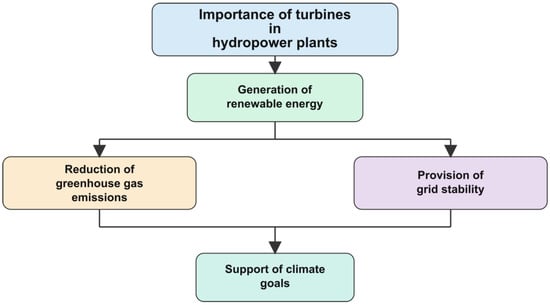
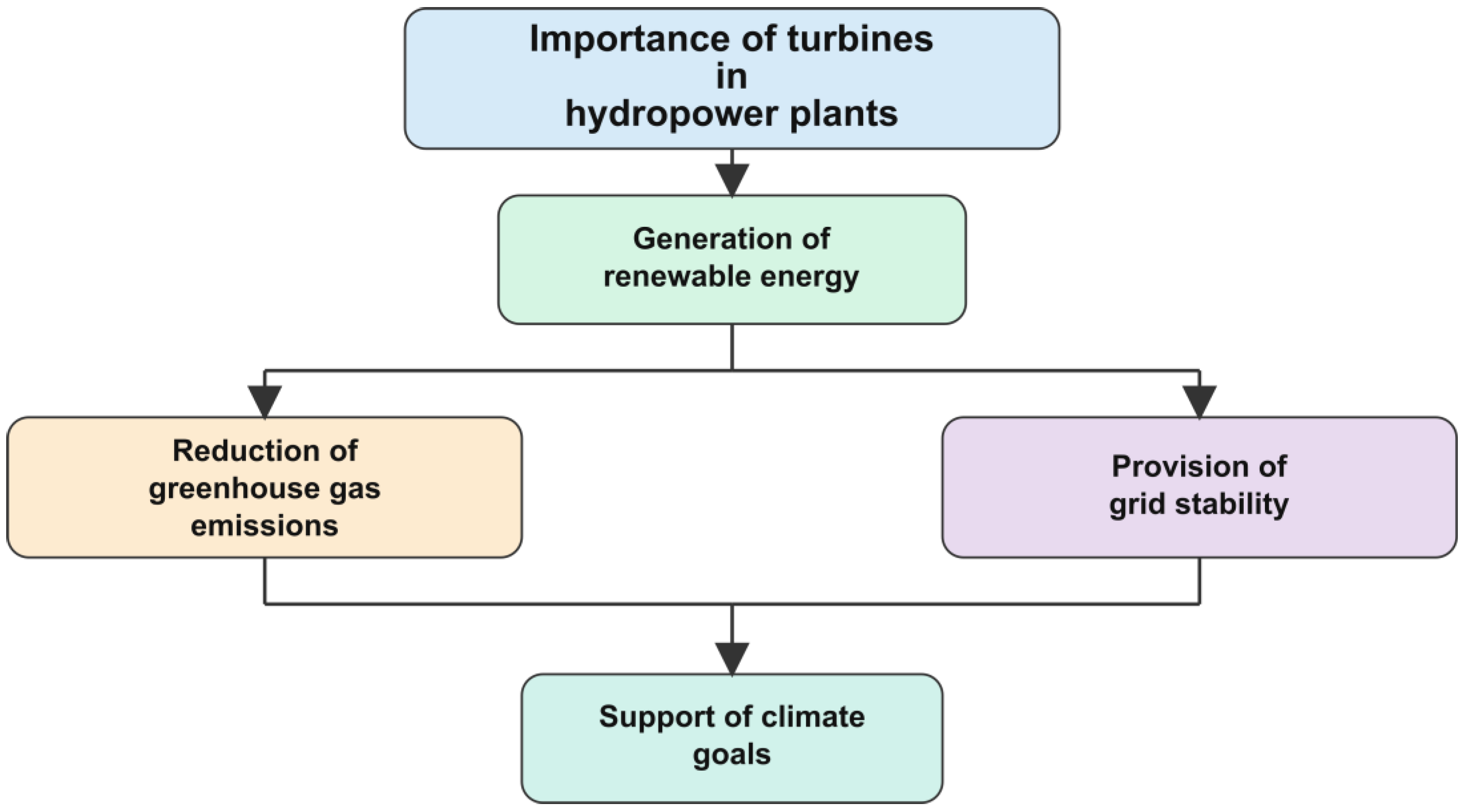
In the current context of the climate crisis and the global energy transition, renewable energy sources are becoming essential for building a sustainable, secure, and equitable energy system. Hydropower, considered one of the most mature and reliable forms of renewable energy, occupies a central place in this process (Figure 1). Worldwide, hydroelectric power plants provide approximately 14% of total electricity production and ensure around 60% of renewable energy produced, thus being fundamental pillars in the sustainable energy flow, according to data reported by the International Hydropower Association (IHA) [1,2]. For instance, in Central and Eastern Europe, including Romania, hydropower is of strategic importance not only for balancing the grid and ensuring flexibility, but also for the socio-economic stability of mountainous or rural regions dependent on water resources [3].
Figure 1.
The importance of turbines in hydroelectric power plants, highlighting their role in energy conversion efficiency, operational reliability, and environmental performance (created by authors).
Hydropower facilities, such as storage dams, not only generate electricity but also store it as potential energy, offering an effective way to balance supply and demand. These infrastructures additionally support flood control, irrigation, and water supply. Large-scale hydropower plants, in particular, play a crucial role in stabilizing power grids and reducing carbon emissions [4,5].
In hydropower plants, hydraulic turbines are the central element in the process of converting the potential or kinetic energy of water into mechanical energy, which is then transmitted to the generator to produce electricity. Their efficient, safe, and adaptable operation is essential for achieving high energy efficiency, reducing technological losses, and extending the operational life of hydropower plants. In this sense, turbines are not just technical components, but true cores of the sustainability and resilience of hydropower systems. The continuous development of hydropower technologies has led to a diversification of turbine types and to the refinement of their design to better respond to specific hydrological conditions (flow, water fall, seasonal variability). Thus, the choice of the appropriate turbine becomes a strategic step in the design and modernization of hydropower plants, with a major impact on energy efficiency and integration into modern electrical networks. In addition, advances in the field of numerical simulations, composite materials, and real-time monitoring systems today allow for more precise operation and more predictive maintenance, reducing the risks of failure and operating costs [4,6,7].
Nevertheless, the development and operation of hydropower plants remain subject to significant controversy and constraints. Environmental impacts, such as habitat fragmentation, alterations to natural river flows, and disruptions to biodiversity, have sparked ongoing debates about the true sustainability of these facilities, particularly in protected or ecologically sensitive areas. Integrating energy objectives with environmental considerations has become a major challenge, especially regarding sustainable water resource management, biodiversity protection, and the optimization of operational regimes [8,9,10]. The role of turbines is not limited to energy performance. In the current context of the green transition and environmental pressures, they must meet increasingly stringent requirements regarding ecological efficiency by minimizing the impact on aquatic ecosystems and optimizing the ecological flow. From this perspective, turbine design is at the intersection of engineering, circular economy, and environmental responsibility, becoming a priority theme within the strategies for modernizing hydropower infrastructure [11,12].
In recent years, the paradigm of hydropower development has undergone significant transformations, moving from a purely technical-economic approach to an integrated one, which also takes into account the ecological, social, and climatic dimensions [13]. In this sense, the methodology for designing, evaluating, and operating hydropower plants must respond to multiple challenges: adaptation to climate variability [14], integration into decentralized electricity networks [15], compliance with environmental regulations [16], and social acceptance [17]. This context requires a critical reassessment of the way in which hydropower plants are planned and operated to achieve an optimal balance between energy and environmental objectives.
This paper aims to contribute to this direction through an analysis of methodologies applicable to the evaluation and optimization of hydropower plant operations, in accordance with the principles of sustainable development. Starting from an examination of the current hydropower context and technological trends, the study explores the potential of multi-objective methods and advances in defining operating strategies that can maximize energy efficiency while reducing environmental impact. A special emphasis is placed on the role of hydraulic turbines, essential elements of the conversion of hydraulic energy into electricity, whose performance, efficiency, and reliability directly influence the overall efficiency of the plant. In particular, the type of turbine used, mechanical wear, operating regime, and maintenance strategies affect not only energy conversion but also operating costs and environmental impact. Therefore, the study explores the potential of multi-objective methods in defining turbine operation and maintenance strategies capable of maximizing energy efficiency and extending the life of the installations, while reducing the ecological and economic impact.
This systematic review is structured as follows: Section 2 details the systematic review protocol and selection process; Section 3 synthesizes evidence across lifecycle, eco-efficiency, digitalization, and ecological operation themes; Section 4 and Section 5 discuss policy and regional implications, culminating in recommendations and conclusions.
2. Methodology
This study adopts a systematic review approach to identify and synthesize recent research on hydraulic turbine operation, maintenance, modernization, digitalization, life-cycle performance, and eco-efficiency in hydropower plants. The review was designed to support the development of a practical evaluation framework for improving turbine efficiency, reliability, and sustainability under current operational and environmental constraints. Reporting follows the PRISMA 2020 statement [18].
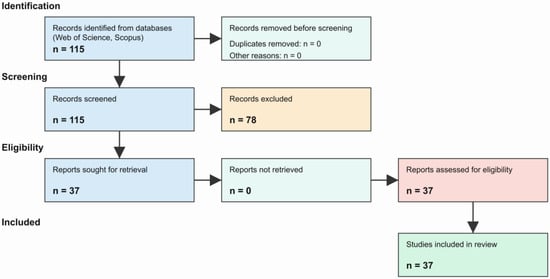
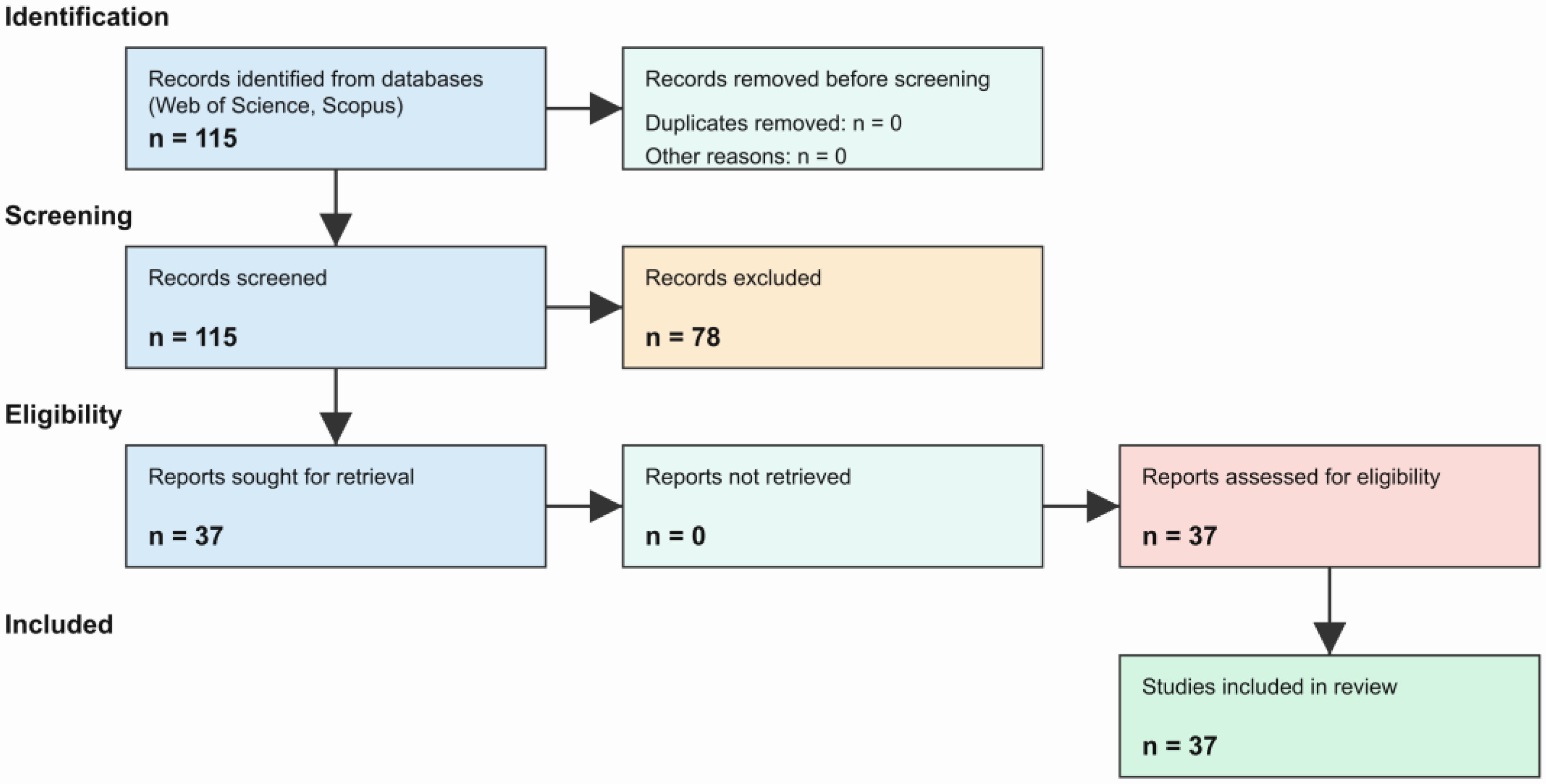
The literature search was conducted in the Web of Science Core Collection and Scopus, covering peer-reviewed journals and conference publications published between 2020 and 2025, with the final search completed on 15 January 2026. Studies were considered eligible if they explicitly addressed hydraulic turbine operation, reliability, maintenance, refurbishment, modernization, monitoring and digitalization, life-cycle assessment, eco-efficiency, circular approaches for refurbishment or end-of-life, or ecologically optimized operating regimes. Records were screened in two stages (title/abstract screening and full-text review), and 37 studies were ultimately included in the qualitative synthesis. Screening and data extraction were performed independently by two reviewers, with disagreements resolved through discussion and, when necessary, consultation with a third reviewer.
Given the heterogeneous and predominantly engineering-oriented nature of the included literature, the evidence was synthesized narratively through thematic clustering rather than meta-analytic pooling. A qualitative methodological appraisal was used to support transparent interpretation. Detailed search strings, selection criteria, extraction fields, and appraisal procedures are provided in Supplementary Material File S1, while the completed PRISMA 2020 checklist is provided in Supplementary Material File S2.
The schematic representation of the review workflow is shown in Figure 2.
Figure 2.
Schematic representation of the research methodology (created by authors). The diagram reports the records identified, duplicates removed, records screened, full-text articles assessed for eligibility, exclusions with reasons, and the studies included in the qualitative synthesis.
3. Results of the Systematic Review and Thematic Synthesis
The 37 included studies were synthesized qualitatively and grouped into four thematic clusters: sustainable manufacturing and circular-economy strategies; life cycle and eco-efficiency assessment; digitalization and predictive maintenance; and environmentally optimized operating regimes. Where available, comparable performance indicators, such as efficiency, downtime, cost, and environmental metrics, were extracted to support cross-study comparison.
The qualitative methodological appraisal indicated that most studies showed moderate-to-good reporting quality. However, several recurring limitations were identified, including incomplete discussion of uncertainty, inconsistent reporting of operational indicators, and limited comparability of outcome definitions across studies.
3.1. Sustainable Manufacturing and Circular Economy Strategies for Hydraulic Turbines and Hydropower Infrastructure
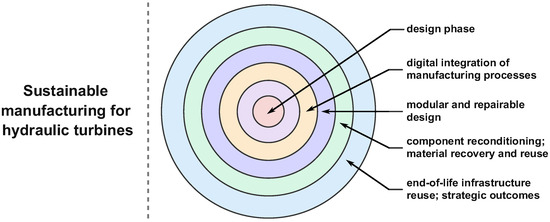
In the context of climate pressures and the global transition to low-carbon energy systems, the production and life cycle management of hydropower infrastructures must be aligned with the principles of sustainable development. Hydraulic turbines, as essential elements of hydropower plants, are no longer viewed exclusively in terms of energy conversion efficiency, but are understood as integrated parts in a complex system of material flows, environmental responsibility, and resource optimization. The adoption of sustainable production and circular economy strategies thus becomes crucial for minimizing the ecological footprint of turbines, from manufacturing to operation and decommissioning, while ensuring operational resilience and long-term economic viability [19,20,21,22]; see Figure 3.
Figure 3.
Sustainable manufacturing and circular economy strategies for hydraulic turbines and hydropower infrastructure (created by authors).
Sustainable production involves reducing resource consumption, environmental, social, and economic impacts, including pollutant emissions and waste production throughout the entire production chain. At the design stage, the choice of materials with low embodied energy and increased durability becomes a strategic direction. Advanced composite materials, recycled steel alloys, and corrosion-resistant coatings are increasingly integrated into turbine components, with a view to extending their service life and reducing the frequency of maintenance interventions. Digital tools, such as computer-aided design and Life Cycle Assessment (LCA), allow the simulation of environmental impact and energy performance before manufacturing begins, thus supporting more sustainable design decisions [7,19,23].
In the production phase itself, sustainable practices aim to optimize processing processes, reduce energy intensity, and recover industrial by-products. The use of renewable energy in production units, the implementation of zero-waste-to-landfill policies, and the recycling of water in industrial processes are examples that are increasingly common among leading manufacturers [24,25,26,27].
A fundamental pillar of the circular economy is extending the life of turbines through modular design, ease of maintenance, and the possibility of reconditioning components. Instead of replacing turbines entirely at the end of their service life, point upgrades, such as rotors, guide vanes, or bearings, can significantly increase energy performance at low cost and with minimal environmental impact. Specialized centers for the reconditioning of hydraulic equipment play a key role in this process, applying advanced technologies such as laser welding, surface hardening, and precision dynamic balancing [21,28]
In addition, circular strategies aim to close material loops through dismantling, recovery, and reuse at the end of their life cycle. Valuable materials such as stainless steel, copper, or aluminum from decommissioned turbines can be reintegrated into the industrial circuit with a much reduced environmental impact compared to primary extraction. Digital tools such as product certificates or component traceability systems facilitate the efficient recovery of critical materials and support recycling logistics [29,30].
Applying circular economy principles to the entire hydroelectric plant also involves reusing civil infrastructure, adapting existing dams, or ecologically repurposing brownfield sites. In many cases, tunnels, loading chambers, and other structures can be rehabilitated instead of being demolished, thus saving embodied carbon and reducing construction waste. Brownfield sites can become ecological restoration areas or be transformed into demonstration centers for renewable technologies [10]. Integrating these strategies into the hydropower sector not only supports decarbonization goals but also strengthens supply chains, reduces life cycle costs, and develops a regenerative industrial model. Hydropower turbines thus become true strategic nodes where engineering innovation, the circular economy, and environmental responsibility meet to build a sustainable energy infrastructure for the future.
In Table 1, the most important aspects related to sustainable manufacturing and circular economy strategies for hydraulic turbines and hydropower infrastructure were summarized.
Table 1.
Sustainable manufacturing and circular economy strategies for hydraulic turbines and hydropower infrastructure (based on references [20,21,22,23,24,25,26,27,28,29,30,31]).
3.2. Life Cycle Mapping and Identification of Critical Components in Hydraulic Turbines
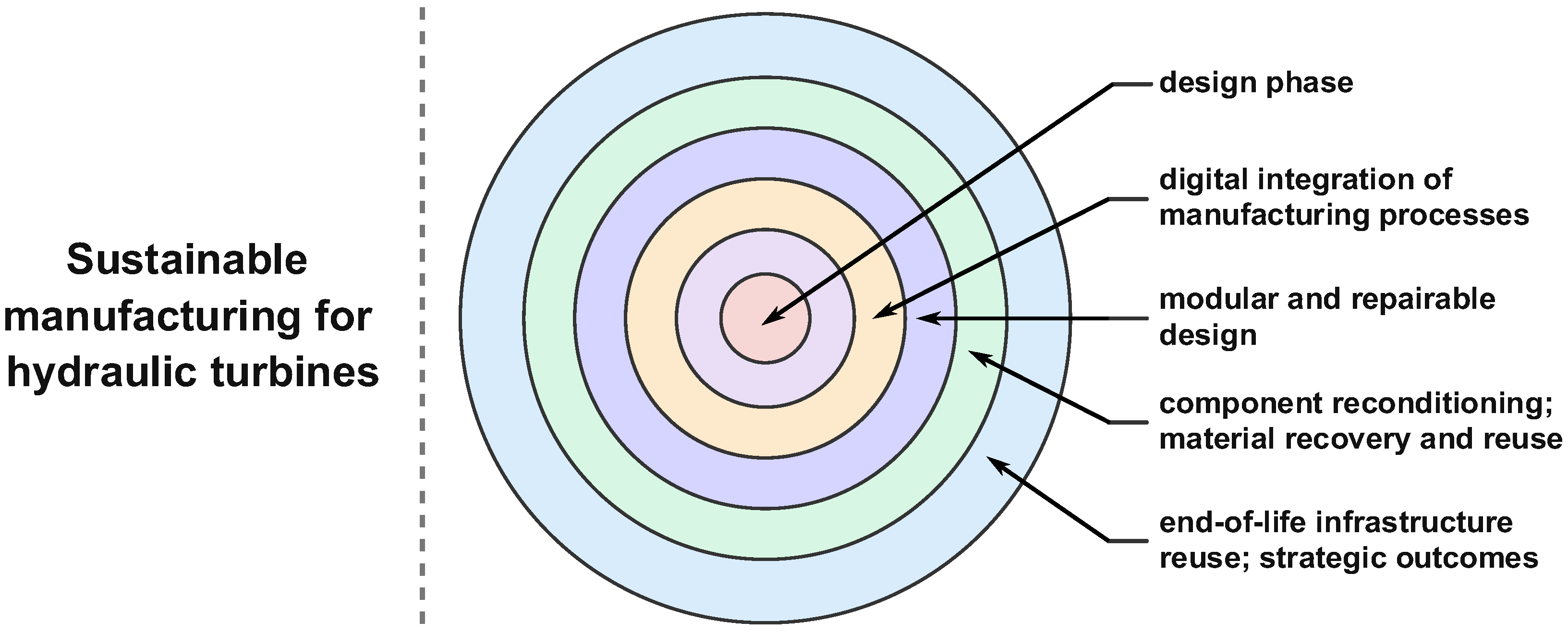
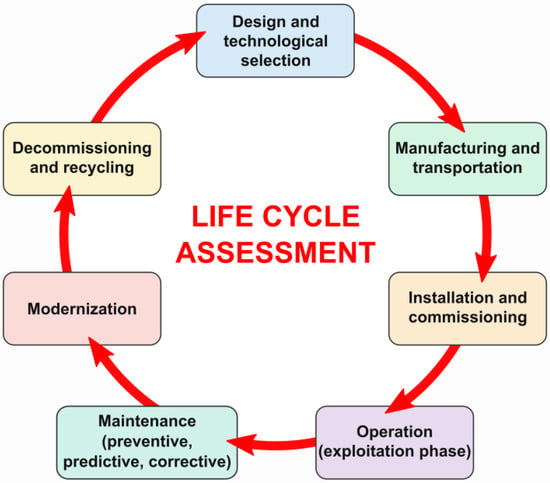
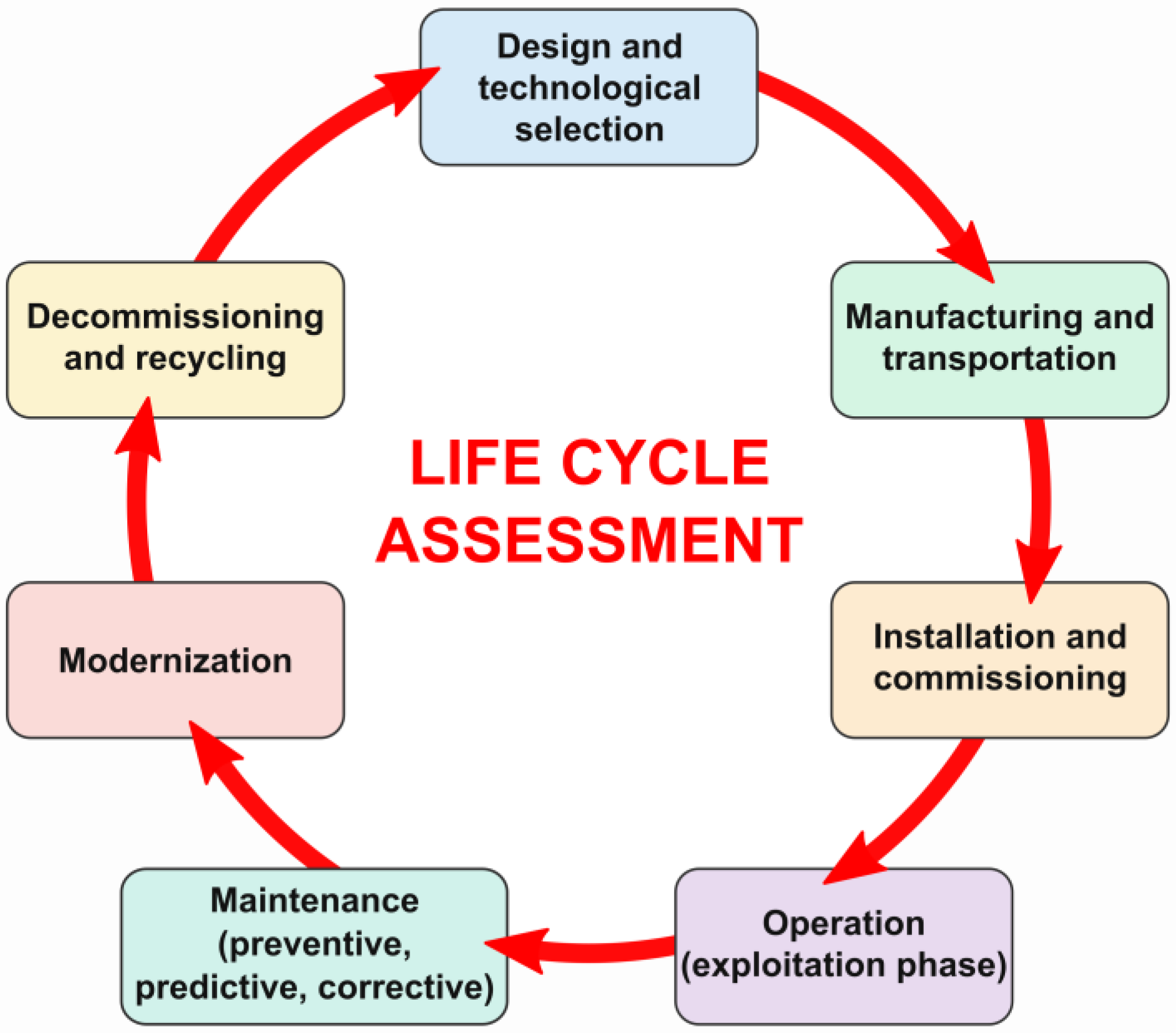
In the context of the modernization of energy infrastructure and the increasing pressures on the sustainability of industrial operations, a deep understanding of the life cycle of hydraulic turbines becomes essential (Figure 4). This approach allows a complete assessment of the performance and impact of this equipment from the moment of design to decommissioning. LCA, integrated with the methodology for identifying critical components, provides the necessary framework for the strategic optimization of the technical, economic, and environmental performance of hydropower plants [31].
Figure 4.
Life cycle of hydraulic turbines in hydropower plants (created by authors).
This approach allows a systemic understanding of how the performance and reliability of turbines evolve, highlighting the key moments when technical interventions can have a major impact on energy efficiency and the reduction of operational costs. The life cycle of a hydraulic turbine can be divided into several main stages: design and technological selection, manufacturing and transportation, installation and commissioning, current operation, maintenance (preventive, predictive, and corrective), as well as modernization or decommissioning. In each of these phases, critical components can be identified, the degradation or failure of which causes significant decreases in system performance. Among the most relevant are the rotor (runner), axial and radial guides, moving blades, main shaft, hydraulic control systems, bearings, and components exposed to cavitation [31,32].
The life cycle of a hydraulic turbine begins with the design phase, in which the configuration, typology, and appropriate materials are established depending on the hydrological and energy conditions of the site. The choice of the right turbine (Francis, Kaplan, or Pelton) directly influences energy efficiency and adaptability to variations in flow and water head [33,34,35]. In addition to conventional turbine types (Francis, Kaplan, and Pelton), pumped storage hydropower (PSH) emerged as one of the most important technologies supporting grid flexibility and large-scale energy storage in modern power systems [36,37]. PSH, enabled by reversible pump-turbines, is a mature and large-scale energy storage technology that exploits the gravitational potential of water to buffer fluctuations in electricity demand and supply; by storing surplus energy as elevated water and releasing it through turbine generation during peak periods, PSH systems provide essential grid-scale services such as frequency regulation, peak shaving, and enhanced operational flexibility, making them enabler of reliable and sustainable power systems with high shares of variable renewable energy sources [38]. The LCA is followed by the manufacturing phase, where industrial processes are involved that can have a significant impact on the environment, especially in terms of raw material extraction, energy consumption, and emissions associated with technological processes. The exploitation phase, which can last several decades, is the most important in terms of operational performance. In this phase, continuous monitoring of the turbine’s mechanical and hydraulic behavior allows for prompt interventions and adjustments aimed at maintaining the system’s efficiency at an optimal level [39,40,41].
Maintenance, both preventive and predictive, plays a central role in extending the equipment’s lifespan, reducing costs, and avoiding unplanned shutdowns [42]. The decommissioning and recycling stage involves not only dismantling and responsibly managing the components, but also reintegrating them into the economic circuit by applying the principles of the circular economy [43,44]. In parallel with this holistic vision of the lifespan, it is essential to identify the critical components of the turbines, those parts that directly determine the reliability, performance, and operational costs of the installation. The turbine rotor, guide vanes, drive shafts, bearings, automatic adjustment systems, and surfaces exposed to cavitation are sensitive elements that require careful supervision and appropriate maintenance strategies. These components are subjected to intense mechanical and hydraulic stresses, making them vulnerable to wear, cracking, deformation, or loss of efficiency. Any failure at these points can lead to reduced efficiency, increased risk of major damage, or interruption of energy supply [45,46].
Correlation of real-time data with predictive models allows the possibility to anticipate the behavior of these components and intervene before problems become critical. Modern technologies, such as digital twins, smart sensors, and automatic diagnostic systems, allow the integration of this information into a predictive and efficient management system. In this way, hydraulic turbines are no longer just energy conversion equipment but have become the core of operational sustainability in modern hydropower plants. Complete life cycle mapping, together with the analysis of critical components, represents a fundamental step in the process of optimizing turbine performance and ensuring integrated, sustainable, and resilient management of hydropower infrastructure [47,48,49]. In Table 2, the most important aspects regarding the LCA of turbines in hydroelectric power plants are summarized.
Table 2.
LCA of turbines in hydroelectric power plants (based on references [47,48,49]).
3.3. Eco-Efficiency Analysis of Turbines in Hydroelectric Power Plants
In the current context of the transition to a sustainable and low-carbon energy system, eco-efficiency analysis is becoming an essential tool for assessing the performance of hydraulic turbines in hydropower plants. Eco-efficiency involves the simultaneous integration of economic and environmental criteria into technological processes, aiming to maximize the economic value generated per unit of ecological impact [50]. Applied to the hydropower sector, this approach allows the identification of solutions through which turbines can be operated, maintained, and modernized so as to achieve high technical performance with minimal environmental impact [51].
At the same time, eco-efficiency analysis allows the comparison of several technological configurations, including different types of turbines (Francis, Kaplan, Pelton), depending on local hydrological conditions and the specifics of the hydropower project. In this direction, the use of simulation models and LCA indicators provides a robust framework for quantifying the ecological and economic impact. For example, indicators such as resource consumption, equivalent CO2 emissions, maintenance costs, or the degree of recyclability can be integrated into a multi-criteria analysis, supporting informed decision-making regarding the design and operation of turbines [6,35,52,53].
By reconditioning critical components, reusing functional parts, and valorizing materials resulting from the dismantling of old equipment, turbines can be reintegrated into the technological circuit with a reduced consumption of primary resources. This approach not only minimizes the ecological footprint but also contributes to increasing the resilience of the energy system and reducing total operating costs in the long-term [44].
From this perspective, applying eco-efficiency analysis to hydraulic turbines in hydropower plants is an essential approach for achieving technological, economic, and ecological sustainability objectives. By integrating LCAs, adopting circular economy principles, and implementing smart maintenance solutions, it is possible to optimize turbine performance in a manner consistent with the requirements of the green energy transition.
4. Hydropower Case Studies
To fully understand the complexity, challenges, and opportunities associated with hydraulic turbines and hydropower plants in the context of the transition to a sustainable energy system, the analysis of concrete case studies is an essential tool. These examples provide an applied perspective on how different plants, from community micro-hydropower plants to large-scale dams, integrate principles of energy efficiency, climate adaptability, circular economy, and environmental sustainability.
By examining hydropower plants from different parts of the world, this chapter aims to highlight how turbine selection, operating strategy, maintenance planning, and infrastructure upgrades directly influence energy performance and environmental impact. Innovative approaches to water footprint assessment, adaptation to climate variability, and the integration of local communities in decision-making processes are also analyzed.
The selected studies illustrate the diversity of hydrological and technical conditions, as well as the responses adopted at the local or regional level to meet the contemporary challenges of the hydropower sector. These examples contribute to the foundation of integrated methodological models, useful both for the design and operation of turbines and for the development of sustainable public policies in the field of renewable energy.
4.1. Vidraru Hydropower Plant, Romania—An Emblematic High-Performance Hydropower Plant
The Vidraru Hydropower Plant, located on the Argeș River, is one of the most emblematic and high-performance hydropower plants in Romania, with an installed capacity of 220 MW. Located in a complex hydrographic context and supported by a 166 m high arch dam, the hydropower plant plays a strategic role in the production of electricity, but also in regional hydrological regulation. A case study proposed by Robescu and Bondrea [54] explores in depth the water footprint of the Vidraru power plant, analyzing the impact of the use of water resources in relation to the energy and economic benefits obtained. The methodological approach is based on tools derived from LCA, adapted to include indicators specific to water resources. Thus, three dimensions of water footprint are analyzed: gross consumption (the total volume of water used in all functional stages), net consumption (the difference between the water used and that returned to the system), and the hydrological balance (the interaction between the natural input and the volume regulated by the dam). In addition to the physical assessment of water flows, the study also includes an economic estimate of the value of the reservoir, which is estimated at 82 million euros per year, reflecting the benefits brought by energy production, flow regulation, and the contribution to the stability of the local ecosystem [54].
This comprehensive assessment allows for an integrated picture of how hydropower turbines and the entire hydropower plant infrastructure influence the sustainability of water use. It is emphasized that, although hydropower plants do not consume water in the conventional sense, they alter the hydrological regime and can generate pressures on ecosystems, especially during periods of drought or water stress. For this reason, the proposed eco-efficiency indicators provide a robust method to quantify the impact in relation to the energy services delivered [54].
An analysis published by Dumitran et al. [55] adds level of depth by comparing estimates of the average blue water footprint and carbon intensity for the period 2008–2023. The results indicate an average water footprint of 5.07 m3/GJ, and the carbon intensity varies between 5.24 and 7.1 gCO2/kWh, showing a polynomial trend over time. These values align with those reported in the global literature for large hydropower plants and provide a reference framework for assessing eco-efficiency [55].
Furthermore, the Vidraru analysis serves as a concrete example of how circular economy principles can be applied in energy infrastructure by maximizing the multiple benefits of a hydropower system, energy, water, flood control, and minimizing negative externalities. The integration of hydrological, economic, and energy data in an adapted LCA framework demonstrates the viability of a replicable model for other hydropower plants in the region or in Central and Eastern Europe. Thus, the Vidraru Hydropower Plant becomes a reference model in terms of the balance between the technical performance of the turbines, the sustainable use of water, and the economic added value generated over time.
4.2. Mahadevsthan Micro-Hydropower, Nepal—A Case Study with a Precise Sustainability Assessment
The Mahadevsthan micro-hydropower plant (MHP), located in Dhading district, Nepal, is a 26 kW facility using a cross-flow turbine mounted on a gross head of approximately 25 m. It serves a small rural community and has undergone a rigorous sustainability assessment combining social, ecological, economic, and technical dimensions.
The study methodology, described in detail by Bhandari et al. [56], was based on a participatory sustainability analysis model. 54 indicators were used, generated with the involvement of 15 local households, a project committee member, the operator, and three micro-hydro experts, thus ensuring representativeness and relevance to the local context. The scores obtained were: social dimension—4.17, environment—3.94, economic—3.74, and technical—3.04, on a scale from 1 to 5, with 5 as the maximum score [56].
The economic assessment revealed moderate sustainability due to logistical constraints and high operational costs in the isolated rural environment. The lower technical score reflects the lack of permanently trained technical staff and the variable quality of equipment, common to many micro-hydropower plants in the region. The study provides valuable methodological models for the evaluation of small hydropower turbines, particularly relevant in decentralized contexts. The involvement of stakeholders in the definition of specific indicators allows the approach to be adapted to local characteristics, minimizing estimation errors and biases. This model provides a comparative framework applicable to other similar MHP projects in South Asia or Africa.
4.3. Alviela River Micro-Hydropower Project, Portugal—A Rigorous Methodological Model
The project located on the Alviela River in Portugal offers a rigorous methodological model for assessing the hydropower potential in water supply systems, where the available drop is low (~2.5 m), but the flow is constant. The study by Oliveira et al. [57] aims to apply a methodology structured in five stages: collection and analysis of hydraulic data, identification of appropriate technologies, assessment of the energy potential, economic analysis, and recommendation of the optimal technological solution.
For a modest head, three types of turbines are compared: fixed-blade propeller turbines, adjustable-blade propellers, and Archimedes screw turbines (AST). Technically, turbine selection is governed by the flow-head-efficiency characteristic curves, and analyses demonstrate that AST offers robust performance over a variable flow range, reducing the risk of failures or unplanned shutdowns. Also, capital costs are lower compared to traditional systems, which provides an optimal balance between profitability and operational sustainability. Methodologically, the paper highlights the importance of an integrative analysis, which combines technical effectiveness with clearly defined financial indicators. This can be extended to the application of eco-efficiency and LCA, providing a solid framework for decisions in the context of mini- and micro-hydropower plants with low environmental impact [57].
4.4. Fribourg Hydropower Plant, Switzerland—A Sustainable Model for Decentralized Electricity Production
The city of Fribourg in Switzerland has implemented an innovative project to harness residual hydraulic energy from the drinking water distribution system, based on the use of microturbines integrated directly into urban networks. This solution represents a sustainable model for decentralized electricity production, without impact on the environment and without requiring new dams or modifications to water courses. The project is based on the principle of recovering energy associated with excess pressure in water supply systems, pressure that would normally be dissipated through valves or other passive mechanisms. The installation uses low-pressure microturbines mounted in pressure regulation stations in the network. These turbines are designed to operate continuously, in stable mode, at constant flow rates, transforming unused hydraulic pressure into electricity. The turbines are compatible with drinking water hygiene standards, without interfering with the quality of the water delivered to the population. The energy generated is used locally to power urban facilities, such as public lighting systems, pumps, or charging stations for electric vehicles, thus reducing dependence on the conventional electricity grid [58]
In terms of performance, the system produces approximately 1 GWh of electricity annually and contributes to avoiding emissions of approximately 258 tons of CO2/year, according to estimates made in the detailed study. These values are remarkable, considering that the installation uses existing infrastructure and does not require additional space or major ecological modifications. Furthermore, maintenance costs are reduced due to the simplicity and reliability of the equipment, and the amortization of the investment takes place in the short term, due to the reduction of energy costs and ecological benefits [58]. From a methodological perspective, this project is valuable by integrating an eco-efficiency approach: energy is generated without consuming additional resources and without creating additional pressure on the ecosystem. At the same time, it is a representative example of the application of the circular economy in urban infrastructure, where lost energy is efficiently recaptured and reused. Its implementation demonstrates that even urban networks, apparently passive from an energetic point of view, can become important sources of renewable energy.
This case could also be replicable in other European cities with drinking water distribution networks operating under pressure, constituting a viable and sustainable alternative to expanding conventional energy production capacities.
4.5. Goldisthal Pumped Storage Hydropower Plant, Germany—One of Europe’s Most Modern Hydropower Plants
An example that highlights the importance of reversible pump-turbines is the Goldisthal Pumped Storage Hydropower Plant in Germany, one of the largest PSH facilities in Europe [59]. The plant operates with variable-speed pump-turbines that allow flexible switching between pumping and generation modes, enabling rapid response to fluctuations in electricity demand and intermittent renewable generation [60].
With a total installed capacity of approximately 1060 MW [59], Goldisthal is important for grid stabilization, frequency regulation, and peak load management [59,60,61]. From a sustainability perspective, the facility contributes to reducing curtailment of renewable electricity, enhances system efficiency through large-scale energy storage, and demonstrates how PSH supports long-term decarbonization strategies while maintaining high operational reliability and low lifecycle greenhouse gas emissions.
A comparative synthesis of the analyzed case studies, highlighting their advantages, limitations, and key sustainability contributions, is provided in Table 3. This comparison emphasizes how turbine scale, operating context, and management strategies influence eco-efficiency, environmental impact, and socio-economic benefits across different analyzed hydropower configurations.
Table 3.
Comparison of the hydropower case studies analyzed in the present paper.
5. Hydroelectric Power Plants in Romania—Infrastructure, Potential, and Current Challenges
The hydropower sector in Romania represents one of the most important components of the national energy system, both in terms of production capacity and its essential role in ensuring the balance of the electricity grid. With over 300 operational hydroelectric power plants, with a total installed capacity of approximately 6400 MW, Romania has a significant portfolio of hydroelectric infrastructure, which annually contributes approximately 25–30% of the national electricity production [51,52].
The largest plants include the Iron Gates I and II on the Danube River, Vidraru on the Argeș River, Lotru-Ciunget in the Parâng Mountains, Râul Mare–Retezat, Stejaru–Bicaz, and Mărișelu. They are integral parts of complex hydropower systems that include dams, reservoirs, penstocks, and pumping stations. Geographically, most of the power plants are located in mountainous and sub-mountainous areas, especially in the Carpathians and Sub-Carpathians, where the hydrological potential of the inland rivers allows the exploitation of waterfalls. The Danube River, through the infrastructure at the Iron Gates, ensures both energy production and multiple functions such as navigation, flood protection, and water supply [62,63].
Despite the essential role of hydropower, the sector faces multiple challenges, including hydrological variability caused by climate change, sedimentation of reservoirs, a lack of constant investment in modern technologies, and legislative barriers related to the construction of new facilities in protected natural areas. At the same time, the development of small-scale hydropower has raised issues regarding habitat fragmentation and impact on biodiversity, requiring rigorous ecological impact assessments in the planning phases [64,65].
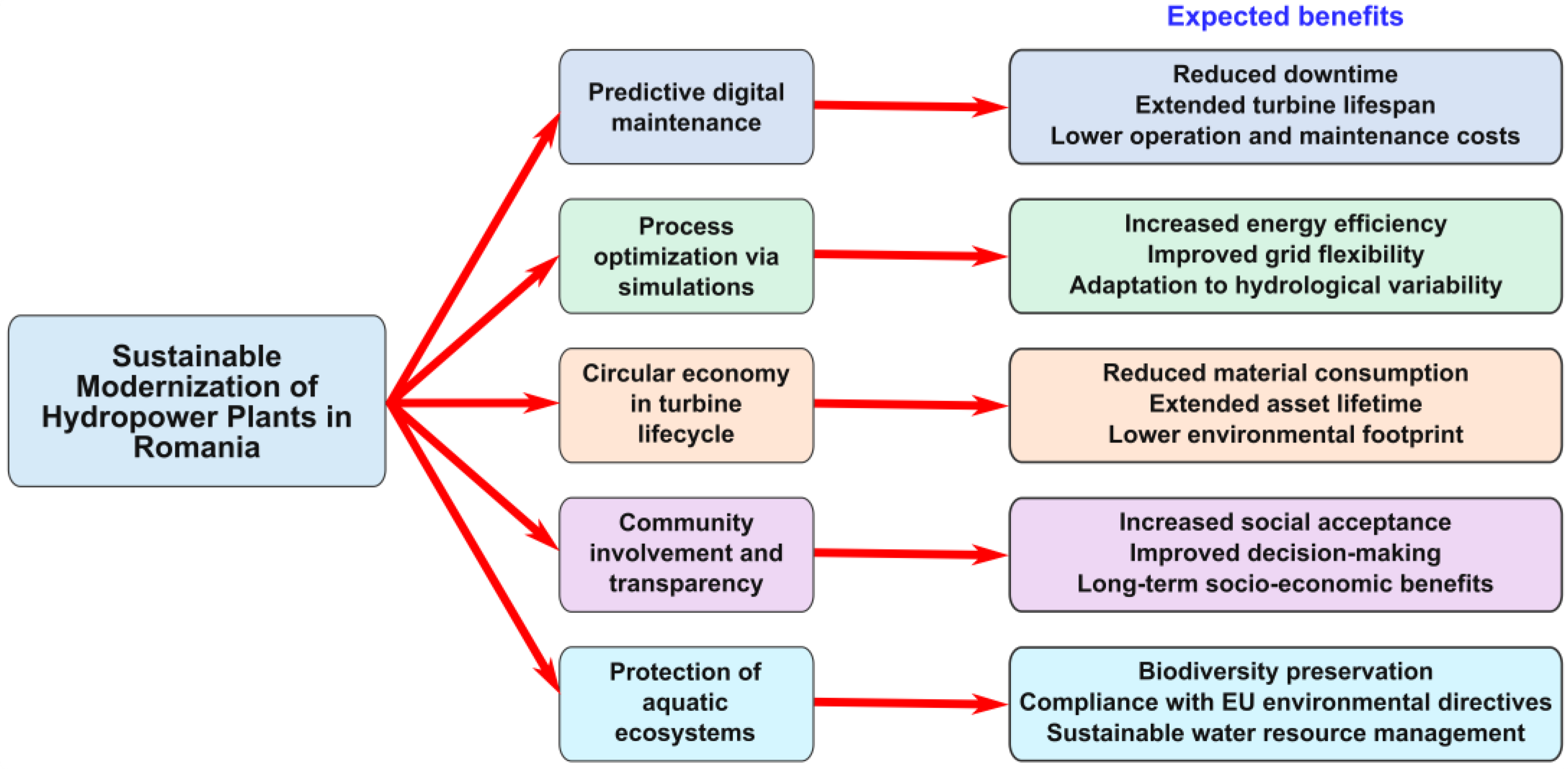
In the current context of the energy transition and the commitments undertaken through the Green Transition Pact, hydropower plants in Romania must adapt their operation and maintenance strategies in line with the principles of the circular economy and the SDGs. This integrated approach aims not only to maximize energy efficiency but also to reduce environmental impact, minimize waste, and ensure long-term sustainable development (Figure 5).
Figure 5.
Key aspects for the sustainable modernization of hydropower plants in Romania and their expected benefits (created by authors).
A fundamental first methodological step could be the implementation of predictive and proactive maintenance based on digital monitoring of equipment. The use of high-performance sensors and advanced data analysis systems enables early detection of wear and potential defects, extending the life of turbines and reducing the amount of materials consumed for repairs. This supports the SDG 12 objective on responsible consumption and production, but also reducing emissions by avoiding premature replacements [66].
The optimization of the technical process can be achieved by integrating numerical simulations and artificial intelligence algorithms, which optimize the operation of the turbines depending on the hydrological conditions and the network requirements. Such a method increases energy efficiency (SDG 7—affordable and clean energy) [67] and contributes to the flexibility of the national energy system, aligning with the requirements of the Green Deal regarding emission reduction and the integration of renewable sources.
In parallel, circular economy strategies should be implemented to reuse and recycle turbine components, reduce the consumption of natural resources, and minimize industrial waste. Turbine design and modernization should favor sustainable materials and recyclability, in line with SDG 9 (sustainable innovation and infrastructure) and SDG 13 (climate action). In this way, the life cycle of the installations can be extended without generating additional environmental impact [68,69].
At the same time, it is essential to involve local communities and ensure transparency in decision-making processes, in order to guarantee social acceptance and long-term socio-economic benefits (SDG 11—sustainable cities and communities). Modernization projects must be designed to protect aquatic biodiversity and ensure sustainable management of water resources, respecting the European legislative framework on environmental protection [70].
Through these proposed methodological strategies, there is the possibility of integrating modern technologies, circular economy principles, and international sustainable development standards, thus responding to the challenges imposed by the Green Transition Pact. This paves the way for a more efficient, sustainable, and competitive Romanian hydropower in the European context.
In Table 4, the most important aspects regarding the key aspects for the sustainable modernization of hydropower plants in Romania were summarized.
Table 4.
Key aspects for the sustainable modernization of hydropower plants in Romania.
6. Conclusions
The review highlights how integrated operational, techno-economic, and lifecycle-oriented approaches can support sustainable turbine management and hydropower modernization. The efficiency and sustainability of turbines used in hydroelectric power plants are essential elements in the transition to a resilient, sustainable, and future-proof energy system. Based on the analysis carried out, it is clear that turbine performance cannot be assessed exclusively from the perspective of technical efficiency, but must be integrated into a holistic vision that includes the complete life cycle of the equipment, the environmental impact, and the contribution to regional socio-economic development.
In this regard, the application of circular economy principles provides a viable framework for optimizing the operation of hydropower plants. Strategies for remanufacturing, reusing, and recycling turbine components contribute to extending the life of equipment, reducing the consumption of critical raw materials, and limiting industrial waste. Also, the integration of predictive monitoring and smart maintenance solutions can prevent premature turbine degradation, reducing operational costs and the risk of failure.
From the perspective of the SDGs, the technological improvement of hydropower turbines directly responds to the objectives of SDG 7 (affordable and clean energy), SDG 9 (industry, innovation and infrastructure), and SDG 12 (responsible consumption and production). Reducing the ecological footprint of turbines by using environmentally friendly materials, increasing hydraulic efficiency, and reducing energy losses also contributes to combating climate change (SDG 13).
Thus, the modernization of hydropower turbines must be guided by a balance between technological performance, economic viability, and environmental responsibility. By adopting a circular approach and aligning with the values of sustainable development, hydropower plants can become central pillars in the construction of a sustainable energy future, resilient to climate challenges and compatible with the requirements of the green economy.
Supplementary Materials
The following supporting information can be downloaded at: https://www.mdpi.com/article/10.3390/pr14050841/s1, File S1. Detailed systematic-review methodology. File S2. PRISMA 2020 checklist.
Author Contributions
Conceptualization, G.D.L., R.M.A., A.L.R., S.F., L.I.C., R.A.M. and L.S.; methodology, G.D.L., R.M.A., A.L.R., S.F. and L.I.C.; software, G.D.L., R.M.A., A.L.R., S.F., R.A.M. and L.S.; validation, L.I.C., R.A.M. and L.S.; formal analysis, G.D.L., R.M.A., A.L.R., S.F. and L.S.; investigation, G.D.L., R.M.A., A.L.R., S.F., L.I.C., R.A.M. and L.S.; resources, L.I.C. and R.A.M.; data curation, G.D.L., R.M.A., A.L.R., S.F. and L.S.; writing—original draft preparation, G.D.L., R.M.A., A.L.R. and S.F.; writing—review and editing, L.I.C., R.A.M. and L.S.; visualization, L.I.C., R.A.M. and L.S.; supervision, L.I.C. and R.A.M.; project administration, L.I.C.; funding acquisition, L.I.C. All authors have read and agreed to the published version of the manuscript.
Funding
This work was supported by the Horizon Europe project “Revolutionary Refurbishment for an Efficient and Eco-Friendly Hydropower—REVHYDRO”, Grant Agreement ID 101172857, Funded under Climate, Energy and Mobility. Funding Scheme: HORIZON-CL5-2024-D3-01-07, HORIZON Research and Innovation Actions.
Data Availability Statement
No new primary datasets were generated for this study.
Acknowledgments
This paper benefited from the linguistic and stylistic enhancements provided by Microsoft Copilot (web version), ensuring clarity, grammatical accuracy, and consistency. The authors have reviewed and edited the output and take fully responsible for the content of this publication.
Conflicts of Interest
The authors declare no conflicts of interest.
References
- World Hydropower Outlook 2025: Global Growth, Trends & Net Zero Progress. Available online: https://www.hydropower.org/publications/2025-world-hydropower-outlook (accessed on 27 December 2025).
- 2024 World Hydropower Outlook. Available online: https://www.hydropower.org/publications/2024-world-hydropower-outlook (accessed on 27 December 2025).
- Rokicki, T.; Koszela, G.; Ochnio, L.; Perkowska, A.; Bórawski, P.; Bełdycka-Bórawska, A.; Gradziuk, B.; Gradziuk, P.; Siedlecka, A.; Szeberényi, A.; et al. Changes in the Production of Energy from Renewable Sources in the Countries of Central and Eastern Europe. Front. Energy Res. 2022, 10, 993547. [Google Scholar] [CrossRef] [Scilit]
- Stefenon, S.F.; Seman, L.O.; da Silva, L.S.A.; Mariani, V.C.; dos Santos Coelho, L. Hypertuned Temporal Fusion Transformer for Multi-Horizon Time Series Forecasting of Dam Level in Hydroelectric Power Plants. Int. J. Electr. Power Energy Syst. 2024, 157, 109876. [Google Scholar] [CrossRef] [Scilit]
- Wasti, A.; Ray, P.; Wi, S.; Folch, C.; Ubierna, M.; Karki, P. Climate Change and the Hydropower Sector: A Global Review. WIREs Clim. Change 2022, 13, e757. [Google Scholar] [CrossRef] [Scilit]
- Karre, R.K.; Srinivas, K.; Mannan, K.; Prashanth, B.; Prasad, C.R. A Review on Hydro Power Plants and Turbines. AIP Conf. Proc. 2022, 2418, 030048. [Google Scholar] [CrossRef] [Scilit]
- Quaranta, E.; Bahreini, A.; Riasi, A.; Revelli, R. The Very Low Head Turbine for Hydropower Generation in Existing Hydraulic Infrastructures: State of the Art and Future Challenges. Sustain. Energy Technol. Assess. 2022, 51, 101924. [Google Scholar] [CrossRef] [Scilit]
- Xu, R.; Zeng, Z.; Pan, M.; Ziegler, A.D.; Holden, J.; Spracklen, D.V.; Brown, L.E.; He, X.; Chen, D.; Ye, B.; et al. A Global-Scale Framework for Hydropower Development Incorporating Strict Environmental Constraints. Nat. Water 2023, 1, 113–122. [Google Scholar] [CrossRef] [Scilit]
- Karaeva, A.; Magaril, E.; Torretta, V.; Viotti, P.; Rada, E.C. Public Attitude towards Nuclear and Renewable Energy as a Factor of Their Development in a Circular Economy Frame: Two Case Studies. Sustainability 2022, 14, 1283. [Google Scholar] [CrossRef] [Scilit]
- Quaranta, E.; Georgakaki, A.; Letout, S.; Kuokkanen, A.; Mountraki, A.; Grabowska, M.; Gea, B.J.; Tattini, J. Clean Energy Technology Observatory: Hydropower and Pumped Hydropower Storage in the European Union—2023 Status Report on Technology Development, Trends, Value Chains and Markets. Available online: https://publications.jrc.ec.europa.eu/repository/handle/JRC134918 (accessed on 25 February 2026).
- Quaranta, E.; Pérez-Díaz, J.I.; Romero-Gomez, P.; Pistocchi, A. Environmentally Enhanced Turbines for Hydropower Plants: Current Technology and Future Perspective. Front. Energy Res. 2021, 9, 703106. [Google Scholar] [CrossRef] [Scilit]
- European Commission. Green Transition. Available online: https://reform-support.ec.europa.eu/what-we-do/green-transition_en (accessed on 30 December 2025).
- Xu, J.; Ni, T.; Zheng, B. Hydropower Development Trends from a Technological Paradigm Perspective. Energy Convers. Manag. 2015, 90, 195–206. [Google Scholar] [CrossRef] [Scilit]
- Berga, L. The Role of Hydropower in Climate Change Mitigation and Adaptation: A Review. Engineering 2016, 2, 313–318. [Google Scholar] [CrossRef] [Scilit]
- Fernandez, M.I.; Go, Y.I.; Wong, D.M.L.; Früh, W.-G. Review of Challenges and Key Enablers in Energy Systems towards Net Zero Target: Renewables, Storage, Buildings, & Grid Technologies. Heliyon 2024, 10, e40691. [Google Scholar] [CrossRef] [Scilit]
- Ghimire, H.R.; Phuyal, S.; Singh, N.R. Environmental Compliance of Hydropower Projects in Nepal. Environ. Chall. 2021, 5, 100307. [Google Scholar] [CrossRef] [Scilit]
- Venus, T.E.; Hinzmann, M.; Gerdes, H. Public Acceptance of Hydropower. In Novel Developments for Sustainable Hydropower; Rutschmann, P., Kampa, E., Wolter, C., Albayrak, I., David, L., Stoltz, U., Schletterer, M., Eds.; Springer International Publishing: Cham, Switzerland, 2022; pp. 29–40. ISBN 978-3-030-99138-8. [Google Scholar]
- PRISMA Statement. Available online: https://www.prisma-statement.org (accessed on 23 February 2026).
- Baral, B.; Kharel, B.; Dawadi, A.; Timsina, S.; Bhattarai, S.; Joshi, R. Sustainable Manufacturing Practices in the Hydropower Industry: A Review. IOP Conf. Ser. Earth Environ. Sci. 2024, 1385, 012017. [Google Scholar] [CrossRef] [Scilit]
- Johnson, N. Unveiling the Operational Principle for Gas Turbine Plant: Reliability, Efficiency and Sustainable Development of the Environment. SSRN Electron. J. 2024. [Google Scholar] [CrossRef] [Scilit]
- Yoosef Doost, A.; Lubitz, W.D. Archimedes Screw Turbines: A Sustainable Development Solution for Green and Renewable Energy Generation—A Review of Potential and Design Procedures. Sustainability 2020, 12, 7352. [Google Scholar] [CrossRef] [Scilit]
- Kishore, T.S.; Patro, E.R.; Harish, V.S.K.V.; Haghighi, A.T. A Comprehensive Study on the Recent Progress and Trends in Development of Small Hydropower Projects. Energies 2021, 14, 2882. [Google Scholar] [CrossRef] [Scilit]
- Bunea, F.; Ciocan, G.D.; Bucur, D.M.; Dunca, G.; Nedelcu, A. Hydraulic Turbine Performance Assessment with Implementation of an Innovative Aeration System. Water 2021, 13, 2459. [Google Scholar] [CrossRef] [Scilit]
- Yu, A.; Tang, Q.; Chen, H.; Zhou, D. Investigations of the Thermodynamic Entropy Evaluation in a Hydraulic Turbine under Various Operating Conditions. Renew. Energy 2021, 180, 1026–1043. [Google Scholar] [CrossRef] [Scilit]
- Shulga, R.N.; Putilova, I.V.; Smirnova, T.S.; Ivanova, N.S. Safe and Waste-Free Technologies Using Hydrogen Electric Power Generation. Int. J. Hydrogen Energy 2020, 45, 34037–34047. [Google Scholar] [CrossRef] [Scilit]
- Venkatesh, M.; Calvo, F.A.; Grubbs, R.T.; Cunningham, J. Sustainability—Water Recycle and Reuse. In Water Management in Petroleum Industries; Basu, S., Shaw, A.R., Venkatesh, M., Eds.; Springer Nature: Singapore, 2025; pp. 527–552. ISBN 978-981-19-3159-8. [Google Scholar]
- Ji, Y.; Song, H.; Xue, Z.; Li, Z.; Tong, M.; Li, H. A Review of the Efficiency Improvement of Hydraulic Turbines in Energy Recovery. Processes 2023, 11, 1815. [Google Scholar] [CrossRef] [Scilit]
- Chen, J.; Engeda, A. Standard Module Hydraulic Technology: A Novel Geometrical Design Methodology and Analysis for a Low-Head Hydraulic Turbine System, Part I: General Design Methodology and Basic Geometry Considerations. Energy 2020, 196, 117151. [Google Scholar] [CrossRef] [Scilit]
- Woo, S.M.; Whale, J. A Mini-Review of End-of-Life Management of Wind Turbines: Current Practices and Closing the Circular Economy Gap. Waste Manag. Res. 2022, 40, 1730–1744. [Google Scholar] [CrossRef] [Scilit]
- André, A.; Bru, T.; Abbasi, A.G.; Sinha, S.; Nunes, S.; Juntikka, M.; Kazmierczak, K.; Egilsson, N.Ó.; Frid, G.; Sobczyk, M. A Holistic and Circular Approach for Managing End-of-Service Wind Turbine Blades. Sustainability 2024, 16, 7858. [Google Scholar] [CrossRef] [Scilit]
- Gemechu, E.; Kumar, A. A Review of How Life Cycle Assessment Has Been Used to Assess the Environmental Impacts of Hydropower Energy. Renew. Sustain. Energy Rev. 2022, 167, 112684. [Google Scholar] [CrossRef] [Scilit]
- Kumar, K.; Saini, R.P. A Review on Operation and Maintenance of Hydropower Plants. Sustain. Energy Technol. Assess. 2022, 49, 101704. [Google Scholar] [CrossRef] [Scilit]
- Koirala, R.; Thapa, B.; Neopane, H.P.; Zhu, B. A Review on Flow and Sediment Erosion in Guide Vanes of Francis Turbines. Renew. Sustain. Energy Rev. 2017, 75, 1054–1065. [Google Scholar] [CrossRef] [Scilit]
- Li, R.; Arzaghi, E.; Abbassi, R.; Chen, D.; Li, C.; Li, H.; Xu, B. Dynamic Maintenance Planning of a Hydro-Turbine in Operational Life Cycle. Reliab. Eng. Syst. Saf. 2020, 204, 107129. [Google Scholar] [CrossRef] [Scilit]
- Ismail, B.I.A. Introductory Chapter: Performance and Design Aspects of Hydro-Turbines for Green Hydroelectric Power Generation. In Advances in Hydropower Technologies; IntechOpen: London, UK, 2025; ISBN 978-0-85466-025-4. [Google Scholar]
- Yang, W.; Zhao, Z.; Pérez-Díaz, J.I.; Hunt, J.D.; Vagnoni, E.; Nøland, J.K.; Quaranta, E.; Wang, R.; Li, X.; Cheng, Y. Pumped Storage Hydropower Operation for Supporting Clean Energy Systems. Nat. Rev. Clean Technol. 2025, 1, 454–473. [Google Scholar] [CrossRef] [Scilit]
- Zhao, J.-F.; Oh, U.-J.; Park, J.-C.; Park, E.S.; Im, H.-B.; Lee, K.Y.; Choi, J.-S. A Review of World-Wide Advanced Pumped Storage Hydropower Technologies. IFAC-PapersOnLine 2022, 55, 170–174. [Google Scholar] [CrossRef] [Scilit]
- Tao, R.; Song, X.; Ye, C. Pumped Storage Technology, Reversible Pump Turbines and Their Importance in Power Grids. Water 2022, 14, 3569. [Google Scholar] [CrossRef] [Scilit]
- Kocsis, G.; Xydis, G. An Evaluation Framework on Additive Manufacturing for Hydraulic Systems in Wind Turbines Focused on System Simplification. Modelling 2021, 2, 327–343. [Google Scholar] [CrossRef] [Scilit]
- Shamsuddeen, M.M.; Ma, S.-B.; Park, N.-H.; Kim, K.M.; Kim, J.-H. Design Analysis and Optimization of a Hydraulic Gate Turbine for Power Production from Ultra-Low Head Sites. Energy 2023, 275, 127371. [Google Scholar] [CrossRef] [Scilit]
- Wang, L.; Li, B.; Chu, Z. Performance Investigation of a Novel Thermosyphon Based Trilateral Cycle Using Hydraulic Turbine for Power Generation Instead of Two-Phase Expander. Appl. Therm. Eng. 2022, 211, 118441. [Google Scholar] [CrossRef] [Scilit]
- Georgievskaia, E. Predictive Analytics as a Way to Smart Maintenance of Hydraulic Turbines. Procedia Struct. Integr. 2020, 28, 836–842. [Google Scholar] [CrossRef] [Scilit]
- Tota-Maharaj, K.; McMahon, A. Resource and Waste Quantification Scenarios for Wind Turbine Decommissioning in the United Kingdom. Waste Dispos. Sustain. Energy 2021, 3, 117–144. [Google Scholar] [CrossRef] [Scilit]
- Quaranta, T.; Bonjean, M.; Cuvato, D.; Nicolet, C.; Dreyer, M.; Gaspoz, A.; Rey-Mermet, S.; Boulicaut, B.; Pratalata, L.; Pinelli, M. Hydropower Case Study Collection: Innovative Low Head and Ecologically Improved Turbines, Hydropower in Existing Infrastructures, Hydropeaking Reduction, Digitalization and Governing Systems. Sustainability 2020, 12, 8873. [Google Scholar] [CrossRef] [Scilit]
- Georgievskaia, E. Analytical System for Predicting Cracks in Hydraulic Turbines. Eng. Fail. Anal. 2021, 127, 105489. [Google Scholar] [CrossRef] [Scilit]
- Rezamand, M.; Kordestani, M.; Carriveau, R.; Ting, D.S.-K.; Orchard, M.E.; Saif, M. Critical Wind Turbine Components Prognostics: A Comprehensive Review. IEEE Trans. Instrum. Meas. 2020, 69, 9306–9328. [Google Scholar] [CrossRef] [Scilit]
- Sun, L.; Liu, T.; Xie, Y.; Zhang, D.; Xia, X. Real-Time Power Prediction Approach for Turbine Using Deep Learning Techniques. Energy 2021, 233, 121130. [Google Scholar] [CrossRef] [Scilit]
- Kumar, K.; Saini, G.; Kumar, A.; Elavarasan, R.M.; Said, Z.; Terzija, V. Effective Monitoring of Pelton Turbine Based Hydropower Plants Using Data-Driven Approach. Int. J. Electr. Power Energy Syst. 2023, 149, 109047. [Google Scholar] [CrossRef] [Scilit]
- Betti, A.; Crisostomi, E.; Paolinelli, G.; Piazzi, A.; Ruffini, F.; Tucci, M. Condition Monitoring and Predictive Maintenance Methodologies for Hydropower Plants Equipment. Renew. Energy 2021, 171, 246–253. [Google Scholar] [CrossRef] [Scilit]
- Ali, S.A.; Alharthi, M.; Hussain, H.I.; Rasul, F.; Hanif, I.; Haider, J.; Ullah, S.; ur Rahman, S.; Abbas, Q. A Clean Technological Innovation and Eco-Efficiency Enhancement: A Multi-Index Assessment of Sustainable Economic and Environmental Management. Technol. Forecast. Soc. Change 2021, 166, 120573. [Google Scholar] [CrossRef] [Scilit]
- Banihabib, R.; Assadi, M. Towards a Low-Carbon Future for Offshore Oil and Gas Industry: A Smart Integrated Energy Management System with Floating Wind Turbines and Gas Turbines. J. Clean. Prod. 2023, 423, 138742. [Google Scholar] [CrossRef] [Scilit]
- Itani, Y.; Soliman, M.R.; Kahil, M. Recovering Energy by Hydro-Turbines Application in Water Transmission Pipelines: A Case Study West of Saudi Arabia. Energy 2020, 211, 118613. [Google Scholar] [CrossRef] [Scilit]
- Kumar, K.; Saini, R.P. Economic Analysis of Operation and Maintenance Costs of Hydropower Plants. Sustain. Energy Technol. Assess. 2022, 53, 102704. [Google Scholar] [CrossRef] [Scilit]
- Robescu, L.D.; Bondrea, D.A. The Water Footprint from Hydroelectricity: A Case Study for a Hydropower Plant in Romania. E3S Web Conf. 2019, 85, 06012. [Google Scholar] [CrossRef] [Scilit]
- Dumitran, G.-E.; Vuta, L.-I.; Neagoe, A.; Tica, E.-I.; Popa, B.; Stoyanov, I. Water and Carbon Footprints for Vidraru Hydropower Development, Romania. E3S Web Conf. 2024, 551, 02001. [Google Scholar] [CrossRef] [Scilit]
- Bhandari, R.; Saptalena, L.G.; Kusch, W. Sustainability Assessment of a Micro Hydropower Plant in Nepal. Energy Sustain. Soc. 2018, 8, 3. [Google Scholar] [CrossRef] [Scilit]
- Oliveira, P.F.G.; Martins, N.M.C.; Fontes, P.; Covas, D. Hydroenergy Harvesting Assessment: The Case Study of Alviela River. Water 2021, 13, 1764. [Google Scholar] [CrossRef] [Scilit]
- Samora, I.; Manso, P.; Franca, M.J.; Schleiss, A.J.; Ramos, H.M. Energy Recovery Using Micro-Hydropower Technology in Water Supply Systems: The Case Study of the City of Fribourg. Water 2016, 8, 344. [Google Scholar] [CrossRef] [Scilit]
- Power Plants: Goldisthal—Vattenfall. Available online: https://powerplants.vattenfall.com/goldisthal/ (accessed on 23 February 2026).
- Sivakumar, N.; Das, D.; Padhy, N.P. Variable Speed Operation of Reversible Pump-Turbines at Kadamparai Pumped Storage Plant—A Case Study. Energy Convers. Manag. 2014, 78, 96–104. [Google Scholar] [CrossRef] [Scilit]
- Beyer, T. Goldisthal Pumped-Storage Plant: More than Power Production. Factor This, 1 March 2007.
- Năstase, G.; Şerban, A.; Năstase, A.F.; Dragomir, G.; Brezeanu, A.I.; Iordan, N.F. Hydropower Development in Romania. A Review from Its Beginnings to the Present. Renew. Sustain. Energy Rev. 2017, 80, 297–312. [Google Scholar] [CrossRef] [Scilit]
- Costea, G.; Pusch, M.T.; Bănăduc, D.; Cosmoiu, D.; Curtean-Bănăduc, A. A Review of Hydropower Plants in Romania: Distribution, Current Knowledge, and Their Effects on Fish in Headwater Streams. Renew. Sustain. Energy Rev. 2021, 145, 111003. [Google Scholar] [CrossRef] [Scilit]
- Steller, J.; Lewandowski, S.; Malicka, E.; Kremere, E.; Popa, B.; Punys, P. Hydropower in the East European Region—Challenges and Opportunities. Hydropower Dams 2018, 25, 39–50. [Google Scholar]
- Rhazzali, A.L.; Lakatos, E.S.; Minea, G.; Cioca, L.-I.; Barnisca, M.; Ferenci, S.; Szabo, L.; Munteanu, R.A. Measuring Circular Economy Indicator in Hydropower Refurbishment. Energies 2025, 18, 5922. [Google Scholar] [CrossRef] [Scilit]
- Sustainable Consumption and Production | United Nations, Department of Economic and Social Affairs. Available online: https://sdgs.un.org/topics/sustainable-consumption-and-production (accessed on 30 December 2025).
- Energy | United Nations, Department of Economic and Social Affairs. Available online: https://sdgs.un.org/topics/energy (accessed on 30 December 2025).
- Industry | United Nations, Department of Economic and Social Affairs. Available online: https://sdgs.un.org/topics/industry (accessed on 30 December 2025).
- Climate Action and Synergies | United Nations, Department of Economic and Social Affairs. Available online: https://sdgs.un.org/topics/climate-action-synergies (accessed on 23 December 2025).
- Disaster Risk Reduction | United Nations, Department of Economic and Social Affairs. Available online: https://sdgs.un.org/topics/disaster-risk-reduction (accessed on 23 December 2025).

Disclaimer/Publisher’s Note: The statements, opinions and data contained in all publications are solely those of the individual author(s) and contributor(s) and not of MDPI and/or the editor(s). MDPI and/or the editor(s) disclaim responsibility for any injury to people or property resulting from any ideas, methods, instructions or products referred to in the content. |
© 2026 by the authors. Licensee MDPI, Basel, Switzerland. This article is an open access article distributed under the terms and conditions of the Creative Commons Attribution (CC BY) license.