


Abstract
This study investigates the sequential integration of hydrothermal liquefaction (HTL) and anaerobic digestion (AD) as a strategy for resource recovery from municipal wastewater (MW) and semiconductor packaging wastewater (SPW) sludges. The primary objective is to determine the influence of HTL pretreatment on conversion efficiencies, water quality metrics, and subsequent anaerobic biodegradability. Specifically, the research focuses on biogas generation, COD removal, and the potential to promote circular resource utilization. HTL was conducted under controlled temperature (150–374 °C) and pressure (10–25 MPa) conditions, followed by batch AD at 41 °C using hydrogen- and methane-producing inocula at various ratios, specifically 20%, 50%, and 80%. Key variables, including total solids (TS), suspended solids (SS), chemical oxygen demand (COD), pH, and electrical conductivity (EC), were monitored to assess degradation efficiency and resource recovery. Additionally, chemical modifications in HTL-processed sludge were characterized using Fourier Transform Infrared Spectroscopy (FTIR). Results indicate that MW sludge achieved significant reductions in TS (65.3%) and enhanced biogas production of 156.7 mL/g VS at 80% inoculum. These figures reflect high biodegradability and compatibility with AD. In contrast, SPW sludge demonstrated limited COD removal (26.6–85%) and lower biogas yields of 154.0 mL/g VS. These results are likely due to elevated salinity and compositional complexity. These findings suggest that while HTL pretreatment significantly improves MW sludge utilization, SPW sludge may require additional or alternative treatment strategies. Overall, this study clarifies key factors influencing the performance of integrated HTL-AD systems across distinct sludge types and lays a foundation for the further development of sustainable sludge management processes.
1. Introduction
Hydrothermal liquefaction (HTL) is a thermochemical technique that efficiently converts organic sludge into valuable bio-products. Operating under high-temperature and high-pressure subcritical water conditions, HTL transforms organic matter into bio-crude oil, renewable gases, solid residues, and nutrient-rich aqueous phases [1]. This process is particularly suitable for high-moisture wastes, such as municipal and industrial sludge, as it eliminates the need for energy-intensive drying. Consequently, HTL provides a sustainable and energy-efficient solution for waste utilization [2]. The organic fraction of sludge is converted into bio-crude oil, which can be upgraded to diesel or gasoline to support the energy and transportation sectors [3]. Simultaneously, the process reduces sludge volume and pollutant concentrations. The resulting solid residues, composed mainly of mineral and carbonaceous materials, can be reused as soil amendments or construction materials, helping to mitigate waste disposal issues [4]. Furthermore, the nutrient-rich aqueous phase containing nitrogen and phosphorus is suitable for fertilizer production or further treatment, highlighting the capacity of HTL for integrated resource recovery [5].
Compared to conventional sludge management strategies, HTL offers clear environmental advantages. The technology produces lower carbon dioxide emissions and avoids forming hazardous by-products, such as dioxins, which are often associated with incineration [6]. Moreover, HTL requires less land and reduces the risk of groundwater contamination. Significantly, the process can be integrated with other waste treatment methods. For example, anaerobic digestion (AD) of the residual liquid phase generates biogas, which further promotes energy recovery and circular resource utilization [3].
The HTL process typically begins with a pretreatment stage to optimize conversion efficiency. This step involves removing coarse contaminants, such as sand, stones, and plastics, and adjusting the sludge solid concentration to a range of 10–20% [7]. The conditioned sludge is then processed in a hydrothermal reactor at temperatures between 150 °C and 374 °C and pressures of 10–25 MPa for 10 to 60 min. Under these conditions, water acts as a reaction medium that promotes the dissolution of organic constituents [8]. Consequently, complex organic macromolecules, including proteins, lipids, and carbohydrates, decompose and reconstitute into bio-crude oil and other products [9]. While the high calorific value of bio-crude and the potential for nutrient extraction are well-established benefits [10,11], several challenges hinder the broader implementation and optimization of this technology.
The fundamental mechanisms and reaction kinetics, particularly the thermal decomposition and molecular reassembly of proteins, lipids, and carbohydrates under high-temperature and high-pressure conditions, remain not fully understood [12]. The specific role of subcritical water, including its catalytic effects and interactions with organic substrates, requires further clarification. Moreover, the influence of operational parameters, such as temperature, pressure, and residence time, on product distribution is not thoroughly characterized for diverse sludge sources like municipal and industrial waste [13]. Combining HTL with AD introduces additional complexities in by-product management and energy optimization. While gaseous outputs like methane and hydrogen have energy value, achieving peak performance depends on refining operational protocols [11]. Furthermore, the heterogeneity of sludge, such as the presence of heavy metals or persistent organic pollutants in industrial samples, can affect reaction dynamics and product quality. Differences in solids concentration and organic composition among sludge sources further complicate the process, requiring tailored strategies for efficient transformation [14].
While the integration of HTL and AD has been studied for municipal sewage sludge, its application to complex industrial streams remains limited, particularly for semiconductor packaging wastewater (SPW) sludge. This type of sludge is characterized by high salinity and recalcitrant organic matrices. This study addresses this gap by comparing municipal wastewater (MW) and SPW sludges in a sequential HTL-AD system. Unlike previous studies that focus primarily on energy yields, this research integrates Fourier Transform Infrared Spectroscopy (FTIR) analysis with biological assays to explain the links between HTL-induced molecular restructuring and anaerobic biodegradability. Regarding digestion kinetics, while 35 °C is standard, this study employed an elevated mesophilic temperature of 41 °C. Previous research indicates that this temperature can accelerate the hydrolysis of complex organic matter and improve viscosity reduction in high-solid sludges. By evaluating the responses of hydrogen- and methane-producing inocula at varying ratios, this work identifies inhibitory factors and operational boundaries, providing insights into tailoring resource recovery strategies to challenging sludge streams.
2. Methods and Materials
2.1. Experimental Design for Integrating HTL and AD
Following the outlined objectives, this study investigated the combined use of HTL and AD for the treatment of MW and SPW sludge. MW sludge was obtained from the secondary sedimentation tank of the Nanzih Sewage Treatment Plant in Kaohsiung City. This facility employs a conventional activated sludge (CAS) process equipped with a biological selector to enhance sludge settleability, with a designed average daily treatment capacity of 75,000 m3/day. In contrast, SPW sludge was sampled from the dewatering unit of a specialized facility handling organic effluents from a semiconductor packaging process. This facility utilizes a multi-stage treatment train comprising physicochemical pretreatment (coagulation–flocculation and sedimentation) followed by a biological activated sludge process, treating an average daily flow of approximately 2000 m3/day. Following collection, samples were characterized by measuring Total Solids (TS), Suspended Solids (SS), Chemical Oxygen Demand (COD), pH, and Electrical Conductivity (EC) to establish initial properties.
As illustrated in Figure 1, the HTL experimental setup comprises a schematic diagram of the process flow and a photograph of the actual apparatus. The system features an 8 L high-pressure reactor fabricated from Stainless Steel 316 (SS316), designed to withstand a maximum pressure of 35 MPa. As shown in the schematic, the reaction tank contains an inner cup to hold the sludge source and is surrounded by a heating jacket. A nitrogen cylinder supplies high-pressure gas to maintain an anaerobic environment and regulate internal pressure. The reactor output connects to a condensation tank, which cools exhaust vapors and directs them into a liquid collection bucket. The physical equipment is outfitted with a PID (Proportional–Integral–Derivative)-controlled electric heating system to achieve temperatures between 150 °C and 374 °C, along with high-pressure needle valves and a safety rupture disc.
Figure 1.
Photograph of the batch hydrothermal liquefaction (HTL) experimental apparatus. The system is equipped with an 8 L SS316 high-pressure reactor, a PID-controlled heating jacket, and a condensation recovery unit.
Following reaction periods of 10 to 60 min at pressures of 10 to 25 MPa, the liquefied products were collected and analyzed for changes in chemical composition. Fourier-transform infrared spectroscopy (FTIR) was employed to identify polar functional groups, such as hydroxyl and carbonyl, which are indicative of improved biodegradability. The HTL-treated sludge was then subjected to AD using specific anaerobic inocula under controlled conditions at 41 °C and pH 7.0. The hydrogen-producing inoculum (H2Mb) was obtained from a laboratory-scale continuous hydrogen fermentation reactor and underwent heat-shock pretreatment at 100 °C for 15 min to deactivate methanogens. The methane-producing inoculum (CH4Mb) was sourced from the anaerobic digester of a swine wastewater treatment plant and mechanically screened to remove large debris and impurities.
2.2. Batch Experimental Setup for Evaluating HTL Products
Anaerobic batch experiments were conducted at 41 °C using a rotary cell culture device set at 1.5 rpm to ensure consistent mixing. Experimental setups were prepared with inoculum ratios of 20%, 50%, and 80% based on the total working volume (v/v). To facilitate comparison with literature, the corresponding Inoculum-to-Substrate Ratios (ISR) based on solids weight were calculated. Given the substrate concentration of 2.5 g/L and inoculum concentrations of 5.5 g/L (H2Mb) and 1.5 g/L (CH4Mb), these volumetric ratios correspond to ISR ranges of 0.55 to 8.8 for hydrogen fermentation and 0.15 to 2.4 for methane fermentation. This range was selected to evaluate process performance under conditions varying from substrate-overload (low inoculum volume) to biomass-dominant conditions (high inoculum volume). Subsequently, 1.0 mL of culture medium was added to each vessel. The medium composition per liter consisted of 200 g NH4HCO3, 100 g KH2PO4, 10 g MgSO4·7H2O, 1.0 g NaCl, 1.0 g Na2MoO4·2H2O, 1.0 g CaCl2·2H2O, 1.5 g MnSO4·7H2O, and 0.278 g FeCl2, with minor adjustments following the protocol described by Lay et al. [15]. Distilled water was added to bring the total mass of each batch to 80 g. Prior to incubation, the pH was adjusted to 7.0. Gas production was quantified using the drainage gas collection method throughout the experimental period.
2.3. GC-TCD Analysis of Hydrogen, Methane, and CO2 in Biogas
Biogas hydrogen concentrations were determined using a Shimadzu 8A gas chromatograph (GC) (Shimadzu Scientific Instruments, Taipei City, Taiwan) equipped with a thermal conductivity detector (TCD) and a 2 m stainless steel column packed with Porapak Q (50/80 mesh). The temperatures for the injection port, oven, and detector were set to 100 °C, 70 °C, and 100 °C, respectively. Nitrogen was used as the carrier gas at a flow rate of 30 mL/min. Methane and carbon dioxide were analyzed using a separate GC-TCD of the same model, equipped with a 2 m stainless steel column packed with Porapak T (50/80 mesh) and operated under identical temperature conditions.
2.4. Standardized Methods for Evaluating Water Quality and HTL Products
Chemical Oxygen Demand (COD), Total Solids (TS), Suspended Solids (SS), Total Dissolved Solids (TDS), and Total Nitrogen (TN) were determined according to the standard protocols outlined by the American Public Health Association (APHA, 2023, Washington, DC, USA). In addition, Fourier-transform infrared spectroscopy (FTIR) was employed to investigate the chemical composition of HTL-derived samples. The identification of functional groups, such as hydroxyl and carbonyl, was used to evaluate biodegradability and molecular transformations associated with the HTL process. FTIR spectra were interpreted using OMNIC software (Version 9.2, Thermo Fisher Scientific), and characteristic absorption bands were identified through spectral library matching algorithms (KnowItAll® Informatics System). This analysis assessed the chemical modifications induced by HTL and their relevance to subsequent anaerobic digestion performance.
3. Results and Discussion
3.1. Physicochemical Characteristics and Treatment Comparison of MW and SPW Sludges
To facilitate a comparison of the physicochemical properties of waste sludge from MW activated sludge units and two SPW facilities, key parameters including moisture content, solids concentration, COD, pH, and electrical conductivity were assessed. The results are summarized in Table 1. MW sludge displayed the highest moisture level at 99.7%, corresponding to a relatively low Total Solids (TS) concentration of 2495 mg/L. In contrast, SPW1 and SPW2 sludges contained 98.9% and 99.3% moisture, respectively, with markedly elevated TS concentrations of 6765 mg/L and 10,620 mg/L. These findings are consistent with observations by Wang et al. [16], who reported pronounced differences in the physicochemical profiles of municipal and industrial sludges. Notably, Suspended Solids (SS) concentrations (747–5516 mg/L) were consistently lower than TS across all samples. This difference implies that a significant portion of the solids exists in a dissolved or colloidal state, serving as a proxy for soluble organic matter and suggesting favorable potential for initial hydrolysis. Specifically, MW sludge contained the lowest SS at 747 mg/L, whereas SPW1 and SPW2 exhibited substantially higher values of 3100 mg/L and 5516 mg/L, respectively. This pattern reinforces the greater proportion of particulate matter present in SPW sludges, likely attributable to industrial processes that promote the formation of particulates and precipitates.
Table 1.
Physicochemical characteristics of waste sludge from municipal wastewater (MW) and semiconductor packaging wastewater (SPW) facilities.
Regarding chemical characteristics, COD ranged from 6733 to 9455 mg/L, indicating sufficient organic substrate for digestion. The COD of MW was measured at 7959 mg/L, marginally lower than that of SPW1 (9455 mg/L) but exceeding the value observed for SPW2 (6733 mg/L). These results imply that organic matter in MW sludge is predominantly sourced from municipal wastewater, whereas the organic content in SPW sludge may be shaped by specific industrial inputs and chemical additives [17]. Furthermore, ash content demonstrated a negative correlation with carbon, while hydrogen and nitrogen showed positive associations with carbon, indicating compositional variability among sludge types.
Significant variation was also observed in the Electrical Conductivity (EC) and pH of the raw sludges (Table 1). MW sludge demonstrated an EC of 1.88 mS/cm, reflecting comparatively low ionic strength, alongside an acidic pH of 5.29. By comparison, SPW1 presented a slightly reduced EC of 1.57 mS/cm and a near-neutral pH of 6.42. SPW2 was distinguished by an elevated EC of 4.39 mS/cm and a neutral to mildly alkaline pH of 7.12. This higher initial conductivity in SPW2 is likely indicative of greater concentrations of dissolved inorganic salts and alkaline constituents introduced through industrial processing.
The physicochemical distinctions between MW and SPW sludges significantly influenced the distribution and characterization of end products upon hydrothermal treatment. The process functioned primarily to solubilize solid organic matter into the liquid phase. For MW sludge, HTL treatment resulted in a 65.3% reduction in TS (Condition F), indicating a significant conversion of solid biomass into the aqueous phase. Similarly, SPW2 sludge achieved a comparable TS reduction of 61.2% (Condition Y). However, despite similar solubilization efficiencies, a critical transformation occurred regarding salinity in the HTL-derived liquid. While the raw SPW2 sludge had an EC of 4.39 mS/cm, the resulting liquid phase exhibited a drastically increased EC of 46.9 mS/cm. This value far exceeds the typical inhibition threshold for methanogens (approximately 15–20 mS/cm). This hypersaline environment in the treated liquid is primarily attributed to the lower biogas yield (308 mL) and COD removal efficiency observed. Although specific heavy metal concentrations were not quantified, the elevated conductivity alone indicates an environment sufficient to suppress methanogenic activity significantly compared to the MW sludge. As emphasized by Kelessidisa and Stasinakis [18], effective management of diverse sludge types depends on comprehensive compositional analysis to develop targeted treatment strategies.
3.2. Anaerobic Degradation Processes and Optimization Approaches for Municipal and Semiconductor Sludges
Distinct profiles of hydrolysis, acidification, pH regulation, and conductivity distinguish MW from SPW substrates. The higher solids and ionic concentrations in SPW impede mass transfer and enzymatic efficiency, resulting in reduced conversion rates compared to the more degradable MW fraction [19]. Although increasing the inoculum dosage buffers initial acid surges, salt stress and diffusion barriers persist in SPW. Blending feedstocks effectively dilutes inhibitory ions and stabilizes carbon and alkalinity supplies, thereby enhancing process performance [20]. Pretreatment methods improve substrate solubility and selectively remove inhibitors, but their energy requirements require careful evaluation. Furthermore, mineral constituents offer potential for nutrient and metal recovery, provided that trace contaminants and biosafety risks are monitored [21]. Ultimately, feed composition governs substrate accessibility and the ionic environment. These factors shape depolymerization kinetics, microbial community dynamics, and electron flow, which directly influence methane yield and COD reduction. These interdependencies highlight the need for targeted compositional assessment of MW and SPW.
This section examines the anaerobic degradation performance of MW and SPW1 sludge, focusing on COD removal, EC, pH dynamics, and biogas generation. Experimental trials utilized microbial consortia, combining sludge and inoculum at specific ratios. All assays were maintained at 41 °C with a pH range of 6.8–7.2 under strictly anaerobic conditions. COD reduction was monitored over a 336 h incubation period to characterize degradation trends. Concurrently, EC and pH were measured to track chemical changes throughout the process. Biogas production was quantified in batch reactors inoculated with CH4Mb and H2Mb, using substrate-to-inoculum ratios of 20%, 50%, and 80%. The total reaction volume for each trial was standardized at 1000 mL, as detailed in Table 2.
Table 2.
Experimental conditions for anaerobic degradation of MW and SPW1 sludge, focusing on COD removal, EC, pH changes, and biogas production. Experiments were conducted at 41 °C, pH 6.8–7.2, over 336 h in 1000 mL batch reactors with substrate-to-inoculum ratios of 20%, 50%, and 80%.
3.2.1. COD Transformation During Anaerobic Processing of Municipal and Semiconductor Sludges
Figure 2A presents temporal changes in COD for MW and SPW1 sludge subjected to various microbial consortia and substrate-to-inoculum ratios, highlighting divergent degradation trajectories. Initial COD concentrations in MW sludge were comparatively low, measured at 5880, 11,760, and 3920 mg/L for C1, C2, and C3, respectively. A modest increase was observed within the first 24 h (e.g., C1 rising to 8820 mg/L), followed by a pronounced decline after 192 h, with C1 decreasing to 1960 mg/L. By 336 h, COD values exhibited a slight resurgence, reaching 4900 mg/L for C1, suggesting that organic constituents in municipal sludge are more amenable to microbial degradation.
Figure 2.
Anaerobic degradation performance of MW and SPW1 sludge under different conditions: (A) COD changes over time, showing distinct degradation patterns; (B) EC variations, indicating differences in salt release; (C) pH trends, reflecting buffering capacity; and (D) cumulative biogas production influenced by substrate and inoculum types. Note: The blue lines (representing C1 and C4) overlap with the x-axis due to negligible gas production.
In contrast, SPW1 sludge demonstrated substantially elevated initial COD levels, recorded at 11,760, 42,140, and 69,580 mg/L for H4, H5, and H6, respectively. A rapid escalation occurred within the first 24 h (e.g., H5 peaking at 98,980 mg/L), indicative of the presence of persistent organic compounds or chemical additives. Although COD began to decrease after 192 h (e.g., H6 reduced to 67,620 mg/L), concentrations remained markedly high at 336 h, with H6 measured at 83,300 mg/L. This pattern underscores the greater resistance of organic and chemical pollutants in semiconductor sludge to anaerobic degradation, as depicted in Figure 2A.
These observed disparities in COD profiles and degradation behavior are consistent with previous findings. As noted by Tyagi and Lo [22], MW and SPW differ markedly in both characteristics and treatment demands, primarily due to their distinct origins and compositions. MW, exhibiting lower COD and greater biodegradability, is generally amenable to conventional biological processes and may be effectively utilized as a co-substrate to enhance overall decomposition efficiency. In contrast, SPW is typified by elevated COD and the presence of recalcitrant organics, necessitating the application of advanced treatment technologies, such as pyrolysis or advanced oxidation, to address its persistent chemical residues and limited biodegradability. These distinctions indicate that biological methods are more suitable for MW, whereas SPW requires more sophisticated management to mitigate potential environmental risks. Integration of MW and SPW in co-treatment strategies, as suggested by Tyagi and Lo [22], may offer opportunities for improved resource recovery and reduced environmental impact.
3.2.2. Impact of Conductivity and pH on Treatment Efficiency in MW and SPW1 Sludge
EC and pH serve as critical indicators for monitoring organic matter decomposition, salt release, and acid–base dynamics under anaerobic conditions [23]. Figure 2B depicts the evolution of chemical properties and microbial activity across distinct sludge substrates during anaerobic degradation. The C group (MW sludge) exhibited a relatively low initial EC with limited variation, likely attributable to reduced soluble salt concentrations and a simpler organic matrix that facilitates microbial degradation. A minor decline in EC within the initial 24 h may be associated with ion uptake or transformation during the early phase of microbial activation. Subsequently, EC increased after 96 h, presumably reflecting the liberation of dissolved salts or volatile fatty acids (VFAs) as organic matter was decomposed, and stabilized after 192 h, indicating effective substrate breakdown.
Conversely, the H group (SPW1 sludge) presented substantially higher initial EC values, suggesting elevated levels of soluble salts or chemical residues. A pronounced reduction in EC during the first 24 h (e.g., H4 decreasing from 8.2 to 3.1 mS/cm) could indicate rapid consumption of labile organics or salt precipitation. EC then increased post-96 h, reaching a maximum at 288 h, as recalcitrant organics underwent further breakdown and additional ions were released. The persistently high EC observed at 336 h (e.g., H6 at 46.9 mS/cm) reflects the intricate composition of SPW1 sludge, potentially necessitating extended degradation periods.
The pH dynamics, as presented in Figure 2C, further differentiate the chemical behavior of the two sludge substrates during anaerobic degradation. The C group maintained a neutral to slightly alkaline pH (8.1–8.2) throughout the process, indicating stable degradation and suggesting a robust buffering capacity, likely due to the presence of carbonate or phosphate species. This stability appears to mitigate the accumulation of acidic intermediates such as VFAs. In contrast, the H group exhibited a more acidic initial pH (5.4–7.3), with certain samples (e.g., H3 at 5.6) reflecting elevated concentrations of acidic constituents or readily degradable organics. After 96 h, the pH in the H group increased markedly, approaching neutrality as VFAs and other acidic intermediates were metabolized to methane and carbon dioxide, thereby reducing acid accumulation. Nevertheless, by 336 h, pH values in the H group (e.g., H6 at 6.8) remained below full stabilization, implying ongoing acid production or insufficient buffering capacity, which is consistent with the more complex and recalcitrant nature of the SPW1 substrate.
Building on the observed chemical property trends, MW sludge (C group) demonstrates superior stability and efficiency during anaerobic digestion, as evidenced by consistent pH and EC profiles that likely facilitate sustained microbial activity and effective organic matter breakdown. These characteristics suggest that MW sludge is well-suited for conventional anaerobic treatment systems and may not require extensive pretreatment. In contrast, SPW1 sludge (H group), characterized by elevated salinity and a more complex composition, presents distinct operational challenges. As noted by Gao et al. [24], issues such as pH fluctuations, VFA accumulation, and diminished biogas yields are common, indicating that standard anaerobic processes may be insufficient. Advanced treatment approaches, including salinity reduction pretreatment, co-digestion with low-salinity substrates, or the implementation of enhanced anaerobic technologies, may be necessary to improve digestion efficiency and mitigate environmental impacts.
3.2.3. Effect of Substrate Characteristics and Inoculum Ratio on Biogas Production
Figure 2D illustrates batch anaerobic biogas production utilizing MW and SPW1 sludge substrates, each inoculated with distinct microbial consortia (CH4Mb and H2Mb) across varying substrate-to-inoculum ratios (20%, 50%, and 80%), with a constant total volume of 1000 mL. The results indicate that both substrate characteristics and inoculation strategy significantly affected cumulative biogas yields.
In reactors containing MW sludge and CH4Mb (C1–C3), biogas production was limited, ranging from 13 to 33 mL, and reached a plateau within the initial 2 h, with minimal subsequent increase. This outcome likely reflects the restricted organic content of MW sludge, which may constrain methane-producing microbial activity. Conversely, H2Mb-inoculated reactors (H1–H3) demonstrated substantially higher biogas output, with cumulative yields positively correlated to inoculum concentration. Notably, the H3 reactor (80% H2Mb) attained the highest yield of 470 mL at 336 h, underscoring the influence of inoculum proportion on process efficiency. Additionally, the H2Mb group exhibited rapid gas evolution within the first 96 h, indicative of heightened microbial activity during early digestion stages.
By comparison, the SPW1 sludge group exhibited consistently lower biogas production, particularly under CH4Mb inoculation (C4–C6). Cumulative gas yields in these reactors ranged from 7 to 27 mL and remained largely unchanged throughout the experimental period, mirroring the limited performance observed with MW sludge. This diminished output is likely attributable to the elevated salinity and complex matrix of SPW1 sludge, factors that may suppress CH4Mb activity. For reactors inoculated with H2Mb (H4–H6), gas production increased progressively with higher inoculum ratios, reaching a maximum of 308 mL in H6 (80% H2Mb) at 336 h. Nevertheless, even at the highest inoculum concentration, biogas yields from SPW1 sludge remained lower than those obtained from MW sludge under equivalent conditions (e.g., 308 mL in H6 versus 470 mL in H3). This difference likely reflects the inhibitory influence of SPW1 sludge’s high salinity on H2Mb-mediated gas production, further emphasizing the challenges associated with anaerobic digestion of saline-rich substrates.
Expanding upon these observations, Zhang et al. [25] suggested that hydrolysis may serve as the rate-limiting step in anaerobic digestion, thereby exerting a substantial influence on biogas production efficiency. The experimental data confirms that optimizing inoculum concentration alone may be insufficient to overcome the constraints imposed by SPW1 sludge. Additional pretreatment strategies, such as thermal treatment or substrate dilution, could enhance substrate bioavailability and reduce microbial inhibition. Wang et al. [26] proposed that combining thermal pretreatment with free nitrous acid may significantly improve methane yields, presenting a promising approach for addressing the inhibitory characteristics of SPW1 sludge. Furthermore, co-digestion with nutrient-rich substrates, as highlighted by Zhang et al. [25], may support microbial activity by balancing nutrient availability and buffer capacity, potentially leading to more efficient biogas production.
3.2.4. Optimization of Inoculum Strategy for Enhanced Biogas Recovery
The findings of this study underscore the importance of selecting both inoculum type and ratio in accordance with sludge properties to optimize anaerobic degradation and biogas output. For municipal sludge (MW), H2Mb inoculation consistently yielded superior results, particularly within the first 96 h of digestion, as evidenced by substantially higher gas production relative to CH4Mb. Notably, an 80% H2Mb inoculum ratio (H3) enabled MW sludge to achieve a maximum cumulative yield of 470 mL, indicating that a high proportion of H2Mb may enhance the decomposition of organic substrates. It appears that MW sludge responds most favorably to H2Mb inoculation at this elevated ratio, provided that operational parameters such as temperature (41 °C) and pH (6.8–7.2) are maintained within optimal ranges. These findings align with previous observations [25,26], highlighting the potential for targeted inoculation strategies to improve anaerobic digestion efficiency.
By comparison, SPW1 sludge poses additional challenges for anaerobic digestion, primarily attributable to its elevated salinity and the presence of recalcitrant organic constituents. These factors are likely responsible for the observed reduction in overall degradation efficiency. Even so, application of H2Mb at an 80% inoculum ratio (H6) resulted in a cumulative gas yield of 308 mL, suggesting that H2Mb may still facilitate the breakdown of complex substrates in more resistant sludge matrices. Despite this improvement, SPW1 consistently demonstrates lower biogas yields than MW sludge, a variation that can be attributed to the inhibitory influence of salinity and residual chemicals on microbial processes. As highlighted by Zhang et al. [26], further enhancement of SPW1 degradation may require pretreatment approaches such as salinity reduction through dilution or chemical means, thermal treatment to disrupt resistant organic structures, or co-digestion with MW sludge to exploit its higher biodegradability.
Overall, the experimental outcomes demonstrate that an 80% H2Mb inoculation ratio optimizes biogas output and substrate conversion for both sludge types. MW sludge (H3) achieves superior performance under these conditions, whereas SPW1 (H6) shows improvement but remains constrained by intrinsic inhibitory factors. As emphasized by Zhang et al. [26], customizing inoculation and pretreatment strategies according to the physicochemical properties of each sludge source is instrumental in advancing anaerobic digestion efficacy.
3.3. HTL Performance for Treating MW and SPW Sludge
Early batch results indicated rapid uptake of soluble organics and stable pH in municipal samples, with only minor ionic increases and plateaued gas output. In contrast, saline waste displayed elevated salt concentrations, pH variability, and a gradual reduction of oxidizable substrates, indicating the simultaneous release and persistence of resistant components. Increased seeding expedited initial assimilation but failed to mitigate saline inhibition, and extended retention yielded marginal additional recovery. Distinct ionic and refractory profiles support selective processing: low-salinity fractions are suited for biological conversion, while high-salt, mineral-rich streams are prioritized for thermochemical or dilution and split strategies [27].
Residual colloidal and metal-bound carbon is redirected to hydrothermal upgrading rather than protracted digestion. Thermal and aqueous methods disrupt refractory matrices, generating lighter organics, ammoniacal nitrogen, and aromatic intermediates. Controlled recycling, contingent on dilution and microbial adaptation, may reduce biological lag if inhibitory limits are maintained [28]. Pathway selection, whether biological, thermochemical, parallel, or staged, relies on an integrated assessment of methane yield, biocrude energy, carbon partitioning, and energy input per oxidizable unit removed.
HTL of sewage sludge generally yields bio-oil, solid residues, and an aqueous phase, with the composition of the aqueous fraction being sensitive to specific process parameters. Under elevated temperature and pressure, HTL is thought to promote the breakdown of organic constituents and particulate matter, thereby facilitating their transformation into liquid or gaseous products [5]. While the extent of decomposition may vary depending on operational conditions, this approach has demonstrated potential for enhancing the valorization of sewage sludge through the generation of multiple product streams.
3.3.1. Effect of Temperature and Pressure on HTL Efficiency of MW Sludge
The experimental analysis of MW sludge (Table 3) demonstrated distinct moisture characteristics, ranging from 97.5% to 99.8% during HTL processing. This elevated moisture level reflects the enhanced presence of the liquid phase resulting from the decomposition of solid matter. The results revealed an inverse relationship between solids concentration and operational parameters. Under intensified conditions (Group F: 210 °C, 50 kg/cm2), Total Solids (TS) decreased significantly to 5164 mg/L from the control group’s 14,878 mg/L. Similarly, Suspended Solids (SS) dropped from a baseline of 22,133 mg/L to 3500 mg/L. In contrast, milder conditions (Group A: 150 °C, 20 kg/cm2) showed minimal impact, maintaining TS at 16,864 mg/L. These findings confirm that elevated temperature and pressure are critical for optimizing the transformation efficiency of particulate matter.
Table 3.
HTL results for MW sludge, showing changes in moisture content, TS, SS, COD, and EC. Higher temperature and pressure achieved significant reductions in TS, SS, and COD, indicating enhanced decomposition and improved aqueous-phase quality.
Post-processing shifts in metals, salts, and nitrogen inform strategies for purge, recovery, and nutrient management, while high-energy pretreatment is reserved for streams designated for hydrothermal conversion. Outstanding needs include the characterization of aqueous phases, determination of metal and nitrogen partitioning, inhibitory thresholds for recycle, and yield metrics for thermal upgrading of digestion residues. These factors frame the subsequent evaluation of inoculum optimization.
The comprehensive parameter analyses revealed optimal HTL efficiency under intensified operational conditions (Group F). The enhanced performance manifested through concurrent improvements across multiple indicators: marked reductions in TS and SS concentrations, accompanied by efficient organic matter decomposition as evidenced by decreased COD levels. Furthermore, the moderate EC values and near-neutral pH (7.68) observed under these conditions suggest compatibility with subsequent biological treatment processes while minimizing corrosion potential. These integrated findings demonstrate that elevated operational parameters (210 °C, 50 kg/cm2) achieve an optimal balance between solid matter transformation and aqueous phase quality.
Following the identification of enhanced operational parameters, subsequent investigations prioritized Group A conditions, primarily due to their operational advantages in energy efficiency and economic viability. The moderate temperature and pressure conditions (150 °C, 20 kg/cm2) present a practical framework for preliminary process optimization and resource-conscious implementations. Despite exhibiting higher TS retention, these parameters demonstrated measurable decomposition effects, establishing fundamental baseline data for systematic enhancement. Moreover, the observed dissolution patterns of organic constituents and ionic species under these conditions provide valuable mechanistic insights for future aqueous phase characterization studies.
3.3.2. Comparative Analysis of HTL-Induced Variations in SPW1 and SPW2 Sludge
Physicochemical analyses (Table 4) demonstrated distinct variations in sludge characteristics following HTL treatment at moderate conditions (150 °C, 20 kg/cm2). The comparative assessment of samples from two sources (SPW1 and SPW2) revealed systematic alterations across multiple parameters. The measured indicators encompassed water content, TS, SS, COD, EC, and pH values.
Table 4.
Physicochemical properties of SPW1 and SPW2 sludge samples before and after HTL treatment, showing changes in water content, TS, SS, COD, EC, and pH.
Analysis of post-treatment characteristics revealed differential responses between the two sludge sources. Water content measurements showed incremental increases: SPW1 from 98.9% to 99.5% and SPW2 from 99.3% to 99.7%, indicating structural water liberation during the HTL process. Total solids data exhibited source-dependent variations, with SPW1 showing marginal elevation while SPW2 demonstrated substantial reduction from 10,620 mg/L to 4123 mg/L. This divergent behavior suggests source-specific decomposition mechanisms, with the pronounced solids reduction in SPW2 indicating enhanced susceptibility to HTL-induced transformations.
SS measurements further illustrated the source-dependent treatment effects. SPW1 exhibited an SS increase from 3100 mg/L to 5044 mg/L, potentially attributable to colloid formation during thermal processing. In contrast, SPW2 demonstrated substantial SS reduction from 5516 mg/L to 1333 mg/L, indicating enhanced particle decomposition. These divergent SS transformation patterns align with the previously observed total solids behavior, suggesting distinct physicochemical responses to HTL conditions based on initial sludge characteristics.
Examination of COD revealed systematic reductions across both sample sources following HTL treatment. Quantitative measurements indicated a 26.6% decrease in SPW1 (from 9455 mg/L to 6939 mg/L), whereas SPW2 exhibited an 85% reduction (from 6733 mg/L to 1020 mg/L). This distinct superiority in SPW2 suggests a unique mechanistic pathway driven by its specific industrial composition. The enhanced efficiency is likely attributable to the catalytic influence of inherent inorganic species, such as alkali metals or residual coagulants common in semiconductor effluents, which can function as homogeneous catalysts to lower the activation energy for hydrolysis and decarboxylation. Furthermore, unlike the recalcitrant biological polymers likely dominating SPW1, SPW2 appears to contain a higher fraction of thermally labile industrial additives, such as solvents or photoresists, that are susceptible to rapid thermal degradation.
Assessment of solution chemistry parameters demonstrated distinct modifications in electrical conductivity (EC) and pH values. EC measurements indicated incremental increases: SPW1 from 1.57 mS/cm to 1.98 mS/cm and SPW2 from 4.39 mS/cm to 4.69 mS/cm, suggesting enhanced ionic solubilization under HTL conditions. Concurrent pH transitions from acidic to alkaline ranges were observed, with SPW1 shifting from 6.42 to 7.40 and SPW2 from 7.12 to 7.96. These modifications in solution chemistry complement the previously documented organic matter transformations, providing additional evidence for source-dependent treatment responses. Comprehensive evaluation of treatment outcomes reveals differential effectiveness between the two sludge sources. SPW2 consistently demonstrates superior treatment response across multiple parameters, including total solids reduction, suspended solids diminution, and COD removal. Conversely, the elevated suspended solids concentration in SPW1 necessitates further process optimization considerations.
3.3.3. Molecular Transformations and FTIR Characterization of Hydrothermally Treated Sludge
Structural reduction in bulk matrix components under increased thermal and pressure conditions aligns with enhanced hydroxyl and carbonyl absorption, indicating a shift from initial bond cleavage to secondary molecular rearrangement [29]. Sequential changes are observed: early fragmentation and hydration promote decarboxylation, followed by condensation, limited recombination, and redistribution of C–O and C–N vibrational features within the fingerprint region. The industrial feed shows minimal spectral variation, suggesting a saturated or sterically protected polar matrix that restricts further breakdown [30]. This contrast demonstrates an energy threshold; higher input enables extensive reorganization, while moderate conditions permit only partial adjustment. Increased polar fragments correlate with greater soluble organics and ammonia release, guiding recycle dosing constraints. The industrial material’s ionic environment may stabilize intermediates or suppress radical reactions, moderating spectral changes over time.
Distinct structural outcomes inform tailored process strategies. The municipal stream, rich in diverse polar groups, is suitable for catalytic upgrading or bioprocess refinement. In contrast, the industrial stream may benefit from staged heating or mild catalysis to induce further transformation. Process optimization progresses from observation to targeted adjustment and pathway selection, with ongoing monitoring of aromatic condensation risks necessary to balance functional gains against potential formation of condensed species. The connection between bulk removal and molecular reorganization prompts evaluation of solution-phase changes. Supporting data on electrical conductivity and pH confirm source-dependent treatment responses and performance differentiation.
Fourier Transform Infrared (FTIR) spectroscopy has emerged as a powerful analytical tool for elucidating chemical structures and monitoring compositional alterations in treated samples. Analysis of FTIR spectra obtained from MW and SPW sludge undergoing HTL demonstrates characteristic transformations in functional groups. These spectral modifications indicate distinct chemical pathways and provide valuable insights into the underlying reaction mechanisms.
Spectroscopic examination of the treated samples revealed distinctive molecular transformations. The FTIR spectrum of hydrothermally processed MW sludge (Figure 3A) exhibited a characteristic broad absorption band at 3200–3600 cm−1, attributable to O-H stretching vibrations. This suggests the formation of hydroxyl-containing compounds. The spectra further displayed intensified absorption features in the 1650–1750 cm−1 region, corresponding to C=O stretching vibrations, which indicates the generation of carbonyl-containing species. These spectral modifications suggest that the HTL process facilitates the decomposition of macromolecular organic matter through hydrolysis, followed by condensation and molecular reorganization, yielding smaller, more polar compounds. Such structural alterations potentially enhance the aqueous solubility and chemical reactivity of the processed MW sludge, thereby improving its prospects for resource recovery applications.
Figure 3.
FTIR spectra of MW and SPW sludge before and after hydrothermal liquefaction (HTL) treatment. (A) MW sludge exhibits notable alterations, particularly in the hydroxyl (3200–3600 cm−1) and carbonyl (1650–1750 cm−1) regions, reflecting significant chemical modifications. (B1,B2) SPW sludge demonstrates relatively minor changes, indicating higher structural stability post-treatment.
In contrast to MW sludge, spectroscopic analysis of SPW sludge (Figure 3B1,B2) revealed more subtle structural modifications during HTL processing. The hydroxyl region (3200–3600 cm−1) exhibited modest intensity enhancement post-treatment. This was markedly less pronounced than the corresponding changes observed in MW sludge, suggesting limited formation of additional hydroxyl-containing moieties. This differential response may be attributed to the inherently higher abundance of polar functional groups in the SPW matrix, potentially constraining further hydroxylation during HTL treatment. The carbonyl region (1650–1750 cm−1) similarly demonstrated moderate spectral alterations, indicating reduced formation of carbonyl-containing species. These spectroscopic observations suggest that SPW sludge maintains greater structural stability under HTL conditions, exhibiting less extensive degradation and molecular reorganization compared to its MW counterpart.
Further spectroscopic examination of the fingerprint region (400–1500 cm−1) revealed distinctive transformation patterns between the two sludge types. MW sludge demonstrated substantial spectral alterations, particularly in bands associated with C-O and C-N vibrational modes, indicating enhanced molecular diversity post-treatment. Conversely, SPW sludge maintained relative spectral consistency in this region, suggesting preservation of its fundamental chemical architecture during HTL processing. These contrasting behaviors point toward mechanistically distinct transformation pathways: MW sludge undergoes extensive molecular reorganization, while SPW sludge exhibits remarkable structural preservation. Chang et al. [31] observed comparable differentiation in PAH distribution patterns, reporting 89% PAH concentration in bio-oil fractions (55.0–106.6 mg/kg, TEQ: 6.1–8.6 mg/kg). Their findings established optimal operational parameters (300 °C, 0.1 g/mL) for minimizing PAH formation. These mechanistic insights underscore the necessity for sludge-specific HTL protocol optimization to enhance process sustainability and safety profiles.
Evaluation of the molecular characterization data reveals extensive modifications in MW sludge following thermal processing, indicating favorable characteristics for valorization pathways. The enhanced presence of polar functionalities and degradation products positions this feedstock as a viable precursor for bio-based fuel synthesis or chemical intermediates. However, the relative molecular resistance exhibited by SPW sludge necessitates consideration of supplementary treatment protocols to maximize its resource potential. These distinctive transformation behaviors emphasize the substrate-dependent nature of hydrothermal processing and highlight the critical importance of feedstock-specific parameter optimization. Such tailored approaches would facilitate enhanced resource recovery efficiency, as demonstrated by previous investigations [32] examining various waste-to-value conversion strategies.
3.4. Harmonizing Energy Consumption and Decomposition Effectiveness in HTL of Sludge
The HTL process for sludge treatment requires an optimal balance between energy input and decomposition efficiency. Under specified conditions (210 °C, 50 kg/cm2), the TS concentration decreased from 14,878 mg/L to 5164 mg/L, while SS reduced from 22,133 mg/L to 3500 mg/L (Table 3). These reductions demonstrate effective decomposition of organic matter and solid structures. However, extensive solid breakdown may destabilize residual material and generate colloidal particles that impede downstream processing. This phenomenon was observed in SPW1 treatment, where SS concentrations increased from 3100 mg/L to 5044 mg/L (Table 4). This increase indicates potential operational challenges resulting from over-degradation.
FTIR spectroscopic analysis revealed distinct chemical and structural modifications across different sludge types. MW sludge exhibited pronounced absorbance intensification at 3200–3600 cm−1 and 1650–1750 cm−1 post-HTL treatment, corresponding to hydroxyl (O-H) and carbonyl (C=O) functional groups, respectively. These spectral changes indicate extensive hydrolysis, condensation, and molecular reorganization. Consequently, the process yields smaller and more polar molecules with enhanced aqueous solubility and resource utilization potential.
In contrast, SPW sludge demonstrated moderate spectral alterations characterized by minimal enhancement in hydroxyl and carbonyl functionalities. The fingerprint region (400–1500 cm−1) maintained relative stability. This suggests structural resistance that may necessitate supplementary treatment technologies to improve resource efficiency. As reported by Xu et al. [33], these differential responses underscore the distinct reaction mechanisms and chemical behaviors exhibited by MW and SPW sludges during HTL processing.
Activation energy (Ea) represents the minimum energy threshold required to initiate chemical reactions in HTL. This thermodynamic parameter fundamentally determines organic matter decomposition rates. The Arrhenius equation demonstrates that reaction kinetics exhibit an exponential dependence on temperature. Consequently, elevated temperature and pressure conditions facilitate reactant activation and subsequent reaction acceleration (Equation (1)).
where
k = Ae−Ea/RT
- k: The rate constant of the reaction.
- A: The pre-exponential factor, which accounts for the frequency of collisions with the correct orientation.
- Ea: The activation energy, which is the minimum energy required for the reaction to occur.
- R: The gas constant.
- T: The absolute temperature.
- e: The base of the natural logarithm.
Thermodynamic analysis of the experimental data revealed a critical relationship between activation energy and reaction efficiency. Under elevated thermal conditions (210 °C, 50 kg/cm2), TS concentration decreased from 14,878 mg/L to 5164 mg/L, while SS reduced to 3500 mg/L. These results confirm enhanced reaction kinetics at higher energy inputs. However, excessive thermal energy induced adverse effects. Specifically, colloidal particle formation compromised system stability. The chemical composition and structural characteristics of sludge directly influenced the required activation energy for decomposition, as evidenced by differential COD reduction rates across samples. SPW2 exhibited an 85% COD reduction (from 6733 mg/L to 1020 mg/L), whereas SPW1 achieved only a 26.6% decrease.
According to Zheng et al. [34], organic content and structural stability significantly determine activation energy requirements. SPW2’s composition presents lower activation energy barriers for more efficient decomposition processes. This correlation necessitates precise adjustment of operational parameters, specifically temperature and pressure, to ensure sufficient energy input while avoiding excessive thermal stress. The disparate outcomes between SPW1 and SPW2 underscore the importance of tailoring process conditions to specific sludge characteristics for optimal HTL performance.
The thermal decomposition of solid residues significantly altered the liquid phase characteristics through the release of soluble components. During SPW2 treatment, EC increased to 4.69 mS/cm, while pH maintained near neutral (7.96). This indicates substantial dissolution of ionic compounds while preserving liquid phase stability. However, the accumulation of dissolved salts and organic molecules introduced potential complications for downstream processing, particularly regarding compatibility with biological treatment systems.
The relationship between energy input and decomposition efficiency demonstrated distinct operational thresholds. At lower temperature and pressure conditions (150 °C, 20 kg/cm2), insufficient energy input resulted in minimal decomposition. This was evidenced by negligible TS reduction from 14,878 mg/L to 16,864 mg/L. Conversely, excessive energy application in SPW1 processing led to undesirable secondary reactions. These manifested as increased SS from 3100 mg/L to 5044 mg/L due to solid structure disruption and subsequent colloidal particle formation. These observations align with fundamental thermodynamic principles, where optimal process efficiency requires precise energy input to overcome activation barriers while preventing unnecessary secondary reactions and energy wastage.
Experimental observations revealed critical thresholds in energy-driven decomposition mechanisms. When operational conditions exceeded optimal energy requirements, secondary reactions emerged. These were characterized by colloidal formation and enhanced salt dissolution, which potentially compromised treatment efficiency. The differential response between samples, particularly SPW2’s superior COD reduction under elevated temperature and pressure conditions, demonstrated the significance of substrate-specific activation energy barriers. As noted by Song et al. [35], the optimization of HTL operational parameters necessitates comprehensive thermodynamic analysis to establish appropriate temperature and pressure combinations for varying sludge compositions.
This mechanistic understanding enables strategic process design that balances decomposition efficiency with energy utilization. The distinct behavioral patterns observed between SPW1 and SPW2 under identical conditions emphasize the requirement for tailored operational parameters based on substrate characteristics. These findings establish a framework for developing substrate-specific HTL protocols that maximize treatment effectiveness while maintaining optimal energy consumption levels.
The contrasting spectroscopic trajectories delineated above indicate that MW sludge enters HTL with a reactive and functionally diverse matrix. This matrix readily progresses beyond primary bond scission toward secondary rearrangement. In contrast, SPW material exhibits a comparatively inert polar framework that resists further reconfiguration under moderate severity [36,37]. The emergent pattern is characterized by the accelerated generation and redistribution of oxygenated and nitrogen-bearing fragments in MW versus subdued alteration in SPW. This implies differential thresholds for productive energy utilization and highlights the risk of diminishing returns once facile sites are exhausted. These observations, together with reported distinctions in aromatic condensation propensity and pollutant partitioning [38], support a shift from uniform operating set points toward feed-adaptive control. Such control tempers severity to avoid unnecessary colloid formation or incipient condensation while still achieving decisive depolymerization where compositional heterogeneity permits. The broader resource recovery context further underscores the strategic value of steering MW-derived intermediate polarity toward catalytic upgrading pathways. Conversely, SPW may require staged thermal input or mild catalytic promotion to overcome steric and ionic stabilization effects that appear to suppress radical propagation and recombination [39]. Consequently, the ensuing analysis of energy and decomposition harmonization is framed not as a generic optimization exercise but as a response to mechanistic divergence in activation requirements and restructuring kinetics implicit in these feed-dependent molecular signatures.
3.5. Assessing the Impacts of HTL on Sludge Degradation, Substrate Utilization, and Fermentation Processes
This investigation examined the impacts of HTL on sludge treatment processes, focusing on degradation efficiency, substrate utilization patterns, and fermentation dynamics. The experimental framework incorporated COD reduction, EC variations, and pH shifts as primary performance indicators. The methodology established three distinct sludge systems (MW, SPW1, and SPW2). Each comprised control and treatment groups, with standard thermal conditions maintained at 150 °C under 20 kg/cm2 pressure and a fixed reaction volume of 1000 mL.
Building upon these foundational parameters, two inoculation concentrations (50% and 80%) were implemented across all systems to evaluate microbial hydrogen production efficiency. A systematic nomenclature was developed for experimental identification. For example, codes such as BK50 denoted control groups with 50% inoculation concentration. The experimental design employed volume percentage (V%) for substrate concentration quantification to ensure measurement precision and reproducibility. The comprehensive experimental matrix and detailed operational parameters are presented in Table 5, providing a foundation for subsequent analyses.
Table 5.
Experimental planning for the assessment of HTL effects on sludge degradation and hydrogen production, involving three sludge types (MW, SPW1, SPW2) under standardized conditions (150 °C, 20 kg/cm2, 1000 mL volume) with two inoculum levels (50% and 80%).
3.5.1. Analysis of COD Variations to Characterize Sludge Degradation in Hydrothermally Treated Samples
The analysis of COD degradation patterns revealed distinct responses between MW and SPW sludge systems under HTL and H2Mb treatments. MW sludge demonstrated notable COD reduction post-HTL processing, with the most significant decrease observed in the A50 treatment group (Figure 4A). The integration of HTL-treated sludge with bacterial inoculation resulted in COD reduction from 76,477 mg/L to 52,113 mg/L over a 432 h period. Parallel experimental groups exhibited varying degrees of COD removal, achieving final concentrations between 49,067 and 52,113 mg/L. These findings suggest that the synergistic application of HTL and bacterial inoculation enhances overall treatment efficiency.
Figure 4.
(A) COD reduction in MW and SPW sludge, with MW achieving greater efficiency. (B) EC changes reflecting improved substrate utilization in HTL-treated samples. (C) pH variations during fermentation, impacted by HTL and substrate levels. (D) Gas production results, demonstrating higher yields in MW compared to SPW.
In contrast to MW sludge’s favorable response, SPW systems exhibited more moderate degradation patterns (Figure 4A). The X50 treatment group demonstrated marginal COD reduction from 92,570 mg/L to 87,043 mg/L within 216 h, while Y50 displayed an unexpected increase from 67,700 mg/L to 75,645 mg/L. Control groups maintained relatively stable COD levels, indicating minimal degradation in untreated conditions. This differential response between sludge types suggests that SPW’s treatment efficacy may be constrained by inherent characteristics such as compositional variations or microbial compatibility factors. The observed COD patterns indicate that optimization of HTL parameters may be necessary for enhancing SPW treatment outcomes.
The comparative analysis of MW and SPW treatment outcomes reveals significant performance disparities. HTL-treated MW sludge, particularly the A50 configuration, demonstrated superior COD reduction efficiency. These divergent responses between sludge types emphasize the critical role of substrate-specific process optimization. This observation aligns with Ranganathan’s [40] findings regarding HTL application in waste-to-energy conversion, which emphasizes process parameters and economic feasibility as key determinants of treatment success. While MW sludge exhibited favorable responses to the combined HTL and bacterial treatment, SPW’s limited improvement necessitates further process refinement. These findings extend current understanding of HTL applications in sludge treatment, particularly highlighting the technology’s potential for MW sludge processing while underscoring the importance of substrate-specific optimization strategies.
3.5.2. Electrical Conductivity as a Proxy for Substrate Breakdown in HTL-Treated MW and SPW Sludge with H2Mb
This study examined the EC variations in MW and industrial SPW sludge following HTL treatment and H2Mb inoculation. The experimental results (Figure 4B) demonstrated EC enhancement in HTL-treated MW sludge at different substrate ratios. The 50% substrate group exhibited an EC increase from 30.5 to 32.9 mS/cm, whereas the 20% group showed elevation from 41.2 to 43.4 mS/cm during the 498 h period. The control group maintained at 41.8 mS/cm, suggesting HTL treatment’s potential role in microbial metabolism enhancement.
Similarly, SPW sludge demonstrated significant EC alterations post-HTL treatment. Analysis revealed EC elevation in the 50% substrate concentration from 30.3 to 41.5 mS/cm within 216 h. The 20% substrate group displayed a comparable trend, reaching 40.3 mS/cm from an initial 30.0 mS/cm. Notably, untreated controls exhibited minimal activity, with the 20% control declining from 13.7 to 12.2 mS/cm. These findings align with previous research indicating HTL treatment’s capacity to enhance substrate bioavailability for anaerobic processes.
Cross-analysis of both sludge types revealed optimal EC enhancement at 50% substrate concentration with H2Mb supplementation, though higher concentrations demonstrated potential inhibitory effects. These observations parallel previous findings by Cao et al. [41] regarding synergistic effects in bioabatement processes, where sequential removal of inhibitory compounds enhanced conversion efficiency. The demonstrated synergy between HTL treatment and bacterial inoculation presents a viable approach for improving sludge processing efficiency in sustainable resource recovery systems.
3.5.3. Influence of Hydrothermal Liquefaction and Substrate Ratios on pH Dynamics in Anaerobic Fermentation
In the experimental setup depicted in Figure 4C, sludge sourced from the MW was categorized into untreated sludge (BK group) and HTL-derived sludge (A group). Substrate addition ratios were established at 50% and 20%, with the remaining volume supplemented by either distilled water or anaerobic H2Mb, in accordance with previously described procedures. Notably, in the 50% substrate condition, the pH of A50 decreased markedly from 6.8 to 5.7 by 498 h. This may be attributed to intensified microbial activity within the HTL sludge matrix. By contrast, the control treatments (BK50 and BK20) demonstrated more limited pH fluctuations, maintaining values between 5.7 and 5.9 throughout the incubation period. For the 20% substrate amendment, A20 exhibited a gradual pH reduction from 6.8 to 5.9, whereas BK20 remained relatively stable at approximately 5.9. This suggests that the substrate concentration potentially modulates the temporal dynamics of pH variation [32].
In light of the preceding results, it is apparent that HTL significantly influences the physicochemical characteristics of sludge, thereby shaping subsequent fermentation processes [42]. As shown in Figure 4C, sludge derived from the SPW facility displayed distinct pH profiles during the early stages of fermentation. Within the 50% substrate treatments, XBK50 exhibited a rapid increase in pH from 5.11 to 6.84 during the initial 24 h, after which values stabilized. Conversely, X50 showed an initial decrease from 6.88 to 4.90, followed by a recovery to 5.10, and Y50 gradually increased from 4.92 to 6.50. For the 20% substrate group, XBK20 maintained a consistent pH, while X20 and Y20 reflected patterns similar to those observed in the 50% group. These findings indicate that both substrate concentration and HTL treatment play crucial roles in determining pH dynamics, providing useful guidance for optimizing fermentation conditions [42].
3.6. Optimizing Microbial Activity, Energy Conversion, and Process Stability in HTL for Sludge Management
The sludge treatment process involves intricate interdependencies where microbial activity and system stability frequently present competing priorities. HTL treatment generally promotes microbial activity and accelerates substrate degradation. However, this enhancement may compromise system stability. For example, in MW sludge, the A50 group demonstrated marked COD reduction. Yet, the observed rapid decrease in pH to 5.7 indicates a buildup of acidic byproducts that could potentially disturb system equilibrium. Conversely, the relatively lower stability of SPW sludge appears to limit microbial activity. This resulted in less effective COD removal or even increases in COD concentration. These findings suggest that optimizing treatment outcomes requires a careful balance between stimulating microbial activity and maintaining system stability.
Building on the interplay between microbial activity and system stability, energy conversion efficiency further delineates the boundaries of sludge treatment performance. The pronounced COD reduction in MW sludge following HTL treatment indicates enhanced energy utilization. However, this effect is not consistently observed across all sludge types. In SPW sludge, restricted energy conversion appeared to impede treatment efficacy. For instance, the X50 group exhibited only marginal COD removal, while the Y50 group showed an increase in COD. This is potentially attributable to inadequate energy transfer. Additionally, elevated substrate concentrations may suppress microbial activity and thereby constrain overall process efficiency. These findings underscore the importance of optimizing energy conversion parameters to fully realize the advantages of advanced treatment methods.
Extending the focus from energy conversion efficiency, the operational dynamics of treatment systems are further modulated by the intrinsic properties of the sludge matrix. Variations in sludge characteristics exert a pronounced influence on both reaction kinetics and system rheology. For instance, in the XBK20 group of SPW sludge, a progressive decline in electrical conductivity suggested that unstable sludge composition might impede dynamic reaction processes. In MW sludge, although increased substrate input promoted degradation, it also facilitated the accumulation of acidic intermediates. This poses risks to system equilibrium. Previous research has underscored the pivotal role of sludge attributes in determining stability and process efficiency, particularly under elevated organic loading [43]. Specifically, that study showed that the development of a dynamic membrane (DM) layer was instrumental in preserving key microbial consortia. Under high-substrate conditions, a shift in the methanogenic community structure was noted. This shift favored hydrogenotrophic methanogens (Methanobacteriales) over mixed acetate/H2-utilizing populations (Methanosarcinales), as evidenced by functional gene profiling. Moreover, the presence of extracellular polymeric substances and microbial aggregates was found to enhance DM layer formation. This supports sustained performance in challenging operational contexts. Collectively, these insights reinforce the importance of tailoring sludge composition and substrate concentration to maintain system resilience and achieve consistent treatment outcomes.
Considering the multifaceted influences of microbial processes, energy dynamics, and sludge composition, the advancement of sludge treatment systems is inherently shaped by these interrelated factors. Recent perspectives indicate that approaches such as pH stabilization, reinforcement of sludge structural integrity, and precise adjustment of substrate input may contribute substantially to enhanced operational efficiency and long-term viability. Morello et al. [44] provided a comprehensive evaluation of contemporary sludge reduction technologies. Their review encompassed biological, physico-chemical, and integrated methods while highlighting both their promise and the obstacles faced during scale-up. Their analysis suggests that a thorough understanding of reduction pathways is essential for selecting the most effective solutions. This must be coupled with a critical assessment of each technology’s strengths, limitations, and broader impacts. By systematically addressing these complex interdependencies and promoting the coordinated optimization of available treatment strategies, there is potential to achieve greater process stability and improved sustainability within wastewater management frameworks.
3.7. Tailoring HTL Strategies to Enhance Hydrogen Production and System Stability in Diverse Sludge Types
The foregoing results delineate contrasting response windows for MW and SPW matrices. MW exhibited prompt organic load abatement, heightened gaseous output, and sharper acidification. In contrast, SPW showed restrained conversion, conductivity drift, and partial reversals in organic metrics [40]. These patterns, together with differentiated pH trajectories and moderated shifts in the electron and ion milieu, imply distinct kinetic ceilings and redox utilization efficiencies [42]. The attenuation of removal in SPW and the acidity buildup in intensified MW trials suggest that unbuffered acceleration may precipitate instability before maximal hydrogen capture is secured [32,41]. Observed conductivity evolution and emergent inhibitory signals further point to matrix-specific transport and aggregation constraints. This is consistent with earlier reports on structural mediation of microbial consortia and membrane layer formation [43]. Parallel evidence from integrative reduction technologies and thermochemical co-processing underscores the leverage obtainable through judicious feedstock pairing, catalytic moderation, and staged thermal input. These strategies extend productive pathways while limiting diminishing returns [44,45,46]. Collectively, these converging indications support a calibrated strategy: temper acceleration in MW systems via controlled acid neutralization and phased dosing, and lift SPW performance by selective catalytic facilitation, ionic strength management, or co-substrate blending. This synthesis therefore frames the subsequent analytical focus on mechanism refinement, controllable intervention points, and validation of scalability under constrained energy envelopes.
Achieving optimal outcomes in HTL-based sludge management requires a careful balance of microbial activity, energy utilization, and system stability. Enhancements in substrate degradability and stimulation of microbial metabolism have positioned HTL as a viable method for increasing hydrogen yields. Nevertheless, the process is associated with operational challenges. These include shifts in pH, buildup of acidic intermediates, and suboptimal energy conversion, all of which may compromise overall system effectiveness. Bao et al. [46] highlighted that a nuanced understanding of reaction pathways is fundamental to addressing these constraints. This is particularly relevant for pathways involving major biomass constituents like proteins, lipids, and carbohydrates. Their review further identified the targeted use of additives and catalysts as pivotal in refining product quality and advancing process efficiency. Addressing these technical barriers remains essential for the development of robust, efficient, and sustainable HTL strategies in sludge treatment applications.
In light of these considerations, the present investigation examined the effects of HTL-derived substrates from MW and SPW sludge on anaerobic hydrogen generation. Particular attention was given to substrate dosage, sludge-specific characteristics, and associated energy interactions. Experimental protocols involved supplementing systems with HTL-treated substrates at concentrations of 50% and 20%, alongside inoculation with hydrogen-producing bacteria (H2Mb). For comparative purposes, untreated sludge without bacterial inoculation functioned as the control. This enabled assessment of HTL’s influence on both gas output and operational dynamics.
Experimental findings with MW sludge (Figure 4D) revealed that HTL application markedly enhanced substrate breakdown and stimulated microbial processes. This resulted in elevated cumulative gas yields. The A50 and A20 groups, supplemented with 50% and 20% HTL-treated sludge, respectively, consistently demonstrated superior performance relative to the control groups, BK50 and BK20. After 240 h, gas production in A50 reached 324 mL, exceeding the 236.5 mL observed in BK50. Similarly, A20 attained 447 mL, surpassing BK20’s 372.5 mL. These outcomes suggest that increased substrate concentration can effectively promote gas generation, underscoring the significance of substrate provision. Nonetheless, a decline in pH to 5.7 in the A50 group signaled the potential for system instability due to the buildup of acidic intermediates. Such observations point to the critical need for optimizing both degradation rates and operational stability to sustain reliable process performance.
HTL represents an advanced thermochemical process capable of converting biomass into liquid fuels and chemicals under elevated temperature and pressure. However, experimental evaluation of SPW sludge revealed distinct operational challenges (Figure 4D). Bao et al. [46] systematically investigated the effects of process variables on reaction mechanisms and product profiles. Key variables included biomass composition, moisture content, heating rate, temperature, residence time, and pressure. Their examination of major organic constituents, namely proteins, lipids, and carbohydrates, may offer valuable perspectives into the transformation pathways involved. Despite these insights, the performance of SPW sludge in HTL applications appeared constrained. Both X50 and Y50 groups, containing 50% HTL-treated SPW sludge and another sludge source, respectively, produced greater gas volumes than the control (XBK50). Y50 achieved 254 mL after 216 h, surpassing X50’s 126.5 mL and XBK50’s 197 mL. Nevertheless, SPW sludge demonstrated limited degradation efficiency. X50 exhibited minimal COD reduction, while Y50 showed increased COD. This likely reflects suboptimal energy conversion. Additionally, XBK20 experienced a progressive decline in conductivity, indicating instability that adversely affected system operation. These findings imply that improving stability and energy management in SPW sludge HTL processes remains a significant concern. Bao et al. [46] further posited that the judicious use of additives and catalysts could enhance product quality and outlined potential strategies to address technical challenges inherent to HTL development.
HTL processes have demonstrated notable improvements in substrate breakdown and hydrogen yield, yet their effectiveness remains closely tied to the intrinsic properties of the sludge utilized. In the case of MW sludge, elevating substrate concentrations promoted greater degradation but simultaneously heightened the risk of acid accumulation. This potentially undermines operational stability. Conversely, SPW sludge was characterized by reduced stability and less efficient energy conversion, which further limited process outcomes. These observations underscore the importance of customizing treatment parameters according to sludge type in order to optimize microbial function, energy transfer, and overall system resilience. Xu et al. [45] provided additional evidence for the pivotal role of feedstock composition in thermochemical transformations. Their investigation into the co-pyrolysis of sewage sludge and agricultural residues, such as wheat straw, revealed that feedstock ratios exerted significant influence on activation energy and product distribution. Notably, strong synergistic effects emerged between sludge and straw within the 200–400 °C range, facilitating enhanced pyrolysis. Adjustments in wheat straw content shifted the bio-oil profile from predominantly aliphatic to aromatic hydrocarbons, whereas sludge alone favored aliphatic compound formation. Collectively, these findings highlight the necessity of carefully optimizing both feedstock blends and operational parameters to achieve improved energy conversion and stable performance across varied waste treatment applications.
4. Summary and Conclusions
This investigation addresses critical challenges in sludge management by integrating HTL with AD, presenting a viable strategy for resource recovery and carbon reduction. The results indicate that the integrated HTL-AD process substantially decreases sludge volume, enhances substrate biodegradability, and supports energy recovery via biogas generation. MW sludge demonstrated favorable outcomes, yielding considerable biogas and exhibiting strong compatibility with AD. This underscores its suitability for recycling applications. In contrast, SPW sludge was associated with higher salinity and intricate composition. These factors constrained biodegradation and diminished recovery efficiency. These observations establish a basis for further development of sludge treatment methodologies, advancing both resource circularity and the mitigation of carbon emissions. Continued research is warranted to explore innovative pretreatment approaches, refine co-digestion protocols, and improve nutrient reclamation. Such advancements are essential for strengthening the sustainability and efficacy of the overall system. Quantitative results are summarized as follows:
- MW sludge demonstrated a 65.3% decrease in TS, from 14,878 mg/L to 5164 mg/L, following HTL pretreatment. This improvement in biodegradability contributed to more efficient anaerobic digestion and facilitated sustainable waste minimization.
- Biogas production from MW sludge reached 470 mL with an 80% H2Mb inoculum ratio. The increased substrate accessibility resulting from HTL underscores the potential of MW sludge as a renewable energy source, supporting circular economy and carbon reduction objectives.
- SPW sludge generated 308 mL of biogas, with COD removal efficiencies ranging between 26.6% and 85%. High salinity and complex composition restricted microbial activity, indicating a need for advanced pretreatment to enhance biodegradation and resource recovery.
- Although SPW sludge TS decreased by 61.2% (from 10,620 mg/L to 4123 mg/L), suspended solids (SS) increased by 62.7%. The formation of fine particulates during HTL posed challenges for downstream processing, highlighting the necessity for post-treatment optimization to achieve effective resource recycling.
Author Contributions
Conceptualization, J.-J.L.; Methodology, C.-L.H. and J.-J.L.; Validation, C.-M.Y.; Formal analysis, C.-L.H. and P.-K.D.; Investigation, C.-M.Y., C.-L.H. and P.-K.D.; Data curation, C.-M.Y. and P.-K.D.; Writing—original draft, C.-M.Y.; Writing—review & editing, J.-J.L.; Supervision, J.-J.L.; Project administration, C.-L.H. and J.-J.L. All authors have read and agreed to the published version of the manuscript.
Funding
This research received no external funding.
Data Availability Statement
The original contributions presented in this study are included in the article. Further inquiries can be directed to the corresponding author.
Acknowledgments
We gratefully acknowledge the financial support provided by the Ministry of Environment and Resource Circulation Administration, Republic of China, under Project RECA-113-042. We also express our appreciation to the Metal Industries Research & Development Centre for their technical expertise. Furthermore, this research was supported by the Higher Education SPROUT Project at the National Kaohsiung University of Science and Technology (NKUST), funded by the Ministry of Education, Republic of China (Taiwan).
Conflicts of Interest
The authors declare no conflicts of interest.
References
- Elliott, D.C.; Biller, P.; Ross, A.B.; Schmidt, A.J.; Jones, S.B. Hydrothermal liquefaction of biomass: Developments from batch to continuous process. Bioresour. Technol. 2015, 178, 147–156. [Google Scholar] [CrossRef] [Scilit]
- Battista, F.; Barampouti, E.M.; Mai, S.; Bolzonella, D.; Malamis, D.; Moustakas, K.; Loizidou, M. Added-value molecules recovery and biofuels production from spent coffee grounds. Renew. Sust. Energ. Rev. 2020, 131, 110007. [Google Scholar] [CrossRef] [Scilit]
- Liu, Y.; Nie, P.; Yu, F. Enhanced adsorption of sulfonamides by a novel carboxymethyl cellulose and chitosan-based composite with sulfonated graphene oxide. Bioresour. Technol. 2021, 320, 124373. [Google Scholar] [CrossRef] [Scilit]
- Ong, H.C.; Tiong, Y.W.; Goh, B.H.H.; Gan, Y.Y.; Mofijur, M.; Fattah, I.M.R.; Chong, C.T.; Alam, M.A.; Lee, H.V.; Silitonga, A.S.; et al. Recent advances in biodiesel production from agricultural products and microalgae using ionic liquids: Opportunities and challenges. Energy Convers. Manag. 2021, 228, 113647. [Google Scholar] [CrossRef] [Scilit]
- Kaya, M.; Bilican, I.; Mujtaba, M.; Sargin, I.; Erginer Haskoylu, M.; Toksoy Oner, E.; Zheng, K.; Boccaccini, A.R.; Cansaran-Duman, D.; Onses, M.S.; et al. Sponge-derived natural bioactive glass microspheres with self-assembled surface channel arrays opening into a hollow core for bone tissue and controlled drug release applications. Chem. Eng. J. 2021, 407, 126667. [Google Scholar] [CrossRef] [Scilit]
- Tian, J.; Wang, Y.; Chen, Z. An improved single particle model for lithium-ion batteries based on main stress factor compensation. J. Clean. Prod. 2021, 278, 123456. [Google Scholar] [CrossRef] [Scilit]
- Andaryani, S.; Nourani, V.; Haghighi, A.T.; Keesstra, S. Integration of hard and soft supervised machine learning for flood susceptibility mapping. J. Environ. Manag. 2021, 291, 112731. [Google Scholar] [CrossRef] [Scilit]
- Paramati, S.R.; Shahzad, U.; Doğan, B. The role of environmental technology for energy demand and energy efficiency: Evidence from OECD countries. Renew. Sustain. Energy Rev. 2022, 153, 111735. [Google Scholar] [CrossRef] [Scilit]
- Yan, W.; Xu, H.; Lu, D.; Zhou, Y. Effects of sludge thermal hydrolysis pretreatment on anaerobic digestion and downstream processes: Mechanism, challenges and solutions. Bioresour. Technol. 2022, 344, 126248. [Google Scholar] [CrossRef] [Scilit]
- Kaur Tatla, H.; Niknejad, P.; Ismail, S.; Adnan Khan, M.; Gupta, R.; Ranjan Dhar, B. A comprehensive assessment of Integrating anaerobic digestion and hydrothermal liquefaction Processes: Harnessing energy from sewage sludge. Energy Convers. Manag. 2024, 322, 119187. [Google Scholar] [CrossRef] [Scilit]
- Fan, Y.; Hornung, U.; Dahmen, N. Hydrothermal liquefaction of sewage sludge for biofuel application: A review on fundamentals, current challenges and strategies. Biomass Bioenergy 2022, 165, 106570. [Google Scholar] [CrossRef] [Scilit]
- Gao, N.; Kamran, K.; Quan, C.; Williams, P.T. Thermochemical conversion of sewage sludge: A critical review. Prog. Energy Combust. Sci. 2020, 79, 100843. [Google Scholar] [CrossRef] [Scilit]
- Usman, M.; Cheng, S.; Boonyubol, S.; Cross, J.S. From biomass to biocrude: Innovations in hydrothermal liquefaction and upgrading. Energy Convers. Manag. 2024, 302, 118093. [Google Scholar] [CrossRef] [Scilit]
- Zhang, C.; Rahnuma, K.; Hou, L.; Liu, X.; Tang, Y.; Pavlostathis, S.G. Energy and economic assessment of hydrothermal-treatment-coupled anaerobic digestion. Renew. Sust. Energ. Rev. 2024, 202, 114674. [Google Scholar] [CrossRef] [Scilit]
- Lay, J.J.; Li, S.H.; Han, C.L.; Zhong, W.Z. Nitrogen and sulfur metabolism in anaerobic hydrogen-producing microbiome as a challenge for 2, 4-DCP dechlorination. J. Environ. Chem. Eng. 2024, 12, 114488. [Google Scholar] [CrossRef] [Scilit]
- Wang, C.A.; Chen, M.; Zhou, L.; Hou, Y.; Zhao, P.; Che, D. Correlations of chemical properties of sludge: A comparison study between municipal sludge and industrial sludge. J. Energy Inst. 2023, 108, 101202. [Google Scholar] [CrossRef] [Scilit]
- Haynes, R.J.; Murtaza, G.; Naidu, R. Chapter 4 Inorganic and Organic Constituents and Contaminants of Biosolids. In Advances in Agronomy; Elsevier: Amsterdam, The Netherlands, 2009; pp. 165–267. [Google Scholar] [CrossRef] [Scilit]
- Kelessidis, A.; Stasinakis, A.S. Comparative study of the methods used for treatment and final disposal of sewage sludge in European countries. Waste Manag. 2012, 32, 1186–1195. [Google Scholar] [CrossRef] [Scilit]
- Chakraborty, D.; Althuri, A.; Chatterjee, S.; Venkata Mohan, S. Bioconversion Technologies: Hydrolytic Enzyme Treatment of Food Waste. In Current Developments in Biotechnology and Bioengineering; Elsevier: Amsterdam, The Netherlands, 2021; pp. 257–277. [Google Scholar] [CrossRef] [Scilit]
- Ghosh, S.; Roy, S.; Moulik, S. Alkaline pretreatment wastewater from lignocellulosic biomass: Challenges and emerging management strategies. Environ. Sci. Pollut. Res. Int. 2025, 32, 30316–30374. [Google Scholar] [CrossRef] [Scilit]
- Salehipour-Bavarsad, F.; Nematollahi, M.A.; Pistocchi, R.; Pezzolesi, L. Algal food safety: Possible contaminations, challenges of harmonized quality assessments, and suggested recommendations for the nascent industry of microalgae-based products. Algal Res. 2024, 81, 103579. [Google Scholar] [CrossRef] [Scilit]
- Tyagi, V.K.; Lo, S.-L. Sludge: A waste or renewable source for energy and resources recovery? Renew. Sustain. Energy Rev. 2013, 25, 708–728. [Google Scholar] [CrossRef] [Scilit]
- Chen, Y.; Cheng, J.J.; Creamer, K.S. Inhibition of anaerobic digestion process: A review. Bioresour. Technol. 2008, 99, 4044–4064. [Google Scholar] [CrossRef] [Scilit]
- Gao, M.; Yang, J.; Liu, Y.; Zhang, J.; Li, J.; Liu, Y.; Wu, B.; Gu, L. Deep insights into the anaerobic co-digestion of waste activated sludge with concentrated leachate under different salinity stresses. Sci. Total Environ. 2022, 838, 155922. [Google Scholar] [CrossRef] [Scilit]
- Wang, Q.; Jiang, G.; Ye, L.; Yuan, Z. Enhancing methane production from waste activated sludge using combined free nitrous acid and heat pre-treatment. Water Res. 2014, 63, 71–80. [Google Scholar] [CrossRef] [Scilit]
- Zhang, C.; Su, H.; Baeyens, J.; Tan, T. Reviewing the anaerobic digestion of food waste for biogas production. Renew. Sustain. Energy Rev. 2014, 38, 383–392. [Google Scholar] [CrossRef] [Scilit]
- Celletti, S.; Lanz, M.; Bergamo, A.; Benedetti, V.; Basso, D.; Baratieri, M.; Cesco, S.; Mimmo, T. Evaluating the Aqueous Phase From Hydrothermal Carbonization of Cow Manure Digestate as Possible Fertilizer Solution for Plant Growth. Front. Plant Sci. 2021, 12, 687434. [Google Scholar] [CrossRef] [Scilit]
- Zhang, B.; Biswal, B.K.; Zhang, J.; Balasubramanian, R. Hydrothermal Treatment of Biomass Feedstocks for Sustainable Production of Chemicals, Fuels, and Materials: Progress and Perspectives. Chem. Rev. 2023, 123, 7193–7294. [Google Scholar] [CrossRef] [Scilit] [PubMed]
- Caruso, M.M.; Davis, D.A.; Shen, Q.; Odom, S.A.; Sottos, N.R.; White, S.R.; Moore, J.S. Mechanically-Induced Chemical Changes in Polymeric Materials. Chem. Rev. 2009, 109, 5755–5798. [Google Scholar] [CrossRef] [Scilit] [PubMed]
- Rahman, M.M.; Yu, P. Molecular basis of structural make-up of feeds in relation to nutrient absorption in ruminants, revealed with advanced molecular spectroscopy: A review on techniques and models. Appl. Spectrosc. Rev. 2017, 52, 653–673. [Google Scholar] [CrossRef] [Scilit]
- Chang, Y.C.; Xiao, X.F.; Huang, H.J.; Xiao, Y.D.; Fang, H.S.; He, J.B.; Zhou, C.H. Transformation characteristics of polycyclic aromatic hydrocarbons during hydrothermal liquefaction of sewage sludge. J. Supercrit. Fluids 2021, 170, 105158. [Google Scholar] [CrossRef] [Scilit]
- Yen, C.M.; Han, C.L.; Lay, J.J. Processing High-Solid Sludge Through Hydrothermal Liquefaction to Boost Anaerobic Fermentation and Bioresource Yield. Processes 2025, 13, 2891. [Google Scholar] [CrossRef] [Scilit]
- Xu, D.; Lin, G.; Liu, L.; Wang, Y.; Jing, Z.; Wang, S. Comprehensive evaluation on product characteristics of fast hydrothermal liquefaction of sewage sludge at different temperatures. Energy 2018, 159, 686–695. [Google Scholar] [CrossRef] [Scilit]
- Zheng, X.; Chen, W.; Ying, Z.; Jiang, Z.; Ye, Y.; Wang, B.; Feng, Y.; Dou, B. Structure–Reactivity Correlations in Pyrolysis and Gasification of Sewage Sludge Derived Hydrochar: Effect of Hydrothermal Carbonization. Energy Fuels 2020, 34, 1965–1976. [Google Scholar] [CrossRef] [Scilit]
- Song, H.; Yang, T.; Li, B.; Tong, Y.; Li, R. Hydrothermal liquefaction of sewage sludge into biocrude: Effect of aqueous phase recycling on energy recovery and pollution mitigation. Water Res. 2022, 226, 119278. [Google Scholar] [CrossRef] [Scilit] [PubMed]
- Liu, H.; Basar, I.A.; Eskicioglu, C. Hydrothermal liquefaction for sludge-to-energy conversion: An evaluation of biocrude production and management of waste streams. Energy 2023, 281, 128268. [Google Scholar] [CrossRef] [Scilit]
- Silva Thomsen, L.B.; Anastasakis, K.; Biller, P. Hydrothermal liquefaction potential of wastewater treatment sludges: Effect of wastewater treatment plant and sludge nature on products distribution. Fuel 2024, 355, 129525. [Google Scholar] [CrossRef] [Scilit]
- Zhang, Y.; Geng, Y.; He, Y.; Zhang, D.; Song, P.; Wang, R. Rapidly self-propelled microreactor for effective degradation of phenolic pollutions. Sep. Purif. Technol. 2024, 339, 126547. [Google Scholar] [CrossRef] [Scilit]
- Sharma, J.; Shukla, S.; Ramana, G.V.; Behera, B.K. Advances in carbon and glass fiber recycling: Optimal composite recycling and sustainable solutions for composite waste. J. Mater. Cycles Waste Manag. 2025, 27, 3166–3195. [Google Scholar] [CrossRef] [Scilit]
- Ranganathan, P. Techno-economic analysis of renewable fuels production from sewage sludge through hydrothermal liquefaction. Sustain. Energy Technol. Assess. 2023, 57, 103164. [Google Scholar] [CrossRef] [Scilit]
- Cao, G.; Ximenes, E.; Nichols, N.N.; Frazer, S.E.; Kim, D.; Cotta, M.A.; Ladisch, M. Bioabatement with hemicellulase supplementation to reduce enzymatic hydrolysis inhibitors. Bioresour. Technol. 2015, 190, 412–415. [Google Scholar] [CrossRef] [Scilit]
- Mathanker, A.; Das, S.; Pudasainee, D.; Khan, M.; Kumar, A.; Gupta, R. A Review of Hydrothermal Liquefaction of Biomass for Biofuels Production with a Special Focus on the Effect of Process Parameters, Co-Solvents, and Extraction Solvents. Energies 2021, 14, 4916. [Google Scholar] [CrossRef] [Scilit]
- Cayetano, R.D.A.; Kim, G.-B.; Park, J.-H.; Lee, M.-J.; Kim, S.-H. Anaerobic digestion of waste activated sludge using dynamic membrane at varying substrate concentration reveals new insight towards methanogenic pathway and biofilm formation. Chem. Eng. J. 2021, 423, 130249. [Google Scholar] [CrossRef] [Scilit]
- Morello, R.; Di Capua, F.; Esposito, G.; Pirozzi, F.; Fratino, U.; Spasiano, D. Sludge minimization in mainstream wastewater treatment: Mechanisms, strategies, technologies, and current development. J. Environ. Manag. 2022, 319, 115756. [Google Scholar] [CrossRef] [Scilit] [PubMed]
- Xu, G.; Wang, S.; Cai, X.; Mei, J.; Zou, H.; Zhang, L.; Qian, H. Study on characteristics, hydrogen-rich gas, bio-oil production, and process optimization of co-pyrolysis of sewage sludge and wheat straw. Case Stud. Therm. Eng. 2023, 45, 102888. [Google Scholar] [CrossRef] [Scilit]
- Bao, R.; Wang, S.; Feng, J.; Duan, Y.; Liu, K.; Zhao, J.; Liu, H.; Yang, J. A Review of Hydrothermal Biomass Liquefaction: Operating Parameters, Reaction Mechanism, and Bio-Oil Yields and Compositions. Energy Fuels 2024, 38, 8437–8459. [Google Scholar] [CrossRef] [Scilit]
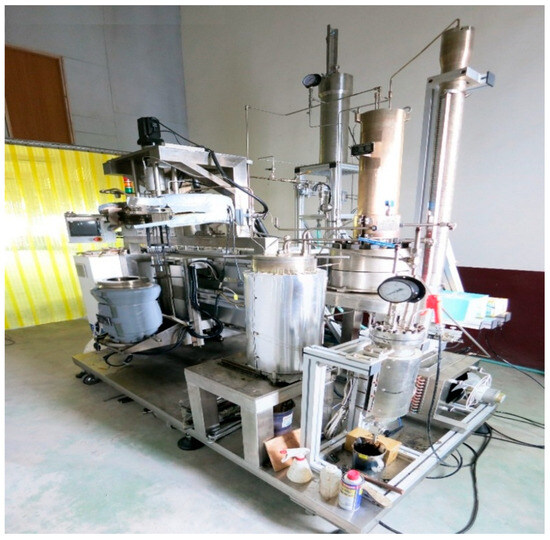
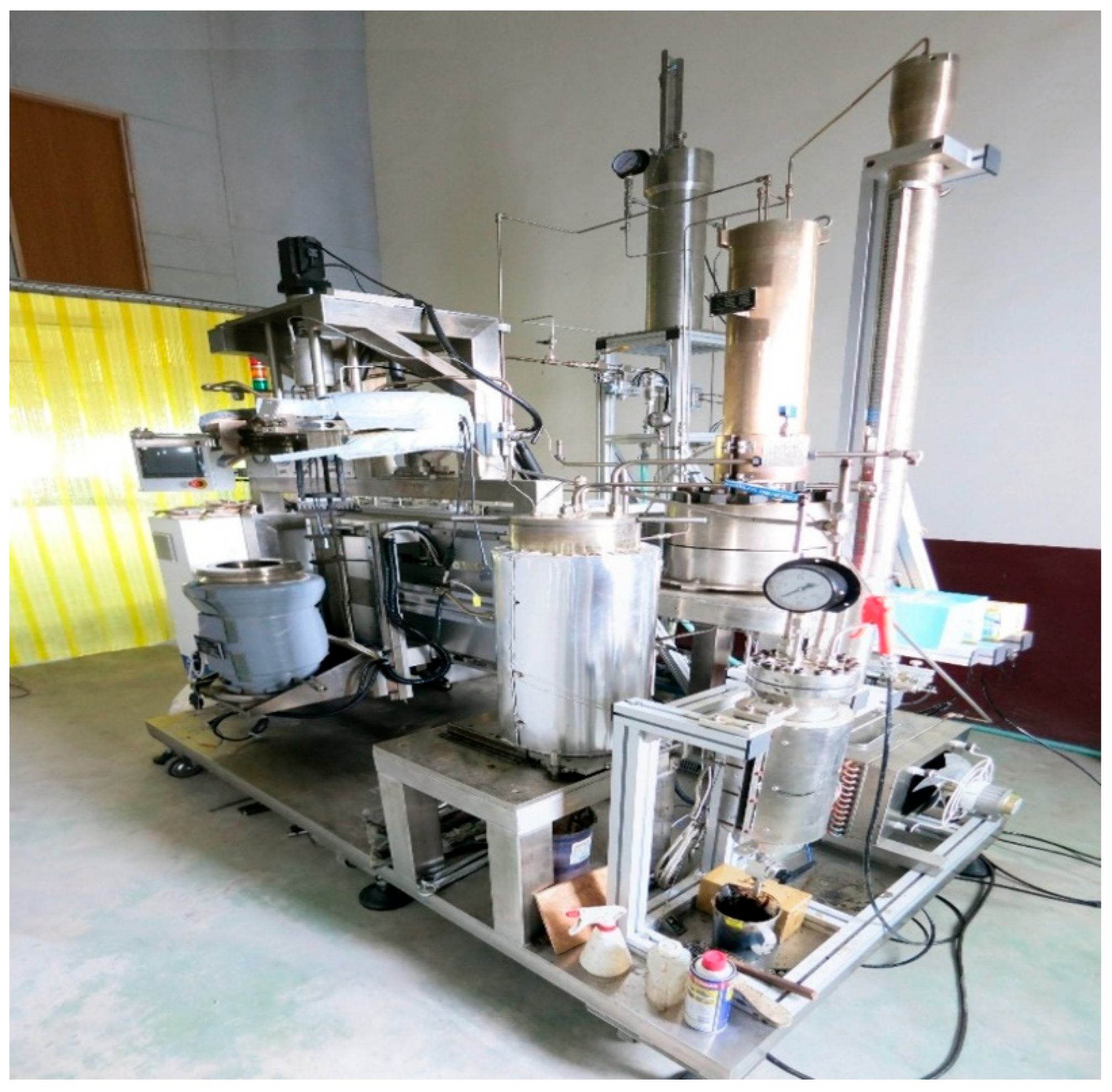
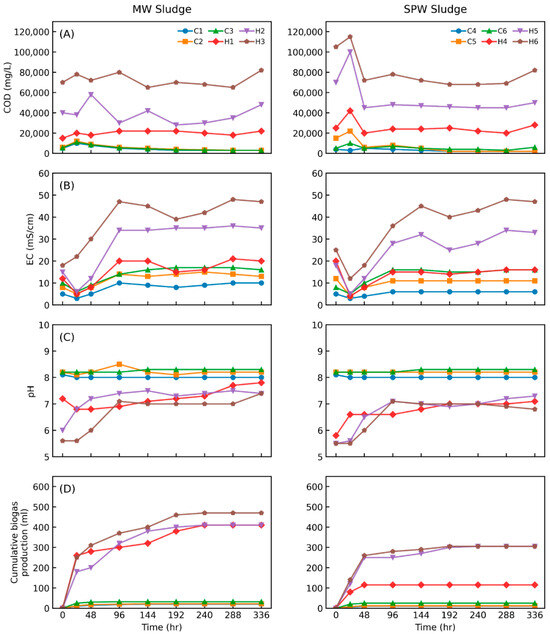
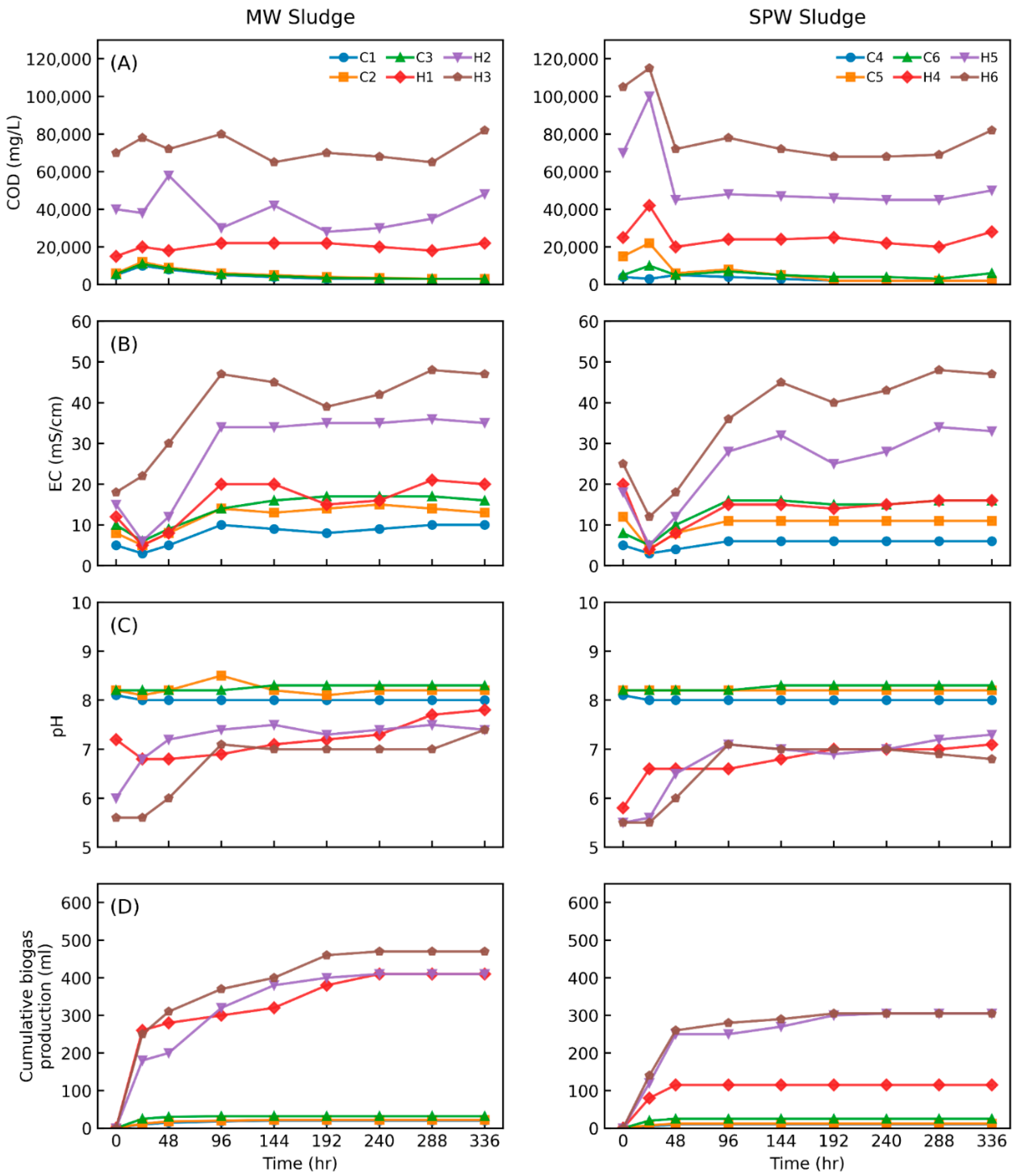
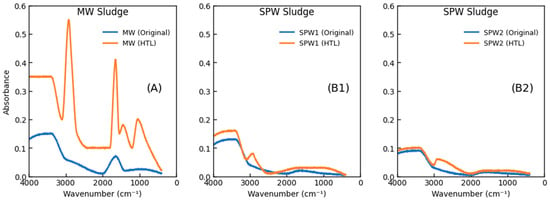
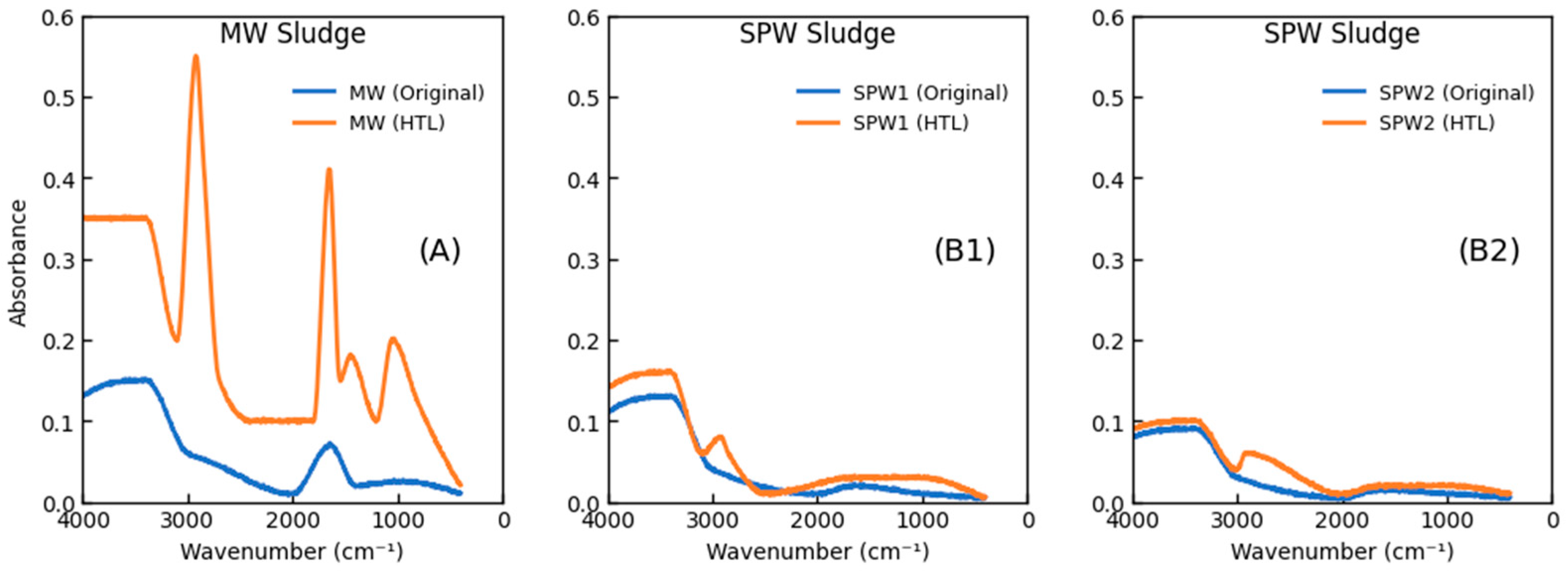
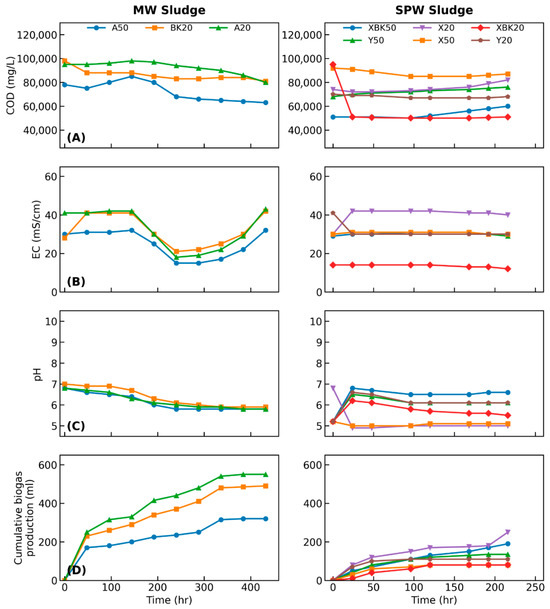
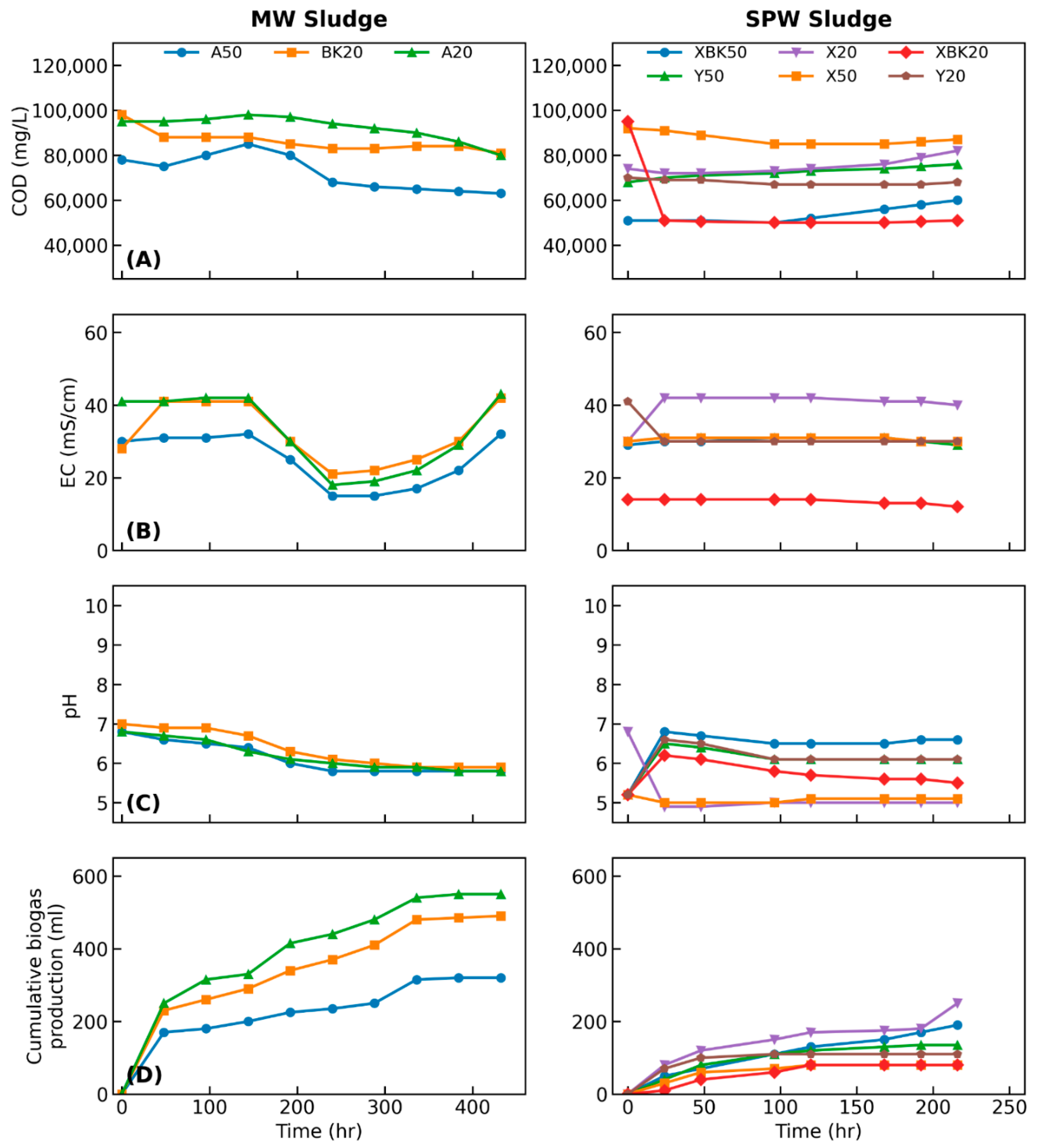

Disclaimer/Publisher’s Note: The statements, opinions and data contained in all publications are solely those of the individual author(s) and contributor(s) and not of MDPI and/or the editor(s). MDPI and/or the editor(s) disclaim responsibility for any injury to people or property resulting from any ideas, methods, instructions or products referred to in the content. |
© 2026 by the authors. Licensee MDPI, Basel, Switzerland. This article is an open access article distributed under the terms and conditions of the Creative Commons Attribution (CC BY) license.